

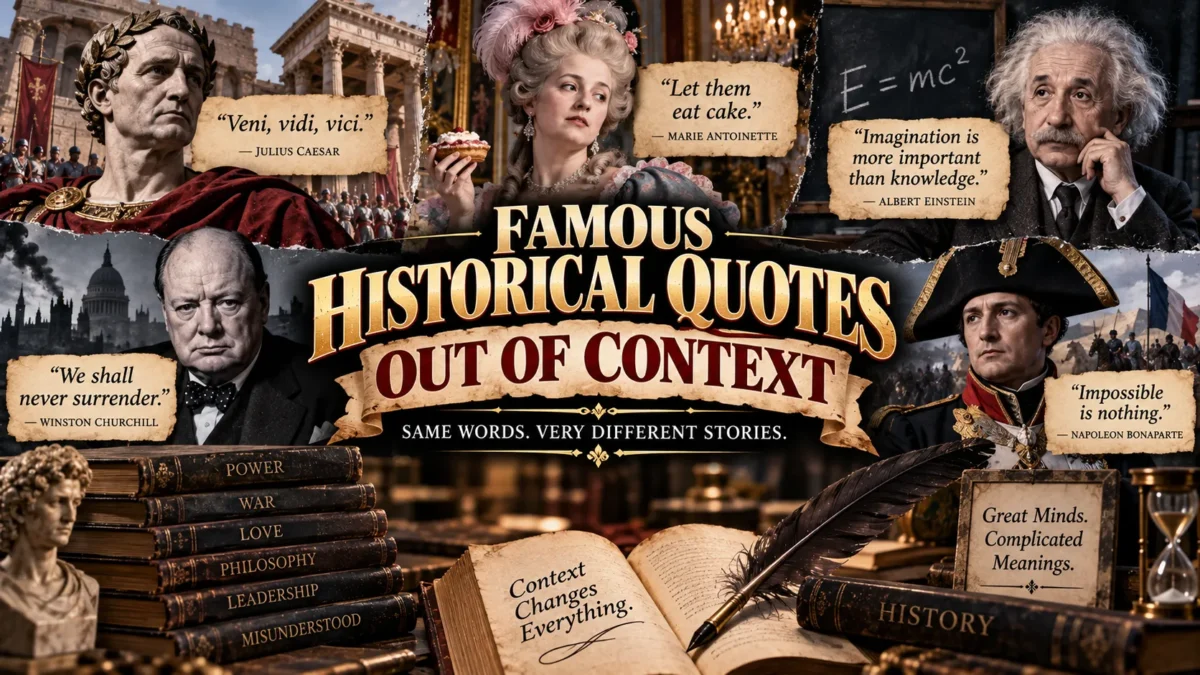
Some of the most famous historical quotes in the world have a dirty little secret: the person credited with saying them either never said it, said something quite different, or said it in a moment that completely changes its meaning.
We repeat these lines in speeches, textbooks, and inspirational posters without ever checking the source. That’s how myths become “facts.”
This list digs into 20 of the most famous historical quotes that have been twisted, trimmed, or fabricated over time — a fitting companion to our roundup of 25 amazing quotes said by legendary historical figures. Some were mistranslated. Some were paraphrased by later writers.
Others were simply invented decades or centuries after the person supposedly said them. Along the way, we’ll look at what these historic quotes actually meant in their original setting.
TL;DR: Many famous historical quotes were misquoted, truncated, or misattributed, and knowing the real context changes what they actually mean.
Why Context Changes Everything
A quote ripped from its original speech, letter, or trial transcript can end up meaning the opposite of what its speaker intended. Historians rely on primary sources — letters, court records, contemporary newspaper accounts — to verify what was actually said. When a quote can’t be traced to any of these, that’s usually a red flag.
The internet has made this problem worse, not better. Quotes about context rarely go viral; punchy one-liners do. A single dramatic sentence spreads across social media far faster than the paragraph of nuance surrounding it ever could.
That’s exactly why so many important historical quotes deserve a second look. Below, we separate the documented history from the legend, one famous line at a time.
1. Marie Antoinette — “Let Them Eat Cake”
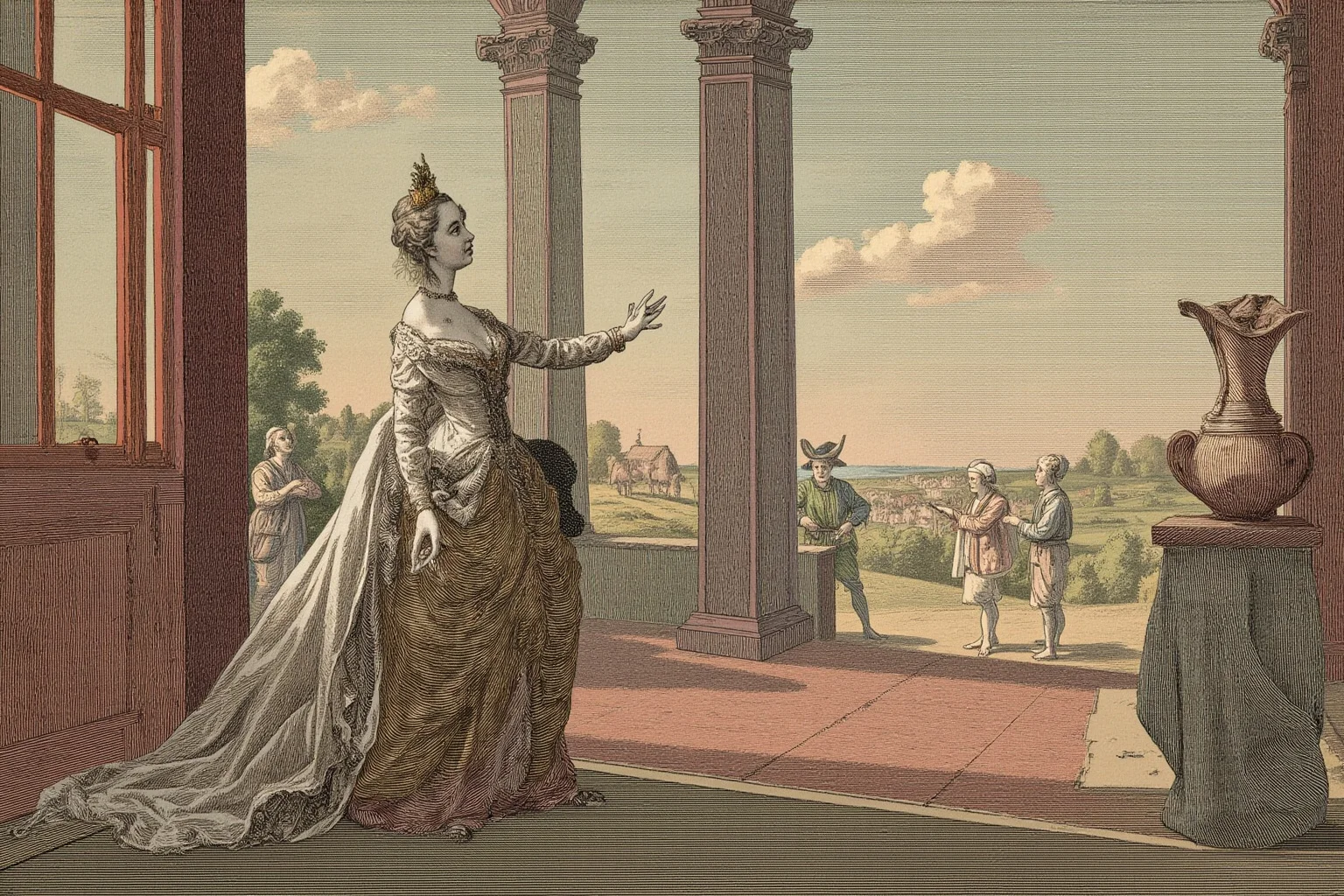
This is probably the single most famous misattributed quote in Western history. The French queen, one of history’s most powerful women, is supposed to have said “qu’ils mangent de la brioche” (“let them eat cake”) upon learning that peasants had no bread. There is no credible historical evidence she ever said it.
The phrase actually appears in Jean-Jacques Rousseau’s “Confessions,” written when Marie Antoinette was still a child in Austria, years before she became queen of France. Rousseau attributed it to an unnamed “great princess,” and later writers pinned it on Marie Antoinette as anti-monarchy propaganda took hold during the French Revolution. It stuck because it fit the story people already wanted to tell about her.
2. George Washington — “I Cannot Tell a Lie”
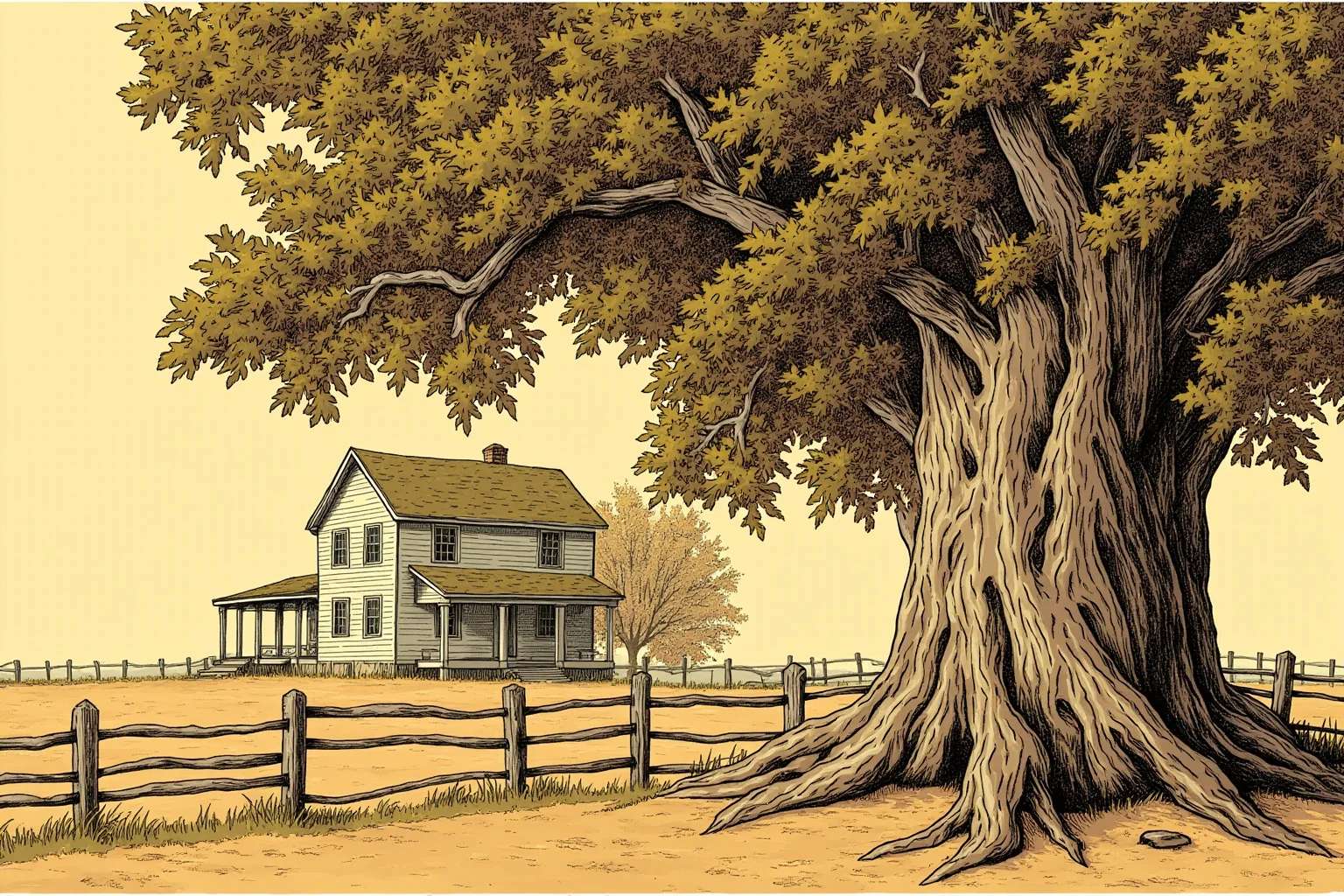
George Washington, one of America’s most recognized historical figures, is at the center of the cherry tree story, where young George chops down his father’s tree and confesses rather than lie about it — one of the most repeated tales in American schoolbooks. It never happened. The story was invented by biographer Mason Locke Weems in an 1806 edition of his book on Washington’s life, published years after Washington’s death.
Weems admitted he took creative liberties to make Washington’s virtues more memorable for readers. The line “I cannot tell a lie” isn’t a historical quote at all — it’s a fictional flourish from a moralizing 19th-century biography that got mistaken for fact.
3. Winston Churchill — “Blood, Toil, Tears, and Sweat”

People commonly misquote this as “blood, sweat, and tears,” but that’s not what Churchill said in his first speech as Prime Minister on May 13, 1940. His actual words were: “I have nothing to offer but blood, toil, tears and sweat.”
The mix-up likely comes from the later, catchier phrase “blood, sweat, and tears,” which was already circulating in English idiom before Churchill’s speech. Ironically, the misquote is now more famous than the real line, even though Churchill’s actual wording is well documented in the parliamentary record.
4. Winston Churchill — “We Shall Fight on the Beaches”
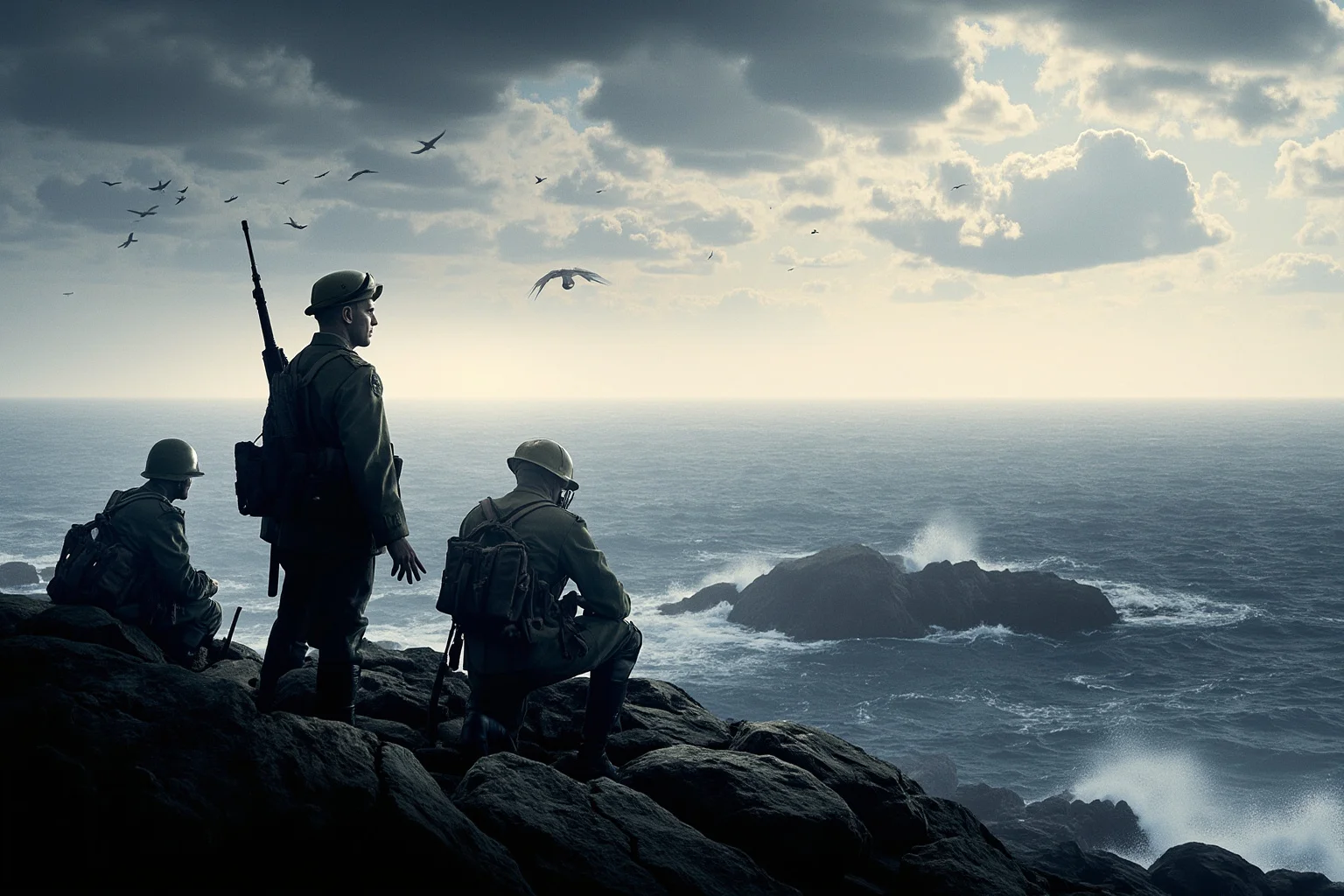
This phrase gets quoted constantly as pure defiance, but it’s usually clipped from a much longer, more layered sentence. Churchill’s full June 1940 speech promised that Britain would fight in France, on the seas, in the air, on the beaches, on the landing grounds, in the fields, and in the streets — building to “we shall never surrender.”
The speech was also a strategic message aimed partly at the United States, signaling that Britain would keep fighting even if invaded, in hopes of encouraging American support. Quoting only the “beaches” fragment turns a carefully constructed piece of wartime diplomacy into a simple slogan.
5. Patrick Henry — “Give Me Liberty, or Give Me Death!”
This line is taught as a defining moment of the American Revolution, delivered by Patrick Henry before the Second Virginia Convention in 1775. The problem is that no transcript of the speech survives from the time it was given.
The version we know was reconstructed by biographer William Wirt in 1817, more than 40 years after the fact, based on secondhand recollections of elderly witnesses. Wirt himself admitted he had to reconstruct the speech’s content largely from memory and inference. Henry may well have said something like it, but the exact wording is almost certainly Wirt’s, not Henry’s.
6. Voltaire (Misattributed) — “I Disapprove of What You Say, But I Will Defend to the Death Your Right to Say It”
This line is constantly credited to the French philosopher Voltaire as a defense of free speech. Voltaire never wrote or said it. The phrase actually comes from English writer Evelyn Beatrice Hall, who used it in her 1906 biography of Voltaire, “The Friends of Voltaire,” as her own summary of his general attitude.
Hall wrote under the pen name S.G. Tallentyre and intended the line as a paraphrase, not a direct quotation. Over the following century, it slowly got attached to Voltaire himself until most people assumed he’d said it verbatim.
7. Charles Darwin — “Survival of the Fittest”
Many assume this phrase came from Darwin’s “On the Origin of Species,” but it was actually coined by philosopher Herbert Spencer in 1864, five years after Darwin’s book was published. Darwin only adopted the phrase in later editions, and even then, he used it as a shorthand alongside his own preferred term, “natural selection.”
The bigger issue is how the phrase got used afterward. Spencer and others stretched it into “social Darwinism,” applying it to justify economic inequality and imperialism — ideas Darwin himself never argued for in his biological work.
8. Niccolò Machiavelli — “The Ends Justify the Means”
This exact phrase doesn’t actually appear in Machiavelli’s “The Prince.” What he wrote was more conditional and situational, discussing how a ruler’s actions should be judged by their outcomes in the specific context of maintaining state power during turbulent times.
Over centuries, this nuanced political analysis got flattened into a blanket justification for doing anything to reach a goal. Machiavelli was writing a practical manual for surviving Renaissance Italian politics, not proposing a universal moral rule, which is a very different thing from how the phrase gets used today.
9. Lord Acton — “Power Corrupts, and Absolute Power Corrupts Absolutely”
The historian Lord Acton did write a version of this line, in an 1887 letter to Bishop John Dalberg-Acton’s correspondent, Bishop Creighton. His actual wording was: “Power tends to corrupt, and absolute power corrupts absolutely.”
The context matters here too. Acton wasn’t making an abstract philosophical statement; he was specifically arguing that historical figures, including popes and kings, should be judged by the same moral standards as everyone else, not given a pass because of their status.
10. Emperor Nero — “Fiddled While Rome Burned”
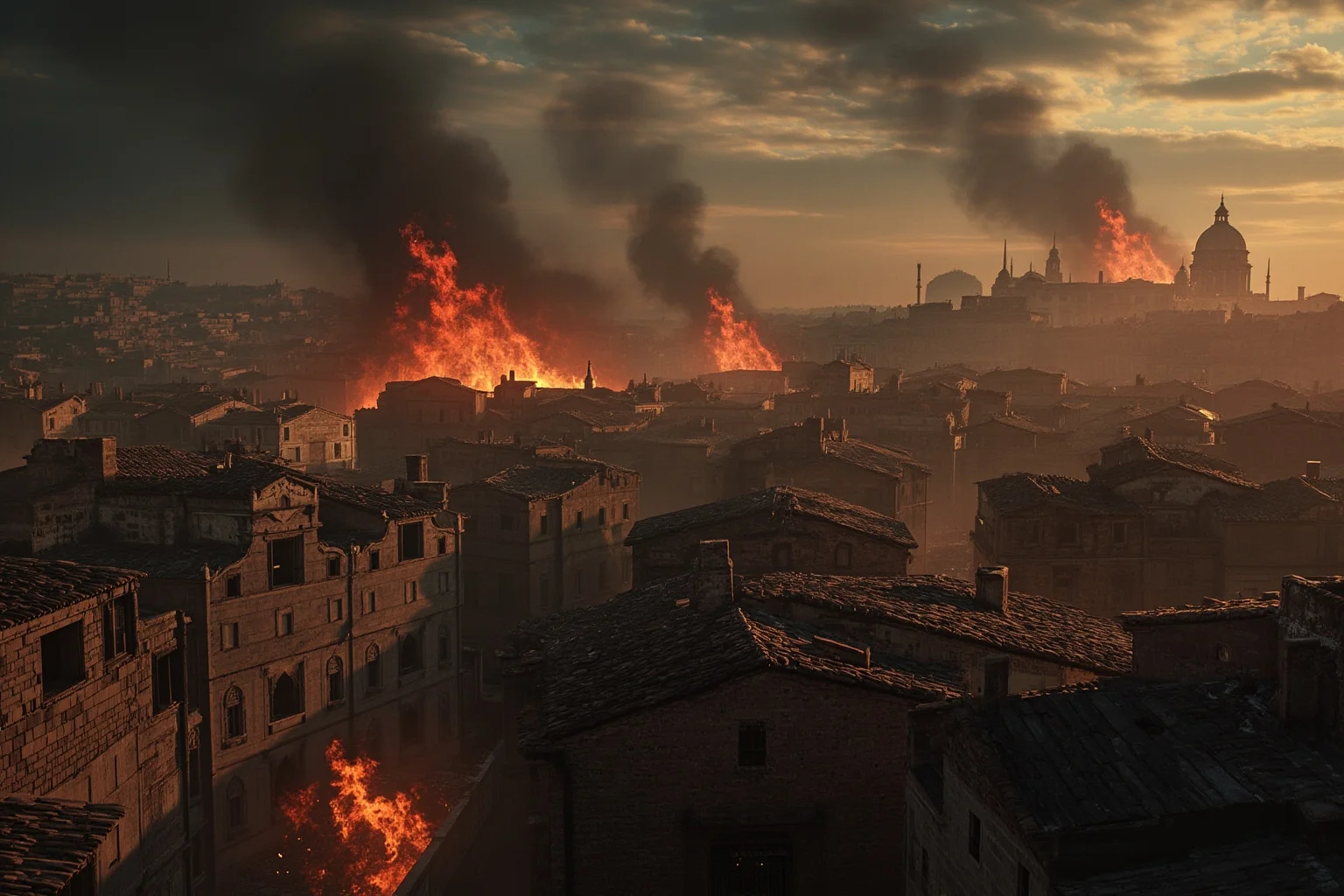
This saying implies Nero played music while ignoring the Great Fire of Rome in 64 CE. There are two major problems with it. First, the fiddle didn’t exist in ancient Rome; it’s a medieval and later instrument, so Nero couldn’t have played one even if he wanted to.
Second, ancient sources are actually divided on Nero’s behavior during the fire. The historian Suetonius claimed Nero watched the fire from a tower and sang, while Tacitus, writing closer to the events, reported that Nero was away in Antium and rushed back to organize relief efforts and open his own gardens to displaced residents. The catchy “fiddled while Rome burned” version ignores this more complicated and disputed historical record.
11. Franklin D. Roosevelt — “The Only Thing We Have to Fear Is Fear Itself”

This line from FDR’s 1933 inaugural address is genuine and accurately quoted. The issue is context: people often treat it as a standalone motivational quote rather than part of a specific argument about the Great Depression.
Roosevelt was addressing the paralysis gripping the American economy, arguing that panic and hoarding were making the crisis worse than the underlying economic damage itself. Stripped of that setting, the line becomes generic self-help wisdom instead of the targeted economic argument it actually was.
12. Theodore Roosevelt — “Speak Softly and Carry a Big Stick”
Roosevelt did use this phrase, describing it as a West African proverb, in a 1901 letter and later speeches. He used it specifically to describe his approach to foreign policy, favoring diplomacy backed by credible military strength rather than aggressive threats.
Today it’s often used loosely to describe any kind of quiet intimidation or personal toughness, detached from the specific foreign policy doctrine — sometimes called “Big Stick diplomacy” — that Roosevelt was actually describing regarding U.S. relations with Latin America and global powers.
13. William Tecumseh Sherman — “War Is Hell”
This exact three-word phrase is widely attributed to the Union general, but historians have never found it in that precise wording in any of his verified speeches or writings. What Sherman did say, in an 1880 address to Ohio veterans, was closer to: “war is cruelty, and you cannot refine it.”
He also reportedly told graduates at a Michigan Military Academy that “war is at best barbarism,” expressing similar sentiments in different words on different occasions. The tidy “war is hell” version is a compression of Sherman’s broader, recurring point rather than a single verified quotation.
14. Neil Armstrong — “That’s One Small Step for Man”
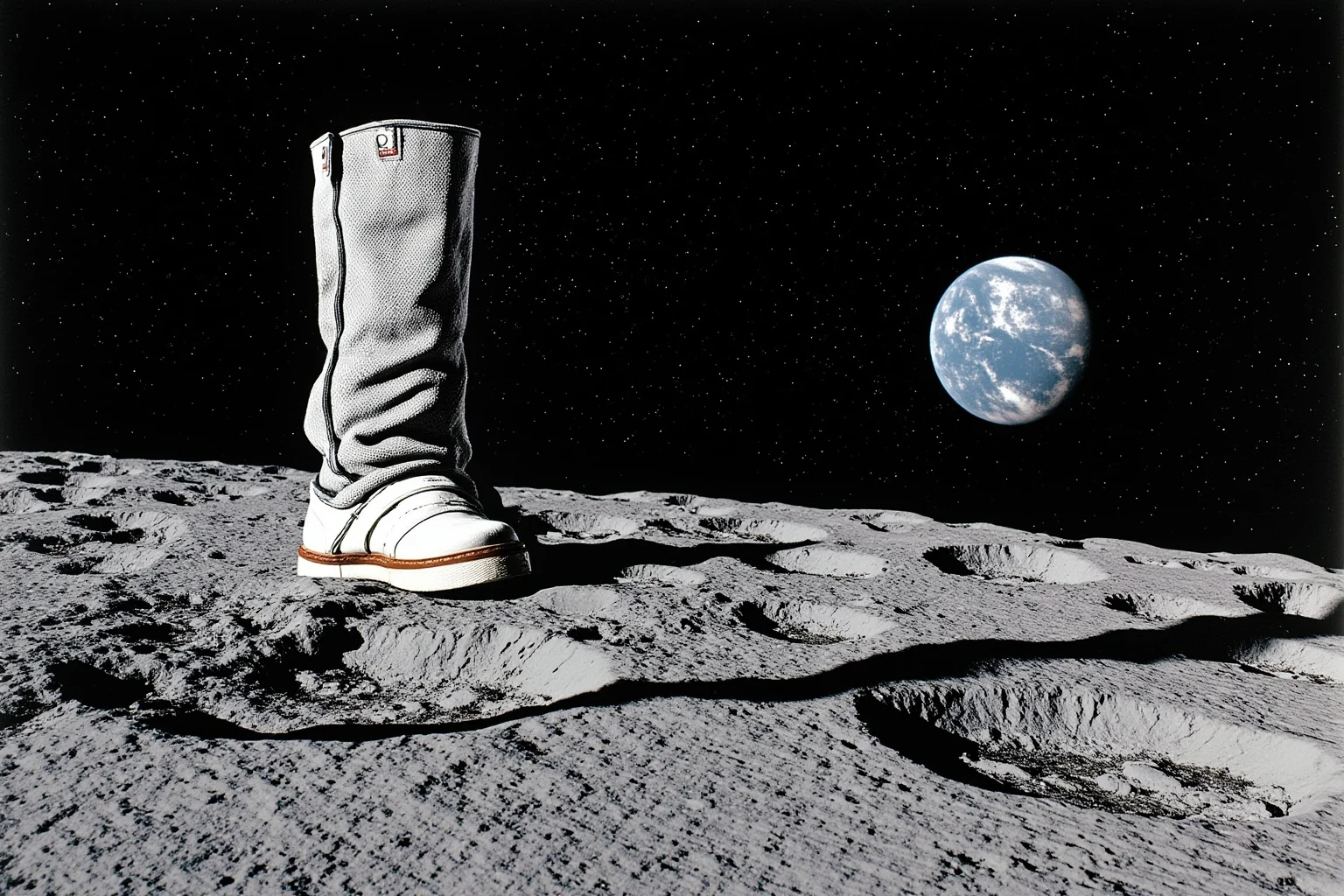
Armstrong’s actual radio transmission from the Apollo 11 moon landing in 1969 was: “That’s one small step for man, one giant leap for mankind.” Armstrong himself insisted afterward that he’d said “a man,” not “man,” which would have made the sentence grammatically clearer, since “man” and “mankind” otherwise mean nearly the same thing.
Audio analysis of the transmission is inconclusive, possibly due to static or a dropped syllable during transmission. Whether the missing “a” was ever actually spoken remains genuinely debated among audio engineers and historians, making this a case of contested wording rather than a simple misquote.
15. Julius Caesar — “Et Tu, Brute?”
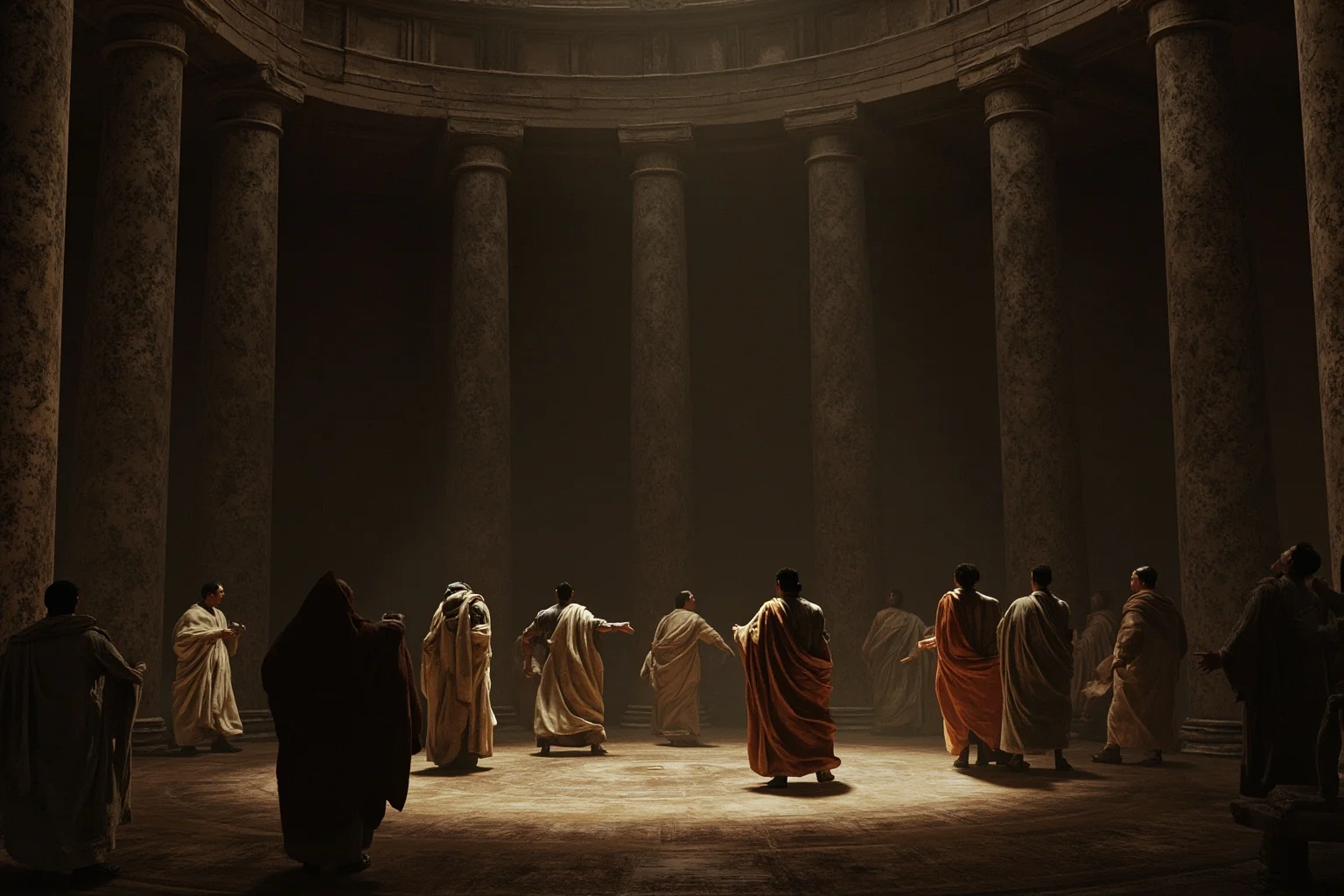
This line, “you too, Brutus?”, is one of the most quoted lines associated with Julius Caesar’s assassination in 44 BCE. It comes entirely from William Shakespeare’s play “Julius Caesar,” written more than 1,600 years after the actual event.
Ancient sources like Plutarch and Suetonius describe Caesar’s death differently, with some suggesting he said nothing at all, or possibly a line in Greek according to Suetonius’s account. There is no reliable ancient source confirming Caesar spoke this famous Latin phrase; it’s a piece of Shakespearean drama that got absorbed into popular history as fact.
16. Karl Marx — “Religion Is the Opium of the People”

This line from Marx’s 1843 “Contribution to the Critique of Hegel’s Philosophy of Right” is often quoted as pure condemnation of religion. The fuller passage is more sympathetic than that: Marx described religious suffering as both an expression of real suffering and a protest against it, calling religion “the sigh of the oppressed creature.”
He was arguing that religion offered comfort within an unjust world, not simply that it was foolish or malicious. Quoting only the “opium” fragment turns a more compassionate, structural critique into a blunt anti-religious soundbite.
17. Mahatma Gandhi — “Be the Change You Wish to See in the World”

This is one of the most shared inspirational quotes online, constantly attributed to Gandhi. Researchers and Gandhi scholars, including those who have searched his collected works, have not found this exact phrasing anywhere in his writings or recorded speeches.
The closest verified statement is from Gandhi’s writings on individual transformation, where he discussed how a person’s own change in attitude can influence their surroundings, expressed in different and more complex language. The tidy, quotable version appears to be a later paraphrase that got attached to his name because it fit his general philosophy.
18. Mark Twain — “The Reports of My Death Are Greatly Exaggerated”
This witty line is almost always quoted this way, but Twain’s actual statement, given to a reporter in 1897 after false rumors of his death circulated, was slightly different. His real quote was: “The report of my death was an exaggeration.”
The shorter, punchier “greatly exaggerated” version is a paraphrase that has simply become more popular than Twain’s genuine wording. It’s a case where the misquote is arguably funnier than the original, which may explain why it spread so widely.
19. Thomas Jefferson (Misattributed) — “That Government Is Best Which Governs Least”

This phrase is frequently attributed to Thomas Jefferson in discussions of limited government, but there’s no verified source showing he ever wrote or said it. The line is much more reliably traced to Henry David Thoreau, who used a version of it in his 1849 essay “Civil Disobedience,” where he credited it to an unnamed motto.
Jefferson certainly wrote extensively about limited government elsewhere in his letters, which likely helped the misattribution stick. But this specific, quotable sentence isn’t found in his actual writings.
20. Abraham Lincoln (Misattributed) — “Better to Remain Silent and Be Thought a Fool”
This proverb-like line about staying quiet rather than proving your ignorance by speaking is widely credited to Lincoln, often shared alongside his portrait for extra authority. No verified Lincoln speech, letter, or record contains this quote.
Similar wording appears in much older sources, including versions traced back toward Proverbs in the Bible and various 19th-century periodicals that predate or run parallel to Lincoln’s lifetime. Lincoln remains one of the most popular “magnet” figures for misattributed quotes, likely because his genuine reputation for wit and wisdom makes almost any clever line feel plausible coming from him.
The Real Lesson From These Historical Quotes
What ties all 20 of these examples together isn’t carelessness so much as human nature. We like tidy, quotable lines more than long, qualified explanations, so history keeps getting edited down to fit that preference.
The next time a famous historical quote shows up in a meme or a speech, it’s worth pausing before repeating it. A quick search for the original source, the full surrounding passage, or the earliest documented appearance of the phrase can save you from spreading a myth. Some of the most important historical quotes in our culture only became famous once their nuance was stripped away, and that’s exactly why the original context is worth digging up.
Frequently Asked Questions
Why are so many historical quotes taken out of context?
Short, punchy lines spread more easily than the longer passages they came from, so people tend to repeat the catchiest fragment of a speech or letter. Over time, that fragment gets separated from the argument or event that gave it meaning, and it can end up saying something quite different from the speaker's original point.
Did Marie Antoinette really say “Let them eat cake”?
There's no credible historical evidence that she did. The phrase appears in Rousseau's writings before she became queen and was likely attached to her later as anti-monarchy propaganda during the French Revolution.
What’s the difference between a misquote and a misattribution?
A misquote means the words are altered from what the person actually said, like Churchill's "blood, toil, tears and sweat" becoming "blood, sweat, and tears." A misattribution means the quote is given to the wrong person entirely, such as crediting Voltaire with a line actually written by his biographer.
How can I check if a historical quote is accurate?
Look for the quote in a primary source, such as an original speech transcript, letter, or contemporary newspaper account, rather than a quote compilation website. Reputable quote-verification resources and academic archives can also help trace a line back to its earliest documented appearance.
Why do quotes get attributed to famous figures like Lincoln or Gandhi so often?
Well-known historical figures already carry authority and a reputation for wisdom, so attaching a clever or inspirational line to their name makes it feel more credible and memorable. This pattern, sometimes called a 'magnet quote' effect, explains why so many unverified sayings cluster around a handful of famous names.

Alex Warren
Related Articles





