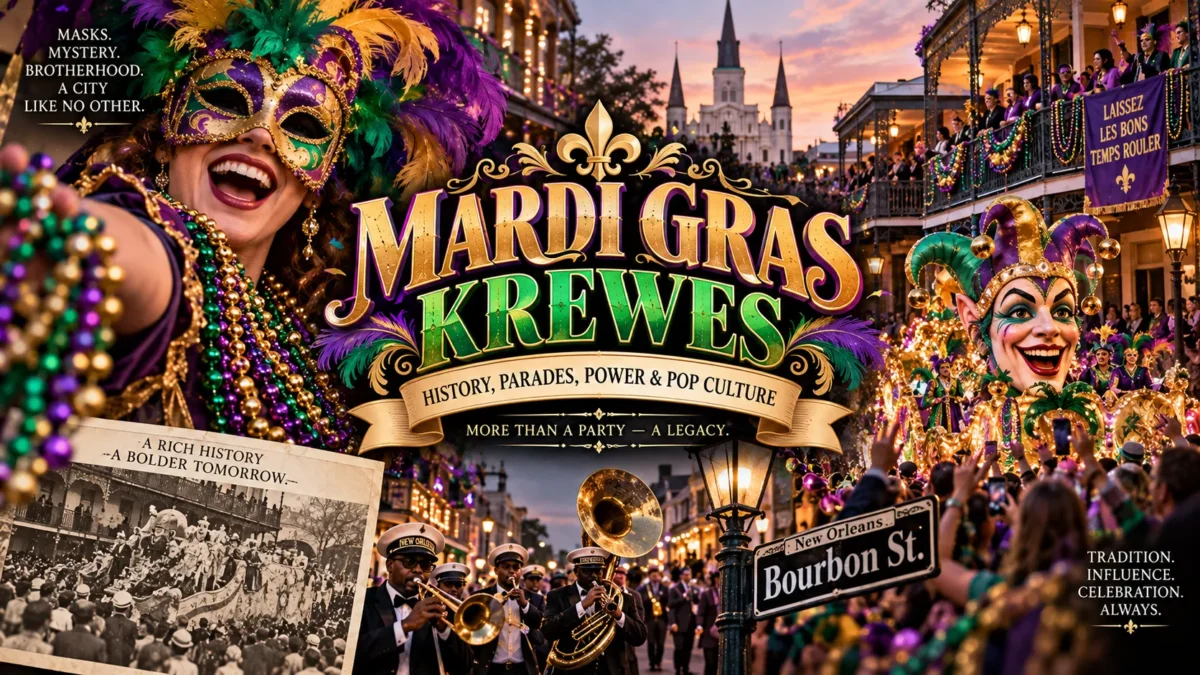
Every February or March, the streets of New Orleans fill with beads, brass bands, and floats that look like they rolled straight out of a fever dream.
Behind nearly every one of those floats is a krewe — a word that sounds invented because, in a sense, it was. Understanding what krewes are and where they came from means digging into 19th-century secret societies, racial exclusion, satire, and a whole lot of civic pageantry.
This is not just a story about parties. It’s a story about how a handful of private clubs shaped a city’s identity, decided who got to be “royalty” for a night, and eventually had to answer to the modern world.
TL;DR: Mardi Gras krewes evolved from exclusive 19th-century secret societies like Comus and Rex into a sprawling, more inclusive network of parading organizations that still define New Orleans Carnival today.
1. What Is a Krewe? The Basic Definition

At its simplest, a krewe is an organization that puts on a parade, ball, or other event during Carnival season, especially in and around New Orleans. The krewe definition has expanded over time, but the core idea stays the same: a private club of members who fund and organize their own Mardi Gras celebration.
Some krewes exist purely to parade. Others exist mainly for masked balls, and still others do both. What unites them is membership, tradition, and a shared theme that gets revealed anew each year through costumes, floats, and titles like king or queen.
So when people search for what a krewe is, the honest answer is that it’s less a single fixed thing and more a flexible civic tradition. It has been reshaped by each generation of New Orleanians who joined one.
2. Where Does the Word “Krewe” Come From?
The krewe meaning traces back to a deliberately old-fashioned spelling choice made in the 1850s. The founders of the first organized Mardi Gras parading group wanted their club to sound mysterious and vaguely medieval, so they respelled the ordinary word “crew” as “krewe.”
It was a branding decision as much as anything else, meant to evoke chivalry, secrecy, and old-world pageantry. The spelling caught on, and virtually every parading organization that followed adopted the same “krewe” spelling.
Today, when people search “krewes meaning” or “krewe definition,” they are really asking about this 19th-century invention. It is a homemade word, not an import from French or any other language tied to Louisiana’s colonial history.
3. The Origin of Parades: A Much Older Story
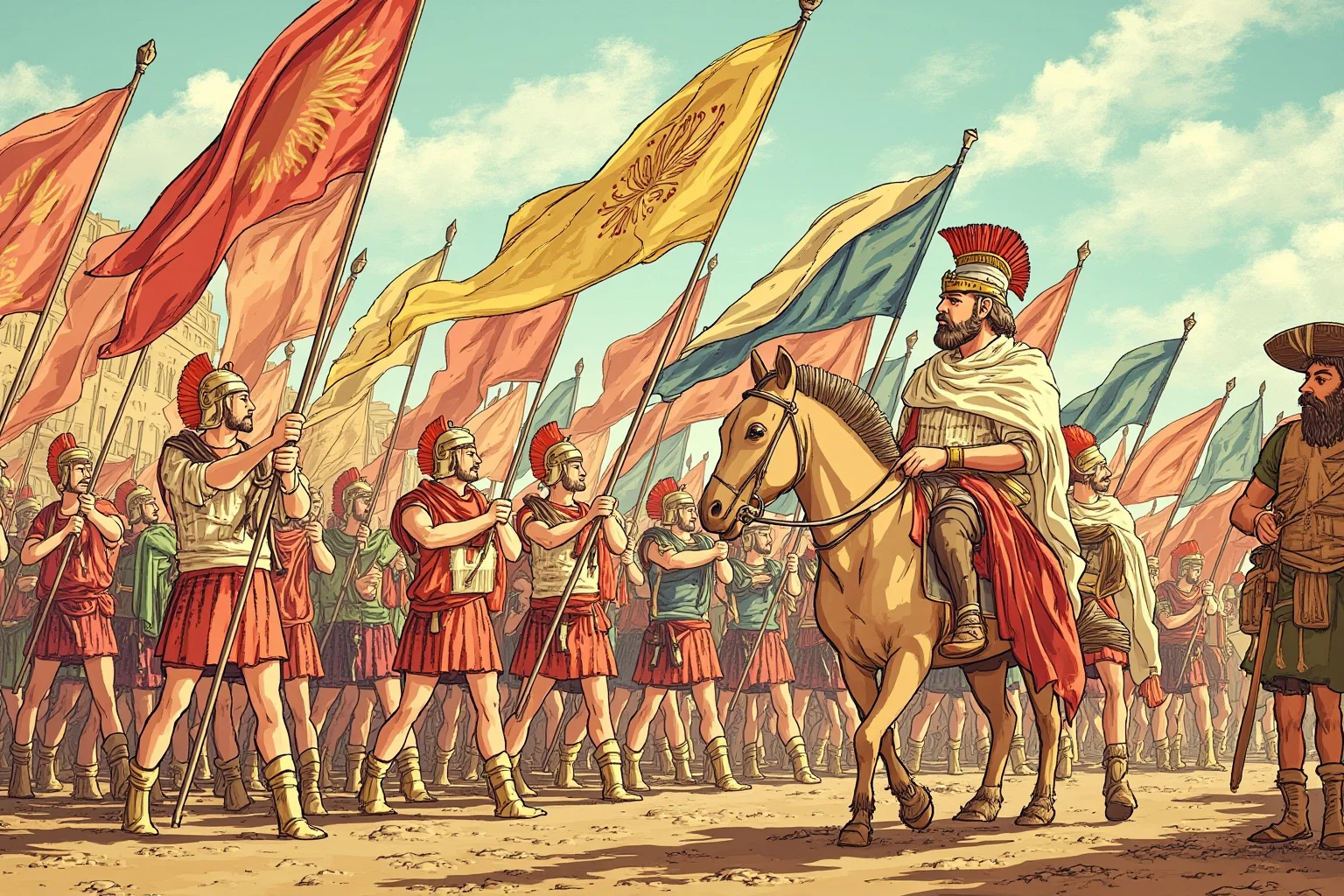
To understand krewes, it helps to zoom out to the broader origin of parades themselves. Organized processions go back thousands of years, from Roman triumphal marches celebrating military victories to medieval religious processions winding through European towns on saints’ feast days.
These early parades combined spectacle with social order. They told onlookers who held power, who was being honored, and what the community valued, whether that was a victorious general, a religious relic, or a royal wedding party.
By the time Carnival traditions took root in Catholic Europe, pre-Lenten processions and masked festivities were already common in cities like Venice and Nice. French and Spanish colonists carried versions of these customs across the Atlantic, and they eventually took root in the Gulf Coast city of New Orleans.
4. Mardi Gras Before Krewes: Carnival’s Early Days in New Orleans
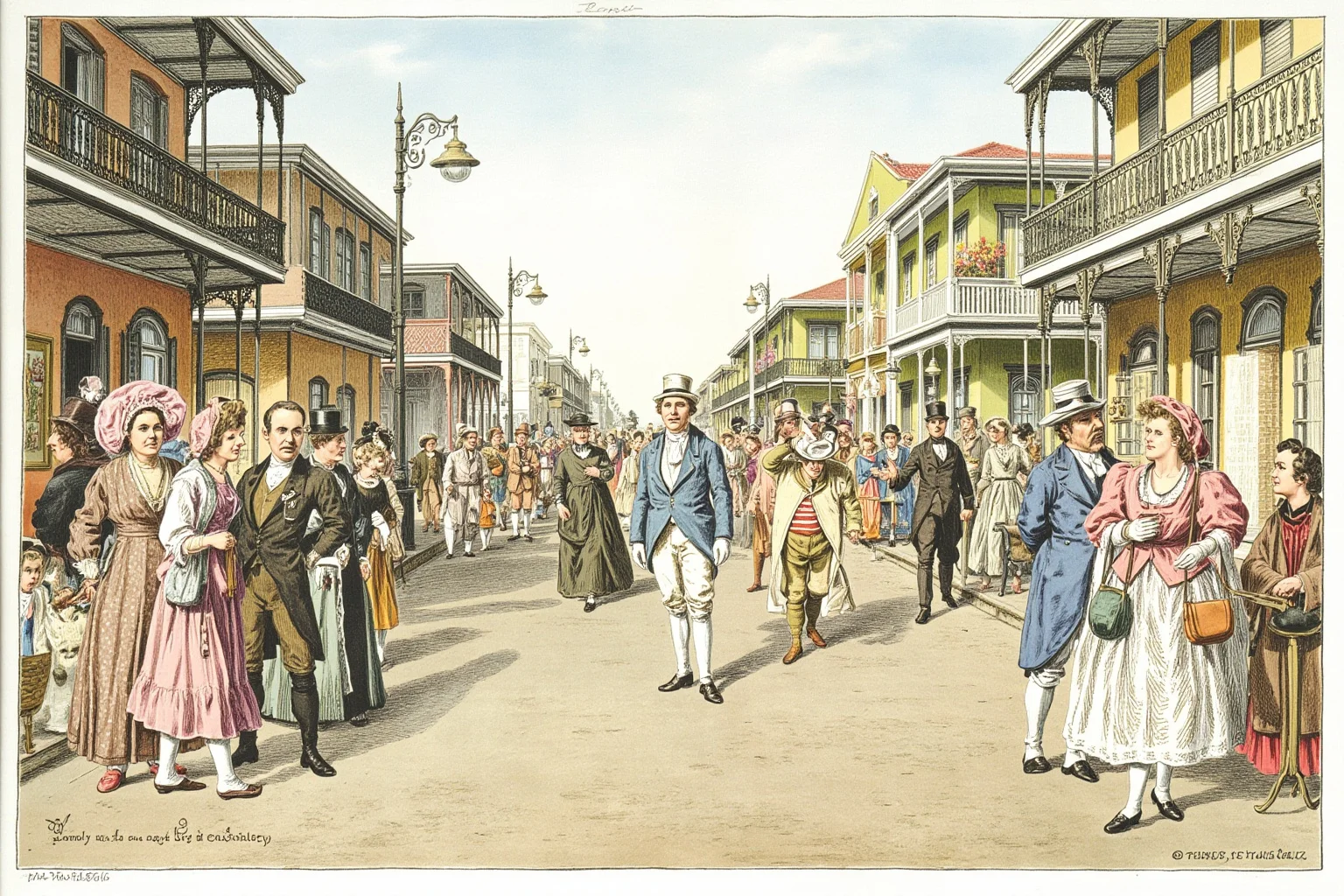
Long before the first krewe existed, New Orleanians were already marking Mardi Gras with informal street celebrations. Historical accounts describe maskers, small processions, and rowdy street theater in the French Quarter dating back to the early 1800s.
These early celebrations were loosely organized and sometimes chaotic, occasionally drawing complaints from city officials about public disorder. There was color and costume, but there was not yet the large-scale, thematic float parade that people now associate with Mardi Gras.
That changed in the 1850s, when a group of transplanted businessmen decided Carnival needed more structure, spectacle, and, frankly, exclusivity.
5. The Krewe of Comus: The First Krewe
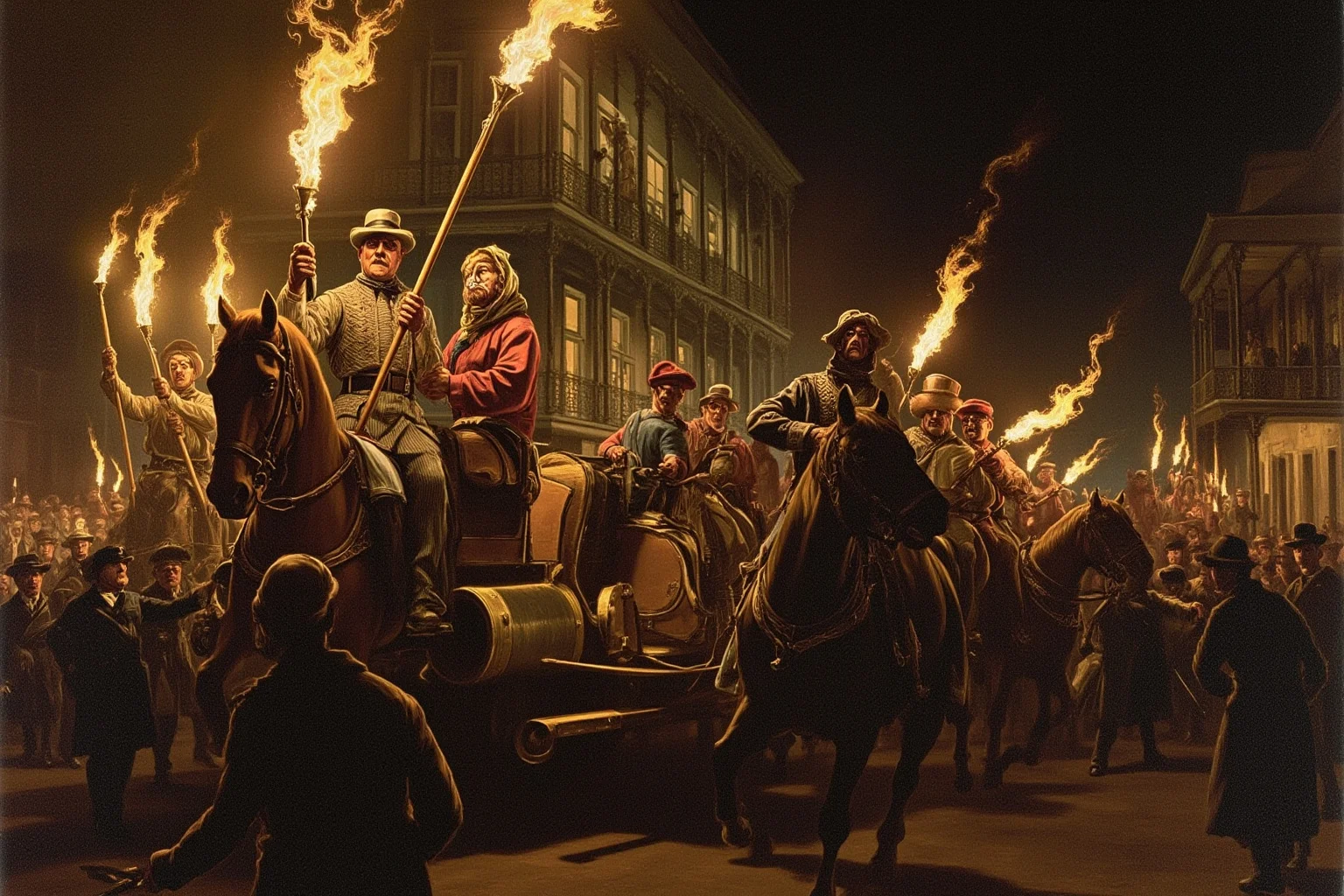
In 1857, a group of businessmen in New Orleans founded the Mistick Krewe of Comus, widely credited as the first true Mardi Gras krewe. The Comus krewe organized a themed nighttime parade with torch-bearing attendants, followed by an exclusive masked ball.
The name Comus came from a Greek and Roman god associated with revelry, borrowed by way of a 17th-century English poem. It set the tone for a tradition of literary and mythological parade themes that many krewes still follow.
This single organization essentially invented the modern template for Mardi Gras krewes: a secret membership, a themed procession, elaborate costumes, and a ball that was even harder to get into than the parade was to watch.
6. Comus’s Torch-Lit Parade and Tableaux Tradition
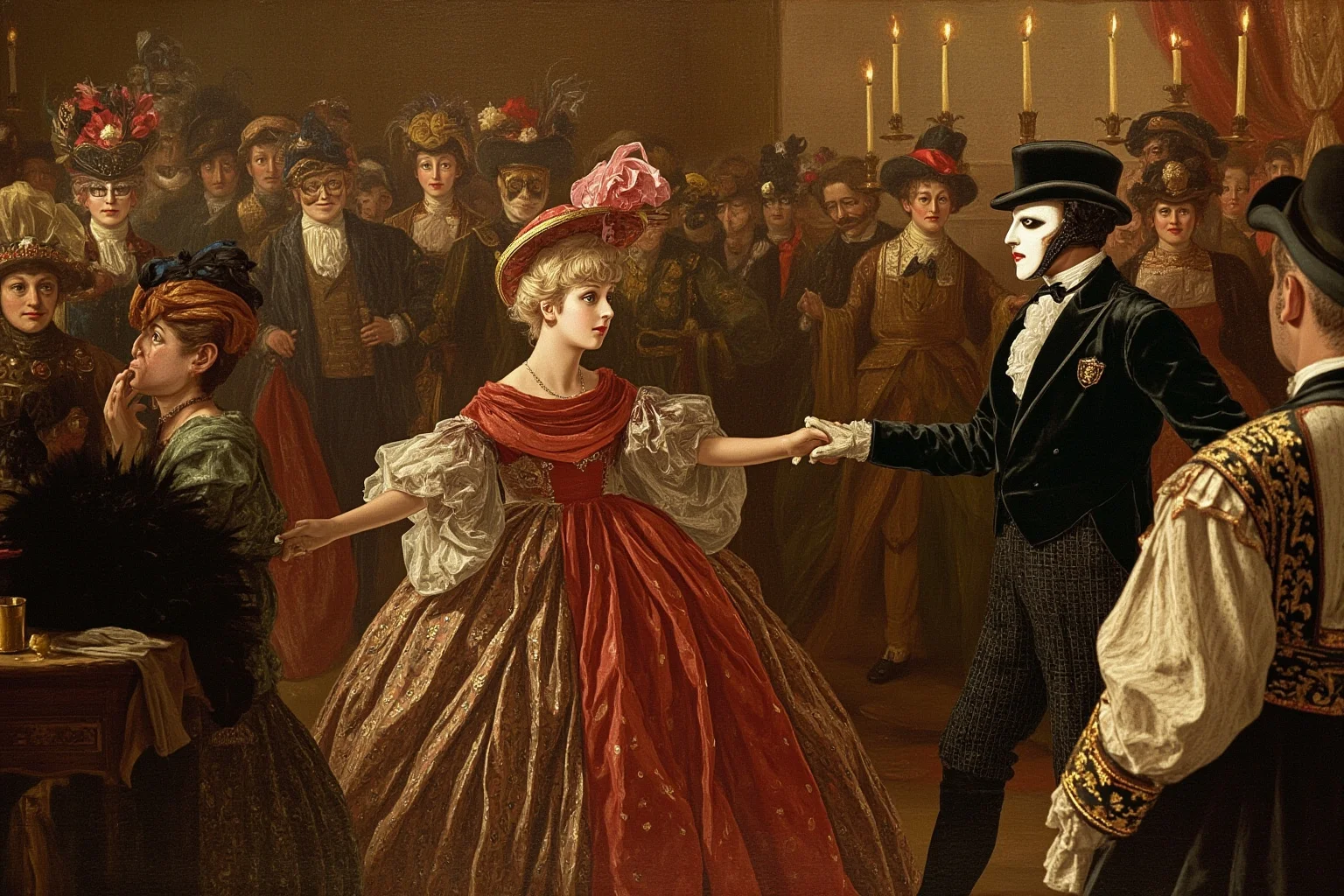
The original Comus parade was walked by torchlight, escorted by flambeaux carriers, since electric streetlights did not yet exist. Each year’s parade illustrated a single literary or historical theme across a series of floats, a structure that became known as the tableau format.
After the parade, members and guests moved into a private ball featuring a tableau ball performance, where costumed members reenacted scenes tied to that year’s theme. Only invited guests could attend, and membership rosters were kept confidential.
This combination of public spectacle and private exclusivity became the defining feature of old-line Mardi Gras krewes, a pattern that Rex and Momus would soon copy and refine.
7. The Krewe of Rex: Crowning the King of Carnival
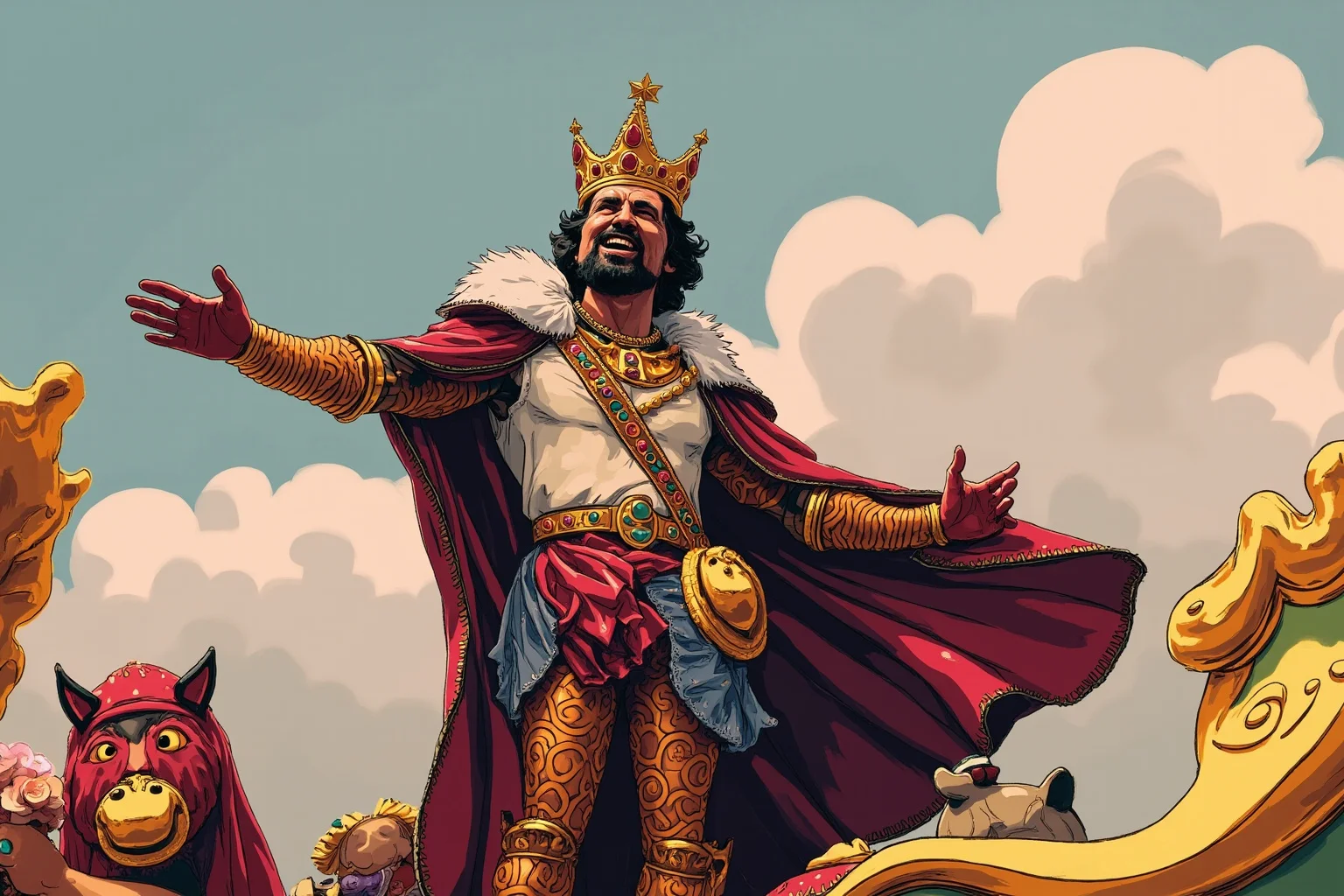
Founded in 1872, the Krewe of Rex introduced the now-famous figure of the King of Carnival. Mardi Gras Rex is not a real monarch, of course; he’s a masked, prominent local businessman chosen each year to reign symbolically over the holiday.
Rex’s founding is often linked to the 1872 visit of Russian Grand Duke Alexis Alexandrovich to New Orleans, though historians note the full story behind that connection is debated and sometimes oversimplified in popular retellings. What’s well documented is that Rex quickly became one of the most prestigious krewes in the city.
Rex’s daytime parade on Mardi Gras day, along with the ceremonial proclamation read by the King, cemented the krewe as a civic institution rather than just another private party.
8. The Krewe of Rex and the Mardi Gras Colors
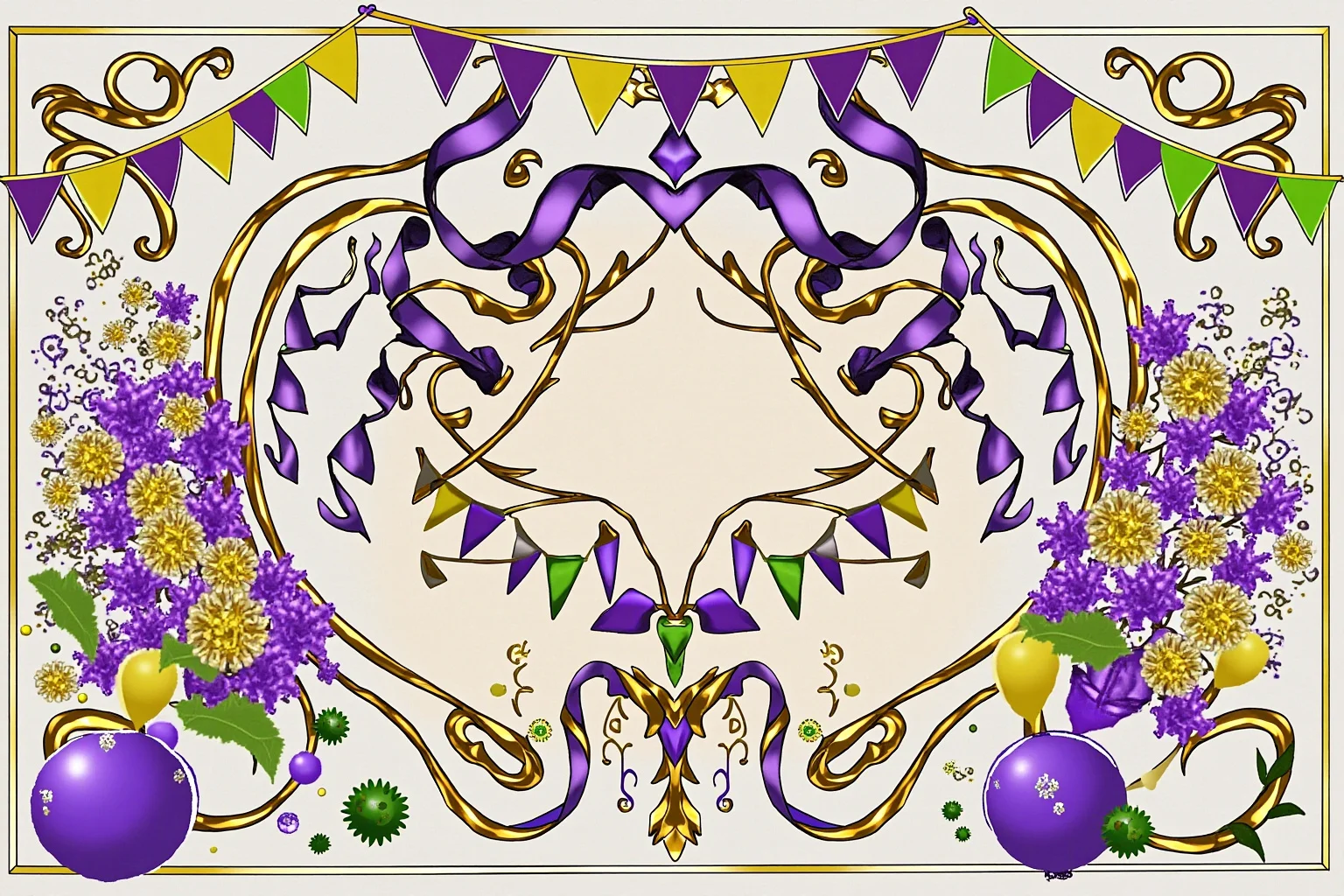
The now-iconic Mardi Gras colors of purple, green, and gold are usually credited to Rex. In 1892, the krewe’s parade theme assigned symbolic meanings to the colors: purple for justice, green for faith, and gold for power.
That color scheme spread across the entire Carnival season and is now used by krewes throughout New Orleans and beyond. It’s one of the clearest examples of how a single krewe’s internal branding decision became citywide, then nationwide, visual shorthand for Mardi Gras itself.
9. The Krewe of Momus and the Original “Big Three”
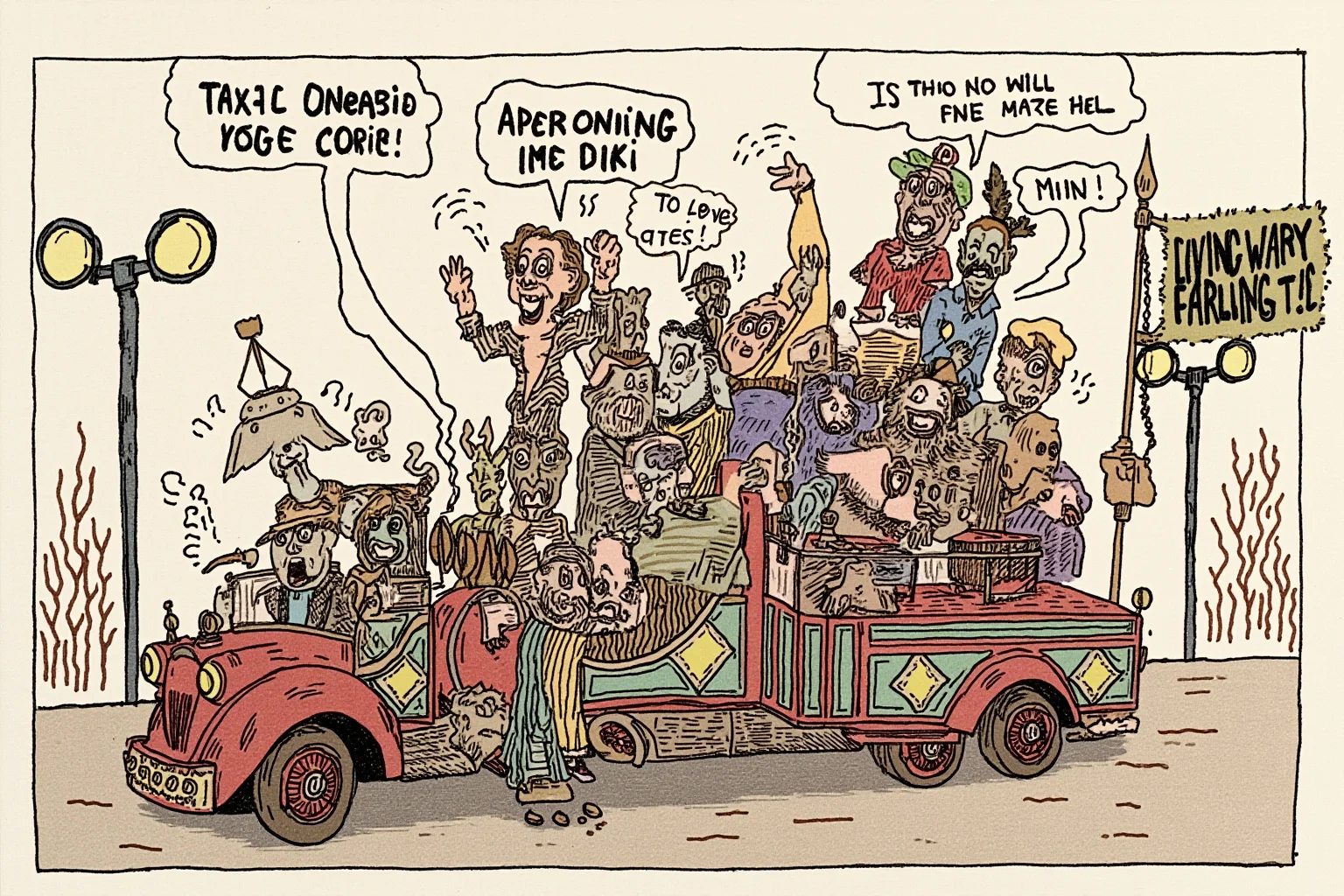
Rounding out the earliest wave of old-line krewes was the Krewe of Momus, founded in the early 1870s and named after the Greek god of mockery and satire. Momus specialized in parades that poked fun at political figures and current events, giving Carnival an edge of social commentary.
Together, Comus, Rex, and Momus formed what many historians and Carnival enthusiasts call the “big three” of old-line krewes. Their parades and balls set the social calendar for elite white New Orleans society for generations.
Membership in these krewes was tightly controlled and largely hereditary, passed down through specific families and social circles. That exclusivity would eventually become a serious point of controversy.
10. Secret Societies: How Krewes Operated Behind the Scenes

Early krewes functioned much like fraternal secret societies, complete with private membership rolls, unpublished bylaws, and masked identities during parades and balls. Members often refused to publicly confirm who held which roles, especially the identity of the King or Queen for that year.
This secrecy served a dual purpose. It added mystique to the public parades, and it also shielded an exclusive social hierarchy from outside scrutiny, since membership was often limited by race, religion, and social class.
For much of the 19th and 20th centuries, that secrecy was simply accepted as tradition. It would not go unchallenged forever.
11. Captains, Dukes, and Maids: Krewe Hierarchy Explained
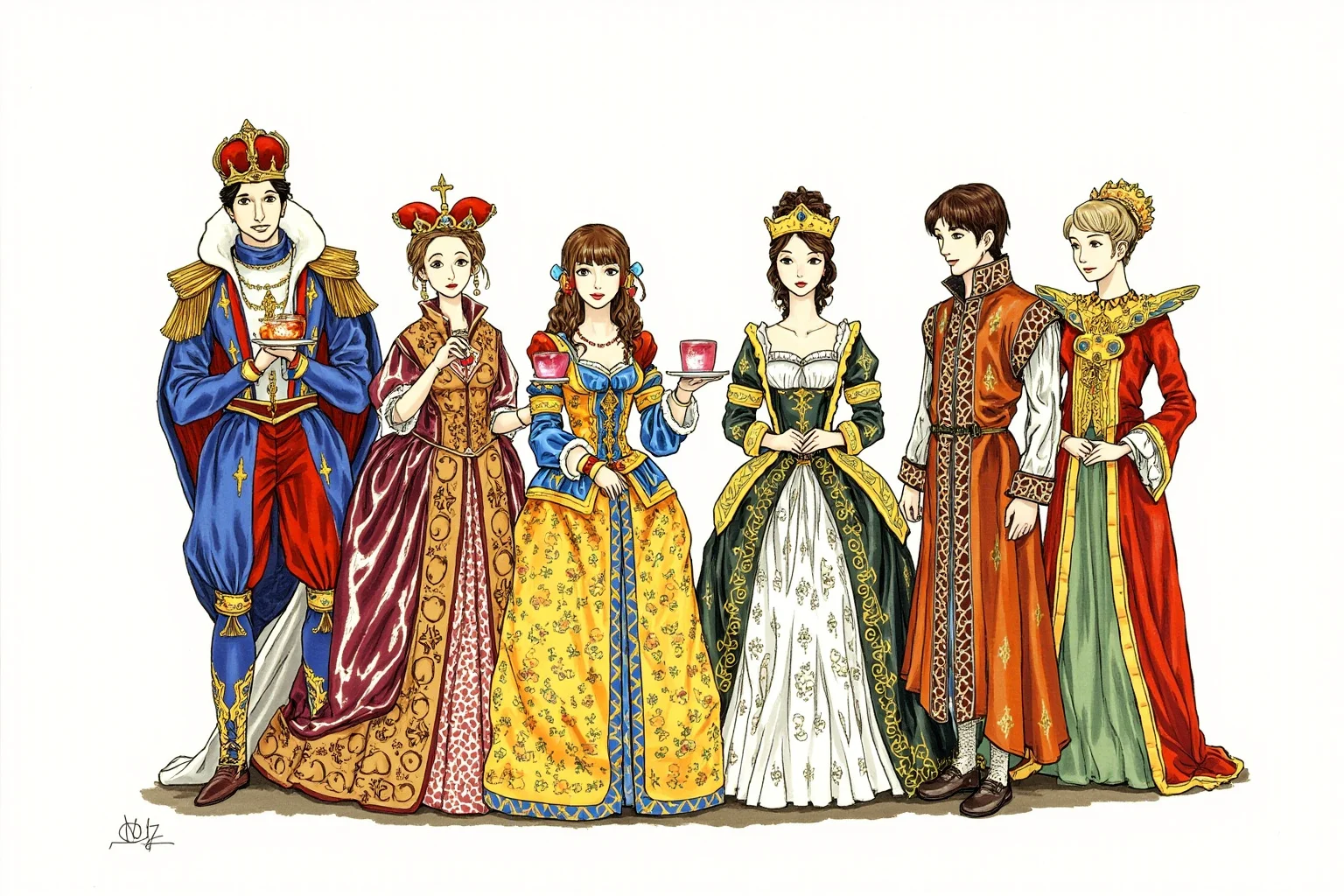
Most traditional krewes developed an elaborate internal hierarchy, borrowing titles from European royal courts. A krewe typically has a captain, who handles real organizational authority, even though a King or Queen is the symbolic public face of the parade.
Below the monarchs sit dukes, knights, and maids, roles usually filled by other members or their family members for that year’s court. This structure let krewes stage an entire royal pageant, tableau, and procession using titles that evoke medieval Europe rather than 19th-century Louisiana.
Many krewes still use this same basic structure today, even the newer and more populist ones formed in the last 50 years.
12. Zulu: A Black Krewe Born from Exclusion

Black New Orleanians were barred from joining old-line krewes like Comus and Rex for most of their history. In response, a group of working-class Black men founded the Krewe of Zulu in 1909, creating one of the most influential Black Mardi Gras krewes in the city’s history.
Zulu’s parade satirized Rex directly, replacing royal robes with a grass skirt, a painted face, and a King who rode not on an ornate float but sometimes atop something as humble as a modest cart or truck in the earliest years. It was pointed social commentary dressed up as comedy.
Zulu’s throw of hand-decorated coconuts became one of the most prized and sought-after souvenirs in all of Mardi Gras, a tradition that continues at the krewe’s parades today.
13. The Legacy of Black Mardi Gras Krewes
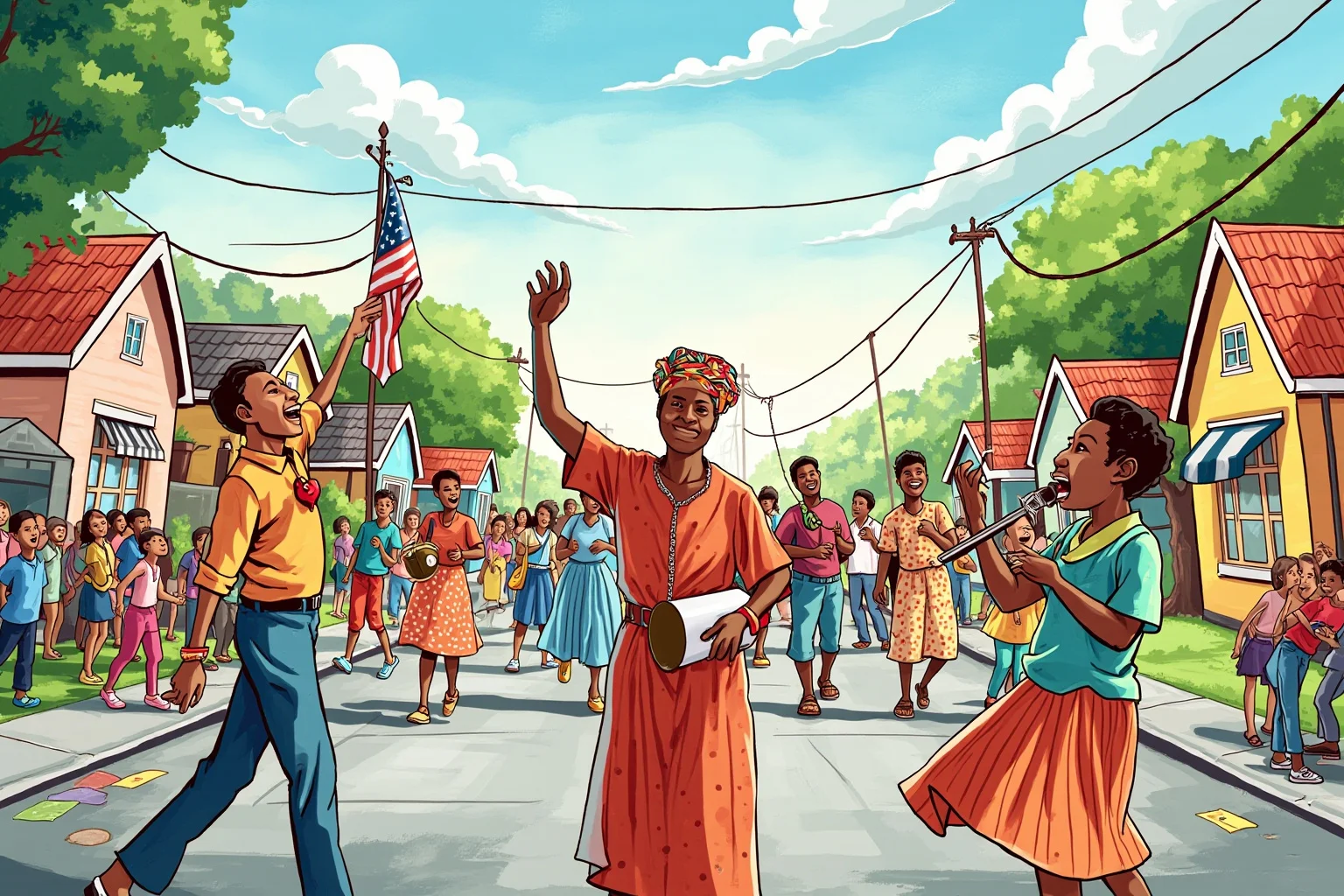
Zulu was not the only Black krewe to shape Carnival. Organizations rooted in New Orleans’ historic Black social aid and pleasure clubs used Mardi Gras as an opportunity for mutual aid, community pride, and public celebration in a city that otherwise excluded them from mainstream Carnival institutions.
Over the decades, additional Black krewes and marching clubs emerged, each contributing distinct music, costume traditions, and routes through the city’s historically Black neighborhoods. These krewes turned exclusion into a parallel Carnival culture with its own deep roots.
Today, Black Mardi Gras krewes are recognized as essential, not peripheral, to the full story of New Orleans Carnival.
14. The Mardi Gras Indians: A Parallel Tradition
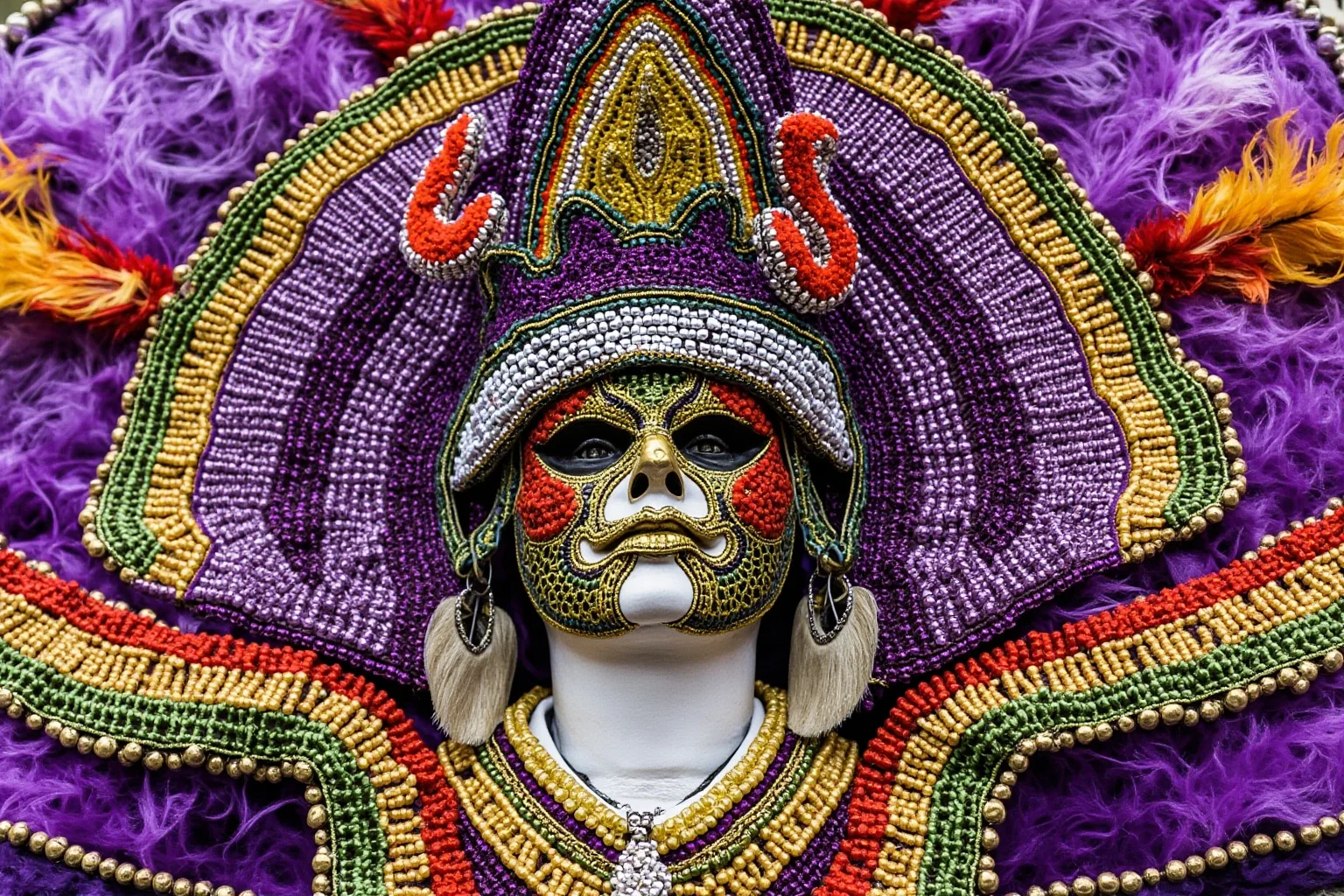
Running alongside the krewe tradition is another distinctly New Orleans phenomenon: the Mardi Gras Indians. These are neighborhood-based “tribes” of Black Carnival celebrants who create elaborately beaded and feathered suits, often taking a full year to construct.
Mardi Gras Indian tribes are not krewes in the formal organizational sense, and they don’t typically parade with permits along official routes the way krewes do. Instead, they process informally through their own neighborhoods, meeting rival tribes in ritualized, competitive displays of craftsmanship and performance.
Their tradition is believed to have roots partly in historical alliances and cultural exchange between African American and Native American communities in Louisiana, though the full history is passed down more through oral tradition than official documentation.
15. Comus Goes Dark: The 1991 Desegregation Ordinance

In 1991, the New Orleans City Council passed an ordinance requiring krewes that wanted to parade on public streets to certify that they did not discriminate based on race, religion, or gender. The move was aimed squarely at old-line krewes with histories of excluding Black and Jewish New Orleanians from membership.
The Krewe of Comus, along with Momus, chose to stop parading rather than comply, retreating into private balls that continue to this day without a public procession. The Krewe of Proteus also halted its parade for a period before eventually returning to the streets years later under revised membership terms.
This moment marked a real turning point. It forced a public reckoning between Carnival tradition and the city’s evolving civil rights standards, and it permanently changed the shape of who gets to parade in New Orleans.
16. The Super Krewe Era: Bacchus, Endymion, and Orpheus

Starting in the mid-20th century, a new generation of krewes rejected the old-line model of secrecy and exclusivity. The Krewe of Bacchus, founded in 1969 by restaurateur Owen Brennan and associates, broke tradition by naming a celebrity as its King each year and building enormous, mechanized floats.
Endymion, founded in 1966, grew into one of the largest parades in the city, while Orpheus, founded in 1993 with musician Harry Connick Jr. among its founders, deliberately built a krewe open to both men and women parading together, unlike many older single-gender clubs.
These “super krewes” prioritized scale, spectacle, and inclusiveness over old-line secrecy, and their massive parades are now some of the most popular events of the entire Mardi Gras season.
17. Throws: How Beads Became Mardi Gras Currency

One of the most recognizable krewe traditions is the throw: beads, cups, doubloons, and specialty items tossed from floats to parade-goers. Beads became widely used starting in the early to mid-20th century, evolving from simple glass strands into today’s mass-produced plastic versions.
Each krewe often develops its own signature throw, such as Zulu’s decorated coconuts or Muses’ hand-decorated shoes, giving collectors something distinct to chase at every parade. These throws turned attending a parade into an interactive, almost competitive experience rather than passive spectating.
Over time, throws became such a defining part of krewe culture that many riders spend months, and significant money, designing and stockpiling them before their krewe’s parade night.
18. How Many Krewes Are in New Orleans Today?
People often ask how many krewes are in New Orleans, and the honest answer is that the number shifts from year to year and depends on how you count. Recent Carnival seasons in the greater New Orleans area have featured roughly 70 or more parading krewes, ranging from small neighborhood organizations to massive super krewes.
Beyond the parading krewes, there are also many non-parading krewes that focus purely on balls, walking clubs, or costume displays rather than float processions. When you include those social and walking krewes, the total count of active Mardi Gras krewes across the region climbs well into the hundreds.
Because krewes form, merge, and occasionally dissolve, any single number is really just a snapshot rather than a permanent fact.
19. Krewes Beyond New Orleans
While New Orleans carnival krewes get most of the attention, the krewe model has spread to other Gulf Coast cities with their own Mardi Gras traditions, including Mobile, Alabama, which actually holds a documented claim to some of the oldest organized Carnival celebrations in the United States. Baton Rouge, Lafayette, Biloxi, and other communities have also developed their own krewes and parade calendars.
Some krewes even exist far outside the Gulf South, formed by expatriate New Orleanians or Mardi Gras enthusiasts who wanted to bring a piece of the tradition to their own cities. These groups vary widely in scale, from modest walking clubs to full parade organizations with floats and marching bands.
The common thread is always the same basic krewe structure: a private membership organization that builds a themed public celebration around the Carnival season.
20. Krewes in Pop Culture
Mardi Gras krewes have become such a recognizable part of American pop culture that the imagery shows up far outside Louisiana. Films, television shows, and tourism campaigns regularly borrow krewe visuals like beads, masks, and elaborate floats as instant shorthand for New Orleans itself.
Brands and event organizers in other industries have even adopted “krewe” language for costume parties, themed runs, and festival marketing, borrowing the word’s festive connotation without any of its historical baggage. That popularity has helped many people search for basic definitions, since the aesthetic is now everywhere, but the deeper history behind it is far less widely known.
This is part of why myths about krewes persist, from oversimplified founding stories to vague ideas about secret rituals that don’t match the documented historical record — the same kind of myth-busting work that goes into unpacking stranger historical events like the dancing plague of 1518.
21. Why Krewes Still Matter Today

Modern krewes range from centuries-old private clubs to brand-new, highly inclusive organizations built around music, art, or specific community groups. Some maintain old-line secrecy, while others livestream their parades and openly publish membership rosters online.
What hasn’t changed is the core function krewes serve: they turn a religious and cultural pre-Lenten season into months of civic celebration, community building, and public art on wheels. Every float, costume, and throw represents months of volunteer planning by members who fund the spectacle themselves.
Understanding krewes means understanding a very New Orleans blend of tradition, exclusion, reinvention, and civic pride, all rolled into one very loud, very colorful season.
Final Thoughts
Mardi Gras krewes are far more than party planning committees dressed up in feathers and sequins. They are living artifacts of New Orleans social history, shaped by 19th-century secret societies, racial exclusion, satire, and decades of hard-won reform.
From Comus’s torch-lit debut in 1857 to Zulu’s coconut-throwing satire and the modern spectacle of super krewes like Bacchus and Endymion, each chapter of krewe history reflects a wider story about who gets to be seen, celebrated, and crowned in public life. That’s ultimately what makes the parades worth watching long after the last bead hits the pavement.
Frequently Asked Questions
What is a krewe?
A krewe is a private organization, usually based in or around New Orleans, that plans and funds a Mardi Gras celebration, which can include a parade, a masked ball, or both. Krewes range from centuries-old secret societies like Comus and Rex to modern, more open organizations that welcome members regardless of race or gender.
What does krewe mean, and where did the word come from?
Krewe is simply an old-fashioned respelling of the word 'crew,' invented in 1857 by the founders of the Mistick Krewe of Comus to give their new parading club a mysterious, old-world feel. The unusual spelling caught on and was adopted by nearly every Mardi Gras organization that followed.
What is the Krewe of Comus, and why does it matter?
The Krewe of Comus, founded in 1857, is widely considered the first true Mardi Gras krewe and established the modern template of a themed parade followed by a private masked ball. The Comus parade stopped in 1991 after its members chose not to comply with a New Orleans city ordinance requiring krewes to certify they did not discriminate in membership.
What is Mardi Gras Rex, and is Rex a real king?
Rex is the ceremonial 'King of Carnival' chosen each year by the Krewe of Rex, founded in 1872, but he is not a real monarch, just a masked, prominent local figure honored for that single Mardi Gras season. Rex is also credited with popularizing the purple, green, and gold color scheme now associated with Mardi Gras everywhere.
What are some notable Black Mardi Gras krewes?
The Krewe of Zulu, founded in 1909, is the most famous Black Mardi Gras krewe, created in direct satirical response to the exclusion of Black New Orleanians from old-line krewes like Rex. Zulu is known for its coconut throws and remains one of the most anticipated parades of the entire Carnival season.
How many krewes are in New Orleans?
The exact number changes yearly, but recent Carnival seasons have featured roughly 70 or more parading krewes in the greater New Orleans area, plus many additional non-parading social and walking krewes that focus on balls or costume events rather than floats.
Is the Comus parade still held today?
No, the Krewe of Comus has not held a public parade since 1991, when it stopped parading rather than comply with a city ordinance banning discriminatory membership practices among street-parading krewes. Comus still holds a private masked ball each year, but it is no longer part of the public Mardi Gras parade schedule.

Alex Warren
Related Articles