

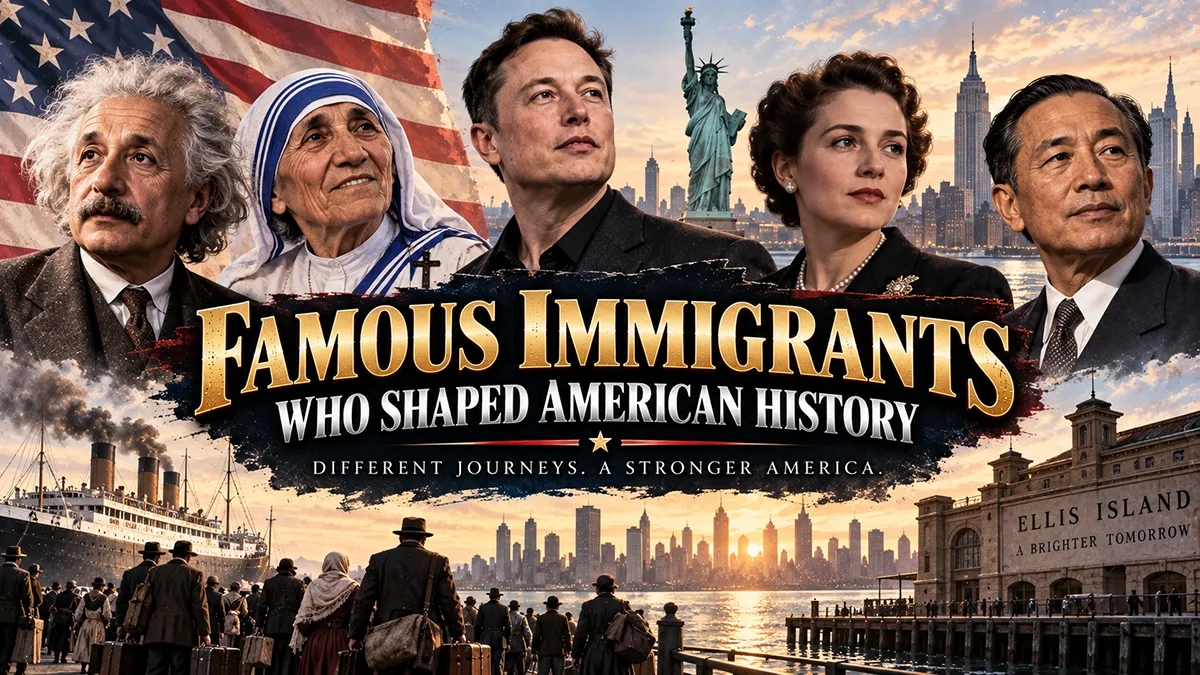
America’s story has always been an immigrant story. From the earliest colonial arrivals to the tech founders of today, people who left everything behind to build a new life have repeatedly reshaped science, politics, business, and culture in ways that are easy to take for granted.
This list looks at some of the most famous immigrants in history, people who were born somewhere else and became inseparable from the American story we tell today, taking their place alongside other most recognized historical figures of all time.
Along the way, we’ll also bust a few myths about who counts as an immigrant and look at what the actual data says about immigrants and Nobel Prizes.
TL;DR: Immigrants from Alexander Hamilton to Albert Einstein to Sergey Brin have repeatedly transformed American science, politics, and culture, and they remain a disproportionately large share of the country’s most celebrated achievers.
What Actually Counts as an “Immigrant” in American History?
Before diving into the list, it’s worth clearing up a common mix-up. An immigrant is someone who was born in another country and moved to a new one, as opposed to a first-generation American, who is simply someone born in the U.S. to immigrant parents.
That distinction matters because a lot of people get lumped into “famous immigrant” lists when they were actually born on American soil. This post sticks to people who were genuinely born abroad and later crossed an ocean, a border, or an empire’s collapsing edges to reach the United States.
It’s also worth noting that for early Founding-era figures, the modern concept of “immigration” and “naturalization” didn’t exist in the same legal form it does today. Still, historians and biographers commonly describe someone like Alexander Hamilton as an immigrant because he was born a British subject in the Caribbean and moved to the mainland colonies as a teenager.
How Many American Nobel Prize Winners Were Immigrants?
This is one of the most searched questions about famous immigrants, and the numbers are genuinely striking. Research from organizations like the National Foundation for American Policy has found that immigrants have been awarded a large share of America’s Nobel Prizes in chemistry, medicine, and physics in recent decades, with estimates in various studies putting the immigrant share at roughly a third to 40 percent of U.S. winners in those categories since 2000.
That pattern isn’t new. Physicists like Albert Einstein and Enrico Fermi, both of whom appear later on this list, won Nobel Prizes as immigrants decades before those modern studies were conducted. The exact percentage varies depending on the years and categories a study covers, so it’s worth treating any single number as an estimate rather than a fixed fact.
What’s consistent across nearly every analysis, though, is that immigrants are represented among U.S. Nobel laureates well beyond their share of the general population. That’s a useful bit of context to keep in mind as you read through the names below.
Founders and Builders of Early America
1. Alexander Hamilton
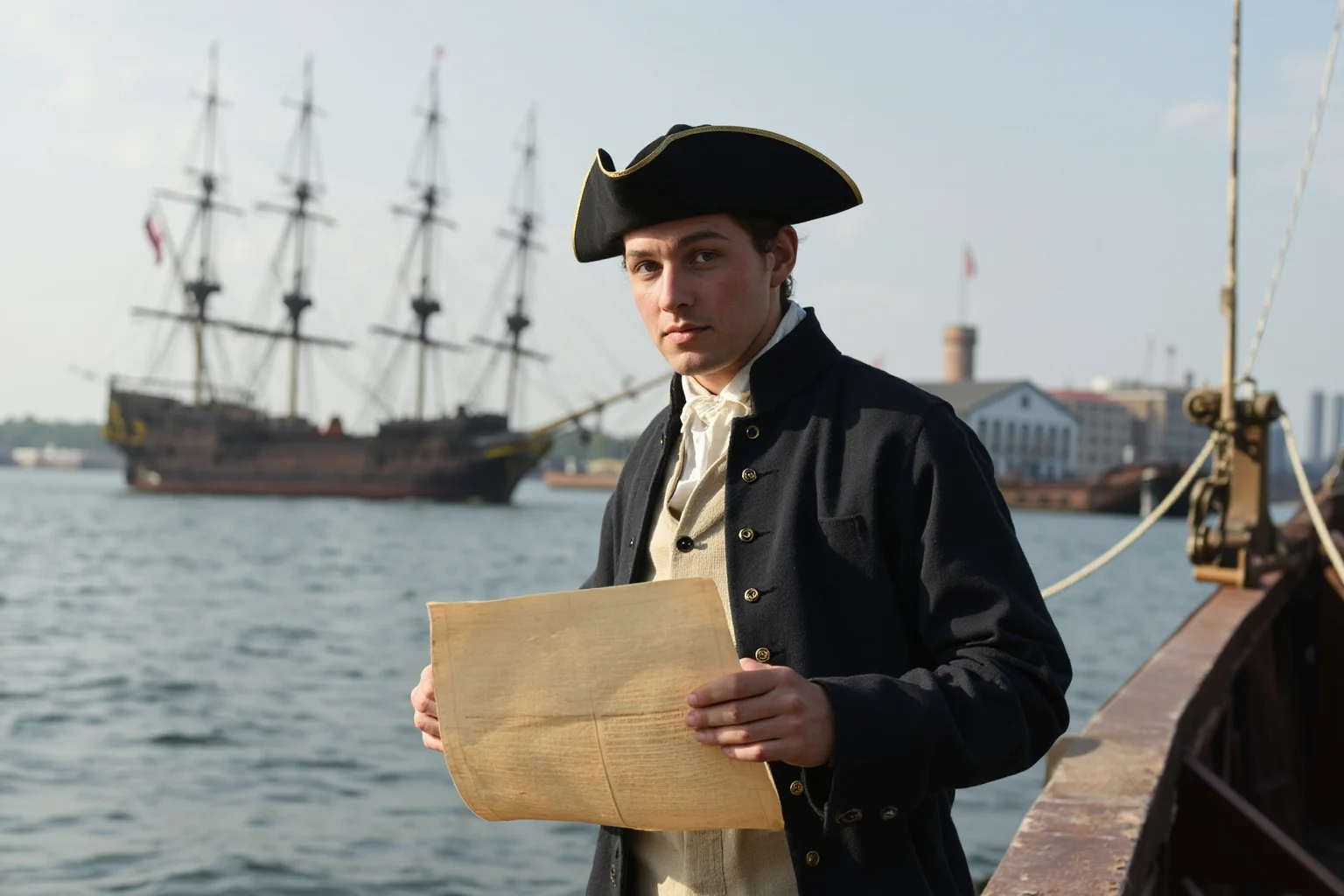
Born on the Caribbean island of Nevis, Alexander Hamilton immigrated to New York in the early 1770s as a teenager with almost nothing to his name. He went on to co-author the Federalist Papers, serve as America’s first Secretary of the Treasury, and design the foundations of the U.S. financial system.
His life is a genuine rags-to-power story, though it’s worth noting he arrived before the United States existed as a nation, so the legal category of “immigrant” is applied somewhat retroactively by historians.
2. Thomas Paine

Thomas Paine was born in Thetford, England, and emigrated to Philadelphia in 1774 carrying a letter of introduction from Benjamin Franklin. Within two years he had written “Common Sense,” the pamphlet that helped turn colonial grumbling into a full-blown push for independence.
Paine later returned to Europe and had a turbulent relationship with revolutionary France, but his American writing remains foundational to the country’s political identity.
3. John Muir
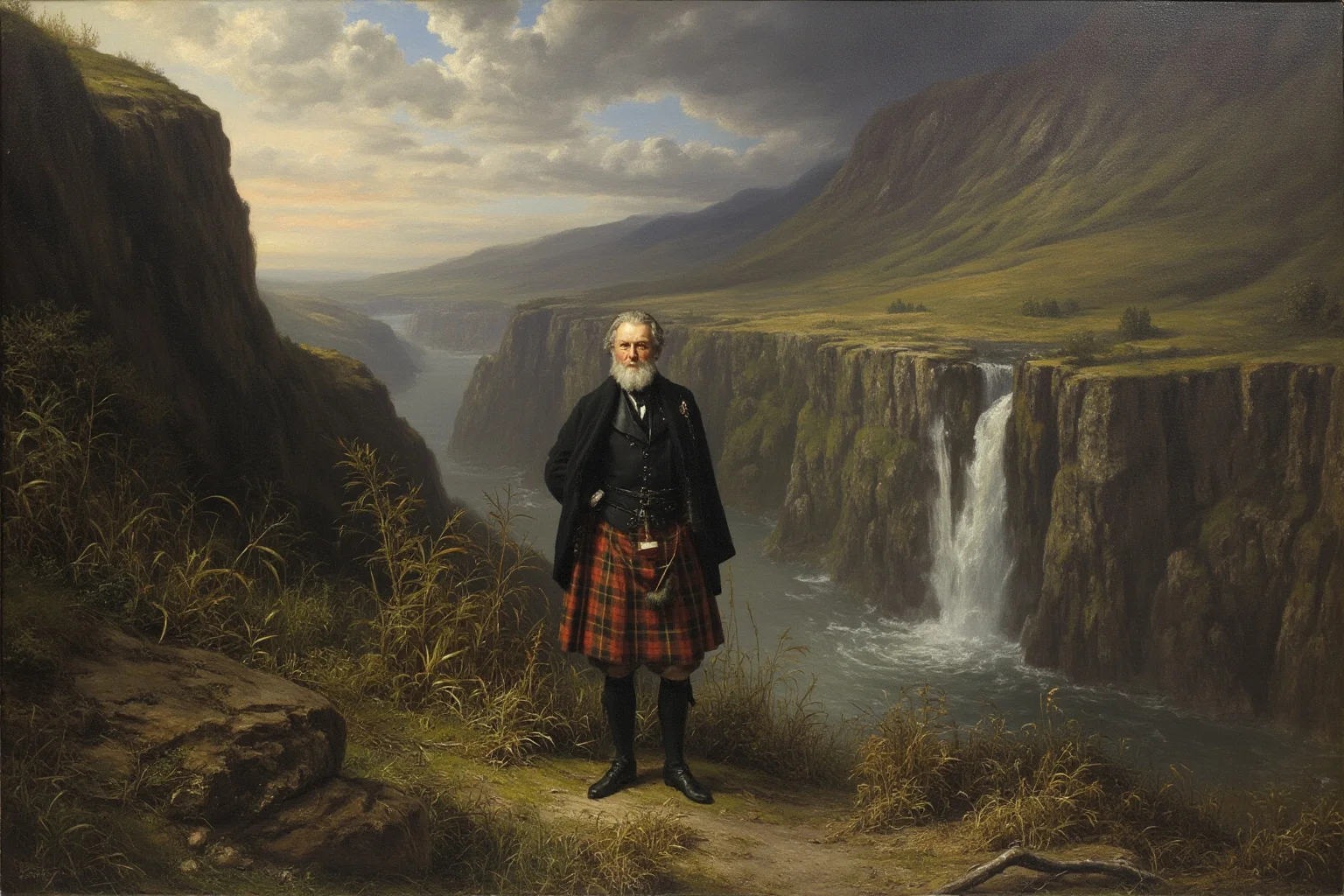
John Muir was born in Dunbar, Scotland, and emigrated with his family to rural Wisconsin in 1849 when he was eleven years old. He went on to become one of America’s most influential naturalists, helping found the Sierra Club and advocating for the creation of national parks like Yosemite.
Muir’s writing about the American wilderness helped shape the entire conservation movement, and his fingerprints are still visible in how the U.S. protects its public lands today.
Industry, Business, and Invention
4. Andrew Carnegie
Andrew Carnegie left Dunfermline, Scotland, for Pennsylvania in 1848 as part of a poor working-class family fleeing economic hardship. He eventually built the Carnegie Steel Company into one of the largest industrial enterprises in the world, propelling him into the ranks of history’s richest and most powerful families, before selling it and giving away most of his fortune.
His philanthropy funded more than 2,500 public libraries, many of which still operate under his name today.
5. Levi Strauss
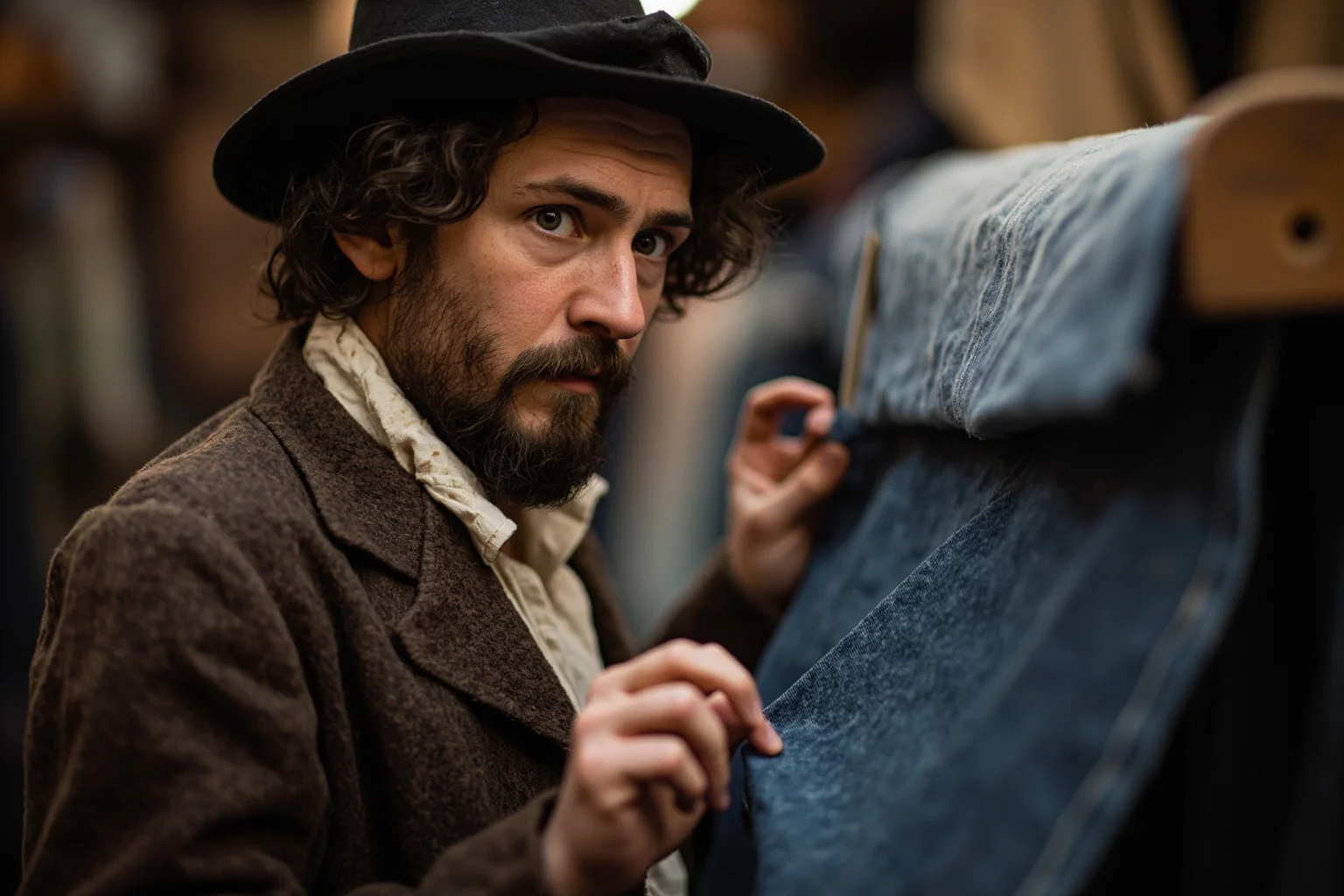
Levi Strauss was born in Bavaria, in what is now Germany, and immigrated to the United States in 1847 to join family already working in the dry goods business. During the California Gold Rush era, he partnered with Jacob Davis to patent riveted denim work pants, creating the product line that became Levi’s jeans.
What started as durable workwear for miners became one of the most recognizable clothing brands in the world.
6. Joseph Pulitzer
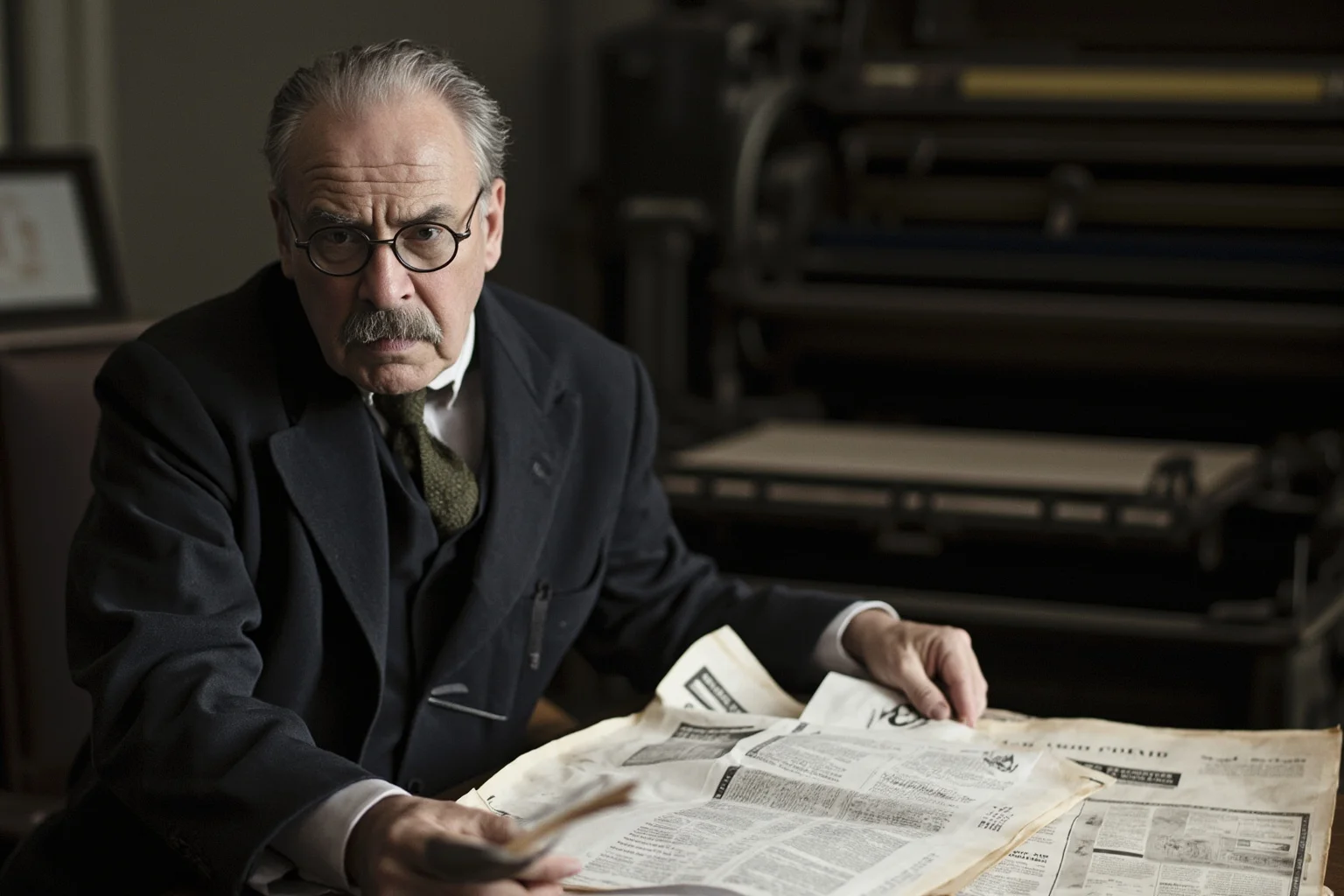
Joseph Pulitzer was born in Makó, Hungary, and arrived in the United States in 1864 after enlisting to fight in the Civil War. He later built a newspaper empire around the New York World and became one of the most influential figures in American journalism.
His name now lives on through the Pulitzer Prize, journalism’s most prestigious American award, funded by a bequest in his will.
7. An Wang
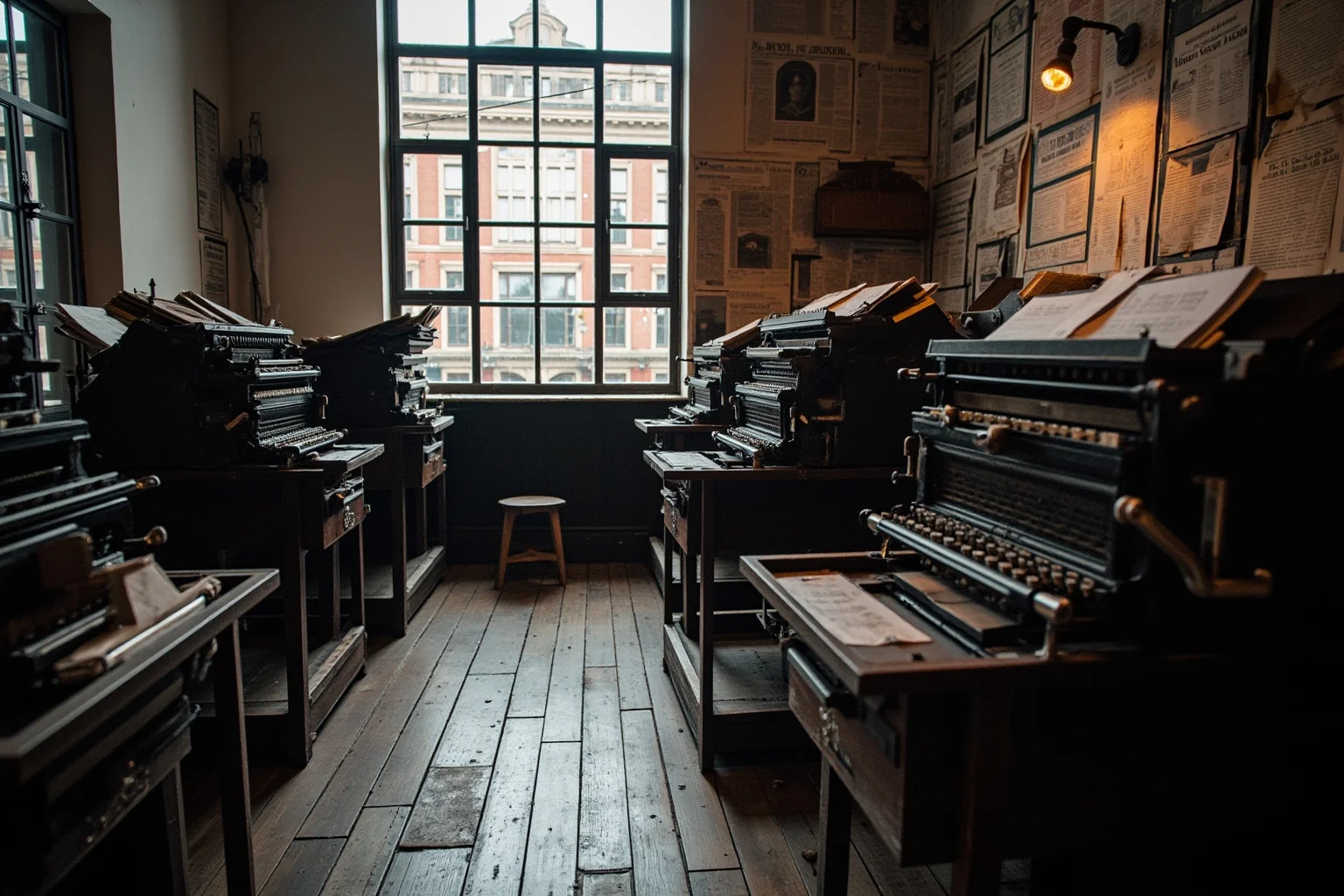
An Wang was born in Shanghai, China, and emigrated to the United States in 1945 to pursue graduate studies at Harvard. He later founded Wang Laboratories, a pioneering computer and word-processing company that was hugely influential in early business computing.
His story is a reminder that the tech industry’s reliance on immigrant talent goes back much further than Silicon Valley’s modern era.
8. Sergey Brin
Sergey Brin was born in Moscow when it was still part of the Soviet Union, and his family emigrated to the United States in 1979 partly to escape antisemitic discrimination. He later co-founded Google with Larry Page while both were graduate students at Stanford.
Brin’s path from a refugee family to co-leading one of the most valuable companies in history is often cited as a modern example of the classic immigrant success story.
Scientists Who Changed the World
9. Nikola Tesla

Nikola Tesla was born in the village of Smiljan, then part of the Austrian Empire and now in Croatia, and he immigrated to the United States in 1884 with little more than a letter of recommendation. His work on alternating current systems and countless other inventions helped electrify the modern world.
Tesla became a naturalized U.S. citizen in 1891, and his name has since become shorthand for visionary, if sometimes underappreciated, genius.
10. Albert Einstein

Albert Einstein was born in Ulm, Germany, and had already won the Nobel Prize in Physics before he fled Nazi Germany in 1933 due to rising antisemitic persecution. He settled in Princeton, New Jersey, and became a U.S. citizen in 1940.
Einstein remains arguably one of the smartest people in history, and his emigration is a stark reminder that political persecution has driven many brilliant people toward American shores.
11. Enrico Fermi

Enrico Fermi was born in Rome and left Italy in 1938, the same year he won the Nobel Prize in Physics, largely because fascist racial laws threatened his Jewish wife. He went directly to the United States and became a central figure in the Manhattan Project, helping build the first nuclear reactor.
Fermi later became a naturalized U.S. citizen and continued shaping American physics until his death in 1954.
12. Chien-Shiung Wu
Chien-Shiung Wu was born in Liuhe, China, and emigrated to the United States in 1936 to pursue a doctorate in physics at the University of California, Berkeley. She went on to work on the Manhattan Project and later conducted groundbreaking experiments that disproved the principle of parity in physics.
Despite her enormous contributions, the 1957 Nobel Prize for that discovery went only to her male colleagues, a decision many physicists still consider a historical oversight.
13. Felix Frankfurter

Felix Frankfurter was born in Vienna, Austria, and immigrated to New York’s Lower East Side with his family in 1894 at age twelve. He rose through Harvard Law School to become a U.S. Supreme Court Justice in 1939, serving on the bench for 23 years.
His journey from a tenement immigrant neighborhood to the nation’s highest court is often cited as one of the more dramatic examples of American social mobility.
Architecture, Arts, and Entertainment
14. I. M. Pei
I. M. Pei was born in Guangzhou, China, and moved to the United States in 1935 to study architecture, eventually settling permanently after political upheaval in China made returning difficult. He went on to design some of the most recognizable buildings in the world, including the glass pyramid at the Louvre in Paris.
Pei’s American work includes the East Building of the National Gallery of Art in Washington, D.C., and the John F. Kennedy Presidential Library in Boston.
15. Irving Berlin

Irving Berlin was born in a small town in the Russian Empire, in an area now part of Belarus, and his family fled anti-Jewish pogroms to reach New York in 1893. Despite having no formal musical training, he became one of America’s most prolific songwriters, composing classics like “White Christmas” and “God Bless America.”
It’s a particularly striking detail that a man who arrived as a refugee child wrote what many consider one of the country’s unofficial second national anthems.
16. Bob Hope
Bob Hope was born in Eltham, England, and emigrated with his family to Cleveland, Ohio, in 1908 when he was four years old. He became a naturalized U.S. citizen in 1920 and later built a decades-long career as one of America’s most beloved comedians and entertainers.
Hope was also famous for touring extensively to perform for U.S. troops overseas, a tradition that spanned from World War II through the Gulf War era.
17. Elie Wiesel
Elie Wiesel was born in Sighet, in what is now Romania, and survived internment at Auschwitz and Buchenwald during the Holocaust before eventually emigrating to the United States in 1955. He became a prolific author, most famously of “Night,” and a leading voice on human rights and Holocaust remembrance.
Wiesel won the Nobel Peace Prize in 1986, and he later became a naturalized U.S. citizen, continuing his advocacy work from American soil.
18. Gloria Estefan

Gloria Estefan was born in Havana, Cuba, and her family fled to Miami in the early 1960s following the Cuban Revolution. She later became a hugely successful singer with the Miami Sound Machine, helping bring Latin pop and dance music into the American mainstream.
Estefan remains one of the best-known Cuban American immigrants and continues to be a prominent voice for the Cuban exile community in the U.S.
19. Arnold Schwarzenegger

Arnold Schwarzenegger was born in Thal, Austria, and emigrated to the United States in 1968 to pursue bodybuilding and, eventually, acting. He became a naturalized U.S. citizen in 1983 and later served two terms as Governor of California, from 2003 to 2011.
His path from small-town Austria to Hollywood stardom to the California governor’s mansion is one of the more unusual immigrant success stories in modern American politics.
20. Mila Kunis
Mila Kunis was born in Chernivtsi, in what was then the Soviet Union and is now Ukraine, and her family emigrated to Los Angeles in 1991 when she was seven years old. She became a naturalized U.S. citizen in 2010 and built a major acting career through film and television.
Kunis is frequently cited among modern celebrities who are immigrants, and she has spoken publicly about her family’s experience adjusting to life in America.
Politics, Diplomacy, and Public Service
21. Henry Kissinger
Henry Kissinger was born in Fürth, Germany, and his family fled Nazi persecution in 1938, arriving in New York when he was fifteen years old. He later became U.S. National Security Advisor and Secretary of State, playing a central and controversial role in American foreign policy during the Cold War.
Kissinger became a naturalized U.S. citizen in 1943 and remained an influential, if polarizing, figure in American diplomacy for decades afterward.
22. Madeleine Albright
Madeleine Albright was born in Prague, Czechoslovakia, and her family fled communist rule in 1948, eventually settling in the United States. She became a naturalized U.S. citizen and, in 1997, was appointed the first female U.S. Secretary of State, taking her place among history’s most powerful women.
Albright’s appointment marked a significant milestone in American diplomatic history, achieved by someone who had arrived in the country as a refugee child.
23. Knute Rockne

Knute Rockne was born in Voss, Norway, and immigrated with his family to Chicago in 1893 when he was five years old. He went on to become the legendary head football coach at the University of Notre Dame, credited with helping popularize and modernize American college football.
Rockne’s win-loss record remains one of the best in college football history, and his coaching innovations influenced the sport for generations.
24. Knute-era Peer: Enrico Fermi’s Contemporaries Aside, Consider Also Charlie Chaplin
Charlie Chaplin was born in London, England, and moved to the United States in 1910 as part of a traveling vaudeville troupe, later becoming one of Hollywood’s defining silent film stars. It’s worth noting, as a myth-busting aside, that Chaplin lived in the U.S. for decades but never became a naturalized American citizen, remaining a British subject his entire life and eventually relocating to Switzerland in 1952 amid political controversy.
His case is a useful reminder that not every famous long-term resident immigrant chose, or was able, to naturalize, and that residency and citizenship are not the same thing.
A Firsthand Window Into the Immigrant Journey: “Imported Americans”
Most of the people on this list are famous because of what they achieved after arriving. But it’s also worth looking at how ordinary immigrant journeys were documented at the time, and one of the more unusual historical records is a book called “Imported Americans” by Broughton Brandenburg, published in 1904.
Brandenburg was an American journalist who, along with his wife, posed as Italian immigrants and traveled through the immigration process, including passage through Ellis Island, to document the experience firsthand. The resulting book offered readers a rare, ground-level account of what arriving immigrants actually faced during the peak years of turn-of-the-century immigration.
While Brandenburg’s methods and framing reflect the biases and journalistic norms of his era, the book remains a notable historical source for understanding immigration bureaucracy and public attitudes in early 1900s America. It’s a useful complement to the more famous individual success stories, since it captures what the process looked like for the millions of immigrants who never became household names.
Why These Stories Still Matter
Looking across this list, a few patterns stand out. Many of these famous immigrants to the United States arrived as children with no say in the decision, fleeing war, persecution, or poverty rather than chasing opportunity in any simple sense.
Others arrived as adults with specific skills, ambitions, or ideas, and found an environment where those things could grow in ways that might not have been possible back home. Either way, their stories complicate the idea that there’s one single “immigrant experience,” since the reasons people leave home and the paths they take afterward vary enormously.
What unites nearly everyone on this list is that their contributions weren’t a side note to their immigrant status, they were often directly shaped by it. Perspectives formed elsewhere, urgency born from hardship, and simple hunger to build something new all show up again and again in these biographies.
That’s really the throughline connecting a Founding Father born in the Caribbean, a physicist fleeing fascism, and a tech founder whose family escaped the Soviet Union. Different centuries, different circumstances, but the same basic pattern of someone starting over in a new country and helping reshape it in the process.
Frequently Asked Questions
Who are some famous immigrants to the United States?
Well-known immigrants to the United States include Alexander Hamilton (born in Nevis), Albert Einstein (born in Germany), Nikola Tesla (born in what is now Croatia), Andrew Carnegie (born in Scotland), and Madeleine Albright (born in Czechoslovakia). These figures span politics, science, business, and public service across several centuries of American history.
How many American Nobel Prize winners were immigrants?
Exact figures vary by study and time period, but research from organizations like the National Foundation for American Policy has found that immigrants have accounted for roughly a third to 40 percent of U.S. Nobel Prize winners in chemistry, medicine, and physics in recent decades. That's a much larger share than immigrants make up of the overall U.S. population, though the precise percentage depends on which years and categories a given study covers.
What is the difference between an immigrant and a first-generation American?
An immigrant is someone who was born in another country and later moved to the United States, while a first-generation American is typically someone born in the U.S. to immigrant parents. The distinction matters because many people mistakenly labeled as immigrants were actually born on American soil.
Were any U.S. Founding Fathers actually immigrants?
Yes, Alexander Hamilton is the most commonly cited example, since he was born on the Caribbean island of Nevis and moved to the mainland colonies as a teenager. It's worth noting that the modern legal concept of immigration and naturalization didn't exist in its current form before the United States was founded, so the label is applied somewhat retroactively by historians.
What is “Imported Americans” by Broughton Brandenburg about?
"Imported Americans," published in 1904, is a firsthand account by journalist Broughton Brandenburg, who posed as an immigrant alongside his wife and traveled through the immigration process, including Ellis Island, to document the experience. It remains a notable historical source for understanding what arriving immigrants faced during the early 1900s, though it reflects the journalistic norms and biases of its era.
Are there famous modern celebrities who are immigrants?
Yes, several well-known modern celebrities immigrated to the United States, including actress Mila Kunis (born in Ukraine), singer Gloria Estefan (born in Cuba), and actor and former California Governor Arnold Schwarzenegger (born in Austria). Their stories continue a long pattern of immigrants becoming prominent figures in American entertainment and public life.

Alex Warren
Related Articles





