

Psychology is a relatively young science, but the people who built it left an outsized mark on how we understand thought, emotion, and behavior.
Ask someone to name a famous psychologist and you’ll almost always hear “Freud” first — a name that shows up on nearly every list of history’s most recognized figures — but the real story of psychology’s history is much richer, stranger, and more international than one Viennese couch.
This list pulls together the psychologists, therapists, and researchers most historians and textbooks agree changed the field permanently. Some were brilliant scientists, some were flawed by today’s ethical standards, and a few are still working today. All of them are essential names in psychology history.
TL;DR: From Wilhelm Wundt’s first psychology lab to Daniel Kahneman’s Nobel-winning work on decision-making, these 24 psychologists and therapists built the field’s biggest ideas — and several of psychology’s most famous “facts” turn out to be more myth than science.
What Makes a Psychologist Historically Influential?
Not every notable figure in psychology ran famous experiments. Some built entire schools of thought, some trained the next generation, and some simply asked a question no one had asked before.
When historians talk about the most important psychologists of all time, they’re usually weighing a mix of scientific rigor, cultural reach, and lasting influence on therapy or research methods.
It’s also worth noting that psychology’s history includes plenty of contested legacies. Several pioneers ran studies that wouldn’t pass an ethics board today, and some once-celebrated theories haven’t held up under modern research. Part of understanding psychology’s important people is being honest about both their contributions and their limits.
The Most Influential Psychologists in History
Here are 24 of the most famous, notable, and genuinely important people in psychology, roughly in the order their ideas entered the field.
1. Wilhelm Wundt (1832–1920)

Wilhelm Wundt is widely credited as the founder of psychology as a formal scientific discipline. In 1879, he opened the first dedicated psychology research laboratory at the University of Leipzig, Germany, a milestone historians usually point to as the birth of experimental psychology.
Wundt’s approach, later called structuralism, tried to break conscious experience down into its basic components through careful self-observation. Among famous German psychologists, he stands out for training an entire generation of researchers who carried his methods across Europe and the United States.
2. William James (1842–1910)

Often called the father of American psychology, William James published “The Principles of Psychology” in 1890, a sprawling and still-readable text that shaped decades of research. He founded functionalism, a school of thought focused on what mental processes actually do for survival and adaptation.
James was also a philosopher, and his writing blended science with big questions about consciousness and habit. His influence stretched well beyond psychology departments into philosophy, education, and even early self-help writing.
3. Sigmund Freud (1856–1939)
No famous psychologist list is complete without Sigmund Freud, the Austrian neurologist who founded psychoanalysis. His ideas about the unconscious mind, repression, and childhood development reshaped Western culture, literature, and therapy for most of the 20th century.
It’s worth being clear-eyed here: many of Freud’s specific claims, like the details of psychosexual stages, are not supported by modern empirical research and are treated skeptically by most contemporary psychologists. His lasting contribution is less about being “right” and more about opening the question of unconscious mental life to serious study.
4. Carl Jung (1875–1961)

Carl Jung was a Swiss psychiatrist who broke from Freud to found analytical psychology. He introduced concepts like the collective unconscious, archetypes, and the personality dimensions of introversion and extraversion that are still used casually today.
Jung’s ideas influenced everything from literary criticism to modern personality tests, though many of his more mystical concepts remain outside mainstream empirical psychology. He’s still considered one of the most historically important psychology figures of the 20th century.
5. Ivan Pavlov (1849–1936)

Ivan Pavlov was actually a Russian physiologist, not a psychologist by training, but his discovery of classical conditioning became foundational to psychology anyway. His work studying digestion in dogs led him to notice they salivated at cues associated with feeding, not just the food itself.
A common myth is that Pavlov specifically trained dogs with a bell; in his actual experiments he used a range of stimuli, including metronomes and buzzers, and the “bell” detail comes largely from later popular retellings. Regardless, his conditioning principles underpin huge parts of behavioral psychology.
6. John B. Watson (1878–1958)
John B. Watson founded behaviorism, arguing psychology should study only observable behavior rather than internal mental states. His famous, and ethically troubling, “Little Albert” experiment attempted to condition fear in an infant, a study that would violate modern research ethics rules.
Watson’s insistence on measurable behavior pushed psychology toward more rigorous experimental methods. He later left academia for advertising, applying conditioning principles to marketing.
7. B.F. Skinner (1904–1990)
B.F. Skinner extended behaviorism with the concept of operant conditioning, showing how rewards and punishments shape behavior over time. His “Skinner box” experiments with rats and pigeons became some of the most reproduced images in psychology textbooks.
Skinner argued free will was largely an illusion shaped by environmental reinforcement, a controversial stance that still sparks debate. His work directly influenced modern behavior therapy and classroom management techniques used today.
8. Jean Piaget (1896–1980)

Swiss psychologist Jean Piaget is the central figure in developmental psychology, best known for his theory of cognitive stages in children. He proposed that kids move through distinct stages of thinking, from sensorimotor exploration in infancy to abstract reasoning in adolescence.
Later research has refined and challenged parts of Piaget’s timeline, showing children can reach some milestones earlier than he suggested. Even so, his framework remains a starting point in nearly every child development course.
9. Erik Erikson (1902–1994)

Erik Erikson, a German-born psychoanalyst who trained under Anna Freud, developed a theory of psychosocial development spanning the entire human lifespan rather than just childhood. He’s the person credited with popularizing the term “identity crisis.”
Erikson’s eight stages, from trust in infancy to integrity in old age, remain widely taught because they extend psychological development into adulthood and aging. This lifespan approach was a significant departure from earlier theories focused mainly on early childhood.
10. Abraham Maslow (1908–1970)
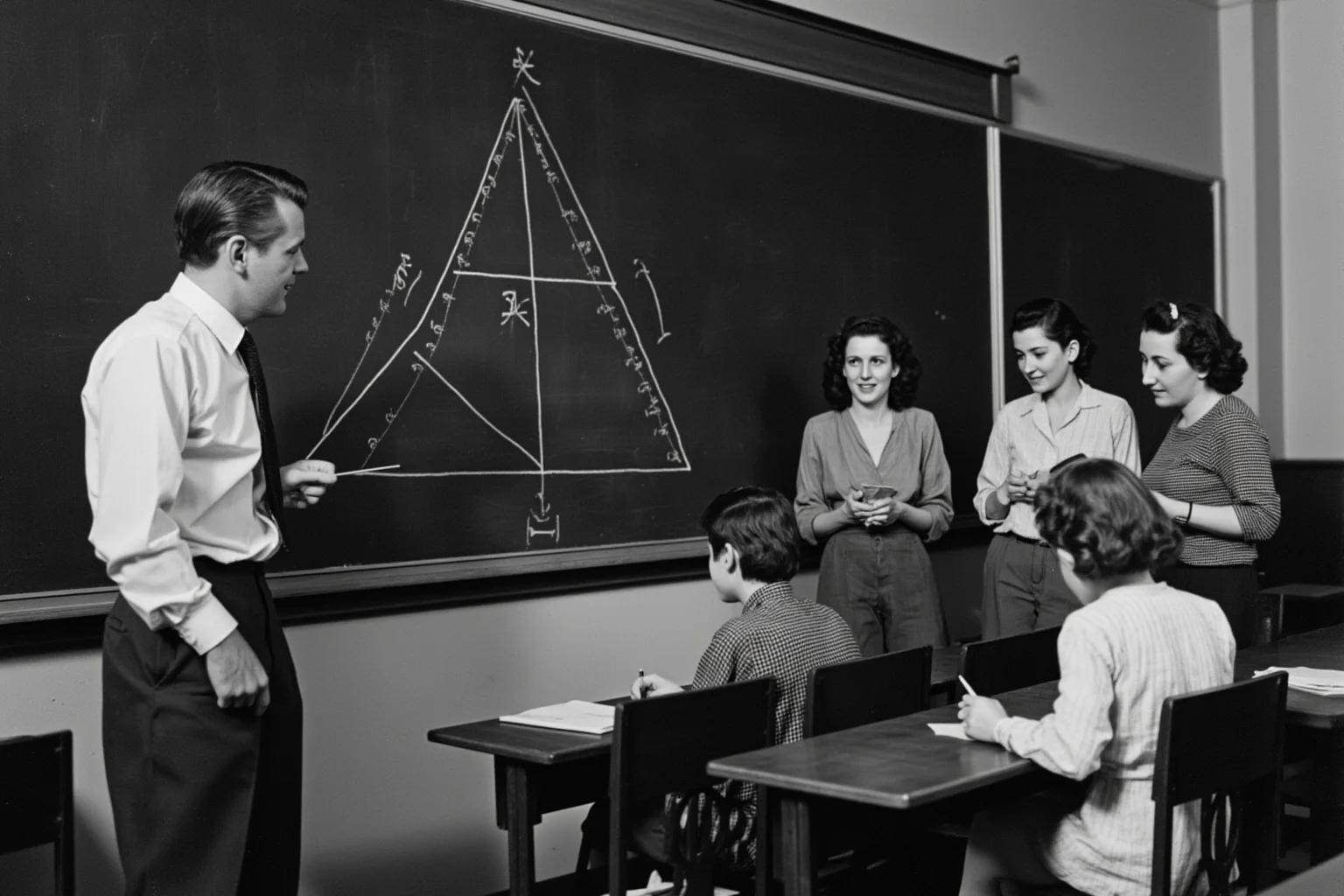
Abraham Maslow is best known for his hierarchy of needs, the idea that people must satisfy basic needs like safety and food before pursuing higher goals like self-actualization. He was a founding figure of humanistic psychology, which pushed back against both behaviorism and psychoanalysis.
Interestingly, the neat pyramid diagram so often attributed to Maslow doesn’t actually appear in his original 1943 paper; that visual was popularized later by textbook writers and consultants. His core ideas about human motivation still influence management theory and education today.
11. Carl Rogers (1902–1987)

Carl Rogers is one of the most famous therapists in psychology’s history, credited with developing client-centered (or person-centered) therapy. He emphasized empathy, genuineness, and “unconditional positive regard” as the core ingredients of effective counseling.
Rogers’ approach shifted therapy away from the therapist-as-authority model toward collaborative, client-led sessions. Modern counseling training still leans heavily on techniques he pioneered decades ago.
12. Albert Bandura (1925–2021)

Canadian-American psychologist Albert Bandura developed social learning theory, demonstrating that people learn behavior by observing others, not just through direct reinforcement. His famous Bobo doll experiments showed children imitating aggressive behavior they’d simply watched on film.
Bandura later introduced the concept of self-efficacy, or a person’s belief in their own ability to succeed, which remains a major topic in motivation research. He’s consistently ranked among the most cited psychologists in modern academic surveys.
13. Lev Vygotsky (1896–1934)

Lev Vygotsky is the central name among sociocultural psychologists, arguing that cognitive development can’t be separated from social and cultural context. His concept of the “zone of proximal development” describes the gap between what a learner can do alone versus with guidance.
Vygotsky died young, at 37, and much of his work wasn’t translated into English until decades later. Even so, his sociocultural theory now shapes educational psychology and classroom scaffolding techniques worldwide.
14. Kurt Lewin (1890–1947)

Kurt Lewin, a German-American psychologist, is widely regarded as the founder of modern social psychology. He developed field theory, which examined how behavior results from the interaction between a person and their environment.
Lewin also pioneered action research, an approach that applies psychological study directly to solving real social problems. His famous line that “there is nothing so practical as a good theory” still gets quoted in psychology and business writing alike.
15. Solomon Asch (1907–1996)
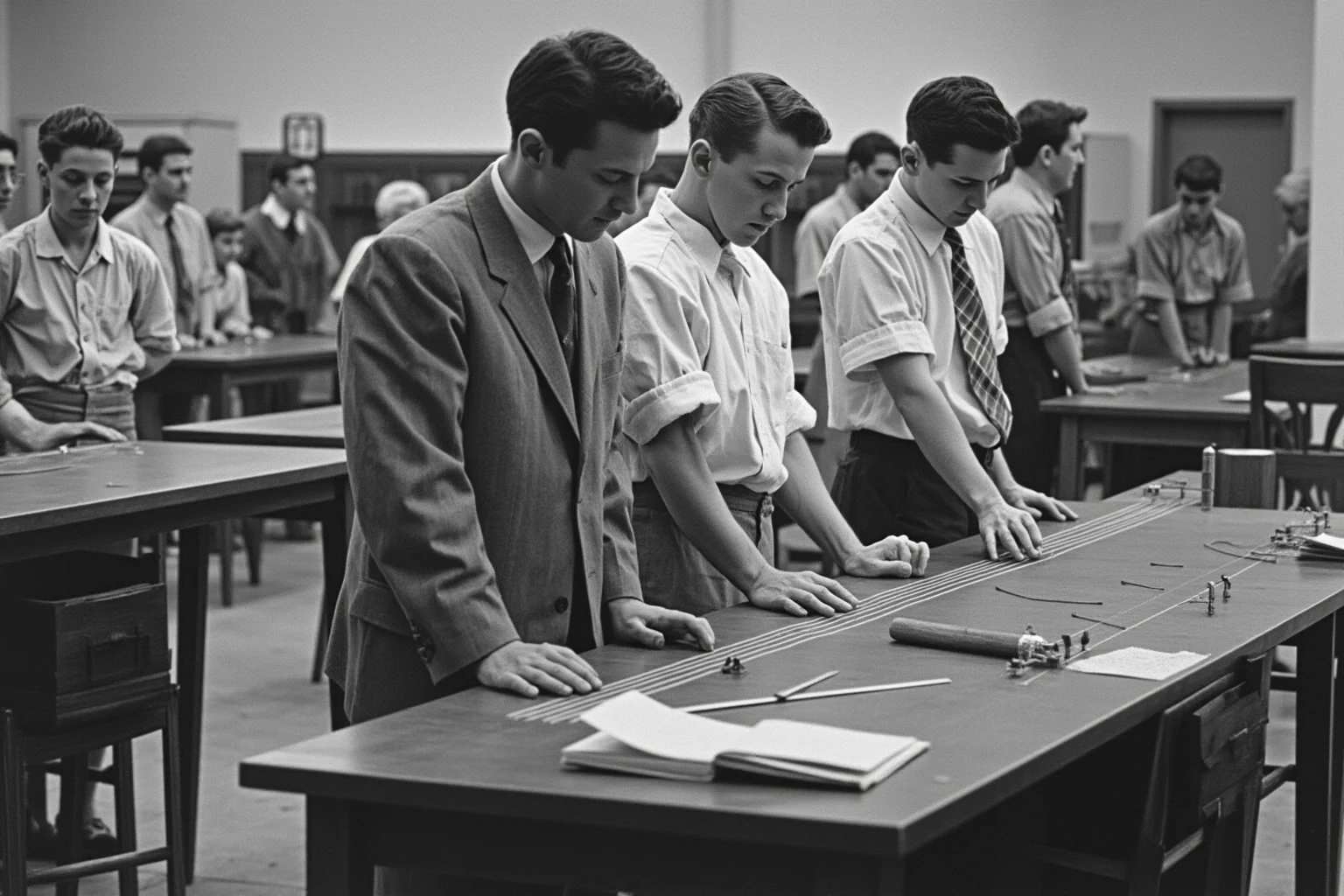
Polish-American psychologist Solomon Asch is best known for his conformity experiments in the 1950s, in which participants judged simple line lengths in a room full of confederates giving obviously wrong answers. A striking number of participants conformed to the group’s incorrect judgment rather than trust their own eyes.
Asch’s work became a cornerstone of social psychology, showing how powerfully group pressure can override individual perception. His methods influenced later researchers, including his own student, Stanley Milgram.
16. Stanley Milgram (1933–1984)
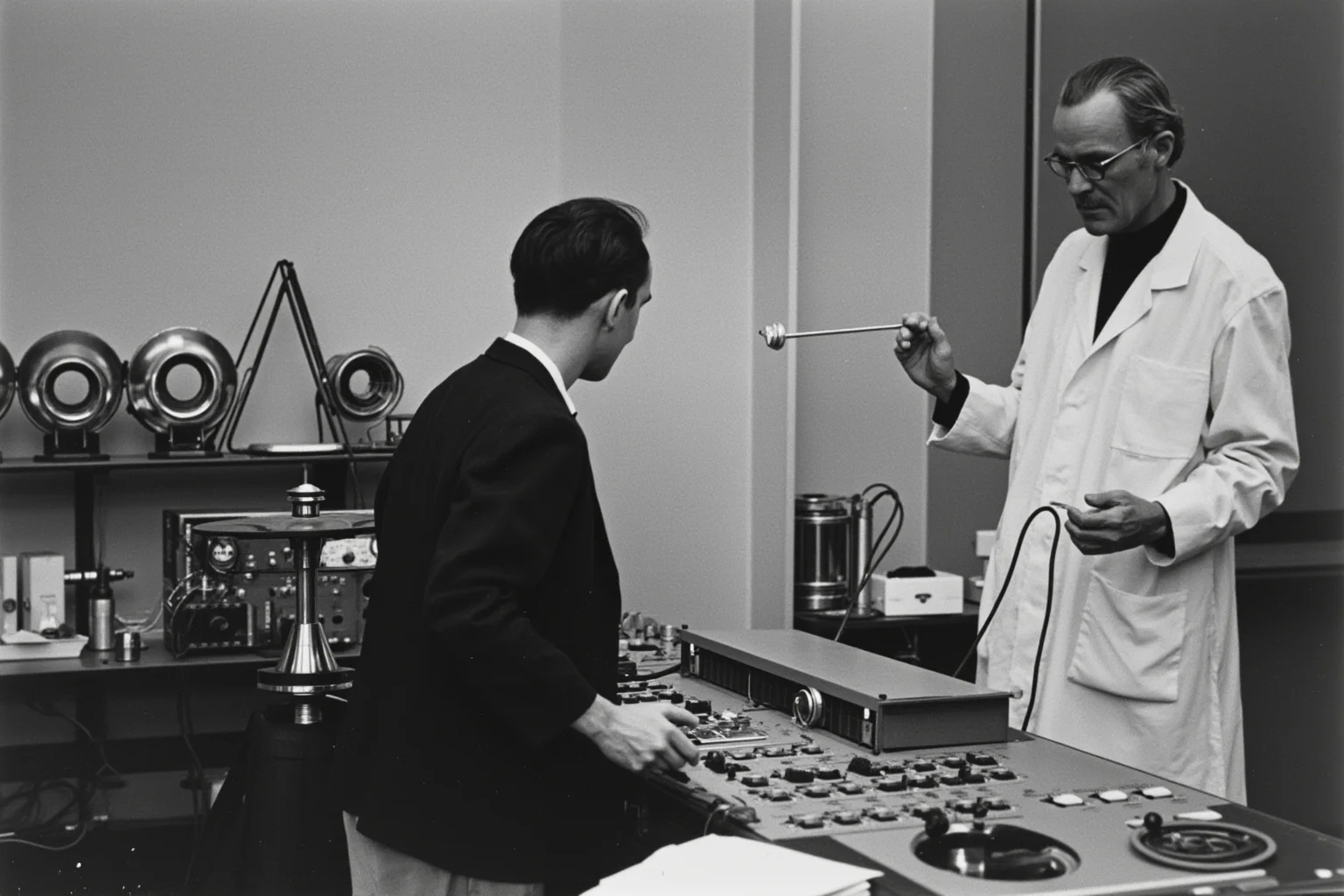
Stanley Milgram’s obedience experiments at Yale in the early 1960s remain some of the most discussed, and most ethically debated, studies in psychology history. Participants were told to administer what they believed were increasingly painful electric shocks to another person under the direction of an authority figure.
The results suggested ordinary people would go disturbingly far when told to by an authority, though the study’s methods and its real-world implications are still debated by researchers today. Milgram’s work led directly to modern ethical guidelines protecting research participants from psychological harm.
17. Elizabeth Loftus (b. 1944)
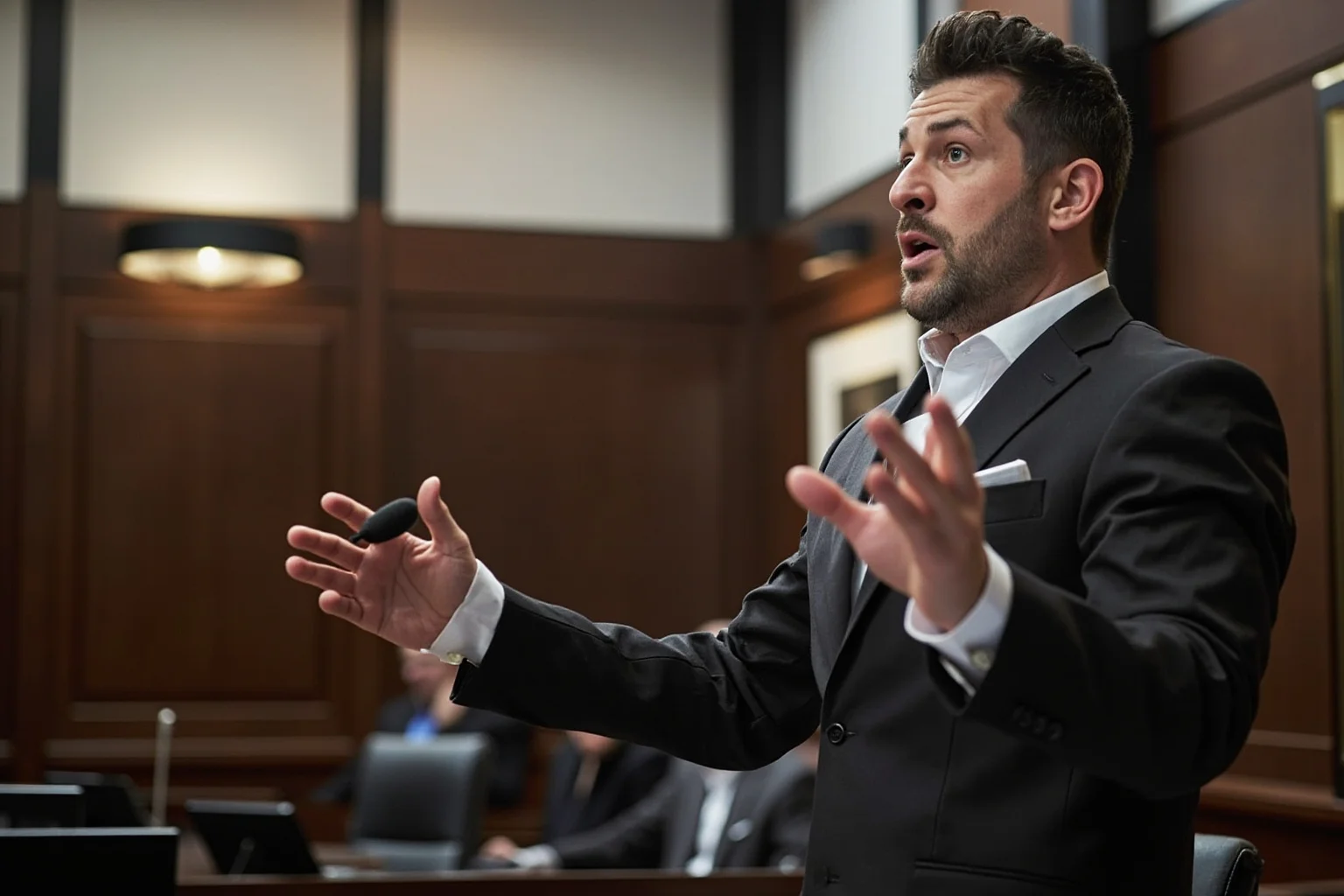
Elizabeth Loftus is one of the most famous psychologists today, known for pioneering research into memory distortion and false memories. Her studies showed that eyewitness testimony, long treated as reliable in courtrooms, can be surprisingly easy to manipulate through suggestive questioning.
Loftus’s research has directly influenced legal standards around eyewitness evidence in criminal trials. She continues to publish and testify as an expert witness, making her one of the more visible working psychologists in the field.
18. Mary Ainsworth (1913–1999)

Mary Ainsworth, an American-Canadian developmental psychologist, created the “Strange Situation” procedure to study attachment between infants and caregivers. Her research identified distinct attachment styles, including secure and insecure patterns, that are still used in developmental and clinical psychology.
Ainsworth built directly on the attachment theory work of British psychiatrist John Bowlby, turning his theoretical ideas into a testable research method. Attachment style research remains hugely influential in child development and relationship psychology today.
19. Anna Freud (1895–1982)

Anna Freud, Sigmund Freud’s daughter, became a major figure in her own right as a pioneer of child psychoanalysis. She developed ego psychology, focusing on how the mind manages internal conflict and stress through defense mechanisms.
Unlike her father, Anna Freud focused heavily on directly observing and treating children rather than working primarily with adult patients recalling childhood memories. Her clinical work laid groundwork for much of modern child therapy.
20. Karen Horney (1885–1952)
Karen Horney was a German psychoanalyst and one of the most notable early critics of Freudian theory, particularly its treatment of women’s psychology. She challenged Freud’s concept of “penis envy” and argued that cultural and social factors, not just biology, shaped psychological differences between men and women.
Horney is often cited as an early feminist voice within psychology, decades before the term was common in the field, earning her a place among history’s most powerful women. Among famous German psychologists, she remains a key figure for reshaping how gender was discussed in clinical theory.
21. Gordon Allport (1897–1967)
American psychologist Gordon Allport is considered one of the founding figures of personality psychology. He argued personality should be studied through stable individual traits rather than only through universal stages or unconscious drives.
Allport’s trait-based approach influenced the development of later personality models, including the widely used “Big Five” framework. He’s a quieter name than Freud or Jung, but arguably just as important to modern personality research.
22. Aaron Beck (1921–2021)

Aaron Beck, an American psychiatrist, is credited as the founder of cognitive therapy, one of the most widely practiced forms of talk therapy today. He proposed that distorted thinking patterns, not just unconscious drives, were central to conditions like depression and anxiety.
Beck’s cognitive approach eventually merged with behavioral techniques to form cognitive-behavioral therapy, or CBT, now considered one of the most evidence-supported treatments in mental health. Among famous therapists of the modern era, few have had as much impact on actual clinical practice.
23. Daniel Kahneman (1934–2024)

Daniel Kahneman, an Israeli-American psychologist, won the Nobel Memorial Prize in Economic Sciences in 2002 for his work on judgment and decision-making, unusual territory for a psychologist to be recognized in an economics prize. His research with Amos Tversky identified systematic biases in human reasoning, later popularized in his bestselling book “Thinking, Fast and Slow.”
Kahneman’s “System 1 and System 2” model of fast, intuitive thinking versus slow, deliberate thinking became a mainstream way to talk about decision-making. He’s one of the clearest examples of a famous psychologist whose influence spread well beyond academic psychology into economics and public policy, and he’s often mentioned alongside other researchers on lists of the smartest people in history.
24. Philip Zimbardo (1933–2024)
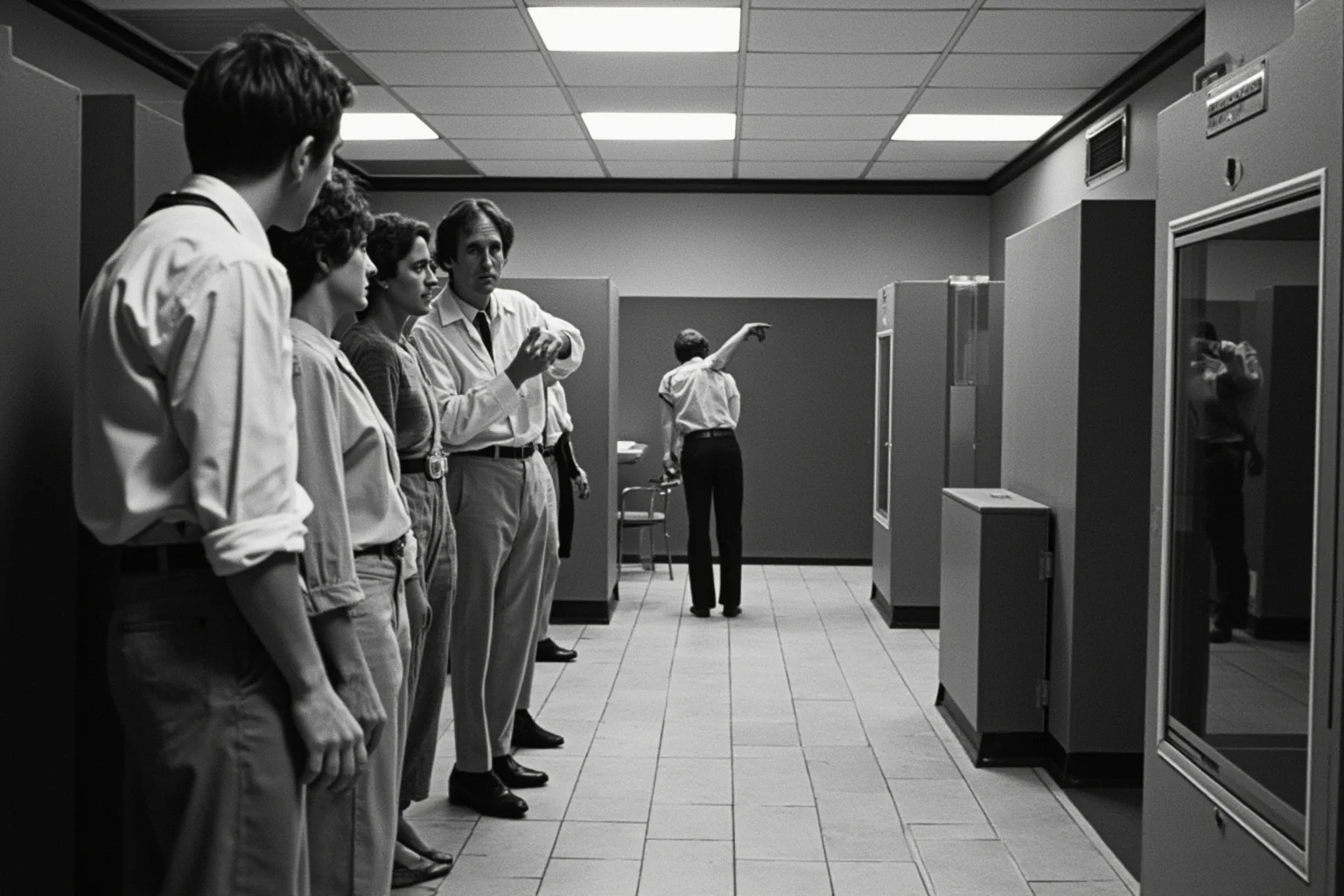
Philip Zimbardo is best known for the 1971 Stanford Prison Experiment, in which college students were randomly assigned to act as guards or prisoners in a simulated jail. The study was shut down early after participants playing guards became abusive, and it has faced significant methodological criticism in later decades, including questions about how much guards were coached.
Despite the controversy, the experiment remains one of the most widely referenced case studies in social psychology courses. Zimbardo used its lessons to write extensively about how situational forces, not just individual character, can drive people toward cruelty.
Why These Psychology Pioneers Still Matter
Looking across this list, a pattern emerges: the most influential psychologists rarely got everything right the first time. Freud’s unconscious mind, Piaget’s developmental stages, and Maslow’s hierarchy have all been revised, challenged, or partly disproven by later research, yet the questions they raised still drive the field forward.
That’s arguably the real throughline connecting these important names in psychology. Science progresses by testing ideas, discarding what doesn’t hold up, and refining what does, and psychology’s history is a particularly vivid example of that process in action.
Final Thoughts
From a single lab in Leipzig to Nobel Prize-winning research on decision-making, the history of psychology is really a history of people asking better and better questions about the mind. Some of psychology’s important people, like Freud and Jung, are famous mostly for opening doors that later researchers walked through with more rigorous methods.
Others, like Loftus and Kahneman, are still actively shaping how we think about memory, bias, and judgment today. Whichever era draws you in, understanding these figures gives real context for why modern therapy, research, and even everyday language about the mind looks the way it does.
Frequently Asked Questions
Who are considered the most important people in psychology?
Most historians point to figures like Wilhelm Wundt, William James, Sigmund Freud, B.F. Skinner, and Jean Piaget as the most important people in psychology, since each founded a major school of thought or research method still taught today. More recent names like Albert Bandura, Elizabeth Loftus, and Daniel Kahneman are also considered important people in psychology because their research continues to shape clinical practice, education, and even public policy.
Who is considered the father of psychology?
Wilhelm Wundt is generally called the father of psychology because he opened the first dedicated experimental psychology lab in 1879 in Leipzig, Germany. William James is often called the father of American psychology specifically, since his 1890 textbook shaped how the field developed in the United States.
Who are some famous psychologists today?
Elizabeth Loftus, known for her work on false memories, and Daniel Kahneman, known for research on decision-making biases, are two of the most famous psychologists whose influence extends into the present day. Contemporary researchers in cognitive, social, and clinical psychology continue building on foundational work from earlier pioneers like Bandura and Beck.
Are Sigmund Freud’s theories still accepted in modern psychology?
Not entirely. Many of Freud's specific ideas, such as detailed psychosexual stages, aren't supported by modern empirical research and are largely rejected by mainstream psychologists today. He's still historically significant for bringing serious attention to unconscious mental processes, even though his specific theories have mostly been replaced by better-tested models.
What’s the difference between a famous psychologist and a famous therapist?
A psychologist typically refers to someone who studies the mind and behavior through research, while a therapist is someone who applies psychological principles directly in clinical treatment. Some figures, like Carl Rogers and Aaron Beck, were both influential researchers and practicing therapists, which is why they appear on lists of famous psychologists and famous therapists alike.
Which experiments from psychology’s history would be considered unethical today?
Several famous studies, including John B. Watson's Little Albert experiment, Stanley Milgram's obedience studies, and Philip Zimbardo's Stanford Prison Experiment, involved practices that would violate modern research ethics standards around informed consent and participant welfare. These studies directly led to the stricter ethical review processes used in psychology research today.

Alex Warren
Related Articles





