

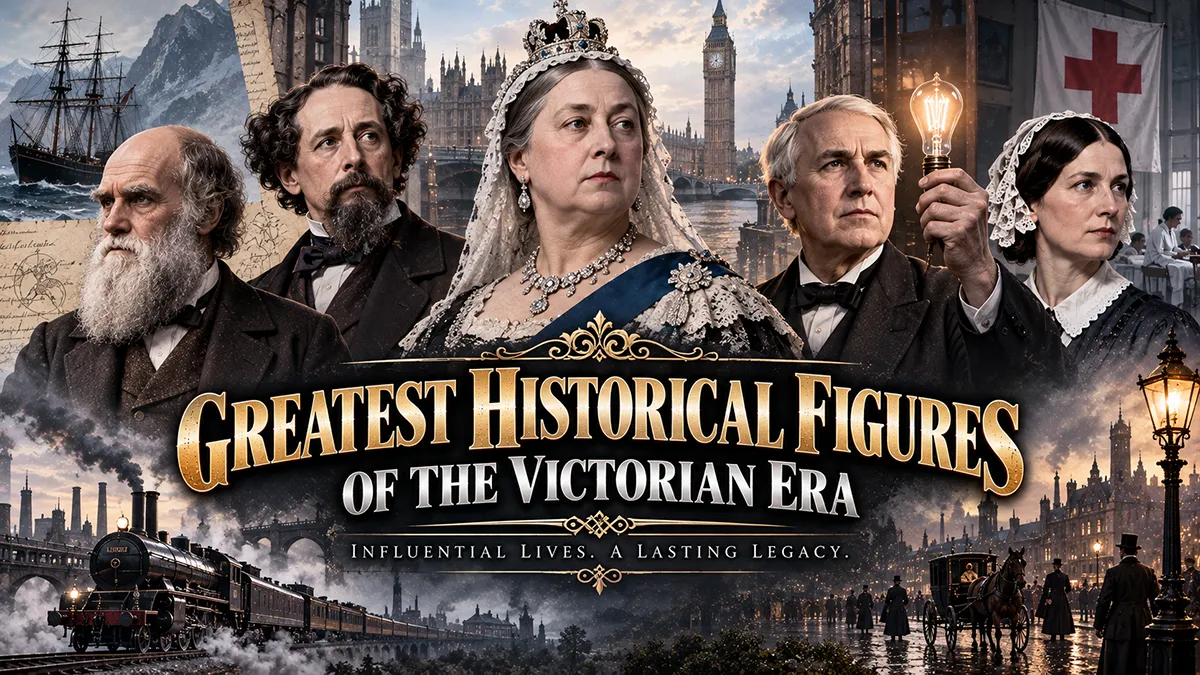
Picture gas-lit streets, hissing steam engines, crinoline skirts, and a queen who sat on the throne longer than almost anyone before her. That’s the world of the Victorians — a period so packed with invention, upheaval, and larger-than-life personalities that it’s hard to know where to start.
If you’ve ever wondered which victorian era people actually shaped the modern world, or you’re just trying to sort real 1800s historical figures from the fictional ones in your favorite period drama, you’re in the right place.
This list rounds up 25 of the most influential famous victorians and their contemporaries — scientists, writers, reformers, rulers, and a few rebels who refused to sit quietly and drink their tea. We’ll also answer some of the most common questions people ask about this era, like what century the Victorian era actually falls in and what quality it’s most remembered for.
TL;DR: The Victorian era (1837–1901) produced an extraordinary cast of scientists, writers, reformers, and rulers whose ideas about evolution, empire, industry, and equality still shape the world we live in today.
What Century Was the Victorian Era?
The Victorian era belongs to the 19th century. It’s named after Queen Victoria, who reigned from 1837 until her death in 1901, making it one of the longest monarchical reigns in British history at the time.
That means the era runs roughly from the late 1830s through the very start of the 20th century. If you’re looking at famous people from the 1900s in the strict sense — the year 1900 itself, or the first decade after — you’re actually catching the tail end of Victoria’s reign and the beginning of what’s called the Edwardian era, named for her son and successor, Edward VII.
It’s a common mix-up, so don’t feel bad if you’ve grouped “Victorian” and “Edwardian” together before. They’re closely linked, but technically distinct periods with their own social flavor.
What Quality Was the Victorian Age Most Known For?
If you had to sum up the Victorian age in one word, most historians would land somewhere near “contradiction.” It was an era of dazzling scientific and industrial progress sitting right alongside strict social propriety, rigid class divides, and grinding poverty for many.
Railways, telegraphs, and factories transformed daily life at a pace never seen before. At the same time, society clung tightly to ideas about manners, modesty, and “respectability,” especially for women.
This tension between innovation and convention is really the defining quality of the Victorian age. It’s why the period still fascinates us: it was simultaneously the birthplace of modern science and a world of strict etiquette manuals and stiff upper lips.
Real People vs. Fictional Favorites
Before we dive into the list, it’s worth a quick myth-busting note. Pop culture has given us plenty of beloved Victorian-era characters — Sherlock Holmes, Dracula, Ebenezer Scrooge — who feel so vivid they seem almost real.
Those fictional Victorian characters were often inspired by real people, real science, and real anxieties of the time, but they were never actual historical figures. Every person on this list is a genuinely documented, real Victorian person who left a verifiable historical record behind.
Keeping that line clear matters, especially since so many Edwardian characters and Victorian-set stories blend fact with fiction so seamlessly on screen.
The 25 Greatest Historical Figures of the Victorian Era
This list leans toward influence and lasting impact rather than fame alone, though most of these names will already ring a bell among history’s most recognized historical figures. They’re presented in a loose, sensible order rather than a strict ranking, since comparing a queen to a chemist is a bit like comparing apples to steam engines.
1. Queen Victoria
The era’s namesake reigned from 1837 to 1901, presiding over the British Empire at its territorial peak. Her marriage to Prince Albert, her long mourning after his death, and her image as a symbol of stability made her one of the most recognizable victorian people in history.
Her reign wasn’t just about pomp and ceremony, either. It coincided with massive industrial growth, colonial expansion, and social reform debates that defined the century.
2. Prince Albert
Often overshadowed by his wife, Prince Albert was a genuine driving force behind Victorian innovation. He championed the Great Exhibition of 1851, a showcase of industrial and artistic achievement held in London’s Crystal Palace.
His early death in 1861 sent Victoria into decades of mourning, but his influence on science, education, and design lived on well beyond his lifetime.
3. Charles Dickens
No list of famous victorian writers is complete without Dickens. Through novels like “Oliver Twist,” “Great Expectations,” and “A Christmas Carol,” he exposed the brutal poverty and injustice lurking beneath Victorian Britain’s polished surface.
His serialized stories were genuinely mass entertainment, read aloud in homes and pubs across the country. Few 1800s historical figures did more to shape how we picture the era today.
4. Charles Darwin
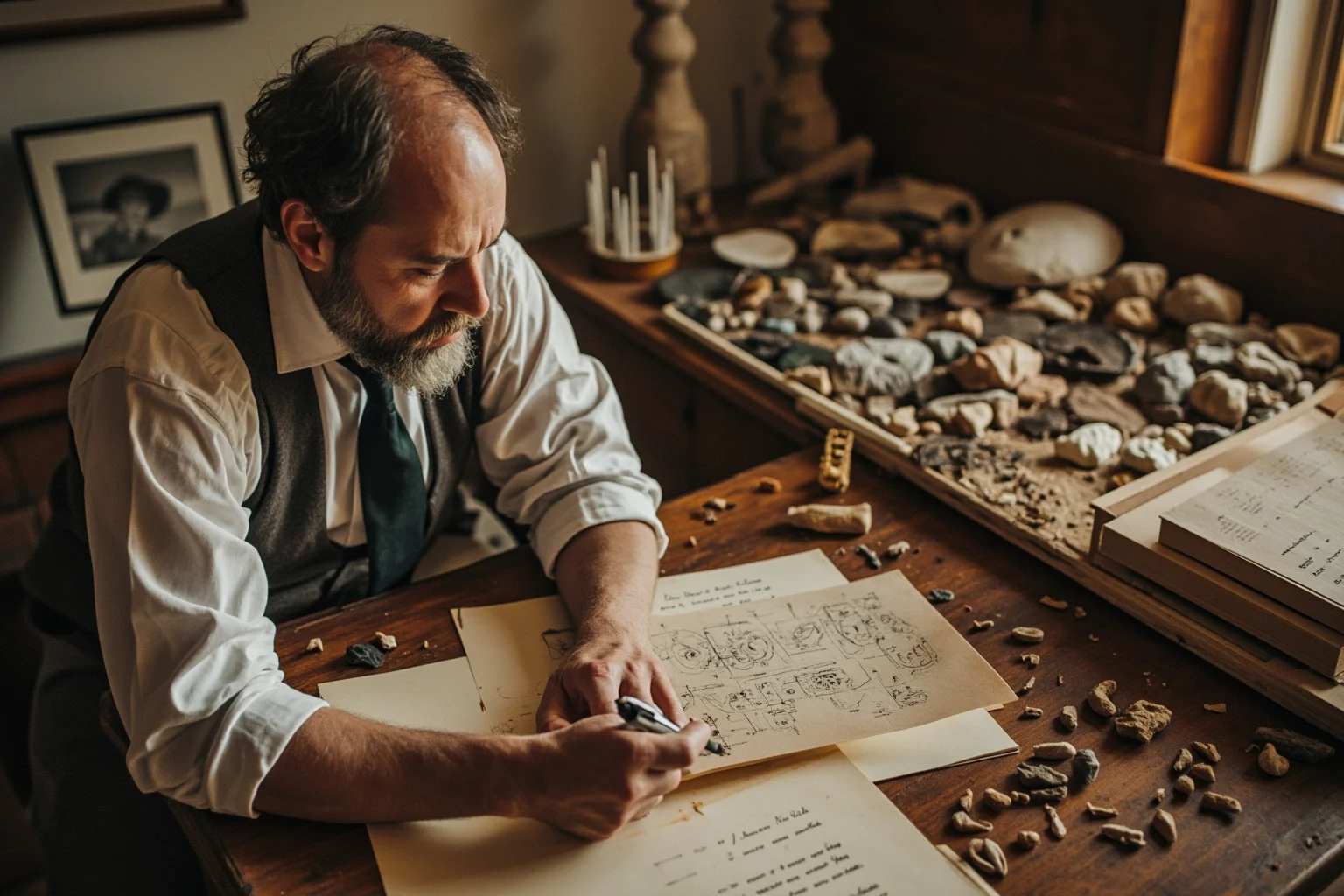
Darwin’s 1859 book “On the Origin of Species” introduced the theory of evolution by natural selection, permanently changing how humanity understood its place in nature. It sparked fierce debate among scientists, clergy, and the public alike.
Darwin himself was famously cautious and methodical, spending decades gathering evidence before publishing. His work remains one of the most important scientific contributions of the 19th century, and he’s frequently included among the smartest people in history.
5. Florence Nightingale
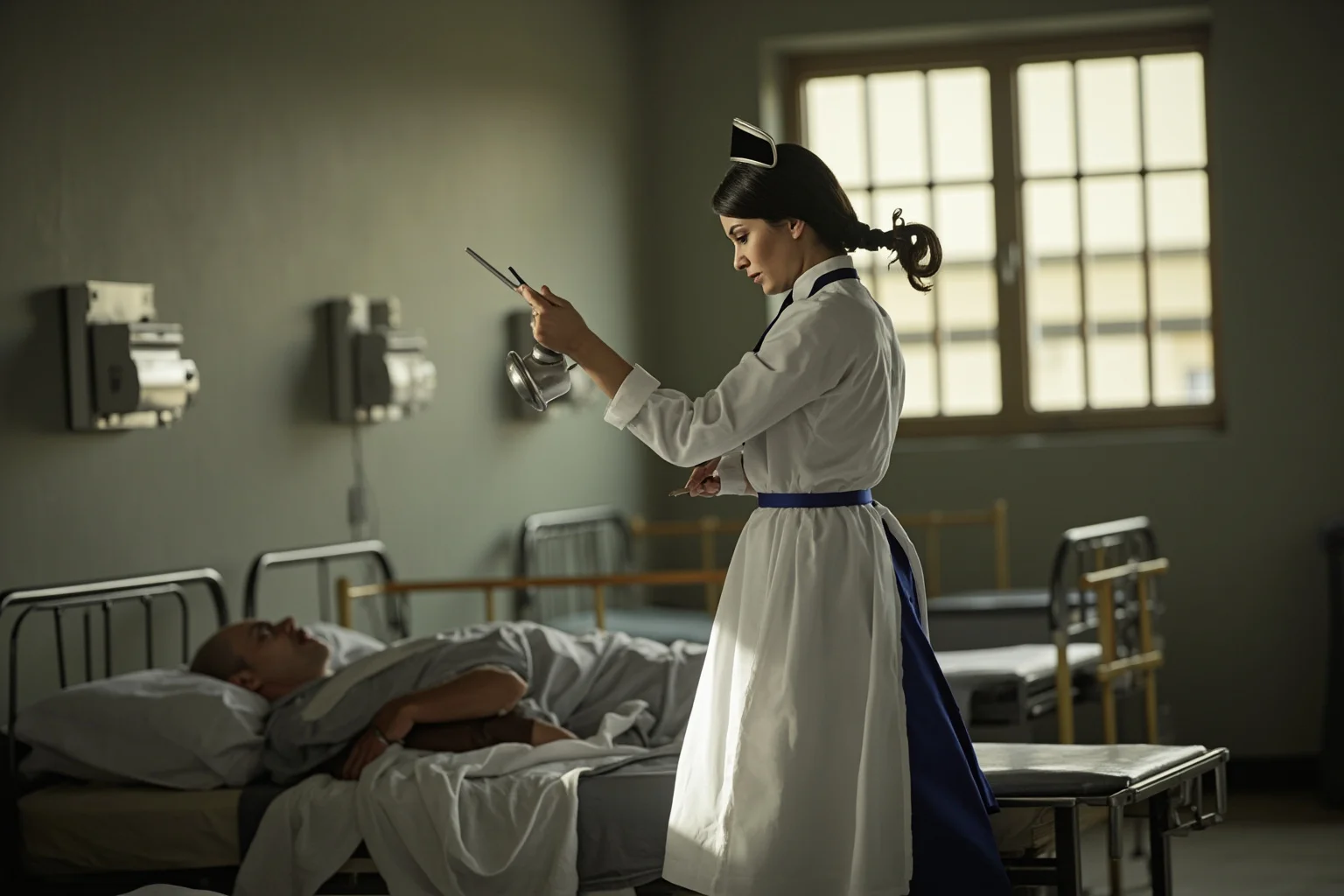
Known as “The Lady with the Lamp,” Nightingale transformed nursing during the Crimean War through rigorous hygiene standards and statistical analysis of hospital mortality. She’s frequently cited among famous female victorians for good reason.
Her work laid the foundation for modern nursing as a respected profession. She also used data visualization in ways that were genuinely ahead of her time.
6. Isambard Kingdom Brunel
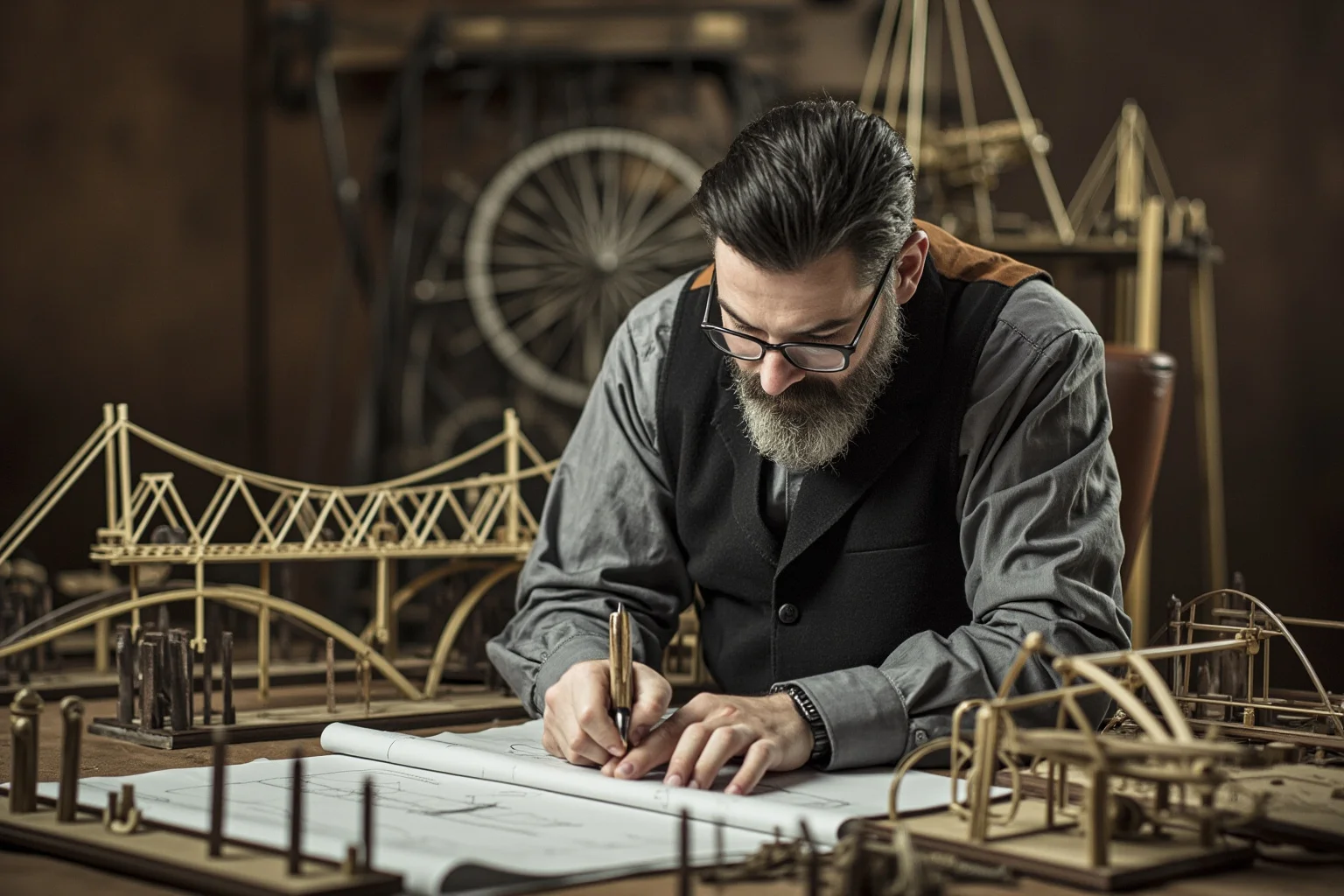
Brunel was the engineering superstar of Victorian Britain, responsible for bridges, tunnels, railways, and ocean-going steamships that pushed the boundaries of what was technically possible. The Clifton Suspension Bridge and the Great Western Railway both bear his fingerprints.
His ambitious, sometimes risky projects captured the public imagination in a way few engineers ever have. He embodied the era’s obsession with progress and scale.
7. Ada Lovelace
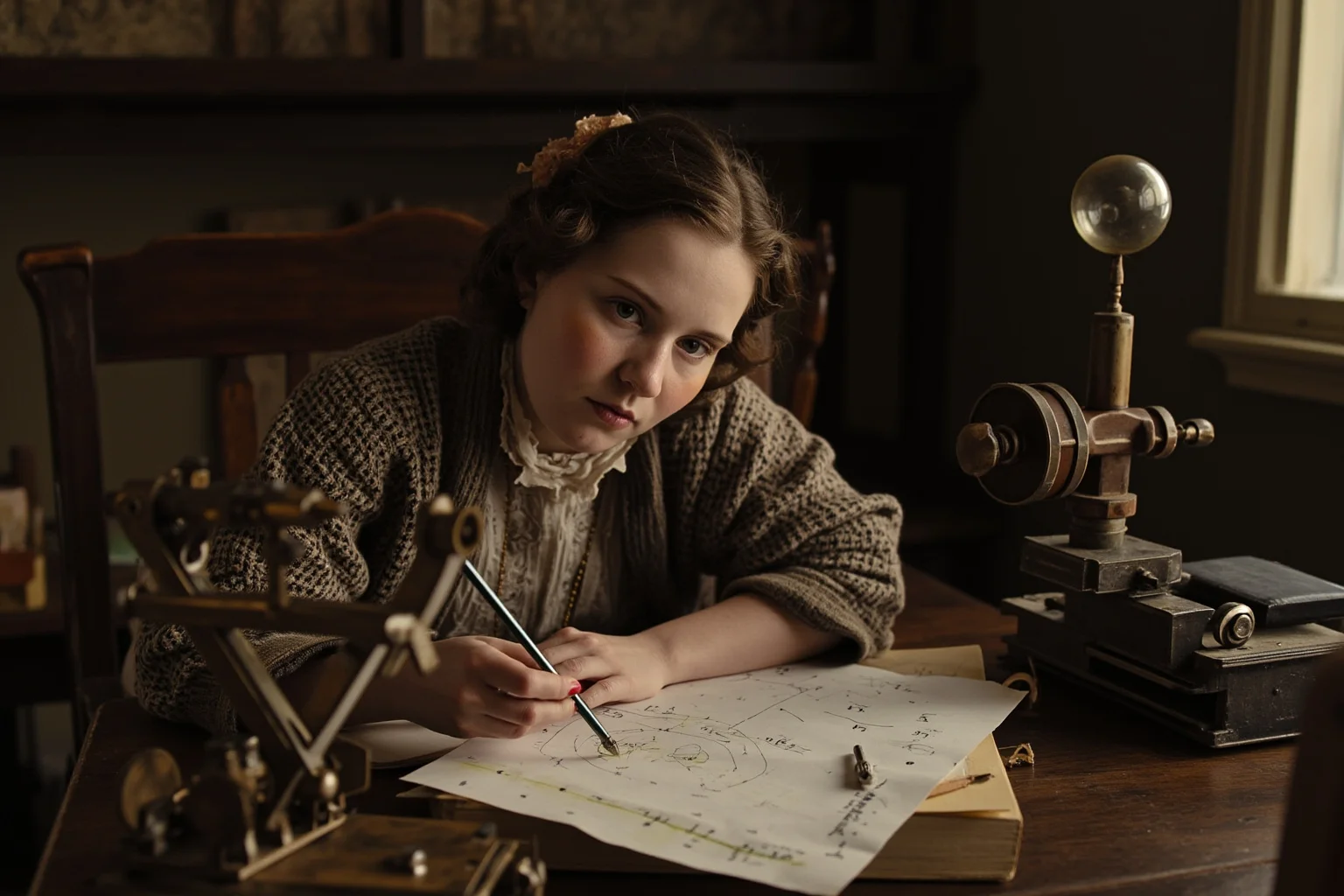
Working alongside Charles Babbage on his proposed Analytical Engine, Ada Lovelace wrote what many consider the first algorithm intended for a machine. That makes her a strong candidate for the title of the world’s first computer programmer, decades before actual computers existed, a claim that also puts her among the historical geniuses with the highest estimated IQs.
Her notes on the Analytical Engine weren’t widely appreciated in her own lifetime. It took over a century for historians to fully recognize her contribution.
8. The Brontë Sisters
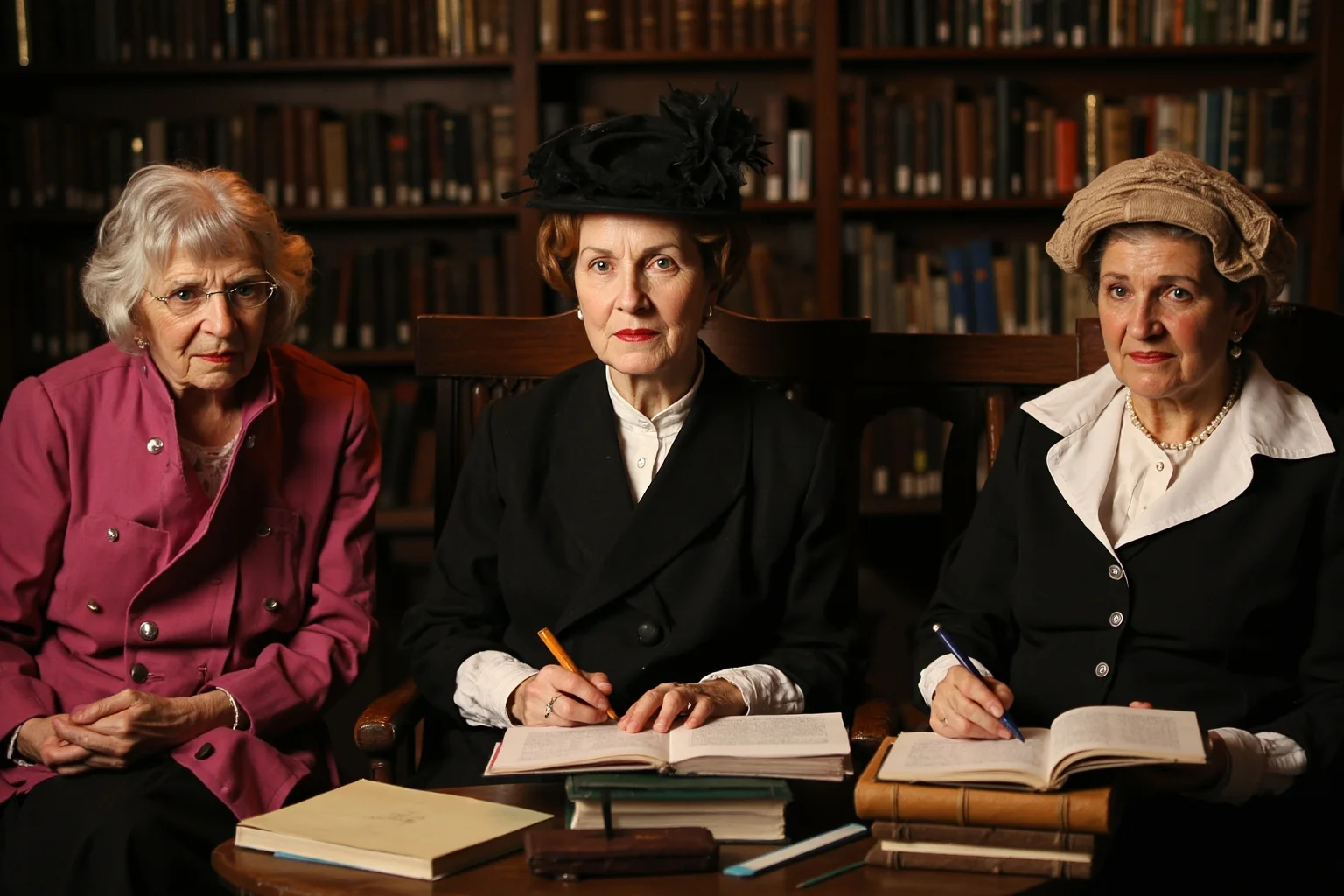
Charlotte, Emily, and Anne Brontë wrote some of the most enduring novels of the 19th century, including “Jane Eyre” and “Wuthering Heights.” They initially published under male pseudonyms to navigate a literary world stacked against women writers.
Their work explored passion, class, and independence in ways that felt startlingly modern for their time. They remain essential names among famous victorian writers and famous female victorians alike.
9. Karl Marx
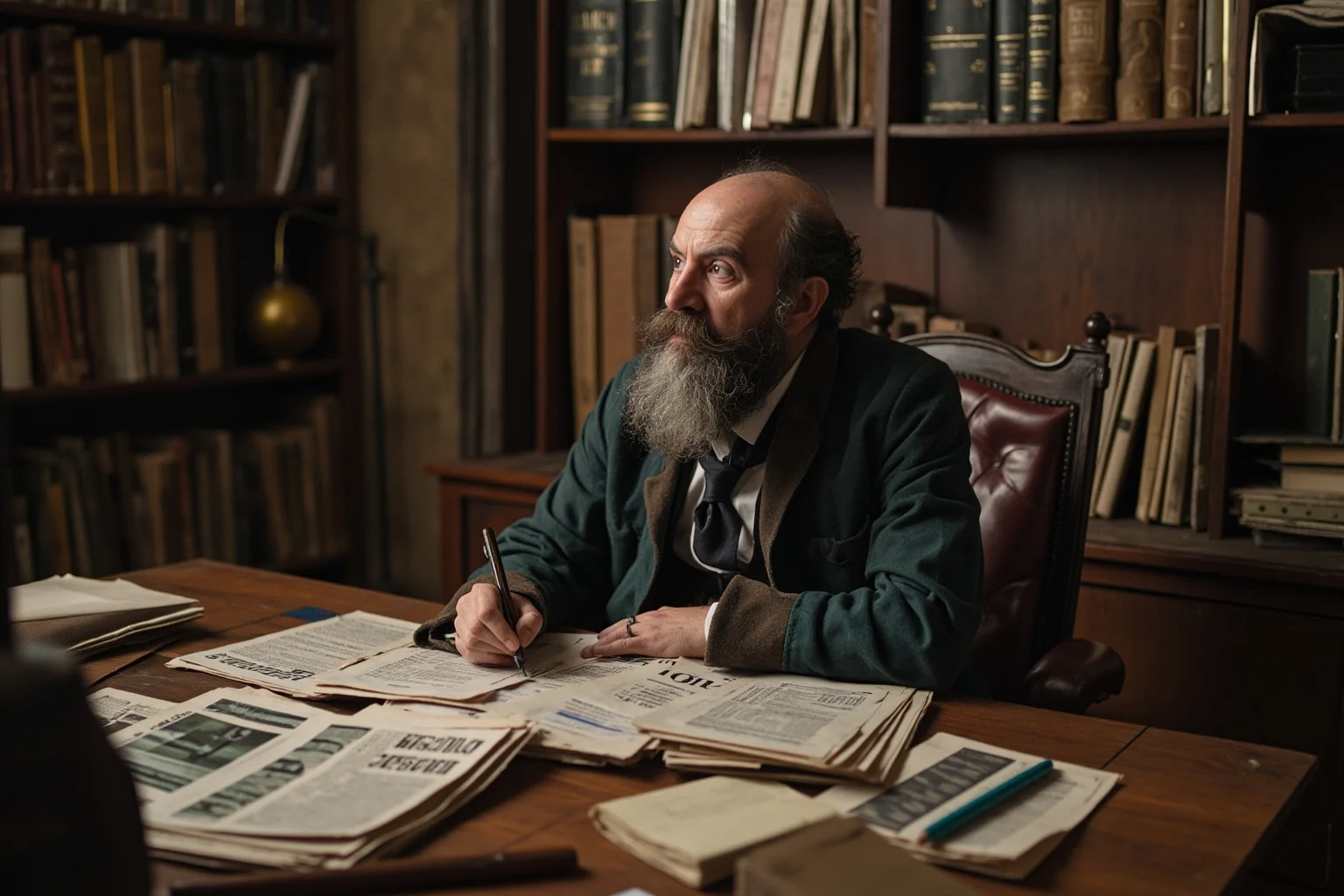
Marx spent much of his adult life in London, where he wrote “Das Kapital” and, with Friedrich Engels, “The Communist Manifesto.” His critiques of industrial capitalism emerged directly from observing Victorian factory conditions firsthand.
While his ideas were controversial in his lifetime, they went on to shape political movements across the 20th century. Few victorian era people had a longer geopolitical shadow.
10. Oscar Wilde
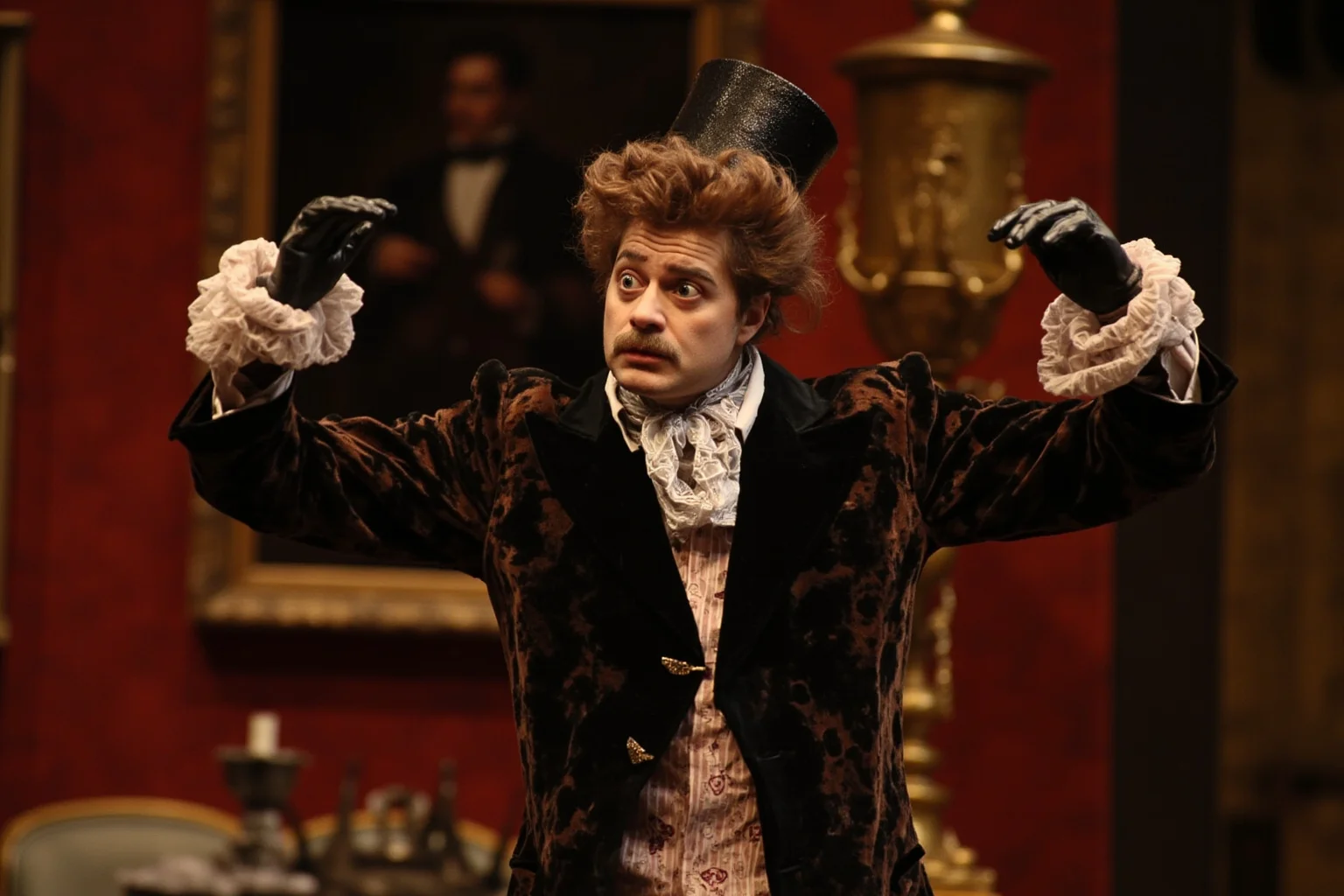
Wilde was the wittiest man in Victorian London, known for plays like “The Importance of Being Earnest” and his sharp, quotable observations on society and hypocrisy. His novel “The Picture of Dorian Gray” scandalized readers with its themes of vanity and moral decay.
His 1895 trial and imprisonment for “gross indecency” also exposed the darker, punitive side of Victorian moral rigidity. He remains one of the most quoted famous victorians of all time.
11. Michael Faraday
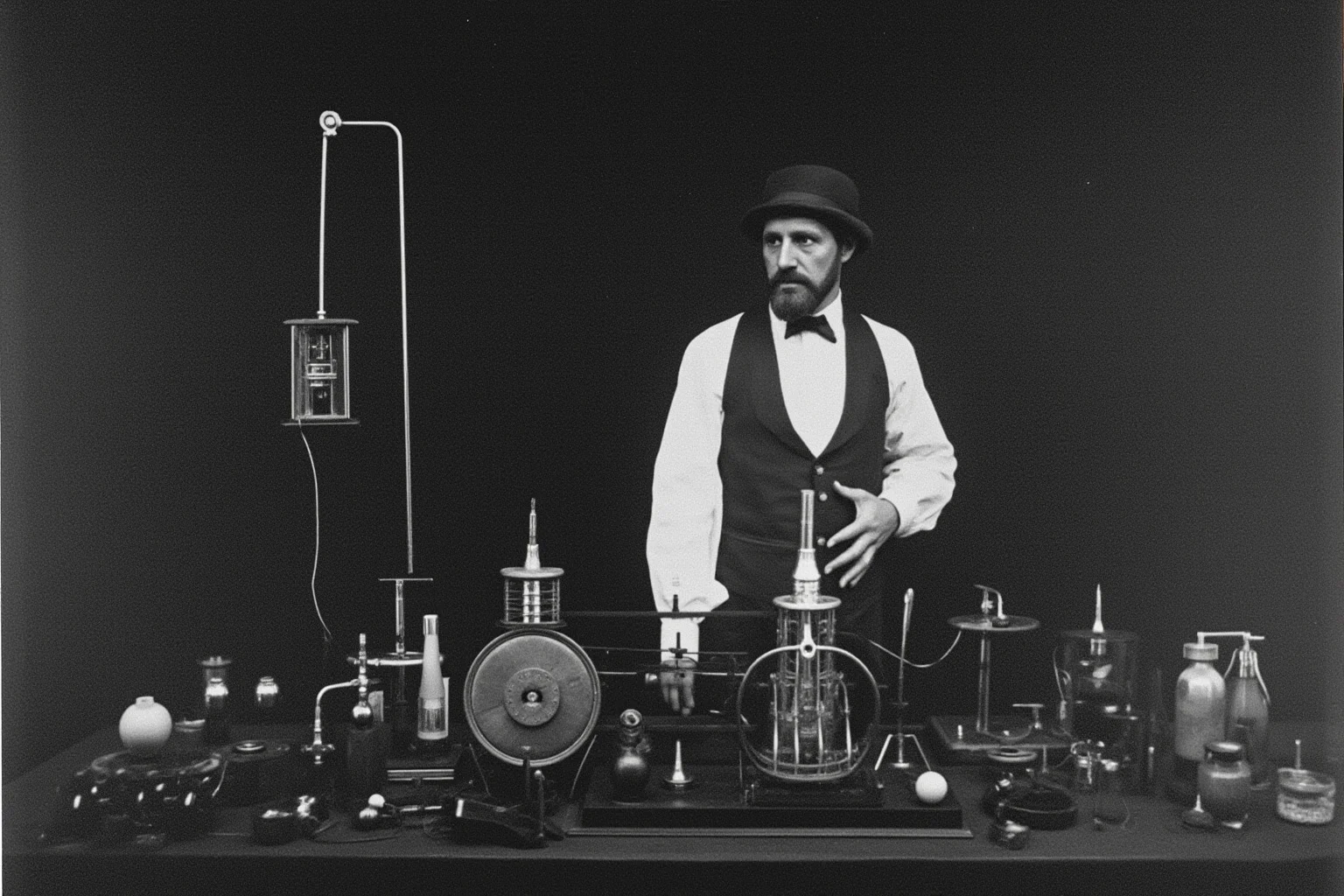
Faraday’s experiments with electromagnetism laid essential groundwork for modern electrical technology. His discovery of electromagnetic induction directly enabled the generators and motors that power daily life today.
Despite having little formal education, he became one of the era’s most respected scientists. His public lectures at the Royal Institution helped popularize science for everyday Victorians.
12. Alfred, Lord Tennyson
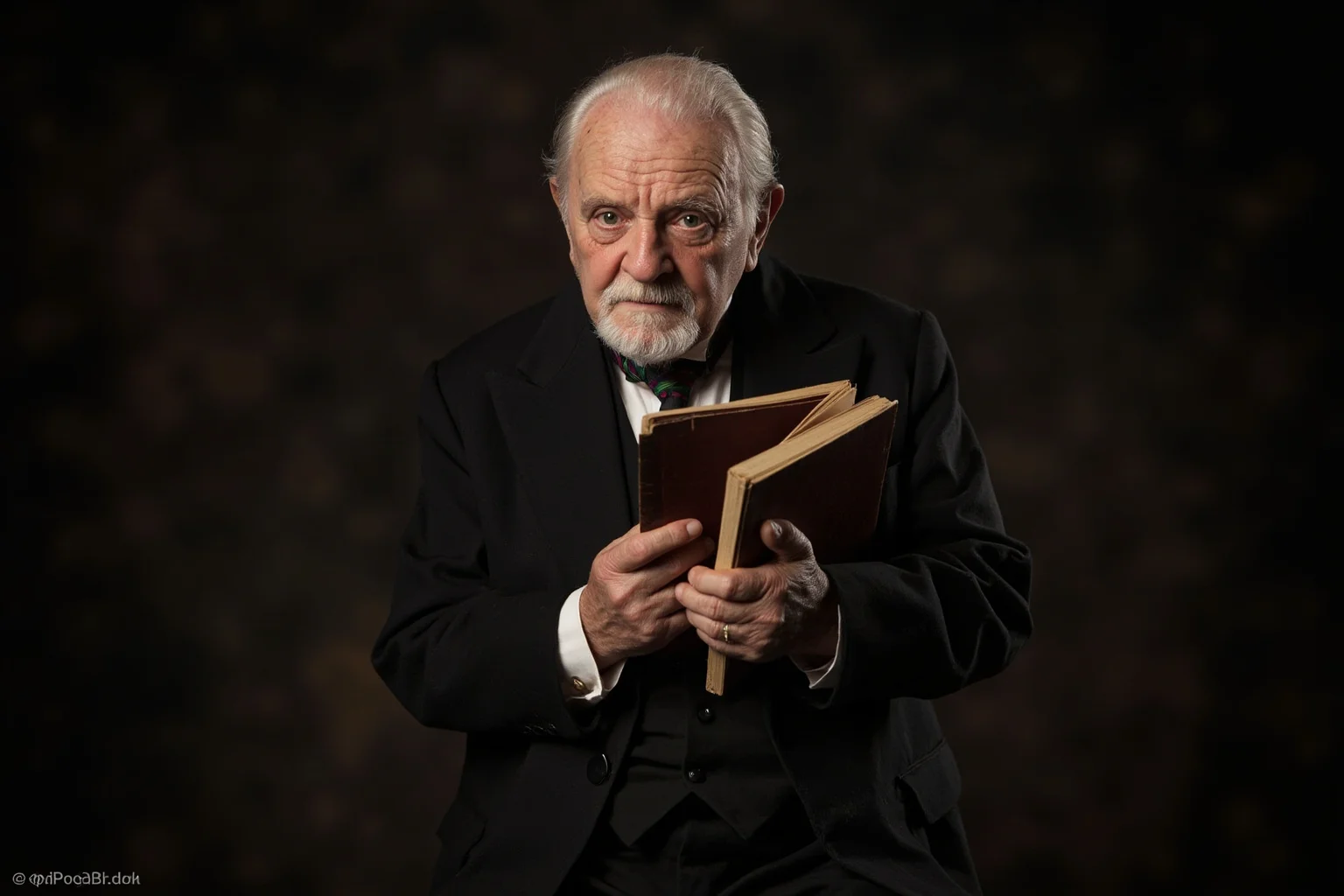
As Poet Laureate for over 40 years, Tennyson’s verse captured the spirit — and anxieties — of Victorian Britain better than almost anyone else’s. Poems like “The Charge of the Light Brigade” memorialized contemporary events in real time.
His work grappled with faith, doubt, and loss following the death of a close friend, themes that resonated deeply with a society wrestling with scientific change. He’s a cornerstone name among famous victorian writers.
13. Abraham Lincoln
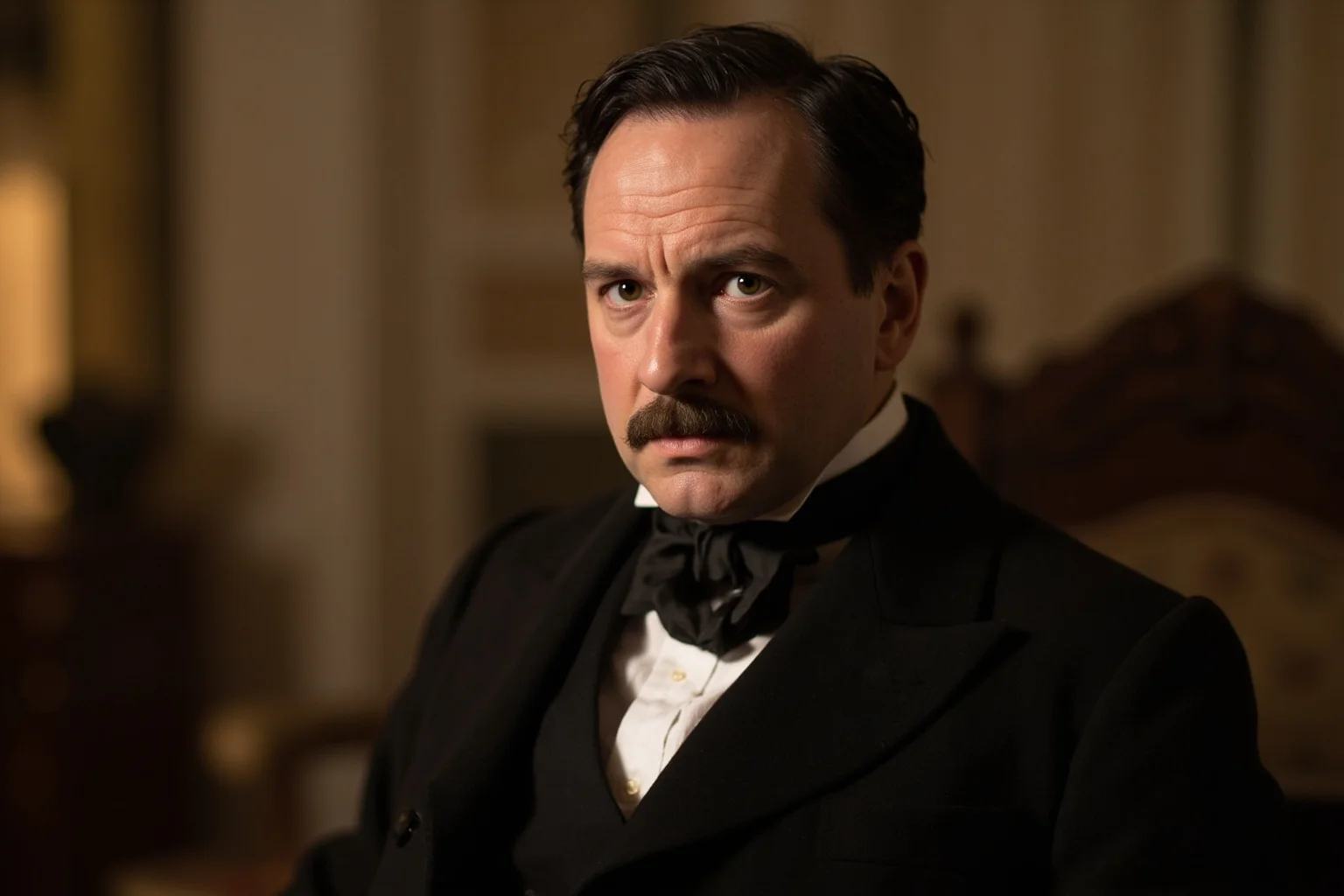
While American rather than British, Lincoln was very much a contemporary of the Victorian age, serving as U.S. president from 1861 until his assassination in 1865. His leadership through the Civil War and the abolition of slavery in the United States mark him as one of the defining famous people from the 1800s worldwide.
His story is a useful reminder that the 19th century’s big transformations weren’t confined to Britain. Industrial change, reform movements, and political upheaval were happening globally at once.
14. Mark Twain
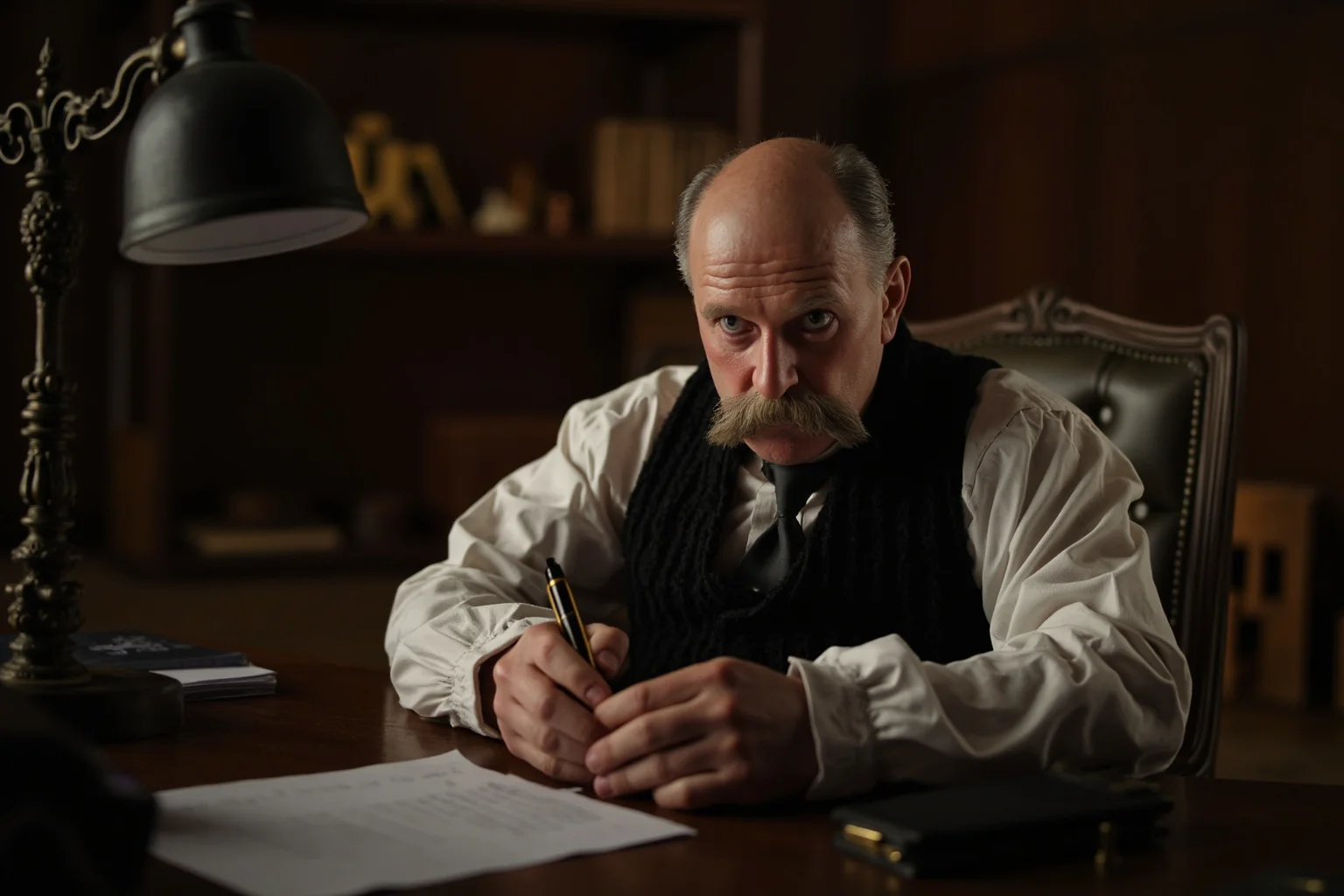
Samuel Clemens, writing as Mark Twain, gave America some of its most enduring literature, including “The Adventures of Tom Sawyer” and “Adventures of Huckleberry Finn.” His sharp humor and social commentary made him one of the most famous 1900s people by reputation, even though his major works were published decades earlier.
Twain toured extensively and became a celebrity in his own right, blending literary success with a talent for public performance. He’s proof that the Victorian era’s cultural reach stretched well beyond Britain’s shores.
15. Susan B. Anthony
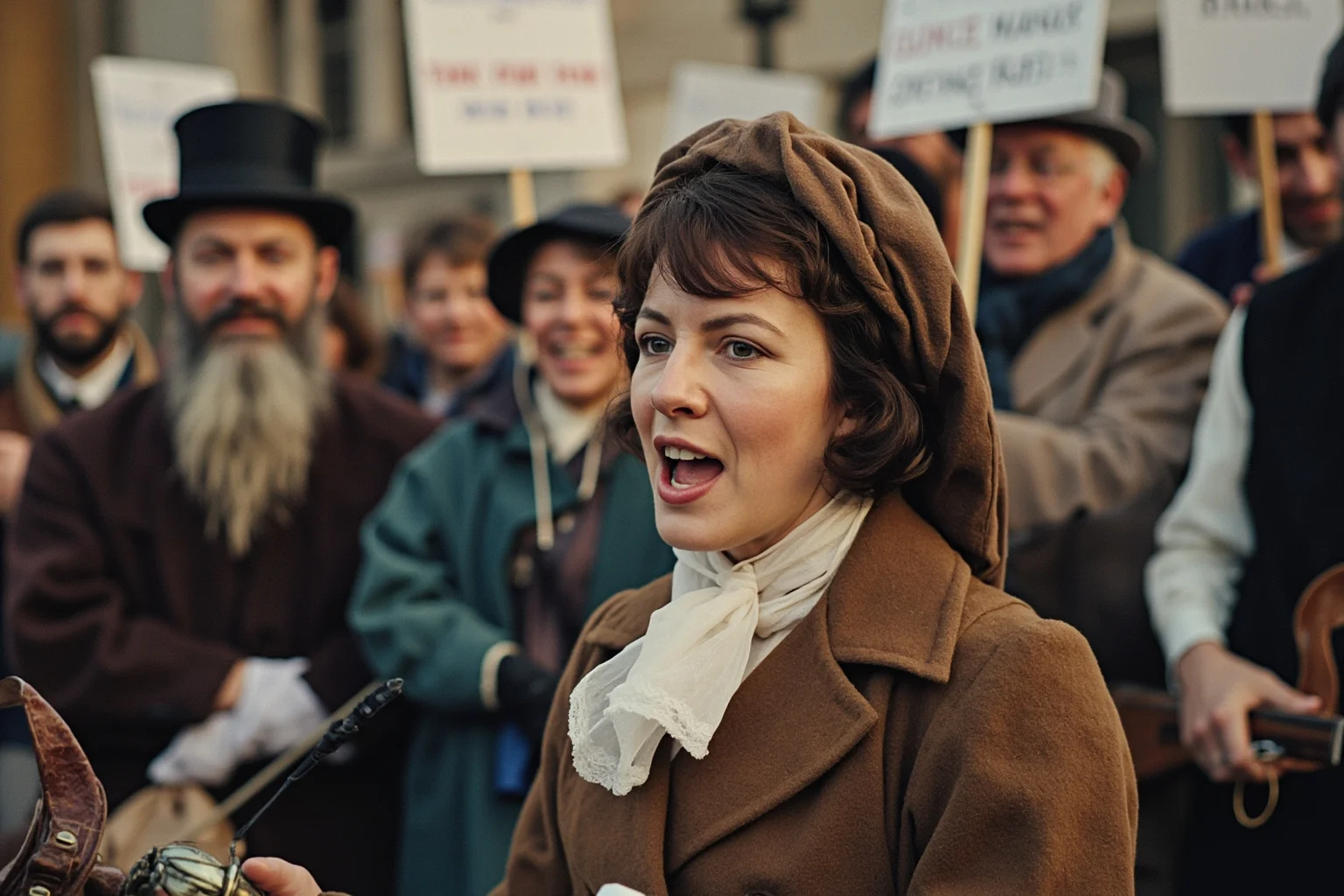
Anthony was a leading figure in the American women’s suffrage movement, co-founding organizations that campaigned tirelessly for women’s right to vote. She was arrested in 1872 for voting illegally, turning her trial into a platform for the cause.
Her decades of activism didn’t see full success in her own lifetime, but they laid crucial groundwork for the 19th Amendment. She’s an essential name for anyone exploring famous female victorians beyond Britain’s borders.
16. Vincent van Gogh
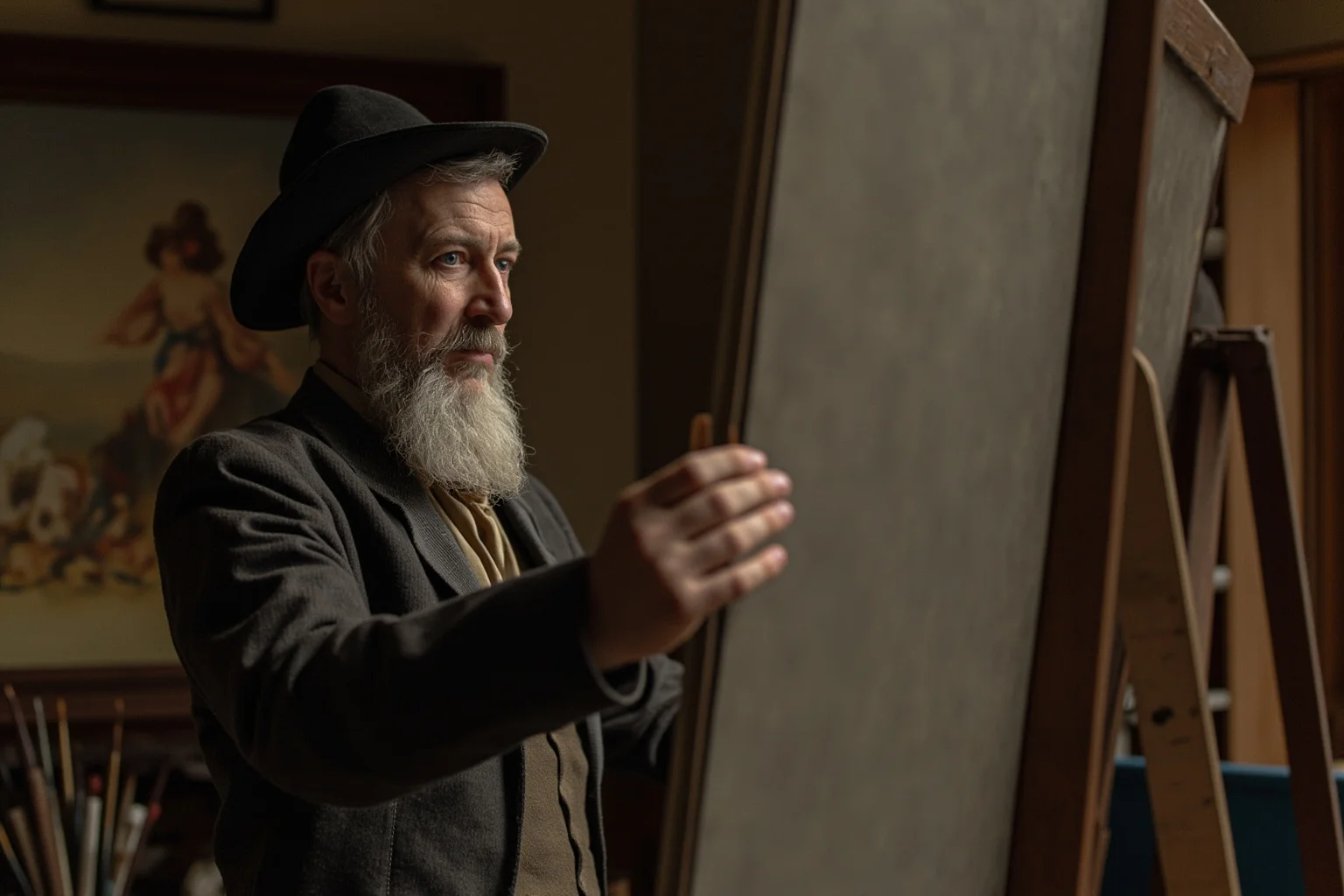
Working mostly in France during the later Victorian decades, van Gogh produced an extraordinary body of paintings, including “The Starry Night” and numerous vivid self-portraits. He sold very few works during his lifetime and struggled with mental illness throughout his career.
His posthumous fame turned him into one of history’s most recognized victorian famous artists, even though recognition came far too late for him personally. His story is also a sobering reminder that genius and success rarely arrived together in this era.
17. Thomas Edison
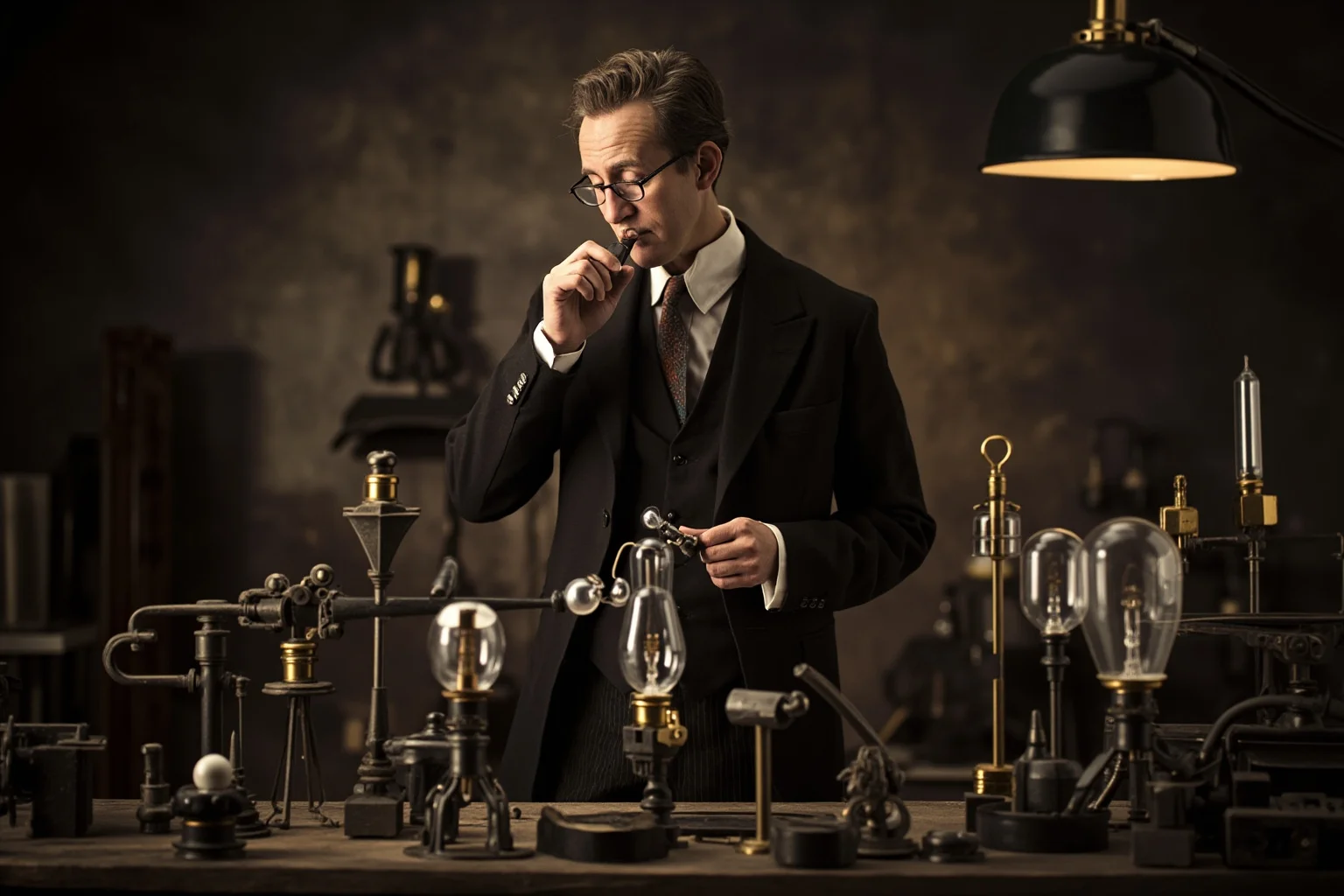
Edison’s inventions, including practical electric lighting and early sound recording devices, transformed everyday life during the late 19th century. His Menlo Park laboratory became a model for organized industrial research.
He held over a thousand patents by the end of his career, though modern historians note he often built on and refined the work of others rather than inventing entirely alone. Either way, he’s undeniably one of the most famous 19th century people in technology.
18. Alexander Graham Bell
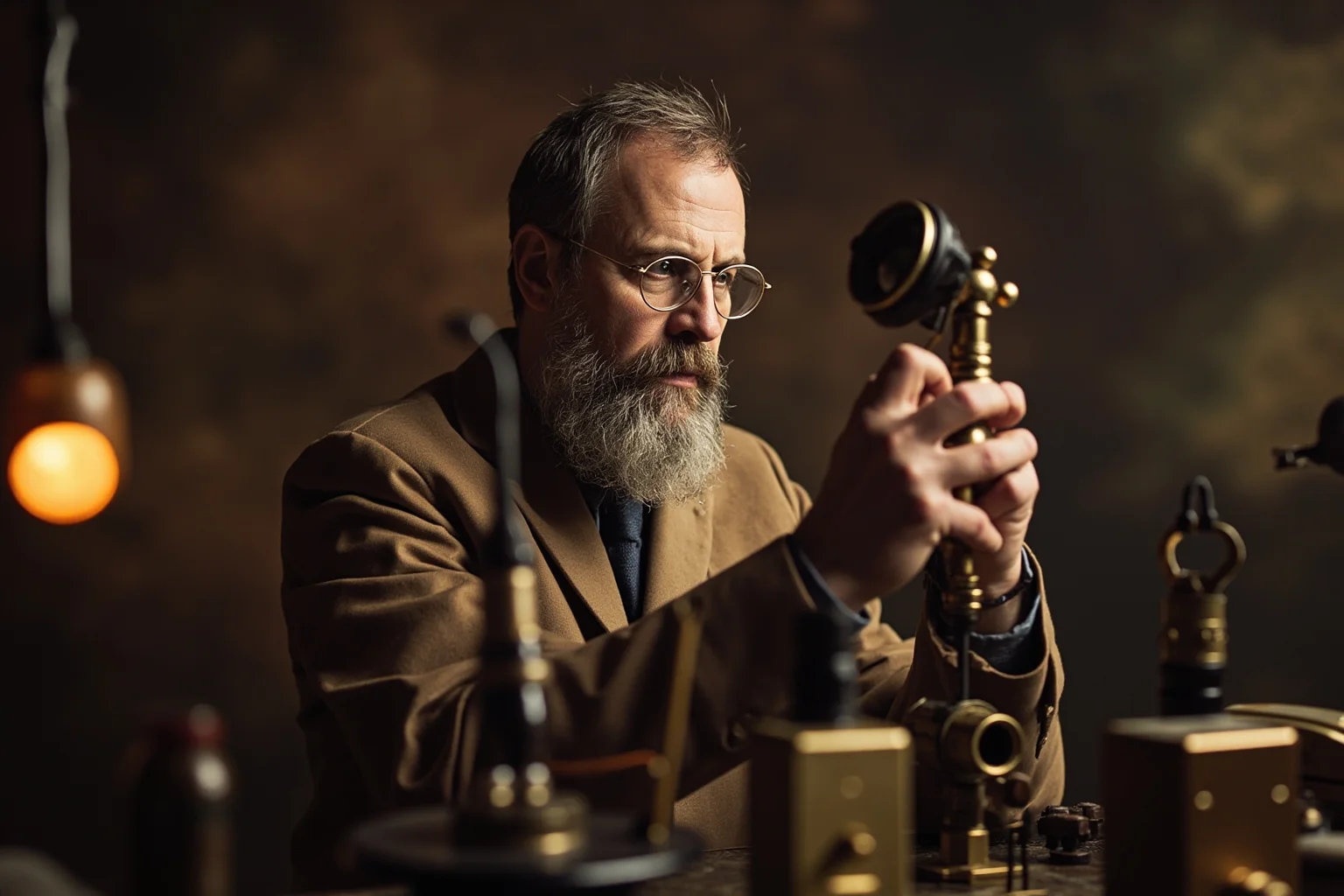
Bell is widely credited with patenting the first practical telephone in 1876, an invention that reshaped communication forever. His work bridged the worlds of science and everyday utility in a way that felt genuinely futuristic to Victorians.
Debate has continued among historians about competing claims to the telephone’s invention. Regardless, Bell’s name remains permanently tied to this breakthrough.
19. Arthur Conan Doyle
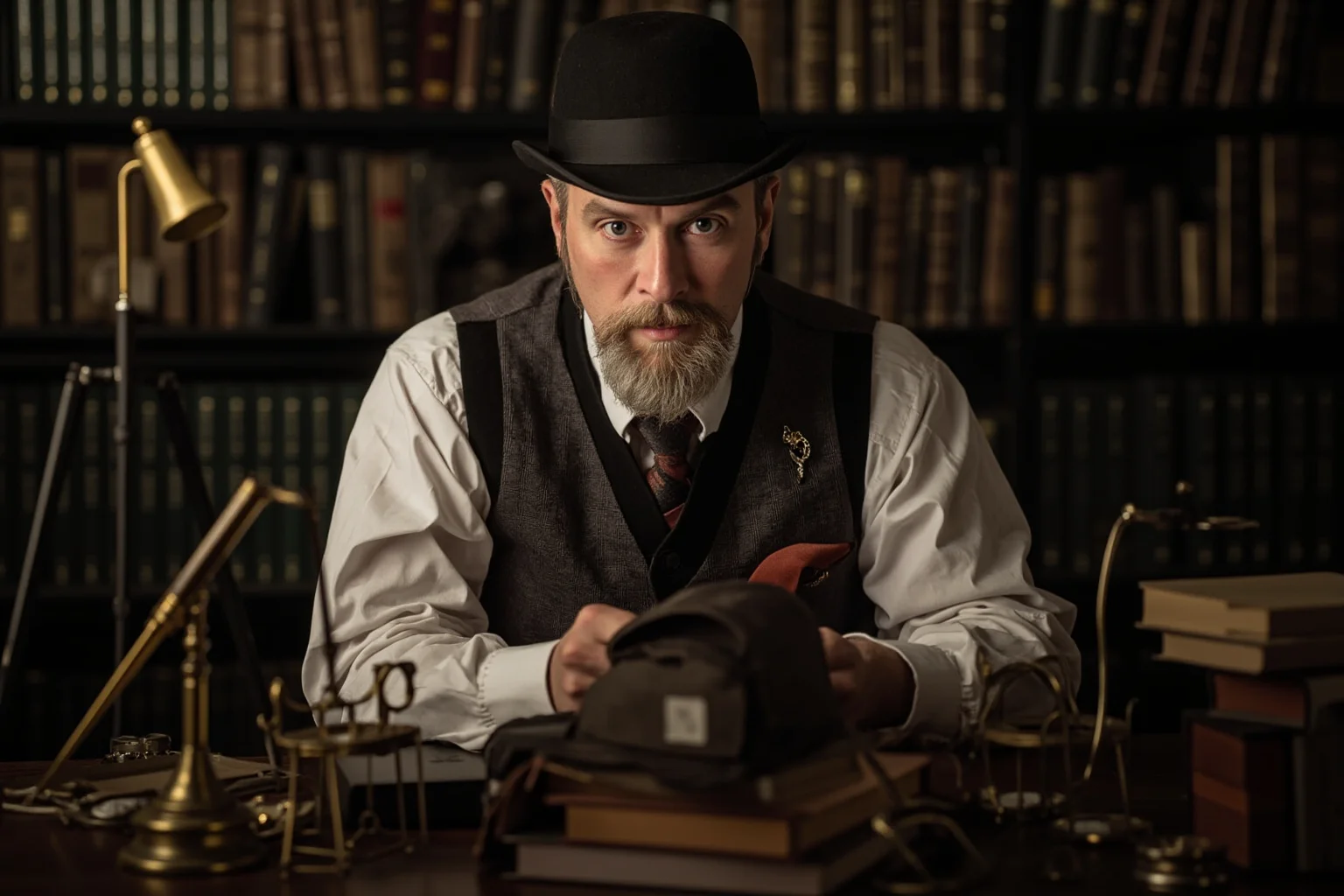
Doyle created Sherlock Holmes, arguably the most famous fictional detective ever written, drawing partly on real forensic science advancements of the era. Beyond fiction, Doyle was also a trained physician and a public figure who wrote on real historical events.
His stories reflected genuine Victorian fascinations with logic, crime, and the emerging field of detective work. He’s proof of how closely fiction and fact intertwined in shaping our image of famous victorians.
20. Robert Falcon Scott
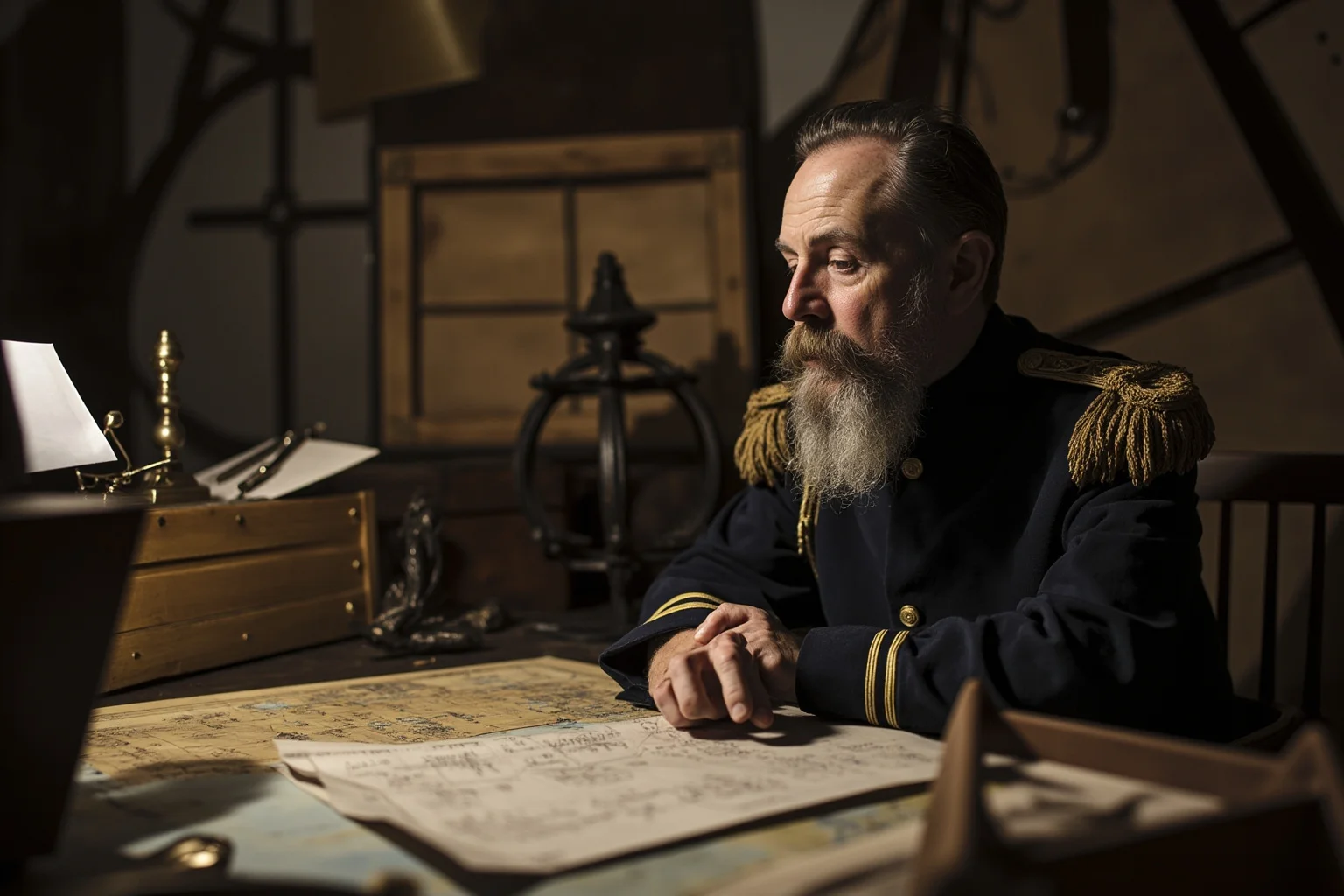
Born in 1868, Scott became a celebrated British naval officer and Antarctic explorer, leading the ill-fated Terra Nova expedition to the South Pole. His party reached the pole in January 1912, only to discover a Norwegian team had beaten them by weeks.
Scott and his companions died on the return journey, and his diaries turned the tragedy into one of the era’s most enduring stories of endurance and loss. He sits right at the hinge between the late Victorian and Edwardian worlds.
21. King Edward VII
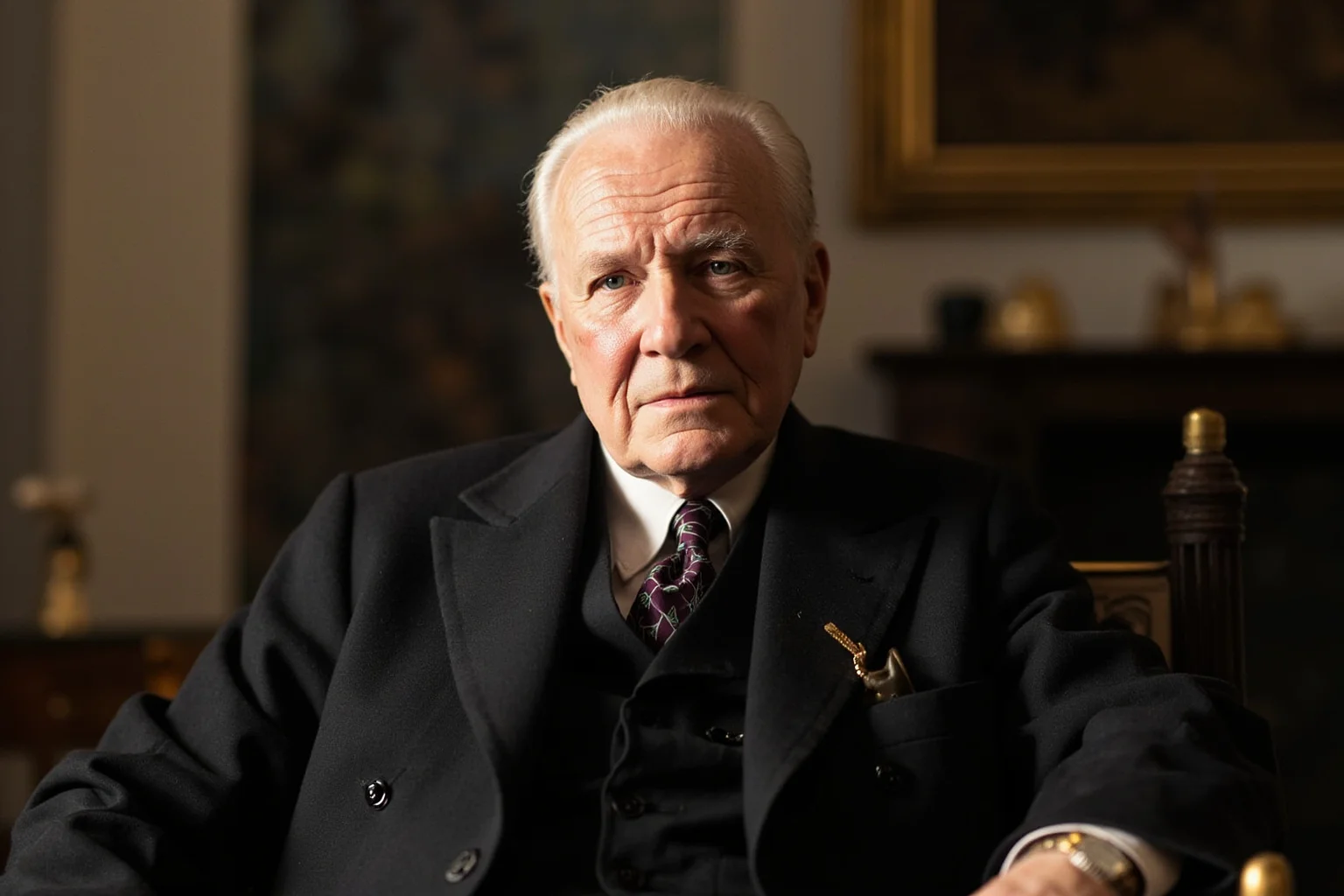
As Victoria’s eldest son, Edward VII took the throne in 1901 and gave his name to the Edwardian era that followed. He’d spent decades waiting in the wings as Prince of Wales, cultivating a much more relaxed, socially engaged public image than his mother.
His reign was shorter than hers, lasting until 1910, but it marked a genuine shift in tone. Fashion, entertainment, and social attitudes loosened noticeably compared to the stricter Victorian decades.
22. Rudyard Kipling
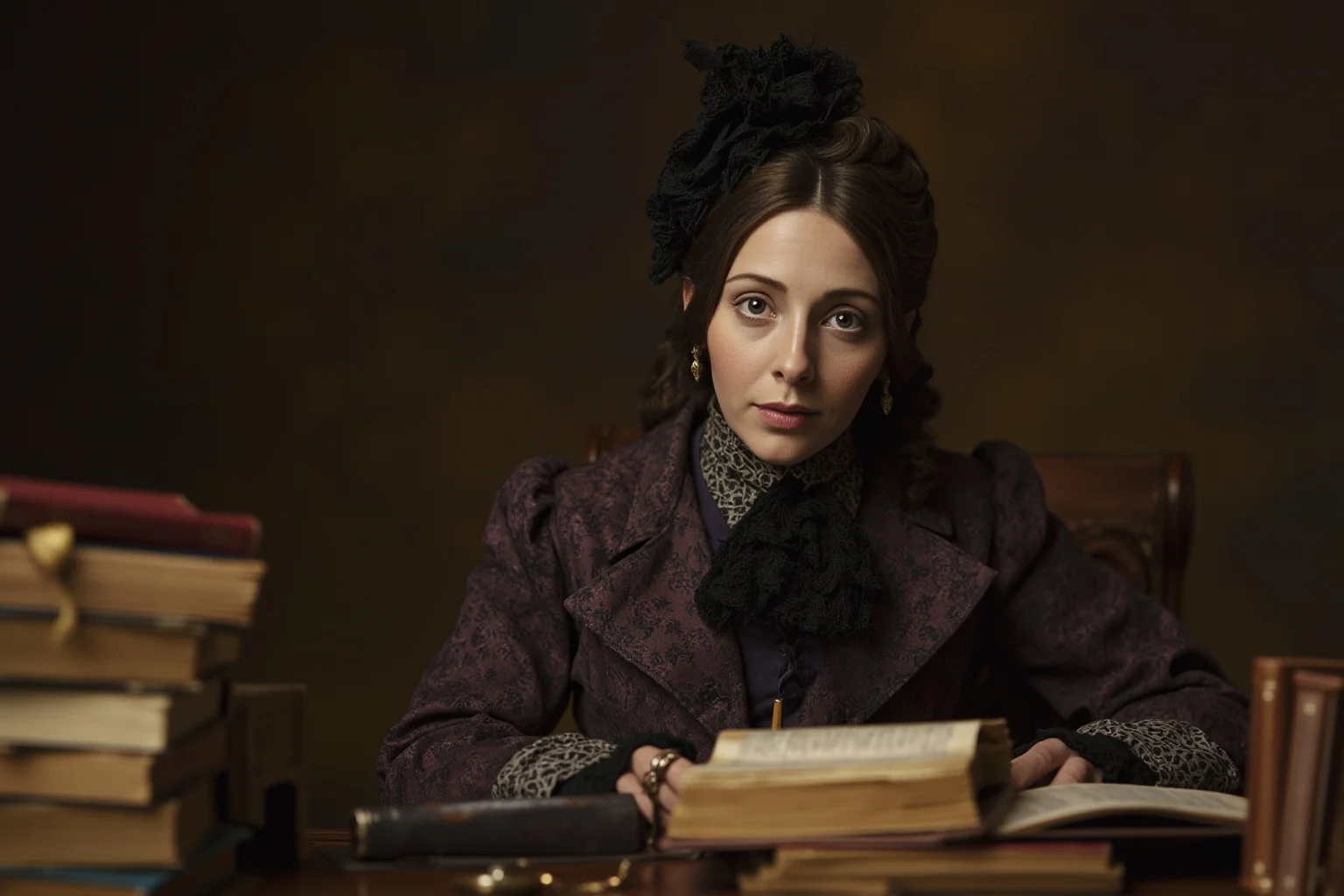
Kipling’s writing, including “The Jungle Book” and numerous poems, made him one of the most widely read authors of the late Victorian and Edwardian periods. His work is inseparable from the era’s complicated relationship with the British Empire, celebrated by some and heavily criticized by others for its colonial attitudes.
He became the youngest recipient of the Nobel Prize in Literature in 1907. His legacy remains genuinely contested, which makes him a useful case study in how Victorian figures are remembered today.
23. Louis Pasteur
Working in France, Pasteur developed the germ theory of disease and pioneered pasteurization, along with vaccines for rabies and anthrax. His discoveries fundamentally changed medicine and food safety practices worldwide.
His meticulous, evidence-based approach mirrored the scientific rigor happening across the Channel in Victorian Britain. Public health improvements traced back to his work saved countless lives well beyond the 19th century.
24. Emmeline Pankhurst
Pankhurst founded the Women’s Social and Political Union in 1903, pushing British suffrage activism into a bolder, more confrontational phase. Her tactics, including hunger strikes and public demonstrations, drew both support and controversy.
Her campaigning began at the very close of the Victorian era and carried into the Edwardian years, eventually contributing to partial voting rights for women in 1918. She’s frequently listed among the most consequential famous female victorians for good reason.
25. Andrew Carnegie

Carnegie rose from a poor Scottish immigrant family to become one of the wealthiest industrialists in the world through steel production, joining the ranks of other trailblazing figures of the Industrial Revolution. His later career focused heavily on philanthropy, funding libraries, universities, and cultural institutions across the English-speaking world.
His life is often cited as a case study of rich people in the victorian era — much like the families profiled in the richest and most powerful families throughout history — illustrating both the opportunities industrial capitalism created and the vast inequality it produced. Carnegie himself wrote extensively about the responsibilities that came with great wealth.
Beyond Britain: 1800s Historical Figures Around the World
It’s worth pausing to clear up a common point of confusion. “Victorian” technically refers to Britain and its empire under Queen Victoria, but the 19th century as a whole produced famous people from the 1800s across every continent.
That’s why this list includes figures like Lincoln, Twain, Pasteur, and van Gogh alongside British household names. They weren’t “Victorians” in the strict sense, but they were absolutely shaped by, and helped shape, the same century of industrial and scientific transformation.
It’s also worth separating the 19th century from the 18th century, even though the numbers can be confusing. Famous people from the 18th century, like the American Founding Fathers or Enlightenment philosophers, belong to the 1700s — a full century before Victoria was even born in 1819.
Popular Names in the Victorian Era
If you’ve ever wondered why so many historical dramas seem to overflow with Alices, Alberts, and Florences, there’s a real pattern behind it. Popular names in the Victorian era were heavily influenced by the royal family, religious tradition, and a handful of literary trends.
For girls, common choices included Victoria, Alice, Florence, Emily, Edith, Mary, and Charlotte. For boys, Albert, George, Arthur, William, Henry, and Edward were everywhere, partly thanks to royal namesakes and partly due to enduring biblical popularity.
These famous Victorian names still show up regularly in period fiction today, which is part of why so many Edwardian characters and Victorian-era characters in television and film feel instantly familiar, even to viewers who’ve never opened a history book.
Rich, Reformist, and Restless: The Many Faces of Victorian Society
It’s tempting to imagine Victorian society as one uniform group of top-hatted gentlemen and corseted ladies, but the reality was far messier. Enormous wealth gaps separated industrialists like Carnegie from the factory workers and domestic servants who kept the era’s economy running.
At the same time, reform movements were pushing back hard against inequality, from labor rights campaigns to the suffrage movement led by women like Anthony and Pankhurst. Real people in the 1800s weren’t passive background characters; many of them actively fought to change the very systems that defined their era.
That tension between the comfortable and the radical is a big part of why the period still feels so relevant. It genuinely mirrors debates we’re still having today about wealth, progress, and who gets left behind by it.
Why the Victorians Still Shape Our World Today
From evolution and electricity to novels and nursing standards, an enormous share of modern life traces directly back to Victorian-era breakthroughs. It’s genuinely hard to overstate how much groundwork this single century laid for the world we live in now.
At the same time, it’s worth remembering that the era wasn’t a monolith of top hats and tea parties. It was messy, contradictory, and often unfair, filled with real people navigating rapid change just as unevenly as we do today.
That mix of brilliance and imperfection is exactly what makes these historical figures worth remembering accurately, rather than through a nostalgic haze. The real Victorians were far more interesting than any period drama ever manages to capture.
Frequently Asked Questions
Is it true that “history is told by the victors”?
The saying reflects a real and important pattern: powerful groups have often shaped how events get recorded and remembered, and the British Empire's dominance during the Victorian era is a genuine example of this. However, the exact phrase is commonly but unreliably attributed to Winston Churchill, and no verified original source confirms he said it. It's best treated as a useful idea about bias in historical記録, rather than a documented quote from a specific person, and it's a good reminder to seek out multiple perspectives, not just those of history's famous victors.
What century was the Victorian era?
The Victorian era falls within the 19th century, spanning Queen Victoria's reign from 1837 to 1901. It's followed immediately by the Edwardian era, named after her son King Edward VII, which ran from 1901 to 1910.
What quality was the Victorian age most known for?
The Victorian age is most often associated with rapid industrial and scientific progress alongside strict social propriety and rigid class structures. This combination of technological leaps and conservative social norms created the defining tension of the period, visible in everything from factory expansion to strict etiquette rules.
Who are some famous Victorian writers?
Charles Dickens, the Brontë sisters, Oscar Wilde, and Alfred, Lord Tennyson are among the most famous Victorian writers. Their work ranged from social criticism and gothic romance to witty satire and reflective poetry, capturing the full range of Victorian life and anxiety.
Were there many famous female Victorians?
Yes, quite a few. Florence Nightingale transformed nursing, Ada Lovelace helped pioneer computer science concepts, the Brontë sisters produced landmark novels, and Emmeline Pankhurst led the fight for women's suffrage, all leaving lasting marks on history.
What were popular Victorian names?
Common Victorian names for girls included Victoria, Alice, Florence, Emily, and Charlotte, while boys were frequently named Albert, George, Arthur, William, and Edward. Many of these names were influenced by the royal family and traditional biblical naming patterns of the era.
Who was born in 1868 during the Victorian era?
One notable figure born in 1868 was Robert Falcon Scott, the British explorer who led the ill-fated Terra Nova expedition to the South Pole. Other significant 1868 births internationally include the American writer and activist W. E. B. Du Bois.
Were there real rich people in the Victorian era, or is that just from novels?
Wealthy Victorians were very real, not just a fictional trope. Industrialists like Andrew Carnegie built enormous fortunes during the century's industrial boom, while significant wealth inequality between factory owners and workers was one of the defining social issues reformers fought to address.

Alex Warren
Related Articles





