Few frontiers on Earth have tested human endurance quite like the Arctic and Antarctic. For more than two centuries, polar explorers braved subzero temperatures, shifting sea ice, and near-total isolation in pursuit of glory, science, and the simple question of what lay at the ends of the world.
But here’s the part that often gets glossed over in the heroic retellings: almost every famous polar explorer made serious mistakes along the way. Some misjudged supplies.
Some misread the ice. A few even misjudged the truth of their own achievements. This list looks at 20 famous Arctic and Antarctic explorers, celebrating what they got right while honestly examining where they got it wrong.
TL;DR: From Amundsen’s triumphs to Franklin’s fatal miscalculations, the history of famous Arctic and Antarctic explorers is as full of costly mistakes as it is of genuine breakthroughs.
Why Polar Exploration Was Always a Gamble
The Arctic and Antarctic are not simply cold versions of other wilderness regions. Sea ice moves, temperatures swing unpredictably, and daylight can vanish for months at a time. Even well-funded, well-planned expeditions ran on razor-thin margins of error.
A single wrong decision about food rations, clothing, or route could mean the difference between a triumphant return and a slow death on the ice.
That’s part of why polar exploration has produced so many dramatic stories of both stunning success and heartbreaking failure. It’s also why so many of history’s famous polar explorers are remembered for both their achievements and their errors.
Even Explorers Got Basic Things Wrong
Mistakes in the age of exploration weren’t limited to the poles. Long before anyone set foot near the Arctic Circle, sailors exploring warmer waters made their own share of famous blunders, and one of the most enduring involves a very real animal.
Early European explorers navigating the Caribbean and the coasts of Florida sometimes mistook the West Indian manatee for a mermaid or a similarly mythical sea creature.
Manatees are large, slow-moving marine mammals with rounded tails and forelimb flippers that, from a distance in low light, can resemble a human-like torso breaking the surface. This misidentification helped fuel centuries-old mermaid legends that sailors carried into their logs and letters.
That kind of honest misperception is a useful reminder as we look at polar exploration: even skilled, observant travelers can misread what’s in front of them. In the Arctic and Antarctic, those misreadings were rarely as whimsical as a mermaid myth. They were often a matter of life and death.
20 Famous Arctic and Antarctic Explorers Who Shaped History
Here are 20 of the most famous polar explorers in history, along with the achievements that made them legendary and the mistakes that complicate their legacies.
1. Roald Amundsen
Roald Amundsen led the first expedition confirmed to reach the South Pole, arriving on December 14, 1911, ahead of a rival British team. He also completed the first successful navigation of the Northwest Passage by ship between 1903 and 1906, cementing his reputation as one of the most capable polar explorers of his era.
His mistake was less about strategy and more about controversy. Amundsen was involved in a bitter, unresolved dispute over credit for reaching the North Pole by airship in 1926, a claim that overlapped awkwardly with earlier disputed claims by other explorers.
2. Robert Falcon Scott
Robert Falcon Scott led the Terra Nova Expedition and reached the South Pole in January 1912, only to find Amundsen’s team had beaten him by roughly a month. Scott and his four companions died on the return journey, undone by exhaustion, extreme cold, and dwindling supplies.
Historians have long debated Scott’s planning choices, including his reliance on ponies and man-hauled sledges rather than dog teams for key legs of the journey. These decisions, combined with unusually severe weather, turned an already dangerous expedition into a fatal one.
3. Ernest Shackleton
Ernest Shackleton never reached the South Pole, but his 1914–1917 Imperial Trans-Antarctic Expedition became one of the greatest survival stories in polar history. When his ship Endurance was crushed by pack ice, Shackleton led his entire crew to safety through open-boat journeys and a grueling mountain crossing.
The expedition itself was arguably built on a miscalculation: Shackleton sailed into notoriously unpredictable ice conditions that ultimately trapped and destroyed his ship. His mistake in judging the ice became the backdrop for one of exploration’s most celebrated rescues.
4. Sir John Franklin
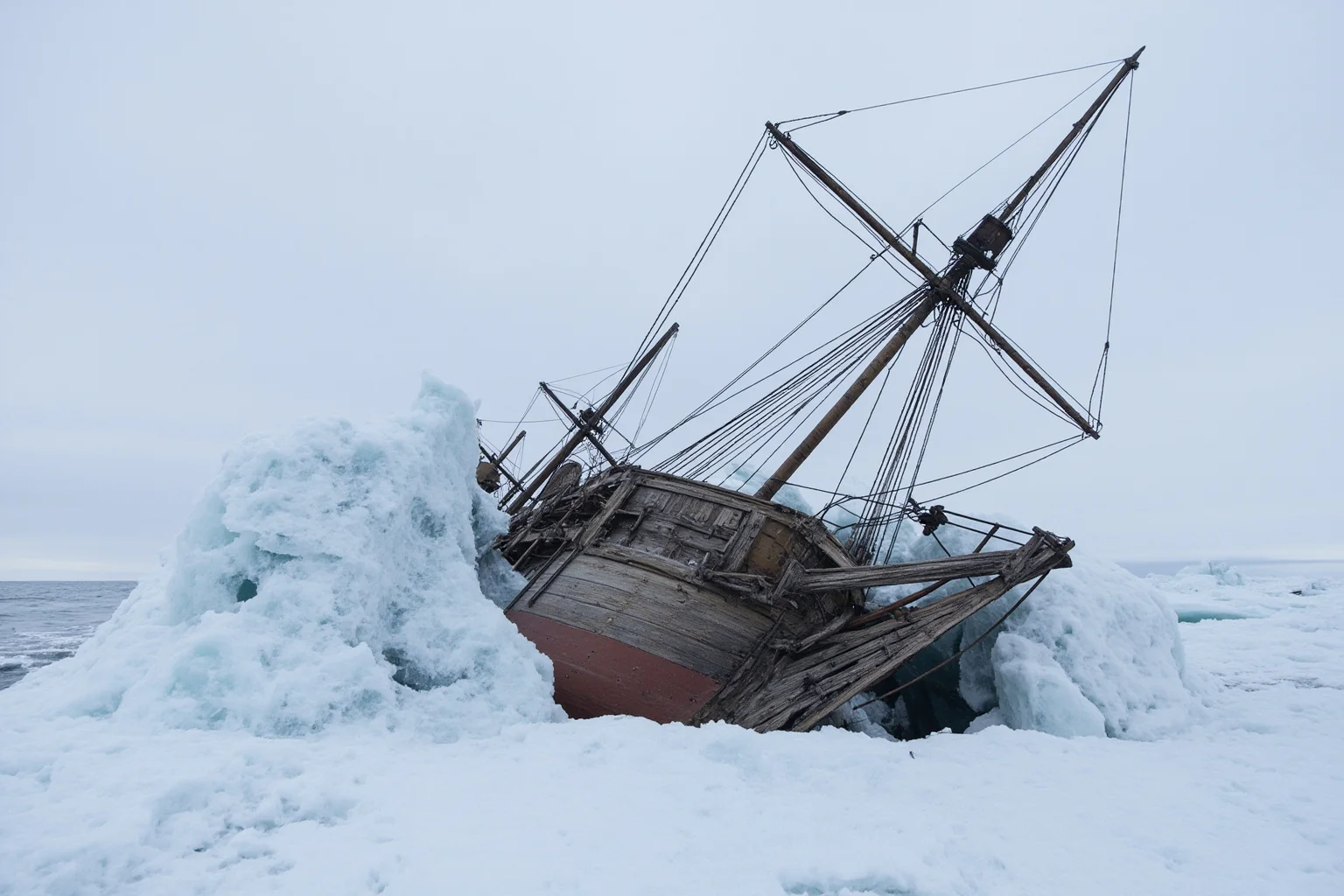
Sir John Franklin commanded a Royal Navy expedition in 1845 to complete a Northwest Passage crossing, disappearing along with both his ships and all 129 men aboard. Search expeditions over the following decades gradually pieced together a grim picture of the disaster.
Franklin’s expedition is often cited as a case study in overconfidence, with too little flexibility built into supply plans and route options for the Arctic’s unpredictable ice. The wrecks of his ships, HMS Erebus and HMS Terror, were not located until 2014 and 2016, respectively.
5. Robert Peary
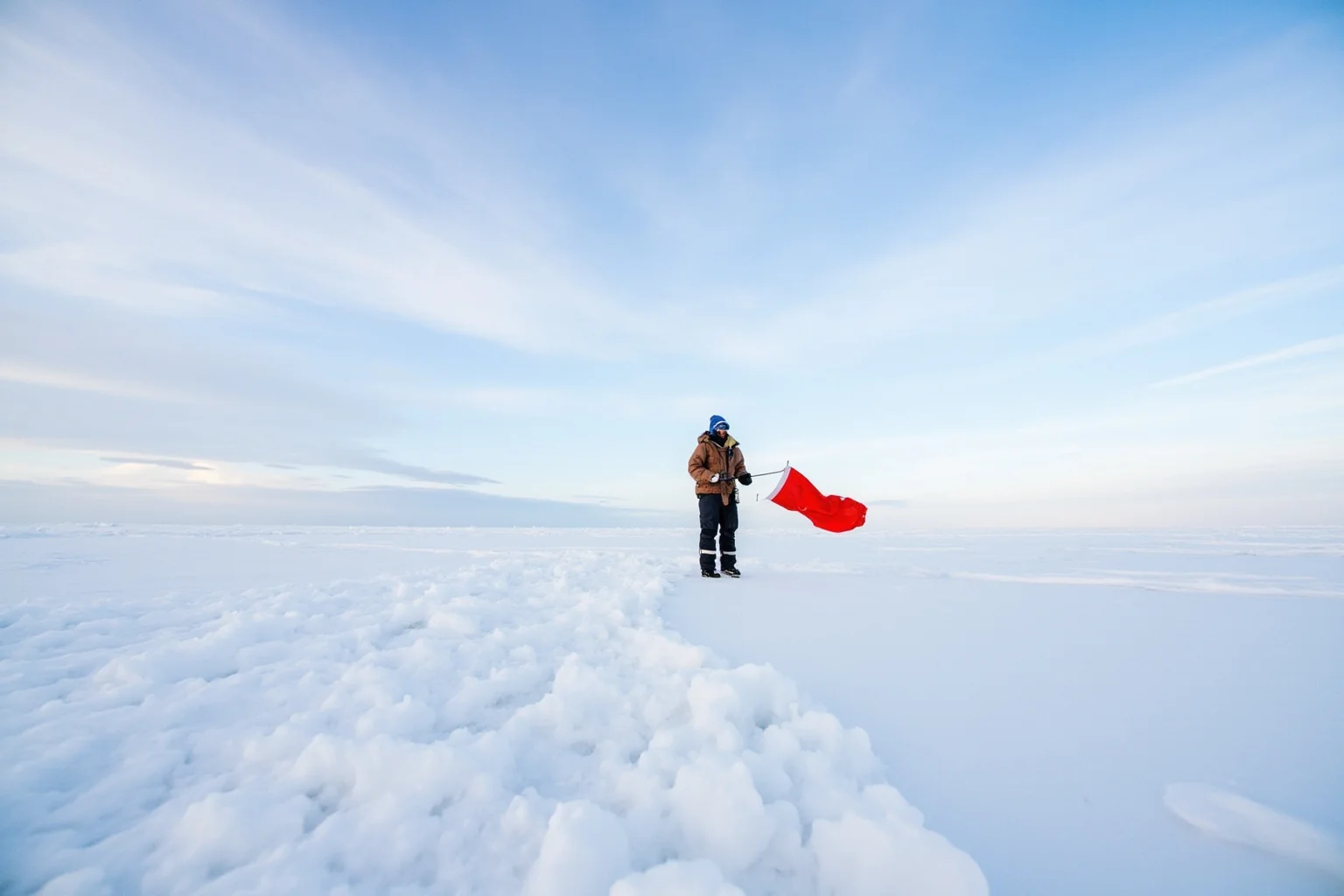
Robert Peary claimed to have reached the North Pole on April 6, 1909, and for decades was widely credited as the first person to do so. His claim brought him fame, honors, and a prominent place in exploration history.
That claim has faced sustained scrutiny ever since, with many historians and navigation experts questioning whether Peary’s speed and recorded positions were plausible. His case remains one of the most famous unresolved controversies among Arctic explorers.
6. Frederick Cook
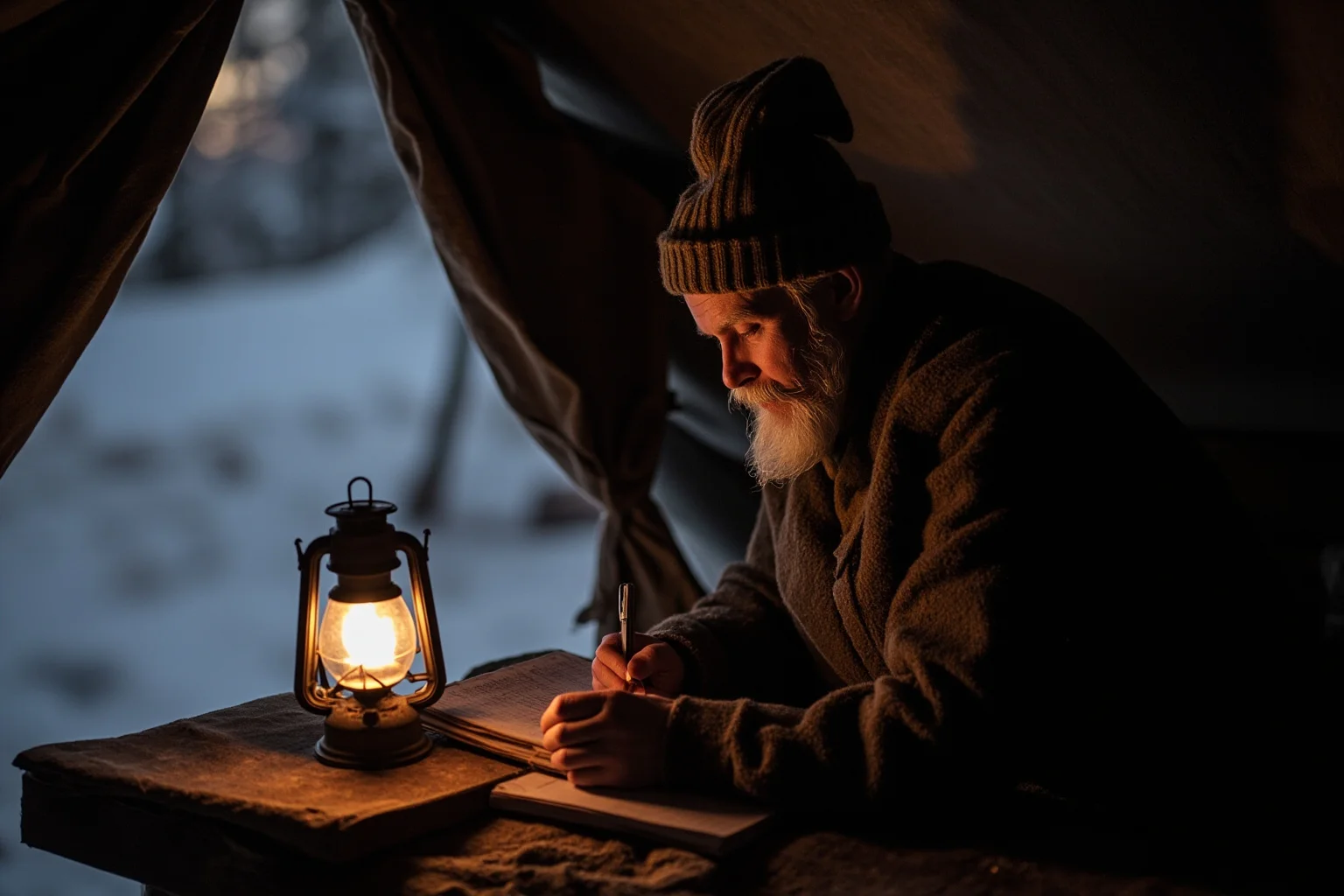
Frederick Cook announced that he had reached the North Pole in 1908, a full year before Peary’s claim. For a brief period, Cook was celebrated as the first person to stand at the top of the world.
His claim quickly unraveled under investigation, with critics pointing to vague records and inconsistencies in his account. Cook’s reputation never recovered, and his story is often used as a cautionary example of the temptation to overstate polar achievements.
7. Fridtjof Nansen
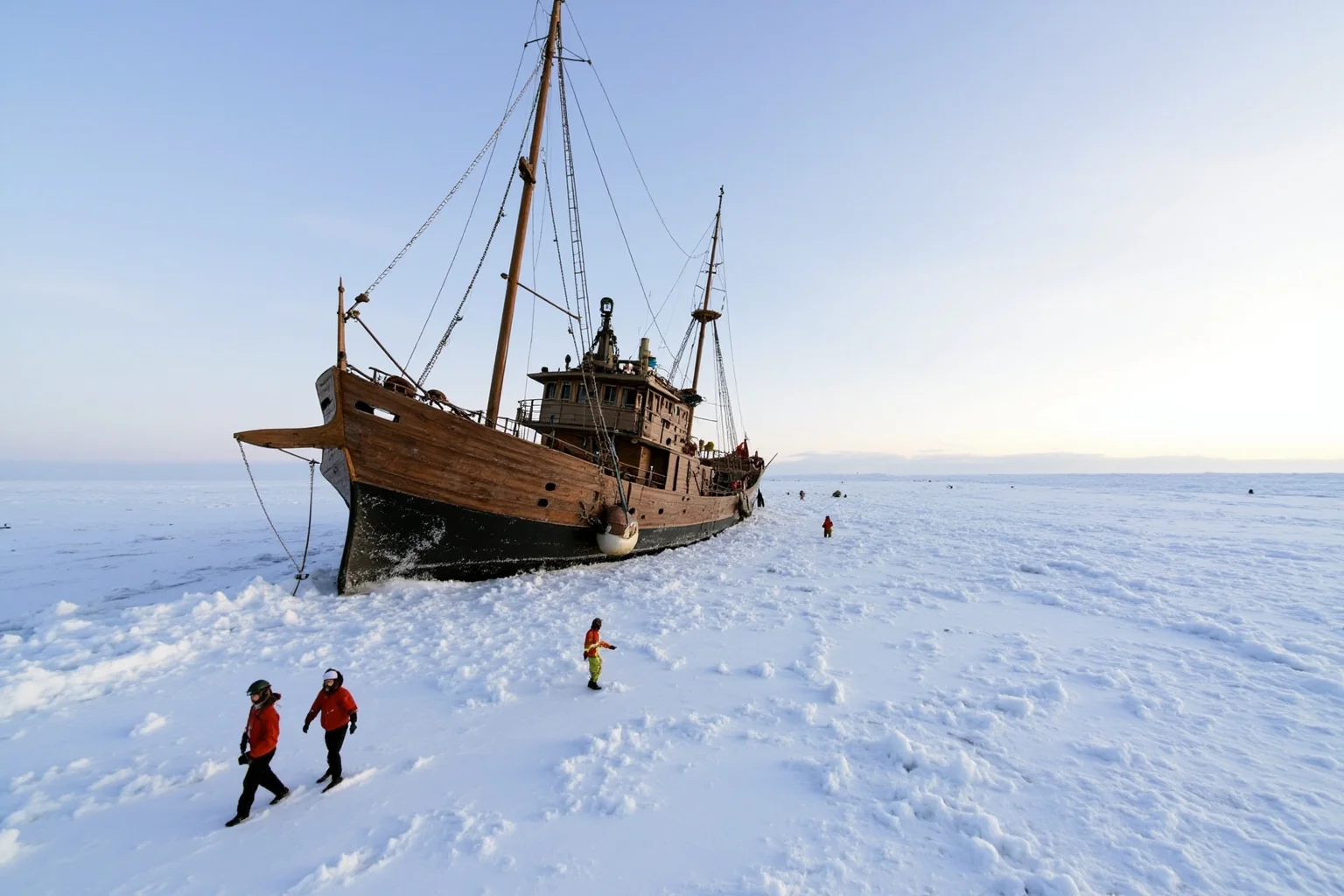
Fridtjof Nansen deliberately let his ship Fram become locked in Arctic sea ice from 1893 to 1896, testing his theory that ocean currents would carry it across the polar basin. The Fram drifted for nearly three years, proving Nansen’s theory correct even though the ship never reached the North Pole itself.
Nansen and a companion later left the ship and attempted to reach the Pole on foot and by sledge, falling short but surviving an extraordinary trek back to safety. His willingness to test an unproven theory against nature’s harshest conditions marked him as one of the most scientifically minded Arctic explorers of his generation.
8. Douglas Mawson
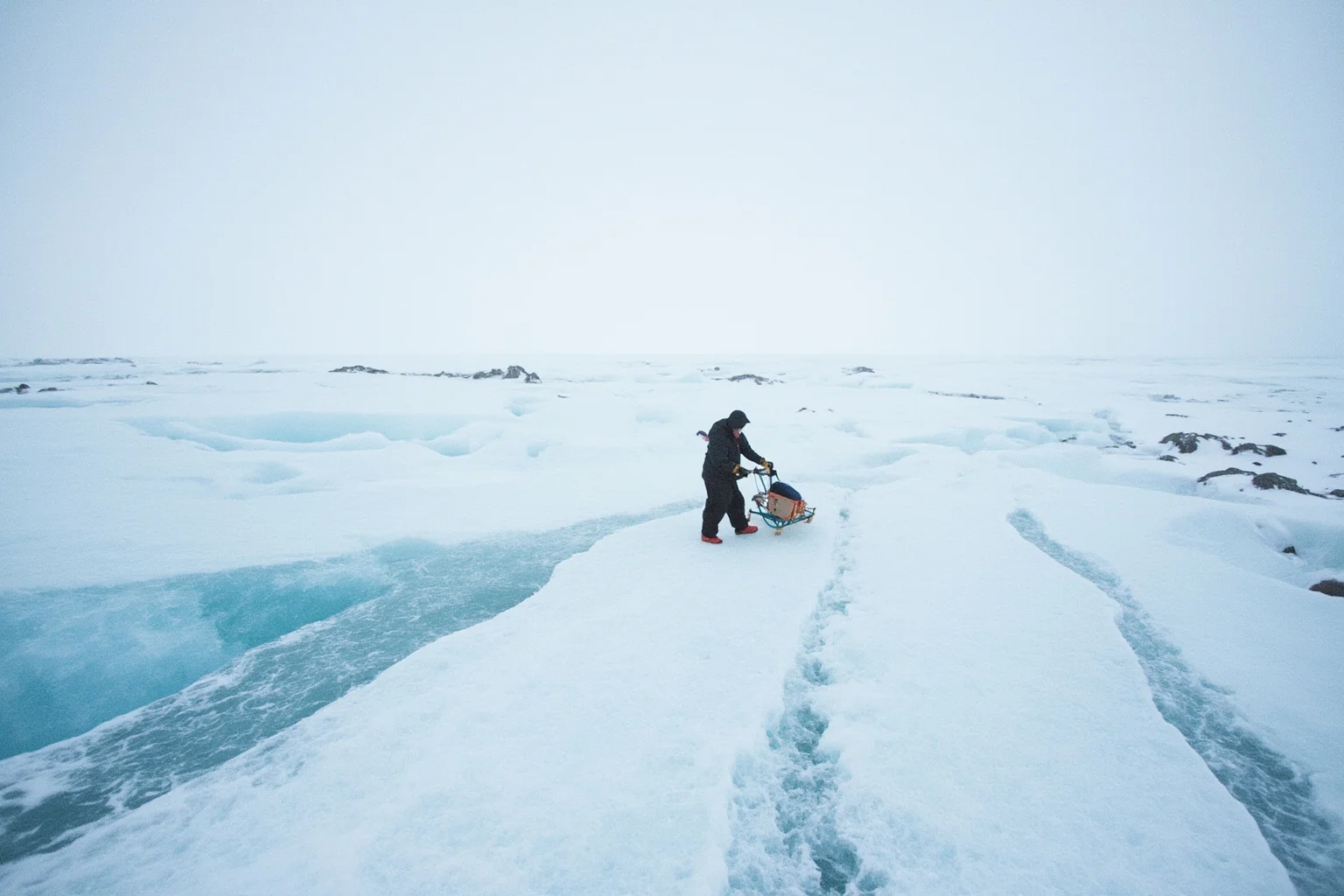
Douglas Mawson led the Australasian Antarctic Expedition from 1911 to 1914, during which he survived a harrowing solo trek after both of his companions died on a sledging journey. One fell into a crevasse with essential supplies, and the other later died from illness likely worsened by malnutrition.
Mawson himself nearly died from the effects of vitamin A poisoning, believed to have come from eating dog liver during the crisis, a mistake born of desperate necessity rather than poor planning. His survival remains one of the most harrowing personal accounts in Antarctic exploration history.
9. Richard Byrd
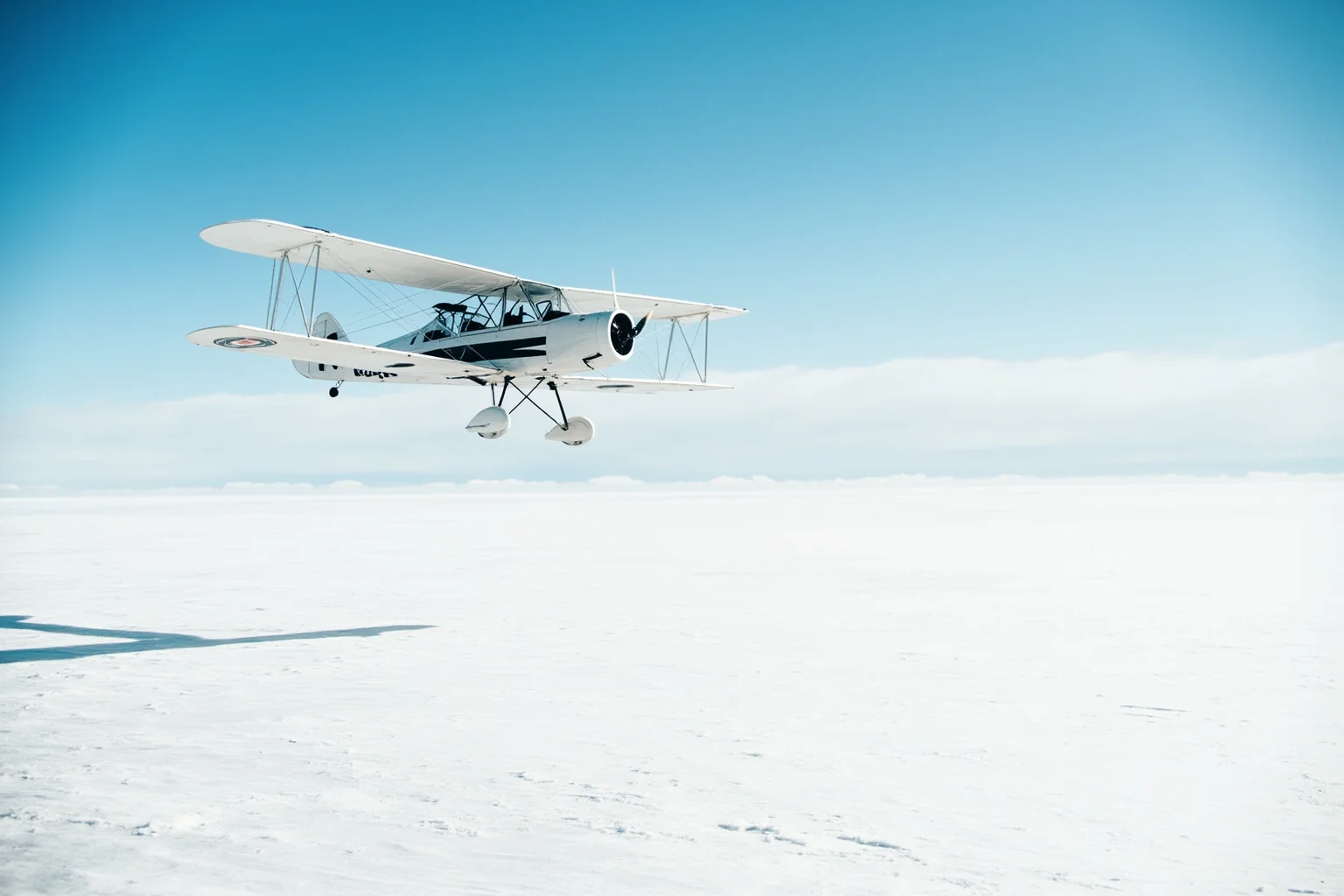
Richard Byrd claimed to have flown over the North Pole in 1926, a feat that made him internationally famous almost overnight. He later led a confirmed and celebrated flight over the South Pole in 1929, cementing his place among history’s most famous polar explorers.
His North Pole flight claim, like Peary’s and Cook’s decades earlier, has faced serious doubts from historians analyzing flight logs and timing. The controversy hasn’t erased his broader contributions to Antarctic aviation and mapping.
10. Vilhjalmur Stefansson
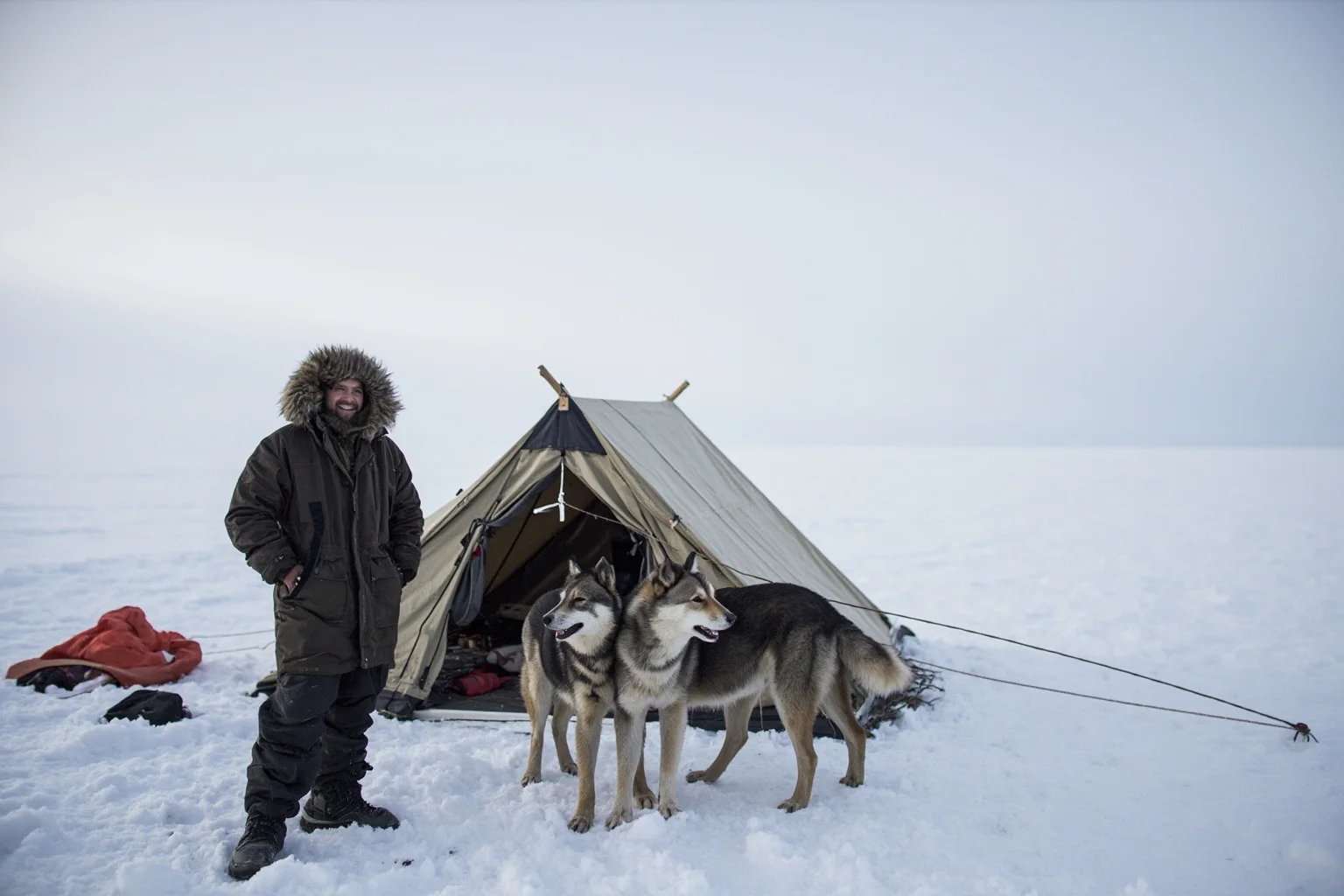
Vilhjalmur Stefansson was a prominent Arctic explorer and ethnographer known for extended expeditions studying Arctic peoples and geography in the early twentieth century. He also promoted controversial theories about Arctic survival, including claims about living entirely on meat-based diets.
His most damaging mistake came during the Karluk expedition of 1913, when he left the ship on a hunting trip shortly before it became trapped and eventually crushed by ice. Several crew members died in the disaster that followed, and Stefansson’s decision to be away from the ship at that critical moment remains a point of lasting criticism.
11. Umberto Nobile
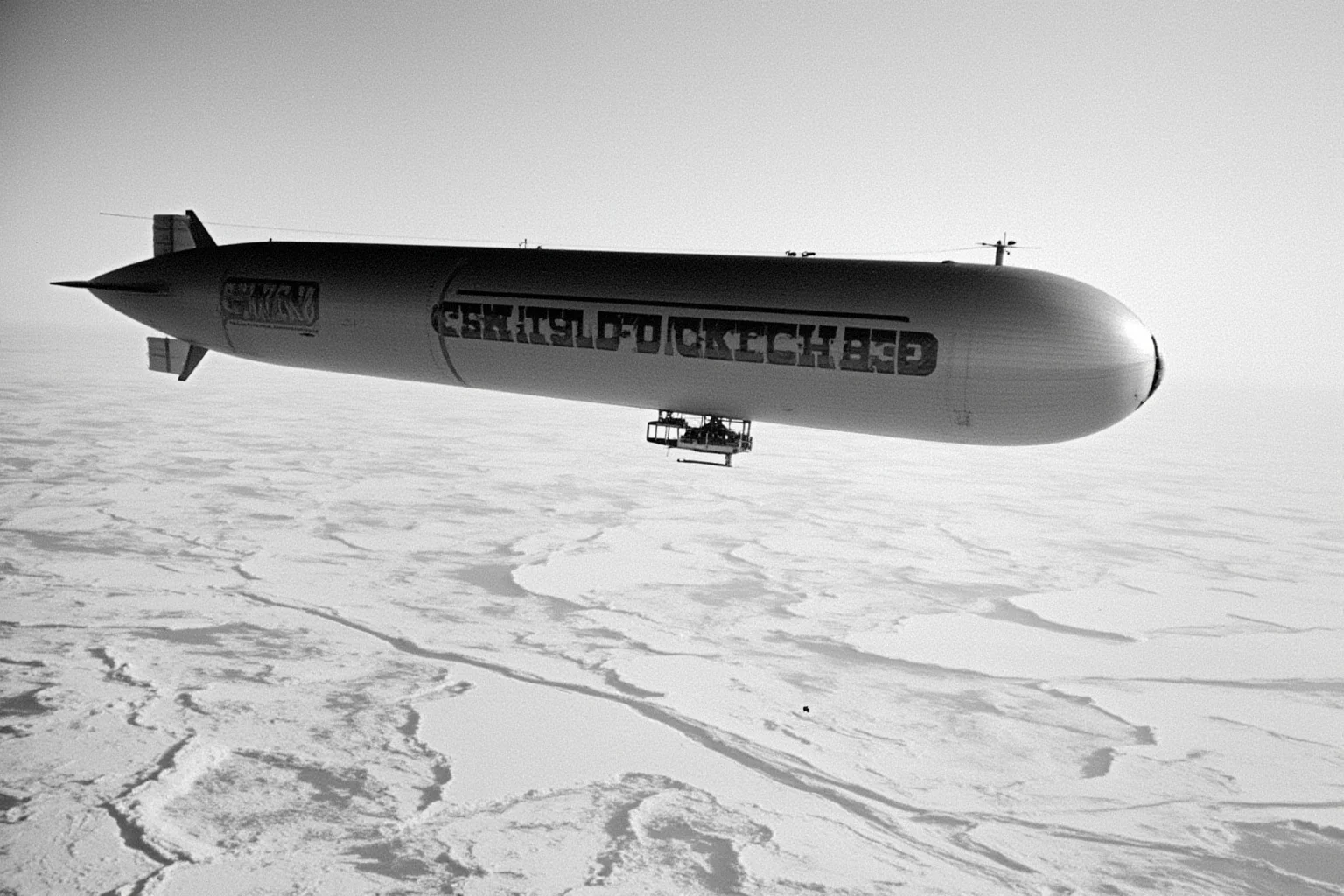
Umberto Nobile was an Italian engineer and airship pilot who led ambitious Arctic flights in the 1920s, including a 1926 flight over the North Pole alongside Amundsen. His most famous mistake came in 1928, when his airship Italia crashed on the ice during a return flight from the Pole.
Half the crew died in the disaster or its aftermath, and the international rescue effort became a major news story of its era. Nobile survived, but the disaster effectively ended the airship’s role as a serious tool for polar exploration.
12. Salomon August Andrée
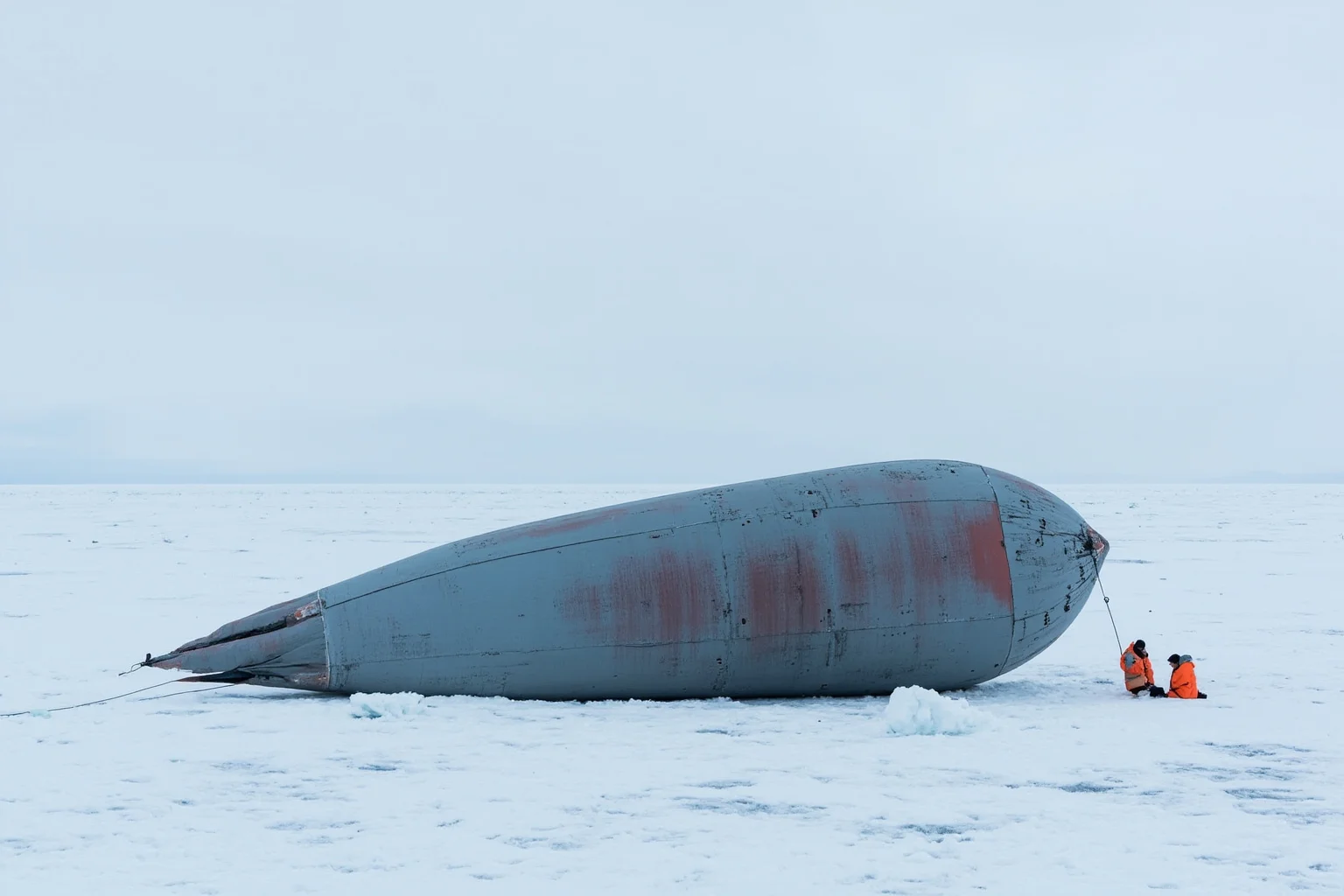
Salomon August Andrée attempted to reach the North Pole by hydrogen balloon in 1897, a bold and largely untested approach for the era. The balloon crashed on the ice just days into the journey, forcing Andrée and his two companions to attempt a desperate trek back to civilization.
All three men died, and their fate remained a mystery for more than three decades until their remains and journals were discovered in 1930. Andrée’s expedition is often remembered as a case where ambition outpaced the available technology.
13. James Clark Ross
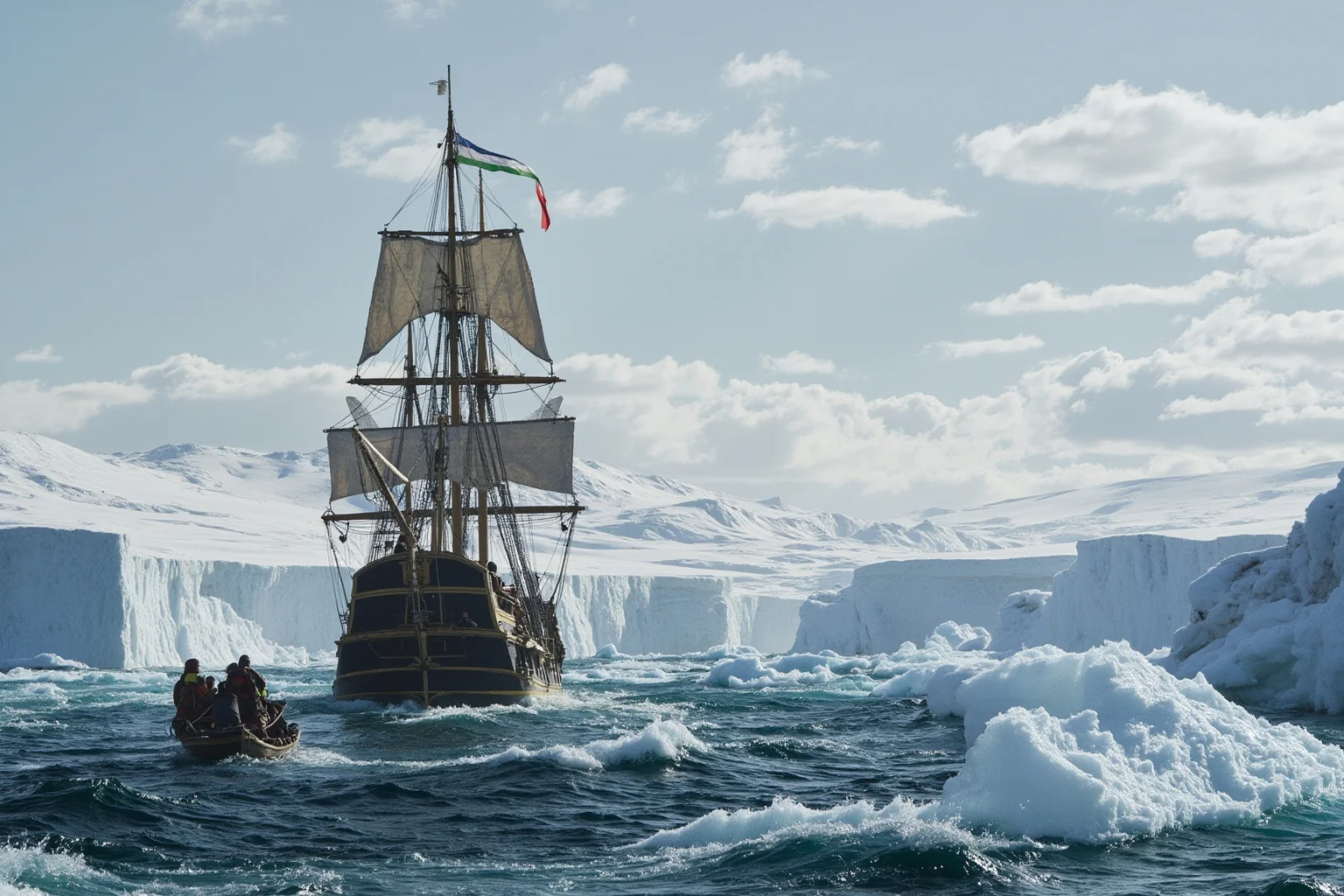
James Clark Ross was a British naval officer who located the North Magnetic Pole in 1831, a major scientific milestone of early Arctic exploration. He later led a major Antarctic expedition in the 1840s that mapped large sections of the Antarctic coastline still named after him today.
Ross is generally remembered as one of the more methodical and successful explorers of his era, though his expeditions still faced the same brutal weather and navigational hazards that undid many of his contemporaries. His careful, science-first approach stands in contrast to some of the more reckless dashes for glory seen later in polar history.
14. Jean-Baptiste Charcot
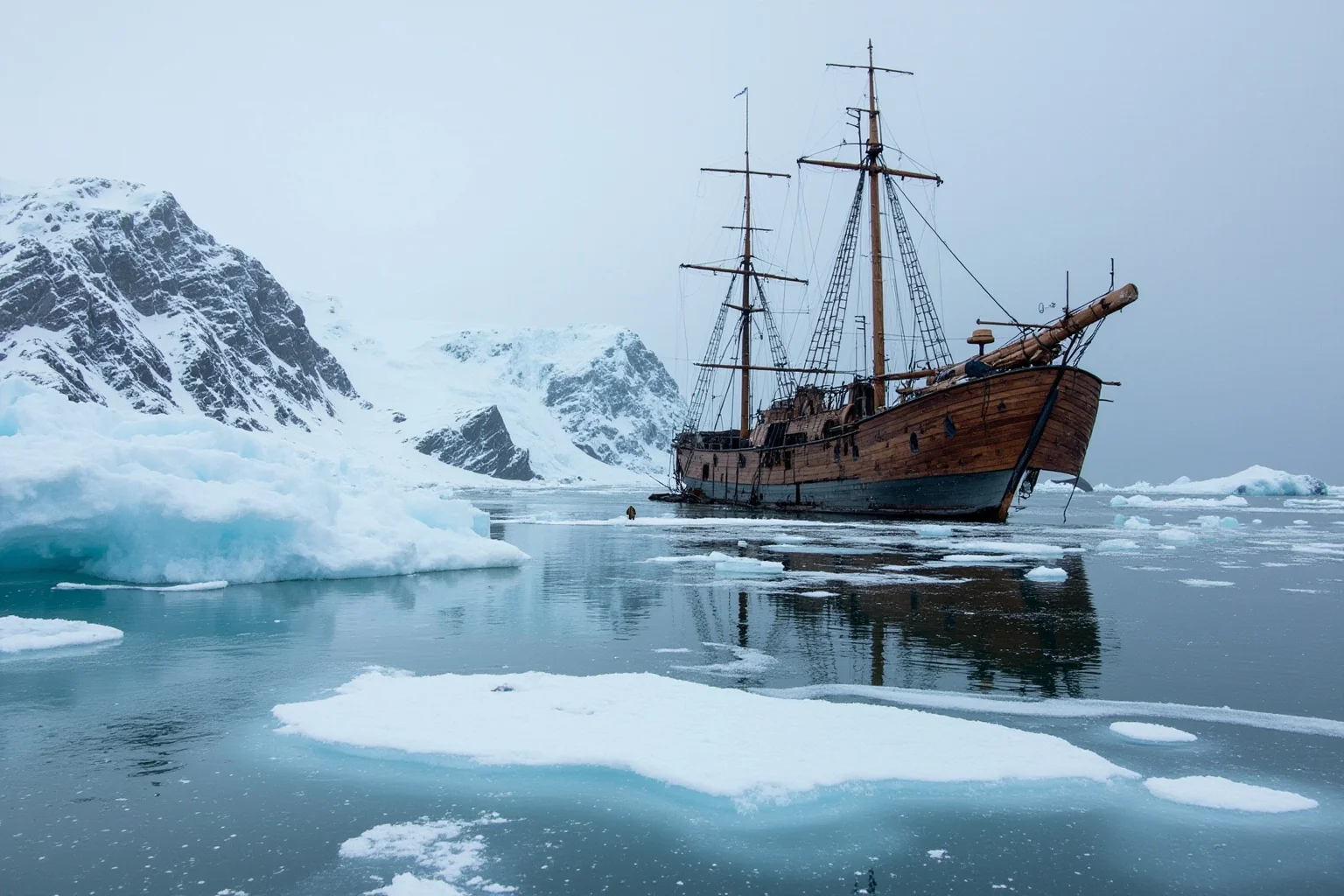
Jean-Baptiste Charcot led two major French Antarctic expeditions in the early twentieth century, contributing valuable scientific data on Antarctic geography and marine life. He became one of the most respected French polar explorers of his generation.
His first expedition ship was damaged after striking submerged rocks, a costly navigational error that nearly ended the mission before it truly began. Charcot and his crew still managed to complete significant survey work despite the setback.
15. Otto Sverdrup
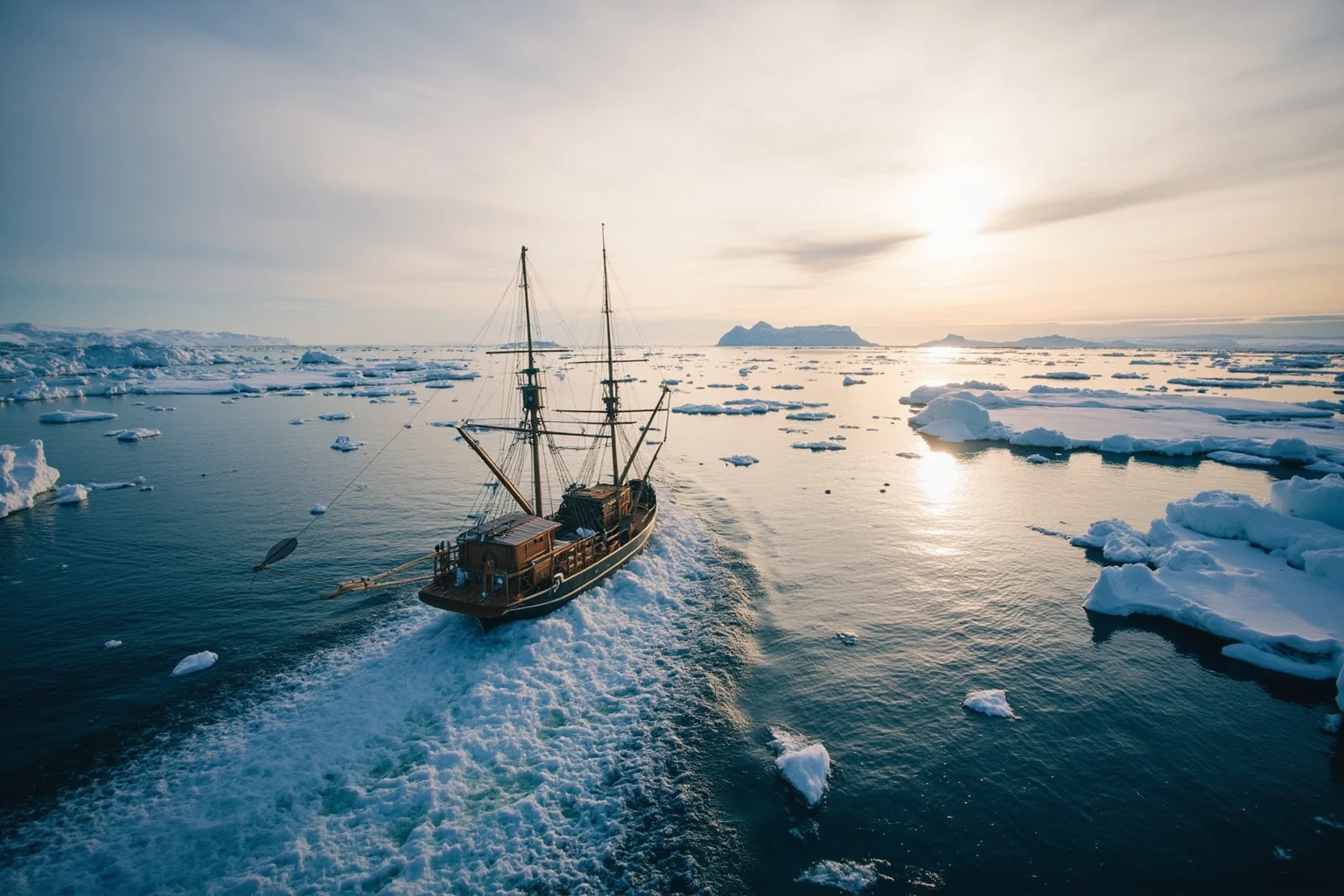
Otto Sverdrup captained Nansen’s ship Fram during its famous ice drift and later led his own Arctic expedition from 1898 to 1902, mapping previously uncharted islands in the Canadian Arctic. His careful navigation and shipboard leadership made him one of the most technically skilled Arctic explorers of his time.
Sverdrup’s expedition also became entangled in later territorial disputes, since the islands he mapped and claimed for Norway were eventually ceded to Canada. It’s a reminder that even successful exploration could create complicated political aftershocks decades later.
16. Matthew Henson
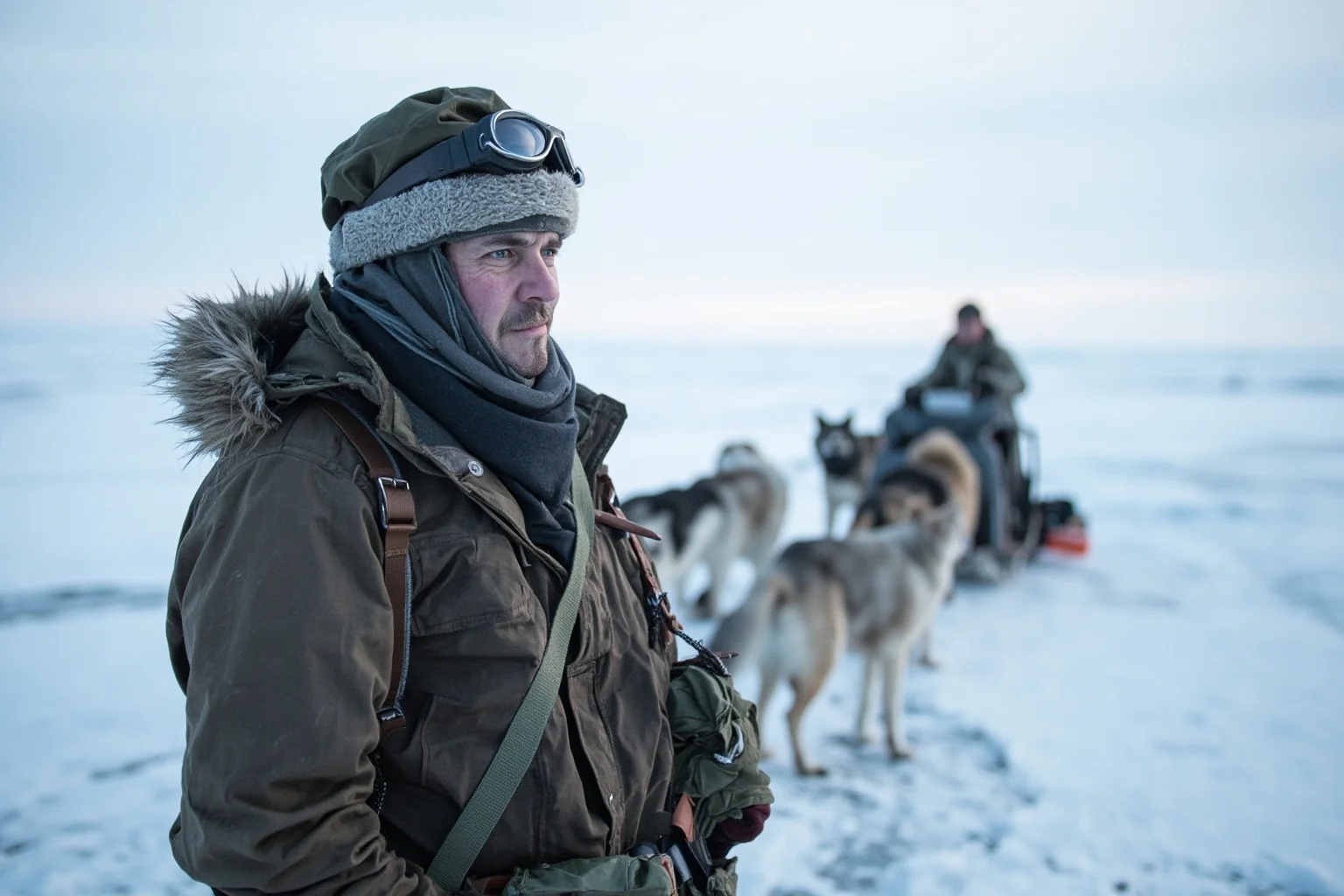
Matthew Henson was part of Robert Peary’s 1909 expedition and, by some accounts, may have reached the northernmost point of the journey before Peary himself. As an African American explorer working in an era of deep racial inequality, Henson received far less recognition than Peary for decades afterward.
Henson’s story highlights a different kind of historical “mistake”: not an error in navigation, but a long-standing failure by history to credit a skilled and essential member of one of the most famous North Pole expeditions. He was eventually honored more fully in the later twentieth century.
17. Ann Bancroft
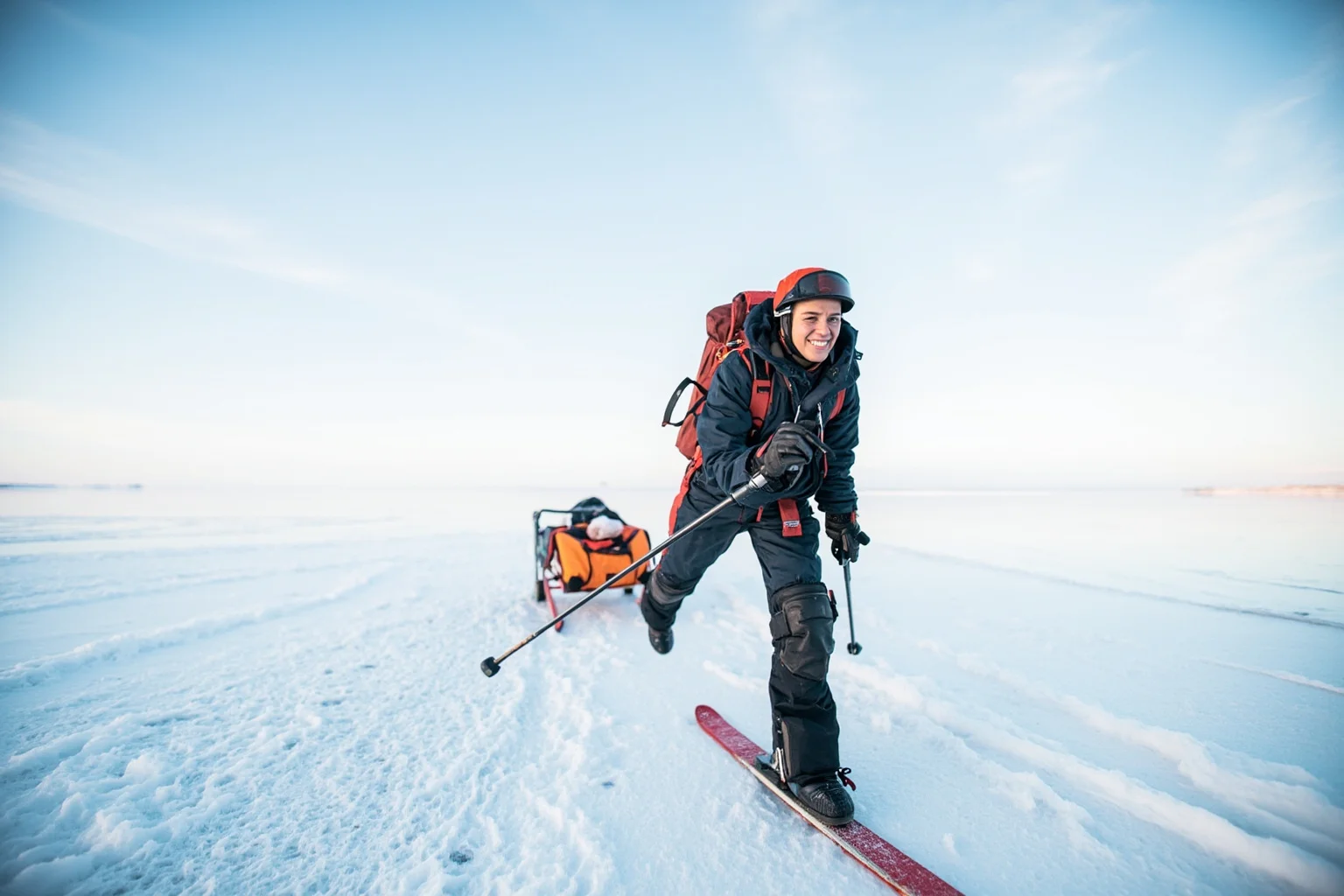
Ann Bancroft became the first woman recorded to reach the North Pole by dogsled and on foot in 1986, traveling as part of an international expedition team. Her achievement opened the door for greater recognition of women in a field long dominated by male explorers.
Bancroft went on to lead additional polar expeditions, including efforts across Antarctica, further establishing her as one of the most accomplished modern polar explorers. Her career reflects how the goals of polar exploration shifted over the twentieth century from simple “firsts” toward broader scientific and personal achievement.
18. Barbara Hillary
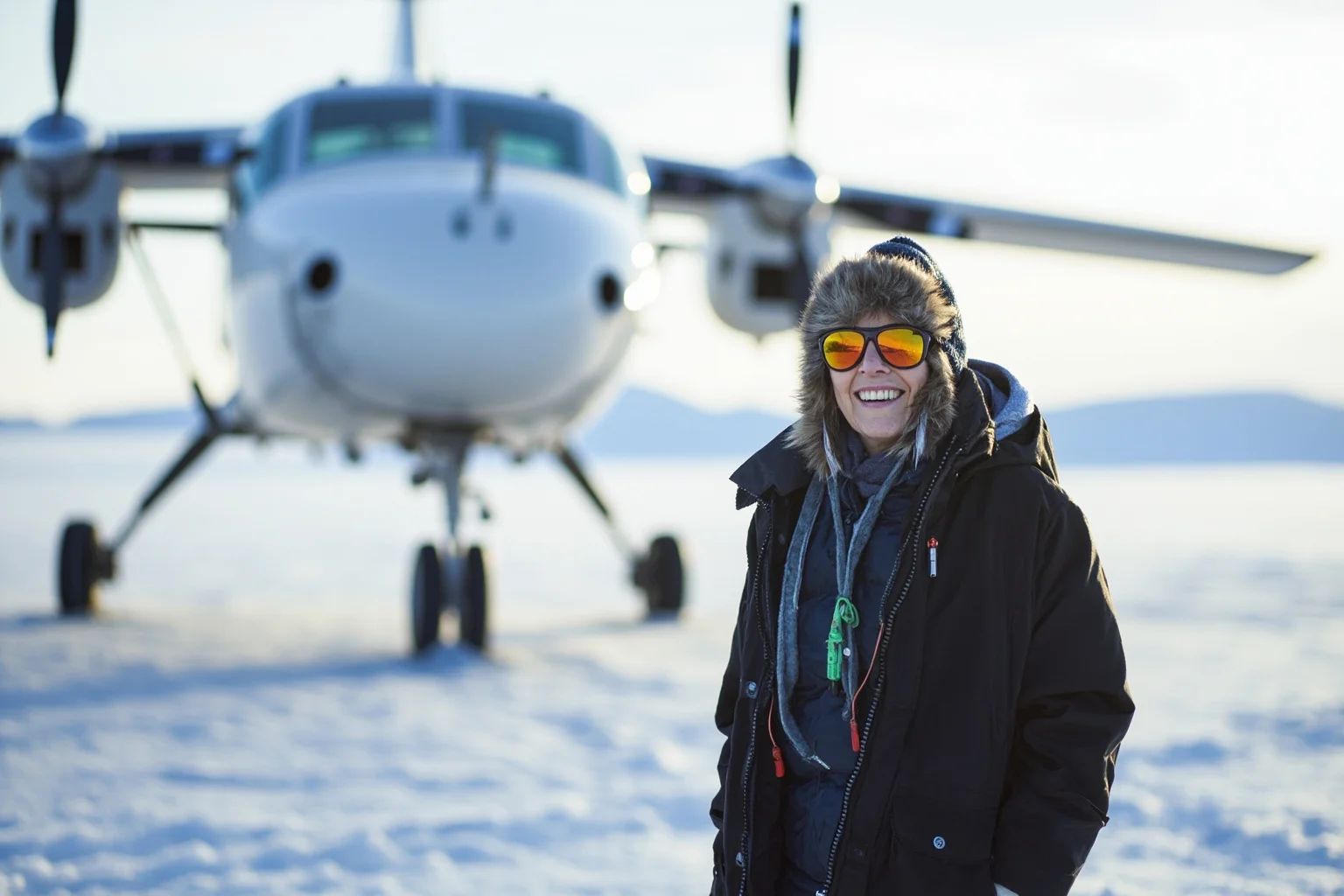
Barbara Hillary reached the North Pole in 2007, becoming recognized as the first Black woman to do so, at age 75 after having survived lung cancer years earlier. She later traveled to the South Pole as well, becoming one of the few people to reach both polar extremes later in life.
Hillary’s journey wasn’t built on a dramatic mistake or controversy, but her story is a useful counterpoint on this list: proof that determination, not just youth or military-style expedition funding, can carry someone to the ends of the Earth. Her achievements broadened the popular image of who a famous polar explorer could be.
19. Børge Ousland
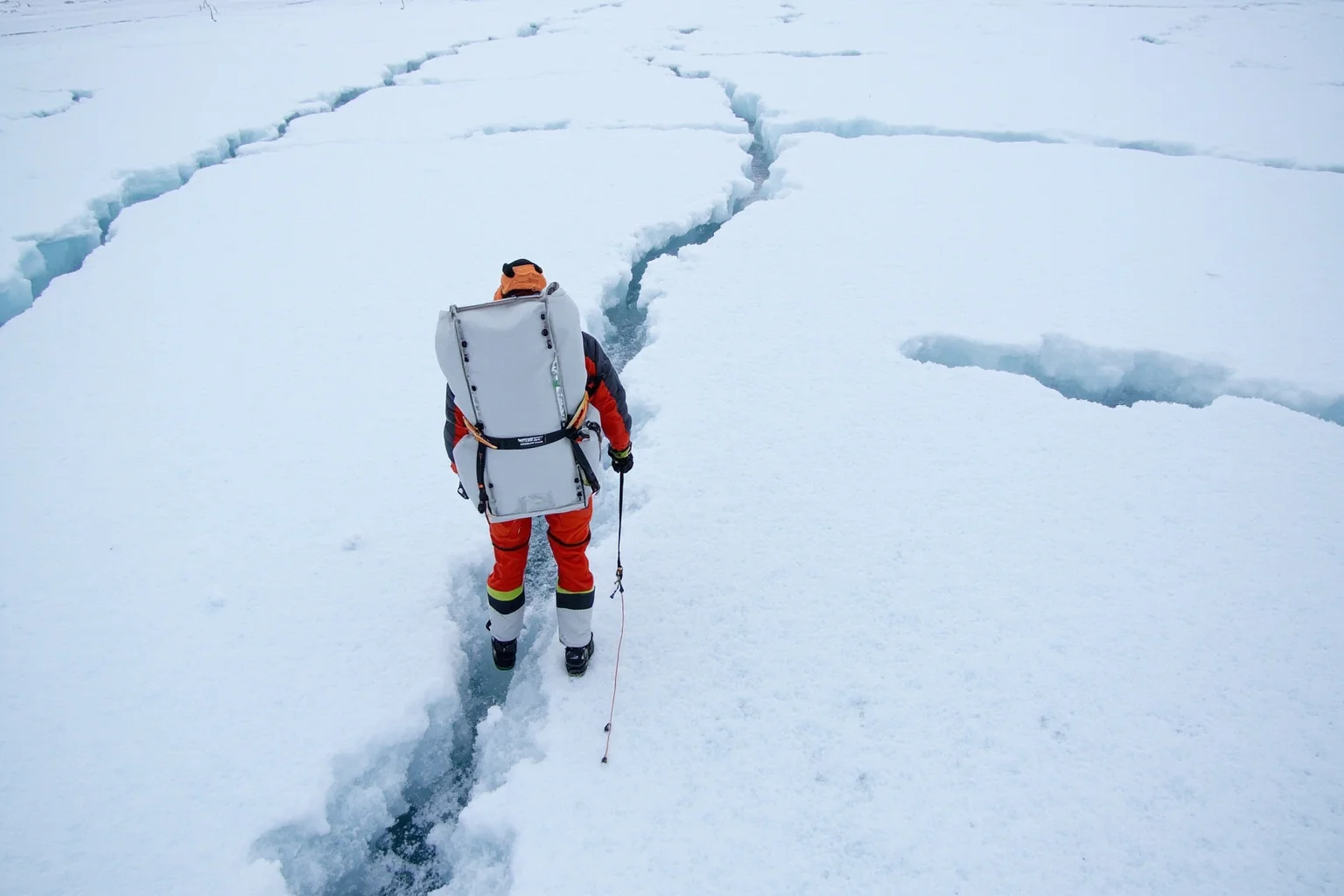
Børge Ousland is a Norwegian explorer known for completing the first solo, unsupported crossing of Antarctica in 1996 and 1997, without any resupply along the way. His endurance-focused approach represented a new generation of polar exploration built on solo achievement rather than large national expeditions.
Ousland has spoken candidly about the physical toll and near-misses involved in solo polar travel, including moments of serious risk from crevasses and extreme cold. His career illustrates how even modern polar explorers, equipped with better technology than their predecessors, still operate on thin margins for error.
20. Sir Ranulph Fiennes
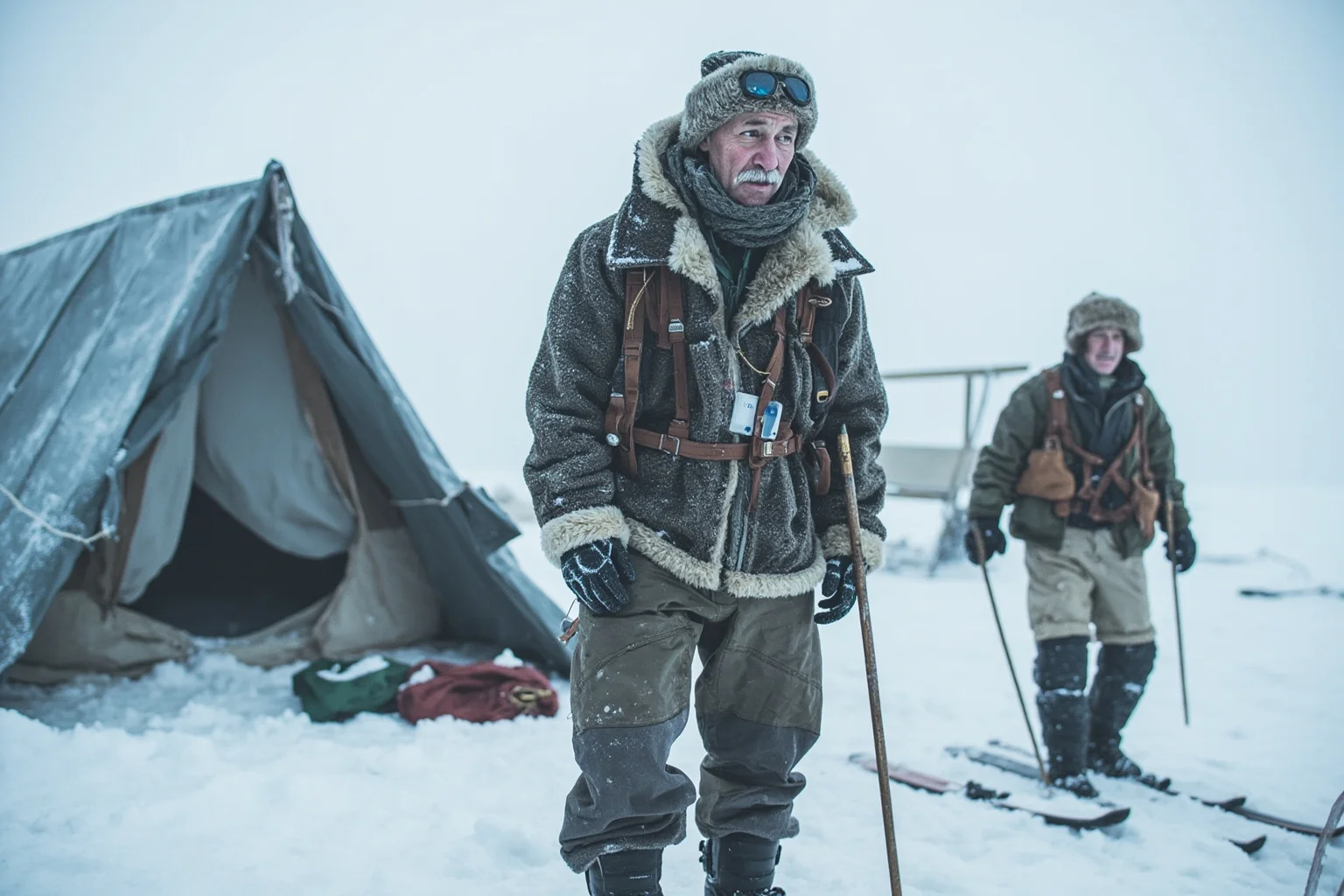
Sir Ranulph Fiennes is widely regarded as one of the most prolific modern polar explorers, having led the Transglobe Expedition that became the first to circumnavigate the Earth via both poles using surface travel. His decades-long career includes numerous Arctic and Antarctic crossings well into his later years.
Fiennes has openly discussed injuries and setbacks from his expeditions, including severe frostbite that led to the loss of fingertips after a solo Arctic attempt went wrong. His willingness to keep exploring despite these setbacks has made him a symbol of persistence in the modern history of polar exploration.
The Legacy of Polar Exploration
Looking across these 20 stories, a clear pattern emerges: fame in polar exploration rarely came without cost, and it rarely came without controversy, though it did earn several of these explorers a place among the most recognized historical figures of all time in the process. Some explorers made honest miscalculations about ice, weather, or supplies. Others stretched the truth about what they had actually achieved.
What ties these famous Arctic and Antarctic explorers together isn’t a flawless record of success. It’s a willingness to keep pushing into some of the most hostile environments on the planet, even after watching earlier expeditions fail. Their mistakes are part of the historical record precisely because their achievements were significant enough to be scrutinized so closely.
Modern polar exploration continues today, aided by satellite navigation, better cold-weather gear, and decades of accumulated knowledge about ice behavior. Even so, contemporary explorers still occasionally misjudge routes or conditions, a reminder that the poles remain unforgiving no matter how advanced the technology becomes. The history of polar exploration isn’t just a list of triumphs; it’s an ongoing lesson in how thin the line can be between historic success and historic mistake.
Frequently Asked Questions
Who are some of the most famous explorers of the Arctic?
Some of the most famous explorers of the Arctic include Roald Amundsen, Robert Peary, Frederick Cook, Fridtjof Nansen, Sir John Franklin, and Matthew Henson. Their expeditions between the 1800s and early 1900s shaped much of what we know about the region, even though several of their claims, including disputed North Pole 'firsts,' remain debated by historians.
Who was the first person to actually reach the North Pole?
This is genuinely disputed. Robert Peary claimed to reach the North Pole in 1909 and Frederick Cook claimed to have done so in 1908, but both claims have faced significant historical scrutiny over the accuracy of their records. Many historians consider the question of the first verified overland arrival at the North Pole unresolved from that early era.
Who is a famous person associated with Antarctica?
Ernest Shackleton, Robert Falcon Scott, and Roald Amundsen are among the most famous names associated with Antarctica. Amundsen's team was the first confirmed to reach the South Pole in December 1911, while Scott's ill-fated expedition and Shackleton's dramatic survival story remain two of the most well-known tales in Antarctic history.
What did early explorers mistake the West Indian manatee for?
Early European sailors sometimes mistook the West Indian manatee for a mermaid or similar mythical sea creature. The manatee's rounded body, forelimb flippers, and tendency to surface partially out of the water likely contributed to these mermaid legends, especially when spotted from a distance in poor light.
Did mistakes actually kill any famous polar explorers?
Yes. Sir John Franklin's entire 1845 expedition was lost after miscalculations about supplies and ice conditions in the Northwest Passage. Robert Falcon Scott and his team died on their return from the South Pole in 1912 due to a combination of planning decisions and extreme weather, and Salomon August Andrée's 1897 North Pole balloon attempt ended fatally after the balloon crashed on the ice.

Alex Warren
Related Articles