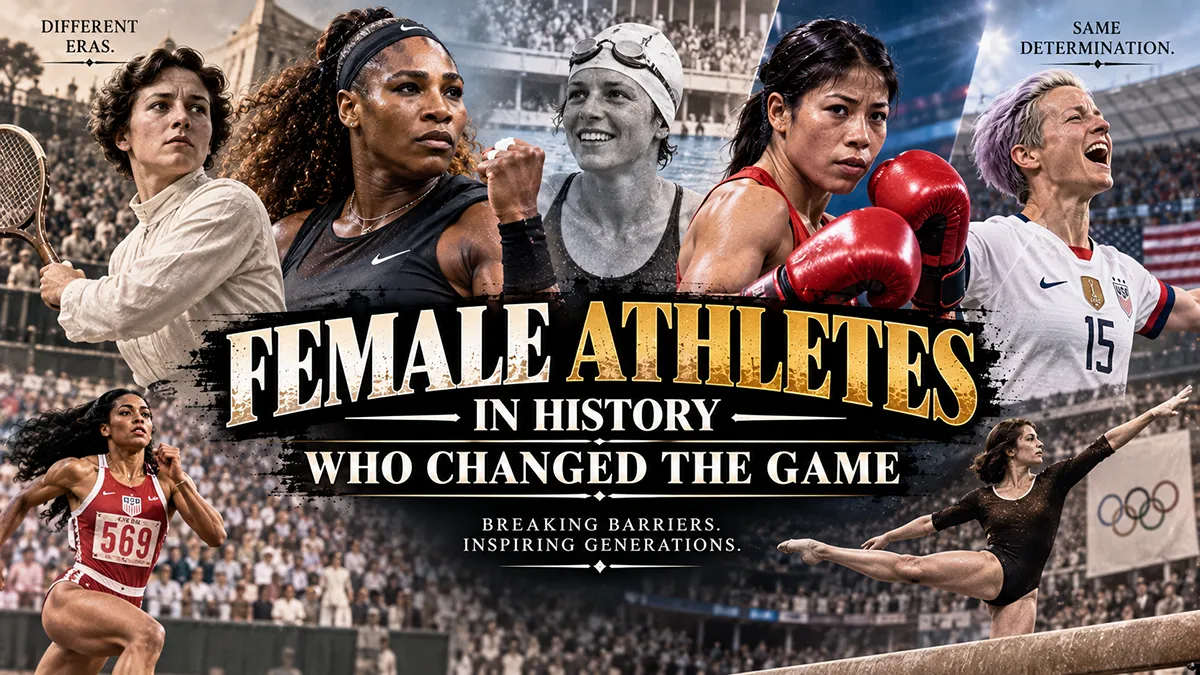
For most of modern sporting history, women weren’t just discouraged from competing — they were told it was medically dangerous, socially improper, or simply impossible.
Doctors once warned that running long distances could harm a woman’s health. Olympic officials banned women from entire events well into the 20th century. And yet, again and again, individual women refused to accept those limits.
This list looks at 22 of the most influential female athletes in history, organized roughly in chronological order rather than as a strict ranking. Some are household names.
Others have been unfairly forgotten, despite doing the difficult, often thankless work of proving that women belonged on the field, the track, the mat, and the podium — much like the trailblazers profiled in history’s most powerful women, who fought similar battles far beyond the world of sports.
TL;DR: From Alice Milliat’s fight to get women into the Olympics to Simone Biles redefining what gymnastics can look like, these influential female athletes broke rules, records, and stereotypes to permanently reshape sports history.
A Quick Note Before We Start
Ranking athletes across a century of different sports, rules, and levels of opportunity is genuinely difficult, and a little unfair to everyone involved. A gymnast from the 1970s and a tennis player from the 2020s aren’t really competing on the same playing field, even in memory.
So rather than crown one single “greatest woman athlete of all time,” this list highlights women who changed what was possible for those who came after them. That influence, more than any single statistic, is what ties them together.
1. Alice Milliat — The Woman Who Forced the Olympics to Open Its Doors
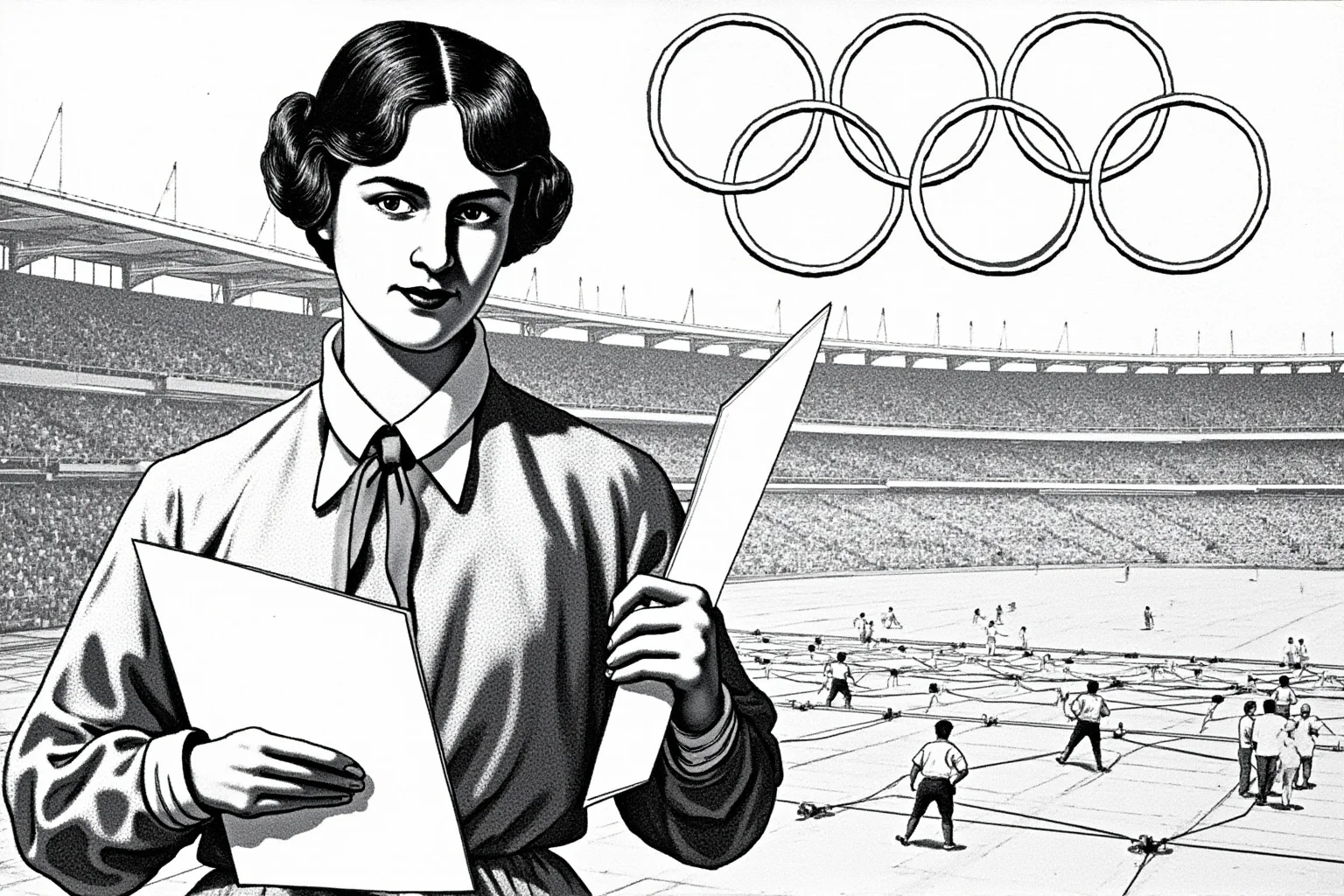
Alice Milliat was a French rower and administrator who grew frustrated when the International Olympic Committee refused to expand women’s athletics events in the early 1920s. In response, she organized the Women’s Olympic Games, held in Paris in 1922, drawing athletes from five countries.
Her events proved so popular that the IOC eventually added more women’s track and field events to the official Olympic program. Milliat isn’t a famous name today, but almost every professional woman athlete competing in the Olympics owes something to her persistence.
2. Suzanne Lenglen — Tennis’s First Modern Superstar
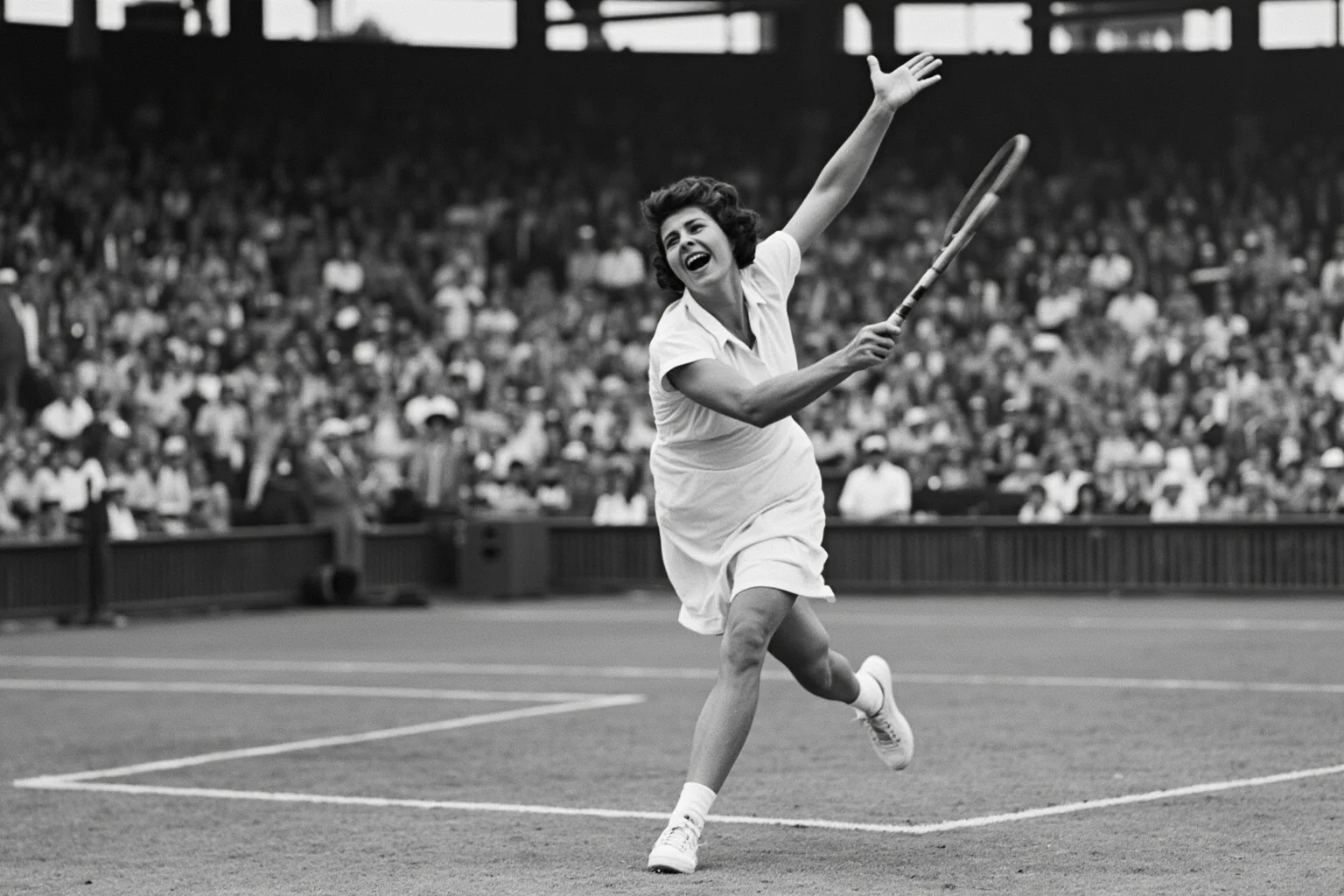
In the 1920s, French tennis player Suzanne Lenglen became one of the first female athletes to achieve genuine international celebrity. She won six Wimbledon singles titles and drew crowds so large that Wimbledon built a new stadium partly to accommodate her fans.
Lenglen also scandalized conservative tennis circles by wearing shorter, less restrictive dresses on court. It was a small sartorial choice with a bigger message: women’s bodies didn’t need to be hidden to compete at the highest level.
3. Gertrude Ederle — The First Woman to Swim the English Channel
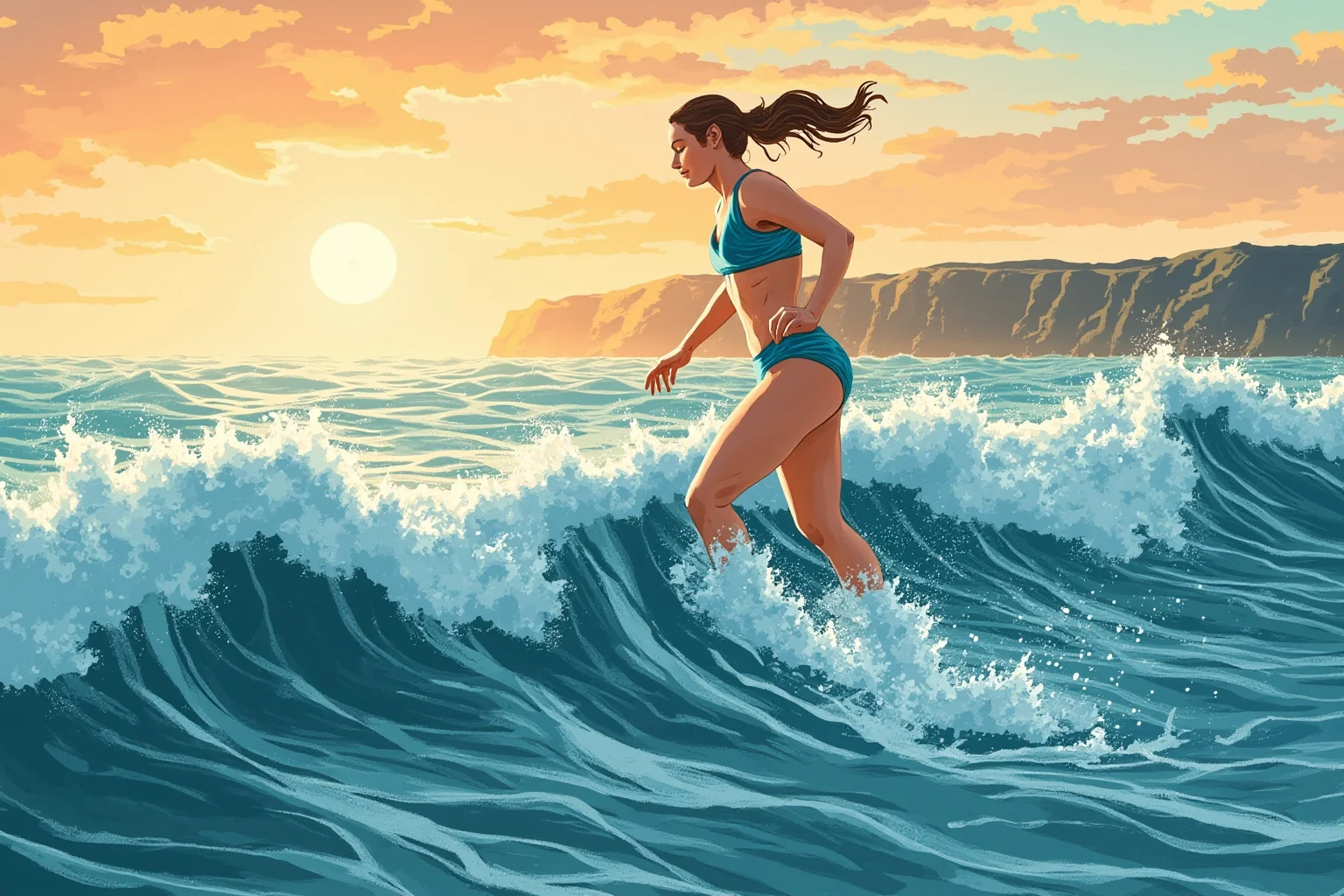
In 1926, American swimmer Gertrude Ederle became the first woman to swim across the English Channel. She didn’t just complete the crossing; she beat the existing men’s record by nearly two hours.
At the time, many assumed no woman could survive the cold, currents, and distance involved. Ederle’s swim was covered by newspapers worldwide and remains one of the most famous female athletes’ achievements of the early 20th century.
4. Alfonsina Strada — The Cyclist Who Raced the Men’s Giro d’Italia
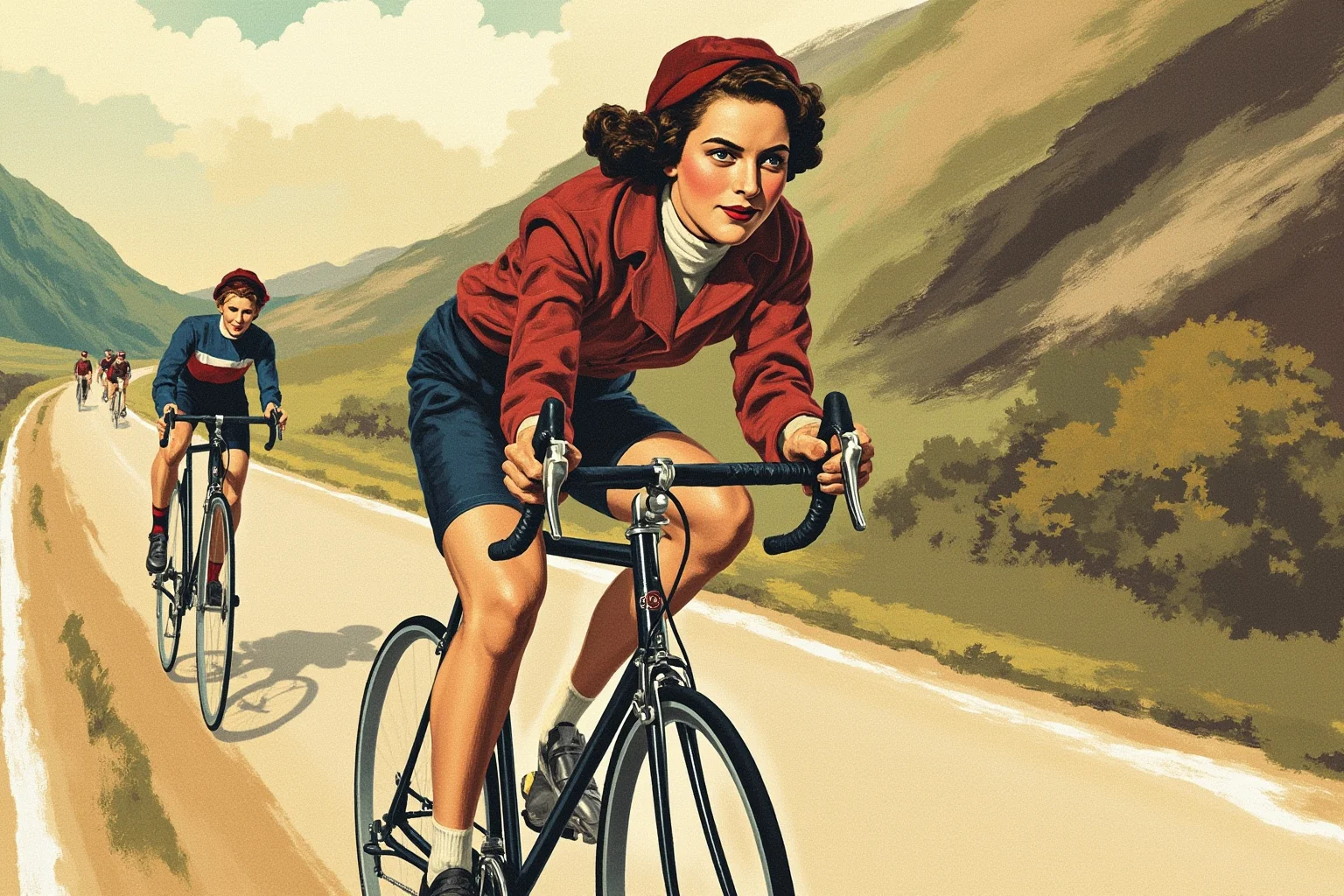
Italian cyclist Alfonsina Strada entered the 1924 Giro d’Italia, one of cycling’s toughest professional races, at a time when there was no women’s category to compete in. Race organizers reportedly allowed her to ride once officials realized how strong a cyclist she was.
She didn’t finish within the time limit but completed the full course anyway, to loud public support. Her ride remains a striking, if lesser-known, chapter in the story of professional women athletes pushing into male-only spaces.
5. Sonja Henie — The Figure Skater Who Built a Sport’s Modern Image
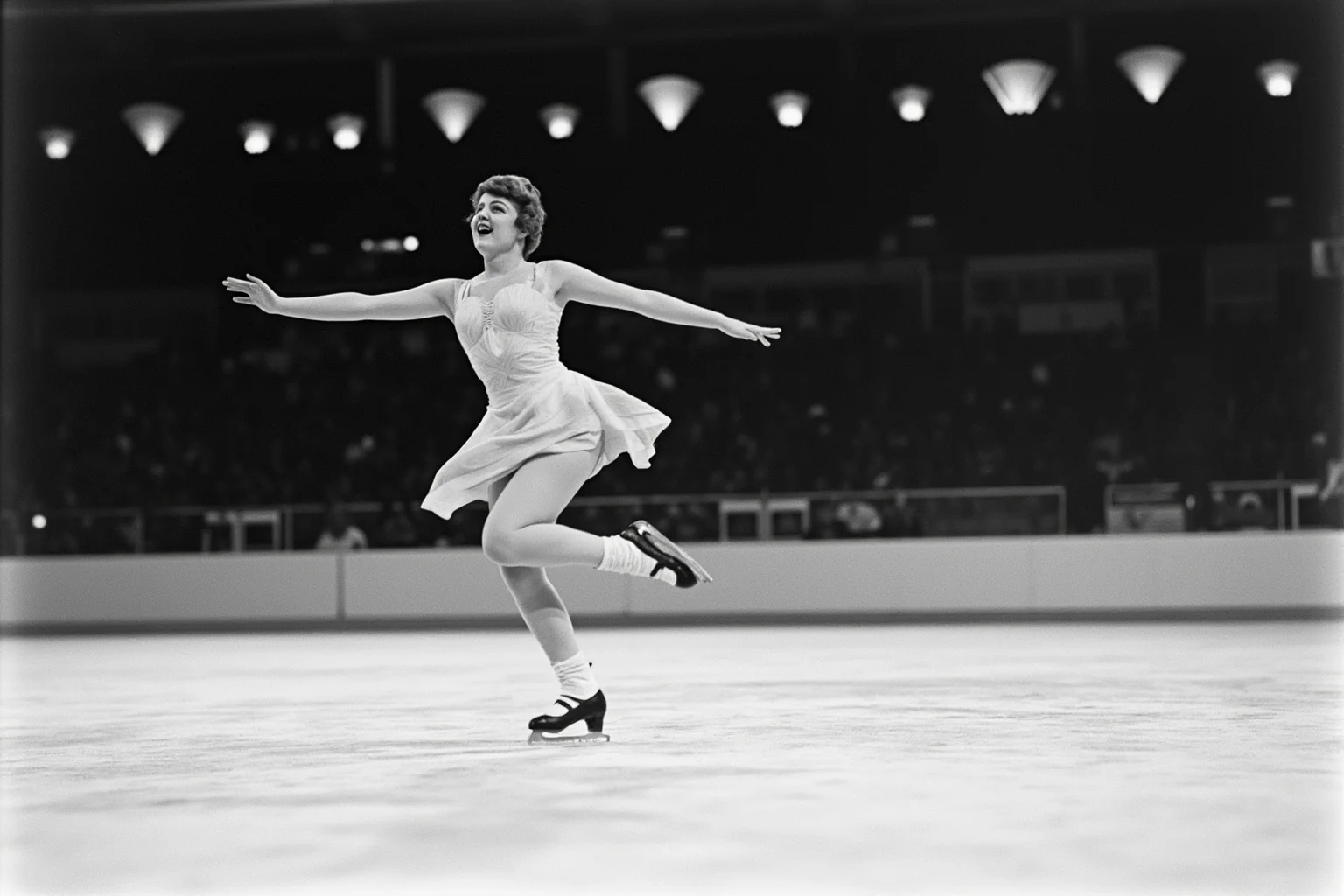
Norwegian figure skater Sonja Henie won three consecutive Olympic gold medals between 1928 and 1936, dominating the sport as a teenager and young adult. She also popularized shorter skating skirts and more athletic, dance-influenced choreography.
After her competitive career, Henie became a Hollywood film star, using her fame to turn figure skating into a mainstream form of entertainment. Much of how figure skating is presented and marketed today traces back to her influence.
6. Babe Didrikson Zaharias — Arguably Sport’s Greatest All-Rounder
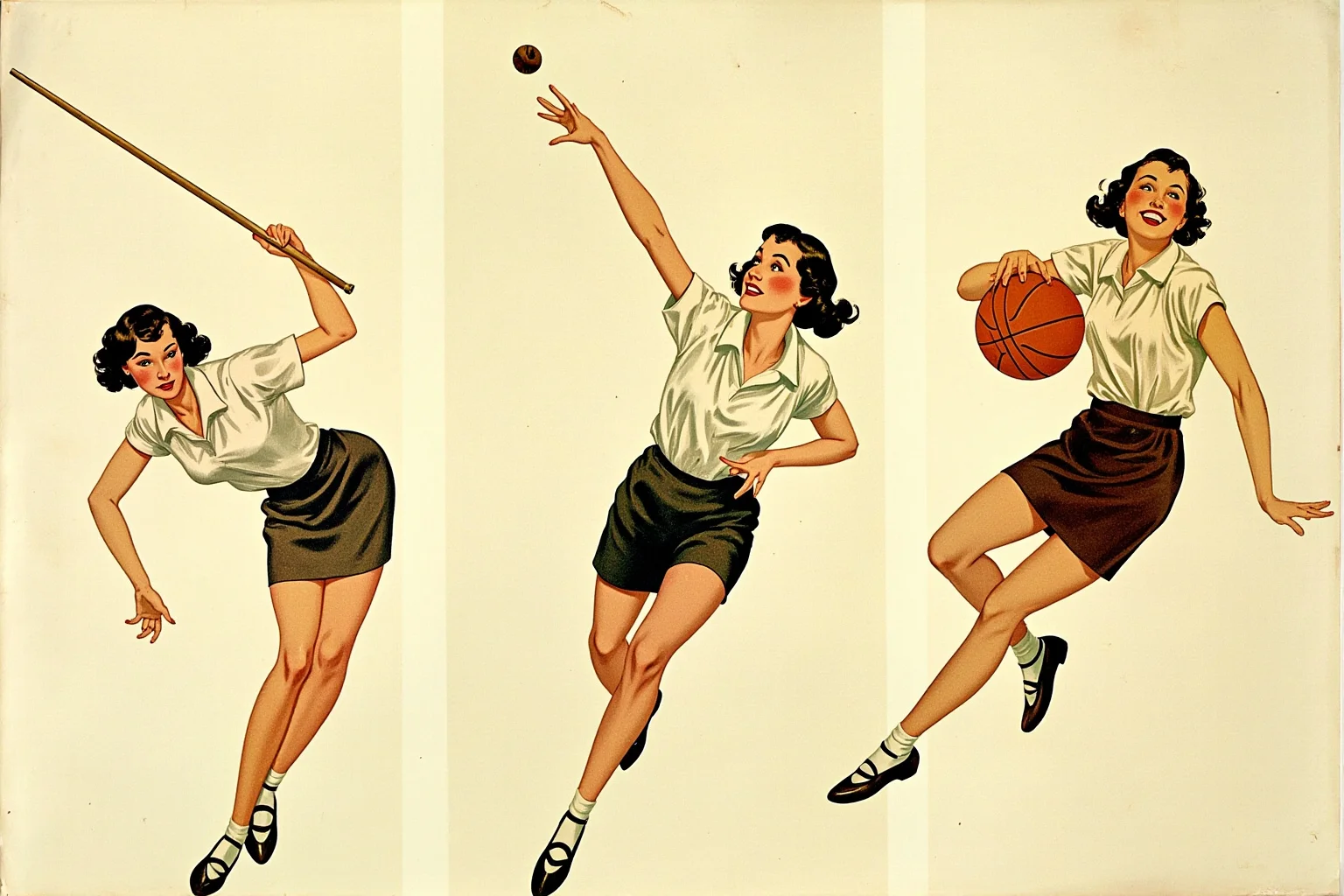
When people debate the greatest athletes of all time, Babe Didrikson Zaharias comes up constantly, and for good reason. She won two Olympic gold medals in track and field in 1932, then went on to become one of the most dominant golfers of her era, co-founding the LPGA in 1950.
She also played competitive basketball and baseball, at a time when women were rarely allowed near any of these arenas professionally. Her versatility is still considered almost unmatched among influential female athletes across any era.
7. Fanny Blankers-Koen — The “Flying Dutchwoman” Who Silenced the Critics
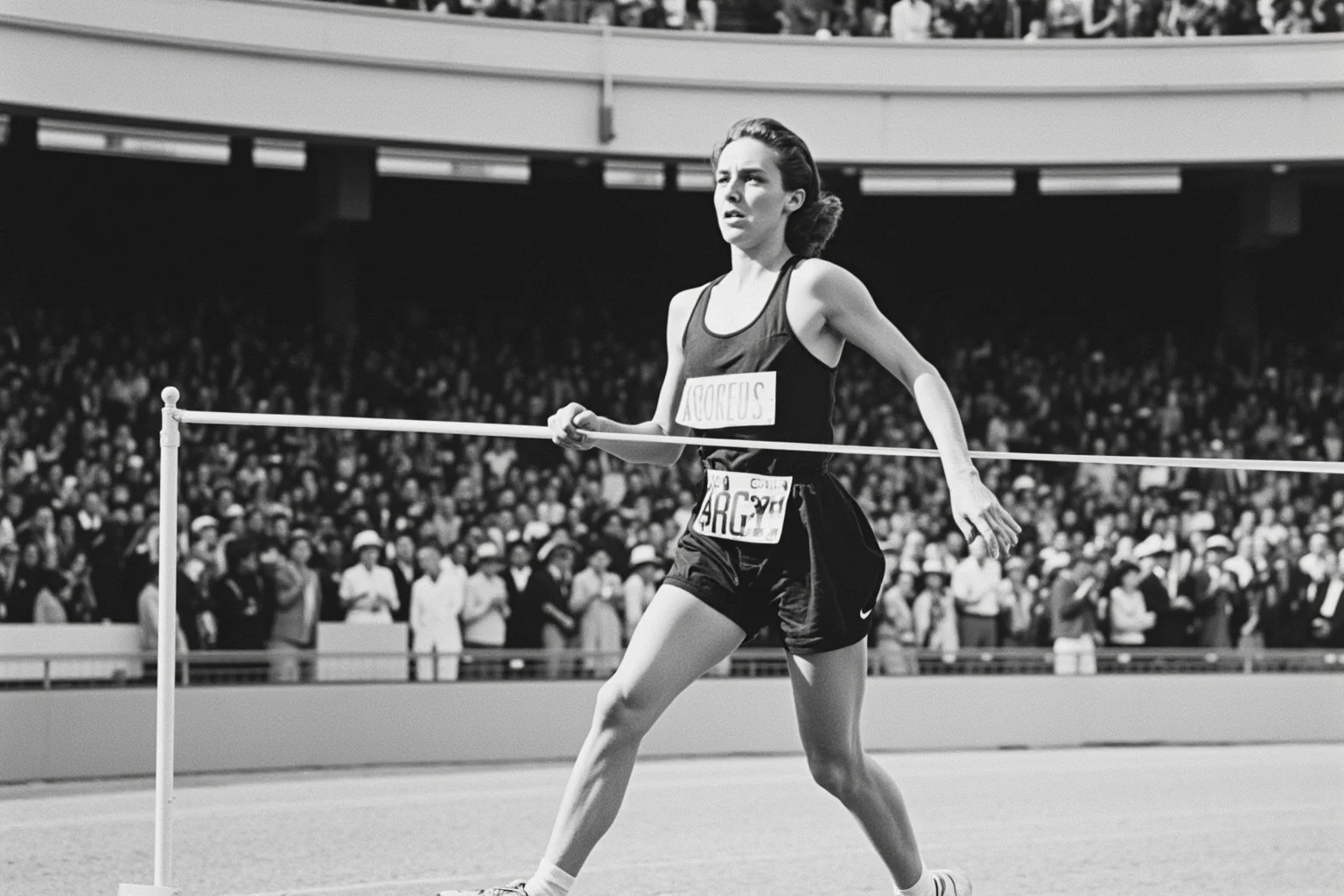
Dutch sprinter Fanny Blankers-Koen won four gold medals at the 1948 London Olympics, at age 30 and as a mother of two. Critics of the era had suggested she was too old and too domesticated to compete at an elite level.
Her performance directly disproved both assumptions in front of a global audience. Blankers-Koen remains one of the most decorated Olympians in track and field history, male or female.
8. Toni Stone — Breaking Baseball’s Color and Gender Lines at Once
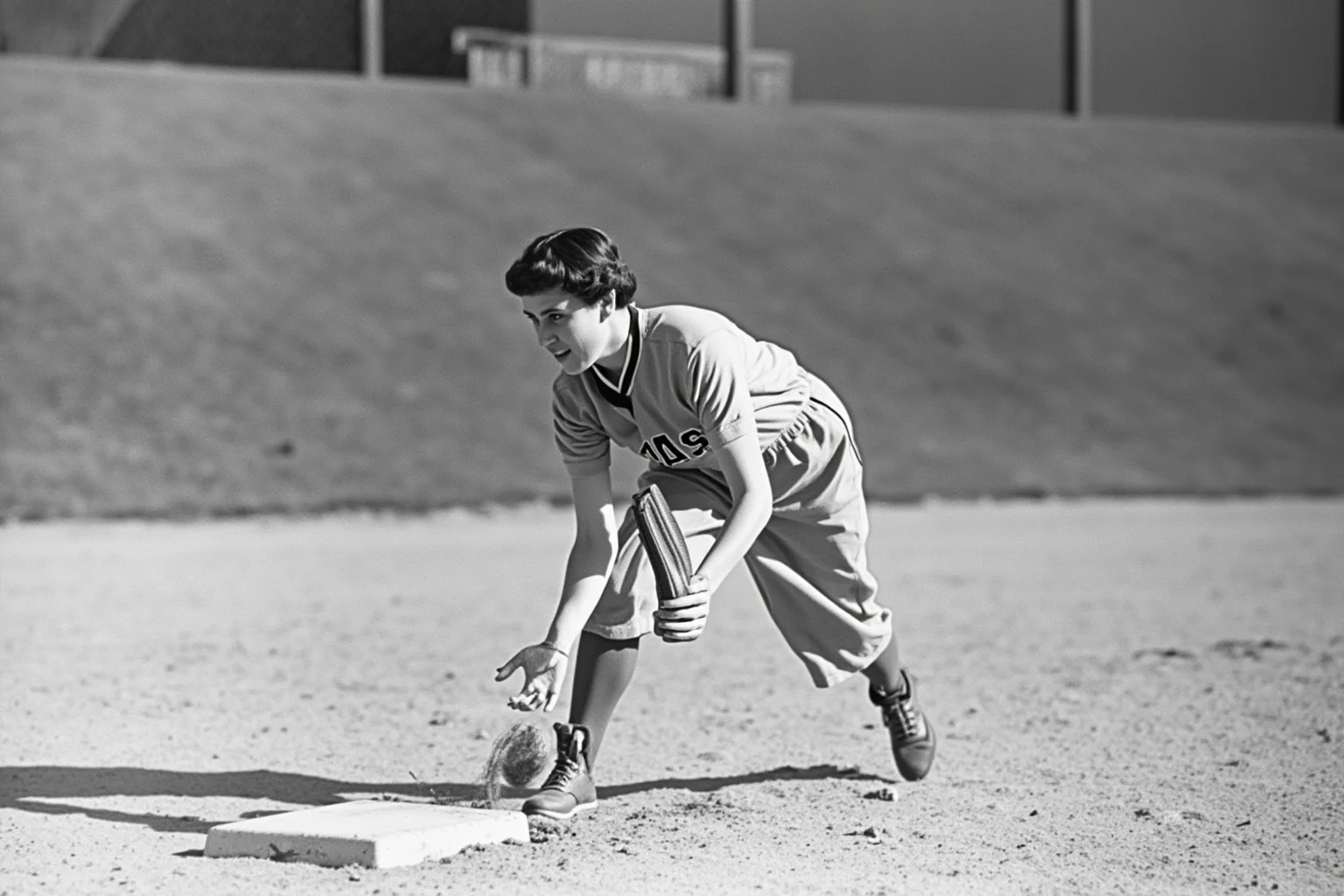
Toni Stone became the first woman to play professionally in a men’s major Negro league baseball team, signing with the Indianapolis Clowns in 1953. She played second base in a league that was itself fighting for recognition and respect during racial segregation in the United States.
Stone earned her spot through genuine skill, not novelty, batting against professional pitchers throughout her career. Her story sits at the intersection of two major civil rights struggles in American sports history.
9. Althea Gibson — Tennis’s First Black Grand Slam Champion
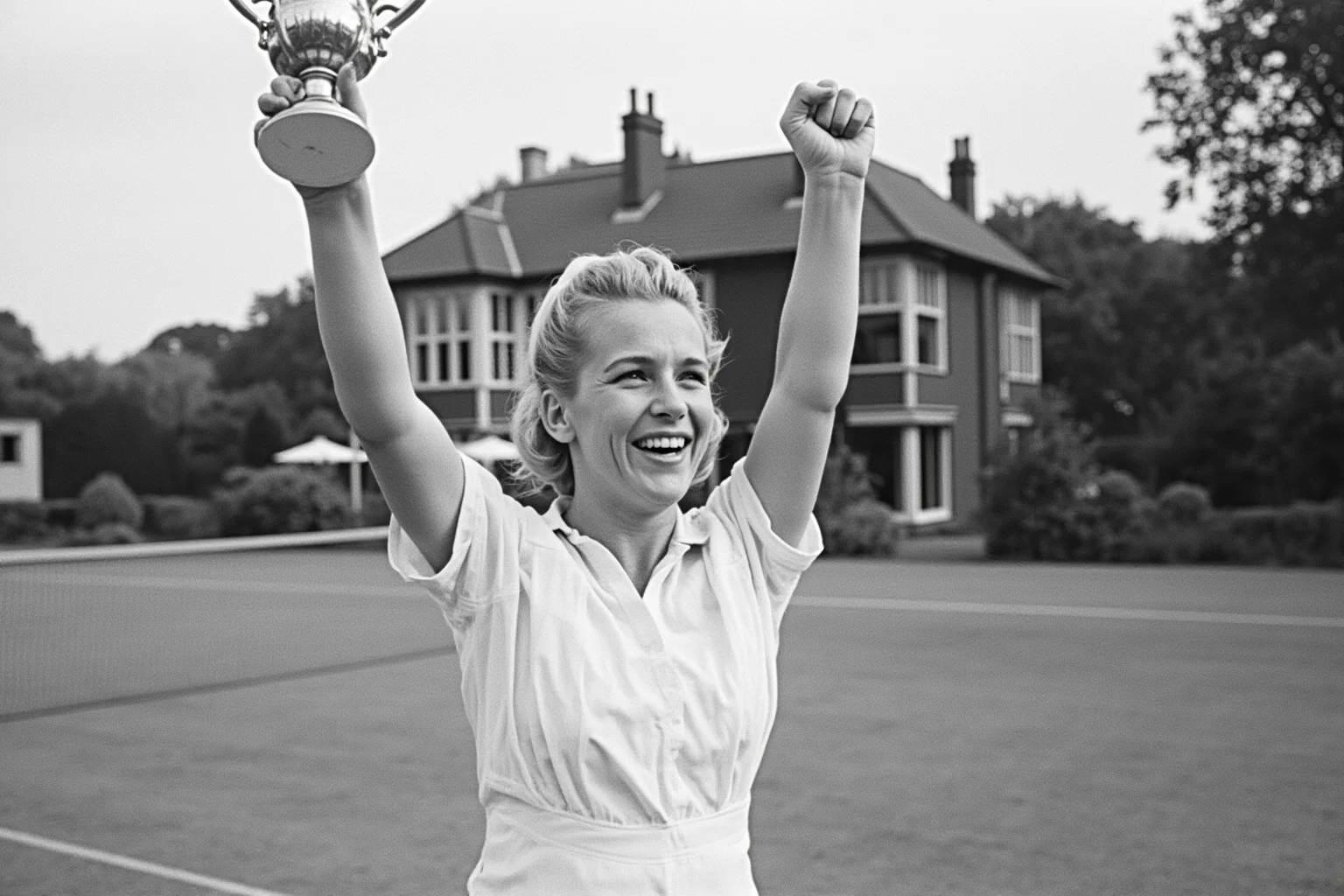
Althea Gibson broke tennis’s color barrier by becoming the first Black player, man or woman, to win a Grand Slam singles title, taking the French Championships in 1956. She went on to win both Wimbledon and the US Championships in singles.
Gibson faced segregated clubs, restricted travel, and limited sponsorship opportunities throughout her career. Despite those barriers, she paved the way for future generations of professional women athletes of color in tennis.
10. Wilma Rudolph — From Childhood Illness to Olympic Gold
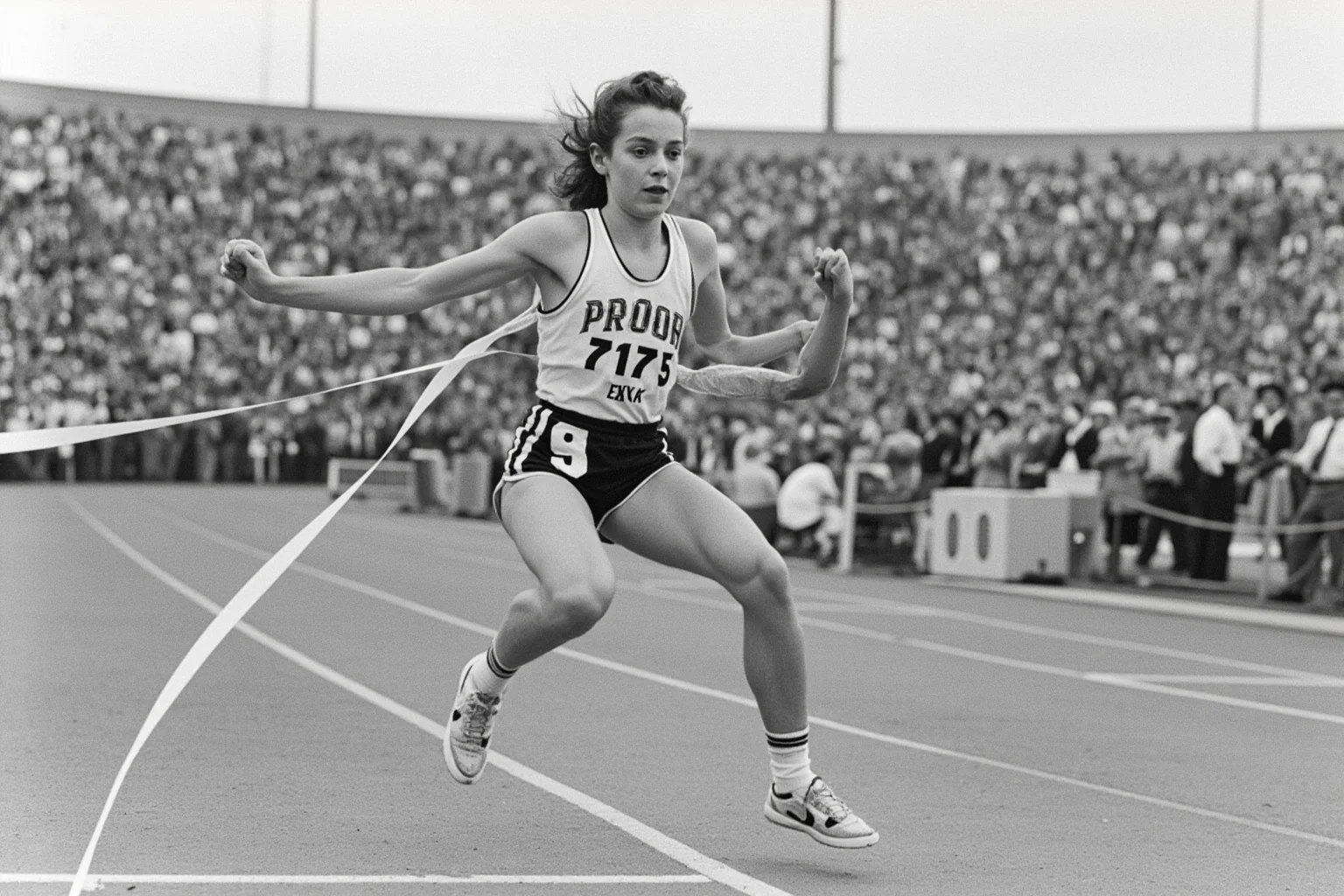
Wilma Rudolph contracted polio as a child and wore a leg brace for several years before regaining full mobility. She went on to win three gold medals in track and field at the 1960 Rome Olympics, becoming the first American woman to do so at a single Games.
Rudolph’s success made her one of the most famous female athletes of her generation and an inspirational figure well beyond track and field. She later became a vocal advocate for civil rights and youth sports programs.
11. Kathrine Switzer — The Woman Who Ran the Boston Marathon Anyway
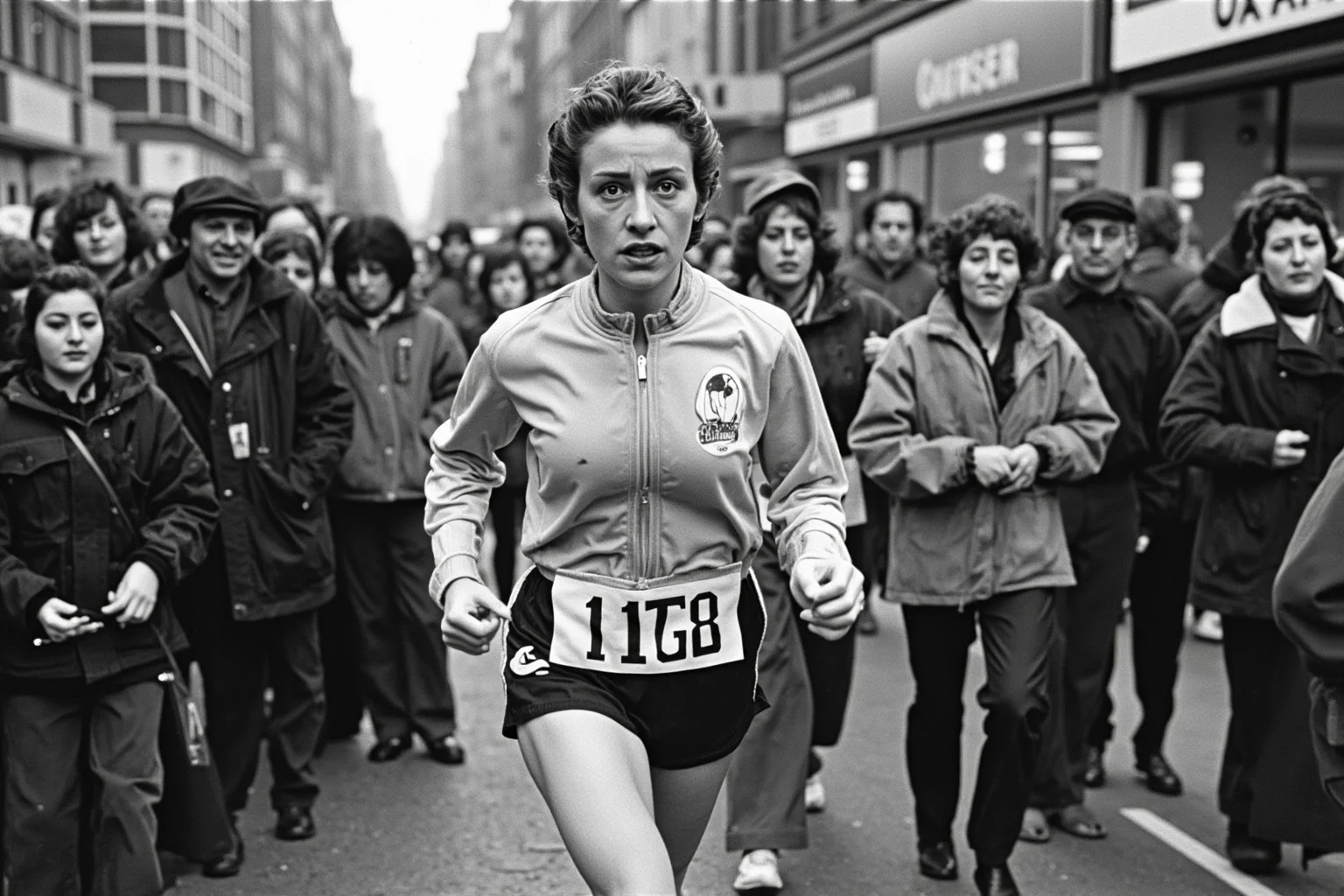
In 1967, Kathrine Switzer officially registered for the Boston Marathon using her initials, at a time when the race had no formal rule banning women but also no expectation that any would enter. A race official famously tried to physically pull her off the course mid-race.
Switzer finished anyway, and the resulting photographs became a defining image in the fight for women’s distance running. The Boston Marathon didn’t officially allow women to enter until 1972, five years later.
12. Billie Jean King — Tennis’s Most Influential Advocate
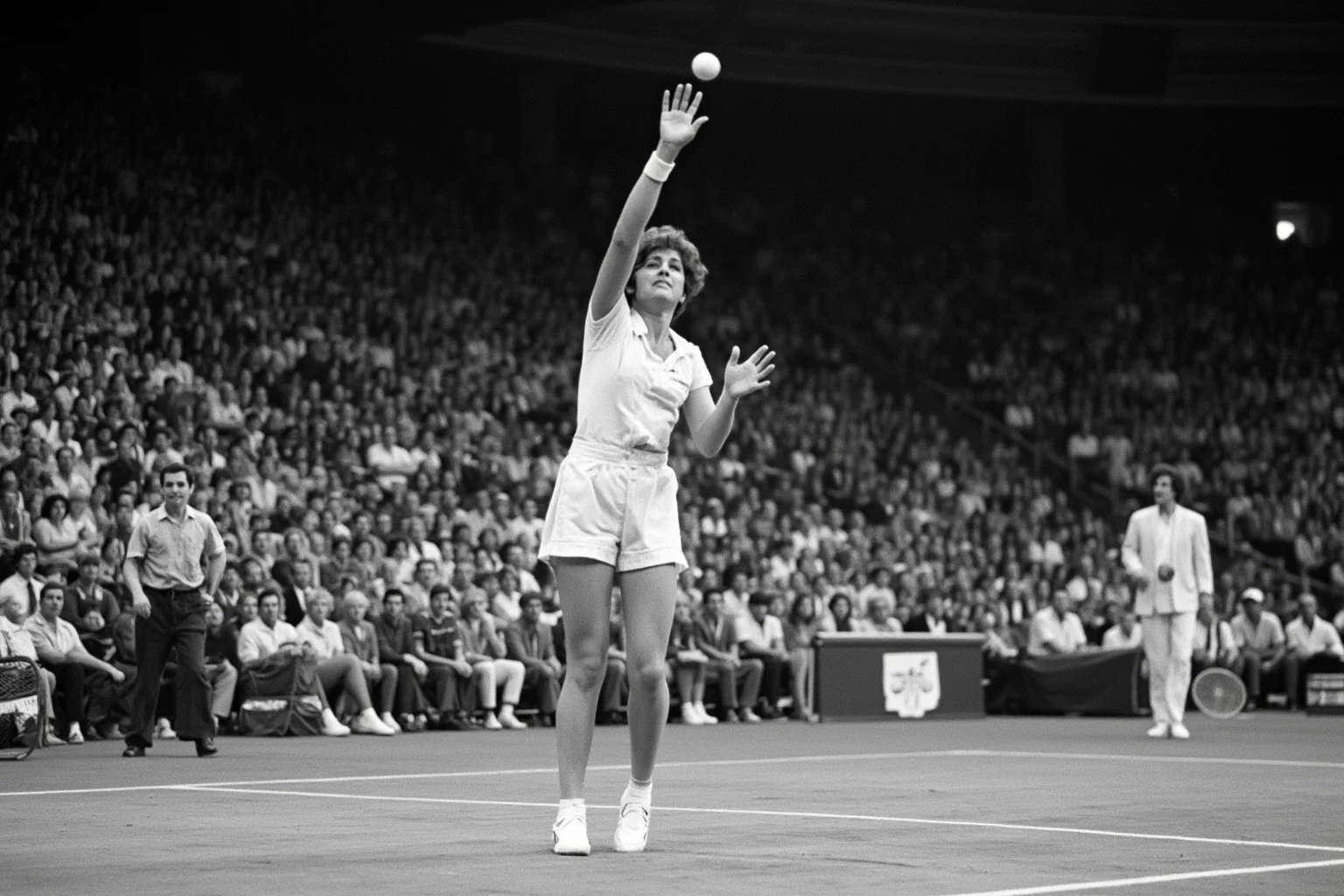
Billie Jean King won 39 Grand Slam titles across singles, doubles, and mixed doubles, but her impact reaches well beyond the scoreboard. In 1973, she defeated Bobby Riggs in the widely publicized “Battle of the Sexes” exhibition match, watched by an estimated 90 million television viewers worldwide.
That same year, King helped found the Women’s Tennis Association and pushed for equal prize money at Grand Slam tournaments. She remains one of the most cited influential female athletes when people discuss sports and gender equity.
13. Junko Tabei — The First Woman to Summit Mount Everest
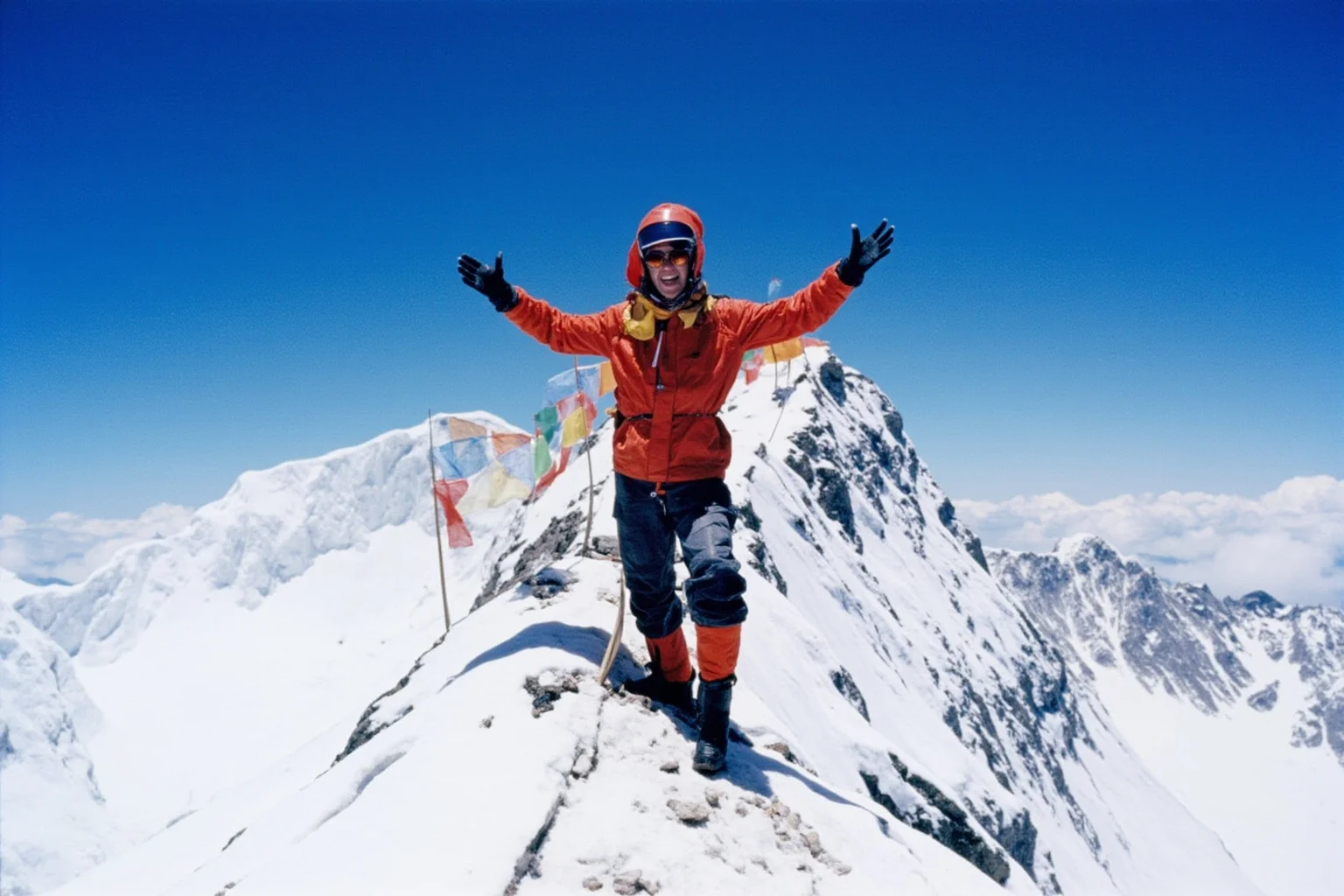
Japanese mountaineer Junko Tabei became the first woman to reach the summit of Mount Everest in 1975, as part of an all-female Japanese climbing expedition. She continued climbing for decades afterward, eventually becoming the first woman to complete the “Seven Summits,” the tallest peak on every continent.
Tabei often described the biggest obstacle as convincing sponsors and society that women belonged on serious expeditions at all. Her success reshaped assumptions about endurance and risk in extreme sports.
14. Nadia Comăneci — The First Perfect 10 in Olympic Gymnastics
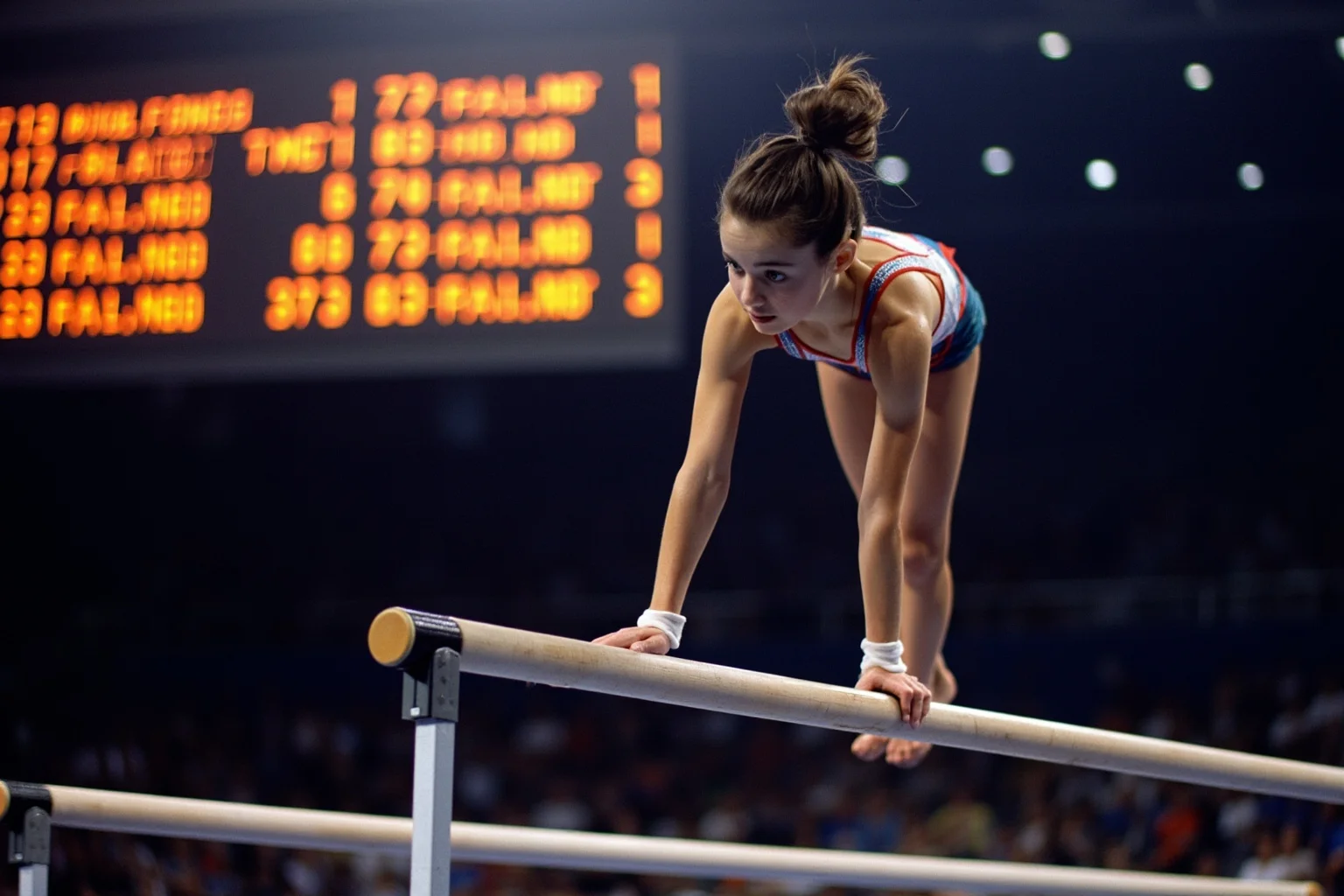
At the 1976 Montreal Olympics, Romanian gymnast Nadia Comăneci became the first gymnast in Olympic history to score a perfect 10.0, on the uneven bars. The scoreboard, built without the capacity to display a perfect score, briefly showed a 1.00 instead.
She went on to earn six more perfect 10s at the same Games, at just 14 years old. Comăneci’s technical precision permanently raised the bar for what elite gymnastics judging and training would demand.
15. Martina Navratilova — Redefining Fitness and Longevity in Tennis
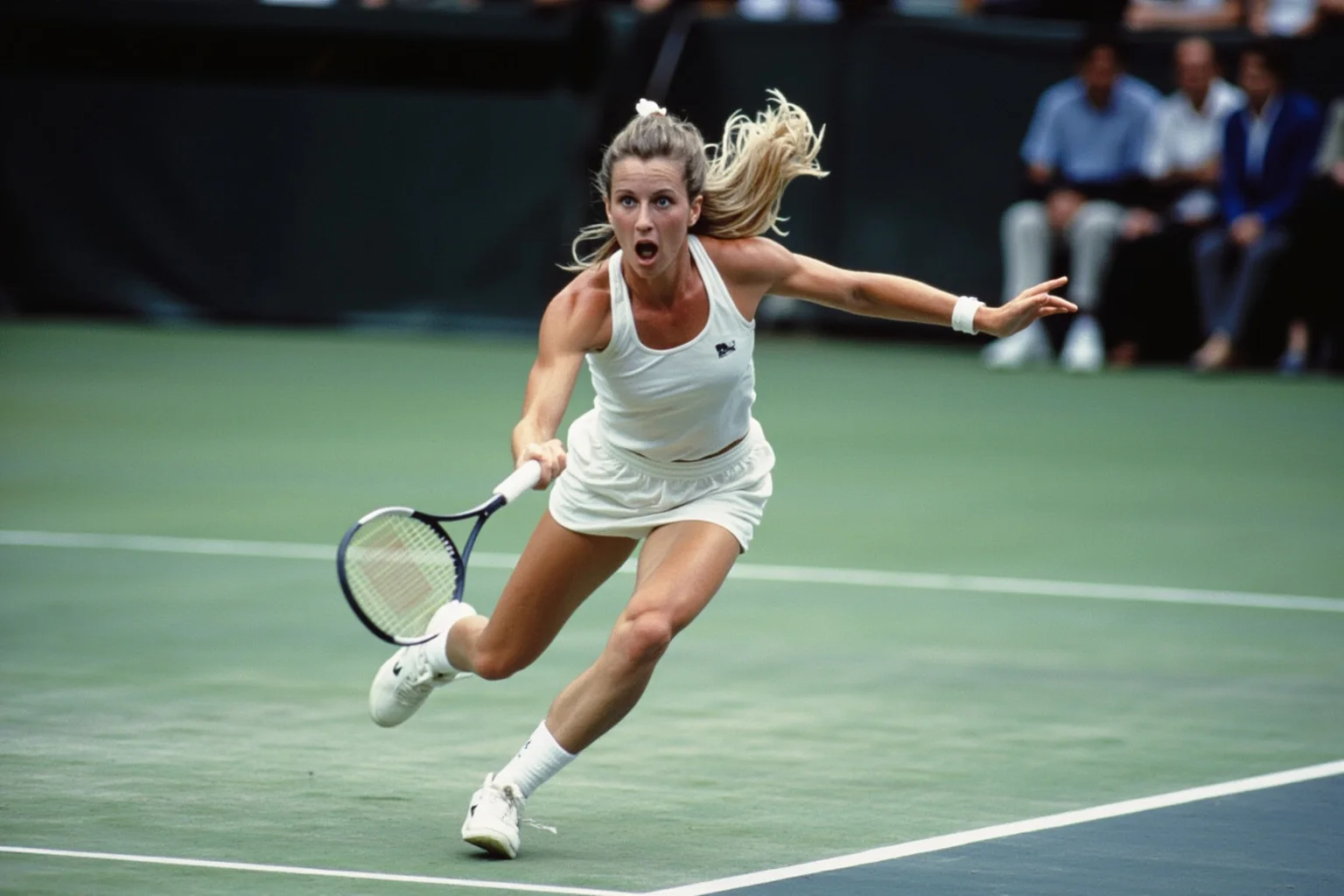
Martina Navratilova won 18 Grand Slam singles titles and dominated women’s tennis through much of the 1970s and 1980s. She was also one of the first top players to embrace serious strength and conditioning training, changing how professional women athletes in tennis approached fitness.
Navratilova later became one of the first openly gay major sports stars, at real personal and financial risk during a less accepting era. Her openness helped shift public conversations around LGBTQ visibility in professional sports.
16. Florence Griffith Joyner — The Fastest Woman in History
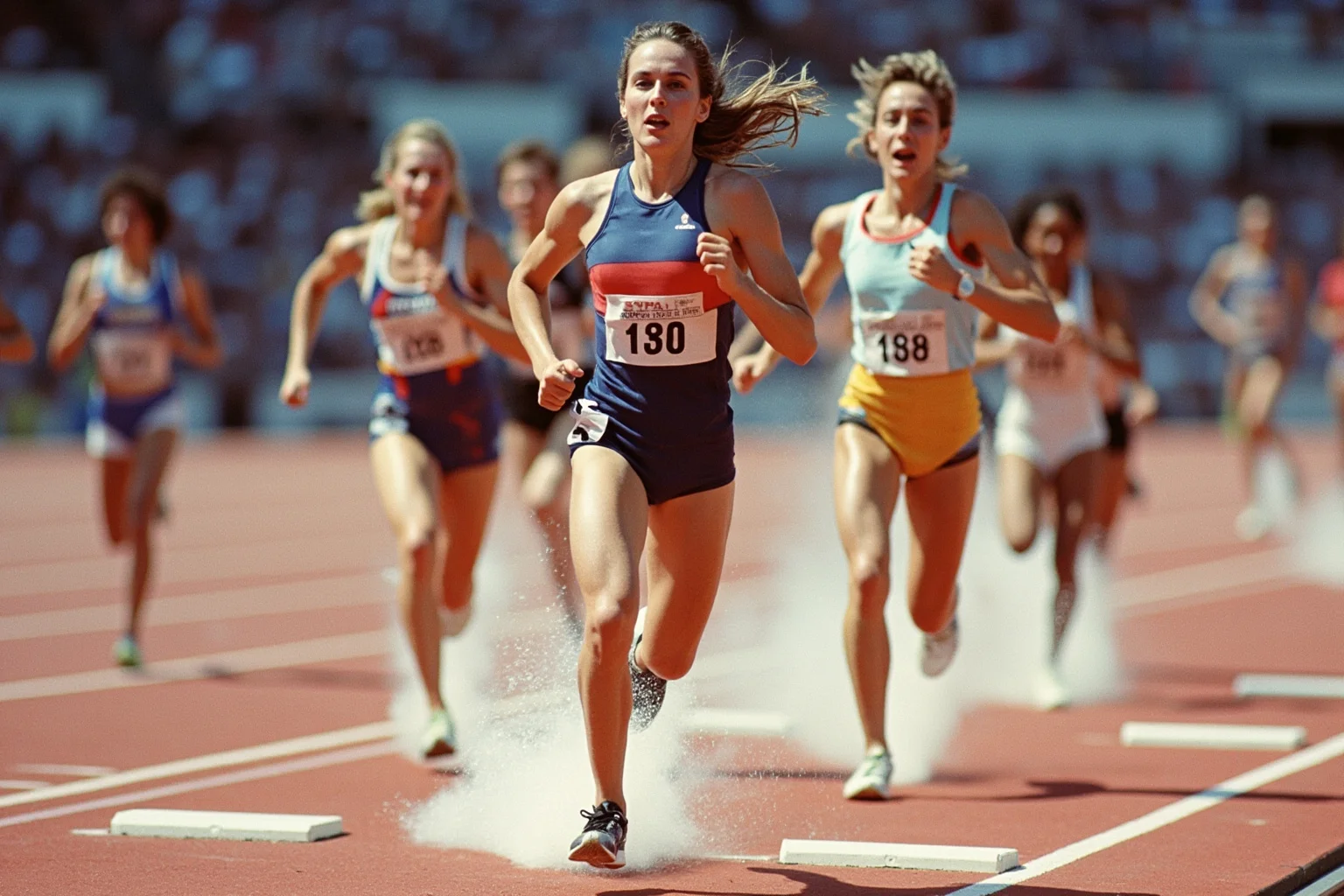
Florence Griffith Joyner, known widely as Flo-Jo, set world records in the 100m and 200m sprints at the 1988 Seoul Olympics that still stand today. Her striking personal style, including long decorated nails and colorful, one-legged bodysuits, also helped make track and field more visually iconic for mainstream audiences.
Her records have occasionally drawn scrutiny given the doping controversies of that era in track and field, though Griffith Joyner herself was never officially sanctioned for a doping violation. She remains, by the record books, the fastest woman ever timed.
17. Jackie Joyner-Kersee — The Standard for All-Around Athleticism
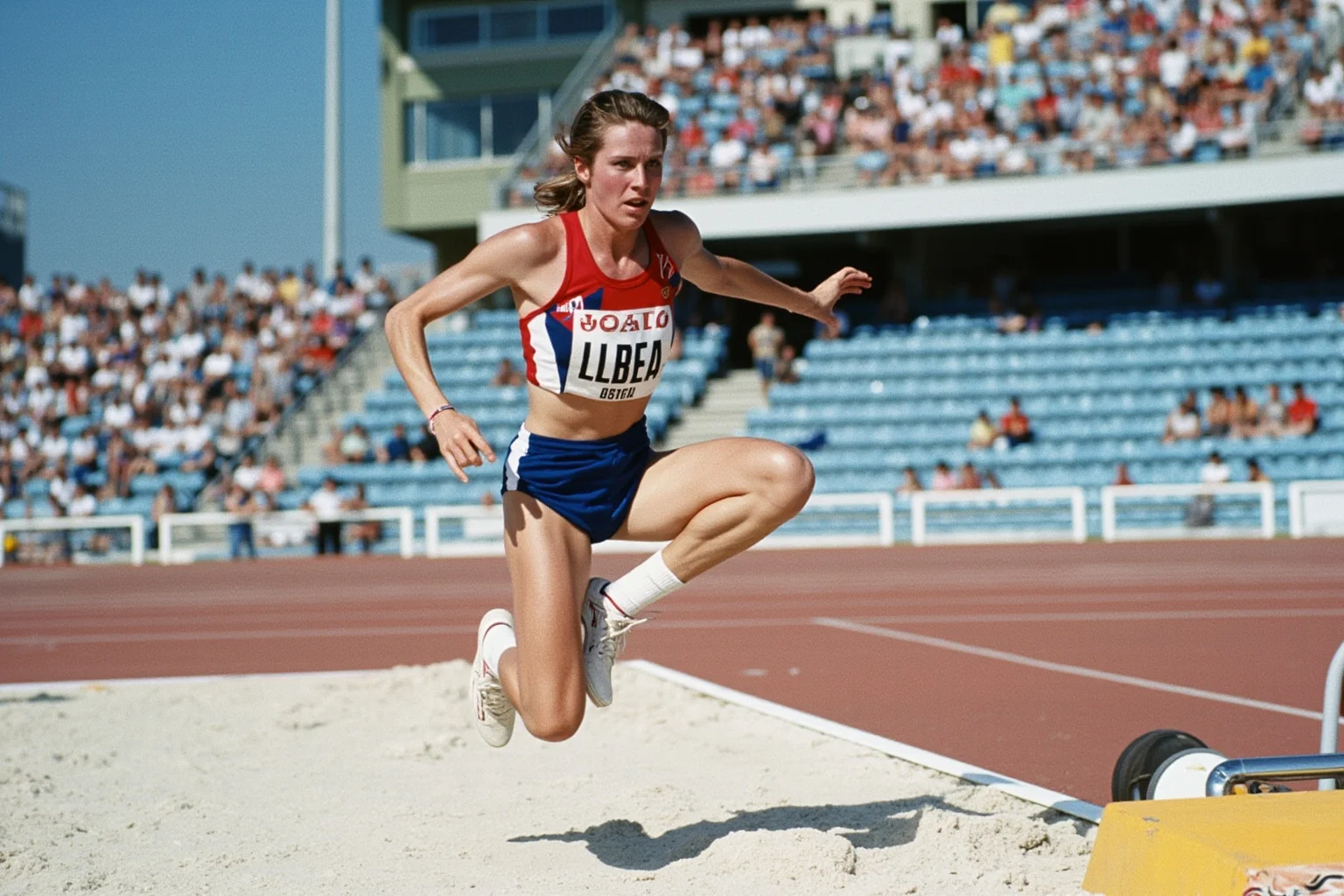
Jackie Joyner-Kersee dominated the heptathlon, a grueling seven-event combined discipline, through the late 1980s and 1990s. She set a heptathlon world record at the 1988 Seoul Olympics that remained unbroken for decades.
Sports Illustrated later named her one of the greatest female athletes of the 20th century, a title well earned given her sustained dominance across sprinting, jumping, and throwing events. Her career is often cited in debates about the best women athletes ever to compete in track and field.
18. Manon Rheaume — The First Woman to Play in the NHL

Goaltender Manon Rheaume became the first woman to play in a National Hockey League game, appearing in a 1992 preseason match for the Tampa Bay Lightning. It was an exhibition appearance rather than a regular-season one, but it still broke a barrier no woman had crossed in top-tier men’s professional hockey.
Rheaume went on to a long career in professional and international women’s hockey afterward. Her NHL appearance remains a frequently referenced milestone in the broader history of women in traditionally male-dominated leagues.
19. Cathy Freeman — Running for More Than a Medal
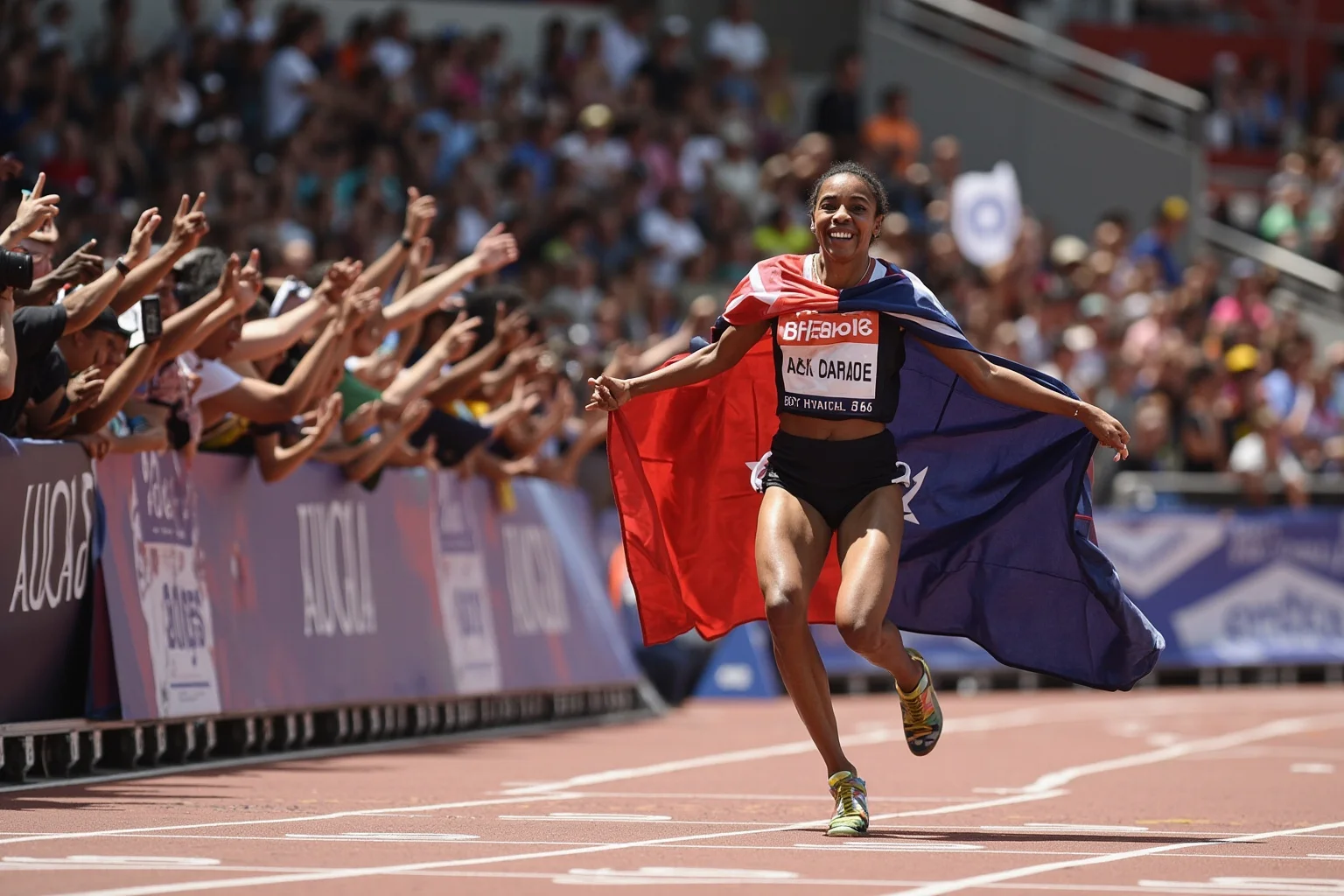
Australian sprinter Cathy Freeman, an Indigenous Australian, won gold in the 400m at the 2000 Sydney Olympics in front of a home crowd. She had also carried both the Aboriginal flag and the Australian flag during her victory lap at the 1994 Commonwealth Games, a gesture loaded with political and cultural meaning.
Freeman’s Olympic win became a landmark moment for Indigenous representation in Australian sport. It’s frequently listed among the most emotionally resonant moments in Olympic history.
20. Mia Hamm — The Face of Modern Women’s Soccer
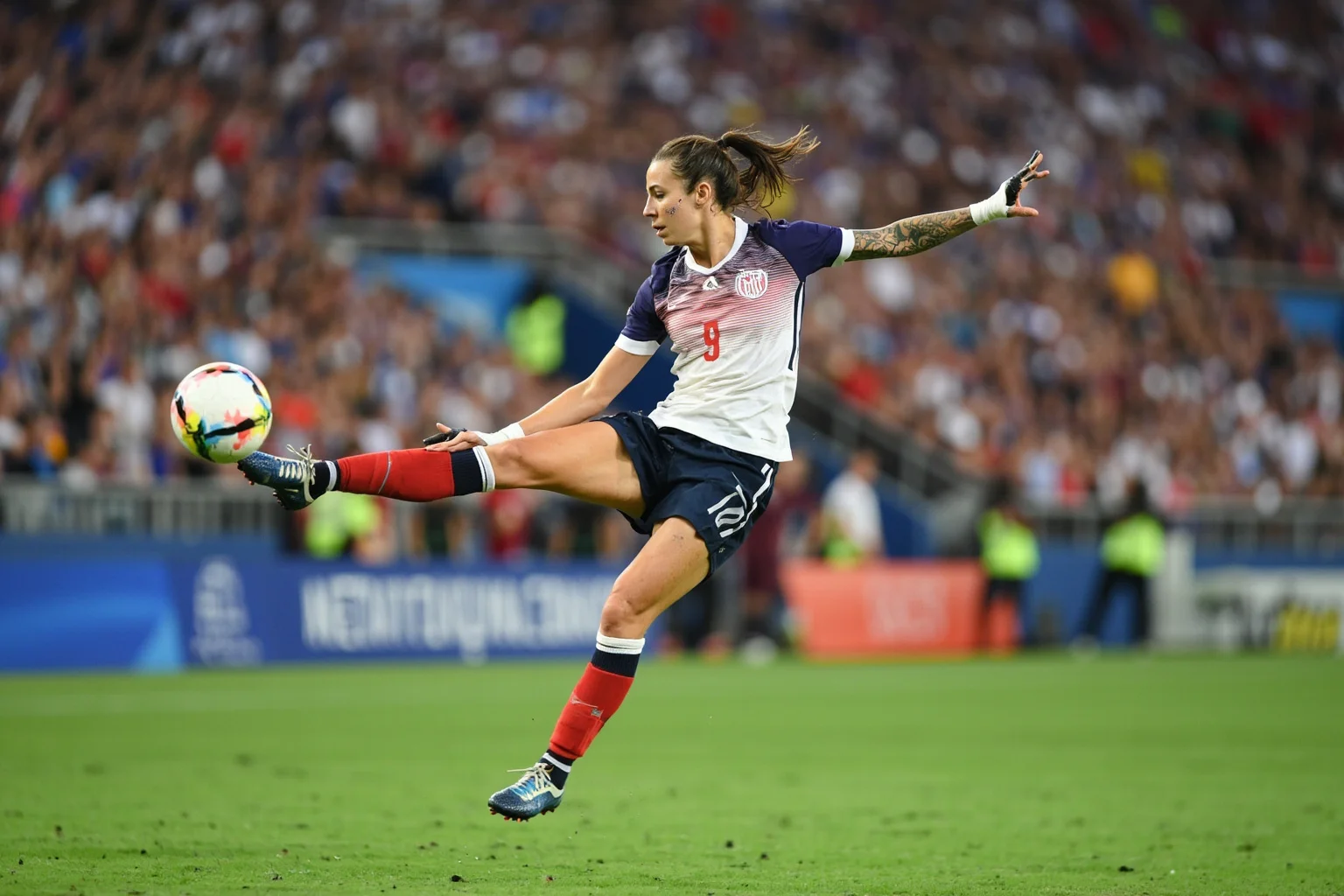
Mia Hamm helped lead the United States women’s national soccer team to Olympic gold and World Cup titles through the 1990s. At the time of her retirement, she held the record for most international goals scored by any player,男 or female, in the sport’s history.
Hamm’s visibility coincided with a boom in youth girls’ soccer participation across the United States. She’s still widely cited among the most famous female athletes credited with growing a sport’s grassroots popularity.
21. Serena Williams — Redefining Power and Longevity in Tennis
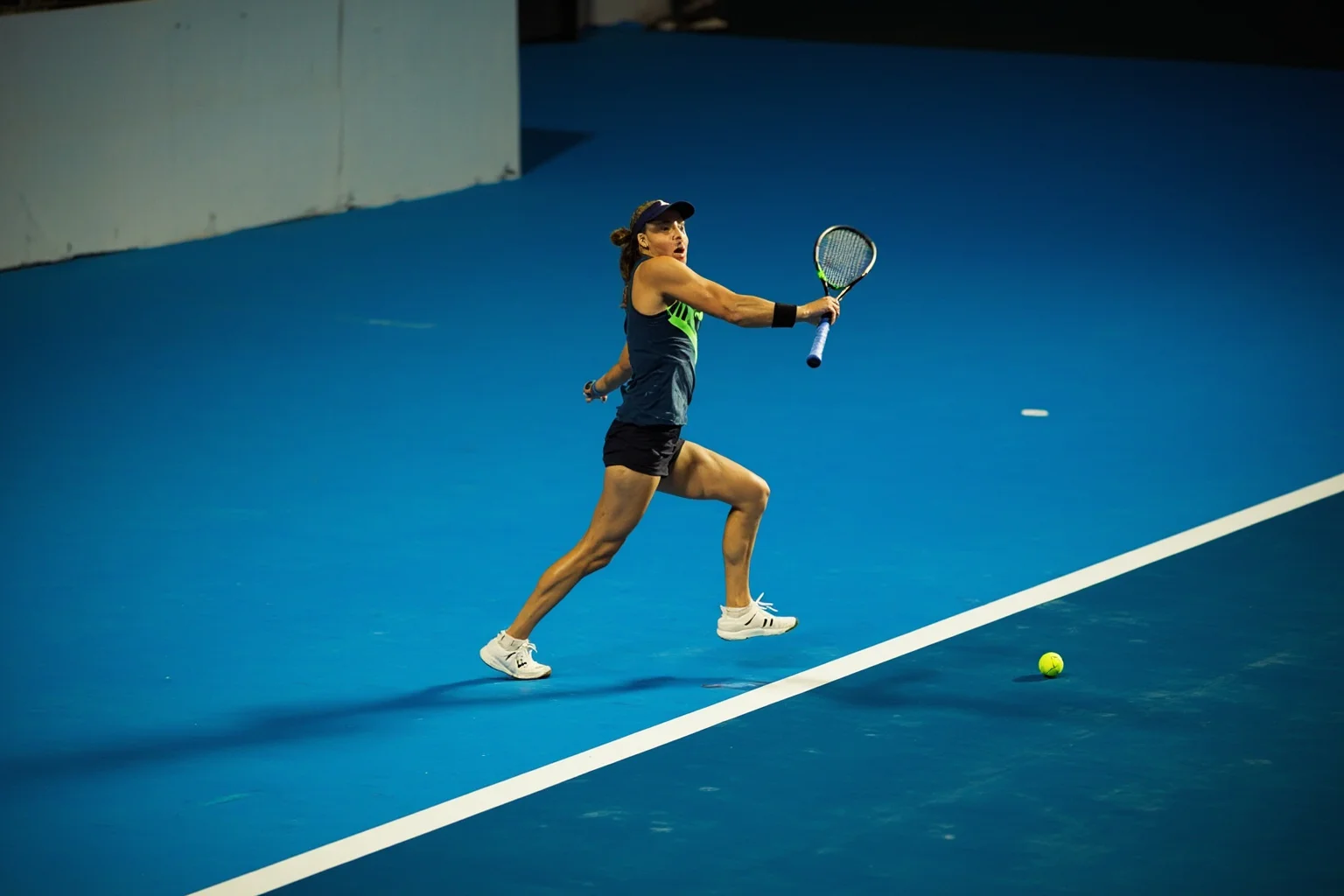
Serena Williams won 23 Grand Slam singles titles, one shy of the all-time record, across a career that spanned more than two decades at the top level. She combined physical power with tactical precision in a way that changed how the modern women’s game is played and trained for.
Williams also used her platform to speak openly about pay equity, maternal health, and representation in a sport with a complicated history around race. She’s regularly named among the most influential female athletes of the modern era, in and out of tennis circles.
22. Simone Biles — Pushing Gymnastics Into New Territory
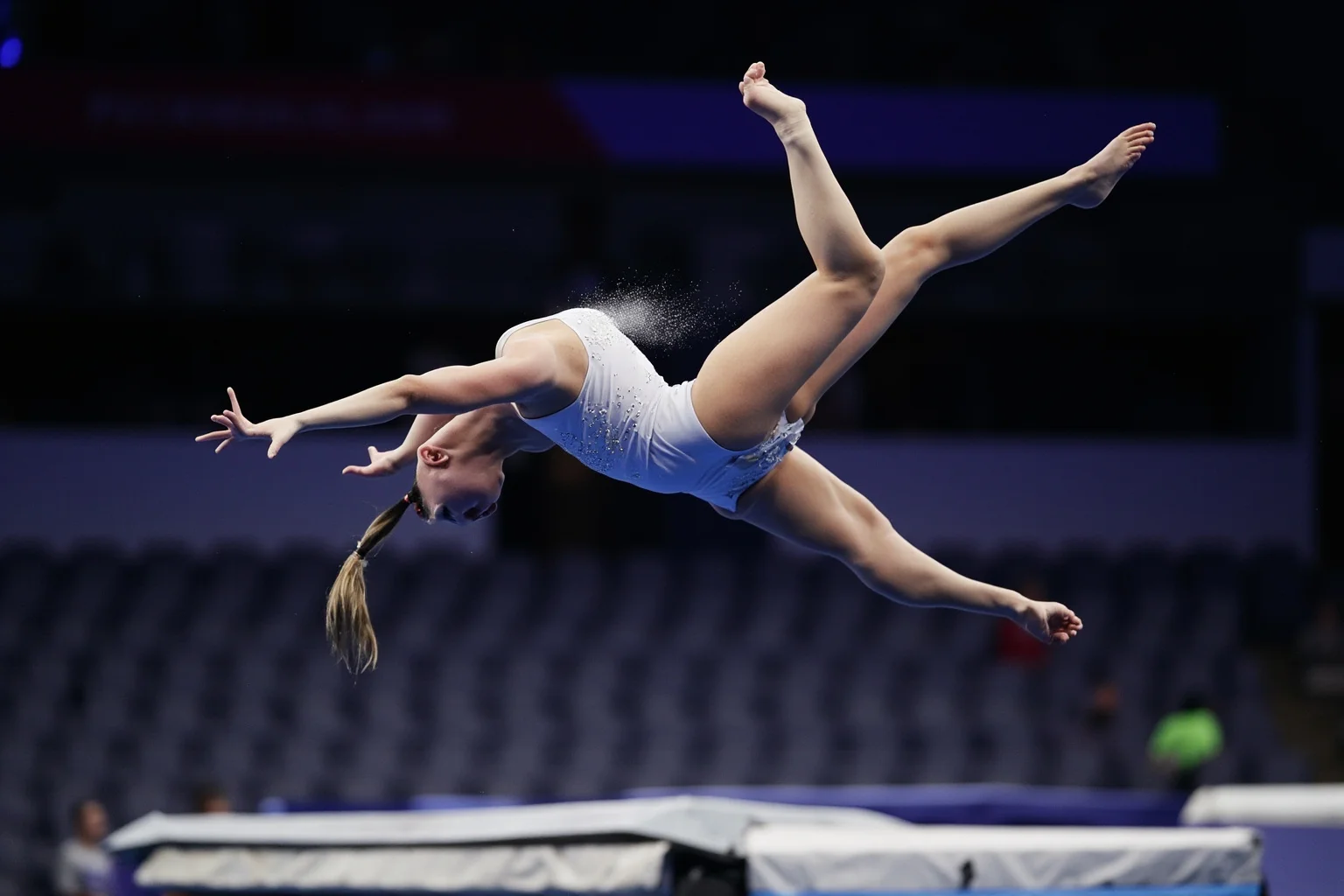
Simone Biles has won more World Championship medals than any gymnast in history, male or female, and has had multiple skills named after her due to their difficulty. Her technical innovations have forced international judging standards to keep adjusting to what she’s capable of performing.
In 2021, Biles withdrew from several Olympic events in Tokyo to protect her mental and physical health, sparking a global conversation about athlete wellbeing. That decision arguably reshaped how professional women athletes, and sports organizations, talk about pressure and burnout today.
Why These Athletes Still Matter
What connects Alice Milliat’s Olympic lobbying in the 1920s to Simone Biles’s decisions in Tokyo a century later is a simple, recurring pattern. Someone had to go first, absorb the criticism, and prove a limit was invented rather than real.
That’s the throughline connecting all of these important women in sports, even though their eras, disciplines, and challenges look nothing alike. It’s a throughline shared by the fierce, fearless female fighters who took on entirely different kinds of battles throughout history. Each expanded the definition of what a female athlete was allowed to attempt in public.
A Word on Myths and Overstatements
It’s worth being careful with some of the more dramatic claims that circulate about early women’s sports history. Not every “first” was as absolute as headlines suggest, since record-keeping was inconsistent and many achievements by women of color or from outside Europe and North America went undocumented or underreported for decades.
Where records are murky, it’s more accurate to describe someone as “among the first” or “one of the earliest documented” rather than stating an absolute claim. This list has tried to reflect that nuance rather than flatten complicated histories into tidy trivia.
Closing Thoughts
There’s no single, uncontested answer to who the greatest woman athlete of all time really is, and that’s arguably a good thing. It means the list of contenders keeps growing, sport by sport, generation by generation.
What’s clear is that today’s professional women athletes are competing in a landscape shaped directly by the women on this list. Every barrier they face now is smaller than the one that came before it, thanks to the athletes who refused to accept “no” as a permanent answer.
Frequently Asked Questions
Who are the most famous female athletes in history?
Names like Serena Williams, Simone Biles, Billie Jean King, and Babe Didrikson Zaharias are among the most famous female athletes in history, largely because their achievements extended beyond the scoreboard into broader cultural and political conversations. Earlier pioneers like Fanny Blankers-Koen, Wilma Rudolph, and Althea Gibson are equally significant, even if they're less universally known today.
Who is considered the greatest woman athlete of all time?
There's no single agreed-upon answer, since comparing athletes across different sports and eras is inherently subjective. Babe Didrikson Zaharias is frequently cited for her rare versatility across track and field, golf, and other sports, while others point to Serena Williams or Jackie Joyner-Kersee for their sustained dominance within a single discipline.
Who was the first professional female athlete?
It's difficult to name one definitive "first," since women competed for prize money and public performance fees in various sports, including cycling and pedestrianism, throughout the 1800s. Suzanne Lenglen in tennis and Babe Didrikson Zaharias in golf are often highlighted as early, well-documented pioneers of professional women's sport in the modern sense.
Which sports did women have the hardest time being allowed to compete in?
Long-distance running, boxing, and professional team sports like baseball and ice hockey were among the hardest for women to break into, often due to unfounded medical claims about women's physical limits. The Olympic marathon, for example, wasn't opened to women until 1984, decades after Kathrine Switzer's unofficial 1967 Boston Marathon run.
How did Title IX affect women’s sports in the United States?
Title IX, passed in the U.S. in 1972, required schools and colleges receiving federal funding to provide equal athletic opportunities regardless of sex. It significantly expanded funding, scholarships, and participation for girls and women in American school sports, though its impact is specific to the United States rather than global.
Why is it hard to compare female athletes across different eras?
Training methods, available technology, prize money, media coverage, and even the rules of individual sports have changed dramatically over the last century. An athlete's dominance also has to be measured against the opportunities available to her at the time, which varied enormously depending on country, race, and era.

Alex Warren
Related Articles