
History books have a bad habit of writing women out of the battlefield, but the record — archaeological, textual, and oral — tells a very different story. Warrior women have led cavalry charges, defended besieged cities, commanded fleets, and stared down empires, sometimes with a sword and sometimes with nothing but sheer nerve. Some of these women are so thoroughly documented that historians argue over troop numbers and battle tactics, while others survive mostly through legend, later embellishment, or a single tantalizing mention in an ancient chronicle.
This list pulls together some of the most famous female warriors of history, from queens who broke empires to women who disguised themselves as men to fight, right up to the champions currently ruling the combat sports cage. Along the way, we'll flag where the history is rock-solid and where it drifts into legend, because a myth-busting approach only works if we're honest about the gaps.
TL;DR: Warrior women have shaped history on every continent, from ancient queens like Boudica and Zenobia to modern champions in the cage, proving that courage in battle has never belonged to just one gender.
What Do We Mean By 'Warrior Women'?
The phrase "warrior woman" covers a lot of ground, and that's part of what makes this topic so rich. Some women on this list were queens who personally led troops into battle, while others were commoners who picked up arms out of necessity or conviction. Still others are modern female combatants competing in professional fighting sports, which is its own kind of warfare with its own rules and stakes.
It's worth being upfront that not every story here has the same level of historical certainty. Ancient and medieval sources were often written decades or centuries after the fact, sometimes by writers with an agenda, so a few of these figures sit in that blurry space between documented history and enduring legend. We'll call that out as we go, because a good history site should never present a folk tale as an eyewitness account.
Ancient World Warrior Women
The ancient world produced some of the most powerful female warriors in recorded history, women whose exploits were significant enough that male chroniclers — often reluctantly — had to write them down.
1. Boudica, Queen of the Iceni
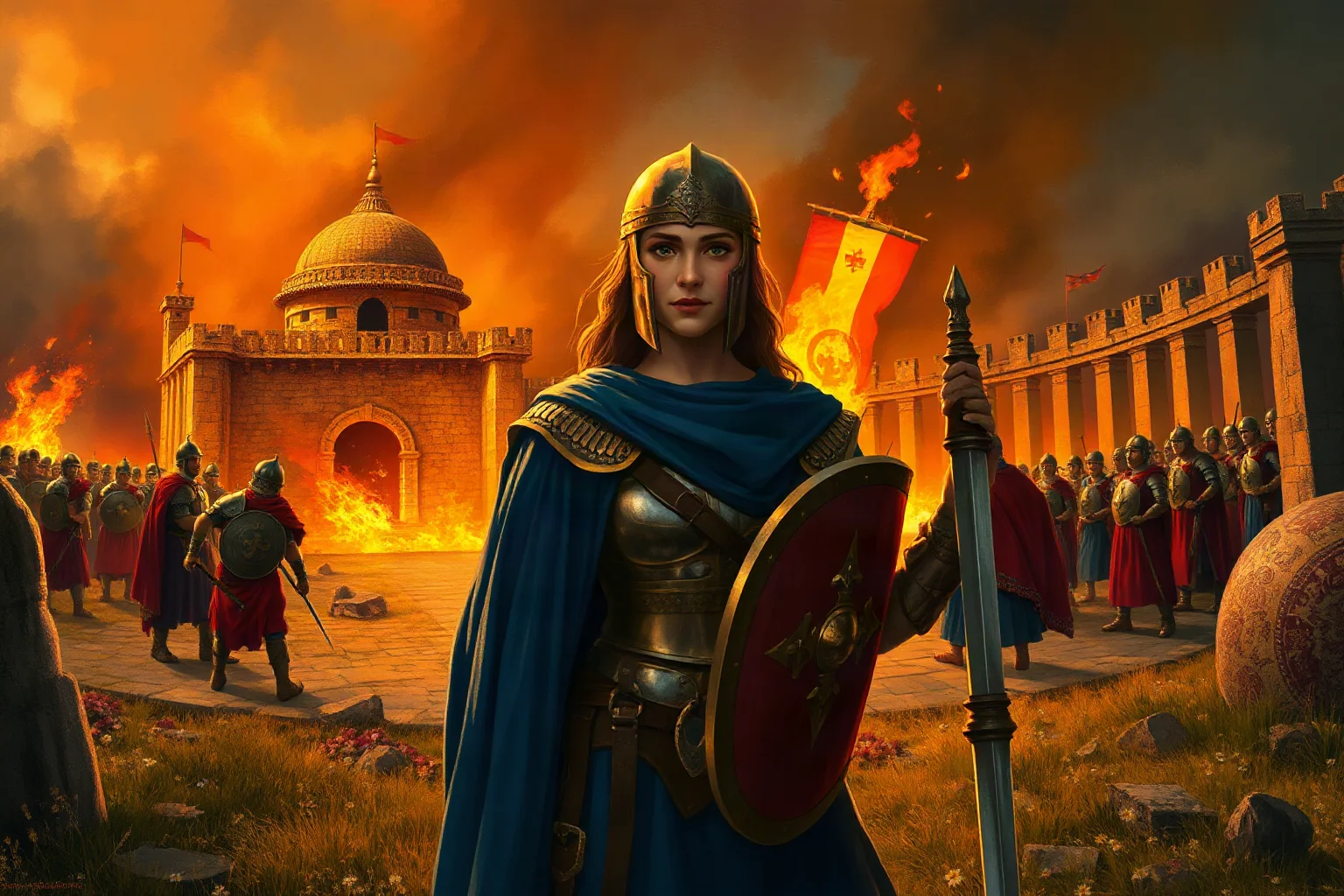
Boudica led one of the most serious uprisings Rome ever faced in Britain, torching the cities of Camulodunum, Londinium, and Verulamium around 60-61 CE. According to the Roman historians Tacitus and Cassius Dio, her revolt was sparked by the brutal treatment of her family and tribe after her husband's death. She was eventually defeated in a decisive battle, but her name has become shorthand for fierce, righteous resistance.
2. The Trưng Sisters
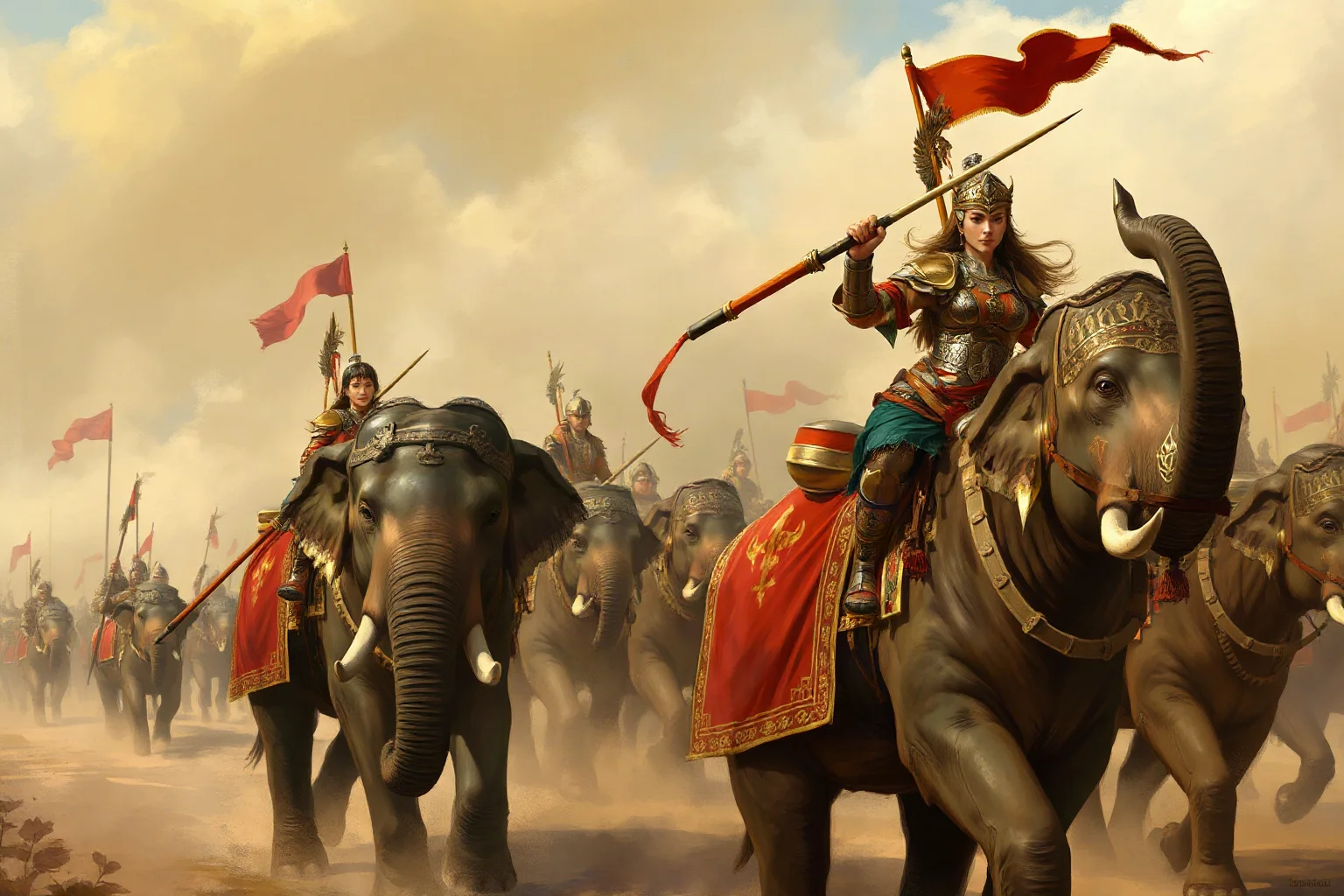
Trưng Trắc and Trưng Nhị led a rebellion against Han Chinese rule in what is now northern Vietnam around 40 CE, reportedly assembling an army that included other women commanders. They successfully drove out Chinese forces for a few years and are still honored in Vietnam today as founding national heroines. Later Chinese forces reconquered the region, but the sisters remain a defining symbol of Vietnamese resistance.
3. Artemisia I of Caria
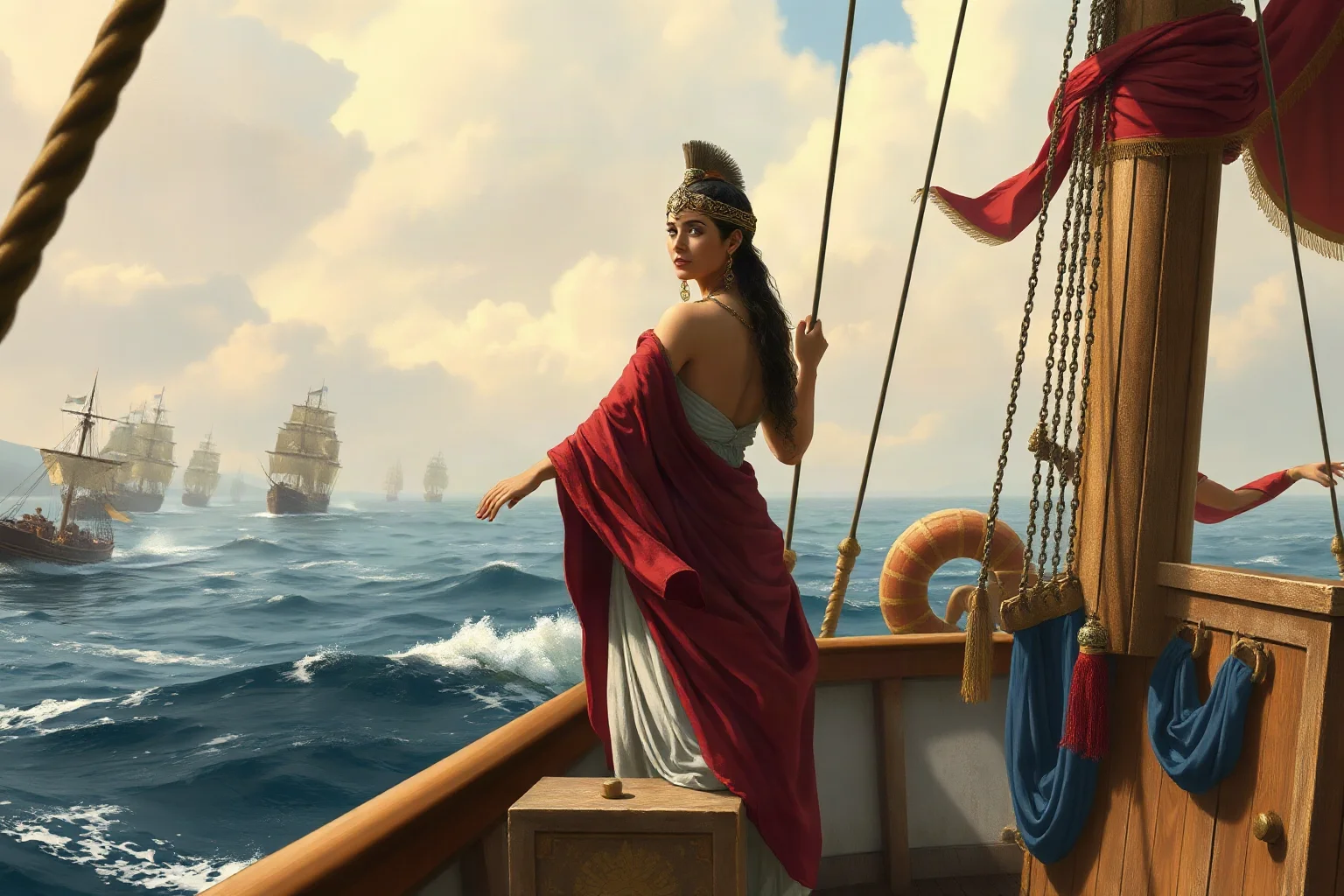
Artemisia was a naval commander who fought for the Persian king Xerxes at the Battle of Salamis in 480 BCE, and she's one of the few female military leaders described in detail by the Greek historian Herodotus. He portrayed her as one of Xerxes' most capable advisers, credited with a clever escape maneuver during the battle. Because Herodotus is our main source, some details are likely colored by his storytelling, but her role as a genuine warship commander is well attested.
4. Fu Hao
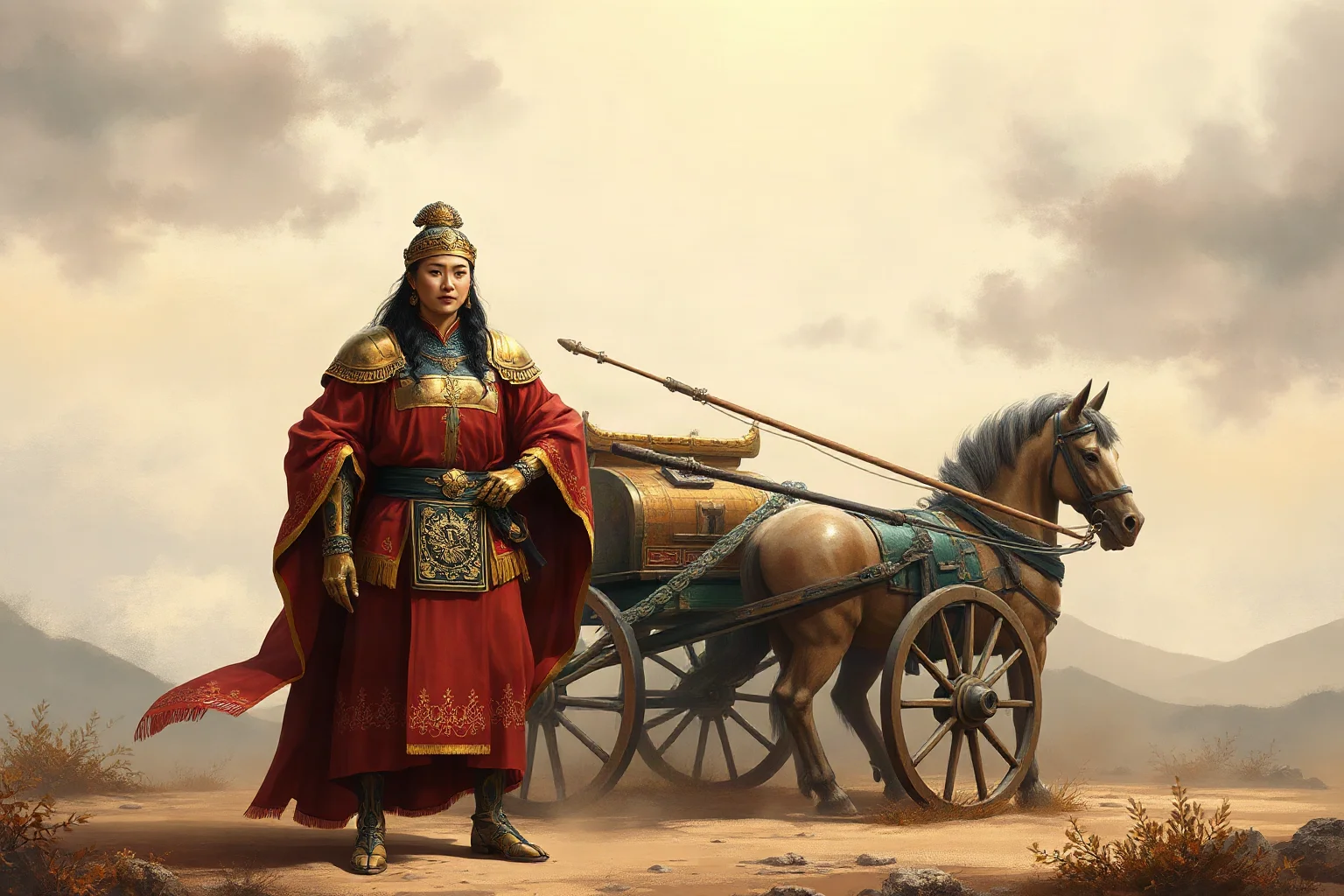
Fu Hao was a queen and military general during China's Shang Dynasty around the 12th century BCE, and unlike many ancient warrior women, her existence isn't just legend — it's backed by archaeology. Oracle bone inscriptions describe her leading military campaigns with thousands of troops, and her intact tomb, discovered in 1976, was packed with weapons and ceremonial bronzes befitting a commander. She's often cited as one of the most powerful female warriors in ancient history precisely because the evidence is physical, not just literary.
Medieval and Early Modern Warrior Women
As we move into the medieval and early modern periods, the record gets richer, though legend and history often blend together, especially in oral-tradition-heavy cultures.
5. Tomoe Gozen
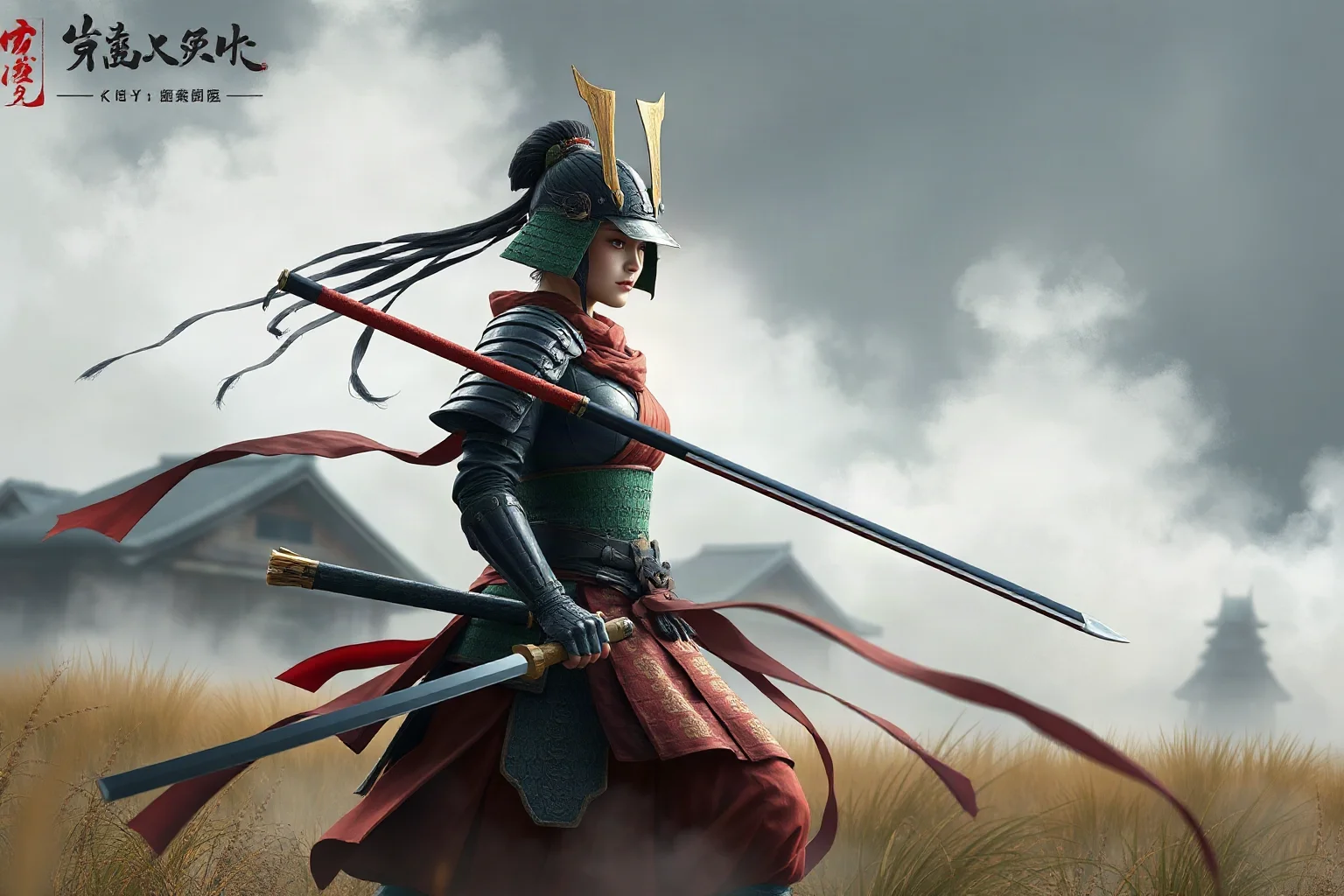
Tomoe Gozen appears in "The Tale of the Heike," a 14th-century Japanese epic describing the Genpei War of the late 12th century, where she's portrayed as a skilled archer and swordswoman fighting alongside the samurai Minamoto no Yoshinaka. Because she appears primarily in a literary epic rather than contemporary records, historians debate how much of her story is embellishment. Still, she remains one of the most enduring symbols of the female samurai warrior in Japanese culture.
6. Khutulun
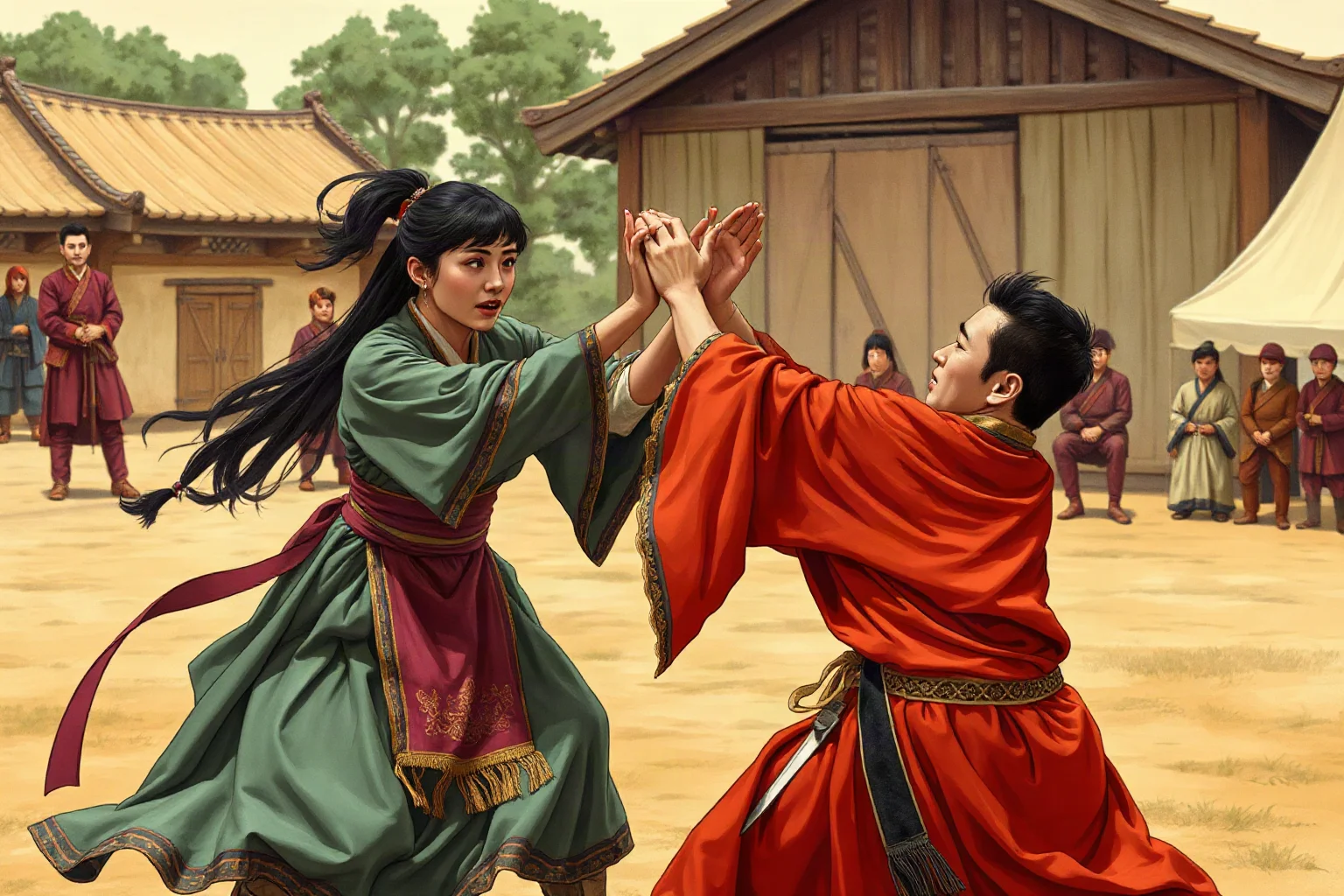
Khutulun was a Mongol princess and the cousin of Kublai Khan, described by the Venetian traveler Marco Polo as an unbeaten wrestler who reportedly demanded suitors defeat her in a match before marriage. She was also known as a skilled cavalry fighter who rode alongside her father in battle. Her story is one of the clearer examples of a warrior woman whose reputation for strength was recorded by contemporaries rather than invented generations later.
7. Æthelflæd, Lady of the Mercians
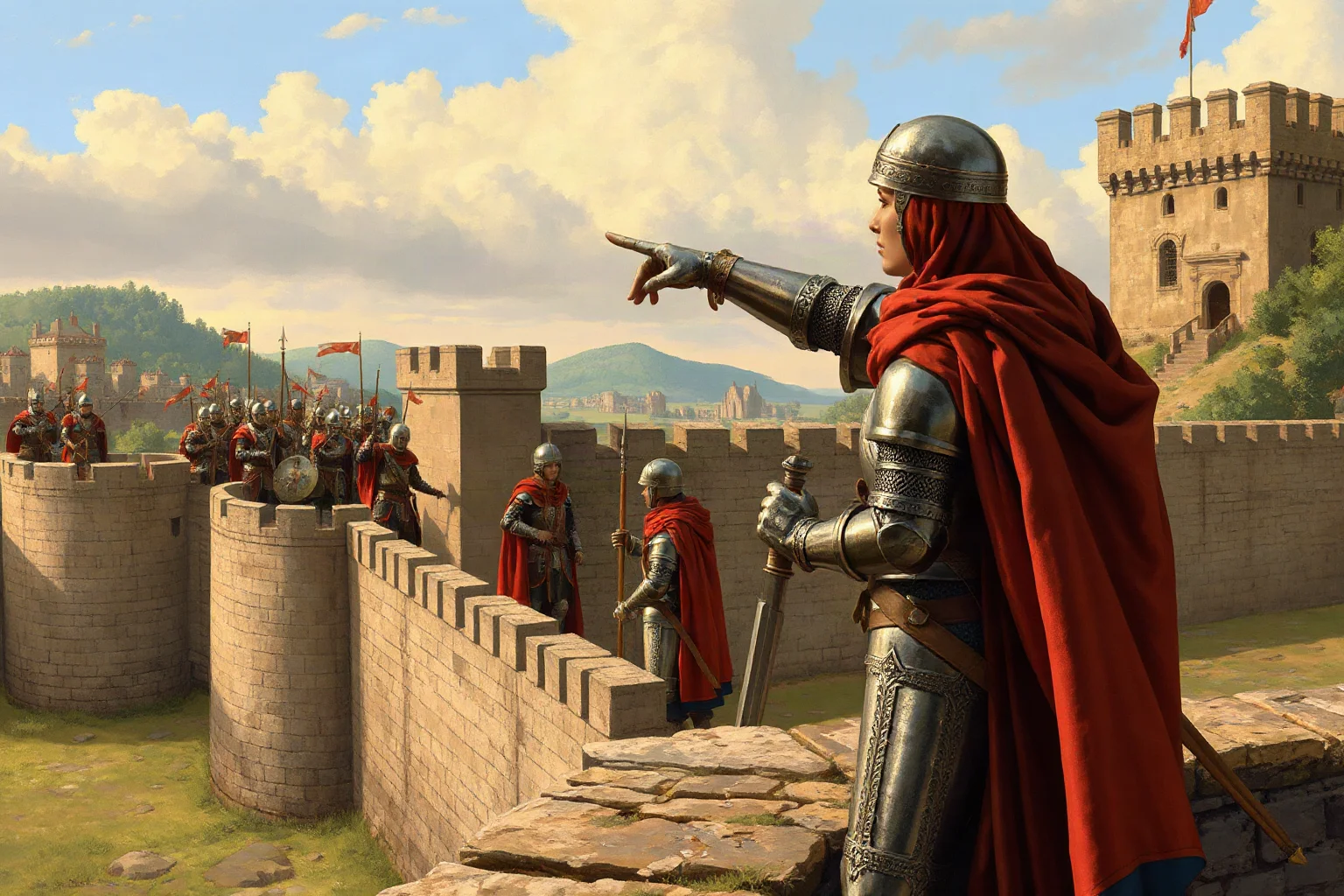
Æthelflæd, daughter of Alfred the Great, ruled the Anglo-Saxon kingdom of Mercia in her own right after her husband's death and led military campaigns against Viking invaders in the early 10th century. Anglo-Saxon chronicles credit her with fortifying towns and successfully expanding Mercian territory. She's a rare example of a medieval English woman who held genuine, unambiguous military command.
8. Zenobia of Palmyra
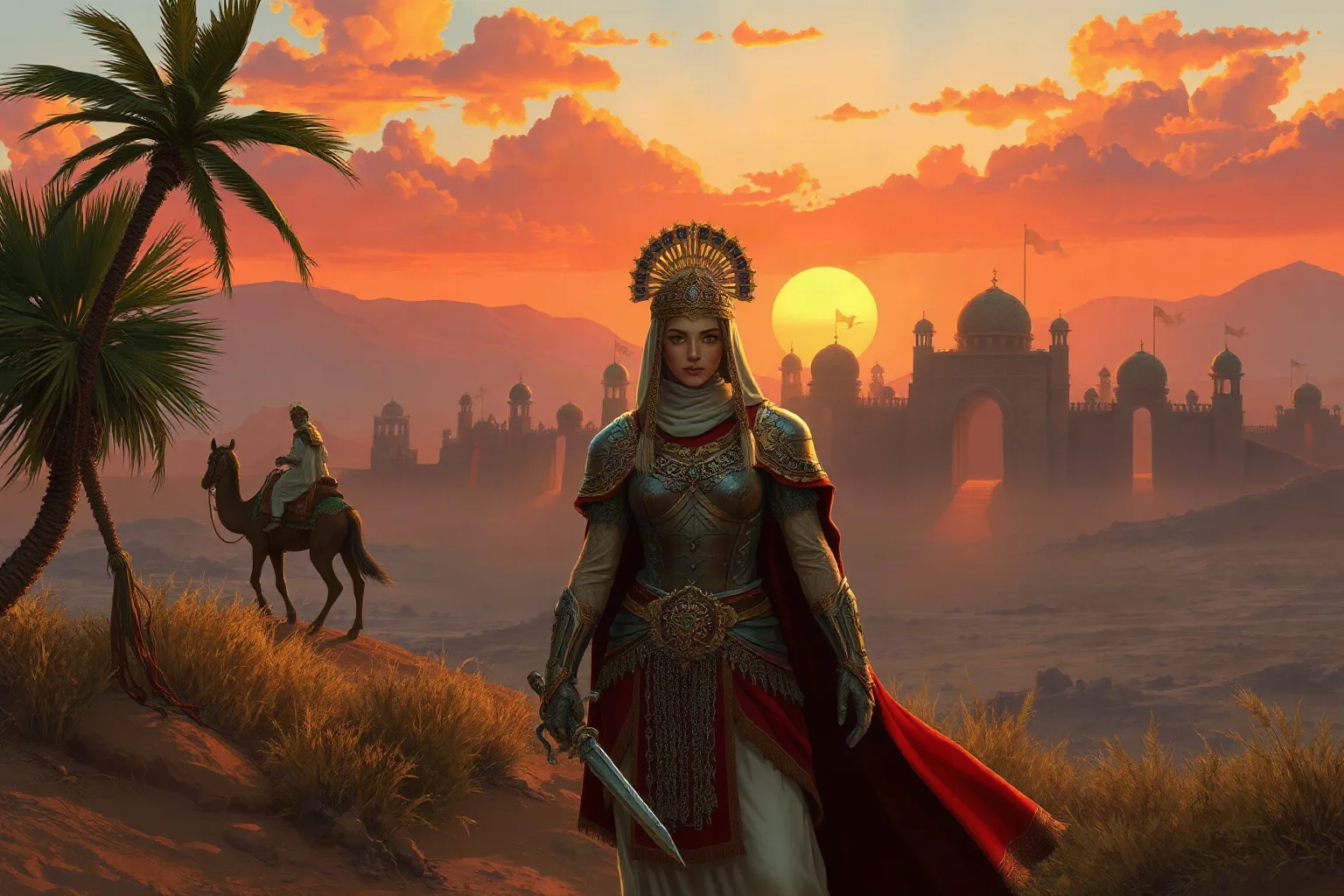
Zenobia was the queen of the Syrian city of Palmyra who, in the 260s-270s CE, expanded her empire deep into Roman territory, briefly controlling Egypt and much of the eastern Mediterranean. Rome eventually crushed her rebellion and paraded her in Rome, though accounts of her later life vary. She's remembered as one of history's most audacious female military leaders, a woman who challenged Rome itself and very nearly got away with it.
9. Khawlah bint al-Azwar
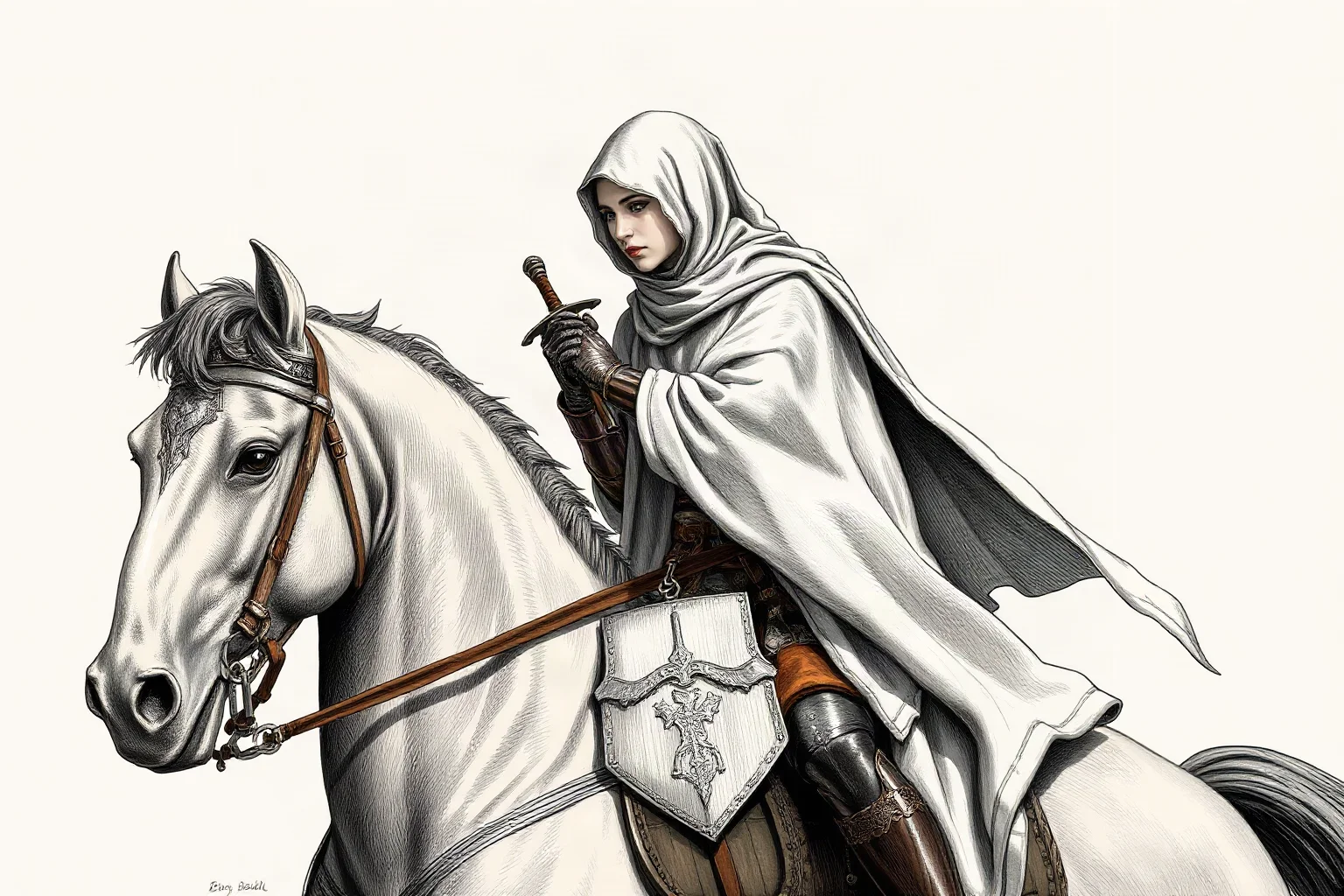
Khawlah bint al-Azwar was an Arab warrior described in early Islamic historical tradition as fighting in battles during the 7th-century Muslim conquests, reportedly disguising herself in armor to rescue captured soldiers. Some of the surviving accounts of her exploits carry the flavor of heroic legend more than strict military record-keeping. Even so, she's widely cited across Arabic historical and literary tradition as a symbol of the female combatant in early Islamic history.
10. Amina of Zazzau
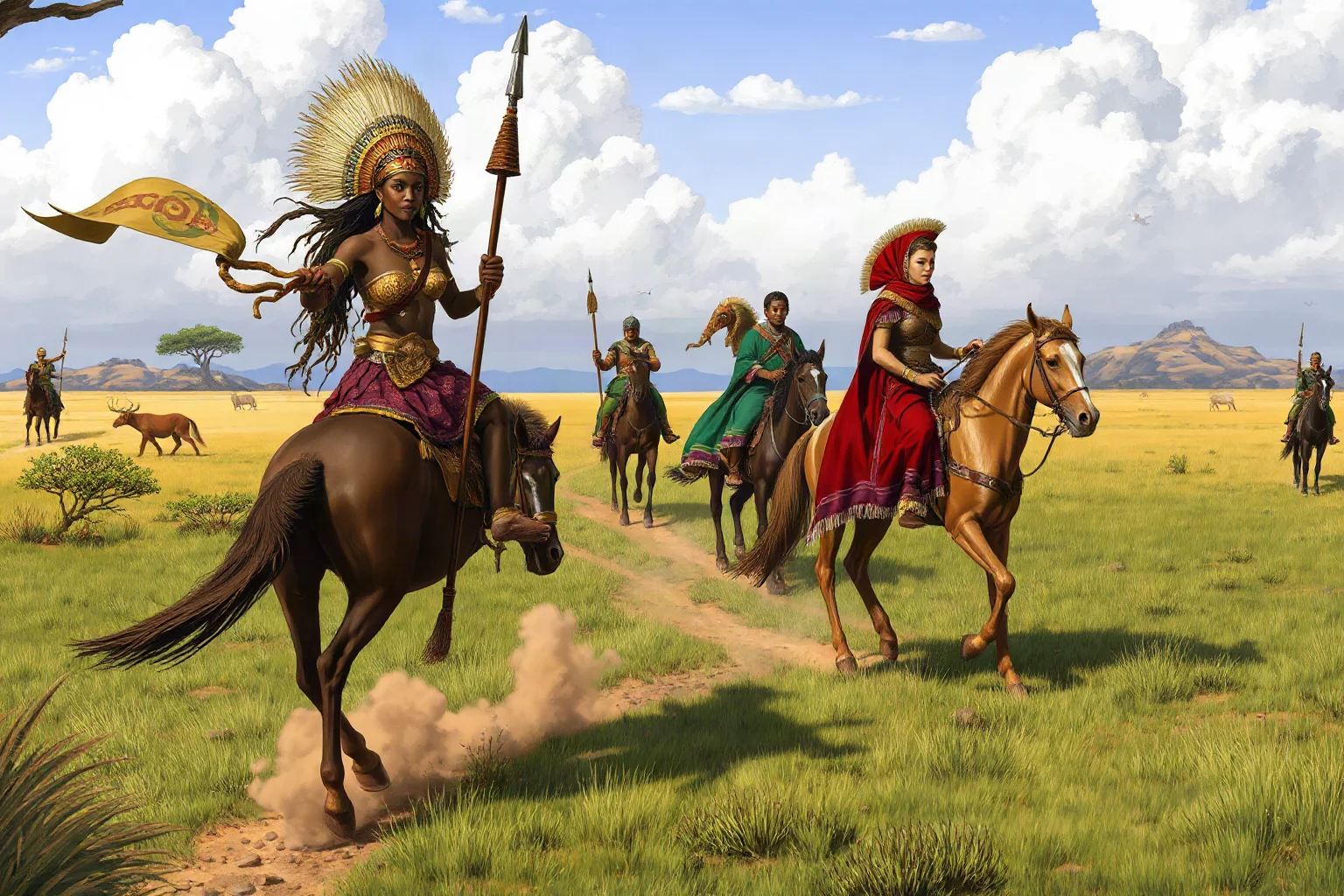
Amina was a Hausa queen of Zazzau, in what is now northern Nigeria, remembered in the Kano Chronicle as a warrior ruler who expanded her kingdom's territory and trade routes through military campaigns in the 16th century. Details of her reign come largely from oral tradition later written down, so exact dates and events remain debated among historians. She's still celebrated across West Africa as one of the region's defining warrior queens.
11. Joan of Arc
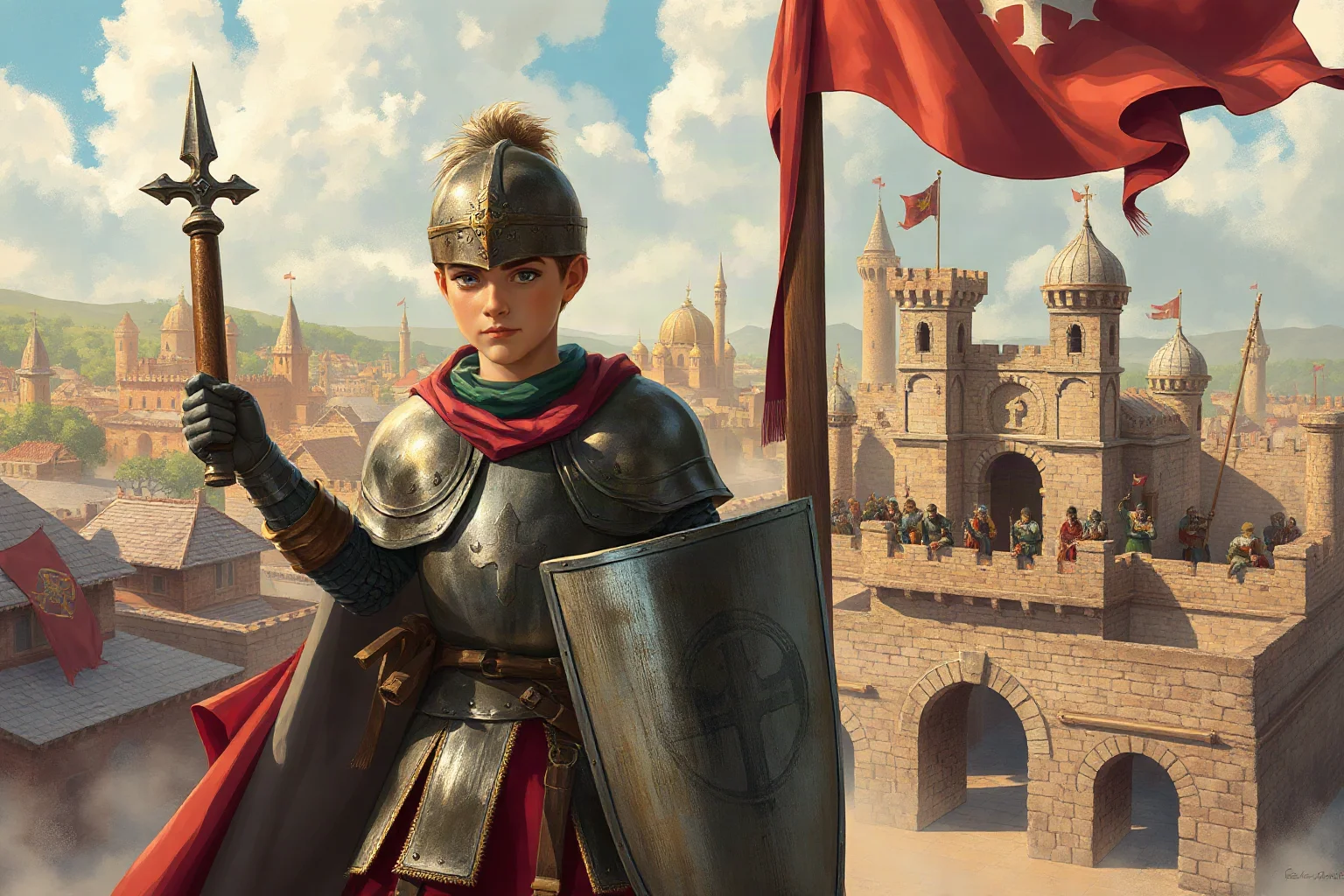
Few historical female warriors are as thoroughly documented as Joan of Arc, thanks largely to the detailed trial records from her 1431 heresy trial and her later retrial. A teenage peasant girl who claimed divine visions, she convinced French forces to follow her into battle during the Hundred Years' War and helped turn the tide at the Siege of Orléans. She was captured, tried, and burned at the stake, and was later canonized as a saint, making her one of history's most famous women knights in spirit — and one of the most recognized historical figures of any era — even though she was never formally knighted.
12. Grace O'Malley
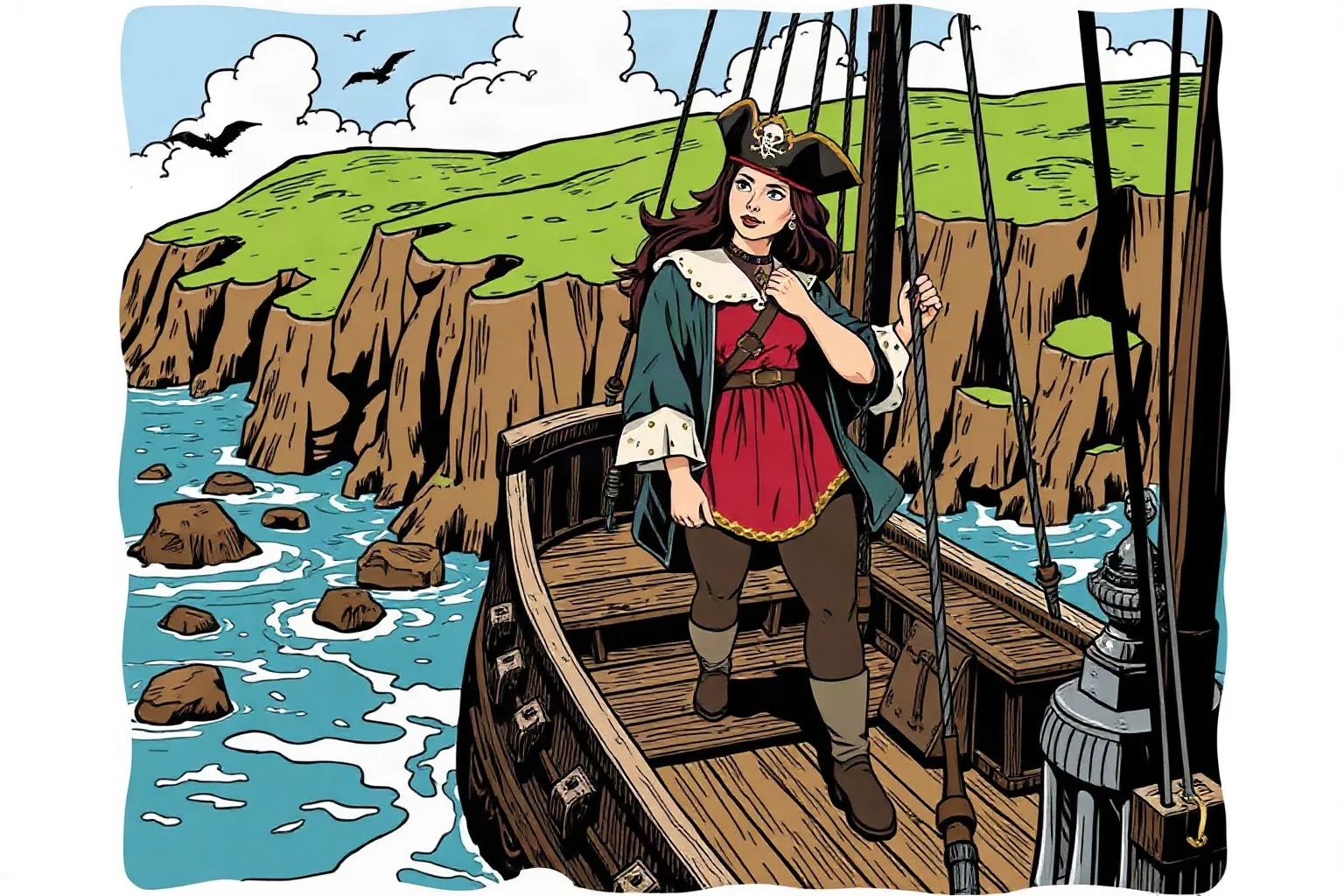
Grace O'Malley, known in Irish as Gráinne Mhaol, commanded fleets of ships and led armed clashes along Ireland's western coast in the 16th century. English state records document her negotiating directly with Queen Elizabeth I, a meeting that was remarkable for the era. She's remembered as Ireland's "Pirate Queen," a genuinely documented warrior woman rather than a purely legendary one.
13. Nzinga of Ndongo and Matamba
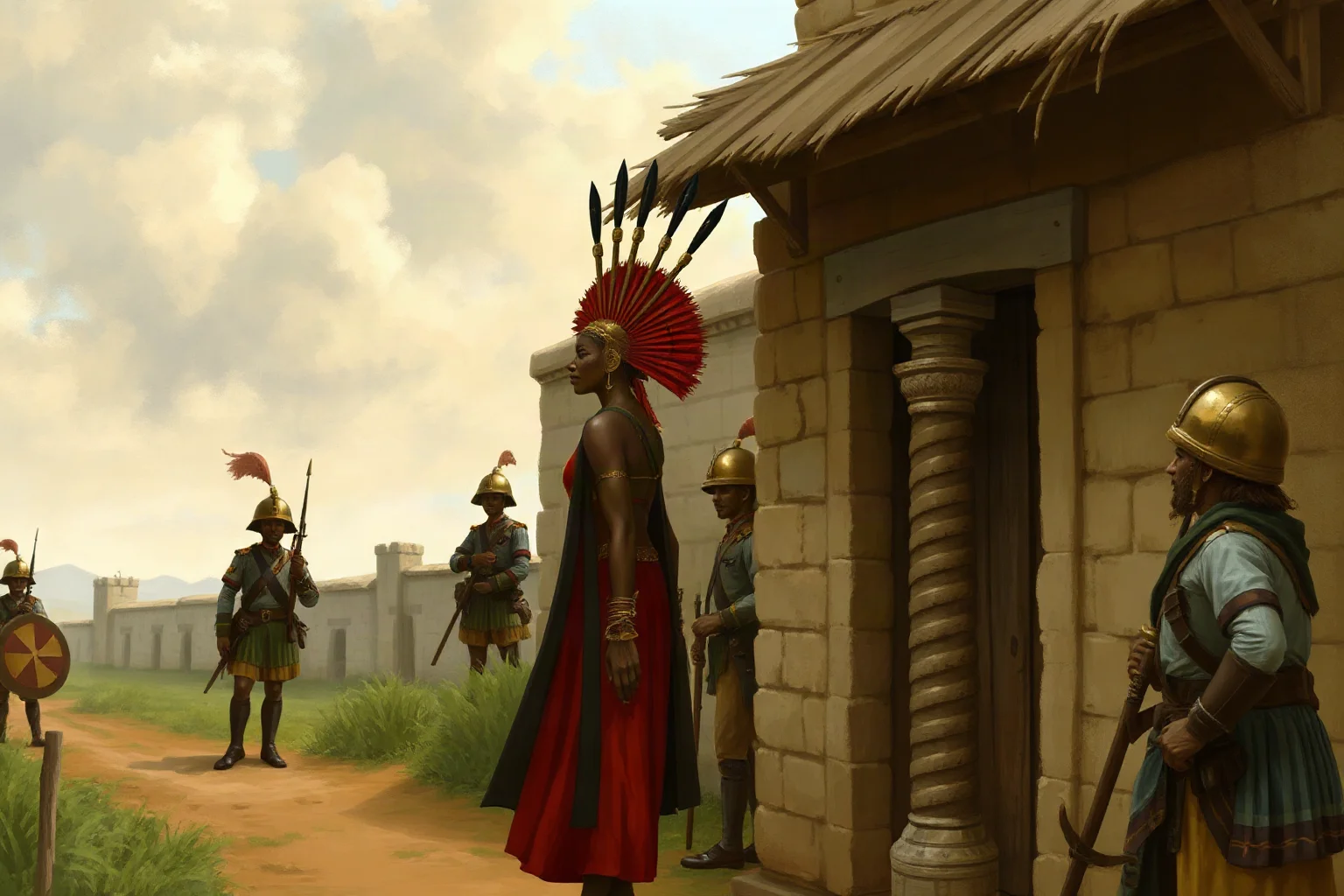
Queen Nzinga ruled the Ndongo and Matamba kingdoms in what is now Angola and led a decades-long military resistance against Portuguese colonization in the 17th century. She was a skilled diplomat and tactician, forming alliances and even integrating former enemies into her army. She remains one of the most significant African warrior queens, and her resistance campaign is well documented through Portuguese colonial records.
14. Tamar of Georgia
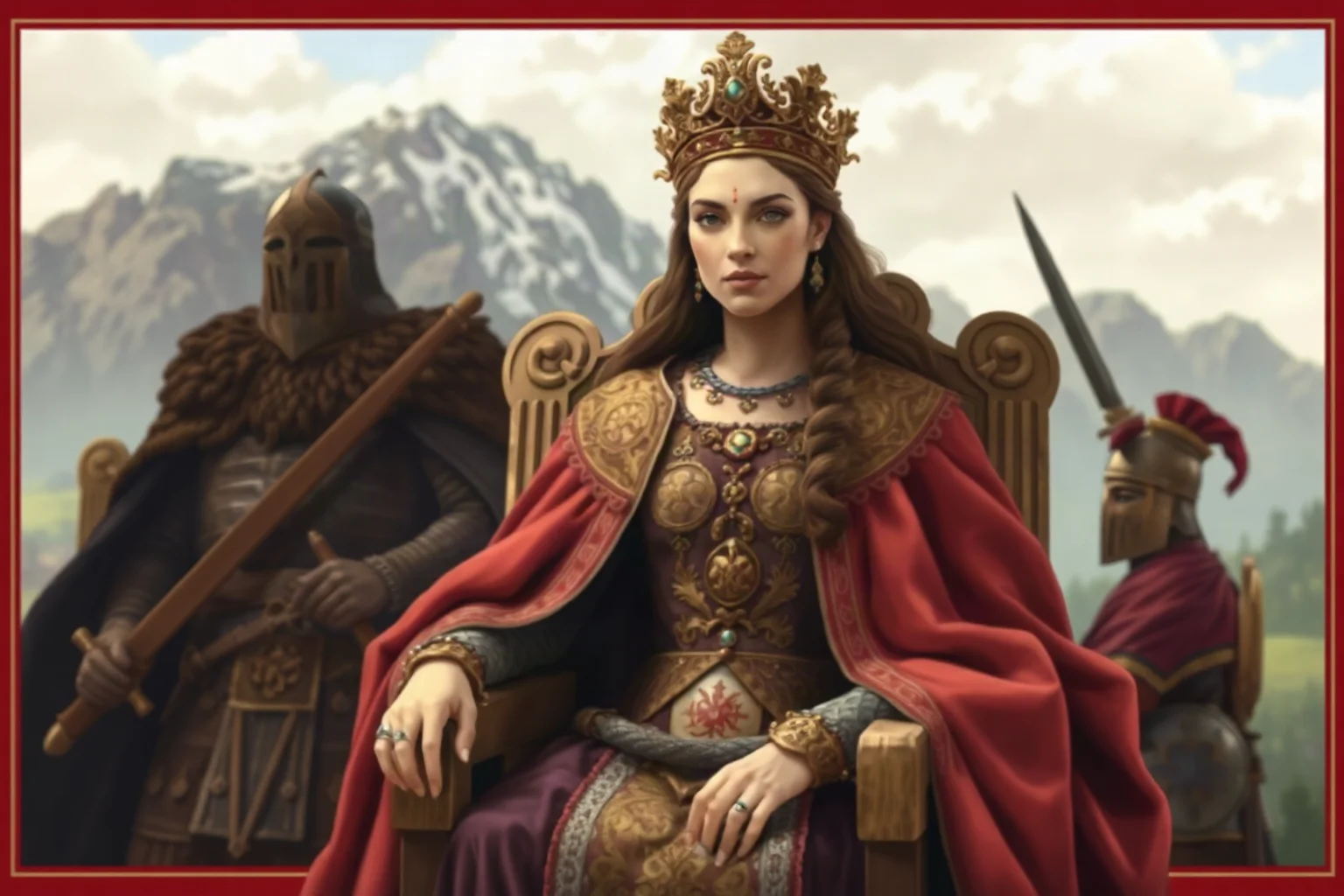
Tamar ruled the Kingdom of Georgia during its medieval golden age in the late 12th and early 13th centuries, officially reigning with the title "King" rather than queen. While her generals typically led troops in the field, she was the ultimate commander-in-chief behind major military victories that expanded Georgian territory. Her reign is remembered as one of the most successful in Georgian history, military and otherwise.
15. The Agojie of Dahomey
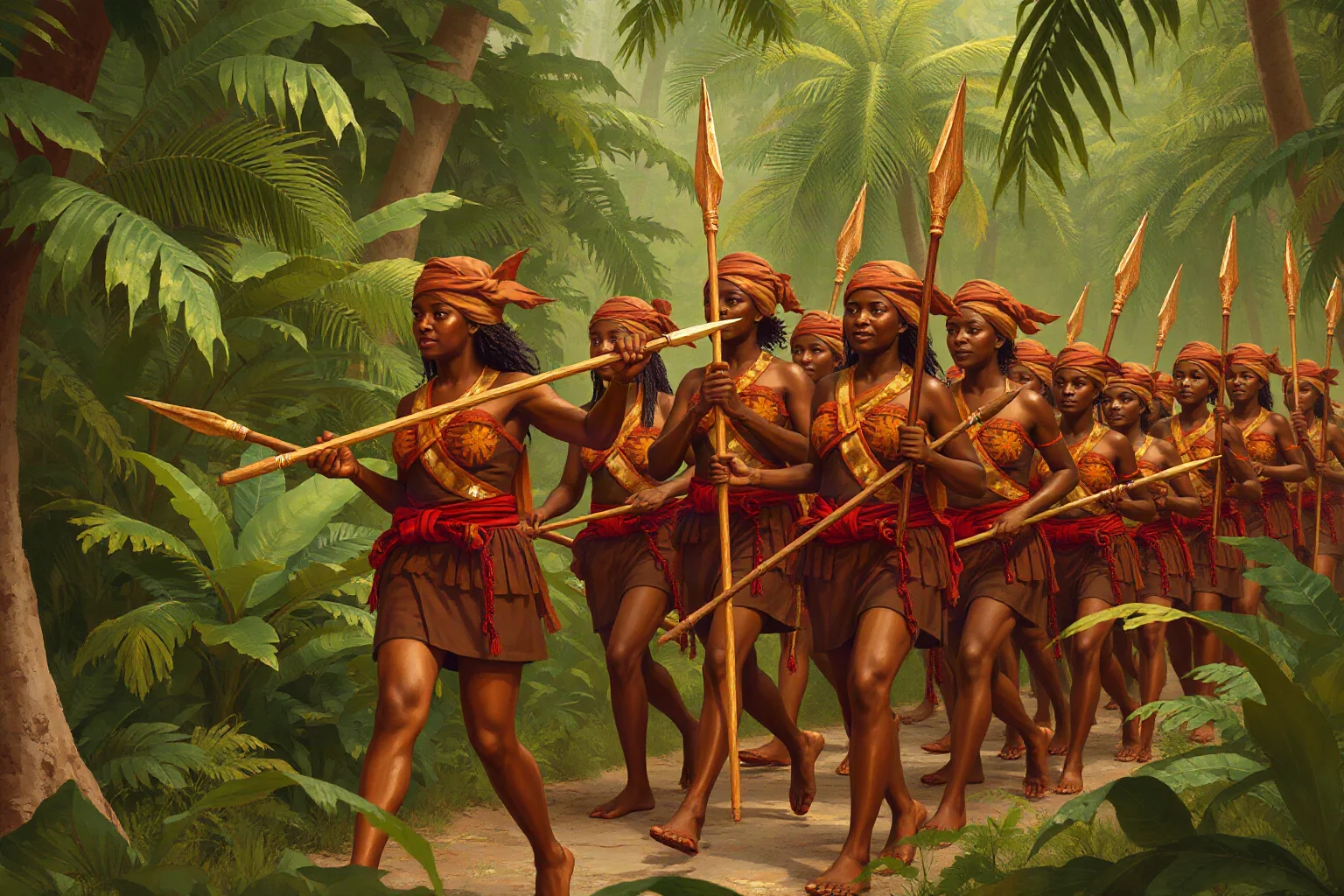
Often called the "Dahomey Amazons" by European observers, the Agojie were an all-female military regiment in the West African Kingdom of Dahomey, active from roughly the 17th through 19th centuries. European visitors' accounts and later French colonial records describe rigorous training and fierce combat performance, including battles against French colonial forces in the 1890s. Recent popular films have dramatized their story, and while the core historical existence of the regiment is well documented, some cinematic details are creative liberties rather than strict history.
Warrior Women of the Modern Age
By the 18th and 19th centuries, warrior women were operating in a world of standing armies, formal enlistment records, and newspapers, which means we often have far more reliable documentation of their lives.
16. Deborah Sampson
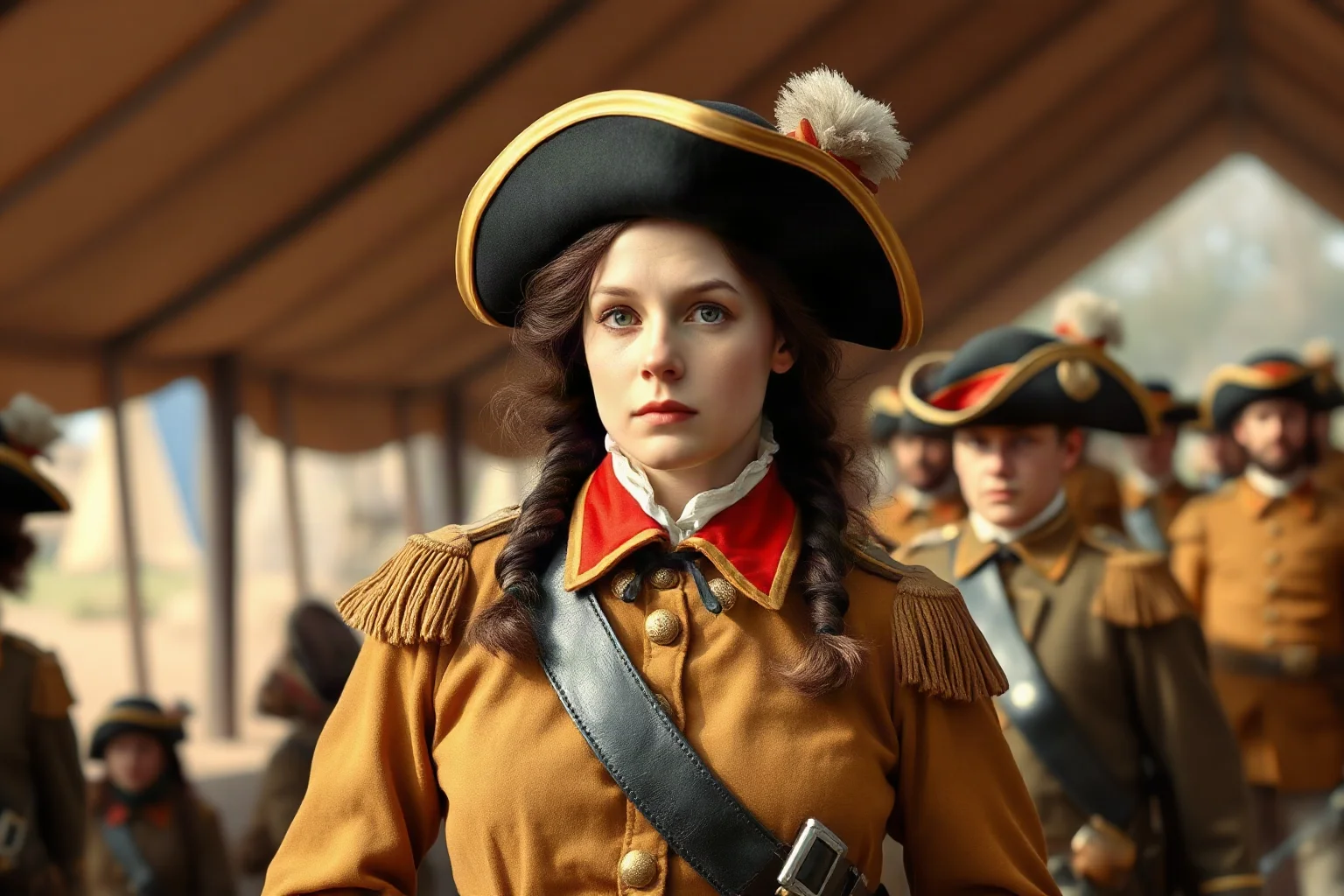
Deborah Sampson disguised herself as a man named Robert Shurtliff to enlist in the Continental Army during the American Revolutionary War, serving for over a year before her identity was discovered. She's one of the best-documented cases of a woman fighting as a soldier in that conflict, partly because she later successfully petitioned for a military pension. Her story is a genuine, verifiable example rather than folklore.
17. Molly Pitcher
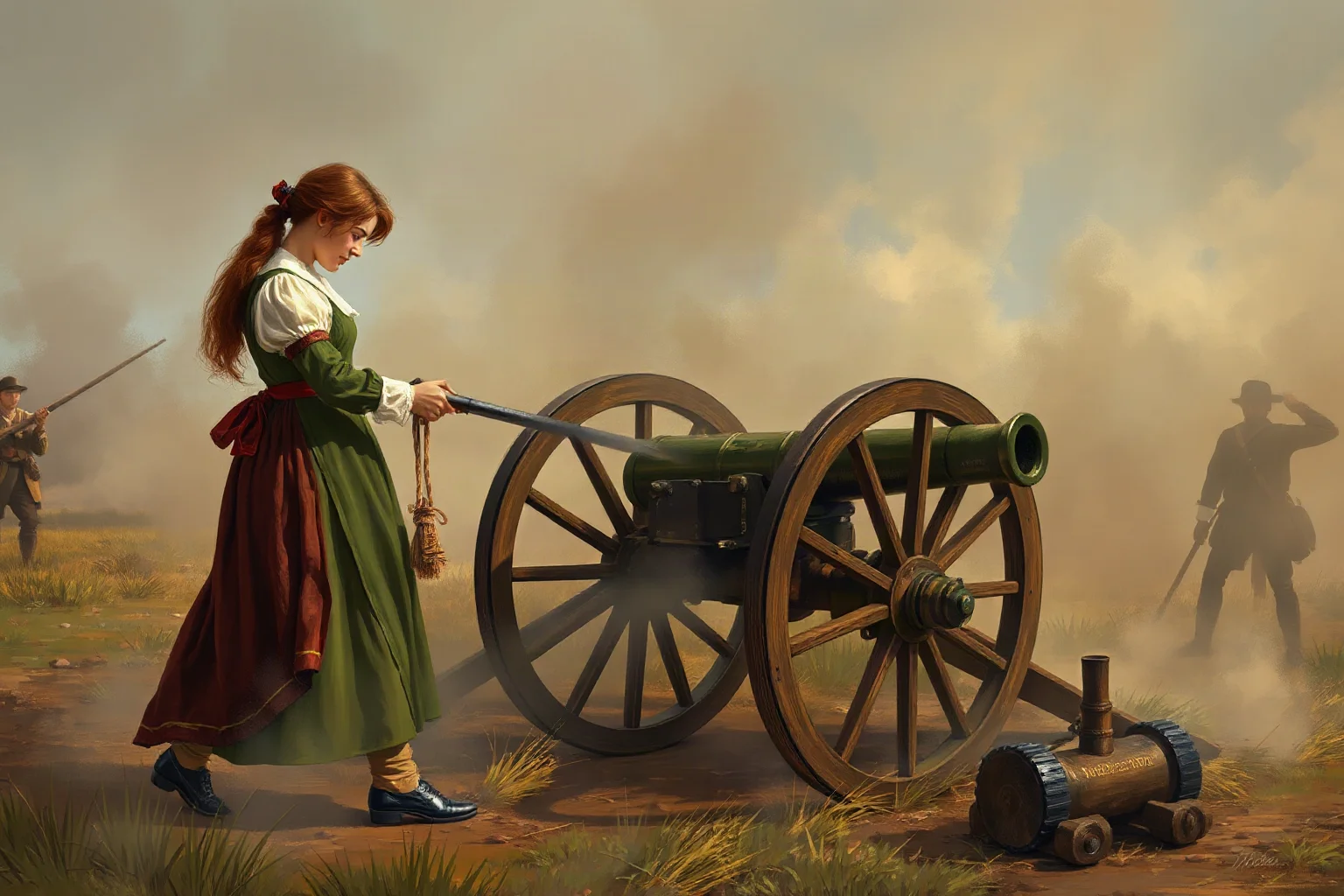
"Molly Pitcher" is the name attached to a legendary figure said to have carried water to soldiers and manned a cannon at the 1778 Battle of Monmouth during the American Revolution. Most historians now believe she's likely a composite figure inspired by the real actions of one or more women who assisted troops on Revolutionary War battlefields, rather than one single documented person. It's a good reminder that not every famous name of a female warrior maps onto one verifiable individual.
18. Nakano Takeko
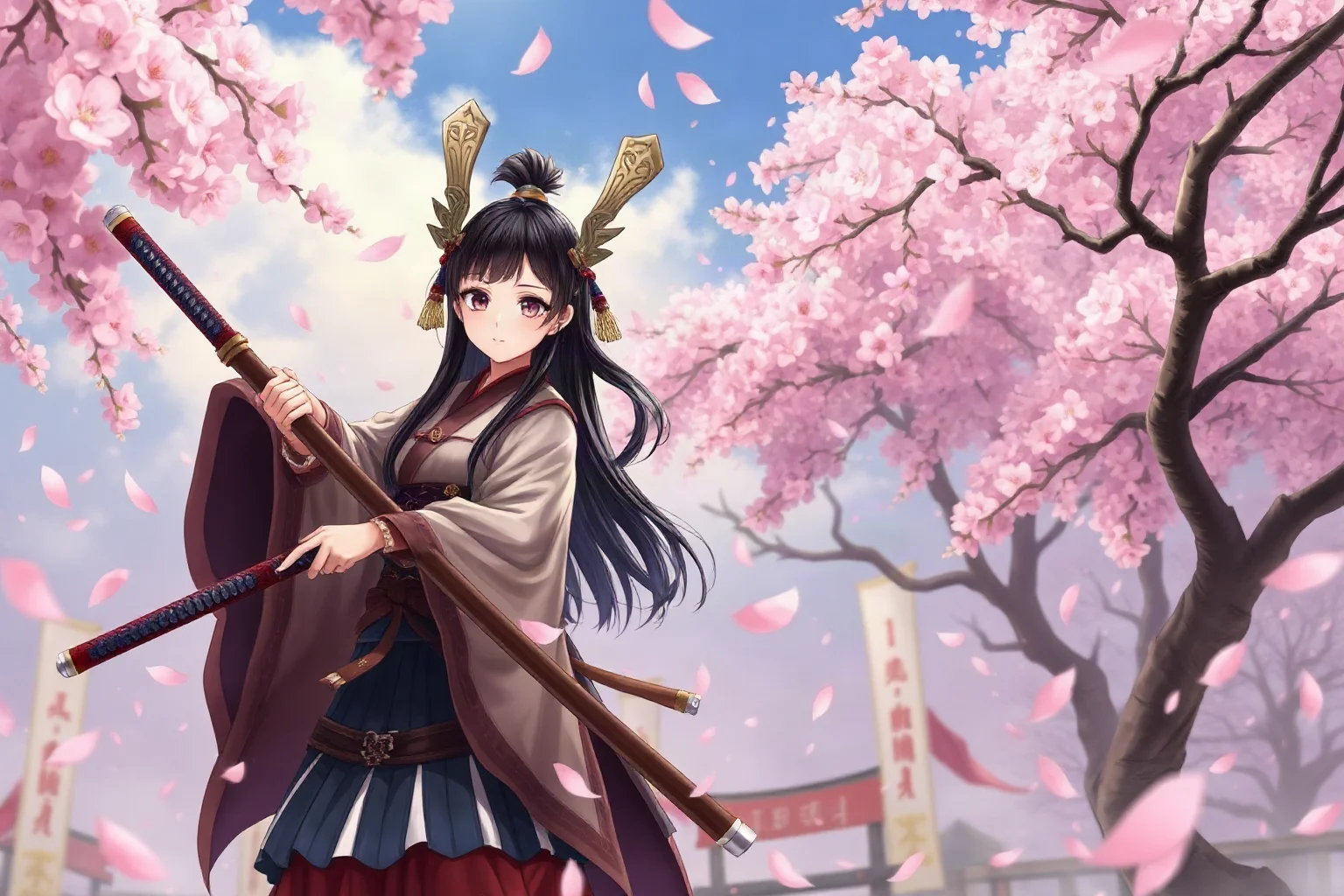
Nakano Takeko led a group of women fighters known as the Joshitai during the Boshin War in Japan in 1868, a conflict tied to the fall of the shogunate. She died in battle, reportedly asking to be beheaded by a family member afterward to prevent her body being taken as a trophy by enemy forces, according to accounts recorded by her family and later commemorated with a monument. She's remembered as one of the last great female samurai figures in Japanese history.
19. Rani Lakshmibai of Jhansi
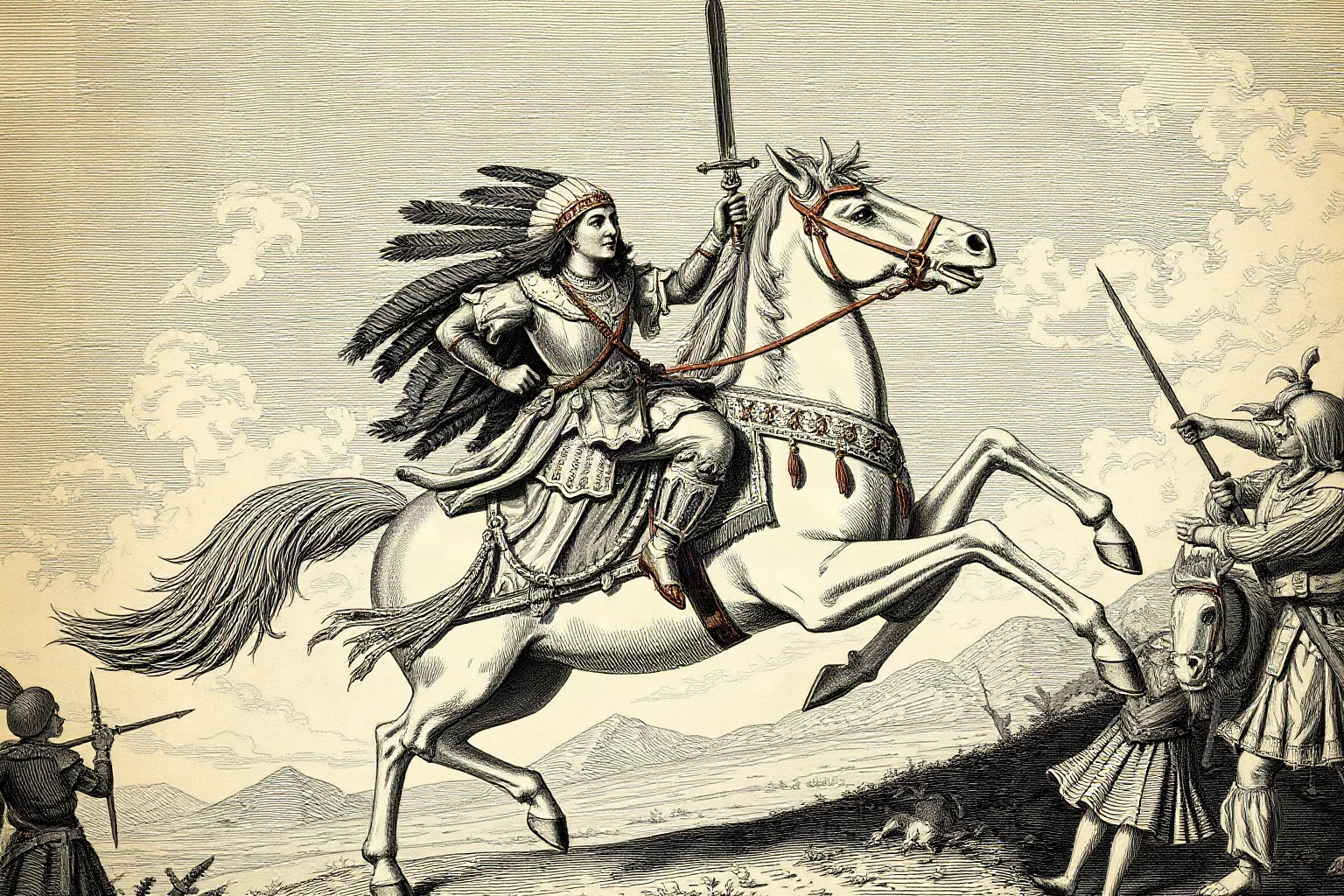
Lakshmibai was the queen of Jhansi who became one of the leading figures of the 1857 Indian Rebellion against British East India Company rule. She personally led troops in battle, reportedly fighting on horseback, and became a lasting symbol of anti-colonial resistance in India. British military records from the period corroborate her role as a serious and capable military leader.
20. Julie d'Aubigny
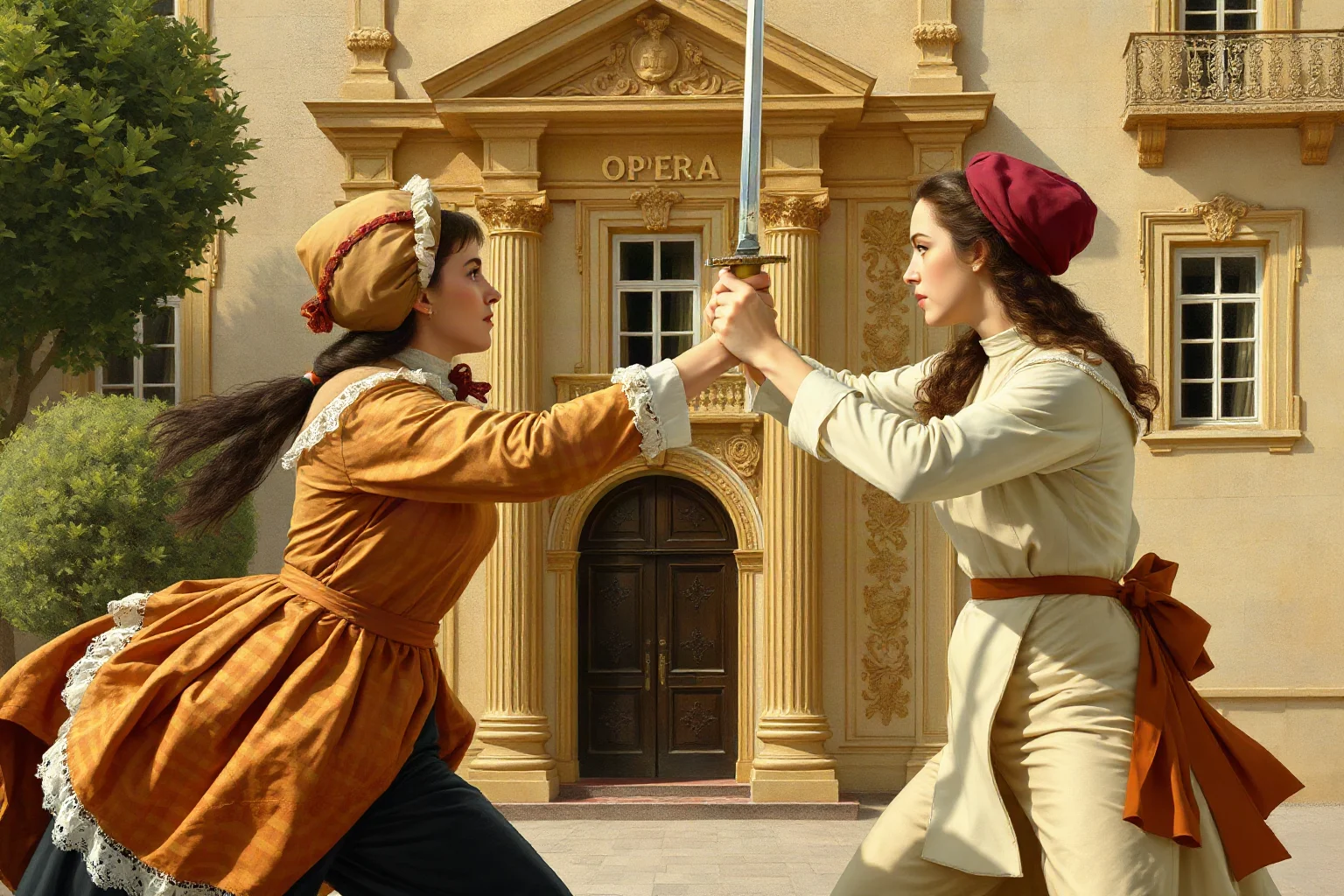
Julie d'Aubigny, also known as Mademoiselle de Maupin, was a 17th-century French swordswoman, opera singer, and famed duelist whose life inspired numerous exaggerated legends even during her own lifetime. Contemporary accounts confirm she was a genuinely skilled fencer who fought and won real duels, though some of the wilder stories attributed to her have likely grown taller with each retelling. She's a useful example of how a real historical warrior woman can accumulate myth on top of documented fact.
21. Harriet Tubman
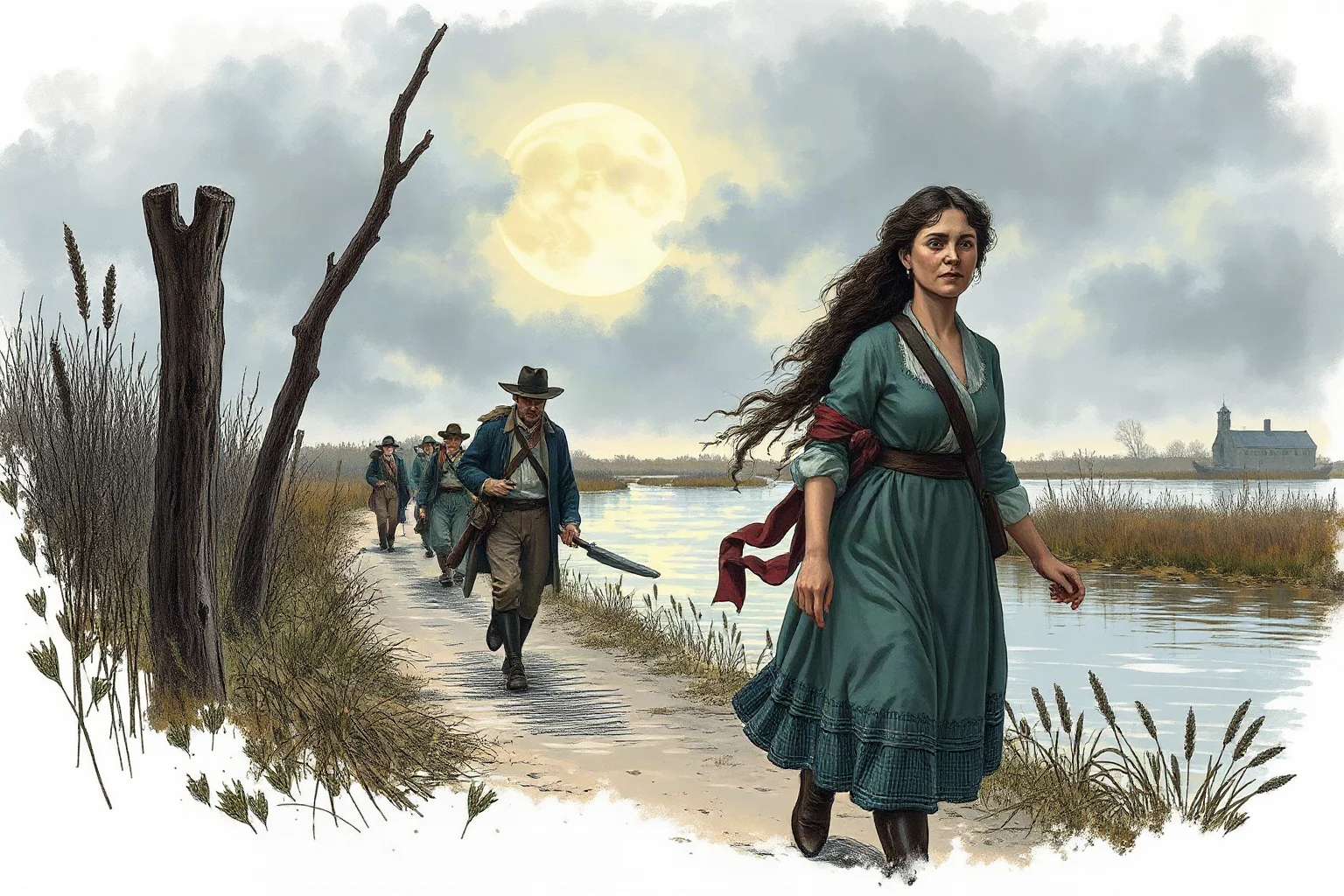
Harriet Tubman is best known for leading dozens of enslaved people to freedom via the Underground Railroad, but she also served as an armed scout and spy for the Union Army during the American Civil War. In 1863, she helped plan and lead the Combahee River Raid, becoming the first woman in U.S. history known to have planned and led a military raid, freeing more than 700 enslaved people in the process. She stands as one of the clearest examples of a documented, undeniably heroic female combatant in American history, and her place among history's iconic revolutionary figures is well earned.
Modern-Day Warrior Women: Champions Of The Cage
The idea of the "warrior woman" hasn't stayed in the past. Modern combat sports have produced their own roster of famous women fighters, competing at the highest levels of mixed martial arts in front of global audiences.
22. Ronda Rousey

Ronda Rousey became the UFC's first-ever women's bantamweight champion after the promotion introduced a women's division in 2012, largely because of pressure created by her own dominance in the sport. A former Olympic bronze medalist in judo, she brought a background in real grappling combat into the cage and helped make women's MMA a mainstream draw. Her early run of fast, decisive title defenses remains one of the most talked-about streaks in UFC history.
23. Amanda Nunes
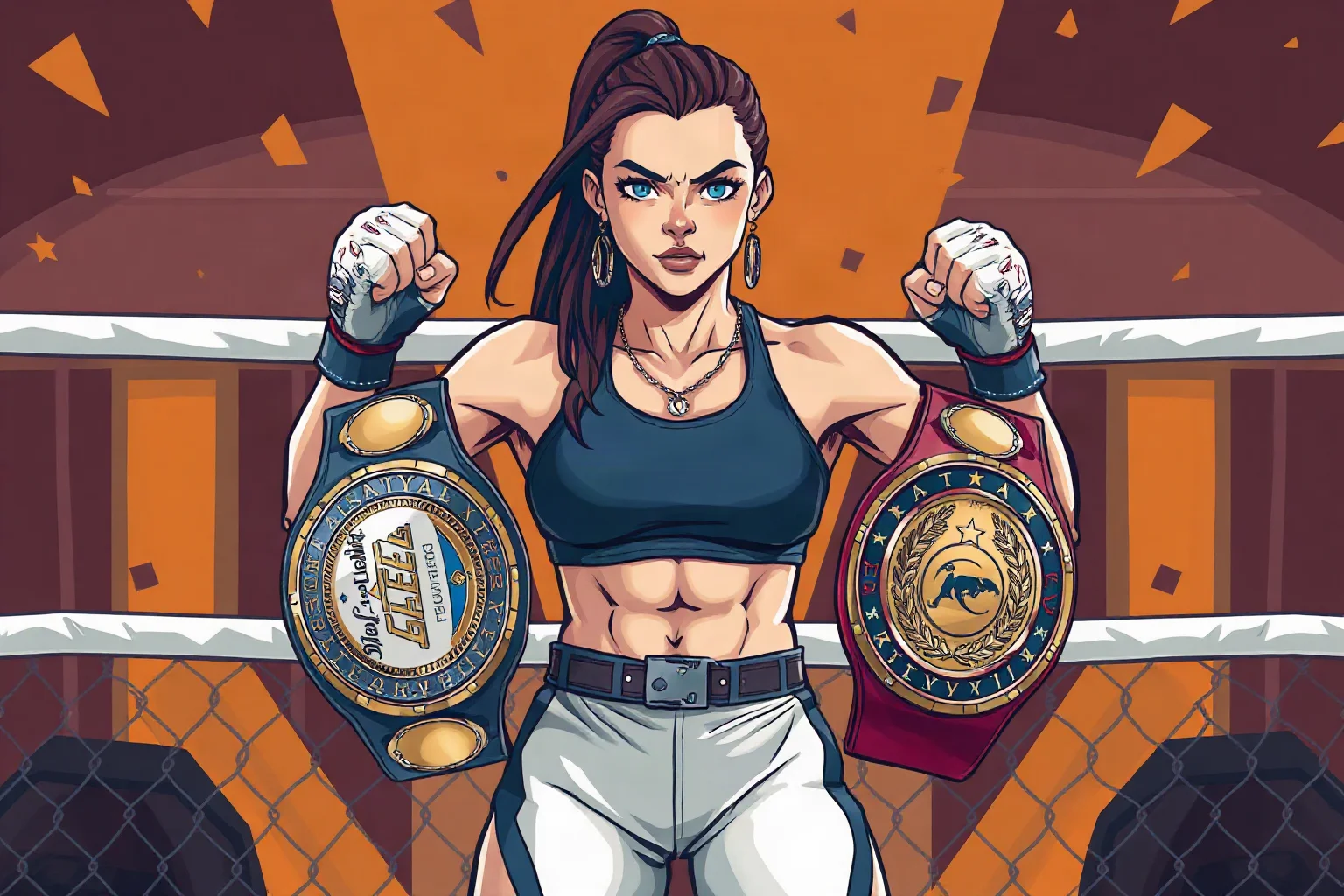
Amanda Nunes, nicknamed "The Lioness," became the first fighter in UFC history, male or female, to simultaneously hold two championship belts at once, the bantamweight and featherweight titles. Over her career she defeated a string of other champions, including Ronda Rousey and Cris Cyborg, cementing a case for her as one of the greatest women fighters of all time. Her power and composure under pressure set a new benchmark for the sport.
24. Cris Cyborg
Cris Cyborg built one of the most dominant records in women's MMA history, holding championship belts across multiple organizations before becoming the UFC's featherweight champion. Known for overwhelming striking power, she went years without a loss during the peak of her career. She's frequently named among the best female UFC fighters of all time in discussions of pure fighting dominance.
25. Valentina Shevchenko
Valentina Shevchenko, a longtime UFC flyweight champion, brings a background in Muay Thai, taekwondo, and Brazilian jiu-jitsu that makes her one of the most technically well-rounded women's fighters in the sport's history. Her lengthy title reign and dominant title defenses have made her a consistent presence in any serious ranking of the greatest women fighters competing today. She represents the modern, professionalized version of the warrior woman archetype, built on codified rules rather than battlefield chaos.
Myths, Legends, and the Real History Behind Warrior Women
It's worth pausing on how these stories survive at all. Ancient and medieval warrior women were often recorded by writers who found their existence remarkable, sometimes admiringly and sometimes with open skepticism or hostility. That means some accounts were exaggerated for drama, some were softened to fit expectations of femininity, and a few were likely invented outright as cautionary tales or morale-boosting propaganda.
That doesn't mean the whole category is fiction. Figures like Fu Hao, Grace O'Malley, Deborah Sampson, and Harriet Tubman are backed by physical evidence, official records, or contemporary documentation that leaves little room for doubt. Others, like Molly Pitcher or Tomoe Gozen, sit closer to folklore, likely inspired by real events but shaped heavily by storytelling over the centuries.
The honest, myth-busting answer is that history and legend often travel together, and the responsible approach is to enjoy the story while being clear about which parts we can actually verify. That nuance doesn't make these women less compelling. If anything, it makes the verified stories even more remarkable, because they didn't need embellishment to be extraordinary.
Why Warrior Women Still Matter
Across thousands of years and every inhabited continent, women have picked up weapons, led armies, and refused to be sidelined by expectations about who gets to fight. Whether it's a Shang Dynasty general buried with her own war chariot fittings, a queen negotiating with Elizabeth I from the deck of her own ship, or a UFC champion holding two belts at once, the throughline is the same: courage and skill in combat have never been confined to one gender.
These stories also matter because they push back against a very modern myth, the idea that women in warfare are some kind of recent social experiment. The record shows the opposite. Warrior women have always been part of history; they just haven't always been part of the history we were taught.
Frequently Asked Questions
What are some famous names of female warriors throughout history?
Some of the most well-documented names of female warriors include Boudica, the Trưng Sisters, Zenobia of Palmyra, Fu Hao, Joan of Arc, Grace O'Malley, Nzinga of Ndongo and Matamba, Rani Lakshmibai of Jhansi, Deborah Sampson, and Harriet Tubman. Each led or fought in real military campaigns, though the level of surviving documentation varies from archaeological evidence to detailed trial and military records.
Who is considered the most powerful female warrior in ancient history?
There's no single agreed-upon answer, but Fu Hao of Shang Dynasty China is often highlighted because her military leadership is backed by archaeological evidence, including her own tomb, rather than just literary sources. Zenobia of Palmyra and Artemisia I of Caria are also frequently cited given the scale of the campaigns and empires they took on.
Were the Dahomey Amazons real warriors?
Yes, the Agojie, commonly called the Dahomey Amazons by European observers, were a genuine all-female military regiment in the West African Kingdom of Dahomey active from roughly the 1600s to the late 1800s. They fought real battles, including conflicts with French colonial forces in the 1890s, though some modern film depictions add dramatized details not confirmed by historical sources.
Did women really fight and become knights in medieval Europe?
Formal knighthood was almost exclusively reserved for men in medieval Europe, so there weren't many officially titled famous women knights in the strict legal sense. However, women like Joan of Arc led troops in battle and earned lasting military reputations without ever holding a formal knighthood title.
How is a modern female combatant, like a UFC fighter, connected to historical warrior women?
Modern female combatants such as UFC champions compete under codified rules rather than facing life-or-death battlefield stakes, but they carry forward the same tradition of women demonstrating elite fighting skill in a public arena. Fighters like Amanda Nunes, Cris Cyborg, and Valentina Shevchenko are often discussed among the greatest women fighters of all time for their dominance within the sport.
Is every warrior woman from history fully verified by historical records?
No, and it's important to be upfront about that. Some figures, like Deborah Sampson or Fu Hao, are backed by strong documentary or archaeological evidence, while others, like Molly Pitcher or Tomoe Gozen, are likely based on real events but shaped significantly by legend and oral tradition over time.

Alex Warren
Related Articles