
When you picture a Roman gladiator, you probably envision a heavily armored man standing in the Colosseum, ready to fight to the death. It's an image burned into our collective imagination by centuries of art, literature, and film. But history has a surprise for you: that picture is incomplete.
Female gladiators existed. They fought in the same arenas, faced the same dangers, and provoked the same bloodthirsty cheers from the crowd. Their numbers were small, their appearances rare, and their stories largely lost to time — but they were real, and the evidence is stronger than most people realize.
TL;DR: Female gladiators were real, fought in Roman arenas from Nero's reign until around 200 CE, and their existence is confirmed by ancient texts, inscriptions, and a surviving marble relief.
1. Female Gladiators Were Real, Not a Hollywood Invention

When people first hear about female gladiators, many assume it's a modern invention dreamed up by filmmakers or novelists looking for a dramatic twist. The reality is quite the opposite. Ancient Roman sources, including respected historians and archaeological finds, confirm that women fought in the arena.
The question of whether there were female gladiators in ancient Rome has been asked for centuries, and the historical record provides a definitive answer. Tacitus, Suetonius, Cassius Dio, and Juvenal all reference women participating in gladiatorial combat. These aren't obscure or unreliable sources — they're among the most important writers of the Roman world.
The evidence doesn't suggest that female gladiators were common. But it does prove beyond reasonable doubt that they existed, fought, and were remembered by the people who watched them perform.
2. The Earliest Recorded Fight Dates to Nero's Reign
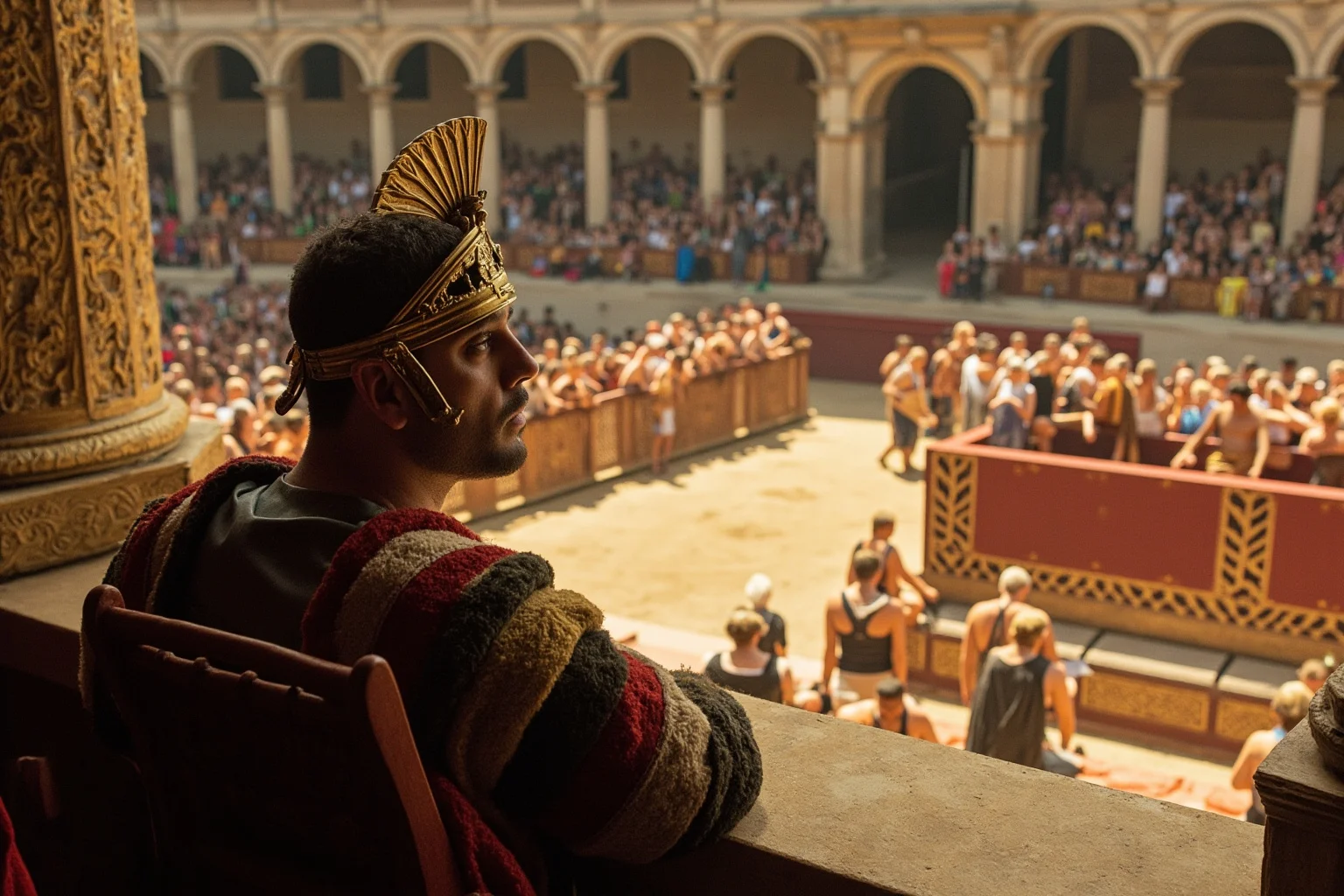
The first known historical reference to a female gladiator comes from the reign of Emperor Nero. In 63 CE, Nero organized a series of games that included women fighting in the arena, an event recorded by the historian Tacitus in his Annals.
Nero was famous for his extravagant and deliberately provocative spectacles. Including women as combatants fit perfectly with his pattern of shocking Roman sensibilities and pushing the boundaries of acceptable public entertainment.
These early appearances weren't just a passing whim of one eccentric emperor. They set a precedent that subsequent rulers would follow, making female gladiators a recurring — if rare — feature of imperial games for well over a century.
3. The Word "Gladiatrix" Is a Modern Invention
You'll often see the word "gladiatrix" used to describe a female gladiator in books, articles, and online discussions. It sounds authentically Latin, following the logical pattern of feminine noun endings in the language.
But ancient Romans never used this term. The word "gladiatrix" was coined by modern scholars and writers as a convenient label for women who fought in the arena. Roman sources simply didn't have a dedicated word for them.
This linguistic gap tells us something important about how Romans viewed these fighters. It suggests that female gladiators were rare enough that ordinary Latin didn't need a specific term for them. They were described instead as women who fought as gladiators, not as a separate category of combatant.
4. Ancient Romans Called Them Simply "Women" in the Arena

When Roman writers mentioned a gladiator woman, they used ordinary words like "mulieres" (women) or "feminae" (women). There was no special designation that set them apart from other women in the language itself.
This reflects a practical Roman approach to the arena. A fighter was a fighter, and the novelty wasn't in what they were called but in the fact that they were women at all. The gender of the combatant was the noteworthy detail, not a separate job title.
The absence of a dedicated term also reinforces how unusual these fighters were. If the gladiator female had been a common sight in Roman arenas, Latin would likely have developed a specific word for her, just as it had specialized terms for the various types of male gladiators like the murmillo, thraex, and retiarius.
5. Only Two Female Gladiators Are Known by Name

Despite centuries of historical and archaeological research, only two gladiator women names have survived to the present day. Both come from a single archaeological find: a marble relief discovered in Halicarnassus, in what is now modern-day Turkey.
The names inscribed on the relief are Amazon and Achillia, sometimes also rendered as Achillea in some scholarly sources. These were almost certainly stage names, adopted to evoke legendary figures from Greek mythology. Gladiators of all genders commonly chose dramatic names that referenced heroes and warriors of the past.
Every other woman who fought in the Roman arena remains anonymous. Their individual stories are lost, known only through general references in historical texts that describe groups of women fighting without ever naming them.
6. Amazon and Achillia Fought to a Draw
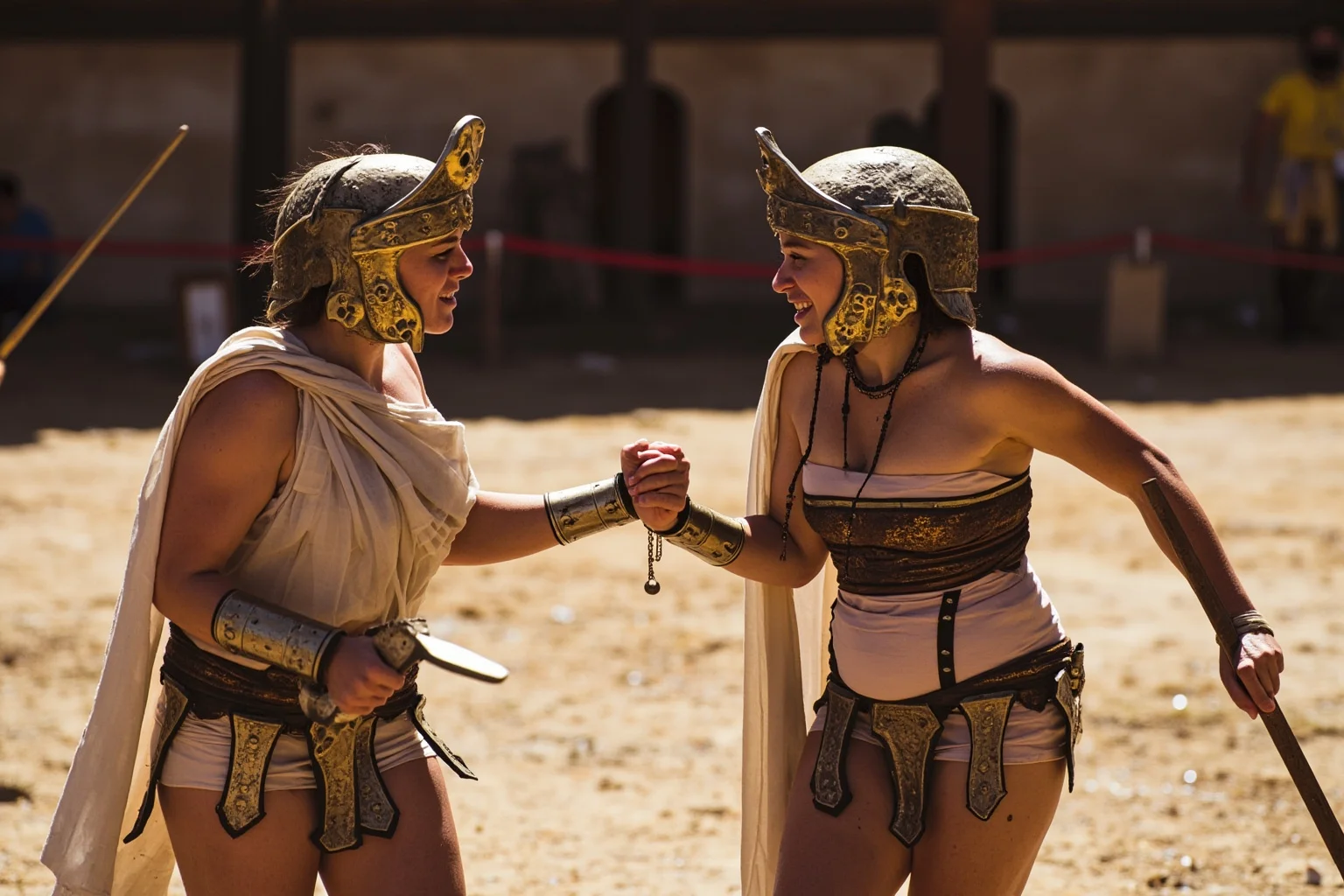
The Halicarnassus relief doesn't just give us names — it records the outcome of their fight. The inscription states that Amazon and Achillia fought to a "missio," which was essentially a mutual discharge or draw.
A missio meant that both fighters performed so well that the sponsor of the games allowed both to leave the arena alive. In some cases, it could also mean that both were granted their freedom, making it one of the best possible outcomes for a gladiator.
The fact that this result was considered worth commemorating in carved stone tells us something important. This was not an ordinary fight but a spectacle remarkable enough that someone was willing to pay for a permanent record of it.
7. The Halicarnassus Relief Is the Smoking Gun
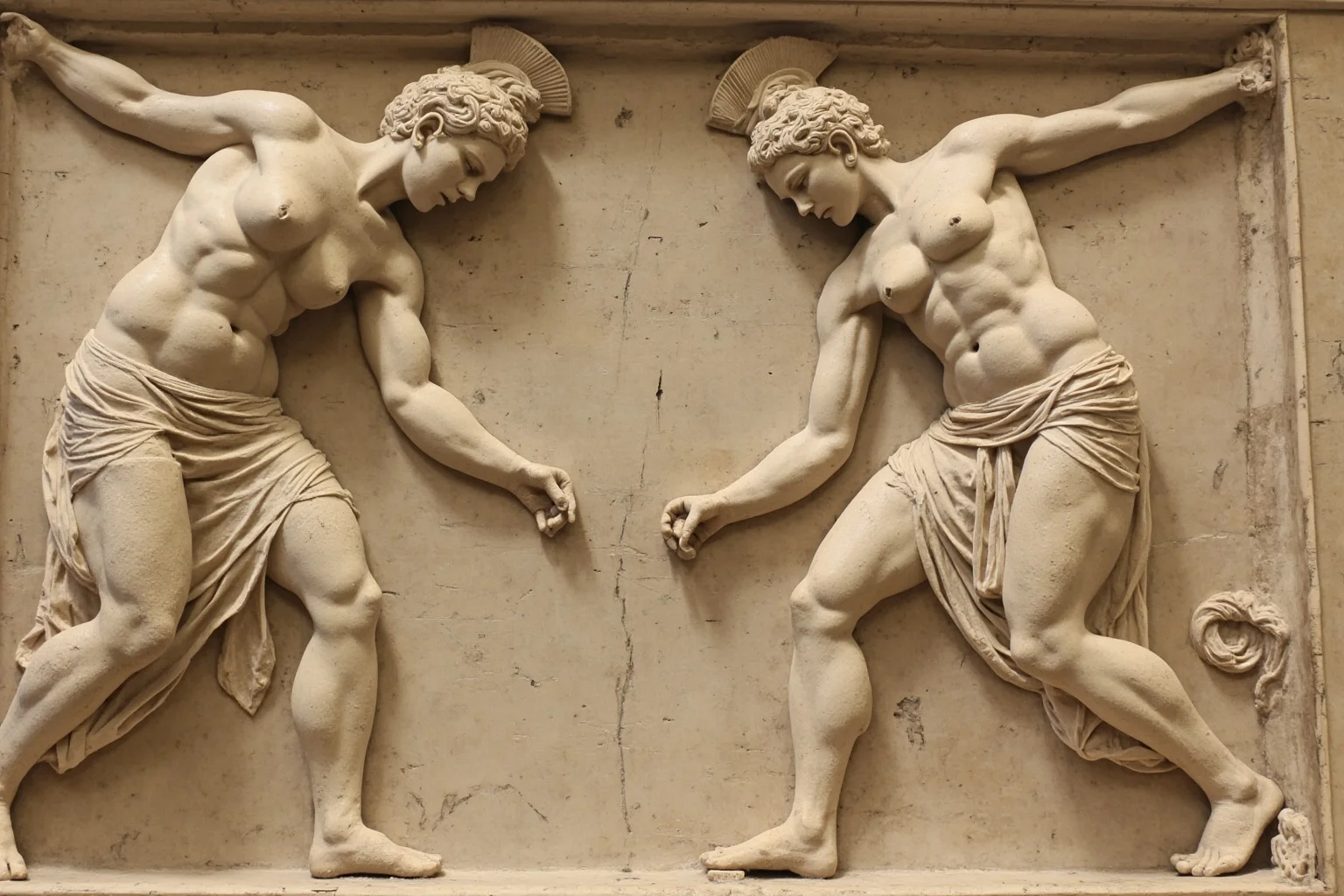
The Halicarnassus relief is the single most important piece of archaeological evidence for the existence of female gladiators. Carved in marble, it depicts two female fighters armed with swords and shields, facing each other in combat stances.
The relief clearly shows their gender. The fighters are depicted without helmets, revealing their faces and hair. This was highly unusual — male gladiators almost always fought with their faces hidden behind heavy helmets.
Today, the relief is housed in the British Museum, where it stands as the most compelling physical proof that the gladiator female was not a myth. It transforms the question from "was there ever a female gladiator?" to a settled matter of documented archaeological fact.
8. Female Gladiators Were Often Upper-Class Women

Here's where the story takes an unexpected turn. Many female gladiators weren't slaves or prisoners of war, as you might naturally assume. Some were free-born women, and a number came from elite Roman families of significant social standing.
Roman law explicitly forbade upper-class citizens — those of senatorial or equestrian rank — from appearing in the arena. The penalty was infamia, a legal status that stripped a person of their social standing and most civic rights.
But the fact that emperors had to repeatedly pass and reinforce these laws suggests the temptation was strong. For some elite women, the arena offered a kind of freedom and notoriety that conventional Roman life would never allow them to experience.
9. Fighting in the Arena Was Scandalous for Elite Women
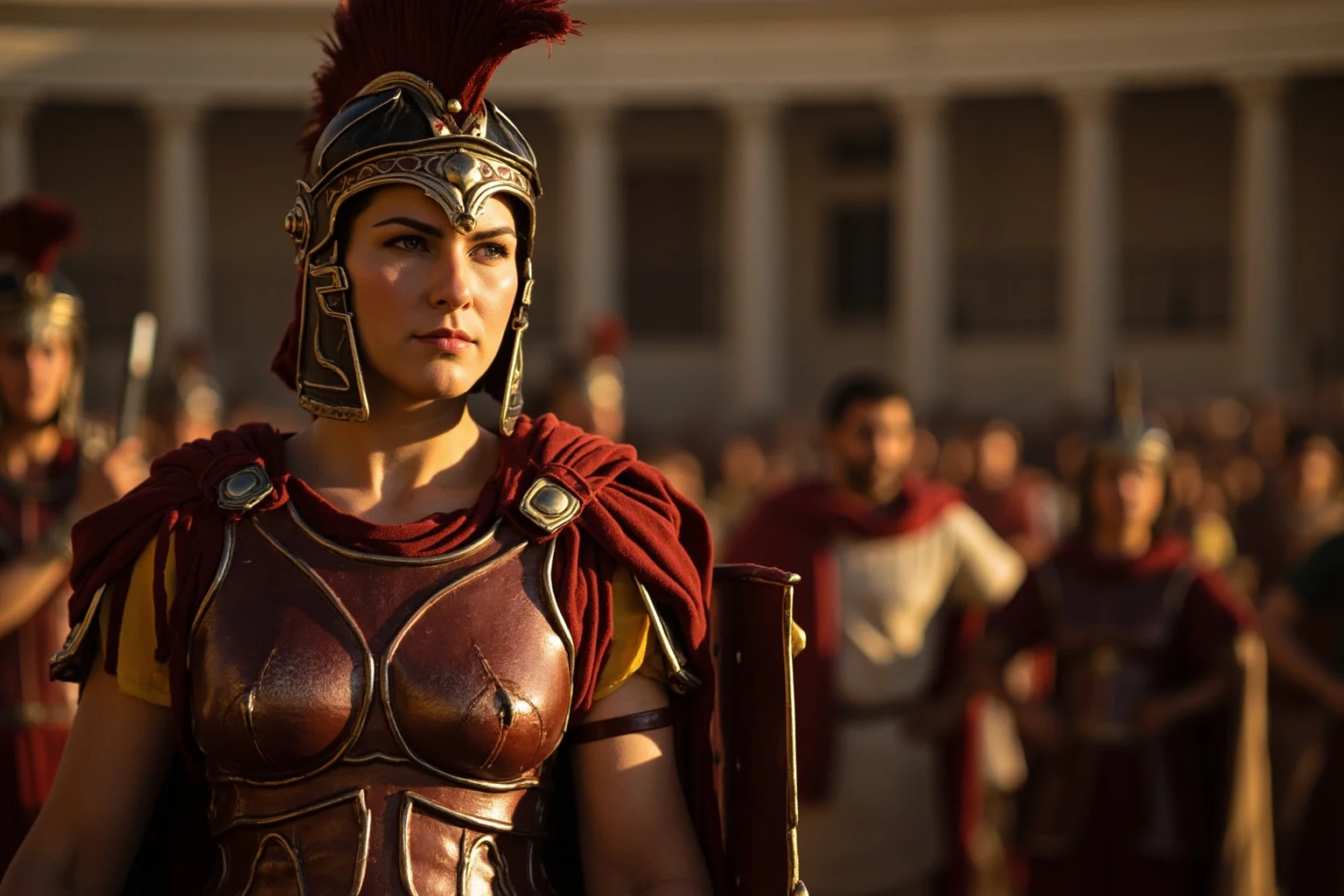
For a Roman woman of high social standing, stepping into the arena was an act of profound social transgression. It violated deeply held norms about femininity, class, and public behavior that governed elite Roman society.
Roman society expected upper-class women to be modest, domestic, and largely invisible in public life. A woman who chose to fight as a gladiator was rejecting every one of those expectations simultaneously and very publicly.
The scandal wasn't only about the violence of combat. It was about a woman of high birth willingly lowering herself to the status of a performer — and in some cases, being paid for the spectacle. This was social suicide, and everyone in Roman society knew it.
10. Juvenal Mocked Female Gladiators in His Satires
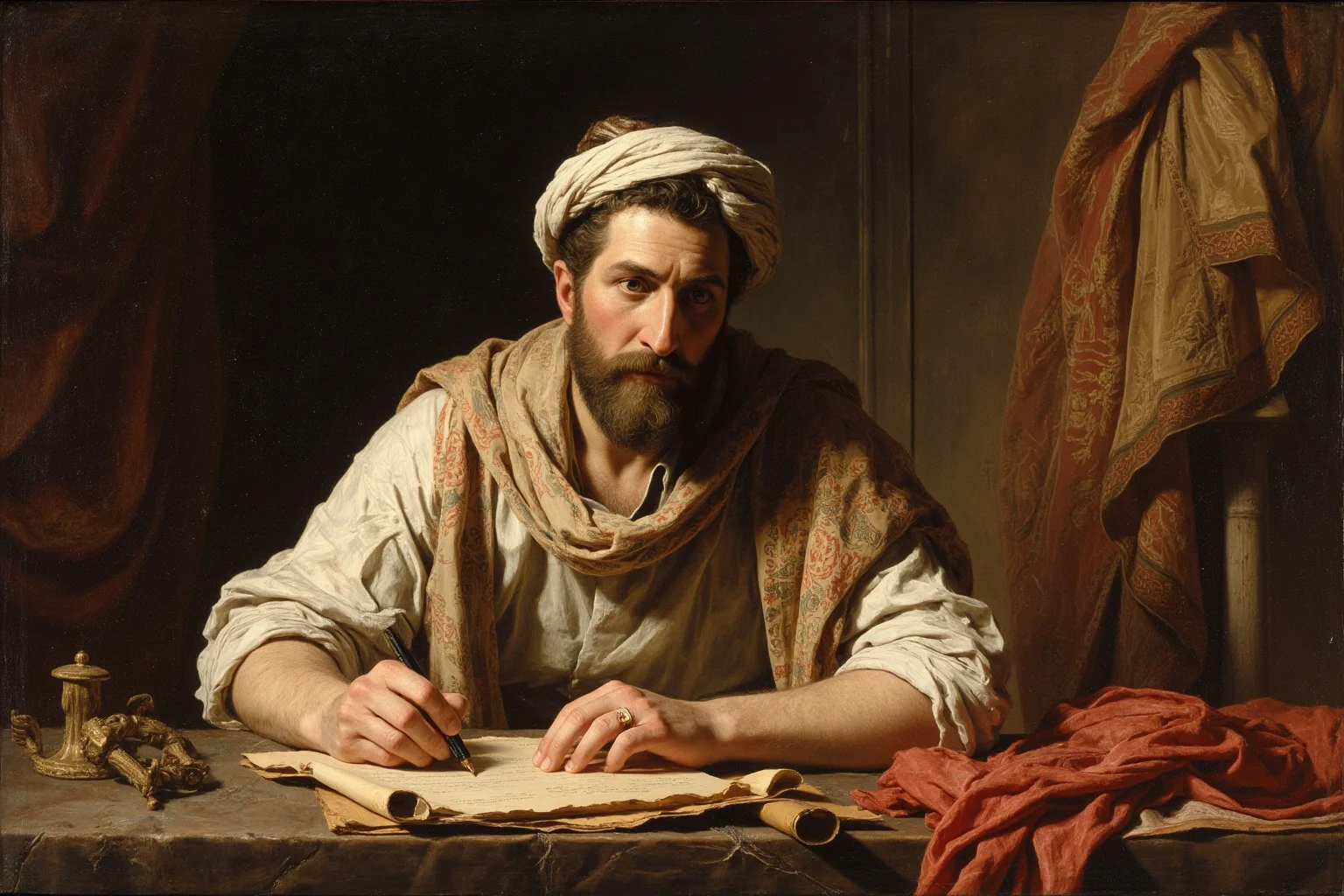
The Roman poet Juvenal, writing in the early 2nd century CE, was one of the fiercest critics of women in the arena. In his Satire VI, he savagely mocked women who trained and fought as gladiators, portraying them as unnatural and grotesque.
He described women who wielded swords and dared to fight as men, his tone dripping with contempt and outrage. His satire painted these women as symptoms of Rome's moral decline, proof that the world had gone terribly wrong.
Juvenal's hostility is unpleasant to read, but it's also valuable as historical evidence. His outrage confirms that female gladiators were visible enough in Roman society to become a target for literary attack. You don't satirize something that nobody has seen or heard of.
11. Mevia Was a Notorious Female Hunter in the Arena
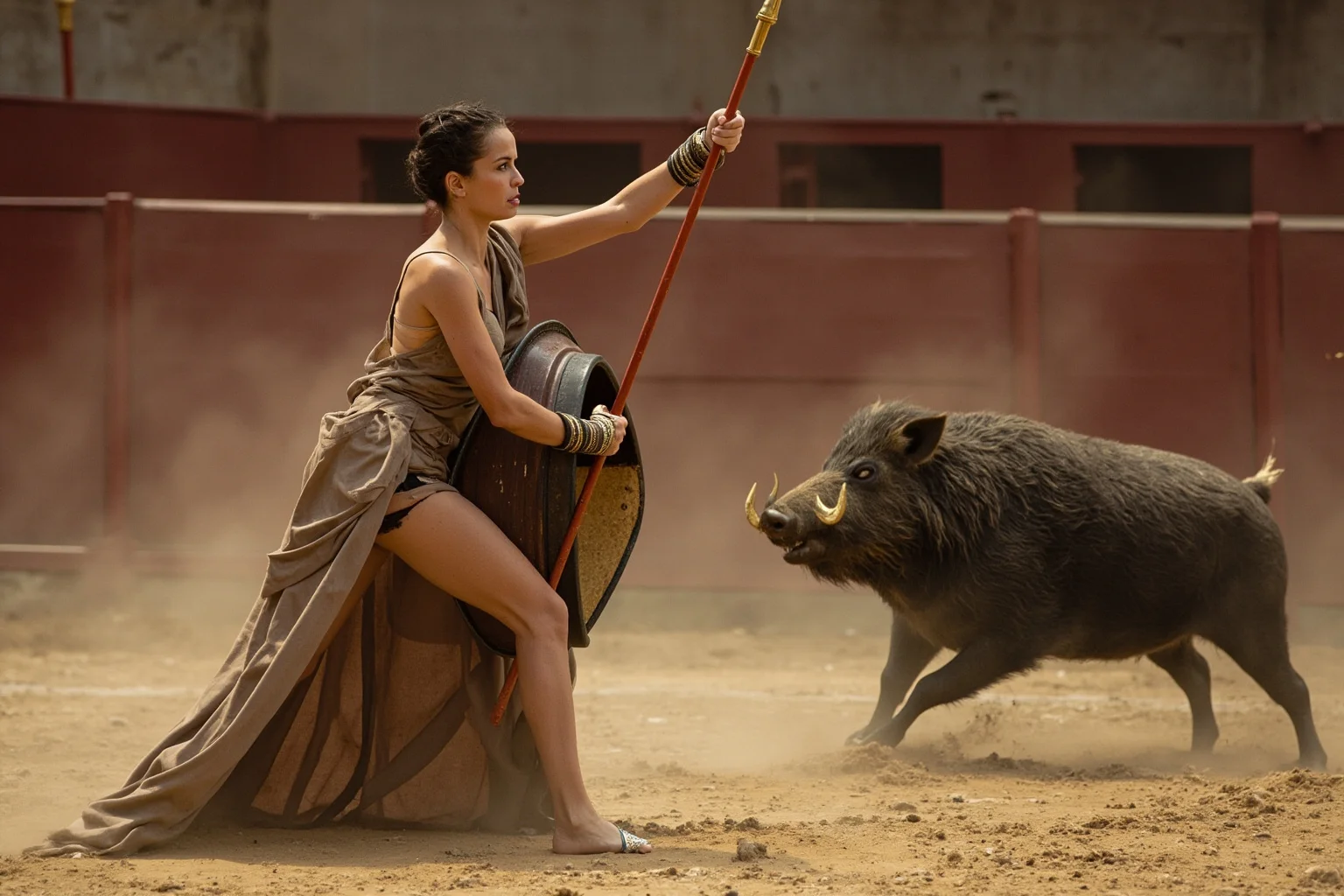
Juvenal also wrote about a woman named Mevia, who gained notoriety not as a sword-fighter but as a venator — a beast hunter in the arena. She reportedly hunted boars bare-chested, wielding a spear, to the absolute shock of Roman society.
Mevia wasn't technically a gladiator in the strictest sense, since venatores hunted animals rather than fighting other humans. But she occupied the same arena space, performed in the same spectacles, and provoked the same level of social scandal.
Her story illustrates an important point about women in Roman arena entertainment. Women participated in multiple roles, not just as sword-wielding combatants but also as hunters and performers in various capacities throughout the arena's long history.
12. Nero Staged Elaborate Spectacles with Female Fighters
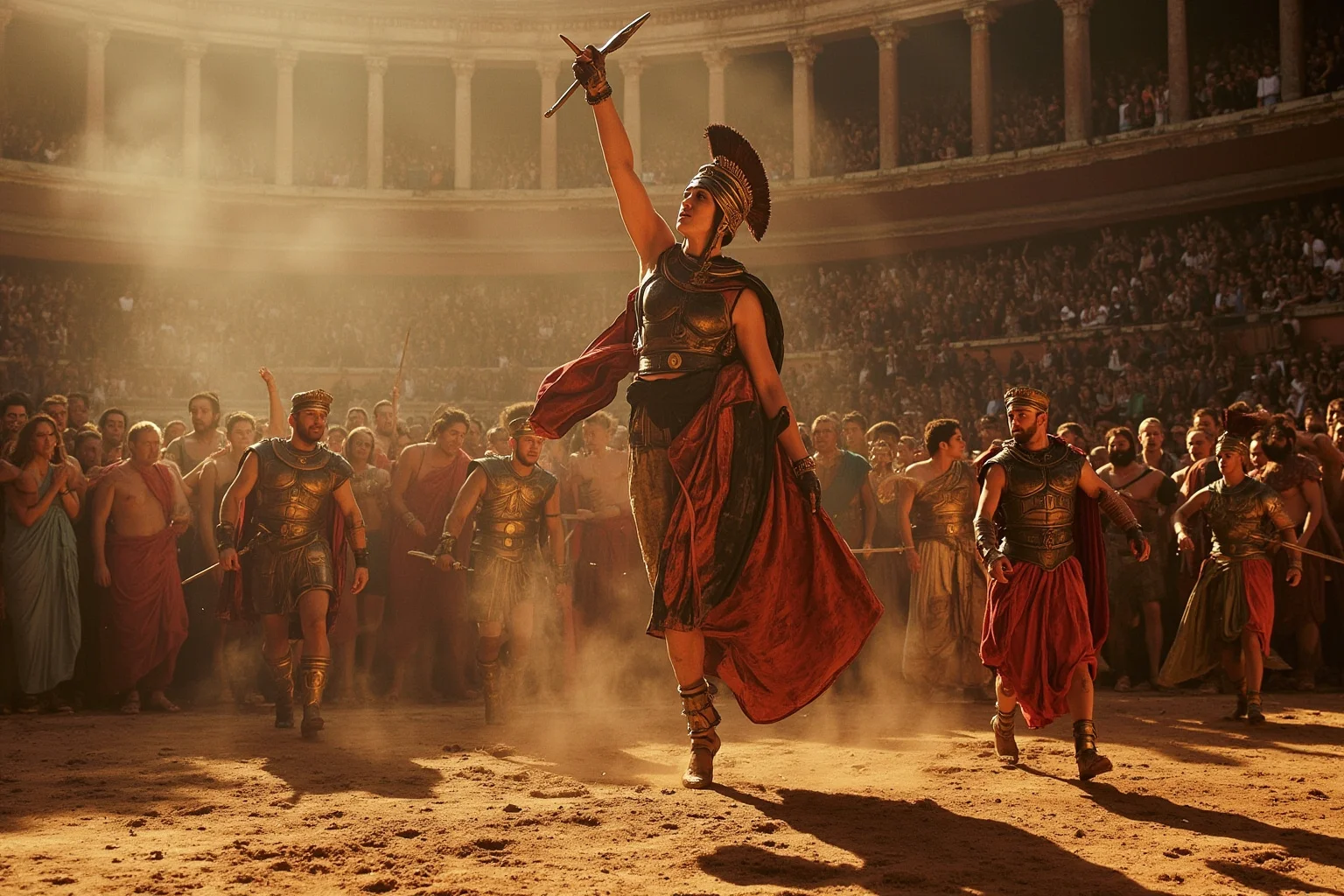
Emperor Nero was arguably the most enthusiastic promoter of female gladiators in Roman history. His games in 63 CE were groundbreaking, featuring women — and according to Cassius Dio, specifically Ethiopian women — fighting in the arena.
Cassius Dio also wrote that Nero's spectacles included women of high social rank performing publicly. This was intended to shock the Roman elite, and it succeeded spectacularly in doing so.
Nero's use of female fighters was part of his broader strategy of theatrical provocation. He wanted to be seen as an entertainer who broke every convention, and women in the arena served that purpose perfectly. The scandal was entirely the point.
13. Domitian Featured Women in Arena Games Too
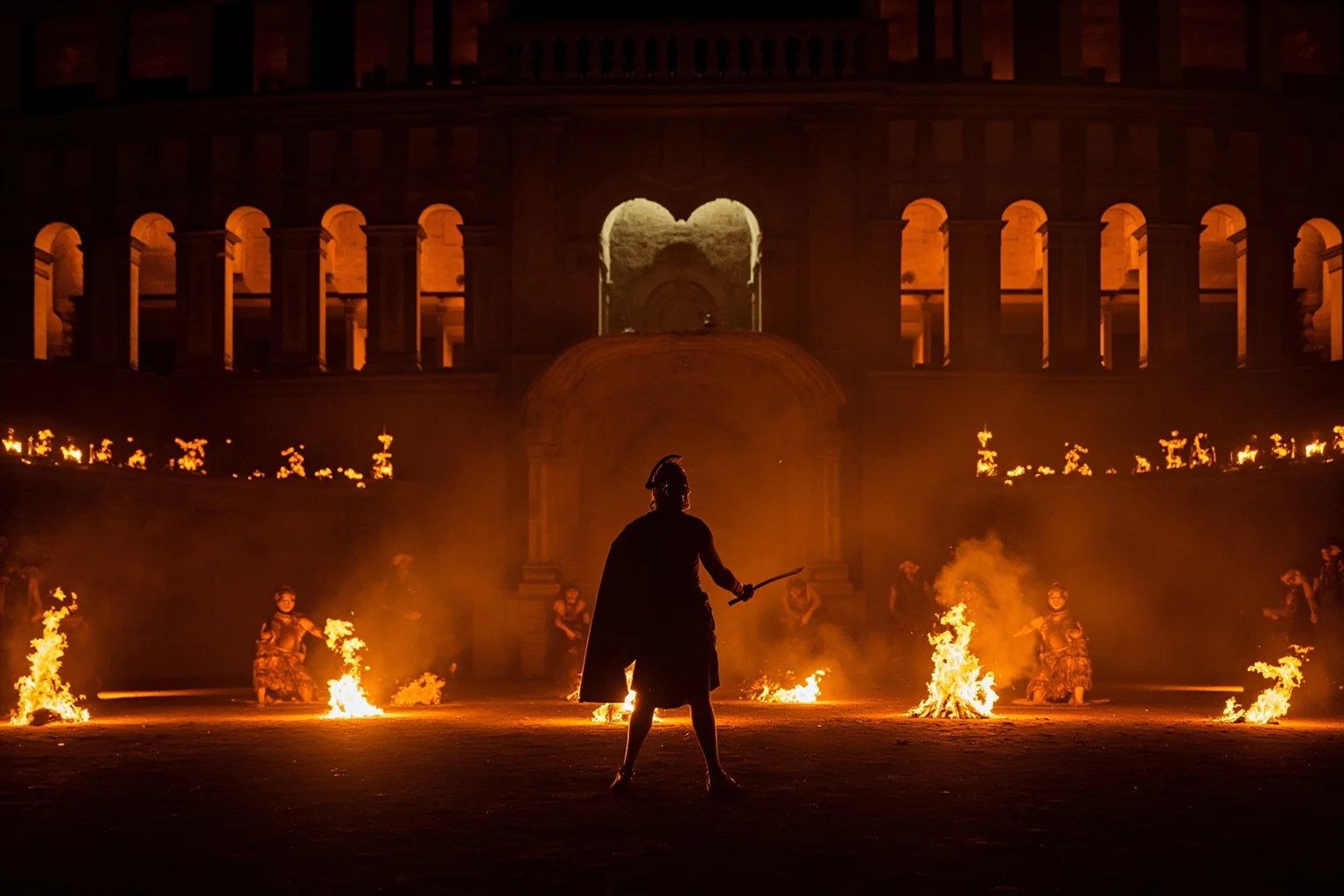
The emperor Domitian, who ruled from 81 to 96 CE, also staged games featuring female fighters. Suetonius records that Domitian organized spectacles at night, illuminated by torchlight, in which women and dwarfs fought each other in the arena.
These torchlit games added an extra layer of drama and spectacle to the proceedings. The nighttime setting made the fights feel more like theatrical performances than standard gladiatorial combat, heightening their emotional impact on the audience.
Domitian's games suggest that by the late 1st century, female gladiators had become an established, if still controversial, feature of imperial entertainment. They weren't a one-time novelty but a recurring attraction that emperors knew would draw crowds and generate talk.
14. Female Gladiators Fought at Night Under Torchlight

The nighttime games associated with Domitian weren't just a scheduling convenience. They were a deliberate theatrical choice, designed to create an atmosphere that ordinary daylight fights simply couldn't match.
Torchlight cast dramatic shadows across the arena floor, making the combat feel more intense and more theatrical. For female fighters especially, the nighttime setting may have been chosen to heighten the sense of novelty and exoticism that surrounded their appearances.
This detail also tells us something about how female gladiatorial combat was valued by organizers. You didn't schedule your most unusual and expensive acts in the middle of an ordinary afternoon program. You saved them for premium slots when the atmosphere could match the spectacle.
15. They Wore Different Gear Than Male Gladiators
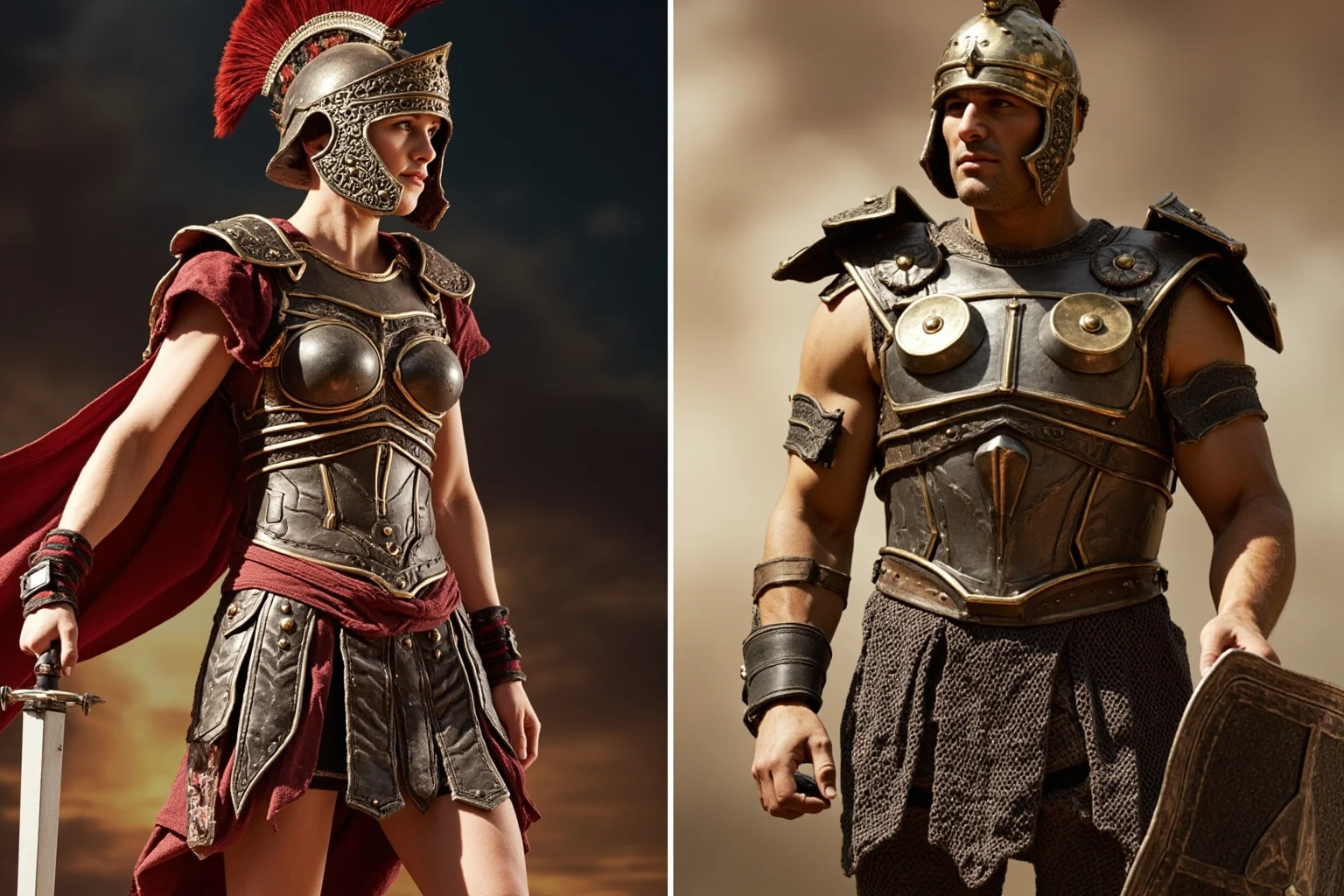
Archaeological and literary evidence suggests that female gladiators may have worn different equipment than their male counterparts. The Halicarnassus relief shows both fighters without helmets, which was highly unusual for gladiators of any type or era.
Some scholars believe this was a deliberate choice to ensure the audience could see that the fighters were women. If they wore full helmets like male gladiators, the visual impact and novelty of women in the arena would be completely lost on the crowd.
Their armor also appears lighter and less extensive than what male gladiators typically wore. This may reflect differences in fighting style, or it may have been another deliberate way to emphasize their femininity in an overwhelmingly masculine spectacle.
16. The "Amazon" Gladiator Type Remains Debated
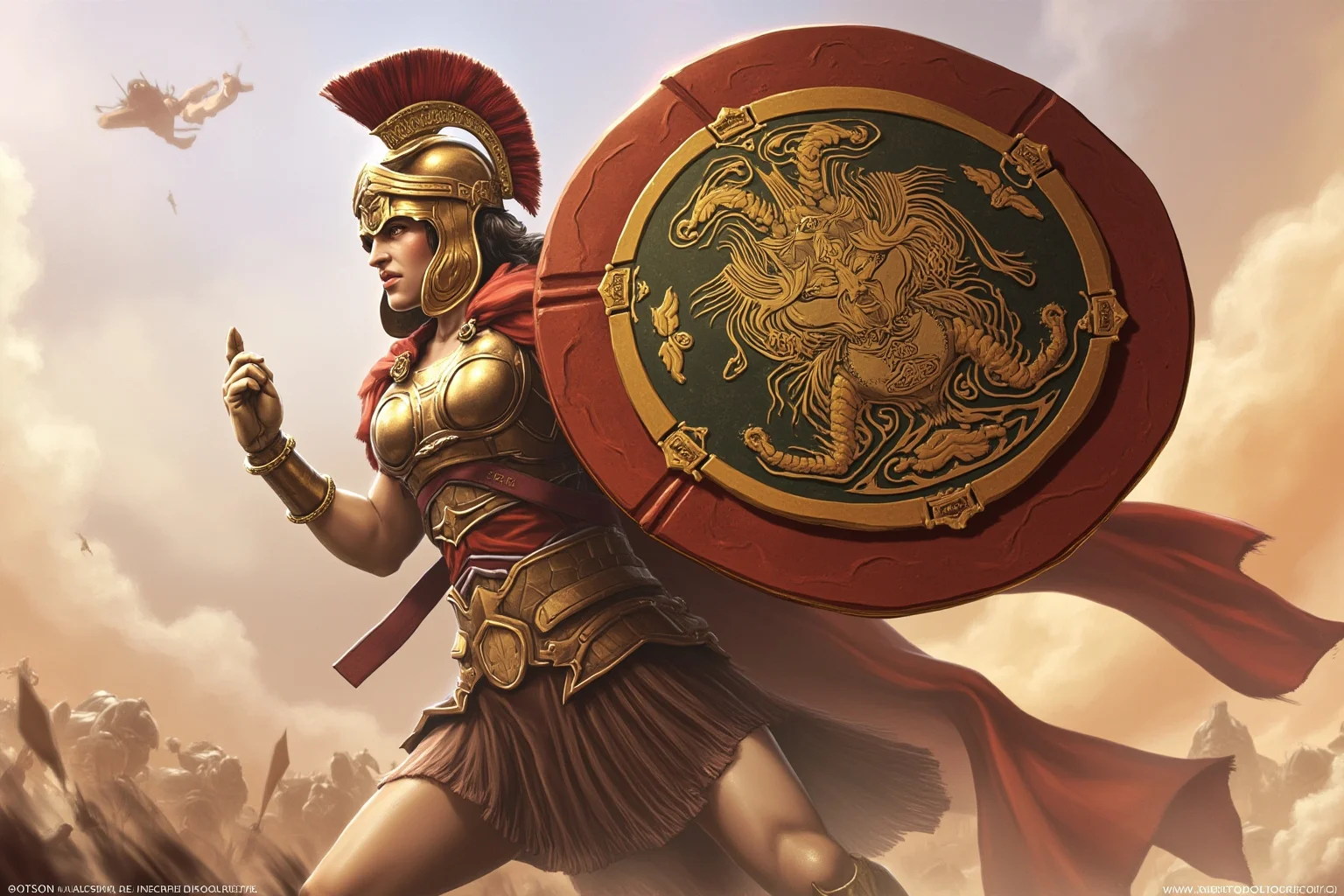
Among the various recognized gladiator types in ancient Rome, some scholars have proposed that an "Amazon" type may have existed as a formal classification. This hypothetical type would have been specifically associated with female fighters, drawing on the mythology of the warrior women of Greek legend.
However, the evidence for an "Amazon" gladiator type as a formal category remains thin and contested among historians. Not all scholars accept that it existed in the way that well-documented types like the murmillo, thraex, or retiarius did.
What we do know is that individual female fighters sometimes adopted "Amazon" as a stage name. The woman named Amazon on the Halicarnassus relief is the most famous example, showing that the mythological connection was meaningful even if a formal gladiator type wasn't established.
17. Septimius Severus Banned Female Gladiators Around 200 CE
The practice of women fighting in the arena came to an official end around 200 CE. Emperor Septimius Severus issued a decree that banned women from participating in gladiatorial combat throughout the Roman Empire.
According to Cassius Dio, the ban was prompted by a specific and provocative incident. Women of high social rank had been appearing in the arena with such frequency that the emperor felt compelled to act to restore proper social order.
This decree effectively ended the documented history of female gladiators in Rome. After Severus's ban, no further references to women fighting in the arena appear in the surviving historical record, closing the chapter on a practice that had lasted roughly 140 years.
18. The Ostia Inscription Proves Women Fought Beyond Rome

A key piece of evidence for female gladiators comes from Ostia, Rome's ancient port city. An inscription there records that a local magistrate hosted games that included women as combatants, providing evidence that female fighters appeared outside the imperial capital itself.
This inscription is significant because it demonstrates that the phenomenon wasn't confined to Rome. Female gladiators appeared in games organized by local officials in other Italian cities, suggesting a broader cultural practice rather than an imperial quirk.
The spread of female gladiatorial combat beyond Rome also tells us about the competitive nature of Roman public entertainment. Local magistrates wanted to stage memorable games, and featuring women in the arena was one sure way to ensure their spectacle would be talked about for years.
19. Female Gladiators Were a Status Symbol for Show Organizers

Hosting games that featured female gladiators was a powerful way for organizers to distinguish their spectacles from ordinary ones. The rarity of women in the arena made them a premium attraction that could elevate any games above the competition.
For an ambitious politician or wealthy citizen, staging games with female fighters was a way to generate buzz and outdo rivals. The more unusual and shocking the spectacle, the more memorable it would be — and the more prestige would accrue to the host.
This dynamic helps explain why female gladiators appeared despite the social stigma attached to them. The very scandalousness that made them controversial also made them valuable as entertainment, creating a powerful incentive for organizers to keep including them.
20. The Stigma Was About Class, Not Gender Alone
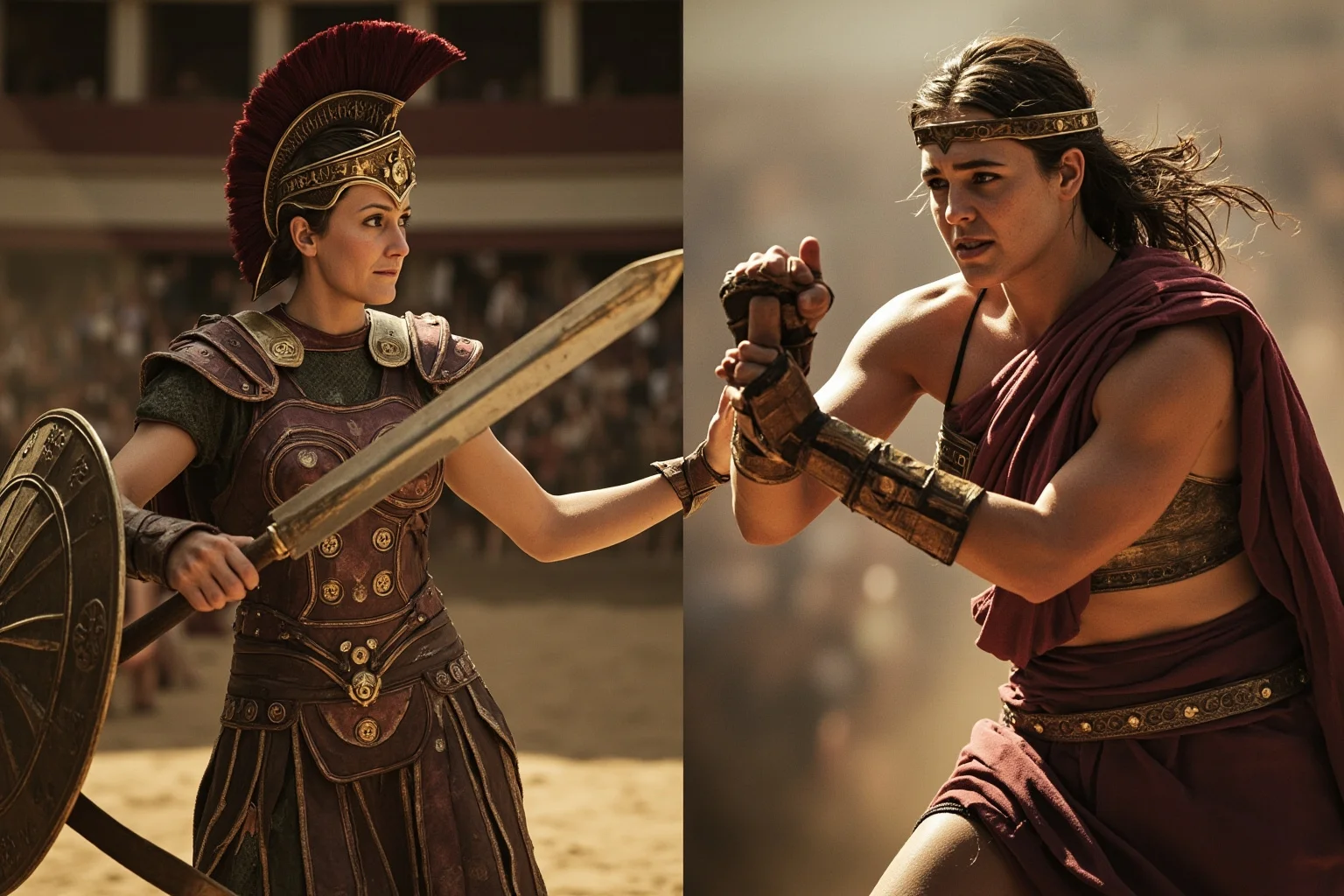
It's tempting to assume that the outrage over female gladiators was purely about gender. Women fighting in the arena seems shocking to modern sensibilities, so we naturally project similar shock onto the ancient Romans. But Roman attitudes were more complex than that.
The real scandal erupted when women of high social status chose to fight. Lower-class women and female slaves appearing in the arena were less shocking, because they were already expected to perform physical labor in public settings.
When an elite woman stepped into the arena, she was crossing a class boundary as well as a gender boundary. The combination of both transgressions made her actions nearly unforgivable in the eyes of Roman society, which is why the literary attacks on her were so fierce and sustained.
21. "Lady Gladiators Fight Like Giraffes" Is a Modern Phrase

You may have encountered the phrase "lady gladiators fight like giraffes" in online discussions or articles about female gladiators. It's a memorable and quirky expression that has gained some traction in recent years, particularly in informal historical discussions on the internet.
However, this phrase does not appear in any ancient Roman source. No classical writer — not Juvenal, not Tacitus, not Suetonius, not Cassius Dio — compared female gladiators to giraffes or described their fighting style in anything resembling those terms.
The expression appears to be a modern invention, perhaps reflecting a contemporary attempt to capture how unusual and exotic female gladiators seemed to Roman audiences. It's a vivid phrase, but it's important to distinguish between modern interpretations and genuine historical evidence when studying the gladiator woman.
22. Modern Pop Culture Has Embraced Female Gladiators

From movies to television shows to novels, modern pop culture has been deeply fascinated by the idea of women in the arena. The historical reality of female gladiators has given creators a foundation to build dramatic and compelling stories upon.
Some portrayals are more historically grounded than others, acknowledging the rarity of female gladiators and the social scandal they provoked. Others take considerable liberties, treating women fighters as common features of Roman arena life when they were actually exceptional.
The enduring appeal of the female gladiator in fiction speaks to a modern desire to find women in historical narratives where they've traditionally been overlooked. The real history, though fragmentary, provides just enough evidence to fuel the imagination without requiring pure invention.
23. Archaeological Evidence Remains Extremely Rare

Despite the clear literary references to female gladiators from multiple Roman authors, physical evidence remains remarkably scarce. The Halicarnassus relief is essentially the only unambiguous visual depiction of female gladiators that has survived from antiquity.
A few other artifacts have been proposed as possible depictions of female gladiators over the years, but their identification remains debated among scholars. The fragmentary nature of the archaeological record makes certainty difficult, and confident claims should be treated with appropriate caution.
This scarcity doesn't mean female gladiators didn't exist — the textual evidence is far too strong to dismiss. But it does mean that many questions about their training, daily lives, and experiences in the arena may never be fully answered by the available evidence.
24. Their Legacy Challenges Our Assumptions About Ancient Rome

The existence of female gladiators forces us to reconsider what we think we know about Roman society and gender roles. They don't fit neatly into the image of a rigidly patriarchal world where women were entirely confined to domestic roles and public invisibility.
These women were rebels, entertainers, and athletes who stepped into one of the most dangerous and masculine spaces in the ancient world. Some were slaves with no choice in the matter, but others were free women who chose the arena despite the enormous social consequences.
The question of whether there were women gladiators has been definitively answered. The deeper questions — who exactly these women were, what motivated them, and what their lives were like outside the arena — may never be fully resolved. But their existence alone is enough to remind us that history always contains more surprises than we expect.
The Real Story Is More Fascinating Than the Fiction
Female gladiators may have been rare, but their impact on our understanding of Roman history is outsized. They challenge our assumptions, complicate our narratives, and remind us that the ancient world was full of people who defied the expectations placed upon them.
The evidence for their existence is solid, even if the details of their lives remain frustratingly incomplete. Ancient texts, stone reliefs, and inscriptions all confirm that women fought in Roman arenas for over a century before being banned by imperial decree.
Their story doesn't need embellishment to be compelling. The truth — that real women chose to step into the arena, armed and ready, in a society that tried to keep them invisible — is dramatic enough on its own.
Frequently Asked Questions
Were there female gladiators?
Yes, female gladiators existed in ancient Rome. Multiple Roman historians including Tacitus, Suetonius, and Cassius Dio reference women fighting in the arena. The practice began during Nero's reign around 63 CE and continued until Emperor Septimius Severus banned it around 200 CE.
Were there female gladiators in ancient Rome specifically?
Yes, female gladiators fought in ancient Rome for approximately 140 years. They appeared in games sponsored by emperors like Nero and Domitian, as well as in games organized by local officials in cities like Ostia, Rome's port city.
What were the names of known female gladiators?
Only two female gladiator names have survived: Amazon and Achillia (also spelled Achillea). Both are known from a marble relief found in Halicarnassus, now housed in the British Museum, which records that they fought to a draw.
Was there ever a female gladiator who was famous?
No single female gladiator achieved the level of fame of male stars like Spartacus or Flamma. However, Amazon and Achillia are the only two whose names survive, and Mevia was a notorious female beast hunter mocked by the poet Juvenal.
Why were female gladiators banned?
Emperor Septimius Severus banned female gladiators around 200 CE because women of high social rank were appearing in the arena with increasing frequency. According to Cassius Dio, the emperor saw this as a violation of social order and class boundaries that needed to be stopped.

Alex Warren
Related Articles