

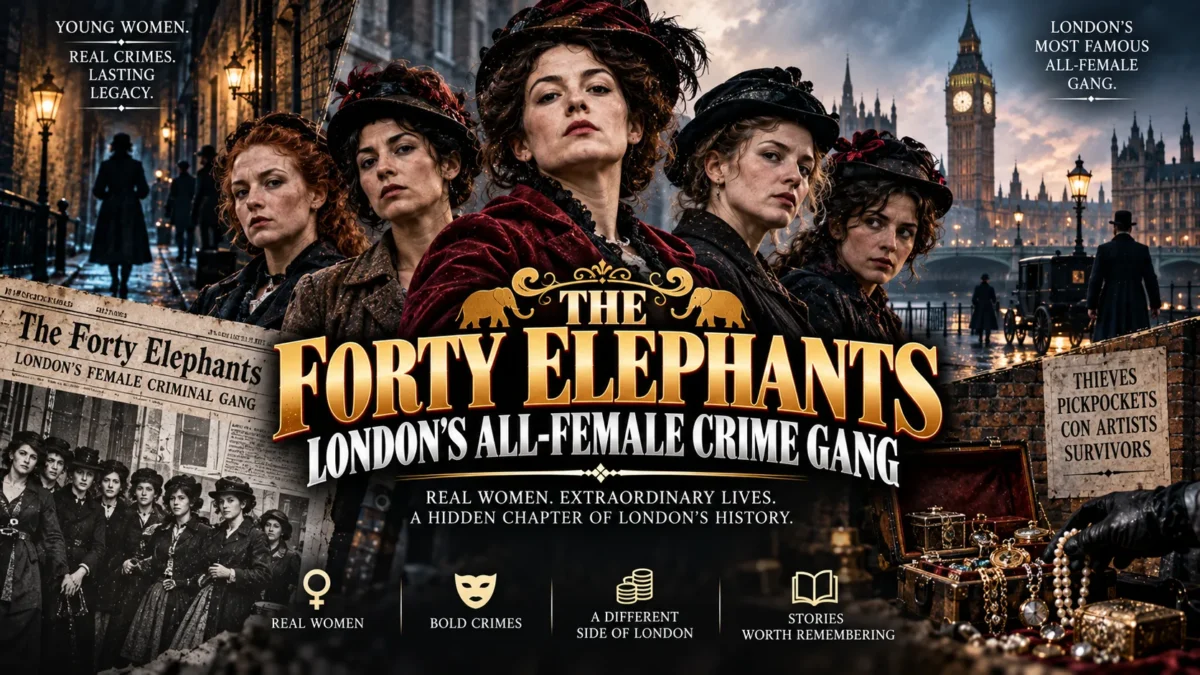
Step into the fog-lined streets of Victorian and Edwardian London and you’ll find a criminal network that broke almost every rule of the underworld it operated in — because it was run entirely by women.
While male gangs fought over turf and razor blades made headlines, in scenes that wouldn’t look out of place among the most notorious gangsters of the 20th century, a quieter, far more disciplined operation was sweeping through the capital’s finest shops.
They called themselves the Forty Elephants, and for well over a century they proved that organised crime didn’t need to wear a flat cap to be feared.
This wasn’t a one-off band of pickpockets either. The 40 Elephants gang built a genuine criminal institution, with leaders, rules, initiation rites, and a business model so effective that police struggled to shut it down for generations. Their story stretches from grubby Victorian courtrooms all the way to the glamour and violence of 1920s London.
TL;DR: The Forty Elephants were a long-running, highly organised all-female shoplifting gang from South London whose leaders, including Mary Carr and Alice “Diamond Annie” Diamond, professionalised theft and challenged assumptions about who could run the underworld.
What Were the Forty Elephants, Really?
Before diving into the individual figures and incidents that made the gang notorious, it helps to understand what the Forty Elephants actually were.
They were a female-led criminal network based around the Elephant and Castle area of South London, specialising in large-scale, coordinated shoplifting known in criminal slang as “hoisting.”
Their activity is documented from at least the late 19th century through to the mid-20th century, making them one of the longest-running organised crime groups in British history.
Unlike the loosely connected pickpocket gangs of Dickensian London, the Forty Elephants operated with genuine structure. They had recognised leaders, internal rules, punishments for members who broke them, and territory that rival women were expected to respect. This is the context that makes the rest of their story worth exploring in detail.
1. The Elephant and Castle Origins
The gang took its name from the Elephant and Castle, a busy junction and neighbourhood in Southwark, South London, where many of its members lived. This working-class district was known for tight-knit communities, cramped housing, and a thriving informal economy that often blurred into crime.
Historians generally trace organised female shoplifting gangs in this area back to at least the 1870s, though some accounts suggest looser groups existed even earlier. What’s clear is that by the time newspapers began reporting on “the Forty Elephants” by name, the gang was already a recognised feature of London’s criminal landscape.
2. Where the Name Really Comes From: Forty Elephants vs Forty Thieves
One persistent point of confusion is the gang’s name. You’ll sometimes see them referred to as the Forty Thieves gang, or even the 40 thieves gang, and this isn’t a mistake — it’s simply an older nickname that ran alongside “Forty Elephants” in press reports and police records.
The most widely repeated explanation is that the name references the Elephant and Castle locality itself, rather than a literal headcount of exactly forty members. Membership almost certainly fluctuated over the decades, sometimes larger, sometimes smaller, so treating “forty” as a precise number is probably a myth rather than a fact worth repeating uncritically.
3. A Criminal Sisterhood in a Man’s Underworld
What made the 40 Elephants gang so remarkable wasn’t just their success, but who they were. In an era when women had limited legal and economic independence, this gang carved out an entirely female power structure with its own leadership hierarchy — a rare feat in the history of organised crime, echoed elsewhere by figures like Cheng I Sao, the pirate queen of the South China Sea, who likewise commanded a fearsome criminal empire in defiance of her era’s gender norms.
Men were not admitted as full members, though the gang maintained close ties with male criminal associates for logistics and protection. This gender divide wasn’t incidental — it was central to how the gang operated, recruited, and disciplined its own ranks.
4. Elephant and Castle: The Gang’s South London Stronghold
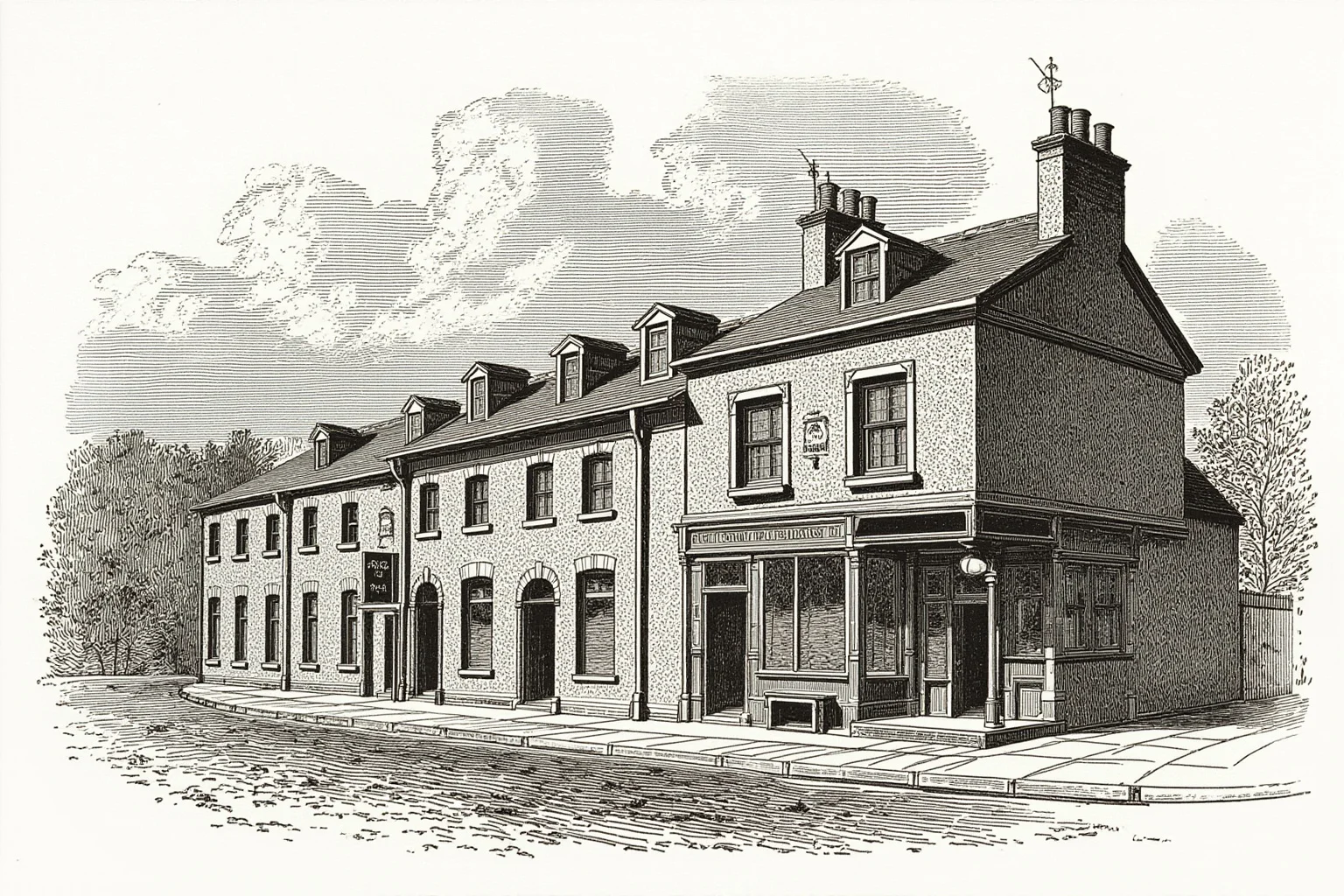
The neighbourhood of Elephant and Castle offered practical advantages beyond just lending its name to the group. Its position gave easy access to central London’s shopping districts while still providing a working-class community where stolen goods could be distributed, sold, or hidden.
Local pubs and lodging houses reportedly served as informal meeting points for the gang across different eras. This geography helped the Forty Elephants maintain a stable base of operations even as police attention increased over the decades.
5. Hoisting: Shoplifting Elevated to a Craft
The gang’s primary criminal trade was shoplifting, but calling it simple theft undersells the sophistication involved. Members practised what was known in the underworld as “hoisting” — coordinated raids on shops where one woman would distract staff while others concealed merchandise.
Teams would often target the same store in shifts, sometimes visiting multiple times in a single day dressed differently each time. This division of labour meant a single raid could involve lookouts, distractors, and the actual thieves working in tight coordination.
6. The Secret Weapon: Specially Tailored Coats
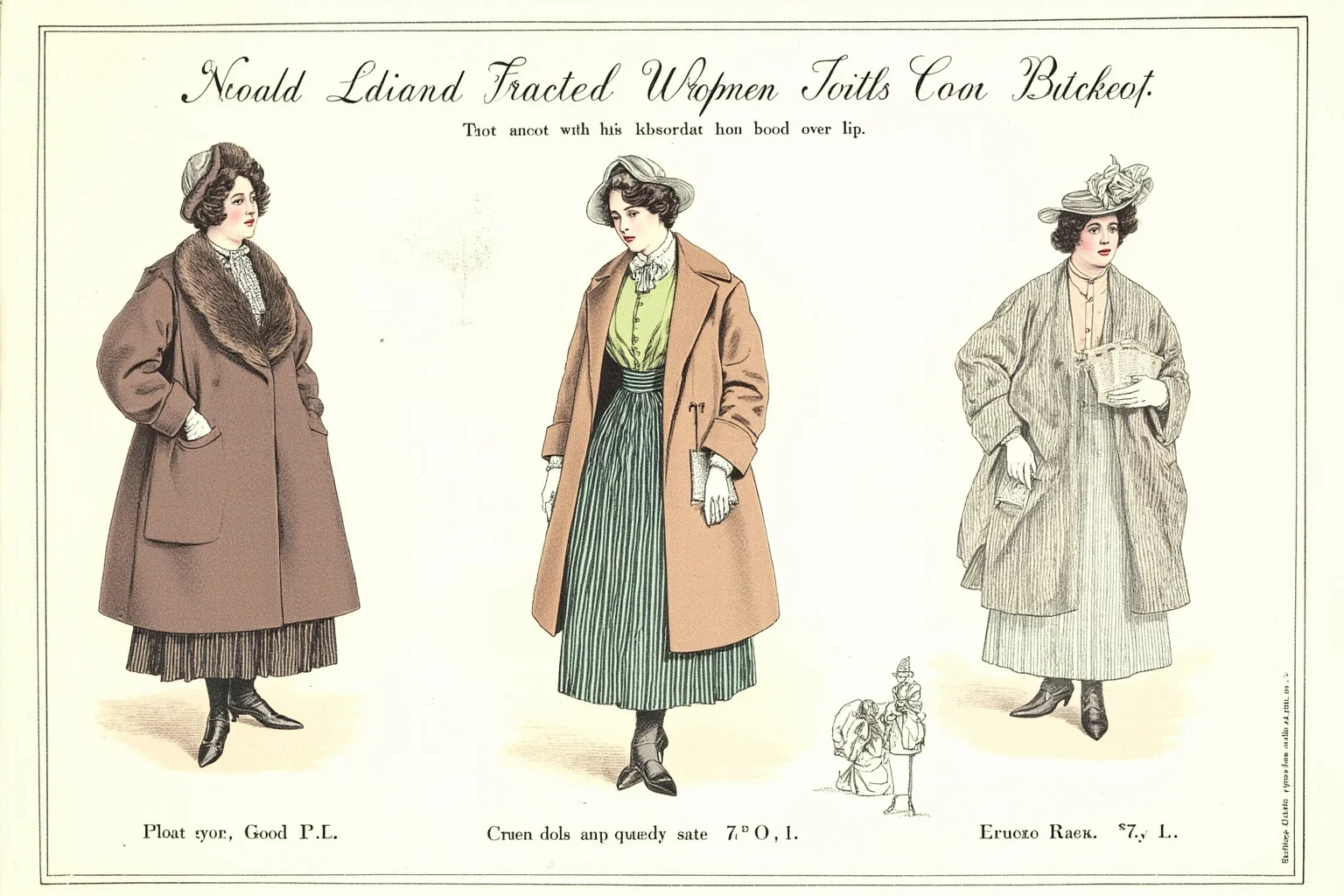
One detail that consistently appears in historical accounts is the gang’s use of custom-altered clothing. Coats, muffs, and skirts were reportedly fitted with hidden pockets and pouches, sometimes referred to as “hoister’s coats,” designed specifically to conceal stolen goods from jewellery to bolts of fabric.
This wasn’t improvised trickery — it was tailored criminal engineering. Some accounts describe garments capable of hiding a surprising volume of goods, allowing members to walk out of stores looking entirely unremarkable to shop staff.
7. Mary Carr: The Gang’s Earliest Documented Queen
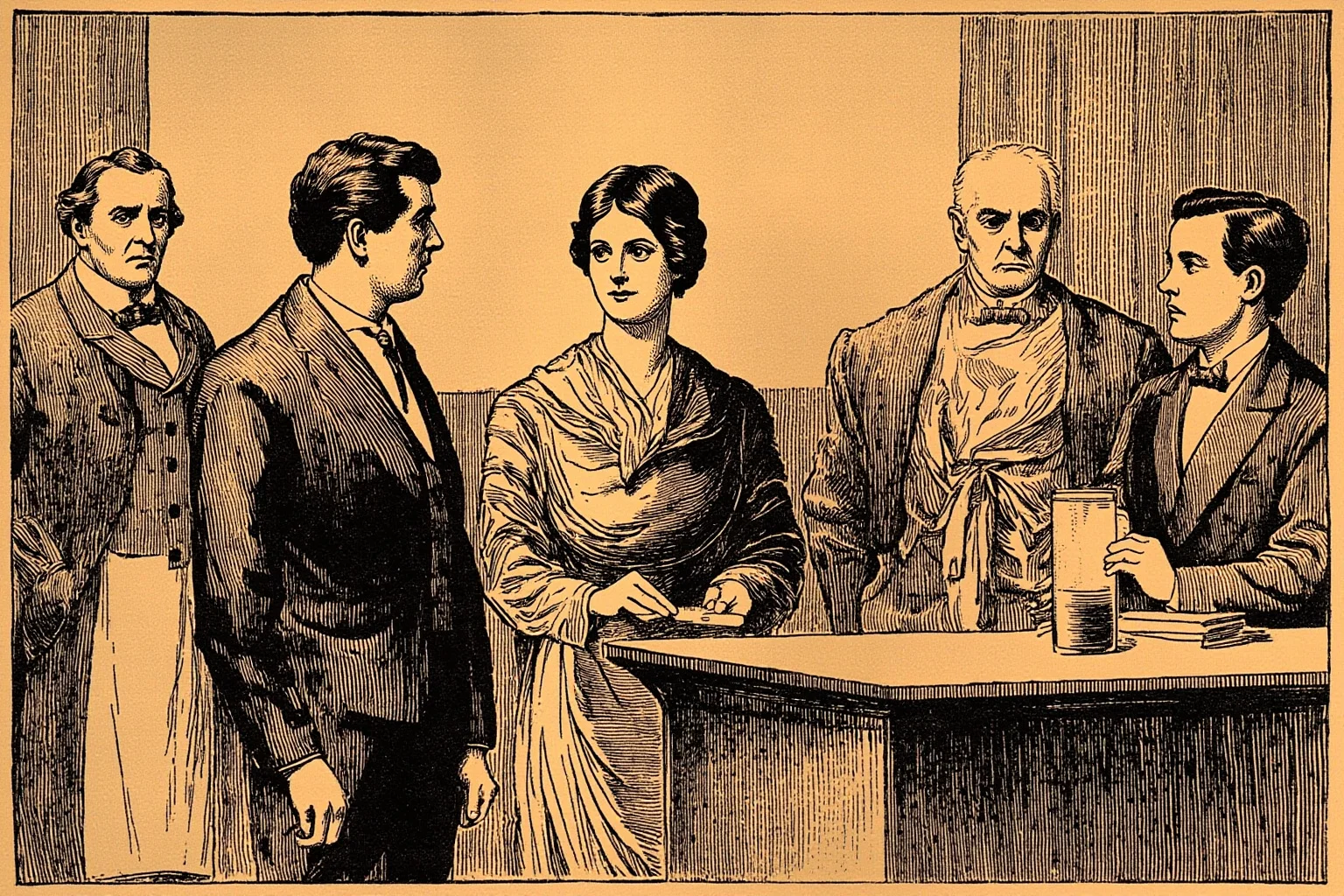
Among the names most associated with the gang’s early history is Mary Carr, sometimes referred to in historical sources simply as Mary Carr London, given her strong ties to the capital’s criminal scene. She is widely credited as one of the earliest known leaders of what would become known as the Forty Elephants.
Carr came to public attention in the 1890s through court cases connected to organised theft and running networks of young female shoplifters. While details from this period are sometimes patchy or contested by different sources, her name recurs consistently enough in criminal history to mark her as a foundational figure.
8. Mary Carr’s Trials and Tabloid Fame
Mary Carr and the Forty Elephants became a genuine press sensation during her most active years, with newspapers of the day covering her court appearances in detail. She was tried on charges connected to organised shoplifting and running a network of young women involved in theft, cementing her reputation in criminal folklore.
It’s worth noting that some later, more sensational claims about Carr’s life have been difficult for historians to verify with primary sources. Readers should treat the more colourful anecdotes about her personal life with a degree of healthy scepticism rather than settled fact.
9. Alice Diamond, the Woman Known as Diamond Annie

No discussion of this gang is complete without Alice Diamond, better known by her underworld nickname Diamond Annie. Rising to prominence in the 1910s and dominating through the 1920s, she is widely regarded as the most powerful and influential leader in the gang’s history.
Standing notably tall for the era and reportedly possessing a commanding physical presence, Diamond earned a fearsome reputation among both her own members and rival criminals. Under her leadership, the Forty Elephants reportedly reached the height of their organisation and ambition.
10. Diamond Annie’s Rings — Jewellery as a Weapon
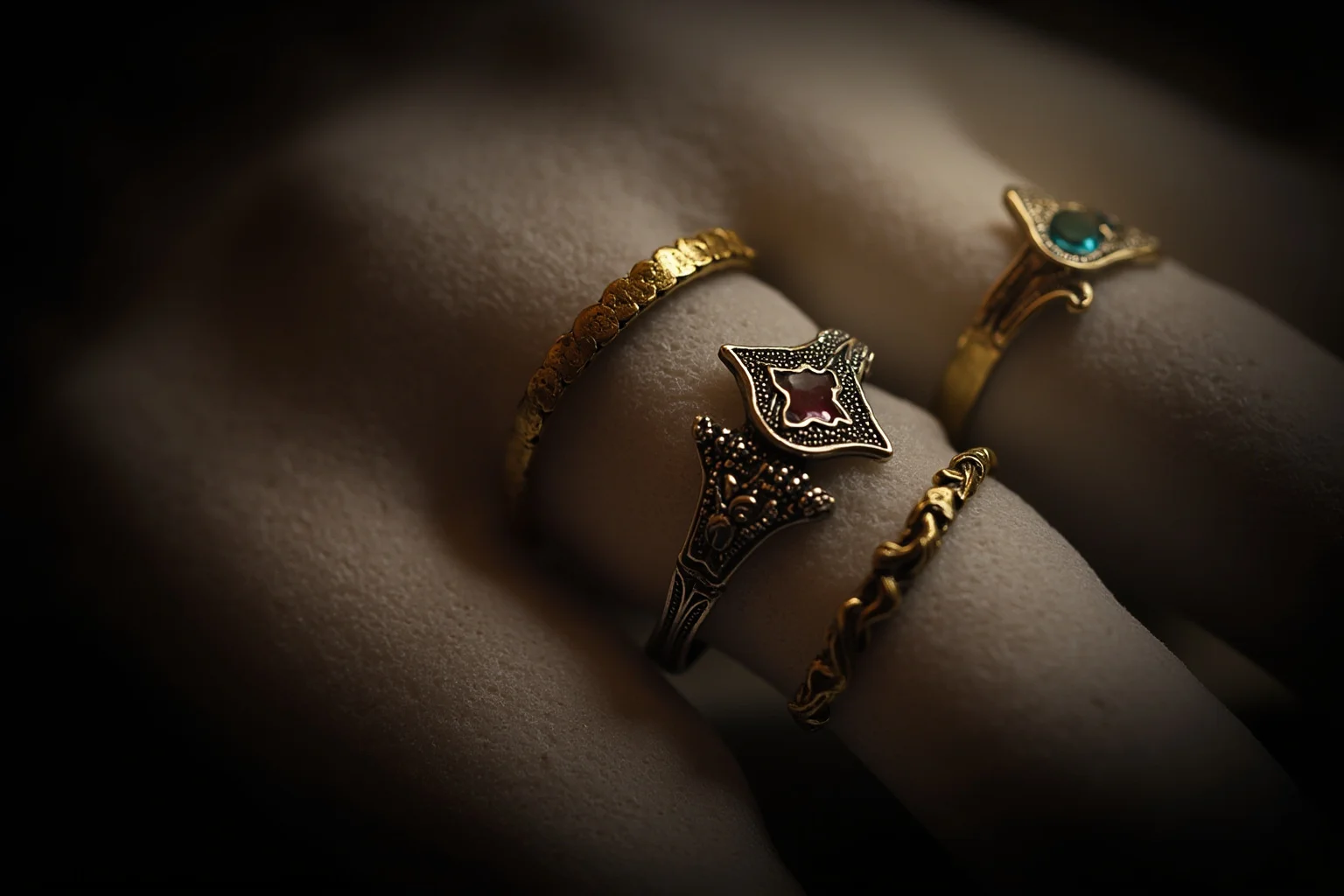
The nickname “Diamond Annie” is often linked to the large, heavy rings Alice Diamond was said to wear, which doubled as makeshift weapons during confrontations. Accounts describe these rings being used to devastating effect in street fights, adding a violent edge to her already formidable reputation.
While some of these details come from secondhand or later retellings rather than contemporary court transcripts, the core reputation — that Diamond was both stylish and genuinely dangerous — is well supported across multiple historical accounts. It’s this combination of glamour and menace that has made her one of the enduring figures of British criminal history.
11. Strict Rules, Fines, and a Criminal Code of Honour
The Forty Elephants weren’t a loose collection of opportunists; they operated under an internal code of conduct. Members were reportedly required to hand over a share of their proceeds to gang leadership, with fines or punishments for those who broke ranks or worked independently.
This structure gave the gang unusual longevity compared to more chaotic criminal outfits of the period. It also meant that leadership, whether held by Mary Carr, Alice Diamond, or others, carried real authority backed by enforceable consequences.
12. Initiation Rites and Loyalty Tests
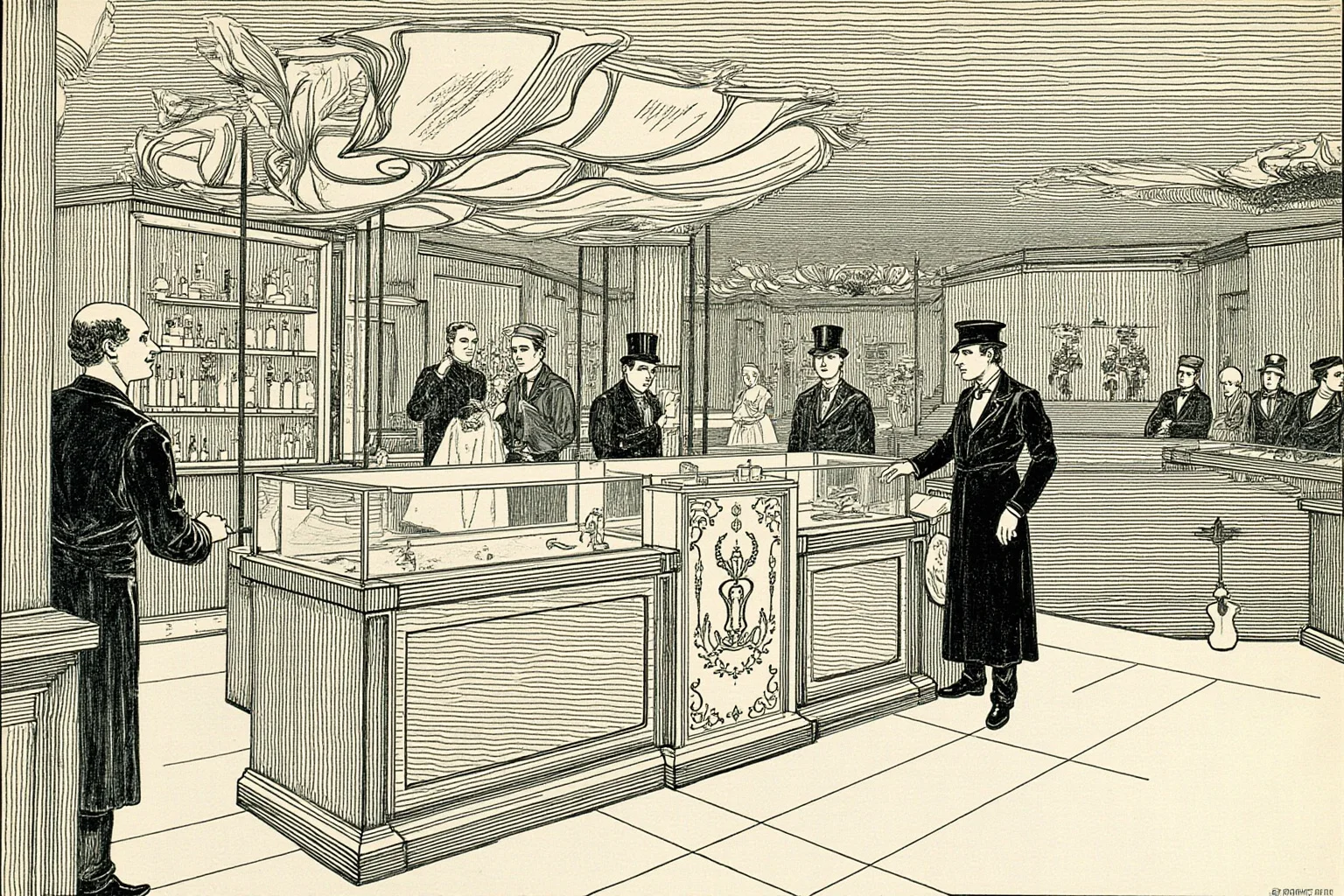
Historical accounts suggest that joining the gang wasn’t simply a matter of showing up. New members reportedly had to prove their nerve and reliability, sometimes through supervised theft outings before being fully accepted into the group’s inner workings.
Loyalty was taken seriously, and members who betrayed the gang to police or rivals could face serious retaliation. This blend of criminal apprenticeship and enforced solidarity helped the group function almost like a trade guild for theft.
13. Raiding the West End’s Department Stores
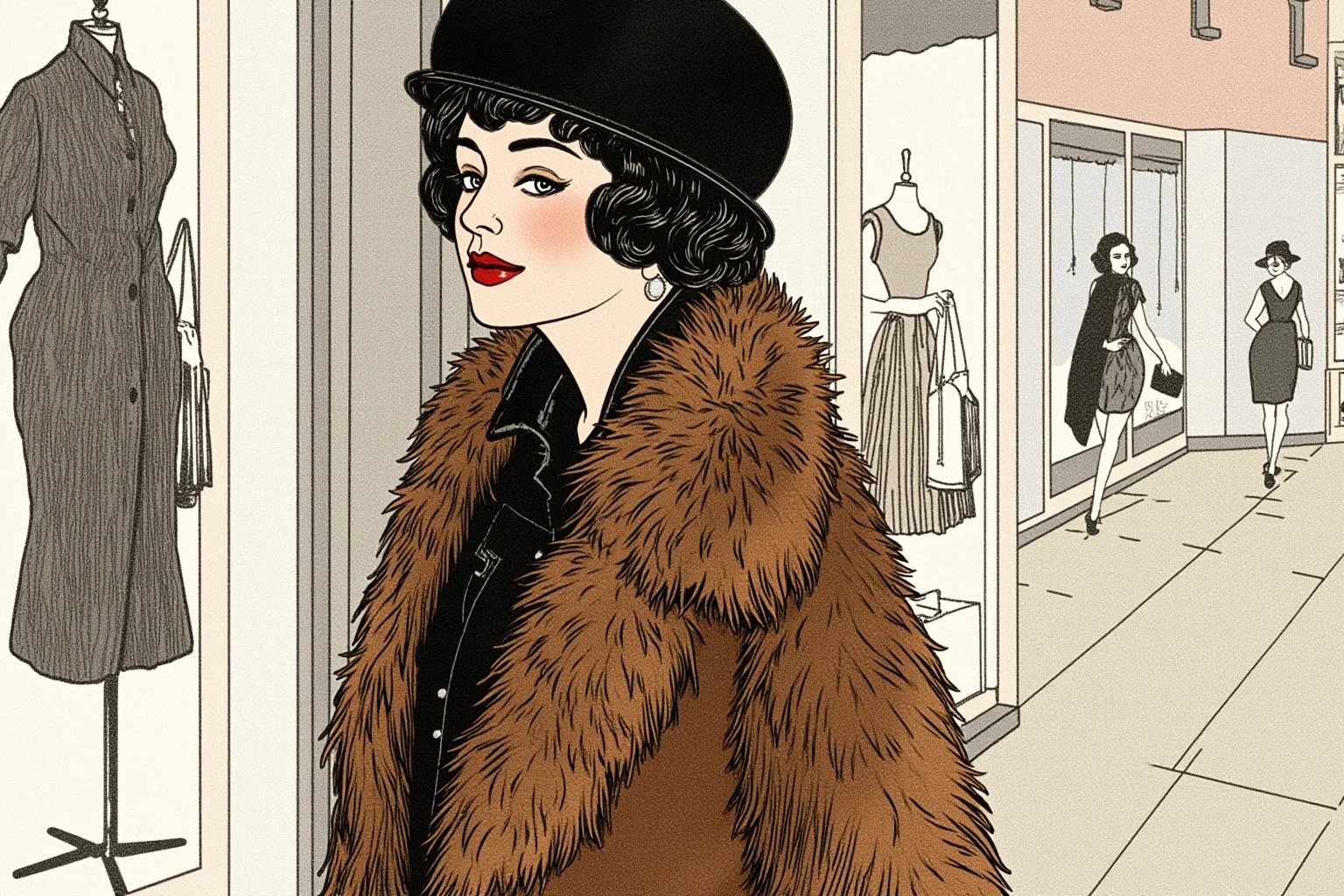
While their base was firmly in South London, the Forty Elephants’ hunting ground was the glittering department stores of the West End. High-end retailers offered exactly the kind of expensive, portable goods — furs, jewellery, fine fabrics — that could be resold quickly for good money.
By targeting wealthier districts far from their own neighbourhood, gang members reduced the risk of being recognised by local shopkeepers. This mobility across London, moving between the East End and West End, the Elephant and Castle and the smartest shopping streets, was central to their long-term success.
14. The Elephant Boys: Male Allies and Racecourse Rackets
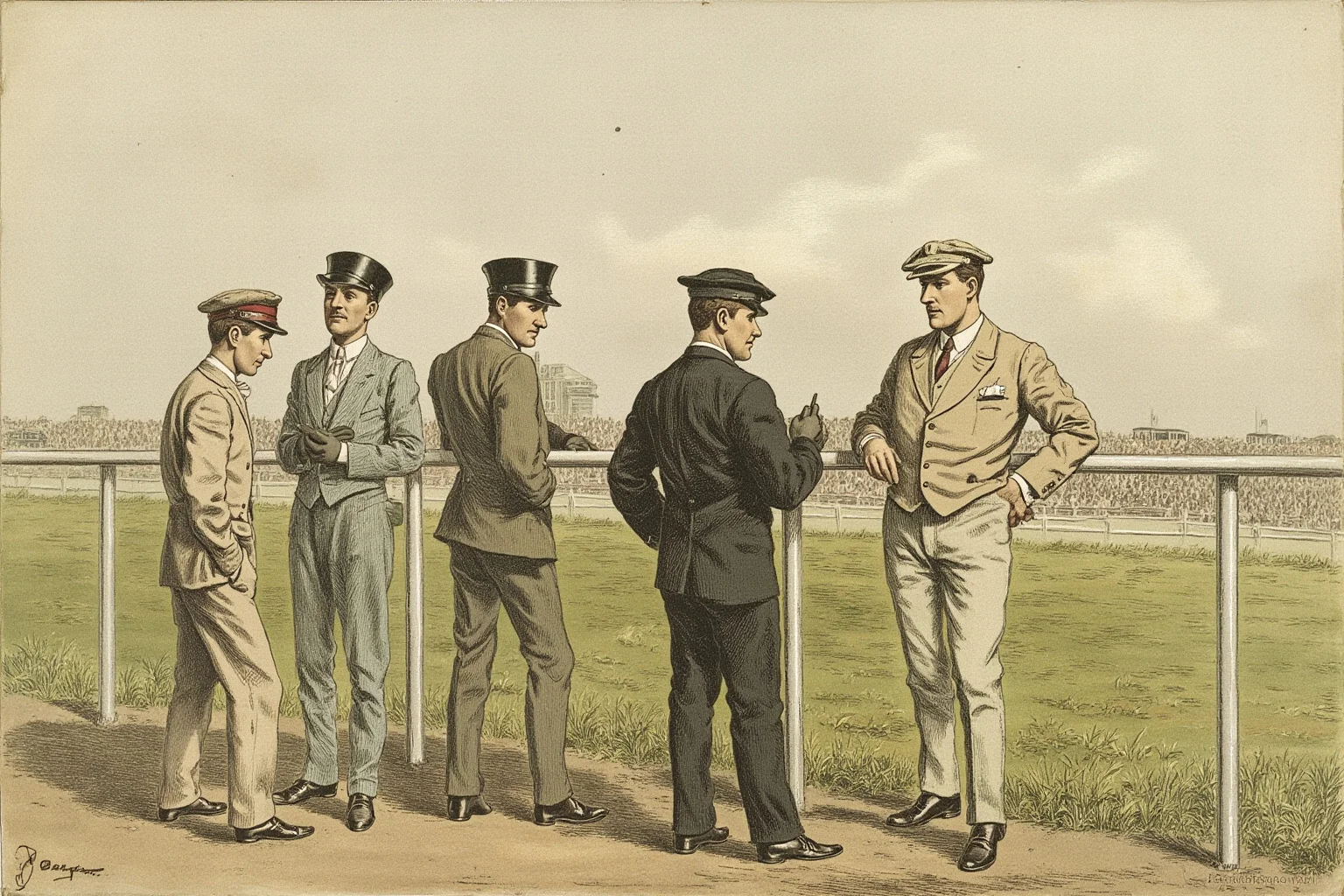
The Forty Elephants didn’t operate in total isolation from the male underworld. They maintained connections with an associated male gang, sometimes called the Elephant Boys, who were involved in protection rackets around racecourses and other criminal ventures in the same part of London.
These relationships could be personal as well as professional, with romantic and family ties linking members of both groups across different generations. However, the women of the Forty Elephants maintained their own leadership and financial independence rather than answering to the men.
15. The Lambeth Riot of 1925
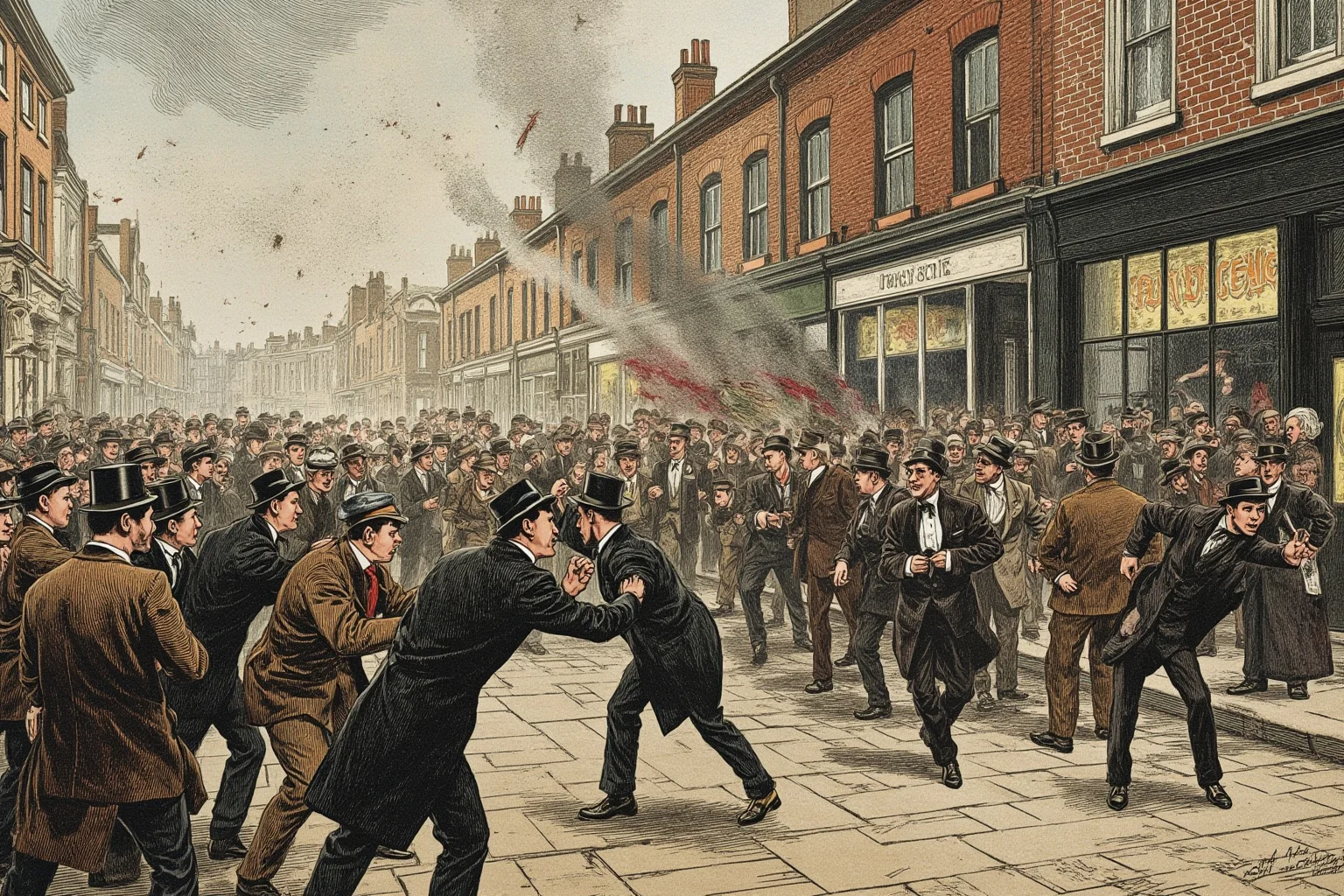
One of the most dramatic episodes associated with the gang under Alice Diamond’s leadership occurred in 1925, in an incident often referred to as the Lambeth riot. According to historical accounts, a violent confrontation broke out involving gang members and a family connected to a former associate, escalating into a serious street brawl.
The incident drew significant police and press attention, resulting in arrests and court proceedings. It stands as one of the clearest documented examples of how far the gang’s internal disputes could spill into open, public violence.
16. Police, Courts, and the Limits of the Law
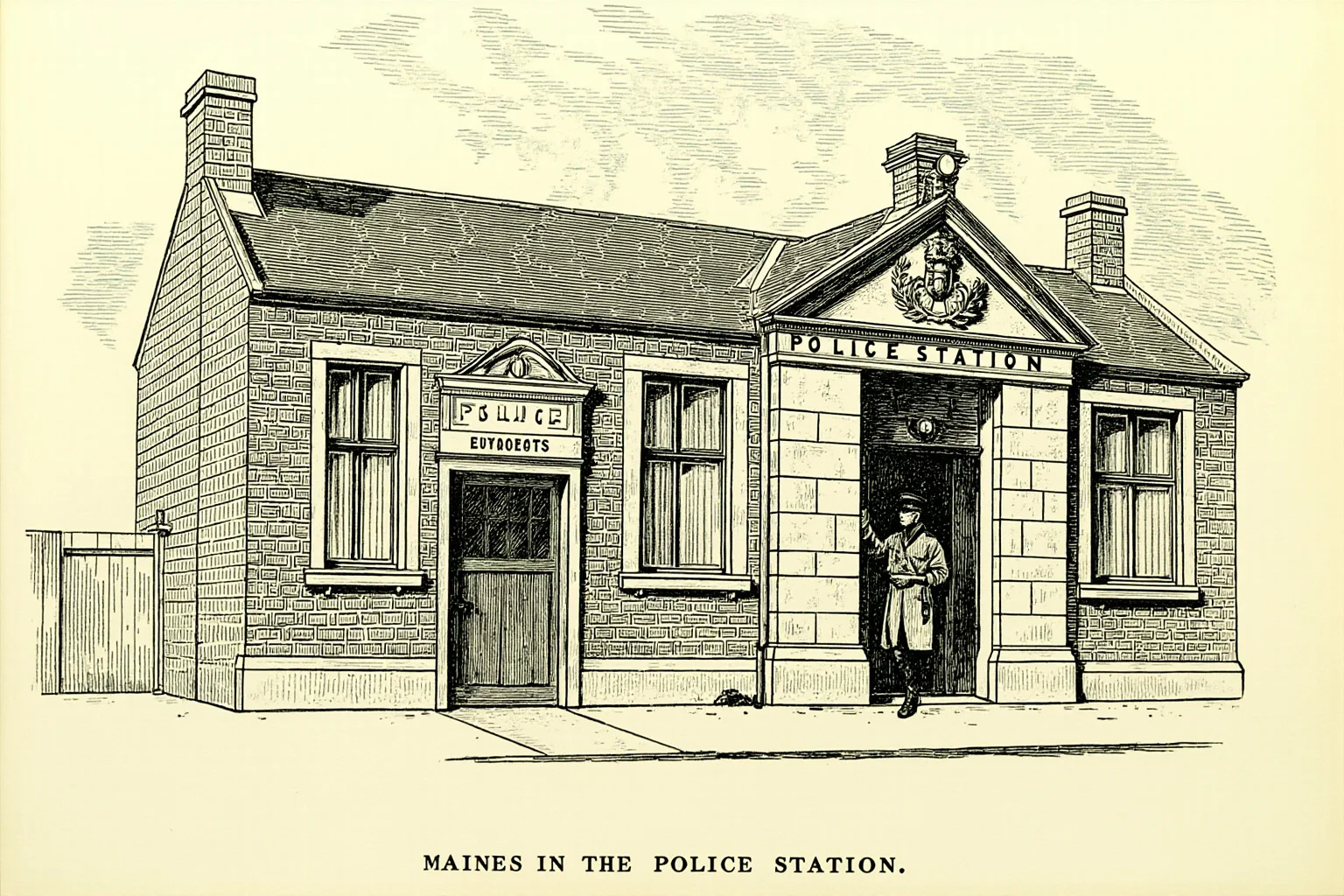
Throughout their decades of activity, the Forty Elephants proved remarkably difficult for London’s police to fully dismantle. Individual members were arrested, tried, and jailed repeatedly, yet the gang’s structure allowed it to continue operating under new leadership when key figures were imprisoned, a persistence that echoes the cat-and-mouse pursuits documented in legendary cases involving the Pinkerton Detective Agency across the Atlantic.
Court records from various points across the gang’s history show recurring names and recurring charges, painting a picture of a revolving door between prison sentences and renewed criminal activity. This resilience is part of what makes the gang such a notable case study in organised crime history.
17. Furs, Diamonds, and a Flash Lifestyle
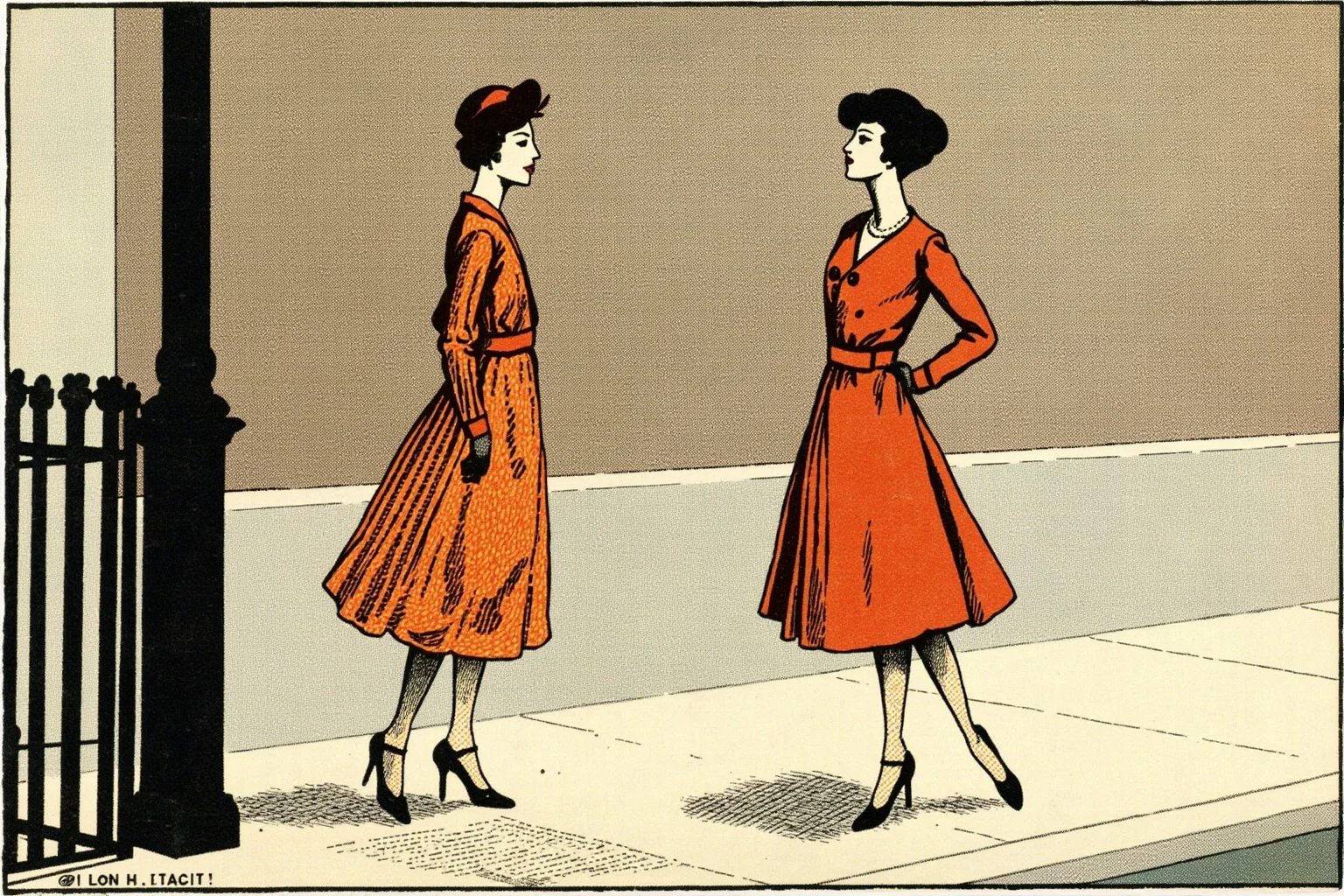
Successful members of the Forty Elephants were known for spending their proceeds on visible luxury, favouring fashionable clothes, furs, and jewellery. This wasn’t just personal indulgence; looking prosperous and respectable was also useful camouflage for slipping past suspicious shop staff.
The contrast between the gang’s working-class origins in the Elephant and Castle and their expensive tastes added to their mystique in press coverage of the time. It also reinforced the idea, however romanticised, of crime as a genuine route to social mobility for women otherwise locked out of it.
18. Internal Power Struggles and Rival Queens
As with many long-running criminal organisations, leadership of the Forty Elephants wasn’t always smoothly transferred. Historical accounts describe periods of rivalry and tension between women vying for control of the gang, particularly during transitions between eras.
These internal power struggles occasionally spilled into violence, echoing the kind of enforcement culture that also produced incidents like the Lambeth riot. Such tensions are a reminder that the gang, for all its structure, was still a criminal organisation with all the instability that implies.
19. World War II and the Gang’s Slow Decline

The Forty Elephants’ activity is generally understood to have continued into the 1940s, though their prominence gradually declined in the decades following their early 20th-century peak. Wartime disruption to London life, along with increased policing and changing retail security, made large-scale coordinated hoisting more difficult to sustain.
By the mid-20th century, references to the gang in press and police records become noticeably sparser. Some historians suggest the gang’s activity fragmented into smaller, less organised groups rather than ending in one dramatic collapse.
20. Separating Myth from Fact

Because the Forty Elephants operated largely outside official written history, plenty of colourful claims about them have circulated over the years without solid documentation. Precise membership numbers, dramatic personal biographies, and some violent anecdotes are often repeated in popular retellings without clear primary sources behind them.
What is well supported by court records, newspaper archives, and later historical research is the gang’s existence, its base in the Elephant and Castle area, and its remarkably long operational history under a series of identifiable leaders. Readers exploring this topic further should treat the more sensational specifics with appropriate caution.
21. The Forty Elephants in Books, TV, and Pop Culture

In recent years, the story of the Forty Elephants has enjoyed a resurgence in popular culture, inspiring novels, documentaries, and dramatised retellings that lean into the gang’s glamour and grit. Alice Diamond in particular has become a favourite subject for writers drawn to her larger-than-life reputation.
While these retellings can be a great entry point into the subject, they often blend documented history with dramatic license. Anyone genuinely curious about the gang’s real history is best served by cross-checking dramatic accounts against newspaper archives and academic research where possible.
22. Why This All-Female Gang Still Matters Today
The Forty Elephants matter to history not just because of their theft totals or their headline-grabbing brawls, but because of what they represented. In a period when women’s economic and social options were narrow, this gang built an alternative structure of power, discipline, and mutual support, even if it operated entirely outside the law.
Their story complicates simple narratives about crime in Victorian and Edwardian London, showing that organised criminal enterprise wasn’t the exclusive domain of men. That’s arguably the most lasting legacy of the 40 elephants gang: proof that the underworld of 19th and early 20th century London had a formidable female chapter all its own.
Final Thoughts
The Forty Elephants remind us that history’s underworld is rarely as simple as the stereotypes suggest. Behind the fur coats and the flashing diamond rings was a genuinely organised, disciplined criminal enterprise built and run by women who understood structure, loyalty, and reputation as well as any male gang boss of the era.
From Mary Carr’s early leadership to Alice Diamond’s fearsome reign, the gang’s decades-long run through South London and the West End offers a fascinating, if morally complicated, chapter in British criminal history. It’s a story worth telling accurately, without exaggeration, because the real facts are compelling enough on their own.
Frequently Asked Questions
What was the Forty Elephants gang?
The Forty Elephants gang, sometimes called the Forty Thieves, was a long-running all-female organised crime group based in the Elephant and Castle area of South London. They specialised in coordinated shoplifting, known as hoisting, targeting department stores across the city from at least the late 19th century into the mid-20th century.
Who was Mary Carr and what was her connection to the gang?
Mary Carr was one of the earliest documented leaders associated with the Forty Elephants, coming to public attention through court cases in the 1890s connected to organised shoplifting. She is often cited as a foundational figure in the gang's history, though some later biographical claims about her life are difficult to verify with primary sources.
Who was Diamond Annie?
Diamond Annie was the nickname of Alice Diamond, who led the Forty Elephants during their most notorious period in the 1910s and 1920s. She earned her nickname partly from the large rings she reportedly wore, which were said to double as weapons, and became one of the most feared figures in the gang's history.
Why were they called the Forty Elephants?
The name most likely comes from the Elephant and Castle neighbourhood in South London where the gang was based, rather than a literal count of forty members. Membership size fluctuated over the decades, so the number forty should be treated as a nickname rather than a precise historical figure.
What happened to the Forty Elephants gang?
The gang's activity gradually declined through the mid-20th century as policing improved, retail security changed, and wartime disruption altered London life. Rather than ending in one dramatic event, historical records suggest the gang's influence simply faded as organised hoisting became harder to sustain.
Is there real historical evidence for the Forty Elephants gang, or is it mostly legend?
There is solid evidence for the Forty Elephants gang in newspaper archives and court records spanning several decades, confirming their base in South London and their shoplifting operations. However, some specific anecdotes and dramatic details repeated in popular culture are not always backed by verifiable primary sources, so it's worth distinguishing documented history from later embellishment.

Alex Warren
Related Articles





