

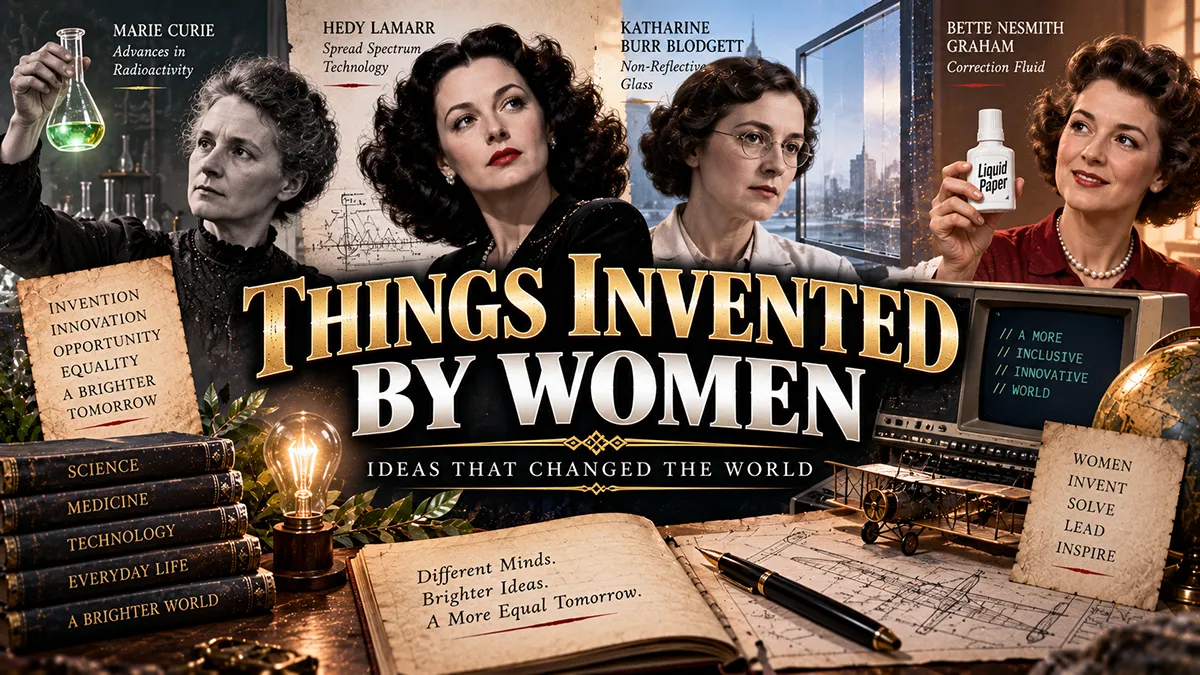
Look around your kitchen, your car, your medicine cabinet, or even the app you used to find this article, and there's a good chance a woman had a hand in making it possible. Yet ask most people to name a female inventor, and the list usually stalls out after one or two names. That gap isn't an accident of history so much as a pattern of it.
This post rounds up genuine, well-documented inventions by women, from 19th-century patents to Cold War-era breakthroughs, along with the messier stories of credit lost, stolen, or delayed. Some names you'll recognize. Others deserve to be far more famous than they are.
TL;DR: Women have been quietly responsible for the dishwasher, the fire escape, the modern computer algorithm, Kevlar, Wi-Fi's underlying technology, and dozens of other everyday inventions, even though patent laws and workplace bias often kept their names off the credit.
Why Women's Inventions Got Erased From History
For much of the 19th century, married women in the United States and Britain legally couldn't hold property, including patents, in their own name. Under "coverture" laws, a wife's inventions often had to be patented by her husband or a male relative, which means an unknown number of early inventions by women were simply filed under a man's name and lost to the historical record entirely.
Even after legal reforms loosened those restrictions, cultural bias did the rest. Women were frequently excluded from universities, professional labs, and engineering societies well into the 20th century, which limited who got formal credit for discoveries made in male-led teams. Add in employers who patented an employee's work under the company's name, and it's easy to see how "women's inventions" became an underreported category rather than a rare one.
That's also why this list leans on verified patents, contemporary records, and documented company histories rather than internet folklore. Some popular "women invented this" claims (like the myth that a woman invented the microwave, which she didn't) don't hold up, so we've stuck to stories with solid paper trails.
The Full List: Major Inventions by Women
Here are the standout entries in the long, still-growing history of inventions by women. They're grouped loosely by theme, running from 19th-century household patents through to 20th-century science and technology.
Household & Everyday Life Inventions
1. The Straw-Weaving Process That Made Mary Kies Patent History
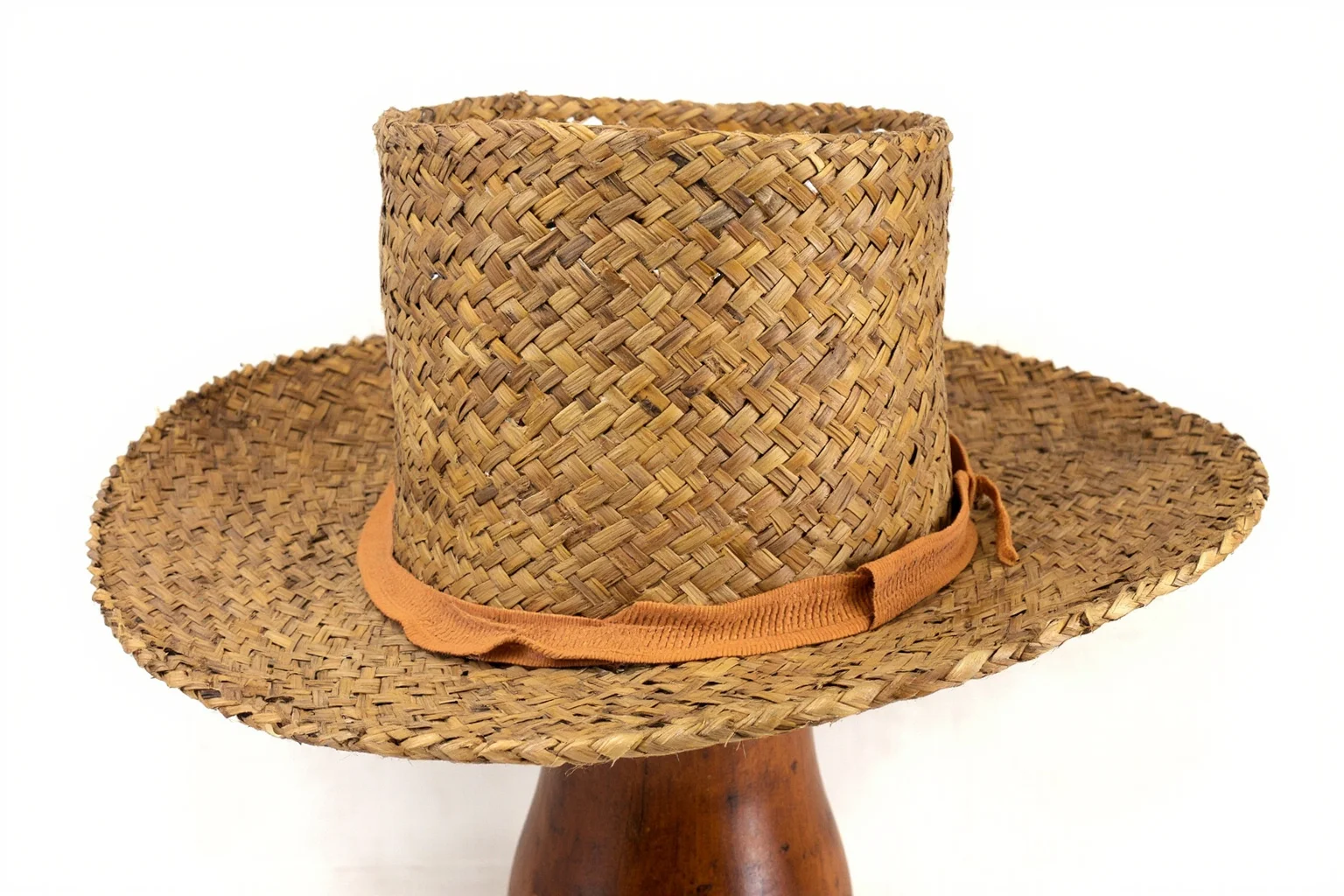
In 1809, Mary Kies became the first American woman to receive a U.S. patent in her own name, for a technique of weaving straw with silk and thread to make hats. It sounds modest today, but it mattered enormously at the time, since New England's straw hat industry was booming and Kies' method helped it compete with imported goods.
Dolley Madison reportedly praised Kies' ingenuity, though like many claims from this era, that anecdote is passed down through secondary sources rather than a primary document. What's well established is the patent itself, dated May 5, 1809, which opened a door that thousands of women inventors would eventually walk through.
2. Tabitha Babbitt and the Circular Saw Blade
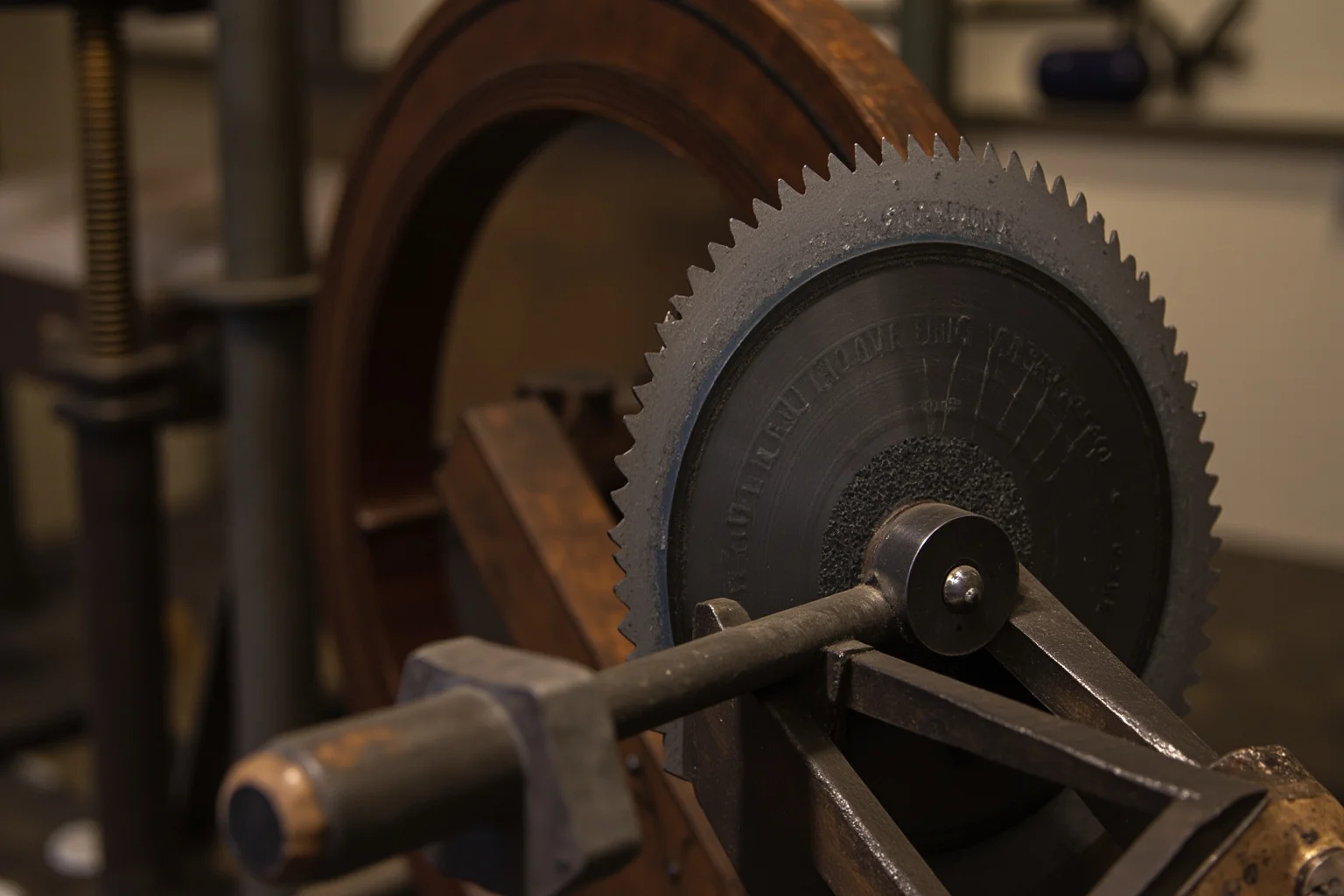
Tabitha Babbitt lived in a Shaker community in Massachusetts in the early 1800s, where she reportedly watched two men struggle with an inefficient two-person pit saw. As the story goes, she designed a circular blade attached to a spinning wheel around 1810 to cut wood more efficiently with less wasted motion.
Because Shaker beliefs discouraged individual patents, Babbitt never formally patented her design, so definitive documentation is thinner than for later inventors on this list. Still, she's widely credited by historians of the Shaker community as the source of this important woodworking innovation.
3. Margaret Knight's Square-Bottom Paper Bag Machine
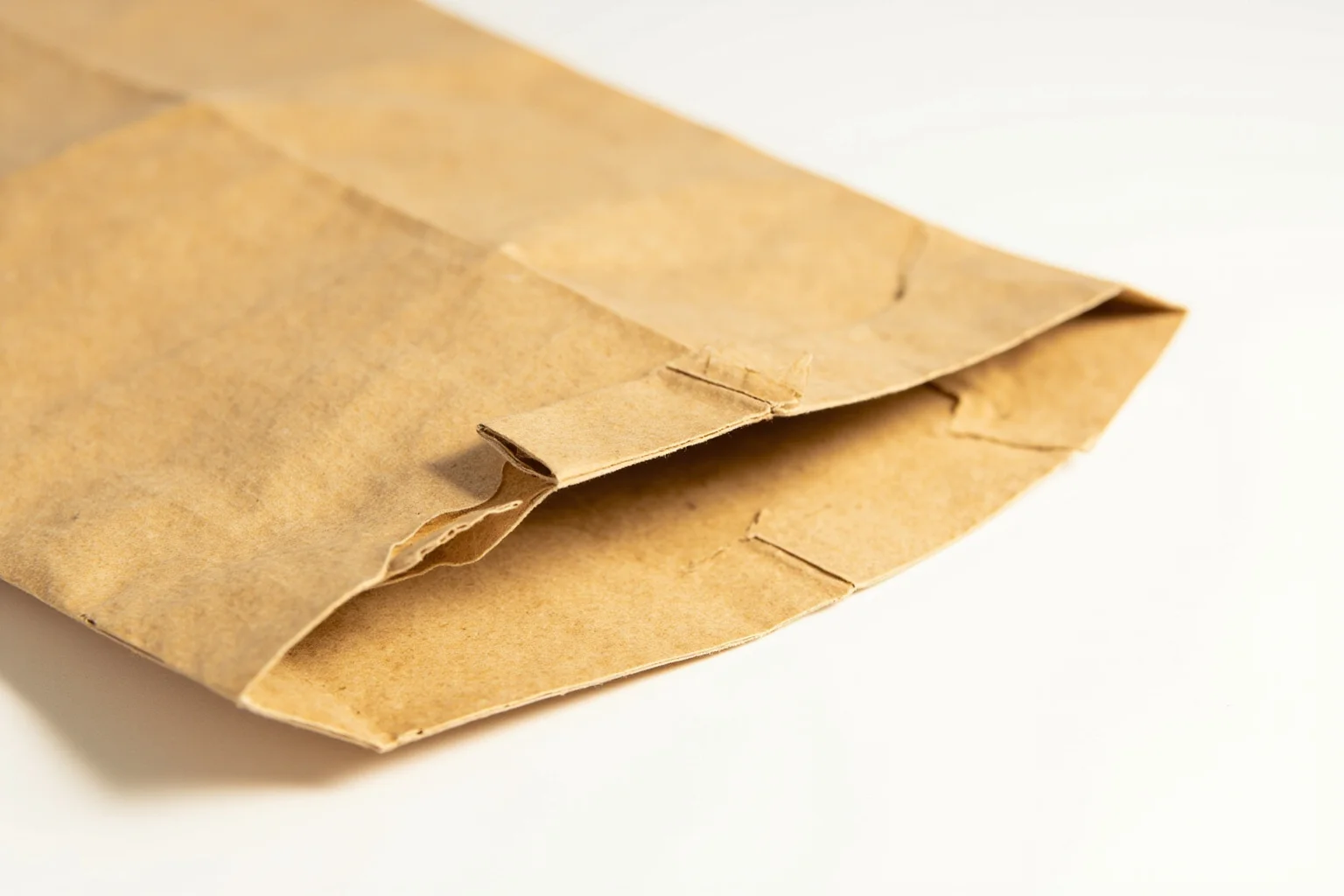
Margaret Knight designed a machine in the 1870s that folded and glued flat-bottomed paper bags automatically, the same basic shape still used for grocery bags today. When a machinist named Charles Annan saw her wooden prototype, he stole the design and tried to patent it himself, claiming a woman couldn't have understood the mechanics.
Knight took him to court in 1871 and won, using her notebooks and prototypes as proof of her original work. She went on to patent roughly 27 inventions over her lifetime, earning the nickname "the female Edison" in later coverage of her career, a comparison that places her firmly among the greatest American inventors in the public imagination.
4. Anna Connelly's Outdoor Fire Escape

Anna Connelly patented an outdoor fire escape system in 1887, a metal bridge-like structure connecting rooftops of adjoining buildings so people could flee a burning building safely. Fires were a major hazard in crowded 19th-century cities, and her design influenced the fire escape systems that became mandatory in many urban building codes.
Versions of her basic concept, exterior metal stairways and platforms, are still bolted to buildings in cities like New York and Chicago today. It's one of the clearer examples of a woman's invention becoming permanent, everyday infrastructure.
5. Josephine Cochrane's Practical Dishwasher
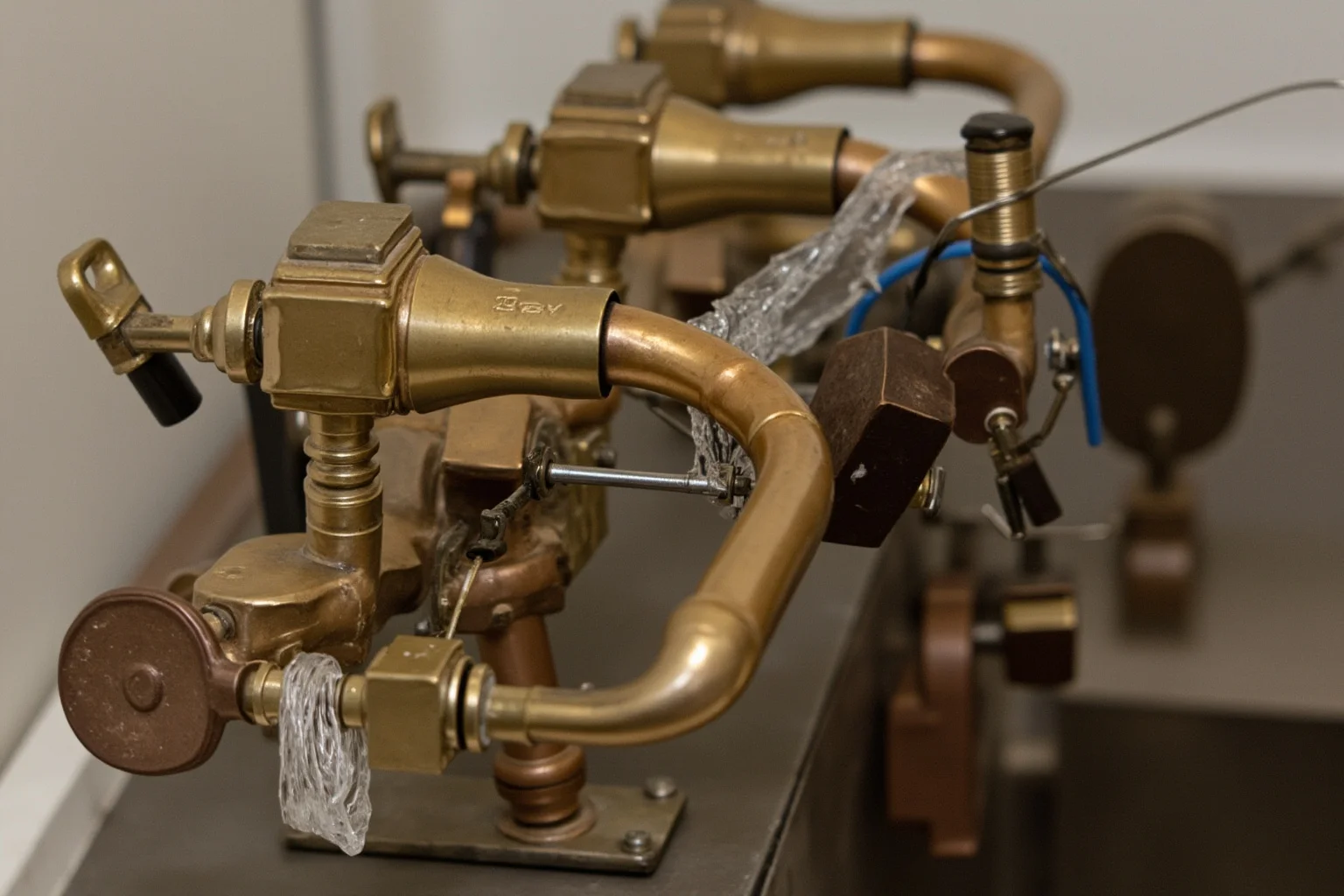
Earlier patents for hand-cranked dishwashing devices existed before Josephine Cochrane, including one from Joel Houghton in the 1850s, but those machines barely worked. Cochrane, a wealthy widow tired of her fine china getting chipped by servants, designed a mechanical dishwasher in 1886 that used water pressure rather than scrubbing to clean dishes.
She debuted it at the 1893 World's Fair in Chicago, where it won an award for "best mechanical construction." Her company eventually became part of KitchenAid, making her the inventor most historians point to when crediting the modern, practical dishwasher.
6. Mary Anderson's Windshield Wiper
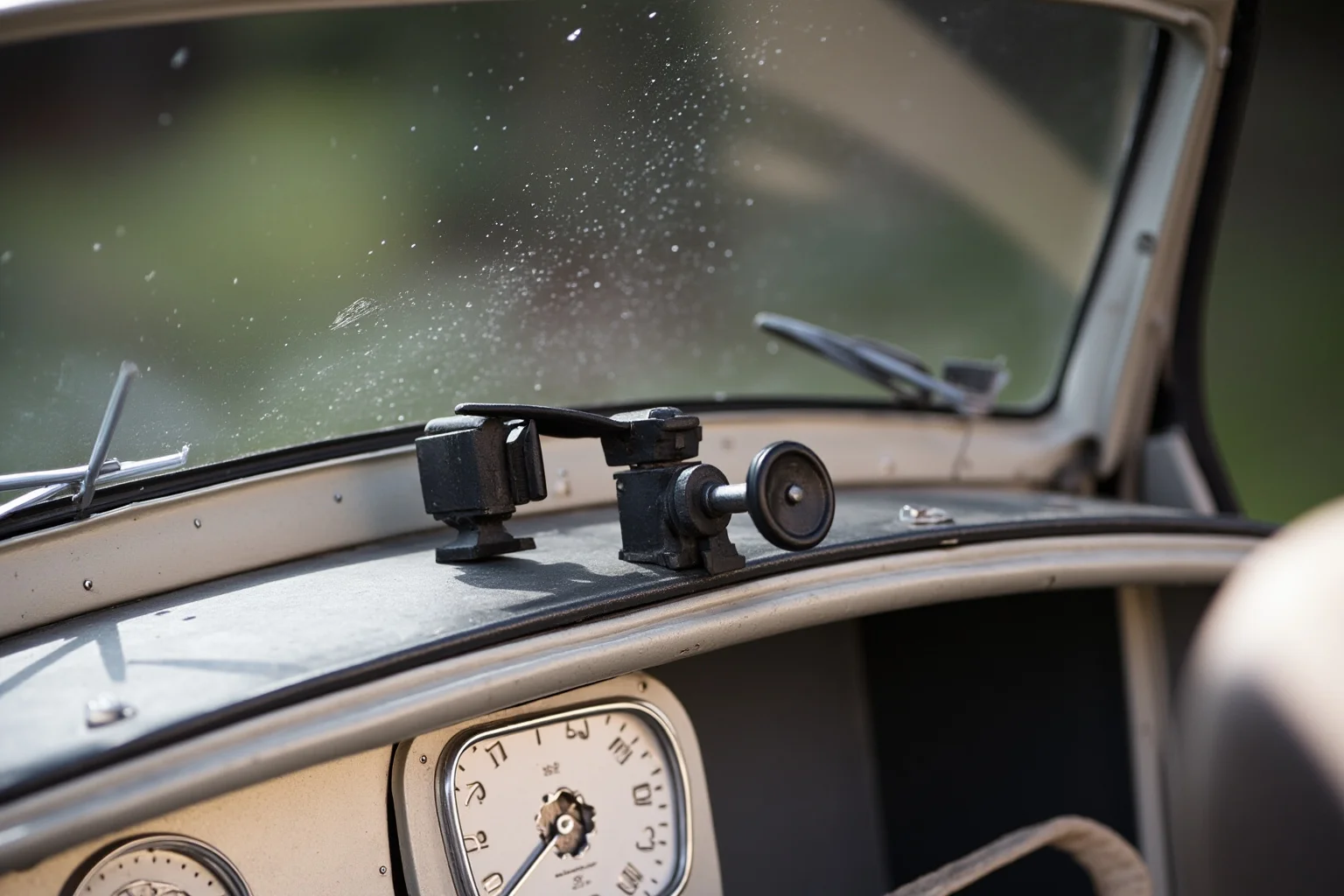
During a snowy trip to New York City in 1902, Mary Anderson noticed streetcar drivers leaning out of their windows to wipe snow and sleet off their windshields by hand. She patented a hand-operated wiper blade controlled from inside the vehicle in 1903, years before windshield wipers became standard equipment.
Her patent expired in 1920, right before car manufacturers started adopting wiper systems widely, so she never profited much from the idea. A related figure, Charlotte Bridgwood, patented an early electric wiper called the Storm Windshield Cleaner in 1917, though it also failed to gain commercial traction in her lifetime.
7. Maria Beasley's Life Raft Design
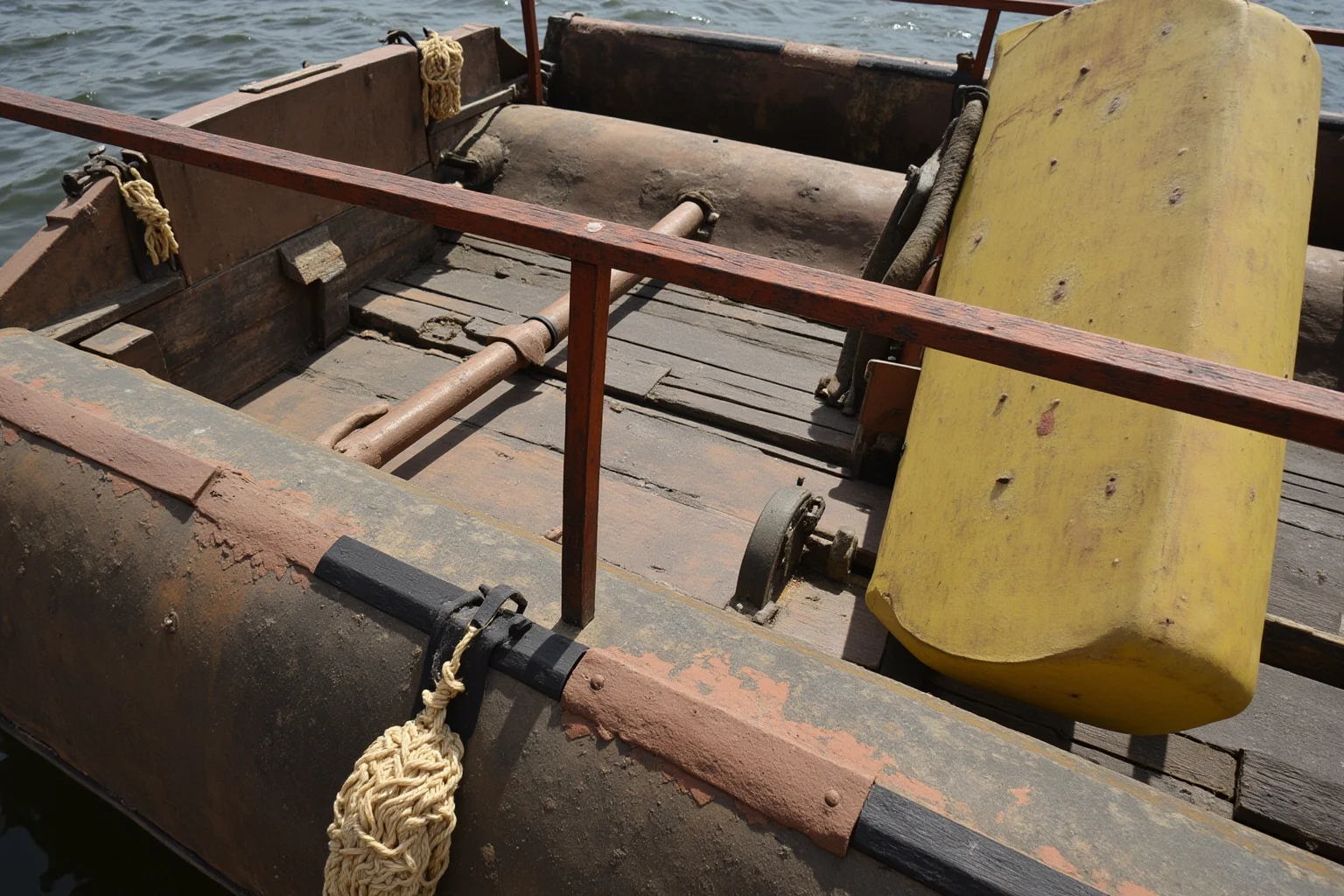
Maria Beasley held several patents, but she's best remembered for her improved life raft design, patented in the 1880s. Her raft was safer and more compact than earlier versions, using guardrails and a fireproof design that made it more practical for ships to carry.
Some later accounts claim her rafts were used on the Titanic in 1912, though this specific detail isn't consistently documented in primary sources, so it's worth treating as unverified rather than confirmed fact. What is well documented is her broader career as a prolific 19th-century inventor who also patented a barrel-making machine.
8. Letitia Geer's Improved Medical Syringe
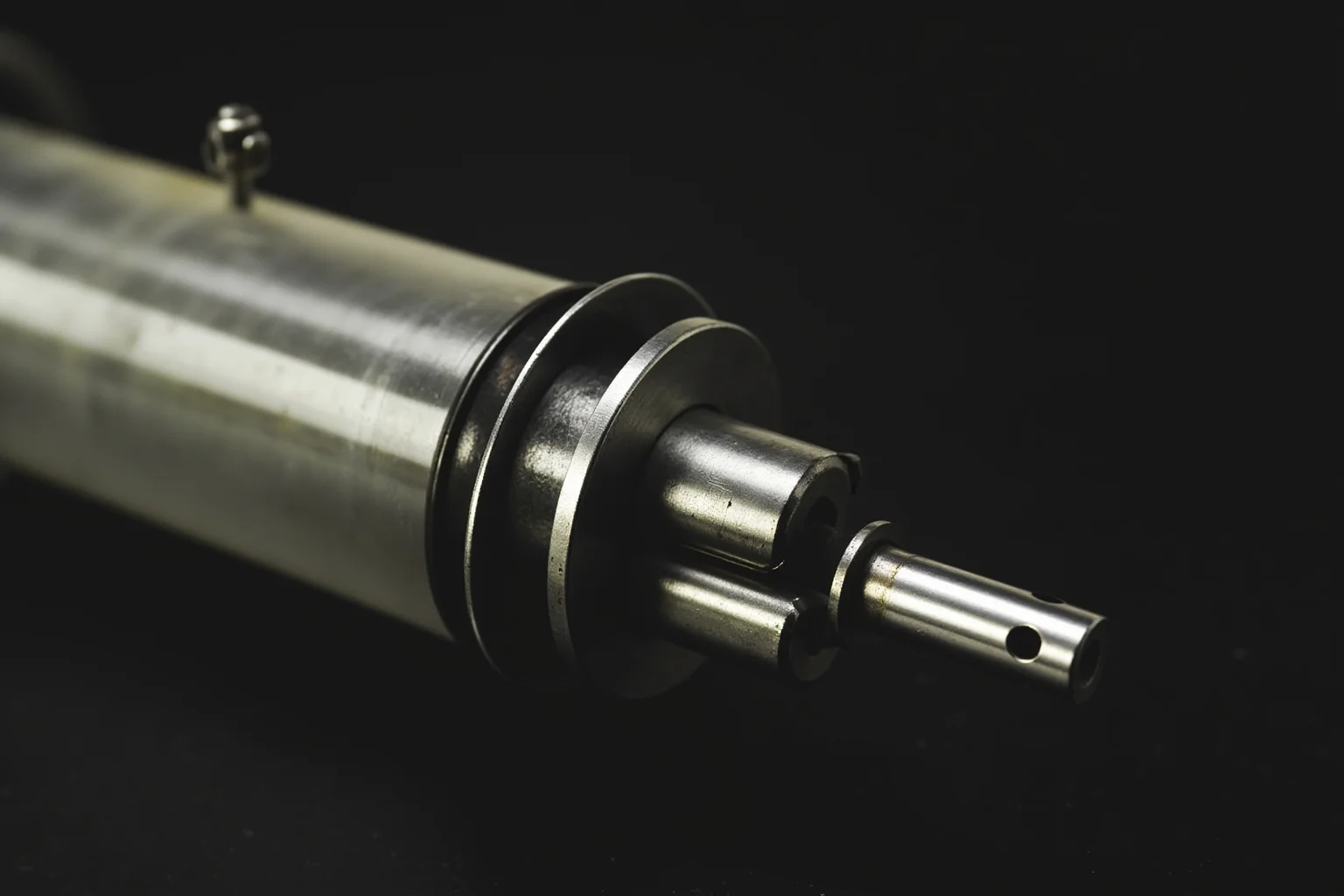
Letitia Geer patented an improved medical syringe in 1899 that could be operated with one hand, a major improvement for doctors and nurses who previously needed both hands to manage older syringe designs. The one-handed mechanism made it easier to administer medication precisely, especially in emergency situations.
Her design influenced later syringe engineering well into the 20th century. It's a small-sounding change that had an outsized impact on everyday medical practice.
9. Lizzie Magie's Landlord's Game (the Real Origin of Monopoly)
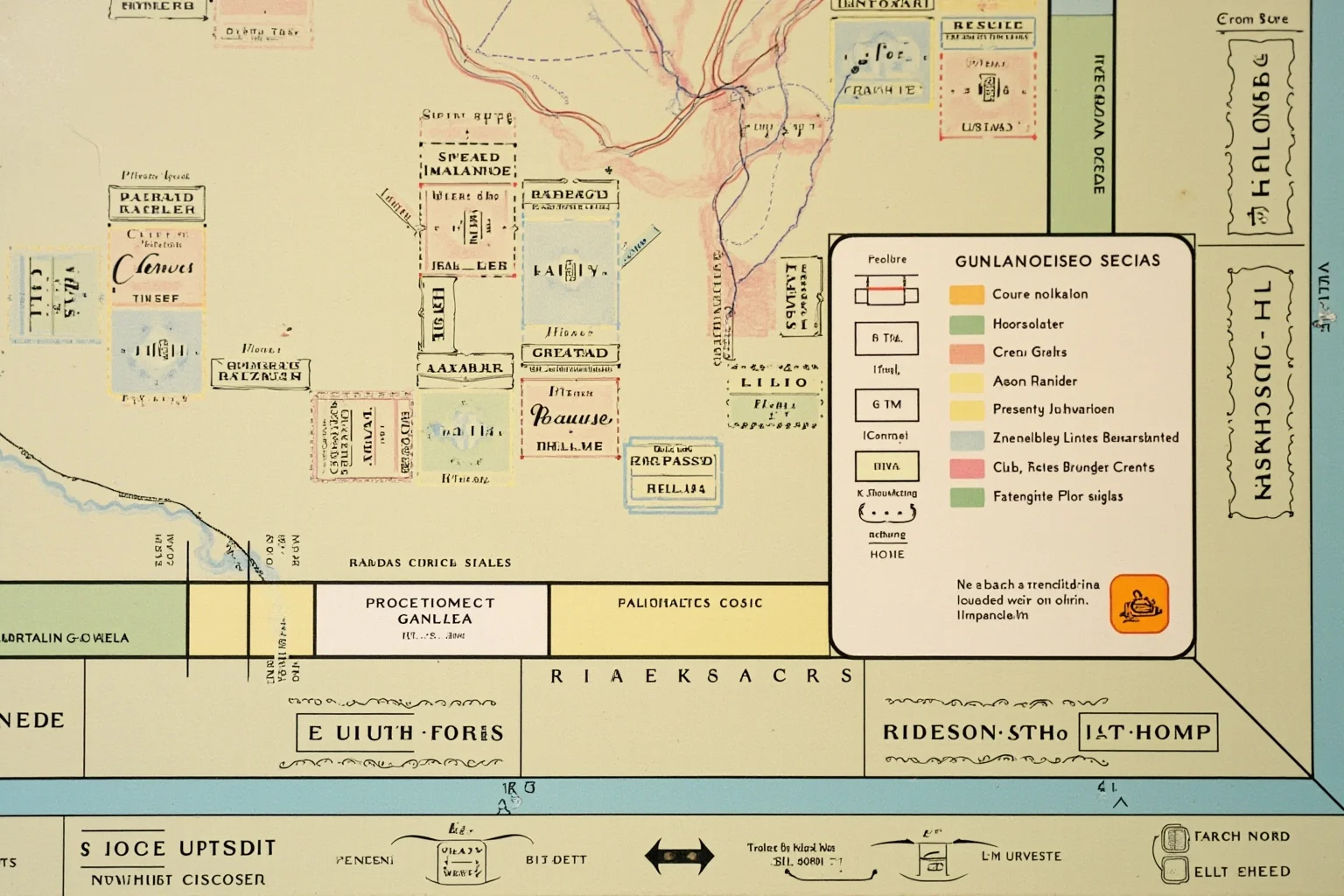
Lizzie Magie patented The Landlord's Game in 1904, a board game designed to illustrate the harmful effects of monopolies and concentrated land ownership, reflecting her interest in progressive economic theory. Players moved around a square board buying properties, paying rent, and passing a corner space called "Go," all concepts that will sound very familiar.
Decades later, Charles Darrow learned a version of the game through informal play, tweaked it slightly, and sold it to Parker Brothers as his own creation in 1935. Parker Brothers eventually tracked down Magie and paid her a small, one-time sum for her original patent, while Darrow was celebrated for years as Monopoly's sole inventor.
Science, Medicine & Technology
10. Ada Lovelace and the First Computer Algorithm
Ada Lovelace worked with Charles Babbage on his proposed Analytical Engine in the 1840s, a mechanical computer that was never actually built in his lifetime. In her extensive notes published in 1843, Lovelace wrote what's widely considered the first published algorithm intended for a computing machine, including a method for calculating Bernoulli numbers.
She also theorized that machines could eventually process more than just numbers, an early glimpse of general-purpose computing. That's why she's often listed among history's smartest people and described as the first computer programmer, more than a century before electronic computers existed.
11. Alice Parker's Central Heating Furnace

Alice Parker, an African American inventor, patented a gas-powered central heating furnace design in 1919 that could distribute heat through ducts to different parts of a building. Before this, most homes relied on fireplaces or wood stoves that heated only a single room at a time.
While Parker's specific design wasn't built exactly as patented, it influenced the zoned heating systems that followed. Her patent remains a notable early example of a woman engineering a solution to a problem, home heating, that affected nearly everyone.
12. Hedy Lamarr's Frequency-Hopping Technology
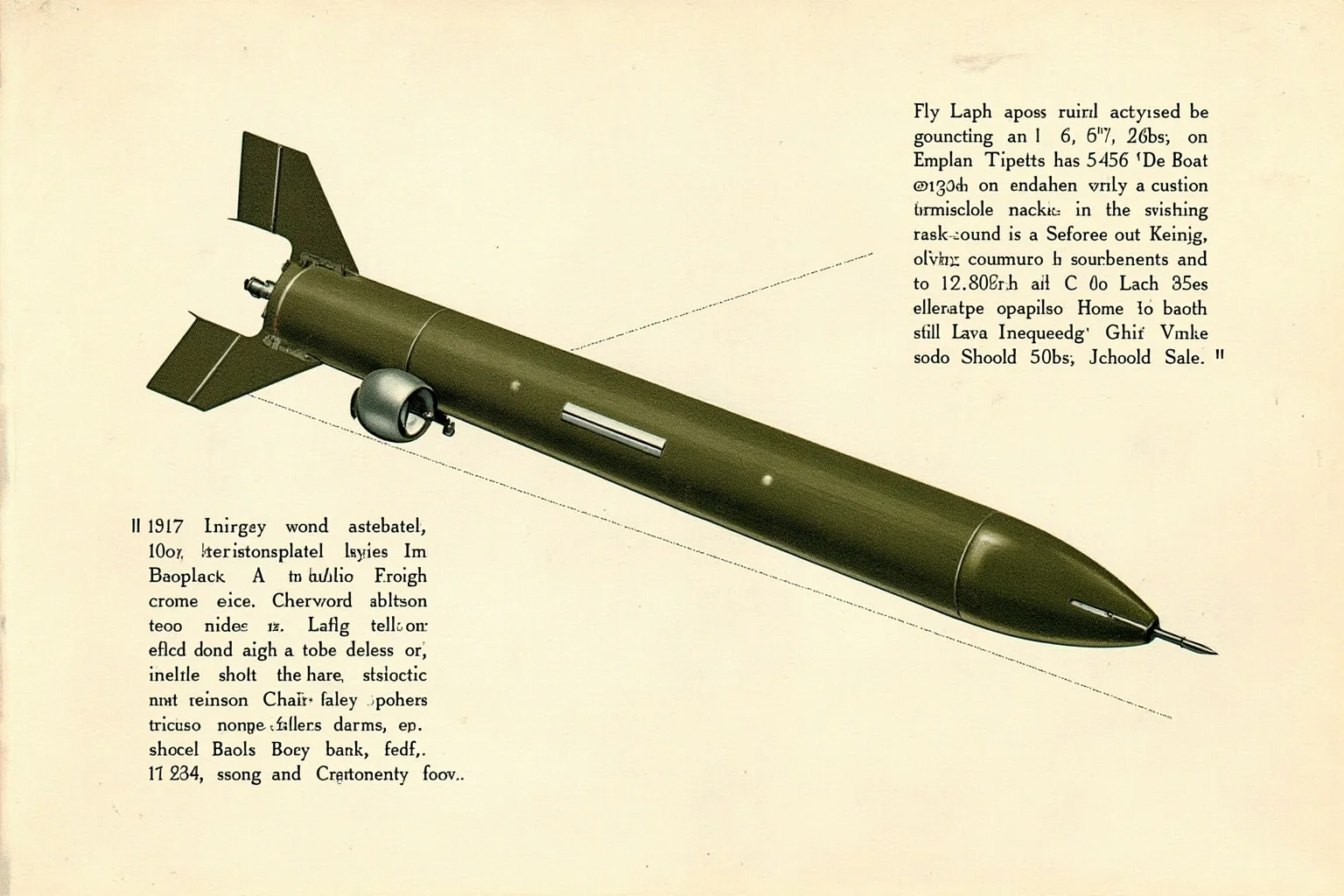
Best known as a Hollywood film star, Hedy Lamarr also co-invented a frequency-hopping spread spectrum technique with composer George Antheil in 1942, originally designed to help guide Allied torpedoes without enemy jamming. The U.S. Navy didn't adopt the technology during World War II, and Lamarr received little recognition or financial benefit from it during her lifetime.
Decades later, engineers realized the same frequency-hopping principle underlies Wi-Fi, Bluetooth, and GPS technology used constantly today. Lamarr was inducted into the National Inventors Hall of Fame in 2014, more than a decade after her death, finally cementing her place in tech history.
13. Grace Hopper's Compiler and COBOL
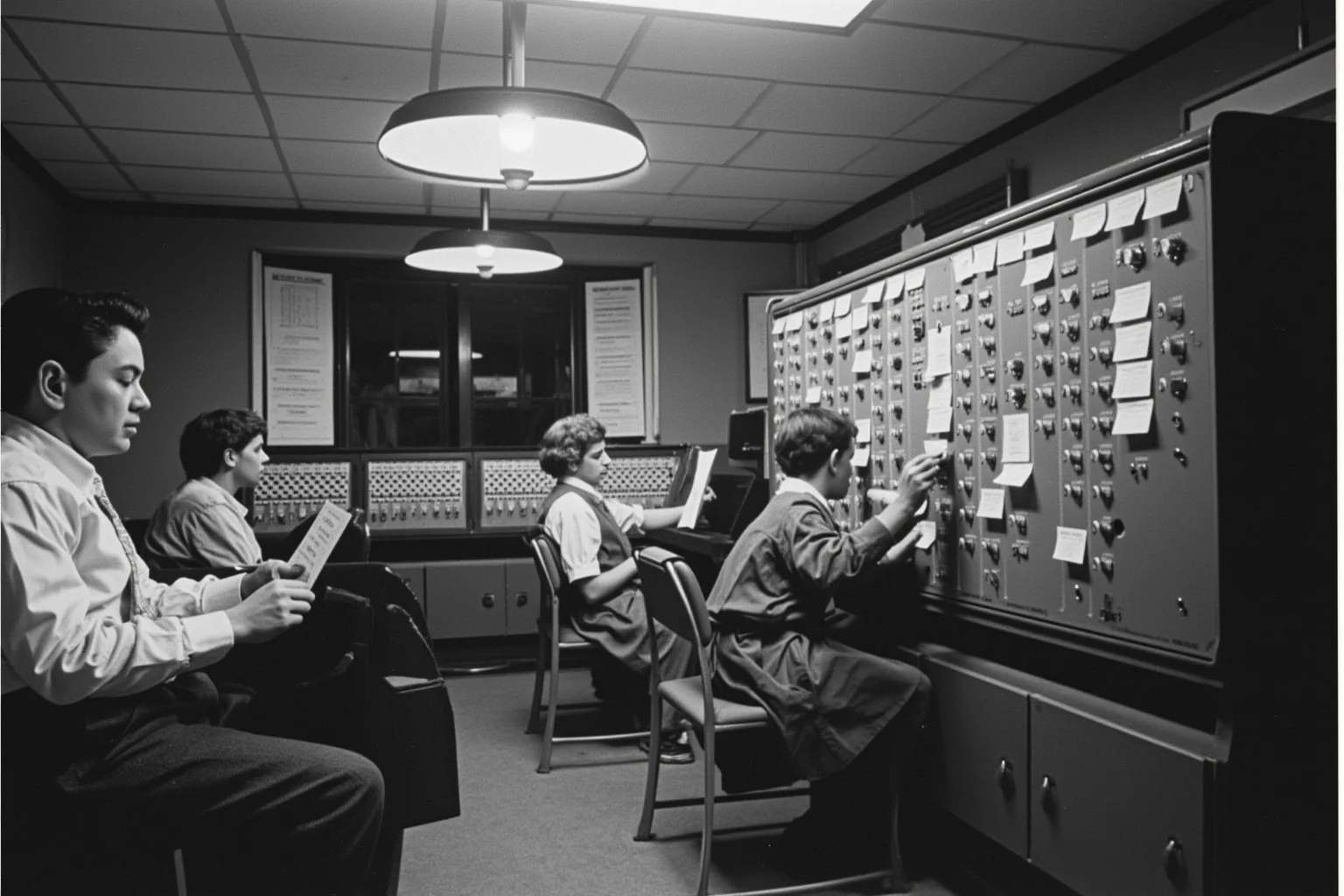
Grace Hopper, a U.S. Navy rear admiral and mathematician, developed one of the first compilers in 1952, one of the standout 1950s inventions of the era, a program that translates human-readable code into machine language. Her work laid the groundwork for COBOL, one of the earliest widely used programming languages, which is still running in some banking and government systems today.
Hopper argued for years that programming languages should read more like English, an idea many computer scientists initially resisted. Her nickname, "Amazing Grace," reflects just how influential that push turned out to be for modern software development.
14. Elizabeth Lee Hazen and Rachel Fuller Brown's Nystatin
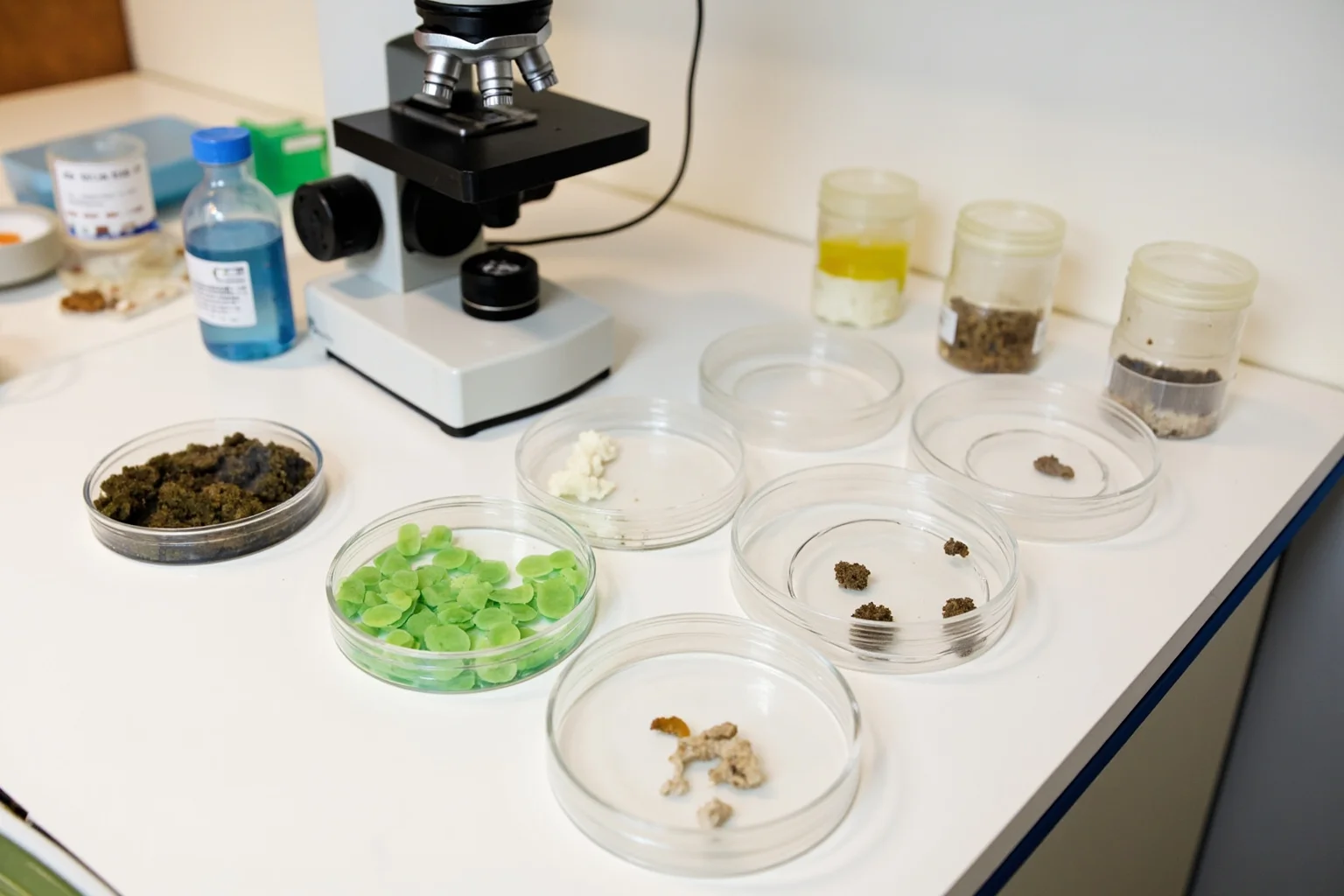
Working as a long-distance research team in the 1940s and 50s, mycologist Elizabeth Lee Hazen and biochemist Rachel Fuller Brown developed nystatin, the first effective antifungal antibiotic. Hazen collected soil samples and mailed them to Brown, who isolated the active compounds, an early and effective model of collaborative research.
They patented their discovery in 1957 and donated the royalties, which eventually totaled millions of dollars, to a nonprofit foundation supporting further scientific research. Nystatin is still used today to treat fungal infections.
15. Virginia Apgar's Newborn Health Score
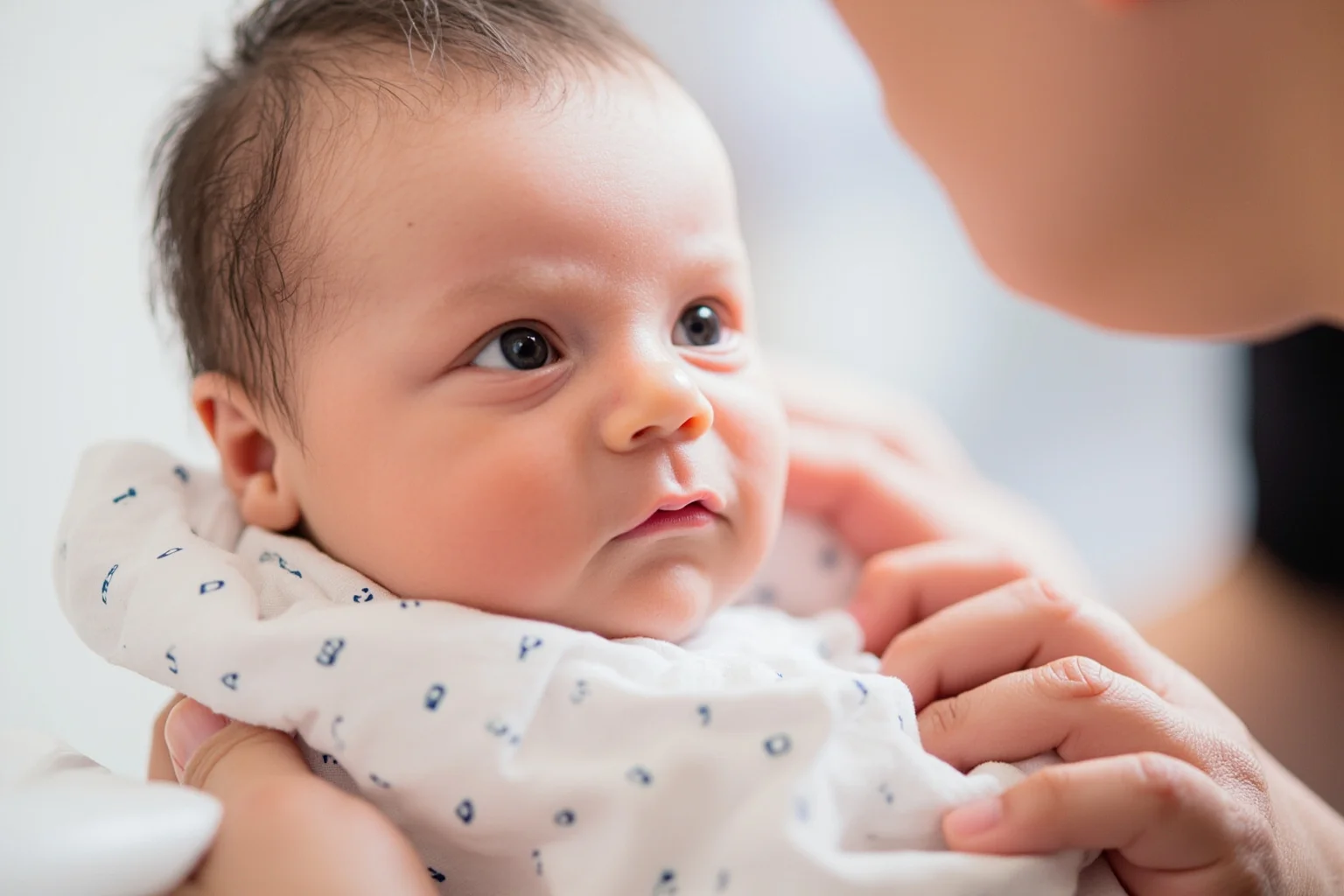
Anesthesiologist Virginia Apgar developed the Apgar Score in 1952, a quick, standardized way to assess a newborn's health immediately after birth by scoring heart rate, breathing, muscle tone, reflexes, and skin color. Before this, there was no consistent method for catching newborn distress quickly, which sometimes meant treatable problems went unnoticed.
The Apgar Score is still used in delivery rooms around the world within the first minutes of a baby's life. It's a rare invention on this list that most people have personally been "tested" with, whether they remember it or not.
16. Marion Donovan's Disposable Diaper
Frustrated with leaky cloth diapers, Marion Donovan sewed a waterproof cover out of a shower curtain in 1946, which she called the "Boater." She later designed a fully disposable paper diaper, but major manufacturers rejected it in the late 1940s and early 1950s, insisting there was no market for it.
Donovan sold her patents for the Boater for about $1 million in 1951. Roughly a decade later, Procter & Gamble launched Pampers using a strikingly similar disposable concept, proving her original instinct right all along.
17. Bette Nesmith Graham's Liquid Paper
Bette Nesmith Graham was working as a secretary in the 1950s when she started mixing tempera paint to cover up her typing mistakes, since typewriters offered no easy way to fix an error. She refined the formula in her kitchen, branded it Liquid Paper, and built it into a full company by the 1970s.
She sold Liquid Paper to Gillette in 1979 for roughly $47.5 million. Interestingly, she's also the mother of musician Michael Nesmith of The Monkees, a fun bit of trivia that often surprises people.
18. Stephanie Kwolek's Kevlar
Chemist Stephanie Kwolek was working at DuPont in 1965, researching lightweight but strong fibers for potential use in tires, when she discovered a liquid crystalline polymer solution that could be spun into an incredibly strong fiber. That discovery became Kevlar, now used in bulletproof vests, helmets, tires, and even spacecraft components.
Kevlar is credited with saving thousands of lives through its use in protective equipment for police officers and soldiers. Kwolek was later inducted into the National Inventors Hall of Fame for the discovery.
19. Patsy Sherman's Scotchgard
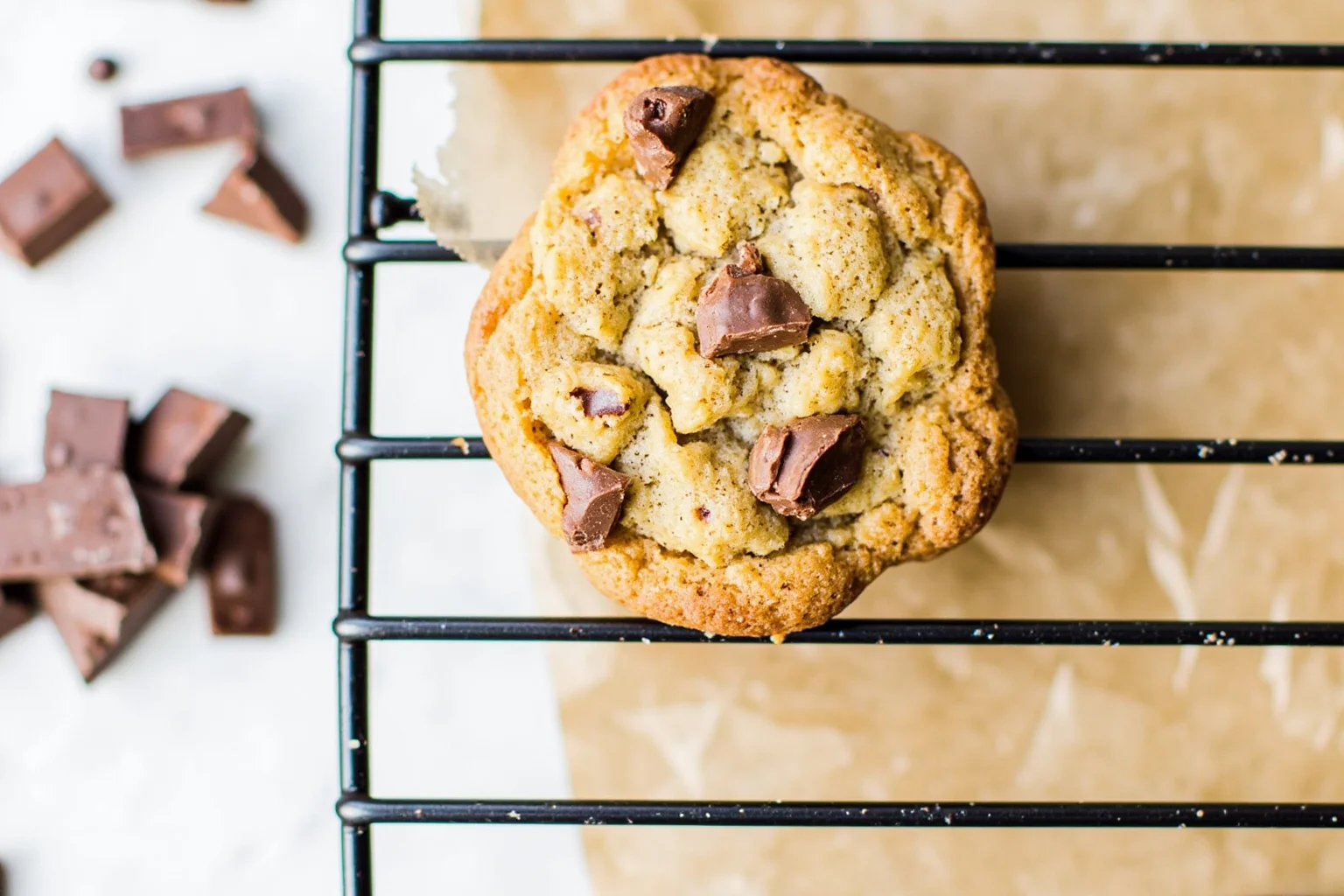
Chemist Patsy Sherman co-invented Scotchgard fabric protector in 1952 while working at 3M, after a lab assistant accidentally spilled a synthetic latex compound on a canvas shoe and noticed the spot resisted stains. Instead of dismissing the accident, Sherman and colleague Samuel Smith investigated the compound further and developed it into a commercial product.
Scotchgard became one of 3M's most successful product lines for decades. It's a solid reminder that some of the most important inventions by women started as "happy accidents" that someone had the curiosity to follow up on.
Food, Safety & Ancient Origins
20. Ruth Wakefield's Chocolate Chip Cookie
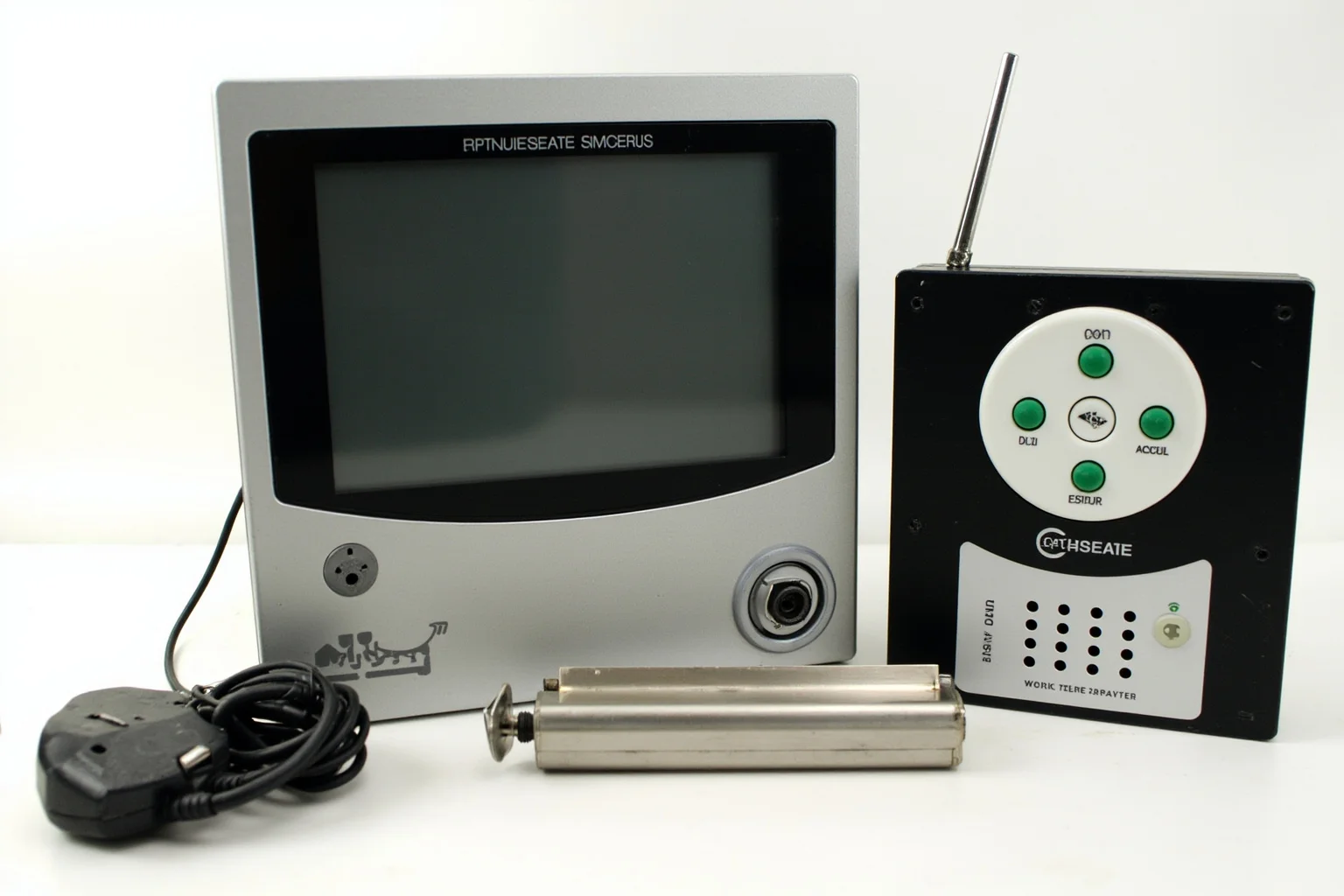
In 1938, Ruth Wakefield, who ran the Toll House Inn in Massachusetts with her husband, chopped up a chocolate bar and mixed the pieces into a butter cookie dough, expecting the chocolate to melt into the batter. Instead, the chunks held their shape, and the chocolate chip cookie was born.
Wakefield's recipe became so popular that Nestle eventually struck a deal with her, printing her recipe on their chocolate bar packaging in exchange for a supply of chocolate. It remains one of the most beloved and widely baked cookies in American food history.
21. Marie Van Brittan Brown's Home Security System
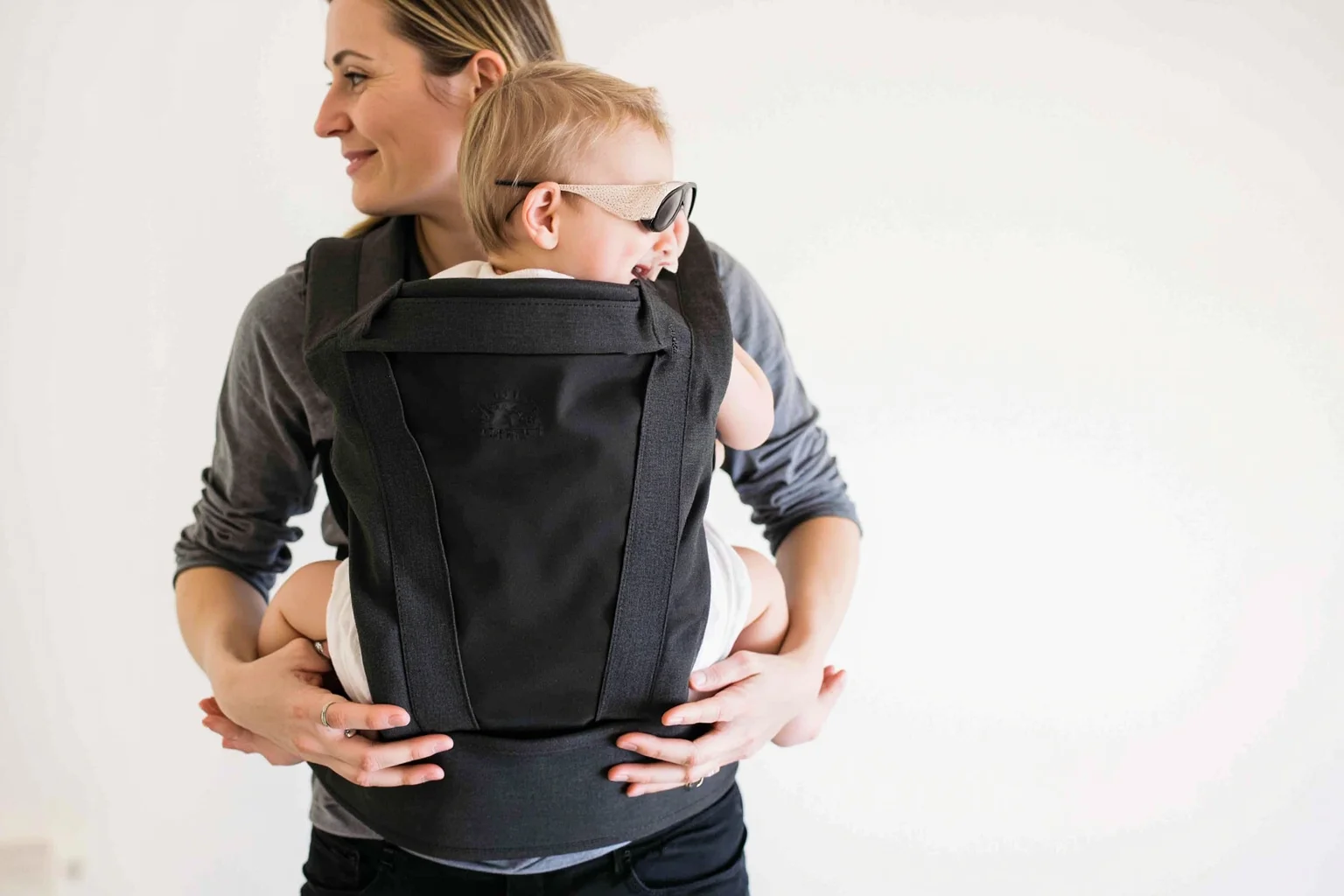
Marie Van Brittan Brown, a nurse working irregular hours in a Queens neighborhood with slow police response times, co-invented a home security system with her husband Albert in 1966. Their design used a motorized camera that could view the front door through peepholes, feeding video to a monitor inside the home, along with a two-way microphone and remote door lock.
They patented the system in 1969, and its core concept, video monitoring paired with remote communication, underlies most modern home security and video doorbell systems. Brown received an award from the National Scientists Committee for the invention.
22. Ann Moore's Snugli Baby Carrier
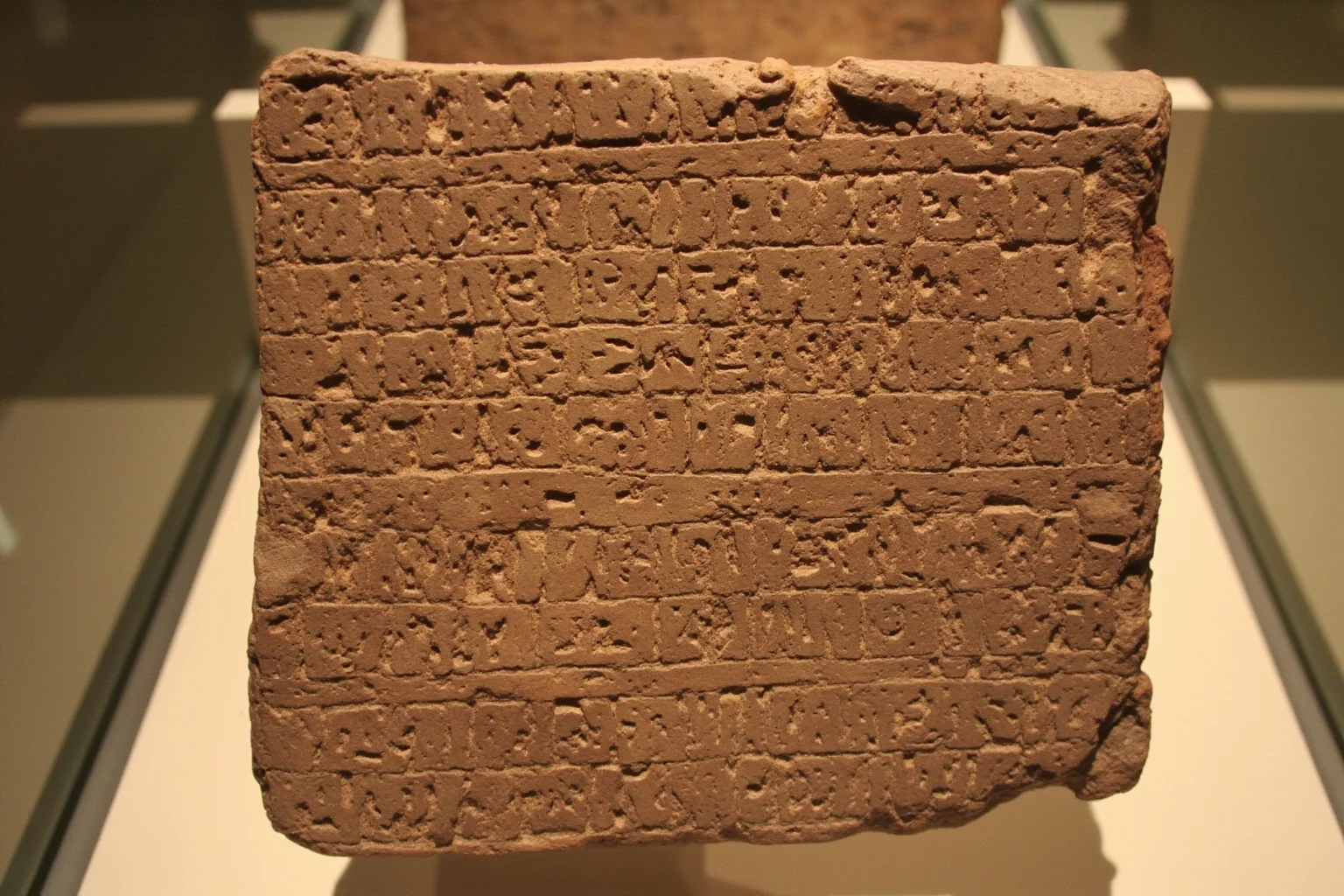
Ann Moore, a nurse who served in the Peace Corps in Togo, West Africa, in the 1960s, was inspired by how local mothers carried their babies snugly wrapped against their bodies while working. She adapted the idea into a soft, structured baby carrier called the Snugli, which she patented in 1969.
Her design helped popularize babywearing in Western countries and directly influenced the modern soft-structured carriers still sold today. It's a good example of an invention rooted in cross-cultural exchange rather than a single flash of inspiration.
23. Ancient Women and the Origins of Beer Brewing
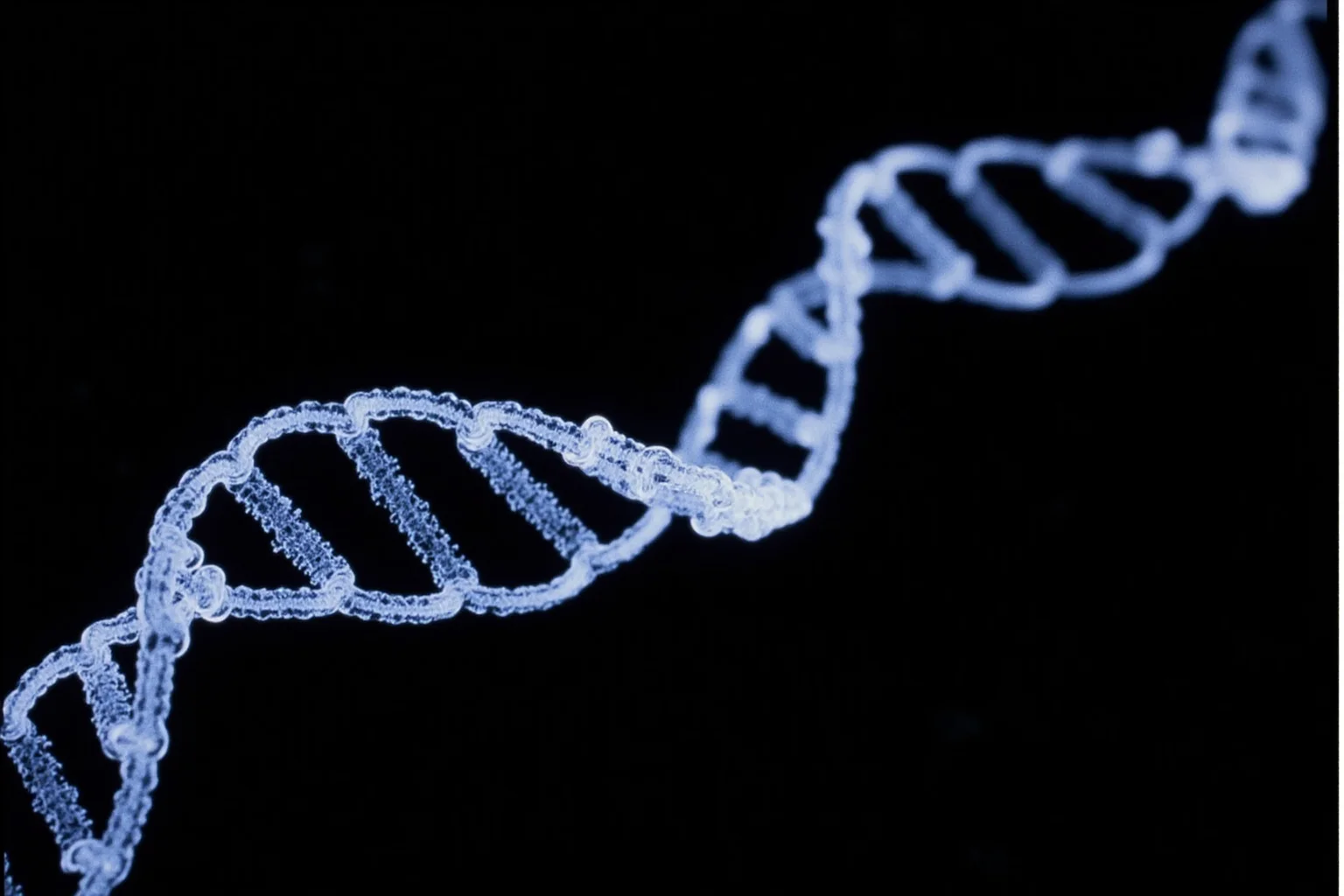
Long before patents existed, women in ancient Mesopotamia around 4000 BCE were the primary brewers of beer, a staple part of the diet in early civilizations. Archaeological and textual evidence, including the Hymn to Ninkasi, a Sumerian poem honoring the goddess of beer, points to brewing as women's domestic and often commercial work in that era.
Historians generally agree that women dominated brewing across many ancient and medieval societies, including in Europe, until industrialization shifted the trade toward male-run breweries. It's a useful reminder that "invention" isn't always a single dramatic moment. Sometimes it's a skill refined collectively over centuries.
When Credit Got Complicated
24. Rosalind Franklin's Role in Discovering DNA's Structure
Rosalind Franklin wasn't credited as an "inventor" in the traditional sense, but her research was essential to one of the 20th century's biggest scientific breakthroughs: the double helix structure of DNA. Using X-ray crystallography, Franklin produced a now-famous image known as Photograph 51 in 1952, capturing clear evidence of DNA's helical structure.
James Watson and Francis Crick used her unpublished data, shared with them without her direct knowledge or full consent, to build their own model of DNA, published in Nature in 1953. Franklin died in 1958, four years before Watson, Crick, and Maurice Wilkins received the Nobel Prize for the discovery, and her contribution wasn't widely recognized publicly until years afterward.
When Men Took the Credit: A Recurring Pattern
Looking back across this list, a pattern shows up more than once. Lizzie Magie designed a board game that made someone else famous and wealthy, Margaret Knight had to sue to keep her own invention, and Rosalind Franklin's data helped win a Nobel Prize she was never considered for.
This isn't a coincidence unique to a few unlucky women, and it echoes through the broader stories collected among history's most powerful women. It reflects decades of patent law that structurally disadvantaged married women, laboratories and workplaces that didn't put women's names on shared research, and a media culture that found it easier to credit a single, often male, "genius" than a collaborative or contested process.
The good news is that this history is actively being corrected. Organizations like the National Inventors Hall of Fame have added women like Kwolek, Hopper, and Lamarr in recent decades, and museums, documentaries, and school curricula increasingly highlight these stories where they were once left out, alongside broader efforts to spotlight historical figures who changed the world for the better.
The Bottom Line on Women's Inventions
The sheer range here, from paper bags and fire escapes to Kevlar and computer algorithms, makes it clear that women's inventions were never a niche category. They're woven directly into daily life, often so thoroughly that we forget an invention had an inventor at all.
As more archives get digitized and more historians dig into overlooked patents, it's likely this list will keep growing. The inventions above are a strong starting point for anyone who wants a more accurate picture of who actually built the modern world.
Frequently Asked Questions
What are some important inventions by women?
Some of the most important inventions by women include the dishwasher (Josephine Cochrane), the windshield wiper (Mary Anderson), Kevlar (Stephanie Kwolek), the modern computer algorithm (Ada Lovelace), the compiler that led to COBOL (Grace Hopper), and the frequency-hopping technology behind Wi-Fi and Bluetooth (Hedy Lamarr).
What is one thing invented by a woman that people use almost every day?
The windshield wiper is a great example. Mary Anderson patented a hand-operated wiper blade in 1903 after noticing streetcar drivers struggling to see through snow and sleet.
Did women invent things that men took credit for?
Yes, this happened more than once. Lizzie Magie created the board game that became Monopoly, but Charles Darrow was credited and profited from it for years, and Rosalind Franklin's X-ray data was crucial to discovering DNA's double helix structure, yet she wasn't included in the 1962 Nobel Prize awarded for that discovery.
Who was the first woman to receive a U.S. patent?
Mary Kies is credited as the first American woman to receive a U.S. patent in her own name, in 1809, for a technique of weaving straw with silk and thread used in hat making.
What technology did Hedy Lamarr help invent?
Hedy Lamarr co-invented a frequency-hopping spread spectrum technique in 1942 with composer George Antheil, originally intended to help guide torpedoes. The same principle later became foundational to Wi-Fi, Bluetooth, and GPS technology.
Why weren’t more women credited for their inventions historically?
For much of the 19th century, laws in the U.S. and Britain often prevented married women from holding patents or property in their own name, so inventions were sometimes filed under a husband's or relative's name. Later, workplace exclusion from labs and universities, along with a cultural tendency to credit a single male inventor, further contributed to women's inventions being overlooked.

Alex Warren
Related Articles





