

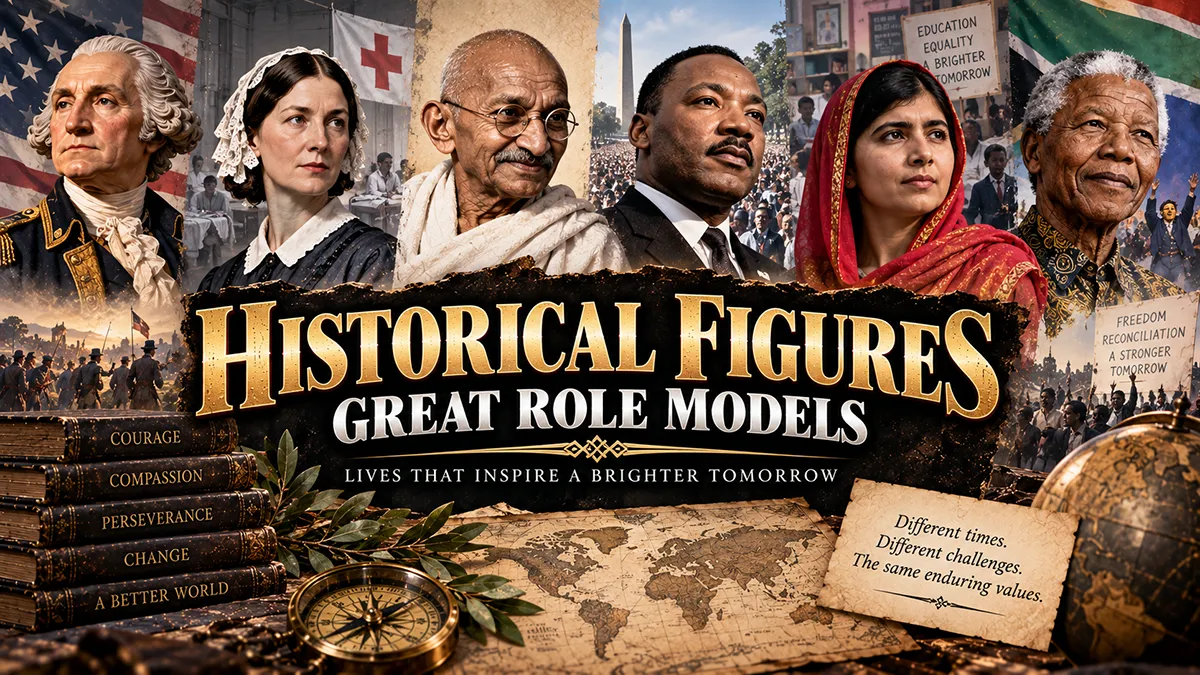
When people search for role model examples, they often land on whichever celebrity or influencer happens to be trending that week.
But some of the best role models examples don’t come from a screen at all—they come from history, from men and women who made hard choices under real pressure and real danger, and whose decisions still hold up decades or even centuries later.
This guide rounds up well known role models from wildly different eras, cultures, and fields, from science and politics to civil rights and the arts. Along the way, we’ll separate the documented history from the popular myths, because even the greatest role models deserve an honest look rather than a highlight reel.
TL;DR: From Lincoln to Mandela, history’s greatest role models shared courage, consistency, and a willingness to serve something bigger than themselves—flaws included.
Quick List: Role Model Names Covered in This Guide
Before diving into the details, here’s a quick-scan list of the historical role models featured in this piece. Each name below links to a fuller section further down the page.
- Abraham Lincoln
- Harriet Tubman
- Mahatma Gandhi
- Marie Curie
- Nelson Mandela
- Eleanor Roosevelt
- Frederick Douglass
- Susan B. Anthony
- Martin Luther King Jr.
- Florence Nightingale
- Sojourner Truth
- Benjamin Franklin
- Rosa Parks
- Confucius
- Joan of Arc
- Booker T. Washington
- Queen Elizabeth I
- Leonardo da Vinci
- Jane Addams
- Anne Frank
- Norman Borlaug
- Jackie Robinson
- Wangari Maathai
What Makes a Good Role Model?
Not every famous person qualifies as a good role model, and fame itself isn’t the criteria. Historians and psychologists who study admiration tend to point to a handful of traits: consistency between words and actions, the willingness to take personal risk for a larger cause, and the capacity to keep growing rather than staying frozen in one worldview.
Important contributions matter too, but so does context. Someone can make a genuine, lasting difference in the world while also being a flawed, complicated human being—and that’s actually part of what makes real role models more useful than fictional ones. They show us that doing good doesn’t require perfection, just persistence.
With that in mind, here are 23 of the greatest role models history has to offer, along with the real contributions and real complexities behind their reputations.
1. Abraham Lincoln — The Reluctant Emancipator
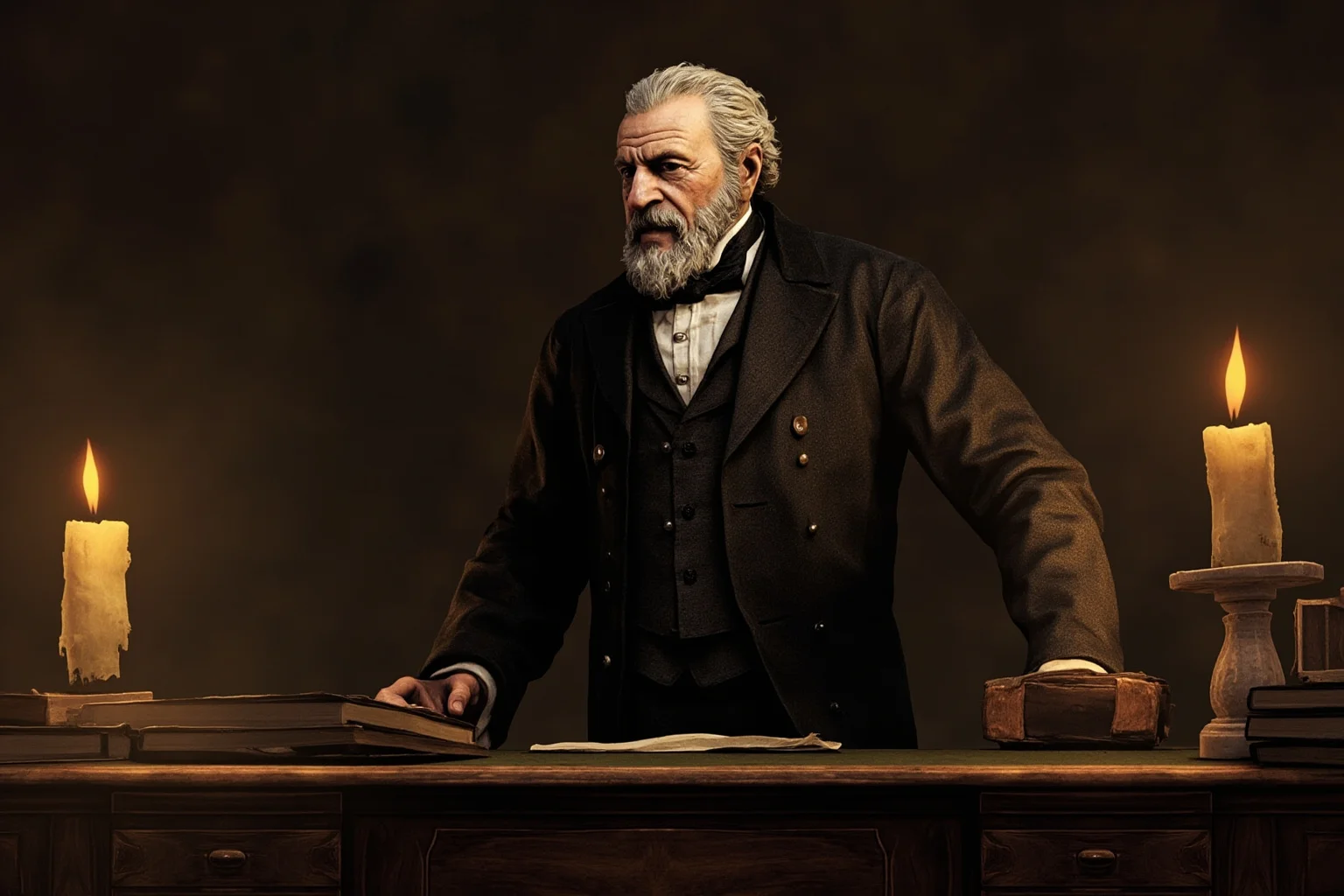
Abraham Lincoln led the United States through its bloodiest conflict, the Civil War, while holding together a fractured nation. His leadership style—patient, self-deprecating, and willing to change his mind as circumstances shifted—remains a case study in steady decision-making under enormous pressure.
One common myth is that the 1863 Emancipation Proclamation freed all enslaved people in the United States overnight. In reality, it applied only to enslaved people in Confederate states still in rebellion; full abolition nationwide required the 13th Amendment, ratified in December 1865, months after Lincoln’s assassination. That nuance doesn’t diminish his role model status—it actually shows how his views and policies evolved under wartime pressure.
2. Harriet Tubman — Conductor of the Underground Railroad
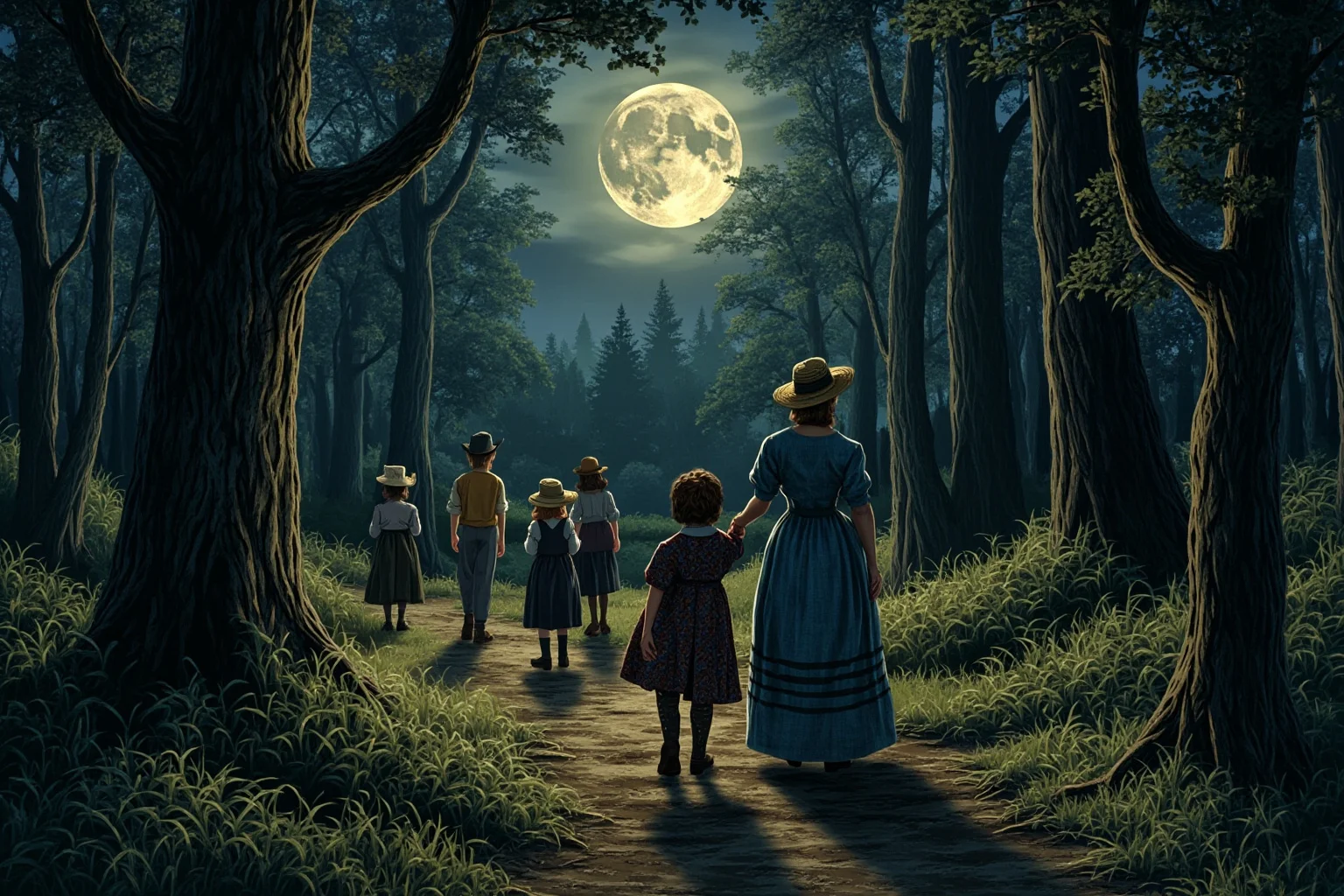
Born into slavery in Maryland, Harriet Tubman escaped around 1849 and then returned repeatedly to guide others to freedom along the Underground Railroad. Historians estimate she personally led around 13 rescue missions, freeing roughly 70 people directly, while also providing instructions that helped many more escape on their own.
During the Civil War, she also served the Union Army as a scout and spy, becoming the first woman to lead an armed military raid in U.S. history at the Combahee River in 1863. Her willingness to face capture and death repeatedly, for people she often didn’t know personally, is a rare and concrete example of courage.
3. Mahatma Gandhi — Architect of Nonviolent Resistance
Gandhi helped lead India to independence from British colonial rule through campaigns of nonviolent civil disobedience, known as satyagraha. His methods—boycotts, marches, and fasting—influenced later movements around the world, including the American civil rights movement.
It’s worth noting, in the spirit of honest history, that Gandhi’s early writings from his years in South Africa contained racial prejudices he later moved away from as his political philosophy matured. Treating him as a role model works best when we look at his full, evolving record rather than a simplified saintly version of him.
4. Marie Curie — Trailblazer in Science

Marie Curie remains the only person to win Nobel Prizes in two different sciences—Physics in 1903 and Chemistry in 1911—for her pioneering work on radioactivity. She did this while facing significant institutional sexism, eventually becoming the first female professor at the University of Paris.
Her research laid groundwork for modern cancer treatment and nuclear physics, even though the health risks of radiation exposure weren’t fully understood at the time, a fact that likely contributed to her death in 1934. She’s frequently cited among history’s most powerful women in STEM fields for exactly this mix of brilliance and quiet persistence.
5. Nelson Mandela — Reconciliation Over Revenge
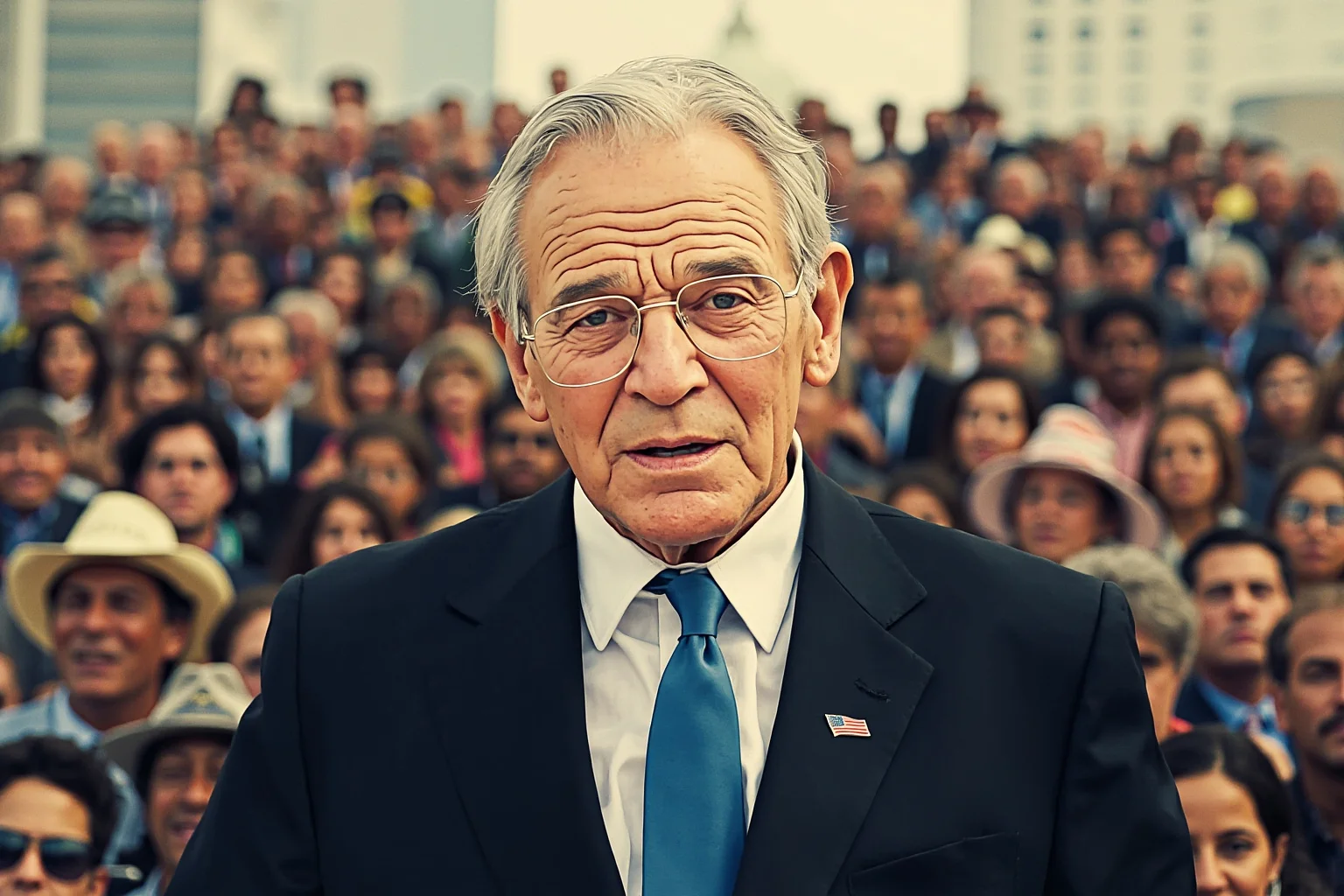
Nelson Mandela spent 27 years in prison for his opposition to South Africa’s apartheid system before becoming the country’s first Black president in 1994. Rather than pursuing retribution against the government that imprisoned him, he pushed for the Truth and Reconciliation Commission, aiming to heal the country instead of dividing it further.
He shared the 1993 Nobel Peace Prize with F.W. de Klerk, the South African president who helped negotiate the end of apartheid. Mandela’s choice to prioritize national unity over personal vindication is one of the clearest examples of role models choosing long-term good over short-term satisfaction.
6. Eleanor Roosevelt — Redefining the First Lady
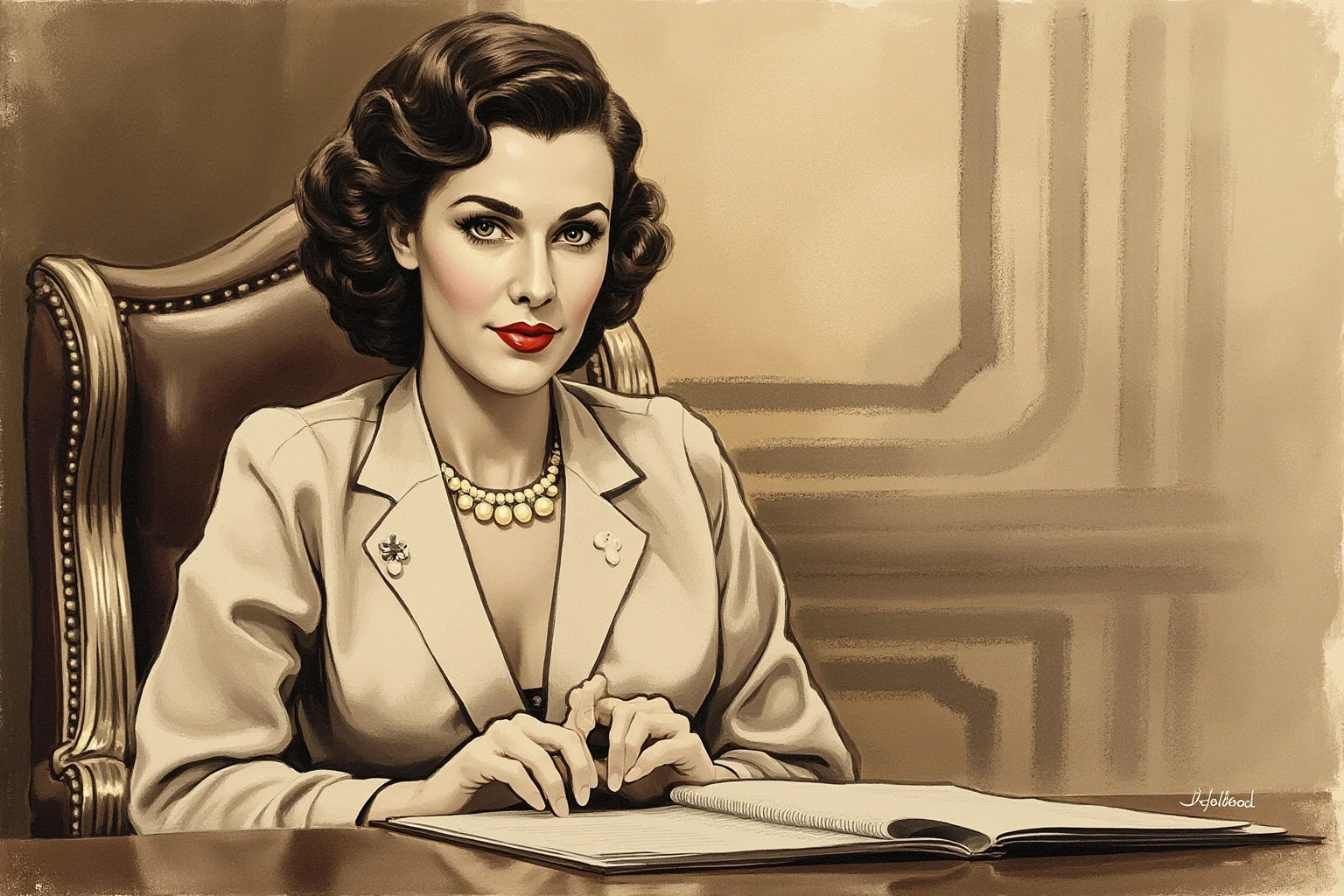
Eleanor Roosevelt transformed what the role of U.S. First Lady could look like, holding her own press conferences and actively advocating for civil rights and labor reform during her husband Franklin D. Roosevelt’s presidency. After his death, she chaired the UN Commission on Human Rights.
In that role, she was instrumental in drafting the Universal Declaration of Human Rights, adopted by the United Nations in 1948. Her willingness to speak up on issues that made political allies uncomfortable is a big part of why she’s remembered as one of the great role models of the 20th century.
7. Frederick Douglass — From Enslaved Man to Statesman
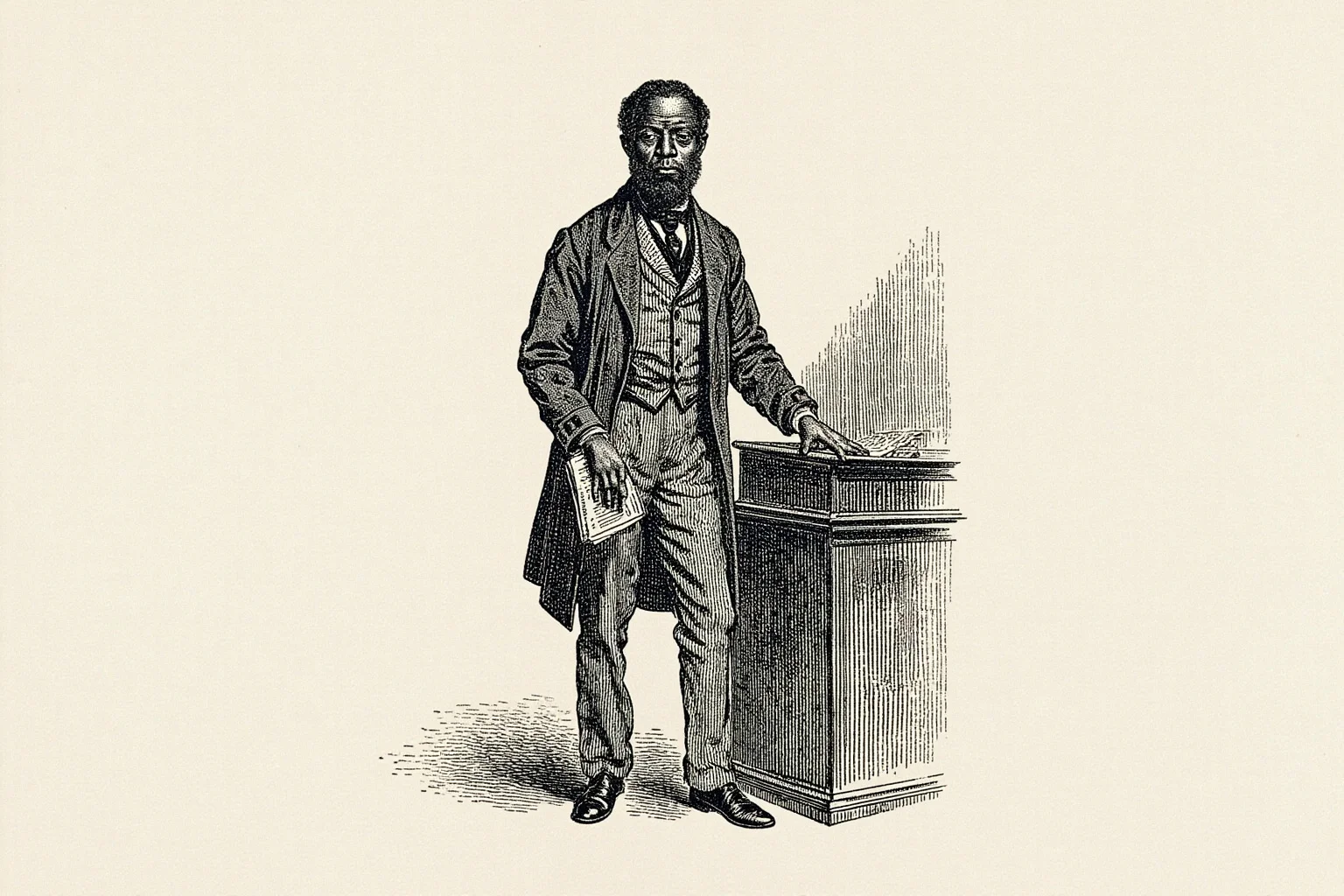
Frederick Douglass escaped slavery in 1838 and became one of the most powerful abolitionist voices in American history, both as an orator and as publisher of the anti-slavery newspaper The North Star. His autobiography remains a foundational document for understanding the lived reality of slavery in the antebellum South, cementing his place among history’s most influential writers.
Douglass later advised President Lincoln and held several federal appointments, continuing to advocate for civil rights until his death in 1895. His journey from bondage to statesmanship is a powerful example of role models built through relentless self-education and public advocacy.
8. Susan B. Anthony — Voice for Women’s Suffrage
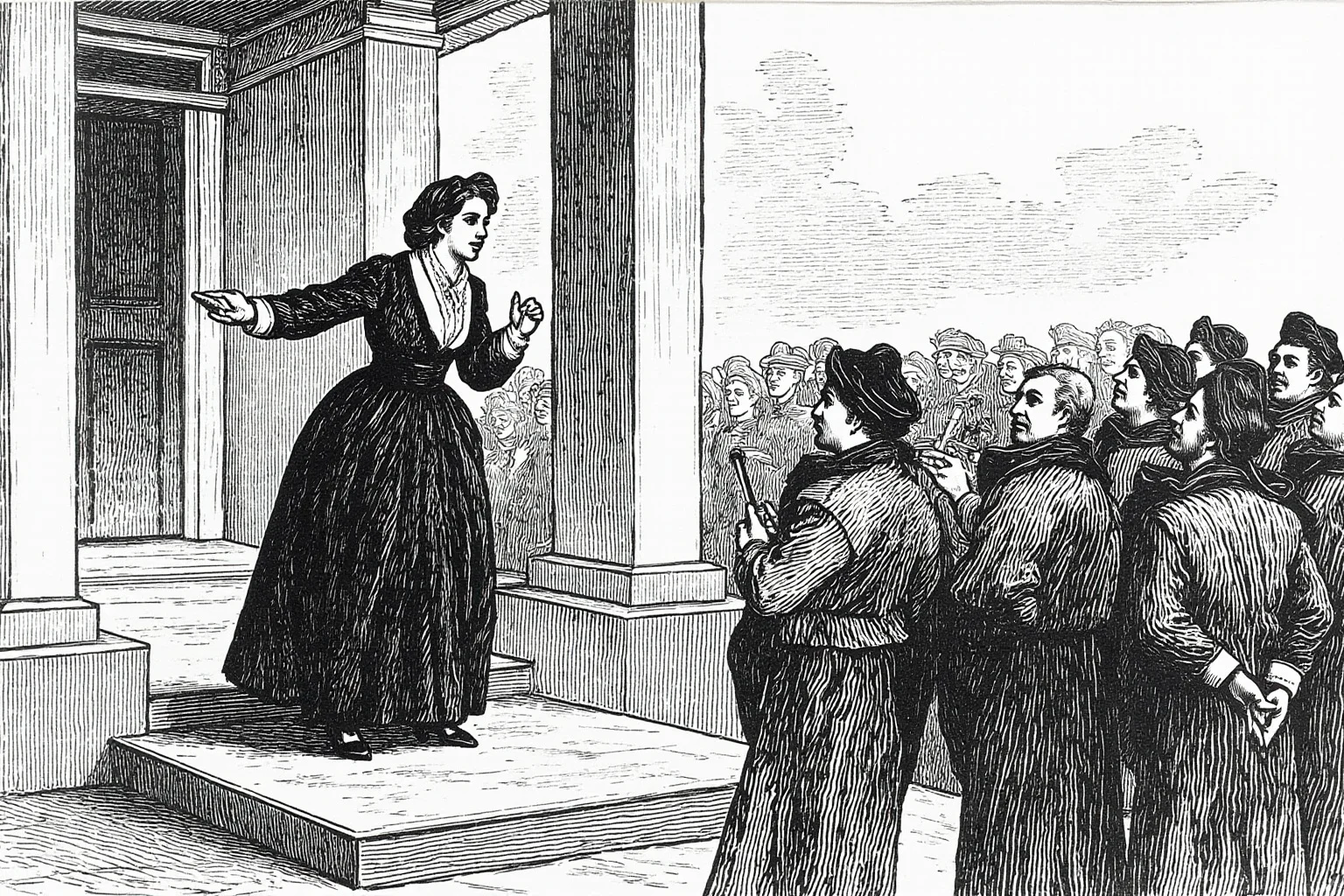
Susan B. Anthony co-founded the National Woman Suffrage Association and spent decades organizing, lecturing, and lobbying for women’s right to vote. In 1872, she was arrested for casting a vote in a presidential election, a deliberate act of civil disobedience meant to test the law.
Anthony died in 1906, fourteen years before the 19th Amendment granted women the right to vote nationwide in 1920. Her decades of work without seeing the final result is a good reminder that great role models often work toward goals they’ll never personally witness being achieved.
9. Martin Luther King Jr. — Moral Leadership in Action
Martin Luther King Jr. helped lead the Montgomery Bus Boycott, organized the 1963 March on Washington, and became the youngest recipient of the Nobel Peace Prize at the time, in 1964, for his nonviolent activism. His advocacy contributed directly to the passage of the Civil Rights Act of 1964 and the Voting Rights Act of 1965.
He was assassinated in 1968 at just 39 years old, but his strategic, disciplined approach to nonviolent protest remains a template studied by activists worldwide. Among famous role models in the fight for justice, King is frequently cited for combining moral clarity with practical organizing skill.
10. Florence Nightingale — Founder of Modern Nursing
Florence Nightingale organized and professionalized battlefield nursing during the Crimean War in the 1850s, dramatically improving sanitation and reducing preventable deaths among wounded soldiers. She was also a skilled statistician, using early data visualizations to convince British officials that hygiene reforms saved lives.
In 1860, she founded the first secular nursing school in the world at St Thomas’ Hospital in London, formalizing nursing as a respected profession. Her combination of hands-on care and data-driven advocacy makes her a great role model for anyone in caregiving or public health fields today.
11. Sojourner Truth — Truth-Telling as Activism
Born enslaved in New York around 1797, Sojourner Truth escaped to freedom and became a prominent abolitionist and women’s rights speaker. Her best-known speech, often remembered by the phrase “Ain’t I a Woman?,” was delivered at the 1851 Ohio Women’s Rights Convention, though historians note the exact wording we have today was transcribed years later and may not be verbatim.
That historical detail doesn’t undercut her impact; it’s simply a reminder to treat even beloved historical quotes with a bit of healthy scrutiny. Truth’s willingness to speak publicly, as a formerly enslaved Black woman, in rooms that often excluded people like her, took considerable nerve.
12. Benjamin Franklin — The Self-Made Polymath
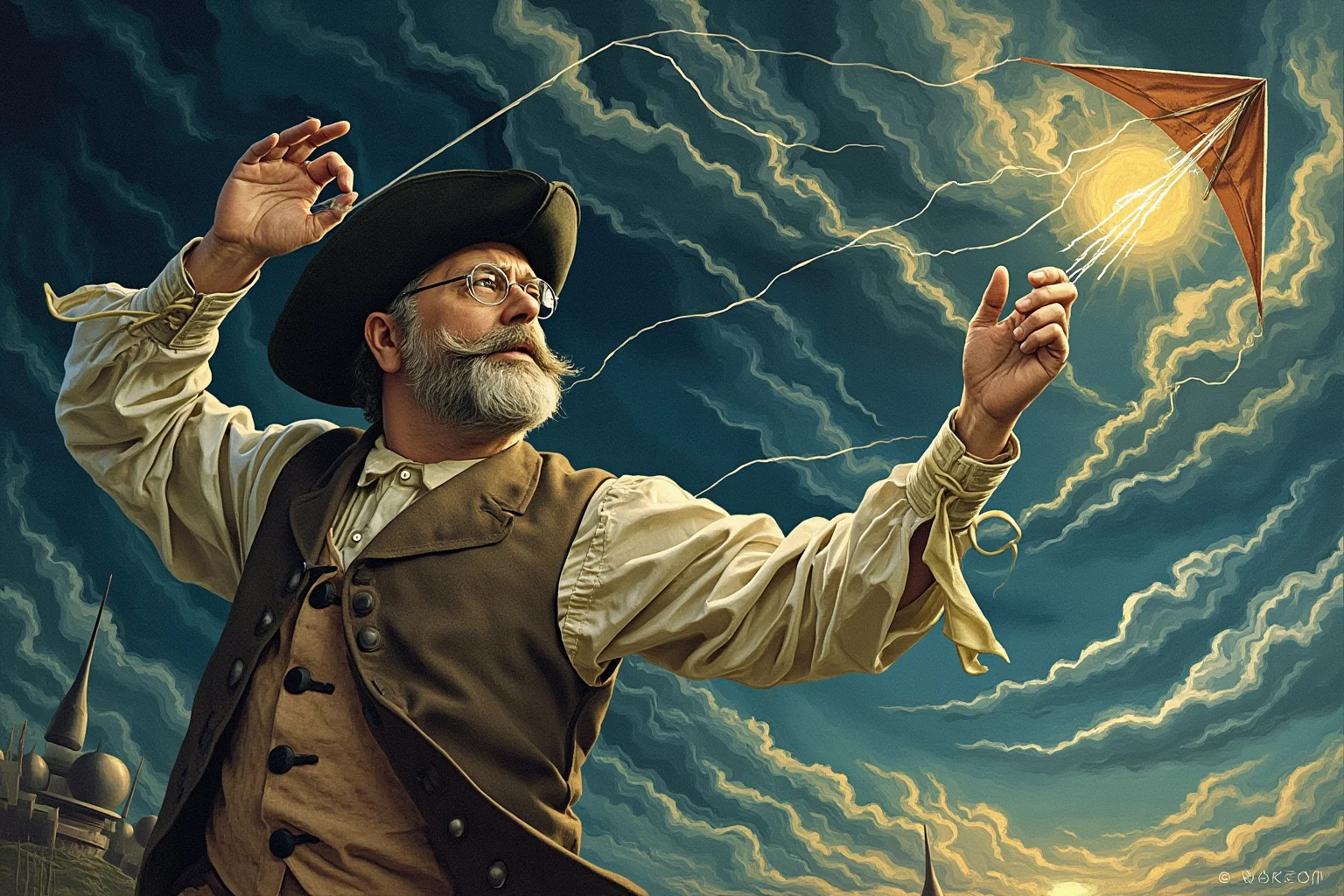
Benjamin Franklin was a printer, scientist, diplomat, and one of the Founding Fathers of the United States, contributing to both the Declaration of Independence and the Constitution. His experiments with electricity, including his famous kite experiment, helped advance early understanding of electrical currents.
Beyond his scientific and political work, Franklin founded some of Philadelphia’s first public institutions, including a subscription library and a volunteer fire department. His career shows how curiosity, applied consistently across many fields, can add up to lasting civic contributions.
13. Rosa Parks — Planned Courage, Not Just a Tired Moment

Rosa Parks is often remembered simply as a tired woman who refused to give up her bus seat in Montgomery, Alabama, in 1955. In reality, she was already a trained civil rights activist and secretary of the local NAACP chapter, having attended workshops at the Highlander Folk School on strategies for civil disobedience.
Her arrest was the spark that ignited the Montgomery Bus Boycott, a coordinated campaign rather than a spontaneous event. Recognizing the planning behind her act doesn’t make her less admirable—it actually highlights the discipline behind one of the best role model examples in the civil rights movement.
14. Confucius — Ethics That Outlasted Empires
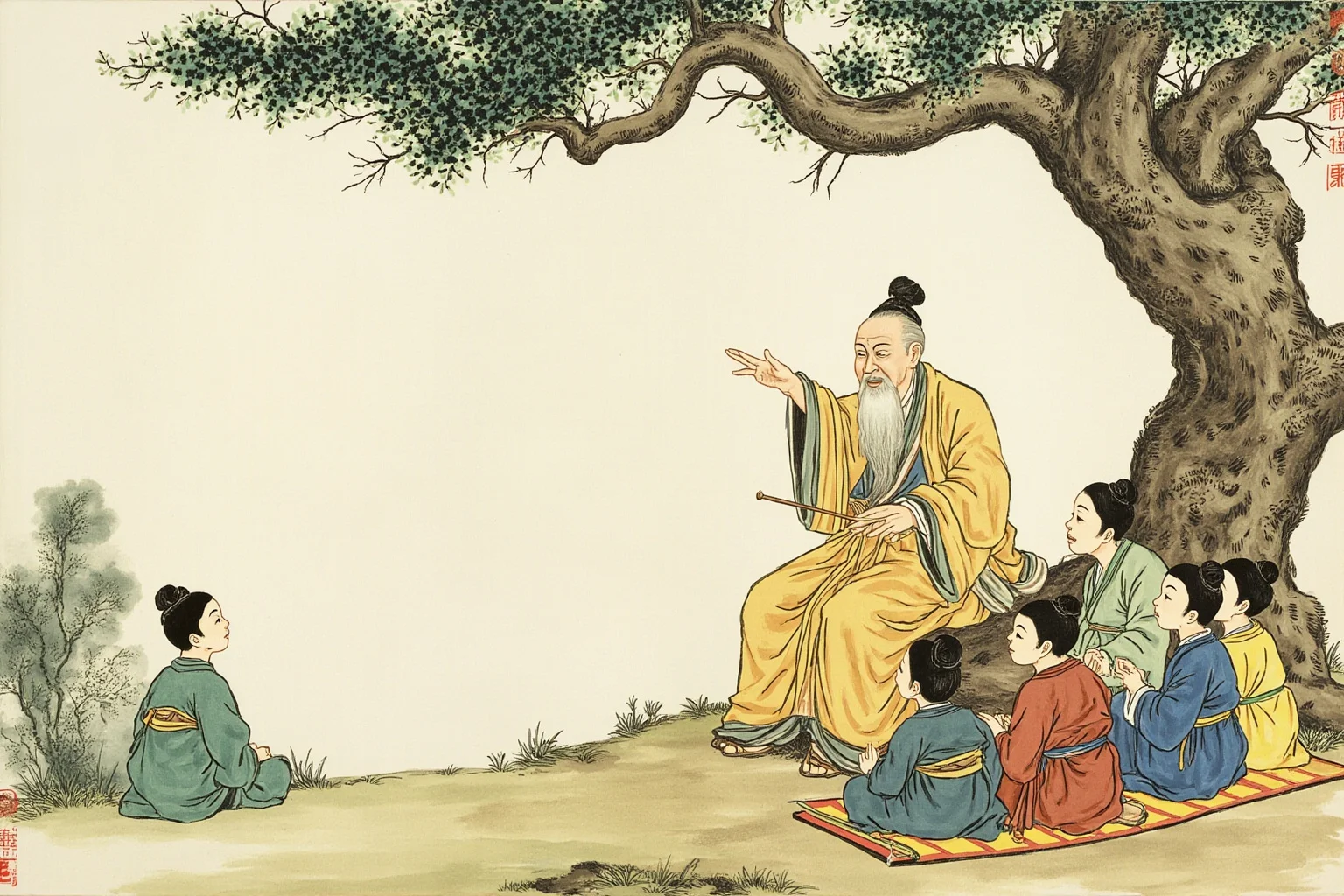
Confucius was a Chinese philosopher and teacher who lived roughly from 551 to 479 BCE, focusing his teachings on ethics, respect for family, and good governance. His ideas were compiled by his followers into the Analects after his death, rather than written by Confucius himself.
Confucian thought went on to shape education, government, and social relationships across East Asia for more than two thousand years. His emphasis on lifelong learning and moral self-cultivation makes him one of the most enduring role models among history’s renowned philosophers, well beyond his own culture and century.
15. Joan of Arc — Conviction Against the Odds
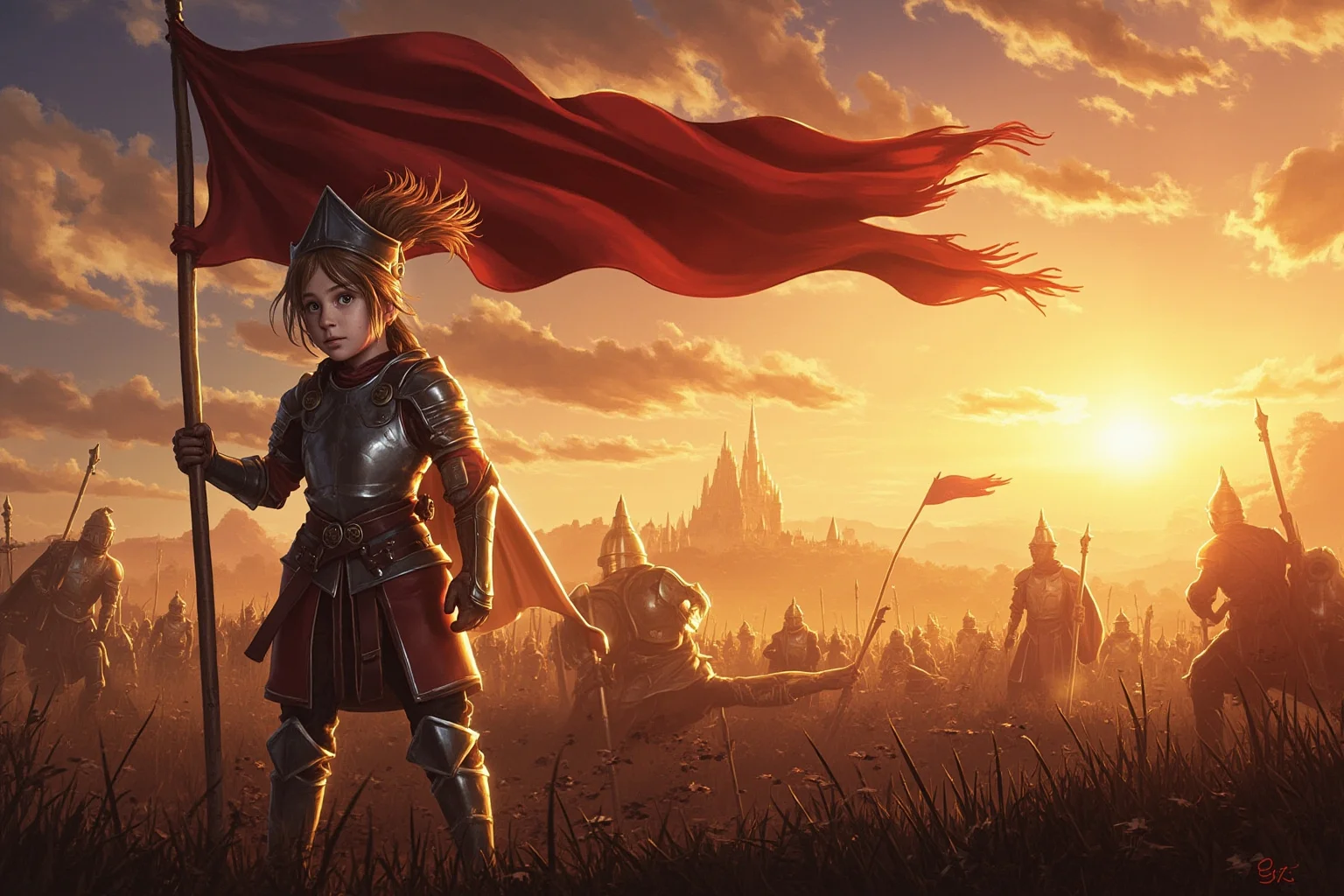
Joan of Arc was a teenage peasant girl who, claiming divine visions, convinced French military leaders to let her help lead troops during the Hundred Years’ War in the early 15th century. She played a key role in lifting the Siege of Orléans in 1429, at around 17 years old.
She was later captured, tried by an ecclesiastical court, and executed in 1431 at just 19. A later trial in 1456 posthumously declared her innocent, and she was canonized as a saint in 1920—a reminder that history’s judgment of a role model can shift dramatically over time.
16. Booker T. Washington — Building Through Education
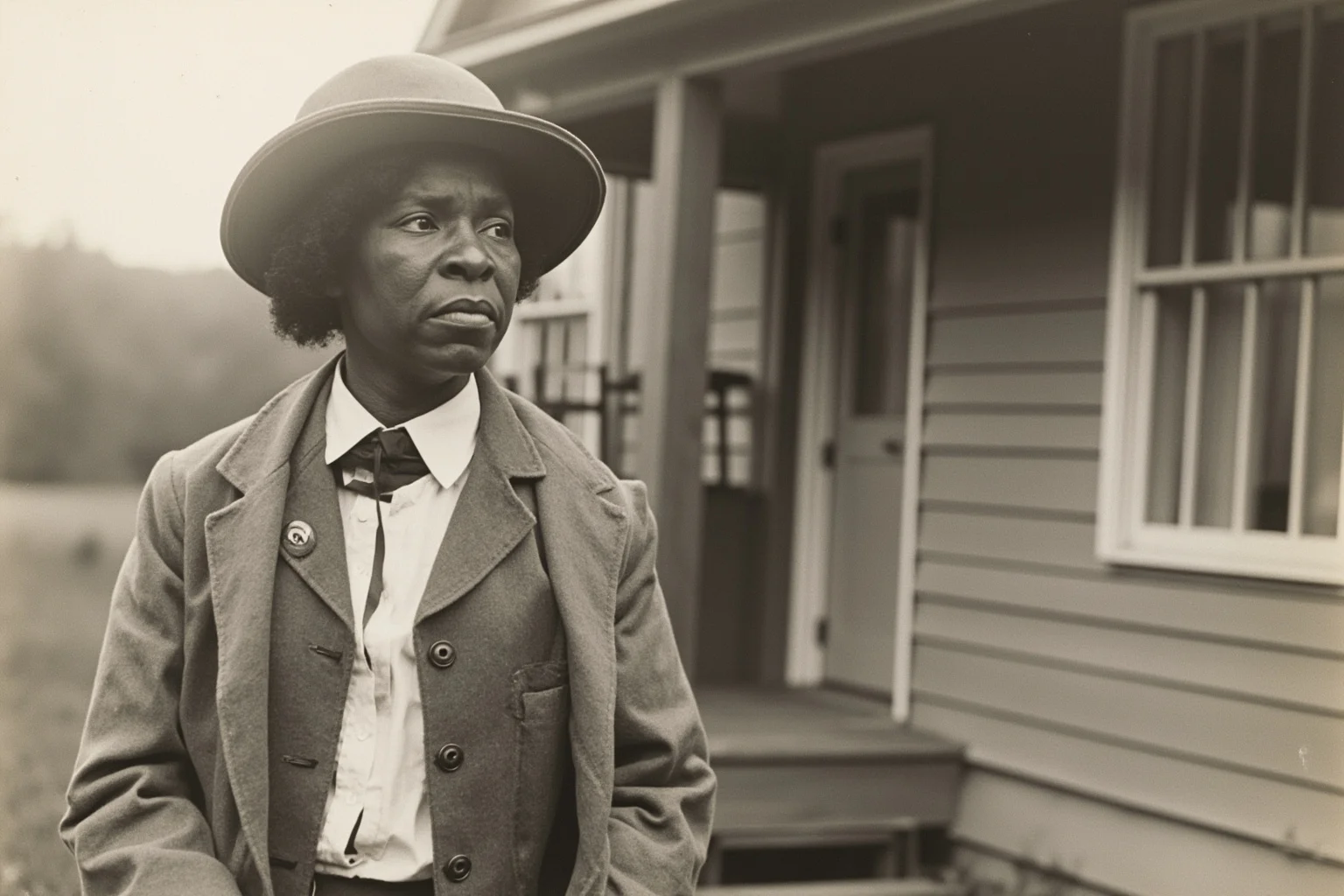
Born into slavery, Booker T. Washington founded the Tuskegee Institute in Alabama in 1881, building it into a leading center for vocational education for Black Americans. He believed economic self-sufficiency through skilled trades was the most realistic path forward for Black communities in the post-Reconstruction South.
His gradualist approach was famously challenged by contemporaries like W.E.B. Du Bois, who argued for more immediate political and civil rights action. That historical debate is worth knowing, because it shows that even widely respected role models can disagree sharply on strategy while sharing the same ultimate goal.
17. Queen Elizabeth I — Steady Leadership in Turbulent Times
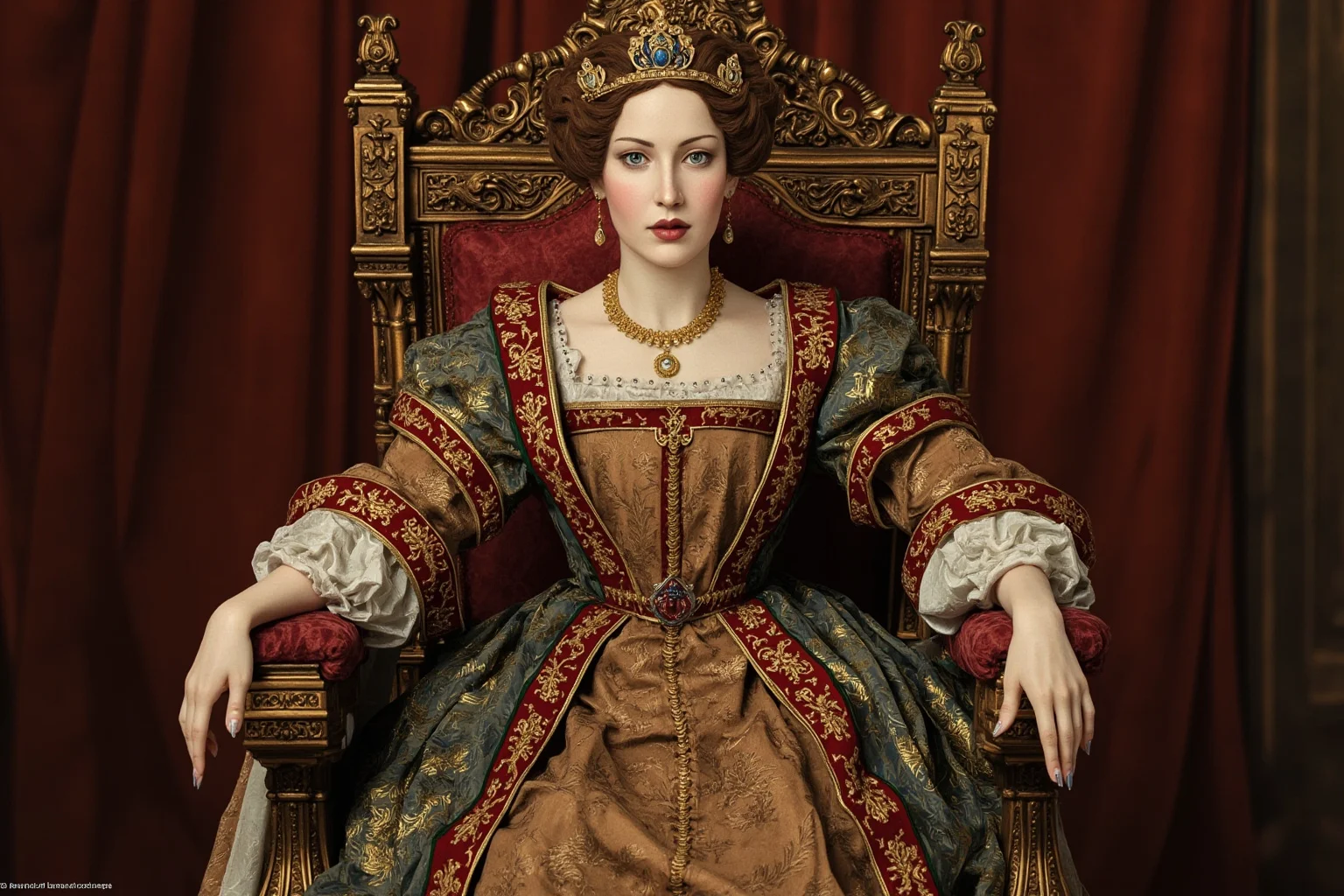
Queen Elizabeth I ruled England from 1558 to 1603, navigating decades of religious conflict between Protestants and Catholics while maintaining relative stability. Her reign included the defeat of the Spanish Armada in 1588, a naval victory that secured England’s position as a rising European power.
She was also a notable patron of the arts, and her era included the flourishing of playwrights like William Shakespeare. Elizabeth’s careful, calculated approach to a hostile political landscape remains studied today as an example of resilient leadership.
18. Leonardo da Vinci — Curiosity Without Limits
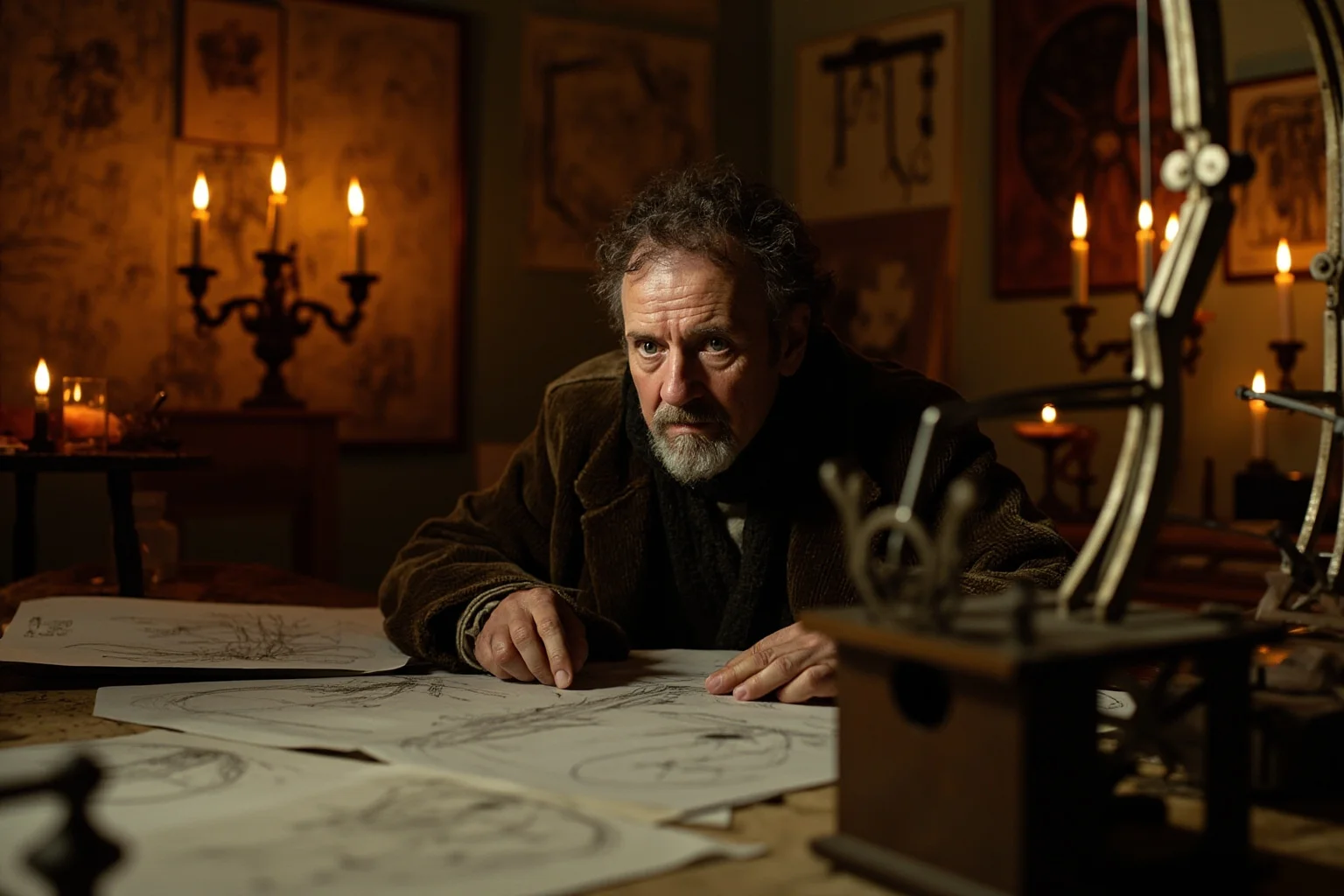
Leonardo da Vinci painted some of the most recognizable works in art history, including the Mona Lisa and The Last Supper, but his notebooks reveal an equally serious interest in anatomy, engineering, and flight. He dissected bodies to understand muscles and bones decades before formal anatomical science existed.
Many of his mechanical designs, from early concepts resembling helicopters to armored vehicles, were never built in his lifetime but demonstrated remarkable forward thinking. Da Vinci is a great role model for anyone who refuses to be boxed into just one discipline or skill.
19. Jane Addams — Pioneer of Social Work
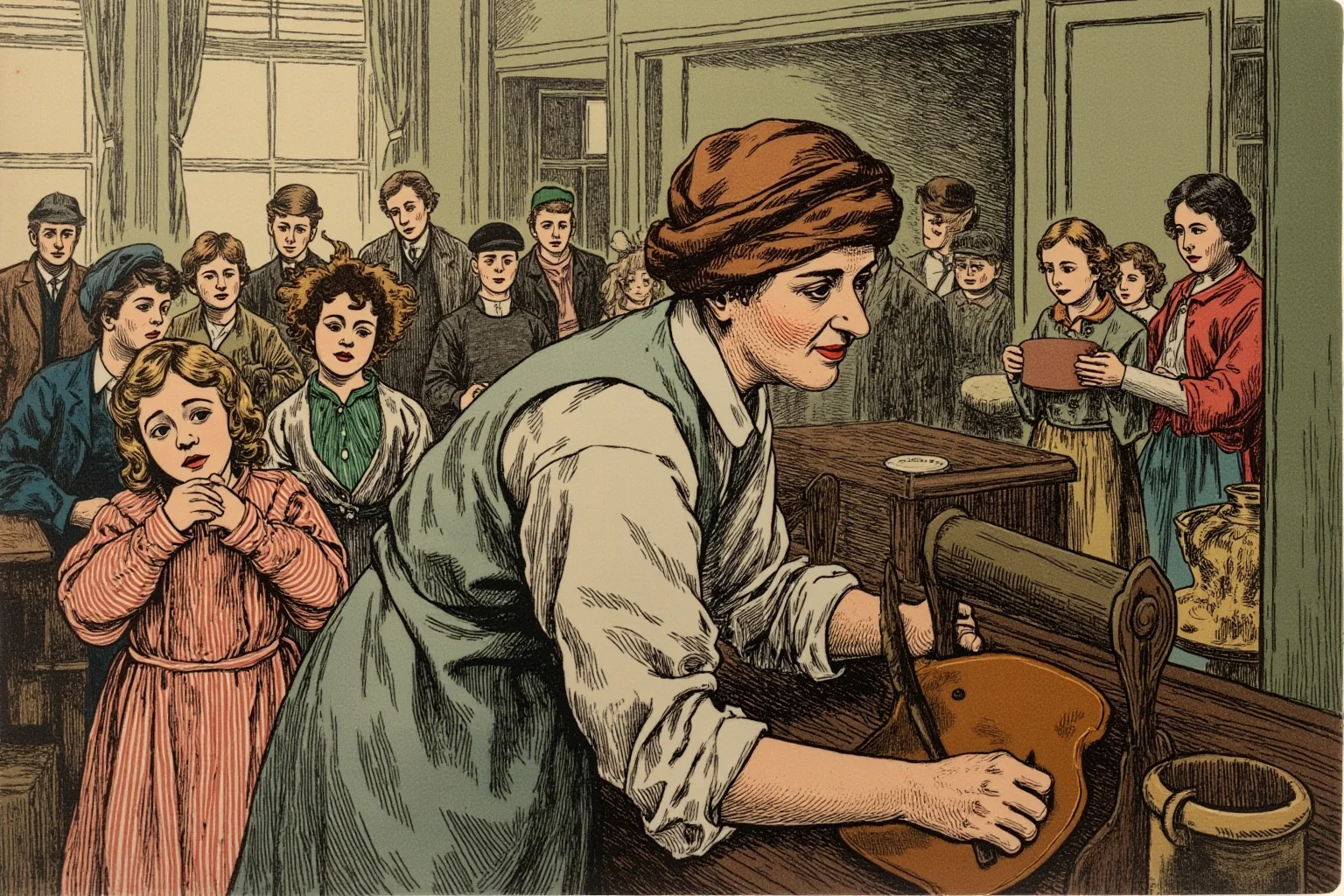
Jane Addams co-founded Hull House in Chicago in 1889, one of the first settlement houses in the United States, providing education, healthcare, and community support to immigrant families. Her work helped establish social work as a formal profession in America.
In 1931, she became the first American woman to win the Nobel Peace Prize, recognized for her efforts in both social reform and international peace advocacy. Addams showed that meaningful change often starts at the neighborhood level, not just in national politics.
20. Anne Frank — A Young Voice That Endures
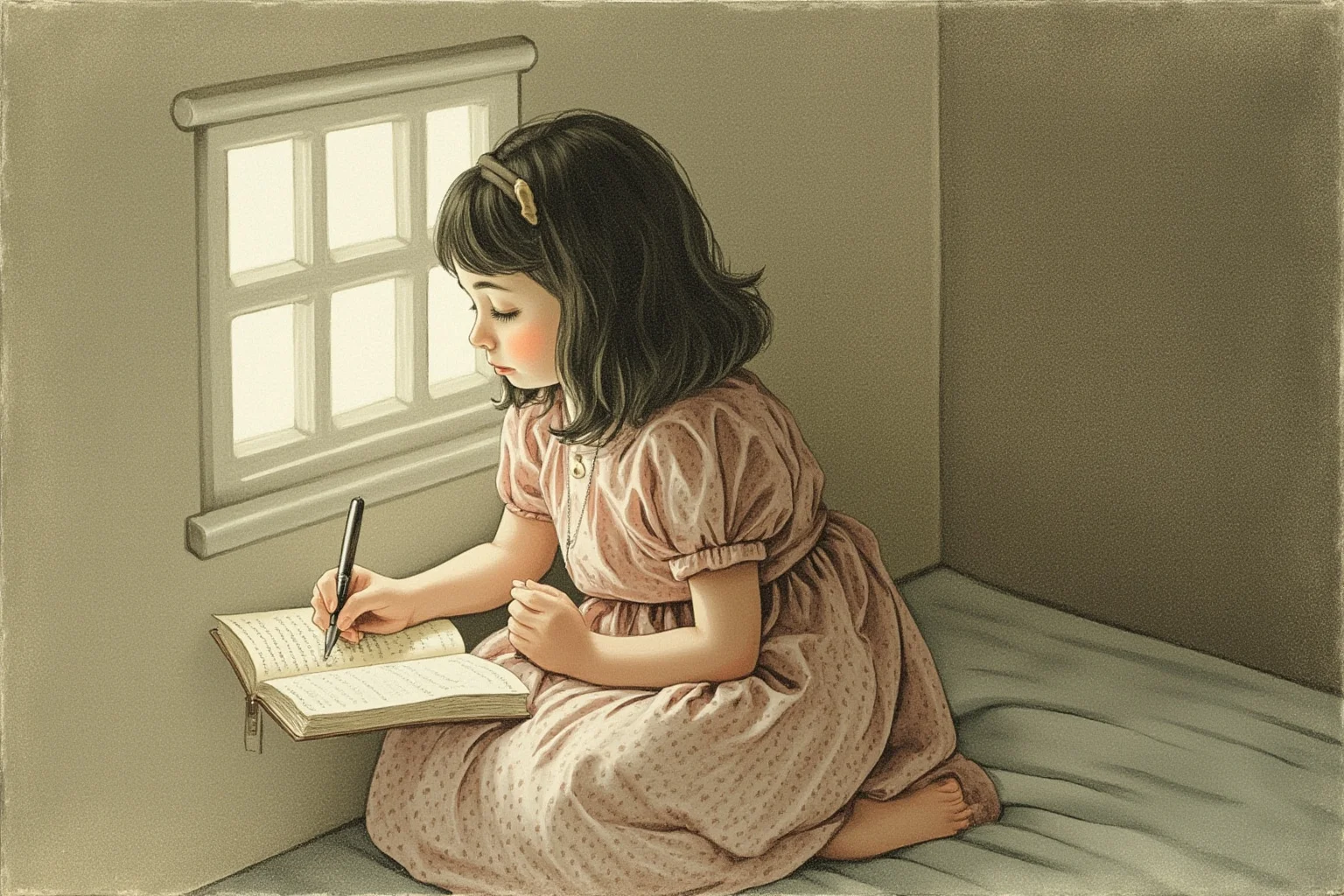
Anne Frank was a Jewish teenager who hid with her family in Amsterdam during the Nazi occupation of the Netherlands, documenting her experiences in a diary between 1942 and 1944. She died in the Bergen-Belsen concentration camp in 1945, just months before its liberation.
Her diary, published posthumously by her father in 1947, has since become one of the most widely read accounts of the Holocaust, offering a deeply personal window into an unimaginable situation. Anne Frank remains one of the youngest well known role models in history, admired for her honesty, hope, and clarity of voice under horrific circumstances.
21. Norman Borlaug — The Man Who Fed Billions
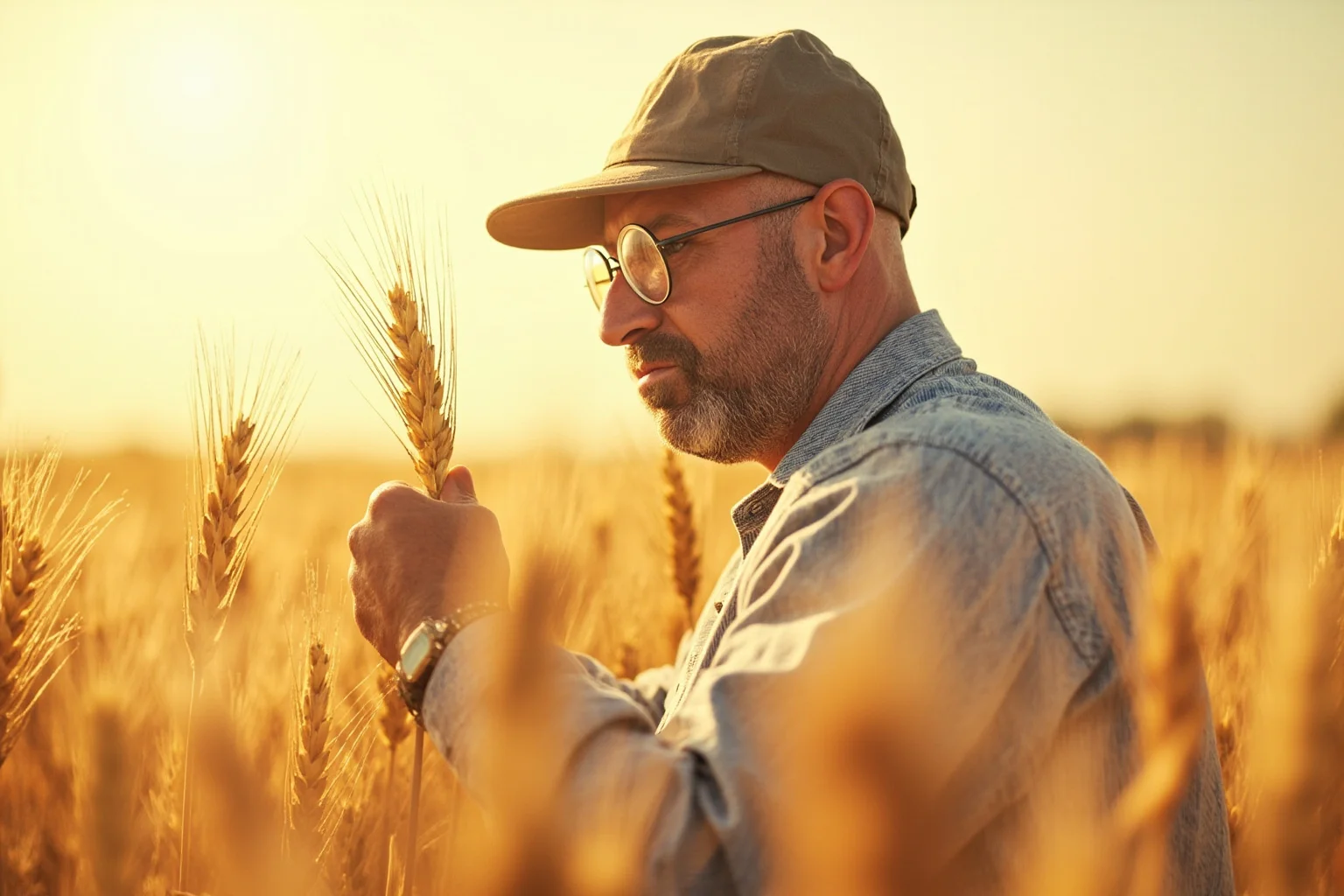
Norman Borlaug was an American agronomist whose work developing high-yield, disease-resistant wheat varieties helped launch the Green Revolution starting in the mid-20th century. His techniques were credited with dramatically increasing food production in countries like Mexico, India, and Pakistan.
He received the Nobel Peace Prize in 1970, and his research is often credited with preventing famine for hundreds of millions of people worldwide, though exact figures are difficult to verify precisely. Borlaug remains a quieter example among famous role models—far less publicly known than politicians or activists, despite an enormous global impact.
22. Jackie Robinson — Grace Under Pressure
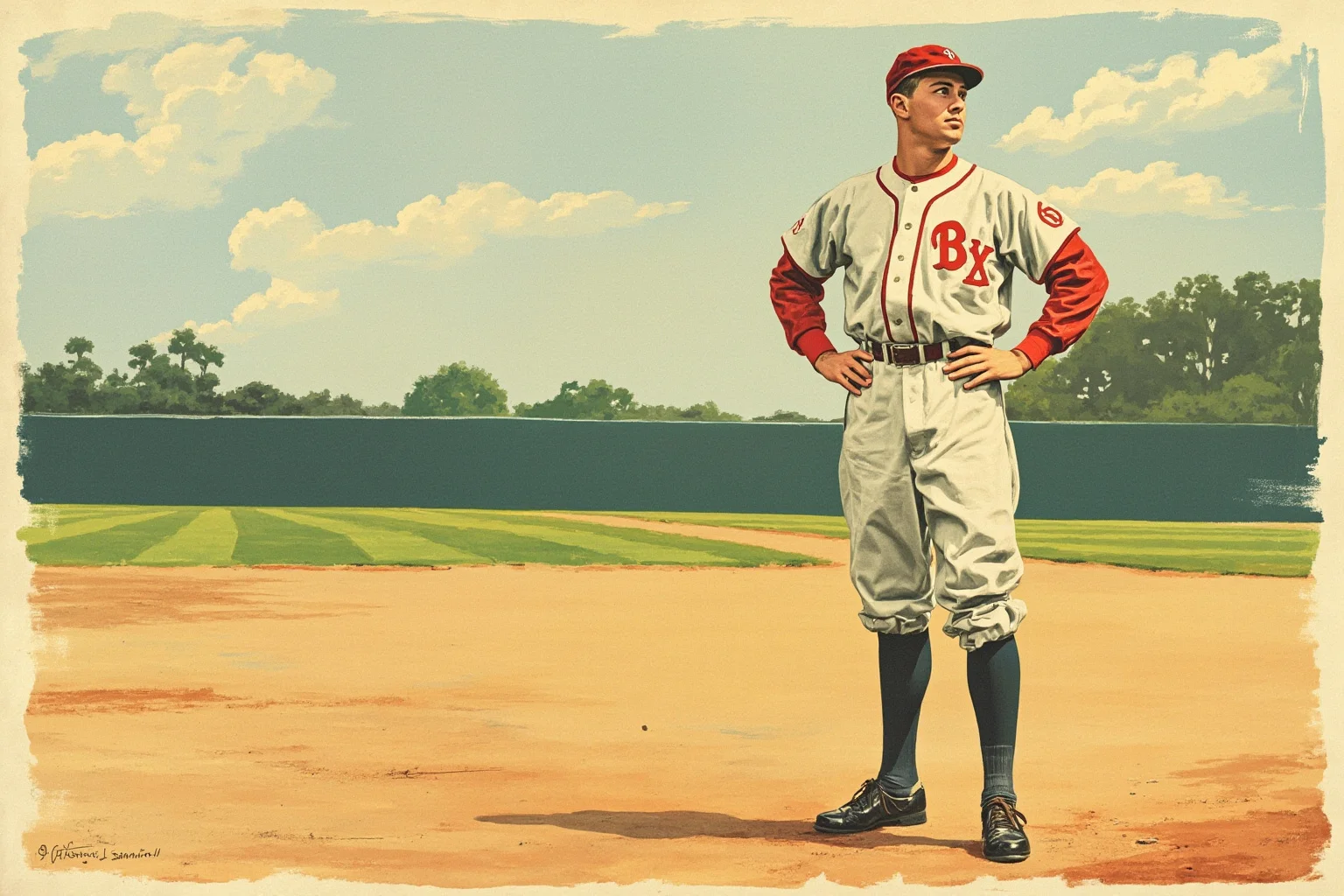
Jackie Robinson broke Major League Baseball’s color barrier in 1947 when he joined the Brooklyn Dodgers, becoming the first Black player in the modern era of the league. He endured intense racial abuse from fans, opposing players, and even some teammates, largely under an agreement to respond with restraint rather than retaliation, at least in his early seasons.
Over time, Robinson became more outspoken about civil rights, using his platform to push for further integration and equality both in and out of sports. His combination of athletic excellence and personal discipline under pressure remains one of the most cited role model examples in American sports history.
23. Wangari Maathai — Planting a Movement
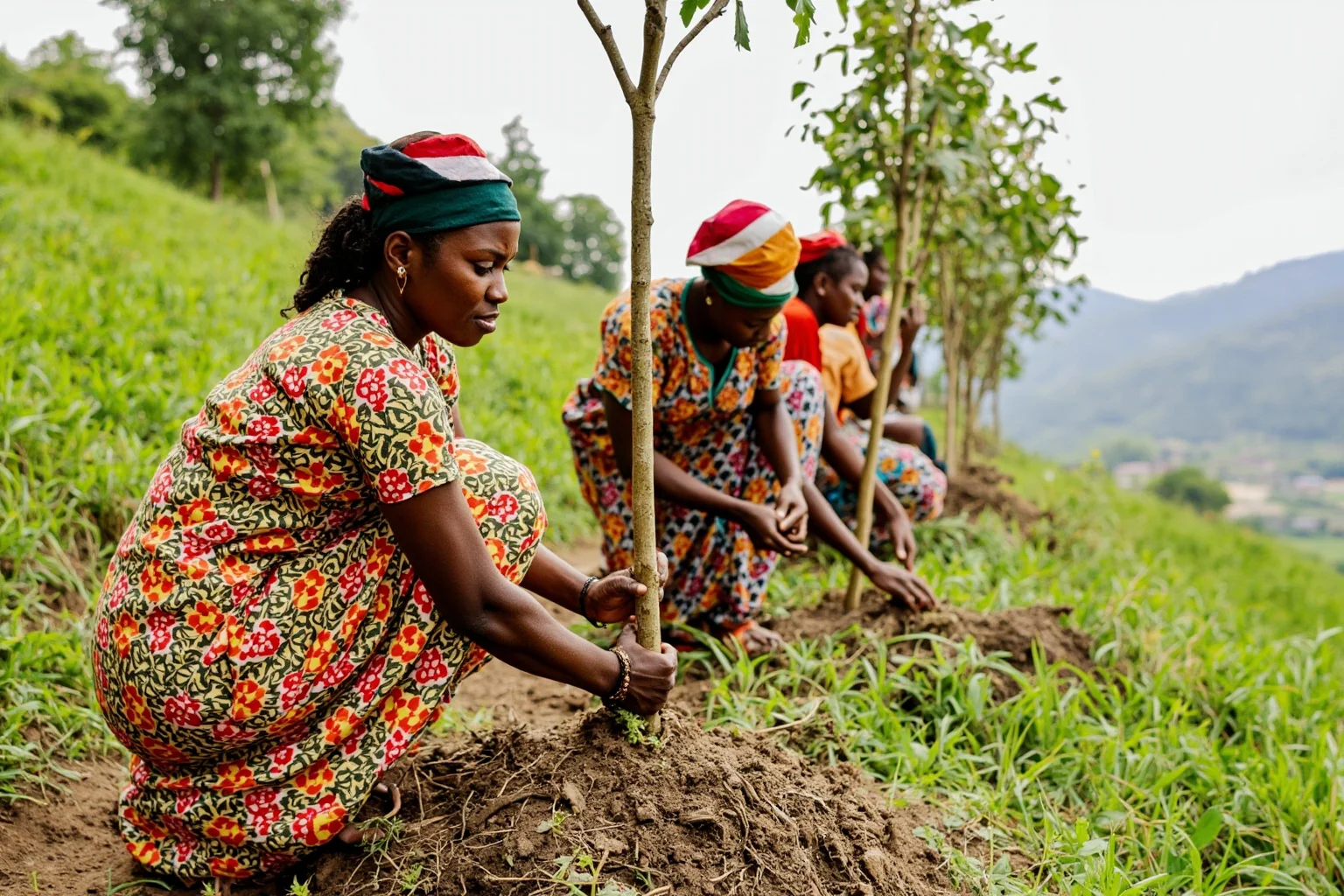
Wangari Maathai was a Kenyan environmentalist and political activist who founded the Green Belt Movement in 1977, an organization focused on tree planting, environmental conservation, and women’s empowerment across Kenya. The movement is credited with planting tens of millions of trees over the following decades.
In 2004, she became the first African woman to win the Nobel Peace Prize, recognized for connecting environmental sustainability to peace and democratic development. Maathai’s grassroots approach shows that some of history’s role models built their legacy tree by tree, rather than through a single dramatic moment.
Modern-Day Heroes: Examples of Role Models Beyond History
History offers plenty of great role models, but the same qualities—courage, consistency, and service to others—show up in people alive today too. Examples of modern day heroes often include humanitarian workers, scientists developing lifesaving treatments, teachers in under-resourced schools, and everyday first responders who rarely make headlines.
Popular role models in contemporary culture aren’t limited to celebrities and athletes, even though those are the names that dominate search results and social feeds. Some of the most meaningful people to look up to are local: a mentor, a coach, a nurse, or a community organizer whose important contributions never reach a Wikipedia page.
The pattern worth borrowing from history is this: look past someone’s fame or platform, and pay attention to what they actually do when it’s difficult, unglamorous, or risky. That’s usually where the real role model qualities show up, whether the person lived five centuries ago or lives three doors down.
Why These Role Models in History Still Matter
Role models in history matter because they prove that the traits we admire—courage, integrity, persistence—aren’t tied to any particular century, background, or level of privilege. Enslaved people, teenage girls, immigrants, and colonized subjects all appear on this list, right alongside presidents and scientists with far more institutional power.
That range matters for anyone looking for role models people can genuinely relate to, rather than distant, unreachable icons. The goal isn’t to copy these figures exactly, since their circumstances were often extraordinary and specific to their time.
Instead, the goal is to notice the patterns: showing up consistently, being willing to risk comfort for a bigger goal, and staying honest about mistakes along the way. Those patterns are just as available to ordinary people today as they were to the historical figures on this list.
Frequently Asked Questions
Who are some well known role models from history?
Some of the most well known role models from history include Abraham Lincoln, Harriet Tubman, Mahatma Gandhi, Marie Curie, Nelson Mandela, and Martin Luther King Jr. Each is remembered for combining real, documented achievements with the courage to act despite significant personal risk.
What makes someone a good role model?
A good role model typically shows consistency between their words and actions, takes personal risks for causes larger than themselves, and remains willing to learn and grow rather than staying fixed in one view. Important contributions matter, but so does honesty about their flaws and limitations.
Are historical figures better role models than modern celebrities?
Not necessarily better, but often more thoroughly documented, since historians have had decades or centuries to verify their actions and contributions. Modern celebrities can absolutely be good role models too, but the historical record often makes it easier to separate genuine achievement from image management.
What are some examples of modern day heroes people can look up to?
Examples of modern day heroes often include humanitarian aid workers, medical researchers, teachers in underserved communities, and first responders who take on real risk without seeking recognition. Many of the most meaningful people to look up to are local figures rather than famous public personalities.
Can someone still be a great role model if they had personal flaws?
Yes, and most historical role models did have flaws, blind spots, or moments of failure alongside their genuine contributions. Treating role models as complex, real people rather than flawless icons actually makes their examples more useful and more believable.

Alex Warren
Related Articles





