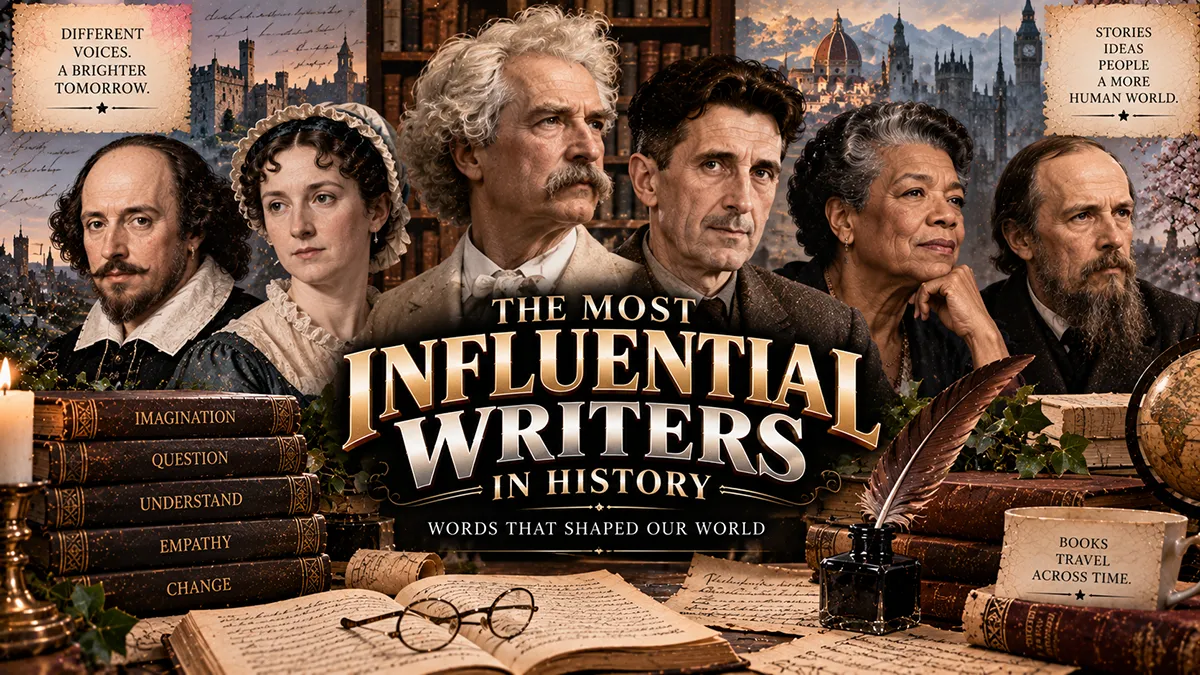
Ask ten people to name the greatest writers of all time, and you’ll likely get ten different lists. Someone will insist on Shakespeare.
Someone else will fight for Tolstoy, or Toni Morrison, or Agatha Christie’s sheer sales numbers. That disagreement is actually the point — literary greatness isn’t a science, it’s a centuries-long conversation.
What we can do is look at the writers whose work reshaped how stories get told, whose books outlived empires and censors, and whose names still show up in classrooms, bookshops, and pub arguments hundreds or even thousands of years later.
This guide walks through 25 of the most famous and influential authors in history, roughly in chronological order, from ancient epic poets to 20th century authors who redefined the novel.
TL;DR: There’s no single objective ranking of the best authors of all time, but writers like Homer, Shakespeare, Austen, Tolstoy, and Toni Morrison earned lasting influence by changing how stories are told, not just by selling the most books.
What Actually Makes a Writer “Great”?
Before diving into the list, it’s worth being honest about something: “greatest writer ever” is a subjective label, not a verified title. Lists like this one reflect a mix of literary innovation, historical influence, translation reach, and staying power across generations — not a scoreboard anyone can definitively win.
Cultural bias matters here too. For centuries, “the canon” of great novelists and poets skewed heavily toward European men, partly because of who had access to publishing, education, and literary prizes. Modern lists of the best authors of all time increasingly correct for that, folding in voices from Japan, Nigeria, Colombia, and beyond who were influential all along but historically under-credited in Western surveys.
It’s also worth busting a common myth up front: fame and quality aren’t the same thing, and neither is popularity a measure of literary skill on its own. Some of the most famous authors in history were barely recognized in their own lifetimes, while some bestsellers of their era are barely read today. With that caveat in place, here are 25 writers whose influence is genuinely hard to dispute.
1. Homer (c. 8th century BC)
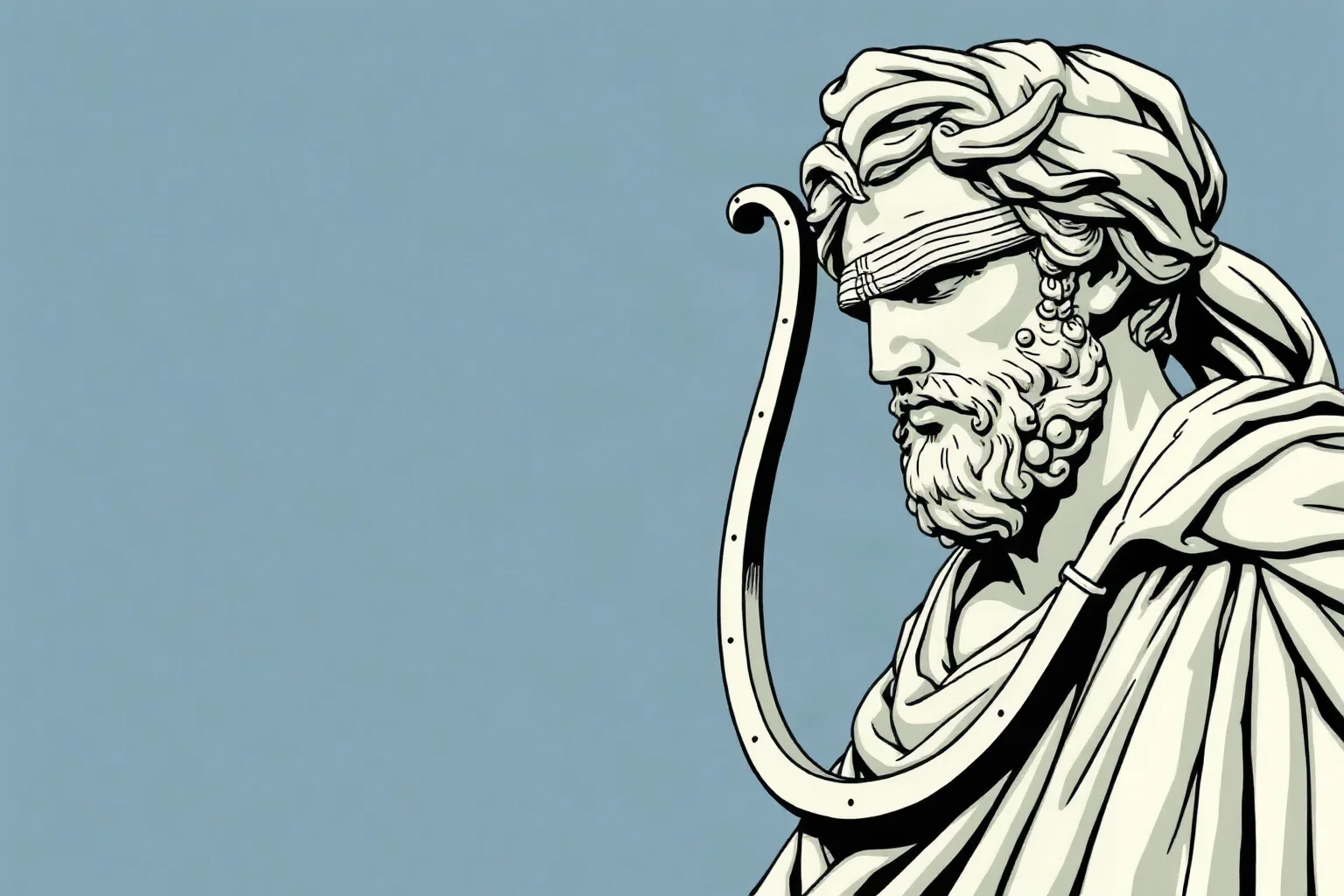
Homer is credited as the author of the Iliad and the Odyssey, two epic poems that essentially launched Western literature, earning him a lasting place among the greatest poets of all time. Historians actually aren’t certain Homer was a single person — this is known as the “Homeric question,” and scholars still debate whether these oral epics were composed by one poet or many.
What’s not in doubt is the influence. Homer’s structure, heroic archetypes, and storytelling techniques shaped Greek drama, Roman poetry, and pretty much every epic that followed. Any list of famous authors of history has to start here, uncertainty about his biography and all.
2. Murasaki Shikibu (c. 973 – c. 1014)
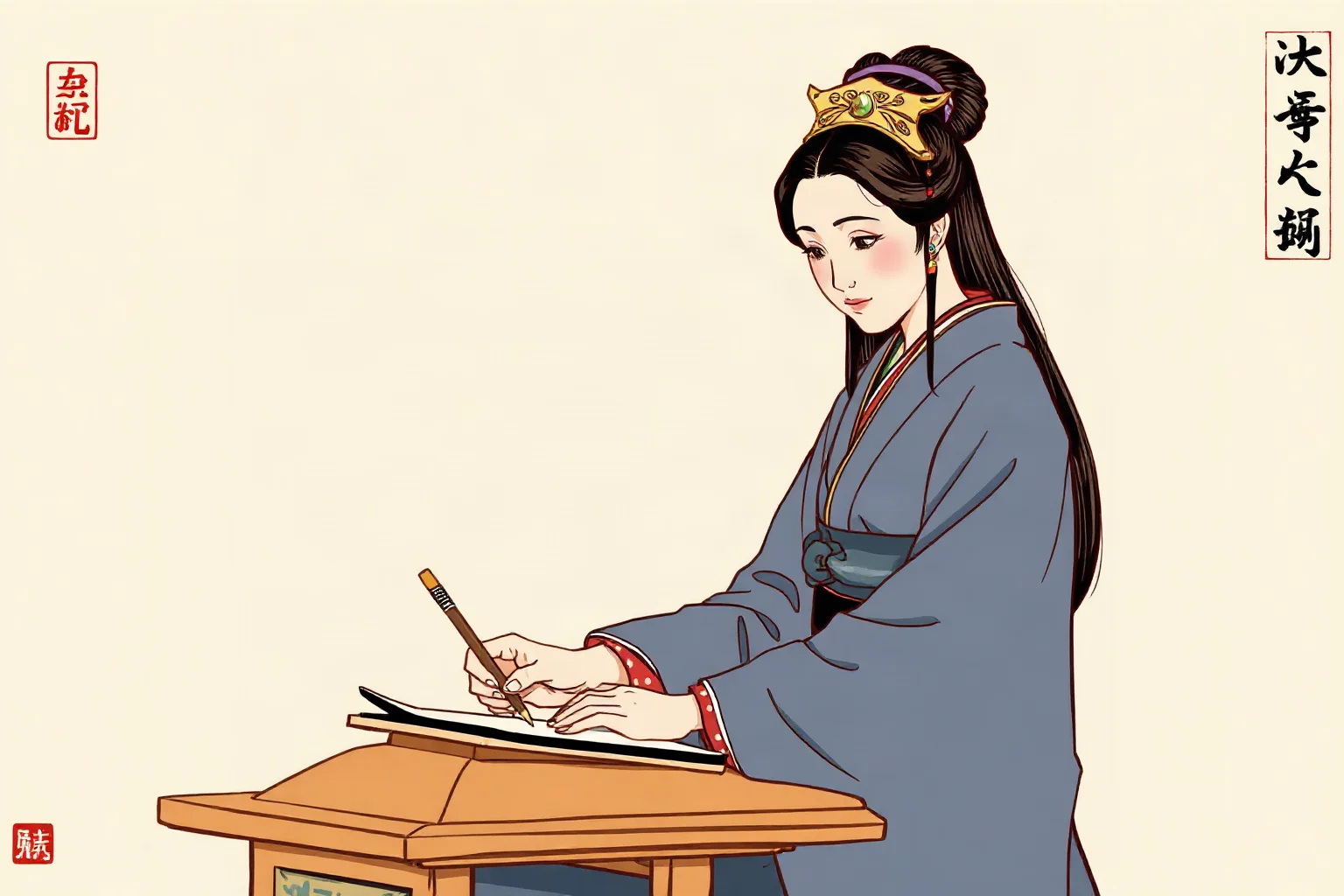
Murasaki Shikibu was a Japanese noblewoman and court lady whose novel The Tale of Genji is widely considered one of the earliest full-length novels ever written, predating the European novel by centuries. Her exact birth and death years aren’t precisely known, which is common for women of her era even among the historically documented aristocracy.
Genji follows the romantic and political life of a Heian-era nobleman across more than 50 chapters. Its psychological depth and narrative complexity make Murasaki one of history’s most important early novelists, and one of the earliest known women in the canon of famous historical authors.
3. Dante Alighieri (1265–1321)
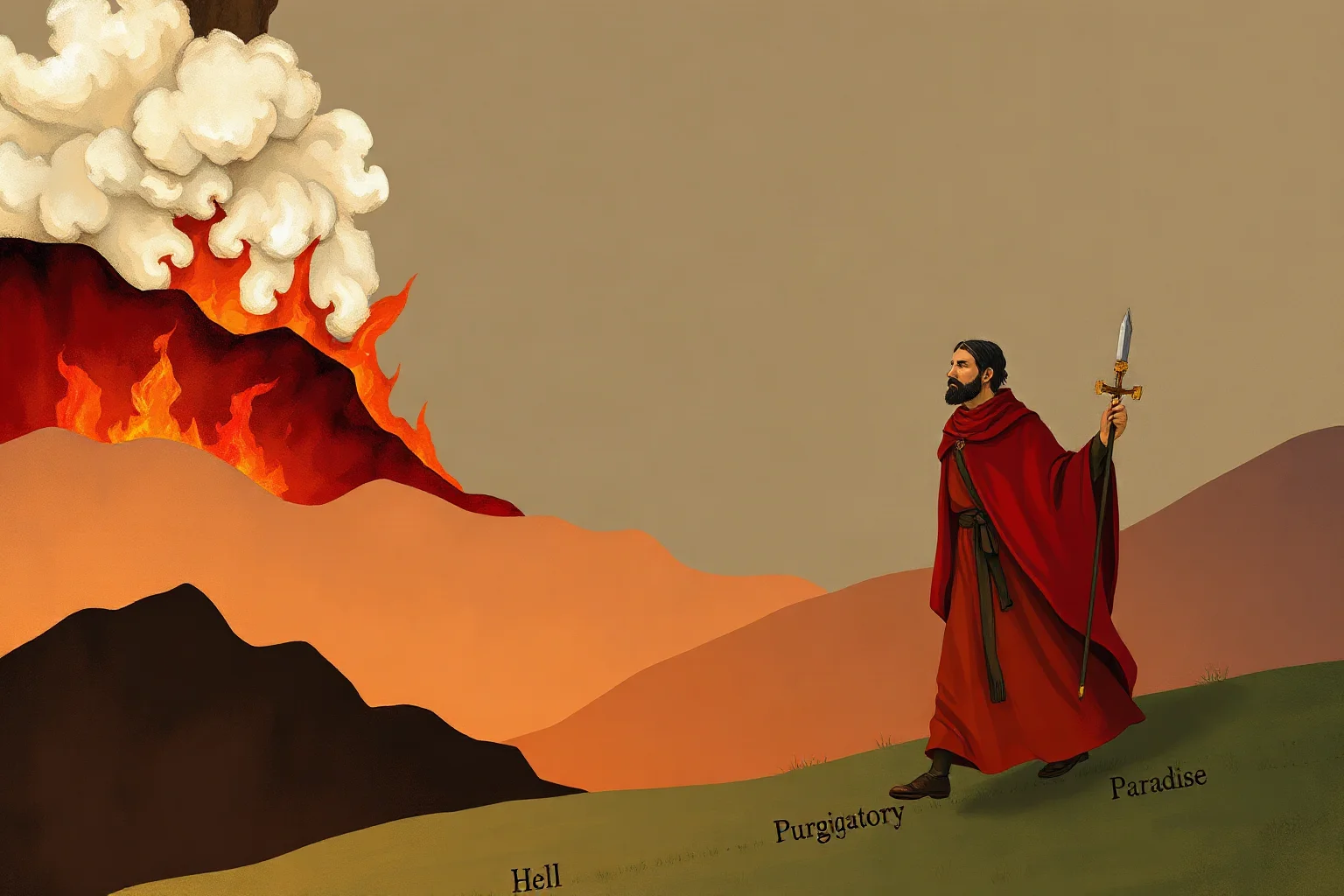
Dante’s Divine Comedy — an imagined journey through Hell, Purgatory, and Paradise — is one of the most ambitious works in world literature. He wrote it in vernacular Italian rather than Latin, a decision that helped standardize the Italian language itself.
Dante’s influence on poetry, theology, and even popular culture (his vision of Hell still shapes how many people picture the afterlife) is enormous. He’s frequently cited among the greatest writers of all time specifically because he changed the language he wrote in, not just the stories he told.
4. William Shakespeare (1564–1616)
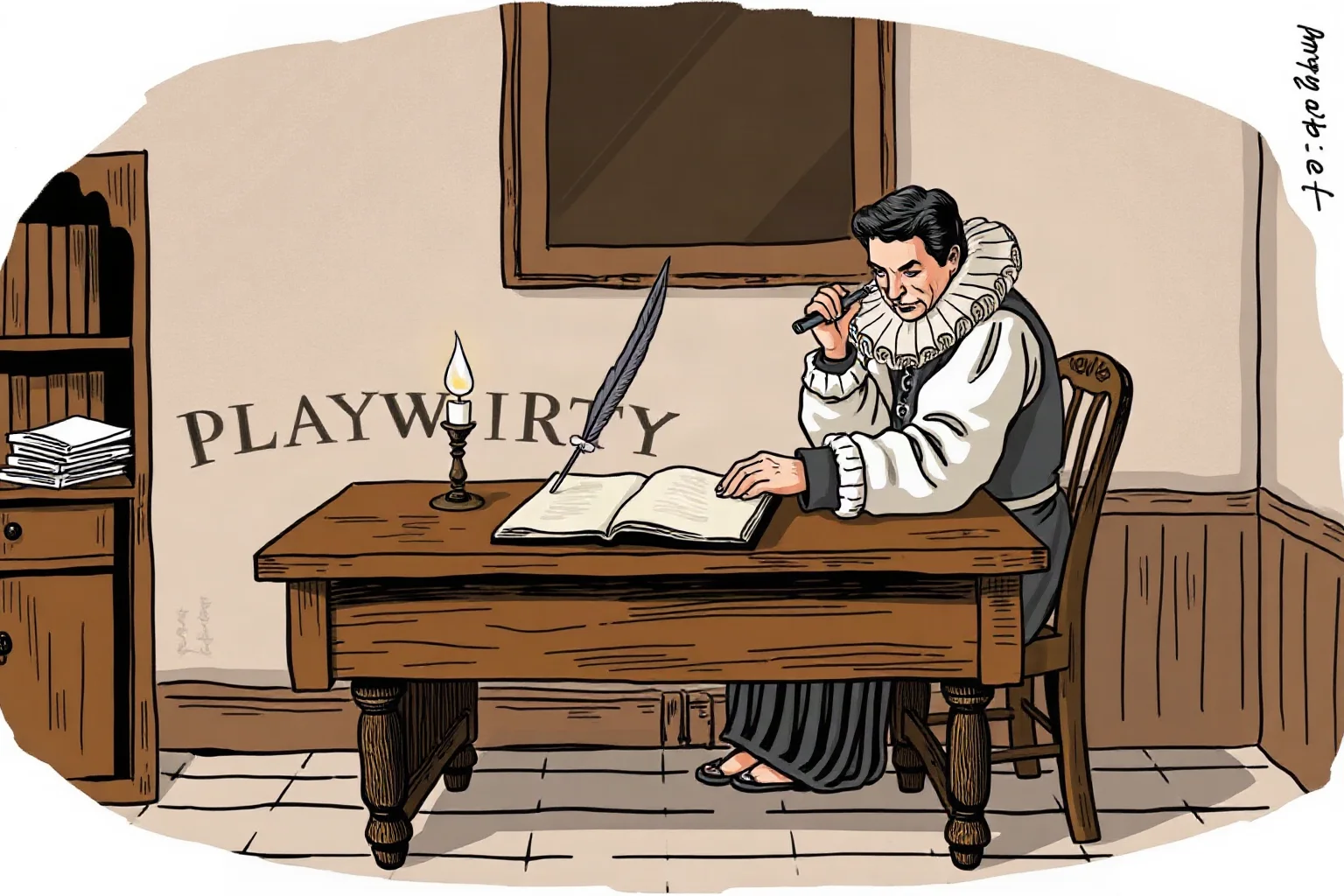
Shakespeare wrote roughly 39 plays and over 150 sonnets, and his phrases are so embedded in English that most speakers use them without realizing it. He’s the most quoted, adapted, and performed writer in the English language, and arguably one of the most recognized historical figures globally.
There’s a popular myth worth busting here: the idea that “Shakespeare” was secretly Francis Bacon, the Earl of Oxford, or someone else entirely. This authorship conspiracy has never been supported by credible historical or scholarly evidence, and mainstream Shakespeare scholars overwhelmingly reject it. The simpler, well-documented explanation — a Stratford-born playwright and actor who worked in London’s theater scene — remains the accepted one.
5. Miguel de Cervantes (1547–1616)
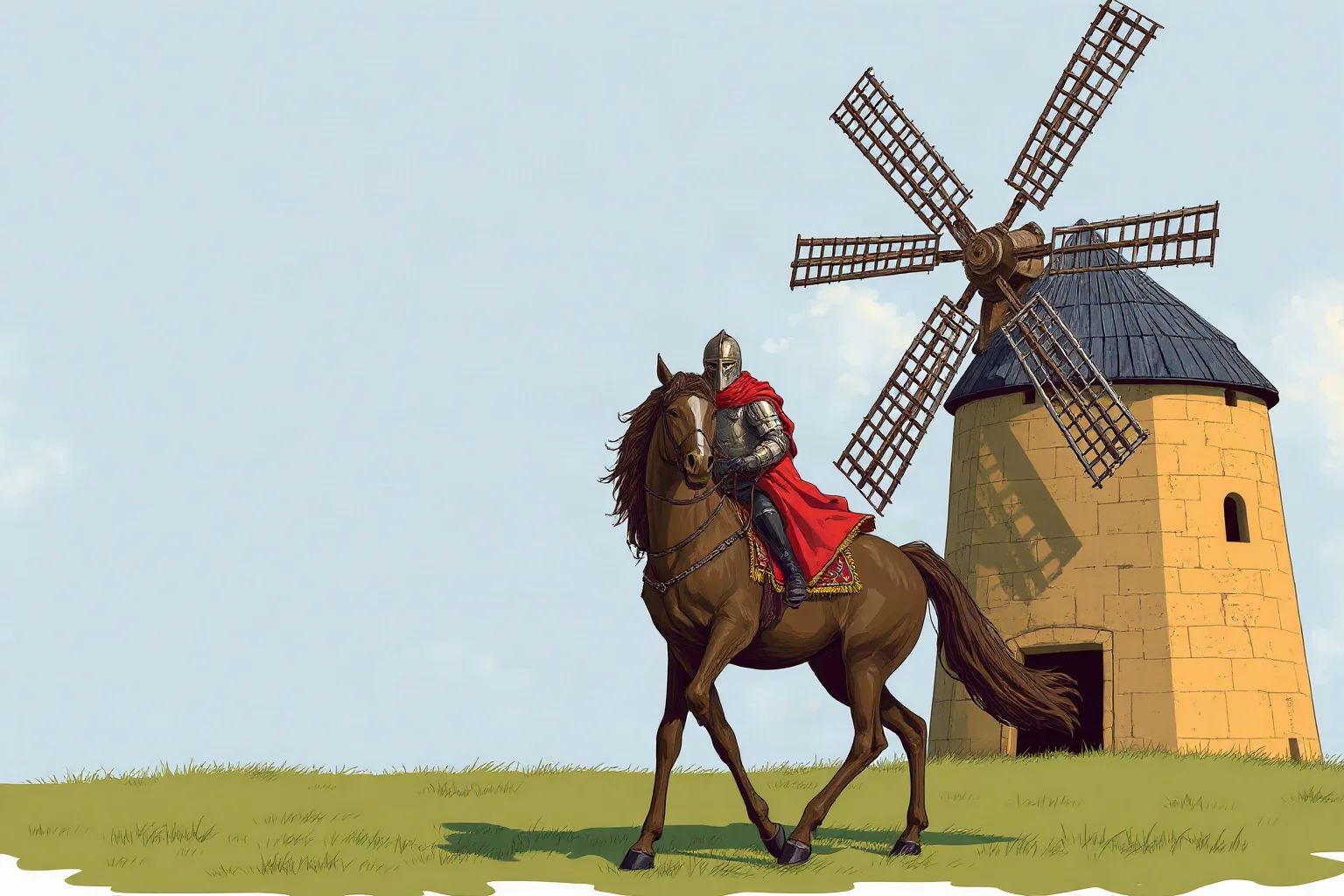
Cervantes published Don Quixote in two parts, in 1605 and 1615, and it’s frequently called the first modern novel. The story of a delusional nobleman who believes he’s a knight-errant is both a parody of chivalric romance and a surprisingly modern exploration of identity and storytelling itself.
Cervantes died in the same year as Shakespeare, 1616, a coincidence literature nerds love pointing out. Between the two of them, they essentially bracket the birth of modern Western fiction and drama.
6. Johann Wolfgang von Goethe (1749–1832)
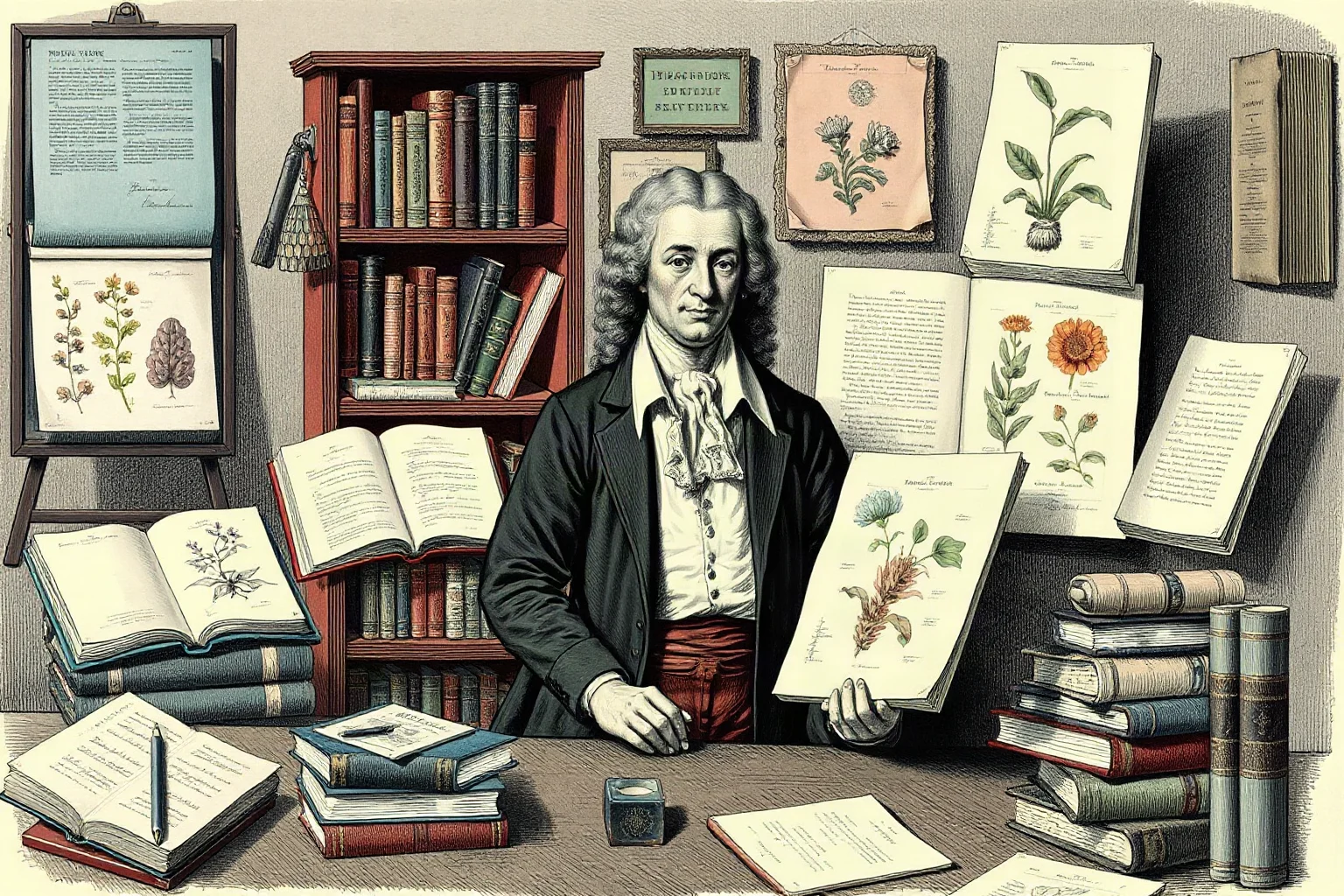
Goethe was a German writer, scientist, and statesman whose range was staggering — poetry, drama, novels, and scientific writing on color and plants that still earns him mentions among the smartest people in history. His two-part play Faust and his novel The Sorrows of Young Werther made him a defining figure of German literature.
Werther reportedly triggered a wave of imitation and public fascination across Europe when it was published in 1774, though claims about it directly causing a documented spike in suicides are disputed by modern historians and should be treated as legend rather than settled fact. Either way, Goethe’s cultural footprint across Europe was enormous.
7. Jane Austen (1775–1817)
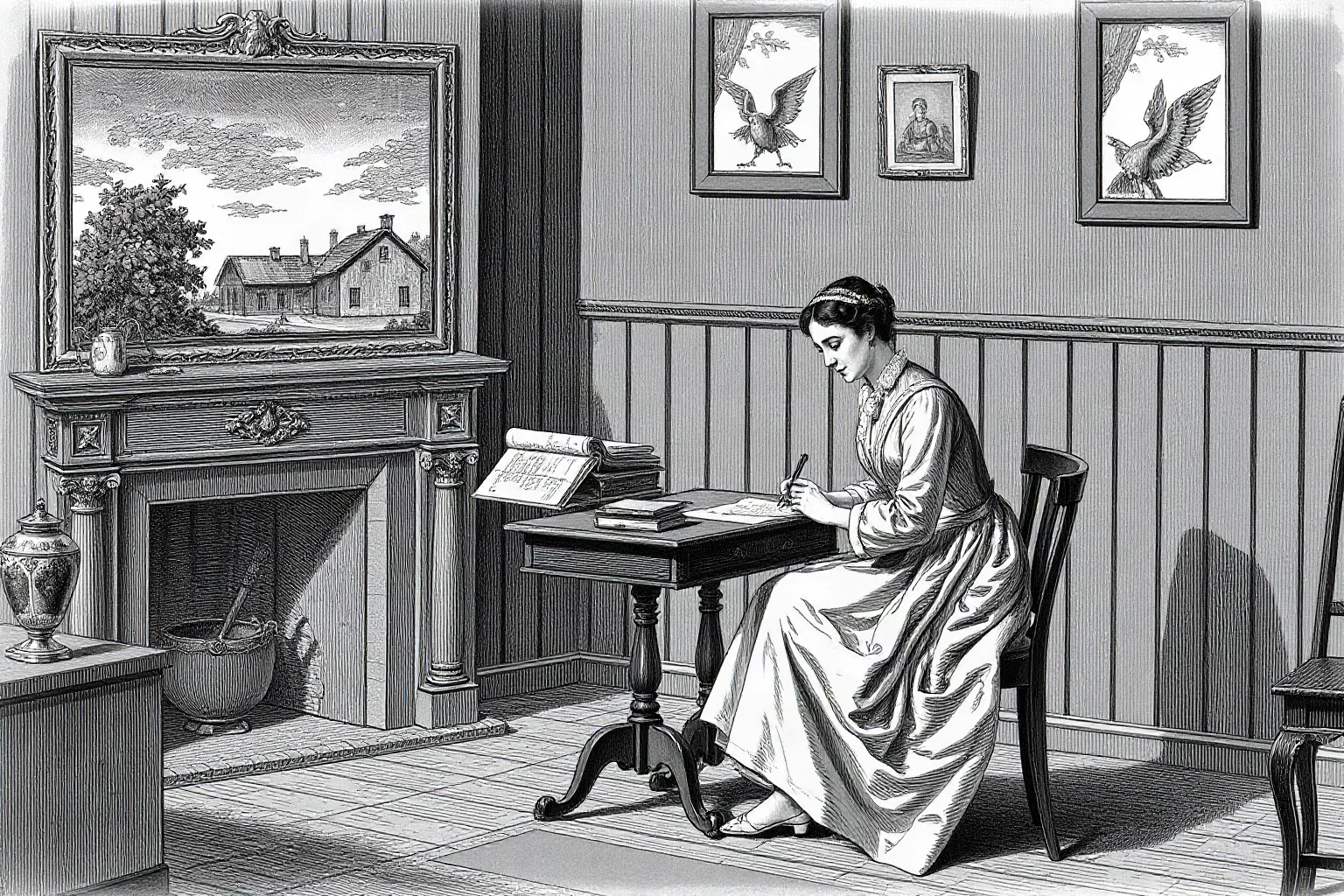
Austen wrote six completed novels, including Pride and Prejudice, Emma, and Sense and Sensibility, all published anonymously during her lifetime — the title pages simply read “By a Lady.” Her sharp social satire of the English gentry has aged remarkably well.
Austen is frequently cited among the best authors of the 19th century, and modern adaptations keep introducing her to new generations. Her reputation grew substantially after her death, which is a reminder that lifetime fame and lasting literary influence don’t always arrive together.
8. Victor Hugo (1802–1885)
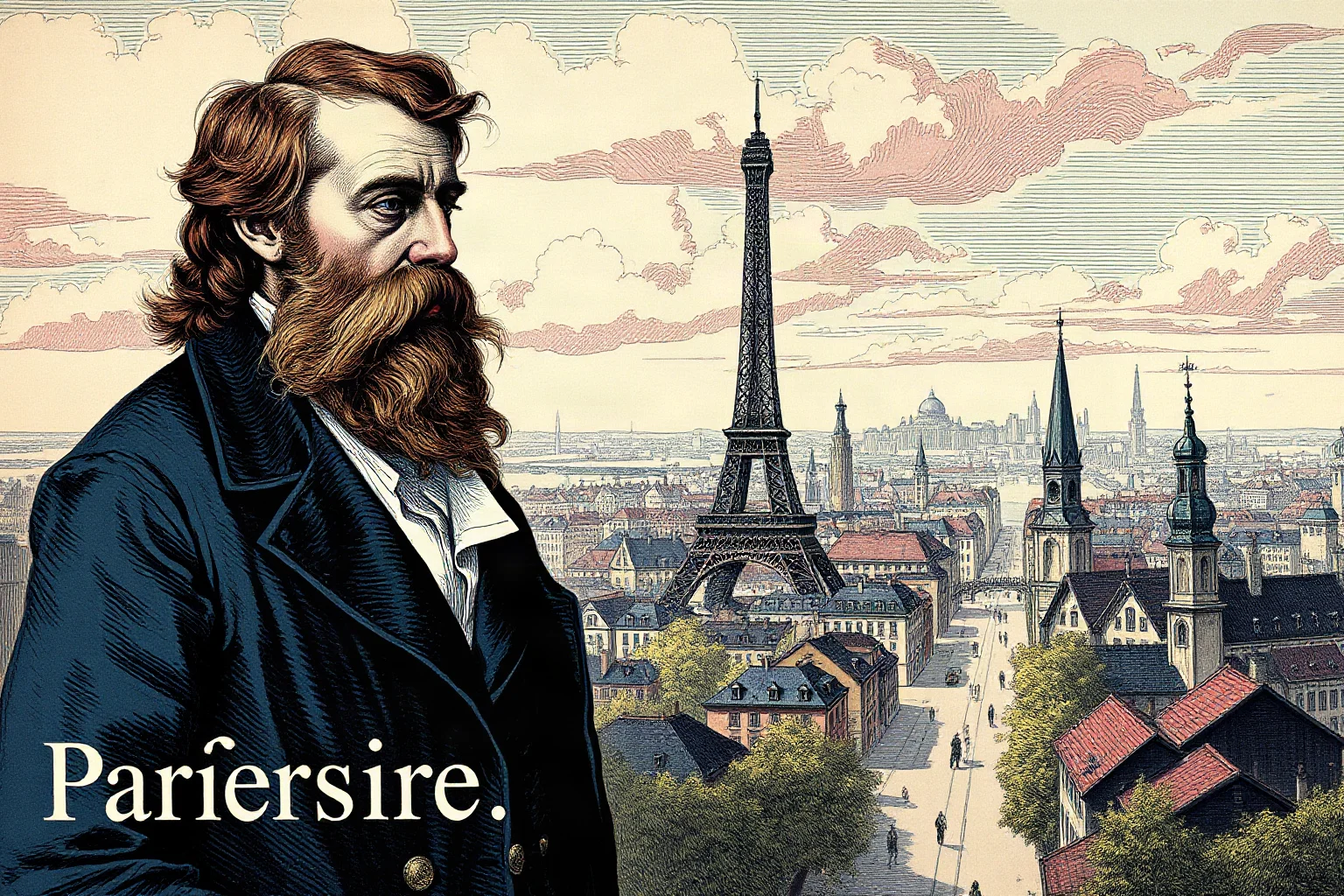
Hugo was a towering figure in 19th century French literature, known for Les Misérables and The Hunchback of Notre-Dame. He was also a politician and social critic who used fiction to campaign against poverty and capital punishment.
His novels are sprawling, morally driven, and packed with historical detail about post-Revolutionary France. Hugo remains one of the most famous writers of the 19th century specifically because his fiction doubled as activism.
9. Edgar Allan Poe (1809–1849)
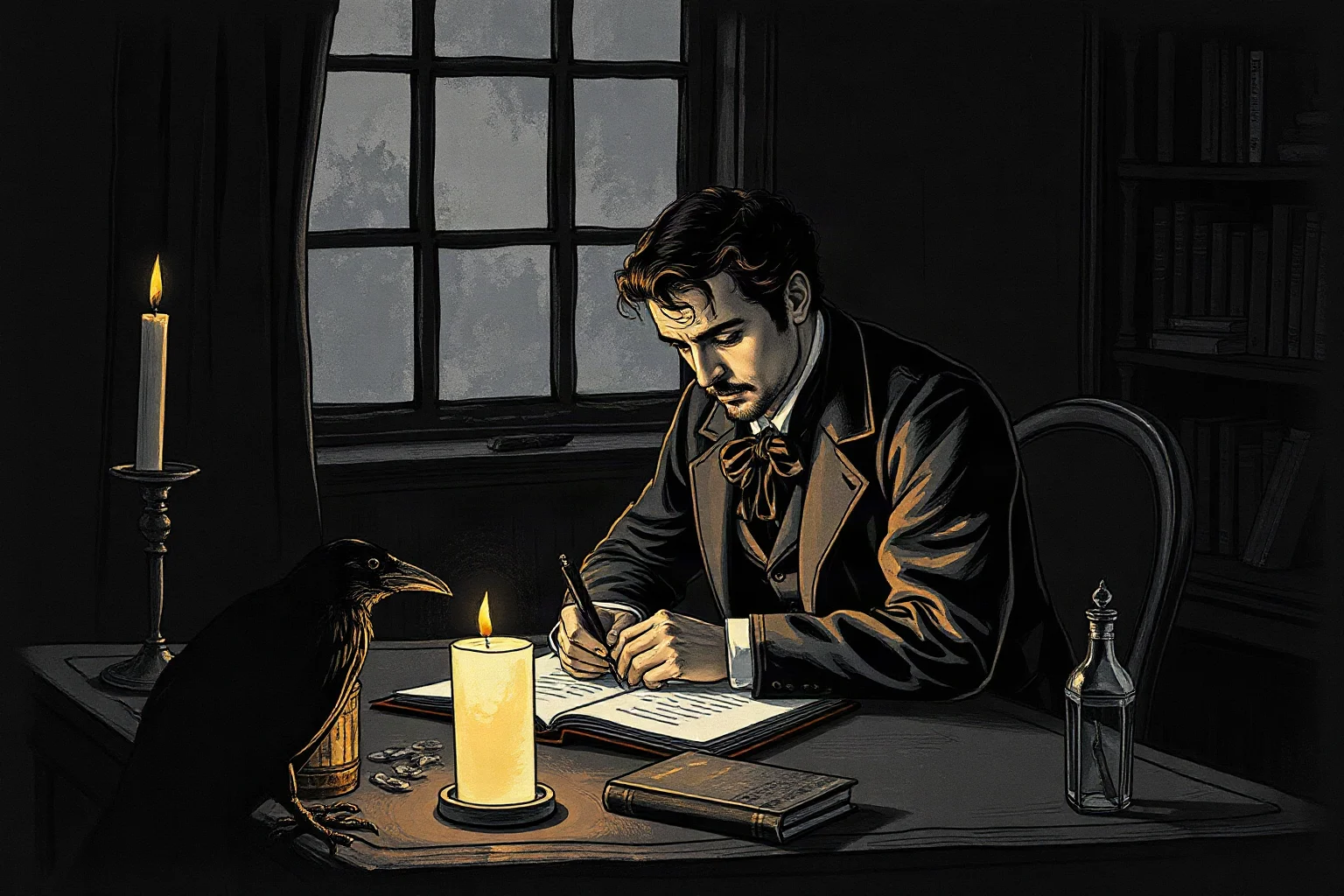
Poe is often credited as a founding figure of both detective fiction and American gothic horror, with stories like “The Tell-Tale Heart” and “The Fall of the House of Usher.” His poem “The Raven” made him a household name in his own lifetime, even though he struggled financially for most of it.
Poe’s death remains genuinely mysterious — he was found delirious in Baltimore in 1849, and historians still debate the cause. That real ambiguity has spawned decades of speculation, but responsible accounts present it as an unresolved historical mystery rather than a confirmed story.
10. Charles Dickens (1812–1870)
Dickens published many of his novels, including Oliver Twist and A Christmas Carol, in serialized installments, which meant readers got new chapters the way modern audiences binge a TV series. This format shaped his cliffhanger-heavy pacing and made him wildly popular across social classes.
Dickens used fiction to expose child labor, debtors’ prisons, and industrial poverty in Victorian England. He’s one of the best-known writers in history not just for storytelling, but for using popular fiction as social commentary.
11. Fyodor Dostoevsky (1821–1881)
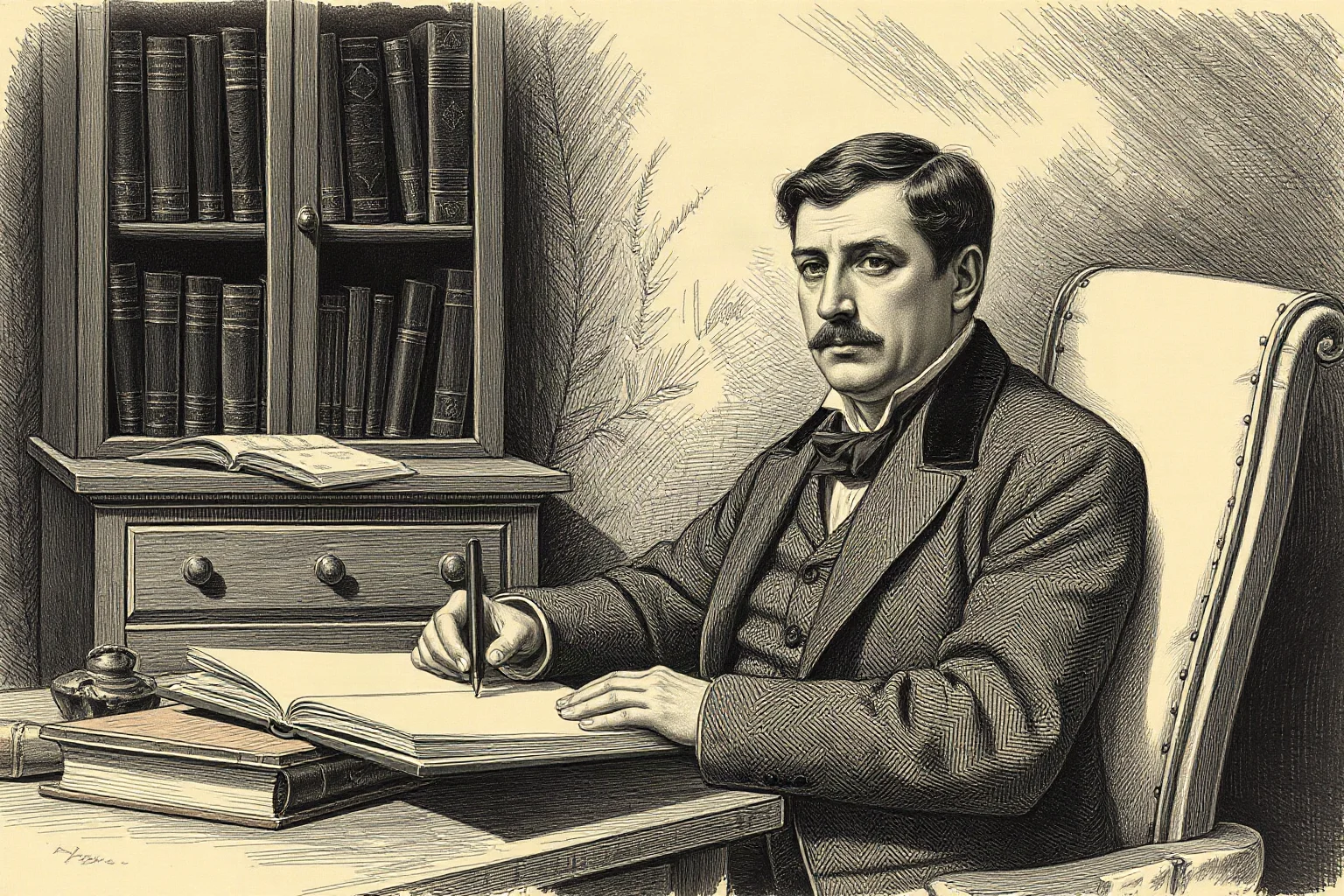
Dostoevsky’s novels, including Crime and Punishment and The Brothers Karamazov, dig into guilt, faith, and moral crisis with a psychological intensity that influenced everything from existentialist philosophy to modern crime fiction. He wrote several major works after surviving a mock execution and years of Siberian exile for his political activities.
That brush with death and imprisonment deeply informed his later fiction. Dostoevsky remains a fixture on lists of the greatest novelists of all time for his ability to turn philosophical arguments into gripping narrative.
12. Leo Tolstoy (1828–1910)
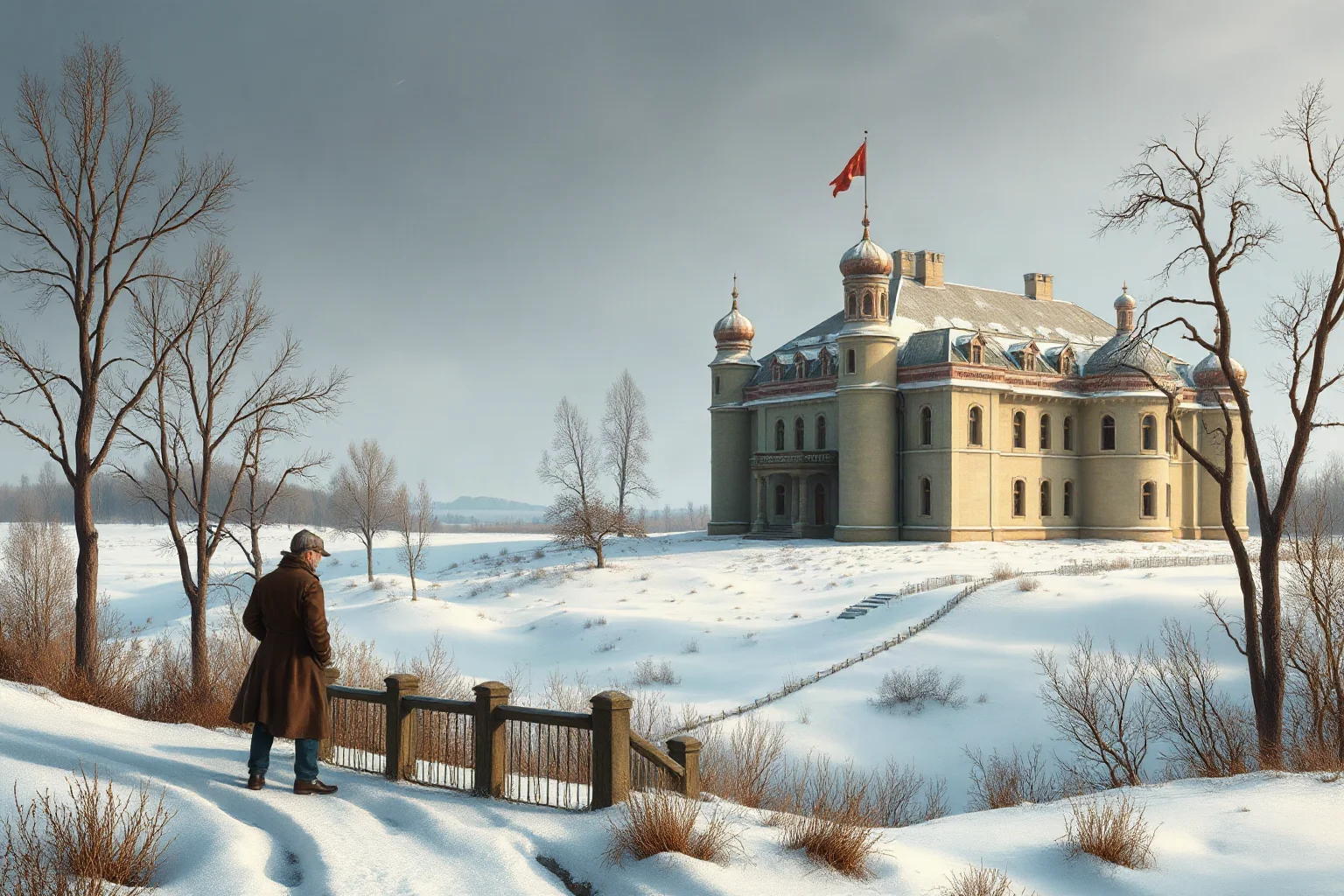
Tolstoy’s War and Peace and Anna Karenina are frequently named among the greatest novels ever written, blending sweeping historical scope with intimate personal drama. Later in life, he turned toward radical pacifism and Christian anarchism, which strained his relationship with the Russian Orthodox Church.
His ideas about nonviolent resistance later influenced figures like Mahatma Gandhi. Tolstoy shows up on nearly every serious list of the best writers ever for good reason — his narrative ambition genuinely hasn’t been matched often.
13. Mark Twain (1835–1910)
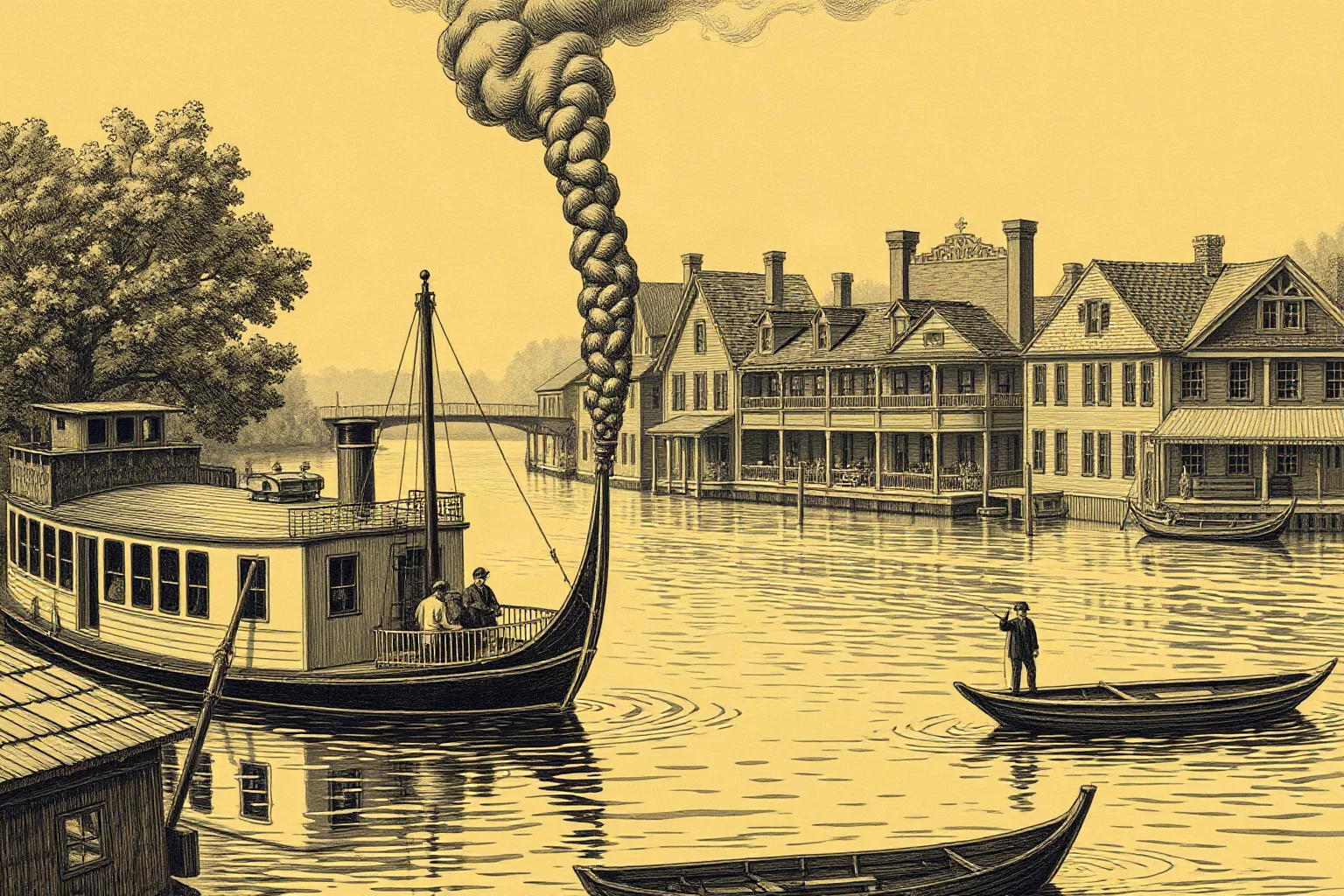
Born Samuel Langhorne Clemens, Twain became one of America’s most famous authors through works like The Adventures of Tom Sawyer and Adventures of Huckleberry Finn. His use of regional dialect and biting humor helped define a distinctly American literary voice.
Twain was also a prolific public speaker and social commentator, and many of his sharpest one-liners get misattributed to him online without solid sourcing. That’s worth flagging, since plenty of quotes floating around under his famous author name were never actually written by him.
14. Emily Dickinson (1830–1886)
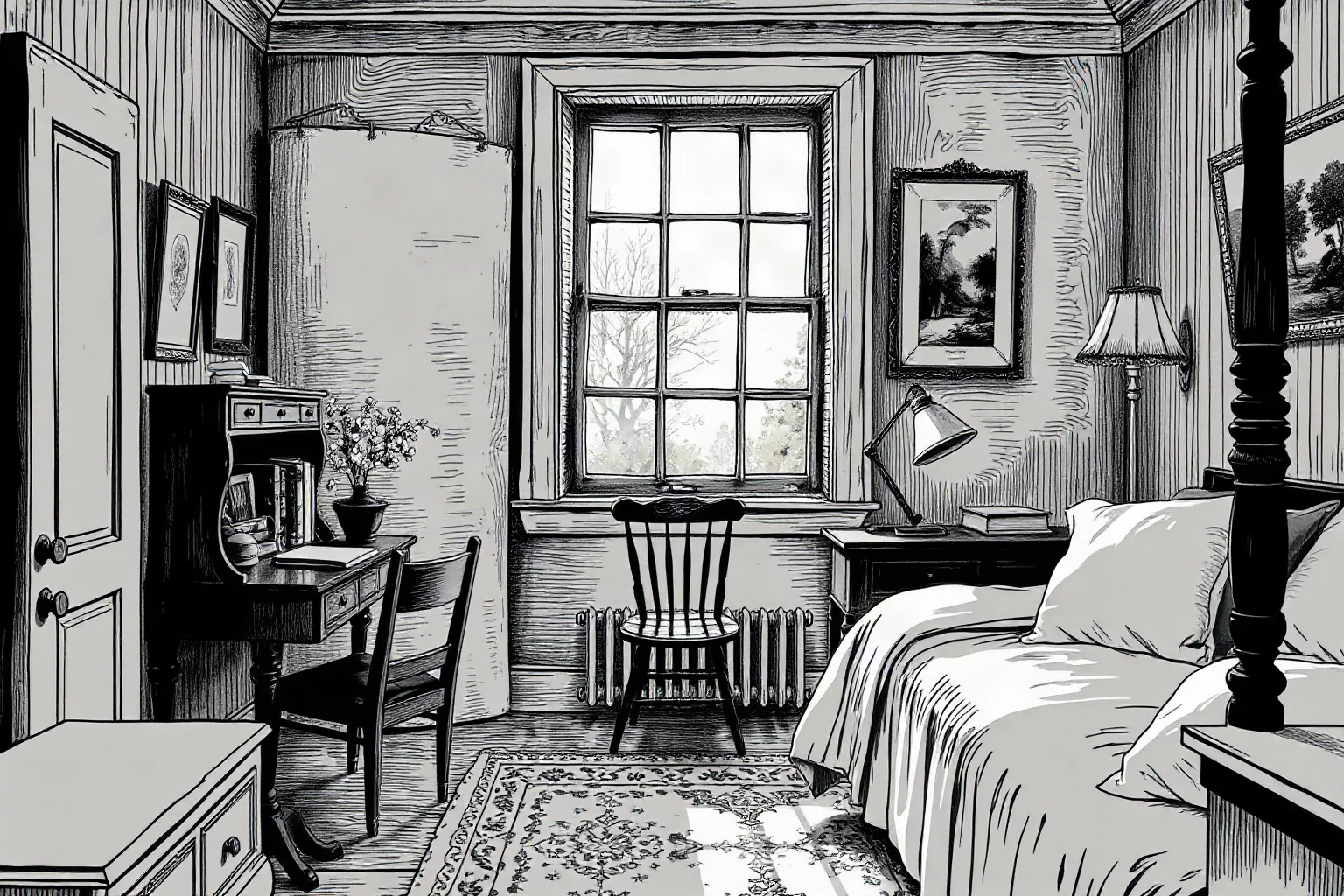
Dickinson wrote nearly 1,800 poems, but fewer than a dozen were published during her lifetime, often altered by editors without her input. She lived a famously reclusive life in Amherst, Massachusetts, and her family discovered the bulk of her poetry only after her death.
Her unconventional punctuation, slant rhyme, and compressed imagery influenced generations of poets who came after. Dickinson is a striking example of a writer whose fame arrived almost entirely posthumously.
15. Virginia Woolf (1882–1941)
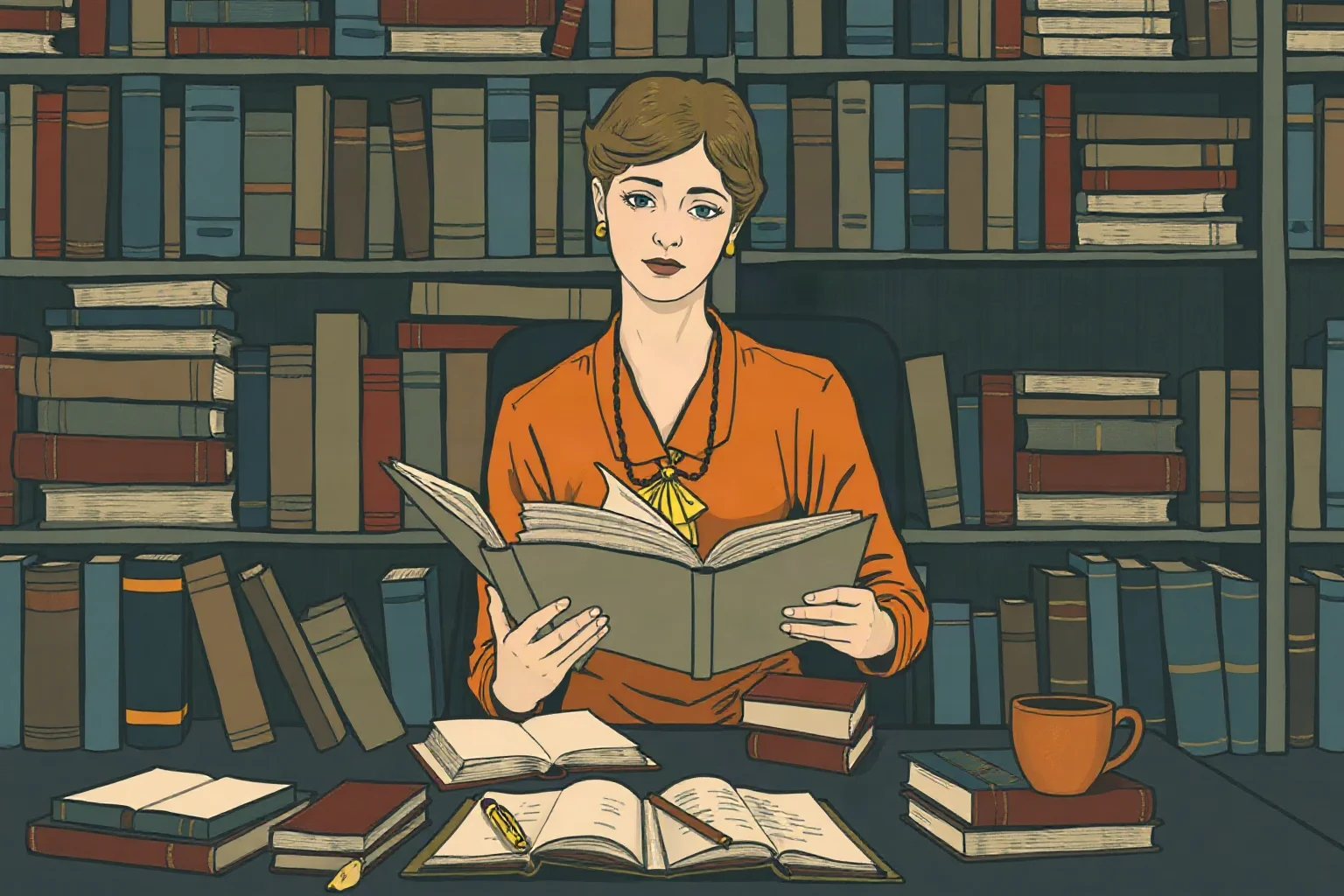
Woolf helped pioneer stream-of-consciousness narration in novels like Mrs Dalloway and To the Lighthouse, tracking characters’ inner thoughts in ways that felt radically new. Her essay A Room of One’s Own became a foundational feminist text, arguing that women needed both financial independence and literal private space to write.
Woolf was also a central figure in the Bloomsbury Group, a circle of London writers and artists who shaped early 20th century British culture. She remains one of the most studied authors of the 20th century in university literature departments worldwide.
16. James Joyce (1882–1941)
Joyce’s Ulysses, published in 1922, reimagines Homer’s Odyssey as a single day in Dublin, told through dense, experimental prose. The book was banned in the United States and United Kingdom for years over obscenity concerns before courts eventually lifted the restrictions.
Joyce pushed the English language to its structural limits, especially in his later novel Finnegans Wake. His influence on modernist and experimental fiction is hard to overstate, even among readers who admit Ulysses is a genuinely difficult read.
17. Franz Kafka (1883–1924)
Kafka wrote in German while living in Prague, producing unsettling, bureaucratic nightmares like The Metamorphosis and The Trial. He published relatively little during his lifetime and reportedly asked his friend Max Brod to destroy his unpublished manuscripts after his death.
Brod ignored that request, which is the only reason novels like The Trial and The Castle exist for readers today. The term “Kafkaesque” entered common usage precisely because no other word quite captures his particular flavor of absurd dread.
18. Ernest Hemingway (1899–1961)
Hemingway’s spare, understated prose style — sometimes called the “iceberg theory,” where most of the meaning sits beneath the surface — influenced generations of American fiction. Novels like The Old Man and the Sea and A Farewell to Arms drew heavily on his own experiences as a war correspondent and ambulance driver.
He won the Nobel Prize in Literature in 1954, largely on the strength of his mastery of narrative style. Hemingway remains one of the most imitated and parodied writers of the 20th century, which is its own strange form of tribute.
19. Agatha Christie (1890–1976)
Christie is often cited as the best-selling novelist of all time, with detective characters Hercule Poirot and Miss Marple appearing across dozens of novels. Her intricate plotting essentially set the template for the modern mystery novel.
Her 1926 real-life disappearance for eleven days remains genuinely unexplained in full detail, and various theories exist without a confirmed definitive answer. As a novelist, though, her legacy is unambiguous — she’s one of the most famous book authors of the 20th century, full stop.
20. J.R.R. Tolkien (1892–1973)
Tolkien was an Oxford philologist before he was a novelist, and that linguistic background shows in the invented languages and deep mythology underpinning The Hobbit and The Lord of the Rings. He essentially created the template modern fantasy fiction still follows.
Tolkien’s friendship with fellow writer C.S. Lewis, part of an Oxford literary group called the Inklings, shaped both of their work. Decades later, his influence is visible in nearly every fantasy novel, game, or film that follows a hero’s quest structure.
21. George Orwell (1903–1950)
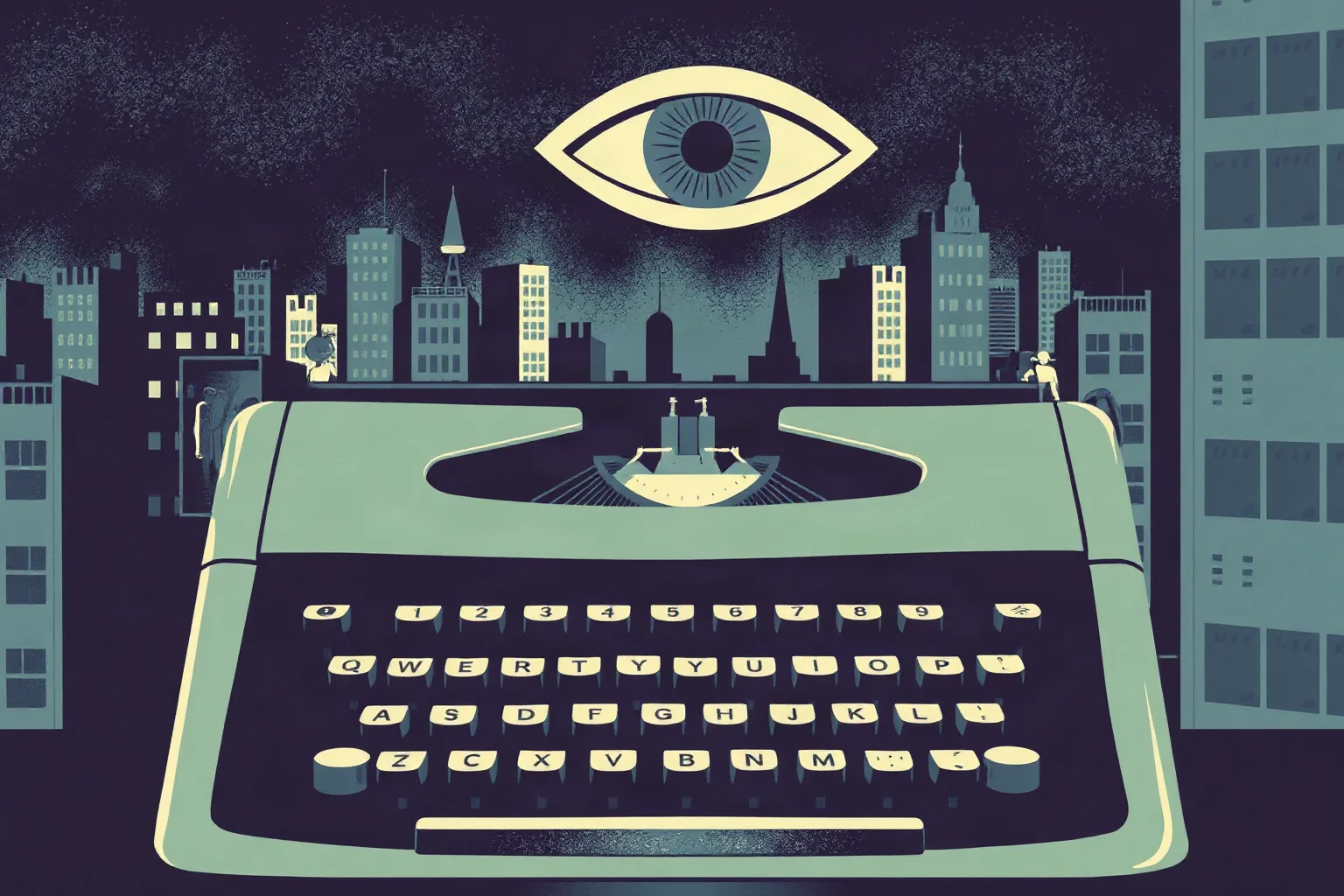
Born Eric Arthur Blair, Orwell wrote 1984 and Animal Farm, two of the most politically influential novels of the 20th century. Terms he coined or popularized — “Big Brother,” “doublethink,” “thought police” — are now everyday vocabulary for discussing surveillance and propaganda.
Orwell drew on real experiences, including fighting in the Spanish Civil War and working for the BBC, to sharpen his critique of authoritarianism. His work remains a touchstone anytime political language or state surveillance becomes a public concern.
22. Gabriel García Márquez (1927–2014)
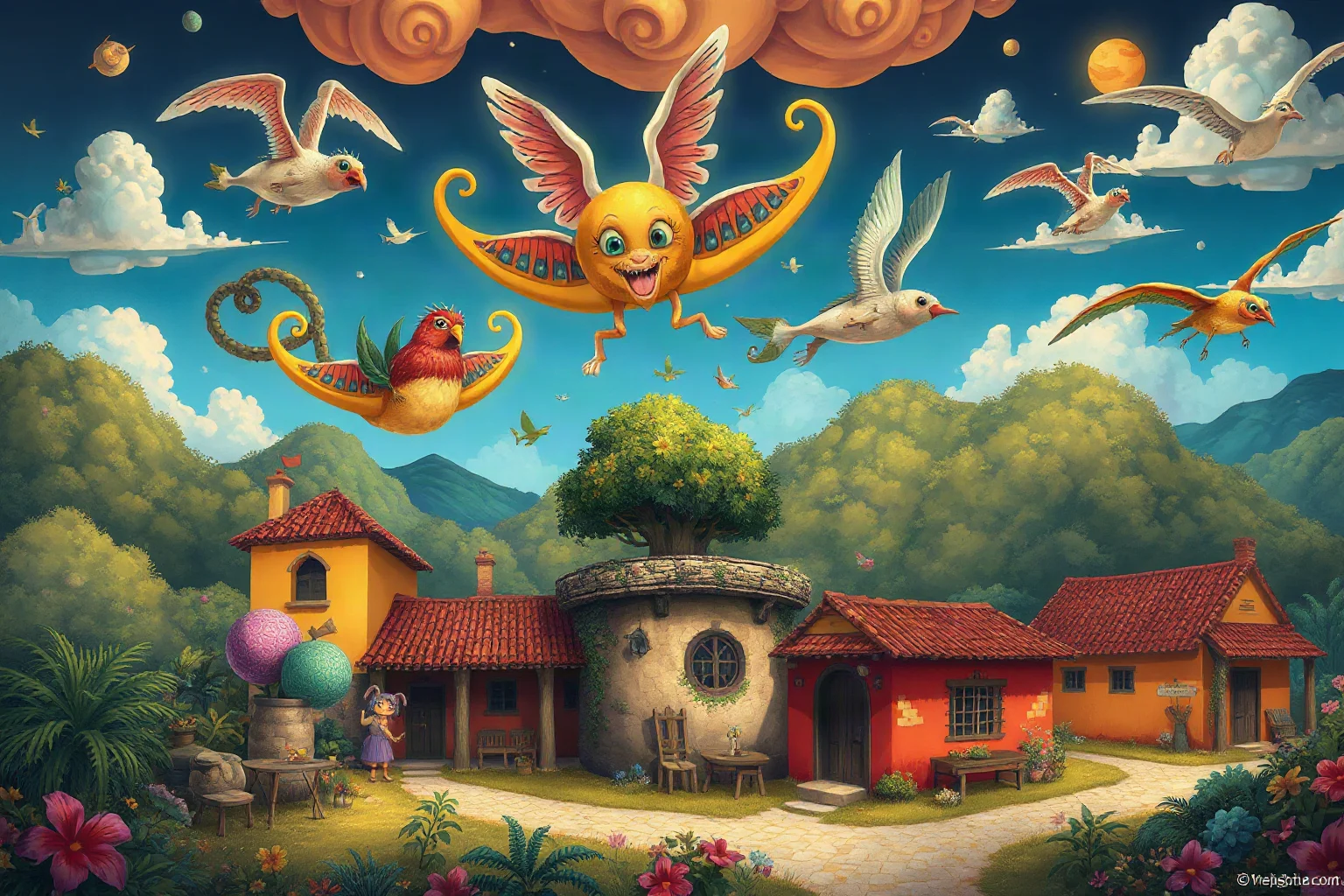
García Márquez’s One Hundred Years of Solitude helped bring magical realism to a global audience, blending the fantastical with the historical in ways that reflected Latin America’s own turbulent political history. He won the Nobel Prize in Literature in 1982.
His prose style influenced novelists across the world, well beyond Spanish-language literature. García Márquez remains a central figure whenever discussions turn to the greatest novelists of the 20th century, joining other Hispanic icons who changed history.
23. Chinua Achebe (1930–2013)
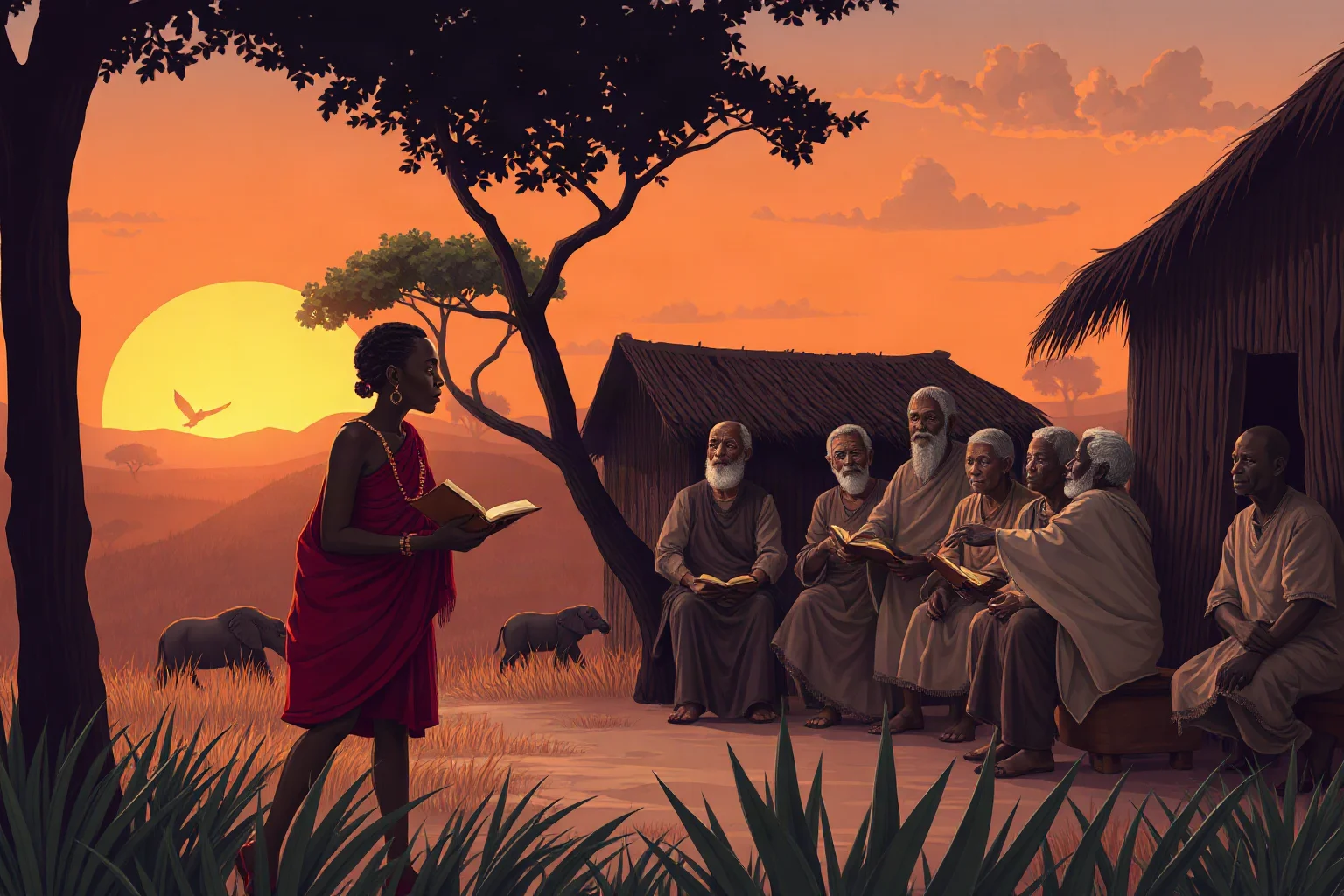
Achebe’s 1958 novel Things Fall Apart is widely considered a foundational text of modern African literature written in English, portraying Igbo village life before and during British colonization. It directly challenged earlier European depictions of Africa in fiction.
Achebe’s work opened doors for generations of African writers who followed, and the novel remains one of the most widely taught books in world literature courses. He’s an essential name on any honest list of history’s most influential authors, not just a regional footnote.
24. Toni Morrison (1931–2019)

Morrison became the first Black woman to win the Nobel Prize in Literature, awarded in 1993, recognizing novels like Beloved and Song of Solomon. Her work explores the lasting trauma of slavery and racism in America through richly layered, sometimes nonlinear storytelling.
Morrison was also a longtime editor at Random House before her own novels took off, where she championed other Black writers entering mainstream publishing. Her dual legacy as both author and literary gatekeeper makes her influence unusually wide-reaching.
25. Maya Angelou (1928–2014)
Angelou’s memoir I Know Why the Caged Bird Sings broke ground for its candid account of trauma and resilience, and it remains one of the most widely read American memoirs ever published. She was also a poet, performer, and civil rights-era activist who worked alongside figures like Martin Luther King Jr.
In 1993, she read her poem “On the Pulse of Morning” at President Bill Clinton’s inauguration, one of the most publicly visible poetry readings in modern American history. Angelou’s combination of literary craft and lived historical significance is part of why she’s remembered as more than “just” a famous author.
How to Think About “The Best” Going Forward
Notice how differently these 25 careers played out. Some, like Austen and Dickinson, found real fame only after death. Others, like Christie and Twain, were commercial superstars in their own lifetimes.
Some wrote in languages that limited their initial reach, only for translation to eventually make them global names decades or centuries later. That’s worth remembering the next time someone claims there’s one definitive, uncontested answer to who the greatest writer of all time really is.
The honest answer is that greatness in literature gets negotiated over time, by readers, translators, teachers, and cultures very different from the one a writer worked in. That ongoing negotiation is exactly why these 25 names, and plenty of others left off any single list, keep getting rediscovered by new generations of readers.
Final Thoughts
What ties these writers together isn’t genre, nationality, or era — it’s that each one changed what was possible on the page, whether that meant standardizing a language, inventing a genre, or giving voice to an experience that literature had ignored. That’s a more useful definition of “greatest” than sales figures or fame alone.
If you’re building your own reading list from history’s most influential authors, there’s no wrong place to start. Pick whichever name above sounds most interesting, and let one great book lead you to the next.
Frequently Asked Questions
Who are considered the best authors of all time?
There's no official ranking, but writers like Homer, Shakespeare, Cervantes, Austen, Tolstoy, and Toni Morrison are consistently named among the best authors of all time by scholars and readers alike. They're recognized less for popularity alone and more for how deeply they changed literary form, language, or storytelling itself.
Who is the greatest writer of all time?
There's genuinely no single agreed-upon answer, since 'greatest' depends on the criteria used — cultural influence, technical innovation, or sheer readership. Shakespeare and Homer are the two names that come up most often in Western literary history, largely because of their outsized and lasting influence on language and storytelling structure.
What actually makes a writer one of the greatest of all time?
Most literary historians point to a combination of factors: innovation in form or language, influence on later writers, cultural or historical significance, and staying power across generations and translations. Popularity at the time of publication is only one small piece of that picture, and it isn't always the deciding factor.
Who are some of the best authors of the 20th century?
Notable 20th century authors include Virginia Woolf, James Joyce, Franz Kafka, Ernest Hemingway, George Orwell, Agatha Christie, J.R.R. Tolkien, Gabriel García Márquez, Toni Morrison, and Maya Angelou. This era saw massive experimentation in style, from modernist stream-of-consciousness writing to magical realism and postcolonial literature.
Are there famous women authors among history’s greatest writers?
Yes, and their historical recognition has often lagged behind their male peers despite comparable influence. Jane Austen, Emily Dickinson, Virginia Woolf, Agatha Christie, Toni Morrison, and Maya Angelou are widely regarded among the most important writers in history, even though many were undervalued or overlooked during their own lifetimes.
Is William Shakespeare really the greatest writer in history?
Shakespeare is one of the most influential writers in the English language, given how many words, phrases, and dramatic structures he introduced or popularized. Whether he's objectively the single 'greatest' is a matter of ongoing debate, since writers like Homer, Dante, and Tolstoy are argued just as passionately by their own supporters.
Who are some famous writers of the 19th century?
Major 19th century authors include Jane Austen, Charles Dickens, Victor Hugo, Edgar Allan Poe, Fyodor Dostoevsky, Leo Tolstoy, Mark Twain, and Emily Dickinson. This period produced much of the realist and early gothic fiction that still shapes popular storytelling today.
Why do some famous authors only become well known after their deaths?
Publishing access, social norms, and simple bad timing kept many writers from wide recognition during their own lifetimes. Emily Dickinson published fewer than a dozen poems while alive, and Franz Kafka's most famous novels were only published because a friend ignored his request to destroy them, showing how much literary reputations can shift after death.

Alex Warren
Related Articles