


Every history buff knows the big reigns — Victoria’s 63 years, Louis XIV’s 72, Elizabeth II’s remarkable 70. But tucked into the footnotes of royal history is a much stranger club: the monarchs who barely got to warm the throne before it was yanked out from under them.
Some lost their crowns to war, some to palace coups, some to referendums, and at least one allegedly lost his to a 20-minute technicality.
Whether you searched for the shortest reigning English monarch, the shortest reigning British monarch, or you’re just chasing an answer to a tricky quiz question, this list has you covered — with the historical caveats that actually matter.
TL;DR: Lady Jane Grey’s famous “Nine Days” reign is the most commonly cited answer for England’s shortest-reigning monarch, but she’s just one entry in a much stranger, worldwide club of rulers who barely got settled on the throne.
English & British Monarchs With Blink-and-You-Missed-It Reigns
Before we go globe-trotting, let’s answer the question most people actually typed into Google: who was the shortest-reigning English monarch, and how does that differ from the shortest-reigning British monarch? The answers depend on some fine print about crowning, proclaiming, and the 1707 union of England and Scotland — so let’s sort it out properly.
1. Lady Jane Grey — The Nine Days’ Queen
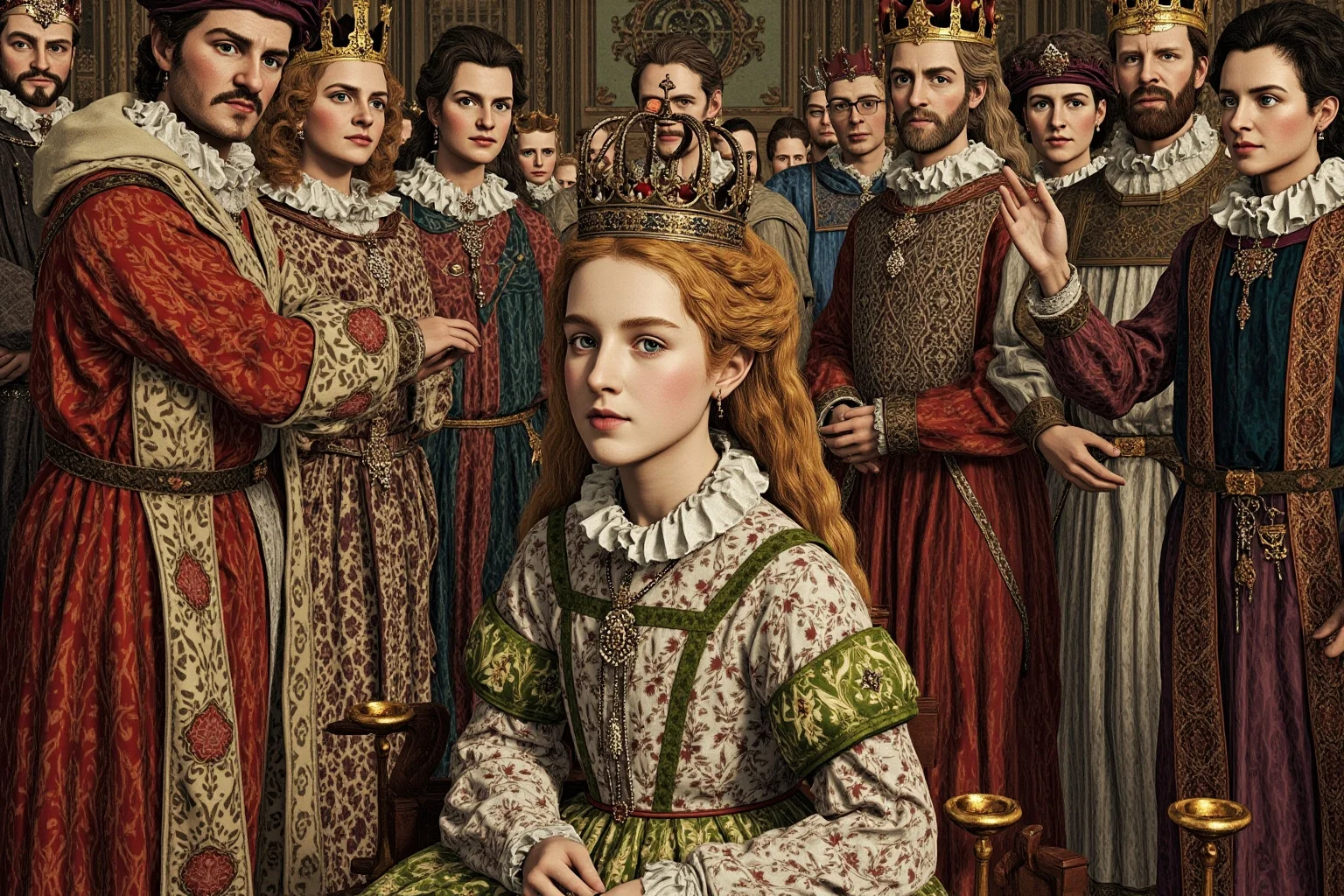
Lady Jane Grey is the name most trivia nights land on when asked about the shortest reigning monarch in English history. She was proclaimed queen on 10 July 1553 following the death of her cousin Edward VI, as part of a plan by the Duke of Northumberland to keep the crown Protestant.
She was deposed just nine days later when the Privy Council switched allegiance to Mary I, Edward’s half-sister and the rightful Catholic heir. Jane was never crowned, and many historians argue she should be classed as a disputed or de facto monarch rather than an official one — but she remains the answer most people expect when searching “who was the shortest king of England” (or in her case, queen).
2. Edward V — The Uncrowned Boy King
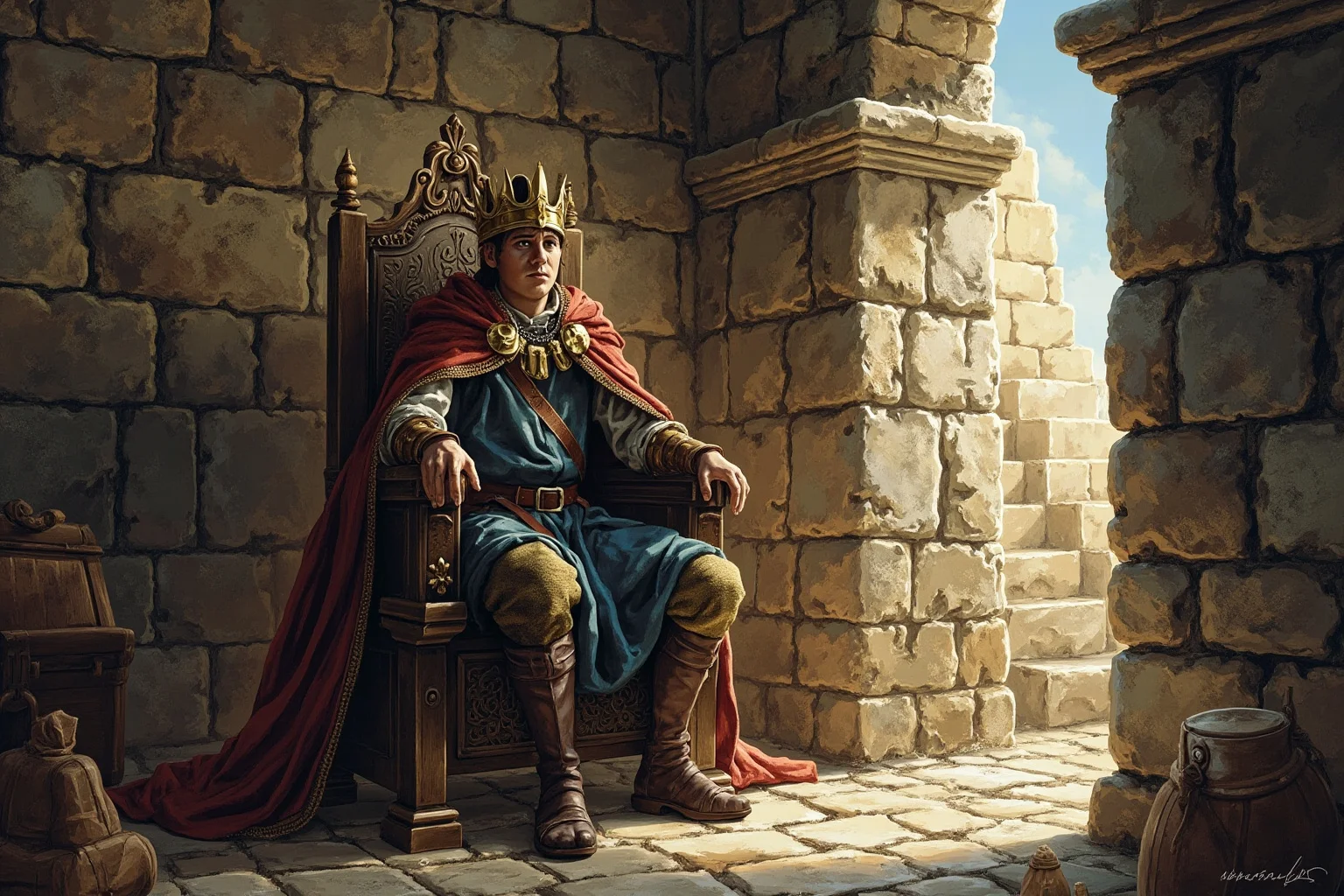
Edward V became king in April 1483 at just 12 years old, following his father Edward IV’s sudden death. His reign lasted only 78 days before his uncle, Richard, Duke of Gloucester, had him declared illegitimate and took the throne as Richard III.
Edward and his younger brother were lodged in the Tower of London and vanished from historical record shortly after, in one of English history’s most notorious cold cases. Like Jane Grey, Edward V was never formally crowned, which is why historians debate exactly how to rank him against her for the title of shortest reigning king.
3. Sweyn Forkbeard — England’s Forgotten Viking King
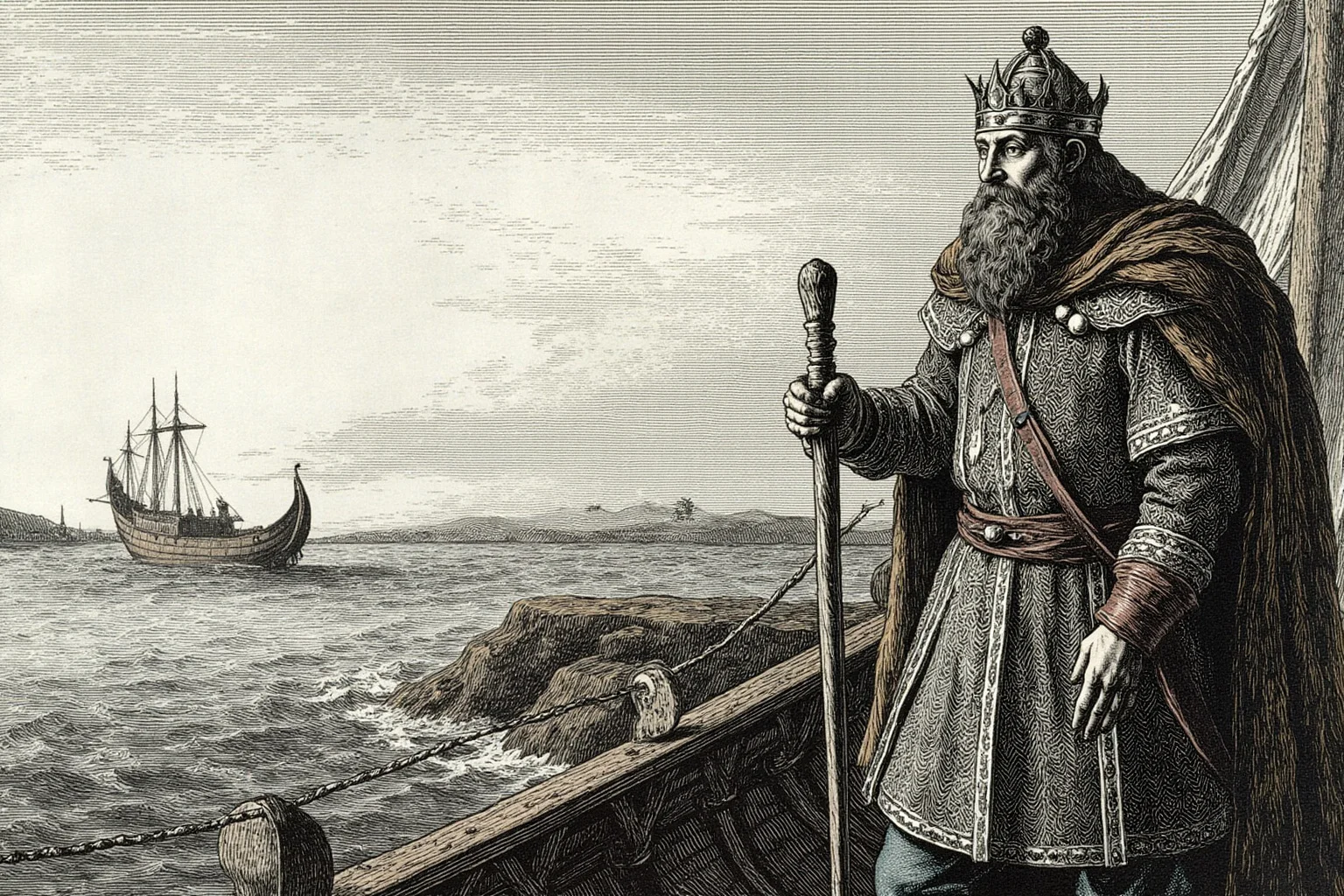
Sweyn Forkbeard, King of Denmark, conquered England in late 1013 and was accepted as king by the English nobility around Christmas that year. He died just weeks later, on 3 February 1014, giving him a reign of roughly five weeks.
He’s easy to forget because his son, Cnut the Great, went on to rule a far more famous and lengthy reign. But Sweyn deserves credit as one of the shortest-reigning kings England ever had, Viking or otherwise.
4. Edmund Ironside — Seven Months of War
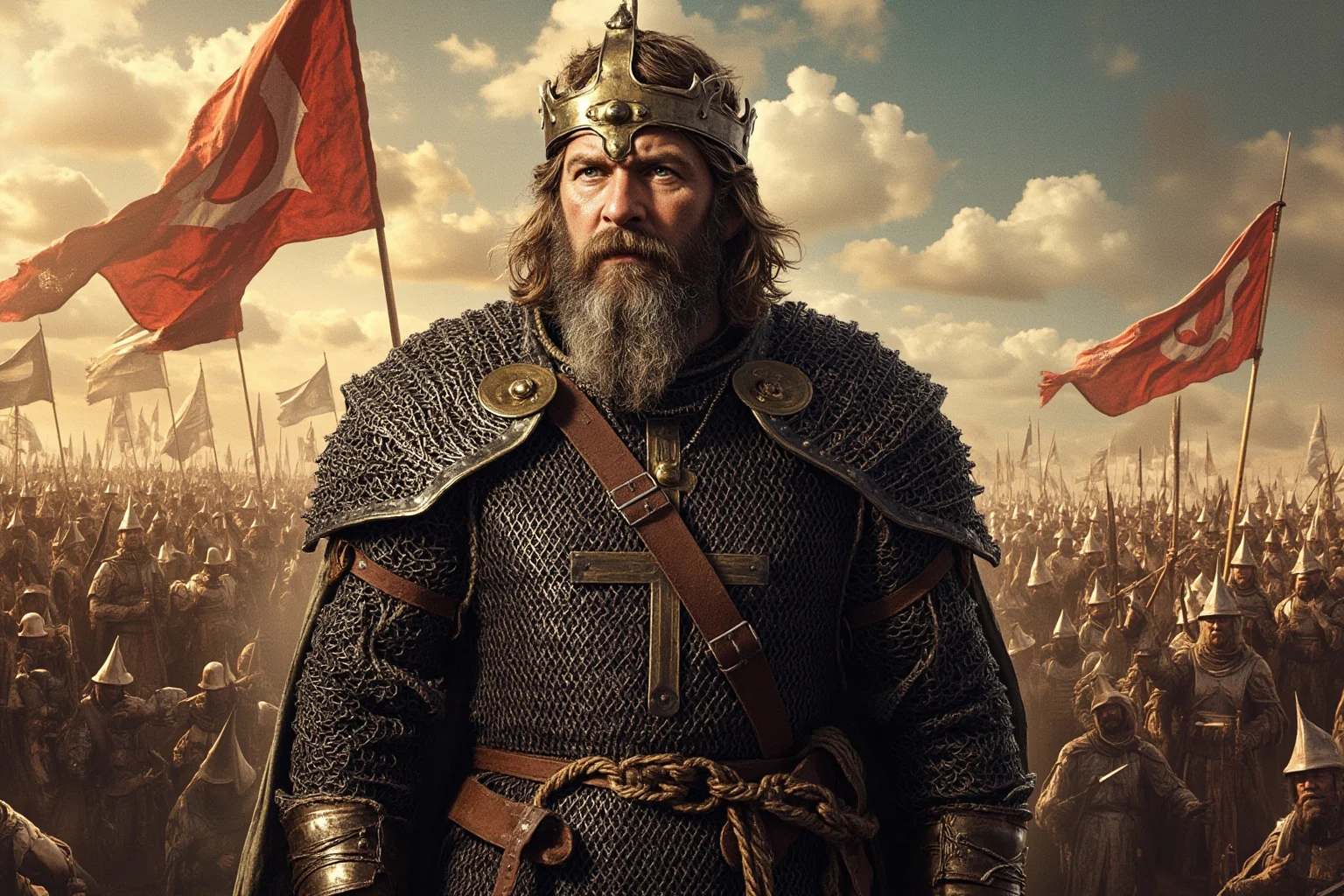
Edmund Ironside inherited a genuinely disastrous situation in April 1016: a country under relentless Viking assault and a father, Æthelred the Unready, who left behind a shaky kingdom. Edmund fought hard, earning his nickname, but died in November 1016 after roughly seven months on the throne.
His death let Cnut unify the English and Danish crowns, ending one of the more chaotic chapters of Anglo-Saxon rule. Seven months isn’t quite as dramatic as nine days, but by medieval standards it’s still a remarkably brief tenure.
5. Harold II — Crowned in January, Dead by October
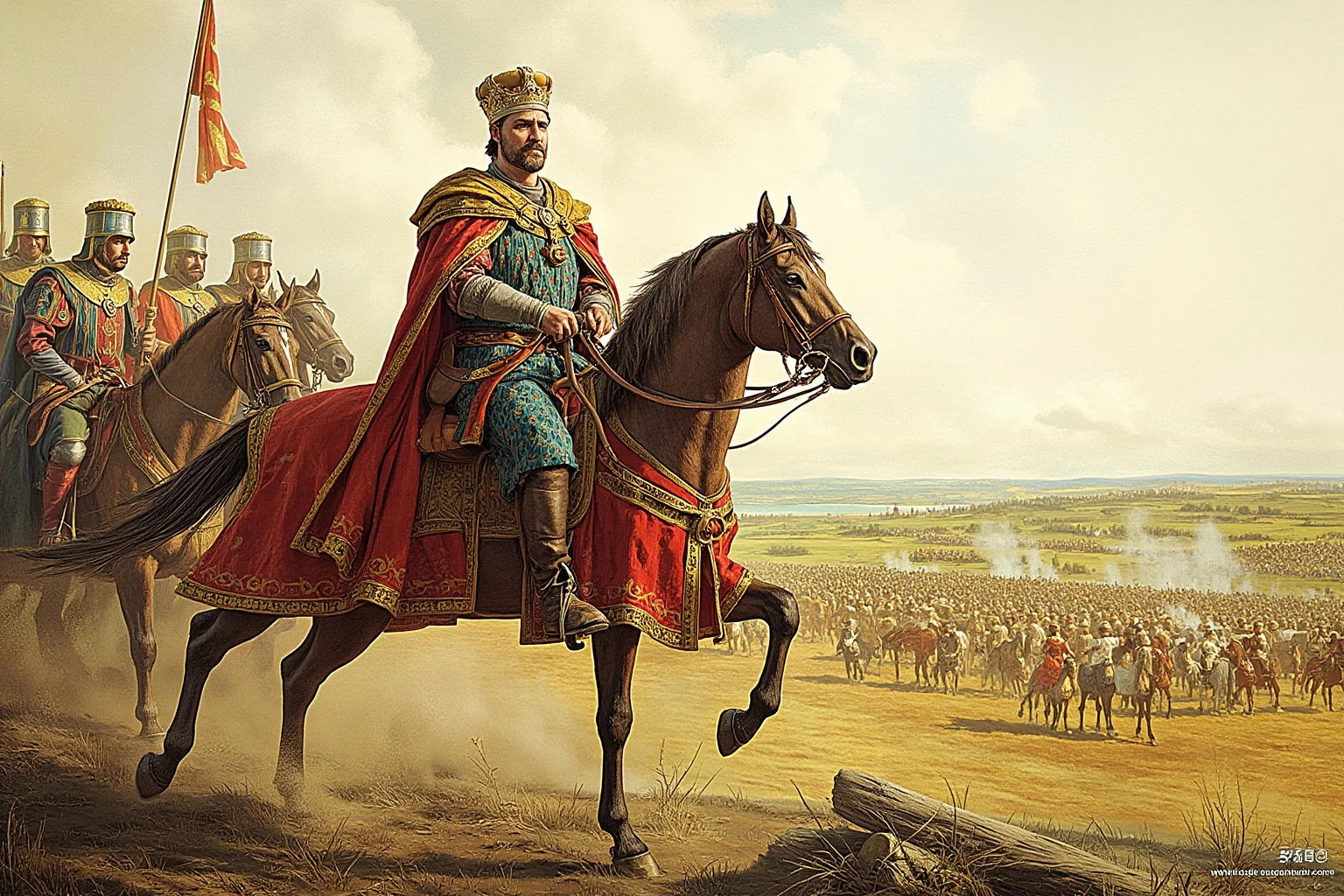
Harold II took the throne in January 1066 after Edward the Confessor’s death, becoming the last Anglo-Saxon king of England. His reign ended on the battlefield at Hastings in October 1066, after roughly nine months, when he was killed facing William the Conqueror’s invasion.
Nine months is longer than most entries on this list, but the stakes make it one of history’s most consequential short reigns. It essentially closed the Anglo-Saxon era of English history in a single afternoon.
6. Edward VIII — The Modern Record Holder
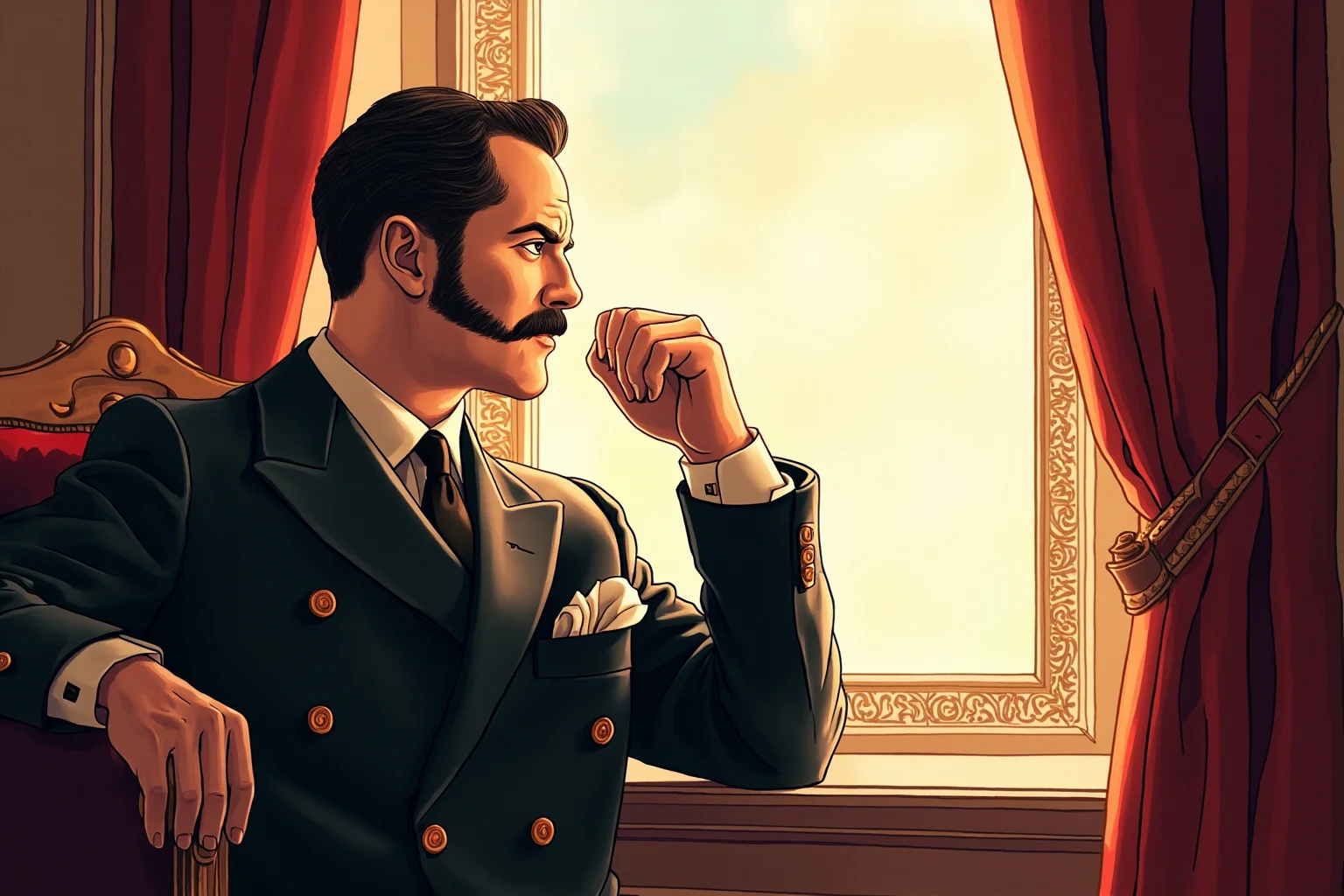
If you’re specifically asking about the shortest reigning British monarch — meaning since the 1707 union created the Kingdom of Great Britain — the answer changes. Edward VIII reigned for 326 days, from January to December 1936, before abdicating to marry the American divorcée Wallis Simpson.
He was never crowned either, since his coronation was scheduled for May 1937 and he stepped down months earlier. Among Britain’s modern monarchs, his is the shortest confirmed reign, making him the go-to answer whenever people ask about the shortest reigning British monarch rather than the broader English monarch category.
Short-Reigning Monarchs From Around the World
England and Britain don’t have a monopoly on rulers who barely got comfortable. Once you widen the search to world history, some reigns get almost comically brief — a reminder that royal succession has always been a high-stakes game of musical chairs. It’s not just secular thrones either — the Catholic Church has its own dramatic tally of popes with the shortest reigns in history, some lasting barely two weeks.
7. Louis XIX of France — King for Twenty Minutes
According to French royalist tradition, Louis Antoine, Duke of Angoulême, became King Louis XIX for about 20 minutes on 2 August 1830. His father, Charles X, abdicated in his favor, and Louis Antoine reportedly abdicated almost immediately afterward in favor of his young nephew.
Historians disagree on whether this counts as a real reign at all, since Louis Antoine never issued a decree, was never recognized internationally, and the whole episode rests on secondhand royalist accounts. Still, it’s one of the most frequently cited examples whenever people discuss the shortest monarch reign in history.
8. Luís Filipe of Portugal — A Second Twenty-Minute King
On 1 February 1908, Portugal’s King Carlos I was assassinated in Lisbon, along with his son and heir, Crown Prince Luís Filipe, in the same attack. Because Luís Filipe technically outlived his father by a matter of minutes before dying of his own wounds, some historians count him as having briefly become king.
The exact legal status of this succession is debated, much like Louis XIX’s case in France. It’s a grim historical footnote rather than a triumphant one, but it regularly comes up alongside Louis XIX as one of the shortest reigns ever recorded.
9. Umberto II of Italy — The King of May
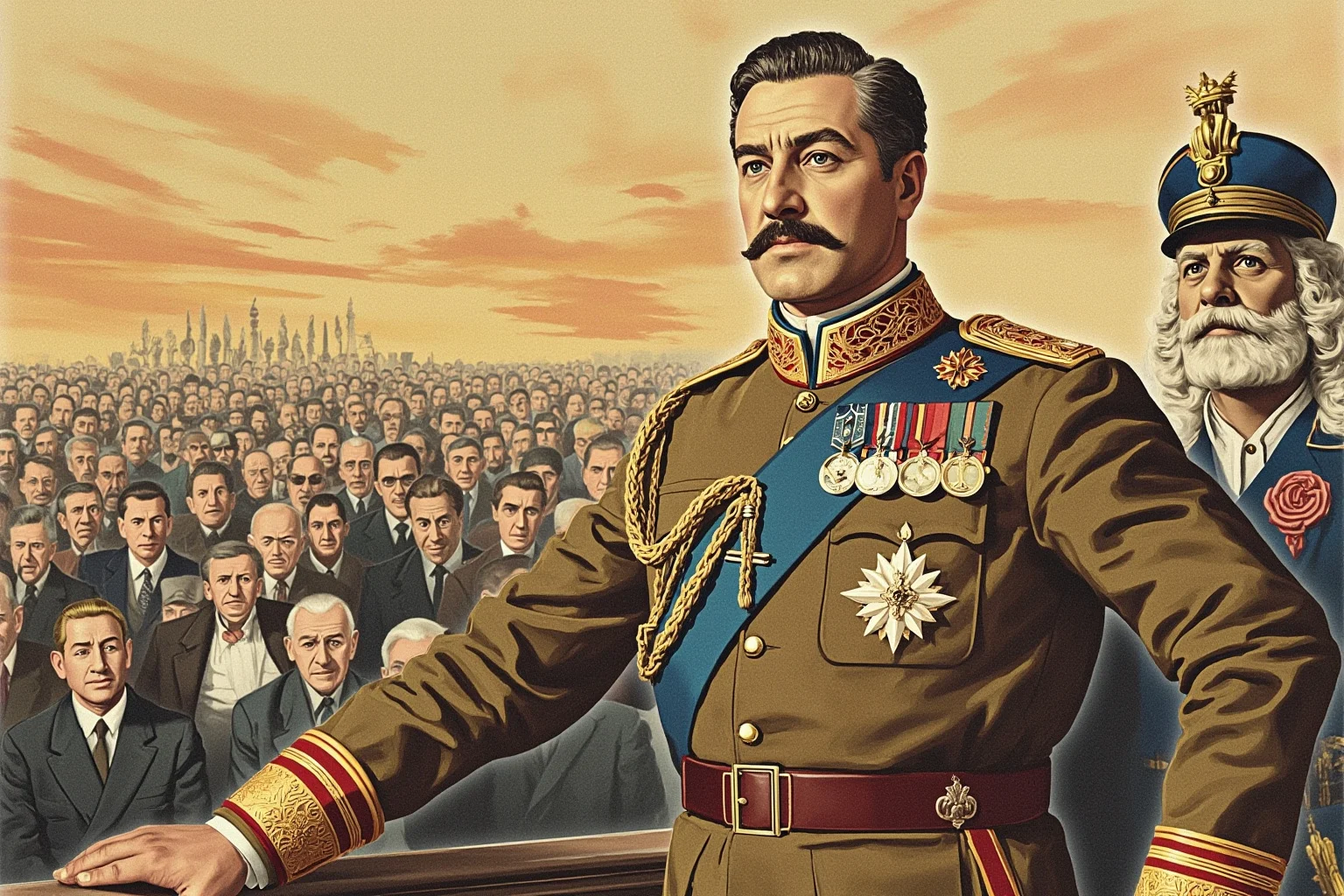
Umberto II became King of Italy on 9 May 1946 after his father, Victor Emmanuel III, abdicated in a last-ditch attempt to save the monarchy’s reputation. It didn’t work — a referendum on 12 June 1946 abolished the Italian monarchy entirely, ending Umberto’s reign at just 34 days.
He’s remembered in Italy as “Re di Maggio,” the May King, and spent the rest of his life in exile in Portugal. His case is a clean, well-documented example of a genuinely short and fully verified reign.
10. Didius Julianus — The Emperor Who Bought the Throne
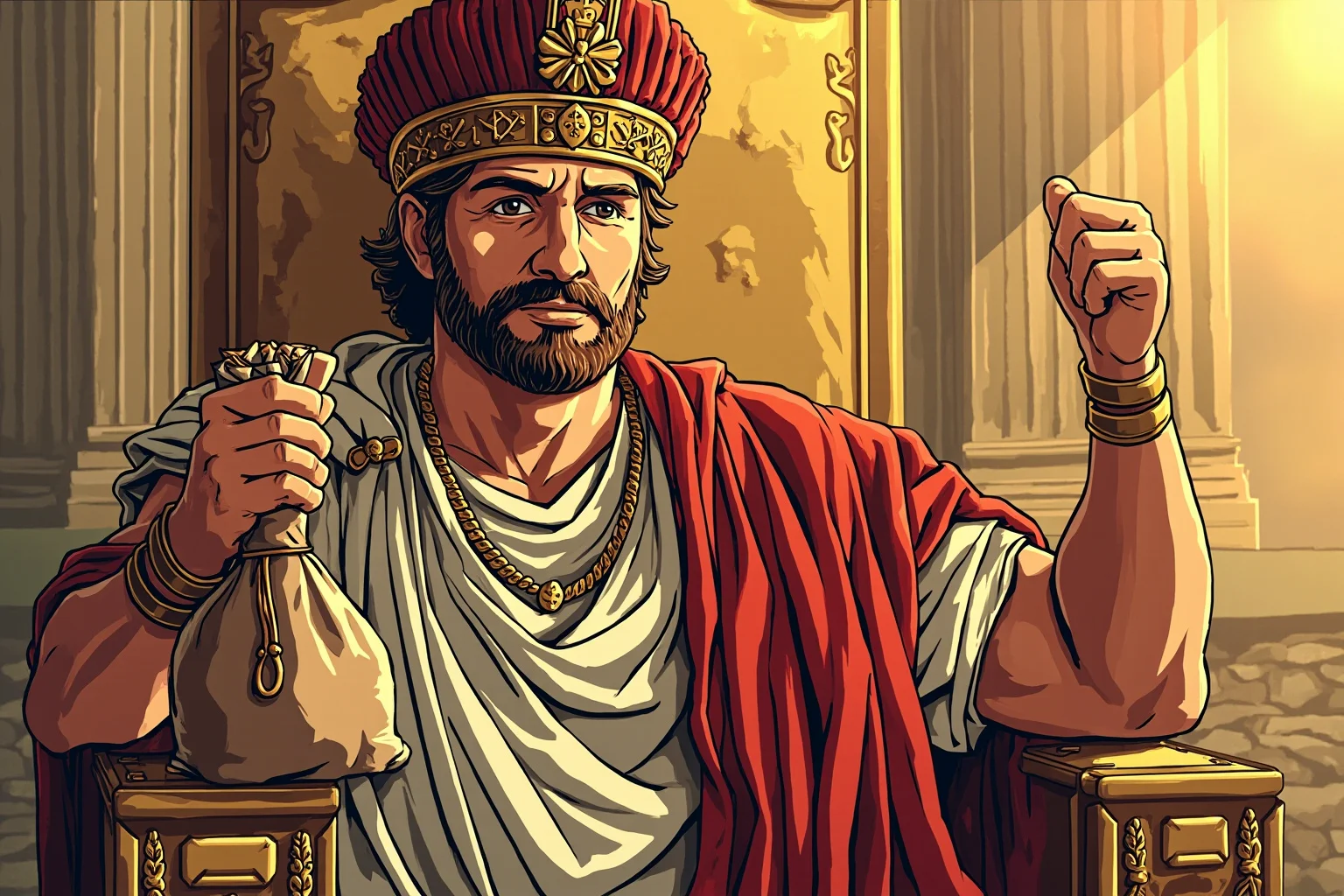
After the Praetorian Guard murdered Emperor Pertinax in March 193 AD, they essentially auctioned off the Roman throne to the highest bidder. Didius Julianus won, but his purchased legitimacy didn’t sit well with the legions or the public.
He was overthrown and executed just 66 days later, once rival general Septimius Severus marched on Rome. It remains one of ancient history’s starkest lessons that a throne bought with money is rarely a throne kept for long.
11. Gordian I and Gordian II — Rome’s Rebel Father and Son
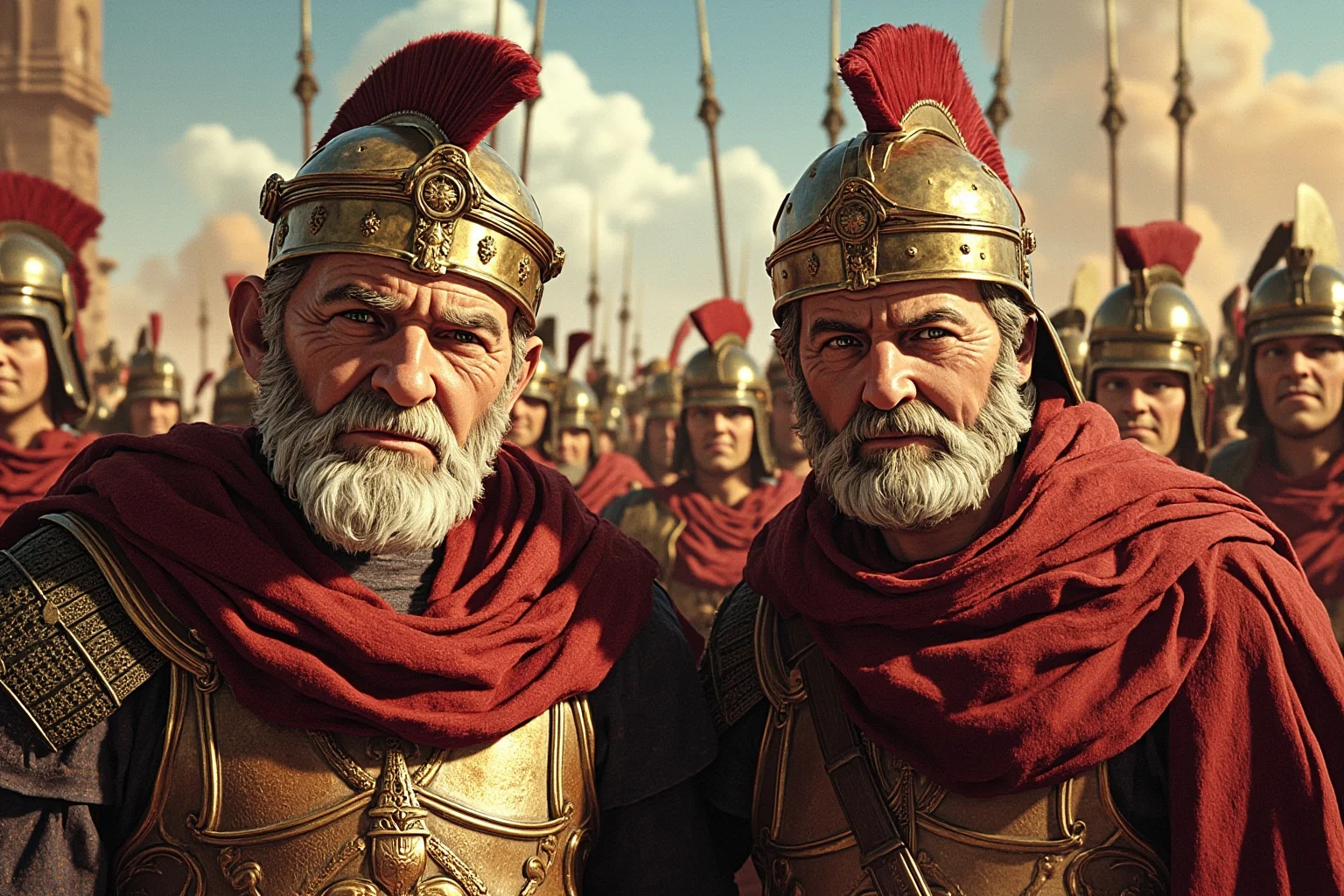
In 238 AD, an elderly provincial governor named Gordian and his son were proclaimed co-emperors in Africa as part of a revolt against Emperor Maximinus Thrax. Gordian II was killed in battle against a rival governor’s forces within about three weeks of taking power.
Upon hearing the news, his father Gordian I reportedly took his own life shortly after, ending their joint reign almost as quickly as it began. Their story is remembered as one of the wilder chapters of Rome’s chaotic “Year of the Six Emperors.”
12. Pupienus and Balbinus — The Senate’s Ill-Fated Experiment
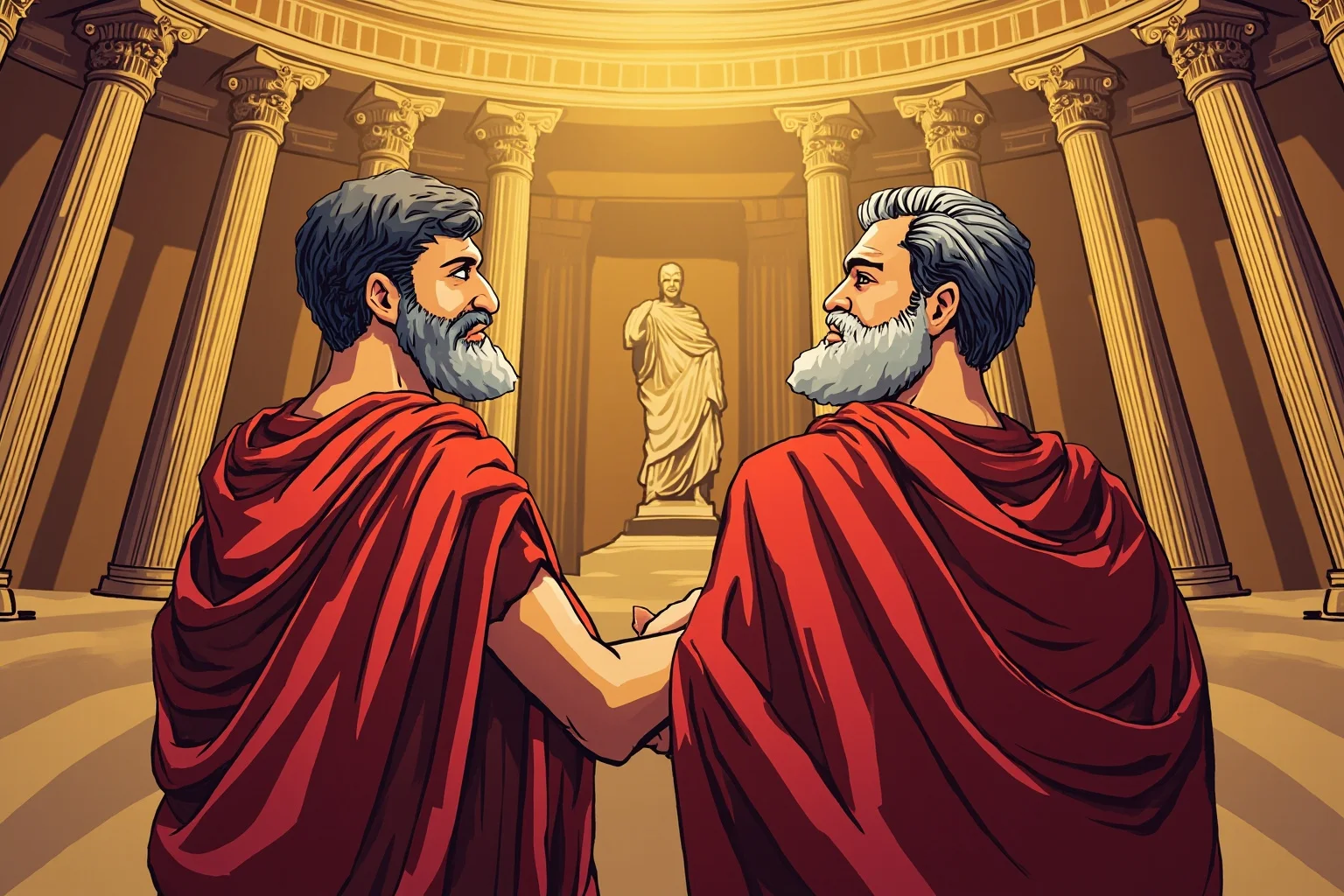
With the Gordians dead, the Roman Senate tried something unusual: appointing two co-emperors, Pupienus and Balbinus, to share power and balance military and civilian interests. It lasted roughly 99 days before the Praetorian Guard, distrustful of the arrangement, murdered them both in July 238 AD.
Their reign is a textbook case of good intentions colliding with Rome’s brutal political realities. Few experiments in shared monarchy have ended quite so violently, or quite so quickly.
13. Otho — Rome’s Reluctant Emperor
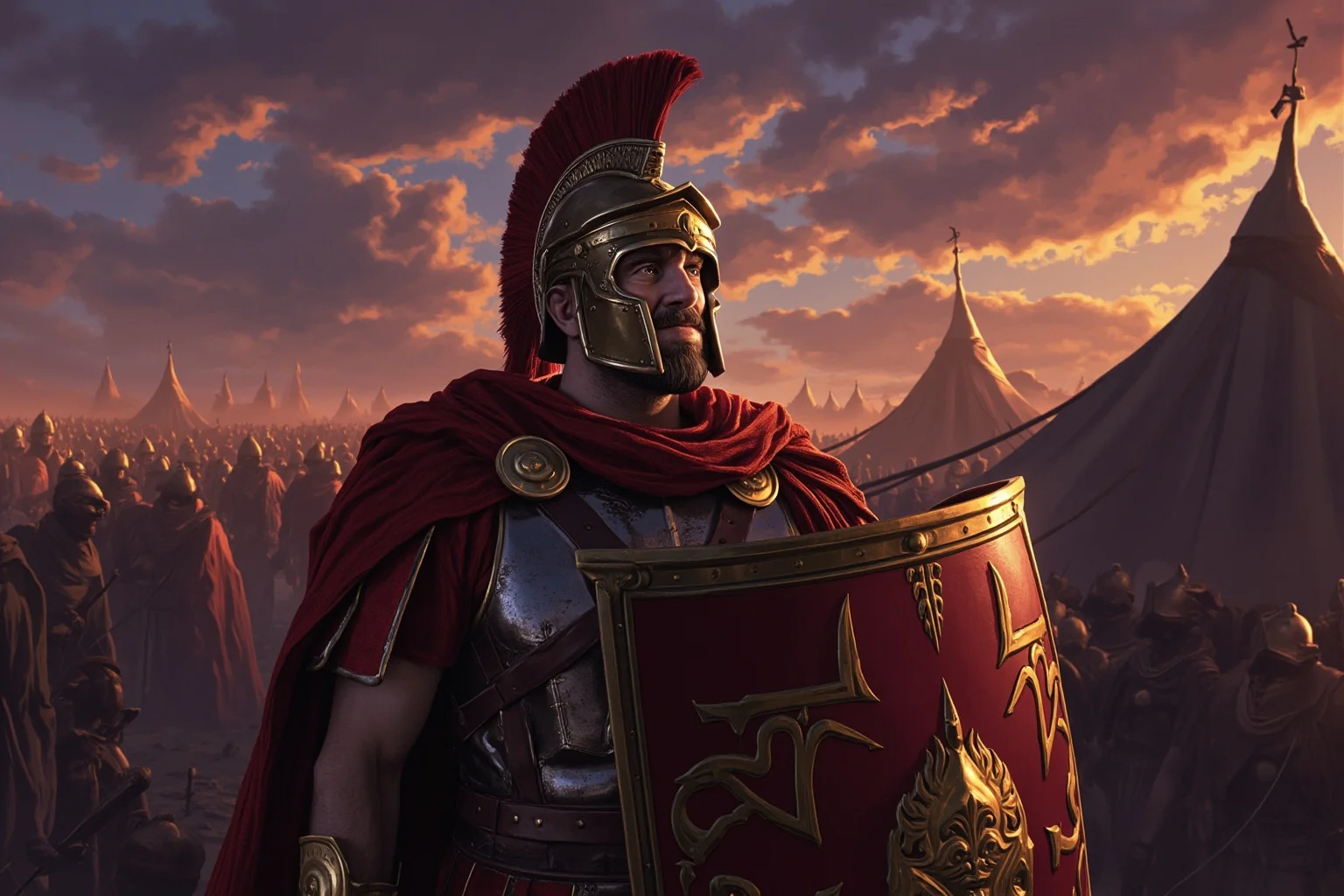
Marcus Salvius Otho seized power in January 69 AD after orchestrating the murder of his predecessor, Galba, during Rome’s turbulent “Year of the Four Emperors.” His own reign lasted only about three months before he was defeated by forces loyal to rival claimant Vitellius.
Rather than continue the civil war, Otho took his own life to spare Rome further bloodshed, at least according to ancient sources. It’s a reign remembered less for its length and more for how it ended.
14. Vitellius — Rome’s Next Casualty
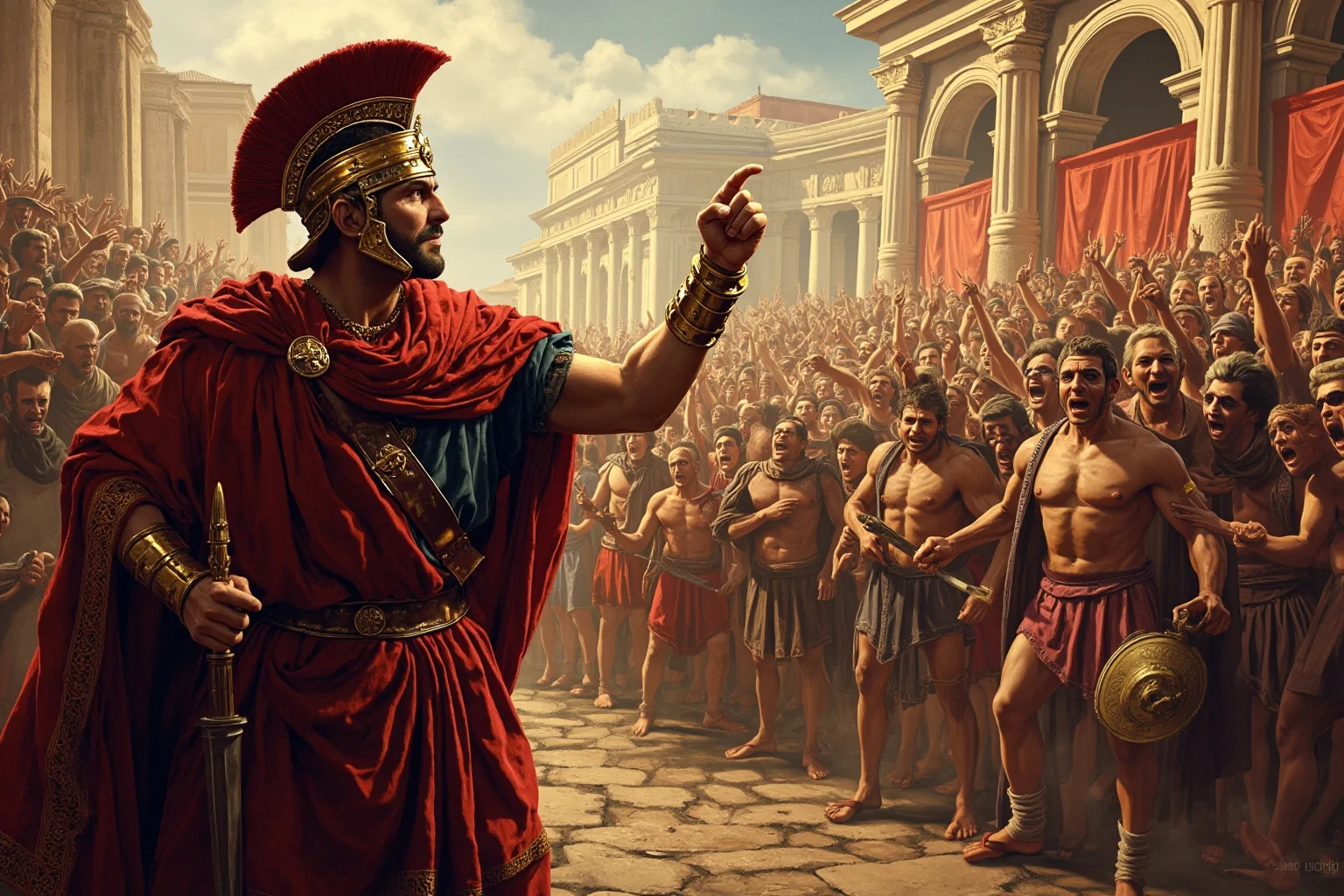
Vitellius took over from Otho in April 69 AD, but his reign fared little better, lasting about eight months. Ancient historians — many of them writing under his eventual successor, Vespasian — described his rule unfavorably, so some details about his character should be read with a healthy dose of skepticism about bias.
What’s well documented is his violent end: Vespasian’s forces took Rome in December 69 AD, and Vitellius was killed by an angry mob. His reign closed out one of the most turbulent 12-month stretches in Roman history.
15. Sultan Murad V — Deposed Over His Mental Health
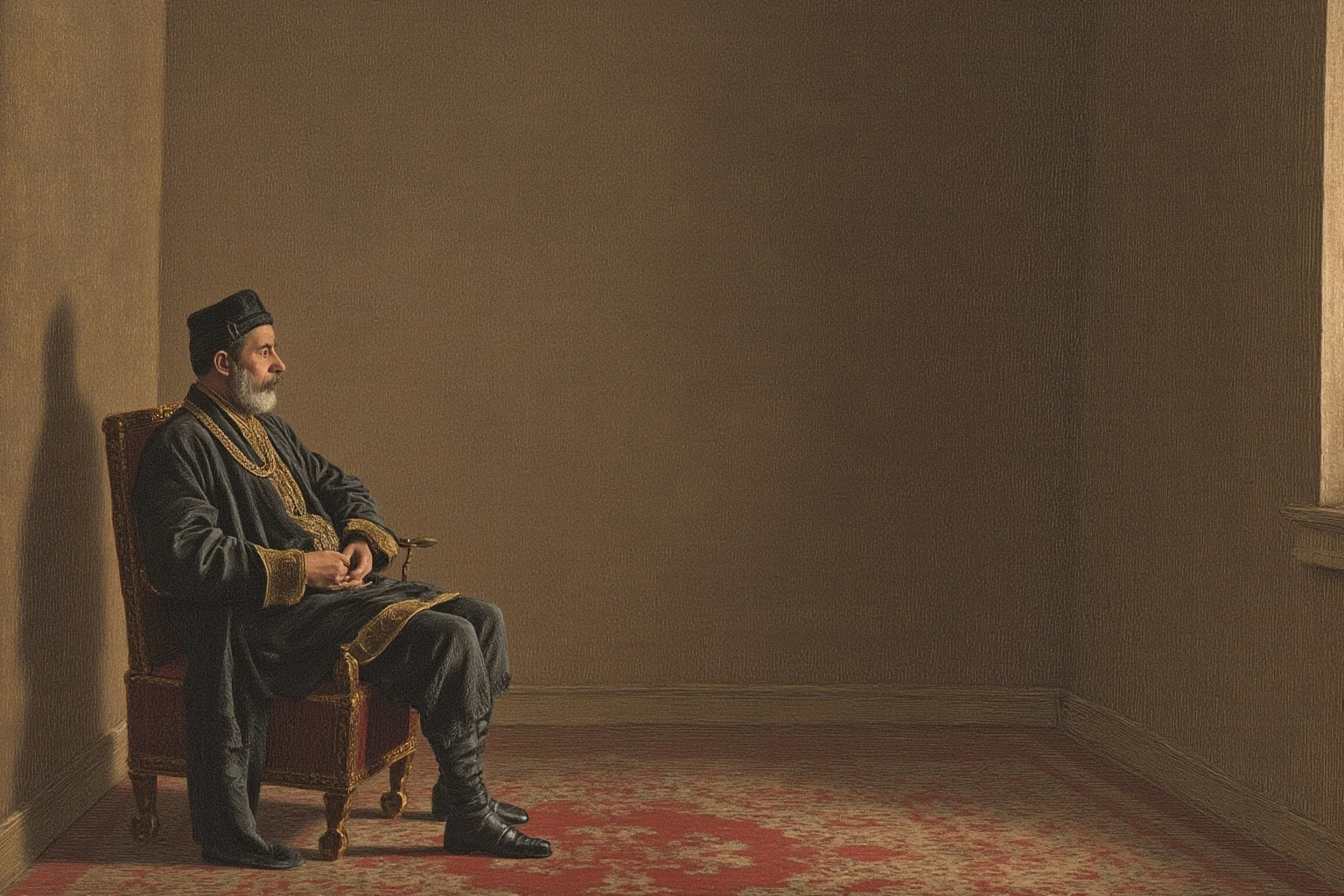
Murad V became Ottoman sultan in May 1876 after a coup removed his uncle Abdülaziz. His reign lasted only 93 days before he was deposed in August 1876, reportedly due to severe mental health struggles that made him unable to carry out his duties.
He spent the rest of his life confined within the palace complex in Istanbul. In this sense his story echoes debates around Britain’s own “mad king,” George III, whose mental health struggles were similarly scrutinized — though George, unlike Murad, was never deposed. His brief, unhappy reign is often cited in discussions of the shortest reigning monarchs of the modern era.
16. Liu Bian, Emperor Shao of Han — A Teenager Caught in a Warlord’s Game
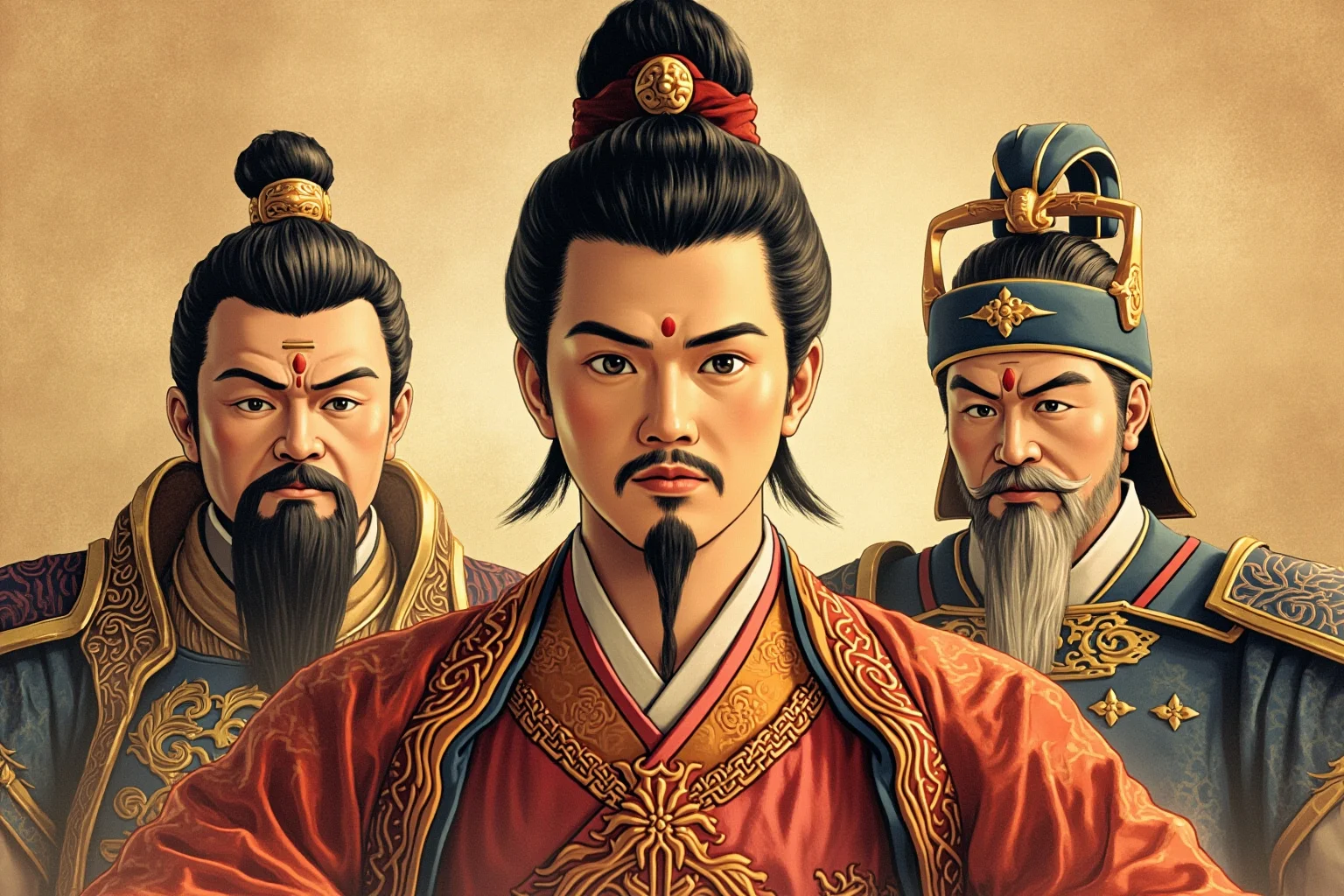
Liu Bian became emperor of China’s Han Dynasty in 189 AD at around 13 years old, only to be swept up in a power struggle among rival warlords almost immediately. Warlord Dong Zhuo deposed him within months and installed his younger half-brother instead.
Liu Bian was later forced to drink poison, dying not long after losing the throne. His short, tragic reign is a reminder that being born into royalty during a power vacuum was rarely a safe position.
17. Peter III of Russia — Six Months on the Throne
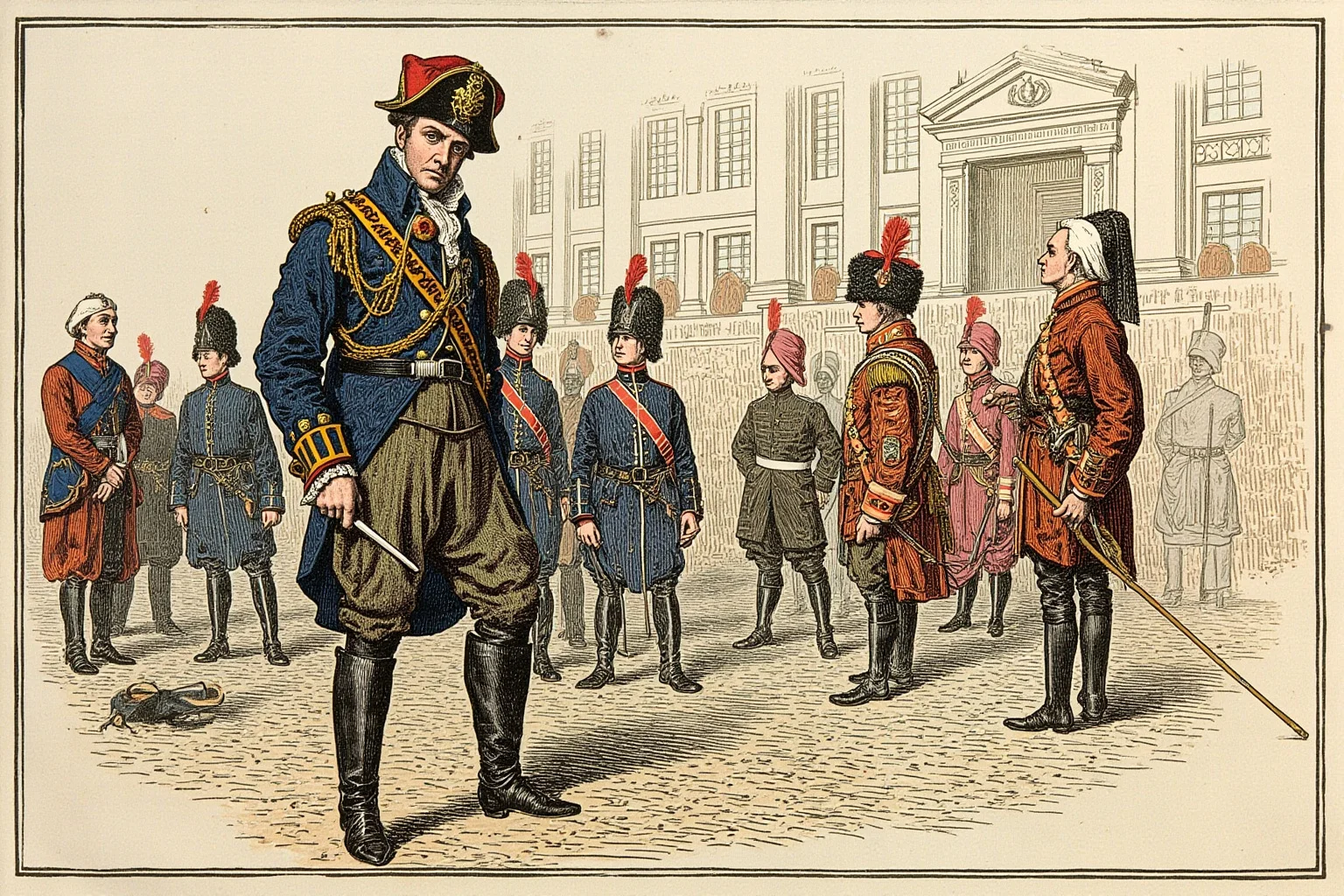
Peter III became Emperor of Russia in January 1762, inheriting a throne shaped over centuries by rulers like Ivan the Terrible, but his own unpopular policies and perceived closeness to Prussia alienated the Russian court and military almost immediately. His wife, Catherine, orchestrated a coup against him in July 1762, ending his reign at roughly six months.
He died shortly after being deposed, under circumstances historians still debate. Catherine went on to rule for over three decades as Catherine the Great, making the contrast with her husband’s brief reign especially stark.
18. Grand Duke Michael — Russia’s Disputed “One-Day” Tsar
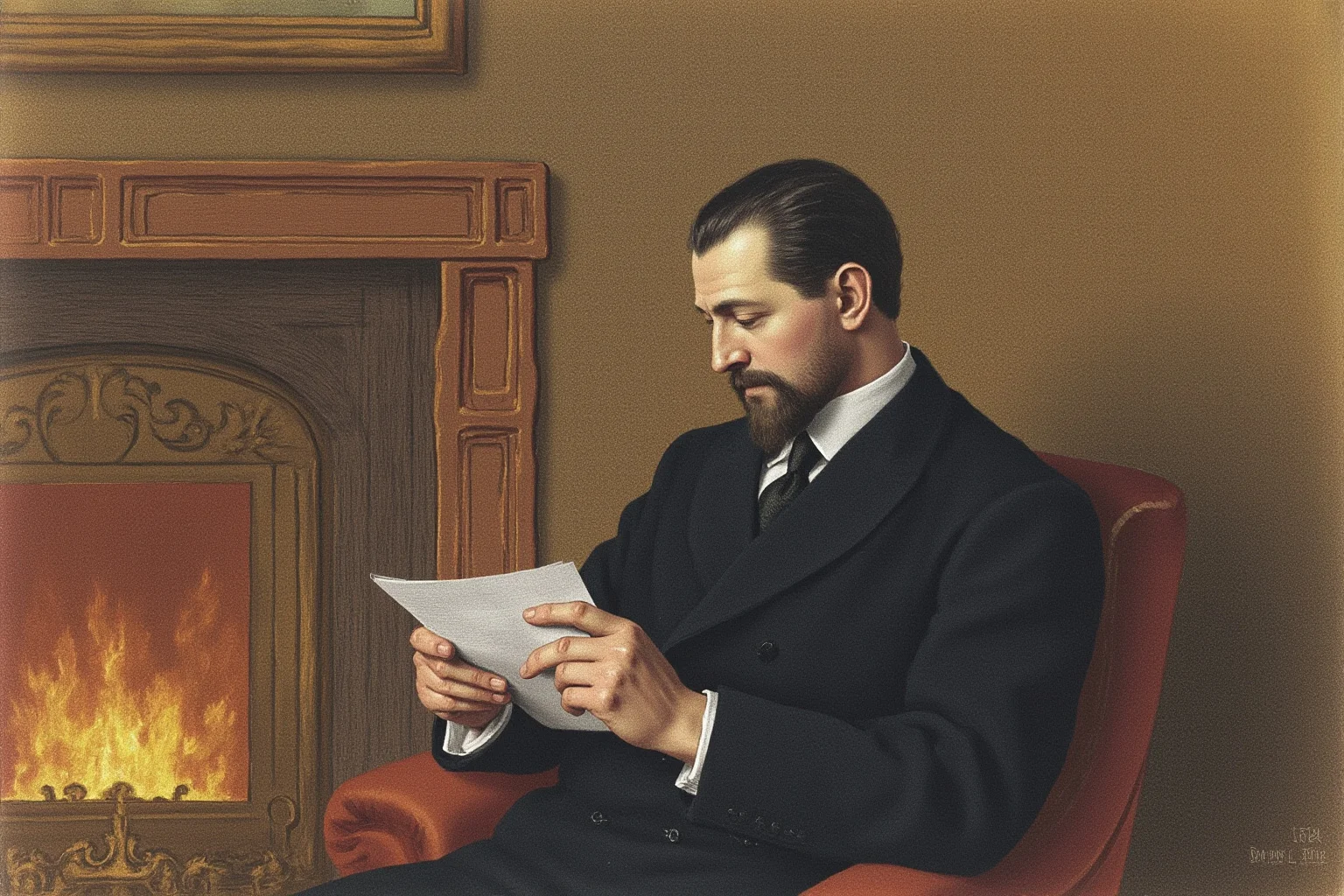
When Tsar Nicholas II abdicated in March 1917 amid revolution, the throne technically passed to his brother, Grand Duke Michael Alexandrovich. Michael, however, declined to formally accept the crown, saying he would only take power if a future constituent assembly approved it — an approval that never came.
Because he never actually signed on as emperor, many historians argue he shouldn’t be counted as having reigned at all, even briefly. Still, he’s frequently mentioned in “shortest reign” discussions as the monarch who reigned for barely a day, if he reigned at all.
19. King Dipendra of Nepal — Three Days in a Coma

One of the most tragic entries on this list comes from Nepal’s royal massacre in June 2001, when Crown Prince Dipendra shot and killed several members of the royal family, including his father, King Birendra. Under Nepalese succession law, Dipendra became king while in a coma from a self-inflicted gunshot wound, since his father’s death made him next in line.
He never regained consciousness and died three days later, making his reign officially the shortest in Nepalese royal history. It remains one of the most somber examples of a technically brief reign rather than a lighthearted one.
20. Staurakios — The Byzantine Emperor Who Reigned While Paralyzed
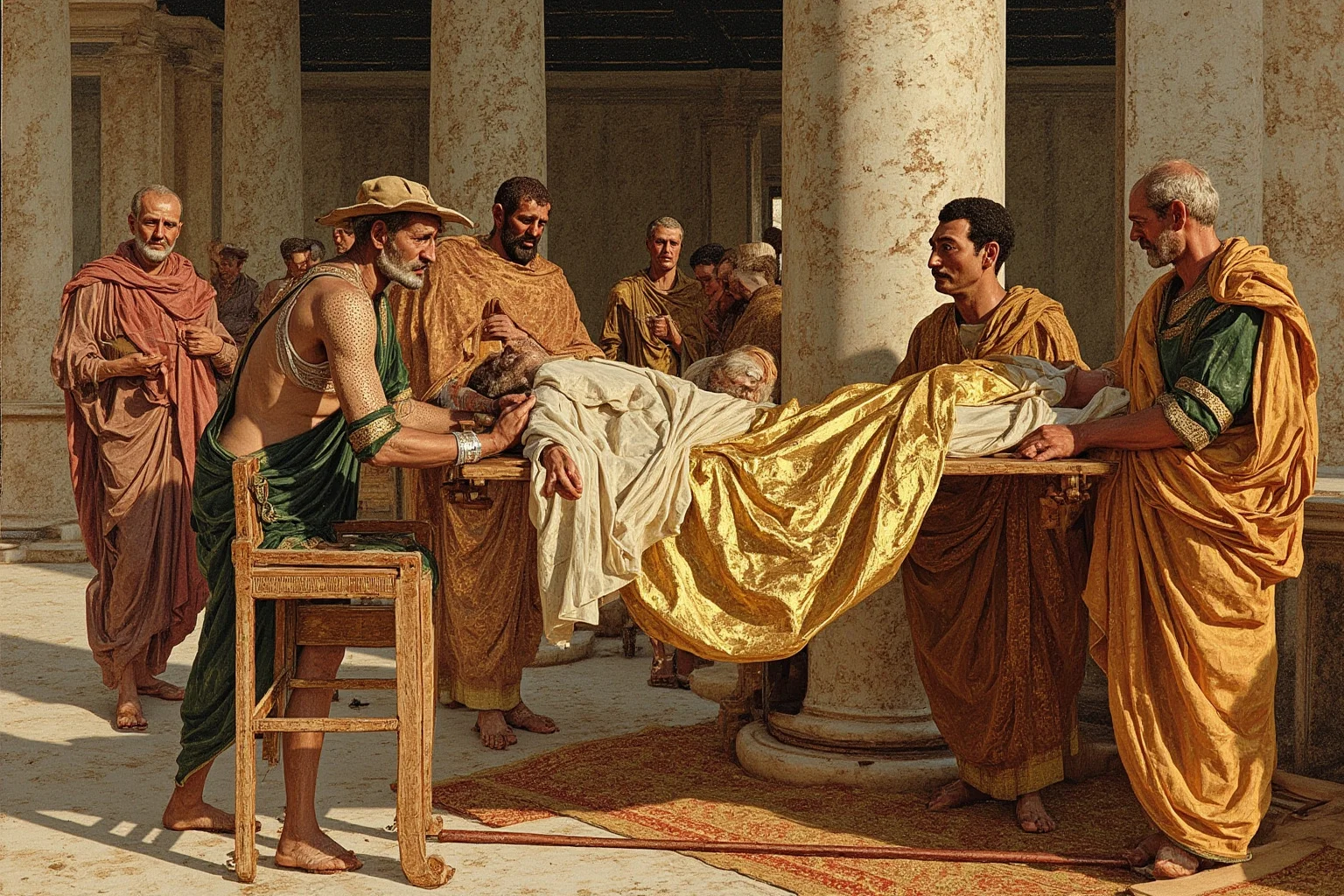
Staurakios became Byzantine emperor in July 811 AD after his father, Nikephoros I, was killed in battle against Bulgarian forces. Staurakios himself had been severely wounded in the same battle and was left partially paralyzed.
Unable to effectively rule, he was pressured into abdicating by October 811, giving him a reign of roughly two to three months. He retired to a monastery and died a few months later from his injuries.
21. Napoleon II — The Emperor Who Never Set Foot on a Throne
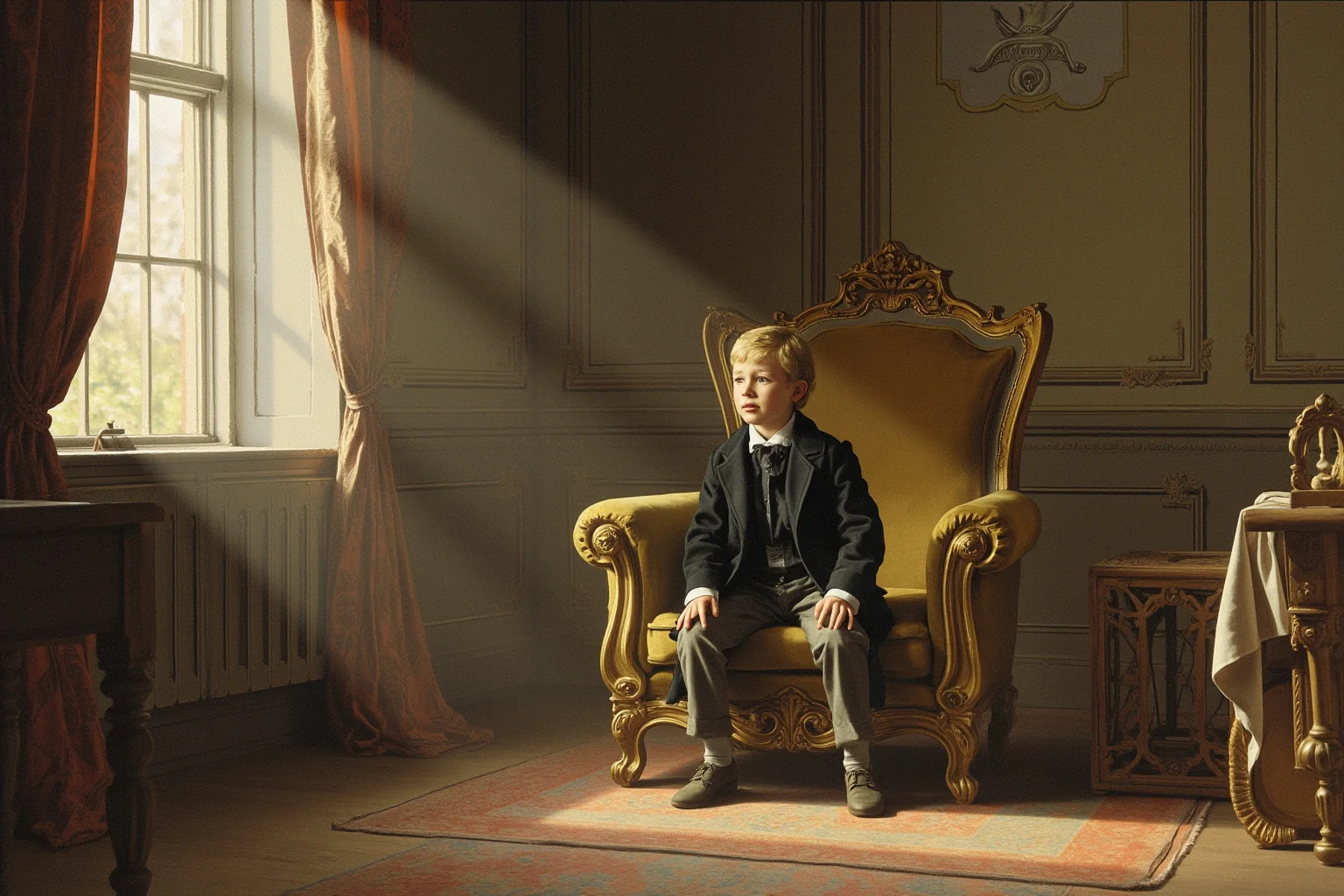
After Napoleon Bonaparte’s second abdication in June 1815, some of his supporters briefly recognized his young son as Emperor Napoleon II for about two weeks. The boy, however, was living in Austria under his mother’s family and never exercised any actual power or set foot in France as emperor.
Most historians treat this as a largely symbolic or disputed reign rather than a genuine one. It’s a useful reminder that not every entry on a “shortest reign” list represents someone who actually held power.
A Quick Word on Internet Culture and “Smol Monarchy”
22. Honorable Mention: The “Smol Monarchy” Meme

If you’ve stumbled across the phrase “smol_monarchy” online, you’re likely looking at internet fan communities that riff affectionately on history’s briefest reigns. It’s not an academic term — it’s more of a playful nickname that’s cropped up in social media circles fascinated by monarchs who ruled for mere days or weeks.
The appeal makes sense: figures like Lady Jane Grey and Louis XIX are strange, almost absurd footnotes in otherwise weighty royal histories. Treating them with a bit of internet humor doesn’t make the history less real — it just makes it more approachable for people discovering it for the first time.
Why So Many Reigns Ended So Fast
Looking across this list, a few patterns emerge. Sudden deaths, whether from battle, assassination, or illness, account for a huge share of these short reigns, since monarchies traditionally passed power immediately upon a ruler’s death rather than waiting for a formal transition.
Political instability is the other major culprit. Coups, revolutions, and disputed successions — as seen with Jane Grey, Peter III, and Umberto II — often installed rulers who never had a real chance to consolidate power before being removed.
Finally, some entries on this list are more legend than confirmed fact, particularly the “20 minute king” stories from France and Portugal. Good historians flag these as traditions rather than settled record, which is exactly the kind of nuance worth keeping in mind before repeating a factoid as gospel.
Final Thoughts on History’s Briefest Crowns
The search for the shortest reigning monarch in history doesn’t have one single tidy answer, because so much depends on definitions: crowned versus proclaimed, disputed versus confirmed, English versus British versus global. What’s clear is that the crown has always been a precarious seat, and sometimes the most fascinating stories in royal history are the ones that ended before they really began.
Whether it’s Lady Jane Grey’s nine days, Edward VIII’s 326, or a Roman emperor who lasted barely two months, these brief reigns remind us that power has rarely been as stable as the portraits and statues suggest. Sometimes the shortest chapters in the history books are the ones worth reading most closely.
Frequently Asked Questions
Who was the shortest reigning English monarch?
The most commonly cited answer is Lady Jane Grey, who was proclaimed queen in July 1553 and deposed just nine days later, earning her the nickname the 'Nine Days' Queen.' However, she was never formally crowned, and some historians argue Edward V, who reigned 78 uncrowned days in 1483, deserves equal consideration when discussing the shortest reigning English monarch.
Who was the shortest reigning British monarch?
If you're referring to monarchs of Great Britain (post-1707 union) or the United Kingdom, the shortest reign belongs to Edward VIII, who ruled for 326 days in 1936 before abdicating to marry Wallis Simpson. This differs from the shortest reigning English monarch, since England existed as a separate kingdom before 1707.
Who was the shortest reigning monarch in world history?
By some traditional (though debated) accounts, Louis XIX of France reigned for only about 20 minutes in 1830 before abdicating in favor of his nephew. Historians disagree on whether this brief interval counts as a genuine reign, since he never formally exercised power or issued any official acts.
Who was the shortest king of England?
Among crowned kings, most short reigns still lasted months rather than days. But if uncrowned rulers are included, Edward V (78 days in 1483) and, arguably, Sweyn Forkbeard (about five weeks in 1013–1014) are the strongest contenders for the shortest king of England.
What does ‘shortest reigning monarch nyt’ usually refer to?
This search typically relates to a New York Times puzzle or quiz clue asking users to identify history's briefest royal reign. The answer most frequently expected is Lady Jane Grey, given her famous 'Nine Days' Queen' nickname, though some puzzles reference other short-reigning figures depending on the specific clue.
Was Lady Jane Grey really queen for only nine days?
Most historical sources place her reign at nine days, from her proclamation on 10 July 1553 to her deposition on 19 July 1553. A few sources count slightly differently depending on whether they start counting from Edward VI's death, so you may occasionally see the figure listed as up to 13 days.

Alex Warren
Related Articles





