
When most people picture a cowboy, they imagine a lone rider silhouetted against a sunset, a six-shooter on his hip, and a badge or a bounty on his head. Hollywood built that image over a century of films, but the real history behind the American cowboy is stranger, more diverse, and more morally tangled than the movies ever let on. Some of these men and women drove cattle for a living and became folk heroes almost by accident, while others rode the same trails as robbers, killers, and fugitives who terrorized the very towns cowboys called home.
This list digs into both sides of that story. We’re covering ten historical cowboys whose skill, grit, or sheer showmanship turned them into some of America’s most recognized historical figures, followed by ten outlaws whose crimes made them the nightmares of lawmen and townsfolk across the frontier. Along the way, we’ll separate the documented history from the tall tales, because the real West was rarely as simple as “good guy versus bad guy.”
TL;DR: The Old West produced both genuinely skilled working cowboys and violent outlaws, and history often remembers them through a haze of myth that blurs the line between the two.
What Made a Cowboy a Legend (and an Outlaw a Nightmare)?
Before diving into names, it helps to understand what the word “cowboy” actually meant in the 1860s through the 1890s. A cowboy was, first and foremost, a laborer who herded and drove cattle, often for modest wages and grueling hours in brutal weather. Many were skilled horsemen, some were former Confederate or Union soldiers, and a significant number were Black, Mexican, and Native American men whose contributions Hollywood largely erased for decades.
Outlaws, by contrast, operated outside that working world, though the two groups often overlapped more than popular culture admits. Several famous outlaws started out as ranch hands or drovers before turning to robbery, and a few lawmen on this list spent time on both sides of the badge. Keeping that blurry boundary in mind makes the following stories far more interesting than a simple hero-versus-villain tale.
Cowboys Who Became Legends
These are the historical cowboys whose real skills, courage, or showmanship earned them a permanent place among the most famous cowboys in American history.
1. Bass Reeves
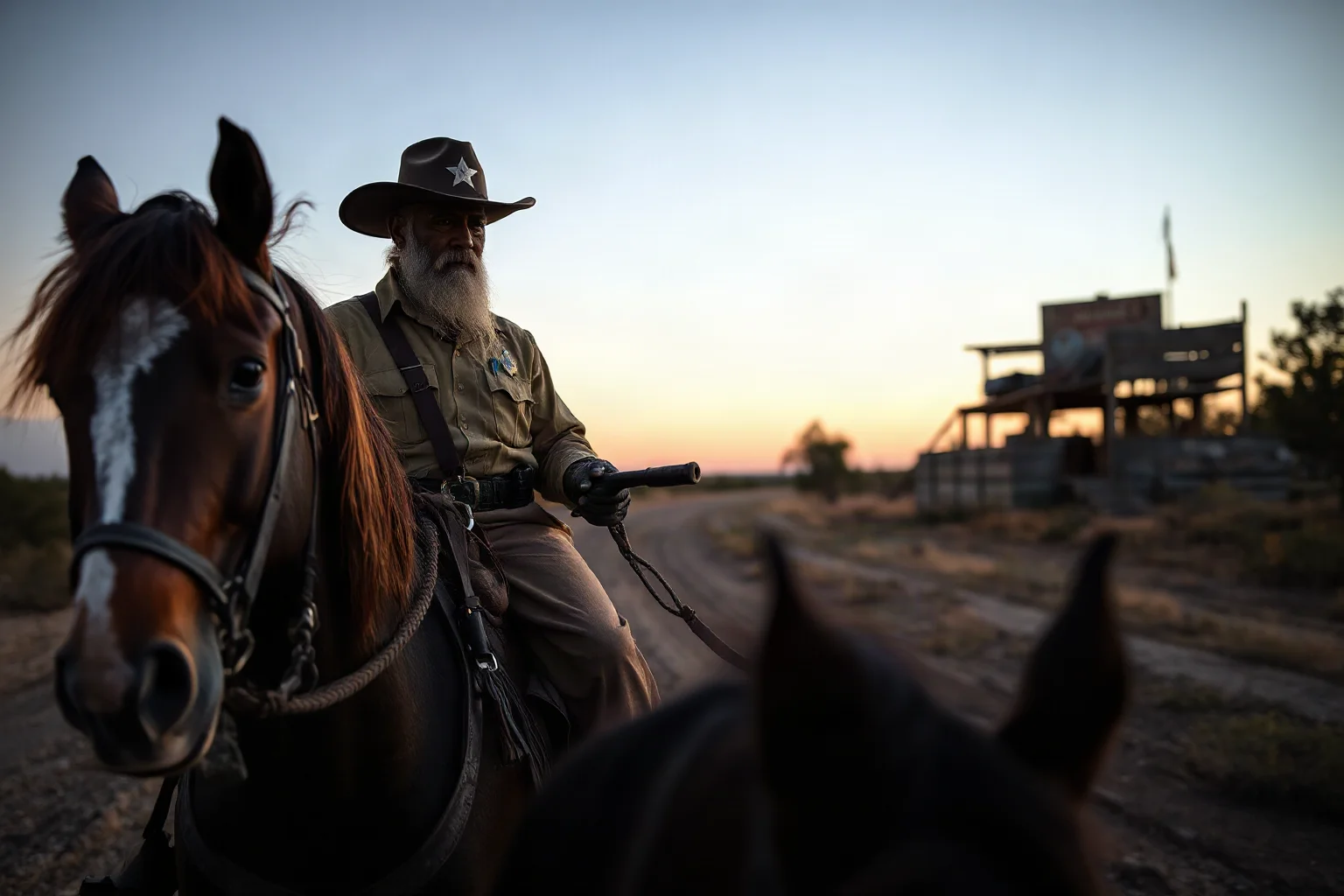
Bass Reeves was born enslaved in Arkansas around 1838 and later became one of the first Black deputy U.S. marshals west of the Mississippi River. Working the Indian Territory for over three decades, he reportedly arrested thousands of criminals while surviving numerous gunfights and ambushes. Historians increasingly regard Reeves as one of the most effective lawmen of the era, and his legend has only grown as his long-overlooked story gets rediscovered.
2. Nat Love
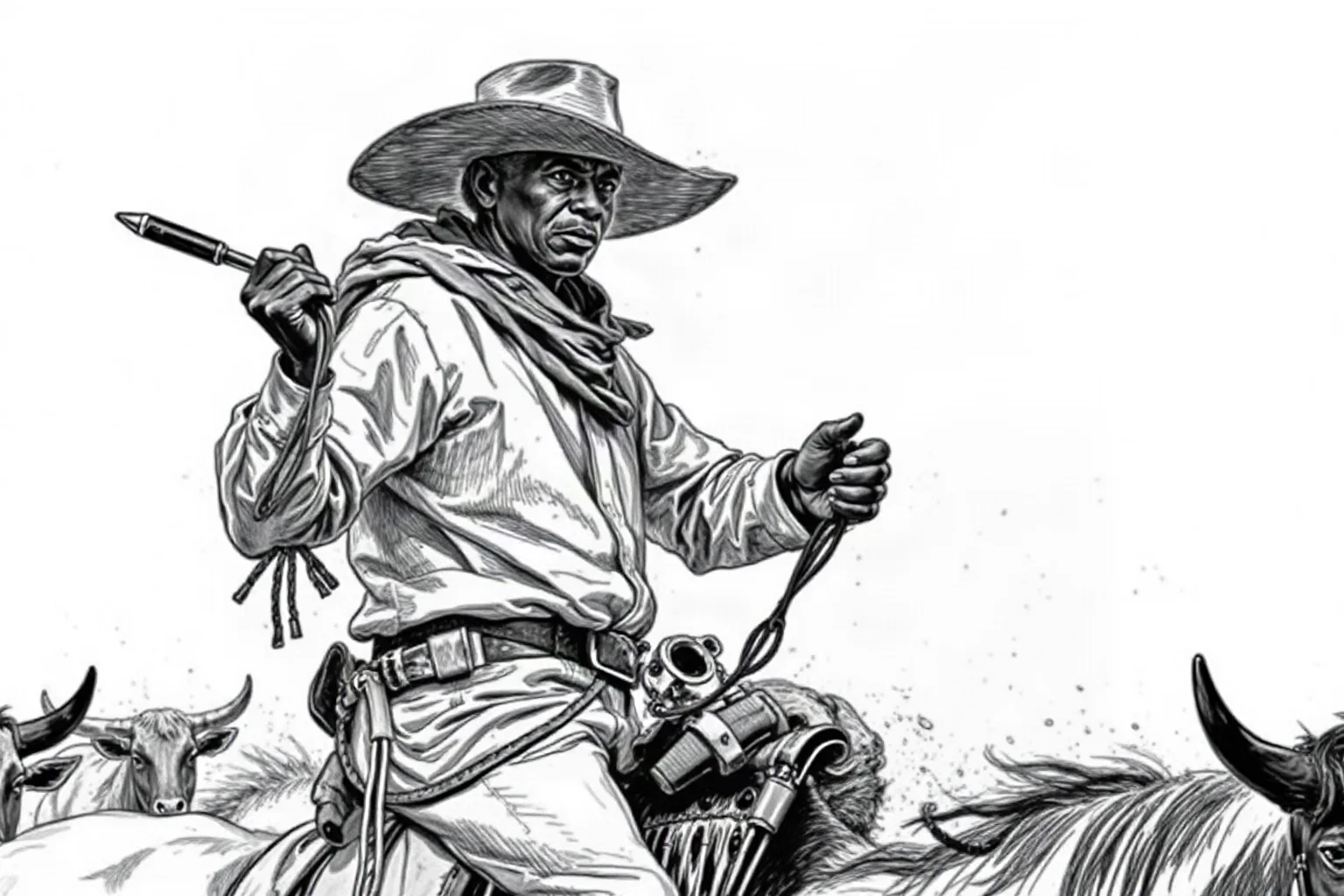
Nat Love, who called himself “Deadwood Dick,” was a formerly enslaved Tennessean who headed west after the Civil War and became a celebrated cattle drover and rodeo performer. His 1907 autobiography is packed with dramatic, sometimes exaggerated tales of roping, riding, and gunfights, so historians treat some details cautiously. Even so, Love remains one of the most iconic cowboys representing the thousands of Black cowhands who worked cattle trails after emancipation.
3. Charles Goodnight
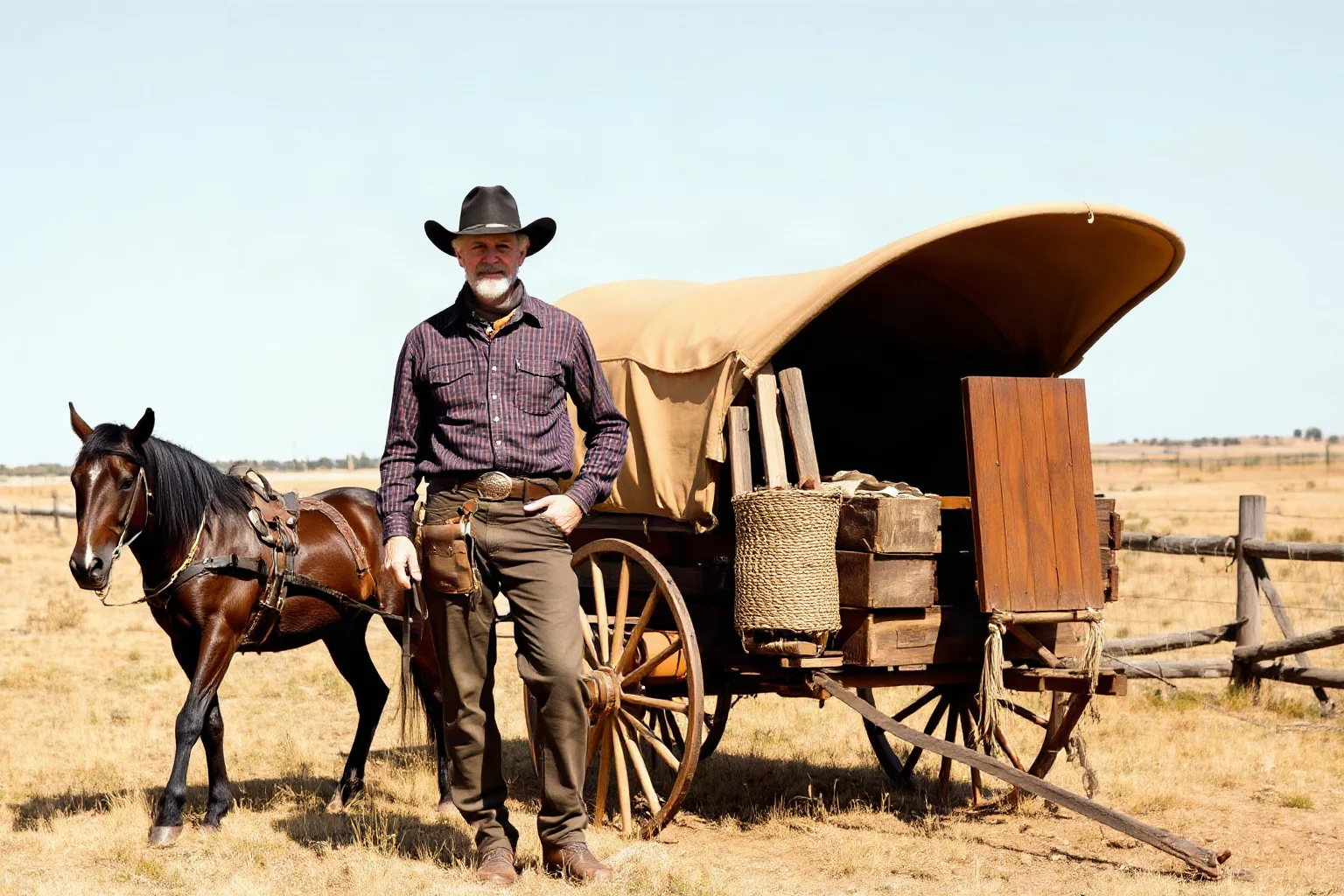
Charles Goodnight co-created the Goodnight-Loving Trail, one of the most important cattle routes of the post-Civil War era, and later became known as the “father of the Texas Panhandle.” He pioneered the chuckwagon, a mobile kitchen that fed trail crews on long drives, an innovation that changed ranch life for generations. Goodnight also worked to preserve the American bison, helping prevent the species’ total extinction in the late 1800s.
4. Bill Pickett
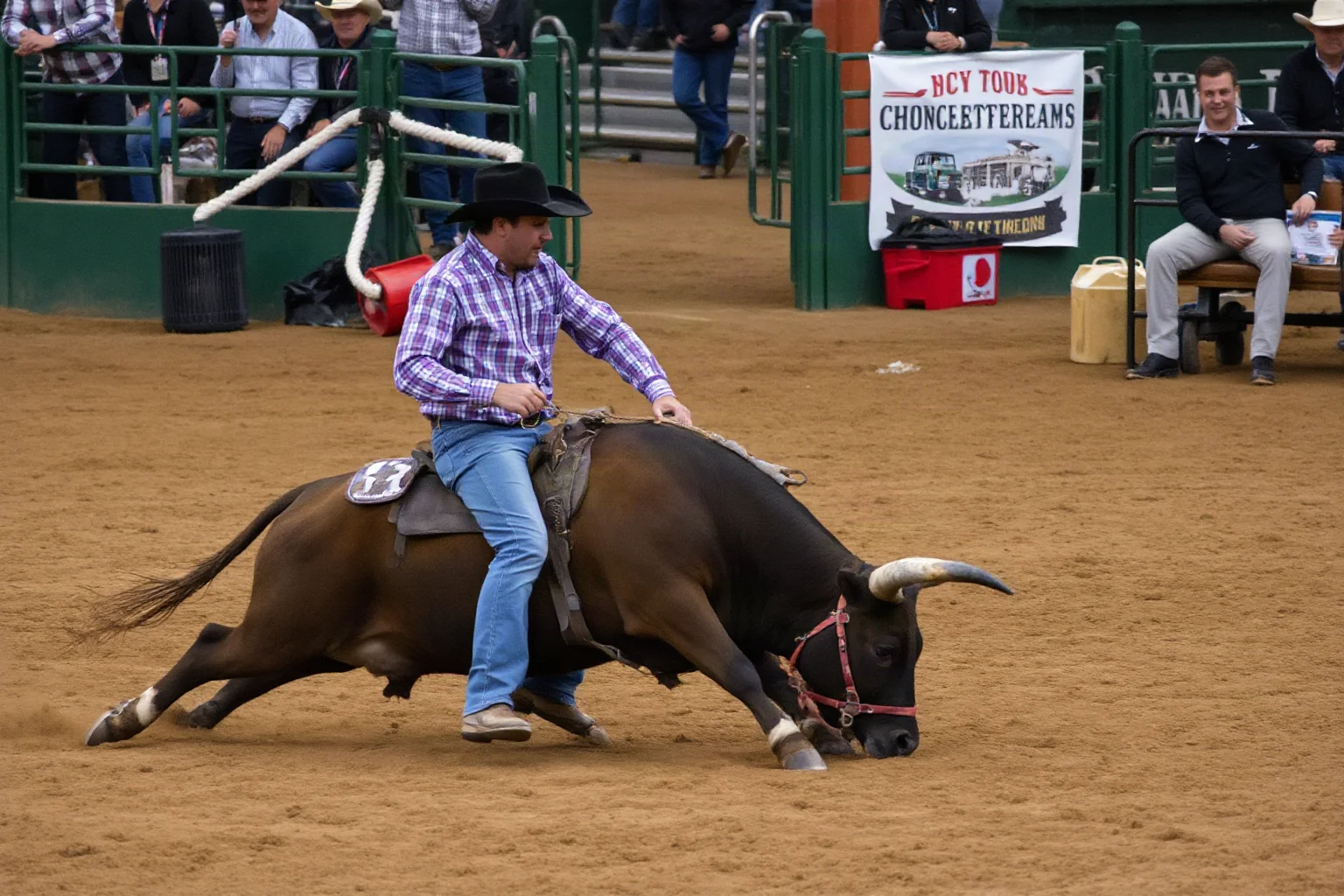
Bill Pickett, the son of a formerly enslaved man, invented the rodeo event called bulldogging, or steer wrestling, by copying the biting technique he observed in herding dogs. He became a star performer with the 101 Ranch Wild West Show, touring the U.S. and Europe as one of the most skilled cowboys of his generation. Pickett was inducted into the National Cowboy Hall of Fame in 1971, decades after his death, correcting years of racial exclusion from mainstream Western history.
5. Wyatt Earp
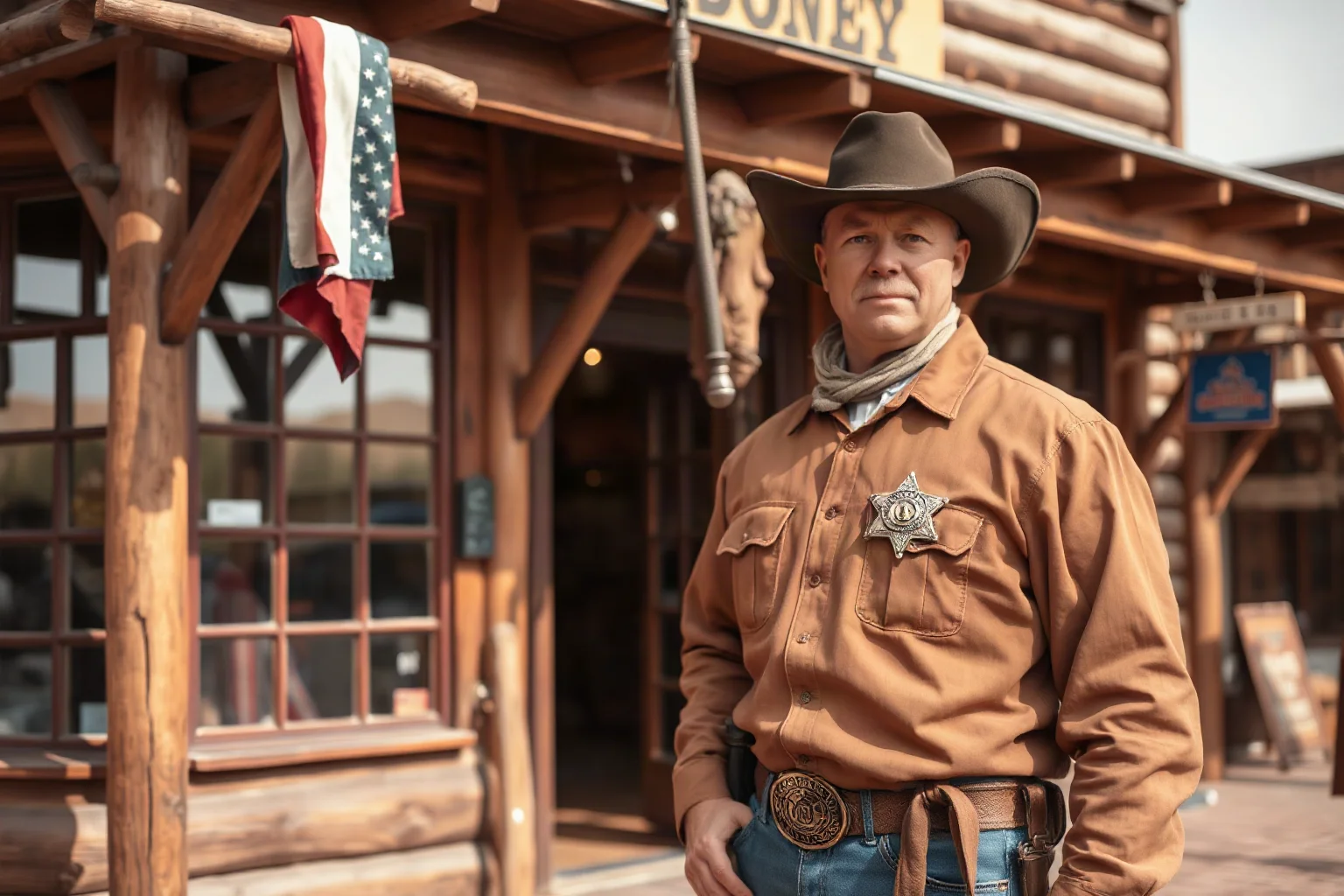
Wyatt Earp worked briefly as a buffalo hunter and lawman before the 1881 gunfight near the O.K. Corral in Tombstone, Arizona, cemented his fame. His reputation as a heroic frontier marshal was shaped heavily by later biographers and films, and modern historians note his record included gambling operations and controversial vigilante violence too. Earp’s legend shows how thin the line between celebrated lawman and morally gray frontier figure could really be.
6. Charlie Siringo
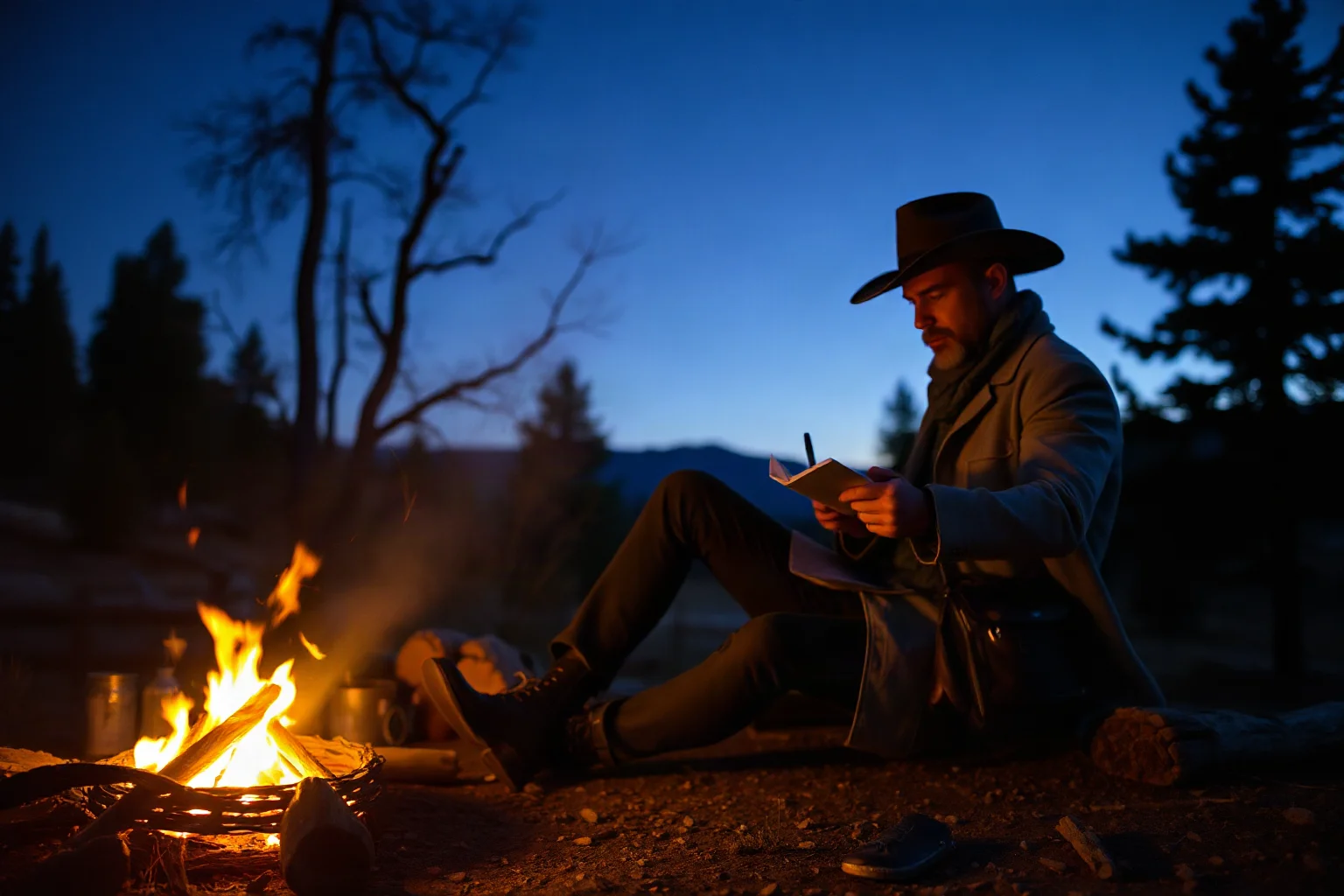
Charlie Siringo spent years as a working cowboy on Texas cattle drives before becoming a Pinkerton detective who chased outlaws including Billy the Kid’s associates. He later wrote several memoirs, including “A Texas Cowboy,” that gave readers a rare firsthand look at real ranch life rather than dime-novel fantasy. His writing remains one of the most valuable primary sources historians use to understand what everyday cowboy work actually involved.
7. Teddy Blue Abbott
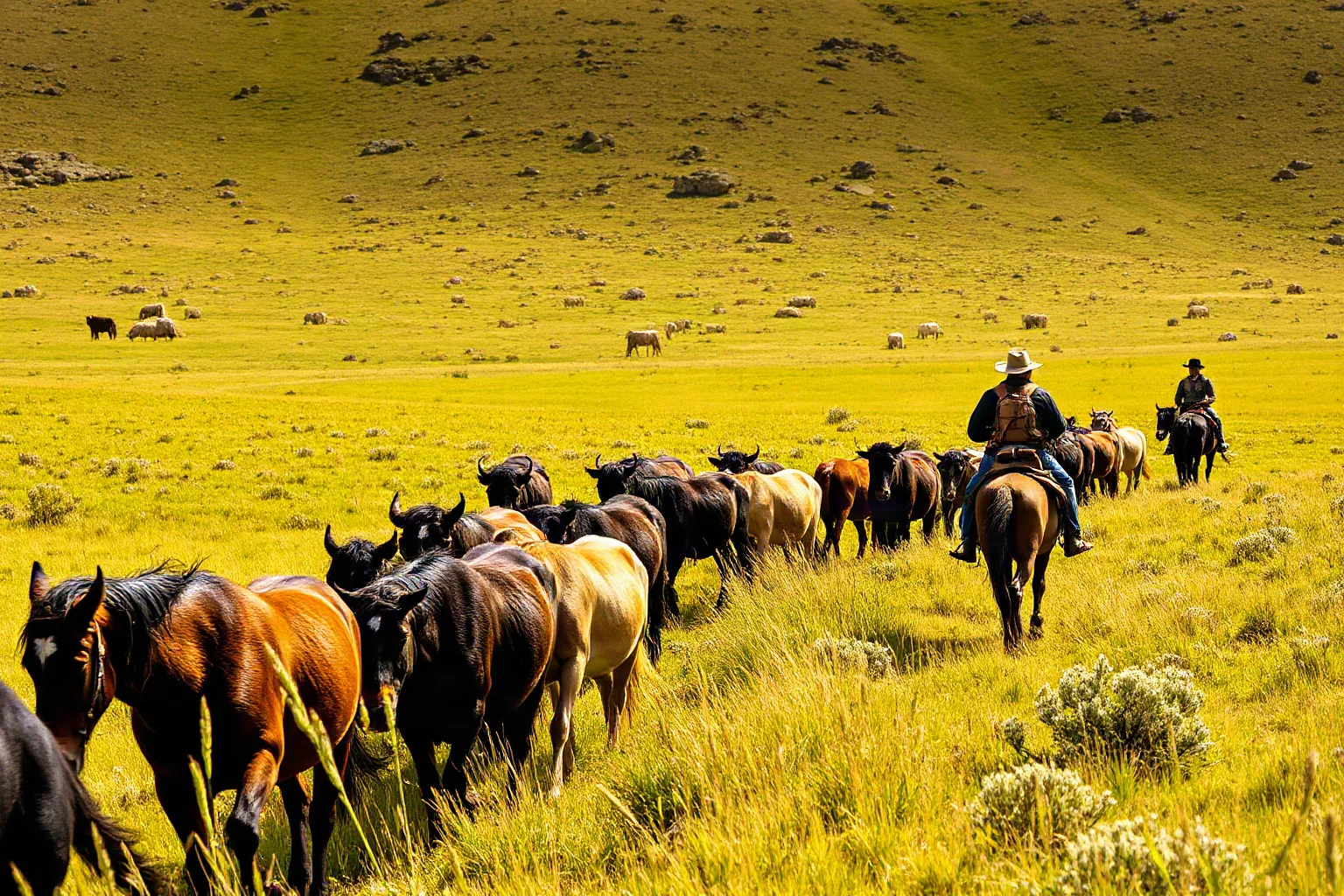
Edward “Teddy Blue” Abbott drove cattle from Texas to Montana in the 1870s and 1880s and later dictated his memories to a writer, resulting in the classic book “We Pointed Them North.” His accounts describe the exhausting, often mundane reality of trail life, far removed from gunfights and saloon brawls. Abbott’s memoir is frequently cited by historians as one of the most honest surviving windows into the daily grind of historical cowboys.
8. Annie Oakley
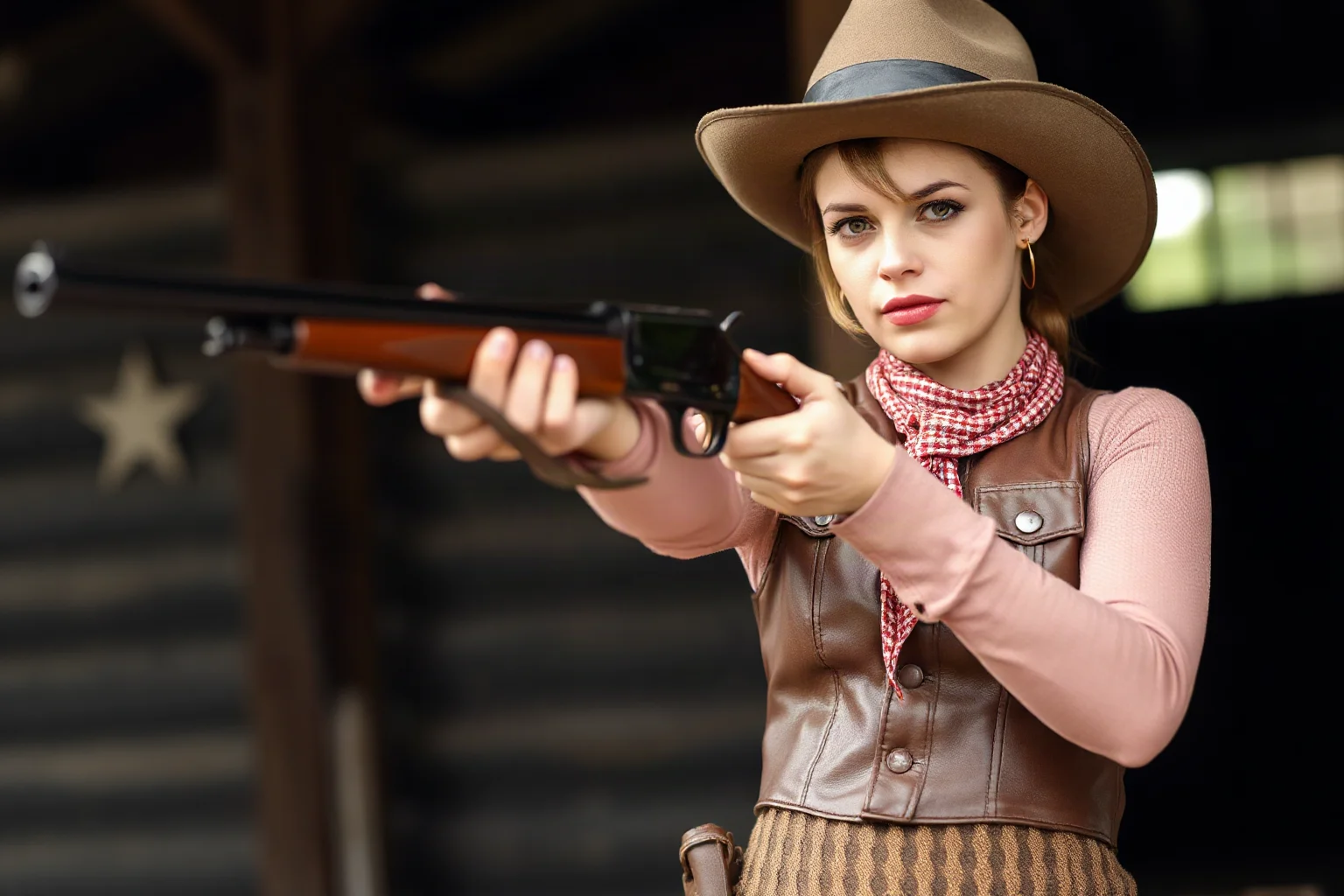
Annie Oakley wasn’t a cattle drover, but her sharpshooting skill made her one of the most recognizable performers associated with the Wild West mythology through Buffalo Bill’s Wild West show. She toured internationally, showcasing feats of marksmanship that stunned audiences and helped shape the global image of the American frontier. Oakley’s fame proves that the “cowboy” legend was as much about performance and showmanship as it was about actual ranch work, and her lasting influence earns her a spot among history’s most powerful women.
9. Pat Garrett
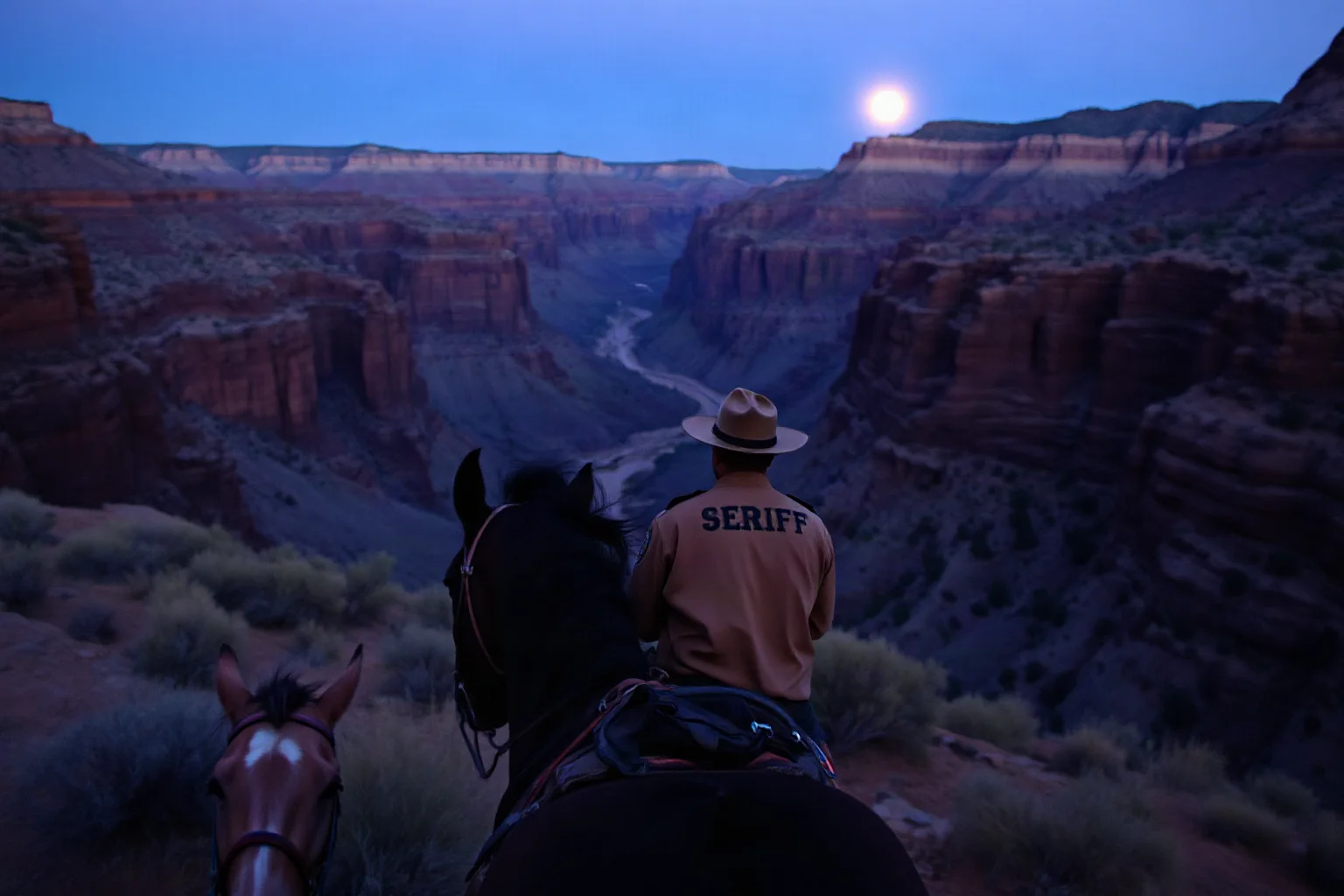
Pat Garrett worked as a buffalo hunter and cowhand before becoming the Lincoln County, New Mexico sheriff who shot and killed Billy the Kid in 1881. His later book about the outlaw’s life mixed fact with self-serving embellishment, muddying the historical record for generations. Garrett’s own story is a reminder that many so-called heroic lawmen had complicated, sometimes violent pasts of their own.
10. Tom Mix
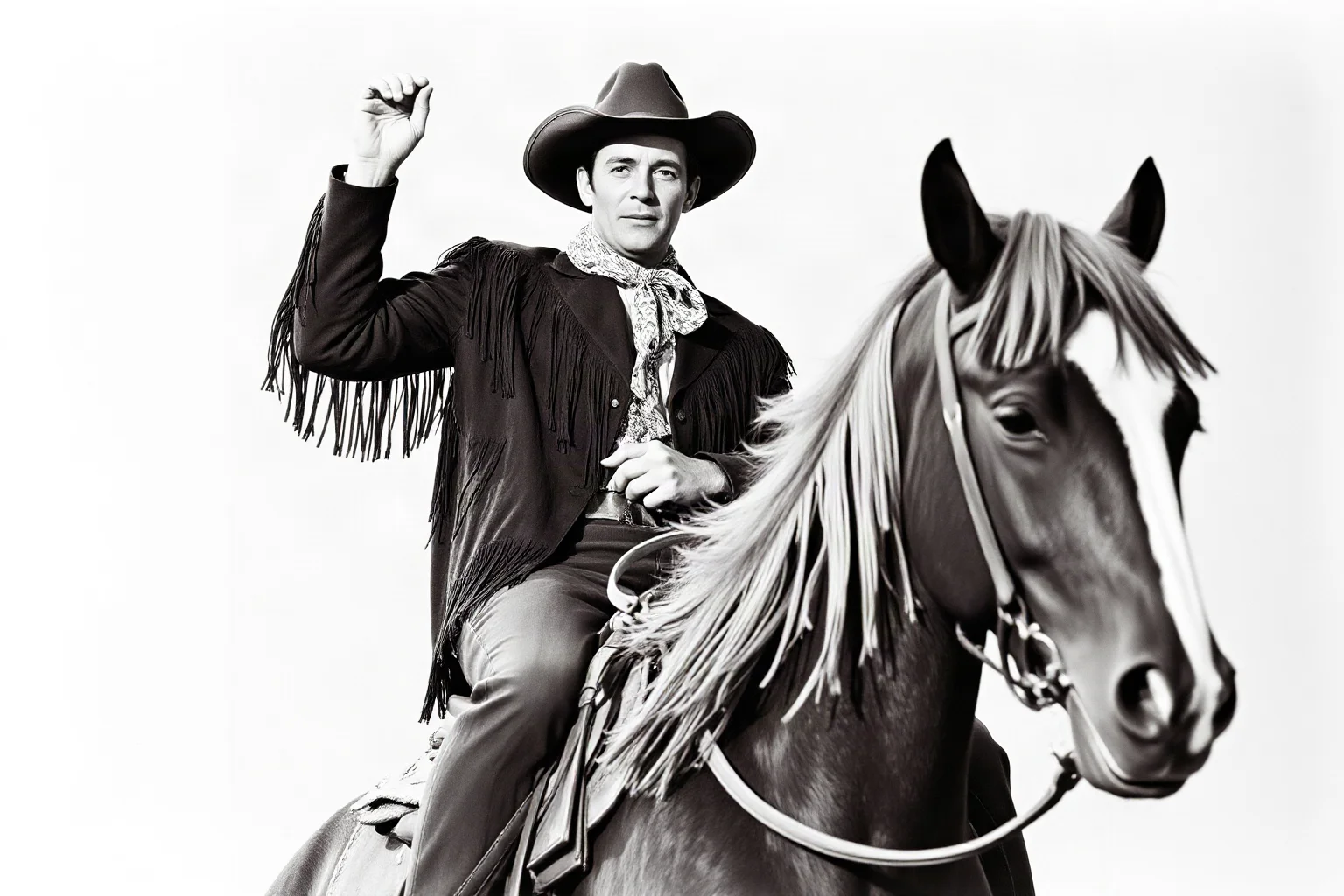
Tom Mix genuinely worked ranches and rode in Wild West shows before becoming one of the earliest and biggest cowboy movie stars of the silent film era. He performed his own dangerous stunts and helped cement the visual template audiences still associate with the word cowboy today. Mix’s transition from real ranch hand to Hollywood icon shows exactly how the historical cowboy became a cultural symbol.
Outlaws Who Became Nightmares
These ten figures turned frontier skills, desperation, or sheer violence into criminal careers that made them infamous across the American West.
11. Billy the Kid
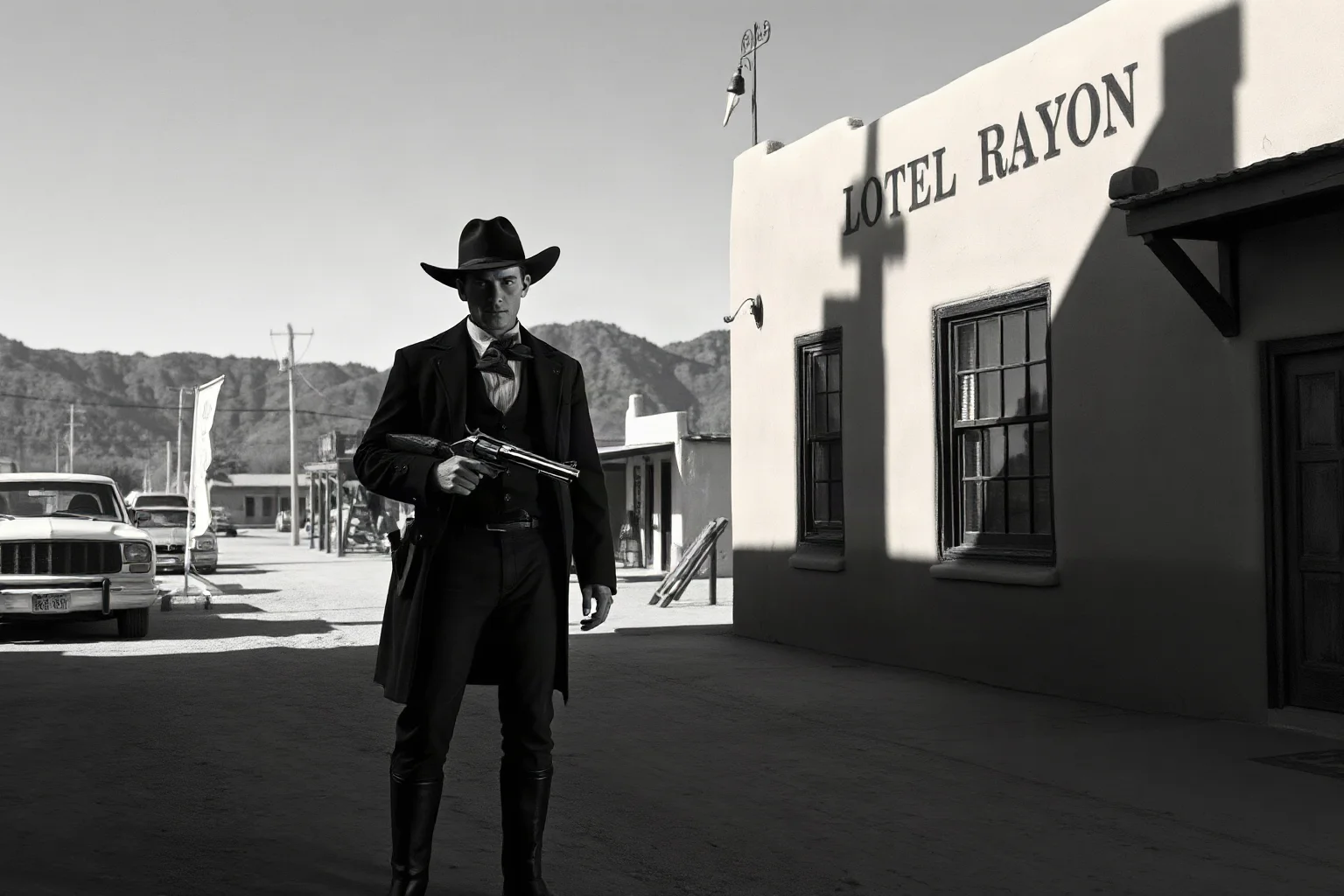
Billy the Kid, born Henry McCarty, became one of the most mythologized outlaws in American history after his involvement in New Mexico’s Lincoln County War in the late 1870s. He was convicted of murder and sentenced to hang, but escaped custody before Pat Garrett tracked him down and killed him in 1881. Despite countless films and books, historians still debate basic facts about his early life, proving how much legend has outpaced documented truth.
12. Jesse James
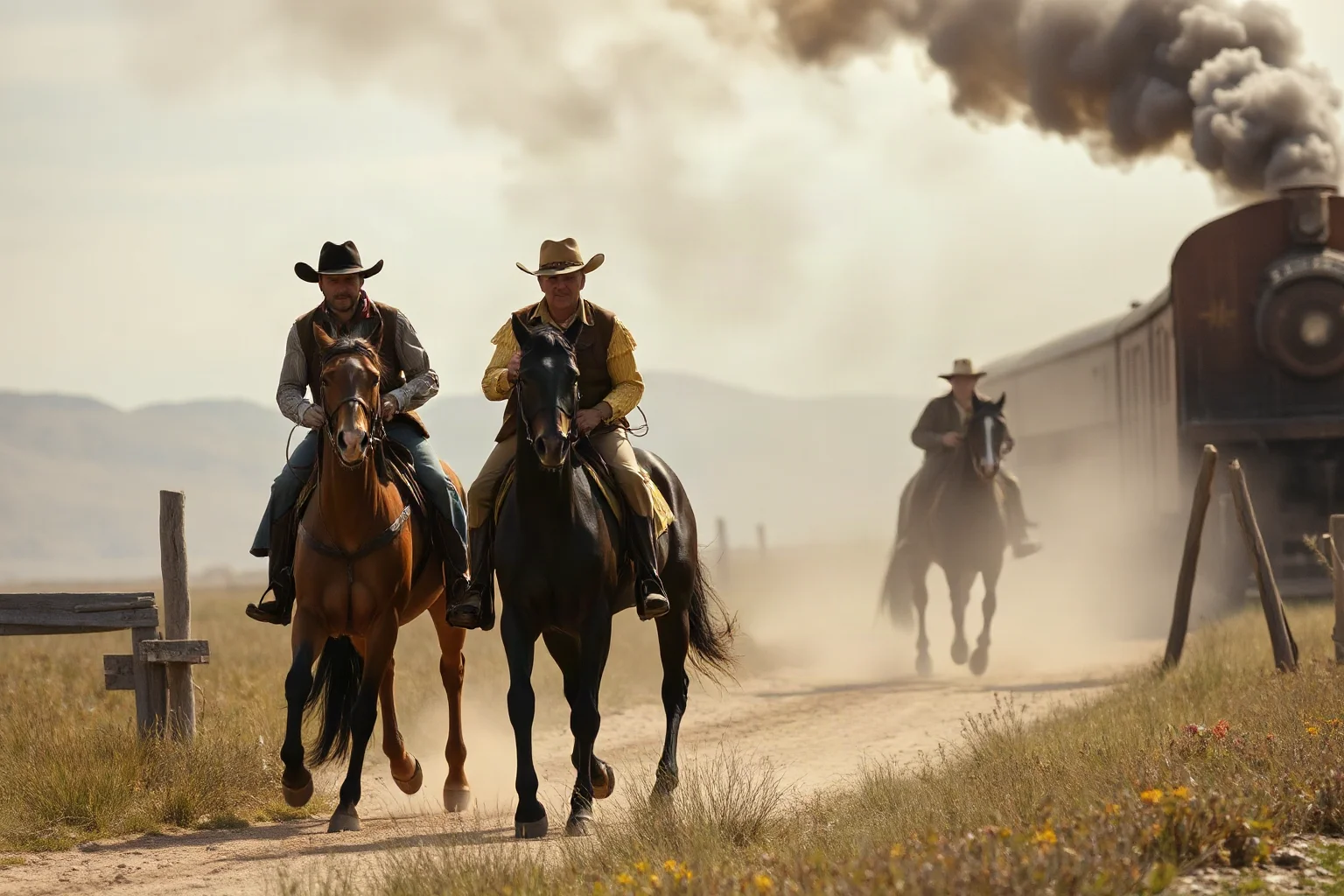
Jesse James rode with pro-Confederate guerrillas during the Civil War before turning to robbing banks and trains across the Midwest with his brother Frank and the James-Younger Gang. Newspapers and dime novels of the era romanticized him as a Robin Hood figure, even though his crimes involved real violence against ordinary people. He was shot and killed in 1882 by a gang member seeking reward money and amnesty, a betrayal that only deepened his outlaw mystique.
13. Butch Cassidy
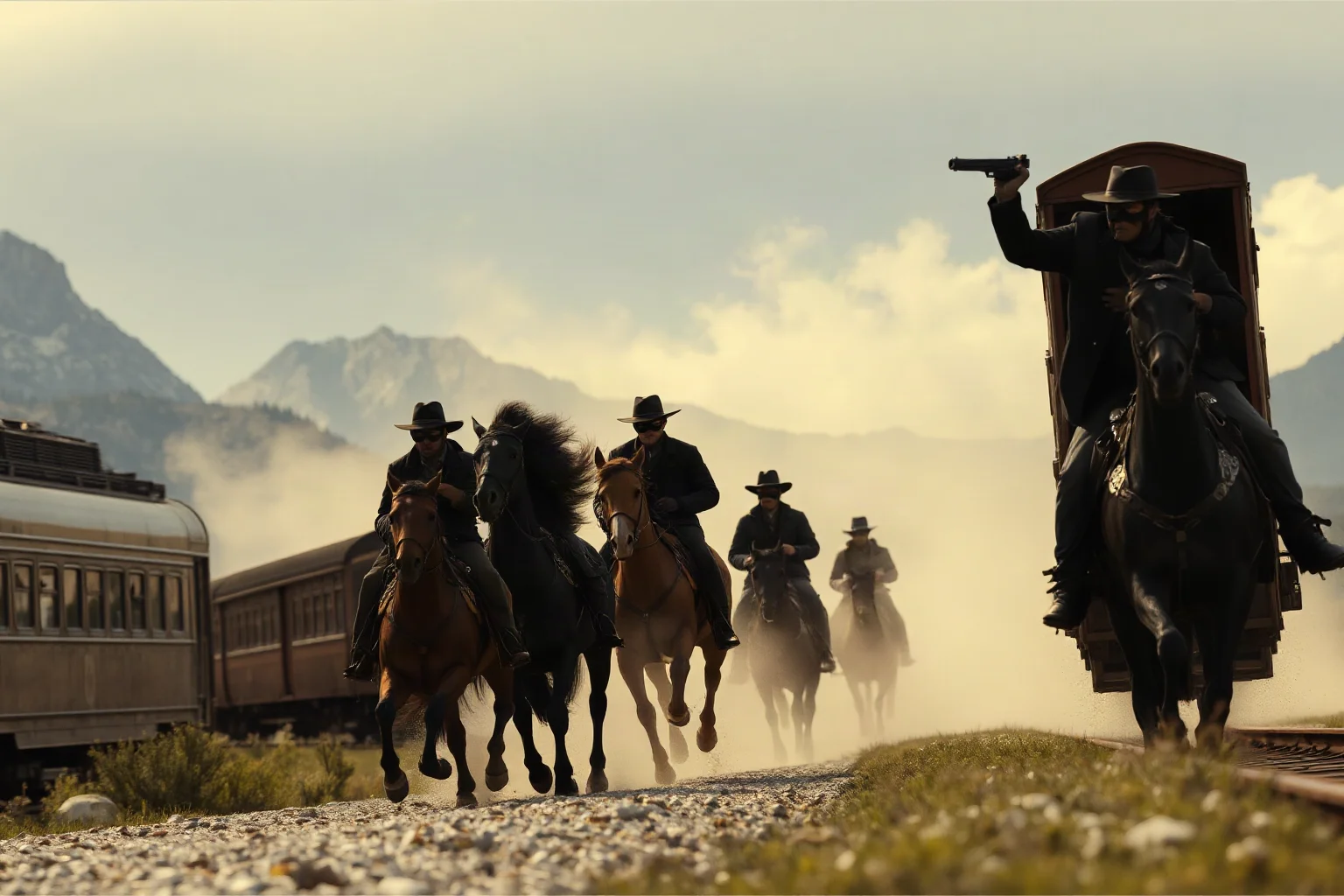
Robert LeRoy Parker, better known as Butch Cassidy, led the Wild Bunch gang through a string of train and bank robberies across the Rocky Mountain West in the 1890s. He reportedly avoided unnecessary killing during robberies, which contributed to a more sympathetic outlaw reputation than many of his peers. Cassidy fled to South America around 1901, and while a 1908 shootout in Bolivia is widely believed to have ended his life, some historical accounts leave lingering uncertainty about his final fate.
14. The Sundance Kid
Harry Longabaugh earned the nickname “Sundance Kid” after a jail stint in Sundance, Wyoming, and became Butch Cassidy’s most trusted partner in the Wild Bunch. Together they robbed banks and trains across multiple states before fleeing to South America to escape increasing Pinkerton pressure. Like Cassidy, the exact circumstances of his death remain debated, which has only fueled decades of popular fascination.
15. Belle Starr
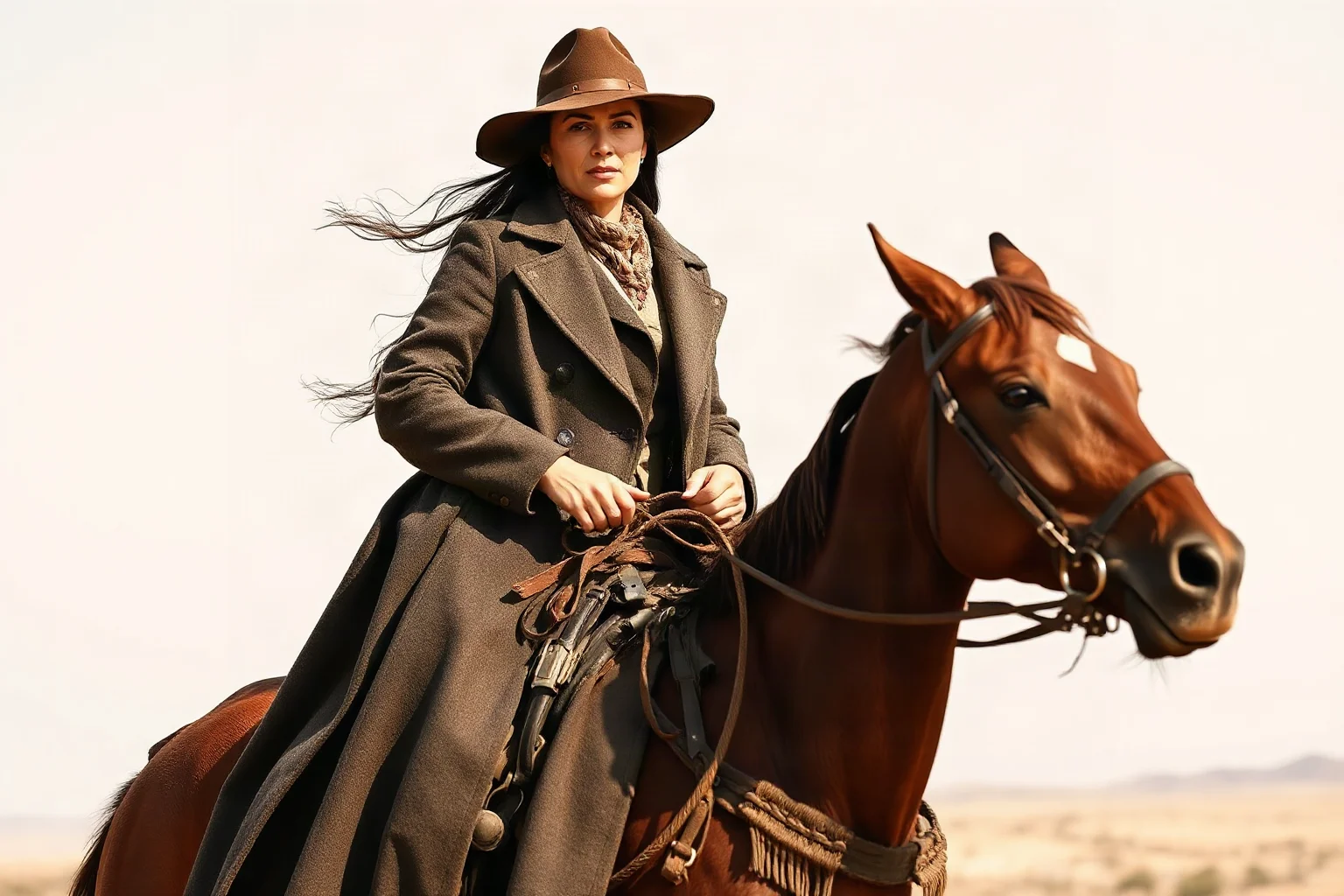
Belle Starr, sometimes called the “Bandit Queen,” associated with outlaws in Missouri and Indian Territory and was convicted of horse theft in 1883. Later sensationalized biographies inflated her criminal exploits far beyond what court records actually support. She was shot and killed in 1889 under circumstances that were never fully solved, and her real history remains one of the most exaggerated in Old West lore.
16. John Wesley Hardin
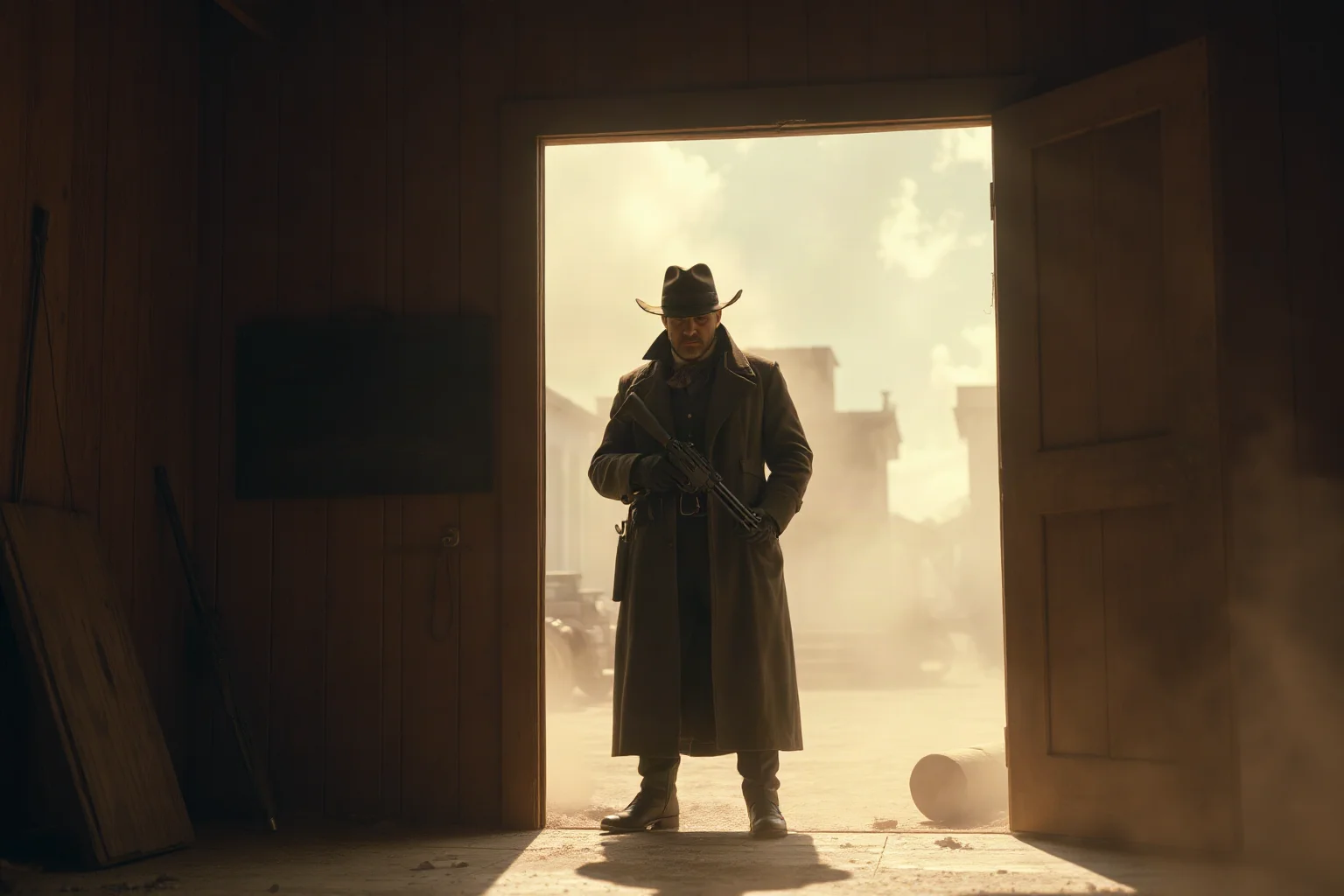
John Wesley Hardin claimed to have killed dozens of men across Texas during the 1870s, though historians can only verify a portion of that violent count with certainty. He was eventually captured and served over a decade in prison, where he studied law and later wrote a self-glorifying autobiography. Hardin was shot dead in an El Paso saloon in 1895, a fittingly violent end for one of the era’s most feared gunfighters.
17. Sam Bass
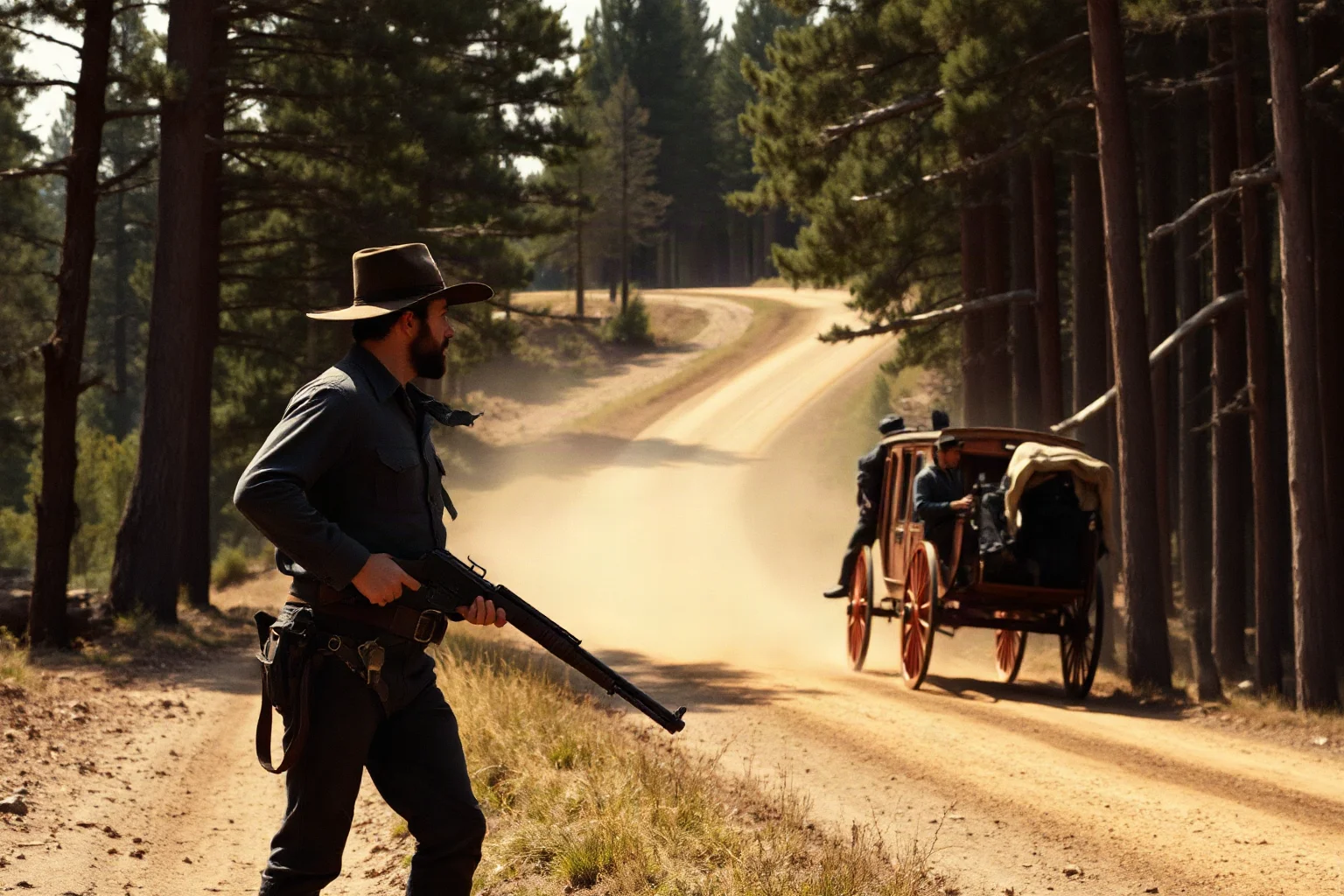
Sam Bass worked briefly as a cowboy and freight hauler in Texas before turning to stagecoach and train robbery in the mid-1870s. His most famous heist, a Union Pacific gold train robbery in Nebraska, made him a wanted man across several states. Texas Rangers fatally wounded him in 1878 during a botched bank robbery, and he died on his birthday, a detail that later balladeers loved to romanticize.
18. Cole Younger
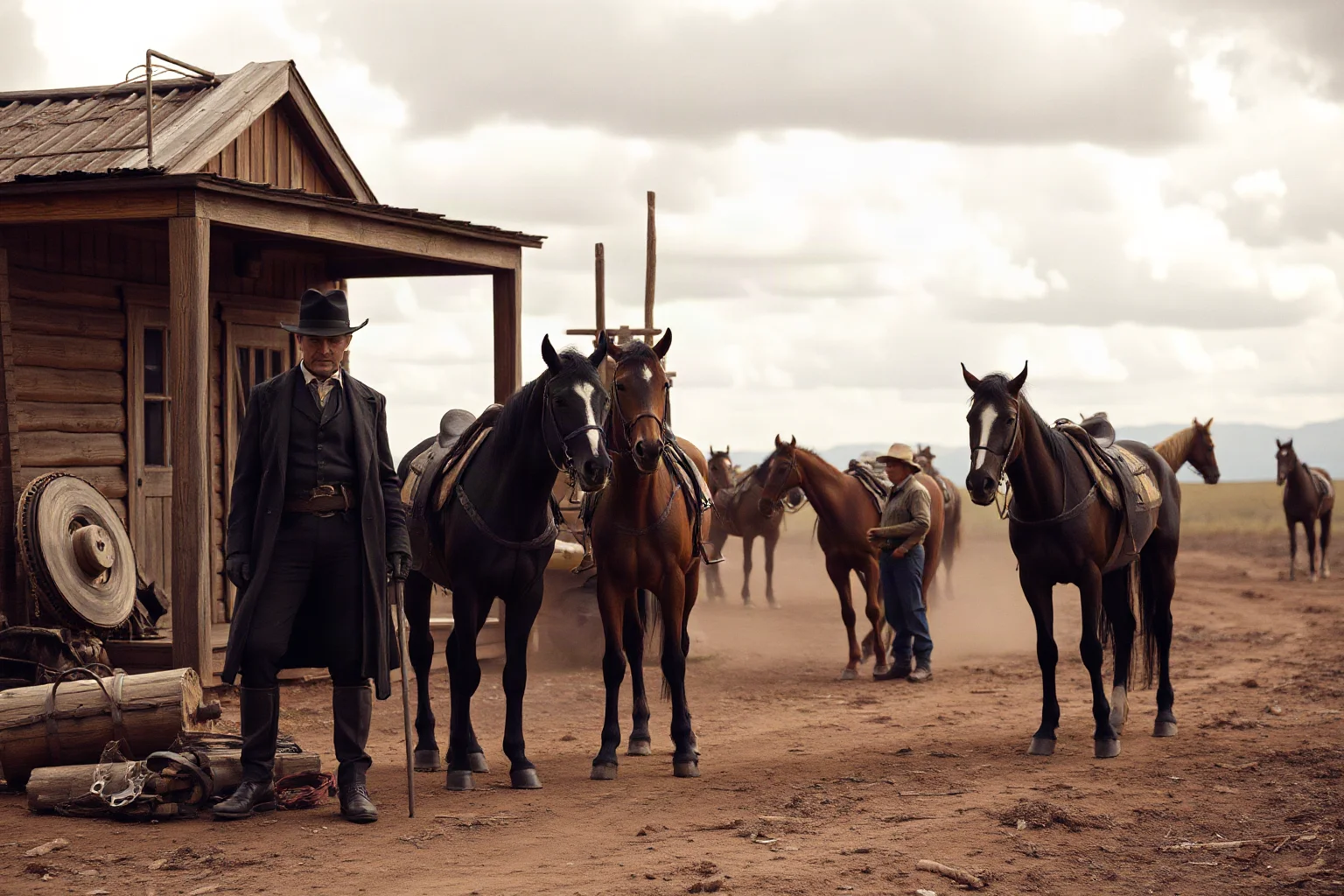
Cole Younger rode alongside Jesse and Frank James as a core member of the James-Younger Gang, participating in numerous bank robberies throughout the 1860s and 1870s. A disastrous 1876 raid on Northfield, Minnesota ended in a shootout that left several gang members dead and Younger badly wounded and captured. He served 25 years in prison before his release, later touring briefly with a Wild West show that ironically packaged his own outlaw past as entertainment.
19. Black Bart
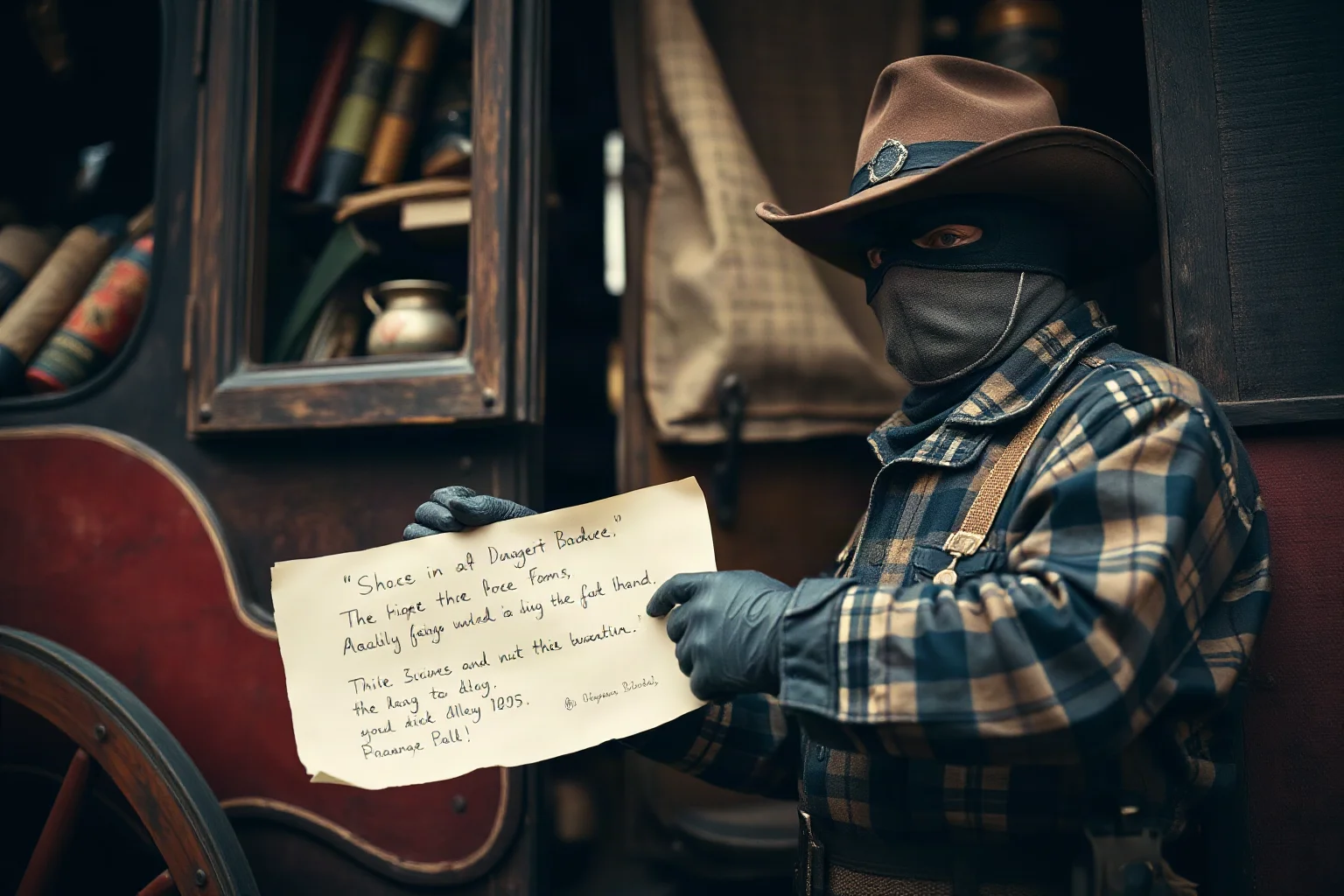
Black Bart, whose real name was Charles E. Boles, robbed roughly 28 stagecoaches across California and Oregon during the late 1870s and 1880s, reportedly without ever firing a shot. He was known for leaving poetic notes at robbery scenes, a theatrical flourish that made him a favorite of contemporary newspapers. Detectives finally identified and arrested him in 1883 after tracing a laundry mark on a handkerchief he left at a crime scene.
20. Tom Horn
Tom Horn worked as a cowboy, army scout, and even a Pinkerton detective before becoming a hired gunman accused of murdering a 14-year-old boy in Wyoming in 1901. His trial and 1903 execution remain controversial, with some historians questioning the strength of the evidence against him even today. Horn’s career shows just how thin the line could be between a respected frontier cowboy and a hired nightmare feared across cattle country.
The Blurred Line Between Cowboy and Outlaw
Looking at these twenty names together, a clear pattern emerges: the frontier skills that made someone a valuable cowhand, tracker, or marksman were exactly the same skills that made a dangerous outlaw. Riding, roping, and shooting were simply tools, and how a person used them depended on circumstance, economics, and sometimes pure bad luck. Several men on this list, including Tom Horn and Pat Garrett, spent time on both sides of the law within a single lifetime.
It’s also worth remembering how much of this mythology was manufactured well after the fact. Dime novels, early Wild West shows, and later Hollywood films took real historical cowboys and outlaws and reshaped them into simplified heroes and villains for paying audiences, a process that would repeat itself decades later with the notorious gangsters of the 20th century, whose crimes were similarly reshaped into myth by newspapers and film. The genuine history, preserved in memoirs like Charlie Siringo’s and Teddy Blue Abbott’s, tends to be far less glamorous and far more human than the legend.
That gap between myth and record is exactly why these stories remain so compelling generations later. The most famous cowboys and outlaws of the American West were rarely as simple as the legends suggest, and digging into the documented history only makes their stories richer.
Final Thoughts
The Old West produced an extraordinary range of characters, from disciplined lawmen and skilled cattle drovers to violent robbers who terrorized entire regions. Some of the most iconic cowboys in this list built their fame on genuine skill and hard, unglamorous labor, while the outlaws earned their infamy through crimes that real communities suffered through firsthand. Both groups, in their own way, shaped how the world still imagines the American frontier.
What ties every name on this list together is how quickly reality gave way to legend once newspapers, dime novels, and eventually film got involved. Separating documented fact from romanticized fiction doesn’t make these figures less fascinating; if anything, it makes their real stories even more worth telling.
Frequently Asked Questions
What are the names of famous cowboys from the Old West?
Some of the most historically documented names of famous cowboys include Bass Reeves, Nat Love, Charles Goodnight, Bill Pickett, Charlie Siringo, and Teddy Blue Abbott. Each worked in real cattle-driving, ranching, or law enforcement roles during the 1800s, and their firsthand experiences helped shape the popular image of the American cowboy.
Who is considered the most famous cowboy in history?
There's no single definitive answer, but Bass Reeves and Wyatt Earp are frequently cited as among the most famous historical cowboys and lawmen due to their well-documented careers and lasting cultural impact. Fictionalized film stars like Tom Mix also heavily shaped what most people picture as the 'iconic cowboy' image today.
Were all cowboys outlaws, or were they different groups?
Cowboys and outlaws were generally distinct groups, with cowboys working legally as cattle herders, ranch hands, or drovers, while outlaws committed crimes like robbery and murder. That said, the two paths sometimes overlapped, since several outlaws started as working cowboys and some cowboys later became lawmen or, in rarer cases, criminals.
Did real historical cowboys look and act like they do in movies?
Not exactly. Real cowboys spent most of their time doing exhausting, repetitive labor like herding cattle, mending fences, and enduring harsh weather, with gunfights being far rarer than films suggest. Firsthand memoirs from cowboys like Charlie Siringo and Teddy Blue Abbott paint a much less glamorous picture than Hollywood westerns.
Why do some outlaws like Jesse James and Billy the Kid still fascinate people today?
Their fame grew largely from sensationalized newspaper coverage and dime novels published during and after their lifetimes, which turned violent crimes into dramatic legends. This mix of documented fact and popular myth still fuels curiosity, since separating the real history from the exaggeration remains genuinely interesting.

Alex Warren
Related Articles