
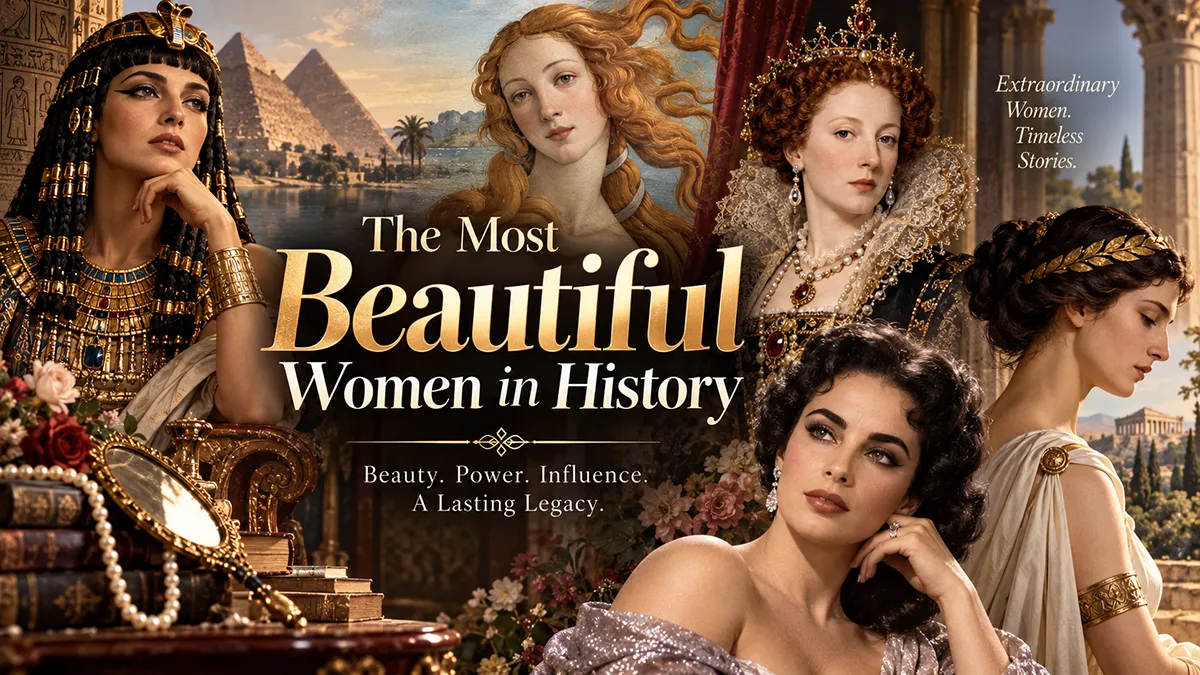
Ask ten people to name the most beautiful woman in history and you’ll likely get ten different answers — Cleopatra, Helen of Troy, Nefertiti, maybe a Renaissance duchess or a Belle Époque showgirl. That’s because beauty has never been a fixed thing. It shifts with culture, era, and who’s doing the writing, which is exactly why hunting for a single “hottest woman of all time” is more myth than measurement.
What we can do is look at the women whose looks, charisma, and reputations were so powerful that they shaped politics, art, and legend for centuries afterward. This list gathers 20 of history’s most talked-about beauties, from ancient queens to early 20th-century icons, along with the historical context — and the healthy skepticism — their stories deserve.
TL;DR: There’s no verifiable “most beautiful woman who ever lived,” but figures like Cleopatra, Nefertiti, Helen of Troy, and Empress Sisi became legends because their beauty was inseparable from their power, intellect, and myth-making.
How Do You Even Measure Beauty Across History?
Before diving into the list, it’s worth asking an honest question: how would we ever really know who the most beautiful women in history were? Photography didn’t exist before the 19th century, so our impressions of ancient and medieval beauties come from coins, statues, paintings, and — most often — the biased writings of historians, poets, and courtiers.
Many accounts were written by men with political or romantic motives, which means descriptions of a queen’s beauty were sometimes propaganda as much as observation. Cleopatra is the textbook example: Roman writers had every reason to either mock or dramatize her looks, since Rome had just defeated her. Historians today generally agree we can’t take ancient beauty claims as objective fact — but we can study why certain women became beauty legends in the first place.
That’s the real story here. This list isn’t a scientific ranking of the sexiest women of all time — no such ranking is possible across 3,000 years of shifting beauty standards. Instead, it’s a tour through the women whose reputations for beauty, glamour, and charisma left the deepest mark on history.
20 of History’s Most Beautiful and Captivating Women
From ancient Egypt to the early 1900s, these women were celebrated, mythologized, and sometimes exaggerated by the people who wrote about them. Here’s what history actually tells us about each.
1. Nefertiti
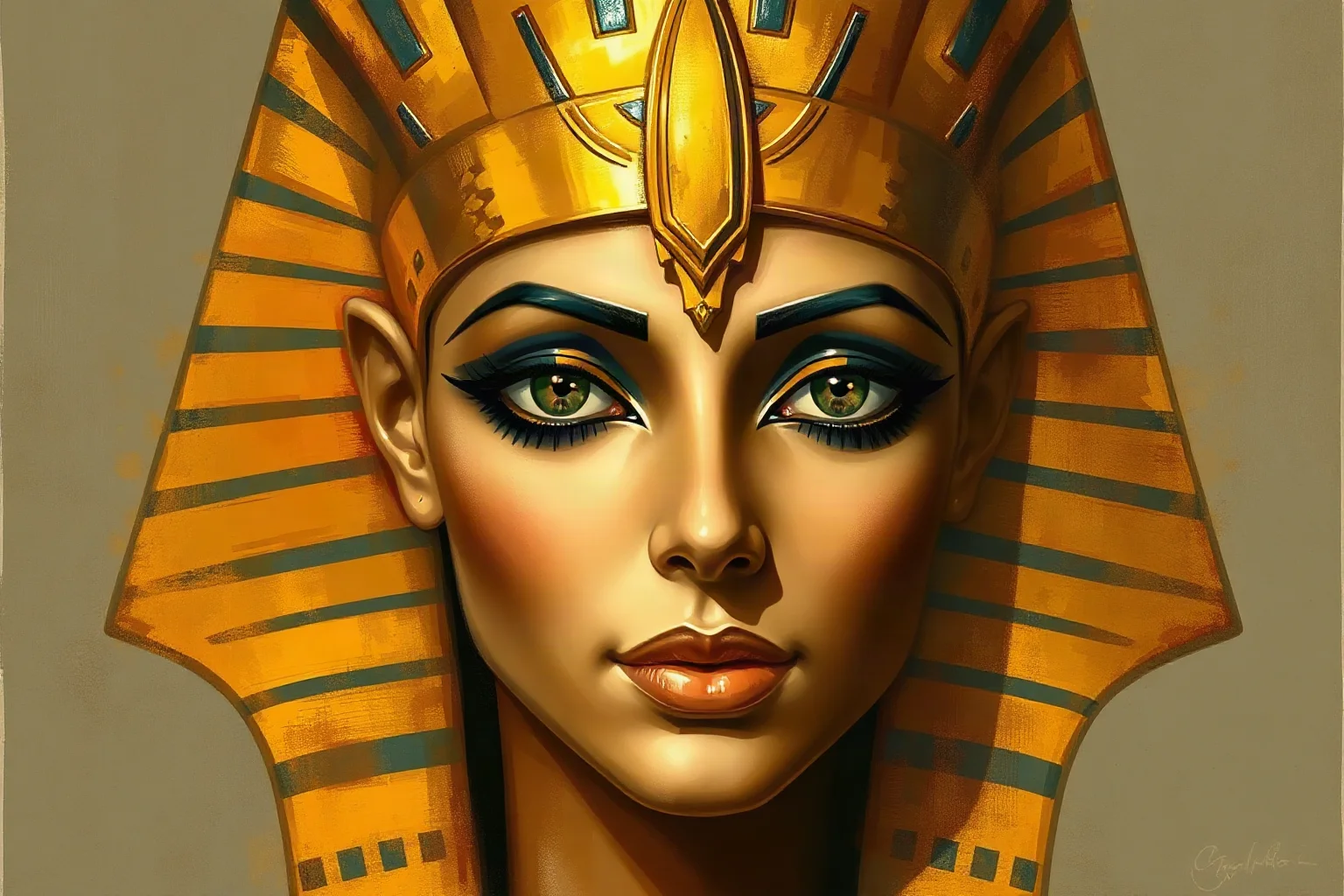
Nefertiti, the Great Royal Wife of Pharaoh Akhenaten in 14th-century BCE Egypt, is often cited as the world’s first beautiful woman thanks to her famous painted limestone bust, discovered in 1912 and now housed in Berlin. Her name literally translates to “the beautiful one has come,” which historians believe reflects both her reputation and her religious symbolism.
We don’t actually know what Nefertiti looked like in life; the bust is an idealized artistic representation, not a photograph. Still, it remains one of the most reproduced images of ancient beauty in the world, making her a permanent fixture in any discussion of classical beauties.
2. Cleopatra VII
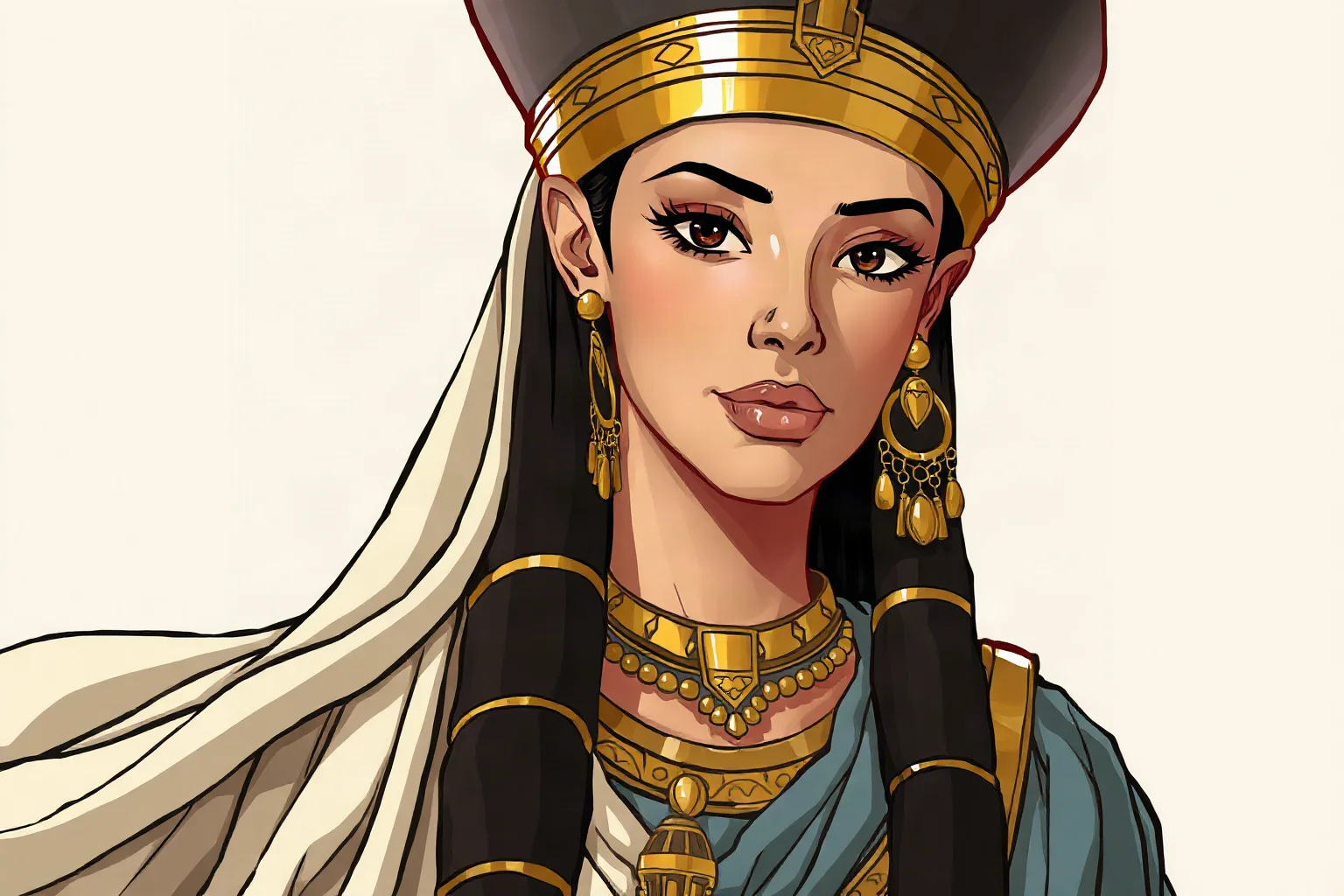
No name comes up faster in conversations about the most beautiful woman in history than Cleopatra, and she remains one of the most recognized historical figures of any era. The last active pharaoh of Egypt, she ruled from 51 to 30 BCE and famously allied with — and romanced — both Julius Caesar and Mark Antony.
Here’s the myth-busting part: ancient coins showing Cleopatra depict a strong-featured, somewhat masculine profile, not the softened Hollywood ideal. Historians largely agree that her true power came from her intelligence, political skill, and command of multiple languages, not conventional beauty alone — which arguably makes “Cleopatra, the most beautiful woman in the world” more legend than fact.
3. Helen of Troy
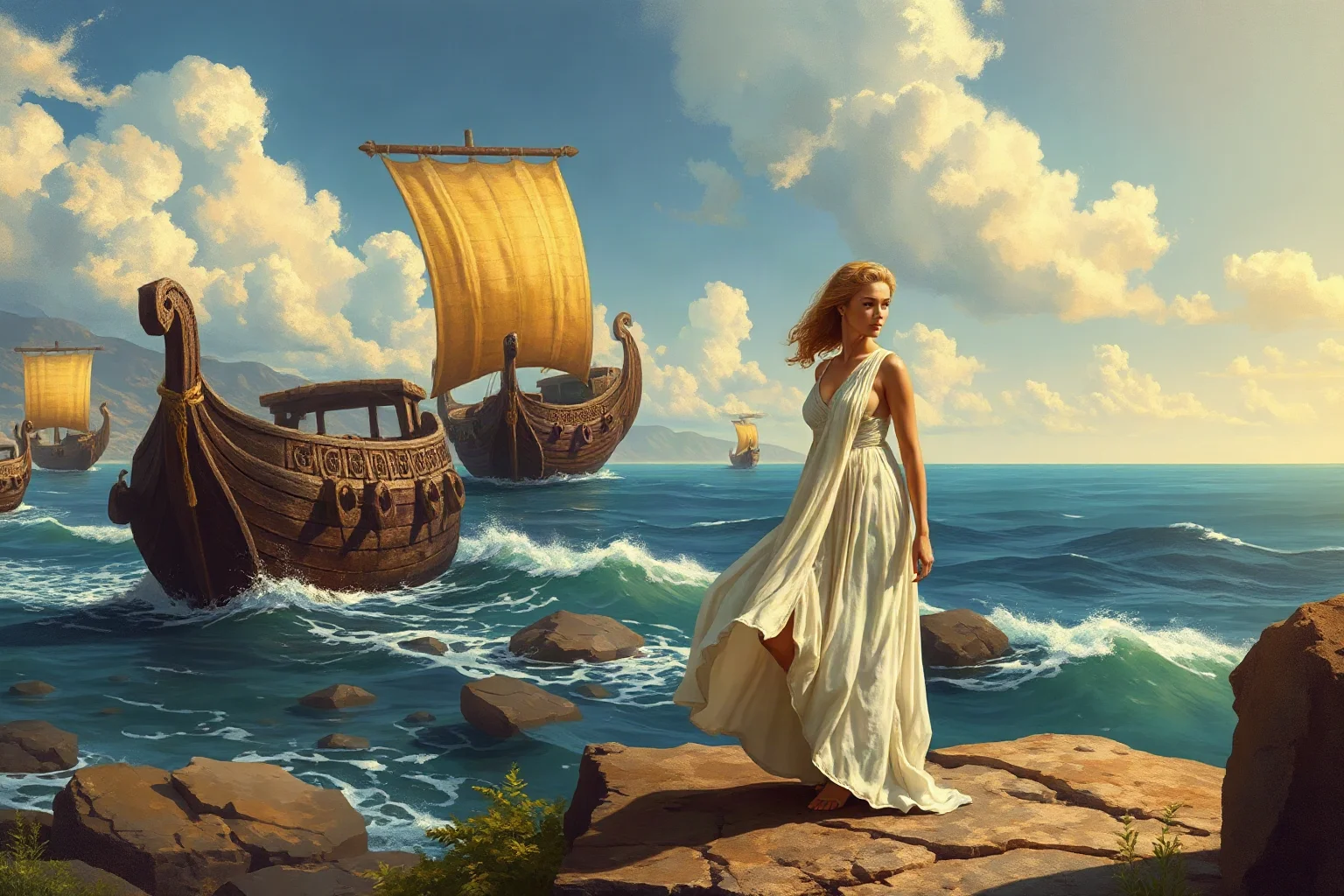
When people search for the “world’s first beautiful woman” in a mythological sense, Helen of Troy usually tops the list. Described in Homer’s Iliad as “the face that launched a thousand ships,” Helen was a legendary figure of Greek mythology, not a documented historical person.
Because she’s a literary character rather than a verified historical woman, Helen represents an idea more than a fact: the notion that beauty alone could start a war. Her story has shaped Western standards of beauty and storytelling for nearly 3,000 years.
4. Aspasia of Miletus
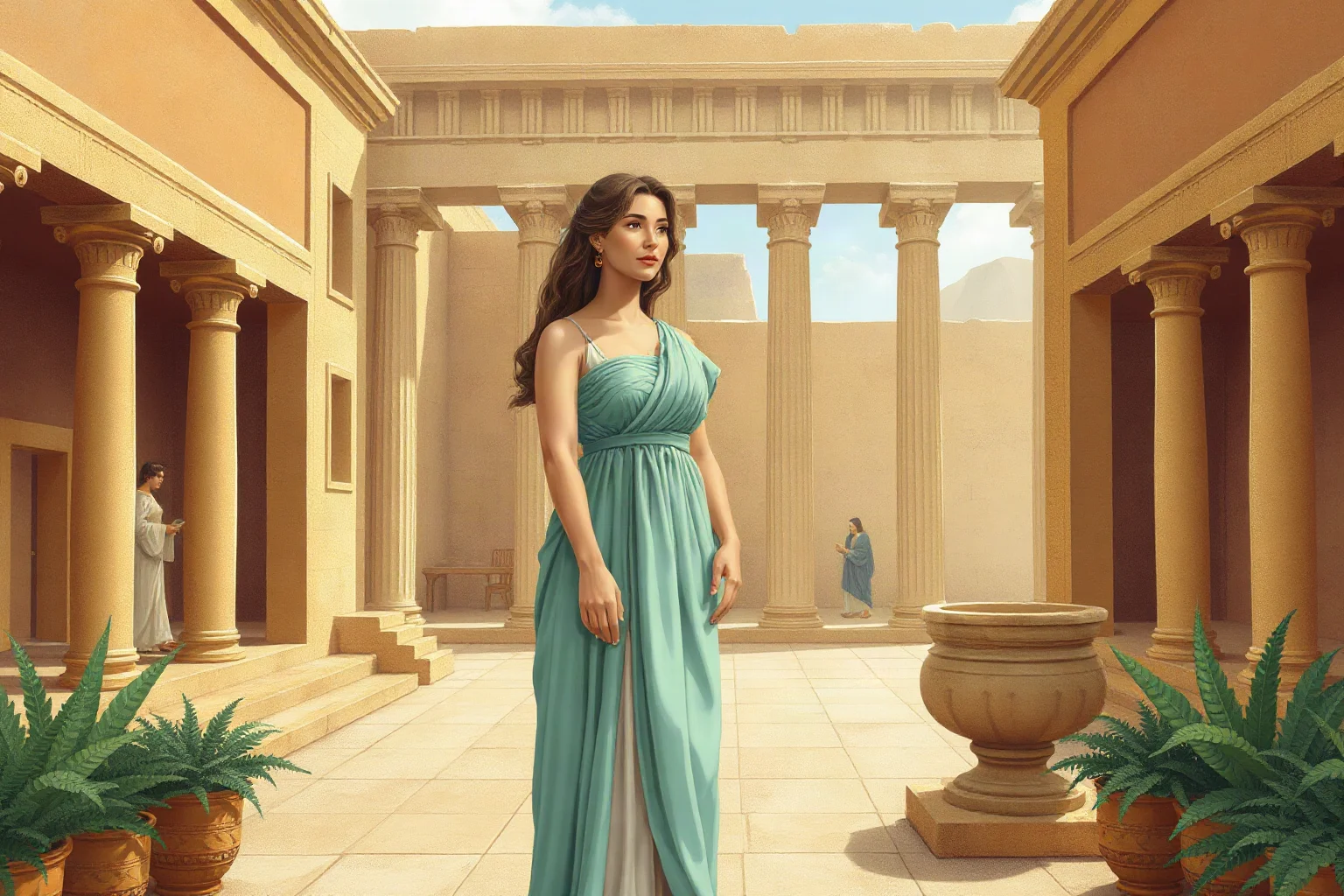
Aspasia lived in 5th-century BCE Athens and became the partner of the statesman Pericles, one of the most powerful men in Greece and a figure still remembered for some of history’s greatest speeches. Ancient sources credit her with remarkable intelligence and rhetorical skill, and several philosophers reportedly sought her company for conversation as much as her looks.
She’s a good reminder that many of the classical beauties history remembers were valued for wit and influence, not appearance alone. Aspasia’s reputation survived precisely because she operated in circles usually closed to women in ancient Athens.
5. Poppaea Sabina
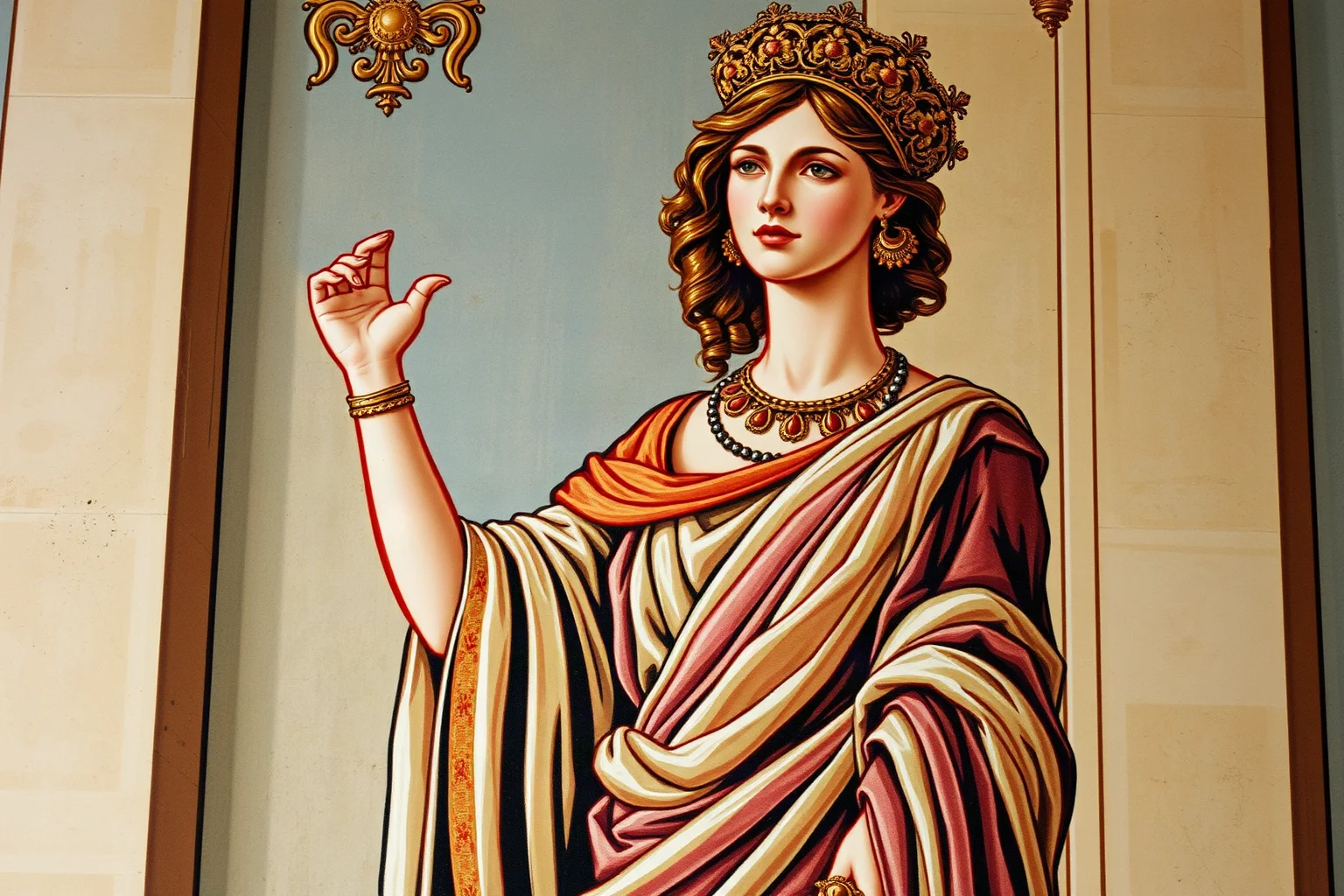
Often cited as the most beautiful Roman woman in ancient sources, Poppaea Sabina became the second wife of the emperor Nero in 62 CE. The Roman historian Tacitus described her as possessing beauty, wit, and ambition in equal measure, though Tacitus wrote decades later and with a clear political agenda against Nero’s court.
Poppaea’s story ended tragically — ancient sources claim Nero killed her, though the details are disputed. Her legend endures as a symbol of beauty entangled with imperial power and danger.
6. Zenobia of Palmyra
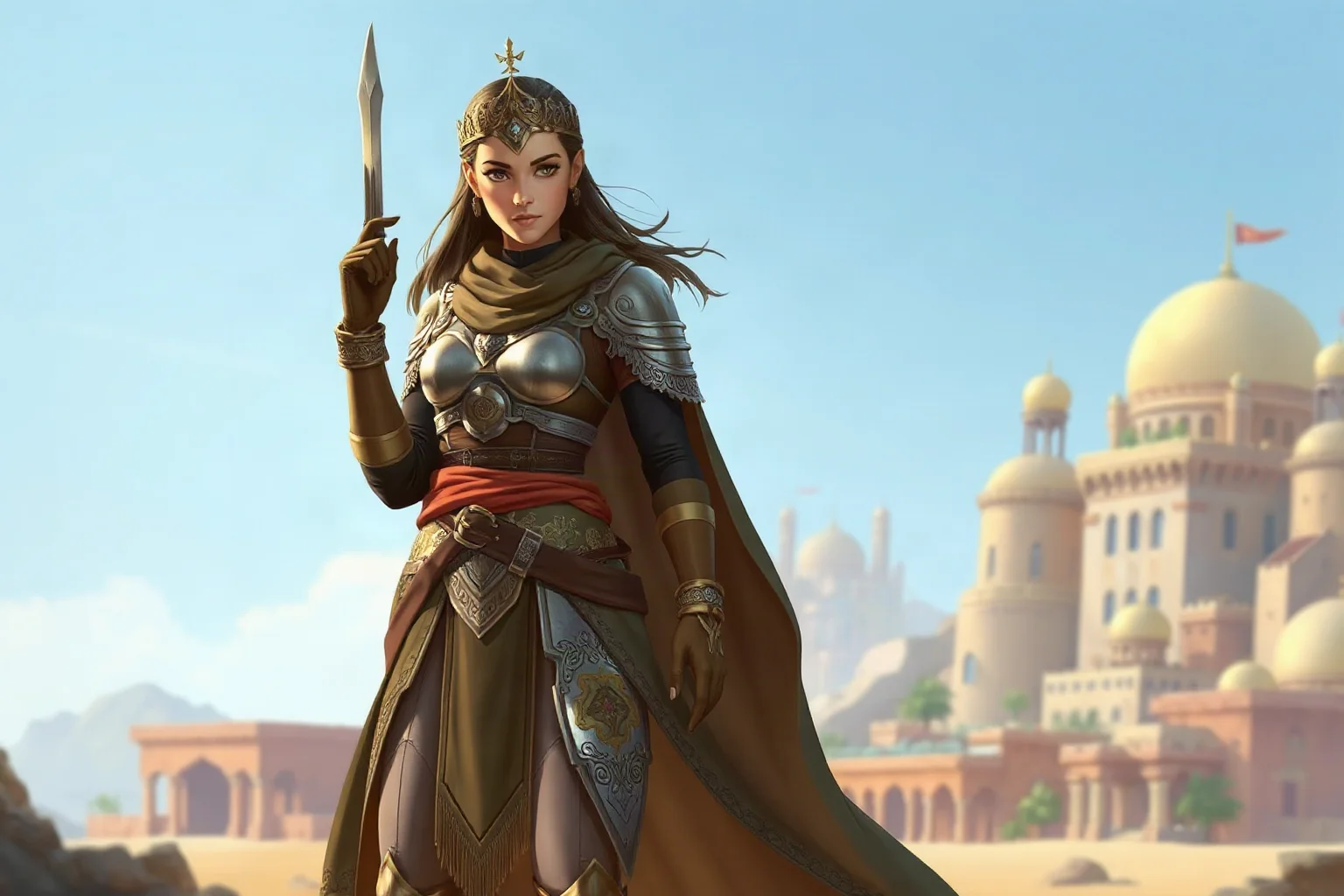
Zenobia ruled the Palmyrene Empire in the 3rd century CE and led a serious military challenge against Rome itself, earning her a place among history’s fiercest female fighters. Ancient writers described her as strikingly beautiful, but they were equally fascinated by her fluency in multiple languages and her sharp political mind.
She’s frequently grouped among history’s most beautiful queens, but her real legacy is military and political: she briefly carved out an empire stretching from Egypt to Asia Minor before Rome reclaimed it.
7. Empress Theodora
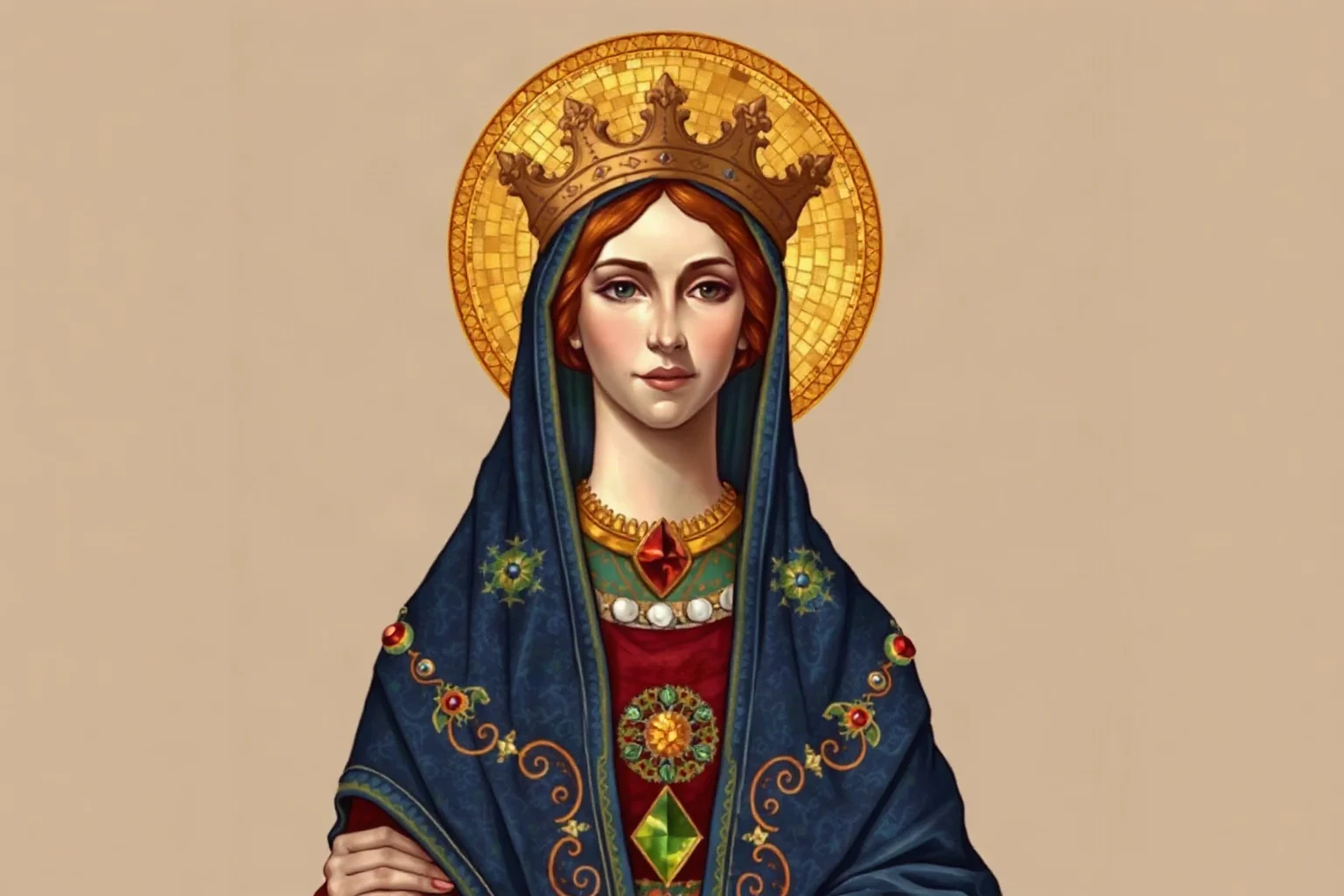
Theodora rose from a poor background — some accounts say she worked in Constantinople’s theaters — to become empress of the Byzantine Empire alongside Justinian I in the 6th century CE. The historian Procopius wrote extensively about her, though his accounts range from admiring to scandalous.
Theodora used her position to champion women’s rights, including laws against forced prostitution and expanded divorce rights for women. Her beauty is part of her legend, but her political legacy is arguably more historically significant.
8. Wu Zetian
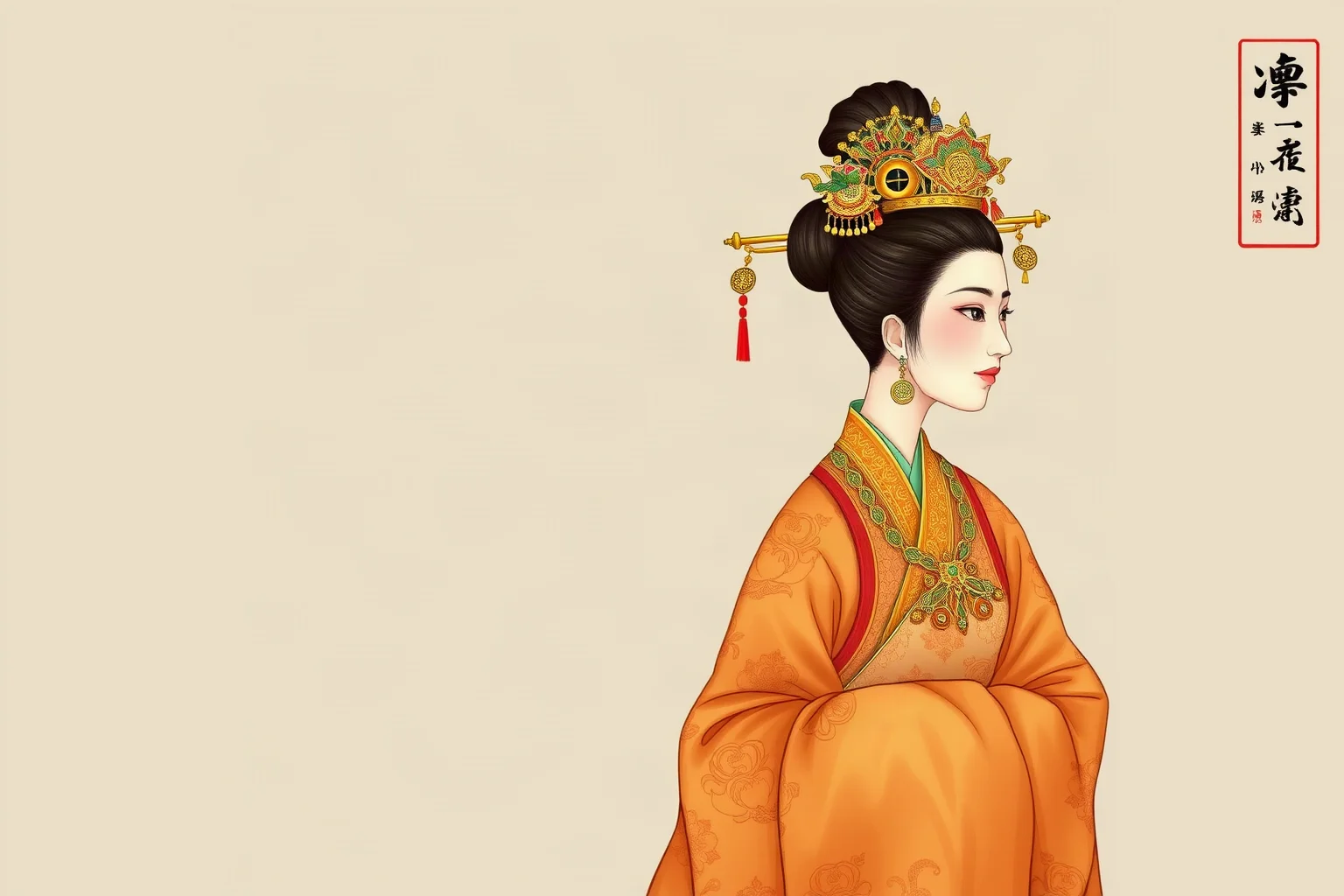
Wu Zetian became the only woman to rule China as emperor in her own right, reigning from 690 to 705 CE during the Tang dynasty. Court records describe her as beautiful in her youth, but her defining trait was political ruthlessness and administrative skill.
She’s a striking example of how “beautiful women in history” lists often undersell the women involved — Wu Zetian reshaped Chinese governance far more than she was remembered for looks alone.
9. Yang Guifei

Yang Guifei was a favored consort of Emperor Xuanzong during the Tang dynasty in the 8th century CE and is traditionally counted among the “Four Great Beauties” of Chinese history. Poets of the era wrote about her beauty and her tragic fate during the An Lushan Rebellion, when she was reportedly forced to take her own life.
Her story has been retold in Chinese opera, poetry, and film for over a thousand years, making her one of the most enduring classical beauties of East Asian history.
10. Noor Jahan
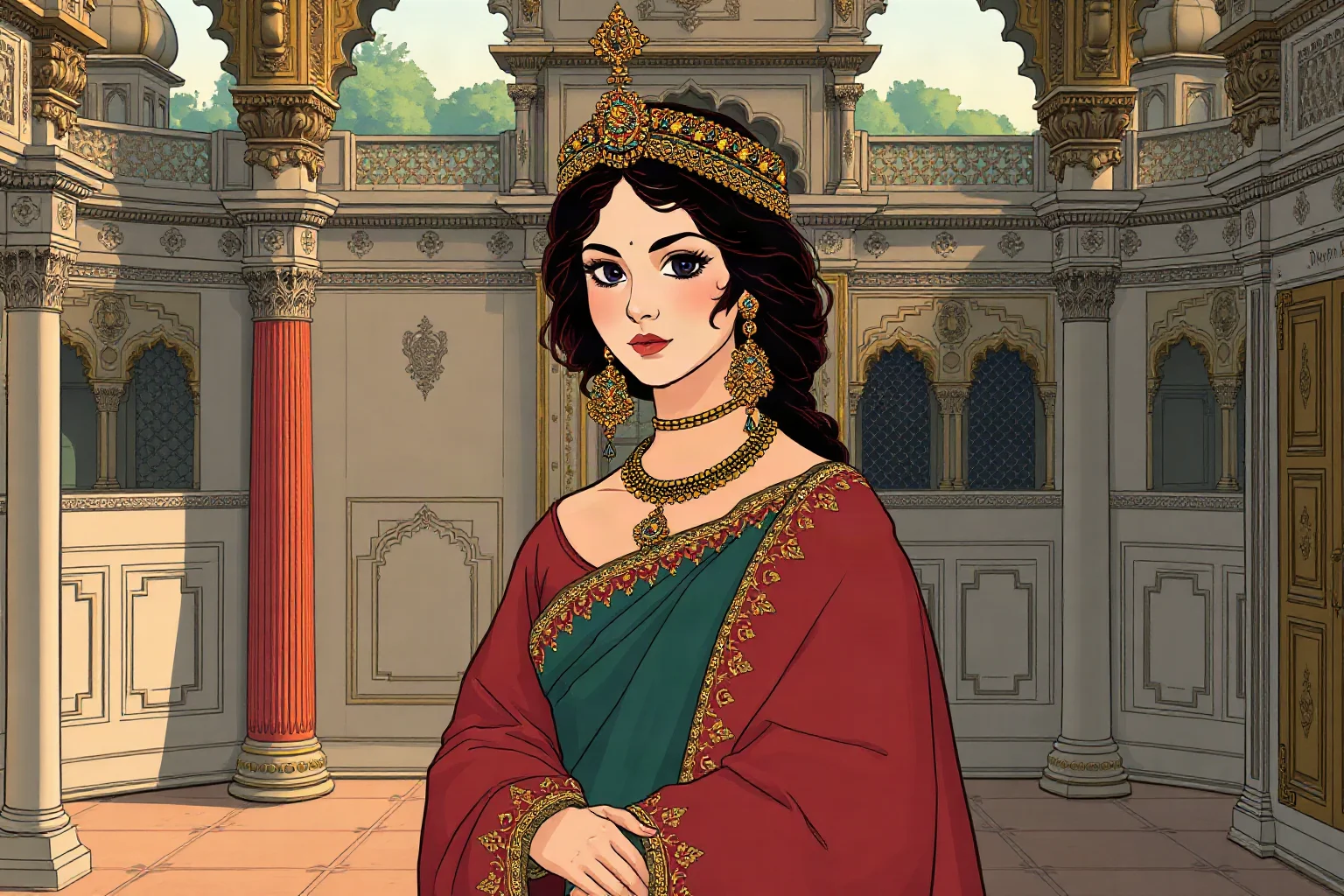
Often named among the most beautiful women in Indian history, Noor Jahan was the influential wife of Mughal Emperor Jahangir in the early 17th century. She effectively co-ruled the empire, issuing coins in her own name and making key political decisions during her husband’s declining health.
Contemporary accounts praised her beauty, but historians today emphasize her administrative skill and patronage of the arts as her more lasting contribution to Mughal India.
11. Anne Boleyn
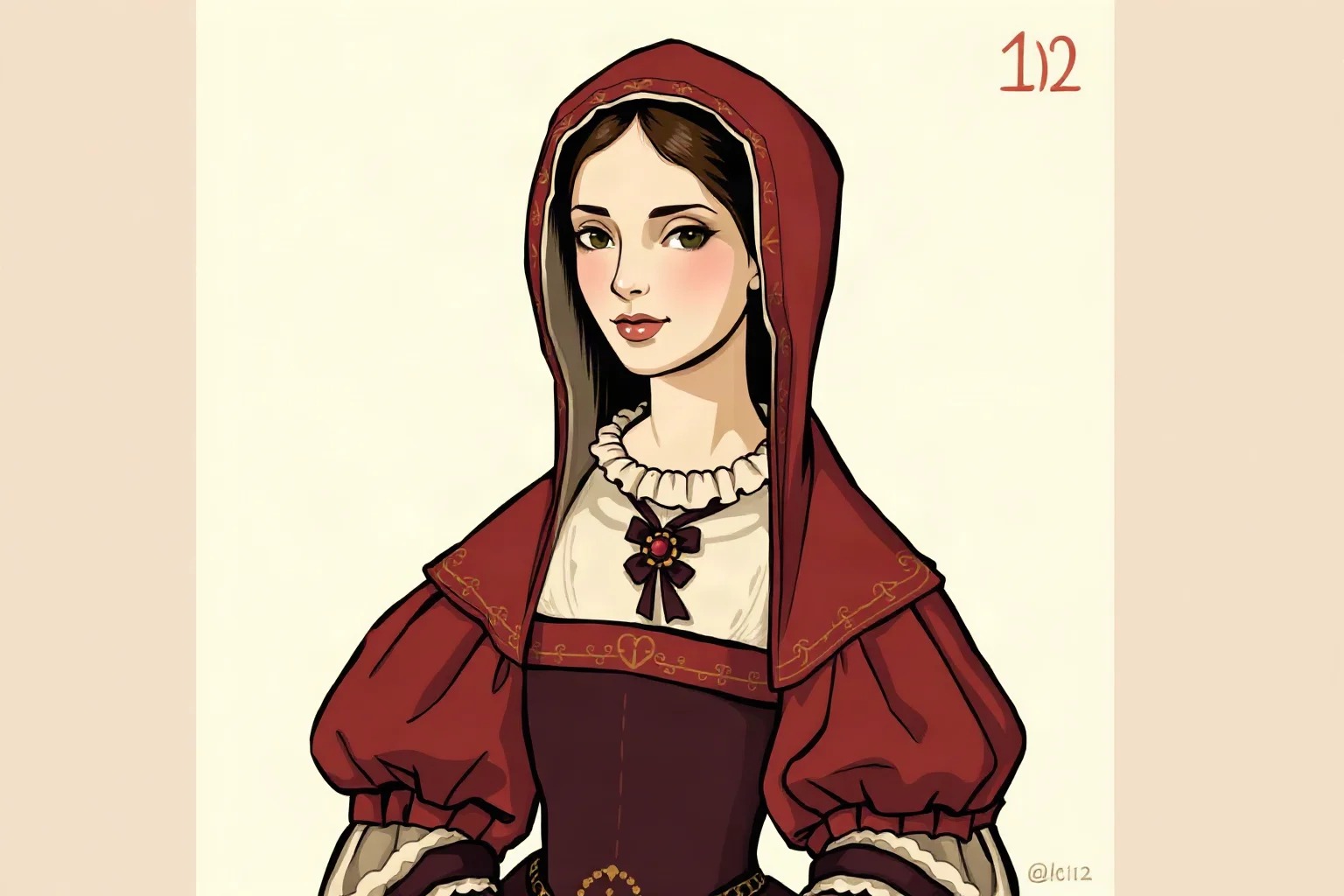
Anne Boleyn’s rise to become Henry VIII’s second wife in 1533 changed the course of English history, splitting the country from the Catholic Church. Historians actually debate whether she was conventionally beautiful by Tudor standards — contemporary Venetian ambassadors described her as “not the most beautiful” but noted her striking dark eyes and magnetic presence.
Her real power was charisma and intelligence, which makes her a useful myth-buster for anyone assuming every famous historical beauty had textbook good looks.
12. Diane de Poitiers
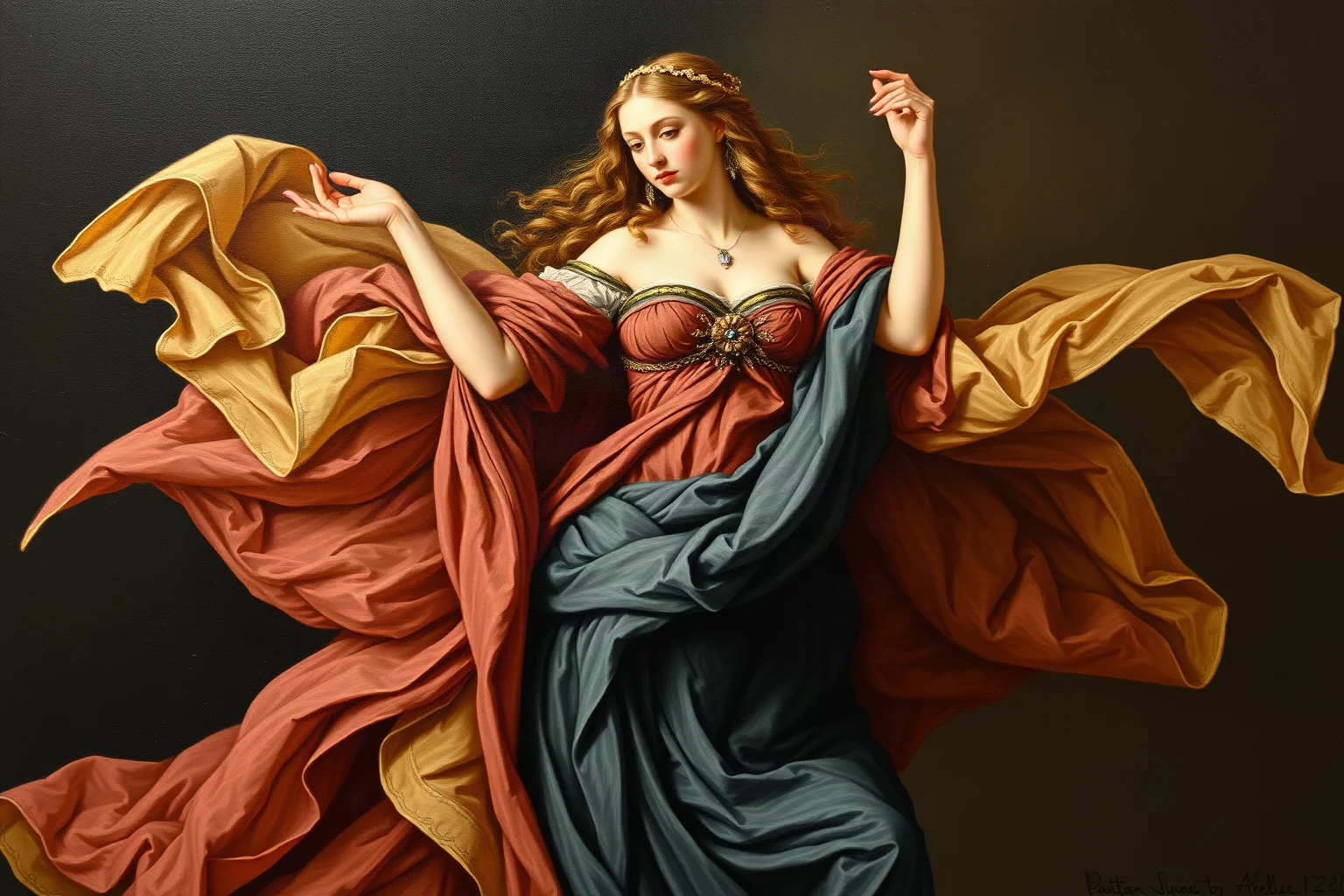
Diane de Poitiers was the influential mistress of King Henry II of France during the 16th century and remained a celebrated beauty well into her 60s, according to court accounts. She commissioned art and architecture that still stands today, including work at the Château de Chenonceau.
Renaissance portraiture often idealized her as a mythological goddess, blending real beauty standards with classical allegory — a common trick used to flatter powerful women of the era.
13. Simonetta Vespucci
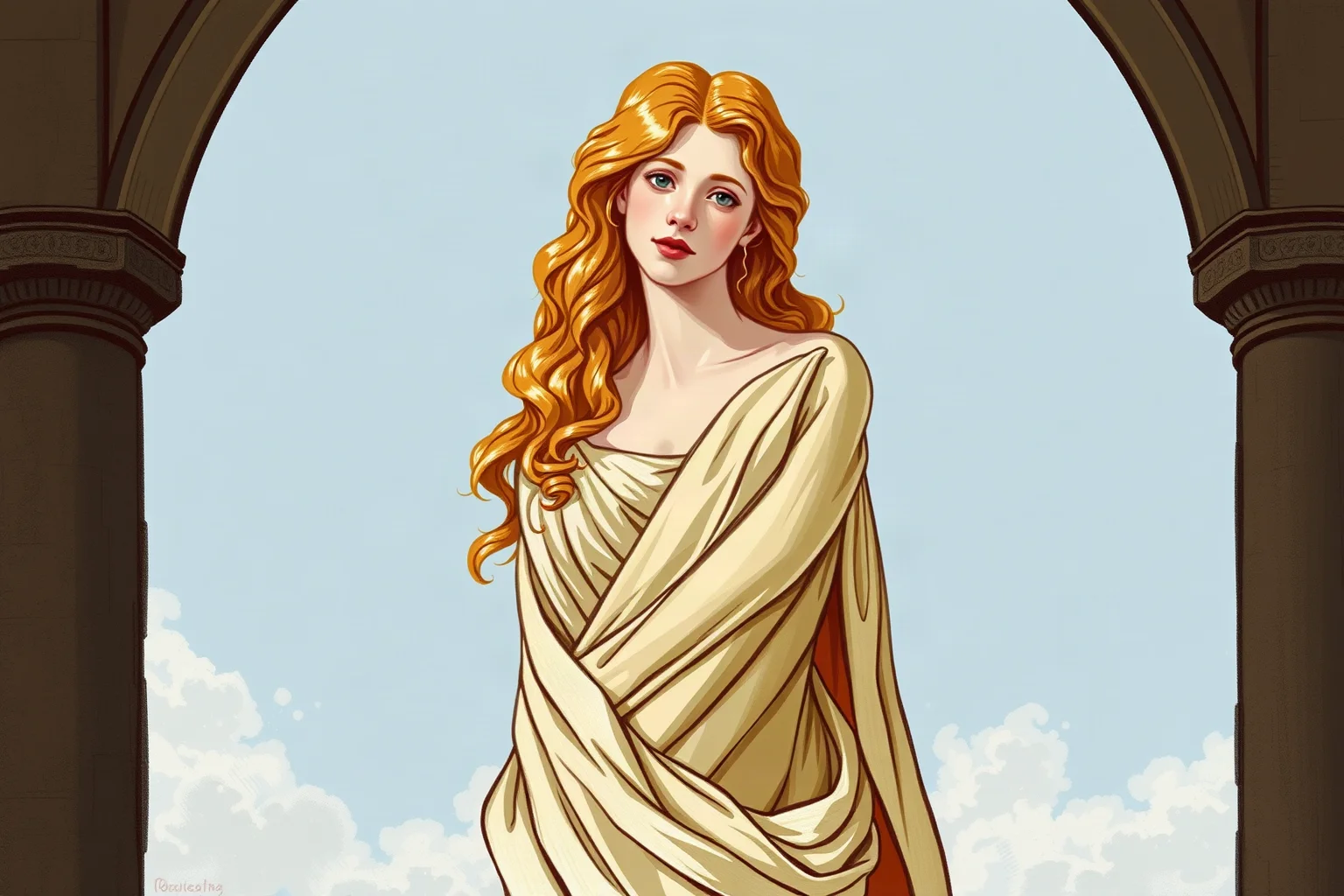
Simonetta Vespucci was a Florentine noblewoman widely believed to be the model for Botticelli’s The Birth of Venus and other Renaissance masterpieces in the 1480s. She died young, around age 22, and her early death only deepened her legendary status in Florence.
Art historians caution that we can’t be entirely certain Botticelli painted her likeness in every case, but her reputation as an ideal Renaissance beauty was well documented in contemporary poetry and letters.
14. Lucrezia Borgia
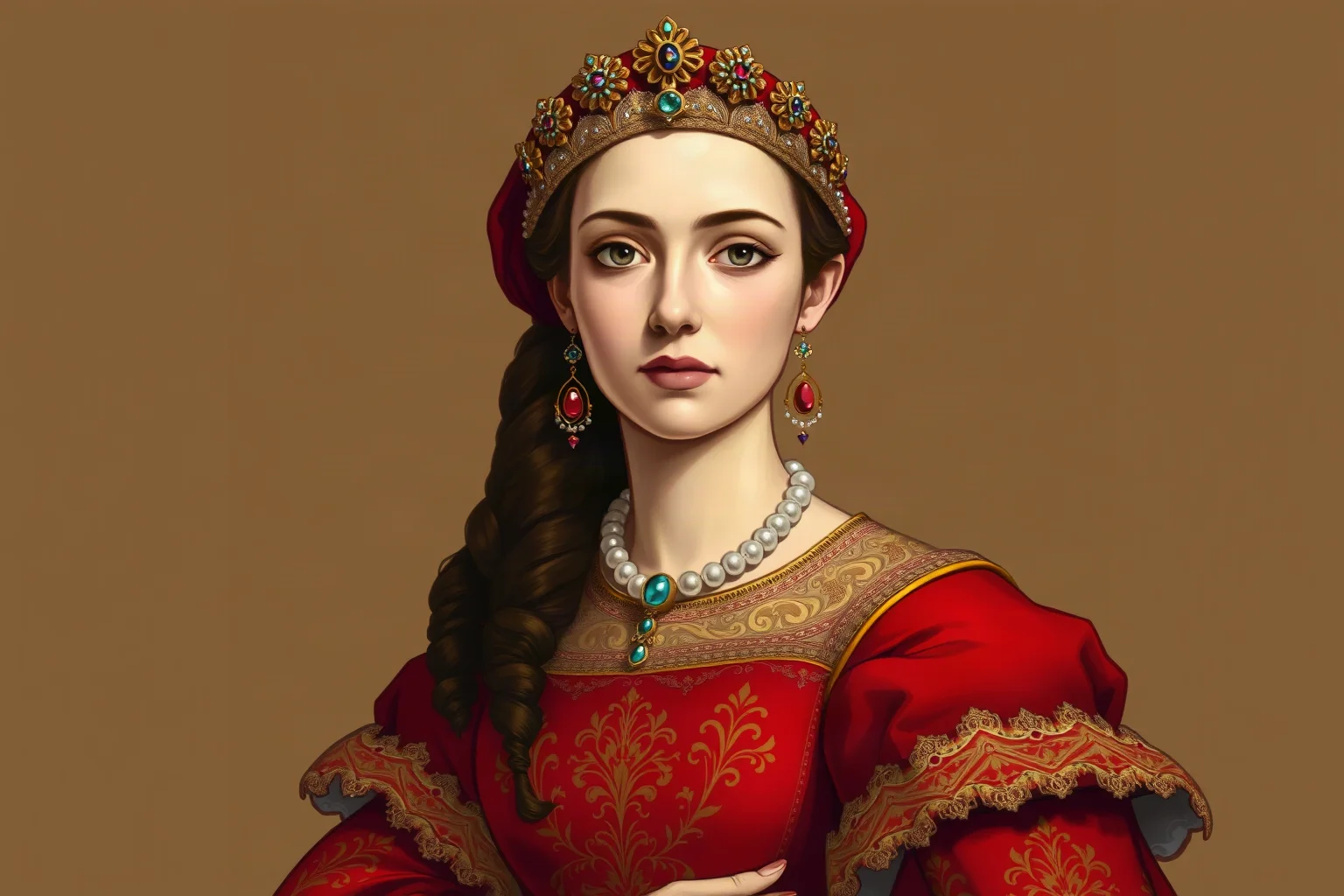
Lucrezia Borgia, daughter of Pope Alexander VI, was a prominent figure in Renaissance Italian politics during the late 15th and early 16th centuries. Popular legend paints her as a scheming poisoner, but most modern historians agree this reputation was largely political slander from rival families.
Contemporary accounts describe her as fair-haired and graceful, and she became a respected patron of the arts as Duchess of Ferrara later in life.
15. Mary, Queen of Scots
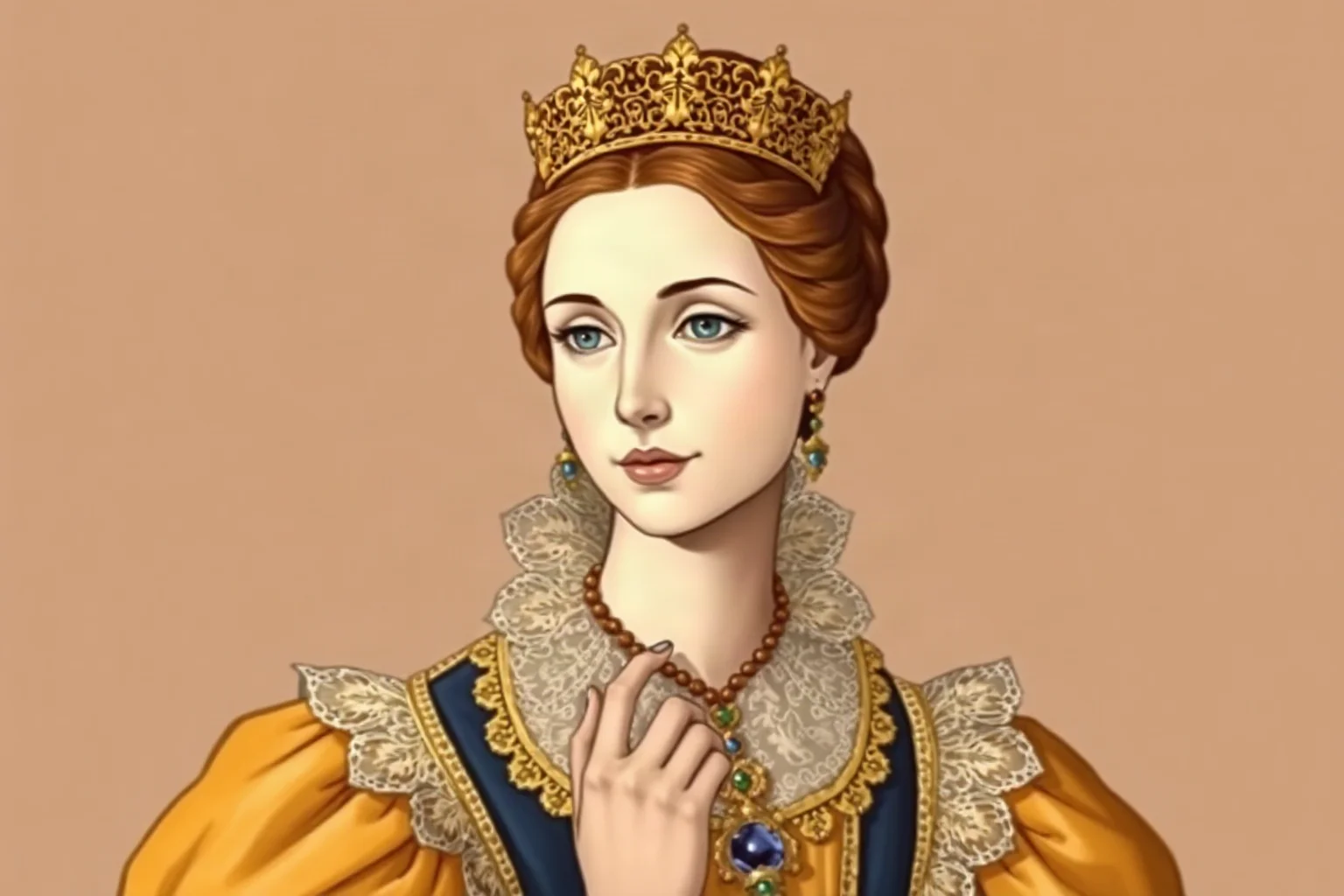
Mary Stuart became Queen of Scotland as an infant in 1542 and was celebrated across European courts for her beauty, height, and elegant bearing during her years in France. She’s frequently listed among history’s most beautiful queens, thanks partly to detailed contemporary descriptions from French and Scottish courtiers.
Her life ended in execution in 1587 under her cousin Elizabeth I, a reminder that royal beauty rarely guaranteed a peaceful fate in this era.
16. Marie Antoinette
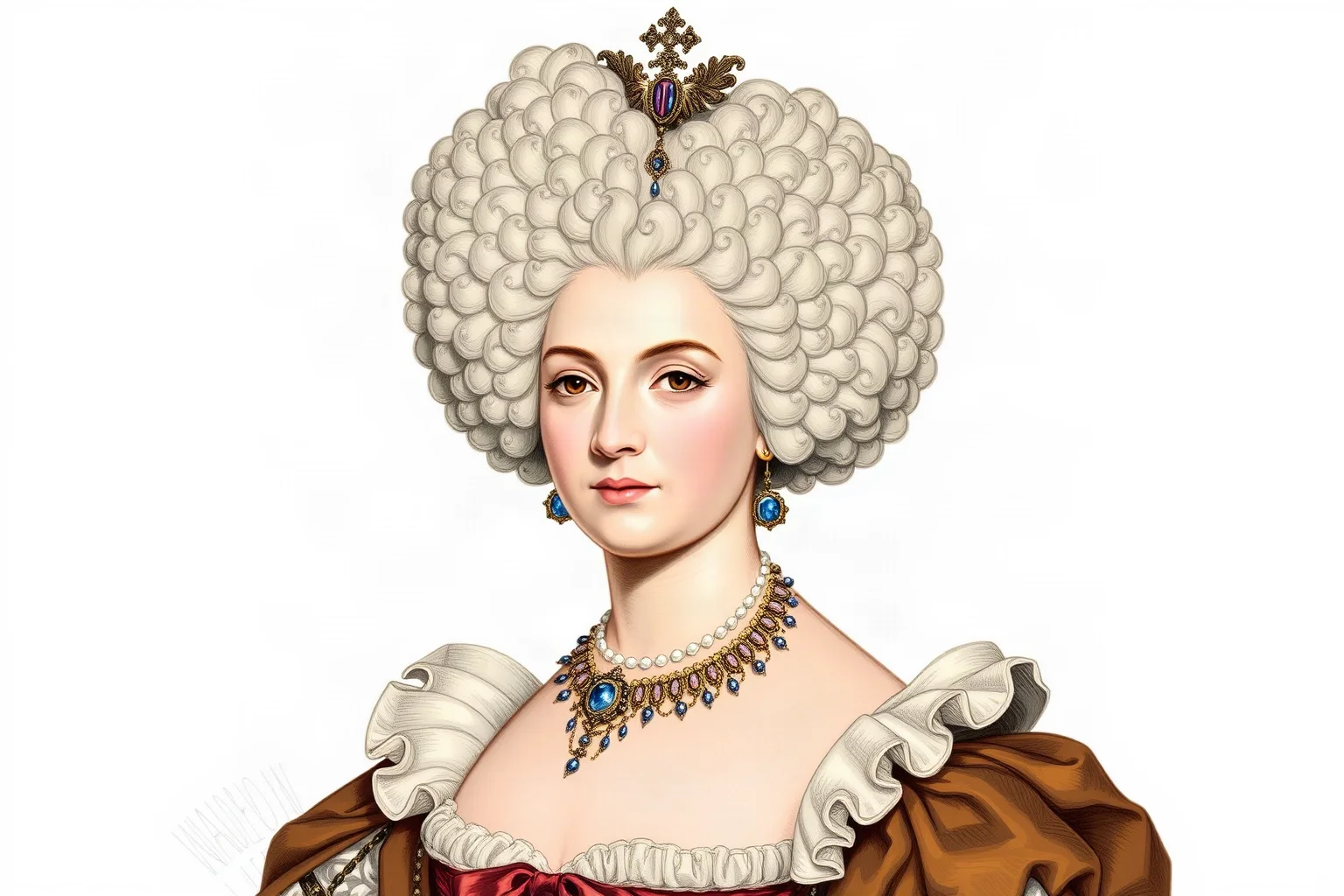
Marie Antoinette, queen of France from 1774 until the French Revolution, was renowned across Europe for her fashion sense, elaborate hairstyles, and refined bearing rather than classical beauty alone. Portraits by artists like Élisabeth Vigée Le Brun helped cement her as a symbol of pre-revolutionary glamour.
Her popularity soured dramatically as France’s economic crisis deepened, and she was executed in 1793 — proof that glamour and public favor don’t always move together.
17. Empress Elisabeth of Austria (Sisi)
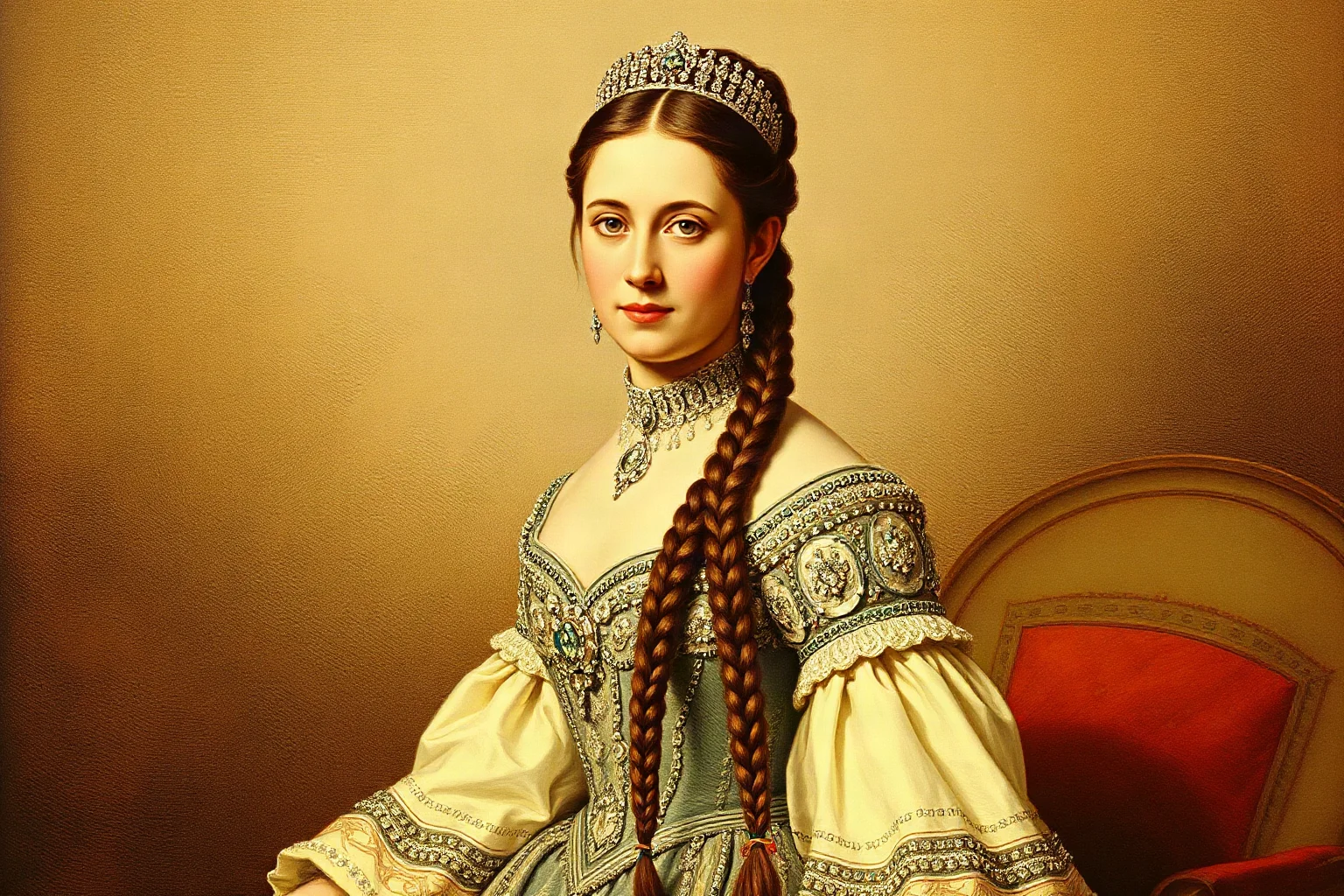
Empress Elisabeth, known as Sisi, became one of 19th-century Europe’s most photographed and celebrated beauties after marrying Emperor Franz Joseph I in 1854. She was famous for her extraordinarily long hair, tiny waist, and rigorous beauty routines, which have made her a recurring reference point in discussions of historical glamour.
Behind the image, Sisi struggled with the rigid formality of Habsburg court life and reportedly used her beauty regimen partly as an escape. She was assassinated in 1898, and her legend has only grown through films and biographies since.
18. Joséphine Bonaparte
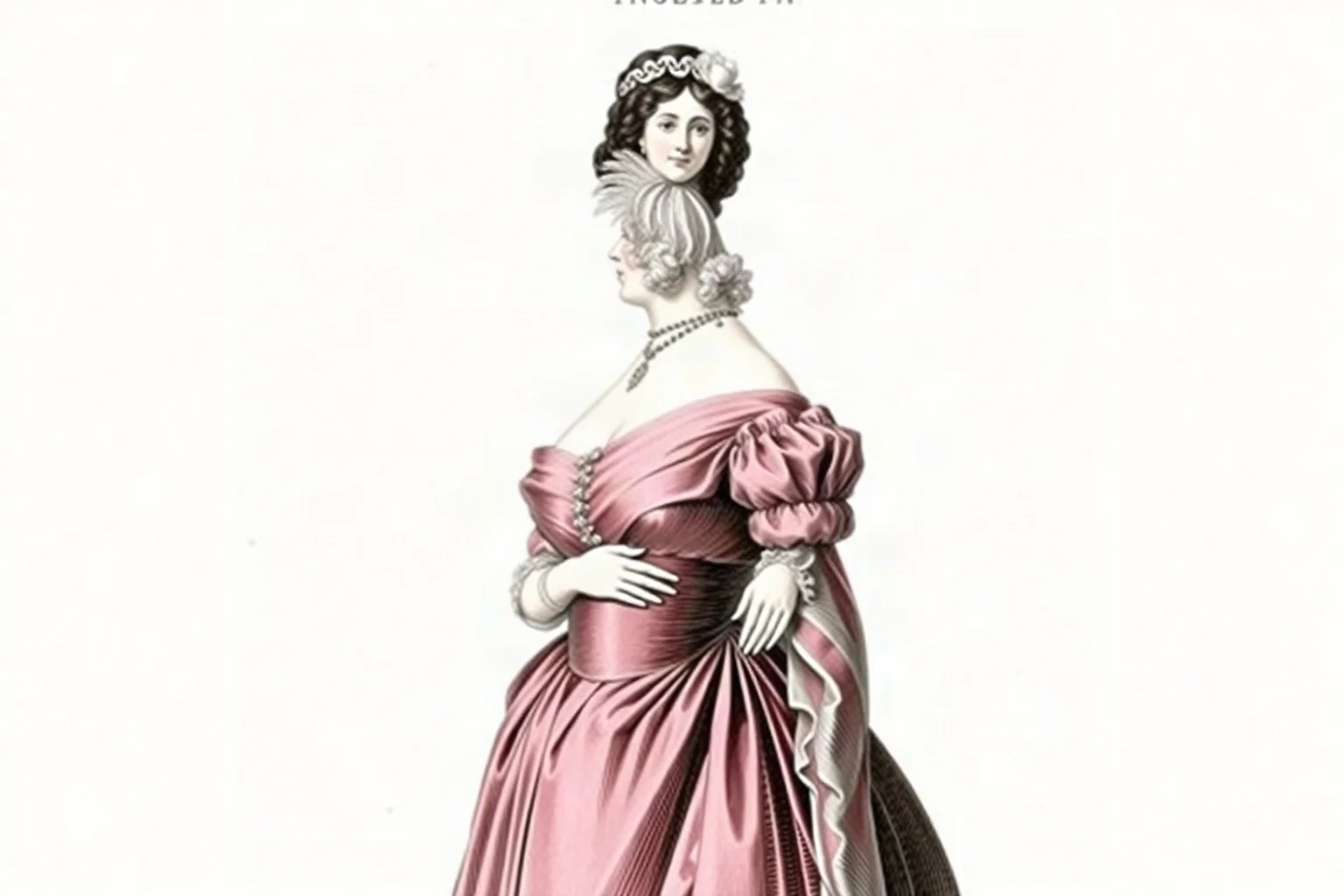
Joséphine de Beauharnais became Empress of the French after marrying Napoleon Bonaparte in 1796. Contemporaries described her less as a classic beauty and more as effortlessly charming, stylish, and socially magnetic — qualities that made her a defining figure of post-revolutionary French glamour.
Her influence on fashion, particularly the Empire-waist silhouette, still echoes in bridal and evening wear today, making her one of history’s most stylistically influential women.
19. La Belle Otero
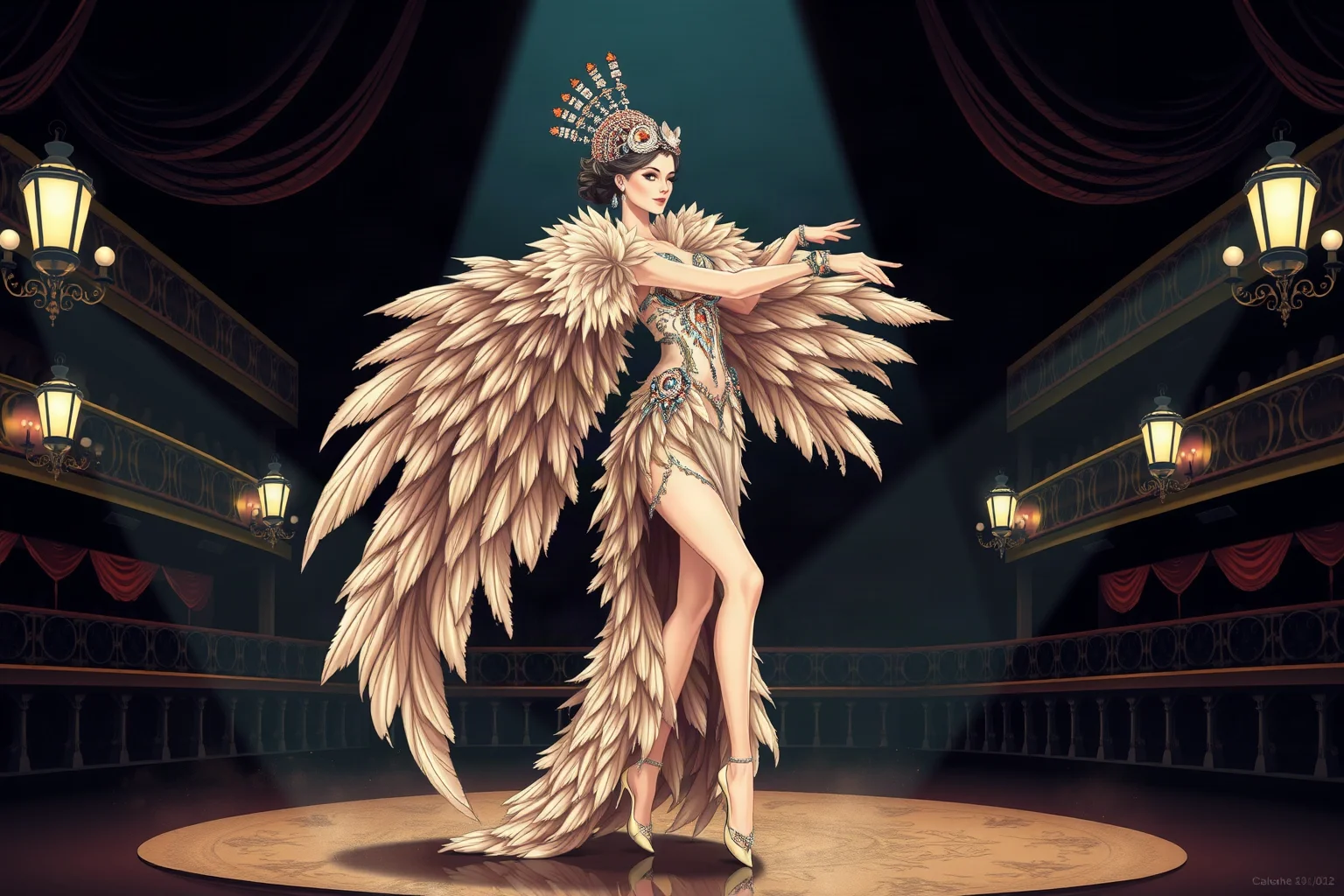
Carolina Otero, known as La Belle Otero, was one of the most famous entertainers and courtesans of the Belle Époque, performing across Paris in the 1890s and early 1900s. She was celebrated for her dancing, jewels, and high-profile romances with European aristocrats and royalty.
She’s a strong example of the “famous women in the 1900s” era, when stage performers and courtesans became some of the first celebrity beauties covered by mass media and early photography.
20. Mata Hari
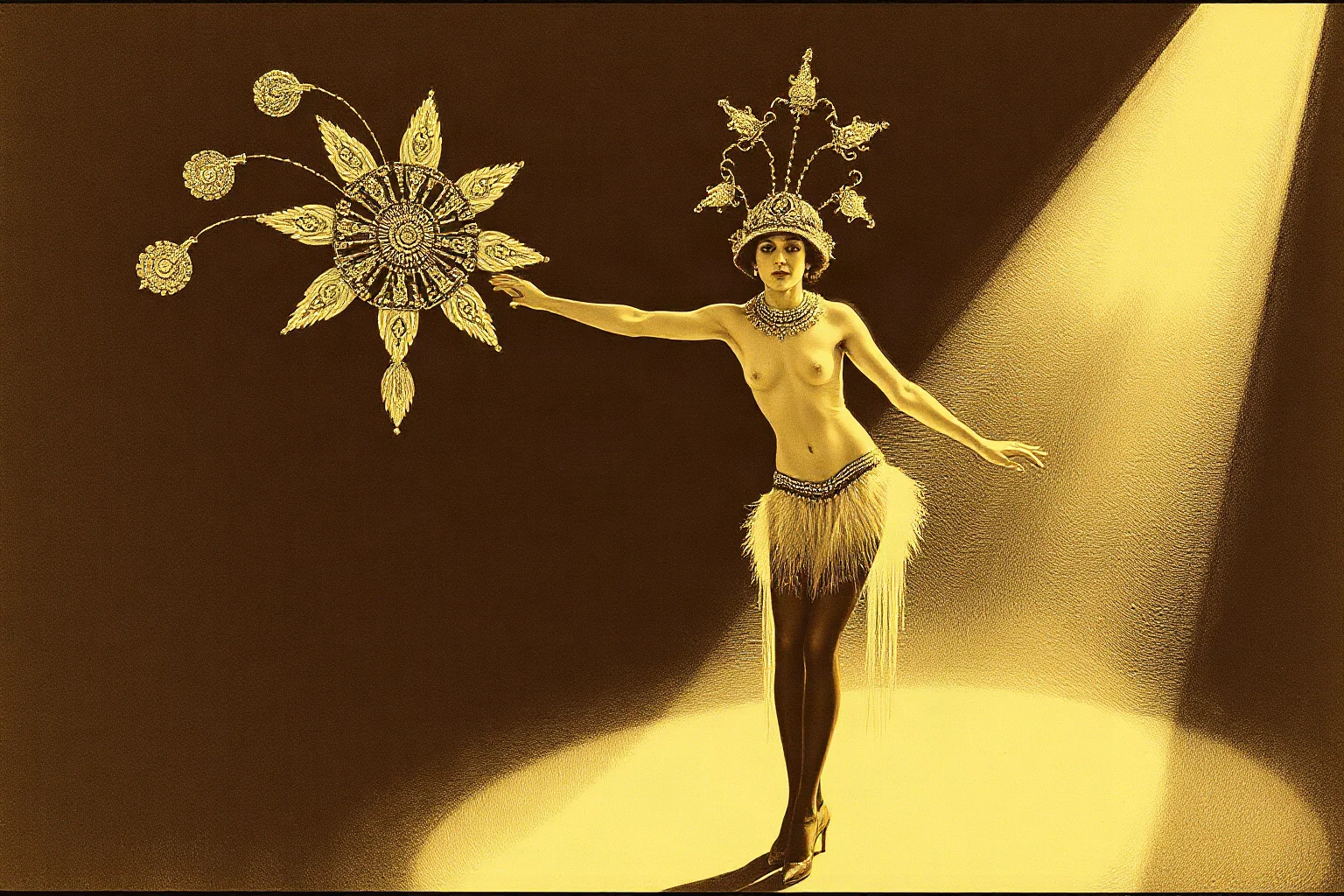
Margaretha Zelle, known by her stage name Mata Hari, became a sensational exotic dancer in early 20th-century Paris before being executed by France in 1917 on espionage charges during World War I. Historians still debate how much genuine spying she actually did, and many now view her trial as thin on real evidence.
Her story blends glamour, scandal, and tragedy in a way that made her one of the most mythologized women of the early 1900s — equal parts real history and sensationalized legend.
Why These Women’s Beauty Still Captivates Us Today
Notice a pattern across this list: almost none of these women are remembered for beauty alone. Cleopatra spoke multiple languages and ran a kingdom, Wu Zetian restructured an empire, and Theodora rewrote laws protecting women. Their looks got them noticed, but their intelligence, ambition, or tragedy is what kept their stories alive for centuries.
That’s also why it’s misleading to treat any list like this as a definitive ranking of the sexiest women of all time. Beauty standards from ancient Egypt, Tang-dynasty China, and Belle Époque Paris are wildly different from each other, and none of them map neatly onto modern ideas of attractiveness. What these women share isn’t a shared “look” — it’s the fact that they became the most interesting women in their world, which is a far more durable kind of fame than looks alone.
Modern pop culture keeps recycling their images anyway, from films about Cleopatra to operas about Yang Guifei to endless documentaries on Sisi and Mata Hari. That staying power says less about verified historical beauty and more about how good these stories are at capturing ambition, tragedy, and power in a single, glamorous figure.
Final Thoughts
There’s no reliable way to crown a single most beautiful woman who ever lived, and any list claiming otherwise is selling certainty that history simply can’t provide. What we do have is a rich, genuinely fascinating record of women whose beauty, wit, and daring made them legends in their own time and long after.
Whether it’s Nefertiti’s iconic bust, Cleopatra’s political theater, or Sisi’s obsessive beauty rituals, each woman on this list earned her place in history for reasons far more layered than looks. That’s arguably a better story than a simple beauty pageant across the centuries anyway.
Frequently Asked Questions
Who are considered the hot women of all time in history?
There's no verified, objective ranking of the "hot women of all time," since beauty standards have changed dramatically across cultures and eras. Historians and pop culture tend to point to figures like Cleopatra, Nefertiti, Helen of Troy, Empress Sisi, and Mata Hari because their reputations for beauty were tied to dramatic political or personal stories, not because we have reliable evidence they'd be considered the most attractive by today's standards.
Who was the most beautiful woman in history?
There's no single, verifiable answer, since we lack photographs and objective records for anyone before the 19th century, and beauty standards varied enormously by culture and time period. Cleopatra and Helen of Troy are the names most commonly cited, but historians note that both reputations are shaped heavily by legend, propaganda, and later artistic imagination rather than confirmed fact.
Was Cleopatra really the most beautiful woman in the world?
Probably not in any objective sense — ancient coin portraits show a strong, distinctive profile rather than an idealized beauty, and much of her reputation came from Roman writers with political motives to either mock or dramatize her. Most historians agree her real power came from her intelligence, political strategy, and multilingual diplomacy rather than looks alone.
Who is considered the world’s first beautiful woman?
In mythology, Helen of Troy is often called the world's first famous beauty because of her central role in Homer's Iliad. In real historical terms, Nefertiti of ancient Egypt is frequently cited thanks to her famous painted bust, though it's an idealized artistic image rather than a factual record of her actual appearance.
Who was the most beautiful queen in history?
Several queens are commonly named, including Cleopatra of Egypt, Mary Queen of Scots, and Empress Elisabeth (Sisi) of Austria, each praised by contemporaries for striking looks and personal magnetism. Because these accounts come from courtiers, poets, and portrait painters rather than objective sources, they reflect reputation and political context as much as verified appearance.
Why do so many historical beauty rankings focus on queens and consorts?
Written and artistic records from most of history were controlled by court scribes, poets, and painters, who mainly documented royal and aristocratic women. This means ordinary women's appearances were rarely recorded in detail, which skews almost every historical "most beautiful women" list toward queens, empresses, and courtesans rather than a true cross-section of any era's population.
Are any of these historical beauty stories exaggerated or unreliable?
Yes, many are. Accounts of figures like Poppaea Sabina, Lucrezia Borgia, and Mata Hari were shaped by political rivals, sensational journalism, or later dramatizations, so it's worth treating dramatic claims about their beauty or behavior with some healthy skepticism rather than taking them as settled historical fact.

Alex Warren
Related Articles