

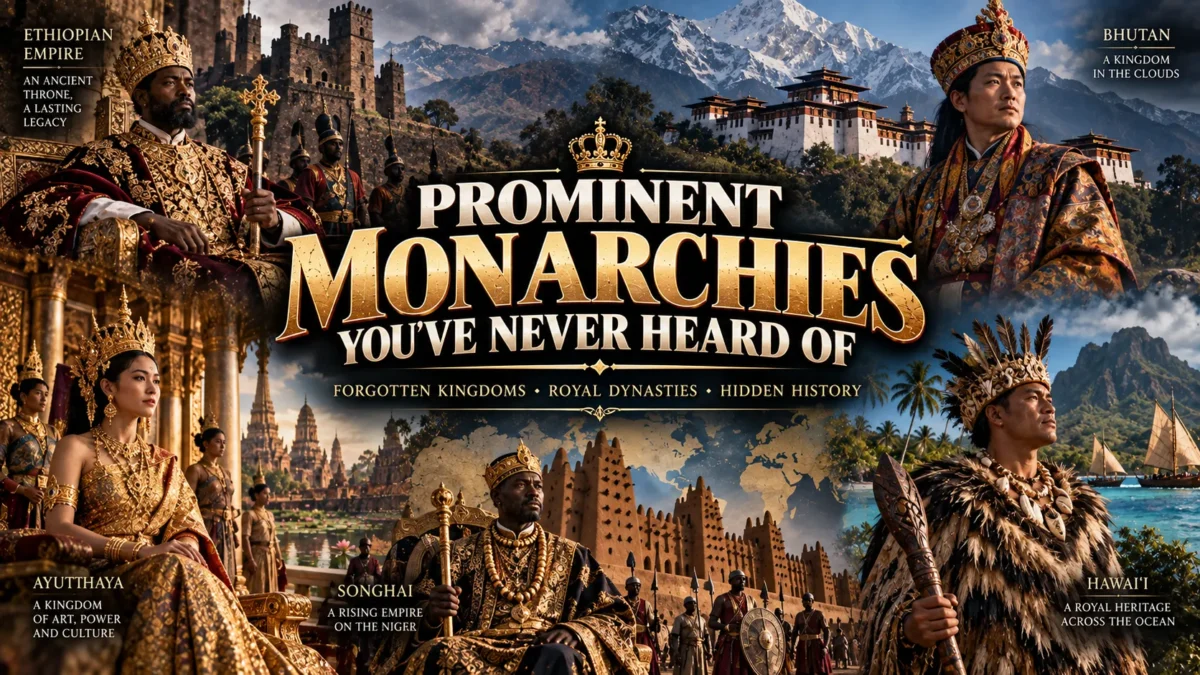
When most people picture a monarch, they think of Buckingham Palace, a coronation on TV, or maybe a Netflix drama about a fictional royal family.
But the truth is that royal kingdoms are still very much alive across the globe, tucked away in places most of us never think to look. Some of these monarchs hold real, day-to-day political power, while others are cultural anchors for millions of people without ever appearing in a Western news cycle.
This list rounds up 20 of the most fascinating monarchies in the world that rarely get their due. Some are fully sovereign nations, others are traditional kingdoms operating inside modern republics, and a couple are downright unique in how they choose their leader. Consider this your crash course in the world’s lesser-known royal families.
TL;DR: Beyond the UK and Japan, dozens of active kings, sultans, princes, and traditional rulers still shape politics and culture worldwide — from Tonga and Eswatini to the Vatican and the Zulu Kingdom.
What Actually Counts as a Monarchy?
A monarchy, in the simplest terms, is a system where a single person holds the top position of authority, usually for life, and usually passed down through family lines. That said, the list of monarchy types is more varied than people assume, and not every monarch inherits the job the same way.
Some nations run absolute monarchies, where the ruler has near-total control over government decisions. Others operate as a constitutional monarchy, where a king or queen serves as head of state while elected officials handle day-to-day governing.
There are also elective monarchies, where a ruler is chosen by a small body of electors rather than born into the role, and even co-principalities with two rulers sharing the title at once.
When people search for a constitutional monarchy with active monarch examples, they’re usually surprised to learn that a fair number of modern royals still hold real reserved powers, not just ceremonial ones.
Liechtenstein and Morocco are good examples of this, and we’ll get to both shortly. Understanding these categories makes the rest of this list much easier to follow.
The List: Royal Kingdoms and Rulers Hiding in Plain Sight
1. Kingdom of Tonga
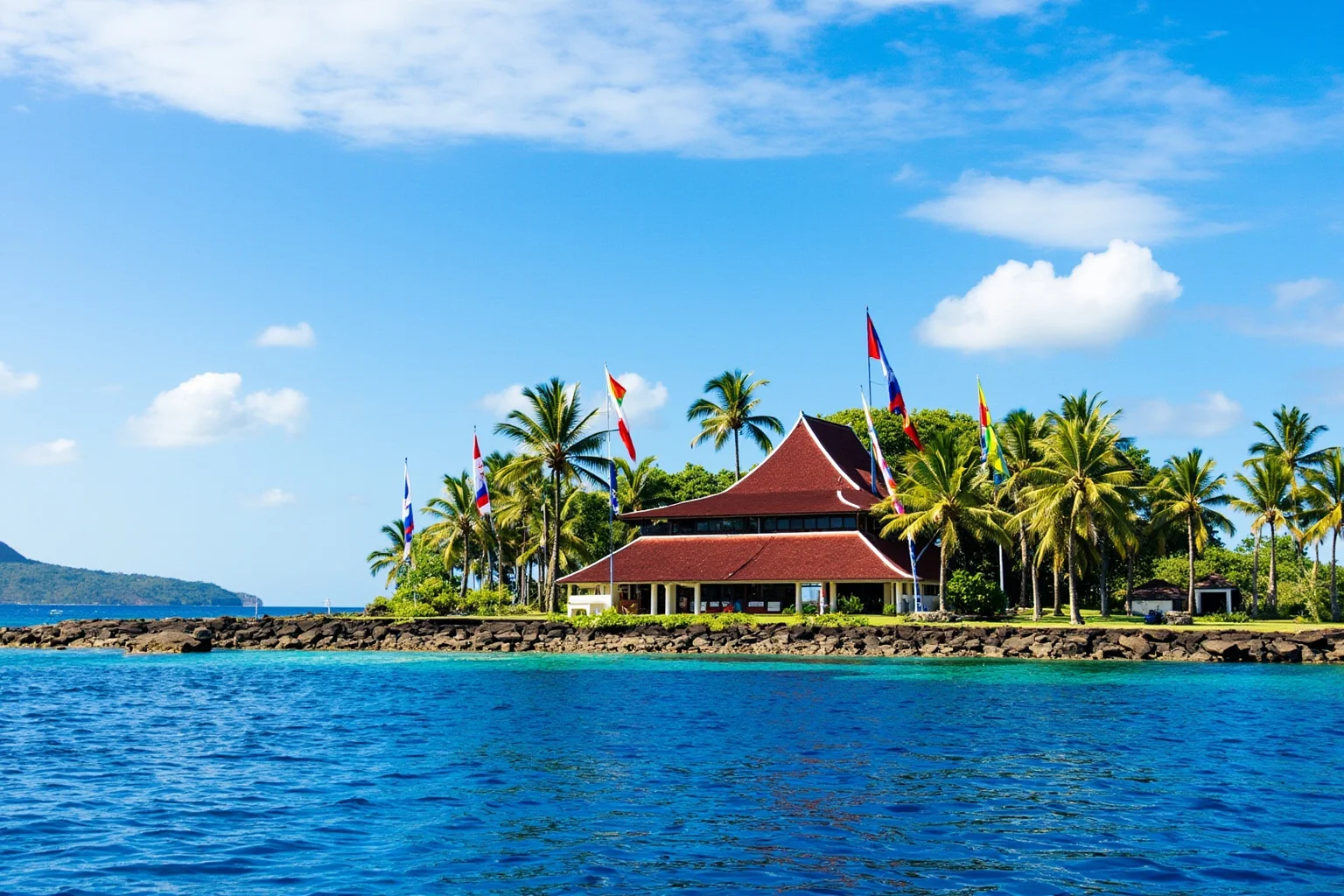
Tonga is the only Pacific island nation that was never formally colonized by a Western power, and its monarchy has stayed intact since the 1800s. The current dynasty traces back to Taufa’ahau, who unified the islands and took the name King George Tupou I in 1845.
Today’s monarch, King Tupou VI, presides over a monarchy that shifted toward more democratic, constitutional footing after major reforms in 2010.
2. Kingdom of Eswatini
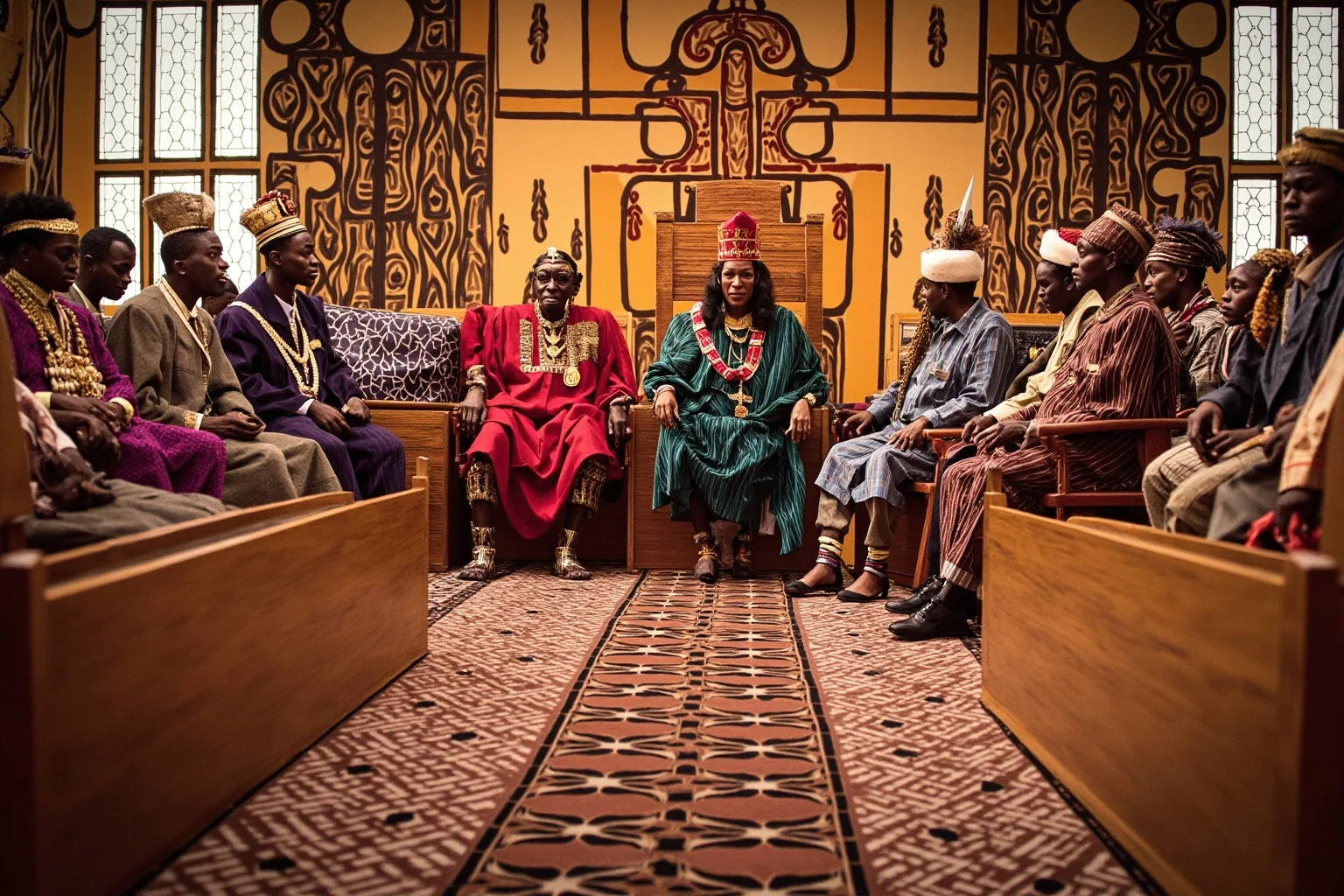
Formerly known as Swaziland before its 2018 renaming, Eswatini is one of the very last absolute monarchies left on Earth. King Mswati III has ruled since 1986 and holds sweeping authority over the small southern African nation.
Uniquely, Eswatini also recognizes a Queen Mother, or Ndlovukazi, who shares certain traditional powers alongside the king, joining the ranks of history’s most powerful women who wielded real influence from beside the throne.
3. Sultanate of Brunei
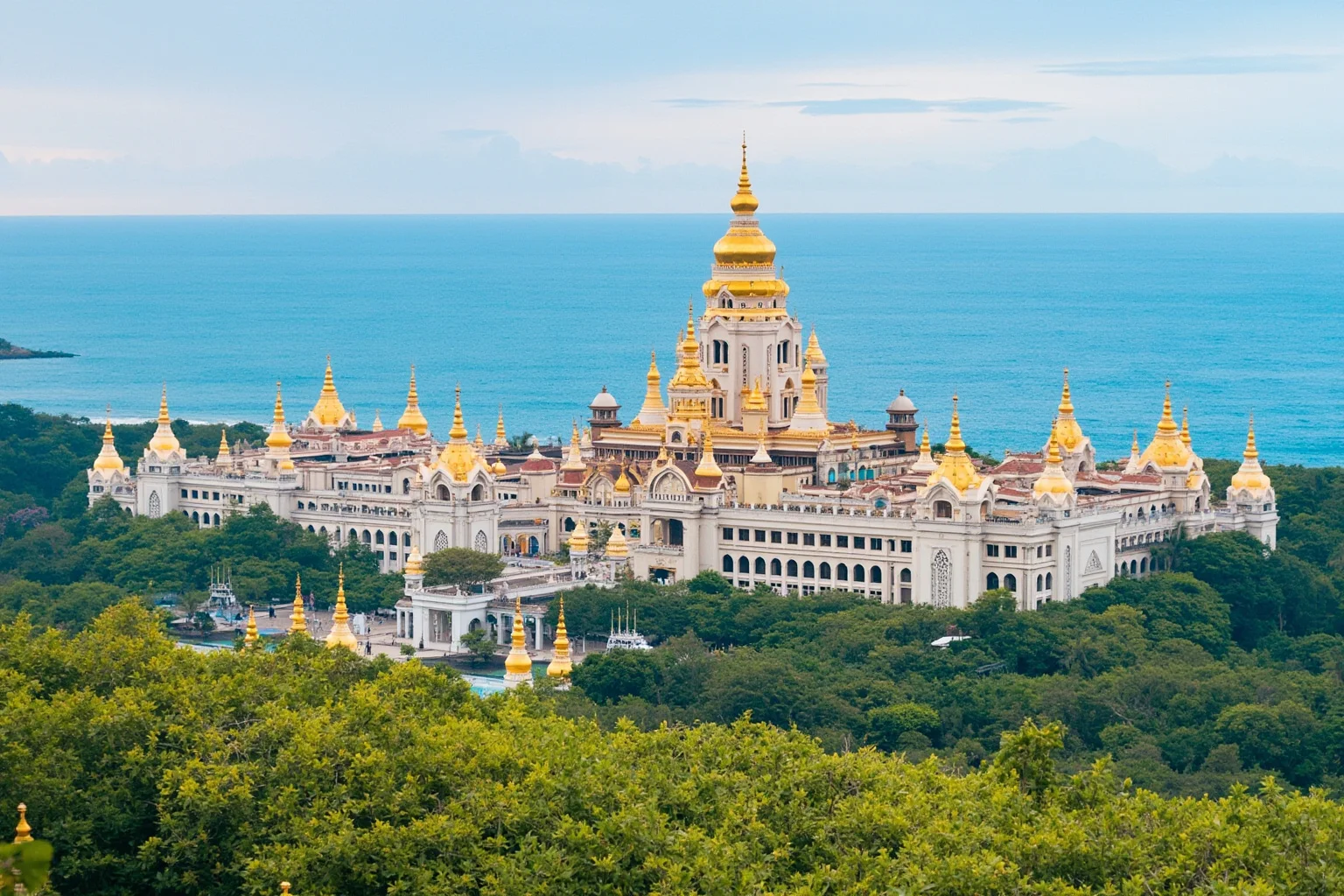
This small, oil-wealthy nation on the island of Borneo is ruled by Sultan Hassanal Bolkiah, who has held the throne since 1967, making him one of the longest-reigning monarchs currently in power.
Brunei’s sultanate dates back roughly to the 14th century and functions as an absolute monarchy under Islamic law. It’s rarely discussed outside of business or travel circles, despite being genuinely wealthy and influential in Southeast Asia.
4. Principality of Liechtenstein
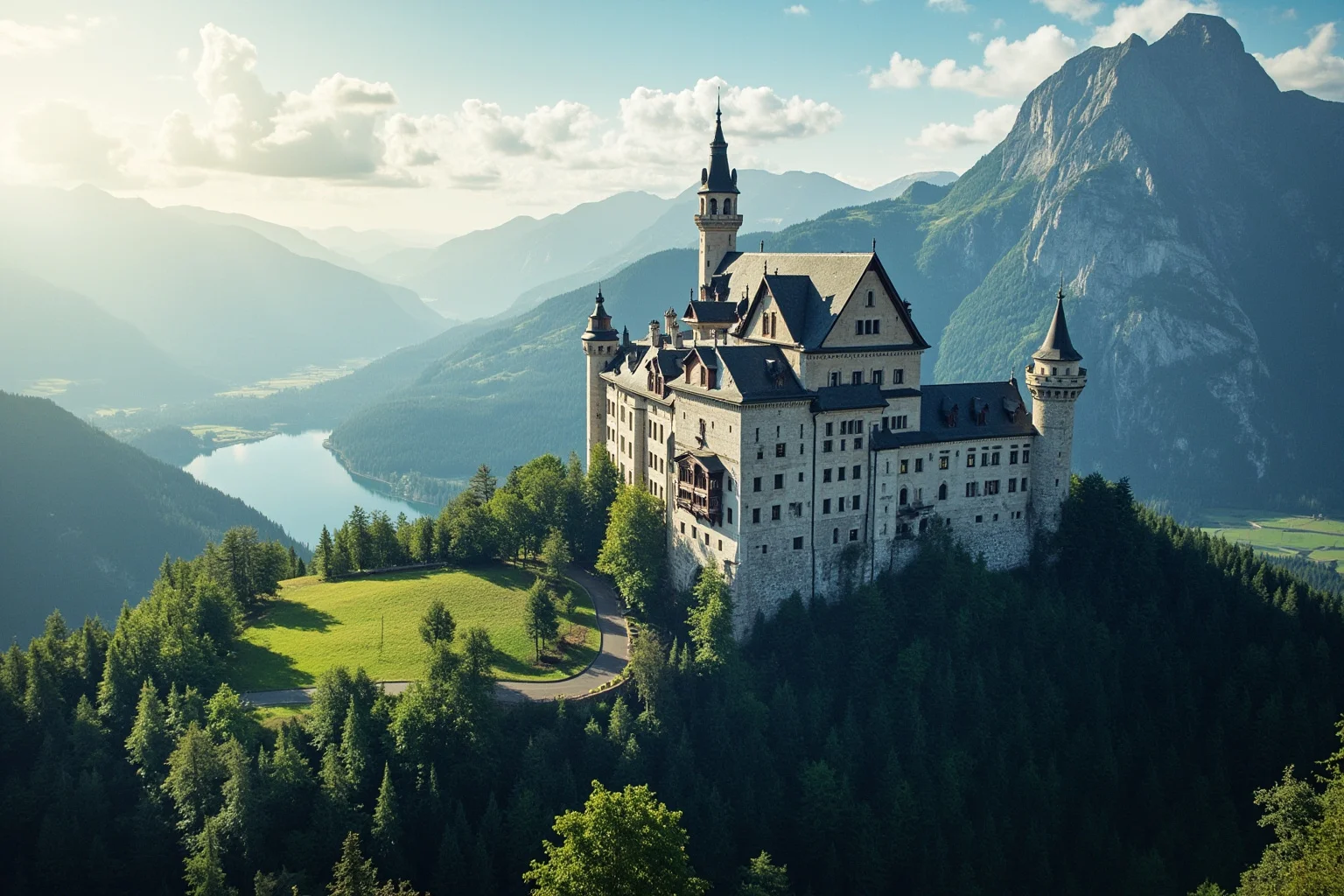
Tucked between Switzerland and Austria, Liechtenstein is often cited as one of the clearest constitutional monarchy with active monarch examples in Europe.
Prince Hans-Adam II handed daily governing duties to his son, Prince Alois, as regent in 2004, but the family retains real reserved powers, including the ability to veto legislation. It’s a rare case where the monarchy isn’t just symbolic paperwork.
5. Kingdom of Bhutan
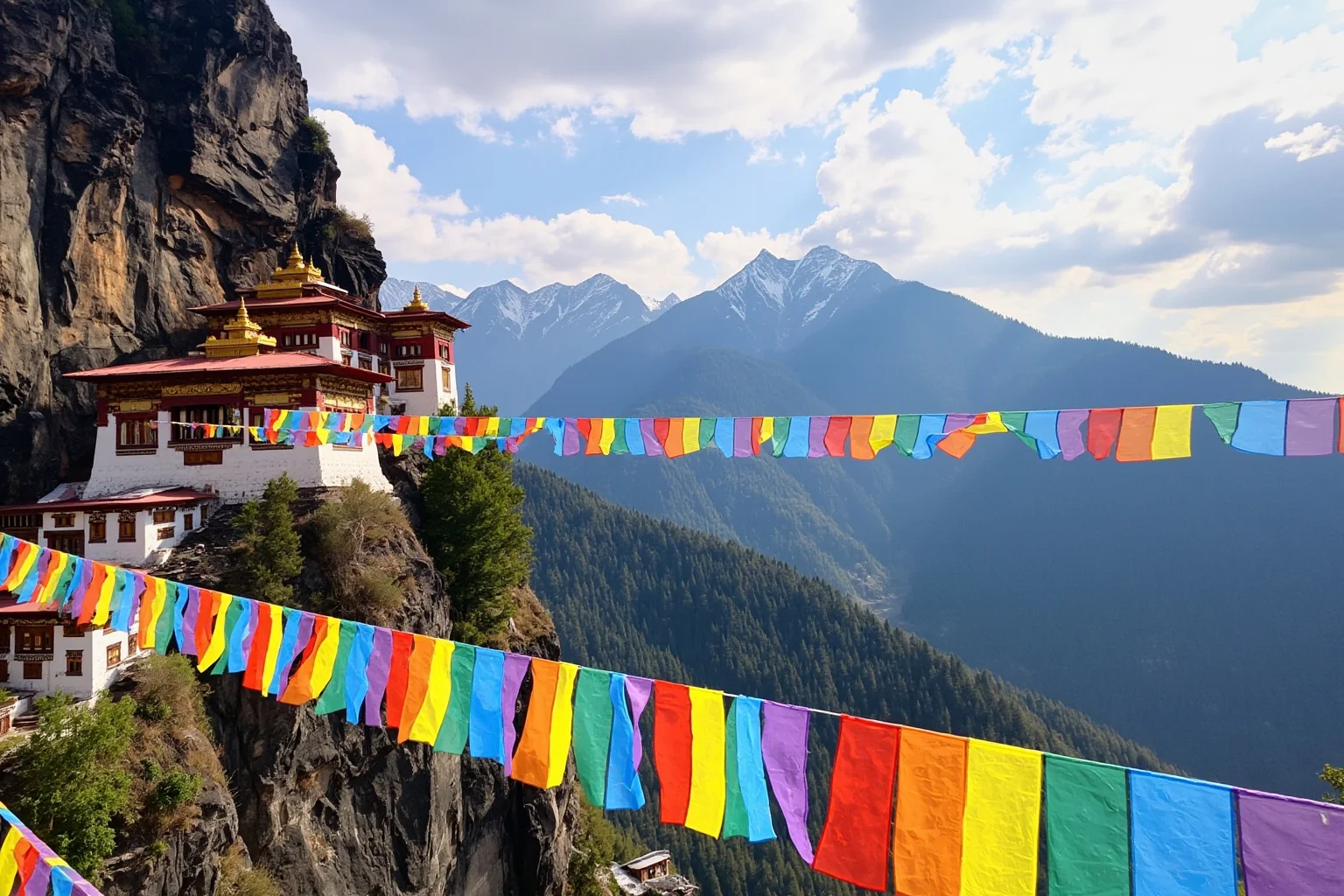
Bhutan’s Wangchuck dynasty has ruled since 1907, and the country only became a constitutional monarchy in 2008 under King Jigme Khesar Namgyel Wangchuck.
The Himalayan kingdom is famous for prioritizing “Gross National Happiness” as a policy metric alongside economic growth.
It remains one of the more insulated, tightly controlled tourist destinations in the world, which keeps its monarchy largely out of global headlines.
6. Kingdom of Lesotho
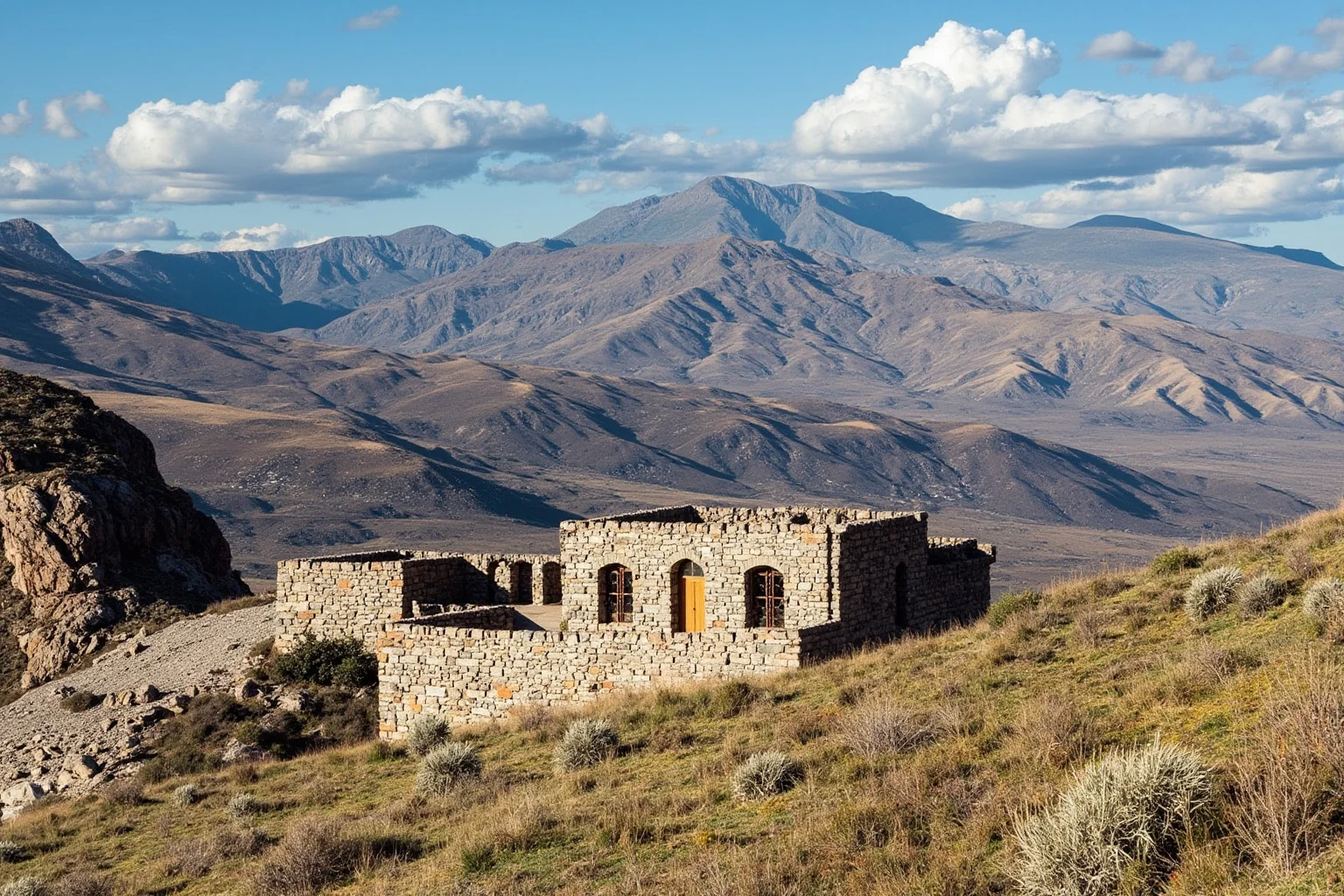
Completely surrounded by South Africa, Lesotho is a small mountain kingdom founded in the 19th century by Moshoeshoe I, who united the Basotho people against colonial pressure.
Today, King Letsie III serves as a constitutional monarch, with elected officials handling most governance. Despite its size, Lesotho has one of the oldest continuously recognized royal lines in southern Africa.
7. Malaysia’s Rotating Monarchy
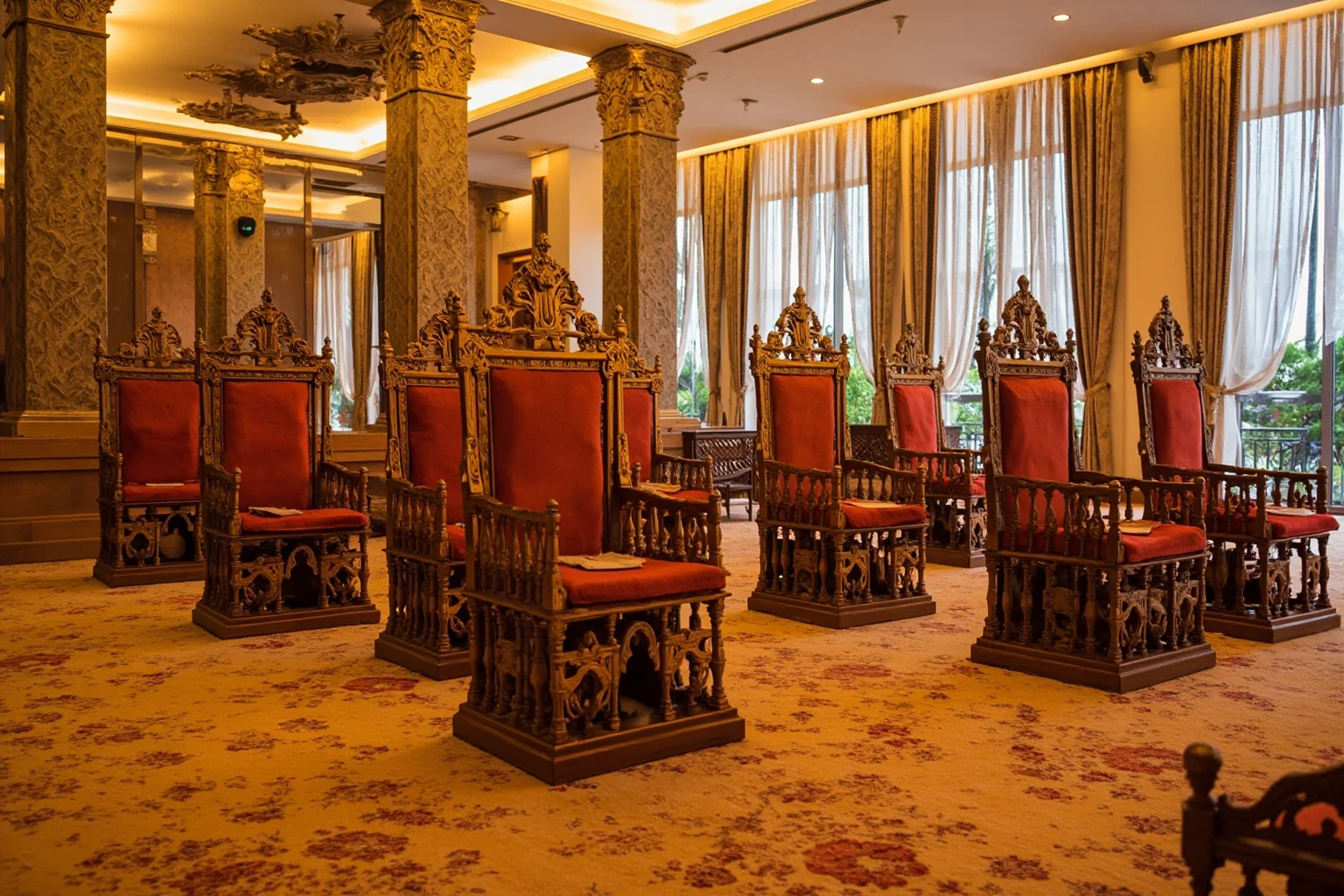
Malaysia has one of the most unusual royal kingdoms setups anywhere: nine hereditary state sultans take turns serving as the national king, known as the Yang di-Pertuan Agong, for five-year terms.
The Conference of Rulers formally elects each new king from among the sultans. It’s essentially an elective monarchy layered on top of nine smaller hereditary ones.
8. Sultanate of Oman
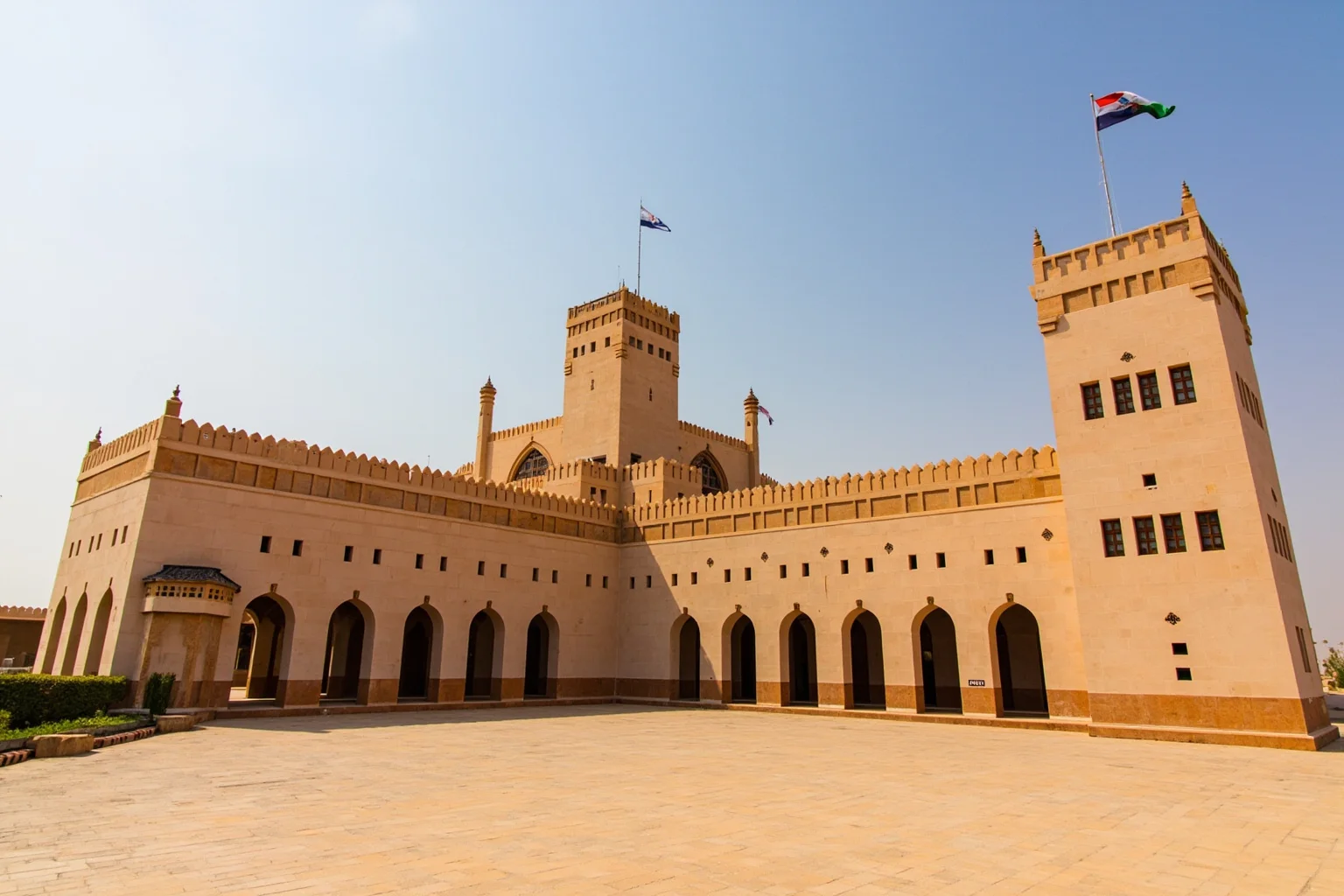
Oman’s Al Said dynasty has ruled since 1744, with Sultan Haitham bin Tariq taking the throne in 2020 after the death of his cousin, Sultan Qaboos.
Oman operates as an absolute monarchy guided by a Basic Law rather than a Western-style constitution. It quietly plays an outsized diplomatic role in the Middle East, often mediating between rival powers.
9. The Zulu Kingdom
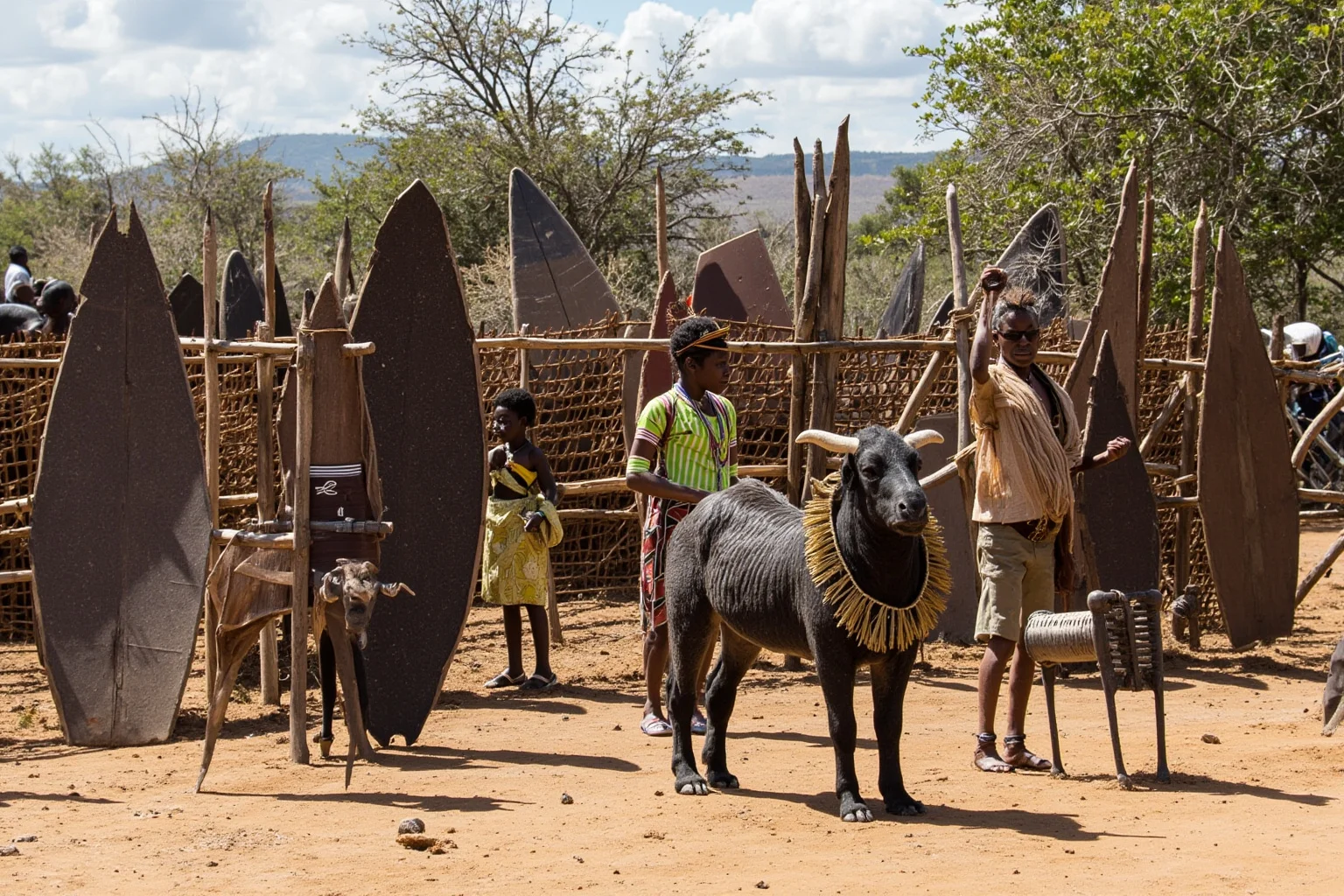
Within South Africa, the Zulu monarchy holds no formal governmental power but remains a deeply respected cultural and traditional institution.
The kingdom traces back to Shaka Zulu’s rise in the early 19th century, and the current king, Misuzulu kaZwelithini, is recognized under South African law as a traditional leader. Millions of Zulu people still consider the monarchy central to their cultural identity.
10. Ashanti Kingdom
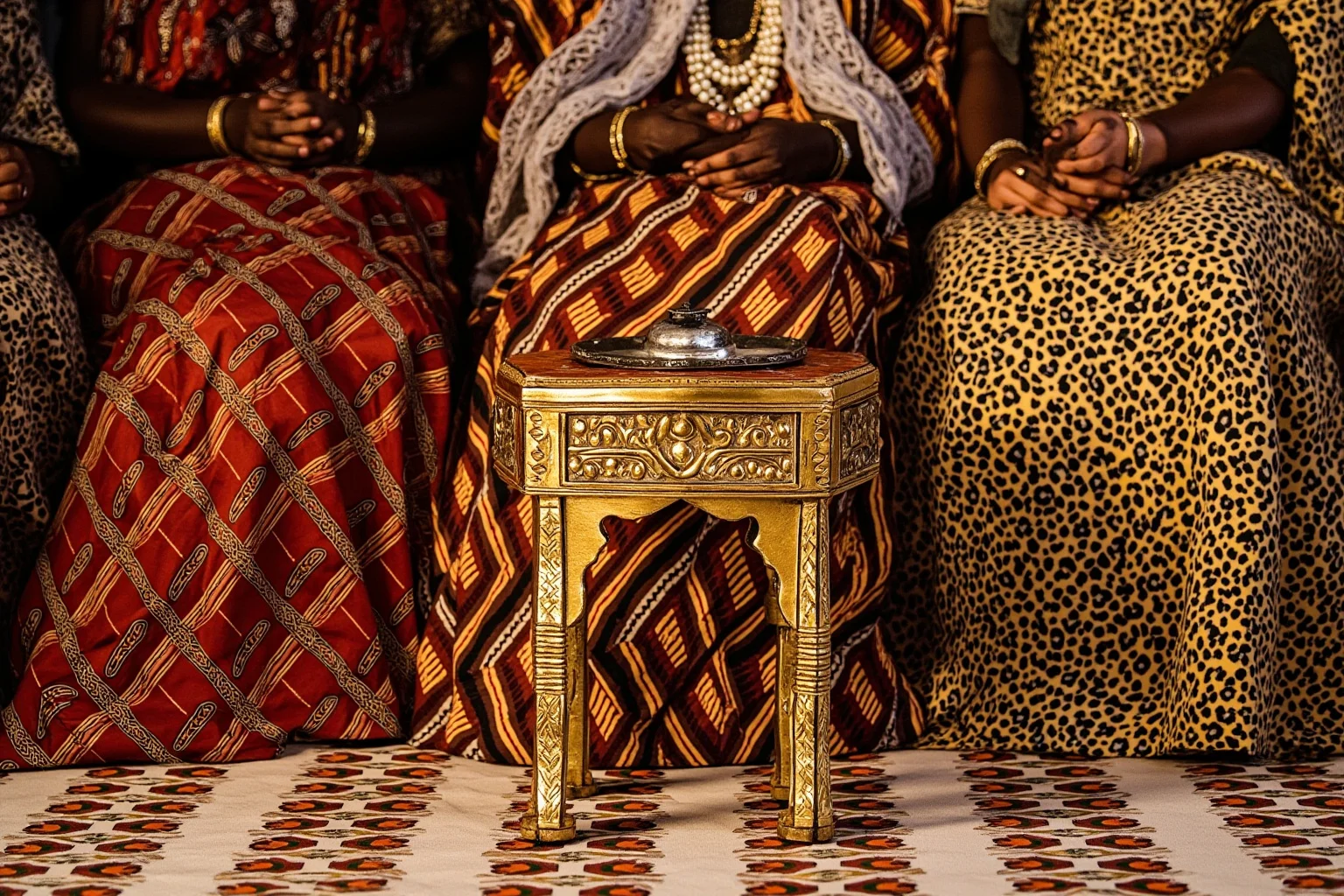
In Ghana, the Ashanti Kingdom operates as a traditional monarchy existing alongside the modern republic. The current Asantehene, Otumfuo Osei Tutu II, leads an institution founded around 1670 by Osei Tutu I, symbolized by the sacred Golden Stool. The kingdom holds no constitutional political power today, but its cultural and economic influence in Ghana remains substantial.
11. Kingdom of Buganda
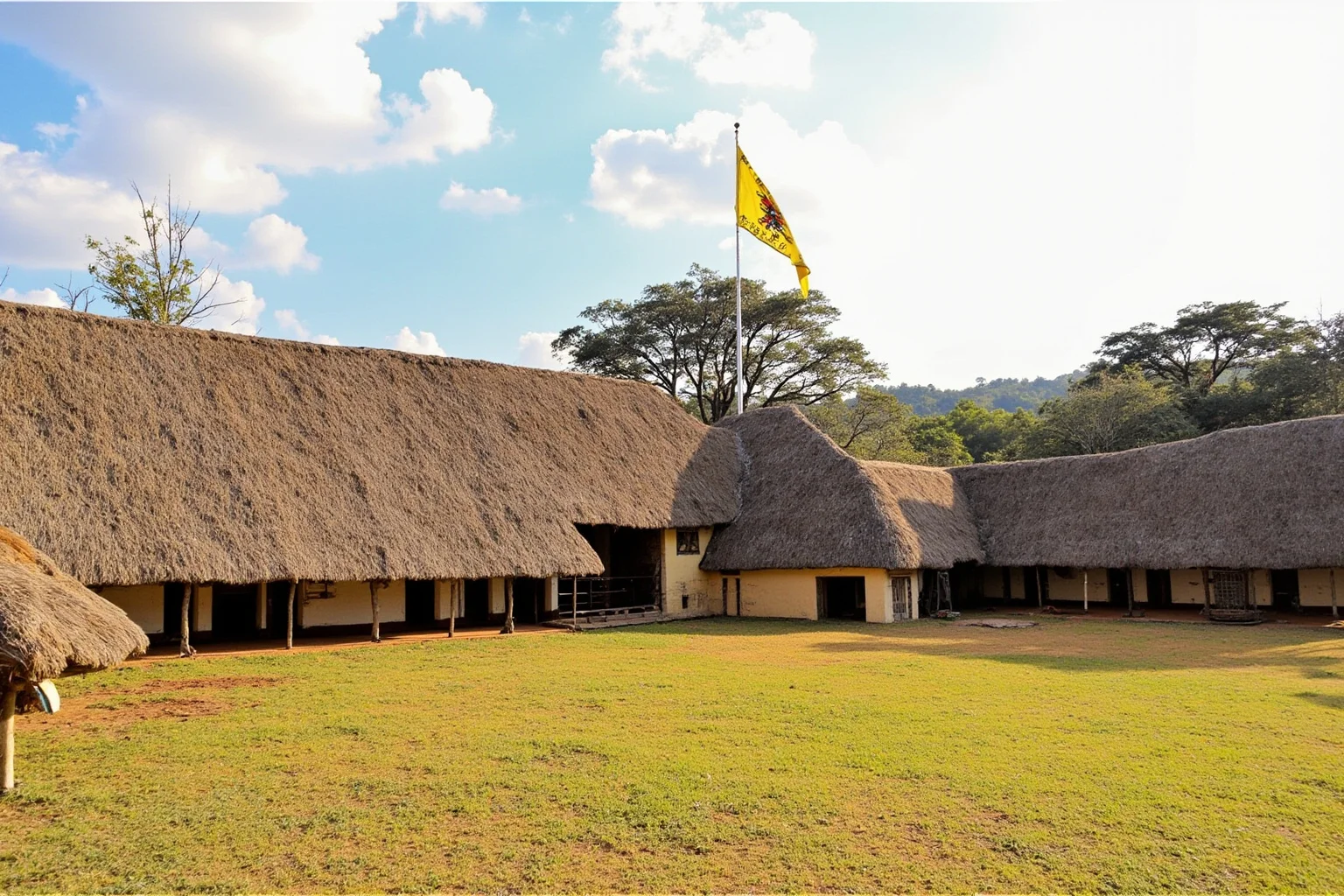
One of Uganda’s oldest kingdoms, Buganda is led by a Kabaka, currently Muwenda Mutebi II, who has held the position since 1993.
Like several African traditional monarchies on this list, Buganda operates as a cultural institution rather than a sovereign political power. Still, the kingdom maintains its own parliament, courts, and extensive cultural programming.
12. Vatican City
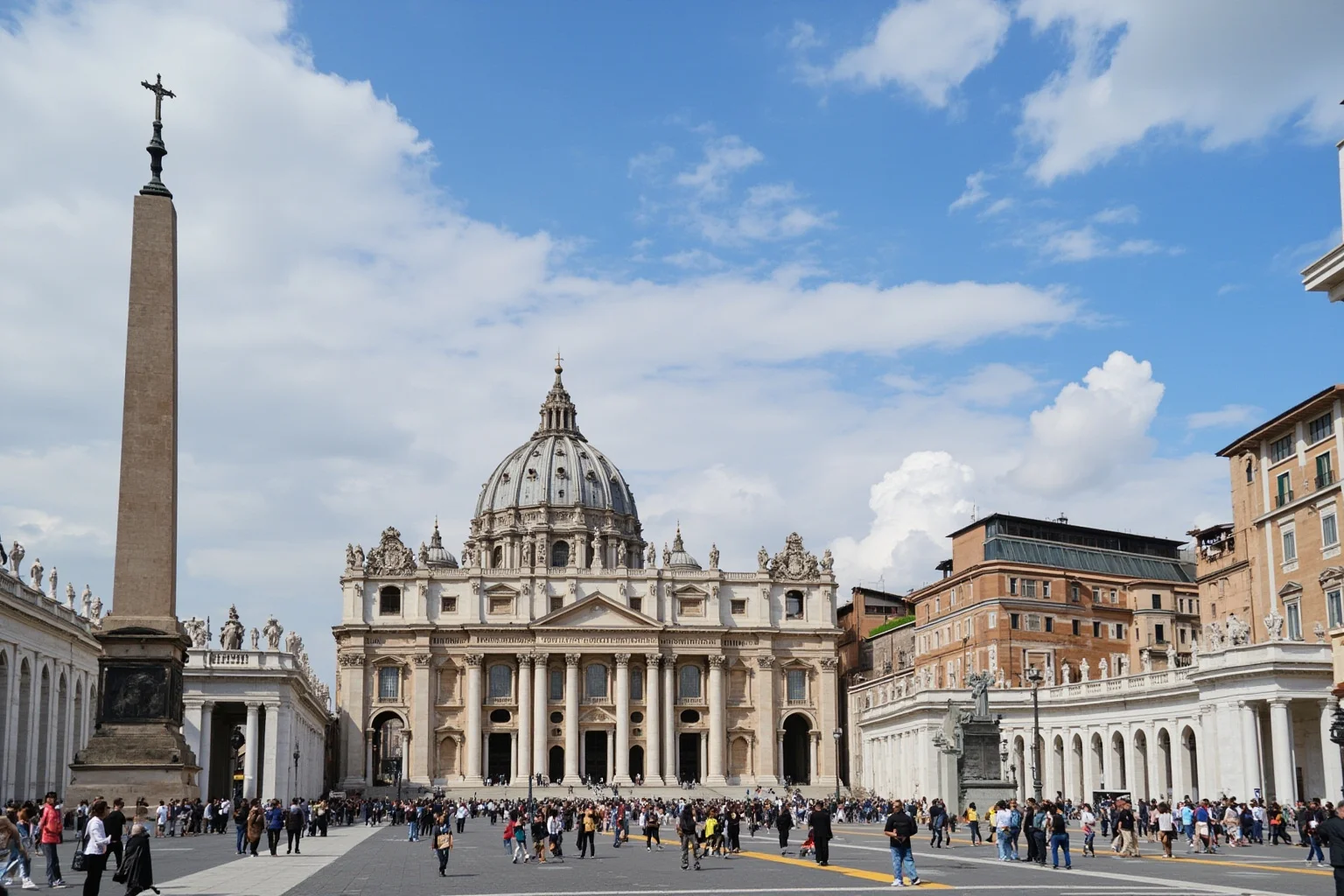
It’s easy to forget that the Pope is technically an elective monarch, one of history’s most recognized figures, and that Vatican City is a sovereign state with him as its head.
Unlike hereditary royal families, the position is filled for life through election by the College of Cardinals in a conclave. It’s one of the oldest and most unusual monarchies still functioning today.
13. Sovereign Military Order of Malta
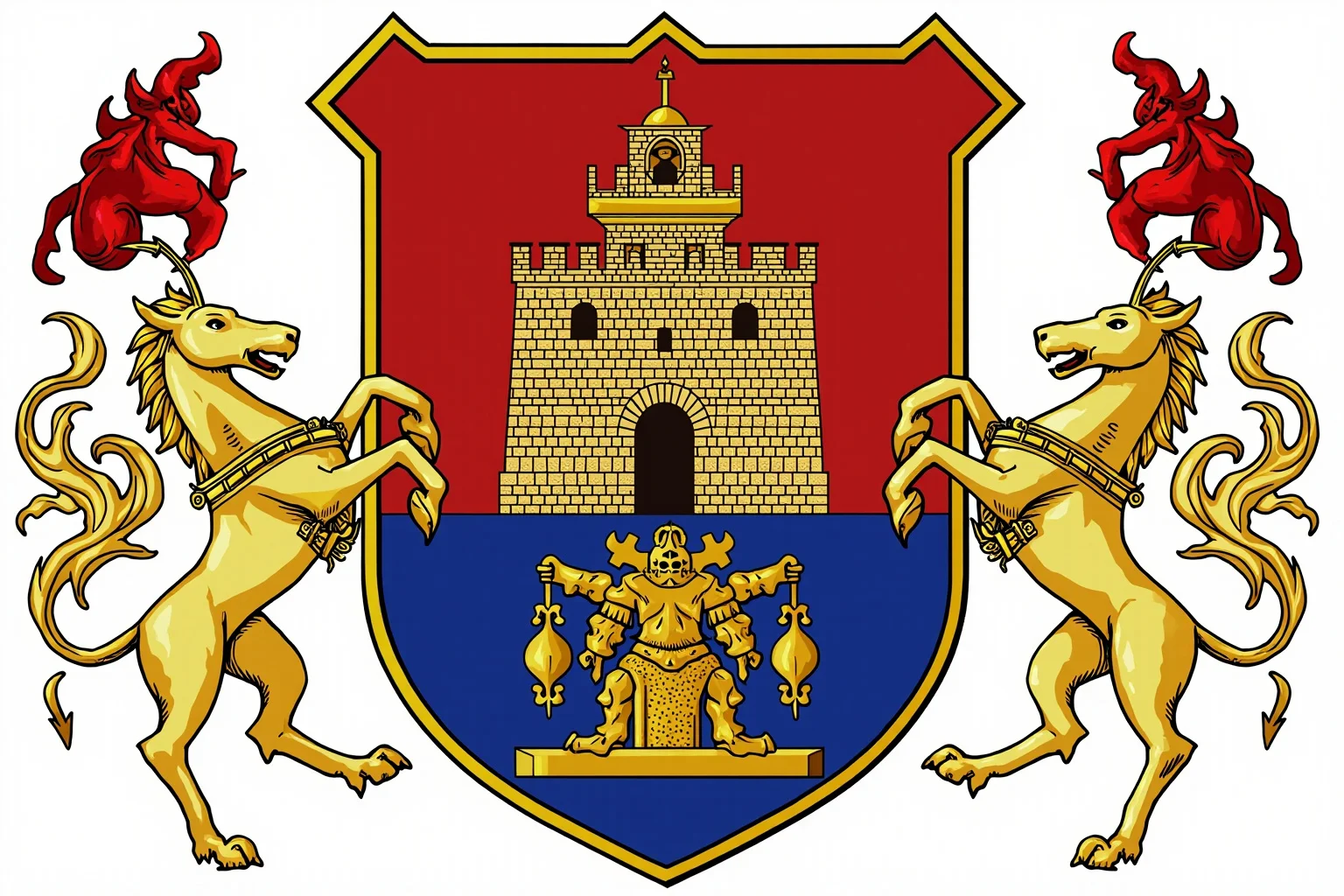
This one genuinely surprises people: the Order of Malta is a sovereign entity recognized under international law, despite having no permanent territory of its own.
It elects a Prince and Grand Master to lead it, continuing a lineage that traces back to the medieval Knights Hospitaller. The Order maintains diplomatic relations with dozens of countries and issues its own passports.
14. Principality of Andorra
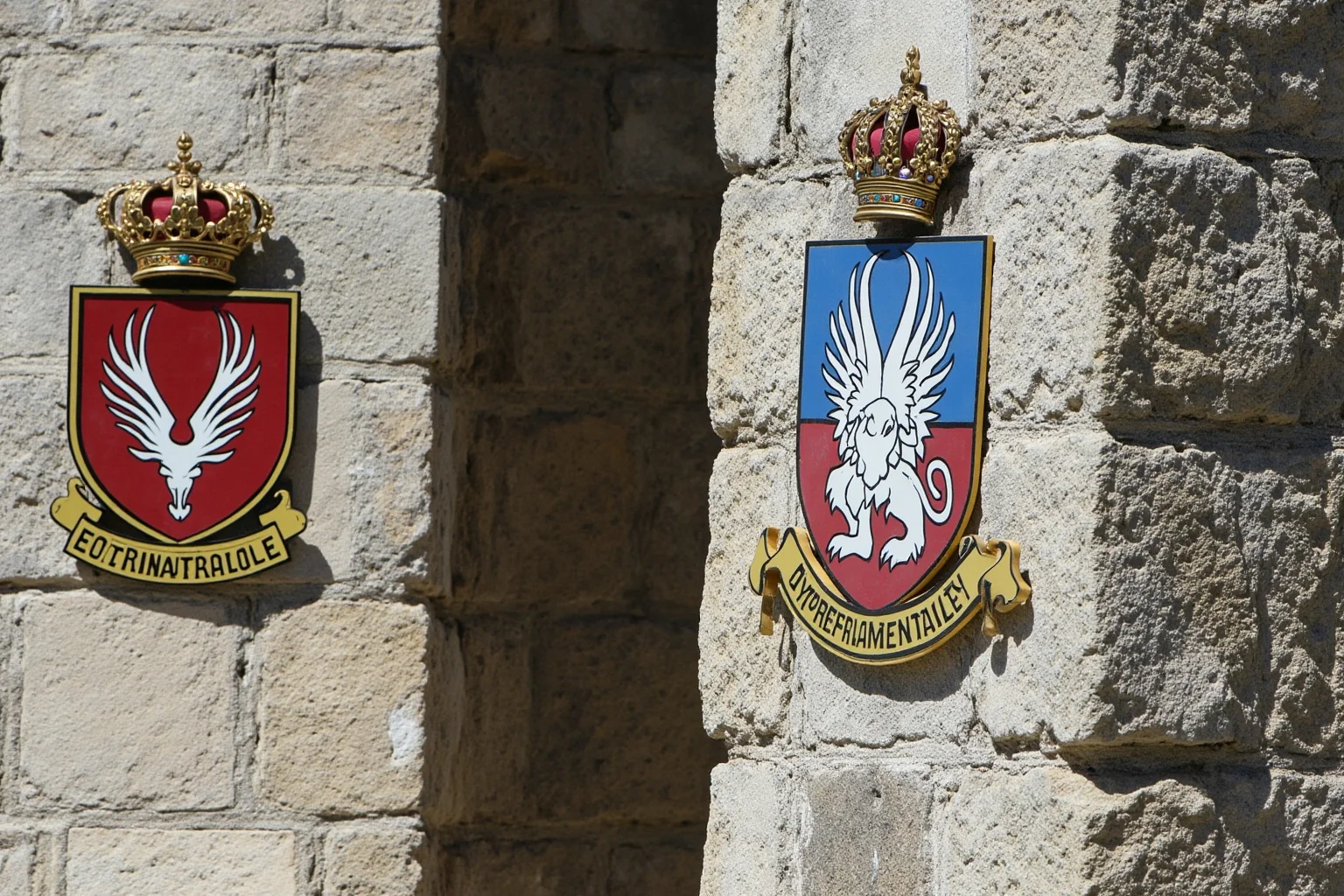
Andorra has one of the strangest arrangements on this list: a co-principality ruled jointly by two princes, the President of France and the Roman Catholic Bishop of Urgell in Spain.
This unusual diarchy dates back to a 1278 agreement called the Paréage, designed to settle a territorial dispute. Neither co-prince actually lives in Andorra, making it a monarchy run almost entirely by proxy.
15. Kingdom of Morocco
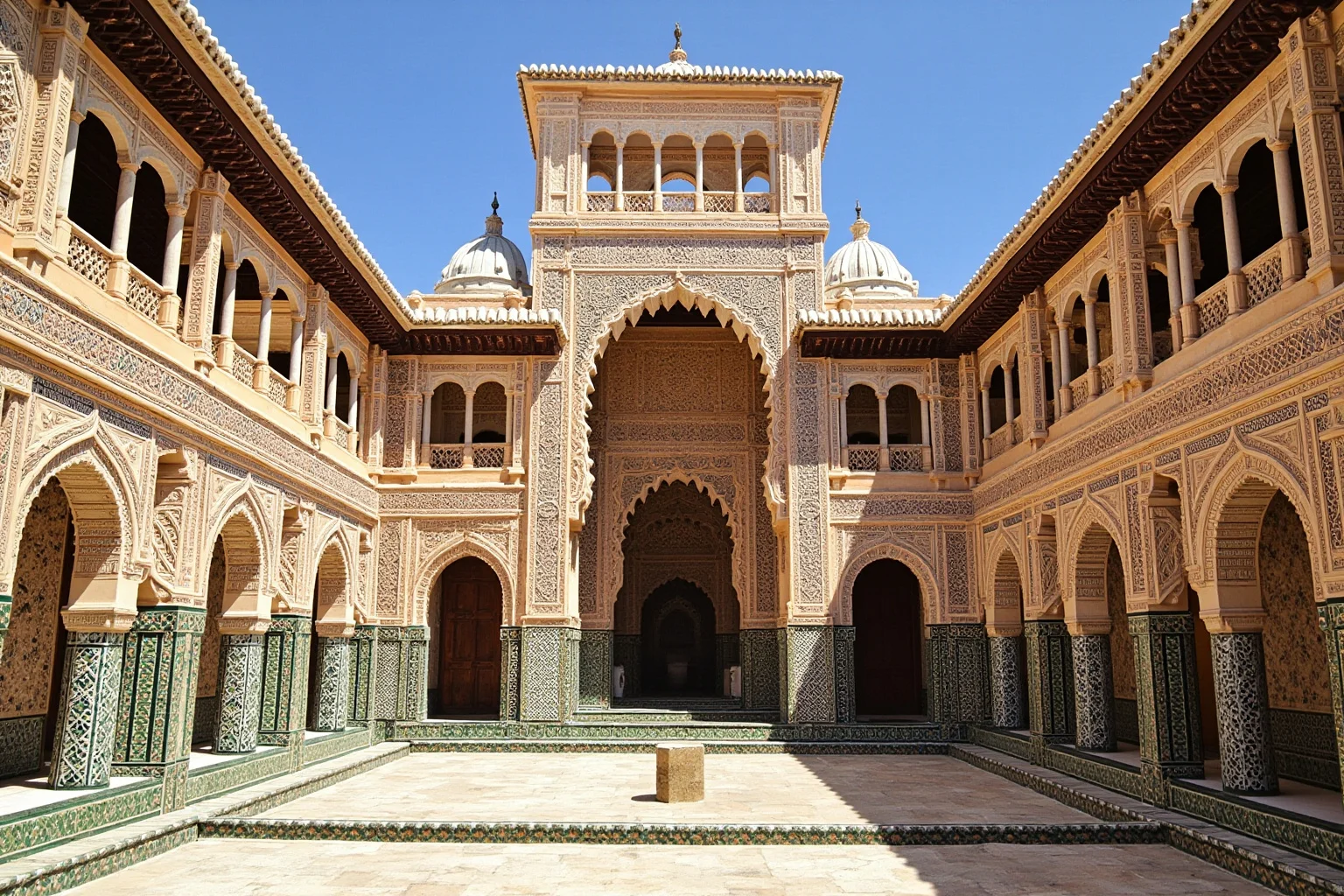
King Mohammed VI leads Morocco’s Alaouite dynasty, which has ruled since 1666, making it one of the oldest continuous royal families in the world.
Morocco is technically a constitutional monarchy, but the king retains substantial authority over religious, military, and political matters, including the title “Commander of the Faithful.” It’s frequently cited as a real-world example of how much power a constitutional monarch can still hold.
16. Kingdom of Cambodia
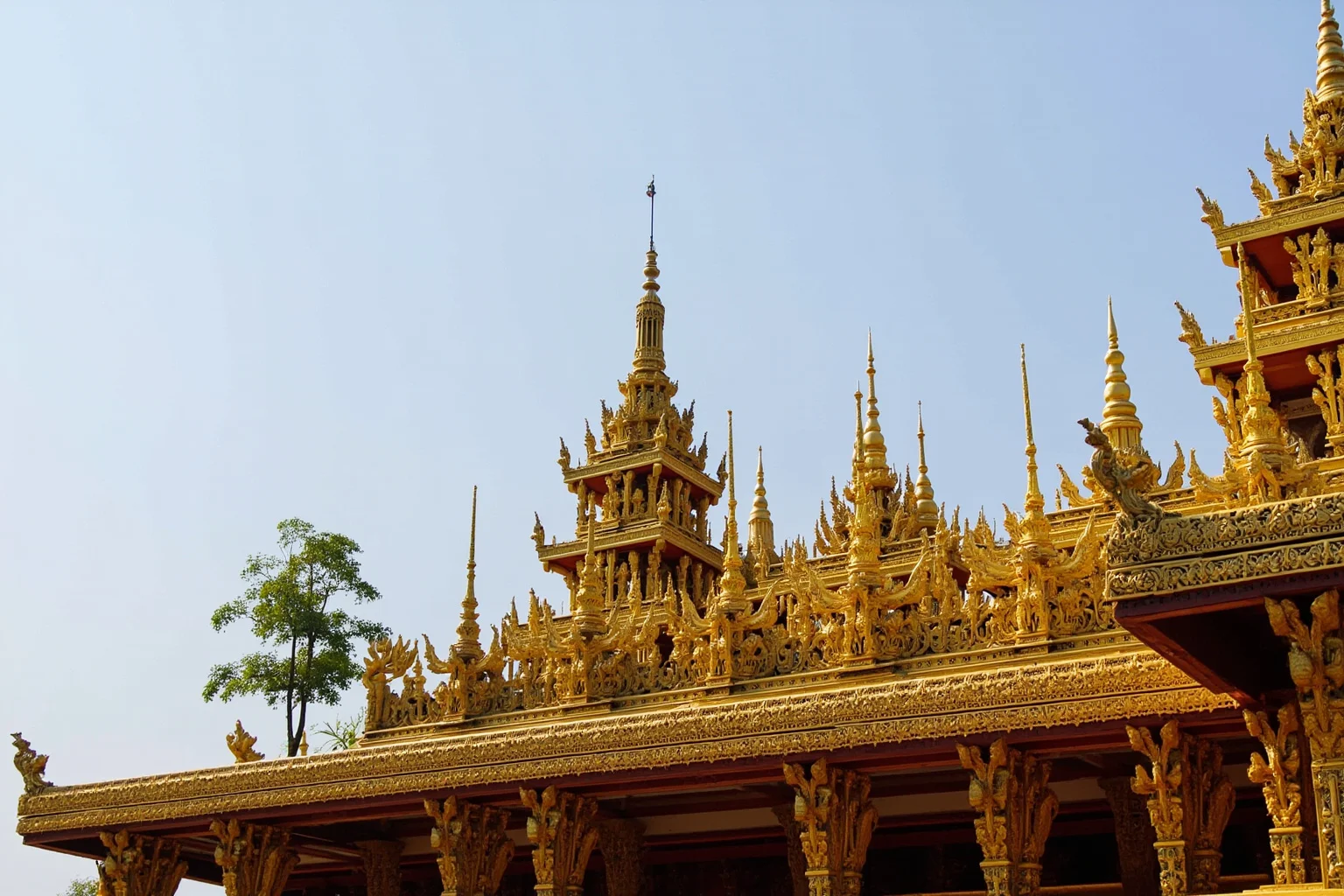
Cambodia’s monarchy isn’t strictly hereditary in the traditional sense. King Norodom Sihamoni was selected by the Royal Council of the Throne in 2004 rather than automatically inheriting the crown. The kingdom functions as a constitutional monarchy, with the king serving largely as a unifying national symbol.
17. Kingdom of Bahrain
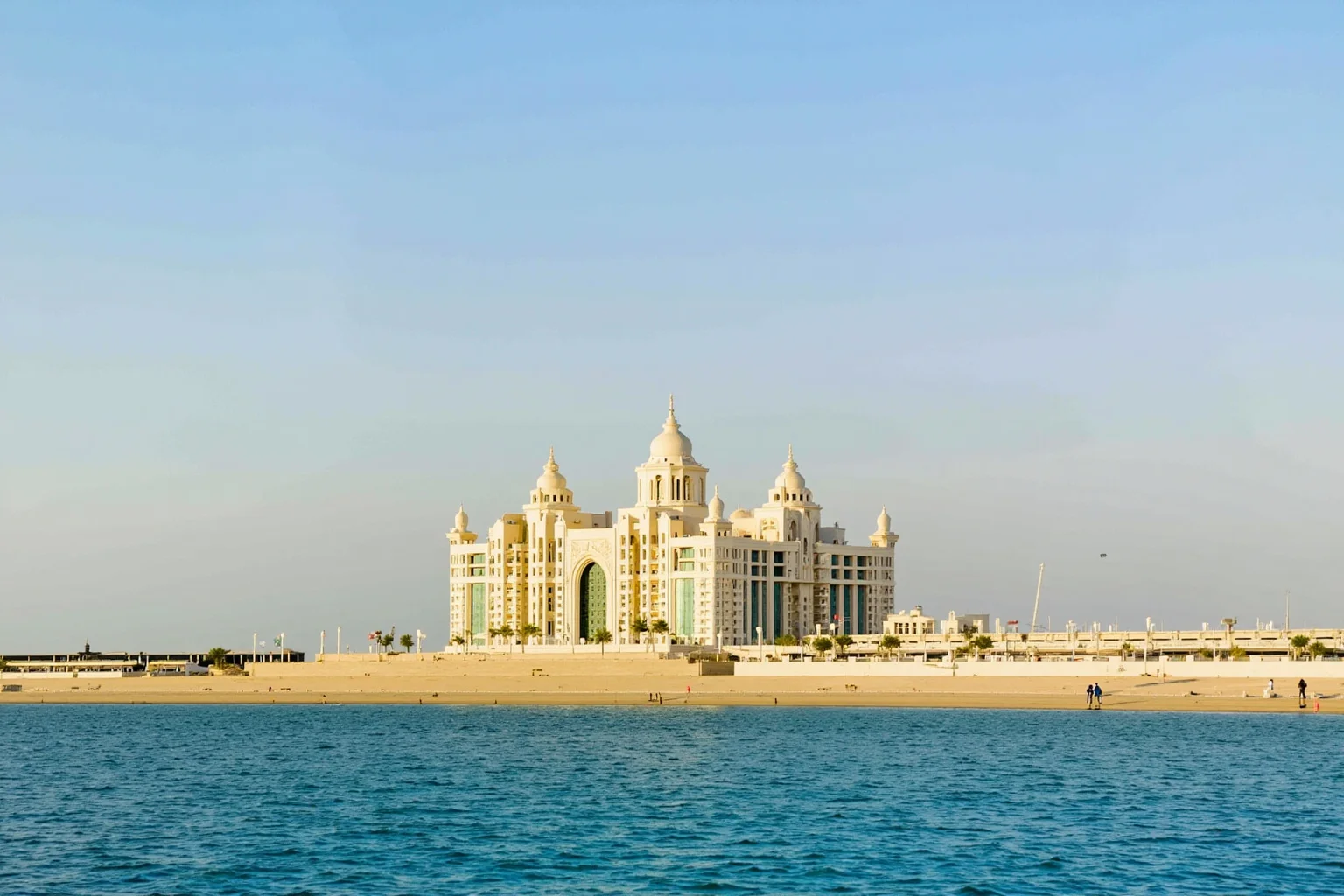
The Al Khalifa family has ruled Bahrain since the late 18th century, and the country was formally declared a kingdom in 2002 under King Hamad bin Isa Al Khalifa.
It operates as a constitutional monarchy, though the royal family retains considerable influence over government affairs. Bahrain’s small size keeps it largely out of global conversations about current kings and ruling monarchs.
18. Grand Duchy of Luxembourg
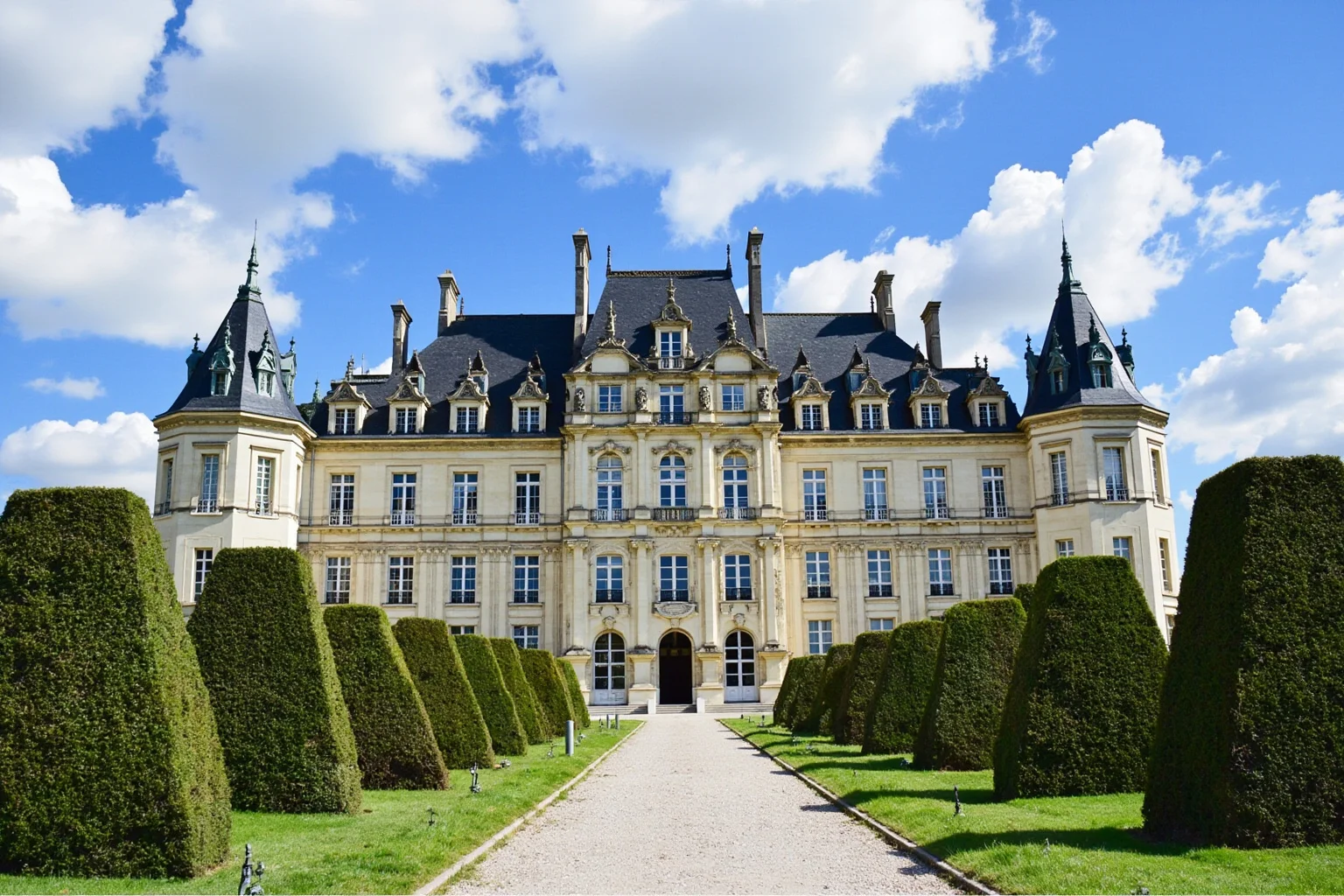
Luxembourg holds the distinction of being the world’s only remaining grand duchy, led by Grand Duke Henri. It functions as a constitutional monarchy similar to Belgium or the Netherlands, with the grand duke serving mostly ceremonial and diplomatic functions. Despite its tiny size, Luxembourg is one of the wealthiest countries per capita on the planet.
19. Principality of Monaco
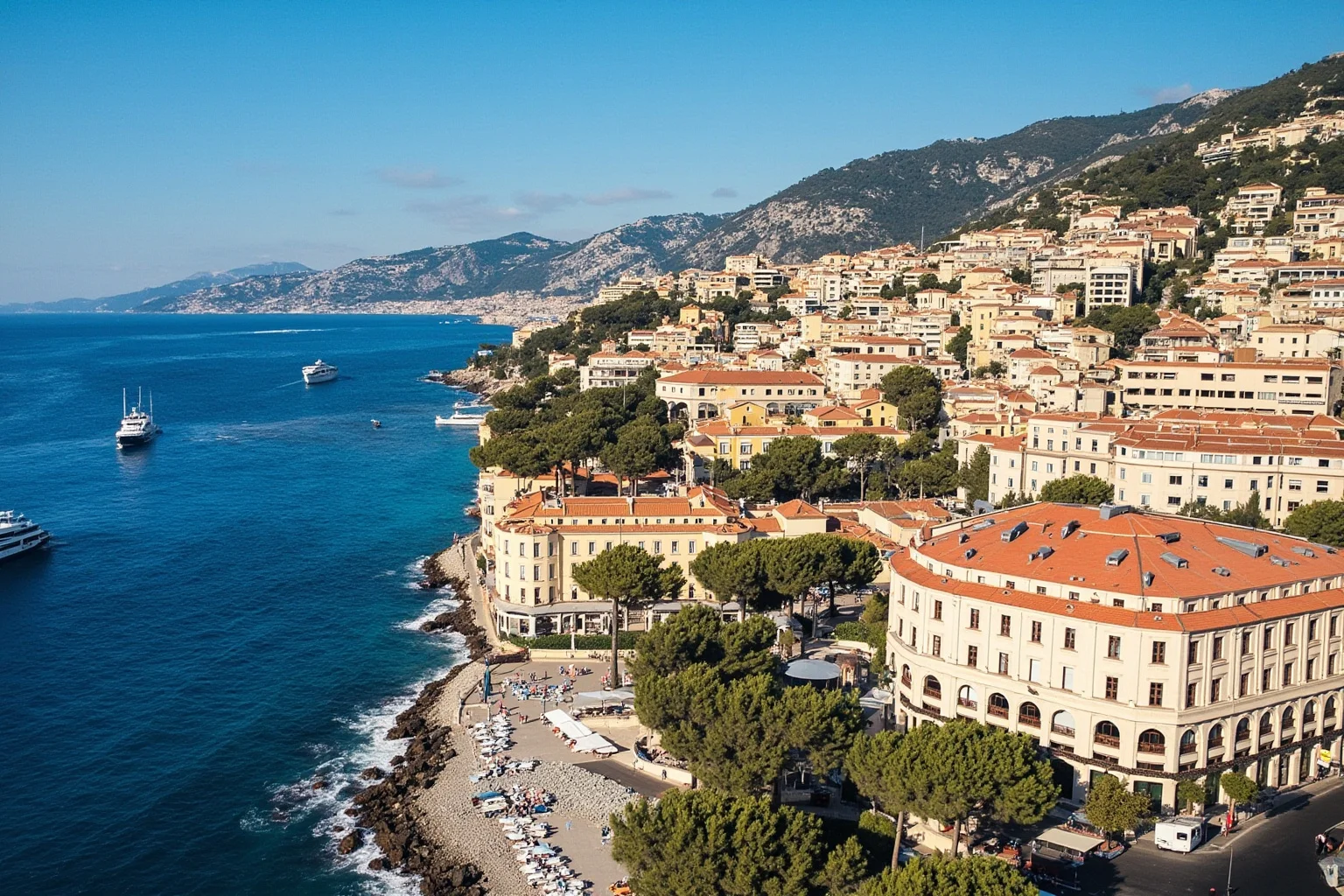
Monaco’s Grimaldi family has ruled the tiny Mediterranean principality since 1297, making it one of the longest-reigning royal families anywhere.
Prince Albert II currently serves as head of state under a constitutional monarchy structure. Monaco is famous worldwide for its casino and Grand Prix, yet its actual monarchy rarely gets discussed in the same breath.
20. The Pacific and Caribbean Commonwealth Realms
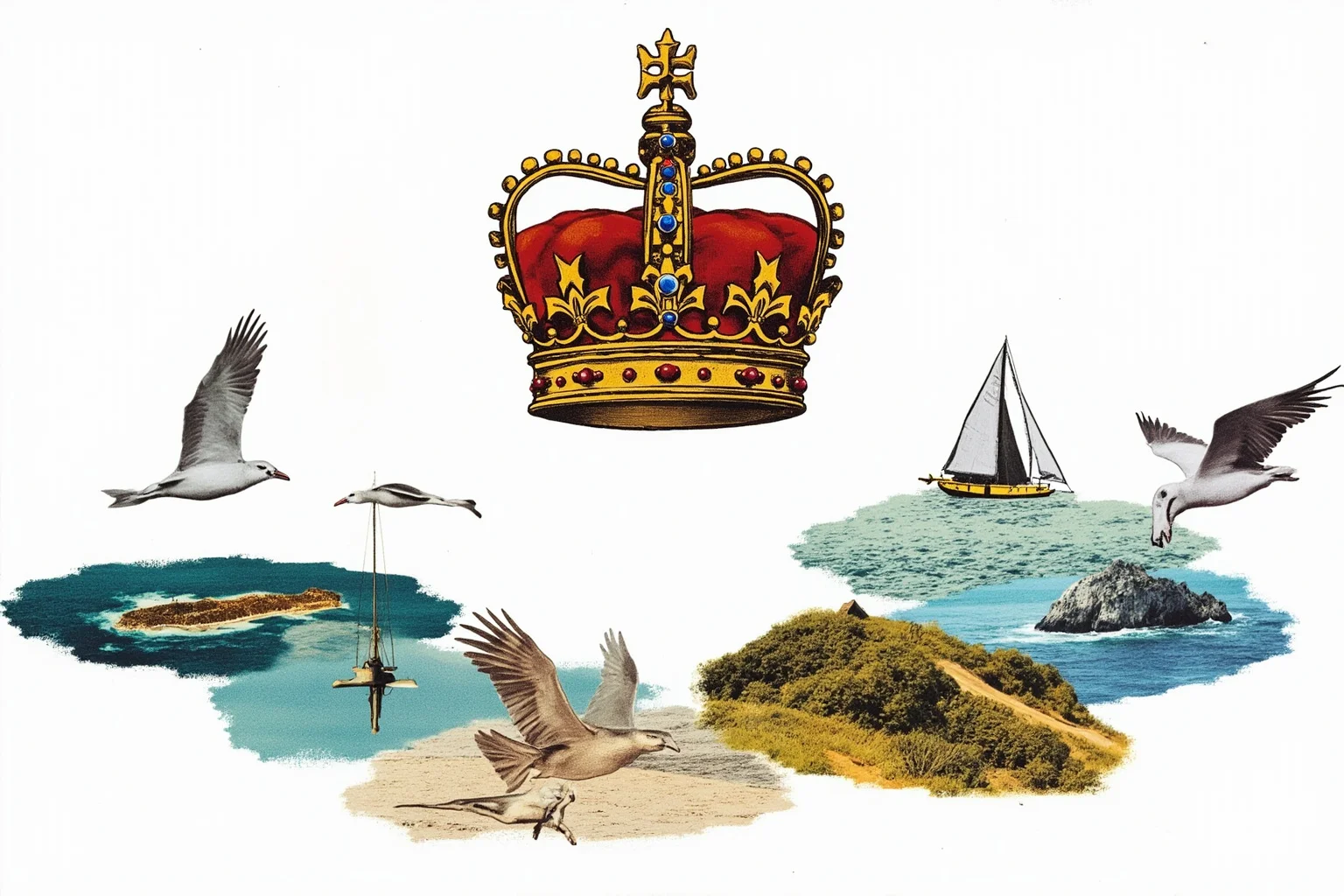
Here’s a fact that trips people up constantly: countries like Tuvalu, Solomon Islands, Papua New Guinea, and several Caribbean nations are still, technically, monarchies.
They share the same monarch as the United Kingdom, currently King Charles III, represented locally by a governor-general. It’s a quiet reminder that the map of world monarchs is far larger than most news coverage suggests.
Why These Overlooked Monarchies Still Matter
It’s tempting to assume monarchy is a fading relic, mostly ceremonial and increasingly irrelevant. But as this list shows, royal families around the world still hold genuine cultural weight, and in several cases, real political power.
Morocco, Eswatini, Brunei, and Oman all demonstrate that monarchy leaders can still shape national policy directly, not just wave from balconies.
Even the more ceremonial monarchies, like Luxembourg or the Commonwealth realms, serve as unifying figures during moments of political division.
Traditional kingdoms like the Zulu, Ashanti, and Buganda monarchies show that a ruler doesn’t need constitutional authority to remain deeply influential. Culture, identity, and continuity often matter just as much as formal governing power.
When people ask who the most powerful monarch in the world actually is, there’s no single, universally agreed-upon answer, since power looks different depending on whether you’re measuring economic control, military authority, or religious influence.
What is clear is that monarchy as a system is far from extinct. It has simply adapted, quietly persisting in places most of the world rarely thinks to look.
Final Thoughts
The next time someone claims monarchies are basically extinct outside of Britain, you’ll have twenty examples ready to prove otherwise. From elective popes to rotating Malaysian kings to a two-headed principality in the Pyrenees, the diversity of royal kingdoms still active today is genuinely remarkable. It’s a reminder that history didn’t stop producing kings, queens, sultans, and princes just because most of us stopped paying attention.
Whether it’s a cultural institution like the Ashanti Kingdom or a hands-on ruler like Morocco’s king, these monarchies prove that the crown, in its many forms, is still doing real work around the globe.
Frequently Asked Questions
How many monarchies are there in the world today?
There are roughly 43 to 45 sovereign nations that are currently monarchies, depending on how you count co-principalities and shared-monarch arrangements. That figure grows significantly if you also include sub-national traditional monarchies, like the Zulu Kingdom or Ashanti Kingdom, which don't hold formal state sovereignty but still function as recognized royal institutions.
Who is the most powerful monarch in the world?
There's no single agreed-upon answer, since power can be measured by political authority, wealth, military control, or religious influence. Monarchs like Morocco's King Mohammed VI, Brunei's Sultan Hassanal Bolkiah, and Saudi Arabia's king are often mentioned because they combine substantial constitutional or absolute authority with significant personal wealth.
What’s the difference between an absolute monarchy and a constitutional monarchy?
In an absolute monarchy, the ruler holds direct, largely unchecked control over government decisions, as seen in Eswatini, Brunei, and Oman. In a constitutional monarchy, an elected government handles most day-to-day governing while the monarch serves a more limited, defined role, though the extent of that role varies widely from country to country.
Which country has the oldest continuous monarchy?
Japan's imperial family is traditionally described as the world's oldest continuous monarchy, though its earliest legendary origins are not fully verifiable by historians. Denmark's monarchy is often cited as the oldest verifiably continuous monarchy in Europe, with a documented royal line stretching back over a thousand years.
Is the Pope considered a monarch?
Yes, in a technical sense. The Pope serves as the sovereign head of state of Vatican City, and the role functions as an elective monarchy, since it's filled for life through election by the College of Cardinals rather than hereditary succession.
Are there monarchies most people don’t realize still exist?
Absolutely. Countries like Tuvalu, Solomon Islands, and Papua New Guinea are still constitutional monarchies sharing the same monarch as the United Kingdom, while nations like Morocco, Bhutan, and Cambodia have active royal families that rarely appear in Western news coverage despite holding real cultural or political significance.

Alex Warren
Related Articles





