

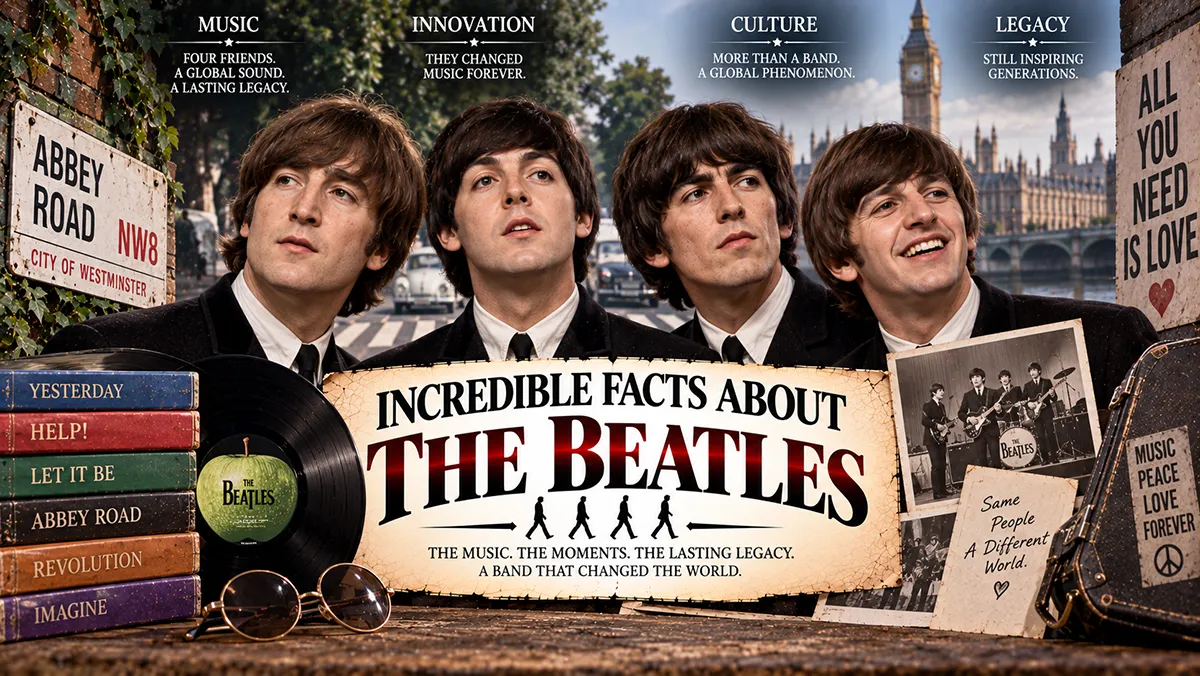
Few bands have been picked apart, mythologized, and misquoted quite like the Beatles. Even six decades after they formed in Liverpool, new fans and lifelong obsessives alike keep discovering facts about the Beatles that sound too strange to be true — and a fair few rumors that actually aren’t, not unlike the myths that still cling to figures such as William Shakespeare or Christopher Columbus.
This rundown separates the well-documented history from the legend, covering everything from their earliest rejections to their final rooftop performance. Whether you’re after fun facts on the Beatles for trivia night or a deeper look at how four Liverpool teenagers changed popular music, you’ll find it below.
TL;DR: The Beatles’ rise from a rejected Liverpool club act to the best-selling band in history was built on relentless work in Hamburg, restless creativity in the studio, and a willingness to break their own rules — and plenty of the strangest stories about them turn out to be either true, exaggerated, or complete myth.
1. The Beatles Almost Never Got a Recording Contract
In January 1962, the Beatles auditioned for Decca Records in London and were turned down flat. The often-repeated line from a Decca executive was that “guitar groups are on the way out,” a judgment that has become one of the most infamous misfires in music history.
Decca instead signed another band that auditioned the same day, Brian Poole and the Tremeloes, reportedly because they were based closer to London and cheaper to work with. It took manager Brian Epstein’s persistence to land the Beatles a deal with EMI’s Parlophone label later that year, produced by George Martin.
2. Their Name Went Through Several Changes
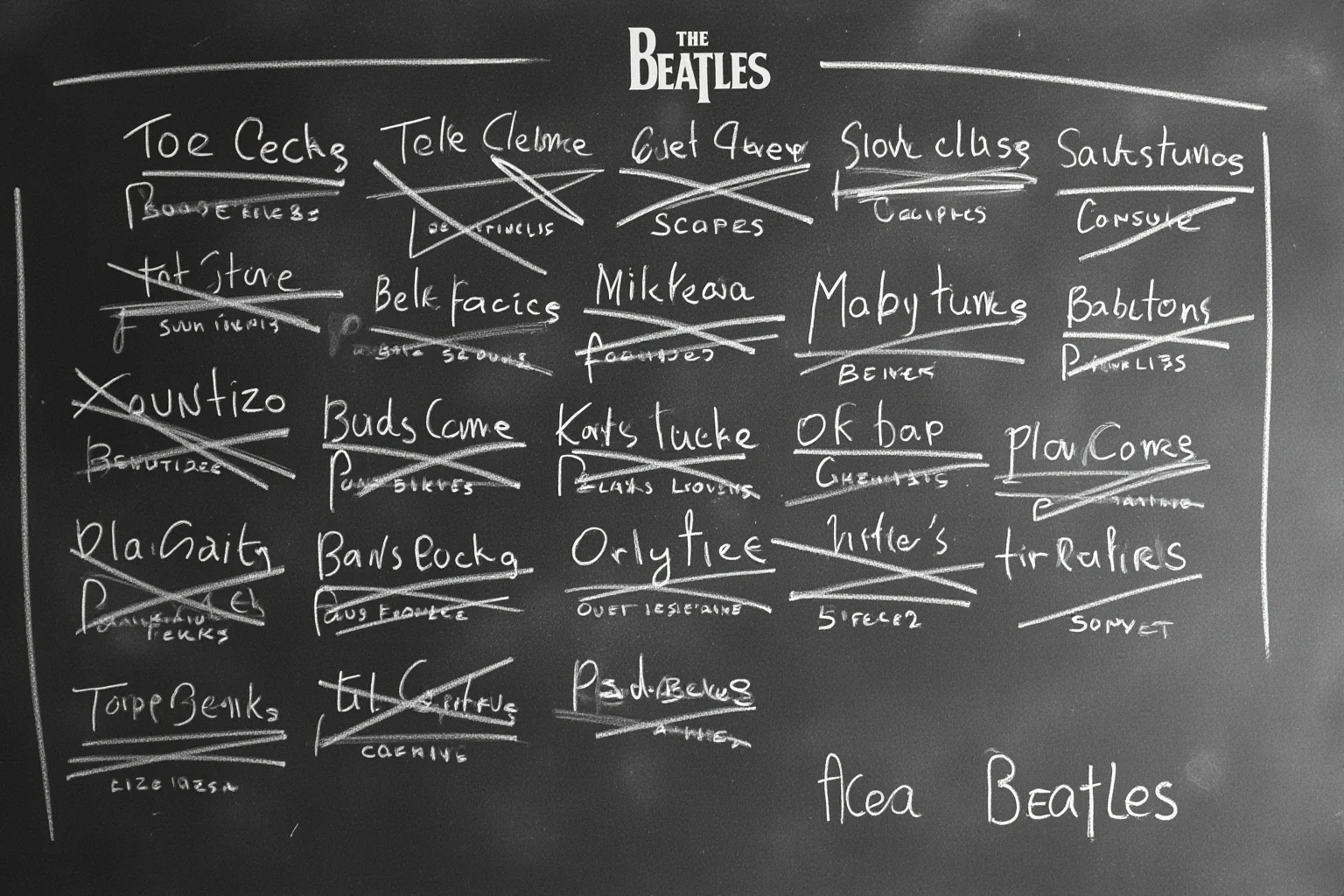
Before settling on “the Beatles,” the group cycled through names including the Blackjacks, the Quarrymen, Johnny and the Moondogs, and the Silver Beetles. John Lennon is generally credited with landing on “the Beatles” as a pun on “beat music” and a nod to Buddy Holly’s band, the Crickets.
The spelling shifted a few times too, moving between “Beatals” and “Silver Beetles” before the final version stuck in 1960. It’s a small but genuinely important fact about the Beatles’ origin story, since the name itself became one of the most recognized in music history.
3. Ringo Starr Was the Last Member to Join
Ringo Starr didn’t become the Beatles’ drummer until August 1962, replacing Pete Best just as the band was signing with EMI. Ringo had already played with the Beatles informally in Hamburg while drumming for another band, Rory Storm and the Hurricanes.
His arrival completed the classic lineup of Lennon, McCartney, Harrison, and Starr that the world would come to know. Best’s dismissal remains one of the more debated decisions in the band’s history, with reasons ranging from musical fit to changes in group dynamics.
4. Two Original Members Left Before Fame Hit
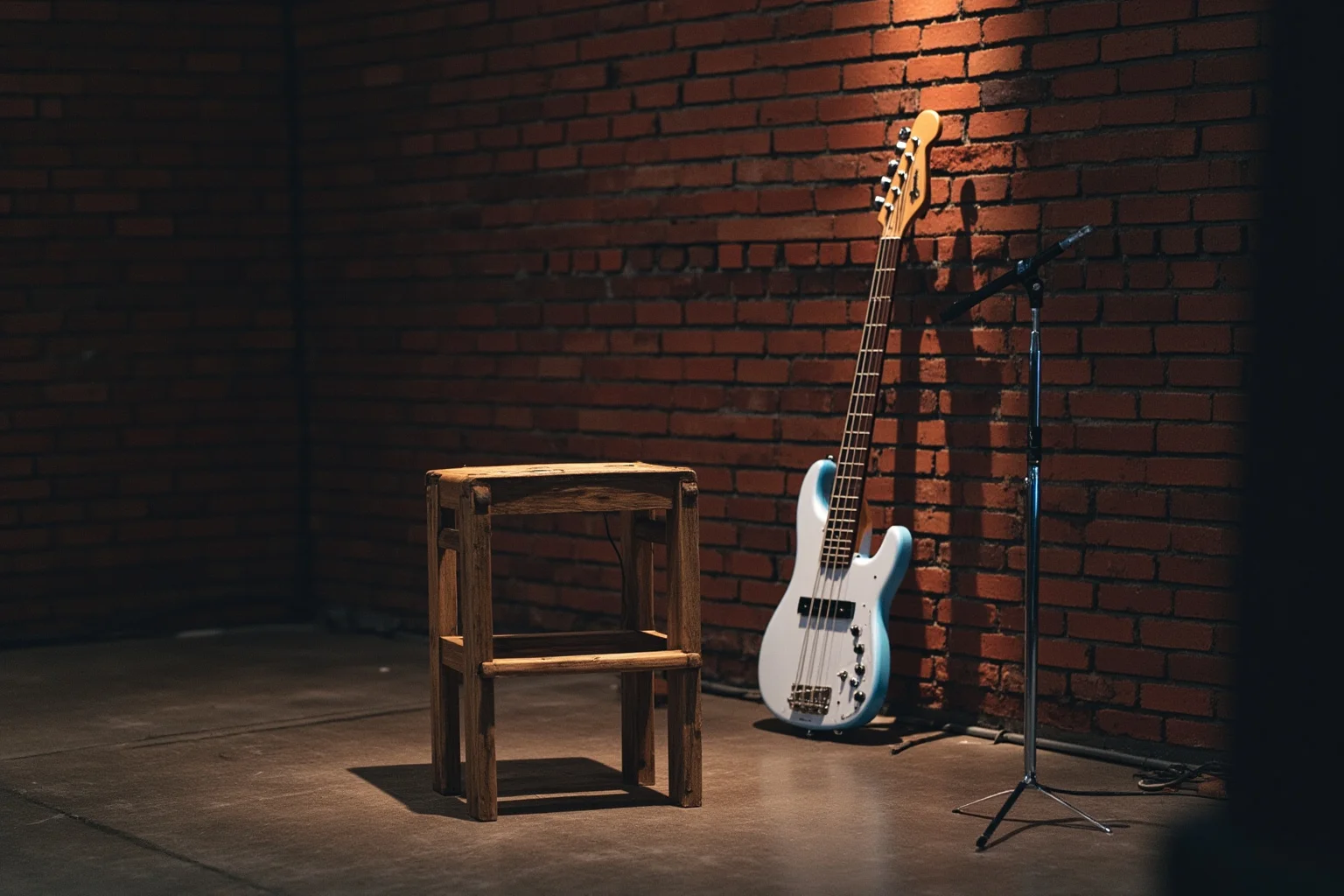
Stuart Sutcliffe, an art-school friend of John Lennon’s, played bass for the Beatles in their earliest Hamburg years before leaving the group in 1961 to focus on painting. He died of a brain hemorrhage in 1962, before the band’s breakthrough success.
Pete Best, the group’s drummer through their formative Hamburg and Liverpool club years, was let go in 1962 just before their rise to fame. Both men are essential to any honest account of Beatles band facts, even though they never appeared on a Beatles record released to the public.
5. John Lennon and Paul McCartney Met at a Local Church Fete
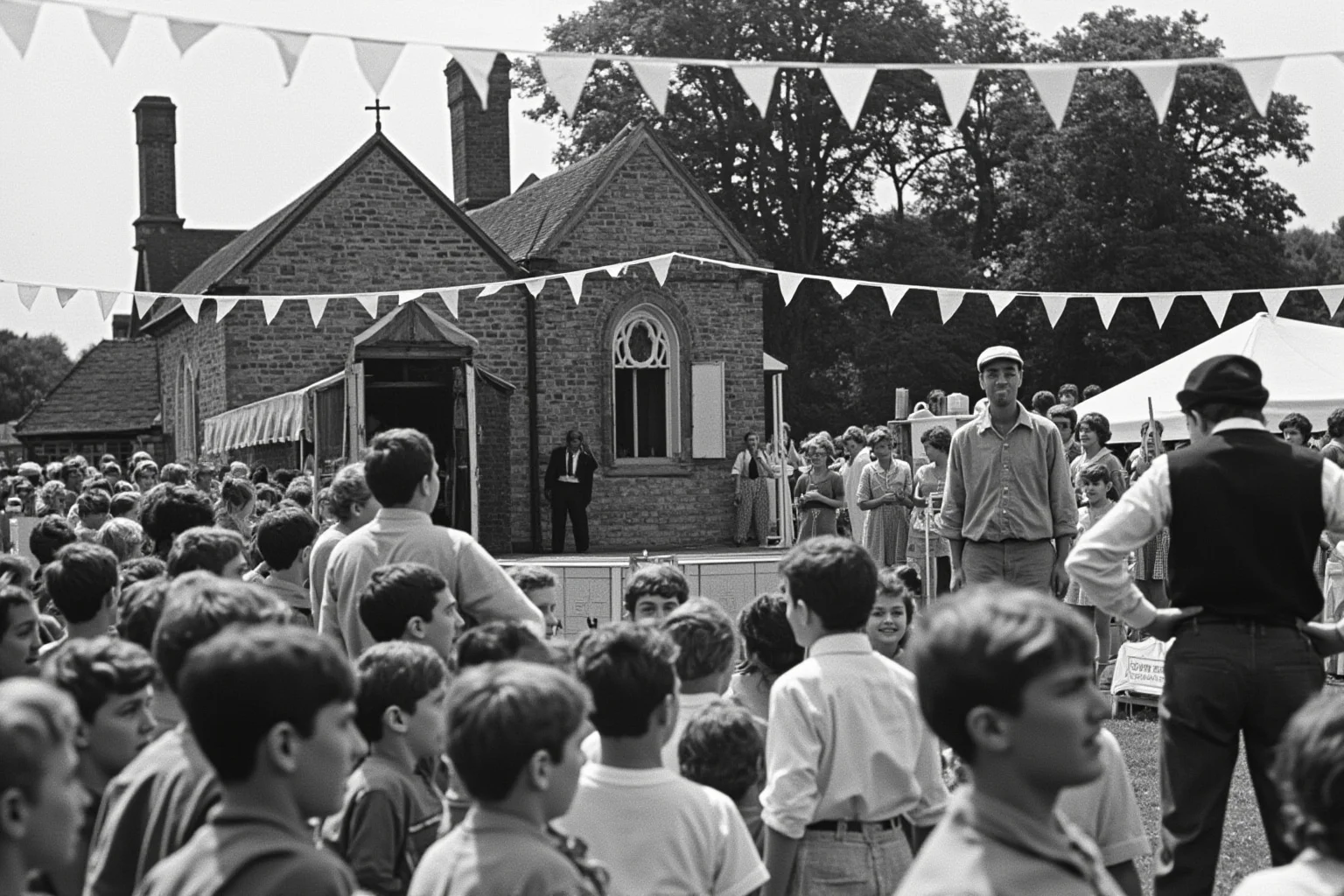
On July 6, 1957, a teenage Paul McCartney was introduced to John Lennon at the St. Peter’s Church garden fete in Woolton, Liverpool, where Lennon’s band the Quarrymen was performing. McCartney impressed Lennon by knowing how to properly tune a guitar and play songs correctly, and was invited to join shortly after.
That modest village fete is now treated as a landmark moment in music history. It’s a reminder that one of the most influential songwriting partnerships ever began as an ordinary teenage encounter, not a scripted origin story.
6. Hamburg’s Nightclubs Forged Their Sound
Between 1960 and 1962, the Beatles played extended residencies in Hamburg, Germany, sometimes performing for hours a night, multiple nights a week, in the city’s rowdy club district. The grueling schedule forced them to build a huge repertoire and tightened their playing far beyond what Liverpool gigs alone could have done.
Many band members later credited Hamburg as the place where the Beatles truly became a professional act. It’s one of the important facts about the Beatles that’s often overshadowed by their later fame, even though their entire musical foundation was built there.
7. “Love Me Do” Introduced the World to the Beatles
Released in October 1962, “Love Me Do” was the Beatles’ first single and their first entry on the UK charts, eventually reaching number 17. It’s a modest start compared to the chart domination that followed, but it marked the first time the wider public heard the band on record.
The single also featured Ringo Starr on drums for some versions and session drummer Andy White for others, since producer George Martin wasn’t yet fully confident in the new lineup. That small detail is one of the more overlooked facts about the Beatles’ earliest recordings.
8. The Word “Beatlemania” Was Coined by the Press
By late 1963, British newspapers were struggling to describe the scenes of screaming fans, ticket stampedes, and sold-out theaters surrounding the band, and “Beatlemania” entered common use to capture it. The term stuck almost instantly and later applied to their reception in the United States after their 1964 Ed Sullivan Show appearance.
That February 1964 broadcast drew an estimated 70 million American viewers, one of the largest television audiences of its era. It effectively launched the British Invasion of American pop music.
9. They Played to Screams So Loud They Couldn’t Hear Themselves
During their touring years, audience screaming at Beatles concerts was so intense that the band members frequently couldn’t hear their own instruments or vocals through the venue’s modest sound systems. All four members have described essentially playing from muscle memory during many stadium shows.
This is one of the genuinely unusual facts about the Beatles’ live career: some of the most famous performances in pop history were, for the musicians themselves, barely audible. It’s part of why the band grew increasingly frustrated with touring as a format.
10. Shea Stadium Made Rock History
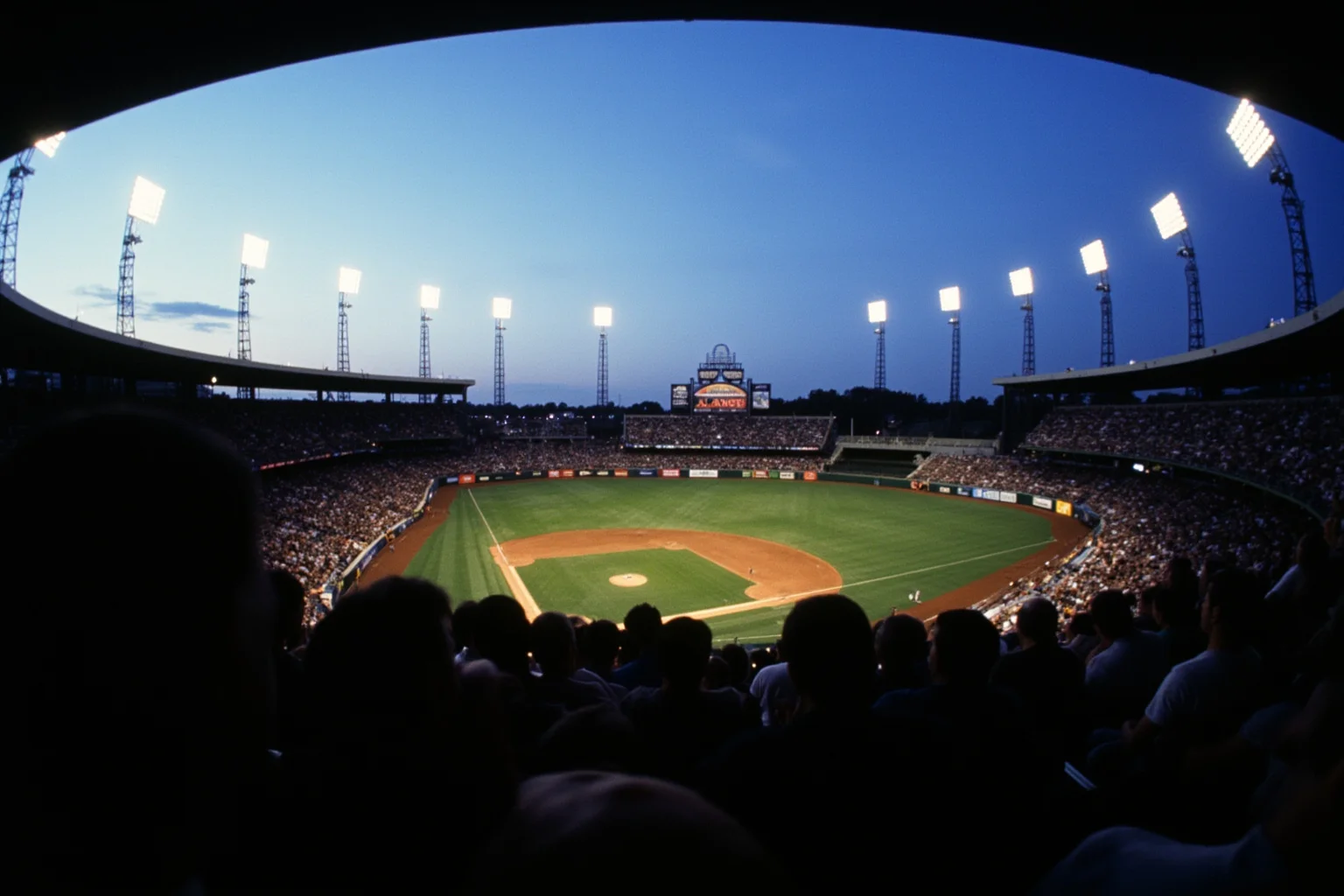
On August 15, 1965, the Beatles played to over 55,000 fans at Shea Stadium in New York, a show widely regarded as the first major stadium concert in rock history. It set a template that stadium tours would follow for decades afterward.
The sound system was primitive by modern standards, essentially just the stadium’s public address speakers, which only reinforced how little the band could actually hear themselves. It remains one of the most cited amazing facts about the Beatles’ impact on live music as an industry.
11. The Beatles Quit Touring at the Height of Their Fame
After a difficult 1966 tour marred by controversy and safety concerns, the Beatles played their last official paid concert at Candlestick Park in San Francisco on August 29, 1966. They chose to stop touring altogether while still one of the most in-demand acts on the planet.
The decision let them focus entirely on studio experimentation, something touring’s chaos had made difficult. It’s a striking, and often underappreciated, turning point in the band’s story.
12. Sgt. Pepper’s Was Never Performed Live
Released in 1967, “Sgt. Pepper’s Lonely Hearts Club Band” was recorded using studio techniques — tape loops, orchestral overdubs, and multitrack layering — that made it essentially impossible to reproduce with the band’s touring equipment at the time. Because the Beatles had already stopped touring, that limitation didn’t matter to them.
The album is frequently named one of the most influential records ever made, partly because it treated the studio itself as an instrument. It’s a key example of how the band kept redefining what a pop record could be.
13. They Wrote Hit Songs for Other Artists
Lennon and McCartney wrote or co-wrote songs recorded by other performers throughout the 1960s, including “Bad to Me” for Billy J. Kramer and “World Without Love” for Peter and Gordon, the latter reaching number one in the US. This side of their songwriting output is one of the lesser-known facts about the Beatles’ broader influence on the era’s pop charts.
George Harrison and Ringo Starr contributed less to this outside songwriting during the band’s active years, though both went on to build substantial solo catalogs later. The habit of writing for others shows just how prolific Lennon and McCartney were even at their busiest.
14. Queen Elizabeth Made Them MBEs — and John Lennon Gave His Back
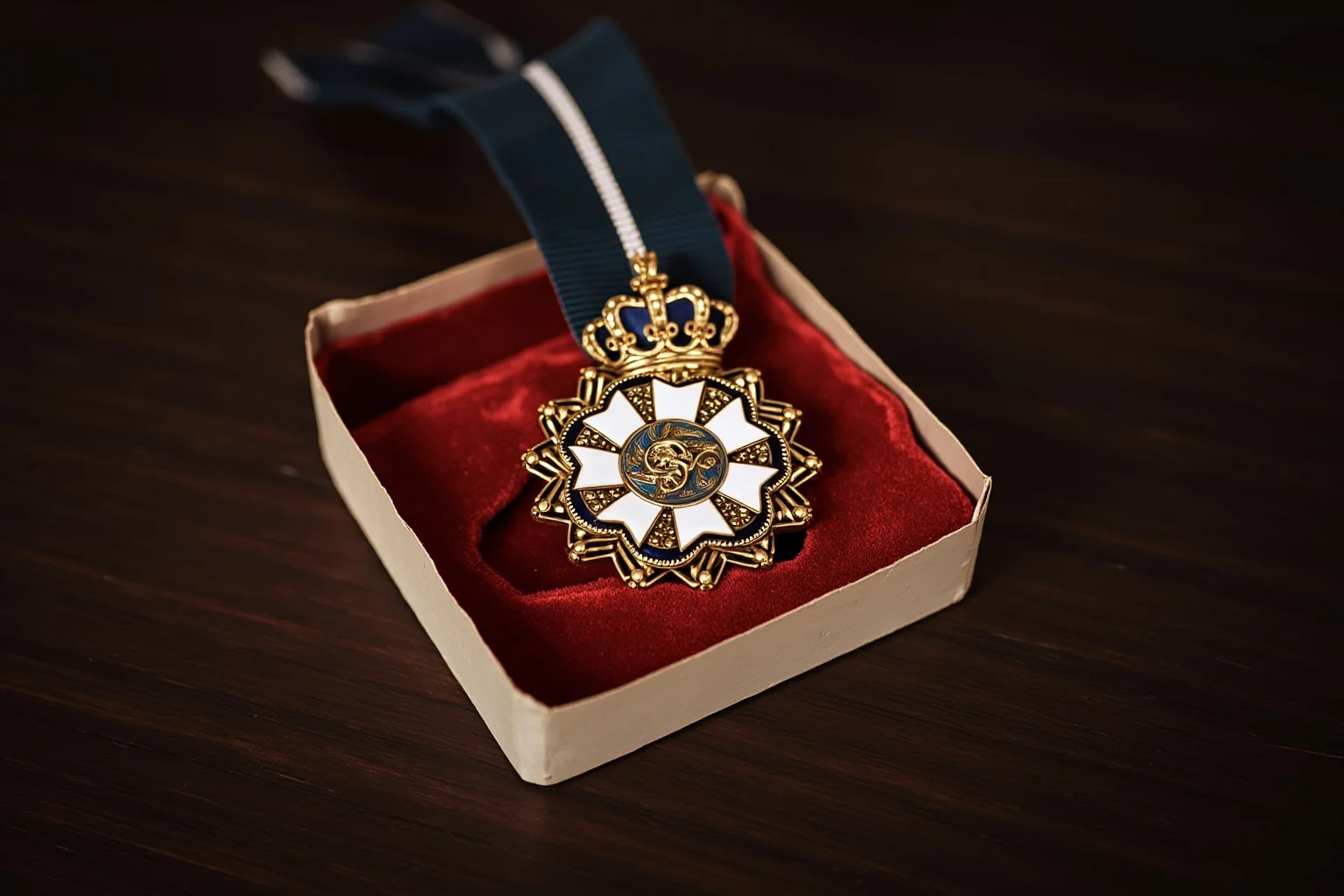
In 1965, all four Beatles were appointed Members of the Order of the British Empire (MBE), a decision that reportedly upset some previous honorees who felt pop musicians didn’t belong in that company. The band accepted the honor and famously joked about smoking marijuana in a Buckingham Palace bathroom before the ceremony, a claim Lennon later made in interviews.
In 1969, Lennon returned his MBE, citing several reasons including Britain’s involvement in the Nigeria-Biafra conflict and its support for the US in the Vietnam War. It’s one of the more politically charged john lennon beatles facts, showing how far he’d moved from the band’s earlier, more clean-cut public image.
15. The “Bigger Than Jesus” Remark Sparked Global Outrage
In a 1966 interview with a British journalist, John Lennon remarked that Christianity was declining and that the Beatles had become, in terms of cultural influence, “bigger than Jesus.” The comment drew little reaction in Britain but caused a firestorm in the United States months later, including radio bans and public record burnings.
Lennon later clarified he wasn’t claiming religious superiority, but commenting on the disproportionate fame pop culture had achieved. It’s a useful reminder that some of the most controversial facts about the Beatles are really about how quotes traveled, not necessarily what was originally meant.
16. George Harrison Brought the Sitar to Pop Music
George Harrison first played sitar on the 1965 track “Norwegian Wood (This Bird Has Flown),” after being introduced to Indian classical music partly through actor and sitarist connections on a film set. He later studied more formally with sitar virtuoso Ravi Shankar.
This single decision helped popularize Indian instrumentation in Western pop and rock, influencing countless artists who followed. It’s one of the more musically significant facts about the Beatles’ willingness to experiment outside conventional rock instrumentation.
17. Ringo’s Left-Handed Drumming Gave the Beatles Their Unique Sound
Ringo Starr is left-handed but played a standard right-handed drum kit, an unusual combination that shaped his distinctive, slightly asymmetrical fills and timing. Producer George Martin and several music historians have pointed to this as part of what made his playing sound different from other drummers of the era.
Starr has often been underrated compared to flashier drummers of his generation, but his steady, inventive style anchored the band’s most complex studio work. It’s a small technical detail, but it’s one of the more genuinely weird Beatles facts that actually explains real musical results.
18. Paul McCartney “Died” — According to a Persistent Rumor
Starting in 1969, a rumor spread that Paul McCartney had died in a car accident years earlier and been secretly replaced by a look-alike, with “clues” supposedly hidden in album artwork and lyrics. McCartney was, of course, alive and well, and he publicly addressed the rumor multiple times, including in a 1969 Life magazine interview.
The theory is a textbook case of an unusual Beatles fact that isn’t actually a fact at all, but it remains one of the most enduring conspiracy theories in music history — not unlike the persistent legends that still surround figures such as George Washington. It shows how eagerly fans looked for hidden meaning in the band’s increasingly abstract later work.
19. Abbey Road’s Cover Has No Band Name or Album Title
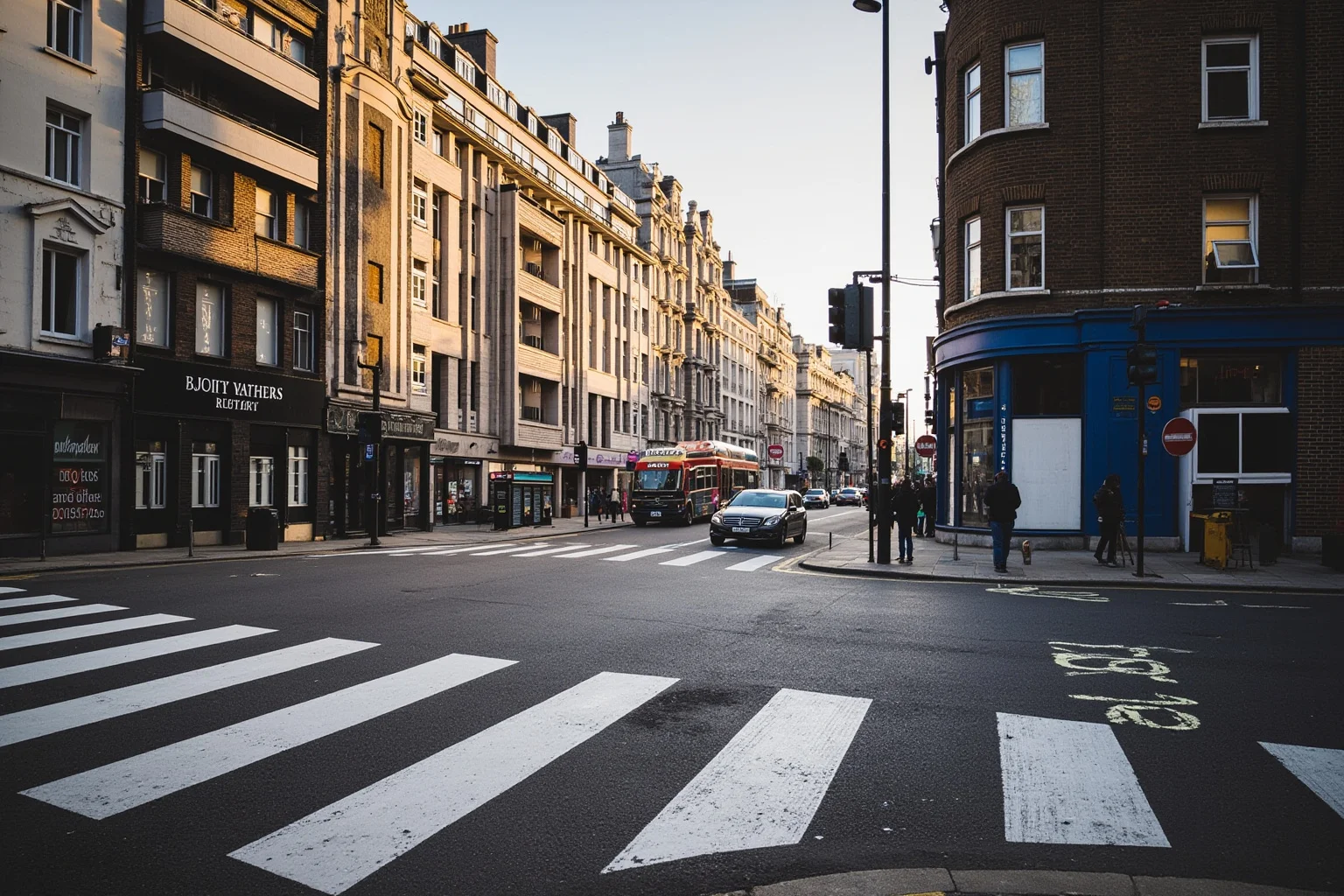
The 1969 “Abbey Road” album cover shows the four Beatles walking across a zebra crossing near EMI’s London studios, with no text identifying the band or the album anywhere on the front. It was the first EMI-distributed Beatles UK album cover to leave off the group’s name entirely.
The crossing itself has since become a pilgrimage site for fans, and Abbey Road Studios later placed a webcam on it. Confidence like that, betting the image alone would be instantly recognizable, says a lot about how famous the band had become by 1969, placing them among the most recognized names in history.
20. Their Final Performance Was on a London Rooftop
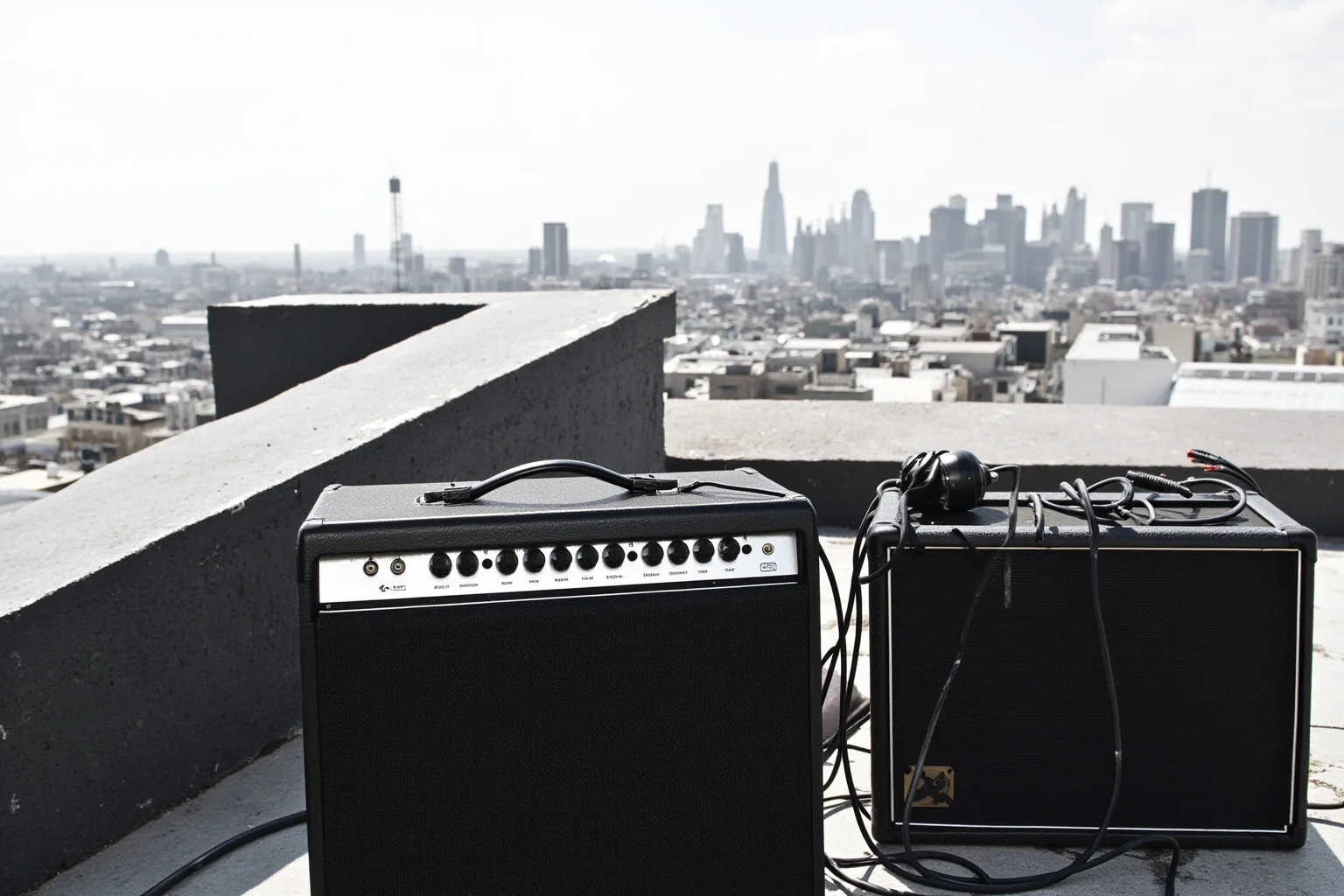
On January 30, 1969, the Beatles played an unannounced concert on the roof of the Apple Corps building at 3 Savile Row in London, performing for about 42 minutes before police arrived to address noise complaints. It turned out to be their last public performance together.
Footage from the rooftop set later appeared in the “Let It Be” documentary and its 2021 restoration, “The Beatles: Get Back.” It’s a fitting, almost accidental ending for a band that had started in cramped Liverpool clubs and Hamburg dive bars less than a decade earlier.
21. The Beatles Still Hold the Record for Most No. 1 Hits
The Beatles hold the record for the most number-one singles on the US Billboard Hot 100 by a group, with 20 chart-topping songs. They also hold records for most weeks spent at number one on various charts and remain among the best-selling music acts in history, alongside a small handful of other legendary acts.
These aren’t just amazing facts about the Beatles for trivia purposes — they reflect a level of sustained commercial and creative success that’s rarely been matched since. Even decades after their breakup, their catalog continues to sell and stream at a remarkable pace.
22. Apple Corps Was Their Bold (and Messy) Business Experiment
In 1968, the Beatles founded Apple Corps, a multimedia company intended to fund and support electronics, films, and music from independent artists, partly as a way to shelter their earnings and support projects they believed in. It signed acts like Mary Hopkin and James Taylor early in their careers.
The venture also became a source of financial strain and internal conflict, contributing to tensions that fed into the band’s eventual breakup in 1970. Apple Corps still exists today, mainly managing the band’s recorded legacy and reissues.
The Legacy That Keeps Growing
Sixty-plus years on, the Beatles’ story keeps attracting new listeners precisely because it resists a single, tidy narrative. They were a hardworking Hamburg club band, an unstoppable commercial phenomenon, and a restless studio experiment, sometimes all within the same year.
Sorting genuine Beatles band facts from decades of exaggeration and rumor doesn’t make the story less remarkable — if anything, it makes it more so. Four musicians from Liverpool really did reshape popular music, largely through relentless work, sharp songwriting, and a willingness to keep changing course.
Frequently Asked Questions
What are some amazing facts about the Beatles?
Some of the most amazing facts about the Beatles include being rejected by Decca Records before becoming the best-selling band in history, playing the first major stadium rock concert at Shea Stadium in 1965, and holding the record for the most number-one hits on the US Billboard Hot 100 by any group, with 20 chart-toppers.
How many number-one hits did the Beatles have?
The Beatles hold the record for the most number-one singles on the US Billboard Hot 100 by a group, with 20 chart-topping songs, a record that still stands decades after they stopped recording together.
Why did the Beatles break up?
The Beatles broke up in 1970 after years of internal tension, disagreements over business management (including the strain caused by their company Apple Corps), and the band members' growing individual creative interests, which had already led them to record more separately during their final albums.
What is a weird or unusual fact about the Beatles?
One genuinely unusual fact is that Ringo Starr is left-handed but played a standard right-handed drum kit, which contributed to his distinctive drumming style. Another oddity is the persistent, unfounded 1969 rumor that Paul McCartney had secretly died and been replaced, which McCartney publicly disproved.
Did John Lennon really say the Beatles were bigger than Jesus?
Yes, in a 1966 interview John Lennon commented that Christianity was declining and that the Beatles had become, in cultural terms, bigger than Jesus. The remark caused little stir in Britain but sparked major backlash in the United States, including record burnings, after it was republished there.
What are 5 quick facts about the Beatles?
Five quick facts: they formed in Liverpool in the late 1950s under earlier names before settling on 'the Beatles'; Ringo Starr joined last, in 1962; they were rejected by Decca Records before signing with EMI; they stopped touring in 1966 to focus on studio recording; and their final public performance was an impromptu rooftop concert in London in January 1969.

Alex Warren
Related Articles





