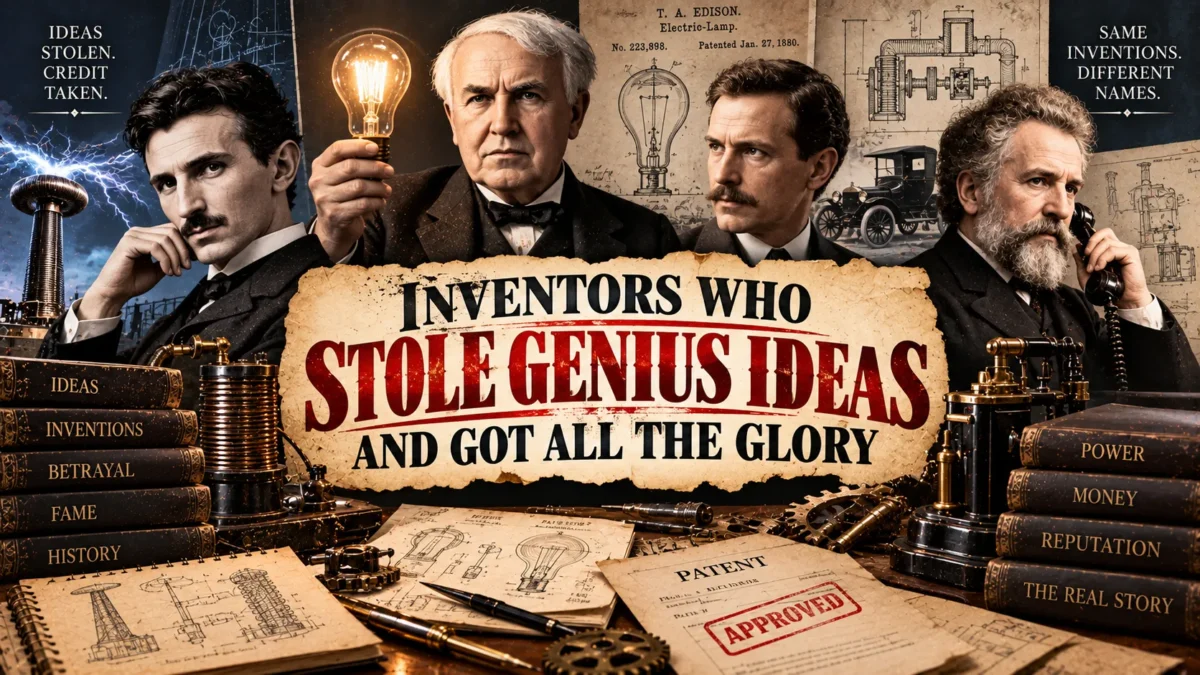
Every schoolkid learns the same tidy story: a lone genius sits in a workshop, has a flash of inspiration, and changes the world forever. It’s a great story. It’s also, more often than not, a massive oversimplification.
History’s most celebrated inventors rarely worked alone, and many of them built their fame on the backs of collaborators, competitors, and quiet geniuses who never got their names in the textbooks.
Thomas Edison is the poster child for this pattern, but he’s far from the only one among the greatest American inventors in history. Let’s dig into who really deserves credit, and who just had the better lawyers, marketing, or timing.
TL;DR: Thomas Edison, along with several other famous inventors, built much of their legendary reputations by refining, patenting, or outright appropriating ideas that originated with lesser-known engineers and rivals like Nikola Tesla.
1. Thomas Edison and the Light Bulb: Building on Others’ Bright Ideas
Ask most people who did Thomas Edison steal the light bulb from, and they might be surprised there’s even a list to choose from. Decades before Edison’s 1879 breakthrough, inventors like Humphry Davy, Warren de la Rue, and Joseph Swan in England had already built working incandescent lamps.
Swan even had a functioning bulb glowing in his own home years before Edison filed his famous patent. What Edison actually did, and it mattered enormously, was find a practical, long-lasting, commercially viable filament and build the surrounding electrical infrastructure to make bulbs useful in everyday homes.
So did Thomas Edison steal the light bulb outright? Not exactly. He improved and commercialized an existing concept so successfully that the world forgot who came before him.
2. Edison vs. Tesla: The War of Currents and the Missing $50,000
This is the case most people mean when they ask did Edison steal from Tesla. Nikola Tesla worked briefly for Edison’s company in the early 1880s, reportedly promised a huge bonus if he could redesign Edison’s inefficient DC generators.
According to Tesla’s own later accounts, when he succeeded, Edison told him the offer had been “an American joke” and refused to pay. Historians can’t fully verify Tesla’s version since Edison never confirmed it, but the falling-out is well documented and it pushed Tesla to strike out on his own.
What did Edison steal from Tesla after that? Nothing directly patent-wise, but Edison spent years publicly attacking Tesla’s alternating current system, even staging electrocutions of animals to scare the public away from AC power. Tesla’s AC design eventually won the format war anyway, powering the modern electrical grid we still use today.
3. Who Really Invented the Telephone? Bell, Gray, and Meucci
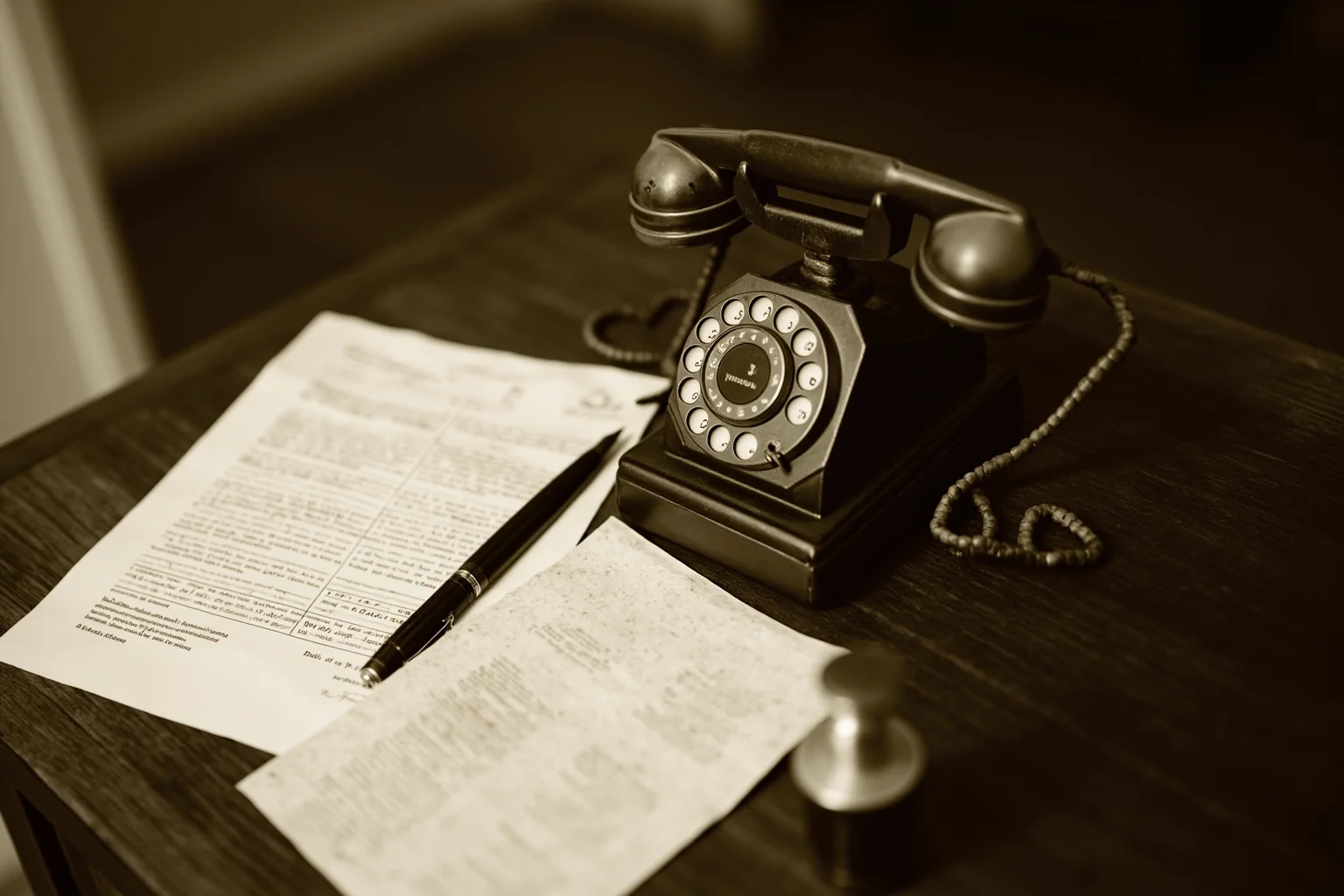
Alexander Graham Bell is often lumped in with the same accusations Edison faces, and for good reason. On the very same day in 1876, inventor Elisha Gray filed a patent caveat describing a strikingly similar telephone design, just hours after Bell’s own filing reached the patent office.
Italian inventor Antonio Meucci had also demonstrated a voice-transmitting device years earlier but lacked the money to maintain his patent. Congress even passed a resolution in 2002 recognizing Meucci’s contributions, though Bell is still officially credited as the telephone’s inventor.
4. Edison and the Motion Picture Camera: The Overlooked W.K.L. Dickson
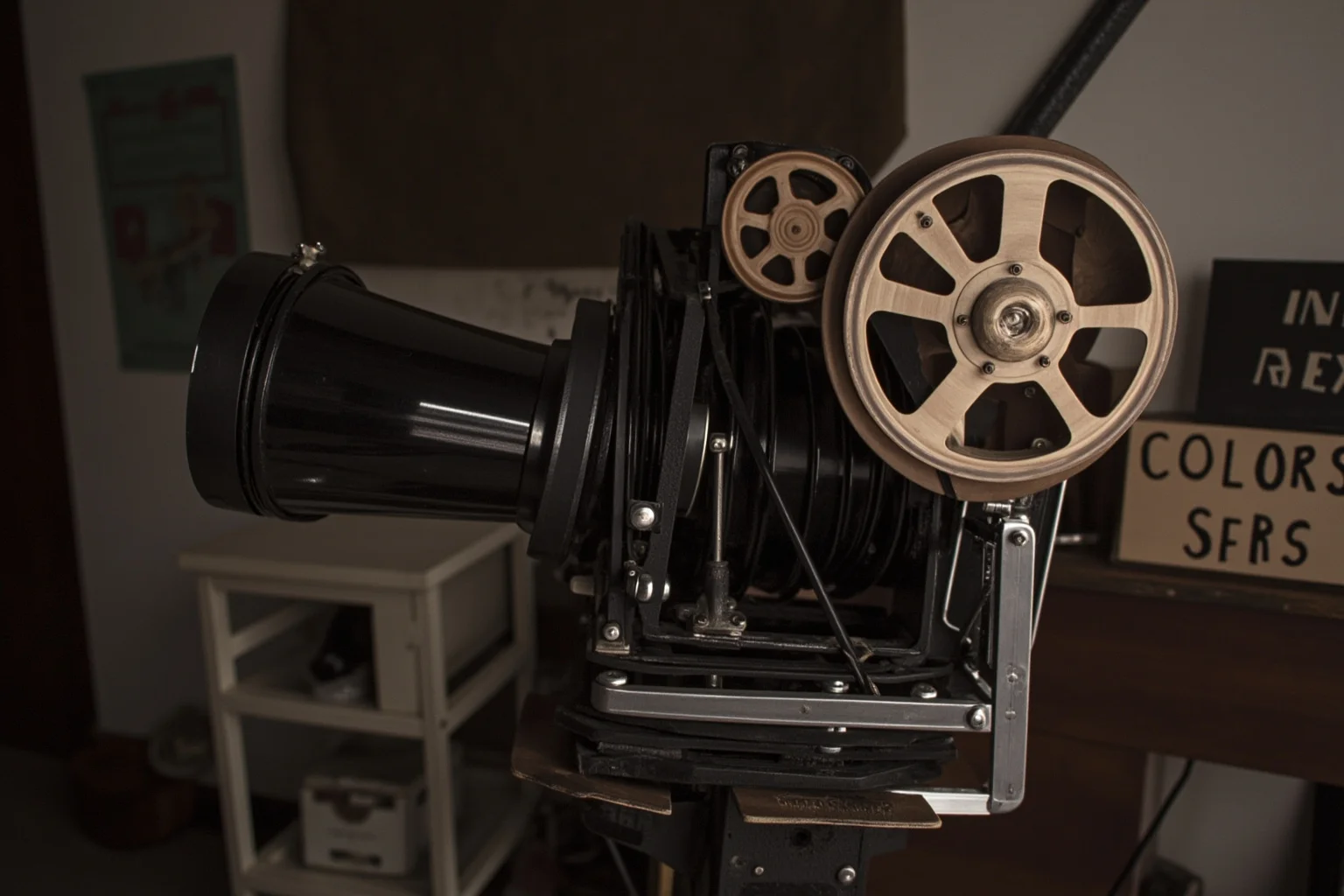
Edison’s name sits on the patent for the Kinetoscope, an early motion-picture viewing device from the early 1890s. The actual engineering work, though, was largely done by William Kennedy Laurie Dickson, an employee at Edison’s West Orange laboratory.
Dickson spent years experimenting with celluloid film strips and camera mechanisms while Edison focused on business strategy and other projects. Edison’s lab operated like a factory of ideas, and as the boss, he got his name on the output regardless of who did the hands-on work.
5. Guglielmo Marconi and the Contested Birth of Radio
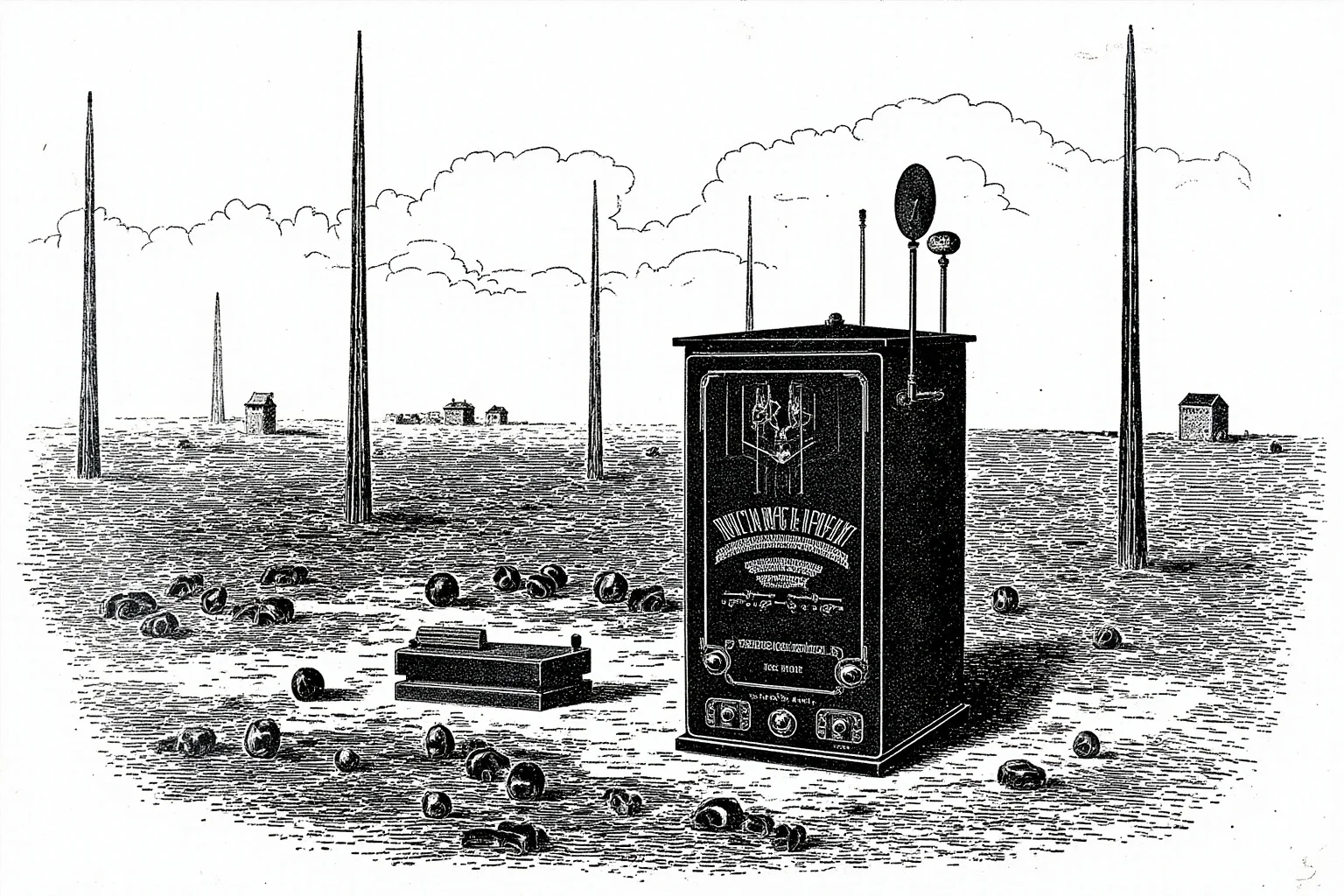
Guglielmo Marconi is widely remembered as the father of radio, and he did achieve the first transatlantic wireless transmission in 1901. But Tesla had patented key radio technology years earlier, and in 1943 the U.S. Supreme Court actually ruled that several of Marconi’s patents were invalid because they relied on Tesla’s prior work.
The ruling came just months after Tesla’s death, meaning he never lived to see the vindication. It’s one of the clearest legal answers to who took credit for Nikola Tesla’s inventions, even if it arrived decades too late to matter to Tesla personally.
6. Edwin Armstrong, FM Radio, and the Corporate Giant RCA
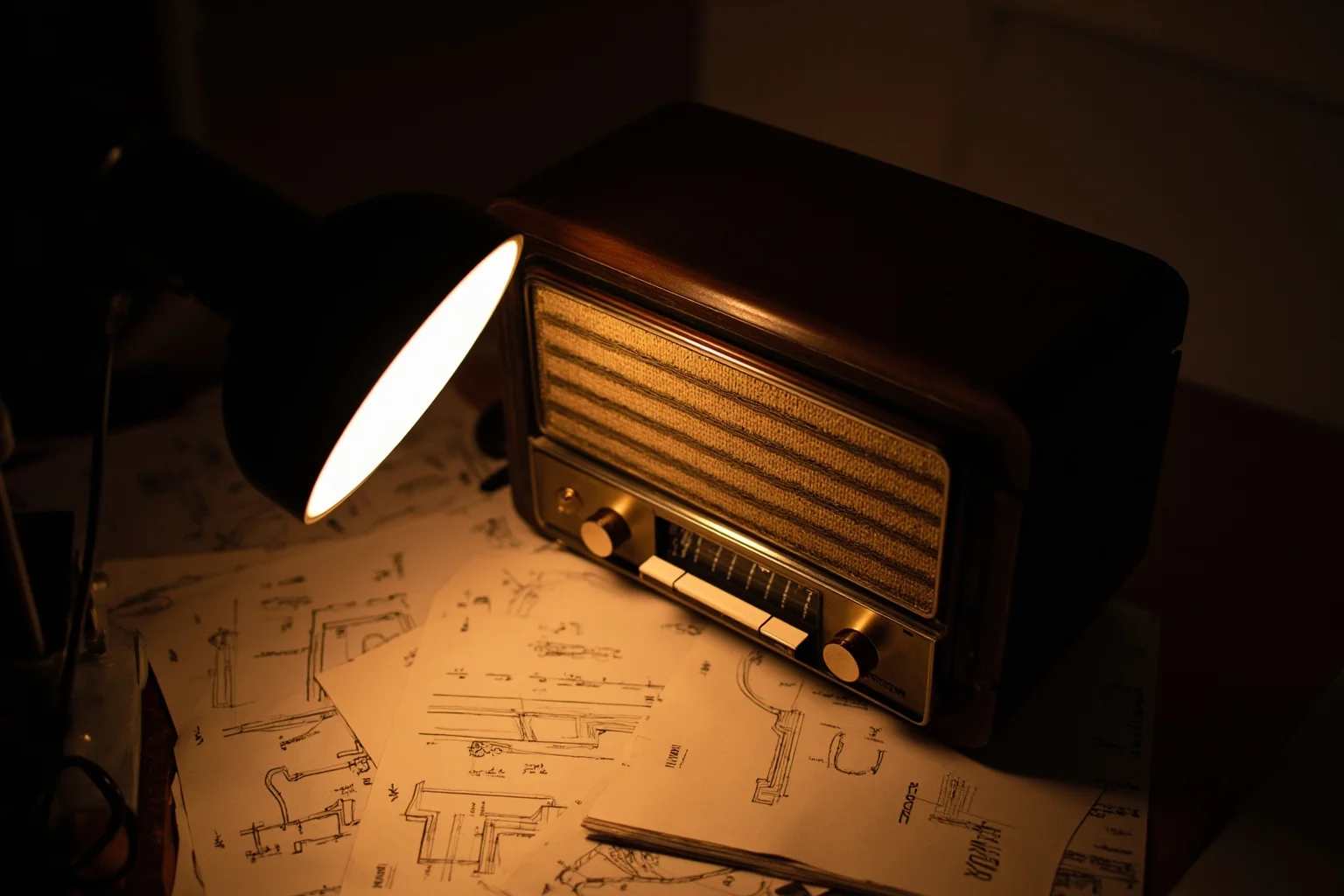
Edwin Armstrong invented FM radio in the early 1930s, a genuine leap forward in sound clarity over the static-prone AM signal. RCA, the dominant broadcasting company of the era, initially backed his work and then allegedly worked to suppress it once FM threatened their existing AM radio investments.
Armstrong spent his final years and much of his fortune fighting patent battles against RCA and other companies using his technology without fair compensation. He died in 1954, and only after his death did courts largely side with his estate, another case of a real inventor losing the credit-and-cash battle during his own lifetime.
7. James Watt and the Steam Engine He Improved, Not Invented
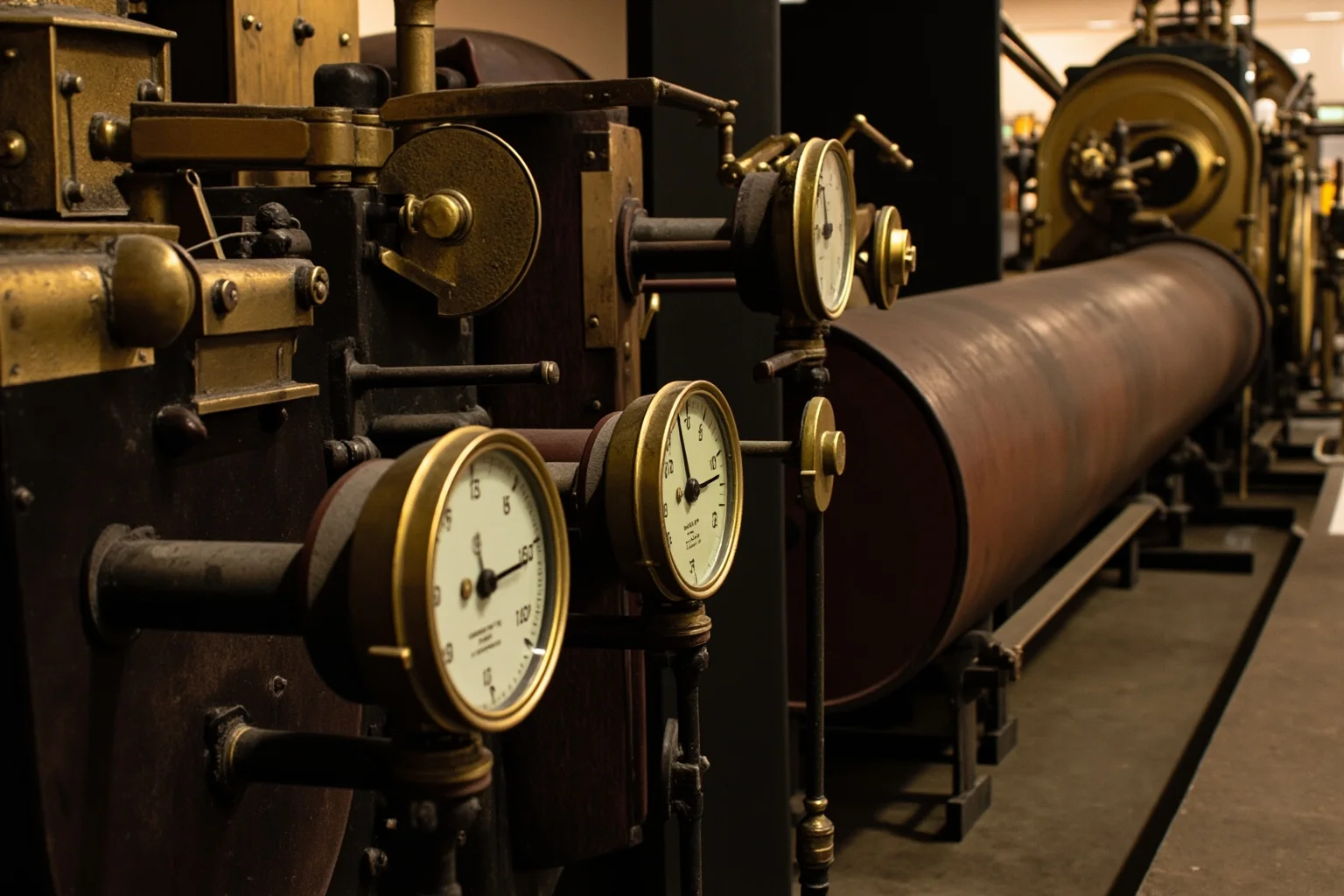
James Watt is often called the inventor of the steam engine, but that title really belongs to Thomas Newcomen, whose engine had already been pumping water out of mines since 1712. Watt’s genius was adding a separate condenser in the 1760s, which massively improved fuel efficiency.
Watt’s version was so much better that it eclipsed Newcomen’s name almost entirely in popular memory. It’s a classic case of a refiner becoming more famous than the original creator.
8. Isaac Newton, Gottfried Leibniz, and the Calculus Feud
Long before patents and light bulbs, Isaac Newton and German mathematician Gottfried Leibniz were locked in a bitter dispute over who invented calculus first. Both men developed similar mathematical systems independently in the late 1600s, and the Royal Society, which Newton himself led, controversially ruled in Newton’s favor in 1712.
Modern historians generally agree the two arrived at their conclusions separately, using different notation systems. Leibniz’s notation is actually the one still taught in classrooms today, a quiet historical irony.
9. Charles Goodyear, Thomas Hancock, and the Rubber Race
Charles Goodyear is remembered as the inventor of vulcanized rubber, the process that makes rubber durable and useful. British inventor Thomas Hancock, however, patented a nearly identical process in England just weeks before Goodyear secured his own patent there.
Goodyear had been experimenting with the process for years and likely developed it independently, but the timing controversy dogged both men. Goodyear ultimately died in debt, while his name lives on thanks to a tire company founded decades after his death that simply borrowed his legacy.
10. Samuel Morse, Joseph Henry, and the Telegraph’s True Origins
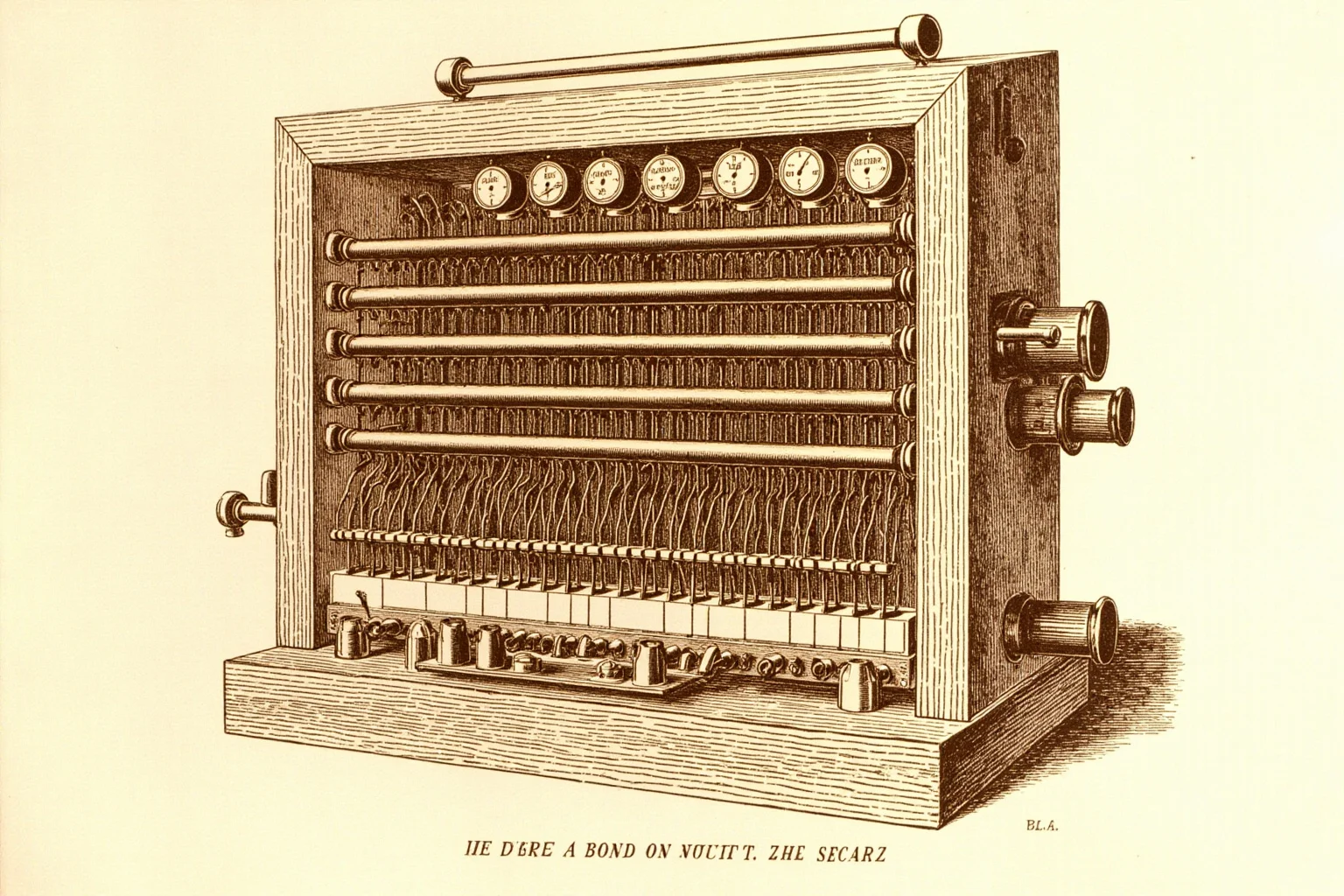
Samuel Morse gets credit for the telegraph and the code that bears his name, but much of the underlying electromagnetic science came from physicist Joseph Henry. Henry had demonstrated long-distance electrical signaling years before Morse patented his device, and he even gave Morse technical advice.
Morse later downplayed Henry’s contributions in public statements, sparking a lasting rivalry between the two men. Henry went on to become the first secretary of the Smithsonian Institution, a legacy that history books rarely connect back to the telegraph.
11. Henry Ford and the Assembly Line Myth

Henry Ford is often credited with inventing the assembly line, but moving production lines already existed in industries like meatpacking and flour milling before Ford’s Highland Park plant opened in 1913. Ford’s real contribution was applying the concept at massive scale to automobile manufacturing.
His engineers, including figures like William Klann and Charles Sorensen, deserve significant credit for adapting the idea into car production. Ford was a brilliant organizer and businessman, but the assembly line itself wasn’t his invention so much as his masterstroke of scaling.
12. The Wright Brothers and the Forgotten Flight Pioneers

Orville and Wilbur Wright are credited with the first powered, controlled flight in 1903, and that achievement is well documented and largely undisputed. Still, other inventors like Gustave Whitehead and Richard Pearse have their own smaller camps of supporters who claim earlier, less-verified flights.
Most aviation historians remain unconvinced by these rival claims due to weak documentation. The Wright brothers’ meticulous record-keeping is a big reason their achievement is the one that stuck in history.
13. Karl Benz and the Automobile That Wasn’t Entirely His
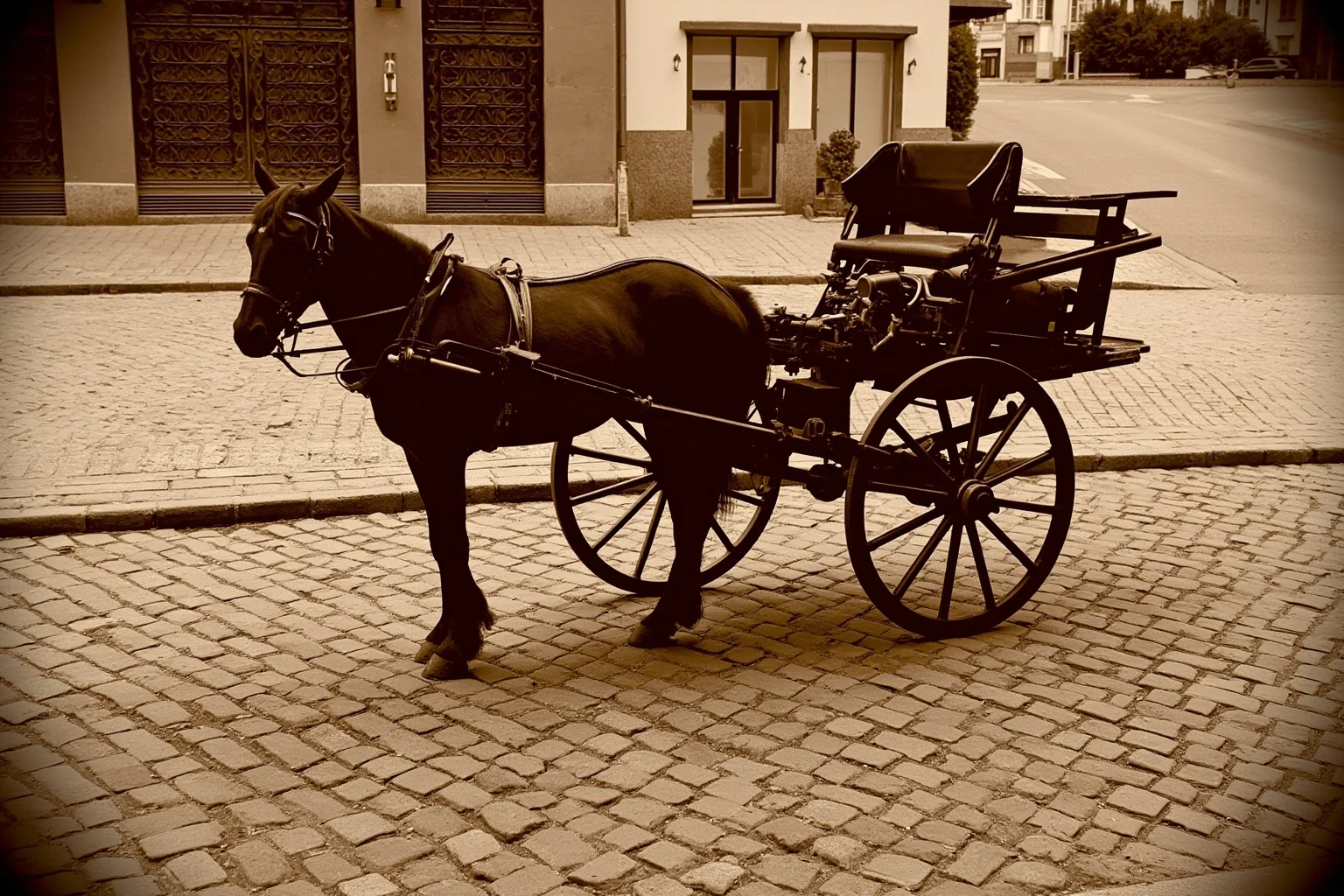
Karl Benz patented his Motorwagen in 1886 and is frequently called the inventor of the automobile. Earlier steam-powered vehicles, though, including Nicolas-Joseph Cugnot’s 1769 steam car, had already demonstrated self-propelled transport nearly a century earlier.
Benz’s real breakthrough was pairing a practical internal combustion engine with a purpose-built vehicle chassis. It’s less theft than evolution, but it’s another reminder that “first” is a slippery word in invention history.
14. Nikola Tesla’s X-Ray Work Overshadowed by Röntgen
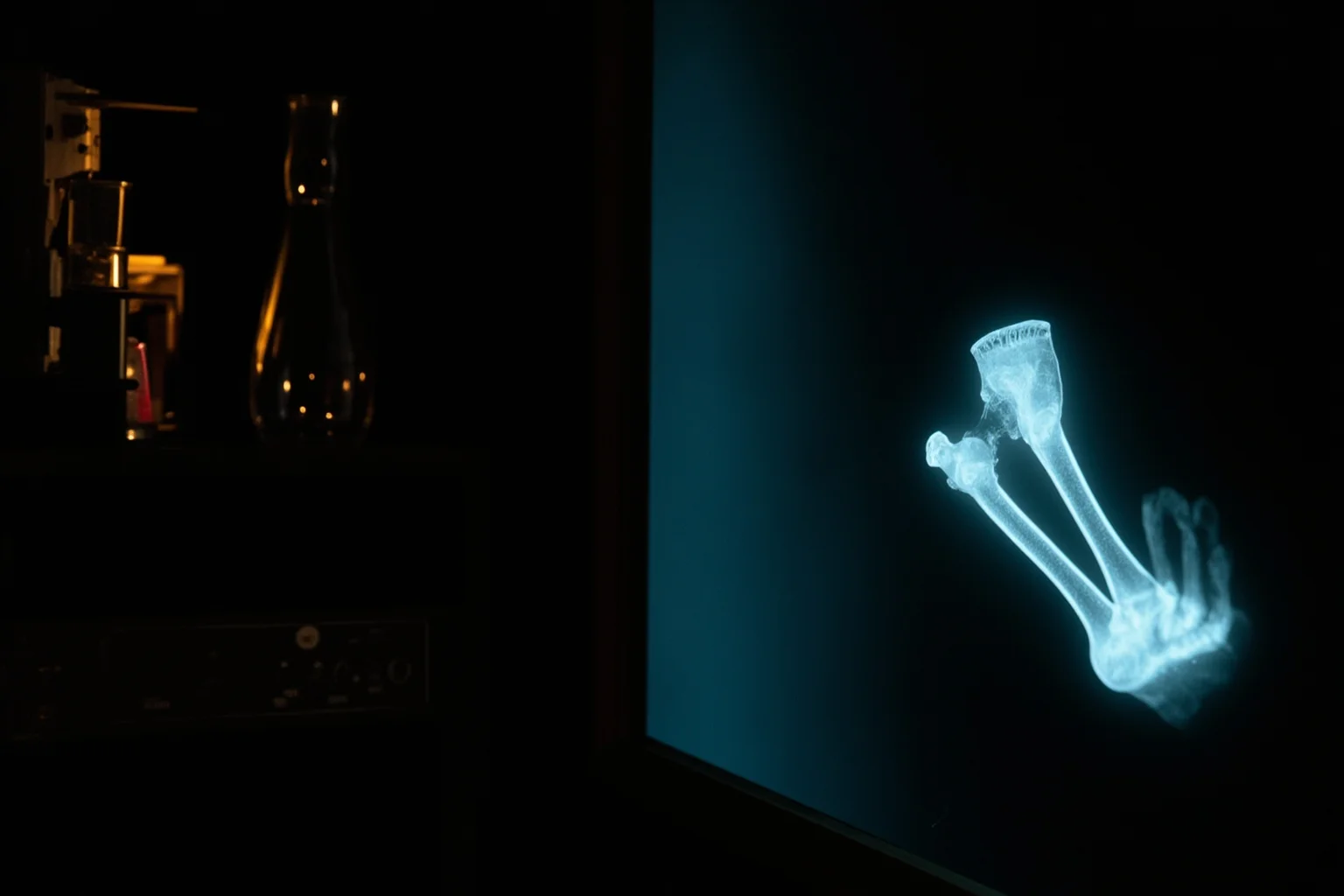
Tesla experimented with what he called “shadowgraphs” using early X-ray-like equipment around the same time Wilhelm Röntgen made his famous 1895 discovery of X-rays in Germany. A lab fire destroyed much of Tesla’s early research notes, which likely cost him any chance at shared recognition.
Röntgen published first and rigorously, earning the first Nobel Prize in Physics in 1901 for the discovery. Tesla’s parallel work is a footnote today, mostly known to dedicated Tesla historians.
15. Edison’s Kinetoscope vs. the Lumière Brothers’ Cinématographe
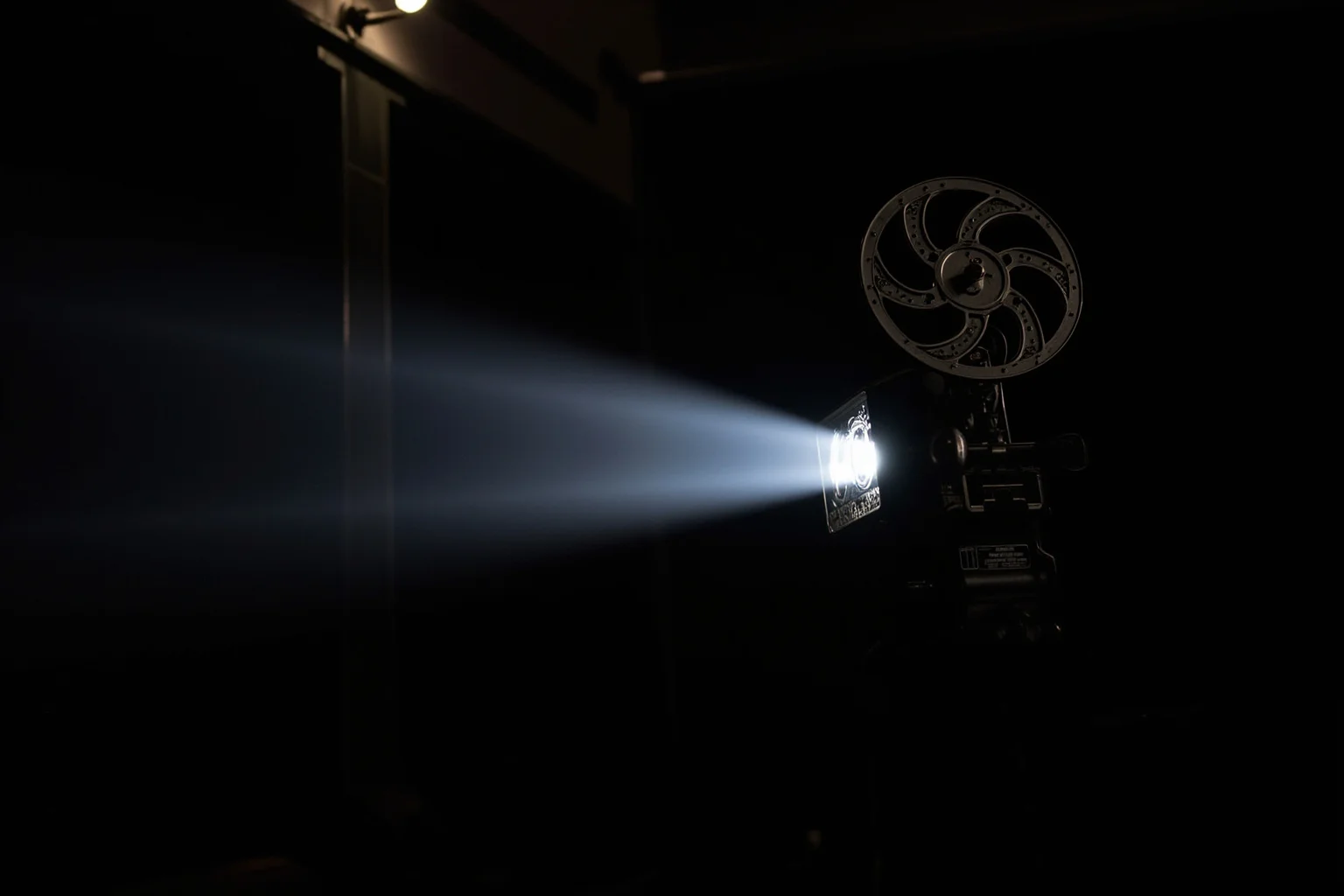
While Edison’s lab produced the Kinetoscope for individual viewing, French brothers Auguste and Louis Lumière developed a projector-based system that could show films to entire audiences at once in 1895. The Lumières’ approach is closer to what we recognize as cinema today.
Edison’s company scrambled to catch up, eventually adopting projection technology developed by other inventors, including Thomas Armat and C. Francis Jenkins. Edison then aggressively used patent lawsuits to try to dominate the fledgling film industry, which ironically pushed many filmmakers to relocate to a small California town called Hollywood.
16. Tesla’s Radio Patents and the Supreme Court’s Late Justice
Building on the earlier Marconi comparison, it’s worth noting how thoroughly Tesla’s radio contributions were buried during his own lifetime. Tesla filed foundational wireless transmission patents in the 1890s, well before Marconi’s more publicized demonstrations.
Despite the 1943 Supreme Court ruling restoring some of Tesla’s patent priority, popular history had already crowned Marconi as radio’s inventor decades earlier. This is one of the strongest documented answers to who stole Nikola Tesla’s work, even though the legal system eventually acknowledged the error.
17. Edison’s Talking Doll and the Uncredited Engineers Behind It
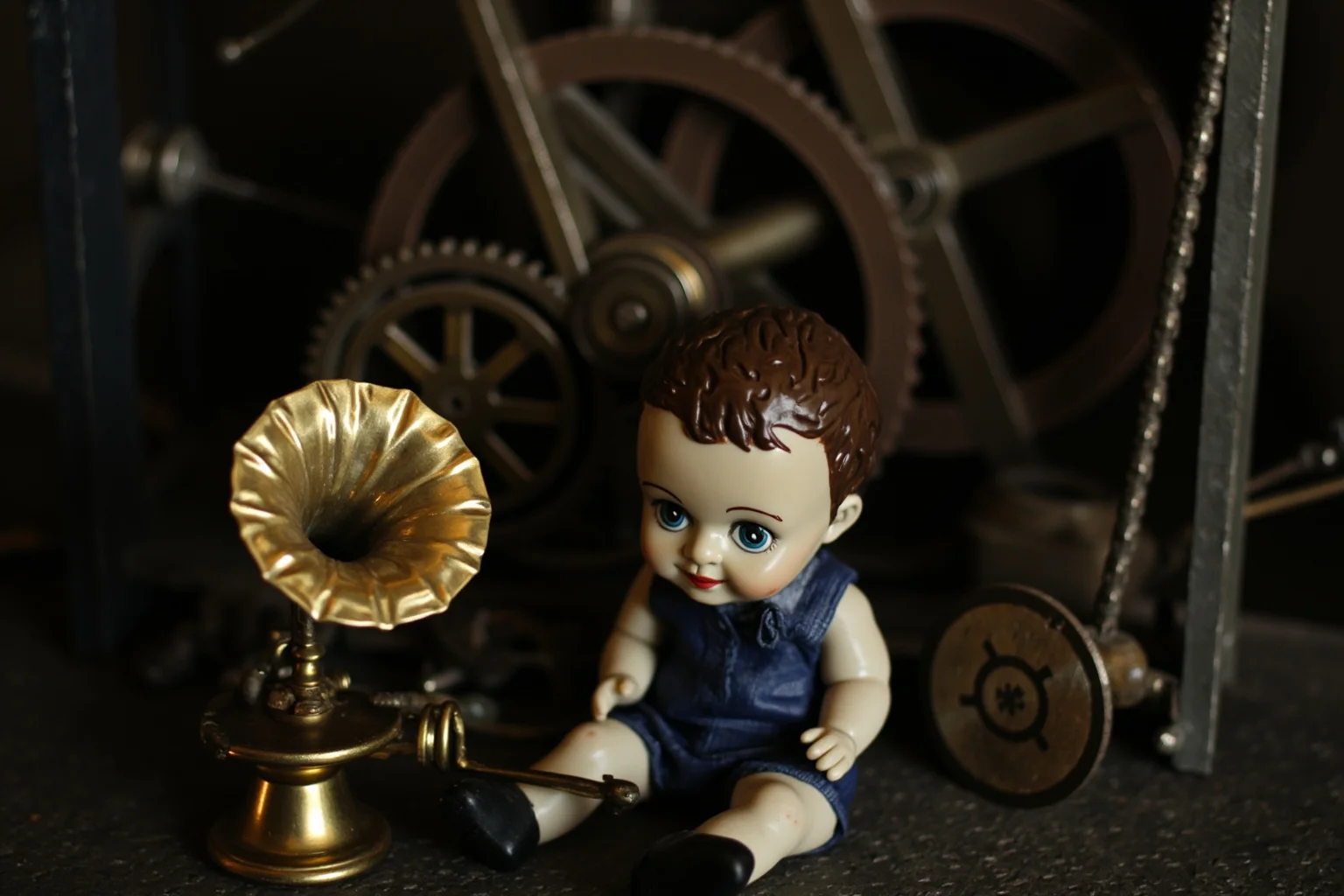
In 1890, Edison’s company released a talking doll with a tiny built-in phonograph, marketed heavily under his name. The miniaturized recording mechanism was largely engineered by staff at his lab, including contributions attributed to workers rarely named in the doll’s advertising.
The product itself was actually a commercial flop, with fragile recordings and a genuinely creepy voice that scared more children than it delighted. It’s a small but telling example of how the “Edison” brand got stamped on collective lab work regardless of the product’s success or who built it.
18. The Stock Ticker and Edison’s Borrowed Foundations
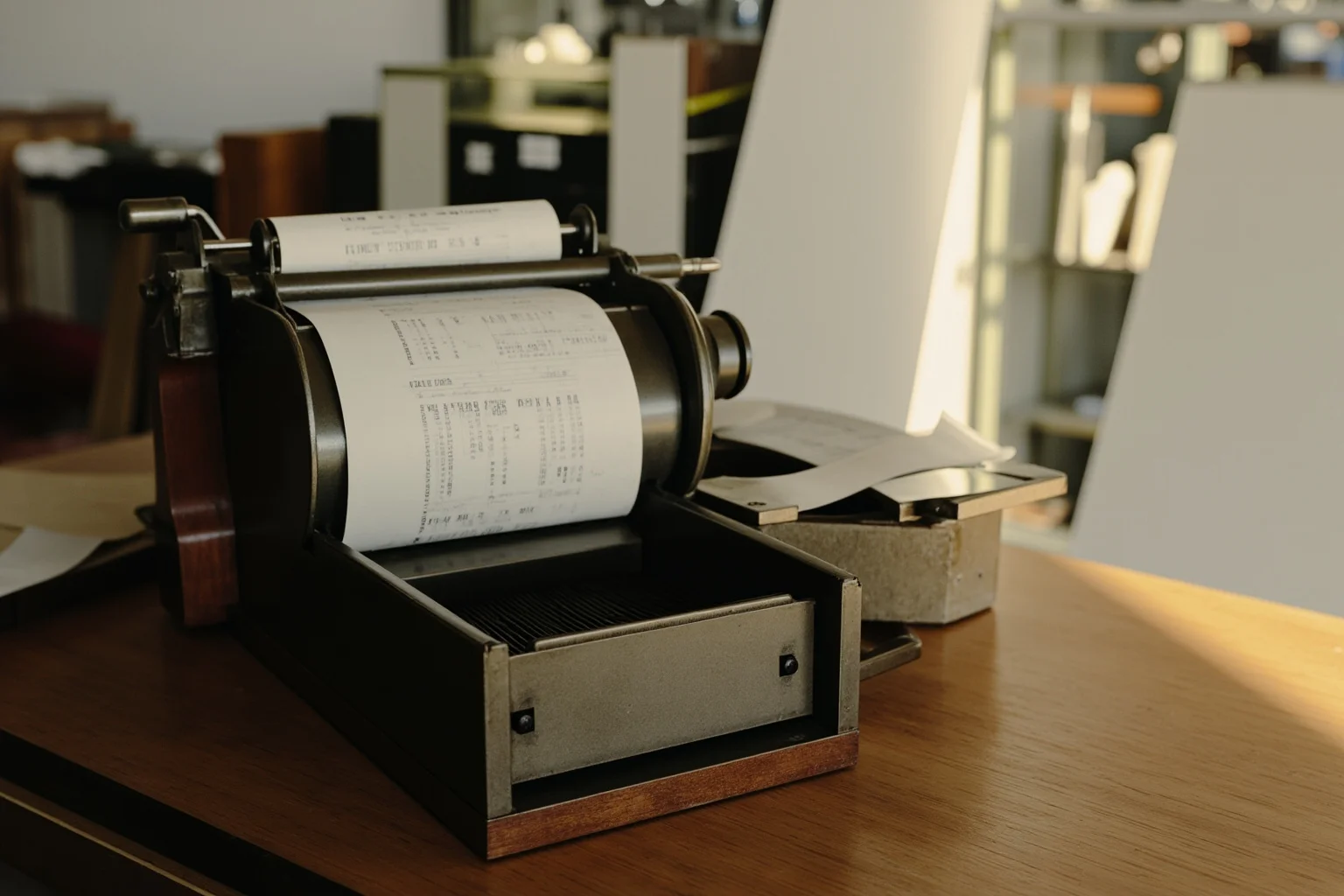
Edison made real money early in his career improving the stock ticker, a device originally developed by Edward Calahan in 1867. Edison’s refinements made the machines more reliable and efficient for Wall Street use.
This was one of Edison’s more legitimately transformative improvements, and it helped fund his later, more famous ventures. Still, the original ticker concept predates him, fitting the broader pattern of Edison as improver rather than originator.
19. Alexander Graham Bell’s Suspiciously Convenient Patent Timing
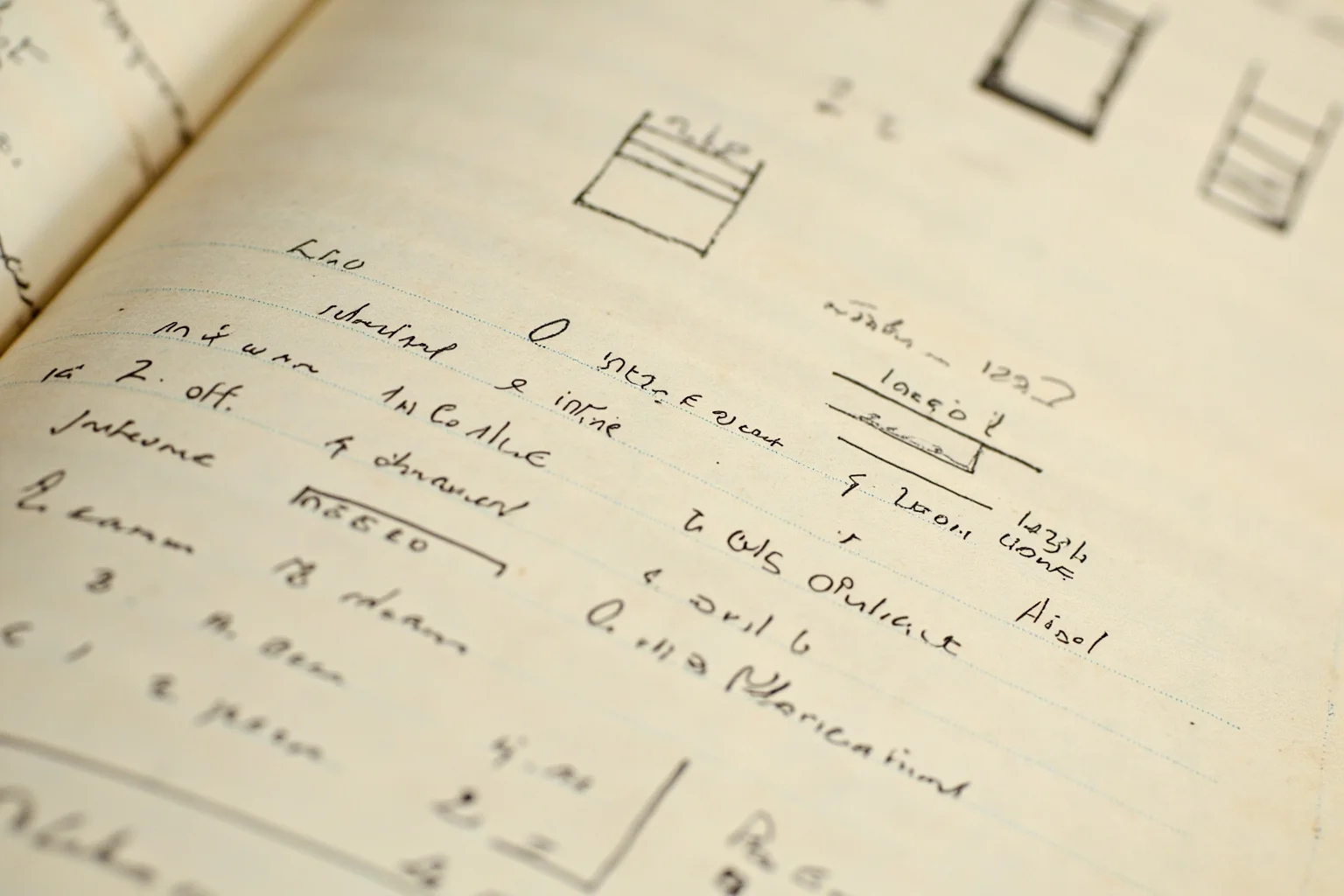
Revisiting the telephone dispute, historians have long puzzled over the exact timing of Bell’s 1876 patent filing relative to Elisha Gray’s competing caveat. Some researchers who examined Bell’s laboratory notebooks found notations suggesting he may have seen details of Gray’s design before finalizing his own application.
Bell’s defenders argue the similarities were coincidental, since both men were working from the same base of existing telegraph and acoustic research. The controversy has never been definitively resolved, and Bell’s patent remains the legally recognized one to this day.
20. Edison’s Legacy: Businessman First, Inventor Second
So was Thomas Edison a fraud? That’s probably too harsh a label for a man who held over a thousand patents and ran one of the most productive research labs in history. But did Thomas Edison actually invent anything entirely on his own?
The honest answer is complicated. Edison was less a lone genius than the head of an industrial idea factory, someone who understood how to identify promising technology, refine it, patent it aggressively, and market it better than anyone else alive at the time. That’s a genuine skill, just not quite the myth we were taught in school.
The Real Lesson Behind These Stories
None of this means these inventors were villains twirling mustaches in a lab, plotting to steal credit from innocent geniuses. Invention in the 19th and early 20th centuries was intensely competitive, poorly regulated by today’s patent standards, and often collaborative in ways that got erased once one name became more marketable than the others—a pattern that also explains why so many inventions by women were quietly written out of the record.
Edison, Bell, Marconi, and Ford were all brilliant in their own right, particularly in business, organization, and practical engineering, and it’s no surprise they remain among the most recognized historical figures of all time. The real genius they sometimes lacked credit for wasn’t always the initial spark of an idea, but they were undeniably gifted at building empires around other people’s sparks.
Understanding this doesn’t diminish the impact these inventions had on the modern world. It just means the credit deserves to be shared a little more honestly than the textbook version allows.
Frequently Asked Questions
Did Thomas Edison steal ideas?
Thomas Edison didn't typically steal ideas in a strictly illegal sense, but he frequently built his fame and patents on top of existing innovations from other inventors, including Joseph Swan's light bulb work and Nikola Tesla's early contributions at his lab. His real strength was refining, patenting, and commercializing other people's raw concepts more effectively than the original creators did.
Did Edison steal from Tesla?
Edison never directly stole a Tesla patent, but their relationship soured badly after Edison allegedly refused to pay Tesla a promised bonus for improving his DC generator designs. Edison later spent years publicly campaigning against Tesla's rival AC electrical system during the so-called War of Currents.
What did Edison steal from Tesla specifically?
There's no verified patent theft, but Edison is documented as having waged an aggressive smear campaign against Tesla's alternating current technology, including staged public electrocutions of animals to scare people away from AC power. Despite this, Tesla's AC system ultimately became the global standard for electrical grids.
Who did Thomas Edison steal the light bulb from?
Edison didn't invent the incandescent light bulb concept from scratch; earlier inventors like Humphry Davy, Warren de la Rue, and especially Joseph Swan had already created working versions decades or years before Edison's 1879 patent. Edison's major contribution was developing a more practical, long-lasting filament and the electrical distribution system needed to make bulbs useful in homes and businesses.
Did Edison actually invent anything?
Yes, Edison held over a thousand patents and made genuine original contributions, particularly with the phonograph, which is widely considered his most original invention. Many of his other famous credits, however, involved significant improvement and commercialization of technologies that other inventors had already begun developing.
Was Thomas Edison a fraud?
Calling Edison a fraud oversimplifies a complicated legacy; he ran a genuinely productive research lab and made real technical contributions of his own. The fairer criticism is that he was a shrewd businessman who aggressively patented and marketed the collective work of his lab staff and often overstated his personal role in inventions built on others' foundations.
Who took credit for Nikola Tesla’s inventions?
Several figures benefited from overshadowing Tesla's work, most notably Guglielmo Marconi, who is popularly credited as radio's inventor despite the U.S. Supreme Court ruling in 1943 that several of his key patents relied on Tesla's earlier work. Thomas Edison also indirectly diminished Tesla's public reputation through the bitter War of Currents rivalry.
Who stole Nikola Tesla’s work?
No single person definitively stole Tesla's work in a legal sense, but Marconi's radio patents were later invalidated by the Supreme Court for relying on Tesla's earlier wireless transmission research. Tesla also lost recognition in areas like X-ray research after a lab fire destroyed key documentation of his early experiments.

Alex Warren
Related Articles