

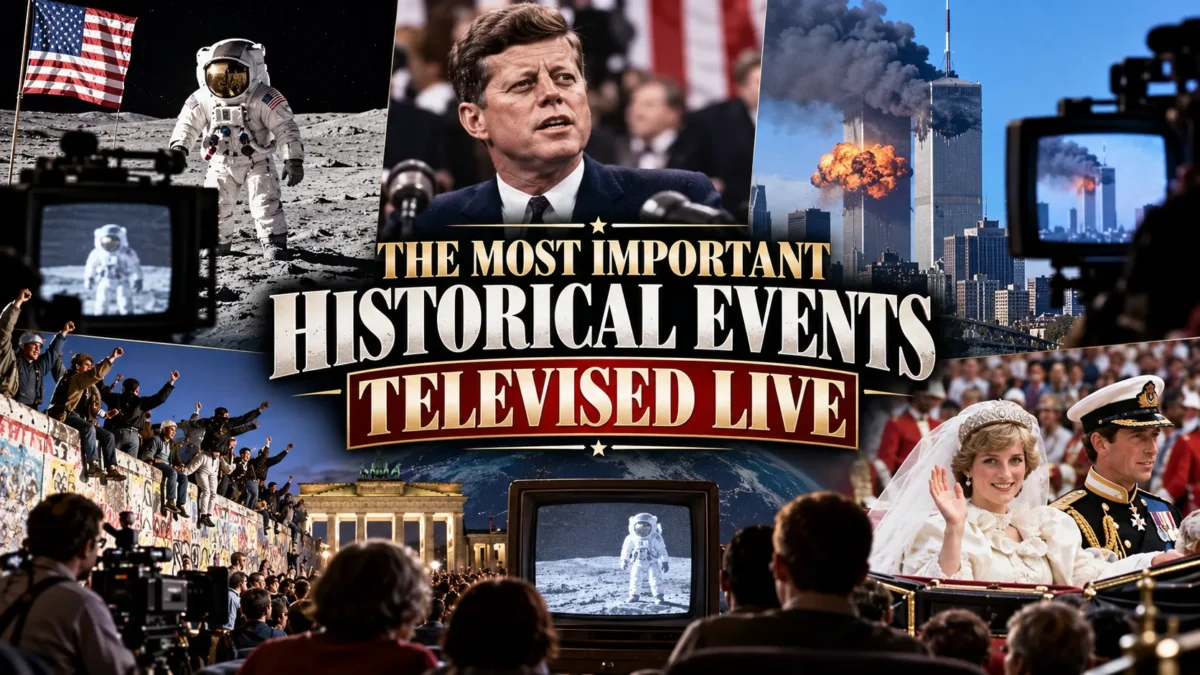
Before smartphones and streaming, a single broadcast could stop the world in its tracks. Families crowded around a single television set, offices shut down, and strangers in different countries found themselves watching the exact same images at the exact same moment.
That shared experience — millions of people witnessing history unfold in real time — is one of the most powerful things television has ever done.
But here’s where a lot of myth creeps in. You’ll often see bold claims like “watched by 2 billion people” or “the greatest event in television history” attached to old broadcasts, and many of those numbers were never actually measured — they’re estimates, sometimes decades-old guesses that got repeated so often they became treated as fact.
This list walks through the broadcasts that genuinely reshaped how the world experienced history, while being honest about which viewership claims hold up and which ones don’t.
TL;DR: From the 1969 Moon Landing to Queen Elizabeth II’s 2022 funeral, live television repeatedly turned a scattered global audience into one shared witness to history — though most “most-watched” claims are estimates, not verified measurements.
Why “Most-Watched” Is Harder to Prove Than You’d Think
Modern TV ratings come from services like Nielsen in the US or BARB in the UK, which use sample audiences and statistical modeling to estimate viewership fairly reliably.
That system works reasonably well for national broadcasts today, but it did not exist in any global, standardized form for most of the 20th century.
Numbers like “600 million watched the Moon Landing” or “2.5 billion watched Princess Diana’s funeral” were largely journalistic estimates based on population reach and set ownership, not verified counts.
That doesn’t mean these events weren’t massive — they clearly were. It just means we should treat historic viewership figures as rough estimates rather than hard data, especially anything from before satellite broadcasting became widespread in the 1980s and 90s. With that caveat in mind, here are the broadcasts that most changed what it meant to watch history happen.
1. The Coronation of Queen Elizabeth II (1953)
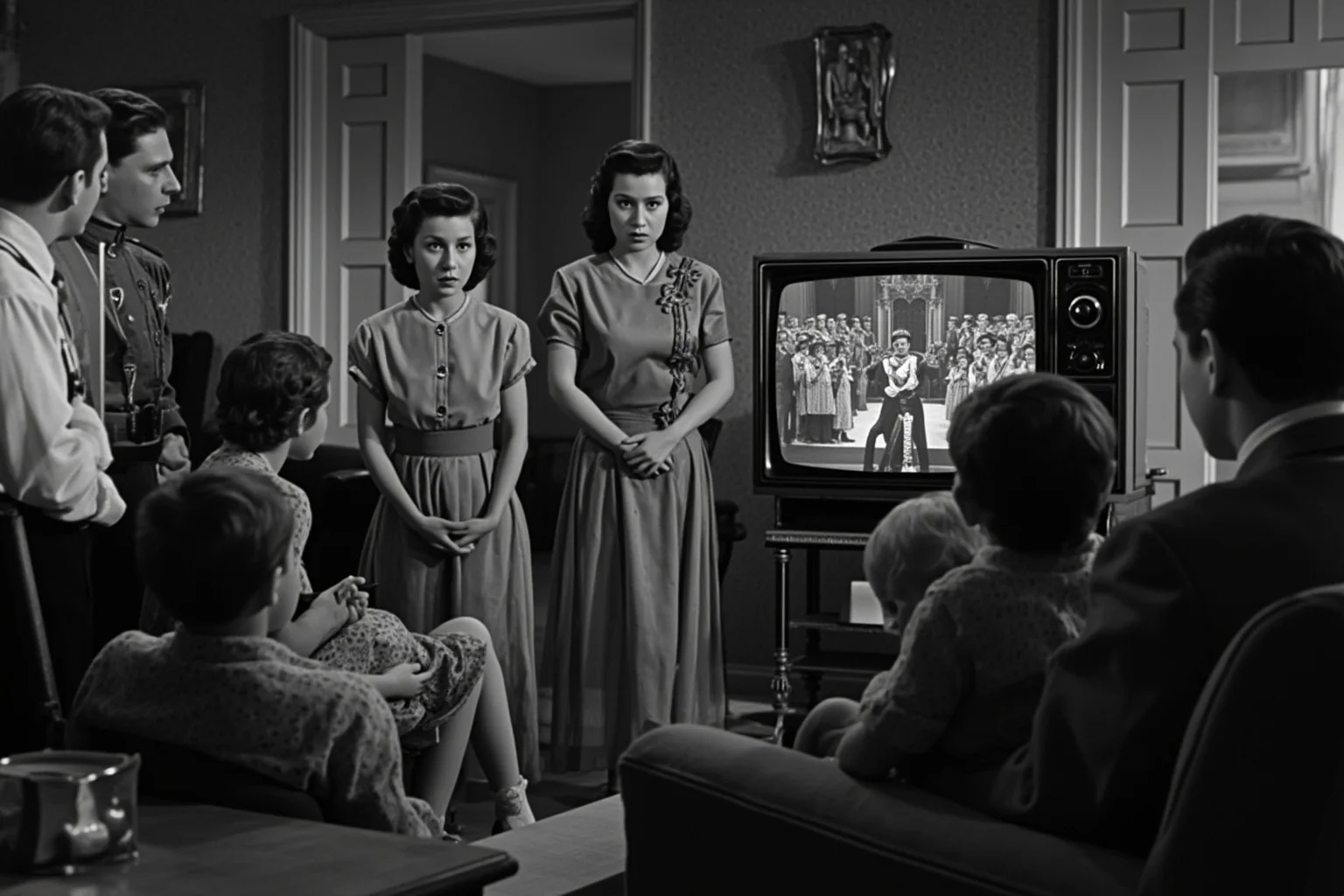
On June 2, 1953, the BBC televised a British coronation for the first time, after considerable debate within the royal household about whether cameras belonged inside Westminster Abbey. An estimated 20 million people in Britain watched, many on borrowed or rented sets, since television ownership was still far from universal.
Film of the ceremony was flown across the Atlantic so American audiences could see it within hours, an early example of broadcasters racing to get history to viewers as fast as technology allowed. It’s often cited as the moment that convinced the British public television was worth owning.
2. The Kennedy Assassination Weekend (1963)
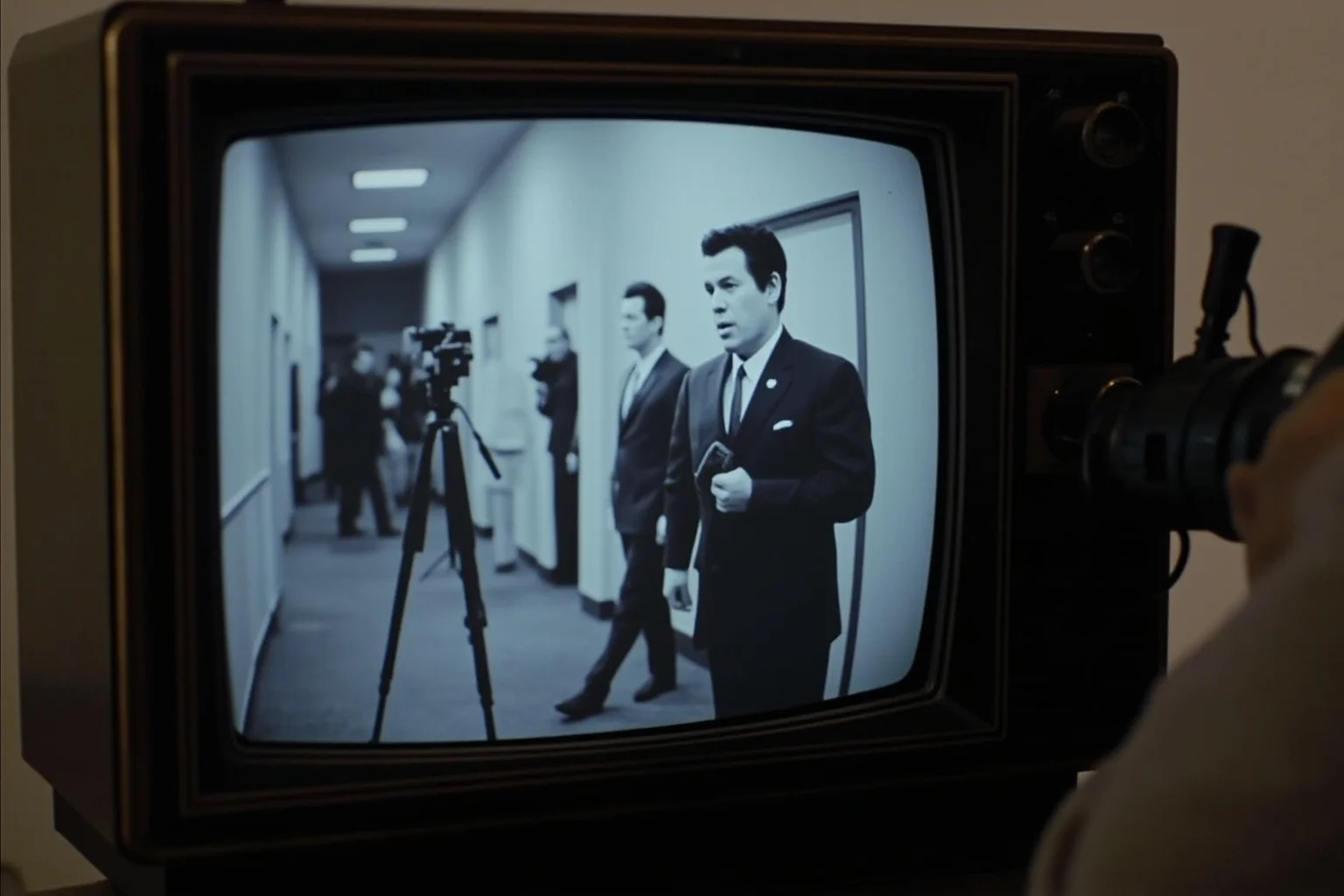
President John F. Kennedy was shot in Dallas on November 22, 1963, an event that remains one of the biggest events in American history, and Walter Cronkite’s visibly emotional announcement of his death on CBS became one of the defining images of American broadcast news. Two days later, on live television, nightclub owner Jack Ruby shot Kennedy’s accused assassin, Lee Harvey Oswald, as he was being transferred between jails.
That shooting is widely regarded as the first killing ever broadcast live on American television. The following days of continuous coverage, including Kennedy’s state funeral, kept much of the country in front of their sets for an unprecedented stretch.
3. Apollo 11: The Moon Landing (1969)
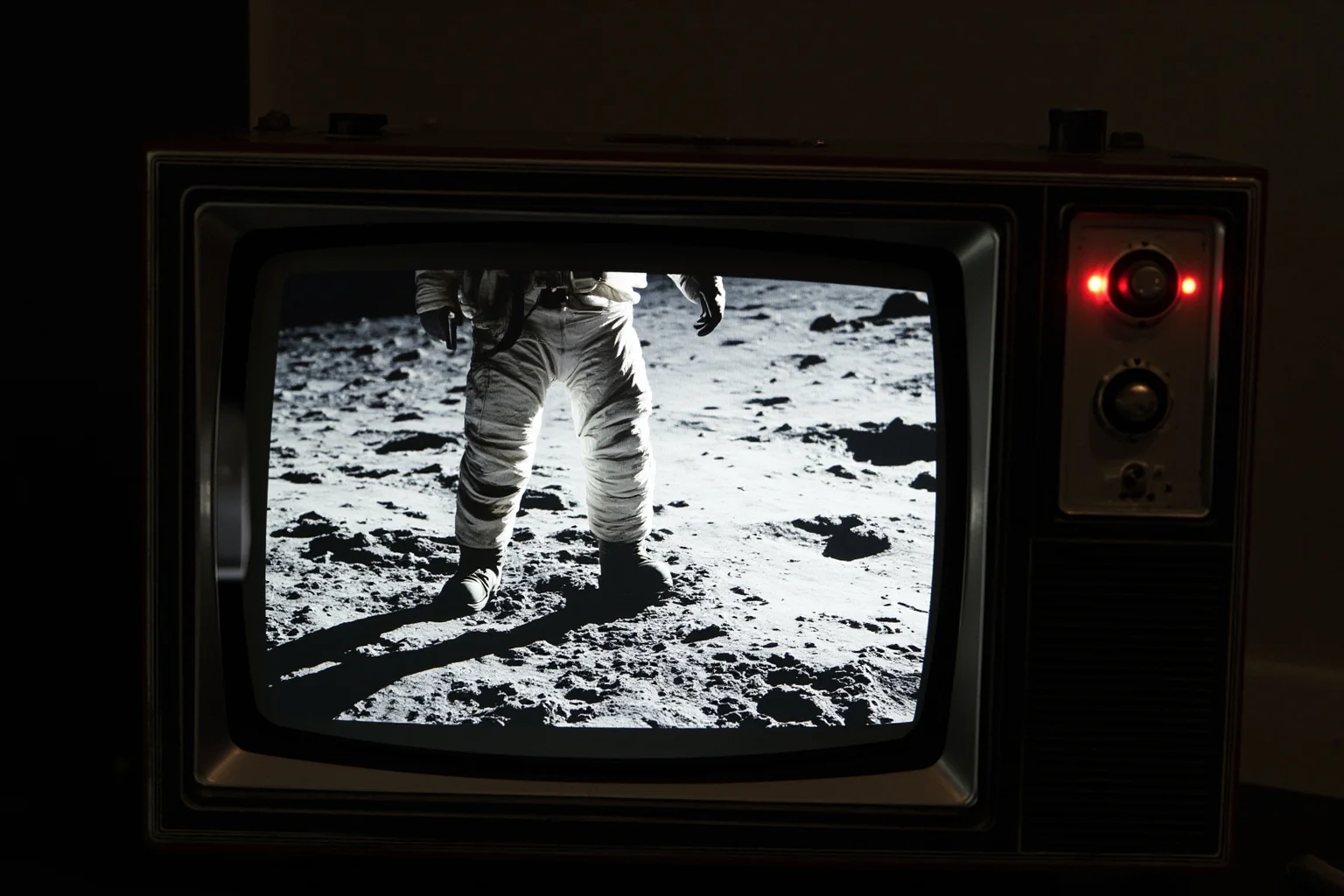
On July 20, 1969, Neil Armstrong’s first steps onto the lunar surface were broadcast live via a black-and-white camera mounted on the lunar module. This is the broadcast most frequently cited when people talk about “the greatest event in television history,” and it’s a reasonable claim given the scale of human achievement involved.
Estimates of the global audience commonly cite figures around 600 million people, though as with other pre-satellite-era events, that number is a widely repeated estimate rather than a verified count. What’s not in dispute is the scale of the broadcast infrastructure NASA and the networks built just to make it possible.
4. The Munich Olympics Hostage Crisis (1972)
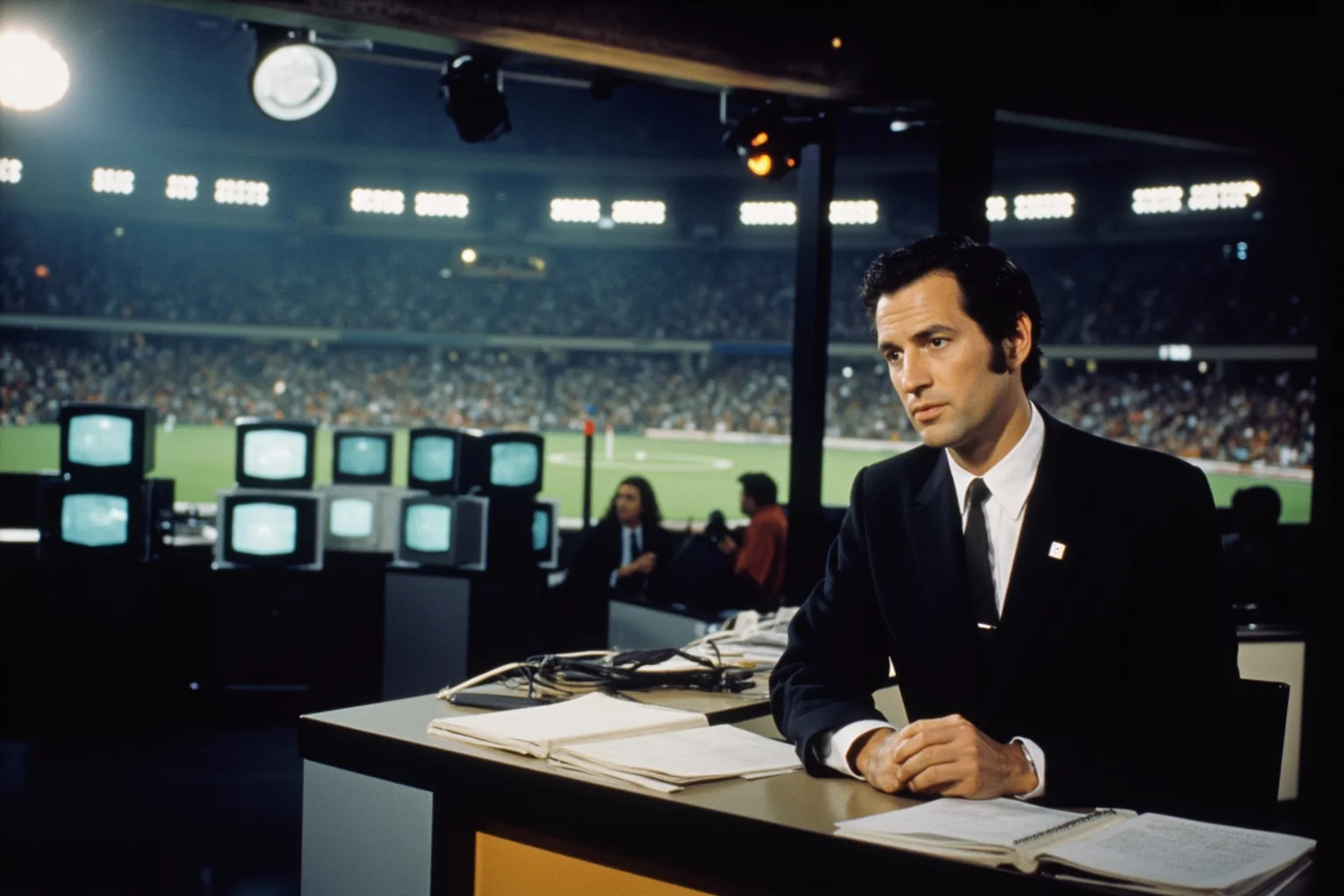
During the 1972 Munich Olympics, members of the Palestinian militant group Black September took Israeli athletes and coaches hostage, and ABC Sports anchor Jim McKay ended up anchoring nearly 16 hours of continuous live coverage. The crisis ended violently, with the deaths of 11 Israeli hostages, a German police officer, and five of the captors — a tragedy now counted among the worst man-made disasters in history.
It marked one of the first times a terrorist crisis played out live on international television, forcing broadcasters and the public to confront real-time violence in a way sports coverage never had before. The event permanently changed how the Olympics approached security.
5. The Watergate Hearings (1973)
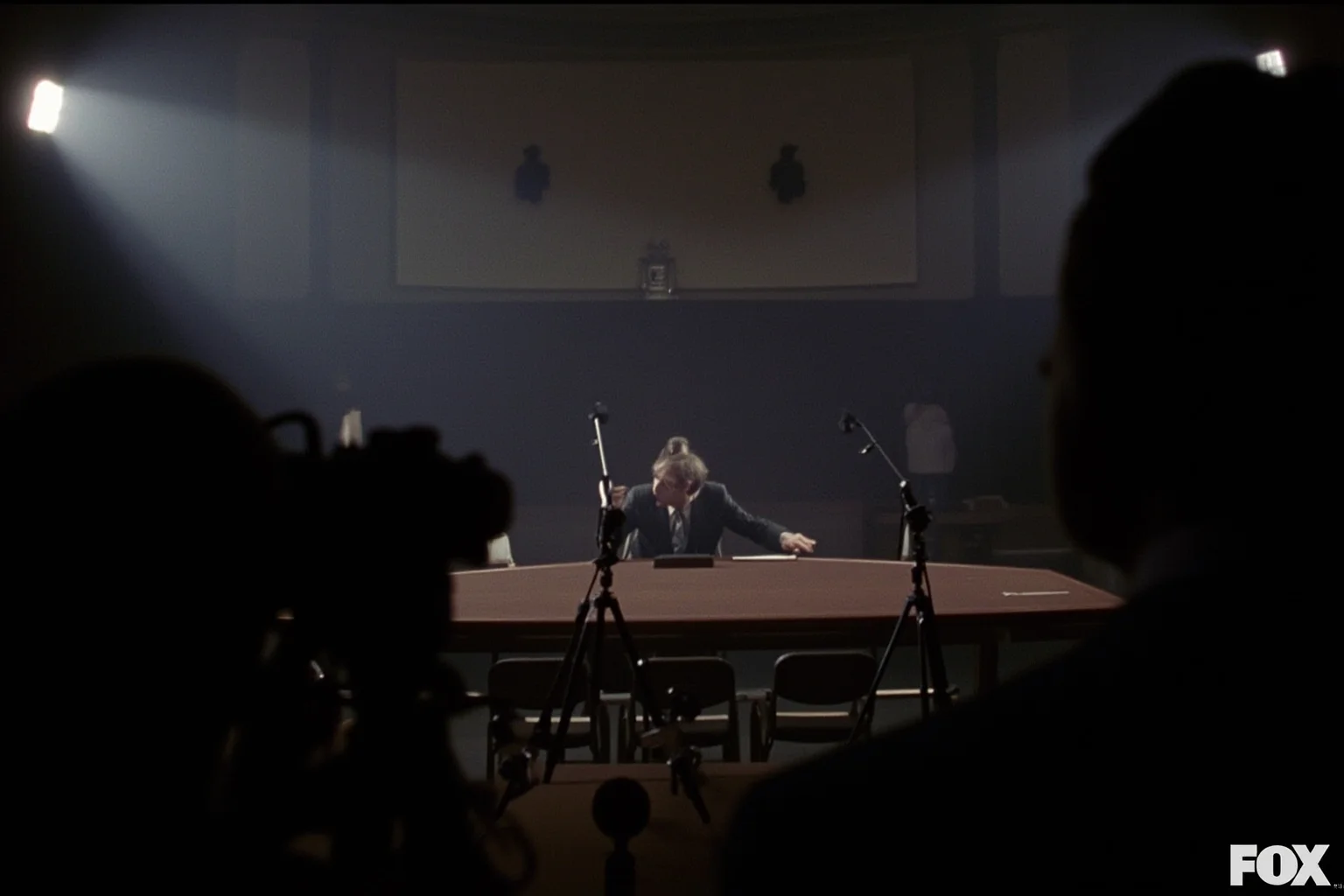
The Senate Watergate Committee hearings were broadcast gavel-to-gavel by the major US networks throughout much of 1973, an extraordinary commitment of airtime for a congressional proceeding. Testimony from figures like White House counsel John Dean drew large daytime audiences and kept the scandal in constant public view.
The hearings are a good example of how sustained, unglamorous live coverage — not just a single dramatic moment — can shape a nation’s political trajectory. They laid the groundwork for the presidential resignation that followed a year later.
6. Nixon’s Resignation (1974)
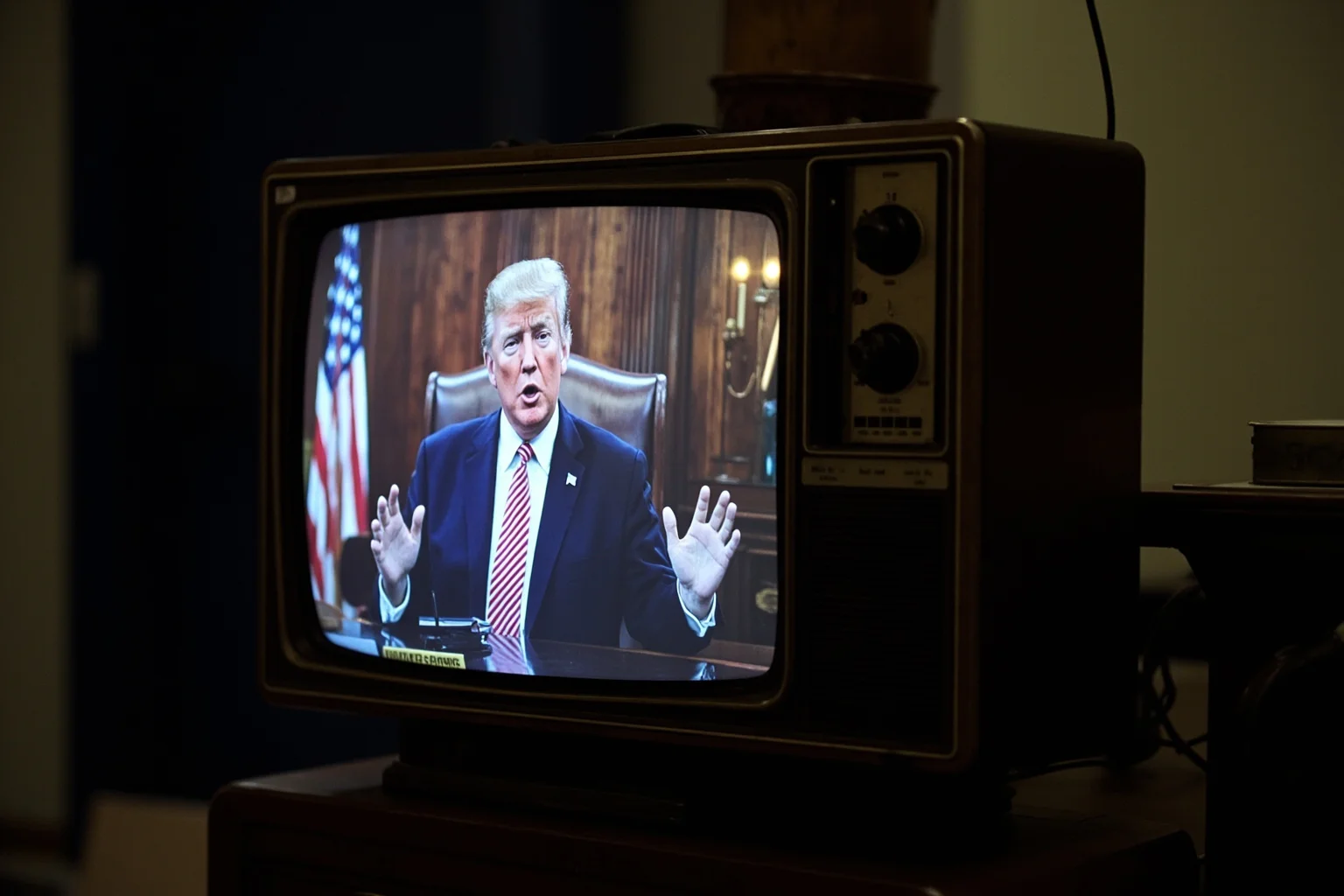
On August 8, 1974, President Richard Nixon addressed the nation live from the Oval Office to announce his resignation, becoming the first US president to leave office this way. Tens of millions of Americans tuned in, making it one of the most-watched political broadcasts of its decade.
The speech itself was carefully measured, and the more dramatic image many people remember — his departure by helicopter the next morning — was also broadcast live. Together, the two moments closed out the Watergate saga in the same medium that had helped expose it.
7. The Fall of Saigon (1975)
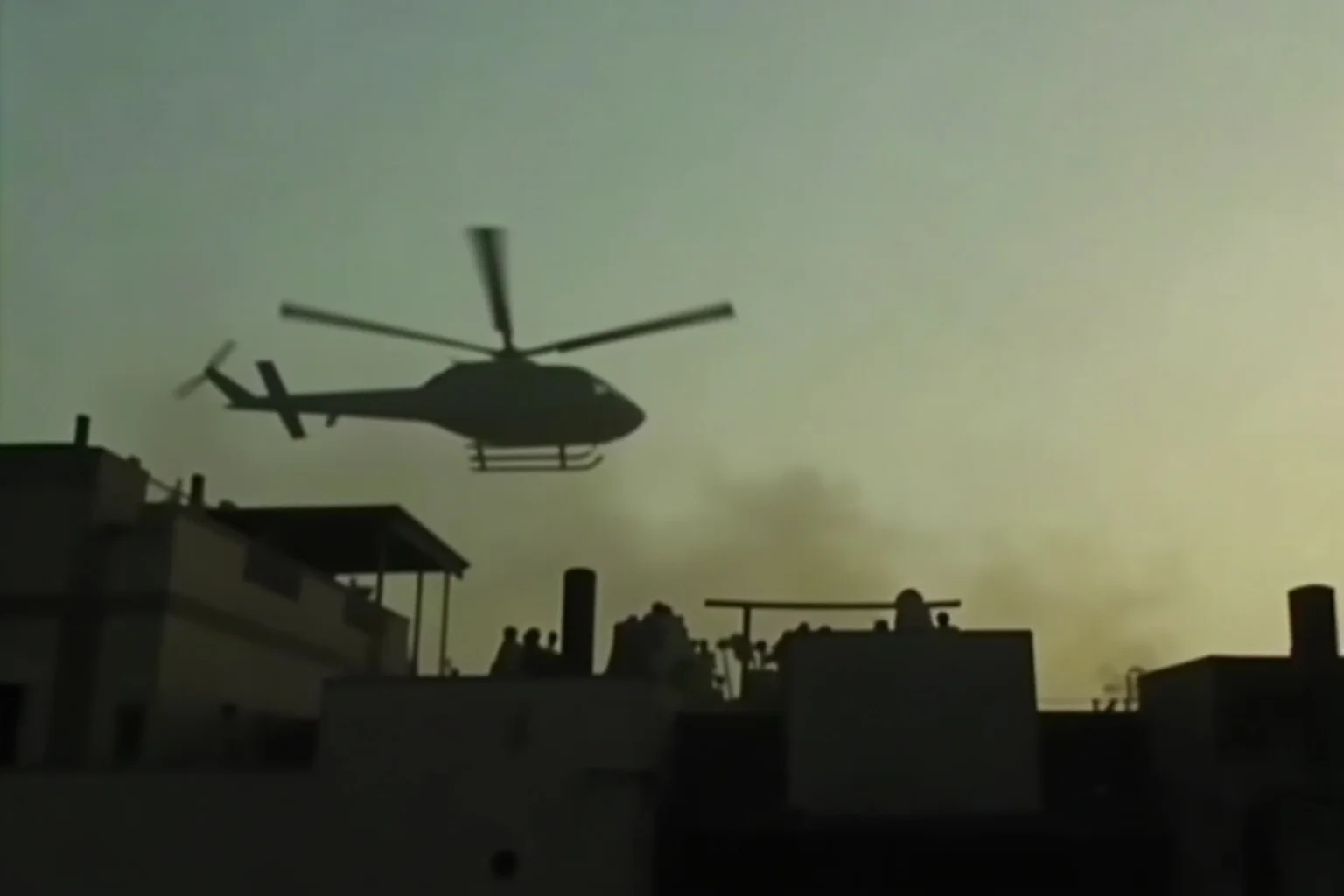
The fall of Saigon on April 30, 1975, marking the end of the Vietnam War, is often remembered through iconic footage of helicopters evacuating people from rooftops. It’s worth noting this wasn’t broadcast live in the instant, moon-landing sense — satellite and logistical limits in Vietnam meant much of the footage reached American screens with a delay of hours or days.
Even so, the sustained television coverage of the war’s final collapse profoundly shaped American public memory of the conflict. It remains one of the clearest examples of how television, even without true real-time transmission, can still define how a historical event is remembered.
8. The Royal Wedding of Charles and Diana (1981)
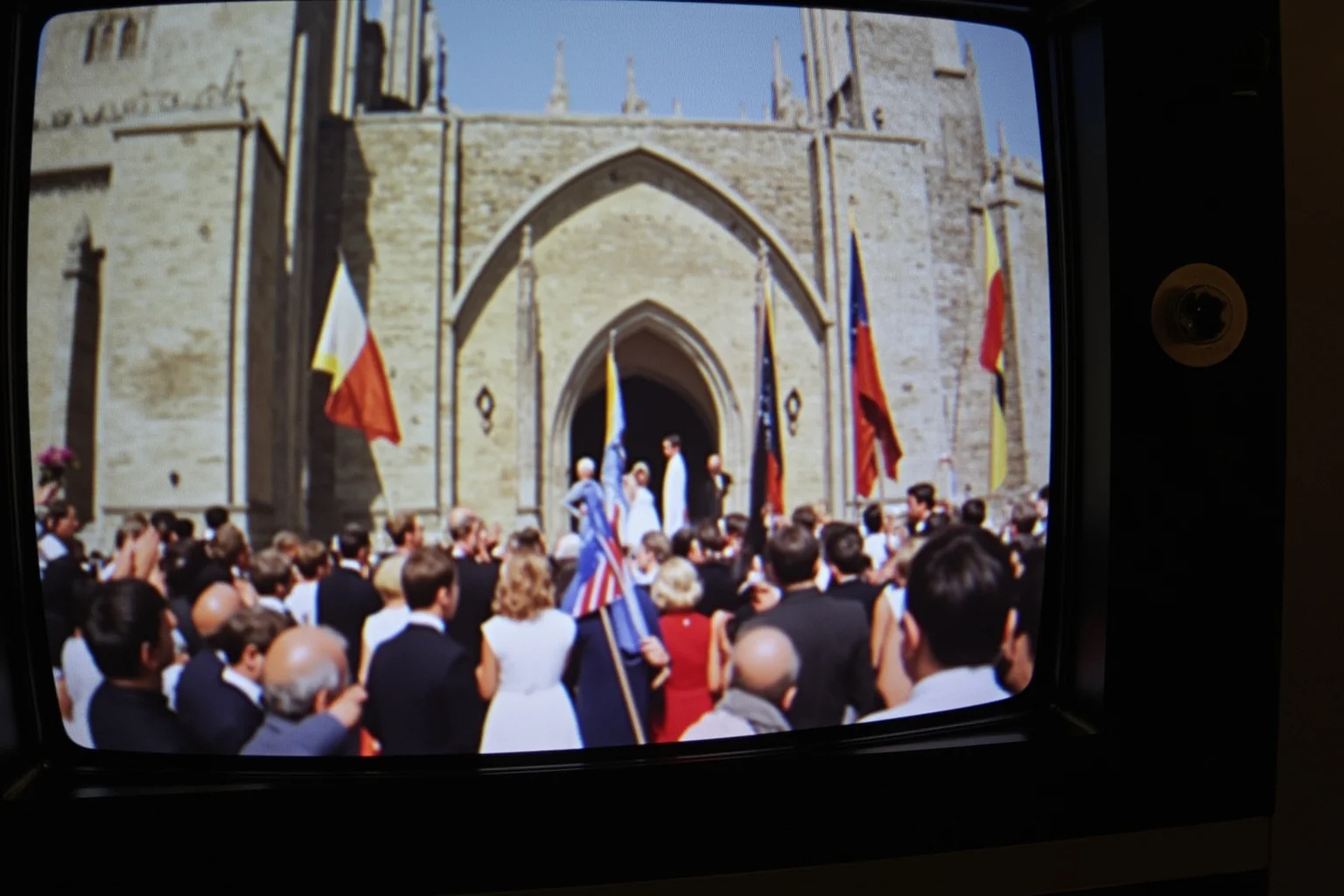
On July 29, 1981, the wedding of Prince Charles and Lady Diana Spencer at St Paul’s Cathedral was broadcast to a huge international audience. Estimates commonly cited put the global viewership around 750 million people, though, as with other older estimates, that figure should be treated as an approximation rather than a confirmed count.
The wedding became a template for how royal events would be produced for television going forward, blending ceremony, pageantry, and close-up emotional moments. It set expectations that later royal broadcasts would be measured against for decades.
9. The Attempted Assassination of Ronald Reagan (1981)
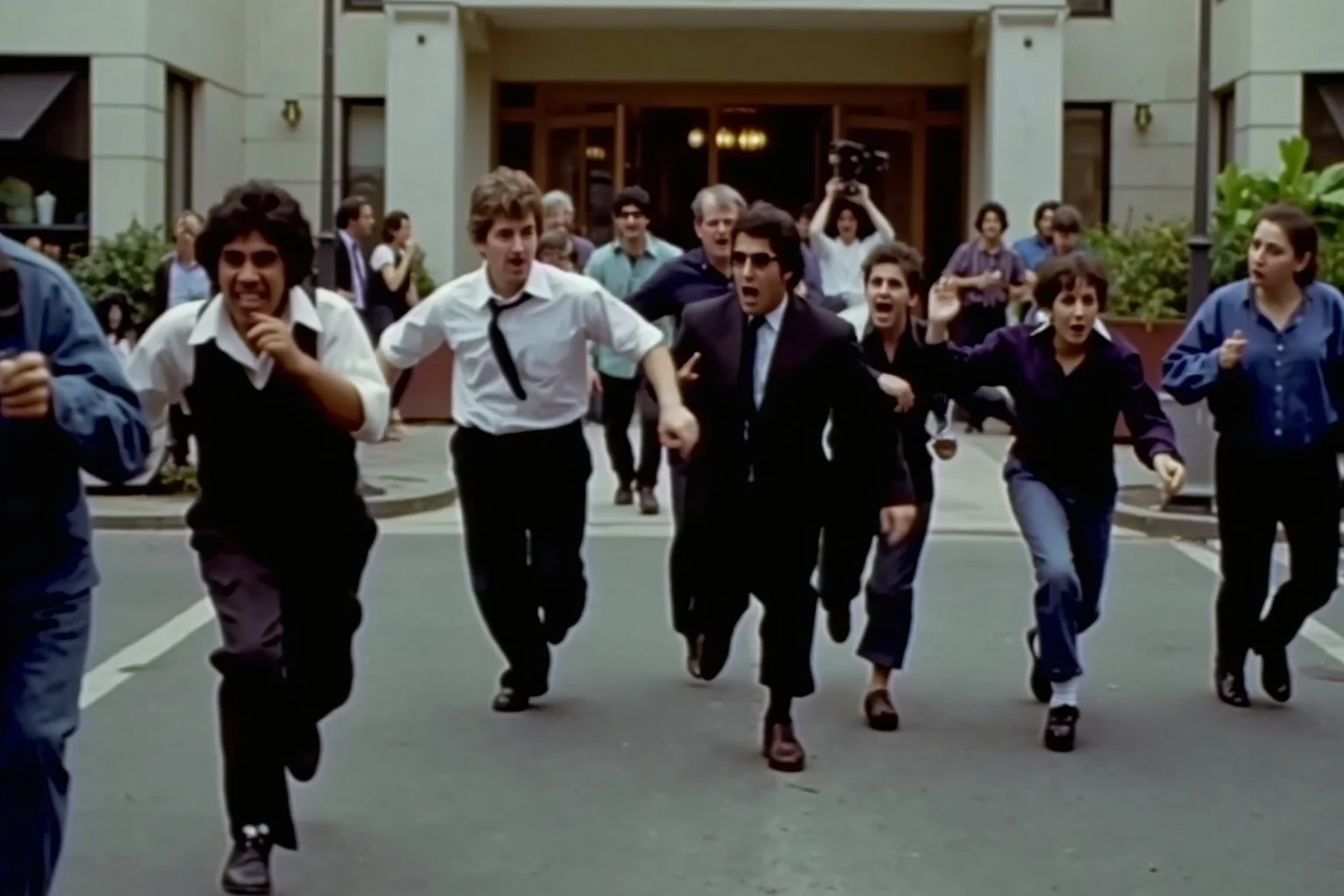
On March 30, 1981, President Ronald Reagan was shot outside the Washington Hilton Hotel by John Hinckley Jr., and news cameras present for an unrelated appearance captured the shooting as it happened. The footage was replayed extensively across networks within minutes.
It was a stark early example of how routine news coverage could suddenly capture a historic act of violence purely by being in the right place. Reagan survived and the broadcast became one of the most analyzed pieces of raw news footage of the era.
10. Live Aid (1985)
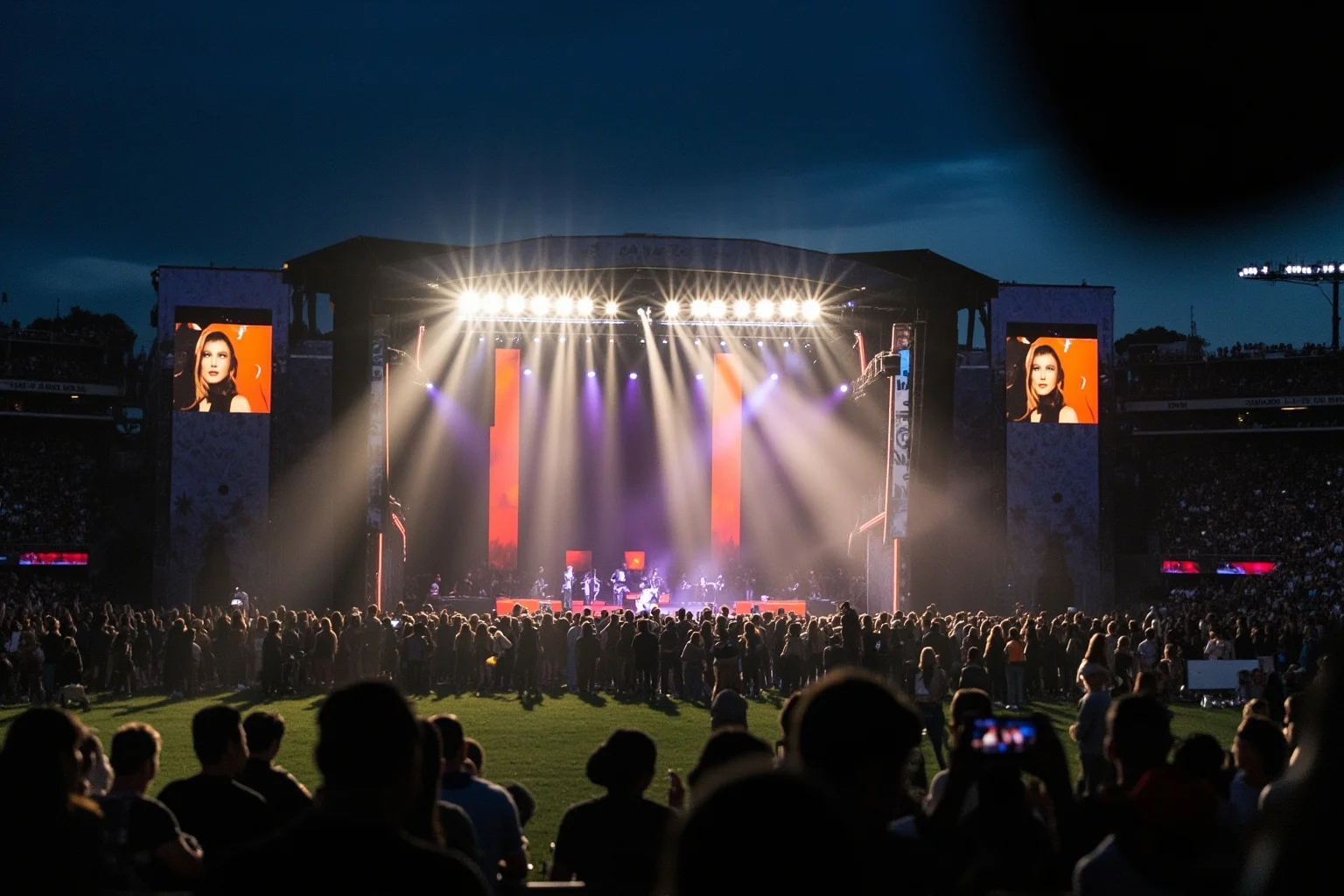
On July 13, 1985, dual benefit concerts in London and Philadelphia were linked by satellite into a single global broadcast raising money for famine relief in Ethiopia. Performances, including Queen’s widely praised set at Wembley Stadium, reached an enormous international audience, with estimates often citing figures in the range of a billion or more viewers across roughly 150 countries.
Again, that headline number is an estimate rather than a hard measurement, but Live Aid’s real significance was proving satellite technology could unite the planet around a single cause-driven broadcast. It became a model for the global charity telecasts that followed.
11. The Challenger Disaster (1986)
On January 28, 1986, the Space Shuttle Challenger broke apart 73 seconds after launch, killing all seven crew members, including teacher Christa McAuliffe. Because McAuliffe’s presence had drawn extra attention to the mission, many American schoolchildren were watching live in classrooms when the disaster occurred.
CNN carried the launch live, while other networks quickly interrupted programming once the news broke, and the footage was replayed for days afterward. It remains one of the most emotionally difficult moments in the history of live American television, and one that still ranks among the worst things that ever happened in history for those who watched it unfold live.
12. The Tiananmen Square Crackdown (1989)

In June 1989, international news crews in Beijing captured footage of the Chinese government’s violent crackdown on pro-democracy protesters in Tiananmen Square, including the now-iconic image of a lone man standing before a column of tanks. That footage reached television audiences around the world, even though Chinese state broadcasters heavily restricted what domestic viewers saw.
It stands as a powerful example of how the same event can be a defining piece of televised history in one part of the world and a heavily censored non-event in another. The contrast highlighted television’s power — and its limits — as a tool for bearing witness.
13. The Fall of the Berlin Wall (1989)
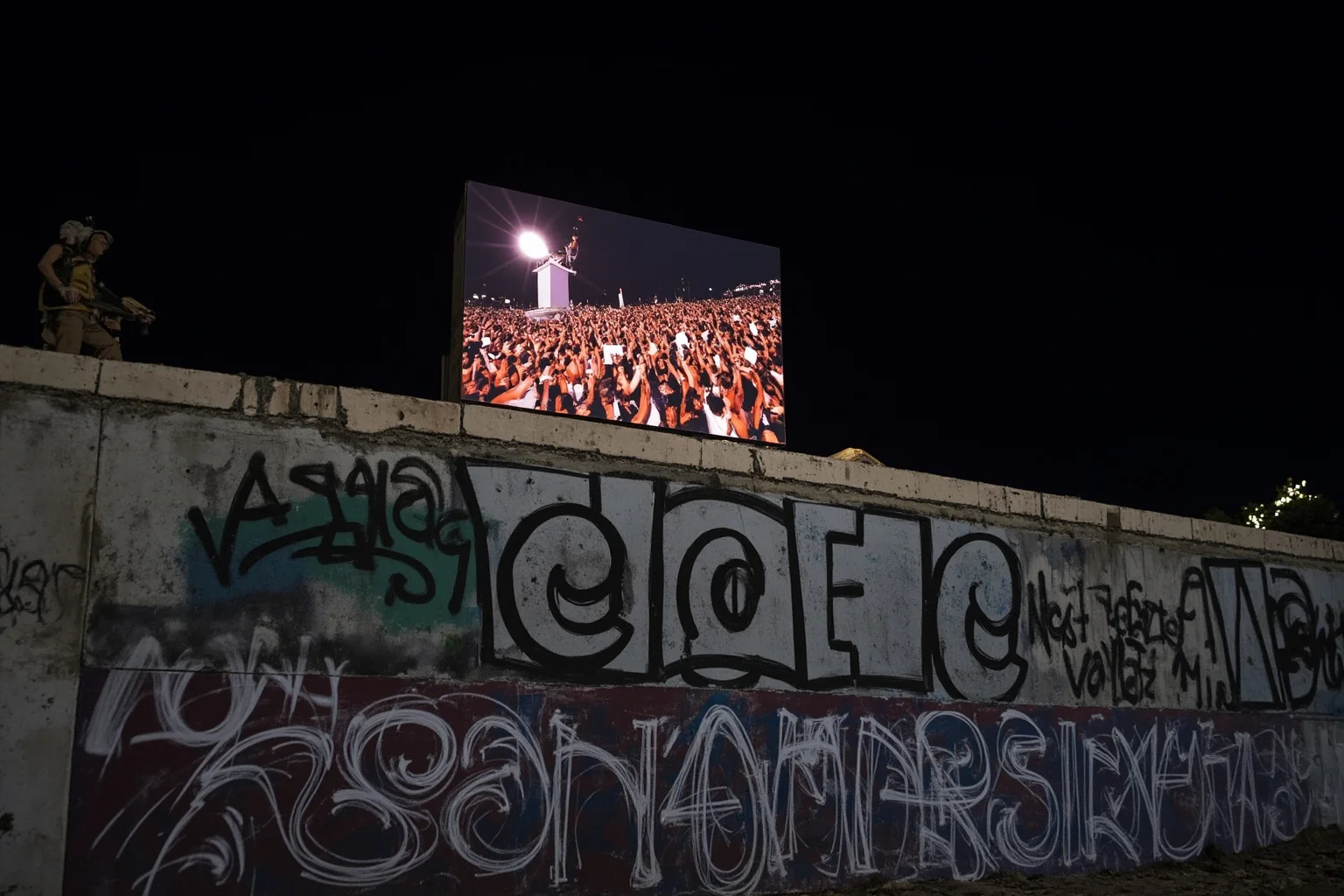
On the night of November 9, 1989, television crews captured East and West Berliners climbing onto and chipping away at the Berlin Wall as border crossings opened. The images were broadcast live and rebroadcast constantly in the days that followed, becoming shorthand for the end of the Cold War division of Europe.
For many viewers, this was the moment the abstract idea of “the Cold War ending” became a concrete, visible reality. It’s frequently cited alongside the Moon Landing as a contender for the title of greatest event in television history, and it remains a fixture on lists of historical events that changed the world, simply because of how directly it reshaped the geopolitical map.
14. Nelson Mandela’s Release From Prison (1990)
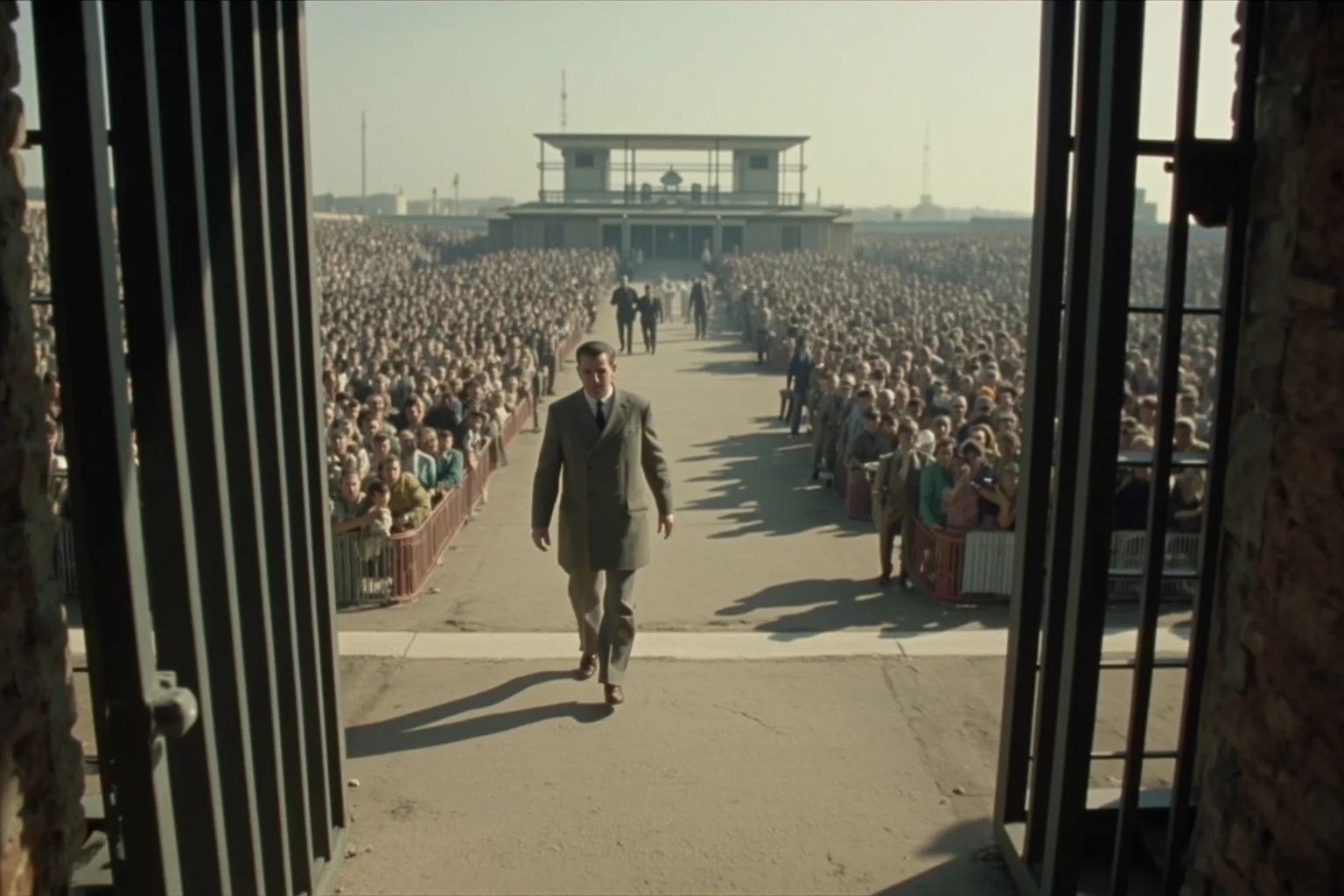
On February 11, 1990, Nelson Mandela walked out of Victor Verster Prison after 27 years of incarceration, and the moment was broadcast live to a global audience following the end of apartheid closely. Crowds and camera crews had waited for hours, uncertain exactly when the release would happen.
The broadcast captured not just a personal moment of freedom but the symbolic beginning of South Africa’s transition away from apartheid rule, and it’s often remembered as one of the historical events that restore faith in humanity. Mandela would go on to become the country’s first democratically elected president just four years later.
15. The Gulf War: Live From Baghdad (1991)
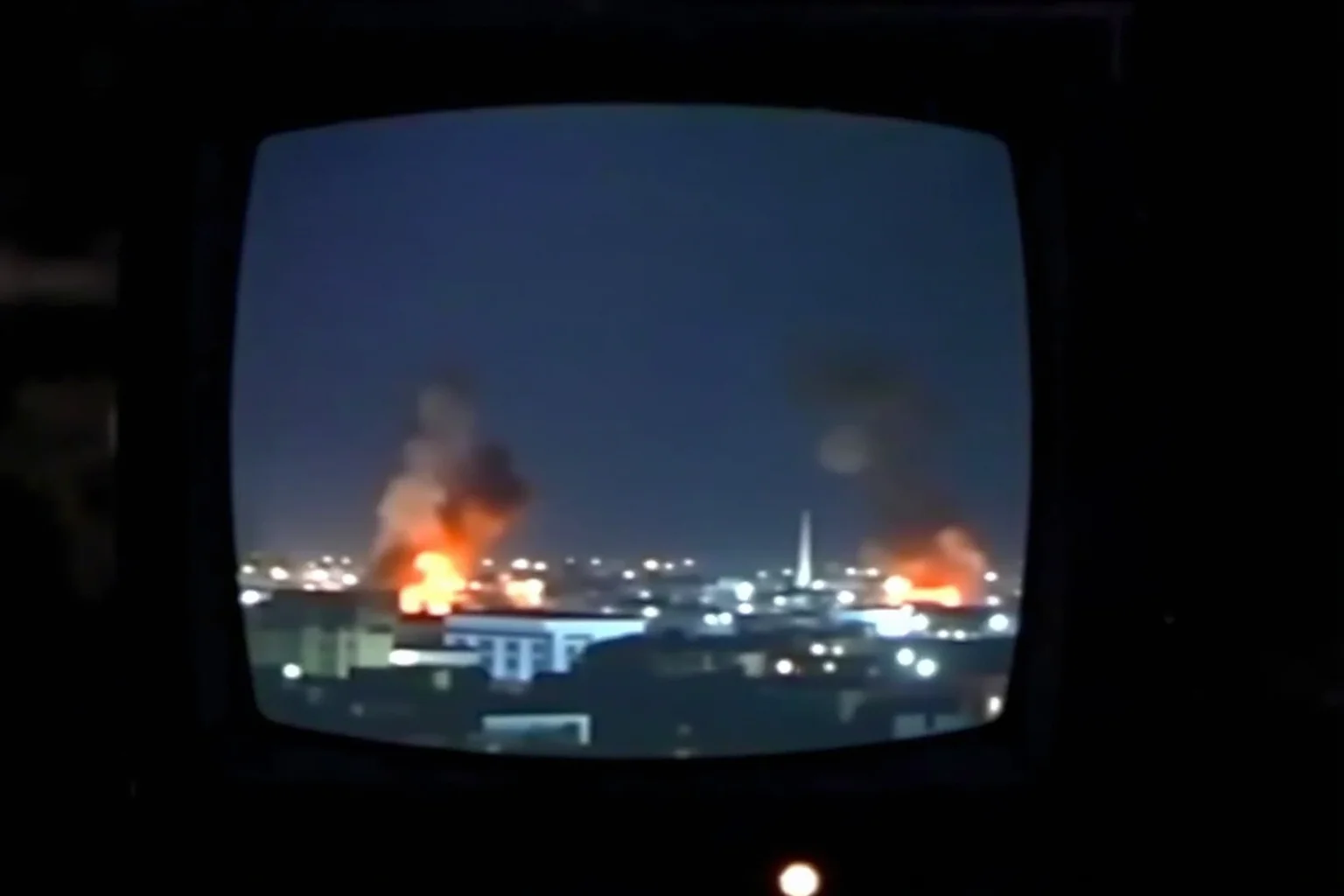
When the US-led coalition began bombing Baghdad on January 17, 1991, CNN correspondents Bernard Shaw, Peter Arnett, and John Holliman were reporting live from a Baghdad hotel room as the attack began around them. It was one of the first times a war’s opening moments were broadcast live and continuously to a global audience.
The coverage helped establish CNN as a major news force and ushered in the era of 24-hour rolling news coverage of conflict. It fundamentally changed expectations for how fast and how continuously wars would be covered afterward.
16. The O.J. Simpson Bronco Chase (1994)
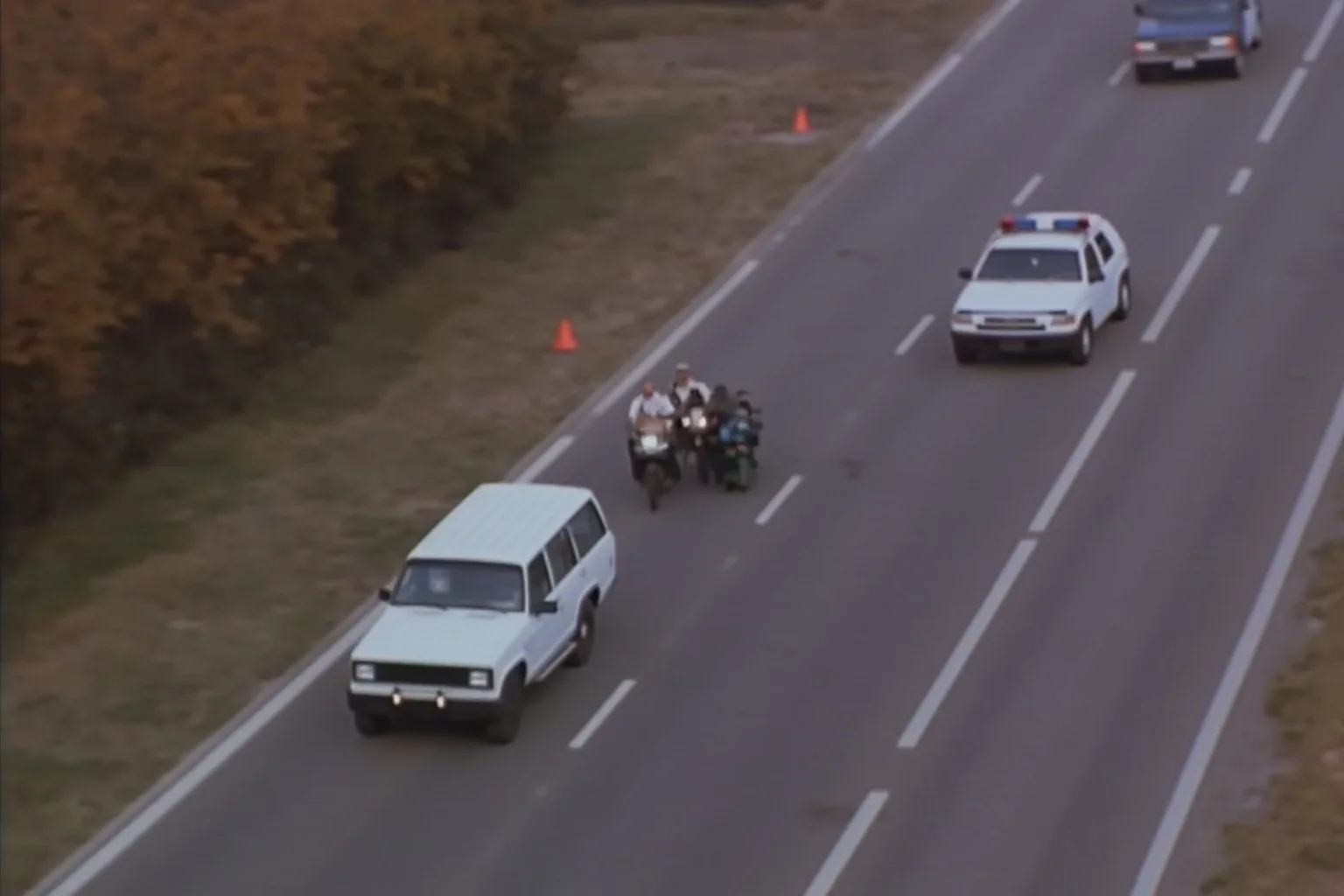
On June 17, 1994, a low-speed police chase involving former football star O.J. Simpson’s white Ford Bronco was broadcast live, interrupting coverage of the NBA Finals on some networks. An estimated 95 million Americans are commonly cited as having watched some portion of the chase, making it one of the most-watched live events in US television of the 1990s.
It’s a strange entry on a list of historically important broadcasts, but its cultural impact on how television handled breaking news and celebrity spectacle was significant. It arguably foreshadowed the 24-hour tabloid-news cycle that would follow in later decades.
17. Princess Diana’s Funeral (1997)
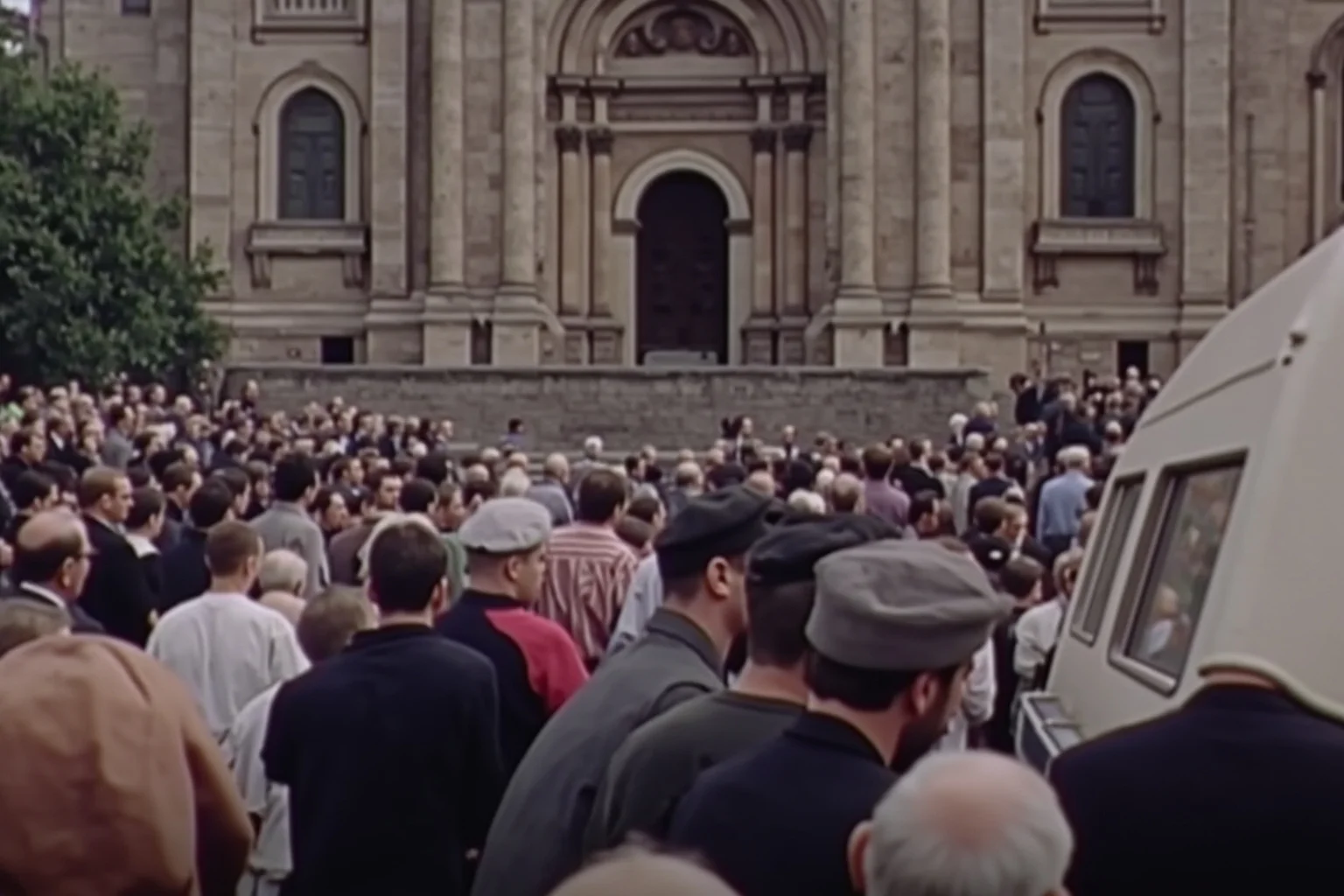
On September 6, 1997, Princess Diana’s funeral was broadcast from Westminster Abbey following her death in a car accident in Paris. Estimates of the global audience are frequently cited in the range of 2 billion or more, though — as with other large international estimates — that figure is an approximation rather than a confirmed measurement.
Elton John’s live performance of a rewritten “Candle in the Wind” became one of the broadcast’s most memorable moments. The funeral is often mentioned in discussions of the most watched TV events in history, even though, like the moon landing, its exact figures can’t be independently verified.
18. The September 11 Attacks (2001)
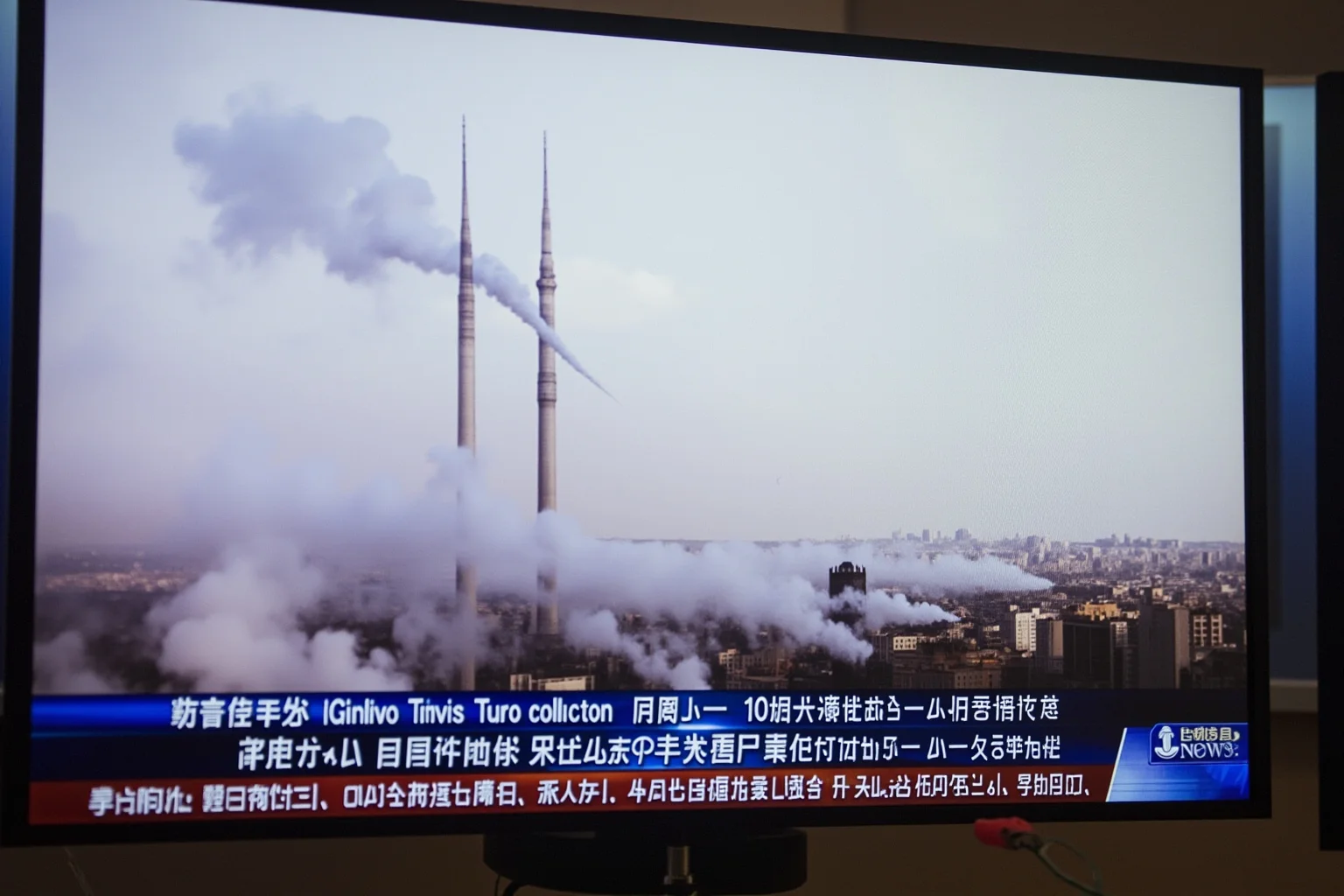
On September 11, 2001, television cameras that had gathered to cover the aftermath of the first plane hitting the World Trade Center captured the second plane’s impact live on air, in what stands as one of the most memorable dates in history. The subsequent collapse of both towers was also broadcast live, making it one of the most-watched unfolding tragedies in television history across news networks worldwide.
Unlike many older entries on this list, the scale of 9/11 coverage is well documented through actual ratings data from Nielsen and comparable international services, showing enormous simultaneous audiences across multiple networks. It remains a grim benchmark for how live television handles unfolding catastrophe.
19. Barack Obama’s Presidential Inauguration (2009)
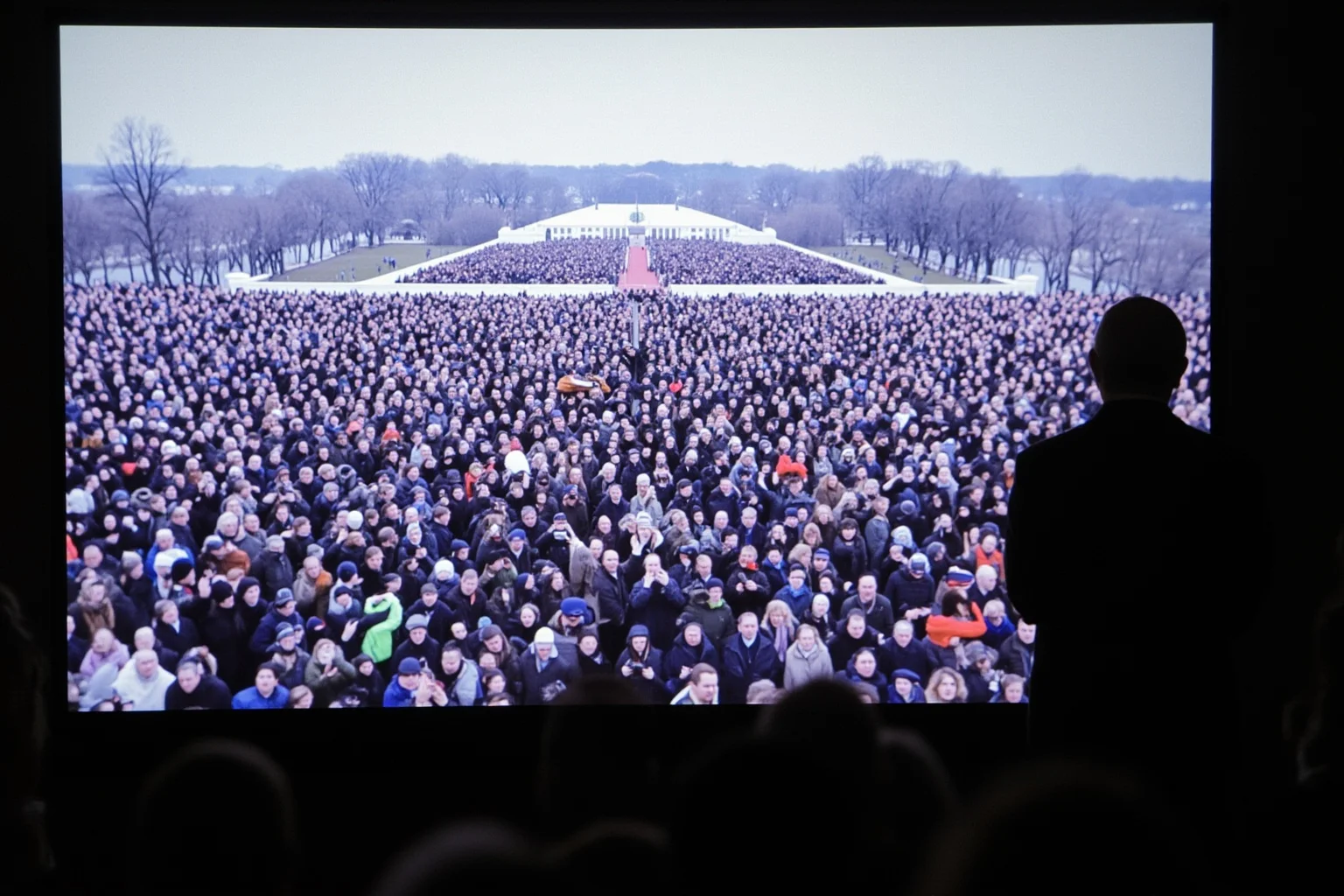
On January 20, 2009, Barack Obama’s inauguration as the first Black president of the United States drew a massive live television audience, with Nielsen measuring around 38 million US viewers for the ceremony itself. Crowds on the National Mall were estimated at well over a million people, making it one of the largest in-person and televised political events in American history.
Because this event falls within the modern ratings era, its viewership figures are considerably more reliable than many earlier entries on this list. It’s a useful reminder that not every historically significant broadcast requires exaggerated numbers to be meaningful.
20. Michael Jackson’s Public Memorial (2009)
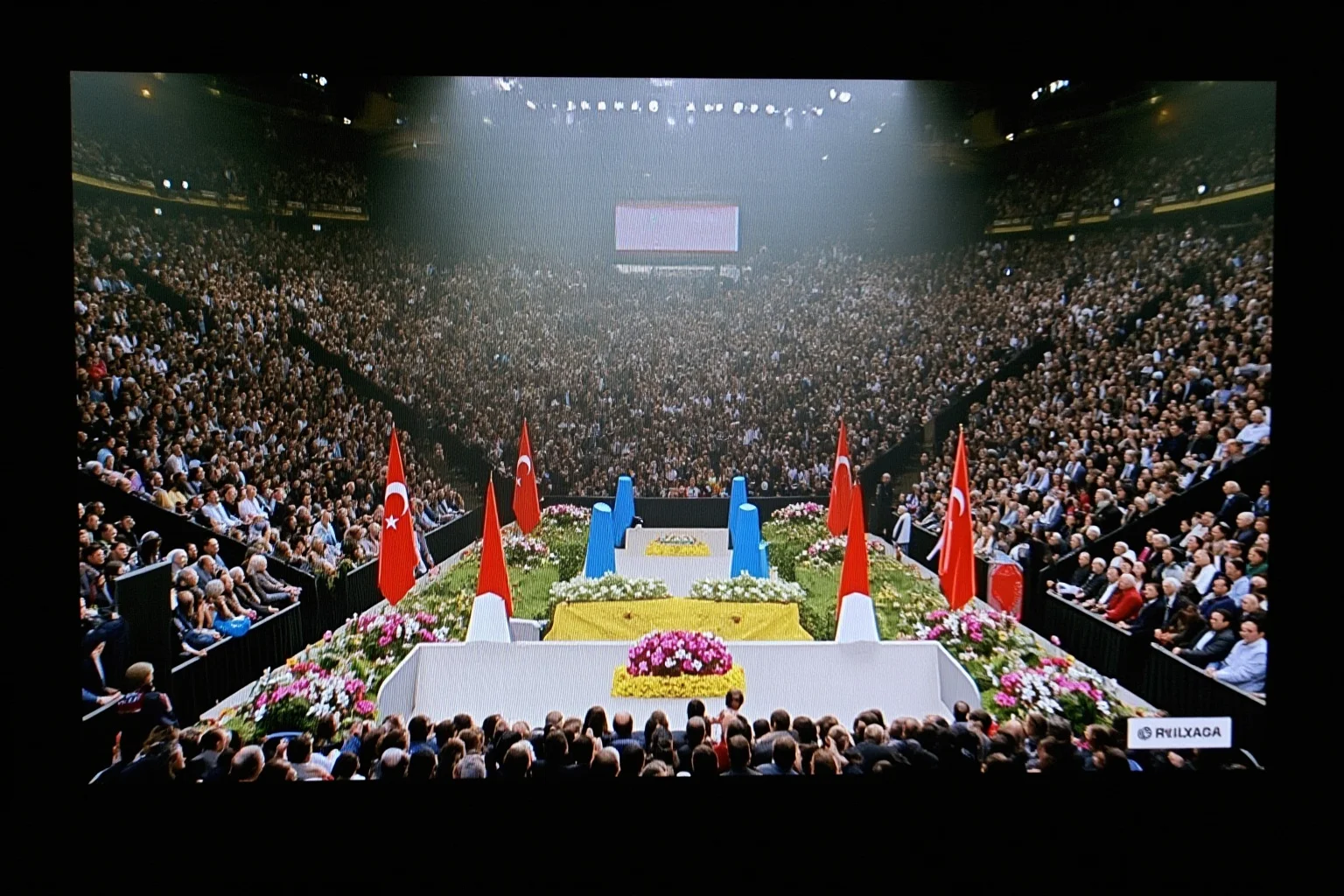
Following Michael Jackson’s death in June 2009, his public memorial service at the Staples Center in Los Angeles on July 7 was broadcast live around the world. Estimates commonly cite a global audience in the hundreds of millions to roughly a billion, though precise global figures remain difficult to confirm.
The memorial combined elements of a state funeral, a concert tribute, and a media event, drawing comparisons at the time to the scale of Princess Diana’s funeral coverage. It underscored how live television continued to serve as the primary venue for shared public mourning well into the 21st century.
21. The Announcement of Osama bin Laden’s Death (2011)
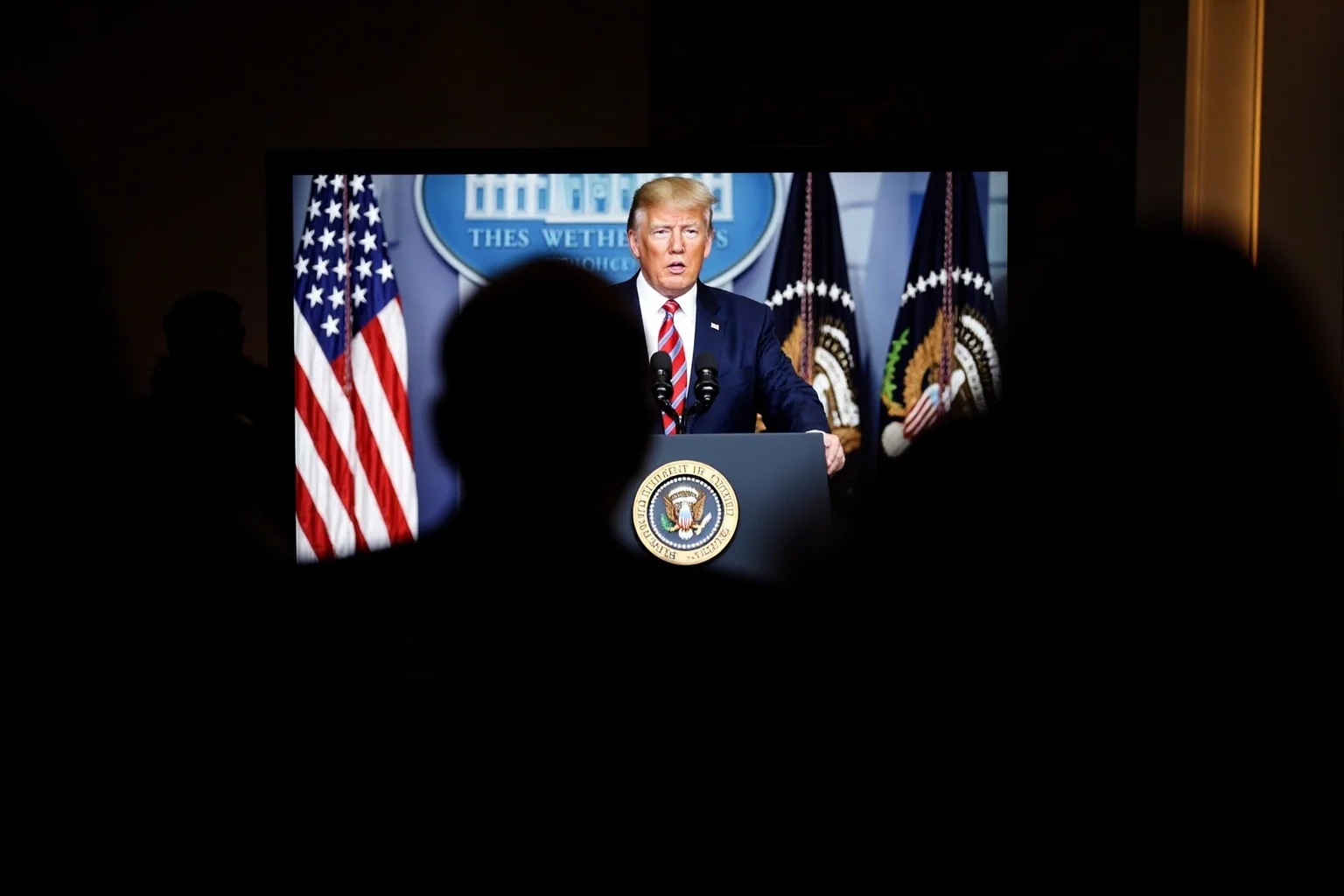
On the night of May 1, 2011 (into May 2 in some time zones), President Obama’s live address announcing that Osama bin Laden had been killed drew tens of millions of American viewers with remarkably little advance notice. News networks scrambled to get anchors on air after rumors spread rapidly on social media before the official announcement.
It was an early example of social media breaking news ahead of a scheduled live broadcast, with Twitter buzzing minutes before the president even appeared. The moment showed how live television and emerging online platforms were beginning to compete for the role of delivering breaking history first.
22. Queen Elizabeth II’s Funeral (2022)
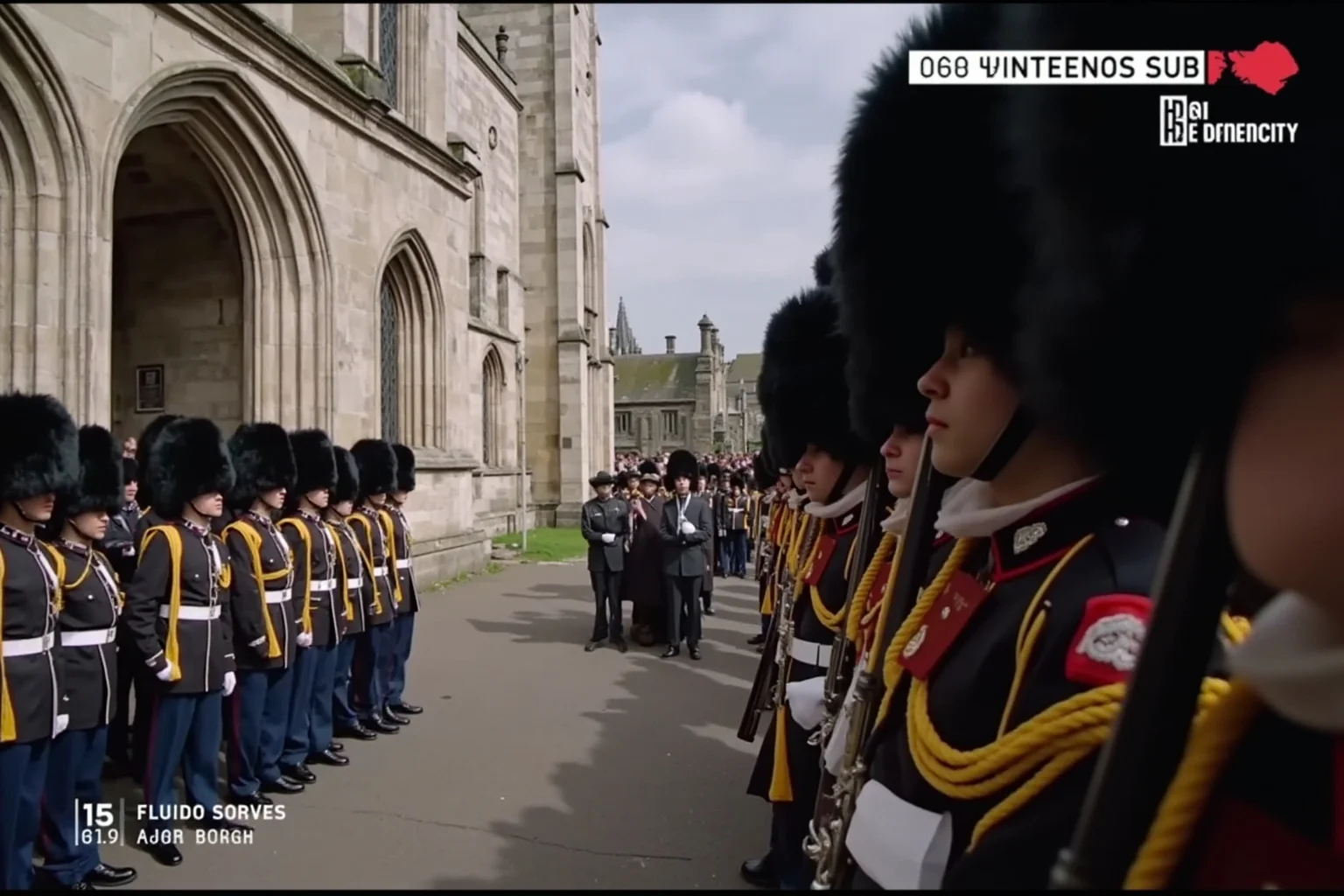
On September 19, 2022, Queen Elizabeth II’s state funeral at Westminster Abbey was broadcast live around the world, with UK broadcaster BARB recording a peak domestic audience of roughly 26 million viewers. That figure, unlike many earlier entries here, comes from actual verified ratings data rather than a rough estimate.
Global viewership was almost certainly far higher once international broadcasts were factored in, though a single confirmed worldwide total isn’t available. The funeral offered a rare modern case where a historic broadcast’s core numbers are grounded in real measurement rather than decades-old guesswork.
Honorable Mentions: The Recurring Record-Breakers
Not every entry on a list like this is a single unrepeatable event — some broadcasts break “most-watched” records simply by happening every year. The Super Bowl regularly sets US television ratings records, with recent editions drawing well over 120 million viewers according to Nielsen, making it consistently one of the most watched TV events in history within the American market.
FIFA World Cup finals hold a similar status globally, frequently cited as drawing some of the largest cumulative television audiences on the planet across all matches combined. These recurring broadcasts are useful context: they show that reliable, well-measured “most-watched” records do exist — they just tend to belong to scheduled entertainment and sport rather than single unrepeatable historical moments.
What These Broadcasts Have in Common
Looking across all of these events, a pattern emerges: the broadcasts that stick in cultural memory tend to combine genuine historical weight with a strong visual or emotional hook. A grainy image of a boot touching lunar dust, a wall coming down brick by brick, a nation watching its president resign — these are moments where the medium and the message reinforced each other perfectly.
It’s also worth remembering that television didn’t just report these events; in several cases, it actively shaped how they unfolded and how history remembers them. The sustained Watergate hearings, the round-the-clock Gulf War coverage, and the constant replay of the Challenger disaster all show how live broadcasting can influence public understanding as much as any single fact reported within it.
Final Thoughts
Ranking history’s most important live broadcasts always involves some subjectivity, and the exact viewership numbers attached to older events should be read with healthy skepticism. What’s not in doubt is that television, for roughly seven decades, has been the primary way huge numbers of people experienced history as it happened, rather than reading about it after the fact.
Whether that role gets replaced entirely by live-streamed social media in the decades ahead remains to be seen. For now, these broadcasts remain the clearest evidence of how a shared screen once turned millions of separate living rooms into a single audience for history.
Frequently Asked Questions
What is considered the greatest event in television history?
There's no single official answer, but the 1969 Apollo 11 Moon Landing is the broadcast most commonly cited as the greatest event in television history, thanks to its scale, the achievement it captured, and its lasting cultural impact. Others make a strong case for the 1989 fall of the Berlin Wall or the 2001 September 11 coverage, since both fundamentally reshaped how millions understood a major historical turning point in real time.
What is the most watched TV event in history?
It depends heavily on how you measure it. Events like Princess Diana's 1997 funeral, Live Aid, and the Moon Landing are often cited with billion-plus estimated global audiences, but those figures come from journalistic estimates rather than verified international ratings systems. For reliably measured data, modern events like recent Super Bowls or Queen Elizabeth II's 2022 funeral offer more trustworthy viewership numbers.
What is the most watched event in TV history in the United States specifically?
Within the US, Super Bowl broadcasts consistently rank as the most watched televised events on record according to Nielsen, with recent editions drawing well over 120 million viewers. This makes the Super Bowl the most reliably documented entry in any 'most-watched' conversation, since it's measured by the same ratings system every year.
Why are old viewership numbers, like for the Moon Landing, hard to verify?
Global, standardized television ratings systems didn't really exist before the 1980s and 90s, so figures for earlier broadcasts were typically estimated from population size and television ownership rates rather than actual audience measurement. That's why numbers like '600 million watched the Moon Landing' should be treated as widely repeated estimates rather than confirmed statistics.
Were all of these historic broadcasts truly live and unedited?
Most were genuinely live, but not all — the fall of Saigon in 1975, for example, reached American screens through delayed footage rather than real-time satellite transmission due to the technical limits of the era. Events from the 1980s onward, once satellite technology became widespread, were far more consistently broadcast in true real time.

Alex Warren
Related Articles





