
The 1920s get remembered for flappers, jazz, and bathtub gin, but underneath the glitter was a generation that felt genuinely unmoored. They had watched a war kill millions of young men for reasons that stopped making sense somewhere around the Somme, and they came home to a culture that wanted to pretend nothing had happened. So a lot of them just left.
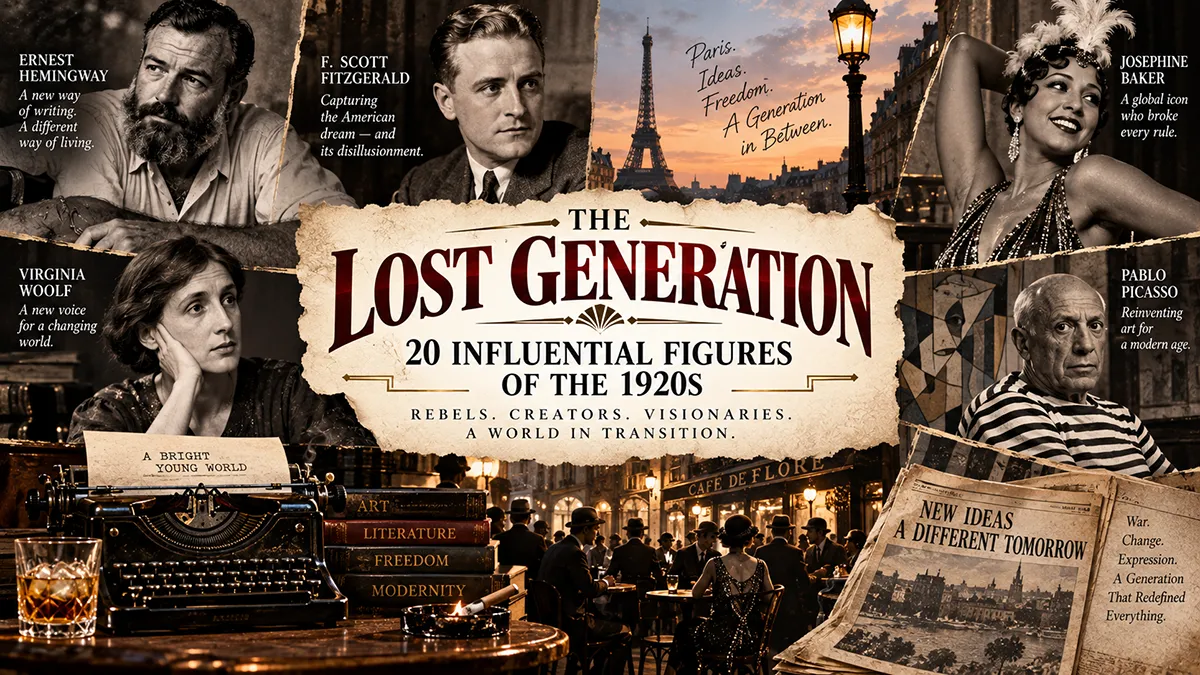
They packed up for Paris, wrote in cafés, drank too much, and produced some of the most influential English-language literature of the twentieth century. This post breaks down what the Lost Generation actually was, where the name came from, what made their writing distinct, and then introduces 20 of the real people — novelists, poets, publishers, and artists — who lived it.
TL;DR: The Lost Generation was a group of American writers and artists, disillusioned by World War I, who reshaped modern literature while living as expatriates in 1920s Paris.
What Was the Lost Generation in the 1920s?
The “Lost Generation” refers loosely to the cohort of American writers and artists born roughly in the 1880s and 1890s who came of age during World War I and produced their defining work in the 1920s. Many of them served in the war directly, as soldiers or ambulance drivers, and came back changed in ways their families and hometowns didn’t fully understand. Rather than settle back into ordinary American life, a striking number of them moved to Paris.
Paris in the 1920s was cheap, tolerant, and full of other people asking the same uncomfortable questions about patriotism, religion, and what any of it had been for. Living as expatriates gave these writers distance from the buttoned-up morality of Prohibition-era America and room to experiment with new literary forms. That combination of disillusionment and creative freedom is really the heart of what people mean when they ask what the Lost Generation was in the 1920s.
It’s worth noting the term describes a shared historical experience more than a formal club. There was no membership card. It’s a label historians and readers apply, after the fact, to a loose network of friends, rivals, and collaborators who happened to be reinventing literature at the same moment.
Who Coined the Term “Lost Generation”?
The phrase is almost always traced back to Gertrude Stein, the American writer and art collector whose Paris apartment became a gathering place for expatriate artists. According to Ernest Hemingway’s memoir “A Moveable Feast,” published after his death in 1964, Stein told him a story about a French garage owner scolding a young mechanic, then turned to Hemingway and said something to the effect that he and his peers were “une génération perdue” — a lost generation.
It’s worth a small myth-busting note here: that anecdote comes from Hemingway’s own memory, written down decades after the fact, so the exact wording and circumstances can’t be independently verified. What’s certain is that Hemingway popularized the phrase by using it as an epigraph in his 1926 novel “The Sun Also Rises,” pairing it with a quote from Ecclesiastes about generations passing while the earth remains. That contrast, despair against endurance, is basically the whole book in two sentences.
When Was the Lost Generation? A Quick Timeline
Most of the figures we now call the Lost Generation were born between the early 1880s and around 1900. They came of age during World War I, roughly 1914 to 1918, which is the defining trauma of the group. Their major literary output landed mostly in the 1920s, with the label itself only entering common use after 1926.
By the early 1930s, the Great Depression had scattered the Paris expatriate scene and shifted American literature toward more socially engaged, Depression-era concerns. So while “the Lost Generation” is forever tied to the 1920s, its roots run back to the war years and its influence stretched well beyond them.
Characteristics of the Lost Generation
A few recurring traits show up again and again across Lost Generation writing, and they’re useful for spotting the style even if you’ve never heard the label before.
- Disillusionment with grand ideals — patriotism, heroism, and religious certainty all took a beating after the trenches.
- Expatriation — many lived abroad, mostly in Paris, rather than in the United States.
- Modernist experimentation — spare, stripped-down prose (Hemingway) or fractured, stream-of-consciousness structure (Stein, Dos Passos).
- Moral ambiguity — characters who drink, drift, and fail rather than triumph and learn a lesson.
- Cynicism toward institutions — government, the church, and traditional marriage all get quietly or openly mocked.
- A restless, rootless energy — lots of travel, lots of parties, and an underlying sense that none of it is quite filling the hole the war left behind.
How Did the Lost Generation Writers Criticize Their Culture?
These writers weren’t shy about pointing fingers at the culture that sent them to war and then asked them to celebrate it. Fitzgerald used “The Great Gatsby” to expose the emptiness underneath American wealth and the myth of reinvention. Hemingway’s characters in “The Sun Also Rises” drink and drift precisely because the old scripts about honor and purpose no longer make sense to them.
Dos Passos went further, using experimental collage techniques in works like “Manhattan Transfer” to indict industrial capitalism and mass media directly. Even the expatriation itself was a form of criticism: choosing to live in France rather than the U.S. was a quiet rejection of Prohibition, of provincial moralizing, and of the era’s insistence that the war had been a noble, tidy triumph.
The Lost Generation and World War I
You can’t separate the Lost Generation from World War I; the war is the reason the generation exists as a concept at all. Millions of young men died or were wounded across Europe between 1914 and 1918, and the sheer industrial scale of the killing — machine guns, poison gas, trench warfare — shattered nineteenth-century notions of heroic combat. American writers who served, or who drove ambulances and transported the wounded, saw this firsthand even before the U.S. formally entered the war in 1917.
That exposure to mass, mechanized death left many of them permanently skeptical of the language used to justify it: glory, duty, sacrifice. Hemingway’s short, unsentimental prose style is often read as a direct reaction against the flowery war rhetoric he considered dishonest. The war didn’t just supply subject matter; it reshaped how this generation believed literature should even be written.
Notable Books on the Lost Generation
If you want to read your way into this era, a handful of books consistently come up. Ernest Hemingway’s “The Sun Also Rises” (1926) and “A Farewell to Arms” (1929) are the classic entry points, alongside his short story collection “In Our Time” (1925). F. Scott Fitzgerald’s “The Great Gatsby” (1925) and “Tender Is the Night” (1934) round out the fiction side.
For nonfiction and memoir, Hemingway’s posthumously published “A Moveable Feast” (1964) offers his own, admittedly selective, recollections of Paris. Malcolm Cowley’s “Exile’s Return” (1934) is a lesser-known but valuable firsthand account of what it actually felt like to belong to this generation, written by someone who lived through it rather than mythologized it later.
20 Iconic Figures of the Lost Generation
The Lost Generation wasn’t just novelists. It included poets, publishers, patrons, and visual artists, all tangled together in the same cafés and salons. Here are 20 real historical figures who shaped, supported, or embodied that world.
1. Ernest Hemingway
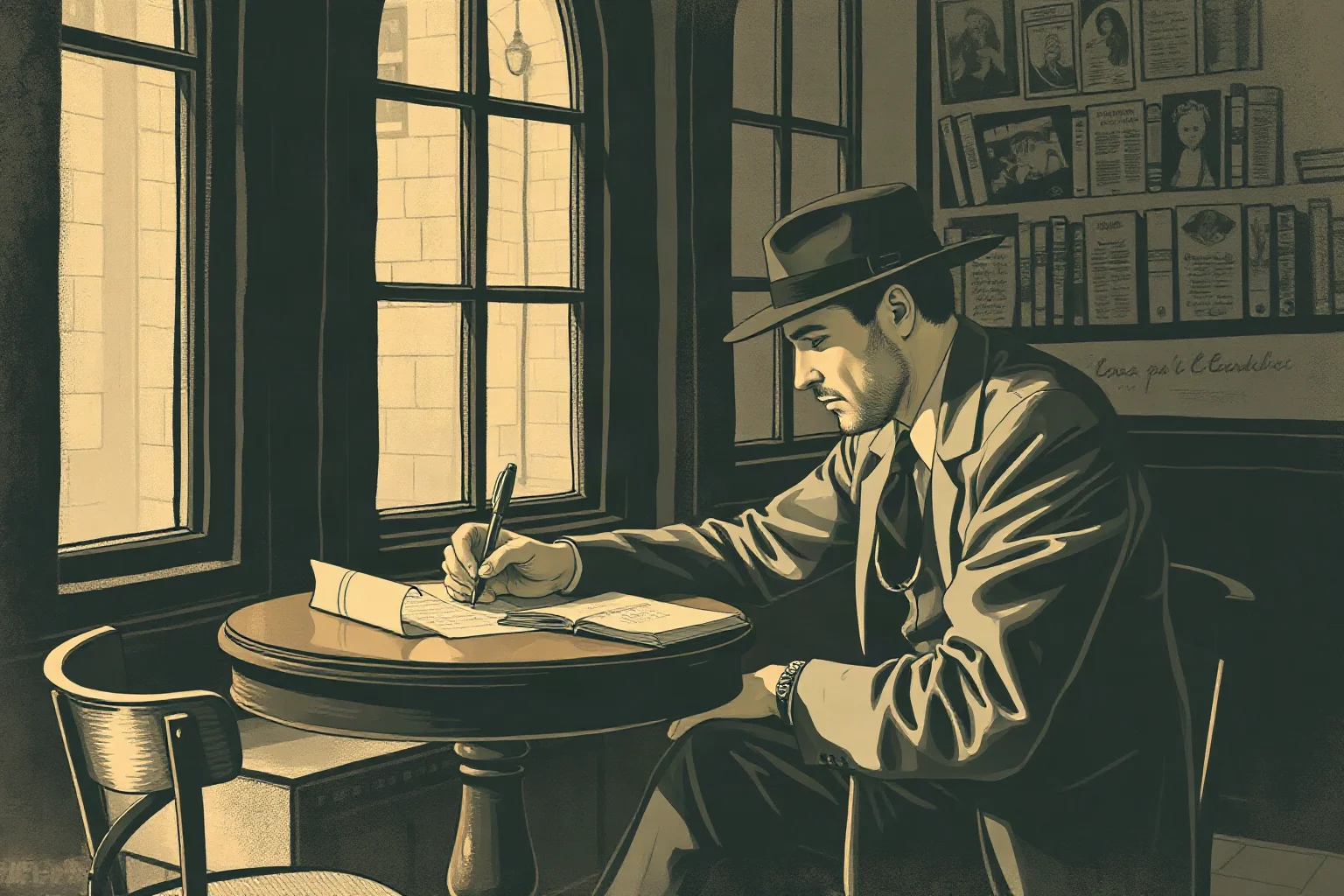
Ernest Hemingway (1899–1961) is the figure most people picture when they hear “Lost Generation.” He served as an ambulance driver in Italy during World War I, was seriously wounded, and carried that experience into spare, understated novels like “The Sun Also Rises” and “A Farewell to Arms.”
His clipped, unadorned prose style became one of the most imitated voices in twentieth-century fiction. Hemingway lived in Paris through much of the 1920s, socializing with nearly everyone else on this list.
2. Gertrude Stein
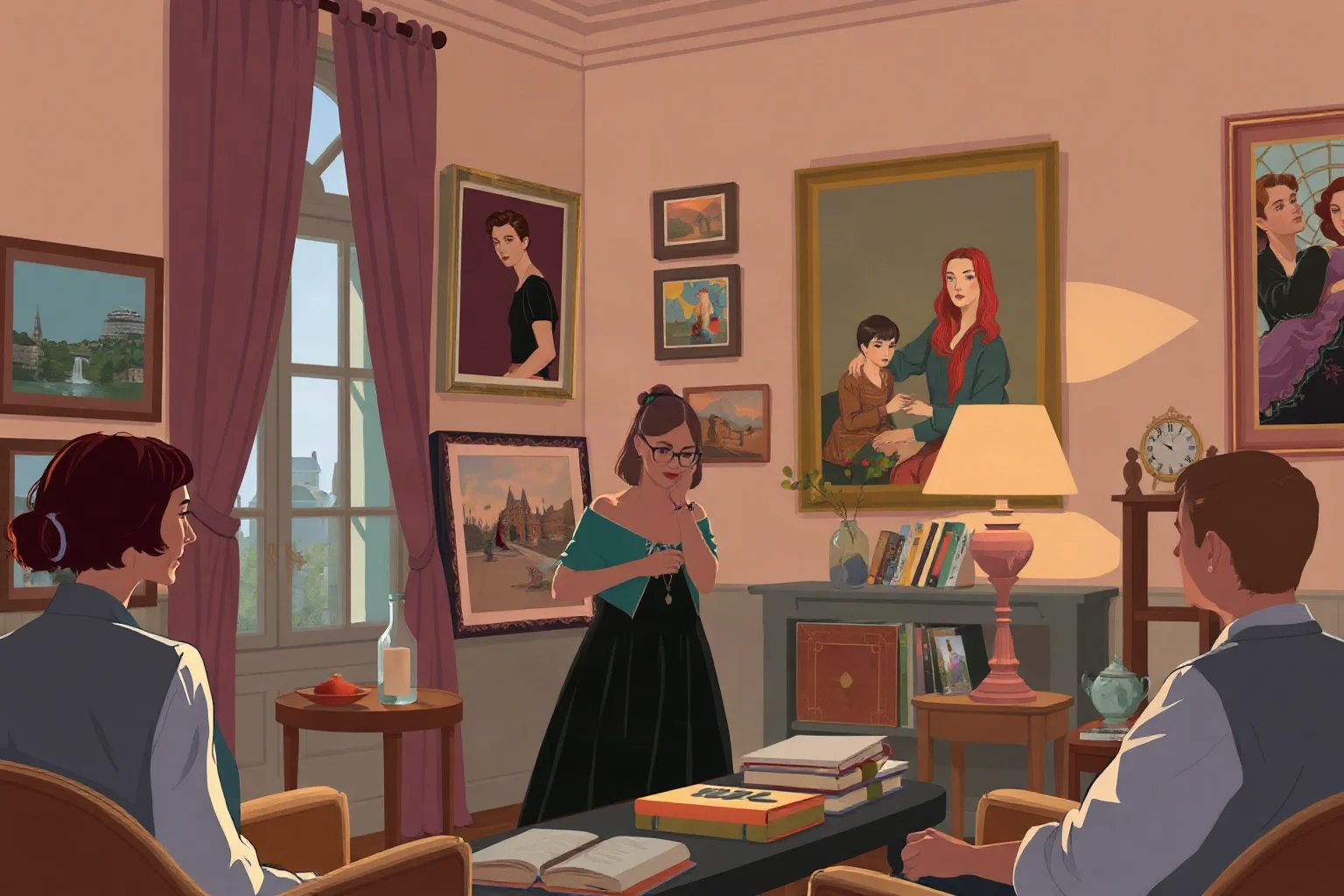
Gertrude Stein (1874–1946) was the connective tissue of the whole scene. Her Paris apartment at 27 rue de Fleurus doubled as a salon and an informal gallery for modern art by Picasso and Matisse, and it’s where many young American writers first crossed paths.
She’s also the person credited with coining the phrase “Lost Generation” in conversation with Hemingway, even though the exact details of that story rest mainly on his later retelling. Her own experimental writing, including “Tender Buttons” and “The Autobiography of Alice B. Toklas,” pushed prose in strange, influential new directions.
3. F. Scott Fitzgerald

F. Scott Fitzgerald (1896–1940) chronicled the Jazz Age even as he lived deep inside its excesses. “The Great Gatsby,” published in 1925, is now considered one of the defining American novels, though it sold modestly during his lifetime.
Fitzgerald spent stretches of the 1920s in France with his wife Zelda, mixing with the Paris expatriate circle. His later novel “Tender Is the Night” drew heavily on that expatriate world and its slow unraveling.
4. Zelda Fitzgerald
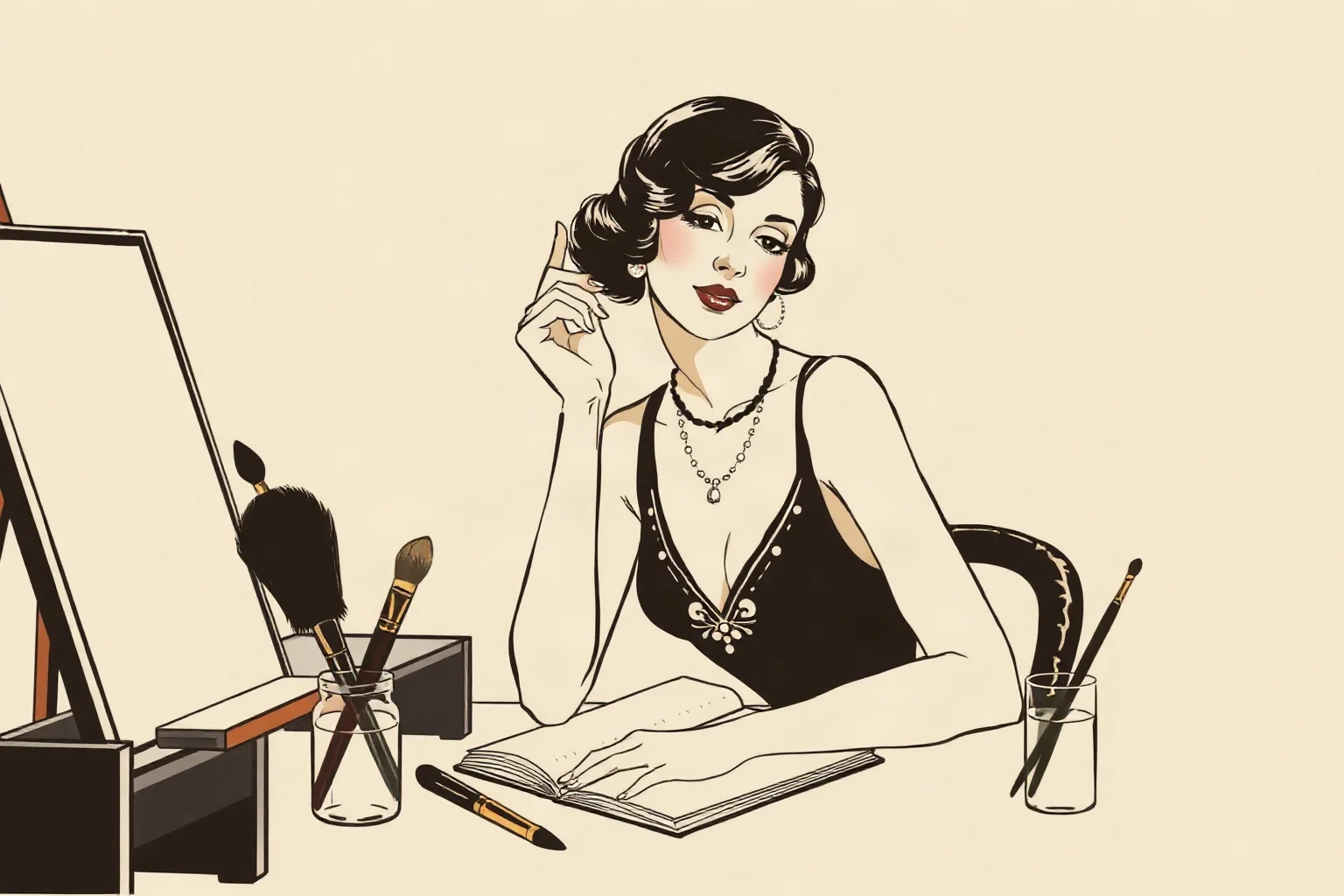
Zelda Fitzgerald (1900–1948) was often reduced in her own lifetime to “Scott’s wife,” but she was a writer and painter in her own right. Her semi-autobiographical novel “Save Me the Waltz” (1932) offered her own version of events her husband also mined for his fiction.
Her letters and personality heavily influenced characters across Scott’s work, and she’s increasingly recognized as a creative force shaped by, and struggling against, the same disillusioned era.
5. John Dos Passos
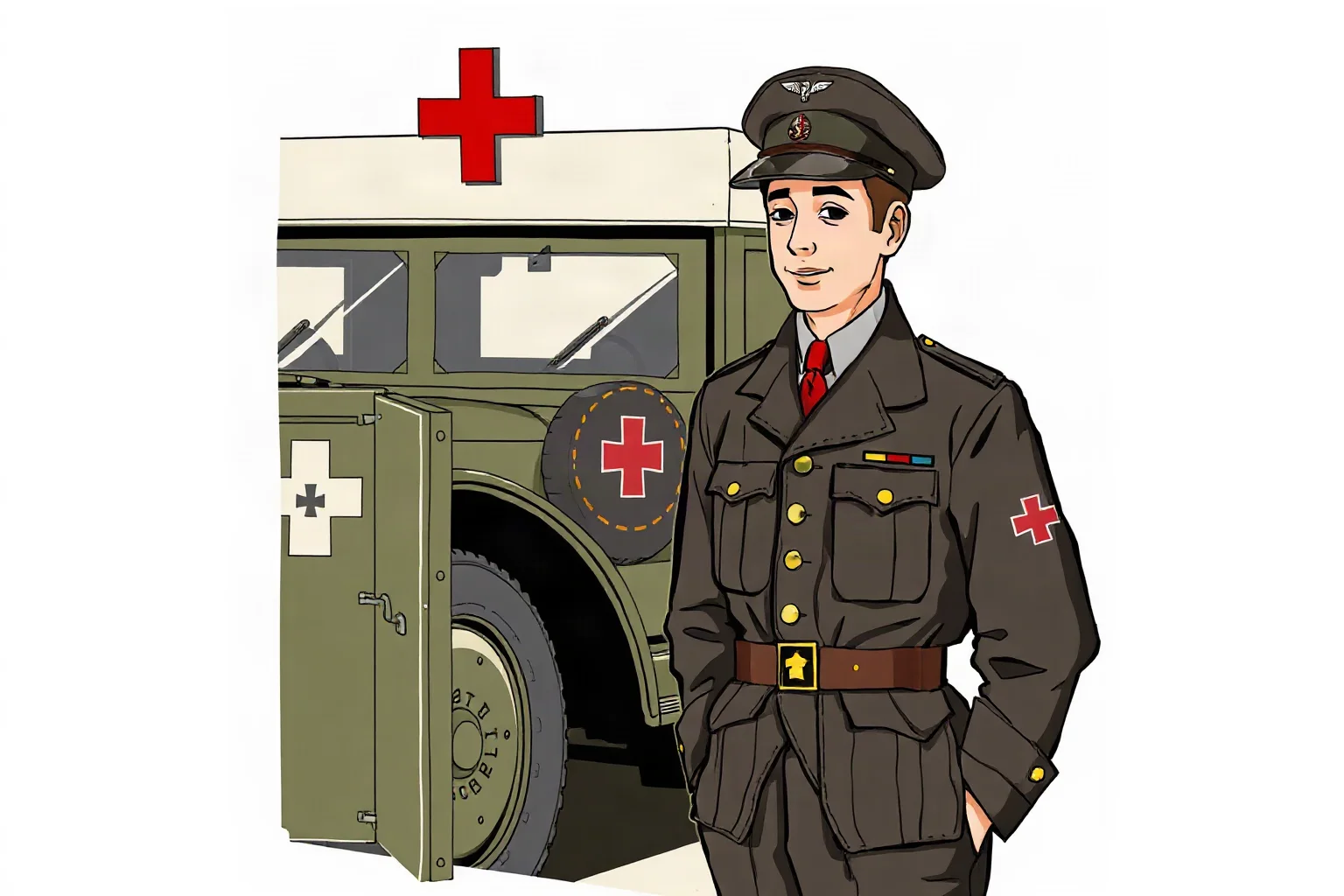
John Dos Passos (1896–1970) served as a volunteer ambulance driver in World War I, an experience shared with several others on this list. His early novel “Three Soldiers” (1921) was one of the first major American works to depict the war without heroic gloss.
He later developed a collage-like narrative technique in “Manhattan Transfer” (1925) and the “U.S.A.” trilogy, splicing fiction with news headlines and biography to critique American capitalism.
6. Ezra Pound

Ezra Pound (1885–1972) was less a novelist than a tireless editor, mentor, and poetic innovator who helped launch modernism itself. He edited T.S. Eliot’s “The Waste Land” into its final, tighter form and championed the early careers of Hemingway and Joyce.
Pound’s own poetry, especially the sprawling “Cantos,” pushed literary form to its limits. His later political choices, including fascist sympathies during World War II, remain a difficult and separate chapter from his 1920s literary influence.
7. T.S. Eliot
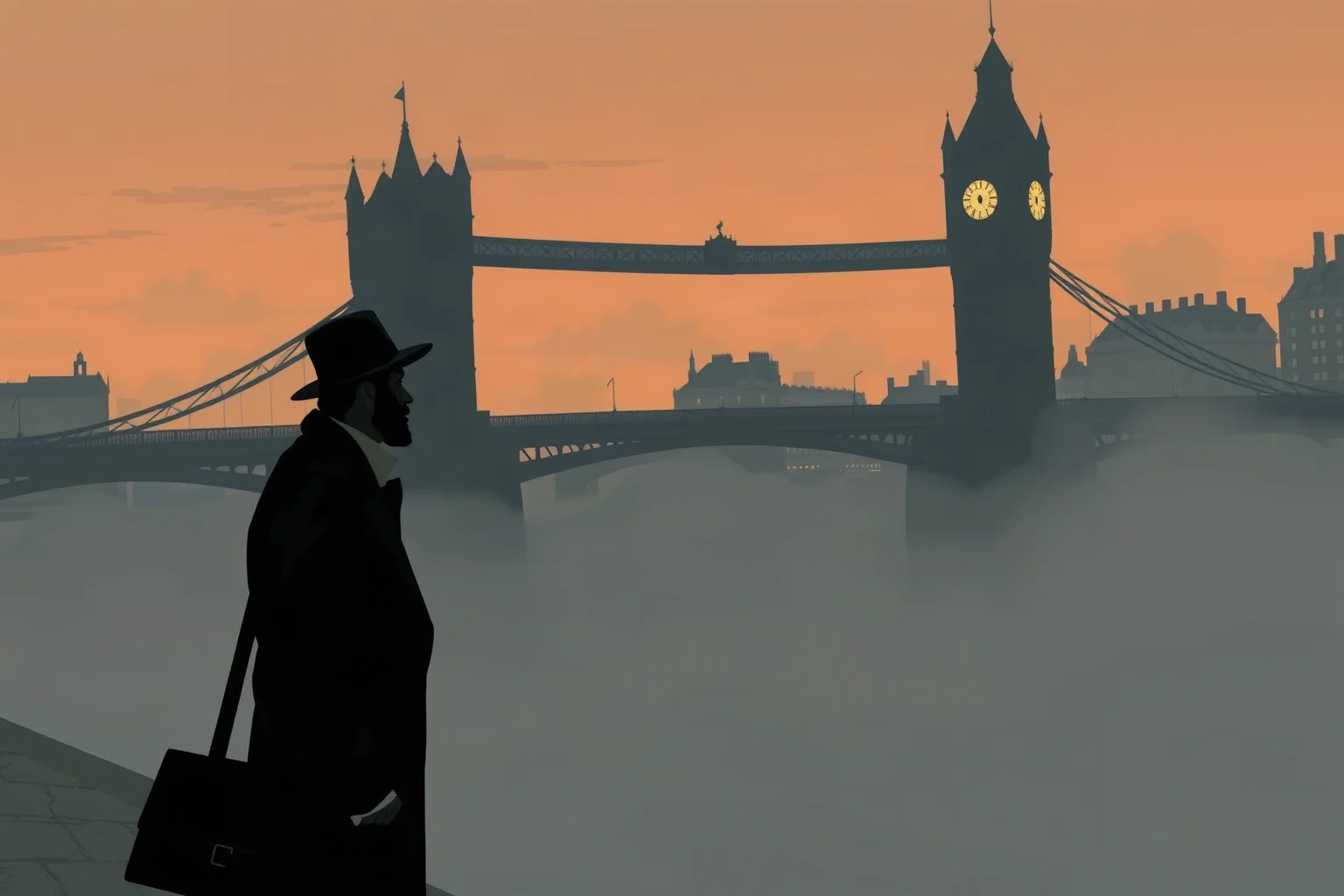
T.S. Eliot (1888–1965) was American-born but based mainly in London, making him more of an adjacent figure than a Paris regular. His 1922 poem “The Waste Land” captured the same postwar fragmentation and despair that defined the Lost Generation’s fiction.
Eliot’s dense, allusive style differed sharply from Hemingway’s minimalism, but both were responding to the same collapse of prewar certainty. He later became a British citizen and one of the century’s most influential poets and critics.
8. Sherwood Anderson
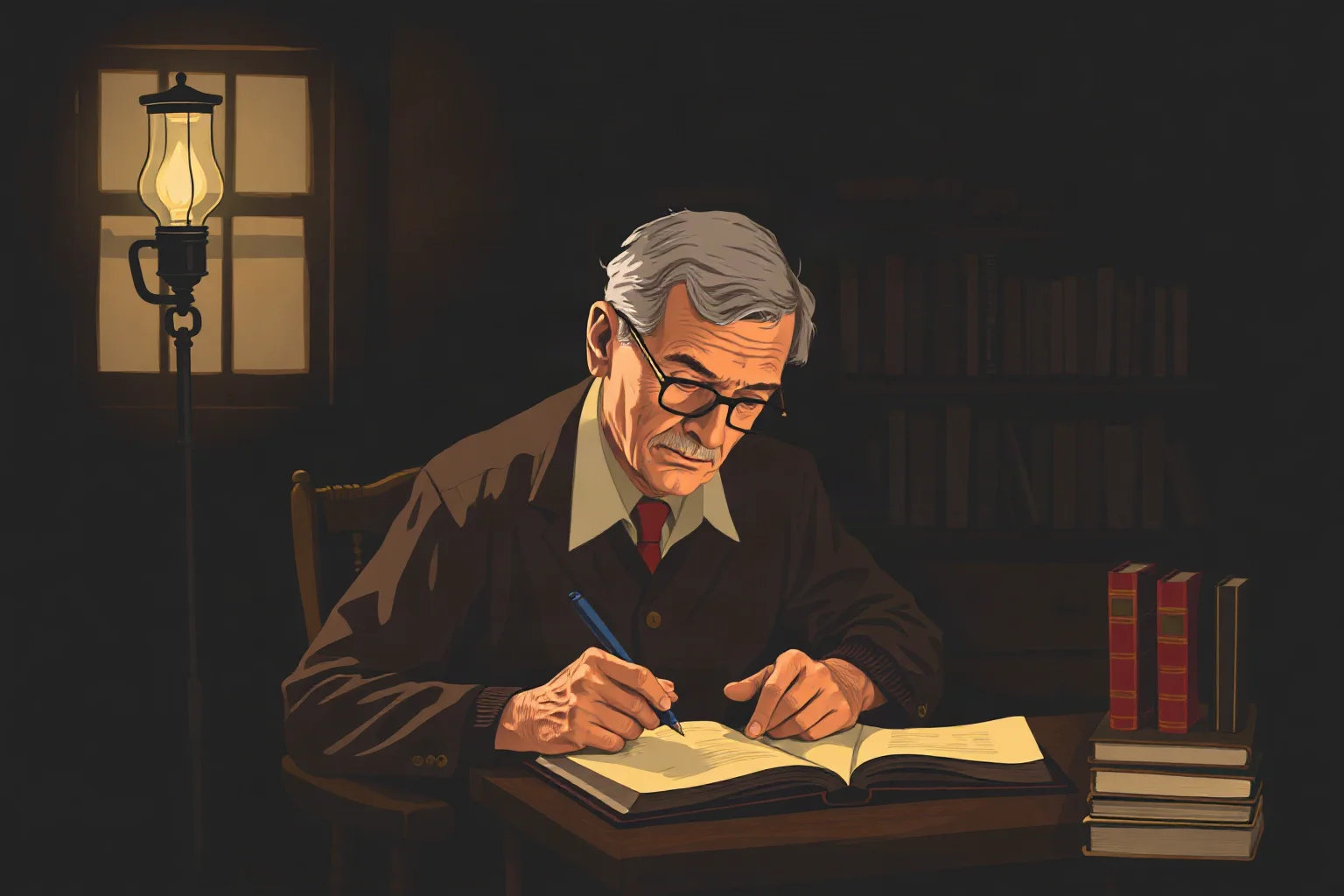
Sherwood Anderson (1876–1941) was a bit older than most of this group, but his 1919 story collection “Winesburg, Ohio” was a formative influence on younger writers. He personally encouraged Hemingway to move to Paris and wrote him letters of introduction to Gertrude Stein and Ezra Pound.
Anderson’s plain, psychologically probing style helped set the template that Hemingway would later sharpen and simplify even further.
9. Djuna Barnes
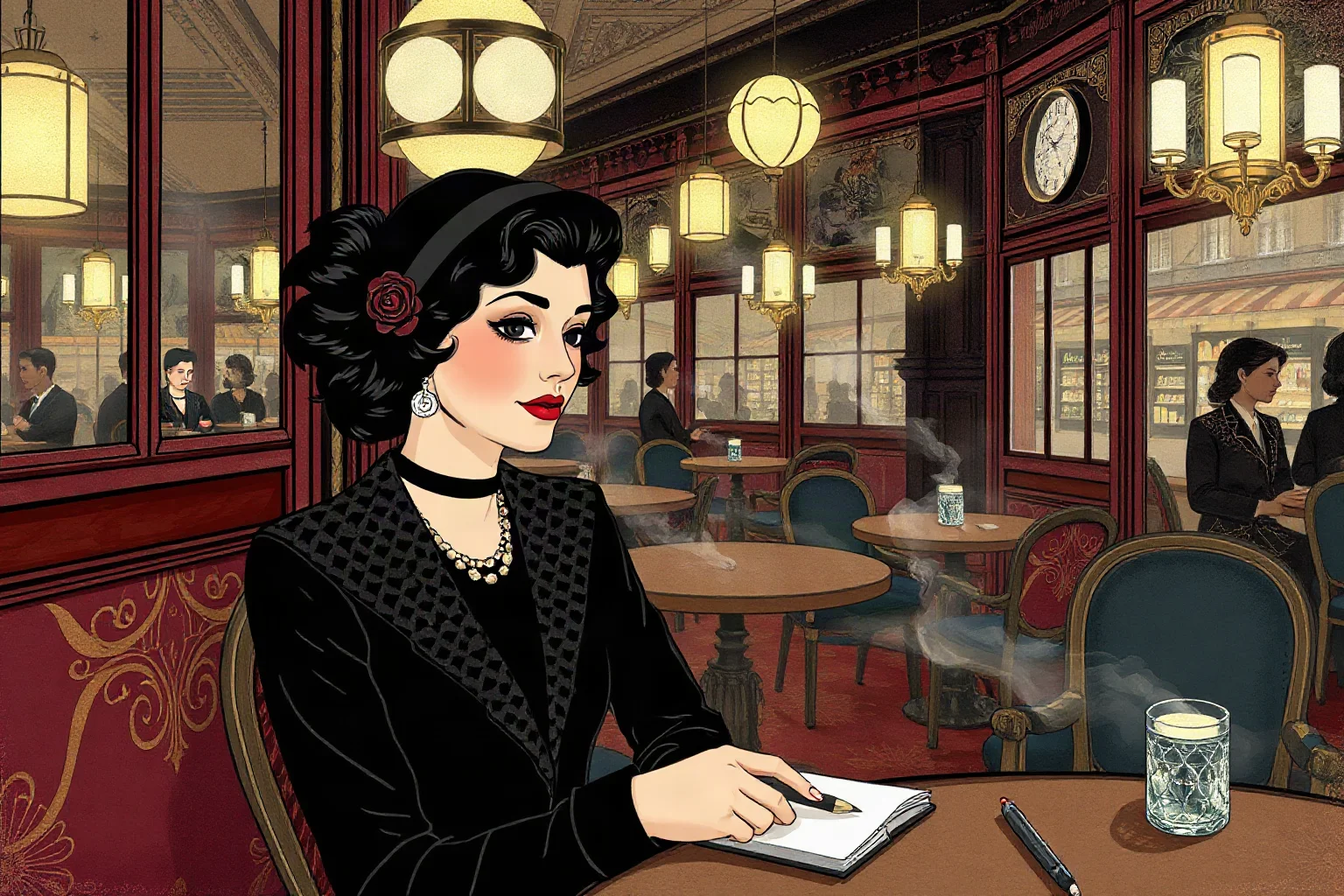
Djuna Barnes (1892–1982) was an American writer and illustrator who found in Paris a bohemian freedom largely unavailable to her back home. Her novel “Nightwood” (1936) explored queer identity and psychological alienation with a dense, poetic style unlike almost anything else from the period.
She moved in overlapping expatriate and lesbian literary circles in Paris, and her work is now recognized as a crucial, if long underappreciated, part of Lost Generation literature.
10. Hart Crane
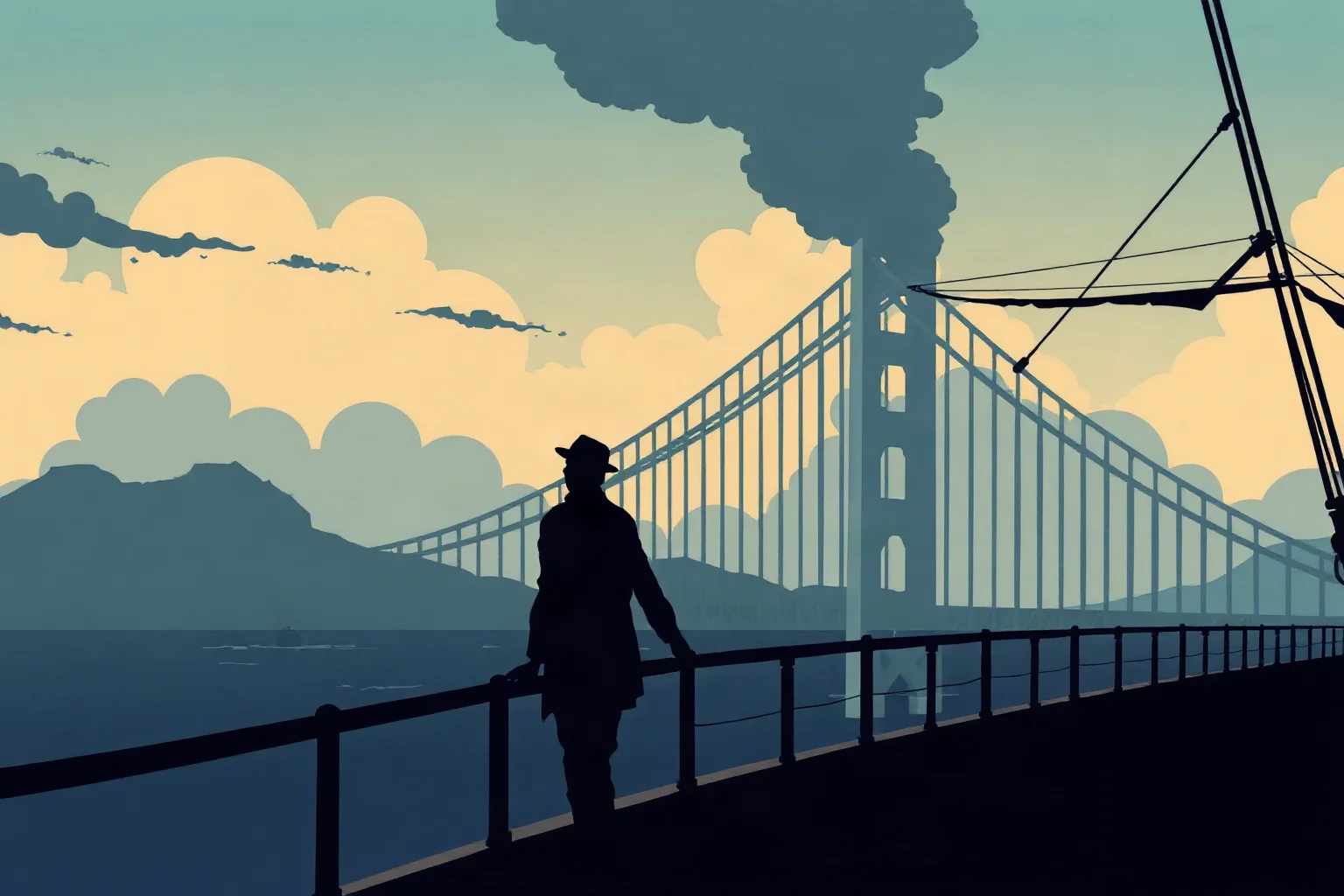
Hart Crane (1899–1932) was a poet whose ambitious long poem “The Bridge” (1930) tried to build a modern American mythology out of the Brooklyn Bridge and the nation’s industrial landscape. His personal life was marked by heavy drinking and turmoil that mirrored the broader restlessness of his generation.
Crane died by suicide in 1932, a loss that many contemporaries and later readers connected directly to the disorientation and instability that ran through the Lost Generation’s story.
11. E.E. Cummings
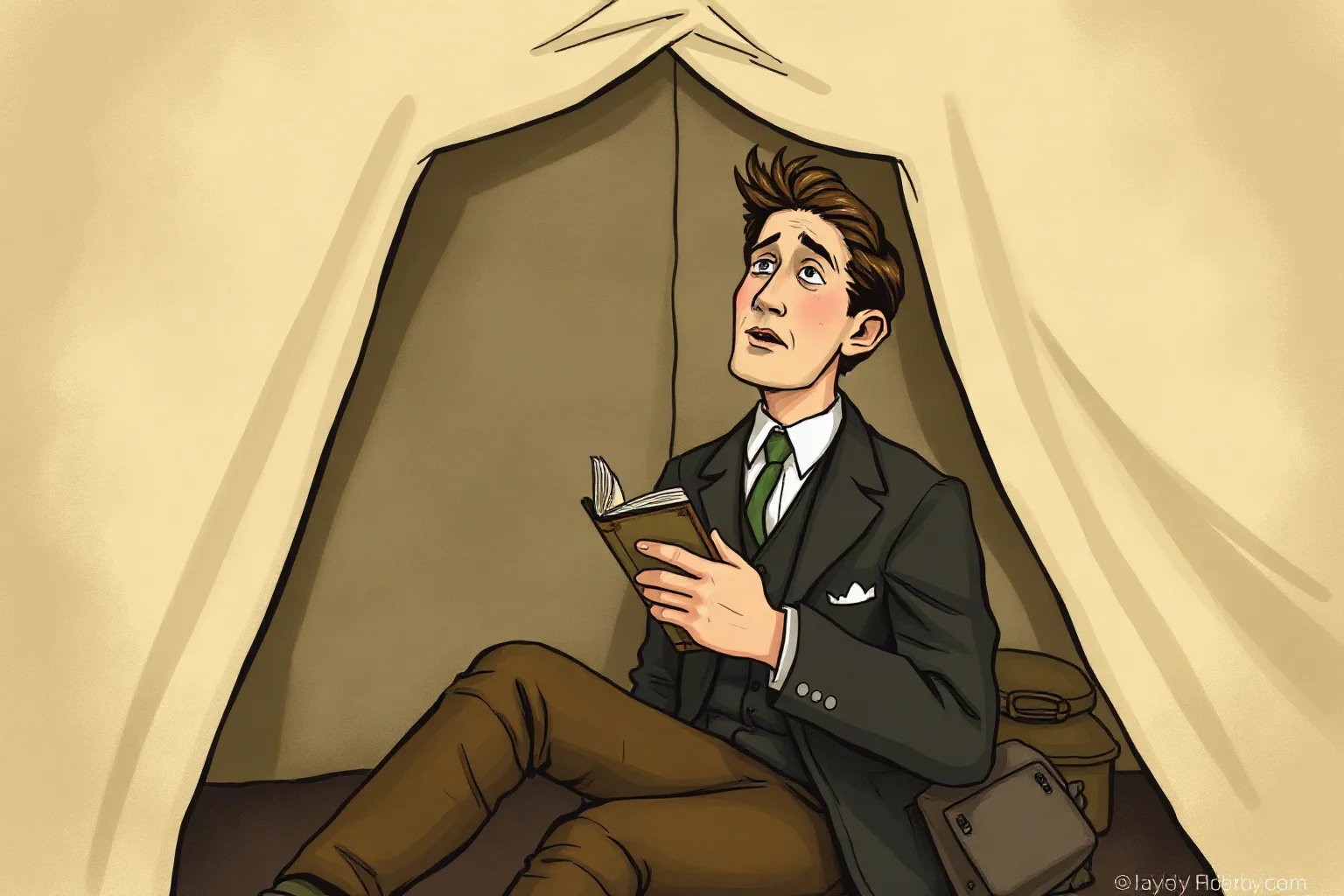
E.E. Cummings (1894–1962) volunteered as an ambulance driver in France during World War I and was wrongly imprisoned for months in a French detention camp after his letters raised suspicion. He turned that ordeal into “The Enormous Room” (1922), a striking early memoir of wartime absurdity.
Cummings later became known for his unconventional, lowercase, loosely punctuated poetry, which broke just as sharply from tradition as his prose contemporaries did.
12. Archibald MacLeish
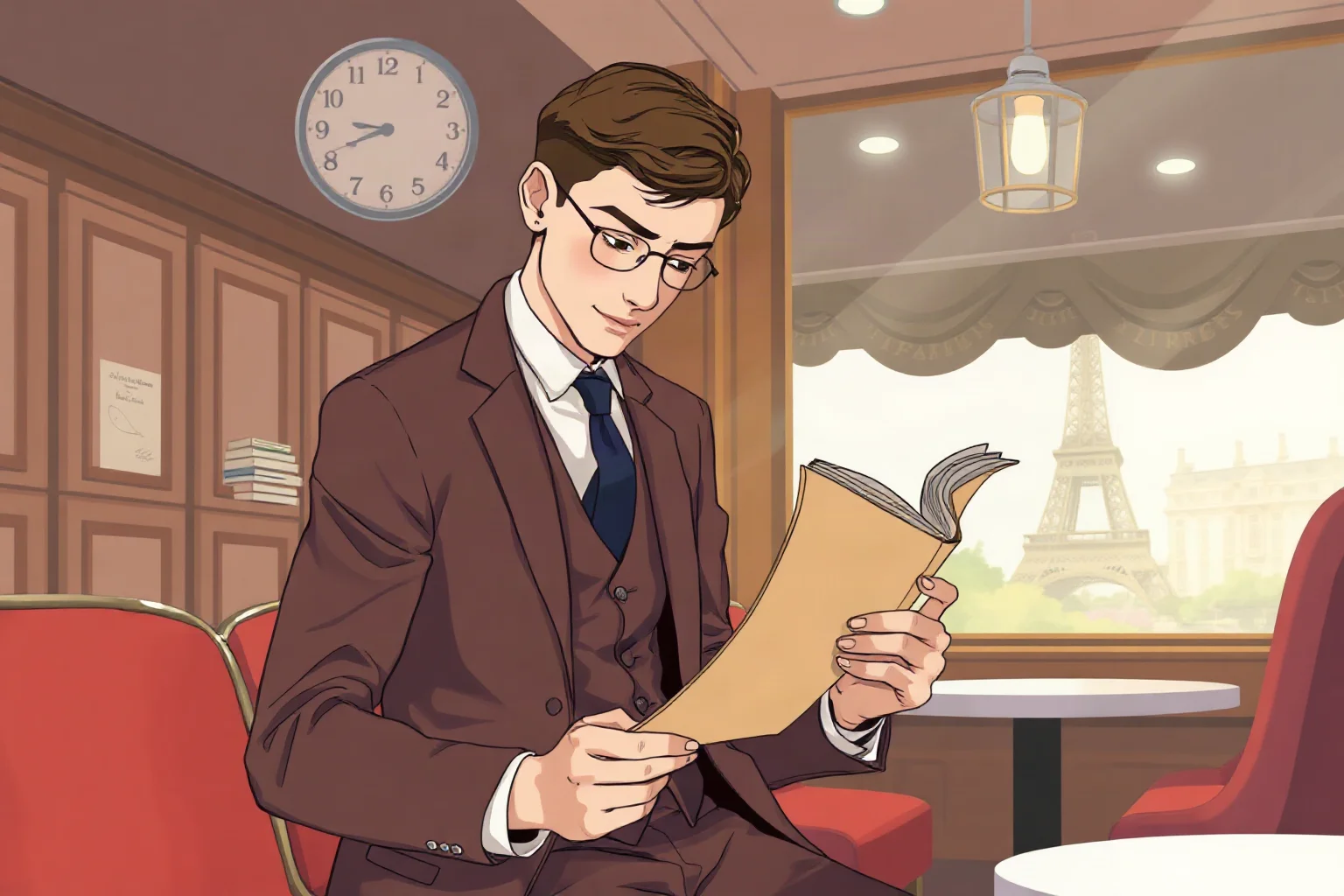
Archibald MacLeish (1892–1982) trained as a lawyer before turning fully to poetry, and he spent much of the mid-1920s living among the Paris expatriates. His poetry grappled with the same postwar disorientation, though he later moved toward more socially and politically engaged writing.
MacLeish eventually became Librarian of Congress and a public statesman for American letters, a very different late career than most of his Lost Generation peers.
13. Malcolm Cowley
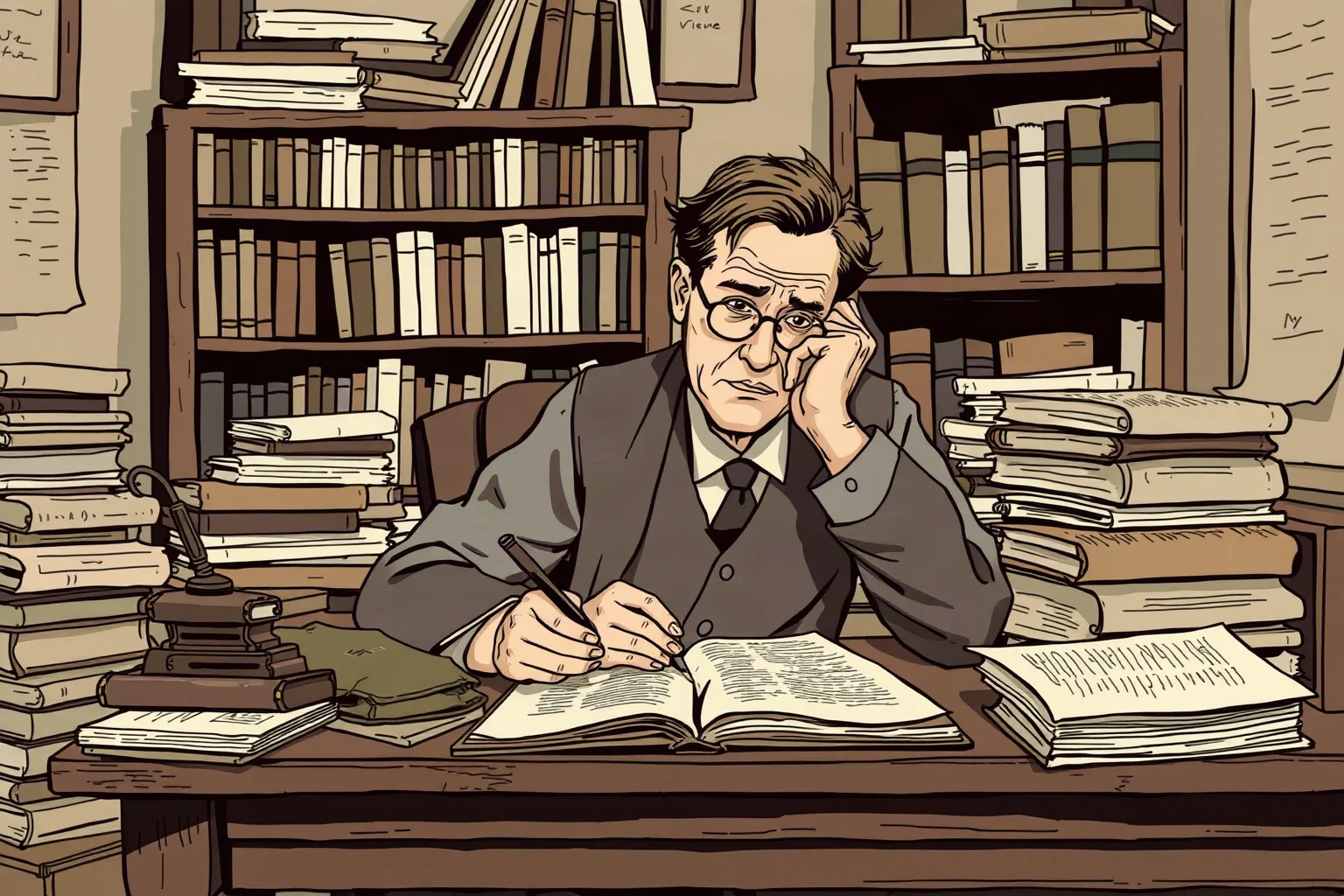
Malcolm Cowley (1898–1989) served briefly in World War I and later became one of the sharpest chroniclers of his own generation. His 1934 memoir “Exile’s Return” is one of the most useful firsthand accounts of what expatriate life in Paris actually felt like, beyond the myth-making.
As a critic and editor, Cowley also helped shape how later readers understood and categorized the Lost Generation as a literary movement.
14. Sylvia Beach
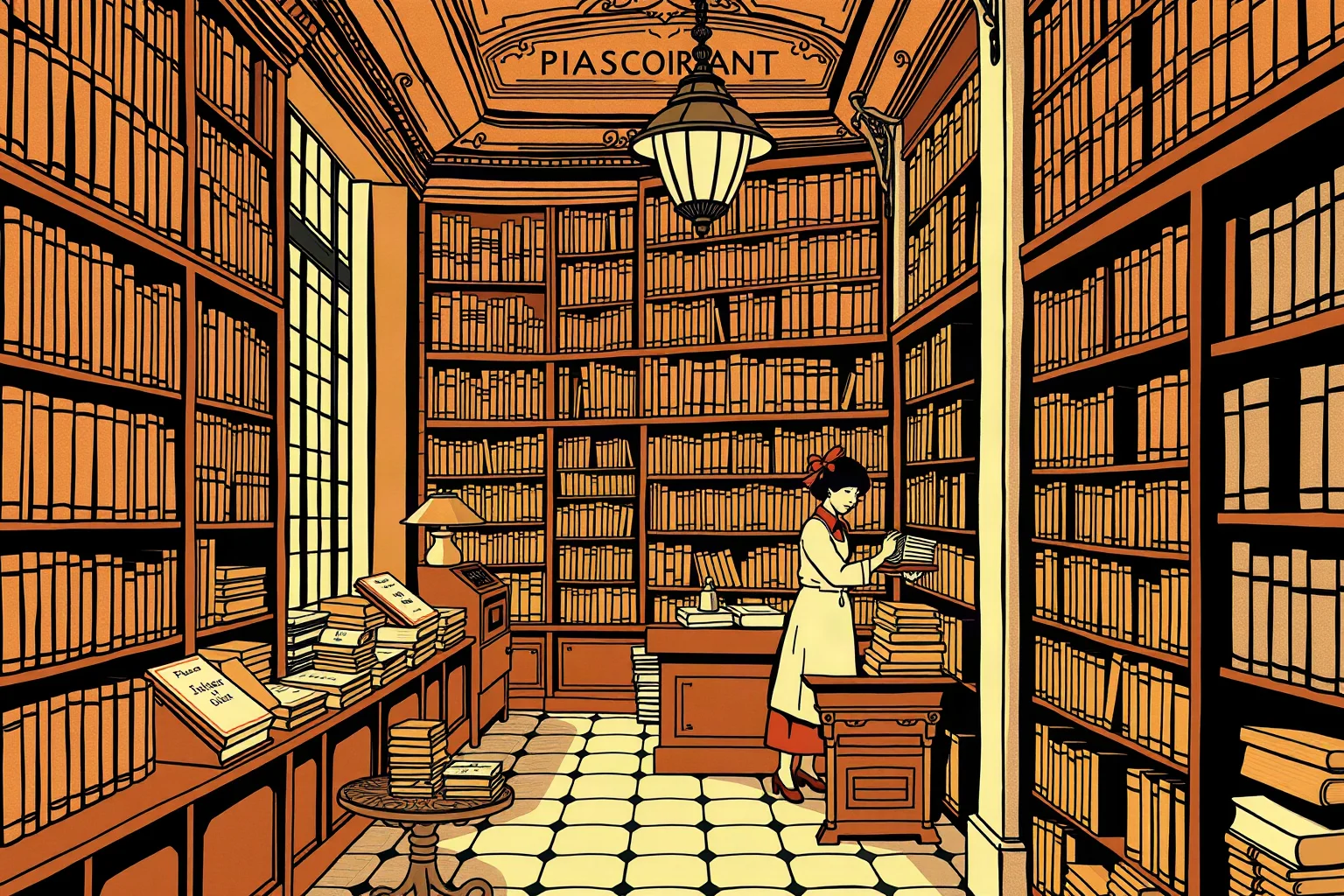
Sylvia Beach (1887–1962) was an American-born bookseller who founded the legendary Shakespeare and Company bookshop in Paris in 1919. The shop became a lending library, meeting spot, and informal support network for cash-strapped expatriate writers.
Beach is also famous for taking the enormous risk of publishing James Joyce’s “Ulysses” in 1922 after other publishers refused it, making her an essential, if often overlooked, figure in the era’s literary history.
15. Man Ray

Man Ray (1890–1976) was an American visual artist and photographer who became a central figure in the Paris Dada and Surrealist movements. His portraits captured many of the writers and artists in this list, giving us much of the visual record we still associate with the era.
His experimental photographic techniques, including his so-called “rayographs,” paralleled the same drive toward formal innovation found in the period’s literature.
16. Gerald and Sara Murphy
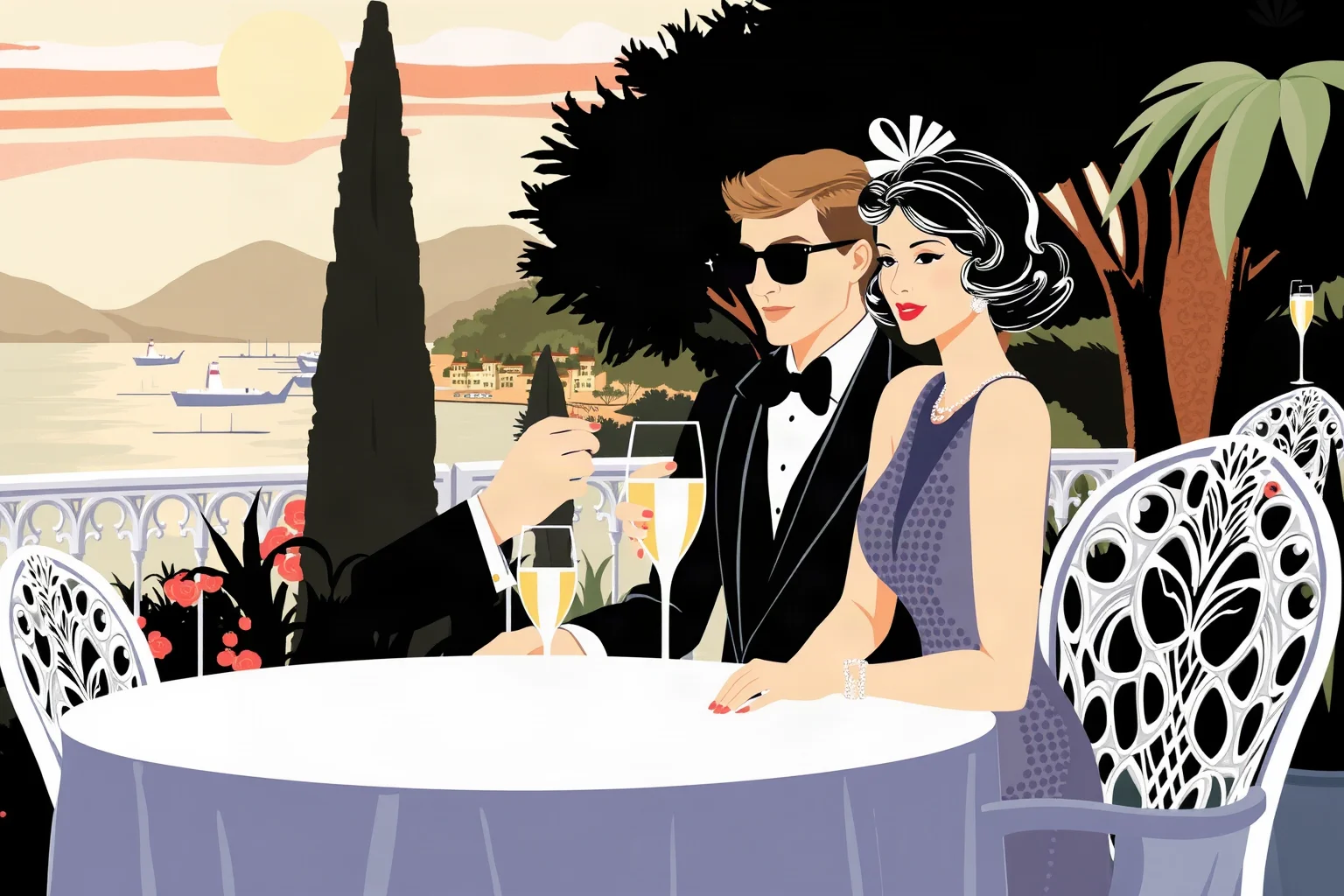
Gerald and Sara Murphy were wealthy American expatriates who became legendary hosts and patrons on the French Riviera during the 1920s. Their lavish but tightly curated gatherings drew in Hemingway, Fitzgerald, Picasso, and Cole Porter, among many others.
The couple is widely believed to have inspired the characters Dick and Nicole Diver in Fitzgerald’s “Tender Is the Night,” blurring the line between the Lost Generation’s real social world and its fiction.
17. Kay Boyle

Kay Boyle (1902–1992) arrived in Paris slightly later than some of her peers but became a prolific and respected voice in expatriate literary magazines. She wrote short stories, novels, and poetry that often focused on personal relationships strained by the era’s restlessness and moral experimentation.
Boyle also worked as a translator and editor, helping circulate the work of other expatriate writers to wider audiences.
18. Robert McAlmon
Robert McAlmon (1895–1956) ran a small Paris press, Contact Editions, that took chances on writers larger publishers wouldn’t touch. He published early work by Hemingway, including the 1923 collection “Three Stories and Ten Poems,” as well as work by Gertrude Stein and others.
McAlmon’s own writing has faded from wide recognition, but his publishing work quietly enabled several other careers on this list to get off the ground.
19. Harold Stearns
Harold Stearns (1891–1943) was an American writer and critic who edited “Civilization in the United States” (1922), a widely discussed collection of essays sharply critical of American culture. He then left for Paris himself, embodying the exact disillusioned expatriate stance his book had described.
Stearns is often cited as something close to an archetype: the intellectual who diagnosed America’s cultural shallowness and then simply walked away from it.
20. Ford Madox Ford
Ford Madox Ford (1873–1939) was British rather than American, but his role in the Lost Generation’s Paris scene was significant enough to earn a place here. He founded the transatlantic review in 1924, a Paris-based literary magazine that published Hemingway, Stein, and Joyce early in their careers.
Ford also personally mentored several younger writers, even as some of them, including Hemingway, later wrote unflattering portraits of him in their memoirs.
The Enduring Legacy of the Lost Generation
There isn’t one single, official “Lost Generation symbol” the way there might be for other historical movements; the label refers to a shared mood and experience rather than a flag or emblem. If anything symbolizes it, it’s probably the recurring images in the literature itself: the crowded Paris café, the transatlantic steamship, the wounded veteran who can’t quite explain what happened to him.
What’s not in doubt is the lasting influence these writers had on English-language literature. Hemingway’s minimalist style, Fitzgerald’s critique of the American Dream, and Stein’s formal experimentation all rippled forward into decades of fiction that followed. Even the very act of expatriation they popularized became a recognizable literary rite of passage for generations of writers after them.
The Lost Generation’s story is ultimately about people trying to make sense of a world that had broken its own promises to them. They didn’t find easy answers, and much of their best work is honest about that failure rather than papering over it. Nearly a century later, that honesty is probably why we’re still reading them.
Frequently Asked Questions
Who was the Lost Generation?
The Lost Generation refers to the group of American writers and artists, born mostly in the 1880s and 1890s, who came of age during World War I and became disillusioned with the traditional values of patriotism, heroism, and moral certainty. Many of them, including Ernest Hemingway, F. Scott Fitzgerald, and Gertrude Stein, moved to Paris in the 1920s and produced some of the era's most influential literature there.
What was the Lost Generation in the 1920s?
In the 1920s, the Lost Generation was a loose network of expatriate American writers living mainly in Paris who rejected postwar American culture's optimism and moral conventions. They wrote about disillusionment, aimlessness, and moral ambiguity, and helped pioneer literary modernism through spare prose styles and experimental narrative structures.
Who coined the term “Lost Generation”?
The phrase is generally credited to Gertrude Stein, who is said to have used it in conversation with Ernest Hemingway. Hemingway recounted the exchange years later in his memoir "A Moveable Feast" and popularized the term further by using it as an epigraph in his 1926 novel "The Sun Also Rises," though the precise origin story can't be independently verified beyond his own account.
Who were the writers of the Lost Generation?
The best-known writers of the Lost Generation include Ernest Hemingway, F. Scott Fitzgerald, Gertrude Stein, John Dos Passos, Ezra Pound, T.S. Eliot, E.E. Cummings, Djuna Barnes, and Hart Crane. Publishers and patrons like Sylvia Beach and Robert McAlmon also played essential supporting roles in getting this generation's work into print.
When was the Lost Generation?
Most figures associated with the Lost Generation were born in the 1880s and 1890s, came of age during World War I (1914–1918), and produced their major work during the 1920s. The term itself only became widely used after 1926, and the expatriate Paris scene largely dispersed by the early 1930s as the Great Depression reshaped American life and literature.
What are the characteristics of the Lost Generation?
Lost Generation writing is typically marked by disillusionment with patriotism and traditional institutions, a sense of aimlessness or moral ambiguity, expatriate settings, and modernist literary experimentation. Common themes include alienation, distrust of romanticized war narratives, and a stripped-down or fragmented writing style compared to earlier nineteenth-century fiction.
How did the Lost Generation writers criticize their culture?
They criticized American culture by exposing the emptiness behind wealth and status, as Fitzgerald did in "The Great Gatsby," and by rejecting sentimental, glorified depictions of war, as Hemingway did in "A Farewell to Arms." Many also expressed their critique simply by leaving the United States for Paris, quietly rejecting Prohibition-era moralizing and provincial cultural attitudes.
What is the connection between the Lost Generation and World War I?
World War I is the defining trauma behind the Lost Generation's worldview. Many of its writers served as soldiers or ambulance drivers and witnessed mass, mechanized death that shattered older ideas of heroic combat, leaving them permanently skeptical of official rhetoric about glory, duty, and sacrifice.
Is there an official Lost Generation symbol?
There isn't one single, universally recognized symbol for the Lost Generation. The term describes a shared historical mood rather than a formal movement with an emblem, though recurring imagery like the Parisian café, the ocean liner, and the disillusioned veteran often stand in as informal visual shorthand for the era.
Is the viral poem “Lost Generation” related to the 1920s literary movement?
No. The widely shared poem titled "Lost Generation," written by Jonathan Reed and known for reading with opposite meanings forwards and backwards, dates from the 2000s and comments on a modern generation. It's unrelated to the historical 1920s literary Lost Generation, even though the shared name causes frequent confusion.
What are some good books on the Lost Generation?
Strong starting points include Ernest Hemingway's "The Sun Also Rises" and "A Farewell to Arms," F. Scott Fitzgerald's "The Great Gatsby" and "Tender Is the Night," and Hemingway's memoir "A Moveable Feast." For a firsthand nonfiction account, Malcolm Cowley's memoir "Exile's Return" offers valuable historical context from someone who actually lived through the era.

Alex Warren
Related Articles