

History is full of triumphs, tragedies, and turning points. But every so often, it also hands us a death so strange that it sounds like it belongs in a comedy sketch rather than a history book.
From philosophers who reportedly laughed themselves to death to a daredevil who survived Niagara Falls only to be undone by a banana peel, these stories have been passed down, debated, and occasionally exaggerated for centuries.
This is our carefully researched list of unusual deaths, a natural companion to our roundup of the weirdest people in history, separating the well-documented from the legendary, so you get the strange history without the myths presented as fact.
TL;DR: History’s weirdest deaths range from thoroughly documented modern accidents to centuries-old legends that historians still can’t fully verify, and both kinds reveal something fascinating about how we remember the past.
Why Strange Deaths Have Fascinated Us for Centuries
Humans have always been drawn to stories that seem too odd to be true. Ancient writers like Pliny the Elder and Diogenes Laertius recorded plenty of unusual deaths in history, often decades or centuries after the fact, which means some of the most famous tales are more folklore than fact.
That doesn’t make them any less fun to read. It just means a good myth-busting approach separates the rarest deaths with solid evidence from the odd deaths that grew more colorful with every retelling.
Below, you’ll find both types clearly noted. Some entries are backed by contemporary records and medical accounts, while others come from ancient historians writing long after the person in question had died.
The 21 Most Unusual Deaths in History
Here is our list of unusual deaths, ranked roughly by how strange, how well-documented, and how enduringly retold each story has become over time.
1. Aeschylus and the Falling Tortoise

The ancient Greek playwright Aeschylus, one of the fathers of tragedy, reportedly died around 455 BCE when an eagle dropped a tortoise from the sky and struck him on the head. According to the story, the eagle mistook his bald scalp for a rock suitable for cracking open its shell.
This tale comes from the Roman-era writer Valerius Maximus, writing centuries after Aeschylus’s death. Most historians treat it as legend rather than verified fact, but it remains one of the most-cited entries on any list of weird deaths in history.
2. Draco and the Deadly Gratitude of a Crowd
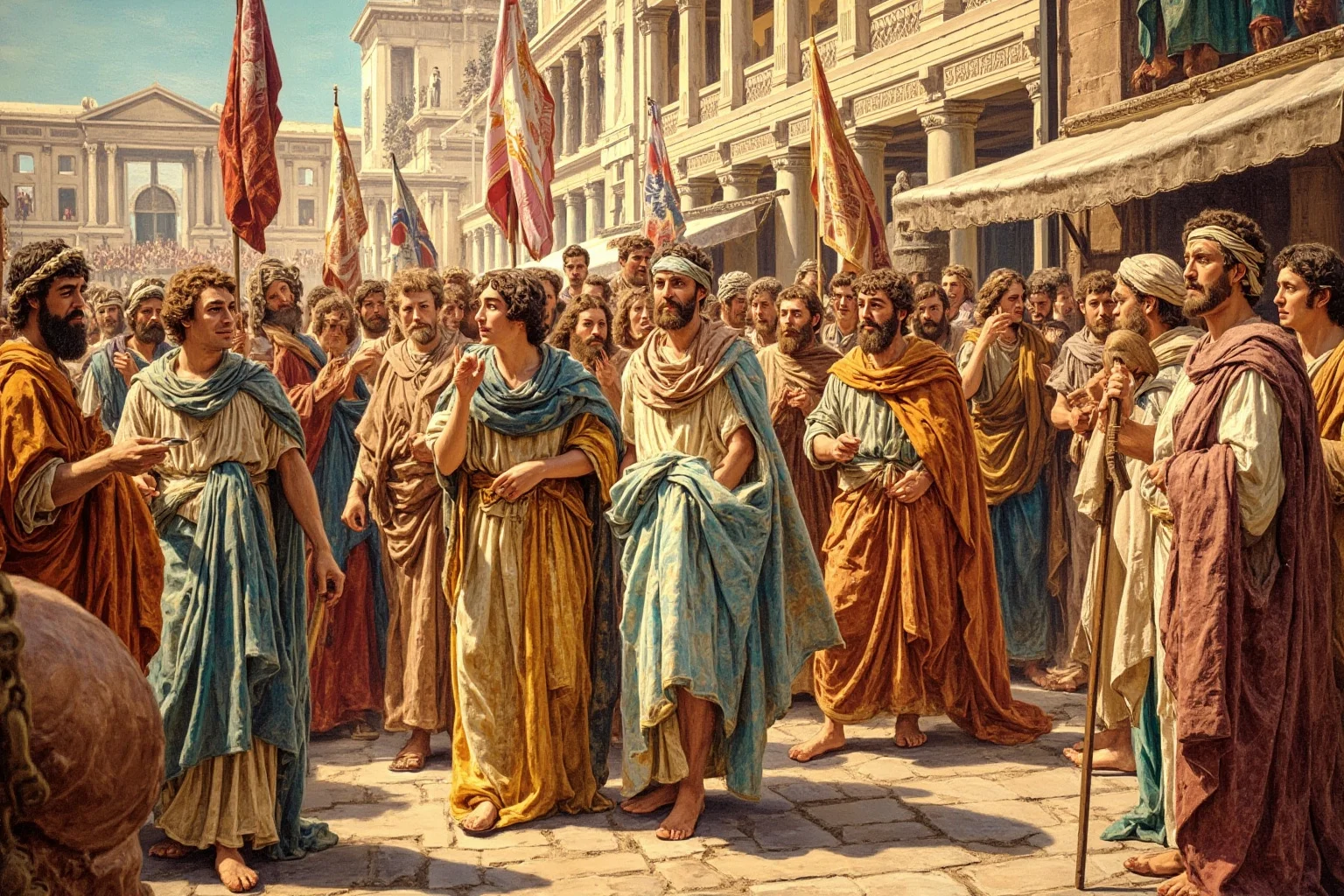
Draco, the Athenian lawgiver famous for harsh legal codes, is said to have died around 600 BCE while attending a theatrical festival on the island of Aegina. As a mark of honor, the crowd reportedly showered him with cloaks and hats in appreciation.
According to the story, Draco was smothered under the sheer weight and volume of gifts. Like several ancient accounts on this list, it survives only through later secondhand sources, so it sits firmly in the “strange but unverified” category.
3. Attila the Hun’s Fatal Nosebleed

Attila the Hun, the feared leader who terrorized the late Roman Empire and is still counted among the most lethal leaders in history, died in 453 CE on the night of his wedding to a woman named Ildico. Historical accounts, including one from the Gothic historian Jordanes, describe him suffering a severe nosebleed and choking on his own blood while in a drunken sleep.
Some modern historians suggest a ruptured internal blood vessel or esophageal bleeding related to alcohol use is more medically plausible than a simple nosebleed. Either way, one of history’s most feared conquerors died quietly in bed rather than in battle.
4. Sigurd the Mighty’s Fatal Trophy

Sigurd Eysteinsson, a ninth-century Viking Earl of Orkney, defeated a rival Scottish leader named Mael Brigte in battle and, as was custom, strapped the severed head to his saddle as a trophy. On the ride home, one of the dead man’s protruding teeth grazed Sigurd’s leg.
The wound became infected, and Sigurd died from the resulting sepsis. This story comes from Norse sagas written generations later, so exact details are impossible to confirm, but it remains a favorite among weird ways people died in the medieval world.
5. King Adolf Frederick of Sweden’s Deadly Dessert
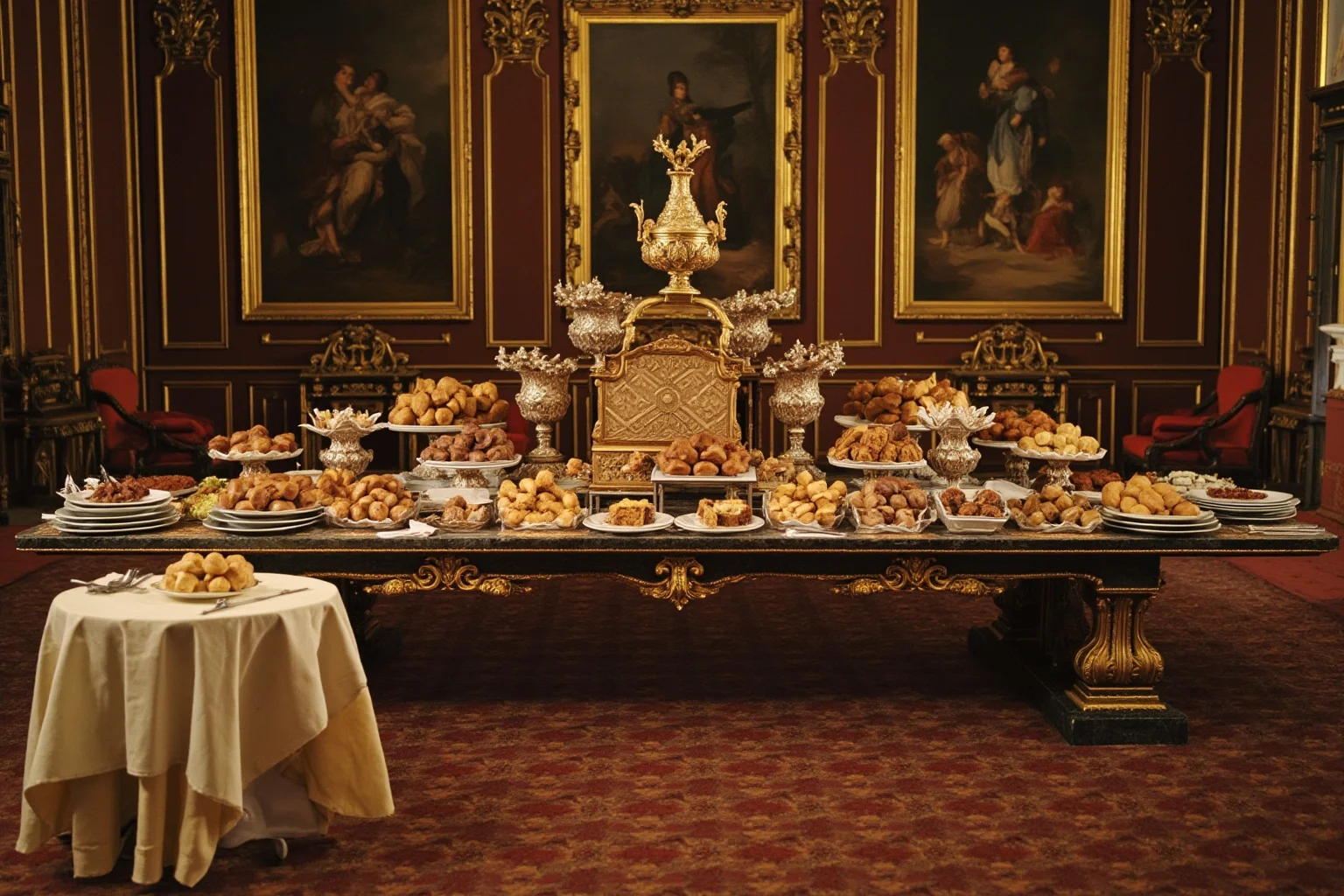
Unlike the ancient legends on this list, this one is well documented. In 1771, King Adolf Frederick of Sweden ate a massive meal that ended with fourteen servings of semla, a sweet bun traditionally served in hot milk, and reportedly died of digestive complications afterward.
Contemporary accounts describe the meal in detail, making this one of the more reliably recorded funny causes of death in royal history. Swedish schoolchildren still learn about “the king who ate himself to death.”
6. Franz Reichelt’s Fatal Flight from the Eiffel Tower
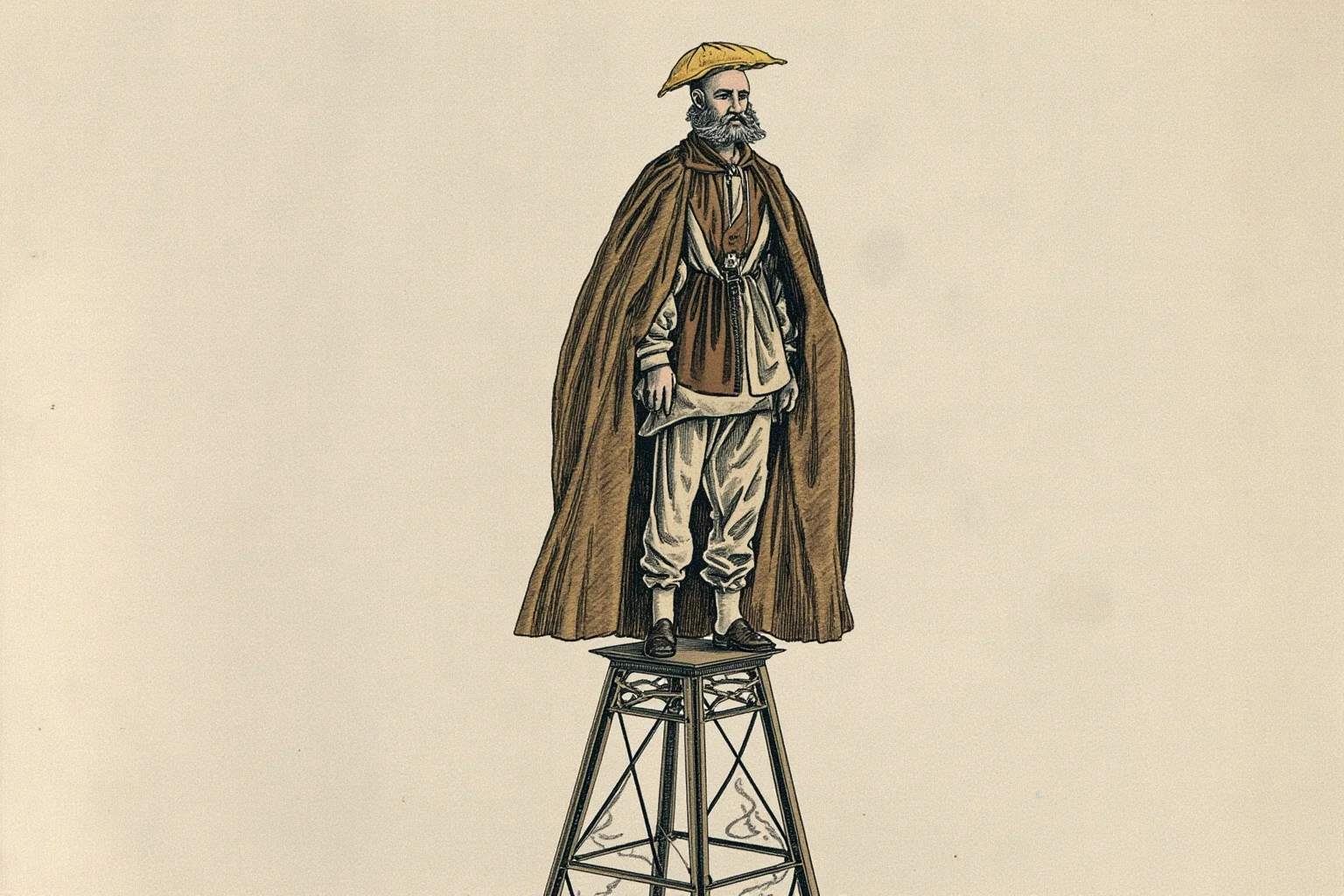
Franz Reichelt, a tailor nicknamed “the Flying Tailor,” designed a wearable parachute suit in the early 1900s and was convinced it would work. In February 1912, he jumped from the first platform of the Eiffel Tower to demonstrate it to a crowd and press.
The suit failed to open, and Reichelt fell roughly 187 feet to his death. Film footage of the jump survives, making this one of the most well-documented and genuinely tragic entries on any list of unusual deaths.
7. Isadora Duncan’s Scarf

Pioneering modern dancer Isadora Duncan died in 1927 in Nice, France, when the long silk scarf she was wearing became entangled in the wheel and axle of the convertible car she was riding in. The scarf pulled tight and broke her neck almost instantly.
Multiple witnesses confirmed the accident, and it was widely reported in newspapers at the time. It remains one of the most cited strange deaths in history involving fashion and travel.
8. Tycho Brahe’s Mysterious Banquet
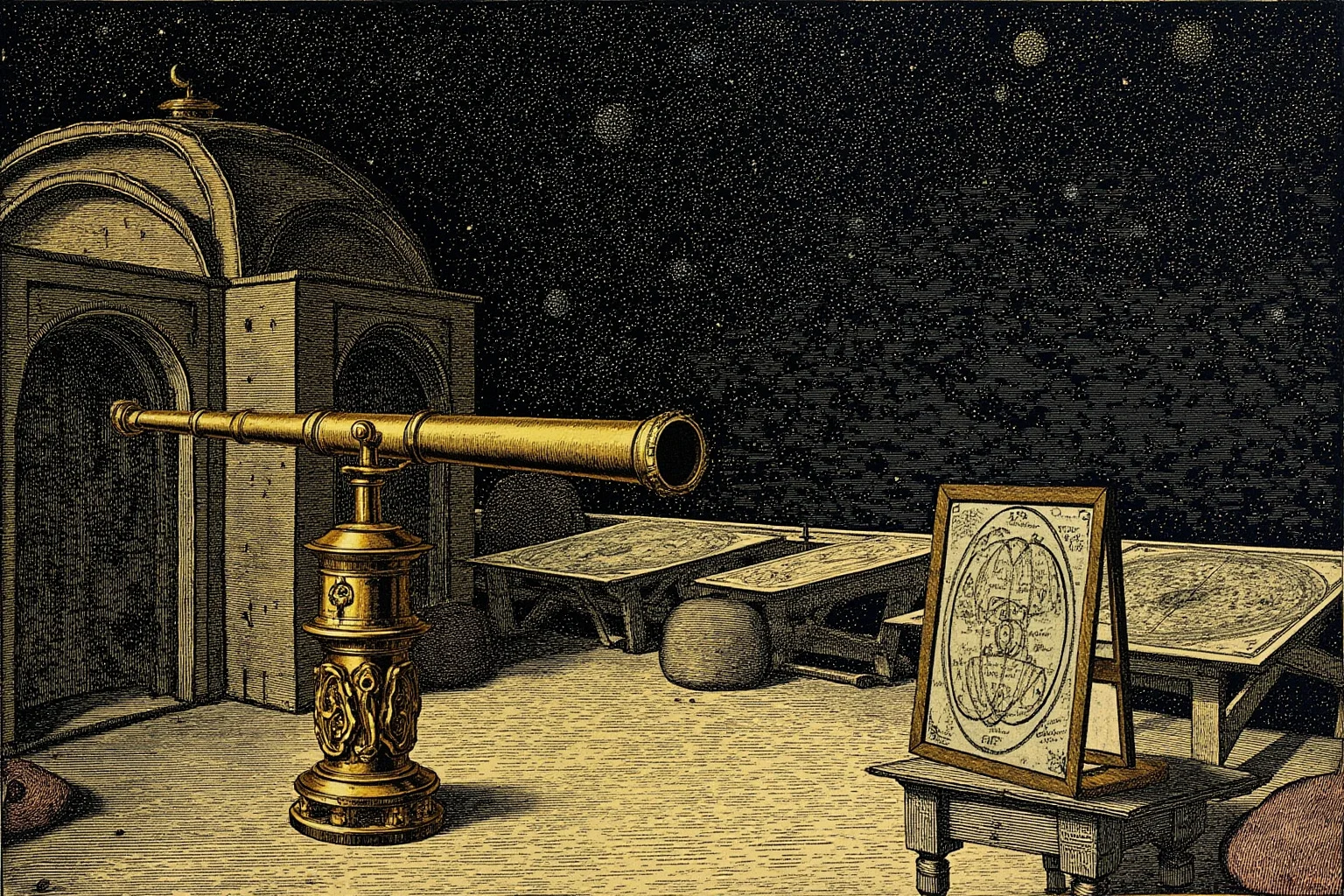
For centuries, the popular story held that Danish astronomer Tycho Brahe died in 1601 after his bladder burst because he was too polite to leave a royal banquet to use the bathroom. It’s a great story, but modern science has complicated it.
Analysis of hair samples in the 1990s and 2000s found elevated mercury levels, leading some researchers to suspect mercury poisoning, possibly from medication, rather than a burst bladder. This is a textbook example of why myth-busting matters when discussing weird deaths in history.
9. Bobby Leach and the Orange Peel
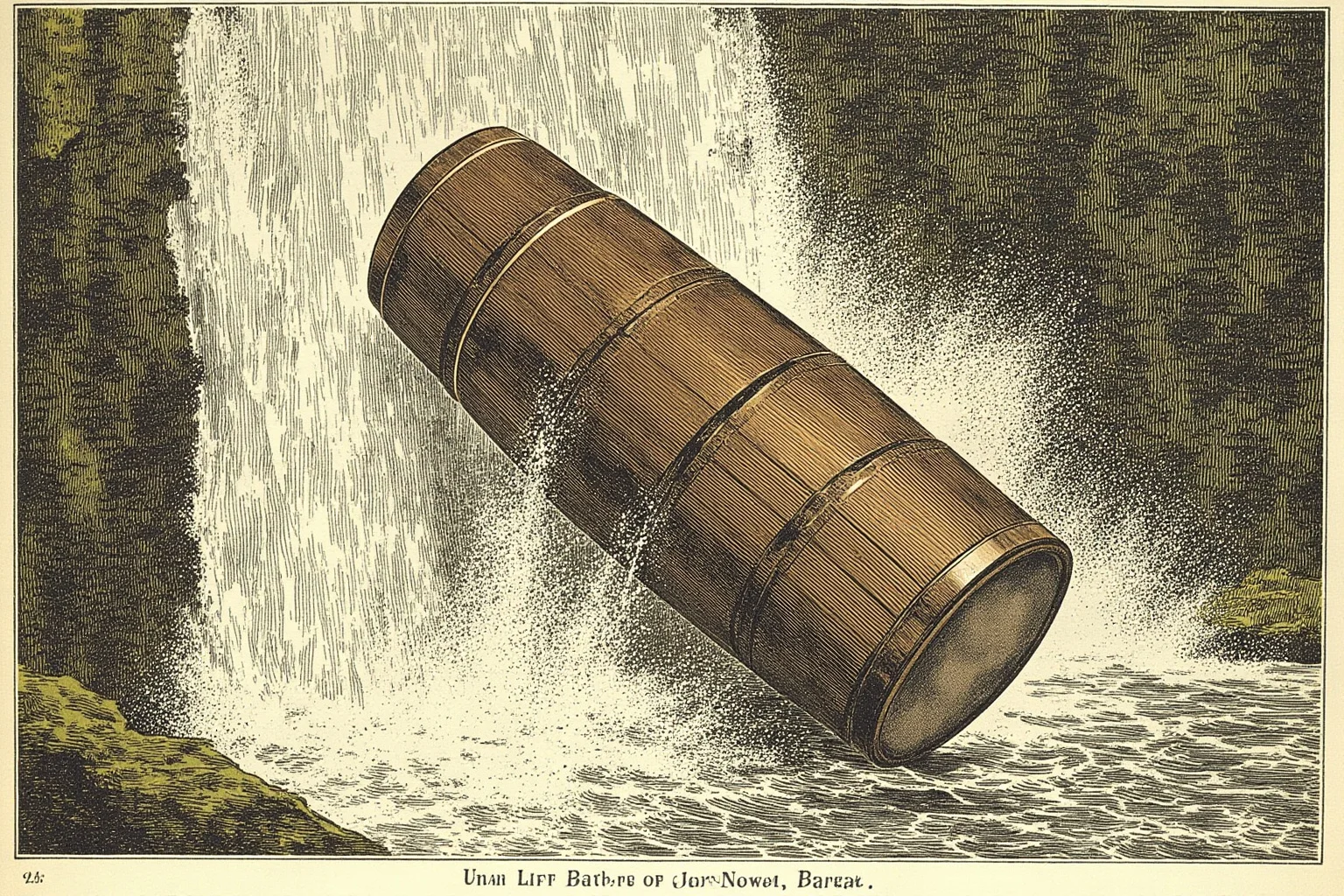
Bobby Leach became famous in 1911 as the second person to survive going over Niagara Falls in a barrel, suffering serious injuries in the process. In 1926, years after his daredevil stunt, he slipped on an orange peel while walking down a street in New Zealand.
The fall led to a leg injury that developed gangrene, and Leach died from complications a few weeks later. It’s frequently ranked among the funniest deaths in history purely because of the irony involved.
10. Clement Vallandigham’s Courtroom Demonstration

Clement Vallandigham was a lawyer defending a client accused of murder in 1871, arguing that the victim had accidentally shot himself while drawing a pistol from a kneeling position. To prove his point to colleagues, he picked up a gun he believed was unloaded and reenacted the scene.
The gun was loaded, and Vallandigham shot himself. His client was acquitted partly because of the demonstration, making this an oddly effective, if fatal, piece of legal theater.
11. Allan Pinkerton’s Bitten Tongue
Allan Pinkerton, founder of the famous Pinkerton detective agency, reportedly bit his tongue after slipping on a sidewalk in Chicago in 1884. The wound became infected, and gangrene set in.
Pinkerton died from the resulting infection weeks later. In an era before antibiotics, even minor wounds like this could and did turn fatal, which is part of why so many uncommon deaths from the 19th century involve infections that would be easily treatable today.
12. King Alexander I of Greece and the Pet Monkey

In 1920, King Alexander I of Greece was bitten while trying to break up a fight between his pet dog and a caretaker’s monkey at the royal gardens. The wound became infected with sepsis, and the young king died weeks later.
His death triggered a political chain of events that eventually contributed to a war and a change in Greece’s government. It stands as a genuinely well-documented case of a small accident leading to enormous historical consequences.
13. Perillos of Athens and His Own Invention
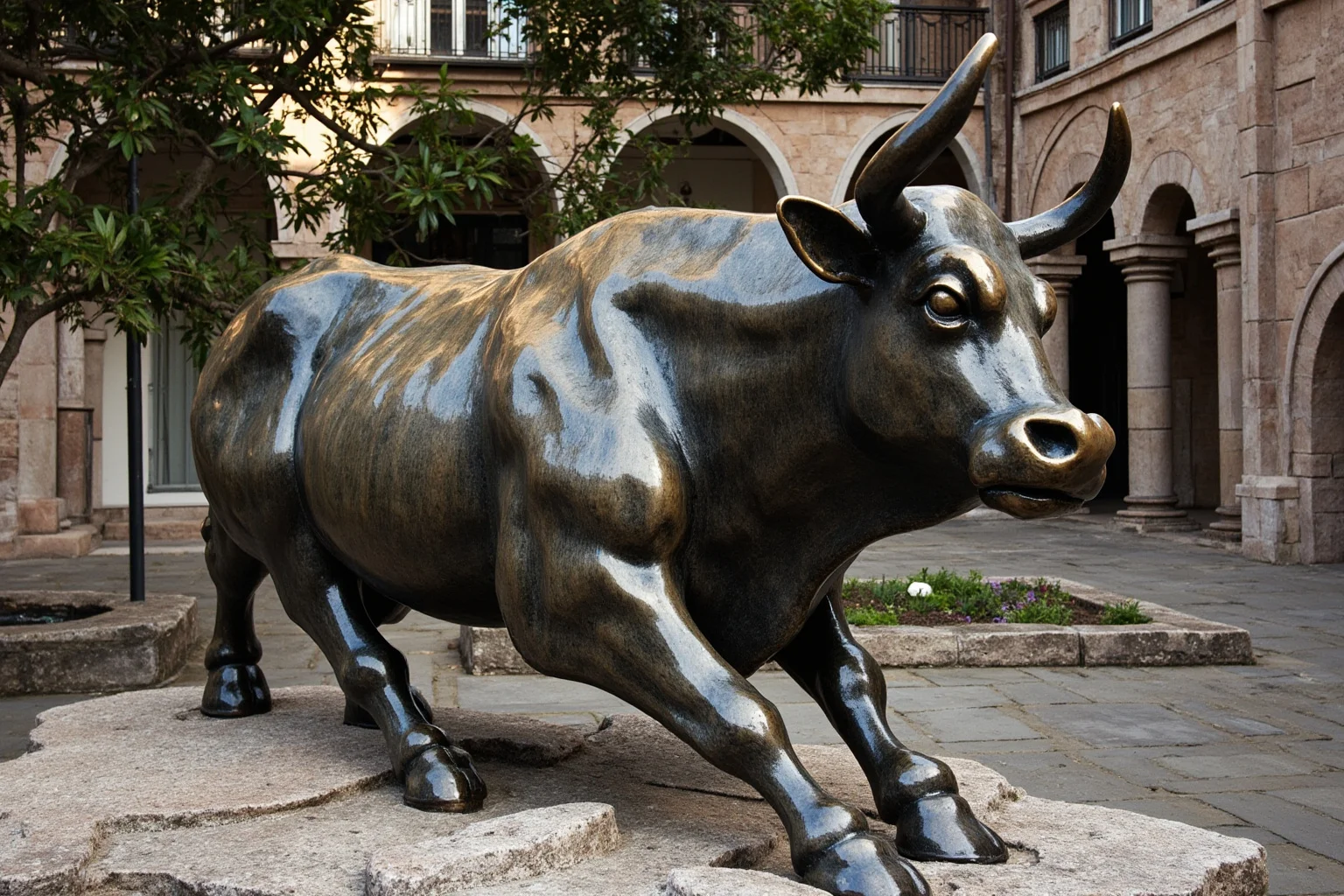
According to ancient sources, the bronze-worker Perillos designed a hollow bronze bull for the tyrant Phalaris of Agrigentum, often named among the contenders for worst person who ever lived, in the sixth century BCE. Victims were meant to be sealed inside and roasted alive, with the bull’s design causing their screams to sound like bellowing.
Accounts claim Phalaris tested the device on Perillos himself before ultimately having him removed before death, or in some versions killed him outright. Sources vary and were written well after the events described, so this belongs firmly in the “disputed legend” category, though it remains a staple of strange deaths in history.
14. George Plantagenet, Duke of Clarence, and the Wine Vat

George, Duke of Clarence and brother to King Edward IV of England, was executed for treason in 1478 after being held in the Tower of London. Popular legend holds that he was drowned in a butt of Malmsey wine at his own request, supposedly to avoid a more painful execution method.
Contemporary records confirm his execution but don’t fully verify the wine-vat detail, which appears to have grown into popular legend over subsequent generations, including a mention in Shakespeare’s Richard III. It’s a great example of how odd death stories can outlive the documented facts behind them.
15. Martin of Aragon and the Fatal Laughing Fit
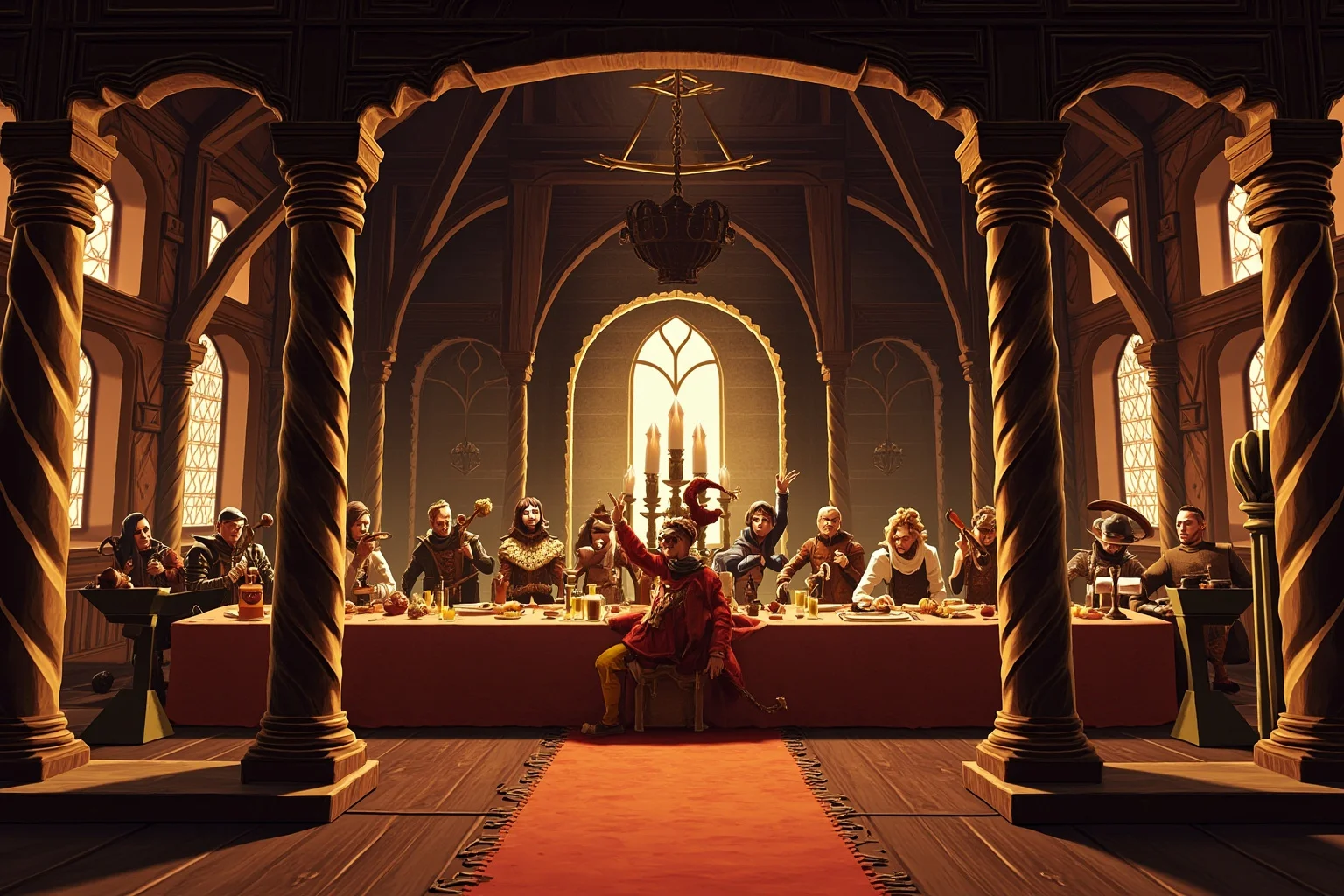
King Martin I of Aragon, known as “Martin the Humane,” died in 1410 after a large meal, reportedly overcome by a combination of severe indigestion and an uncontrollable laughing fit triggered by a joke from his court jester. Chroniclers of the time recorded the general circumstances, though exact medical details are naturally limited by the era’s understanding of illness.
Whatever the precise cause, his death ended the main line of the House of Barcelona and triggered a succession crisis in Aragon. It’s one of the more historically consequential entries among history’s comical deaths.
16. Chrysippus and the Laughing Donkey

The Stoic philosopher Chrysippus reportedly died around 206 BCE after seeing a donkey eating figs and laughing so hard at the sight that he could not stop. According to Diogenes Laertius, writing centuries later, the laughing fit itself proved fatal.
As with several ancient entries on this list, the story is widely repeated but impossible to verify with modern evidence. Still, “death by laughter” shows up often enough in ancient sources that it has become its own peculiar subcategory of the weirdest deaths in history.
17. Zeuxis and His Own Painting
The classical Greek painter Zeuxis, celebrated for extraordinarily realistic work, is said to have died laughing at a painting he had just completed of an old woman. The anecdote survives through later classical writers rather than contemporary accounts.
Whether or not it happened exactly this way, the story has endured for over two thousand years precisely because it’s such a fittingly ironic end for a painter obsessed with realism. It’s often grouped with Chrysippus’s story as one of antiquity’s funniest deaths.
18. Sherwood Anderson and the Cocktail Toothpick
American author Sherwood Anderson, known for “Winesburg, Ohio,” died in 1941 after swallowing a toothpick from an olive during a cocktail party while on a trip to South America. The toothpick caused internal damage that led to peritonitis, a serious abdominal infection.
He died in Panama a few days later, and the story was widely reported in American newspapers at the time. It’s one of the more thoroughly documented odd deaths of the 20th century.
19. Jean-Baptiste Lully’s Fatal Baton

French composer Jean-Baptiste Lully was conducting an orchestra in 1687 using a long, pointed staff to keep time by striking it against the floor, a common practice before the modern baton became standard. He accidentally struck his own foot with considerable force.
The wound developed into gangrene, and Lully refused to have his leg amputated, reportedly out of vanity as a dancer. He died from the infection months later, making this a well-documented and genuinely painful entry among history’s strangest deaths.
20. Jim Fixx and the Irony of the Running Boom

Jim Fixx helped popularize recreational running in the United States with his 1977 bestseller “The Complete Book of Running.” In 1984, at age 52, he collapsed and died of a heart attack while on his daily run in Vermont.
An autopsy revealed severely blocked arteries, a condition likely worsened by a family history of heart disease and a smoking habit earlier in life. His death remains a widely cited, well-documented example of unexpected deaths that seem to contradict a person’s public image.
21. Hans Steininger and His Own Beard
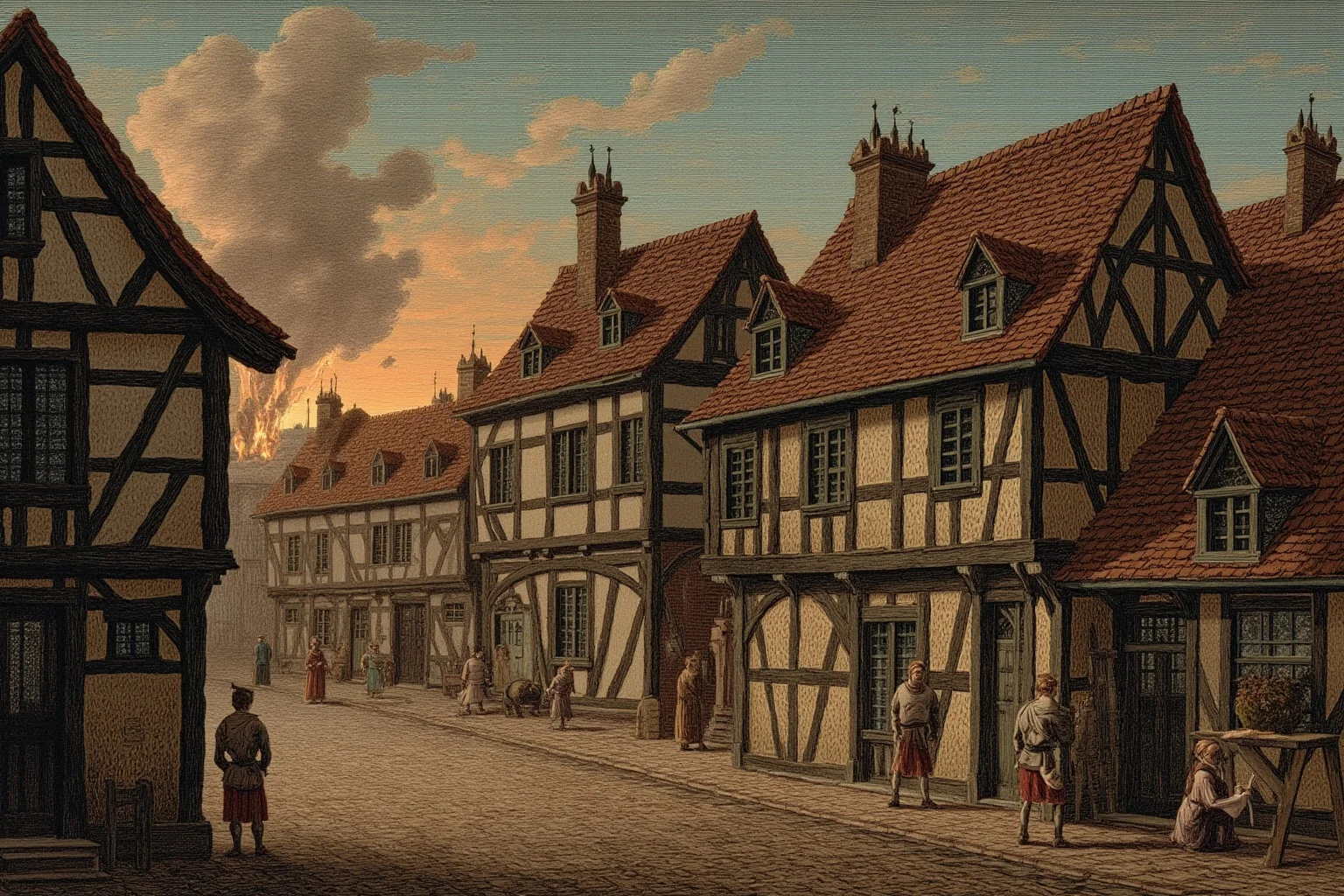
Hans Steininger, a 16th-century mayor of the Austrian town of Braunau, was famous for having one of the longest beards in Europe, reportedly over four feet in length. In 1567, a fire broke out in the town, and in his rush to escape, he forgot to roll up his beard as usual.
He stepped on it, tripped, and broke his neck in the fall. Local records and a portrait of Steininger with his remarkable beard have survived, lending this story more credibility than most ancient entries on this list.
Separating Fact from Folklore in History’s Strangest Deaths
Looking at this list of unusual deaths side by side, a clear pattern emerges. Ancient stories, like Aeschylus’s tortoise, Draco’s gifts, Chrysippus’s laughing fit, and the Duke of Clarence’s wine vat, all come from writers working decades or centuries after the events supposedly happened.
That time gap matters. Ancient and medieval historians often prioritized a good story or a moral lesson over strict accuracy, and details tended to grow more dramatic with each retelling.
Modern entries tell a different story. Cases like Franz Reichelt, Isadora Duncan, Jim Fixx, Bobby Leach, and Hans Steininger are backed by newspaper reports, autopsy records, or surviving film and photographs. When you’re searching for the weirdest deaths in history, it’s worth noting which stories have that kind of contemporary evidence and which are, essentially, very old and very entertaining rumors.
What These Deaths Remind Us
It’s tempting to treat this kind of list purely as dark comedy, and there’s no denying the entries here can feel like the setup to a joke. But behind almost every one of these unexpected deaths was a real person, a grieving family, and often a genuinely tragic accident rather than a punchline.
What makes these stories endure isn’t cruelty; it’s the very human recognition that death doesn’t always arrive the way we expect. A feared warlord can be undone by a nosebleed, and a man who cheated Niagara Falls can be felled by a piece of fruit peel.
That irony, more than anything, is why history keeps returning to its strangest deaths and why they keep getting retold, researched, and occasionally, respectfully, debunked.
Frequently Asked Questions
Is there an official list of unusual deaths?
There's no single official record, but Wikipedia hosts a well-known, community-edited "List of Unusual Deaths" that compiles many documented and legendary cases. It's a useful starting point, though like any crowdsourced page, individual entries vary in how well they're sourced, so it's worth cross-checking older or ancient claims against historical scholarship.
What is generally considered the weirdest death in history?
There's no single agreed-upon answer, since 'weirdest' depends on whether you weigh irony, documentation, or sheer improbability. Frequently cited contenders include Bobby Leach dying from an infected orange-peel slip after surviving Niagara Falls, and Franz Reichelt's fatal parachute-suit jump from the Eiffel Tower, both of which are well documented compared to older legends.
Are all these bizarre death stories historically verified?
No, and that's an important distinction. Ancient accounts like Aeschylus's tortoise or Chrysippus's laughing fit come from writers working long after the events, so historians treat them as legend rather than confirmed fact. Modern cases, like Isadora Duncan's scarf accident or Jim Fixx's heart attack, are backed by contemporary reports and medical records.
Who had the worst death in history?
'Worst' is subjective and depends on whether you mean most painful, most prolonged, or most historically significant. Rather than crowning one person, historians generally note that death by infection, before antibiotics existed, turned countless minor injuries, like Allan Pinkerton's bitten tongue or King Alexander I's monkey bite, into fatal ordeals.
What is the rarest death in the world?
Statistically, deaths from freak accidents, like being struck by falling debris, animal-related incidents, or unusual object ingestion, remain far rarer than deaths from illness, heart disease, or vehicle accidents. Historical cases like Sherwood Anderson's cocktail-toothpick death illustrate how uncommon these causes are, even though they attract outsized attention.
What was the most tragic death in history?
Tragedy is subjective, but many historians point to deaths that combined personal loss with major historical consequences, such as King Alexander I of Greece's death from a monkey bite, which helped trigger a war. Others consider Franz Reichelt's Eiffel Tower jump especially tragic because it was witnessed and filmed, and stemmed from genuine, if misplaced, confidence in his invention.
Why do people find funny causes of death so fascinating?
Psychologists suggest darkly comic or ironic deaths stick in memory because they defy our expectations of how life is supposed to end, especially for famous or powerful people. It's less about mockery and more about our discomfort with how random death can be, even for daredevils, kings, and philosophers.

Alex Warren
Related Articles





