

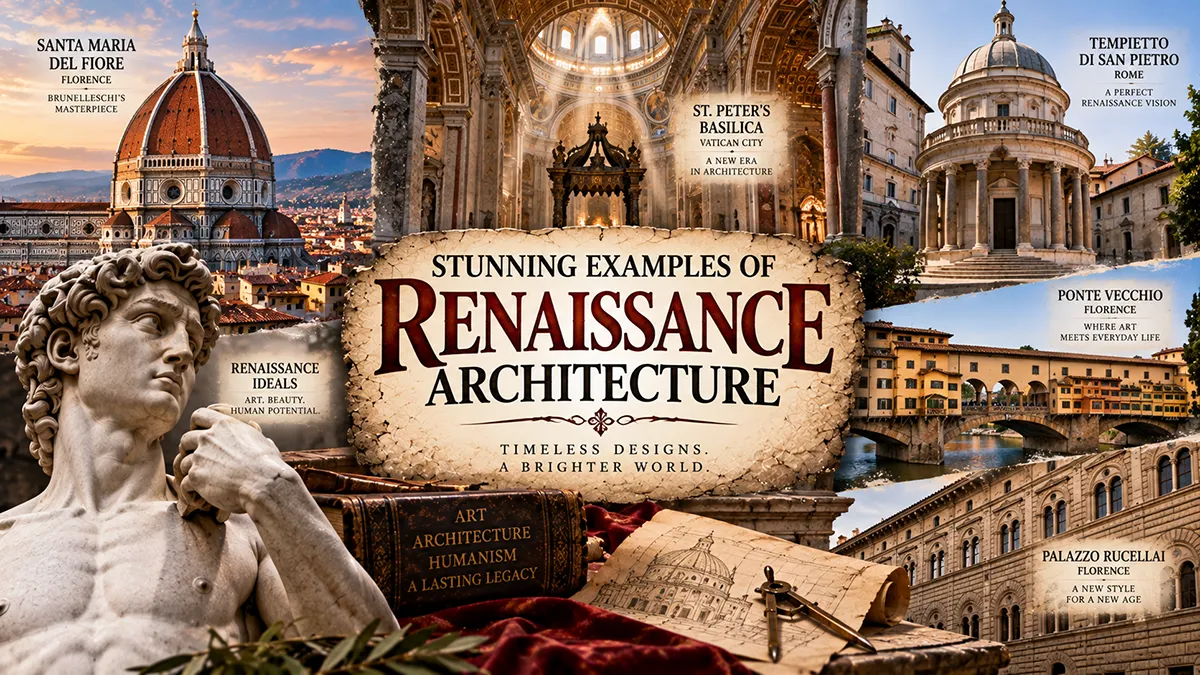
Walk into almost any grand old city hall, cathedral, or palazzo in Europe, and there’s a good chance you’re standing in front of something shaped by a design revolution that started over 500 years ago.
Renaissance architecture didn’t just give the world pretty domes and symmetrical facades — it fundamentally changed how people thought about proportion, mathematics, and the relationship between art and engineering.
From Filippo Brunelleschi’s audacious dome in Florence to Andrea Palladio’s serene villas in the Veneto countryside, this movement produced some of the most photographed and imitated buildings on Earth.
Below, we’re counting down 25 of the finest surviving examples of Renaissance buildings, along with the architects, myths, and historical context that make them worth understanding rather than just admiring from a postcard.
TL;DR: Renaissance architecture, pioneered in early-1400s Florence by figures like Brunelleschi and Alberti and later carried forward by Michelangelo and Palladio, revived classical Roman proportion and symmetry — and its greatest surviving buildings still shape how we design homes, capitols, and cathedrals today.
What Was Architecture During the Renaissance, Really?
Most historians trace the start of Renaissance architecture to Florence in the early 1400s, a period when wealthy merchant families and the Catholic Church were both eager to fund ambitious building projects.
Architects of this era looked back to ancient Rome for inspiration, studying ruins and surviving texts like Vitruvius’s “De Architectura” to relearn classical proportion, symmetry, and the orders of columns.
This was a deliberate break from the pointed arches and soaring verticality of Gothic architecture that had dominated Europe for centuries. Renaissance period architecture instead favored rounded arches, domes, flat lintels, and a mathematical sense of harmony, where every part of a building related to the whole through clear ratios.
It’s worth busting a common myth here: Renaissance architects didn’t invent these classical elements from scratch. They revived and reinterpreted forms the Romans had already used, applying new theories of perspective and proportion that were also transforming Renaissance painting and sculpture at the same time.
The movement is usually split into rough phases. Early Renaissance architecture (roughly 1400–1500) centered on Florence and figures like Brunelleschi. High Renaissance architecture (about 1500–1520) shifted focus to Rome under Bramante and the young Michelangelo, while Mannerism and Late Renaissance architecture pushed classical rules in more theatrical, sometimes deliberately unconventional directions before giving way to the Baroque.
Meet the Architects Who Shaped a Movement
A handful of architects in the Renaissance are responsible for most of the buildings on this list, so it helps to know their names before diving in. Filippo Brunelleschi, a trained goldsmith, is often credited with kicking off the entire movement through his work on Florence Cathedral’s dome and other Florentine landmarks.
Leon Battista Alberti was more theorist than builder at first, writing influential treatises on proportion before applying his ideas to real facades and churches. Donato Bramante brought Florentine ideas to Rome and became the first chief architect of the new St. Peter’s Basilica, setting a template that later High Renaissance architects would follow and revise.
Michelangelo Buonarroti, better known for the Sistine Chapel ceiling, was also a formidable architect who reshaped St. Peter’s dome and designed civic spaces in Rome. Andrea Palladio, working later in the Veneto region, codified classical villa design so thoroughly that “Palladian” architecture became its own lasting style, especially in Britain and colonial America.
Giorgio Vasari and Giulio Romano round out the list of famous Renaissance architects worth knowing, the former as both a builder and the movement’s first great historian, the latter as a bold Mannerist who pushed classical rules toward playful excess. Together, these architects from the Renaissance turned a regional Florentine trend into a continent-spanning style.
25 Stunning Examples of Renaissance Architecture
This list moves roughly in chronological order, starting with the buildings that kicked off the style in Florence and ending with structures built well outside Italy’s borders. It’s not a strict ranking of “best to worst,” since comparing a hospital facade to a royal palace is a bit like comparing apples to cathedrals — but each entry represents a genuinely significant, well-documented piece of Renaissance building.
1. Ospedale degli Innocenti, Florence
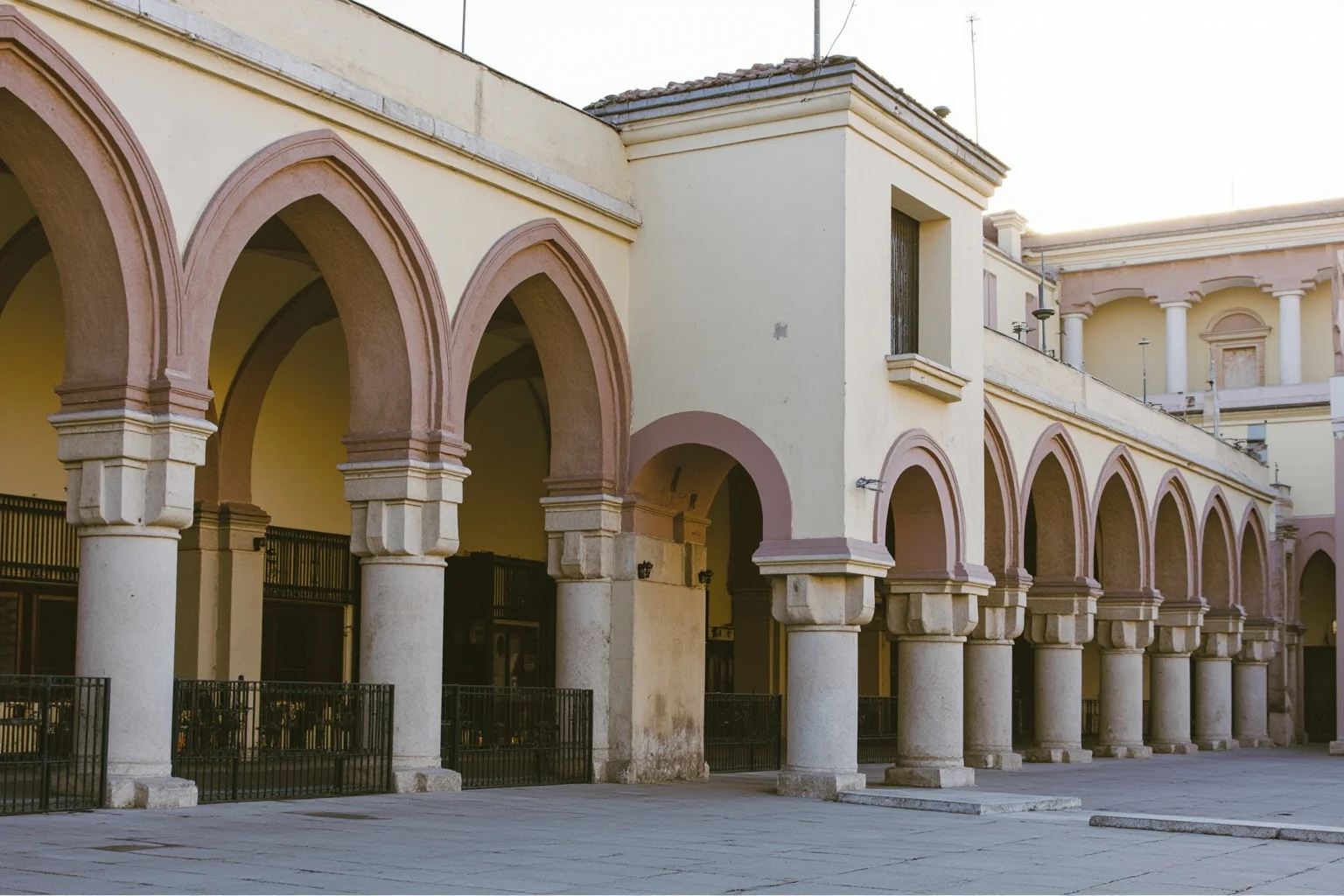
Designed by Filippo Brunelleschi starting in 1419, this orphanage and hospital is frequently cited by historians as the first true work of Renaissance architecture. Its arcaded loggia, with rounded arches resting on slender Corinthian columns, introduced a sense of mathematical proportion that Florence hadn’t seen before.
What makes it remarkable isn’t grandeur, since it’s a relatively modest building compared to what came later. Instead, it’s the clarity of its design logic, where each bay, arch, and window relates to the others in clean, repeatable ratios that later architects would study for generations.
2. Florence Cathedral Dome (Il Duomo)
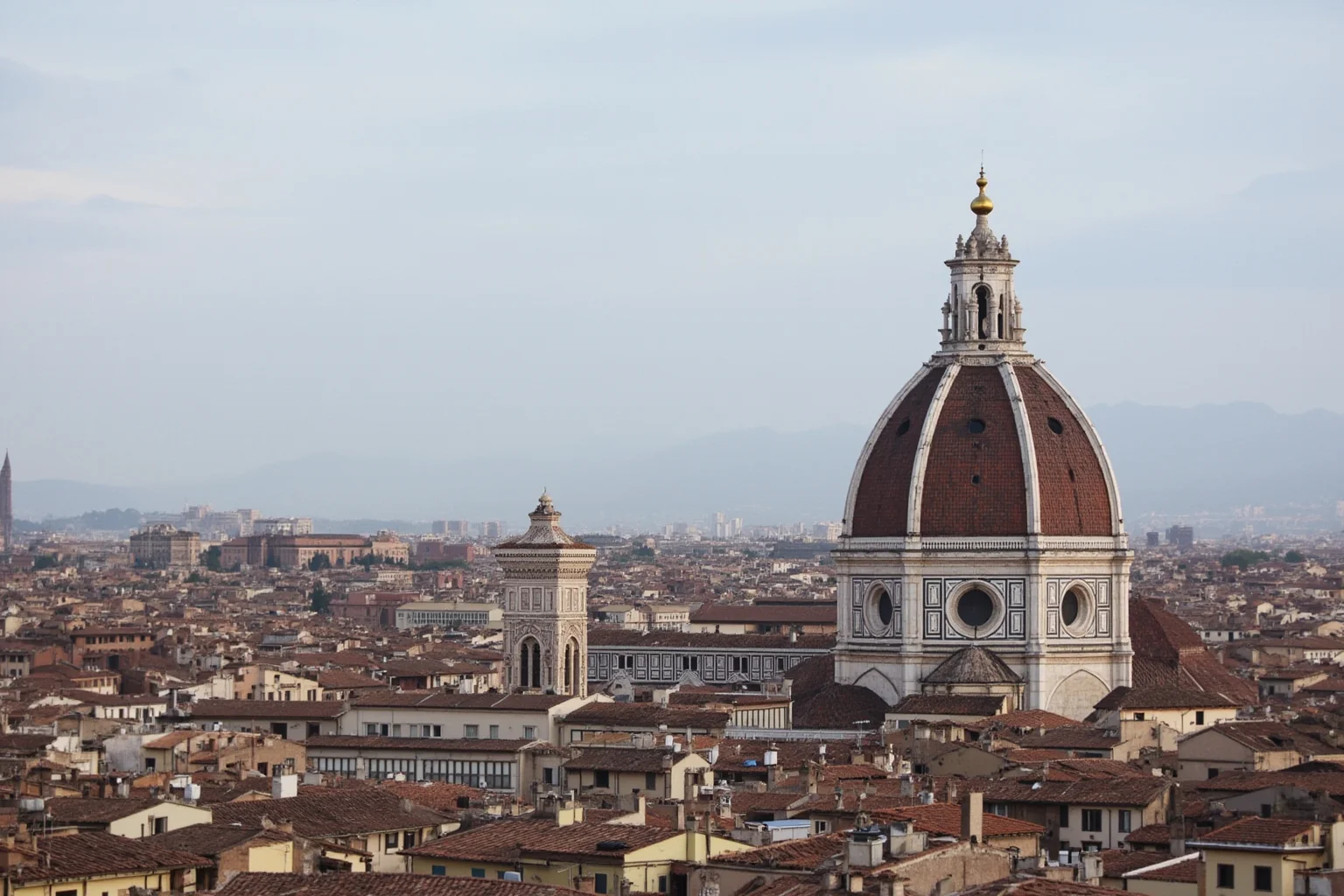
Brunelleschi’s dome, completed in 1436, remains one of the most astonishing engineering feats of the entire Renaissance. Builders had left the cathedral’s crossing unfinished for decades because nobody knew how to span such a massive space without traditional wooden scaffolding reaching the ground.
Brunelleschi solved it with an ingenious double-shell design and specialized lifting machines, some of which he reportedly invented himself. The dome is often treated as the symbolic starting gun for Renaissance architecture in Italy, even though its Gothic-influenced ribbed structure shows the era was still a transition rather than a clean break from the past.
3. Basilica di San Lorenzo, Florence
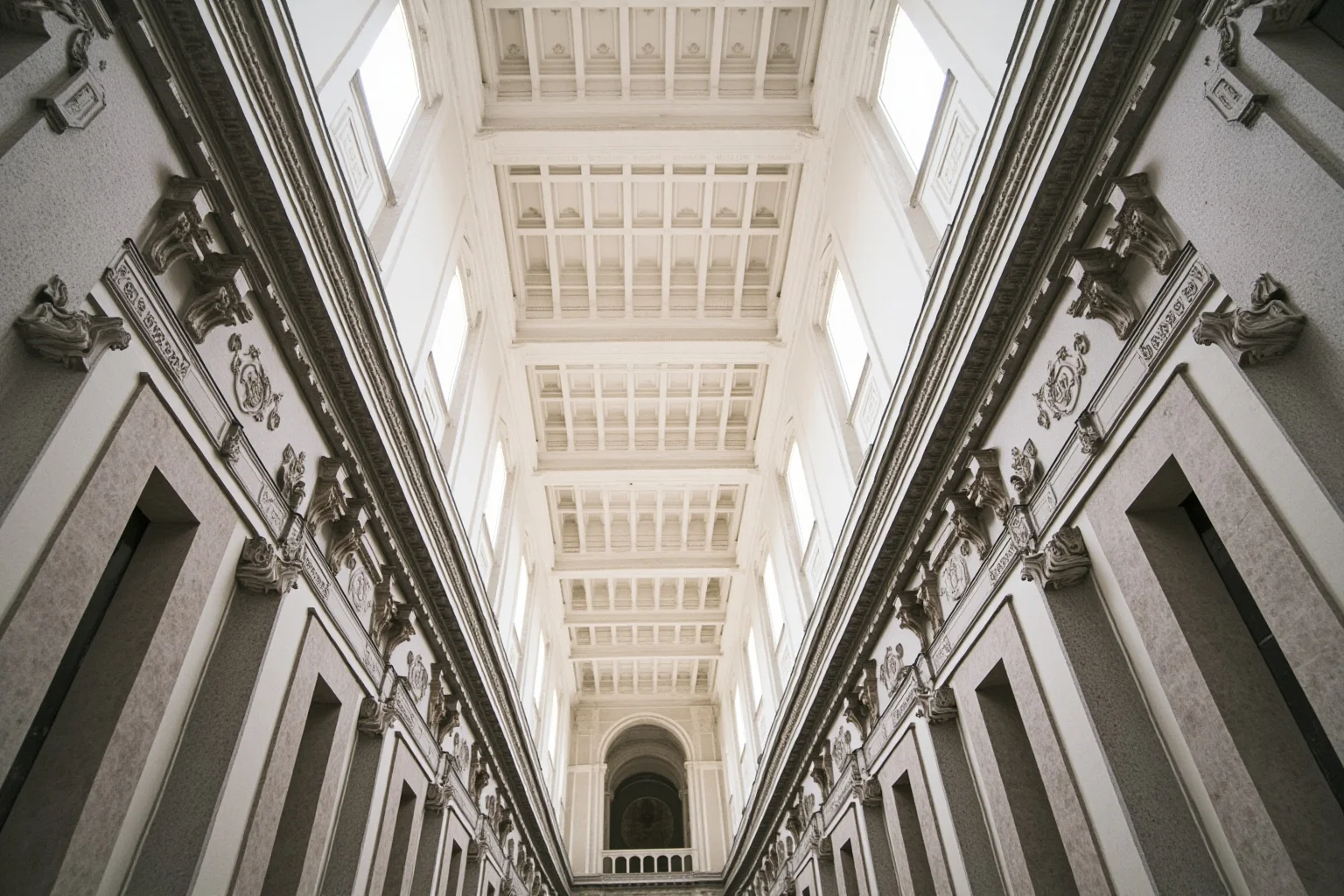
Also designed by Brunelleschi, San Lorenzo’s interior is a masterclass in Renaissance restraint. Gray stone pilasters against white plaster walls create a rhythmic, almost musical sense of order that architects would keep imitating for centuries.
The Medici family funded much of the work, cementing their reputation as the movement’s most important patrons. The attached Medici Chapel, added later, shows how the same building could evolve across multiple generations of Renaissance design.
4. Pazzi Chapel, Florence
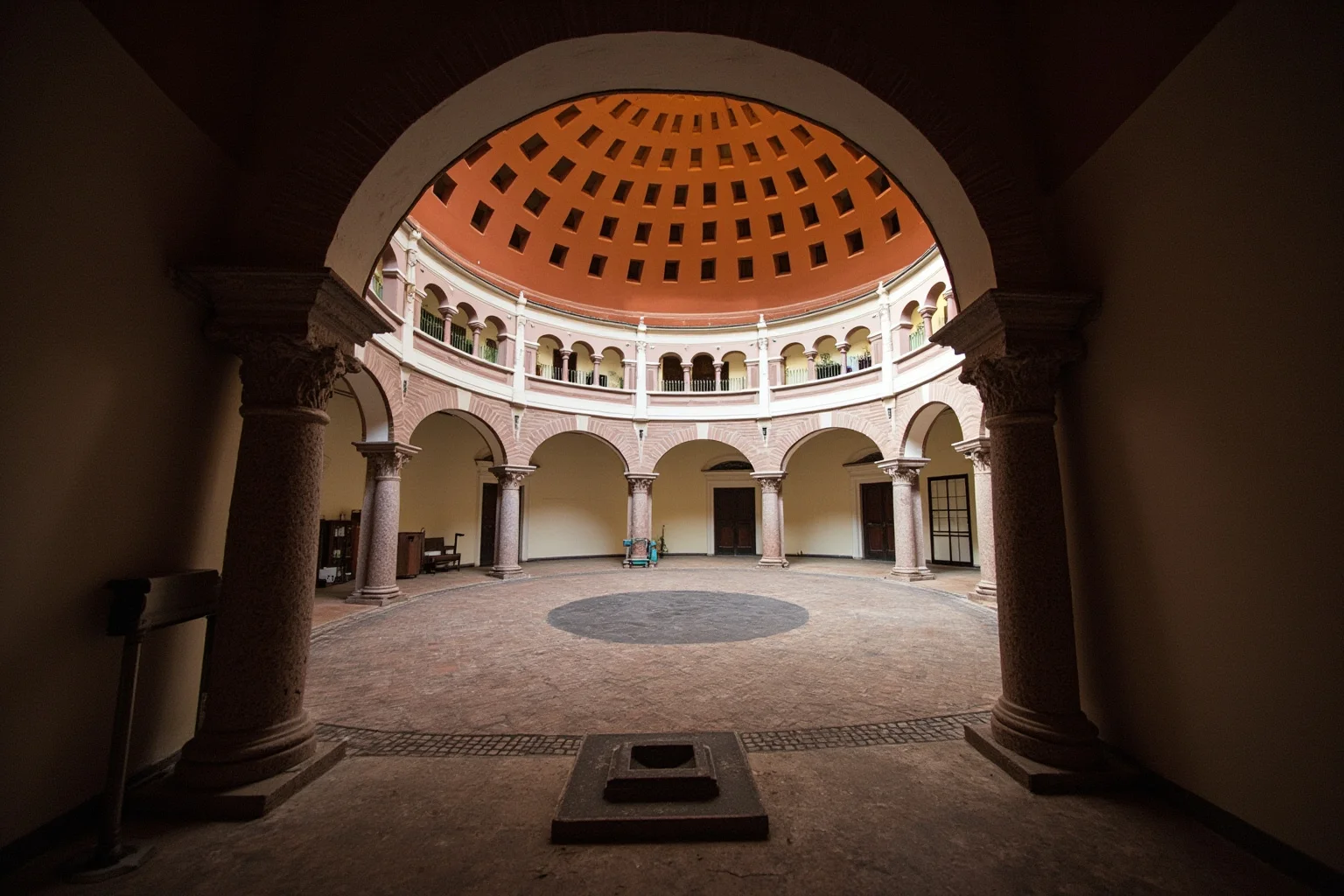
Tucked into the cloister of Santa Croce, the Pazzi Chapel is another Brunelleschi project and a favorite among architecture historians for its compact, jewel-box perfection. Its dome, coffered ceiling, and glazed terracotta roundels by Luca della Robbia show how sculpture, ceramics, and architecture worked together in Renaissance Italy.
The chapel was commissioned by the Pazzi family, rivals of the Medici, as a reminder that Florence’s building boom was also a status contest between wealthy dynasties. Despite its small size, it’s considered one of the purest expressions of early Renaissance geometry anywhere in the city.
5. Palazzo Medici Riccardi, Florence
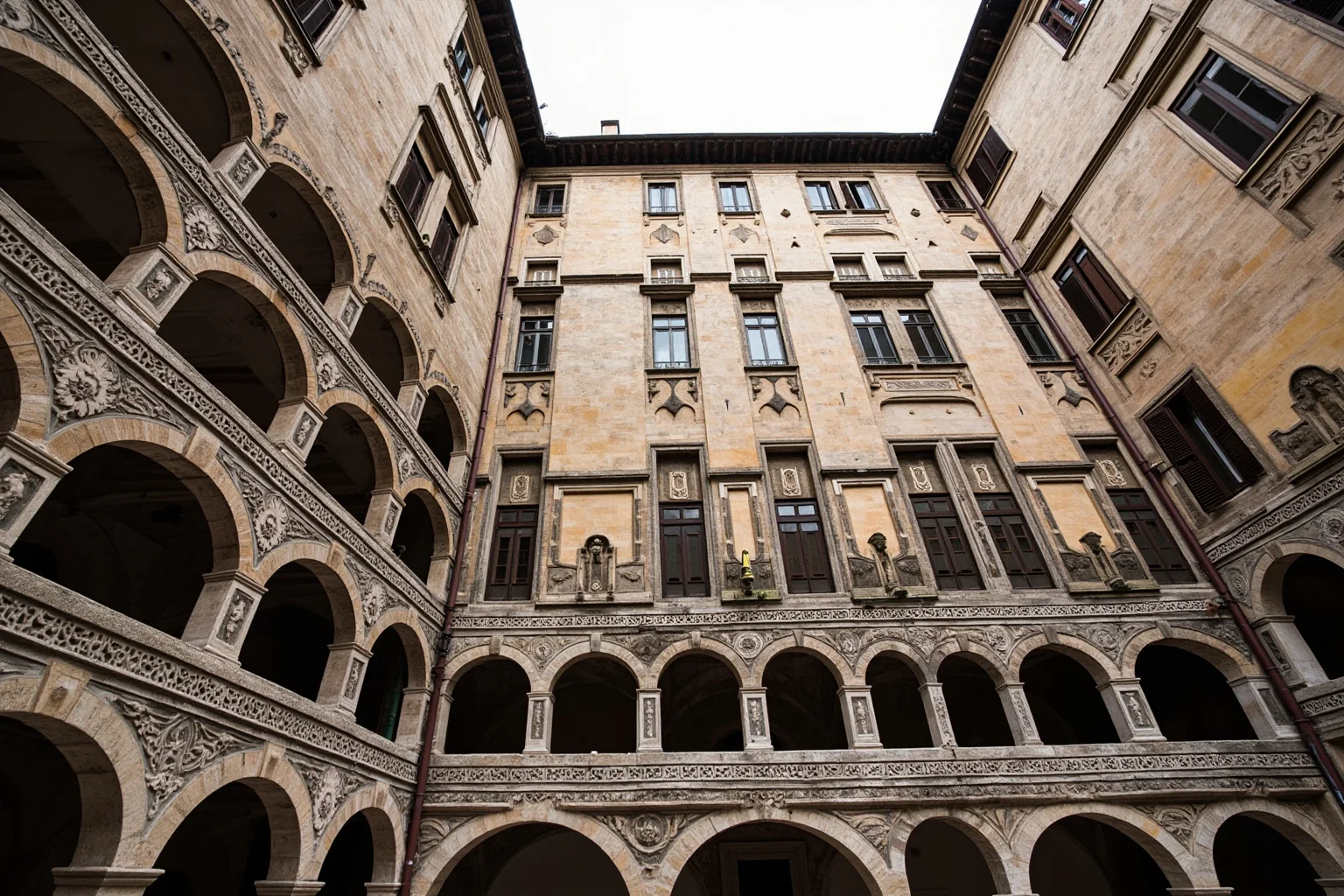
Built for Cosimo de’ Medici starting in 1444 and designed by Michelozzo, this palazzo established the template for the Florentine Renaissance palace: a rusticated stone ground floor, smoother upper stories, and a graceful internal courtyard. It was deliberately less showy than an earlier design proposed by Brunelleschi, which the Medici reportedly rejected as too ostentatious for a merchant family trying not to provoke envy.
The building later housed Lorenzo de’ Medici’s famous art collection and hosted philosophers and artists during the height of Florentine humanism. Today it’s a good reminder that Renaissance buildings in Italy were as much about political image-management as artistic ideals.
6. Palazzo Rucellai, Florence
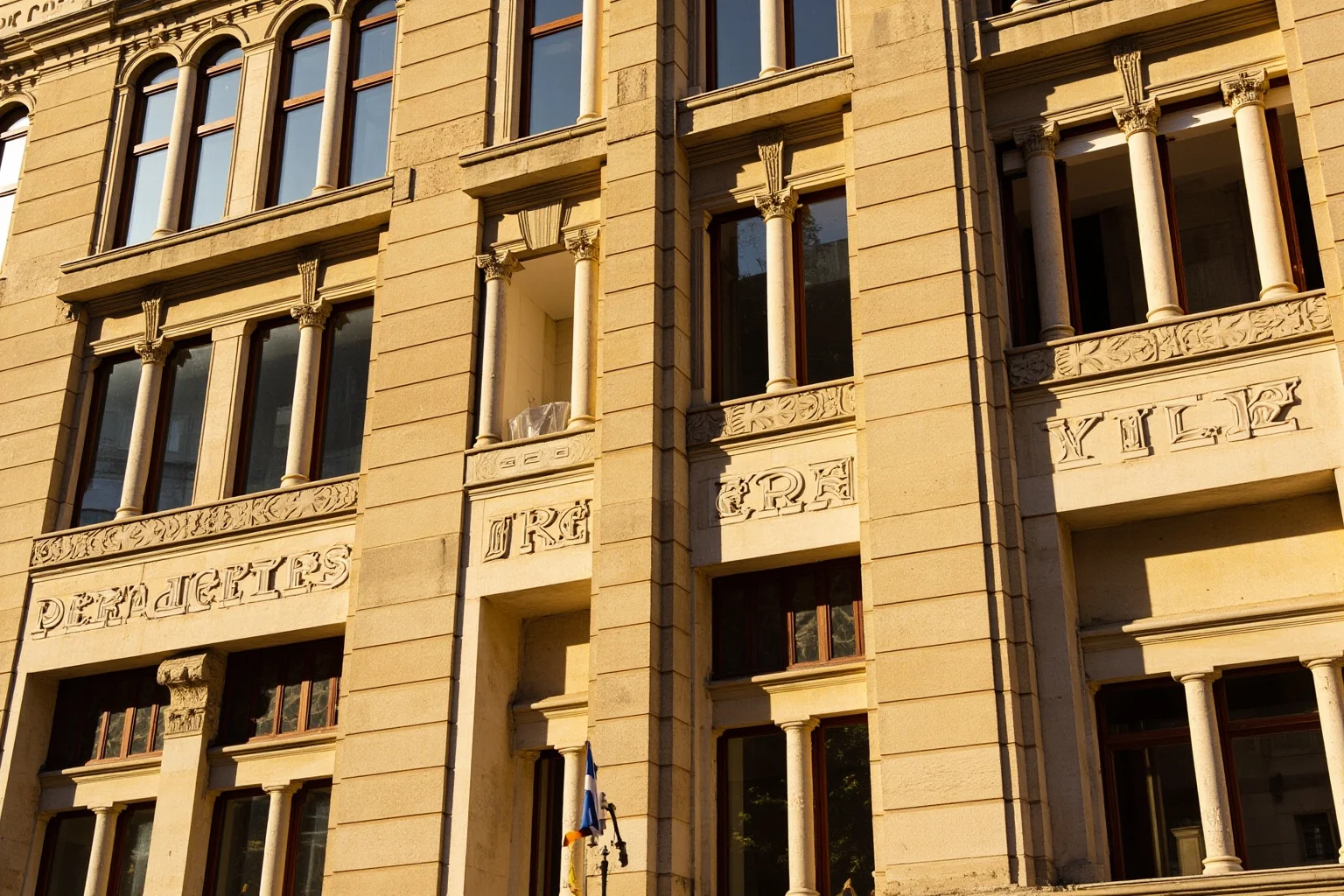
Designed by Leon Battista Alberti in the 1450s, this facade is often treated as the first serious attempt to apply classical Roman pilasters and entablatures systematically across a private home’s exterior. Alberti stacked the three classical orders, Doric, Ionic, and Corinthian, from bottom to top, echoing the layered look of Rome’s ancient Colosseum.
It’s a great example of how theory and practice met in one building, since Alberti was also busy writing treatises on ideal proportion at the same time. The palazzo remains one of the clearest illustrations of Renaissance Italy architecture translating ancient ideas into livable, everyday buildings.
7. Santa Maria Novella Facade, Florence
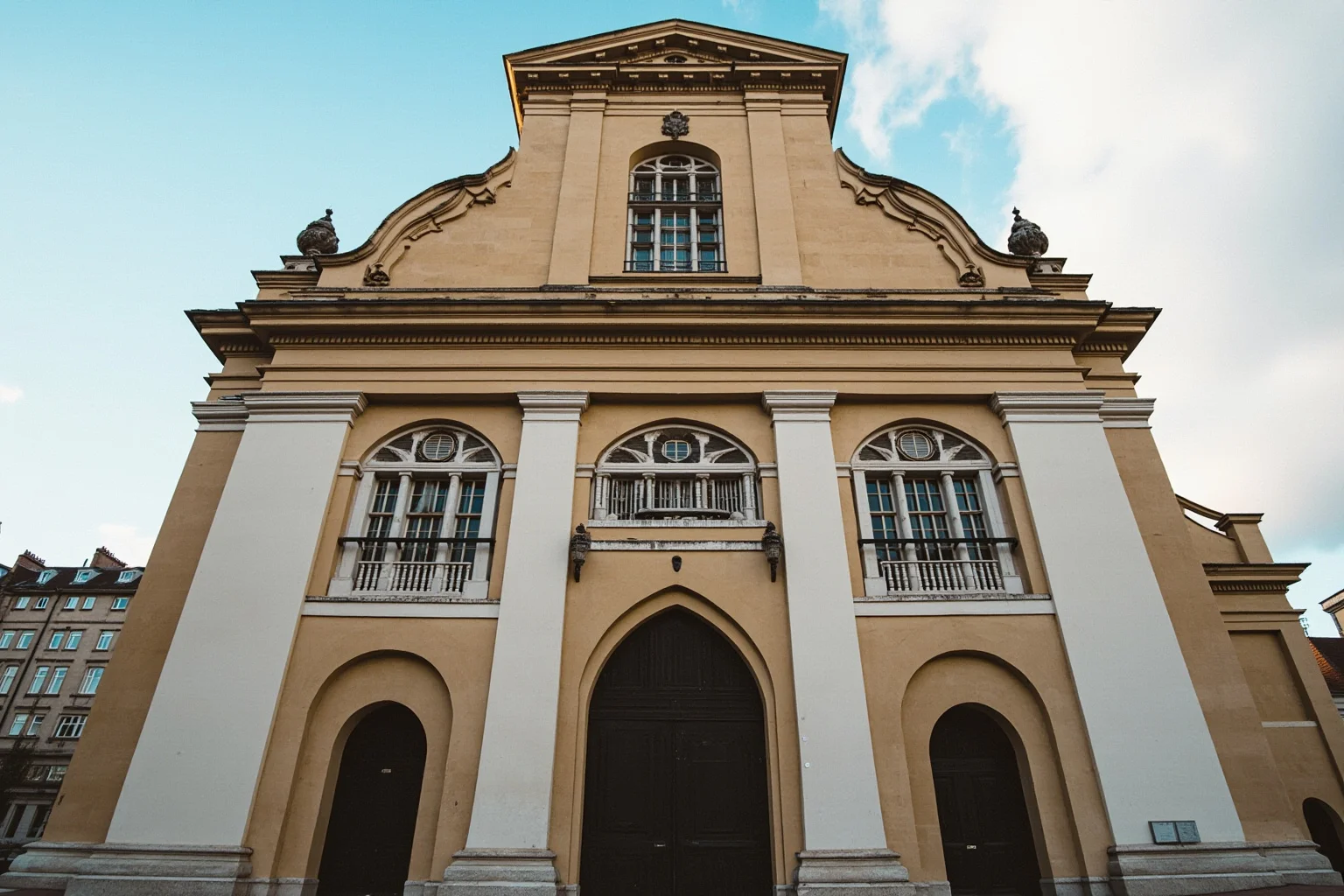
Alberti was brought in decades after construction began to complete this church’s facade, and the result is a lesson in blending old and new. He incorporated the existing Gothic pointed-arch doorways below while adding a distinctly classical upper section with volutes, pilasters, and a triangular pediment.
Those scroll-shaped volutes connecting the wide lower story to the narrower upper level became one of the most copied details in later church design. You can spot descendants of this solution on churches across Europe for the next two centuries.
8. Basilica of Sant’Andrea, Mantua
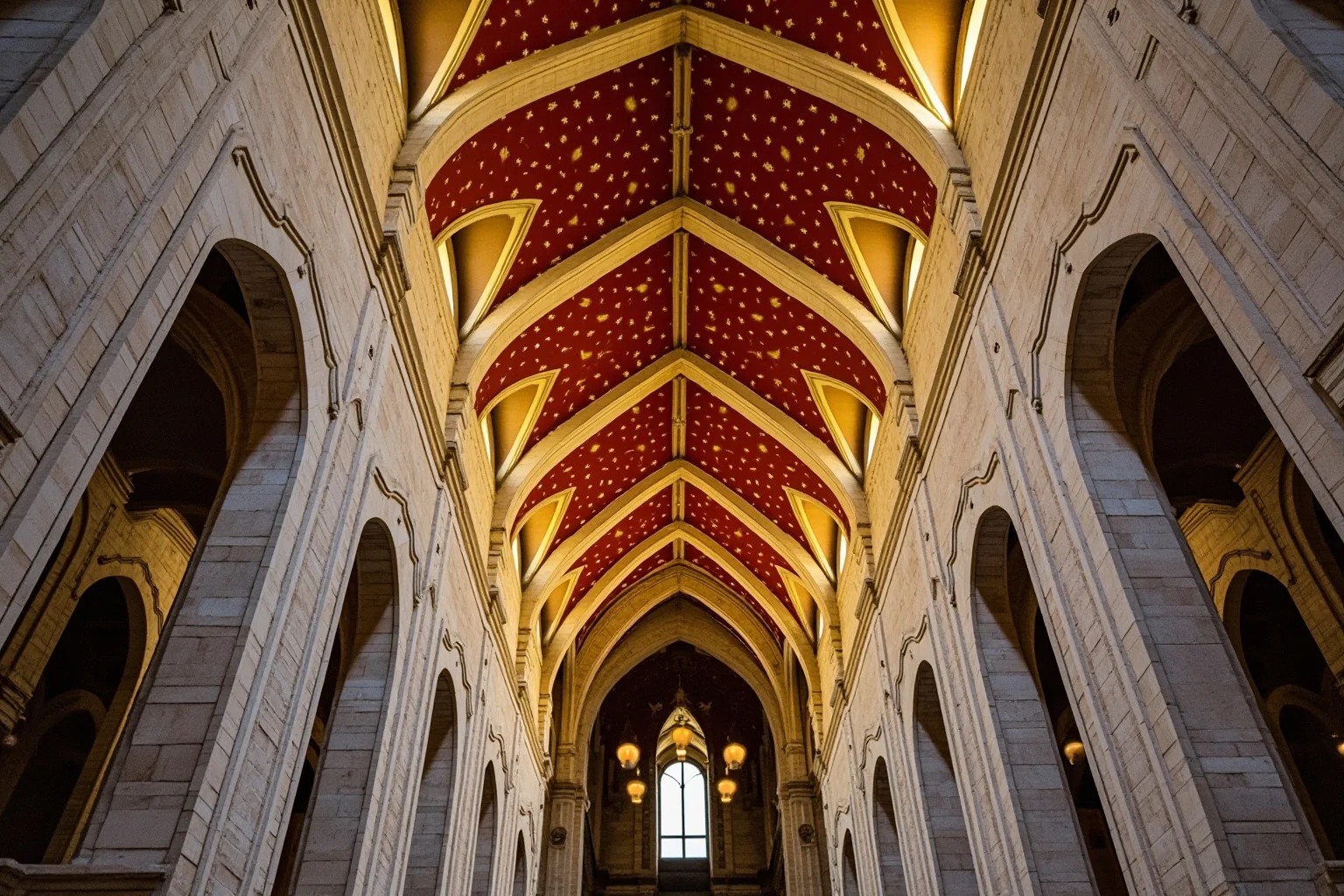
Alberti’s final major project, begun in 1472, applied a triumphal-arch motif borrowed directly from ancient Roman architecture to a Christian church facade. The soaring barrel-vaulted interior was also unusually ambitious for its time, inspired by the scale of Roman bathhouses rather than typical medieval church naves.
Alberti didn’t live to see it finished, but Sant’Andrea still stands as one of the most confident, classically literate buildings of the entire early Renaissance. It shows how far architecture during the Renaissance had moved from Gothic vertical drama toward horizontal, balanced grandeur.
9. Tempietto di San Pietro in Montorio, Rome
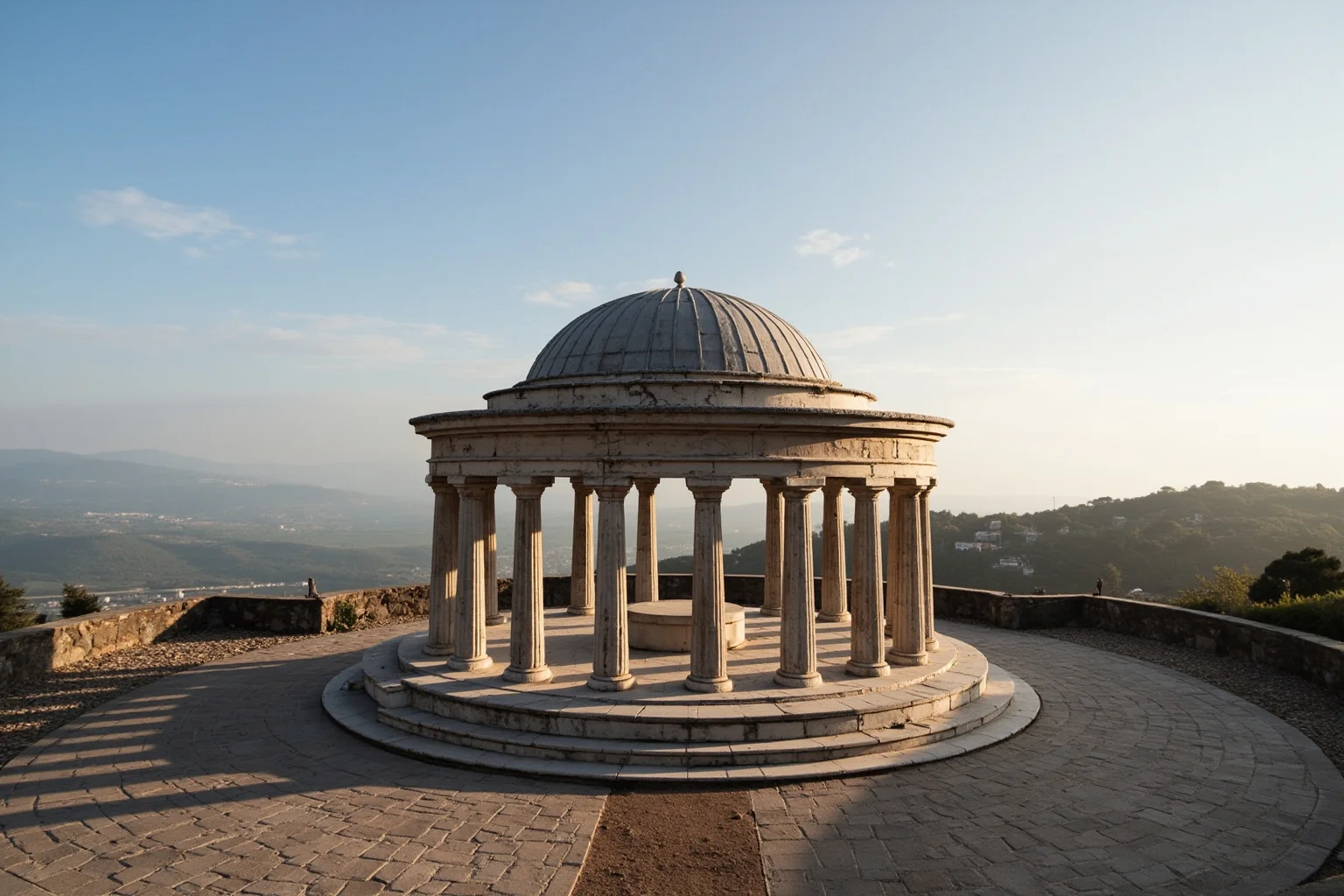
Donato Bramante designed this small circular shrine around 1502 to mark the supposed site of St. Peter’s martyrdom, and its compact, perfectly proportioned form became enormously influential despite its modest size. The Tempietto’s ring of Doric columns and central dome directly echo ancient Roman temples like the Temple of Vesta.
Architecture students and historians still treat it as a textbook example of High Renaissance ideals, where every element serves both structure and symbolism. Its influence shows up later in domes from Rome to Washington, D.C.
10. St. Peter’s Basilica, Vatican City
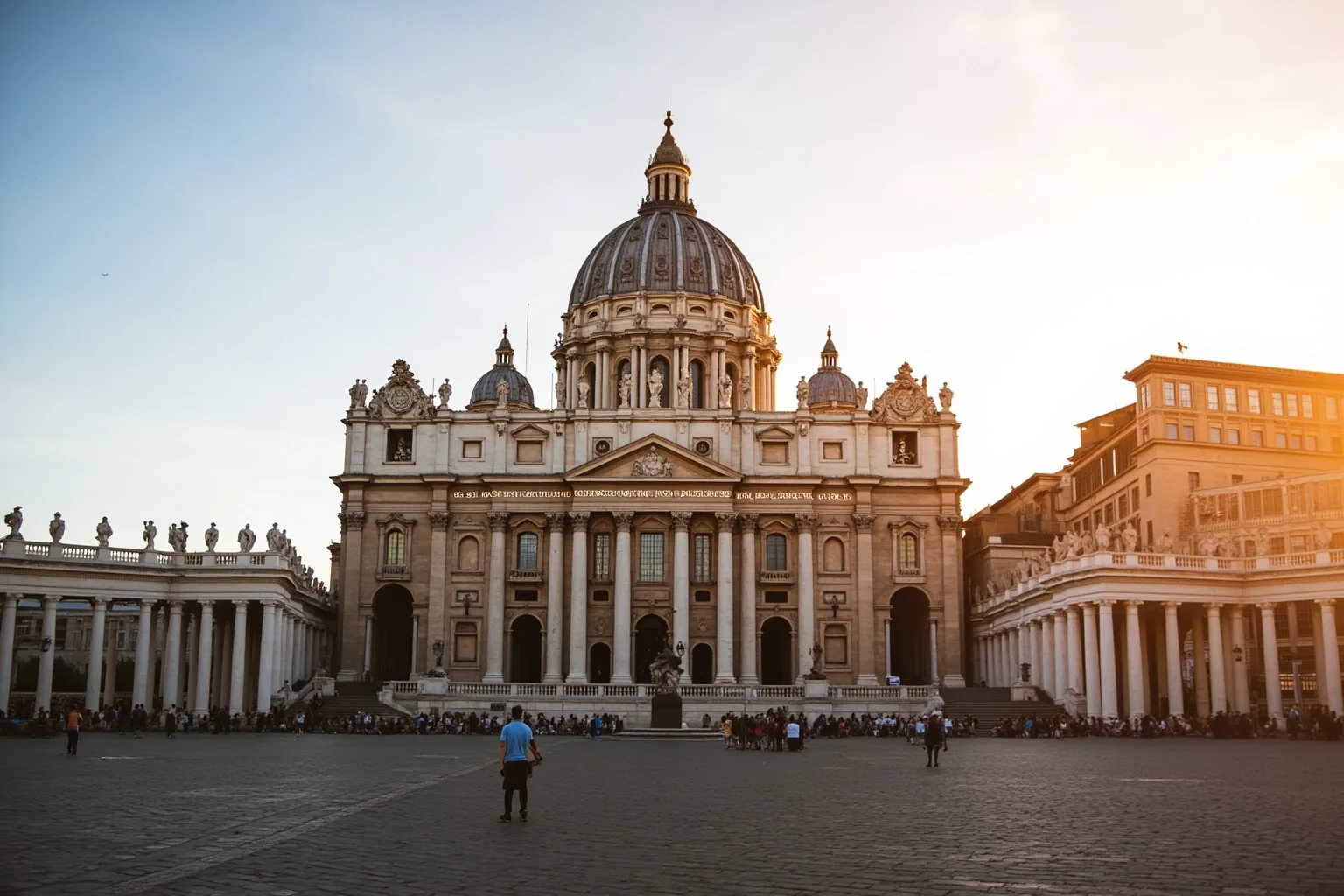
Few Renaissance cathedrals carry the weight of St. Peter’s Basilica, a project so massive it outlived several of its own architects. Bramante drew up the original centralized-plan design around 1506, and after his death, Raphael, Antonio da Sangallo the Younger, and eventually Michelangelo all took turns revising the plan.
Michelangelo’s dome, completed after his death by Giacomo della Porta, remains one of the most recognizable silhouettes in the world. The basilica’s century-long construction is a useful reminder that even the era’s biggest projects rarely followed one architect’s vision from start to finish.
11. Palazzo Farnese, Rome
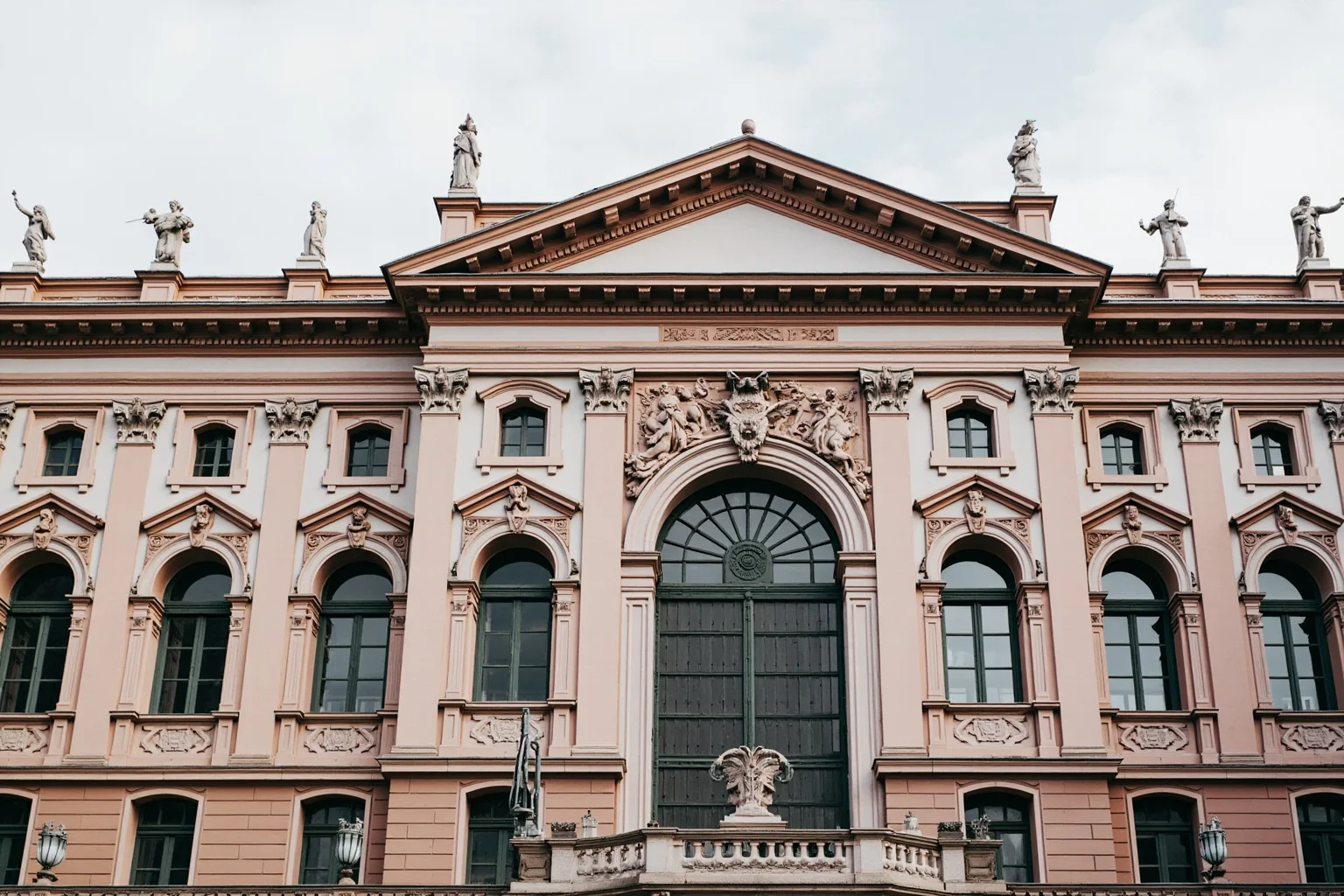
Started by Antonio da Sangallo the Younger and later modified by Michelangelo, this Roman palazzo blends Florentine palace tradition with Roman grandeur. Michelangelo’s contributions included reworking the top-floor cornice and central window, adding a bolder, more sculptural quality to the upper facade.
The building now houses the French Embassy in Italy, which has helped preserve much of its original interior detailing. It’s often cited among the most architecturally significant Renaissance buildings in Rome outside the Vatican itself.
12. Piazza del Campidoglio, Rome
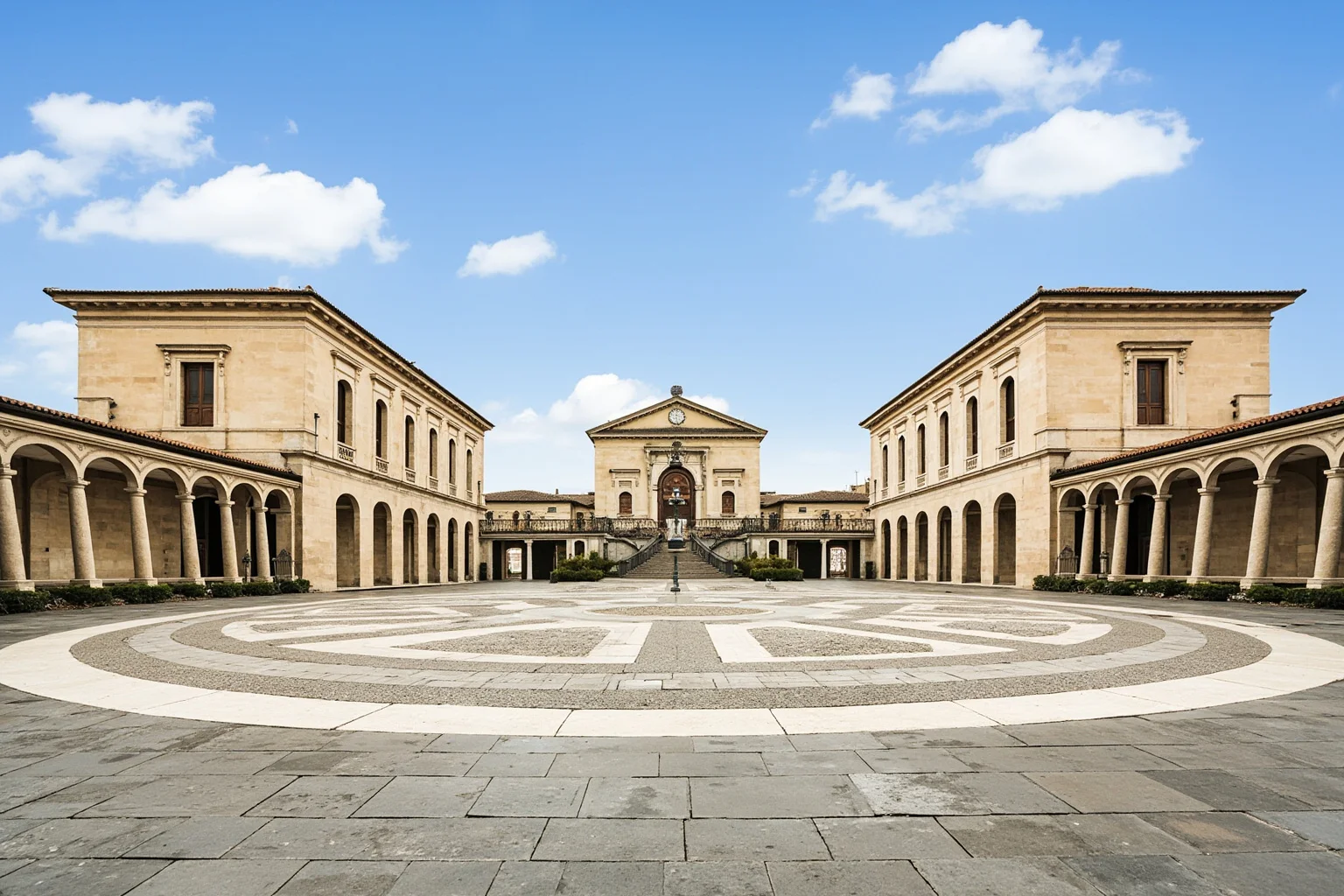
Michelangelo redesigned this civic square atop Rome’s Capitoline Hill starting in the 1530s, creating a trapezoidal plaza framed by three palazzo facades and a dramatic oval pavement pattern. It was one of the first urban plans of its kind, treating an entire public space as a single unified architectural composition rather than a collection of separate buildings.
The project wasn’t fully completed until well after Michelangelo’s death, but his design intentions were largely respected by later builders. It’s a favorite example for anyone studying how Renaissance ideas scaled up from single buildings to whole city spaces.
13. Laurentian Library, Florence
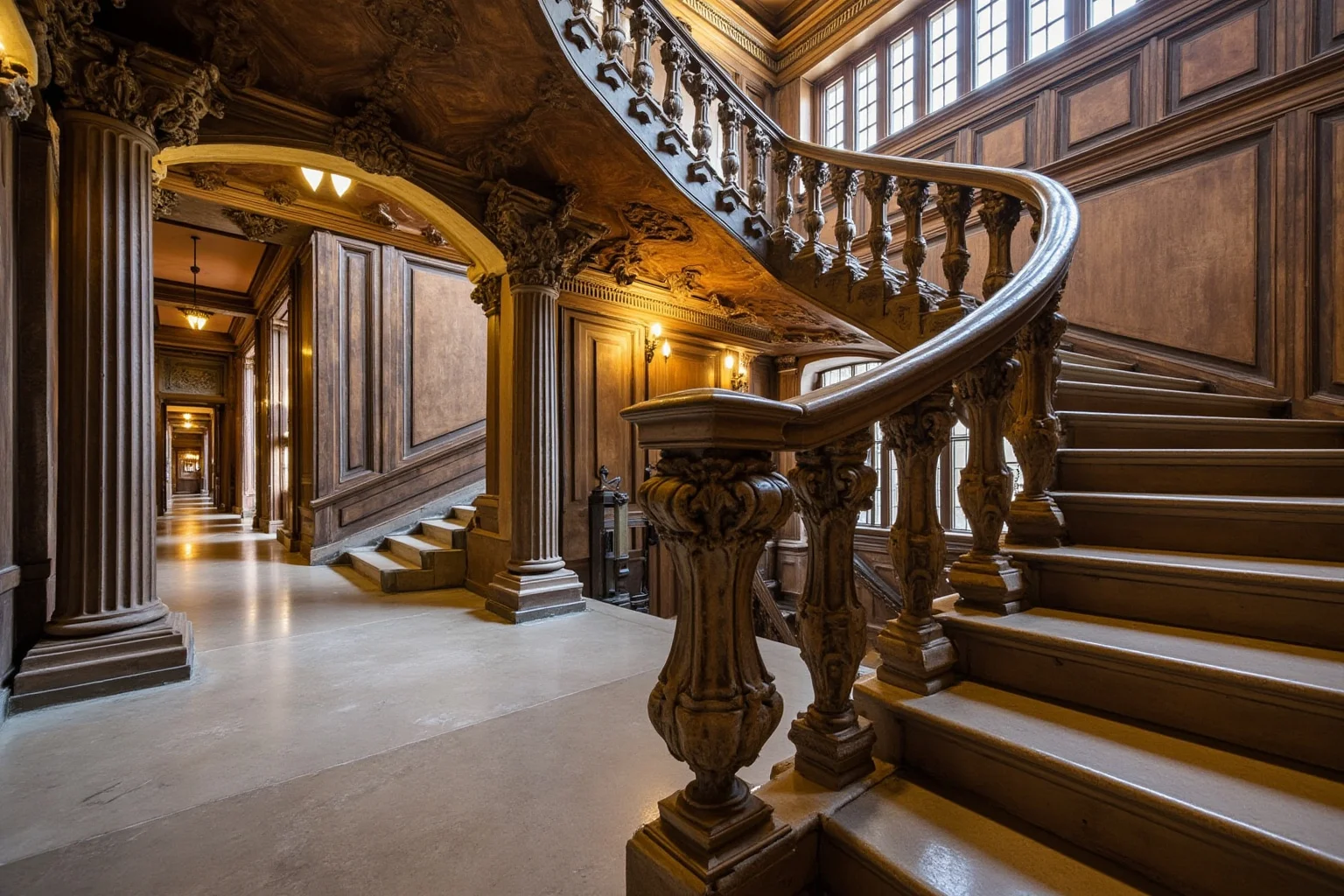
Commissioned by the Medici and designed by Michelangelo starting in 1524, this library is best known for its staircase, an unusually dramatic, almost sculptural feature that breaks from strict classical convention. Architecture historians often point to it as an early sign of Mannerism, where Renaissance rules of harmony start bending toward tension and drama.
The reading room above stays calmer and more traditionally proportioned, creating a deliberate contrast with the vestibule below. It’s a great single-building illustration of how Renaissance architecture styles evolved from strict classicism into something more experimental.
14. Villa Rotonda, Vicenza
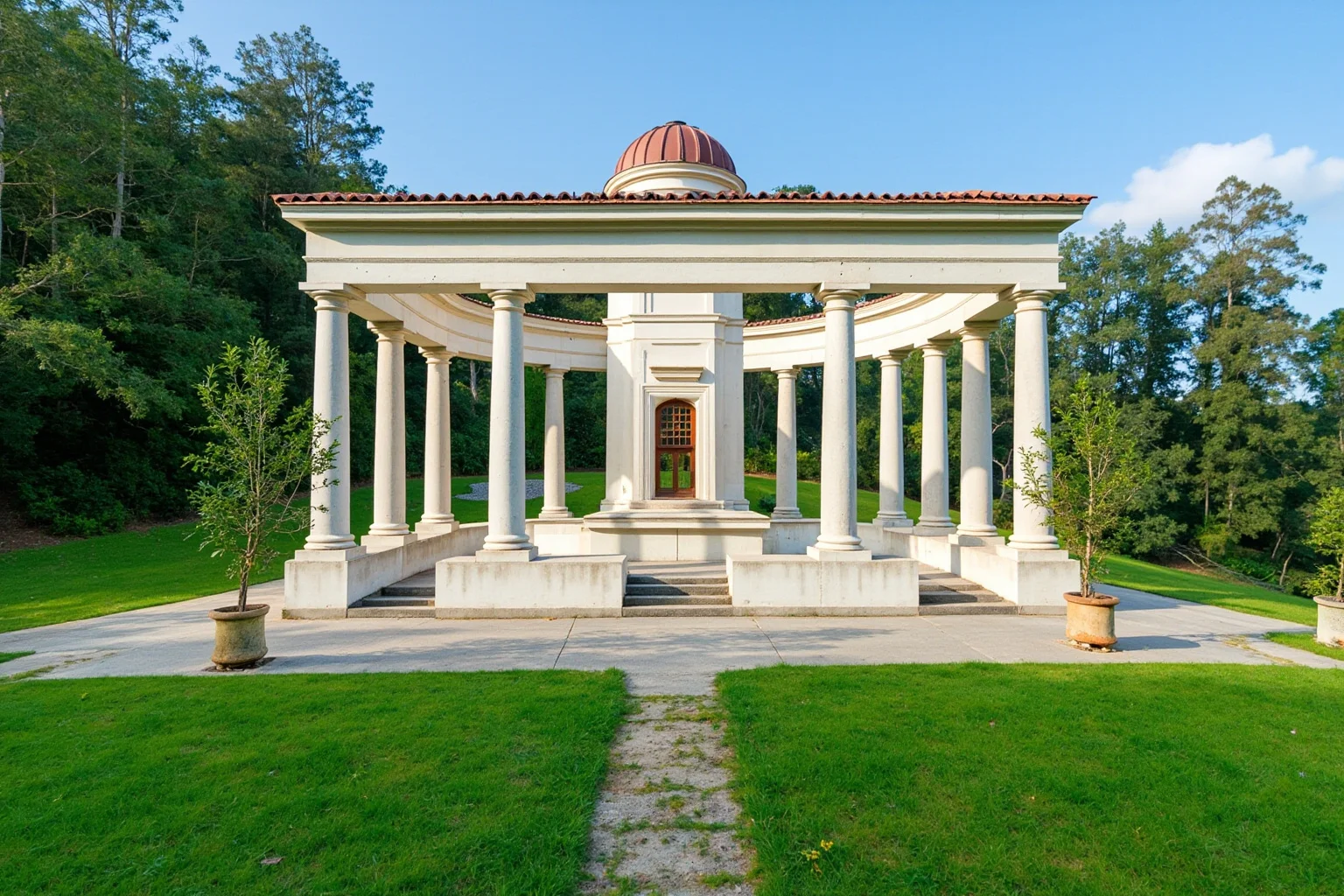
Andrea Palladio designed this villa in the 1560s as a near-perfect expression of geometric symmetry, with a square plan, a central domed hall, and identical porticoes on all four sides. It became one of the most influential residential buildings in Western history, inspiring countless later homes, including Thomas Jefferson’s Monticello.
Palladio’s own writings on the villa helped spread his ideas well beyond Italy through printed architectural treatises. If you’ve ever seen a stately home with a portico and dome and wondered where that look came from, there’s a good chance the trail leads back here.
15. Palazzo Chiericati, Vicenza
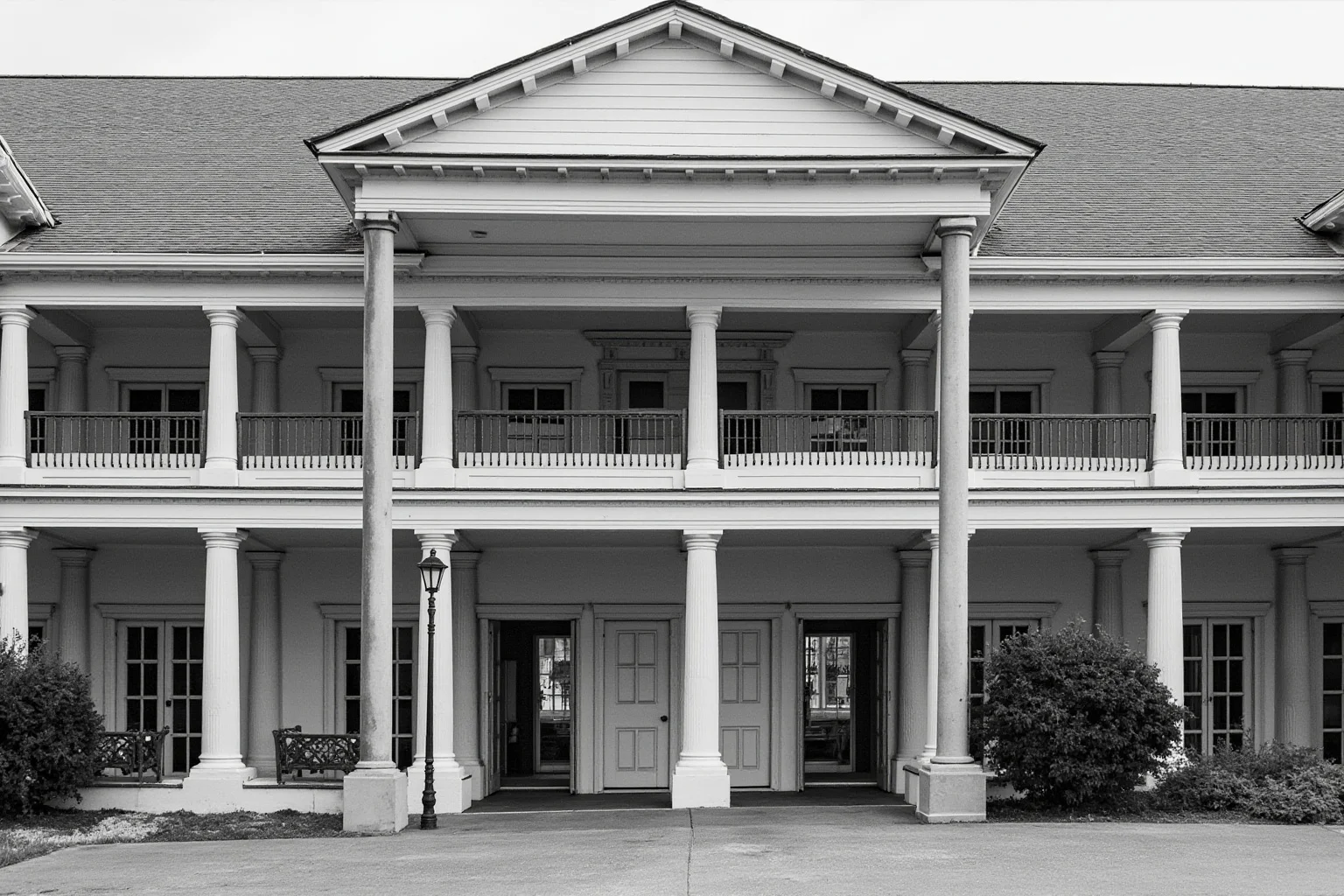
Another Palladio design, this palazzo features a two-story loggia that opens directly onto the town’s main square, blending public and private space in a way that was unusual for its time. The ground floor uses sturdy Doric columns while the upper floor switches to lighter Ionic columns, following classical convention about which orders belonged where.
It’s a smaller, less famous building than the Villa Rotonda, but architecture historians often prefer it as proof of Palladio’s range beyond country villas. The facade’s rhythm and restraint influenced civic building design across Europe for generations.
16. Palazzo Te, Mantua
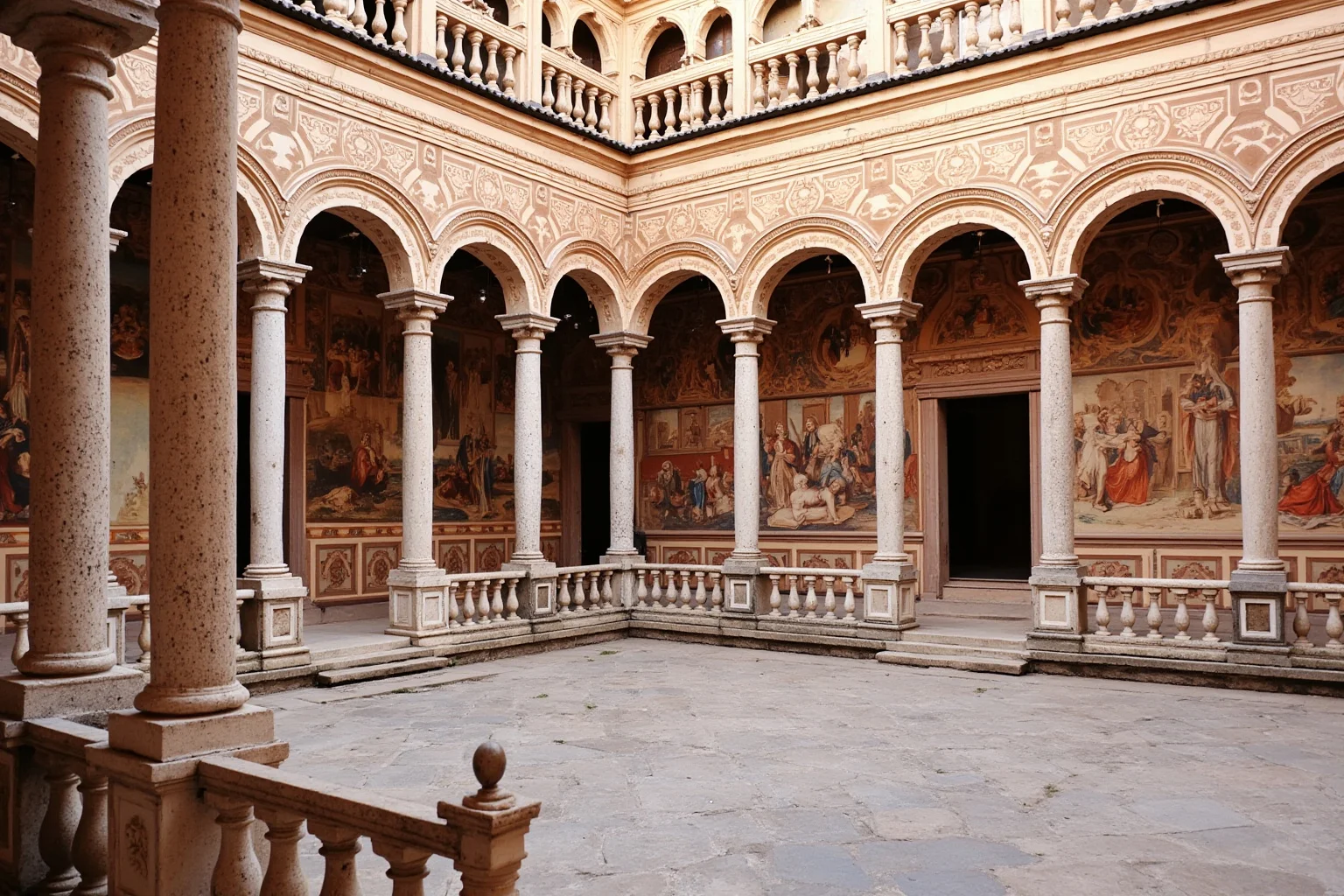
Designed by Giulio Romano in the 1520s and 1530s for the Gonzaga family, this pleasure palace is one of the most playful examples of Mannerist Renaissance architecture. Romano deliberately broke classical rules, including sections where triglyphs appear to slip out of place, a kind of architectural joke aimed at viewers who knew the rules well enough to notice.
The interior frescoes are just as theatrical, including a room designed to make guests feel as though the ceiling were collapsing on top of them. It’s a useful counterpoint to more serious Florentine buildings, showing that Renaissance architecture could also have a sense of humor.
17. Ducal Palace, Urbino
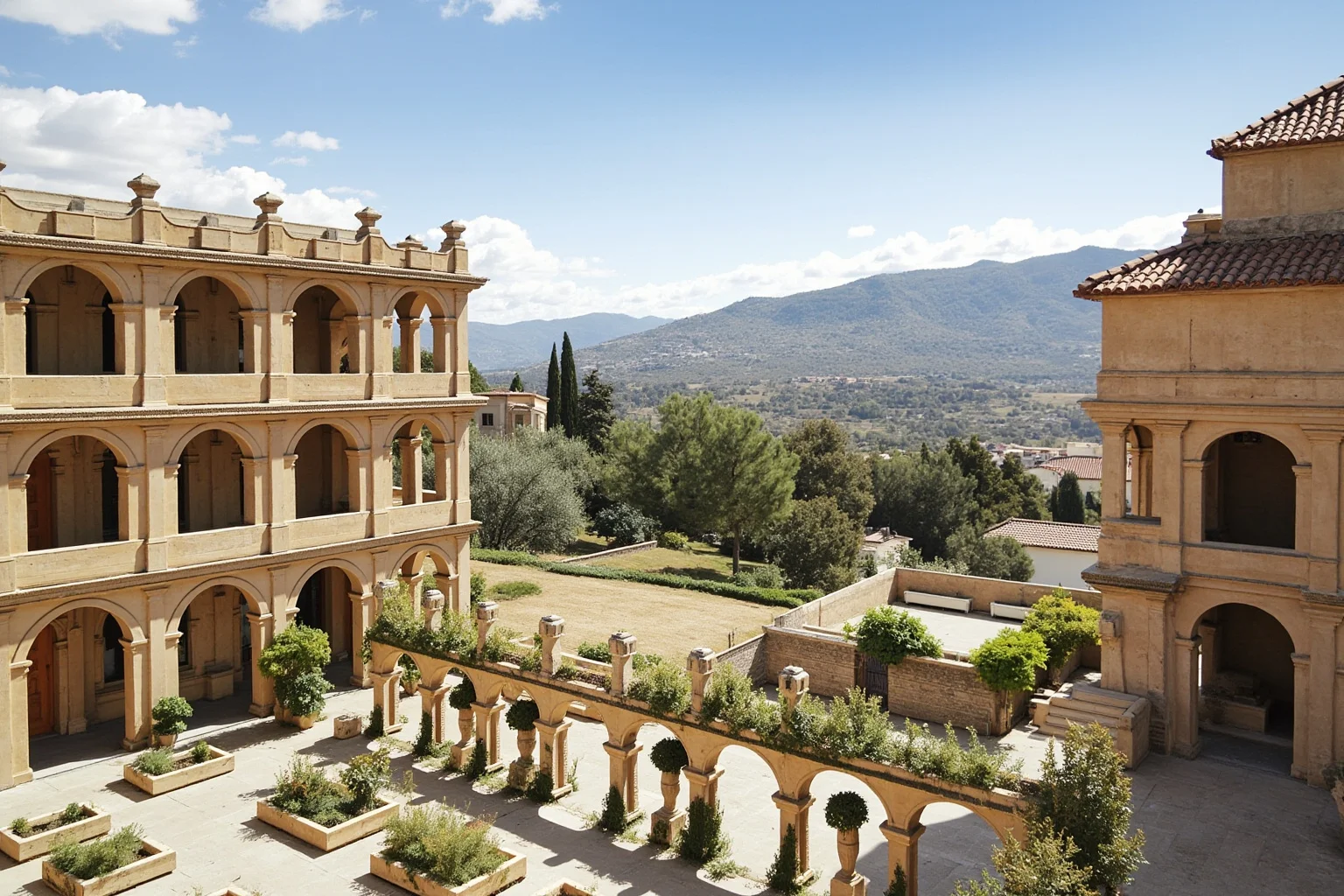
Built primarily under Duke Federico da Montefeltro in the mid-1400s, this palace is considered one of the finest examples of early Renaissance secular architecture outside Florence. Architect Luciano Laurana designed its elegant courtyard, a masterpiece of proportion that rivals anything built in Florence during the same period.
The palace also housed one of the era’s great libraries and art collections, reflecting Federico’s reputation as a humanist patron. Urbino’s relatively small size compared to Florence or Rome makes it an interesting case study in how far Renaissance ideas traveled even to modest regional courts.
18. Certosa di Pavia
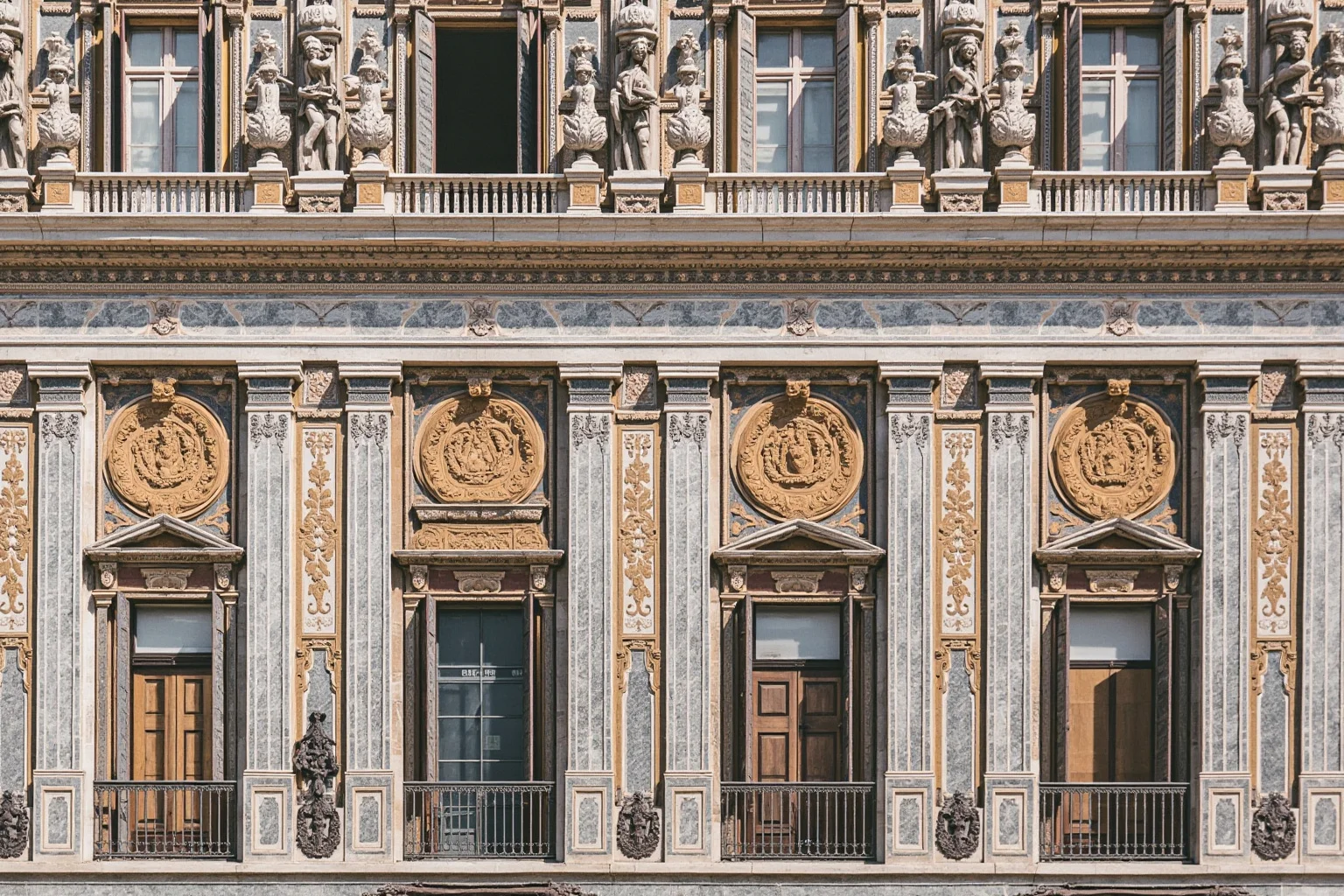
This Carthusian monastery near Pavia was begun in the Gothic style in the 1390s but received an elaborate Renaissance facade over a century later, making it a fascinating hybrid structure. The facade is famously dense with marble sculpture, inlaid stone, and classical detailing layered almost to excess.
Some architecture historians consider it a slightly later, more decorative counterpoint to the restrained facades of Florence. It’s proof that not every Renaissance building followed Alberti’s or Brunelleschi’s more minimalist instincts.
19. Uffizi Gallery, Florence
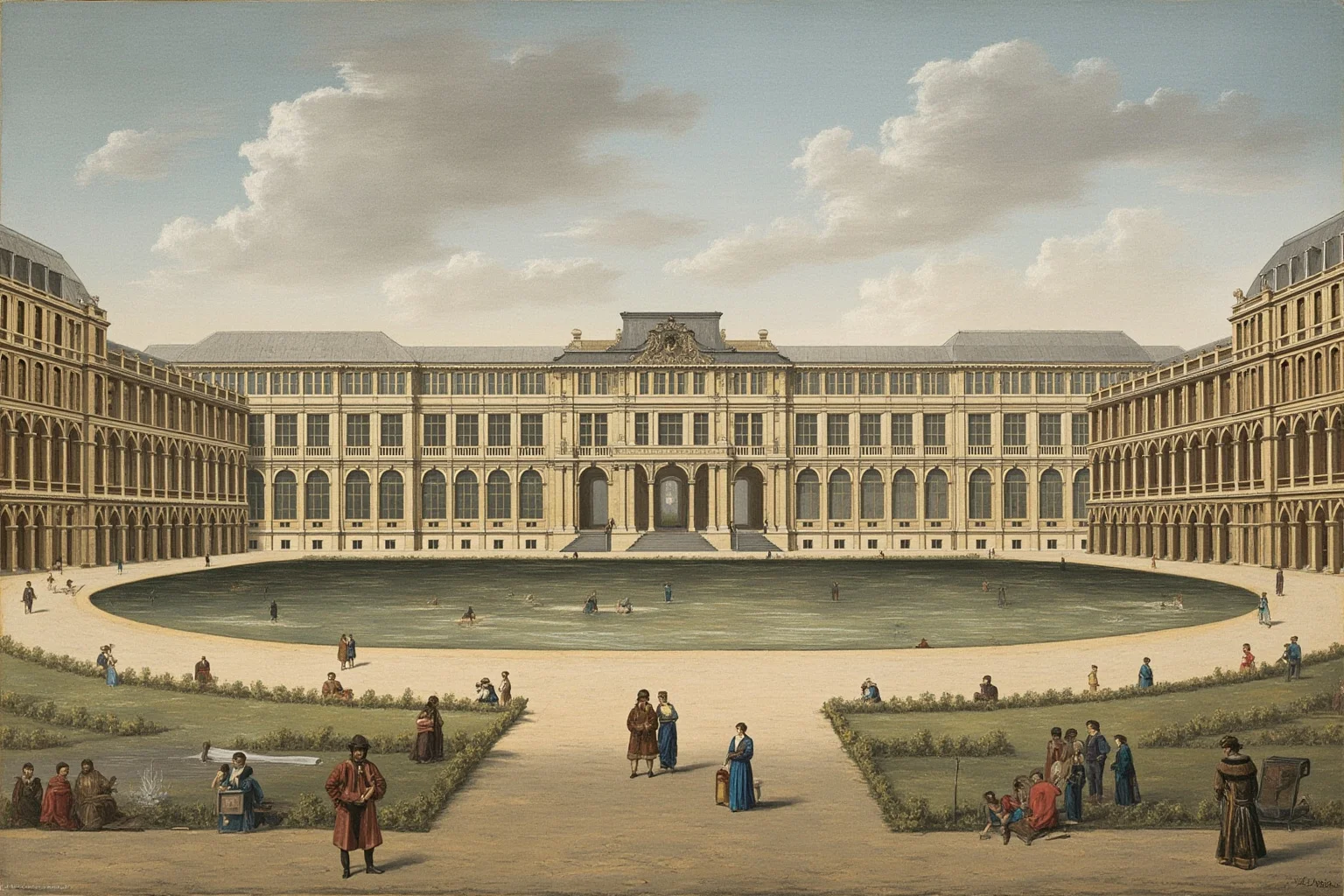
Giorgio Vasari designed this long, narrow office building for the Medici administration starting in 1560, and its U-shaped courtyard opening toward the Arno River became one of the era’s most elegant urban solutions. Vasari is also remembered as the author of “Lives of the Artists,” making him as important to art history’s written record as to its physical buildings.
The building now houses one of the world’s great art museums, which feels fitting given its origins as a showcase of Medici power and taste. Its rhythmic arcades demonstrate how Renaissance design principles could handle long, functional buildings just as well as churches or palaces.
20. Palazzo Pitti, Florence
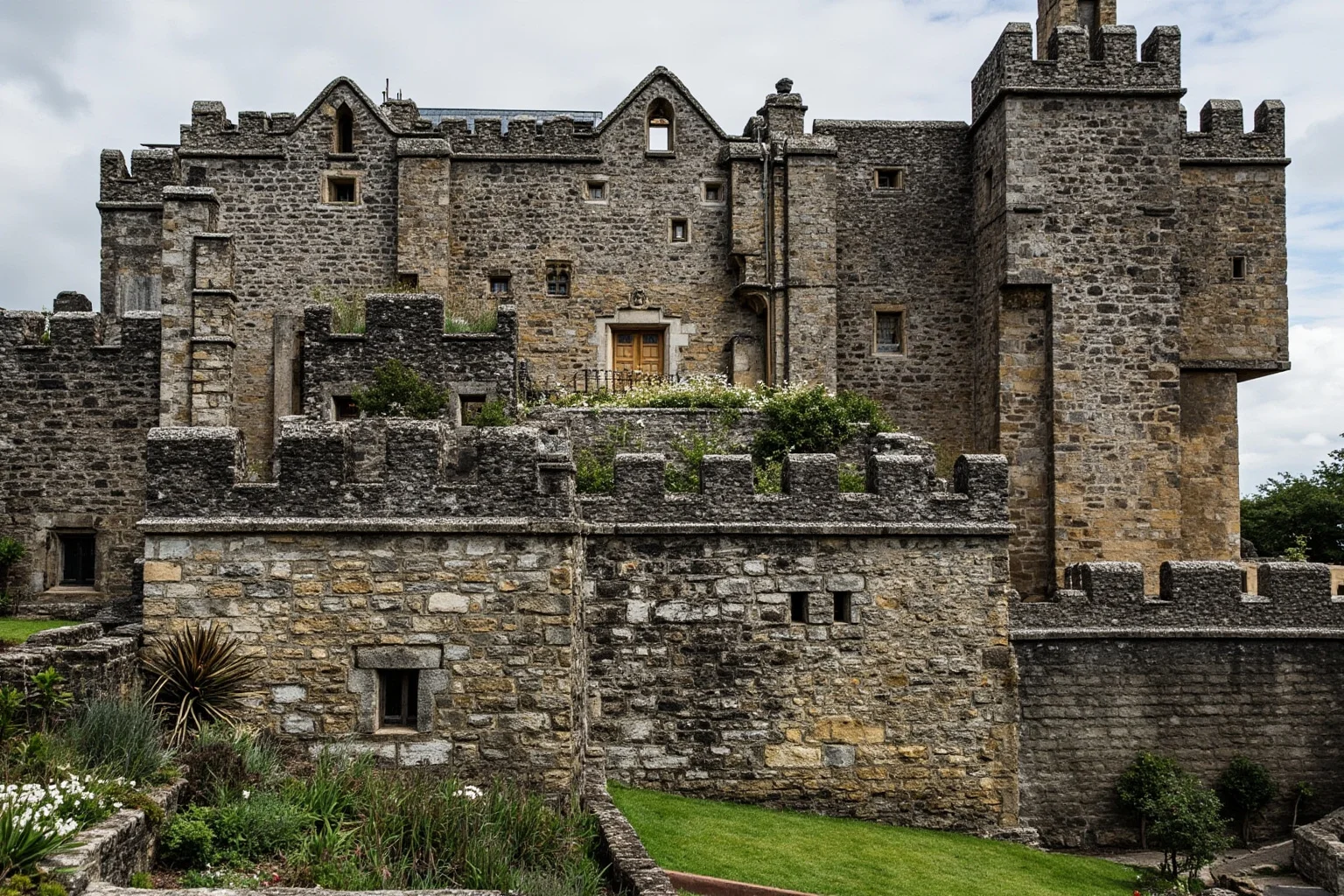
Originally built for the Pitti family in the mid-1400s and later expanded dramatically after the Medici purchased it, this palazzo is known for its rugged, heavily rusticated stone facade. That rough-hewn look was a deliberate design choice meant to project power and permanence rather than delicate elegance.
Its later Boboli Gardens extension shows how Renaissance architecture in Italy increasingly incorporated landscaped grounds as part of the overall design. The palace’s scale and fortress-like presence make it one of the more imposing Renaissance buildings still standing in Florence.
21. Villa Medici, Fiesole
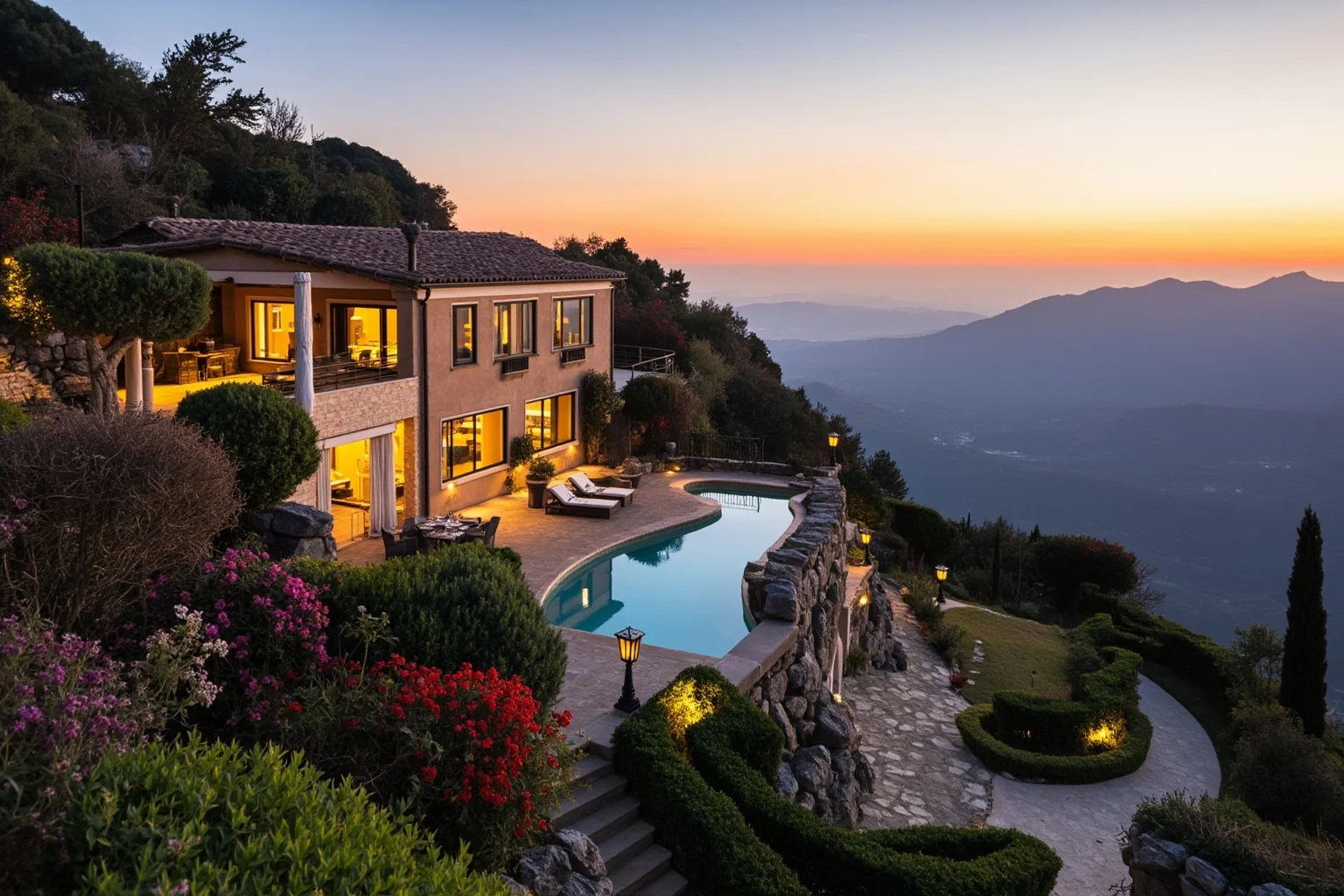
Built in the 1450s for Giovanni de’ Medici, this hillside villa above Florence is often cited as one of the first true Renaissance villas designed around views of the surrounding landscape rather than defensive concerns. Its terraced gardens and open loggias reflect a new, more relaxed relationship between architecture and nature.
The villa’s design influenced countless later Italian Renaissance homes built for leisure rather than defense. It marks an important shift in domestic architecture, away from the fortified palazzos of earlier decades.
22. Château de Chambord, France
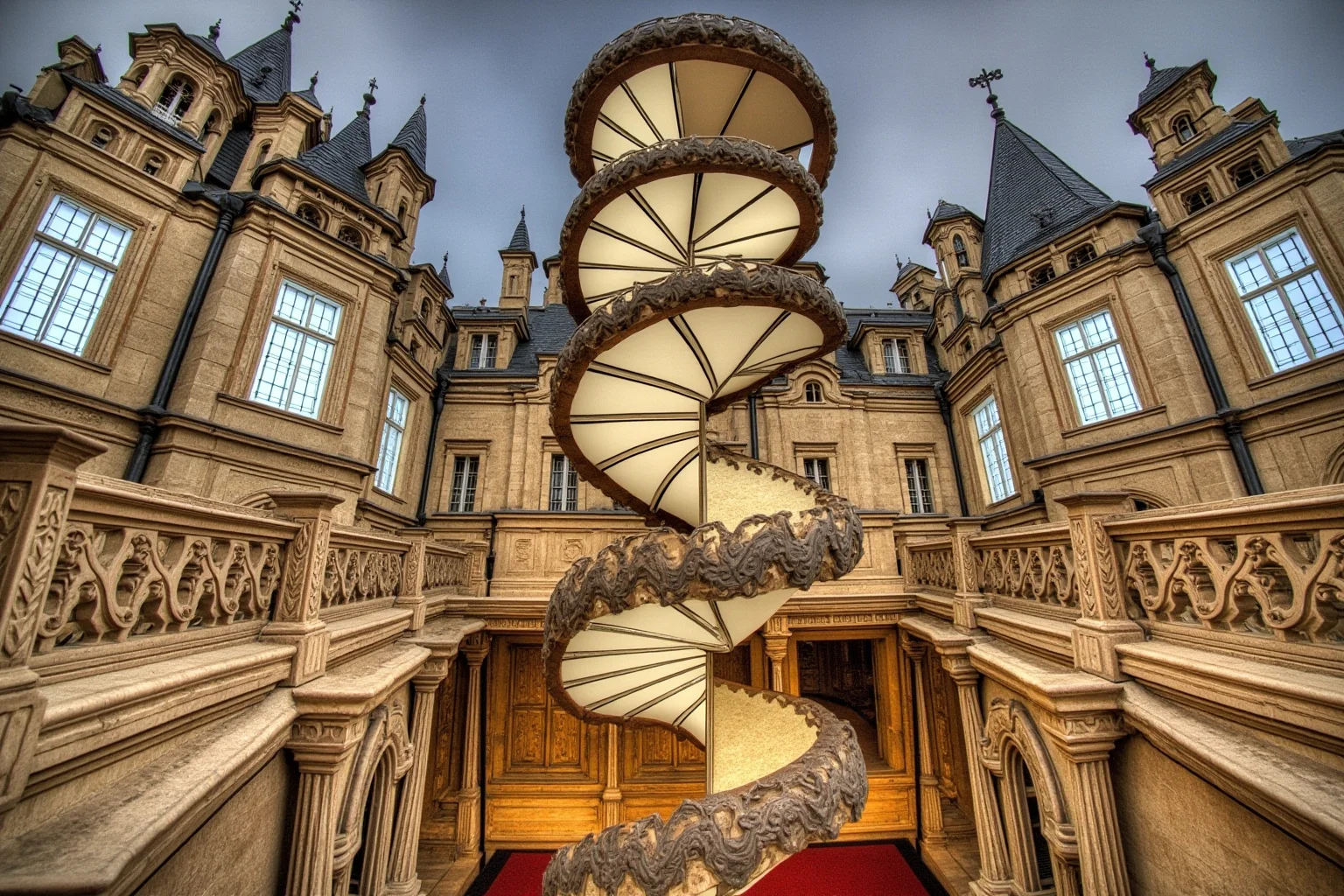
Construction began in 1519 under King Francis I, and while French masons and craftsmen led much of the work, the design clearly reflects Italian Renaissance influence, likely absorbed through contact with Italian architects and pattern books. Its famous double-helix staircase, sometimes attributed in popular accounts to Leonardo da Vinci, remains a striking blend of French Gothic massing and Italian classical detail.
It’s worth noting that Leonardo’s direct involvement in Chambord’s design is debated among historians rather than firmly documented, so it’s best treated as a fascinating possibility rather than settled fact. Regardless of authorship, the château shows how Renaissance ideas spread well beyond Italy’s borders within just a few decades.
23. Fontainebleau Palace, France
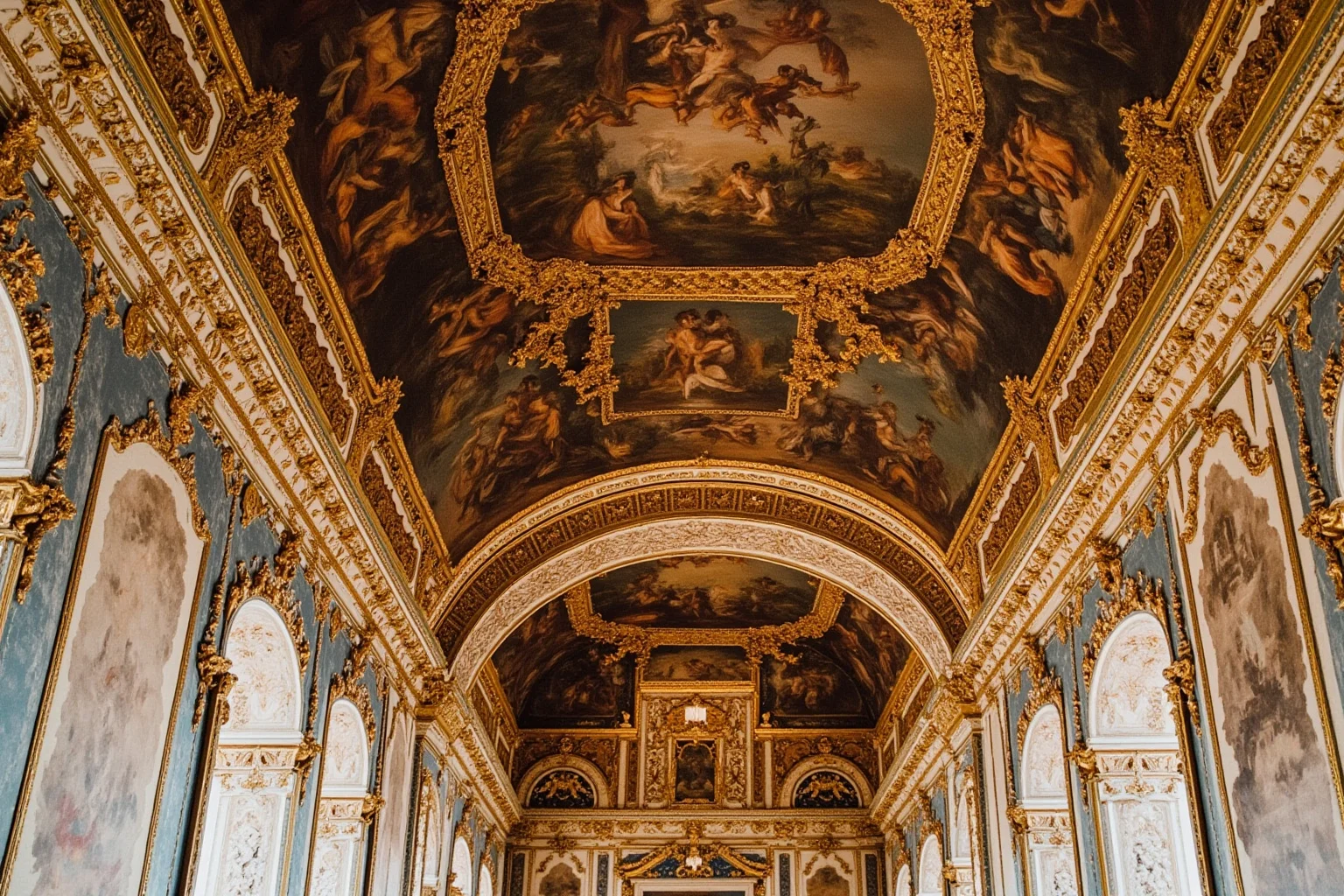
Francis I also transformed this royal hunting lodge into a showcase of the Northern Renaissance, hiring Italian artists like Rosso Fiorentino to design lavish interior galleries. The resulting blend of French building traditions with Italian decorative schemes became known as the Fontainebleau School, influential across French art and architecture for decades.
Unlike the purely classical buildings of Florence or Rome, Fontainebleau shows how Renaissance ideas got filtered and reinterpreted once they crossed the Alps. It’s a good example for anyone assuming “Renaissance architecture” only ever meant strict Italian classicism.
24. El Escorial, Spain
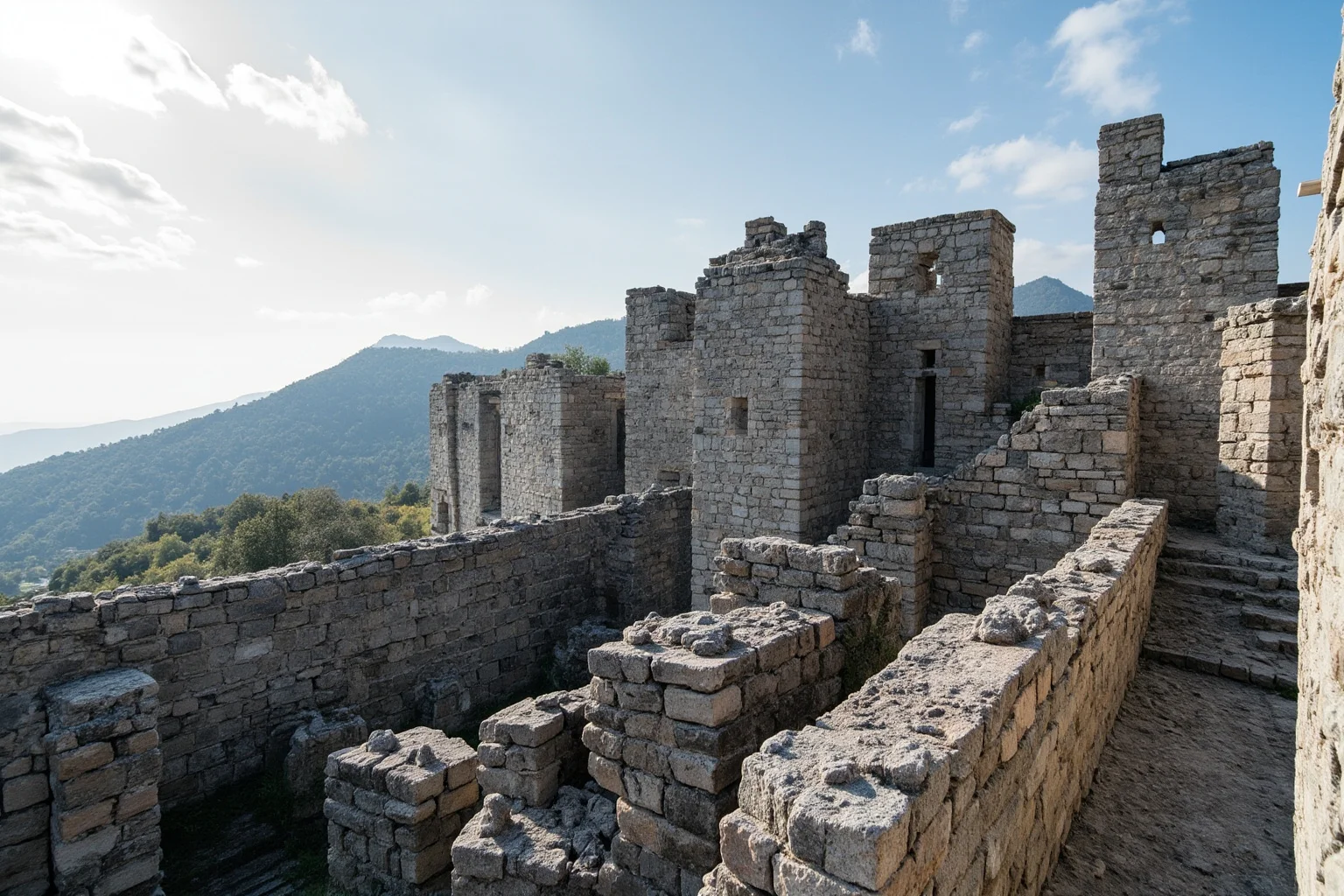
Commissioned by King Philip II and largely designed by Juan Bautista de Toledo and later Juan de Herrera starting in 1563, this vast complex outside Madrid combines a monastery, palace, and royal mausoleum. Its severe, geometric facades reflect a distinctly Spanish take on Renaissance classicism, sometimes called Herrerian style after its principal architect.
The building’s scale and austerity set it apart from the more decorative Renaissance structures found in Italy or France. It remains one of the most important examples of how Renaissance period buildings adapted to reflect local religious and political priorities.
25. Longleat House, England
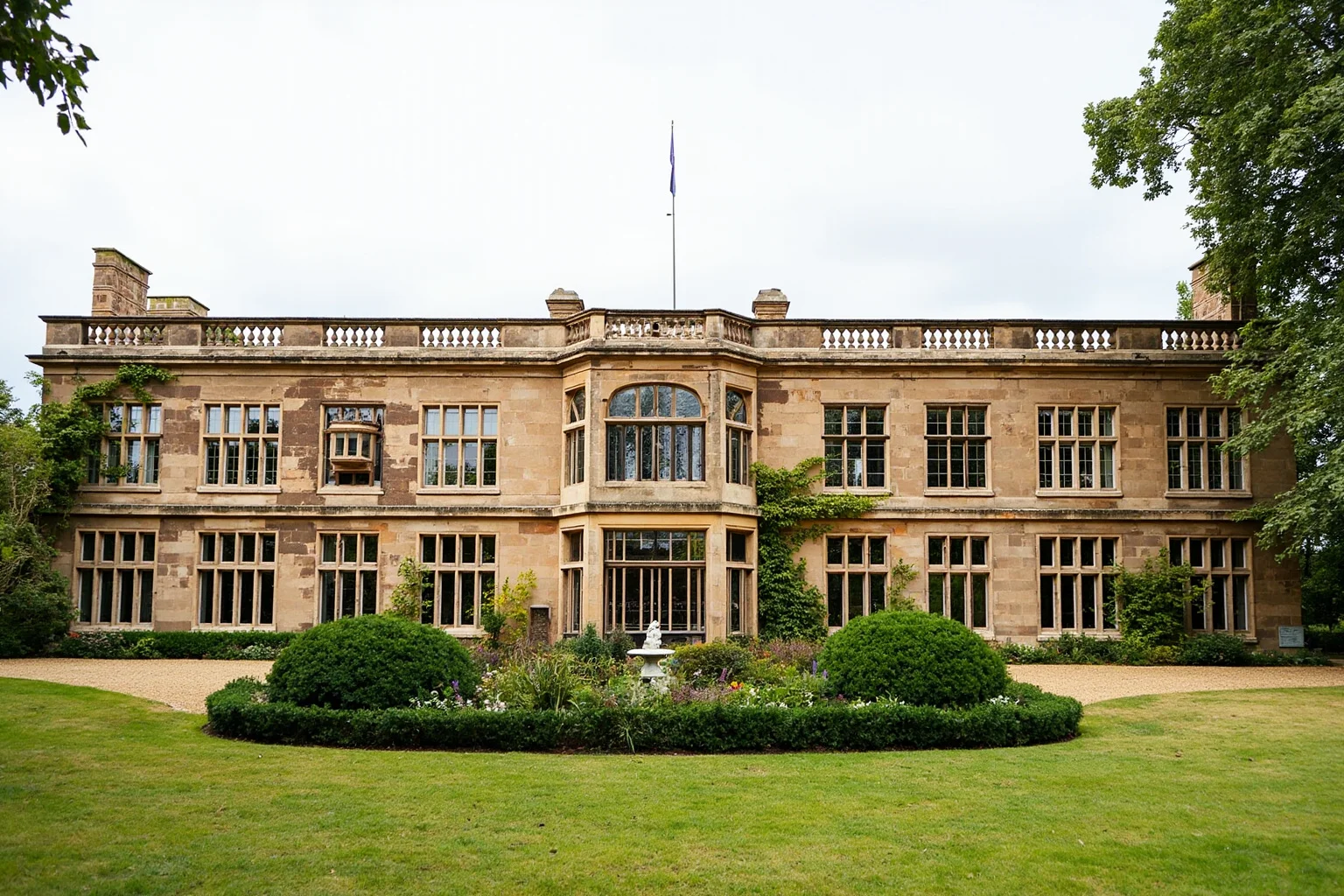
Built for Sir John Thynne starting in the 1560s, Longleat is often held up as one of England’s finest examples of a Renaissance-influenced country house, sometimes labeled Elizabethan rather than strictly Renaissance in style. Its vast windows, symmetrical facade, and classical detailing show clear Italian and French influence filtered through English building traditions.
Compared to the Gothic-heavy manor houses that came before it, Longleat’s clean lines and rational layout mark a genuine turning point in English domestic architecture. It’s a useful reminder that a “Renaissance style house” could look quite different depending on which country and century you’re looking at.
From Palaces to Homes: What Made a Renaissance Style House
Not every Renaissance building was a cathedral or a royal palace, and everyday Italian Renaissance homes followed many of the same design principles on a smaller scale. Symmetry was key, with windows and doors arranged in balanced, evenly spaced patterns around a central axis rather than the more irregular layouts common in medieval buildings.
Courtyards were another hallmark, offering light, air, and a private outdoor space enclosed by the building itself, a feature you can still see in Palazzo Medici Riccardi and countless smaller Florentine townhouses. Rusticated stone at ground level, smoother upper stories, and classical detailing around windows and doors rounded out the typical look.
These ideas didn’t stay confined to the Renaissance itself. Revival movements in the 1800s and early 1900s borrowed heavily from this vocabulary, which is why you’ll still find “Renaissance Revival” homes with arched windows, symmetrical facades, and decorative cornices in cities across the United States and Europe today.
Why These Buildings Still Matter
Renaissance architecture buildings didn’t just reflect the artistic tastes of their time, they actively shaped how later generations approached design, engineering, and city planning. The classical vocabulary developed by Brunelleschi, Alberti, Bramante, and Palladio fed directly into Baroque architecture, then Neoclassicism, and eventually influenced government buildings around the world, including the United States Capitol.
What’s easy to forget is how experimental this all was at the time. Building Florence Cathedral’s dome without full modern engineering knowledge, or reviving classical proportion systems from fragmentary ancient texts, involved genuine risk and plenty of trial and error, not a guaranteed formula for success.
That blend of ambition, mathematics, and artistic confidence is really what makes Renaissance architecture worth studying today. These buildings survive not just as beautiful backdrops for photos, but as physical proof of a moment when architects, patrons, and craftsmen decided that buildings could be as intellectually rigorous and emotionally moving as any painting or sculpture.
Frequently Asked Questions
What was architecture during the Renaissance actually like compared to what came before?
Architecture during the Renaissance moved away from the pointed arches, ribbed vaults, and soaring verticality of Gothic buildings and returned to classical Roman ideas like rounded arches, domes, columns, and mathematically balanced proportions. It began in early-1400s Florence with architects like Brunelleschi and spread across Italy and then Europe over the following two centuries.
Who are considered the most famous Renaissance architects?
Filippo Brunelleschi, Leon Battista Alberti, Donato Bramante, Michelangelo, and Andrea Palladio are usually named among the most influential Renaissance architects. Each contributed distinct ideas, from Brunelleschi's engineering breakthroughs to Palladio's codified villa designs that later shaped Western residential architecture for centuries.
What are some famous examples of Renaissance architecture in Italy?
Florence Cathedral's dome, the Ospedale degli Innocenti, Palazzo Medici Riccardi, St. Peter's Basilica, and Andrea Palladio's Villa Rotonda are among the most famous Renaissance buildings in Italy. Each represents a different phase of the movement, from its early Florentine origins to its High Renaissance peak in Rome and its later spread through the Veneto region.
What made a house count as a Renaissance style house?
A typical Renaissance style house featured a symmetrical facade, classical detailing around windows and doors, and often an enclosed courtyard for light and privacy. Ground floors were sometimes built with rougher, rusticated stone while upper floors used smoother, more refined masonry, a layout visible in buildings like the Palazzo Medici Riccardi.
Is Renaissance architecture the same across all of Europe?
No, Renaissance architecture varied significantly by region even though it shared common classical roots. Italian Renaissance architecture tended to follow strict classical proportion, while French, Spanish, and English versions blended classical ideas with local building traditions, producing distinct styles like the Fontainebleau School in France or Elizabethan architecture in England.
Did Leonardo da Vinci design any Renaissance buildings?
Leonardo da Vinci is sometimes credited with contributing to designs like the staircase at Château de Chambord, but historians generally treat this as a debated possibility rather than a confirmed fact, since solid documentary evidence is limited. Leonardo was primarily known as a painter, engineer, and inventor rather than a practicing architect with a substantial built portfolio.
What is the difference between Early, High, and Late Renaissance architecture?
Early Renaissance architecture, centered in 15th-century Florence, focused on reviving classical proportion in relatively restrained forms. High Renaissance architecture, based mainly in early-1500s Rome, pushed toward grander, more monumental designs, while Late Renaissance and Mannerist architecture began bending classical rules toward more dramatic, sometimes deliberately unconventional effects.

Alex Warren
Related Articles





