

Type “weirdest person in the world” into a search bar and you’ll get a flood of internet personalities, viral clips, and half-true legends. But long before social media rewarded strangeness, history was already packed with genuinely odd, brilliant, and baffling individuals.
Emperors who declared war on the sea, astronomers with metal noses, and widows who built mazes to confuse ghosts were all real people who left real historical records behind.
This list digs into the archives to find the strangest people in history whose eccentricities are actually documented, not just rumored. We’ll separate verified oddities from exaggerated legend, because a lot of “craziest people in history” content online recycles myths without checking sources. Consider this your myth-busting tour through the world’s craziest people—the real ones, anyway.
TL;DR: History’s weirdest people—from Roman emperors to reclusive American billionaires—prove that genuine eccentricity has always existed, though many popular legends about them are exaggerated or unverified.
What Actually Makes a Historical Figure “Weird”?
Before diving into the list, it’s worth asking what separates a truly strange person in history from someone who was simply ahead of their time or misunderstood by their era. Many people labeled “crazy” throughout history were dealing with untreated medical or mental health conditions that we understand very differently today. Others were just supremely confident nonconformists who didn’t care what their neighbors thought.
This post focuses on documented behavior, not modern diagnoses we can’t responsibly assign to people who died centuries ago. Where historians genuinely debate whether a figure was mentally ill, eccentric, or simply a victim of bad press, we’ll say so. The goal isn’t mockery; it’s a fascinating, accurate look at humanity’s most colorful outliers.
1. Caligula – Rome’s Most Unpredictable Emperor
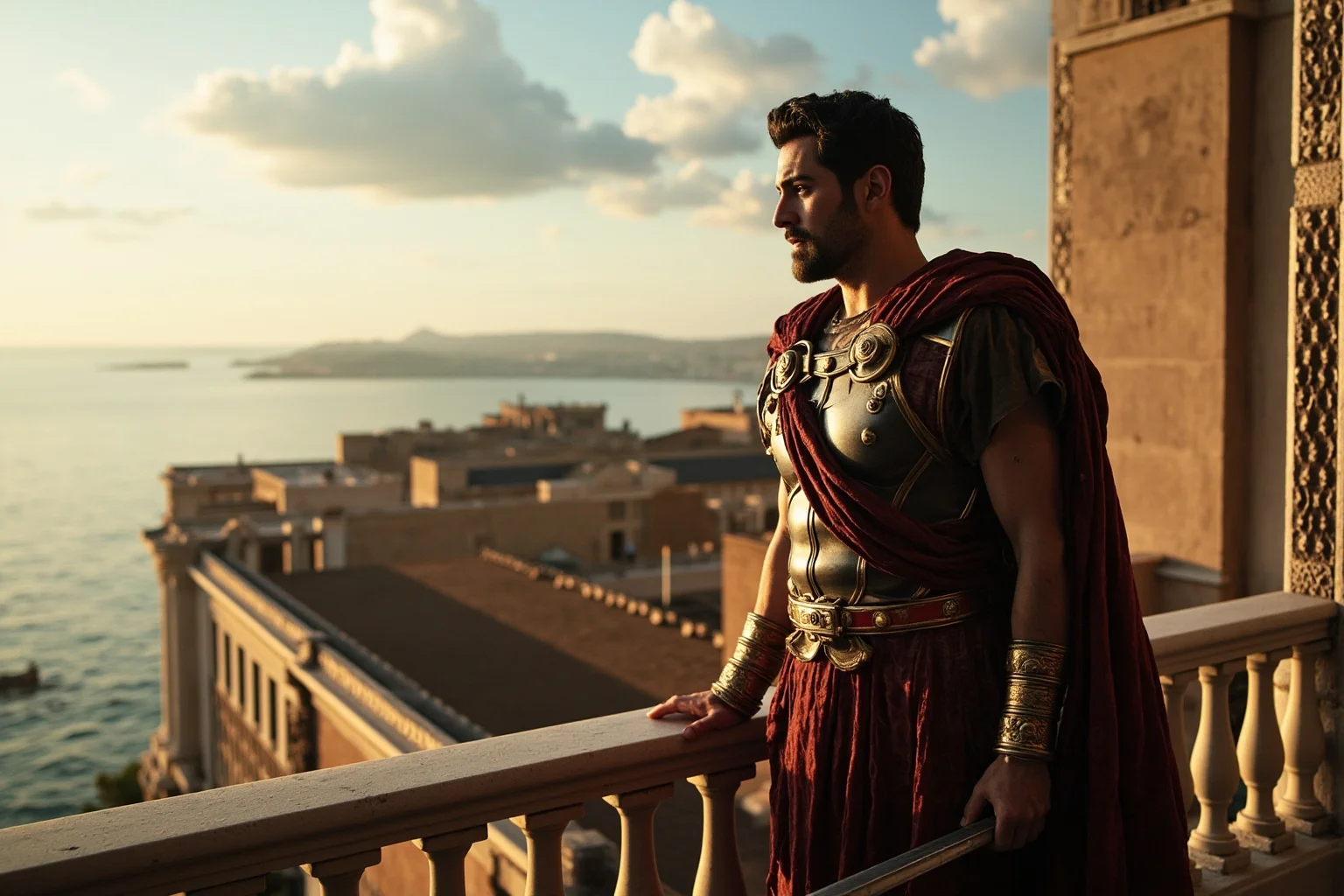
Gaius Julius Caesar Augustus Germanicus, better known as Caligula, ruled Rome from 37 to 41 CE and left behind one of history’s most infamous reputations. Ancient sources like Suetonius claim he planned to make his horse, Incitatus, a consul and that he declared war on the sea god Neptune, ordering soldiers to stab the waves. Modern historians caution that Suetonius wrote decades later and had political reasons to paint Caligula as a monster, so some tales may be exaggerated propaganda.
What’s less disputed is that Caligula bankrupted the Roman treasury through lavish spending and was eventually assassinated by his own guards. Whether myth or fact, his reputation cemented him as one of the craziest people in history for nearly two thousand years.
2. Elagabalus – The Teenage Emperor Who Shocked Rome
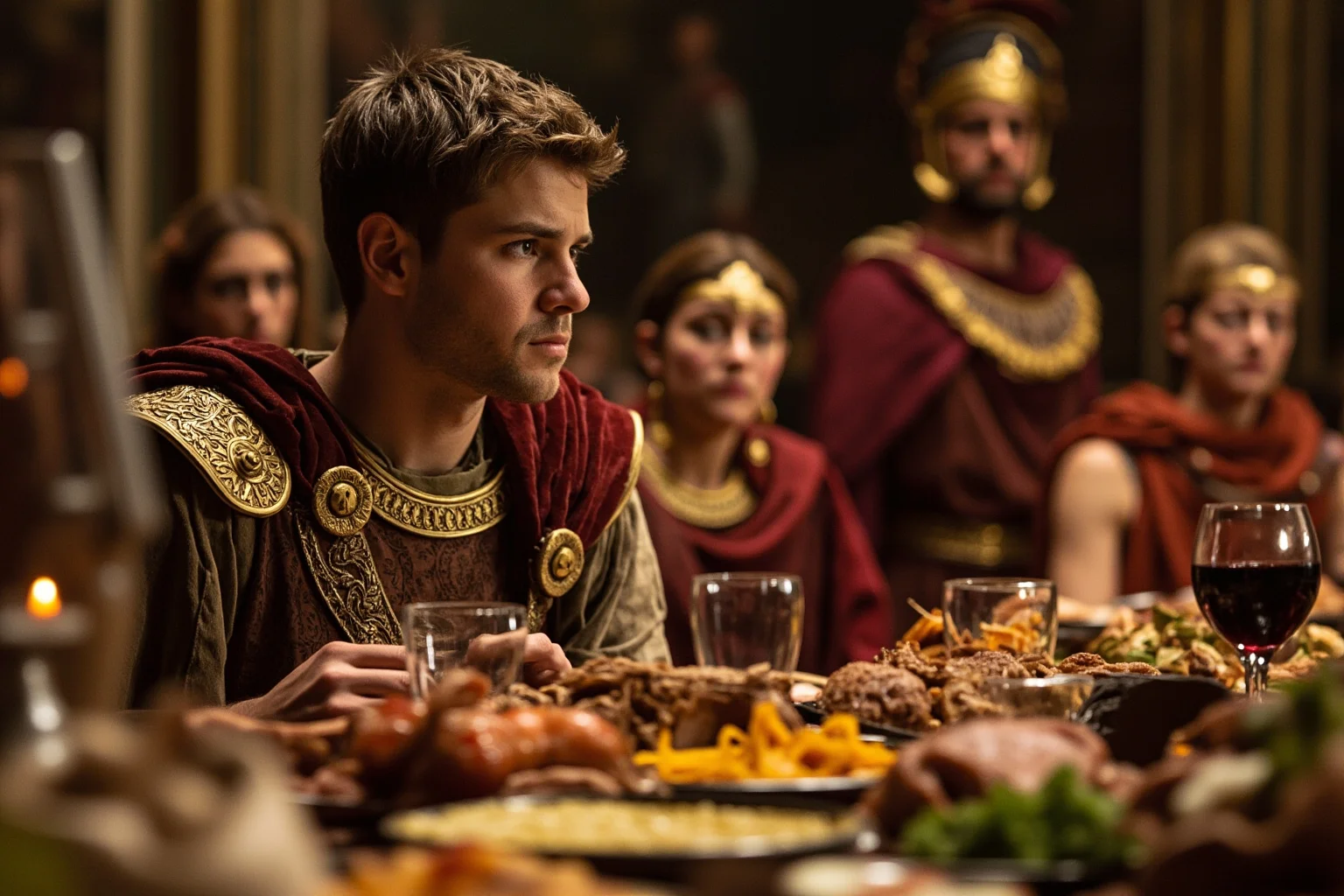
Elagabalus became Roman emperor at just 14 years old in 218 CE and reigned for less than four years before his own guard killed him. Roman historians described elaborate pranks, extravagant banquets, and a disregard for traditional Roman religious and social norms that scandalized the aristocracy. As with Caligula, later Roman writers had strong incentives to smear him, so historians treat many specific anecdotes with skepticism.
Still, contemporary accounts agree Elagabalus upended Roman conventions in ways that stunned even a city used to eccentric rulers. He remains one of antiquity’s strangest and most debated figures.
3. Diogenes of Sinope – The Philosopher Who Lived in a Barrel
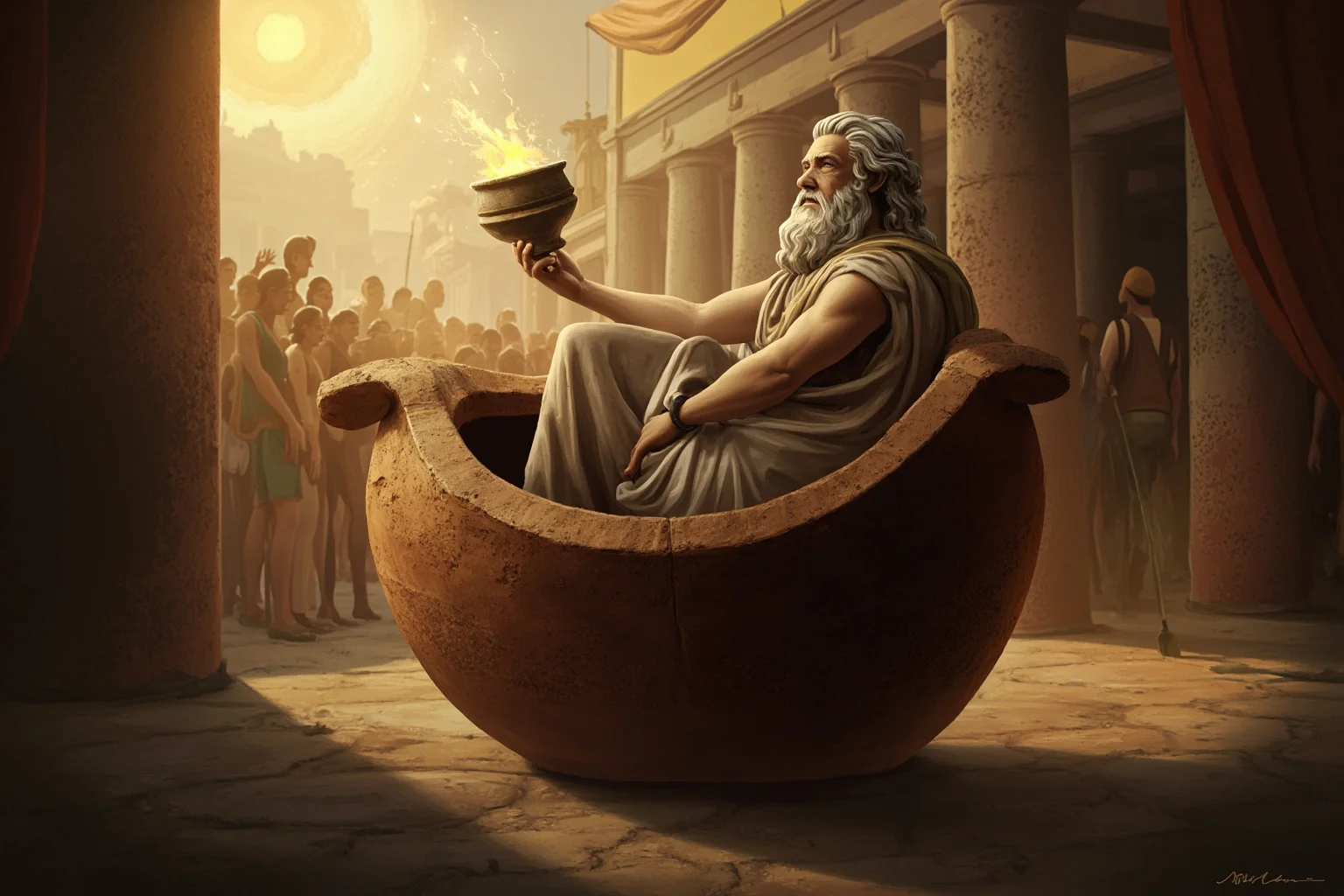
Diogenes was a Greek philosopher of the Cynic school in the 4th century BCE, later remembered among history’s most renowned philosophers, who rejected material comforts entirely. Ancient sources say he lived in a large ceramic jar (often mistranslated as a “barrel”) in the Athenian marketplace and reportedly wandered the streets in daylight carrying a lamp, claiming he was “looking for an honest man.”
He supposedly mocked Alexander the Great to his face, telling the most powerful man in the world to step out of his sunlight. Diogenes wasn’t unwell; he was making a deliberate philosophical statement about society’s obsession with wealth and status.
4. Tycho Brahe – The Astronomer With a Metal Nose and a Pet Moose
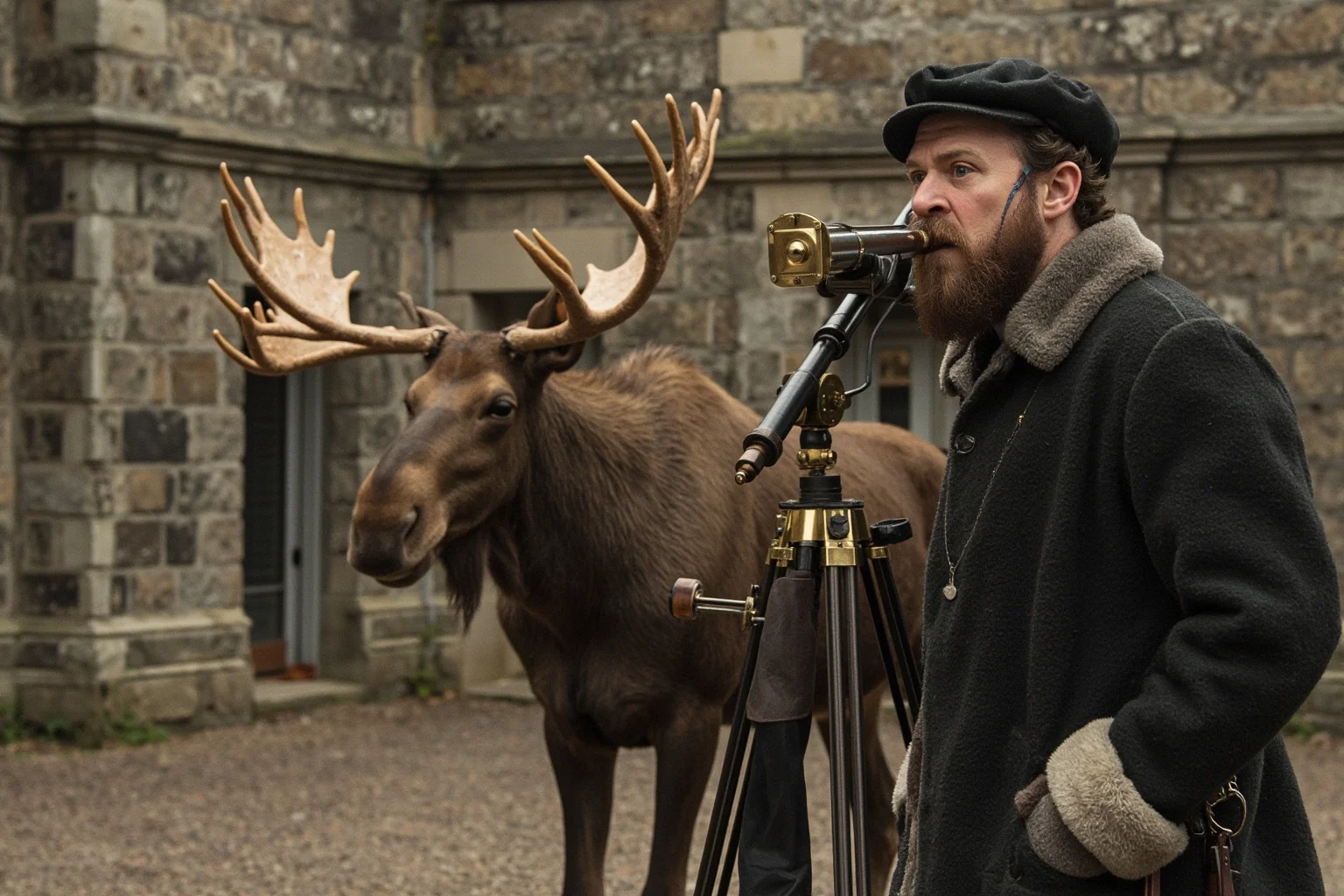
Tycho Brahe was a brilliant 16th-century Danish astronomer whose precise observations later helped Johannes Kepler prove planetary orbits were elliptical. Brahe lost part of his nose in a sword duel over a mathematical dispute and wore a prosthetic replacement, likely made of brass, for the rest of his life. Historical accounts also describe him keeping a pet moose that reportedly died after drinking too much beer at a party, along with a court jester believed to have psychic abilities.
Brahe’s life shows how genuine scientific genius and outright eccentricity often overlapped in history. He remains one of the most colorful figures in the history of astronomy.
5. Peter the Great – The Tsar Behind the Drunken Synod
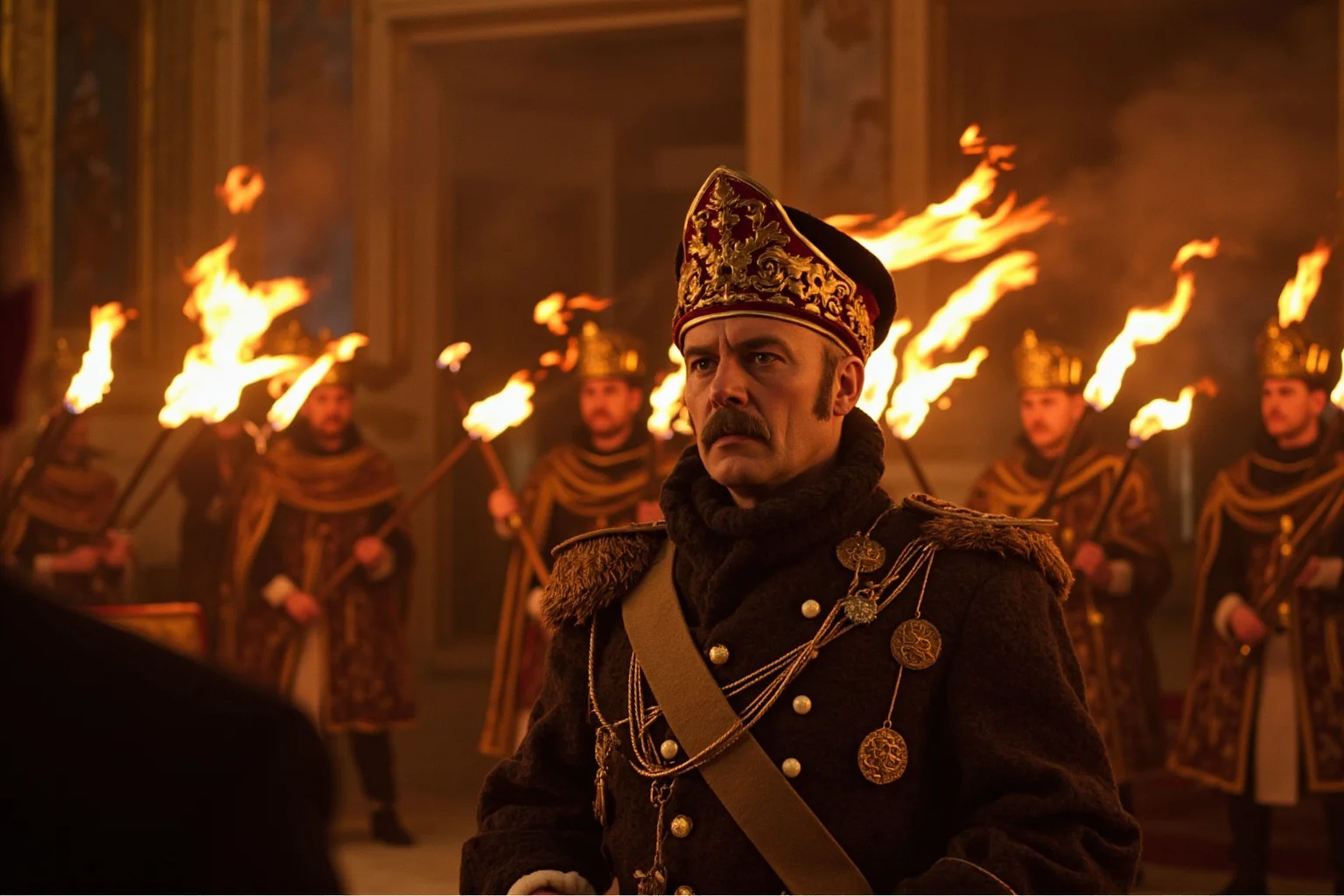
Peter the Great modernized Russia during his reign from 1682 to 1725, but he also had a documented taste for the bizarre. He founded the “All-Joking, All-Drunken Synod,” a mock religious council devoted to elaborate, often obscene parody ceremonies and heavy drinking. He also personally taxed beards to push Russian nobility toward Western European fashions, and reportedly enjoyed pulling teeth as an amateur dentist.
Historians view these antics as part calculated political theater and part genuine personal taste for the absurd. Either way, Peter blended visionary statecraft with some genuinely strange personal habits.
6. Emperor Norton I – San Francisco’s Self-Declared Emperor
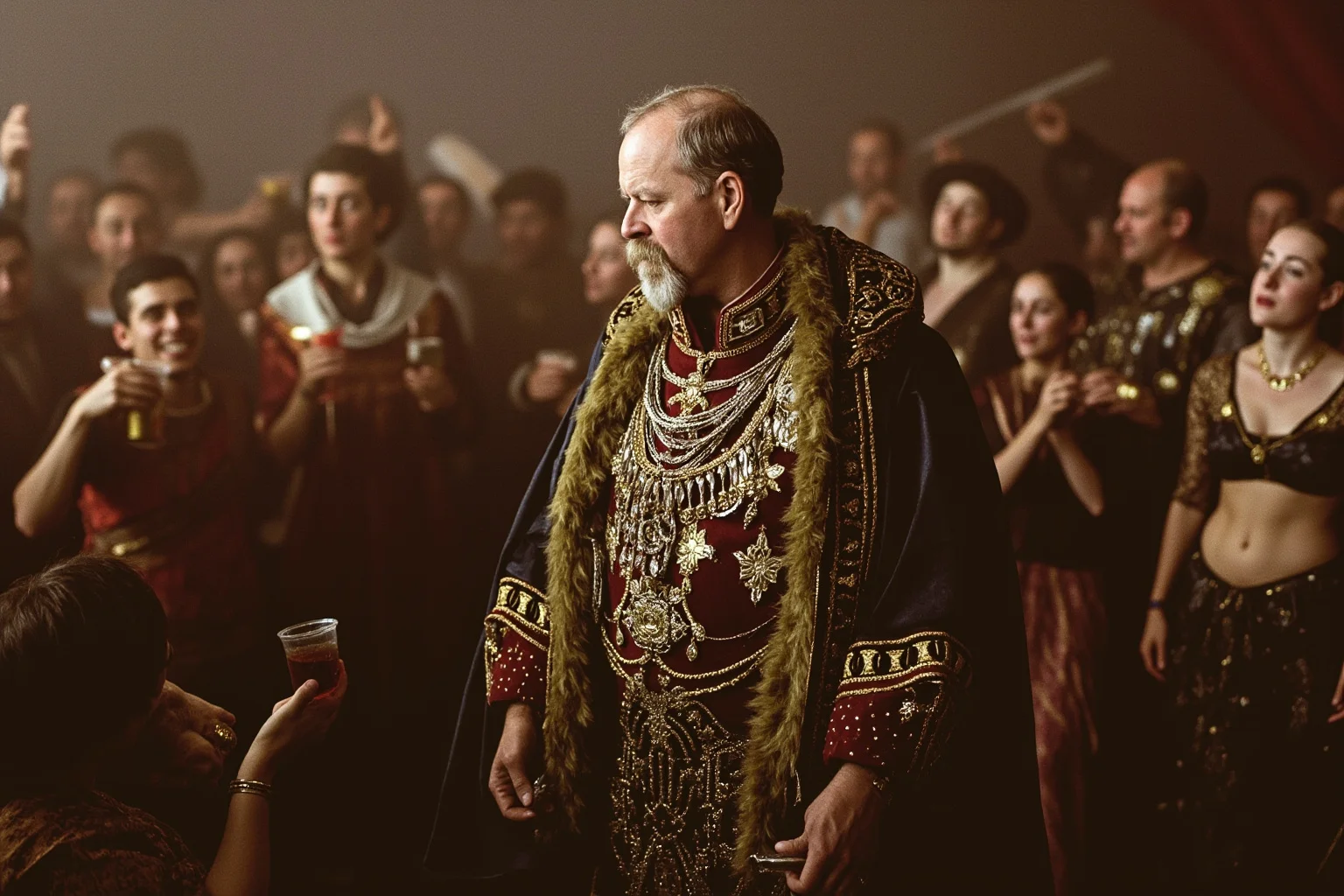
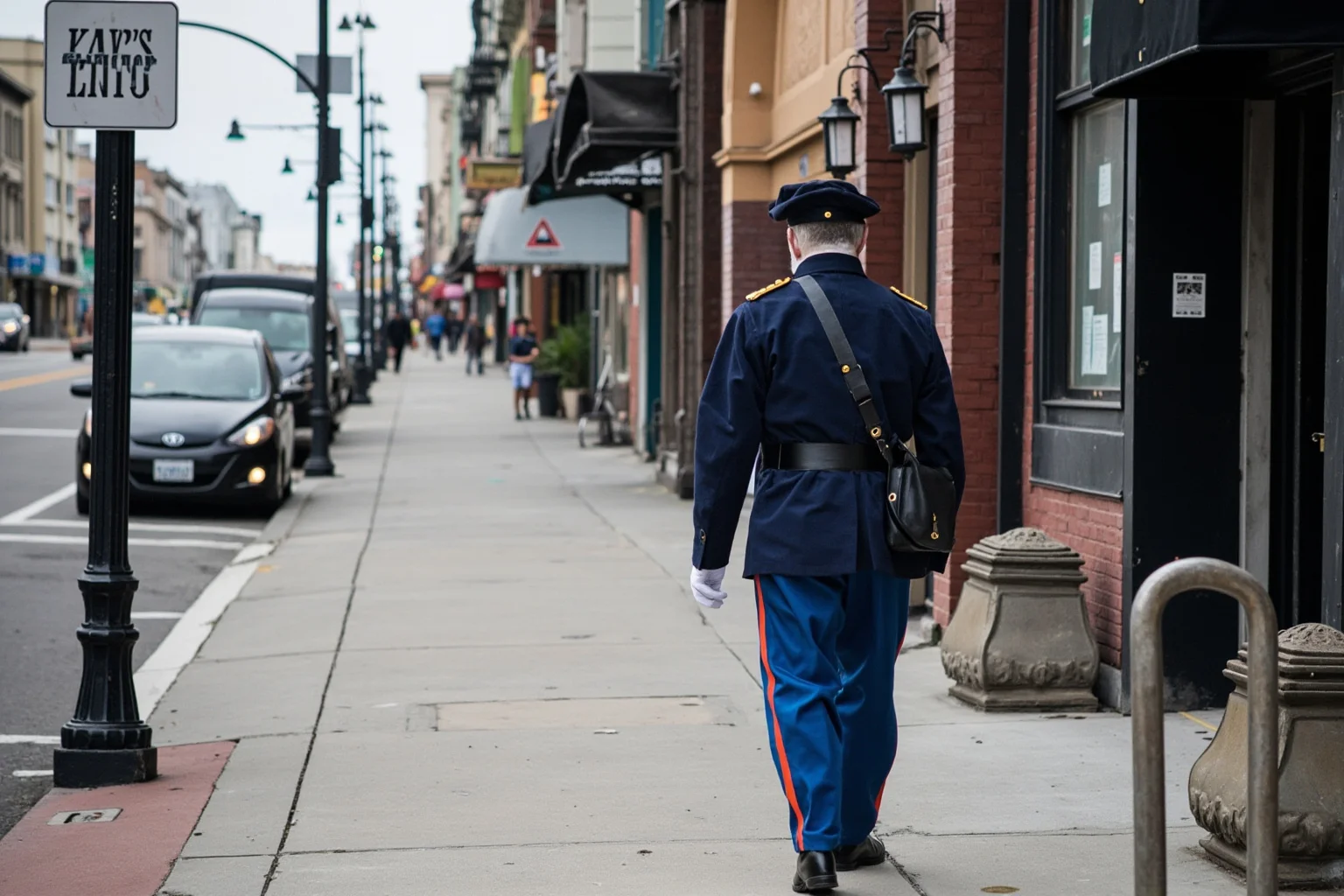
Joshua Abraham Norton was a failed businessman in 1859 San Francisco who declared himself “Emperor of the United States and Protector of Mexico.” Remarkably, the city largely played along: local newspapers printed his proclamations, and businesses accepted his self-issued currency. He wandered the streets in a blue military uniform with gold epaulettes, inspecting sidewalks and issuing decrees, including one ordering the demolition of a bridge that (decades later) closely resembled the Bay Bridge’s actual route.
When he died in 1880, an estimated 10,000 to 30,000 people attended his funeral. Norton is often cited in “weirdest man in history” discussions, though his story is really one of a city choosing kindness over ridicule.
7. Lord Timothy Dexter – The Man Who Sold Coal to Newcastle

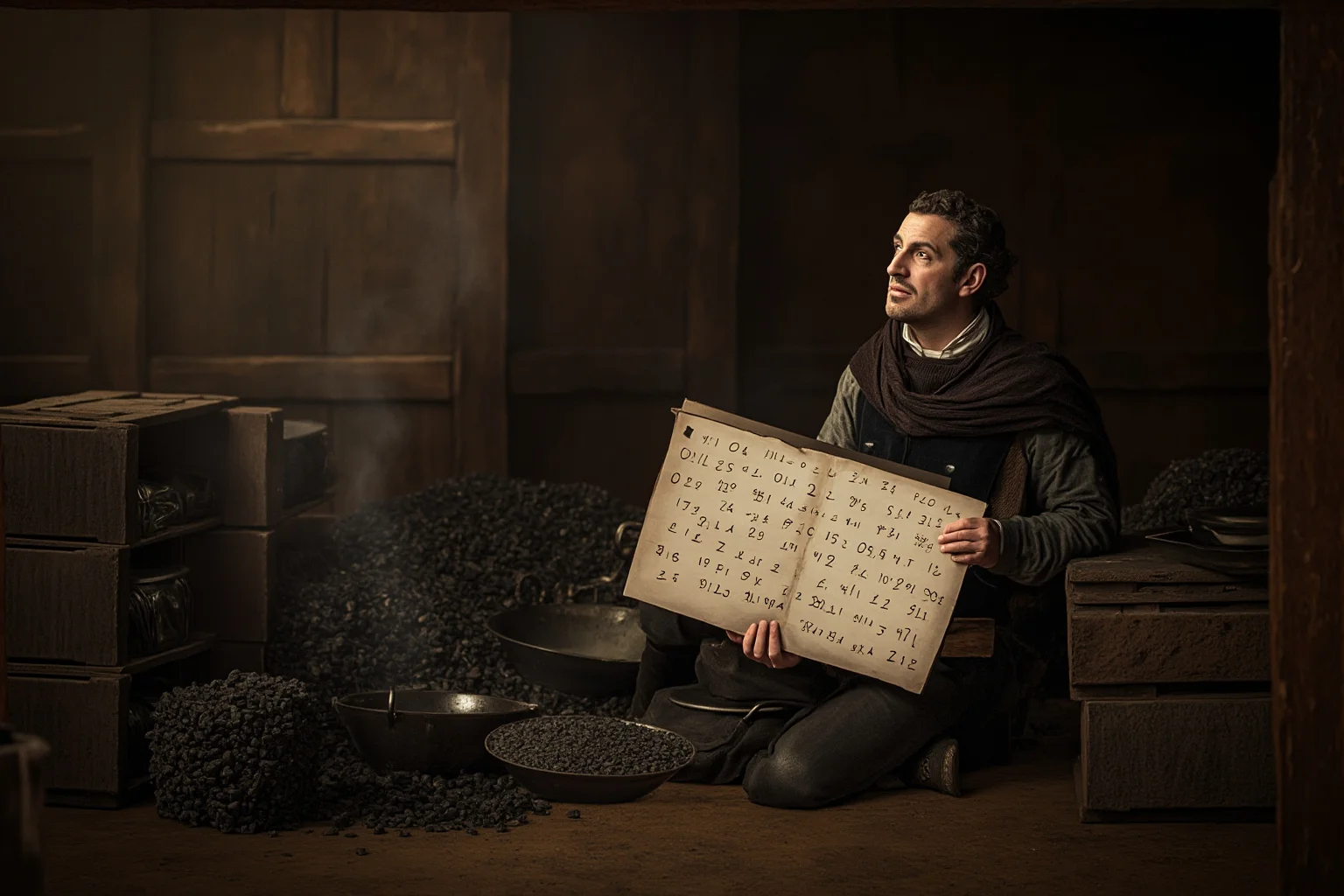
Timothy Dexter was an uneducated but wildly lucky 18th-century American merchant who made a fortune through what looked like terrible business decisions. He shipped warming pans to the Caribbean, where they were repurposed as molasses ladles, and famously sent coal to Newcastle, England, a city already overflowing with coal, arriving during a miners’ strike that made his shipment valuable. He also self-published a rambling memoir with no punctuation, later adding a page of punctuation marks at the end and inviting readers to insert them wherever they liked.
Dexter gave himself the title “Lord” despite having no legitimate claim to nobility. His life reads like a satire, but it’s genuinely documented 18th-century history.
8. Jack Mytton – The English Squire Who Rode a Bear to Dinner
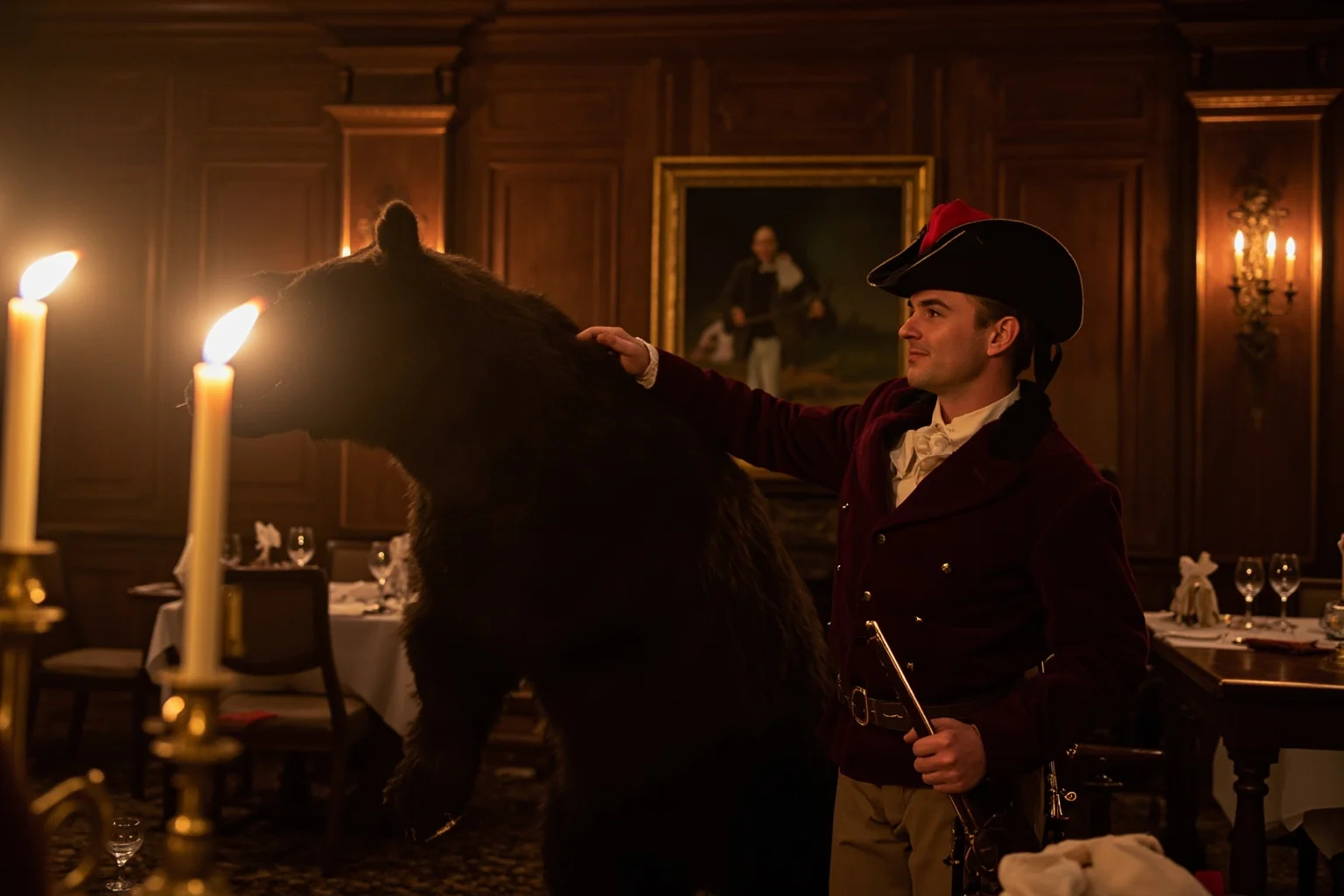
John “Jack” Mytton was a wealthy English landowner in the early 19th century known for reckless, often dangerous stunts. Contemporary accounts describe him riding a bear into his own dining room while wearing full hunting attire, and once setting his own nightshirt on fire to cure his hiccups. He burned through an enormous inheritance, reportedly around £500,000, through gambling, drinking, and eccentric excess before dying in debt at just 37.
Mytton is frequently cited in British lists of history’s strangest eccentrics. His life is a case study in how extreme wealth without restraint can produce genuinely bizarre behavior.
9. Charles Waterton – The Naturalist Who Wrestled Crocodiles
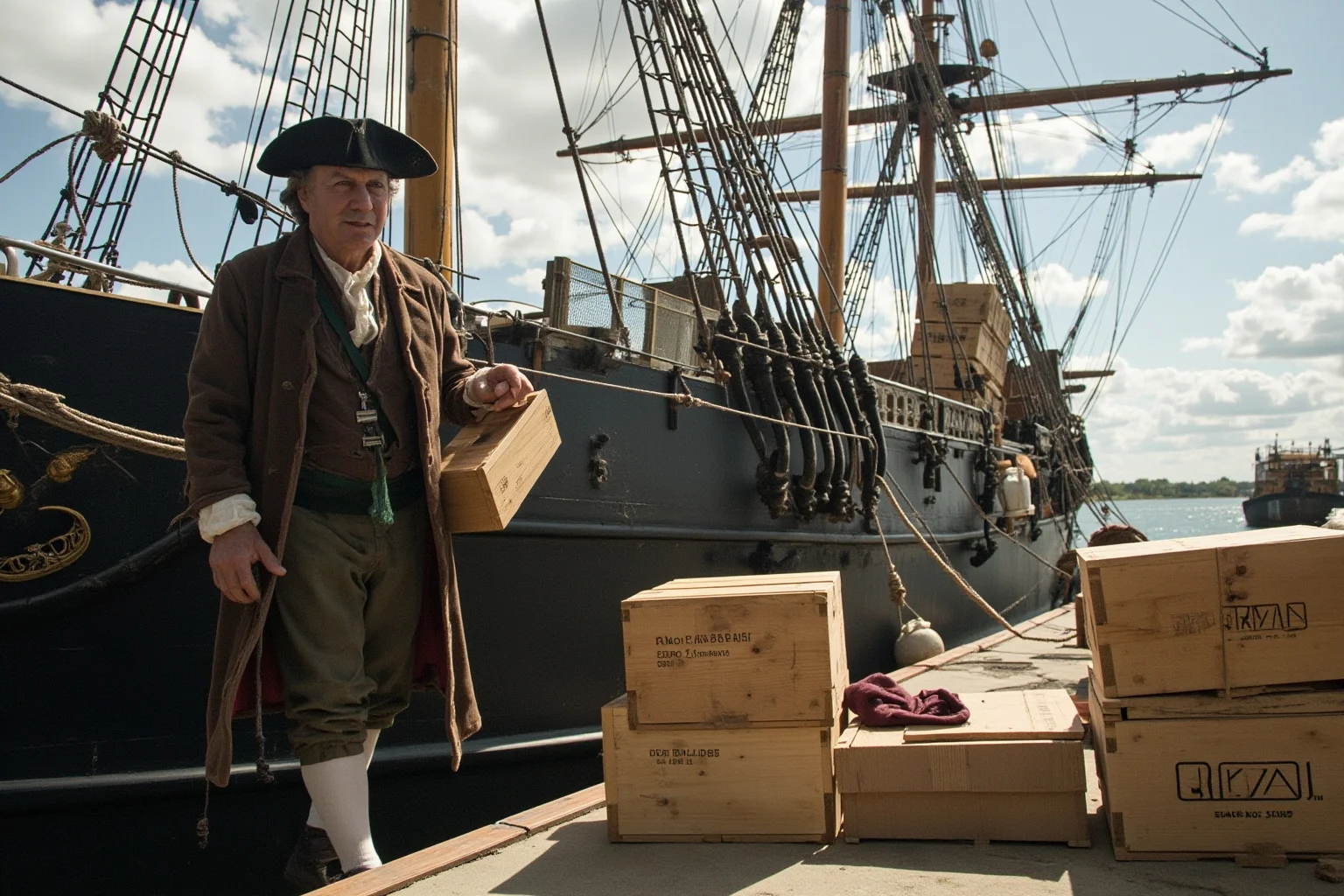
Charles Waterton was a 19th-century English naturalist and one of the earliest conservationists, but he’s remembered just as much for his strange antics. He reportedly rode on the back of a caiman (a crocodile relative) during a South American expedition to study it more closely, and he was known to bite visitors’ legs under the dinner table for amusement. He also created the first bird sanctuary in England and pioneered early taxidermy techniques still discussed by naturalists today.
Waterton’s eccentricities never stopped him from making real scientific contributions. He’s a good reminder that “weird” and “accomplished” often coexist in history.
10. Gregor MacGregor – The Con Man Who Invented a Country
Gregor MacGregor was a Scottish soldier who, in the 1820s, invented an entirely fictional Central American nation called “Poyais” and sold investors land, bonds, and even government jobs there. Hundreds of British and French settlers sailed to the supposed country only to find uninhabited jungle with no infrastructure at all. Many died from disease and starvation before survivors made it back to Britain.
MacGregor faced minimal legal consequences and reportedly attempted similar schemes afterward. He’s frequently ranked among history’s craziest and most audacious con artists.
11. Grigori Rasputin – The “Mad Monk” Who Mesmerized a Court
Grigori Rasputin was a Russian mystic who gained enormous influence over Tsar Nicholas II’s family in the early 20th century, largely through his apparent ability to ease the suffering of the hemophiliac heir, Alexei. Rumors about Rasputin’s personal life, religious practices, and supposed indestructibility during his 1916 assassination have been wildly exaggerated over the decades. Some popular “legends,” like his poisoning failing before he was eventually shot, come from a memoir written by one of his killers and aren’t independently verified.
What’s historically solid is that Rasputin’s real influence over the Romanov court fueled public outrage that helped destabilize the monarchy before the 1917 revolution. He remains one of history’s most mythologized strange figures.
12. King Ludwig II of Bavaria – The Fairy-Tale King

Ludwig II ruled Bavaria from 1864 to 1886 and became obsessed with building extravagant, fantasy-inspired castles, most famously Neuschwanstein, which later inspired Disney’s Sleeping Beauty Castle. He spent enormous sums of the royal treasury on architecture, opera patronage (especially of composer Richard Wagner), and increasingly reclusive behavior. In 1886, government officials declared him mentally unfit to rule, though this diagnosis remains disputed by historians who suspect political motives.
Ludwig died mysteriously in a lake shortly after being deposed, and the exact cause is still debated. He’s remembered as one of European history’s most fascinatingly strange monarchs.
13. Sarah Winchester – The Widow and Her Endless Mansion
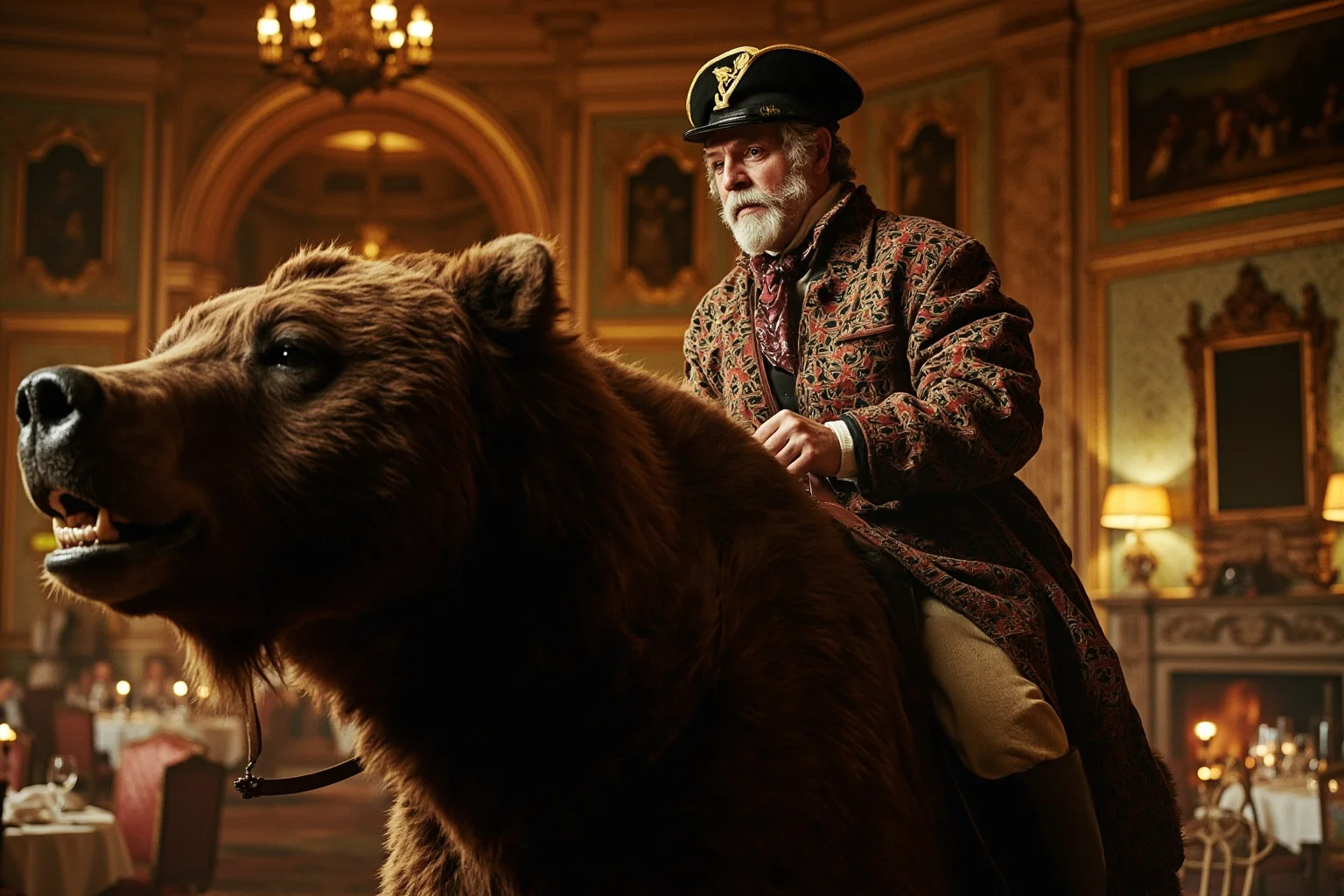
Sarah Winchester inherited a massive fortune from the Winchester Repeating Arms Company, placing her family among the richest and most powerful families throughout history, after her husband’s death in 1881. She spent decades continuously renovating her California mansion, adding staircases that lead nowhere, doors that open onto walls, and a floor plan so confusing that visitors reportedly got lost. Popular legend claims a medium told her the house must never stop being built to appease spirits killed by Winchester rifles, but this story wasn’t documented until after her death and lacks solid contemporary evidence.
What we do know is that Sarah Winchester was a genuinely private, grieving woman who channeled grief and wealth into an architectural obsession. The Winchester Mystery House still stands today as a popular tourist attraction in San Jose.
14. Jeremy Bentham – The Philosopher Who Became His Own Statue
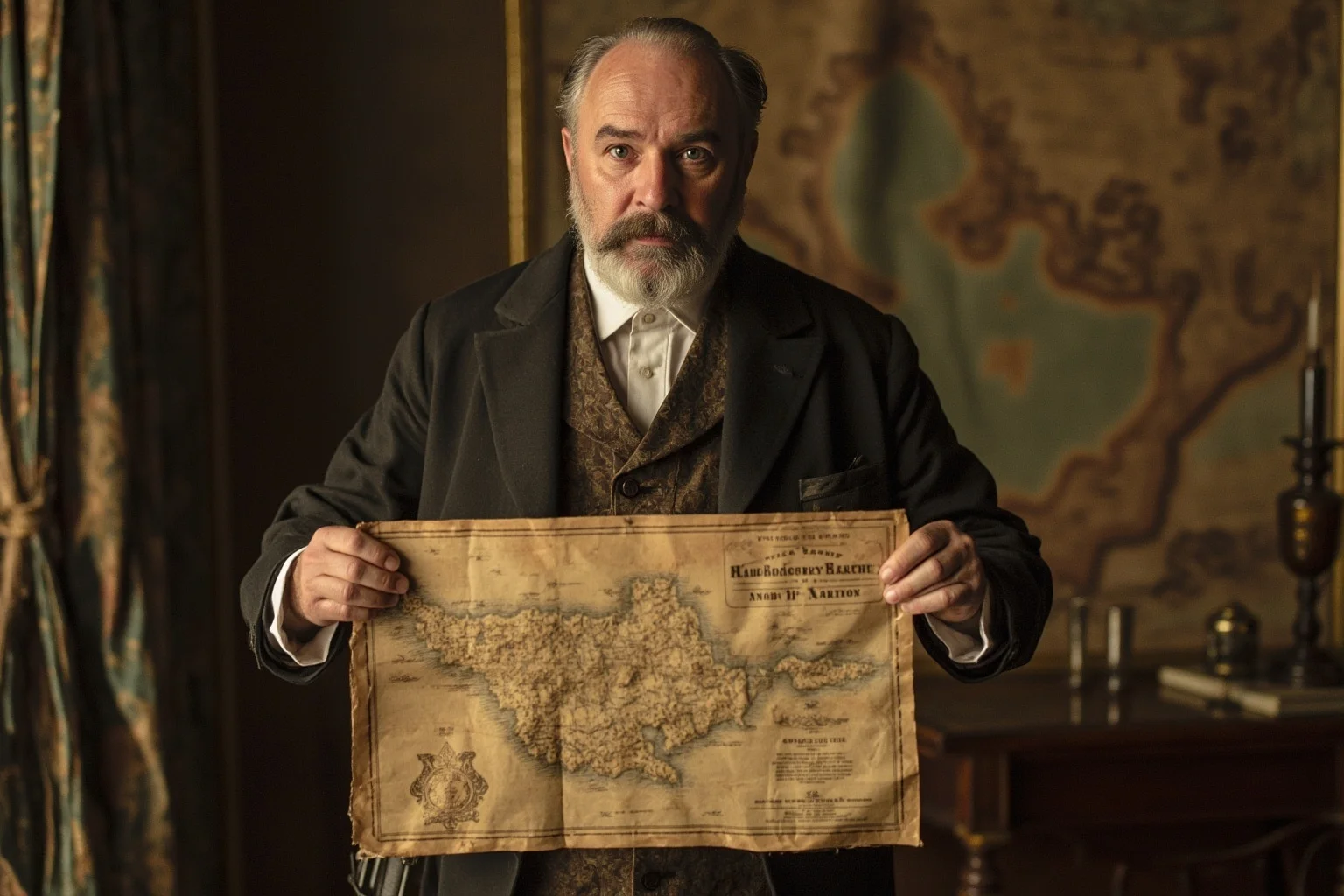
Jeremy Bentham was an influential 18th-century English philosopher who founded utilitarianism, the ethical theory that actions should maximize overall happiness. In his will, he requested that his body be preserved and displayed as an “auto-icon,” dressed in his own clothes and seated in a wooden cabinet. His preserved skeleton and wax head (his real head was preserved but proved too disturbing for display) still sit on public view at University College London.
Bentham saw this as a rational, even educational, alternative to conventional burial. It remains one of history’s strangest final requests actually carried out.
15. The Comte de Saint-Germain – The Man Who Claimed to Be Immortal
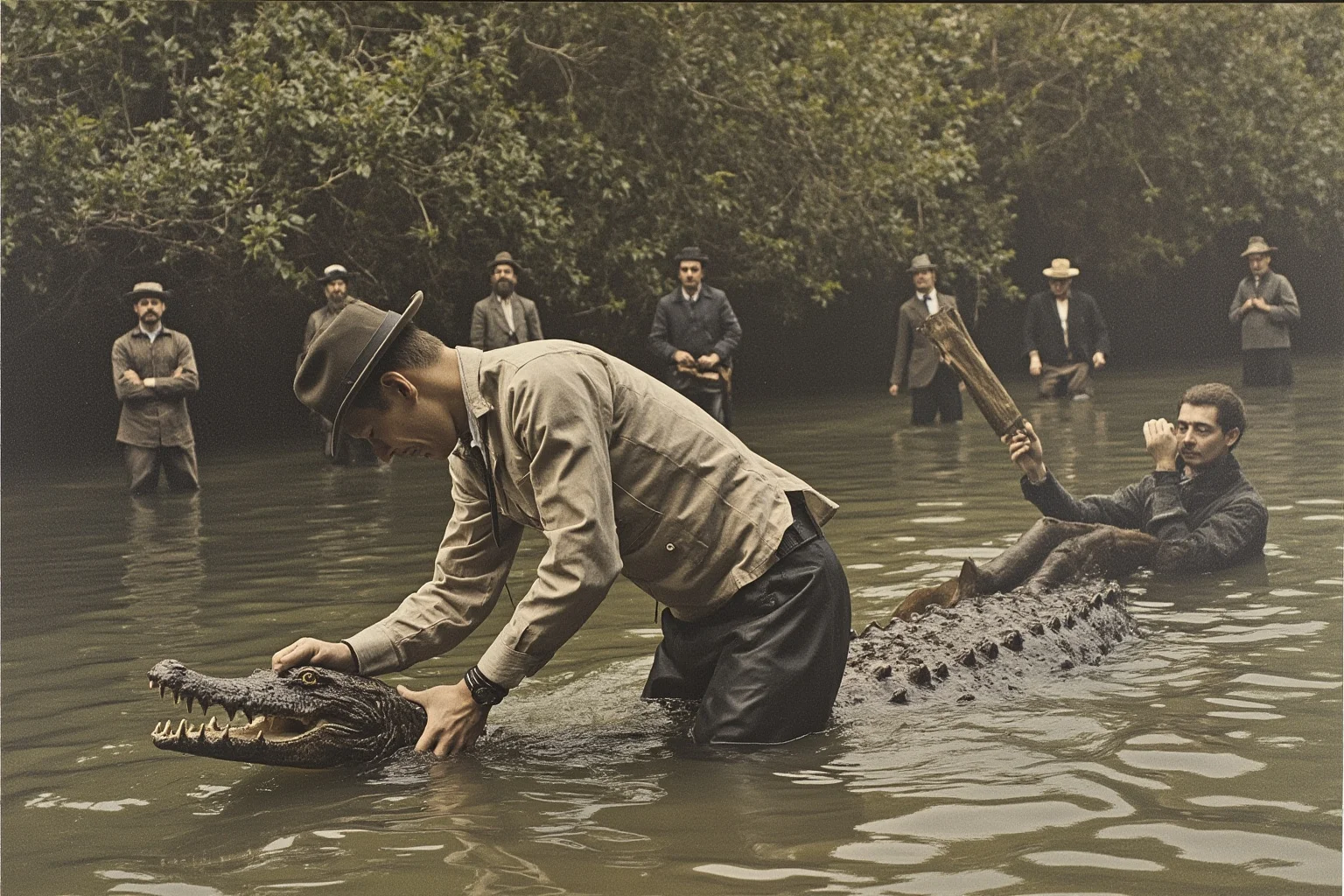
The Comte de Saint-Germain was an 18th-century European figure of mysterious origin who moved through royal courts claiming expertise in chemistry, music, and alchemy. Rumors, largely fueled by his own vague hints, suggested he was centuries old and had discovered the secret to immortality. No verified birth record exists, and much of his biography comes from secondhand court gossip rather than solid documentation.
Voltaire reportedly described him sarcastically as “a man who knows everything and never dies.” Saint-Germain remains one of history’s most deliberately mysterious self-mythologizers.
16. Howard Hughes – The Billionaire Who Became a Recluse
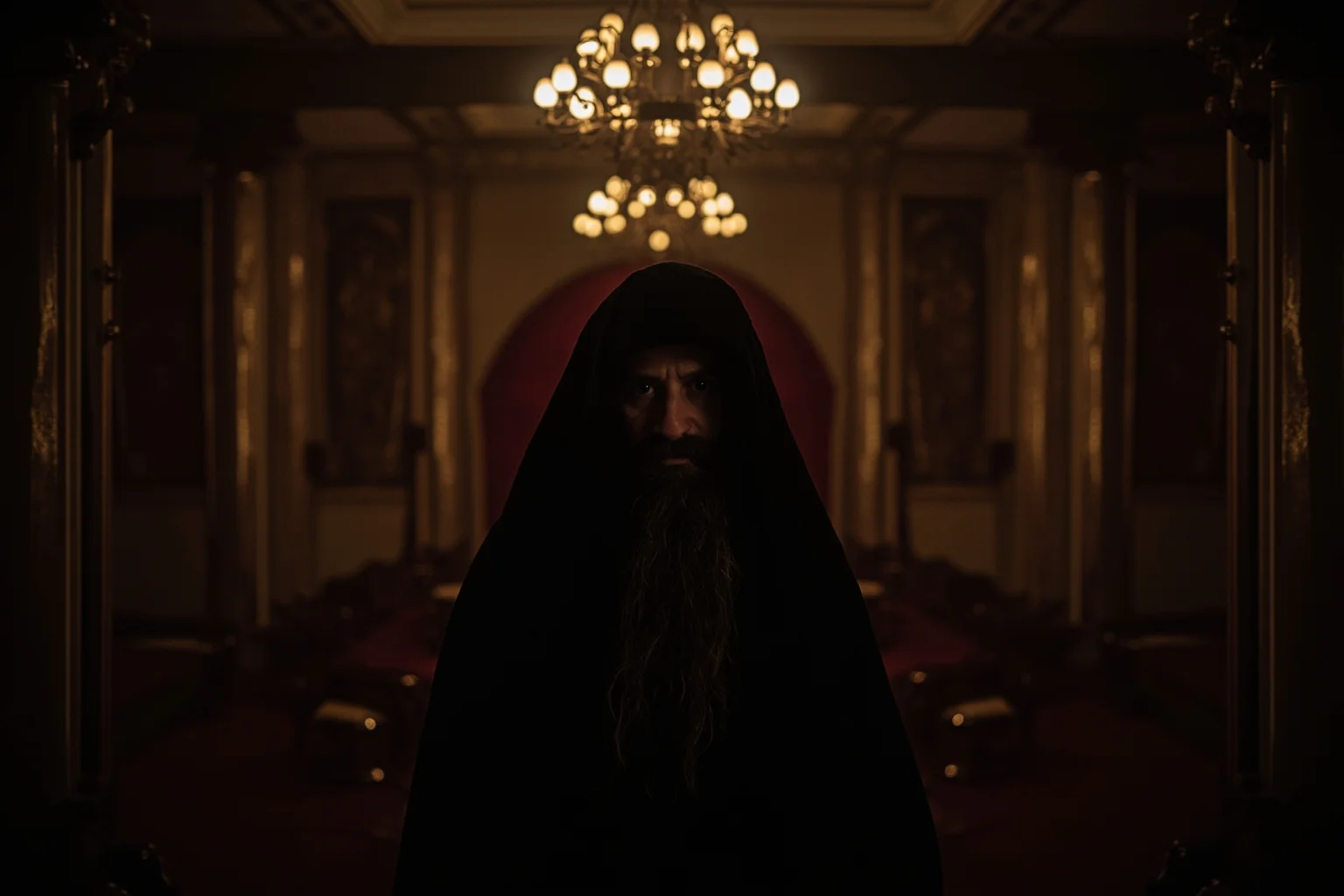
Howard Hughes was a hugely successful 20th-century aviator, filmmaker, and business tycoon who later became one of history’s most famous recluses. In his final decades, associates described him living in darkened hotel rooms, refusing to cut his hair or nails, and developing extreme germaphobia, including reportedly using tissue boxes as makeshift shoes. Many historians and biographers believe he suffered from obsessive-compulsive disorder, though he was never formally diagnosed during his lifetime.
Hughes’s story is a genuinely sobering example of how untreated mental illness, not simple choice, can drive extreme behavior. It’s a useful contrast to the more theatrical eccentrics on this list.
17. Nikola Tesla – The Genius Who Loved Pigeons

Nikola Tesla was a groundbreaking inventor and engineer whose work on alternating current shaped modern electricity. He also had documented habits many considered strange even in his own time, including a fixation on the number three, an aversion to touching hair, and reportedly refusing to shake hands due to germ concerns. Tesla spoke openly about his deep affection for the pigeons he fed daily in New York City parks, once describing his bond with one particular white pigeon in unusually emotional terms.
Despite his genius, Tesla died in 1943 in relative poverty, having sold or lost the rights to several of his inventions over his career. His name also appears frequently among historical geniuses with the highest estimated IQs, though such rankings remain speculative. His combination of brilliance and idiosyncrasy makes him a frequent entry on “weirdest people in history” lists.
18. The Collyer Brothers – New York’s Legendary Hoarders

Homer and Langley Collyer were two brothers who lived in a Harlem brownstone in the early-to-mid 20th century and became infamous for extreme hoarding. When authorities finally entered their home in 1947 after a tip about a smell, they found over 140 tons of newspapers, furniture, and booby traps built to protect their hoard from intruders. Langley had actually died weeks earlier, crushed by one of his own traps while bringing food to his blind, paralyzed brother Homer, who then died of starvation.
The Collyer brothers’ story became a cautionary tale about untreated hoarding disorder and social isolation. Their name is still used today as shorthand for extreme hoarding cases.
19. King George III – The “Mad King” Behind a Revolution
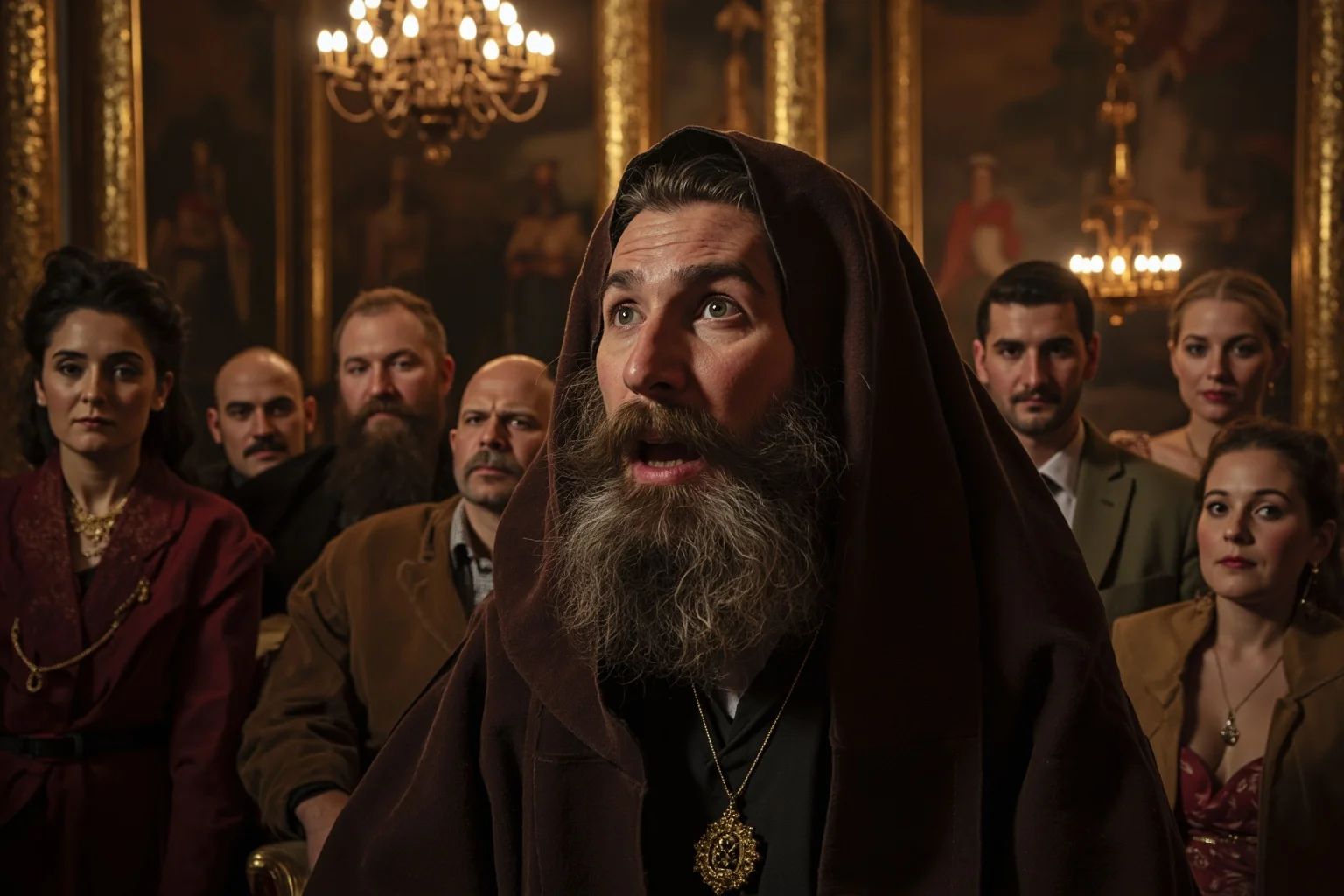
George III ruled Britain during the American Revolution and later experienced recurring episodes of severe mental and physical illness that led contemporaries to label him “the Mad King.” Historians and physicians have long debated the cause, with porphyria (a group of blood disorders) being a popular but not universally accepted theory; some modern researchers argue bipolar disorder is equally plausible. His erratic behavior during these episodes was very real and well documented by court physicians and family members.
George III’s case is a good example of history mislabeling illness as “madness” or “weirdness” without modern medical understanding. It’s a reminder to approach older “crazy king” stories with some compassion.
20. Empress Elisabeth of Austria – The Beauty Obsessed “Sisi”
Empress Elisabeth of Austria, nicknamed Sisi, remains one of history’s most powerful women, famous across 19th-century Europe for her extreme beauty regimens and reclusive personal habits. She reportedly slept in special facial masks made of raw veal, exercised for hours daily, and had her floor-length hair washed in a process that could take an entire day. She also became increasingly isolated from court life, traveling almost constantly and avoiding formal royal duties whenever possible.
Historians generally interpret her behavior as a response to a restrictive, unhappy arranged marriage and possible depression rather than simple vanity. Sisi’s story blends genuine eccentricity with real personal tragedy, including her assassination in 1898.
21. William Buckley – The “Wild White Man” of Australia
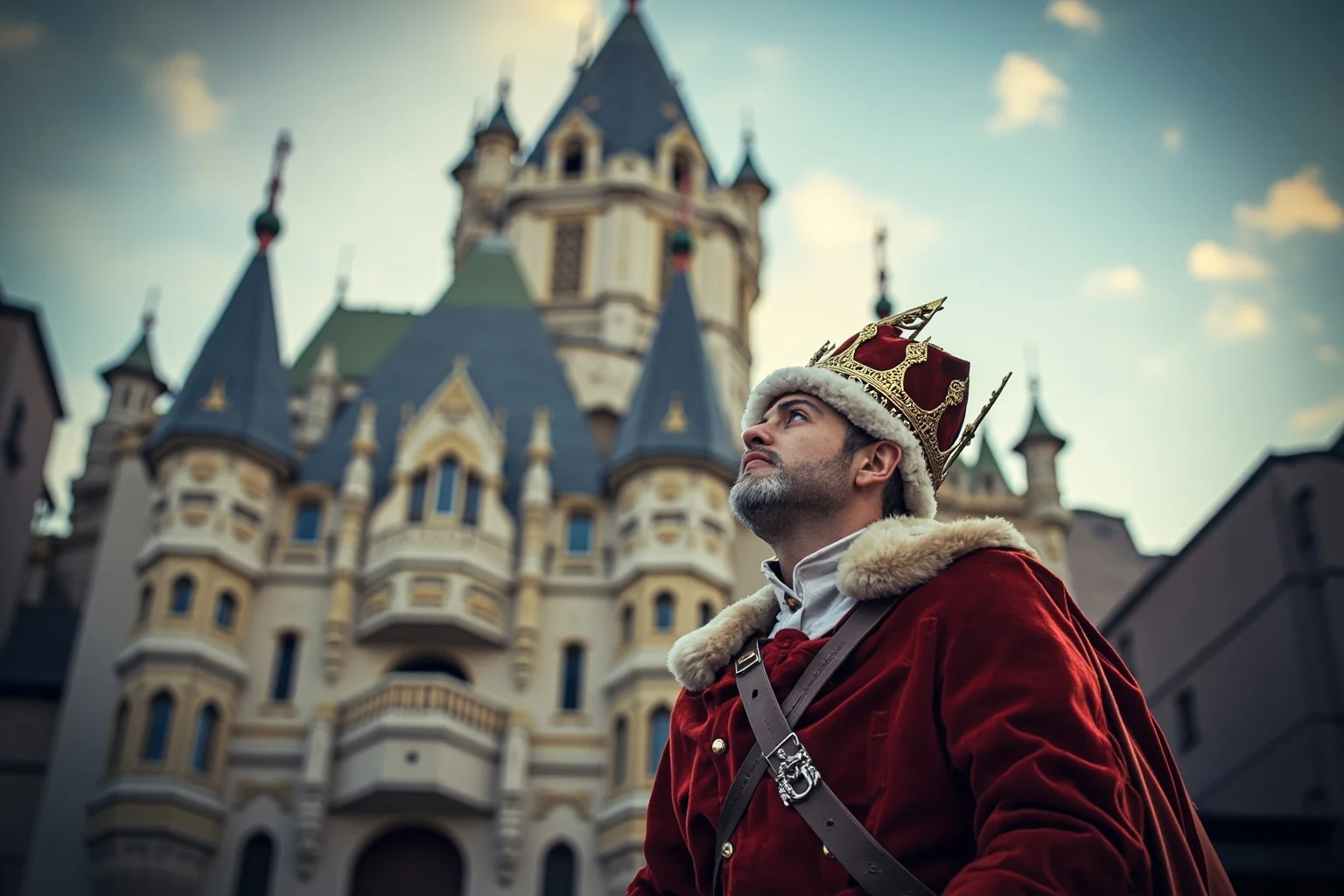
William Buckley was an escaped English convict who, in 1803, fled into the Australian bush near modern-day Melbourne and lived for roughly 32 years among the Wathaurong Aboriginal people. Colonists who later encountered him assumed he was a ghost or a resurrected Aboriginal warrior due to his size and long absence from European society, and the phrase “Buckley’s chance” (meaning almost no chance at all) may derive from his unlikely survival story. He eventually rejoined colonial society in 1835 and served as an interpreter between settlers and Aboriginal communities.
Buckley isn’t “weird” in the eccentric sense, but his story is genuinely one of history’s strangest survival tales. It shows how extraordinary circumstances can make an ordinary person into a legend.
22. Frederick William I of Prussia – The King Obsessed With Giant Soldiers
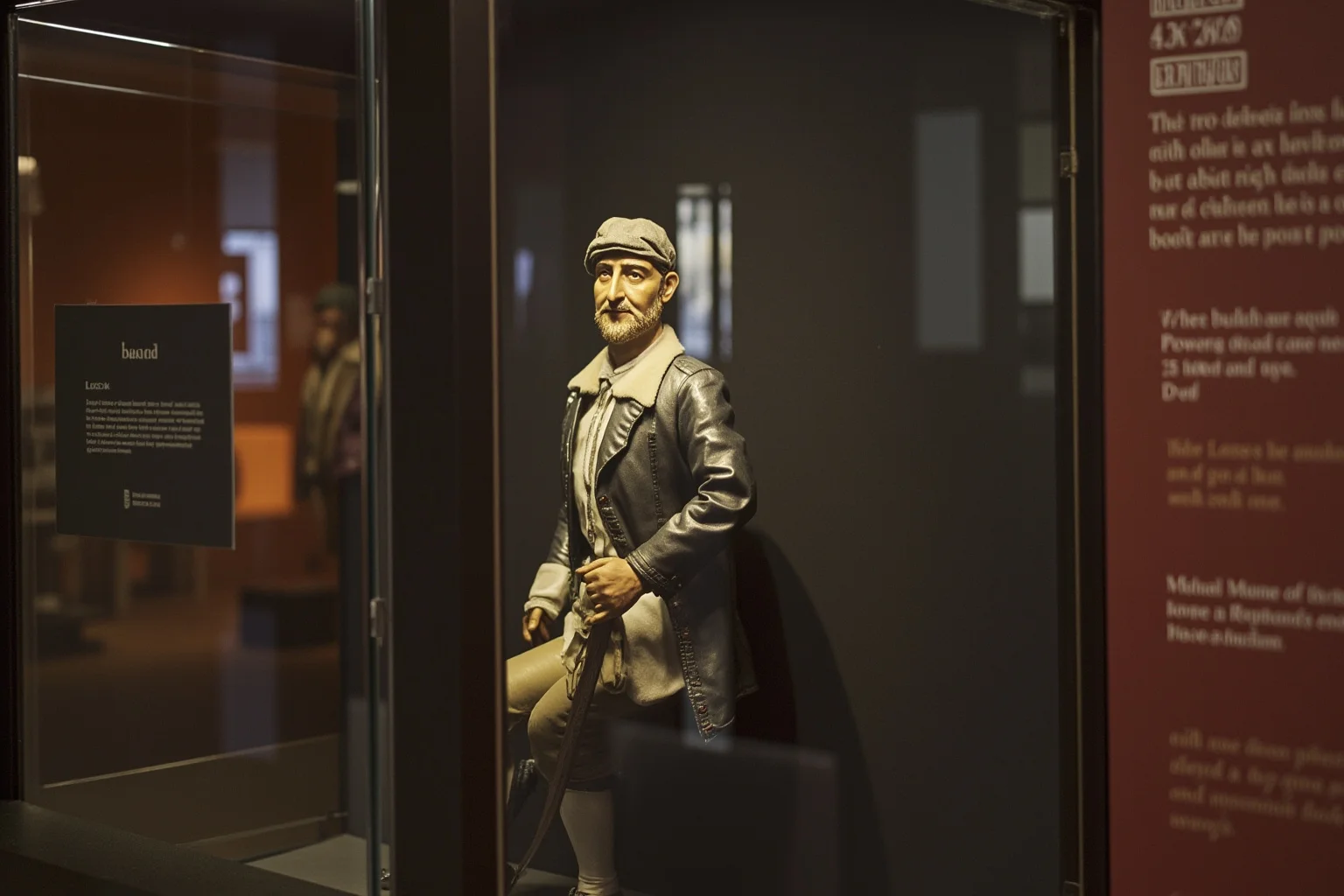
Frederick William I, who ruled Prussia from 1713 to 1740, was consumed by an unusual obsession: recruiting exceptionally tall men, some ranking among the tallest people in history, into an elite military regiment nicknamed the “Potsdam Giants.” He reportedly sent agents across Europe to recruit or even kidnap tall men, and he kept detailed personal records on each soldier’s height and background. He would allegedly sit and simply watch his giant soldiers march for entertainment when depressed.
His son, Frederick the Great, disbanded much of the regiment after inheriting the throne, reportedly finding the obsession wasteful. Frederick William I remains a striking example of how personal fixation could shape actual national policy.
Weird, Ill, or Just Ahead of Their Time?
Looking across this list, a pattern emerges: some people, like Diogenes or Timothy Dexter, were being deliberately provocative or simply had unusual luck and personality. Others, like Howard Hughes or the Collyer brothers, were almost certainly struggling with untreated mental health conditions that modern medicine would recognize and potentially treat. Lumping all of them together as “crazy” flattens some genuinely sad stories into entertainment.
A more accurate lens separates performative eccentricity, medical struggles, and outright legend-building from each other. That distinction doesn’t make these stories less fascinating, but it does make them more honest. Real history is usually stranger, and more human, than the exaggerated versions that circulate online.
Why These Stories Still Fascinate Us Today
Searches for the “weirdest person in the world” or the “craziest person on earth” spike constantly because people crave proof that normal isn’t mandatory. Historical eccentrics offer something oddly comforting: evidence that unconventional lives have always existed, in every era and culture. They also make history feel less like a distant timeline of wars and treaties and more like a story about actual, flawed, fascinating people.
It’s worth remembering that many modern viral claims about “the weirdest person alive” are unverifiable internet folklore rather than documented history. The figures on this list, by contrast, appear in court records, contemporary letters, newspapers, and academic biographies. That’s what makes them worth remembering long after their strange lives ended.
Final Thoughts
History’s strangest people remind us that eccentricity isn’t a modern invention fueled by social media attention. From Roman emperors talking to the sea to American widows building endless staircases, genuinely weird people have always existed, and many left remarkable achievements alongside their odd habits. The real lesson isn’t that these people were freaks; it’s that human personality has always had far more range than polite society likes to admit.
Next time someone asks who the weirdest person in history really was, you’ll have more than one well-documented answer ready. Just remember to separate the verified record from the legend; that’s usually where the most interesting truth actually lives.
Frequently Asked Questions
Who is the weirdest person in the world?
There's no single verified answer, since "weirdest" is subjective and impossible to measure objectively. Historically, figures like Emperor Caligula, Emperor Norton I, and Nikola Tesla are frequently cited due to well-documented unusual behavior, but modern claims about living individuals are largely internet folklore rather than verified fact.
Who is considered the weirdest person alive today?
There isn't a credible, verifiable answer to this, since claims about the 'weirdest person alive' online are usually unsubstantiated memes or clickbait rather than documented facts. Historical figures are easier to evaluate because their behavior is recorded in contemporary letters, court documents, and biographies.
Who is considered the craziest person in history?
Roman emperors like Caligula and Elagabalus are commonly cited due to ancient historical accounts of their extreme behavior, though historians note some stories were likely exaggerated by political rivals. Other frequently mentioned figures include Rasputin, Ivan the Terrible, and Emperor Norton I, each for very different reasons.
Who is the brokest person in the world, historically speaking?
This exact phrase is mostly used in modern internet memes rather than serious history, but a fitting historical parallel is Nikola Tesla, one of history's greatest inventors, who died in 1943 with very little money after losing control of several of his own patents. His story is a genuine cautionary tale about brilliance not always translating into financial security.
Were historical figures like King George III actually mentally ill, or just eccentric?
Historians and physicians still debate this. Porphyria was long the leading theory for George III's episodes, though some modern researchers argue bipolar disorder fits the documented symptoms better. Either way, his behavior reflected a real medical condition rather than simple personality quirks.
What’s the difference between an eccentric historical figure and one with a mental illness?
Eccentricity typically involves deliberate, chosen nonconformity, like Diogenes living in a jar to make a philosophical point. Genuine mental illness, as seen in cases like Howard Hughes's likely obsessive-compulsive disorder, involves involuntary symptoms that caused real distress, and historians try to distinguish between the two rather than lumping them together as simply 'weird.'
Are stories about historical figures like Rasputin or Sarah Winchester fully accurate?
Many popular legends about figures like Rasputin's supposed indestructibility or Sarah Winchester's ghost-appeasing mansion were added or exaggerated after their deaths and aren't well-supported by contemporary evidence. It's best to treat the most dramatic details as folklore layered on top of a real historical core.

Alex Warren
Related Articles