Humans have always lived at the mercy of the planet. Rivers flood, plates shift, volcanoes erupt, and storms swirl in from the sea, and throughout history these events have reshaped entire civilizations in a matter of hours or days, joining the ranks of the historical events that changed the world more than people realize.
When people search for the “deadliest natural disaster” or try to build a complete list of natural disasters, they’re really asking a bigger question: just how fragile is human life against the raw power of nature?
This guide walks through the worst natural disasters in recorded history, ranked as closely as possible by estimated death toll. We’ll also look at which types of natural disasters tend to be the most dangerous overall, and why some death tolls remain disputed centuries or even millennia later.
A quick myth-busting note before we start: historical casualty figures, especially from before the 20th century, are almost always estimates, and reputable historians often disagree on the exact numbers.
TL;DR: The 1931 China floods are widely considered the deadliest natural disaster in recorded history, but floods, earthquakes, and tropical cyclones have all produced catastrophic death tolls across the centuries.
What Counts as a Natural Disaster?
A natural disaster is a naturally occurring event, one not directly caused by human action, that causes widespread destruction, death, or disruption to human communities.
This is different from a natural calamity list that might include slower-moving events like droughts or famines, which unfold over months or years rather than hours or days. It’s also different from man-made disasters, industrial accidents, or wars, even when those events involve environmental factors.
Most natural catastrophes list themselves into a handful of broad categories. These include geophysical events like earthquakes, tsunamis, volcanic eruptions, and landslides, along with hydrometeorological events like floods, tropical cyclones, droughts, and severe storms.
Understanding these categories helps explain why some disasters, like floods, appear so often near the top of any list of natural disasters by death toll.
What Type of Natural Disaster Is the Worst?
This is one of the most commonly asked questions about natural disasters, and the honest answer is: it depends on how you measure “worst.” If you’re counting cumulative deaths across history, floods are almost certainly the most dangerous natural disaster type, largely because of catastrophic river floods in China during the 19th and 20th centuries.
Flooding also tends to affect enormous numbers of people at once, since major rivers run through some of the most densely populated regions on Earth.
If you’re asking which disaster type causes the most sudden, concentrated destruction, earthquakes are strong contenders for the most dangerous natural disaster. A single major earthquake can kill hundreds of thousands of people in a matter of seconds, often before anyone has a chance to react.
Tropical cyclones and tsunamis round out the list of especially dangerous disaster types, since both can generate storm surges or waves capable of wiping out entire coastal communities.
So when people ask what type of natural disaster is the worst, the most accurate answer is that floods have caused the most cumulative deaths in history, while earthquakes and tsunamis are responsible for some of the single deadliest individual events. Below, you’ll see both patterns play out again and again.
The Worst Natural Disasters in History, Ranked by Death Toll
The following list of natural disasters is ordered roughly by estimated death toll, using the most widely cited historical figures. Because record-keeping was inconsistent in earlier centuries, and because disaster statistics are still debated by historians and scientists today, treat all pre-20th-century numbers as informed estimates rather than exact counts.
1. The 1931 China Floods
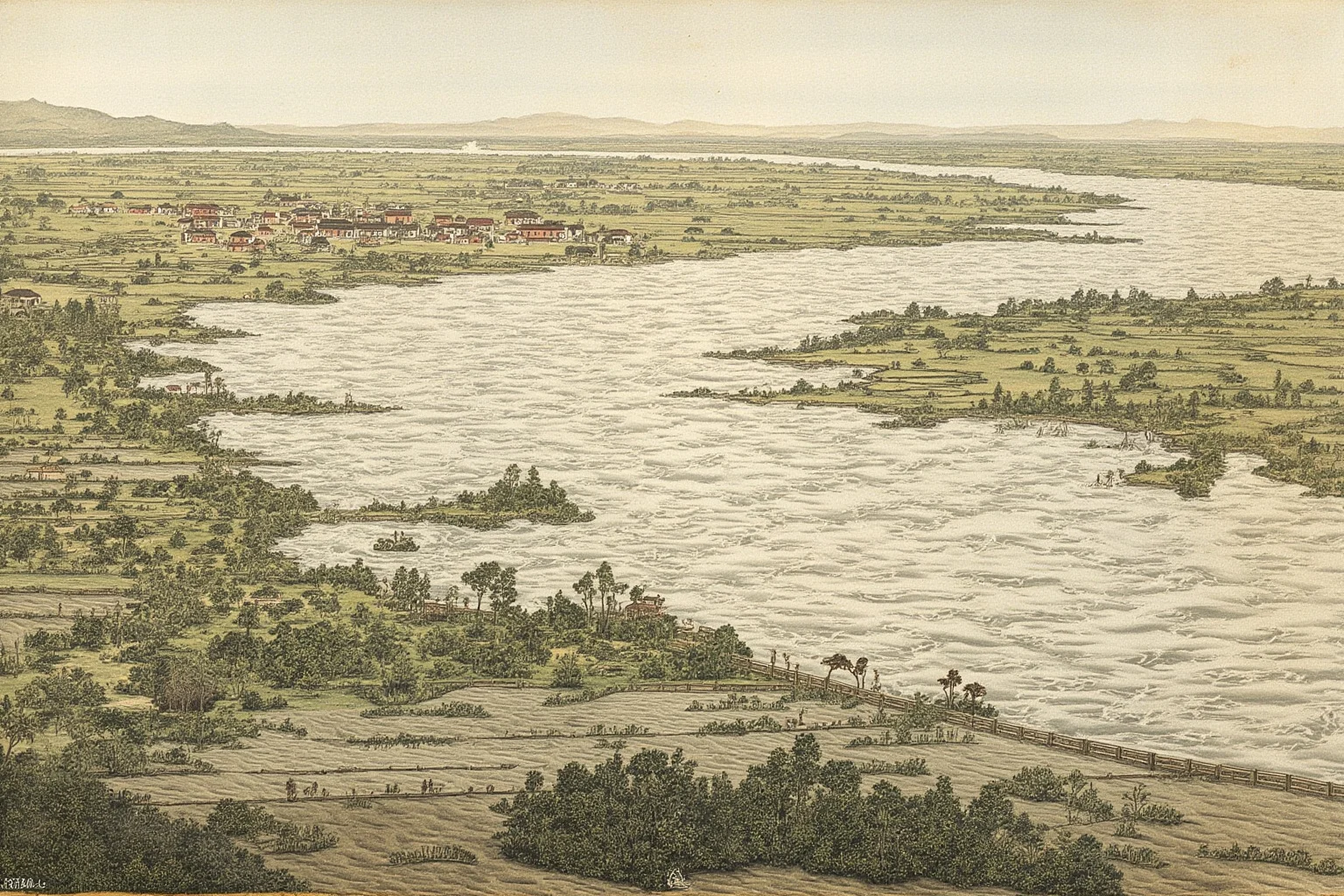
The 1931 China floods, centered on the Yangtze and Huai River basins, are generally regarded as the deadliest natural disaster in recorded history. Following a brutal drought, a series of unusually intense storms caused the rivers to overflow catastrophically, submerging tens of thousands of square miles of farmland and towns. Estimates of the death toll range enormously, from around 1 million to as high as 4 million people, once famine and disease that followed the flooding are factored in.
The scale of destruction was almost incomprehensible. Millions of people were displaced, crops were destroyed across a region that fed a huge portion of China’s population, and the resulting famine and outbreaks of disease killed many more people than the initial flooding itself. This event remains the benchmark against which the deadliest natural disaster in history is usually measured.
2. The 1887 Yellow River Flood
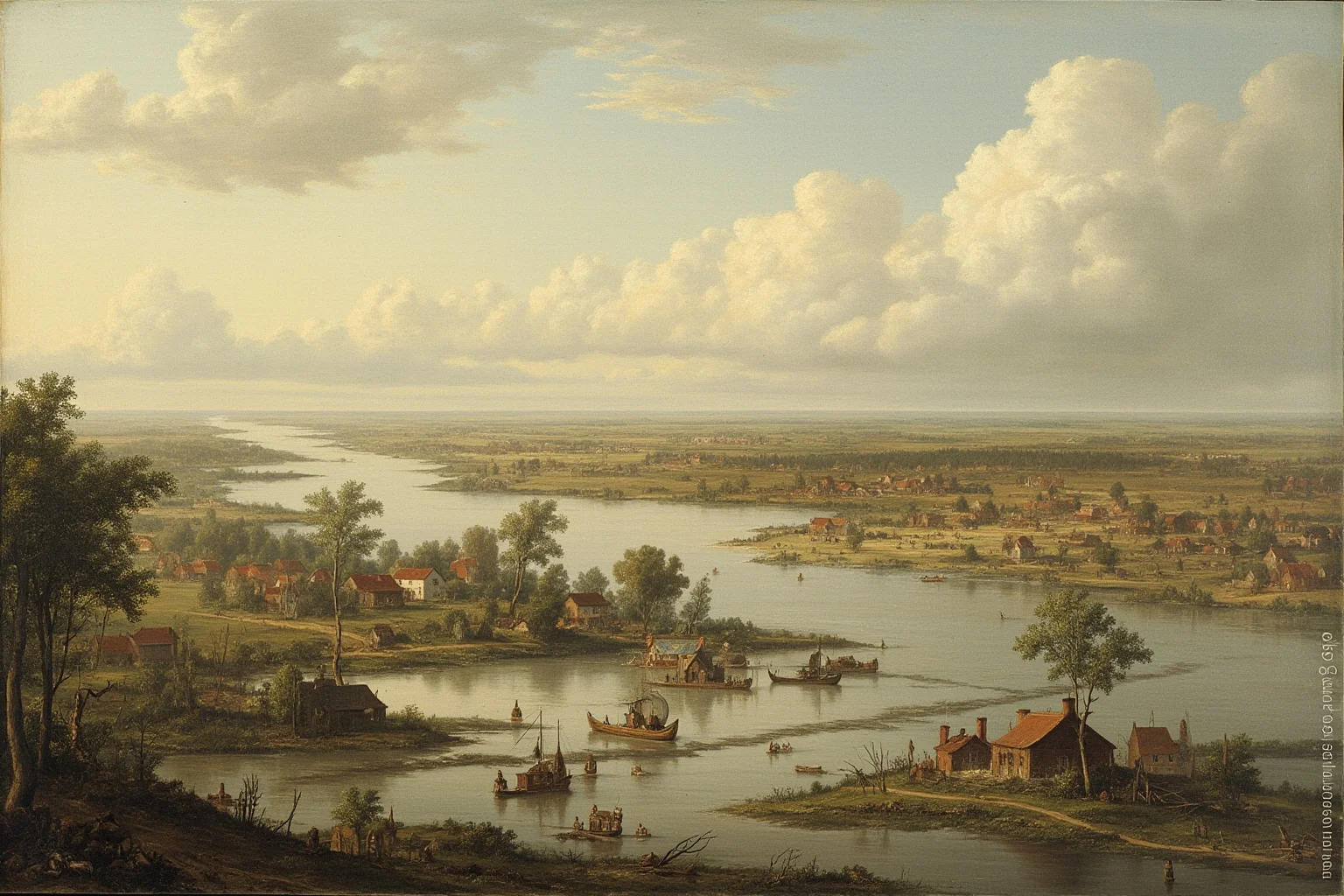
Just decades before the 1931 disaster, the Yellow River, sometimes called “China’s Sorrow” because of its long history of catastrophic flooding, burst its banks in 1887. Overwhelmed levees sent water pouring across the North China Plain, drowning entire villages with little warning. Estimated deaths range from roughly 900,000 to about 2 million, again largely due to the combination of drowning, famine, and disease.
This flood highlights a recurring theme in the history of natural disasters: rivers that support enormous farming populations can also become their greatest threat. The Yellow River had flooded destructively many times before, but the scale of the 1887 disaster made it one of the deadliest in world history.
3. The 1556 Shaanxi Earthquake
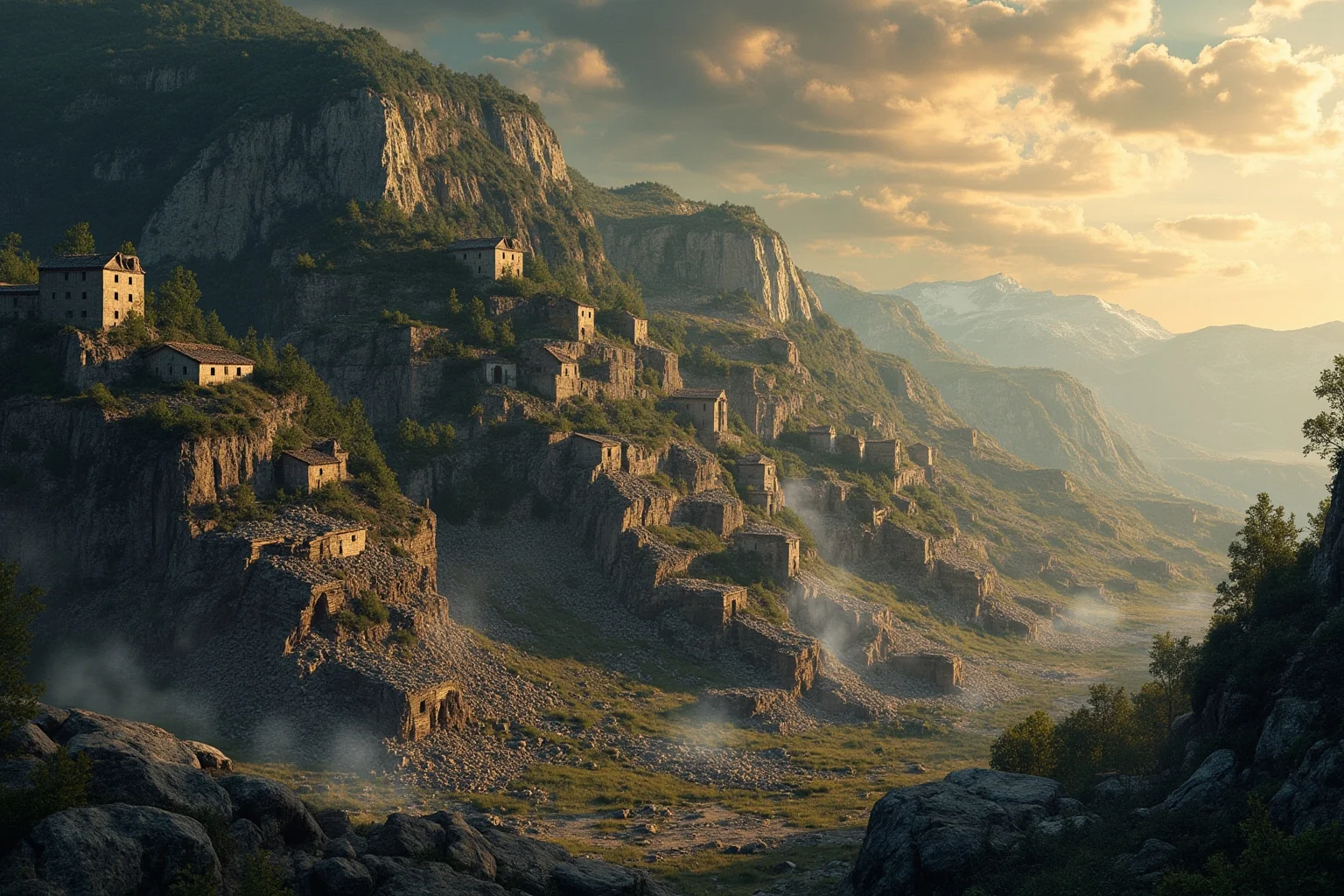
On January 23, 1556, a massive earthquake struck Shaanxi province in China, an area where many people lived in cave dwellings carved into loess (a soft, compacted soil). When the quake hit, entire hillsides and cave homes collapsed, burying residents with little chance of escape. Historians estimate the death toll at around 830,000, making it one of the deadliest earthquakes ever recorded.
The destruction wasn’t limited to collapsing structures. Fires, landslides, and flooding from disrupted waterways compounded the damage across a wide region. Because it predates modern seismology, the exact magnitude is debated, but its human toll places it among the worst natural disasters in history.
4. The 1970 Bhola Cyclone
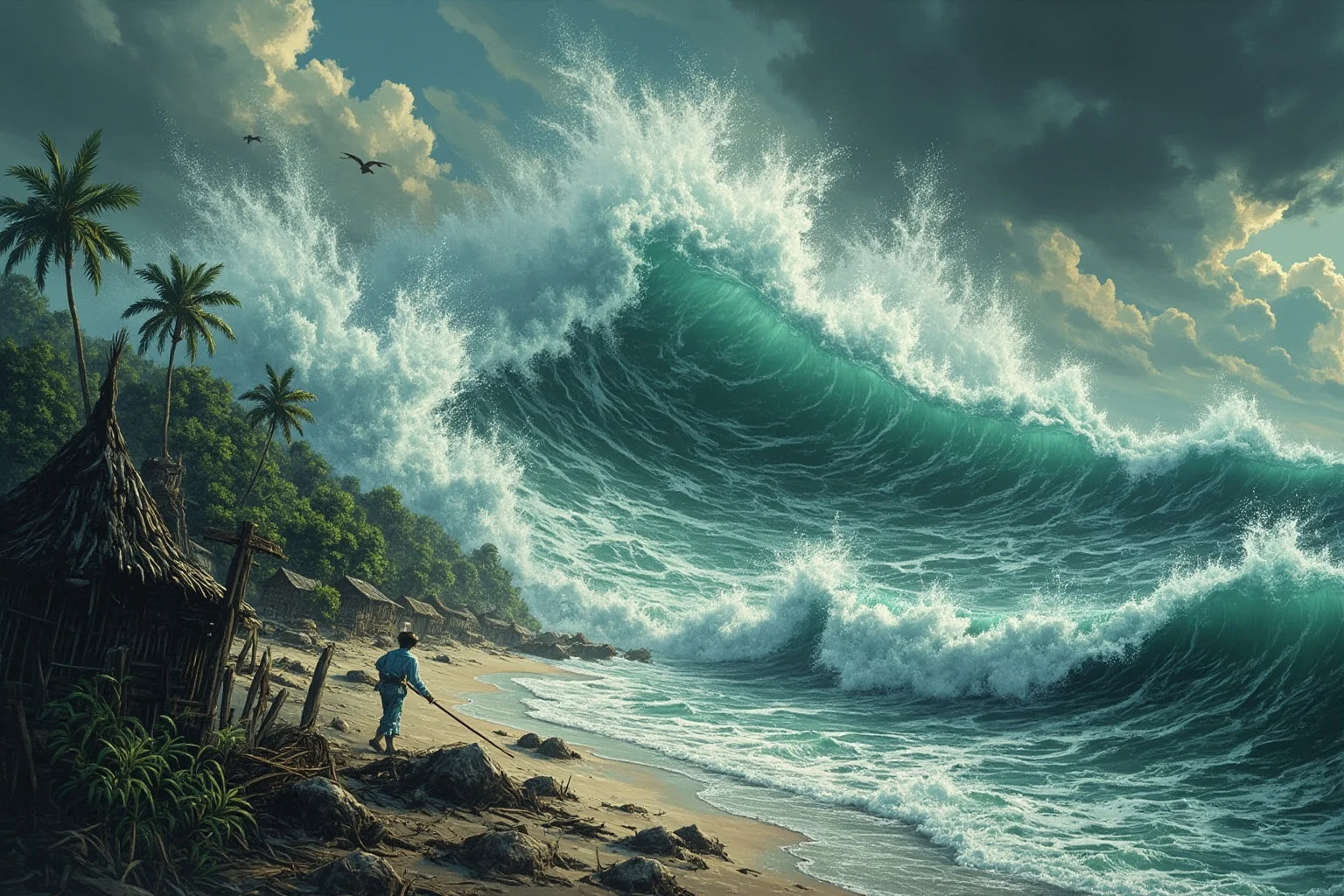
The Bhola cyclone struck the densely populated Ganges Delta region of what was then East Pakistan, now Bangladesh, in November 1970. Storm surges reportedly reaching over 30 feet in some low-lying coastal areas swept away entire villages with almost no warning systems in place. Estimated deaths range from roughly 300,000 to 500,000, making it one of the deadliest tropical cyclones ever recorded.
The disaster’s aftermath had significant political consequences as well. Widespread criticism of the government’s slow disaster response contributed to unrest that helped fuel the Bangladesh Liberation War the following year. It remains a stark example of how vulnerable low-lying coastal deltas are to major storms.
5. The 1839 Coringa Cyclone
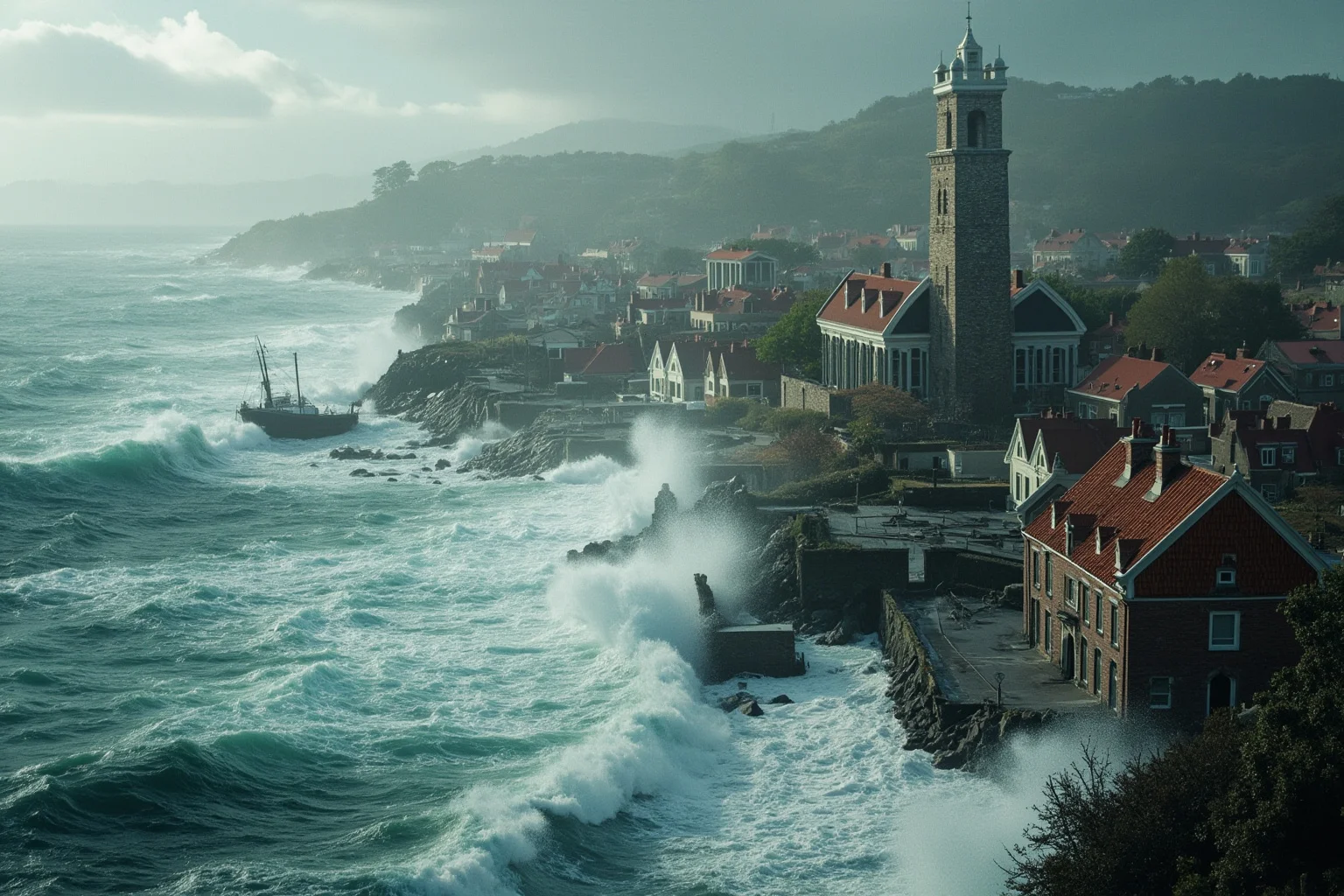
In November 1839, a powerful cyclone struck the port town of Coringa on India’s eastern coast, generating a storm surge that reportedly destroyed nearly the entire town. Estimated death tolls run as high as 300,000, though, as with many pre-modern disasters, precise record-keeping from the era makes the figure difficult to verify with certainty. Ships in the harbor were reportedly tossed inland by the surge, a detail that underscores the storm’s extraordinary power.
Coringa never fully recovered its former prominence as a port, and the disaster faded from Western historical memory more than similarly deadly storms elsewhere. It remains one of the most devastating tropical cyclones in recorded history.
6. The 1737 Calcutta Cyclone
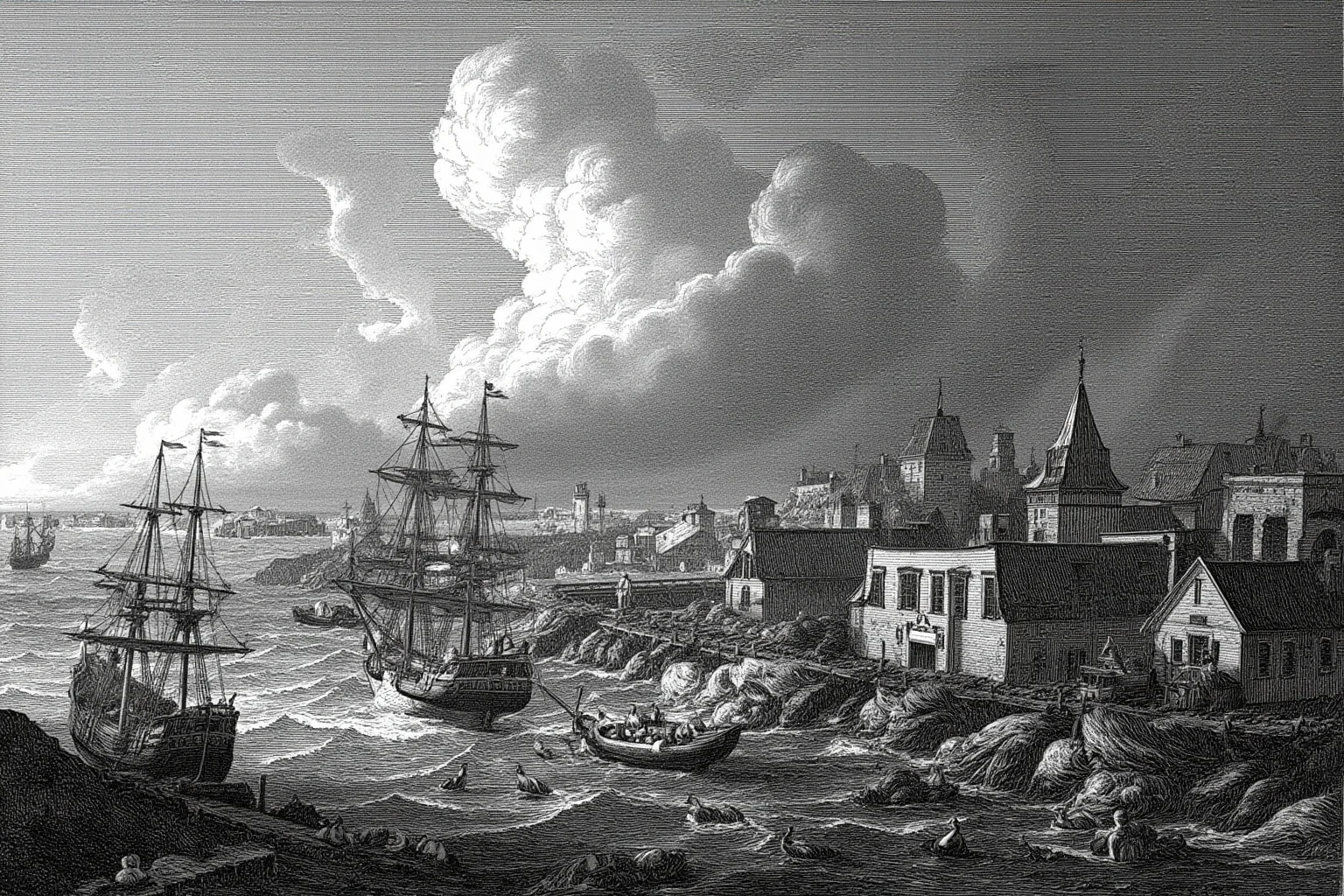
An earlier storm, sometimes called the Calcutta cyclone of 1737, is often cited with a death toll near 300,000, though modern researchers have raised significant doubts about this figure. Some historians believe the number may have been exaggerated or may have blended a cyclone with a separate earthquake event. It’s frequently included on historical lists of deadly disasters, but it’s a good example of why older death tolls deserve a healthy dose of skepticism.
What is fairly well documented is that a severe storm did strike the Bengal coast that year, causing major destruction to shipping and settlements along the Hooghly River. The uncertainty around this event is a useful reminder that not every widely cited historical disaster statistic holds up under closer scrutiny.
7. The 1976 Tangshan Earthquake
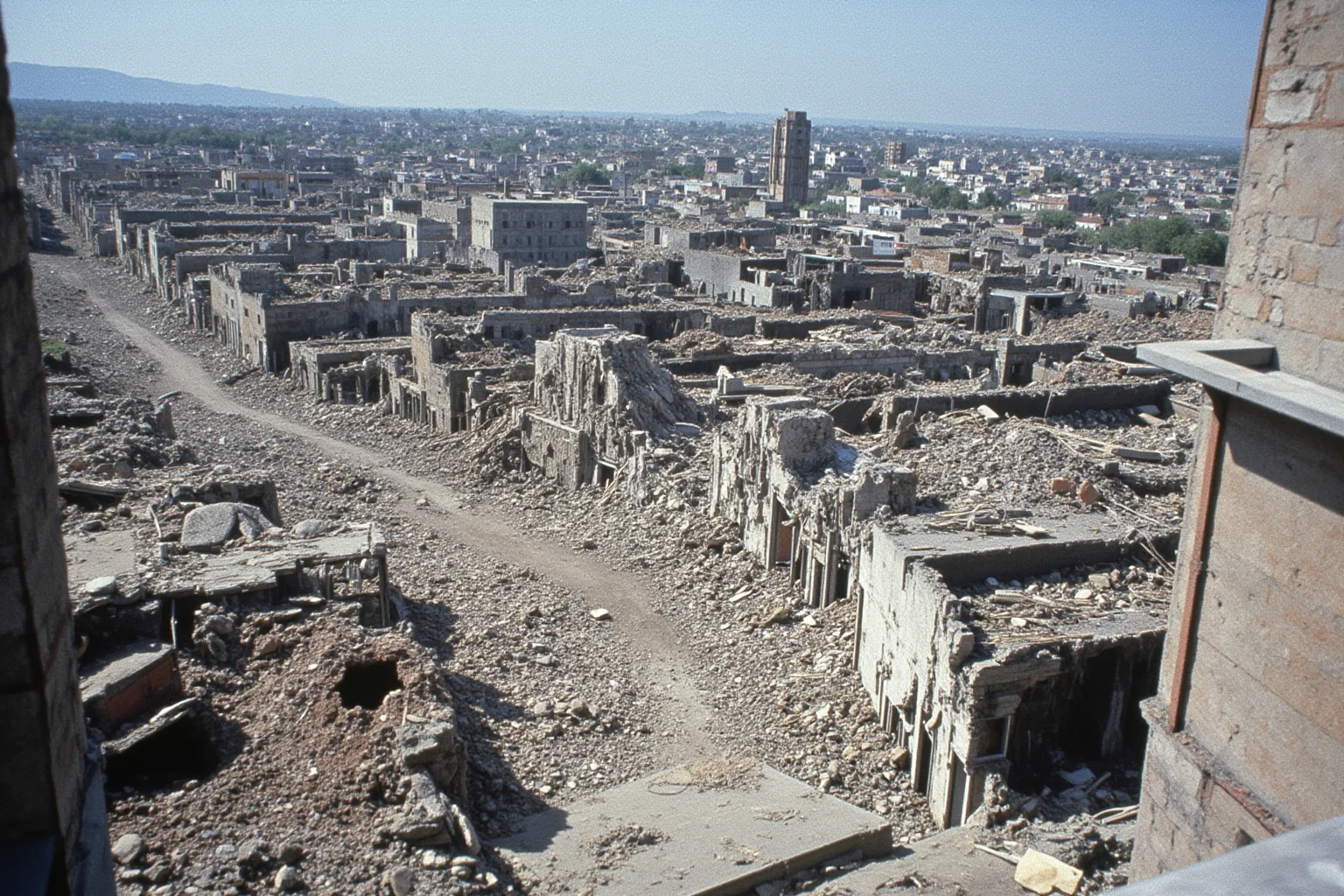
In the early morning hours of July 28, 1976, a massive earthquake leveled the industrial city of Tangshan, China, while most residents were still asleep. The official Chinese government death toll stands at around 242,000, though various independent estimates have suggested the true number could be significantly higher, possibly exceeding 500,000. It remains one of the deadliest earthquakes of the 20th century regardless of which estimate is used.
The city was largely destroyed within seconds, with poorly reinforced buildings collapsing en masse. The disaster occurred during a politically sensitive period in China, which contributed to years of limited outside access to detailed casualty data.
8. The 526 Antioch Earthquake
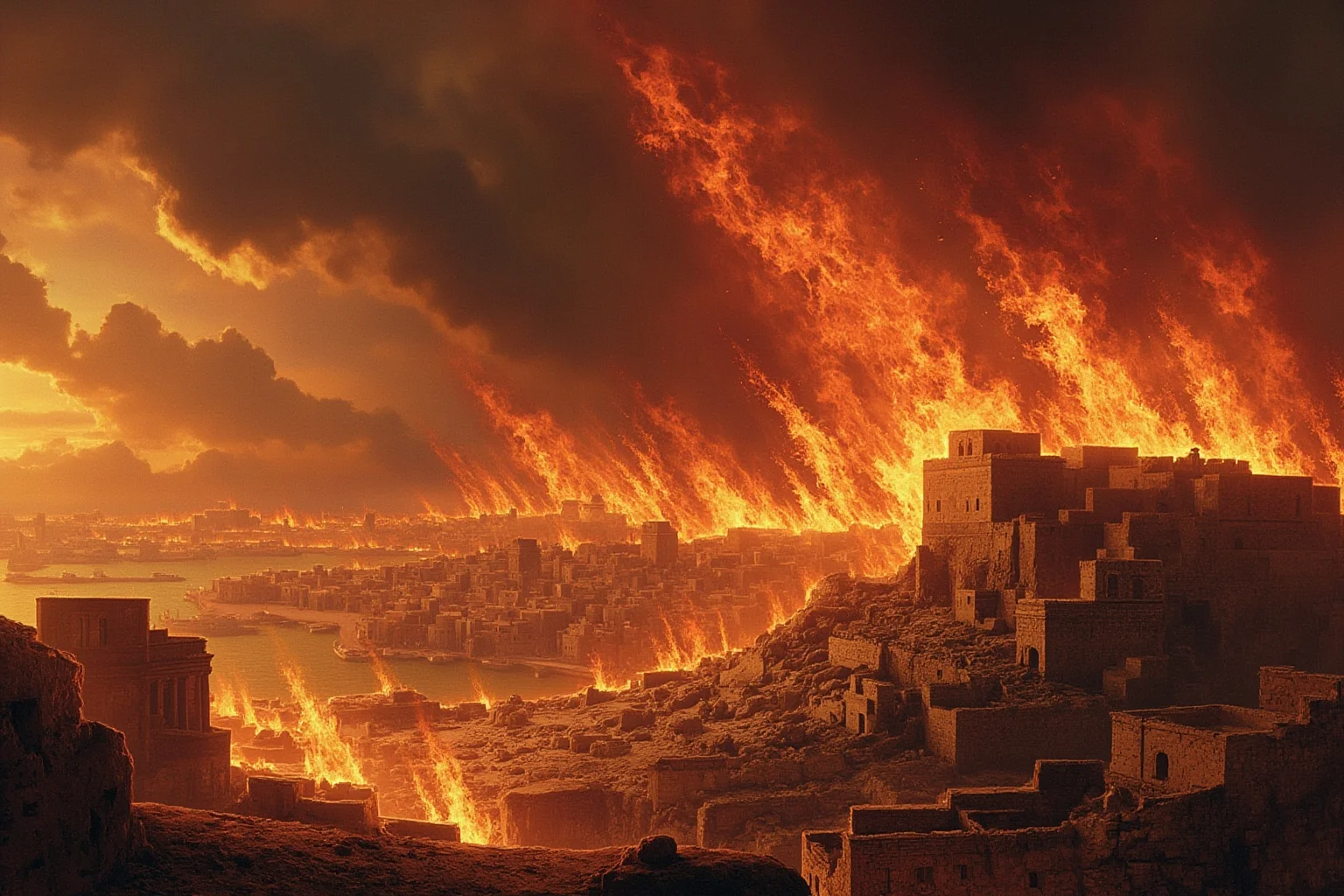
One of the deadliest disasters of the ancient world struck the city of Antioch, then a major hub of the Byzantine Empire, in the year 526 CE. A powerful earthquake was followed by fires that swept through the city’s densely packed structures, compounding the destruction. Ancient sources suggest a death toll around 250,000, though, as with most disasters from this era, exact verification is impossible.
Antioch had already suffered earthquake damage in previous centuries, and this event further weakened a city that would never fully regain its earlier prominence. It stands as one of the deadliest recorded disasters from antiquity.
9. The 2004 Indian Ocean Earthquake and Tsunami

On December 26, 2004, a massive undersea earthquake off the coast of Sumatra, Indonesia, triggered a series of tsunami waves that struck coastlines across the Indian Ocean basin. Countries including Indonesia, Sri Lanka, India, and Thailand suffered enormous losses, with a combined death toll estimated at around 230,000 people. It stands as one of the deadliest natural disasters of the modern era and one of the best-documented tsunamis in history.
The scale of international response was unprecedented, with governments and aid organizations worldwide mobilizing relief efforts. The disaster also led to major global investments in tsunami early-warning systems, particularly across the Indian Ocean region.
10. The 1920 Haiyuan Earthquake
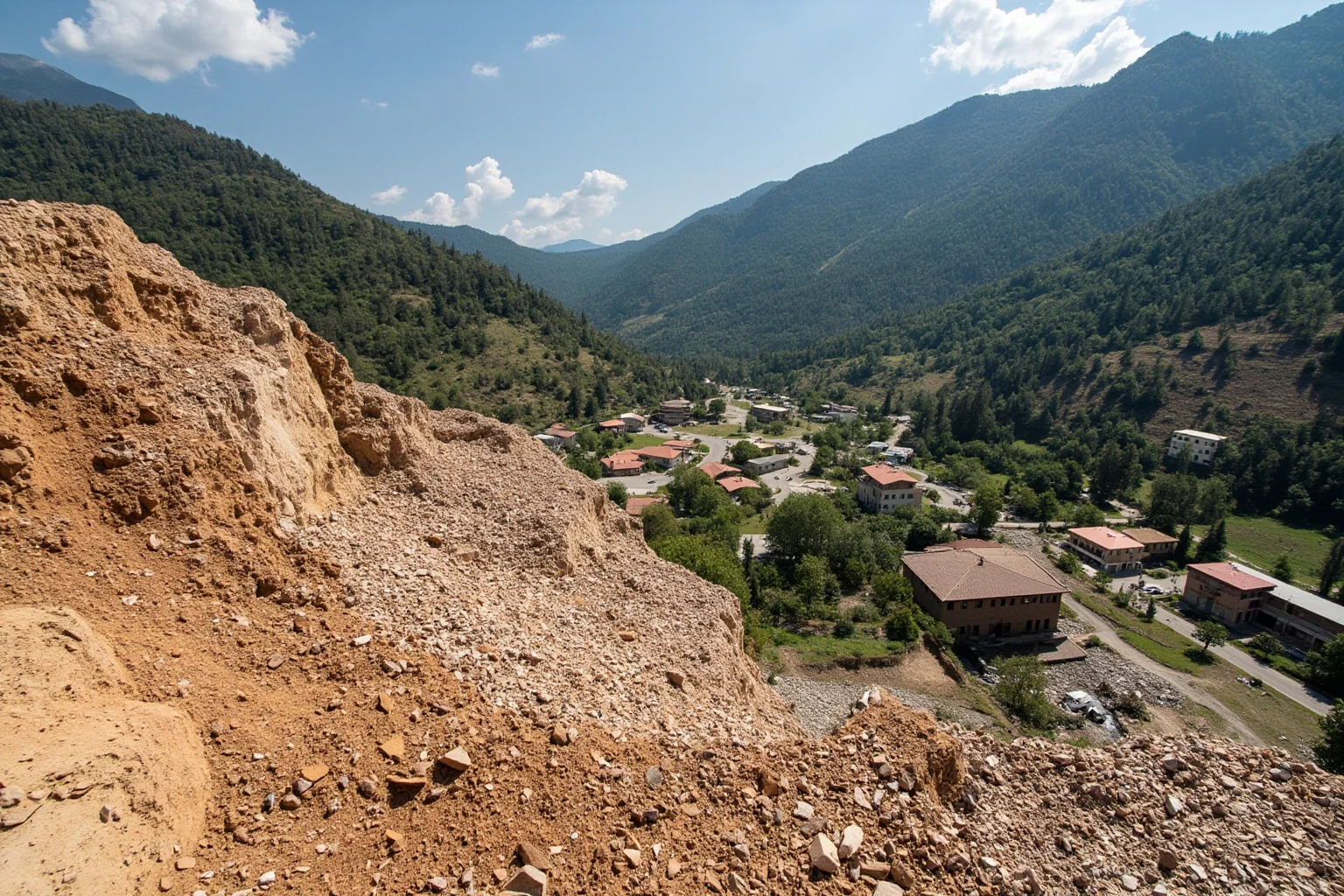
A powerful earthquake struck Haiyuan County in China’s Gansu province in December 1920, triggering massive landslides that buried entire villages built on loess soil. Estimated deaths range from roughly 200,000 to 273,000, with landslides contributing heavily to the toll beyond the initial shaking. The quake reportedly altered local landscapes so dramatically that rivers changed course.
Because the region was remote and communication was limited at the time, detailed information about the disaster took time to reach the outside world. It remains one of the deadliest earthquakes ever recorded in China’s long history of seismic disasters.
11. The 1923 Great Kantō Earthquake
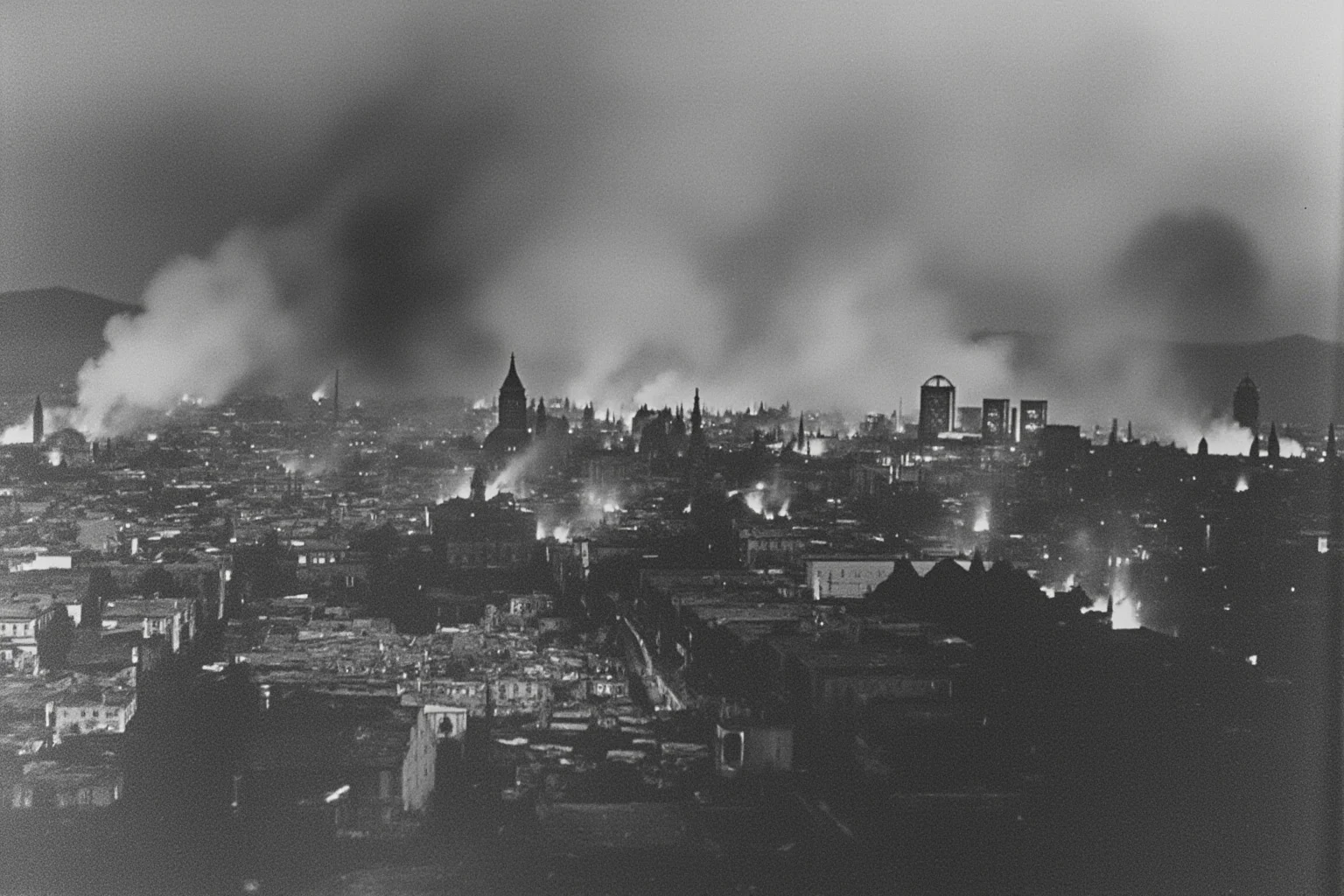
On September 1, 1923, a devastating earthquake struck the Kantō region of Japan, severely damaging Tokyo and Yokohama. The quake itself was destructive, but the fires that followed, fueled by wooden construction and disrupted gas lines, caused much of the actual death toll. Estimates suggest around 140,000 people died, making it one of the deadliest disasters in Japanese history.
The disaster had lasting effects on Japanese urban planning and building codes, pushing the country toward more earthquake-resistant construction standards. It remains a pivotal moment in the history of disaster preparedness in East Asia.
12. Cyclone Nargis (2008)
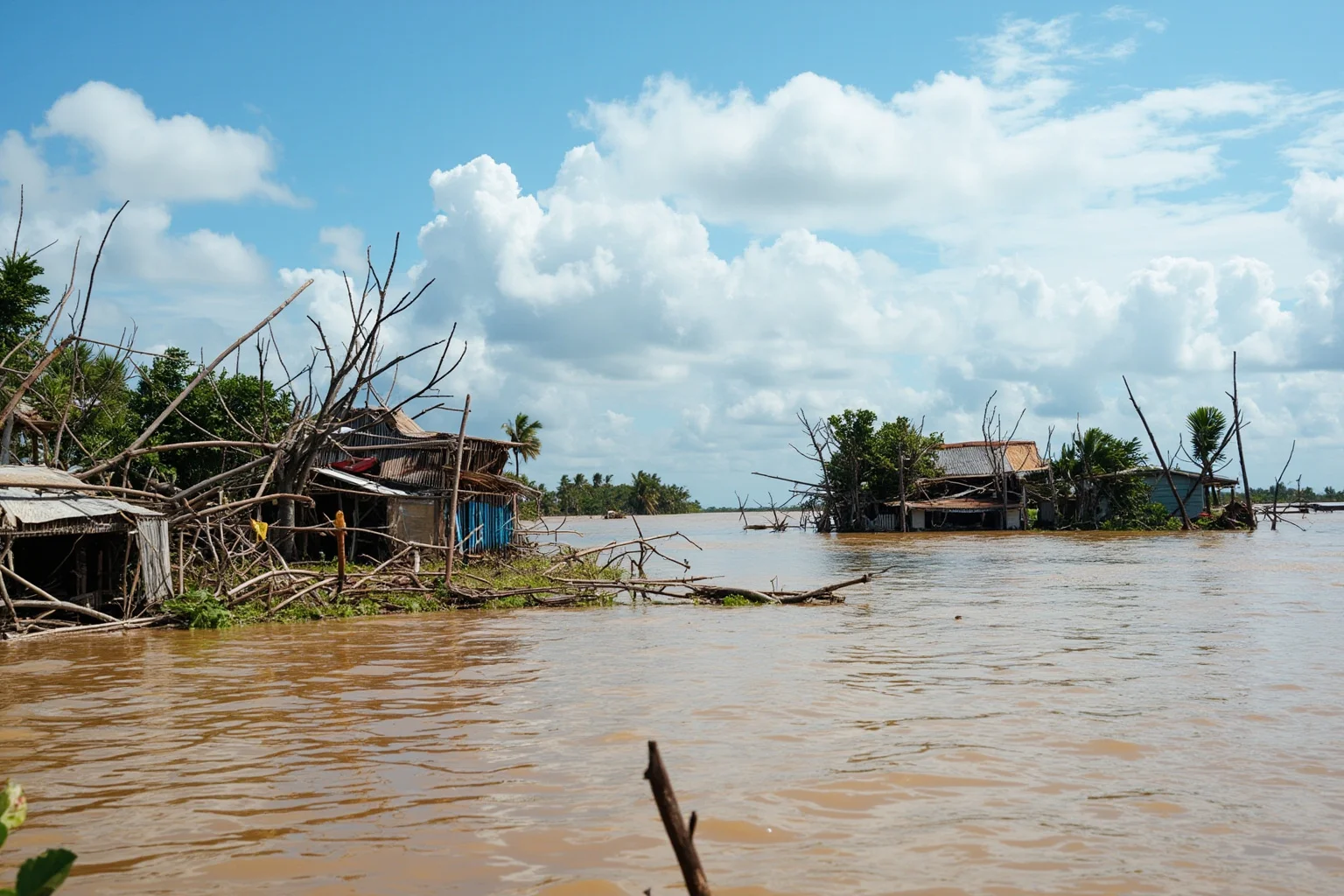
Cyclone Nargis struck Myanmar’s Irrawaddy Delta in May 2008, generating a storm surge that devastated one of the country’s most densely populated agricultural regions. Estimated deaths reach around 138,000, with many victims killed by the surge itself rather than wind damage. The country’s military government was widely criticized for initially restricting international aid workers from entering the disaster zone.
The delayed and limited humanitarian response likely increased the final death toll significantly. Cyclone Nargis remains one of the deadliest storms ever recorded in Southeast Asia.
13. The 1991 Bangladesh Cyclone
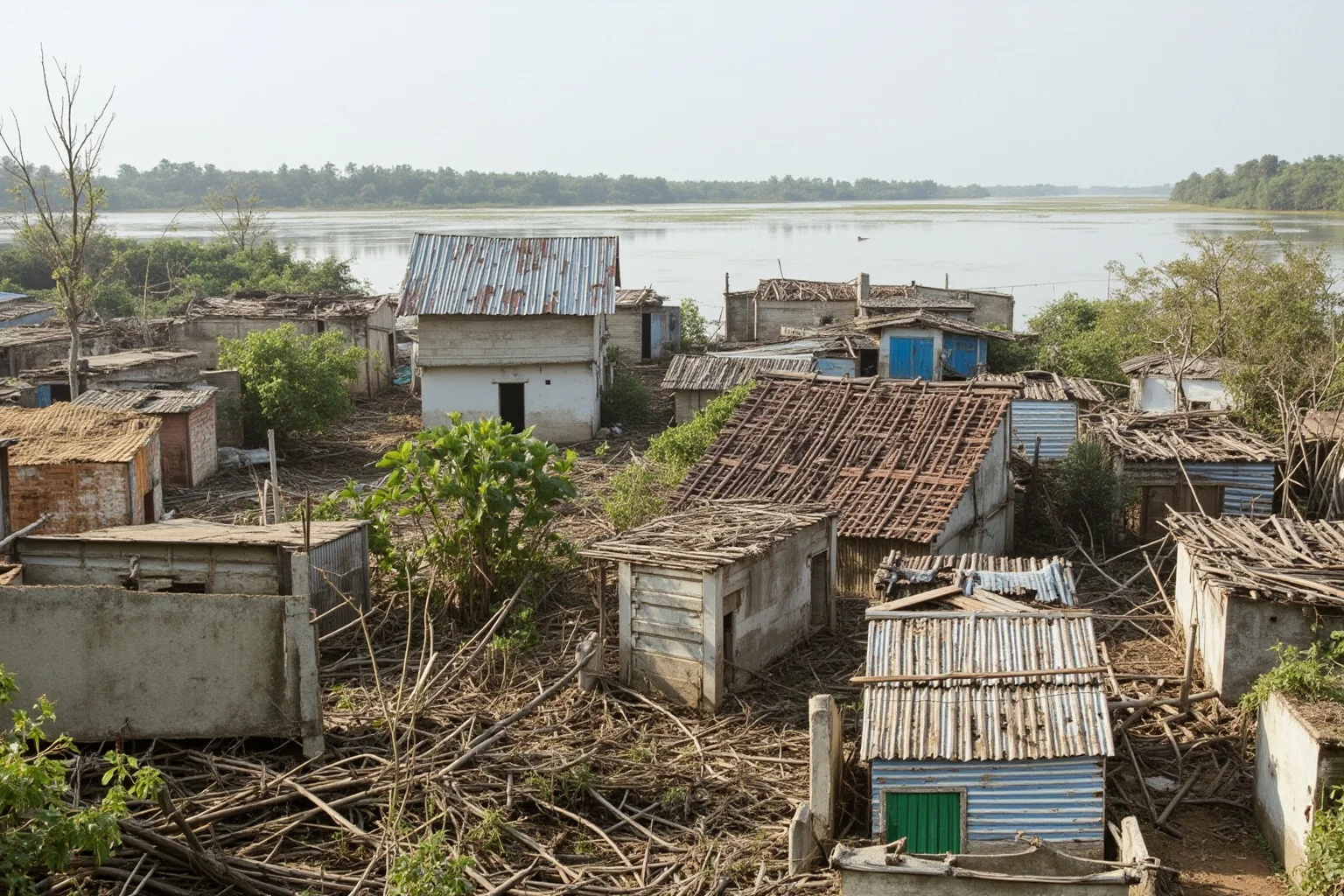
Bangladesh was struck again by a catastrophic storm in April 1991, when a powerful cyclone generated a surge that overwhelmed coastal defenses along the Bay of Bengal. Roughly 138,000 people are estimated to have died, with millions more left homeless. The disaster occurred despite improved warning systems introduced after the 1970 Bhola cyclone, underscoring how vulnerable low-lying coastal regions remain even with modern forecasting.
In the years following, Bangladesh invested heavily in cyclone shelters and early-warning infrastructure. Later storms of similar strength have caused dramatically lower death tolls as a direct result.
14. The 1948 Ashgabat Earthquake
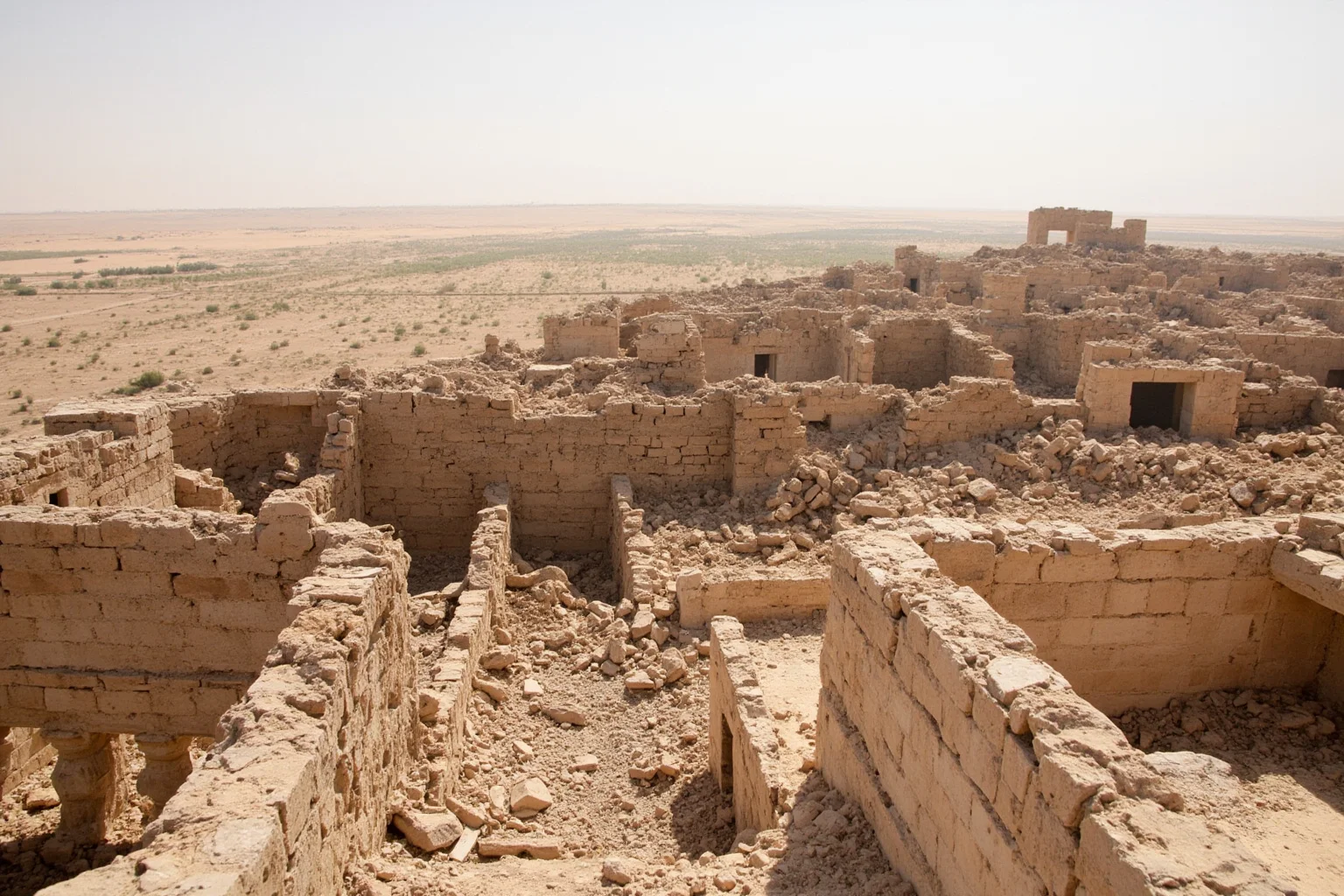
In October 1948, a devastating earthquake struck the city of Ashgabat, then part of the Soviet Union and now the capital of Turkmenistan. Soviet authorities suppressed information about the disaster for decades, but later estimates suggest the death toll may have reached 110,000 or more, with some estimates going higher still. Much of the city, built largely from unreinforced masonry, was reduced to rubble.
Because official Soviet records were tightly controlled, the true scale of the disaster only became widely known after the country’s independence in the 1990s. It remains one of the least internationally recognized yet deadliest earthquakes of the 20th century.
15. The 2010 Haiti Earthquake
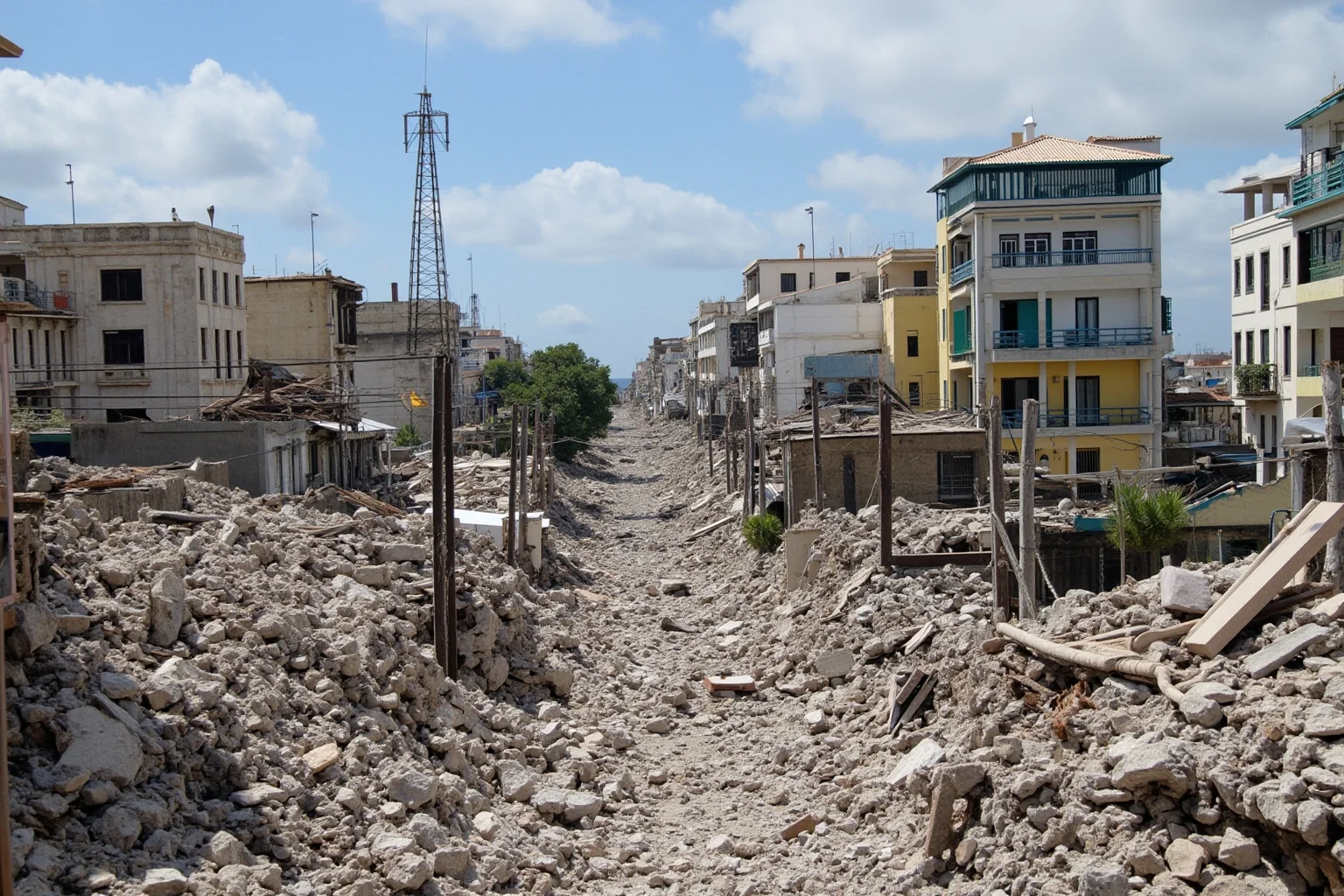
A magnitude 7.0 earthquake struck near Port-au-Prince, Haiti, in January 2010, devastating a capital city with widespread poverty and largely unreinforced construction. The Haitian government’s official estimate put the death toll near 160,000, though independent researchers and journalists have since raised serious questions about that figure, with some estimates suggesting significantly lower numbers closer to 100,000 or even fewer. This makes it one of the more actively disputed death tolls among modern disasters.
Regardless of the exact figure, the earthquake caused catastrophic damage to Haiti’s government buildings, hospitals, and infrastructure, compounding an already difficult humanitarian situation. Recovery efforts have stretched on for well over a decade.
16. The 1815 Eruption of Mount Tambora
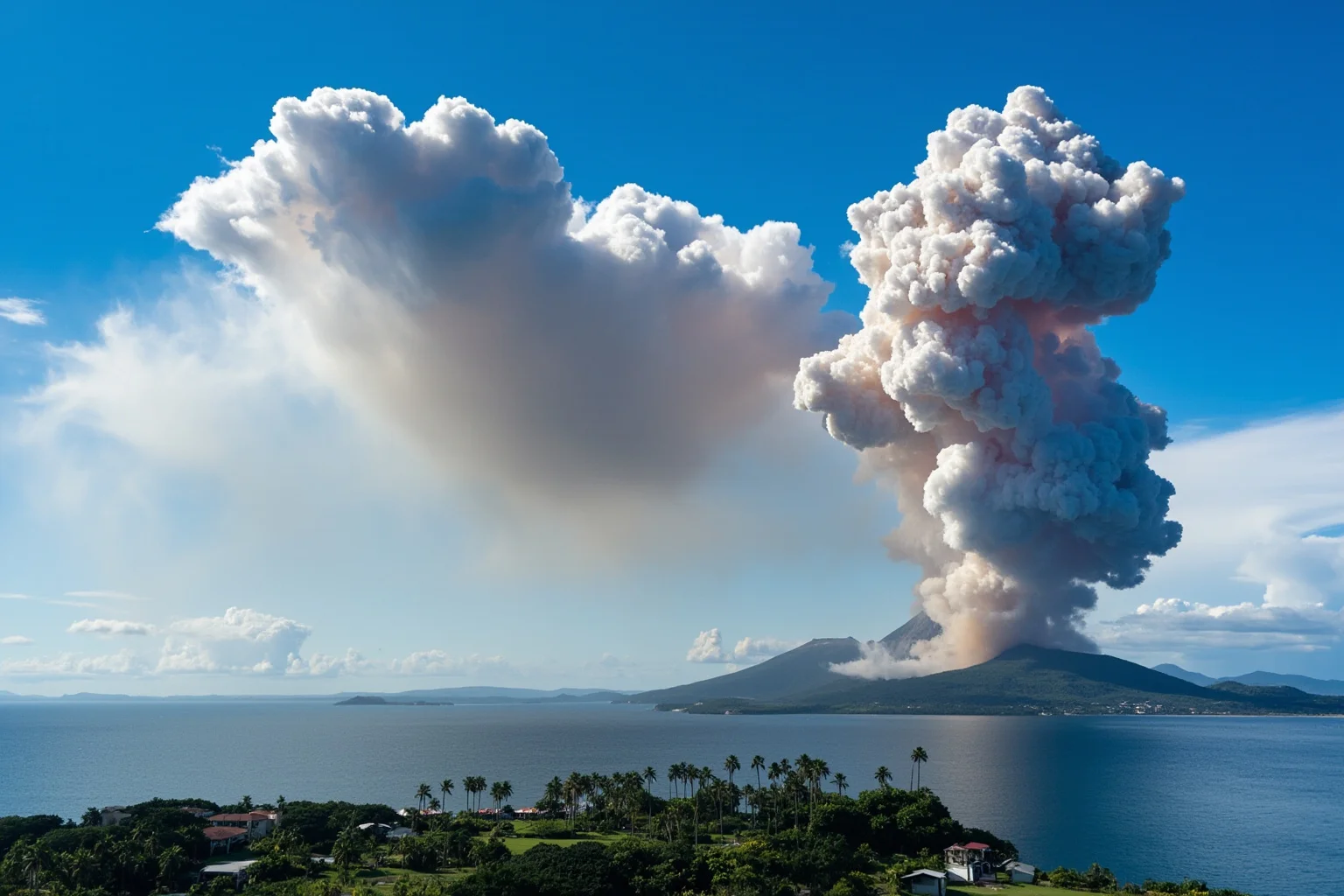
Mount Tambora’s eruption in April 1815, on the Indonesian island of Sumbawa, is the largest volcanic eruption in recorded history. Direct deaths from the eruption itself, including pyroclastic flows and tsunamis, are estimated at around 71,000 to 100,000 people. But the eruption’s effects reached much further, injecting so much ash and sulfur into the atmosphere that it caused what’s often called the “Year Without a Summer” in 1816, triggering crop failures and famine across parts of the world.
This global climate disruption makes Tambora one of the most far-reaching natural disasters in history, even though its direct death toll was lower than several entries higher on this list. It’s a powerful example of how a single geological event can ripple across the entire planet.
17. The 1970 Ancash Earthquake and Huascarán Landslide
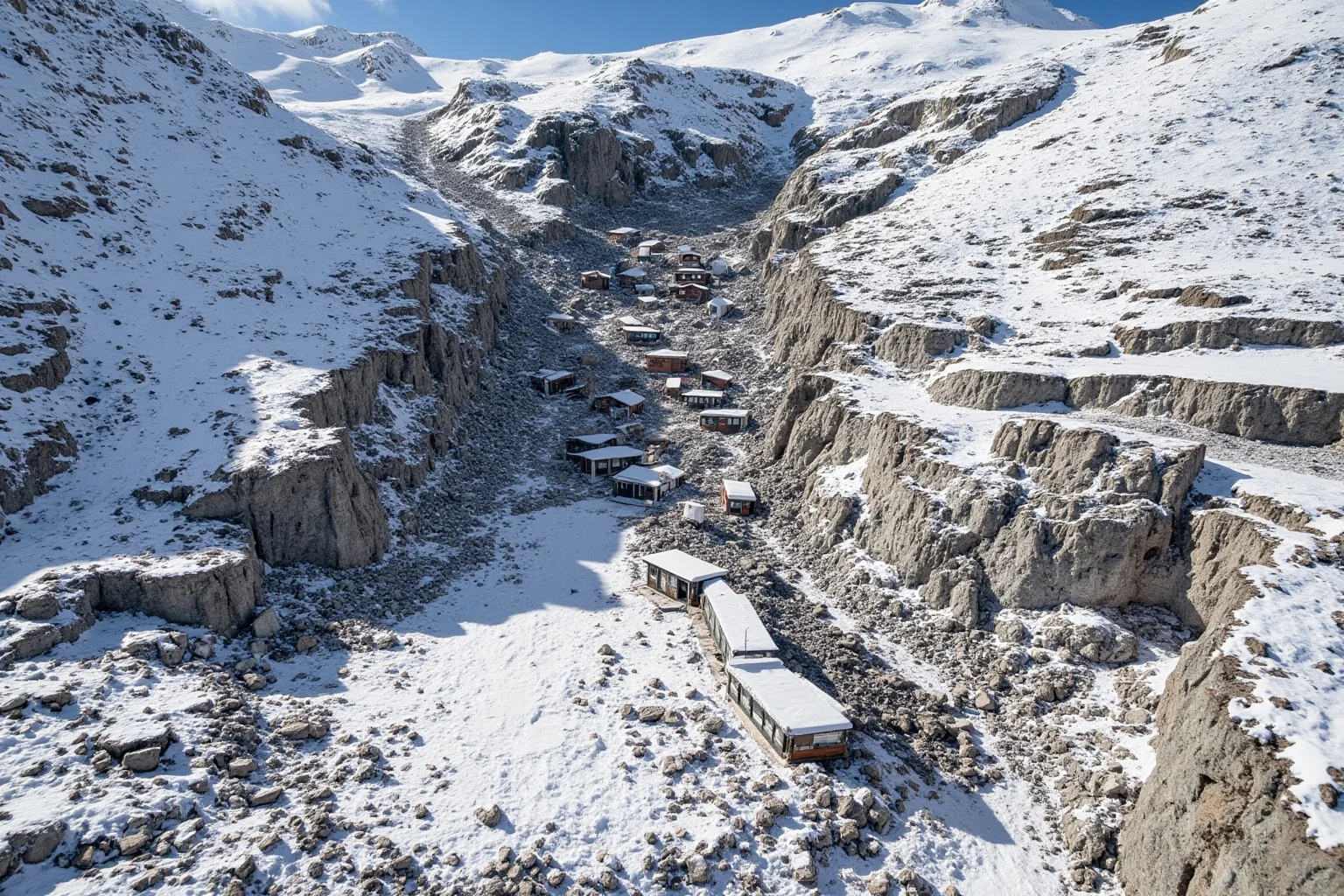
In May 1970, a powerful earthquake off the coast of Peru triggered a massive landslide and avalanche of ice and rock from the slopes of Mount Huascarán. The resulting debris flow buried the town of Yungay almost entirely, killing most of its residents within moments. Combined earthquake and landslide deaths are estimated at around 70,000 people.
The disaster is often cited in geology and disaster-preparedness studies because of how quickly and completely a mountain landslide can erase a populated town. It remains one of the deadliest combined earthquake-and-landslide events on record.
18. The 2005 Kashmir Earthquake
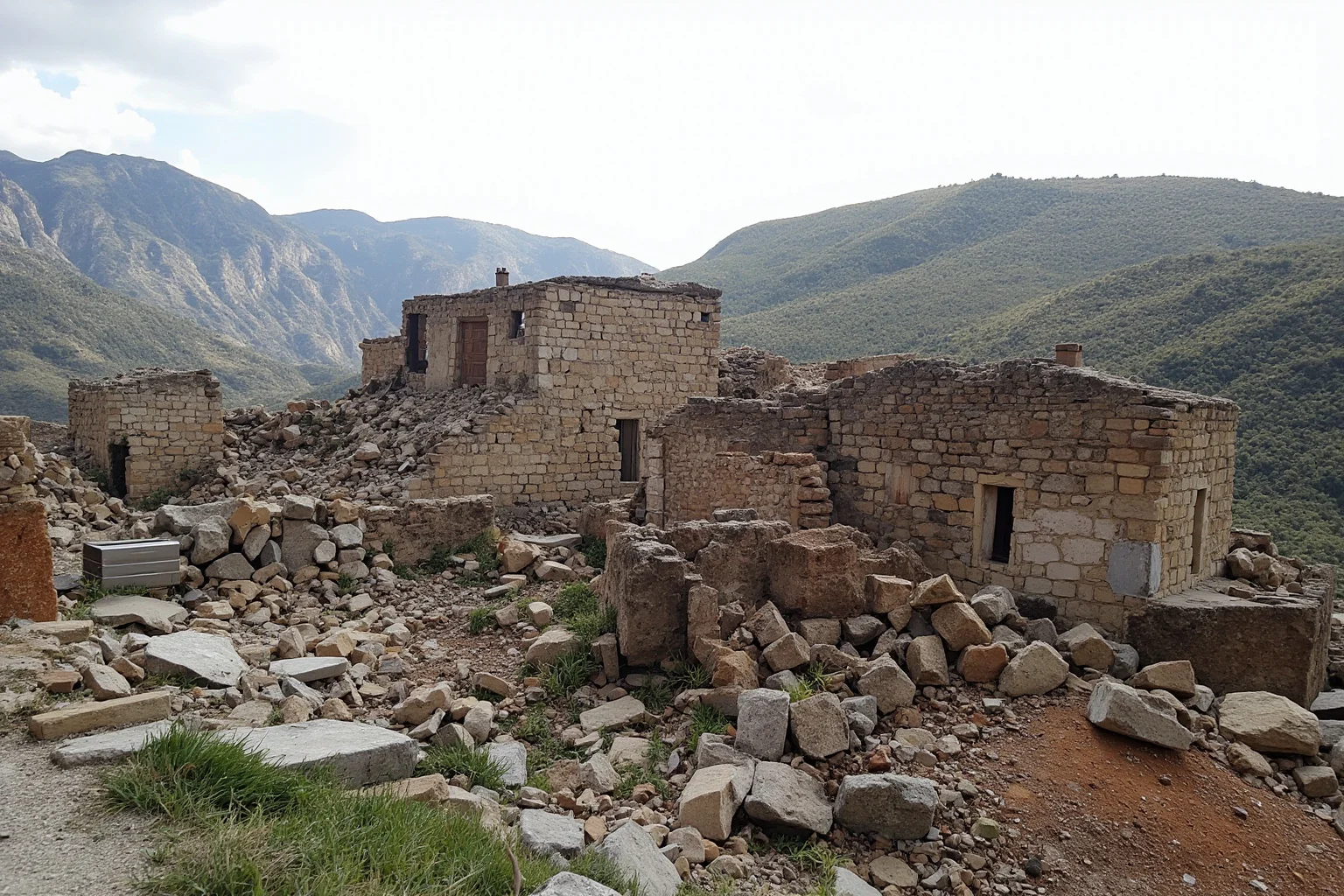
A powerful earthquake struck the Kashmir region, affecting both Pakistan and India, in October 2005. Mountainous terrain made rescue efforts extraordinarily difficult, and many remote villages were completely cut off from aid for days. Estimated deaths reach around 87,000, with hundreds of thousands more injured or displaced.
The disaster highlighted how geography can compound a disaster’s severity, since landslides and blocked roads delayed emergency response in many of the hardest-hit areas. International relief operations eventually reached even remote communities, but only after significant additional loss of life.
19. The 1755 Lisbon Earthquake, Tsunami, and Fires
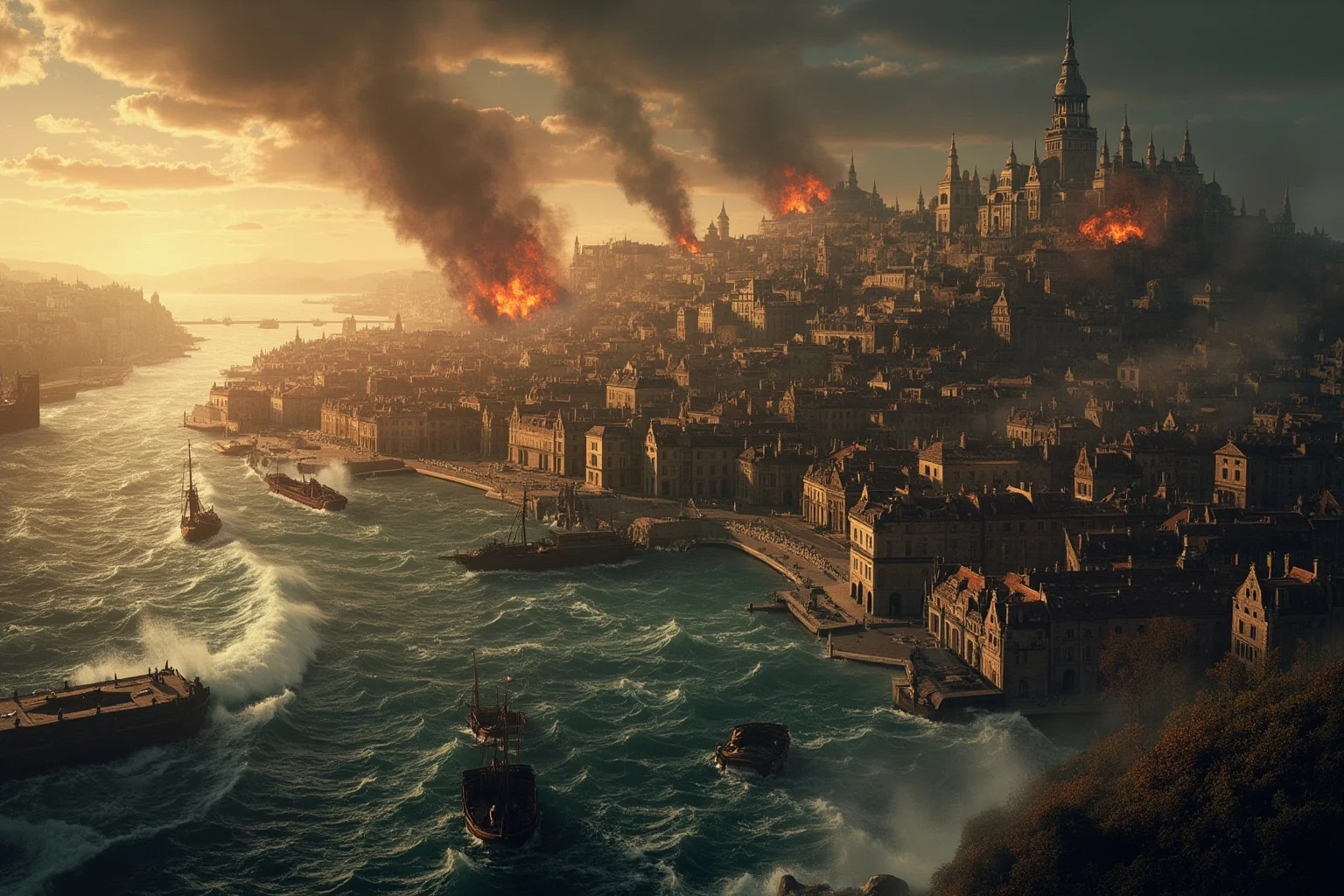
On November 1, 1755, an enormous earthquake struck off the coast of Portugal, severely damaging the city of Lisbon. The quake was followed by a tsunami that struck the city’s harbor and by fires that burned for days afterward, compounding the destruction. Estimated deaths range from roughly 30,000 to 50,000 people.
The disaster had an outsized influence on European philosophy and science, prompting serious early discussions about the nature of disaster risk and prompting one of the first systematic scientific investigations into an earthquake’s causes and effects. It remains a landmark event in the history of natural disasters, both for its human toll and its intellectual legacy.
20. The 79 CE Eruption of Mount Vesuvius
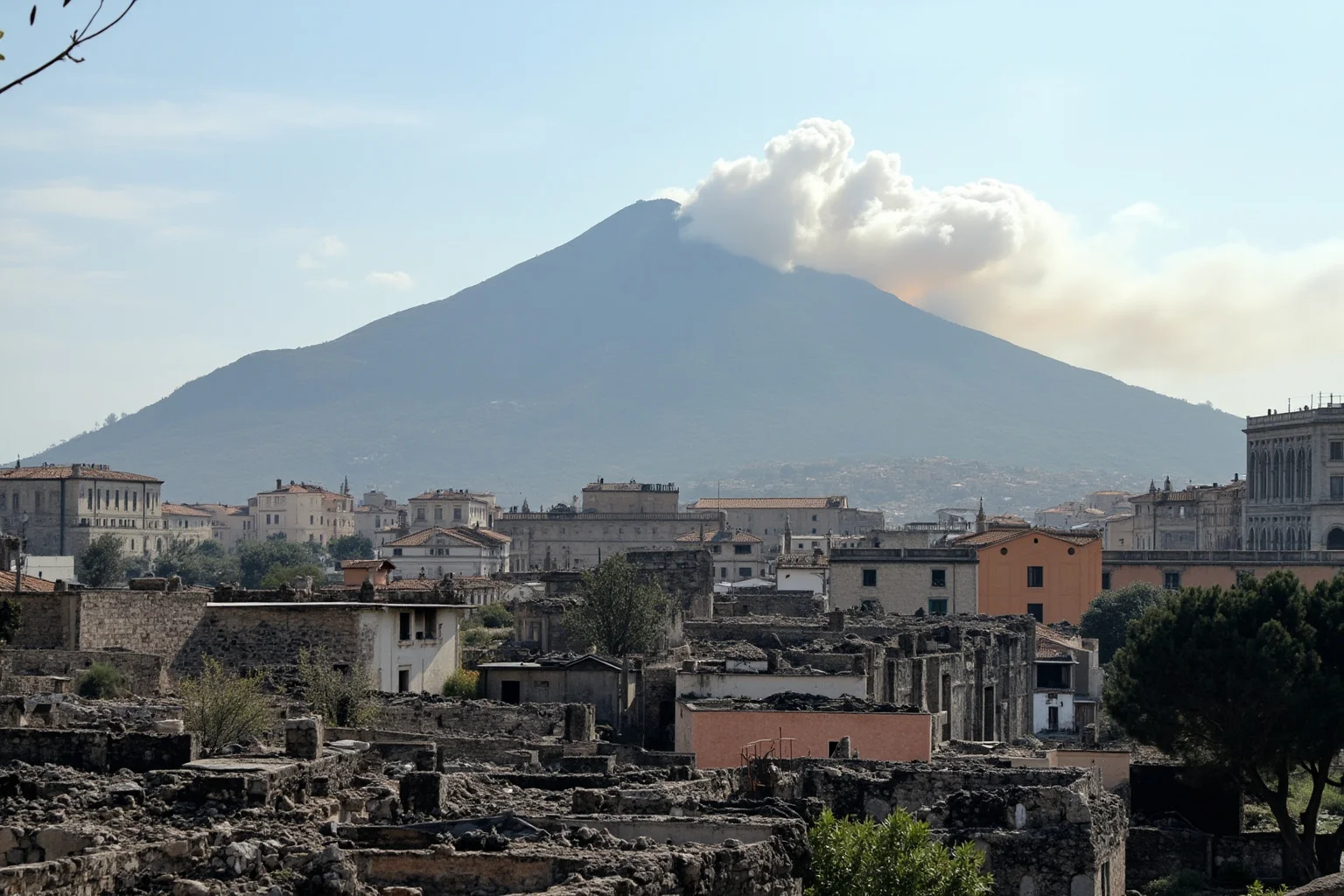
The eruption of Mount Vesuvius in 79 CE buried the Roman towns of Pompeii and Herculaneum under volcanic ash and pyroclastic material. The exact death toll is unknown, but archaeological evidence suggests thousands of residents died, many preserved in place by the ash that entombed them. This makes Vesuvius one of the more unique natural disasters in history, not necessarily for its raw death count compared to other entries here, but for how vividly it preserved a single moment in ancient daily life.
Excavations at Pompeii, which continue to this day, have given historians an unmatched window into Roman civilization. Few natural disasters have left behind such a detailed, physical record of the exact moment catastrophe struck.
21. The 1883 Eruption of Krakatoa
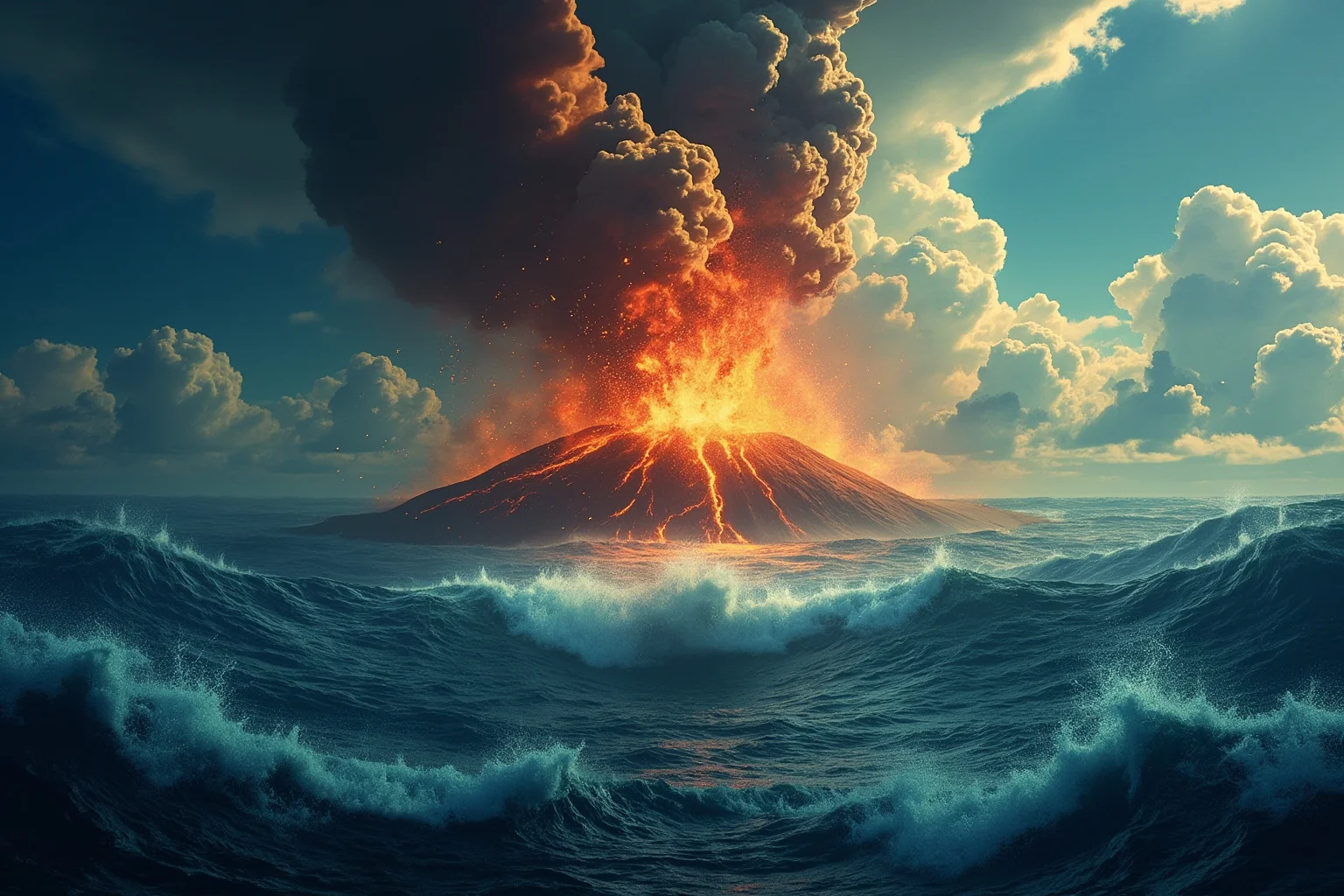
The volcanic island of Krakatoa, located in the Sunda Strait between Java and Sumatra, erupted catastrophically in August 1883. The explosion was heard thousands of miles away and generated tsunamis that devastated coastal communities across the region. An estimated 36,000 people died, primarily from the tsunami waves rather than the eruption’s direct blast effects.
The eruption’s ash cloud circled the globe, causing vivid sunsets and measurable temperature drops worldwide for months afterward. It remains one of the most studied volcanic disasters in scientific history.
22. The 2011 Tōhoku Earthquake and Tsunami
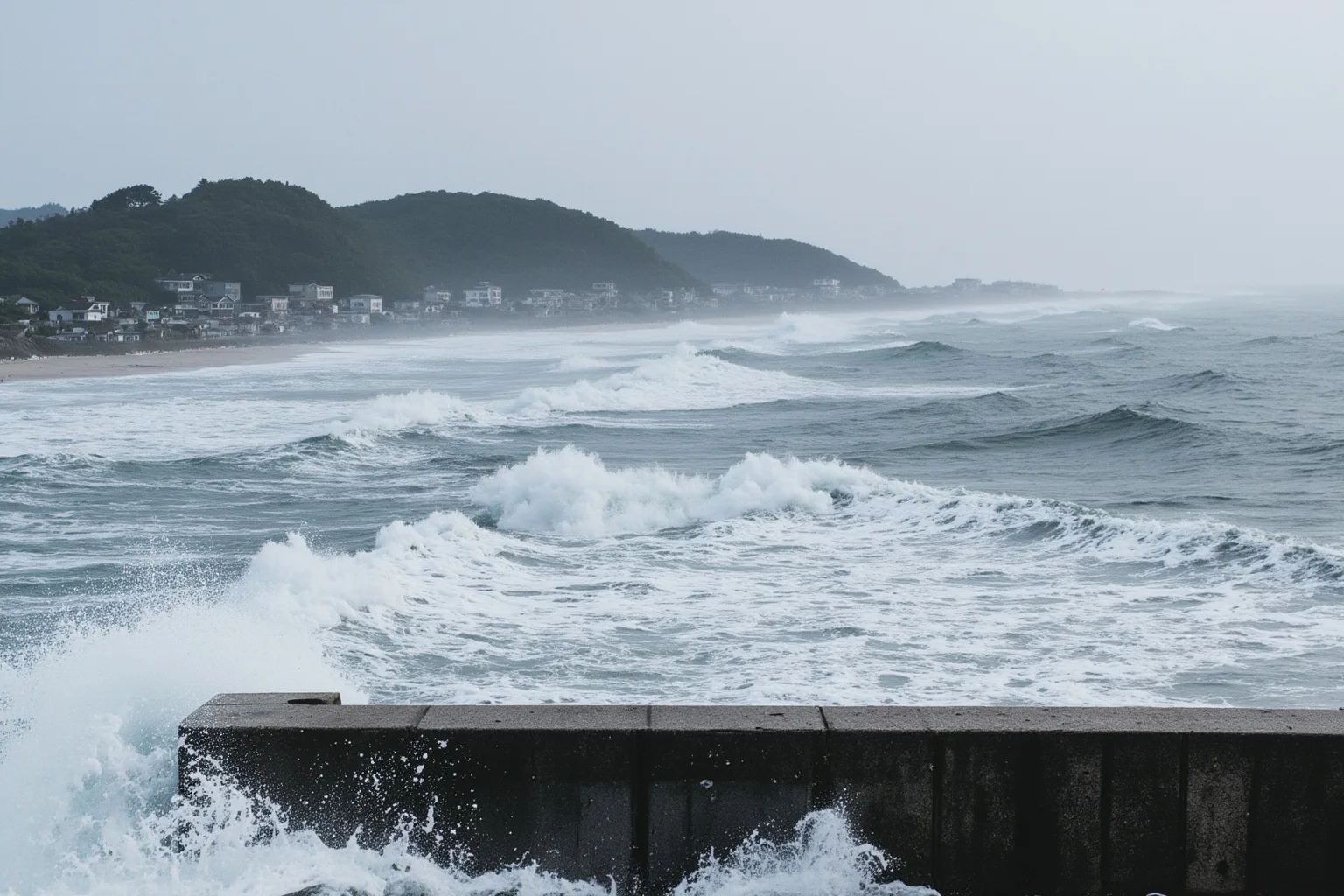
On March 11, 2011, a magnitude 9.0 earthquake, one of the most powerful ever recorded, struck off Japan’s northeastern coast and triggered a massive tsunami. The combined disaster killed an estimated 18,000 to 20,000 people and caused a severe nuclear accident at the Fukushima Daiichi power plant. Despite Japan’s advanced early-warning systems and disaster infrastructure, the tsunami’s size overwhelmed sea walls in many coastal towns.
The disaster demonstrated that even the most disaster-prepared nations in the world can still face catastrophic losses when an event exceeds historical expectations. It remains one of the most thoroughly documented major disasters in modern history.
23. The 1900 Galveston Hurricane
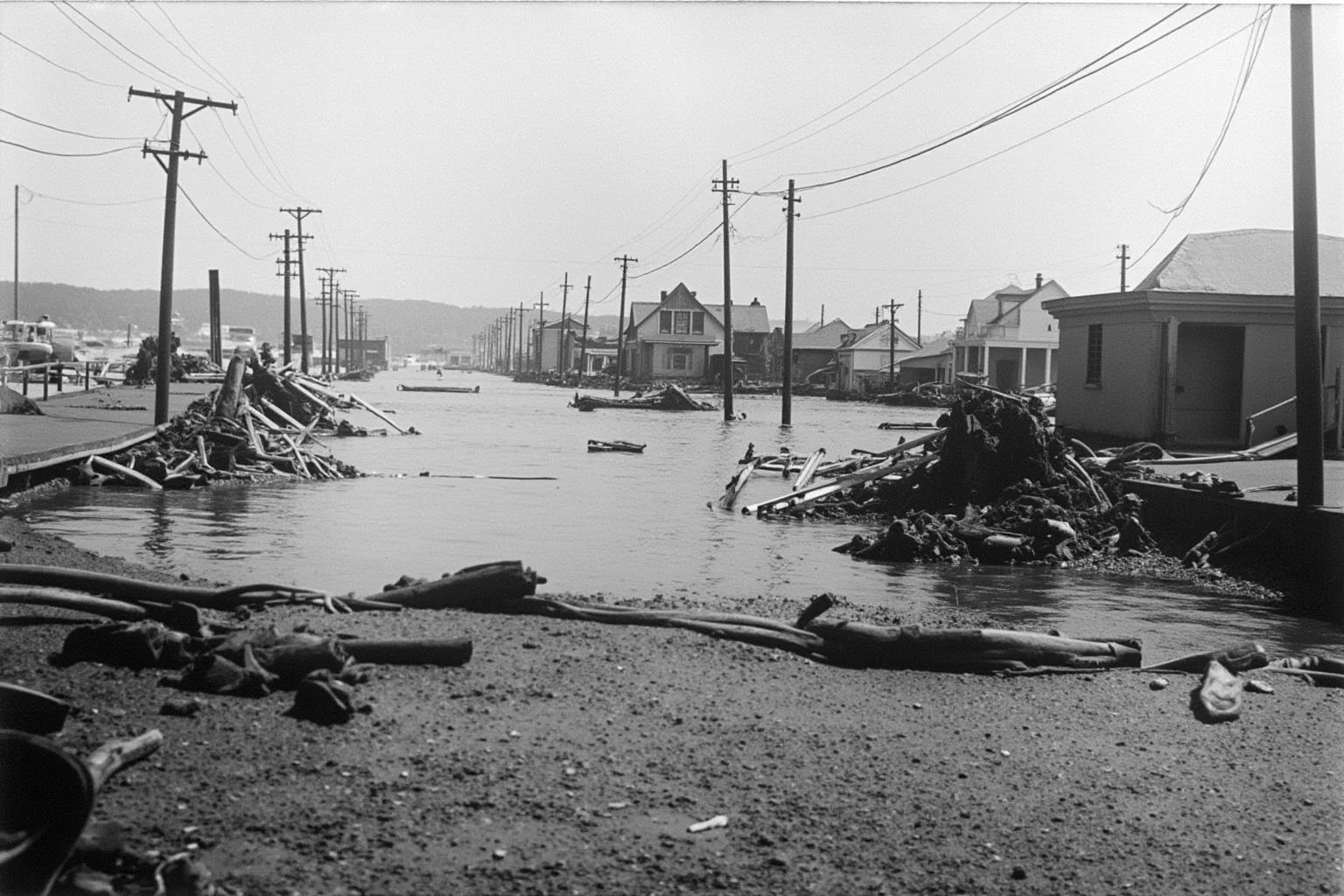
Widely considered the greatest natural disaster in US history in terms of death toll, the Galveston hurricane struck the Texas coast in September 1900 with almost no advance warning by modern standards. A storm surge overwhelmed the low-lying island city, and estimates suggest between 6,000 and 12,000 people died. It remains the deadliest natural disaster in United States history.
The disaster prompted major changes to American storm forecasting and coastal engineering, including the construction of Galveston’s seawall shortly afterward. It’s still studied today as a turning point in US disaster preparedness policy.
24. The Dust Bowl (1930s)
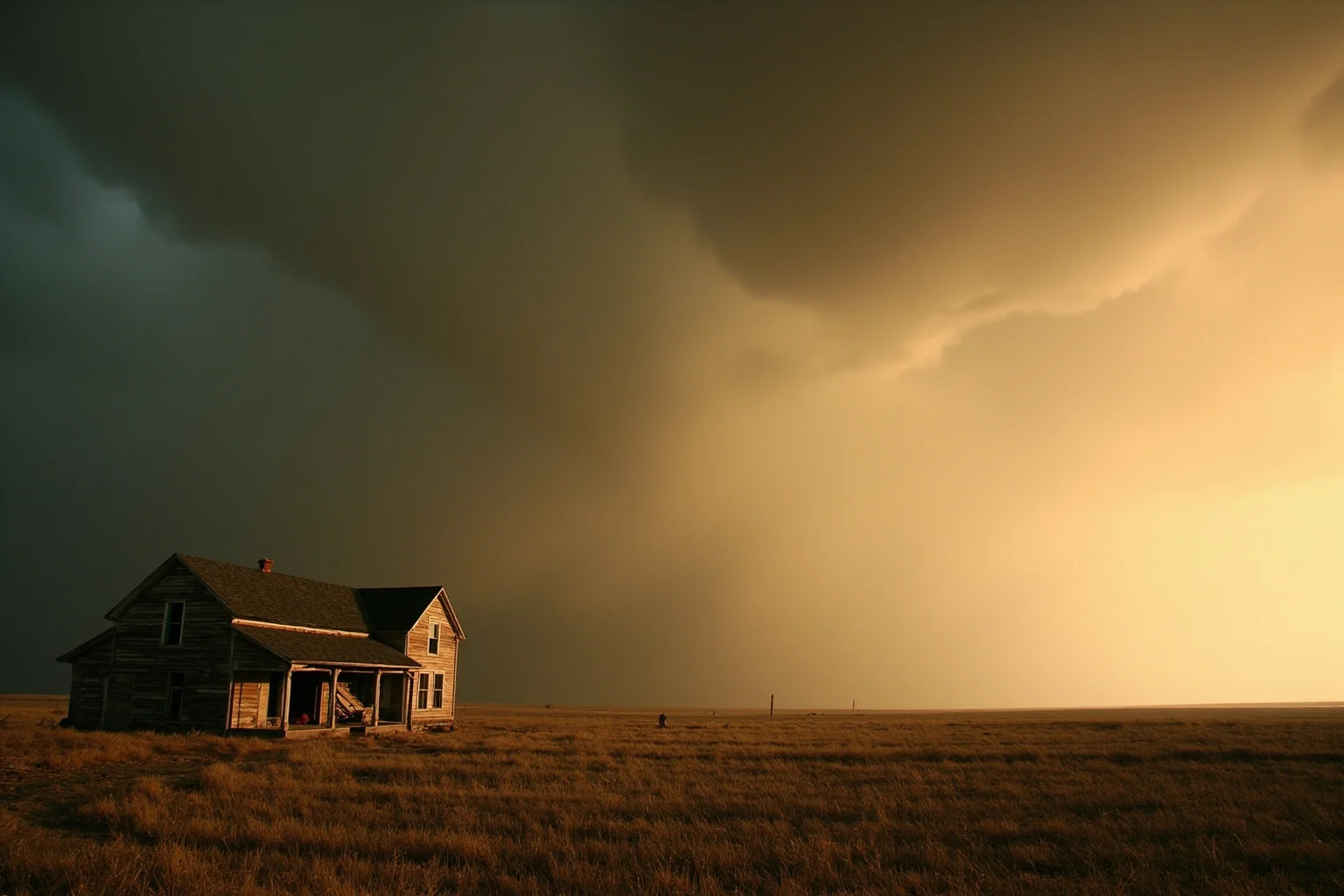
The Dust Bowl wasn’t a single dramatic event like an earthquake or hurricane, which makes it one of the more unique natural disasters on this list. Instead, it was a prolonged environmental catastrophe across the American Great Plains during the 1930s, caused by a severe drought combined with poor farming practices that stripped topsoil and triggered massive dust storms. While exact death tolls are hard to pin down, the disaster displaced hundreds of thousands of families and contributed to widespread illness from dust inhalation.
The Dust Bowl reshaped American agricultural policy and led to major soil conservation reforms that are still in place today. It’s a useful reminder that not every major natural disaster arrives suddenly, and some of history’s most disruptive events unfold gradually over years rather than hours.
What This List Reveals About Natural Disasters
Looking across this list of natural disasters, a few patterns stand out clearly. Floods and river disasters in densely populated agricultural regions, especially historical China, produced by far the highest death tolls in recorded history. Earthquakes, meanwhile, tend to produce the highest single-event death tolls when they strike population centers with vulnerable construction.
It’s also worth noting how much death tolls have generally declined over the past century in wealthier, better-prepared nations, even as the disasters themselves haven’t necessarily gotten smaller. Japan’s response to the 2011 tsunami, and Bangladesh’s improved cyclone shelters after 1991, both show that early-warning systems, building codes, and evacuation planning can dramatically reduce loss of life. That’s genuinely good news buried inside an otherwise grim topic.
At the same time, historical record-keeping means many of the older death tolls on this list should be treated as best estimates rather than precise counts. Historians continue to revise figures for events like the 1737 Calcutta cyclone or the 2010 Haiti earthquake as new research emerges. Staying skeptical of suspiciously round or dramatically inflated numbers is a healthy habit when reading about any historical disaster.
Final Thoughts
The history of natural disasters is, in many ways, a history of human vulnerability and resilience in equal measure. From ancient earthquakes that leveled Roman-era cities to twenty-first-century tsunamis captured on smartphone video, these events remind us how quickly the natural world can overwhelm even advanced societies. They also show how much progress has been made in forecasting, engineering, and emergency response, even if that progress remains unevenly distributed around the globe.
While it’s tempting to rank these disasters simply by body count, the deeper lesson is about preparedness, infrastructure, and how societies choose to invest in protecting the most vulnerable communities. The deadliest natural disasters in history weren’t just powerful, they struck places least equipped to withstand them. That’s a pattern worth remembering the next time a major storm, quake, or flood makes headlines somewhere in the world.
Frequently Asked Questions
What is the deadliest natural disaster in history?
Most historians point to the 1931 China floods along the Yangtze and Huai Rivers as the deadliest natural disaster ever recorded, with estimated deaths ranging from about 1 million to as high as 4 million once famine and disease are included. The wide range exists because record-keeping during that era, and the chaos of the surrounding famine, made precise counts impossible.
What natural disaster killed the most people?
By most estimates, the 1931 China floods killed more people than any other single natural disaster in recorded history. The 1887 Yellow River flood and the 1556 Shaanxi earthquake, both also in China, rank among the next deadliest events on record.
What type of natural disaster is the worst?
It depends on how you measure it. Floods have caused the highest cumulative death toll throughout history, largely due to catastrophic river flooding in densely populated regions, while earthquakes and tsunamis are responsible for some of the deadliest single events ever recorded.
Is there a full list of natural disasters organized by type?
Yes, natural disasters are generally grouped into categories including earthquakes, tsunamis, volcanic eruptions, floods, tropical cyclones, droughts, landslides, and wildfires. This list of natural disasters above ranks major historical events primarily by earthquakes, floods, cyclones, and volcanic eruptions, since those categories have produced the highest historical death tolls.
What was the greatest natural disaster in US history?
The 1900 Galveston hurricane is widely considered the greatest natural disaster in US history by death toll, with estimates ranging from about 6,000 to 12,000 deaths. It remains the deadliest natural disaster ever recorded in the United States.
What makes a natural disaster “unique” compared to others?
Some disasters stand out not just for death toll but for how they unfolded. The Dust Bowl of the 1930s, for example, was a slow-moving environmental disaster caused by drought and poor farming practices, while the 79 CE eruption of Mount Vesuvius is unique for physically preserving the moment of disaster at Pompeii and Herculaneum.
Are historical natural disaster death tolls always accurate?
No, and it's important to approach older figures with some skepticism. Events like the 1737 Calcutta cyclone or the 2010 Haiti earthquake have disputed casualty figures, and historians continue to revise estimates as new research and records become available.

Alex Warren
Related Articles