

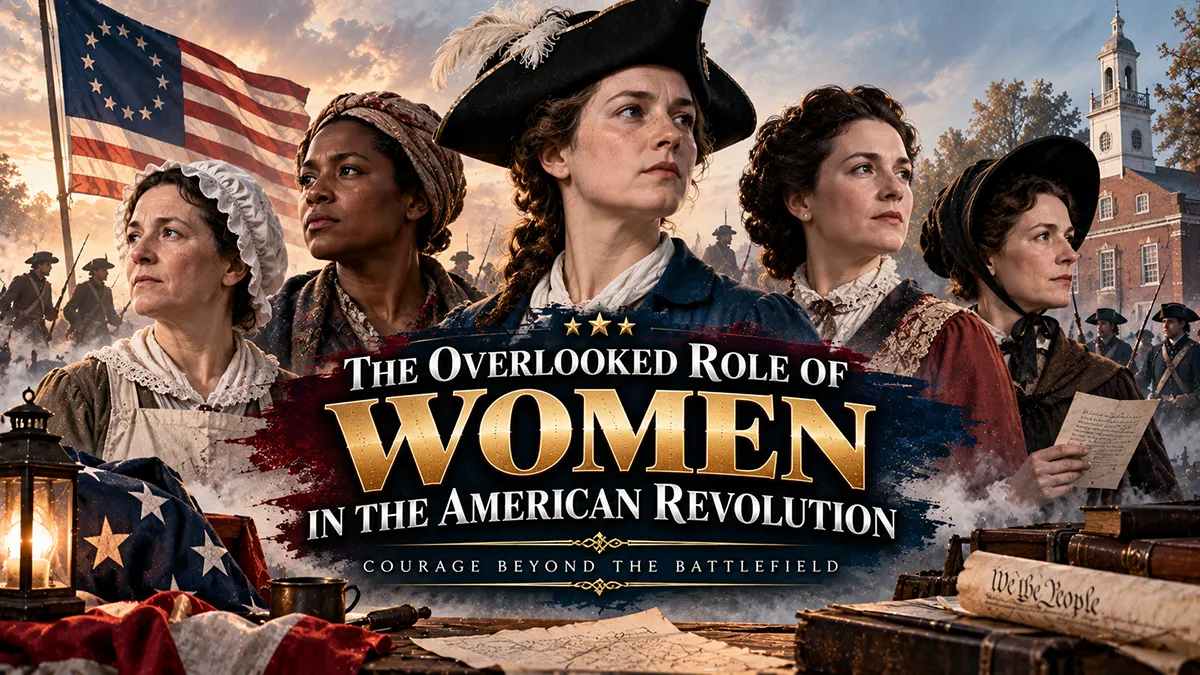
When most people picture the American Revolution, they see muskets, powdered wigs, and the most iconic revolutionary figures signing documents in Philadelphia. That picture isn’t wrong, but it’s badly incomplete.
Behind almost every battle, boycott, and political pamphlet were women who kept farms running, smuggled intelligence, nursed the wounded, and in a handful of documented cases, picked up weapons themselves.
TL;DR: Women shaped the American Revolution as spies, soldiers, fundraisers, farmers, and propagandists, even though most history books remember only a few of their names.
Why Women’s Revolutionary War Contributions Got Overlooked
For centuries, the story of the Revolution was written mostly by and about men, since official military records, government correspondence, and political pamphlets were largely male-authored spaces. Women’s work happened in kitchens, fields, and parlors, places that rarely generated the kind of paper trail historians relied on for a long time.
That doesn’t mean women’s contributions were minor. It means they were undercounted. Letters, diaries, pension records, and local town histories uncovered by later researchers have slowly filled in a much richer picture of women’s role in the Revolution than earlier textbooks allowed.
It’s also worth noting that not every popular story about Revolutionary women holds up to scrutiny. Some tales grew taller with each retelling, so a myth-busting eye matters here as much as enthusiasm. Below is a tour through the real, well-documented, and sometimes murky roles women played, organized by the kind of work they did.
Keeping Homes, Farms, and Businesses Running
1. Managing Farms and Family Businesses
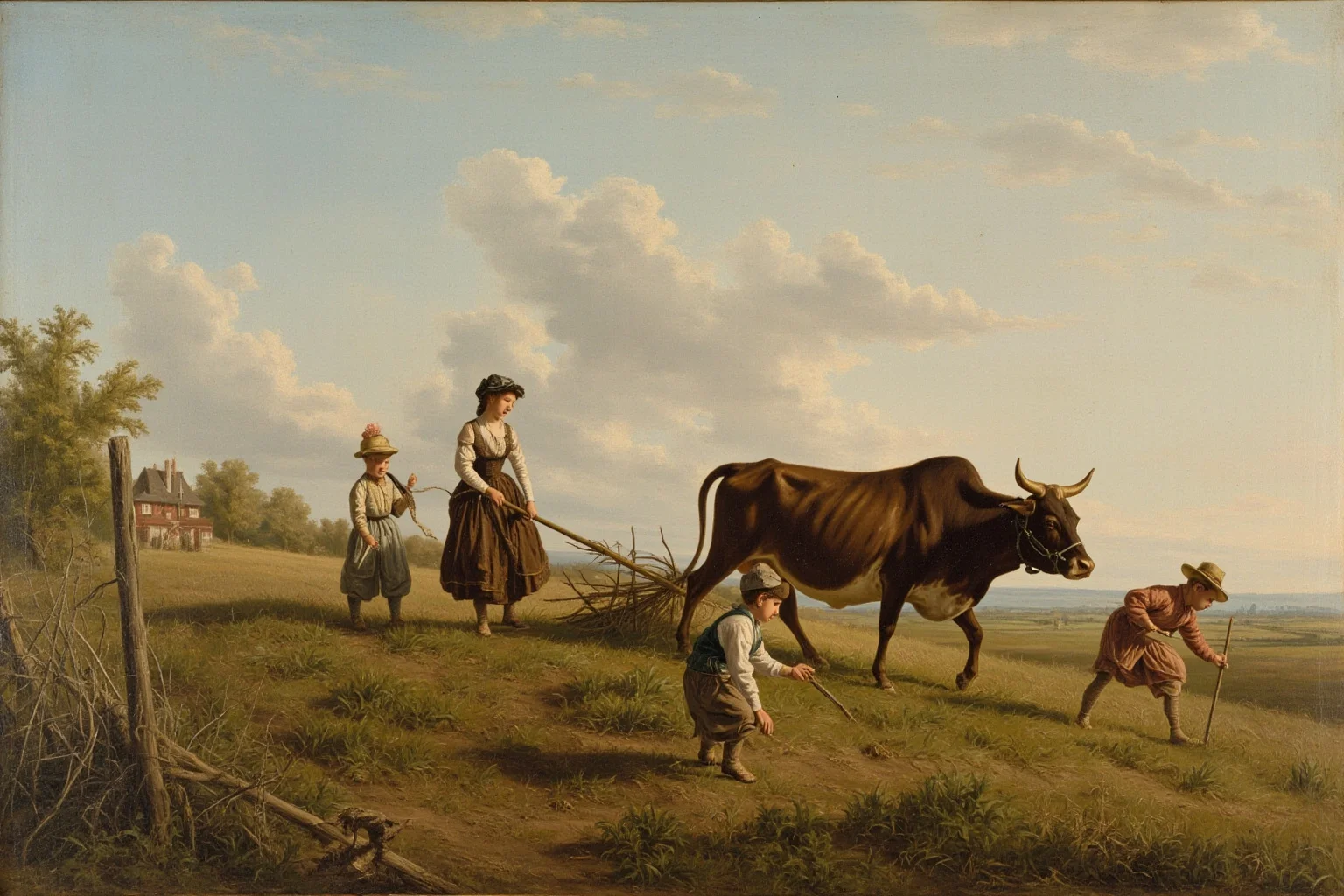
When men left for militia duty or the Continental Army, someone had to keep the farm, shop, or trade producing income and food. That job fell overwhelmingly to wives, mothers, and daughters, who took on plowing, bookkeeping, and trading duties they’d rarely handled before.
This wasn’t a symbolic gesture. Entire local economies depended on women successfully running households for years at a stretch, since the war dragged on far longer than anyone expected in 1775.
2. Boycotts and the Daughters of Liberty
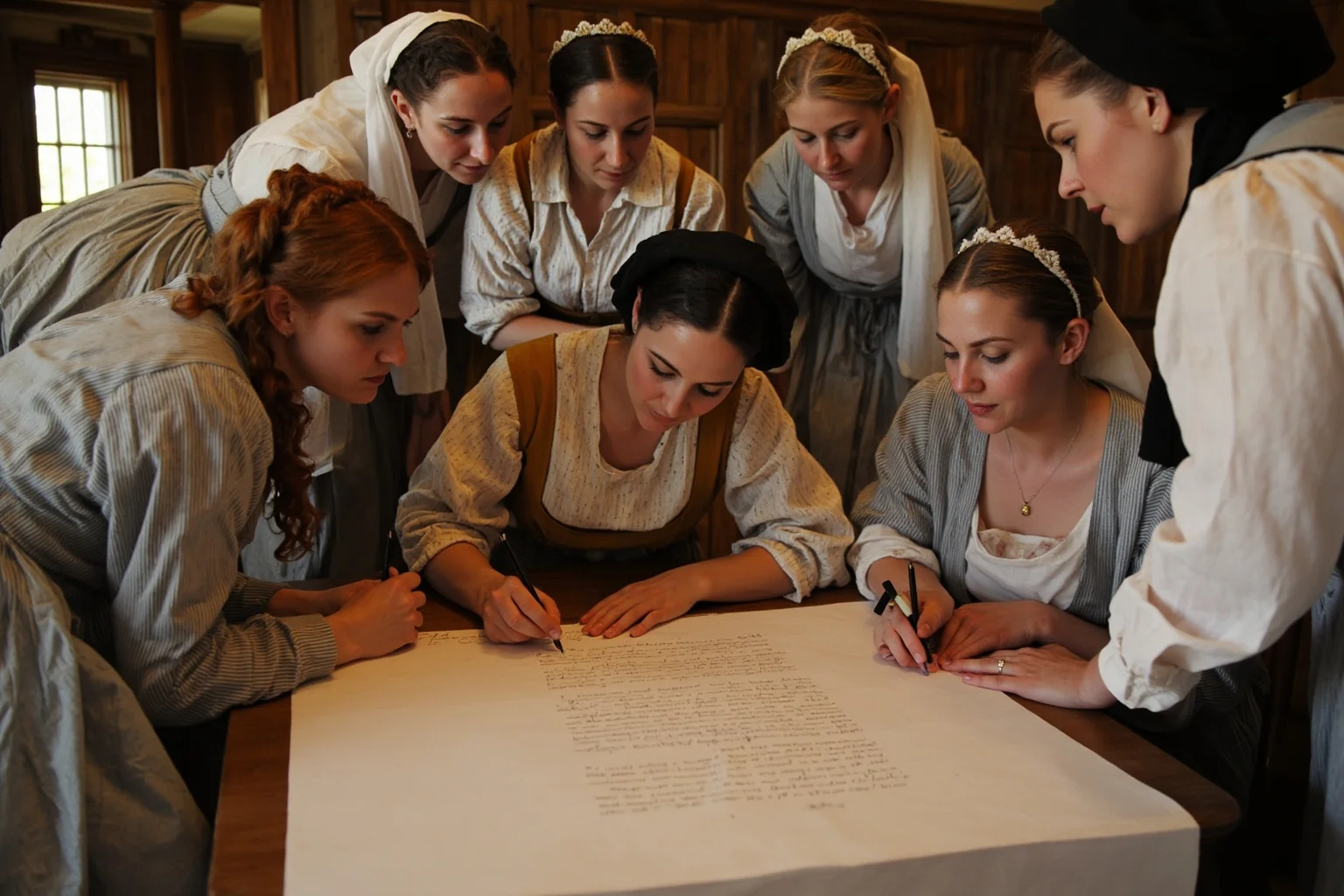
Years before fighting broke out, women organized as the Daughters of Liberty to boycott British tea, cloth, and other taxed goods. These boycotts required real sacrifice and coordination, since women had to find or make substitutes for everyday items their households depended on.
This consumer activism mattered strategically. Britain’s tax policies depended on colonial demand, and organized refusal to buy British goods hit trade numbers in ways that pamphlets alone never could.
3. Spinning Bees and Homespun Cloth
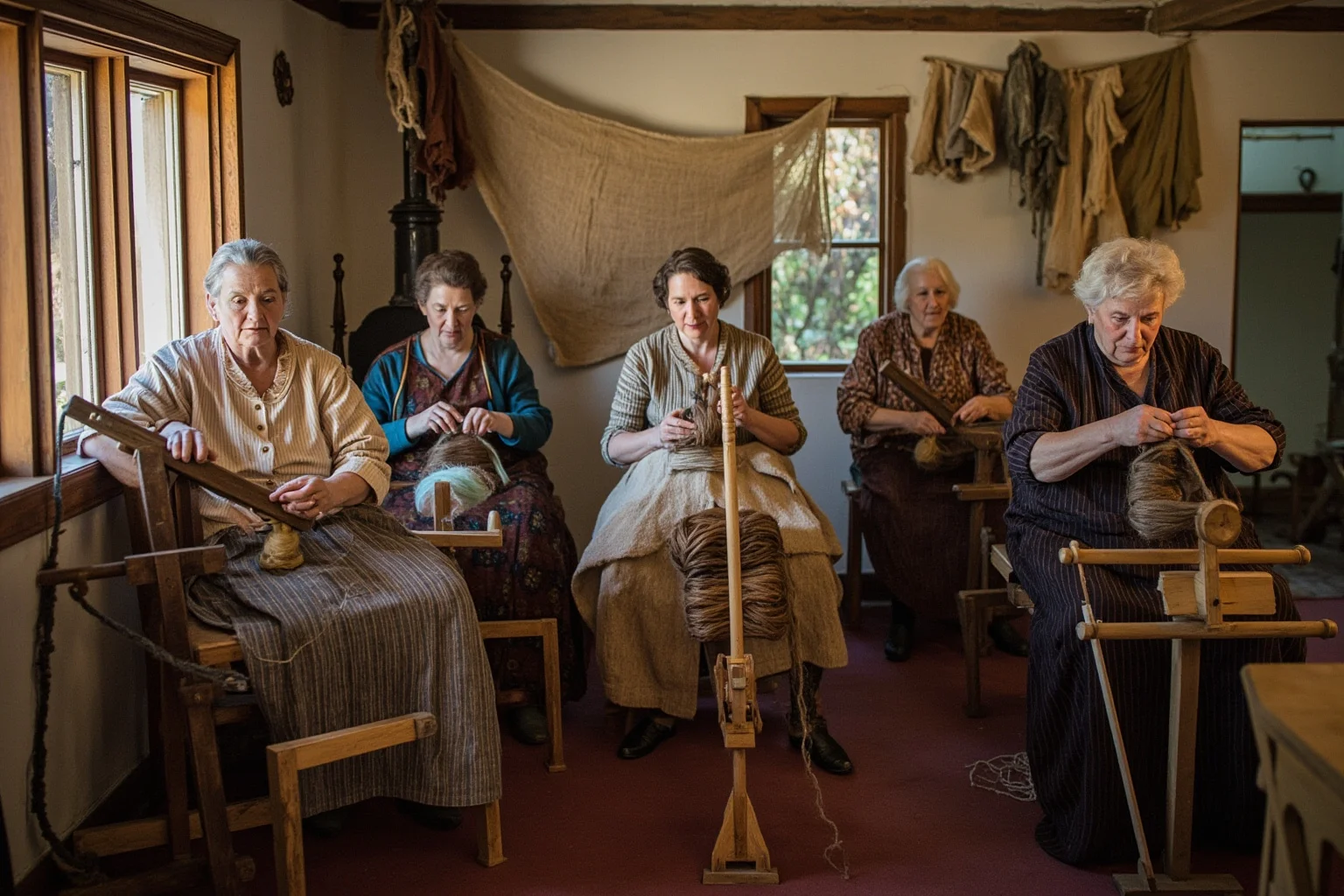
Related to the boycotts, groups of women held public spinning bees to produce homespun cloth instead of buying British textiles. These gatherings were part practical production, part political theater, showing the community’s commitment to the cause.
Homespun became a badge of patriotism. Wearing clearly domestic, non-imported fabric was a visible, everyday statement of loyalty to the boycott movement.
4. The Edenton Tea Party
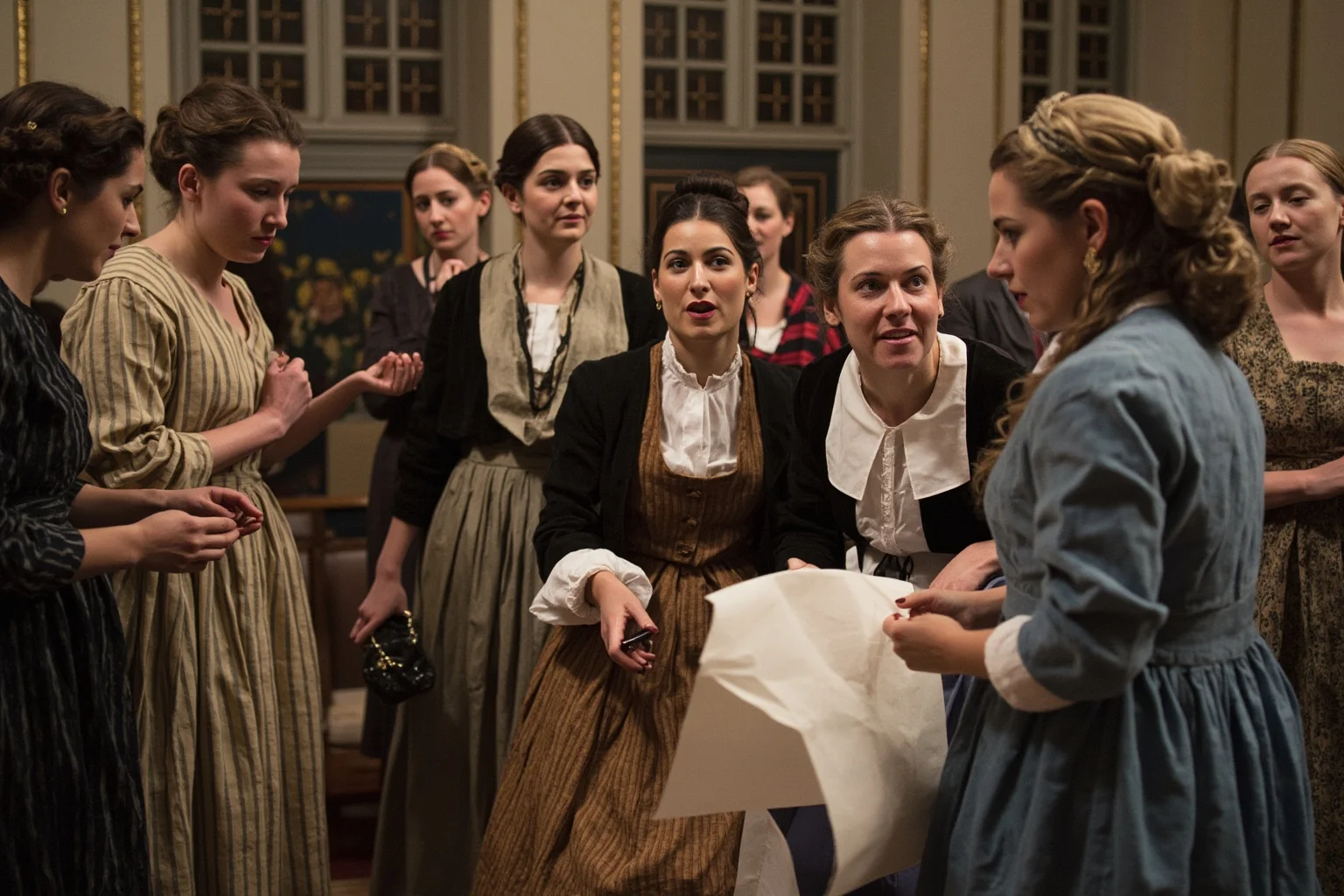
In October 1774, a group of women in Edenton, North Carolina, signed a formal resolution agreeing to boycott tea and other British products. It’s often cited as one of the earliest organized political actions by women in the colonies.
British commentators mocked the event at the time, which only underscores how unusual it was for women to organize a public political statement. It stands as an early, concrete example of women’s role in the American Revolutionary War long before the fighting started.
Camp Followers and Military Support
5. Camp Followers: Cooking, Laundry, and Logistics
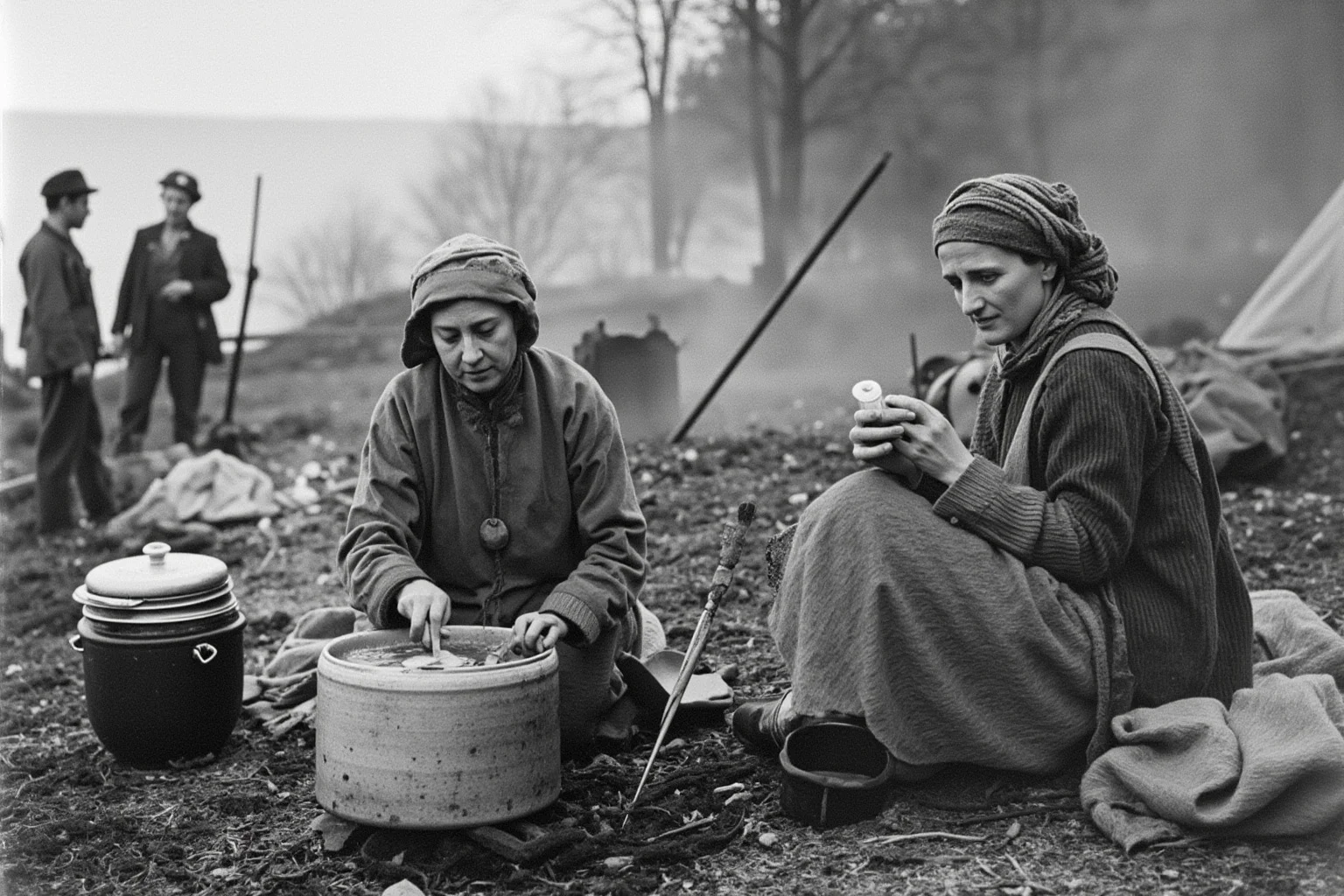
Thousands of women, often the wives of enlisted soldiers with nowhere else to go, traveled with the Continental Army as “camp followers.” They cooked meals, washed and mended clothing, and handled countless logistical tasks that kept the army functioning day to day.
George Washington had mixed feelings about their presence, worrying about slowing the army’s movement, but he also acknowledged their labor was essential. Without this unpaid or barely paid workforce, basic army life would have broken down quickly.
6. Nursing the Wounded
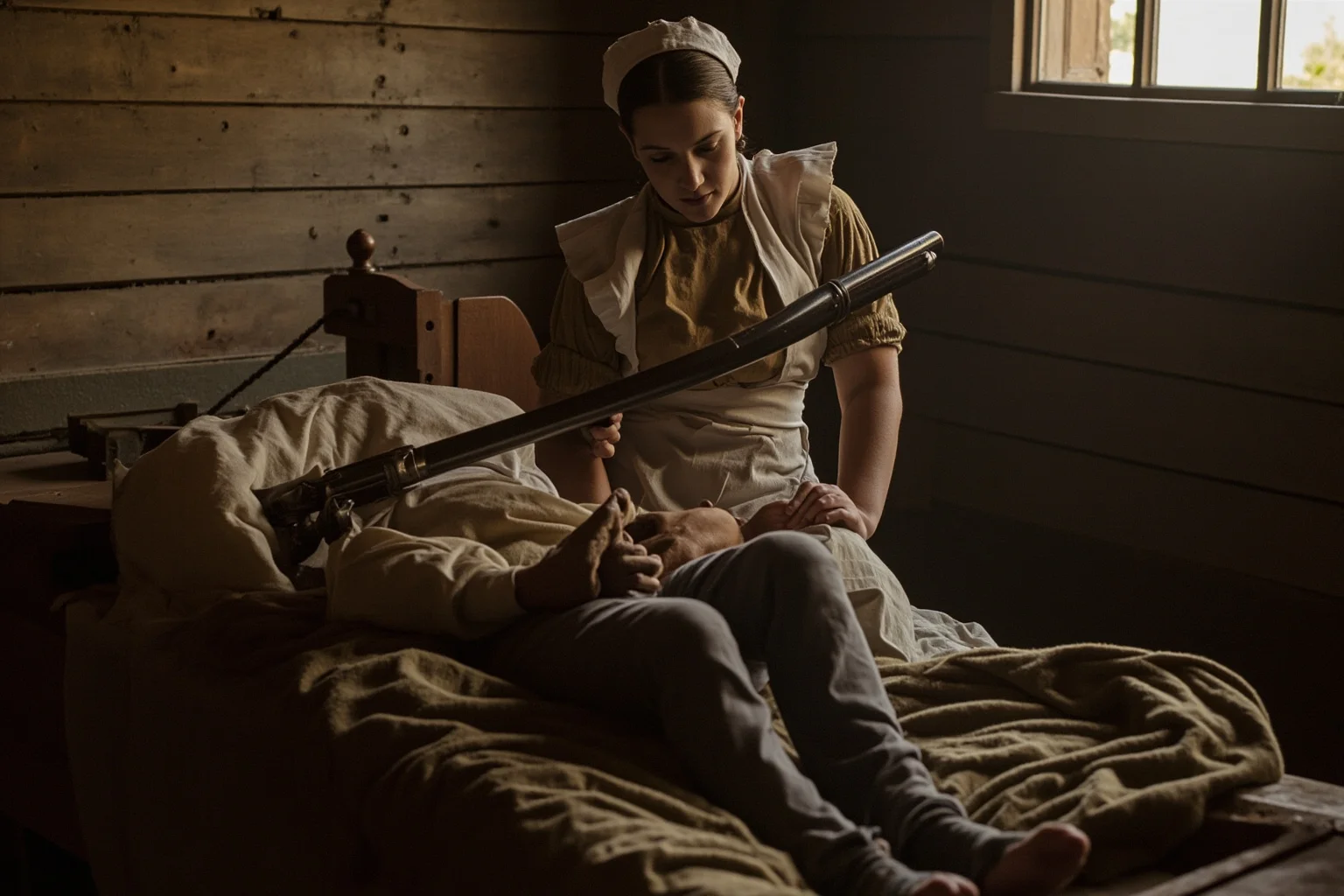
Camp-following women and local civilians frequently served as nurses, treating wounds, managing fevers, and comforting dying soldiers with the limited medical knowledge of the era. Hospitals were chaotic, undersupplied, and dangerous places to work, yet women kept showing up.
This nursing work rarely earned formal recognition or pay equal to the risk involved. It nonetheless saved lives and represents one of the most direct answers to how women aided in the American Revolution on the battlefield’s edge.
7. The Molly Pitcher Legend
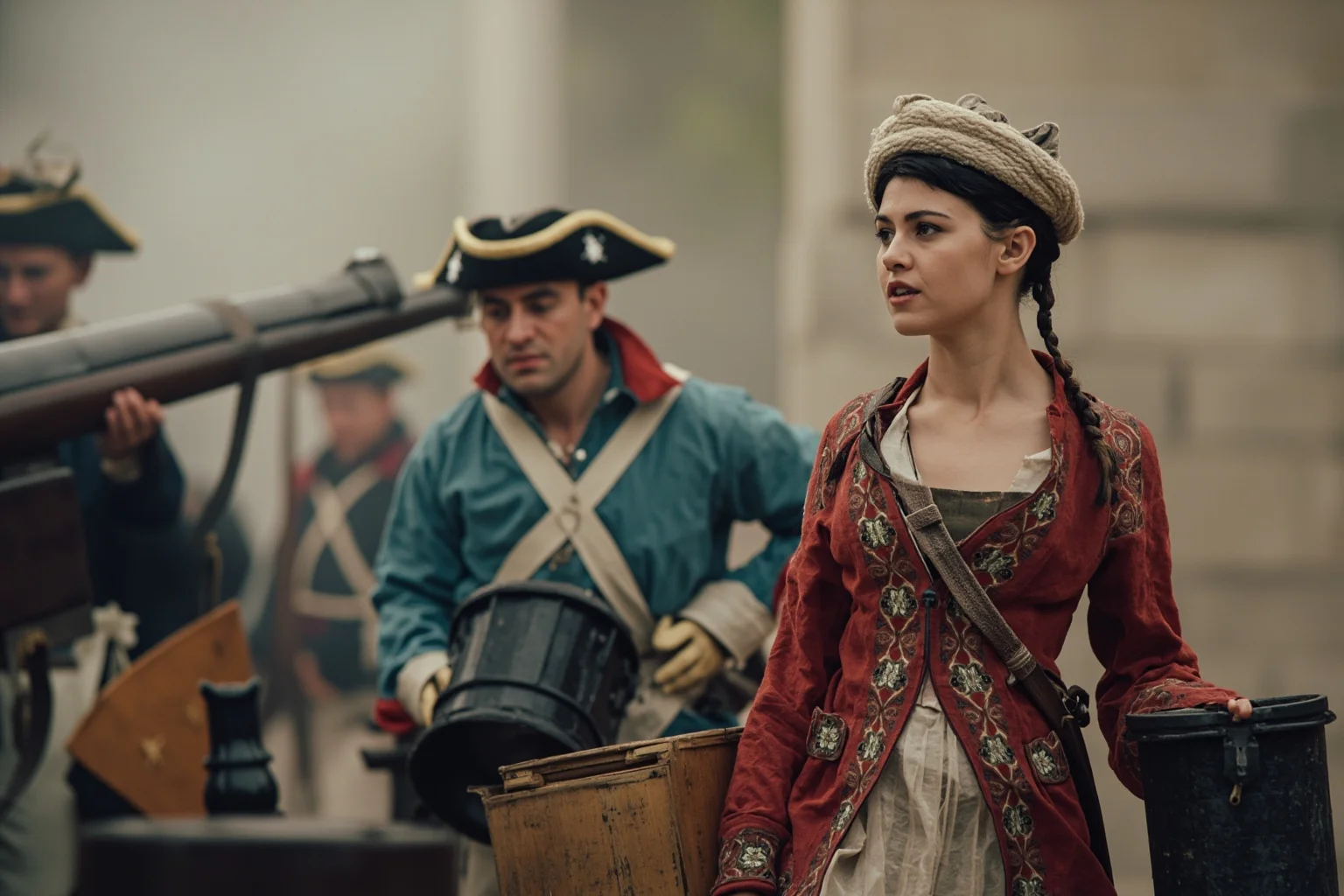
“Molly Pitcher” is the folk name for a woman said to have carried water to soldiers and manned a cannon at the 1778 Battle of Monmouth. The story is likely based on a real woman, possibly Mary Ludwig Hays, but historians caution that the tale as commonly told has been embellished over generations.
This is a good spot for a myth-busting note: the broader pattern of women carrying water and sometimes stepping into artillery roles during battle is well supported. The specific, cinematic “Molly Pitcher” story, however, blends several accounts into one legendary figure.
8. Foraging and Provisioning Armies
Beyond formal camp duty, women in the countryside were regularly called upon to feed passing troops, sometimes willingly and sometimes under pressure from both American and British forces. Armies on both sides often demanded food, horses, and shelter from local farms.
This put women in an impossible position, since refusing could bring violence while giving supplies away could mean starvation for their own families. Their decisions in these moments shaped local support for the war effort in ways battlefield reports never captured.
Spies, Messengers, and Secret Agents
9. Sybil Ludington’s Ride
Sybil Ludington is remembered for allegedly riding through the night in 1777 to warn militia of a British attack, a story often compared to Paul Revere’s ride. It’s a compelling story, but historians note that the primary evidence for it comes from much later family accounts rather than contemporary records.
That uncertainty doesn’t erase the broader truth it represents. Teenage girls and young women across the colonies did carry urgent messages on horseback, even if this particular ride’s details remain historically debated.
10. Lydia Darragh and Household Espionage
Lydia Darragh, a Philadelphia Quaker, is credited in period accounts with overhearing British officers planning a surprise attack on Washington’s forces in 1777 and getting word to American lines. Because her home was used to quarter British officers, she had access ordinary spies could never get.
Her case illustrates a recurring pattern: women’s assumed domestic invisibility became a genuine intelligence advantage. British officers often didn’t think twice about talking freely in front of the women running their lodgings.
11. Anna Strong and the Culper Spy Ring
Anna Strong is traditionally linked to the Culper Spy Ring, a Patriot intelligence network operating on Long Island, through a signal system reportedly involving a clothesline. Documentation on her exact methods is thinner than popular retellings suggest, so this one deserves some caution too.
What’s well established is that the Culper Ring relied on a web of local residents, including women, to pass information safely under British occupation. Their ordinary daily routines provided perfect cover for extraordinary work.
12. Hidden Messages in Everyday Items
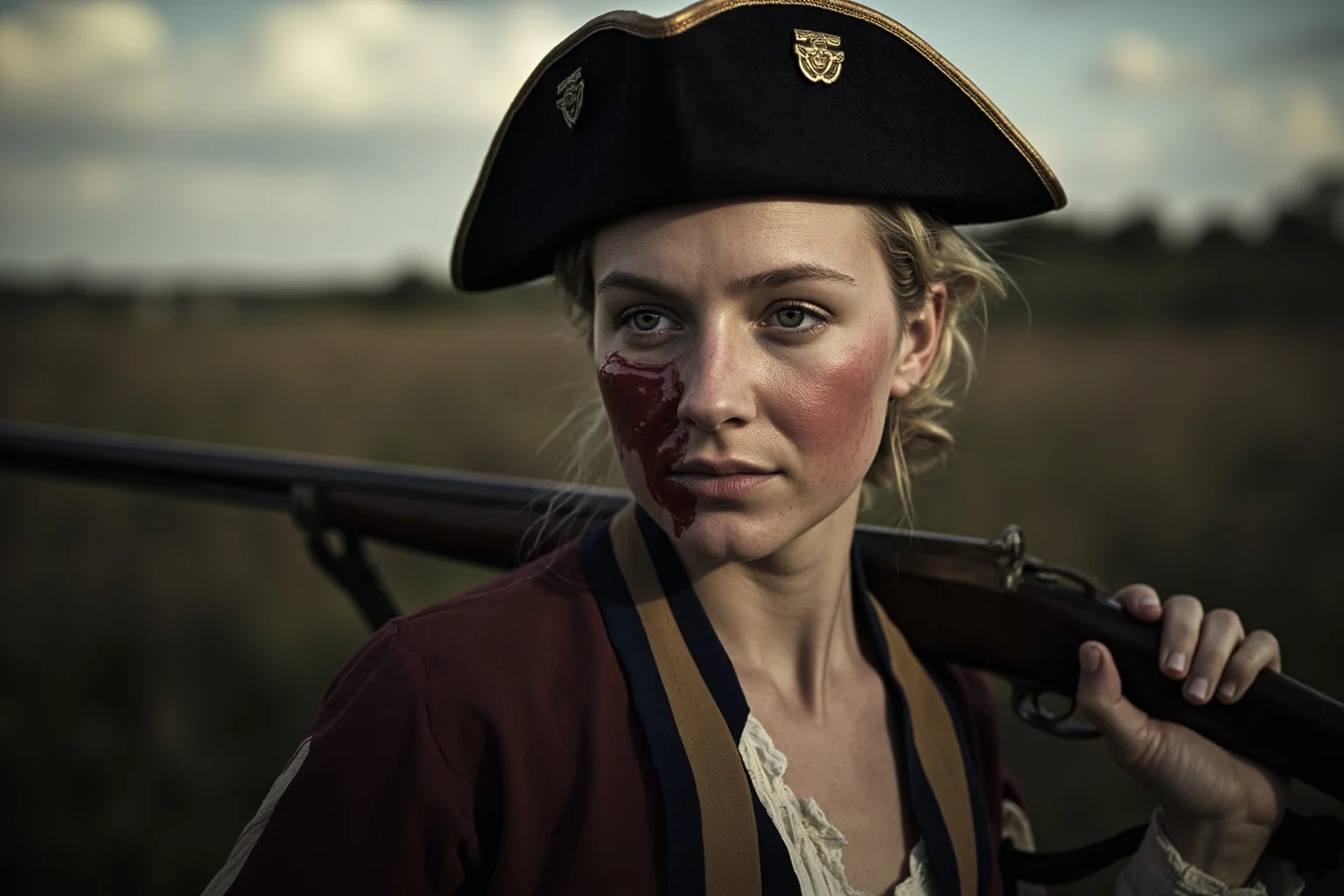
Across the colonies, women reportedly smuggled messages inside knitting balls, hollowed-out eggs, and dress hems, using needlework and household chores as camouflage. British searches of male travelers were common, but women moving through checkpoints attracted far less suspicion.
This pattern of using domestic objects for espionage shows up in multiple regional accounts, even when individual stories can’t always be verified in full detail. It’s one of the clearer examples of how gender expectations of the time became a wartime advantage.
Women Who Took Up Arms
13. Deborah Sampson’s Disguise
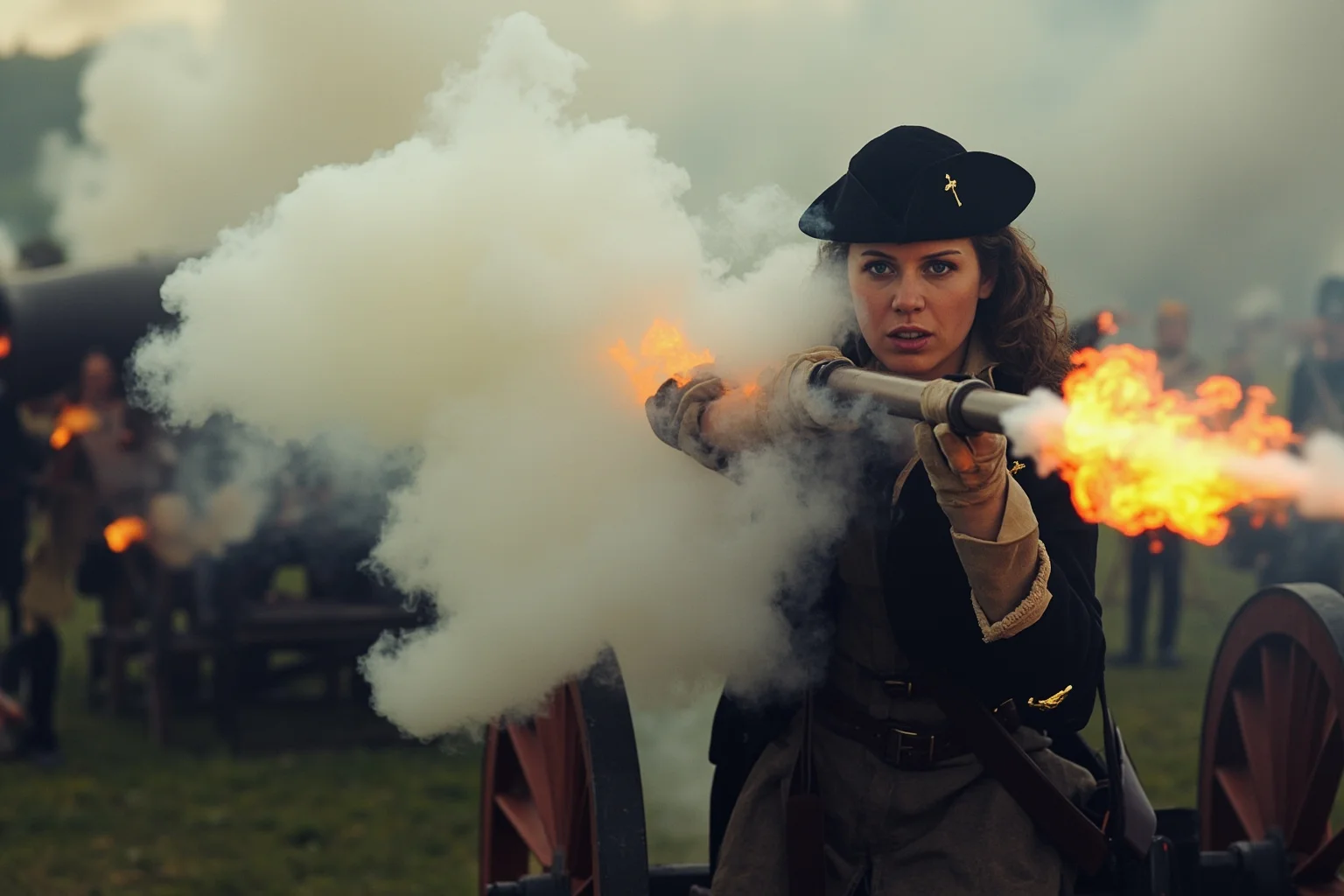
Deborah Sampson enlisted in the Continental Army in 1782 disguised as a man under the name Robert Shurtliff and served for over a year before her identity was discovered. She fought in combat and was wounded, treating her own injuries at times to avoid detection.
Her case is unusually well documented, including a later pension granted by the Massachusetts legislature. It stands as one of the most solid, verifiable examples of a woman serving as a soldier during the Revolutionary War.
14. Margaret Corbin at Fort Washington
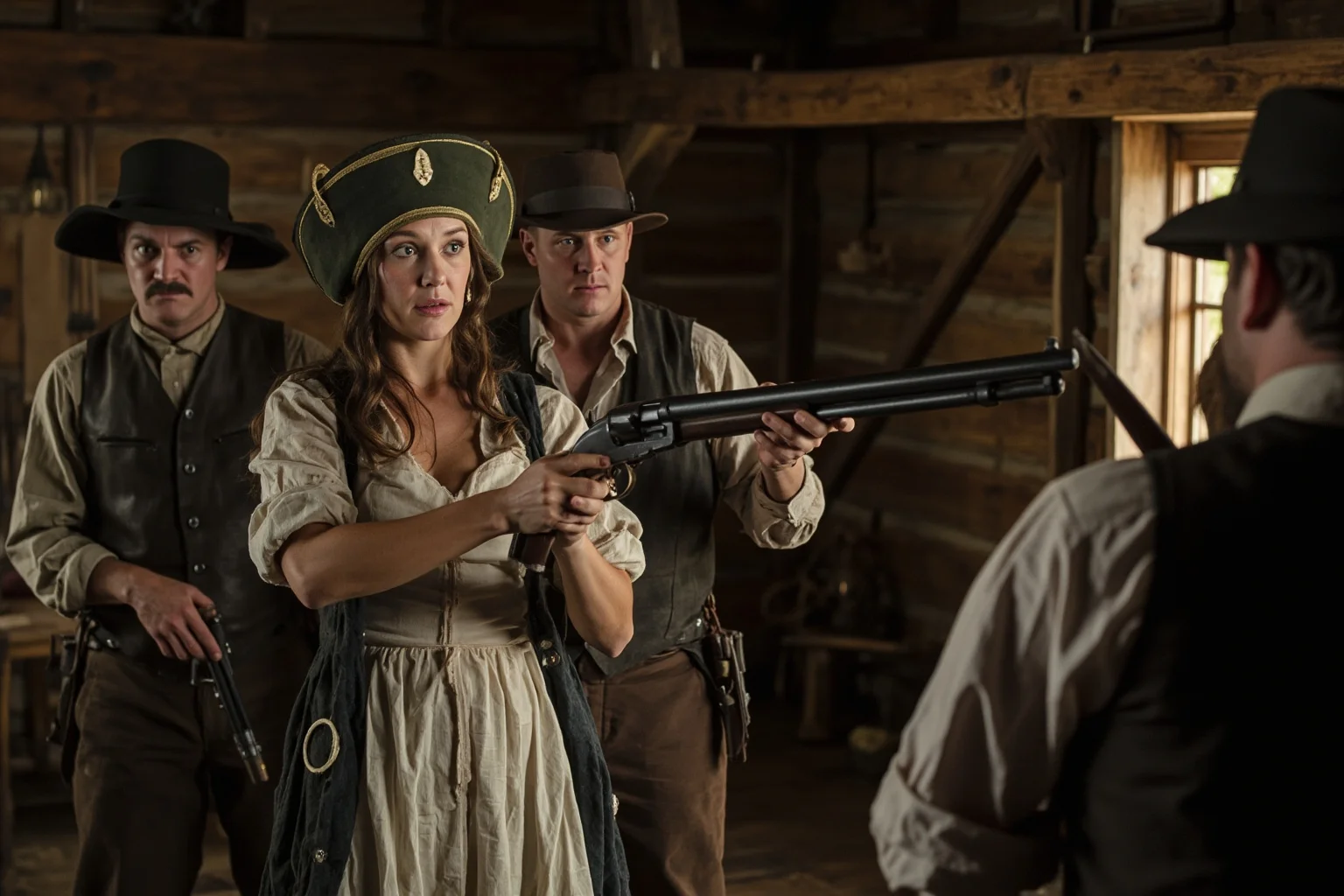
Margaret Corbin took over her husband’s cannon position after he was killed during the 1776 Battle of Fort Washington, continuing to fire on advancing British troops. She was wounded in the fighting and later received a military pension from Congress, a rare acknowledgment for a woman at the time.
Her story reflects a broader, if uncommon, pattern of women stepping directly into combat roles when circumstances demanded it. It also shows that at least some government bodies were willing to formally recognize that service.
15. Nancy Hart on the Georgia Frontier
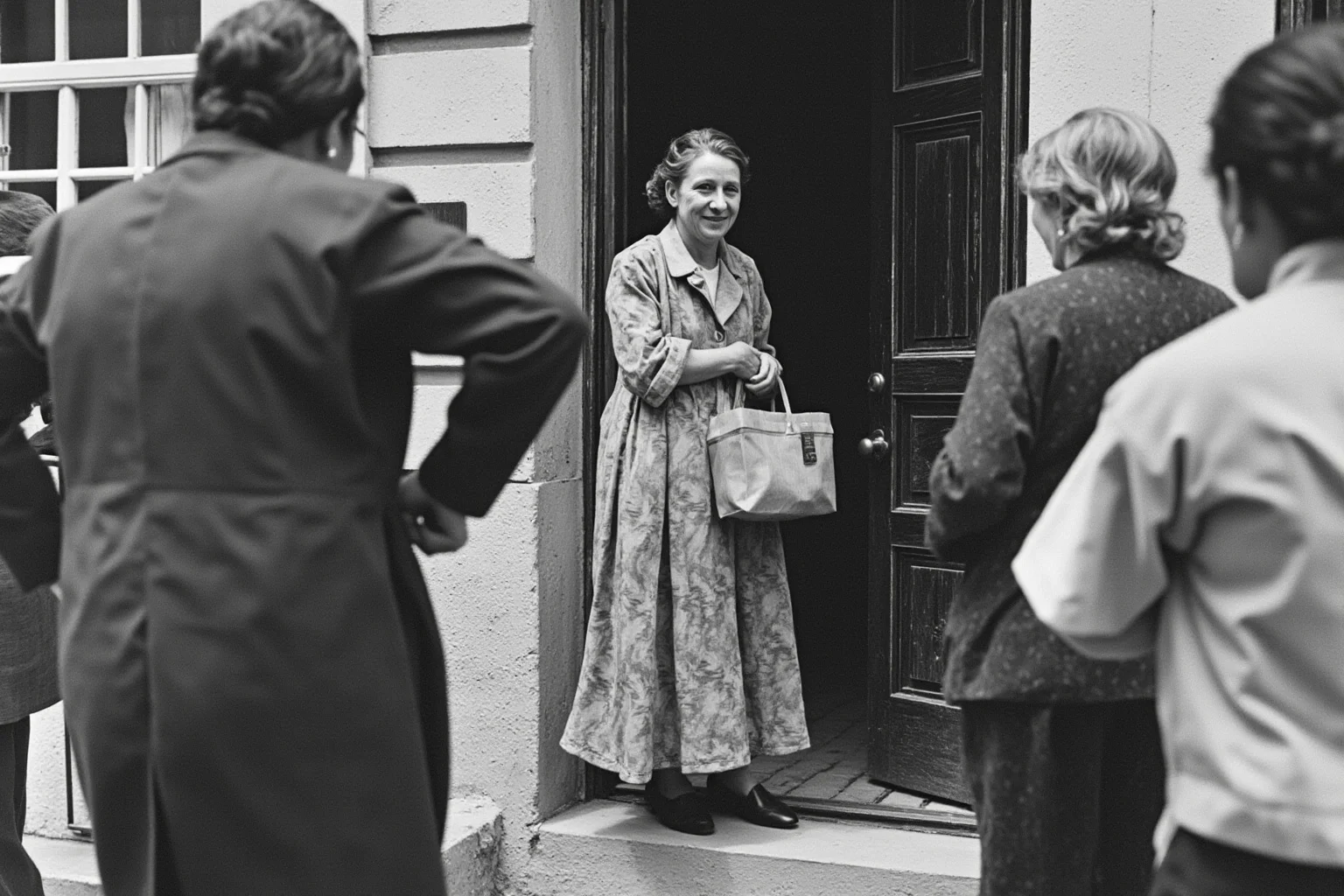
Nancy Hart is remembered in Georgia frontier lore for confronting and capturing Loyalist intruders at her home, though the surviving accounts come mostly from folklore recorded decades after the war. Even accounting for embellishment, the story reflects a real and recurring reality on the frontier.
Women in exposed rural areas often had no choice but to defend their homes directly, since militia protection was unreliable and distances were vast. Nancy Hart’s legend, whatever its precise details, stands in for many similar unrecorded moments.
Fundraising and Political Organizing
16. Esther Reed and the Ladies Association of Philadelphia
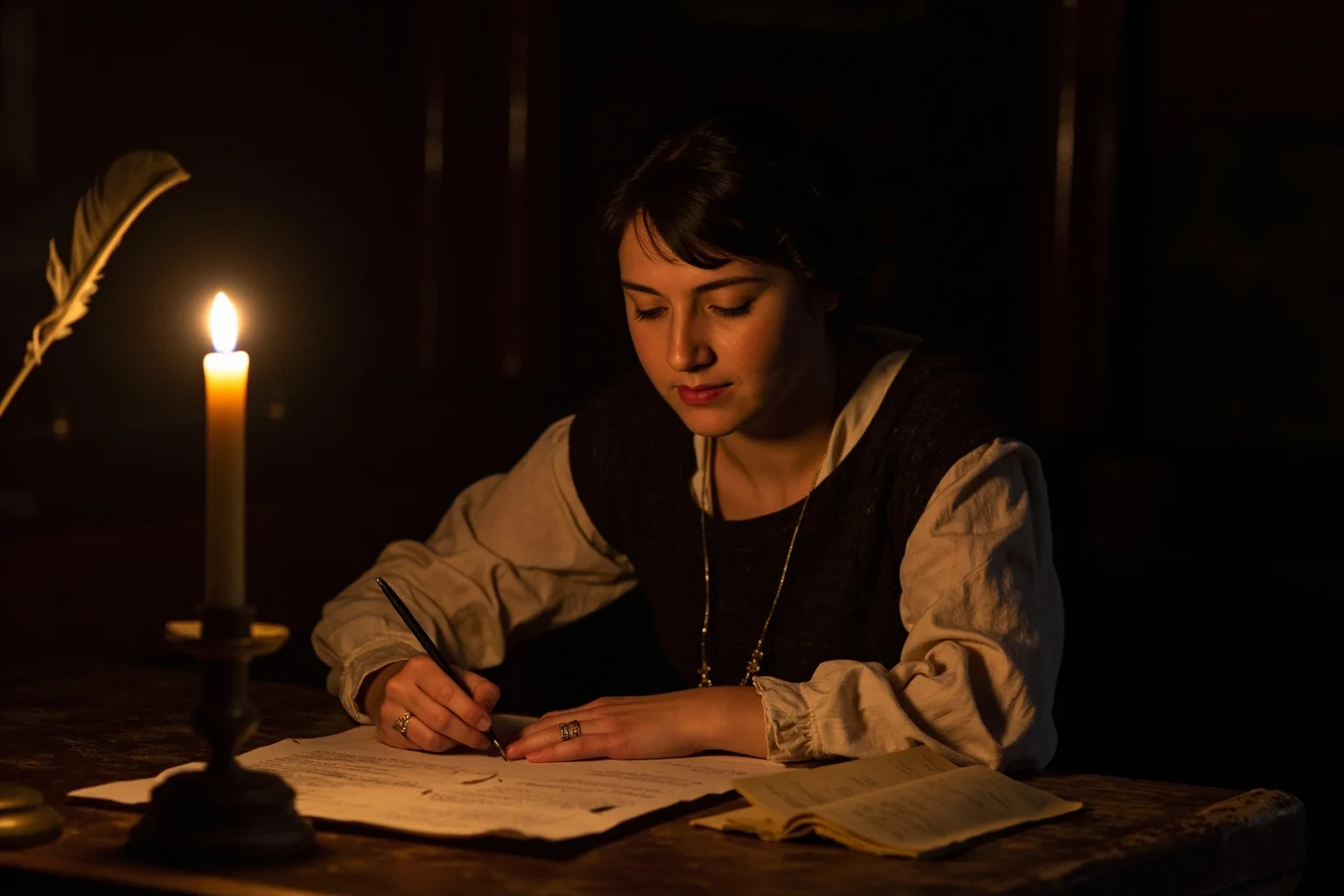
In 1780, Esther de Berdt Reed organized the Ladies Association of Philadelphia, a fundraising campaign that went door to door collecting money directly for Continental soldiers. The effort raised a substantial sum, which was eventually used to purchase supplies for the troops, after Washington redirected the funds from cash bonuses to material goods.
This campaign is often cited as one of the first large-scale organized women’s fundraising efforts in American history. It demonstrated that women could mobilize political and financial support on a scale that rivaled formal government efforts.
17. Mercy Otis Warren, Writer and Propagandist
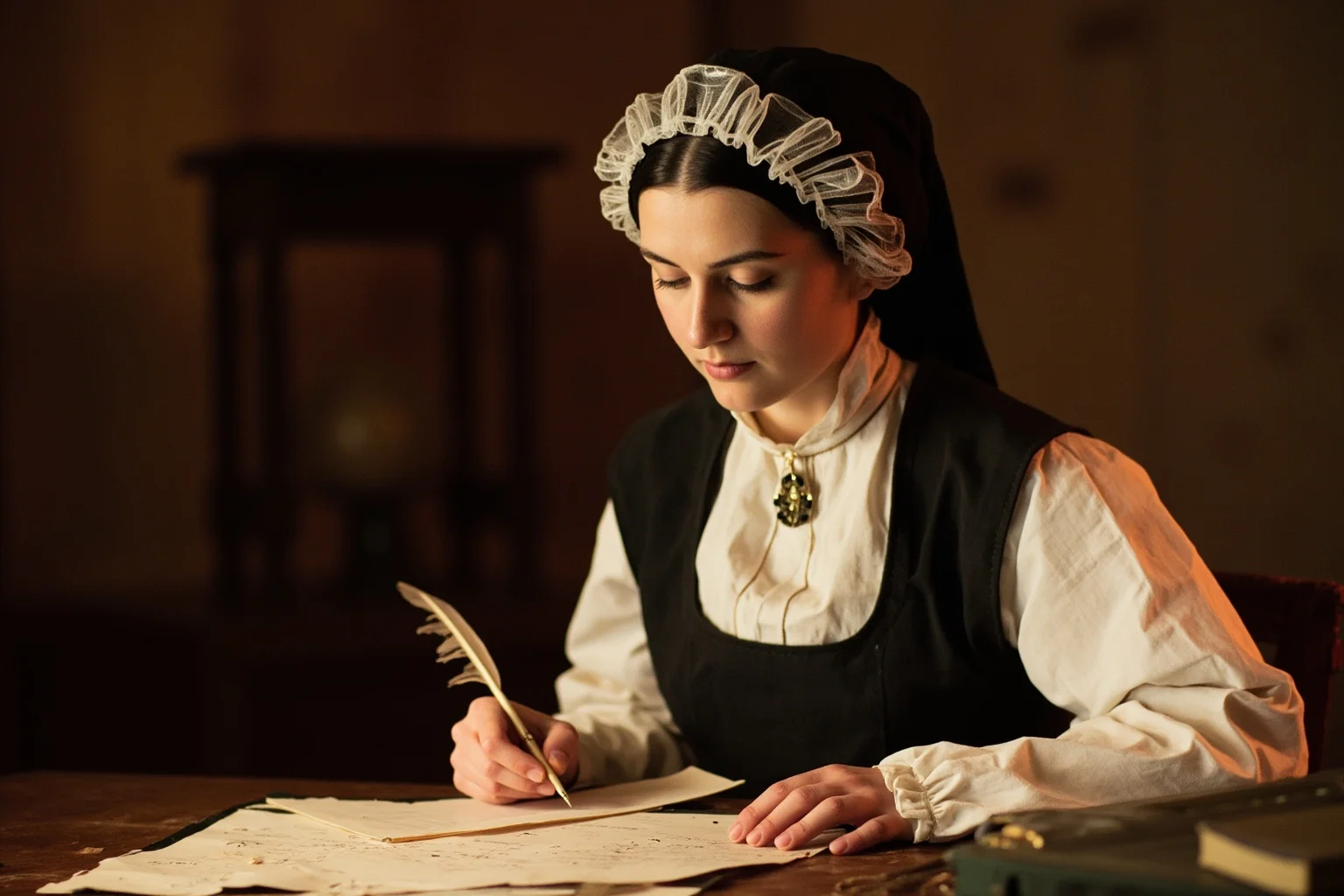
Mercy Otis Warren wrote plays, poems, and political essays that mocked British officials and promoted the Patriot cause, often publishing anonymously since open female authorship was unusual and risky. She later wrote one of the earliest histories of the Revolution itself, giving her a rare dual role as participant and chronicler.
Her work shaped public opinion at a time when few women had access to printing presses or political platforms. She’s a strong answer to anyone asking about important women in the American Revolution whose influence was primarily intellectual rather than physical.
18. Abigail Adams and “Remember the Ladies”
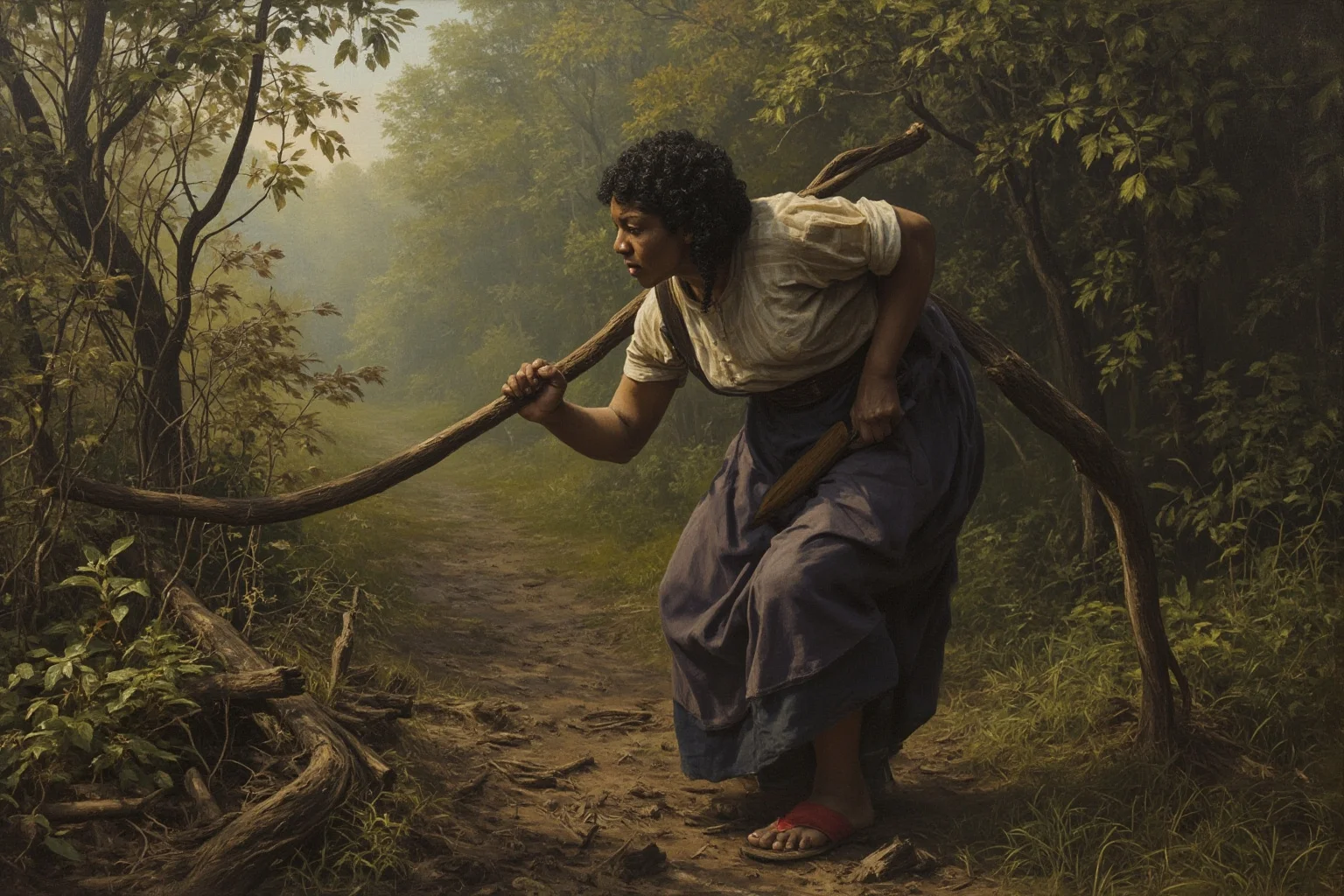
Abigail Adams maintained an extensive correspondence with her husband John Adams throughout the war, offering political analysis, farm management updates, and social commentary. In an often-cited 1776 letter, she urged him to “remember the ladies” when drafting new laws, an early written call for women’s legal consideration.
Her letters didn’t change law immediately, and women’s legal status changed very little in the short term. They remain, however, one of the clearest documented voices asking what role women should play in the new nation being built.
Enslaved, Free Black, and Native American Women
19. Enslaved Women’s Wartime Choices
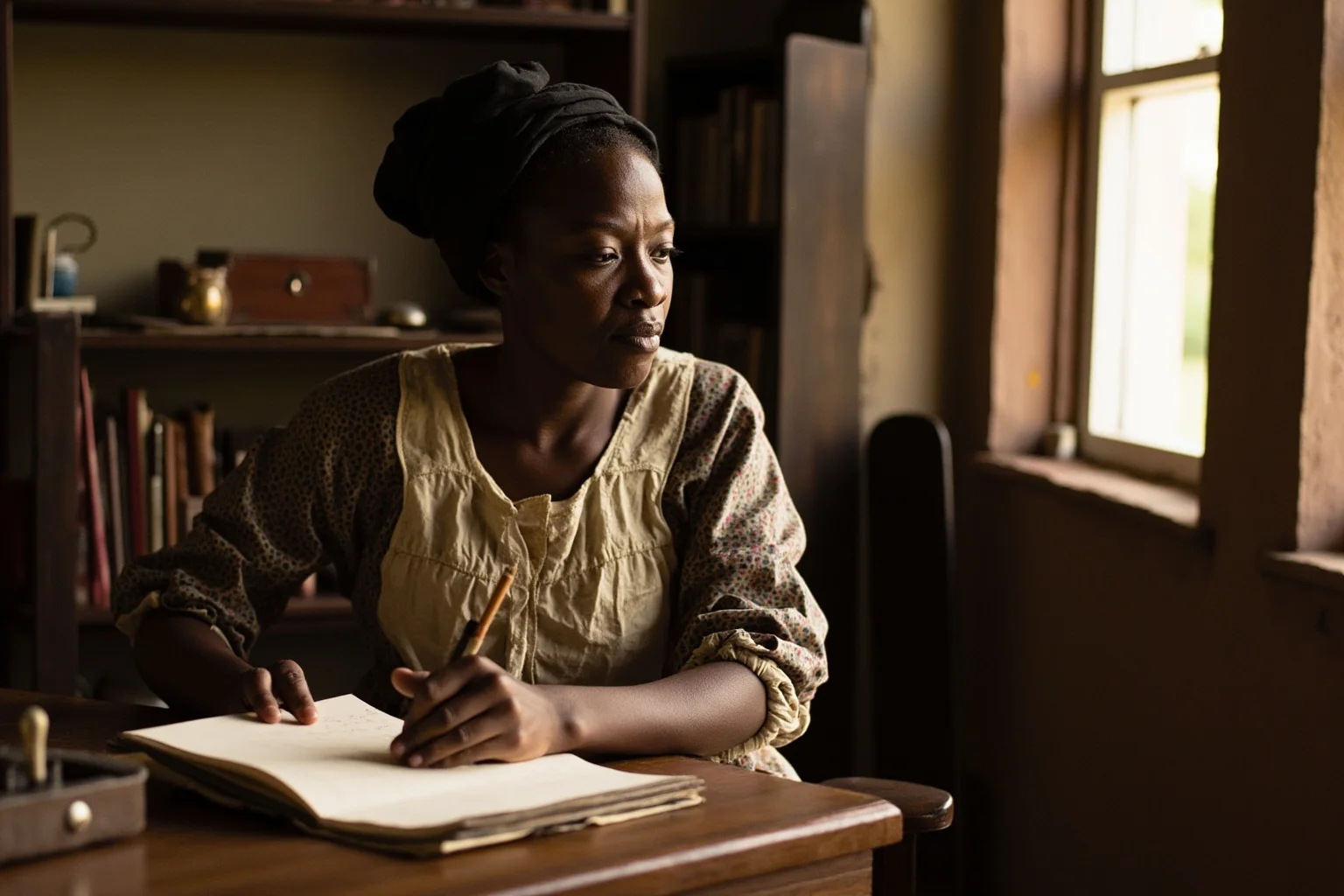
For enslaved women, the Revolution created both danger and a narrow window of opportunity, since chaos and shifting front lines sometimes allowed escape to British lines or free territory. The British offered freedom to enslaved people who left Patriot enslavers, a promise many women weighed against enormous personal risk.
Thousands of enslaved people, including many women, sought freedom during the war years through flight or negotiation. Their choices rarely appear in official Revolutionary narratives, despite representing some of the highest-stakes decisions made during the conflict.
20. Phillis Wheatley’s Poetry
Phillis Wheatley, a formerly enslaved poet, wrote verse that engaged directly with the ideals of liberty being debated around her, including a poem addressed to George Washington in 1776. Her published work made her one of the first Black women in the colonies to gain widespread recognition as an author.
Her writing highlighted the uncomfortable contradiction between revolutionary rhetoric about freedom and the ongoing reality of slavery. That tension became a recurring theme in American political debate long after the war ended.
21. Native American Women and Wartime Displacement
Native American communities were divided over which side, if any, to support, and women within these communities often bore the burden of resulting displacement and violence. Villages were burned and food supplies destroyed as both British and American forces sought to punish or pressure Native nations allied against them.
Women in groups like the Haudenosaunee (Iroquois Confederacy) played significant roles in council decisions in some nations, giving them influence over whether and how their communities engaged with the conflict. The war’s aftermath often brought further land loss regardless of which side a nation had supported.
Loyalist Women
22. Women Who Supported the Crown
Not all colonial women backed independence, and Loyalist women faced their own hardships, including property seizure, harassment, and forced relocation when Patriot sentiment took over their communities. Some fled to Canada or Britain, leaving behind homes and social standing built over generations.
Their experience is a useful reminder that women and the American Revolution isn’t a single, unified story. Political division ran through households just as it ran through legislatures, and women were active participants on both sides of that split.
How the American Revolution Changed the Status of Women
So how did the Revolution affect the status of women in concrete terms? The honest answer is: less than the rhetoric of liberty might suggest, at least in the short term. Most legal restrictions on married women’s property rights, voting, and public office remained firmly in place after 1783.
That said, two real shifts are worth identifying. First, the concept of “Republican Motherhood” emerged, the idea that women needed a solid education to raise virtuous, informed citizens for the new republic, which helped expand girls’ access to schooling in the following decades. Second, women’s public organizing during the war, from boycotts to fundraising drives, created a template for collective political action that resurfaced in later reform movements, including abolition and eventually suffrage.
The war also left many women running households and farms independently for extended periods, giving them practical experience in financial and legal matters they hadn’t previously handled. That experience didn’t translate into new legal rights immediately, but it quietly reshaped expectations within individual families and communities.
Final Thoughts
Women’s role in the American Revolution was never a footnote, even though it was often written as one. From spinning wheels to spy networks, from cannon fire to congressional letters, women shaped the war’s outcome and the nation that followed it.
Some of the most famous stories, like Molly Pitcher or Sybil Ludington, deserve a careful, myth-aware reading rather than blind repetition. But the well-documented cases, Deborah Sampson’s service, Esther Reed’s fundraising campaign, Abigail Adams’s letters, and many more, make it clear that the Revolution simply doesn’t add up without women’s contributions. Many of them deserve a spot among history’s most powerful women, even if textbooks have been slow to add their names.
Frequently Asked Questions
How did women aid in the American Revolution?
Women aided the American Revolution in many overlapping ways: running farms and businesses while men were away, organizing boycotts and homespun cloth production, serving as camp followers who cooked and nursed the wounded, passing intelligence as spies and messengers, fundraising for the Continental Army, and in a handful of well-documented cases, serving directly in combat, like Deborah Sampson and Margaret Corbin. Their labor on the home front was just as essential to the war effort as anything happening on the battlefield.
What role did women play in the American Revolution?
Women played roles across nearly every part of Revolutionary society, including household management, political organizing, military support, espionage, and propaganda writing. Figures like Mercy Otis Warren shaped public opinion through writing, while Esther Reed organized major fundraising campaigns, and countless unnamed women kept farms and local economies functioning throughout the war.
How did the American Revolution impact women’s status in society?
In the short term, the Revolution changed little about women's formal legal rights, since property, voting, and political restrictions mostly remained intact after 1783. It did, however, encourage the idea of 'Republican Motherhood,' which expanded girls' access to education, and it modeled organized political action that later reform movements would build on.
Can you identify two ways the American Revolution affected women?
Two clear effects were the rise of Republican Motherhood, which increased support for educating girls so they could raise informed citizens, and the normalization of organized women's political action, seen in boycotts and fundraising drives, which set a precedent for later social and reform movements.
Who were some important women in the American Revolution?
Notable figures include Abigail Adams, known for her political correspondence with John Adams; Deborah Sampson, who served disguised as a male soldier; Mercy Otis Warren, a prolific Patriot writer; Esther Reed, who led a major fundraising campaign for soldiers; and Phillis Wheatley, whose poetry engaged directly with revolutionary ideals of liberty.
Is the story of Molly Pitcher historically accurate?
The Molly Pitcher legend is likely inspired by a real woman, possibly Mary Ludwig Hays, who carried water and may have helped operate artillery at the 1778 Battle of Monmouth. However, historians note the popular version of the story blends multiple accounts and later embellishments, so it should be treated as folklore grounded in a real pattern rather than a fully verified single event.

Alex Warren
Related Articles





