

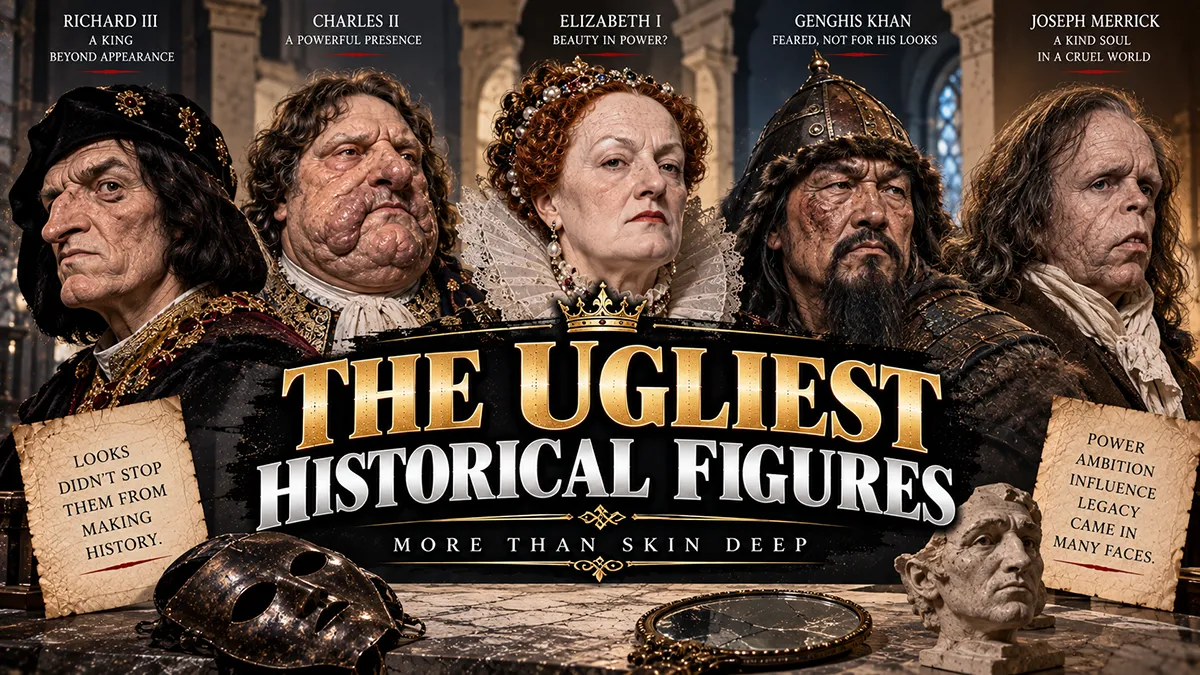
Every generation seems to argue about who deserves the title of the world’s most ugly person, and history is no exception. Long before internet forums and clickbait rankings, chroniclers, court gossips, and rival dynasties were already trading insults about kings, queens, and philosophers they found physically unappealing.
The trouble is that most of these judgments tell us far more about politics, propaganda, and shifting beauty standards than they do about anyone’s actual face.
In this piece, we’re taking a myth-busting tour through the historical figures most often labeled ugly, unattractive, or grotesque by their contemporaries or by later legend.
Some of these reputations were manufactured for political reasons, some came from medical conditions we understand very differently today, and a few were simply cruel jokes that stuck for centuries. We’ll separate the documented history from the exaggeration wherever the sources allow it.
TL;DR: Most historical claims about the “ugliest people in the world” turn out to be propaganda, court gossip, or the fallout of medical conditions rather than reliable physical description.
Why ‘Ugliest’ Is a Trickier Question Than It Sounds
Beauty standards have never been fixed. What one century praised — pale skin, a receding hairline, a heavy brow — another century mocked outright. That alone makes any ranking of the ugliest people on the planet a moving target rather than a settled fact.
On top of that, many of the harshest descriptions we still repeat today came from political enemies. Calling a rival ruler physically repulsive was a cheap, effective way to undermine their authority without ever mentioning policy.
Portraits were also frequently unflattering or flattering depending entirely on who commissioned them, which means we’re often judging faces we’ve never actually seen accurately.
Finally, a disturbing number of people labeled “the ugliest person on earth” throughout history were living with real, undiagnosed medical conditions and were put on public display for profit. Their stories deserve context and compassion, not ridicule, and we’ll treat them that way here.
1. Socrates — The Philosopher Contemporaries Called Ugly
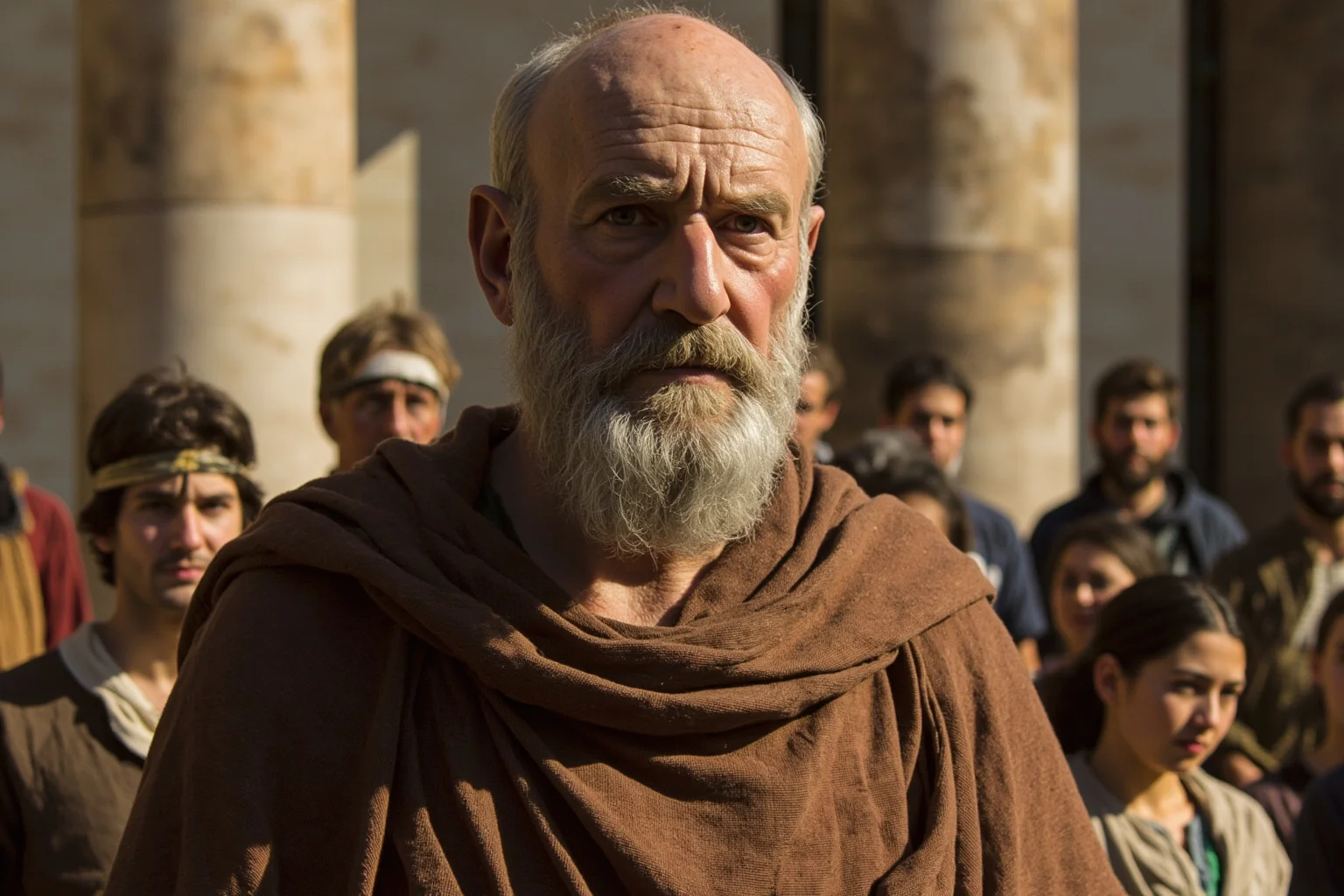
Ancient Greek sources are refreshingly blunt about Socrates, one of the smartest people in history. In Plato’s “Symposium” and Xenophon’s writings, Socrates himself jokes about his snub nose, bulging eyes, and thick lips, comparing himself to a satyr.
What’s notable is that Socrates apparently embraced the reputation rather than fighting it. Ancient Athens valued physical beauty highly, so his willingness to be celebrated purely for his mind made his supposed ugliness part of his philosophical brand rather than a source of shame.
2. Attila the Hun — Feared Warlord, ‘Unsightly’ by Roman Accounts
The Roman diplomat Priscus, who actually met Attila in the 5th century, left one of the only firsthand physical descriptions we have. Later writers like the historian Jordanes, drawing partly on Priscus, described Attila as short, swarthy, with a flat nose and small, deep-set eyes.
It’s worth remembering that Roman writers had every incentive to make the leader of an invading force sound as frightening and unattractive as possible. That doesn’t mean the description is false, but it does mean it should be read as wartime characterization, not neutral portraiture.
3. Emperor Claudius — Rome’s Awkward, Unlovely Ruler
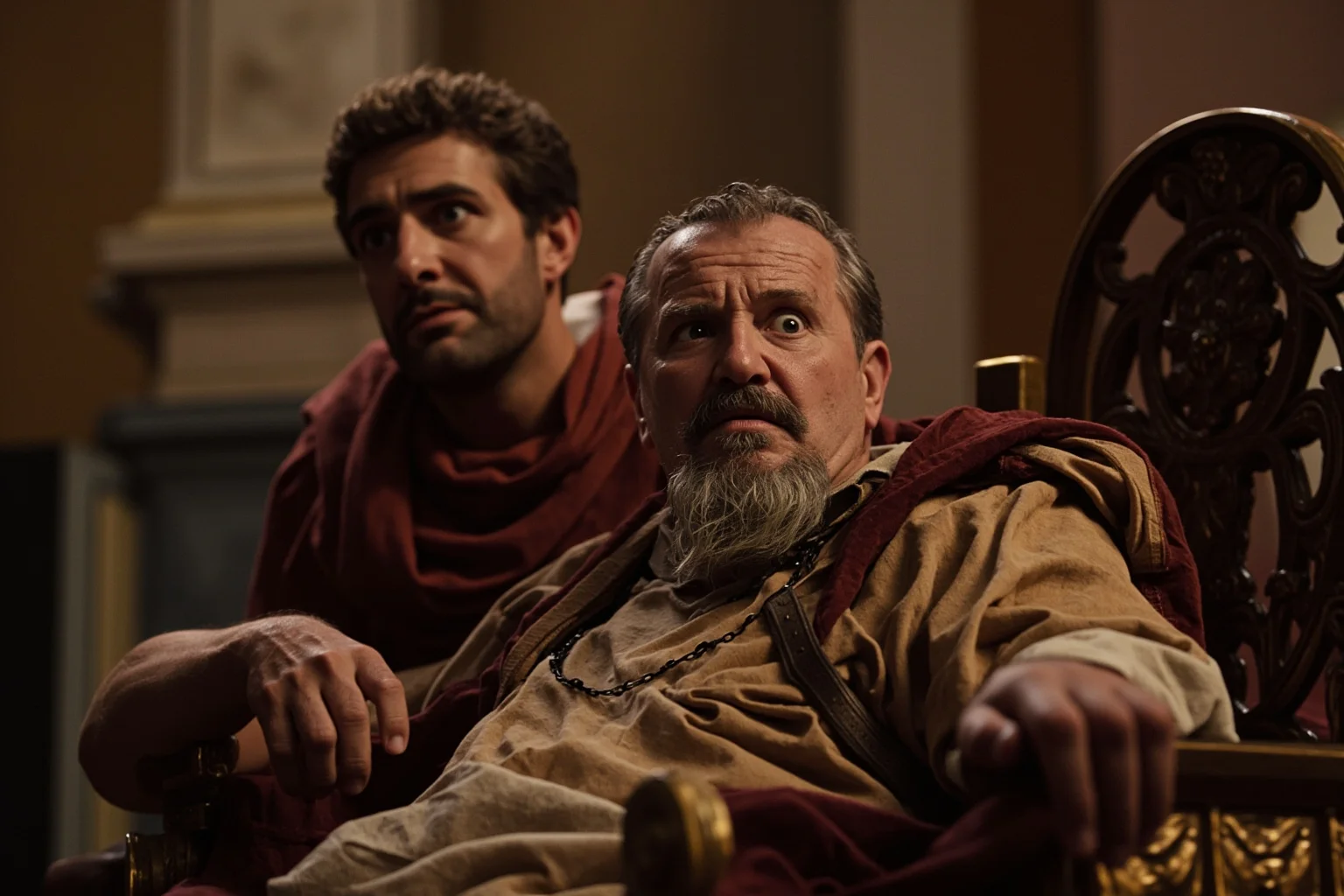
The Roman historian Suetonius describes Emperor Claudius as having a stammer, a tendency to drool, knees that gave way, and an unsteady gait, likely caused by a neurological condition present since childhood. His own family reportedly considered him an embarrassment for much of his early life.
Modern historians suspect Claudius may have had cerebral palsy or a related condition, which would explain the tremors and speech difficulties ancient writers described so unkindly. He went on to rule competently for over a decade, which suggests Rome’s mockery said more about ancient prejudice than about his actual ability.
4. Richard III — The Hunchback Myth Tudor Propaganda Built
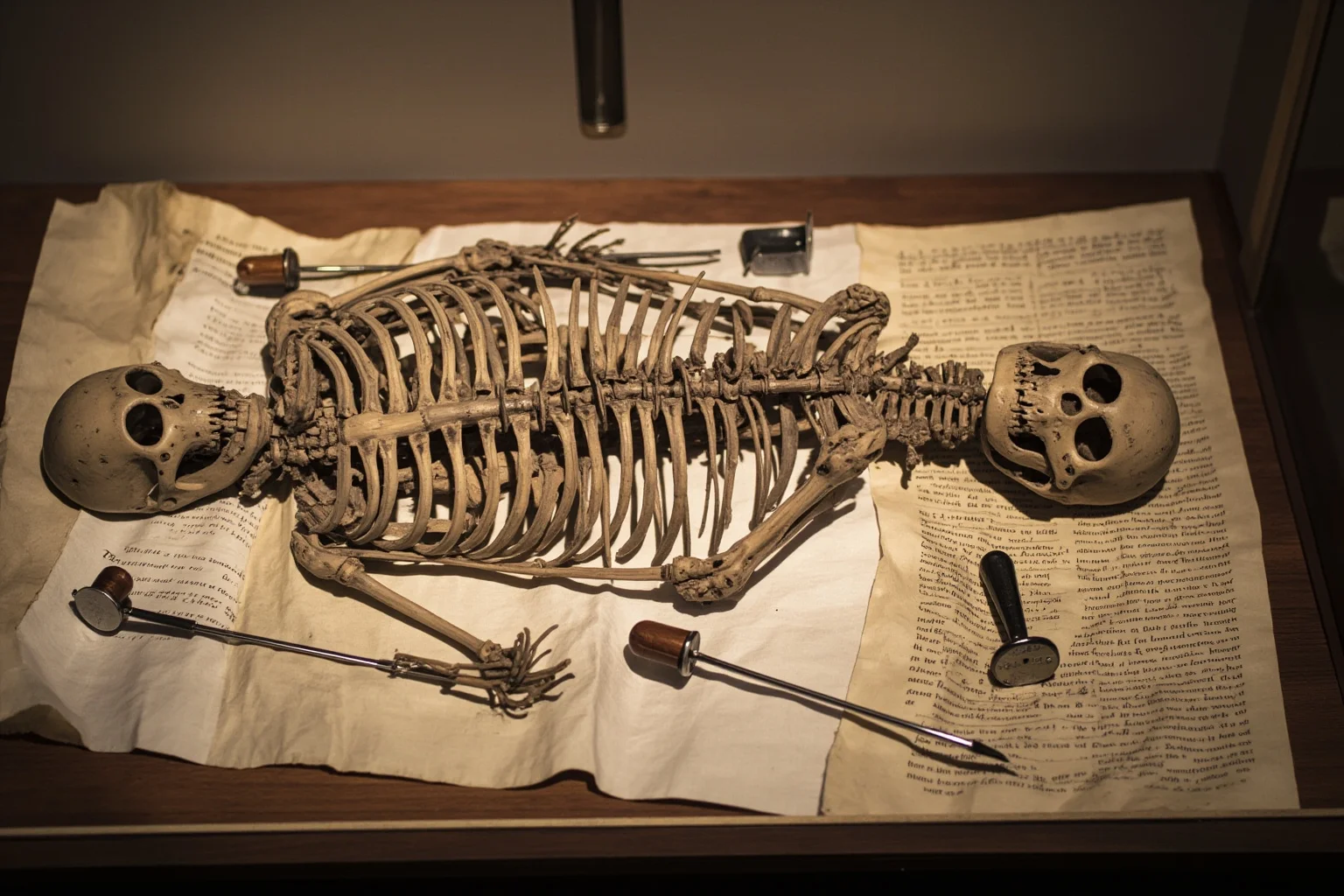
Richard III is remembered thanks to Shakespeare as a twisted, limping villain, but that image was largely built after his death by Tudor writers eager to please the new dynasty that had defeated him. When Richard’s actual skeleton was discovered under a Leicester car park in 2012, archaeologists found scoliosis, a sideways spinal curve, but nothing like the hunchback of legend.
The scoliosis may have made one shoulder appear higher than the other, but historians now generally agree it would not have produced the grotesque image handed down through centuries of political storytelling. It’s one of the clearest examples of how quickly “ugly” reputations can be manufactured for reasons that have nothing to do with appearance.
5. Charles V, Holy Roman Emperor — The Original Habsburg Jaw
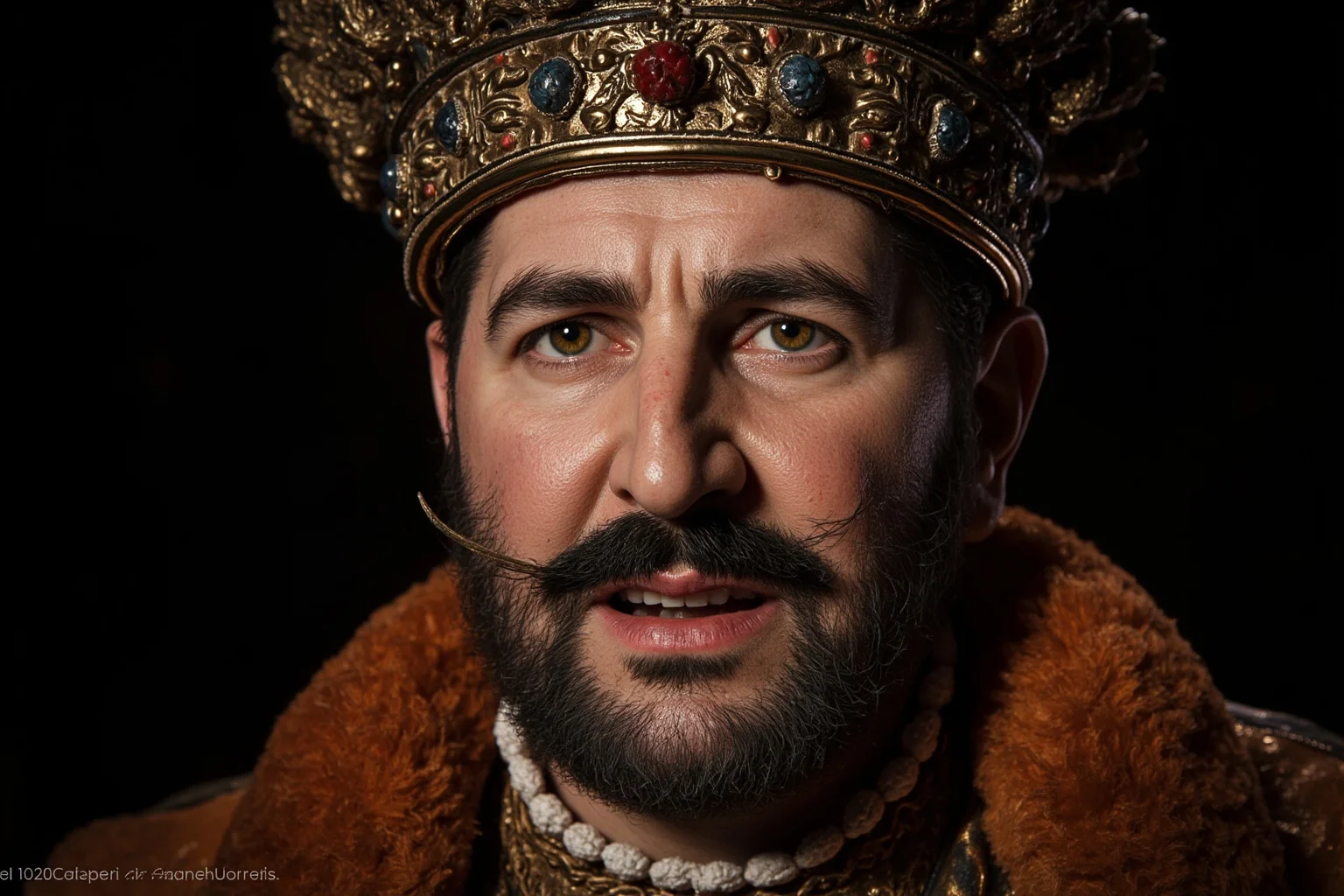
Charles V ruled a vast European empire in the 16th century, but he’s remembered almost as much for his pronounced jaw and open-mouth appearance, a genetic trait known today as mandibular prognathism. Portraits and Venetian ambassadors alike noted his prominent jaw made it difficult for him to close his mouth fully or chew properly.
This trait, often called the “Habsburg jaw,” ran through generations of the family due to repeated intermarriage among European royalty. It’s a useful early case study in how a single family’s genetics became a recurring historical punchline.
6. Charles II of Spain — The Habsburg Jaw’s Final, Tragic Form
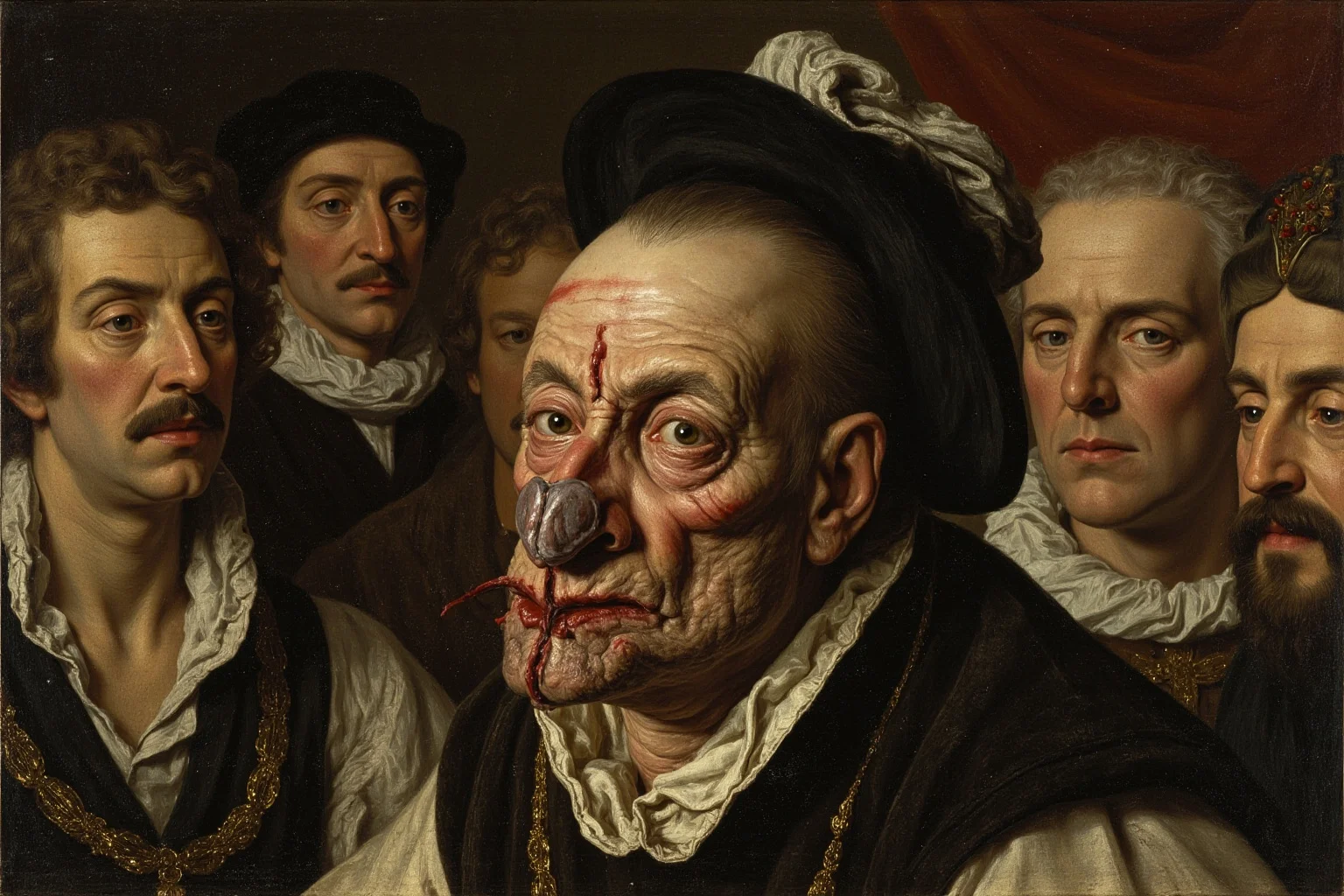
By the time the Habsburg jaw reached Charles II of Spain in the late 17th century, generations of close intermarriage had intensified the effect dramatically. Contemporary accounts and modern genetic studies of his family tree suggest he had severe dental and speech problems, along with numerous health issues likely tied to inbreeding.
Charles II is often cited as one of history’s most striking cautionary tales about dynastic marriage policy. His physical struggles were tragic rather than comic, and modern researchers treat his case as a genetics lesson more than a punchline.
7. Anne of Cleves — The ‘Flanders Mare’ and the Ugliest Princess Claim
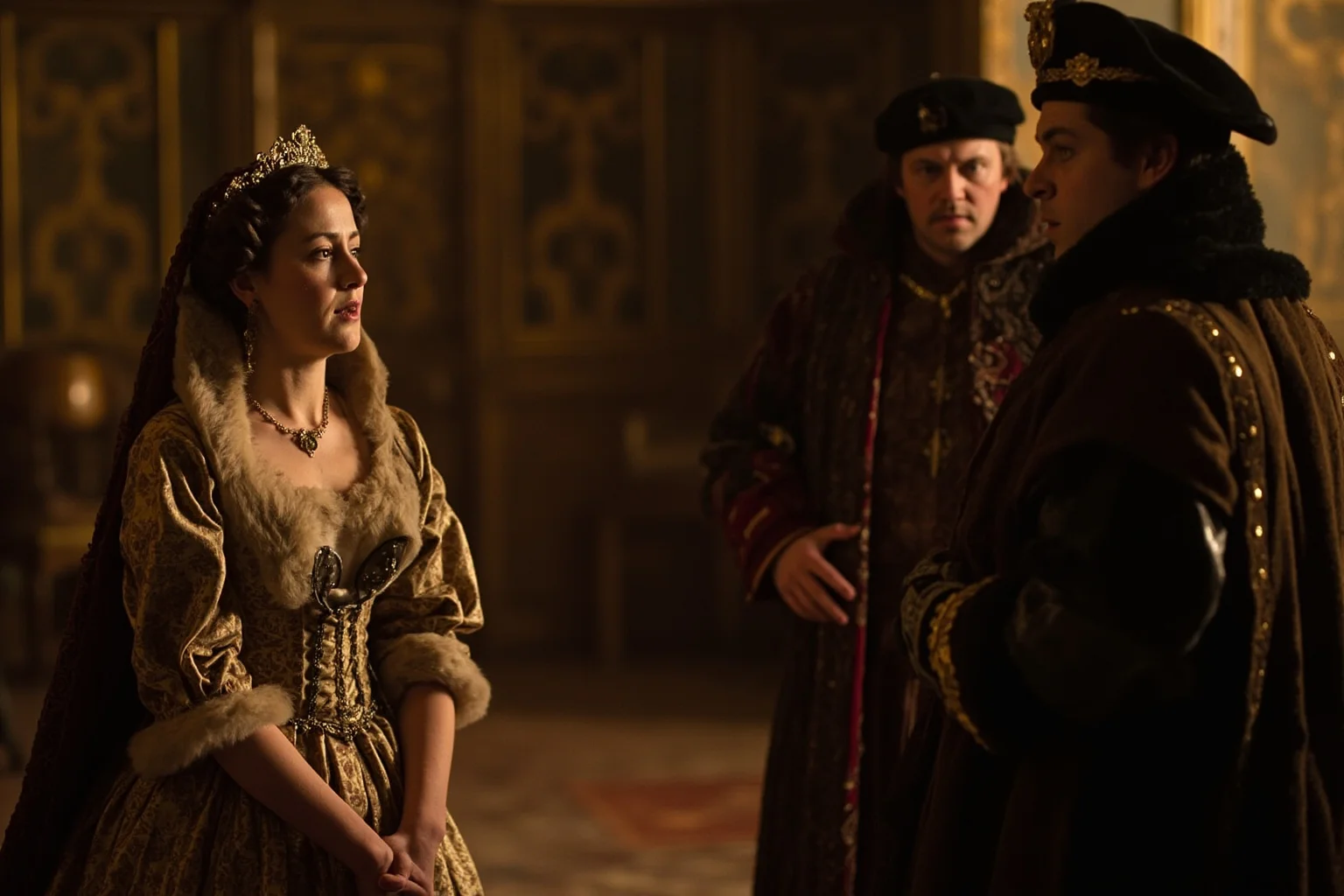
When people search for the ugliest princess in history, Anne of Cleves comes up constantly, largely because Henry VIII reportedly recoiled upon meeting her in 1540 and is said to have called her a “Flanders mare.” Yet the Hans Holbein portrait commissioned before their marriage shows a perfectly ordinary, pleasant-looking young woman by the standards of the time.
Many historians now believe Henry’s reaction was as much about wounded pride and a failed political marriage as it was about her actual looks. Anne went on to negotiate a generous annulment settlement and lived comfortably afterward, arguably outsmarting the entire situation.
8. Elizabeth I — Smallpox, Wigs, and the Mask of Youth
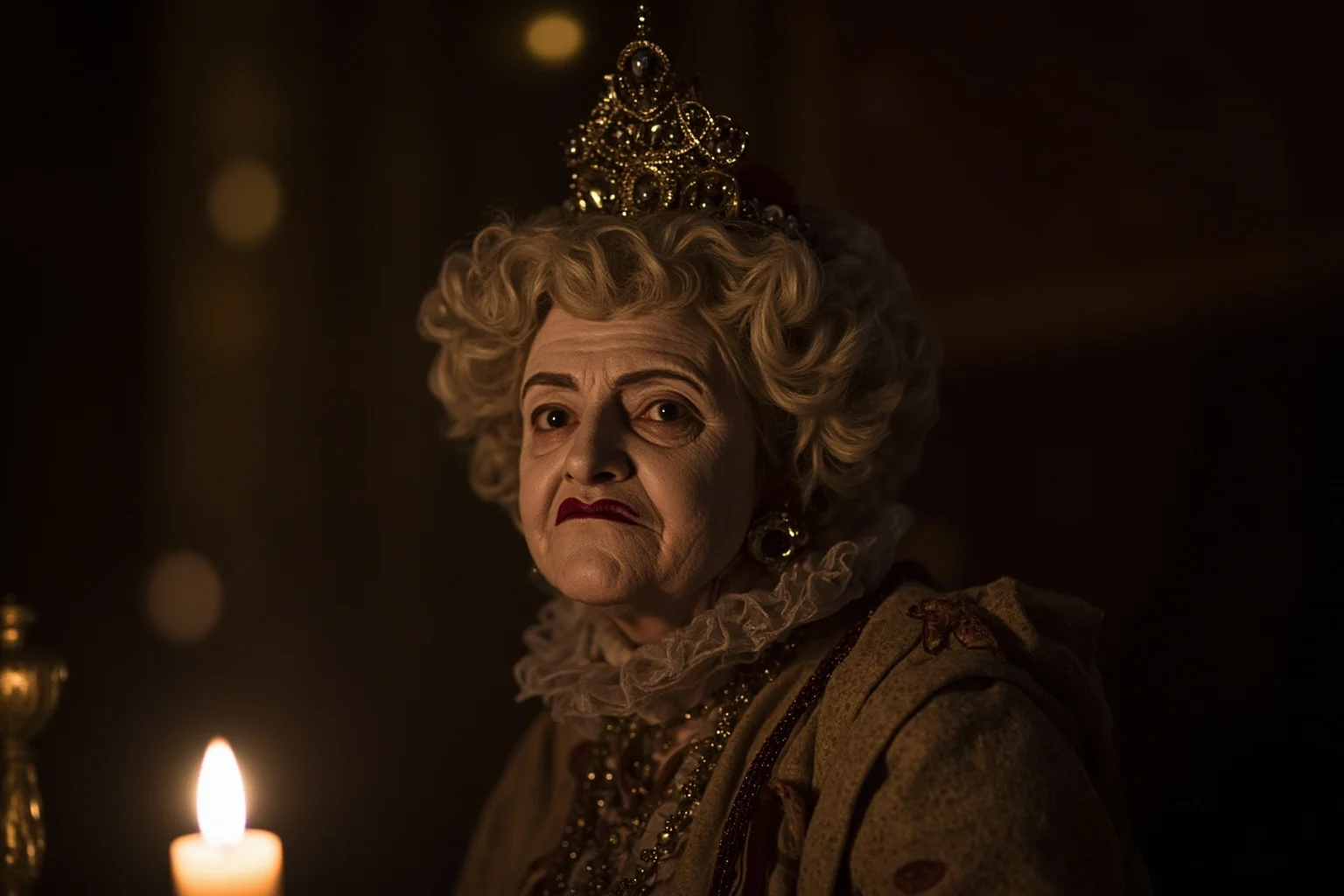
Elizabeth I survived smallpox in 1562, which left permanent scarring on her face. In response, she developed an elaborate routine of white lead-based makeup, wigs, and jewelry designed to mask the scarring and project an image of eternal youth to her court.
Her painted, mask-like later portraits were a deliberate political tool, not vanity alone, since a visibly aging or scarred queen risked being seen as weak in a male-dominated political world. It’s a reminder that some “ugly” reputations in history were really about illness and the desperate PR efforts built around it.
9. Peter the Great — A Giant With Unsettling Features
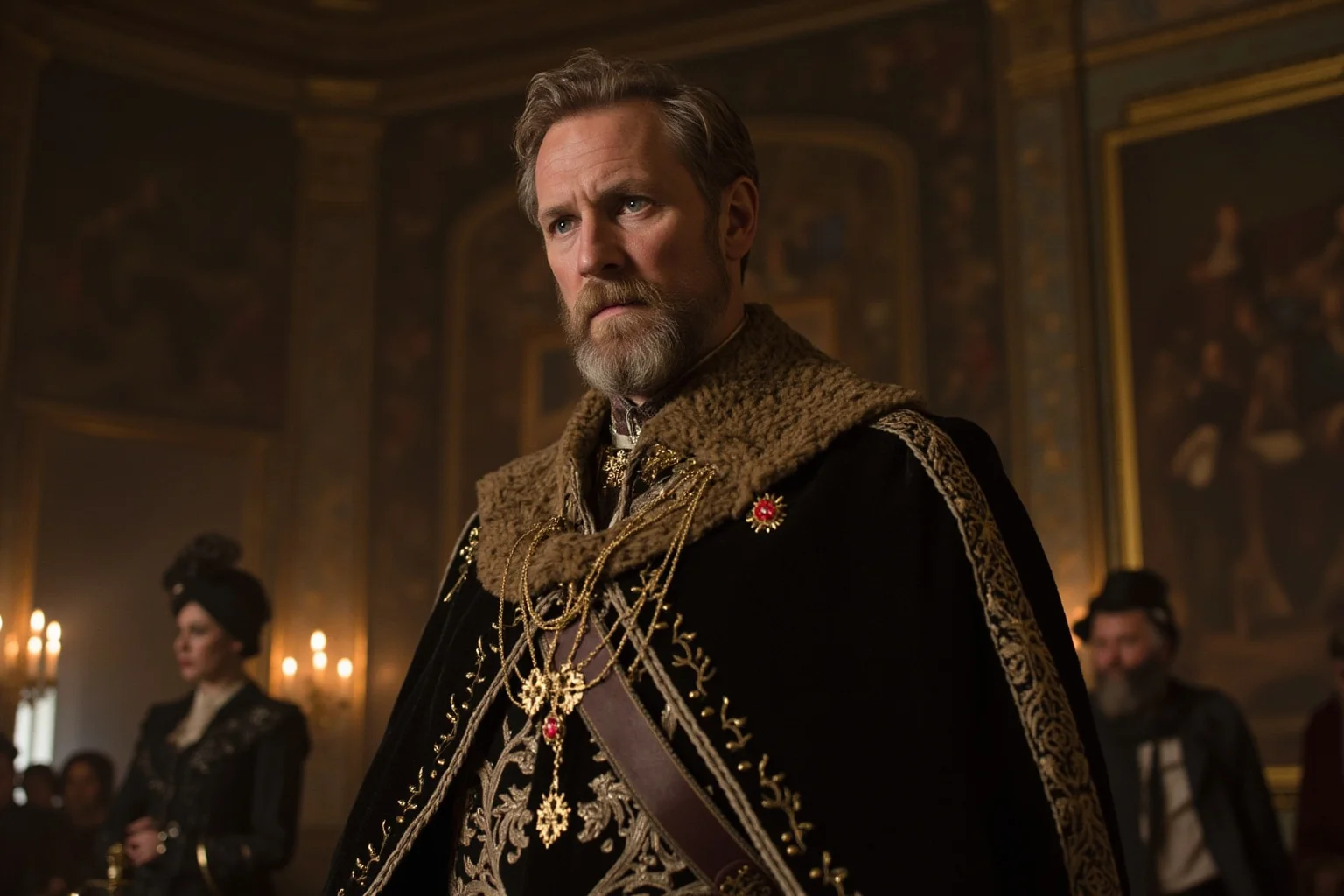
Standing around six feet seven inches tall, Peter the Great of Russia towered over nearly everyone he met, a height that would still place him among the tallest people in history, and several contemporary visitors described him as having an intense, unsettling presence along with facial tics, possibly linked to a nervous or neurological condition. Foreign diplomats sometimes described him as almost frightening to be near.
His physical presence became part of his political image, reinforcing his reputation as a force of nature reshaping Russia. Whether he counted among the ugliest people on earth by his era’s standards or simply seemed overwhelming is genuinely hard to separate from the awe he inspired.
10. Ivan the Terrible — Feared Face of a Feared Ruler
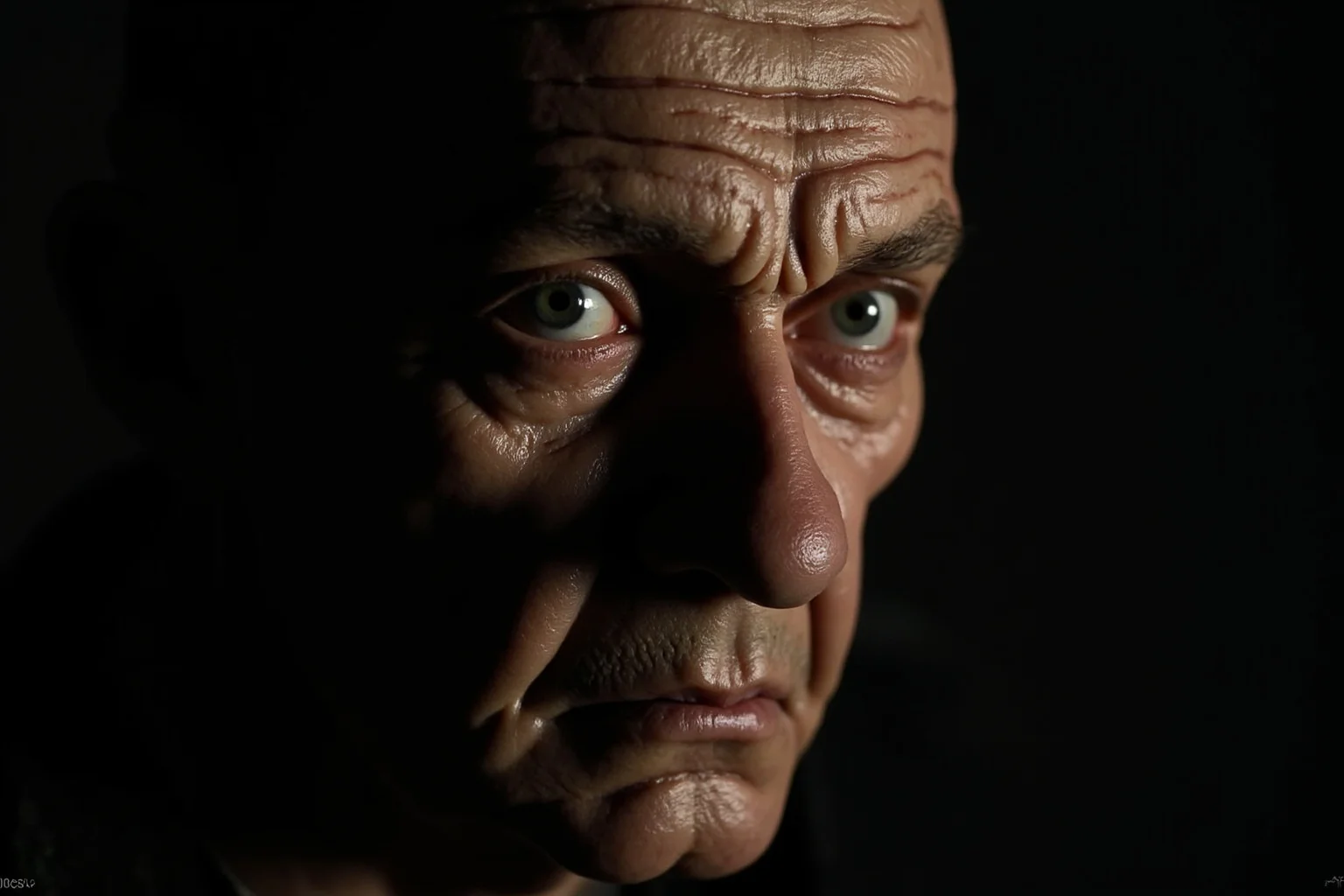
Forensic reconstructions based on Ivan the Terrible’s exhumed remains suggest a heavyset man who aged dramatically due to illness, stress, and possibly mercury poisoning from medicinal treatments of the era. Contemporary accounts describe him as increasingly gaunt and frightening in his final years, matching a brutal reputation that still earns him a place among history’s most evil figures.
As with several rulers on this list, it’s difficult to know how much of his “ugly” reputation reflects genuine appearance versus how thoroughly his cruelty colored the way people described him afterward. Fear has a way of making faces seem more monstrous in retrospect.
11. Abraham Lincoln — America’s Self-Deprecating ‘Ugly’ President
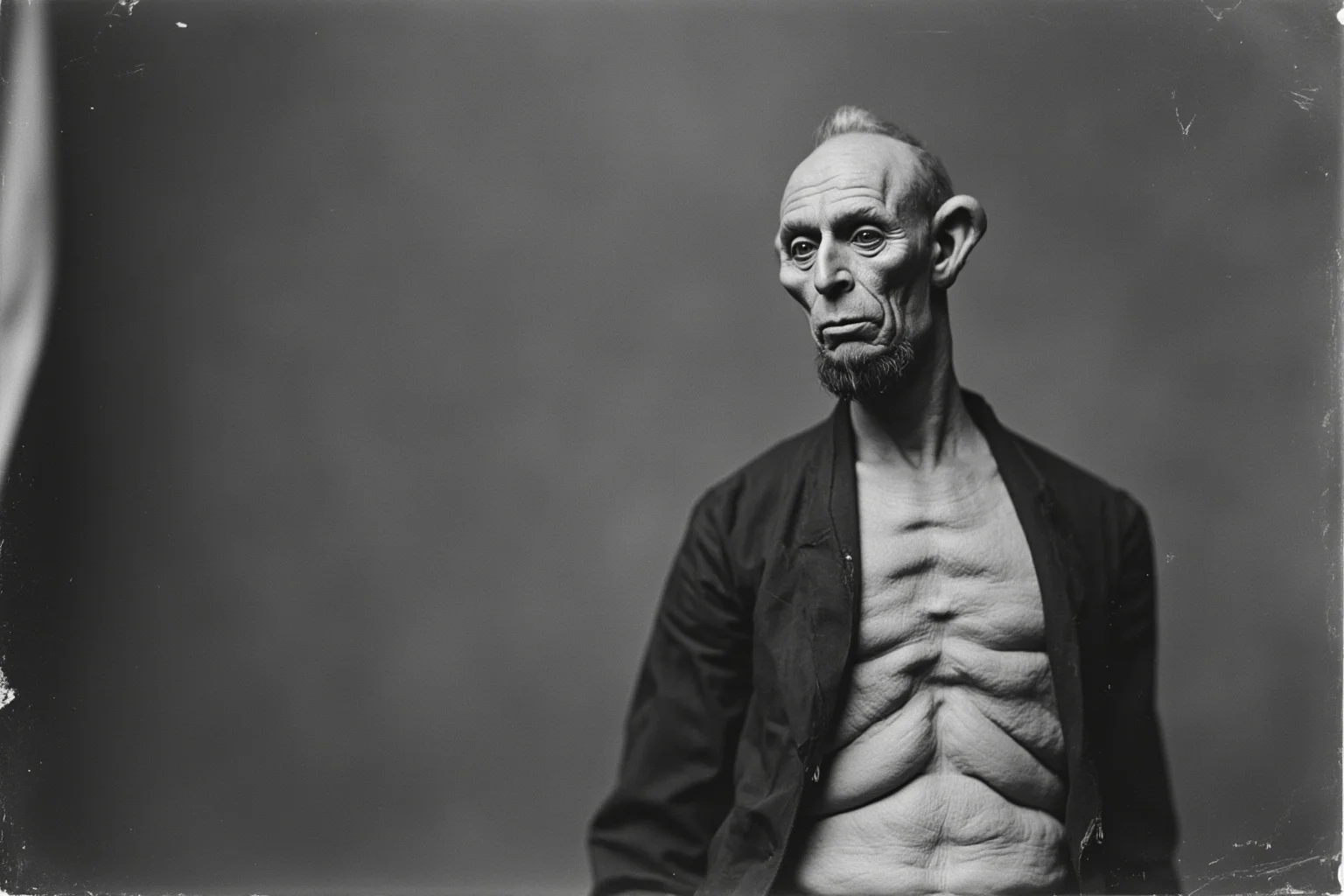
Abraham Lincoln frequently joked about his own gaunt frame, large ears, and angular features, reportedly once responding to an insult about his looks with dry humor rather than offense. Contemporary photographs, still a relatively new technology in the 1860s, captured his unconventional features in unflattering detail compared to painted portraits of earlier presidents.
Lincoln’s willingness to laugh at himself became part of his folksy political appeal rather than a liability. It’s a good early example of a public figure controlling his own “ugly” narrative instead of letting it control him.
12. Andrew Jackson — Gaunt, Scarred, and Underestimated
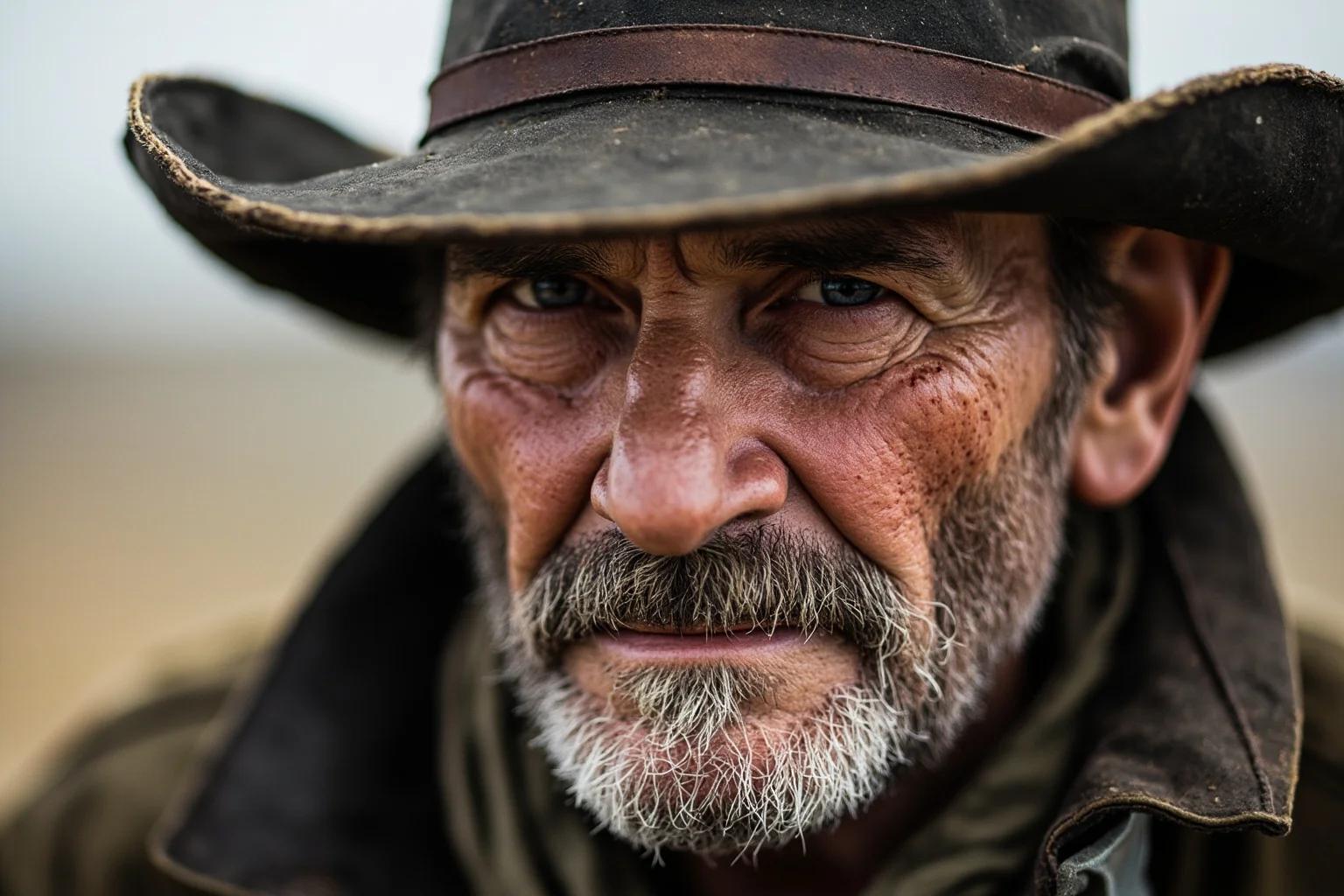
Andrew Jackson carried visible dueling scars and a lean, weathered face that contemporaries often described as harsh or severe rather than handsome. Chronic illness, including tuberculosis and the after-effects of old wounds, left him thin and pale for much of his adult life.
His intimidating look actually reinforced his tough, combative political persona during a brutal era of American frontier politics. Few accused Jackson of vanity, but plenty of allies and enemies alike commented on his fierce, weathered appearance.
13. Julia Pastrana — Exploited as ‘The World’s Ugliest Woman’
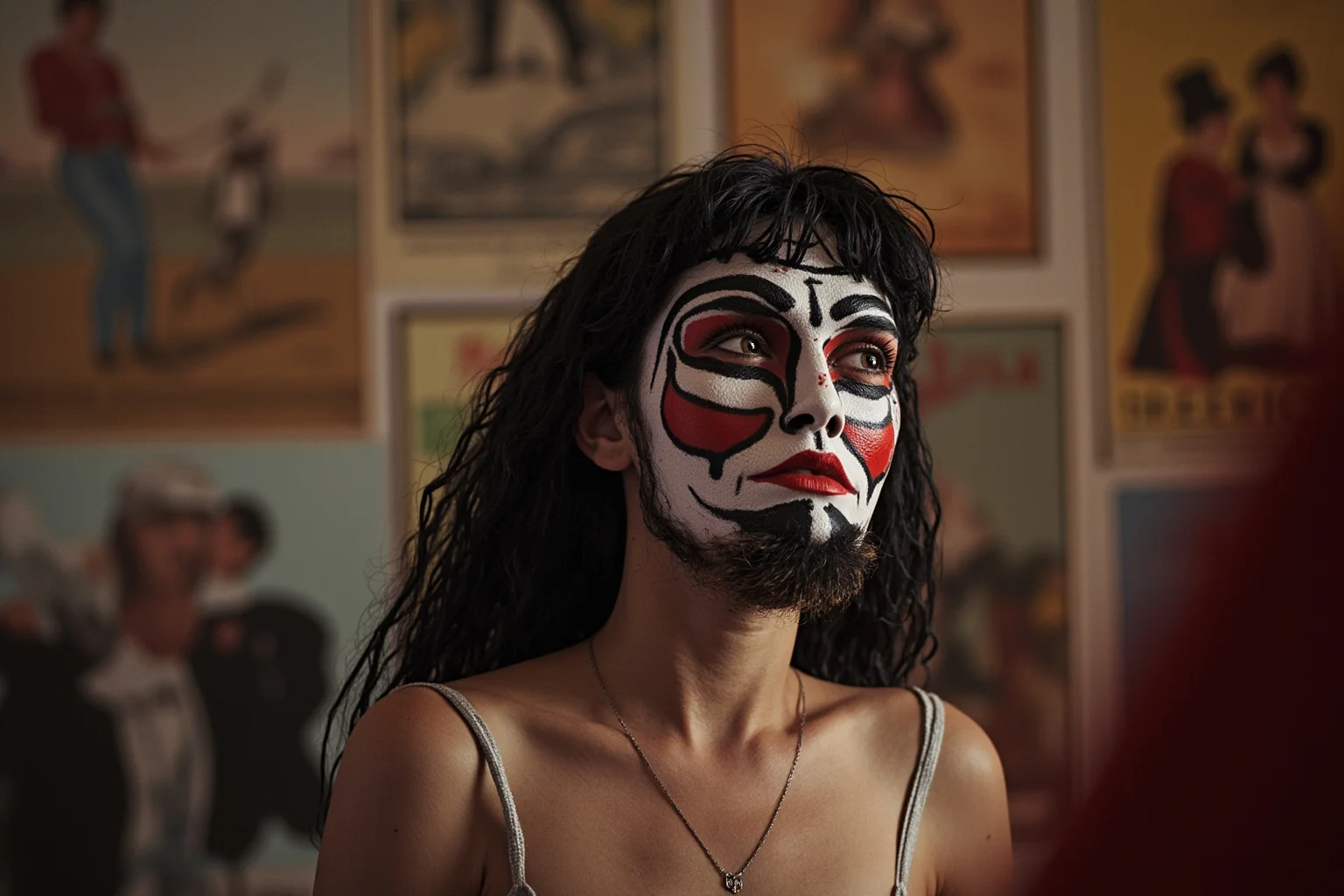
Born in Mexico in 1834, Julia Pastrana had a condition now believed to be generalized hypertrichosis combined with gum hyperplasia, causing excess facial hair and enlarged features. Her manager and later husband, Theodore Lent, exhibited her across Europe and the Americas under crude, dehumanizing billing as the world’s ugliest woman.
After her death in 1860, her embalmed body was displayed for shows for well over a century before finally being returned to Mexico and given a proper burial in 2013. Her story is now taught as a landmark example of Victorian-era exploitation rather than any real measure of a person’s worth.
14. Joseph Merrick — The Cruelty Behind ‘The Elephant Man’ Label
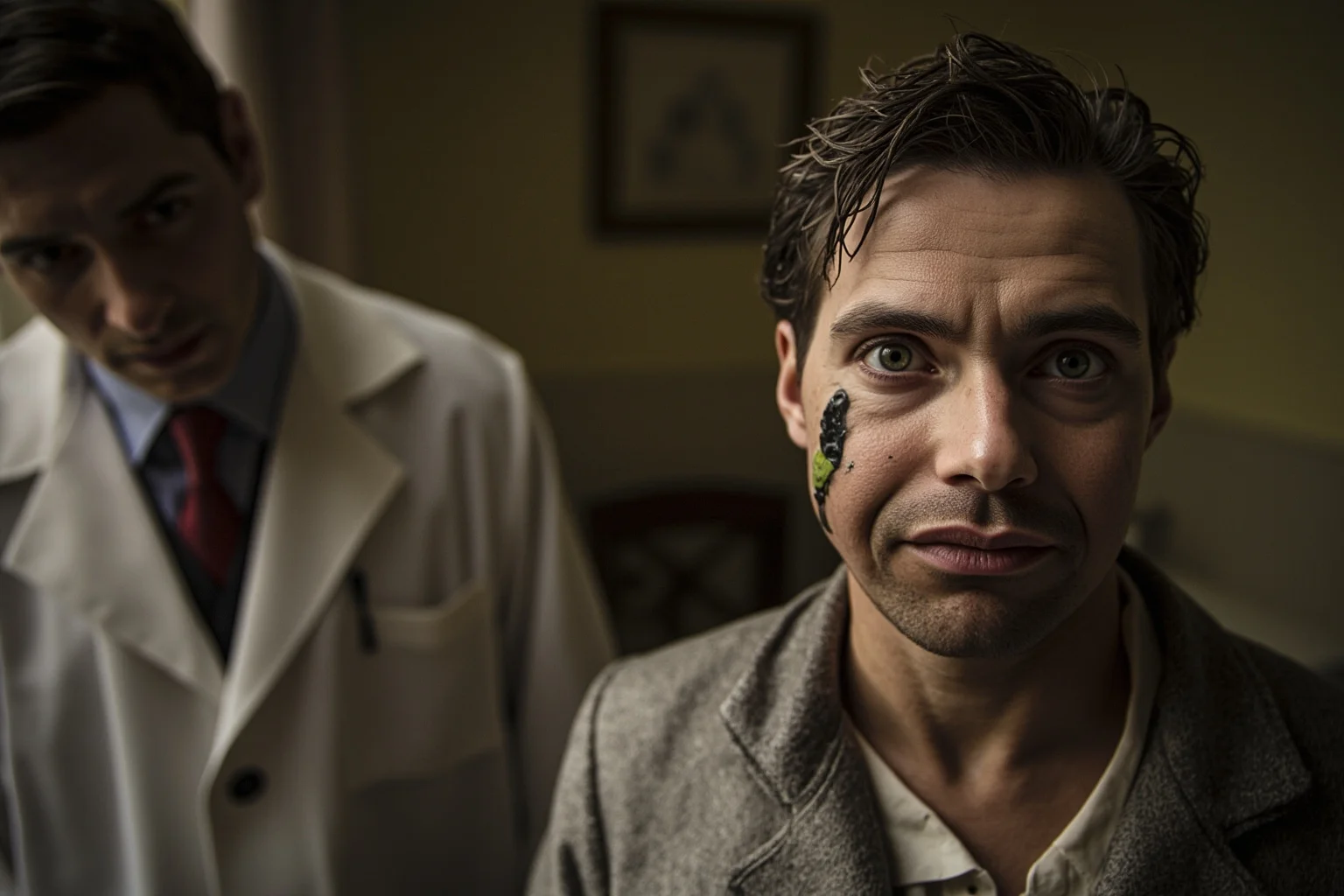
Joseph Merrick, born in England in 1862, developed severe physical deformities from childhood, likely caused by a rare condition such as Proteus syndrome, though the exact diagnosis remains debated by medical historians. He was exhibited in freak shows under the label “The Elephant Man” before eventually finding care and dignity under Dr. Frederick Treves at the London Hospital.
Contemporary letters and Treves’s own writings describe Merrick as intelligent, gentle, and deeply aware of how cruelly he was treated by onlookers. His story is now widely cited in medical ethics discussions as a turning point in how society began questioning the exploitation of people with visible differences.
15. Grigori Rasputin — The Mystic Many Called Repulsive
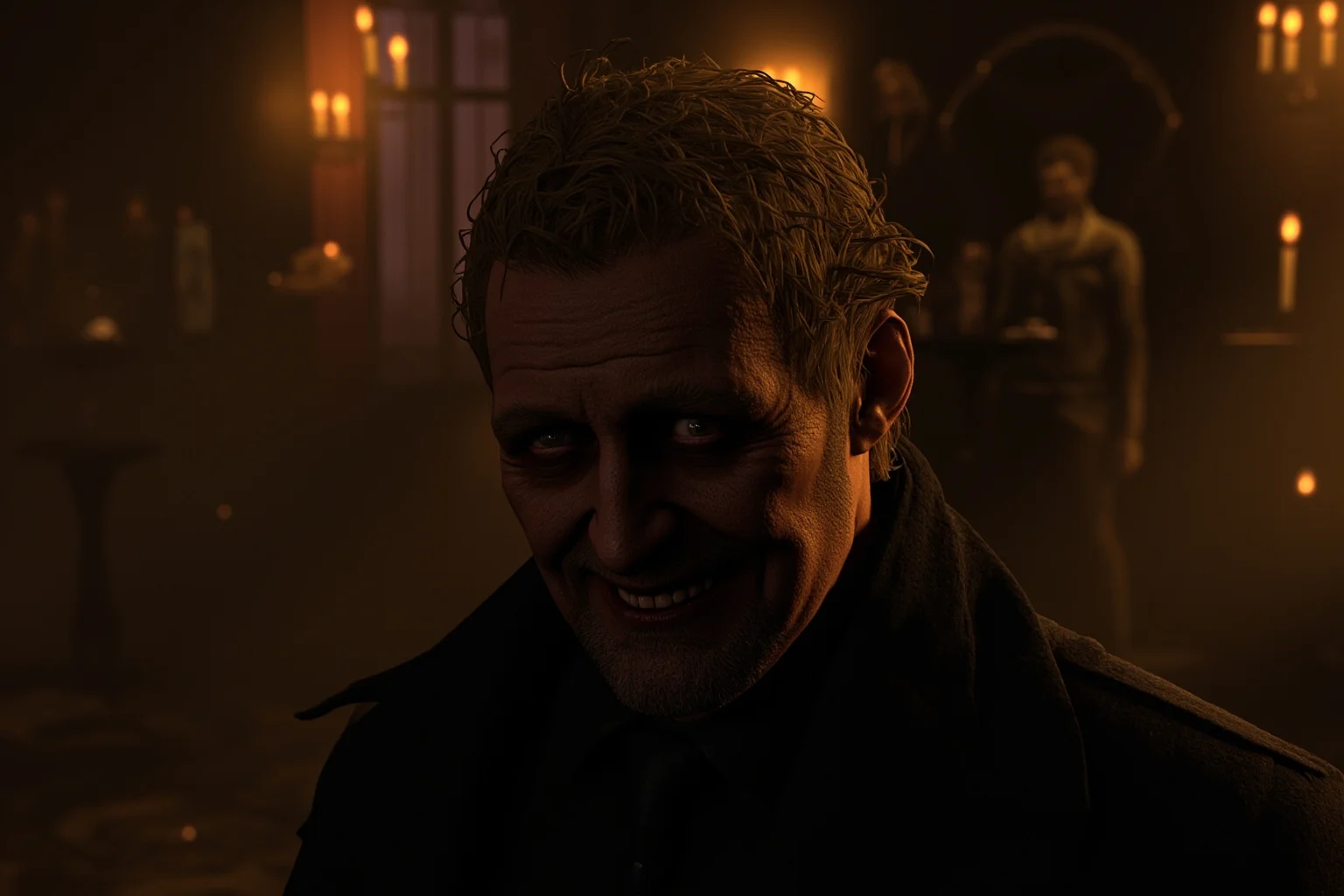
Contemporaries of Grigori Rasputin often described him as unkempt, with piercing eyes, matted hair, and a generally unsettling presence that some found magnetic and others found repulsive. Russian court gossip, already hostile to his political influence over the royal family, likely exaggerated his physical strangeness to match his scandalous reputation.
Much of what survives about his appearance comes filtered through people who despised him politically, making it hard to separate honest description from character assassination. His enduring image as sinister and ugly owes as much to legend as to verified fact.
16. Winston Churchill — Cartoonists’ Favorite ‘Ugly’ Bulldog
Winston Churchill was a favorite target of political cartoonists throughout his career, who exaggerated his round face, downturned mouth, and stocky build into a bulldog-like caricature. Churchill largely tolerated, and sometimes even encouraged, this image, since the bulldog comparison reinforced his tough, unyielding wartime persona.
Unlike many entries on this list, Churchill’s “ugly” reputation was mostly a media creation he leaned into rather than a hostile attack. It shows how a supposed flaw can be reframed into a political strength with the right messaging.
17. J.P. Morgan — The Ugly Rich Banker of the Gilded Age
Among ugly rich people from history, financier J.P. Morgan, one of the richest Americans in history, is one of the most frequently mentioned, largely due to rhinophyma, a skin condition that caused his nose to become notably enlarged and discolored later in life. Morgan was reportedly so sensitive about it that he insisted photographers, including Edward Steichen, retouch or avoid close-up shots of his face.
His wealth and influence meant caricaturists had a field day exaggerating the condition in political cartoons of the era. It’s a clear case where a treatable medical condition, not any lack of care for appearance, drove a lasting reputation.
18. John D. Rockefeller — Wealth, Illness, and a Changed Face

John D. Rockefeller, once the wealthiest man in America, lost all his hair, including his eyebrows and eyelashes, in the 1890s due to alopecia universalis, likely triggered by extreme stress. He wore wigs for the rest of his life and became notably self-conscious about his changed appearance in later photographs.
Unlike Morgan’s caricatured nose, Rockefeller’s baldness attracted more curiosity than cruelty, partly because alopecia was less understood and less mocked in cartoons of the day. Still, his story is another reminder that being among history’s wealthiest people offered no protection from harsh public scrutiny of appearance.
19. Cleopatra — The Myth-Bust That Flips the List
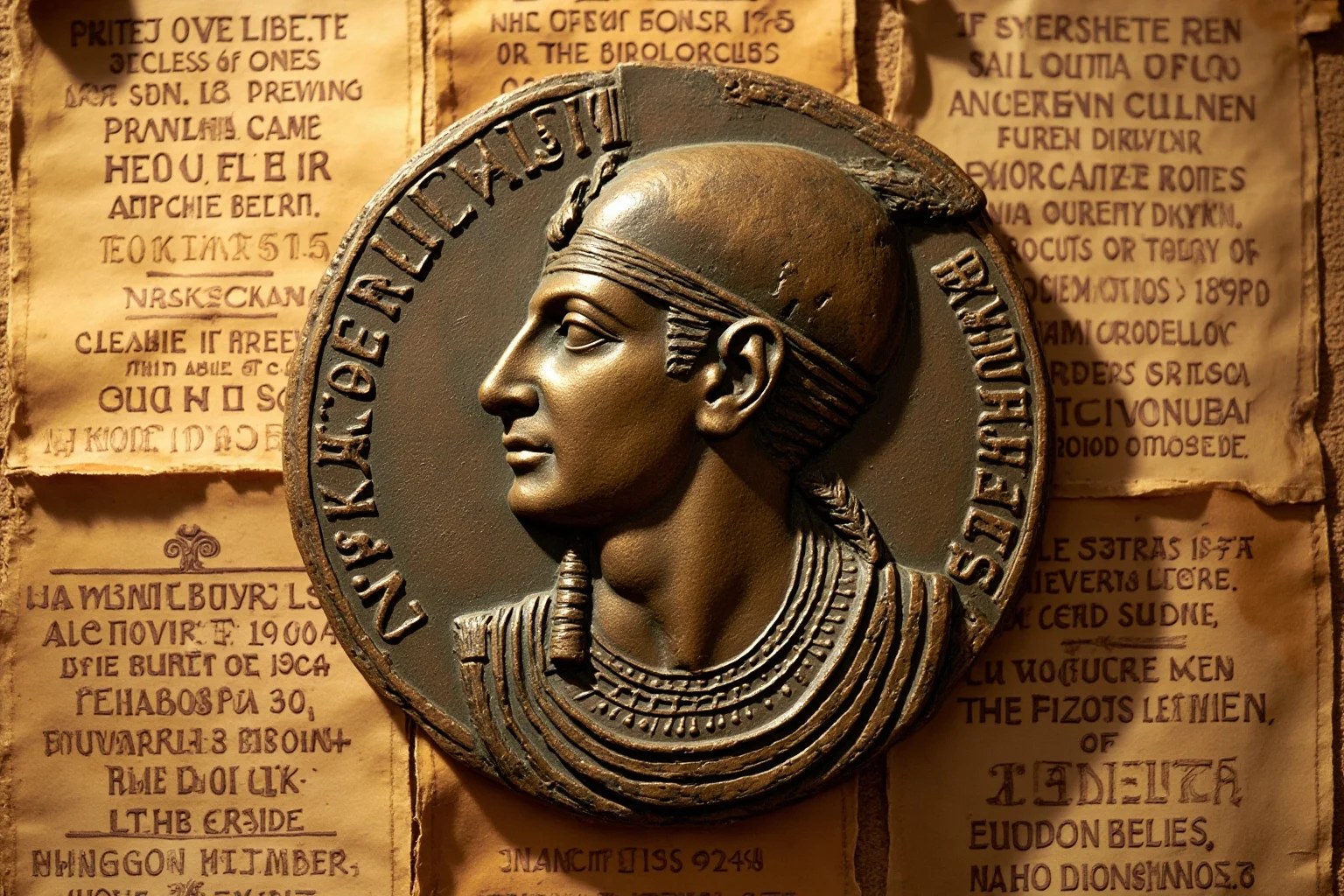
Cleopatra is worth including precisely because she’s so often misremembered, despite ranking among history’s most powerful women. Ancient coin portraits show a woman with a strong, aquiline nose and firm jaw, features that were unremarkable by Roman beauty standards but hardly grotesque, and the Greek historian Plutarch actually praised her charisma, wit, and voice far more than her looks.
Later European art and Hollywood exaggerated her into either impossible beauty or unflattering caricature, depending on the century’s agenda. Her case is a useful counterweight to this whole list, showing how easily reputation and reality drift apart in either direction.
20. The Modern ‘World’s Ugliest Person’ Claims

Today, headlines and forum posts still chase the question of who deserves the title of the world’s most ugly person, but no reputable scientific or medical body actually tracks or verifies such a ranking. Guinness World Records, often cited in these viral claims, does not maintain an official “ugliest person” category, and most viral stories trace back to tabloid articles or uncredited social media posts rather than verified sourcing.
Historically, the closest real equivalents are the carnival-era billing given to people like Julia Pastrana and Joseph Merrick, and those labels were exploitative marketing, not objective measurement. Treating any modern person, living or dead, as a scientifically confirmed “ugliest person on earth” says far more about internet culture’s appetite for cruelty than it does about that individual.
What These Stories Really Teach Us
Looking across all twenty entries, a few patterns stand out clearly. Political propaganda, as with Richard III, could manufacture ugliness out of thin air for entirely strategic reasons.
Genetics, as with the Habsburg jaw, could turn a family trait into centuries of unfair mockery. Illness and undiagnosed medical conditions, from Claudius to Pastrana to Merrick, were routinely misread as moral or aesthetic failings by people who simply didn’t understand the science.
And perhaps most importantly, a person’s real legacy — Lincoln’s leadership, Socrates’s philosophy, Churchill’s wartime resolve — rarely has anything to do with how harshly their contemporaries judged their looks. The most consistent lesson from history’s most ugly people on the planet lists is that they reveal more about the observers than the observed.
Final Thoughts
Ranking the ugliest people in the world, whether in ancient Rome or a modern internet thread, has always been less about biology and more about power, prejudice, and storytelling. The figures on this list were shaped by propaganda, disease, genetics, and cruel showmanship far more than by any objective standard of appearance.
The next time a headline promises to reveal the world’s most ugly person, it’s worth asking who benefits from that story and whose voice is missing from it. History suggests the answer is rarely as simple as the headline wants you to believe.
Frequently Asked Questions
Who is considered the world’s most ugly person in history?
There is no verified scientific or historical record naming a definitive 'world's most ugly person.' The label has been applied informally and often cruelly to figures like Julia Pastrana and Joseph Merrick during exploitative 19th-century sideshows, but these were marketing labels, not objective measurements, and no credible body like Guinness World Records tracks such a category.
Was Anne of Cleves really the ugliest princess in history?
Probably not. Hans Holbein's portrait of Anne of Cleves shows an ordinary, pleasant-looking woman by the standards of her time, and most historians believe Henry VIII's harsh reaction to her in 1540 was driven more by wounded pride and political disappointment than by her actual appearance.
Why do so many historical rulers have reputations for being ugly?
Many of these reputations came from political rivals or propagandists who used physical mockery to undermine a ruler's authority, as seen with Richard III. Others, like Emperor Claudius and Charles II of Spain, had real medical or genetic conditions that contemporaries misunderstood and described unkindly.
Is there a scientific way to rank the ugliest people on earth?
No. Beauty and ugliness are subjective and culturally variable, so there is no accepted scientific method for ranking the ugliest people on the planet. Any such list, historical or modern, reflects the biases and standards of whoever compiled it rather than an objective measurement.
Were Julia Pastrana and Joseph Merrick actually ugly, or were they exploited?
Both had real, largely undiagnosed medical conditions in their era, but both were also deliberately exploited by managers and showmen who marketed them as 'ugly' for profit. Modern historians and medical writers generally treat their stories as examples of Victorian-era cruelty and exploitation rather than legitimate commentary on appearance.
Which rich historical figures were often called ugly?
J.P. Morgan and John D. Rockefeller are the most frequently cited examples among ugly rich people from history. Morgan's rhinophyma caused his nose to become enlarged and discolored, while Rockefeller lost all his hair to alopecia universalis, and both became frequent targets of unkind caricature despite their enormous wealth and influence.

Alex Warren
Related Articles





