

Baseball loves its legends, but not every legend is remembered for greatness. Some players carved out a strange kind of immortality by being spectacularly bad at the plate, cursed with sudden throwing problems, or so widely disliked by teammates and fans that their names became shorthand for controversy.
Ask any longtime fan who the worst MLB player is, and you’ll spark a debate that’s been running for over a century.
This list digs into the real history behind baseball’s most infamous flops, chokers, and villains. Some of these players were genuinely poor hitters who somehow stuck around for a decade.
Others were excellent athletes whose reputations were wrecked by a single moment, a scandal, or a comment they wish they could take back. We’ll separate the documented facts from the exaggerated legends along the way.
TL;DR: The “worst baseball player of all time” debate mixes real statistical outliers like Bill Bergen and Mario Mendoza with unfairly maligned stars and genuinely disliked figures, proving that baseball infamy isn’t always about talent.
What Actually Makes a Player “The Worst”?
Before diving into the list, it helps to define terms, because “worst” means different things to different fans. Some worst MLB players earned the label through cold, hard statistics, like a career batting average that never crept out of the .100s. Others are remembered less for their numbers and more for costly mistakes, personality clashes, or scandals that overshadowed whatever talent they actually had.
That’s why this list blends two overlapping groups. First, there are the statistically weakest hitters and fielders who somehow stayed in the major leagues for years. Second, there are the most disliked and most hated players in baseball history, men whose behavior, not their batting average, made them infamous.
Keeping both categories in mind makes the debate over who is the worst baseball player of all time much richer, not unlike the ongoing debate over who is the worst person in history.
The 20 Most Infamous, Worst, and Most Hated Players in Baseball History
Here are 20 players whose names still come up whenever baseball fans argue about the game’s biggest disasters, disappointments, and villains.
1. Bill Bergen
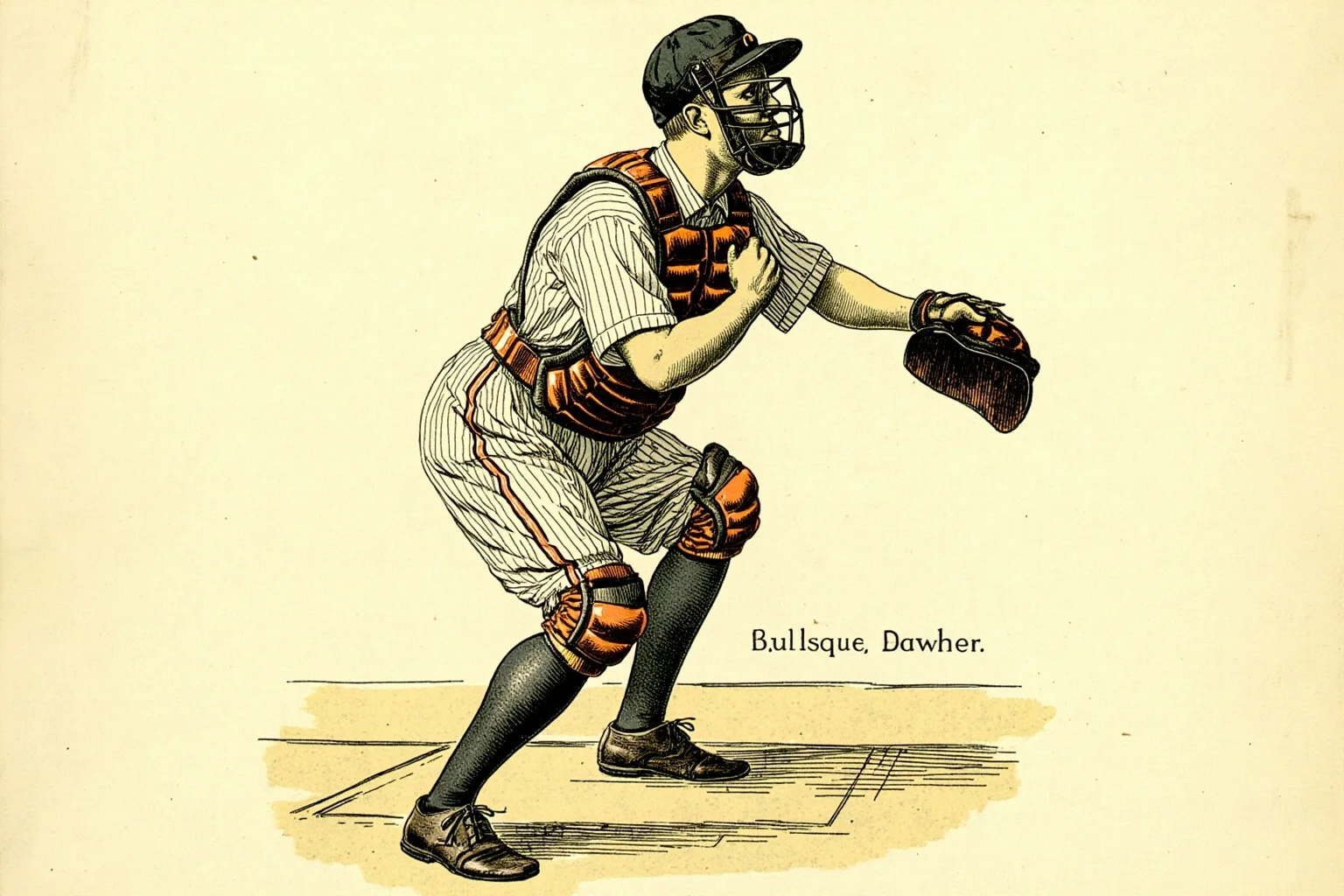
If there’s a consensus answer to “who is the worst baseball player of all time,” Bill Bergen’s name comes up more than almost anyone else’s. The catcher played from 1901 to 1911 and finished with a career batting average around .170, one of the lowest ever recorded for a player with that much playing time. He stuck around for over a decade purely because of his defensive skill and powerful throwing arm behind the plate.
Bergen’s case is often cited by historians precisely because it’s so extreme. Most players who hit that poorly get released within a season or two, but his glove and arm were valuable enough that managers kept writing his name into the lineup anyway.
2. Mario Mendoza
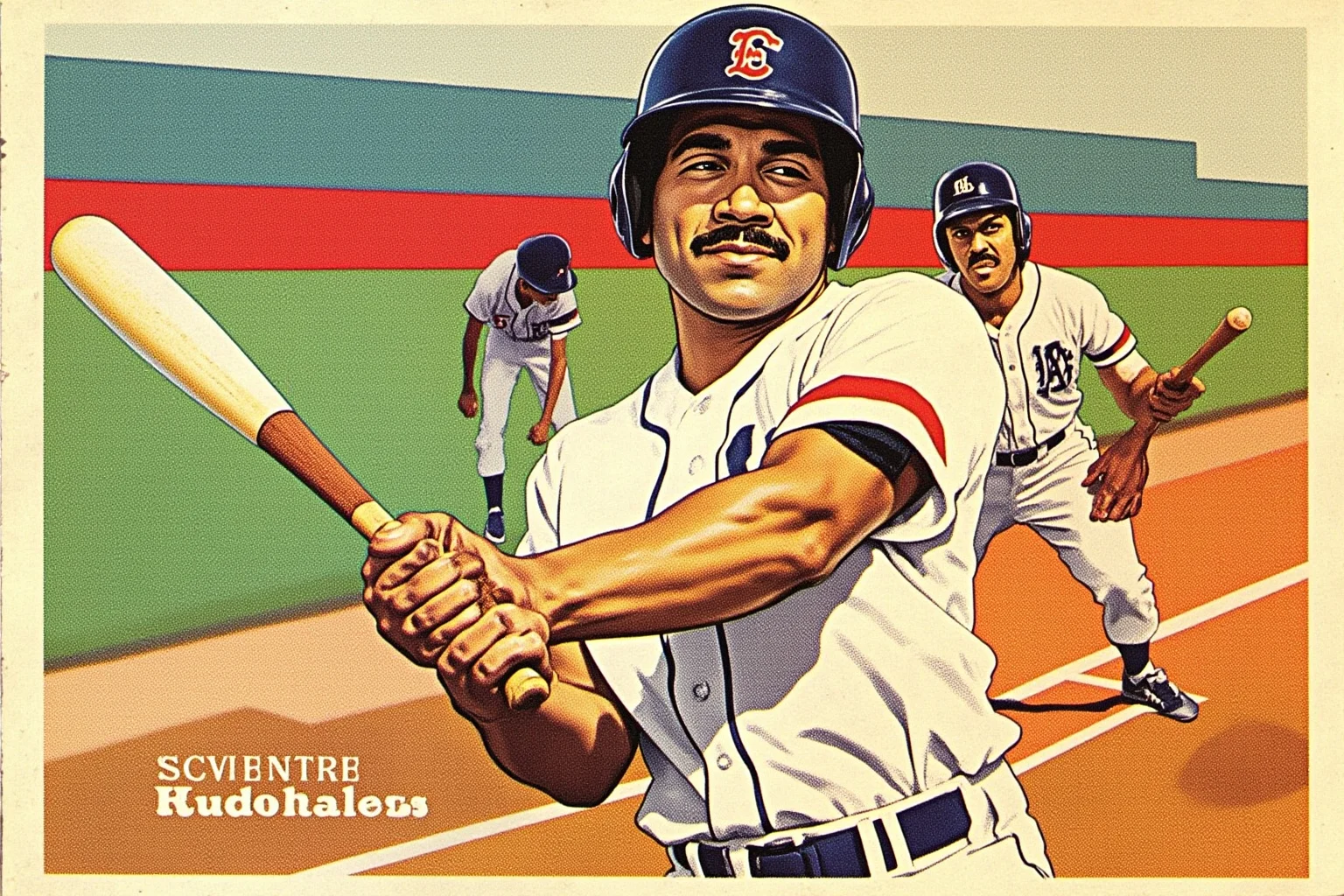
Mario Mendoza wasn’t the worst hitter in baseball history, but his name became permanently attached to bad hitting thanks to the “Mendoza Line,” the informal .200 batting average threshold below which a hitter is considered offensively unplayable. Mendoza played shortstop in the majors through the 1970s and early 1980s and finished his career with an average around .215.
The nickname reportedly grew out of clubhouse jokes among teammates, and it eventually became part of everyday baseball vocabulary. It’s a good reminder that reputation and statistics don’t always match up exactly, since several other players of that era hit worse than Mendoza did.
3. Ray Oyler
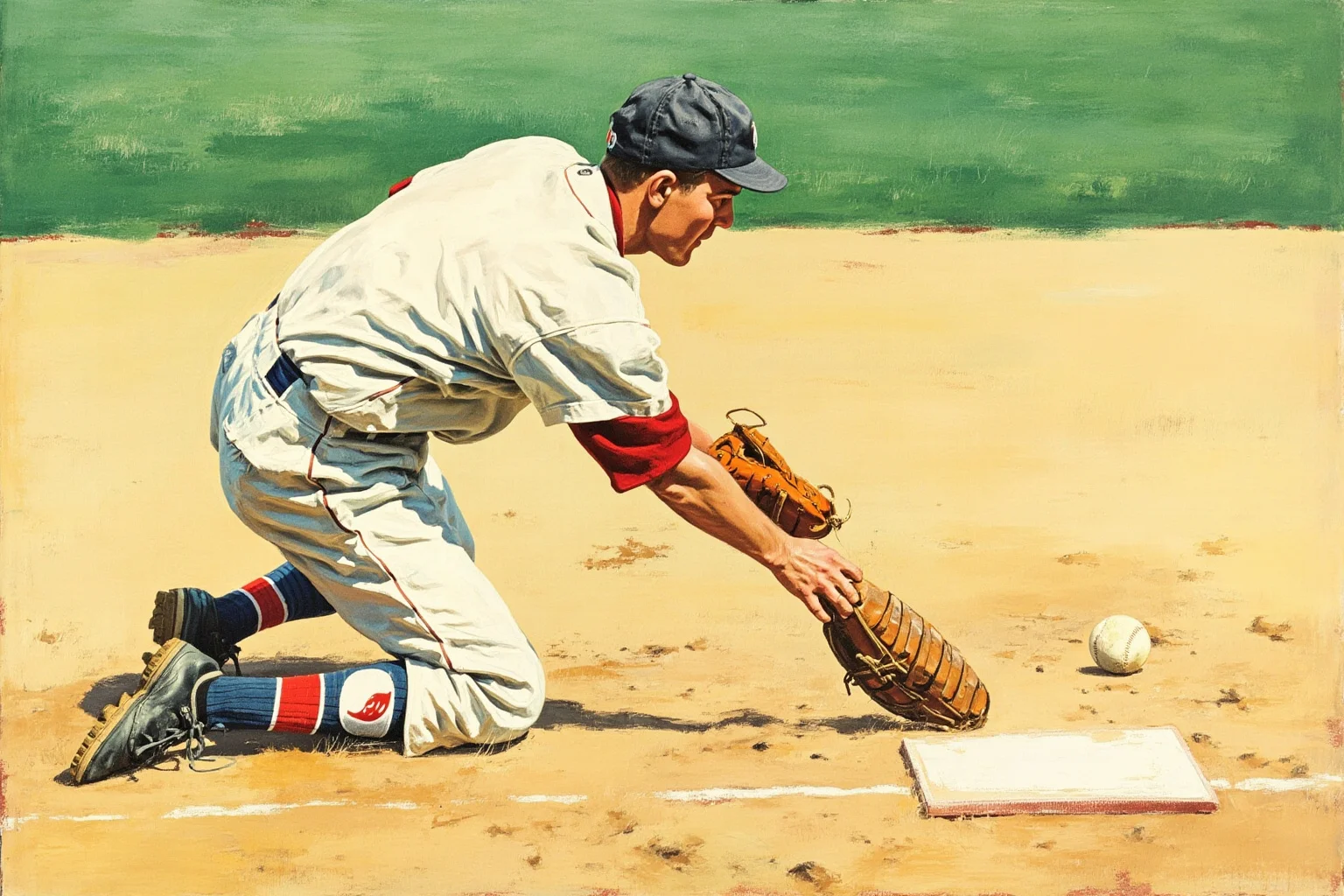
Ray Oyler was the light-hitting shortstop for the 1968 Detroit Tigers, a team that won the World Series almost entirely because of pitching and defense rather than offense. Oyler’s batting average that championship season hovered around the .130s, an astonishingly low number for an everyday player on a title-winning club.
Despite the weak bat, Oyler’s glove was good enough that the expansion Seattle Pilots selected him in the 1969 draft. His career is often used as a case study in how defense alone could keep a bad hitter employed in an earlier, lower-scoring era of the sport.
4. Ron Herbel
Ron Herbel was a pitcher, so nobody expected him to hit like a slugger, but his numbers at the plate are almost comically bad. Over a 12-year career, Herbel finished with a batting average often cited as one of the lowest in MLB history among players with a meaningful number of at-bats, reportedly around .029.
His case highlights an important nuance in the “worst hitter” conversation: pitchers before the designated hitter era were regularly some of the worst offensive players on the field. Herbel just happened to take that tendency to an extreme.
5. Rob Deer
Rob Deer became a symbol of a very specific kind of bad, the all-or-nothing slugger who strikes out constantly. Playing mostly in the 1980s and early 1990s, Deer combined real home run power with a batting average that hovered around .220 and strikeout totals among the highest of his era.
Analysts later used Deer as the poster child for the “three true outcomes” hitter, a player who mostly walks, strikes out, or hits a home run. It’s a style that’s become far more common in modern baseball, but back then it made him an easy target for critics.
6. Dave Kingman
Dave Kingman hit 442 home runs in his career, which sounds impressive, but he paired that power with a career batting average around .236 and a reputation as one of the most difficult players in the clubhouse. He was also involved in a notorious 1986 incident in which a live rat was delivered to reporter Susan Fornoff, an act widely attributed to Kingman’s hostility toward media covering the team.
That combination of streaky performance and abrasive behavior made Kingman a frequent name whenever people discussed bad or disliked baseball players. It’s a good early example of how a player’s on-field flaws and off-field reputation can reinforce each other.
7. Chuck Knoblauch
Chuck Knoblauch was a genuine star, a four-time All-Star second baseman and World Series champion, which makes his story especially strange. Late in his career with the New York Yankees, Knoblauch developed a sudden and very public case of the throwing yips, losing the ability to make routine throws to first base.
His errant throws became so unpredictable that they occasionally sailed into the stands near the dugout. It remains one of the most talked-about defensive collapses in modern baseball history, precisely because it happened to a player who had been so reliable before.
8. Steve Sax
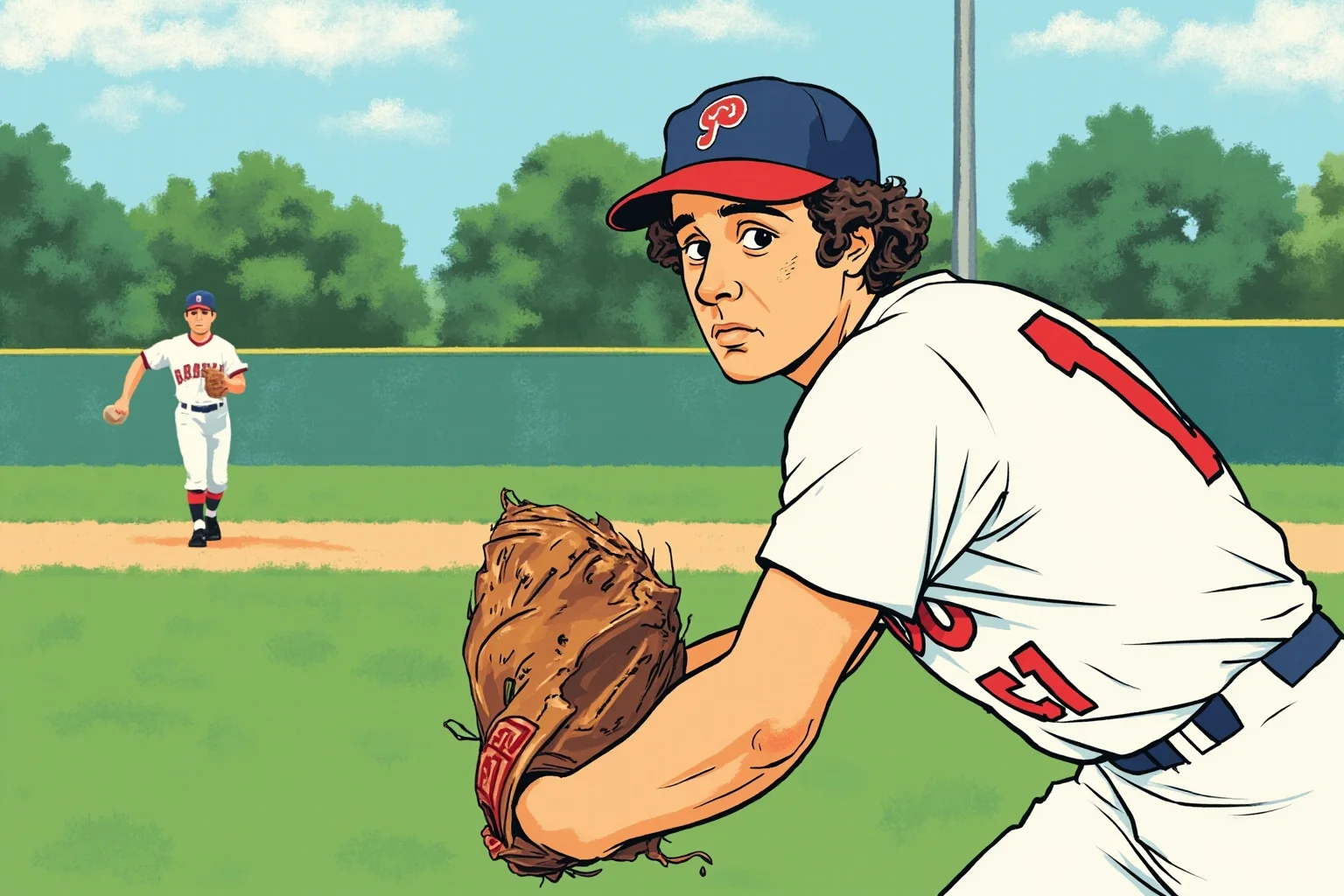
Before Knoblauch, there was Steve Sax, whose own throwing troubles in the early 1980s with the Los Angeles Dodgers were serious enough that the phenomenon is sometimes informally called “Steve Sax Syndrome.” Sax was a talented, well-regarded second baseman, but for a stretch he simply couldn’t make a routine throw to first base without a real risk of a wild throw.
He eventually worked through the issue and had a long, productive career. His story is often paired with Knoblauch’s and Mackey Sasser’s as one of baseball’s three classic yips cases.
9. Mackey Sasser
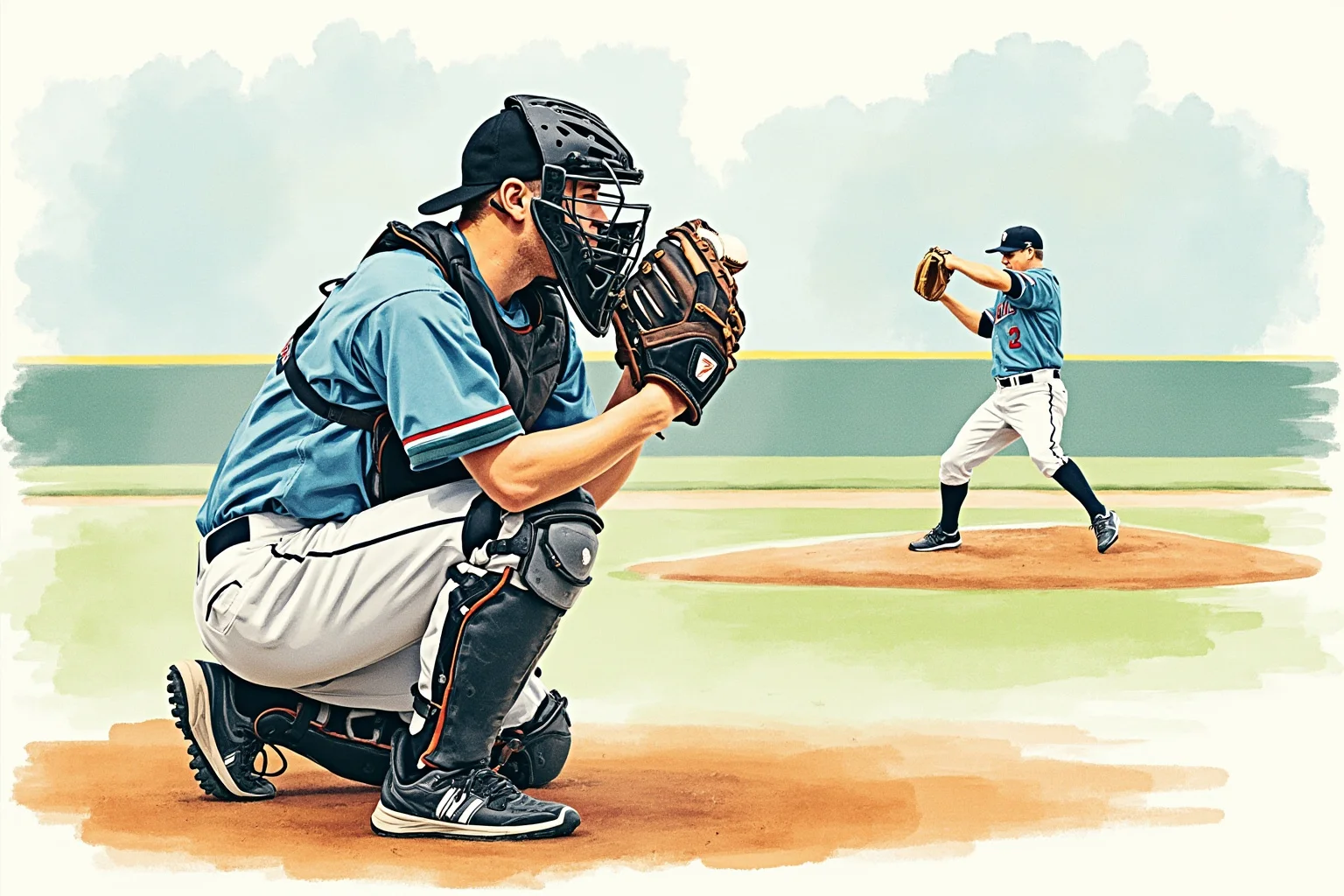
Mackey Sasser’s version of the yips affected an even more basic task: throwing the ball back to the pitcher. As a catcher for the New York Mets in the early 1990s, Sasser developed a mental block that made this routine action unexpectedly difficult, sometimes requiring multiple attempts to get the ball back to the mound.
His struggles became a well-known example in sports psychology discussions about performance anxiety. Sasser’s case shows that being labeled a “bad” player isn’t always about a lack of skill, since he had clearly proven himself capable at every level before the issue appeared.
10. Bill Buckner
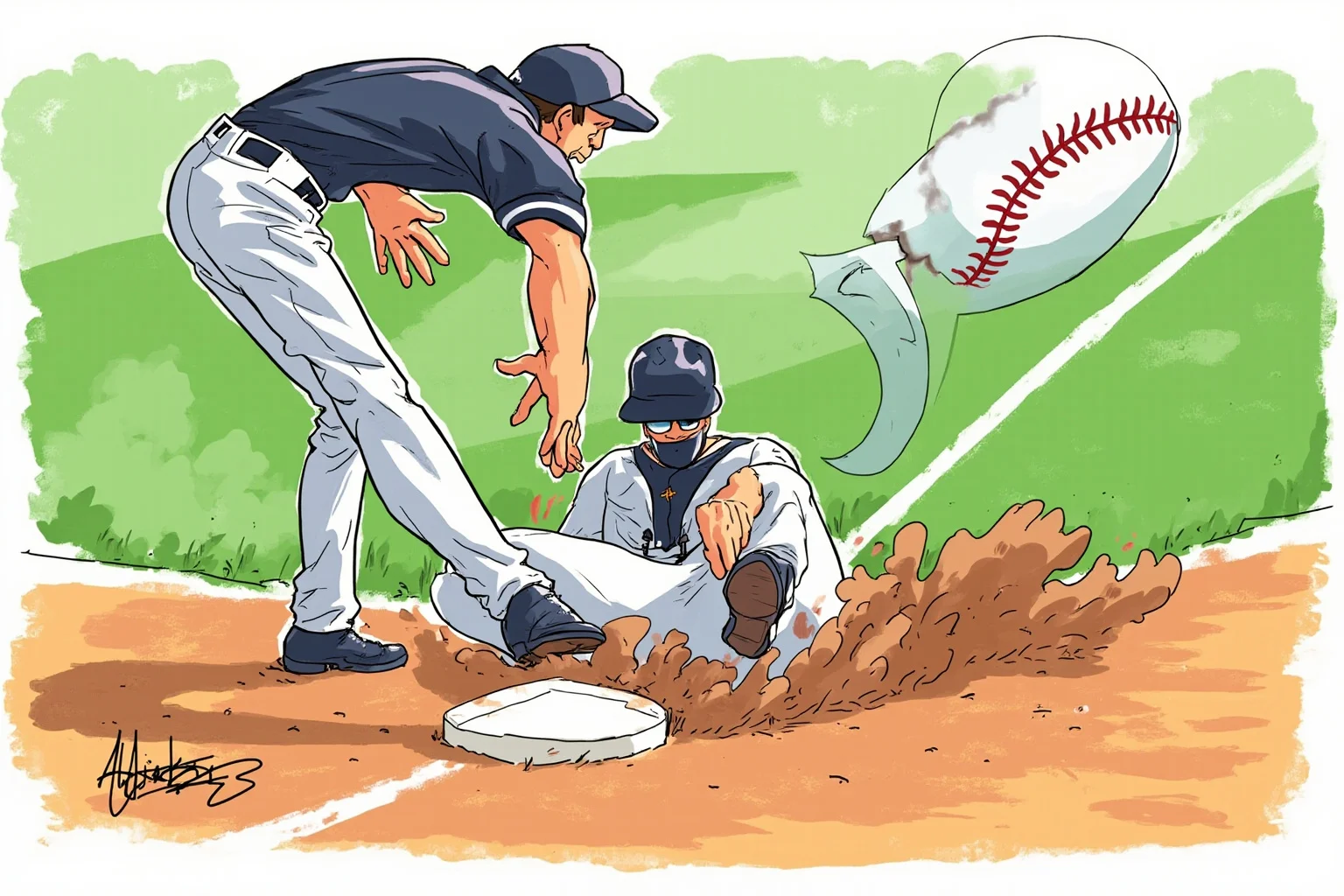
Bill Buckner is proof that a single moment can outweigh an entire career in the public memory. His error in Game 6 of the 1986 World Series, letting a ground ball roll through his legs, became one of the most replayed plays in baseball history and unfairly turned him into a symbol of failure.
In reality, Buckner was a very good player for two decades, collecting over 2,700 career hits and winning a batting title in 1980. Myth-busting his reputation is important, because the “worst player” label he sometimes gets stuck with has almost nothing to do with his actual body of work.
11. Fred Merkle

Fred Merkle’s story is baseball’s original cautionary tale about one mistake defining a career. In September 1908, playing for the New York Giants, Merkle failed to touch second base after what looked like a game-winning hit, a baserunning error that led to the game being ruled a tie and eventually cost the Giants the pennant.
The play became known as “Merkle’s Boner,” and the nickname followed him for the rest of his life and beyond. Like Buckner decades later, Merkle was actually a solid, long-tenured major leaguer whose broader career gets overshadowed by one bad afternoon.
12. John Rocker
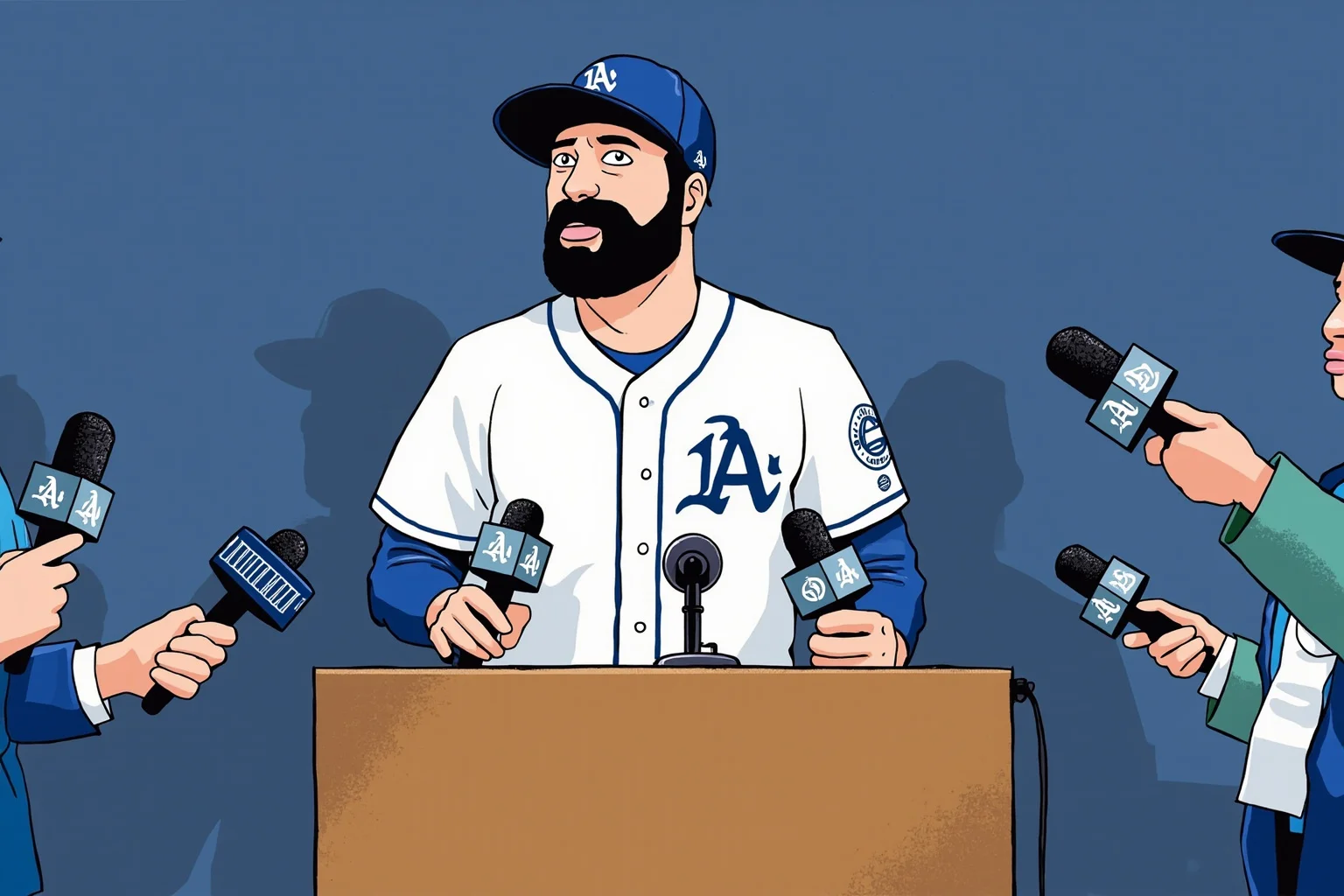
John Rocker earns his spot on this list for reasons that have nothing to do with his pitching ability. In a December 1999 Sports Illustrated interview, Rocker made a series of offensive comments about New York City and various groups of people, and the fallout made him one of the most widely condemned players in the sport.
His case is frequently cited in conversations about the most hated players in baseball history. Unlike many players on this list, Rocker’s notoriety came almost entirely from his own public statements rather than his performance on the field.
13. Milton Bradley
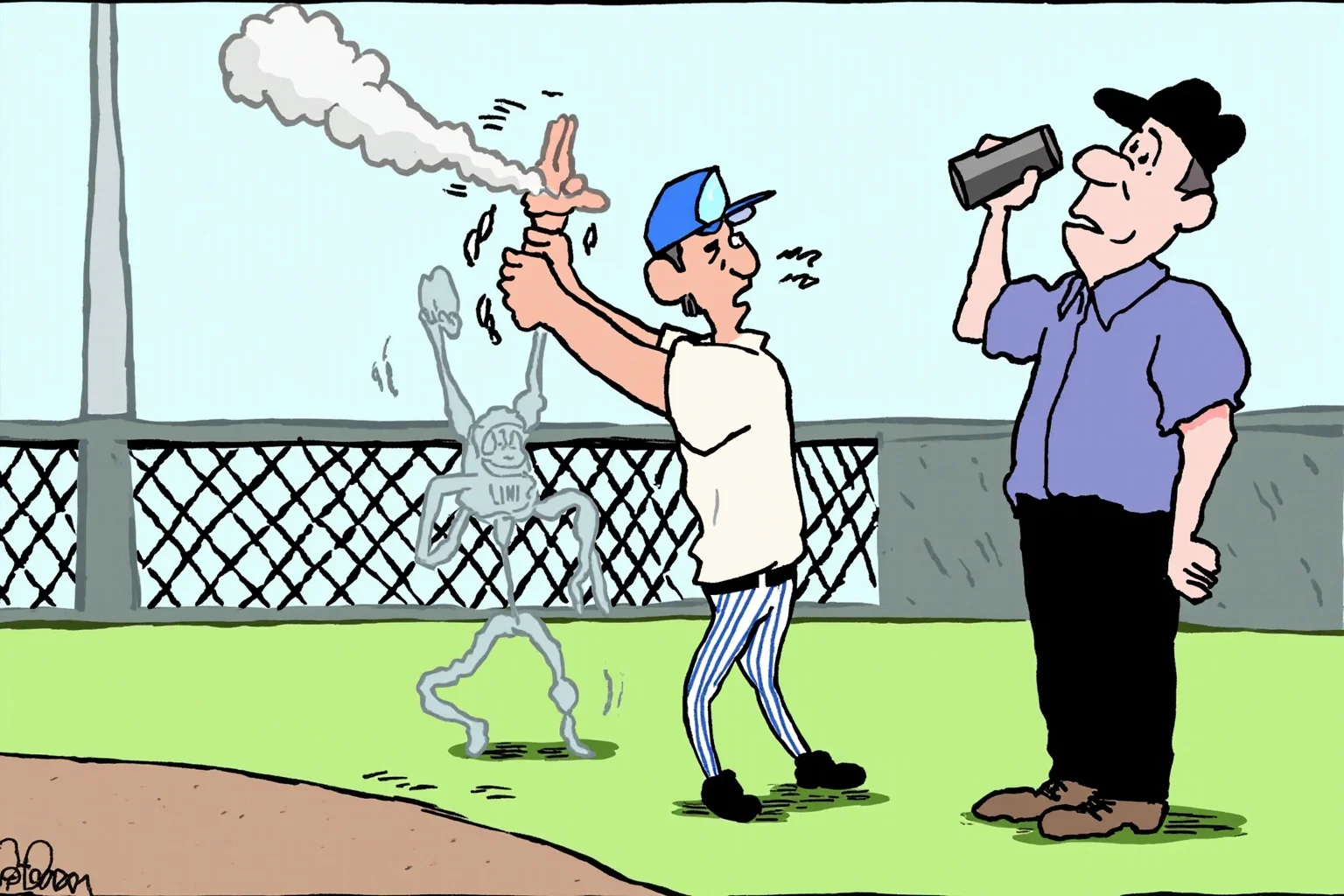
Milton Bradley was a talented outfielder for over a decade, but his career is remembered as much for conflict as for production. He clashed repeatedly with umpires, media, and even his own teammates and coaching staff across multiple organizations.
By the time his career wound down in the early 2010s, Bradley had developed a reputation as one of the most difficult and disliked players of his generation. His story is often used to illustrate how a volatile temperament can overshadow genuine talent.
14. Albert Belle
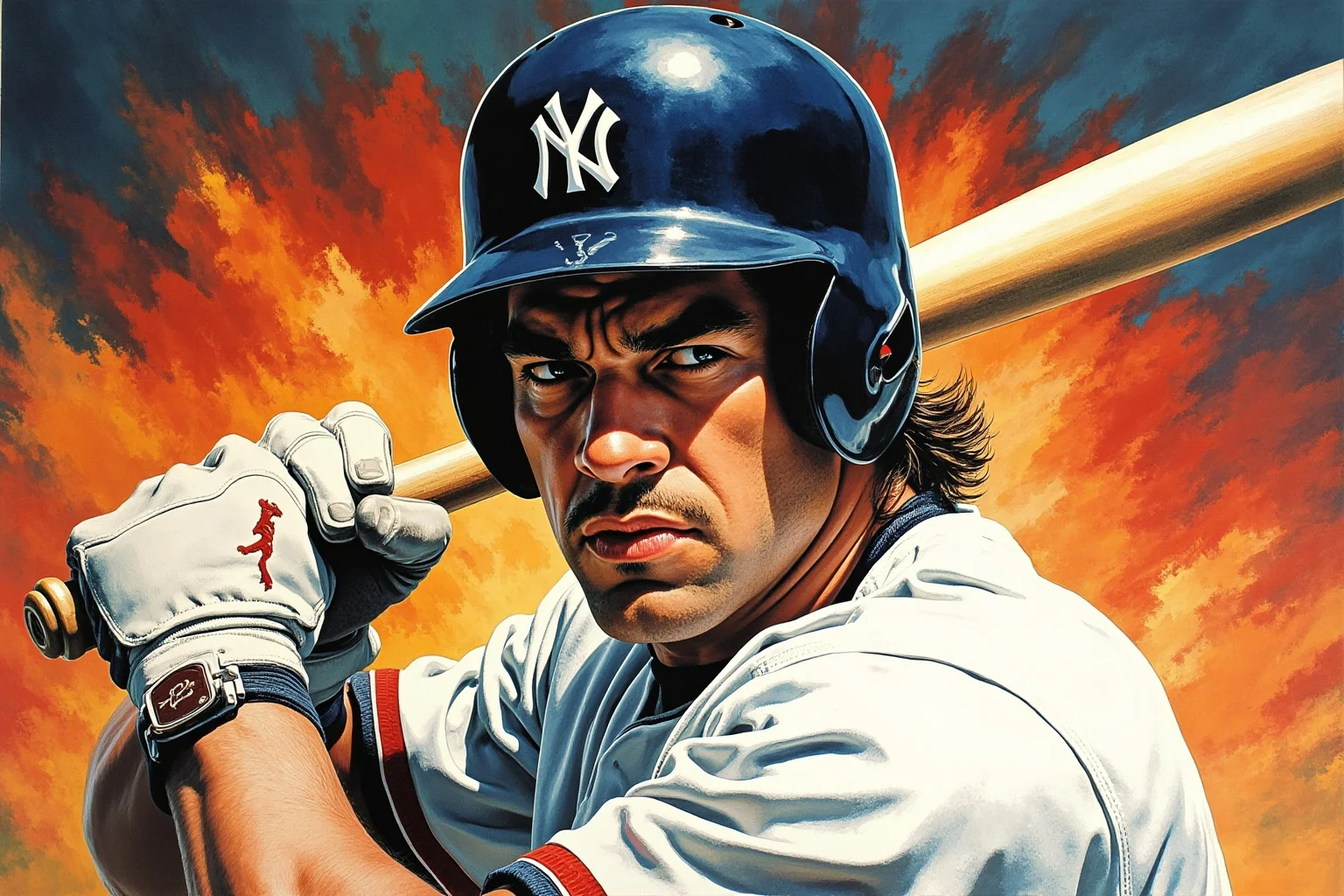
Albert Belle was one of the most feared hitters of the 1990s, but he was also notoriously hostile toward reporters and had a reputation for intimidating behavior in the clubhouse. He became embroiled in a well-known corked bat controversy in 1994 while playing for Cleveland, which only deepened public suspicion about his integrity.
Belle’s combination of elite performance and prickly reputation makes him a frequent entry on lists of most disliked baseball players, even though his raw statistics rank among the best of his era. It’s a clear example of how “worst” and “most hated” aren’t always about talent at all.
15. Delmon Young
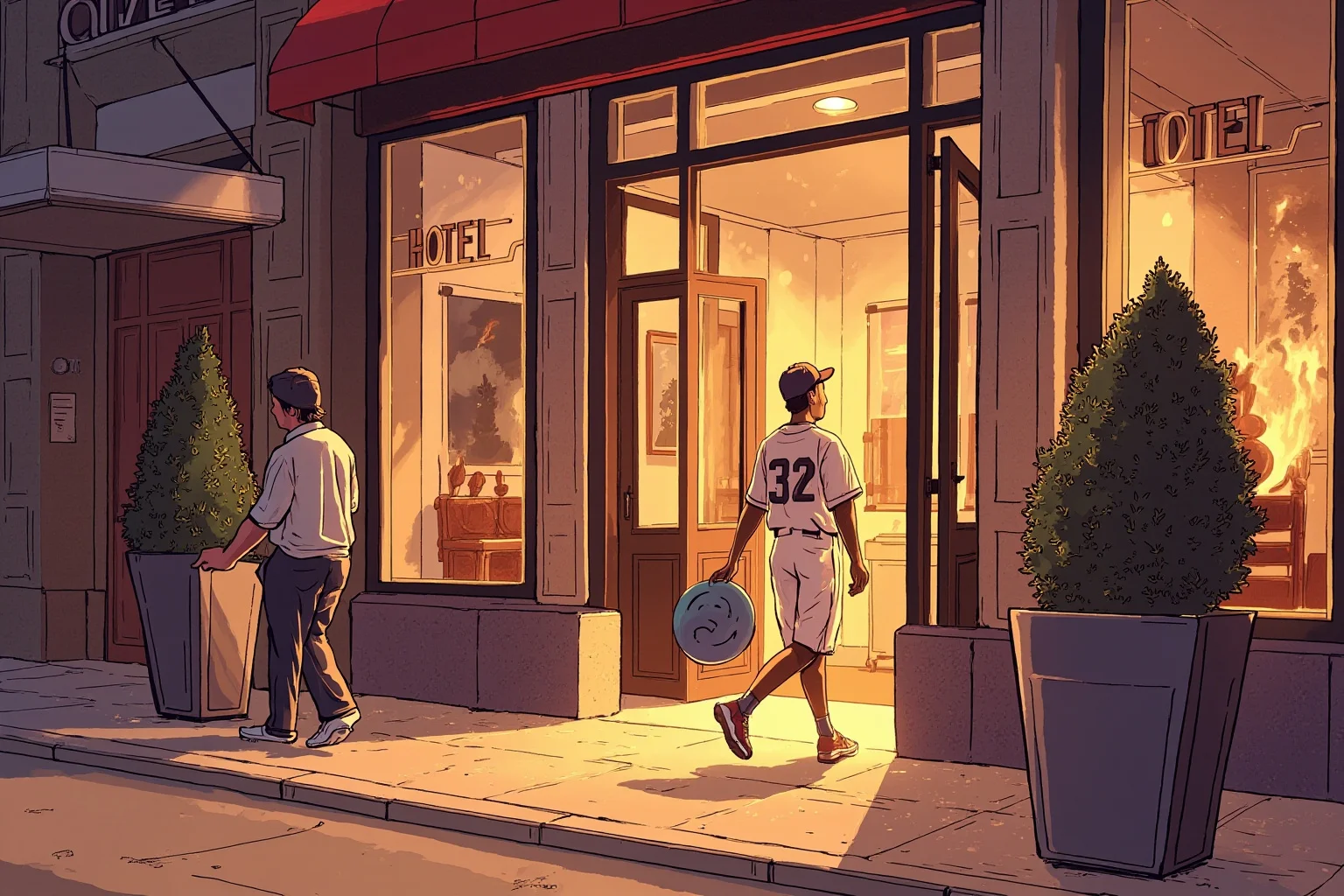
Delmon Young’s career included real talent and real trouble. Early in his minor league career he was suspended for throwing a bat at an umpire, and years later, in 2012, he was involved in an incident outside a New York hotel that led to charges involving alleged anti-Semitic remarks.
Those off-field controversies followed him throughout his major league tenure and shaped how fans and media talked about him. Young’s story is a reminder that being labeled among baseball’s most disliked players often comes down to specific, well-documented incidents rather than a general pattern of poor play.
16. Jose Canseco
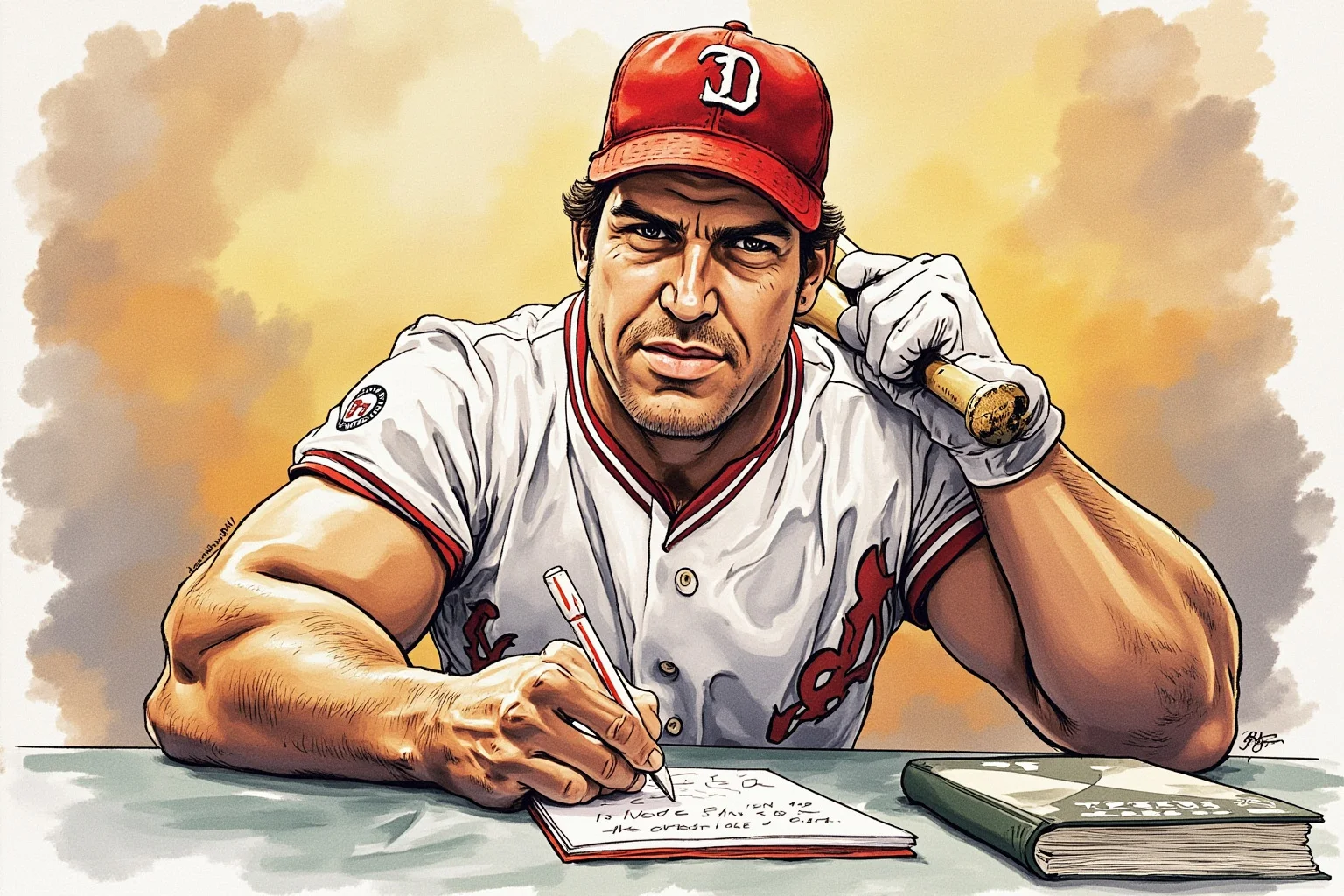
Jose Canseco was a genuine power threat and a former MVP, but he became one of the most controversial figures in baseball history after publicly admitting his own steroid use and naming other players in his 2005 book “Juiced.” The baseball world’s reaction was intensely divided, with many players and fans viewing him as a traitor to the sport’s unwritten code.
Canseco’s revelations later proved influential in pushing MLB toward stricter drug testing. Even so, he remains one of the most disliked players among traditionalist fans, largely because of how he chose to reveal what he knew.
17. Alex Rodriguez
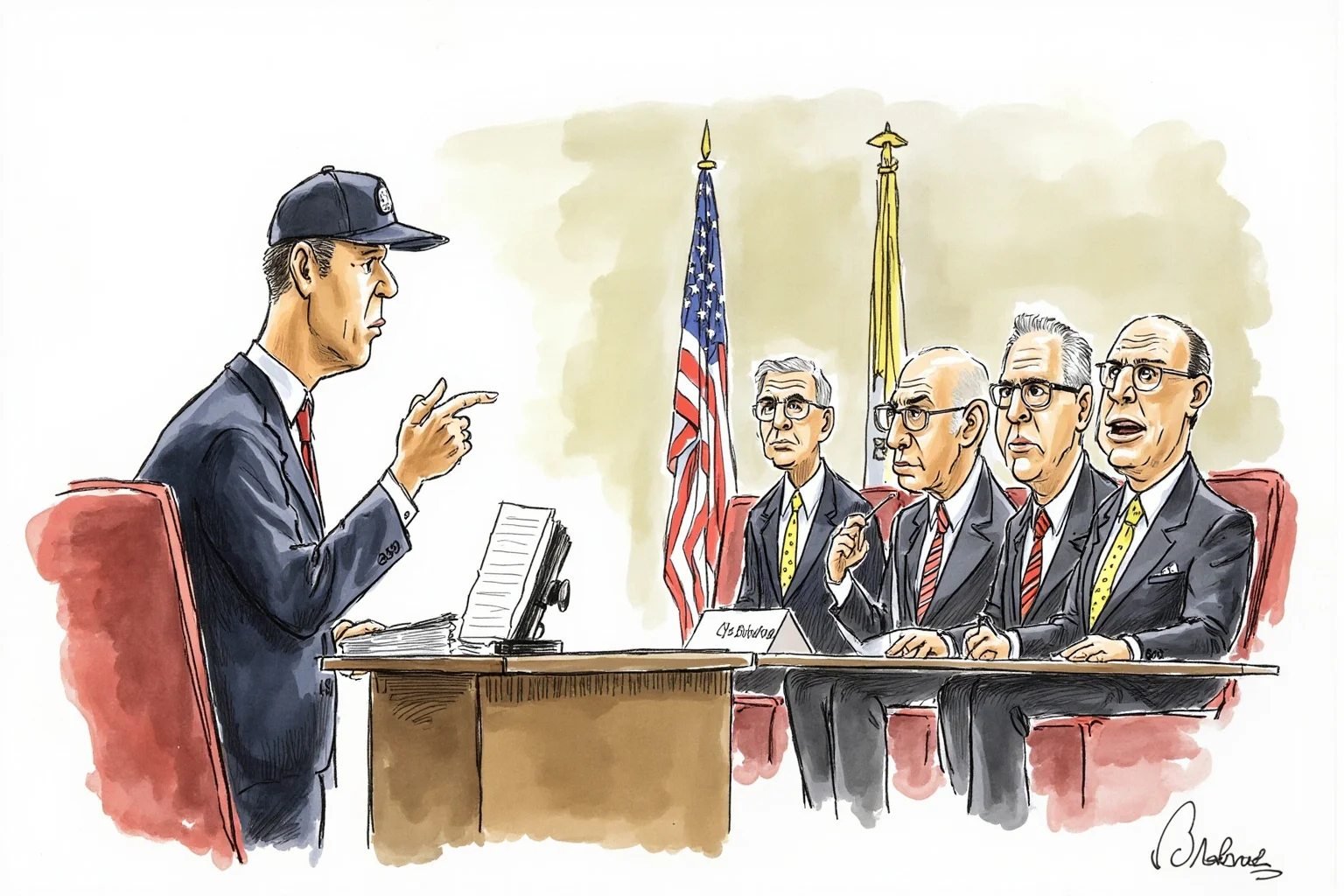
Alex Rodriguez was one of the most gifted all-around players of his generation, but performance-enhancing drug scandals badly damaged his public reputation. He admitted in 2009 to using banned substances earlier in his career, and in 2014 he was suspended for an entire season following the Biogenesis scandal.
Those events made Rodriguez one of the most polarizing and, for many fans, most hated players of his era. His case is frequently brought up whenever people debate which controversial stars belong among baseball’s most disliked figures.
18. Roger Clemens
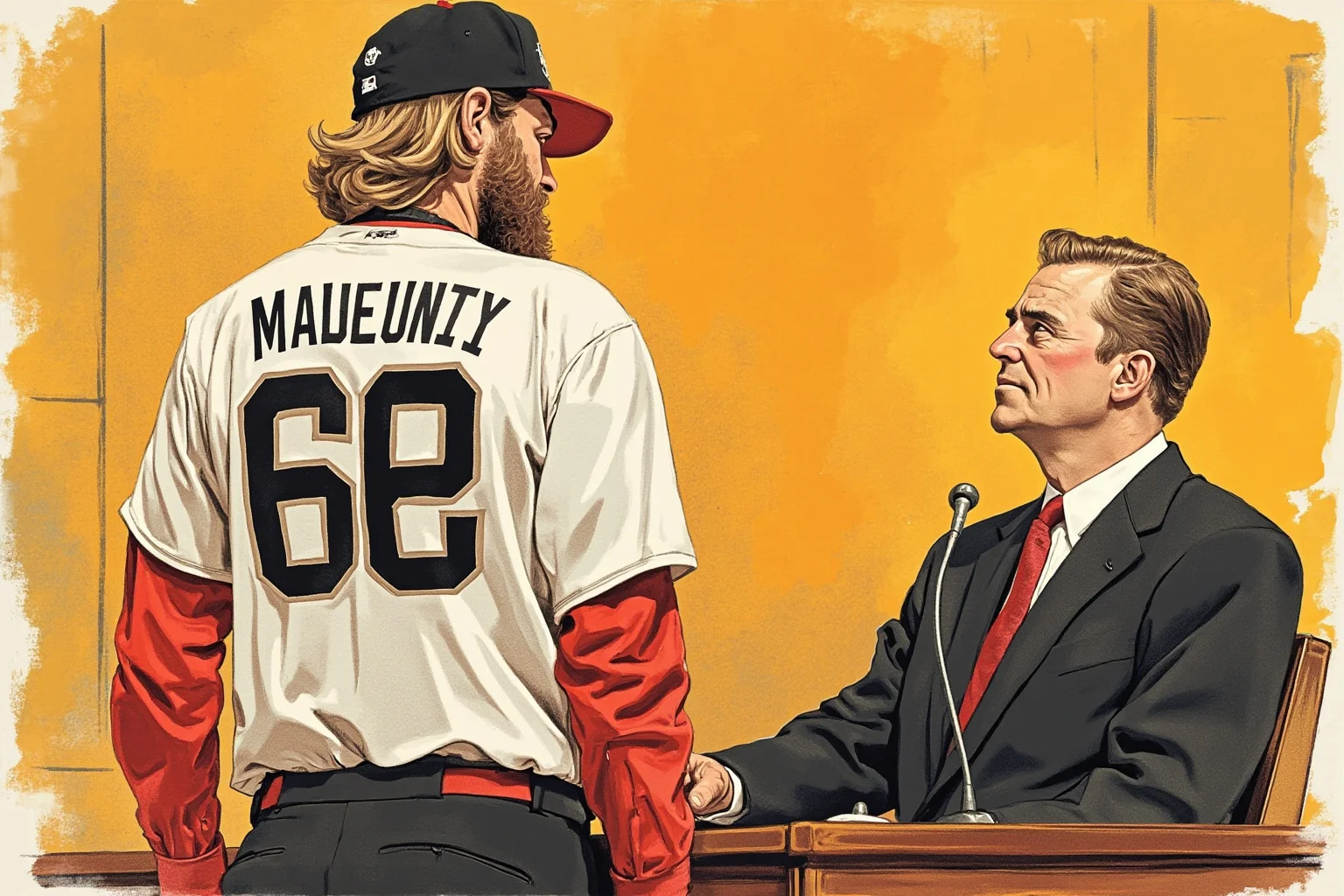
Roger Clemens was one of the most dominant pitchers in baseball history, but his legacy is permanently complicated by performance-enhancing drug allegations detailed in the 2007 Mitchell Report. He was later tried for perjury related to his 2008 congressional testimony denying steroid use and was acquitted in 2012.
Despite the legal outcome, many fans and voters remained skeptical of his denials, and the controversy has kept him out of the Hall of Fame through the standard writers’ ballot. Clemens illustrates how scandal, rather than skill, can define a player’s public reputation for decades.
19. Barry Bonds
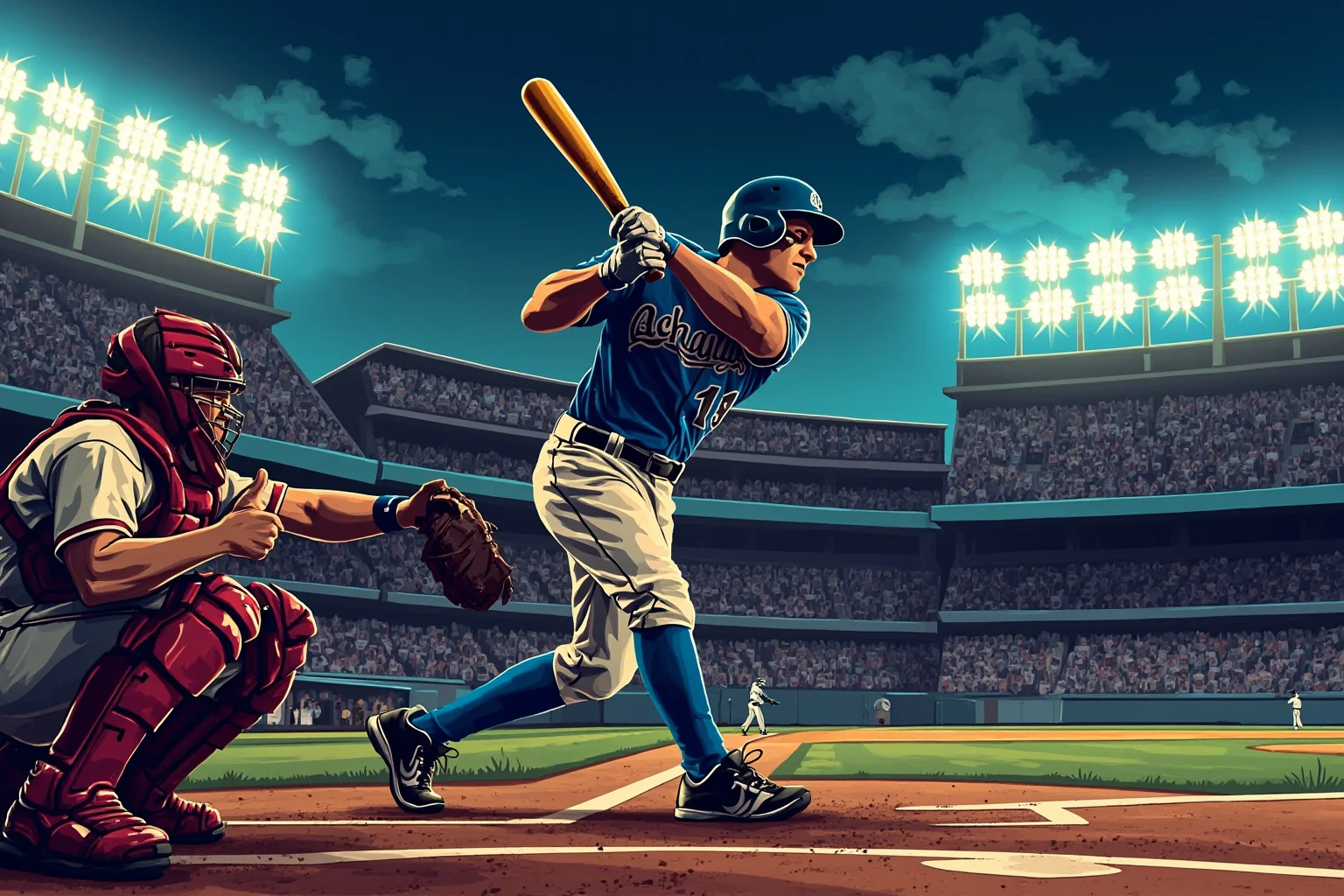
Barry Bonds holds MLB’s all-time home run record with 762, yet he’s arguably the most divisive player in modern baseball history because of his connection to the BALCO steroid scandal. He was convicted of obstruction of justice in 2011 related to grand jury testimony, though that conviction was later overturned on appeal in 2015.
Bonds is a useful case for myth-busting the “worst player” conversation, since he wasn’t a bad player by any statistical measure, quite the opposite. His inclusion here reflects how deeply the steroid era shaped which players fans and media came to view as villains rather than heroes.
20. Hal Chase
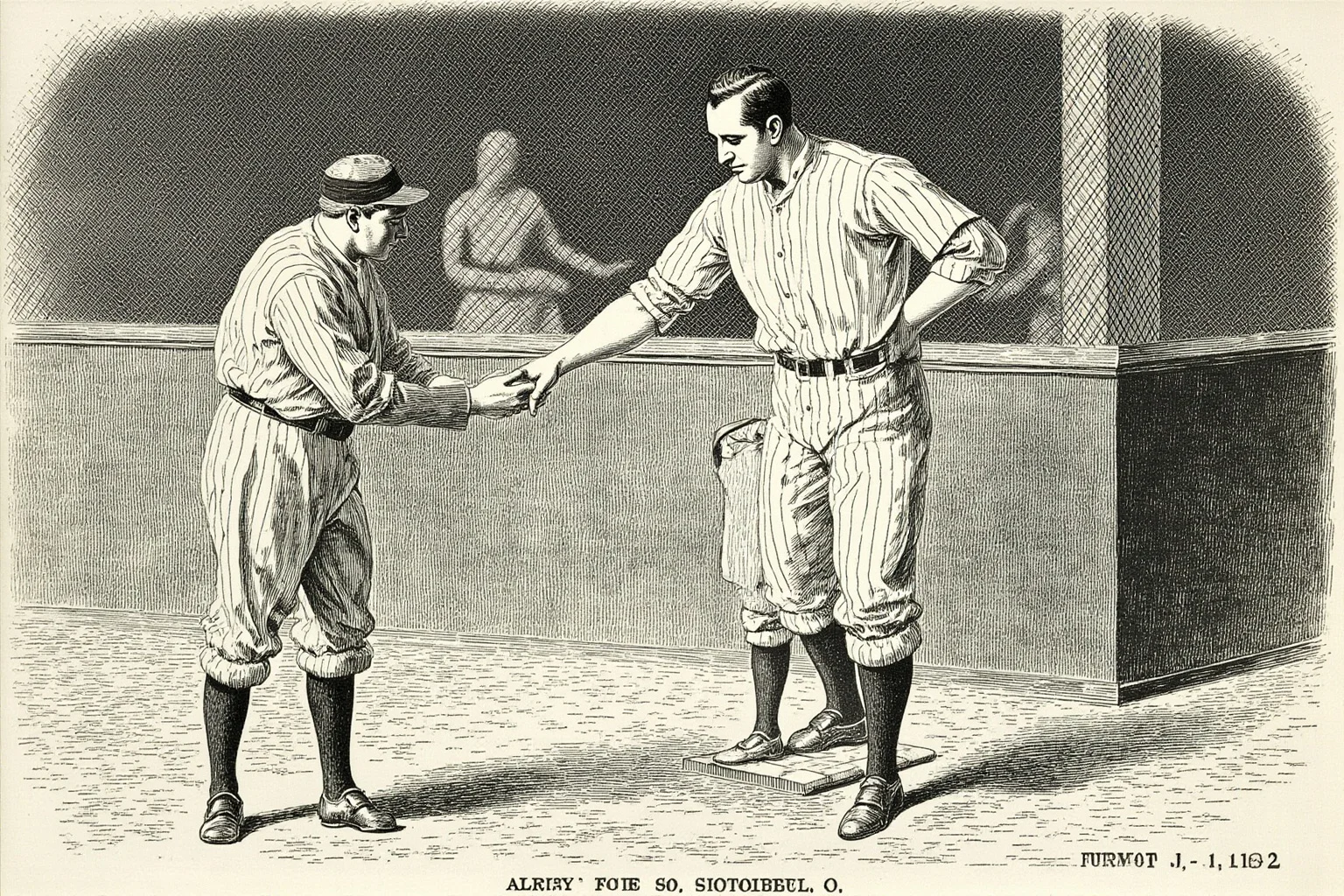
Hal Chase might be the most historically significant name on this list, even though many casual fans have never heard of him. Playing mostly in the 1900s and 1910s, Chase was considered one of the finest defensive first basemen of his time, but he was also widely suspected by teammates, managers, and league officials of fixing games and associating with gamblers throughout his career.
Unlike the players banned after the 1919 Black Sox scandal, Chase was never formally banned from baseball, but his reputation for corruption effectively ended his career and kept him out of the Hall of Fame. Baseball historians frequently cite him as one of the most notorious and, in terms of integrity, worst figures the sport has ever produced.
Why Baseball Remembers Its “Worst” Players So Well
It’s worth stepping back and asking why these names have stuck around for so long, sometimes over a century after the fact. Baseball is a game built on failure in a way few other sports are, since even the greatest hitters fail to reach base more often than they succeed. That built-in tension makes moments of extreme failure or extreme controversy feel especially memorable.
It’s also worth noting how often the “worst player” label gets applied unfairly. Bill Buckner and Fred Merkle were both accomplished major leaguers whose long careers got reduced to a single mistake. Meanwhile, players like Bill Bergen and Ray Oyler earned their reputations through genuinely rare offensive struggles that lasted for years, not moments.
The most hated players in baseball history, on the other hand, usually earned that status through their own choices and public conduct rather than pure performance. John Rocker’s comments, Albert Belle’s hostility, and the steroid-era controversies surrounding Bonds, Clemens, Canseco, and Rodriguez all show that being disliked and being bad at baseball are two very different things that fans often lump together anyway.
Final Thoughts on Baseball’s Most Infamous Names
There’s no single, universally agreed-upon answer to who is the worst baseball player of all time, and that’s part of what keeps the debate alive across generations of fans. Whether you’re talking about pure batting statistics, sudden throwing troubles, or genuine scandal, the players on this list all found their own strange path to lasting notoriety.
What’s clear is that infamy in baseball rarely comes from one single cause. It’s usually a mix of numbers, timing, personality, and sometimes plain bad luck, all combined into a story that fans keep retelling decades later. That’s ultimately why these names, for better or worse, have earned a permanent place in baseball history, right alongside some of the most recognized historical figures from outside the sport.
Frequently Asked Questions
Who is the worst baseball player of all time?
There's no official ranking, but catcher Bill Bergen is one of the most commonly cited answers, finishing his career (1901–1911) with a batting average around .170 despite over a decade in the majors. He stayed employed largely because of his defensive skill, which is a big reason his name comes up so often in this debate rather than a player with a shorter, less notable career.
Who is the worst MLB player right now?
This is highly subjective and changes constantly, since 'worst' can mean lowest batting average, weakest defense, or simply a player having a rough season. Rather than naming a current player, most historical rankings focus on documented, long-term statistical outliers or well-known controversies rather than short-term slumps.
Who are the most hated or most disliked players in baseball history?
Players like John Rocker, Albert Belle, and Milton Bradley are frequently named among the most disliked due to public controversies, hostile behavior toward media and teammates, or offensive comments. Steroid-era figures such as Barry Bonds, Alex Rodriguez, and Roger Clemens are also commonly cited, though their dislike stems from scandal rather than poor performance.
What is the Mendoza Line in baseball?
The Mendoza Line is an informal term for a .200 batting average, considered the threshold below which a hitter's offense becomes a serious liability. It's named after shortstop Mario Mendoza, whose career average hovered around .215, though the nickname stuck even though other players of his era actually hit worse.
Was Bill Buckner really one of the worst baseball players ever?
No, and this is one of the biggest myths in baseball history. Buckner had a long, successful career with over 2,700 hits and a batting title in 1980, but his 1986 World Series error overshadowed that entire body of work in the public memory.
Are there any Hall of Famers considered weak picks by historians?
Yes, several Hall of Fame selections have been debated over the years for having comparatively modest statistics next to their peers, often due to reputation, era, or committee voting rather than dominant numbers. These debates are common in baseball history circles and are usually framed as 'weakest inductees' rather than truly bad players, since simply reaching the Hall of Fame requires a notable career.

Alex Warren
Related Articles





