

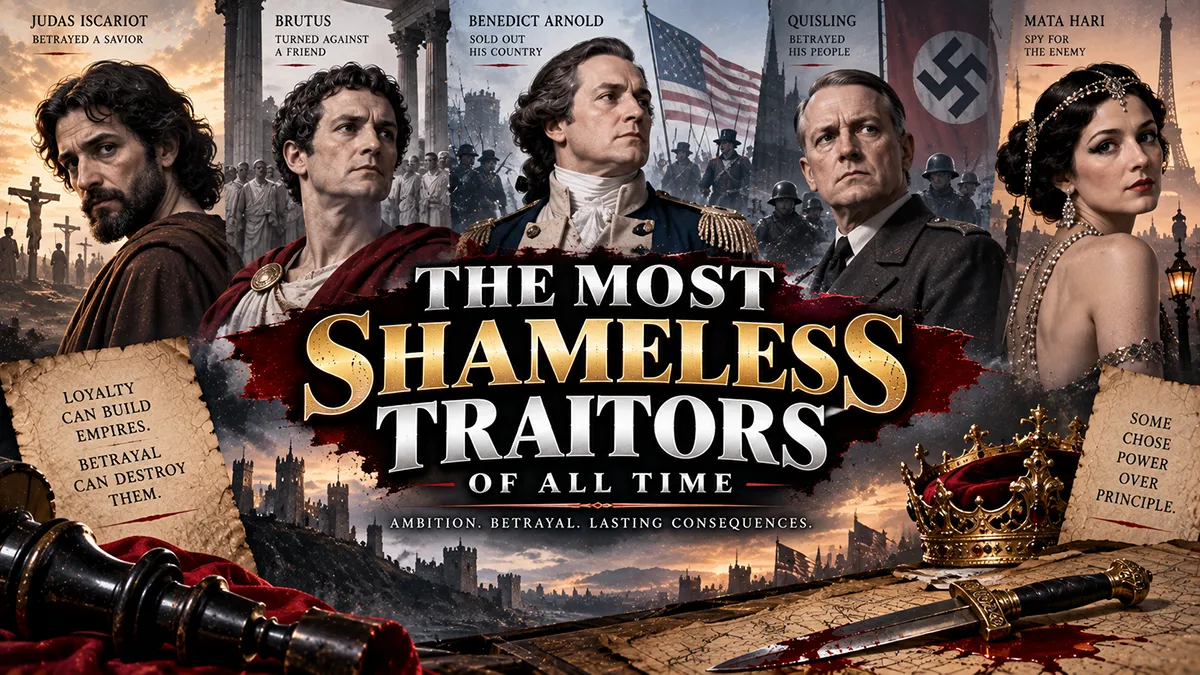
Every era has its heroes, and every era has the people who sold those heroes out. Betrayal is one of the oldest stories humans tell, from ancient battlefields to Cold War embassies to reality TV sets, and the label “traitor” has stuck to some names so hard that they became verbs, adjectives, and warnings.
Whether you’re searching for famous traitors, treasoners (yes, that’s a real search term people use), or just curious who earns the title of history’s greatest traitor, this list digs into the real, documented stories behind the most notorious betrayals ever recorded.
We’re going to separate myth from record wherever we can, because not every person branded a traitor actually deserves it. Some names on this list were convicted on shaky evidence or outright lies, and calling out those cases is just as important as detailing the ones who genuinely switched sides for money, ideology, or survival.
TL;DR: From Judas Iscariot to Cold War double agents like Aldrich Ames, history’s most infamous traitors show that betrayal usually comes down to money, ideology, or fear — and not every “traitor” was actually guilty.
What Actually Makes Someone History’s Greatest Traitor?
Treason has a specific legal meaning in most countries, usually tied to betraying your nation, monarch, or cause to an enemy. But in popular use, “traitor” gets applied much more broadly, to anyone who switches sides at a critical moment or sells out people who trusted them.
Historians and legal scholars have long debated where disloyalty ends and treason begins. That grey zone is exactly why some entries on lists of historical traitors are genuinely controversial, and why a few names below were later cleared, pardoned, or reassessed by later generations of historians.
What unites almost every name on this list is timing. The worst traitors in history didn’t just disagree with their side; they acted at the exact moment their betrayal could do maximum damage, which is part of why their names still echo centuries or decades later.
1. Judas Iscariot
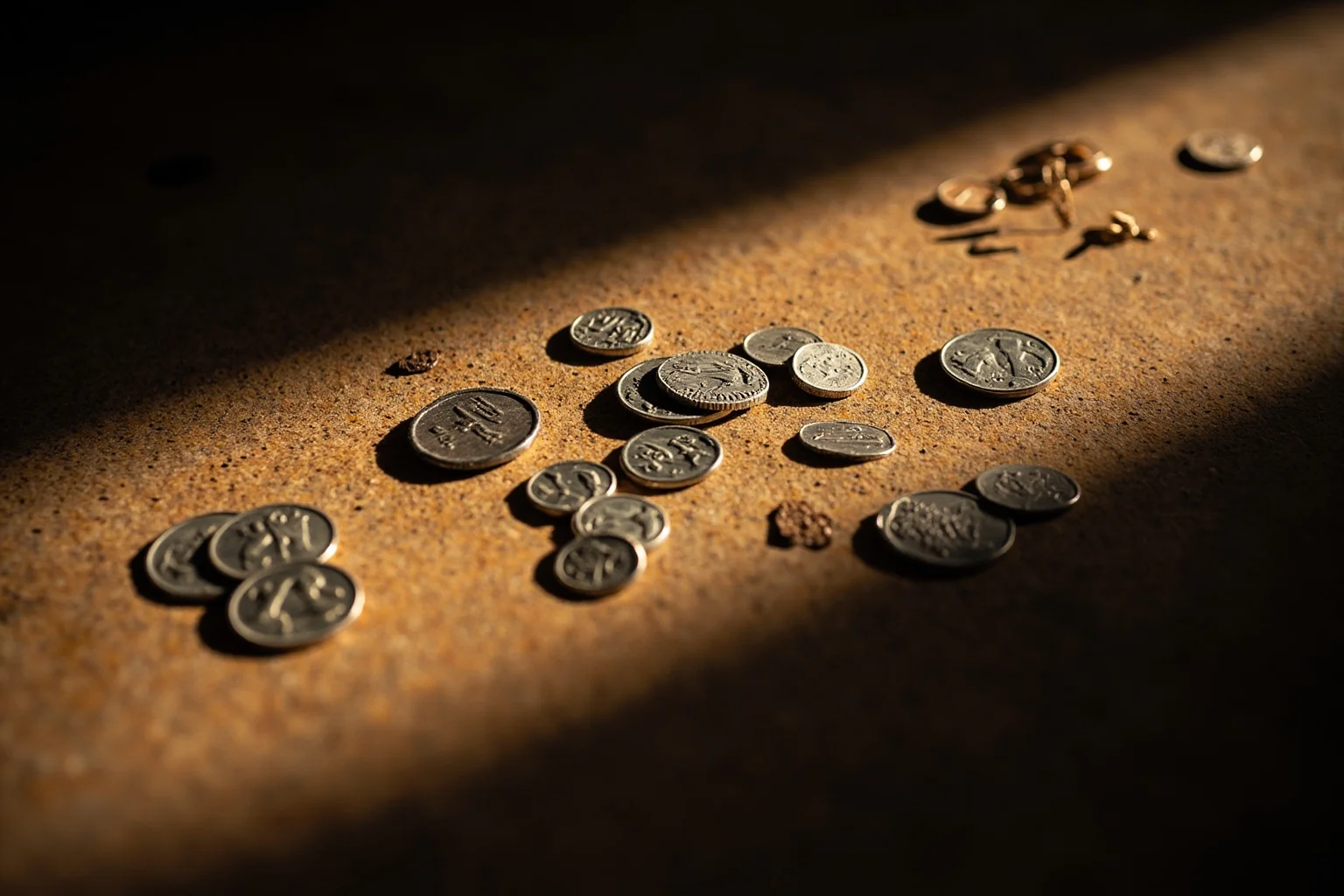
According to the New Testament Gospels, Judas Iscariot was one of Jesus’s twelve apostles who identified him to Roman-aligned authorities for thirty pieces of silver. The story is a matter of religious text rather than secular historical record, but its cultural impact is undeniable.
Judas’s name has become the universal shorthand for betrayal across Western culture, appearing in literature, art, and everyday language for two thousand years. Few figures illustrate how deeply a single act of betrayal can define a name forever.
2. Ephialtes of Trachis
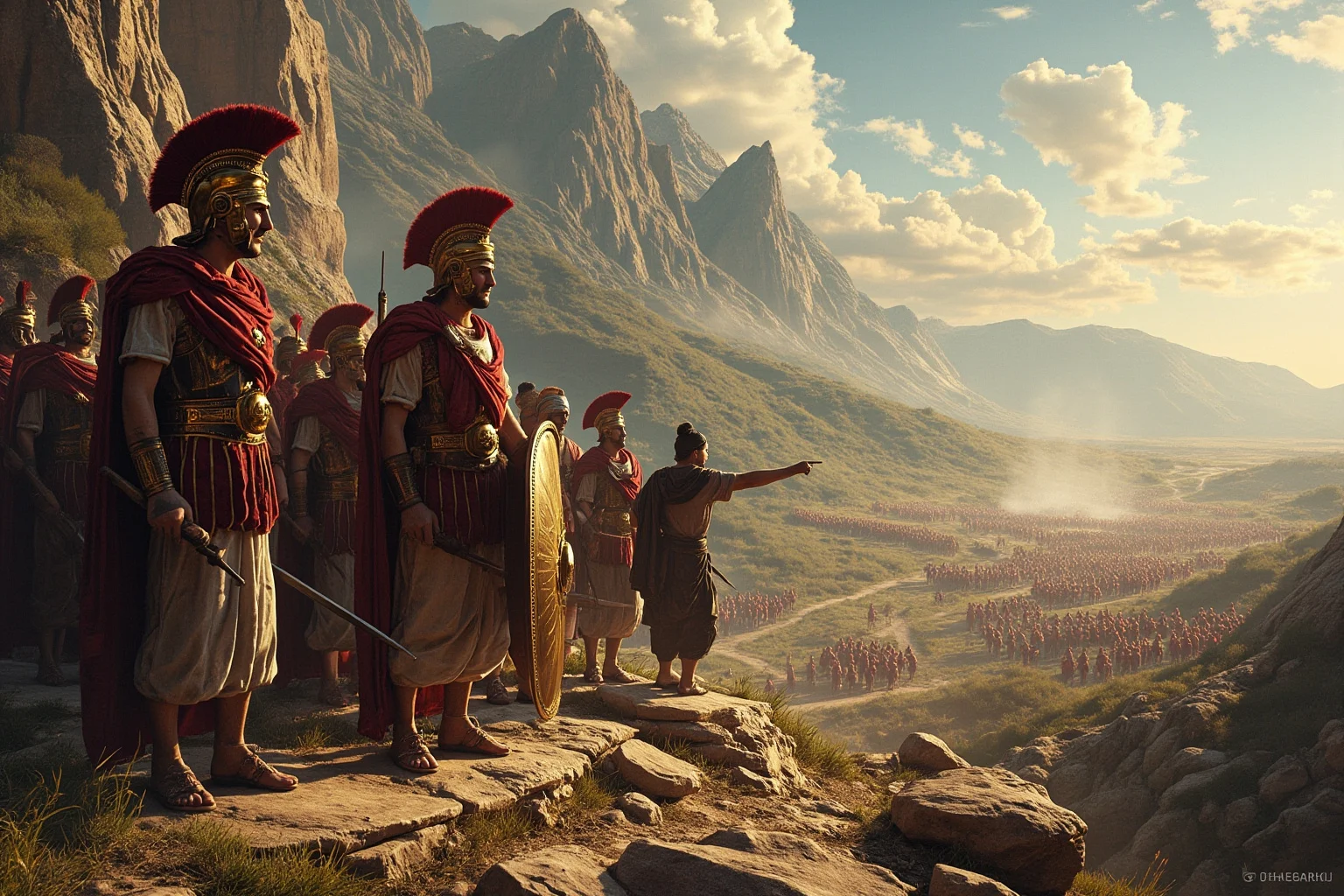
According to the ancient historian Herodotus, Ephialtes was a local Greek who showed the invading Persian army a hidden mountain path around the Greek defenders at the Battle of Thermopylae in 480 BCE. That path allowed Persian forces to outflank King Leonidas and his soldiers, contributing to their famous last stand and defeat.
Ephialtes fled after the battle and was reportedly killed years later for unrelated reasons, but his name has stood in Greek culture ever since as a symbol of betrayal for personal gain.
3. Marcus Junius Brutus
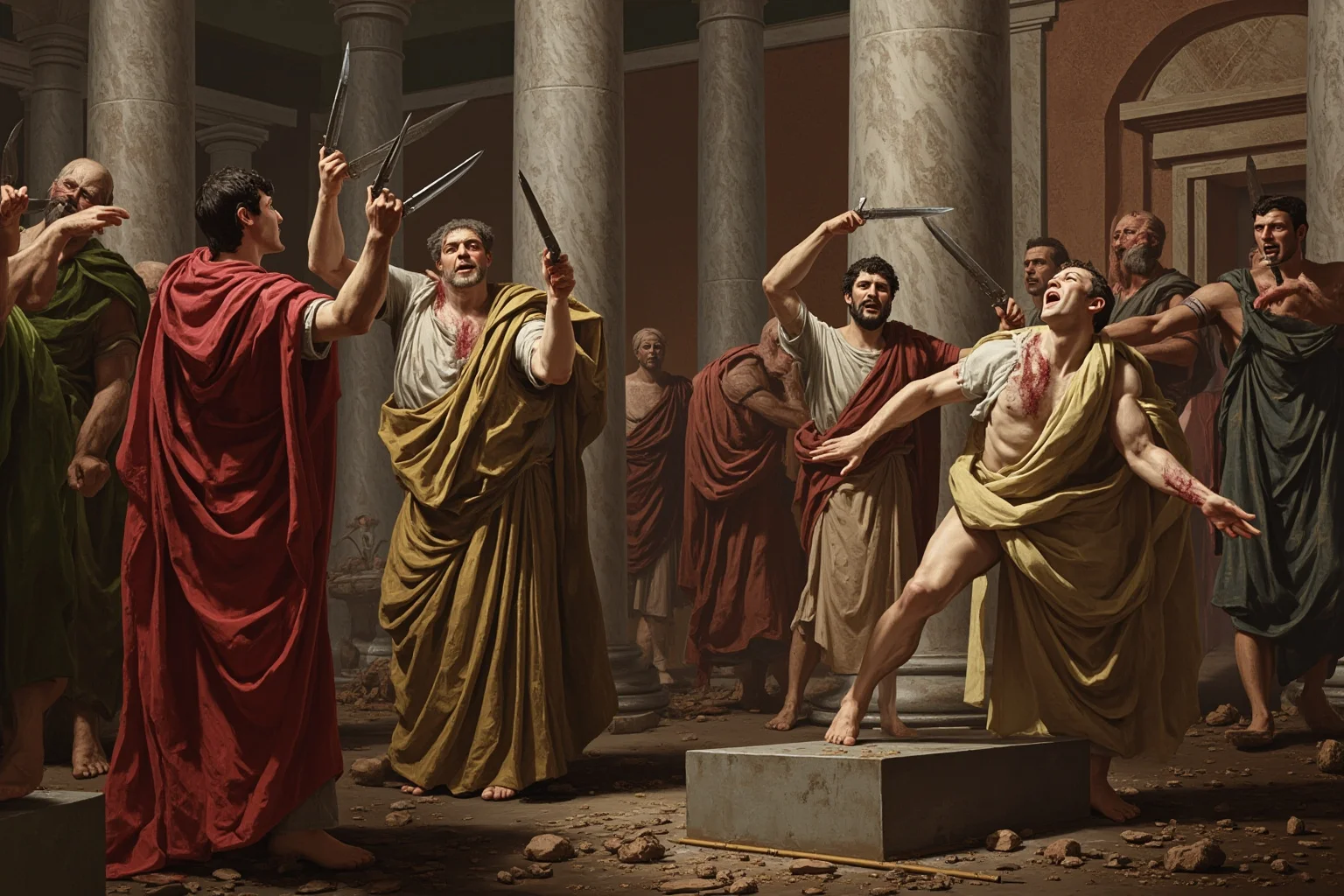
Brutus is probably the most literary traitor on this list, thanks largely to Shakespeare’s “Et tu, Brute?” line. In real history, Brutus was a Roman senator and one of the leading conspirators who assassinated Julius Caesar in 44 BCE, despite having been treated as something close to a protégé by Caesar.
The conspirators believed they were saving the Roman Republic from a would-be dictator, which complicates any simple reading of Brutus as purely self-interested. Even so, his name has become shorthand for betrayal by someone closest to you.
4. Mir Jafar
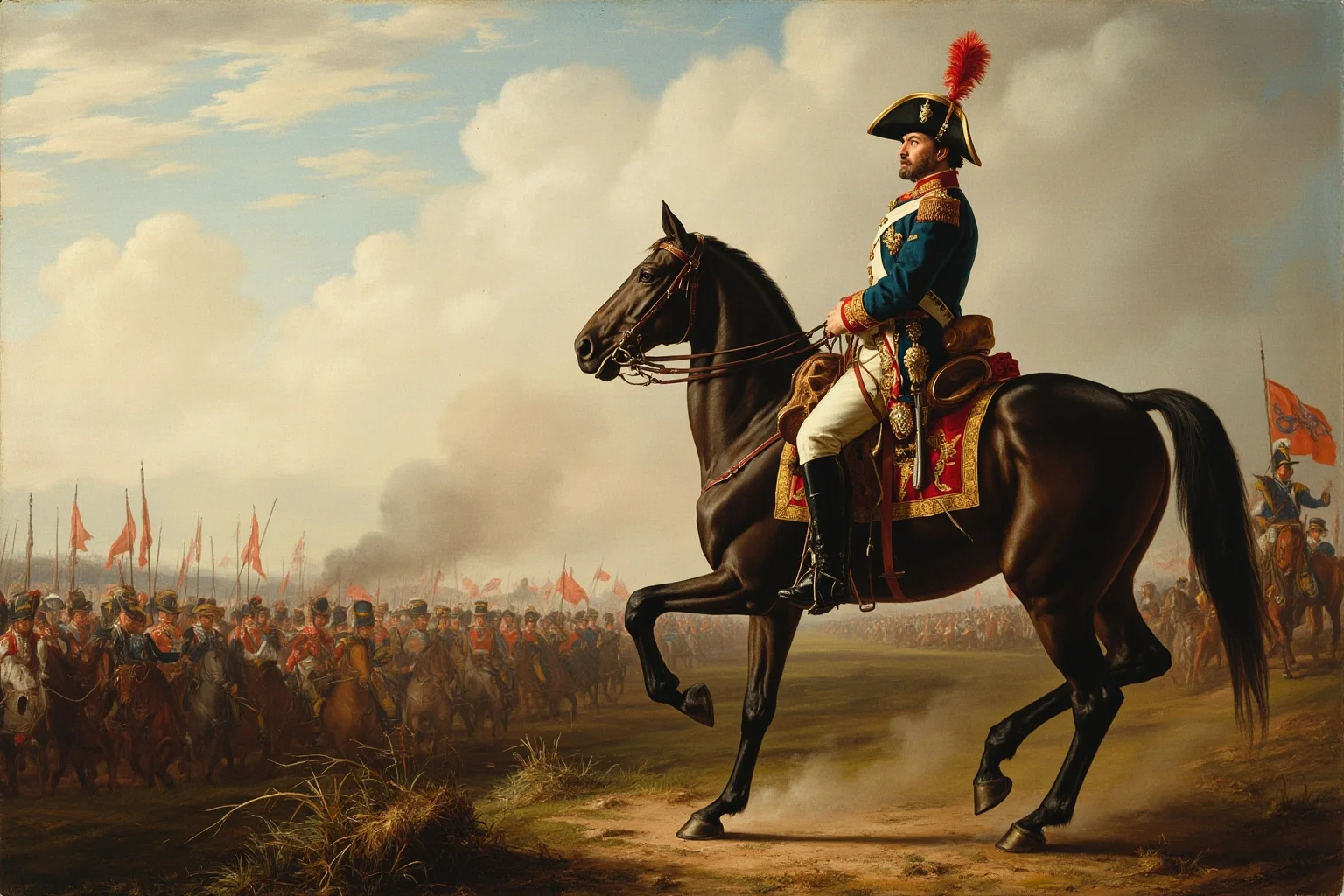
Mir Jafar was a commander in the army of Siraj ud-Daulah, the Nawab of Bengal, during the 1757 Battle of Plassey. In exchange for promises of power from the British East India Company, Mir Jafar withheld his forces during the battle, directly enabling a British victory that opened the door to colonial rule over Bengal.
He was rewarded with the throne, but only briefly, before being sidelined by the same British interests he’d served. In much of South Asia today, his name remains a common byword for a sellout.
5. Vidkun Quisling
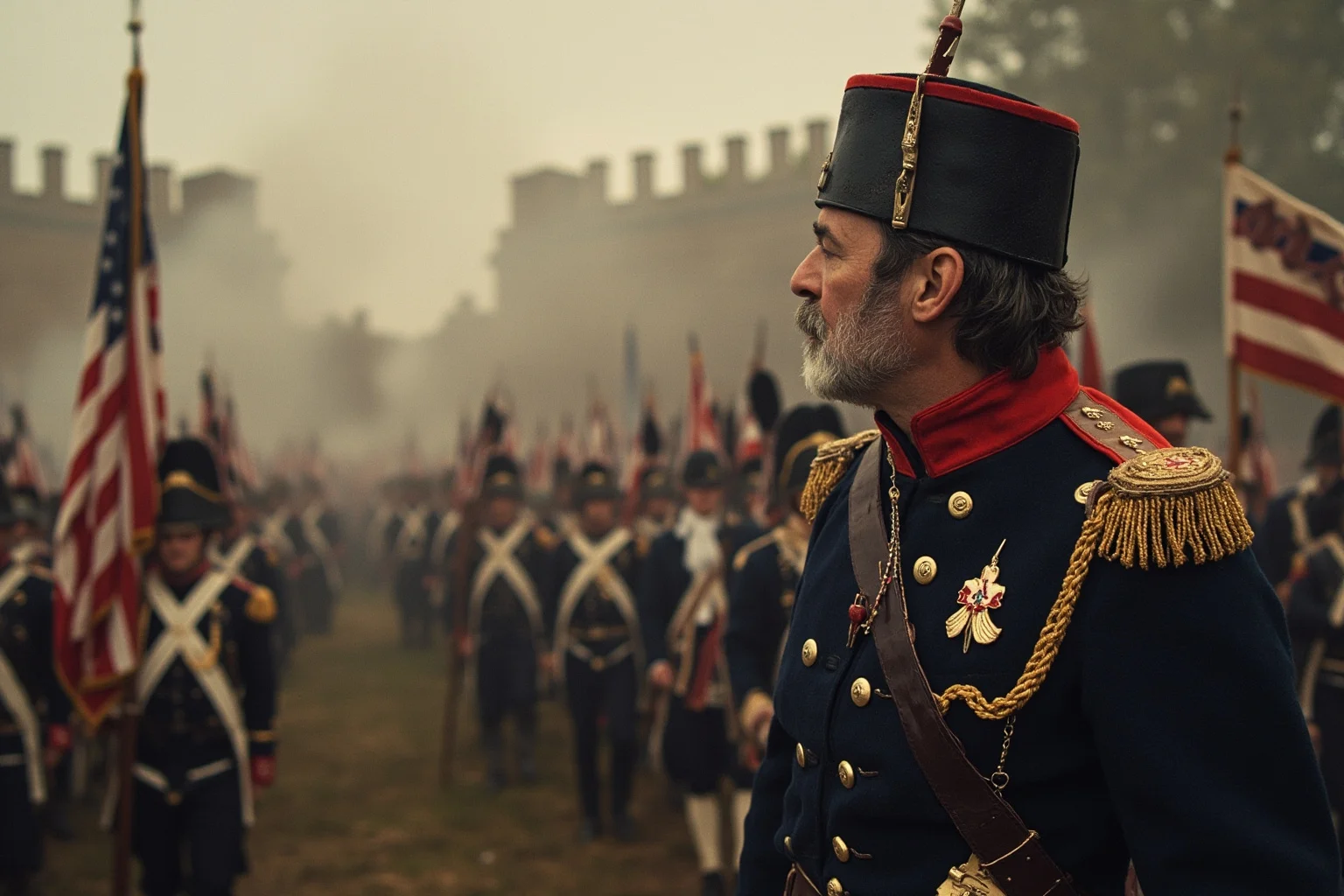
Vidkun Quisling was a Norwegian military officer and politician who collaborated with Nazi Germany during its occupation of Norway, eventually becoming the puppet head of government from 1942 to 1945. He actively supported Nazi policies, including the persecution of Norwegian Jews.
After the war, Quisling was tried and executed for treason in 1945. His name became so associated with collaboration that “quisling” entered the English language as a generic noun for a traitor who serves an occupying power.
6. Marshal Philippe Pétain
Philippe Pétain was a celebrated French military hero of World War I, which makes his later choices even more jarring, especially compared with the other wartime leaders of World War II who chose resistance over collaboration. After France’s defeat in 1940, Pétain became head of state of the collaborationist Vichy regime, which cooperated with Nazi Germany and participated in deporting Jewish citizens to concentration camps.
After liberation, Pétain was convicted of treason in 1945 and sentenced to death, later commuted to life imprisonment due to his age and WWI service. His case remains one of the most studied examples of a national hero turned collaborator.
7. Benedict Arnold
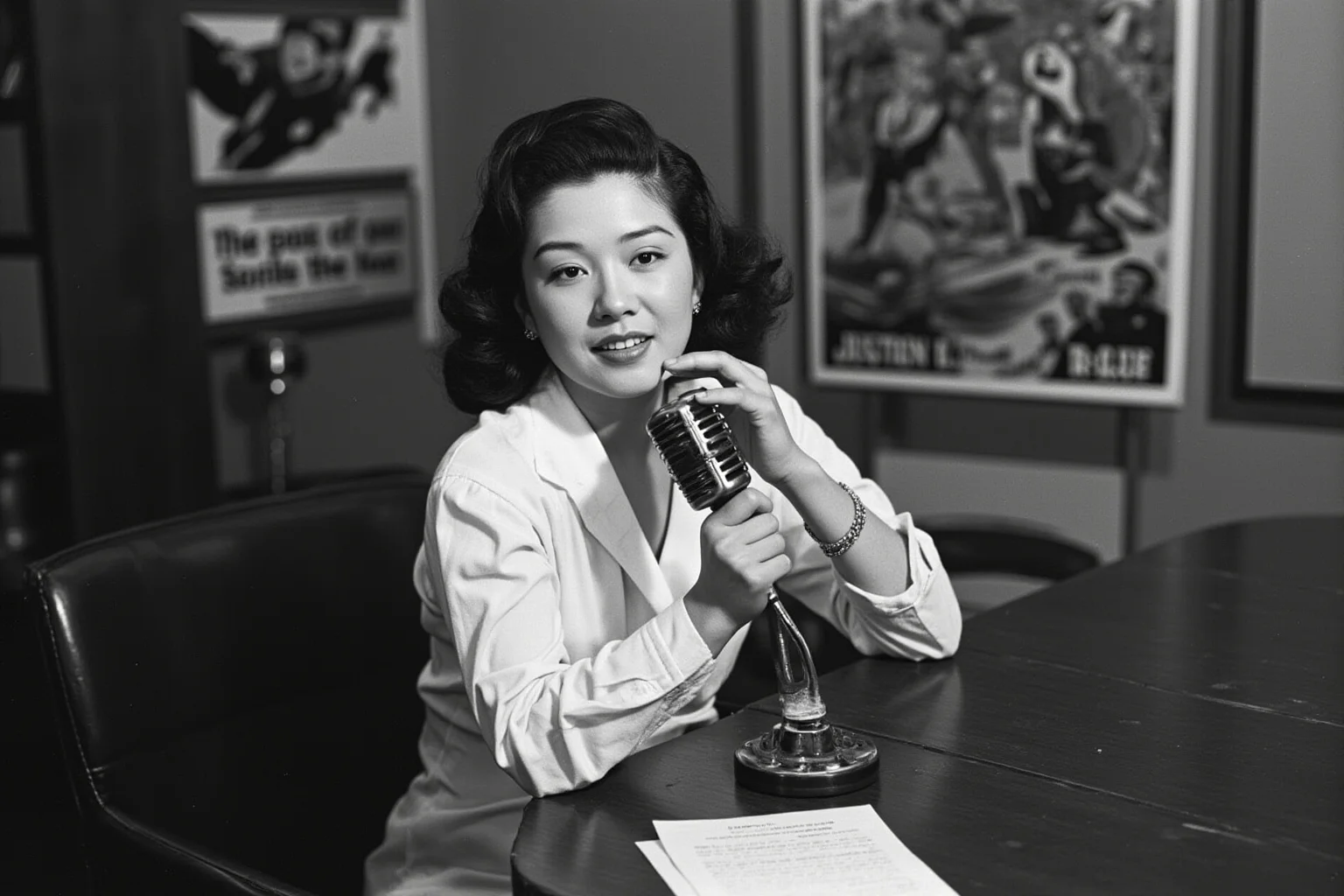
No discussion of famous American traitors is complete without Benedict Arnold, arguably America’s greatest traitor by reputation alone. Arnold was a skilled and initially celebrated general in the Continental Army during the Revolutionary War, a career that might have placed him alongside America’s greatest war heroes had his story ended differently, but by 1780 he had grown resentful over pay, recognition, and politics.
He conspired to surrender the strategic fort at West Point to British forces in exchange for money and a military commission. The plot was discovered before it succeeded, and Arnold fled to fight for the British, cementing his name as the go-to reference whenever Americans discuss biggest traitors in American history.
8. Aaron Burr
Aaron Burr served as the third Vice President of the United States under Thomas Jefferson, but his later life was consumed by scandal. In 1807, Burr was tried for treason over accusations that he plotted to carve out an independent territory in the American West, possibly with foreign backing.
Burr was acquitted due to insufficient evidence meeting the strict constitutional definition of treason, but the trial permanently damaged his reputation. He remains one of the most debated figures among famous US traitors, partly because guilt was never definitively proven.
9. William Joyce, “Lord Haw-Haw”
William Joyce was an American-born fascist who moved to Britain and later Germany, where he became the voice behind Nazi propaganda broadcasts aimed at British listeners during World War II. His nickname, “Lord Haw-Haw,” came from his exaggerated upper-class radio delivery.
Joyce was captured after the war, and because he held British citizenship through part of his life, he was tried and executed for treason in Britain in 1946. He remains one of the last people executed for treason in the country’s history.
10. John Amery
John Amery was the son of a British cabinet minister who became a Nazi sympathizer and traveled to Germany during the war. He attempted to recruit captured British prisoners of war into a unit called the Legion of St George to fight against the Soviet Union alongside German forces.
Amery was captured, tried, and executed for treason in Britain in December 1945. His case was especially notable because his own father had been a senior figure in the very government he betrayed.
11. Iva Toguri, “Tokyo Rose”
Iva Toguri’s story is one of the clearest examples of why myth-busting matters when discussing traitors in history. Toguri was a Japanese-American citizen stranded in Japan during World War II who worked on a radio propaganda program, and after the war she was tried and convicted of treason as the supposed “Tokyo Rose.”
Decades later, investigations revealed that key witnesses had been coerced or had lied during her trial. President Gerald Ford granted her a full pardon in 1977, making her case a landmark example of a wrongful treason conviction rather than genuine betrayal.
12. Wang Jingwei

Wang Jingwei was once a respected figure in the Chinese Nationalist movement and a rival to Chiang Kai-shek. During Japan’s occupation of China, Wang broke from the Nationalist government and led a Japanese-backed puppet regime based in Nanjing from 1940 to 1944.
His collaboration is still one of the most studied cases of wartime betrayal in modern Chinese history, and his name is widely used in China as a synonym for a national traitor, much like Quisling in the West.
13. Kim Philby
Kim Philby was a senior officer in British intelligence who spent decades secretly working for Soviet intelligence as part of the group later known as the Cambridge Five. He rose to high-ranking positions within British counterintelligence while funneling secrets to Moscow.
Philby’s cover eventually unraveled, and he defected to the Soviet Union in 1963 rather than face prosecution. He is widely considered one of the most damaging double agents of the twentieth century.
14. Guy Burgess
Guy Burgess was a British diplomat and fellow member of the Cambridge Five spy ring, recruited to Soviet intelligence during his university years at Cambridge alongside Philby and others. Burgess passed along sensitive diplomatic and intelligence information for years.
He defected to Moscow in 1951 together with Donald Maclean, just ahead of being formally exposed. His flight triggered a major security scandal in Britain that took years to fully unravel.
15. Donald Maclean
Donald Maclean worked within the British Foreign Office, giving him access to highly sensitive diplomatic communications that he passed to Soviet handlers for years as part of the same Cambridge network. His access made him one of the most valuable Soviet assets in Britain.
Like Burgess, Maclean defected to Moscow in 1951 once British intelligence began closing in on the group. He lived out the rest of his life in the Soviet Union.
16. Anthony Blunt
Anthony Blunt was an art historian who became one of the most surprising members of the Cambridge Five, having also served in British intelligence during World War II while passing information to the Soviets. He later became a respected academic and even an advisor to the British royal family on art matters.
Blunt privately confessed to British intelligence in 1964 in exchange for immunity, but his role wasn’t publicly revealed until 1979. The revelation shocked Britain precisely because of how deeply embedded and trusted he had become.
17. Klaus Fuchs
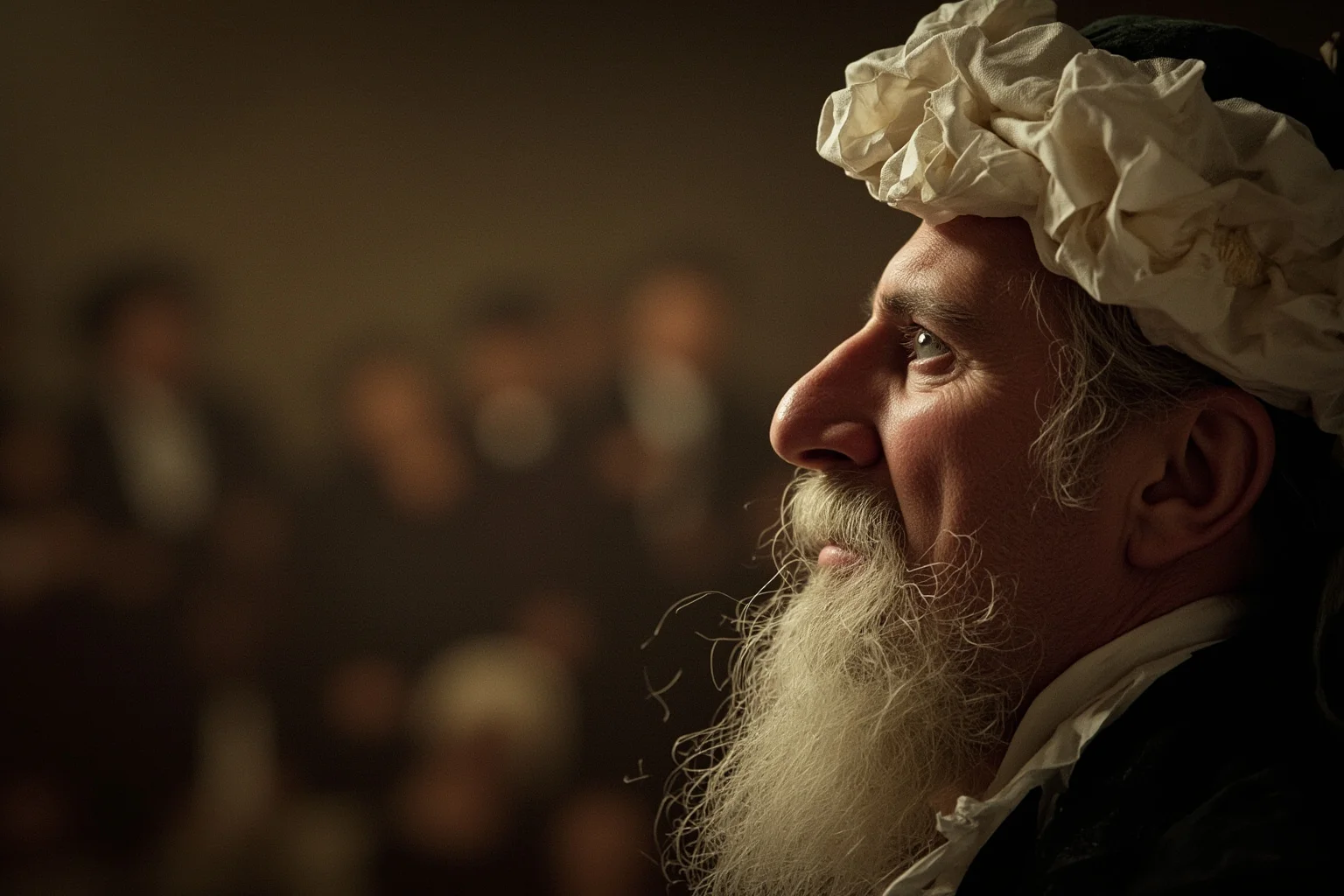
Klaus Fuchs was a German-born physicist who worked on the Manhattan Project, the Allied program that developed the atomic bomb during World War II. Motivated by his communist beliefs, Fuchs secretly passed detailed nuclear weapons research to the Soviet Union.
His espionage significantly accelerated the Soviet atomic bomb program. Fuchs was convicted in Britain in 1950 and served nine years in prison before eventually moving to East Germany.
18. Julius and Ethel Rosenberg
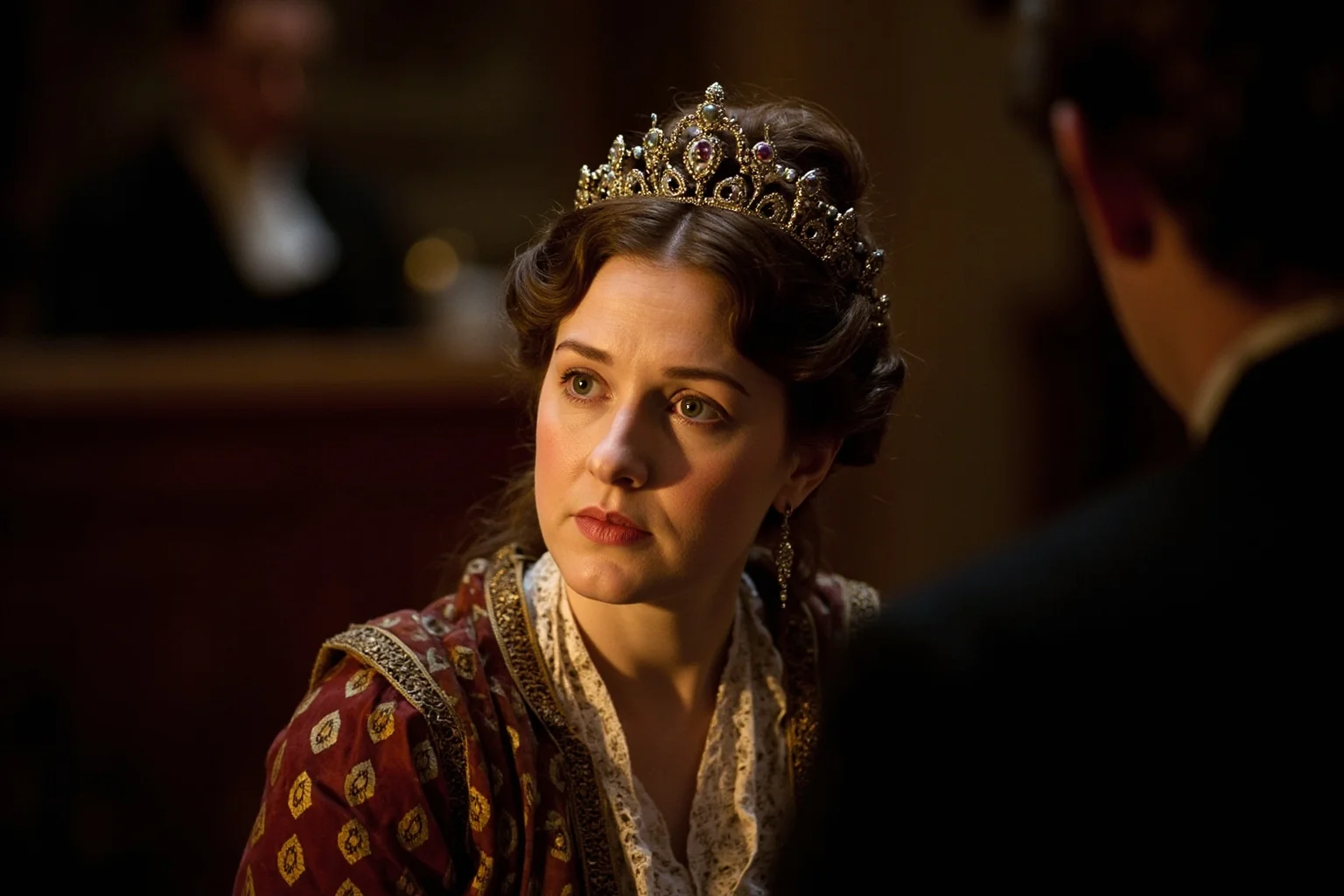
Julius and Ethel Rosenberg were American citizens convicted in 1951 of conspiracy to commit espionage for passing nuclear weapons secrets to the Soviet Union. Their trial and 1953 execution remain among the most controversial cases in the history of American treason prosecutions.
Declassified Soviet documents released decades later confirmed Julius Rosenberg’s role in espionage, while Ethel’s precise level of involvement remains more disputed among historians. Their case is frequently cited in debates about historic treason trials and due process.
19. Aldrich Ames
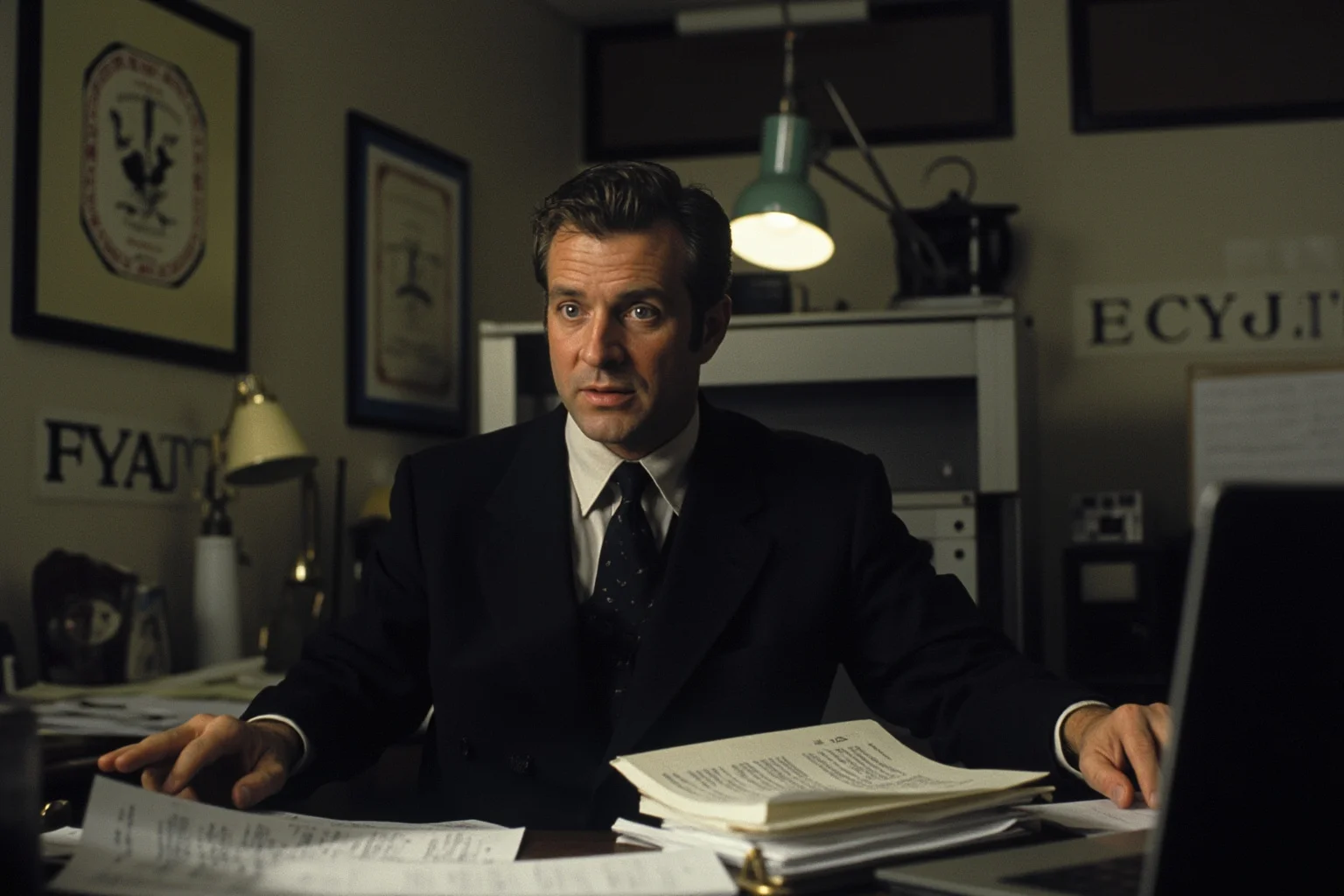
Aldrich Ames was a CIA officer who, starting in 1985, began secretly selling classified intelligence to the Soviet Union and later Russia in exchange for large sums of money. His betrayal compromised numerous American intelligence assets and is believed to have led directly to the deaths of at least ten people.
Ames was arrested in 1994 and remains one of the most damaging moles in the history of American intelligence. His case fundamentally changed how the CIA screens for internal threats.
20. Robert Hanssen
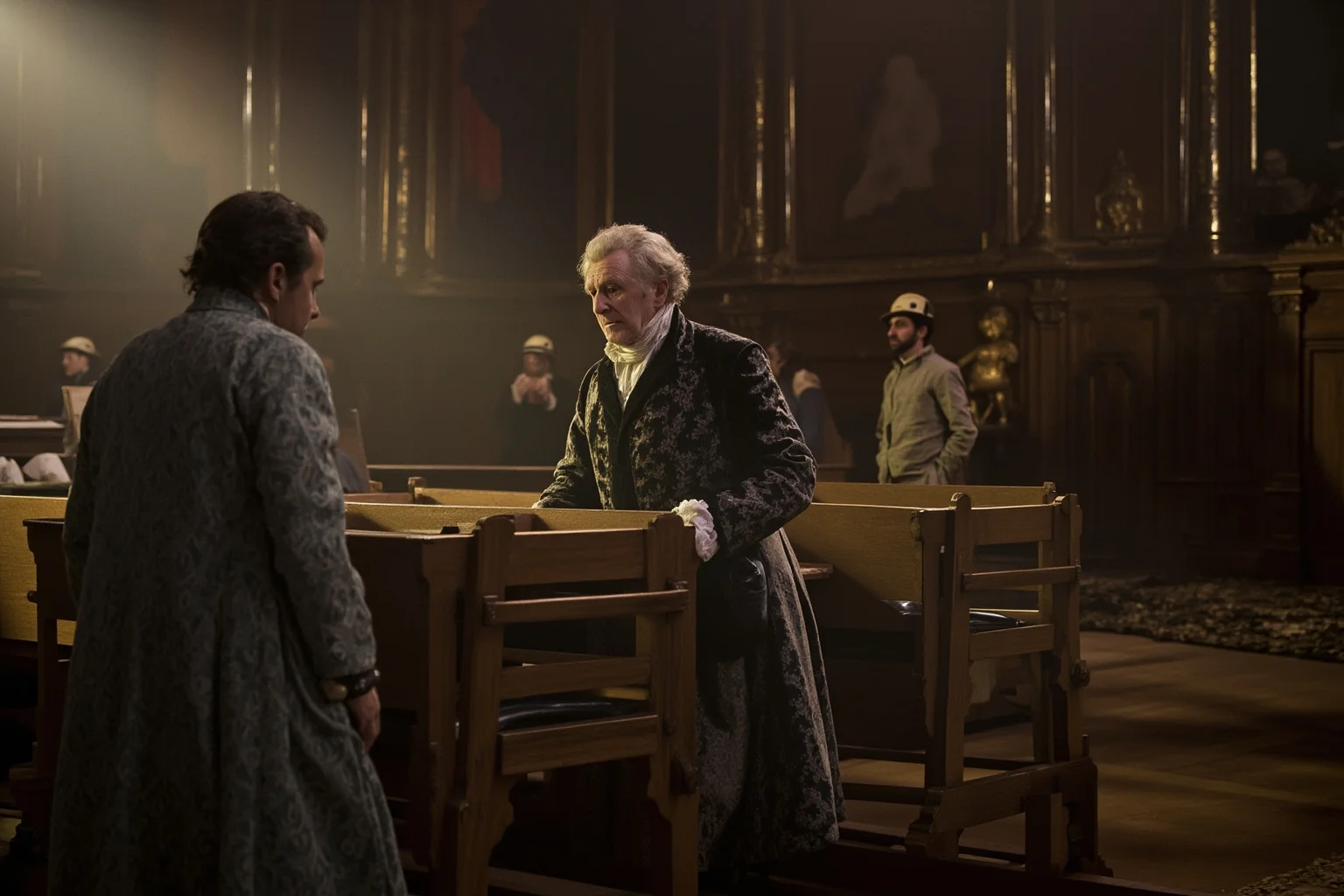
Robert Hanssen was an FBI agent who spied for Soviet and later Russian intelligence for over two decades, from 1979 until his arrest in 2001. He sold thousands of classified documents and compromised multiple intelligence operations, all while working inside one of America’s premier counterintelligence agencies.
Hanssen’s case is often ranked alongside Ames’s as among the most costly intelligence betrayals in US history. He pleaded guilty and was sentenced to life in prison without parole.
21. Harold Cole
Harold Cole was a British soldier who, after being captured or deserting during World War II, became an informer for the Gestapo in occupied France. He infiltrated and betrayed French Resistance escape networks, directly leading to the arrest, torture, and death of numerous resistance members and Allied airmen.
Cole is considered one of the most destructive individual betrayers of the resistance movement during the war. He was eventually killed by French police in 1946 while resisting arrest.
A Different Kind of Betrayal: What Is a “Class Traitor”?
Not every traitor on record betrayed a nation or an army. The term “class traitor” comes from political and Marxist theory, describing someone who acts against the interests of their own social or economic class, often by siding with a rival class or a revolutionary movement aimed at their peers.
The phrase gets used loosely today in political arguments, but it has real historical roots in moments when aristocrats or elites turned against their own class during revolutions. One of the clearest historical examples comes from the French Revolution.
22. Philippe Égalité, the Duke Who Voted to Execute His Cousin
Louis Philippe II, Duke of Orléans, was a member of the French royal family who nonetheless embraced revolutionary politics, going as far as renaming himself “Philippe Égalité” (Philippe Equality) and joining the National Convention. In January 1793, he voted in favor of executing his own cousin, King Louis XVI.
His choice made him a textbook example of what people mean by a class traitor, someone from a privileged background who sided against that very privilege. It didn’t save him in the end; Philippe Égalité was himself guillotined later that same year during the Reign of Terror.
23. Mary, Queen of Scots
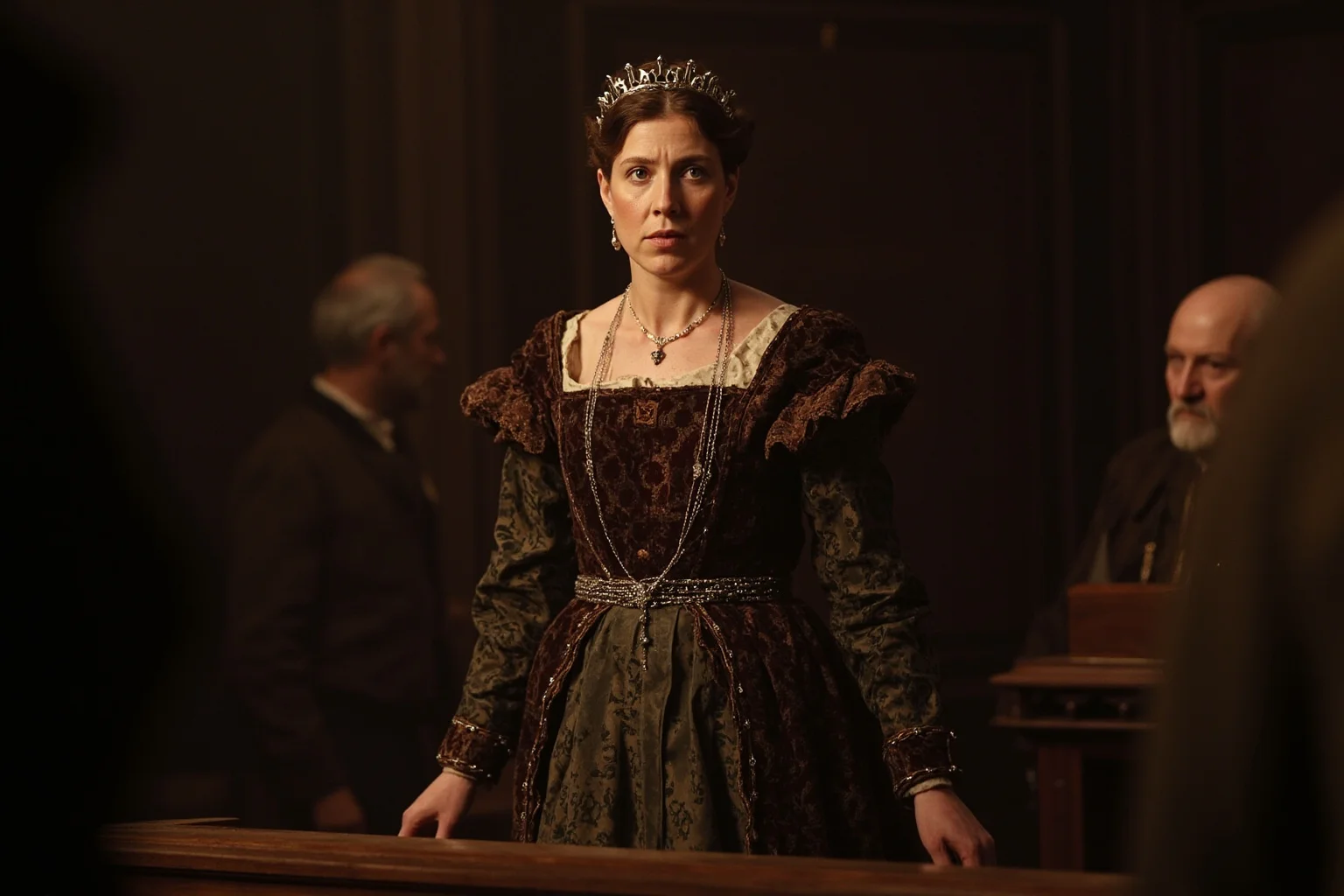
Mary, Queen of Scots, remembered today among history’s most powerful women, was convicted of treason against Queen Elizabeth I of England in 1586 for her alleged involvement in the Babington Plot, a conspiracy to assassinate Elizabeth and place Mary on the English throne. Mary was executed in 1587 after nearly two decades held in English custody.
Historians still debate how much direct involvement Mary actually had versus how much was engineered by Elizabeth’s spymaster, Francis Walsingham, to eliminate a rival claimant. Her case remains one of the most politically charged treason trials in English history.
Traitors in Language, Pop Culture, and Modern Life
The idea of the traitor has never stayed confined to history books. Fictional characters get accused of betrayal constantly, and fans debate their loyalties with the same intensity historians apply to real cases. Whether it’s a manga character’s shifting allegiances or a reality show built entirely around hidden betrayal, the same core questions apply: who can you trust, and what counts as a legitimate reason to switch sides?
That’s also why phrases like “traitors must suffer” show up so often in fiction and historical rhetoric alike; harsh punishment for treason has been a near-universal feature of law across centuries, from execution to exile to public disgrace. It reflects just how seriously most societies have treated betrayal, even when the underlying facts were murky.
Why We’re Still Fascinated by Betrayal
Part of what keeps famous betrayers in the public imagination is that treason forces a moral judgment call. Was the person protecting a higher principle, like Brutus claimed to be doing for the Republic, or were they simply chasing money and power, like Mir Jafar or Aldrich Ames?
Another part is simply how personal betrayal feels, even at a historical distance. A quisling, a Judas, or a Benedict Arnold isn’t just an enemy; they’re someone who was supposed to be on your side, which is what makes their choice sting so much more than an honest opponent ever could.
Finally, these stories endure because they’re cautionary. Every generation retells its own version of the traitor story, whether through courtroom drama, spy thrillers, or reality competitions, because the underlying tension between loyalty and self-interest never really goes away.
Final Thoughts on History’s Most Notorious Traitors
Looking across twenty-three centuries of betrayal, a few patterns stand out clearly. Money motivated plenty of traitors, ideology motivated others, and a smaller number acted out of genuine belief that they were serving a greater good, however wrong that belief later looked.
It’s also worth remembering that not everyone labeled a traitor was guilty as charged. Iva Toguri’s wrongful conviction and the still-debated case of Mary, Queen of Scots are reminders that the “traitor” label has sometimes been a political weapon rather than an honest verdict.
What’s certain is that these stories aren’t going away. As long as trust exists between people, nations, and institutions, there will be someone willing to break it, and history will keep finding new ways to remember exactly who did.
Frequently Asked Questions
Who is considered America’s greatest traitor?
Benedict Arnold is almost universally cited as America's greatest traitor. A trusted Continental Army general during the Revolutionary War, he plotted in 1780 to surrender the strategic fort at West Point to the British in exchange for money and rank, and his name has been synonymous with betrayal in the US ever since.
Who is the all-time leader in interceptions?
This question usually comes up in an NFL context rather than a history one. Brett Favre holds the record for most career interceptions thrown by a quarterback (336), while Paul Krause holds the NFL record for most career interceptions caught by a defensive player (81). It's a fun coincidence that 'interception' also describes a kind of betrayal, but it isn't connected to the historical traitors covered in this article.
Is William Vangeance a traitor in Black Clover?
Without spoiling major plot details, William Vangeance is a fictional character from the manga and anime series Black Clover whose backstory turns out to be far more complicated than a simple betrayal. He has ties to an antagonist faction, but the story frames his choices as tied to a hidden past and a longer-term plan rather than straightforward treachery, so most fans don't consider him a villainous traitor once his full arc plays out.
Who is the secret traitor on The Traitors US?
The identity of the secret 'traitor' contestants changes every season of the reality competition show The Traitors, so there isn't one single answer. Each season, a small group of players is secretly designated as traitors at the start, and the rest of the cast tries to identify and vote them out before the traitors can eliminate everyone else.
What does ‘class traitor’ mean?
A class traitor is someone who acts against the interests of their own social or economic class, often by siding with a rival class or a movement aimed at reforming or overthrowing the existing order. A well-documented historical example is Philippe Égalité, the French Duke of Orléans who voted in 1793 to execute his own cousin, King Louis XVI, during the French Revolution.
What happened historically to people convicted of treason?
Punishments for treason have historically been among the harshest in any legal system, ranging from execution (by beheading, hanging, or worse in earlier centuries) to exile, loss of titles, and public disgrace. This severity is part of why the phrase 'traitors must suffer' echoes through history and fiction alike, reflecting how seriously most societies treated betrayal of the state or crown.
What’s the difference between treason and general betrayal?
Treason is a specific legal crime, typically defined as betraying one's own country, monarch, or government to an enemy, often through acts like espionage, aiding invaders, or plotting against the state. Betrayal is a broader, informal term that can describe breaking trust with a person, group, or cause, whether or not any law was actually broken.

Alex Warren
Related Articles





