
Edgar Allan Poe was found semiconscious outside a Baltimore polling place on October 3, 1849. He was wearing stained, ill-fitting clothes that were not his own, and he could not explain how he had gotten there. He died four days later without ever becoming coherent enough to describe what happened.
More than 170 years later, Poe’s death remains one of American literature’s most stubborn puzzles. The usual records that might settle the case are missing or contradictory. What follows is a look at the known facts, the reasons for the confusion, and 20 of the most serious explanations for Edgar Allan Poe’s death.
TL;DR: Edgar Allan Poe was found delirious in Baltimore on October 3, 1849, died four days later without ever explaining what happened, and no single cause has ever been proven.
The Known Facts: Birth and Death of Edgar Allan Poe
Edgar Allan Poe was born on January 19, 1809, in Boston, Massachusetts. He became one of the most influential writers of the nineteenth century. His death on October 7, 1849, in Baltimore cut that career short at just 40 years old.
Poe had been traveling from Richmond, Virginia, toward Philadelphia and New York when his journey went catastrophically wrong. He was found outside Ryan’s 4th Ward Polls, a tavern and polling place in Baltimore. A compositor named Joseph W. Walker saw him and wrote to Dr. Joseph E. Snodgrass for help.
Poe was taken to Washington College Hospital, where Dr. John Joseph Moran took charge of his care. He was described as feverish, confused, and unable to give a clear account of himself. He died in the early morning hours of October 7, 1849.
Newspapers at the time attributed Edgar Allan Poe’s death to “congestion of the brain” or a similar phrase. That was a common nineteenth-century catchall rather than a precise medical diagnosis. No official death certificate has ever been found, and no reliable autopsy record exists.
Why the Mystery Persists
The mystery around Edgar Allan Poe’s death begins with the missing paperwork. A death certificate, an autopsy report, or even a detailed hospital record would likely answer many questions. Those documents either never existed or disappeared long ago.
The witnesses also shaped the story to fit their own beliefs. Dr. Snodgrass, a temperance advocate, insisted that Poe had drunk himself into a fatal frenzy. Dr. Moran later gave shifting, sometimes contradictory accounts that included claims about Poe’s final words and mental state.
Nineteenth-century medicine had no imaging, no toxicology panels, and little understanding of many diseases. Doctors often used vague terms like “cerebral inflammation” for a wide range of conditions. That makes modern retrospective diagnosis extremely difficult.
Finally, Poe’s own fame made the story grow. Friends, enemies, journalists, and early biographers all added details, some invented and some repeated until they hardened into legend. Separating documented facts from later fiction is the central challenge of this case.
Baltimore in 1849: A Dangerous City for a Sick Man
Baltimore in 1849 was a crowded, dirty port city. Outbreaks of cholera and other fevers were common. Medical care was often based on remedies such as bleeding and purging, which frequently weakened patients further.
Election Day was especially dangerous. Polling places often hosted paid alcohol, gangs, and political operatives. The practice of cooping was widely reported, and a solitary traveler could easily be trapped.
Poe was exactly the kind of target a cooping gang might choose. He was a slight, tired, middle-aged man traveling alone. If he appeared confused or intoxicated, he would have been even more vulnerable.
20 Enduring Explanations for Edgar Allan Poe’s Death
These theories range from medically plausible to purely circumstantial. Many overlap, and several may be pieces of one larger picture. They are presented here not as equal possibilities, but as explanations that serious writers, doctors, or historians have proposed.
1. Alcohol Withdrawal, or Delirium Tremens
Some doctors who reviewed the case believe Poe’s symptoms sounded like severe alcohol withdrawal. Sudden withdrawal after heavy drinking can cause confusion, fever, hallucinations, and heart instability. Poe had a long, complicated relationship with alcohol.
In the 1840s, doctors treated delirium tremens with sedatives, cold compresses, and sometimes more alcohol. Without modern supportive care, severe withdrawal could kill. A man in poor general health would be especially vulnerable.
The main weakness of this theory is the lack of a clear account of Poe’s drinking before he was found. The strongest proponent of the drunkenness story, Dr. Snodgrass, was also a temperance campaigner. He may have been describing a moral lesson more than a medical chart.
2. Acute Alcohol Poisoning

Poe’s low tolerance for alcohol was often noted by friends. A sudden large dose could have caused vomiting, coma, or aspiration pneumonia. If he aspirated vomit, the lung infection could take days to kill.
This explanation aligns with the story that Poe was found pale and shaky. However, witnesses described him as conscious enough to speak and move. Acute poisoning usually causes deeper unconsciousness.
The hospital staff may have given him fluids and stimulants, but they had no way to test blood alcohol. An alcohol binge could also combine with exposure or head injury. This theory is plausible but not sufficient by itself.
3. The “Cooping” Theory and Election-Day Violence

Cooping gangs kidnapped men, forced them to vote multiple times, and changed their clothes between visits. Victims might be beaten, drugged, or forced to swallow liquor. Baltimore’s rough election culture in 1849 makes this theory historically credible.
Poe was found on Election Day near a polling place in ill-fitting clothes that did not belong to him. That single fact has led many researchers to call cooping the most likely explanation for how he ended up on the street. Joseph W. Walker found him barely responsive.
The cooping theory does not identify the medical cause of death, but it explains the circumstances. A cooping victim could die from a beating, exposure, alcohol, or withdrawal in the days after. Most modern historians consider cooping a strong part of the picture.
4. A Fatal Relapse After a Sobriety Pledge

Poe joined the Richmond chapter of the Sons of Temperance in 1849 and may have been sober for some time. A sudden return to alcohol after a period of abstinence can be especially dangerous. Some of his friends believed just such a relapse occurred during his trip.
This idea is connected to the temperance movement because Dr. Snodgrass and others used Poe as a warning. The medical reality is that a relapse could produce severe stomach distress, weakness, and nervous collapse. A small amount of alcohol might have been enough.
The relapse theory cannot explain every detail of Poe’s death. It does not account for the wrong clothes or his presence at a polling place. Those facts suggest something more complicated than a private slip.
5. Rabies
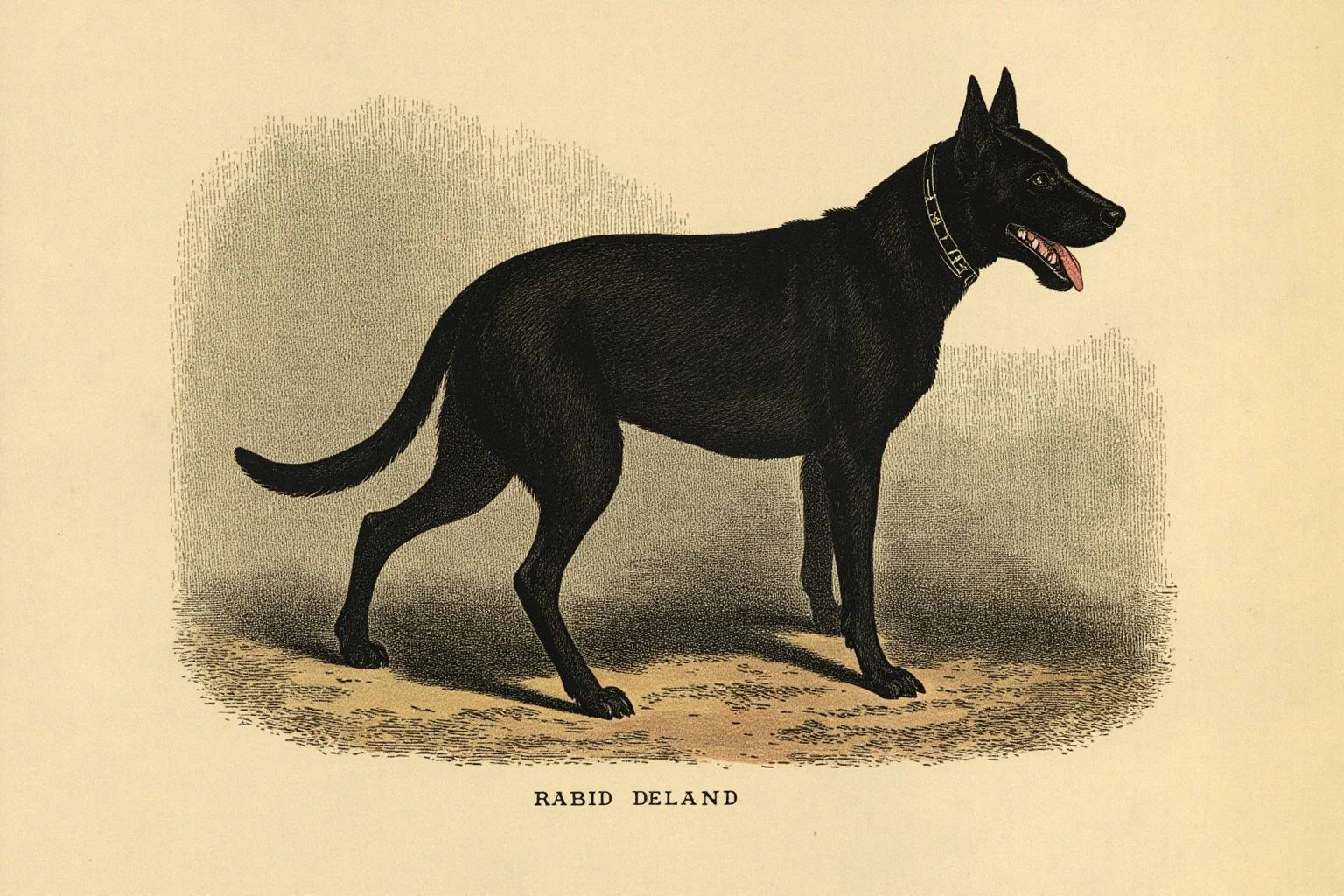
In 1996, cardiologist Dr. R. Michael Benitez argued in the Maryland Medical Journal that Poe’s symptoms fit rabies. He noted that rabies can cause confusion, agitation, difficulty swallowing, and death without a known bite. The incubation period can be weeks or months.
Rabies would explain why nineteenth-century doctors found no obvious cause. The nervous system symptoms could look like drunkenness. Benitez pointed out that Poe seemed to have trouble drinking water, which may be a sign of rabies.
The rabies theory has drawn much attention, but it rests on limited evidence. Most rabies patients die within a few days once serious symptoms appear. We also do not know if Poe had a true fear of water or just general confusion.
6. A Brain Tumor or Intracranial Mass
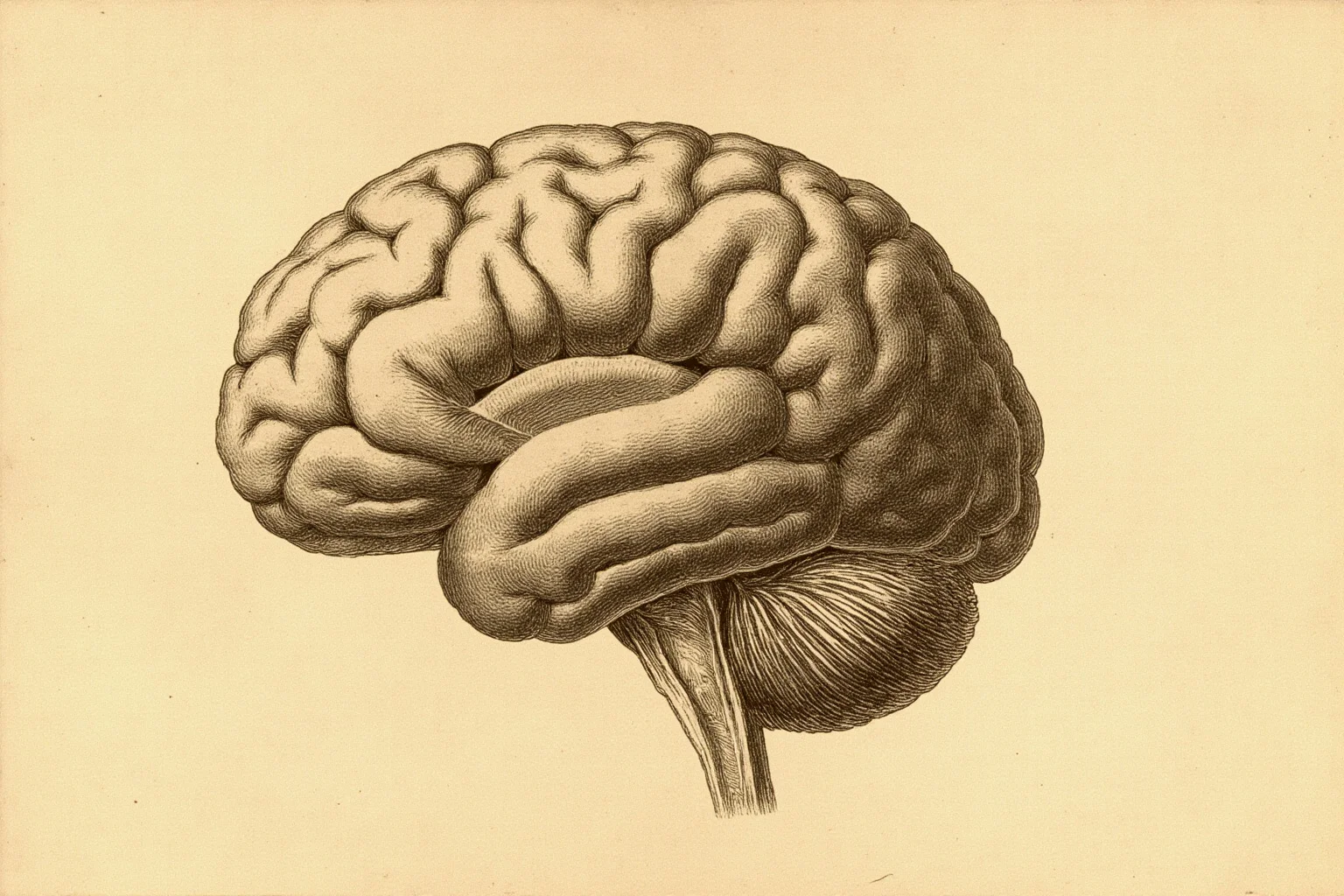
A brain tumor or other intracranial mass could explain Poe’s headaches, altered mental states, and gradual decline. If the mass bled or swelled suddenly, it might produce the stupor seen in Baltimore. Nineteenth-century doctors would have lacked tools to detect it.
The idea is plausible because brain tumors can cause the kind of mental change witnesses described. Poe’s correspondence often mentions poor health and nervous symptoms. But there is no autopsy evidence to confirm a tumor.
This theory remains a modern guess rather than a historical diagnosis. Without imaging or tissue, no one can prove it. It is one more instance in which the missing records block a clear answer.
7. Meningitis or Encephalitis

Meningitis is an infection of the membranes around the brain, while encephalitis is infection of brain tissue itself. Both can cause fever, neck pain, confusion, and coma. In 1849, outbreaks of infectious disease were common in crowded cities.
The newspaper phrase “cerebral inflammation” may be a rough description of meningitis or encephalitis. Doctors did not yet use lumbar punctures to confirm such infections. Poe’s feverish and stuporous state fits an infection of the central nervous system.
However, bacterial meningitis usually kills quickly, while viral encephalitis can leave survivors with long-term damage. Poe was ill for about four days, which is possible for either. The absence of sharply localizing signs leaves this theory open.
8. Tuberculosis

Tuberculosis was the great killer of Poe’s family. His mother Eliza, foster mother Frances Allan, and wife Virginia all died of the disease. If Poe had undiagnosed tuberculosis, it could have spread to his brain or the lining of the brain.
Tuberculous meningitis causes fever, confusion, and gradual loss of consciousness. It would have been familiar to nineteenth-century doctors, though they could not distinguish it from other infections. The chronic weight loss and cough may not have been obvious to witnesses.
The main problem is that Poe’s final collapse appears to have come suddenly. Tuberculous meningitis is usually a slower decline over weeks. Still, a sudden complication from hidden tuberculosis cannot be fully ruled out.
9. Syphilis

Syphilis was widespread in the nineteenth century and often untreated. Late neurosyphilis can cause personality changes, mood swings, headaches, and eventually dementia or death. Because Poe’s behavior was often described as erratic, some biographers have speculated about syphilis.
There is no known letter, medical record, or contemporary report confirming that Poe had the disease. The diagnosis has been proposed mainly by later writers who connected Poe’s dark imagination with the neurological effects of syphilis. That approach has obvious limits.
Without a blood test or autopsy, syphilis cannot be established. Many symptoms of neurosyphilis overlap with alcoholism, depression, and other conditions. Most current scholars treat the syphilis theory as interesting but unproven.
10. Cholera
Baltimore was hit by cholera epidemics during Poe’s lifetime, and 1849 was a particularly dangerous year. Cholera can kill within hours through massive dehydration and shock. Public health officials would have recognized an epidemic case.
Poe was found outdoors, not at home, and could have been weakened by contaminated water or poor food. Yet witnesses did not report the profuse diarrhea and vomiting that mark cholera. A four-day course would be unusual for acute cholera.
If Poe had a milder gastrointestinal infection, it might have worsened dehydration and confusion. Cholera itself is unlikely to have been the primary cause. It remains part of the broader story of a dirty and unhealthy city.
11. Heart Disease or Hypertensive Crisis
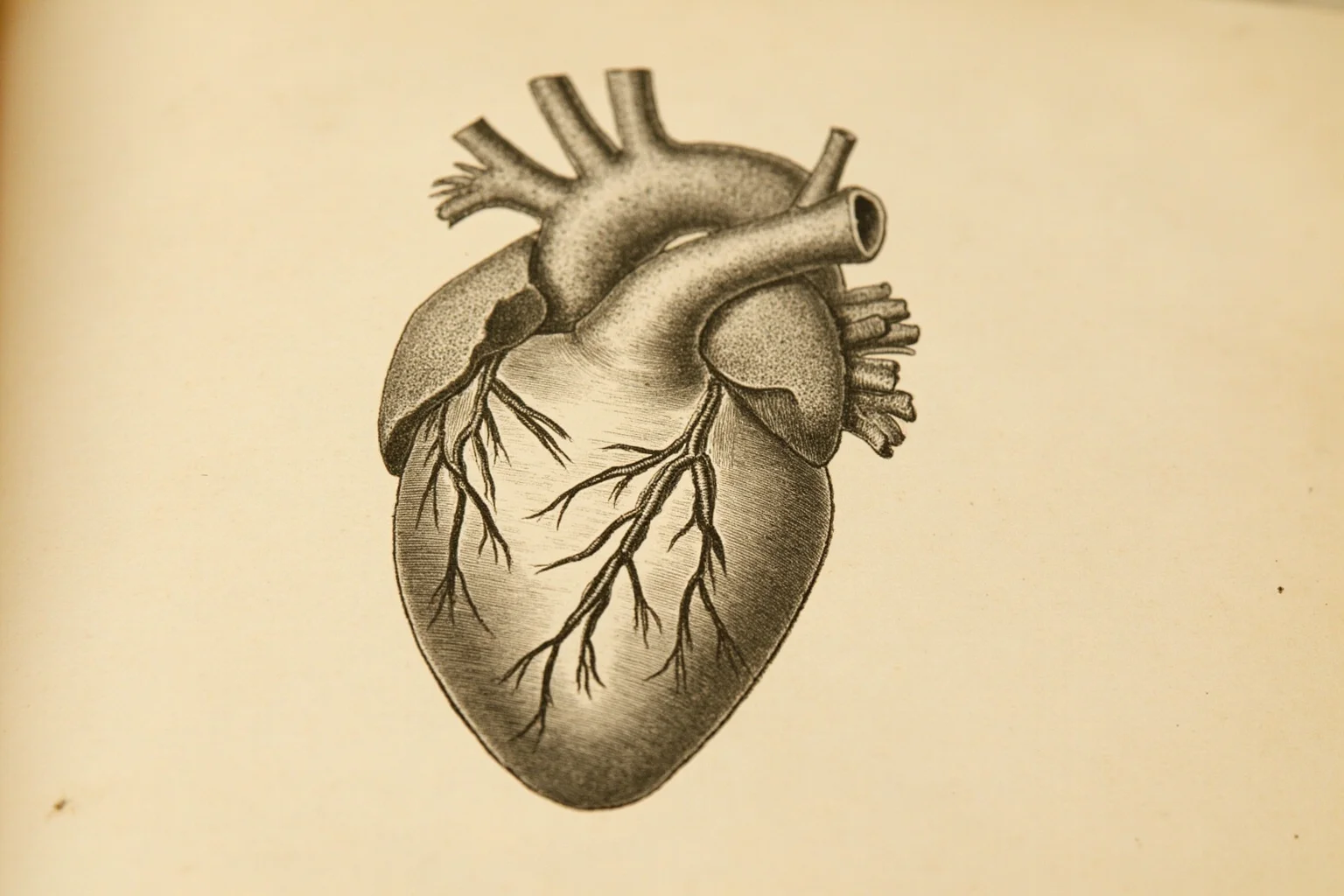
Poe may have suffered from cardiovascular disease. He had a thin, frail build, a history of anxiety, and possible chest pain or palpitations. A stroke, heart attack, or dangerously high blood pressure could cause a sudden collapse.
If Poe had a stroke, he might have been confused, unable to speak clearly, and weak on one side. Witnesses did not describe one-sided paralysis, but such details could have been missed in a noisy hospital ward. A seizure or stroke can also produce post-event confusion.
Heart disease does not explain how Poe ended up in someone else’s clothes at a polling place. It may have been the final bodily event, but something else likely pushed him into the street. Many doctors see cardiovascular failure as a consequence of other stresses.
12. Epilepsy or a Seizure Disorder
Seizure disorders were poorly understood in the nineteenth century. A seizure can cause a person to become disoriented, drowsy, and difficult to rouse afterward. Bystanders often interpreted post-seizure confusion as drunkenness.
Poe’s episodes of staring, fainting, or sudden fear could be read as partial seizures. Alcohol withdrawal or a brain injury can also trigger seizures. If he had a seizure outside the polling place, it might explain his muddled condition.
Epilepsy alone would not account for the four-day decline and death unless it was linked to another brain problem. The theory is most useful as a possible complication rather than the root cause. It is another piece of a very incomplete puzzle.
13. Diabetes

Uncontrolled diabetes can lead to a state called diabetic ketoacidosis, which causes deep breathing, confusion, coma, and death. Poe’s reported symptoms could match a metabolic crisis. In 1849, doctors could not test blood sugar.
Poe was not described as excessively thirsty or as having sweet-smelling breath, two clues that might point to diabetes. Those signs, however, may simply not have been recorded. A diabetic crisis can develop after infection or alcohol use.
This theory is usually regarded as weak because no diagnostic evidence exists. It is included among Edgar Allan Poe’s death theories because medical hindsight often produces many possibilities. Without records, even uncommon explanations are hard to eliminate.
14. Suicide or Deliberate Self-Destruction

The possibility of Edgar Allan Poe suicide is often raised by readers who associate his dark tales with personal despair. Poe certainly experienced grief, money troubles, and professional disappointment. He may have had periods of deep depression.
There is no clear evidence that Poe intended to die. He was on a work-related trip, had plans for his writing, and was engaged to Sarah Elmira Royster Shelton. No suicide note was found, and no witness reported a statement of intent.
Some behavior that looks self-destructive, such as heavy drinking, may have been a symptom of illness rather than suicide. The suicide theory probably reveals more about Poe’s public image than about the documented facts. Most historians do not accept it.
15. Opioid or Laudanum Overdose

Laudanum was a popular remedy made from opium dissolved in alcohol. People used it for pain, cough, anxiety, and sleep. Poe was familiar with the medical culture of his day, but claims that he was a habitual opium user are disputed.
An overdose of laudanum could cause slow breathing, a weak pulse, and death. If Poe obtained a bottle during his trip, an unintentional overdose is possible. However, hospital staff would likely have recognized opium poisoning by its signs.
No empty bottle or pharmacy record connects Poe to a fatal dose. The opioid theory is another modern attempt to impose a clear medical cause on a messy case. It remains plausible but unsupported by primary evidence.
16. Carbon Monoxide or Illuminating Gas Poisoning

Coal gas was used for lighting in Baltimore buildings in 1849. A leak from a gas pipe could cause headache, nausea, confusion, and eventually death. Some amateur investigators have proposed that Poe was poisoned by illuminating gas.
The theory is appealing because a gas leak would be difficult to diagnose with nineteenth-century medicine. A victim might wander outside in a confused state. Yet Poe was found outside, and no one reported a gas leak in his lodgings.
Carbon monoxide poisoning usually affects people in enclosed rooms. If Poe had been restrained or kept in a gaslit room by a cooping gang, the scenario becomes more plausible. This is an interesting but highly speculative theory.
17. Heavy Metal Poisoning

Mercury, lead, and arsenic were common in nineteenth-century medicines, paints, and household products. Chronic exposure can damage the brain, kidneys, and nerves. Some researchers wonder if Poe’s long health complaints came from metal poisoning.
Poe could have absorbed heavy metals through common remedies or contaminated food and water. His symptoms, including headaches and nervous attacks, are consistent with many chronic intoxications. But those symptoms are also consistent with dozens of other conditions.
No toxicology was done at the time, and Poe’s remains have not been tested. Until a modern forensic analysis becomes possible, heavy metal poisoning is only a theoretical possibility. It cannot be ruled in or out.
18. Head Trauma from an Assault

A blow to the head can cause a brain injury that worsens over hours or days. A slow bleed called a subdural hematoma can produce drowsiness, confusion, and death. This pattern sometimes fits Poe’s four-day decline after being found.
If Poe was beaten by a cooping gang or mugged, he might have looked well enough to leave but then deteriorated. Dr. Moran did not record a major external wound, but brain injuries can occur without skull fractures. A subtle pupil change or weakness may have been missed.
Head trauma is often combined with the cooping theory. It would explain the sudden mental change and the lack of a clear infection. The absence of an autopsy makes this impossible to confirm.
19. “Congestion of the Brain,” or Cerebral Inflammation
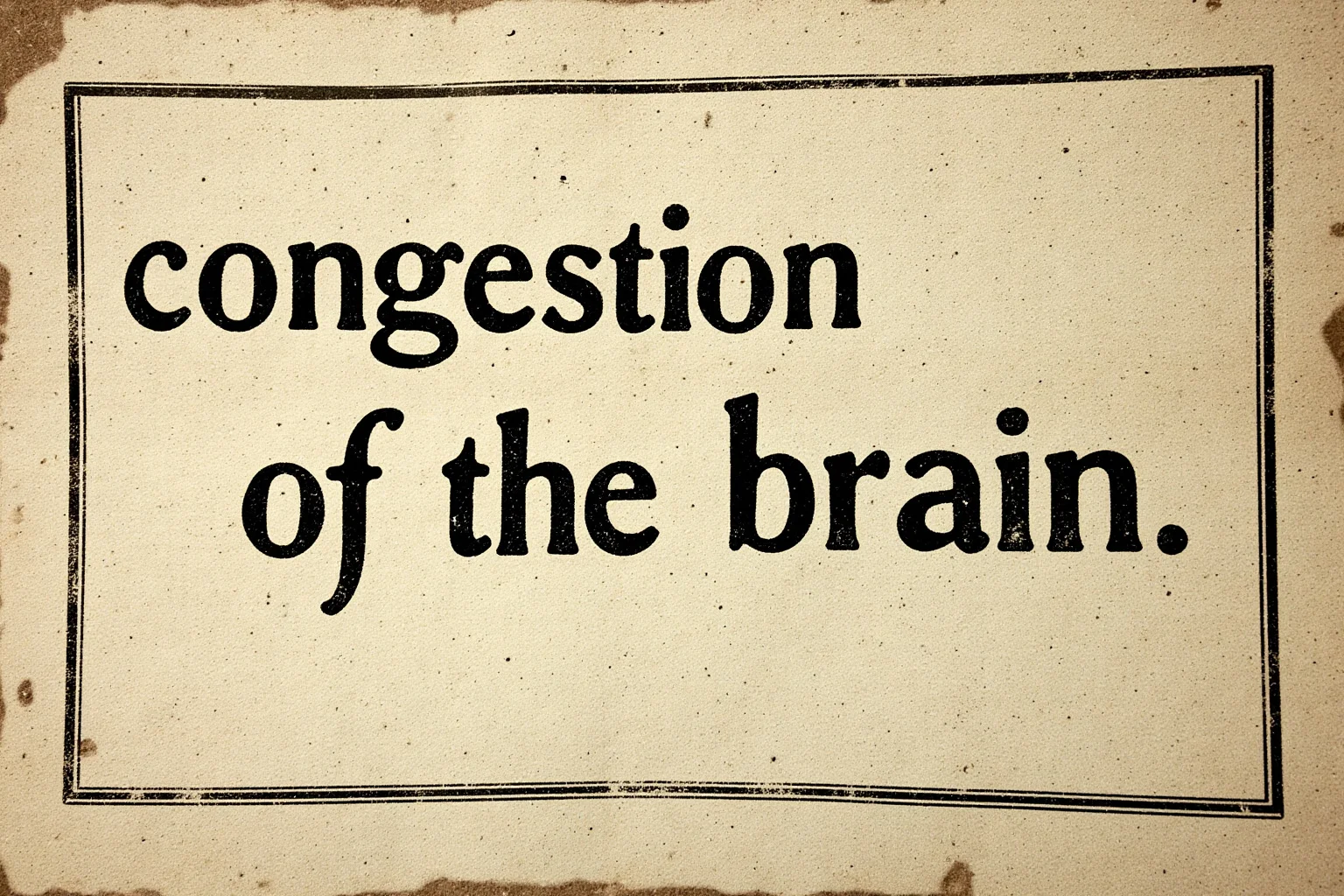
The first newspaper notices said Edgar Allan Poe died from congestion of the brain. In the nineteenth century, this phrase could mean too much blood or fluid in the skull. It was not a precise disease but a description of a final common pathway.
Doctors used terms like cerebral congestion, cerebral inflammation, and brain fever for many conditions. A stroke, infection, injury, or alcohol withdrawal could all be called congestion. That makes the official cause almost useless for modern diagnosis.
The phrase is still valuable because it tells us that Poe’s brain and nervous system were failing. It is the closest thing we have to an official explanation. Beyond that, it leaves the underlying cause open.
20. A Perfect Storm: Combined Causes and Medical Confusion

Many historians now argue that searching for a single answer to Edgar Allan Poe’s death may be misguided. A combination of fatigue, poor food, alcohol, exposure, and violence could have overwhelmed Poe’s already fragile body. In this view, the medical cause is less important than the context.
The cooping theory may explain the wrong clothes and polling place. A relapse or withdrawal may explain the neurological symptoms. A hidden infection or injury may explain the final fever and death.
This combined explanation is not as dramatic as a single disease. It is, however, more faithful to the messy reality of nineteenth-century life. It also explains why every single-cause theory leaves some detail unexplained.
The Evidence We Wish Still Existed
A hospital admission record from Washington College Hospital would settle many questions. A death certificate with a physician’s exact words would at least pin down the official cause. A clinical autopsy report would be the gold standard.
If any of those documents are discovered in a family archive or forgotten municipal box, the case could change overnight. Until then, researchers must rely on newspaper notices, letters, and the memories of people with motives to shade the truth.
The fact that Poe’s death records disappeared is not shocking for 1849, but it is frustrating. Bureaucratic record-keeping was uneven, and important papers often went uncataloged. That single gap keeps the door open for every theory in this article.
Conclusion: A Death That Refuses to Be Solved
Edgar Allan Poe died in a way that matches his fiction: strange, atmospheric, and unresolved. The known facts are simple, but the medical and historical gaps are enormous. Every theory about his death tries to bring order to a case that lacks the evidence to support certainty.
The public fascination with Edgar Allan Poe’s death theories is not likely to fade. As long as the records stay lost and the witnesses remain contradictory, new ideas will appear. The honest answer to “how did Edgar Allan Poe die” is that we can reconstruct what happened, but we still do not know exactly why.
Poe’s legacy is secure even if his cause of death is not. The mystery has become part of his legend, almost like a final story he could not finish. For now, the safest conclusion is that a combination of circumstances killed him, and no single disease can be named with confidence.
Frequently Asked Questions
How did Edgar Allen Poe die?
Edgar Allan Poe died in Baltimore on October 7, 1849, at age 40. He was found delirious outside a polling place four days earlier and never became coherent enough to explain what had happened. The exact medical cause remains unknown; alcohol-related illness, cooping-related trauma, and disease are among the leading possibilities.
Was Edgar Allan Poe’s death a suicide?
There is no strong evidence that Poe died by suicide. No note was found, and he had made future plans, including a planned marriage. Suicide remains one of many speculative theories.
What are the leading Edgar Allan Poe death theories?
The main theories include alcohol withdrawal or poisoning, the cooping scheme, rabies, brain tumor, meningitis, tuberculosis, syphilis, head trauma, and combined medical causes. None has been proven.
What were the birth and death of Edgar Allan Poe?
Edgar Allan Poe was born on January 19, 1809, in Boston, Massachusetts, and died on October 7, 1849, in Baltimore, Maryland. He was 40 years old.
Why was Poe found in someone else’s clothes?
The ill-fitting clothes remain one of the strongest clues in the case. They support the cooping theory, because gangs often forced kidnapped victims to change outfits so they could vote multiple times. No one ever explained how Poe got those clothes.

Alex Warren
Related Articles