
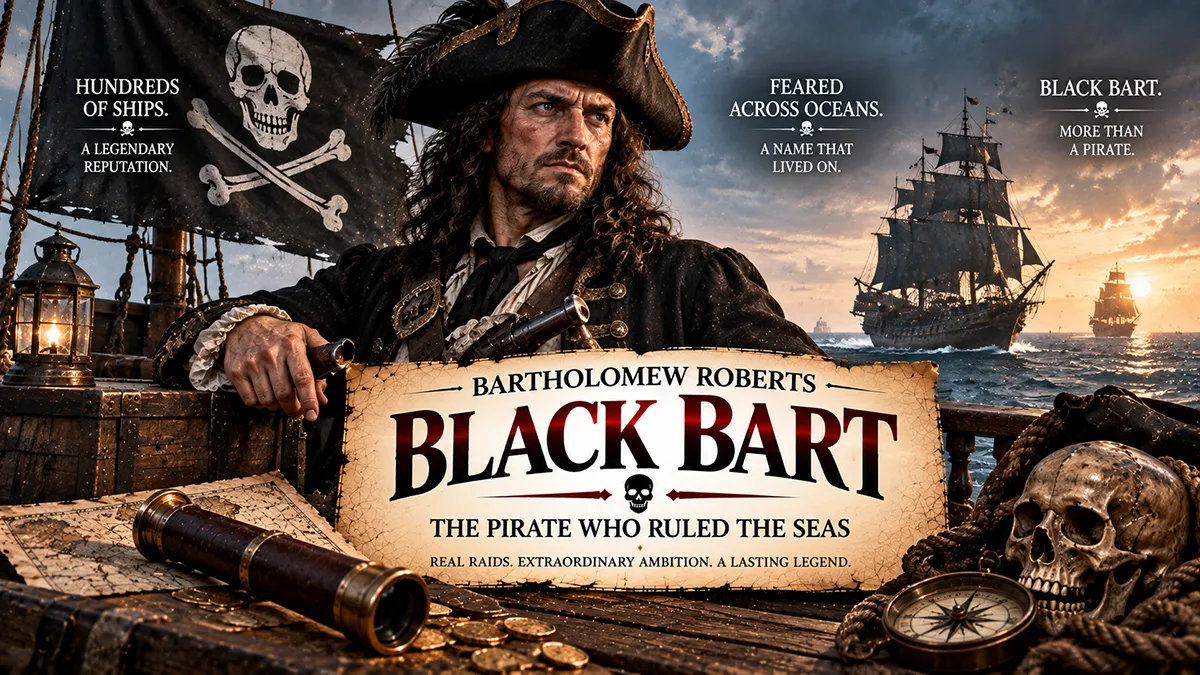
When most people picture a legendary pirate, they think of Blackbeard’s smoking beard or Captain Kidd’s gallows-end reputation.
Yet by nearly every measurable standard — ships captured, treasure seized, and sheer career length on the high seas — neither of them comes close to Bartholomew Roberts, the Welsh sailor-turned-pirate captain history remembers as Black Bart.
In just under four years, Roberts and his crew reportedly captured more than 400 vessels across three continents, terrorized colonial governors, and forced the Royal Navy to build a strategy specifically to bring him down.
His story is full of genuine drama, but it’s also tangled up with myths, Hollywood embellishments, and a nickname that may not even be historically accurate. Let’s separate the documented history from the legend, one fact at a time.
TL;DR: Bartholomew Roberts, the pirate later nicknamed Black Bart, captured more ships than any other pirate of the Golden Age before the Royal Navy’s HMS Swallow finally ended his four-year reign in 1722.
1. From Welsh Farm Country to Ship’s Officer
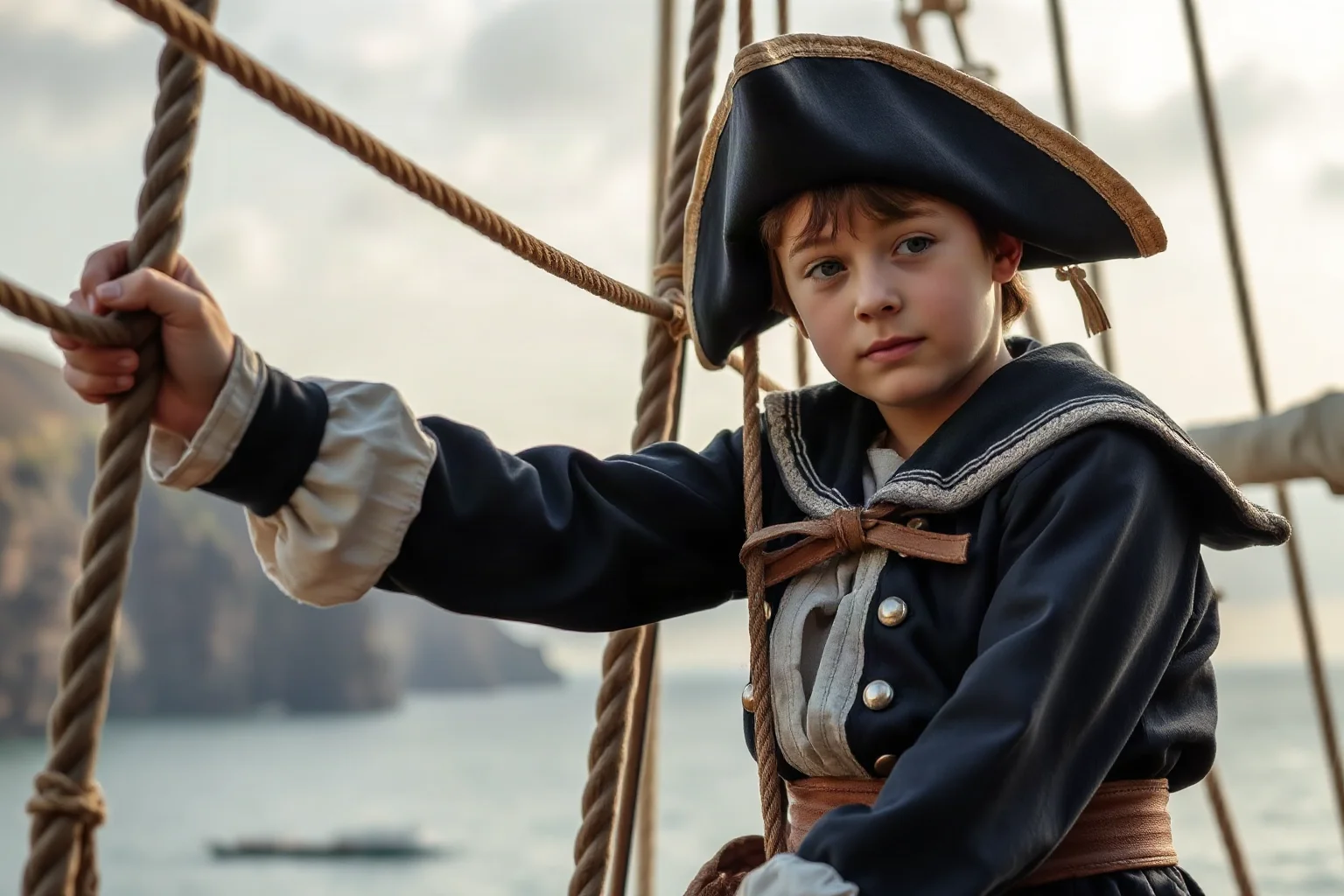
Bartholomew Roberts was born John Roberts around 1682 in the small Welsh parish of Casnewydd Bach, in Pembrokeshire. Like many young men from coastal Wales, he went to sea early and worked his way up through the ranks of merchant and slave-trading vessels.
By his late thirties, he was serving as third mate aboard the slave ship Princess, a solid but unremarkable career sailor. Nothing about his early life suggested he’d become the most prolific pirate captain in recorded history.
He is generally believed to have adopted the name “Bartholomew” only after turning pirate, possibly to sound more formal or commanding. Contemporary sources, including Captain Charles Johnson’s 1724 account, refer to him simply as Roberts or Captain Roberts.
2. Captured, Not Recruited: How Piracy Chose Him
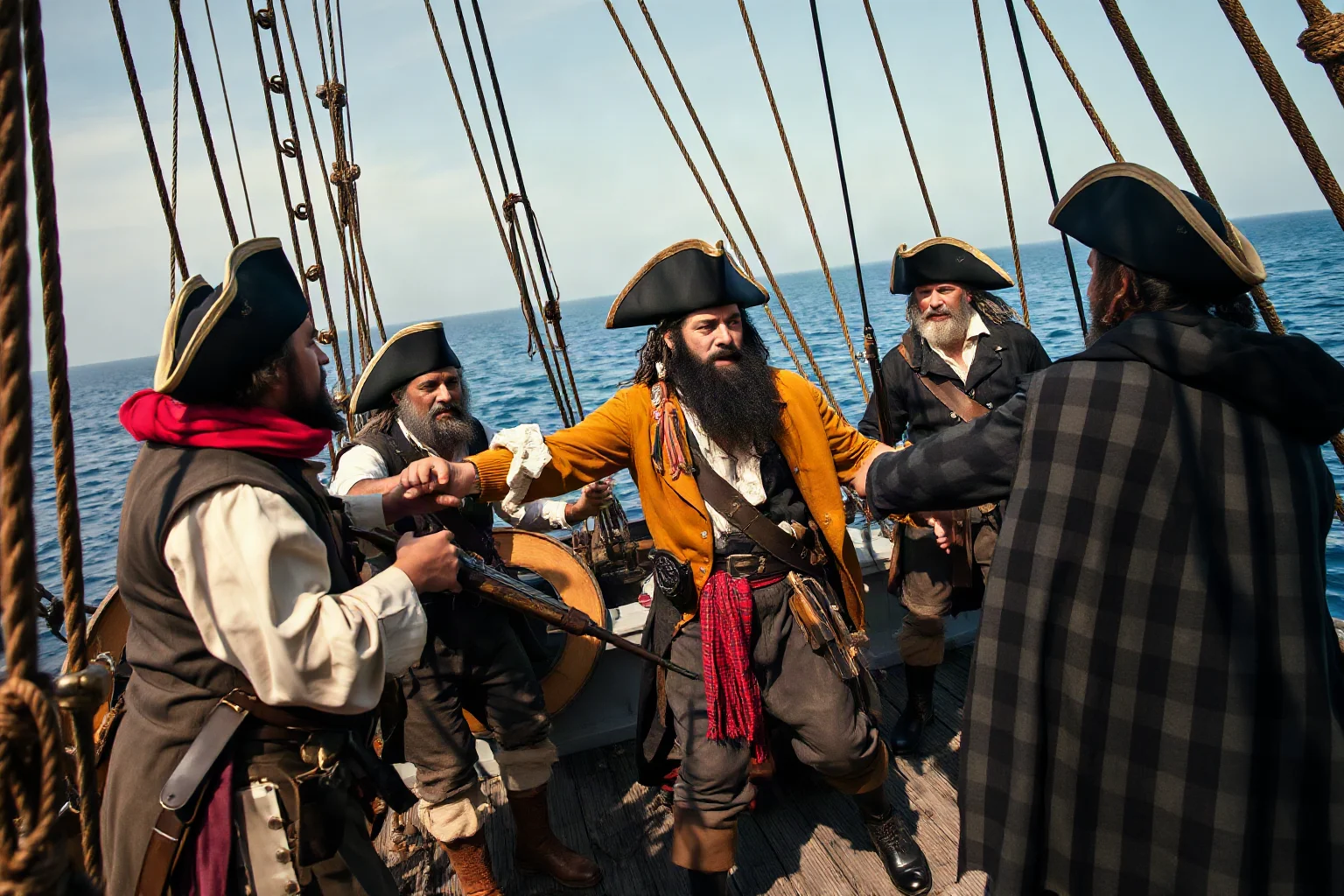
Here’s a detail that surprises a lot of people: Bartholomew Roberts didn’t choose piracy so much as have it thrust upon him. In June 1719, the pirate captain Howell Davis captured the Princess off the coast of West Africa near Anomabu.
Roberts, along with several other crew members, was forced into Davis’s pirate company. It’s a common myth-buster worth repeating: many “pirates” of this era began as prisoners or reluctant conscripts, not romantic outlaws who ran off to sea by choice.
Within weeks, though, Roberts proved himself sharp, literate, and a capable navigator, qualities that set him apart from the average deckhand. That skill set would soon matter a great deal to his new shipmates.
3. Elected Captain in a Six-Week Rise to Power
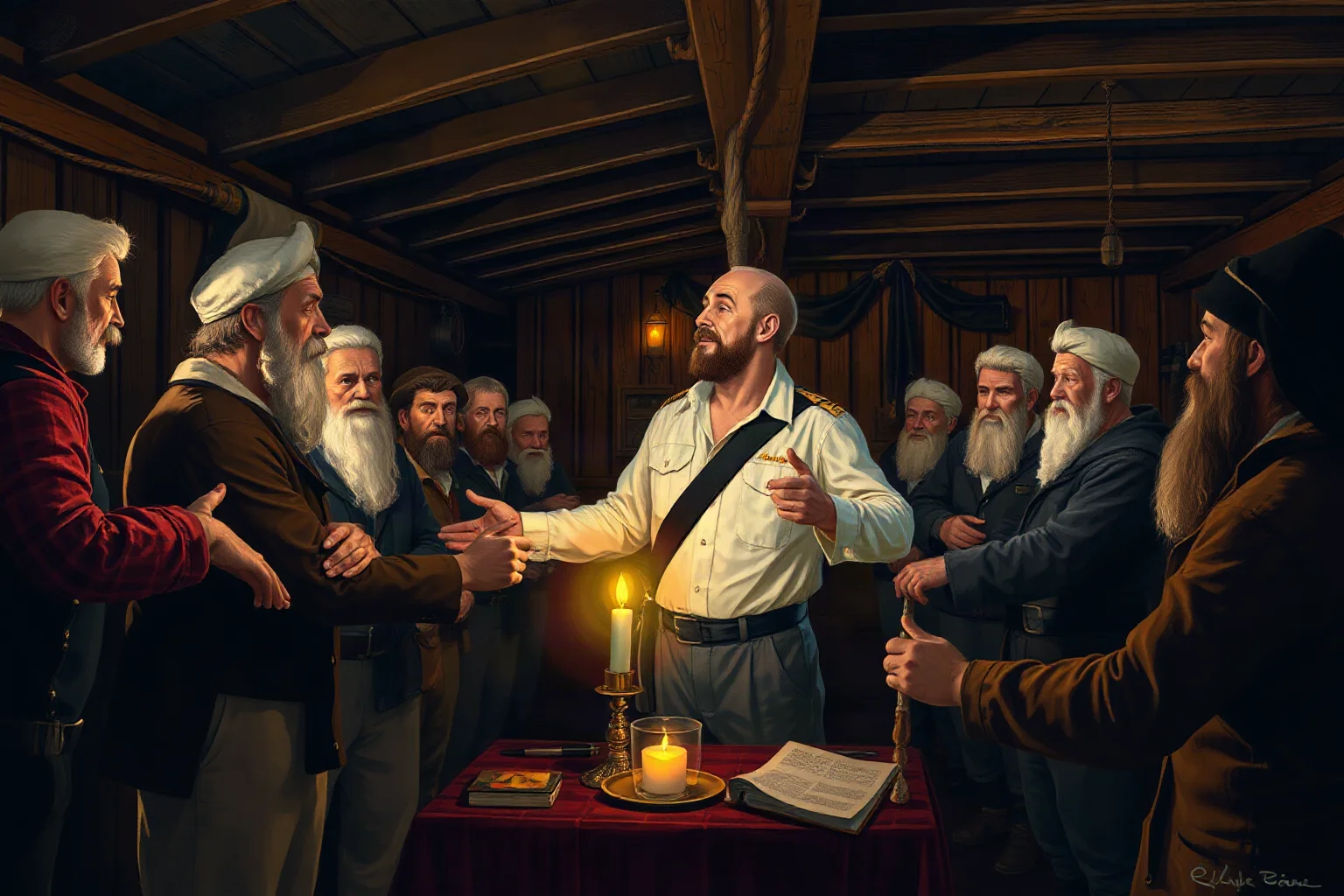
Howell Davis was killed in an ambush by the Portuguese governor of Príncipe just weeks after Roberts joined the crew. Pirate ships of this era typically operated as rough democracies, and the surviving crew held a vote to choose a new captain.
Remarkably, they chose Roberts, a man who had been a prisoner among them for barely six weeks. It’s a testament to how quickly he earned the crew’s respect, and it kicked off one of the most successful pirate careers ever recorded.
He reportedly accepted the role with a line to the effect that he’d rather be a commander than a common man, though the exact wording comes down to us through secondhand retelling rather than a verified transcript. Whatever he actually said, he clearly meant it.
4. The Pirate Code: Captain Roberts’ Ship’s Articles
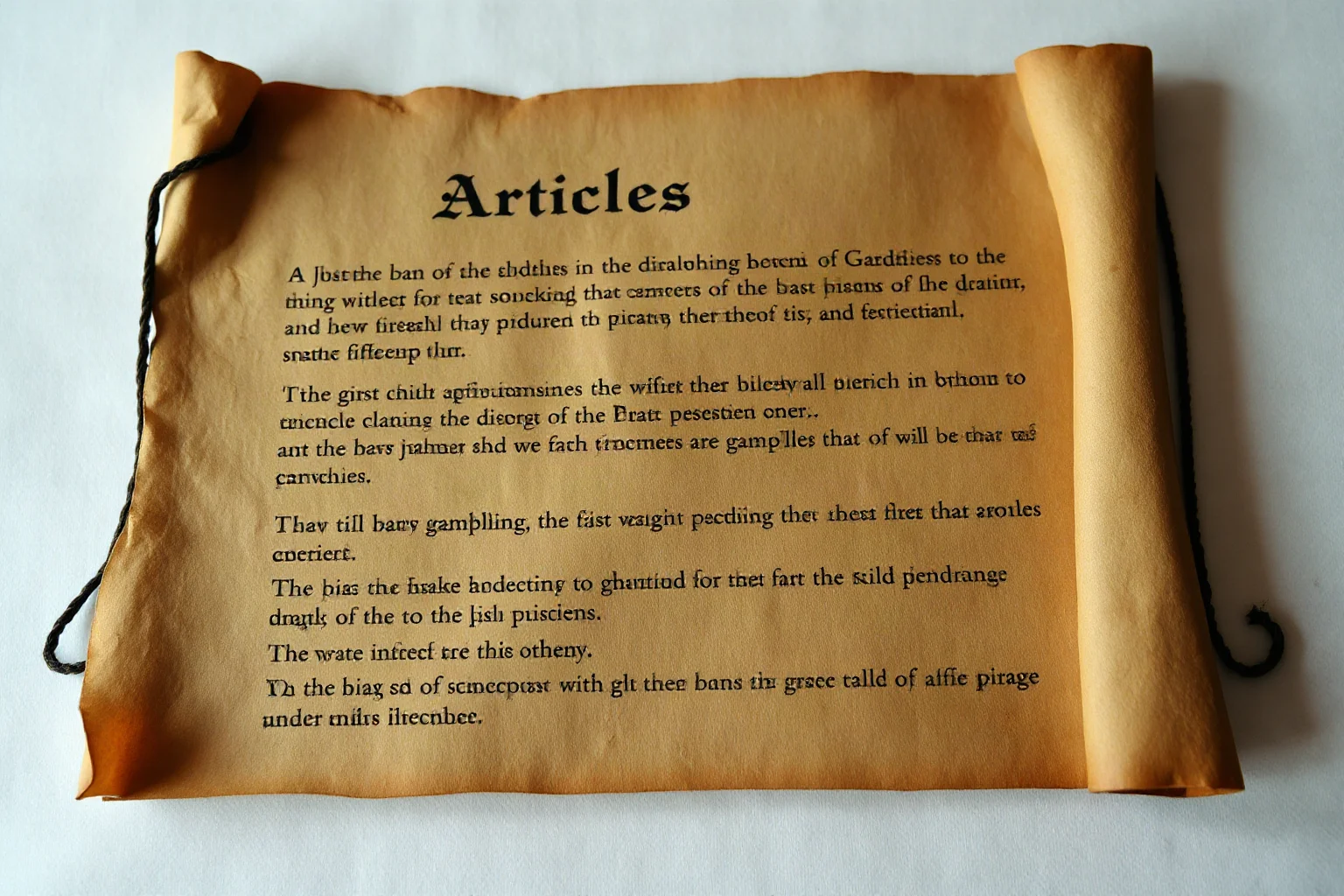
Like many pirate captains of the period, Roberts governed his crew under a written code of conduct, often called the ship’s articles. His version, recorded by Charles Johnson, laid out rules covering everything from gambling bans to how spoils were divided.
Crew members got equal votes on major decisions, injured sailors received compensation from the common plunder, and lights were to be out by eight at night unless the crew wanted to keep drinking on deck. Desertion or theft from the company was punishable by death or marooning.
These articles reflect a genuinely democratic streak that ran through many pirate crews of the Golden Age. It’s a detail that complicates the simple “lawless savage” stereotype often attached to pirates like Roberts.
5. The Sober Pirate: Tea Over Rum
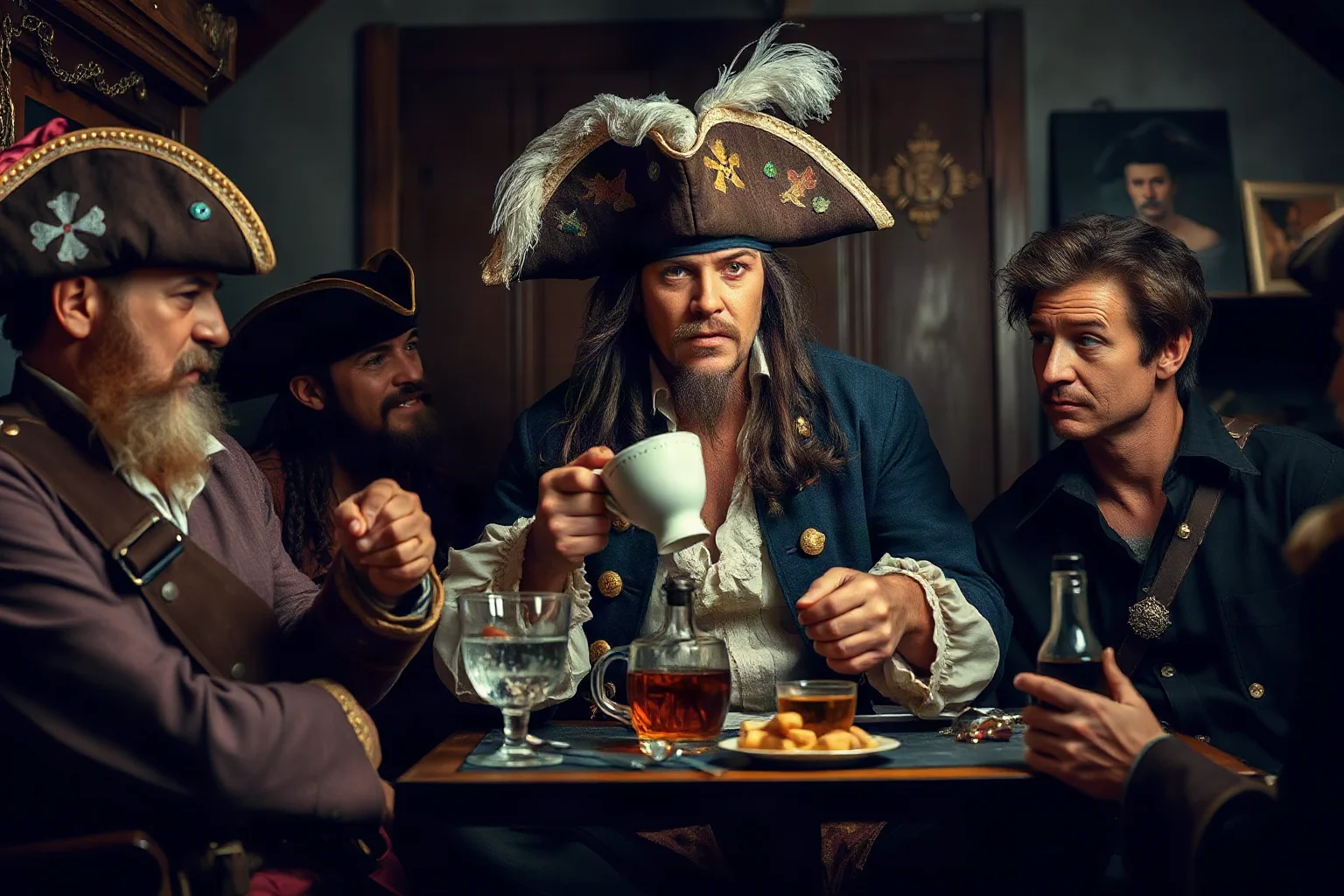
One of the more surprising claims about Bartholomew Roberts is that he largely avoided hard liquor, preferring tea while his crew drank rum and punch. Several period sources support this reputation, though it’s worth noting that accounts of pirate captains often carry some exaggeration or moralizing intent.
Whatever the exact truth, the image of a disciplined, clear-headed commander leading a boisterous, often-drunk crew fits with his reputation as a sharp tactician. It may also explain why his raids were so consistently well-executed compared to less organized pirate outfits.
6. “Black Bart” — A Nickname He Probably Never Had
Here’s a genuine myth to bust: the nickname “Black Bart” is not found in contemporary 18th-century sources about Roberts. Charles Johnson’s detailed 1724 account, our primary source on his life, calls him Roberts or Captain Roberts throughout, never Black Bart.
The “Black Bart” label seems to have caught on much later, likely influenced by later folklore and possibly conflated with Black Bart Boles, a completely unrelated 19th-century American stagecoach robber. Modern books, games, and websites have cemented the pirate black bart association, but it’s largely a retrospective nickname rather than a historical one.
That said, the name has stuck so thoroughly in pop culture that most searches for the man now use it. We’ll use both names throughout this piece, but it’s worth knowing the label is likely a later invention.
7. His Signature Flag: A Man Standing on Two Skulls
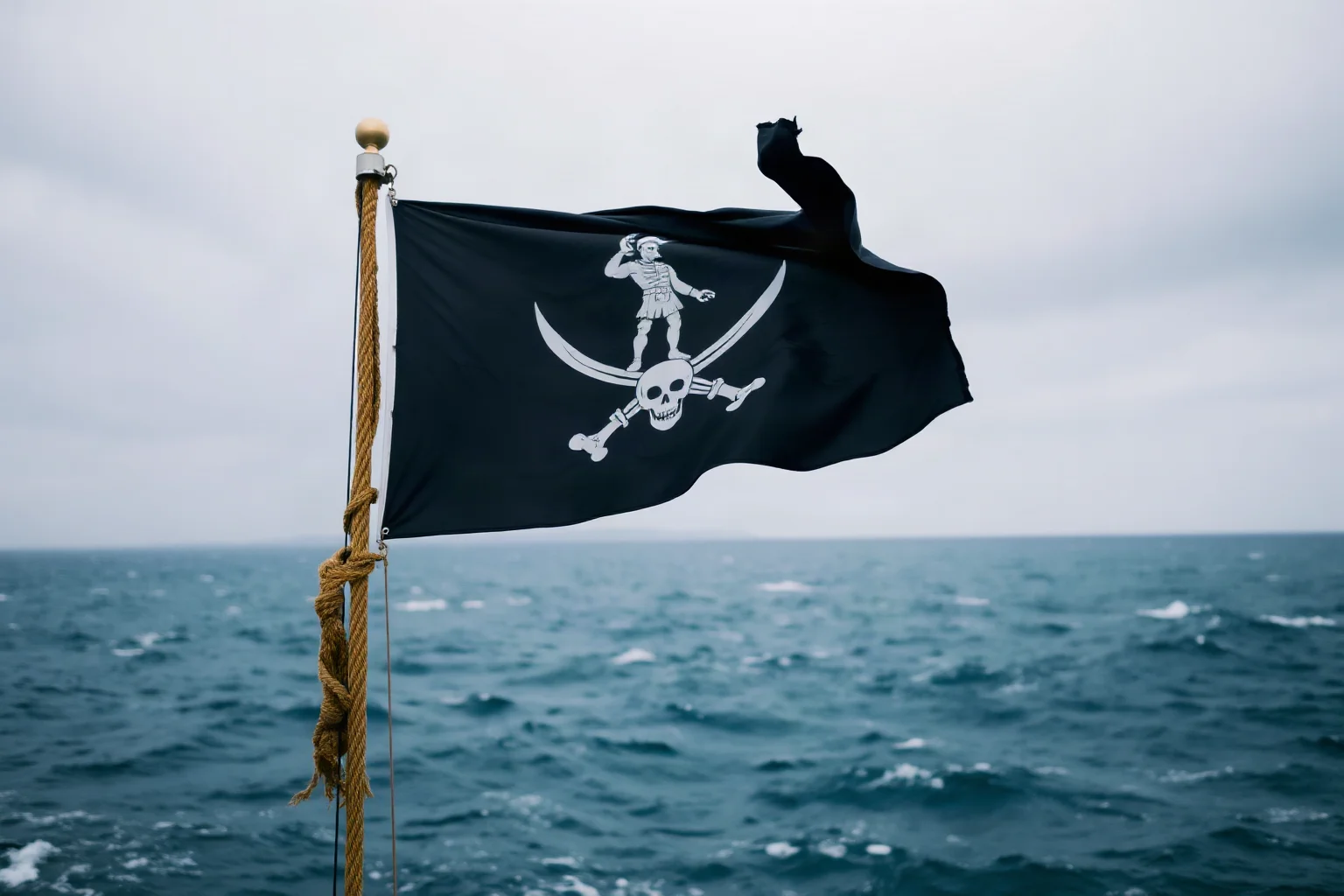
Pirate flags were less about universal skull-and-crossbones branding and more about personal statement, and Roberts had at least two distinct designs. One showed him standing atop two skulls labeled “ABH” and “AMH,” widely interpreted as “A Barbadian’s Head” and “A Martinican’s Head.”
These initials referenced his fury at the governors of Barbados and Martinique, who had both sent warships after him. Another version of his flag depicted a figure holding an hourglass alongside a skeleton, a grim reminder to targets that time was running out.
Unlike Blackbeard’s more famous skeleton-and-heart flag, Roberts’ banners carried a specific, personal grudge baked right into the design. It’s a small detail that reveals just how personal these pirate rivalries with colonial authorities could get.
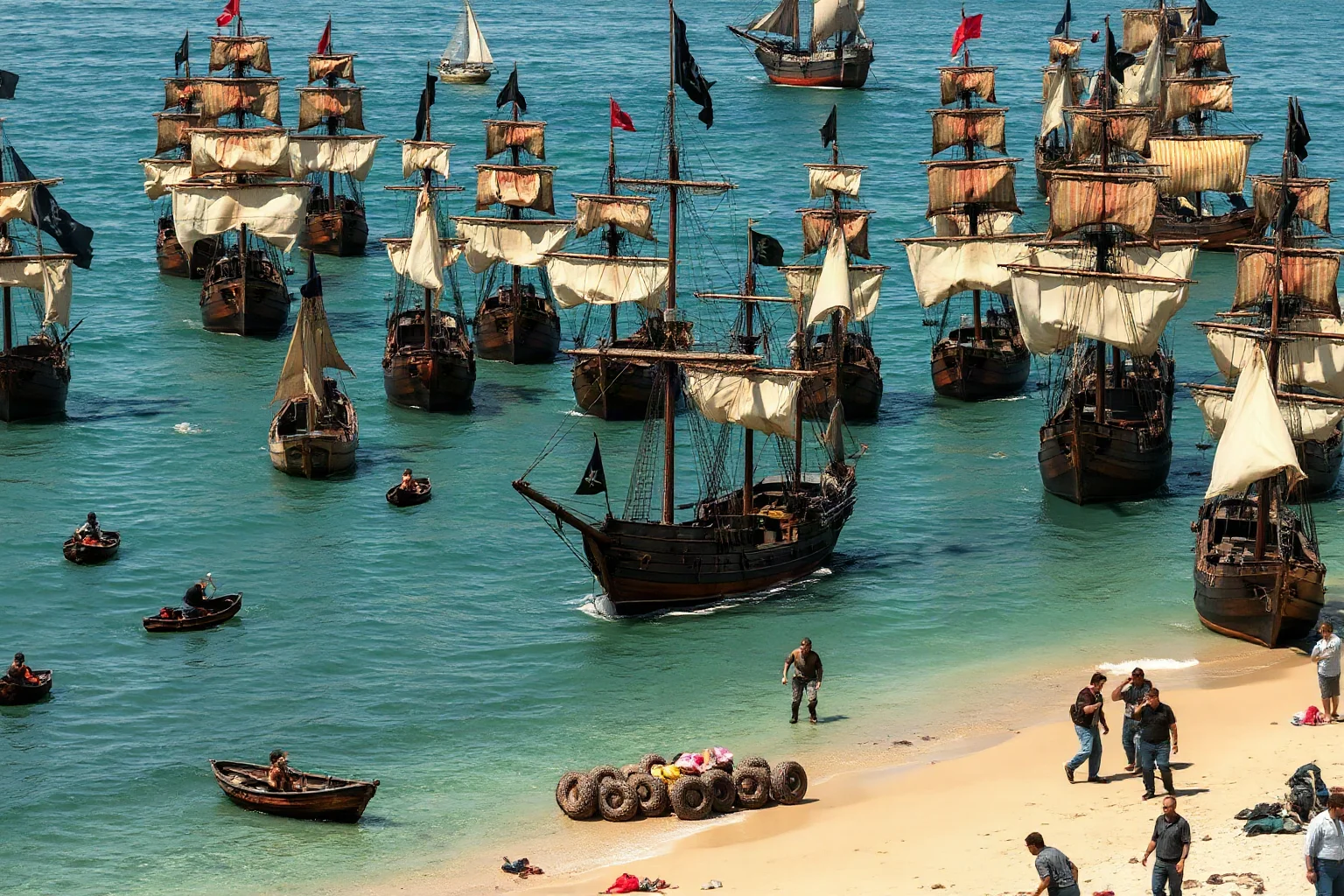
8. The Trepassey Raid: 22 Ships in a Single Morning
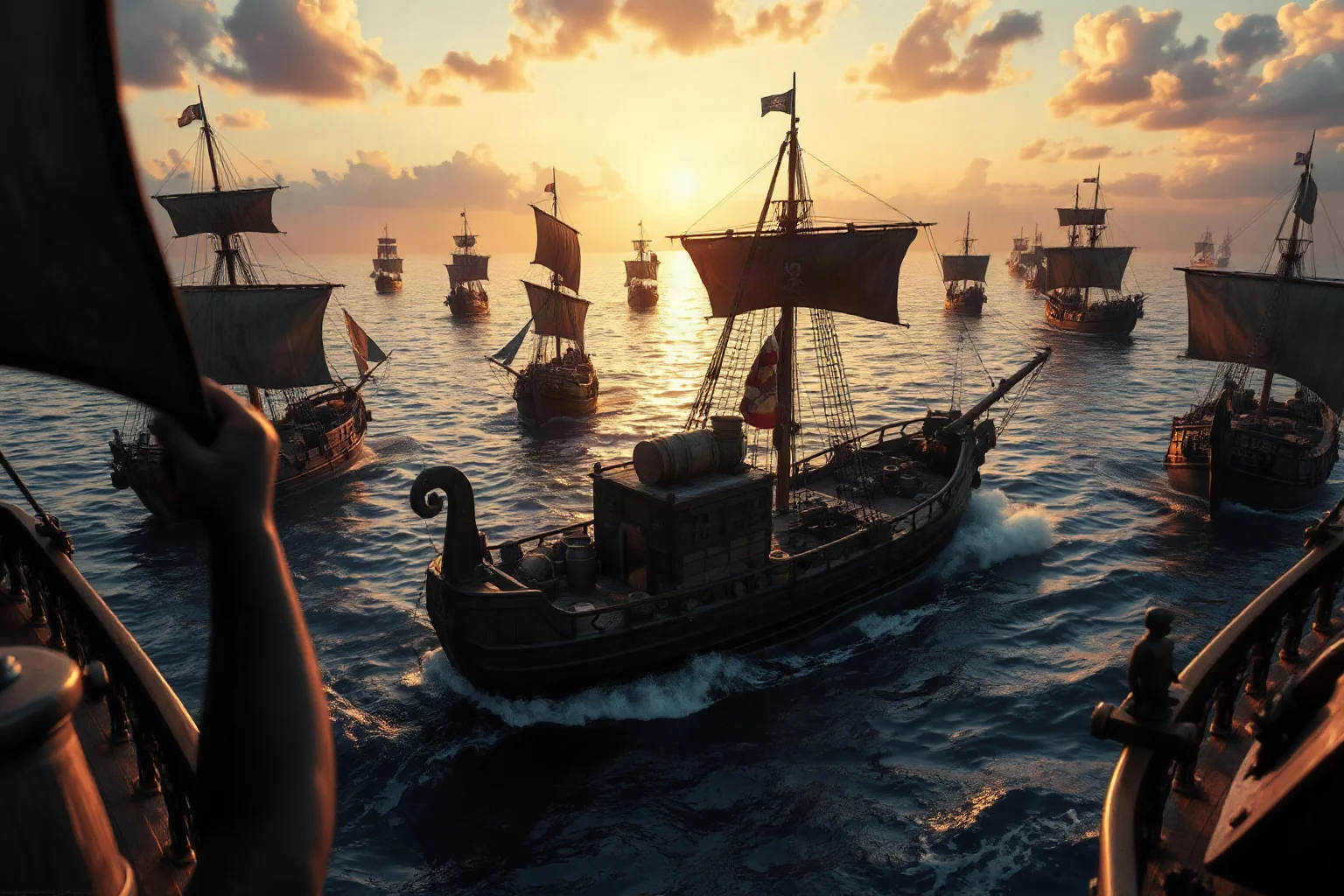
In June 1720, Roberts sailed his ship into Trepassey Harbour in Newfoundland, flying black flags and beating drums to announce his arrival. The tactic worked almost too well: panicked crews and fishermen abandoned roughly 22 vessels at anchor, leaving them for Roberts to plunder without a fight.
It remains one of the single largest hauls of ships captured in one location during the entire Golden Age of Piracy. The raid also demonstrated Roberts’ flair for psychological warfare, using intimidation to avoid costly battles whenever possible.
9. The Sack of the Bahia Treasure Fleet
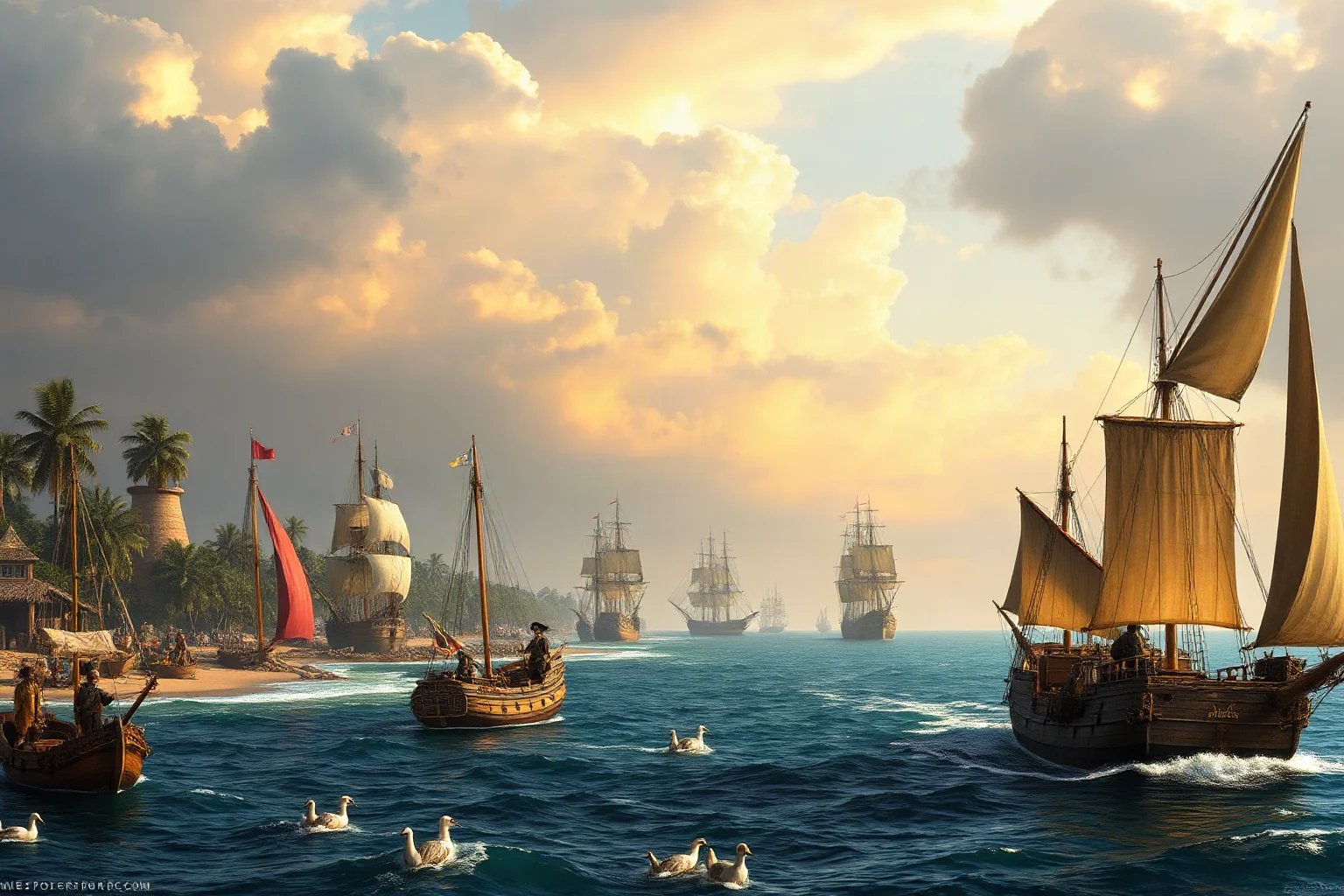
Months earlier, in late 1719, Roberts pulled off arguably his single richest prize: an ambush on a Portuguese treasure fleet anchored in the Bay of All Saints near Bahia, Brazil. Sailing in among roughly 42 merchant ships, he seized the best-armed vessel in the fleet.
That ship was loaded with sugar, tobacco, gold, and jewels, including a diamond-encrusted cross reportedly intended as a gift for the King of Portugal. It was a staggering single-strike payday, on par with the kind of wealth associated with the richest and most powerful families in history, and it instantly made Roberts one of the wealthiest and most wanted pirates operating anywhere in the Atlantic.
10. Preying on the Slave Trade off the African Coast
Much of Roberts’ later career played out off the West African coast, where he targeted European slave ships alongside general merchant shipping. This wasn’t unusual for the period; slave ships often carried valuable goods, weapons, and provisions that pirates desperately needed.
The relationship between piracy and the transatlantic slave trade during this era is genuinely complicated and shouldn’t be romanticized. Roberts’ crews sometimes freed enslaved people and welcomed them as fellow pirates, while in other documented instances captives were simply treated as cargo to be sold or kept, a grim reflection of the era’s brutal realities.
11. Bartholomew Roberts and Henry Morgan: Two Legends, Two Different Eras
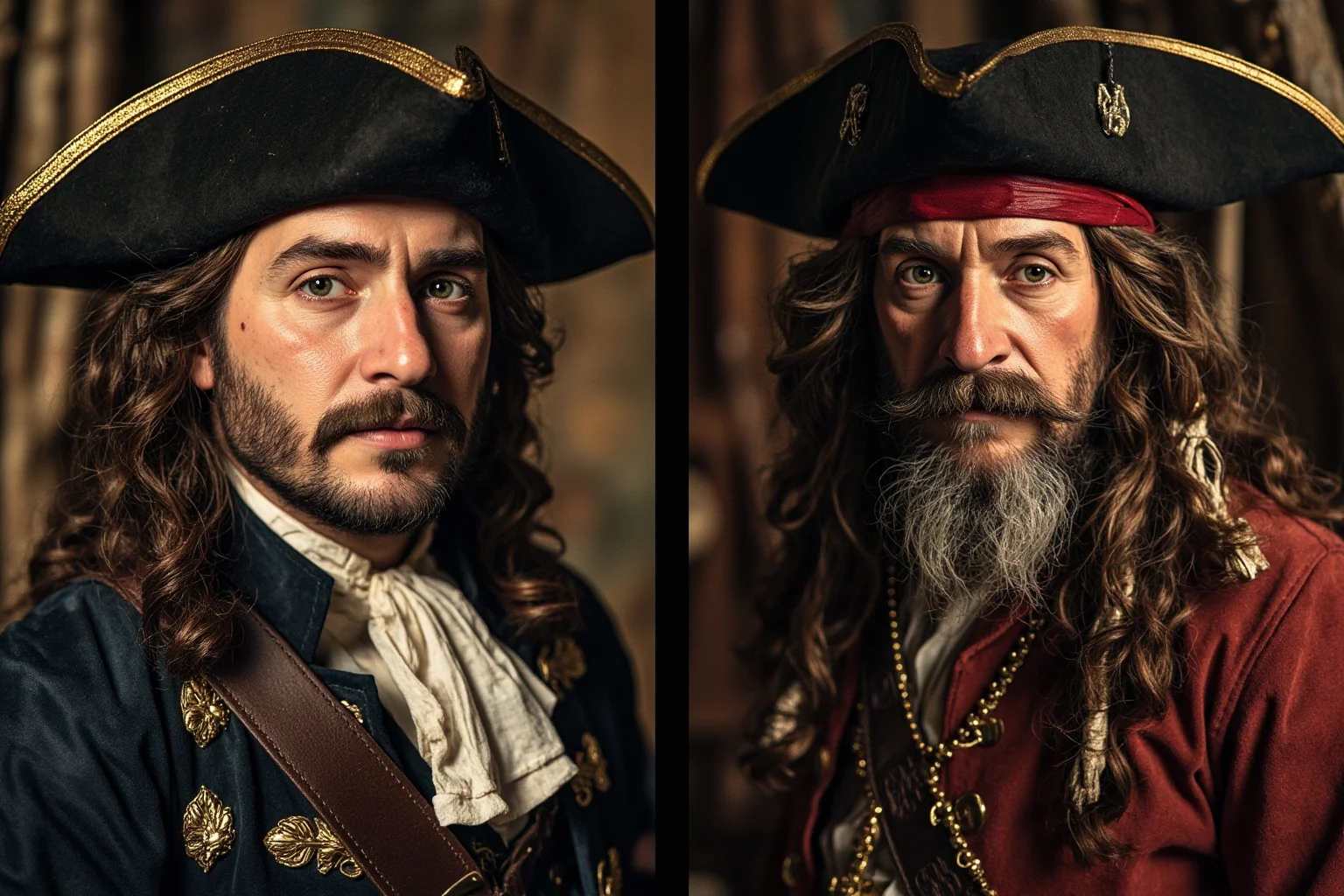
A common point of confusion, reflected in searches pairing “Morgan and Bartholomew,” is the relationship between Bartholomew Roberts and the earlier privateer Sir Henry Morgan. The two were not contemporaries, colleagues, or rivals in any direct sense.
Morgan operated decades earlier, in the 1660s and 1670s, largely as a state-sanctioned privateer raiding Spanish colonies with English backing before becoming lieutenant governor of Jamaica. Roberts, by contrast, operated in the 1719–1722 window firmly outside the law, hunted by the very navies that might have once employed a man like Morgan.
The confusion likely stems from both men’s outsized fame and their shared association with Caribbean piracy in popular media, including rum branding and pirate films. Historically, though, they belong to entirely different chapters of piracy’s story.
12. The Most Successful Pirate in History? Counting the Prizes
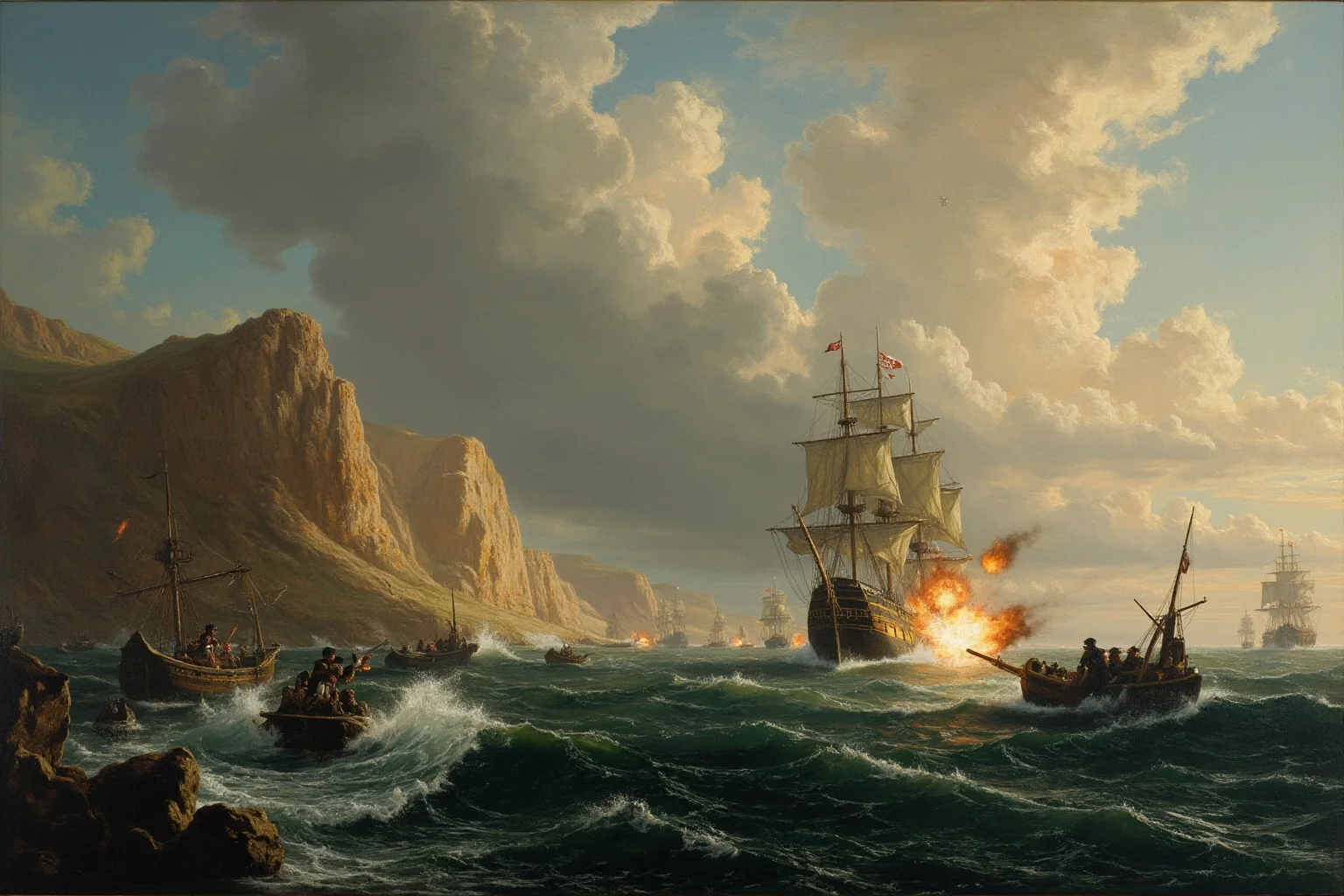
Historians estimate Roberts and his crews captured somewhere between 400 and 470 vessels during his roughly three-to-four-year career, an almost unbelievable figure. For comparison, Blackbeard’s entire career is generally estimated at around 40 captured ships.
That gap is why Roberts is so frequently cited as the most successful pirate in history, and arguably the most powerful pirate in history in terms of sheer operational reach and plunder. It’s a title that rarely gets popular recognition, largely because his name never achieved the same folkloric fame as Blackbeard’s.
13. Dressed to Kill: The Crimson Damask Waistcoat
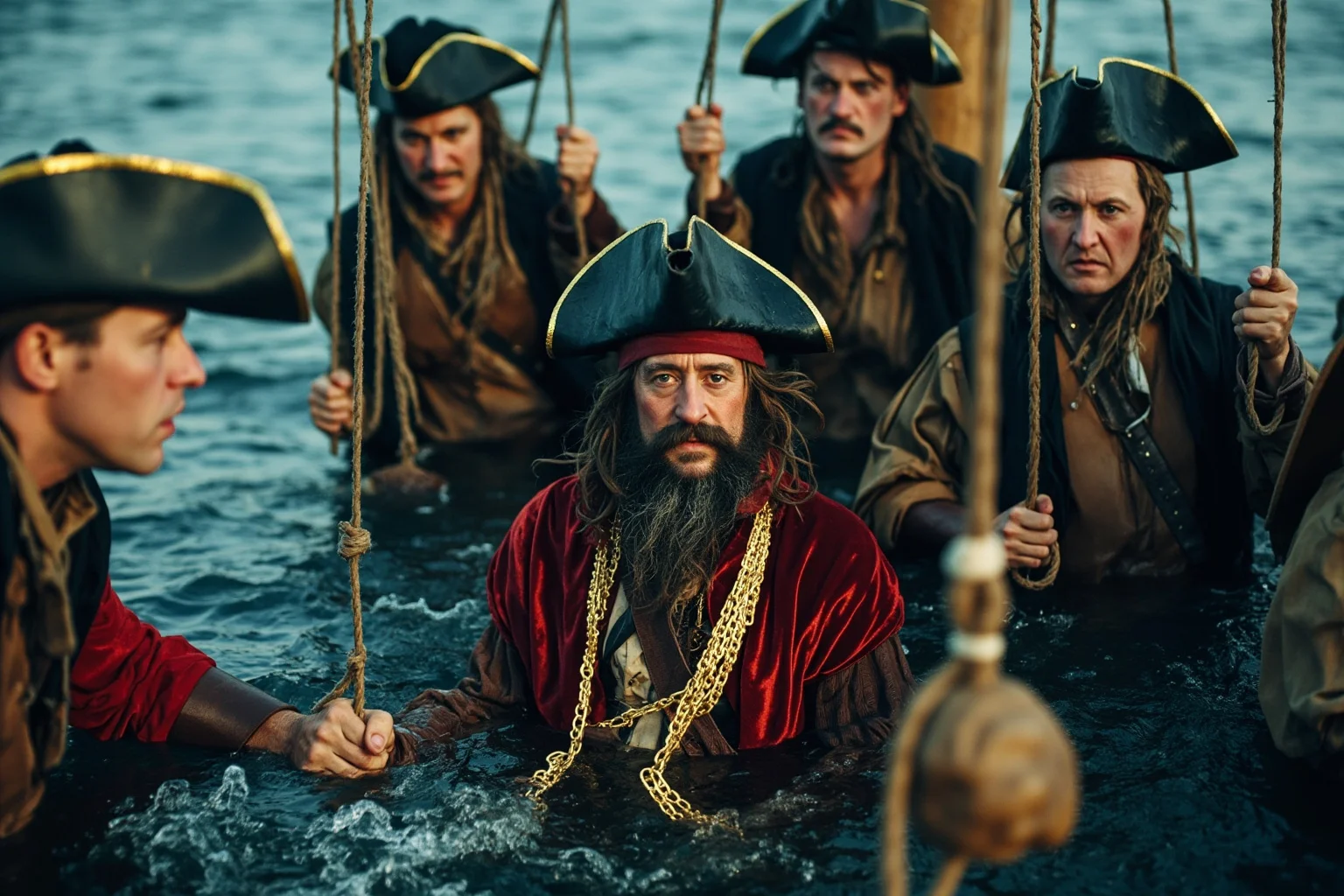
Accounts of Roberts describe a man who dressed the part of a commander rather than a grubby deckhand. He was reportedly known for a rich crimson damask waistcoat and matching breeches, a cocked hat with a red feather, and a gold chain bearing a diamond cross, worn even into battle.
He typically carried a sword and a pair of pistols slung across his shoulders on a silk sling, a striking image for both his own crew and terrified merchant captains. Whether every detail of this description is perfectly accurate, it paints a consistent picture of a captain who cultivated a deliberately theatrical, commanding presence.
14. HMS Swallow: The Royal Navy Ship Built to Hunt Him
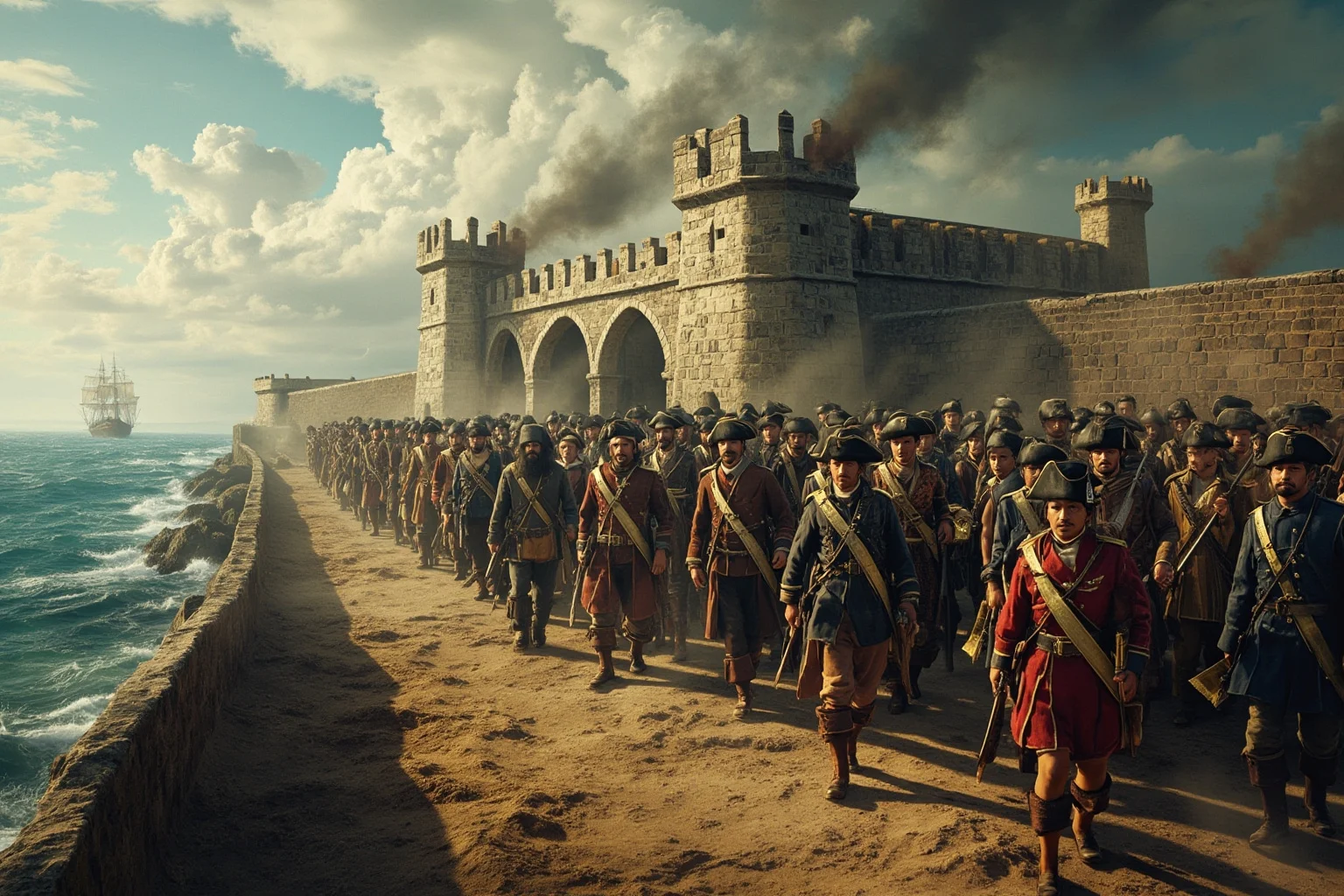
Roberts’ raids had grown so damaging to trade that the British government dispatched a warship specifically tasked with ending his career. That ship was HMS Swallow, commanded by Captain Chaloner Ogle, and it became the pirate’s ultimate undoing.
Ogle disguised the Swallow to look like an ordinary merchant vessel, luring Roberts’ ships into what they assumed would be an easy capture. It was a calculated trap, and it worked exactly as the Royal Navy hoped.
15. The Battle of Cape Lopez and the Death of Black Bart Roberts
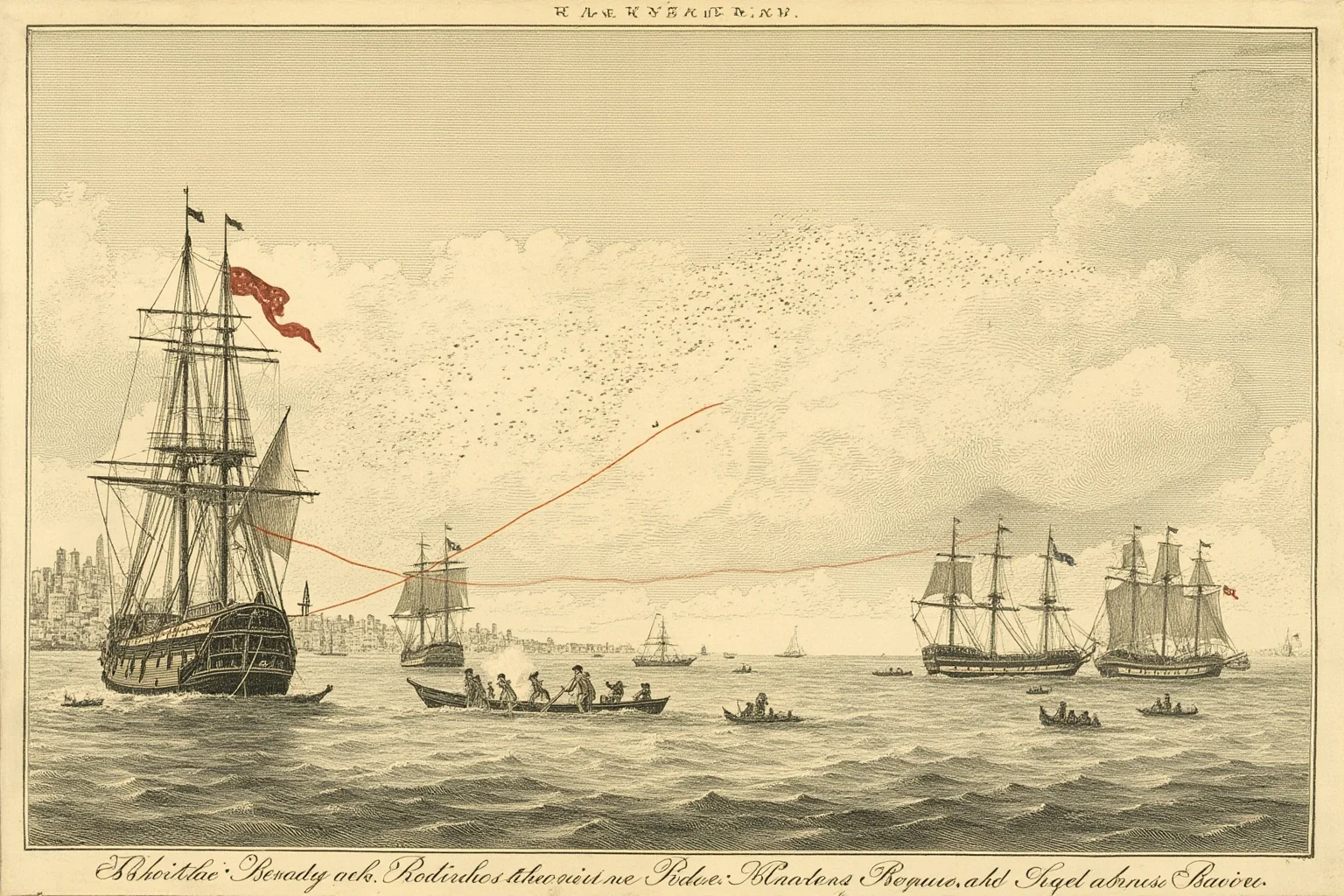
On February 10, 1722, off Cape Lopez on the coast of present-day Gabon, HMS Swallow engaged Roberts’ flagship, the Royal Fortune. Early in the fight, Roberts was struck in the throat by grapeshot and killed almost instantly.
His death effectively ended the battle’s momentum for his crew, who were soon overwhelmed and captured. It marked the sudden, violent close of a career that had made him arguably the single most successful pirate of the entire Golden Age.
16. A Pirate’s Burial: Lost to the Sea Forever
According to Roberts’ own wishes, expressed to his crew before his final battles, he did not want his body captured, displayed, or gibbeted by the Royal Navy as a trophy or warning to others. Following his death, his crew reportedly weighted his body and cast it into the sea, fully dressed in his finest clothes and weapons.
This act denied the Crown the propaganda victory of publicly displaying his corpse, something that had happened to other notorious pirates. It also means no physical remains or grave site exist for historians or treasure hunters to ever locate.
17. Cape Coast Castle: The Largest Pirate Trial in History
Surviving members of Roberts’ crew were taken to Cape Coast Castle on the Gold Coast, where they faced one of the largest pirate trials ever conducted. Around 170 men were tried, and roughly 52 were ultimately sentenced to hang, a staggering number even by the standards of an era eager to crush piracy through public example.
Others were sentenced to indentured servitude in the Royal African Company’s operations, while a handful were acquitted, including men who could prove they had been forced into piracy against their will. The scale of the trial reflected just how seriously colonial authorities took the threat Roberts’ crew had represented.
18. Was Bartholomew Roberts the Last Pirate of the Golden Age?
The question “who was the last pirate” doesn’t have one single tidy answer, since piracy in various forms continued long after 1722 in different regions of the world. But within the specific context of the Golden Age of Piracy, roughly 1650 to the early 1720s, Roberts’ death is widely treated by historians as a symbolic endpoint.
His capture and the mass trial that followed represented the Royal Navy’s most decisive blow yet against large-scale organized piracy in the Atlantic. Smaller-scale piracy persisted afterward, but the era of massive, feared pirate fleets openly challenging empires effectively closed with Roberts’ death at Cape Lopez.
19. Captain Roberts’ Leadership: Democracy Among Thieves
Roberts governed under the same loose pirate democracy common to many crews of the era, where the captain’s authority was near-absolute only during active combat. Unlike many of history’s greatest rulers in ancient history, who typically held power through hereditary right or absolute decree, pirate captains like Roberts had their authority checked constantly by their own crews. Outside of battle, major decisions were put to a vote among the crew, and a captain who lost the crew’s confidence could be replaced.
This structure meant Roberts had to continually earn and re-earn his position through results, not just charisma or force. His remarkable string of successful raids is likely part of why his crew stuck with him and reelected their trust in him again and again.
20. A Complicated Crew: Freedom and Bondage Aboard a Pirate Ship
Roberts’ crews were notably diverse, including African, Afro-Caribbean, and European sailors, some of whom had escaped slavery and joined as full pirate crew members with equal voting rights under the ship’s articles. Trial records from Cape Coast Castle even list Black crew members as recognized participants in raids.
At the same time, historical evidence shows this wasn’t a simple story of liberation. Some captives taken from slave ships were still held or sold rather than freed, a reminder that pirate crews reflected the deeply contradictory racial realities of the 18th-century Atlantic world rather than existing outside them entirely.
21. A Truly International Pirate: Three Continents in Four Years
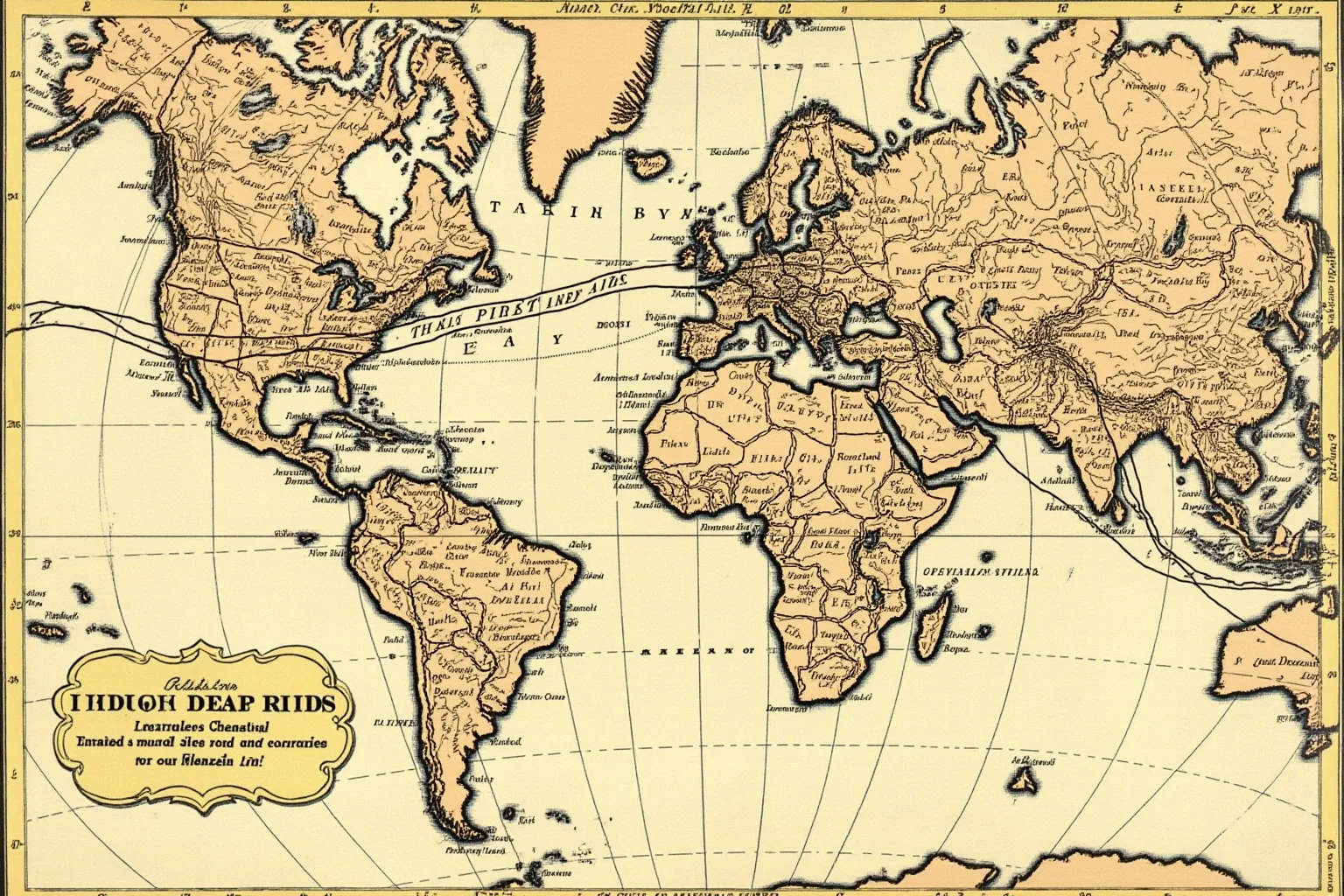
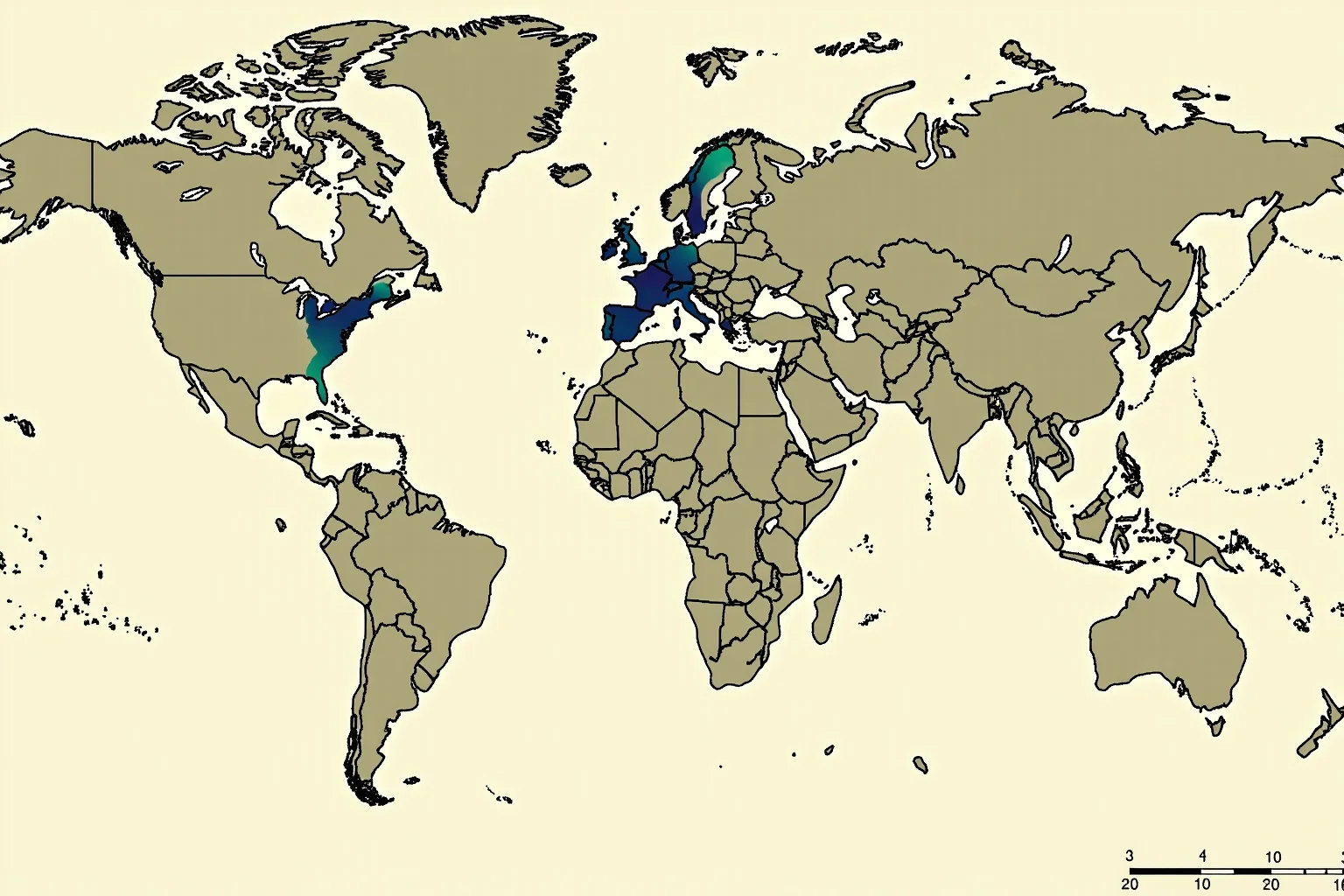
Unlike many pirates who stuck to one region, such as the Caribbean or the American coast, Roberts operated across an enormous geographic range. His raids touched Newfoundland in North America, Brazil in South America, and the coasts of West Africa, all within a career lasting less than four years.
This range meant colonial authorities across multiple empires, British, Portuguese, and French among them, all had reason to want him stopped. It’s part of why the hunt for Roberts eventually became such a coordinated, high-priority naval operation.
22. The Legacy of Black Bart Roberts in Pop Culture
Despite his staggering real-world success, Roberts never achieved the folkloric household-name status of Blackbeard or Captain Kidd, at least not until relatively recently, unlike some of history’s most recognized historical figures, whose names endure regardless of era. Much of what we know comes from Charles Johnson’s 1724 book “A General History of the Robberies and Murders of the Most Notorious Pyrates,” a foundational text that shaped how later writers imagined pirates altogether.
In recent decades, video games, novels, and pirate-themed media have increasingly featured Roberts or characters clearly inspired by him, often under the Black Bart name. Much like the most notorious gangsters of the 20th century, whose real crimes have been reshaped and glamorized by film and folklore, Roberts’ genuinely dramatic biography, complete with reluctant beginnings, a meteoric rise, flamboyant dress, and a dramatic death, makes him an obvious template for fictional pirate captains even today.
Why Bartholomew Roberts Still Matters
Bartholomew Roberts’ career compresses an astonishing amount of history into less than four years at sea. He went from reluctant captive to elected captain, from a disciplined tea-drinker among rum-soaked crews to the single most prolific pirate of his age, all before dying in a battle specifically engineered to end his reign.
The nickname Black Bart may be a later invention, and some colorful details about his life carry the usual embellishments of 18th-century storytelling. But the documented core of his story, hundreds of captured ships, a genuinely democratic pirate code, and a death that helped close the book on the Golden Age of Piracy, needs no exaggeration to be remarkable.
Next time someone brings up the most famous pirates in history, it’s worth asking why Bartholomew Roberts isn’t always the first name mentioned. By almost any measure, he earned the top spot.
Frequently Asked Questions
Who was Bartholomew Black Bart Roberts?
Bartholomew Black Bart Roberts was a Welsh-born pirate captain active from 1719 to 1722 who is often described as the most successful pirate of the Golden Age of Piracy, having captured an estimated 400 or more ships. The nickname 'Black Bart' appears to be a later, retrospective label rather than something used during his own lifetime.
How many ships did Bartholomew Roberts capture?
Historians generally estimate that Roberts and his crews captured somewhere between 400 and 470 vessels during his career, far surpassing more famous pirates like Blackbeard, whose total is usually put at around 40 ships.
How did Bartholomew Roberts die?
Roberts was killed on February 10, 1722, during a battle with the Royal Navy warship HMS Swallow off Cape Lopez, near present-day Gabon. He was struck in the throat by grapeshot and died almost instantly, and his crew reportedly buried him at sea in his finest clothing per his wishes.
Was Bartholomew Roberts really called ‘Black Bart’ during his lifetime?
There's no strong evidence for this. Contemporary 18th-century sources, including Charles Johnson's 1724 account, refer to him simply as Roberts or Captain Roberts. The 'Black Bart' nickname seems to have emerged later and may have been influenced by an unrelated 19th-century American outlaw of a similar name.
Were Bartholomew Roberts and Henry Morgan the same person or related?
No, they were entirely different people from different eras. Henry Morgan was a state-backed privateer active mainly in the 1660s and 1670s who later became Jamaica's lieutenant governor, while Bartholomew Roberts was an outlaw pirate operating decades later, from 1719 to 1722.
What ship was sent to hunt Bartholomew Roberts?
The Royal Navy dispatched HMS Swallow, commanded by Captain Chaloner Ogle, specifically to track down and stop Roberts. The Swallow was disguised to look like an ordinary merchant ship, which helped it lure and engage Roberts' fleet at the Battle of Cape Lopez.
Was Bartholomew Roberts the last pirate of the Golden Age?
There isn't one single definitive 'last pirate,' since smaller-scale piracy continued after 1722. However, Roberts' death and the large-scale trial of his crew are widely considered a symbolic turning point that marked the effective end of the major Golden Age of Piracy.

Alex Warren
Related Articles