

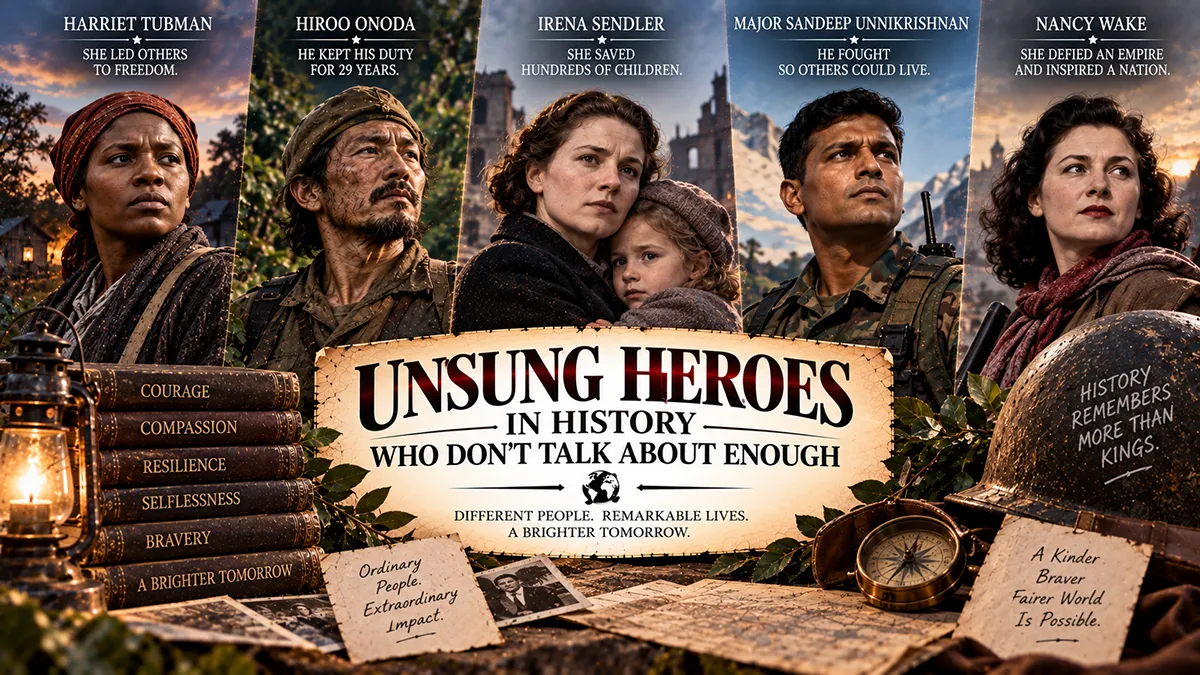
Ask someone to name a hero from history and you’ll probably hear the same dozen names over and over. George Washington, Abraham Lincoln, Martin Luther King Jr. — the household names who anchor every textbook chapter and every list of the most recognized historical figures. But history’s heroes go far beyond the faces on currency and monuments.
For every famous name, there are dozens of real people whose courage, sacrifice, or quiet persistence changed the course of events and never got the credit.
This list of unsung heroes in history digs into the spies, nurses, scientists, soldiers, and everyday citizens who did extraordinary things without ever becoming household names. Some risked their lives. Others simply refused to stay quiet when it mattered most.
TL;DR: History is full of real-life heroes — spies, scientists, teachers, and everyday citizens — whose courage shaped the world but never made it into most textbooks.
What Are Unsung Heroes, Anyway?
So what are unsung heroes, exactly? The meaning of unsung heroes is pretty simple once you break it down: someone whose actions had a real, lasting impact, but who never received public recognition for it. “Unsung” literally means never celebrated in song or story.
These aren’t fictional characters or exaggerated legends. Unsung heroes are real people — soldiers, scientists, organizers, and ordinary citizens — who acted with courage at a critical moment. The difference between them and history’s famous heroes usually isn’t the size of their contribution. It’s who happened to be writing the history books afterward.
That gap is exactly why unknown heroes matter so much to study. They remind us that historical change rarely comes from just one person at the top. It comes from networks of people, many of whom stayed anonymous, underpaid, or actively erased from the record because of their race, gender, or social status.
Why Does History Forget So Many of Its Heroes?
History isn’t a neutral record of everything that happened. It’s a selective story, usually written by the people who held power, education, and access to publishing at the time. That means entire groups — enslaved people, women, immigrants, working-class soldiers — were routinely left out of the narrative, even when they were central to the outcome.
Race played an outsized role in this erasure. Many unsung Black heroes and unsung African American heroes performed acts of extraordinary bravery, only to have their stories buried, misattributed to others, or simply never recorded in the first place. It’s a pattern that repeats across nearly every era, from the American Revolution through the Civil Rights Movement.
Recognizing that pattern is the first step toward correcting it. That’s exactly why we built this heroes in history list — to put some of these names back where they belong, alongside the more familiar figures we already celebrate.
Unsung Heroes of the American Revolution
The American Revolution unsung heroes rarely get airtime next to Washington or Jefferson, or the other iconic revolutionary figures history remembers, but the war effort depended heavily on people working far outside the spotlight — messengers, spies, and soldiers whose contributions were dangerous and largely undocumented at the time.
1. Sybil Ludington
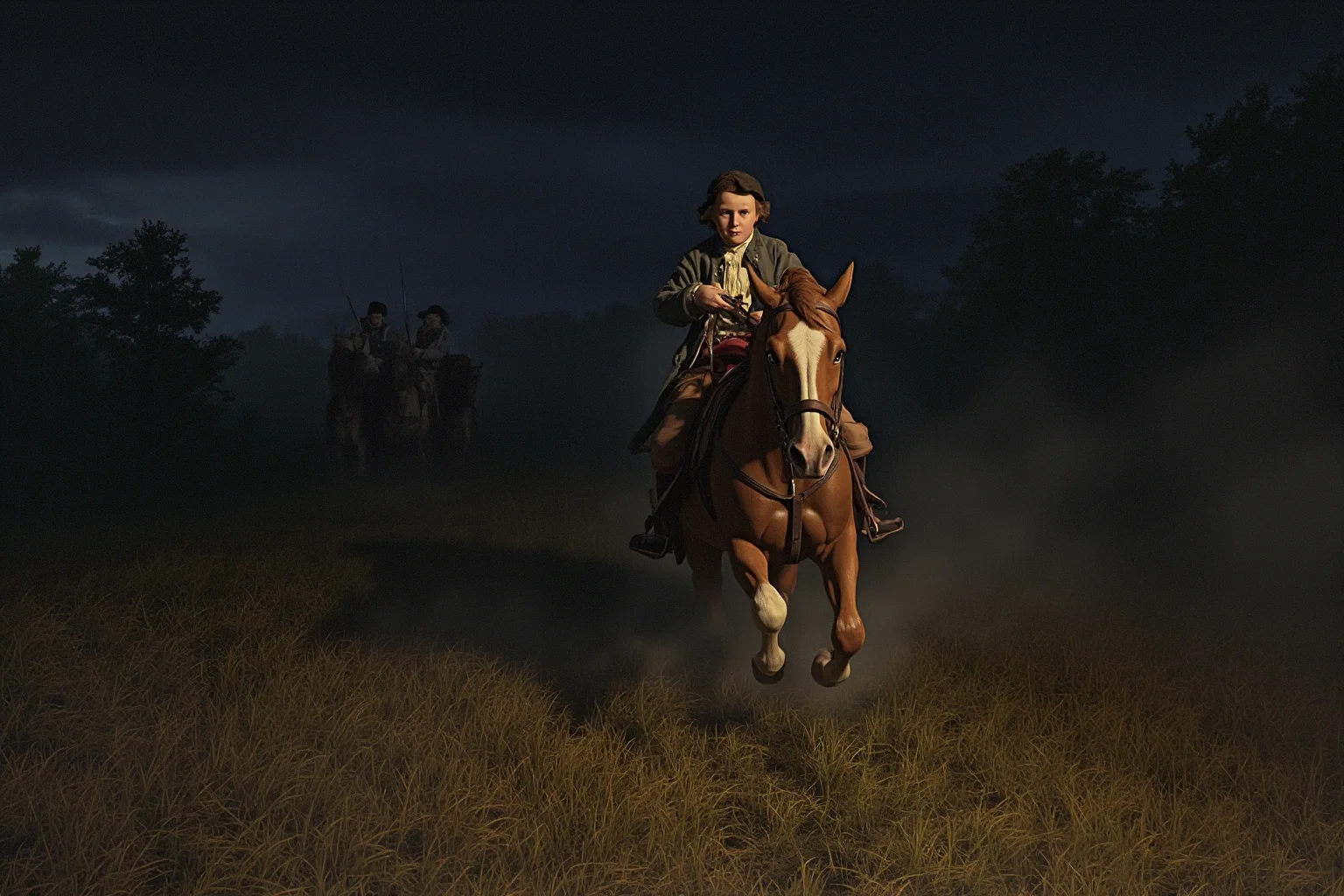
Sybil Ludington was reportedly a teenager who rode roughly 40 miles through the New York countryside in 1777 to warn local militia of an approaching British attack. Her story wasn’t written down until nearly a century later, and some historians have questioned how much of it can be verified against primary sources. Even with that uncertainty, she’s become a symbol of the young, often-overlooked messengers who kept revolutionary communication networks alive.
2. James Armistead Lafayette
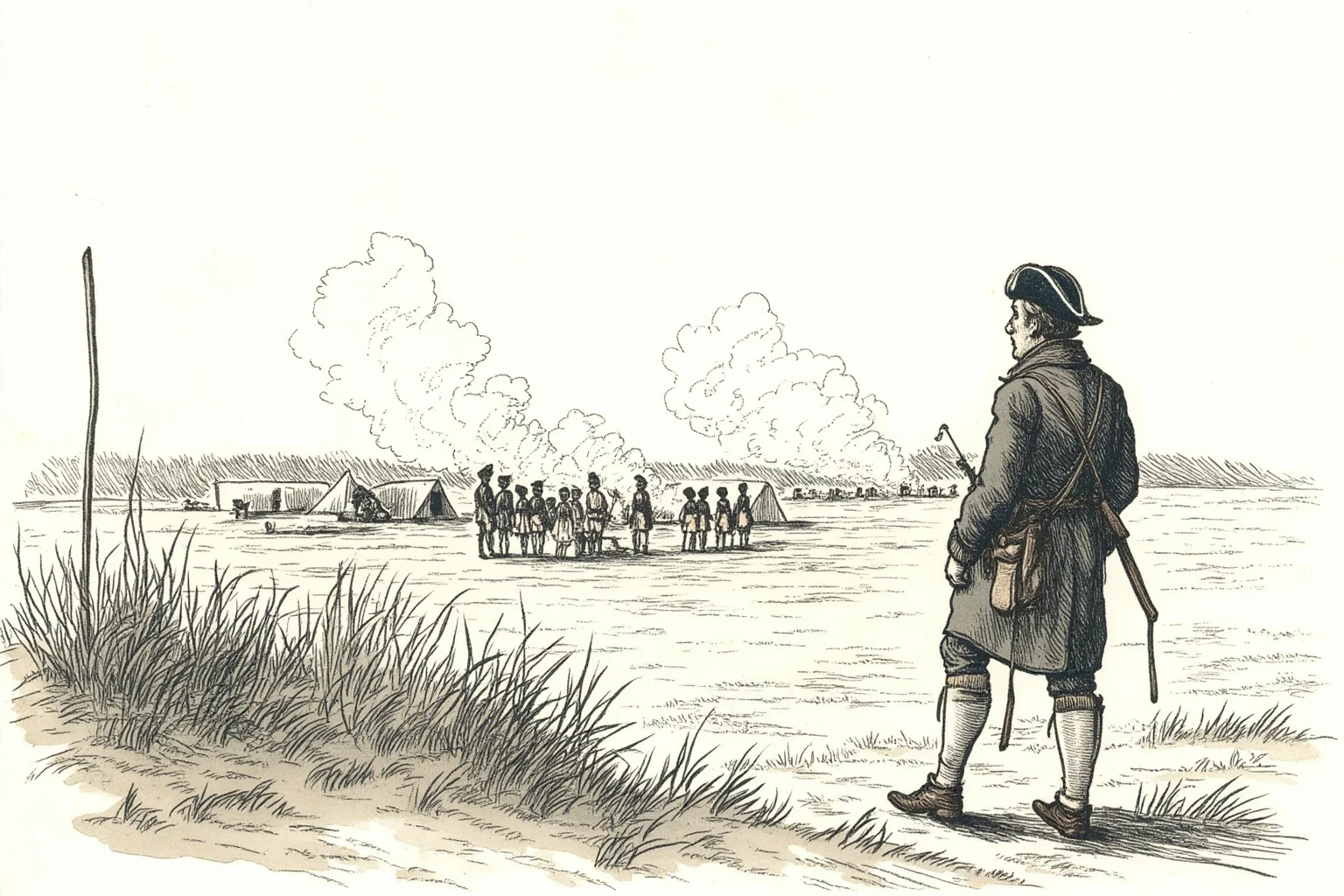
James Armistead was an enslaved Virginian who volunteered to spy for the Continental Army, posing as a runaway to gather intelligence from inside British camps. His information reportedly helped the Marquis de Lafayette track British troop movements ahead of the Siege of Yorktown. Despite his service, Armistead wasn’t automatically freed after the war and had to petition the Virginia legislature, eventually gaining his freedom in 1787 with Lafayette’s public support.
3. Deborah Sampson
Deborah Sampson disguised herself as a man named Robert Shurtliff and enlisted in the Continental Army in 1782. She served for over a year, was wounded in combat, and treated her own injuries to avoid discovery. Her identity was eventually revealed, and she later became one of the few women to receive a military pension for Revolutionary War service.
4. Wentworth Cheswell
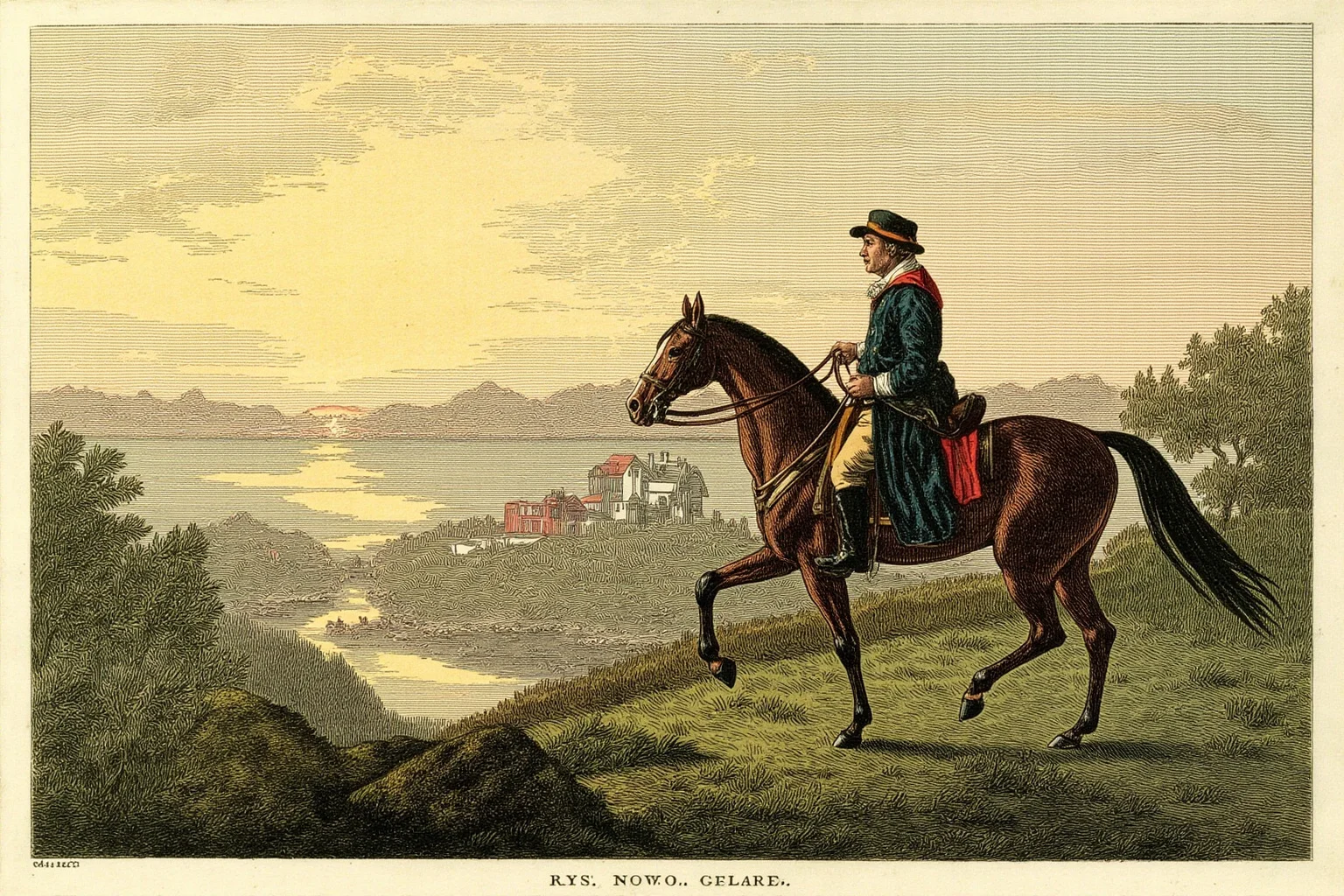
Wentworth Cheswell was a free Black landowner and teacher in New Hampshire who rode alongside Paul Revere’s network to warn of British troop movements. He later became the first African American elected to public office in the United States, serving as a town selectman and justice of the peace in Newmarket, New Hampshire. His story rarely appears next to Revere’s, even though their missions overlapped.
Unsung Heroes of Black History and the Civil Rights Movement
The unsung heroes of the Civil Rights Movement did the unglamorous, high-risk organizing work that made the famous marches and speeches possible, work that rarely gets mentioned alongside the most important civil rights figures most people learn about in school. Many of these unsung heroes of Black history worked for years in the background, training organizers and building the infrastructure that later movements relied on.
5. Claudette Colvin
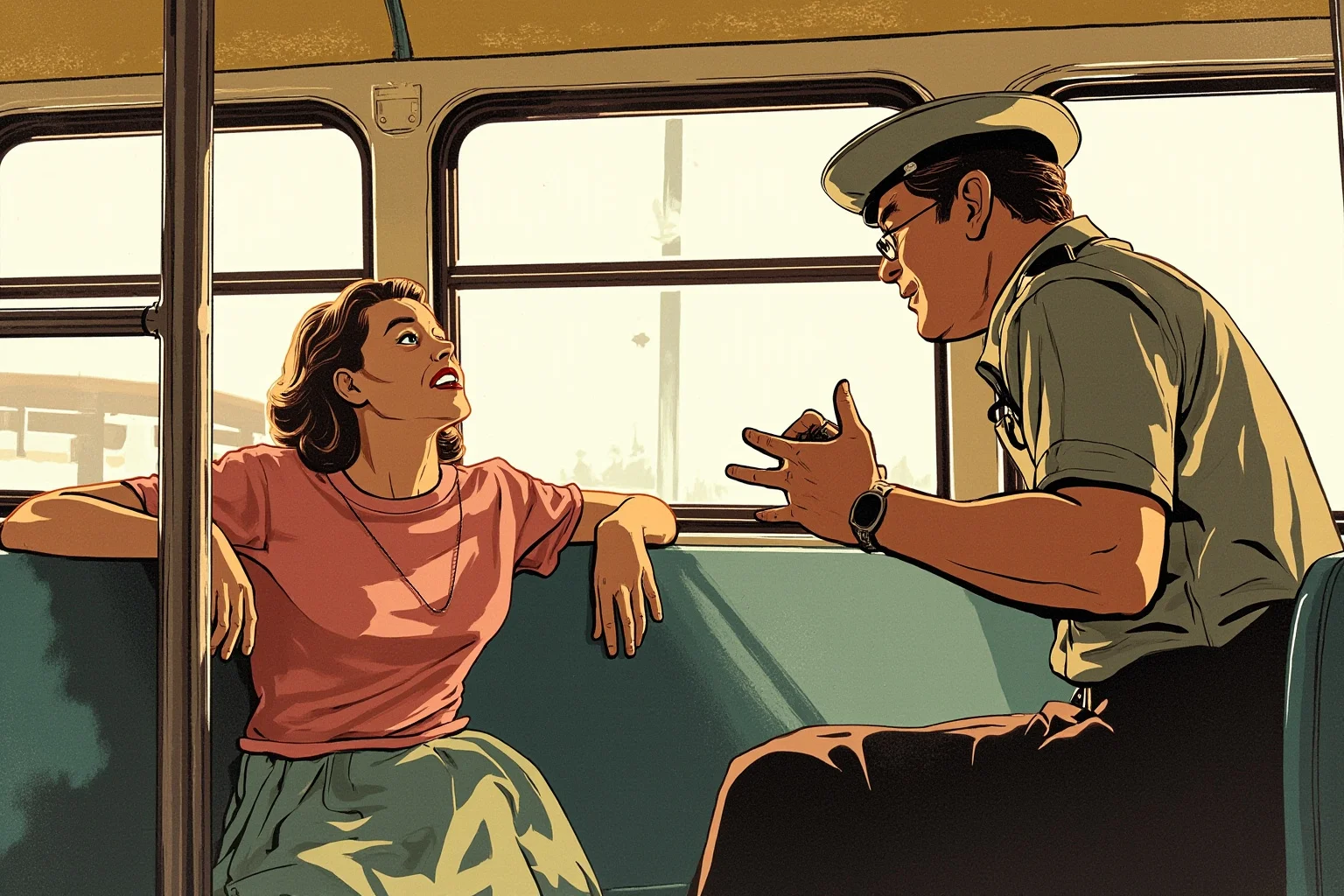
Nine months before Rosa Parks’ famous protest, 15-year-old Claudette Colvin refused to give up her bus seat in Montgomery, Alabama in March 1955. She was arrested and later became one of the plaintiffs in Browder v. Gayle, the federal case that helped legally end bus segregation in Alabama. Her age and background made her a less convenient public face for the movement at the time, which is part of why her name faded from the story.
6. Bayard Rustin
Bayard Rustin was the chief organizer behind the 1963 March on Washington, coordinating logistics for the massive event where Martin Luther King Jr. delivered his “I Have a Dream” speech. Rustin was also openly gay in an era of intense discrimination, which led movement leaders to keep him deliberately out of the spotlight. His strategic and organizational skills were essential to the movement’s success even as his personal visibility was minimized.
7. Ella Baker
Ella Baker worked with the NAACP, co-founded the Southern Christian Leadership Conference, and helped launch the Student Nonviolent Coordinating Committee (SNCC). She believed in grassroots, community-driven leadership rather than a single charismatic figurehead. That philosophy shaped how a generation of young civil rights organizers approached activism.
8. Septima Clark
Septima Clark developed “Citizenship Schools” that taught literacy and practical skills so Black citizens across the South could pass discriminatory voter registration tests. Martin Luther King Jr. reportedly referred to her as the “Mother of the Movement” for this work. Her education-first approach quietly expanded the voting rolls in communities across the region.
9. Robert Smalls
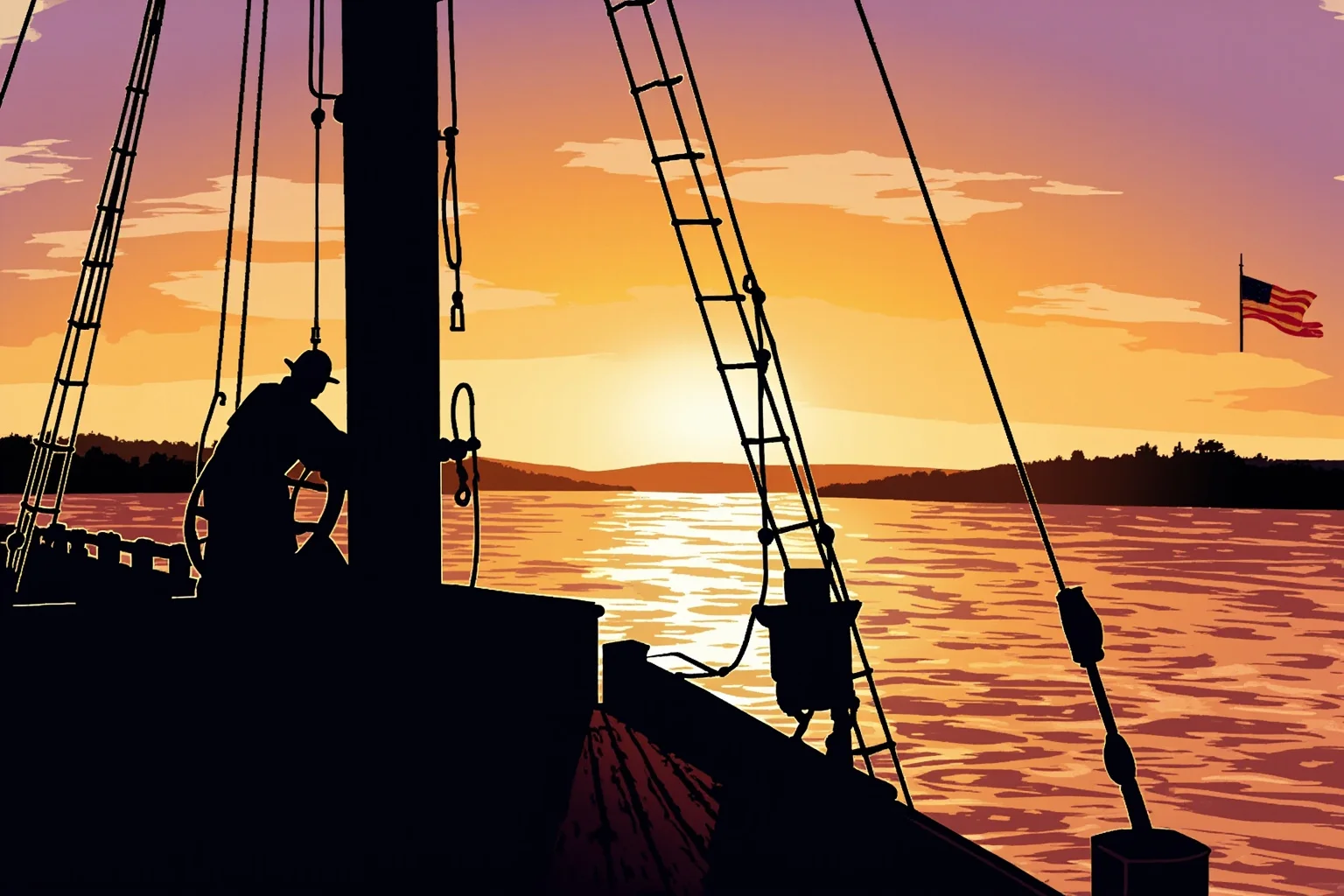
Robert Smalls was enslaved and forced to work on a Confederate transport ship called the Planter during the Civil War. In May 1862, he commandeered the ship, sailed it past Confederate checkpoints, and delivered it to the Union Navy, freeing himself and everyone aboard. He later became a South Carolina state legislator and a U.S. Congressman during Reconstruction.
10. Mary Ellen Pleasant
Mary Ellen Pleasant was a formerly enslaved businesswoman in San Francisco who used her wealth to fund abolitionist causes and support the Underground Railroad. She also fought and won a legal case against a streetcar company for racial discrimination in the 1860s. Her business success gave her influence that she deliberately used to support broader civil rights causes of her era.
Unsung Heroes of Science and Medicine
Not every unsung hero was fighting on a battlefield or organizing a protest. Some of history’s most important unsung heroes were quietly changing medicine and science, often while being dismissed, uncredited, or exploited by the institutions around them.
11. Henrietta Lacks
Henrietta Lacks was a Black woman whose cancer cells were taken without her knowledge or consent during treatment in 1951. Those cells, known as HeLa cells, became the first human cell line able to reproduce indefinitely in a lab, and they’ve since supported decades of medical research, including vaccine development. Lacks herself died shortly after her diagnosis and received no recognition or compensation during her lifetime.
12. Ignaz Semmelweis
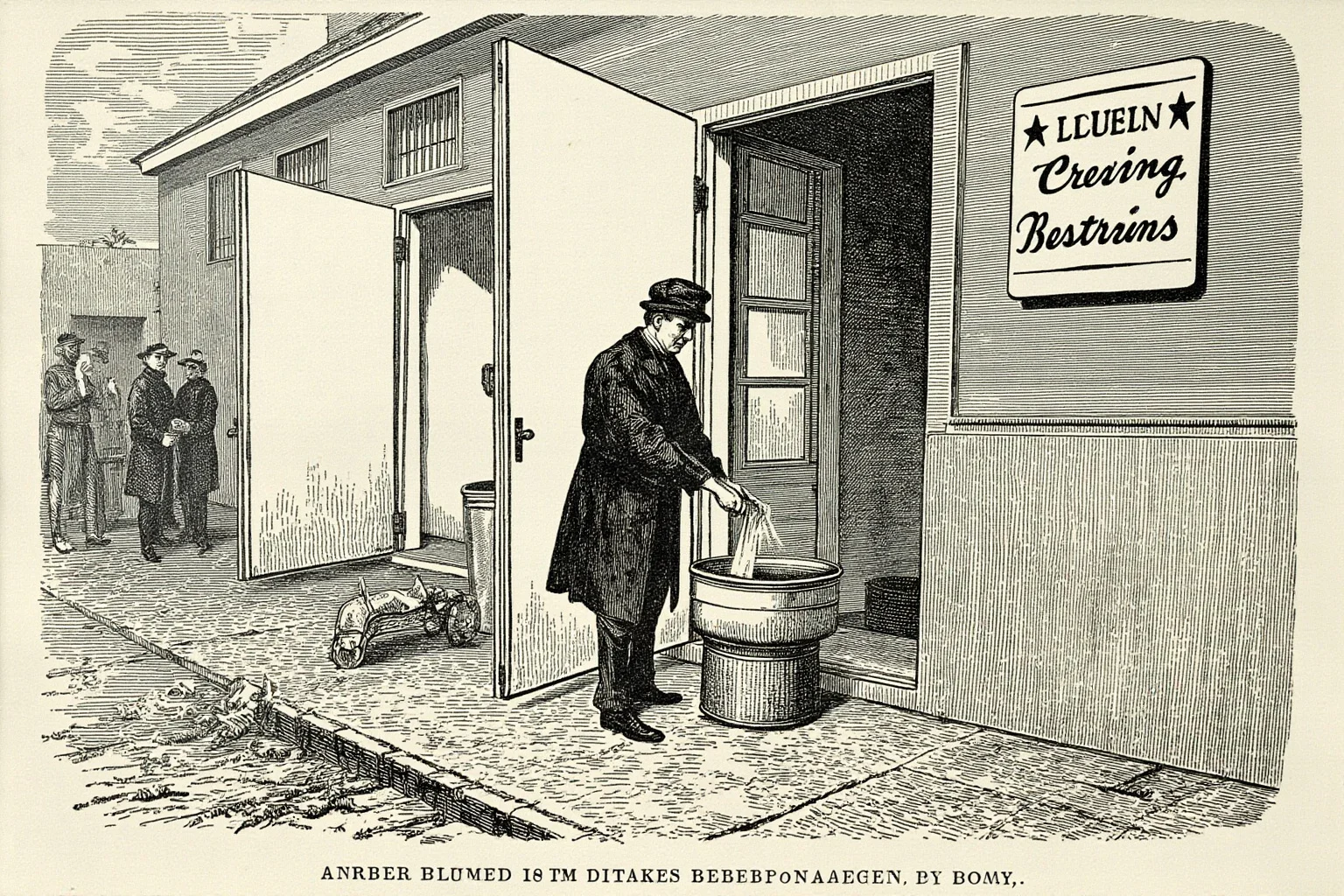
Ignaz Semmelweis was a Hungarian physician who discovered in the 1840s that handwashing dramatically reduced deaths from childbed fever in maternity wards. His peers rejected the idea, partly because it implied doctors themselves were spreading disease, and he was ridiculed and professionally isolated for the rest of his career. Germ theory later proved him right, but only after his death in an asylum.
13. Alice Ball
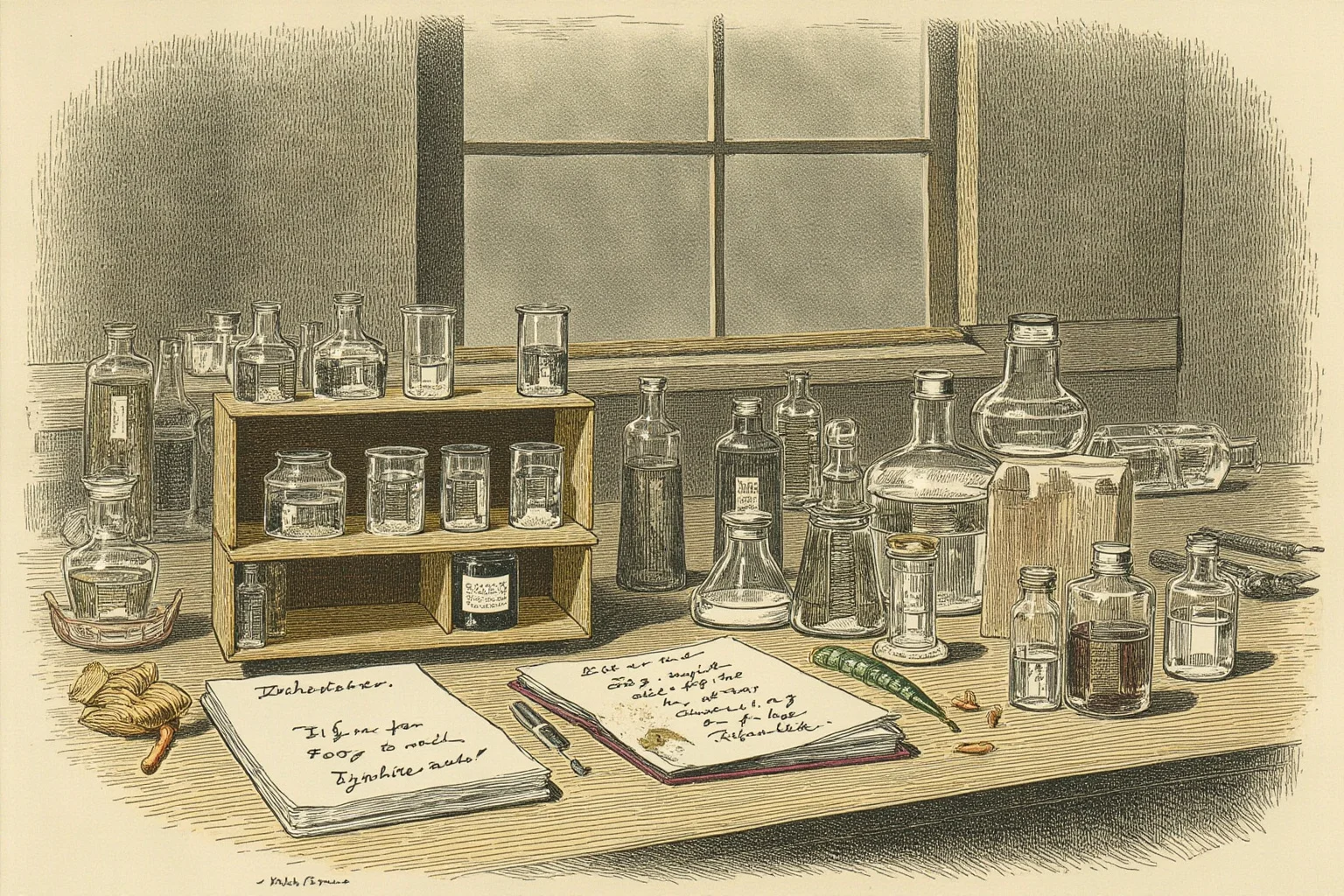
Alice Ball was a young chemist who developed an injectable treatment derived from chaulmoogra oil that became the most effective treatment for leprosy (Hansen’s disease) available at the time. She died at only 24, before she could publish her findings, and a university president took credit for her work for years afterward. Her contribution wasn’t properly credited again until decades later.
14. Katherine Johnson

Katherine Johnson was a NASA mathematician whose calculations helped determine the trajectories for the Mercury and Apollo missions, including John Glenn’s orbital flight. She worked for years in a racially segregated department with little public recognition for her role in some of America’s most celebrated space achievements. Her story only reached wide audiences decades later through the book and film “Hidden Figures.”
Unsung Heroes of War and Resistance
Some of history’s most dramatic examples of heroes in real life come from wartime resistance movements, standing apart from the generals and commanders typically celebrated among America’s greatest war heroes, where ordinary people took extraordinary risks to save lives with almost no chance of public recognition.
15. Irena Sendler
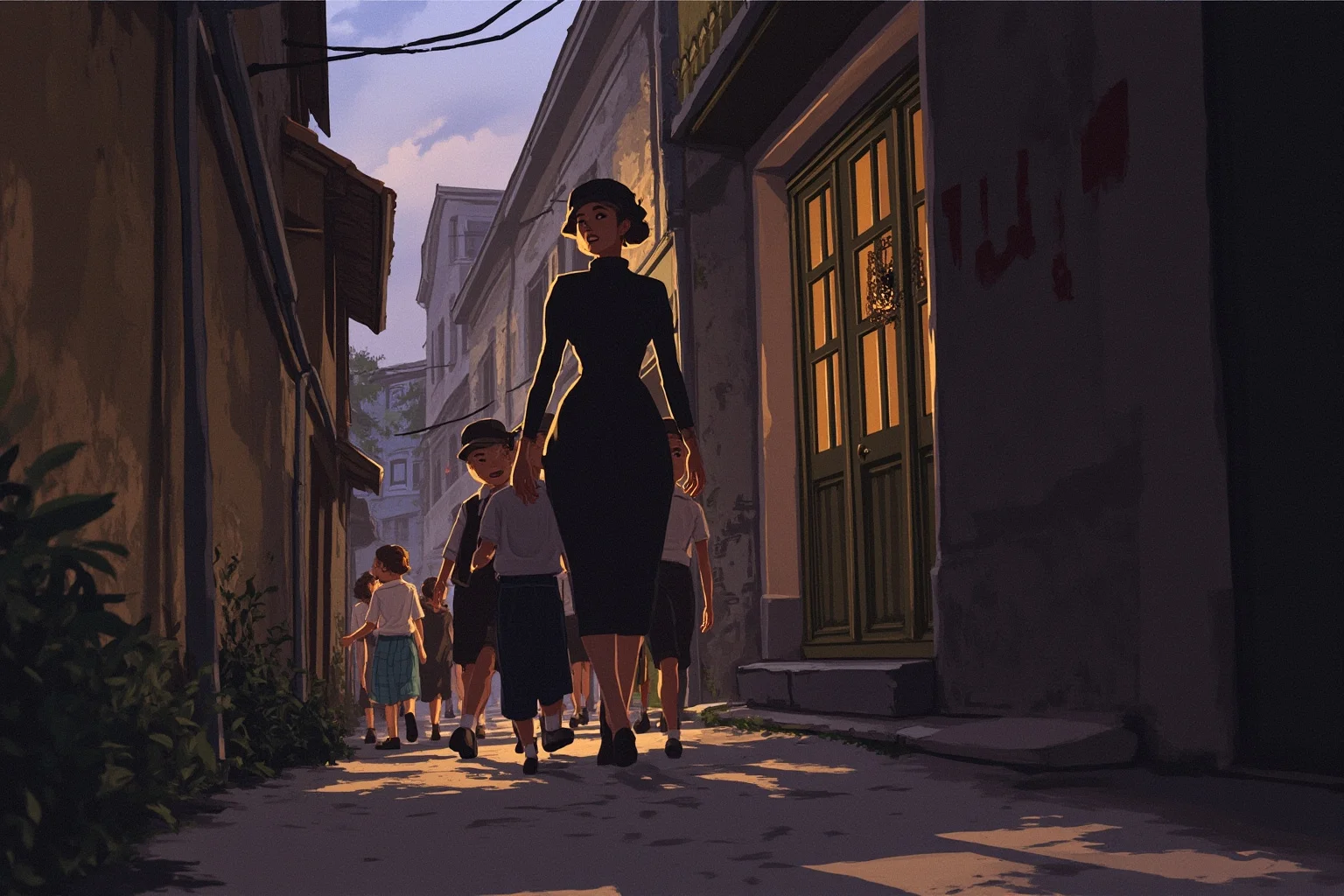
Irena Sendler was a Polish social worker who helped smuggle an estimated 2,500 Jewish children out of the Warsaw Ghetto during World War II. She kept lists of the children’s real names hidden in jars, hoping to reunite them with their families after the war. She was arrested and tortured by the Gestapo but survived and continued her work.
16. Chiune Sugihara
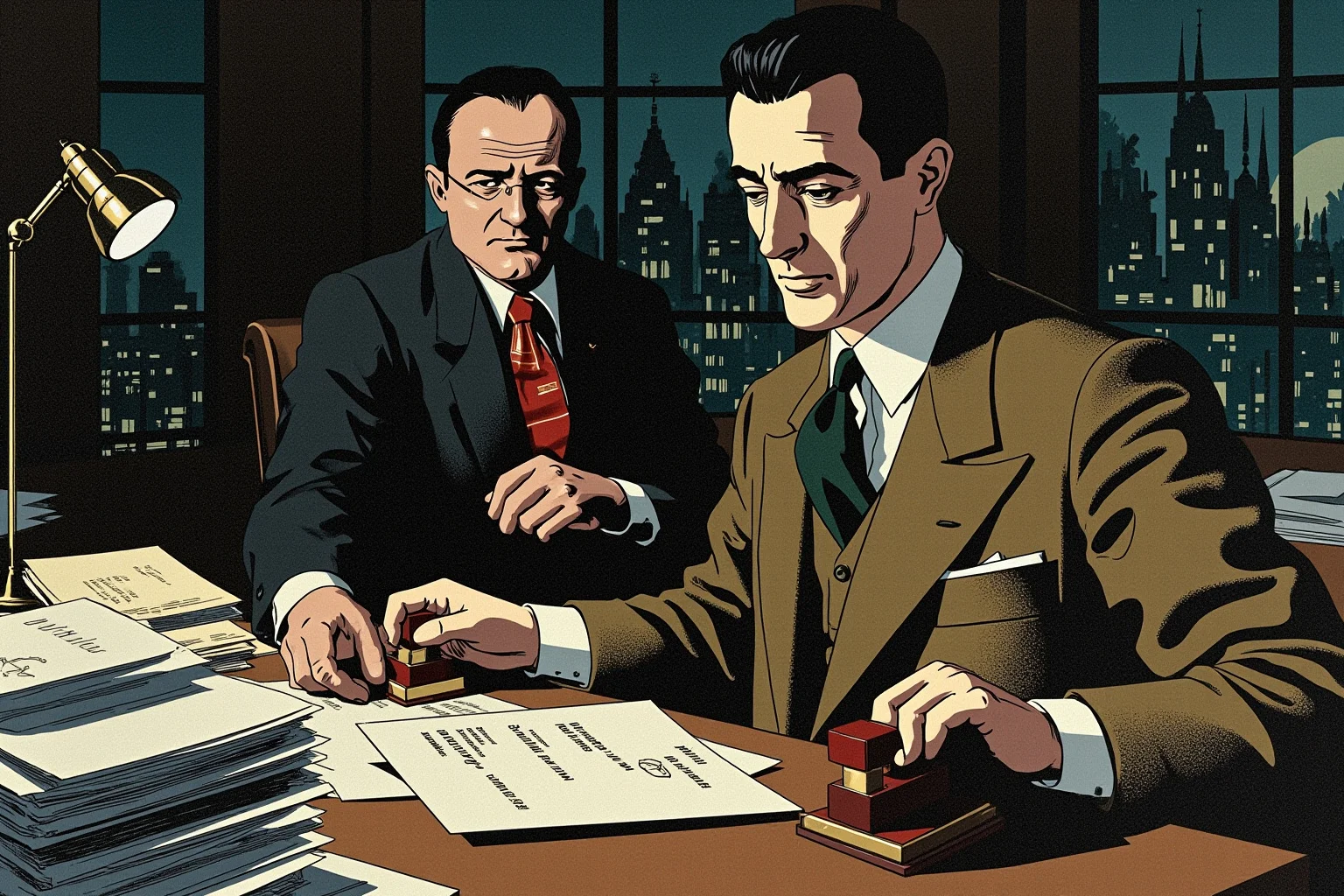
Chiune Sugihara was a Japanese diplomat stationed in Lithuania who issued thousands of transit visas to Jewish refugees in 1940, defying direct orders from his own government. His actions are believed to have saved thousands of lives during the early years of the Holocaust. He lost his diplomatic career afterward and lived largely without recognition until decades later.
17. Witold Pilecki
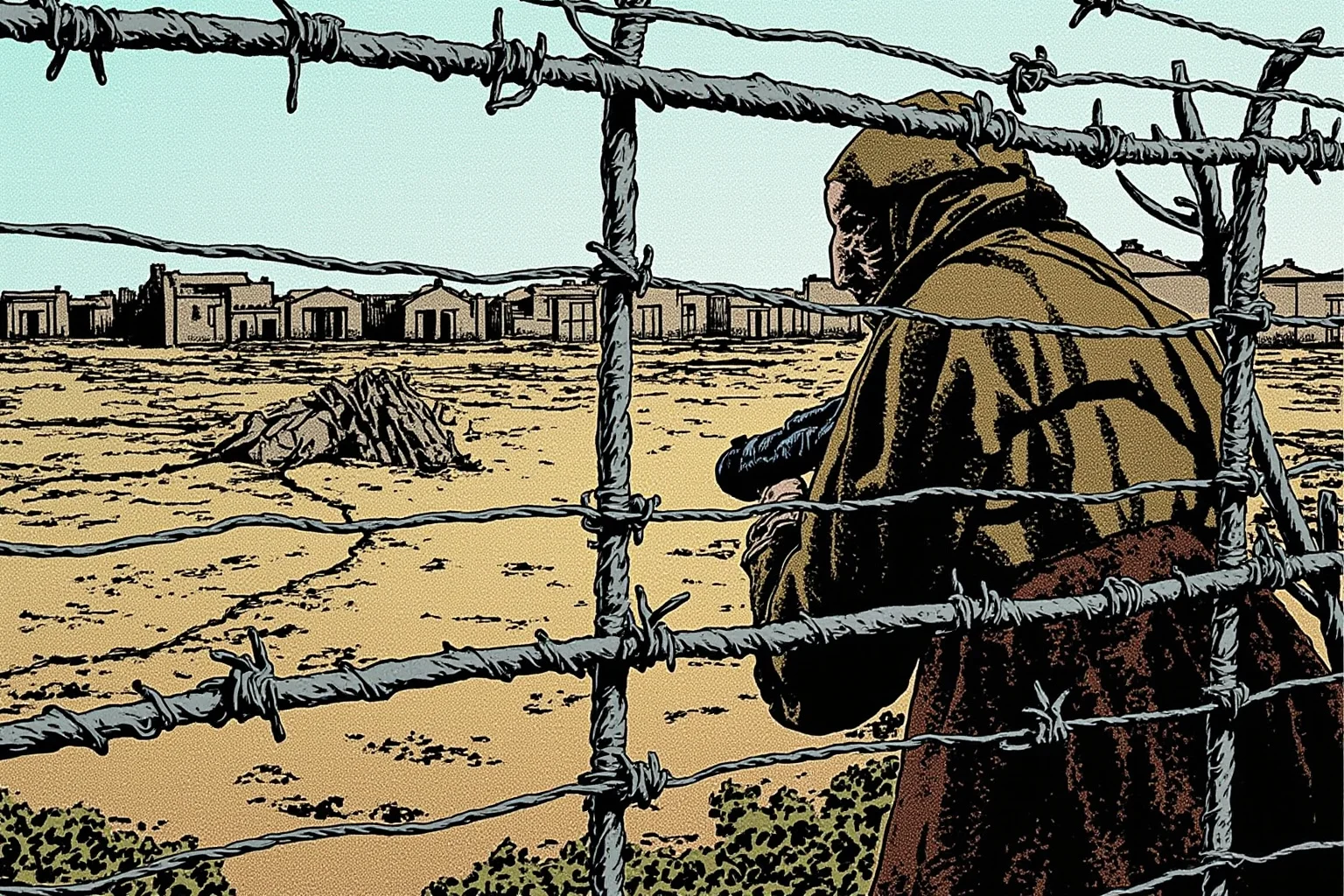
Witold Pilecki was a Polish resistance officer who voluntarily got himself arrested and sent to Auschwitz in 1940 specifically to gather intelligence on the camp from inside. He organized a resistance network among prisoners and smuggled reports to the Allies about the atrocities occurring there. He was later executed by Poland’s post-war communist government, and his story was suppressed for decades.
18. The Harlem Hellfighters
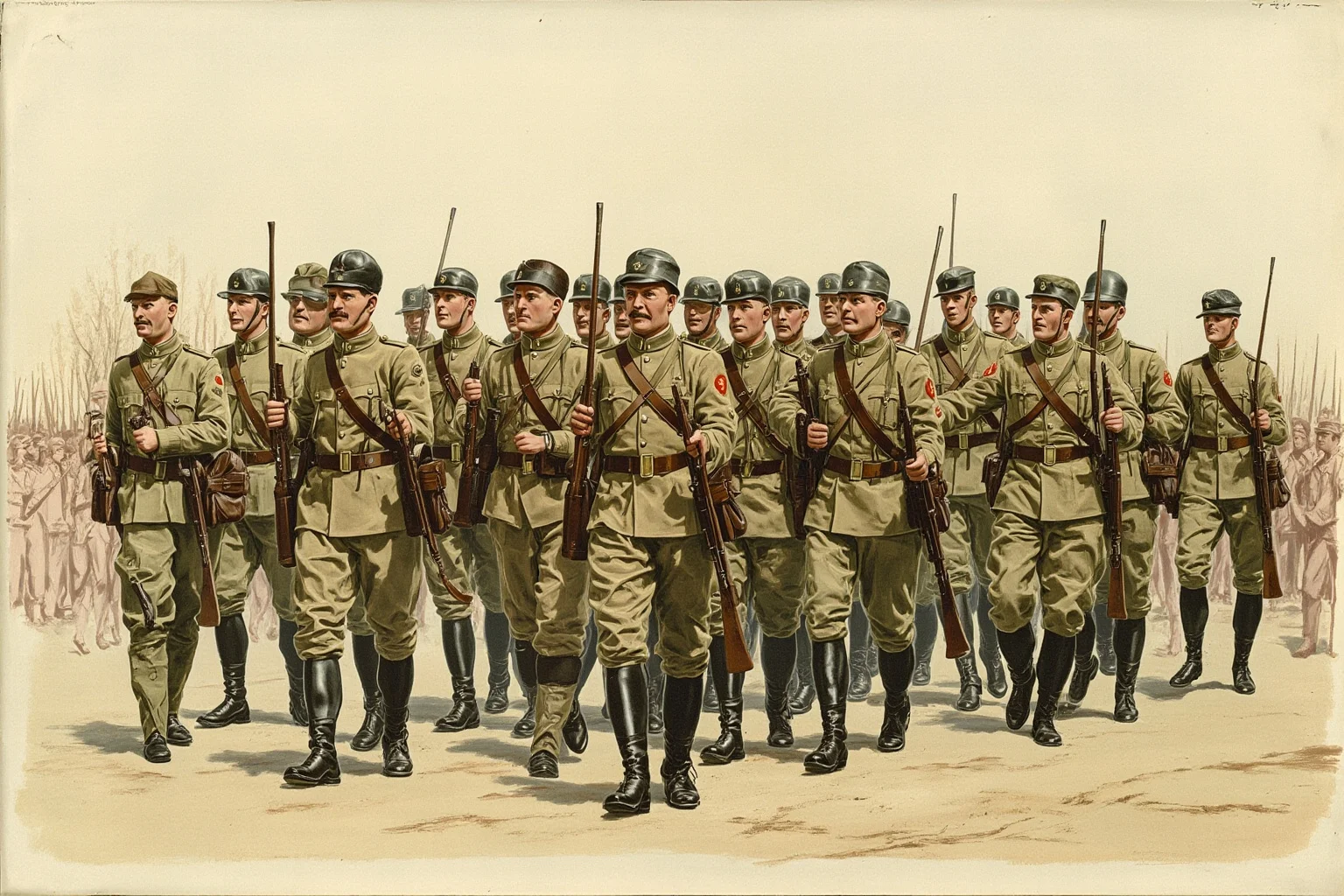
The 369th Infantry Regiment, nicknamed the Harlem Hellfighters, was a segregated African American unit that fought with distinction in World War I. They spent more consecutive days in combat than almost any other American unit and were the first Allied regiment awarded France’s Croix de Guerre. Despite their record, they returned home to a country that still denied them basic civil rights.
Unknown Heroes Who Changed the Modern World
Unknown heroes aren’t only found in wars and revolutions. Some of the most consequential real-life heroes acted quietly, in ordinary jobs, at moments when almost no one was watching.
19. Viola Desmond
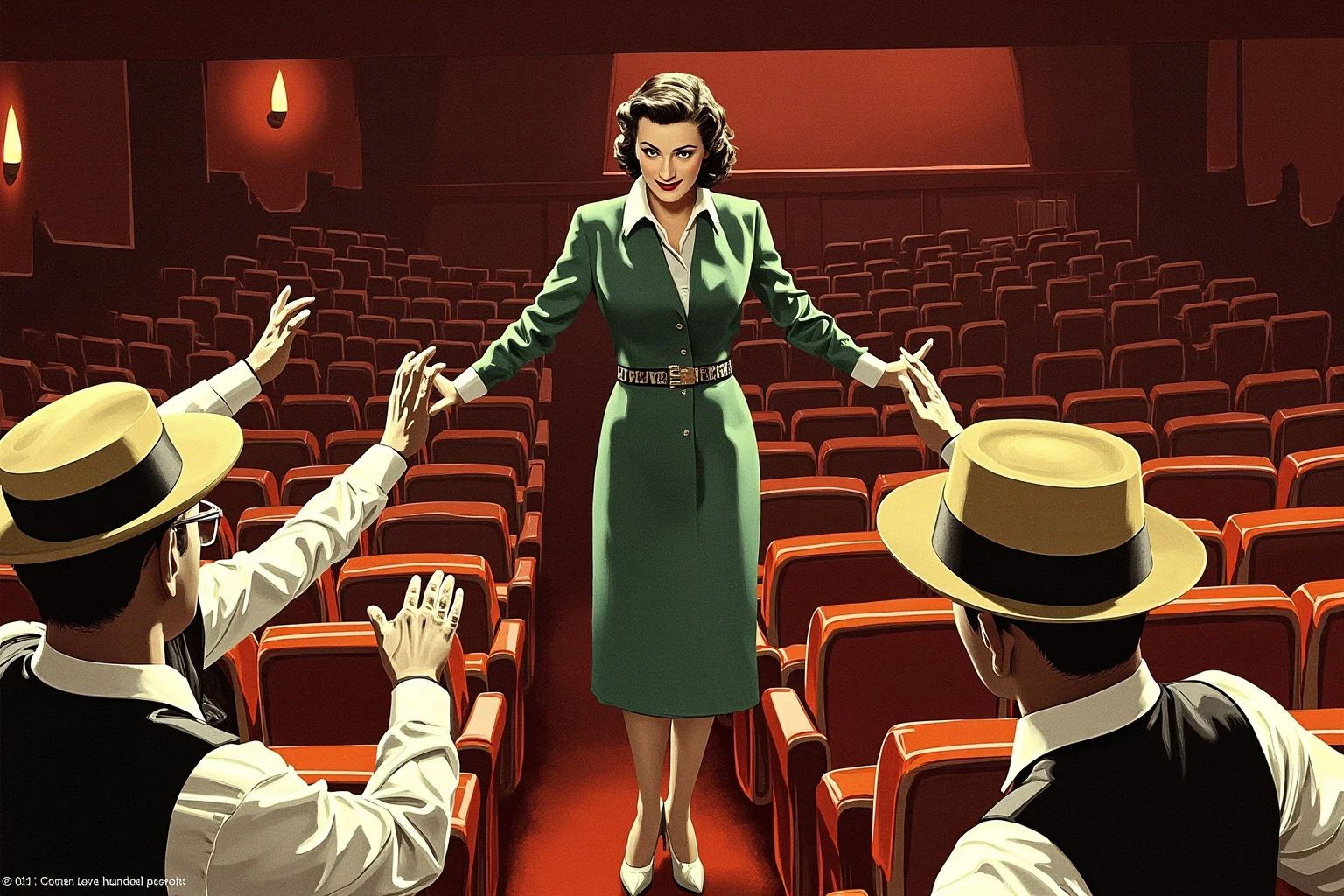
Viola Desmond was a Black Canadian businesswoman who refused to leave the whites-only section of a movie theater in Nova Scotia in 1946. Her arrest and conviction sparked one of Canada’s earliest documented civil rights legal challenges. She’s now featured on Canadian currency, decades after her death, as recognition finally caught up with her story.
20. Stanislav Petrov
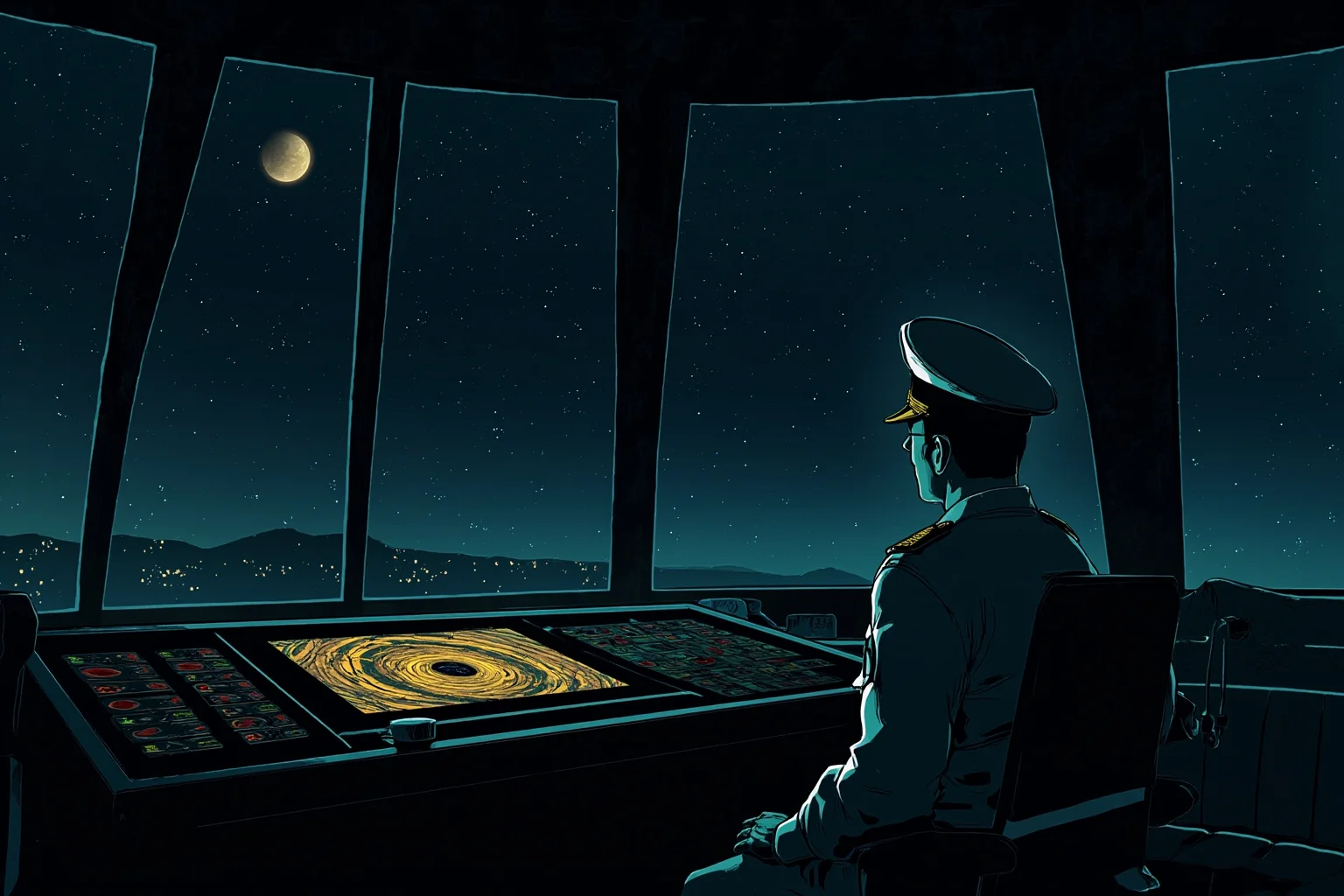
Stanislav Petrov was a Soviet military officer on duty in 1983 when early-warning systems falsely indicated an incoming U.S. nuclear missile strike. Rather than immediately report it up the chain of command, he judged it to be a false alarm and held off, a decision that likely prevented a catastrophic nuclear escalation. His judgment call went largely unknown outside military circles for years.
21. Frank Wills
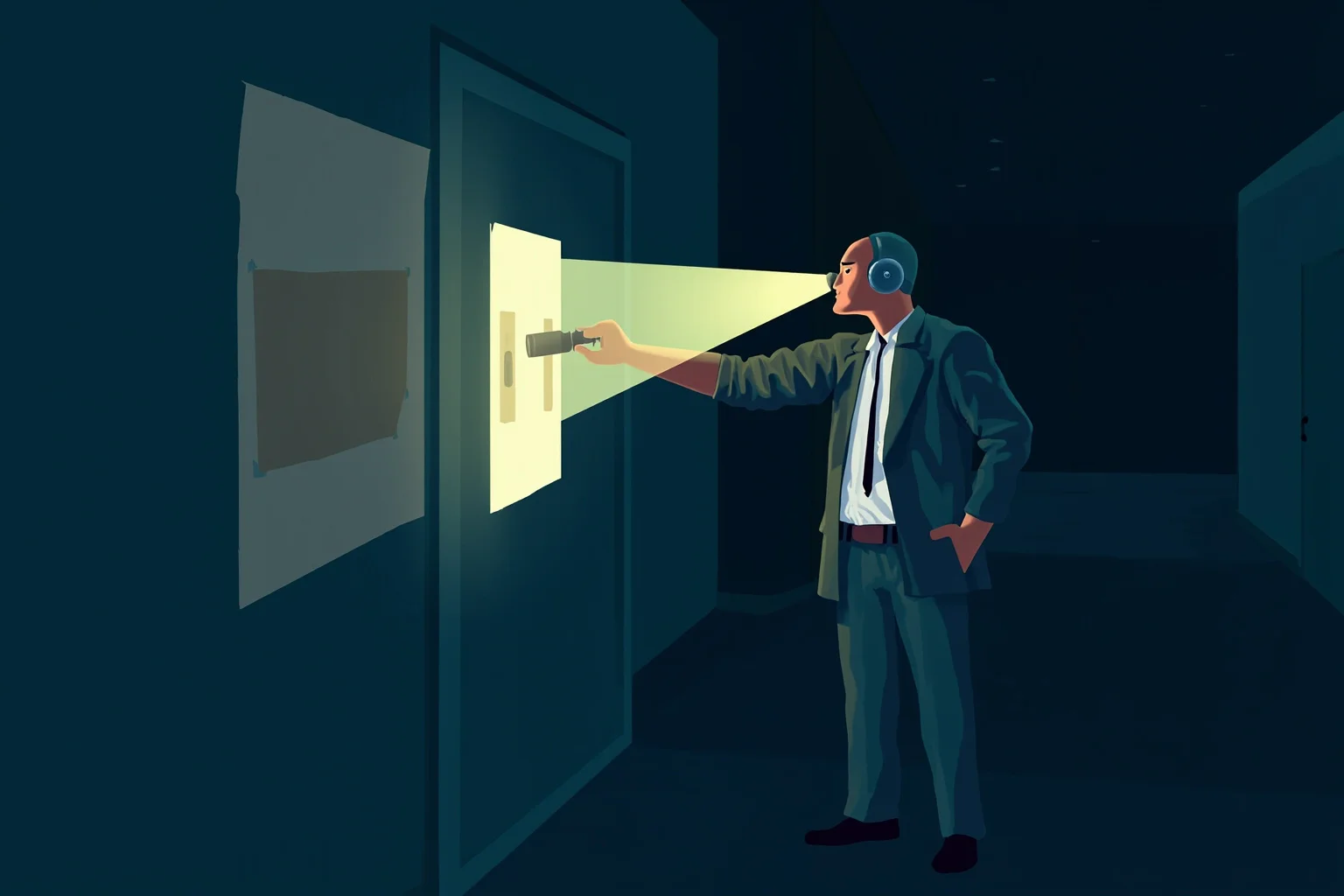
Frank Wills was a security guard working the night shift at the Watergate complex in 1972 when he noticed a taped-over door lock during his rounds. His decision to call the police set off the investigation that eventually exposed the Watergate scandal. He received little financial benefit from his role in one of the most consequential discoveries in American political history.
22. Wangari Maathai
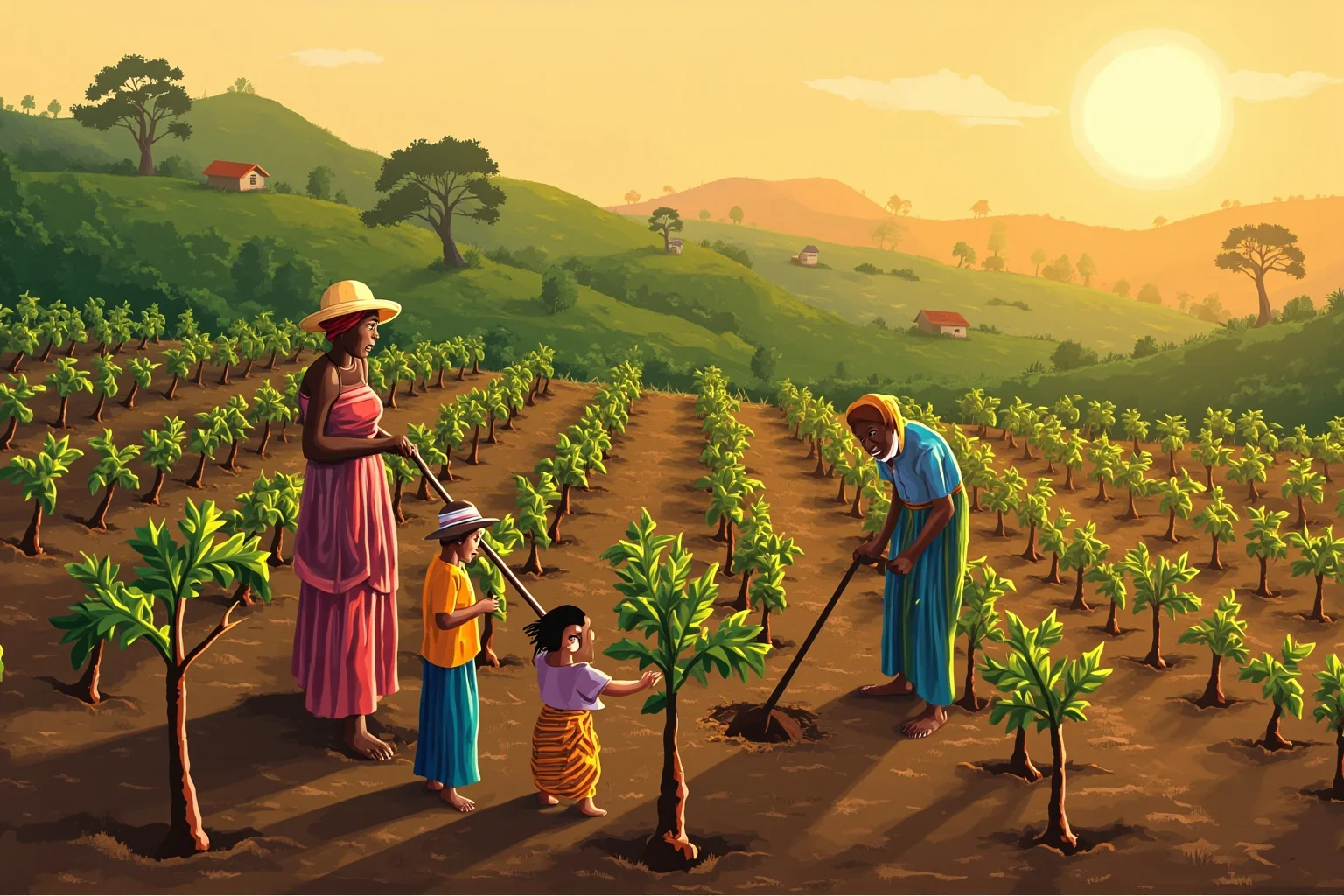
Wangari Maathai founded Kenya’s Green Belt Movement, which mobilized communities, especially women, to plant tens of millions of trees to combat deforestation and soil erosion. Her work tied environmental restoration directly to grassroots economic empowerment decades before “sustainability” became a mainstream idea. She became the first African woman to win the Nobel Peace Prize in 2004, though her early organizing years remain far less discussed than the award itself.
What Makes Someone a Real-Life Hero Today?
Modern day heroes don’t always look like the dramatic figures from history books. Today, the term often applies to first responders, whistleblowers, teachers, and healthcare workers who make high-stakes decisions with little recognition or reward. The pattern from history repeats itself constantly.
So who is a real-life hero in the modern sense? Generally, it’s someone who takes on real risk or sacrifice to protect or help others, often without expecting credit. That could be a nurse working through a crisis, an engineer who reports a safety flaw at personal career risk, or a community organizer solving problems no one else will touch.
Interestingly, unsung heroes show up far beyond history classrooms. Workplace training materials, community programs, and even adult education archives and publications regularly use real unsung hero stories as case studies in leadership and ethics courses. The underlying lesson is always the same: meaningful action rarely waits for an audience.
Why These Stories Still Matter
Looking back at this list, a pattern becomes obvious pretty quickly. Nearly every unsung hero faced some combination of risk, exclusion, or simple bad timing that kept their story out of the mainstream narrative. Race, gender, class, and politics all played a role in deciding whose bravery got remembered.
Telling these stories isn’t about tearing down the more famous names in history. Washington, Lincoln, and King earned their place in the historical record. It’s about recognizing that the full picture of history’s heroes is far bigger, more diverse, and more interesting than the shortlist most of us learned in school.
The next time someone asks for examples of heroes, it’s worth remembering that the most important ones aren’t always the loudest. Some of the most significant turning points in history came down to one person quietly deciding to do the harder, riskier thing anyway.
Frequently Asked Questions
What are unsung heroes?
Unsung heroes are real people whose courage, sacrifice, or contributions had a significant historical impact but who received little to no public recognition for it. The term comes from the idea of never being celebrated in song or story, even though their actions were just as important as those of more famous historical figures.
What is the meaning of unsung heroes in history?
In a historical context, unsung heroes refers to people whose actions changed events — winning battles, saving lives, or advancing civil rights — but whose names were left out of mainstream textbooks. This often happened because of their race, gender, social class, or simply because official records favored more powerful figures.
Who is considered a real-life hero?
A real-life hero is generally someone who takes meaningful risks or makes sacrifices to help or protect others, often without expecting recognition or reward. This can apply to historical figures like wartime resistance workers, as well as modern day heroes such as first responders, whistleblowers, and community organizers.
What are some examples of unsung heroes in the American Revolution?
Notable unsung heroes of the American Revolution include James Armistead Lafayette, an enslaved man who spied on British forces for the Continental Army, and Deborah Sampson, who disguised herself as a man to serve in combat. Wentworth Cheswell and Sybil Ludington are also frequently cited, though some historical details about Ludington's ride remain debated among historians.
Who are some unsung heroes of the Civil Rights Movement?
Key unsung heroes of the Civil Rights Movement include Claudette Colvin, who refused to give up her bus seat months before Rosa Parks, and Bayard Rustin, the chief organizer of the 1963 March on Washington. Ella Baker and Septima Clark also played essential organizing and educational roles that rarely appear in mainstream retellings of the movement.
What are some examples of unsung African American heroes?
Examples of unsung African American heroes span centuries, from Robert Smalls, who commandeered a Confederate ship to freedom during the Civil War, to Katherine Johnson, whose mathematical calculations supported NASA's early space missions. Others include Mary Ellen Pleasant, Wentworth Cheswell, and the soldiers of the Harlem Hellfighters regiment.
What are modern day heroes examples?
Modern day heroes include first responders, healthcare workers, whistleblowers, and everyday citizens who take significant personal risks to protect or help others. Historical examples like Stanislav Petrov, who prevented a possible nuclear escalation in 1983, and Frank Wills, who exposed the Watergate break-in, show how this pattern of quiet heroism continues into recent history.
Why doesn’t history talk about unsung heroes more often?
History is typically written and preserved by those with power, access to education, and control over public records, which historically excluded many women, minorities, and working-class contributors. As a result, their stories were often undocumented, downplayed, or credited to others, leaving many genuine heroes out of mainstream historical narratives.

Alex Warren
Related Articles





