

The Black Death is one of those historical events that sounds almost too extreme to be real. In just a few years, a disease swept across Europe, Asia, and North Africa and killed a staggering share of the population, reshaping economies, religion, art, and daily life for centuries afterward. Yet despite how famous it is, the Black Death is also surrounded by myths, half-truths, and Hollywood exaggerations that have little to do with what actually happened.
This guide pulls together the real, well-documented facts about the Black Death — how it started, how it spread, what it did to the human body, and why it left such a deep scar on world history. Along the way, we'll bust a few popular myths and answer some of the most common questions people ask about this medieval catastrophe.
TL;DR: The Black Death was a pandemic of bubonic plague that killed an estimated 30 to 60 percent of Europe's population between 1347 and 1351, permanently reshaping medieval society, economy, and culture.
1. The Black Death Struck Europe Between 1347 and 1351
When people ask about the years of the bubonic plague, they usually mean this specific four-year window. The disease arrived in Sicily in October 1347 and tore through nearly every region of Europe by 1351. This was the deadliest single wave, though the same disease returned in smaller outbreaks for centuries afterward.
2. It Was Caused by a Bacterium Called Yersinia Pestis

Modern genetic testing on medieval skeletons has confirmed that the culprit was Yersinia pestis, a rod-shaped bacterium. This discovery, published by researchers in the early 2010s, finally settled a long-running academic debate about what disease actually caused the Black Death. Some historians had previously argued for anthrax, a viral hemorrhagic fever, or another pathogen entirely.
3. It Likely Originated in Central Asia

Genetic and historical evidence points to the plague bacterium having ancient roots in Central Asia, possibly in the region around modern-day Kyrgyzstan or western China. From there, it appears to have traveled along expanding trade and military routes. The exact chain of transmission before it reached Europe is still debated among historians and scientists.
4. It Reached Europe via the Silk Road and Black Sea Trade

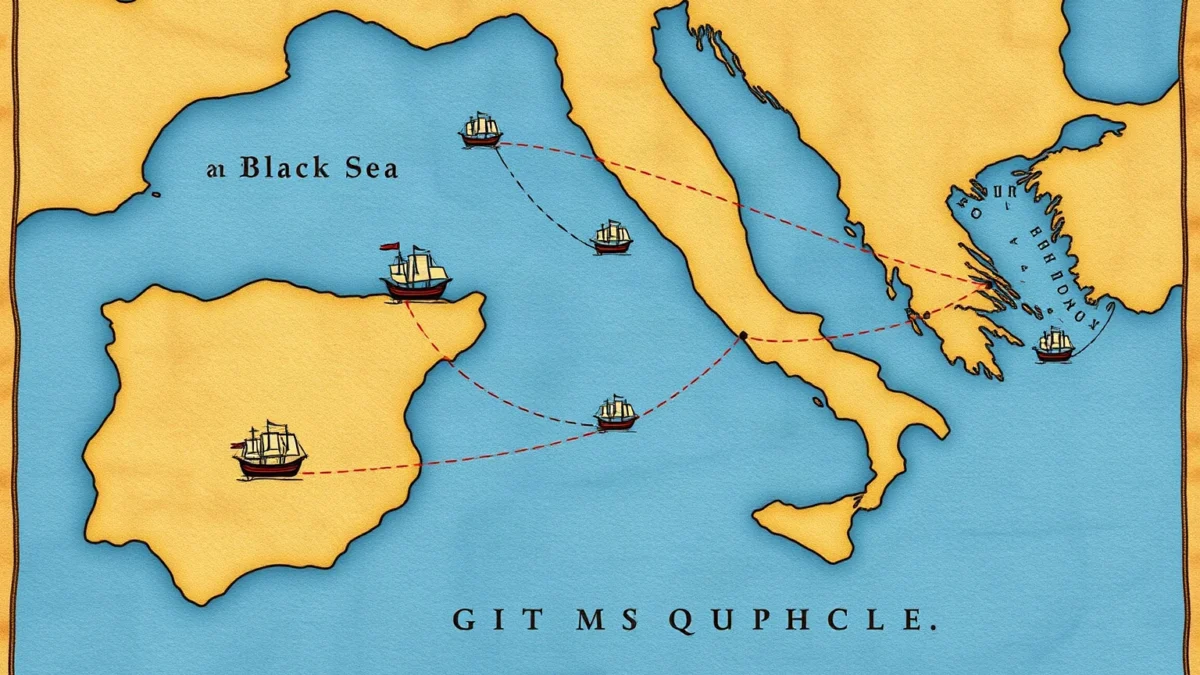
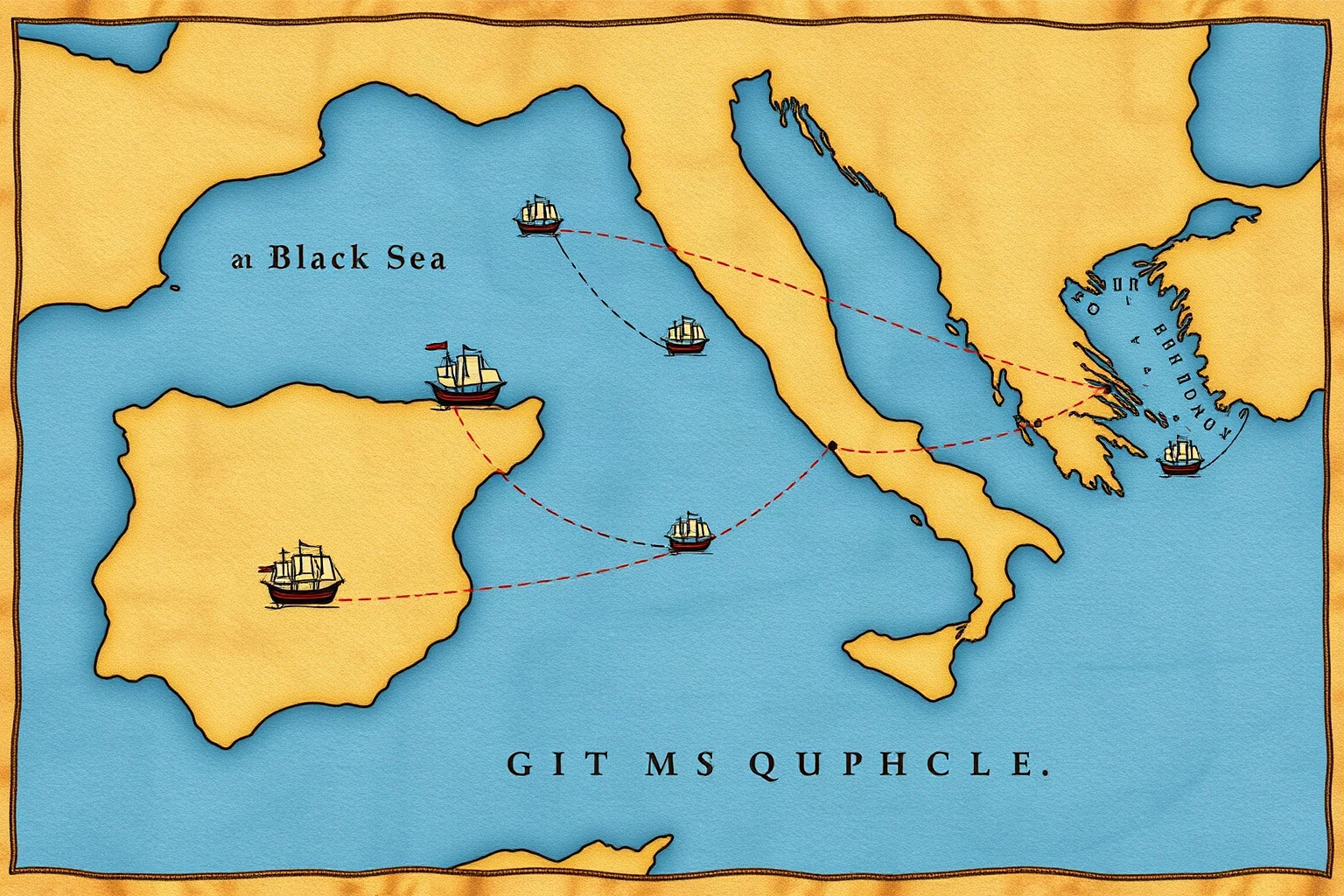
The plague is believed to have moved westward along Mongol-controlled trade routes before arriving at the Black Sea port of Kaffa (modern Feodosia, Crimea). According to a well-known but not fully verifiable account, Genoese merchants fleeing a siege there carried the disease onto their ships. Those ships docked in Messina, Sicily, in October 1347, giving the plague its European entry point.
5. It Killed an Estimated 30 to 60 Percent of Europe's Population
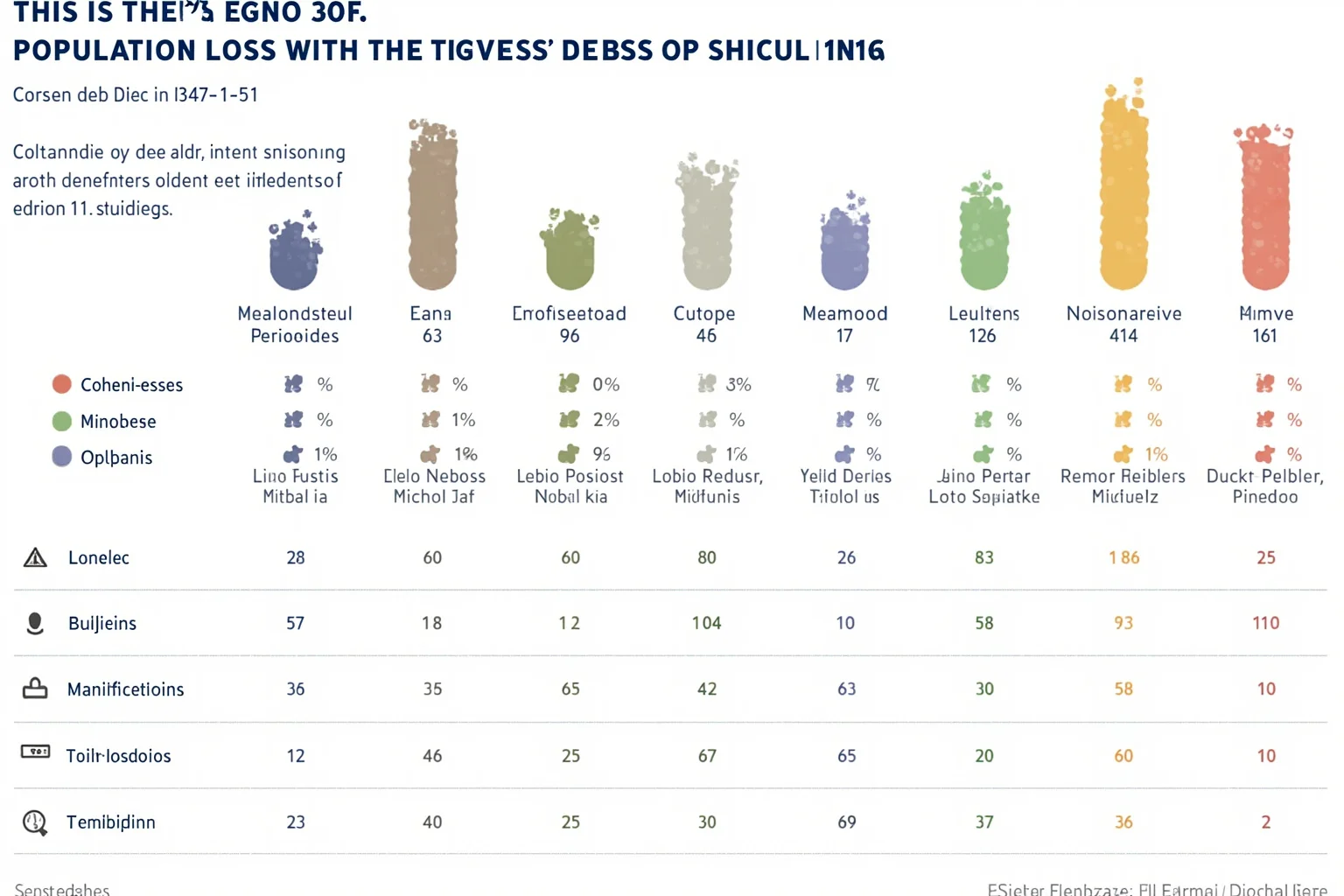
Historians' estimates vary, but most agree the Black Death killed somewhere between a third and well over half of Europe's population in just a few years. Some regions, like parts of Italy and southern France, may have lost closer to 60 percent of their people. This makes it one of the deadliest events in recorded human history by proportion of population lost.
6. The Plague Actually Had Three Different Forms
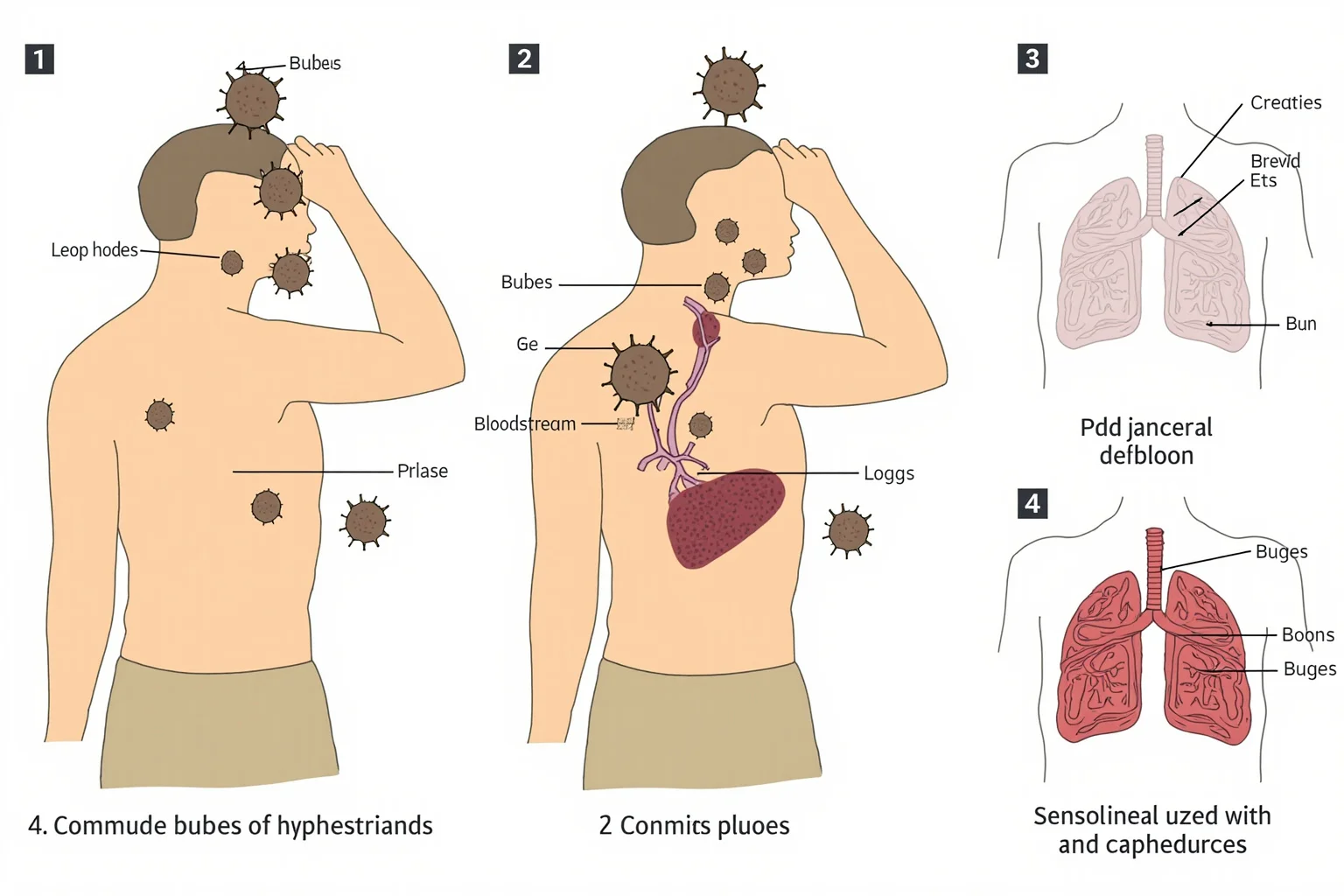
One of the more interesting facts about the Black Death is that it wasn't a single uniform illness. Bubonic plague, spread mainly through flea bites, caused painful swollen lymph nodes called buboes. Septicemic plague infected the bloodstream directly, while pneumonic plague attacked the lungs and could spread person-to-person through coughing, making it the deadliest and most contagious of the three.
7. The Word "Bubo" Gave the Disease Its Medical Name
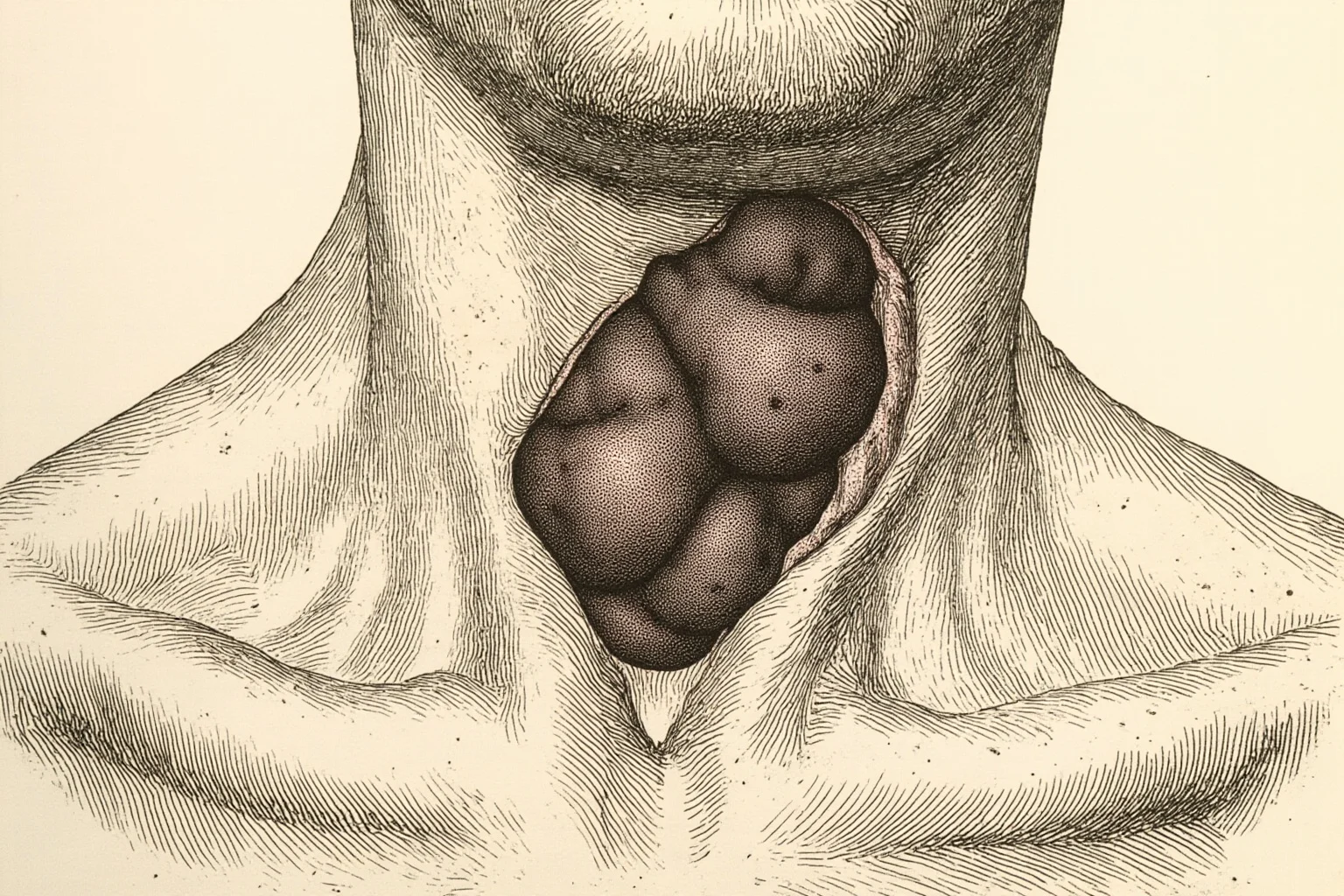
The telltale symptom of bubonic plague was the appearance of buboes — swollen, painful lymph nodes, often in the groin, armpit, or neck. These could grow to the size of an egg or larger and sometimes turned black or dark purple as tissue died. This grim symptom is part of where the popular nickname "Black Death" likely comes from, alongside the general darkening of the skin in severe cases.
8. Rats and Fleas Were Long Blamed, But the Full Picture Is More Complicated
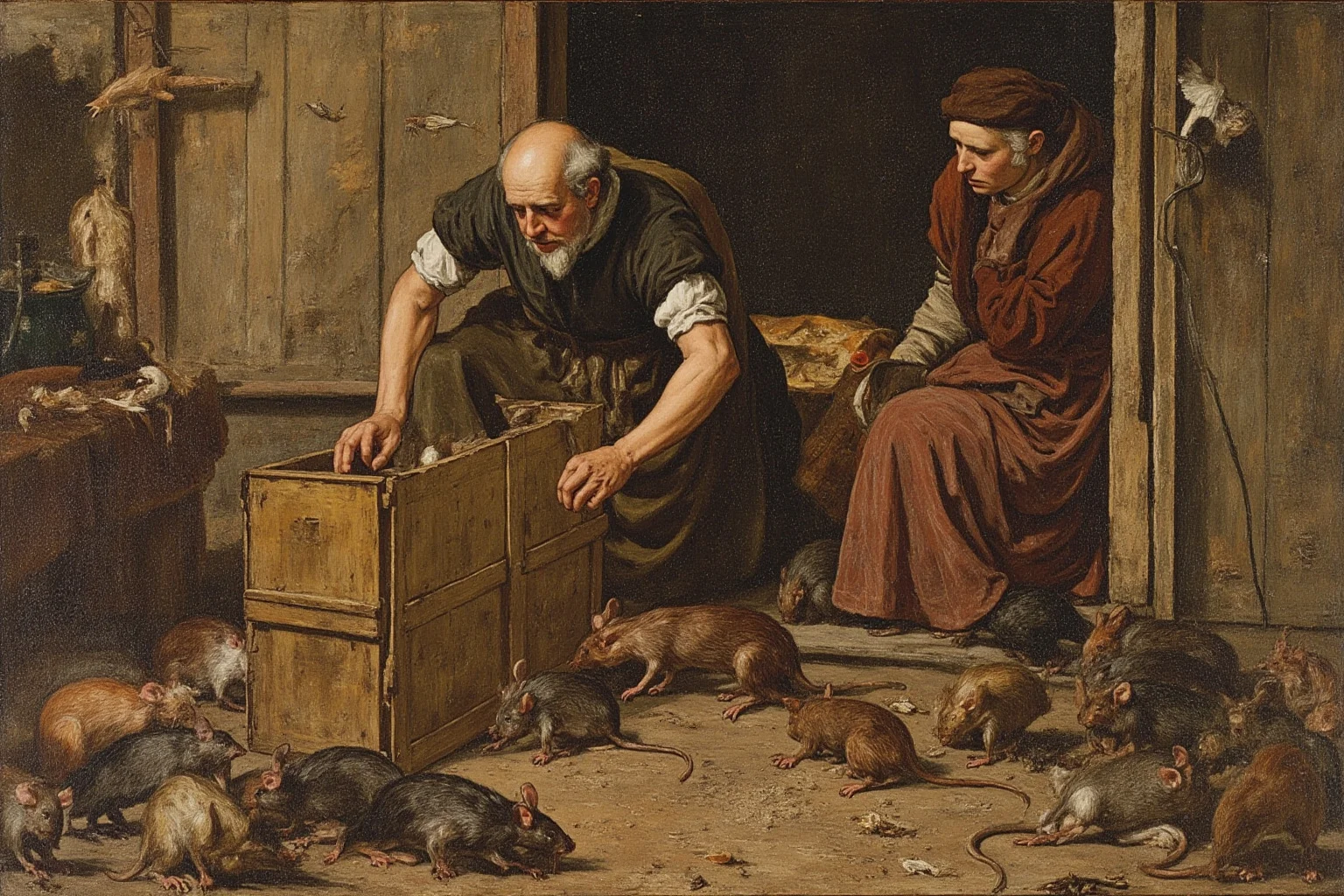
For generations, the standard story was that black rats carried infected fleas that jumped to humans. That mechanism is real and did play a role, but modern researchers have pointed out that rat populations don't fully explain how fast the plague spread across Europe. Some studies suggest human fleas and body lice may have helped spread the pneumonic and septicemic forms directly between people, speeding transmission beyond what rat-flea contact alone could achieve.
9. No One at the Time Knew What Actually Caused It

This is arguably what made the disease especially terrifying to people living through it. Medieval physicians had no concept of bacteria or germs, so they turned to the explanations available to them: bad air ("miasma"), unfavorable planetary alignments, or divine punishment for sin. Not understanding the cause meant no one knew how to stop it, which fueled panic, blame, and desperate, often useless remedies.
10. Plague Doctors and Their Iconic Beaked Masks Came Later

The famous image of a plague doctor in a long black coat with a bird-like beaked mask is one of the most recognizable symbols of the plague era. However, that specific costume wasn't invented until 1619, designed by French physician Charles de Lorme — nearly 300 years after the original Black Death. It became associated with later plague outbreaks, including the Great Plague of London, rather than the 14th-century pandemic itself.
11. Flagellants Whipped Themselves in Public to Atone for Sin
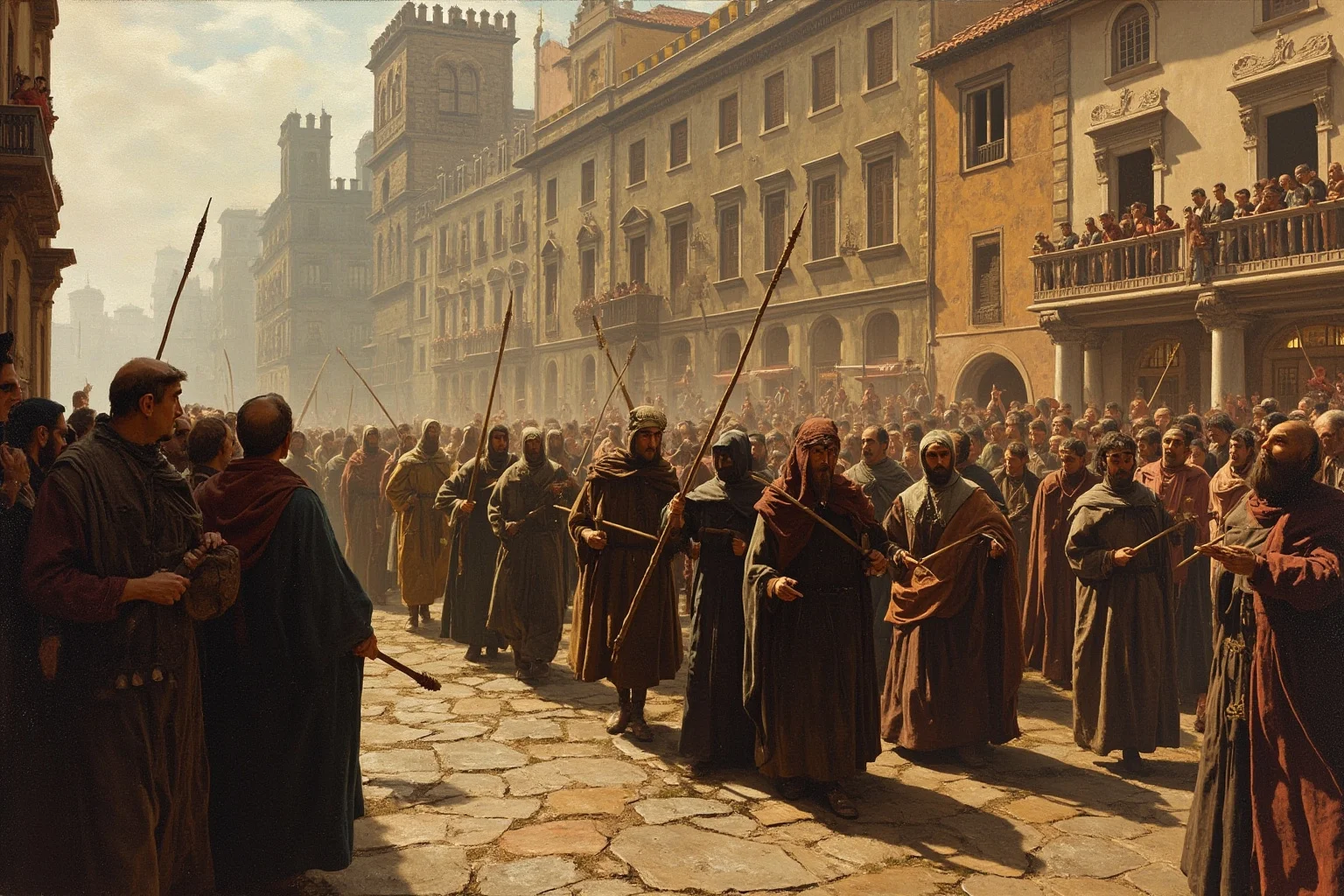
Believing the plague was God's punishment, groups known as flagellants marched from town to town, publicly whipping themselves and each other in an effort to atone and end the pandemic. These processions grew so disruptive and radical in some areas that Pope Clement VI eventually condemned the movement. It's one of the stranger and more unsettling chapters in the plague's social history.
12. Jewish Communities Were Falsely Blamed and Violently Persecuted
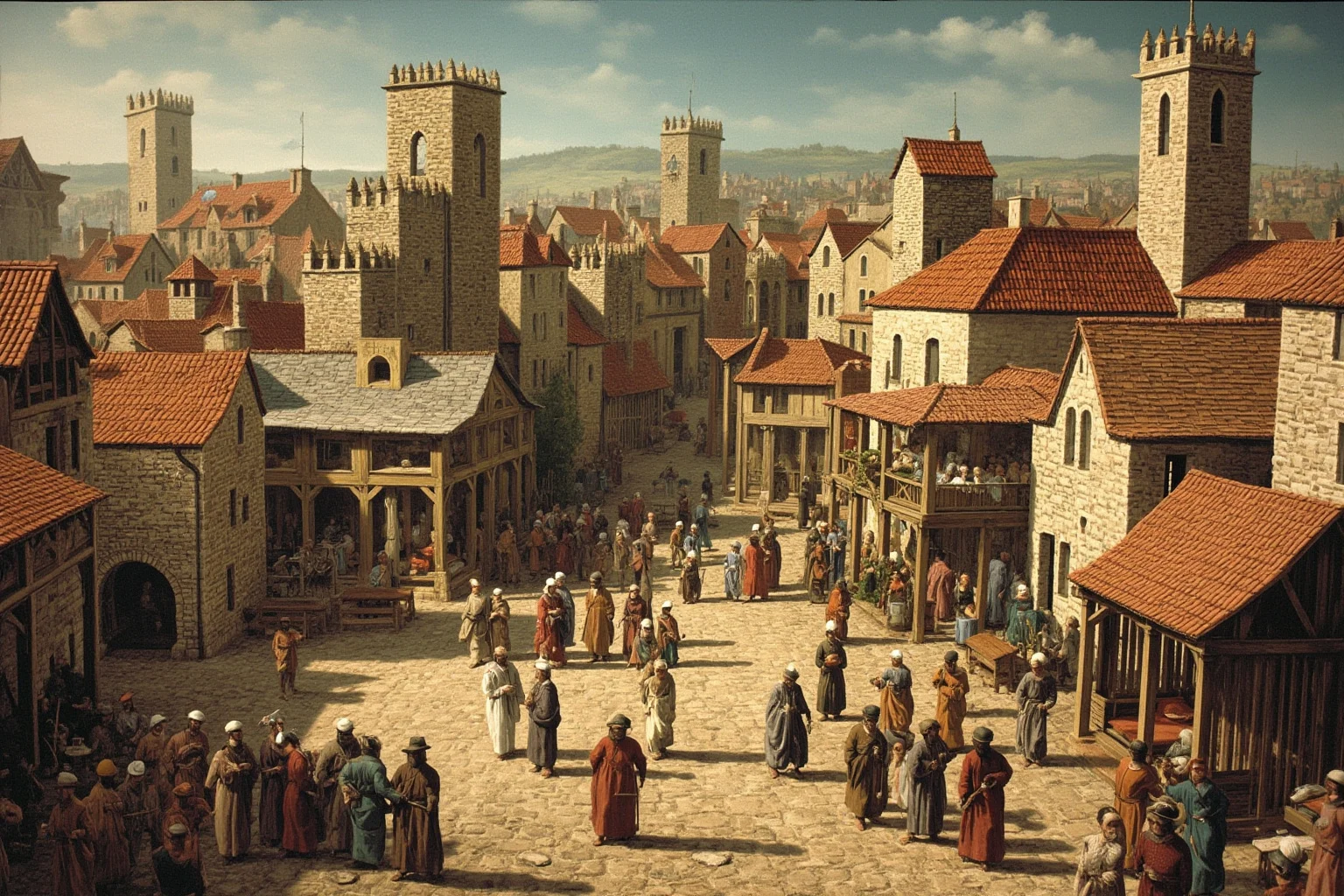
Amid the fear and confusion, Jewish communities across parts of Europe, especially in the Holy Roman Empire, were falsely accused of poisoning wells and causing the plague. This led to horrific massacres, including a well-documented atrocity in Strasbourg in 1349. This persecution stands as one of the darkest and most tragic aspects of the plague years, showing how disease and scapegoating have long gone hand in hand.
13. Quarantine as We Know It Was Born From the Black Death
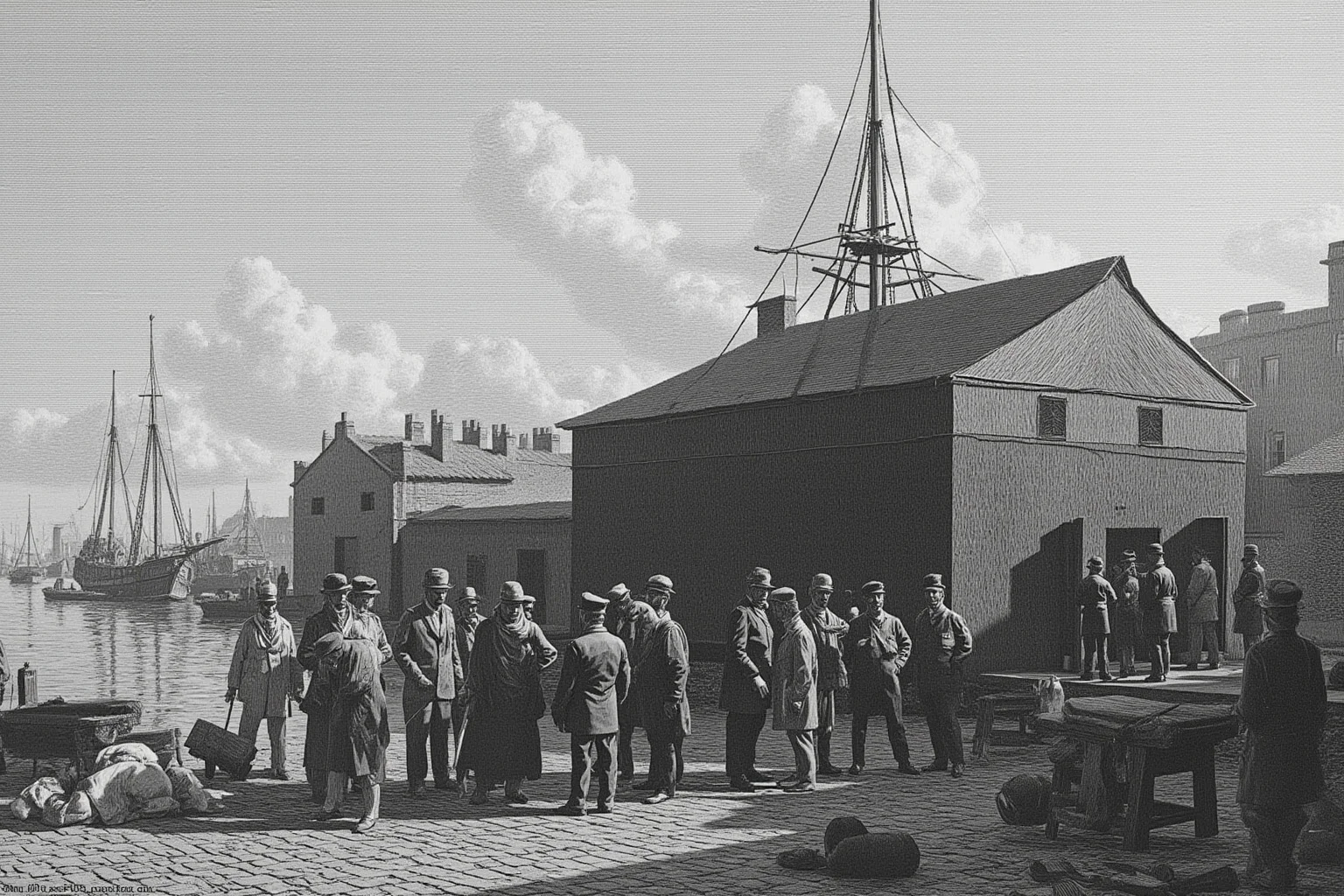
The word "quarantine" comes from the Italian "quaranta giorni," meaning forty days. Venice and the city of Ragusa (modern Dubrovnik) pioneered the practice of isolating incoming ships and travelers for a set period to stop disease from spreading further. This medieval public health innovation is still the basis for quarantine practices used around the world today.
14. It Triggered Massive Labor Shortages
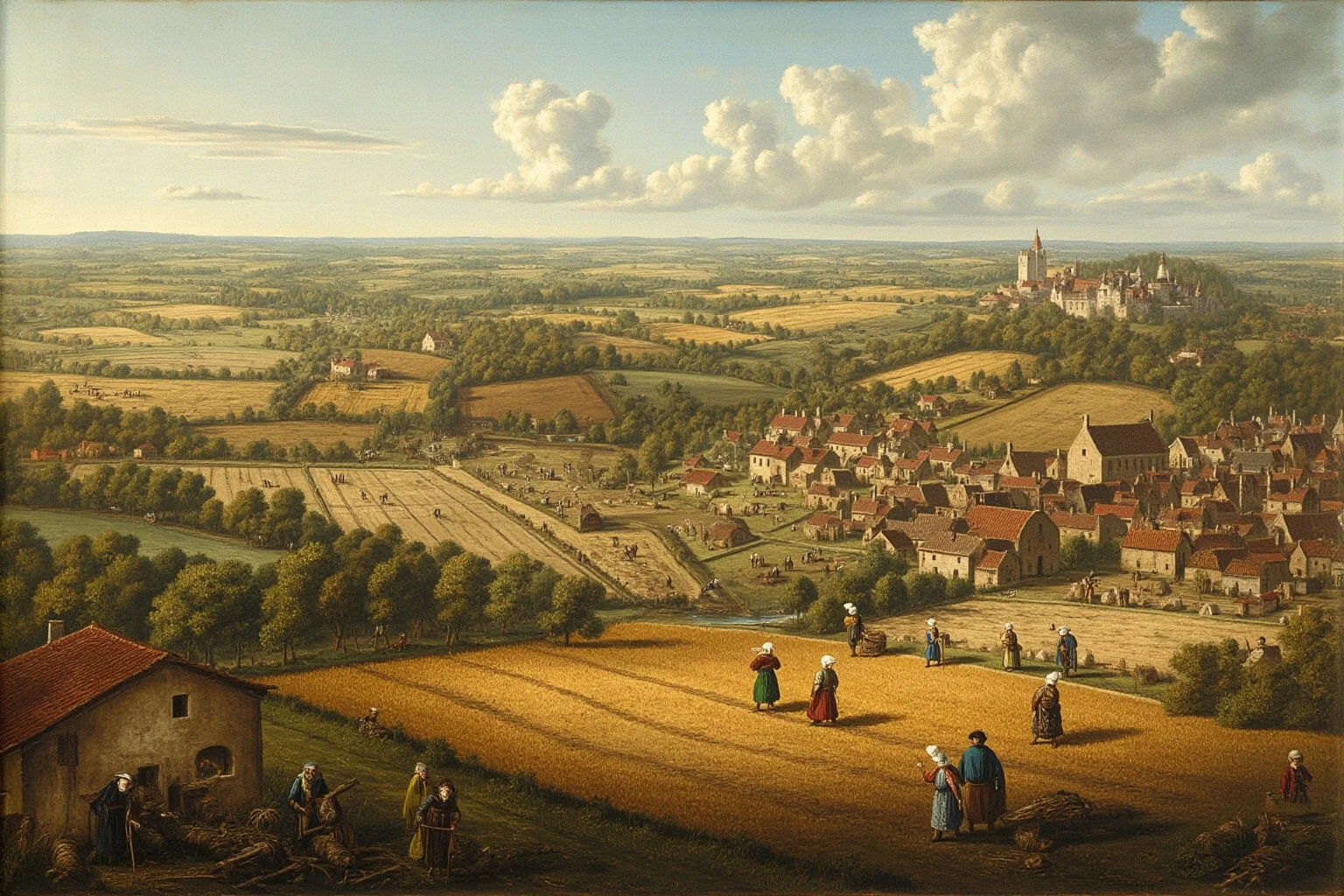
With so much of the workforce dead, surviving peasants and laborers suddenly found themselves in high demand. Wages rose sharply because landowners had far fewer workers available to farm their land. This shift in bargaining power helped weaken the rigid feudal system that had structured European society for centuries.
15. England Tried to Freeze Wages With the Statute of Labourers
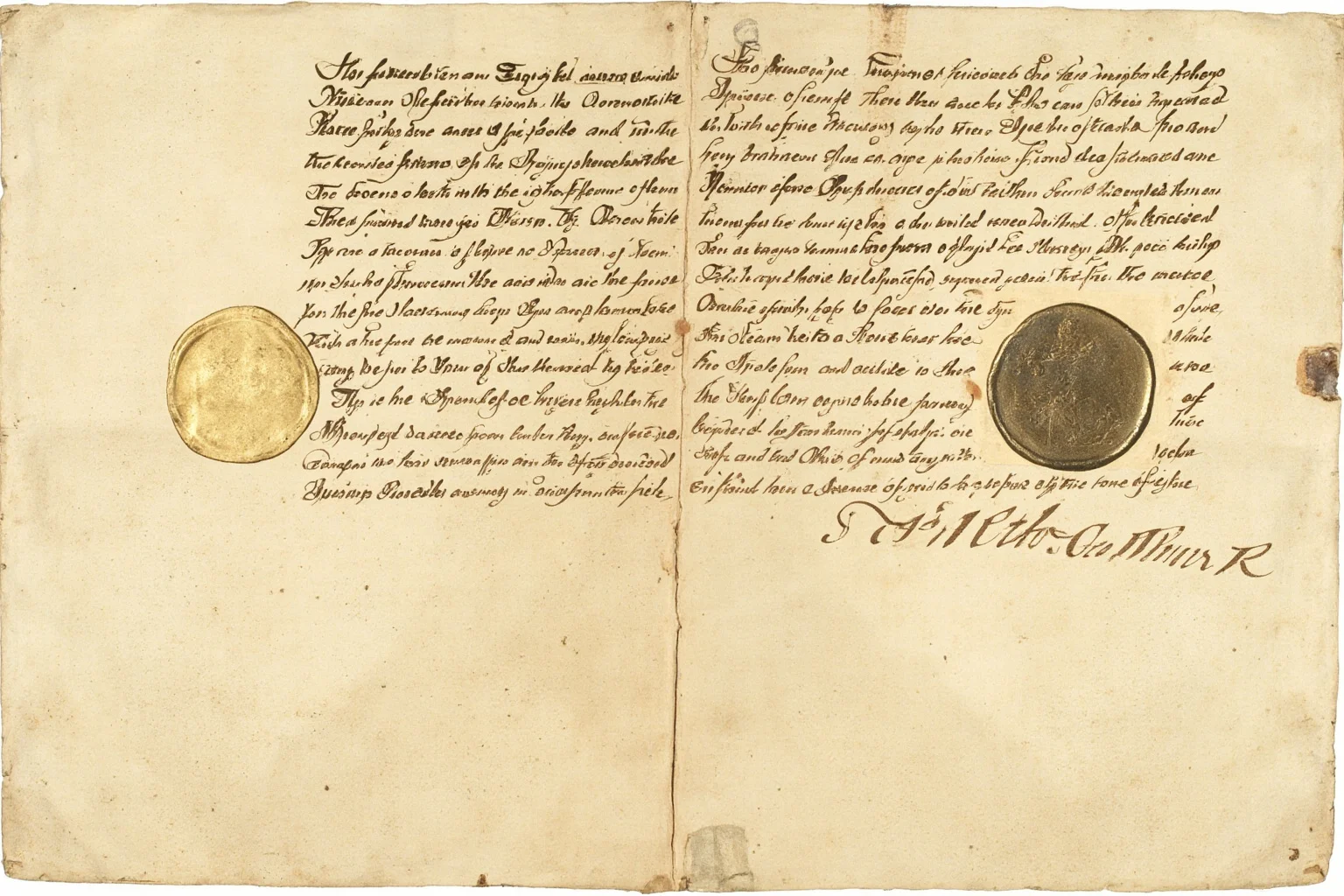
In 1351, the English government passed the Statute of Labourers, an attempt to cap wages at pre-plague levels and force laborers back into their old roles. It largely failed, since demand for workers was too high and enforcement too difficult. Resentment over these labor laws is considered one of the contributing factors behind the Peasants' Revolt of 1381.
16. The Plague Kept Coming Back for Centuries
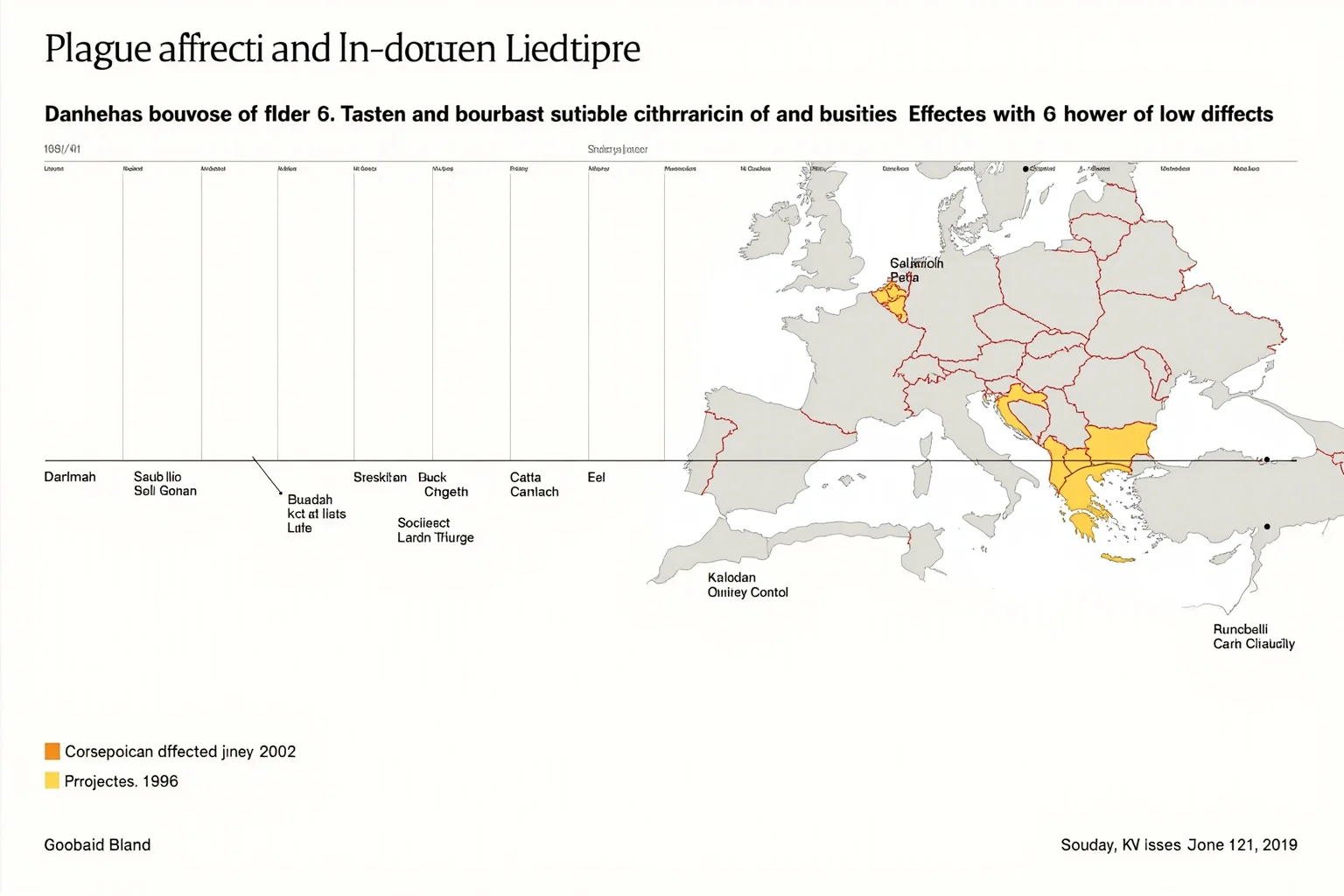
The 1347–1351 outbreak was the deadliest wave, but it was far from the last. Plague resurfaced repeatedly across Europe well into the 18th century, including the infamous Great Plague of London in 1665–1666. The last major Western European outbreak struck Marseille, France, in 1720, showing just how long this disease lingered in the population.
17. The Great Plague of London Was a Separate, Later Outbreak
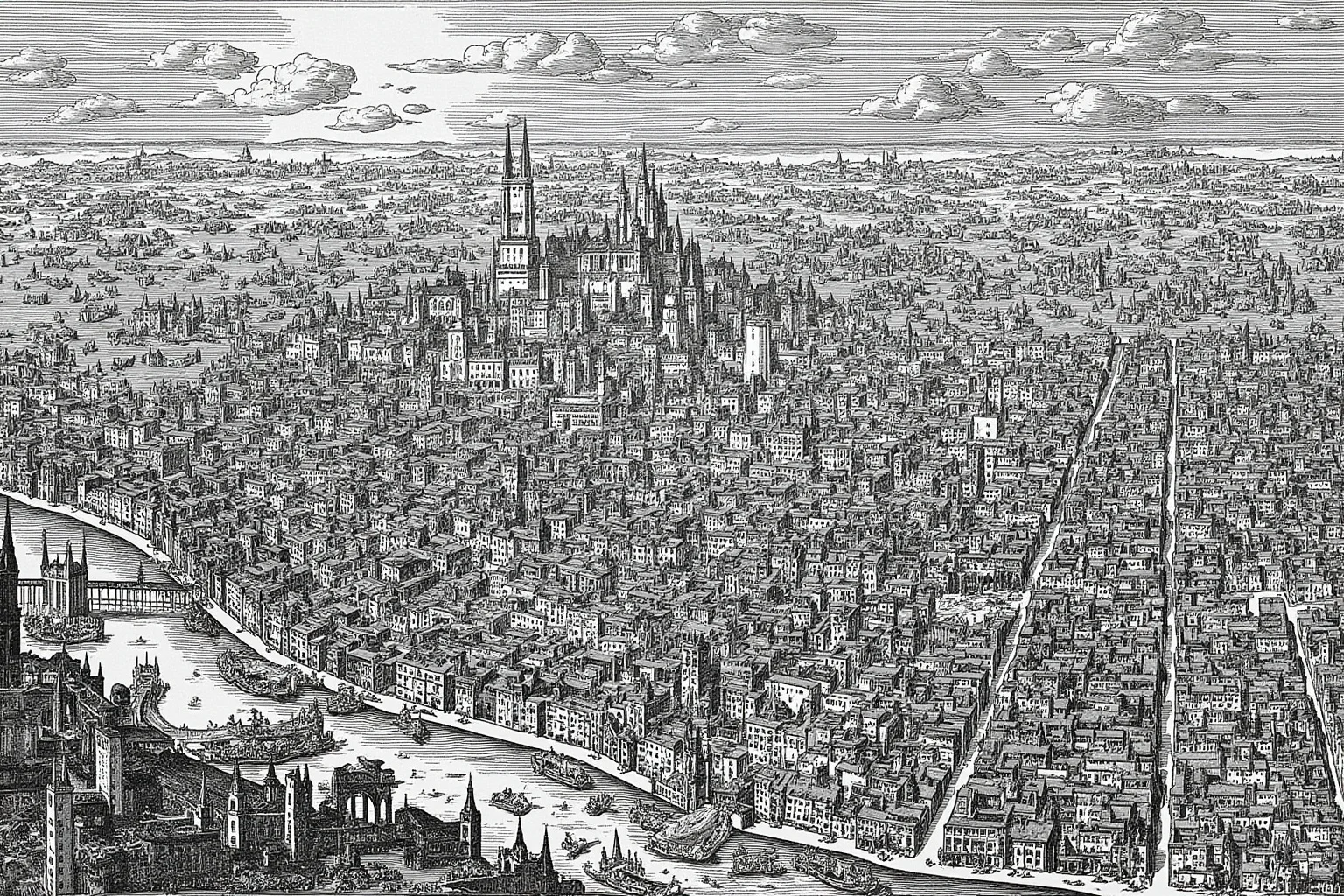
It's a common mix-up, but the Great Plague of London wasn't the same event as the medieval Black Death. It happened more than 300 years later, killing roughly 100,000 people in London alone. It was, however, caused by the same bacterium and shows how persistent Yersinia pestis remained in Europe long after the original pandemic.
18. Contemporaries Didn't Actually Call It the "Black Death"
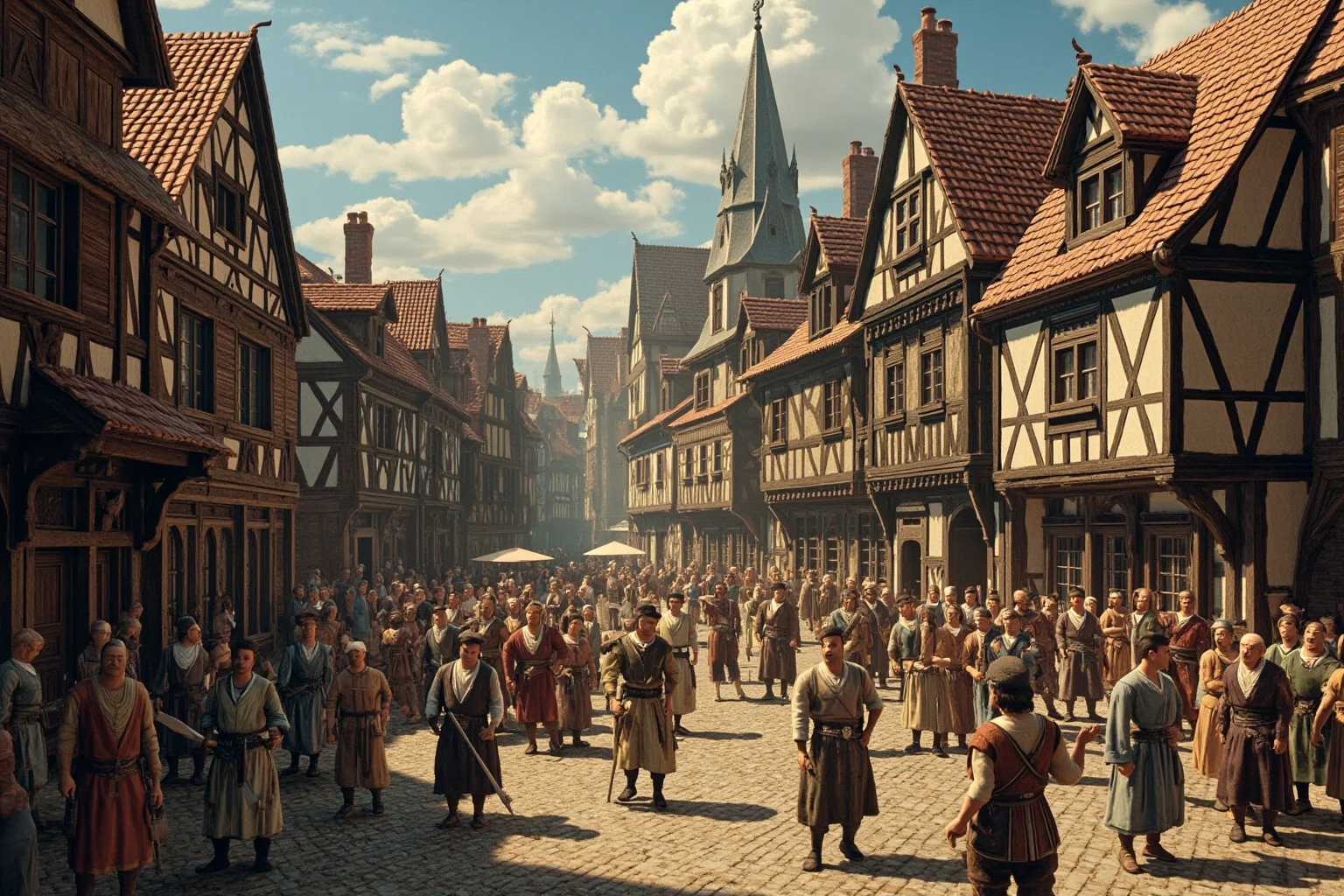
Here's a genuinely surprising fact about the Black Death: people living through it in the 1300s didn't use that name. They called it "the Great Mortality," "the Pestilence," or simply "the plague." The term "Black Death" became widely used centuries later, popularized in later European historical writing rather than by 14th-century chroniclers themselves.
19. It Reshaped Medieval Art and Religion
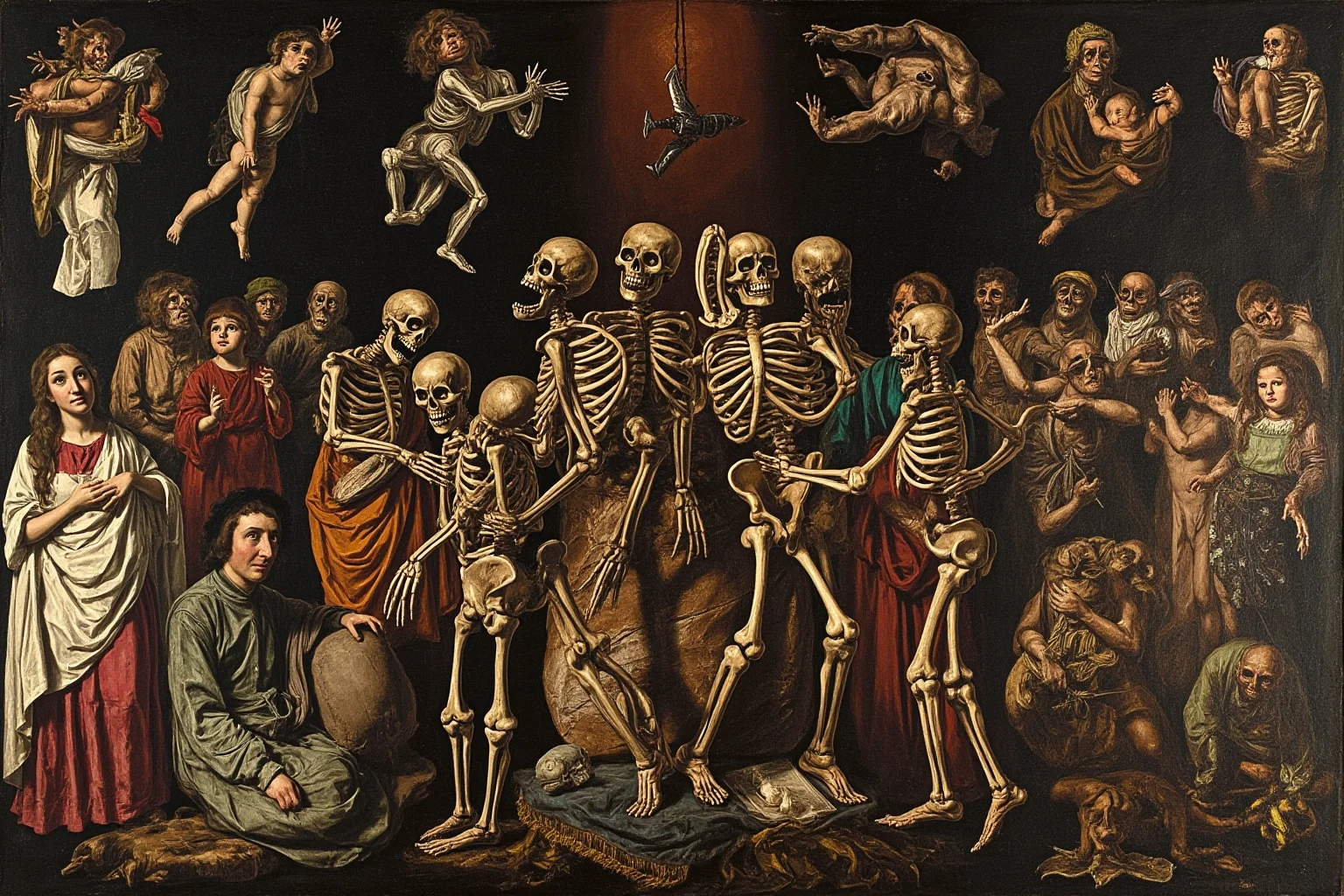
The sheer scale of death gave rise to new artistic and cultural themes, most famously the "Danse Macabre," or Dance of Death, which depicted skeletons leading people of all social classes toward the grave. Memento mori imagery — reminders that death comes for everyone regardless of wealth or status — became widespread. This cultural shift reflected just how deeply the plague had shaken people's sense of security and order.
20. Boccaccio's Decameron Was Directly Inspired by the Plague
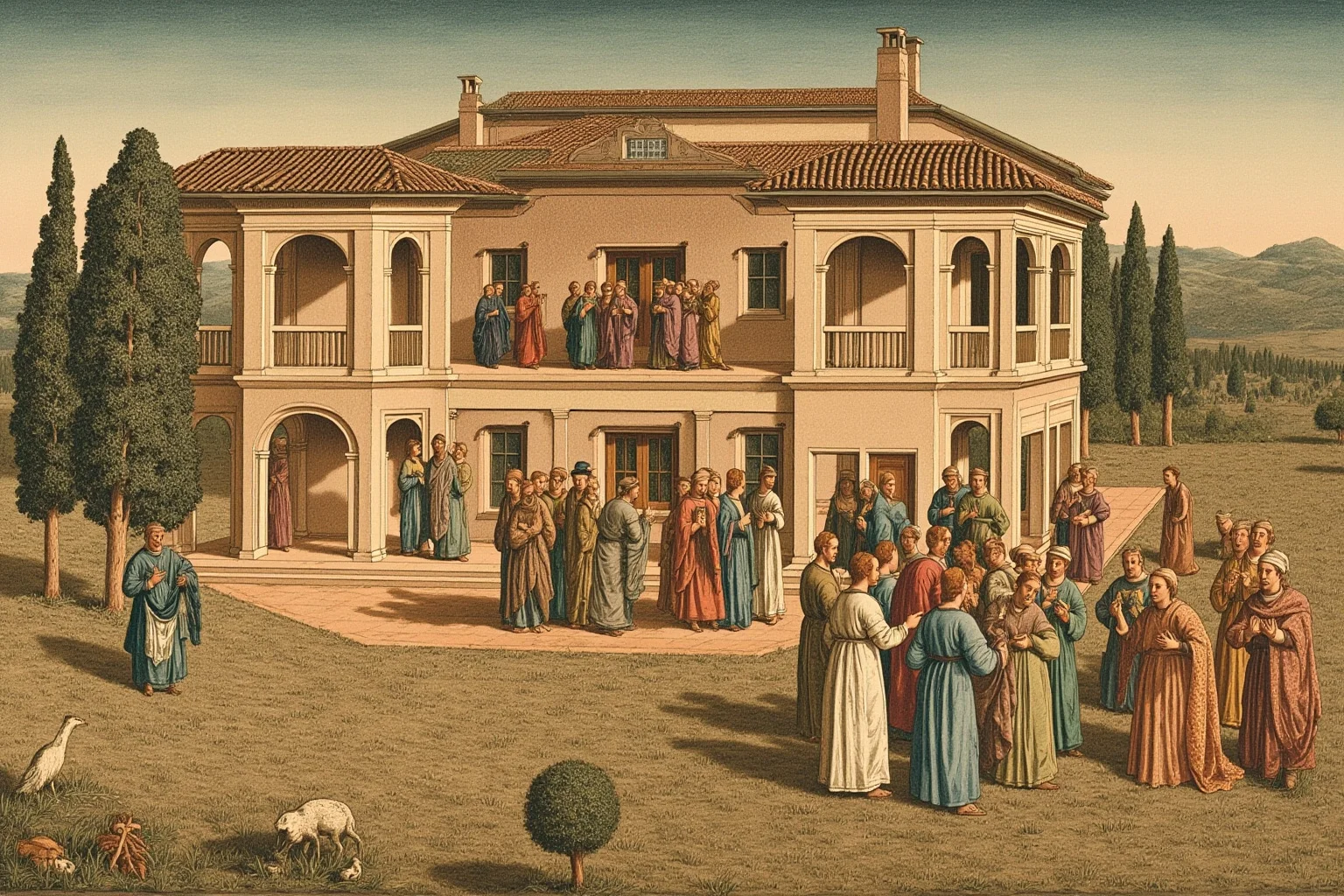
The Italian writer Giovanni Boccaccio set his famous story collection, the Decameron, around ten young nobles who flee plague-ravaged Florence and pass the time telling stories. Written in the years following the outbreak, it's considered one of the most valuable literary windows into how contemporaries experienced and processed the disaster. It remains one of the most cited primary-adjacent sources for understanding the mood of the era.
21. Whole Villages and Communities Were Wiped Out
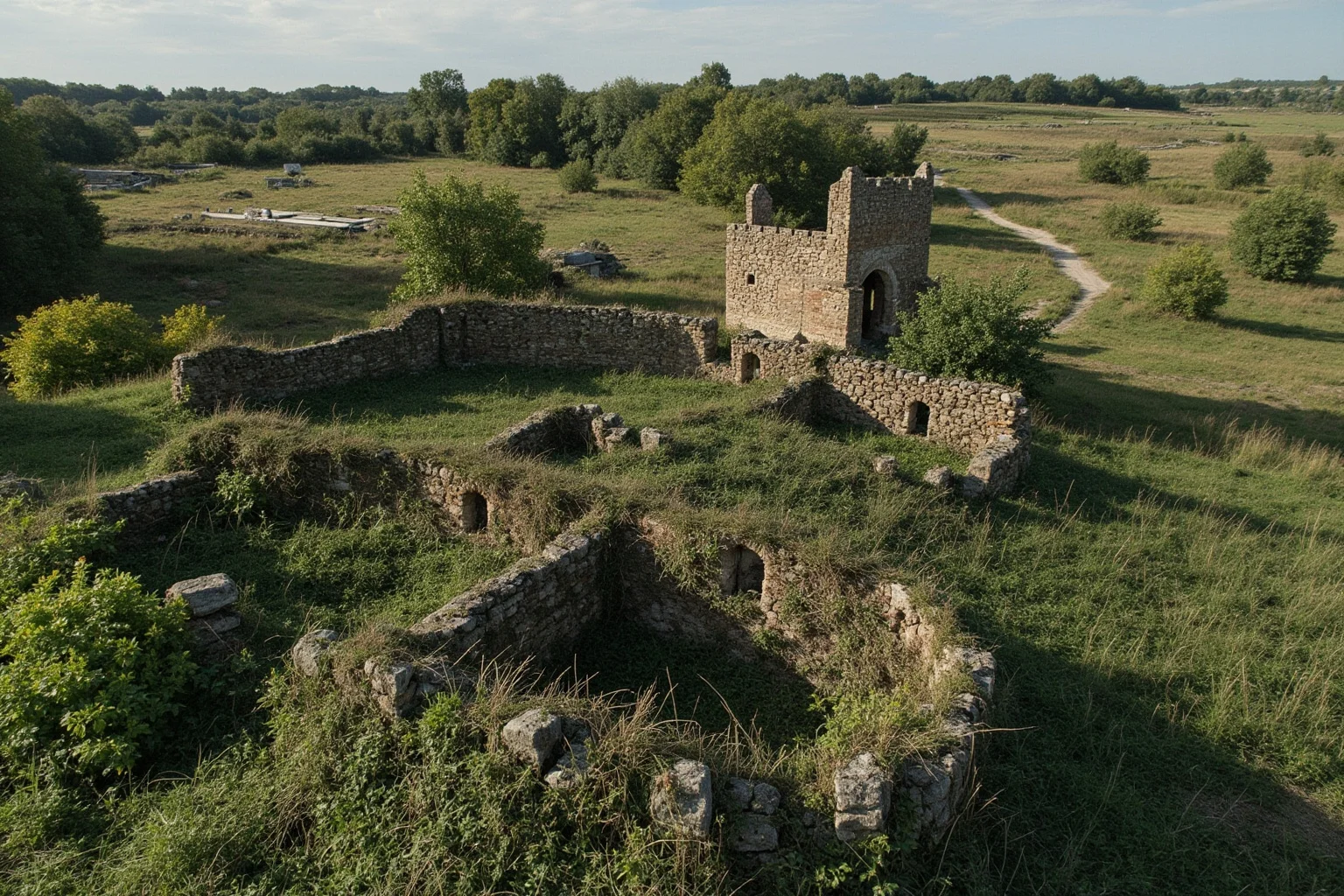
In the hardest-hit regions, entire villages lost so many residents that they were abandoned entirely, their fields left untended and their houses left empty. Some of these deserted settlements were never resettled. This kind of total community collapse illustrates just how bad the Black Death was at its worst, going far beyond simple statistics.
22. Europe's Population Took Roughly 200 Years to Recover
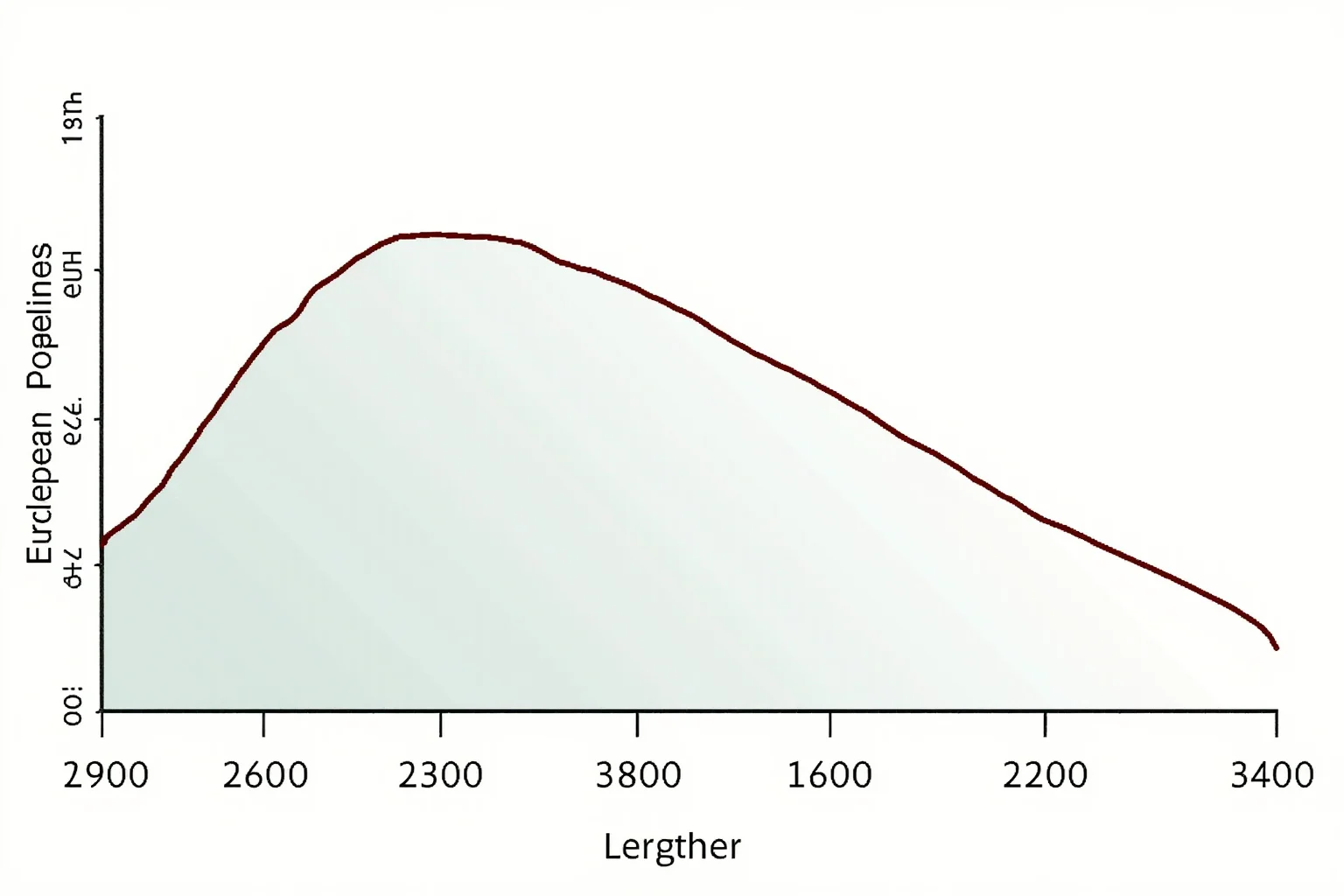
The demographic hit from the Black Death was so severe that Europe's overall population didn't return to pre-plague levels until sometime in the 16th century. This long recovery period affected everything from agricultural output to city growth and tax revenues. It's a strong reminder of just how long-lasting the plague's impact really was, well beyond the initial outbreak.
23. Modern Science Has Confirmed the Plague Through DNA Evidence

Researchers have extracted ancient DNA from the teeth of plague victims buried in mass graves, definitively linking their deaths to Yersinia pestis. This genetic detective work, published in major scientific journals over the past 15 years, ended decades of scholarly debate about the pandemic's true cause. Some studies have even suggested that the plague left lasting marks on human immune-related genes still detectable in populations today.
24. The Plague Bacterium Still Exists Today

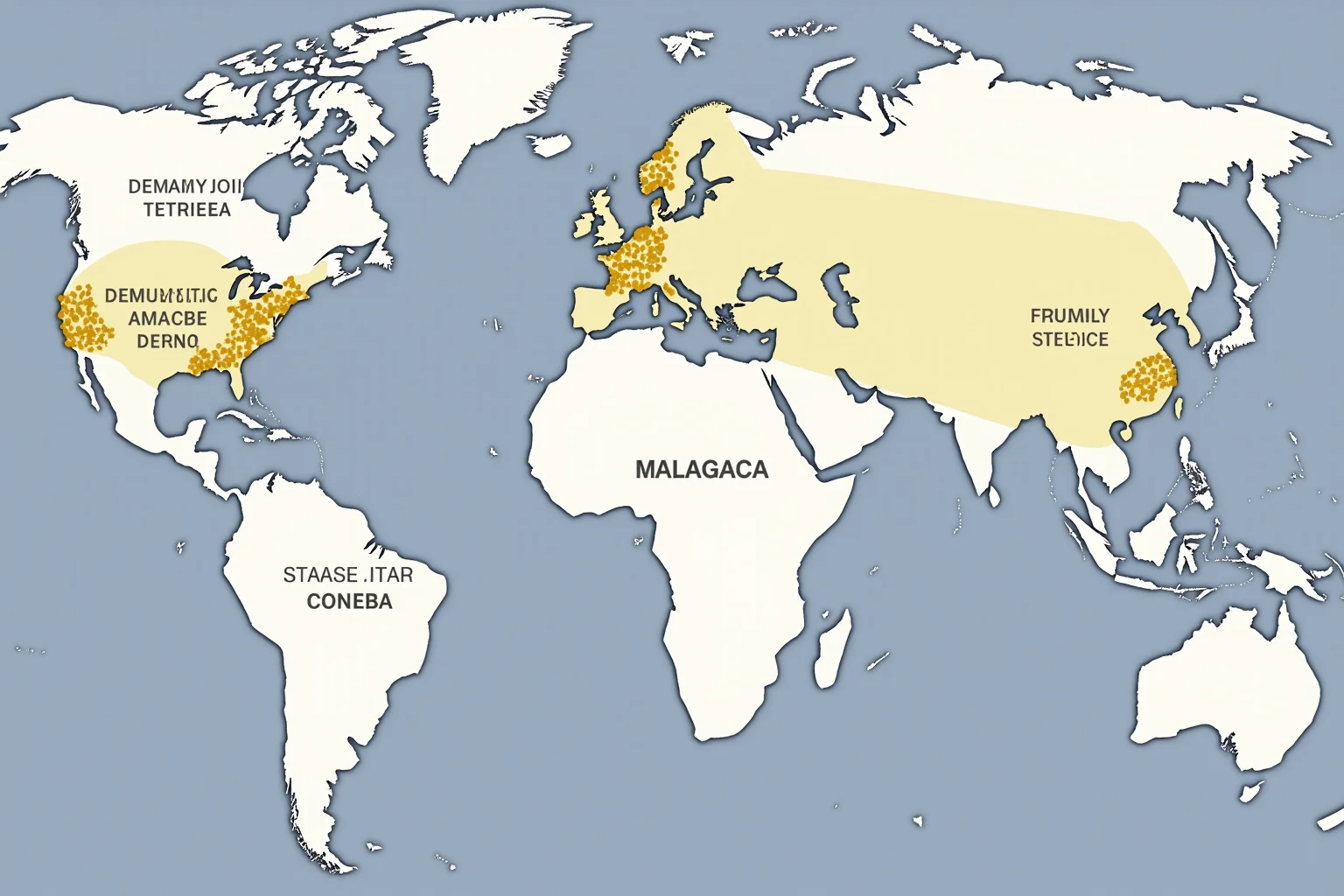
Here's a fact that surprises a lot of people: bubonic plague has never actually disappeared. Small numbers of cases still occur every year in parts of the world, including Madagascar, the Democratic Republic of the Congo, and even rural parts of the western United States. So while asking how rare the black plague is today makes sense, the honest answer is that it's rare in the developed world but not extinct.
25. It's Treatable Today, but Was a Death Sentence in the 1300s
Modern antibiotics like streptomycin and doxycycline can successfully treat plague if it's caught early, which is why fatalities are now rare in countries with good healthcare access. In the 14th century, however, there was no such treatment, and mortality rates for those infected were extremely high. This contrast is one of the clearest ways to understand how far medicine has come since the medieval world faced this disease with nothing but guesswork and prayer.
The Black Death's Long Shadow
Looking back at these facts about the Black Death, it's clear this wasn't just a single terrible outbreak that came and went. It fundamentally altered how European society was organized, how people thought about death and religion, and even how governments approached public health. Echoes of it still show up in modern quarantine policy, in art history, and in the ongoing scientific study of pandemics.
What makes the Black Death endlessly fascinating is the mix of genuine horror and surprising misconceptions surrounding it. Separating the verified history from the myths — like the true origin of the plague doctor mask, or the real meaning of "quarantine" — helps us appreciate just how dramatic, and how real, this medieval catastrophe truly was.
Frequently Asked Questions
What years did the bubonic plague take place?
The main wave of the Black Death, the deadliest outbreak of bubonic plague in European history, struck between 1347 and 1351. However, Yersinia pestis outbreaks continued to occur in smaller waves across Europe for centuries afterward, with the last major Western European outbreak hitting Marseille, France, in 1720.
How long did the Black Death last?
The initial, most devastating wave lasted about four years, from 1347 to 1351, as it spread across Europe, the Middle East, and North Africa. That said, the disease didn't vanish afterward; it recurred in periodic outbreaks for roughly 400 more years before largely receding from Western Europe by the early 18th century.
How bad was the Black Death, really?
It was catastrophic. Historians estimate it killed somewhere between 30 and 60 percent of Europe's total population in just a few years, making it one of the deadliest events in recorded human history and one that took roughly two centuries for Europe's population to recover from.
What time period was the Black Death?
The Black Death occurred during the mid-14th century, in the late Middle Ages. Its main outbreak ran from 1347 to 1351, a period marked by widespread famine, war, and social upheaval even before the plague arrived.
What happened during the Black Plague?
Mass death swept through cities and rural communities alike, overwhelming burial systems and collapsing normal social order in many places. Economies stalled, trade routes shut down, religious and social scapegoating intensified, and surviving laborers gained new economic leverage due to sudden labor shortages.
What made the disease especially terrifying to people at the time?
Medieval people had no scientific understanding of germs or bacteria, so the plague seemed to strike suddenly, kill quickly, and spread invisibly with no clear explanation. Without any real understanding of the cause, people turned to fear-driven theories involving bad air, divine punishment, and scapegoated minority groups.
What was the impact of the bubonic plague on Europe?
Beyond the massive death toll, the plague reshaped Europe's economy by driving up wages and weakening feudalism, while also influencing art, religion, and public health practices like quarantine. Many historians see it as a turning point that helped set the stage for the eventual transition out of the medieval period.
How rare is the plague today?
Bubonic plague still exists but is now rare, with a few thousand cases reported globally each year, mostly in parts of Madagascar, the Democratic Republic of the Congo, Peru, and the rural western United States. Modern antibiotics make it treatable if caught early, which is why it no longer causes pandemics like the Black Death.
Did rats really cause the Black Death?
Rats and their fleas were part of the transmission chain, but they don't fully explain how quickly the plague spread across Europe. Some modern researchers argue that human fleas and body lice likely helped spread the disease directly between people, especially in its pneumonic form.

Alex Warren
Related Articles