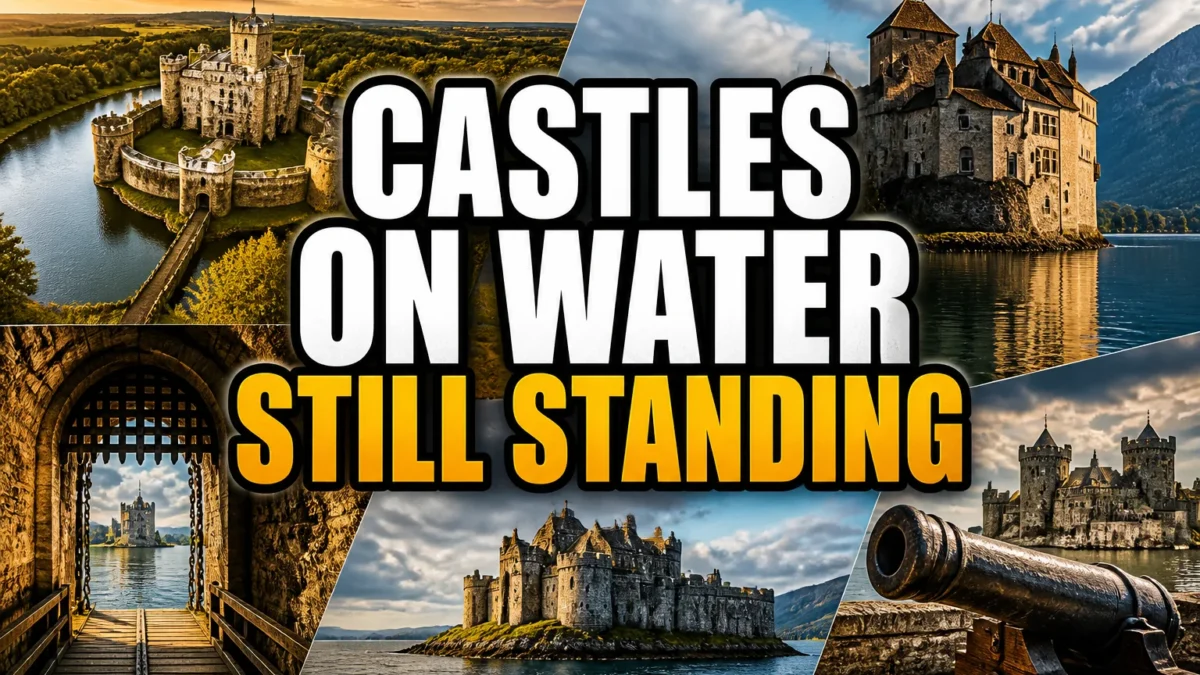
There is a reason so many travelers wonder whether castles still exist: a fortress rising from a lake or a tidal bay looks too dramatic to be real. In fact, castles that are still standing today number in the thousands, and some of the most striking are castles on the water.
The old working phrase 'castles built last, 10 cities lost beneath the sea' points at a genuine contrast. Some coastal communities were abandoned or drowned by storms and rising water, while well-sited stone fortresses survived because they used water as a defense instead of a weakness.
TL;DR: From Mont-Saint-Michel to Trakai, dozens of castles on the water are still standing today, preserved by good foundations, careful restoration, and a very useful moat.
Do Castles Still Exist? Yes—and Many Are Still Standing
The short answer to 'do castles still exist' is yes, though the word covers many different buildings. Historians usually define a castle as a fortified residence, not just a fairy-tale palace or a military fort.
Medieval castles still standing in Europe often survive as ruins, but some remain furnished, restored, or even inhabited. Water castles are a separate visual category: they may sit on islands, above rivers, behind moats, or directly beside the sea.
It helps to treat these sites as monuments rather than pristine time capsules. Many have been rebuilt after fires, wars, or neglect, and their modern appearance can blend medieval stone with later repair work.
Why Medieval Castles Still Standing Often Sit on Water
Water was a serious defensive feature in the Middle Ages. A broad moat, lake, or tidal channel slowed siege engines and made it hard to dig under walls.
But water is also an aggressive enemy. Erosion, salt spray, frost, and shifting sediment can crack foundations and draw moisture into stone.
The survivors often share three qualities: a solid rocky base, a design that worked with the water instead of against it, and long periods of active maintenance. Without those qualities, even a strong castle could become a ruin by the early modern era.
Restoration, Legend, and the 'Palace at the End of the Sea'
Some water castles survive because they were rebuilt during a later romantic wave. Scotland's Eilean Donan is a famous example: the early twentieth-century reconstruction restored the silhouette that visitors expect today.
The phrase 'the palace at the end of the sea' is not an official title. It is an imaginative name that fits fortified sites such as Mont-Saint-Michel, where stone, tide, and legend meet.
Not every repaired castle is a fake. In many cases, restorers used surviving walls, foundations, and documents to reconstruct missing sections rather than invent them.
20 Castles on the Water That Are Still Standing
The list below moves around Europe and the eastern Mediterranean, mixing famous landmarks with smaller survivors. Each site is a real, documented place, though its condition and restoration history vary.
1. Mont-Saint-Michel, France: The 'Palace at the End of the Sea'
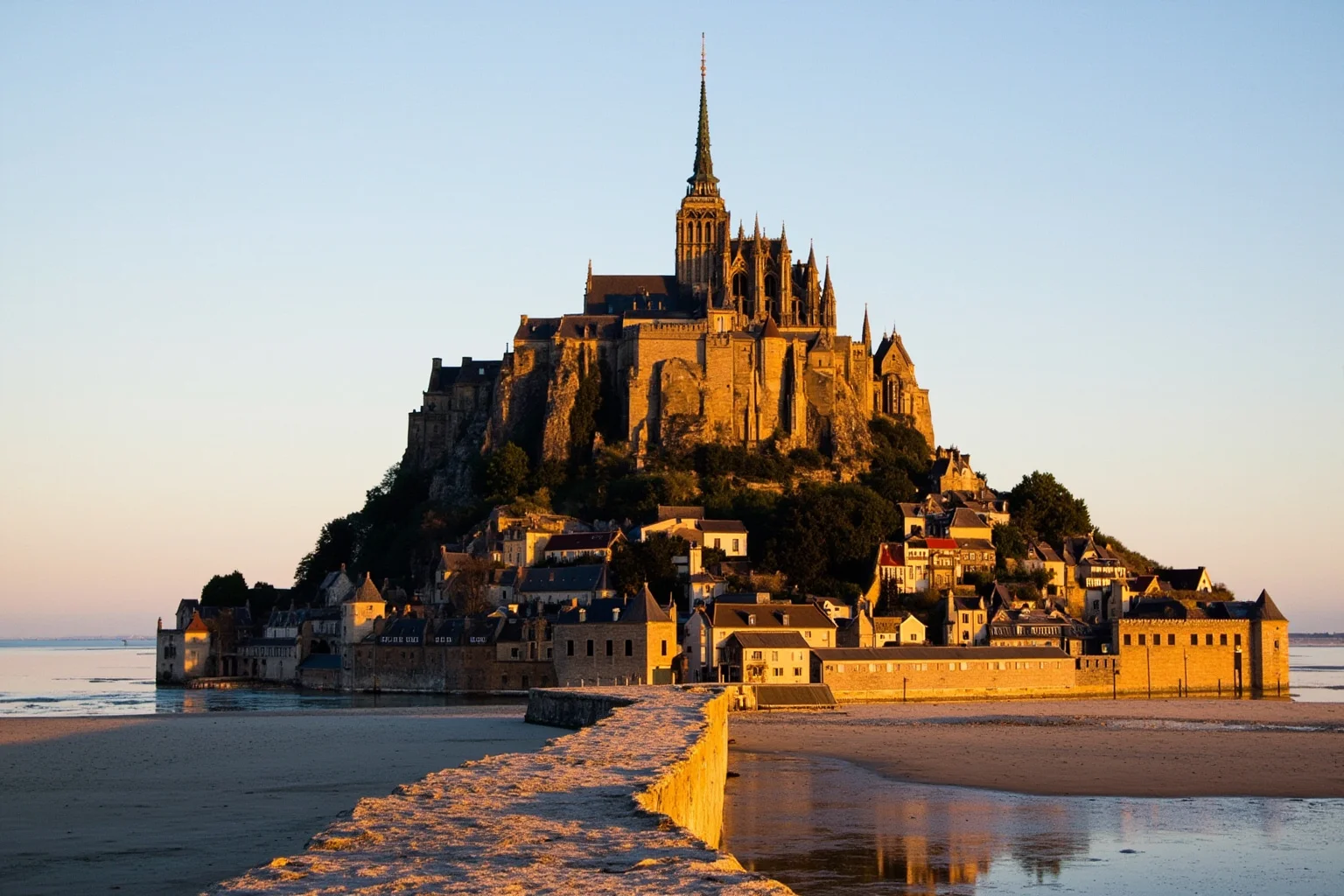
Mont-Saint-Michel is a tidal island commune in Normandy, not a private castle in the narrow medieval sense, but its ramparts and abbey make it the image many people mean by the palace at the end of the sea. The site was settled as a religious foundation in the eighth century, and the Benedictine abbey grew from the tenth century onward.
The island is cut off from the mainland at high tide, which gave it both natural defense and a reputation as a sacred, almost unreachable place. During the Hundred Years' War, its walls and garrison resisted English attacks while the surrounding coast was fought over.
Today the causeway and managed visitor trails allow access, but the bay's fast tides remain genuinely dangerous. The fortress-like abbey, village walls, and steep streets survive because generations of French authorities and preservation groups have repeatedly repaired stone and drainage.
2. Saint Michael's Mount, England: A Tidal Twin
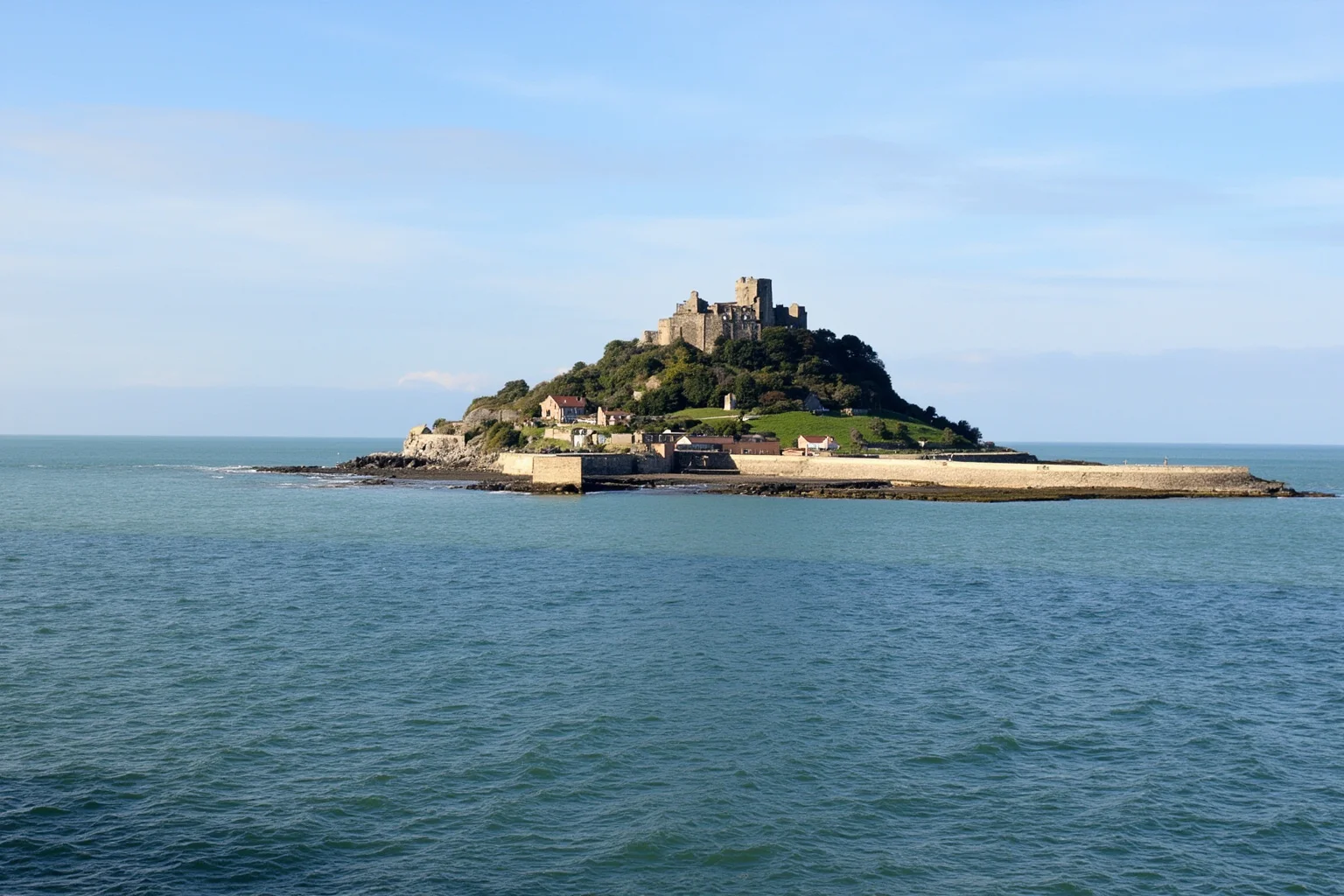
Saint Michael's Mount in Cornwall is often compared with Mont-Saint-Michel, and the two sites shared medieval Benedictine connections. A granite tidal island rises from Mount's Bay, with a castle and chapel at the summit and a harbor village at its foot.
The castle has roots in the twelfth century, though it was rebuilt and extended in later centuries, especially after the site passed to the St Aubyn family. A stone causeway appears at low tide and disappears under the water at high tide, making access vanish for part of the day.
It is still standing because the rock below it is extremely hard, and because the owners and the National Trust maintain the buildings continuously. Visitors today can walk the causeway or take a boat when the tide is high.
3. Eilean Donan Castle, Scotland: A Rebuilt Highland Icon
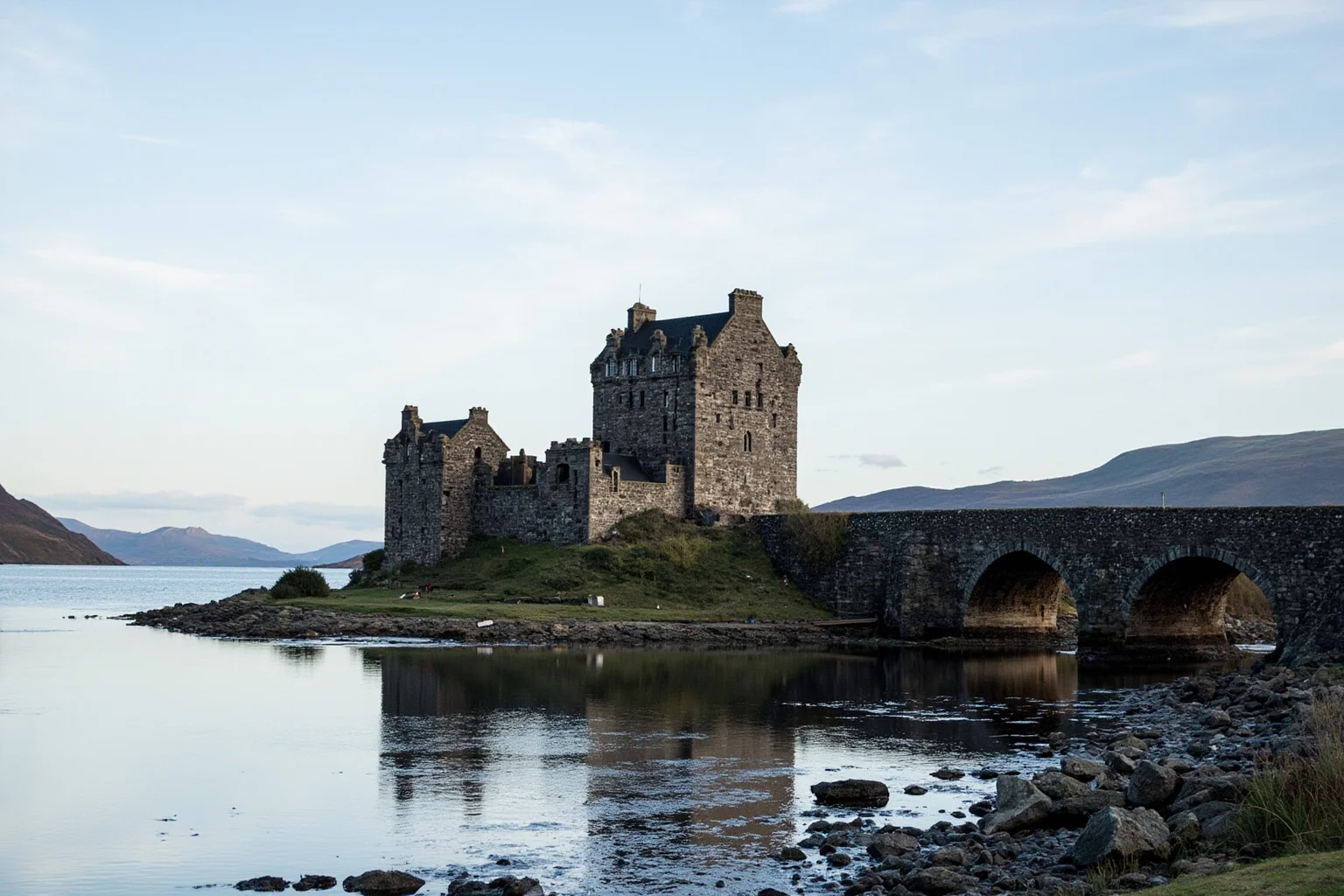
Eilean Donan Castle occupies a small tidal island where three sea lochs meet in the Scottish Highlands. The earliest fortification on the island is usually dated to the thirteenth century, though the current castle is a twentieth-century reconstruction.
It was deliberately destroyed by government forces after a Jacobite rising in 1719 and lay in ruins for two centuries. Lieutenant Colonel John MacRae-Gilstrap bought the island and rebuilt the castle between 1911 and 1932, using historical plans and remains.
The restoration preserved the silhouette that now appears on countless photographs and film backgrounds. Because the island is connected by a stone bridge, visitors can reach it while the surrounding water still does the defensive work.
4. Castle Stalker, Scotland: A Tidal Tower House
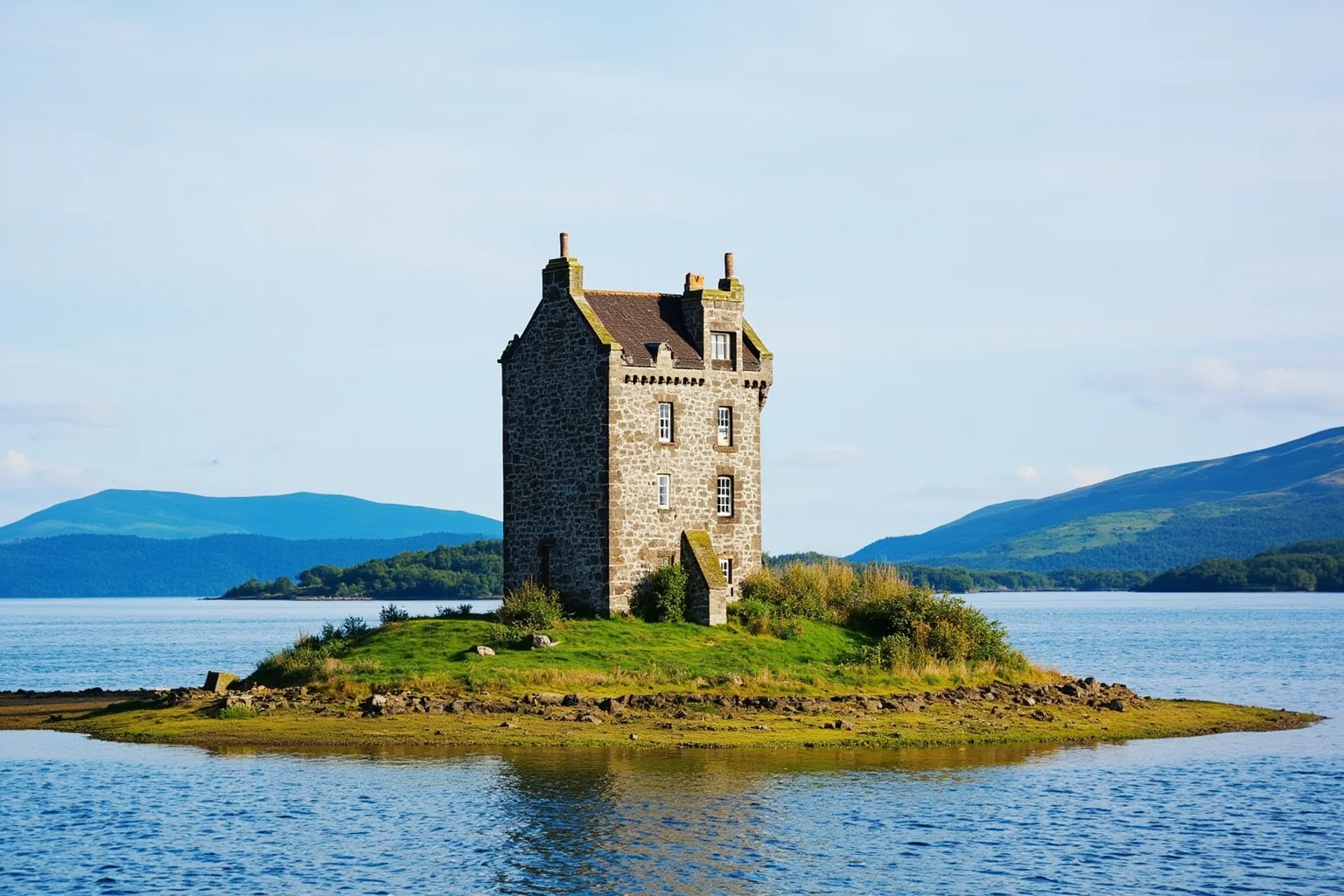
Castle Stalker is a four-story tower house on a tidal islet in Loch Laich, on Scotland's west coast. It was built in the 1440s for Sir John Stewart, Lord of Lorn, though it later became associated with Clan Campbell.
The compact tower rises straight from the rock, with the loch serving as a permanent moat. Its island setting helped preserve it from demolition during centuries of clan conflict.
Restoration work in the twentieth century kept the roof and floors sound, and today the castle is still standing on its small island. The castle remains privately owned but can be visited on limited tour dates.
5. Kilchurn Castle, Scotland: A Ruin Beside Loch Awe
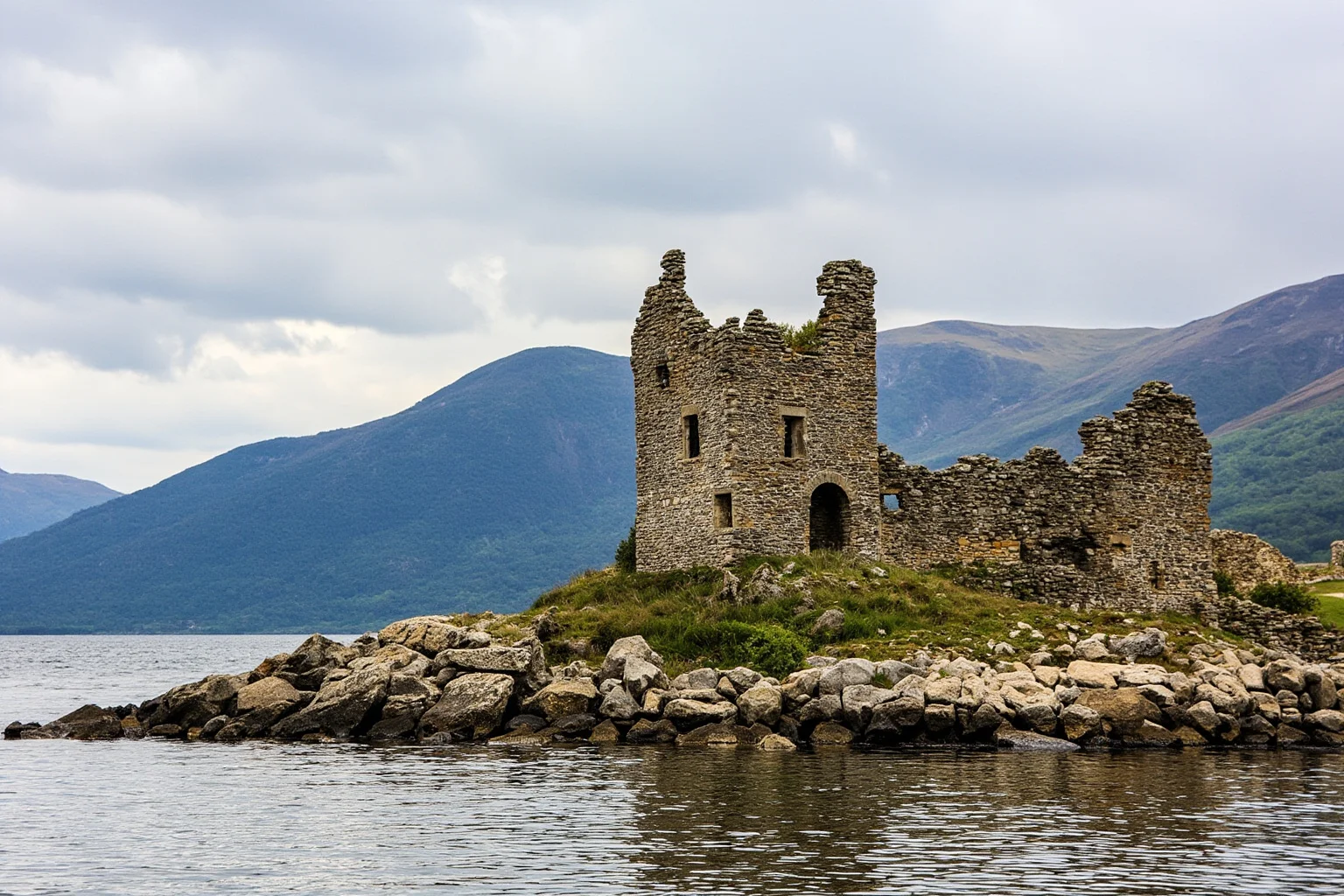
Kilchurn Castle stands on a rocky peninsula at the edge of Loch Awe in Argyll and Bute. It was built in the mid-fifteenth century by Sir Colin Campbell, first of Glenorchy, and grew into a substantial courtyard castle.
The surrounding loch and boggy ground made the site hard to approach, though the castle was less about sea power and more about controlling clan territory. It was later used as a garrison during the Jacobite risings.
Kilchurn is now a ruin, but its tower walls and window frames are still standing in a dramatic setting. Historic Environment Scotland manages the site and keeps the ruin stable.
6. Château de Chillon, Switzerland: The Lake Fortress
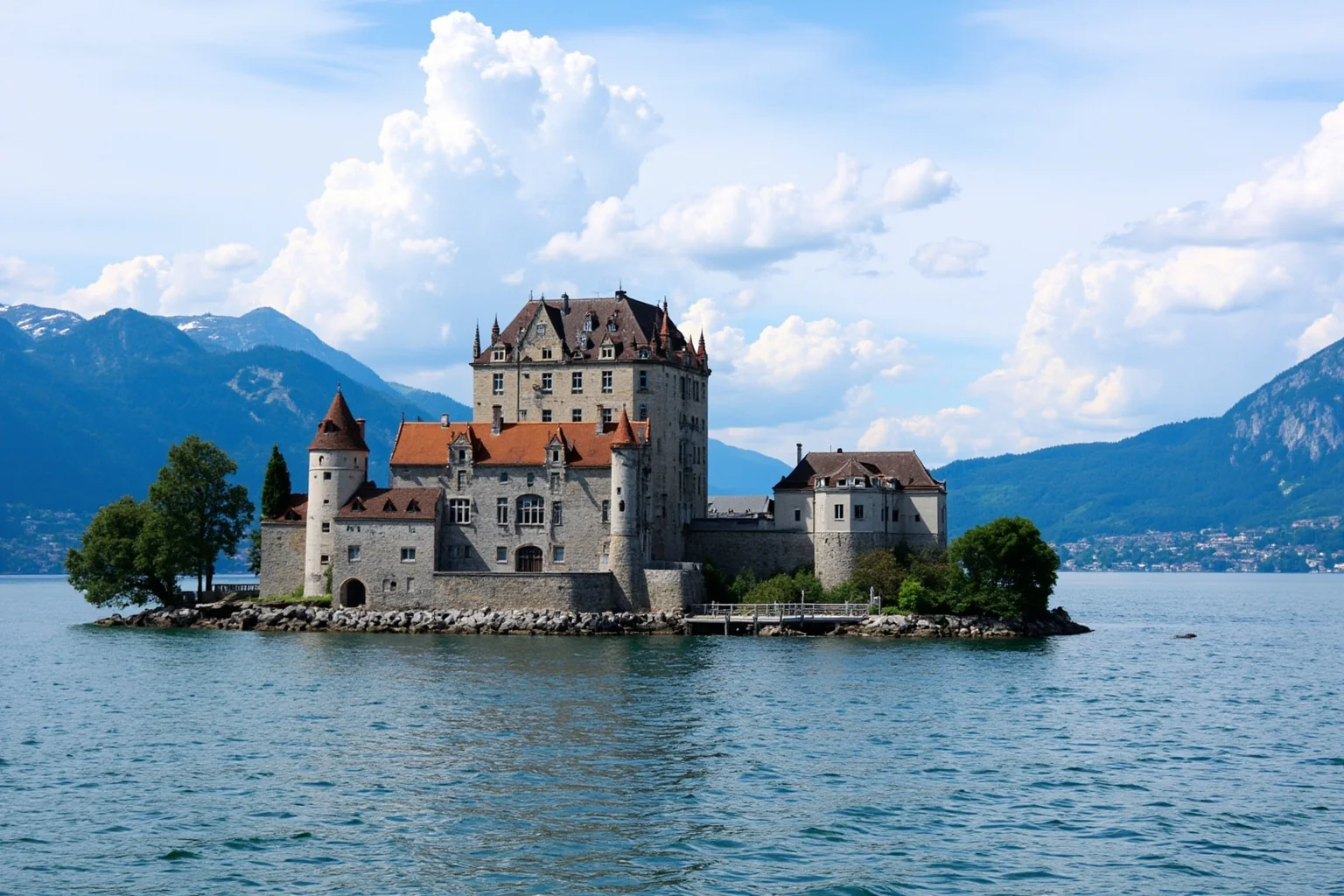
Château de Chillon sits on a rocky island along the shore of Lake Geneva near Montreux. The castle is first recorded in the twelfth century, and much of its current form was shaped by the Counts of Savoy in the thirteenth and fourteenth centuries.
Its lakeside position controlled the narrow route between the Alps and the water, making it a customs post, fortress, and residence. Lord Byron's poem 'The Prisoner of Chillon' turned the castle into a Romantic tourist destination in the nineteenth century.
Because the castle stands on solid rock and has been maintained for centuries, its towers and underground rooms are remarkably intact. It remains one of the most visited historic buildings in Switzerland.
7. Trakai Island Castle, Lithuania: A Brick Gothic Island
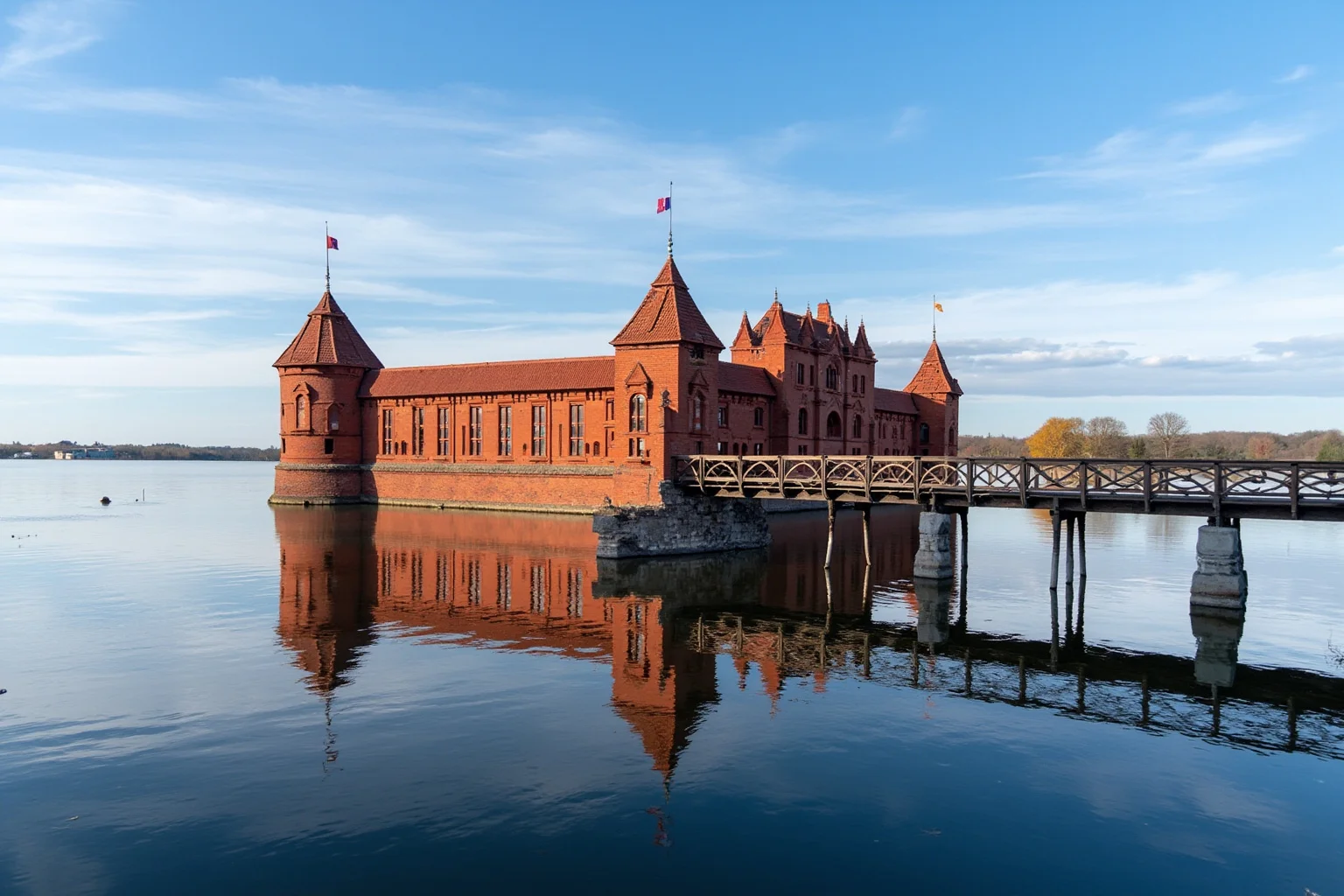
Trakai Island Castle occupies an island in Lake Galvė, Lithuania. It was built mainly in the fourteenth and fifteenth centuries as a grand-ducal residence for the Grand Duchy of Lithuania, especially associated with Grand Duke Vytautas.
The castle is a brick Gothic design with a central palace, defensive towers, and a surrounding curtain wall. Its island setting was a political and military statement, but the site fell into decay after the Commonwealth declined.
Large-scale reconstruction in the nineteenth and twentieth centuries restored much of the masonry. Today the castle houses a museum and appears as a red-brick landmark floating in the lake.
8. Bodiam Castle, England: The Perfect Moat
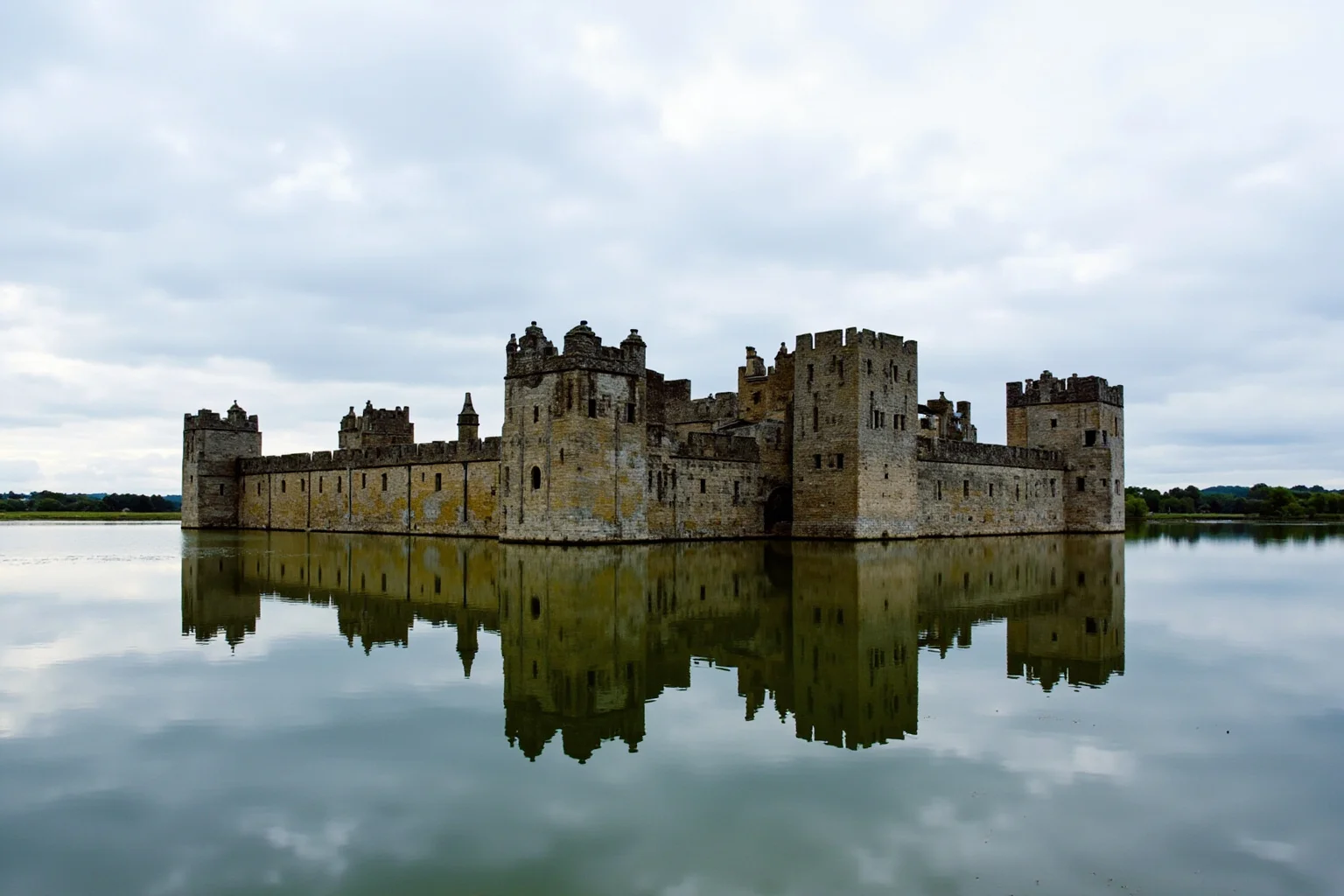
Bodiam Castle in East Sussex was built around 1385 by Sir Edward Dalyngrigge, a knight who made his fortune in the Hundred Years' War. It is a quadrangular castle with round towers at the corners and a wide moat that still surrounds the walls.
Scholars debate how much of Bodiam's design was practical defense and how much was a display of status. The moat certainly slowed attackers, but it also created a mirror-like reflection that made the castle look larger and more refined.
The interior buildings are now ruined, but the outer walls and towers remain largely complete. The National Trust owns the site and keeps the moat full enough to preserve its water setting.
9. Leeds Castle, England: A Royal Water Castle
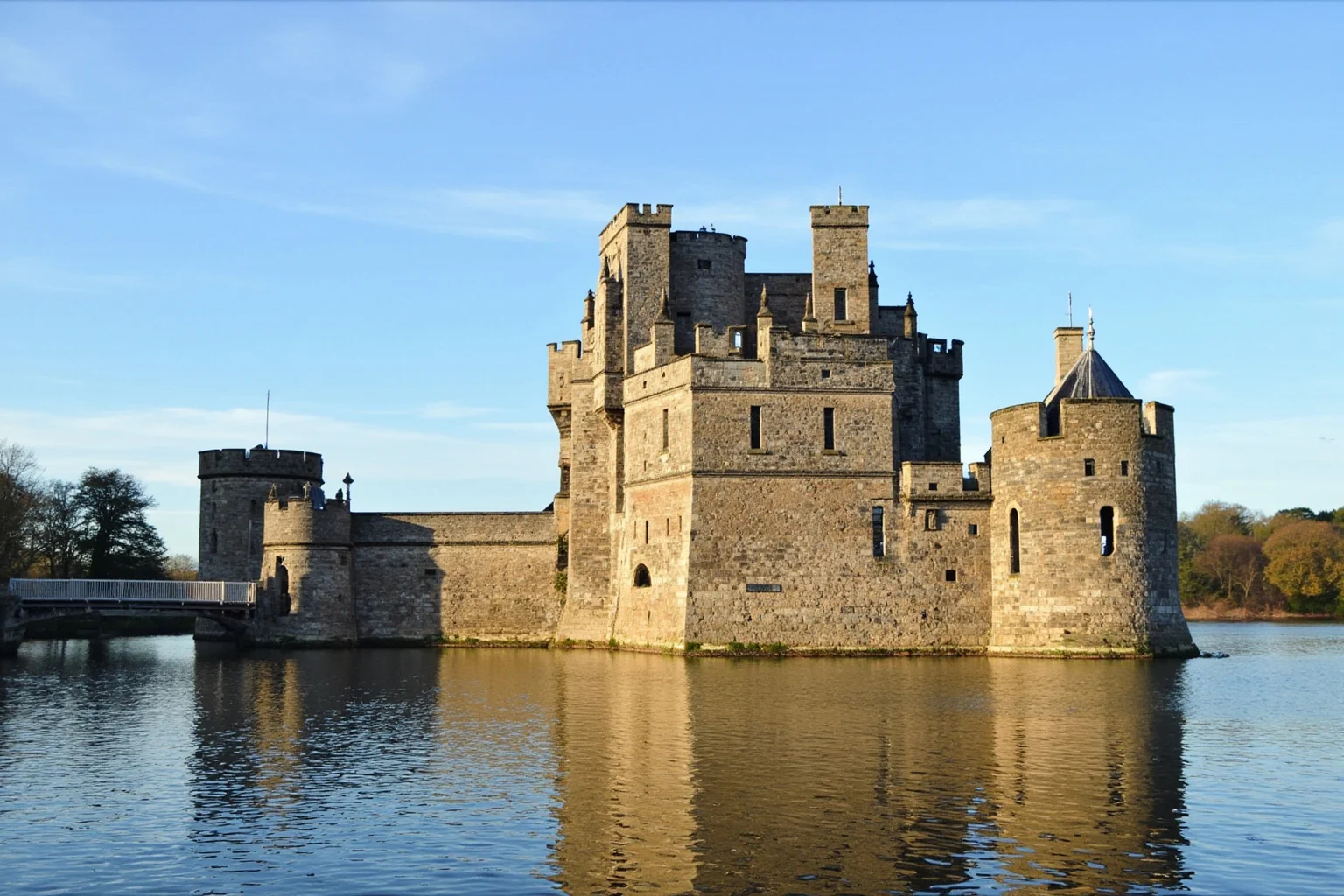
Leeds Castle in Kent is built across two islands in the River Len, with a lake and moat around it. A castle has existed there since the twelfth century, and it became a favored residence of several medieval English queens.
The name does not refer to the city of Leeds but to the nearby village of Leeds in Kent. Over the centuries the castle was rebuilt and modernized, so its current appearance mixes medieval fabric with later Tudor and twentieth-century restoration.
The lake setting is not just scenic; it made the castle difficult to approach from most sides. It remains a major visitor attraction and event venue today.
10. Caerphilly Castle, Wales: A Water-Defense Giant
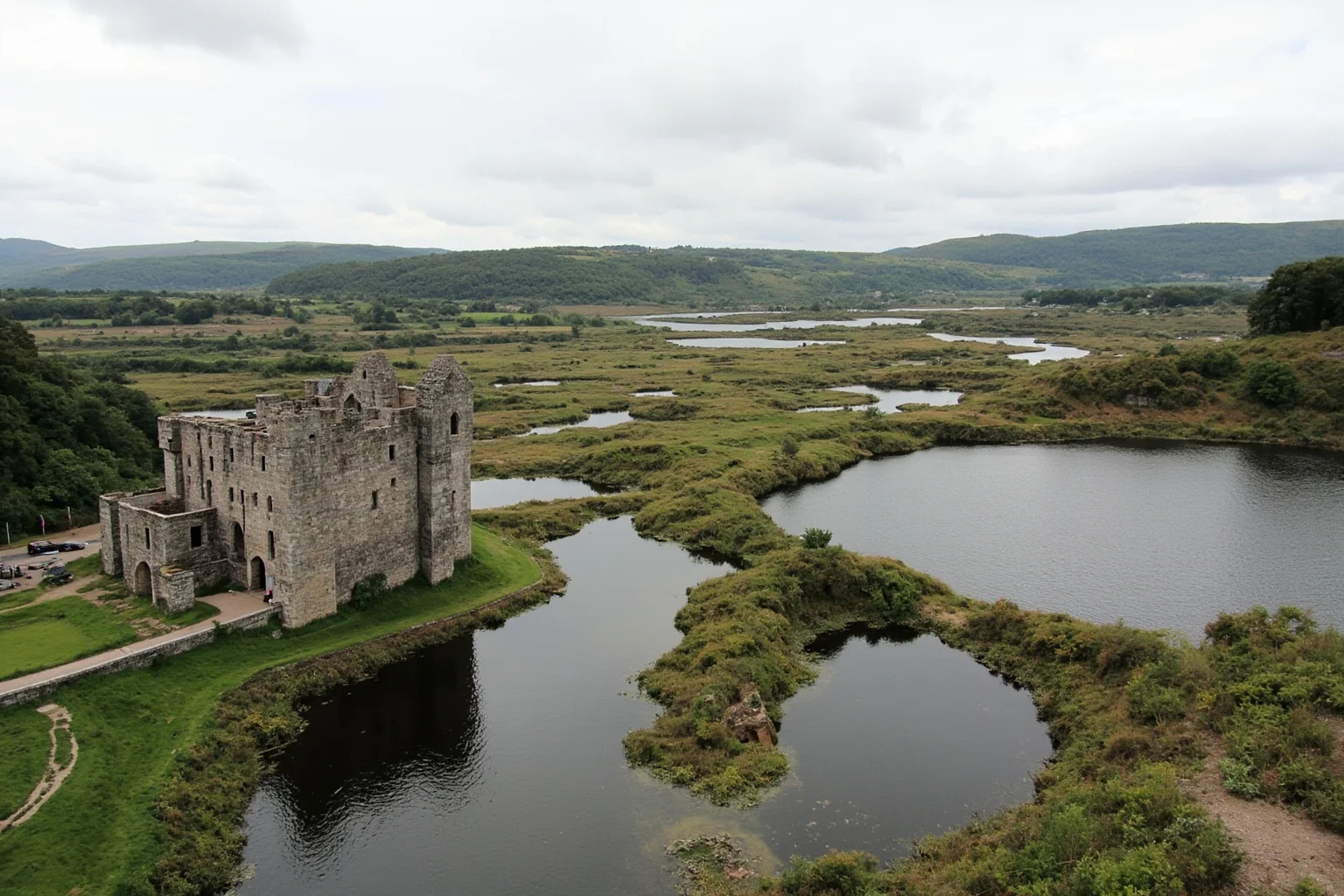
Caerphilly Castle in Wales is one of the largest examples of a medieval castle still standing in Britain. It was begun in 1268 by Gilbert de Clare, lord of Glamorgan, as a response to Welsh power under Llywelyn ap Gruffudd.
The castle is famous for its extensive water defenses, including artificial lakes and moats that form a wide wet barrier around the inner wards. Its leaning southeast tower is often compared with the tower in Pisa, though the tilt came from subsidence and later stability work.
The concentric layout and massive gatehouses still give a clear sense of thirteenth-century military engineering. Much of the castle is managed by Cadw, the Welsh heritage service.
11. Muiderslot, Netherlands: A Textbook Moated Castle
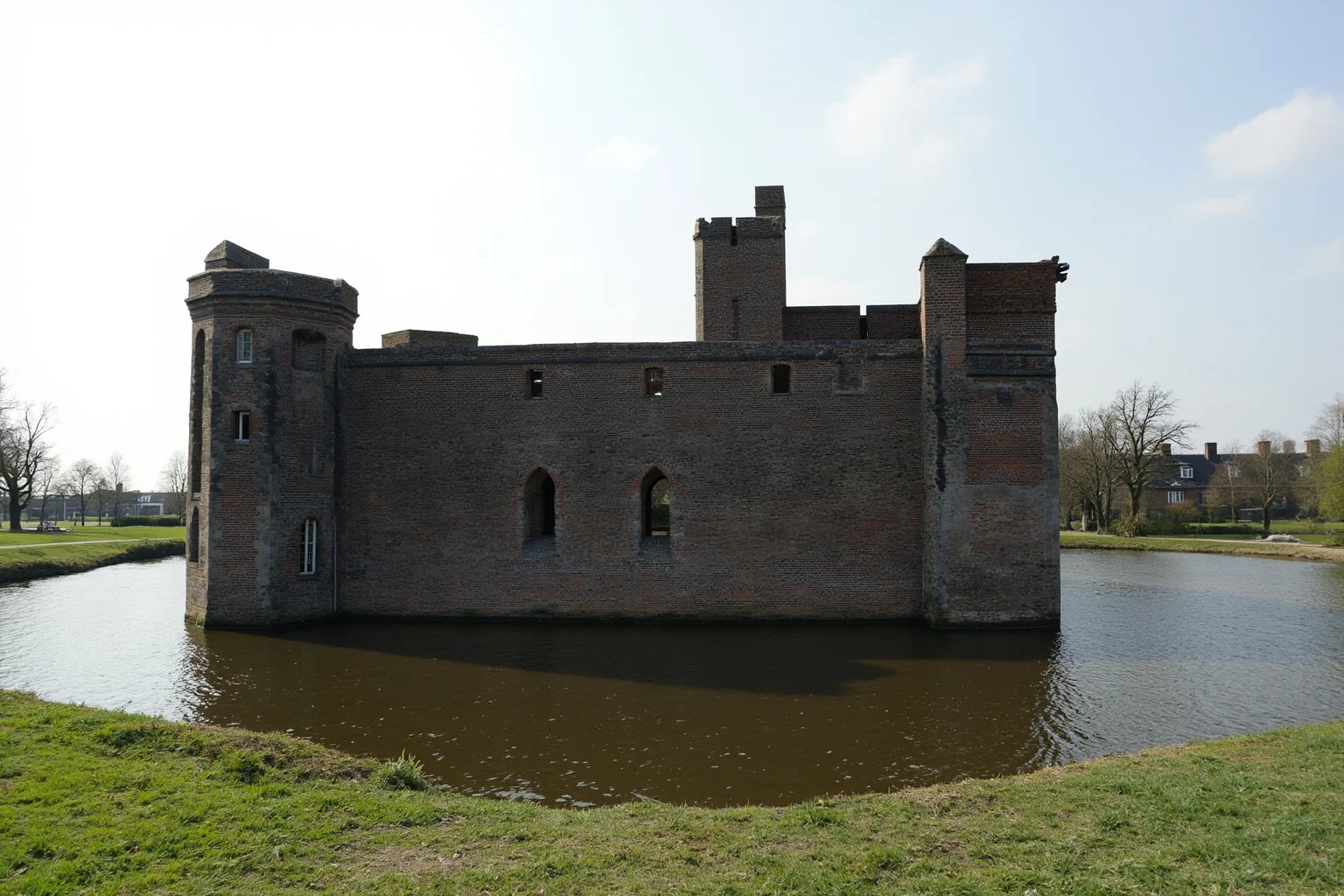
Muiderslot is a small moated castle near Amsterdam in the Netherlands. Count Floris V built it around 1285 at the mouth of the River Vecht, where it could control trade and shipping.
The castle has a square plan with round corner towers and a surrounding moat, making it a textbook example of a medieval water castle. It later became a court, prison, and private home before being restored in the nineteenth century.
Today Muiderslot operates as a national museum, with period rooms and gardens. Because the moat is maintained and the brickwork is regularly repaired, it remains one of the best-preserved medieval castles still standing in the Netherlands.
12. Hever Castle, England: The Double-Moated Tudor Home
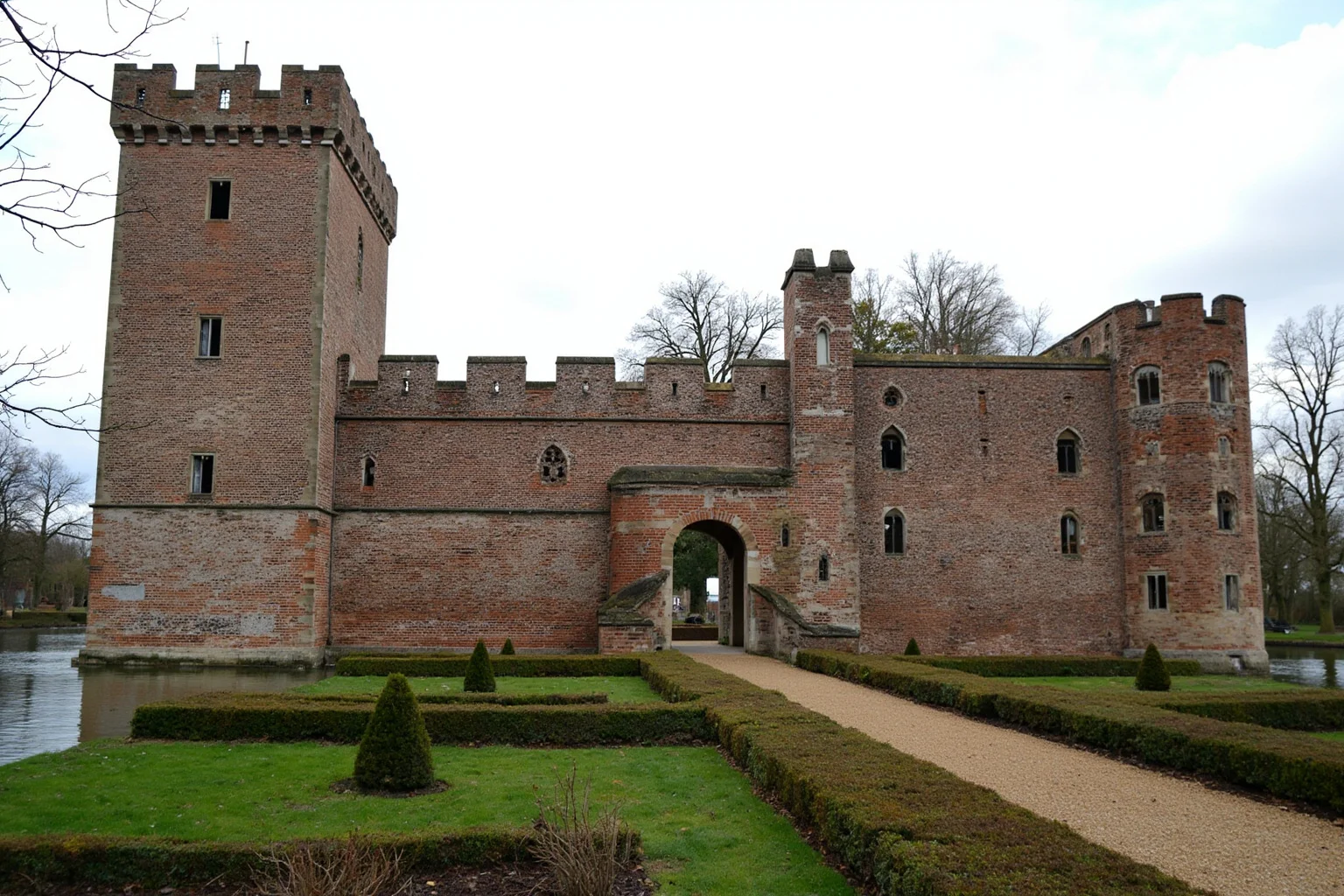
Hever Castle in Kent is a thirteenth-century moated manor house that grew into a fortified residence. It was the childhood home of Anne Boleyn, the second wife of Henry VIII, and later passed through several aristocratic families.
The double moat and battlemented gatehouse give it the silhouette of a castle, though the interior is more domestic than military. In the early twentieth century, the Astor family restored the house and added formal gardens and a lake.
The original stone core is still standing, and the moat continues to surround the building. Hever is now a popular historic house with exhibitions about Tudor life.
13. Castel dell'Ovo, Italy: The Egg Castle by the Bay
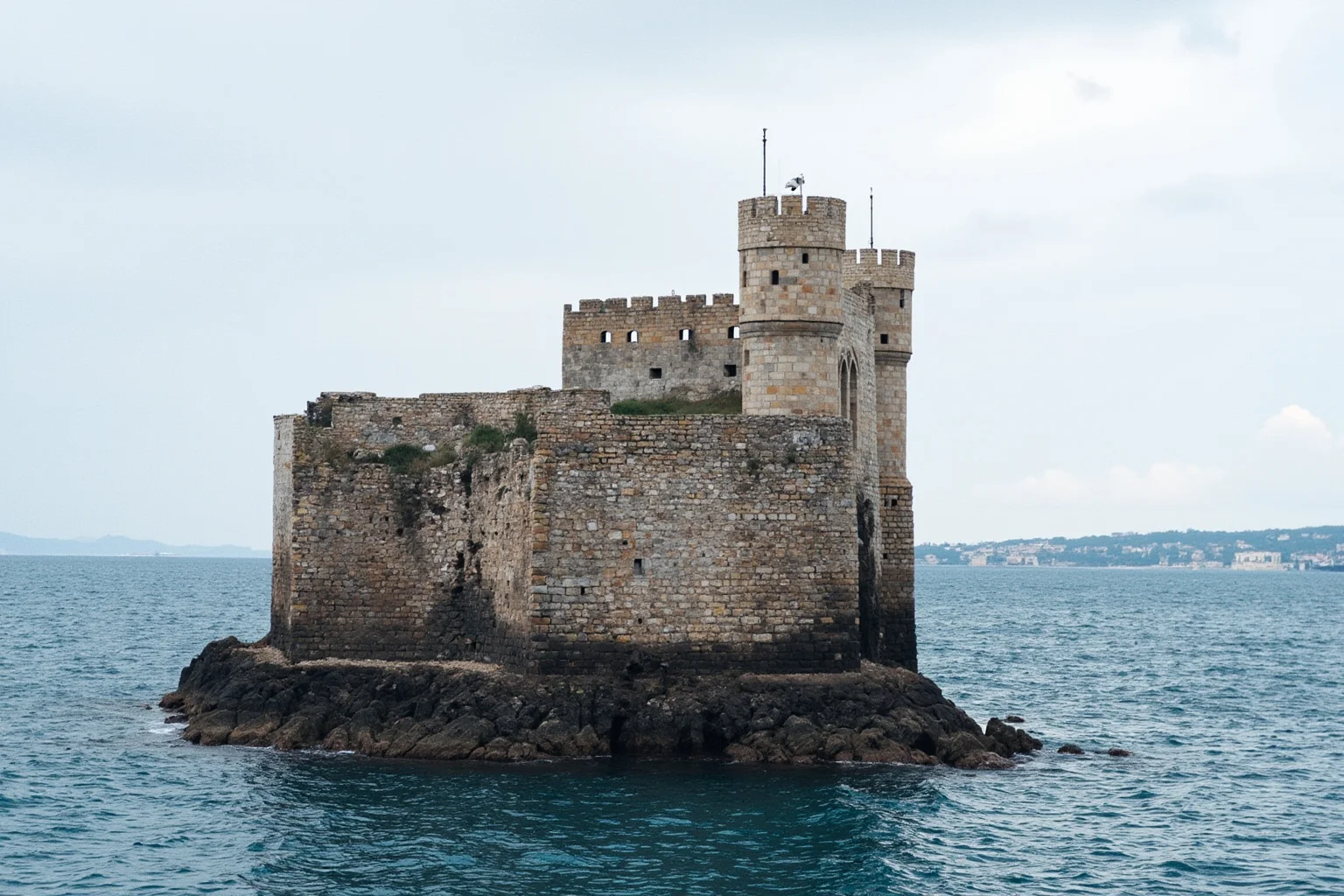
Castel dell'Ovo stands on the islet of Megaride in the Bay of Naples, Italy. The name means 'Egg Castle' and comes from a legend that the Roman poet Virgil placed a magical egg in the foundations to protect the city.
The fortified site has ancient origins, but the current castle was largely built and rebuilt during Norman, Angevin, and Aragonese periods from the twelfth century onward. It sits directly above the sea, with walls that drop to the water.
Because it is on a small island linked by a causeway, the castle has a naturally defensive position. It is now used for exhibitions and public events, and its seaward walls remain a familiar Naples landmark.
14. Château d'If, France: The Island Prison Fortress
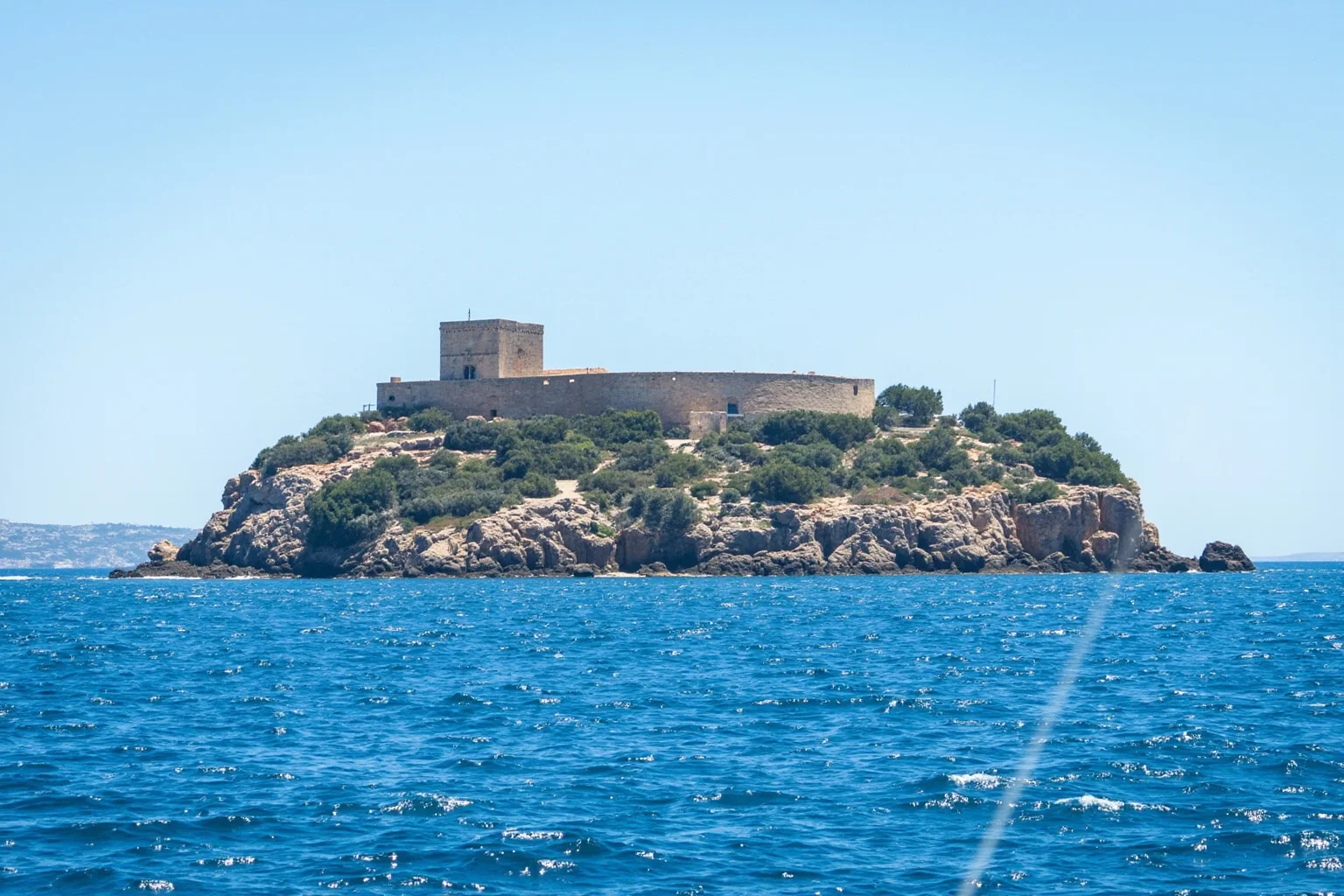
Château d'If is a small island fortress in the Frioul archipelago off Marseille, France. It was built in the 1520s under King Francis I as a defense for the port and later became a notorious prison.
The fortress is not medieval in origin, but it belongs to the same tradition of island strongholds built to last in a harsh marine environment. Alexandre Dumas made it world-famous in 'The Count of Monte Cristo' as the prison of Edmond Dantès.
Visitors reach the stone platform by boat from Marseille. The walls and cells are still standing, maintained as a national monument in the Mediterranean.
15. Lindisfarne Castle, England: A Fortress on Holy Island
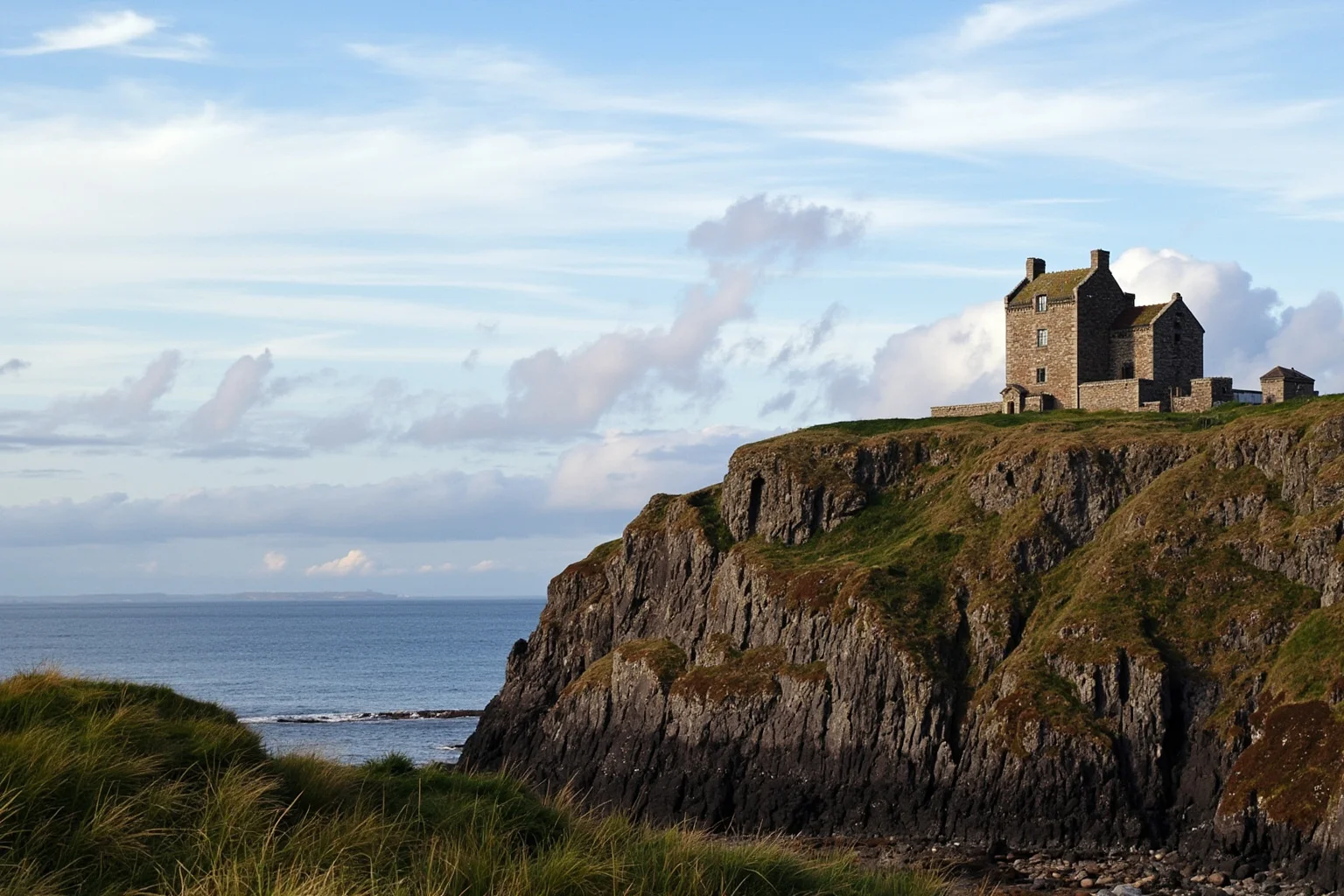
Lindisfarne Castle stands on Holy Island in Northumberland, England, a tidal island connected to the mainland only at low tide. The castle was built in the mid-sixteenth century from stones taken from the dissolved Lindisfarne Priory.
It sits on a high basalt crag above the North Sea, with views over the causeway and harbor. In the early twentieth century, the architect Edwin Lutyens remodeled the interior for Edward Hudson, turning the fortress into a rugged holiday house.
The National Trust now manages the castle and warns visitors to cross the causeway only during safe tide windows. The island's daily isolation remains both a charm and a real hazard.
16. Sidon Sea Castle, Lebanon: A Crusader Outpost in the Harbor
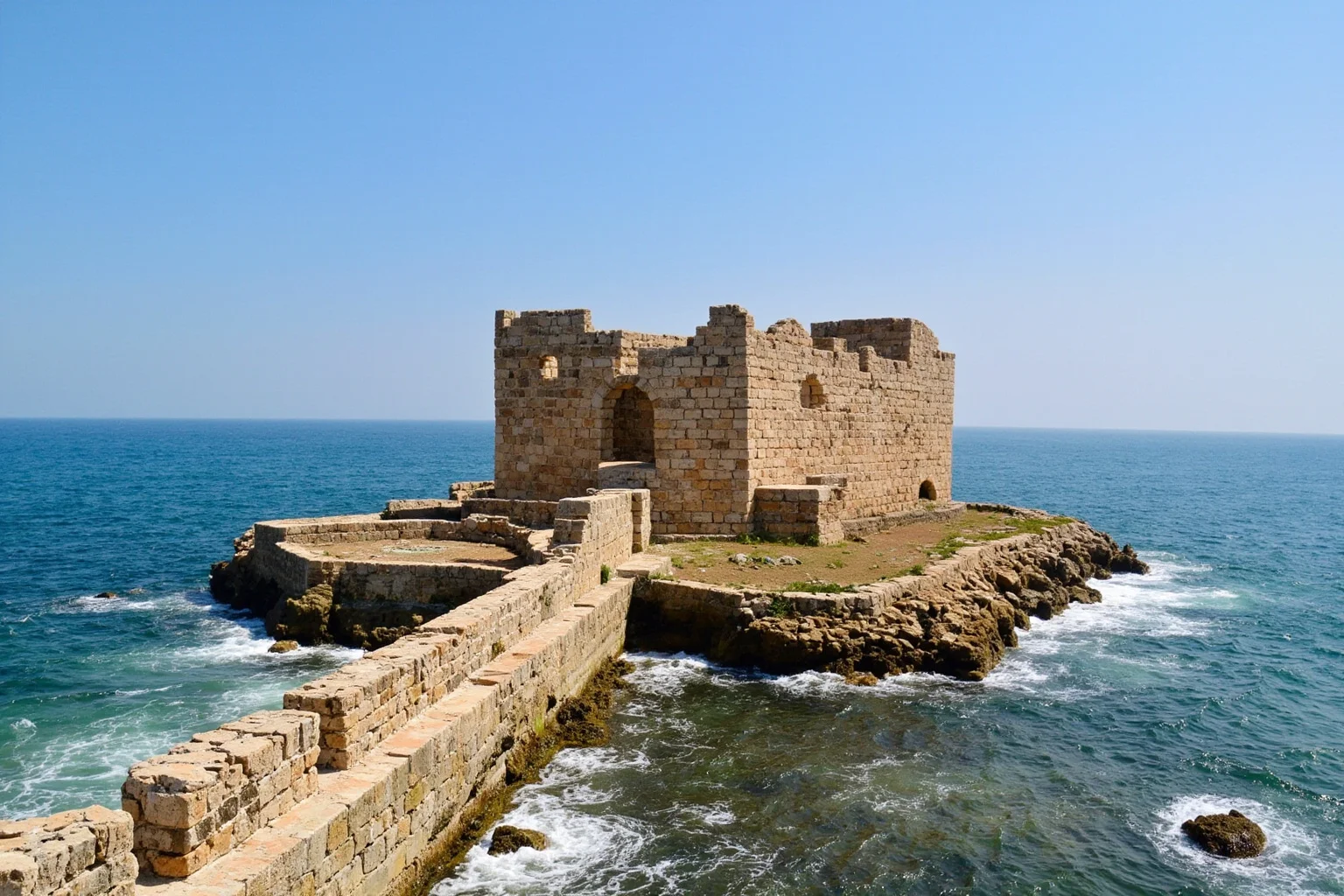
Sidon Sea Castle in Lebanon is a ruined Crusader fortress built in the thirteenth century on a small island in the harbor. It was constructed on the remains of an earlier site, possibly a Phoenician or Roman structure.
The castle is connected to the mainland by a narrow stone causeway, and its eroded towers and arches rise directly from the Mediterranean. Storms and centuries of coastal traffic have damaged much of the outer masonry.
Despite its ruinous state, enough of the sea castle remains to show how island fortifications controlled the harbor. It is one of the most distinctive medieval sites on the Lebanese coast.
17. Kızkalesi, Turkey: The Maiden's Castle in the Sea
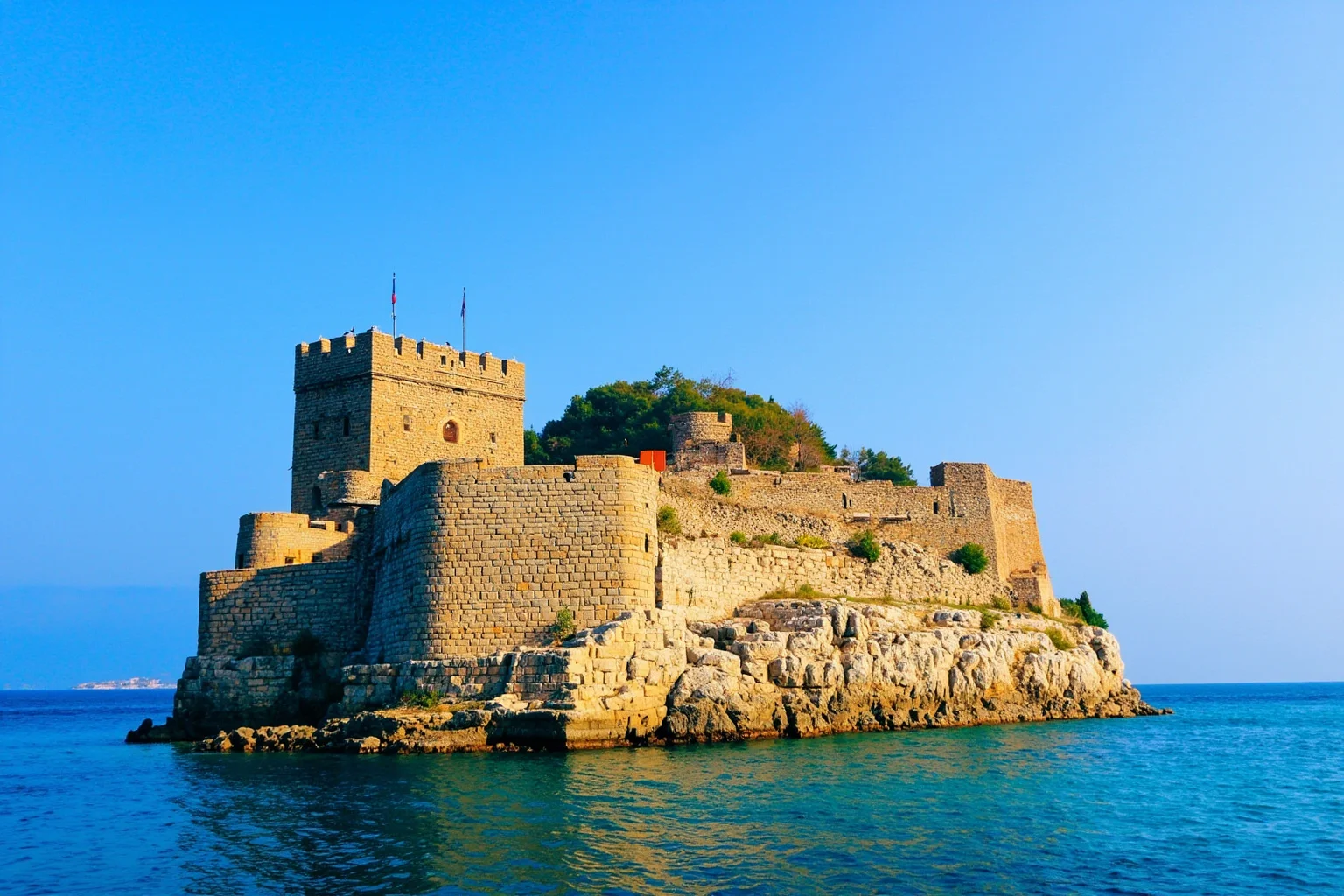
Kızkalesi, also known as Maiden's Castle, is a small island fortress off the coast near Mersin in southern Turkey. The sea castle was built mainly in the twelfth century, associated with the Armenian Kingdom of Cilicia and later Byzantine control.
The name comes from a common legend about a king who tried to protect his daughter from a prophecy of snakebite, though the tale varies. The island's walls and towers are now partly ruined, and visitors reach the site by boat from the shore.
There is a matching land castle on the nearby coast, and together they guarded the ancient port of Korykos. The sea castle's position still shows how a small garrison could watch the surrounding water.
18. Rumeli Fortress, Turkey: A Bosphorus Stronghold
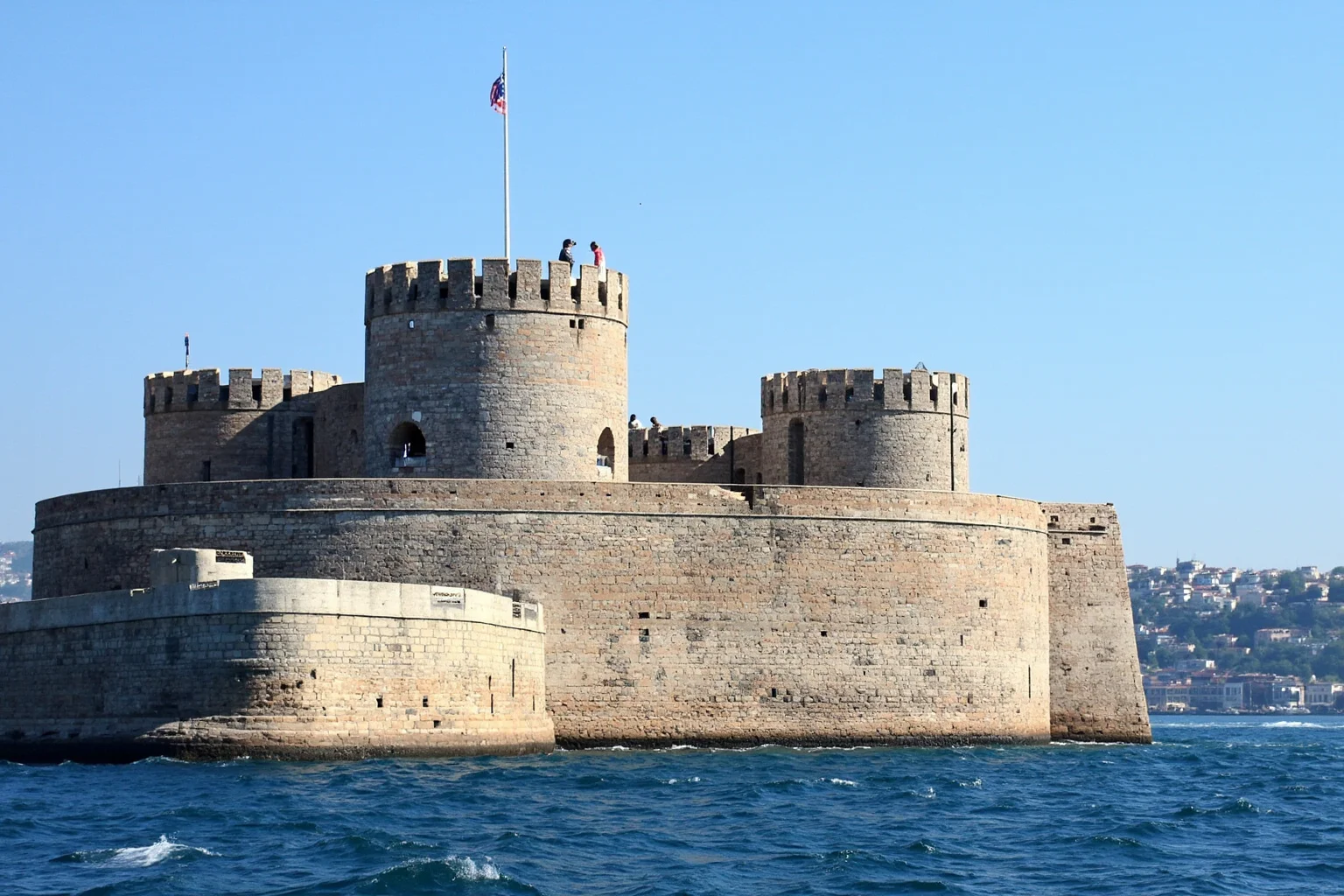
Rumeli Fortress in Istanbul, Turkey, is a waterfront fortress on the European shore of the Bosphorus. Sultan Mehmed II built it in 1452 as part of the preparation for the Ottoman conquest of Constantinople the following year.
Its huge round towers and connecting walls were designed to control the narrow strait and block ships from moving between the Black Sea and the Mediterranean. The fortress was completed quickly, with a layout that fits the steep shoreline.
Today Rumeli Hisarı is a museum and open-air performance space, with its walls still standing above the water. It is a reminder that water could be a strategic tool, not just a defensive moat.
19. Spiez Castle, Switzerland: A Lakeside Survivor
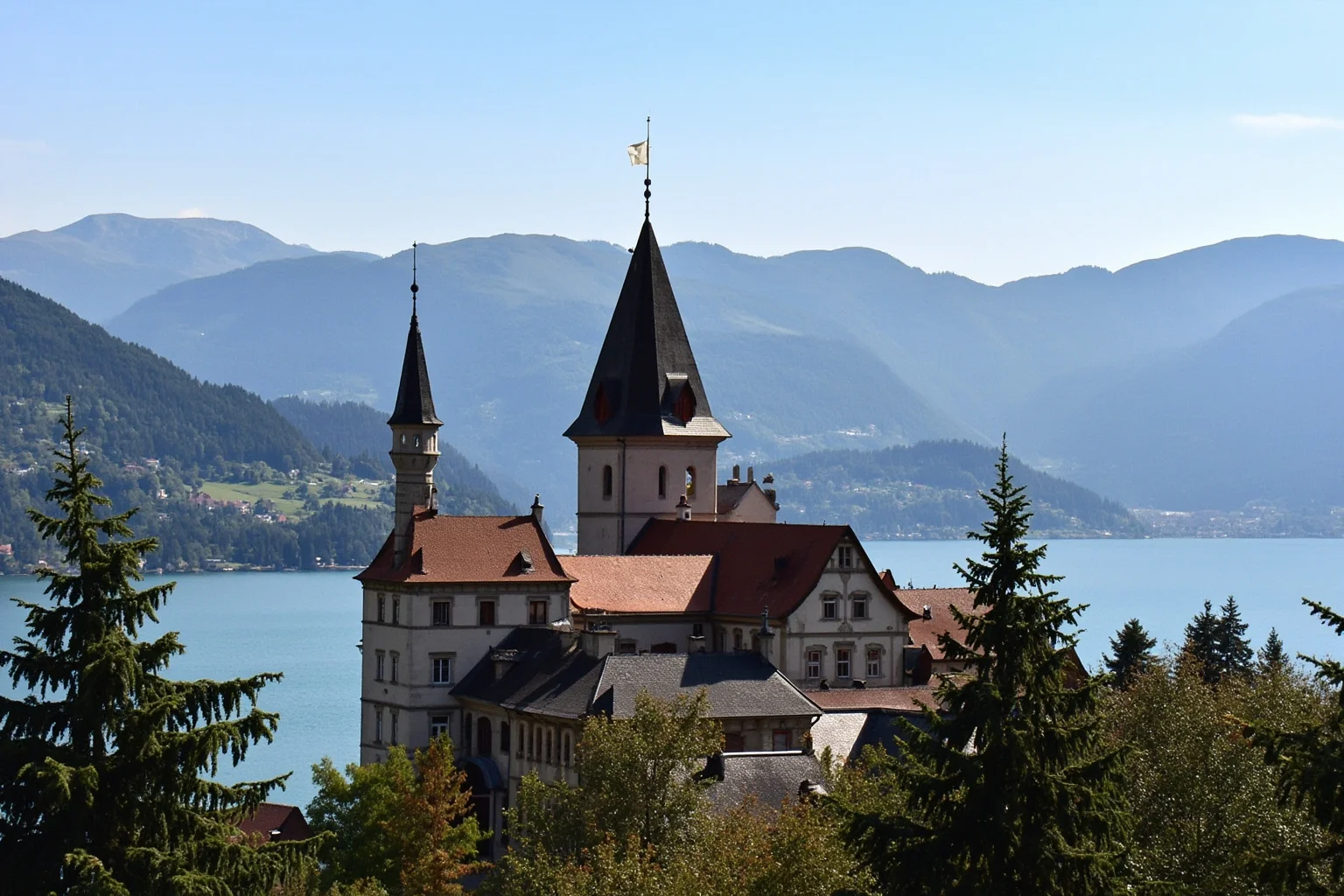
Spiez Castle lies on a hillside above Lake Thun in Switzerland, close to the water but raised enough to avoid flooding. The site is first mentioned in the tenth century, and its Romanesque tower and later residential wings preserve a long building history.
The castle church, early medieval tower, and lakeside setting make it one of Switzerland's most complete smaller castles. Over time the structure was adapted for comfort, but its defensive core remains visible.
Spiez Castle is still standing because it was continuously occupied and maintained. It now serves as a museum and event venue beside the lake.
20. Château de Chenonceau, France: A River-Spanning Château
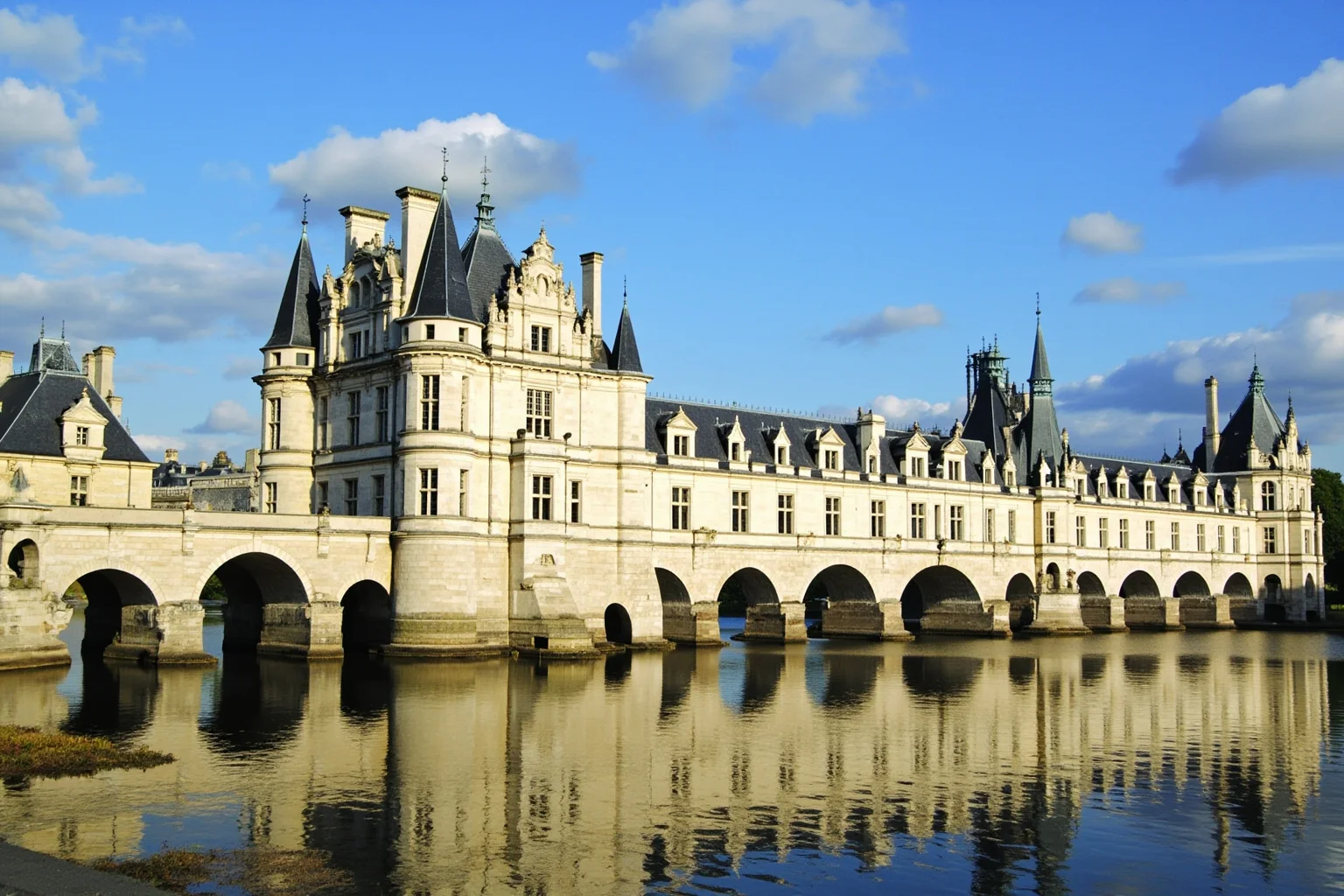
Château de Chenonceau in the Loire Valley spans the River Cher on a bridge-like gallery. It is not a medieval castle in the strict sense, but it grew from a fortified mill and manor site, and its water setting defines its identity.
The current château was built in the early sixteenth century, and Catherine de Medici later added the long gallery over the river. The design is more residential palace than fortress, yet it still uses water as both ornament and boundary.
Because the river flows beneath the building, Chenonceau is often counted among the most beautiful castles on the water. It remains one of France's most visited châteaux, with standing stone and timber interiors preserved.
What the Survivors Teach Us
These castles are not simply romantic ruins; they are evidence of how medieval builders selected sites, managed water, and repaired stone across centuries. The same waves that made them picturesque also forced constant maintenance.
The old image of a palace at the end of the sea works because it blends real architecture with myth. In places like Mont-Saint-Michel and Saint Michael's Mount, the line between fortress, monastery, and fairy-tale landmark has always been blurred.
If you visit any castle on the water, check tide times and local access rules before you go. The water is still capable of cutting off a causeway, which is exactly why these castles were built there in the first place.
Frequently Asked Questions
What is the palace at the end of the sea?
The phrase 'the palace at the end of the sea' is a poetic way to describe fortified islands and coastal castles that seem to rise from the water. It is not an official name, but Mont-Saint-Michel in Normandy is the site most often associated with the image, with Saint Michael's Mount in Cornwall as a close parallel.
Do castles still exist today?
Yes, thousands of castles still exist, though many are ruins or heavily restored museums rather than private fortresses. Sites like Bodiam, Chillon, and Trakai are among the castles that are still standing and open to visitors.
Are there medieval castles still standing on water?
Yes, examples include Mont-Saint-Michel, Saint Michael's Mount, Château de Chillon, Trakai Island Castle, and Caerphilly Castle. They survive because they were built on strong foundations and have been maintained or restored over centuries.
What is the difference between a castle and a palace on the water?
A castle is a fortified residence, while a palace is built mainly for comfort and display. Some sites, such as Château de Chenonceau, blend both functions, but true water castles emphasize defense through moats, island sites, or coastal walls.

Alex Warren
Related Articles