Across cultures, certain men and women have seemed to stand outside the ordinary limits of human knowledge. Some were scholars, some were healers, and a few were outright performers, but all gained reputations as magical people during or after their lifetimes. The line between science and sorcery was once so blurry that a brilliant mind could easily be mistaken for a wizard.
That blurring created a strange pattern. A person might be praised as a wise counselor in one kingdom and accused of demonic magic in another. The figures below were not fictional spellcasters, but real historical people whose learning, secrecy, or notoriety made their neighbors ask an anxious question: was this a wizard in real life?
TL;DR: Many wizards in history were real scholars, healers, and occultists whose advanced knowledge or theatrical flair looked supernatural to the societies around them.
The Thin Line Between Science and Sorcery
Before the Scientific Revolution, terms like astrologer, alchemist, and philosopher covered practices that we would now split into science, religion, and magic. The phrase famous wizards in history often describes people who worked in this overlap. They studied the stars, metals, plants, and texts in ways that seemed uncanny to most people.
Accusations of sorcery could also be a political weapon. Rivals, church authorities, or nervous monarchs sometimes recast intellectual curiosity as diabolical magic. Understanding that context helps explain why many of these historical wizards were not conjurers but early researchers, healers, and court advisers.
Some legends grew long after a person died. A real biography might feature a bronze head, a talking statue, or a demonic pact that no contemporary source records. In this list, the evidence matters as much as the myth.
1. John Dee: The Queen’s Occult Advisor
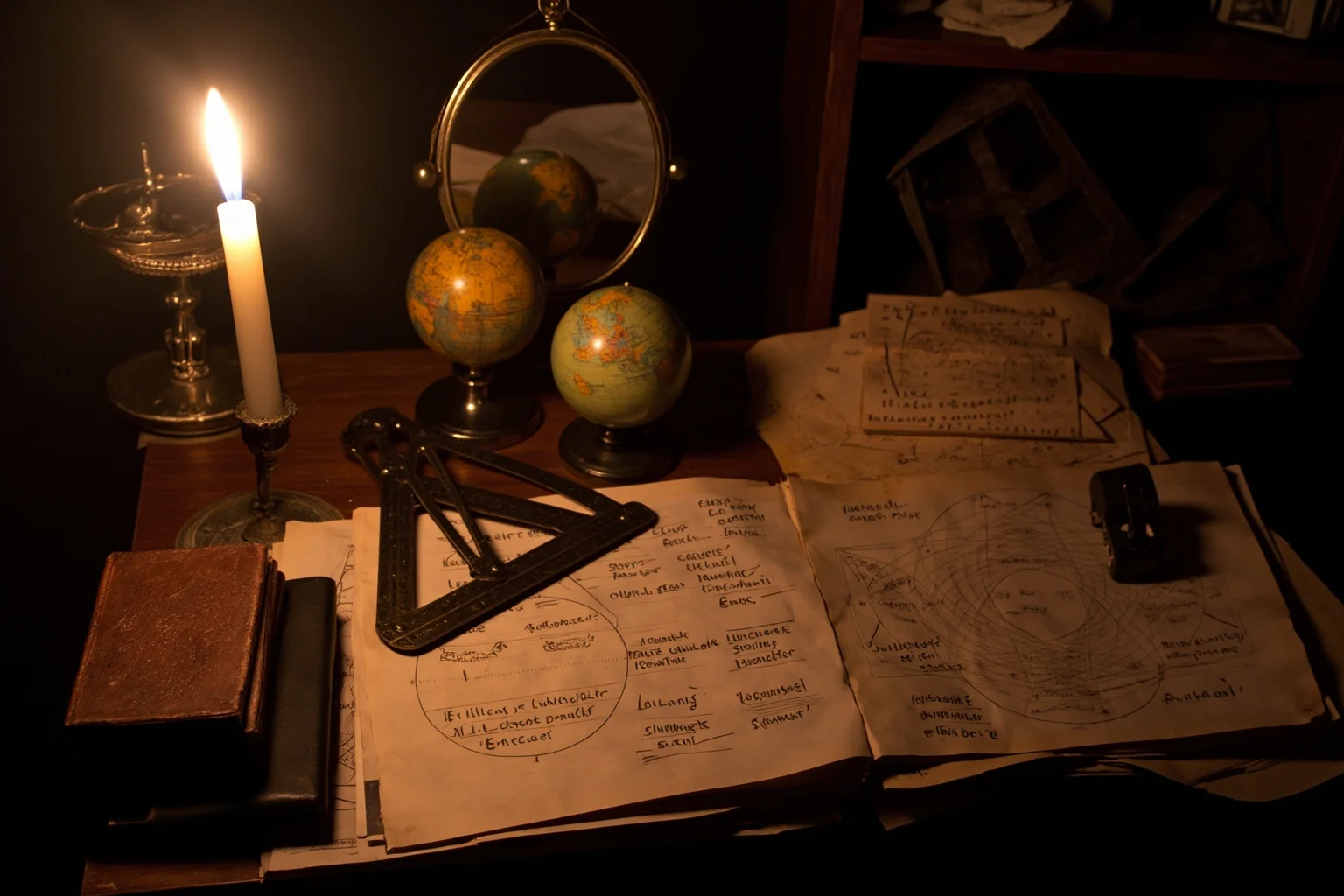
John Dee was an English mathematician, astrologer, and adviser to Elizabeth I. He owned one of the largest private libraries in England and promoted ideas about a British maritime empire. His learning made him one of the most famous historical wizards in the English-speaking world.
Dee did not simply study the stars. With the scryer Edward Kelley, he attempted to communicate with angels and recorded complex symbolic systems now known as Enochian magic. Some admirers later presented him as the greatest sorcerer in history, but his own letters describe him as a devout Christian scholar seeking divine wisdom.
His later years were hard. After years of travel and patronage struggles, he returned to England in poverty and died in relative obscurity. The legend of the queen's occult wizard, however, has far outlived the man.
2. Roger Bacon: The Friar with a Rumored Brazen Head
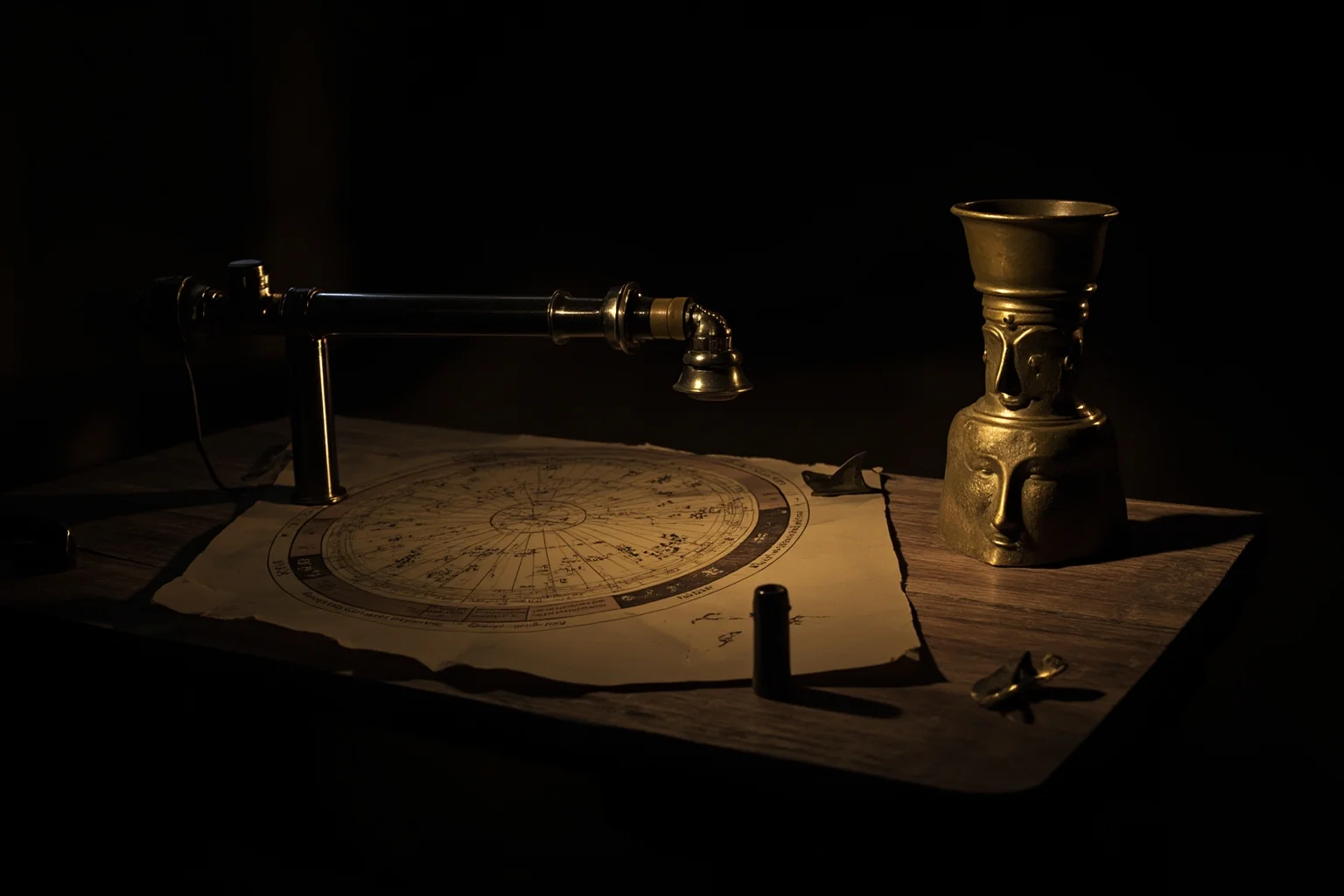
Roger Bacon was a thirteenth-century Franciscan friar and philosopher who argued that observation and experiment should guide knowledge. He wrote about optics, alchemy, astronomy, and languages. His scientific instincts were exceptional, but later storytellers turned him into a wizard.
According to legend, Bacon built a talking brass or bronze head that could answer any question. That tale appears centuries after his death and has no basis in his known writings. It survives because it captured the uneasy fascination with mechanical knowledge.
Bacon also spent time under church restrictions, which added to his mysterious reputation. In reality, his greatest magic was simply a modern-sounding insistence on testing claims against evidence.
3. Albertus Magnus: The Saint Who Was Called a Magician
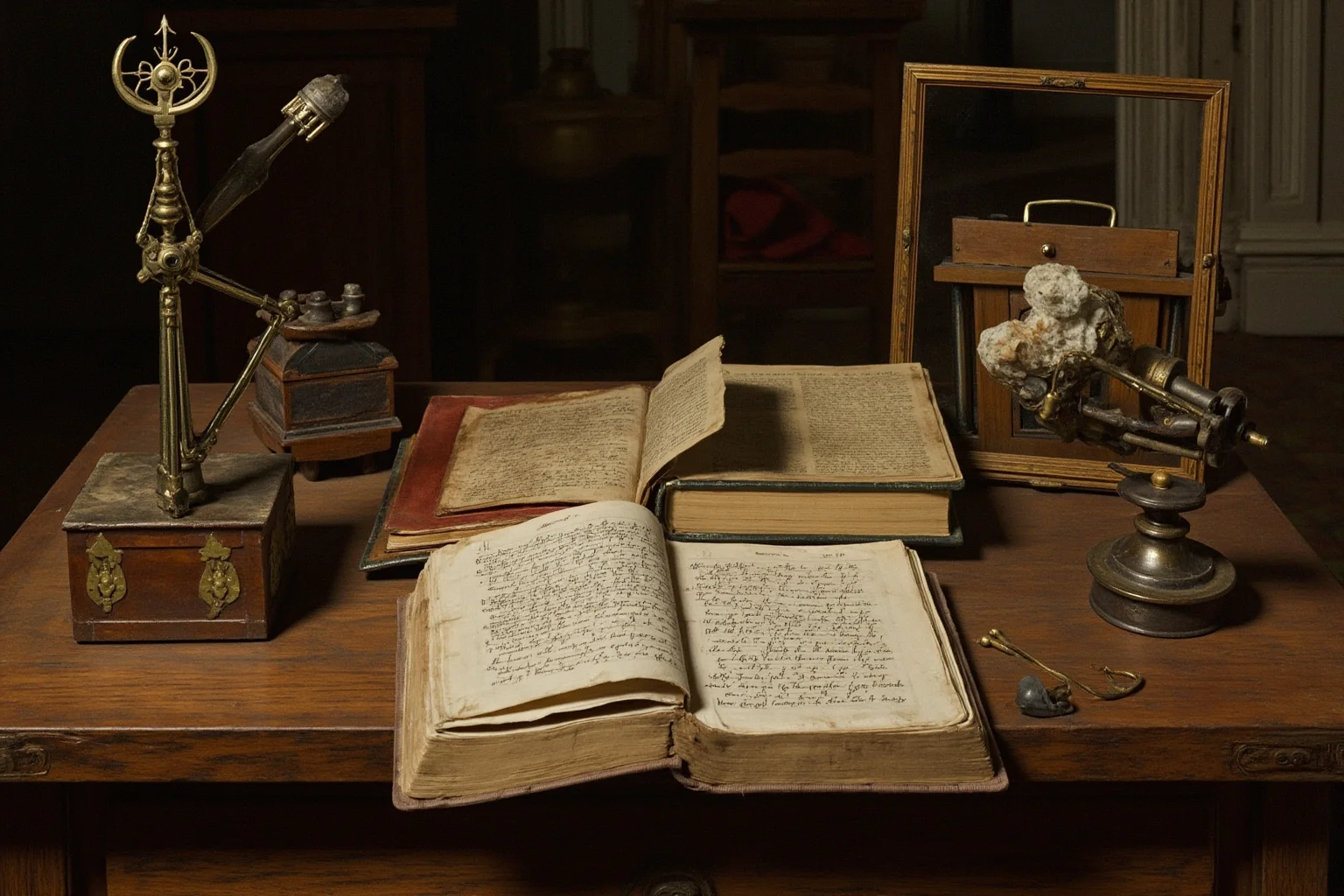
Albertus Magnus was a Dominican bishop and teacher, best known for introducing the works of Aristotle to medieval Christian thought. Thomas Aquinas was one of his most famous students. He was eventually canonized as a saint, yet stories of him as a magician circulated for centuries.
Legend credited him with making an automaton or mechanical servant that could move and speak. Some writers described the device as demonic, while others treated it as an example of his mastery over nature. There is no reliable evidence that Albert built such a machine.
The contrast between saint and sorcerer shows how flexible the label could be. A brilliant mind could be honored as holy or feared as magical depending on which story a listener chose to believe.
4. Michael Scot: Scotland’s Wizard in Dante’s Hell
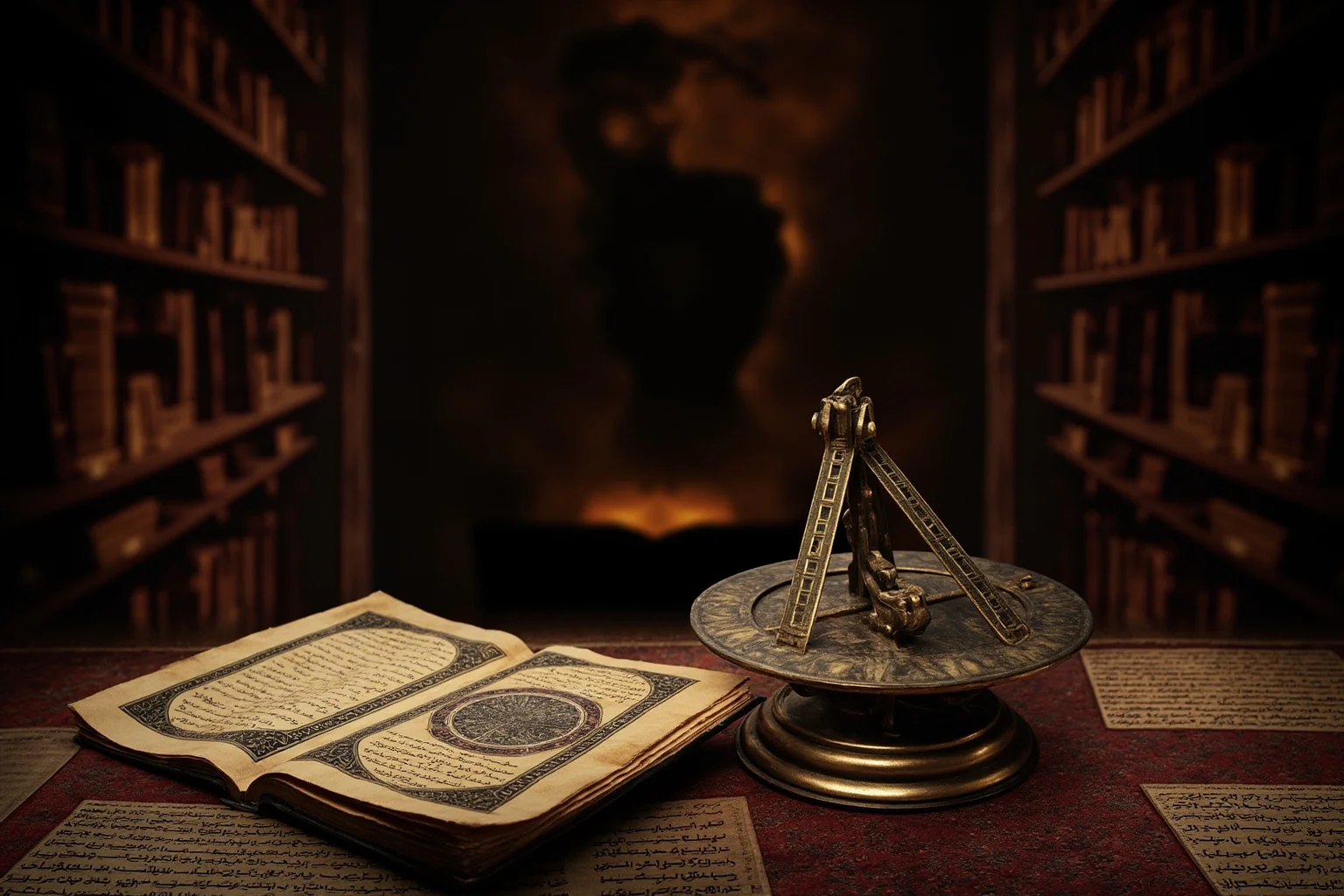
Michael Scot was a twelfth- and thirteenth-century scholar who translated Arabic works on astrology and medicine. He served the court of the Holy Roman Emperor Frederick II and traveled widely. His translations made him a bridge between Islamic and Latin learning.
Even so, Dante placed Michael Scot in the circle of hell reserved for sorcerers. That literary decision fixed him in popular memory as a wizard. Local legends in Scotland later added stories of demons, prophesies, and magical feats.
Contemporary records show a busy intellectual and court adviser, not a man commanding spirits. His case illustrates how quickly scholarly prestige could turn into supernatural suspicion.
5. Gerbert of Aurillac: The Pope with a Legendary Talking Head
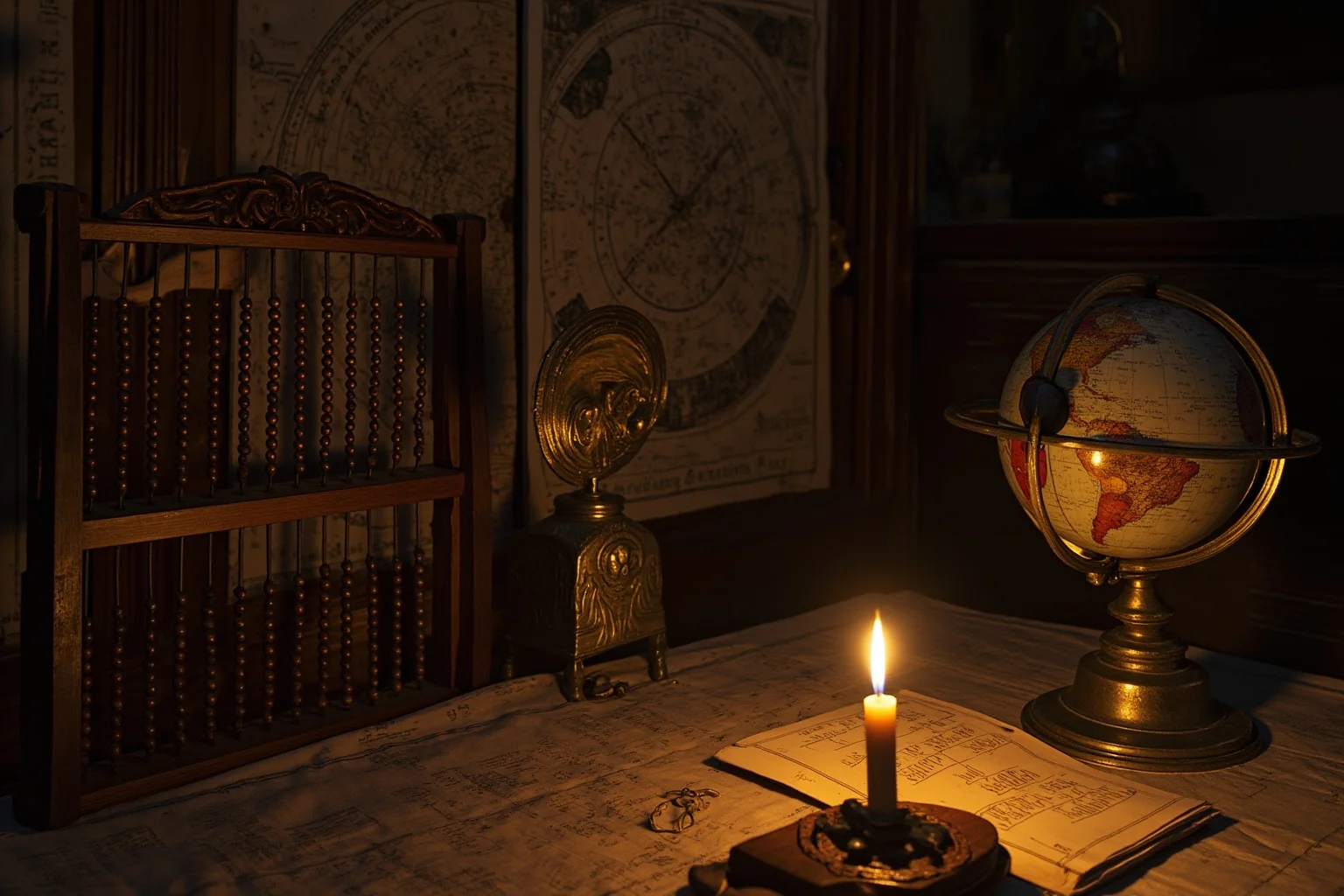
Gerbert of Aurillac was a tenth-century scholar who studied mathematics and astronomy in Catalonia, a region where Latin, Arabic, and Hebrew knowledge met. He later reigned as Pope Sylvester II. His exposure to advanced learning made him unusual among Western churchmen.
After his death, chroniclers claimed he had made a pact with the devil or built a talking head to answer questions. He became one of the most famous supposed sorcerers in medieval legend. The stories are not supported by his own letters or contemporary papal records.
Gerbert may have introduced or promoted new methods of calculation, including an abacus and celestial instruments. To his rivals, that mastery looked less like scholarship and more like forbidden magic.
6. Nicolas Flamel: The Scribe Turned Alchemical Legend
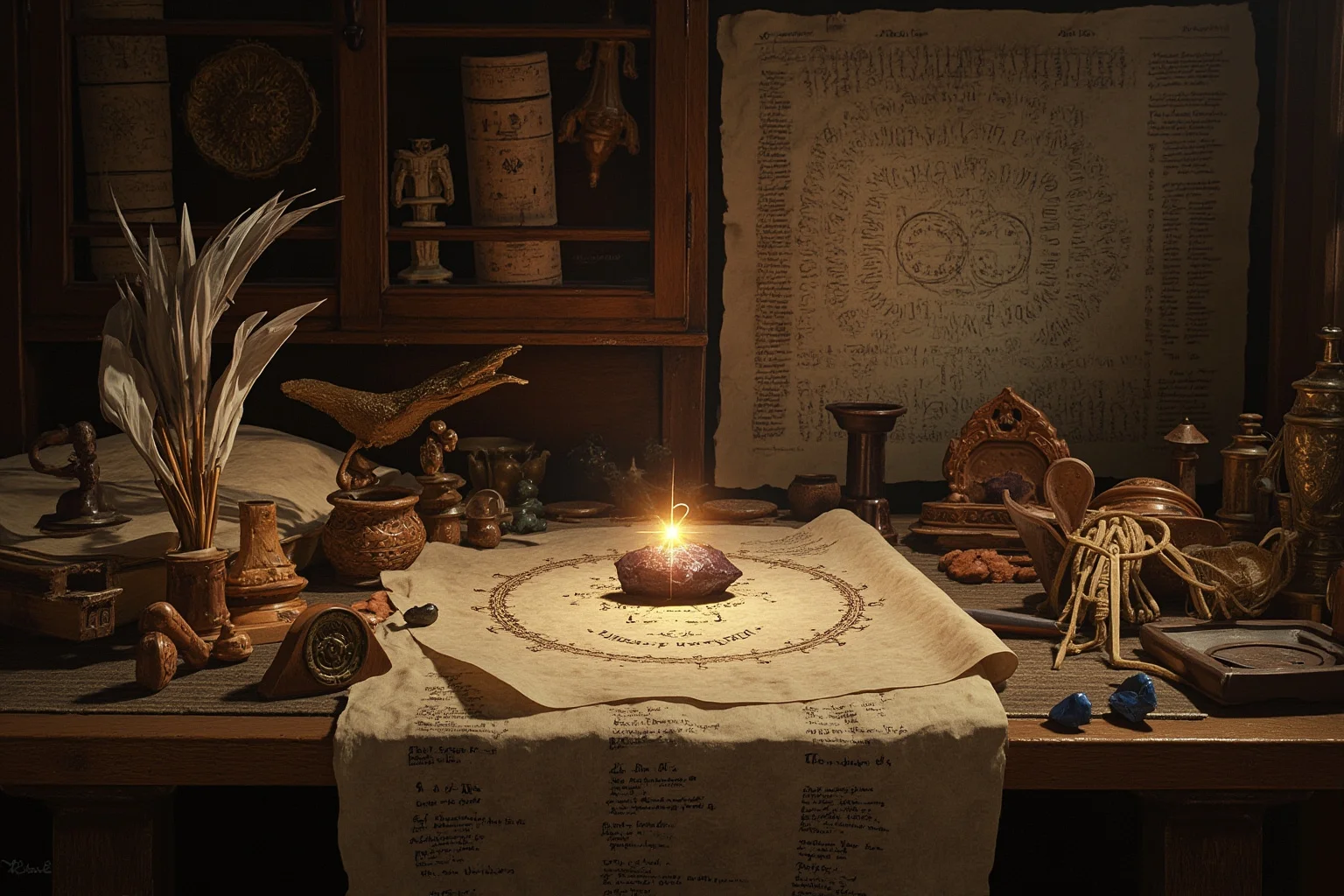
Nicolas Flamel was a wealthy fourteenth-century Parisian scribe and manuscript seller. He and his wife donated money to churches and hospitals, which suggests real but ordinary prosperity. There is no contemporary evidence that he performed alchemy or discovered the philosopher's stone.
Yet after his death, alchemical texts began to claim that Flamel had decoded a mysterious book and achieved transmutation. His name appears in everything from old alchemical manuscripts to modern fantasy. The story of the immortal alchemist is a legend attached to a real, traceable person.
Flamel's actual life may have been far less magical, but his charitable reputation gave the later myth a useful foundation. Once people believed a wealthy man possessed a secret, the wizard label was hard to remove.
7. Heinrich Cornelius Agrippa: The Occult Author and His Black Dog
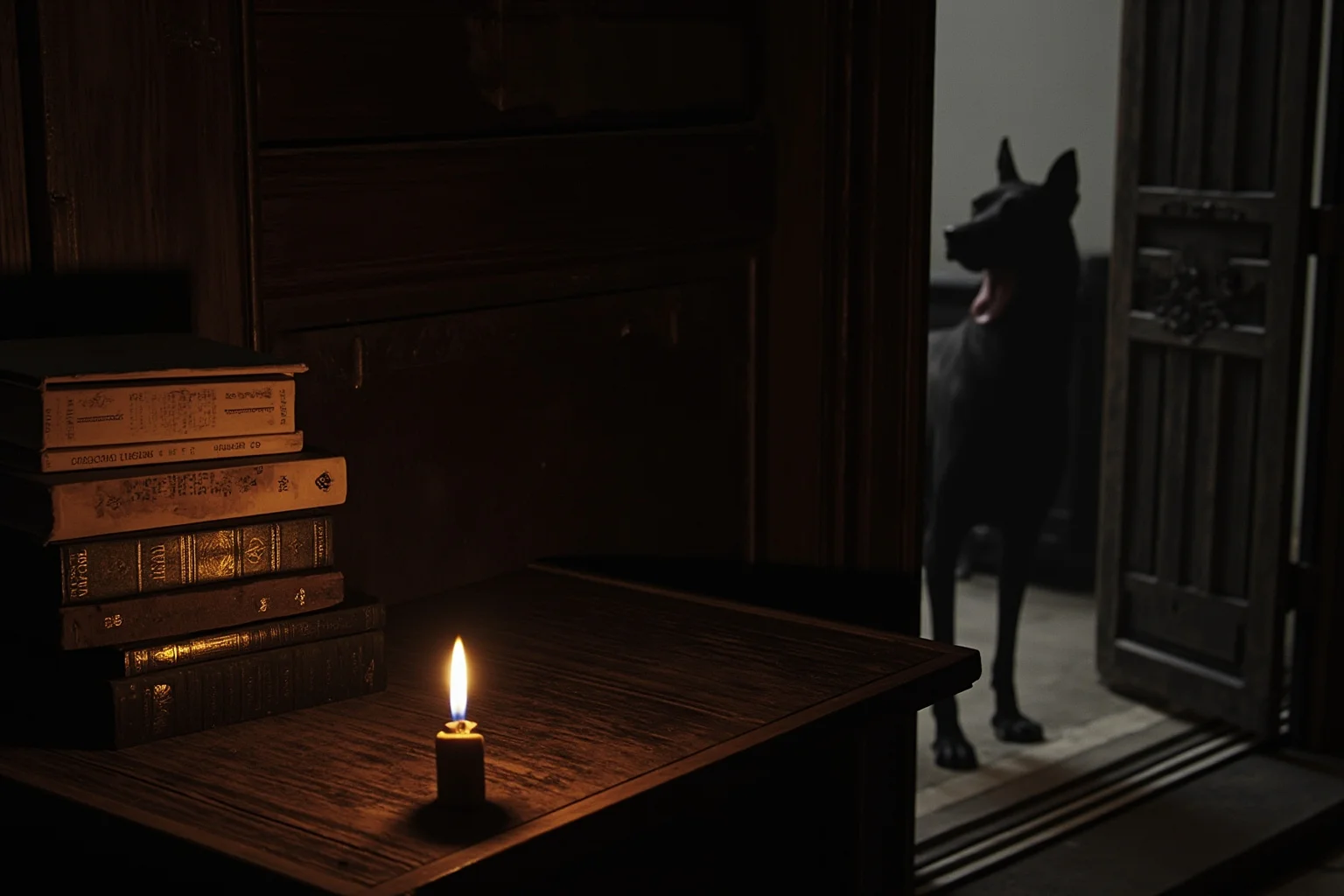
Heinrich Cornelius Agrippa was a sixteenth-century German polymath, soldier, physician, and occult philosopher. His book Three Books of Occult Philosophy tried to organize natural, celestial, and ritual magic into a learned system. It remains a key text for anyone researching famous historical wizards.
Stories about Agrippa multiplied during his lifetime. One popular legend claimed a black dog accompanied him and was actually a demon or familiar spirit. He also attracted patrons and enemies in roughly equal measure.
Agrippa insisted that much of his work was philosophical and Christian. Historians still debate how literally he practiced magic, but his reputation as a real sorcerer was firmly fixed by rumor, politics, and his own controversial writings.
8. Paracelsus: The Physician with a Spirit in His Sword
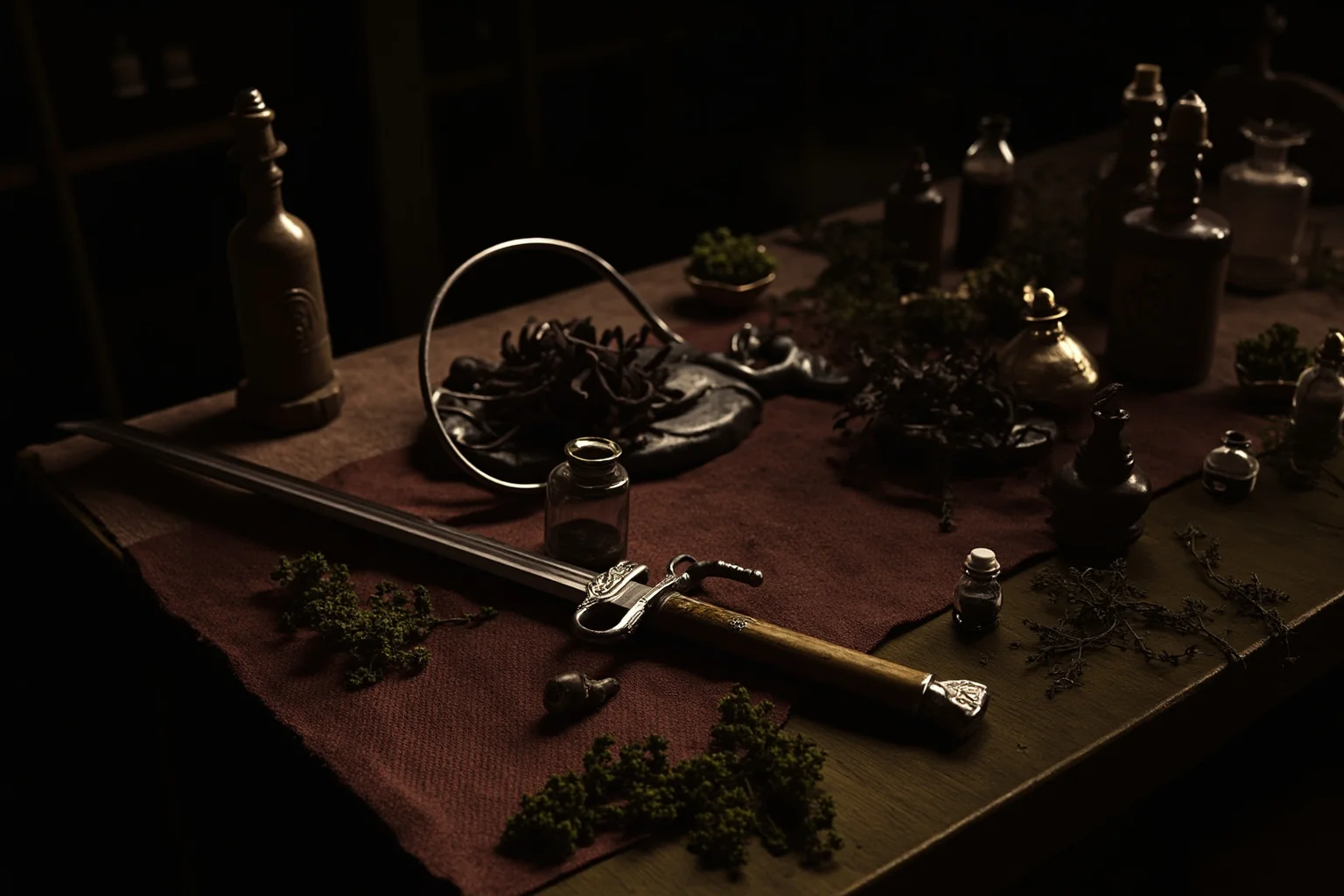
Paracelsus was a Swiss physician and alchemist who challenged the medical orthodoxy of his day. He argued that chemistry, not ancient humoral theory alone, should guide treatment. His abrasive personality and new ideas made him famous while also creating many enemies.
Legend claimed that Paracelsus carried a demon or spirit in the pommel of his sword. Some storytellers said the spirit gave him knowledge of hidden remedies. There is no physical or contemporary evidence for such a companion.
He was a genuine innovator in medicine and toxicology, even if his framework still included astrology and alchemy. To supporters, he was a hero. To critics, he looked like exactly the kind of magical person who had made a dangerous bargain.
9. Nostradamus: The Prophet Who Avoided the Sorcerer Label
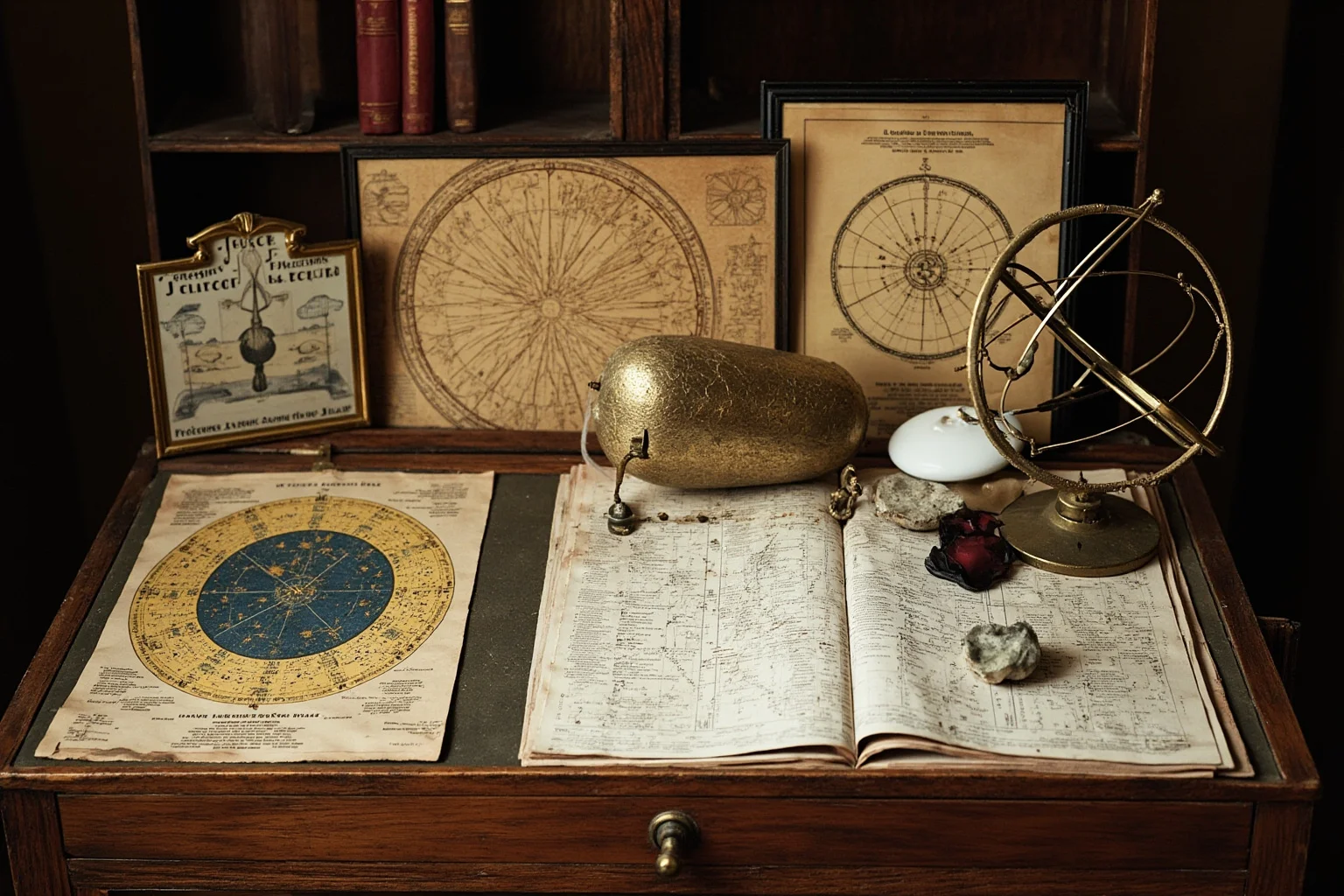
Nostradamus was a sixteenth-century French physician and astrologer best known for Les Prophéties, a collection of cryptic quatrains. He practiced methods that some modern readers call prophecy and that critics then and now call vague prediction. He published his work with careful caveats.
Unlike several figures on this list, Nostradamus tried to avoid charges of forbidden magic. He framed his predictions as astrological calculation and often revised his text to stay within accepted boundaries. Still, his fame has made him one of the most recognizable wizards in history in popular culture.
His reputation is a good reminder that the line between prophet and sorcerer depended heavily on authority. A court astrologer could be respected, while an outsider with similar methods could be condemned.
10. Giordano Bruno: The Cosmic Thinker Burned as a Heretic
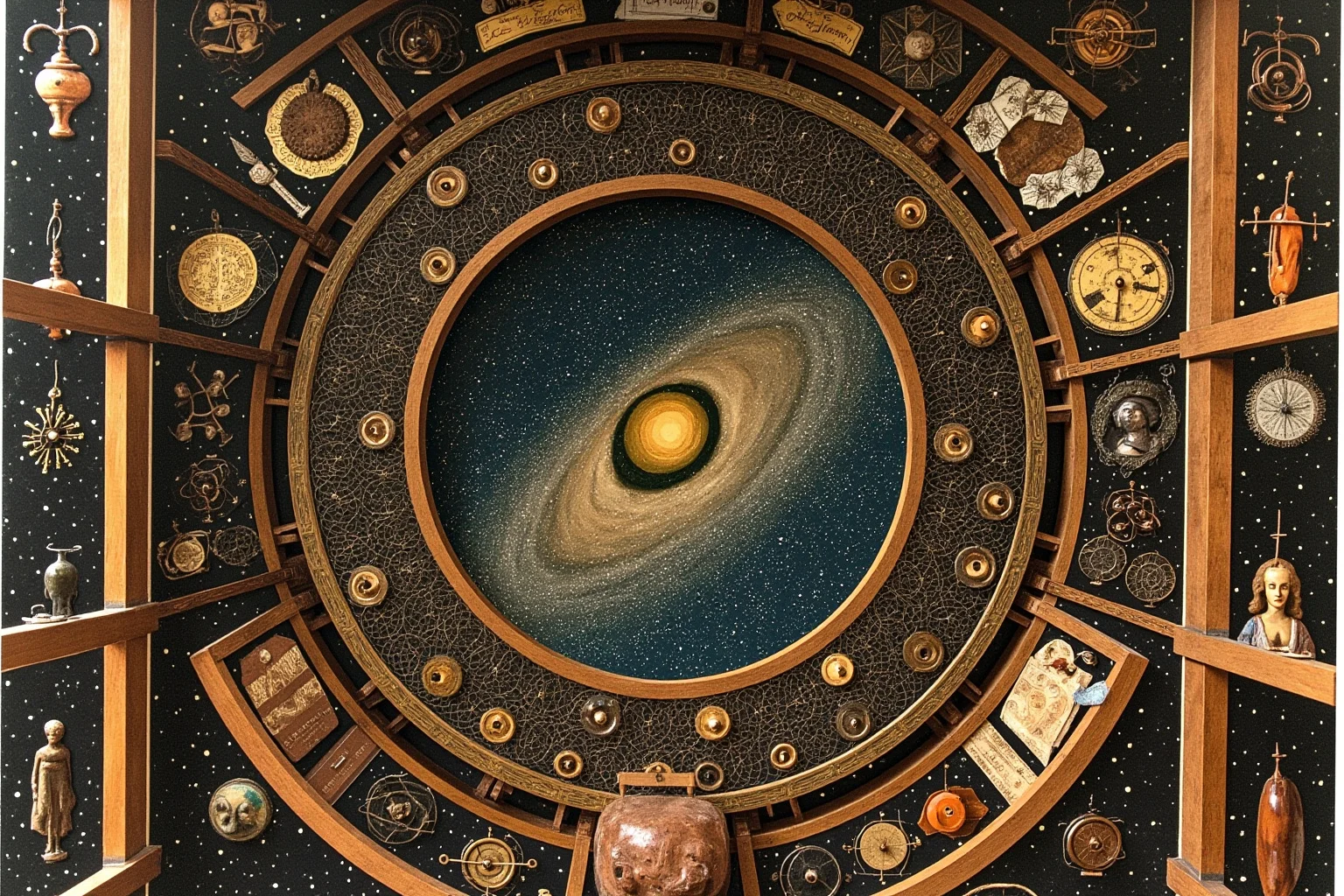
Giordano Bruno was a sixteenth-century Italian philosopher and former Dominican friar. He defended an infinite universe and used complex memory techniques known as artificial memory. His thought blended cosmology, theology, and Hermetic ideas in ways that alarmed church authorities.
Bruno was executed in Rome in 1600. The official charge was heresy, not simple sorcery, although later writers often described him as an occultist burned for magical beliefs. His death made him a symbol for free thought.
His memory systems and mystical cosmology were not spells, but they were strange enough to seem dangerous. In an age that feared hidden knowledge, his radical questions were treated as a threat to public order.
11. Johann Georg Faust: The Real Faust and the Worst Sorcerer in History
Johann Georg Faust was a wandering German astrologer, alchemist, and self-promoter active in the early sixteenth century. Records describe him as a minor scholar who offered horoscopes and alchemical services while also being accused of fraud. He died under unclear circumstances, perhaps in an explosion or from an accident.
After his death, printers turned Faust into a character who sells his soul to the devil. The Faust legend became one of Europe's most durable stories. If there is a candidate for the worst sorcerer in history, it may be the fictional Faust rather than the historical man, because the character's failures became a moral warning.
Few facts about the real Faust are certain. He may have been more con man than conjurer, yet his name now defines the tragic wizard archetype.
12. Edward Kelley: The Scryer Behind the Angel Diaries
Edward Kelley worked as a scryer, meaning he claimed to see spirits in reflective surfaces. In the 1580s, he collaborated with John Dee on long sessions that produced elaborate angelic communications. Kelley provided many of the visions and symbolic tables while Dee recorded them.
Kelley also claimed to possess alchemical secrets, especially during their time in Central Europe. His promises attracted noble patrons, but his results never matched his boasts. He died after imprisonment, and legends about his magical powers continued to grow.
Kelley illustrates why a real sorcerer in the eyes of patrons might simply be a skilled performer or self-interested fabulist. The boundary between mysticism and fraud was extremely thin.
13. The Count of Saint Germain: The Man Who Never Aged
The Count of Saint Germain was an eighteenth-century courtier, musician, composer, and conversationalist who appeared at several European courts. He spoke multiple languages and displayed broad knowledge of chemistry, art, and politics. His origins were never fully clear.
Admirers later claimed he had discovered an elixir of life and had lived for centuries. Some said he had witnessed events from ancient history. There is no reliable evidence for these claims, and many details of his biography remain uncertain.
Saint Germain is a classic example of a historical figure whose polish and mystery invited magical explanations. In a court culture that loved secrets, an ageless man was a far better story than a talented and evasive charmer.
14. Alessandro Cagliostro: The Occult Celebrity of the Diamond Necklace Affair
Alessandro Cagliostro was an eighteenth-century Italian adventurer, occultist, and Freemason. He traveled across Europe offering healing, alchemy, and esoteric instruction. His charisma attracted wealthy clients and furious enemies.
Cagliostro became entangled in the Affair of the Diamond Necklace, a scandal that damaged the French monarchy. Although he was acquitted by a French court, his reputation as a sinister sorcerer was already enormous. He later fell into the hands of the Inquisition and died in prison.
Historians often treat Cagliostro as an ambitious fraud who exploited the spiritual fashions of his time. Whether he believed his own claims is harder to know, but he became one of the most famous real sorcerer figures of the Enlightenment era.
15. Grigori Rasputin: The Siberian Holy Man Who Terrified a Court
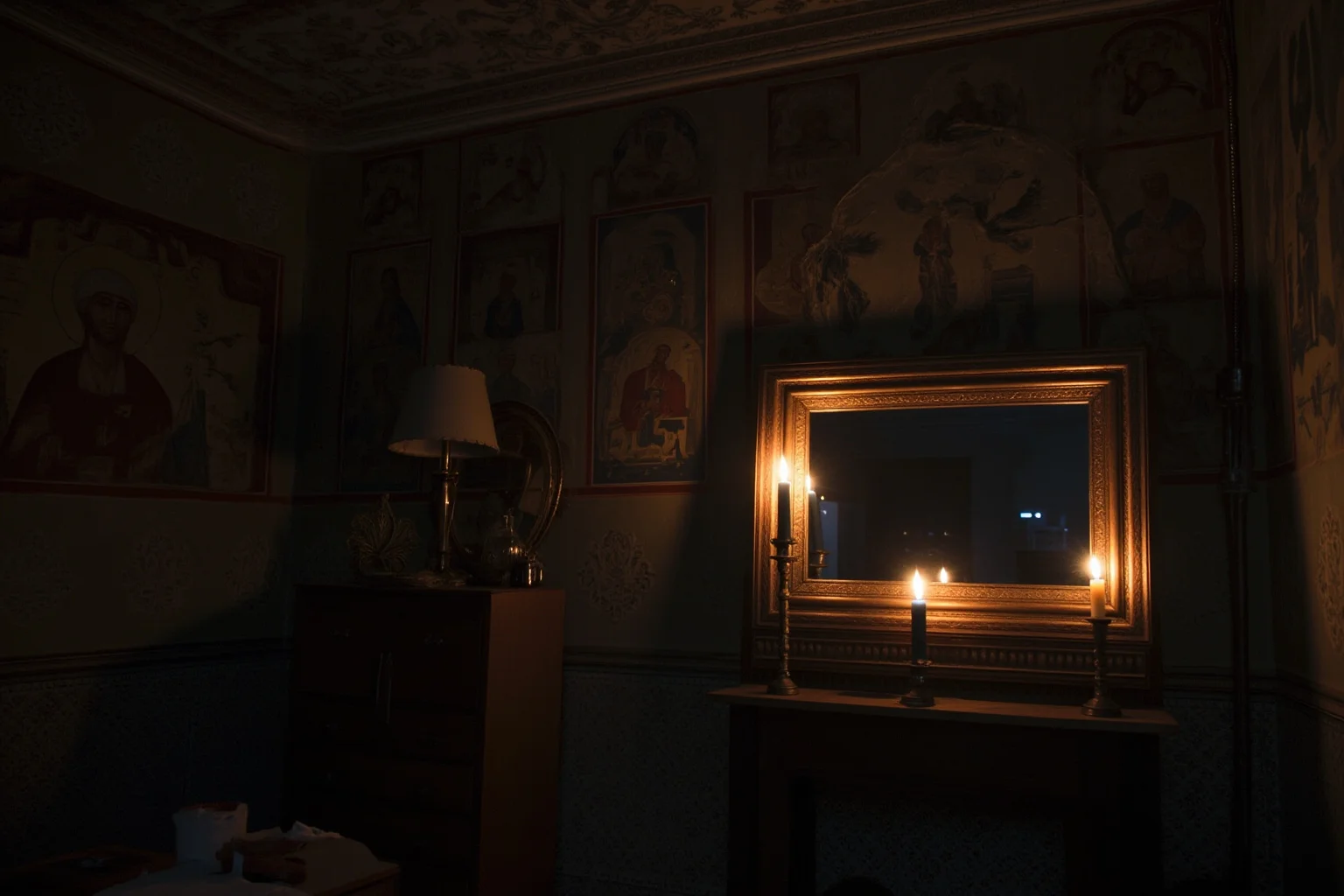
Grigori Rasputin was a Russian peasant and spiritual adviser who gained influence over Tsar Nicholas II and his family in the early twentieth century. He seemed to ease the suffering of the hemophiliac heir, Alexei, which made him indispensable to the empress. His unpolished manner and personal scandals horrified the Russian elite.
Rumors claimed Rasputin had hypnotic powers, resisted poison, and controlled the imperial family through dark spiritual influence. His murder in 1916 involved a conspiracy of nobles, and the circumstances quickly became legendary. None of the supernatural tales have been proven.
Rasputin is a modern example of how political resentment can transform a controversial healer into a feared magical person. His real influence came from personal access, not from enchantment.
16. Simon Magus: The Ancient Sorcerer of the Acts of the Apostles
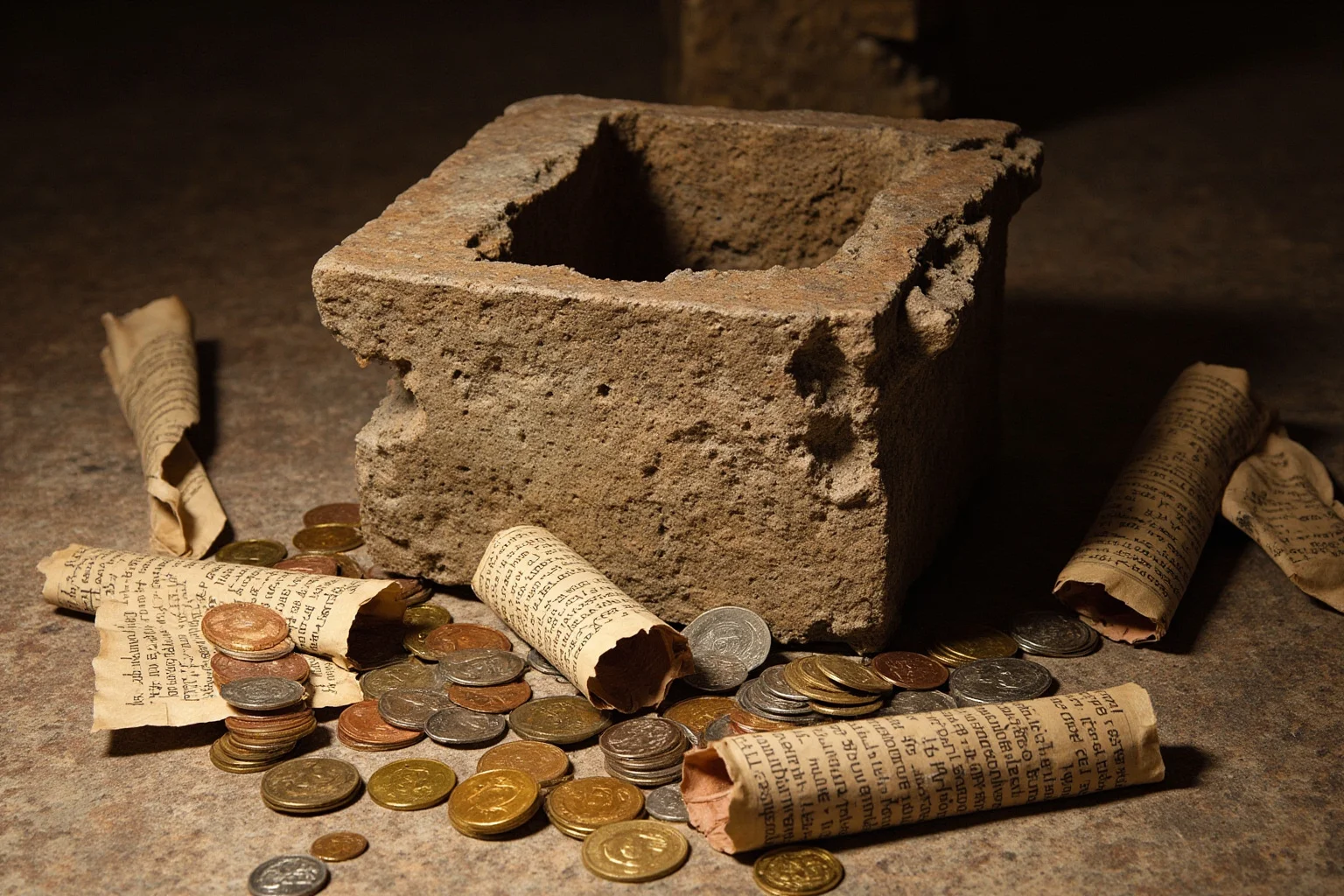
Simon Magus appears in the Acts of the Apostles as a Samaritan who practiced magic and astonished people in Samaria. After seeing the apostles, he offers money in exchange for the power to confer the Holy Spirit. The text condemns his attempt, and the word simony later derives from his name.
Early Christian tradition expanded Simon into an arch-heretic and false teacher. Apocryphal stories describe him flying, battling Peter, and performing sorcery in Rome. Historians cannot confirm these later legends, which grew more elaborate over centuries.
Simon became the model of the ancient sorcerer in Western religious writing. His name turned into shorthand for the idea that magic could be bought but never truly possessed.
17. Apollonius of Tyana: The Wonder Worker Compared to Jesus

Apollonius of Tyana was a Greek philosopher and teacher who lived in the first century AD. He traveled widely and gained a reputation for wisdom, healing, and unusual knowledge. Later writers collected stories of his miracles, including predictions and perhaps even a return from death.
Some ancient critics used Apollonius as a pagan counterexample to Christian claims about Jesus. That controversy gave him a strange double life as both revered philosopher and suspicious wonder-worker. His biography, written by Philostratus long after his death, mixes history with legend.
Apollonius may not have called himself a wizard. Still, his reputation made him one of antiquity's most famous magical people, and he remains a key name in debates about ancient miracle claims.
18. Abe no Seimei: Japan’s Legendary Onmyōji

Abe no Seimei was a real Heian-period official who served the Japanese court as an onmyōji, a specialist in yin-yang divination, astrology, and calendars. He tracked celestial omens and advised nobles on ritual timing. Records place him as a respected court expert.
Folklore later transformed Seimei into a supernatural hero with the power to see spirits and command shikigami, or spirit servants. Legends often name him as the greatest sorcerer in Japanese history. Many of the most famous stories, however, are medieval and early modern inventions.
Seimei's real work was bureaucratic and scholarly, but that did not stop people from imagining a wizard walking the streets of Kyoto. His legend remains enormous in Japanese popular culture today.
19. Zhang Jiao: The Taoist Healer Who Led a Rebellion

Zhang Jiao, also written Zhang Jue, was a Taoist religious leader in second-century China. He gained followers by offering faith healing, talismans, and rituals during an era of flood, famine, and epidemics. His movement grew into the Yellow Turban Rebellion against the Han dynasty.
To his followers, Zhang Jiao was a holy man with heaven-sent powers. To the government, he was a dangerous rebel whose medicine and ritual were impossible to separate from political revolt. The rebellion failed, but it helped destabilize the Han state.
Historical sources are shaped by his enemies, so his precise beliefs are hard to recover. Even so, Zhang Jiao shows how a real religious healer could become a wizard and revolutionary at the same time.
20. Marie Laveau: The Voodoo Queen of New Orleans
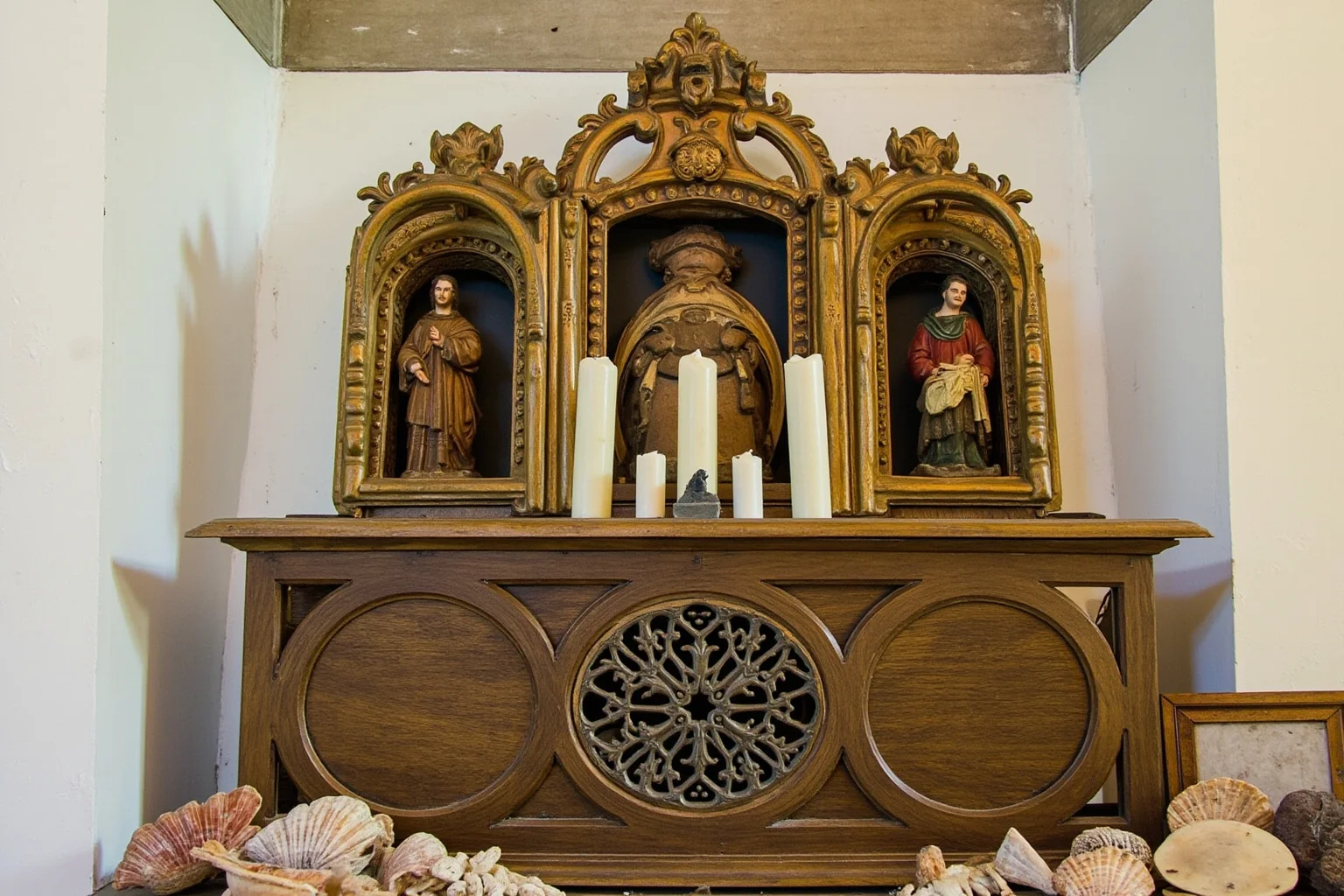
Marie Laveau was a nineteenth-century New Orleans healer, hairdresser, and community leader. She combined Catholic traditions with African and Creole spiritual practices. Her influence crossed racial and social lines in a deeply segregated city.
Stories claimed she could grant wishes, curse enemies, and gather secret information through a network of informants. Many of the most dramatic tales are impossible to verify. She may have deliberately encouraged some mystery to maintain her social power.
Marie Laveau is often remembered as a witch or sorceress, but her recorded work involved healing, charity, and ritual leadership. Her legend reveals how Black spiritual practice was both revered and feared in nineteenth-century America.
Why the Wizard Label Still Works
These stories follow a recognizable pattern. A learned or charismatic person enters a society that cannot fully explain their skills. The community then converts that unease into tales of pacts, talking heads, spirits, and secret elixirs.
Calling someone a wizard was rarely a neutral description. It could honor brilliant learning, but it could also justify arrest, execution, or scandal. The same deed might look like science, faith, or sorcery depending on who controlled the story.
Today we still use the word magician for performers and wizard for geniuses in technology or music. The figures on this list were not wizards in any literal sense, but their lives reveal a very human habit: when knowledge outpaces understanding, people see magic.
Frequently Asked Questions
Who are the most famous wizards in history?
The phrase famous wizards in history usually points to real people such as John Dee, Roger Bacon, Albertus Magnus, Nostradamus, and the Count of Saint Germain, among others. They were scholars, healers, astrologers, or court advisers whose knowledge or showmanship looked supernatural. Their legends often grew after their deaths.
Was there ever a real wizard in real life?
There is no historical evidence that anyone could cast spells or command spirits as fictional wizards do. Many real historical figures practiced astrology, alchemy, divination, or ritual magic, and some sincerely believed in their work. Whether that makes someone a real sorcerer depends on how you define magic.
Who is considered the greatest sorcerer in history?
John Dee is often called one of the greatest sorcerers in history because of his angelic experiments and royal influence, while Abe no Seimei holds that title in Japanese folklore. Both were real people whose later legends magnified their powers. The title is more about cultural memory than measurable magical ability.
Why were scholars mistaken for sorcerers?
Before modern science, activities like astronomy, alchemy, and medicine were not clearly separated from magic. A court astrologer or experimental alchemist could seem to command hidden forces. Political and religious rivals often encouraged those fears.
Did the real Faust sell his soul to the devil?
No firsthand evidence proves that the historical Johann Georg Faust sold his soul. The famous pact story was popularized by later books and plays. The real Faust seems to have been an itinerant astrologer and alchemist with a mixed reputation.

Alex Warren
Related Articles