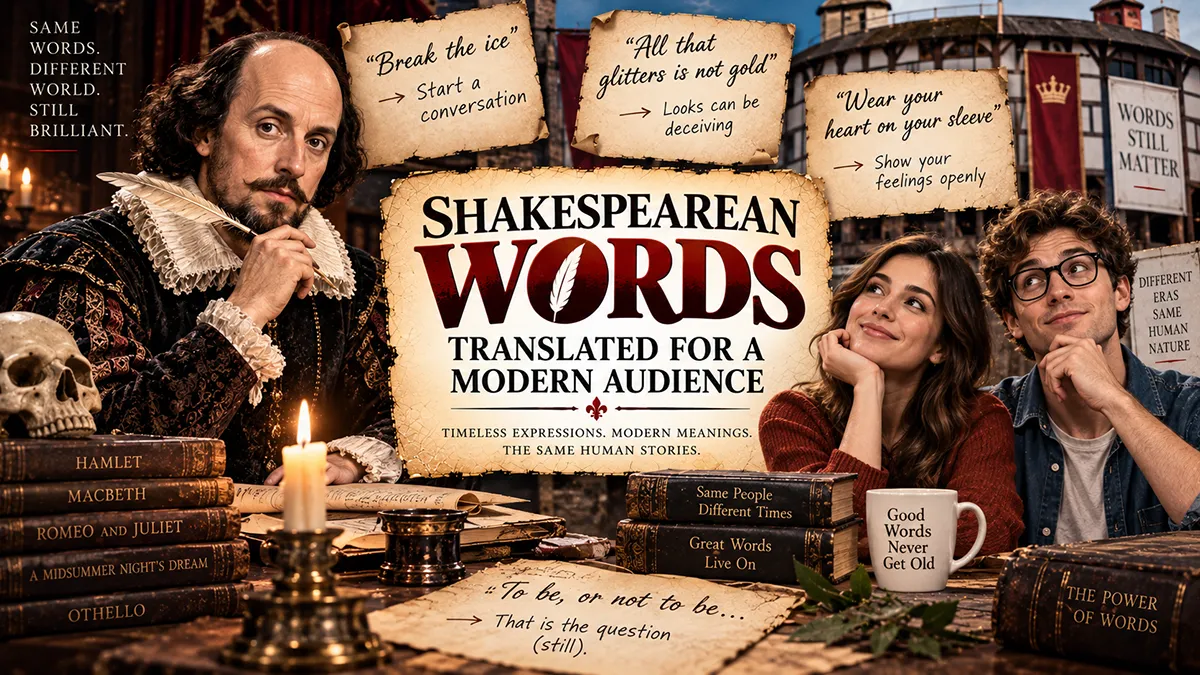
Open any Shakespeare play cold and you’ll probably hit a wall of “wherefore,” “prithee,” and “anon” before the end of the first scene. It can feel like the man wrote in a foreign language.
He didn’t — but he did write in a version of English that’s now roughly 400 years removed from ours, full of words that have either vanished, changed meaning, or (in a surprising number of cases) been invented right there on the page.
This guide translates the most common Shakespearean words and phrases into plain modern English, sorts out which words he actually coined versus simply popularized, and clears up a few persistent myths about “Old English” and Elizabethan speech along the way. Think of it as a pocket Shakespearean dictionary you can actually enjoy reading.
TL;DR: Shakespeare’s language isn’t “Old English” or a foreign tongue — it’s Early Modern English, and once you translate a few dozen recurring words like “anon,” “wherefore,” and “goatish,” his plays open up dramatically.
Shakespeare Didn’t Speak “Old English” (And Other Myths, Busted)
Let’s clear up the biggest misconception first, because it trips up even careful readers. “Old English” is a technical term for the language of Beowulf, spoken roughly between 450 and 1150 AD. It looks nothing like Shakespeare and is genuinely unreadable without specialist training.
Shakespeare wrote in Early Modern English, the same broad stage of the language that produced the King James Bible and that we still basically speak today. This era runs from around 1500 to 1700, and Shakespeare — still counted among the most recognized historical figures of all time — sits right in its golden middle, writing between roughly 1590 and 1613. If you can read a modern newspaper, you can learn to read Shakespeare — it just takes some vocabulary building and patience.
A lot of what makes Shakespearean English feel alien isn’t really vocabulary at all. It’s spelling, punctuation, and pronunciation shifts (linguists call the big one the Great Vowel Shift), plus a grammar system that still used “thou” and “thee” as everyday pronouns. Once you get past those surface differences, the underlying sentence structure is much closer to ours than to true Old English or even Middle English (Chaucer’s language, roughly 1150–1500).
So when people search for “old English Shakespeare words” or “old Shakespeare words,” what they usually mean is Elizabethan or Early Modern English vocabulary — the words below are exactly that.
Did Shakespeare Really Invent Hundreds of Words?
You’ve probably seen the claim that Shakespeare invented 1,700, 2,000, or even more English words. It’s one of the most repeated facts about him, and it’s also more complicated than the tidy number suggests.
The claim comes largely from the Oxford English Dictionary, which credits Shakespeare with the first recorded written use of a large number of words and phrases. That’s an important distinction. “First recorded use” means no earlier written document has survived showing the word in use — it does not necessarily mean Shakespeare sat down and invented the term from scratch, much the way the true origin story behind “Eureka!” turns out to be murkier than the tidy legend most people repeat.
Many historians and linguists now believe a good portion of these words were already circulating in spoken Elizabethan English, in slang, regional dialects, or lost documents, and Shakespeare was simply the first writer whose work happened to survive and get widely read. Dictionaries and systematic record-keeping were still young technologies in the 1590s and 1600s, so gaps in the written record are common.
None of that erases his real linguistic achievement, though. Shakespeare was an extraordinarily inventive wordsmith — the kind of mind you’d expect to find alongside history’s other smartest people and greatest geniuses — who freely turned nouns into verbs, stuck new prefixes on old words, and blended terms together, and a solid number of the words below really do seem to trace back to him more than to unrecorded common speech. The honest, myth-busting answer is: some words on any “list of words created by Shakespeare” are genuine coinages, others are simply his earliest surviving appearance, and we can’t always tell which is which.
30 Shakespearean Words and Phrases Translated for Modern Readers
Below is a working shakespearean dictionary of the words you’re most likely to encounter, split roughly into two groups: archaic Elizabethan words and phrases that have simply fallen out of use, and words Shakespeare is credited with introducing that we still use constantly today. Each entry includes the modern translation and, where it’s well documented, the play it comes from.
1. Anon
This is one of the most common shakespeare words in his plays, and it simply means “soon” or “right away.” It shows up constantly as a quick reply, especially from servants — the Porter in Macbeth mutters “Anon, anon!” when someone’s knocking at the gate. If you see “anon” in a text today, it’s almost always this same sense of “shortly.”
2. Wherefore

Probably the most misunderstood word in all of Shakespeare. “Wherefore art thou Romeo?” doesn’t mean “where are you, Romeo” — Juliet knows exactly where he is. “Wherefore” means “why,” so she’s asking why he has to be a Romeo, a Montague, her family’s enemy.
3. Prithee
A contraction of “I pray thee,” prithee simply means “please” or “I ask you.” It’s used constantly across the plays as a polite request, much like we’d say “please” or “would you” today.
4. Forsooth
This one translates neatly to “in truth” or “truly.” It was already a slightly old-fashioned, almost comic word by Shakespeare’s own time, which is part of why it now reads as the height of Elizabethan flavor.
5. Hither, Thither & Whither
These three travel together: hither means “here” (come hither = come here), thither means “there,” and whither means “where” or “to where.” Lady Macbeth’s famous line to the spirits, urging dark thoughts to “come to my woman’s breasts,” uses this same directional vocabulary throughout the scene.
6. Thou, Thee, Thy & Thine
Modern English lost its informal second-person pronoun, but Shakespeare’s audience still had it. “Thou/thee” was the intimate or sometimes insulting version of “you,” used for close friends, lovers, children, God, or social inferiors, while “you” was the more formal, respectful option.
7. Doth & Dost
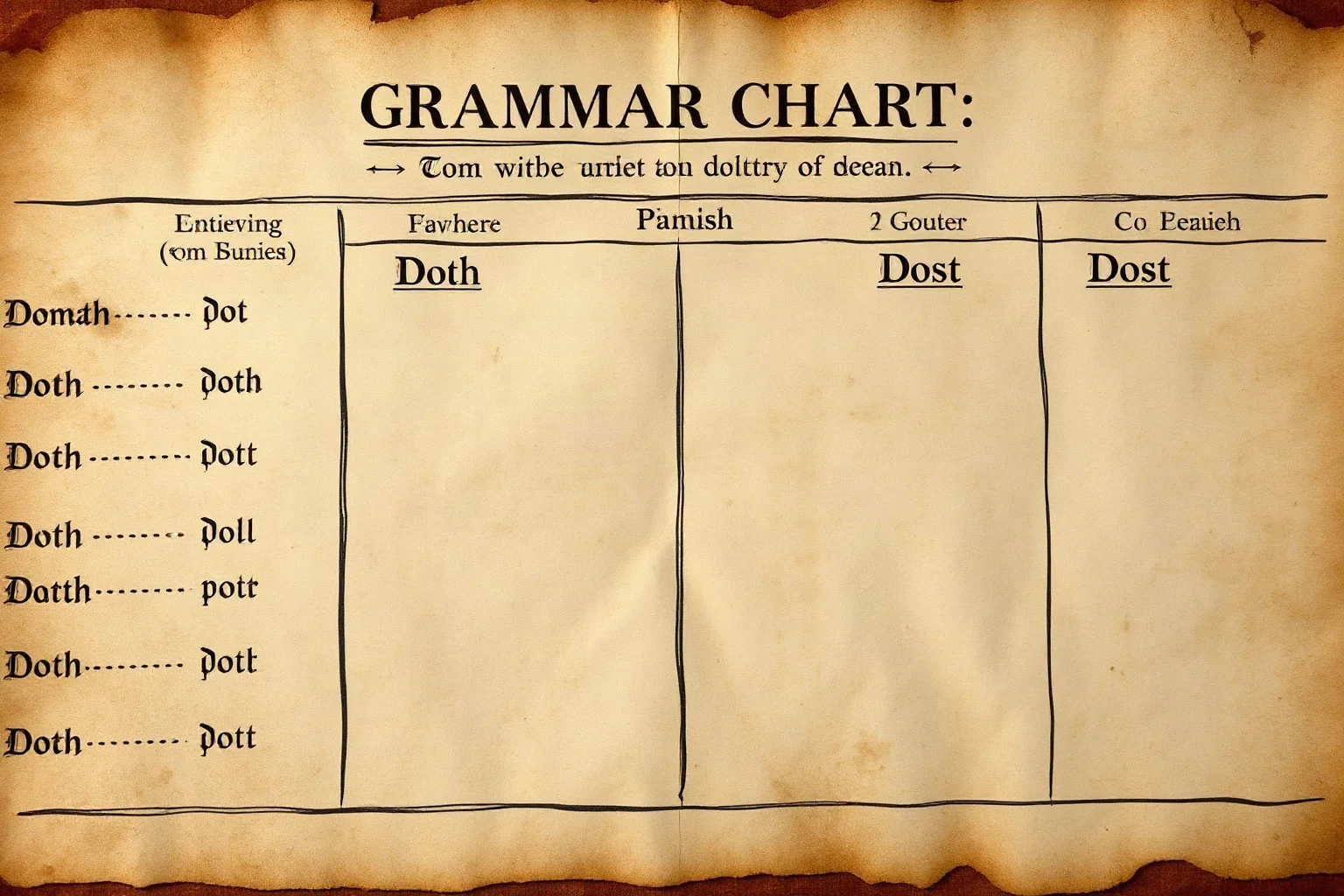
Simply older conjugations of “does” — “doth” pairs with he/she/it, “dost” pairs with thou. “The lady doth protest too much” from Hamlet just means “the lady protests too much,” and it’s one of the most quoted (and most misquoted) lines in the language.
8. Hark
An old command meaning “listen” or “pay attention.” It survives today mostly in the Christmas carol “Hark! The Herald Angels Sing,” but Shakespeare uses it constantly as a way to snap a character’s — and the audience’s — attention toward something important.
9. Alack
An exclamation of grief, regret, or dismay, roughly equivalent to “oh no” or “alas.” The Nurse’s cry of “Alack the day!” in Romeo and Juliet is a classic example of shakespearean diction doing emotional heavy lifting in just two words.
10. Fie
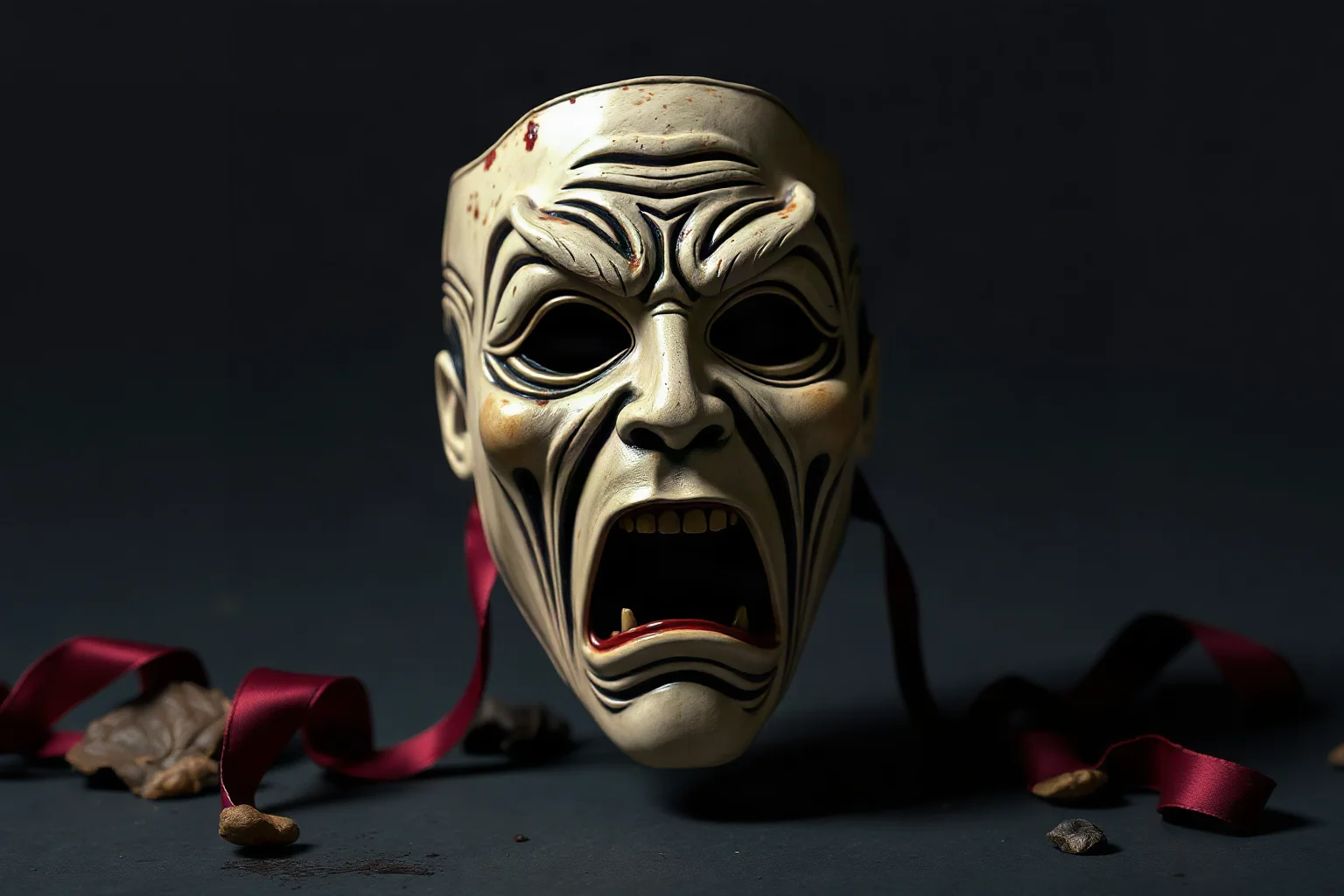
A short interjection expressing disgust or reproach, similar to “shame” or “ugh.” It’s often doubled for effect, as in King Lear’s “Fie, fie, fie! Pah, pah!” — a rare moment of pure verbal disgust from a Shakespeare tragic hero.
11. Betwixt

An older form of “between,” used exactly the same way. It survives today in the fossilized phrase “betwixt and between,” which still means “in an undecided middle position.”
12. Marry
Not the verb — this Marry is an interjection, originally short for “by the Virgin Mary,” used the way we might say “well” or “indeed” to start a sentence. It’s extremely common across the plays and has nothing to do with weddings.
13. Zounds
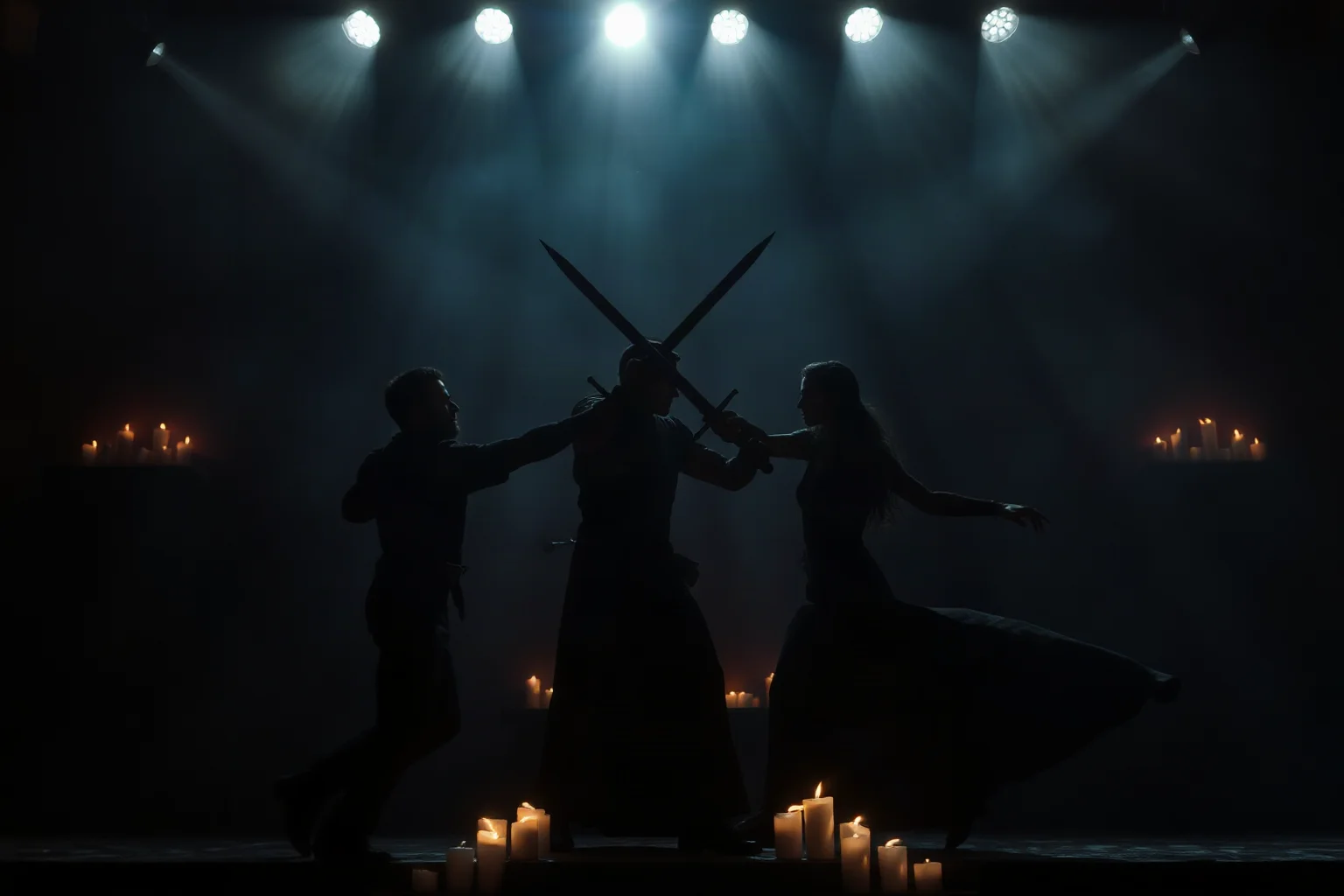
A mild oath, originally shortened from “by God’s wounds” (a reference to the wounds of Christ). It functions like a modern exclamation of shock or frustration, closer to “darn it” or a stronger curse depending on context.
14. Goatish

This is a great example of a Shakespeare adjective that needs real translation. In King Lear, Edmund complains about people blaming the stars for “an admirable evasion of whoremaster man, to lay his goatish disposition to the charge of a star,” meaning his own lustful, promiscuous nature. So what does goatish mean in Shakespearean language? Simply “lecherous” or “lustful,” comparing human behavior to a goat’s reputation for promiscuity.
15. Toad-Spotted

Another King Lear term with a very specific meaning. Albany calls Edmund a “toad-spotted traitor” in Act 5, and the toad spotted Shakespeare definition here draws on the old folk belief that toads were poisonous or diseased-looking creatures — so “toad-spotted” means marked or stained with treachery, much like a toad’s blotchy skin was seen as a sign of corruption.
16. Bodkin

A small dagger or sharp pin. It appears in Hamlet’s most famous soliloquy, where he wonders why anyone would keep enduring life’s pain “when he himself might his quietus make with a bare bodkin” — that is, end things with a simple blade, a moment as fixated on mortality as any tale about the history of the Grim Reaper himself.
17. Coxcomb
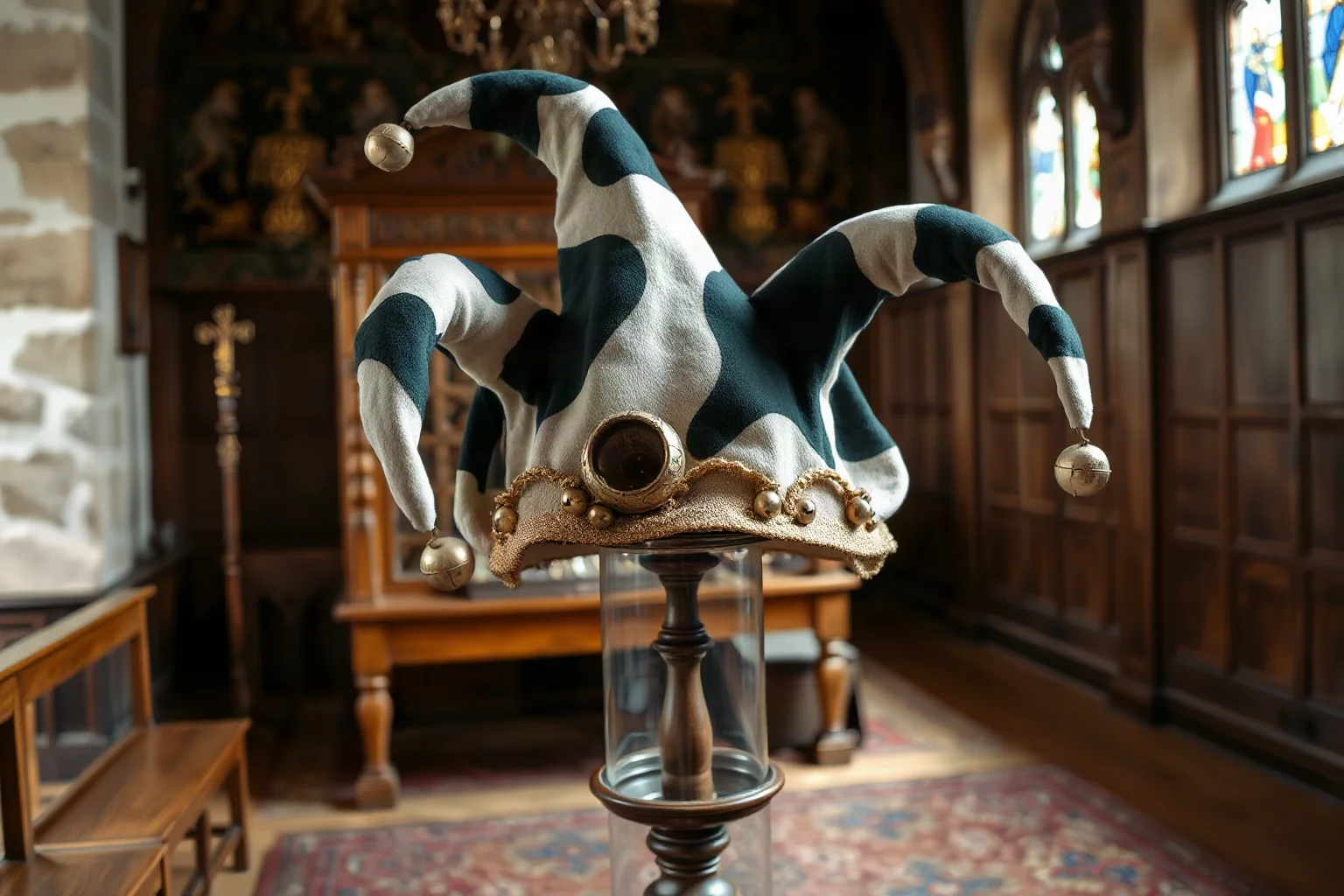
Originally the name for a jester’s cap, styled to look like a rooster’s comb, “coxcomb” became a general term for a vain, foolish person. In King Lear, the Fool literally offers Lear his own coxcomb, essentially telling the king he’s being foolish enough to earn the jester’s hat himself.
18. Knave

A common insult meaning a dishonest, unprincipled man — roughly our modern “scoundrel” or “rogue.” It started out neutrally as a word for a male servant before drifting into an insult, a shift typical of many Shakespearean terms.
19. Varlet
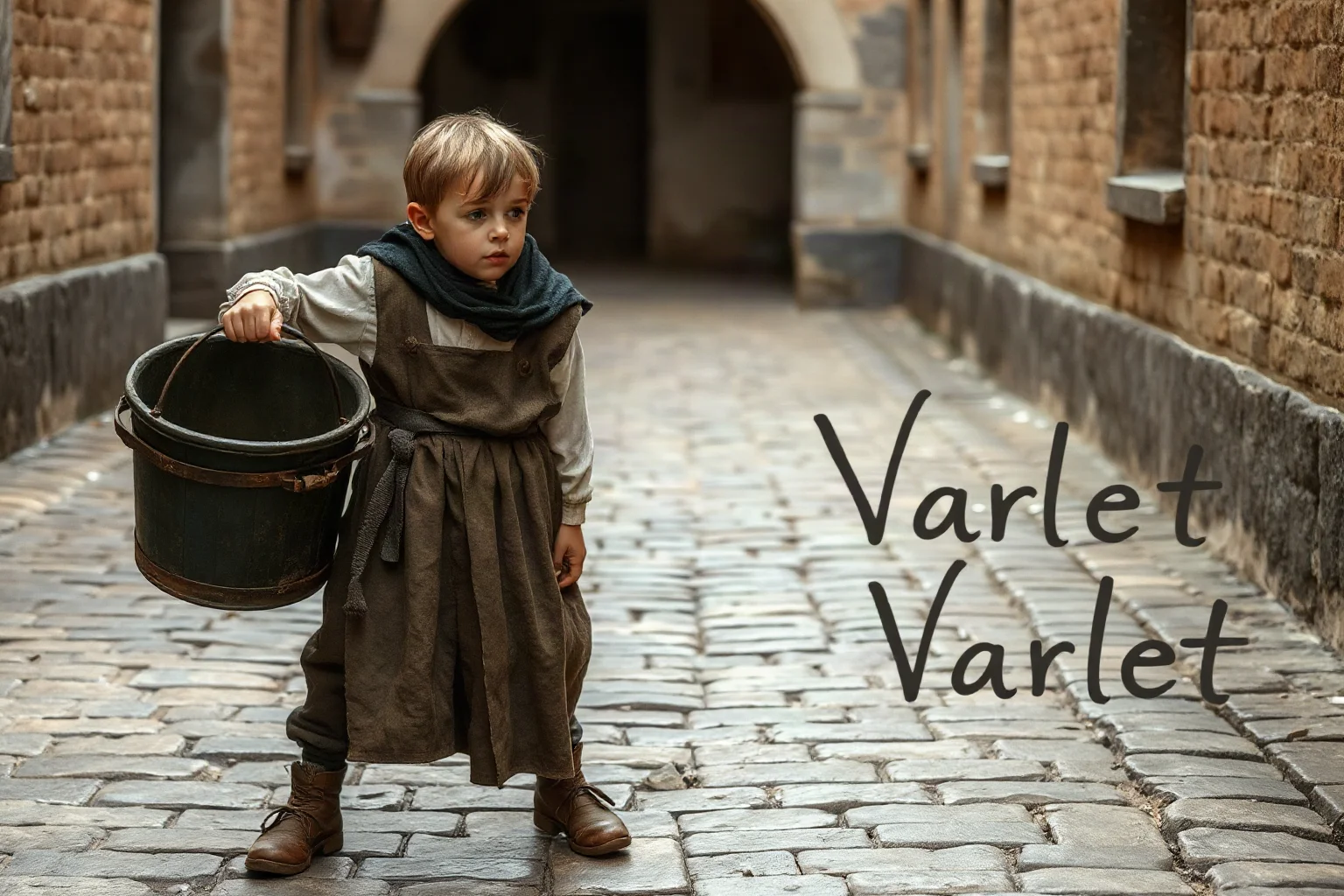
Similar to knave, a varlet was originally a knight’s attendant before the word soured into meaning a rascal or worthless person. You’ll see it thrown around as an insult in the history plays and comedies alike.
20. Sirrah
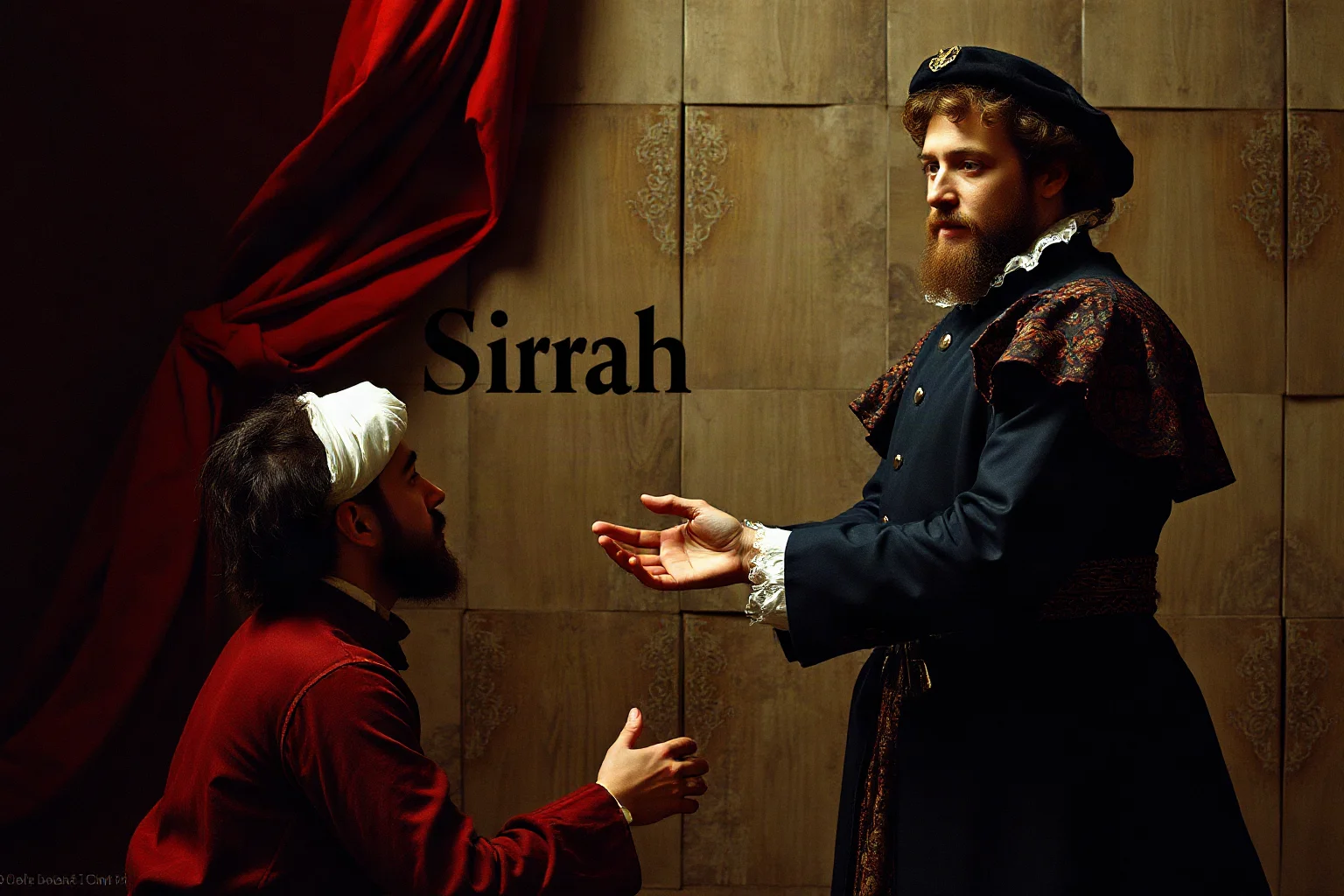
A form of address used toward a male social inferior, servant, or child — never used for someone of higher or equal rank. It’s a useful shorthand for status in the plays: who calls whom “sirrah” tells you a lot about the power dynamics in a scene.
21. Yare

Meaning “ready,” “quick,” or “nimble,” this term shows up in The Tempest and Antony and Cleopatra, often shouted by sailors or servants under pressure. “Yare, yare, good Iras” is Cleopatra hurrying her attendant along in a tense moment.
22. Wench

Originally a fairly neutral word for a young woman or girl, sometimes specifically a servant girl, without the negative connotation it can carry today. Context matters a lot with this one — it could be affectionate, dismissive, or flirtatious depending on the scene.
23. Bedazzled

Here’s where the list shifts toward words Shakespeare is credited with introducing that we still use today. “Bedazzled” appears in The Taming of the Shrew, when Katherina says her eyes have been “so bedazzled by the sun” that she can’t tell day from night — the same sense of being dazzled or overwhelmed we use now.
24. Swagger

Shakespeare gets credit for some of the earliest recorded uses of “swagger,” describing a strutting, overconfident walk or manner. It appears in A Midsummer Night’s Dream and Henry IV, and the word has barely changed meaning in four centuries.
25. Lackluster
From As You Like It, describing Jaques’ account of meeting a melancholy fool with a “lack-lustre eye.” It’s a compound Shakespeare seems to have built from “lack” and “luster” (shine), and it’s now a completely standard English adjective for anything dull or unimpressive.
26. Fashionable
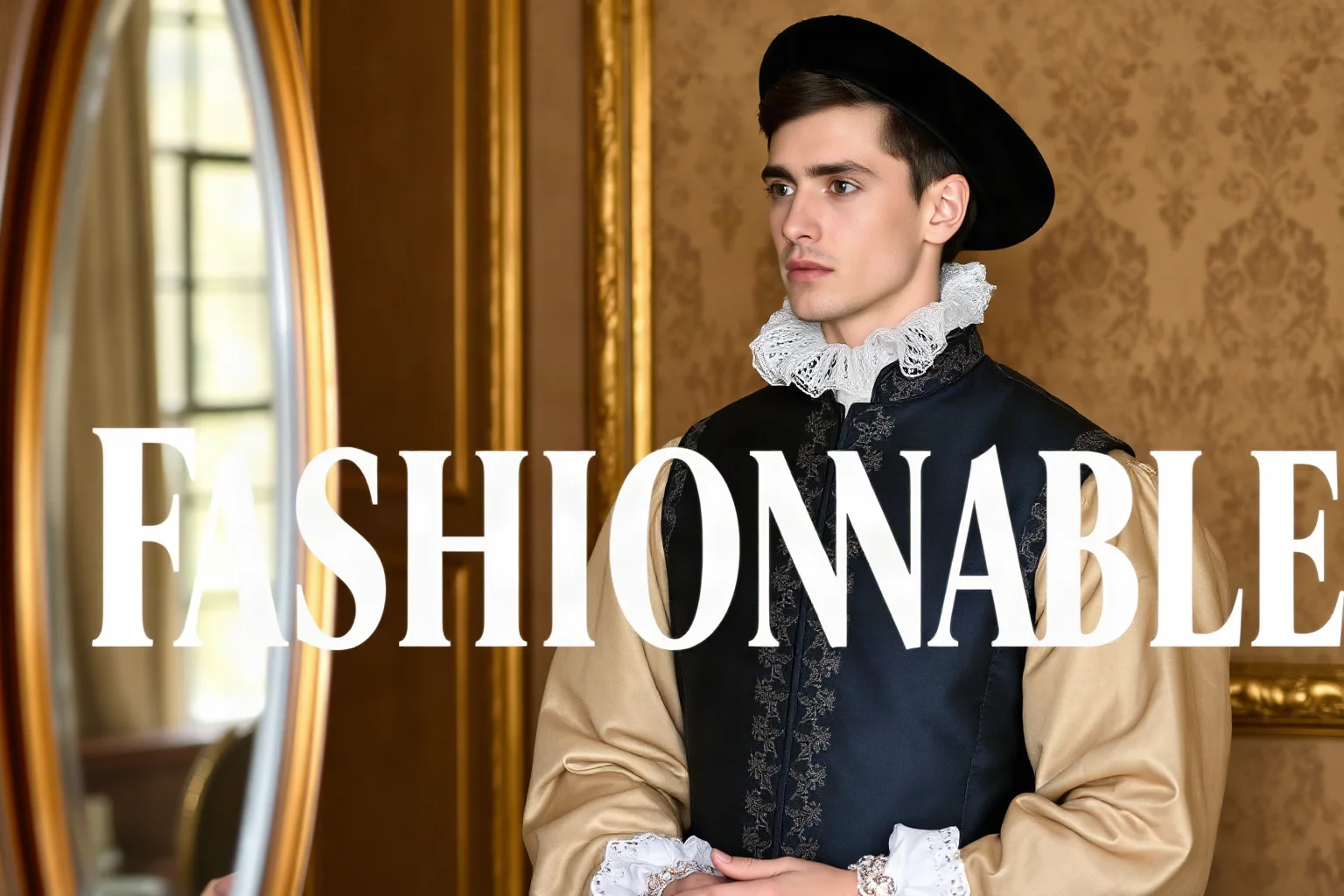
Coined or at least first recorded in Troilus and Cressida, where time is described as “like a fashionable host” who greets the departing guest coldly. It’s a good example of how ordinary and invisible a Shakespearean coinage can become once it’s fully absorbed into everyday English.
27. Eventful

This word closes out Jaques’ famous “Seven Ages of Man” speech in As You Like It, describing old age as the final scene that “ends this strange eventful history.” It’s a small but telling example of Shakespeare compressing a whole idea into one new adjective.
28. Cold-Blooded
Used in King John as an insult — “thou cold-blooded slave” — describing someone as unfeeling or lacking normal human warmth. The literal, biological sense (reptiles, for instance) came later; Shakespeare’s use is the emotional, metaphorical one we still use for a callous person or a calculated crime.
29. Addiction
A good reminder that Shakespearean word meanings can shift dramatically over time. In Othello, “addiction” refers to a general inclination or leaning toward something pleasurable, not a compulsive, harmful dependency the way we use the word today. Context and historical distance both matter when translating Shakespeare’s vocabulary.
30. Assassination
Macbeth’s tortured soliloquy before killing Duncan gives us one of the darkest and most enduring words on this list: “if th’ assassination could trammel up the consequence.” This is widely cited as the first recorded use of “assassination” in English, coined for a play that is, fittingly, entirely about the consequences of political murder.
How to Read Shakespeare Without a Dictionary in Your Lap
Once you’ve absorbed a core Shakespeare vocabulary like the list above, a few reading habits make everything easier. First, read for the sentence’s overall shape and emotional beat before worrying about every individual word — you can usually tell if a line is angry, tender, or joking even before you’ve translated every term.
Second, say difficult lines out loud whenever you can. Shakespeare wrote for the stage and the ear, not the silent page, and rhythm often clarifies meaning that gets lost when you’re just scanning text.
Third, keep a running shakespearean language dictionary or glossary nearby, whether it’s a printed edition with footnotes or a trusted site you check as you go. Most annotated editions translate the trickiest early modern English words and Elizabethan slang directly in the margin, which is far faster than stopping to look up every unfamiliar term from scratch.
Finally, remember that Elizabethan audiences themselves included plenty of people who weren’t especially literate. Shakespeare wrote popular entertainment for a mixed crowd, packed with jokes, insults, and wordplay meant to land in the moment — not a puzzle meant to be solved with a scholarly apparatus.
Why Shakespeare’s Vocabulary Still Matters
Shakespeare’s plays are, among many other things, a snapshot of Early Modern English caught in the middle of enormous change. Words were flooding in from Latin, French, and the emerging worlds of trade and science, spelling wasn’t standardized yet, and playwrights had unusual freedom to bend grammar for effect.
That linguistic chaos is exactly why his work still rewards close attention today. Learning a few dozen recurring Shakespearean words and phrases doesn’t just help you get through Hamlet for a class assignment — it opens a genuine window into how English itself was still being shaped, argued over, and invented in real time.
The words and phrases collected here are a starting point, not the whole map. But armed with this shakespeare words list and meanings guide, you should be able to walk into almost any scene from the canon and follow what’s actually being said — without losing the wit, the insults, or the poetry along the way.
Frequently Asked Questions
Is there a list of words created by Shakespeare?
Yes — commonly cited examples include "bedazzled," "swagger," "lackluster," "fashionable," "eventful," "cold-blooded," and "assassination," all first recorded in his plays. However, historians note that "first recorded use" in the Oxford English Dictionary isn't the same as proof Shakespeare personally invented every word; some may have already existed in spoken Elizabethan English before he wrote them down.
What does ‘anon’ mean in Shakespearean language?
"Anon" means "soon" or "right away." It was a common quick reply in Shakespeare's plays, often used by servants responding to a call, similar to saying "coming!" today.
What does goatish mean in Shakespearean language?
"Goatish" means lustful or lecherous, comparing a person's behavior to a goat's reputation for promiscuity. It appears in King Lear, when Edmund mocks people who blame their bad behavior on the stars rather than their own "goatish disposition."
What is the toad-spotted Shakespeare definition?
"Toad-spotted" means marked or stained by treachery. Albany uses it in King Lear to call Edmund a "toad-spotted traitor," drawing on old folk beliefs that toads' blotchy skin signaled poison or corruption.
Is Shakespearean English the same as Old English?
No, this is a common mix-up. Old English is the language of Beowulf (roughly 450–1150 AD) and is unreadable without specialist training. Shakespeare wrote in Early Modern English, the same broad stage of the language spoken today, which is why his plays are challenging but not truly foreign.
What are some common Shakespearean words still used today?
Many everyday words trace back to his plays, including "swagger," "lackluster," "fashionable," "eventful," "bedazzled," "cold-blooded," and "assassination." Other Elizabethan-era terms like "betwixt," "forsooth," and "wherefore" have mostly fallen out of everyday use but still appear in literature and pop culture.
Where can I find a good Shakespeare dictionary for translating his words?
Annotated editions of the plays (such as Arden, Folger, or No Fear Shakespeare) include line-by-line glossaries that translate difficult early modern English vocabulary as you read. Many reputable literature and education websites also offer searchable Shakespearean glossaries for quick lookups.

Alex Warren
Related Articles