

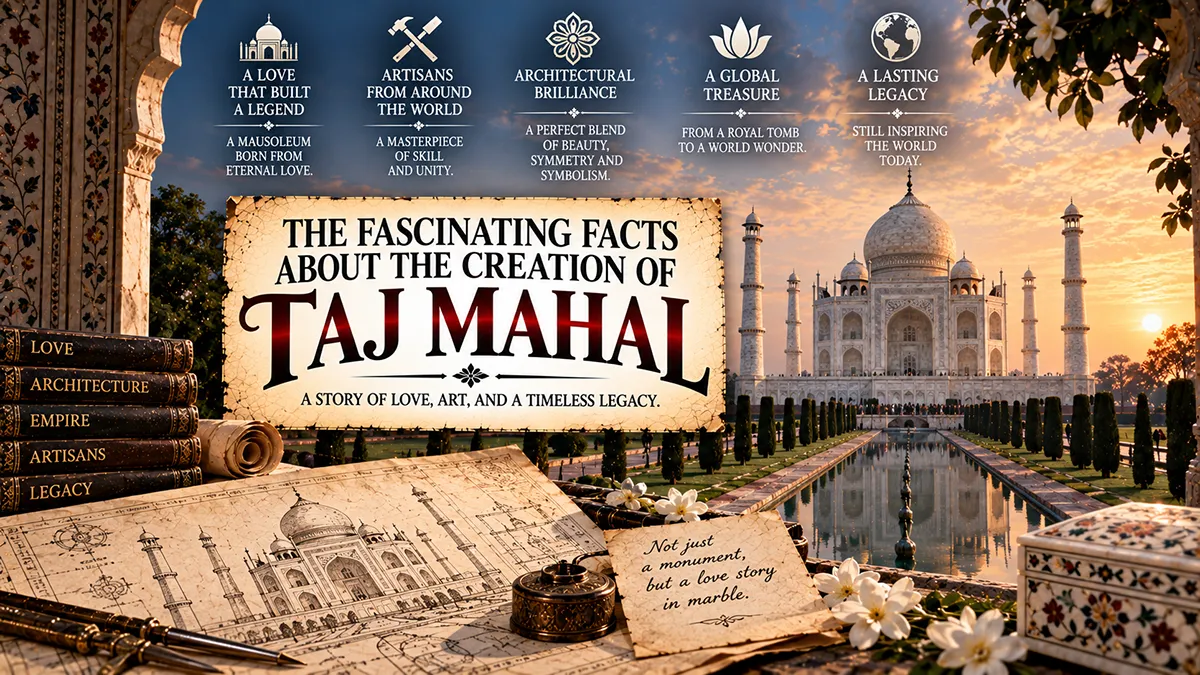
The Taj Mahal is one of the most photographed buildings on the planet, yet most people only know the postcard version of its story. Ask around and you’ll hear the same handful of claims repeated as gospel — some true, some exaggerated, and a few that historians have never been able to verify at all.
This guide pulls together a genuine fact file on the Taj Mahal, separating well-documented history from popular legend, much like sorting fact from folklore in the true history of the Paris Catacombs. Whether you’re after a quick set of 5 facts about the Taj Mahal for a school project or a deep dive into how this monument was actually created, you’ll find it below.
TL;DR: The Taj Mahal took roughly 22 years and tens of thousands of workers to build as a marble tomb for a Mughal empress, and while its beauty is very real, several popular legends about its creation don’t survive contact with the historical record.
Taj Mahal Fact File: The Basics
Before diving into the full list, here’s a quick-reference fact file on the Taj Mahal for anyone who just needs the essentials. These are the core facts about India’s Taj Mahal that come up in almost every conversation about the monument.
- Location: Agra, Uttar Pradesh, India, on the southern bank of the Yamuna River
- Built by: Mughal Emperor Shah Jahan
- Built for: His wife, Mumtaz Mahal
- Construction period: Roughly 1632 to 1653
- Age today: Over 370 years old
- Material: White Makrana marble, inlaid with semi-precious stones
- Status: UNESCO World Heritage Site (1983) and a New7Wonders of the World finalist
With the basics out of the way, let’s get into the interesting facts about the Taj Mahal that explain how — and why — it was actually built.
1. It Was Built as a Tomb, Not a Palace
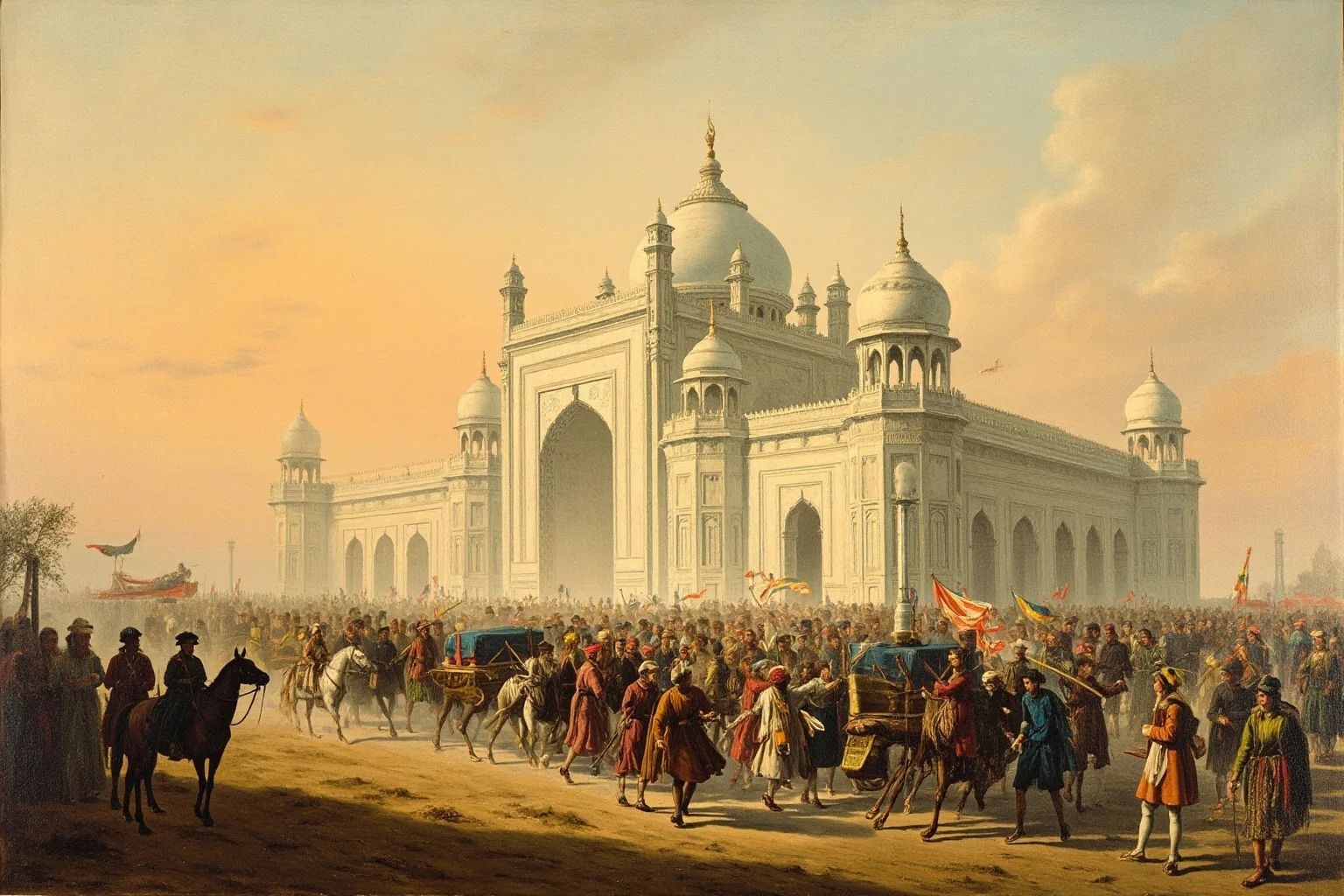
One of the most surprising facts about the Taj Mahal is that it isn’t a palace at all. It’s a mausoleum, built to house the remains of Mumtaz Mahal, the third and favorite wife of Emperor Shah Jahan.
Mumtaz died in 1631, reportedly during childbirth, while accompanying her husband on a military campaign. Grief-stricken, Shah Jahan commissioned the monument shortly after her death, and her remains were eventually interred at the site.
2. How Old Is the Taj Mahal Building, Exactly?
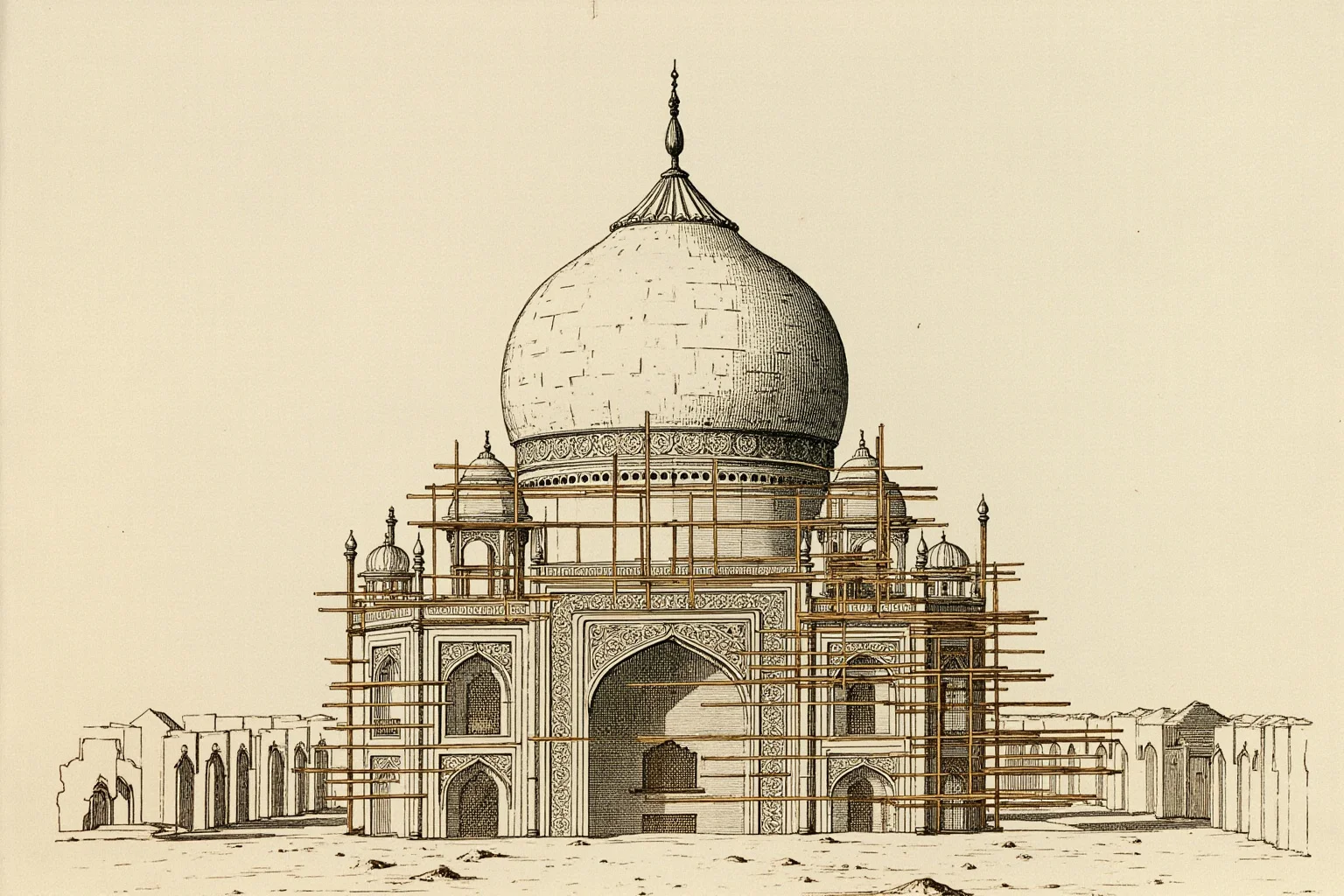
Construction on the main mausoleum began around 1632 and the central structure was largely finished by about 1643. The surrounding complex — gardens, gateway, mosque, and outbuildings — took another decade, with most historians dating full completion to around 1653.
That makes the Taj Mahal roughly 370 to 390 years old, depending on which completion milestone you count from — still relatively young next to some of the oldest buildings in the world. It’s a common point of confusion, which is why “how old is the Taj Mahal building” is one of the most searched questions about the monument.
3. Shah Jahan Personally Oversaw the Project
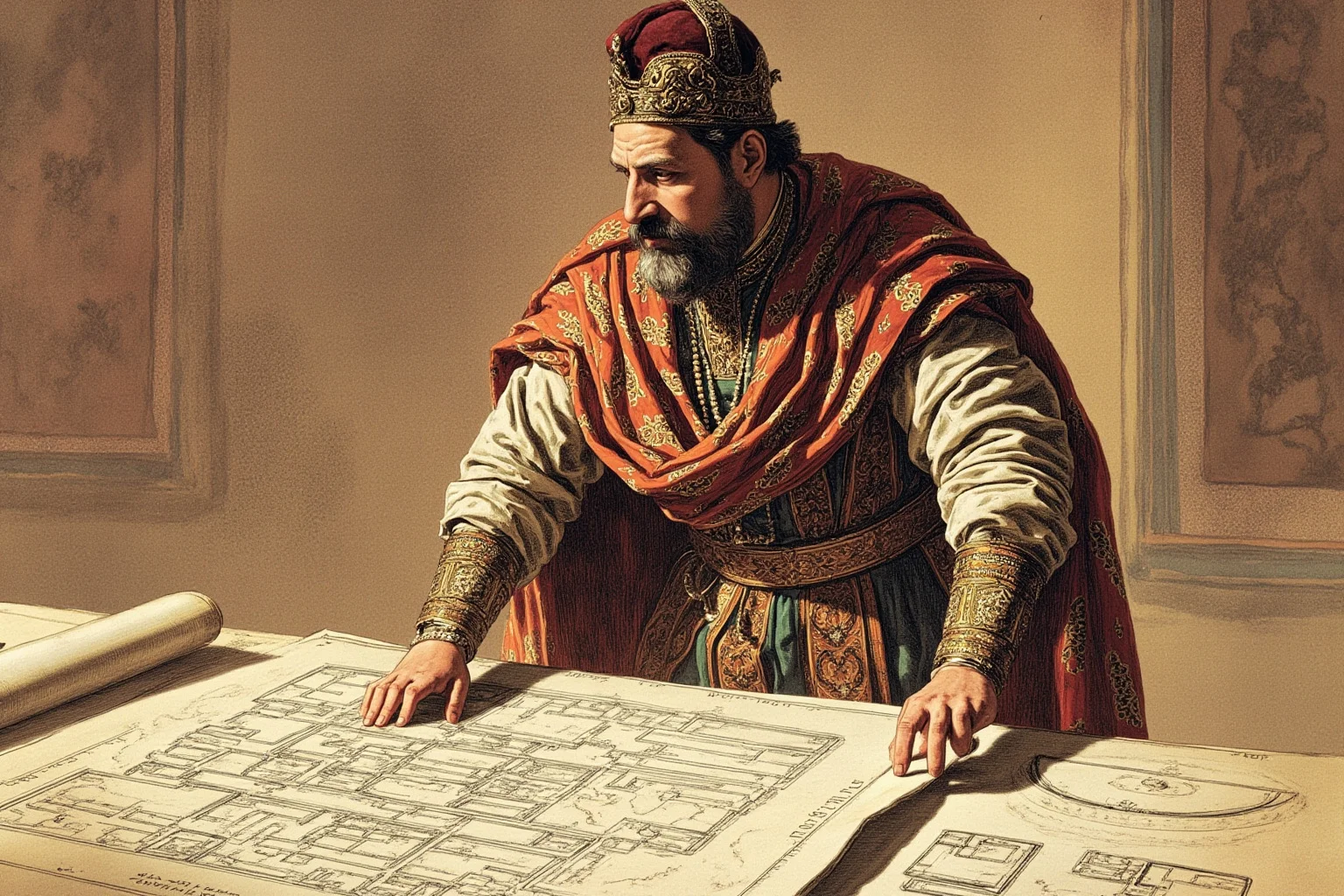
Shah Jahan wasn’t a distant patron who simply signed off on drawings. Mughal court chronicles describe him as closely involved in decisions about design, materials, and the overall vision for the memorial.
He reigned from 1628 to 1658 and was known for an ambitious building program across the Mughal Empire, one of the greatest empires in history, including the Red Fort in Delhi. The Taj Mahal, though, remained his most personal project.
4. The Chief Architect Was Likely Ustad Ahmad Lahauri
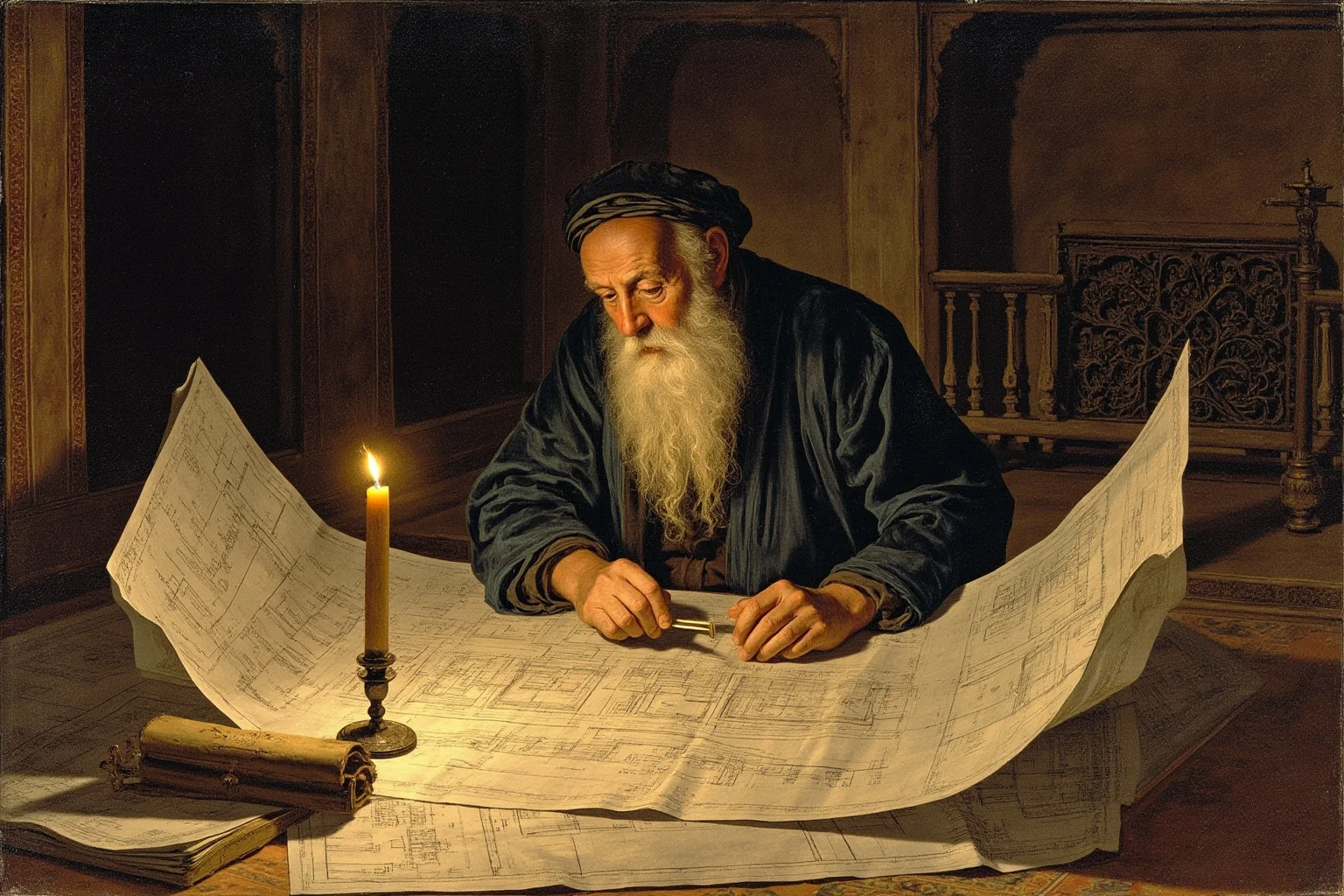
Historians generally credit Ustad Ahmad Lahauri, a Mughal court architect, as the lead designer of the Taj Mahal. He’s also linked to work on the Red Fort in Delhi.
Mughal records from the period don’t always name architects with modern-style credit, so some details of his exact role are pieced together from later sources. Even so, he remains the figure most consistently associated with the monument’s design.
5. It Took an Estimated 20,000 Workers to Build
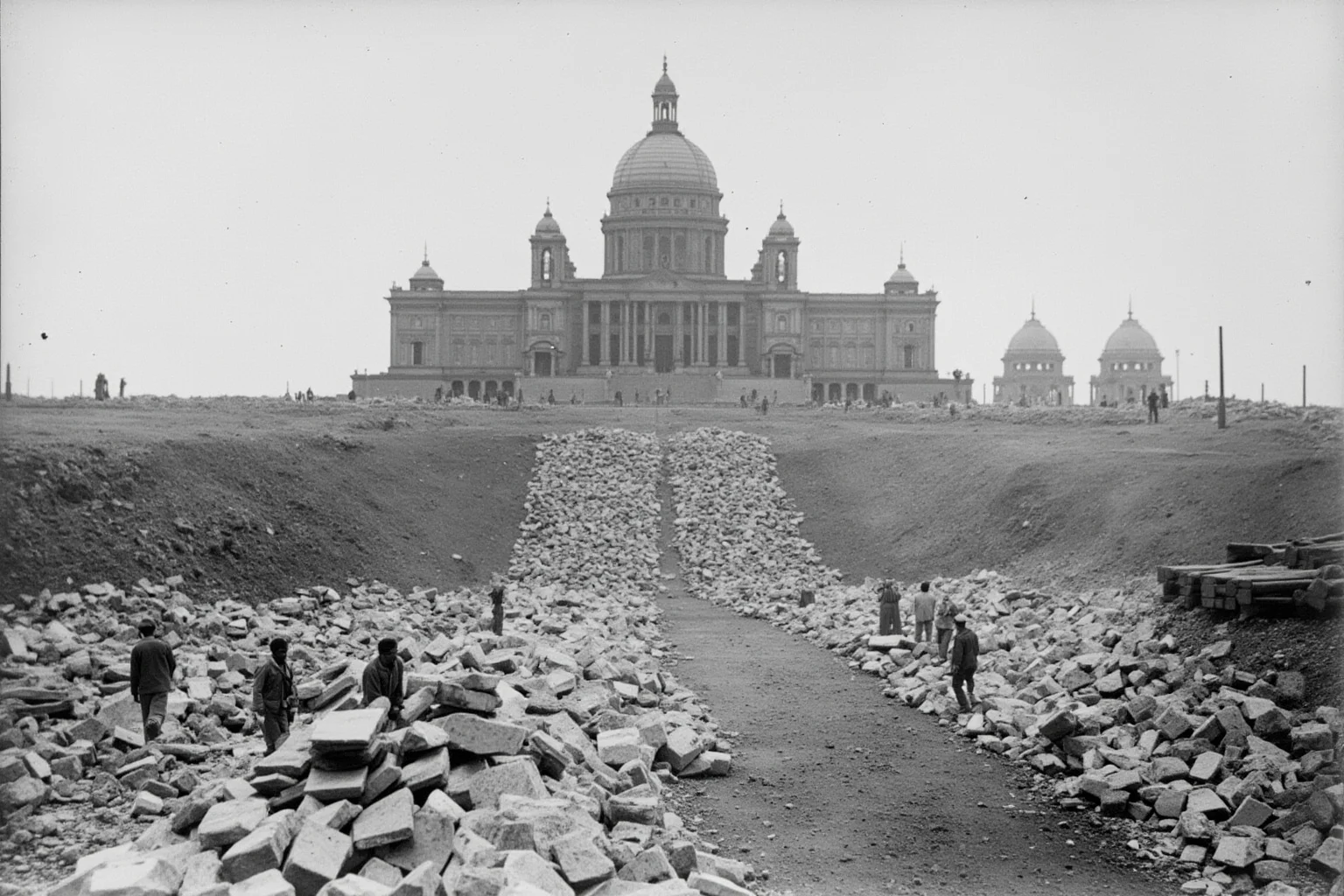
Building the Taj Mahal was a massive logistical undertaking. Historical estimates suggest around 20,000 workers were involved over the construction period, including stonecutters, masons, inlayers, calligraphers, and laborers.
An entire settlement, sometimes referred to as Mumtazabad, was reportedly built nearby to house the workforce. This wasn’t just a construction site — it was effectively a temporary city built to support one project.
6. Artisans Were Brought In From Across Asia and Beyond
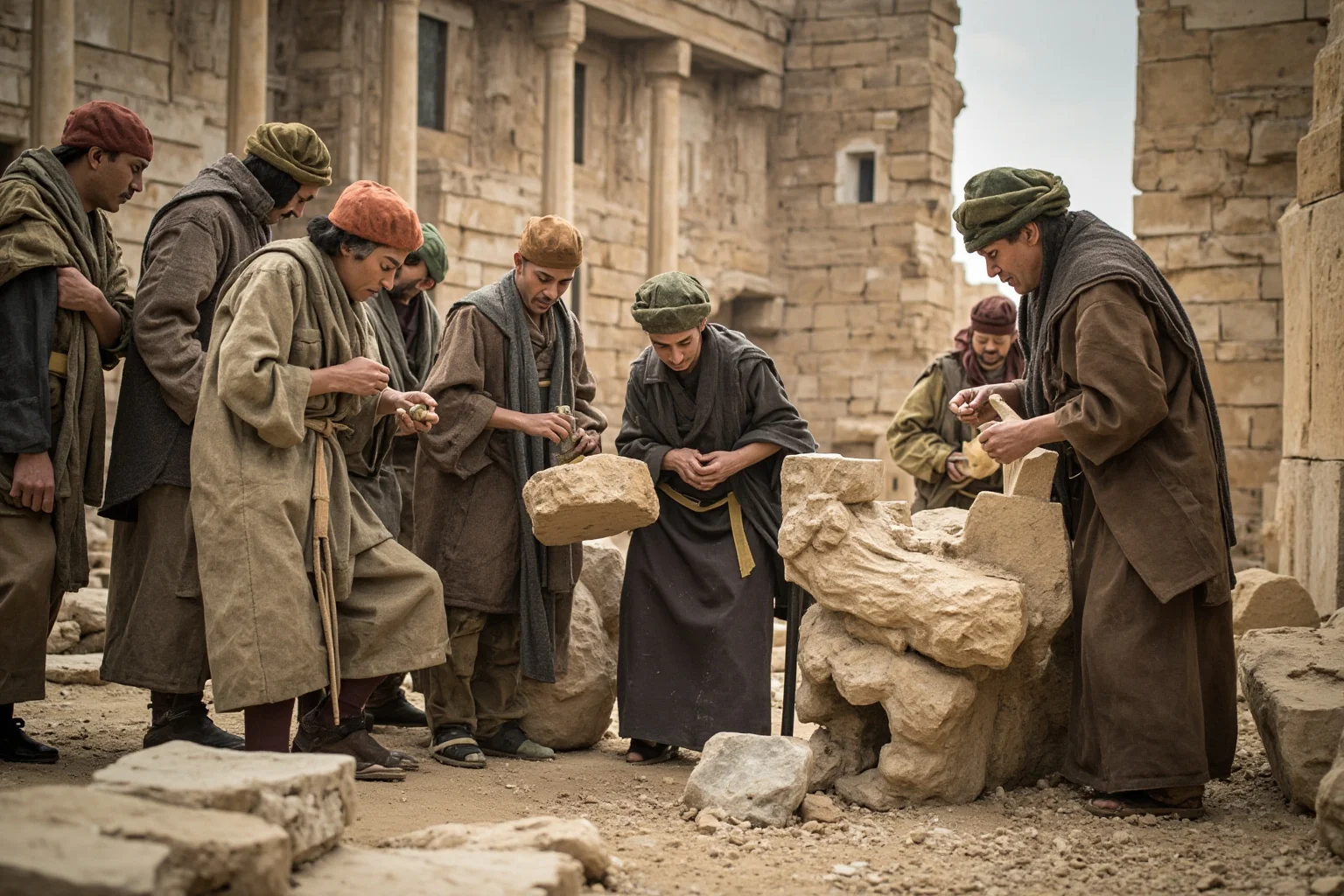
Shah Jahan’s empire had extensive trade and diplomatic links, and the Taj Mahal’s workforce reflected that reach. Craftsmen are believed to have come from Persia, Central Asia, and the Ottoman Empire, alongside skilled Indian artisans.
This mix of traditions is one reason the Taj Mahal blends Persian, Islamic, and Indian architectural styles so seamlessly. It’s a genuinely international monument, even though it stands on Indian soil and was built under Indian imperial patronage.
7. The Materials Traveled Enormous Distances
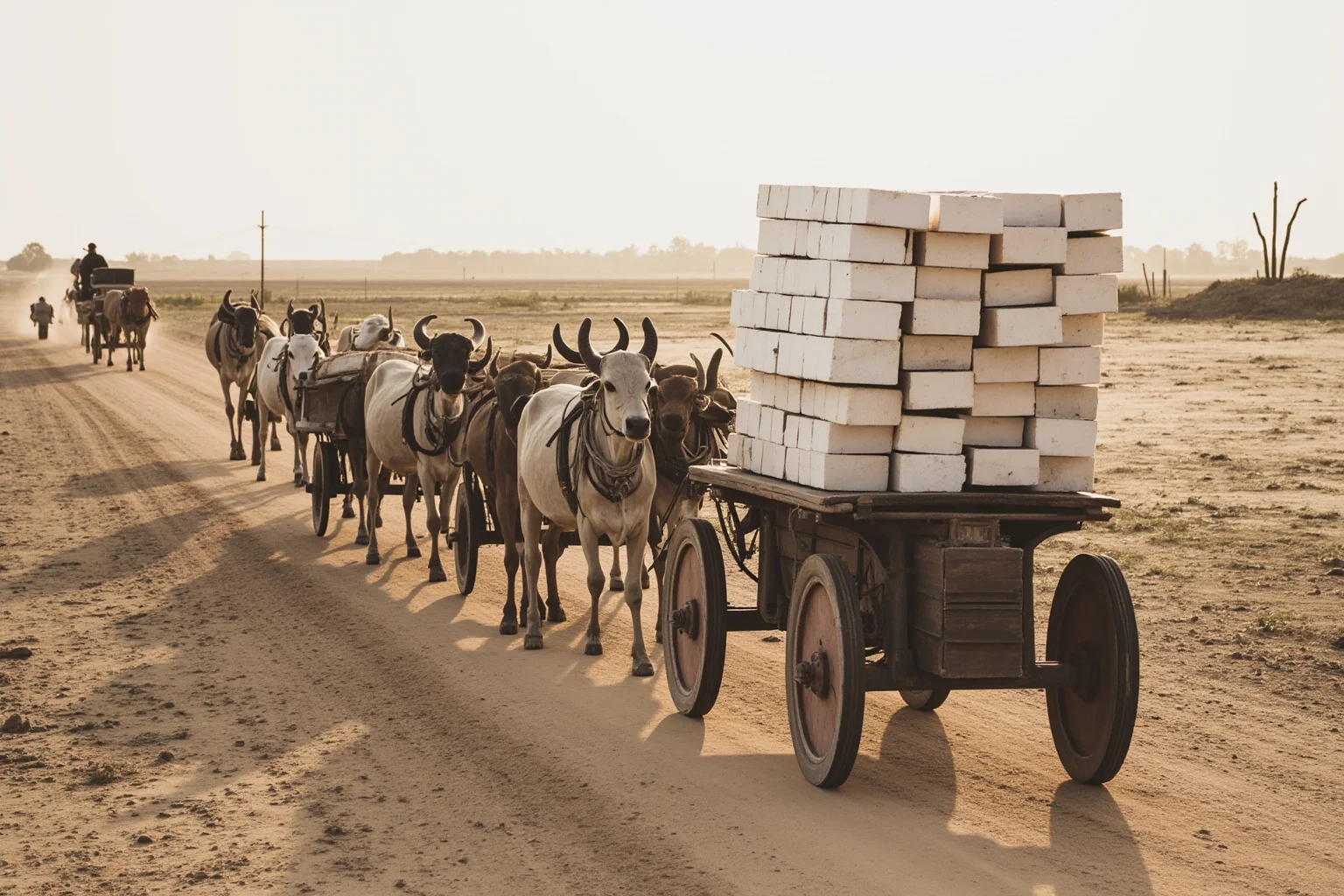
According to widely cited historical accounts, the white marble came from Makrana in Rajasthan, roughly 250 miles from Agra. Semi-precious stones used in the decorative inlay work were sourced from even farther afield.
Jasper reportedly came from Punjab, jade and crystal from China, turquoise from Tibet, lapis lazuli from Afghanistan, and sapphire from Sri Lanka. Moving this much stone across such distances, using 17th-century transport, was itself a remarkable feat of planning.
8. It’s Built Almost Entirely From White Marble
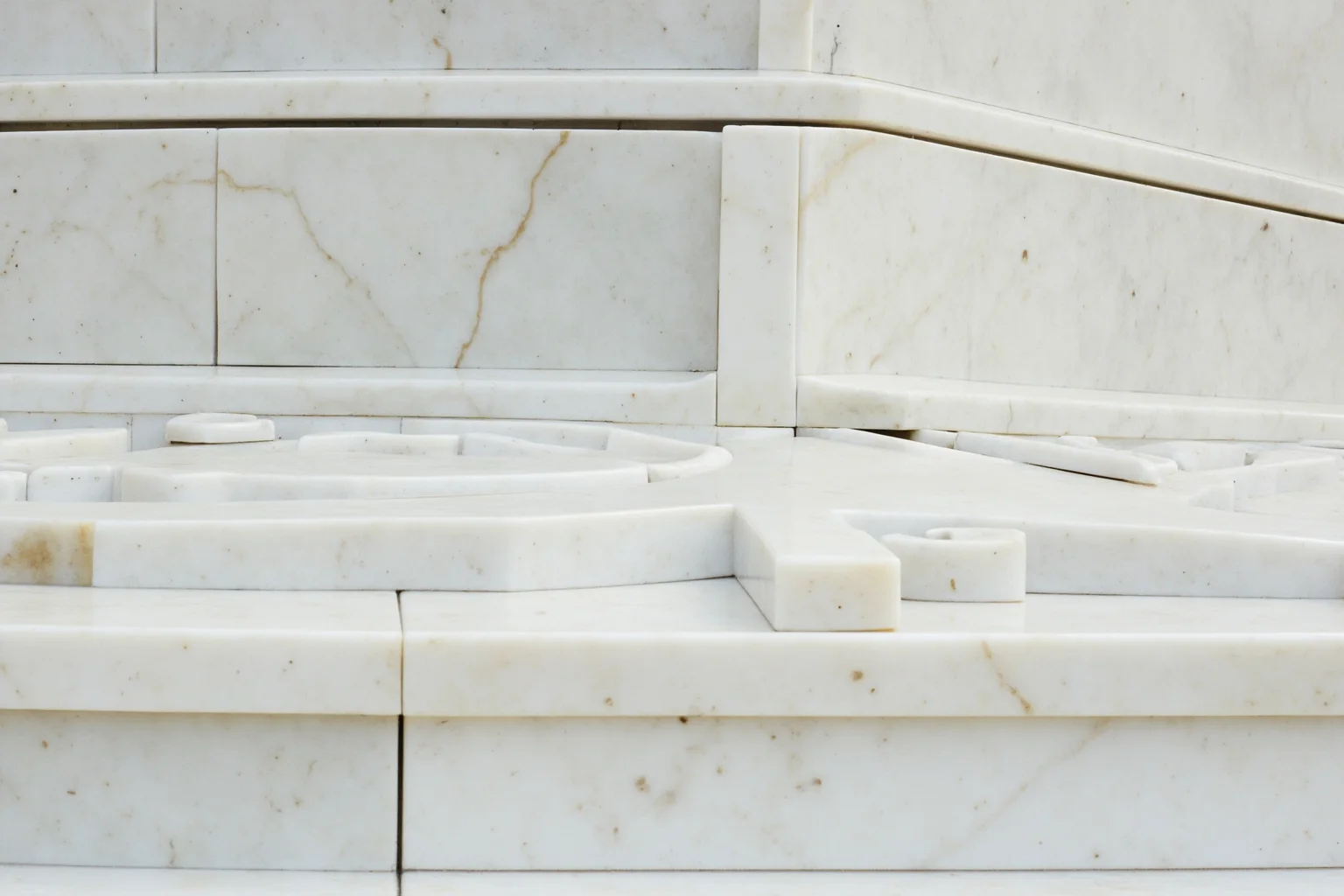
The Taj Mahal’s signature look comes from its extensive use of white marble, quarried primarily in Makrana. Beneath that marble facing, though, the core structure is largely made of brick.
This was a standard Mughal construction technique: build a strong brick core, then face it with finely finished marble or sandstone. It kept the building structurally sound while still achieving that luminous white exterior.
9. The Marble Actually Changes Color During the Day
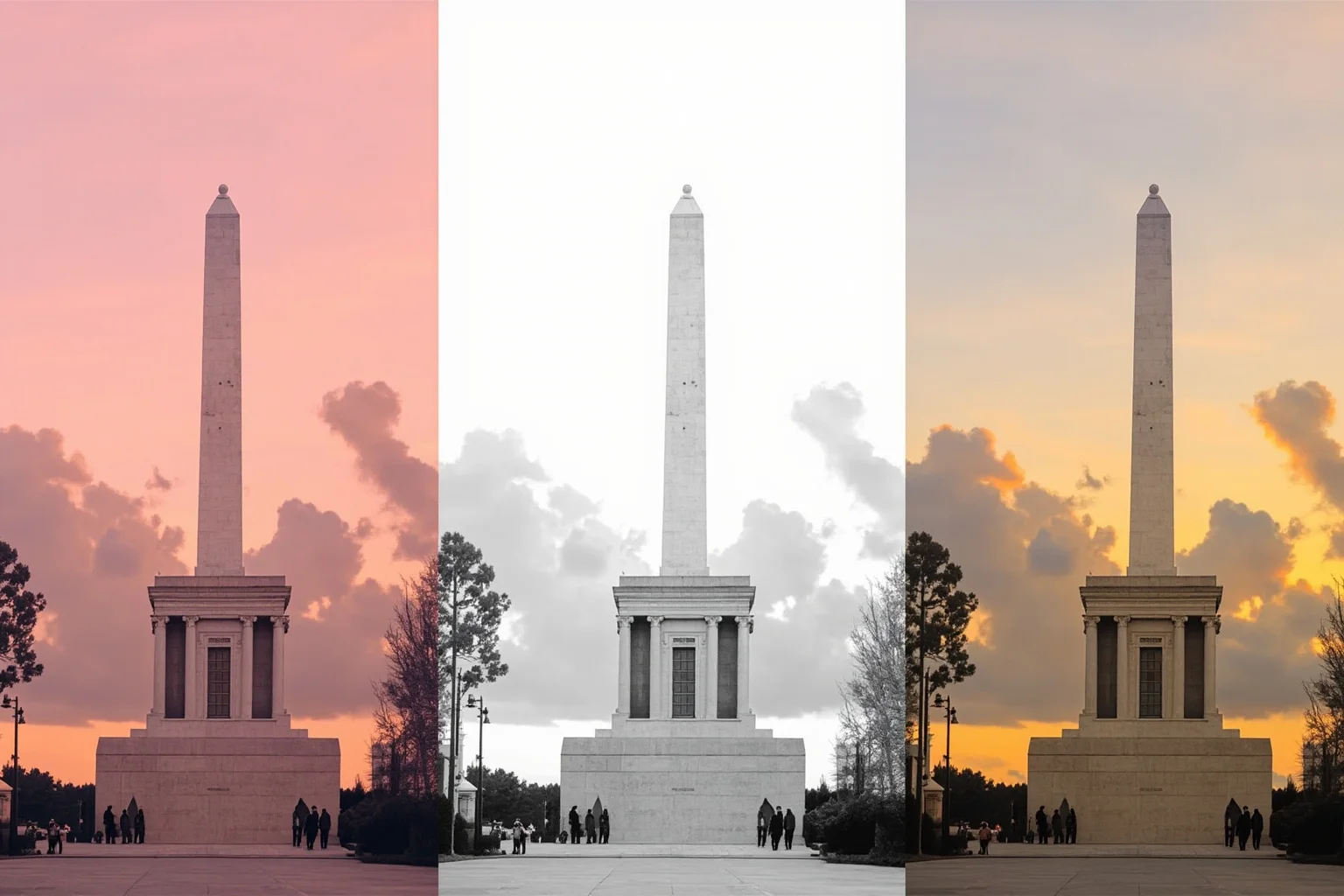
One of the more delightful amazing facts about the Taj Mahal is that its color genuinely shifts depending on the light. It can appear pinkish in the early morning, dazzling white at midday, and golden or amber-toned at sunset.
Under moonlight, it takes on a soft, almost silvery glow. This isn’t a myth or marketing exaggeration — it’s a documented optical effect caused by the marble’s translucency interacting with changing natural light.
10. The Inlay Work Uses a Technique Called Pietra Dura
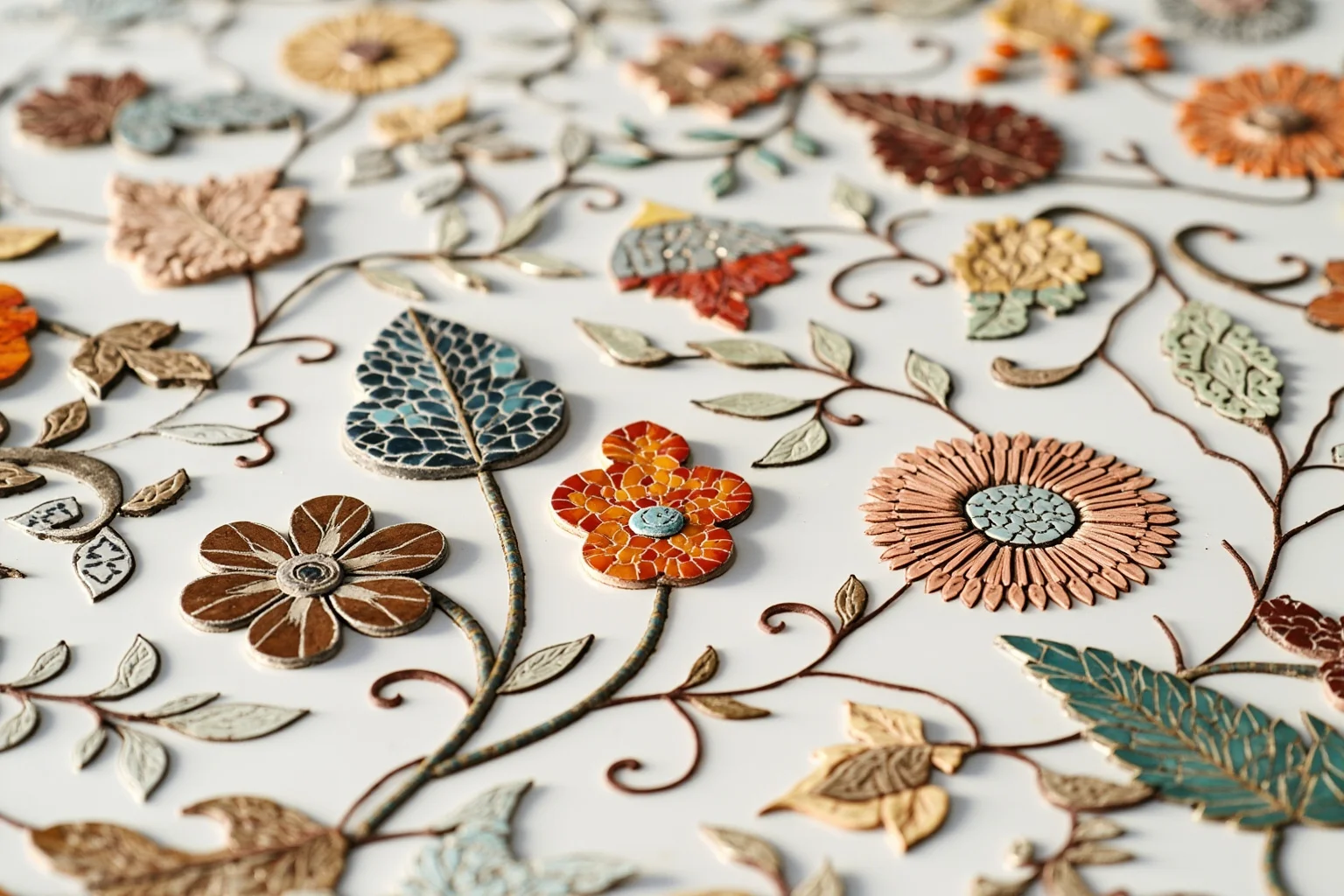
The intricate floral and geometric patterns decorating the Taj Mahal’s surfaces were created using pietra dura, a technique of inlaying cut and polished colored stones into marble to form detailed images. It’s an incredibly labor-intensive process requiring precise stone-cutting.
This decorative style has roots in Italian craftsmanship but was adapted and perfected by Mughal artisans for use across the empire’s monuments. The Taj Mahal is considered one of its finest surviving examples anywhere in the world.
11. The Four Minarets Lean Slightly Outward on Purpose
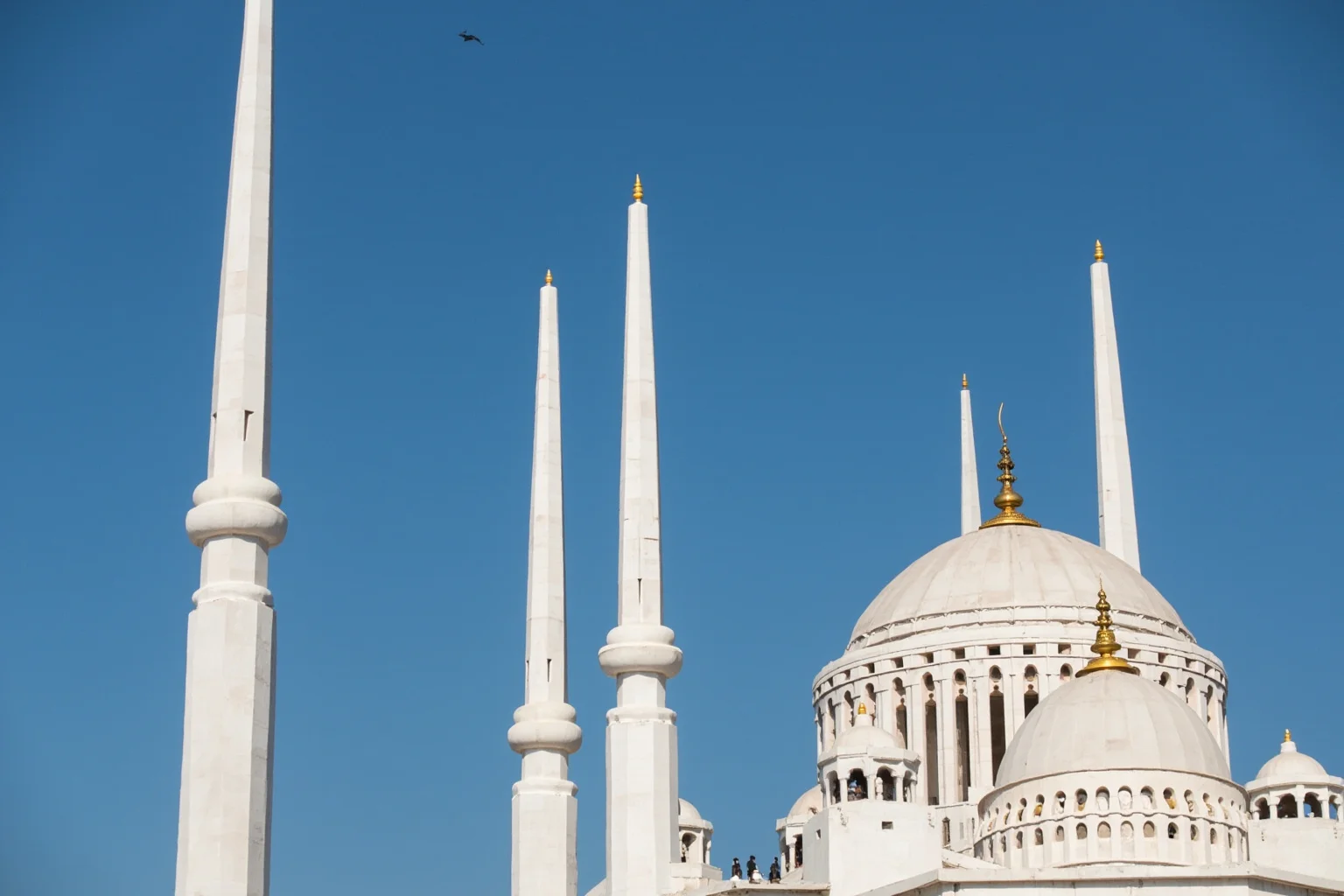
Look closely at photos of the Taj Mahal and you’ll notice the four corner minarets aren’t perfectly vertical. They lean very slightly outward, away from the central dome.
This was a deliberate architectural choice, not a construction flaw. It was likely designed so that, in the event of an earthquake or structural failure, the minarets would fall away from the main tomb rather than crashing down onto it.
12. Its Symmetry Has One Deliberate Exception
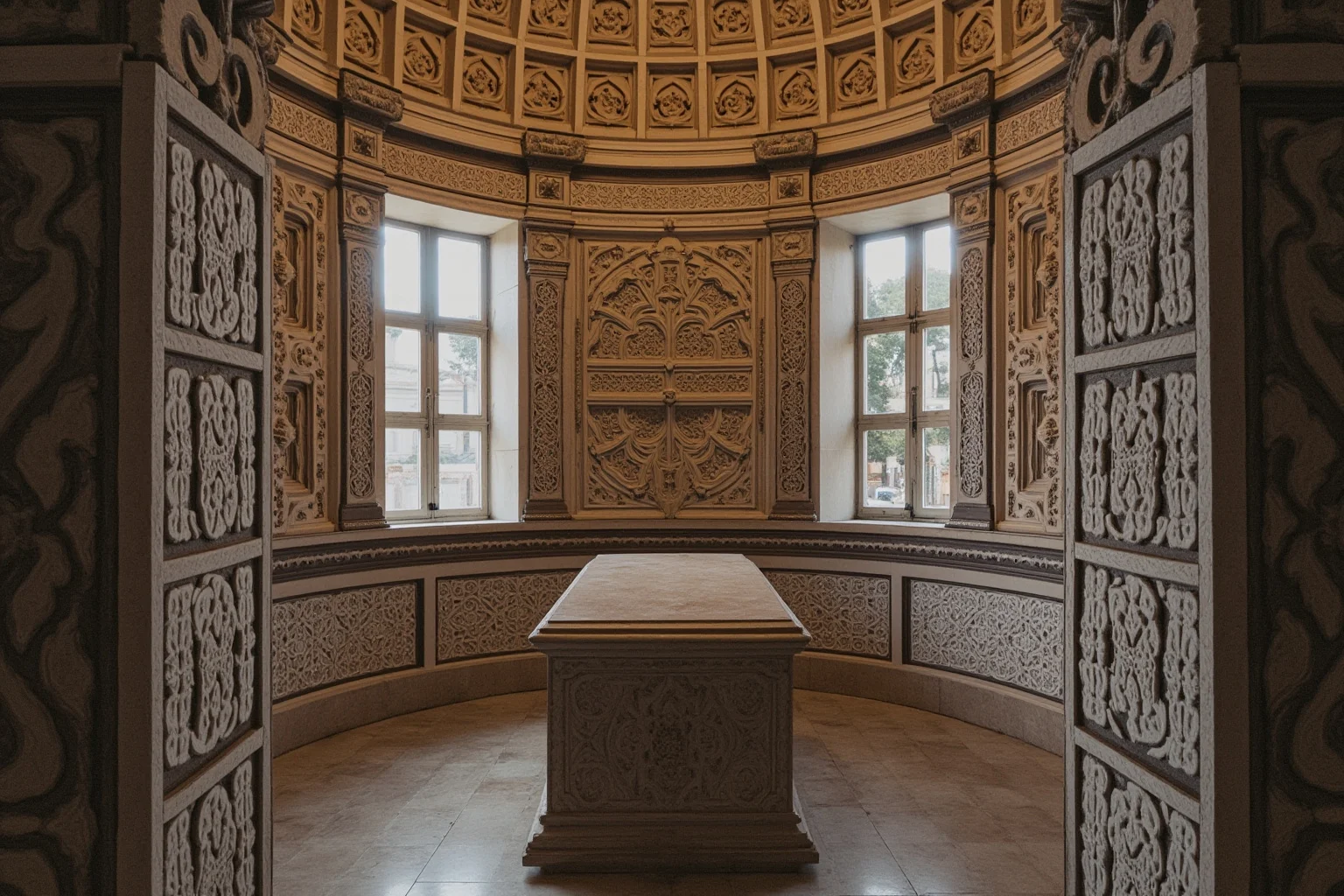
The Taj Mahal complex is famous for its near-perfect symmetry, with matching gardens, gateways, and buildings mirrored on either side of a central axis. This precision is one of the interesting facts of the Taj Mahal that architecture fans love pointing out.
There is, however, one break in the pattern. Inside the tomb chamber, Mumtaz Mahal’s cenotaph sits at the exact center, but Shah Jahan’s cenotaph — added after his death in 1666 — sits slightly off to the side, disrupting the otherwise flawless symmetry.
13. The Gardens Follow a Persian “Paradise” Design
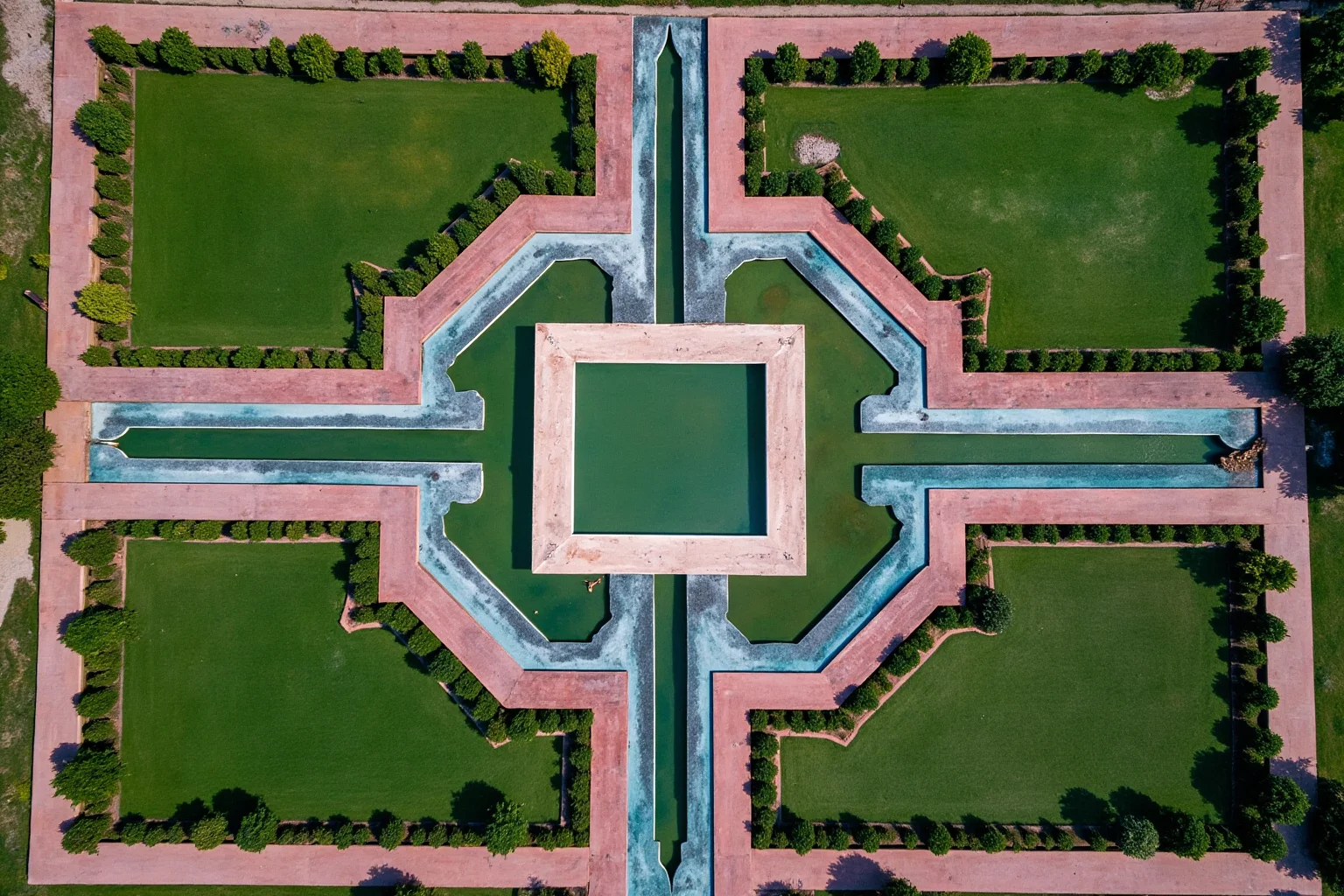
The grounds surrounding the Taj Mahal are laid out as a charbagh, a Persian-style quartered garden meant to evoke a Quranic vision of paradise. Four water channels divide the garden into four sections, symbolizing the four rivers of paradise described in Islamic tradition.
This wasn’t just decorative landscaping. The entire layout was designed as a symbolic and spiritual extension of the tomb’s meaning, not simply a scenic approach to the building.
14. The Reflecting Pool Was Designed for a Reason
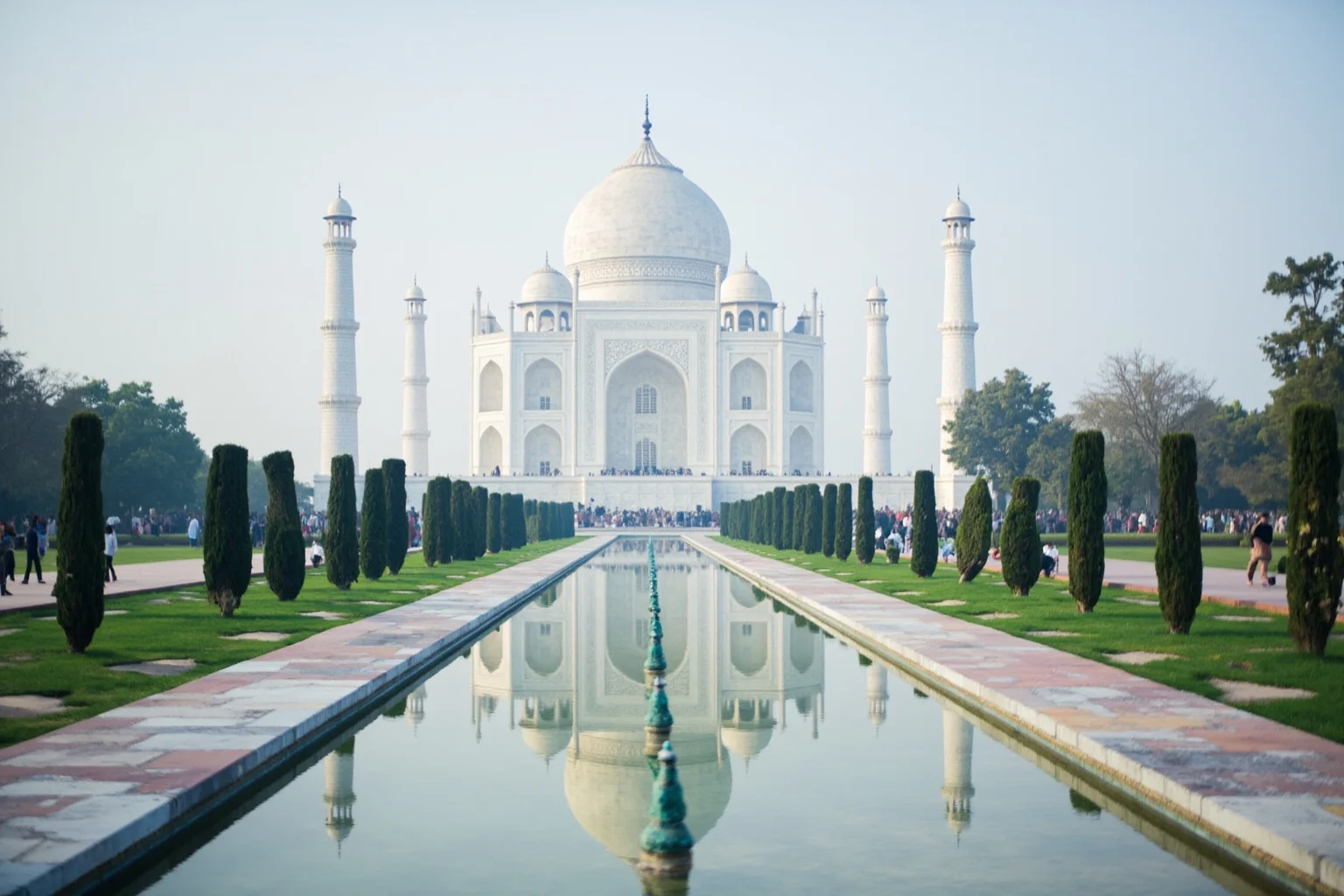
The long reflecting pool leading up to the Taj Mahal isn’t just there for photographs, though it certainly delivers on that front. In Mughal garden design, water features like this represented both the Quranic river of abundance and a way to visually double the building’s grandeur.
When the water is still, the Taj Mahal appears to float above its own mirror image. It’s a striking effect that was almost certainly intentional on the part of the original designers.
15. The Complex Includes a Mosque and a Guest House
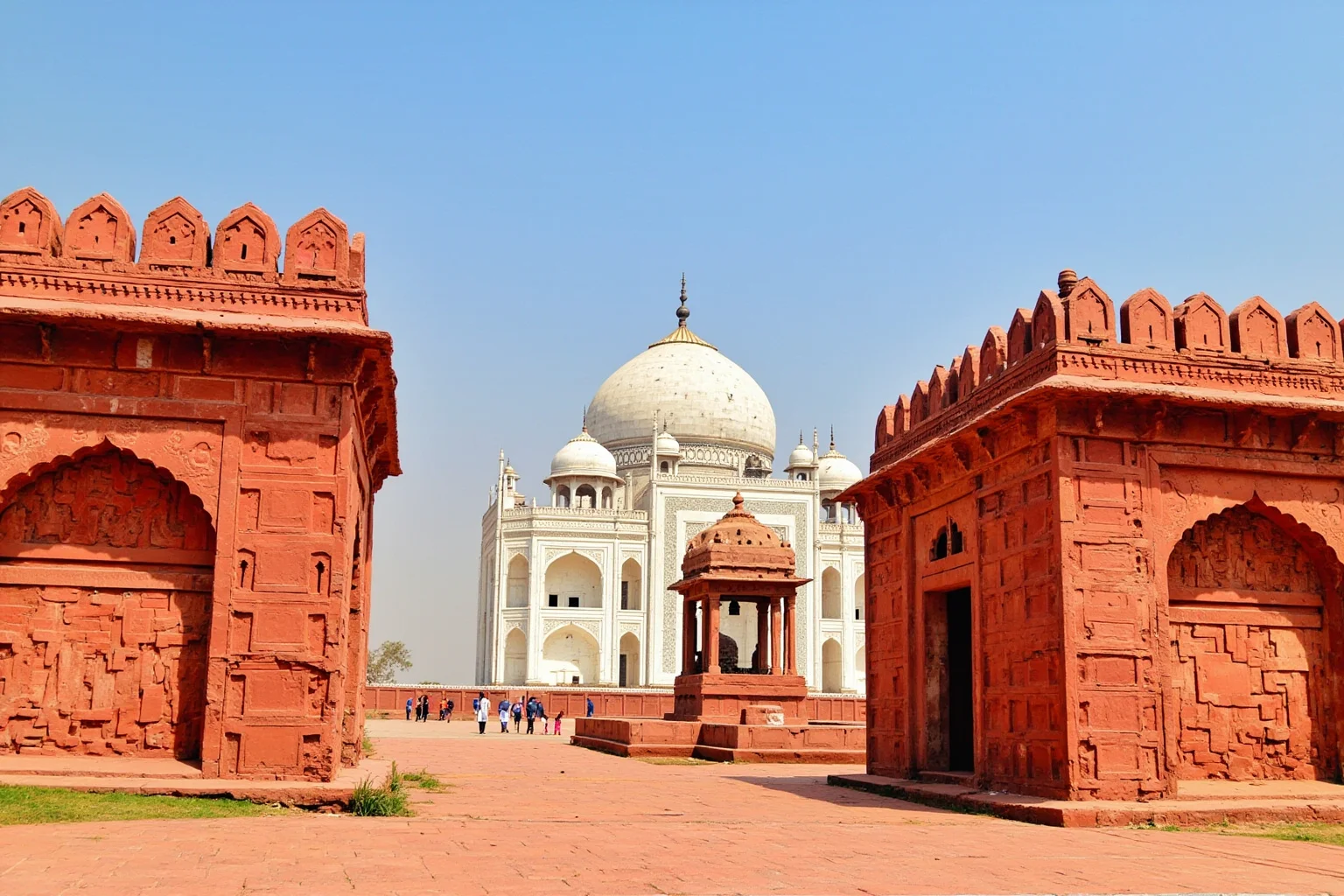
The main mausoleum is only part of the story. Flanking it are two nearly identical red sandstone buildings: a functioning mosque to the west and a guest house (sometimes called the jawab, or “answer”) to the east, built primarily for architectural balance.
The mosque was used for prayer by the imperial household and visitors, while the jawab mirrors the mosque’s form without serving a religious function. Together they reinforce the site’s overall symmetry.
16. The Main Dome Has Its Own Nickname
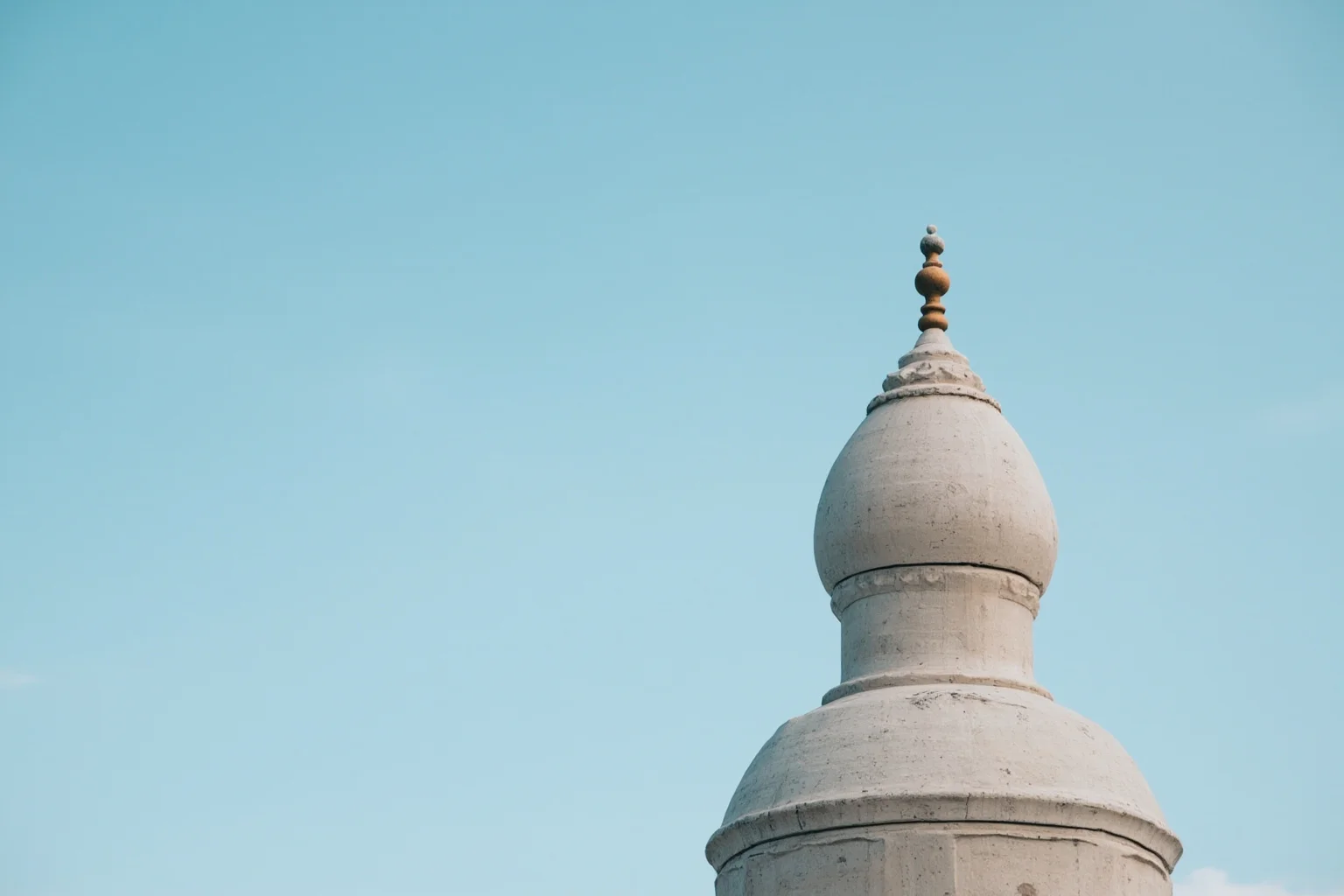
The Taj Mahal’s central dome is sometimes called the “onion dome” or, in some Mughal-era descriptions, compared to a guava fruit because of its bulbous shape. It rises about 35 meters (115 feet) above the base and is topped with a decorative finial.
That finial originally featured a crescent moon motif that, from certain angles, resembles a trident — a small but often-cited detail among people compiling fun facts about the Taj Mahal.
17. The Calligraphy Is Made Up of Quranic Verses
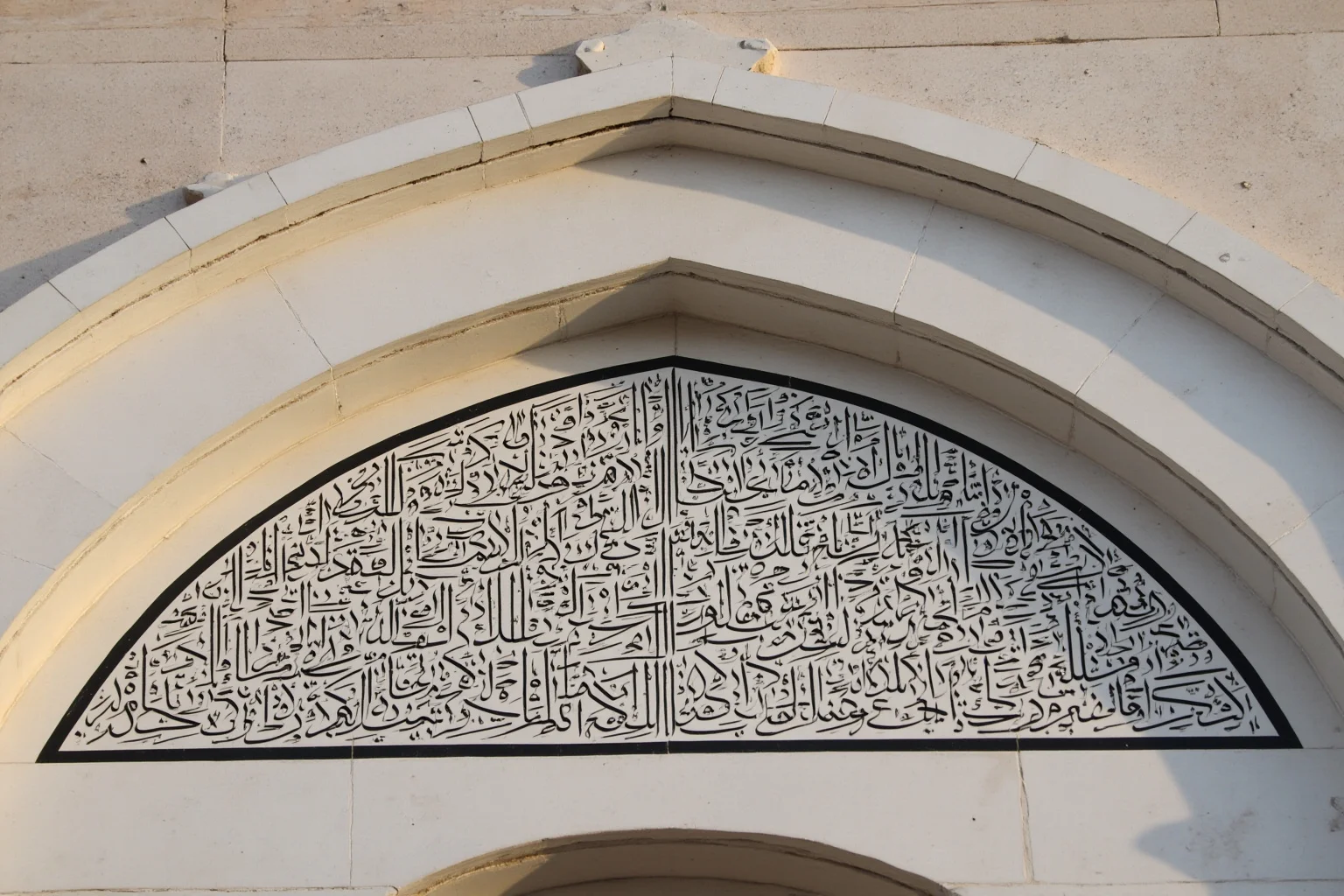
The elegant black script bordering the Taj Mahal’s archways isn’t purely decorative. It’s inlaid calligraphy featuring verses from the Quran, selected specifically for their relevance to themes of judgment, paradise, and mercy.
The calligrapher, Amanat Khan, is one of the few artisans from the project whose name survives in historical inscriptions. He signed some of his work, which is unusually well-documented for the period.
18. The “Black Taj Mahal” Legend Remains Unproven
A popular legend claims Shah Jahan planned to build a matching black marble Taj Mahal across the river as his own tomb. It’s a dramatic story, but no solid archaeological or documentary evidence supports it.
Excavations across the river uncovered dark, discolored stones in a garden area, which likely inspired the legend, but most historians treat the “black Taj” story as folklore rather than settled fact. It’s a good reminder to stay skeptical of some of the more sensational claims floating around online.
19. The Story About Workers’ Hands Being Cut Off Is Not Verified
Another widely repeated legend claims Shah Jahan ordered the hands of the artisans amputated after construction, so they could never build anything comparable again. This claim shows up constantly in casual retellings, but it has no credible basis in Mughal court records or contemporary accounts.
Historians generally regard it as an embellished myth rather than documented history. Given how meticulously Mughal chroniclers recorded imperial affairs, an act that dramatic would likely have left some trace in the historical record — and it hasn’t.
20. The Project Came at an Enormous Financial Cost

Contemporary estimates for the cost of building the Taj Mahal vary, but historical sources suggest figures in the range of 32 million rupees at the time, an enormous sum for a 17th-century construction project. Converting that to modern currency is notoriously difficult and estimates online vary wildly, so it’s best treated as an illustrative figure rather than a precise one.
What’s clear is that the project placed a significant strain on the Mughal treasury. Some historians even connect the empire’s later financial pressures partly to the scale of Shah Jahan’s building projects, though this is one factor among many.
21. It Became a UNESCO World Heritage Site in 1983
The Taj Mahal was officially inscribed as a UNESCO World Heritage Site in 1983, recognized for its outstanding architectural and cultural value. UNESCO specifically praised it as “the jewel of Muslim art in India” and one of the most universally admired masterpieces of world heritage.
That recognition helped formalize ongoing conservation efforts, which continue to address challenges like pollution-related discoloration of the marble. It remains one of the most-visited heritage sites protected under the UNESCO program.
22. It Was Named One of the New Seven Wonders of the World
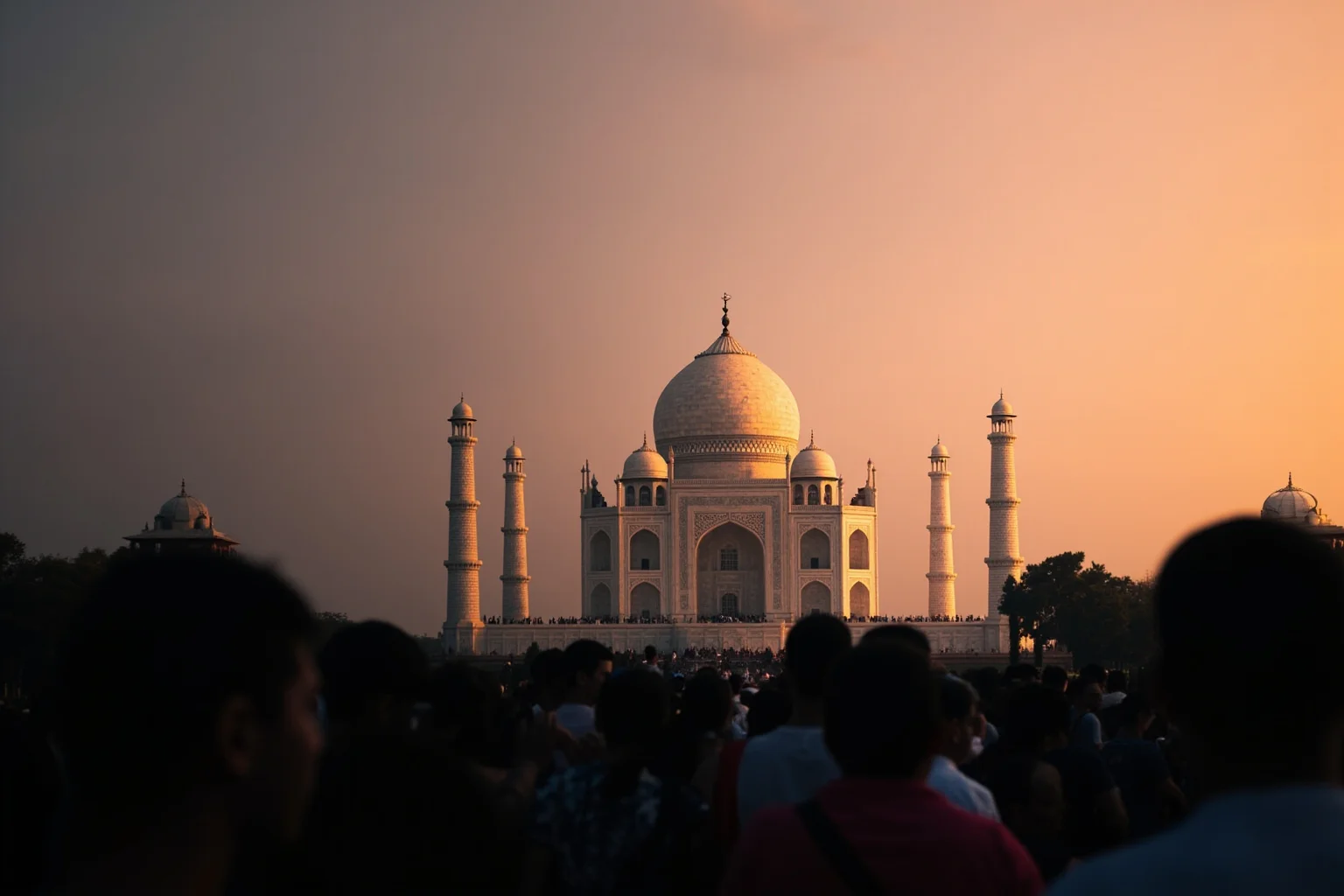
In 2007, the Taj Mahal was named one of the New Seven Wonders of the World following a global public poll organized by the New7Wonders Foundation. It joined sites like Machu Picchu, the Great Wall of China, Petra, and the Colosseum in Rome on that list.
While the poll itself was a private initiative rather than an official archaeological ranking, the recognition cemented the Taj Mahal’s status in popular culture as one of the most iconic structures ever built. Today it draws millions of visitors from around the world every year.
The Legacy Behind the Legend
Sorting fact from folklore doesn’t make the Taj Mahal any less remarkable — if anything, it makes the real story more impressive. An empire mobilized tens of thousands of workers, imported materials from across Asia, and spent over two decades creating a building that still stops visitors in their tracks nearly four centuries later.
The next time someone shares a dramatic legend about severed hands or a hidden black-marble twin, you’ll know how to separate genuine history from embellishment. The verified facts about the Taj Mahal’s creation are dramatic enough on their own without needing extra myth-making.
Whether you came looking for a fact file on the Taj Mahal, a handful of quick facts for a school report, or a genuinely deep dive into how this monument was built, hopefully this rundown gave you something worth remembering. Few buildings anywhere earn their reputation as honestly as this one does.
Frequently Asked Questions
What are some key facts about India’s Taj Mahal?
The Taj Mahal is a white marble mausoleum in Agra, India, built by Emperor Shah Jahan between roughly 1632 and 1653 as a tomb for his wife, Mumtaz Mahal. It's constructed from marble sourced in Rajasthan and decorated with inlaid semi-precious stones, and it became a UNESCO World Heritage Site in 1983.
How old is the Taj Mahal building today?
Construction began around 1632, with the main mausoleum finished by about 1643 and the full complex completed around 1653. That makes the Taj Mahal roughly 370 to 390 years old, depending on which milestone is used.
How was the Taj Mahal created?
The Taj Mahal was built under Emperor Shah Jahan's direction, with the design credited primarily to court architect Ustad Ahmad Lahauri. An estimated 20,000 workers, along with artisans from Persia, Central Asia, and the Ottoman Empire, worked over roughly two decades using marble and materials transported from across the region.
What is the most interesting fact about the Taj Mahal?
Many people find it most fascinating that the marble genuinely changes color throughout the day, appearing pinkish at dawn, white at midday, and golden at sunset. This is a real optical effect caused by the marble's translucency, not an exaggeration.
Is it true that the Taj Mahal’s builders had their hands cut off?
No, this popular legend has no credible support in Mughal historical records. It's widely repeated online but is generally considered folklore rather than documented history.
Was there really going to be a black Taj Mahal?
The story of a planned black marble Taj Mahal across the river is a well-known legend, but no solid archaeological or documentary evidence confirms it. Historians largely treat it as unverified folklore rather than fact.

Alex Warren
Related Articles





