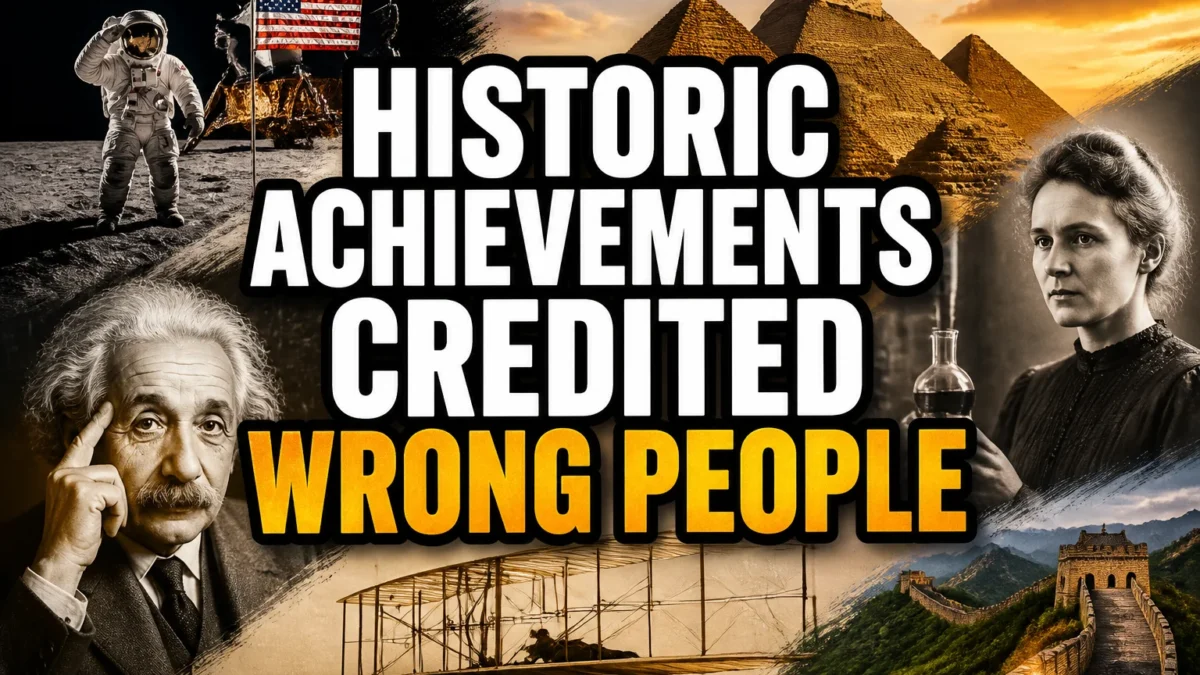
History has a habit of turning messy, collaborative efforts into single-hero stories. We love a tidy narrative: one brilliant inventor, one eureka moment, one name on the plaque.
But behind many historic achievements are earlier experimenters, rivals, and forgotten collaborators whose important contributions deserve more attention. This list unpacks 21 famous breakthroughs where the credit is incomplete, contested, or given to the wrong person entirely.
TL;DR: Many history-making achievements are team efforts, and the famous name attached to a discovery is often the person who refined or popularized it, not the person who first created it.
Why Credit Lands on One Name
Credit is usually shaped by patents, publicity, and timing rather than by a clean first discovery. In many cases, the person who made an idea practical or affordable became the name people remembered.
Lawsuits, national pride, and later storytelling also rewrite the record. That means historical achievements are often better understood as layered contributions than as single lightning strikes.
Patents, lawsuits, and national pride often decided which names survived. Once a story appears in textbooks and museums, it becomes difficult to correct.
1. Thomas Edison and the Incandescent Light Bulb
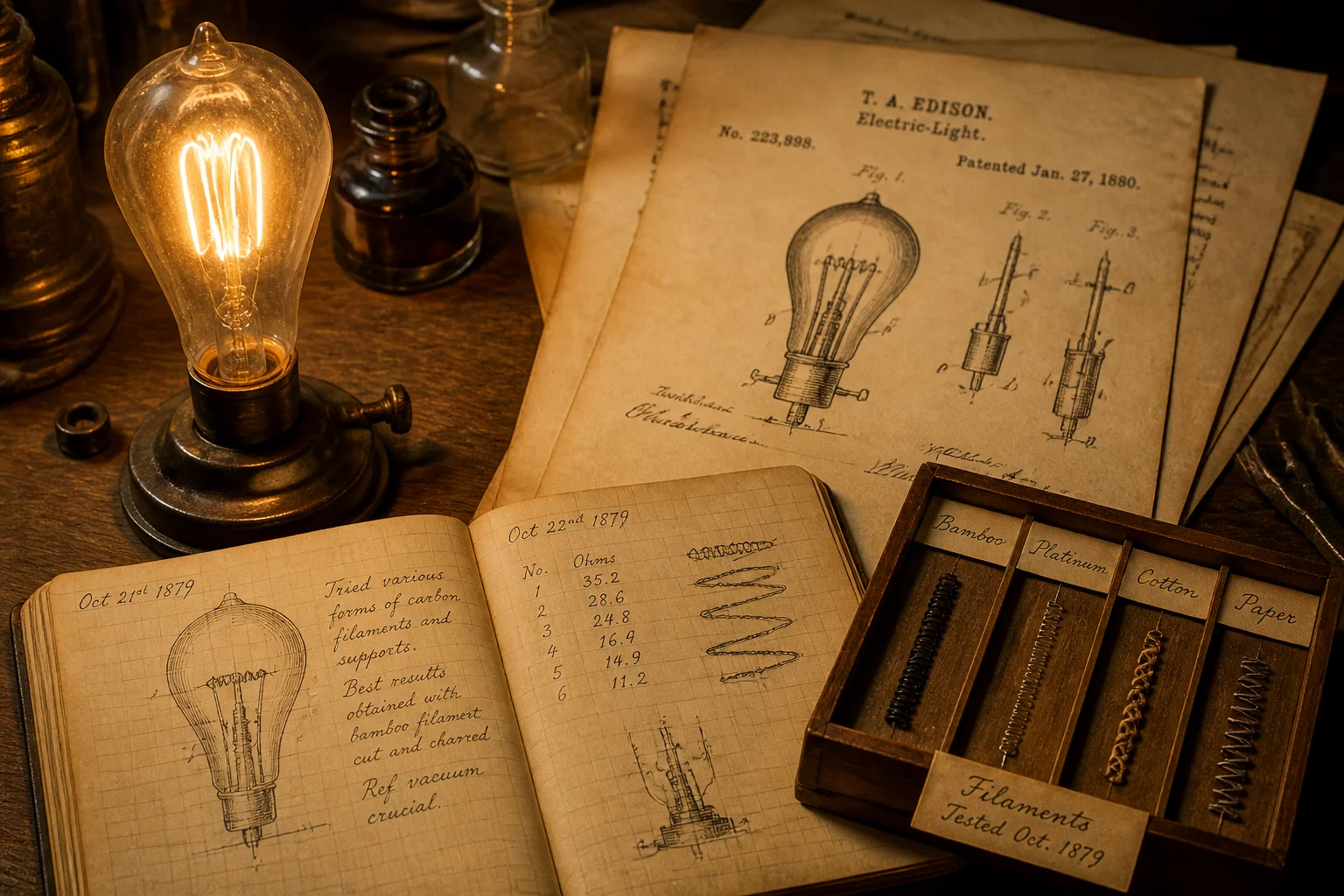
English chemist Humphry Davy demonstrated electric arc lighting in 1802, and inventors such as Joseph Swan built working incandescent bulbs before Edison. Swan had even begun installing his bulbs in British homes and theaters during the late 1870s.
Edison’s Menlo Park team did not create the first light bulb, but they developed a longer-lasting carbon filament and a complete electrical system. That system made electric light practical, marketable, and ready for city streets.
Black inventor Lewis Latimer later improved carbon filament manufacturing, which helped the technology scale. Edison was a brilliant developer and promoter, but the light bulb is a stack of important contributions, not a single inventor’s flash of genius.
2. Alexander Graham Bell and the Telephone
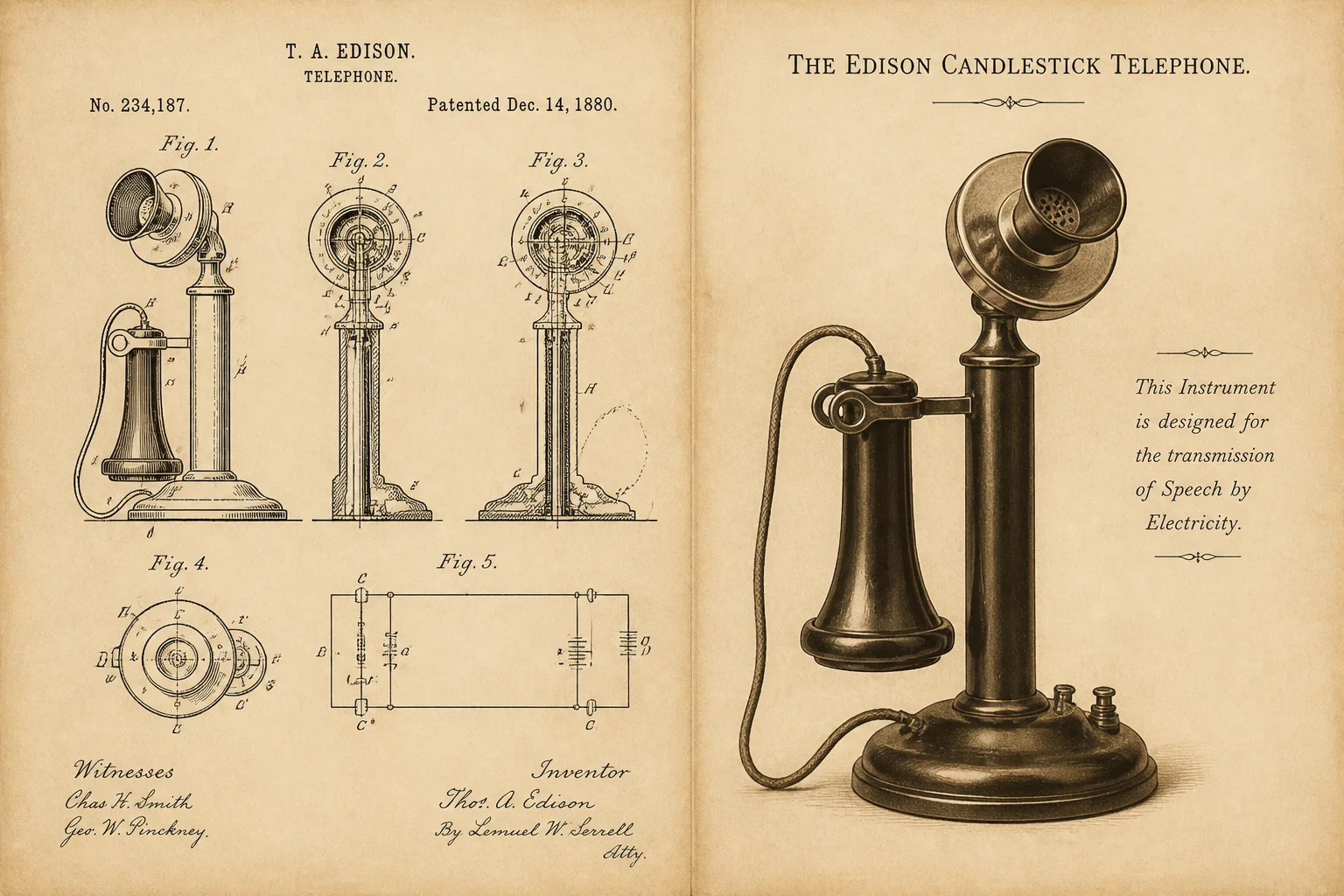
Alexander Graham Bell received a US patent in 1876, but he was not alone in the race. Elisha Gray filed a patent caveat on the same day, and Antonio Meucci had filed an earlier caveat for a voice transmitter he called a teletrofono.
Meucci lacked the money to renew his caveat, and his work faded from public view. Bell’s patent survived years of legal challenges, though the disputes reveal how crowded the field was.
Bell unquestionably did important foundational work and built the telephone into a working system. Yet history achievements are rarely clean, and the telephone’s origin is a story of parallel innovation more than a single eureka moment. Each inventor advanced a piece of the idea at slightly different times.
3. Guglielmo Marconi and the Radio
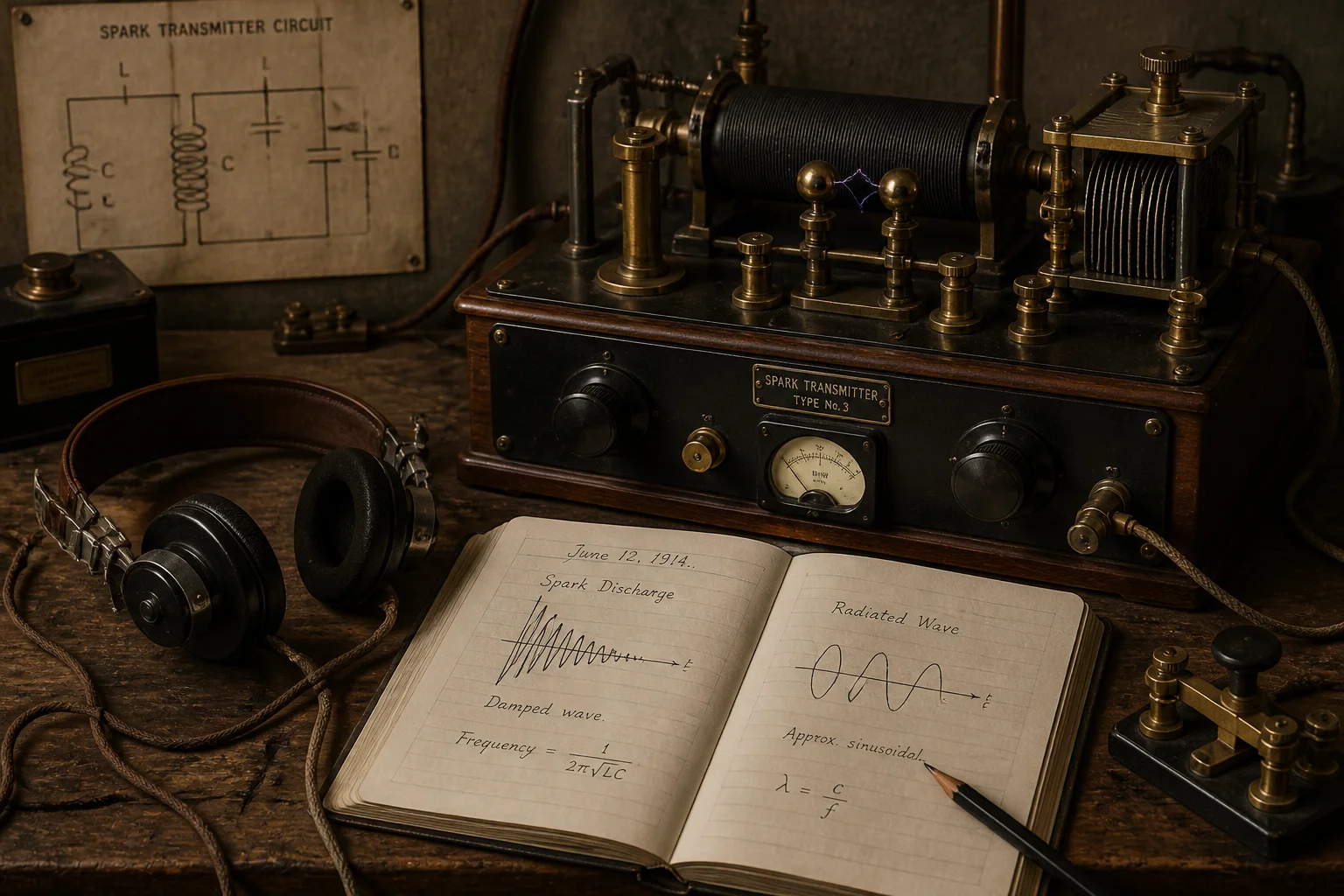
Guglielmo Marconi became the public face of wireless communication after early radio experiments and a Nobel Prize. But Nikola Tesla, Oliver Lodge, Jagadish Chandra Bose, and Alexander Popov all made crucial advances in wireless transmission.
Tesla held early radio patents and demonstrated remote-controlled devices in the 1890s. A 1943 US Supreme Court ruling in a patent dispute cited earlier work by Tesla and others to narrow some of Marconi’s claims.
Marconi was a gifted engineer and entrepreneur who turned radio into a global tool. Calling him the sole inventor compresses a web of history making achievements into one name.
4. Henry Ford and the Automobile
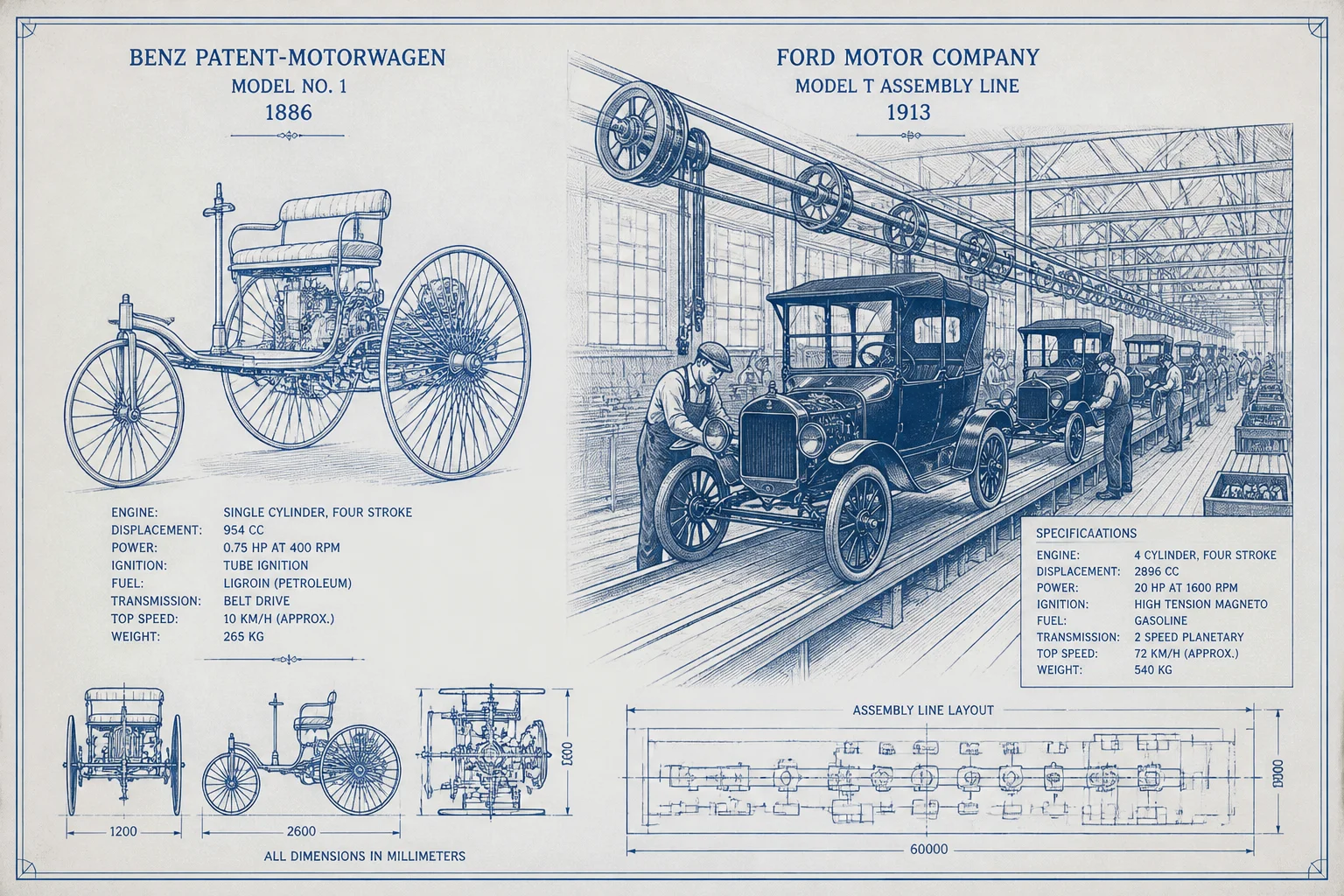
Henry Ford is often credited with inventing the automobile, but German engineer Karl Benz patented a practical gasoline-powered automobile in 1886. Gottlieb Daimler and Wilhelm Maybach were also building motorized vehicles in the same period.
Ford transformed transportation forever with the Model T and the moving assembly line around 1913. Even the assembly line had earlier versions, including production methods used by Ransom Olds.
Ford’s genius lay in scale, affordability, and manufacturing organization, not in creating the car itself. His work was a historic achievement in production, but the automobile was already rolling before him.
5. James Watt and the Steam Engine
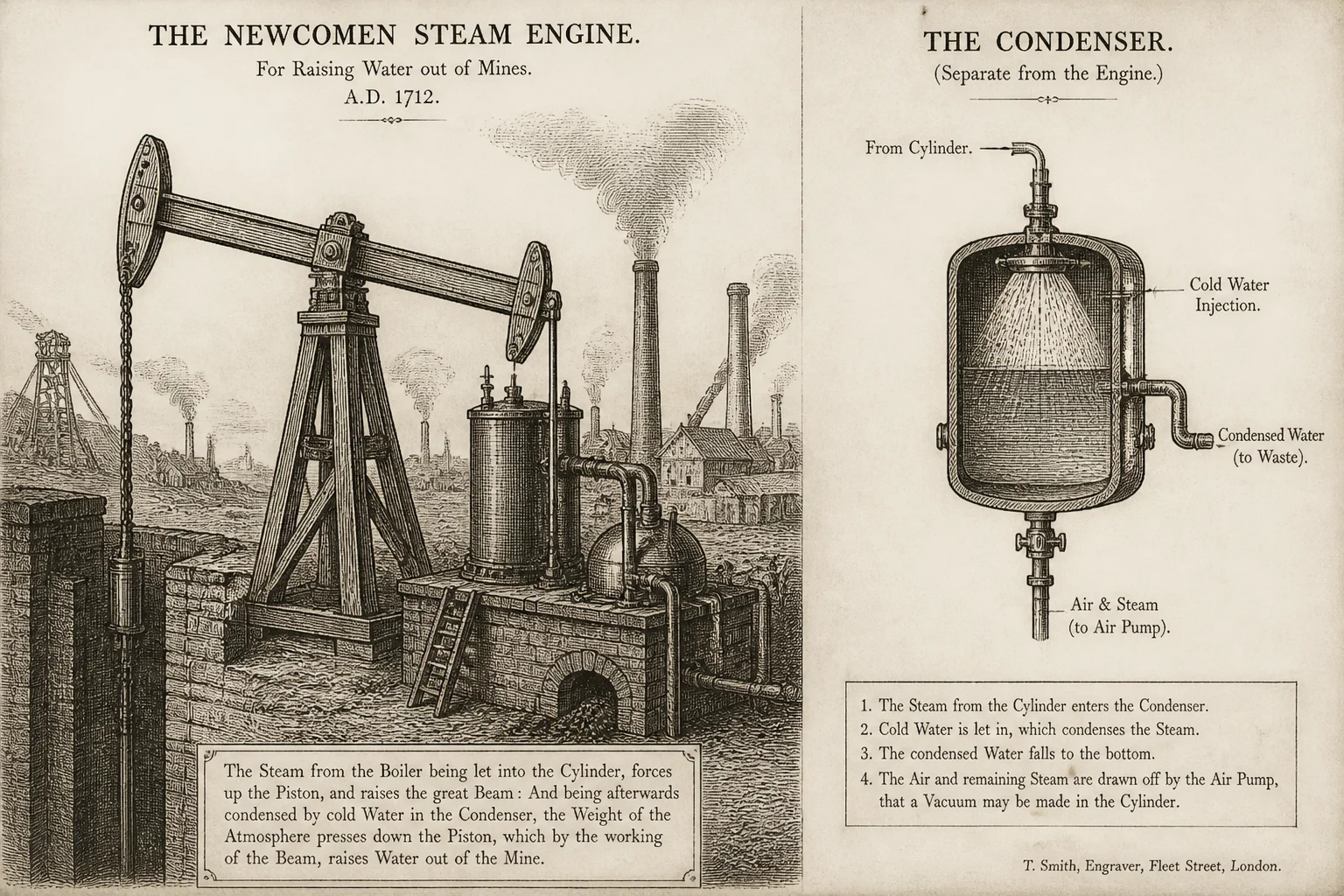
James Watt did not invent the steam engine. Thomas Newcomen had built atmospheric steam engines for pumping mine water by 1712, and Hero of Alexandria described a steam-powered device in antiquity.
Watt was asked to repair a Newcomen engine and saw how much energy it wasted. His separate condenser, patented in 1769, dramatically reduced fuel use and made steam power practical for many industries.
The steam engine evolved through many hands, and Watt’s important contributions transformed an existing machine. Newcomen’s engines were already doing useful work when Watt entered the story.
6. Galileo Galilei and the Telescope
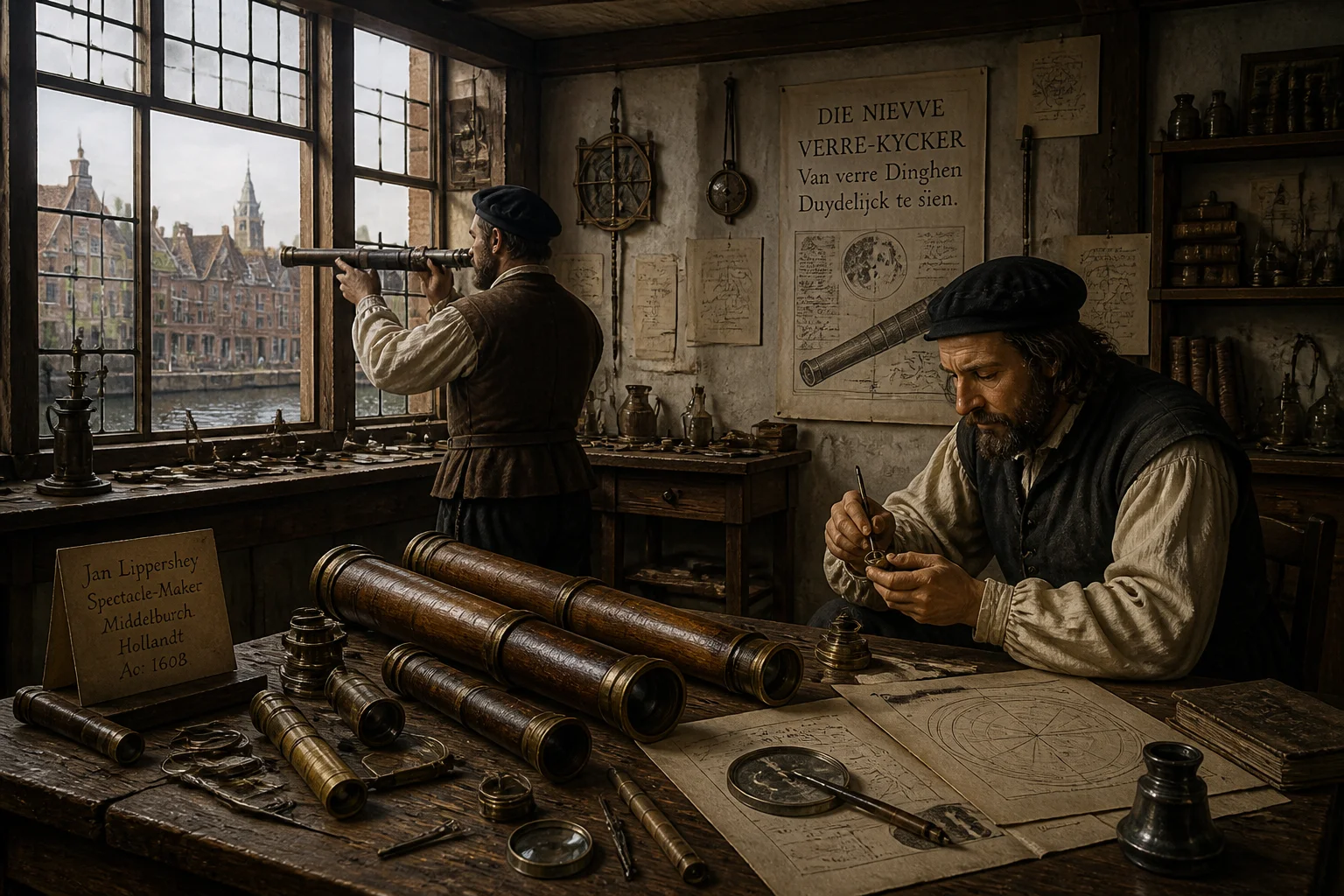
Galileo Galilei did not invent the telescope, though casual history often gives him the credit. Dutch spectacle maker Hans Lippershey applied for a patent in 1608, and other opticians claimed early designs around the same time.
Galileo heard about the new spyglass and quickly built his own improved version in 1609. He then pointed it at the night sky and observed Jupiter’s moons, lunar mountains, and the phases of Venus.
His real achievement was not the instrument itself but what he did with it. Galileo turned a practical gadget into a tool that changed astronomy, making the telescope a historical achievement of observation more than invention.
7. Isaac Newton and the “Discovery” of Gravity
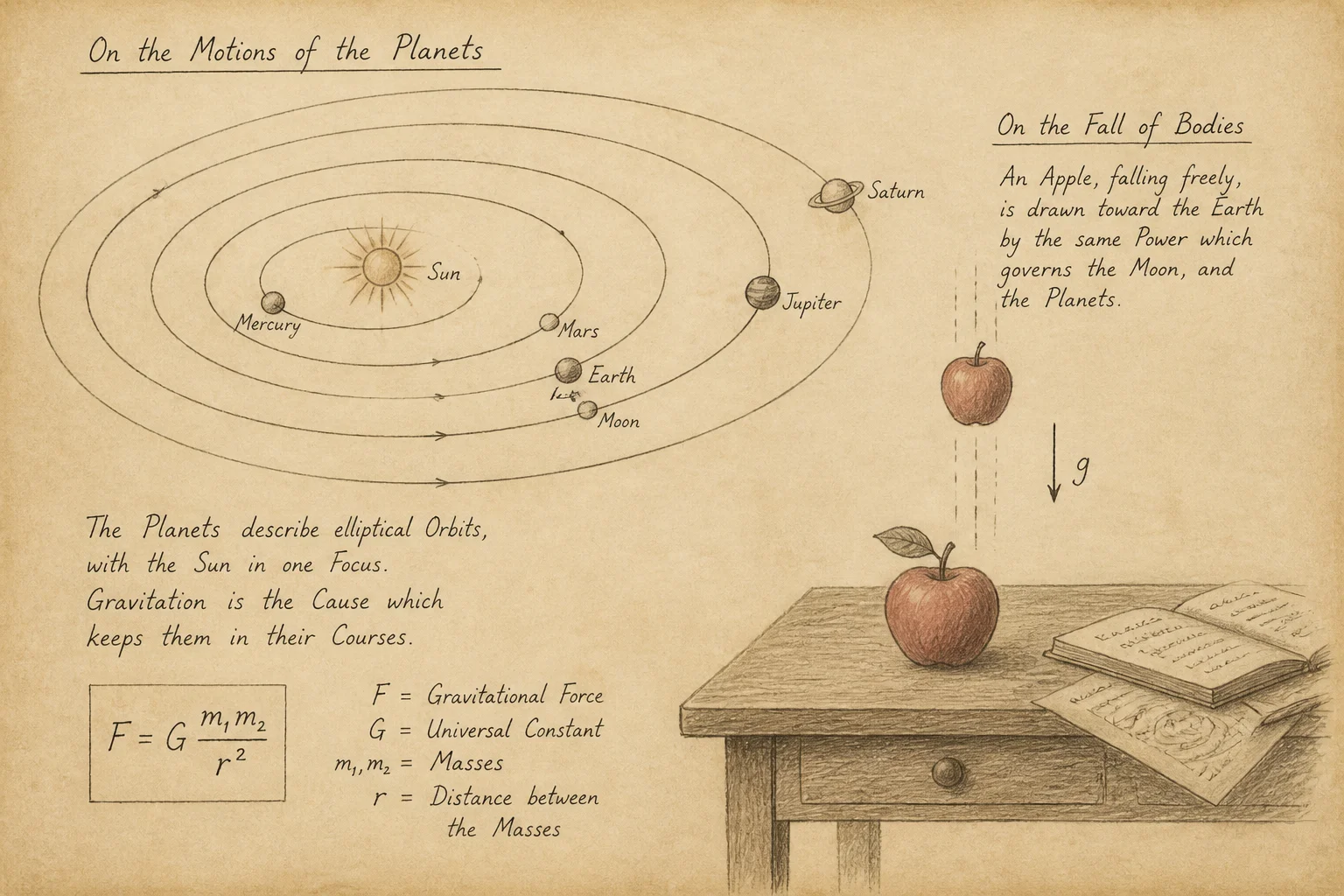
Isaac Newton did not discover gravity, and the falling apple story is a simplified legend. Galileo had already studied falling bodies, and Johannes Kepler had described planetary orbits before Newton published his laws.
Newton’s breakthrough was to propose universal gravitation: the same force that pulls an apple also holds the Moon in orbit. His 1687 book Principia laid out the mathematical framework for that insight. He unified those separate observations into one mathematical law.
That synthesis was one of the great historical achievements in science, built on earlier measurements and ideas. Newton himself acknowledged that he could see further because he stood on the shoulders of giants.
8. Benjamin Franklin and Electricity
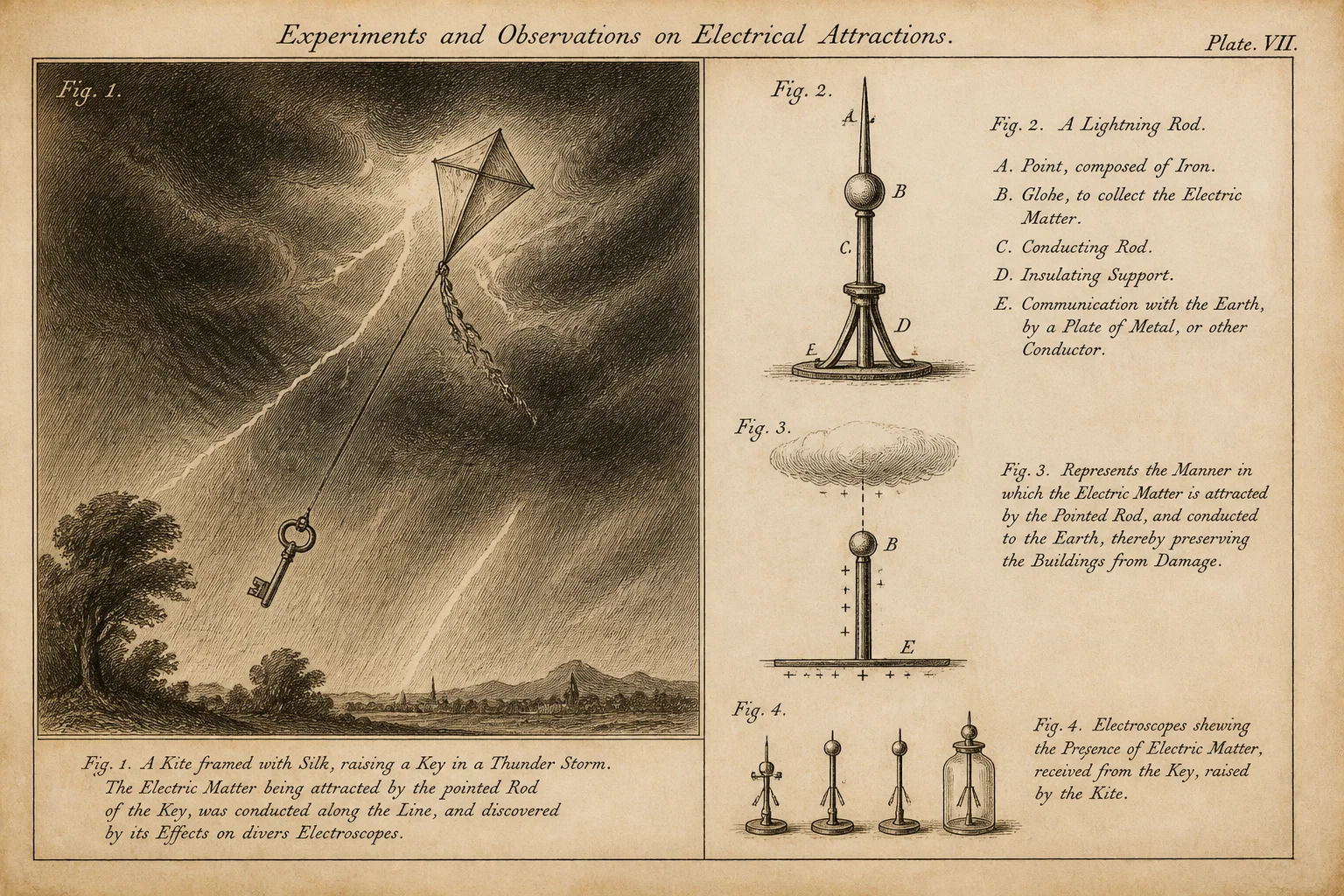
Benjamin Franklin did not discover electricity. Researchers such as William Gilbert and Stephen Gray had studied electrical effects long before Franklin’s experiments with Leyden jars and kites.
Franklin’s famous kite experiment, whose exact details are debated, supported the idea that lightning is an electrical discharge. That insight led to the lightning rod and changed how people understood storms.
He also coined useful terms and proposed ideas about positive and negative charge. Franklin made an important contribution, but electricity was a natural phenomenon waiting to be explained, not a human invention.
9. Christopher Columbus and the Americas
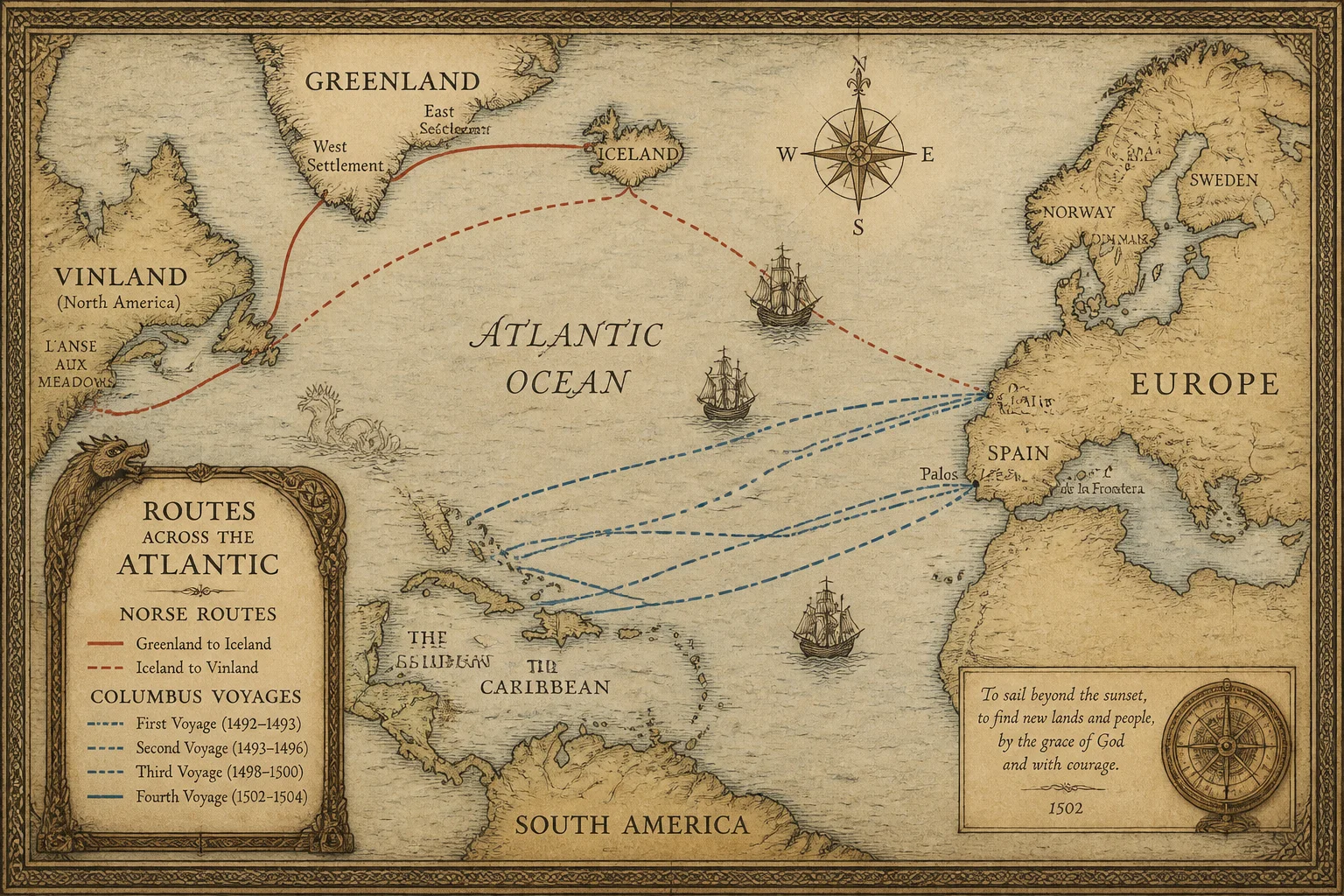
Christopher Columbus is often said to have “discovered America,” but Indigenous peoples had lived across the Americas for thousands of years. Around 1000 CE, Norse explorer Leif Erikson and others established a short-lived settlement in Newfoundland.
Columbus’s 1492 voyages did not mark first human contact with the Americas. They did, however, begin sustained transatlantic exchange, colonization, and global transformation.
Modern historians often say Columbus opened the Americas to European colonization rather than discovered them. That shift in language matters when we discuss historic achievements that had enormous human consequences.
10. Johannes Gutenberg and the Printing Press
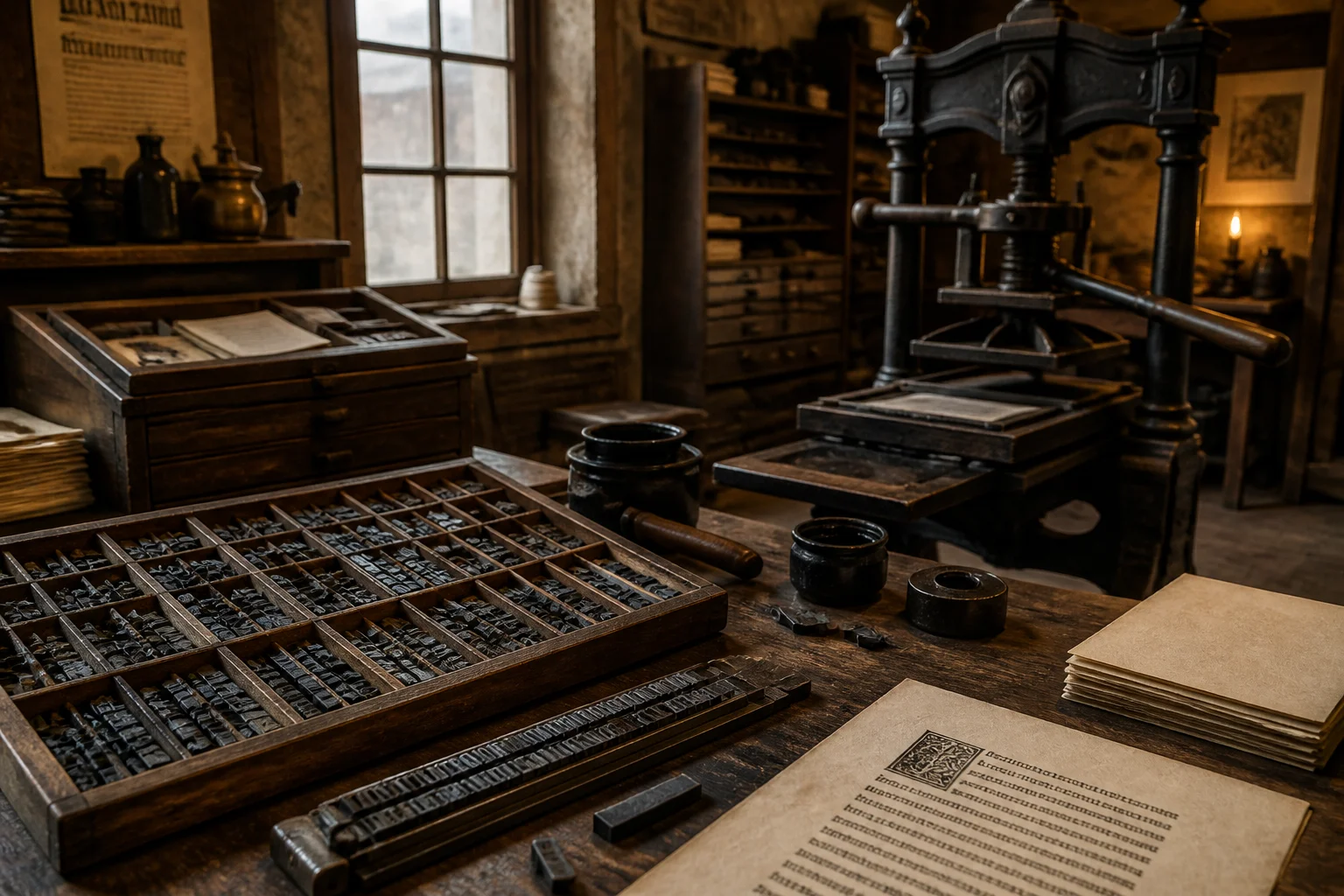
Johannes Gutenberg is often called the inventor of the printing press, but movable type existed in East Asia centuries earlier. Bi Sheng developed ceramic movable type in 11th-century China, and Korean printers used metal movable type by the 13th century.
Gutenberg’s contribution was a durable European system of metal type, oil-based ink, and a press adapted from existing screw presses. Around 1450, his workshop launched a publishing revolution in Europe.
He did not invent movable type itself, but his method made book production fast and affordable. That real-world impact makes his name central to one of the most famous historical achievements.
11. Thomas Crapper and the Flush Toilet
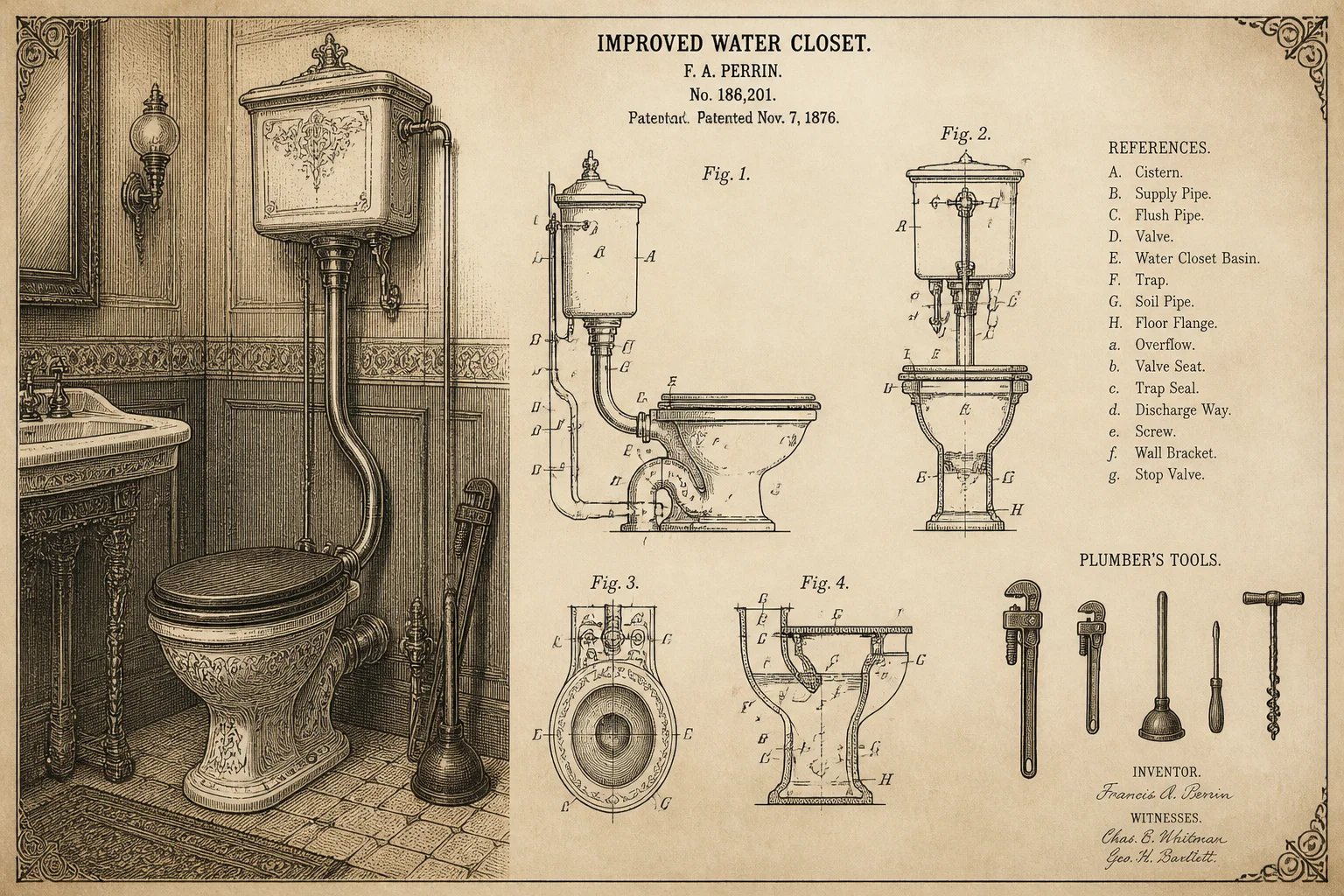
Thomas Crapper is a popular trivia answer, but he did not invent the flush toilet. Sir John Harington, a godson of Queen Elizabeth I, designed an early flushing device for the queen in 1596.
Ancient societies, including the Minoans and Romans, also built water-flushed latrines. Crapper was a successful Victorian plumber who improved sanitary ware and popularized modern bathroom fittings.
His memorable name and company branding helped the myth grow, especially among soldiers who saw the name on fixtures during World War I. The name stuck even though the device itself is far older.
12. Isaac Singer and the Sewing Machine
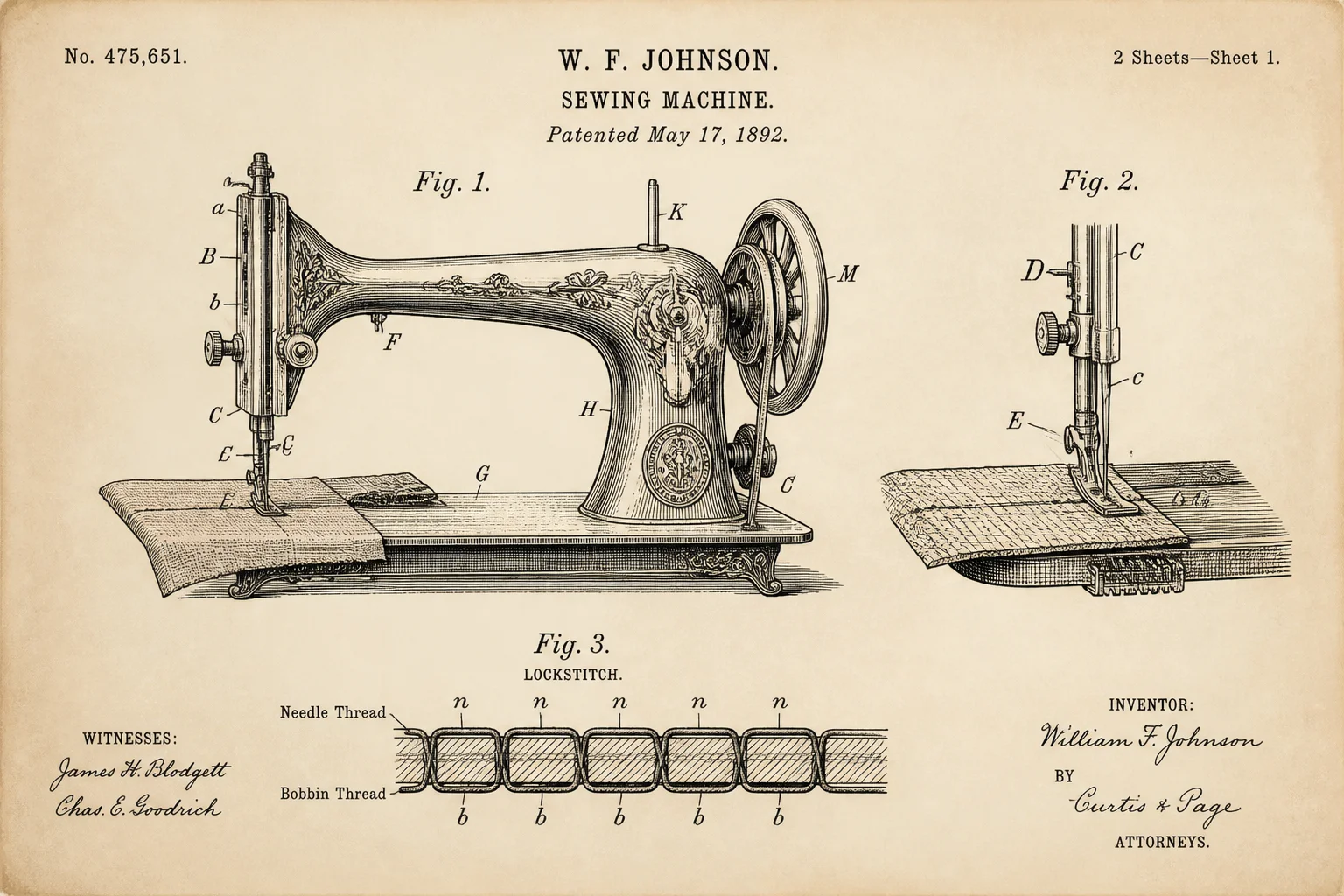
Isaac Singer built a sewing machine empire, but he did not invent the sewing machine. Elias Howe patented a lockstitch design in 1846, while inventors such as Barthélemy Thimonnier and Walter Hunt had built earlier machines.
Singer’s machine was more practical for home use, and his aggressive marketing put sewing machines in millions of households. Howe later sued Singer and won royalties for patent infringement.
Singer is remembered because his name was on the product, not because he created the core technology. That pattern repeats across many history achievements: the person who scales an idea often receives the credit.
13. Robert Fulton and the Steamboat
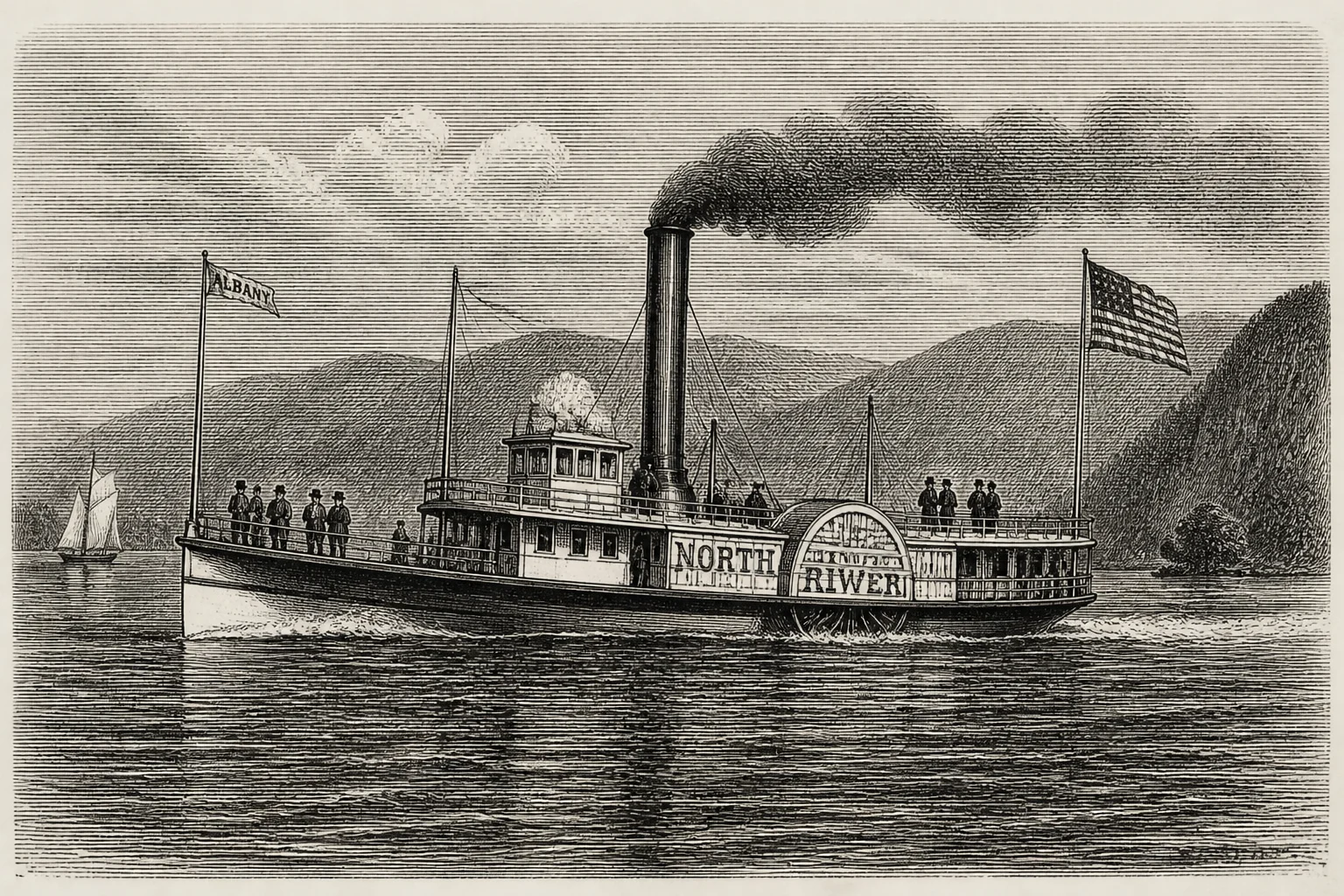
Robert Fulton is often remembered as the inventor of the steamboat, but working steam-powered boats predated him. John Fitch ran a steamboat service on the Delaware River in the late 1780s, and European inventors had built earlier steam vessels.
Fulton’s North River Steamboat, later known as the Clermont, began carrying passengers on the Hudson River in 1807. It became the first commercially successful steamboat in American waters.
Fulton deserved credit for making steam travel economically viable, not for inventing the concept. His operation proved that steam transport could work as a business, which was a history making achievement in its own right.
14. Charles Darwin and the Theory of Evolution
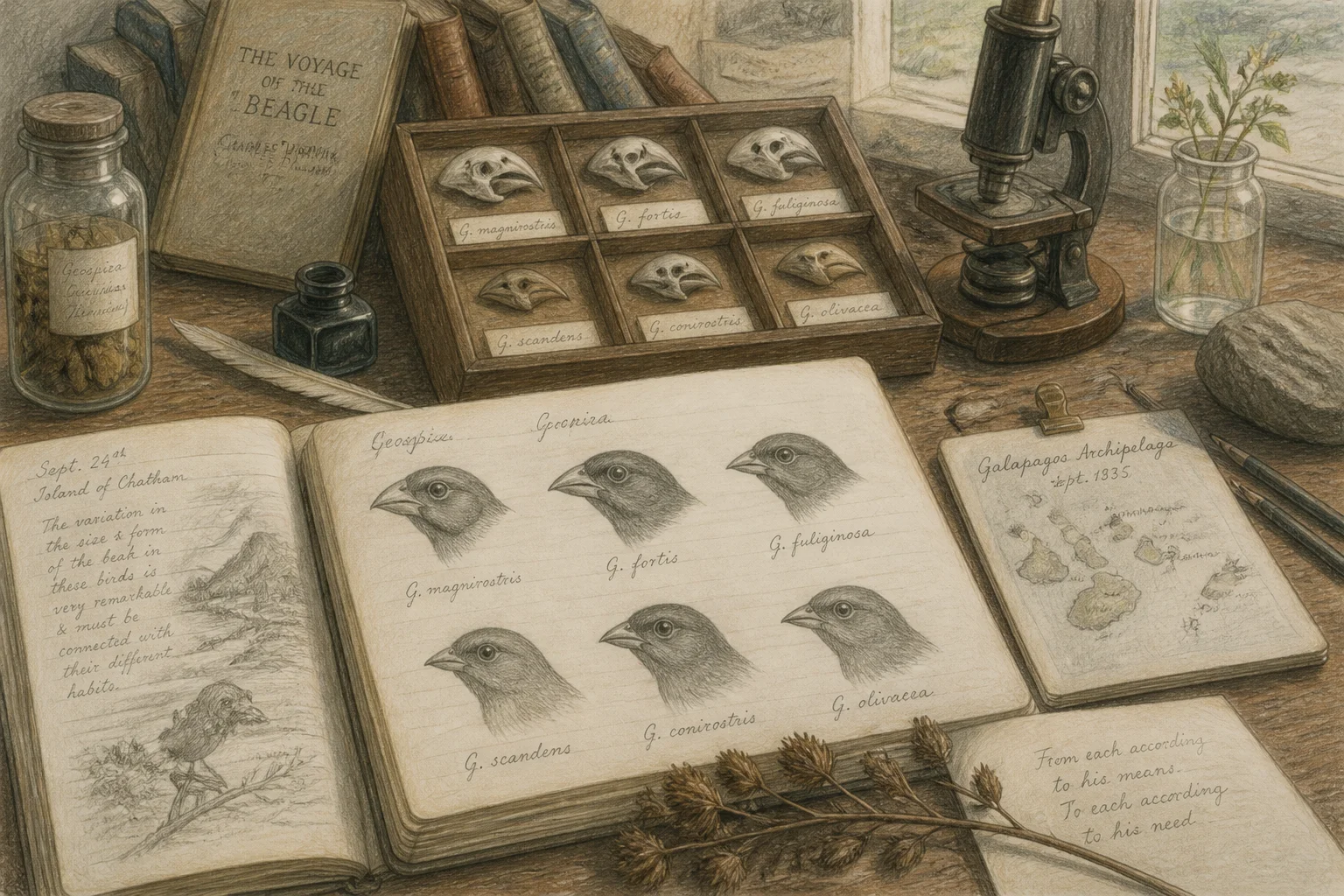
Charles Darwin did not invent the idea that species change over time. Earlier naturalists, including Jean-Baptiste Lamarck and Erasmus Darwin, had already proposed forms of evolutionary change.
Darwin’s crucial contribution was a detailed mechanism, natural selection, supported by extensive evidence. Alfred Russel Wallace independently developed the same mechanism, and the two presented their ideas jointly in 1858. Darwin also gathered examples from artificial breeding and the natural world.
On the Origin of Species, published in 1859, made the case so thoroughly that Darwin became the public face of evolution. One of biology’s greatest historic achievements was itself a shared scientific story.
15. Pythagoras and the Pythagorean Theorem
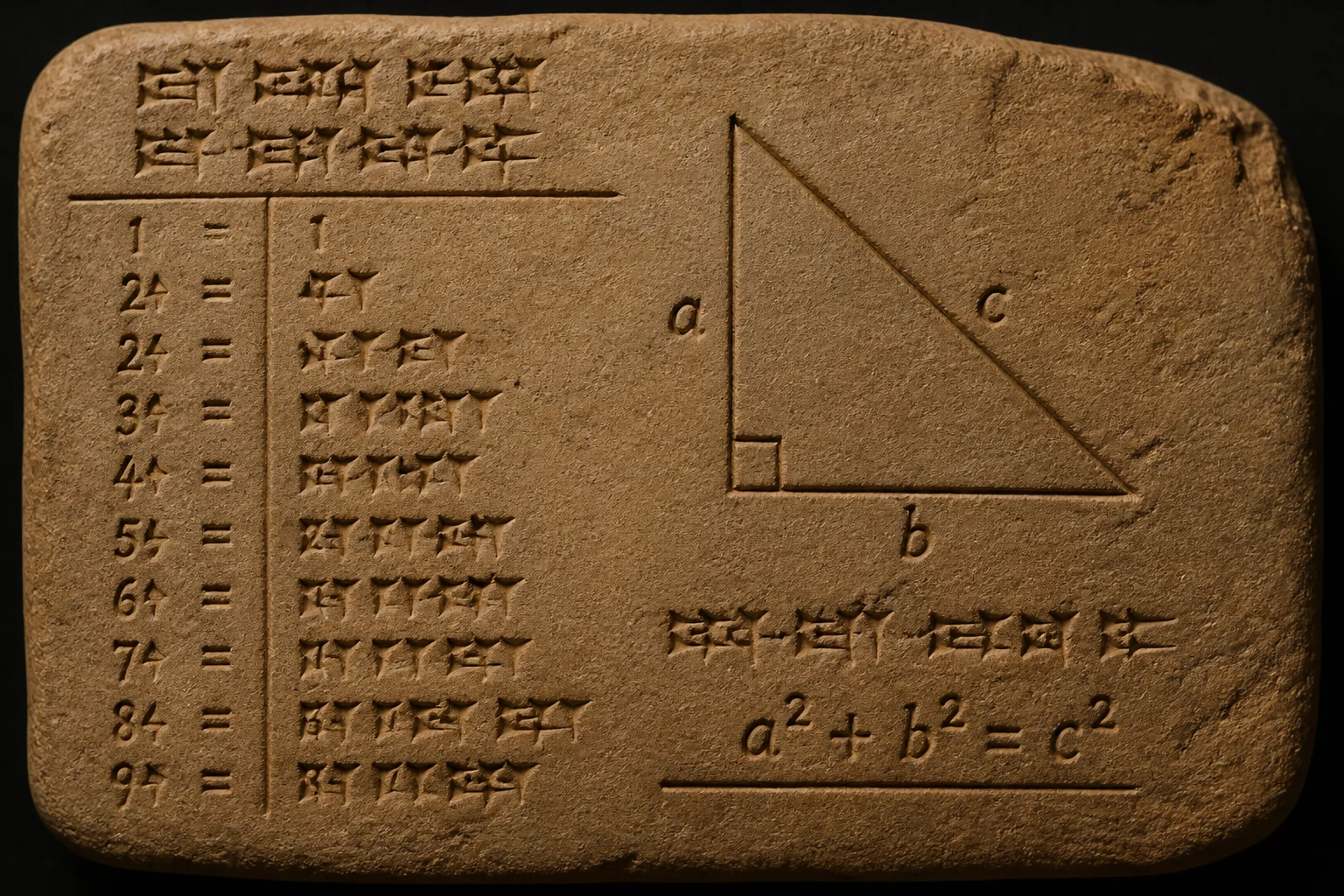
The Pythagorean theorem was known long before Pythagoras lived. Babylonian tablets, including Plimpton 322, show that mathematicians around 1800 BCE worked with Pythagorean triples.
Pythagoras and his followers may have brought the relationship into Greek mathematics or offered a proof. Solid evidence for his personal role is thin because no writings from him survive.
The theorem is named for a tradition more than for a single discoverer. It is a classic case of a historical achievement attached to a famous name through later storytelling.
16. Ferdinand Magellan and the First Circumnavigation
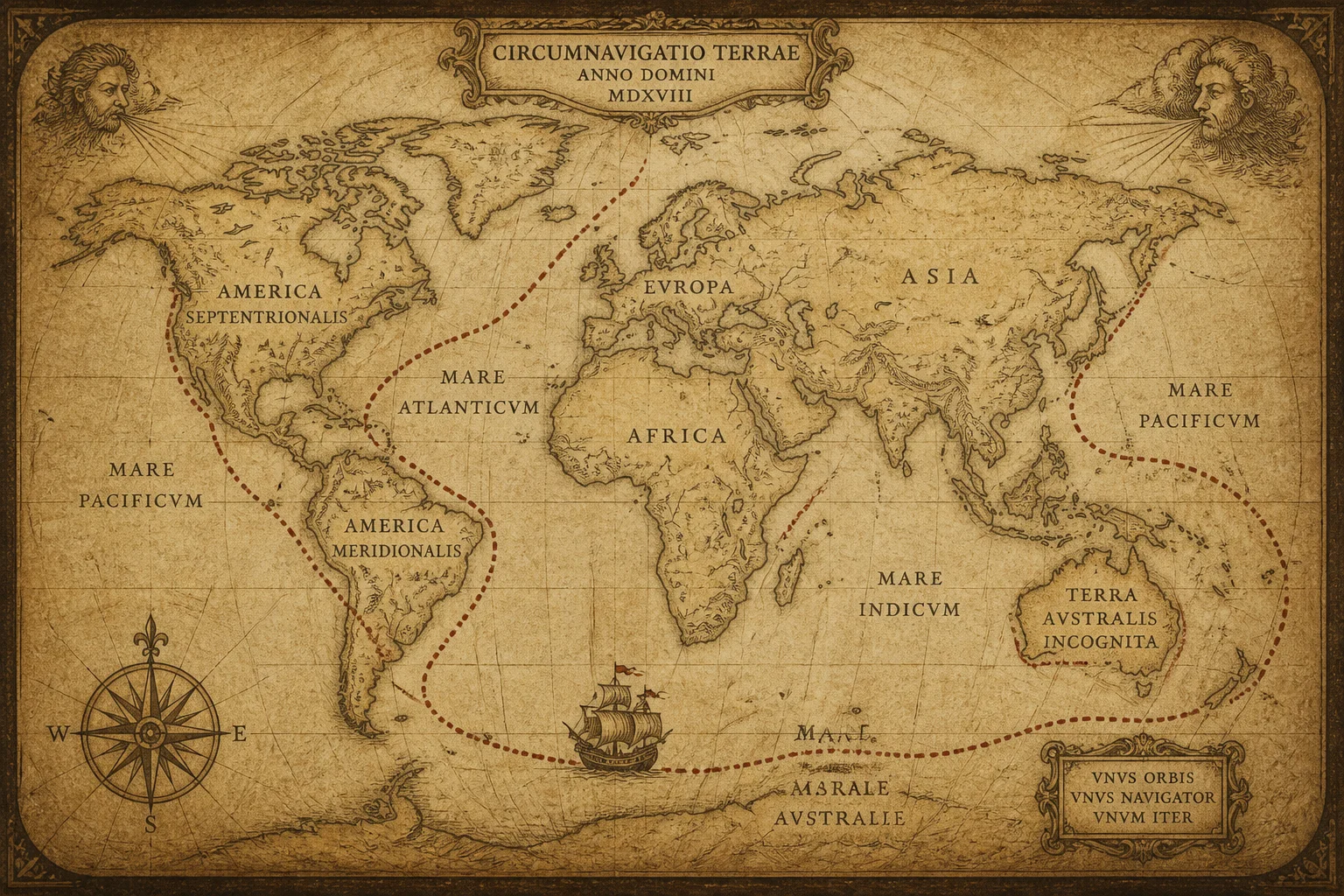
Ferdinand Magellan is widely credited with the first circumnavigation of the Earth, but he did not complete the voyage. He was killed in the Philippines in 1521 during the expedition he had led from Spain.
Navigator Juan Sebastián Elcano took command and brought one surviving ship, the Victoria, back to Spain in 1522. The surviving crew members shared navigational knowledge that made completion possible.
Magellan organized and led much of the journey, so his name carries the achievement. Yet the full story is a collective feat of navigation, leadership, and survival.
17. Albert Einstein and the Atomic Bomb
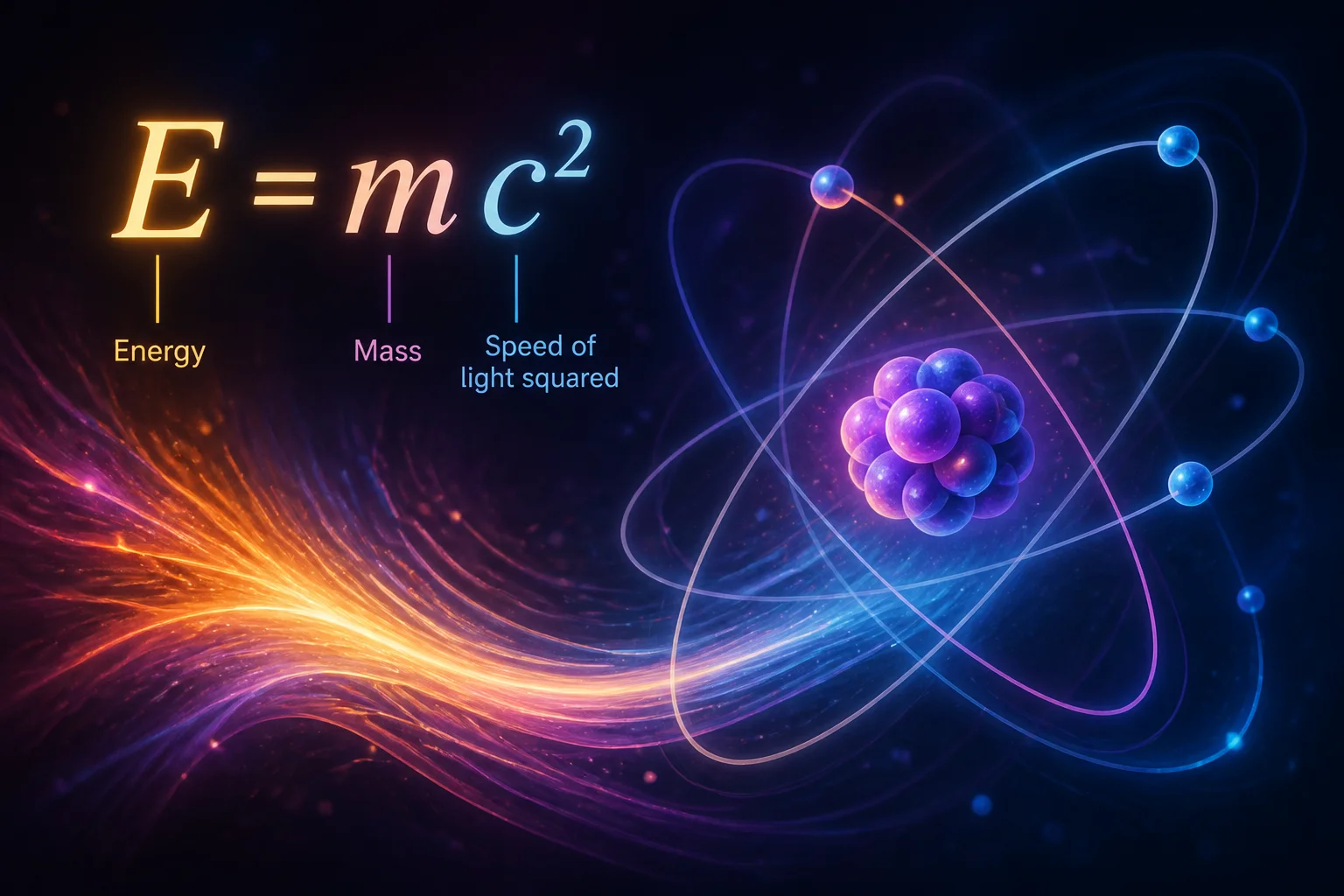
Albert Einstein did not invent or build the atomic bomb. His equation E=mc² explained how mass and energy are related, but nuclear fission was discovered later by physicists including Otto Hahn, Lise Meitner, and Fritz Strassmann.
Einstein signed a 1939 letter to President Franklin Roosevelt warning that Germany might pursue atomic weapons. That letter helped launch the Manhattan Project, but Einstein had no security clearance and did not work on it.
He later called the letter one of his greatest regrets. The atomic bomb was a massive government effort, not the work of one theoretical physicist.
18. Tim Berners-Lee and the Internet

Tim Berners-Lee invented the World Wide Web, not the internet. The internet’s foundations were built earlier through ARPANET and the TCP/IP protocols developed by Vint Cerf and Bob Kahn.
Berners-Lee created the web in 1989 and 1990 at CERN, introducing HTML, URLs, and HTTP. The internet already connected computers, but the web gave it a friendly face.
People often say “the web” when they mean “the internet,” which merges two distinct historical achievements. Berners-Lee is rightly celebrated, but for a specific layer of a much larger system.
19. Alexander Fleming and the Antibiotic Revolution
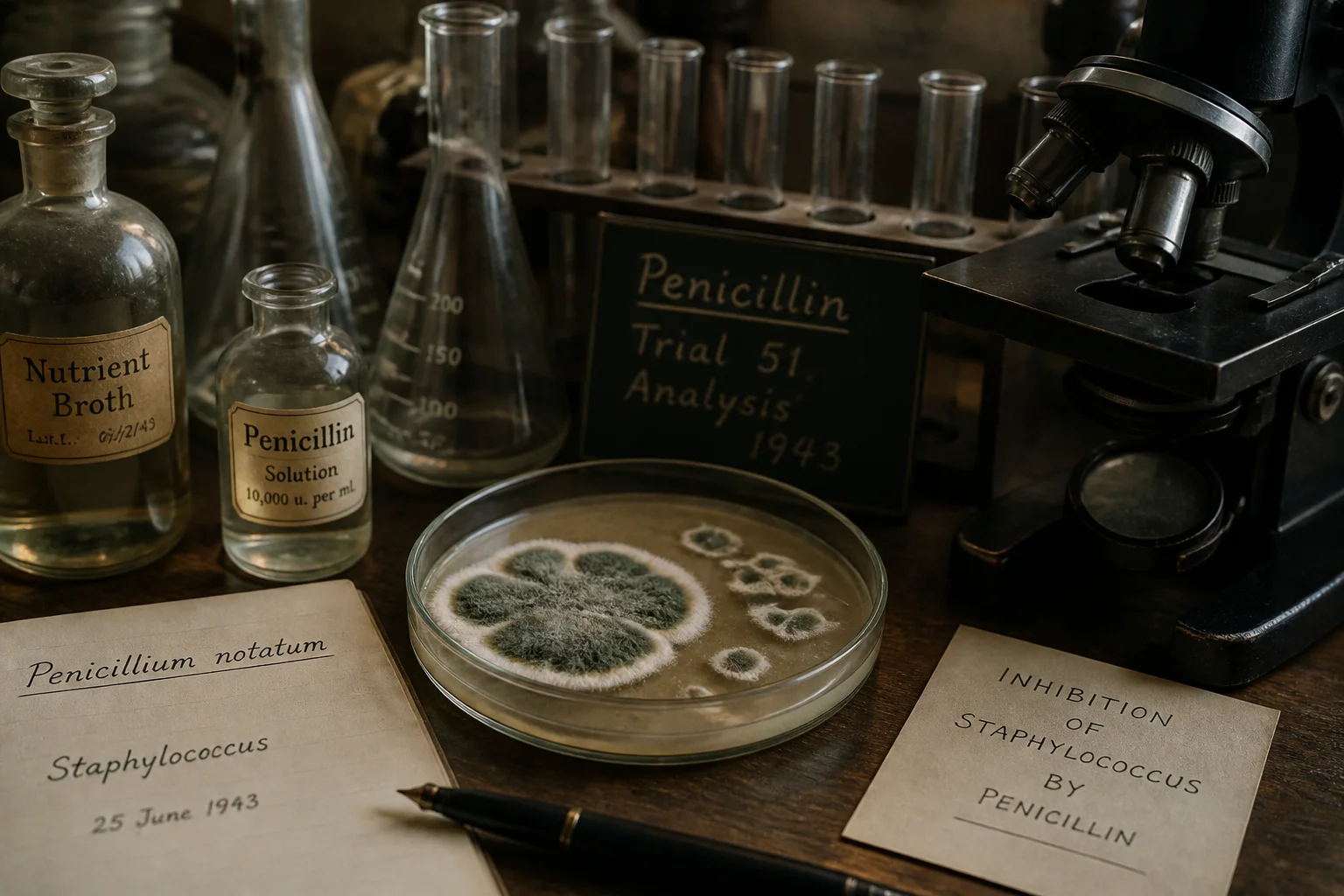
Alexander Fleming discovered penicillin in 1928, but he did not turn it into a medicine. He noticed that a mold killed bacteria in a petri dish, yet struggled to purify and produce the substance.
Howard Florey, Ernst Chain, and Norman Heatley led the Oxford team that mass-produced penicillin and proved it worked in patients. Their work opened the antibiotic era.
Fleming shared the 1945 Nobel Prize with Florey and Chain, but popular memory often stops at Fleming. The full story is one of the most important collaborative contributions in medical history.
20. Samuel Morse and the Telegraph
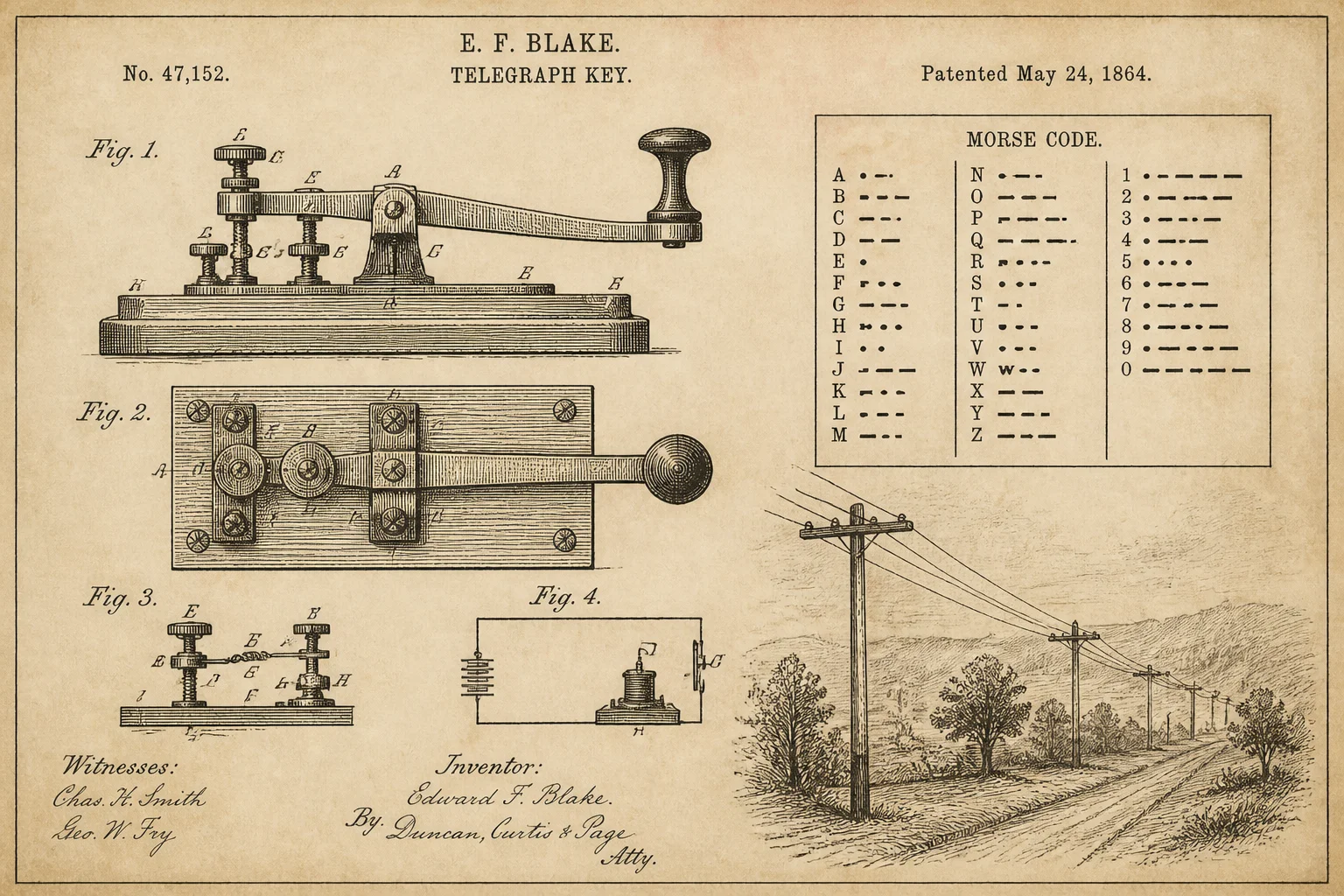
Samuel Morse did not invent the telegraph from scratch. Earlier systems included Claude Chappe’s optical semaphore and electric telegraphs developed by Pavel Schilling and by William Cooke and Charles Wheatstone.
Morse, working with Alfred Vail and others, built a practical single-wire electric telegraph and a simple code. Morse code became a standard for rapid long-distance communication.
His patent and business skill made the telegraph commercially successful in the United States. The machine was a layered invention, not a solo historic achievement. Morse’s name remained on the system because his patent shaped the early industry.
21. Isaac Newton and the Calculus Co-Discovery
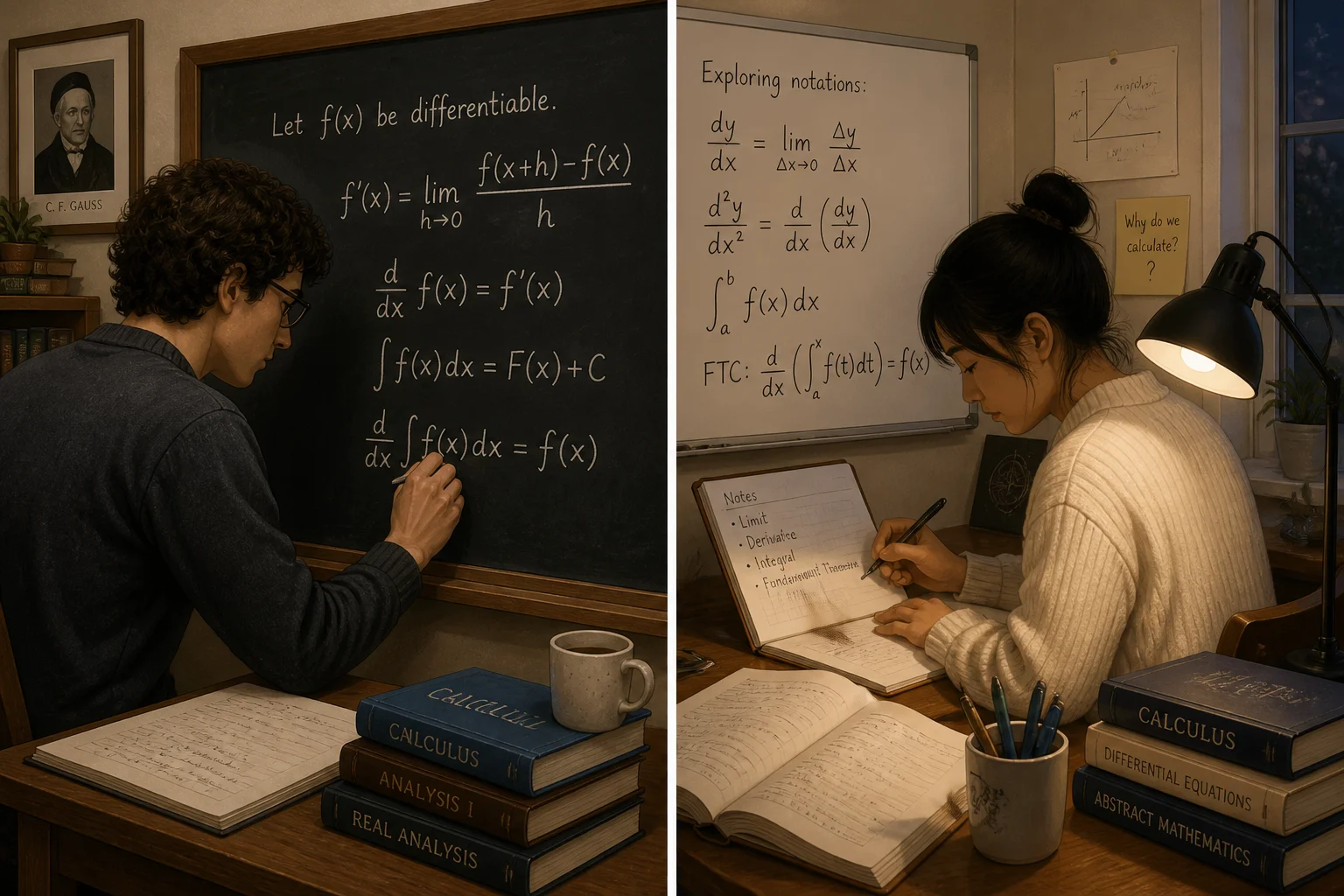
Isaac Newton and Gottfried Wilhelm Leibniz both developed calculus independently in the late 17th century. Newton called his version fluxions, while Leibniz created the notation still used today.
A bitter priority dispute followed, with supporters in England and continental Europe arguing over who came first. Modern historians generally treat the discovery as simultaneous and independent.
The calculus is a reminder that even towering figures rarely work alone. Some of the most important historical achievements have more than one parent.
Reading Credit More Carefully
To uncover the real story behind any famous invention, look at the years before the famous date. Early prototypes, rival patents, and forgotten caveats usually reveal a wider field of contributors.
Also watch for words such as “perfected,” “patented,” and “commercialized.” They signal that someone improved or sold an idea rather than thought of it first.
Original patent records are often the best tool for untangling credit. They show how crowded a field was and who else was working a few months earlier.
That small shift in language makes room for the hidden partners behind many historic achievements. It turns a single hero into a more accurate and interesting cast.
The Story Behind the Plaque
These stories reveal a pattern: history loves a single hero, but real innovation is usually a relay race. Earlier inventors, assistants, rivals, and business partners all add essential pieces.
Questioning famous credit is not about tearing down great figures. It is about seeing historical achievements more honestly, with their full cast of contributors.
Next time you hear that one person “invented” something world-changing, look for the forgotten names. The real history making achievements are almost always bigger than one plaque can hold.
Frequently Asked Questions
Why are so many historic achievements credited to the wrong person?
Most big discoveries and inventions are collaborative, but history likes simple hero stories. Patents, marketing, national pride, and later textbooks often compress many contributors into one familiar name.
Did Thomas Edison invent anything?
Yes. Edison held many patents and led a productive research team at Menlo Park. He did not invent the first incandescent bulb, but he and his team made electric lighting practical and commercially successful.
Who really invented the telephone?
There is no single answer. Alexander Graham Bell won the key 1876 patent, but Elisha Gray and Antonio Meucci also produced important work. In 2002, the US House of Representatives recognized Meucci’s contributions, though the legal record remains complicated.
Why do people think Henry Ford invented the automobile?
Ford’s Model T and moving assembly line made cars affordable for millions, so his name became attached to the automobile itself. Karl Benz is usually credited with the first practical gasoline-powered car in 1886.
What is the most misunderstood misattribution on this list?
The Thomas Crapper story is one of the most persistent myths. Crapper was a successful plumber who popularized bathroom fittings, but flushing toilets existed long before him, including a design by Sir John Harington in 1596.

Alex Warren
Related Articles