
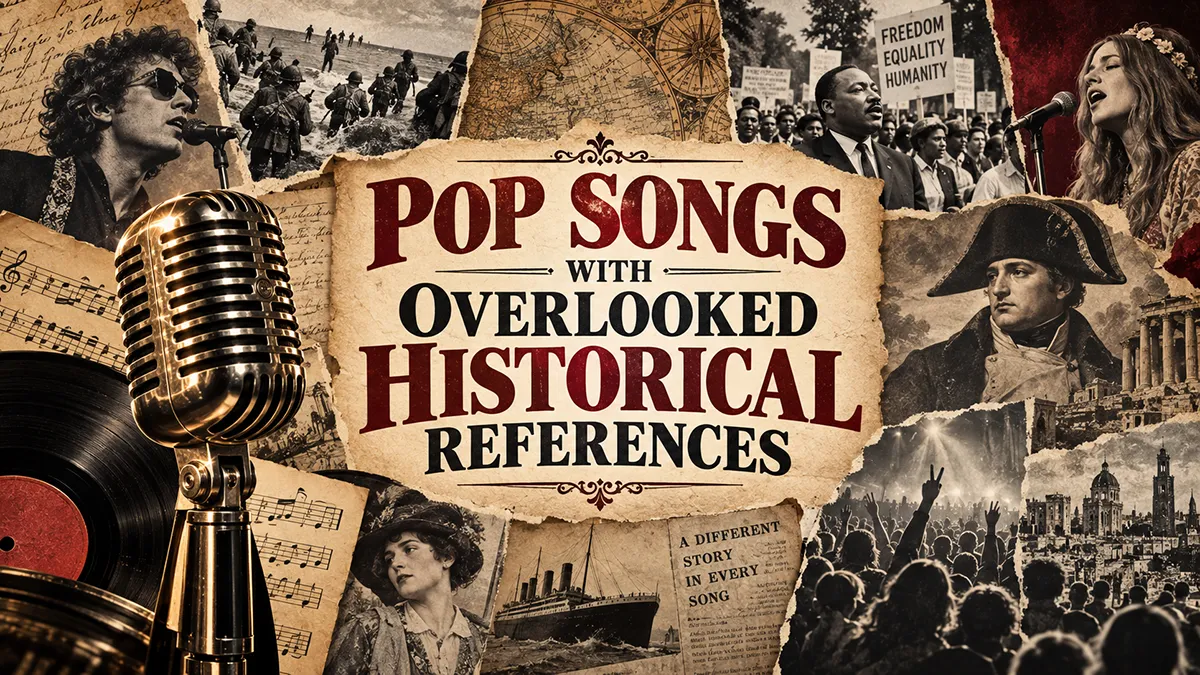
Pop radio doesn’t feel like a history classroom, but a surprising number of chart-topping songs have quietly smuggled real events, real people, and real tragedies into three-minute singles. You’ve probably sung along to a few of these without ever clocking the history in the lyrics.
That’s the fun part. Once you start noticing history in songs, you can’t stop hearing it, whether it’s a Cold War panic tucked into a synth-pop hit or a Crimean War cavalry charge disguised as a heavy metal anthem. This list digs into 22 historical songs about historical events, sorts fact from embellishment, and explains what actually happened behind the hook.
TL;DR: Dozens of beloved pop and rock songs are built around real wars, massacres, revolutions, and political movements — but the lyrics often compress, dramatize, or simplify the actual history.
Why Pop Songs Make Surprisingly Good History Lessons
Songwriters have always mined the news and the history books for material. A three-minute single can’t footnote itself, so artists compress complicated events into a chorus, a single image, or a repeated phrase. That’s exactly why songs about historical events tend to stick in memory longer than a textbook paragraph ever could.
The catch is that compression invites distortion. A songwriter chasing a rhyme or a rhythm isn’t writing a peer-reviewed article, so historical songs about historical events sometimes blur names, dates, or motives in the process. That doesn’t make the songs worthless as cultural artifacts — it just means listeners should treat them as a starting point, not a final source.
This is also why songs and history make such a good pairing for casual learning. A catchy melody can make you curious enough to go look up what actually happened at Kent State, or in Derry, or in a palace in St. Petersburg. Below are 22 songs where that curiosity pays off.
1. Waterloo — ABBA (1974)
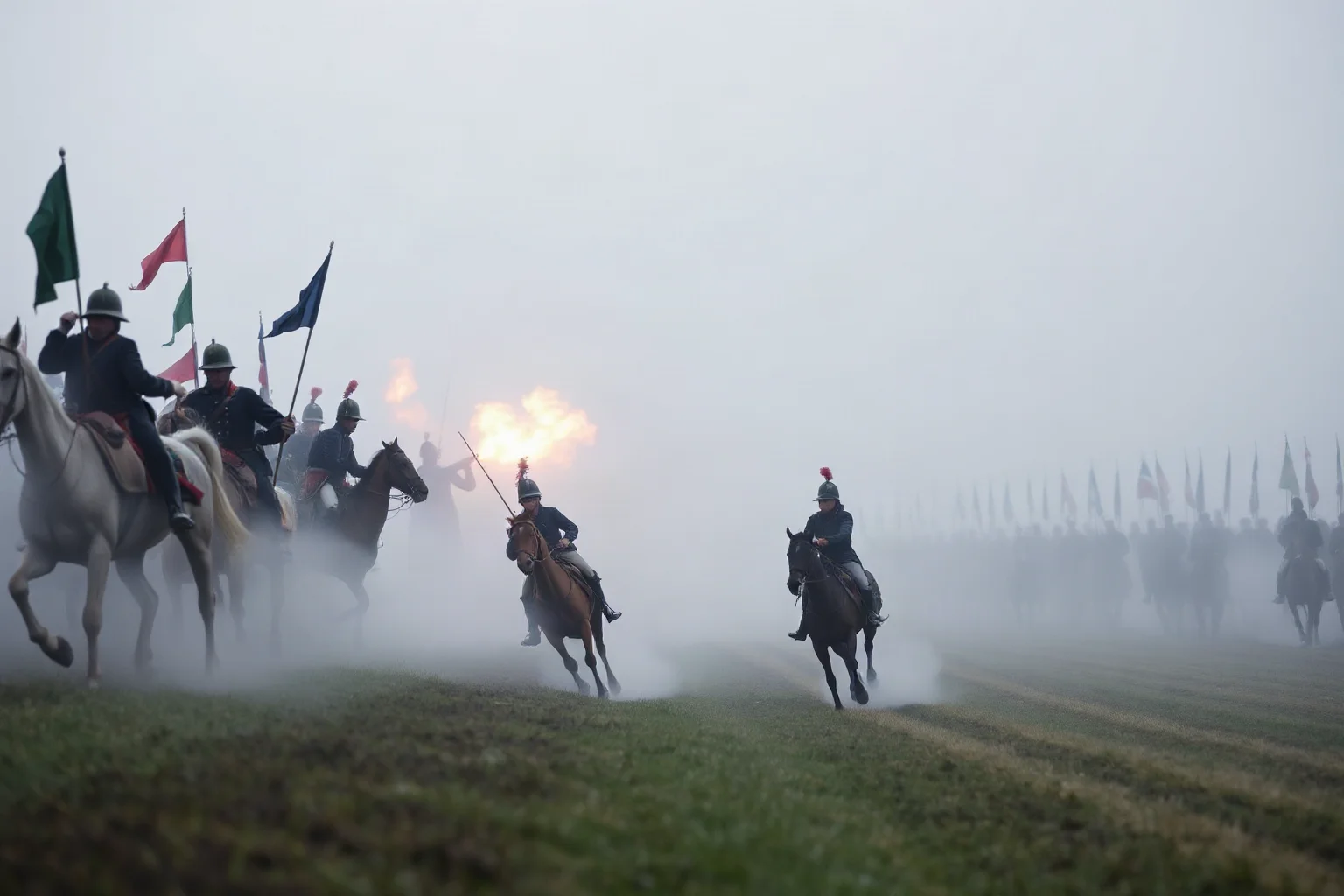
ABBA’s Eurovision-winning single turns the Battle of Waterloo into a metaphor for romantic surrender, but the underlying event is entirely real. On June 18, 1815, Napoleon Bonaparte‘s army was decisively defeated near Waterloo, in present-day Belgium, by a coalition led by the Duke of Wellington and Prussian forces under Gebhard von Blücher.
The defeat ended Napoleon’s brief return to power, known as the Hundred Days, and led to his final exile on the remote island of Saint Helena. ABBA never pretends to give a history lecture — the song uses the battle purely as a symbol for giving up a fight — but the historical bones underneath the love song are accurate.
2. Rasputin — Boney M (1978)
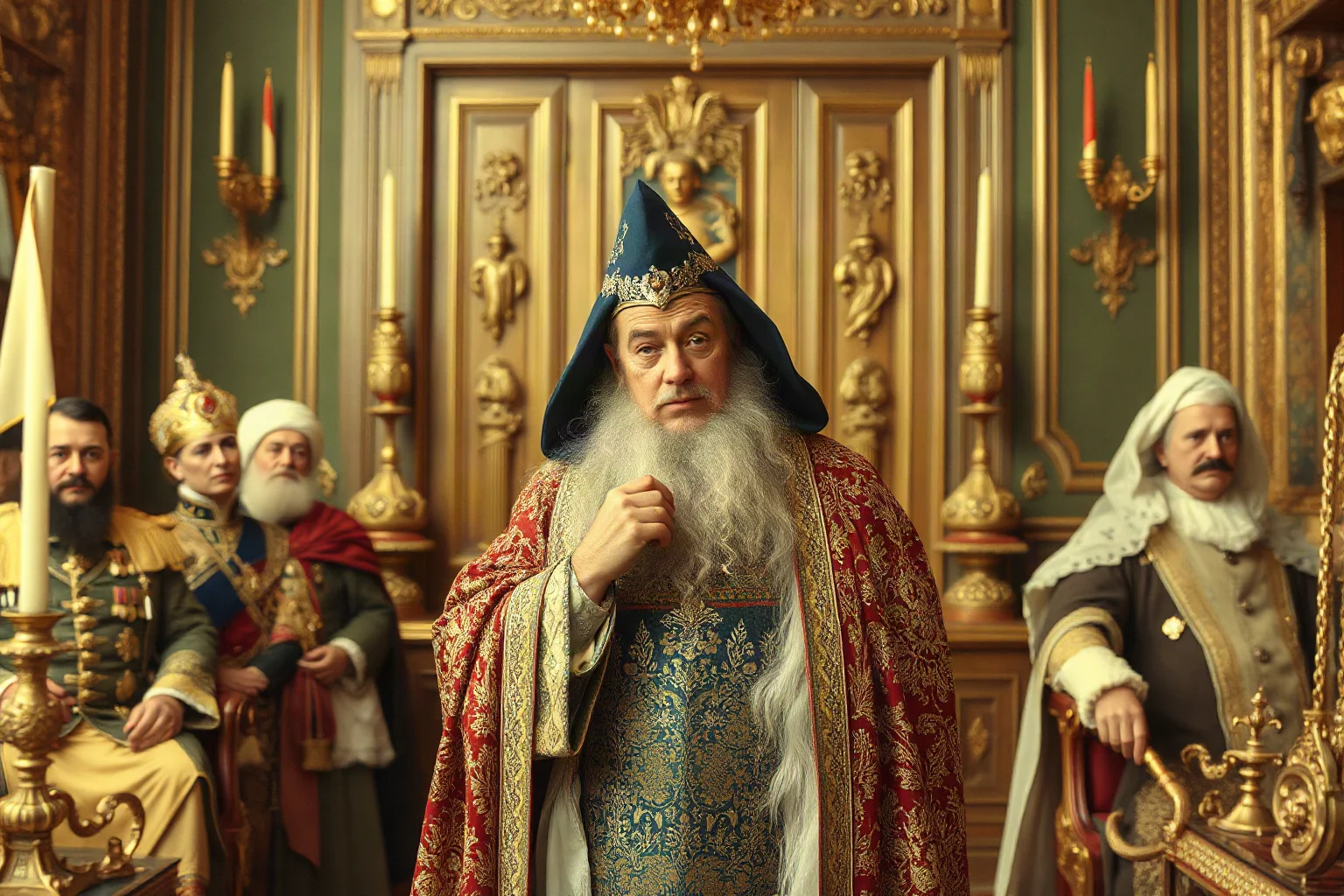
This disco hit dramatizes the life of Grigori Rasputin, the Siberian mystic who became a controversial adviser to Russia’s last royal family, the Romanovs, in the years before the 1917 revolution. He really did gain influence over Empress Alexandra, largely through his apparent ability to ease the suffering of her hemophiliac son, Alexei.
Where the song veers into myth is the lurid assassination story — Rasputin poisoned, shot, and thrown into a river. Historians agree he was murdered by a group of nobles in December 1916, but the more theatrical details of that night have been exaggerated and retold so many times that separating fact from legend is genuinely difficult.
3. The Trooper — Iron Maiden (1983)
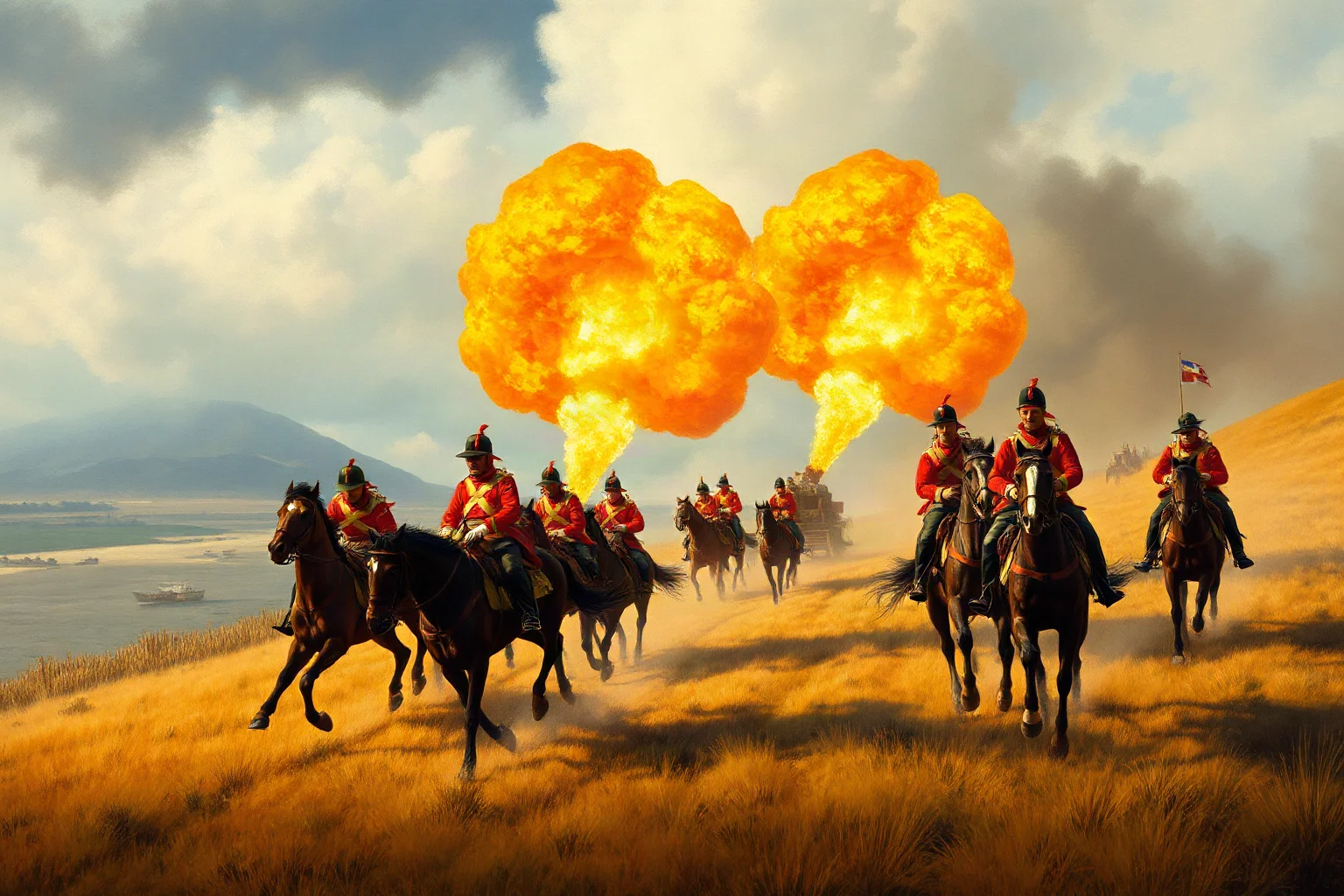
Iron Maiden’s galloping riff soundtracks the Charge of the Light Brigade, a British cavalry assault during the Battle of Balaclava in the Crimean War on October 25, 1854. A miscommunicated order sent roughly 670 British cavalrymen charging directly into well-defended Russian artillery positions.
The charge is remembered as a byword for heroic futility, partly thanks to Alfred, Lord Tennyson’s poem written soon after. Iron Maiden’s lyrics draw on that same imagery of doomed bravery, making this one of the more historically literate songs about a historical event in the metal genre.
4. 1916 — Motörhead (1991)
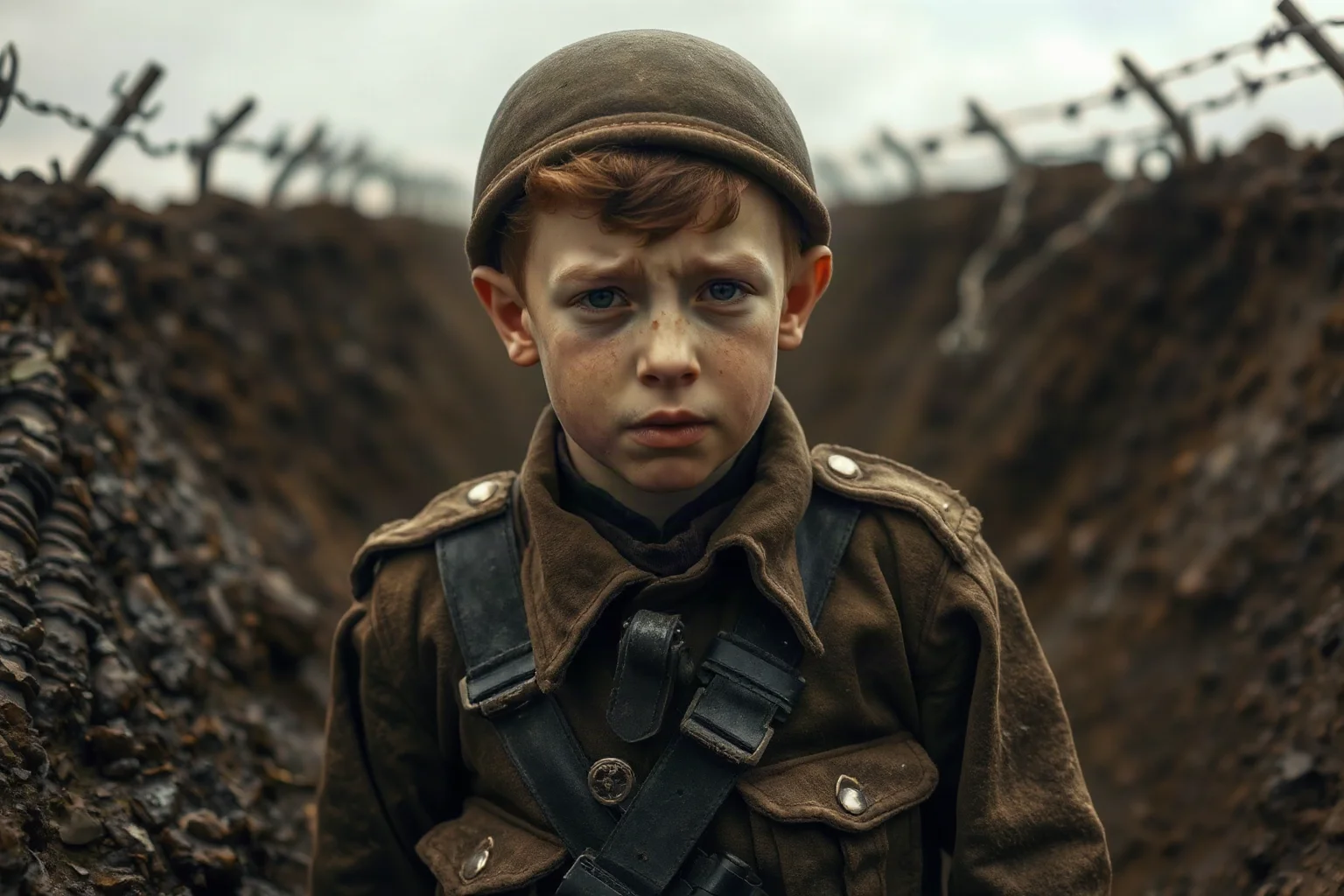
Motörhead’s title track imagines the final thoughts of a young soldier dying in the trenches of World War I. While the lyrics don’t name a specific battle, the year in the title strongly evokes 1916, the year of the Battle of the Somme, one of the deadliest engagements in human history with over a million casualties on all sides.
What makes the song notable is its restraint. Rather than glorifying combat, it leans into grief and disillusionment, echoing the broader shift in how WWI was remembered by the mid-to-late 20th century.
5. Sunday Bloody Sunday — U2 (1983)
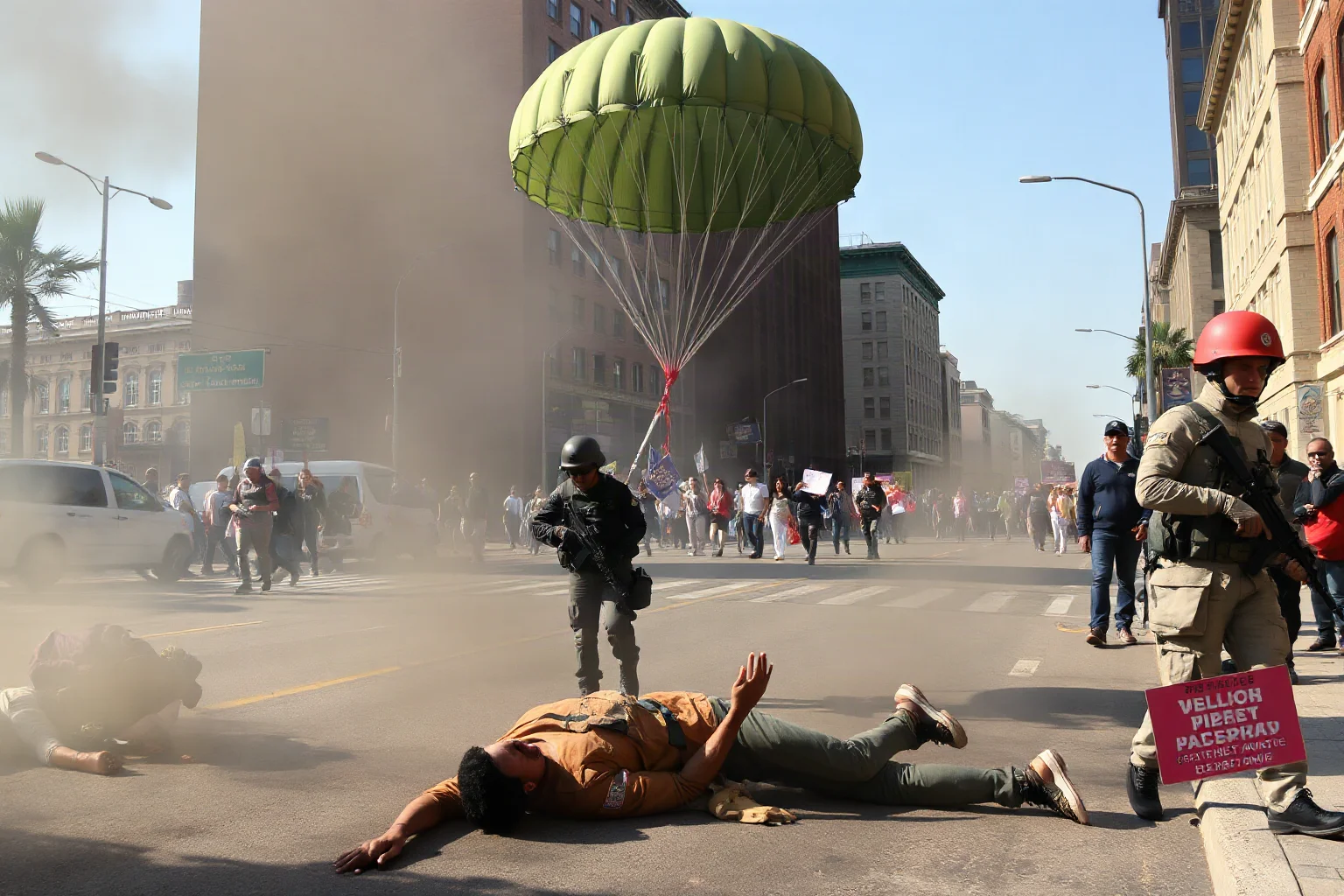
U2’s anthem was inspired by Bloody Sunday, January 30, 1972, when British paratroopers shot 26 unarmed civilians during a civil rights march in Derry, Northern Ireland, killing 13 that day and one more later from injuries. The event became one of the defining tragedies of the Troubles, the decades-long conflict over Northern Ireland’s constitutional status.
Bono has repeatedly said the song is not a rebel anthem taking one side of the conflict; it’s a lament about violence and its human cost. Even so, it remains one of the most direct historical songs to come out of mainstream rock, naming a real massacre in its very title.
6. Zombie — The Cranberries (1994)
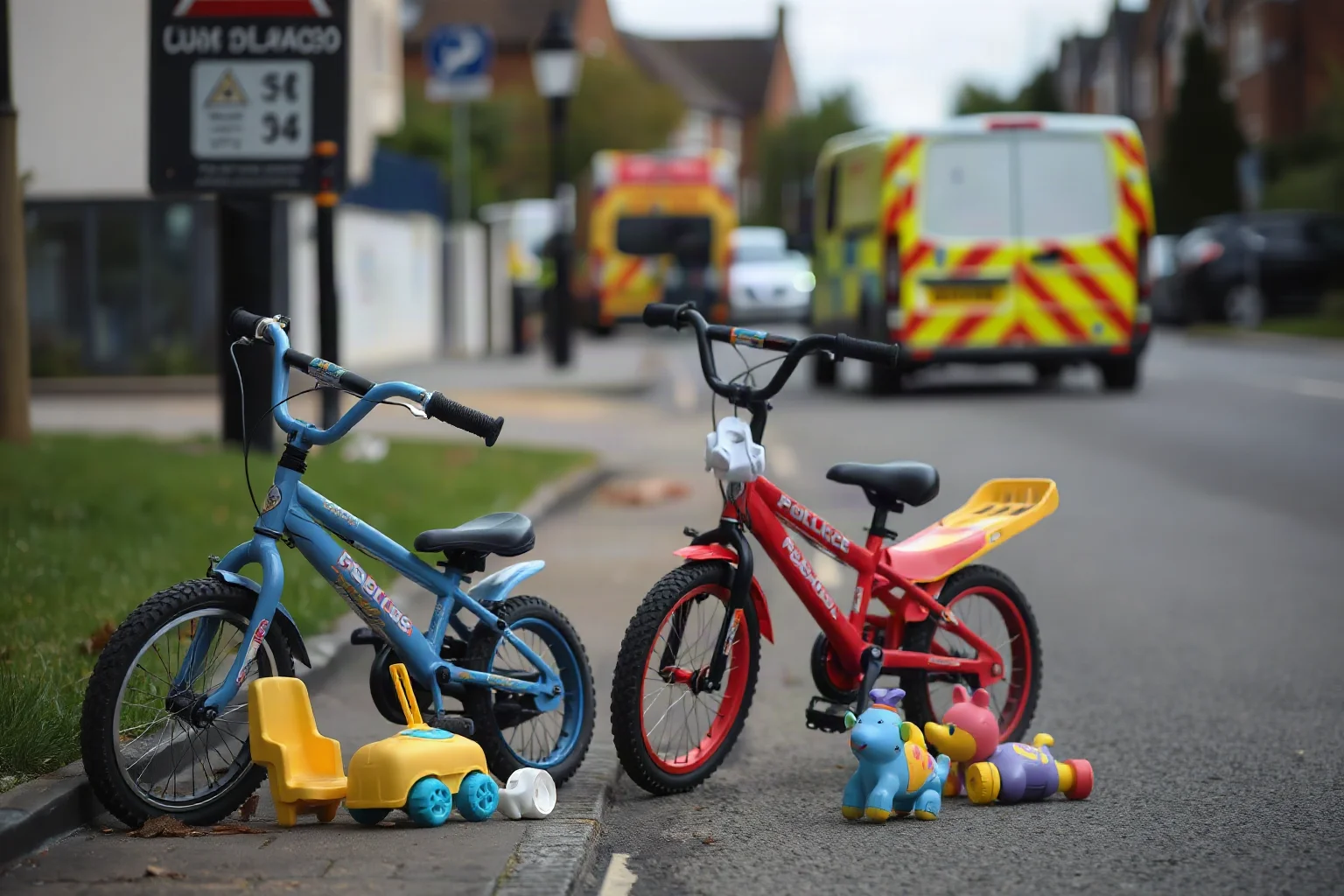
Dolores O’Riordan wrote “Zombie” after the 1993 Warrington bombing, an IRA attack in England that killed two children, Jonathan Ball and Tim Parry. The song is a direct response to that violence, part of the broader, decades-long Troubles between republican and loyalist communities in Northern Ireland and Britain.
The lyric “another head hangs lowly” is often misheard as detached from any real event, but O’Riordan was explicit in interviews that the song was written in grief and anger over a specific atrocity, not a vague antiwar sentiment.
7. Ohio — Crosby, Stills, Nash & Young (1970)
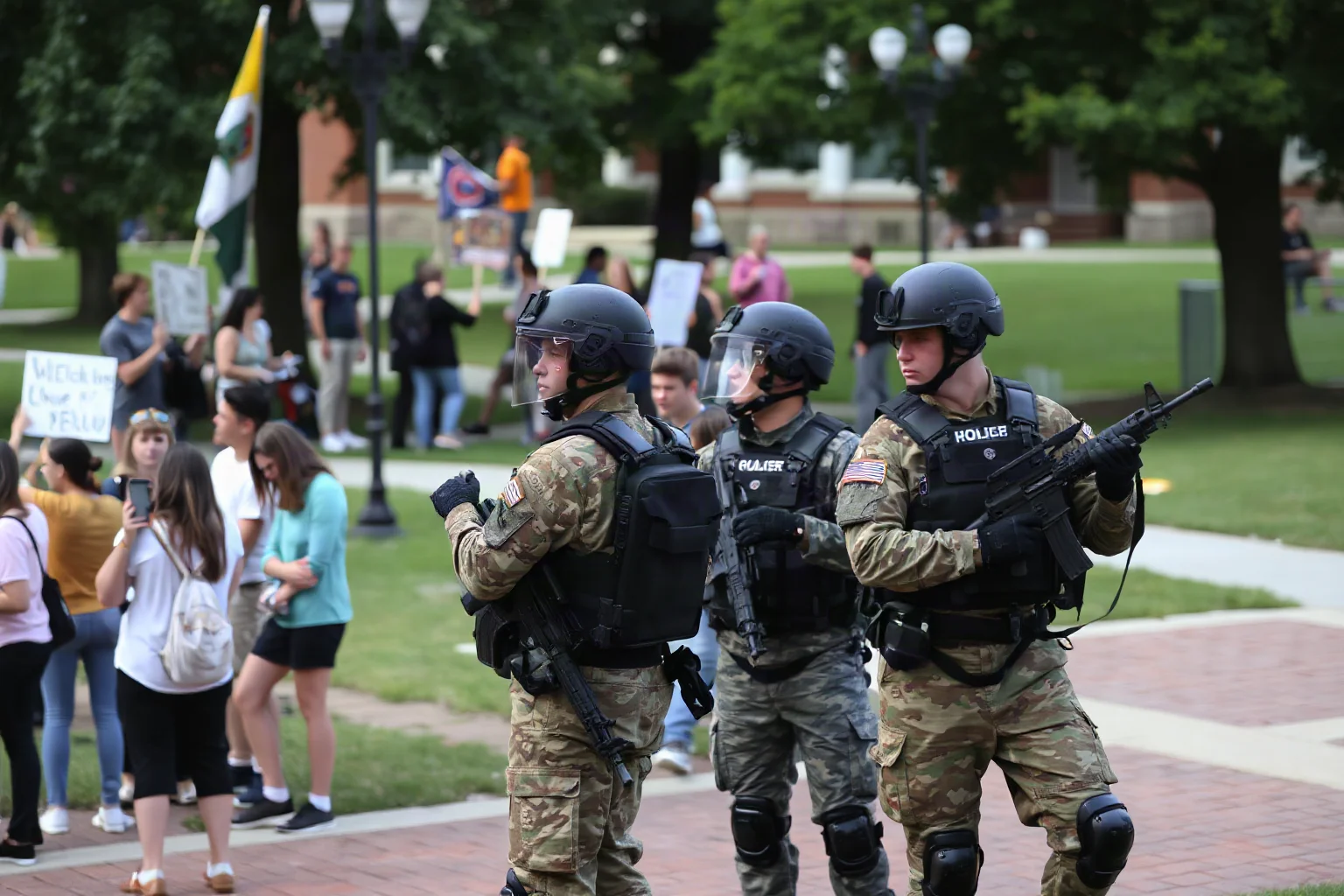
Neil Young wrote “Ohio” within days of the Kent State shootings on May 4, 1970, when Ohio National Guard troops opened fire on unarmed college students protesting the Vietnam War and the U.S. invasion of Cambodia, killing four and wounding nine. Young reportedly wrote the song after seeing photographs of the shooting in a magazine.
The track was released as a single almost immediately, an unusually fast response even by protest-song standards. It remains one of the clearest examples of a pop song functioning as a real-time historical document.
8. Fortunate Son — Creedence Clearwater Revival (1969)
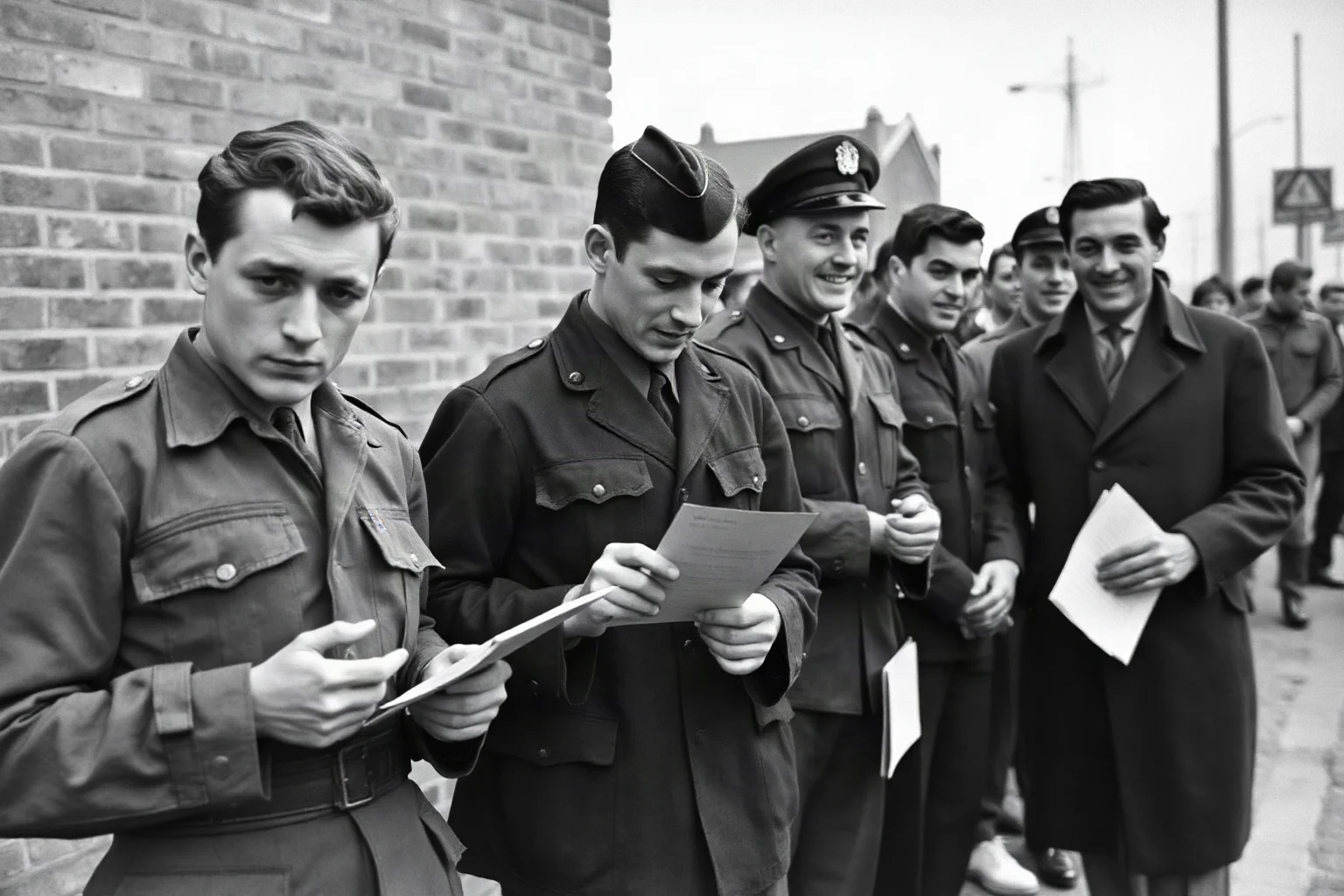
“Fortunate Son” is frequently mistaken for a song specifically about any single politician’s family, but John Fogerty has described it more broadly as a protest against class inequality during the Vietnam War draft. Wealthier and better-connected young men often found legal ways to avoid combat while working-class draftees were sent to fight.
The song’s anger is rooted in that real, well-documented disparity in how the draft played out across American society. It’s less about one event than about a systemic historical pattern, which is exactly why it still gets used in films and ads about Vietnam-era America.
9. 19 — Paul Hardcastle (1985)
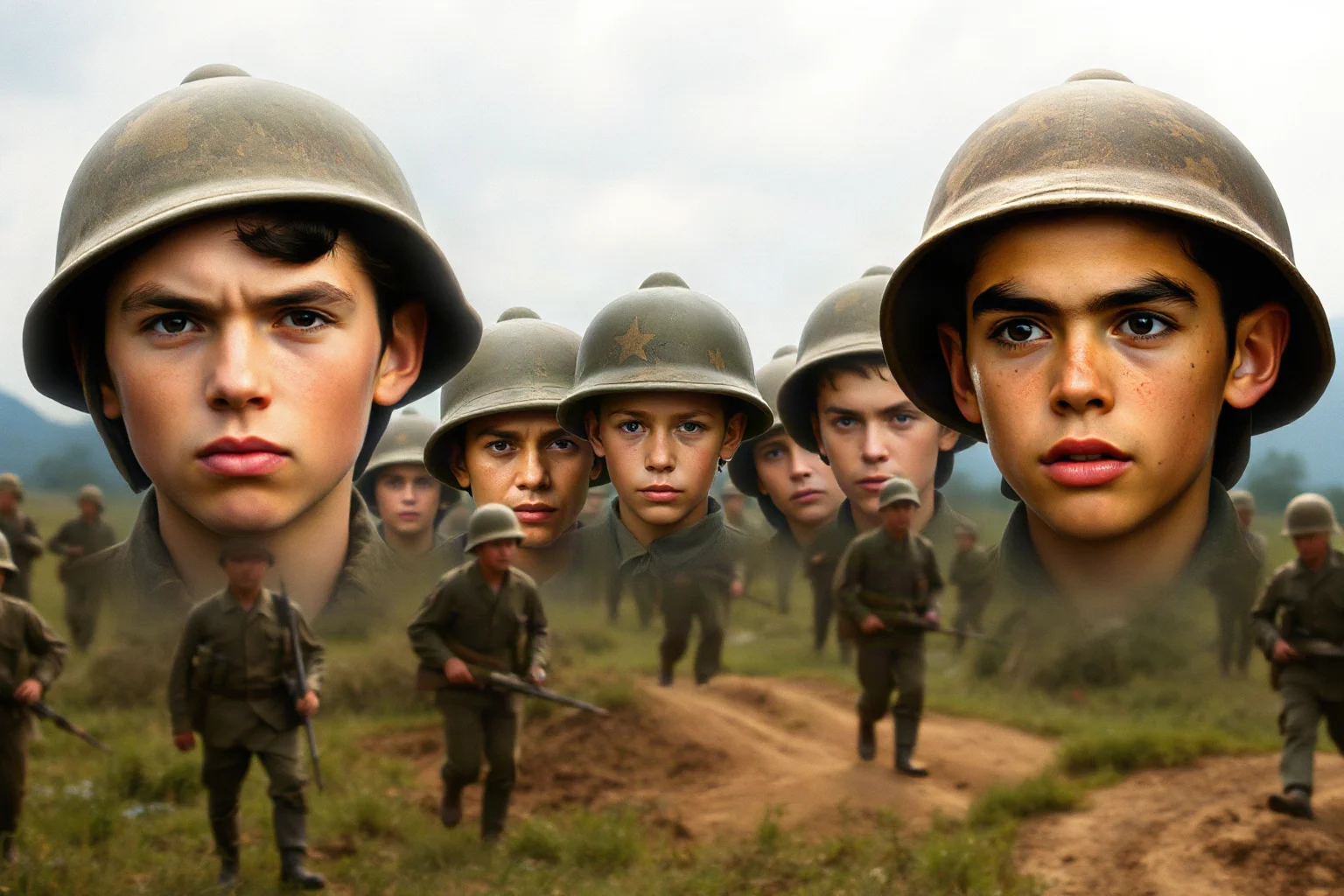
This unusual electronic hit is built around a genuinely factual statistic: contemporary reporting at the time cited the average age of American soldiers killed in the Vietnam War as 19, compared with an older average in previous American wars. Hardcastle sampled documentary narration and news broadcasts to build the track around that figure.
The exact average-age statistic has been debated and revised by later researchers, but the broader point — that Vietnam-era combat deaths skewed remarkably young — is well supported by historical demographic data. It’s a rare case of a chart hit being structured almost entirely around a single historical data point.
10. Buffalo Soldier — Bob Marley (1983)
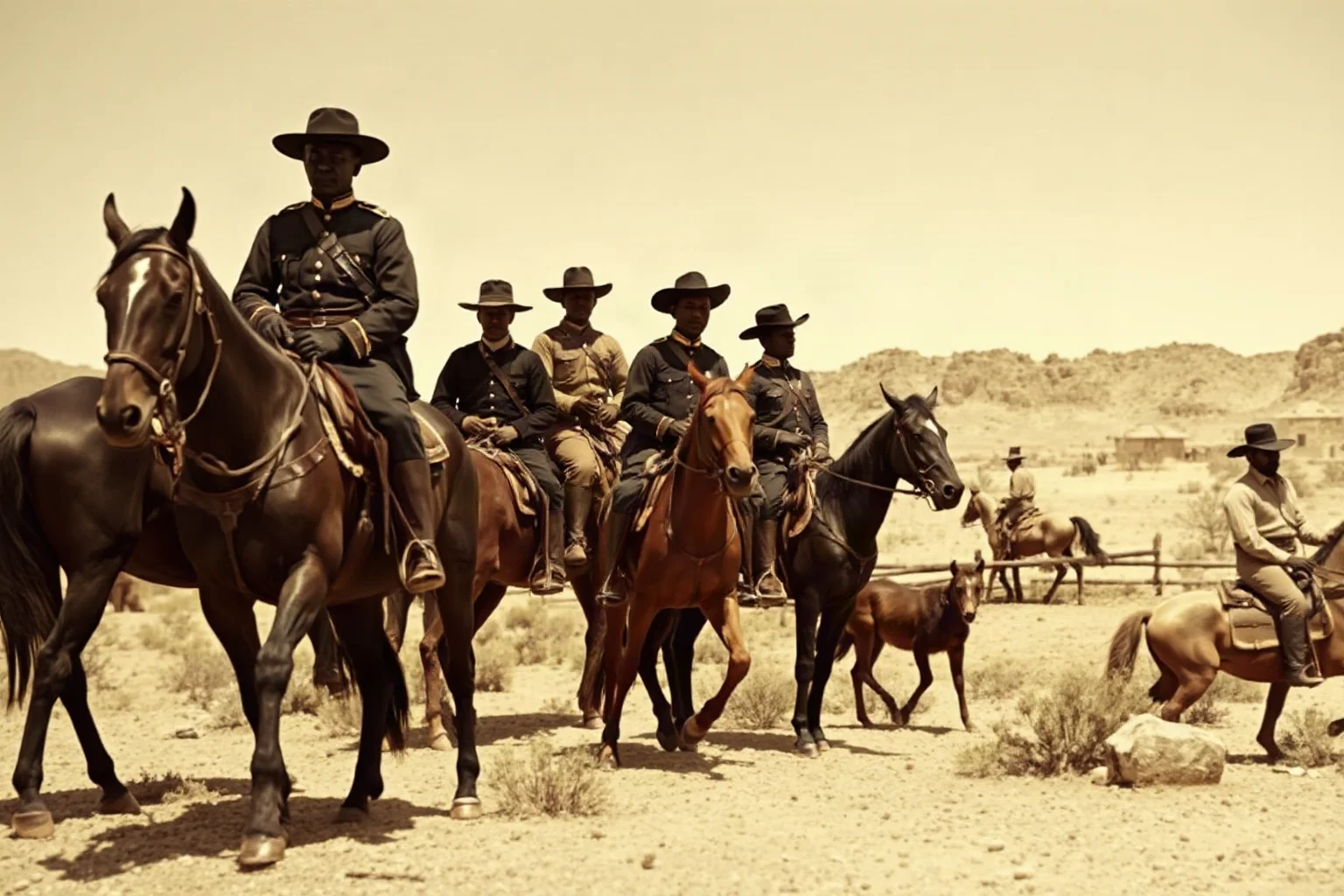
Released after Marley’s death, this song references the Buffalo Soldiers, Black regiments formed in the U.S. Army starting in 1866, in the years following the Civil War. These soldiers served in the American West, including in campaigns against Native American nations, a complicated history Marley uses to connect African diaspora identity across centuries.
Marley’s lyrics don’t shy away from the tangled legacy: the Buffalo Soldiers were both a symbol of Black achievement in a segregated military and participants in the displacement of Indigenous peoples. It’s one of the more layered entries on this list of songs related to historical events.
11. Strange Fruit — Billie Holiday (1939)
“Strange Fruit” began as a poem by teacher Abel Meeropol, written in response to lynching photographs he had seen, and was later set to music and made famous by Billie Holiday. The “strange fruit” of the title is a devastating metaphor for Black bodies hanging from trees, a reference to the real and widespread practice of lynching in the American South well into the 20th century.
Holiday’s recording, released in 1939, is often cited as one of the earliest and most powerful protest songs in American popular music. It didn’t reference one specific lynching but confronted a pervasive historical reality that mainstream culture largely refused to discuss.
12. Mississippi Goddam — Nina Simone (1964)
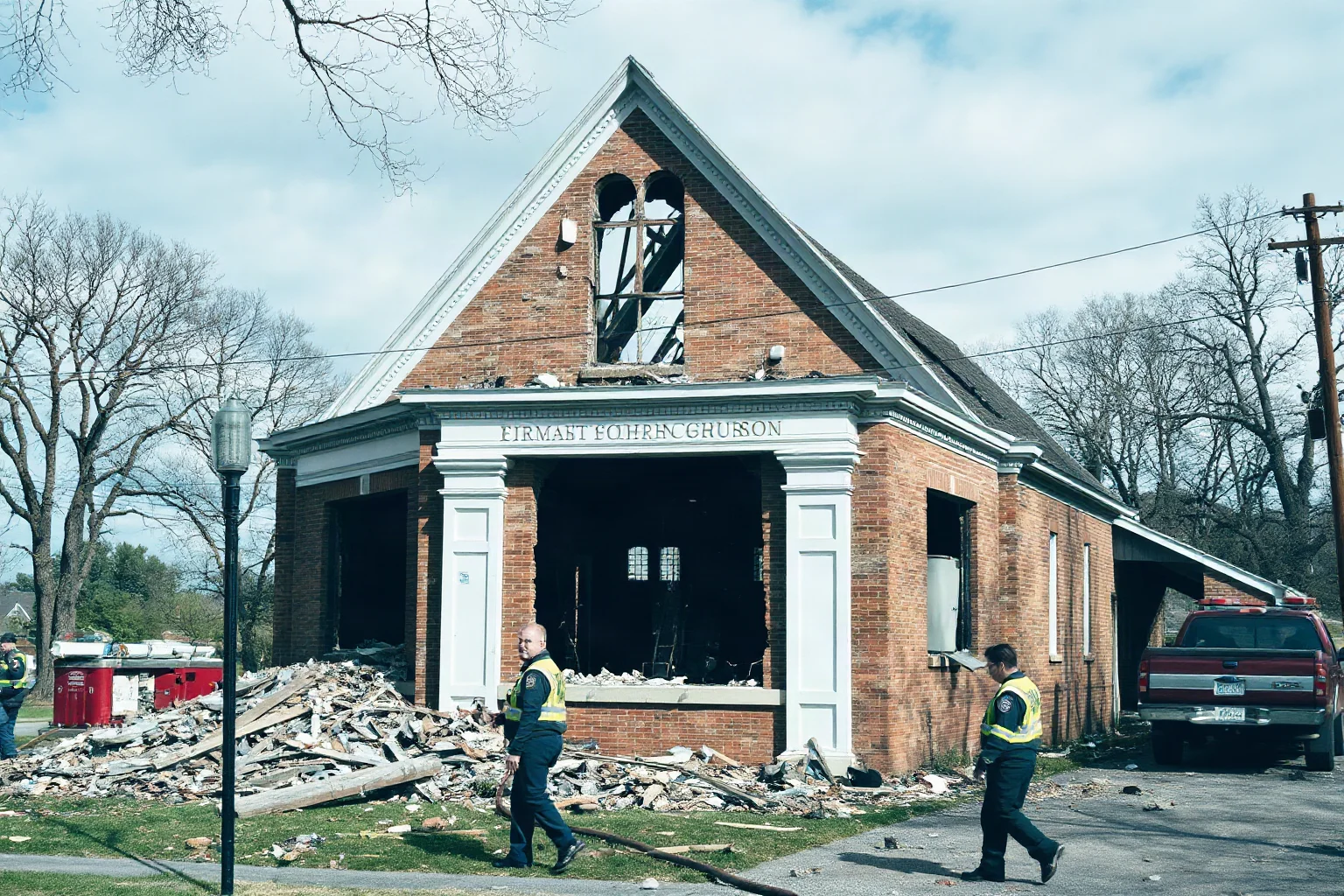
Nina Simone wrote this song in a single furious burst after two connected 1963 tragedies: the murder of civil rights activist Medgar Evers in Mississippi, and the bombing of the 16th Street Baptist Church in Birmingham, Alabama, which killed four young Black girls. Both events are widely documented turning points in the civil rights movement.
Simone herself called it her first civil rights song, and later described how the anger simply poured out of her. It remains one of the most historically specific protest songs of the era, naming real places and real atrocities without softening them.
13. Biko — Peter Gabriel (1980)
This song memorializes Steve Biko, a South African anti-apartheid activist who died in police custody in September 1977 after being detained and beaten. Biko’s death became an international symbol of the brutality of the apartheid system and helped galvanize global anti-apartheid sentiment.
Gabriel’s song was notable for bringing Biko’s story to a mainstream Western audience at a time when apartheid received far less consistent media coverage than it does in historical retrospect. It’s a clear example of a pop song acting as an act of historical memory.
14. Free Nelson Mandela — The Special AKA (1984)
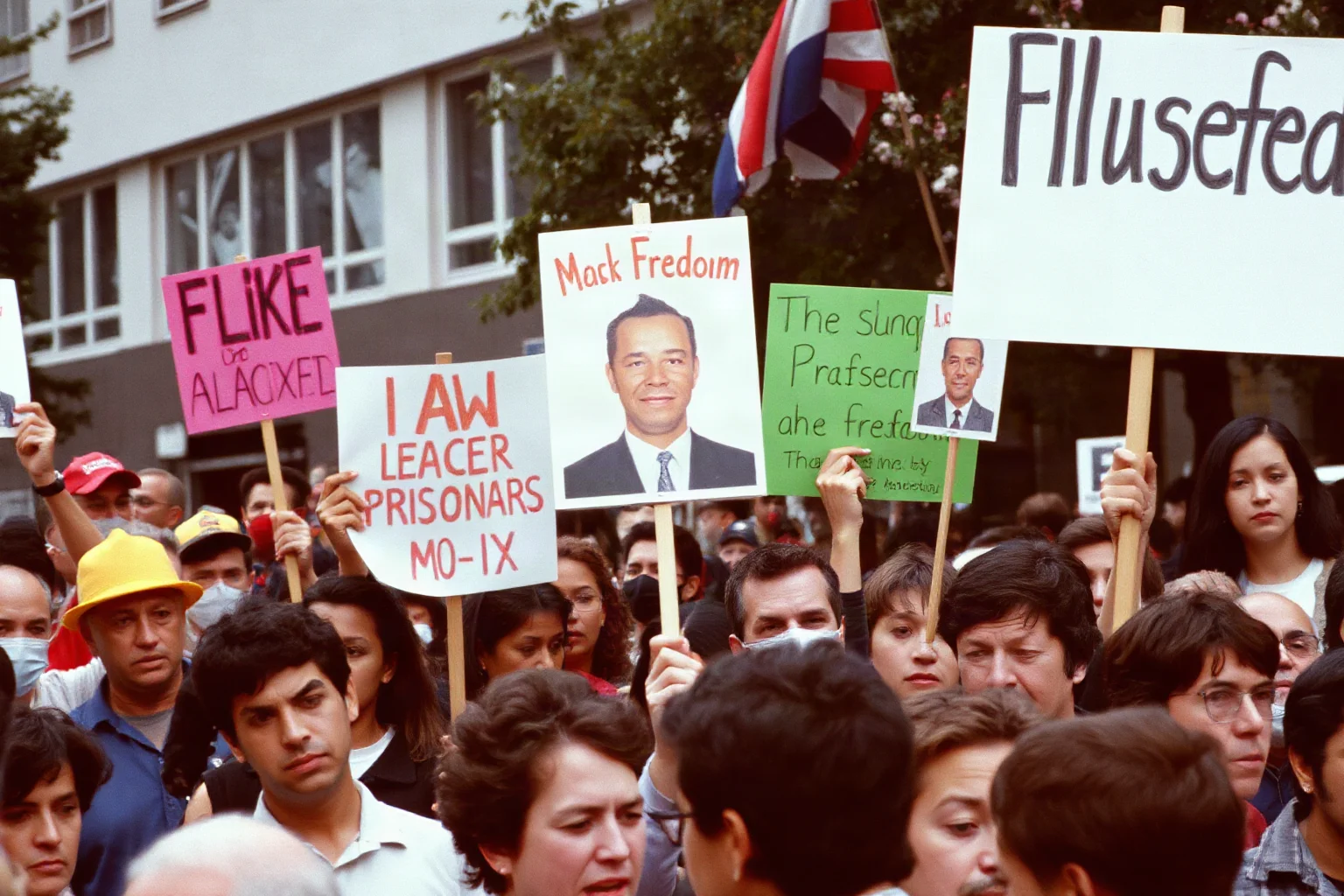
This upbeat single called for the release of Nelson Mandela, who had been imprisoned since 1962 and sentenced to life in 1964 following the Rivonia Trial for his role in the anti-apartheid resistance. The song became an anthem of the international Free Mandela campaign throughout the 1980s.
Mandela was eventually released in February 1990, and the song is often credited with helping raise global awareness of his imprisonment, particularly among younger listeners who hadn’t grown up following South African politics closely. It’s a rare protest song with a documented happy ending.
15. 99 Luftballons — Nena (1983)
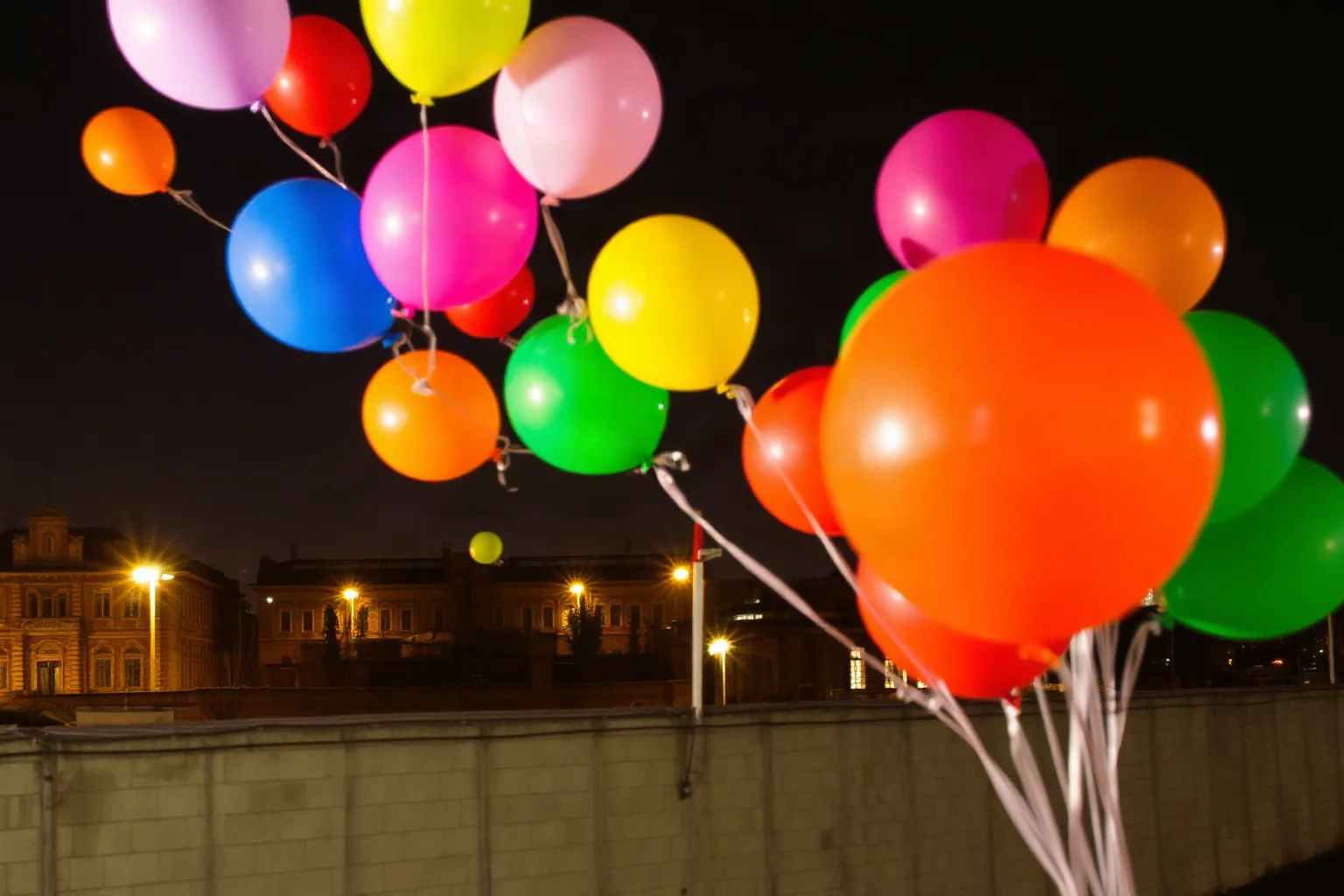
This German new wave hit was reportedly inspired by a Rolling Stones concert in West Berlin, during which balloons released into the sky drifted toward the East, prompting band members to wonder aloud what would happen if Soviet radar mistook them for something threatening. The song imagines exactly that scenario spiraling into accidental nuclear war.
While the song describes a fictional chain of events, the anxiety behind it was entirely real. The early 1980s saw genuine, well-documented fears of accidental nuclear escalation between NATO and the Soviet bloc, making this one of the more atmospheric songs about historical events rather than a specific one.
16. Wind of Change — Scorpions (1990/91)
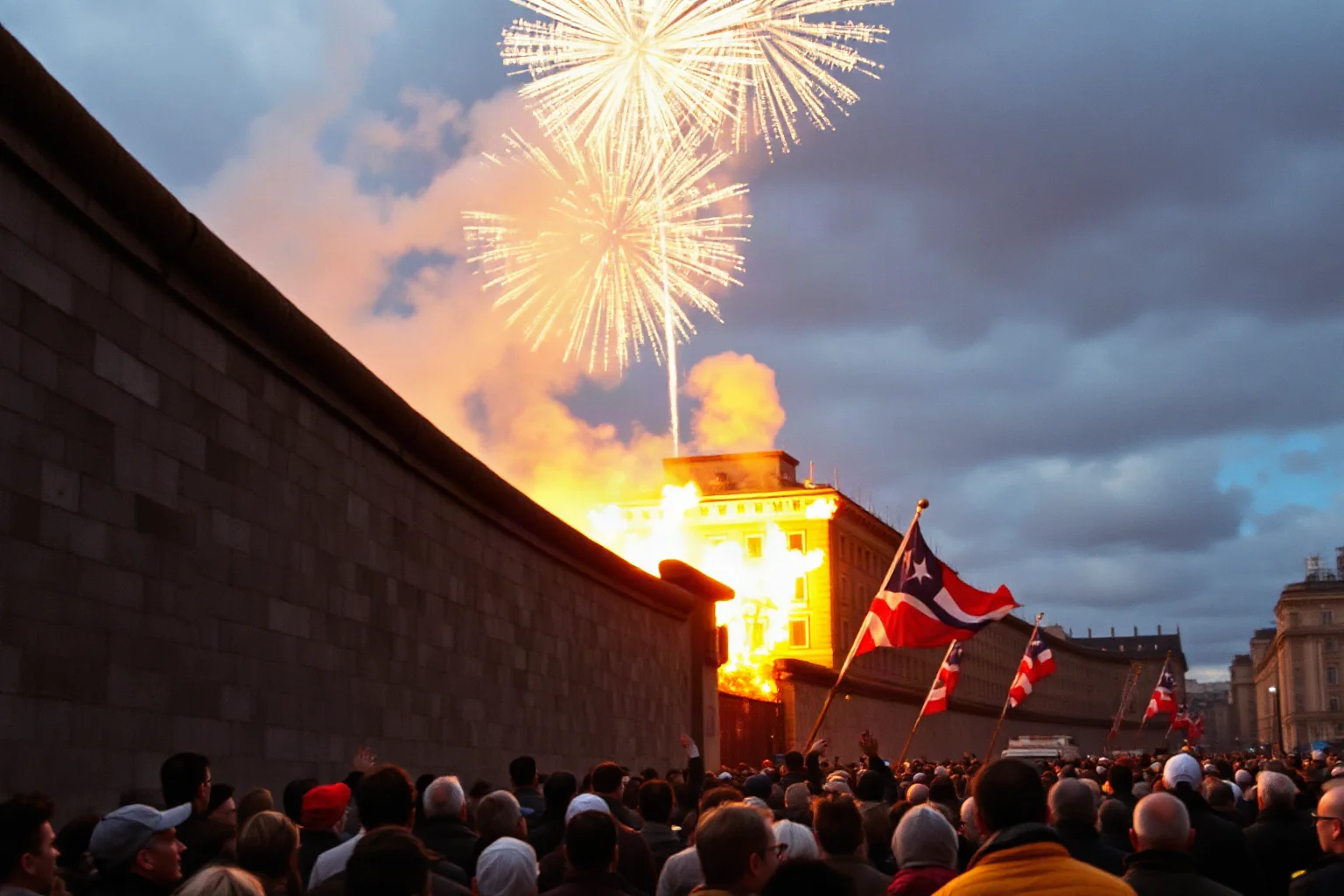
This power ballad was inspired by the Moscow Music Peace Festival in 1989 and the rapidly shifting political climate across the Eastern Bloc, most visibly symbolized by the fall of the Berlin Wall in November 1989. The song captures the widespread optimism of that moment, as decades of Cold War division appeared to be ending.
It became hugely popular in Russia and Eastern Europe specifically because it soundtracked a real, lived transition many listeners were experiencing firsthand. Few songs about history have been so directly tied to the emotional mood of a specific geopolitical turning point.
17. Two Tribes — Frankie Goes to Hollywood (1984)

Released at the height of early-1980s Cold War tension, this song and its accompanying video played directly on fears of nuclear conflict between the United States and the Soviet Union. The video depicted exaggerated wrestling matches between lookalikes of world leaders, satirizing the brinkmanship of the era.
The song doesn’t reference one discrete historical event so much as an atmosphere — a period when arms buildups, proxy wars, and hardline rhetoric from both superpowers made nuclear war feel like a plausible near-term risk to many ordinary people. That documented public anxiety is well supported by polling and cultural history from the period.
18. Brothers in Arms — Dire Straits (1985)

Mark Knopfler wrote this song reflecting on the Falklands War of 1982, a brief but bloody conflict between the United Kingdom and Argentina over the Falkland Islands in the South Atlantic. Roughly 900 people died on both sides in just over two months of fighting.
Rather than focusing on politics or territory, the song centers on the emotional bond between soldiers and the grim cost paid regardless of who ultimately “wins.” It’s a good example of a historical song using a specific, dated conflict to make a broader, timeless point about war.
19. Do They Know It’s Christmas? — Band Aid (1984)

This charity single was written by Bob Geldof and Midge Ure in direct response to the 1983–1985 famine in Ethiopia, which killed an estimated several hundred thousand to over a million people amid drought, conflict, and government policy failures. The record raised substantial funds for famine relief and helped inspire the following year’s Live Aid concerts.
The song has faced legitimate criticism in later decades for its stereotyped depiction of Africa and its inaccurate lyric suggesting the continent sees no rain or rivers. Even so, the underlying historical event it responded to, the Ethiopian famine, was tragically real and remains a significant humanitarian crisis in modern history.
20. Holiday in Cambodia — Dead Kennedys (1980)
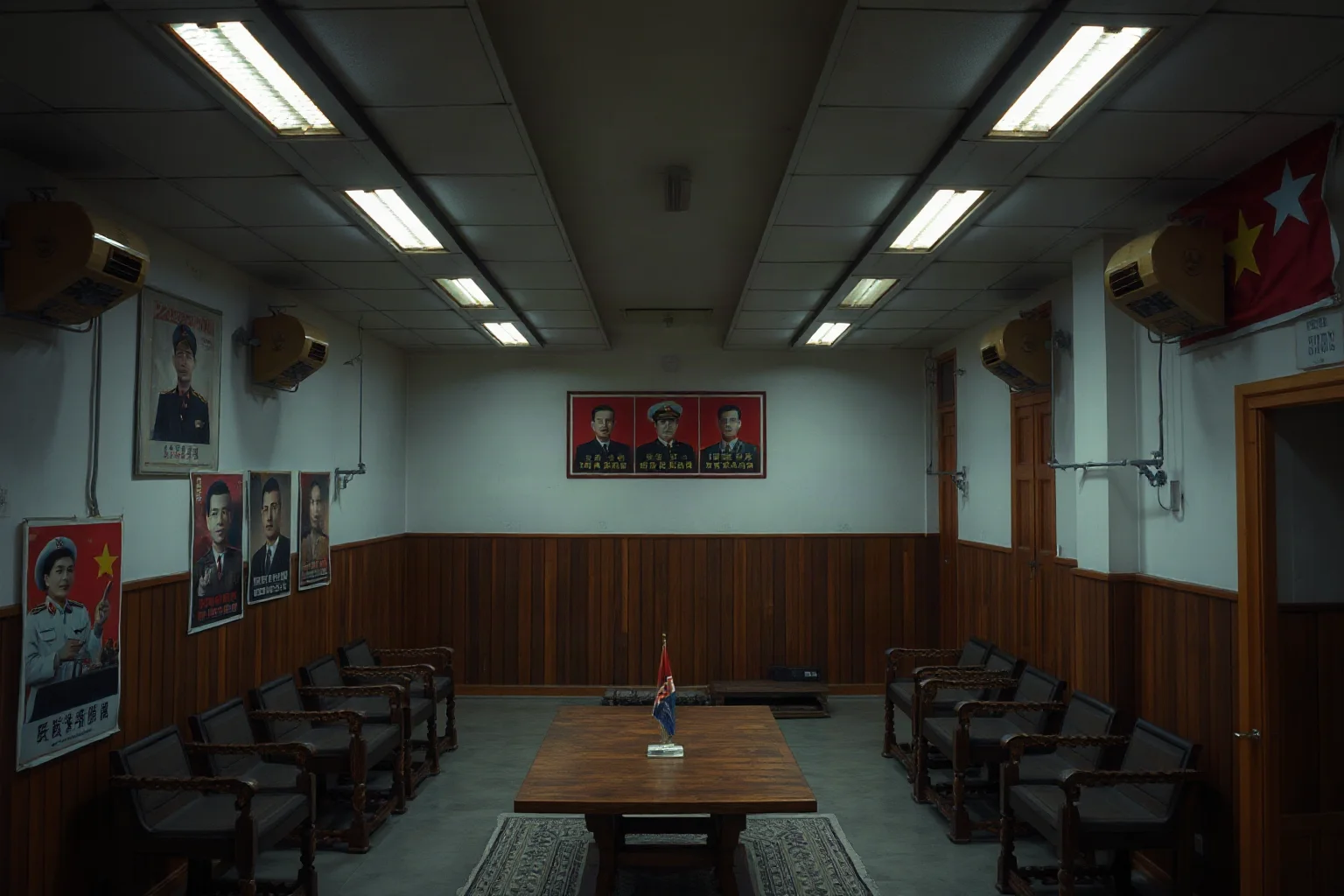
This punk track sharply satirizes privileged Western college students while referencing the Khmer Rouge, the regime led by Pol Pot that ruled Cambodia from 1975 to 1979 and was responsible for the deaths of an estimated 1.5 to 2 million people through executions, forced labor, and starvation. The song’s bite comes from suggesting its smug, oblivious target should experience that horror directly.
It’s a deliberately uncomfortable song, using real genocide as a rhetorical weapon against complacency rather than as its central subject. That choice has drawn its own controversy over the decades, which is worth knowing if you’ve only ever heard it as background noise.
21. Ghost Town — The Specials (1981)
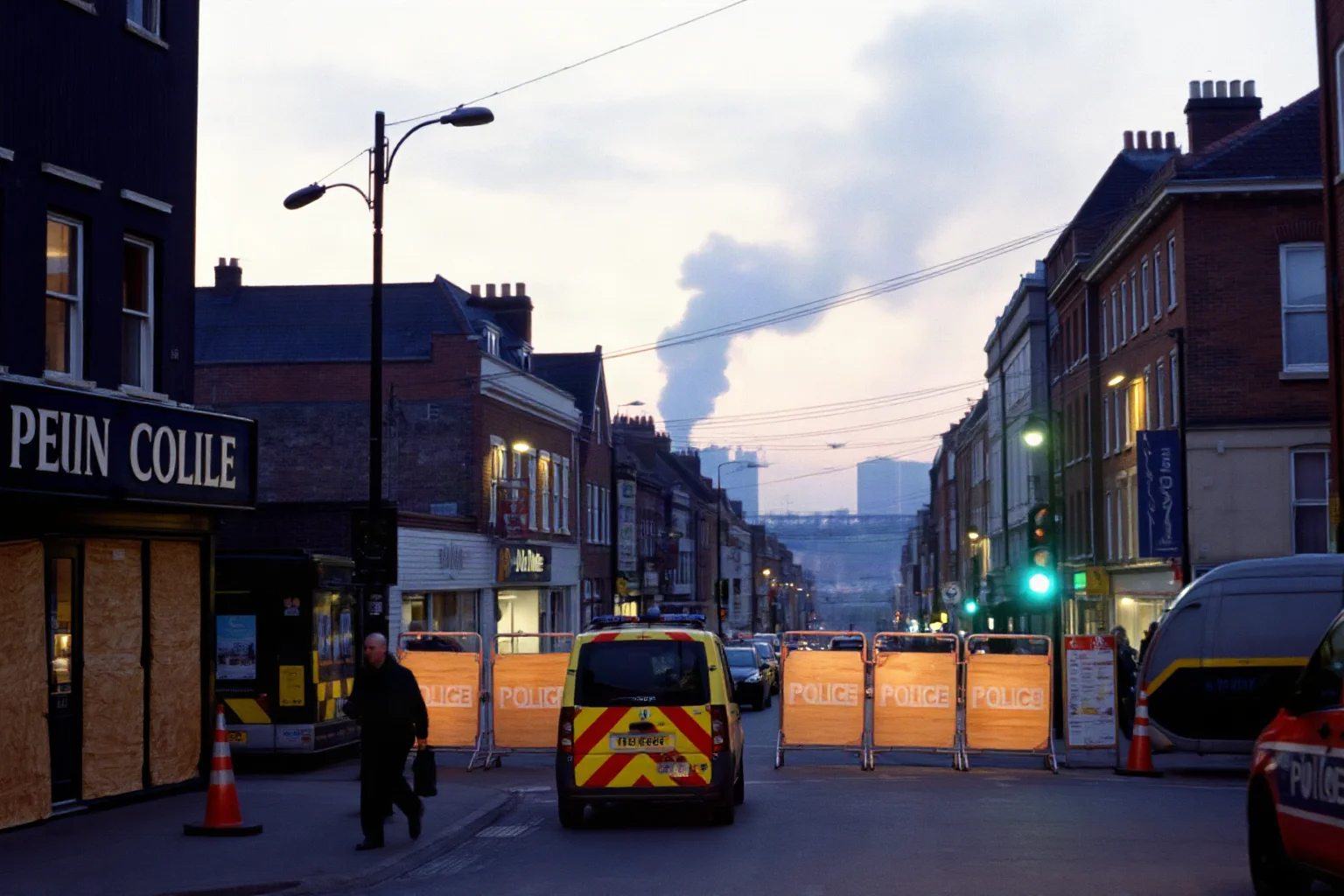
Released in the summer of 1981, this haunting single arrived almost simultaneously with real riots breaking out in Brixton, Toxteth, Handsworth, and other British cities, driven by unemployment, urban decline, and tensions between police and Black communities under early Thatcher-era economic policy. The timing was less a coincidence than a shared response to conditions the band had been observing on tour.
The song’s eerie, sparse sound captured a genuine mood of civic decay that contemporary journalism was also documenting in detail. It stands as one of the more atmospheric historical songs about historical events, tied tightly to a specific, well-documented season of unrest.
22. American Skin (41 Shots) — Bruce Springsteen (2000)
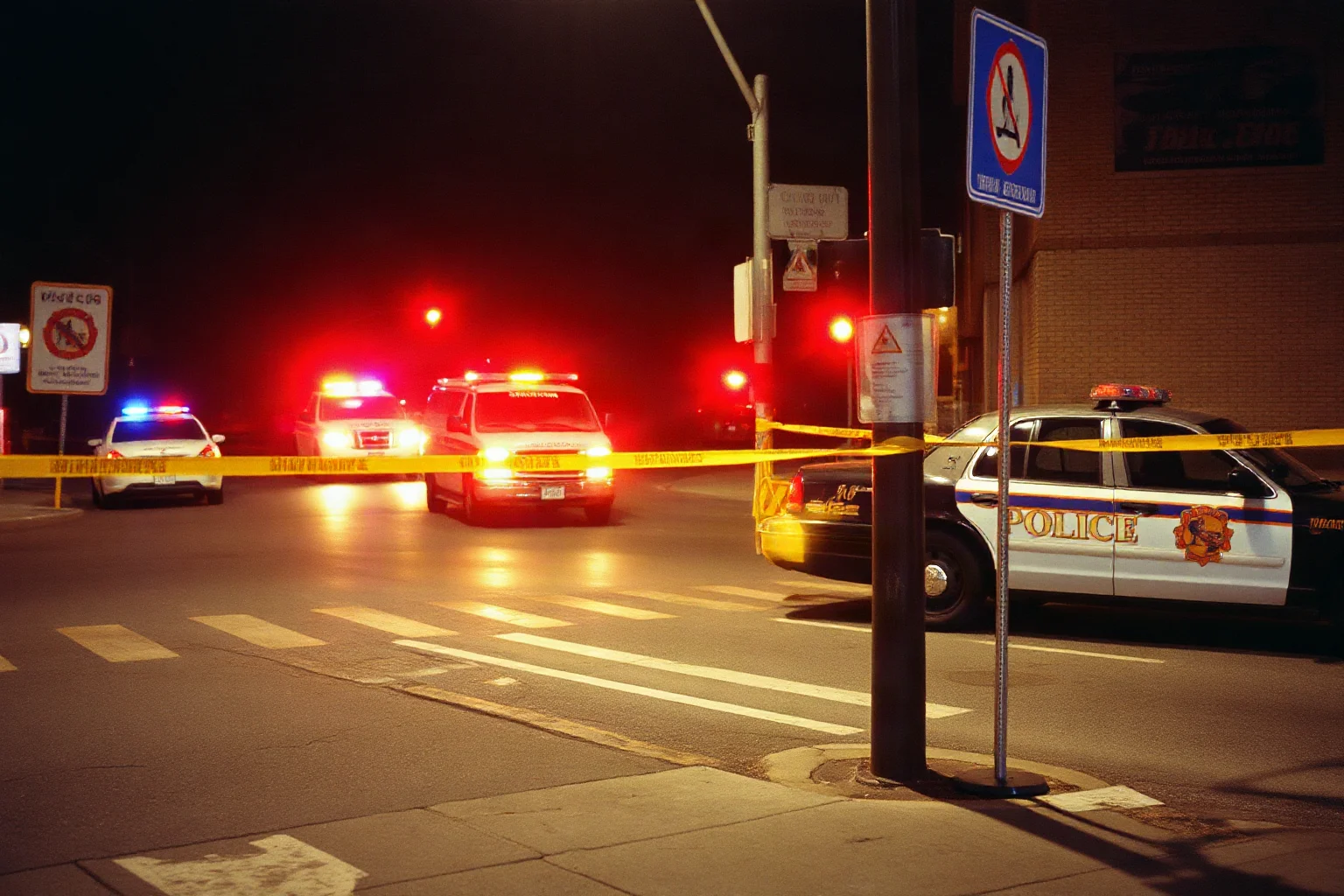
Springsteen wrote this song about the killing of Amadou Diallo, an unarmed 23-year-old immigrant from Guinea, who was shot by four New York City police officers in February 1999. The officers fired 41 rounds, striking Diallo 19 times, in an incident that sparked major protests and a high-profile trial that ended in acquittal.
The song’s refrain, “41 shots,” refers directly to the documented number of rounds fired that night. It’s one of the more recent entries here, but it fits squarely into a long tradition of pop and rock artists turning a specific, verifiable event into a lasting piece of musical memory.
How to Actually Listen for History in Your Playlist
If you want to spot history in songs on your own, start with specificity. Vague sadness in a lyric is usually just a broken heart, but a named place, date, number, or figure is often a signal the songwriter is drawing from something real.
It also helps to check the release date against the news of that year. Many historical songs about historical events were written and released within months of the event itself, which is a strong clue that the songwriter was responding to something specific rather than writing in the abstract.
Finally, treat the song as a lead, not a source. Great songs for history fans are the ones that send you to a book, an archive, or a documentary afterward, rather than the ones you simply take at face value.
A Final Note on Accuracy
It’s worth repeating that pop songs are art, not journalism, and that distinction matters. Rasputin’s assassination has been mythologized for a century, the Buffalo Soldiers’ legacy is genuinely complicated rather than simply heroic, and even a well-intentioned charity single like “Do They Know It’s Christmas?” got real facts about Ethiopia wrong.
None of that erases the value of these songs and history working together. It just means the healthiest way to enjoy songs with history in the lyrics is with a little curiosity and a willingness to double-check the details afterward.
The Never-Ending Playlist of History
From Napoleon’s last stand to a 1999 shooting in the Bronx, this list only scratches the surface of songs related to historical events hiding in plain sight on classic radio and streaming playlists alike. Once you start noticing them, you’ll likely find your own favorites that belong on an updated version of this list.
That’s really the appeal of history songs as a category: they prove that big, complicated events can live inside a three-minute single and still reach people decades later. Keep your ears open, and the history will keep finding you.
Frequently Asked Questions
What are some good songs about historical events?
Strong examples include "Ohio" by Crosby, Stills, Nash & Young (Kent State shootings, 1970), "Sunday Bloody Sunday" by U2 (Bloody Sunday, 1972), "Biko" by Peter Gabriel (the death of Steve Biko under apartheid), and "Wind of Change" by Scorpions (the fall of the Berlin Wall). Each of these songs about historical events was written in direct response to a documented, real occurrence rather than a vague or invented scenario.
Are pop songs reliable sources for learning history?
Not on their own. Songwriters often compress, dramatize, or simplify real events to fit a melody or rhyme scheme, so historical songs are best treated as a starting point for curiosity rather than a factual reference. Always cross-check specific claims, dates, and figures against reputable historical sources.
What is the difference between a protest song and a historical song?
A protest song is defined by its critical or persuasive stance on an issue, while a historical song is simply anchored to a real, identifiable event or period. Many songs, like "Mississippi Goddam" or "Free Nelson Mandela," are both at once, but not every historical song takes an explicit political side.
Can songs actually be used to teach history?
Yes, many teachers use historical songs as engaging entry points into topics like the Vietnam War, the Cold War, or the civil rights movement. They work best paired with primary sources and factual context, since the songs themselves are artistic interpretations rather than complete historical accounts.
Which pop song is considered one of the most historically accurate?
"Ohio" by Crosby, Stills, Nash & Young is often cited as unusually precise, since it was written and released within days of the actual Kent State shootings in May 1970 and directly reflects documented details of the event. Even so, listeners should still verify specifics against historical records rather than treating any single song as a complete account.
Why do so many songs reference wars and political violence?
Wars, uprisings, and political violence tend to produce intense, widely shared emotions, which gives songwriters powerful material to work with. Music also travels faster and reaches wider audiences than most written journalism, making it an effective way for artists to process and communicate historical trauma to a broad public.

Alex Warren
Related Articles