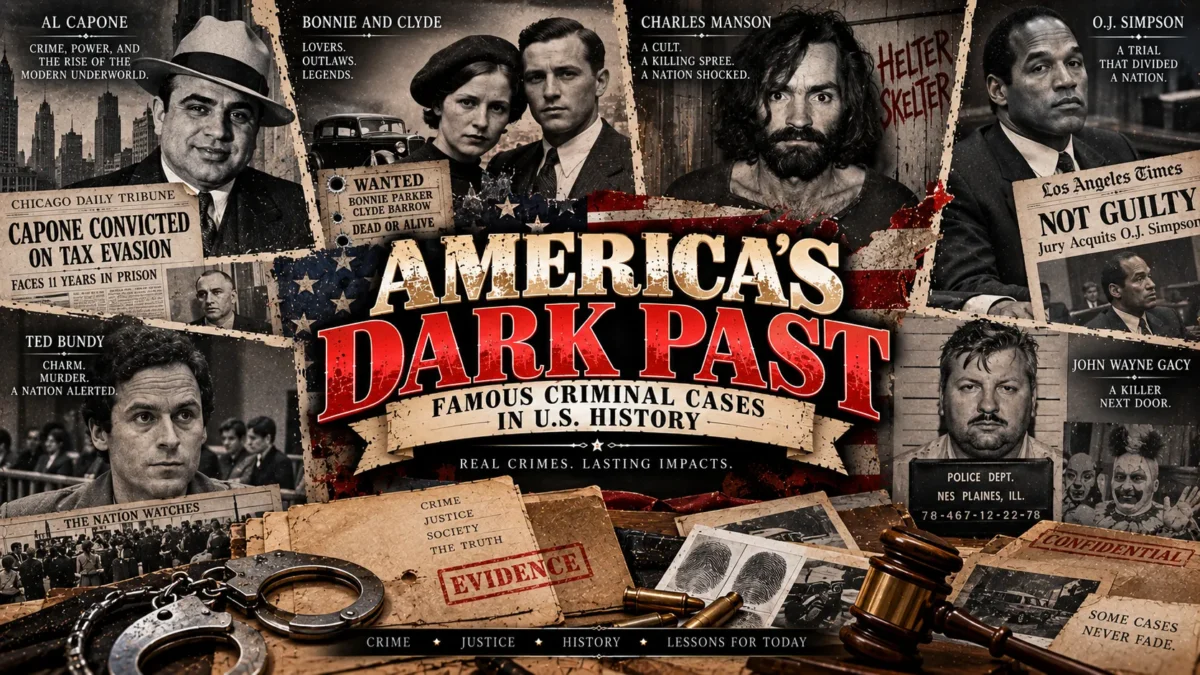
Every country has its list of crimes that refuse to fade from public memory, and the United States has more than its share. Some of these cases reshaped the legal system, others exposed deep flaws in how justice gets applied, and a few remain unsolved mysteries that true crime fans still argue about today.
Looking back at these celebrated criminal cases isn’t about glorifying violence — it’s about understanding how each one left a mark on laws, culture, and the national conscience.
This list pulls together some of the most famous cases and criminals across four centuries of American history, from colonial witch hunts to 21st-century terrorism trials. Along the way, we’ll separate the documented facts from the myths that pop culture loves to repeat.
TL;DR: These 20-plus famous criminal cases in America, spanning from the Salem witch trials to the Boston Marathon bombing, reveal how crime, fear, and the justice system have repeatedly reshaped the country.
What Makes a Criminal Case ‘Famous’
Not every crime becomes a household name. The cases that stick tend to combine a shocking act with something else — a legal first, a media circus, a wrongful conviction, or a killer who was never caught. Many of the worst crimes in US history also triggered new laws, from kidnapping statutes to changes in how police handle evidence.
The cases below are organized roughly by era, moving from colonial America through the true-crime-saturated 21st century. Some ended in convictions, some in acquittals, and a couple remain officially unsolved.
Colonial and Gilded Age Cases
1. The Salem Witch Trials (1692)
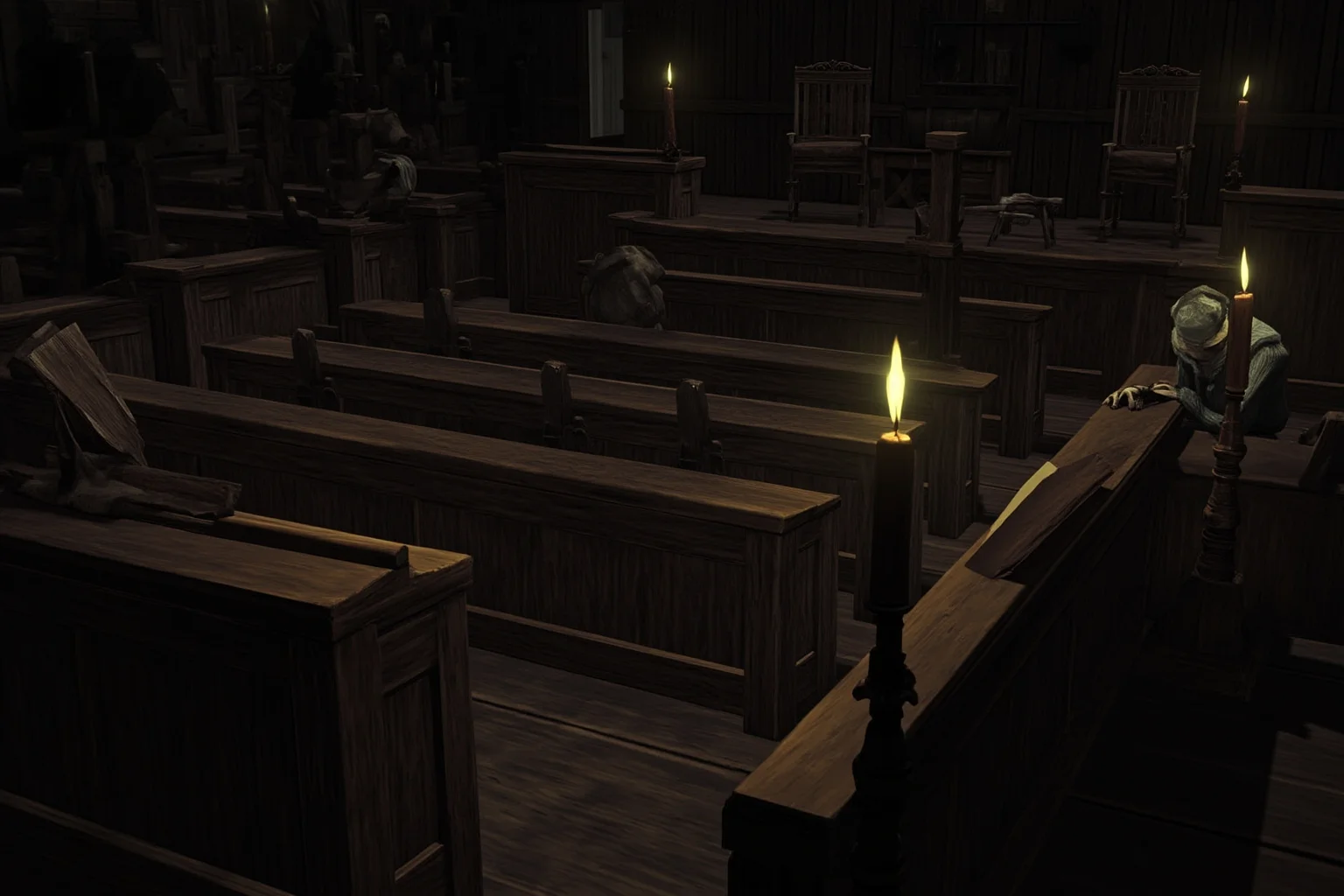
Before the United States even existed, the Massachusetts Bay Colony descended into hysteria over accusations of witchcraft. Between February 1692 and May 1693, over 200 people were accused, and 20 were executed, mostly by hanging, with one man pressed to death.
Modern historians largely agree the “evidence” involved superstition, personal grudges, and possibly ergot poisoning rather than any actual witchcraft. The trials are now taught as a cautionary tale about mass hysteria and the danger of convicting people without real proof.
2. Lizzie Borden Murder Trial (1892)
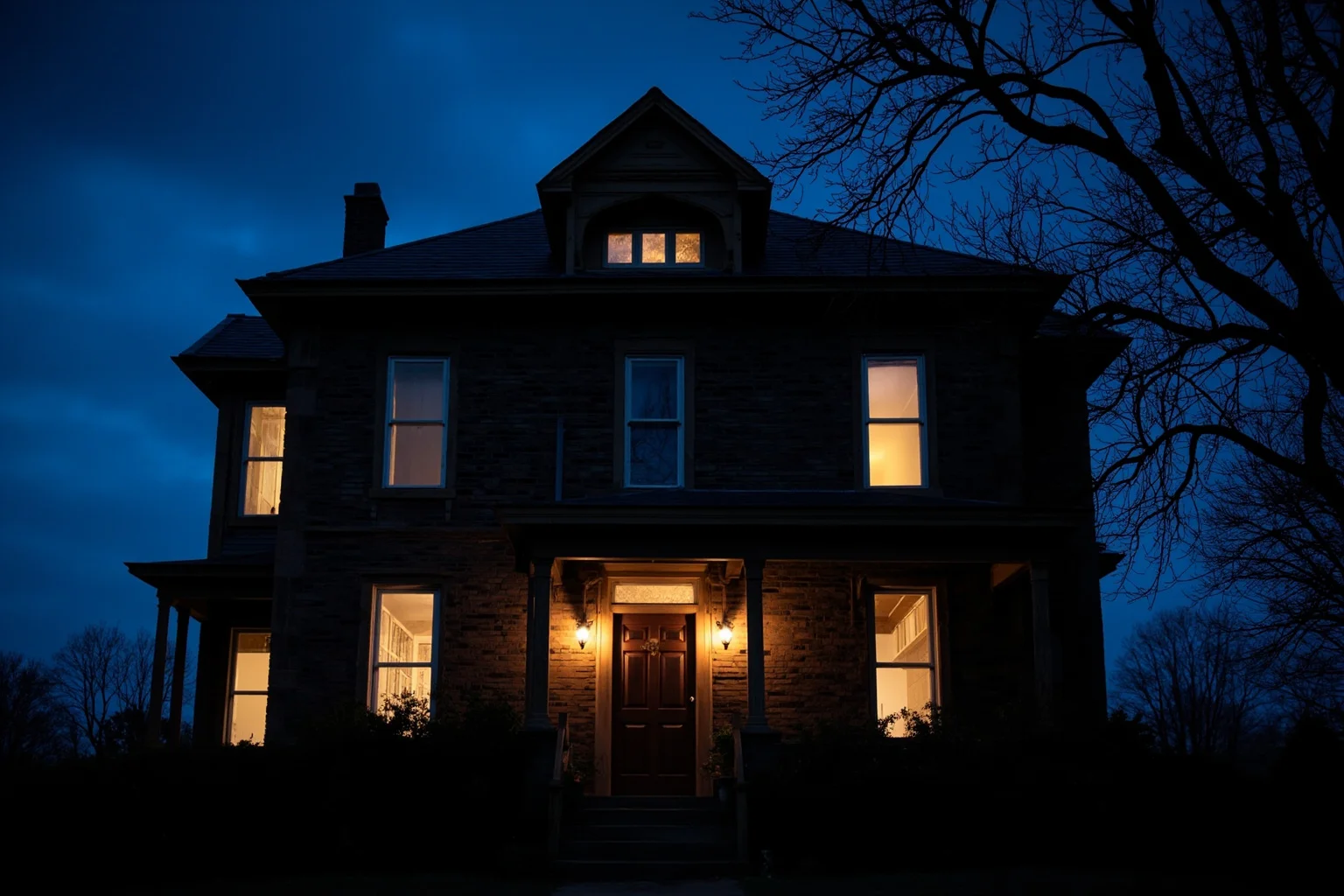
In Fall River, Massachusetts, Andrew and Abby Borden were found hacked to death in their home, and suspicion quickly fell on Andrew’s daughter, Lizzie. The case became a national sensation, complete with a famous (if historically shaky) children’s rhyme accusing her of using an axe.
Here’s the myth-busting part: Lizzie Borden was actually acquitted by a jury in 1893 after just over an hour of deliberation. No one else was ever convicted, and the murders remain officially unsolved to this day.
Mid-Century Crimes That Shocked the Nation
3. The Leopold and Loeb Case (1924)
Two wealthy University of Chicago students, Nathan Leopold and Richard Loeb, kidnapped and murdered 14-year-old Bobby Franks seemingly for the thrill of it. Their defense attorney, Clarence Darrow, delivered a marathon closing argument against the death penalty that helped both men receive life sentences instead of execution.
The case is still cited in debates over capital punishment and juvenile psychology. It also fed decades of pop culture fascination with so-called “perfect crimes.”
4. The Lindbergh Baby Kidnapping (1932)
When 20-month-old Charles Lindbergh Jr., son of famed aviator Charles Lindbergh, was abducted from his New Jersey home, it became one of the most covered crime stories of the century. The child was later found dead, and Bruno Richard Hauptmann was convicted and executed for the kidnapping and murder in 1936.
The case directly led to the federal Lindbergh Law, which made kidnapping across state lines a federal crime. Some researchers still debate the strength of the evidence against Hauptmann, making it one of the more contested famous criminal court cases of its era.
5. Al Capone’s Tax Evasion Trial (1931)
Everyone knew Al Capone ran a violent bootlegging empire in Chicago, but prosecutors struggled to pin murders or racketeering on him directly. Instead, federal agents built a case around unpaid taxes, and Capone was convicted of tax evasion in 1931 and sentenced to 11 years.
The case became a blueprint for how the government could take down organized crime figures through financial charges rather than violent crime charges. It remains one of the most studied famous American criminal cases in law enforcement history.
6. The Rosenberg Espionage Case (1951)
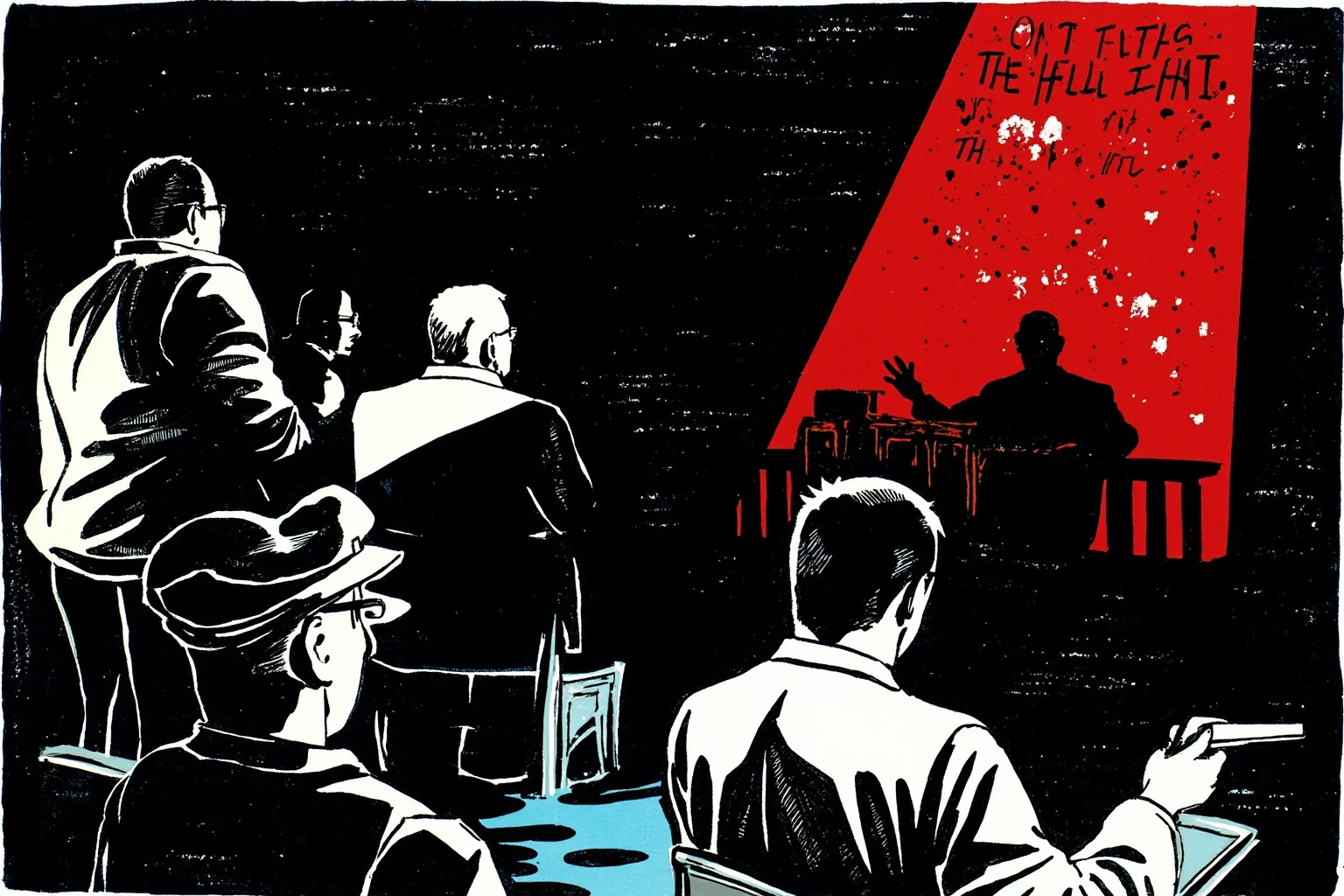
Julius and Ethel Rosenberg were convicted of conspiracy to commit espionage after being accused of passing atomic bomb secrets to the Soviet Union. Both were executed in 1953, making them the first American civilians put to death for espionage during peacetime.
Declassified Soviet documents released decades later suggested Julius was likely involved in some espionage activity, while Ethel’s exact role remains far more disputed among historians. The case is still argued over as a symbol of Cold War paranoia.
7. The Emmett Till Murder Case (1955)
Fourteen-year-old Emmett Till, a Black teenager visiting Mississippi from Chicago, was brutally murdered after being accused of whistling at a white woman. Two men were tried for the killing and acquitted by an all-white jury, despite substantial evidence against them.
The woman at the center of the accusation later admitted parts of her testimony were false, decades after the trial. Till’s murder is widely considered one of the most animosity driven cases in American history and a catalyst for the civil rights movement.
8. The Sam Sheppard Murder Case (1954)
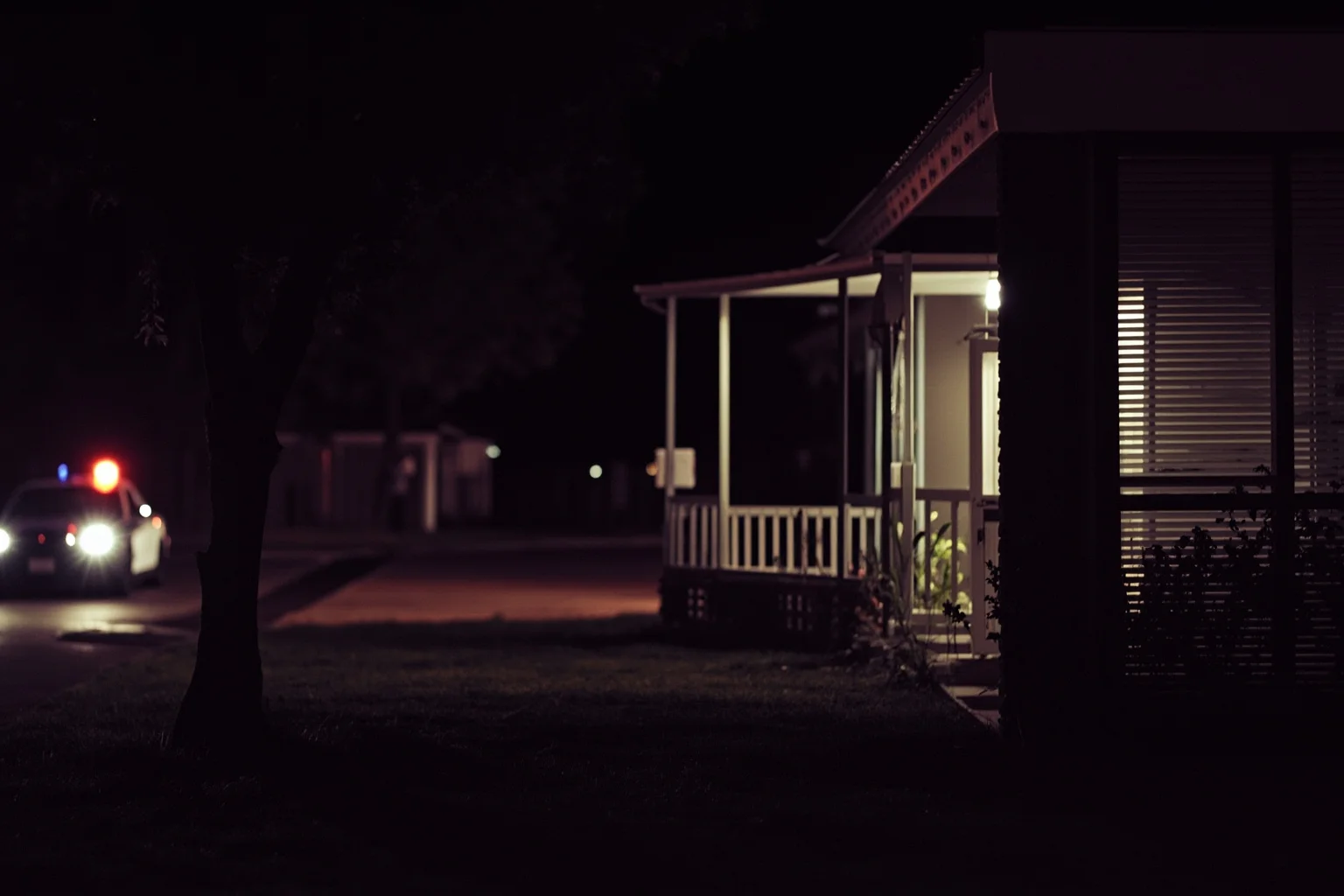
Dr. Sam Sheppard was convicted of murdering his pregnant wife, Marilyn, in a case marked by a media frenzy so intense the Supreme Court later cited it when overturning his conviction in 1966. He was acquitted in a second trial the same year.
The case is widely believed to have inspired the television series and film “The Fugitive.” It’s still referenced in law schools as a landmark example of how prejudicial press coverage can taint a fair trial.
9. The Clutter Family Murders (1959)
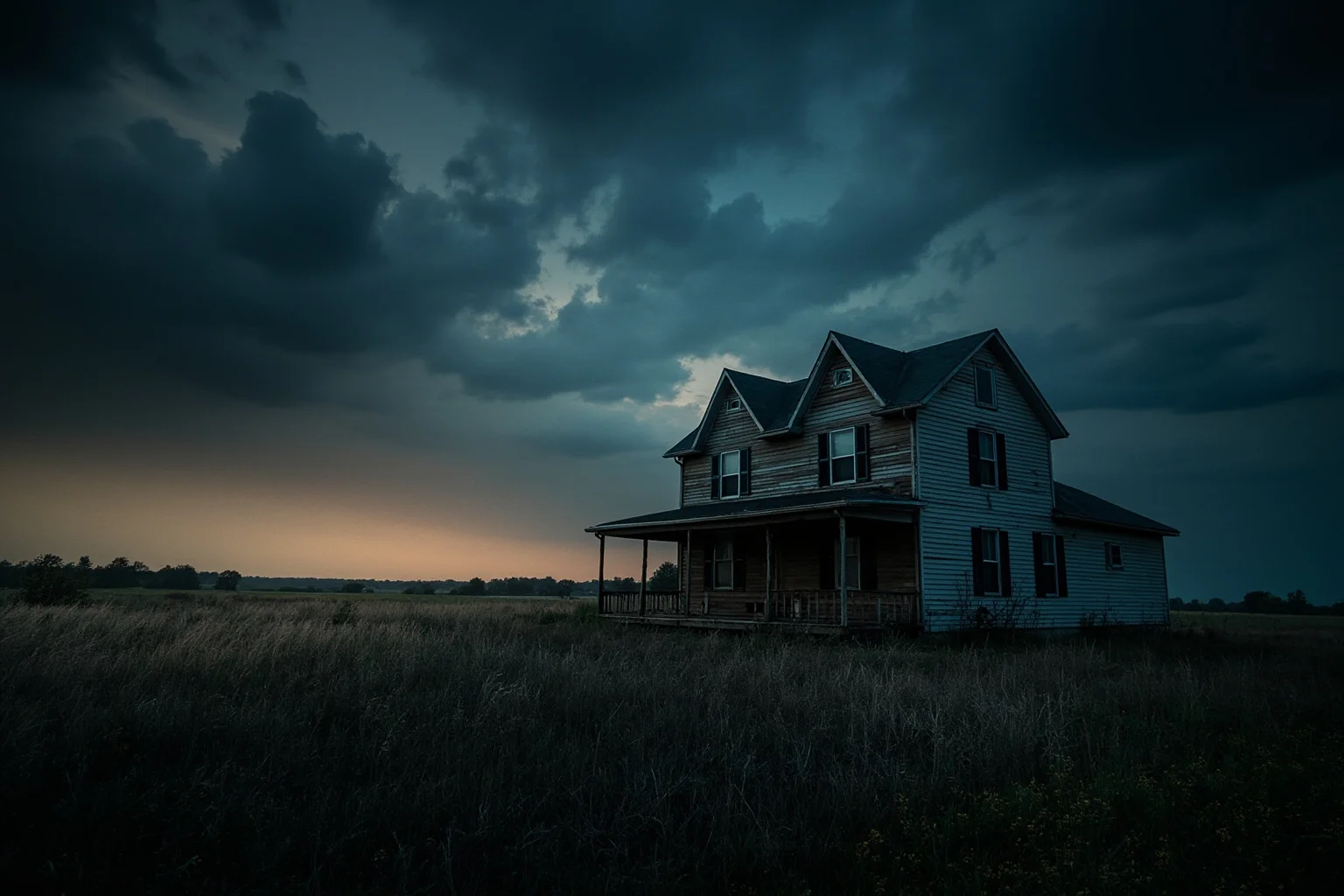
The brutal murder of the Clutter family in Holcomb, Kansas, by Richard Hickock and Perry Smith became the basis for Truman Capote’s nonfiction novel “In Cold Blood.” The book helped pioneer the true crime genre as we know it today.
Both killers were caught, convicted, and executed in 1965. The case remains one of the most literary famous crime cases in America, blurring the line between journalism and narrative storytelling.
The Serial Killer Era
10. The Manson Family Murders (1969)

Cult leader Charles Manson directed his followers to commit a series of murders in the Los Angeles area, including the killing of actress Sharon Tate. Manson was convicted of conspiracy to commit murder, even though he didn’t personally carry out the killings.
The case exposed how cult dynamics and manipulation could drive ordinary people to extreme violence. It remains a fixture in discussions of the most disturbing worst crimes in American history.
11. The Zodiac Killer Case (1968–present)
An unidentified killer terrorized Northern California in the late 1960s, taunting police and newspapers with cryptic letters and ciphers. The Zodiac claimed multiple victims and was never definitively identified, despite decades of investigation.
Amateur codebreakers cracked one of the killer’s ciphers in 2020, but it revealed no new identity. The case remains officially open and one of the most enduring unsolved mysteries in the country.
12. Ted Bundy’s Murders (1974–1978)
Ted Bundy murdered dozens of young women across several states before finally being captured, escaping custody twice, and eventually being executed in Florida in 1989. His trials were among the first televised court proceedings in American history.
Bundy’s case pushed law enforcement to improve how different jurisdictions share information about serial offenders. It’s still studied in criminology courses as a textbook example of a highly organized predator.
13. The Son of Sam Case (1976–1977)
David Berkowitz terrorized New York City with a series of shootings, sending taunting letters to police and press under the name “Son of Sam.” He was eventually caught after a parking ticket linked his car to one of the crime scenes.
The case led to New York’s “Son of Sam law,” which restricted criminals from profiting off books or media deals about their crimes. Versions of that law have since been adopted in other states.
14. The Jeffrey Dahmer Case (1991)

Jeffrey Dahmer murdered and dismembered 17 men and boys over more than a decade before police discovered evidence in his Milwaukee apartment in 1991. He was convicted and sentenced to multiple life terms before being killed by a fellow inmate in 1994.
The case also raised serious questions about police failures, including officers who returned one victim to Dahmer after a brief encounter in 1991. It remains one of the most examined famous criminal cases in America for its intersection of law enforcement accountability and extreme violence.
Trials That Divided a Nation
15. The Central Park Five Case (1989)

Five Black and Latino teenagers were wrongfully convicted of assaulting a jogger in New York’s Central Park, based largely on coerced confessions. All five had their convictions vacated in 2002 after the real perpetrator confessed and DNA evidence confirmed his guilt.
The case became a defining example of wrongful conviction, racial bias, and coercive interrogation tactics in the American justice system. New York City later paid a $41 million settlement to the men, now sometimes called the “Exonerated Five.”
16. The O.J. Simpson Trial (1995)
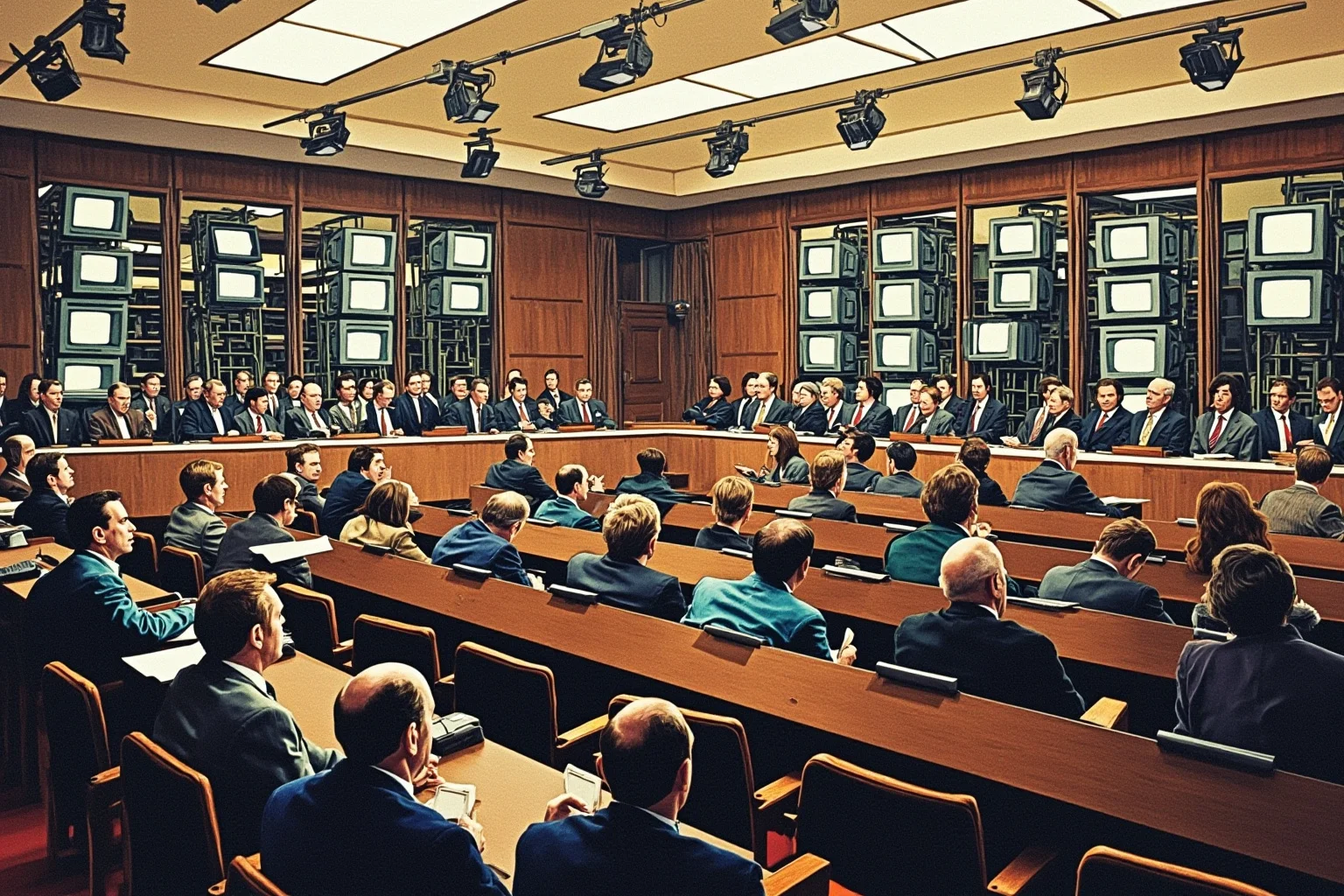
Former football star O.J. Simpson was tried for the murders of his ex-wife Nicole Brown Simpson and her friend Ron Goldman in what became arguably the most-watched criminal trial in American television history. He was acquitted of the criminal charges in October 1995, though he was later found liable in a civil wrongful death suit.
A common myth worth correcting: Simpson was never found “innocent” — a criminal acquittal simply means the prosecution didn’t prove guilt beyond a reasonable doubt. The case sparked lasting national conversations about race, celebrity, and the justice system that still echo in high profile criminal cases today.
17. The Unabomber Case (1978–1995)

Ted Kaczynski, a former mathematics professor, sent or planted 16 bombs over nearly two decades, killing three people and injuring 23 others. He was caught in 1996 after his own brother recognized the writing style in Kaczynski’s published manifesto and alerted the FBI.
The case involved one of the most expensive manhunts in FBI history at the time. Kaczynski pleaded guilty in 1998 and received multiple life sentences without parole.
18. The Oklahoma City Bombing (1995)
Timothy McVeigh detonated a truck bomb outside the Alfred P. Murrah Federal Building, killing 168 people, including 19 children, in what remains the deadliest act of domestic terrorism in U.S. history. McVeigh was convicted and executed in 2001, while accomplice Terry Nichols received life in prison.
The bombing led to sweeping changes in federal building security and anti-terrorism legislation. It’s frequently cited among the worst crimes in US history because of both its death toll and its impact on national policy.
Modern Cases That Gripped the Country
19. The JonBenét Ramsey Case (1996)

Six-year-old beauty pageant contestant JonBenét Ramsey was found dead in her family’s Colorado home the day after Christmas in 1996. No one has ever been charged, and DNA evidence found on her clothing has never been matched to a known suspect.
Her parents were controversially treated as suspects for years before being formally cleared by DNA evidence in 2008. The case remains one of America’s most talked-about unsolved child murders.
20. The Scott Peterson Case (2002–2004)

Scott Peterson was convicted of murdering his pregnant wife, Laci Peterson, after she disappeared from their Modesto, California home on Christmas Eve 2002. Her body and that of their unborn son washed ashore months later near where Peterson had claimed to be fishing.
The case drew massive media coverage and helped popularize 24-hour cable true crime coverage. Peterson was sentenced to death in 2005, though his sentence was later reduced to life without parole in 2021 after a resentencing.
21. The BTK Killer Case (Identified 2005)
Dennis Rader murdered at least 10 people in the Wichita, Kansas area between 1974 and 1991, taunting police with letters describing his crimes under the self-given name “BTK” (Bind, Torture, Kill). He evaded capture for over a decade until a floppy disk he sent to a news station in 2004 contained metadata linking it to his church computer.
Rader was arrested in 2005 and pleaded guilty to all counts, receiving multiple consecutive life sentences. The case is a striking example of how a single digital mistake can end decades of eluding justice.
22. The Casey Anthony Trial (2011)
Casey Anthony was tried for the murder of her two-year-old daughter, Caylee, whose remains were found near the family’s Florida home months after she was reported missing. The jury acquitted Anthony of murder in 2011, though she was convicted of unrelated charges of providing false information to police.
The verdict sparked intense public backlash and renewed debate over trial-by-media coverage. It’s one of the most cited high-profile criminal cases in the last 15 years for how it shaped public expectations around forensic evidence.
23. The Boston Marathon Bombing (2013)

Brothers Tamerlan and Dzhokhar Tsarnaev detonated two homemade bombs near the finish line of the Boston Marathon, killing three people and injuring hundreds more. Tamerlan died in a shootout with police days later, while Dzhokhar was captured, convicted, and sentenced to death in 2015.
The manhunt that followed shut down much of the Boston metro area and became a case study in urban counterterrorism response. It stands as one of the defining high-profile criminal cases in the last 15 years, reshaping public security at major American events.
What These Cases Have in Common
Looking across four centuries, a few patterns emerge. Fear and public pressure often pushed juries and investigators toward hasty conclusions, as seen in Salem and the Central Park Five case. Media coverage has also repeatedly shaped outcomes, from Sam Sheppard’s overturned conviction to the cable-news spectacle of the O.J. Simpson trial.
Another pattern is how often these crimes that changed us led directly to new laws. Kidnapping statutes, anti-terrorism legislation, and protections against prejudicial press coverage all trace back to specific, famous cases on this list. Even unsolved cases like the Zodiac killings and JonBenét Ramsey murder continue to influence how cold cases are investigated using modern DNA technology.
Final Thoughts
America’s most famous criminal cases aren’t just grim entertainment — they’re a running record of how the country has wrestled with fear, bias, and the limits of its own justice system. Some of these cases ended in clear resolutions, while others remain open wounds decades later. Either way, revisiting them with accurate facts rather than myth is the best way to actually learn something from America’s dark past.
Frequently Asked Questions
What are some of the most famous cases and criminals in American history?
Some of the most famous cases and criminals in American history include the Salem witch trials, Al Capone's tax evasion conviction, Ted Bundy's serial murders, the O.J. Simpson trial, and the Oklahoma City bombing carried out by Timothy McVeigh. Each case left a lasting mark on law, media coverage, or public policy.
What is considered the worst crime in U.S. history?
By death toll, the 1995 Oklahoma City bombing is often cited as one of the worst crimes in US history, killing 168 people including 19 children. It remains the deadliest act of domestic terrorism ever committed in the country.
Which famous American criminal cases remain unsolved?
Several high-profile cases remain officially unsolved, including the Zodiac killer murders from the late 1960s and the 1996 murder of JonBenét Ramsey. Both cases have DNA evidence that has never been definitively matched to a known suspect.
What are some high-profile criminal cases from the last 15 years?
Notable high-profile criminal cases in the last 15 years include the 2011 Casey Anthony trial and the 2013 Boston Marathon bombing carried out by the Tsarnaev brothers. Both drew massive national media attention and influenced public debate on trial coverage and security policy, respectively.
Was Lizzie Borden actually convicted of murder?
No, this is a common misconception. Lizzie Borden was tried for the 1892 murders of her father and stepmother but was acquitted by a jury in 1893, and no one else was ever convicted in the case.
How did the O.J. Simpson trial end?
O.J. Simpson was acquitted of criminal murder charges in October 1995 after a lengthy, heavily televised trial. He was later found liable for wrongful death in a separate 1997 civil lawsuit, which uses a lower burden of proof than a criminal case.

Alex Warren
Related Articles