

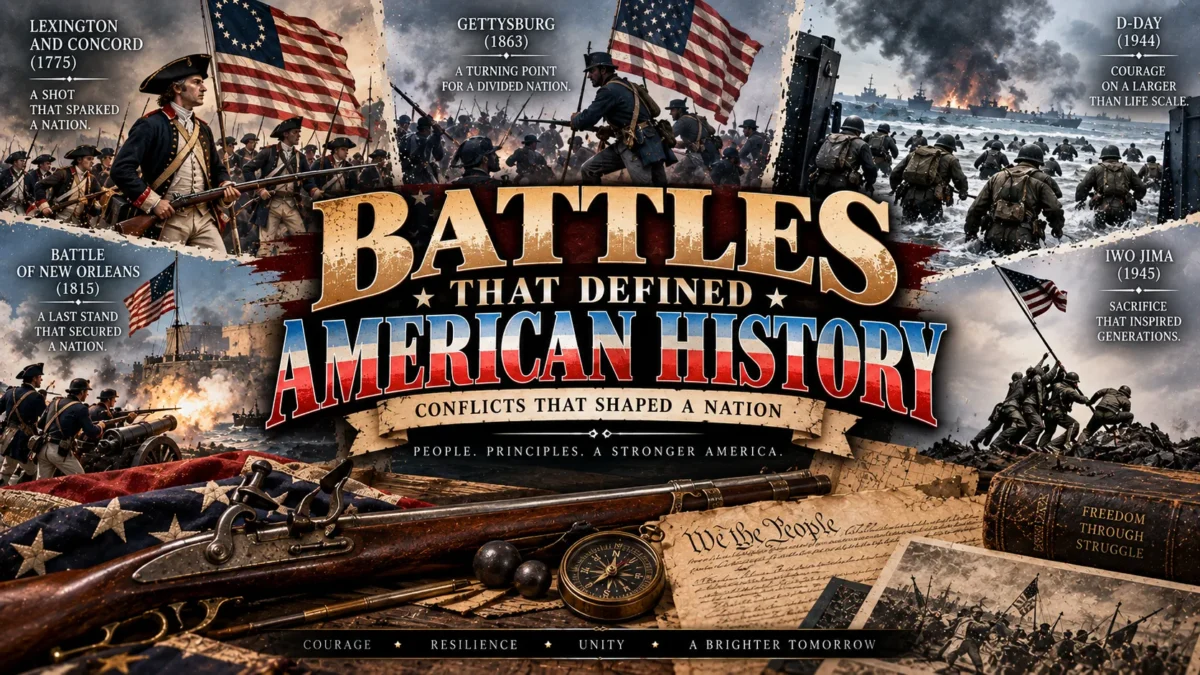
When people think of American history, they usually picture a battlefield first. That’s not an accident. From a handful of militiamen facing down British regulars on a Massachusetts green to Marines raising a flag over a Pacific island, the United States was shaped, tested, and redefined on battlefields across three centuries.
This list walks through the American battles that mattered most — the ones that sparked a revolution, split a nation, and turned the US into a global power. We’ll also bust a few myths along the way, because a lot of battlefield lore sounds better than the historical record actually supports.
TL;DR: A relatively small number of battles — from Lexington to Yorktown, Gettysburg to Midway, and Normandy to Iwo Jima — did more than any single law or leader to shape the United States into the country it became.
How Many Wars Has the United States Fought In?
This is a surprisingly tricky question to answer with a single number, because historians count differently depending on whether they include undeclared conflicts, interventions, and named “operations.”
Congress has formally declared war only 11 times, covering five conflicts: the War of 1812, the Mexican-American War, the Spanish-American War, World War I, and World War II.
But the US has fought in dozens more conflicts without a formal declaration, including the Civil War, Korea, Vietnam, the Gulf War, and the post-9/11 wars in Afghanistan and Iraq.
Depending on how you count, most historians put the total number of wars and major armed conflicts the United States has fought in somewhere between 20 and 30 since its founding.
Among the biggest wars in American history, the Revolutionary War, the Civil War, and the two World Wars stand out for how deeply they reshaped the nation itself.
The US has won the majority of its major wars, most notably the Revolutionary War, the Civil War (from the Union’s perspective), and both World Wars, though a few conflicts like Vietnam and the War of 1812 ended in stalemate or contested outcomes rather than a clean victory.
Battles That Led to the American Revolution
Before the Revolutionary War officially began, tensions between Britain and its American colonies had been building for over a decade through taxes, boycotts, and growing resentment. Two battles in April and June of 1775 turned that tension into open warfare.
1. Battle of Lexington and Concord (1775)
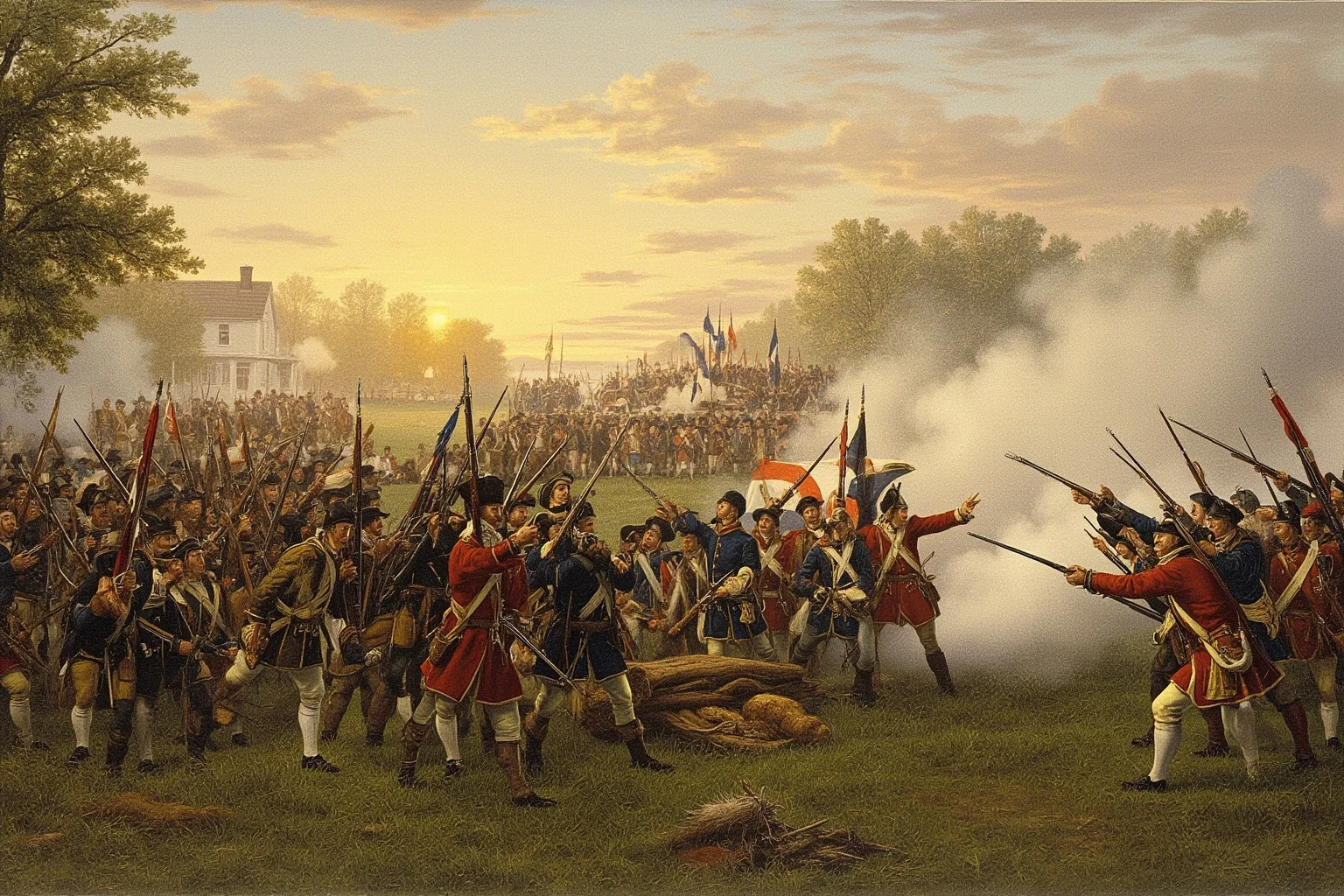
On April 19, 1775, British troops marched from Boston toward Concord, Massachusetts, to seize colonial weapons and gunpowder. They were met first by militia at Lexington and then by a larger, better-organized force at Concord’s North Bridge.
The fighting that followed is often called “the shot heard round the world,” though no one actually knows which side fired first. What’s certain is that this was the spark that turned colonial protest into armed rebellion, making it arguably the single most important starting point among all the battles that led to the American Revolution.
2. Battle of Bunker Hill (1775)
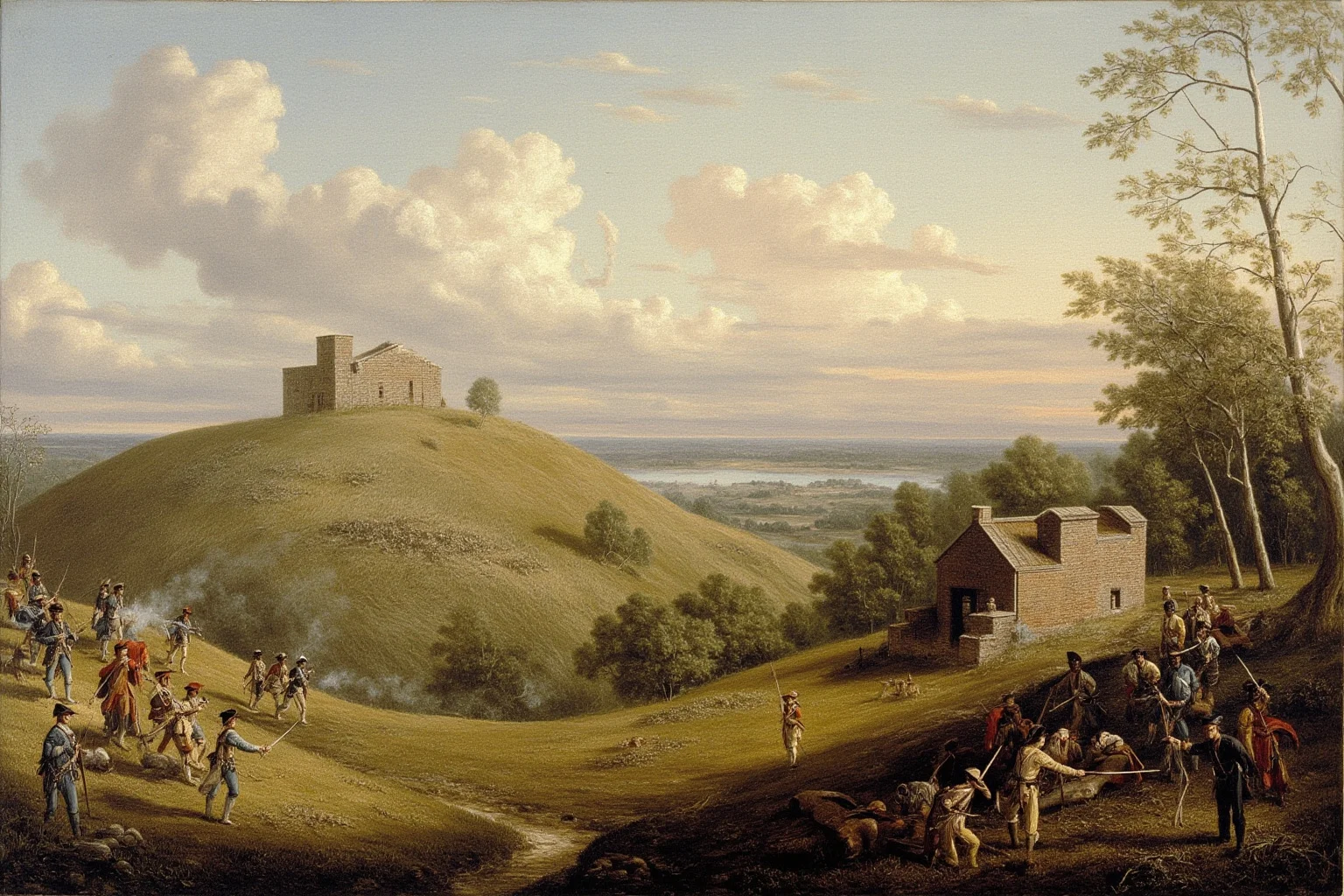
Fought on June 17, 1775, near Boston, this battle actually took place mostly on nearby Breed’s Hill. British forces technically won by taking the ground, but they suffered staggering casualties in the process.
The famous line “don’t fire until you see the whites of their eyes” is often attributed to commanders at this battle, though historians can’t confirm exactly who said it or whether it was said at all. What matters more is that colonial militia proved they could inflict serious damage on professional British soldiers, which gave the rebellion real credibility.
Major Battles of the American Revolutionary War
Once war broke out, the fighting stretched across nearly a decade and from Canada to the Carolinas. These are the battles historians most often point to when discussing the most important battles of the American Revolution, alongside the key figures of the American Revolution who led them.
3. Battle of Long Island (1776)
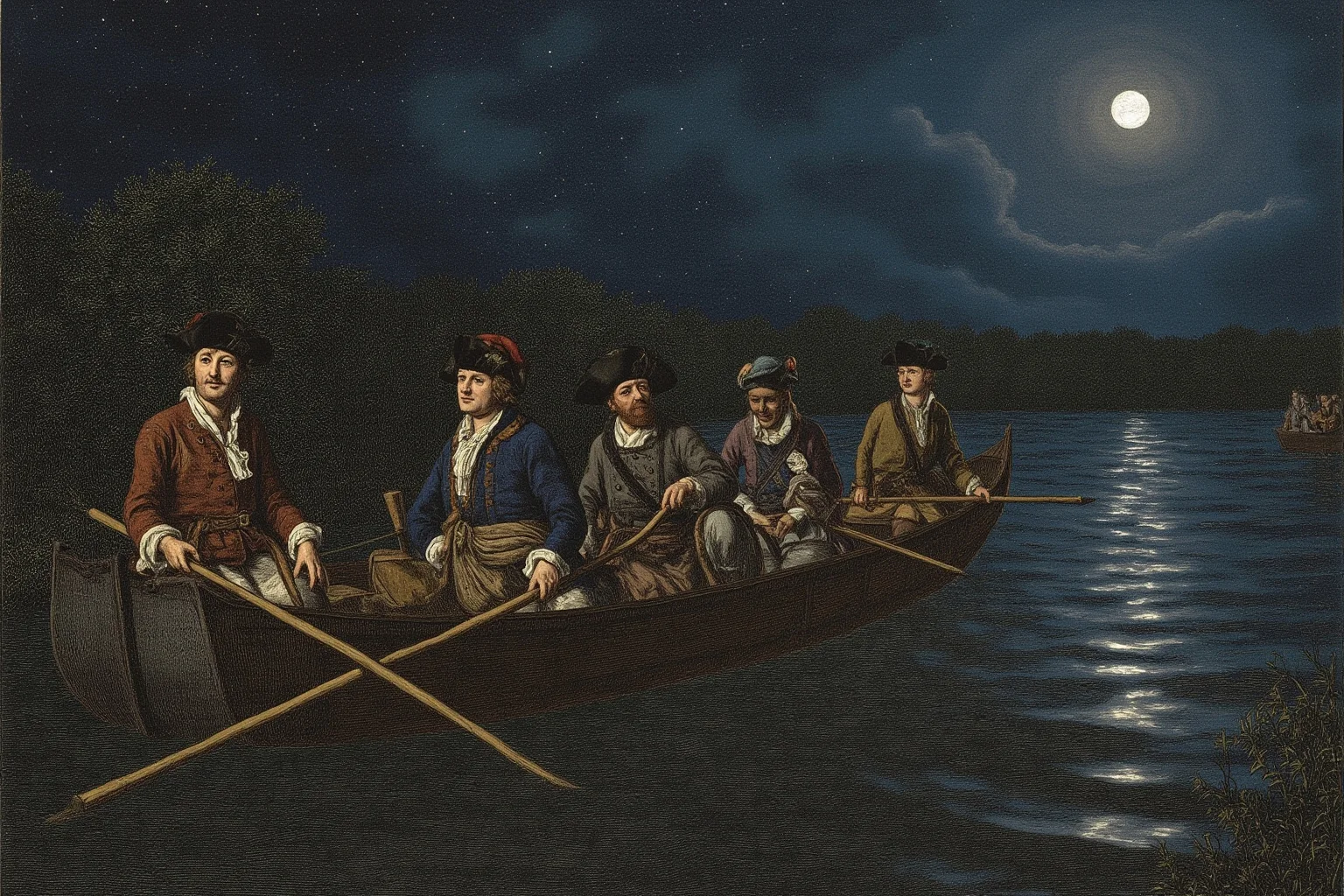
Fought in August 1776, this was the largest battle of the entire Revolutionary War in terms of troops involved. British forces under General William Howe outmaneuvered George Washington’s army and forced a retreat.
Washington’s ability to evacuate his troops across the East River at night, without the British noticing, arguably saved the Continental Army from total destruction. It’s a reminder that some of the most important moments in American battles were retreats, not victories.
4. Battle of Trenton (1776)
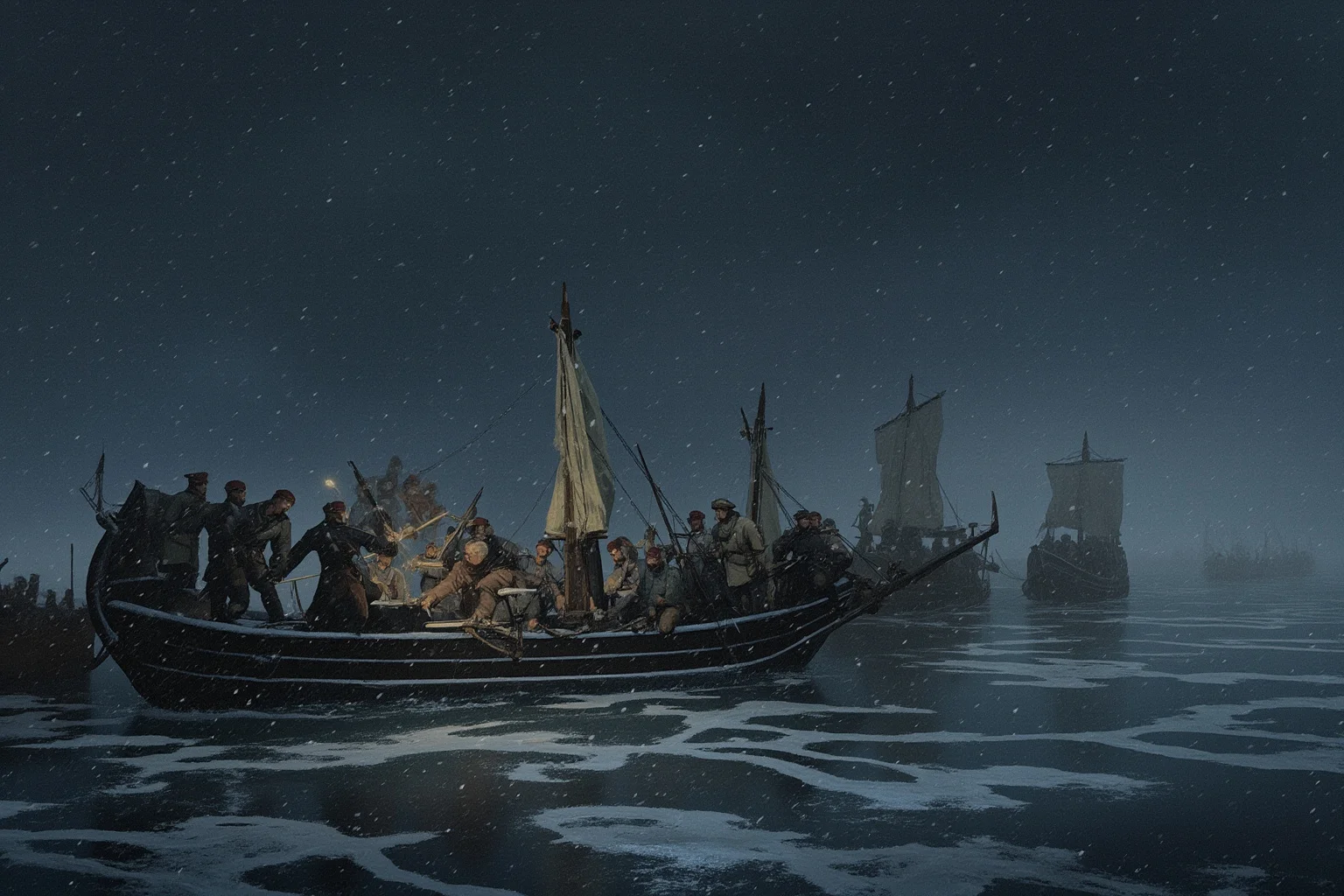
After a string of losses, Washington needed a win badly. On the night of December 25-26, 1776, he led his army across the icy Delaware River and launched a surprise attack on a garrison of Hessian soldiers fighting for the British in Trenton, New Jersey.
The victory was small in military terms but massive for morale, coming right when enlistments were about to expire and public support was flagging. It’s one of the famous Revolutionary War battles that’s remembered as much for its daring as for its outcome.
5. Battle of Saratoga (1777)
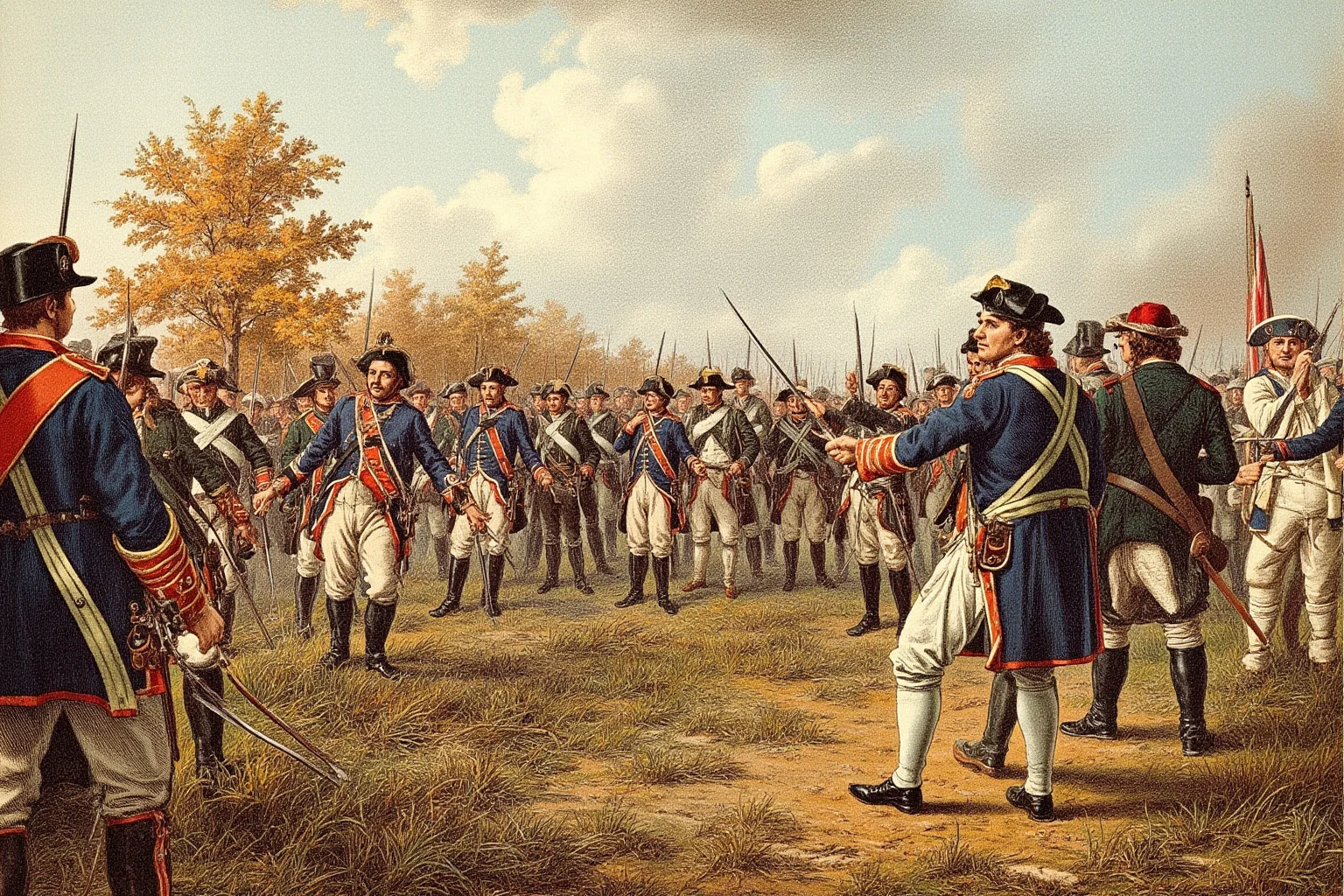
Fought in upstate New York in September and October of 1777, Saratoga ended with the surrender of an entire British army under General John Burgoyne. Many historians consider this the turning point of the war.
The American victory convinced France that the colonies had a real chance of winning, leading to a formal French alliance in 1778. That alliance brought money, troops, and naval power that proved decisive later in the war, which is why Saratoga is frequently cited as an answer to what was the most important battle of the American Revolution.
6. Battle of Monmouth (1778)
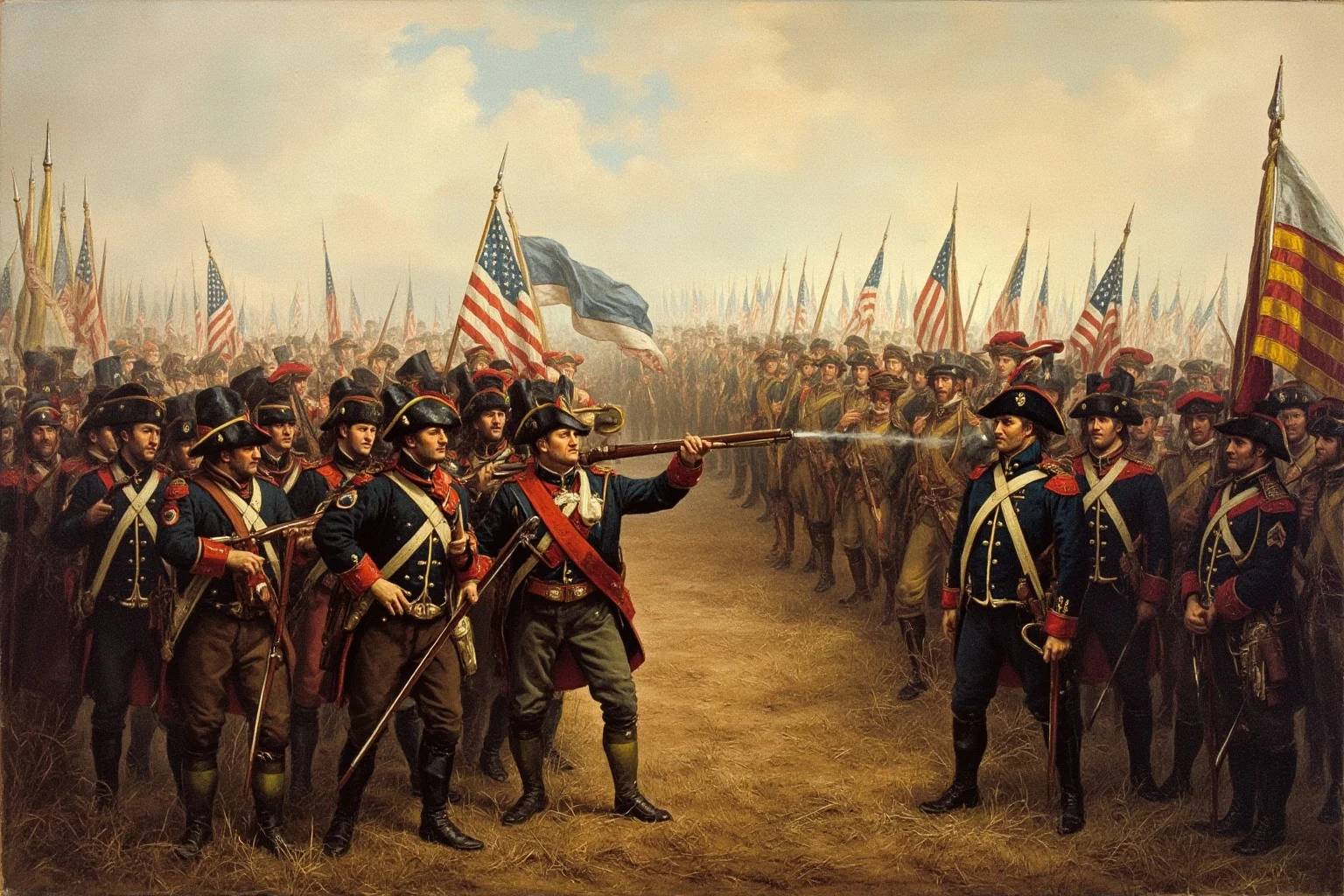
Fought in New Jersey in June 1778, this was the longest single-day battle of the war. After a brutal winter of training at Valley Forge under Baron von Steuben, the Continental Army fought the British to a standstill in open-field combat for the first time.
The battle itself was tactically inconclusive, with both sides claiming some success. But it proved American troops could now stand toe-to-toe with British regulars in a conventional battle, not just through ambush or retreat.
7. Battle of Yorktown (1781)
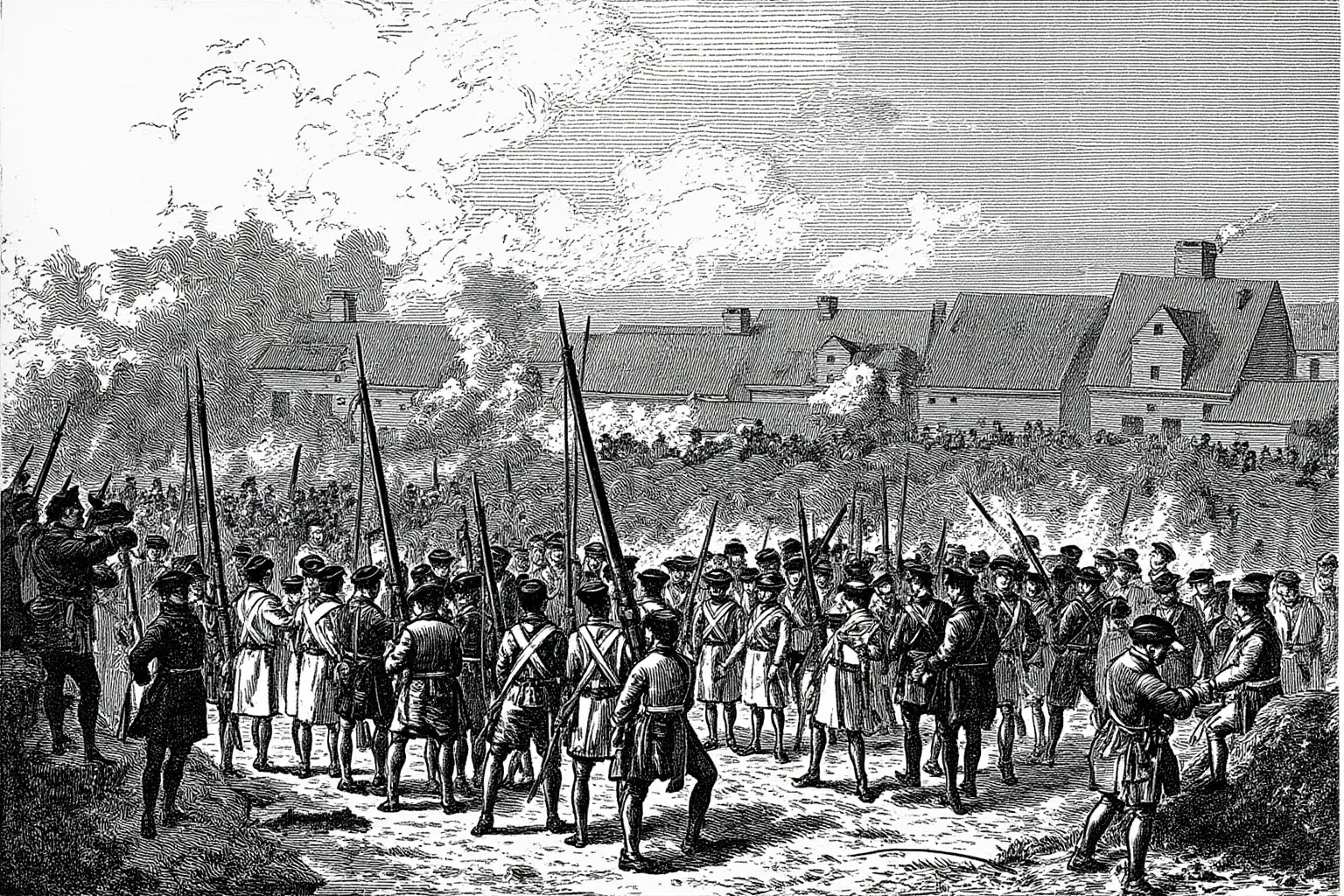
The siege of Yorktown, Virginia, in the fall of 1781 effectively ended major fighting in the Revolutionary War. A combined force of American troops and French army and navy units trapped British General Charles Cornwallis, forcing his surrender on October 19, 1781.
While skirmishes continued for another two years, Yorktown made it clear Britain could not win the war militarily. It directly led to peace negotiations and the Treaty of Paris in 1783, which formally recognized American independence.
Battles of the Civil War
No conflict tested the United States more than the Civil War, which pitted the Union against eleven seceding Southern states between 1861 and 1865. These battles decided not just who would win, but what kind of country would remain afterward.
8. Battle of Fort Sumter (1861)
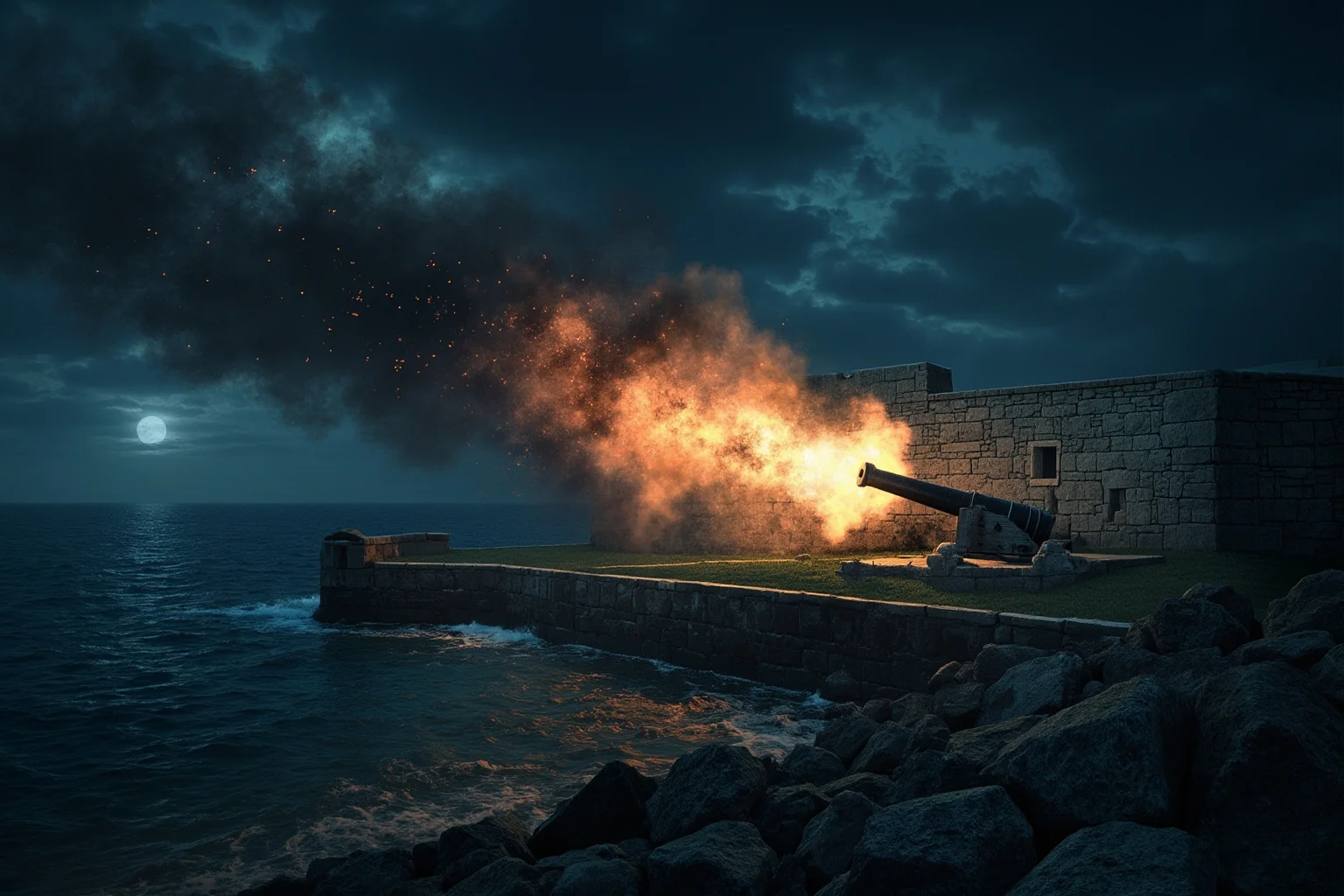
The Civil War technically began on April 12, 1861, when Confederate forces opened fire on this federal fort in Charleston Harbor, South Carolina. Remarkably, no one was killed in the bombardment itself, though the war that followed would become the deadliest in American history.
Fort Sumter’s surrender pushed several undecided border states toward secession and rallied the North around preserving the Union. It set the tone for four years of brutal conflict to come.
9. Battle of Antietam (1862)
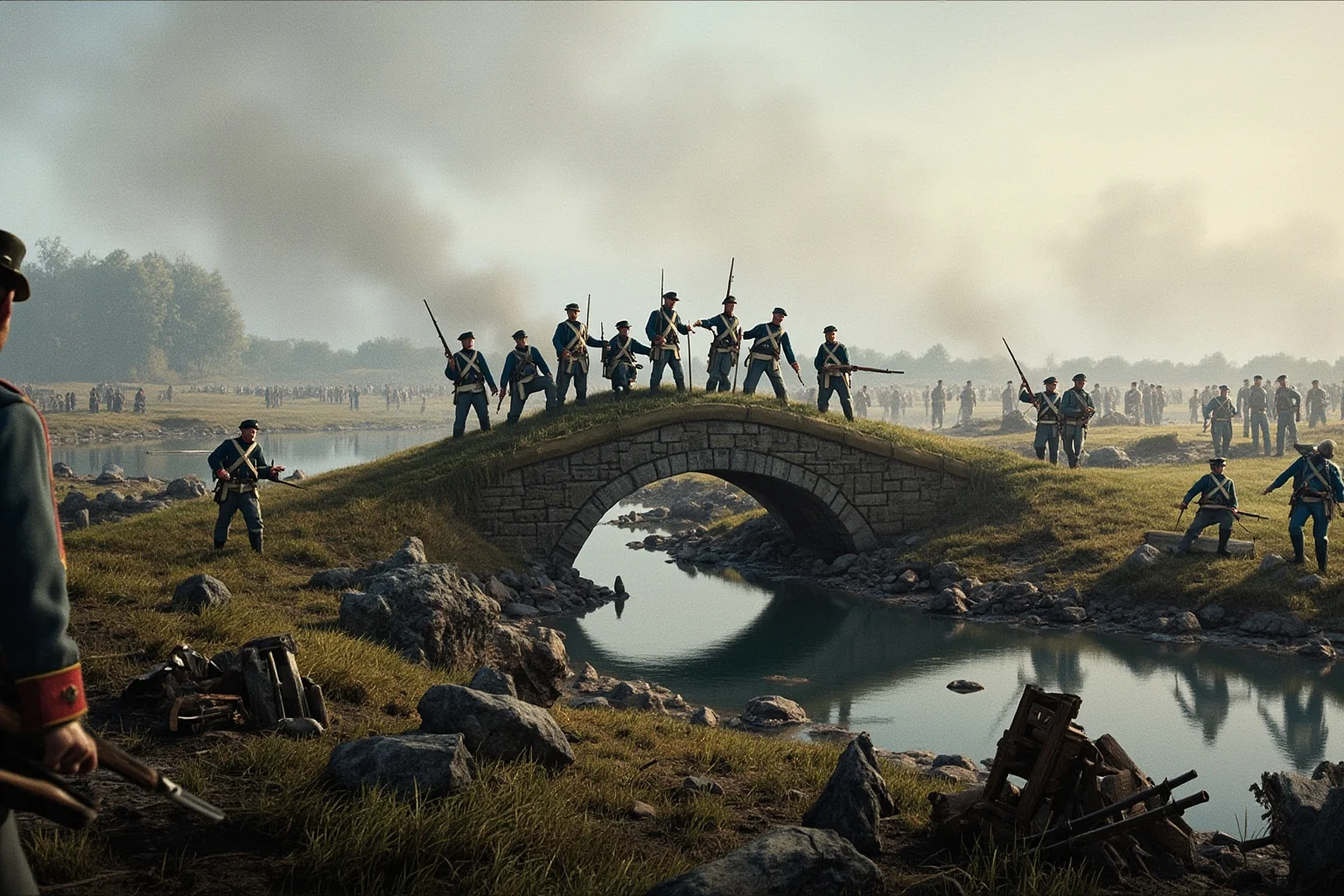
Fought in Maryland on September 17, 1862, Antietam remains the single bloodiest day in American history, with roughly 22,000 soldiers killed, wounded, or missing. The battle itself ended in a tactical draw, but it stopped Confederate General Robert E. Lee’s first invasion of the North.
That strategic Union success gave President Lincoln the political opening he needed to issue the Emancipation Proclamation. From that point on, the war was as much about ending slavery as it was about preserving the Union.
10. Battle of Gettysburg (1863)
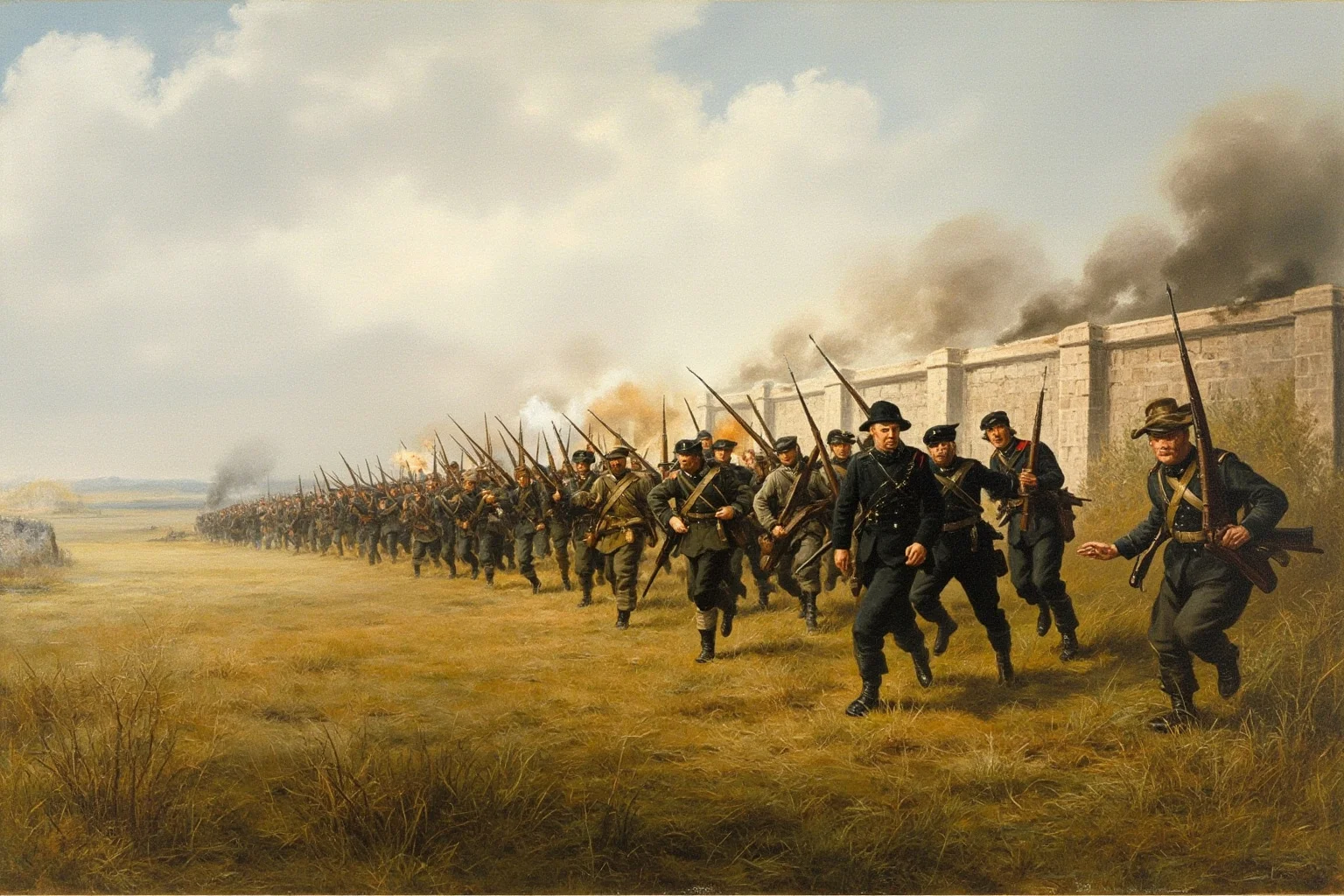
Fought over three days in July 1863 in Pennsylvania, Gettysburg was the largest battle ever fought in North America and is widely seen as the turning point of the Civil War. The failed Confederate assault known as Pickett’s Charge broke the momentum Lee had built after earlier victories.
Gettysburg ended Lee’s second and final invasion of the North and inflicted casualties the Confederacy could never fully replace. Combined with the fall of Vicksburg the very next day, it marked a decisive shift in the war’s momentum toward the Union.
11. Battle of Vicksburg (1863)
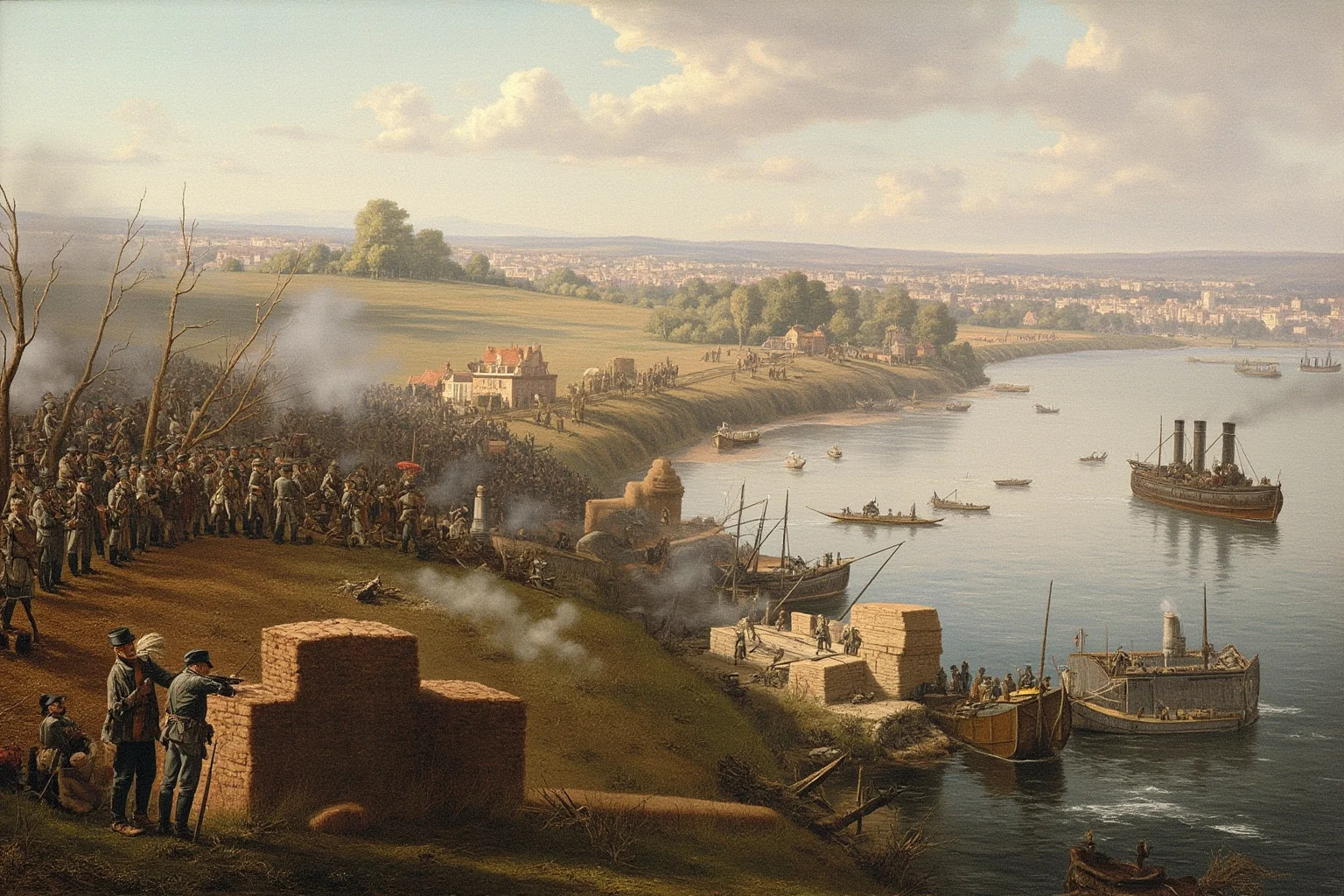
Ulysses S. Grant’s siege of Vicksburg, Mississippi, ended in Confederate surrender on July 4, 1863. This gave the Union full control of the Mississippi River, splitting the Confederacy in two.
The loss of Vicksburg cut off Confederate states west of the river from the rest of the South, choking off supplies and reinforcements. Grant’s success here also boosted his reputation, eventually leading to his promotion as commander of all Union armies.
12. Battle of Atlanta (1864)
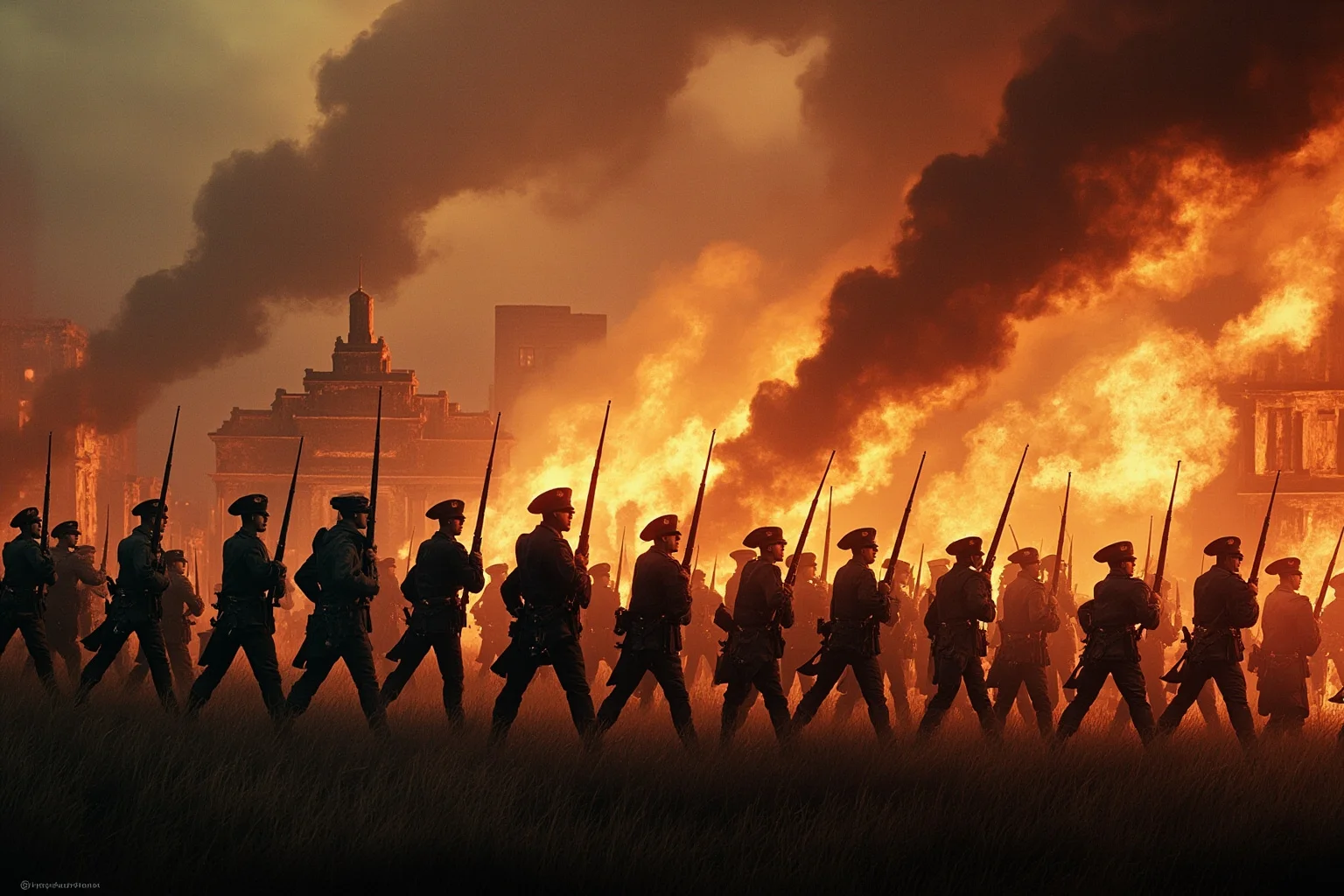
Sherman’s campaign for Atlanta culminated in the city’s fall in September 1864, after months of fighting across northern Georgia. The victory came at a critical political moment, just weeks before the 1864 presidential election.
Atlanta’s capture boosted Northern morale and helped secure Lincoln’s reelection at a time when public support for the war had been slipping. It also set the stage for Sherman’s destructive March to the Sea later that year.
American WW1 Battles
American troops entered World War I in 1917, relatively late compared to the European powers that had been fighting since 1914. Even so, US involvement in a handful of major battles helped tip the balance on the Western Front, joining a broader list of historic battles from WWI that shaped the war’s outcome.
13. Battle of Cantigny (1918)
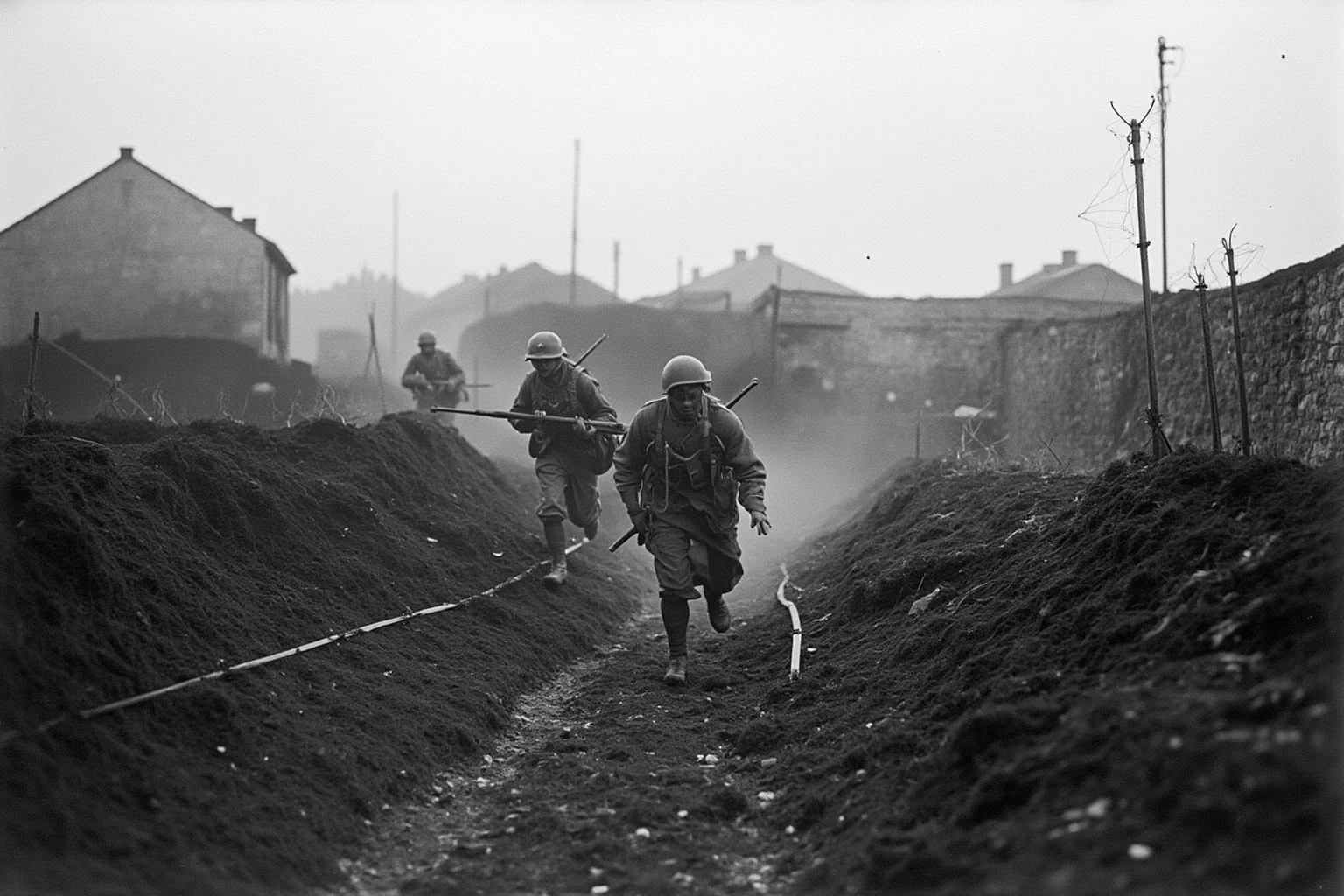
Fought in May 1918 in France, Cantigny was the first major offensive operation planned and carried out entirely by American forces during the war. The US 1st Division captured the village from German defenders in a battle that, while small by Western Front standards, proved American troops could hold their own.
It was a confidence-building moment for both American commanders and Allied leaders who had doubted how quickly untested US forces could adapt to trench warfare. The victory helped set the tone for the larger American offensives that followed.
14. Battle of Belleau Wood (1918)
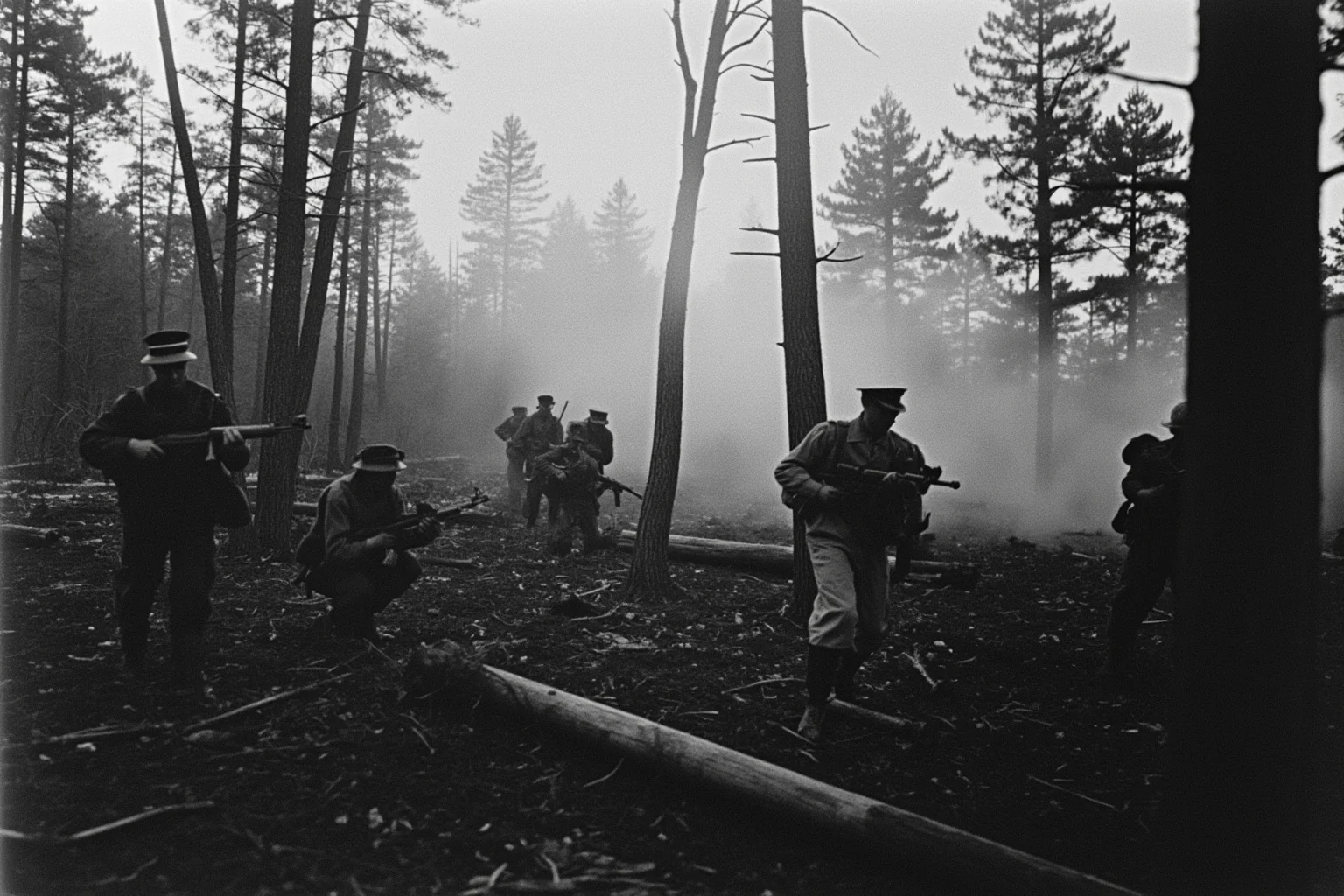
In June 1918, US Marines fought a brutal, weeks-long battle to clear German forces from a forested area near the Marne River in France. The fighting was some of the fiercest the Marine Corps had experienced up to that point in its history.
Belleau Wood helped stop a German advance that had been threatening Paris itself. It became a foundational battle in Marine Corps tradition and history.
15. Meuse-Argonne Offensive (1918)
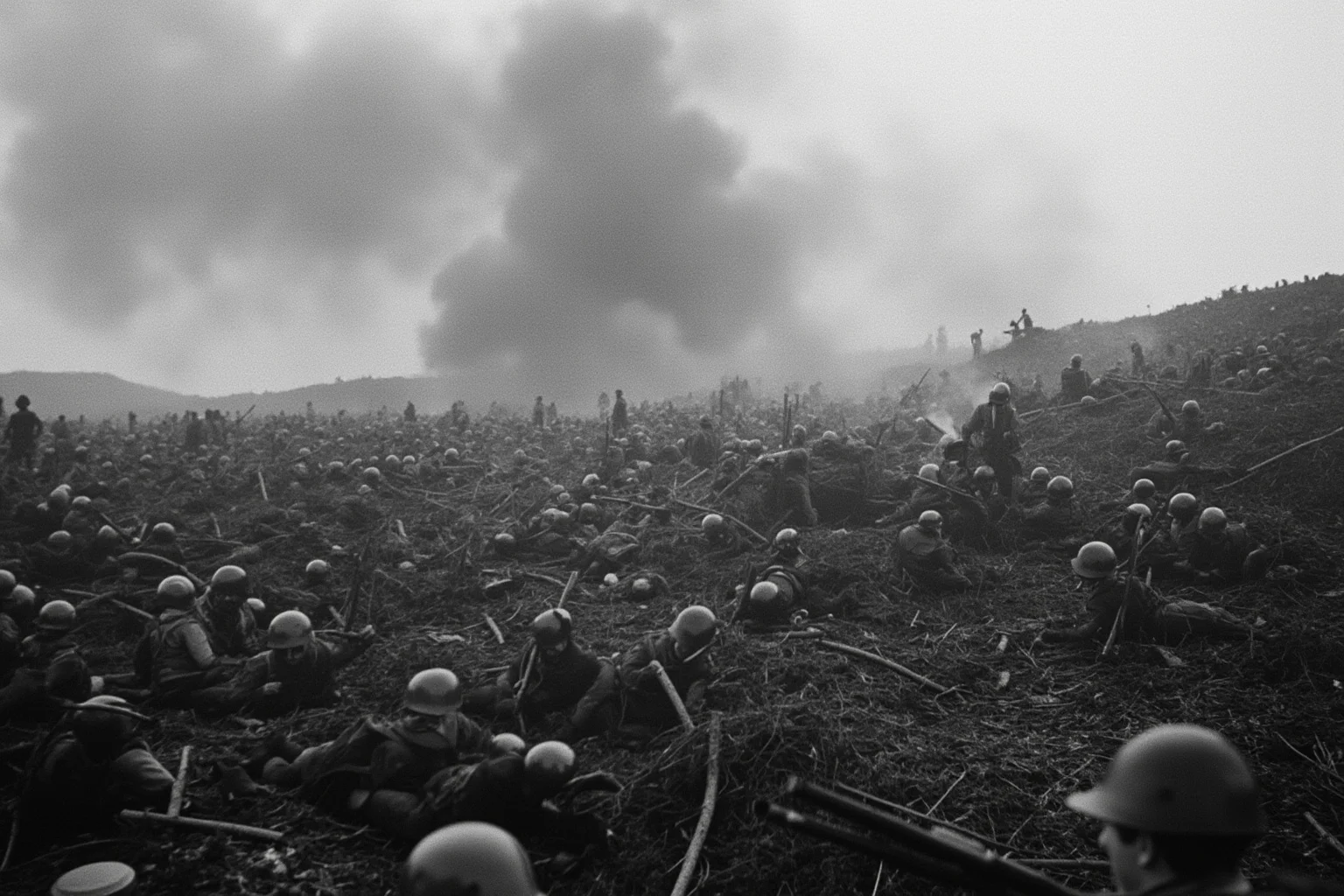
Launched in September 1918 and lasting until the armistice in November, the Meuse-Argonne Offensive was the largest battle in US military history by the number of American troops involved, over a million. It was part of a broader Allied push that finally broke German resistance on the Western Front.
The offensive was costly, with more than 26,000 American soldiers killed, making it one of the deadliest battles the US has ever fought. Its success contributed directly to Germany’s decision to seek an armistice, ending World War I on November 11, 1918.
American Battles of WW2
World War II remains the largest and most far-reaching conflict the United States has ever fought, spanning both the Pacific and European theaters. These battles marked the key turning points for American forces in each theater.
16. Attack on Pearl Harbor (1941)
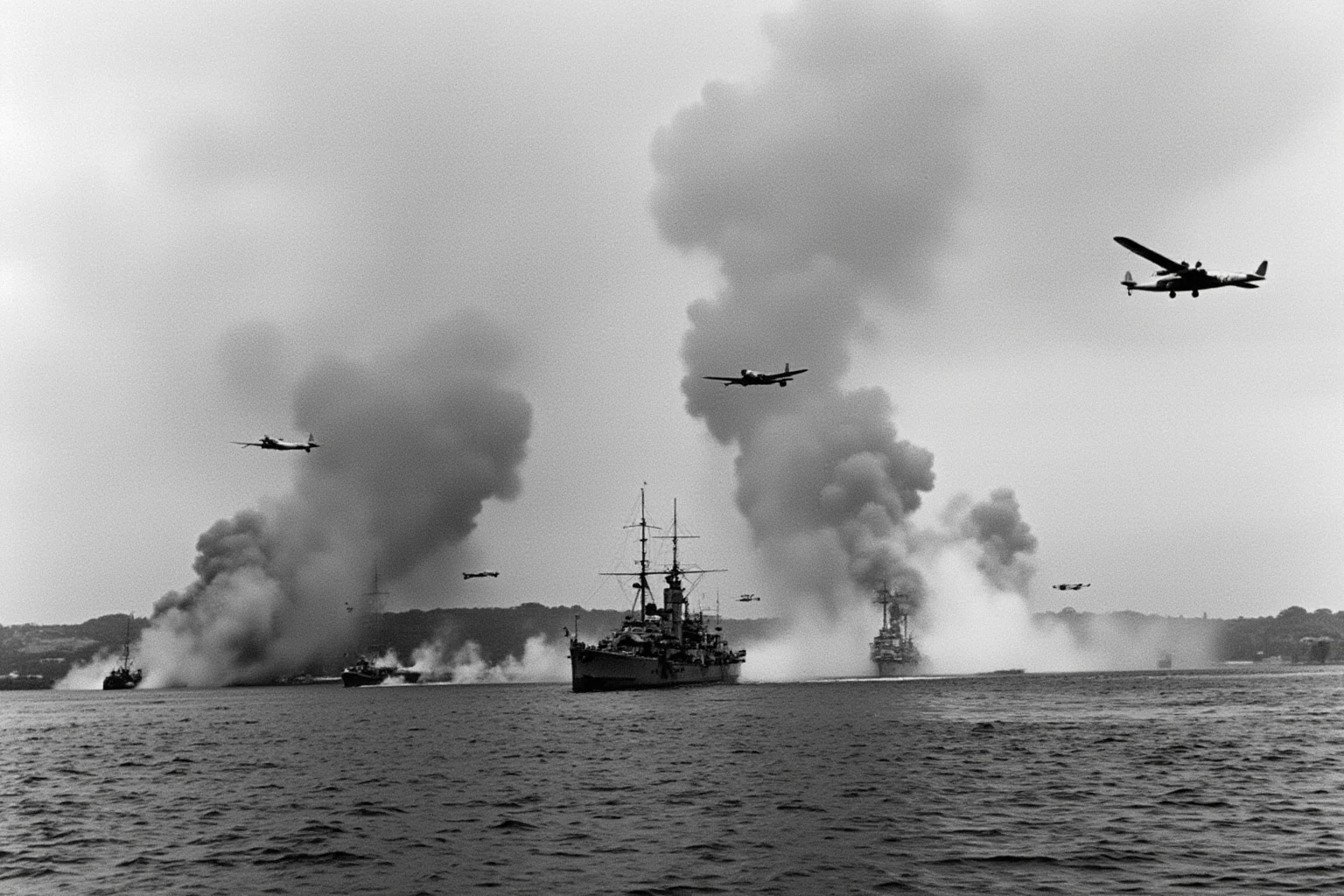
On December 7, 1941, Japan launched a surprise attack on the US naval base at Pearl Harbor, Hawaii, killing over 2,300 Americans and crippling much of the Pacific Fleet. President Roosevelt called it “a date which will live in infamy” in his address to Congress the next day.
The attack brought the United States fully into World War II, ending years of official neutrality. It remains one of the most consequential single days in all of American battle history.
17. Battle of Midway (1942)
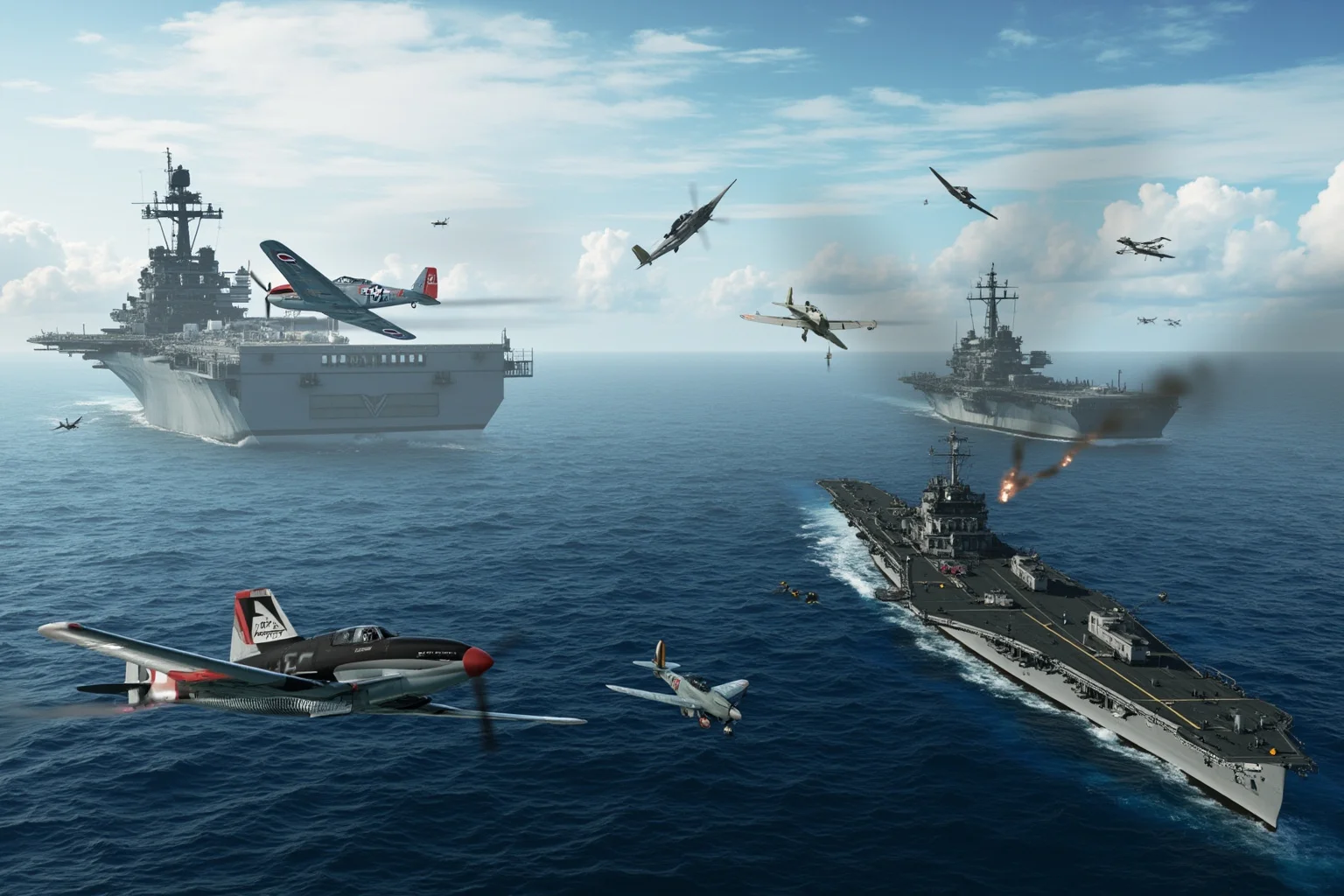
Fought in June 1942, Midway is widely considered the turning point of the Pacific War. American codebreakers had cracked Japanese naval codes, allowing US forces to ambush a Japanese fleet that was expecting a surprise attack of its own.
The US Navy sank four Japanese aircraft carriers in the battle, a loss Japan’s navy could never fully recover from. From Midway onward, the United States held the strategic initiative in the Pacific.
18. D-Day and the Battle of Normandy (1944)
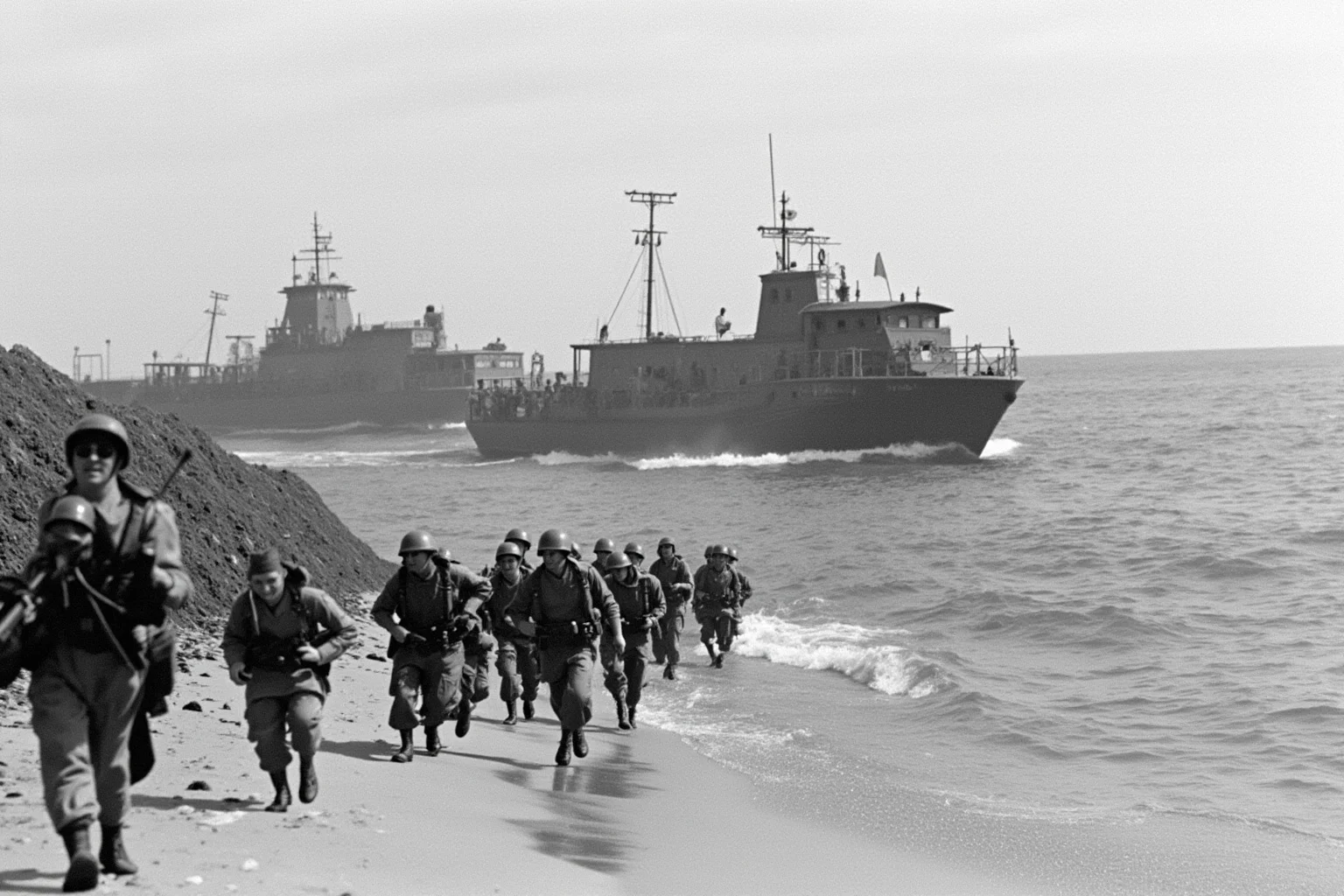
On June 6, 1944, Allied forces launched the largest amphibious invasion in military history along the beaches of Normandy, France. American troops landed at Utah and Omaha beaches, with Omaha in particular seeing brutal casualties against heavily fortified German positions.
The invasion opened a crucial second front against Nazi Germany, forcing it to fight on multiple sides simultaneously. Normandy is often cited alongside Gettysburg and Midway as one of the most pivotal American battles of the 20th century.
19. Battle of the Bulge (1944-1945)
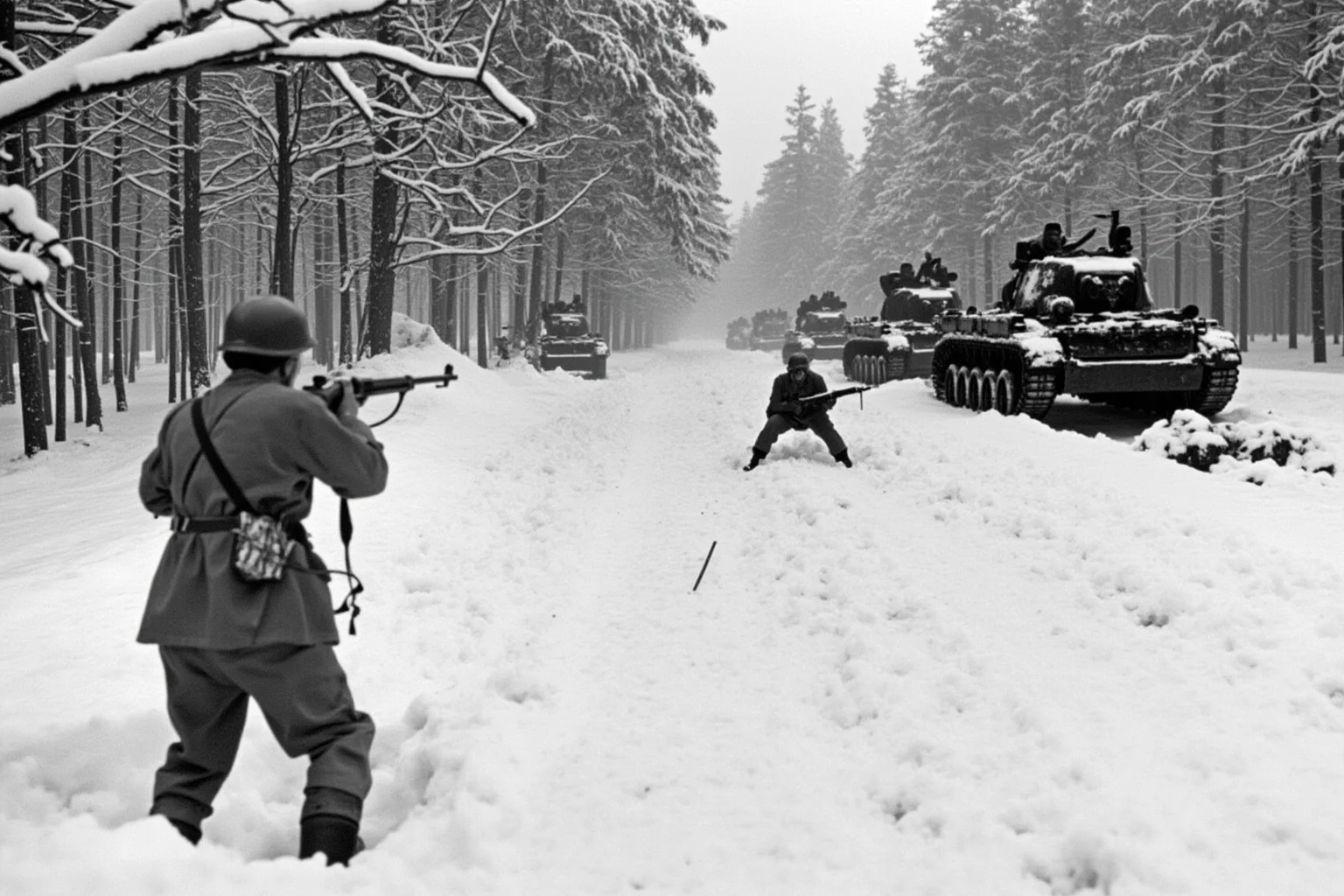
In December 1944, Germany launched a massive surprise counteroffensive through the Ardennes forest in Belgium, hoping to split Allied lines. It became the largest battle fought by the US Army during World War II in terms of American troops involved.
Despite brutal winter conditions and being caught off guard, American forces held key positions like Bastogne and eventually pushed the German offensive back. It was Germany’s last major offensive in the west, and its failure hastened the end of the war in Europe.
20. Battle of Iwo Jima (1945)
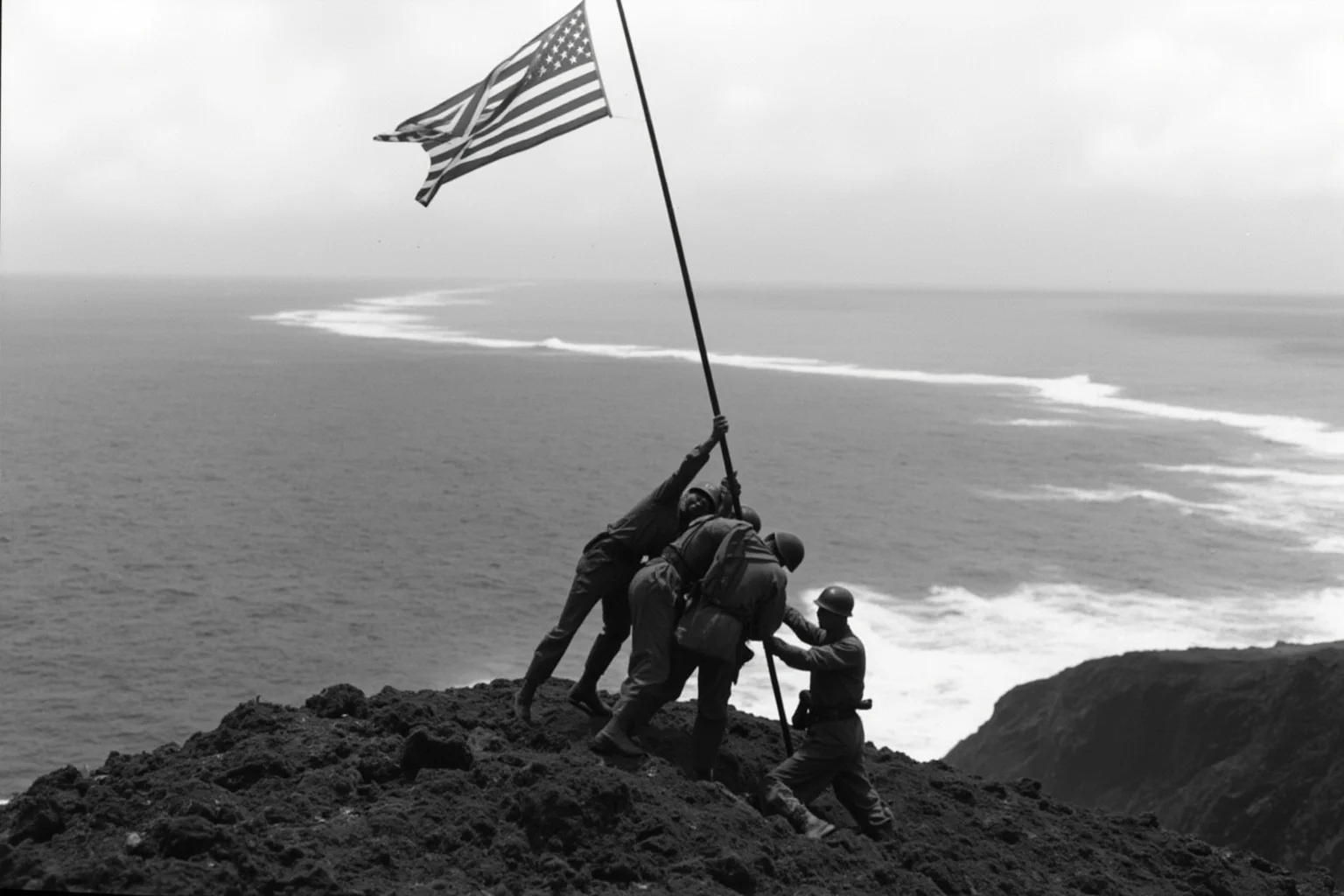
Fought between February and March 1945, Iwo Jima became infamous for its intense, close-quarters fighting over a small volcanic island. The photograph of Marines raising the American flag atop Mount Suribachi became one of the most iconic images of the entire war.
Capturing the island gave American forces an airfield close enough to Japan to support the final bombing campaigns of the war. The battle also produced an extremely high casualty rate, underscoring just how costly the final push toward Japan had become.
Other Battles That Shaped the United States
Not every important battle in US history fits neatly into the Revolution, the Civil War, or the World Wars. A few other battles left a lasting mark on the nation’s identity and territorial growth.
21. Battle of New Orleans (1815)
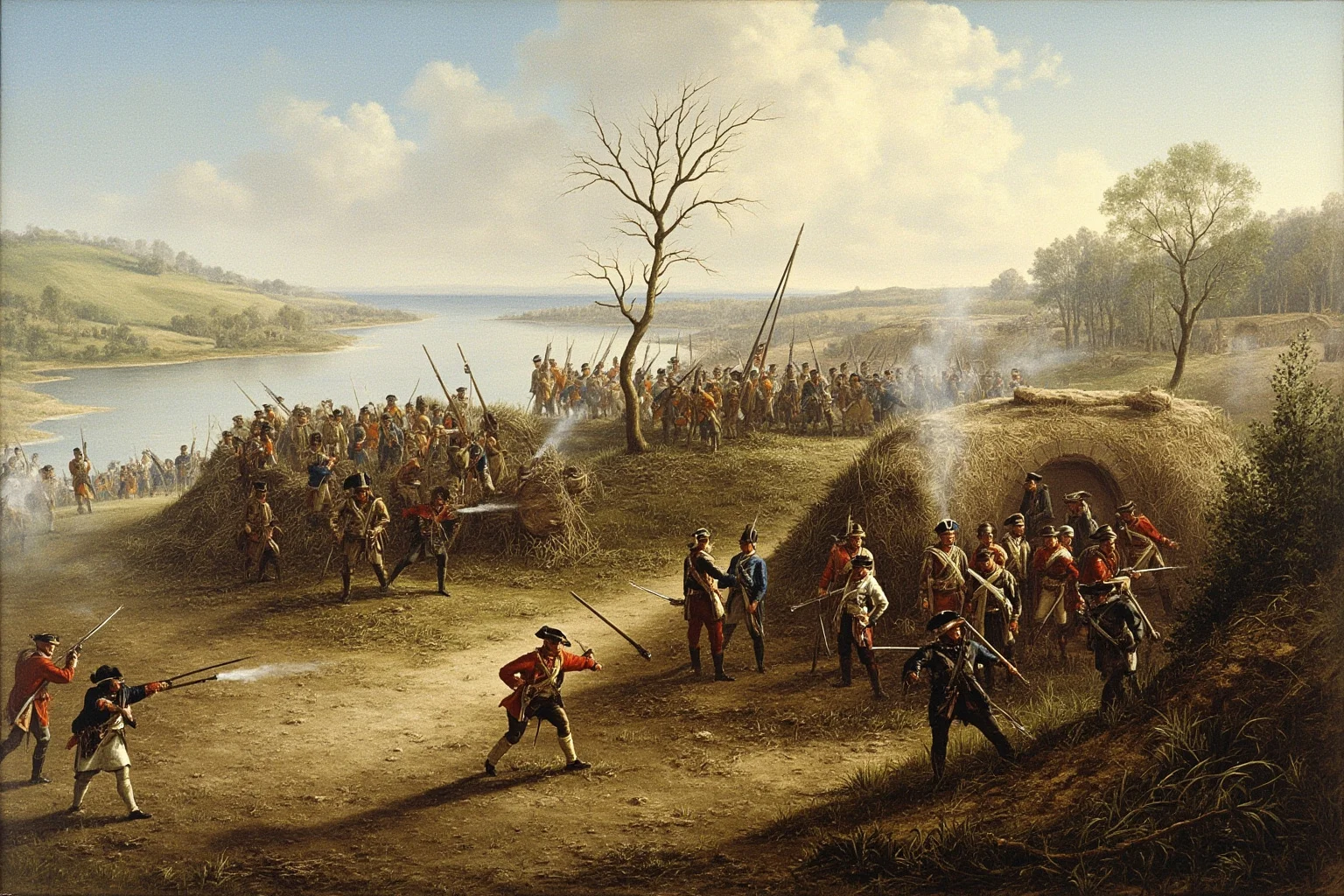
Fought in January 1815 during the War of 1812, this battle saw General Andrew Jackson lead a decisive American victory over British forces. Ironically, it took place after a peace treaty had already been signed in Europe, but news hadn’t yet reached either army.
Despite its awkward timing, the victory became a huge source of national pride and helped launch Jackson’s political career, eventually leading him to the presidency. It’s a good reminder that not every famous American battle changed the war’s actual outcome, but it could still change the nation’s mood.
22. Battle of the Alamo (1836)
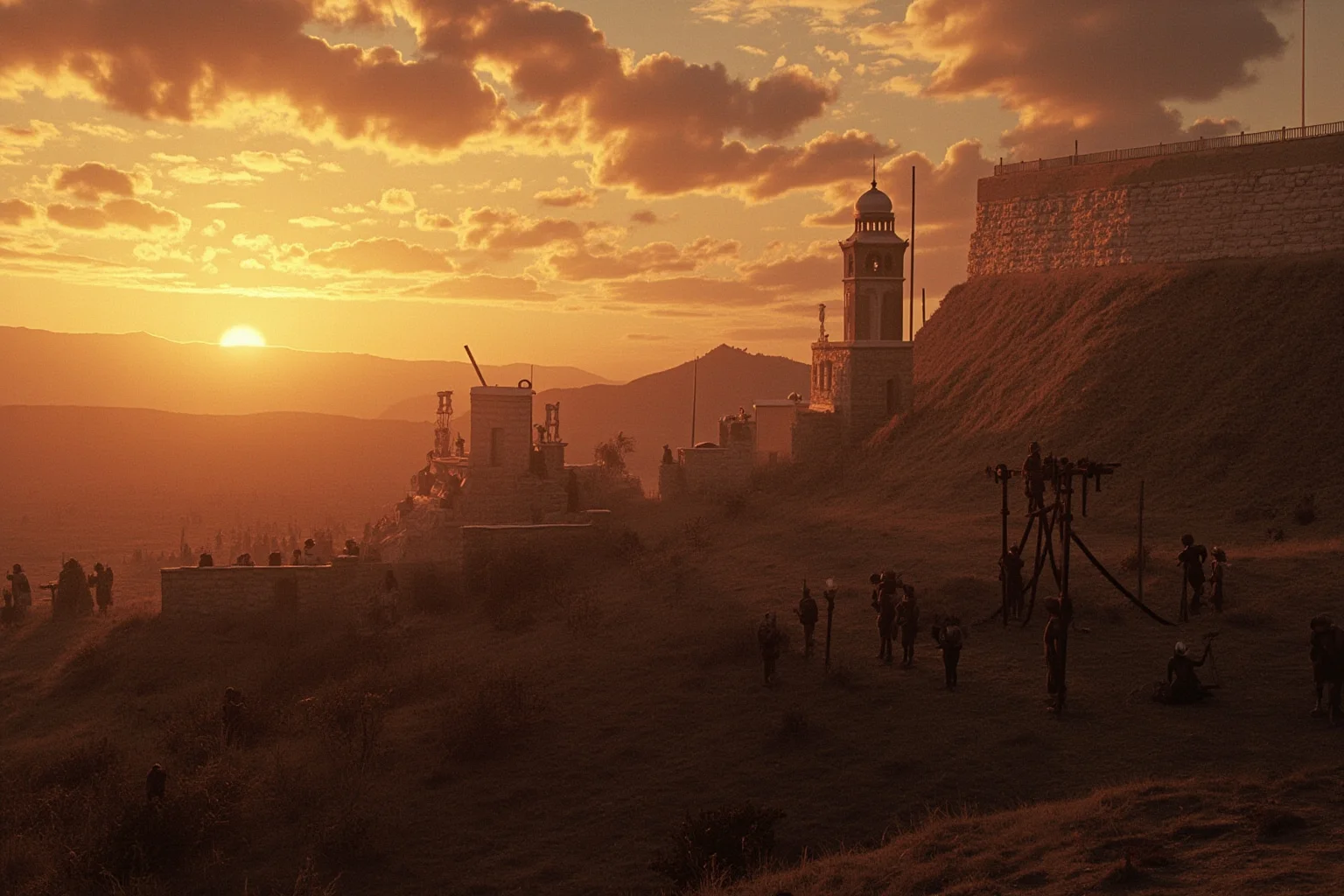
During the Texas Revolution, Mexican forces under General Santa Anna besieged a small group of Texian defenders at a former mission called the Alamo in early 1836. After a 13-day siege, Mexican troops overwhelmed the defenders, and nearly all were killed.
The defeat became a rallying cry, “Remember the Alamo,” that helped fuel the Texian victory at San Jacinto weeks later and eventually Texas’s independence. Texas later joined the United States in 1845, making the Alamo an important, if complicated, chapter in the story of American westward expansion.
23. Battle of Little Bighorn (1876)
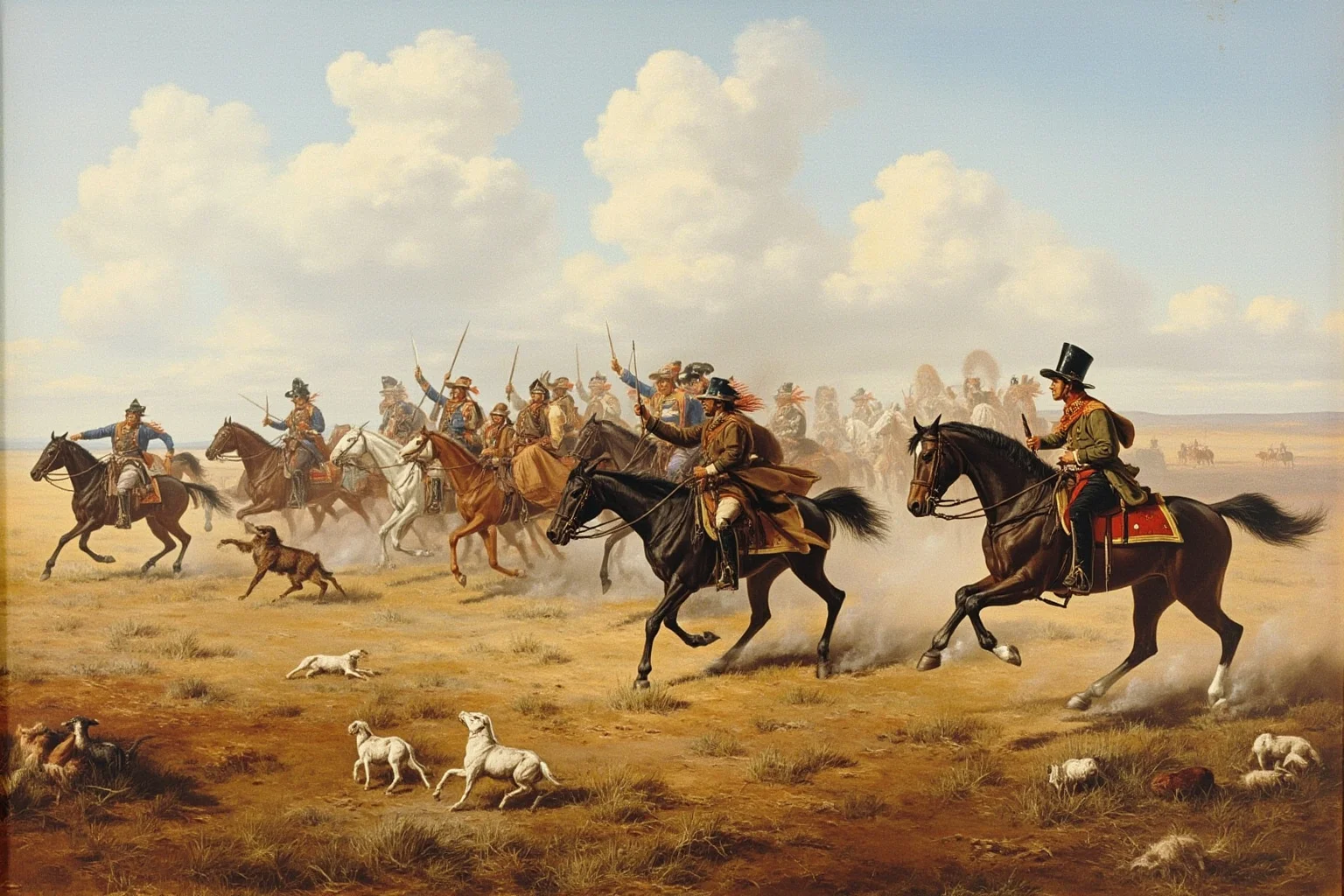
In June 1876, combined forces of Lakota Sioux and Cheyenne warriors, led by leaders including Crazy Horse and Sitting Bull, decisively defeated US Army troops under Lieutenant Colonel George Custer in Montana. Custer and roughly 260 of his men were killed.
The battle was a major victory for Native American resistance against US expansion onto tribal lands, though it ultimately did little to slow the broader push of federal policy in the following years. It remains one of the most studied and mythologized battles in the US, partly because so much of what’s “remembered” about it blends fact with later legend.
Why These Battles Still Matter
It’s worth asking directly why a battle is considered important in the first place, since not every fight that made headlines actually changed history’s direction. The battles on this list share a few things in common: they shifted momentum in a war, changed public opinion, or forced a nation to make a decision it had been avoiding.
Gettysburg and Antietam didn’t just move armies around a map; they changed what the Civil War was actually being fought for. Saratoga and Yorktown didn’t just win ground; they convinced allies and enemies alike that American independence was achievable and permanent.
Looking across more than 240 years of American battles, from Lexington’s militia to the beaches of Normandy, a pattern emerges. The United States has often needed a handful of pivotal, hard-fought battles, rather than sheer number of wars, to define who it was and where it was headed next.
That’s really the throughline connecting all of these moments. Whether it’s a Revolutionary War battle fought with muskets and cannons or a World War II battle fought with aircraft carriers, each one reshaped what “America” meant to the people living through it.
Frequently Asked Questions
What are the most important American Revolution battles?
Historians most often point to Lexington and Concord (which started the war), Saratoga (which brought France into the alliance), and Yorktown (which effectively ended the fighting) as the most important American Revolution battles. Bunker Hill, Trenton, and Long Island are also frequently included for how they shaped morale and strategy earlier in the war.
What was the most important battle of the American Revolution?
Many historians consider Saratoga (1777) the single most important battle, since the American victory convinced France to formally ally with the colonies, providing money, troops, and naval power. Others argue Yorktown (1781) deserves that title instead, since it forced Britain's surrender and led directly to peace negotiations.
What are three major battles of the American Revolution?
Three of the most commonly cited major battles are Bunker Hill (1775), Saratoga (1777), and Yorktown (1781). Together they show the war's arc, from proving colonial militia could fight, to turning the war's momentum, to finally forcing a British surrender.
How many wars has the United States fought in?
Congress has formally declared war only 11 times, covering five conflicts. However, the US has taken part in several dozen additional armed conflicts without formal declarations, so most historians estimate the total is somewhere between 20 and 30 wars and major conflicts since the country's founding.
Has the United States won most of the wars it has fought?
Yes, the US has won the majority of its major wars, including the Revolutionary War, the Civil War (from the Union side), World War I, and World War II. A few conflicts, such as the War of 1812 and the Vietnam War, ended in stalemate or contested outcomes rather than a clear American victory.

Alex Warren
Related Articles





