

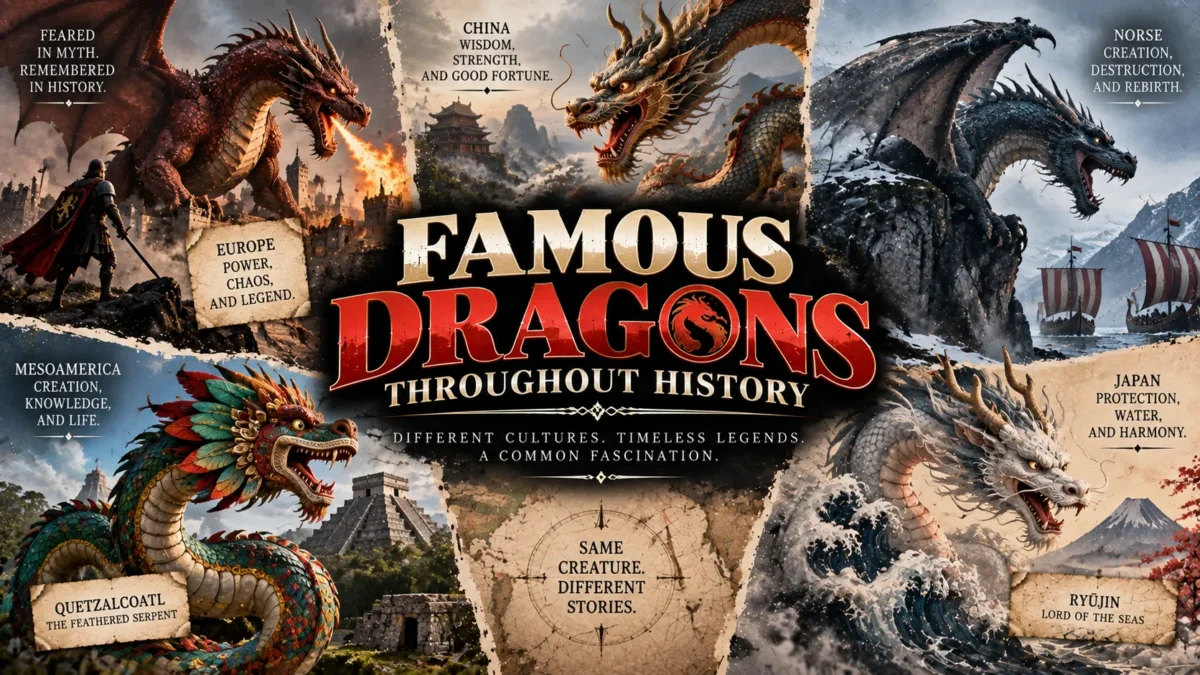
Dragons have slithered, flown, and breathed fire through human imagination for thousands of years. Nearly every ancient civilization, from Mesopotamia to Mesoamerica, told stories about massive serpent-like beings that controlled storms, guarded treasure, or battled the gods themselves.
Some of these mythical dragons were monstrous villains meant to be slain by heroes, while others were wise, benevolent forces tied to rivers, rain, and royalty.
What’s fascinating is how differently dragons show up depending on where and when you look. European dragons tend to be greedy, fire-breathing menaces guarding gold, while many Asian dragons are honored as bringers of life and water.
Along the way, we’ll also clear up a common mix-up involving a French historical term, the dragonnades, that has nothing to do with mythical beasts at all.
TL;DR: Dragons appear in nearly every ancient culture as gods, monsters, or royal symbols, but not everything historically labeled a “dragon” — like the French dragonnades — actually involved the mythical creature at all.
Ancient Dragons of the Near East and Beyond
Some of the oldest dragon-like beings in recorded history come from the civilizations of the ancient Near East and South Asia. These early myths likely shaped much of the dragon imagery that later spread through Europe and the Mediterranean world.
1. Tiamat, the Primordial Sea Dragon of Babylon
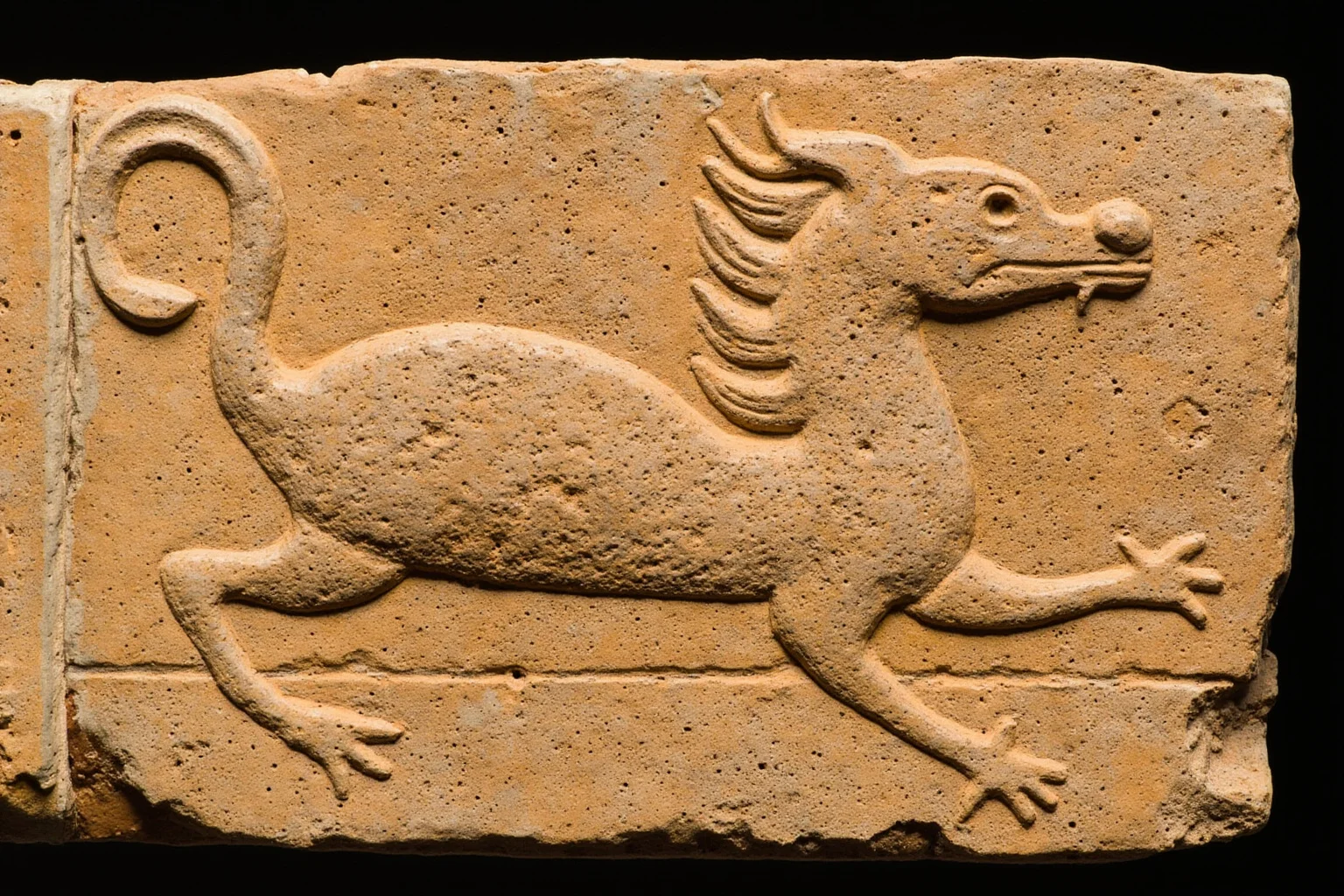
Tiamat appears in the Babylonian creation epic known as the Enuma Elish, one of the oldest surviving mythological texts. She’s often described as a primordial goddess of the saltwater ocean, sometimes depicted as a massive dragon or serpent, who is ultimately defeated by the god Marduk.
Her body, according to the myth, was split apart to form the heavens and the earth. Scholars generally view Tiamat as one of the earliest literary examples of a chaos-dragon archetype that would echo through later Near Eastern and biblical storytelling.
2. Apophis, Egypt’s Eternal Enemy of the Sun
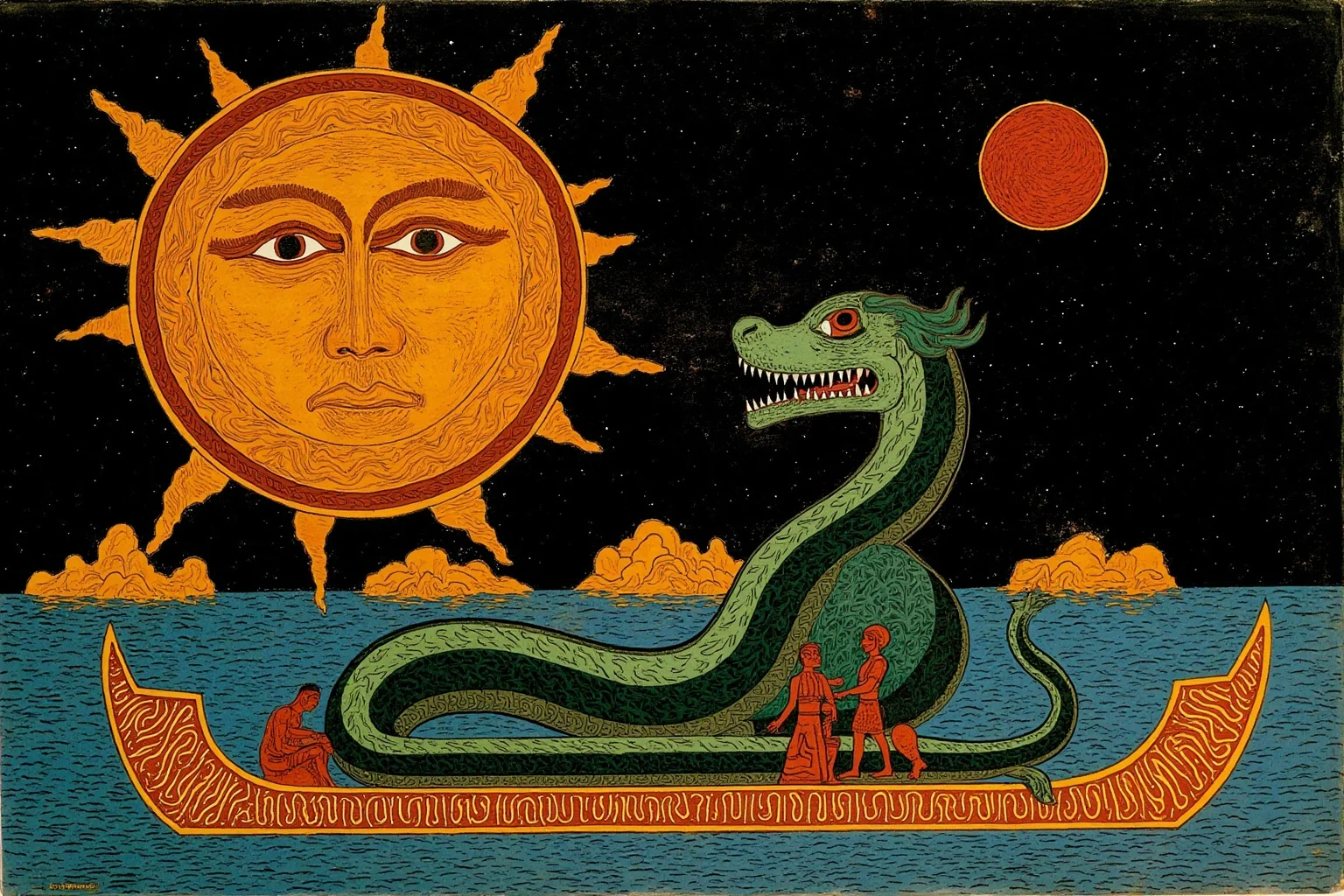
In ancient Egyptian religion, Apophis (also spelled Apep) was a giant serpent representing chaos and darkness. Egyptian mythology held that Apophis attacked the sun god Ra’s boat every night as it traveled through the underworld.
Priests performed rituals specifically to “repel” Apophis, underscoring how seriously this cosmic threat was taken. While Apophis is technically a serpent rather than a four-legged dragon, he’s frequently grouped with historic dragons because of his massive, world-threatening scale.
3. Vritra, the Drought Demon of Hindu Mythology
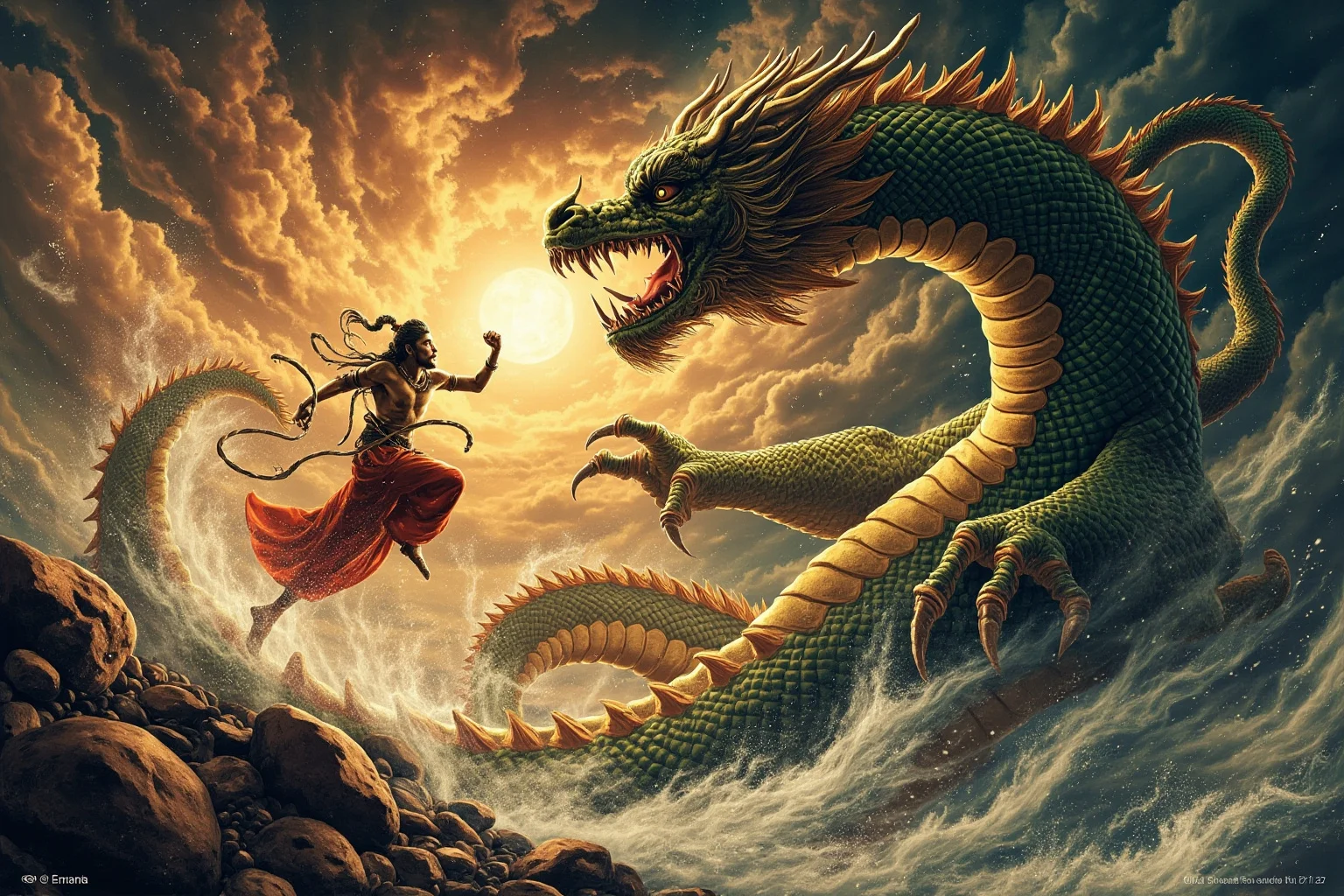
Vritra is a dragon-like asura described in the Rigveda, one of the oldest sacred texts in Hindu tradition. He was said to have held back the world’s waters, causing drought, until the storm god Indra slew him and released the rivers.
This myth is often interpreted as a symbolic story about monsoon cycles and the life-giving power of rain. Vritra remains one of the earliest known examples of a hero-versus-dragon narrative, a template that would recur across many later legendary dragons.
Greek and Roman Dragon Legends
Greek mythology is full of serpentine monsters that modern readers often lump together with dragons, even though the ancient Greek word “drakon” originally just meant a large serpent.
4. Python of Delphi
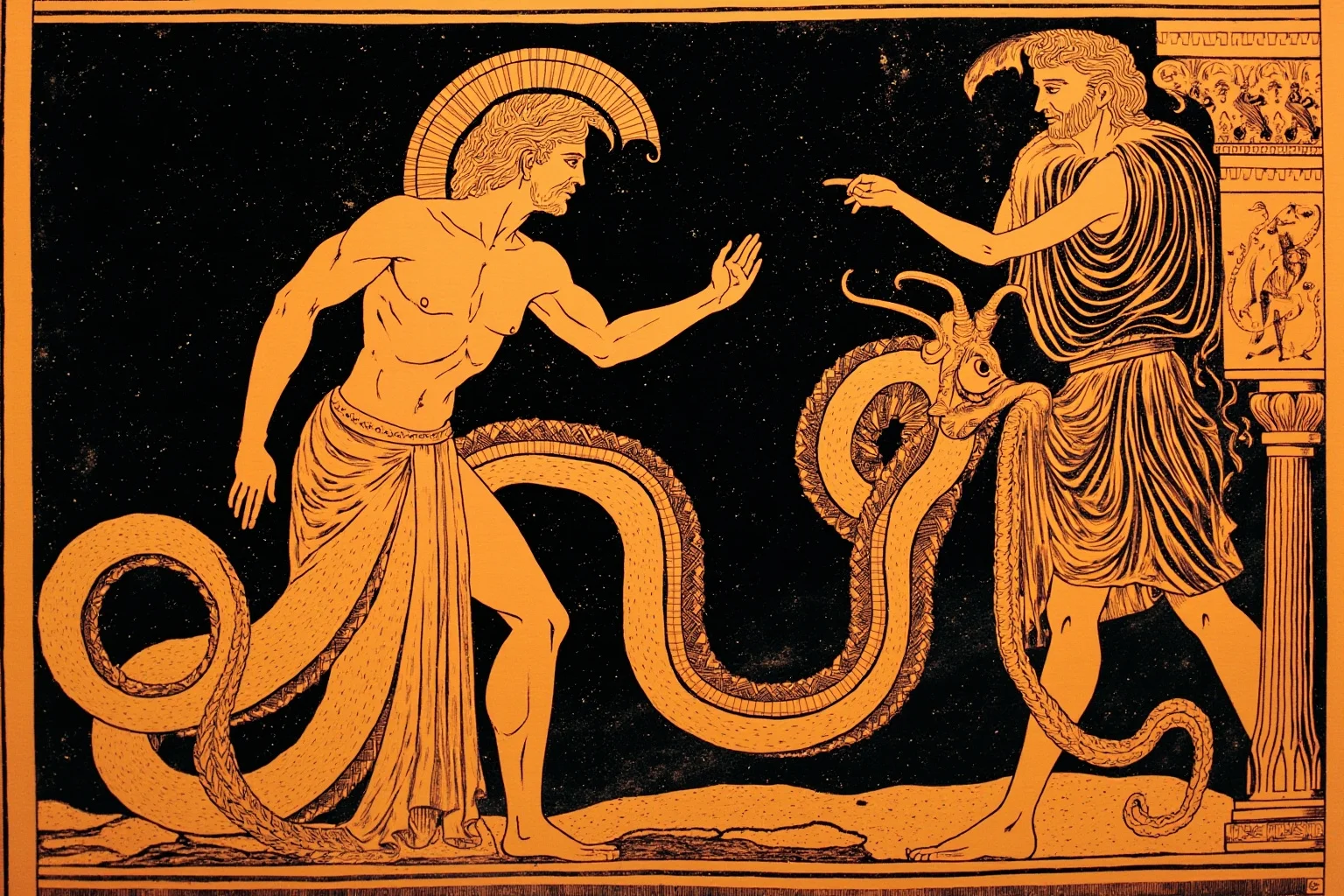
Python was a giant serpent guarding the oracle at Delphi before being killed by the god Apollo. This myth explained the origin of the Pythian Games and gave the oracle site its sacred, dragon-guarded reputation.
The story reflects a common ancient Greek theme: a god proving his power by defeating a chthonic (earth-born) serpent. It’s a pattern you’ll see repeated in many other mythical dragons on this list.
5. Ladon, Guardian of the Golden Apples
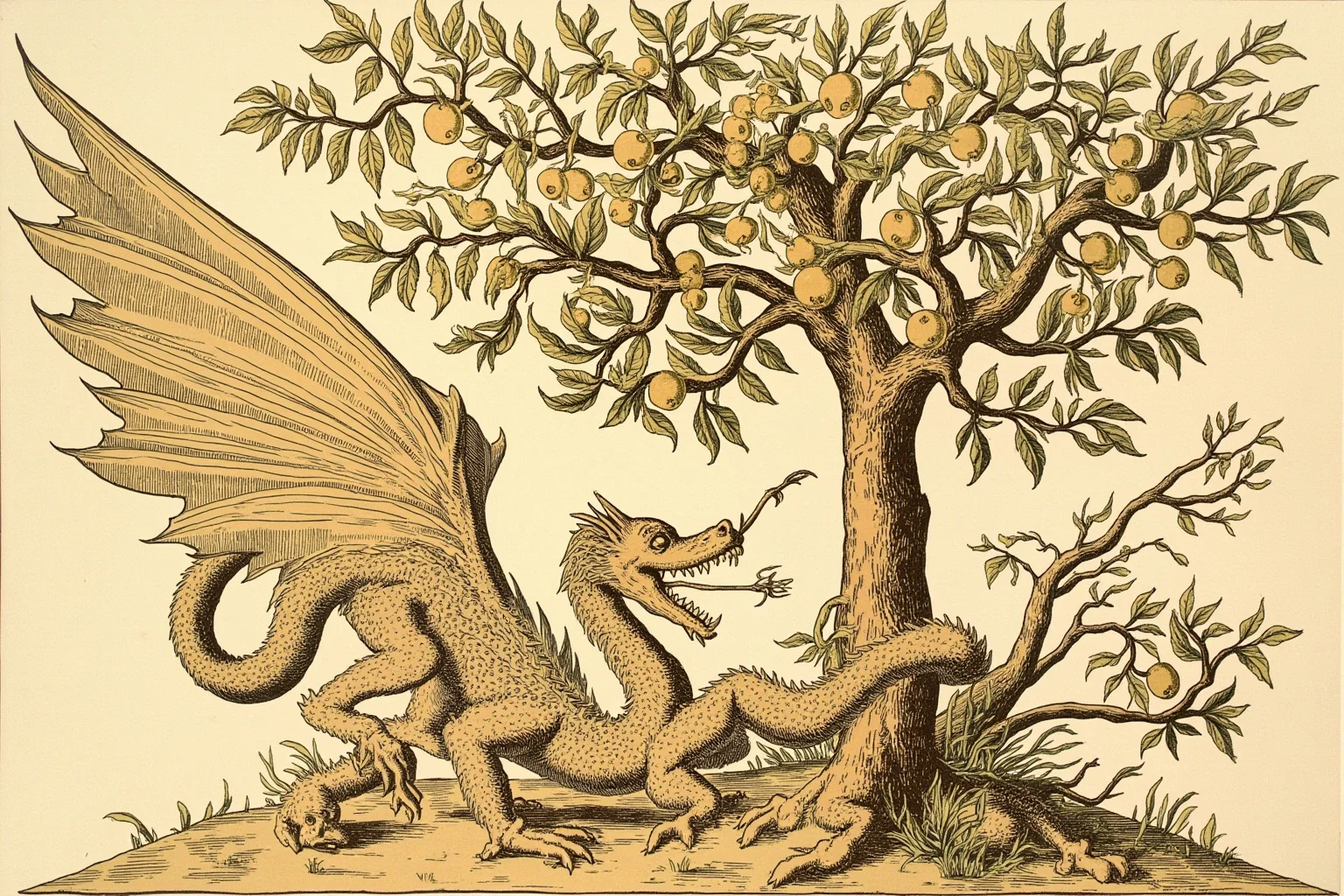
Ladon was the many-headed dragon said to coil around the tree of golden apples in the garden of the Hesperides. According to the myth, Hercules had to deal with Ladon during one of his Twelve Labors to retrieve the apples.
Different ancient sources disagree on whether Hercules killed Ladon outright or tricked the guardian, which is a good reminder that Greek myths were rarely told the exact same way twice. Ladon later became a popular figure in classical art and poetry, the kind of enduring imagery you can also trace through some of the most famous historical paintings in the world.
6. Draco, the Dragon Written Into the Stars

Draco is a constellation, and the Greeks associated it with several dragon myths, including one version where it represents a dragon defeated by the goddess Athena. It’s one of the largest constellations in the night sky and has been recognized in astronomical records for over two thousand years.
The name Draco is also the root of the modern word “dragon” itself, tracing back through Latin and Greek. It’s a nice example of how legendary dragons left their mark on language, not just literature.
Norse Dragons of Ice and Fire
Norse mythology gave us some of the most famous dragons in Western folklore, and several of them tie directly into the wider Norse cosmology of gods, giants, and the end of the world.
7. Fafnir, the Cursed Dwarf-Turned-Dragon
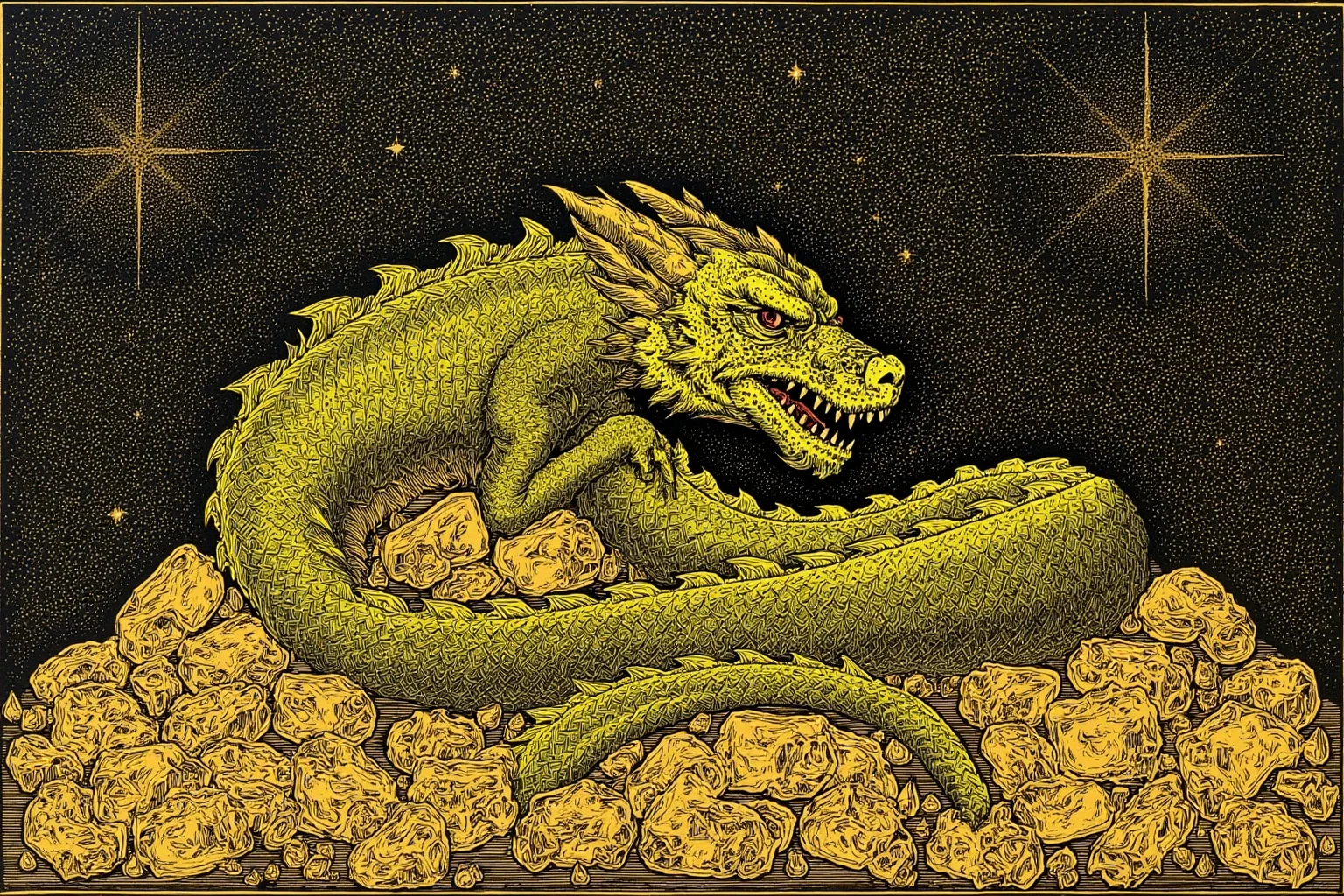
Fafnir began as a dwarf in Norse legend who murdered his own father for a hoard of cursed gold, then transformed into a dragon to guard it. He’s eventually slain by the hero Sigurd, a story preserved in the Völsunga Saga and later echoed in the German Nibelungenlied.
Fafnir’s tale of greed turning a person monstrous became a template for countless later dragon stories, including elements that influenced Tolkien’s Smaug. The idea of a dragon hoarding cursed treasure is almost entirely a Norse and Germanic contribution to dragon lore.
8. Jörmungandr, the World-Serpent
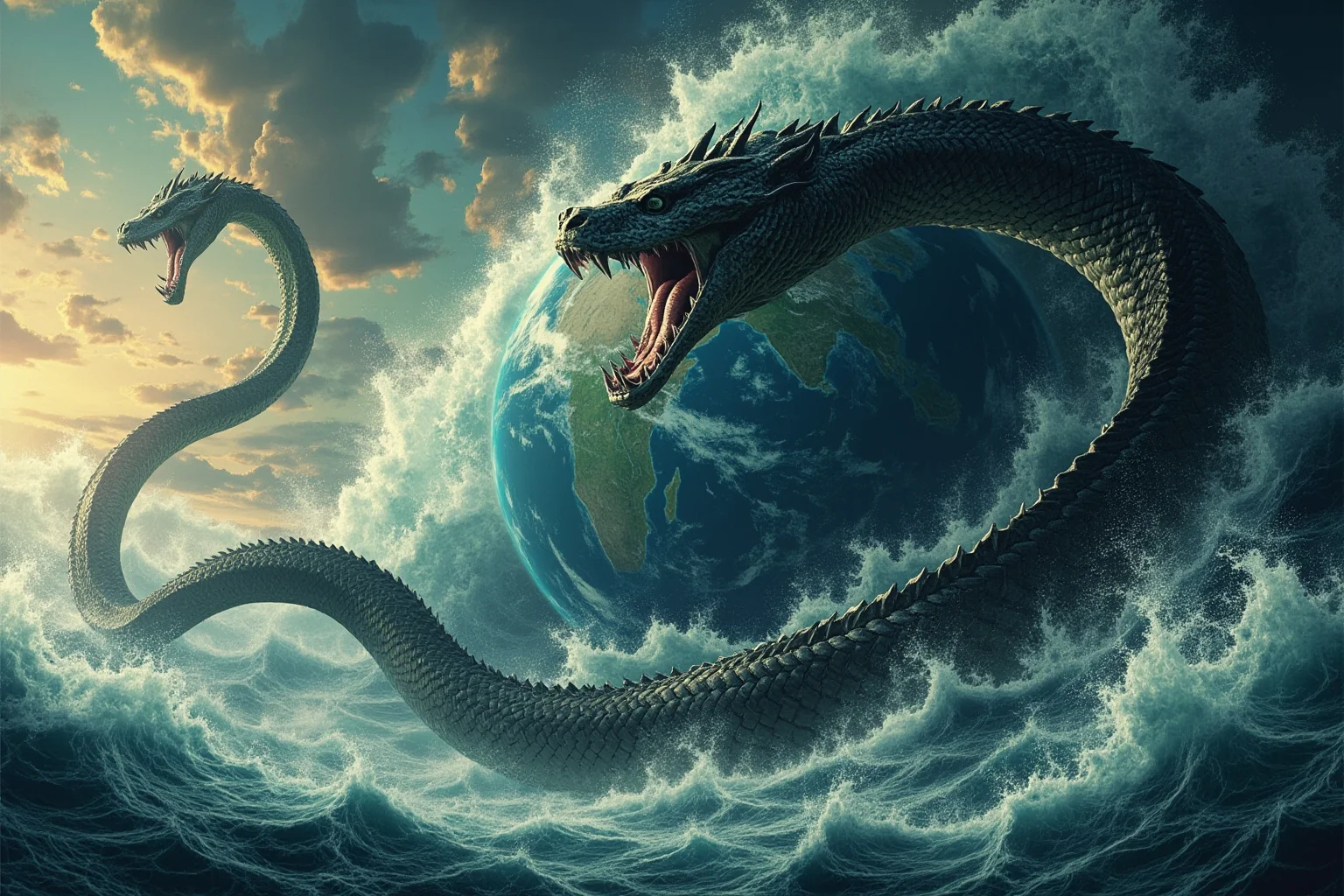
Jörmungandr is the enormous serpent said to encircle the entire world, biting its own tail. Norse mythology foretold that Jörmungandr would fight the god Thor during Ragnarök, the mythological end of the world, with both ultimately dying in the battle.
This cosmic dragon represents chaos held in a fragile balance, much like Tiamat did in Babylonian myth. It’s one of the clearest examples of dragons functioning as world-ending forces rather than simple monsters to be slain for treasure.
9. Nidhogg, the Corpse-Eating Dragon
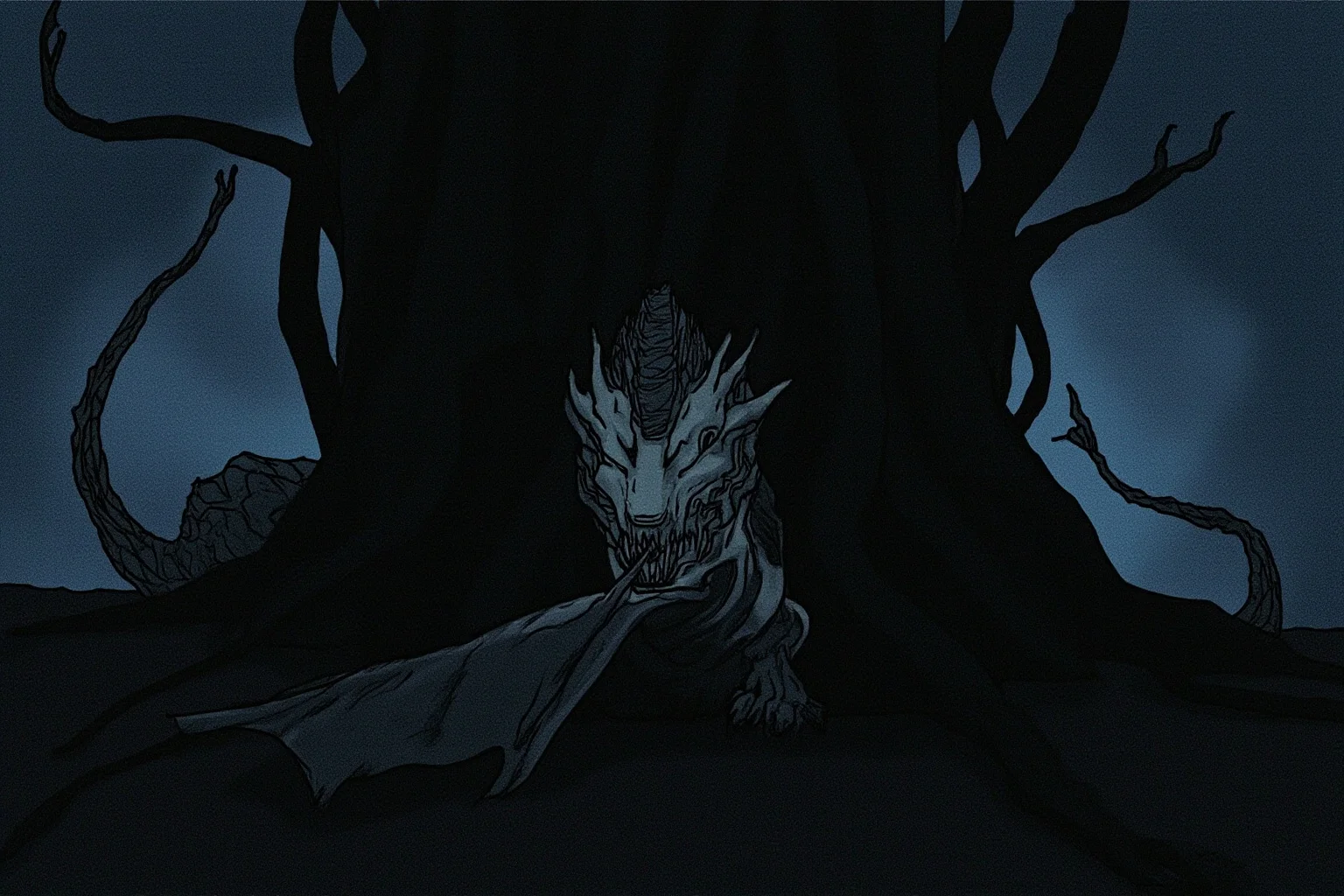
Nidhogg lives at the roots of Yggdrasil, the world tree in Norse cosmology, where he gnaws eternally on the tree’s roots. Norse sources describe him as feeding on the corpses of oathbreakers and murderers in the underworld.
He’s less of an active villain than Fafnir or Jörmungandr, functioning more as a grim symbol of decay and cosmic punishment. Still, Nidhogg remains one of the most vivid historic dragons in Norse religious imagination.
European Folklore and Legendary Dragon Slayers
Medieval Europe produced an enormous body of dragon folklore, often blending pre-Christian myth with Christian storytelling about saints and heroes.
10. The Lambton Worm
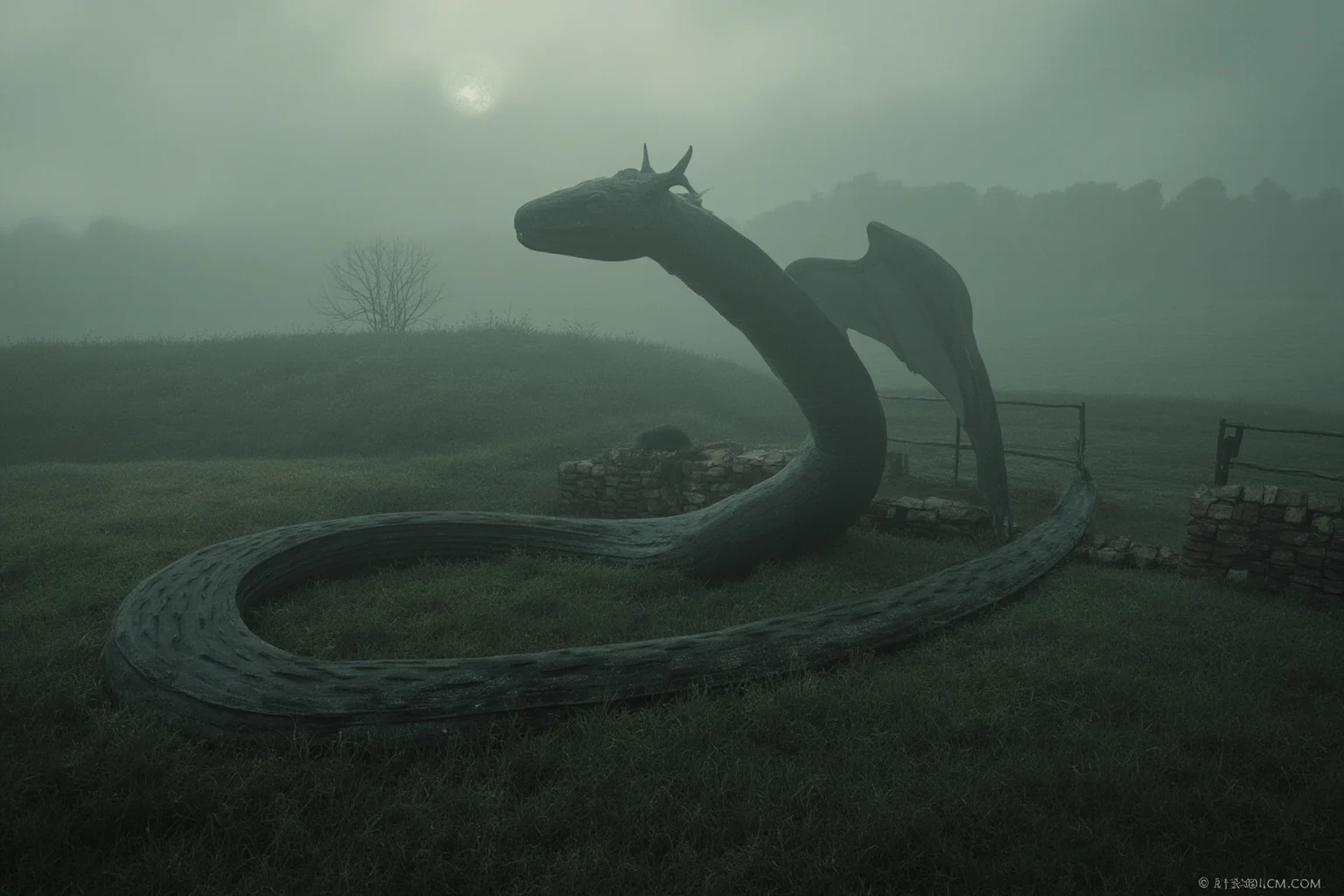
The Lambton Worm is an English legend from County Durham about a giant serpent-like “worm” (an old term often used for wingless dragons) that terrorized the countryside. According to the folk tale, John Lambton caught the creature as a boy, threw it down a well, and it grew into a monster after he returned from the Crusades years later.
Like many English dragon legends, it’s tied to a specific real location and family history, blurring the line between local legend and actual regional history. There’s no historical evidence a literal dragon existed, but the story remains a beloved piece of northern English folklore.
11. The Dragon in Beowulf
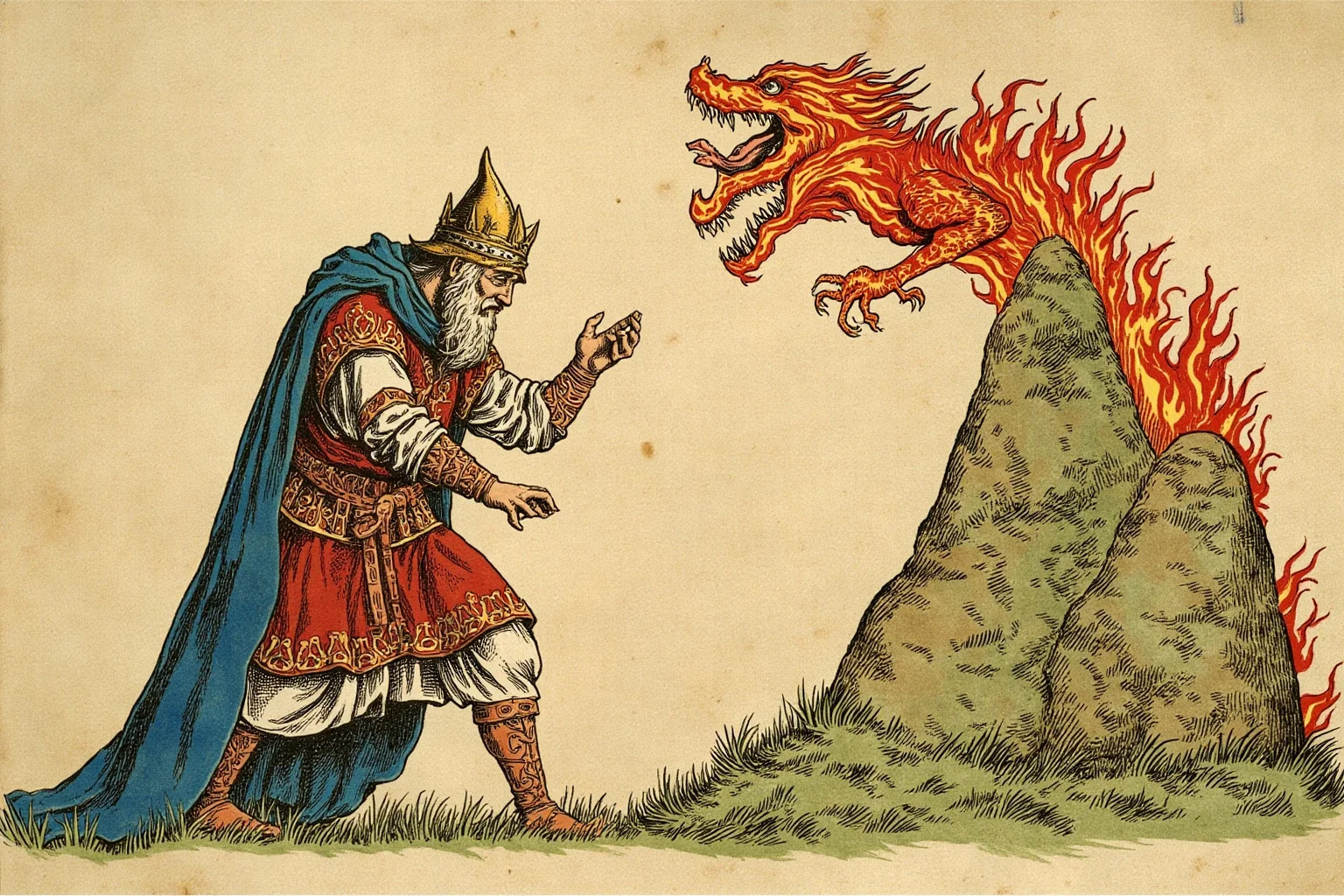
The Old English epic poem Beowulf ends with its aging hero facing a fire-breathing dragon guarding a treasure hoard, a battle that ultimately costs Beowulf his life. This poem, likely composed between the 8th and 11th centuries, is one of the earliest substantial pieces of English literature to feature a dragon in this now-familiar “guardian of treasure” role.
The Beowulf dragon strongly influenced later fantasy dragons, including those written by J.R.R. Tolkien, who was himself an Anglo-Saxon scholar. It’s a great example of how ancient literature quietly shapes modern pop culture.
12. Saint George and the Dragon
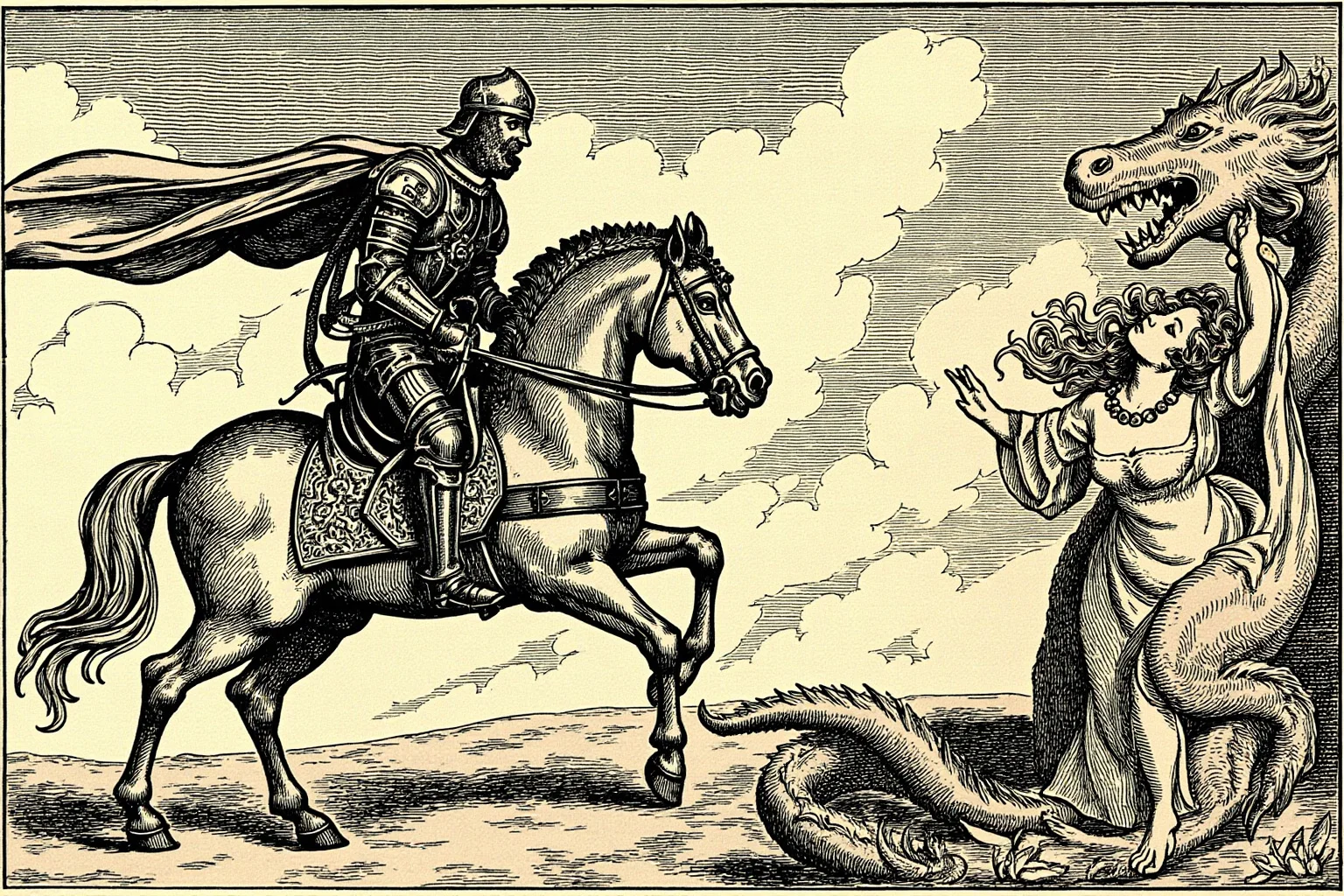
The legend of Saint George slaying a dragon to save a princess became one of the most popular Christian folk tales across medieval Europe. Saint George was a real Roman soldier who was martyred around 303 AD, but the dragon-slaying story itself appears centuries later and is considered legend rather than historical fact, placing him alongside other historical figures who may never have existed in the way legend and history have blurred over time.
The tale became a powerful symbol of good triumphing over evil and was adopted by England, Georgia, and other regions as a patriotic emblem. It’s one of the clearest cases on this list where a historic dragon story is really a moral parable rather than a record of any real event.
13. Y Ddraig Goch, the Welsh Red Dragon
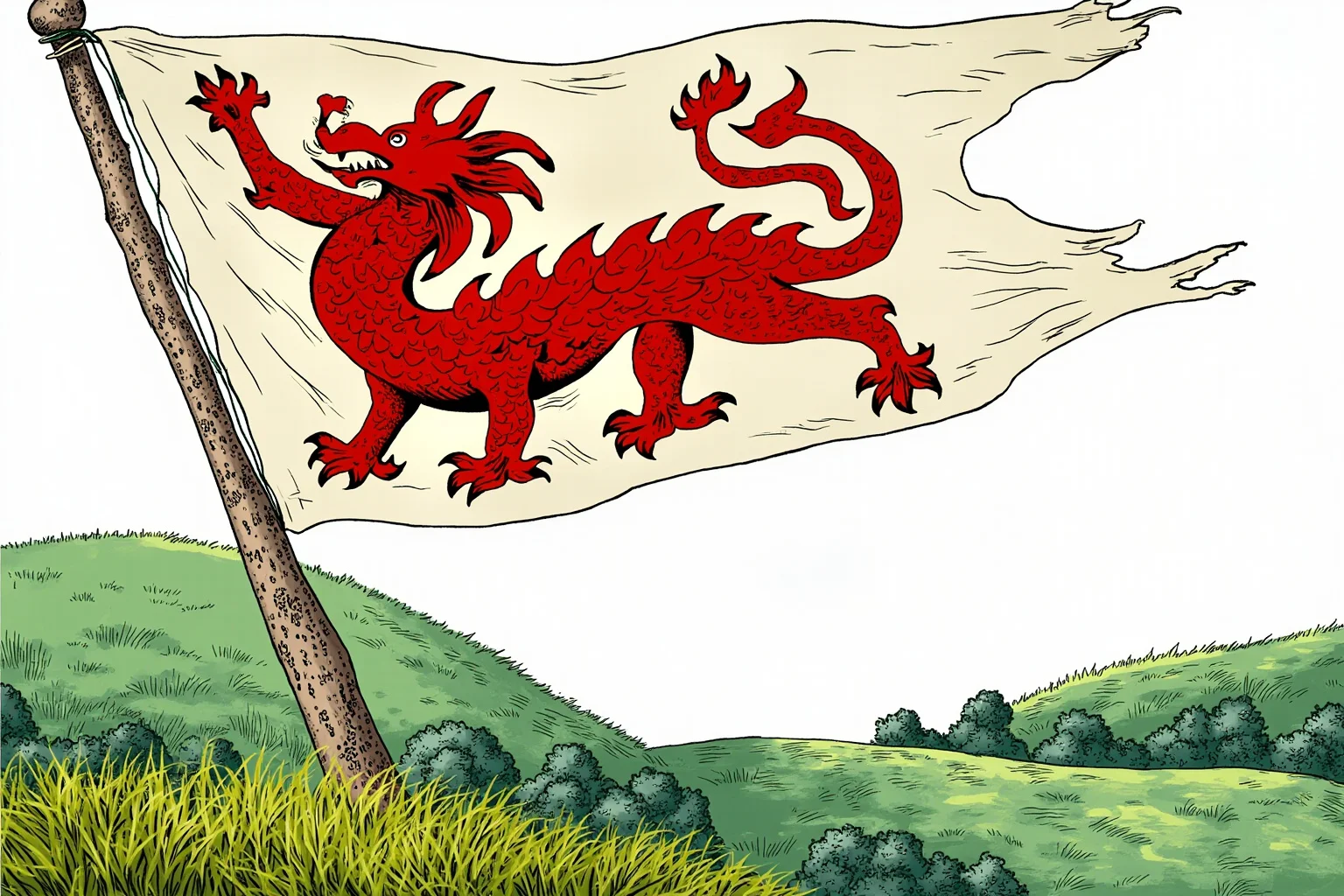
The red dragon has been a symbol of Wales for centuries and appears on the modern Welsh flag. Its origins trace back to old Welsh legend, including a tale recorded in the medieval Historia Brittonum about a red dragon and a white dragon battling beneath a fortress, symbolizing conflict between the Welsh and Saxon peoples.
Unlike many dragons on this list, Y Ddraig Goch isn’t a monster to be defeated; it’s a proud national symbol. This makes it one of the more unusual legendary dragons, since it represents a people rather than an enemy to overcome.
14. Zmey Gorynych, the Slavic Multi-Headed Dragon
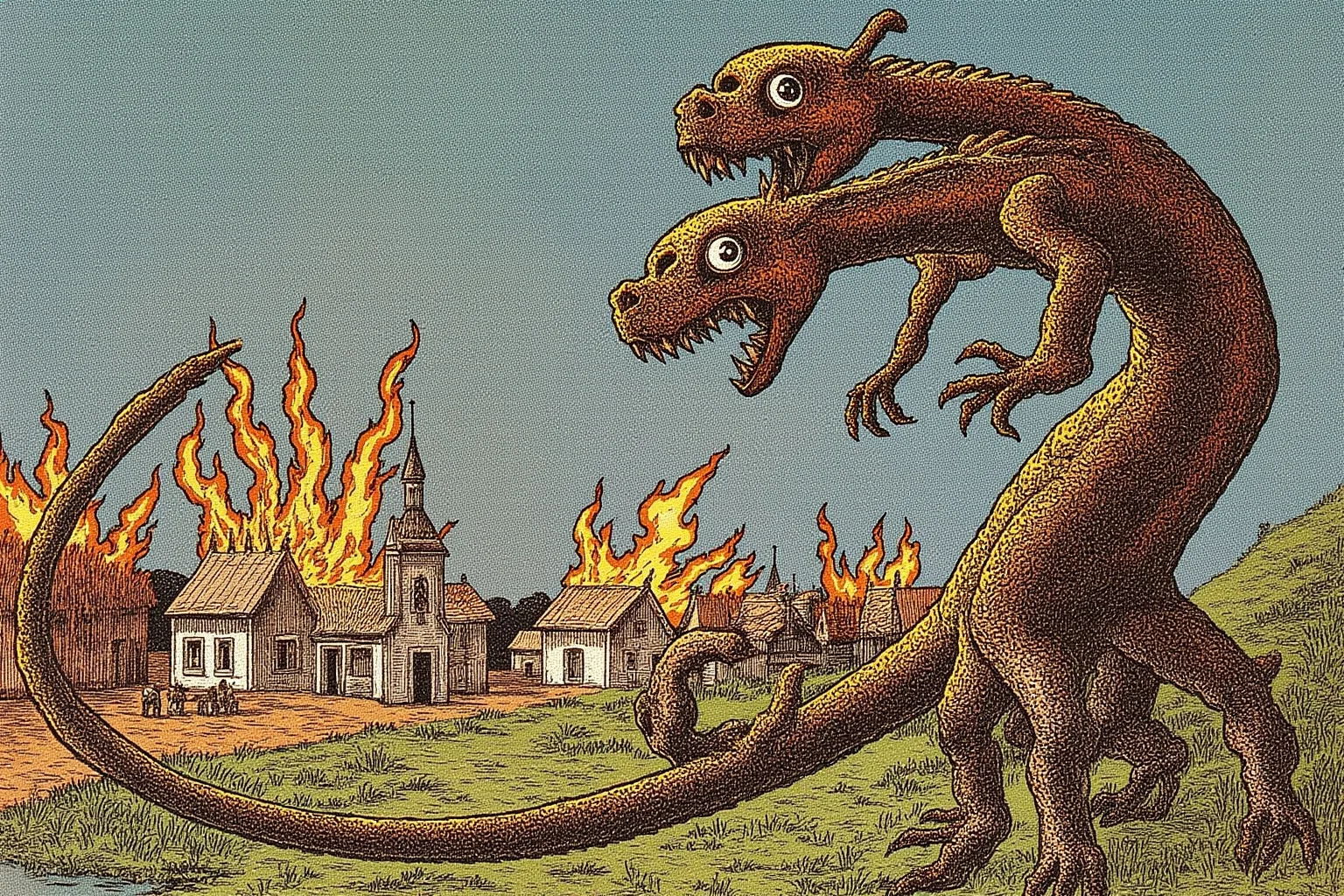
Zmey Gorynych is a fire-breathing, multi-headed dragon found throughout Slavic folklore, often depicted with three heads. He typically appears as a villain in Russian fairy tales, kidnapping princesses or terrorizing villages before being defeated by a folk hero like Dobrynya Nikitich.
The character remains hugely popular in Russian and broader Slavic pop culture today, appearing in books, films, and art. Zmey Gorynych shows how similar dragon-slaying story structures popped up independently across very different European cultures.
Dragons of Asia: Guardians, Gods, and Symbols of Power
Asian dragons often differ sharply from their European counterparts. Rather than being treasure-hoarding villains, many are respected, even worshipped, as bringers of rain and symbols of imperial authority.
15. Yamata no Orochi, Japan’s Eight-Headed Dragon
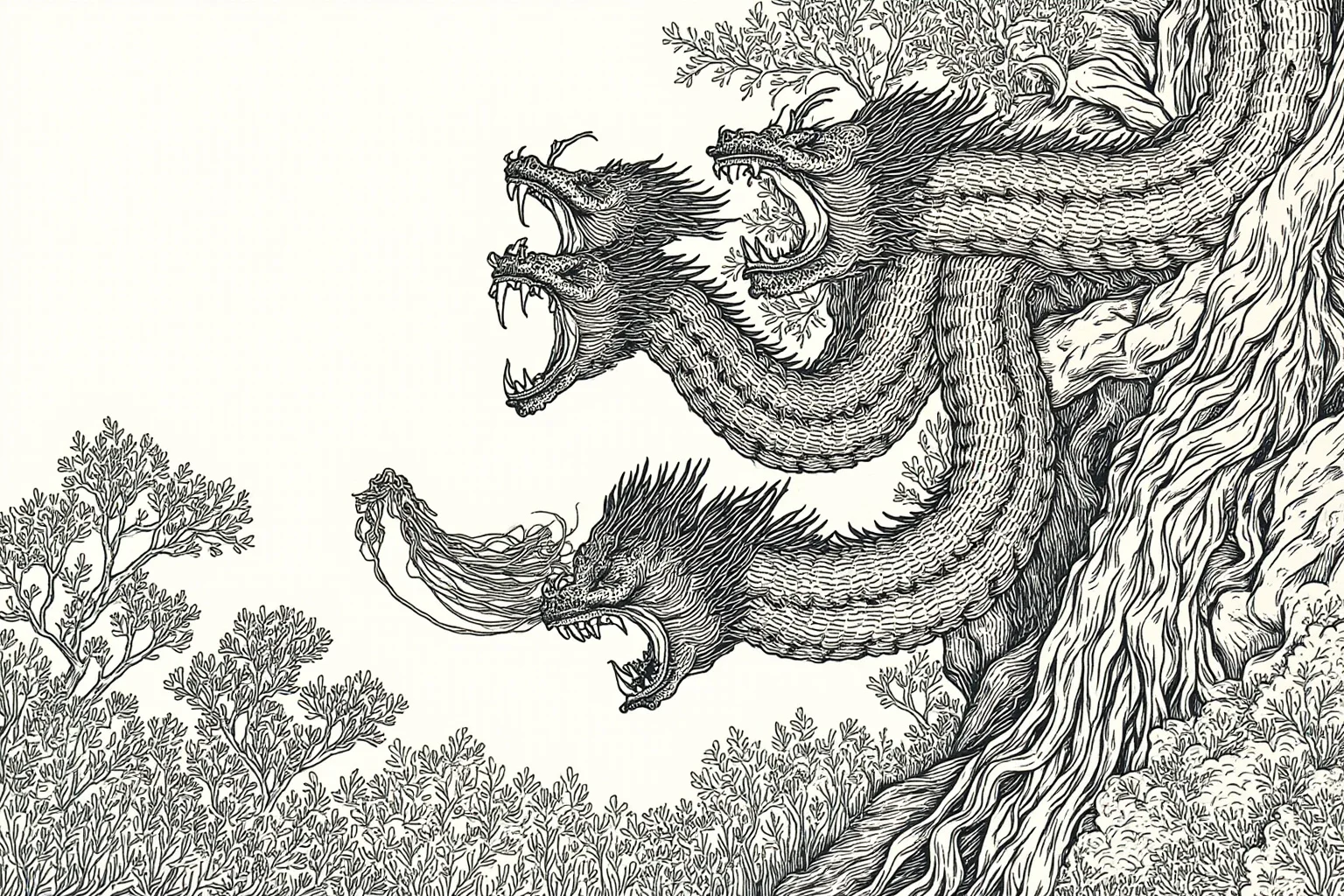
Yamata no Orochi is a monstrous eight-headed, eight-tailed serpent from Japanese mythology, recorded in the ancient texts Kojiki and Nihon Shoki. The storm god Susanoo defeats the creature by getting it drunk on sake before slaying it, later finding a legendary sword inside its tail.
That sword, known as Kusanagi, became one of Japan’s three Imperial Regalia, items tied to the legitimacy of the Japanese imperial line. It’s a rare case where a mythical dragon story is directly connected to real royal symbolism still referenced today.
16. The Chinese Imperial Dragon (Long)
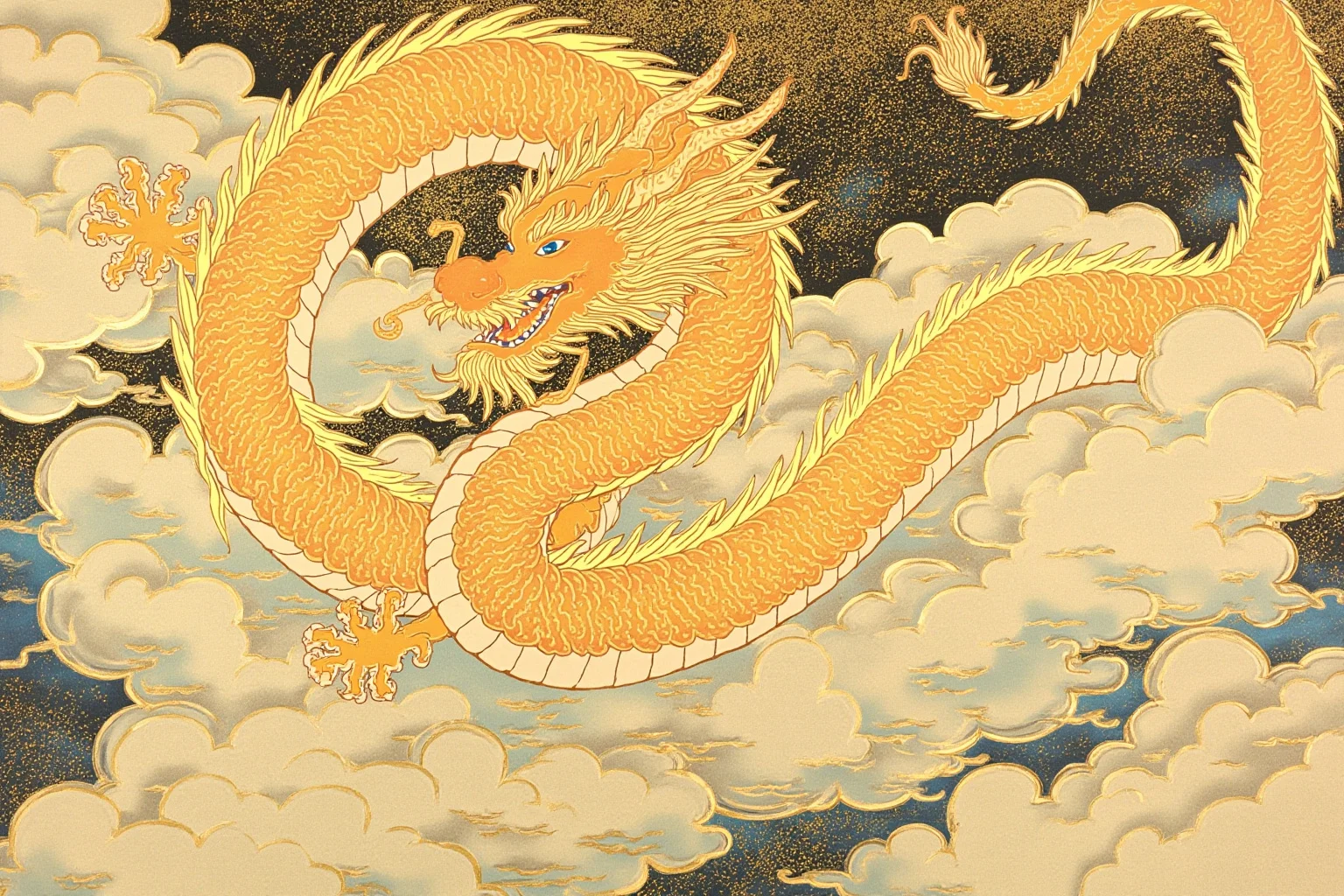
In Chinese tradition, the dragon (long) is overwhelmingly a symbol of power, good fortune, and imperial authority rather than a monster to be feared. Chinese emperors closely associated themselves with dragon imagery for thousands of years, and the five-clawed dragon in particular was historically reserved for imperial use.
Unlike the fire-breathing dragons of Europe, Chinese dragons are traditionally linked to water, rain, and rivers, often depicted as benevolent forces controlling weather. This positive framing makes Chinese dragons some of the most historically significant and continuously honored dragons of history.
17. Lạc Long Quân, the Dragon Lord of Vietnam
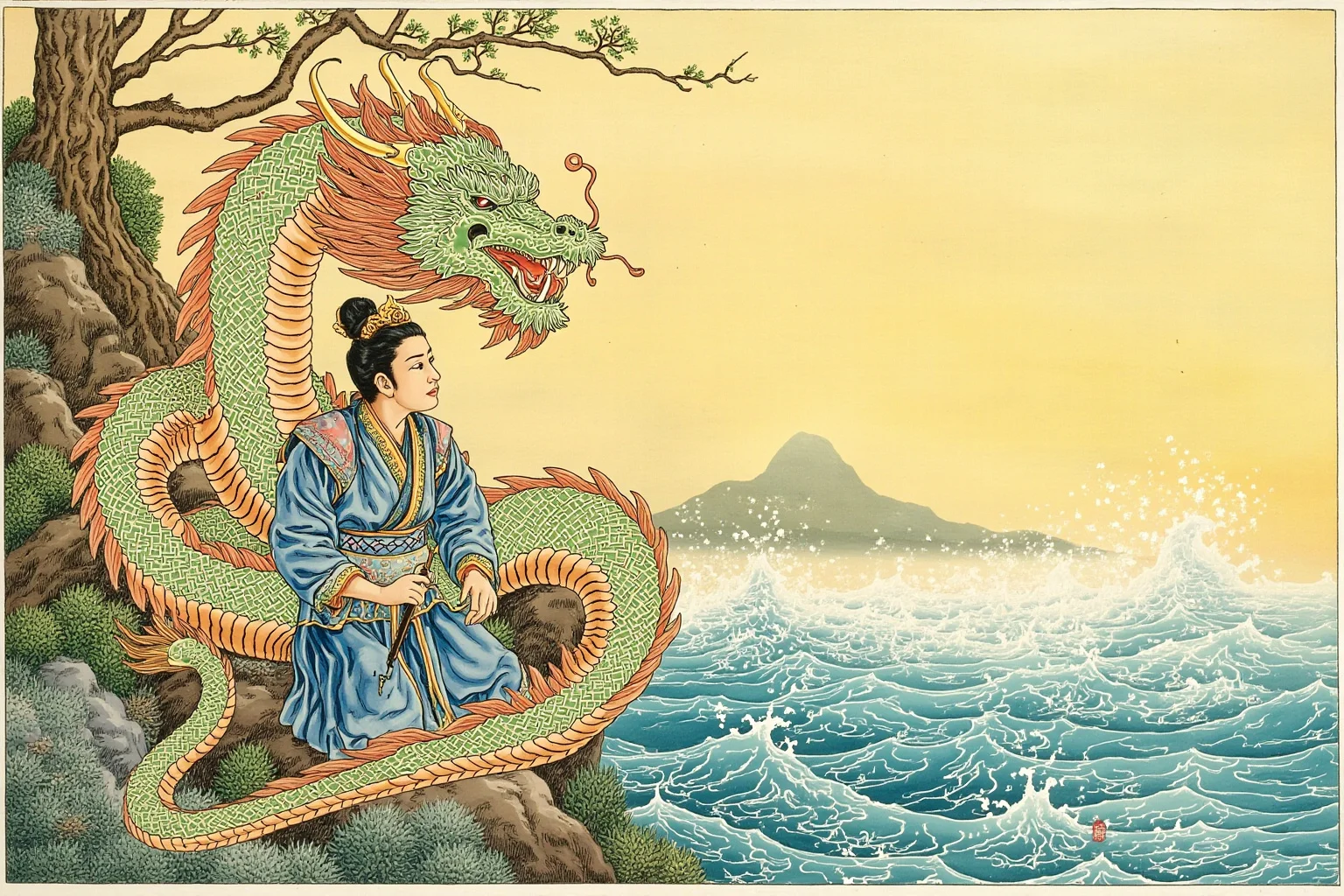
Vietnamese origin mythology tells of Lạc Long Quân, a dragon king who married the fairy princess Âu Cơ, with their children said to have founded the Vietnamese people. This legend gives Vietnam the enduring self-description of being “children of the dragon and the fairy.”
It’s a striking example of a dragon functioning as a literal ancestral figure rather than a monster or symbol of empire. The story remains an important part of Vietnamese cultural identity today.
Dragons of the Americas
18. Quetzalcoatl, the Feathered Serpent
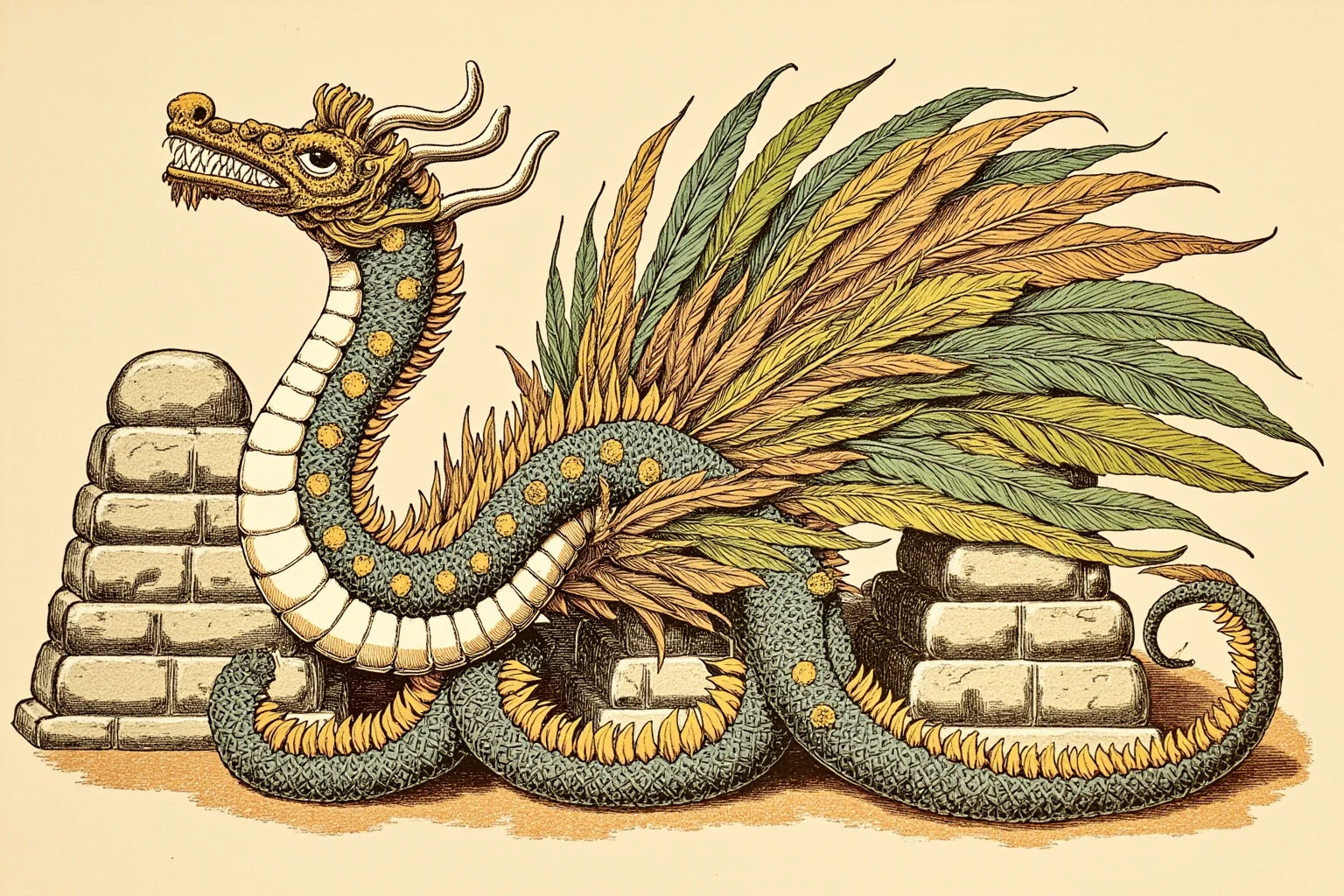
Quetzalcoatl was a major deity across several Mesoamerican civilizations, including the Aztecs, typically depicted as a feathered serpent associated with wind, learning, and the morning star. While not identical to the scaled, fire-breathing dragons of European legend, Quetzalcoatl is widely discussed alongside historic dragons because of the serpent-god parallels.
Similar feathered-serpent deities, such as the Maya god Kukulkan, appear throughout Mesoamerican religious traditions. These figures highlight just how many independent cultures developed powerful serpent or dragon-like gods without any direct contact with one another.
Dragons in Literature and Modern Pop Culture
Dragons didn’t stop evolving after the medieval period. Writers and filmmakers have continued reshaping the archetype for new audiences, often drawing directly on the older myths above.
19. Smaug, Tolkien’s Literary Dragon
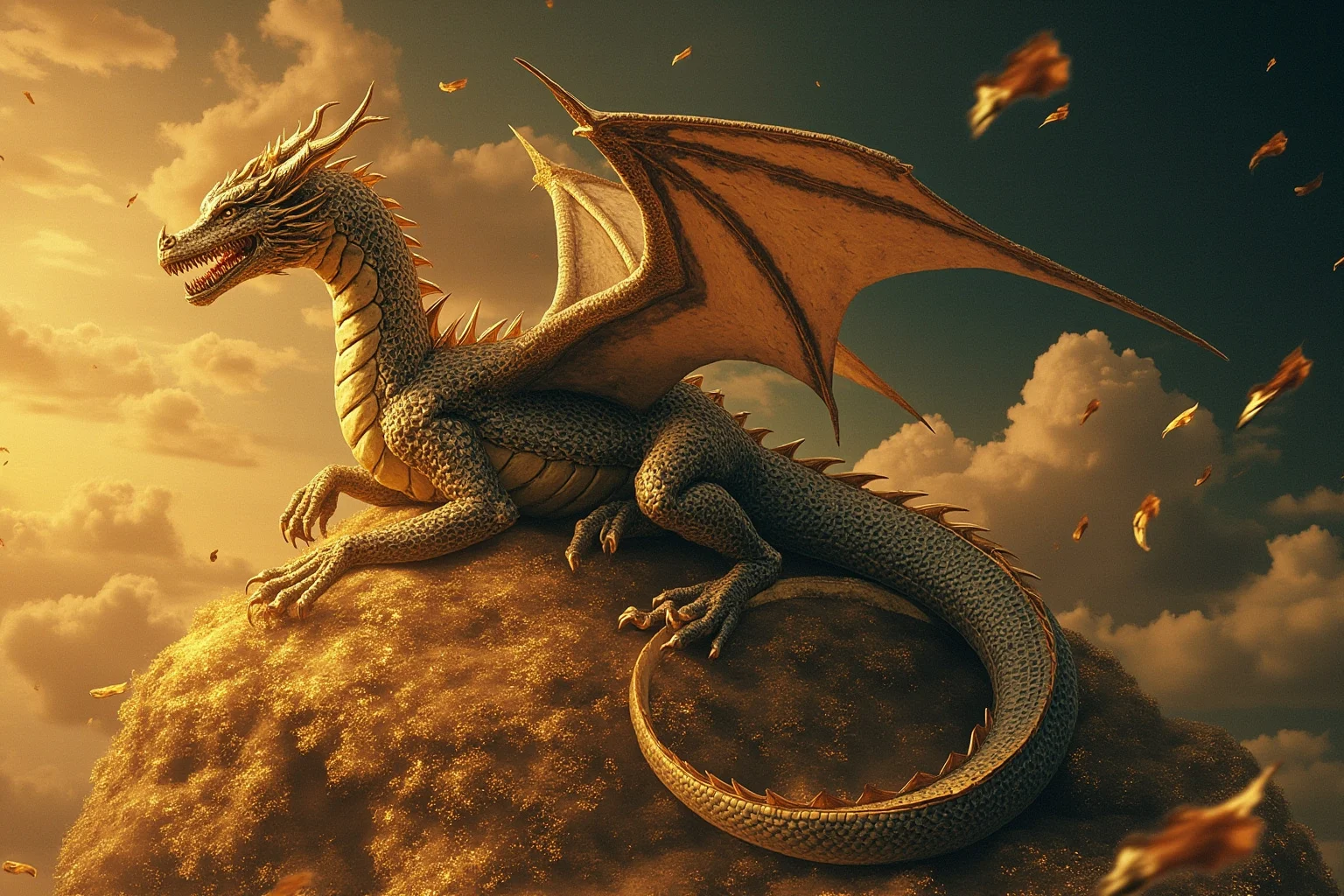
Smaug, the treasure-hoarding dragon from J.R.R. Tolkien’s The Hobbit, is arguably the most influential dragon in modern fantasy fiction. Tolkien, a scholar of Old English literature, drew heavily on the Beowulf dragon and Norse legends like Fafnir when crafting Smaug’s personality and treasure-guarding habits.
Smaug’s cunning, greedy, and articulate character helped define how dragons are portrayed in fantasy books, films, and games for the following century. It’s a clear thread connecting ancient legendary dragons to the fantasy genre we know today.
20. The Loch Ness Monster

The Loch Ness Monster, or “Nessie,” is a modern Scottish legend describing a large creature said to live in Loch Ness, with sightings reported since at least the 1930s. Some enthusiasts have loosely compared Nessie to a surviving dragon or dinosaur-like creature, though there’s no accepted scientific evidence supporting the existence of any such animal.
Most researchers attribute sightings to misidentified logs, waves, boat wakes, or known animals. Nessie is best understood as a modern cryptid legend, in the same spirit as some of the legendary ghosts that are still haunting history, rather than a genuine historic dragon, but it shows how the dragon archetype still captures public imagination today.
Where Dragon Myths Meet Real History
Not every “dragon” story is pure fantasy, and not every historical use of the word “dragon” involves a mythical creature at all. This section untangles a few places where legend and real history genuinely overlap or get confused.
21. The Komodo Dragon, Nature’s Real-Life Namesake
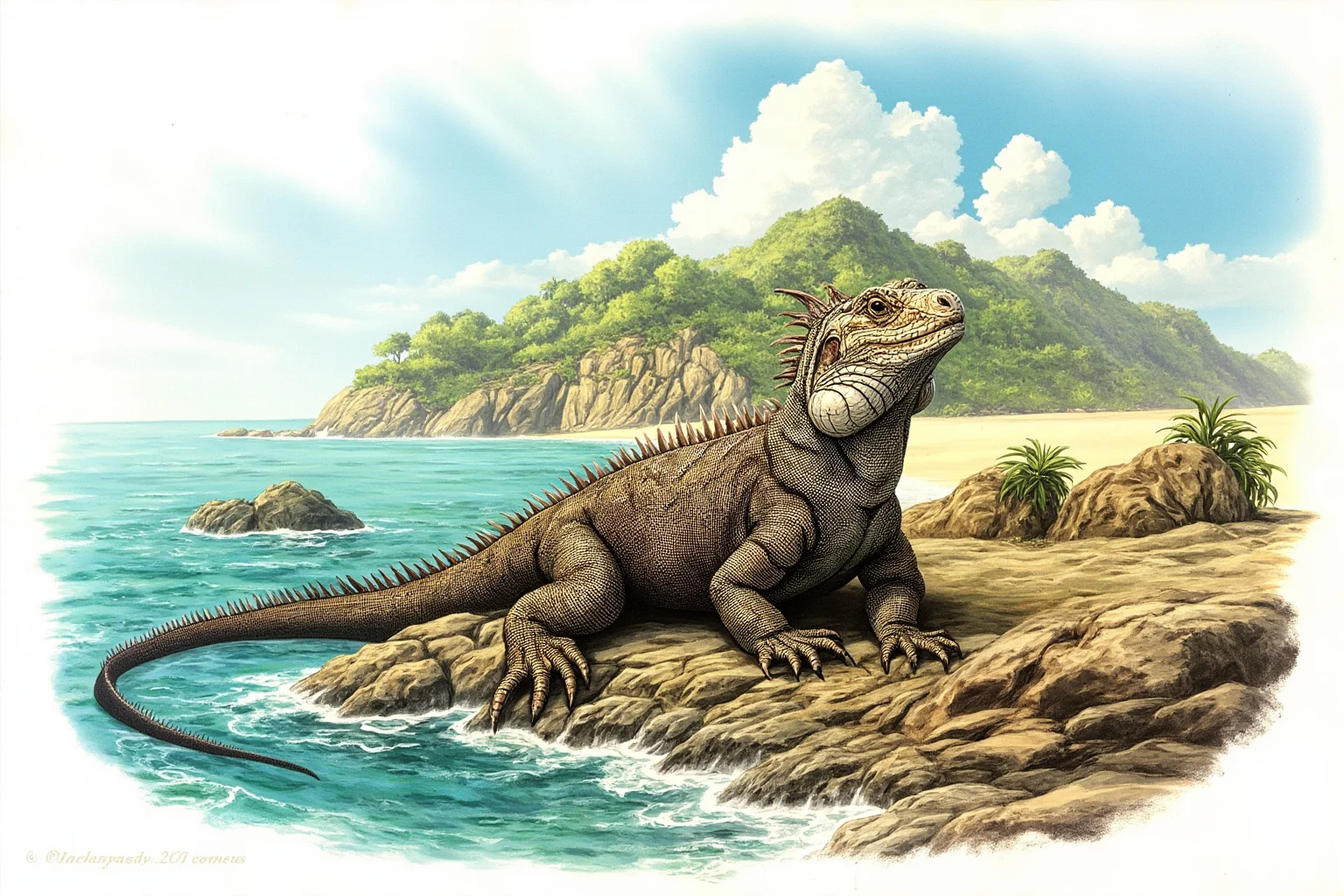
The Komodo dragon is a real, living species of giant lizard native to a handful of Indonesian islands, and it’s the largest lizard species alive today. European explorers and naturalists in the early 20th century gave it the “dragon” name because of its intimidating size, sharp claws, and fearsome reputation.
While Komodo dragons can’t breathe fire, they are genuinely dangerous predators with a powerful bite. They’re a great reminder that not all “dragons” in history are mythical; some are simply large, real animals that inspired dramatic naming.
22. Fossil Bones and the Birth of Dragon Legends
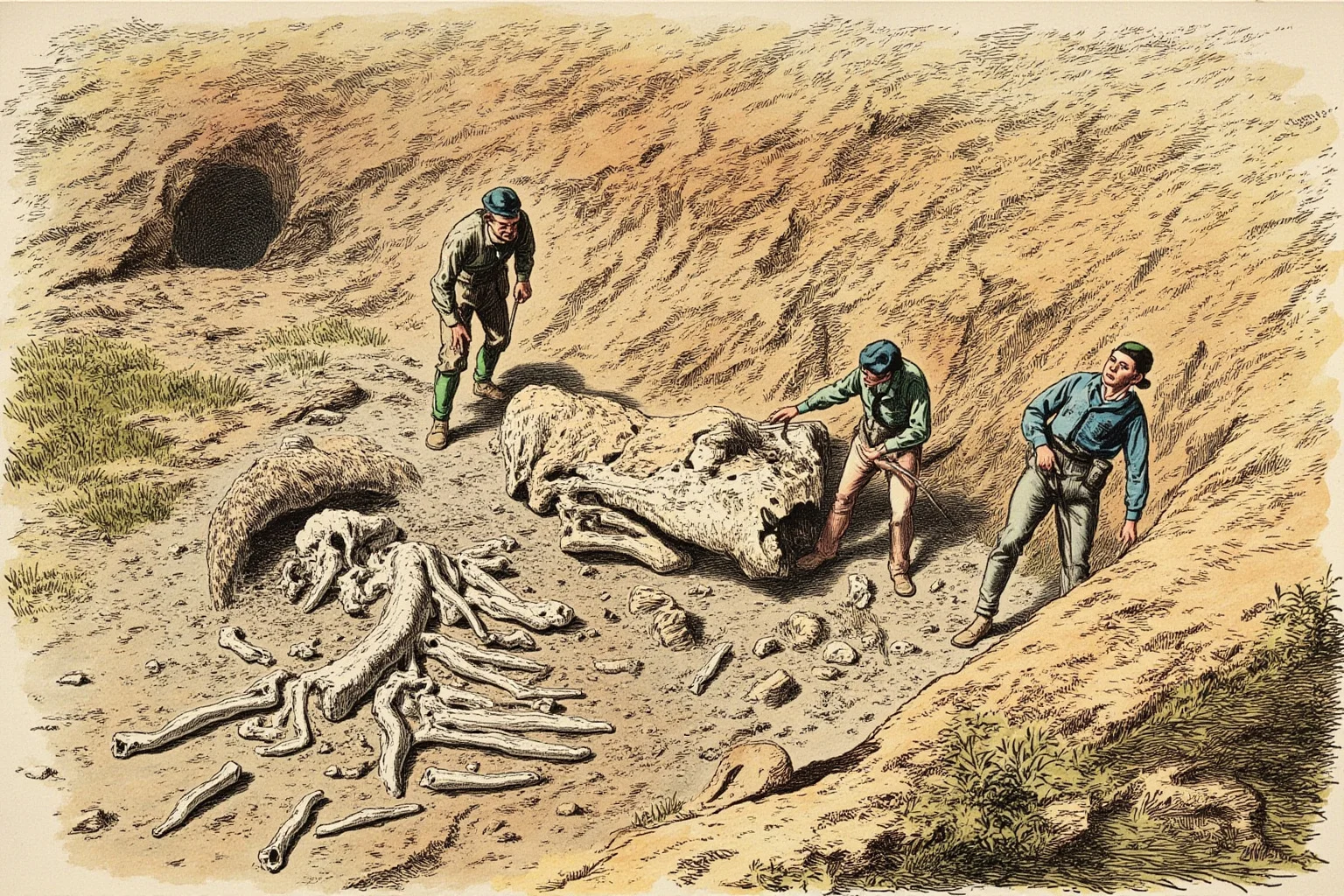
Many historians and paleontologists have proposed that ancient discoveries of dinosaur or other prehistoric fossils may have helped inspire dragon myths in various cultures. Oversized bones found in the ground, long before anyone understood paleontology, could easily have looked like evidence of giant serpentine monsters.
This remains a reasonable and widely discussed theory rather than a proven fact, since it’s difficult to trace specific fossil finds directly to specific myths. Still, it’s a compelling possible link between real historic dragons of the fossil record and legendary dragons of folklore.
23. The Dragonnades: A Name That Has Nothing to Do With Dragons
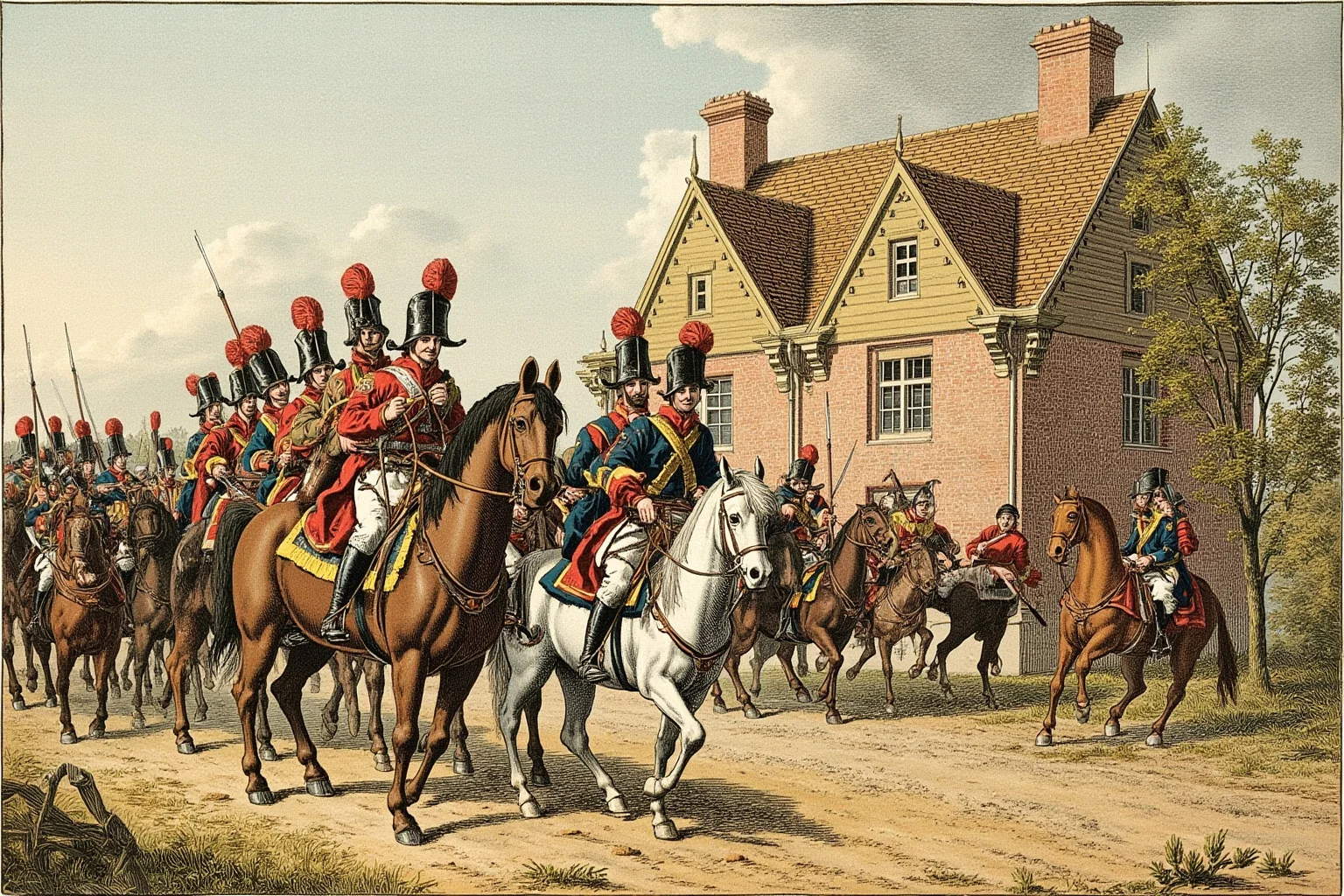
Here’s where a common mix-up deserves clearing up. The dragonnades were a brutal series of persecutions carried out in France during the late 17th century, primarily targeting Huguenot Protestants under King Louis XIV, particularly intensifying around 1681 and continuing after the 1685 Revocation of the Edict of Fontainebleau (Edict of Nantes).
The name doesn’t come from mythical dragons at all. It comes from “dragoons,” the mounted soldiers who were forcibly billeted in Huguenot homes to pressure families into converting to Catholicism through intimidation and abuse.
Because “dragoon” and “dragon” sound so similar, and dragoon regiments even carried dragon imagery on some early firearms, the two words are easy to confuse in casual searches. But historically speaking, the dragonnades belong to the history of religious persecution in France, not to the history of mythical dragons at all.
24. Dragon Dances and Festivals: Living Legends Today
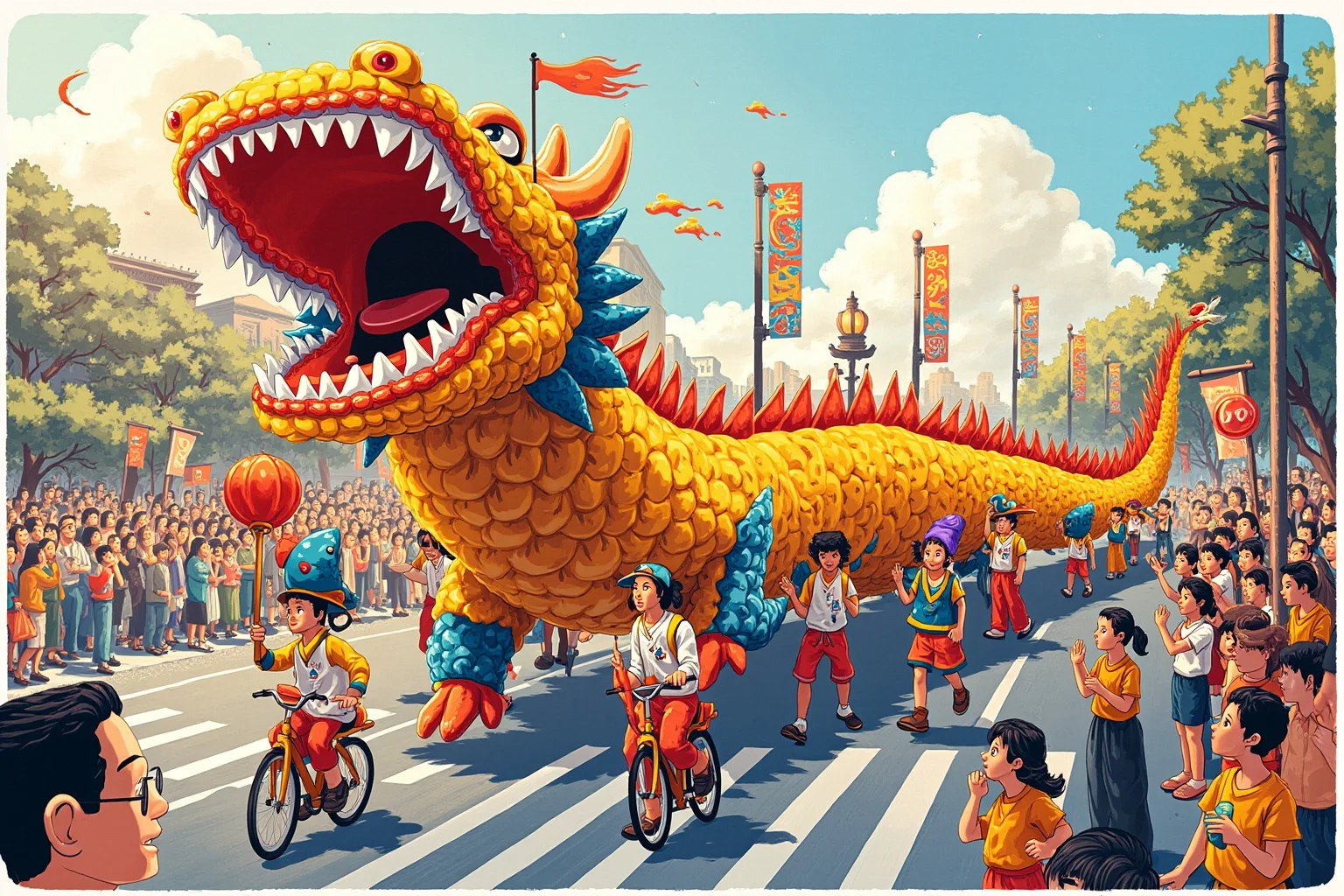
Dragon imagery didn’t stay locked in ancient texts; it became part of living tradition. Chinese dragon dances, performed during Lunar New Year celebrations and other festivals, use long, colorful dragon puppets carried by teams of dancers to bring good fortune.
Similarly, dragon boat racing is a major cultural event across China and much of East and Southeast Asia, commemorating the ancient poet Qu Yuan according to traditional accounts. These practices show that dragons are far from a dead myth; they remain an active, celebrated part of cultural identity in many countries today.
What All These Dragons Have in Common
Across wildly different cultures, a few themes keep showing up again and again. Many dragons represent chaos or destruction that a hero or god must overcome, while others represent life-giving forces like rain and rivers that deserve respect rather than combat.
Some dragons, like Fafnir or Smaug, are cautionary tales about greed turning something, or someone, monstrous. Others, like the Welsh red dragon or the Chinese imperial dragon, are proud symbols of identity and power rather than villains at all.
It’s also worth remembering that history and myth sometimes overlap in confusing ways, as with the dragonnades, where a similar-sounding word has nothing to do with mythical beasts whatsoever. Keeping that distinction clear is part of what makes studying dragons of history so interesting in the first place.
Final Thoughts on History’s Most Famous Dragons
Dragons endure because they’re flexible symbols, capable of representing whatever a culture most needs to express, whether that’s chaos, greed, protection, or national pride. From Tiamat’s cosmic battles to Smaug’s glittering hoard, these legendary dragons tell us as much about human values and fears as they do about imaginary monsters.
While science and history can debunk specific claims, like the existence of Nessie or the fossil-origin theory being unproven, the cultural power of dragons is very real and well documented. Whether you’re drawn to ancient myth, medieval folklore, or modern fantasy fiction, the story of the dragon is really a story about humanity’s oldest fears and hopes told through scales and fire.
Frequently Asked Questions
Are dragons based on real animals or fossils?
There's no proven single origin for dragon myths, but many historians and paleontologists suggest that discoveries of large fossilized bones, likely from dinosaurs or other prehistoric animals, may have inspired some dragon legends. This remains a reasonable theory rather than a confirmed fact, since it's hard to trace specific fossils to specific myths.
What are the dragonnades, and do they involve mythical dragons?
The dragonnades were violent persecutions of Huguenot Protestants in 17th-century France under Louis XIV, carried out by billeting soldiers called dragoons in Protestant homes. Despite the similar-sounding name, the dragonnades have nothing to do with mythical dragons; the term comes from "dragoon," a type of mounted soldier.
What’s the difference between Eastern and Western dragons?
Western dragons, especially in European folklore, are often depicted as fire-breathing villains that hoard treasure and must be slain by heroes. Eastern dragons, particularly in Chinese and Vietnamese tradition, are usually benevolent, water-associated symbols of power, wisdom, and good fortune.
Is the Komodo dragon actually a dragon?
No, the Komodo dragon is a real species of giant lizard, not a mythical dragon. It earned its dramatic name from early 20th-century explorers because of its intimidating size and predatory reputation.
Which dragon influenced modern fantasy dragons the most?
The dragon in the Old English epic Beowulf and the Norse dragon Fafnir are widely credited as major influences on modern fantasy dragons, most notably J.R.R. Tolkien's Smaug in The Hobbit. Tolkien's academic background in Old English literature directly shaped how he wrote his dragon.
Is there any scientific evidence for the Loch Ness Monster?
No widely accepted scientific evidence supports the existence of the Loch Ness Monster. Most researchers attribute reported sightings to misidentified logs, boat wakes, waves, or known animals rather than a surviving prehistoric creature.

Alex Warren
Related Articles





