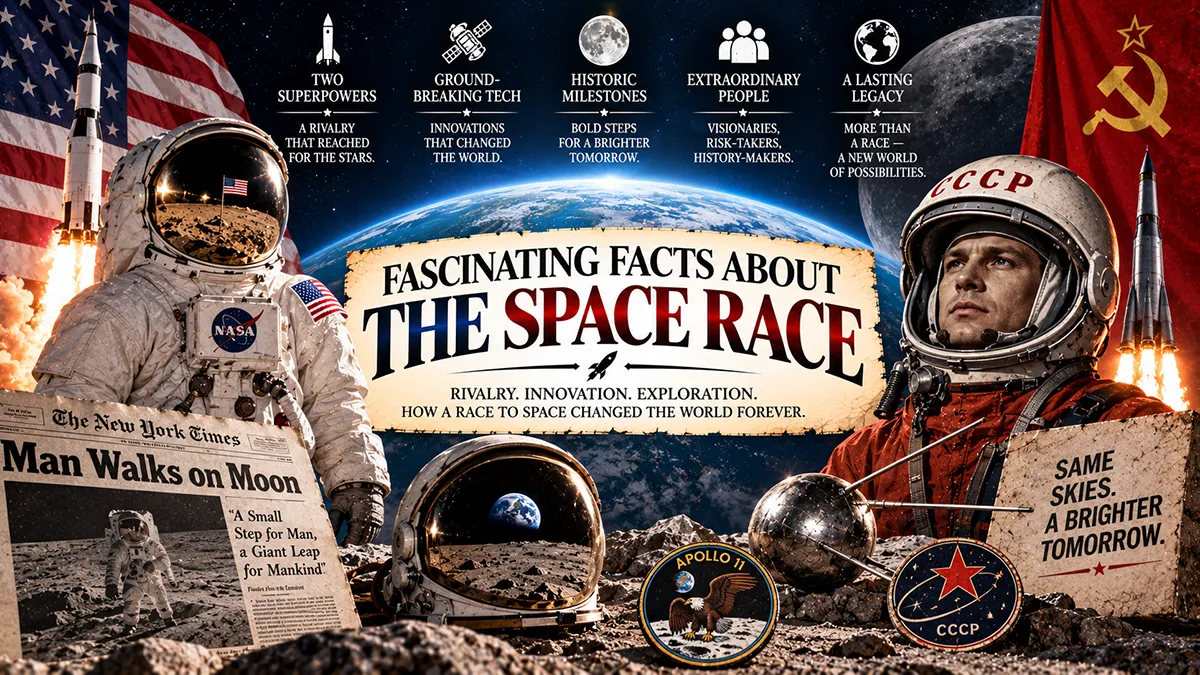
When people picture the Space Race, they usually imagine a single dramatic moment: a rocket lifting off, a flag planted on gray lunar dust, a nation cheering. In reality, the Space Race was a two-decade-long, high-stakes competition that touched everything from classroom curricula to kitchen gadgets, and it involved a lot more than just two countries racing to the Moon — it stands alongside other historical events that changed the world more than people often realize.
This guide breaks down what the Space Race actually was, who was involved, why it mattered, and 25 facts that separate the real history from the popular myths that have crept into pop culture over the years.
TL;DR: The Space Race was a Cold War competition between the United States and Soviet Union (roughly 1957–1975) that pushed both nations to extraordinary technological achievements, and its ripple effects — from satellites to STEM education — still shape everyday life.
What Is the Space Race? A Quick Definition
So, what is the Space Race, exactly? In simple terms, it was a decades-long competition between the United States and the Soviet Union to achieve dominance in spaceflight technology and exploration. It unfolded as one front of the much larger Cold War, a period of intense political and ideological rivalry between the two superpowers that lasted from roughly the late 1940s to 1991.
In US history classes, the space race definition usually centers on the idea that spaceflight became a proxy battlefield. Neither country fired a shot at the other directly, but every satellite launch, every crewed mission, and every failure was treated as evidence of which political and economic system was superior. Describing the Space Race this way helps explain why ordinary rocket launches became front-page news around the globe.
It’s worth noting the Space Race wasn’t only about who could “race to space” first. It also included robotic probes, animal test flights, spy satellites, and a very public contest over scientific credibility. The Moon landing became the most iconic chapter, but it was really the climax of a much broader rivalry.
Who Was in the Space Race?
The Space Race was primarily a two-nation contest. The United States and the Soviet Union were the main competitors, each backed by their own scientists, military resources, and political leadership determined to win.
That said, the story wasn’t entirely confined to those two countries. German rocket scientists — most notably Wernher von Braun, who had worked on the V-2 rocket program during World War II — were recruited by the United States after the war and became central to American rocket development. The Soviet program drew on captured German technology and expertise too, along with its own engineering talent, most famously under the leadership of chief designer Sergei Korolev, whose identity was kept secret by the Soviet state during his lifetime.
Other nations watched, and some contributed indirectly through the broader Cold War alliance system, but the defining rivalry remained American versus Soviet until the competition symbolically wound down in the mid-1970s.
Why Was the Space Race Important?
If you’re wondering why was the Space Race important, the short answer is that it reshaped science, education, and international politics all at once. Spaceflight became a stand-in for a much bigger question: which superpower’s system — capitalism or communism — could out-innovate the other.
Beyond the ideological competition, the Space Race significance lies in its scientific payoff. It accelerated the development of rocketry, satellite communications, computing, and materials science far faster than either country might have pursued on its own. Many technologies we now take for granted trace their early development back to Space Race-era research budgets.
The Space Race importance also shows up in education policy. After the Soviet Union’s Sputnik launch shocked American officials, the United States passed the National Defense Education Act of 1958, pouring new funding into science, math, and foreign language education — one of the pivotal moments now counted among the biggest events in American history. That single event reshaped how a generation of American students were taught.
Why Was the Space Race Significant on the World Stage?
Asking why was the Space Race significant is really asking how it changed international relations. Every launch was covered by global media, and each success or failure was interpreted as a referendum on national strength. This turned space exploration into genuine soft-power diplomacy.
The Space Race also had military undertones that shouldn’t be ignored. The same rockets capable of launching satellites were, with modifications, capable of launching nuclear warheads. That overlap meant the world was watching a technology contest that also had direct implications for the ongoing nuclear arms race between the US and USSR, feeding into the same domestic anxieties that fueled the era’s Red Scare back home.
Effects of the Space Race You Can Still See Today
The effects of the Space Race extend well beyond the history books. Modern GPS navigation, weather forecasting satellites, and global telecommunications networks all descend from satellite technology first developed to win a Cold War competition.
Space agencies themselves are a direct legacy too. NASA exists because of the Space Race, having been created in 1958 specifically to organize and accelerate the American response to Soviet space achievements. The Soviet space program’s institutional knowledge similarly became the foundation for Russia’s modern space agency, Roscosmos.
Perhaps the most striking effect is cooperative: former rivals eventually became partners. The Apollo-Soyuz mission of 1975 and, later, the International Space Station show how a bitter competition could evolve into shared scientific infrastructure decades afterward.
What Was the Point of the Space Race?
So what was the space race about at its core, and what was the point of the space race for the people funding it? For political leaders on both sides, prestige was the immediate prize. Landing on the Moon or launching the first satellite was proof of technological and, by extension, ideological superiority.
For scientists and engineers, though, the point was often more straightforward: expanding human knowledge, building better rockets, and answering genuine questions about what existed beyond Earth’s atmosphere. Both motivations operated simultaneously, which is part of why the Space Race produced such an unusual mix of pure science and political theater.
Years of the Space Race: When Did It Start and End?
Most historians mark the start of the Space Race with the Soviet Union’s launch of Sputnik 1 on October 4, 1957 — this answers the common question of what year did the space race start. Some broaden the timeline slightly earlier to include competing rocket development programs in the mid-1950s, but Sputnik is the widely accepted starting gun.
The ending point is debated. Many textbooks treat the Apollo 11 Moon landing in July 1969 as the effective end, since it settled the most symbolic contest. Others extend the years of the Space Race to 1975, when the joint US-Soviet Apollo-Soyuz Test Project marked a formal, cooperative close to the rivalry.
Major Events in the Space Race: A Fast Timeline
Before diving into individual facts, it helps to see the space race key events laid out in order. This timeline covers the major turning points historians point to when they describe the Space Race as a whole.
- 1957: Sputnik 1 launch (USSR)
- 1958: NASA founded (USA)
- 1961: Yuri Gagarin becomes first human in space (USSR)
- 1962: John Glenn orbits Earth (USA)
- 1963: Valentina Tereshkova becomes first woman in space (USSR)
- 1969: Apollo 11 Moon landing (USA)
- 1975: Apollo-Soyuz Test Project (joint USA-USSR mission)
With that outline in mind, here are 25 facts about the Space Race that dig deeper into what happened during the Space Race — including a few persistent myths worth retiring.
25 Facts About the Space Race
1. The Space Race Began With a Beach-Ball-Sized Satellite
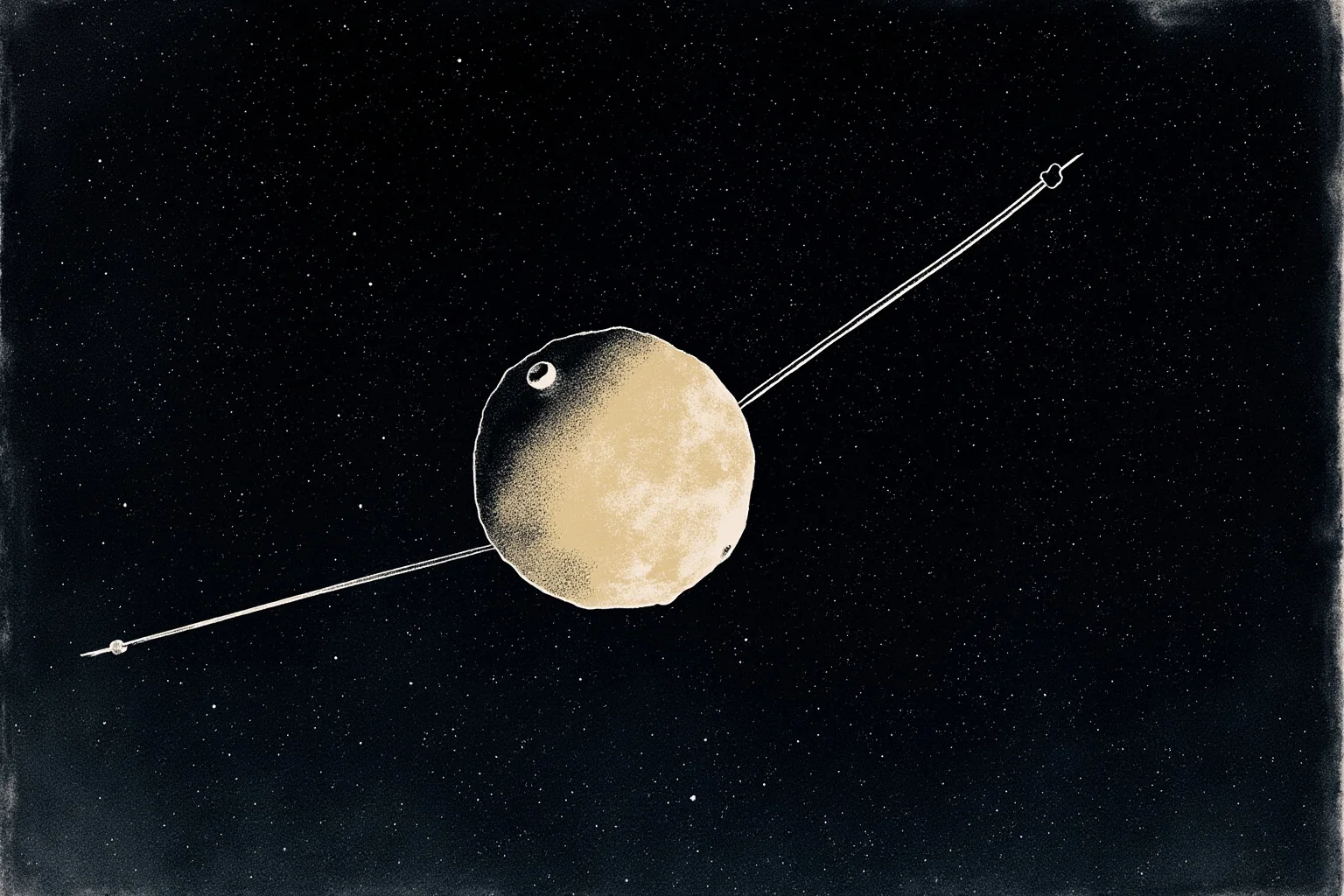
Sputnik 1, launched by the Soviet Union on October 4, 1957, was only about 58 centimeters (23 inches) in diameter. Despite its small size, it sent shockwaves through the United States because it proved the USSR had rocket technology capable of reaching orbit.
The satellite itself did little more than transmit a simple radio beep, but that beep was enough to trigger a national reassessment of American science and defense policy.
2. A Dog Named Laika Became the First Animal to Orbit Earth

Just a month after Sputnik 1, the Soviets launched Sputnik 2 carrying a stray dog named Laika into orbit on November 3, 1957. She became the first living creature to orbit the Earth, a fact that captured global attention.
For years, official reports claimed Laika survived for several days before the mission ended. It wasn’t until 2002 that a Russian scientist involved in the program revealed she had actually died from overheating within hours of launch, correcting a myth that had persisted for decades.
3. NASA Was Created Specifically Because of Sputnik
The United States didn’t have a dedicated civilian space agency before 1958. Congress passed the National Aeronautics and Space Act in response to the Sputnik launches, and NASA officially opened for business on October 1, 1958.
This makes NASA, in a very literal sense, a direct institutional product of the Space Race rather than a pre-existing agency that simply took on new work.
4. The US Answered With Explorer 1
America’s first successful satellite, Explorer 1, launched on January 31, 1958, just months after Sputnik. It was a modest response compared to the Soviet launches, but it carried scientific instruments that led to the discovery of the Van Allen radiation belts surrounding Earth.
That discovery gave the United States a genuine scientific win early in the competition, even though it had lost the race to launch the first satellite overall.
5. Yuri Gagarin Was the First Human in Space
On April 12, 1961, Soviet cosmonaut Yuri Gagarin became the first human to travel into space and orbit the Earth aboard Vostok 1. The flight lasted just under two hours and instantly made Gagarin a global celebrity.
This was widely seen as one of the most significant blows the Soviet Union delivered to American prestige during the entire Space Race.
6. Alan Shepard Became the First American in Space
Less than a month after Gagarin’s flight, on May 5, 1961, Alan Shepard became the first American launched into space aboard Freedom 7. Unlike Gagarin’s orbital flight, Shepard’s mission was suborbital, lasting about 15 minutes.
It was a smaller technical achievement than the Soviet flight, but it reassured an anxious American public that the country was still very much in the competition.
7. President Kennedy Set the Moon as the Real Finish Line
In May 1961, President John F. Kennedy announced to Congress the goal of landing a man on the Moon before the decade was out. He expanded on that vision in a famous 1962 speech at Rice University, declaring that the nation chose to go to the Moon not because it was easy, but because it was hard.
That speech reframed the entire Space Race around a single, dramatic, achievable-sounding target rather than an open-ended contest of incremental firsts.
8. John Glenn Became the First American to Orbit Earth
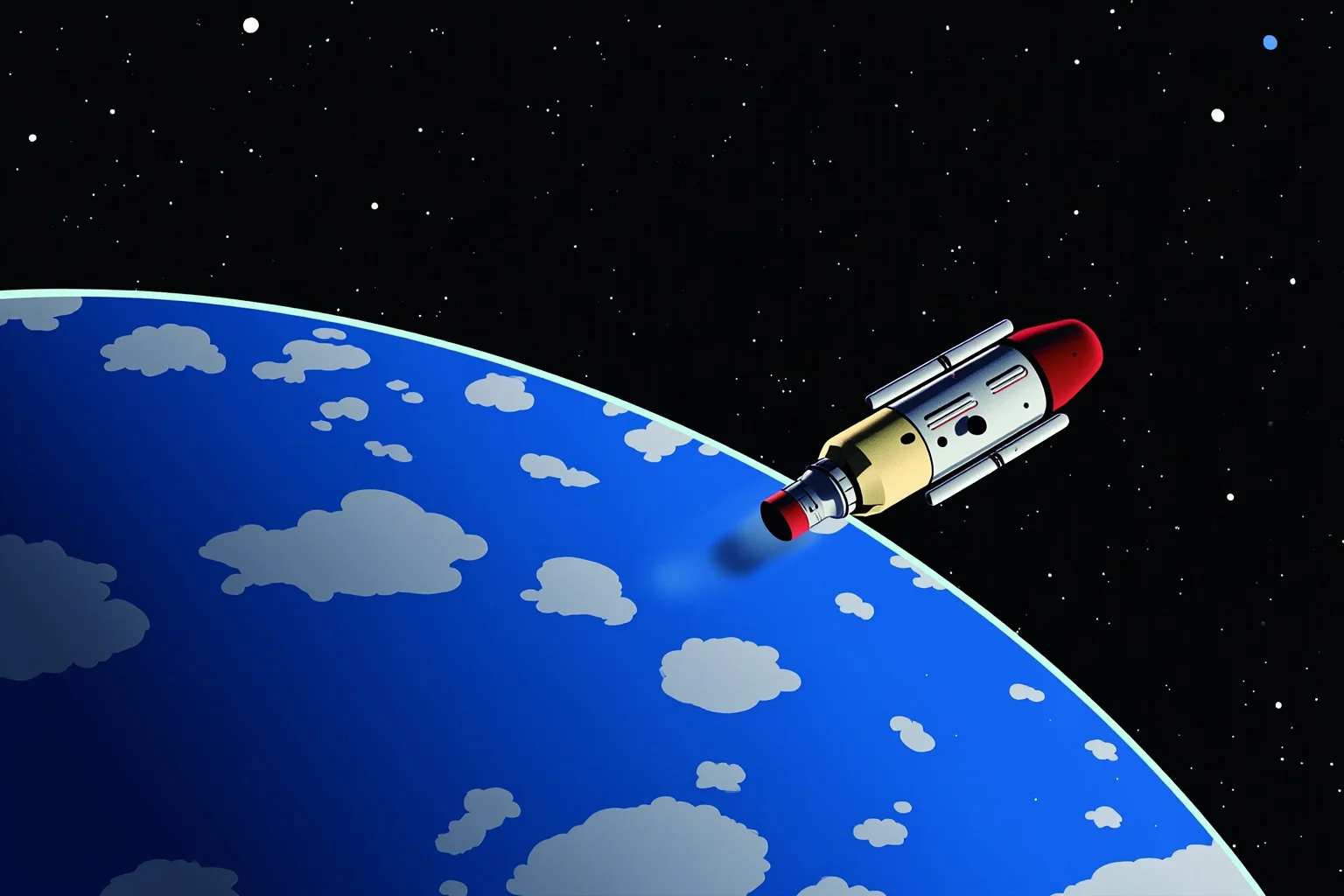
John Glenn orbited the Earth three times aboard Friendship 7 on February 20, 1962, finally matching the Soviet achievement of orbital spaceflight. His mission was a major morale boost for the American space program.
Glenn later became a US senator and, in 1998, returned to space aboard the Space Shuttle at age 77, making him the oldest person to fly in space at that time.
9. Valentina Tereshkova Was the First Woman in Space
On June 16, 1963, Soviet cosmonaut Valentina Tereshkova became the first woman to fly in space, orbiting Earth 48 times aboard Vostok 6. It would be nearly two decades before another woman flew in space at all.
The United States did not send a woman into space until Sally Ride’s flight in 1983, making Tereshkova’s achievement a two-decade lead for the Soviet program in that particular milestone.
10. The Space Race Included a Fierce Robotic Probe Rivalry
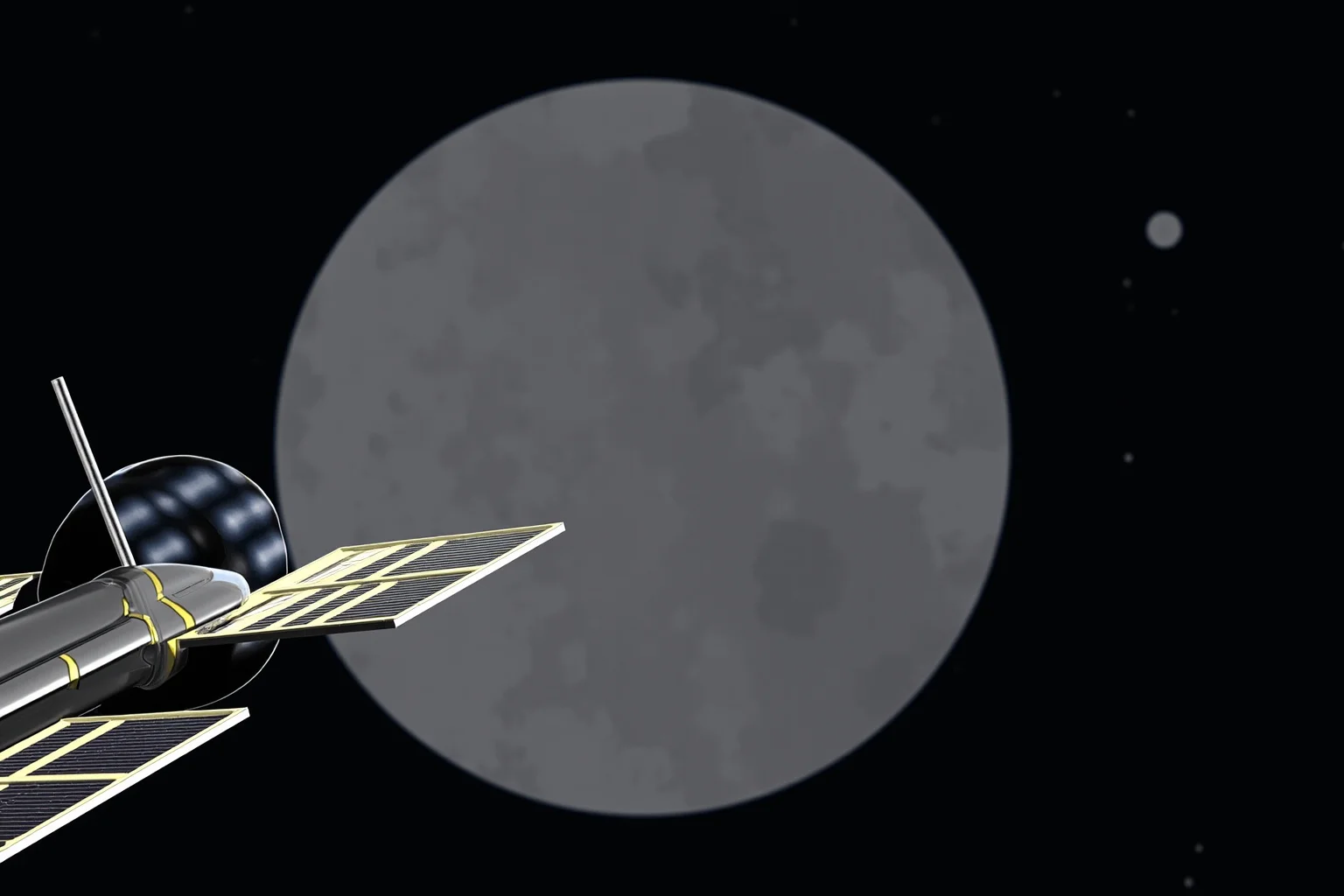
Human spaceflight gets most of the attention, but both nations also competed intensely with unmanned probes. The Soviet Luna program and Venera missions, alongside the American Mariner and later Viking probes, pushed exploration toward the Moon, Venus, and Mars.
These robotic missions often achieved milestones years before crewed missions could attempt them, including the first images of the Moon’s far side, captured by the Soviet Luna 3 probe in 1959.
11. The Apollo 1 Fire Was a Devastating Setback for the US
On January 27, 1967, a cabin fire during a launch pad test killed astronauts Gus Grissom, Ed White, and Roger Chaffee. The tragedy forced NASA to redesign the Apollo spacecraft extensively before any further crewed flights.
It remains one of the most sobering reminders that the Space Race carried very real human risk, not just political stakes.
12. The Soviets Suffered Their Own Fatal Accident With Soyuz 1
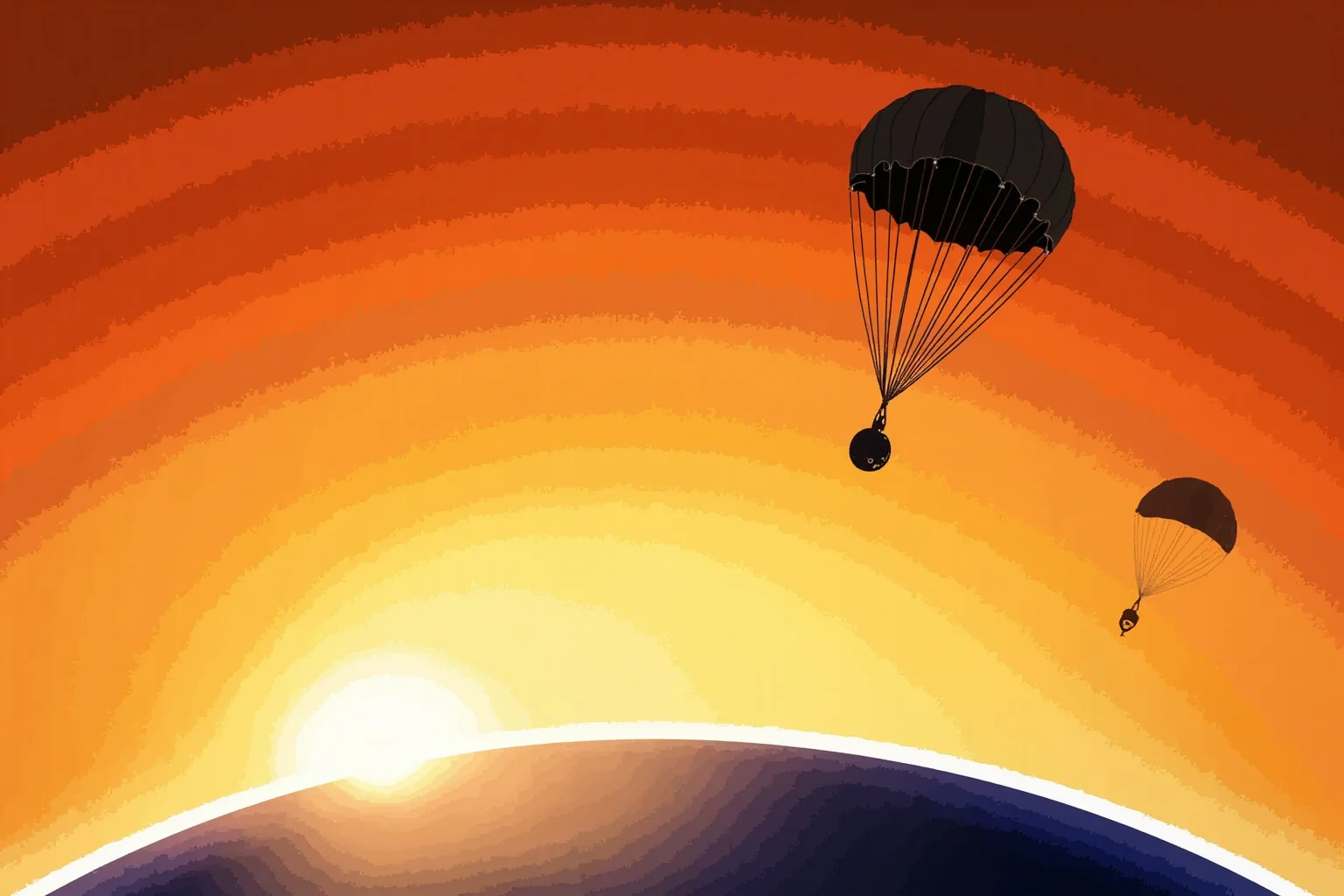
Just months after Apollo 1, cosmonaut Vladimir Komarov died on April 24, 1967, when his Soyuz 1 spacecraft experienced a parachute failure during reentry. He became the first human to die during an actual spaceflight.
These back-to-back tragedies on both sides slowed the pace of the Space Race and forced both programs to confront serious safety failures.
13. Apollo 8 Was the First Crewed Mission to Orbit the Moon
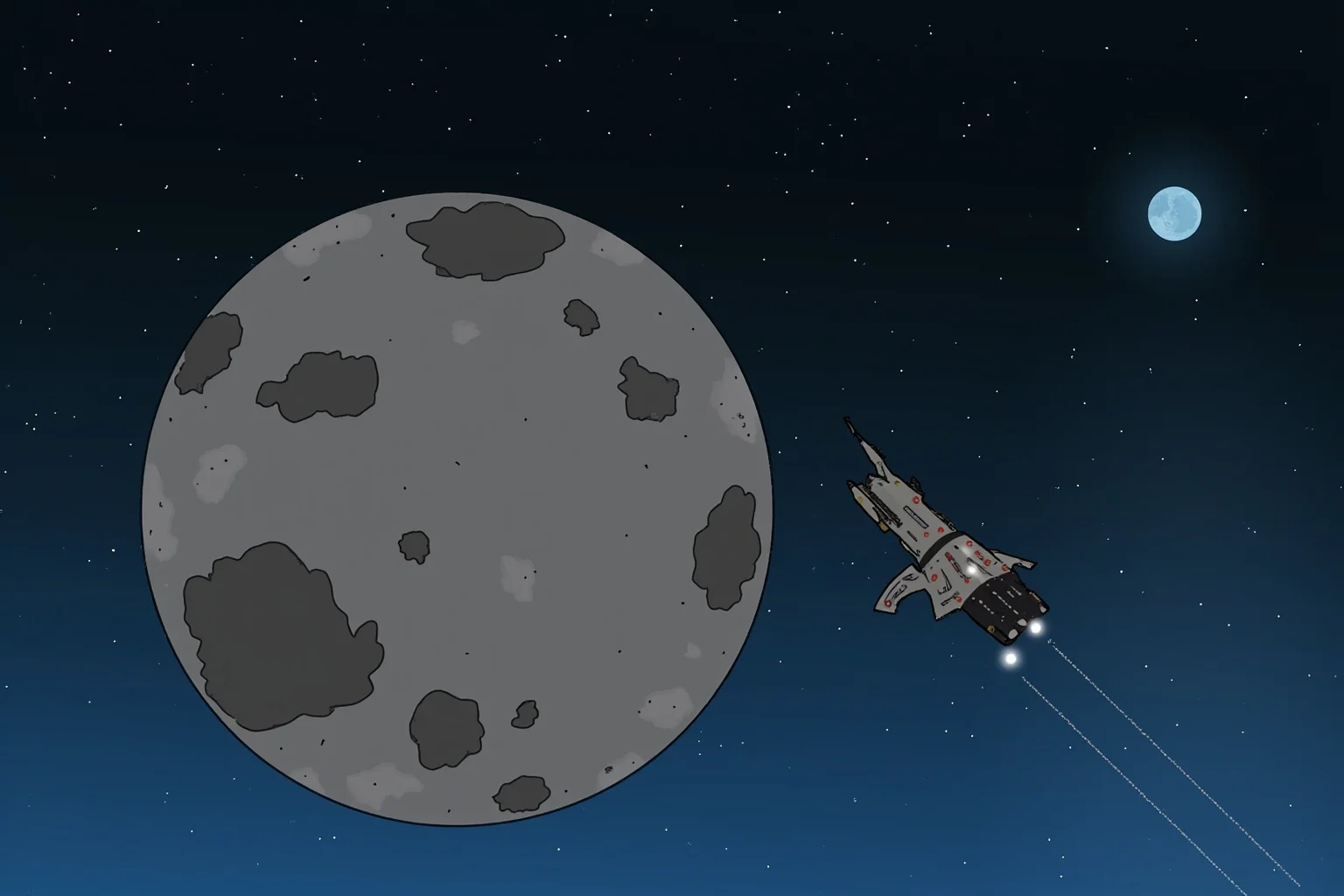
In December 1968, astronauts Frank Borman, Jim Lovell, and William Anders became the first humans to leave low Earth orbit and travel to the Moon, orbiting it ten times before returning safely. They also captured the famous “Earthrise” photograph during the mission.
This mission proved the hardware and navigation needed for a Moon landing actually worked, setting the stage for Apollo 11 the following year.
14. Apollo 11 Delivered the Space Race’s Defining Moment
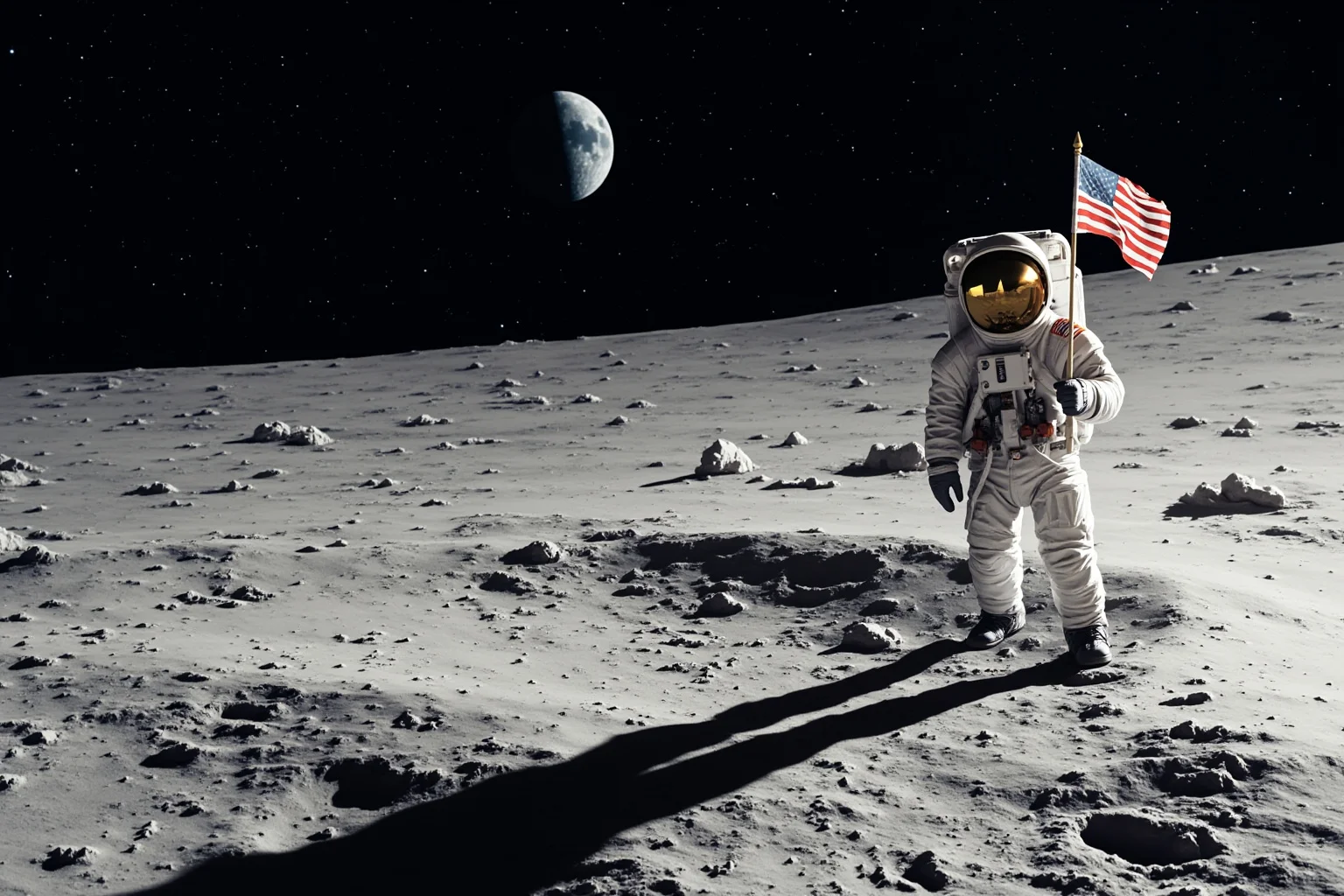
On July 20, 1969, Neil Armstrong became the first human to walk on the Moon, followed shortly by Buzz Aldrin, while Michael Collins orbited above in the command module. An estimated worldwide television audience of hundreds of millions watched the landing unfold live.
This single event is often treated as the practical end of the “race” portion of the Space Race, since it fulfilled Kennedy’s stated goal from 1961.
15. The Soviet Moon Program Quietly Failed
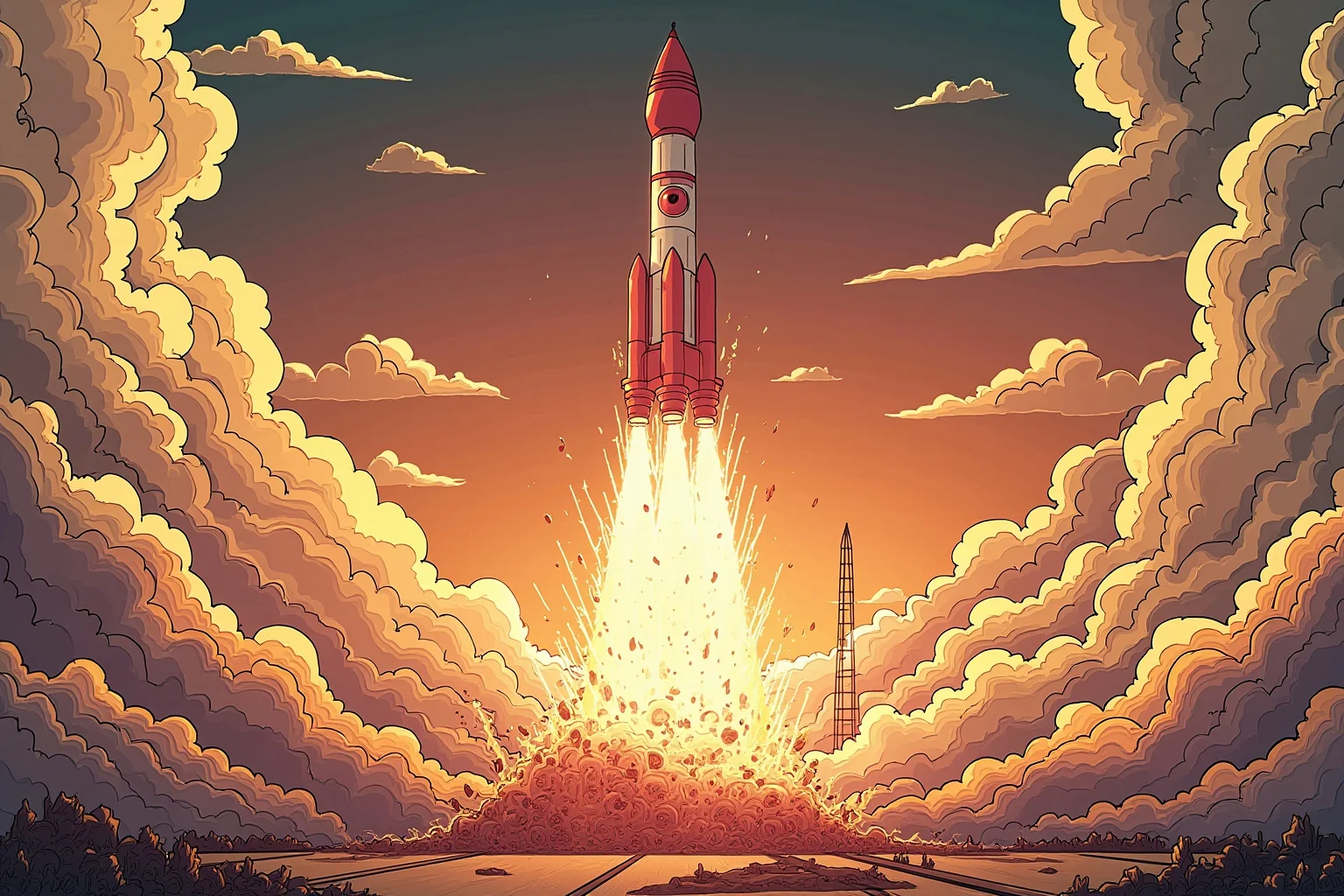
While the US celebrated Apollo 11, the Soviet Union had been racing to land its own cosmonauts on the Moon using a massive rocket called the N1. All four test launches of the N1 between 1969 and 1972 ended in failure, and the Soviet crewed lunar program was eventually cancelled.
The Soviet government did not publicly acknowledge it had even been pursuing a crewed Moon landing program until years later, keeping the failure largely hidden from its own citizens at the time.
16. Not Every Famous Space Race “Fact” Is True

One of the most persistent myths is that Velcro and the drink mix Tang were invented by NASA for the space program. In reality, Velcro was invented by Swiss engineer George de Mestral in the 1940s, well before the Space Race began, and Tang was created by General Foods in 1957 for general consumer use before NASA later included it on space missions.
NASA did help popularize both products through association with space missions, but crediting the agency with inventing them is a myth worth retiring.
17. Some Space Race Spinoffs Really Were Invented for Spaceflight
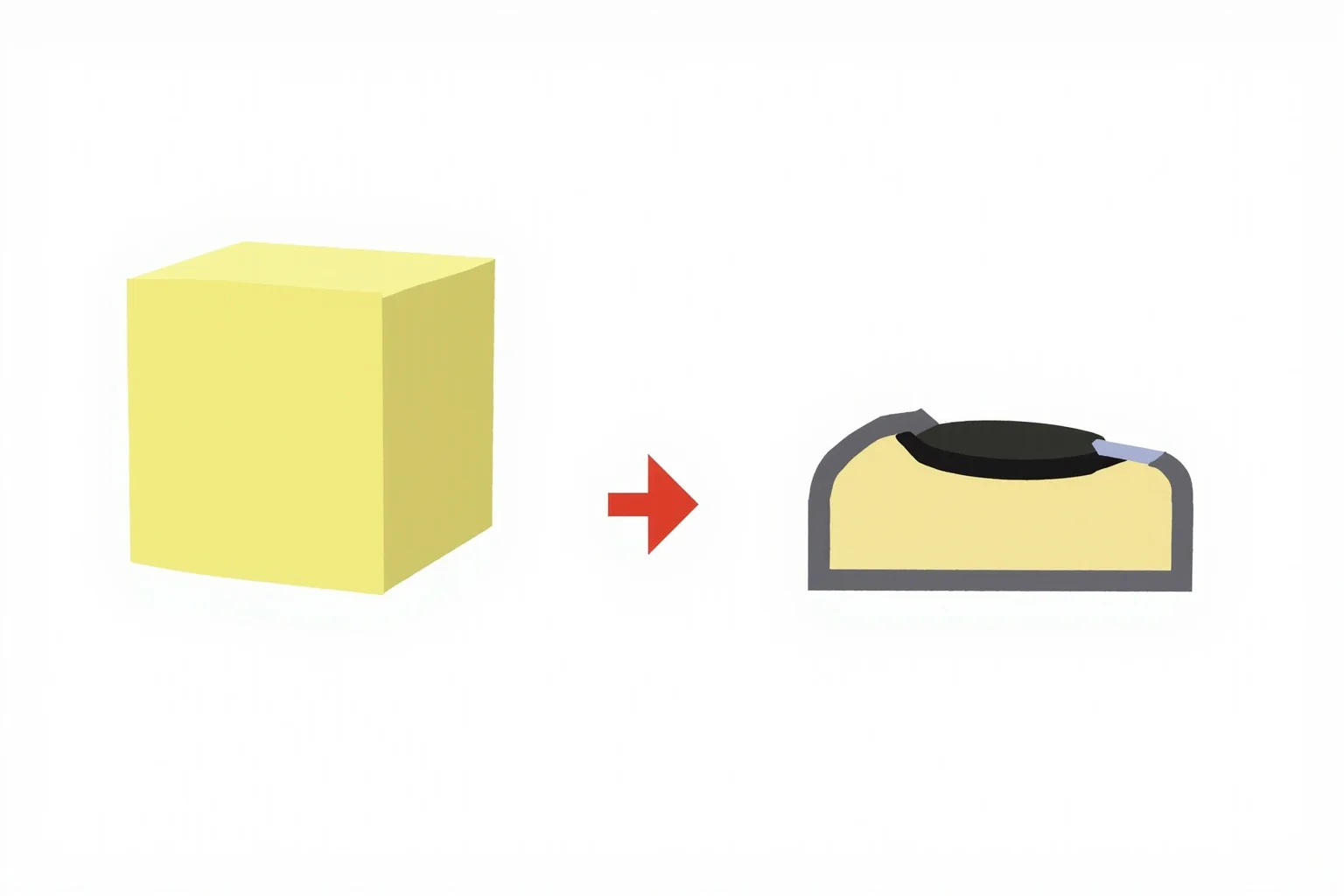
Not every claim is a myth, though. Memory foam, for example, genuinely was developed by NASA’s Ames Research Center in the mid-1960s to improve crash protection and cushioning for pilots and astronauts.
Other legitimate spinoffs include improvements in freeze-dried food technology and miniaturized computing components, both accelerated by the intense engineering demands of crewed spaceflight.
18. The Apollo Program Was Extraordinarily Expensive

NASA’s Apollo program cost an estimated $25.4 billion in 1960s dollars, which translates to well over $150 billion when adjusted for inflation. That spending represented a significant share of the US federal budget throughout the 1960s.
The scale of that investment underscores just how seriously the US government treated the competition, treating it less like a scientific curiosity and more like a national priority on par with defense spending.
19. The Moon Landings Brought Back Hundreds of Pounds of Lunar Material

Across the six successful Apollo landing missions, astronauts collected roughly 382 kilograms (about 842 pounds) of Moon rocks, core samples, and dust. Scientists are still studying these samples today using techniques that didn’t exist when the samples were first collected.
This ongoing research means the Apollo missions continue to generate new scientific findings decades after the Space Race officially ended.
20. Apollo 13 Set a Record That Still Stands
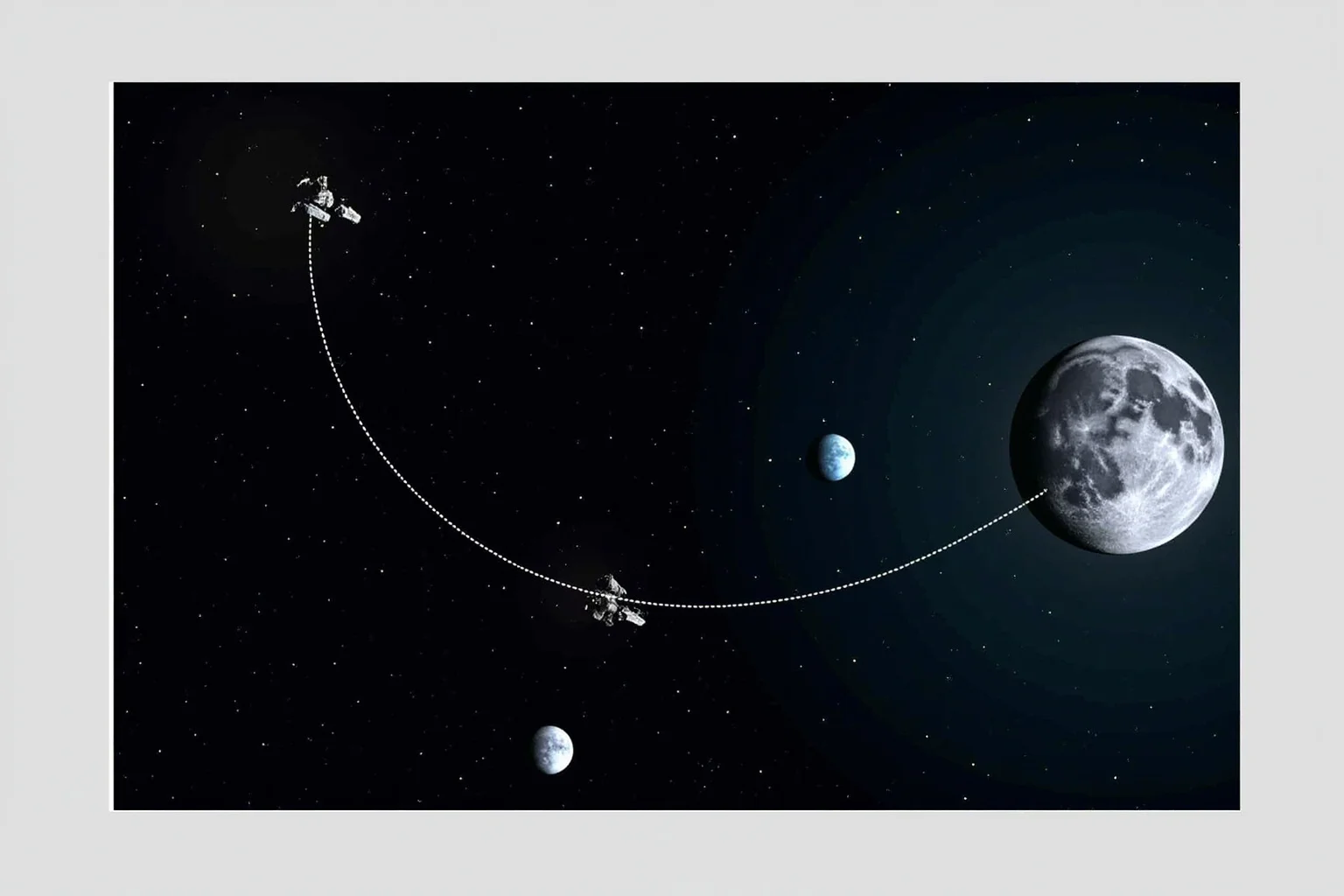
Apollo 13’s mission to the Moon in April 1970 was famously aborted after an oxygen tank exploded en route, forcing the crew into a harrowing return to Earth. In looping around the Moon on a free-return trajectory, the crew reached a distance of roughly 400,171 kilometers from Earth.
That distance remains the farthest any humans have ever traveled from our home planet, a record that has stood since 1970.
21. The Space Race Reshaped American Education
The shock of Sputnik led directly to the National Defense Education Act of 1958, which funneled significant new federal funding into science, mathematics, and foreign language instruction in American schools. The goal was explicit: produce more scientists and engineers to compete with the Soviets.
This policy shift is a clear example of how a technological competition abroad translated into concrete classroom changes at home.
22. The Space Race Officially Wound Down With a Handshake in Orbit
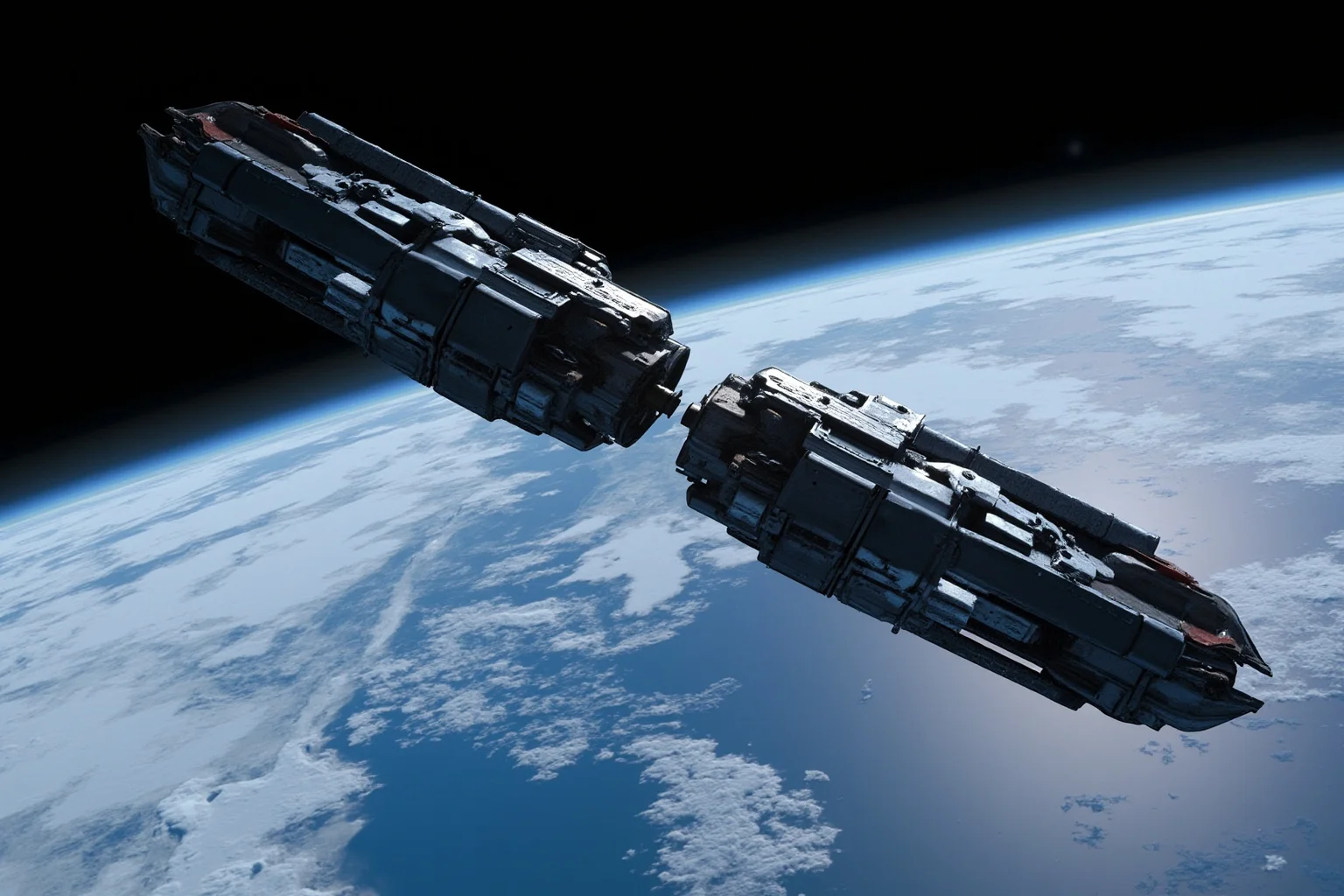
In July 1975, American and Soviet spacecraft docked in orbit as part of the Apollo-Soyuz Test Project, allowing astronauts and cosmonauts to meet, shake hands, and conduct joint experiments in space. It was a striking symbolic gesture after nearly two decades of rivalry.
Many historians point to this mission as the true closing chapter of the Space Race, even though Cold War tensions on Earth continued for years afterward.
23. Cold War Competition Eventually Became Cold War Cooperation
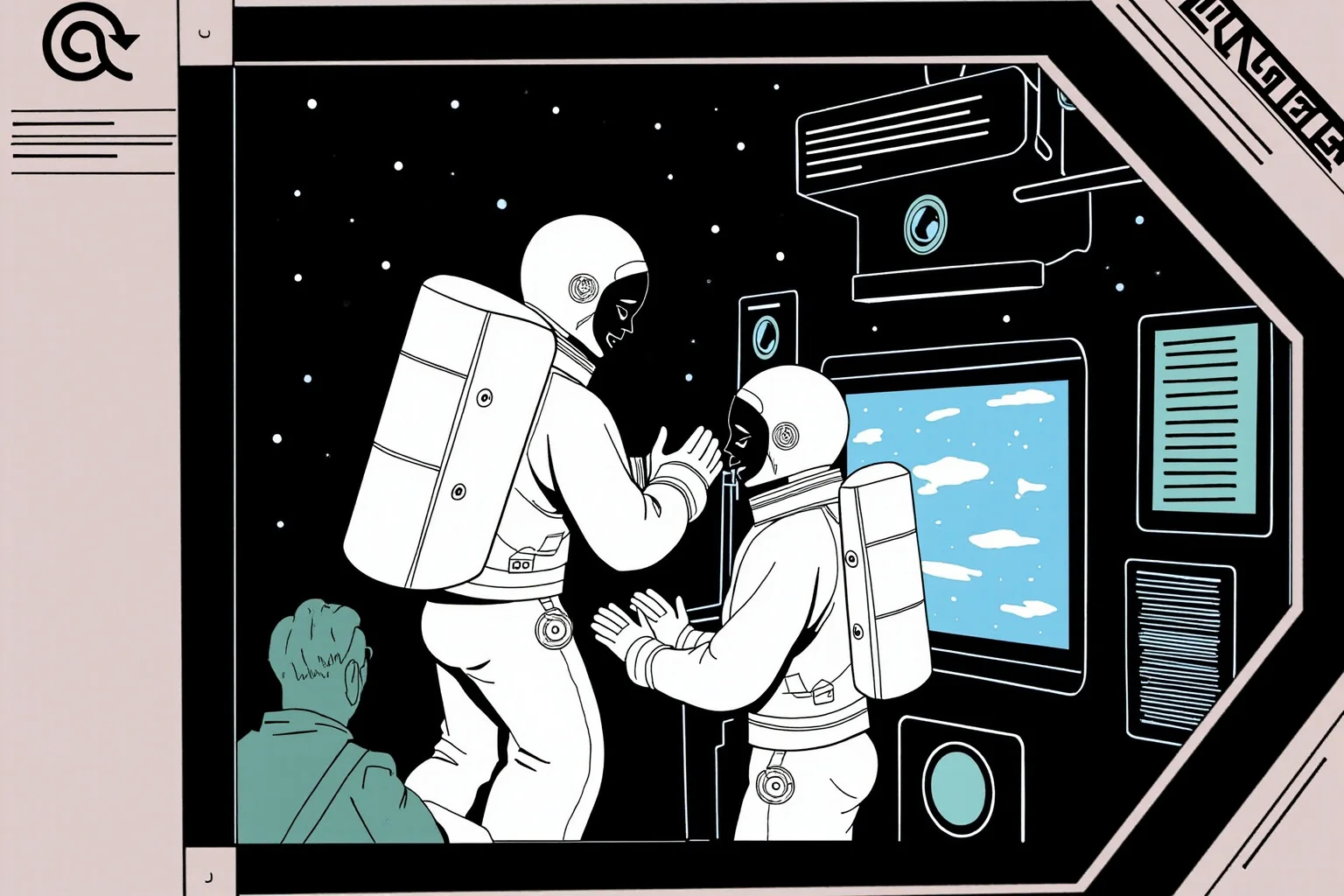
Decades after Apollo-Soyuz, the US and Russia became core partners on the International Space Station, which has hosted continuous crews since November 2000. The station represents one of the longest-running examples of international scientific cooperation in history.
It’s a remarkable turn considering the ISS partnership grew directly out of a rivalry that once treated every space milestone as a geopolitical contest.
24. The Space Race Left Behind a Lot of Orbital Debris
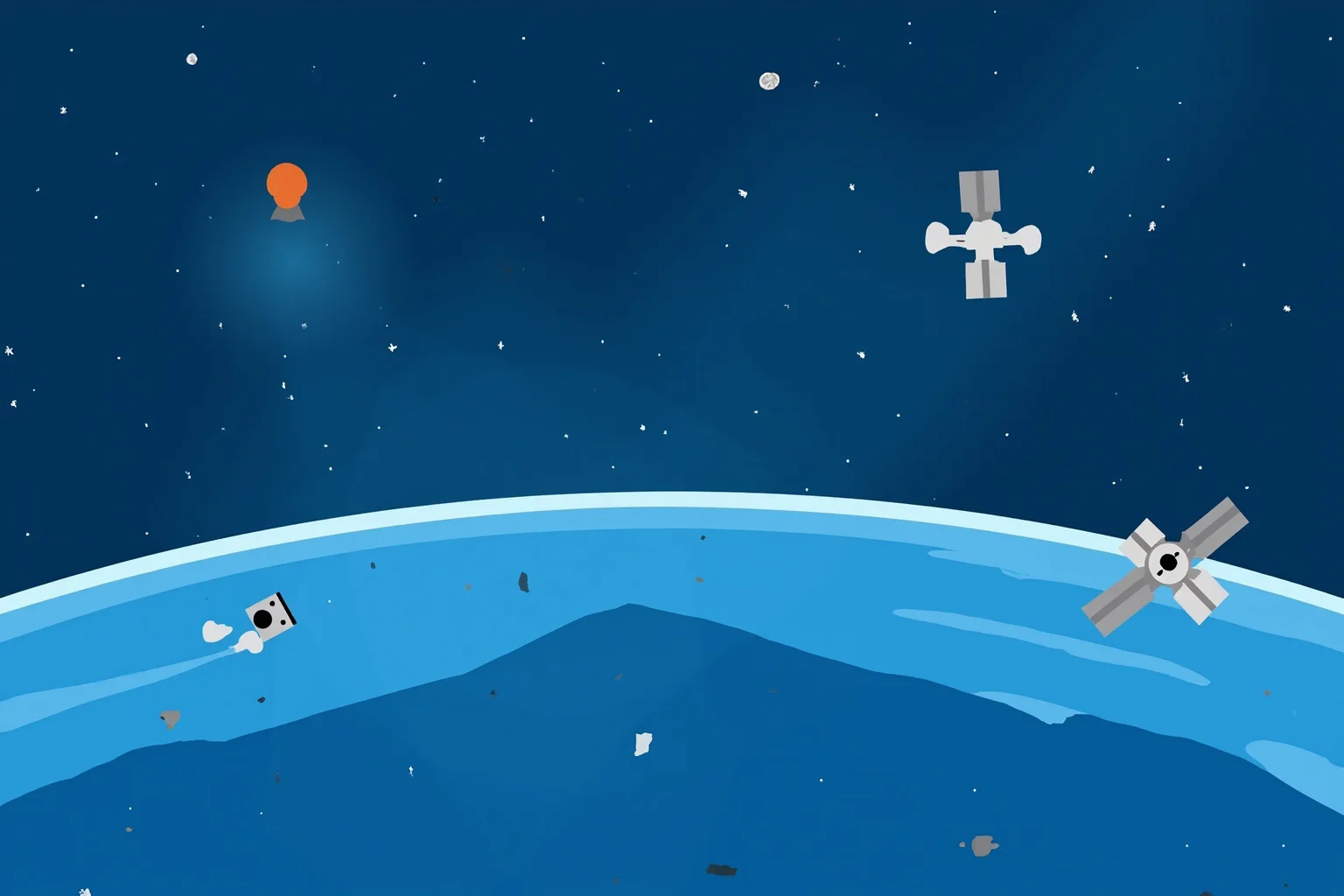
Decades of satellite launches, rocket stages, and discarded equipment from the Space Race era contributed to what is now a persistent orbital debris problem. Thousands of tracked objects, along with countless smaller fragments, continue to orbit Earth today.
This unintended side effect of the competition remains a genuine challenge for modern space agencies managing satellite safety and future missions.
25. The Space Race’s Legacy Still Shapes Global Space Policy
Many of today’s space programs, from NASA’s Artemis program to various national and private lunar ambitions, are still discussed using Space Race language of competition and prestige. China’s rapid lunar and space station progress, for instance, is often framed in media coverage using the same competitive lens applied to the original US-Soviet rivalry.
While today’s space efforts involve more countries and more private companies than the original Cold War contest ever did, the basic instinct — that spaceflight achievement signals national capability — traces directly back to the original Space Race.
Final Thoughts on the Space Race’s Legacy
Looking back, the Space Race was never just about who could plant a flag first. It was a sprawling, expensive, occasionally tragic, and ultimately transformative competition that reshaped science policy, education, and international diplomacy for generations.
Separating the genuine achievements from the popular myths — like the Velcro origin story — helps give a clearer, more accurate picture of just how remarkable the real history actually was. The facts alone, without any embellishment, are dramatic enough to explain why this era still fascinates historians and space enthusiasts alike.
Frequently Asked Questions
Why was the Space Race important?
The Space Race was important because it accelerated technological development in rocketry, satellites, and computing far faster than either the US or USSR likely would have pursued alone. It also reshaped education policy, most notably through the US National Defense Education Act of 1958, and it became a defining symbol of Cold War ideological competition between capitalism and communism.
What is the Space Race?
The Space Race was a Cold War-era competition, primarily between the United States and the Soviet Union, to achieve dominance in spaceflight and space exploration technology. It included satellite launches, crewed missions, robotic probes, and the eventual race to land humans on the Moon.
Who was in the Space Race?
The Space Race was primarily contested between the United States and the Soviet Union, both drawing on rocket expertise partly inherited from German engineers after World War II. While other nations observed and were affected by the rivalry, the direct competition remained a two-superpower contest.
What year did the Space Race start?
Most historians date the start of the Space Race to October 4, 1957, when the Soviet Union launched Sputnik 1, the first artificial satellite to orbit Earth.
When did the Space Race end?
There's some debate among historians. Many treat the Apollo 11 Moon landing in July 1969 as the practical end of the core competition, while others extend the timeline to July 1975, when the joint US-Soviet Apollo-Soyuz Test Project symbolically closed out the rivalry.
What was the point of the Space Race?
For political leaders, the point was largely about national prestige and proving technological and ideological superiority during the Cold War. For scientists and engineers involved, it was also a genuine opportunity to expand human knowledge of space and push rocketry and aerospace engineering forward.
What were the major events in the Space Race?
Key events include the 1957 launch of Sputnik 1, the founding of NASA in 1958, Yuri Gagarin's first human spaceflight in 1961, John Glenn's orbital flight in 1962, Valentina Tereshkova becoming the first woman in space in 1963, the Apollo 11 Moon landing in 1969, and the joint Apollo-Soyuz mission in 1975.
Did Velcro really get invented for the Space Race?
No, this is a common myth. Velcro was actually invented by Swiss engineer George de Mestral in the 1940s, well before the Space Race began. NASA used and popularized it during space missions, but did not invent it.

Alex Warren
Related Articles