

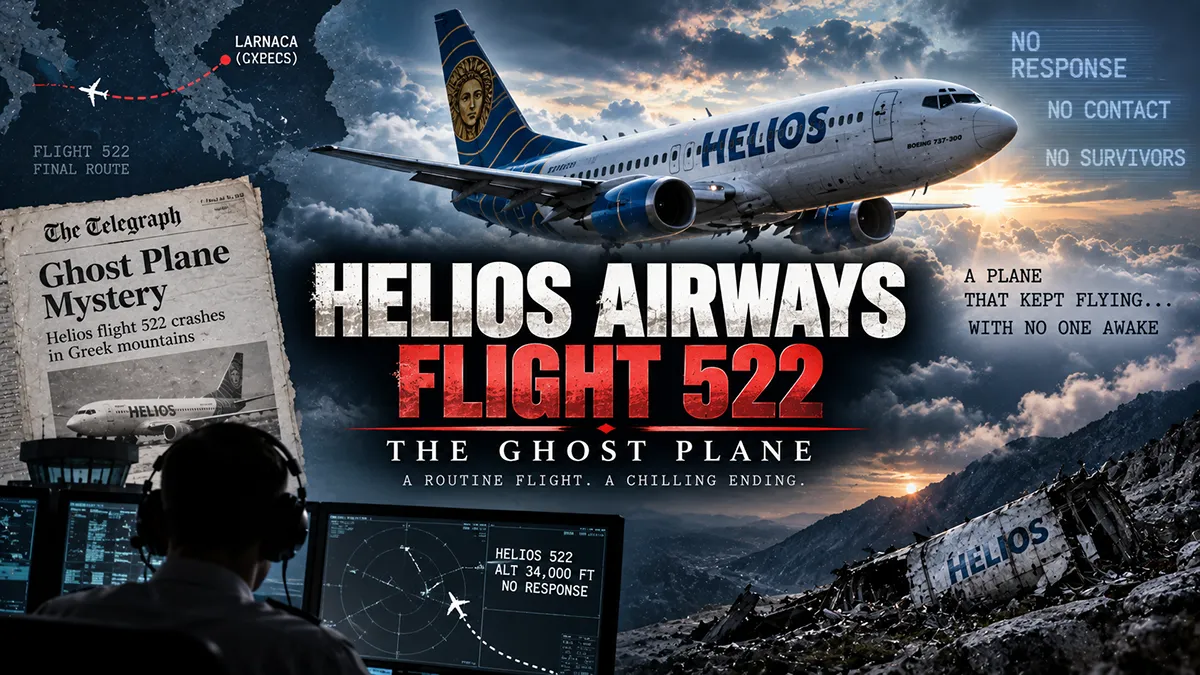
On the morning of August 14, 2005, a Boeing 737 climbed away from Larnaca, Cyprus, on what should have been a routine holiday charter to Athens and then Prague. Within minutes, something went badly wrong inside the cabin, and for nearly two hours the aircraft flew on with no one answering the radio.
Fighter jets were scrambled, television stations across Europe interrupted their programming, and a chilling nickname was born: the “ghost plane.”
This is the full, factual story of Helios Airways Flight 522 — what happened in the cockpit, why the plane stopped responding, what the intercepting pilots actually saw, and how the tragedy changed aviation safety procedures afterward. We’ll also clear up some of the confusion around similarly numbered flights and the myths that grew around this case.
TL;DR: Helios Airways Flight 522 crashed near Athens on August 14, 2005, after a mishandled cabin pressurization switch caused the crew and passengers to lose consciousness from hypoxia, leaving the Boeing 737 to fly on autopilot until it ran out of fuel — killing all 121 people aboard.
1. What Was Helios Airways Flight 522?
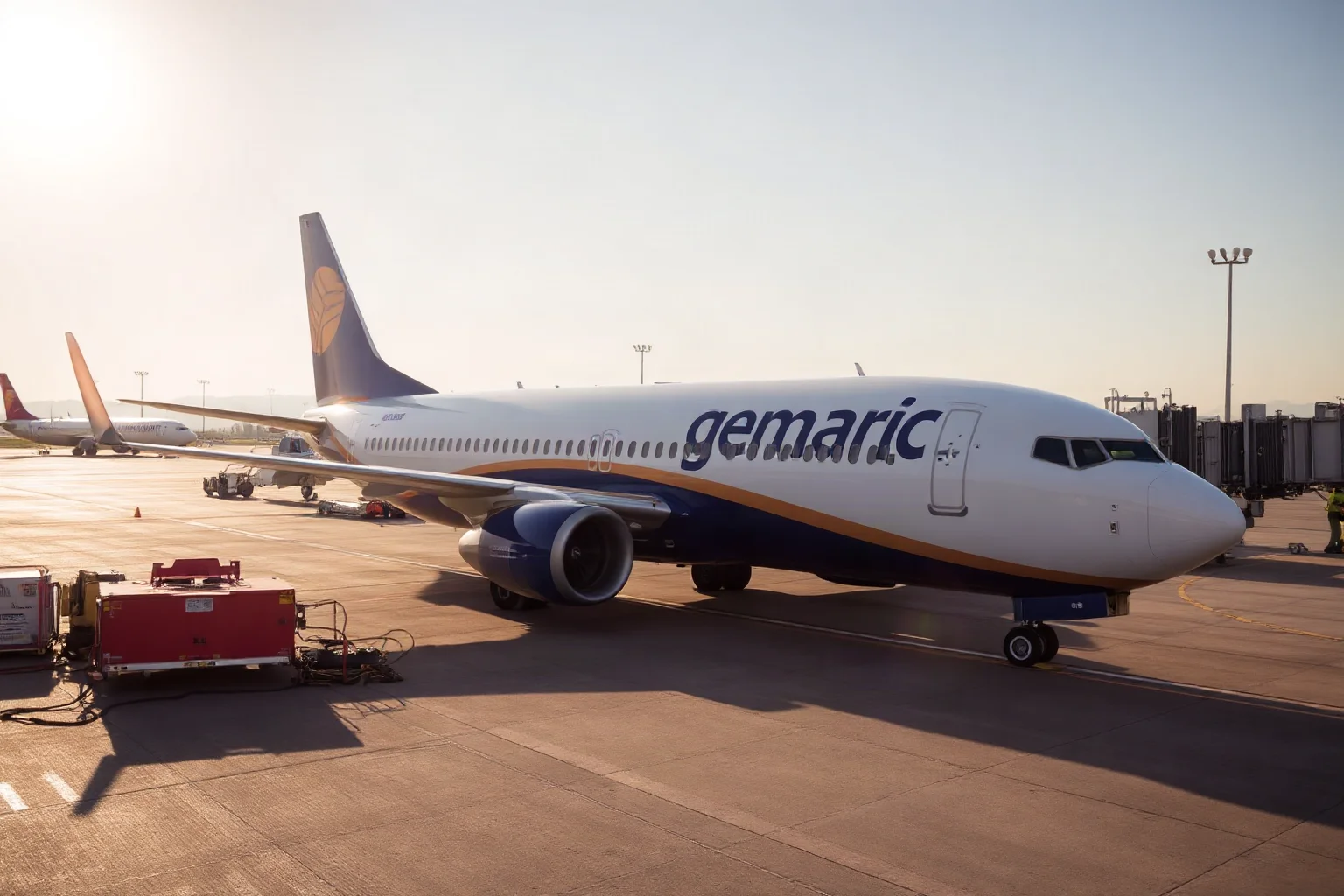
Helios Airways Flight 522 was a scheduled charter operated by Helios Airways, a low-cost Cypriot carrier that flew holidaymakers between Cyprus and various European cities. On the day of the accident, the flight was routed from Larnaca, Cyprus, to Athens, Greece, with a continuing leg to Prague, Czech Republic.
The aircraft never made it past its first stop. It crashed into hills north of Athens before it could land, making it one of the deadliest aviation disasters in Greek history.
2. The Date, Route, and Aircraft
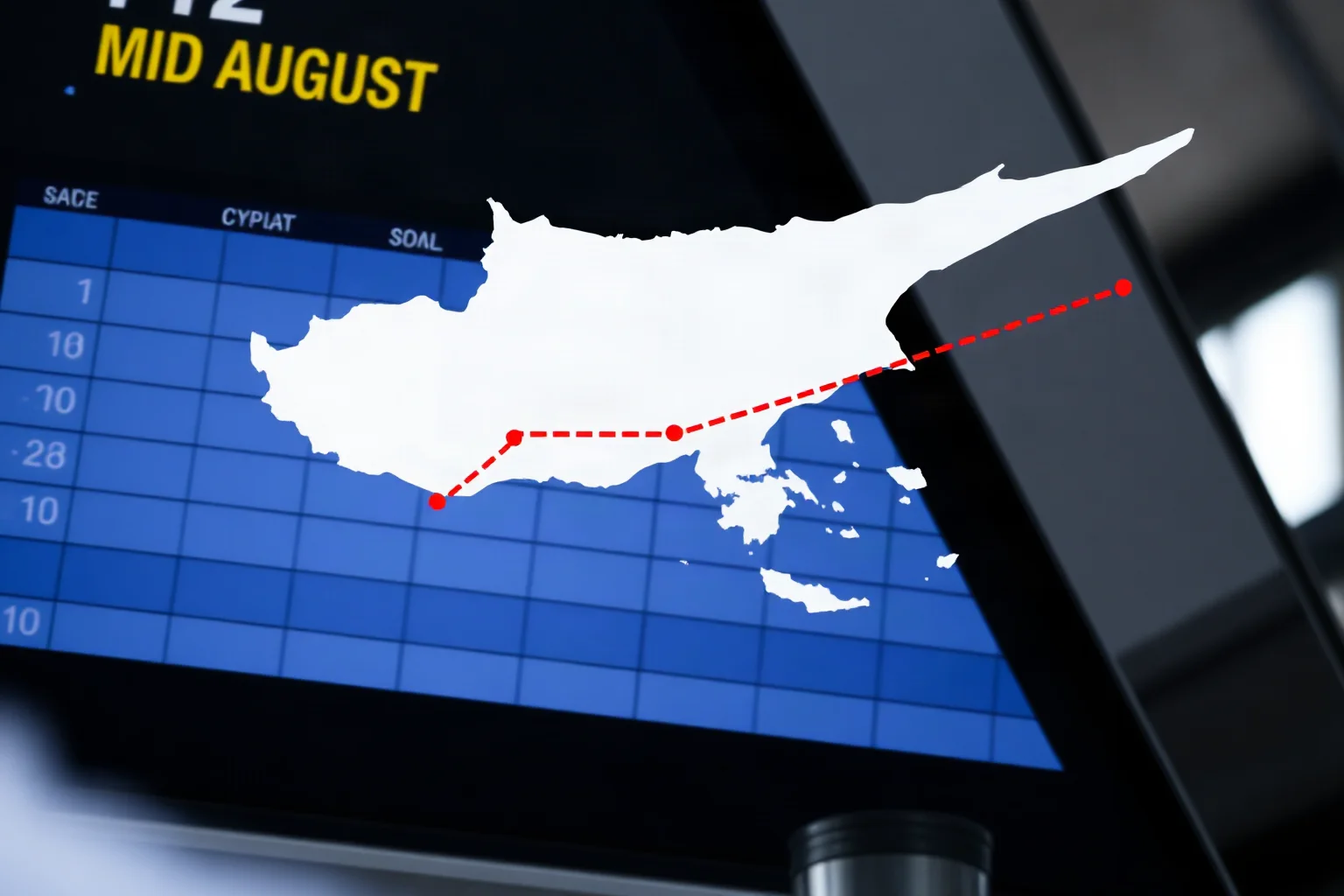
The crash occurred on August 14, 2005, using a Boeing 737-300 registered as 5B-DBY. The aircraft was roughly eight years old at the time and had previously flown for other operators before joining the Helios Airways fleet.
It departed Larnaca International Airport in the morning and was scheduled to land in Athens a little over an hour later. That short hop turned into a nightmare that unfolded in full view of Greek air traffic control and, eventually, the Hellenic Air Force.
3. Why People Call It “The Ghost Plane”
The nickname “ghost plane” (sometimes searched as “ghost flight helios” or the “ghost plane incident”) stuck because, for close to two hours, the aircraft kept flying with no response from the cockpit at all. Air traffic controllers called repeatedly and got nothing back.
It wasn’t supernatural, despite the eerie name — much like other infamous mysteries such as the Dyatlov Pass incident, the truth turned out to be tragic and explainable rather than paranormal. The plane was still being flown — just not by anyone conscious. Understanding that distinction is the key to understanding this entire tragedy.
4. The Night Before: A Routine Pressurization Check

The roots of the disaster began the evening before the flight, during a routine maintenance inspection. Engineers were checking the aircraft’s door seals for a reported air leak, a fairly ordinary bit of troubleshooting for an older 737.
As part of that check, the cabin pressurization system was switched from “Auto” to “Manual” so technicians could test it directly. This is a normal step during that kind of inspection, as long as the system is switched back afterward.
5. The Switch That Was Never Reset
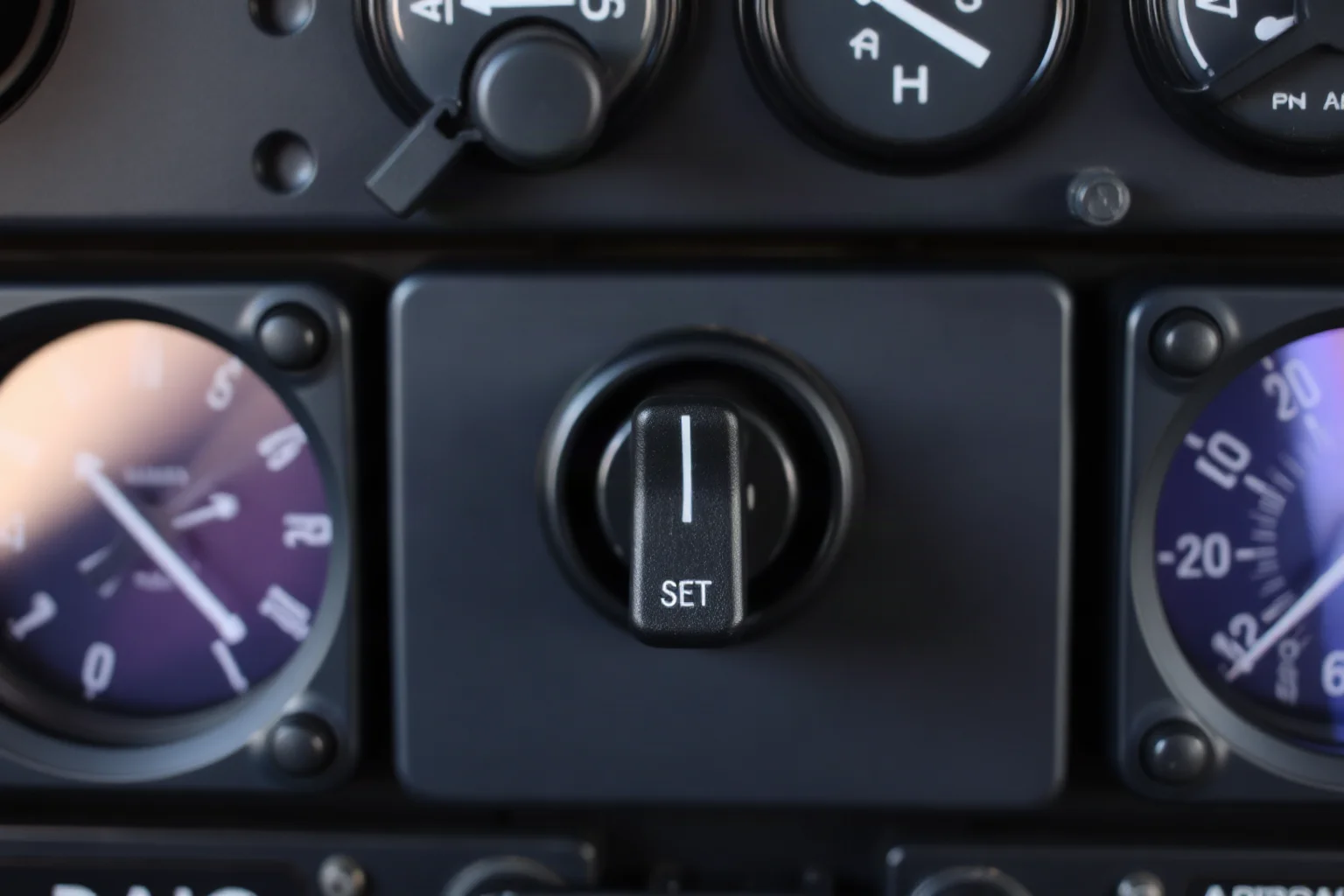
According to the official investigation, the pressurization mode selector was never returned to “Auto” after the maintenance check was completed. Investigators found no evidence the flight crew verified the switch’s position during their pre-flight checks the next morning, either.
With the system left in manual mode, the aircraft would not automatically pressurize the cabin as it climbed. That single overlooked detail set the entire chain of events in motion.
6. Takeoff From Larnaca, Cyprus
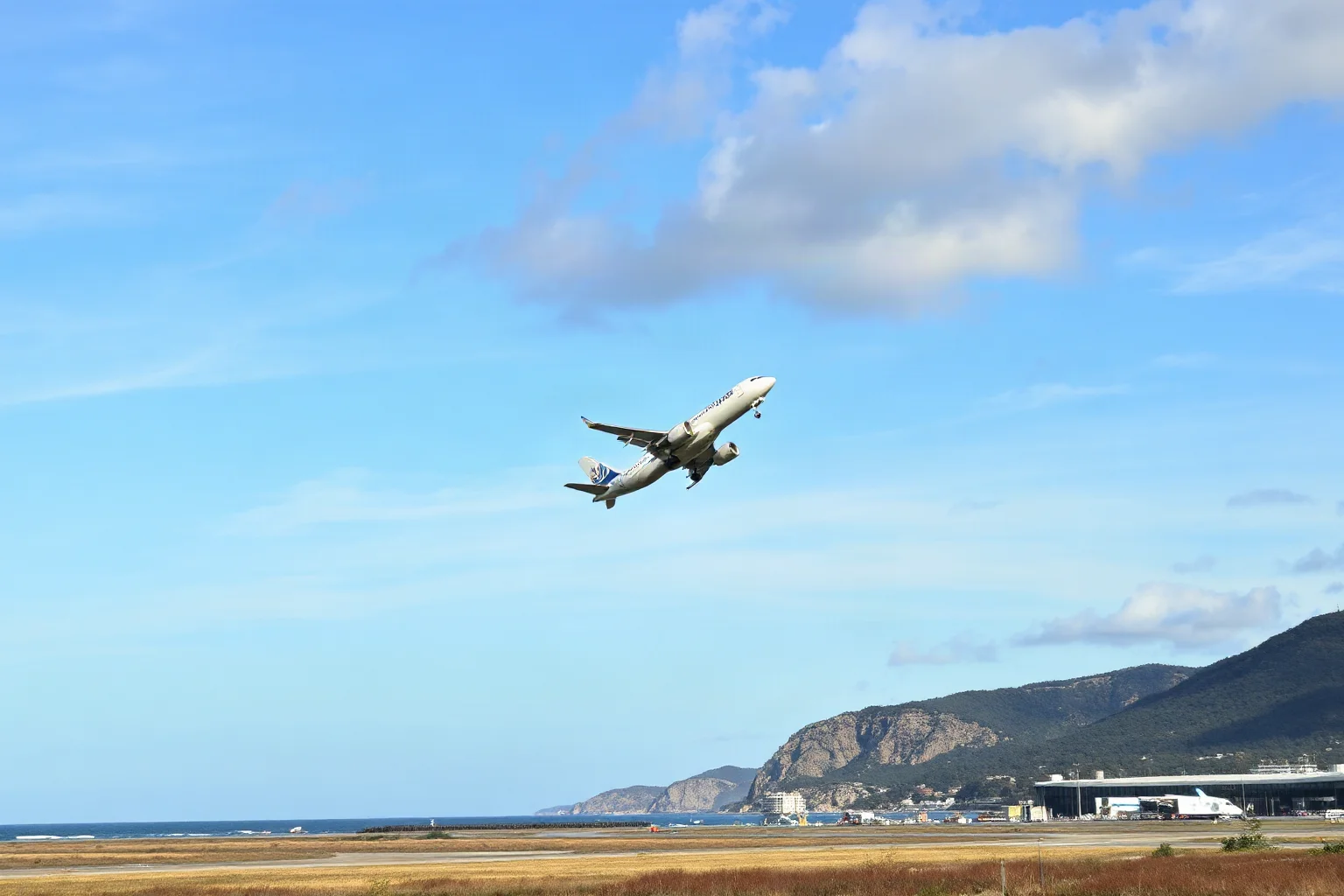
Flight 522 took off from Larnaca in the morning as scheduled, climbing normally at first. As the aircraft passed through roughly 12,000 feet, a warning horn began sounding in the cockpit.
That horn should have told the crew that the cabin was not pressurizing correctly. Instead, it triggered confusion that would prove fatal.
7. The Warning Horn Nobody Understood
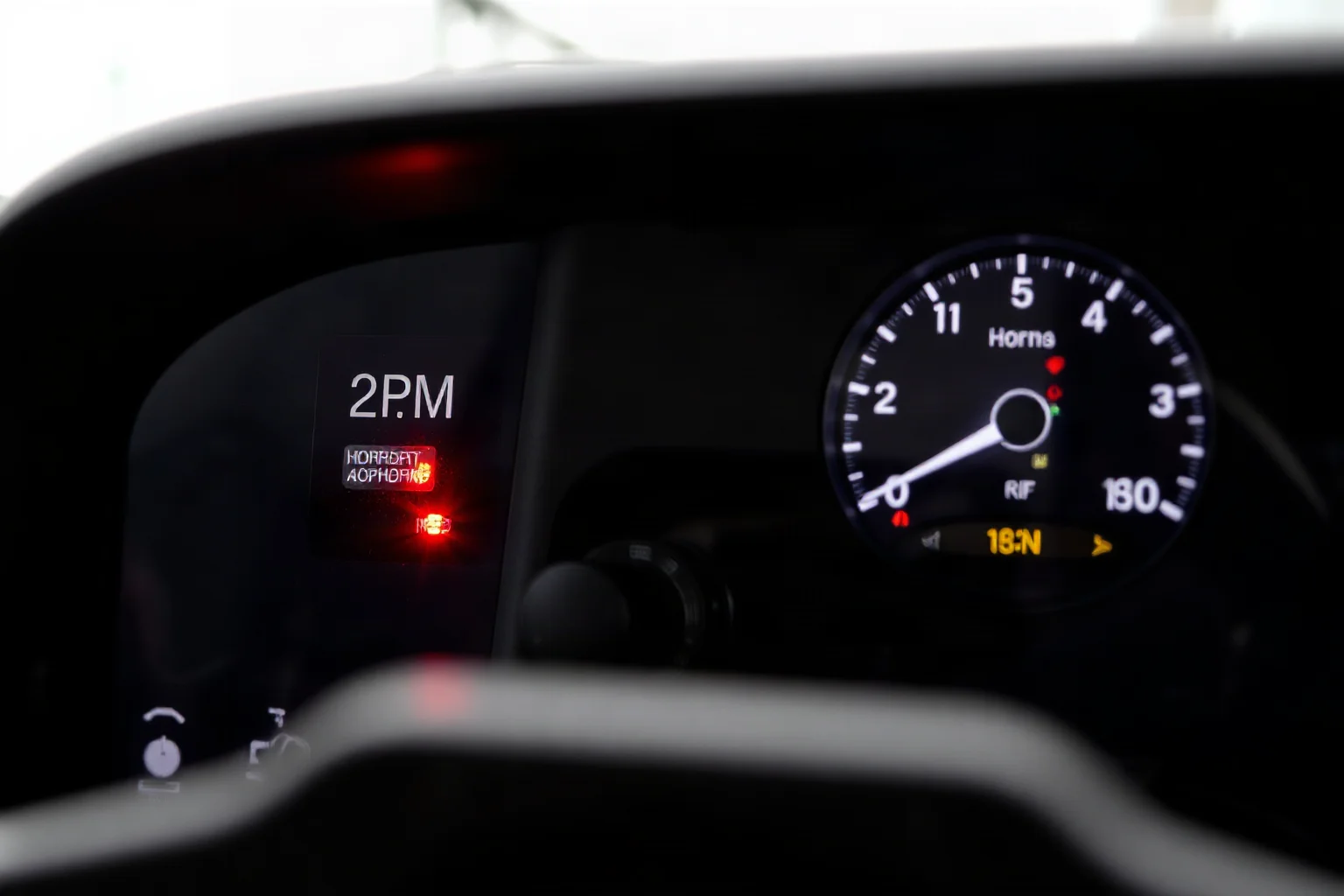
Here’s the tragic design quirk at the heart of this crash: on the Boeing 737-300, the same horn is used for two very different warnings. One version alerts the crew that the aircraft isn’t configured correctly for takeoff; the other warns of cabin altitude problems in flight.
The takeoff warning is only supposed to sound on the ground, so hearing it in the air should have been a clear signal something else was wrong. Investigators concluded the pilots likely misidentified the true cabin-altitude warning as a nuisance takeoff-configuration alert instead.
8. Confusion in the Cockpit
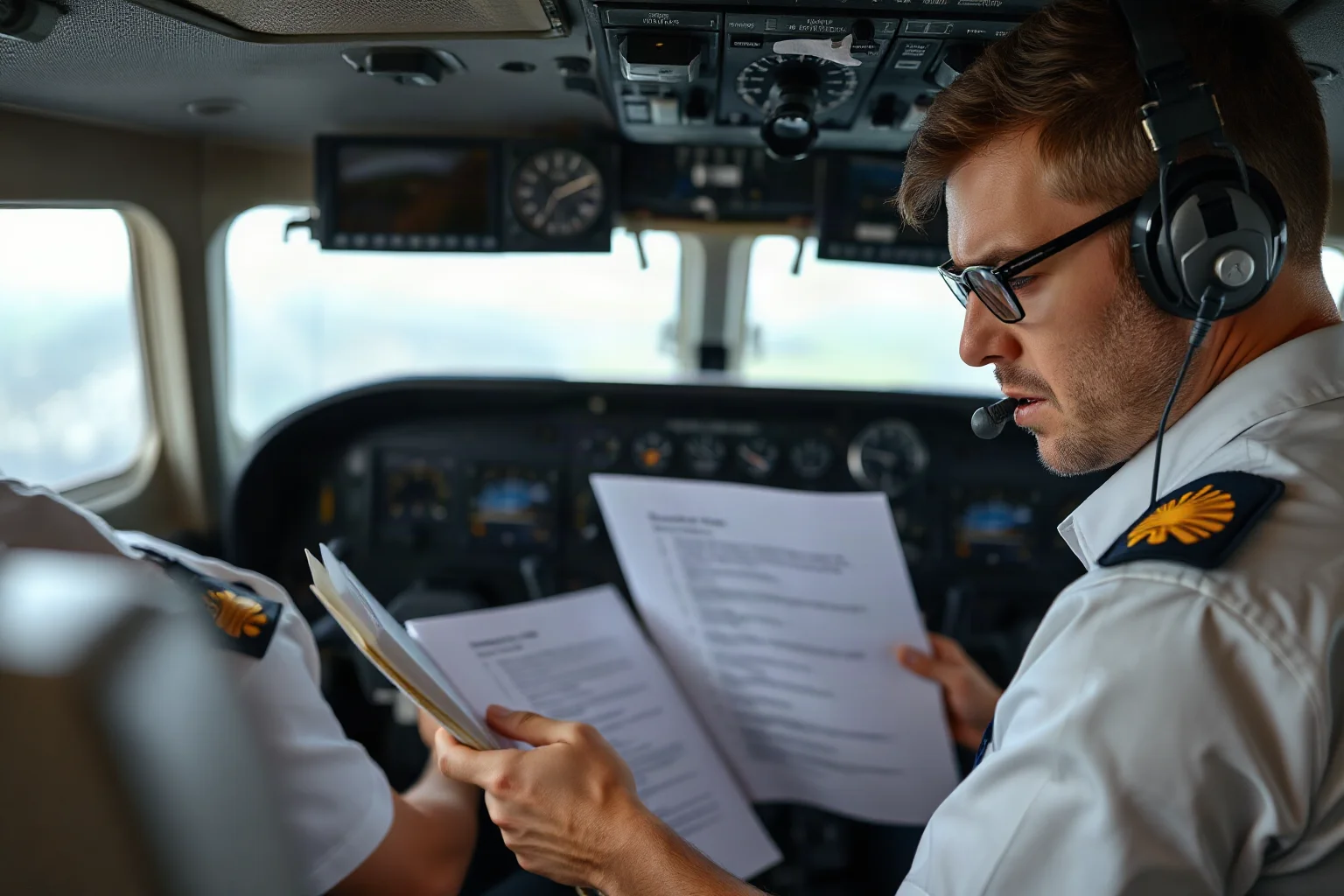
Cockpit voice recordings and radio transcripts, along with maintenance records, indicate the crew spent time troubleshooting the wrong problem. They contacted Helios Airways’ operations center on the ground to discuss the alarm, going through checklists that didn’t address the actual danger: a cabin that was slowly losing pressure and oxygen.
At higher altitudes, hypoxia — oxygen deprivation — impairs judgment quickly and often without obvious warning to the person experiencing it. That almost certainly compounded the crew’s inability to correctly diagnose the emergency in time.
9. Radio Contact Lost
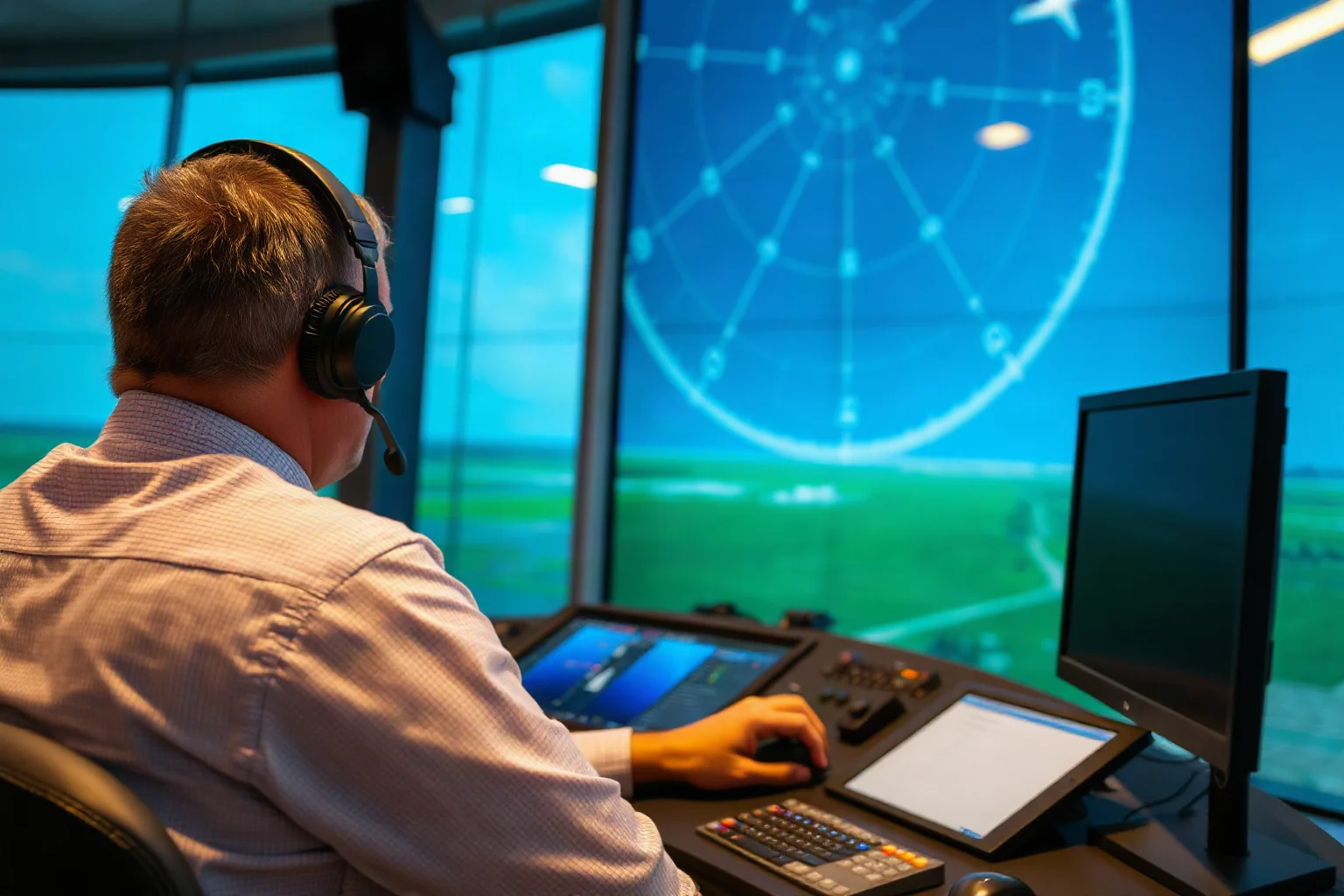
As the aircraft climbed toward its cruising altitude, radio communication with air traffic control became garbled and then stopped entirely. Controllers in Cyprus and later Greece tried repeatedly to reach the crew, without success.
The aircraft continued flying its programmed route on autopilot, entering a holding pattern near Athens as if waiting for instructions that would never come. From the ground, everything looked eerily normal — an airplane on its expected path, simply not talking to anyone.
10. Oxygen Masks Drop in the Cabin
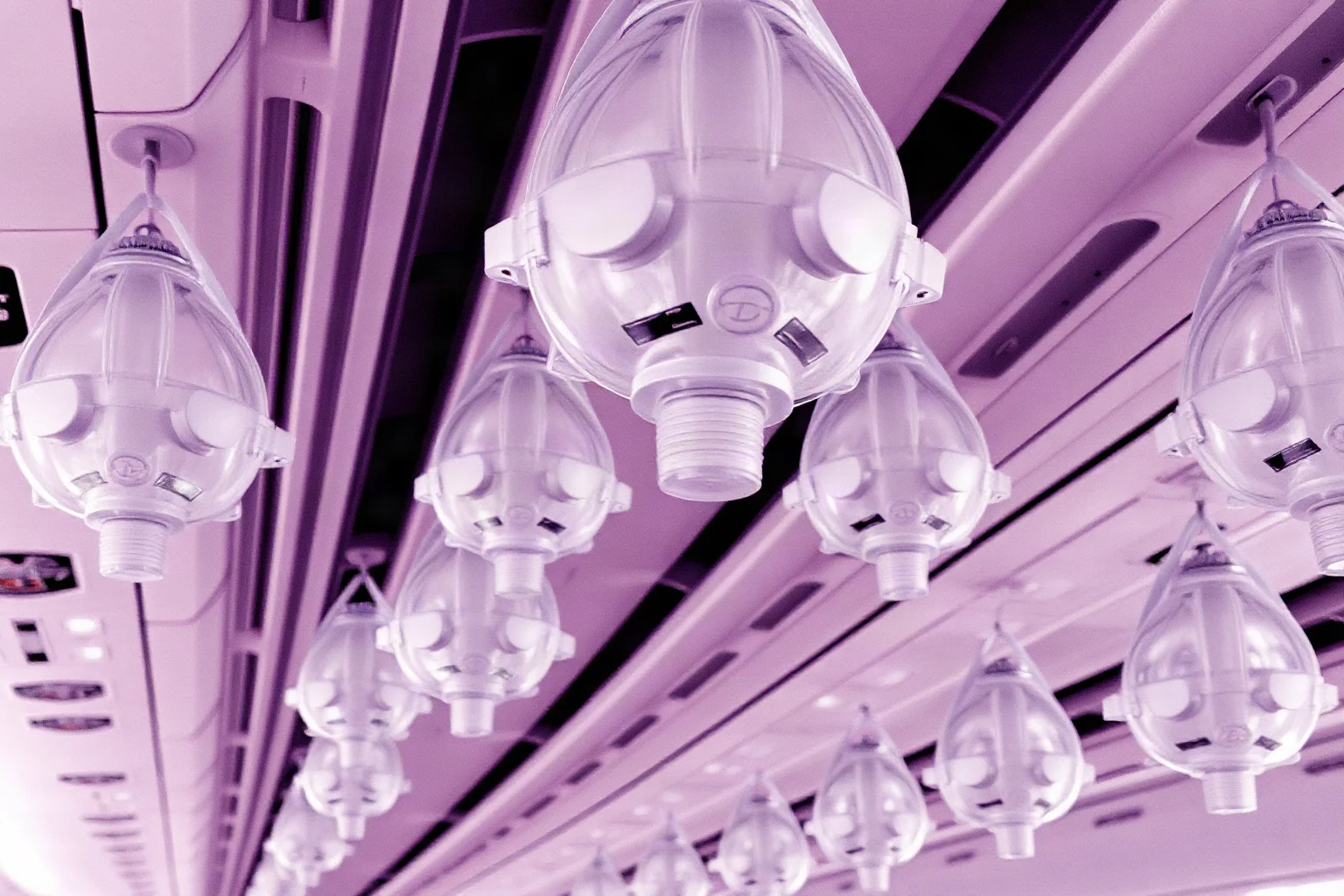
As cabin altitude kept rising, passenger oxygen masks deployed automatically, exactly as designed. Unfortunately, the portable emergency oxygen supplied to passengers this way is only meant to last a limited time — enough for a controlled emergency descent, not for hours of high-altitude flight.
Once that supply ran out, everyone aboard was left breathing thin, oxygen-poor air at an altitude where consciousness cannot be sustained for long. This is the point where the tragedy became essentially unsurvivable for those still unaware of the danger.
11. Hypoxia Takes Hold
Hypoxia is dangerous precisely because it often doesn’t feel dramatic to the person experiencing it. Victims can become confused, euphoric, or simply drowsy before losing consciousness, frequently without realizing anything is critically wrong.
Investigators believe this is largely what happened to the flight crew and passengers of Flight 522. Without supplemental oxygen reaching them in time, the pilots became incapacitated at the controls.
12. The Autopilot Takes Over
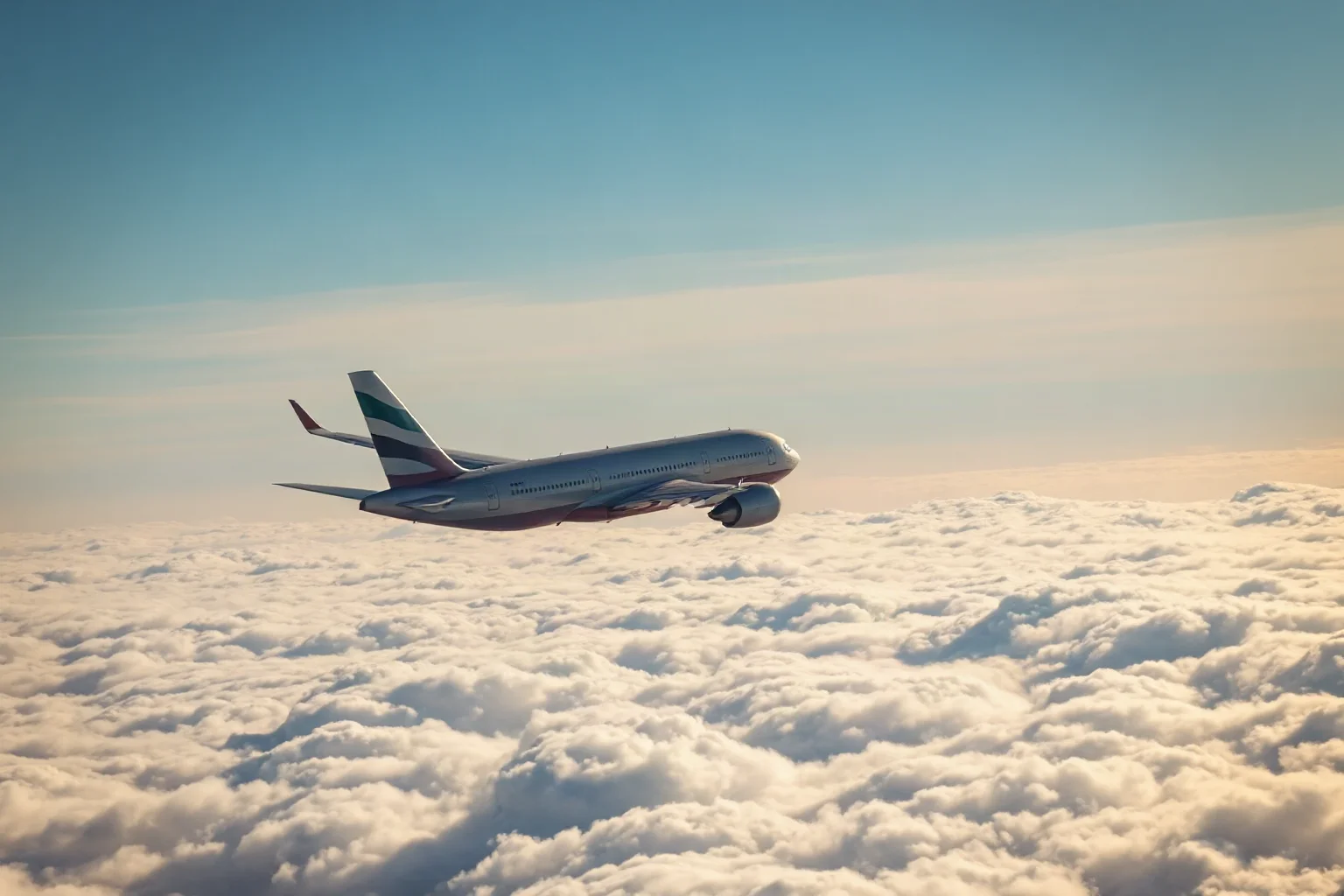
Because the aircraft had already been placed on autopilot before the crew lost consciousness, it kept flying its assigned route with mechanical precision. This is exactly why the plane didn’t simply fall out of the sky the moment its pilots blacked out.
It flew on toward Athens, entered its programmed holding pattern, and circled — over and over — while everyone aboard needed help that never arrived. This automated flight is also what makes the “ghost plane” description so fitting.
13. Greek F-16s Scrambled to Investigate
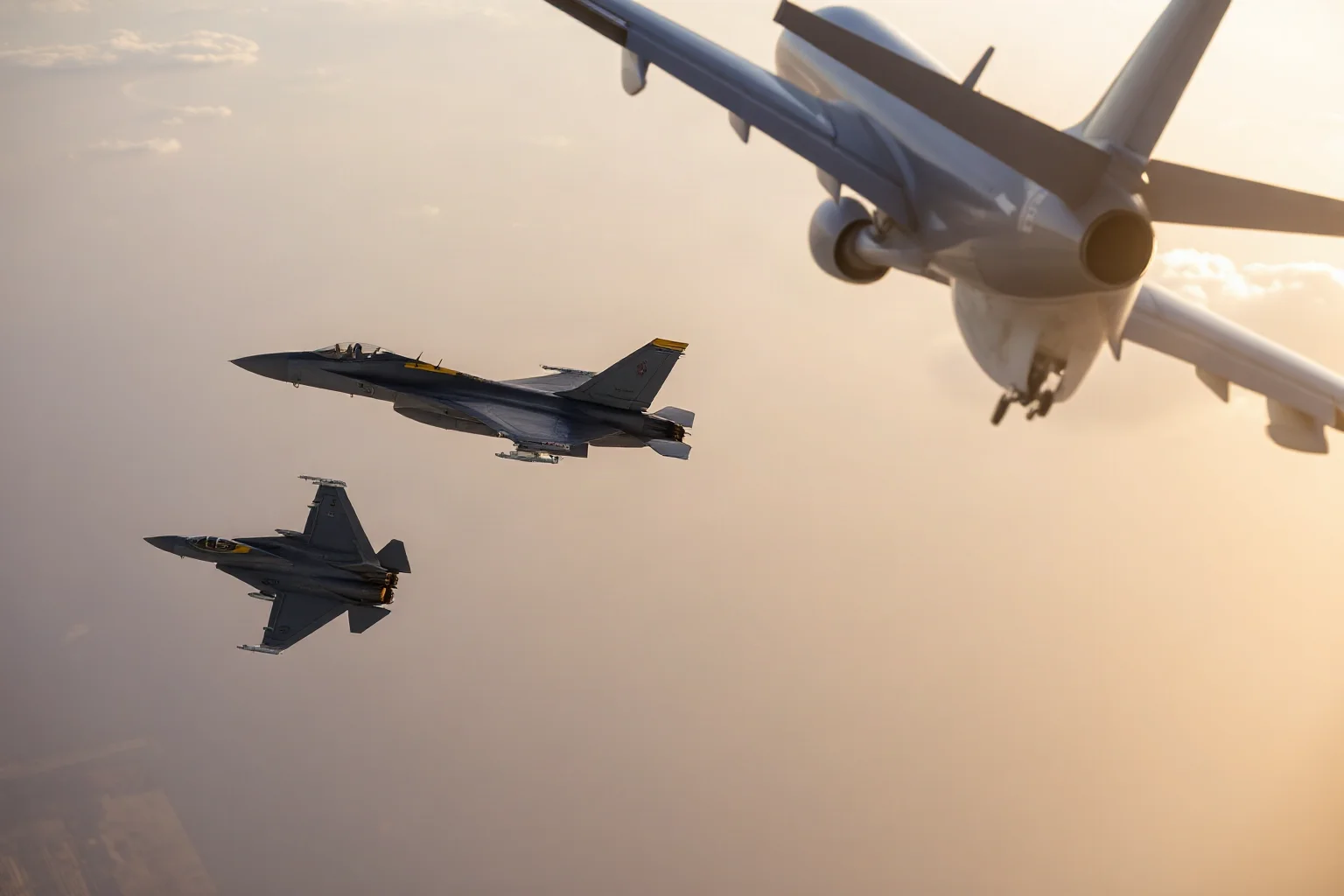
With Flight 522 unresponsive over Greek airspace, the Hellenic Air Force scrambled two F-16 fighter jets to intercept and visually inspect the aircraft. This kind of intercept is a standard emergency procedure used by air forces worldwide when a civilian aircraft loses communication, not an unusual or aggressive act.
The fighter pilots caught up to the airliner as it circled in its holding pattern near Athens, still flying steadily under autopilot control.
14. What the Fighter Pilots Saw
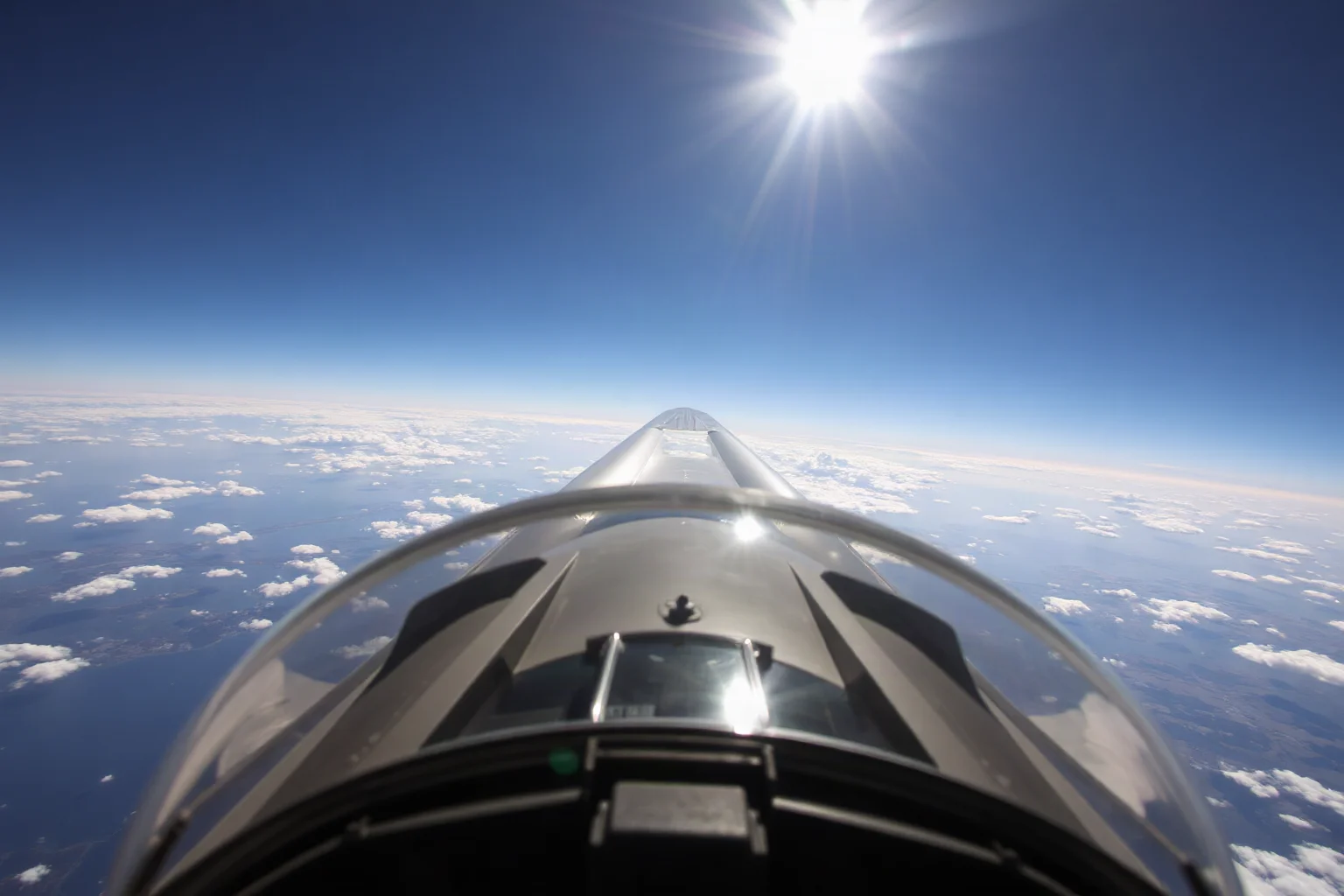
The intercepting pilots reported a disturbing scene through the windows: the co-pilot’s seat appeared empty, oxygen masks were dangling loose in the cabin, and no one seemed to be responding to their aircraft’s presence. It was consistent with a cabin that had suffered a serious decompression event.
This visual confirmation helped investigators and responders understand, in real time, that they were likely dealing with a hypoxia-related incident rather than a hijacking — an important distinction given the post-9/11 climate of 2005, when an unresponsive airliner immediately raised fears of terrorism.
15. A Flight Attendant’s Desperate Attempt
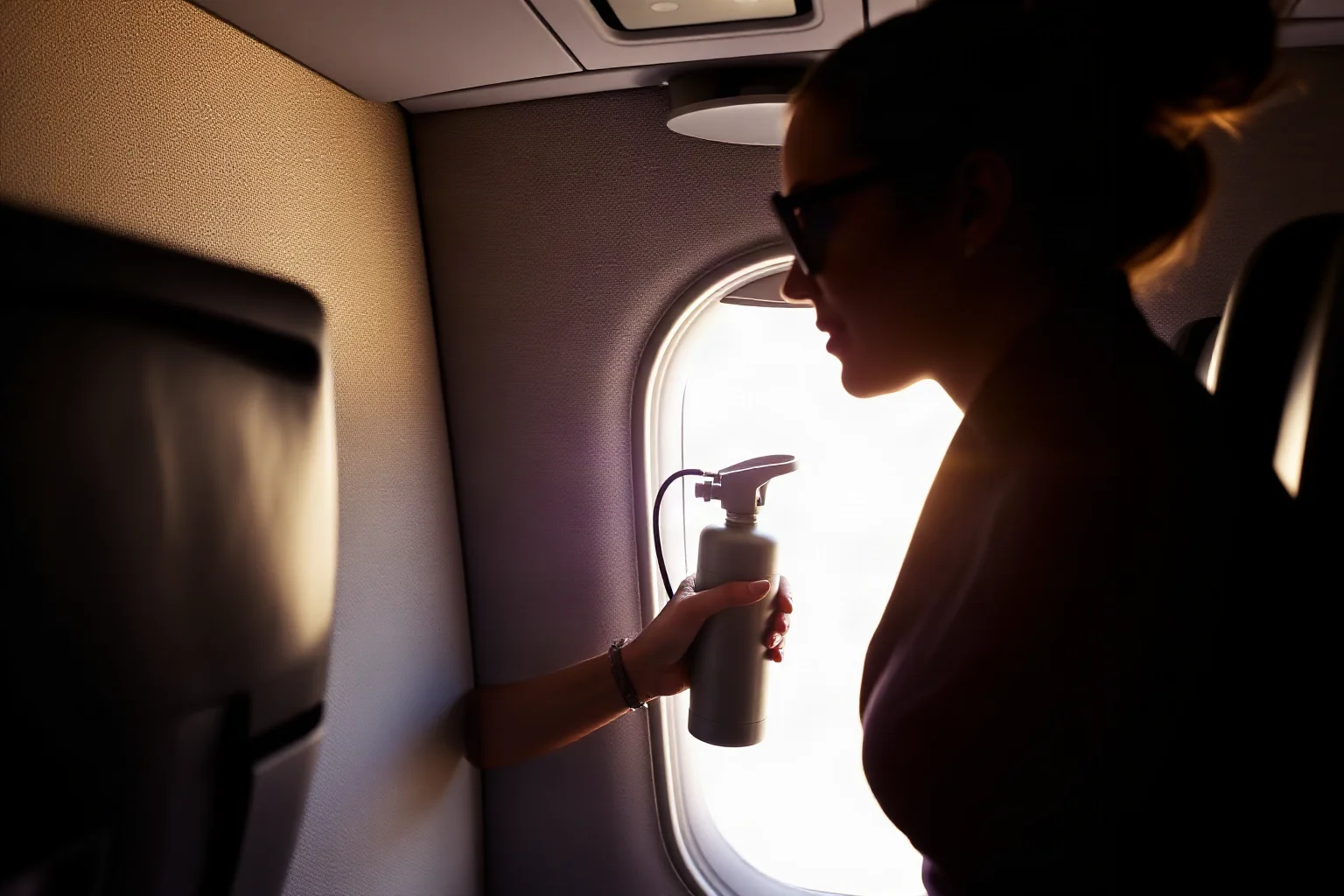
Among the cabin crew was Andreas Prodromou, a flight attendant who also held a commercial pilot’s license. At some point after the pilots became incapacitated, he appears to have entered the cockpit wearing a portable oxygen supply, apparently trying to regain control of the aircraft.
The fighter pilots reported seeing someone in the cockpit attempting to manage the situation in the final minutes. It was, by every account in the investigation, a courageous effort — but it came too late to change the outcome.
16. Fuel Exhaustion and Final Moments
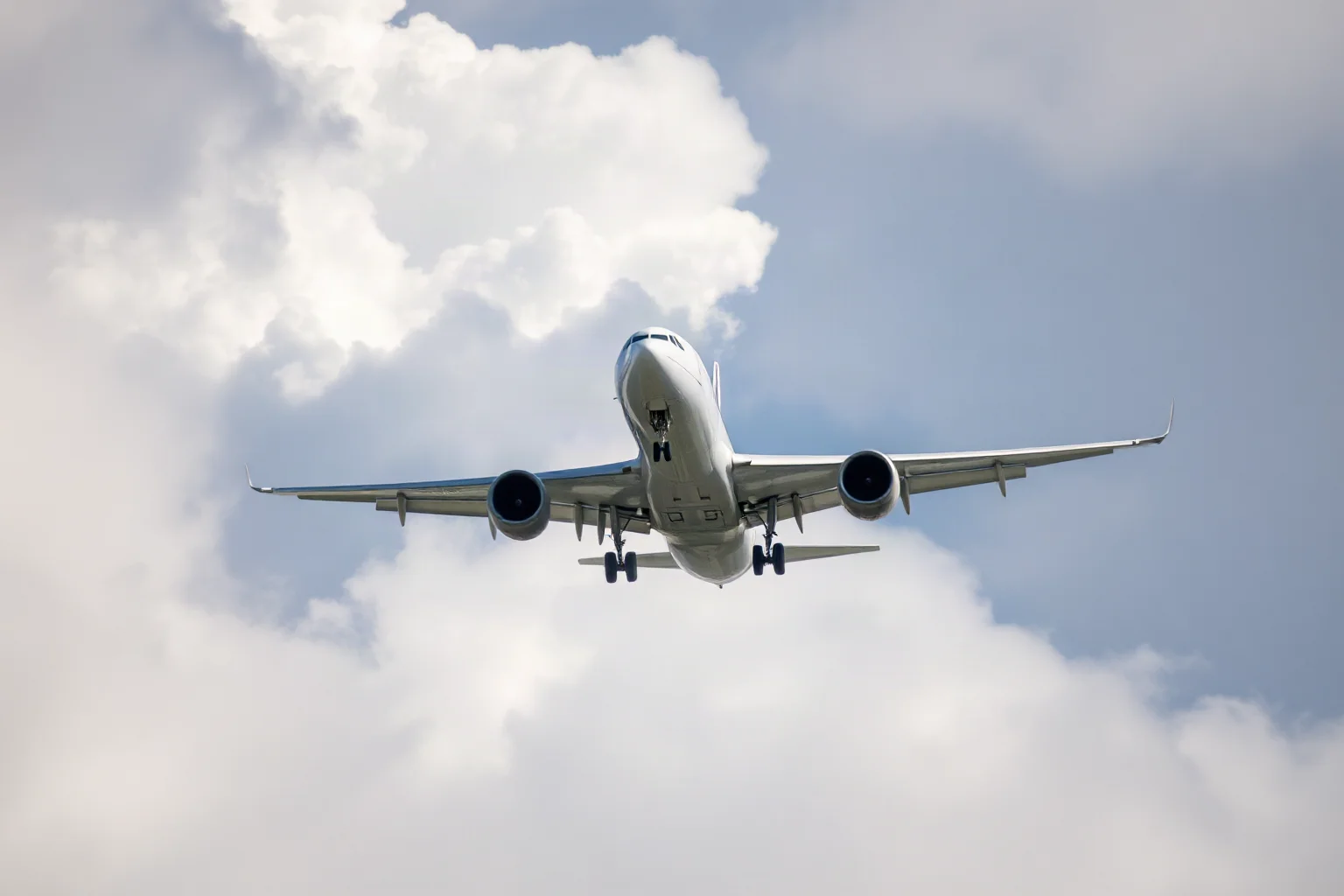
With no one able to manage the aircraft’s fuel or systems, Flight 522 eventually consumed the fuel it had remaining. As the engines lost power, the plane began to descend out of its holding pattern.
Without functioning engines and no one at the controls to manage the glide, the aircraft’s descent became increasingly uncontrolled in its last minutes in the air.
17. The Crash Near Grammatiko

Flight 522 went down in hilly, wooded terrain near the village of Grammatiko, roughly 25 miles north of Athens, around midday local time. The impact was catastrophic and left a debris field across the hillside.
Emergency responders reached the crash site quickly given its proximity to Athens, but there was nothing left to rescue. The scale of the wreckage made clear this had been a high-speed, uncontrolled impact.
18. The Death Toll: 121 Lives Lost
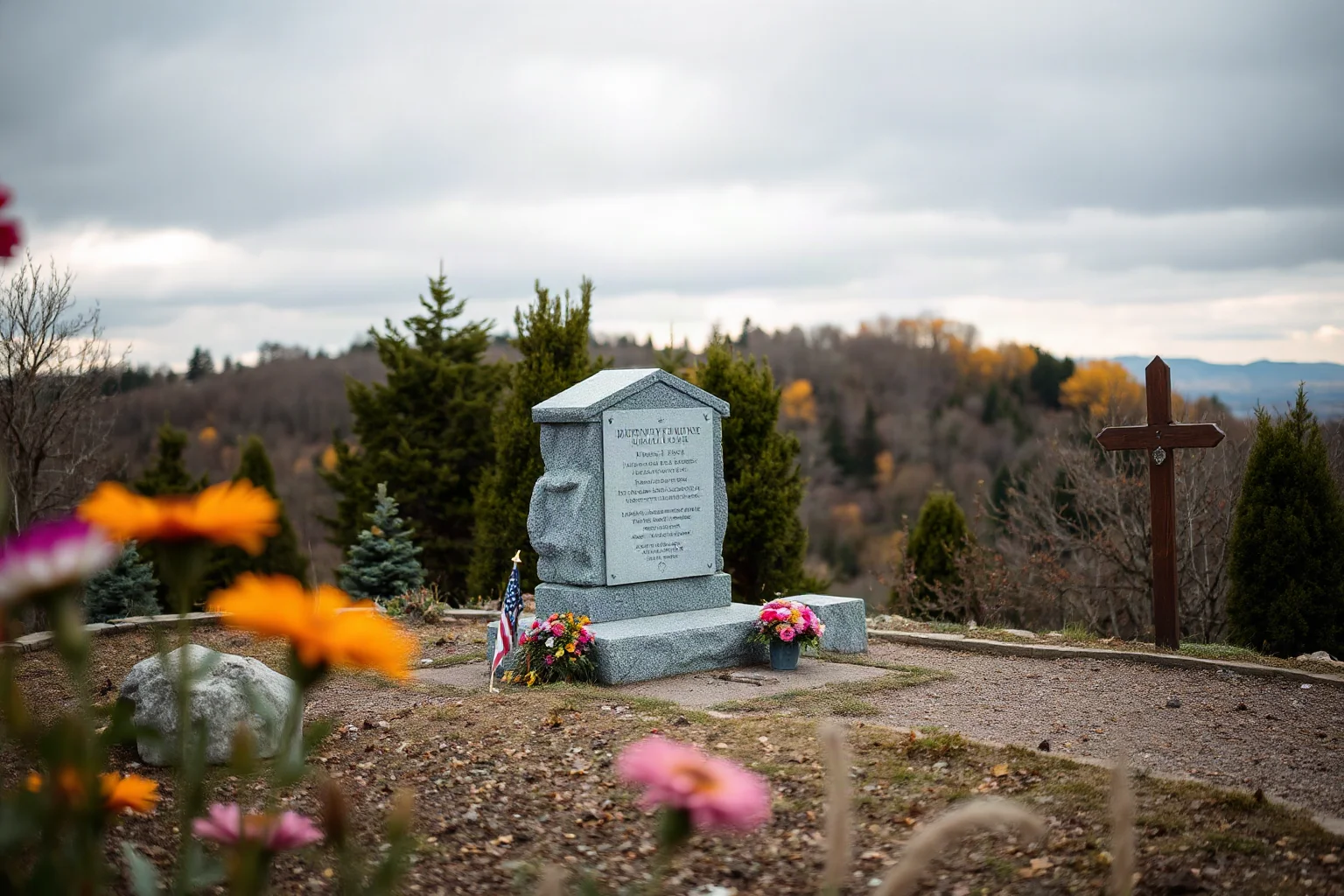
All 121 people aboard Helios Flight 522 died — 115 passengers and 6 crew members. It remains one of the deadliest single aircraft accidents in Greek and Cypriot history, and among the deadliest in Europe of the 2000s, though it doesn’t rank among the worst man-made disasters in history on a global scale.
The crash prompted national mourning in both Cyprus and Greece, given how many of the victims were Cypriot vacationers and families.
19. Were There Any Survivors?

No one survived the crash of Helios Flight 522. Given the extended period of oxygen deprivation experienced by everyone aboard, combined with the high-speed impact, there was no possibility of survival once the aircraft went down.
This is worth stating clearly, since search interest in “Helios Flight 522 survivors” sometimes reflects hope that someone made it out. Investigators confirmed there were no survivors among either passengers or crew.
20. Who Was Aboard Flight 522?
The passengers were largely Cypriot and Greek travelers heading toward Prague for holidays, along with some Czech and German nationals. The flight crew included a German captain and a Cypriot first officer, supported by four Cypriot and Greek cabin crew members.
Memorial services were held in both Cyprus and Greece in the aftermath, and a memorial now exists near the crash site at Grammatiko to honor those who died.
21. The Official Investigation

The crash was investigated by Greece’s Air Accident Investigation and Aviation Safety Board (AAIASB), with cooperation from Cypriot authorities, Boeing, and international aviation safety bodies. Investigators examined the flight data recorder, cockpit voice recorder, maintenance logs, and physical wreckage in detail.
Their work pieced together the pressurization switch error, the confused warning response, and the timeline of hypoxia affecting everyone aboard. The final report was released in the following year and remains a widely studied case in aviation safety training.
22. The Root Cause, Confirmed
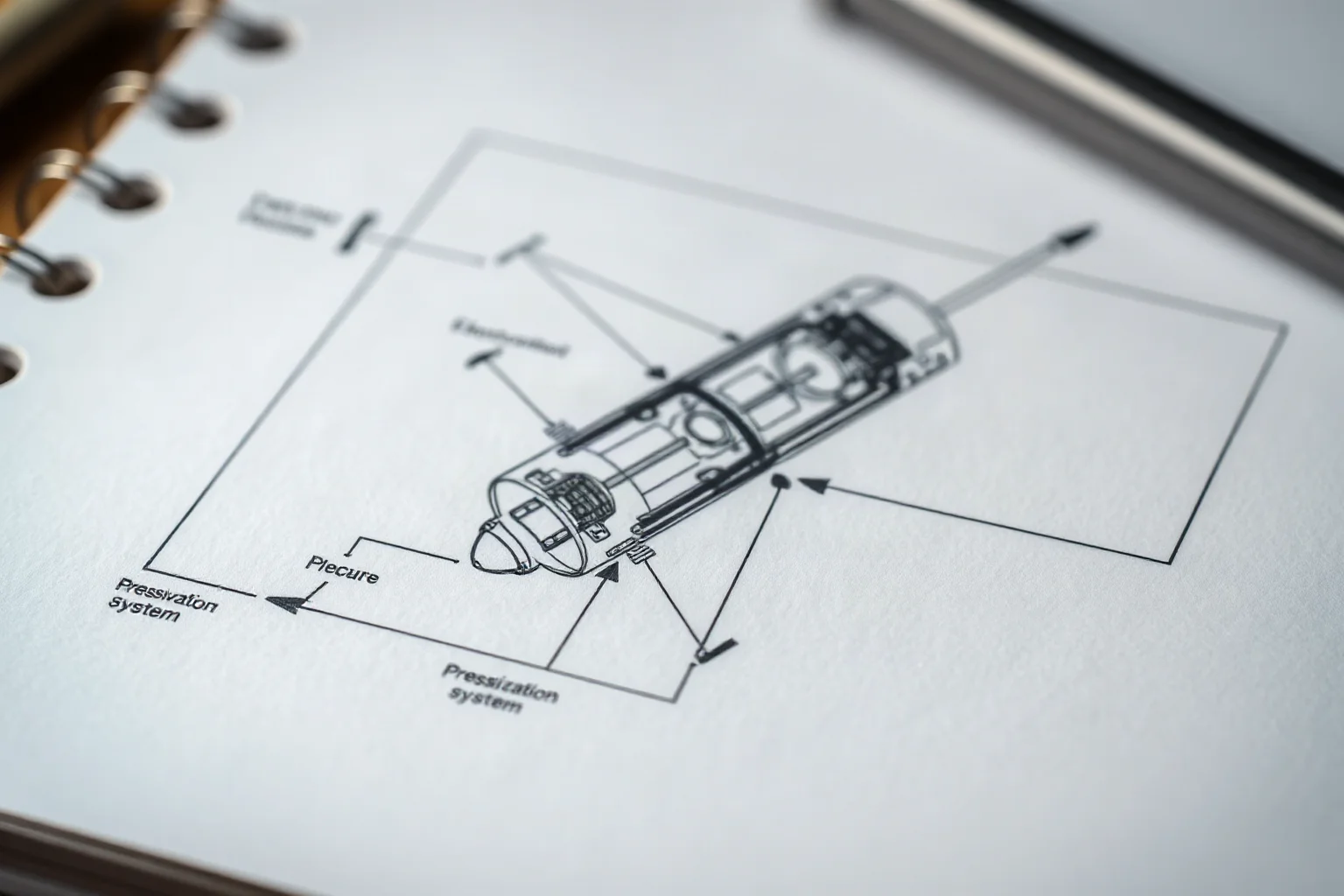
The investigation’s conclusion was consistent and clear: the primary cause was the cabin pressurization system being left in manual mode after a maintenance check, combined with the flight crew’s failure to correctly identify the resulting warning horn. Contributing factors included inadequate crew communication during troubleshooting and gaps in company procedures.
It was not a bomb, not a hijacking, and not a mechanical failure that couldn’t have been prevented. It was a chain of human errors, any one of which — if caught — could have stopped the disaster.
23. How It Compares to Other Depressurization Disasters

Helios 522 isn’t the only aviation accident caused by cabin depressurization and hypoxia. The 1999 crash of golfer Payne Stewart’s Learjet in the United States, for example, was also linked to a loss of cabin pressure that incapacitated everyone aboard while the aircraft continued flying on autopilot until fuel ran out. For a sense of how catastrophic single-aircraft accidents can become, Japan Airlines Flight 123 — the deadliest single-aircraft crash in history — also involved a sudden loss of cabin pressure, though it stemmed from a very different mechanical failure.
The parallels between these cases highlight just how dangerous slow, undetected pressure loss can be, precisely because it doesn’t always look dramatic from inside the cabin until it’s too late.
24. The Legal Fallout in Greece and Cyprus
In the years following the crash, Greek prosecutors pursued criminal charges against several individuals connected to Helios Airways and its maintenance contractors, alleging negligence contributed to the disaster. The legal proceedings were complicated by questions of jurisdiction, since Helios Airways was a Cypriot company operating under Cypriot regulation.
The criminal case in Greece ultimately did not result in lasting convictions, largely due to jurisdictional rulings by Greek courts. The legal aftermath remains a point of frustration for many victims’ families, who felt accountability was never fully achieved.
25. What Happened to Helios Airways?
Helios Airways continued operating for a period after the crash but faced serious financial and reputational pressure in its wake. The airline ceased operations in 2006, not long after the accident, bringing an end to the Helios Airways brand entirely.
Searches for “helios air” or “helios airline” today mostly turn up historical information about the defunct carrier rather than an active airline, since it never returned to service under that name.
26. Safety Changes Since the Crash
The Helios Flight 522 investigation contributed to renewed industry attention on cockpit warning systems, particularly the risk of crews confusing similar-sounding alerts for different emergencies. It also reinforced training around recognizing hypoxia symptoms quickly and responding to cabin pressurization anomalies without delay.
Aviation regulators and airlines used the case in crew resource management training worldwide, treating it as a stark example of how a single overlooked maintenance step can cascade into catastrophe. It remains part of pilot and cabin crew education programs today.
27. Where to Find the Helios Flight 522 Gallery and Photos Today

People researching this case often look for a Helios Flight 522 gallery, photos of the aircraft, or images from the crash site to better understand the scale of the tragedy. Official investigation reports, published by Greek aviation authorities, include diagrams, technical photos of the wreckage, and cockpit instrument analysis used to reach their conclusions.
Respected aviation history archives and news outlets from 2005 also hold photographs of the aircraft before the crash and of the memorial that now stands near Grammatiko. When searching for “Helios 522 photos” or a “Helios plane gallery,” it’s worth prioritizing sources tied to the official investigation or established news archives over unverified social media posts, given how much speculation circulated online in the years since.
Remembering Flight 522
Helios Airways Flight 522 is a sobering reminder of how a small, seemingly manageable maintenance oversight can spiral into catastrophe when paired with confusing warning systems and the silent, creeping danger of oxygen deprivation. Nothing about this crash involved anything paranormal, despite the “ghost plane” label that made headlines in 2005.
It was a real, preventable tragedy involving 121 real people, and the aviation industry has spent years studying it to make sure similar warning confusion doesn’t happen again. Understanding exactly what happened — rather than the myths that swirled around it — remains the best way to honor those who died aboard that flight.
Frequently Asked Questions
What happened to Helios Airways Flight 522?
Helios Airways Flight 522 crashed near Grammatiko, Greece, on August 14, 2005, after the cabin failed to pressurize correctly during climb. The flight crew misidentified the resulting warning horn, became incapacitated by hypoxia along with the passengers, and the Boeing 737 flew on autopilot until it ran out of fuel and crashed. All 121 people aboard were killed.
What caused the Helios Airways Flight 522 crash?
The official investigation found the cause was a cabin pressurization mode selector left in 'Manual' after a maintenance check the night before, which was never reset to 'Auto.' Combined with the crew misinterpreting a cabin-altitude warning as an unrelated takeoff-configuration alert, this led to gradual hypoxia affecting everyone on board.
Were there any survivors of Helios Flight 522?
No, there were no survivors. All 115 passengers and 6 crew members died when the aircraft crashed after flying on autopilot for nearly two hours with everyone aboard incapacitated by lack of oxygen.
Why is Helios Flight 522 called the ‘ghost plane’?
Journalists dubbed it the 'ghost plane' because the aircraft continued flying for close to two hours without anyone responding to radio calls, appearing to fly itself with no living response from the cockpit. It was not supernatural — the plane was still on autopilot while everyone aboard had lost consciousness from oxygen deprivation.
How many people died on Helios Airways Flight 522?
All 121 people aboard died: 115 passengers and 6 crew members. It remains one of the deadliest aviation accidents in Greek and Cypriot history.
Is Helios Flight 522 related to Southwest Flight 522 or American Airlines Flight 522?
No. Southwest Flight 522 and American Airlines Flight 522 are unrelated flight numbers used by different airlines on different routes and are not connected to the 2005 Helios Airways disaster in Greece. Flight numbers are frequently reused across airlines and don't indicate any relationship between incidents.
Why do some searches show ‘Helios Flight 552’ or misspellings like ‘Helious 522’?
These are common misspellings and mistyped searches for the same event; the correct designation is Helios Airways Flight 522. The airline's name is also sometimes misspelled as 'Hellios' or 'Helio' in casual searches, but all refer to the same 2005 Cyprus-based carrier and crash.
What happened to Helios Airways after the crash?
Helios Airways continued operating for a short period after the 2005 crash but ceased operations in 2006 amid financial strain and reputational damage. The airline did not continue flying under the Helios Airways name afterward.

Alex Warren
Related Articles