

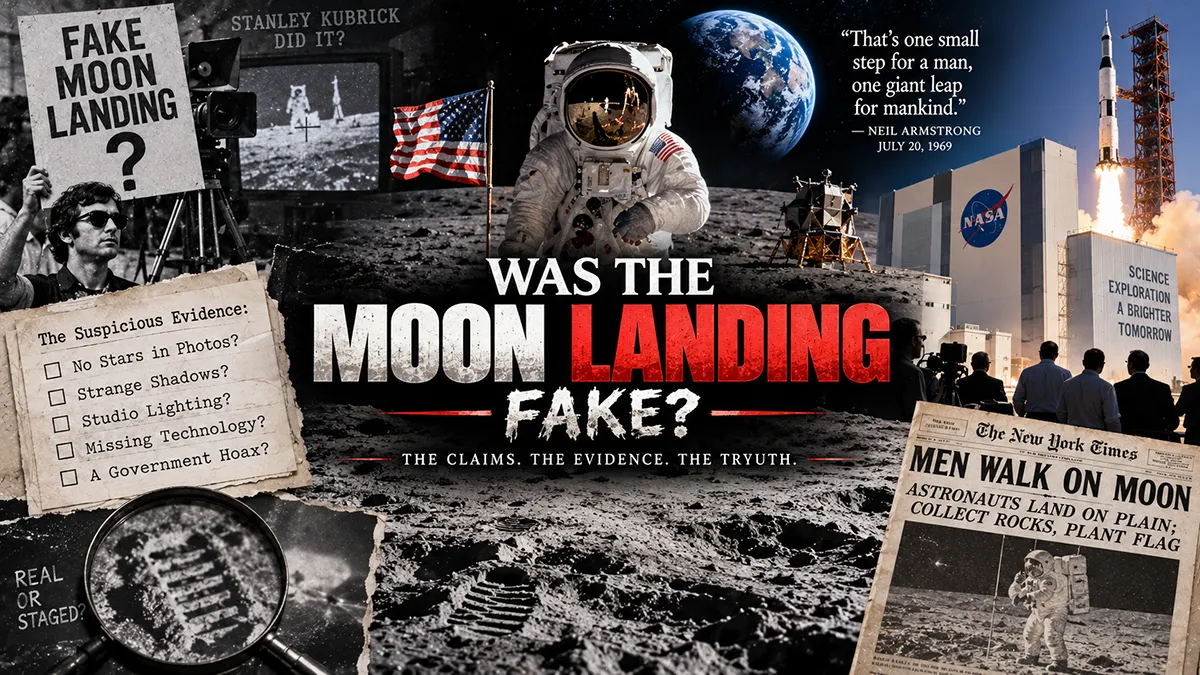
On July 20, 1969, hundreds of millions of people watched grainy black-and-white footage of Neil Armstrong stepping onto the lunar surface. It remains one of the most celebrated achievements in human history, often cited among the biggest events in American history. Yet almost as soon as the Apollo program ended, a persistent question began circulating: was the moon landing fake?
Decades later, that question hasn’t gone away. Polls consistently show a small but vocal percentage of people who believe the landing on the moon was fake, staged in a studio, or otherwise faked by the U.S. government.
This post walks through why people think the moon landing was fake, examines the most common pieces of “evidence” skeptics point to, and then lays out the proof that the moon landing was real — using science, independent verification, and plain historical record.
TL;DR: Despite decades of moon-landing hoax claims built on misunderstood photography and Cold War distrust, physical evidence, independent tracking by other nations, and ongoing lunar experiments confirm the Apollo missions really happened.
Why Do People Think the Moon Landing Was Fake?
Before digging into the proof, it helps to understand why do people think the moon landing was fake in the first place. The moon landing conspiracy theory didn’t emerge from nowhere — it grew out of a specific mix of politics, misunderstood photography, and general distrust of institutions.
Below are the ten most commonly cited reasons people believe the moon landing was faked, along with what’s actually going on in each case.
1. Cold War Distrust of Government
The Apollo program was born directly out of the Space Race with the Soviet Union, a rivalry soaked in propaganda from both sides. By the late 1960s, American trust in government was cracking under the weight of Vietnam and Watergate-era secrecy. That climate of suspicion made it easy for some people to assume NASA might lie about a landing on the moon if it meant winning the Cold War narrative.
2. No Stars Visible in the Photos
One of the most repeated pieces of moon landing fake evidence is that none of the Apollo photos show stars in the black lunar sky. Skeptics argue that a real space photo should be full of stars.
In reality, the astronauts’ cameras were set to short exposures needed to capture the brightly lit lunar surface and their reflective suits, which simply left faint stars underexposed and invisible.
3. The Flag Appears to Wave
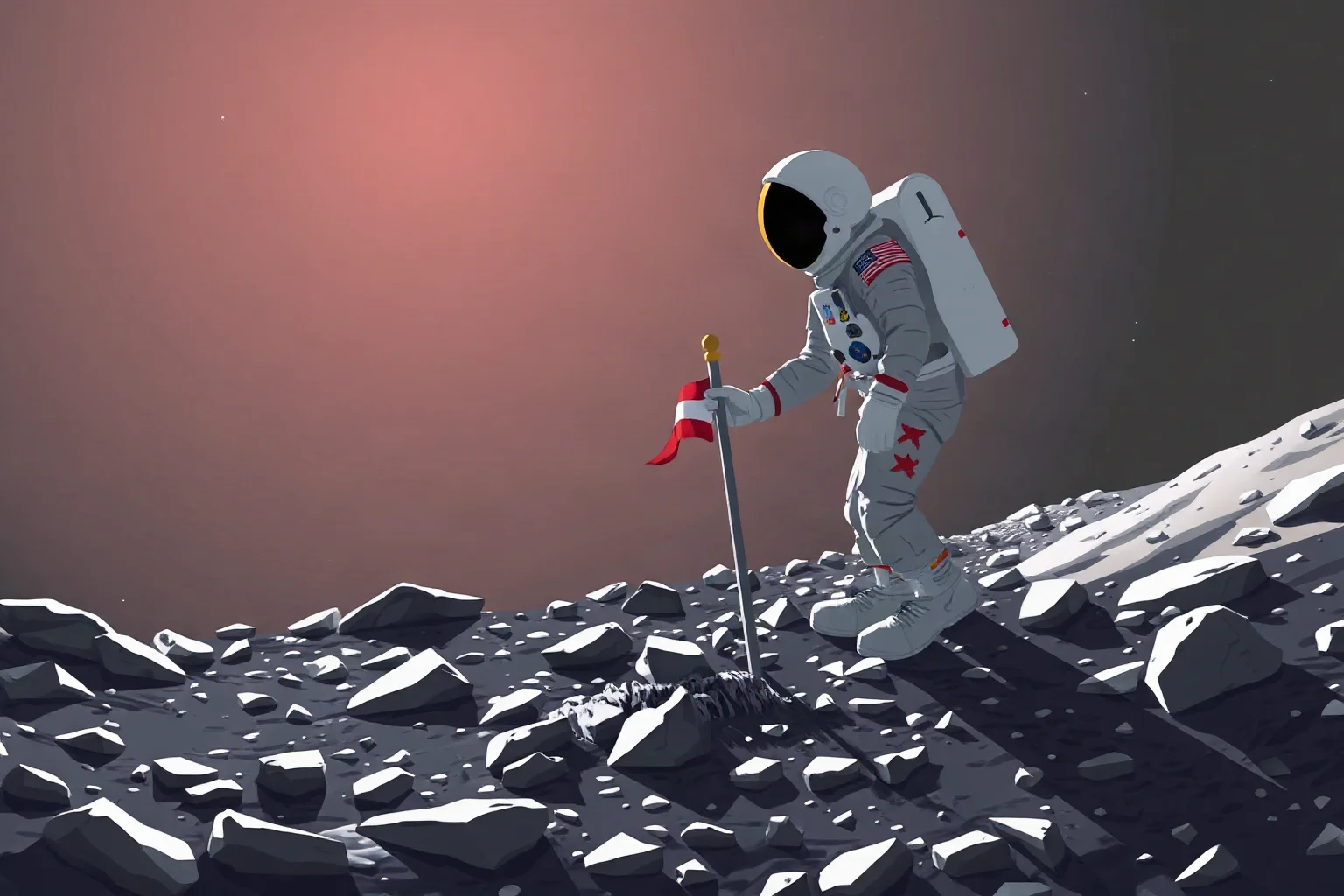
Footage of the American flag planted on the moon appears to ripple, and since the moon has no atmosphere, some ask how a flag could move at all.
The explanation is mechanical, not mysterious: the flag was mounted on a horizontal rod that let it hang like a curtain, and it moved when astronauts twisted the pole into the ground. Any “wave” seen on film is momentum from that handling, not wind.
4. Shadows Point in Different Directions
In several Apollo photos, shadows on the ground seem to fall at different angles, which some skeptics claim proves multiple light sources — like studio lamps rather than a single distant sun.
This is a classic example of lens distortion and uneven lunar terrain creating an optical illusion. Photographers and physicists have replicated the exact same effect in outdoor sunlight photography on Earth.
5. No Blast Crater Under the Lunar Module
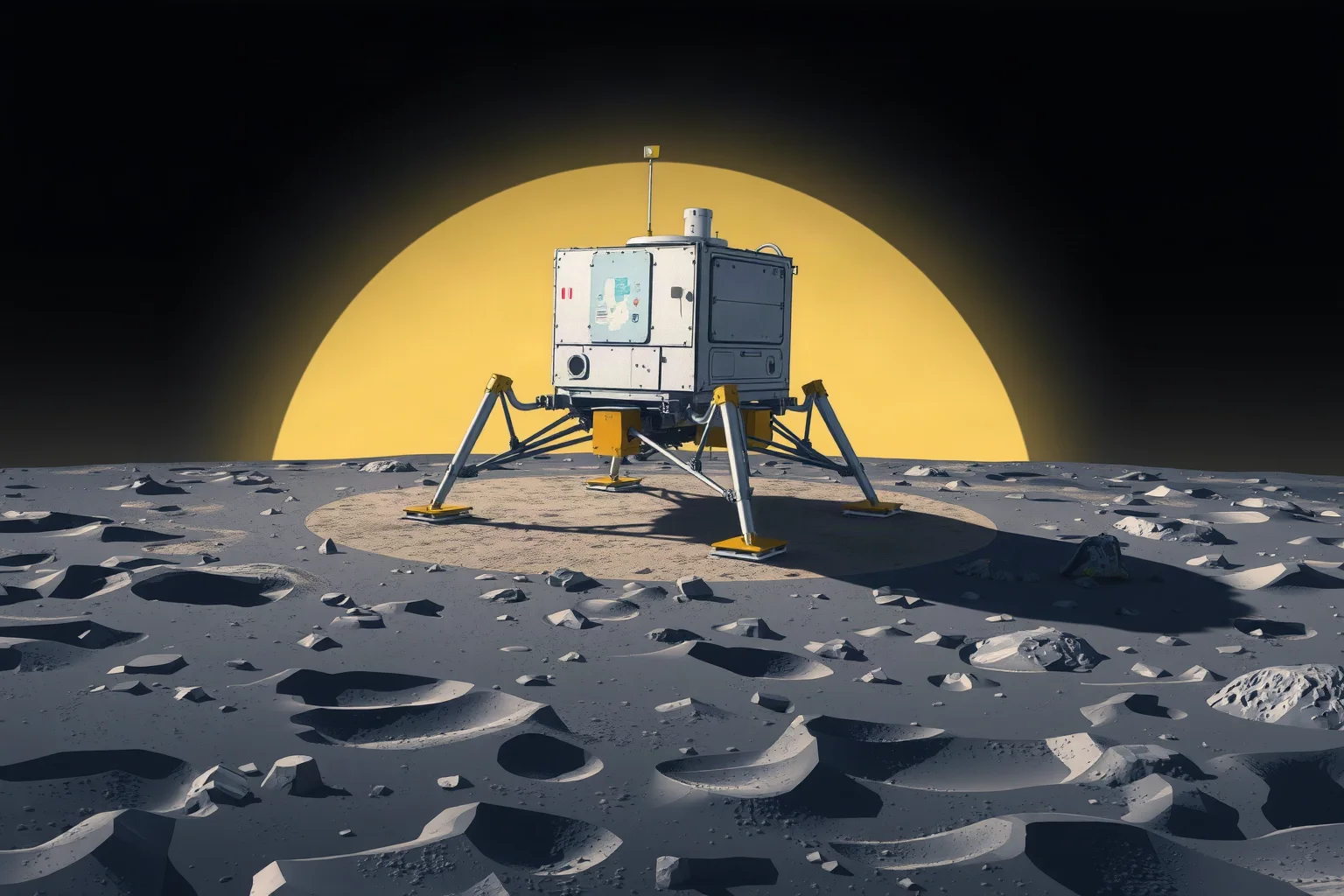
Another frequently cited piece of proof moon landing was fake is the lack of a large crater beneath the lunar module’s descent engine. Believers in the hoax assume a rocket engine should blast out a deep hole.
In truth, the descent engine was throttled down to a relatively low thrust for a gentle landing, and the moon’s loose regolith simply doesn’t behave like the pavement people picture.
6. The Van Allen Radiation Belts
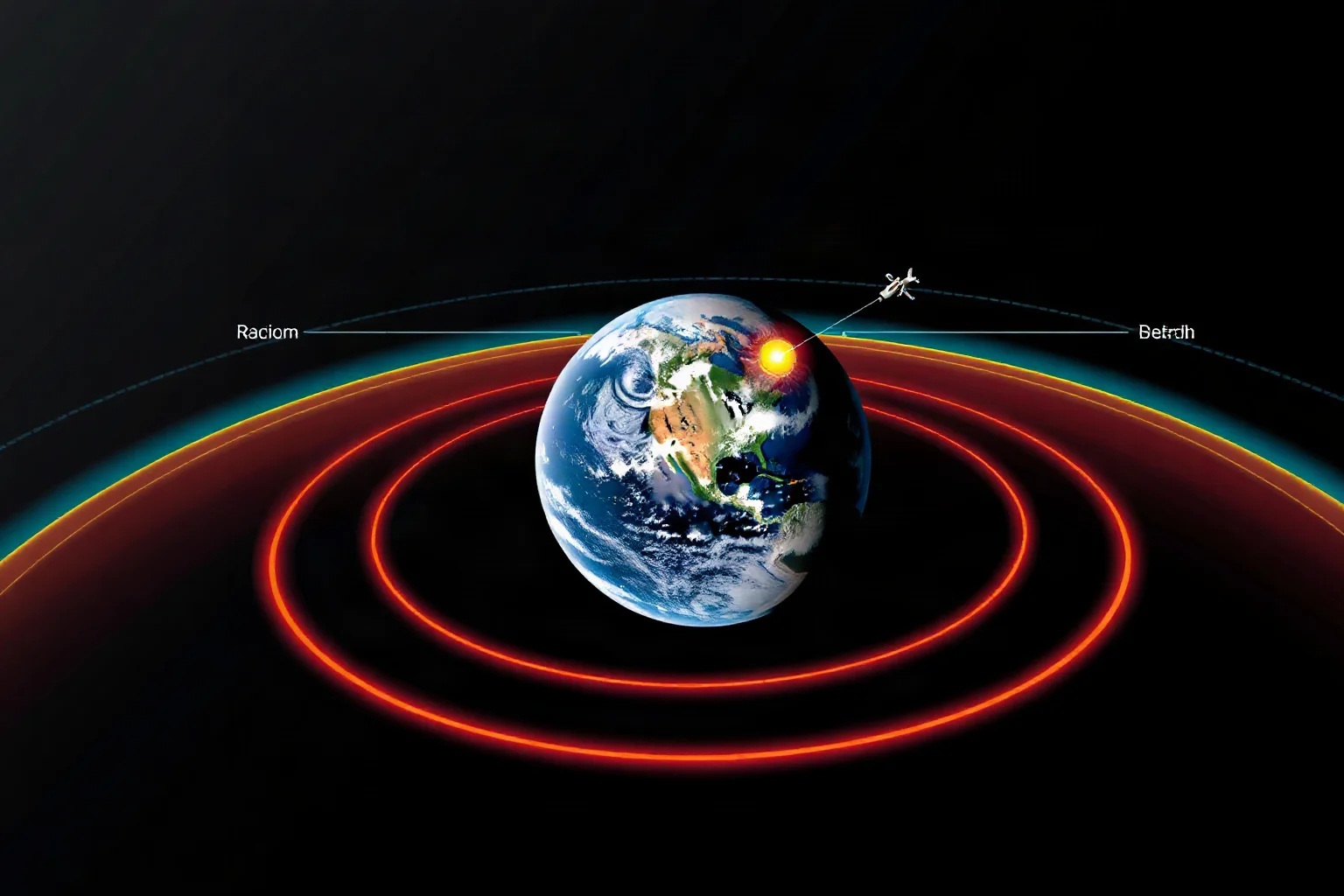
Earth is surrounded by the Van Allen radiation belts, and some argue astronauts couldn’t have survived passing through them, making the entire lunar landing fake by default.
NASA scientists actually accounted for this by plotting a fast trajectory through the thinnest parts of the belts, limiting radiation exposure to levels within safety tolerances of the era.
This is one of the most technically detailed reasons the moon landing is fake according to skeptics, but it’s also one of the most thoroughly studied and rebutted.
7. Identical Backgrounds in Different Photos
Some images from different Apollo missions show similar-looking hills or backdrops, leading skeptics to claim NASA reused a single soundstage backdrop.
In reality, the lunar surface is genuinely repetitive and largely featureless, and simple changes in camera angle or zoom can make distant mountains appear identical when they aren’t. Photogrammetry experts have cross-checked these images with lunar orbital data and found consistent, distinct locations.
8. The Mysterious “C” Rock
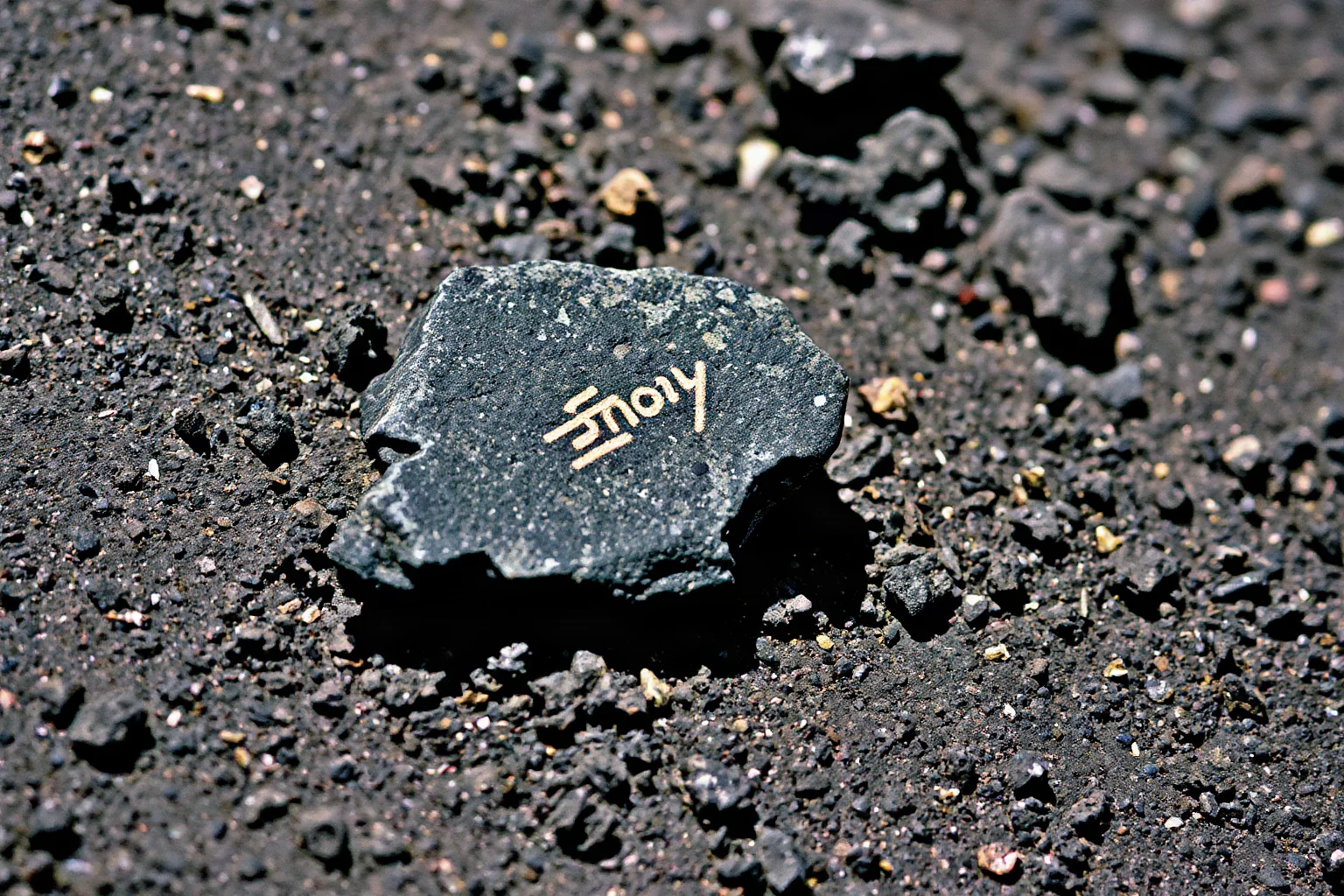
A famous photo appears to show a rock stamped with the letter “C,” which conspiracy theorists say was a prop marker left behind by a film crew.
Higher-resolution scans of the original slide later revealed the “C” was almost certainly a stray hair or fiber that got onto the photograph during processing, not a mark on the rock itself. It doesn’t appear in the actual negative, only in copies.
9. Astronauts Avoiding Bibles or Sworn Oaths
A persistent rumor claims Apollo astronauts refused to swear on a Bible that they really went to the moon, implying guilt. This claim has no verified historical source and appears to be an urban legend that spread well before the age of easy fact-checking.
Several Apollo astronauts, including Buzz Aldrin, have spent decades publicly and consistently defending the reality of the missions — including in interviews and legal action against hoax accusers — a stand for truth that echoes the resolve documented in some of the bravest acts in history.
10. Hollywood-Style Production Value
Because the Apollo footage looks polished for its era, some skeptics connect the mission to filmmakers of the day, including the popular myth that Stanley Kubrick secretly directed faked footage.
There’s no credible documentation connecting Kubrick, or any filmmaker, to NASA’s Apollo program. The theory largely spread through fringe internet forums and a mockumentary that was later confirmed to be satire, not disclosure.
10 Proofs The Moon Landing Really Happened
Now that we’ve covered why moon landing hoax claims persist, let’s get to the proof moon landing was real. Unlike the scattered visual arguments above, the evidence for the moon landing comes from independent science, international verification, and hardware still functioning on the lunar surface today.
11. Hundreds of Pounds of Moon Rocks Studied Worldwide
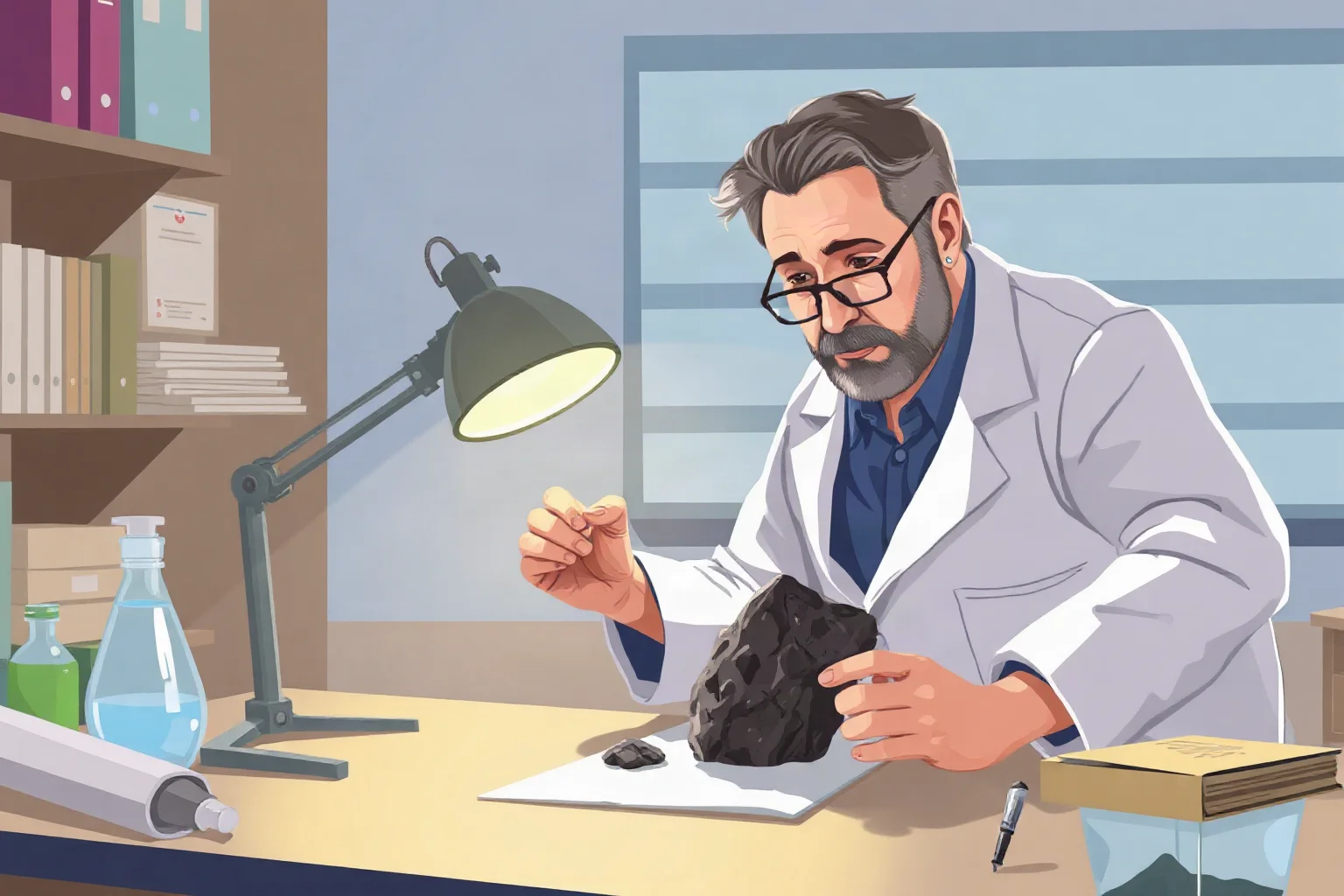
Apollo astronauts brought back 842 pounds of lunar rock and soil samples across six missions, and these have been studied by geologists in multiple countries, not just the United States.
Lunar samples have a distinct chemical and isotopic signature that differs from any rock found naturally on Earth. Independent laboratories in nations that were not allied with the U.S. during the Cold War have examined samples and confirmed their extraterrestrial origin.
12. Retroreflectors Still Used by Scientists Today
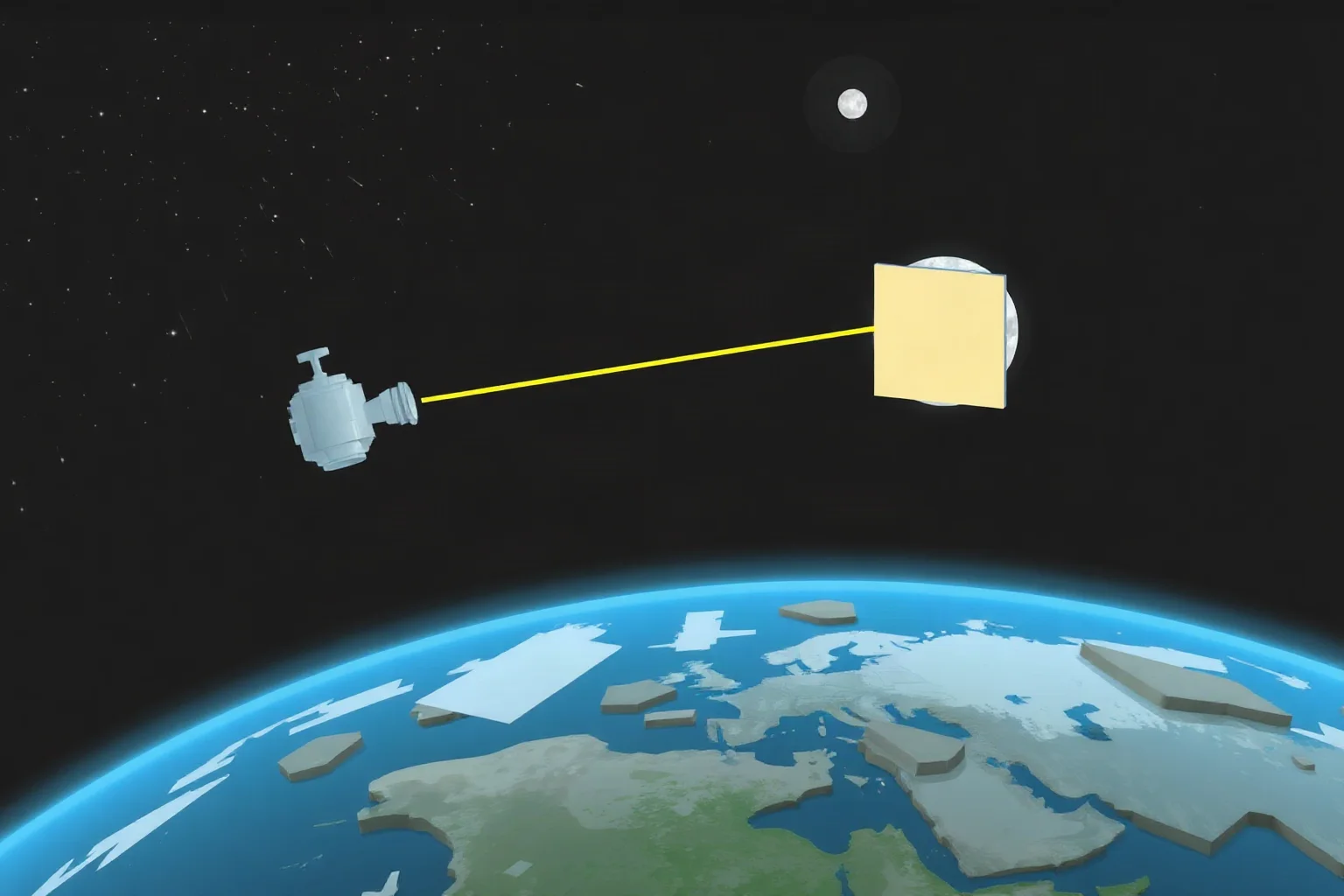
Apollo astronauts placed laser retroreflector arrays on the lunar surface, and scientists around the world still bounce laser beams off them to measure the Earth-moon distance with incredible precision.
This experiment has run continuously since 1969 and is one of the most compelling ongoing evidence we went to the moon. If the equipment weren’t there, the lasers would have nothing to reflect off, yet observatories on multiple continents get consistent return signals.
13. The Soviet Union Tracked the Missions Independently
At the height of the Space Race, the Soviet Union — home to one of the largest militaries in the world — had every political motivation to expose a faked American moon landing.
Soviet tracking stations independently monitored Apollo 11’s radio transmissions and trajectory using their own equipment. They never disputed that the mission occurred, which is a significant piece of evidence for the moon landing given the rivalry between the two superpowers.
14. Faking It Would Have Required an Impossible Cover-Up
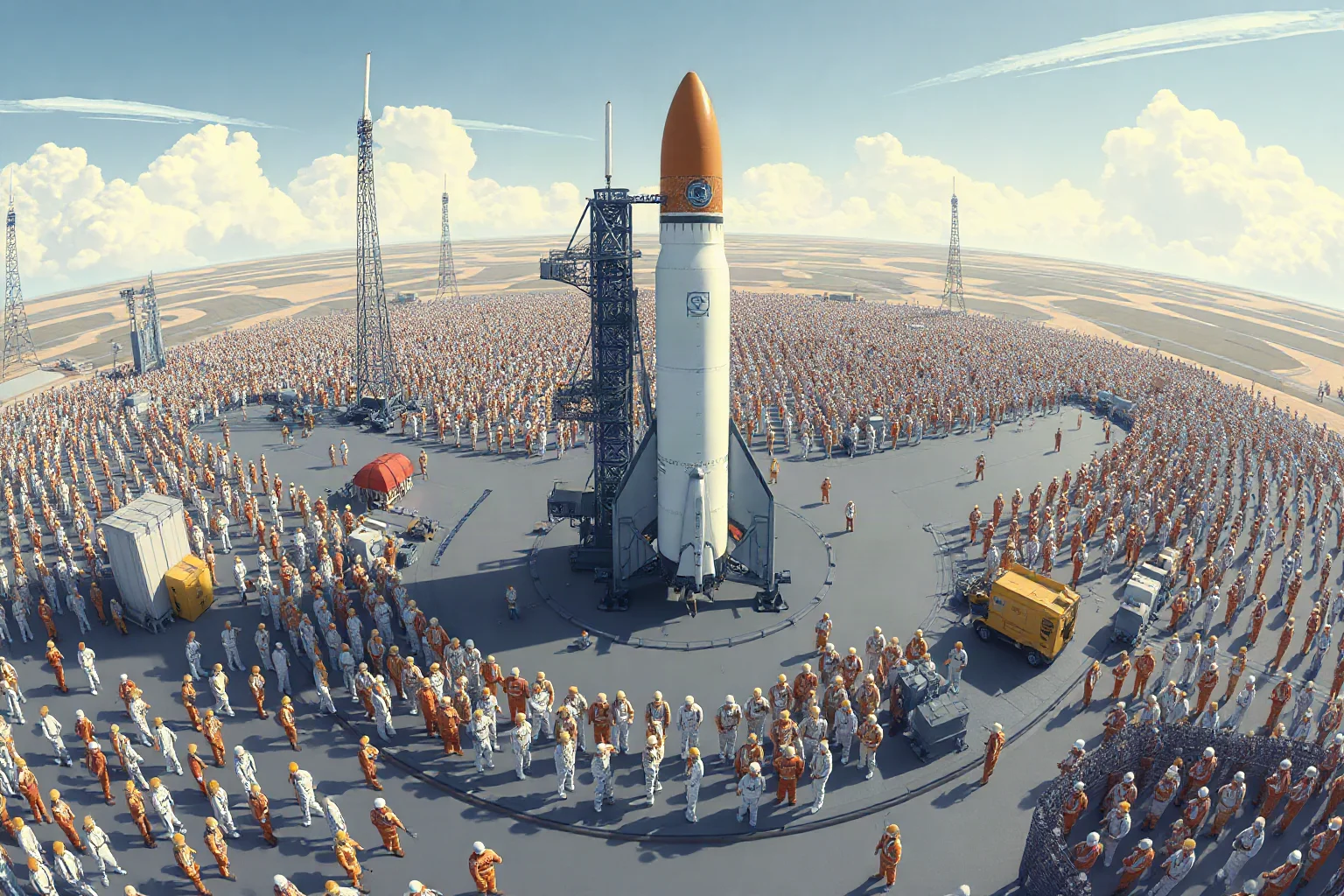
The Apollo program employed around 400,000 engineers, scientists, and contractors across NASA and private companies. Keeping a hoax of that scale secret for over 50 years, without a single verified whistleblower or leaked document, strains credibility far more than the moon landing itself. Historians of large organizations consistently note that secrets of this magnitude tend to leak, and none ever has.
15. Photographic “Anomalies” Have Been Repeatedly Explained by Physics
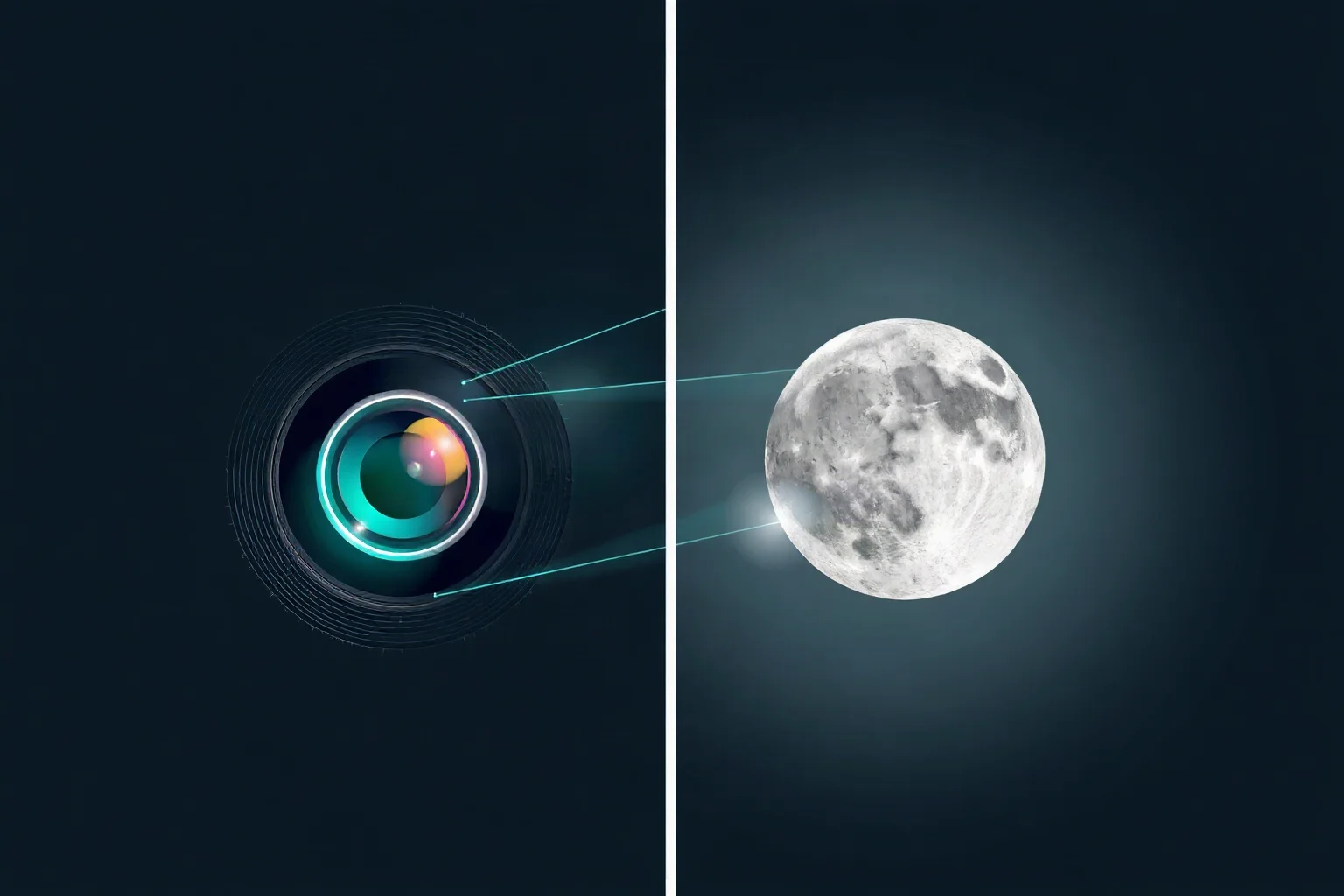
Every major photographic argument used as moon landing fake evidence — the missing stars, the waving flag, the mismatched shadows — has been independently tested and explained by photographers, physicists, and even television shows using replica equipment.
NASA’s own camera specifications, publicly available since the 1960s, account for the exposure settings that explain the star issue. These aren’t NASA’s excuses alone; independent scientists outside the space agency have reached the same conclusions.
16. The Van Allen Belt Passage Matches the Physics
Radiation experts have run the numbers repeatedly on the Van Allen belt crossing, and the results match what NASA reported: the trajectory and speed of the Apollo spacecraft minimized exposure to a survivable dose.
Astronauts did receive measurable radiation, which is documented in mission records, but it was within acceptable limits for a short transit. This lines up with what we now know from later probes and satellites that have mapped the belts in far greater detail.
17. Lunar Reconnaissance Orbiter Images of the Landing Sites
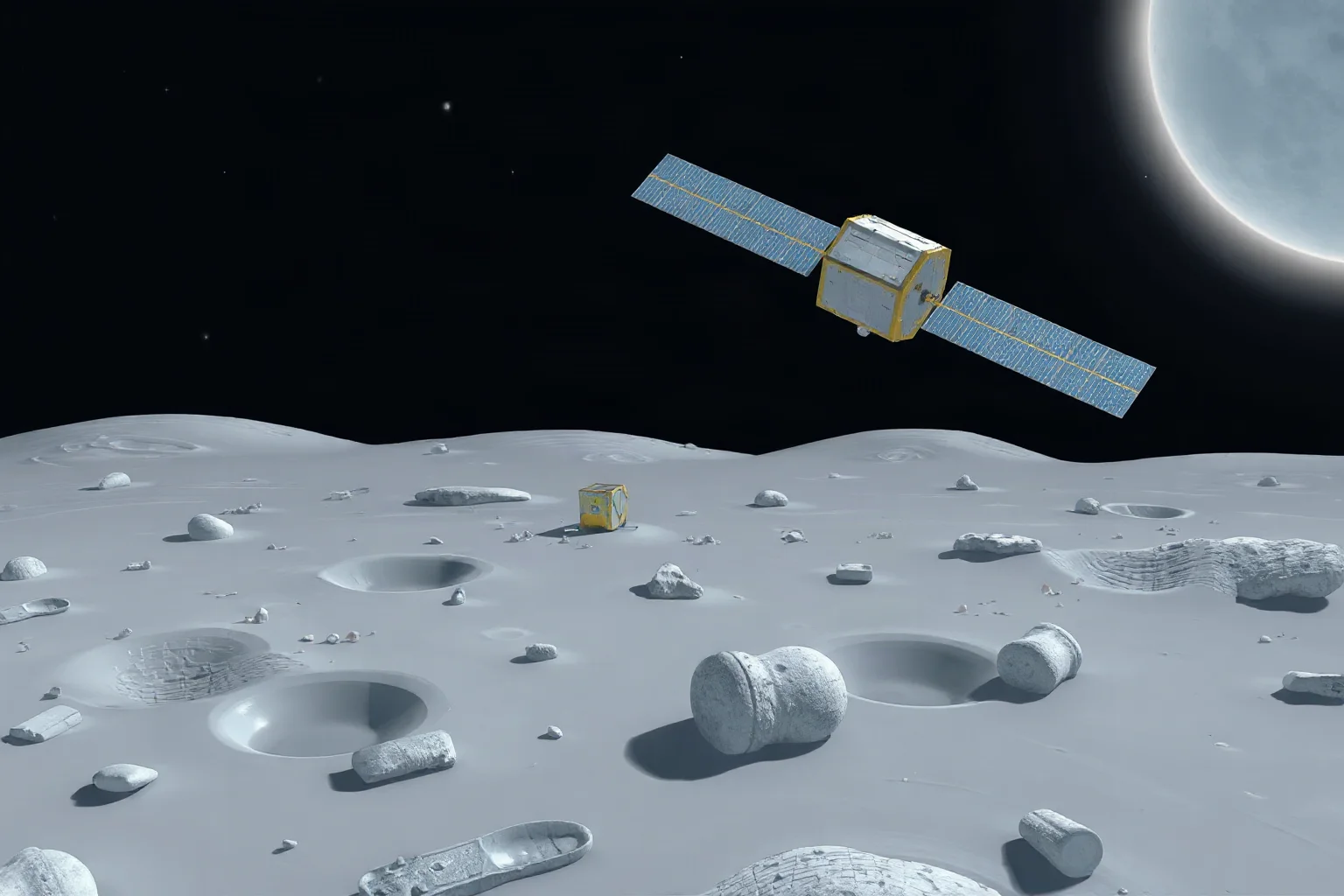
In the 2010s, NASA’s Lunar Reconnaissance Orbiter photographed the Apollo landing sites from lunar orbit, capturing the descent stages of the lunar modules and even the trails of astronaut footprints in the surface dust.
Because the moon has virtually no atmosphere or weather to erode tracks, these disturbances have remained visible for decades. Independent space agencies, including Japan’s, have released their own orbital images showing the same features.
18. Moon Rocks Are Geologically Impossible to Fake
Scientists can date lunar rock samples using radiometric techniques, and they consistently return ages of over 3 billion years, often with mineral compositions unlike anything found on Earth.
Producing convincing fake moon rocks with 1960s-or-later technology, let alone hundreds of pounds of them with correct isotopic ratios, would have been beyond the science of the time. This remains one of the strongest rebuttals to any moon landing hoax proof claim.
19. Ongoing Laser Ranging Experiments Confirm the Hardware Is There
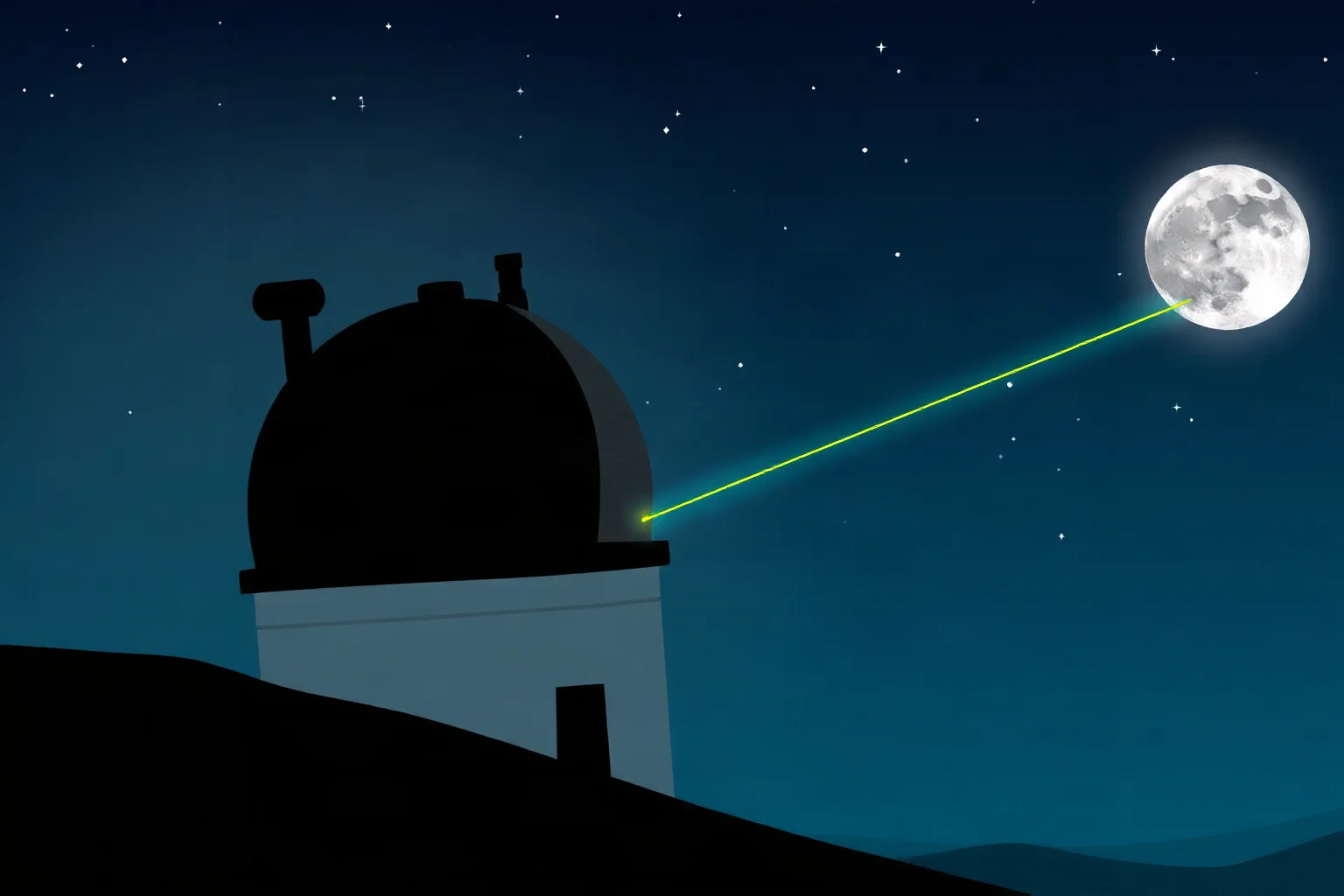
Building on the retroreflectors mentioned earlier, universities and observatories continue to publish data from lunar laser ranging experiments in peer-reviewed journals. This isn’t a one-time NASA claim; it’s a decades-long, replicated, international dataset. Anyone with the right equipment can, in principle, verify the reflectors’ existence themselves.
20. Six Separate Missions Landed With Consistent, Corroborating Evidence
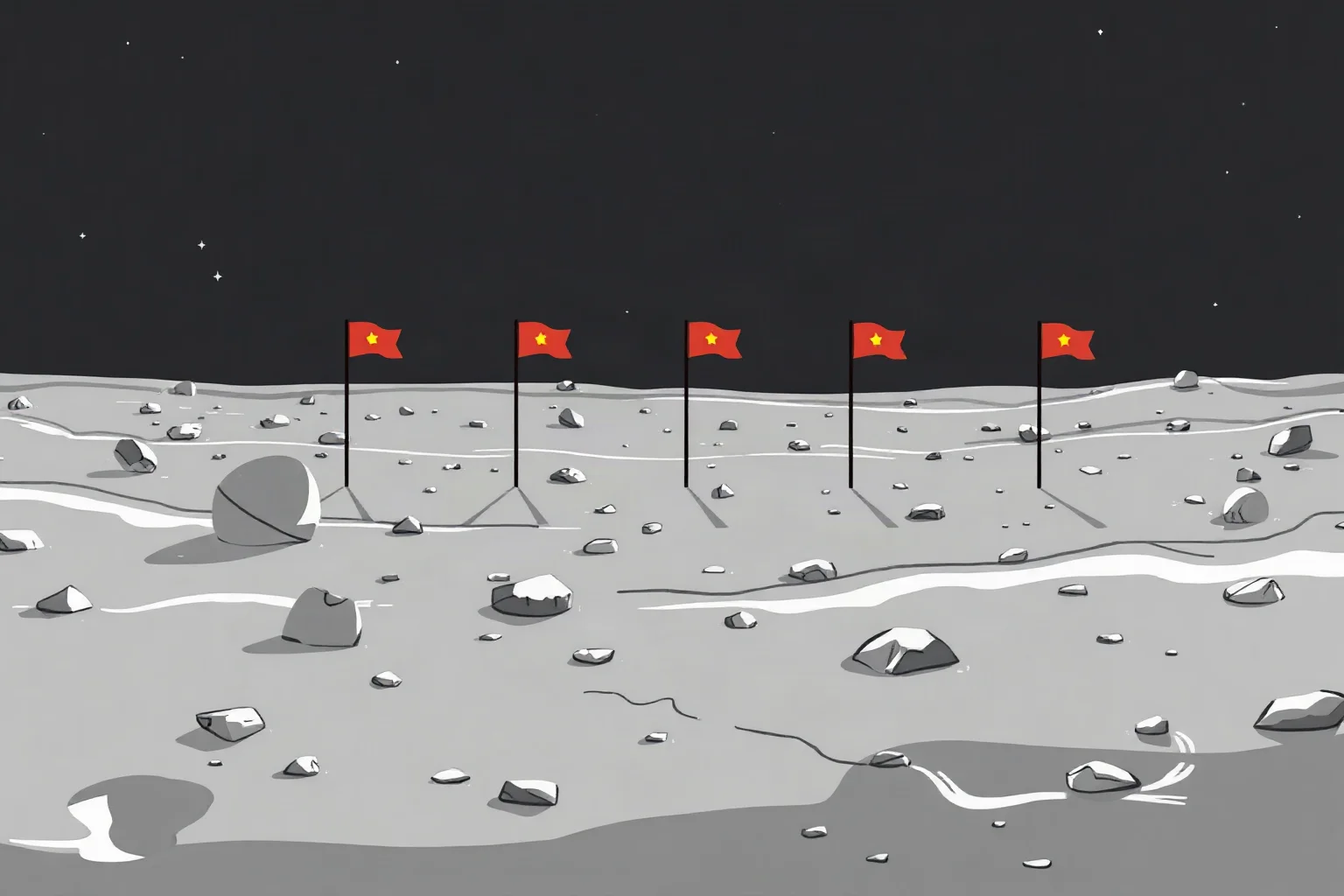
Apollo 11 wasn’t a one-off: Apollo 12, 14, 15, 16, and 17 all successfully landed astronauts on the moon between 1969 and 1972, each returning samples, photographs, and scientific data consistent with the others.
Faking one mission convincingly would already be an enormous undertaking; faking six, across three years, with different terrain, different crews, and increasingly sophisticated science payloads, multiplies the implausibility of any hoax.
Why did they fake the moon landing once, let alone repeat the supposed deception five more times, is a question hoax theories struggle to answer convincingly.
So, Did We Actually Land on the Moon?
When you line up the physical samples, the independent international tracking, the still-functioning laser reflectors, and the sheer scale of people who would have had to stay silent, the evidence for the moon landing is overwhelming.
The reasons why the moon landing was fake tend to rely on misunderstood photography or Cold War-era suspicion rather than verifiable science. That doesn’t make the skepticism irrational on a human level — big, unprecedented achievements often invite disbelief — but it does mean the moon landing is hoax narrative doesn’t hold up once you look at the full record.
It’s worth remembering that healthy skepticism is a good thing in science and history alike. Asking questions is exactly how the flag-waving and missing-stars claims got tested and resolved in the first place. In this case, though, the questions have been asked, tested, and answered many times over, by scientists in multiple countries with no reason to protect NASA’s reputation.
Final Thoughts
The moon landing conspiracy theory has had an unusually long life for something that’s been so thoroughly investigated. Part of its staying power comes from how strange space travel still feels, even decades later, and part comes from a general cultural comfort with distrusting official stories. Understanding why do people believe the moon landing was faked helps explain the theory’s popularity without validating its conclusions.
What actually happened in July 1969, and five more times through 1972, was a landing on the moon backed by real hardware, real science, and real independent verification that has only grown stronger with time.
From retroreflectors still bouncing lasers back to Earth to orbital photos of astronaut footprints, the proof of moon landing missions keeps accumulating rather than falling apart. That’s a pretty remarkable legacy for an event some still insist never took place.
Frequently Asked Questions
Was the moon landing fake?
No. The Apollo moon landings are supported by physical moon rock samples studied by independent labs worldwide, laser retroreflectors still used by scientists today, orbital photos of the landing sites, and independent tracking by the Soviet Union at the height of the Cold War. No credible physical evidence has ever shown the landings were staged.
Did we actually land on the moon?
Yes. NASA's Apollo program landed astronauts on the moon six times between 1969 and 1972. Each mission returned lunar samples and data that have been independently verified by scientists outside NASA, including in countries that had no political interest in supporting a U.S. claim.
Why do people think the moon landing was fake?
Much of the doubt comes from misunderstood photography, like missing stars in photos or shadows that appear to point different directions, combined with general Cold War-era distrust of government. Most of these visual arguments have straightforward explanations rooted in camera settings, lighting, and lunar terrain.
What is the strongest proof the moon landing was real?
Many historians and scientists point to the laser retroreflectors left on the lunar surface, which observatories around the world still use today to measure the Earth-moon distance. This ongoing, independently repeatable experiment is difficult to explain away under any hoax scenario.
Is the first moon landing real?
Yes, Apollo 11's 1969 landing is real and well documented through independent radio tracking, returned lunar samples, and later orbital photography of the landing site and its equipment. It was also witnessed live via television broadcast by hundreds of millions of people around the world.
Why did people start believing the moon landing was a hoax?
The moon landing hoax theory gained traction in the early 1970s, partly fueled by a self-published book questioning the Apollo photos and a cultural climate of distrust following Vietnam and Watergate. It has persisted since through television specials, internet forums, and social media rather than through new scientific evidence.
Could the moon landing have been faked with 1960s technology?
Faking the moon landing would arguably have been harder than actually doing it, since it would require flawlessly simulated low-gravity footage, fabricated moon rocks with correct isotopic signatures, and silence from roughly 400,000 people involved in the program for over 50 years. No evidence of such a cover-up has ever surfaced.

Alex Warren
Related Articles