Some photographs do more than document a moment — they become the moment. A single frame can end a war debate, topple public opinion, or crystallize a tragedy in a way that thousands of words never could. Since the 1940s, the Pulitzer Prize for Photography has been journalism’s highest honor for exactly that kind of image.
This list walks through the most iconic pulitzer prize winning photographs ever recognized, the photographers behind them, and the real history behind each shot. Along the way, we’ll also bust a few persistent myths about which famous photos actually won the award (and which ones, surprisingly, didn’t).
TL;DR: From Joe Rosenthal’s Iwo Jima flag-raising to Reuters’ 2022 coverage of the war in Ukraine, Pulitzer prize winning photographs have spent more than 80 years turning single frames into permanent historical touchstones.
What Is the Pulitzer Prize for Photography?
The Pulitzer Prizes were established in 1917 under the will of newspaper publisher Joseph Pulitzer, and they’re administered by Columbia University. For its first 25 years, though, there was no dedicated category for photography at all.
That changed in 1942, when the Pulitzer board created a Photography category, with the first award for pulitzer prize photography handed out in 1943. For roughly a quarter-century, it existed as a single combined prize covering all news photography.
In 1968, the Pulitzer board split the category in two: Spot News Photography (later renamed Breaking News Photography) and Feature Photography. That structure — recognizing both the split-second, dangerous work of breaking news and the slower, more immersive work of photo essays — still exists today.
How Are Pulitzer Photography Winners Chosen?
Each year, juries of journalists and editors review thousands of submitted entries in every Pulitzer category, including photography. Winners are picked based on technical merit, journalistic impact, and how powerfully the image (or photo essay) captures its subject.
The Pulitzer board — a group of journalists, academics, and one student — makes the final call based on the jury’s recommendations. Unlike some award shows, there’s no popular vote or industry campaigning; it’s a closed, editorial process rooted in journalism standards.
Today, two photography prizes are awarded annually: Breaking News Photography and Feature Photography. Together, they represent the most competitive and closely watched pulitzer photo prize categories in American journalism.
The Most Iconic Pulitzer Prize-Winning Photographs
Here are the photographs — and photographers — that have defined the award since its creation. This isn’t every single winner across eight decades, but it covers the images that are most often searched for, discussed, and remembered as the defining pulitzer award winning photographs of their era.
1. Frank Noel — “Water!” (1943)
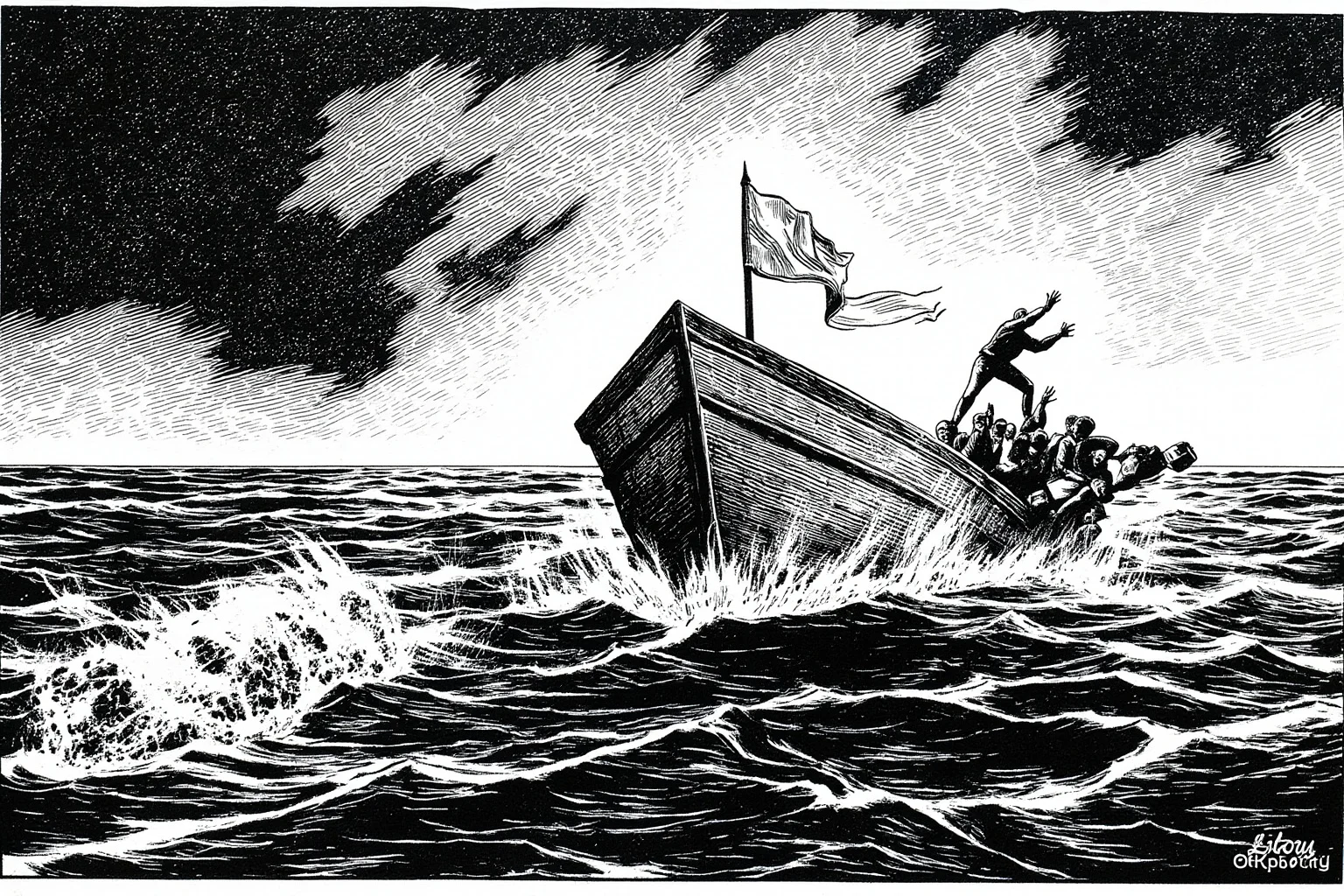
Frank Noel, an Associated Press photographer, captured a torpedoed ship’s survivor reaching desperately for a water bag from a lifeboat during World War II. The image became the first-ever Pulitzer Prize for Photography winner in 1943, launching the category itself.
It set a template that would repeat for decades: a single frame, made under real danger, that said more about wartime desperation than any dispatch could.
2. Joe Rosenthal — Raising the Flag on Iwo Jima (1945)
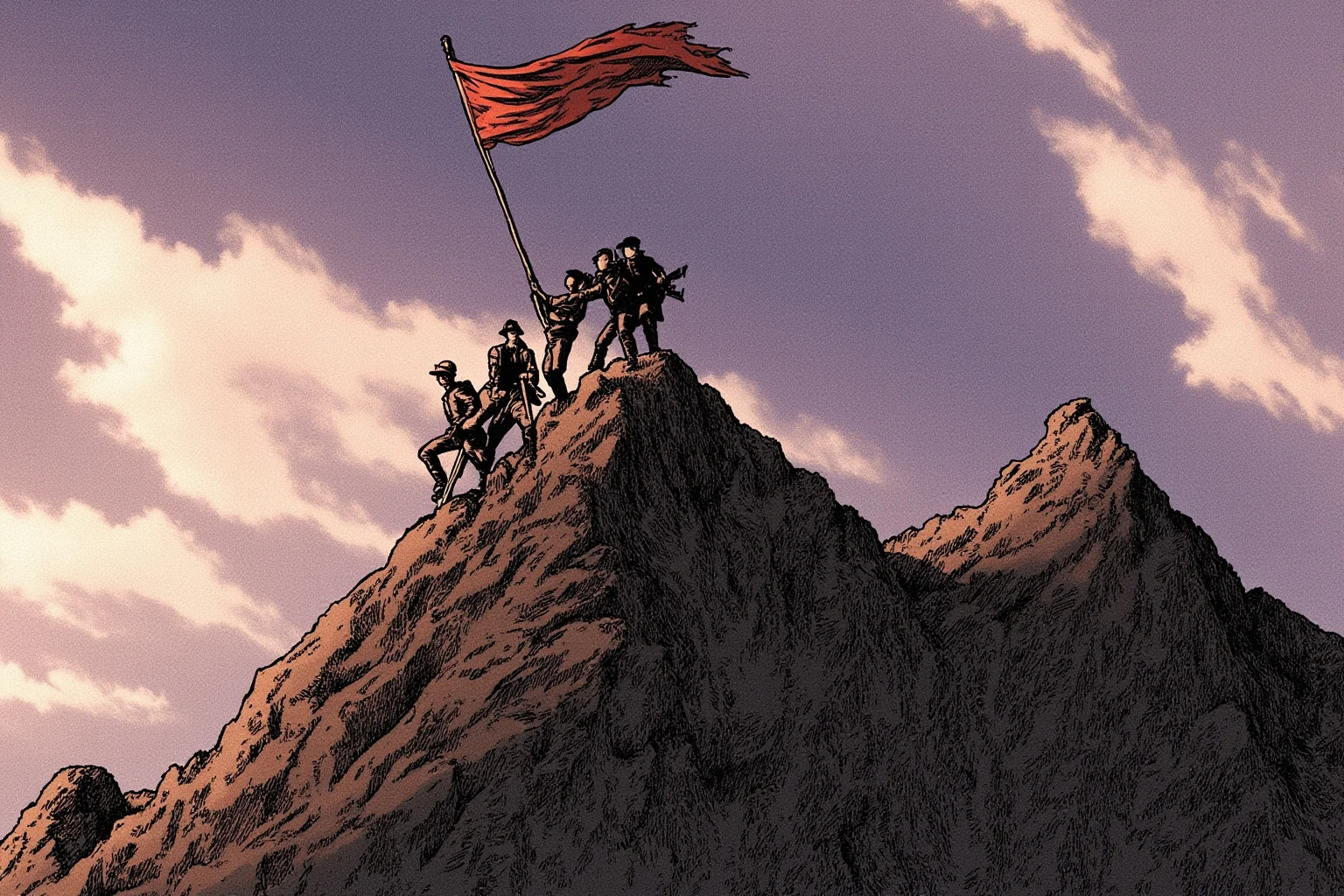
Probably the most reproduced photograph in American history, Joe Rosenthal’s image of six Marines raising the flag atop Mount Suribachi in February 1945 won the Pulitzer that same year — a wartime touchstone as enduring as the most memorable World War II songs that also came to define the era. It’s one of the rare instances where the prize was awarded within months of the photo being taken rather than the following year.
The photo has occasionally been misdescribed as staged; in reality, it captured a second flag-raising after an earlier, smaller flag was replaced with a larger one, a detail historians have confirmed through extensive research.
3. Max Desfor — Flight of Refugees Across a Wrecked Bridge (1951)
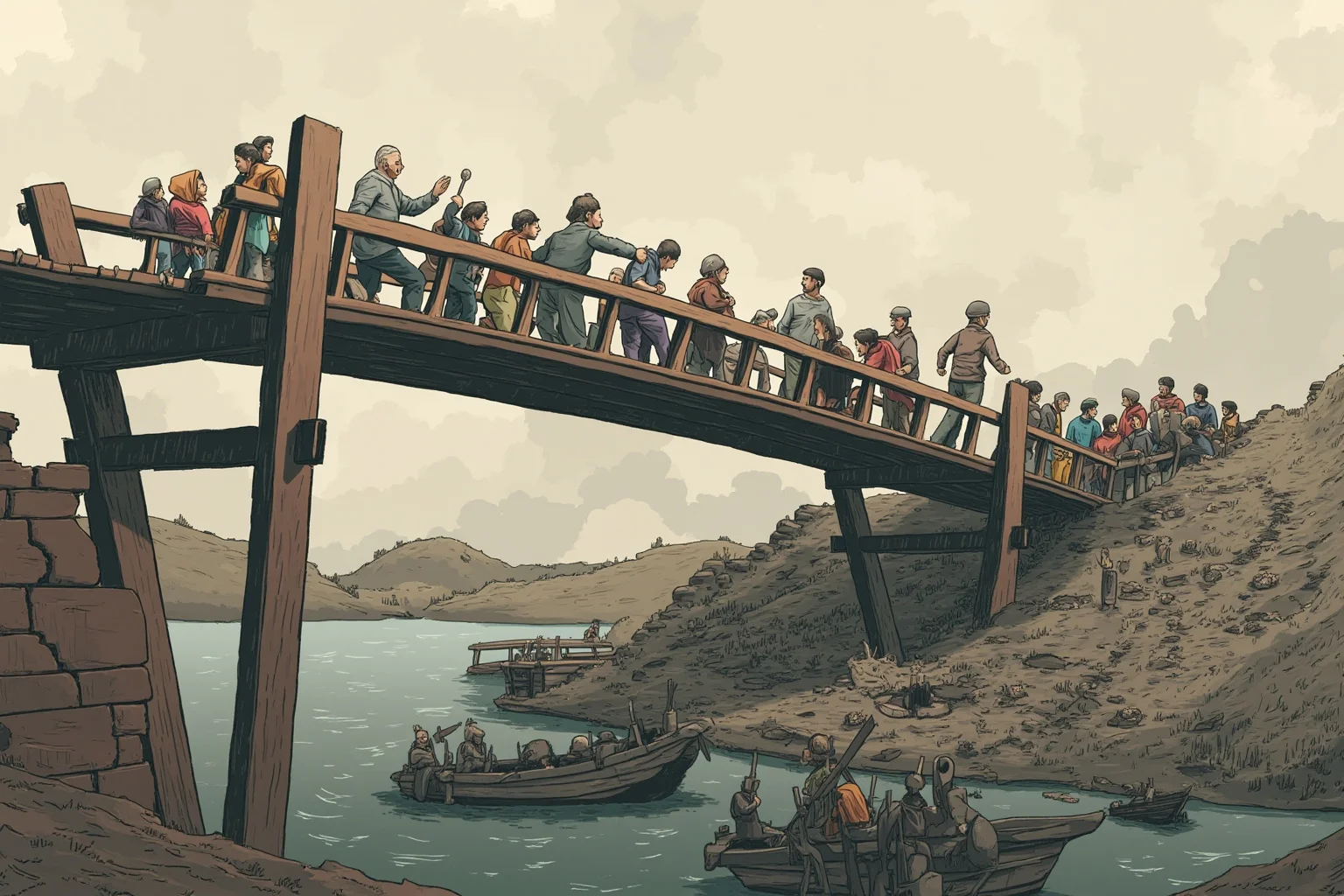
During the Korean War, AP photographer Max Desfor climbed onto the girders of a bombed-out bridge over the Taedong River to photograph refugees clambering across the wreckage to flee advancing forces. The 1951 Pulitzer-winning image remains one of the starkest visual records of Korean War civilian suffering.
Desfor risked his own safety to get the shot, a pattern that would define war photography for the rest of the century.
4. Virginia Schau — Truck Driver Rescue (1954)

Virginia Schau wasn’t a professional photographer. She was a tourist with a box camera who happened to witness a truck dangling off a collapsed bridge in California and snapped the rescue in progress.
Her photo won the 1954 Pulitzer, making her the first woman — and one of the only amateurs ever — to win the award, proving the prize has always been about the image itself, not the résumé behind the camera.
5. Héctor Rondón Lovera — Aid from the Padre (1963)
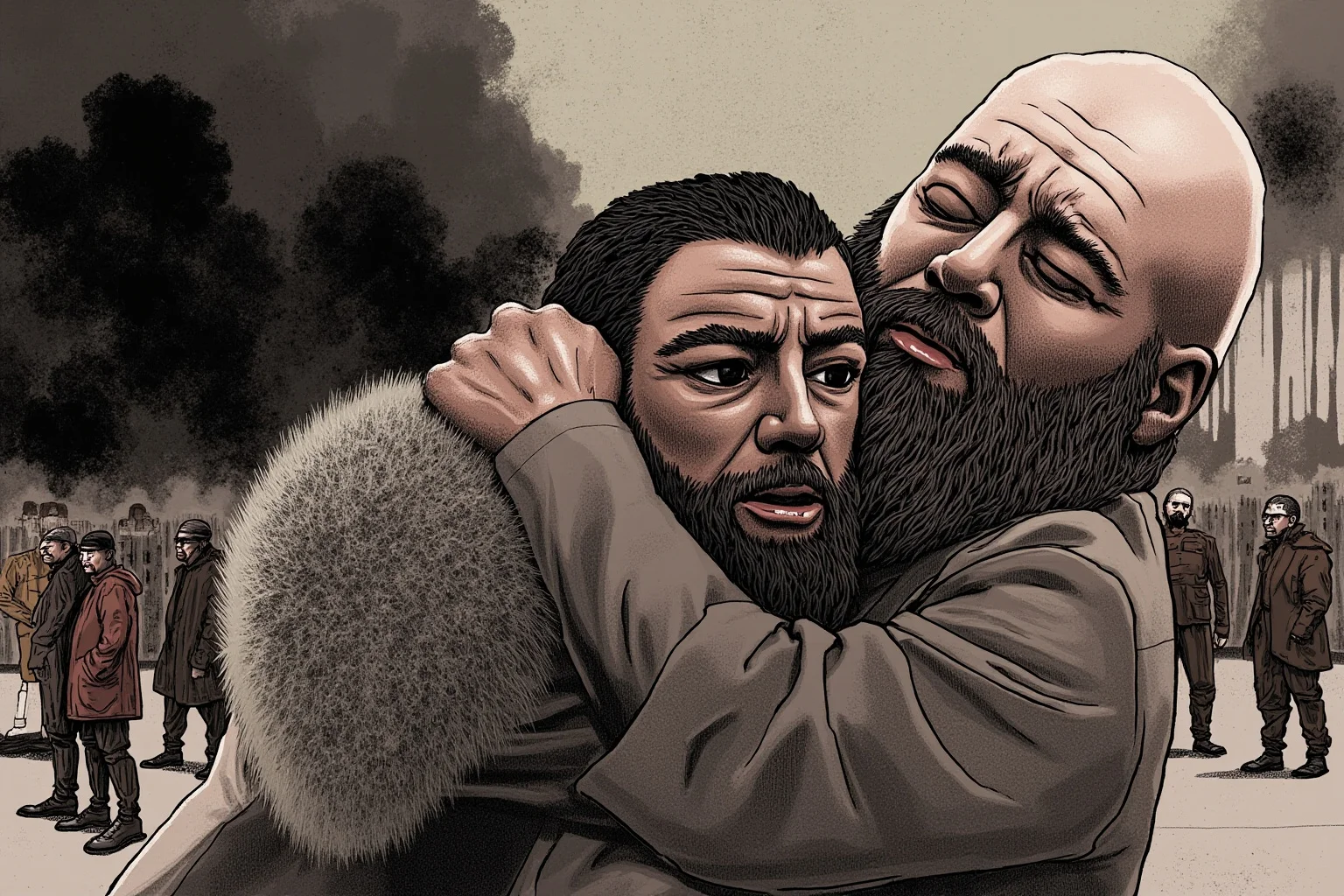
During a 1962 military uprising in Venezuela, Héctor Rondón Lovera of La República photographed a wounded government soldier being comforted by a priest amid gunfire. The image won the 1963 Pulitzer Prize for Photography.
It remains one of the most cited examples of Latin American photojournalism recognized at this level.
6. Kyoichi Sawada — Flee to Safety (1966)
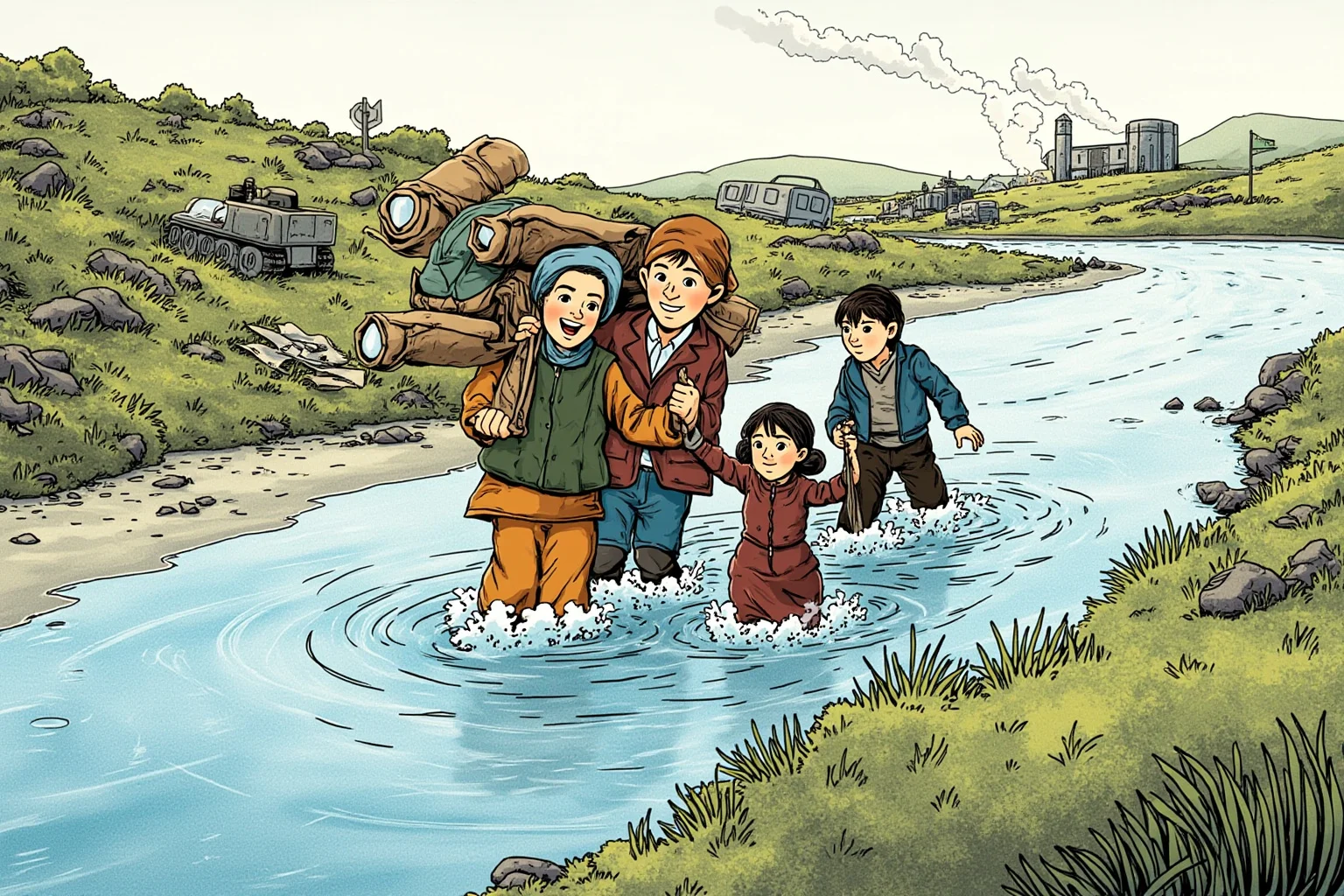
UPI photographer Kyoichi Sawada photographed a Vietnamese family swimming across a river to escape American bombing in 1965. The haunting image won the 1966 Pulitzer and became one of the defining early photographs of the Vietnam War.
Sawada was later killed while covering the conflict in Cambodia in 1970, a reminder of how dangerous this work has always been.
7. Eddie Adams — Saigon Execution (1969)
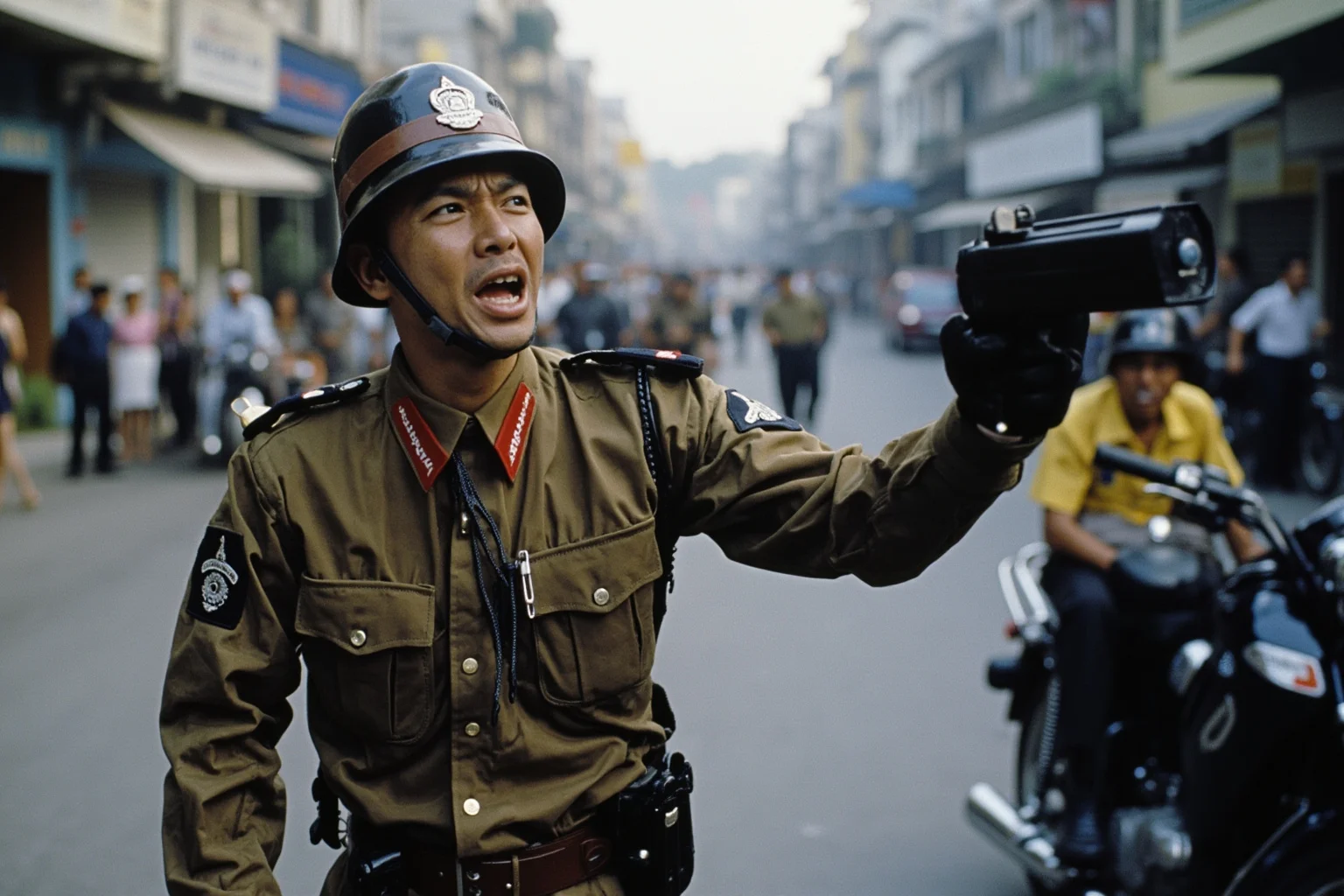
Eddie Adams’ photograph of a South Vietnamese police chief executing a prisoner on a Saigon street in 1968 shocked American audiences and shifted public opinion on the war. It won the Pulitzer for Spot News Photography in 1969, one of the first years after the category split.
Adams later said he felt conflicted about the photo’s legacy, noting that a still image couldn’t capture the full context of what he witnessed that day.
8. John Paul Filo — Kent State Shootings (1971)
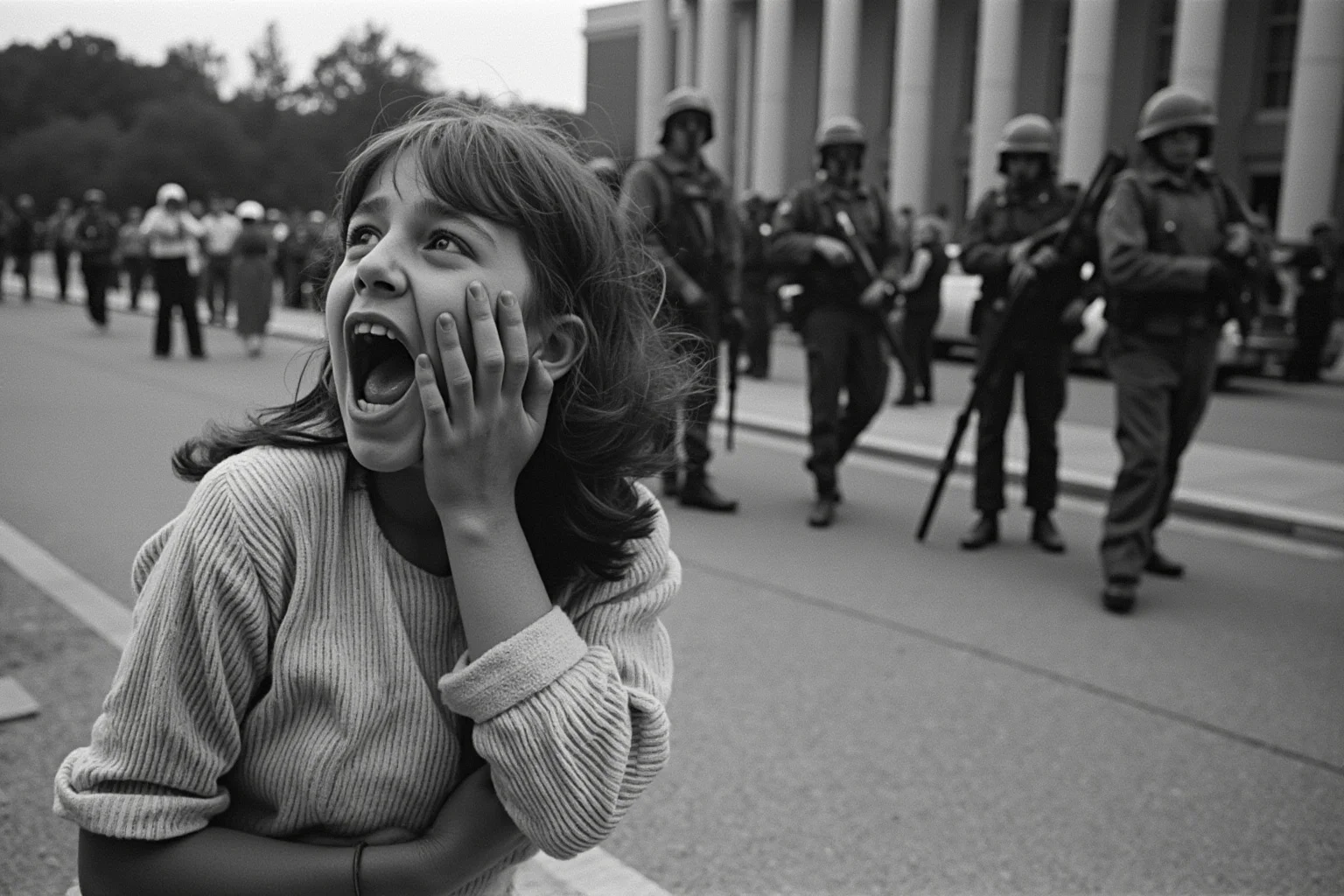
A journalism student at the time, John Paul Filo photographed 14-year-old Mary Ann Vecchio screaming over the body of Jeffrey Miller after National Guardsmen opened fire on Kent State University protesters in 1970 — a shooting now remembered as one of the biggest events in American history. It won the 1971 Pulitzer for Spot News Photography.
The image became a defining visual of the anti-Vietnam War movement almost overnight.
9. Horst Faas & Michel Laurent — Bangladesh Atrocities (1972)
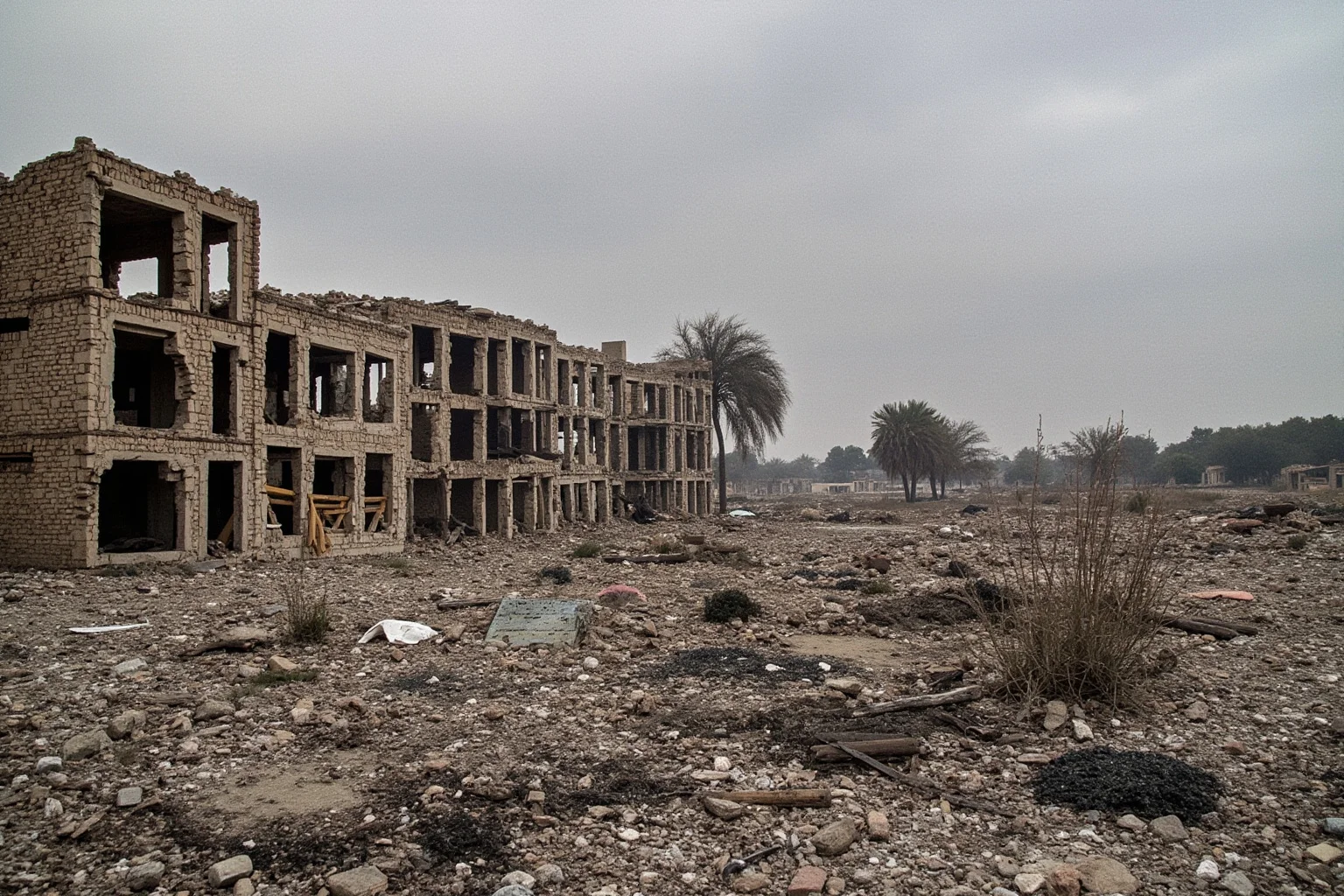
AP photographers Horst Faas and Michel Laurent documented the brutal aftermath of the 1971 Bangladesh Liberation War, including executions carried out by Bengali forces. Their harrowing images won the 1972 Pulitzer for Spot News Photography.
Faas was already a Pulitzer winner from earlier Vietnam War coverage, making him one of the most decorated photojournalists of the era.
10. David Hume Kennerly — Vietnam War Feature Photography (1972)
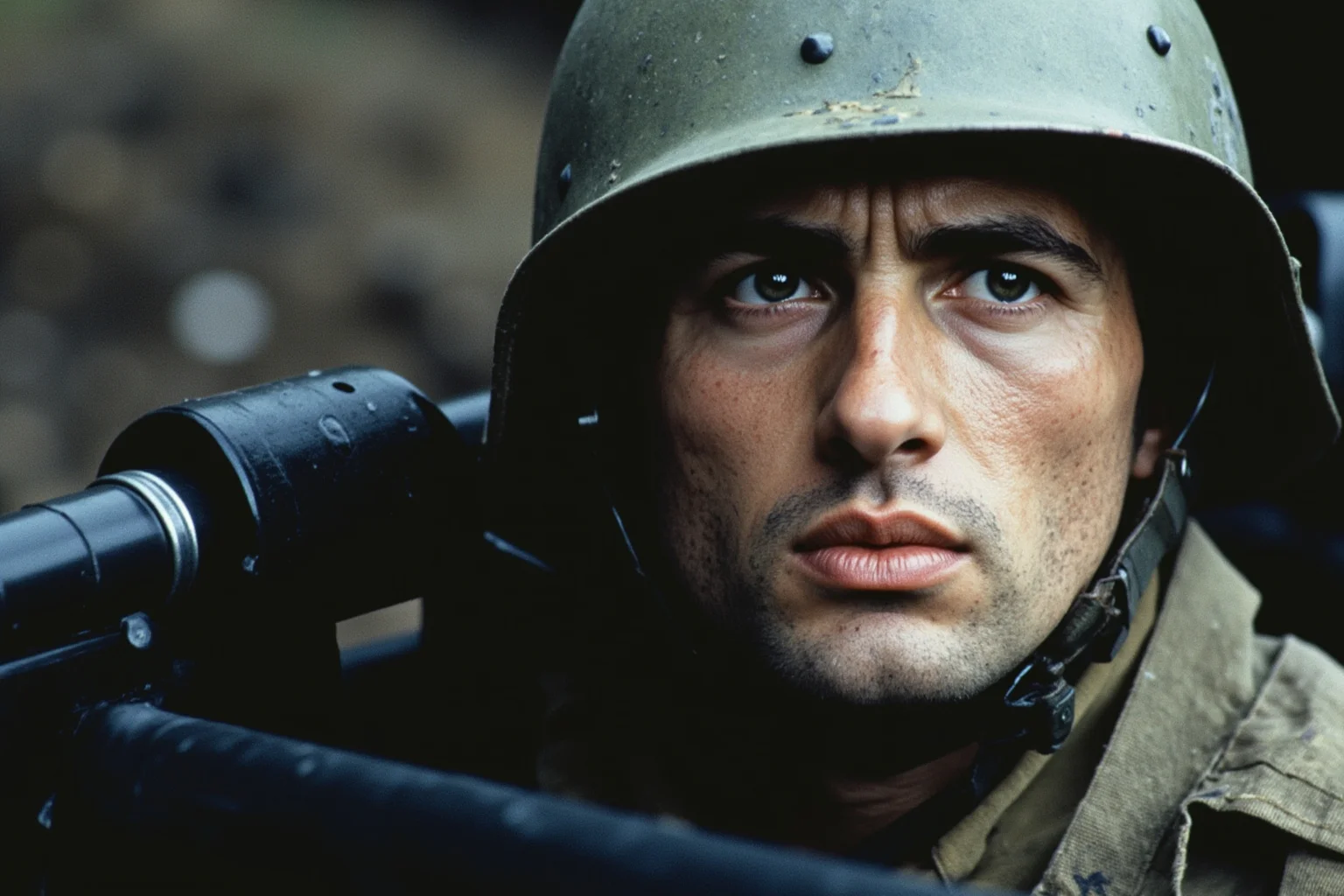
While Faas and Laurent won for spot news, UPI’s David Hume Kennerly won the 1972 Pulitzer for Feature Photography for a broader portfolio of Vietnam War images. His work captured the quieter, more human moments of the conflict alongside the combat.
Kennerly went on to become a White House photographer, showing how far a Pulitzer-winning career can travel.
11. Brian Lanker — Moment of Life (1973)
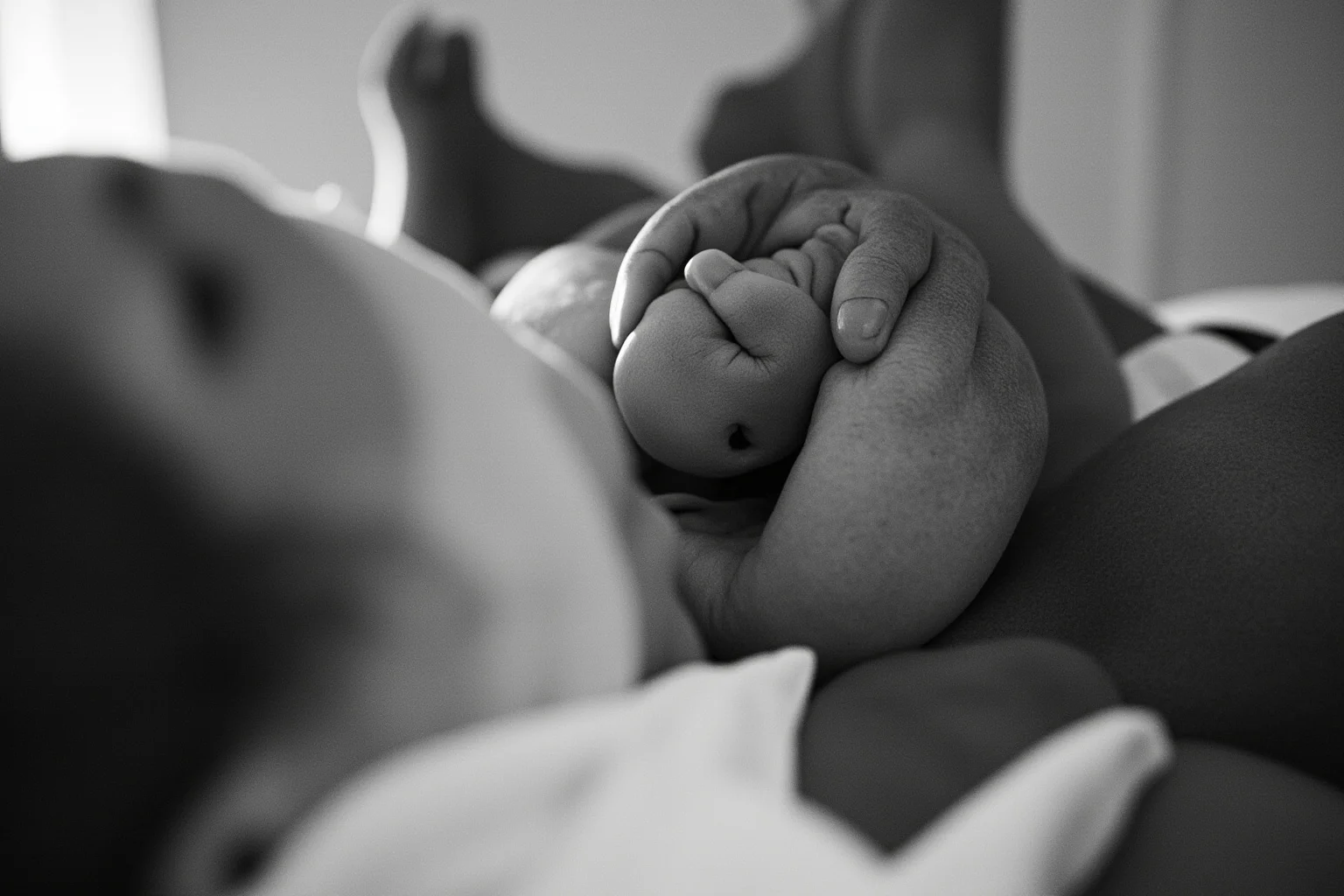
Brian Lanker’s photo essay documenting a natural childbirth for the Topeka Capital-Journal won the 1973 Pulitzer for Feature Photography. It’s a striking reminder that not every winning image involves war or disaster.
Lanker’s essay proved that intimate, everyday human experiences could carry just as much journalistic weight as breaking news.
12. Nick Ut — The Terror of War (1973)
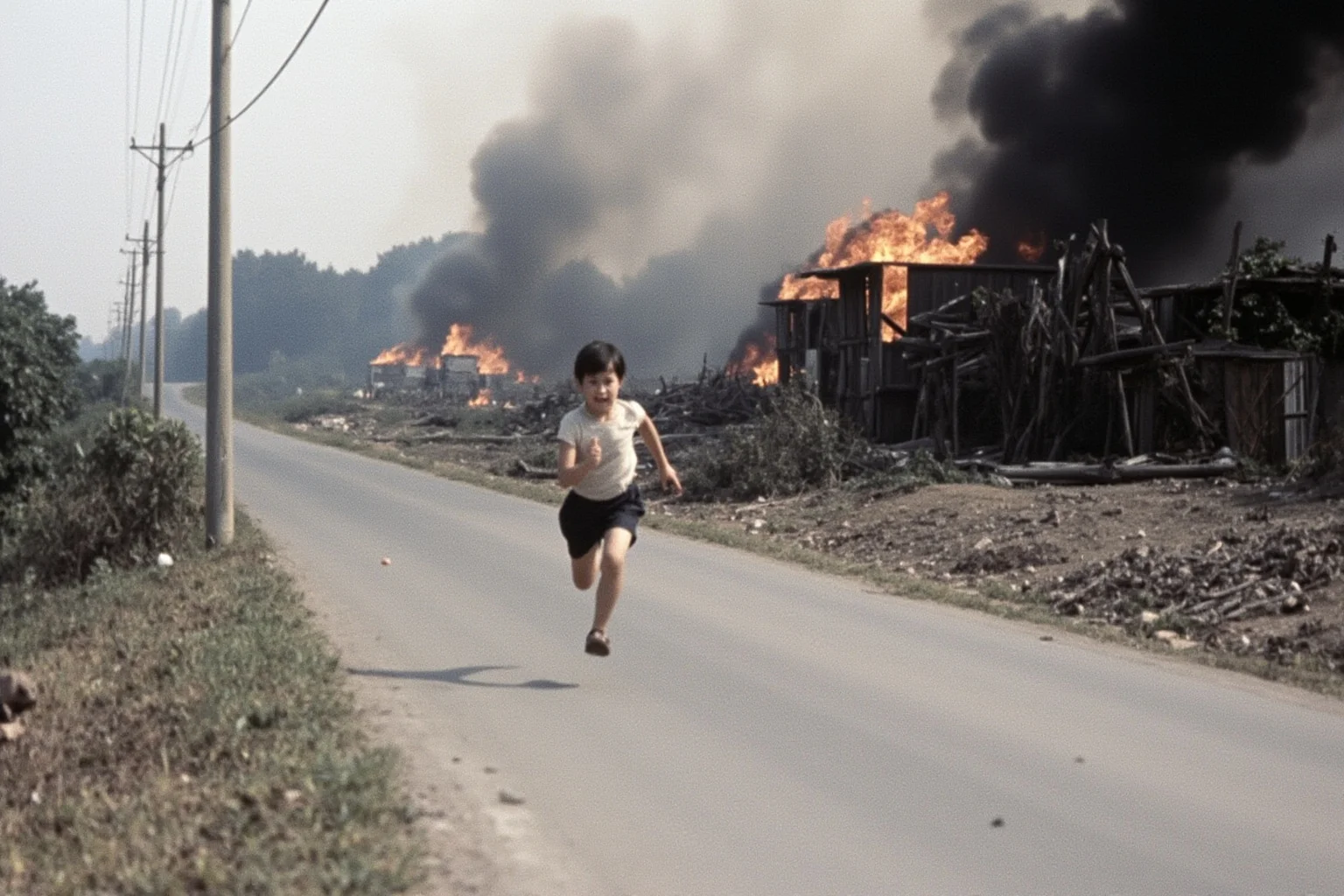
Huynh Cong “Nick Ut” of the Associated Press photographed nine-year-old Phan Thi Kim Phuc fleeing a napalm attack in Vietnam in June 1972. Known widely as “Napalm Girl,” it won the 1973 Pulitzer for Spot News Photography and remains one of the most reproduced war photographs of all time.
It’s worth noting that in recent years, questions have been raised by some researchers and a 2024 documentary about who actually pressed the shutter that day. The Associated Press conducted its own review and has stood by Nick Ut’s authorship, though the debate illustrates why historical claims around even famous images deserve careful scrutiny rather than blind acceptance.
13. Sal Veder — Burst of Joy (1974)
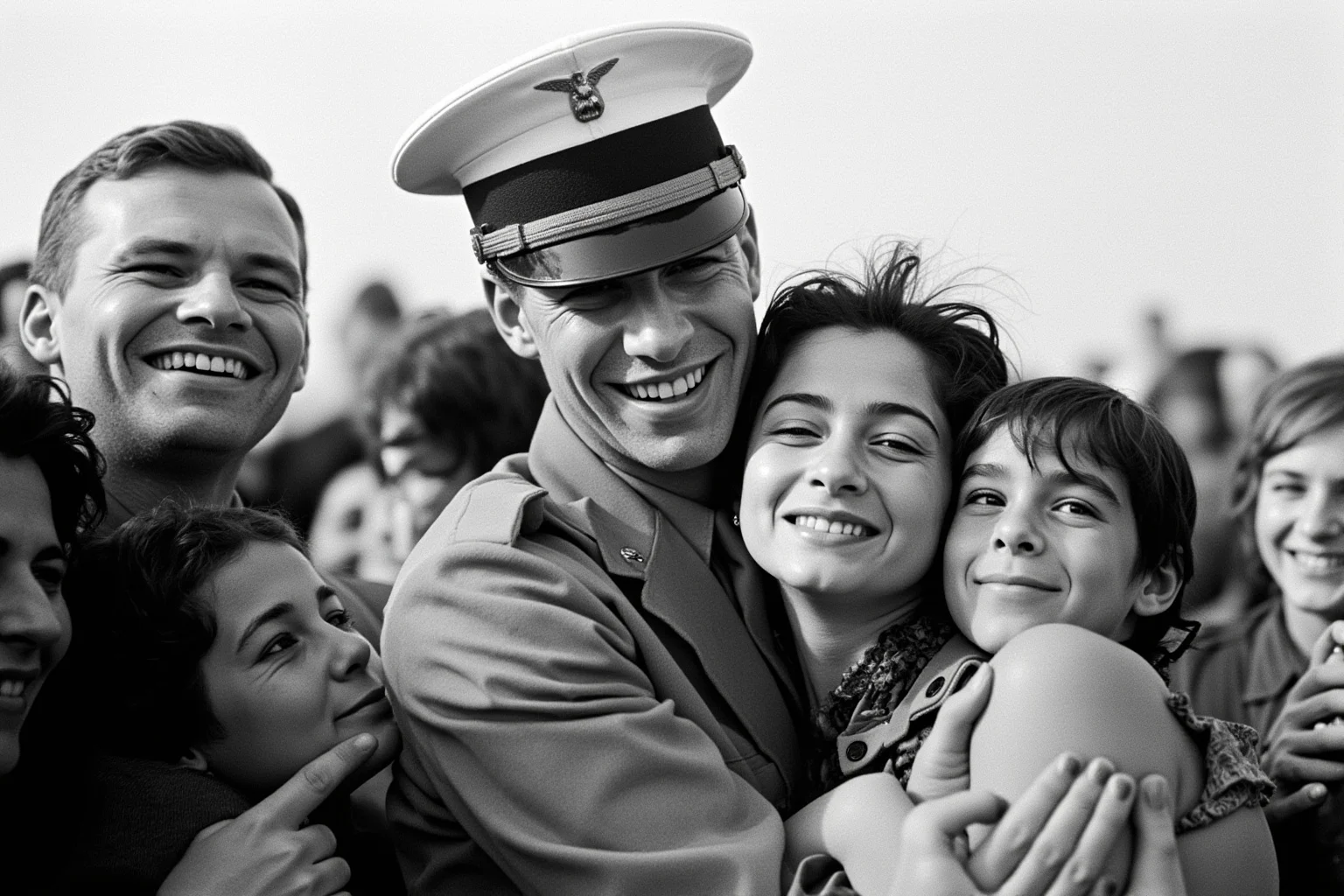
AP photographer Sal Veder captured the emotional homecoming of Lt. Col. Robert Stirm, a returning prisoner of war, as his family ran to greet him in 1973. The photo won the 1974 Pulitzer for Feature Photography.
Ironically, the joyful image concealed a painful private truth — Stirm’s marriage was already ending, a detail that surfaced publicly only years later.
14. Stanley Forman — Fire Escape Collapse (1976)

Boston Herald American photographer Stanley Forman captured the horrifying moment a fire escape collapsed during a rescue, dropping a woman and child several stories. The 1976 Pulitzer-winning image for Spot News Photography led directly to changes in fire escape safety codes in several cities.
It’s a rare case of a single photograph directly influencing public policy.
15. Stanley Forman — The Soiling of Old Glory (1977)
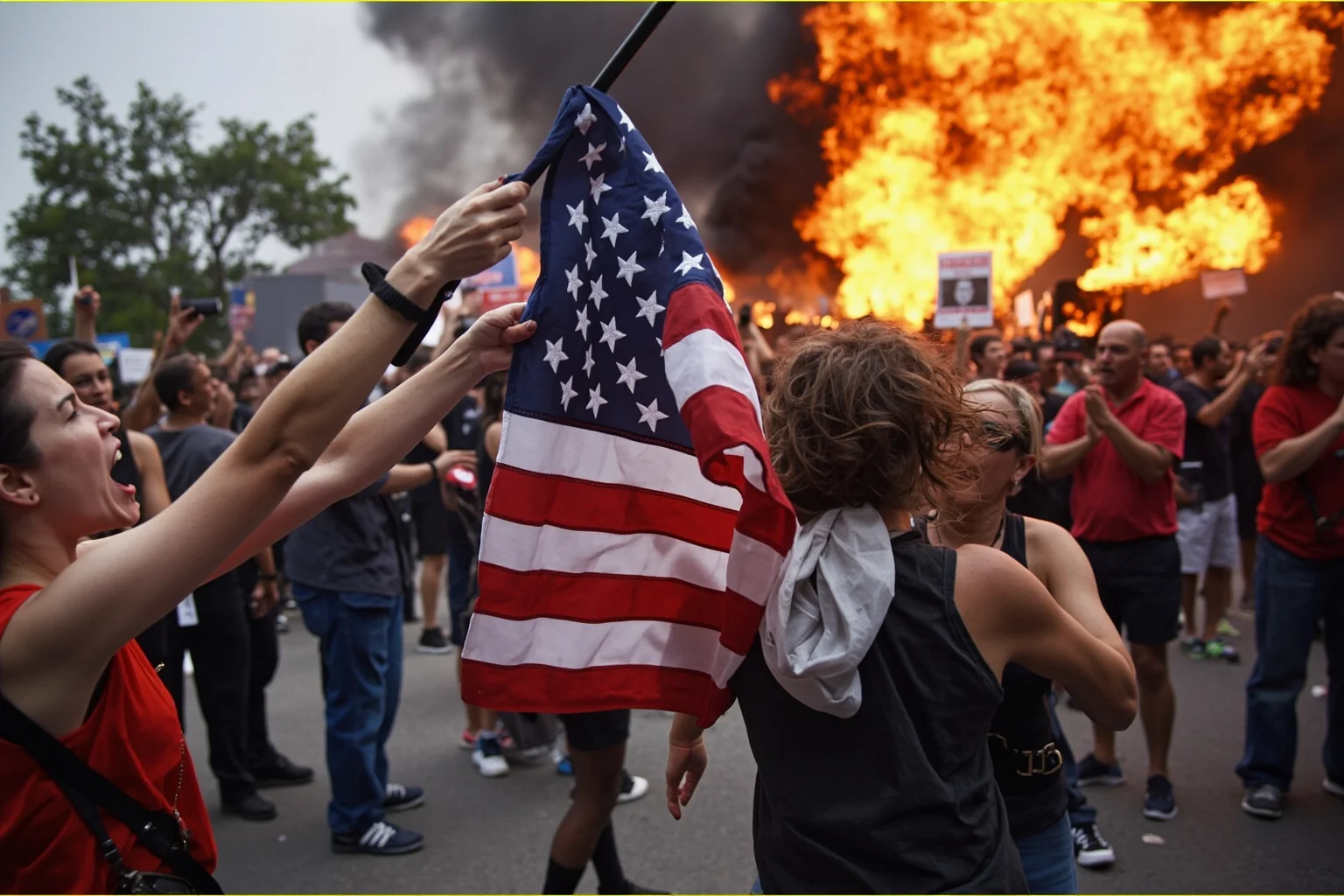
Forman won a second Pulitzer just a year later for photographing a 1976 Boston anti-busing protest, where a demonstrator appeared to use an American flag as a weapon against Ted Landsmark. The 1977 Spot News Photography win made Forman one of a small handful of back-to-back winners.
The photo became a lasting symbol of the racial tensions surrounding school desegregation in Boston.
16. Kevin Carter — The Vulture and the Little Girl (1994)
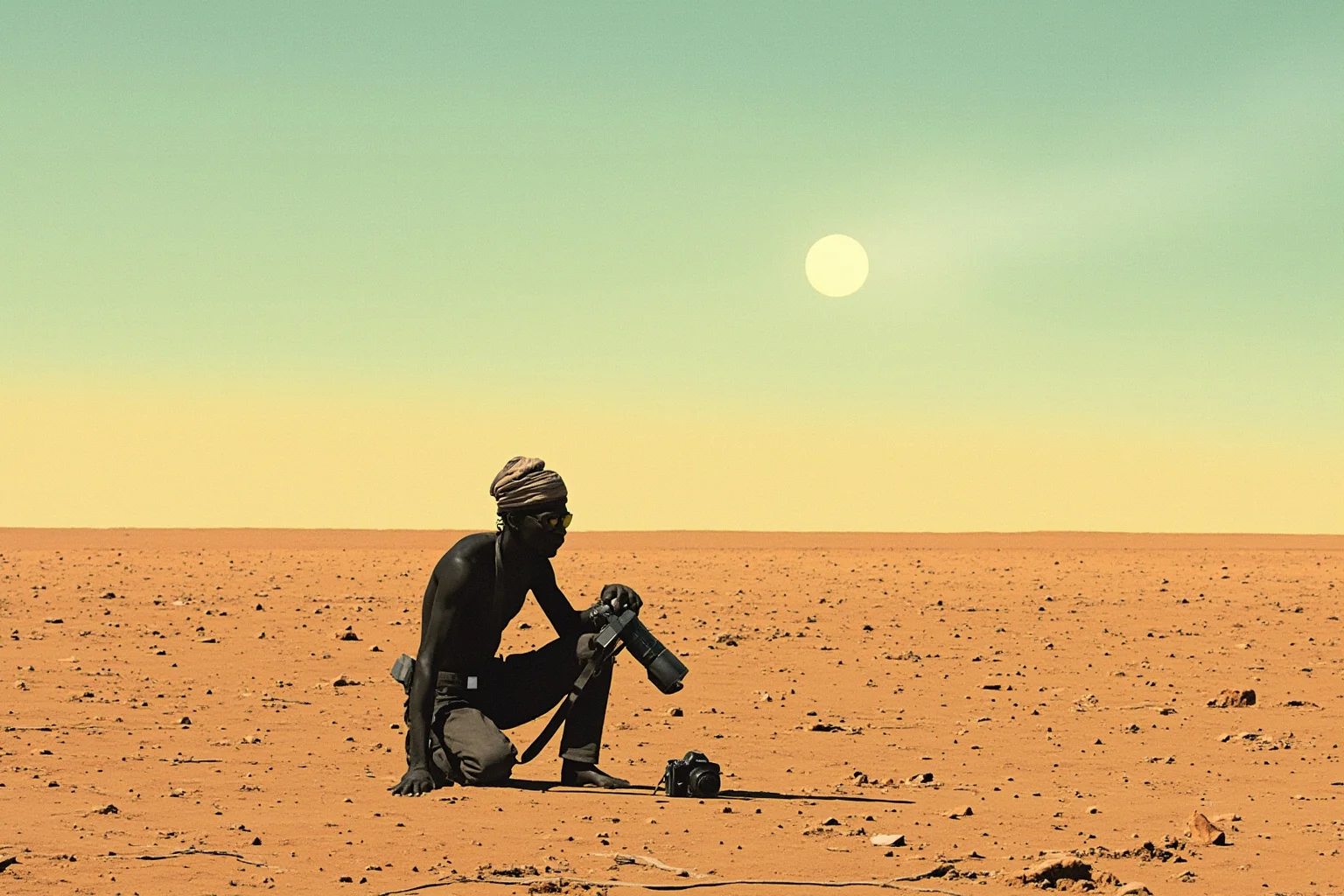
South African photojournalist Kevin Carter photographed a starving child in Sudan with a vulture nearby, and the image won the 1994 Pulitzer for Feature Photography. It’s frequently misremembered — the vulture never attacked the child, who is documented to have gotten up and continued toward a feeding center after Carter took the photo.
Carter died by suicide just months after receiving the award, and the photograph is often cited in discussions about the psychological toll of conflict photography.
17. Charles Porter IV — Oklahoma City Bombing (1996)
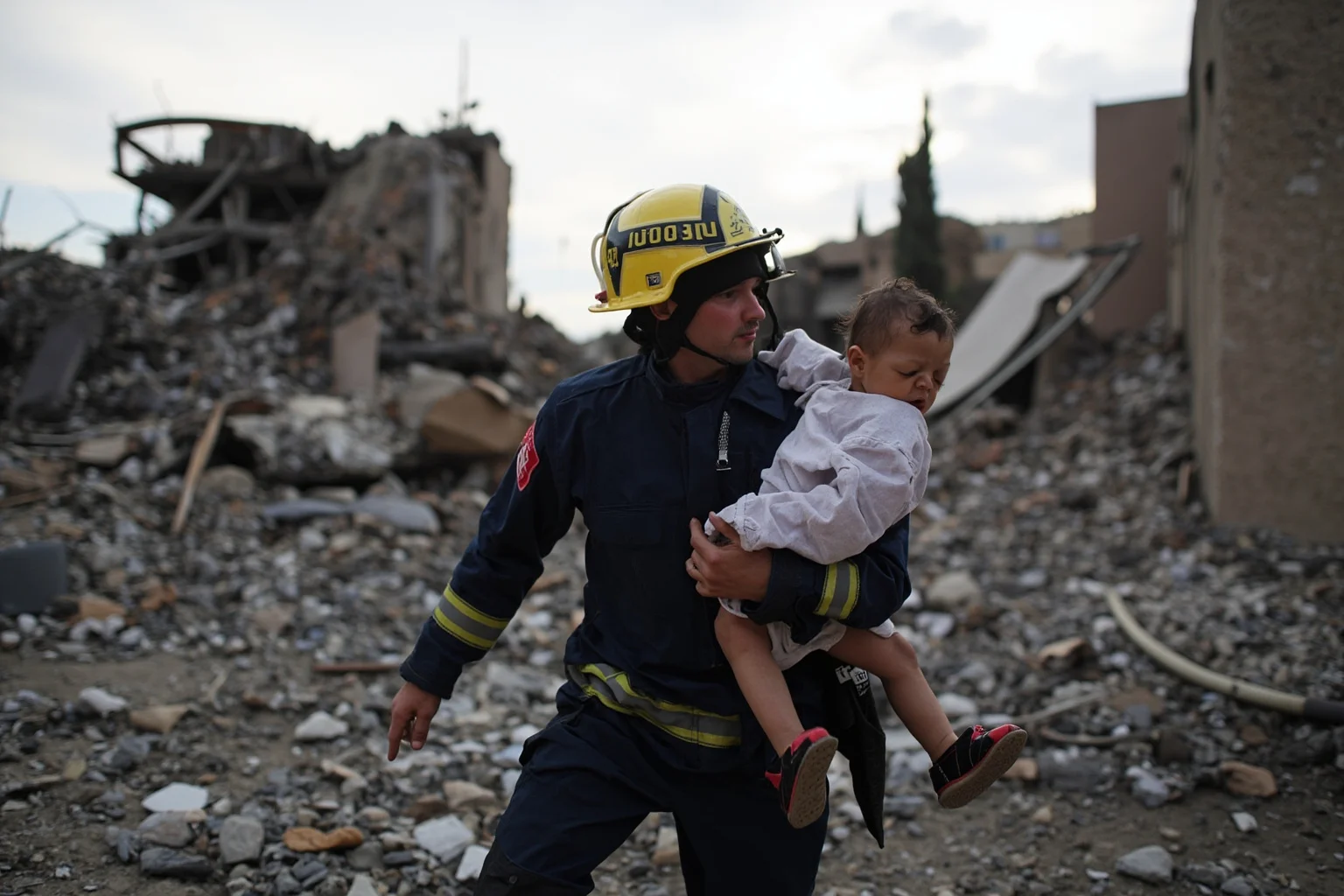
Charles Porter IV was a bank employee, not a professional photographer, when he photographed firefighter Chris Fields carrying the body of one-year-old Baylee Almon after the 1995 Oklahoma City bombing. It won the 1996 Pulitzer for Spot News Photography.
Like Virginia Schau decades earlier, Porter’s win reinforced that being in the right place with a camera matters just as much as professional credentials.
18. Carol Guzy — Multiple-Time Pulitzer Winner
Washington Post photographer Carol Guzy holds the distinction of winning four Pulitzer Prizes across her career, including for coverage of Haiti, Kosovo refugees, and the 2010 Haiti earthquake. No other photographer has matched that total.
Her body of work spans some of the most significant humanitarian crises of the late 20th and early 21st centuries.
19. Barbara Davidson — Caught in the Crossfire (2011)
Los Angeles Times photographer Barbara Davidson spent over a year documenting families affected by gang violence in Los Angeles for her series “Caught in the Crossfire.” It won the 2011 Pulitzer for Feature Photography.
The project showed how sustained, patient documentary work could earn the same recognition as split-second breaking news images.
20. Massoud Hossaini — Ashura Day Bombing (2012)
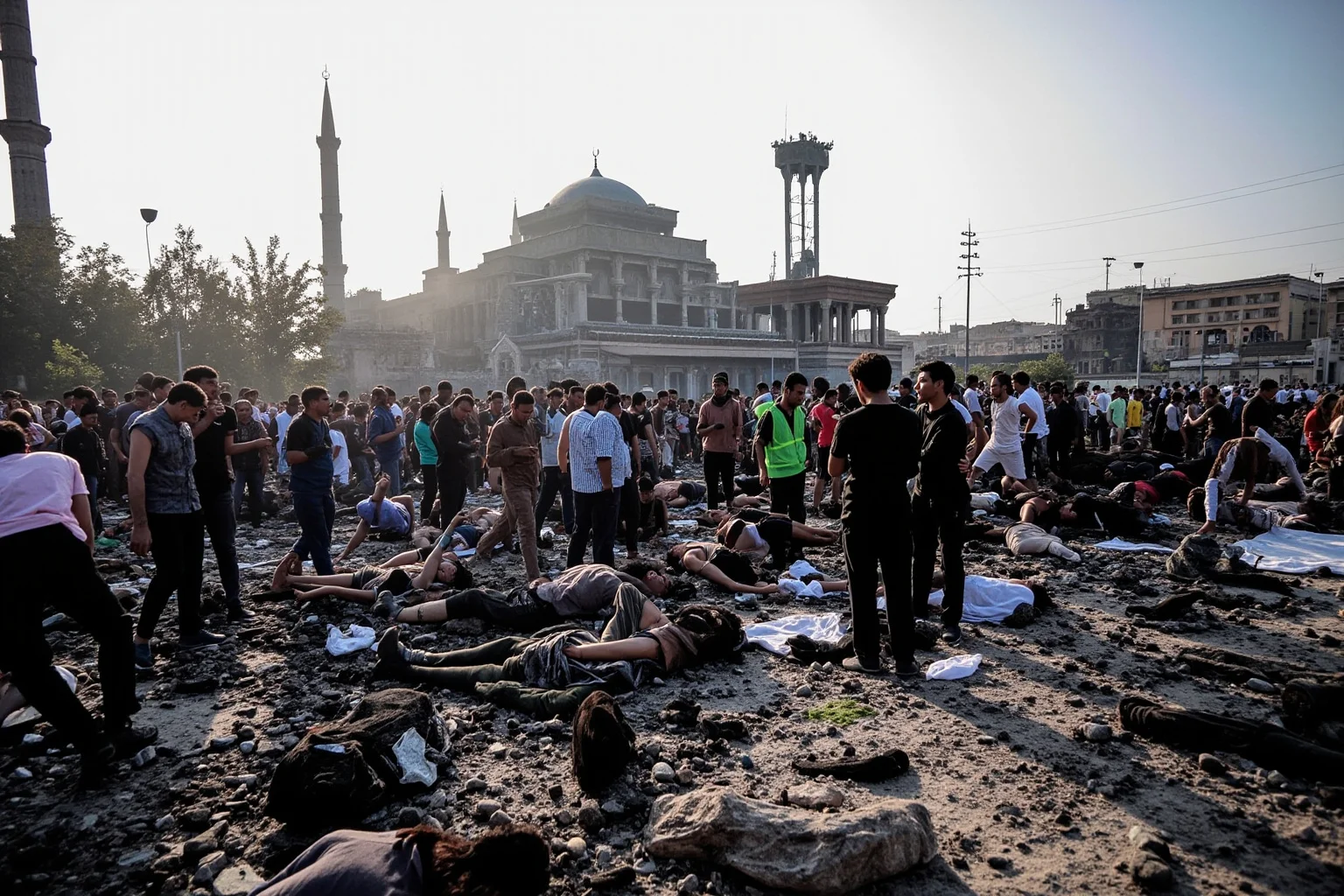
AFP photographer Massoud Hossaini photographed the chaotic aftermath of a suicide bombing at a Shiite shrine in Kabul during Ashura observances in 2011. His photo won the 2012 Pulitzer for Breaking News Photography, making him the first Afghan photographer to receive the honor.
The image put a human face on a conflict that, by that point, had dominated headlines for over a decade.
21. Daniel Berehulak — Philippines Drug War (2017)
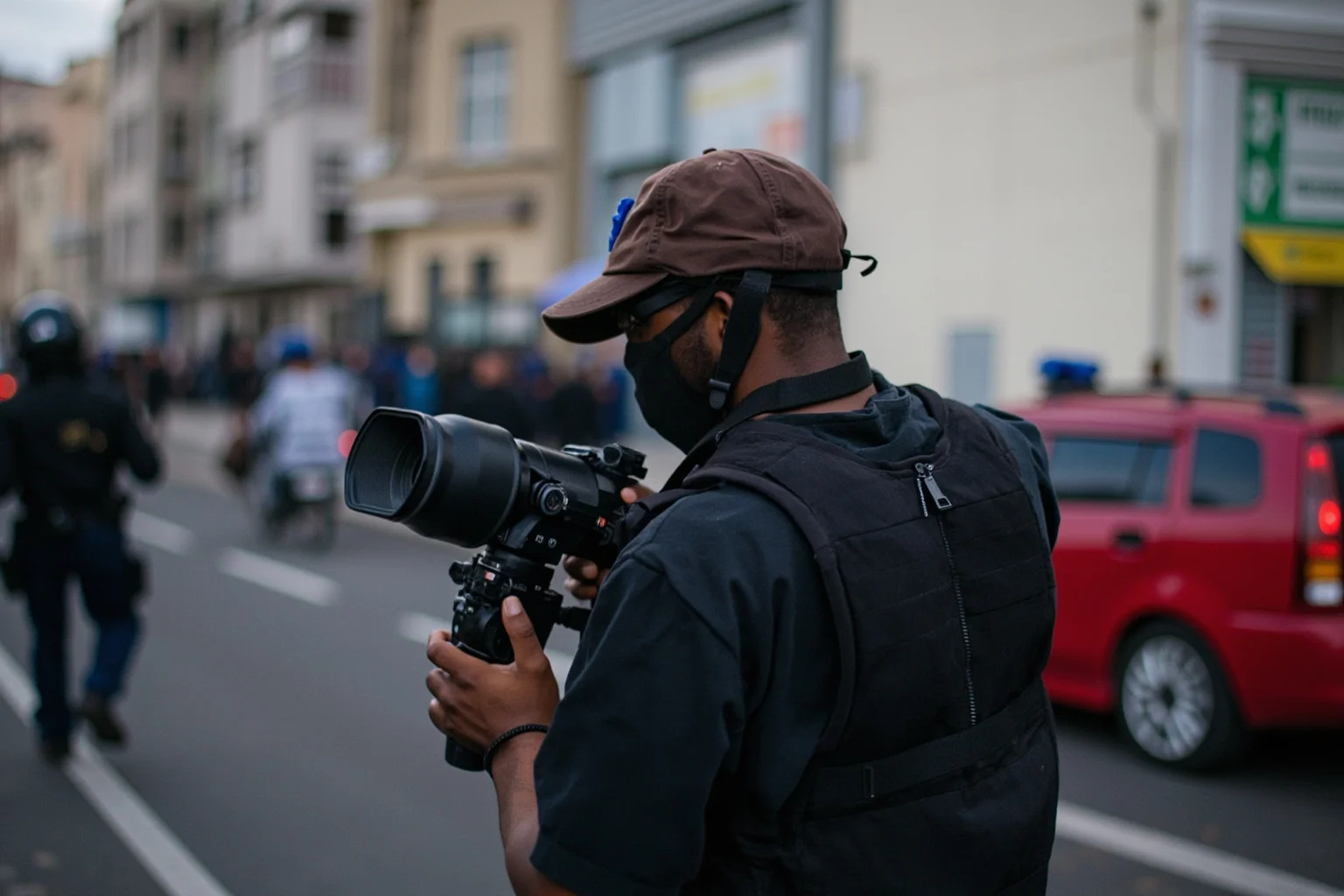
Freelance photographer Daniel Berehulak, working for The New York Times, documented the brutal crackdown on suspected drug users and dealers in the Philippines under President Rodrigo Duterte. His unflinching photo essay won the 2017 Pulitzer for Feature Photography.
His work required weeks embedded with police and communities in high-risk conditions, capturing the human cost of a controversial government policy.
22. Reuters Staff — Rohingya Crisis (2018)
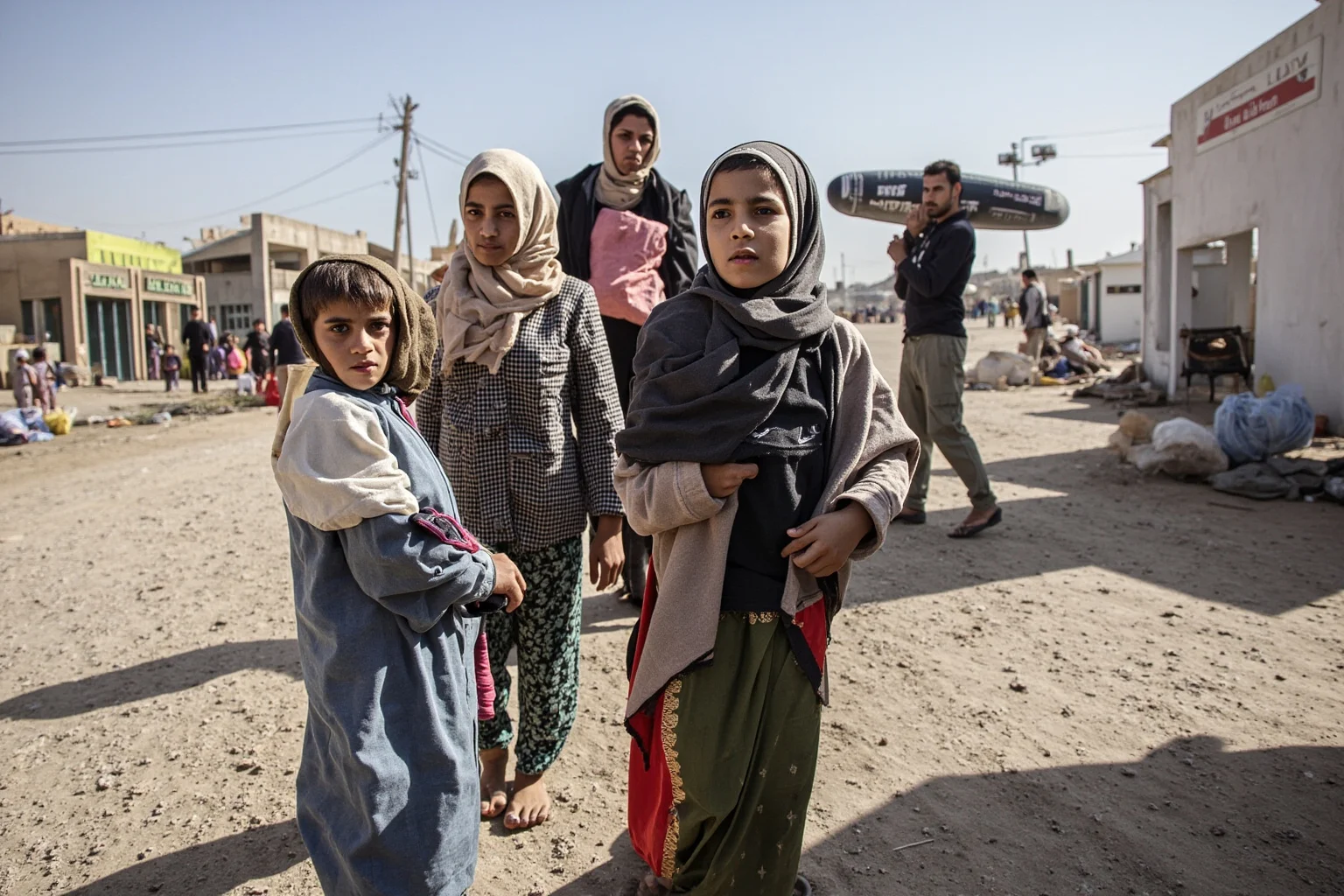
A team of Reuters photographers won the 2018 Pulitzer for Feature Photography for their extensive documentation of the Rohingya refugee crisis, as hundreds of thousands fled violence in Myanmar into Bangladesh. It reflected a growing trend of staff-wide, collaborative Pulitzer wins rather than single-photographer credits.
The scale of the crisis required a team effort to document properly, and the Pulitzer board recognized that shift in how modern photojournalism operates.
23. Reuters Staff — The Invasion of Ukraine (2022)

Reuters photography staff won the 2022 Pulitzer for Breaking News Photography for their coverage of the opening days of Russia’s full-scale invasion of Ukraine, a conflict waged by one of the largest militaries in the world. The images captured devastated cities, fleeing civilians, and the earliest human toll of a war that continues to shape global politics.
It was one of the fastest-turnaround Pulitzer wins in recent memory, awarded the same year the events occurred.
24. AP and Wire Photographers — 2024 Rally Shooting Coverage (2025)
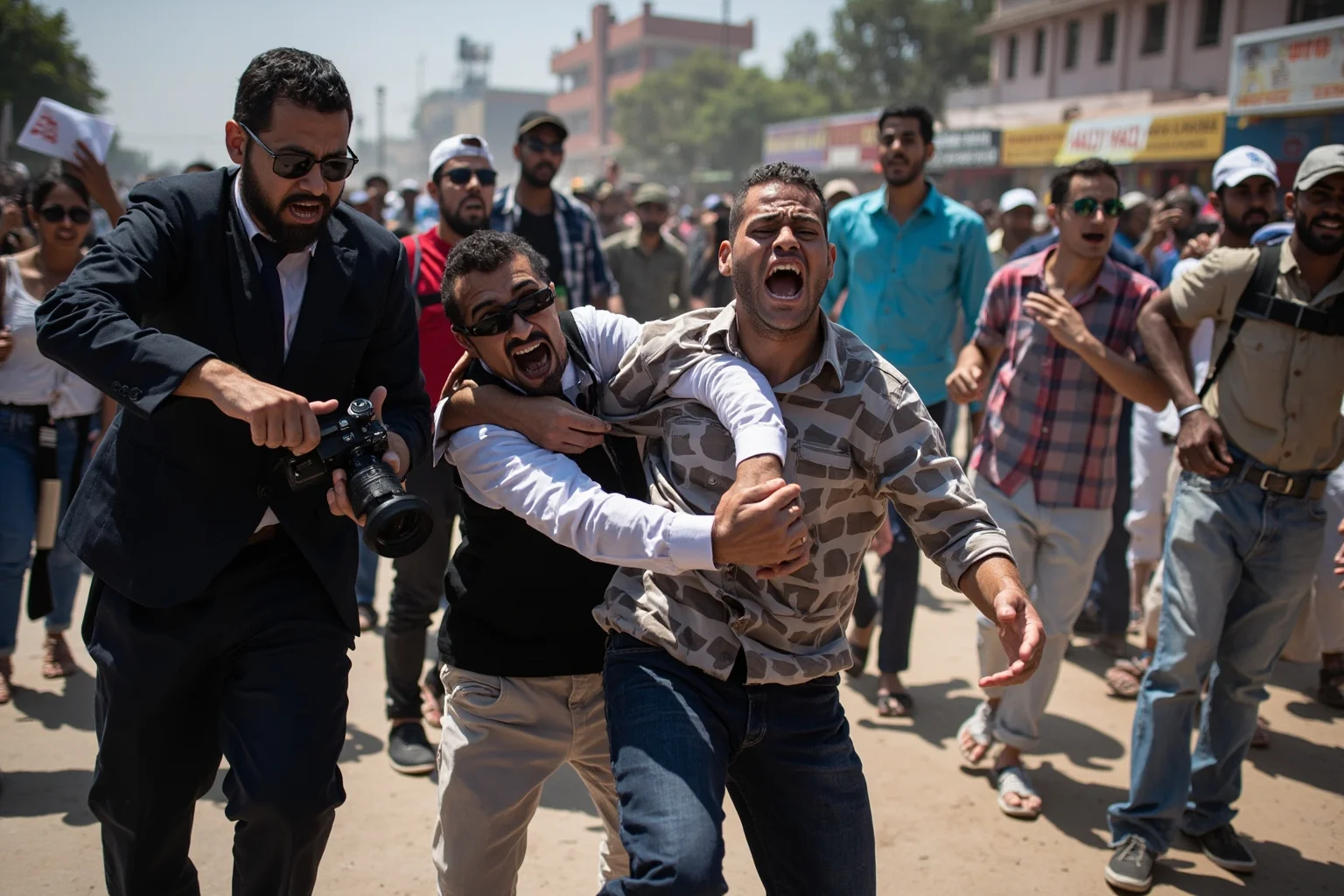
In 2025, the Pulitzer board recognized photojournalists — including Associated Press photographer Evan Vucci — for their coverage of the July 2024 assassination attempt at a political rally in Pennsylvania. The award underscored how quickly modern photojournalism can turn a single breaking-news moment into a historically significant image.
It also served as a reminder that the pulitzer photo prize remains an active, evolving record of contemporary history, not just a look back at the 20th century.
Photos People Often Think Won a Pulitzer (But Didn’t)
A few of history’s most famous photographs are widely — and incorrectly — assumed to be Pulitzer winners. This is where a little myth-busting is useful, since not every unforgettable image actually carries the prize.
Jeff Widener’s 1989 photo of the “Tank Man” facing down tanks near Tiananmen Square is one of the most iconic images of the 20th century, emerging from a wave of pro-democracy uprisings that echoes other major revolutions throughout history, but it did not win a Pulitzer Prize for Photography. It received other major honors, but the Pulitzer records simply don’t include it.
Similarly, Malcolm Browne’s 1963 photograph of the self-immolation of monk Thích Quảng Đức in Saigon is often assumed to be a Pulitzer photography winner. Browne did win a Pulitzer — but for International Reporting in 1964, not for photography, and the specific photo credit for that image is sometimes debated in historical accounts.
These mix-ups aren’t unusual. With so many award bodies — World Press Photo, the National Press Photographers Association, and various local and international journalism awards — it’s easy for public memory to blend an image’s overall fame with a specific prize it may never have actually received.
What Does a Pulitzer Prize Actually Look Like?
People searching for “what does a Pulitzer Prize look like” are often picturing a large statue or grand medal, but the reality is more understated. Winners in most categories, including photography, receive a certificate.
The one physical award most associated with the Pulitzers overall is a gold medal, but that specific medal is reserved for the Public Service category, which is awarded to a news organization rather than an individual. Photography winners instead receive an official certificate along with the prestige of the title itself — plus, in most years, a modest cash award.
So while the prize doesn’t come with a trophy case full of hardware, its actual value lies almost entirely in the recognition and historical weight attached to the name.
Why These Photographs Still Matter
What ties these pulitzer prize winning pictures together isn’t style or subject — it’s timing and truth. Each one arrived at a moment when the public needed to see something plainly, without spin, and a photographer happened to be there with the skill and courage to capture it.
That’s really the throughline across more than 80 years of pulitzer award photography: ordinary people, extraordinary danger, and a fraction of a second that outlived the news cycle entirely. Many of these photographers risked their safety, and a few lost their lives, in pursuit of a single frame that could tell the whole story.
As photojournalism continues to evolve — with smartphones, drone footage, and AI-assisted editing all changing how images are made — the core standard behind the Pulitzer Prize for Photography hasn’t changed much. It still rewards the photographer who was in the right place, at the right moment, with the composure to do their job under pressure.
Frequently Asked Questions
What exactly are Pulitzer award winning photographs recognized for?
Pulitzer award winning photographs are recognized for capturing a news event, feature story, or human experience with exceptional technical skill and journalistic impact. The Pulitzer board judges submissions in two photography categories — Breaking News Photography and Feature Photography — based on both the quality of the image and its significance to the story it tells.
When did the Pulitzer Prize for Photography begin?
The Pulitzer Prize for Photography was created in 1942, with the first award given in 1943 to Associated Press photographer Frank Noel for his image titled 'Water!' The category ran as a single combined prize until 1968, when it split into Spot News (now Breaking News) Photography and Feature Photography.
What does a Pulitzer Prize actually look like?
Most Pulitzer Prize winners, including photography winners, receive an official certificate rather than a trophy or statue. The gold medal often associated with the Pulitzers is reserved specifically for the Public Service category, which honors a news organization rather than an individual photographer or writer.
Did the ‘Tank Man’ photo from Tiananmen Square win a Pulitzer Prize?
No. Jeff Widener's famous 1989 'Tank Man' photograph is widely celebrated and has received other major photography honors, but it is not listed among the official Pulitzer Prize for Photography winners. It's one of the most common misconceptions about the award.
Is there a well-documented Pulitzer Prize-winning photographer based in Quantico, Virginia?
There isn't a widely documented Pulitzer Prize for Photography winner officially associated with Quantico, Virginia, in the Pulitzer organization's public records. This search is sometimes tied to confusion with military photographers stationed near the Marine Corps base or local journalists in the area, so it's worth checking the official Pulitzer.org archive for verification rather than relying on secondhand claims.
Who was the first person to win the Pulitzer Prize for Photography?
Frank Noel of the Associated Press was the first winner, receiving the inaugural Pulitzer Prize for Photography in 1943 for his image of a shipwreck survivor pleading for water during World War II.
Can an amateur photographer win a Pulitzer Prize for Photography?
Yes. Several Pulitzer photography winners were not professional photojournalists at the time, including Virginia Schau in 1954 and Charles Porter IV in 1996, both of whom happened to capture historic moments with the cameras they had on hand.

Alex Warren
Related Articles