
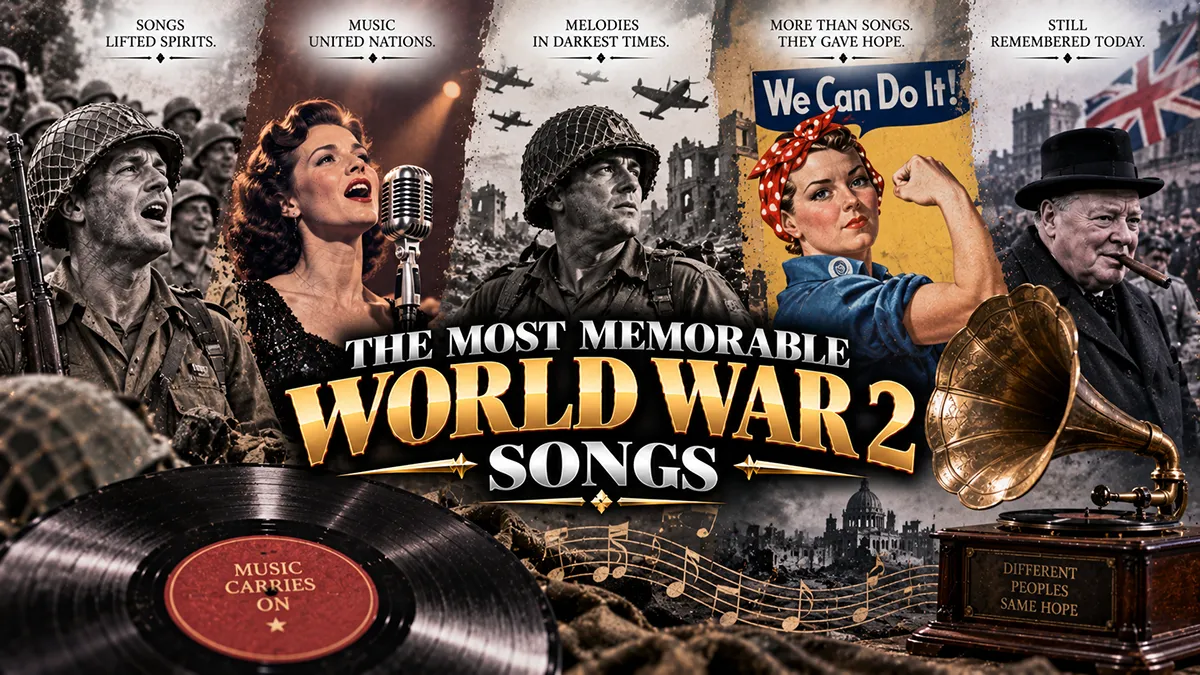
Long before streaming playlists and viral singles, music traveled by radio wave, gramophone record, and campfire singalong — and during World War II, it did something more than entertain.
Songs about the world war two years became a lifeline: they carried news, boosted morale, mourned the missing, and gave soldiers and civilians alike a shared language for fear, homesickness, and hope.
Whether you’re researching music during WWII for a school project, building a wartime-themed playlist, or just curious about the tunes your grandparents hummed, this guide walks through the most memorable war music of WWII — where it came from, who sang it, and why it still resonates today.
We’ll also clear up a few persistent myths along the way, because not every wartime song legend holds up to scrutiny.
TL;DR: From Vera Lynn’s “We’ll Meet Again” to Glenn Miller’s swing anthems and Germany’s haunting “Lili Marleen,” WWII produced some of the most enduring songs in history — music that comforted, united, and occasionally propagandized entire nations.
Why Music Mattered So Much During World War II
Radio was the dominant mass medium of the 1930s and 1940s, and governments on every side understood its power. The BBC, American networks, and Nazi Germany’s state radio all used music alongside news bulletins, and popular songs of WWII often did double duty as morale boosters and subtle propaganda tools.
For soldiers stationed far from home, portable phonographs, USO shows, and Armed Forces Radio brought a taste of familiar life to muddy camps and ships at sea.
For civilians enduring blackouts, rationing, and the constant fear of bad news, a catchy tune on the wireless offered a rare few minutes of normalcy.
It’s no exaggeration to say that music during ww2 shaped the emotional experience of the war almost as much as newsreels did.
It’s worth noting that not every hit was written specifically about the war — many were dance numbers or love songs that simply became associated with the era because of when and where people heard them. That distinction matters when separating fact from folklore about individual songs.
The Most Memorable Songs of World War II
The following list gathers the war songs from WWII that had the broadest cultural reach, spanning American swing, British sentimental ballads, Soviet marching songs, and German wartime tunes. Together they form a genuinely global picture of music during the Second World War.
1. “We’ll Meet Again” – Vera Lynn
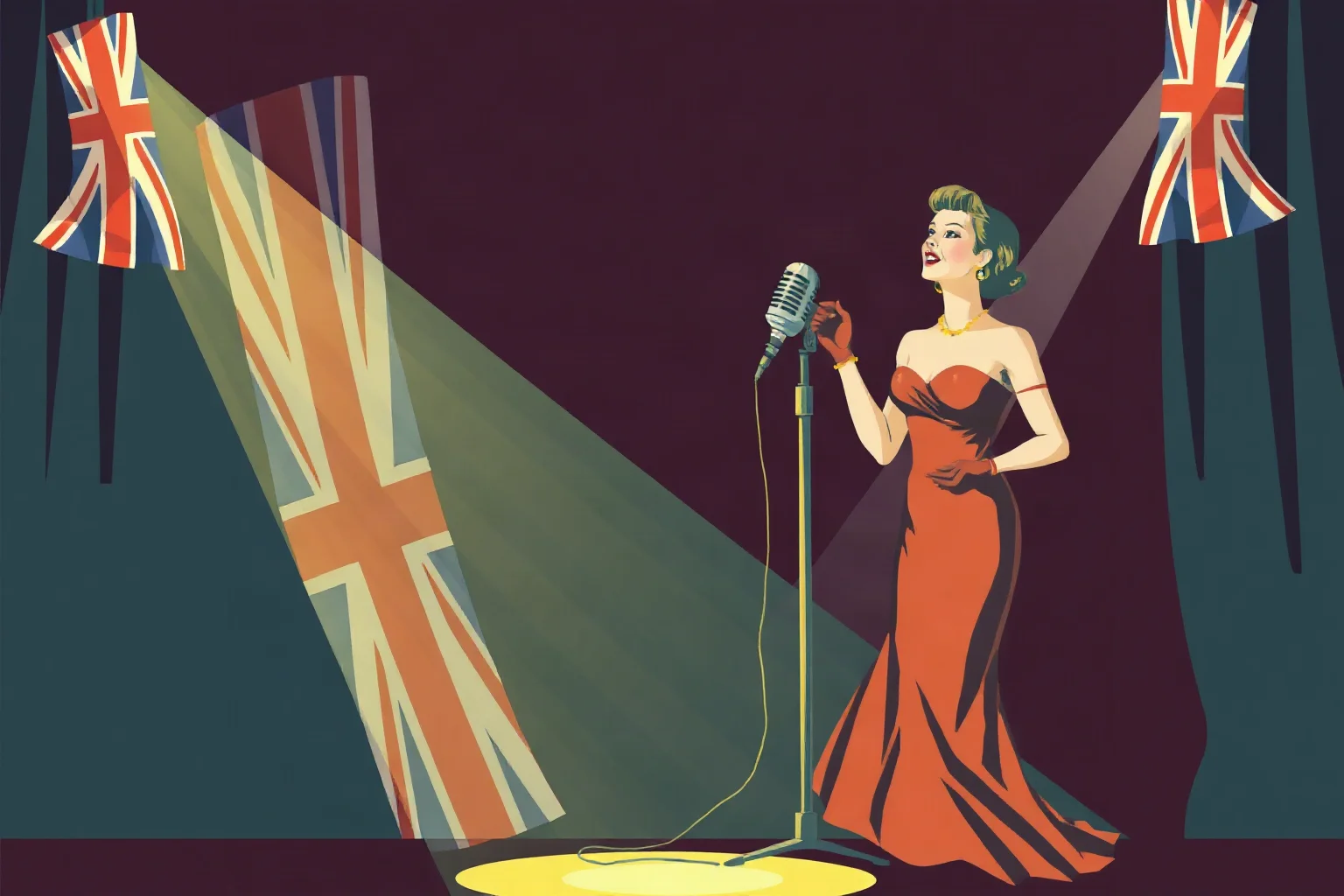
Recorded in 1939 by songwriters Ross Parker and Hughie Charles, this gentle promise of reunion became forever linked to Vera Lynn, dubbed the “Forces’ Sweetheart” by British troops. It wasn’t written as a war song exactly — it’s a song about separation and hope — but wartime circumstances gave every line new weight.
Its lyrics never mention battle or bombs, yet the song became one of the most recognizable wartime songs list entries in history, later immortalized in the closing scene of Stanley Kubrick’s Dr. Strangelove.
2. “The White Cliffs of Dover” – Vera Lynn
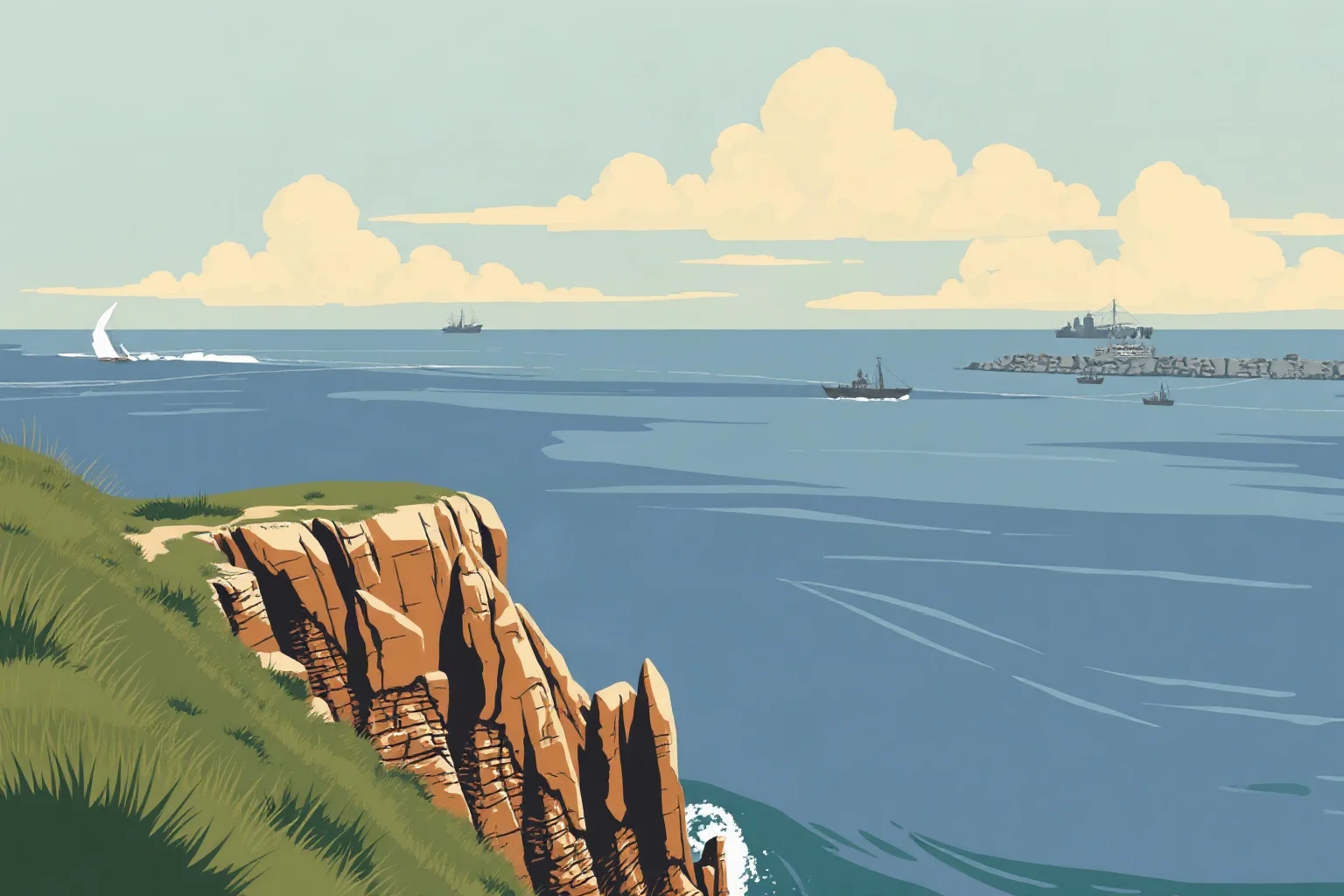
Another Vera Lynn signature, this 1942 recording promised that “there’ll be peace and love forever” in a Britain still under threat of invasion and nightly bombing. The white cliffs themselves were a real, visible symbol of home for troops crossing the English Channel.
It’s frequently confused with a wartime sighting report — some assumed the bluebirds mentioned in the lyric were real observations, though bluebirds are not actually native to England. The songwriters, Walter Kent and Nat Burton, were Americans writing from imagination rather than firsthand geography.
3. “Lili Marleen” – Lale Andersen and Marlene Dietrich
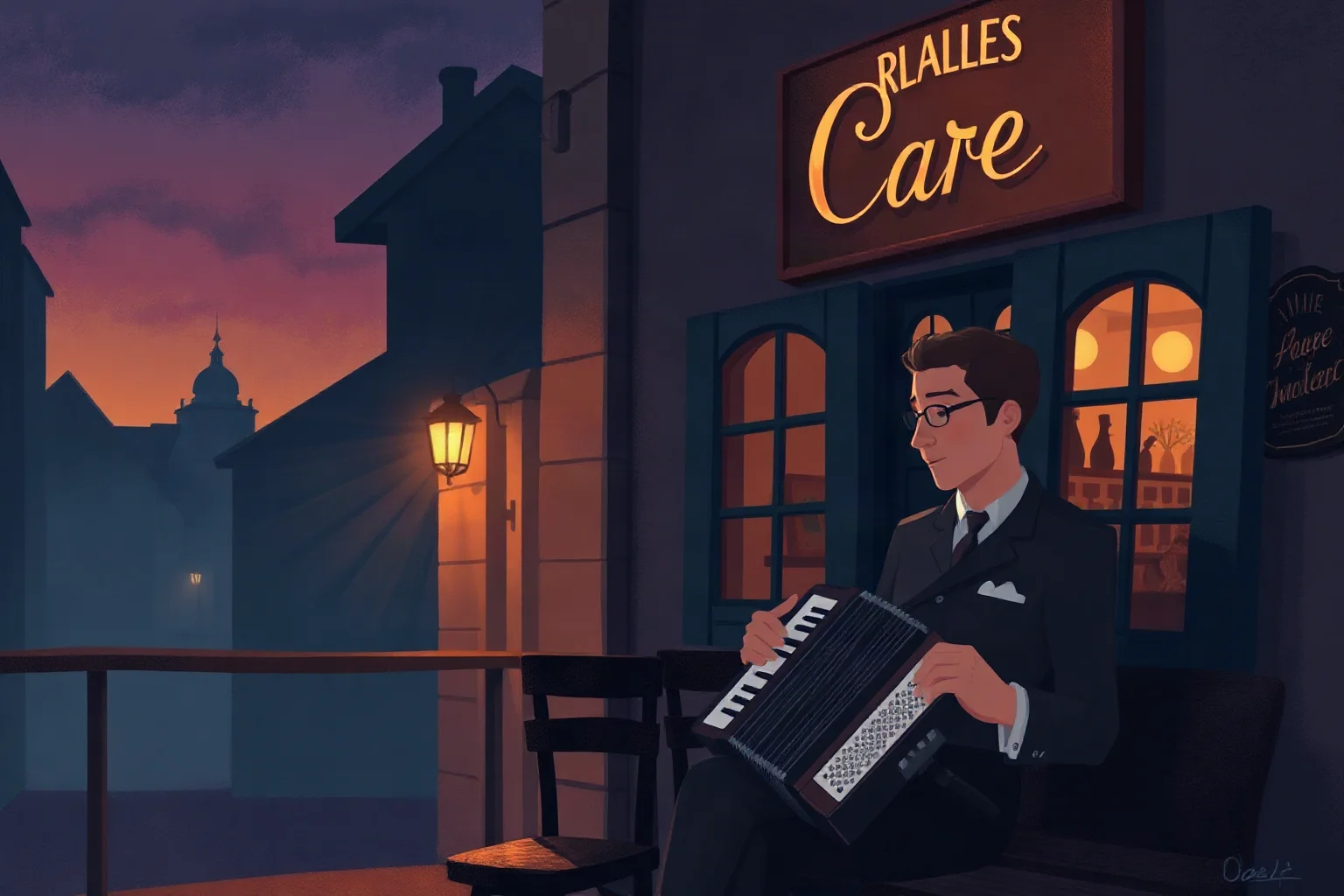
Few songs illustrate how war music crossed enemy lines better than “Lili Marleen.” Based on a 1915 poem by German soldier Hans Leip, it was set to music by Norbert Schultze in 1938 and recorded by Lale Andersen in 1939.
German radio broadcast it to troops in North Africa, and British and American soldiers picked it up too, eventually inspiring an English-language version sung by Marlene Dietrich. Some accounts suggest Nazi officials were uneasy about its melancholy tone, though the full extent of any attempted ban remains debated among historians.
4. “Boogie Woogie Bugle Boy” – The Andrews Sisters
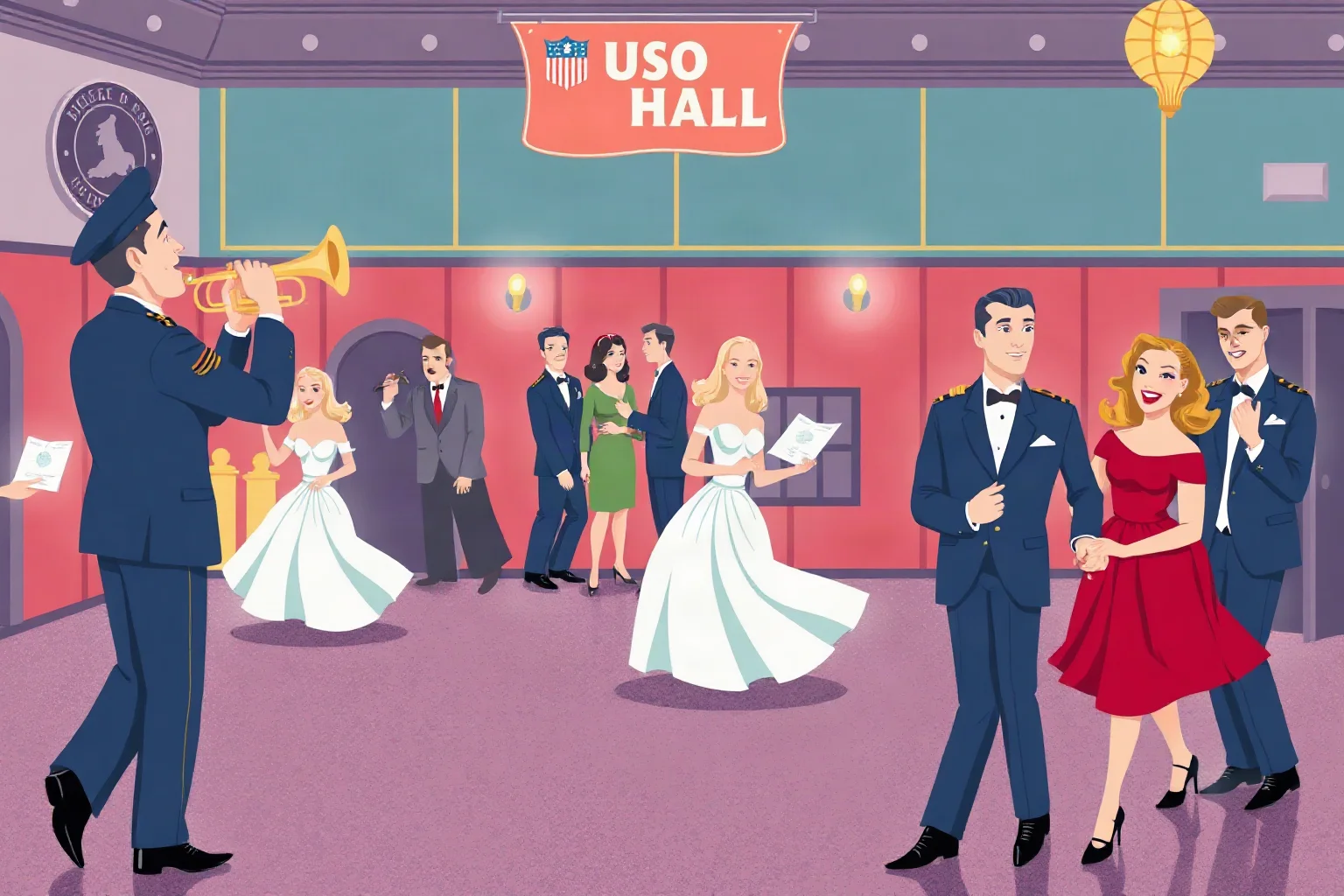
Released in 1941, this energetic swing number told the story of a jazz trumpeter drafted into the Army, blending humor with genuine patriotism. It became one of the defining American world war 2 songs, capturing the upbeat, danceable side of wartime pop culture.
The Andrews Sisters performed it constantly at USO shows, and it remains one of the most licensed and covered popular songs of ww2 in film and television to this day.
5. “In the Mood” – Glenn Miller Orchestra
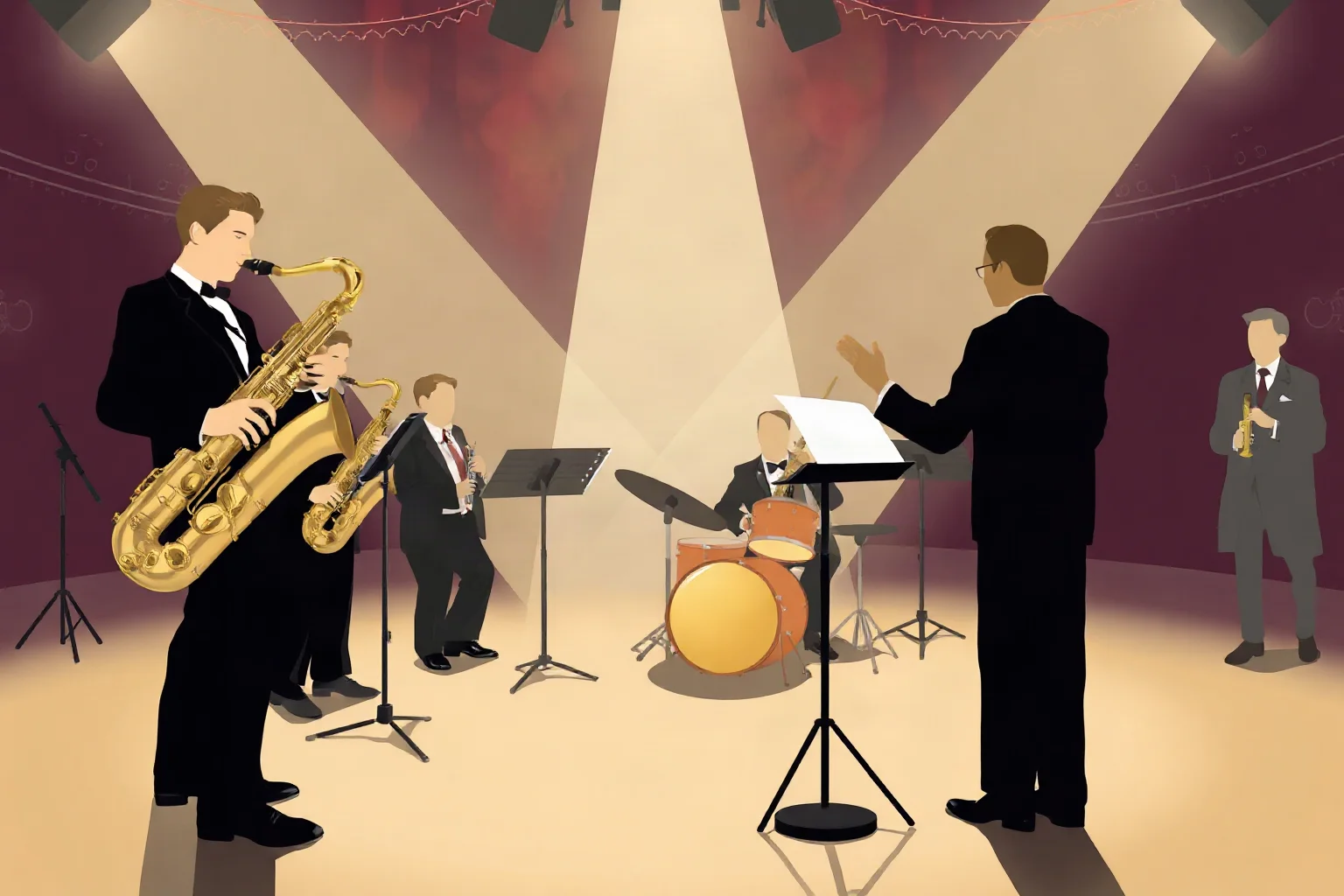
Technically recorded in 1939, before America entered the war, “In the Mood” became so tightly associated with the era that it’s now considered essential world war two music. Its driving saxophone riff soundtracked USO dances and radio broadcasts throughout the conflict.
Glenn Miller himself later joined the Army Air Forces and led a service orchestra, cementing his status as one of the most important figures in wartime American music before his disappearance over the English Channel in 1944.
6. “God Bless America” – Kate Smith
Irving Berlin actually wrote this song back in 1918 but set it aside; he revised it in 1938 as tensions in Europe grew. Kate Smith’s radio performance turned it into an unofficial anthem well before Pearl Harbor, and it surged again once the U.S. formally entered the war.
Because of its earlier origins, it’s a good reminder that not every patriotic staple from this period was written during the fighting itself — some simply found their moment because of it.
7. “Praise the Lord and Pass the Ammunition” – Kay Kyser
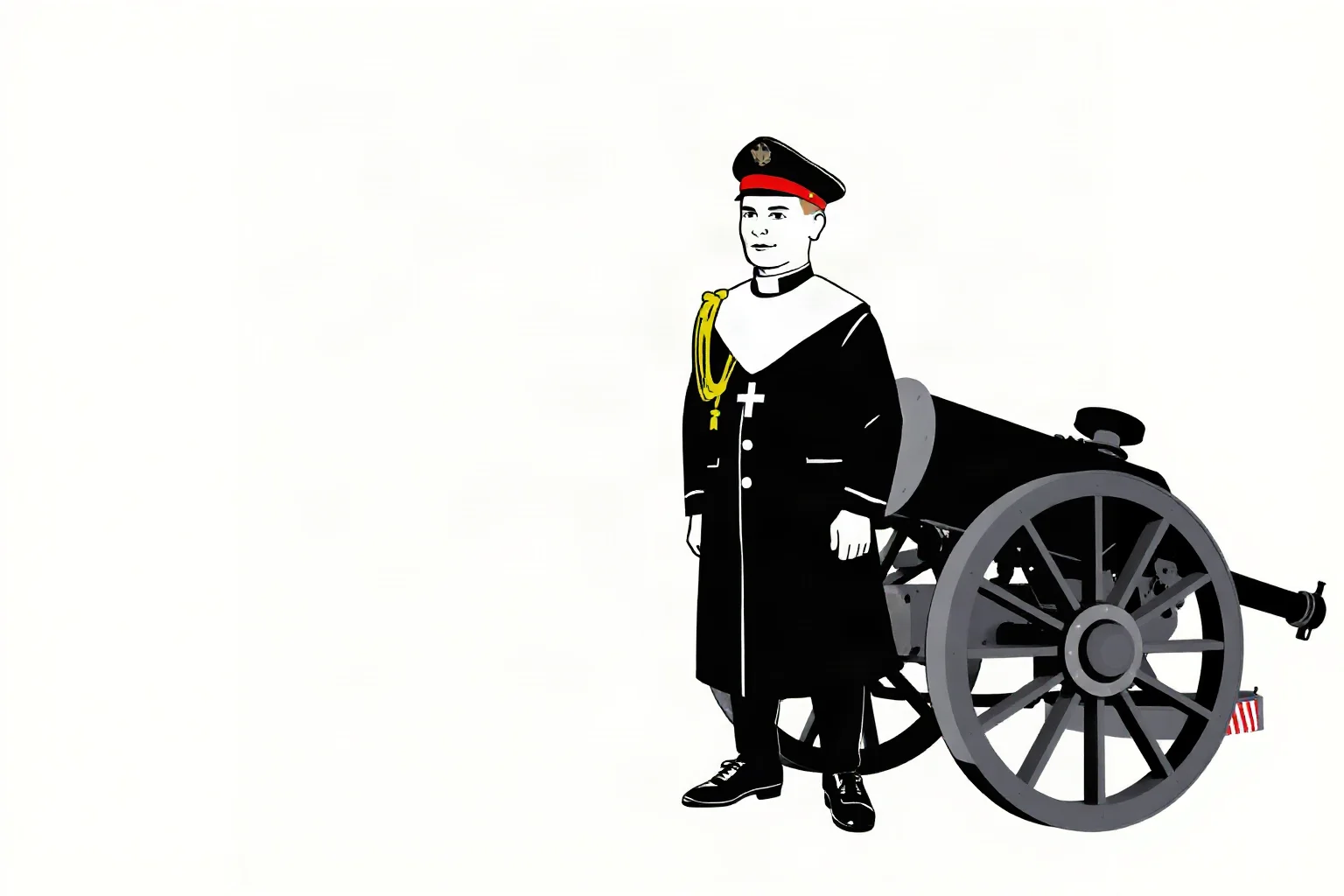
This 1942 novelty song was reportedly inspired by a chaplain’s exclamation during the attack on Pearl Harbor, though the exact origin story has been told in slightly different versions over the years. Kay Kyser’s recording turned the phrase into a chart-topping hit almost overnight.
It captured a very specific wartime tone: equal parts faith, defiance, and dark humor, which resonated strongly with a country newly at war.
8. “Don’t Sit Under the Apple Tree (With Anyone Else But Me)” – Glenn Miller
A huge hit in 1942, this song became a favorite among servicemen shipping overseas, who used it to remind sweethearts back home to stay faithful. The Andrews Sisters also recorded a popular version, helping it spread across both military and civilian audiences.
It’s a great example of how songs for world war 2 often focused less on combat and more on the everyday anxieties of long-distance relationships.
9. “This Is the Army, Mr. Jones” – Irving Berlin
Written for the 1942 stage show and film “This Is the Army,” Irving Berlin’s tune gently poked fun at civilians adjusting to military life. Berlin himself performed in the production, and proceeds were directed toward Army Emergency Relief.
The show toured extensively and became one of the most visible pieces of American world war 2 songs used for fundraising and morale during the war years.
10. “Der Fuehrer’s Face” – Spike Jones and His City Slickers
Originally written for a 1942 Disney propaganda short, this satirical song mocked Hitler with kazoos, raspberries, and mock-German gibberish. It became a genuine chart hit in the United States, proving that mockery could be as powerful a wartime tool as sincerity.
It stands out among songs about ww2 as one of the few genuinely comedic entries to achieve mainstream success.
11. “There’ll Always Be an England” – Vera Lynn
Written in 1939 by Ross Parker and Hughie Charles (the same duo behind “We’ll Meet Again”), this song became an instant patriotic staple in Britain. It leaned unapologetically into national pride at a moment when Britain stood largely alone against Nazi Germany.
Its earnestness has occasionally drawn gentle parody in later decades, but during the war it was sung with complete sincerity in pubs, factories, and military barracks alike.
12. “I’ll Be Seeing You” – Bing Crosby
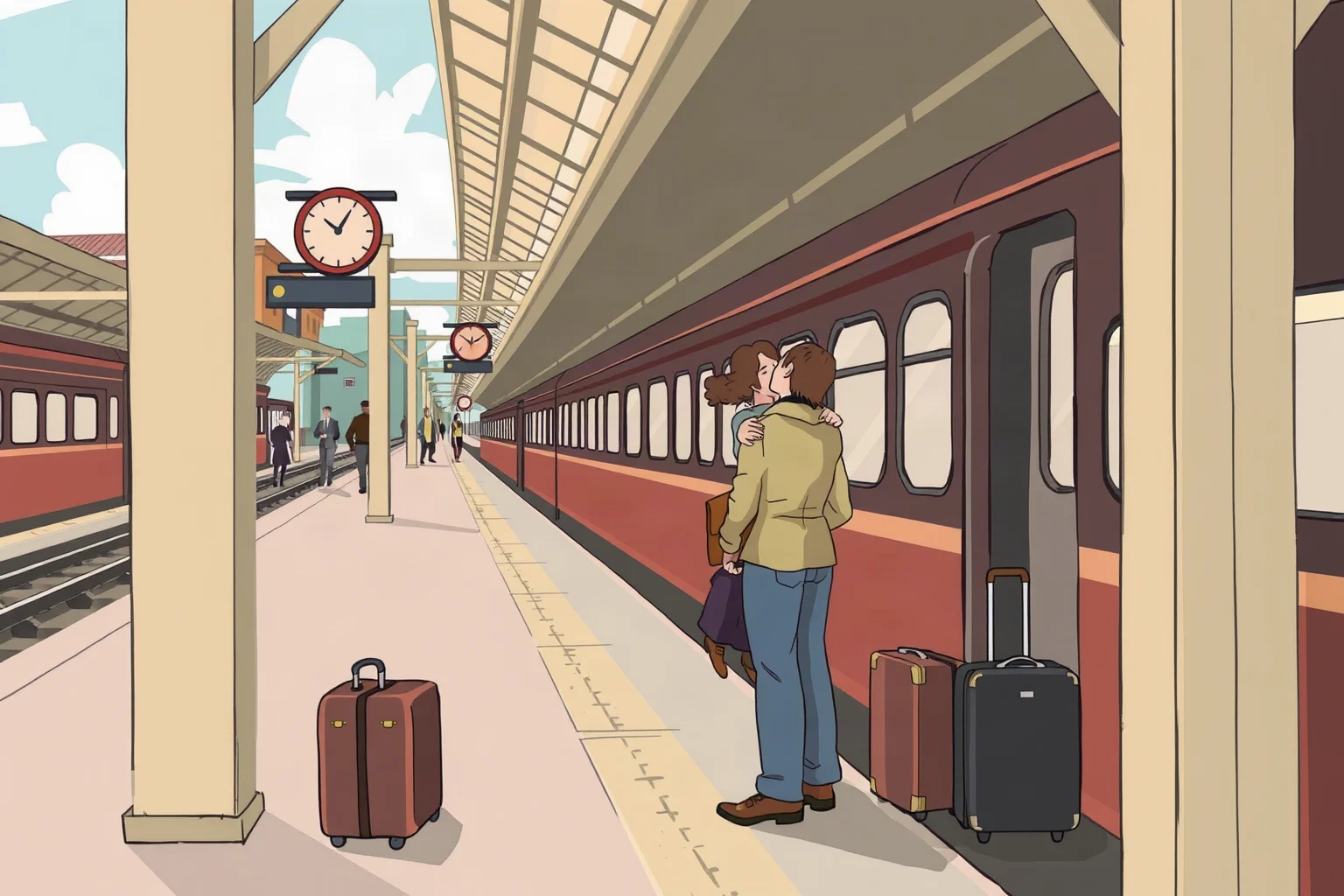
Originally written in 1938 for a Broadway musical, this ballad found new life when Bing Crosby’s 1944 recording struck a nerve with families separated by deployment. Its lyrics about seeing a loved one “in all the old familiar places” captured longing without ever mentioning the war directly.
It became one of the most quietly devastating songs from the 2nd world war, precisely because of what it left unsaid.
13. “Comin’ In on a Wing and a Prayer”
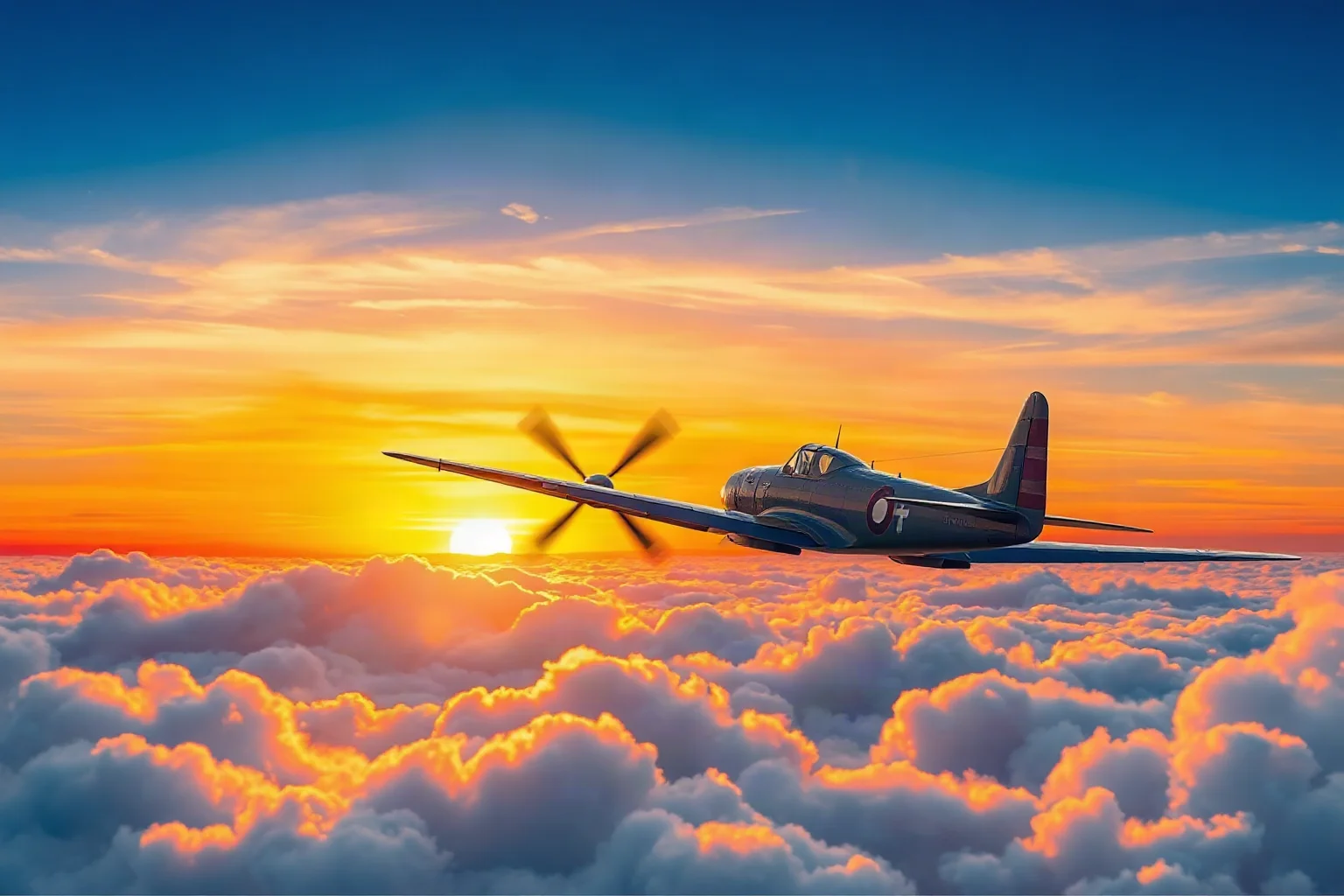
Written by Harold Adamson and Jimmy McHugh in 1943, this song was inspired by real accounts of damaged aircraft limping home after bombing runs. Several artists recorded versions, and it became closely associated with the Army Air Forces specifically.
It’s one of the more direct combat-themed entries on any list of war songs from ww2, describing danger rather than romanticizing the home front.
14. “Rosie the Riveter”
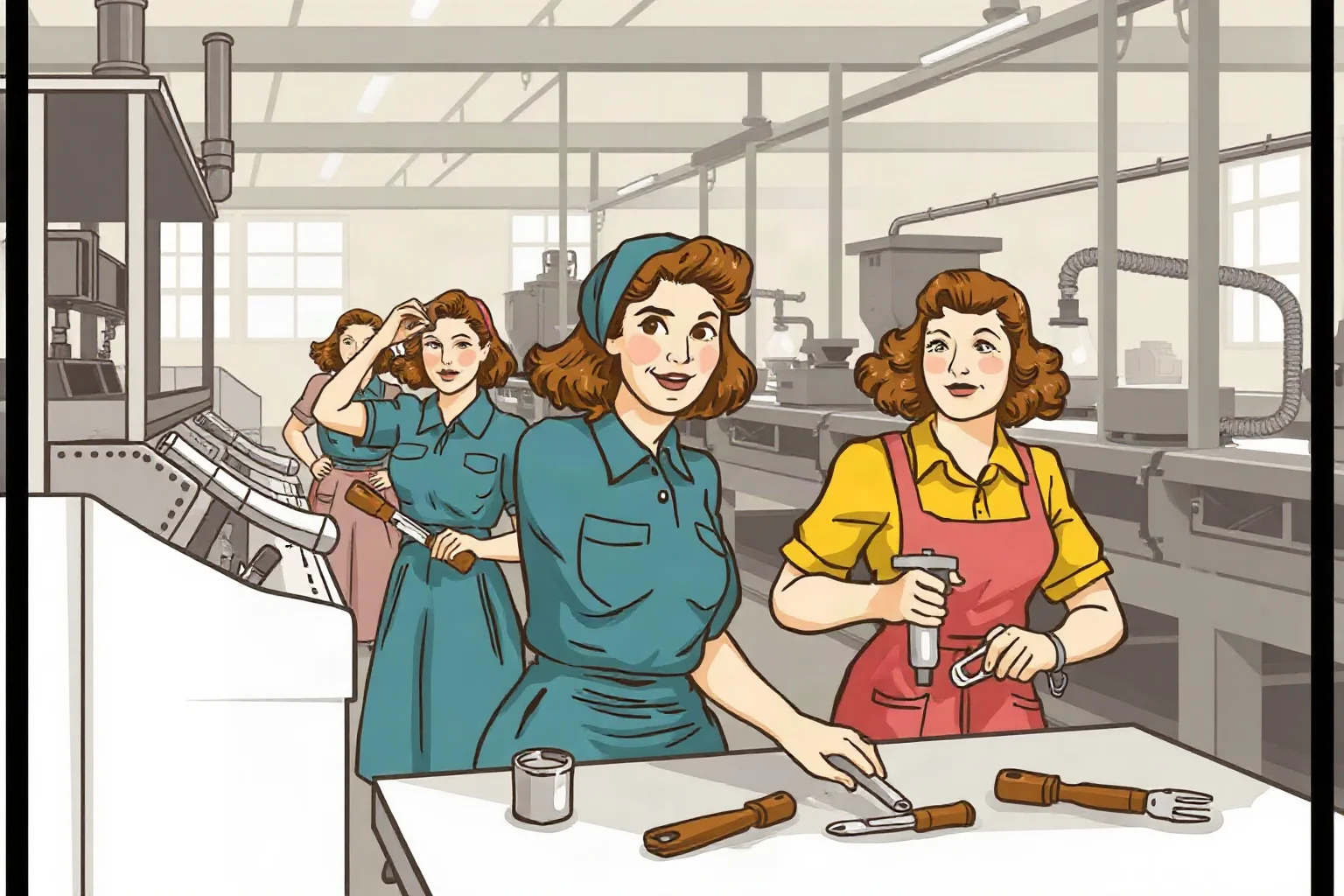
Recorded by several artists in 1942 and 1943, this upbeat tune celebrated the women stepping into factory jobs vacated by men headed overseas. The song predates and helped popularize the now-iconic “Rosie the Riveter” image used in later government messaging.
It remains one of the clearest musical windows into how the war reshaped American labor and gender roles almost overnight.
15. “Over There” – George M. Cohan
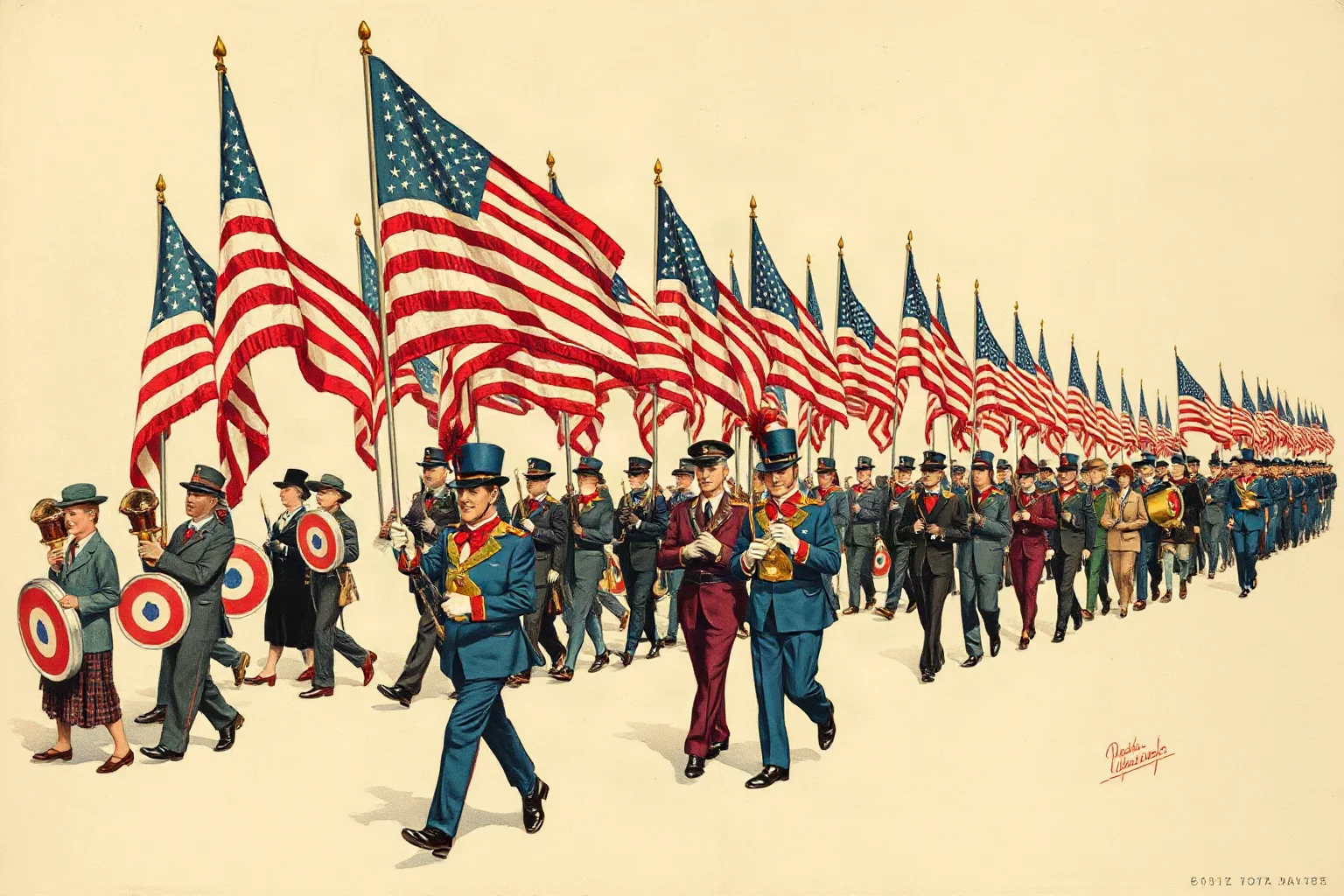
This one requires a myth-check: “Over There” was actually written in 1917 during World War I, not World War II. It was revived enthusiastically during WWII, with Cohan receiving a Congressional Gold Medal in 1940 partly for the song’s renewed patriotic impact.
Its persistent association with WWII shows how older material was recycled and re-embraced once America entered a second global conflict within a single generation.
16. “Sentimental Journey” – Les Brown and Doris Day
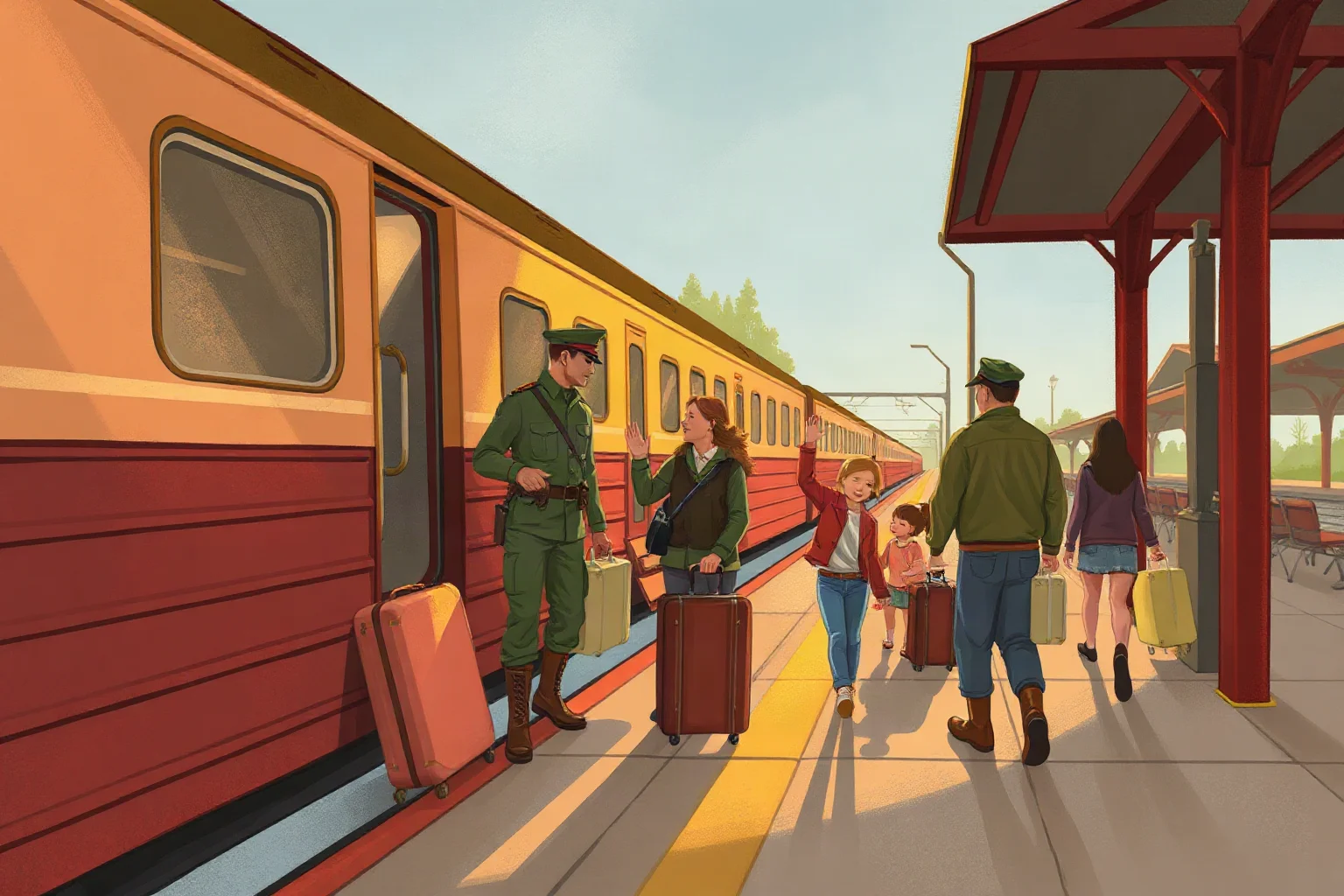
Released in 1945 as the war was winding down, this song captured the exhaustion and anticipation of troops finally heading home. Doris Day’s vocal performance helped launch her solo career and gave the war’s final chapter its own distinctive soundtrack.
It’s often cited among the best wartime songs precisely because it marks a turning point — hope shifting from survival to homecoming.
17. “Bell Bottom Trousers”
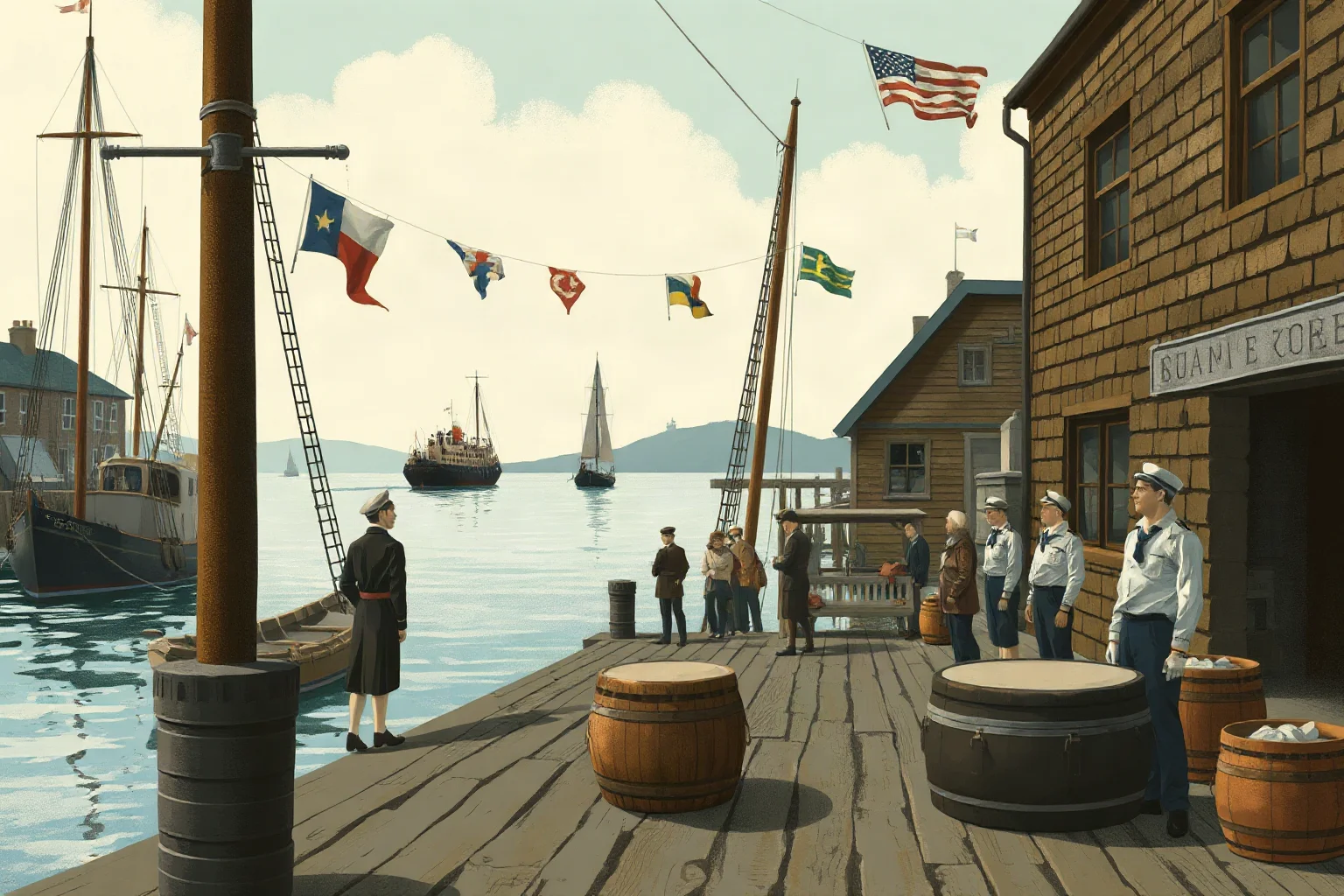
This one has murky, contested origins, with roots that some researchers trace to older sailor folk songs rather than a single wartime songwriter. Regardless of its exact ancestry, it became widely popular with American sailors and appeared in several 1945 recordings.
Its bawdier, informal style makes it a useful example of the more irreverent side of songs sung by soldiers and sailors, as opposed to the polished ballads played on national radio.
18. “American Patrol” – Glenn Miller Orchestra
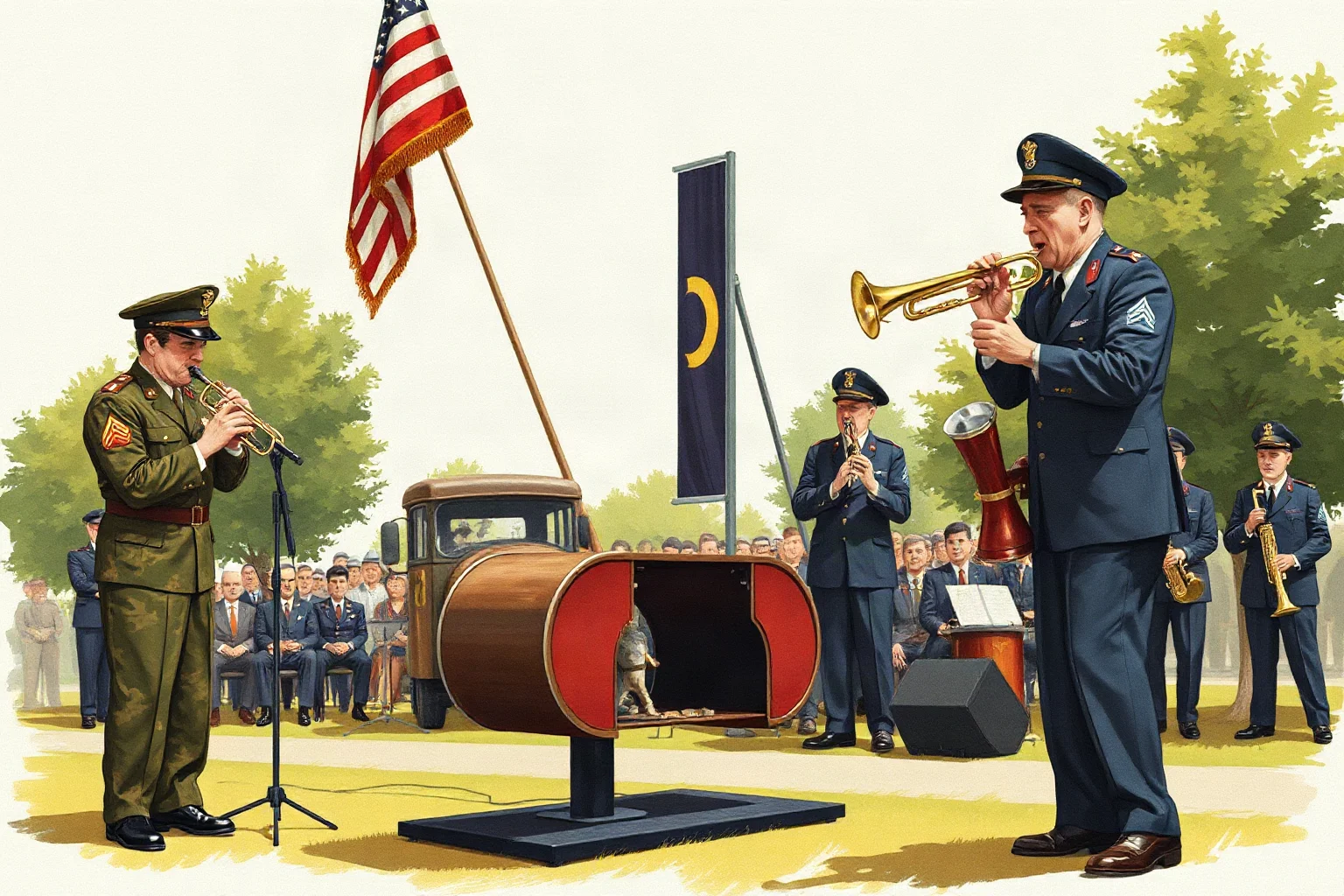
Adapted from an 1885 patriotic march, Glenn Miller’s 1942 swing arrangement turned an old military tune into a fresh wartime hit. It’s another reminder that popular music during world war 2 frequently repurposed older material rather than starting from scratch.
Its brassy, march-influenced energy made it a natural fit for USO performances and military send-off events.
19. “Katyusha”
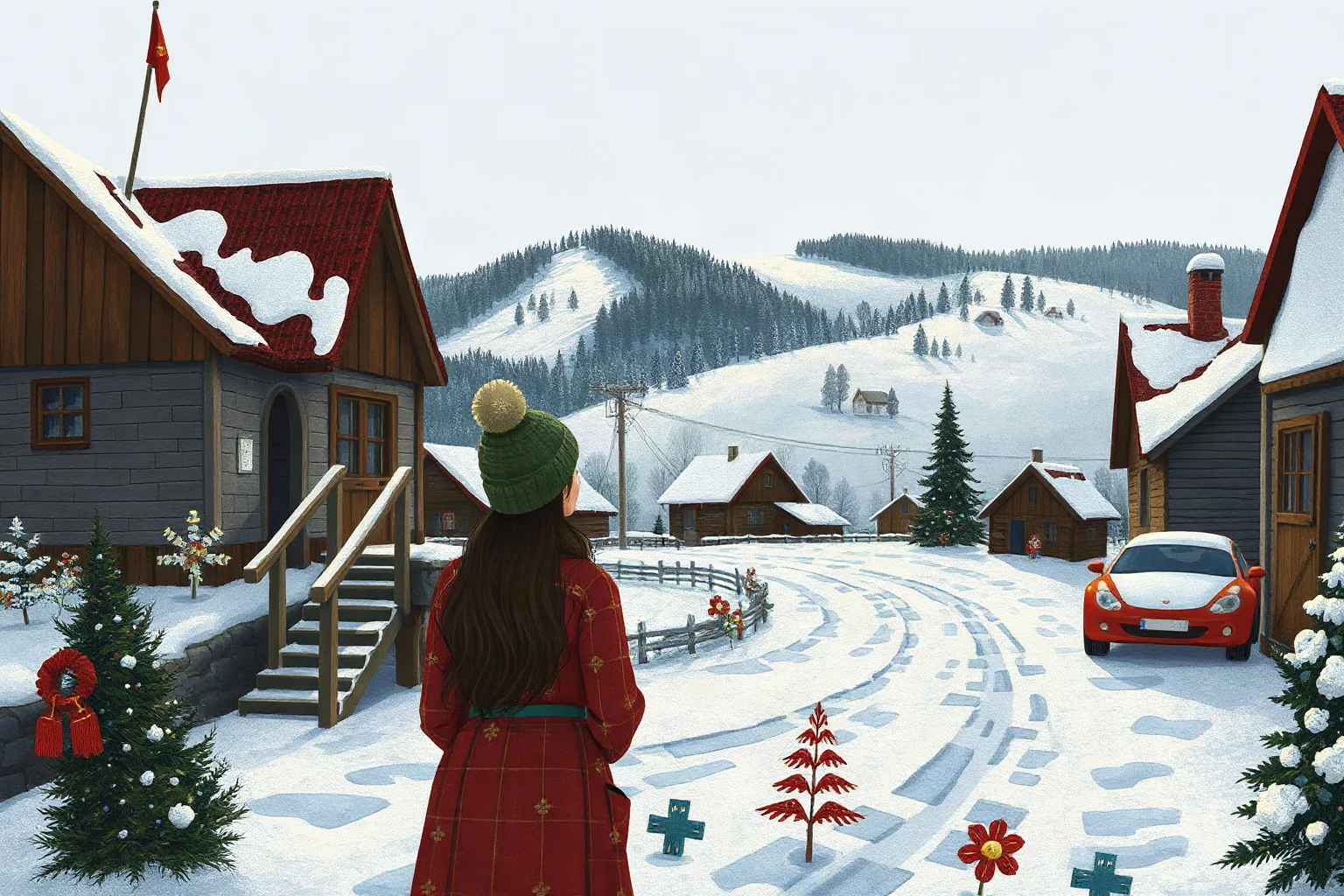
One of the most beloved songs from the Soviet side of the war, “Katyusha” was composed in 1938 by Matvei Blanter with lyrics by Mikhail Isakovsky. It tells the story of a young woman sending love to a soldier at the frontier, and it became so popular that the Soviet multiple rocket launcher was later nicknamed after it.
It remains an essential entry for anyone exploring music from the second world war beyond the English-speaking Allied nations.
20. “Roll Out the Barrel” (The Beer Barrel Polka)
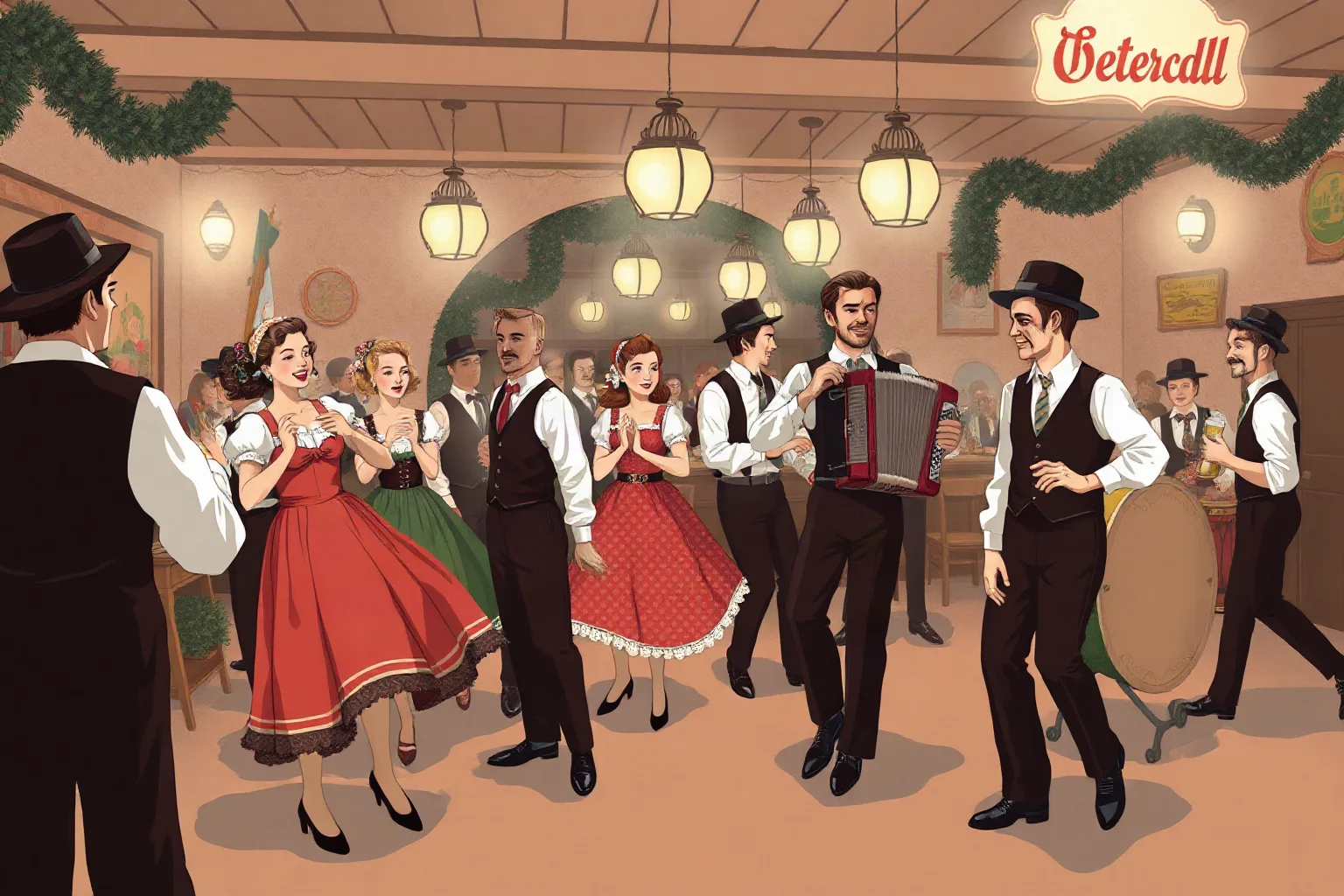
Originally a Czech tune from the 1920s called “Škoda lásky,” it was adapted into English in 1939 and became wildly popular among American and British troops. Its cheerful, danceable rhythm made it a staple at military dances on both sides of the Atlantic.
It’s proof that not every memorable wartime song needed a patriotic message — sometimes soldiers just wanted something fun to dance to.
21. “Panzerlied”
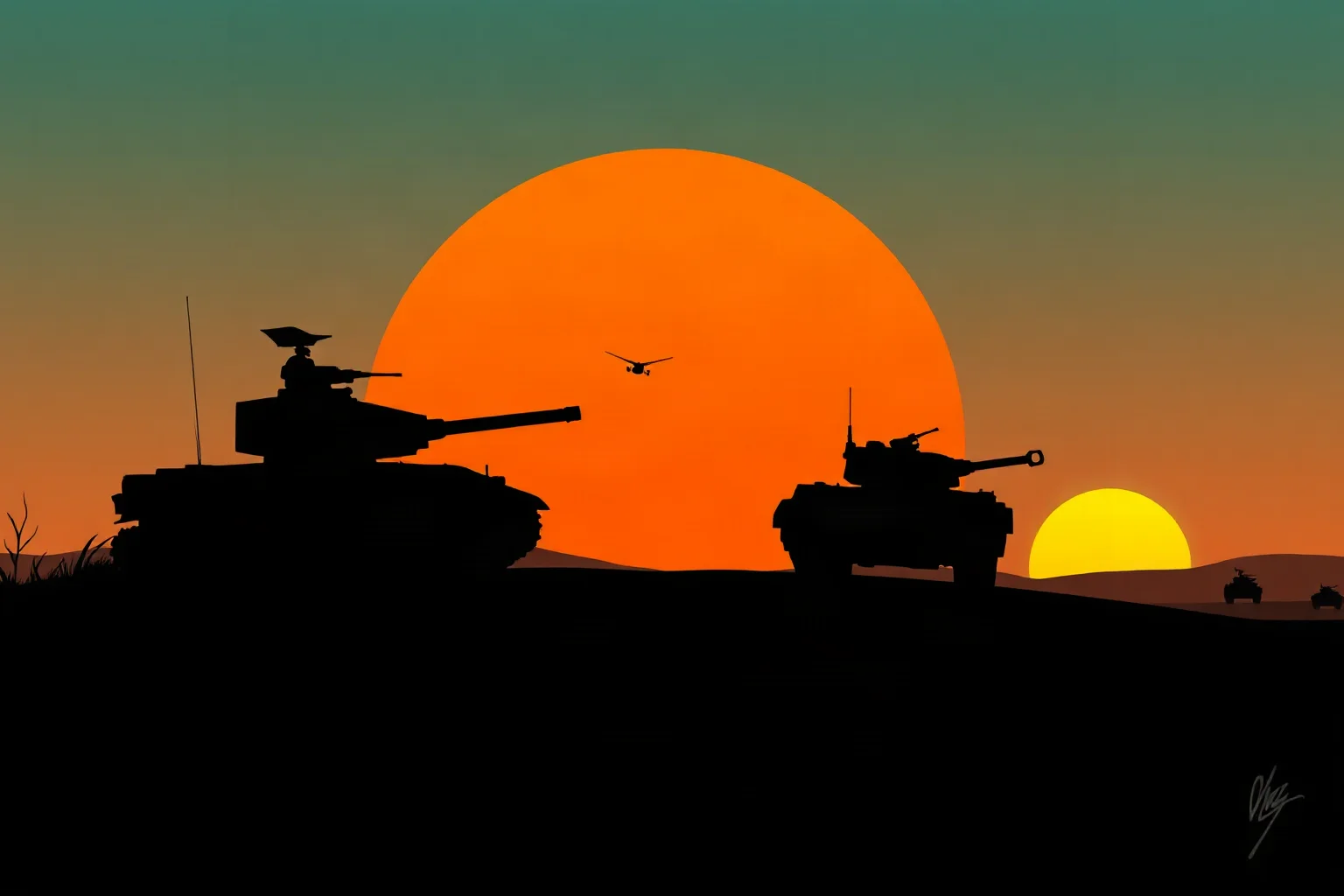
Composed in 1933 by Kurt Wiehle, this German armored-forces marching song became closely associated with Wehrmacht tank crews throughout the war. Its steady, driving rhythm was designed for marching cadence rather than radio broadcast, making it one of the more purely military entries on this list.
It illustrates a different category of wartime music entirely: songs written for internal unit cohesion rather than public morale or entertainment.
22. “Wir Fahren Gegen Engelland”
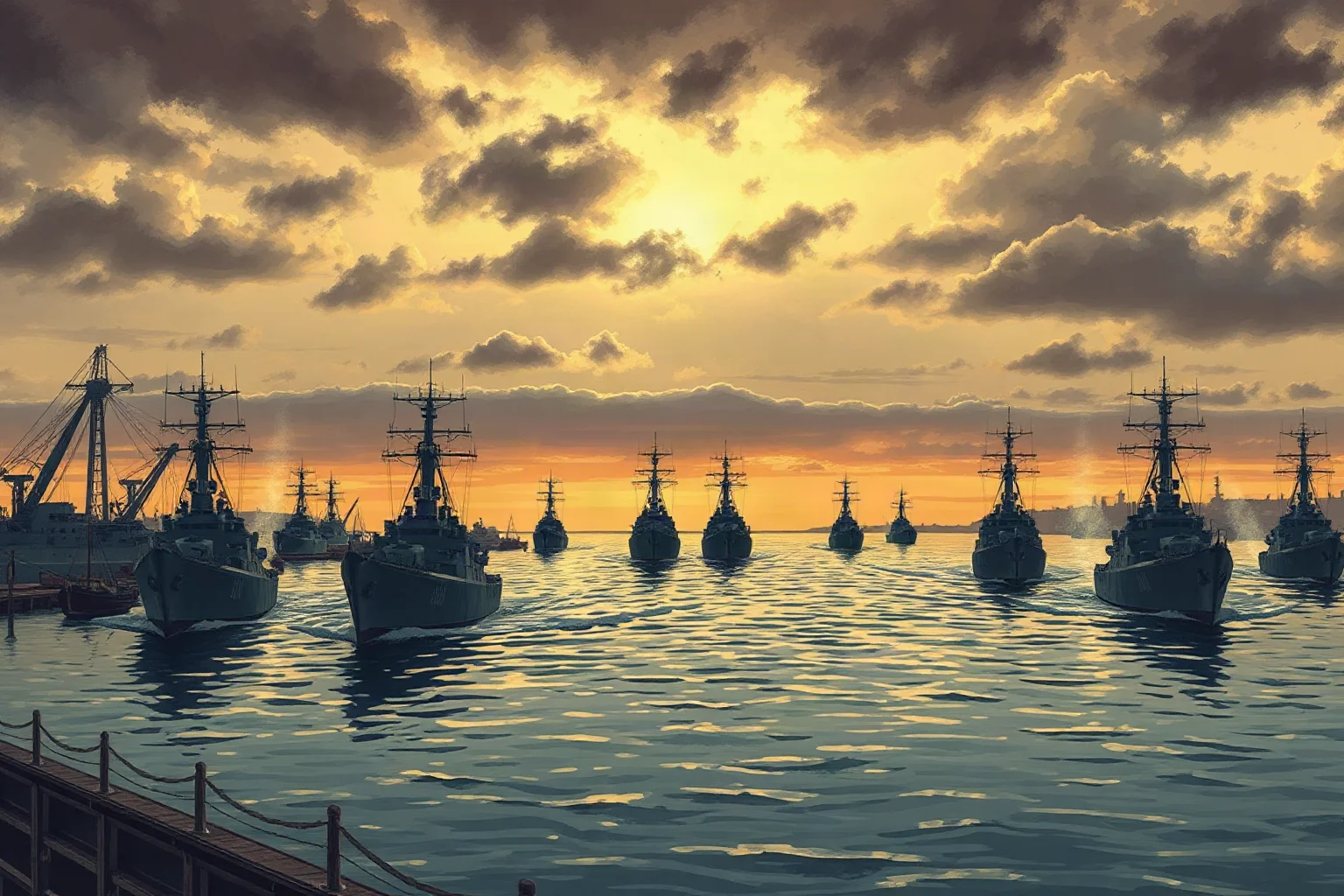
This German naval song, whose title translates to “We’re Sailing Against England,” was popular within the Kriegsmarine during the early war years. Composed by Herms Niel, it reflected the confident, aggressive messaging common in German military songs of the period.
Comparing it against Allied songs on this list highlights just how differently each nation’s war music framed the same conflict.
Beyond the Charts: Marching Songs, Parodies, and Soldiers’ Tunes
Not every memorable tune from this era made it onto a commercial record. Troops on all sides created their own informal repertoire, often adapting existing melodies with new, sometimes irreverent lyrics passed along by word of mouth. These ww2 songs sung by soldiers rarely had a credited songwriter and existed in dozens of regional variations.
Military training camps, troop transports, and long marches all generated their own call-and-response chants and parody verses, some borrowed from WWI-era standards like “Mademoiselle from Armentières.” Because these songs were passed informally rather than published, definitive lyrics and origins are often impossible to pin down with certainty — historians generally treat claims about their exact first performance with appropriate caution.
This informal layer of music sat alongside the official, radio-friendly hits, and together the two created the full soundscape of the war. Understanding both sides — the polished studio recordings and the rough-edged marching songs — gives a much fuller picture of music in wwii than focusing on chart hits alone.
The Lasting Legacy of WWII Music
Many of these songs never really left popular culture. Films, documentaries, and even video games set during the war still reach for “In the Mood” or “We’ll Meet Again” to establish mood almost instantly, decades after the guns fell silent. That staying power says something about how deeply this music was woven into the emotional fabric of the 1940s.
What’s striking, looking back, is the sheer range on display: swing bands and solemn ballads, government-backed anthems and irreverent soldier parodies, songs written years before the war and others composed in direct response to specific battles. Together, they form one of the richest, most historically revealing catalogs of popular music from the entire 20th century.
Whether you came looking for a specific wartime songs list or simply wanted to understand why these tunes still show up in movies and documentaries, hopefully this tour through the era’s most memorable hits has offered both nostalgia and a little historical clarity. The next time one of these songs plays, you’ll know the real story behind it — not just the legend.
Frequently Asked Questions
What are the most well-known world war 2 songs?
Some of the most enduring world war 2 songs include Vera Lynn's "We'll Meet Again" and "The White Cliffs of Dover," Glenn Miller's "In the Mood," the Andrews Sisters' "Boogie Woogie Bugle Boy," and the cross-border favorite "Lili Marleen." These songs remained popular because they balanced patriotism, romance, and escapism in ways that resonated with both civilians and troops.
Were most WWII songs written specifically about the war?
No — many popular wartime hits, including "In the Mood" and "God Bless America," were actually written or recorded before the war began, or dealt with universal themes like separation and homecoming rather than combat itself. Their strong association with WWII came from when and how they were heard, not necessarily from their original subject matter.
What kind of music did soldiers actually sing themselves?
Beyond radio hits, troops created informal marching songs and parody lyrics that were passed along orally rather than published commercially. These ww2 songs sung by soldiers often borrowed melodies from earlier tunes, including some WWI-era standards, and existed in many regional variations with no single "official" version.
Did other countries besides the US and UK have popular wartime music?
Yes — Germany had songs like "Lili Marleen," "Panzerlied," and "Wir Fahren Gegen Engelland," while the Soviet Union produced enduring favorites such as "Katyusha." Studying music from the second world war across multiple nations shows just how universally music was used to boost morale and reinforce national identity during the conflict.
Why is Vera Lynn so closely linked to WWII music?
Vera Lynn was nicknamed the "Forces' Sweetheart" in Britain because of her enormously popular performances of songs like "We'll Meet Again" and "There'll Always Be an England." Her gentle, hopeful style became emblematic of British wartime resilience, and she remains one of the defining voices of wartime songs from this era.
Are any WWII songs still commonly used in movies and TV today?
Yes, several songs from this period are still frequently used in films and documentaries to establish a 1940s wartime atmosphere. "We'll Meet Again," "In the Mood," and "Boogie Woogie Bugle Boy" are especially common choices among the most recognizable popular songs of wwii used in modern media.

Alex Warren
Related Articles