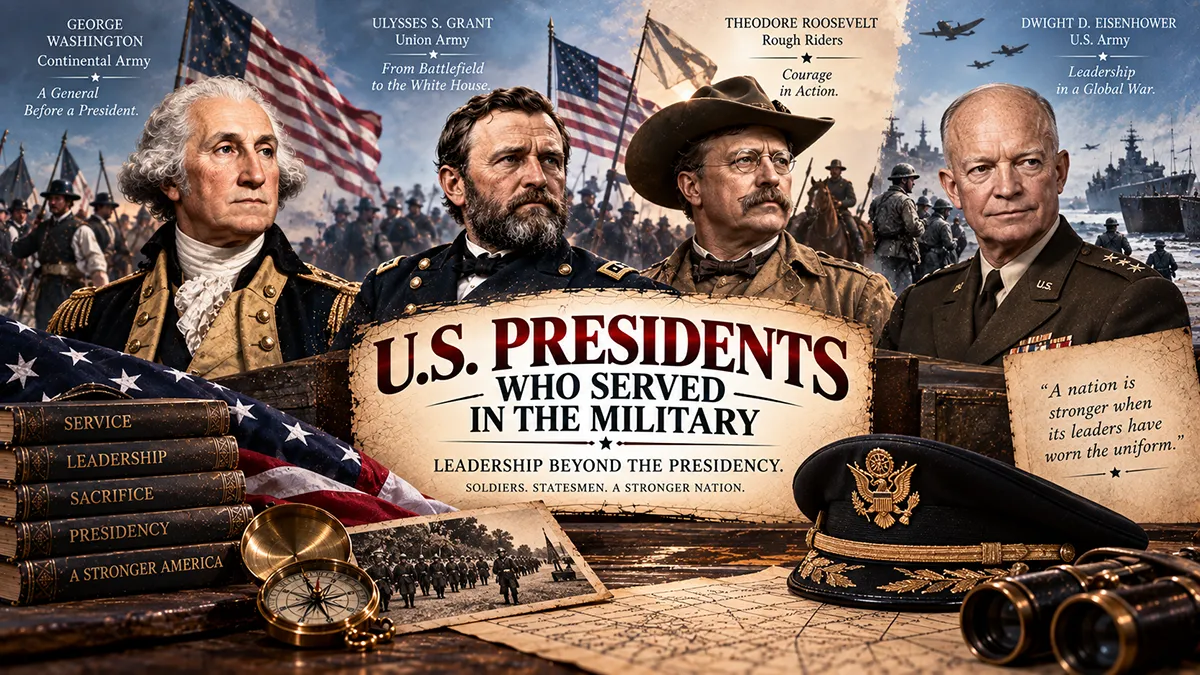
When you picture a U.S. president, you might imagine a five-star general like Eisenhower or a war hero like JFK. But the truth is more complicated than that image suggests. Nearly a third of all U.S. presidents never spent a single day in uniform, and that group includes some of the most recognized historical figures in American history.
This guide breaks down exactly who served, who didn’t, and why the answer isn’t always as simple as it seems. We’ll walk through all 14 presidents who never served in the military, followed by 10 who did, spanning everything from militia duty to five-star command.
TL;DR: Of the 45 people who have served as U.S. president, roughly 31 had some form of military service and 14 did not, including recent presidents like Clinton, Obama, and Trump.
The Numbers at a Glance
Before diving into individual presidents, it helps to see the full picture. Historians count military service a little differently depending on whether they include short militia stints or non-combat roles, but the widely accepted tally looks like this.
- Total presidents: 45 unique individuals have held the presidency (Grover Cleveland and Donald Trump each served two non-consecutive terms but count once).
- Presidents who served in the military: approximately 31, ranging from brief militia duty to full military careers.
- Presidents who did not serve: 14, a group that includes founders, academics, and several recent presidents.
- Democratic presidents who did not serve: 6 — Martin Van Buren, Grover Cleveland, Woodrow Wilson, Franklin D. Roosevelt, Bill Clinton, and Barack Obama.
- Last president with military service: George W. Bush, who served in the Texas Air National Guard.
- Marines who became president: none. No president has ever served in the U.S. Marine Corps.
These figures shift slightly depending on how strictly you define “military service.” Some presidents held brief militia commissions and never saw combat, while others built entire careers in uniform before entering politics. We’ve noted those distinctions below.
14 Presidents Who Never Served in the Military
This list covers every president, from the earliest days of the republic to the present, who never wore a military uniform. Some avoided service through deferments, others simply came of age when there was no war to fight in, and a few made deliberate choices that followed them into their political careers.
1. John Adams
John Adams spent the Revolutionary War years as a lawyer, diplomat, and delegate to the Continental Congress rather than as a soldier. He helped draft the Declaration of Independence and later served as a wartime diplomat in Europe, but he never held a military commission.
His path to the presidency ran entirely through law and statecraft. That made him the first, but far from the last, president with no military background.
2. Thomas Jefferson
Did Thomas Jefferson serve in the military? No — despite living through the Revolutionary War as governor of Virginia, Jefferson never held a military role. When British cavalry under Banastre Tarleton raided Monticello in 1781, Jefferson fled rather than fight, a decision a legislative inquiry later cleared him of any wrongdoing over.
Jefferson’s contributions to independence came through diplomacy and writing, most famously the Declaration of Independence. His presidency focused on expansion and governance, not military leadership.
3. John Quincy Adams
Like his father, John Quincy Adams built his career on diplomacy rather than combat. He was serving in European diplomatic posts by his teenage years and never held a military commission at any point in his long public career.
He later became a powerful voice in Congress after his presidency, arguing against slavery for decades. None of that work involved military service.
4. Martin Van Buren
Martin Van Buren rose through New York’s political machine as a lawyer and party organizer, never serving in the military. He was a key architect of the modern Democratic Party and served as Andrew Jackson’s vice president before winning the presidency himself.
His administration is remembered mostly for the Panic of 1837, an economic crisis that dominated his single term. Military affairs were never part of his personal résumé.
5. Millard Fillmore
Millard Fillmore worked as a lawyer in upstate New York before entering politics, with no military service anywhere in his background. He became vice president under Zachary Taylor and ascended to the presidency in 1850 after Taylor’s sudden death.
Fillmore is best remembered for signing the Compromise of 1850, a package of laws attempting to ease tensions over slavery. His path there was entirely civilian.
6. Grover Cleveland
During the Civil War, Grover Cleveland paid for a substitute to serve in his place, a legal practice under the 1863 Enrollment Act that let draftees hire someone else to fight. He said he needed to support his mother and sisters financially while two of his brothers were already serving.
Cleveland went on to become the only president to serve two non-consecutive terms, as the 22nd and 24th president. His lack of military service became a point of criticism during his campaigns but didn’t stop his political rise.
7. William Howard Taft
William Howard Taft built his career as a lawyer and judge, eventually becoming the only president to also serve as Chief Justice of the Supreme Court. He never served in the military himself, despite later overseeing military affairs as Secretary of War under Theodore Roosevelt.
That civilian oversight role is a good early example of a pattern we’ll revisit later in this article. Managing the military and serving in it are not the same thing.
8. Woodrow Wilson
Woodrow Wilson spent his early career as a political science professor and university president at Princeton before entering politics. He never served in the military, even though he led the United States into World War I in 1917.
Wilson’s wartime leadership came entirely from the Oval Office, directing strategy and diplomacy rather than serving in uniform. His post-war push for the League of Nations defined the final years of his presidency.
9. Calvin Coolidge
Calvin Coolidge worked his way up through Massachusetts state politics as a lawyer, with no military service in his background. He became vice president under Warren Harding and assumed the presidency after Harding’s death in 1923.
Known for his quiet, hands-off governing style, Coolidge presided over the economic boom of the 1920s. His biography includes no combat, deployment, or enlistment of any kind.
10. Herbert Hoover
Herbert Hoover made his name as a mining engineer and humanitarian, leading massive relief efforts to feed millions of civilians during and after World War I. Despite this deep involvement in wartime logistics, he never served in the military himself.
Hoover’s presidency is largely remembered for the onset of the Great Depression, which began just months after he took office. His pre-presidential career, however, was defined by large-scale civilian crisis management.
11. Franklin D. Roosevelt
Franklin D. Roosevelt served as Assistant Secretary of the Navy from 1913 to 1920, a civilian political appointment rather than a military role. He reportedly wanted to enlist during World War I, but President Wilson asked him to remain in his administrative post instead.
Roosevelt went on to lead the United States through nearly all of World War II as commander-in-chief, without ever having served in the armed forces personally. It’s one of history’s more notable ironies that America’s longest-serving wartime president never wore a uniform himself.
12. Bill Clinton
Did Clinton serve in the military? No. During the Vietnam War era, Bill Clinton received student deferments and later a high draft lottery number that kept him out of service, a history that became a major point of scrutiny during his 1992 campaign.
A controversial 1969 letter Clinton wrote about the draft and his ROTC involvement added fuel to the debate at the time. Regardless of the controversy, Clinton never served in the U.S. military in any capacity.
13. Barack Obama

Barack Obama came of age well after the Vietnam-era draft ended in 1973, so he was never called to serve, and he pursued careers in community organizing, law, and academia instead. Like several presidents before him, he registered for Selective Service as required by law but was never a member of the armed forces.
His presidency included major military decisions, from the raid that killed Osama bin Laden to the drawdown in Iraq, all directed from a civilian role as commander-in-chief.
14. Donald Trump
Donald Trump received a medical deferment during the Vietnam War draft, citing bone spurs, after also holding student deferments while in college. He attended a military-style boarding school, the New York Military Academy, as a teenager, but that schooling is not equivalent to actual armed forces service.
Trump never served in the military in any official capacity before, during, or after his time in politics. His lack of service became a recurring topic of debate throughout his campaigns and presidency.
10 Presidents Who Did Serve in the Military
On the flip side, plenty of presidents built their entire early careers around military service, and some became president largely because of the reputations they earned in uniform. Here are ten of the most notable examples, spanning from the Revolutionary War to the modern Air National Guard.
15. George Washington
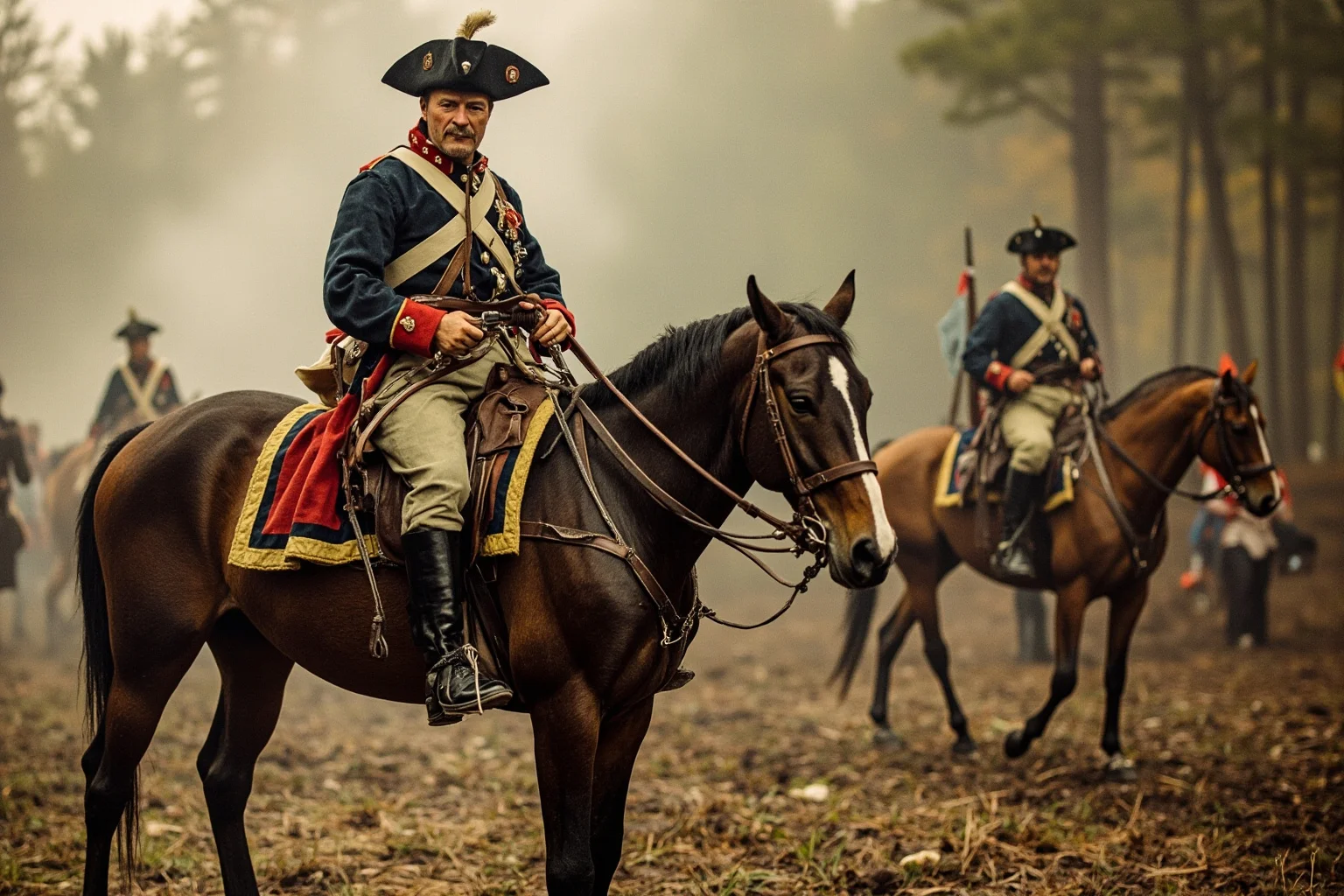
George Washington’s military career began decades before the presidency even existed, serving as a colonel in the Virginia militia during the French and Indian War. He later commanded the Continental Army throughout the Revolutionary War, leading a young, underfunded force to victory over the British.
That military reputation directly shaped his selection as the nation’s first president. Washington remains the clearest example of military service translating straight into political leadership, a legacy explored further in this look at the best generals in American history.
16. Andrew Jackson
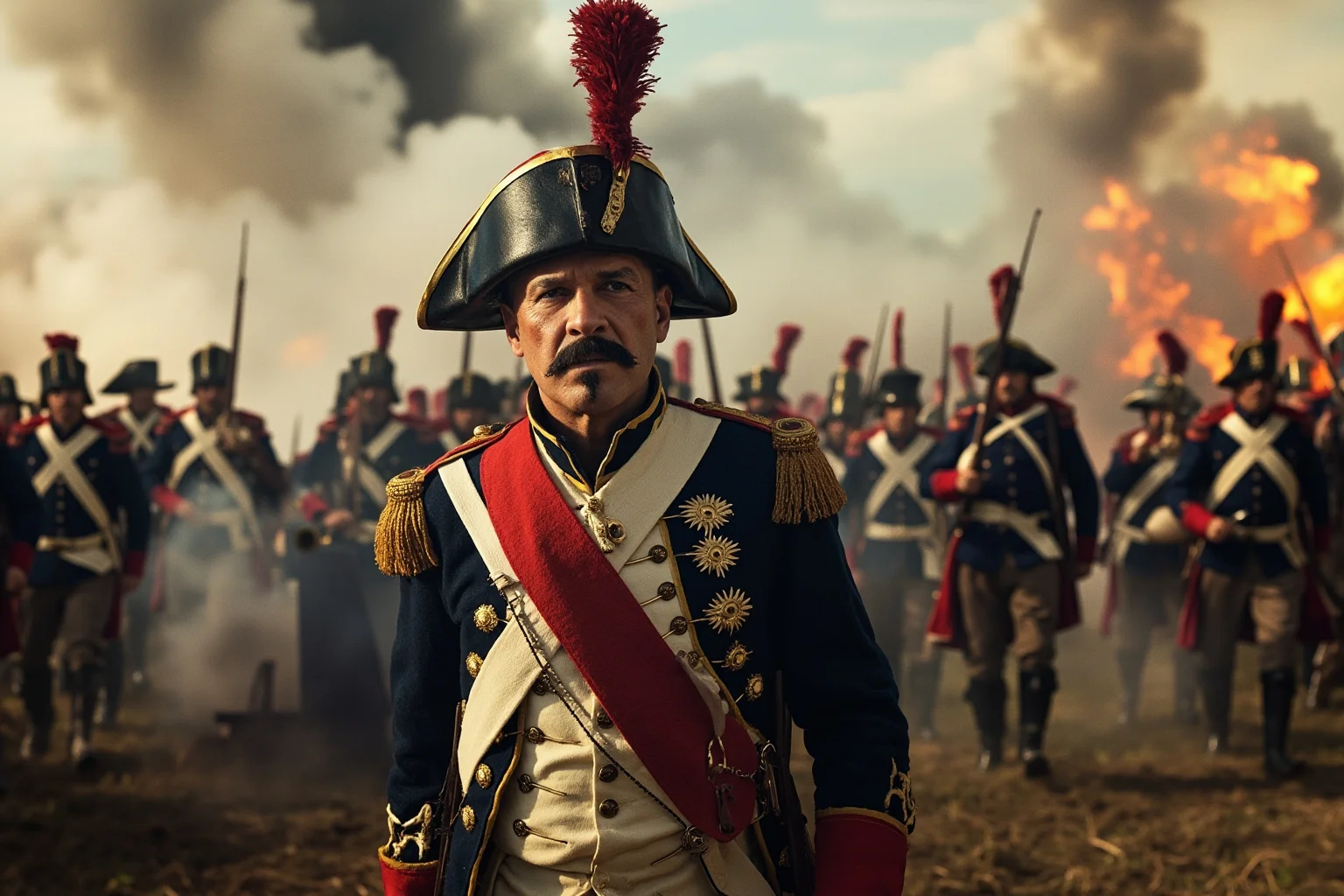
Andrew Jackson’s military life started young; he served as a courier during the Revolutionary War as a boy and was briefly held as a British prisoner. He later rose to Major General during the War of 1812, most famously leading American forces to a decisive victory at the Battle of New Orleans in 1815.
That battlefield fame became the foundation of his political career, earning him a place among America’s greatest war heroes. Jackson rode his military reputation all the way to the White House in 1828.
17. Abraham Lincoln
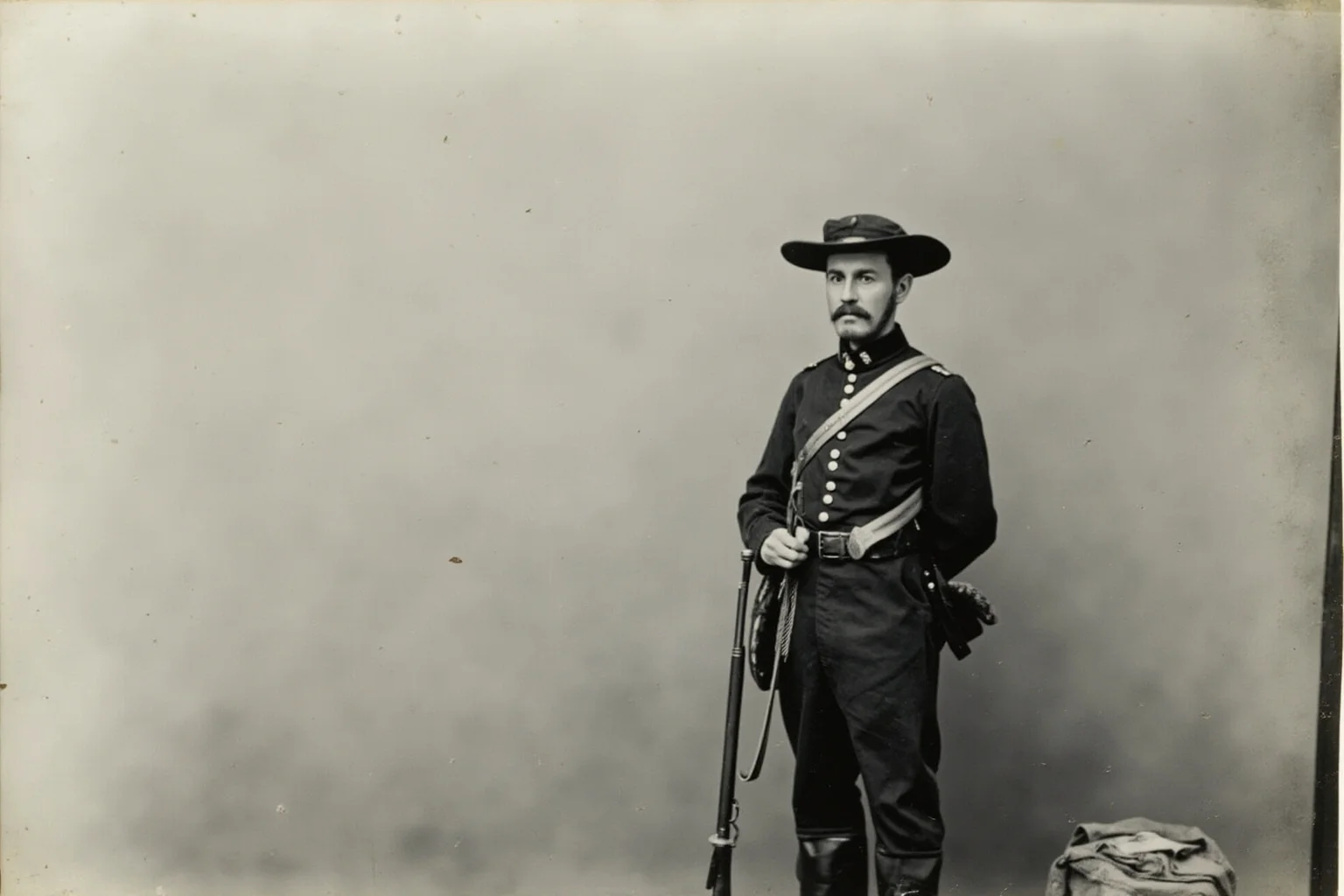
Abraham Lincoln’s military record is brief but real: he served about three months in the Illinois militia during the 1832 Black Hawk War, rising to the rank of captain. He never saw combat and later joked self-deprecatingly about his short, uneventful military career.
Despite the modest service record, Lincoln went on to become one of the most consequential wartime presidents in American history during the Civil War. His own service, however, was militia duty rather than a defining feature of his biography.
18. Ulysses S. Grant
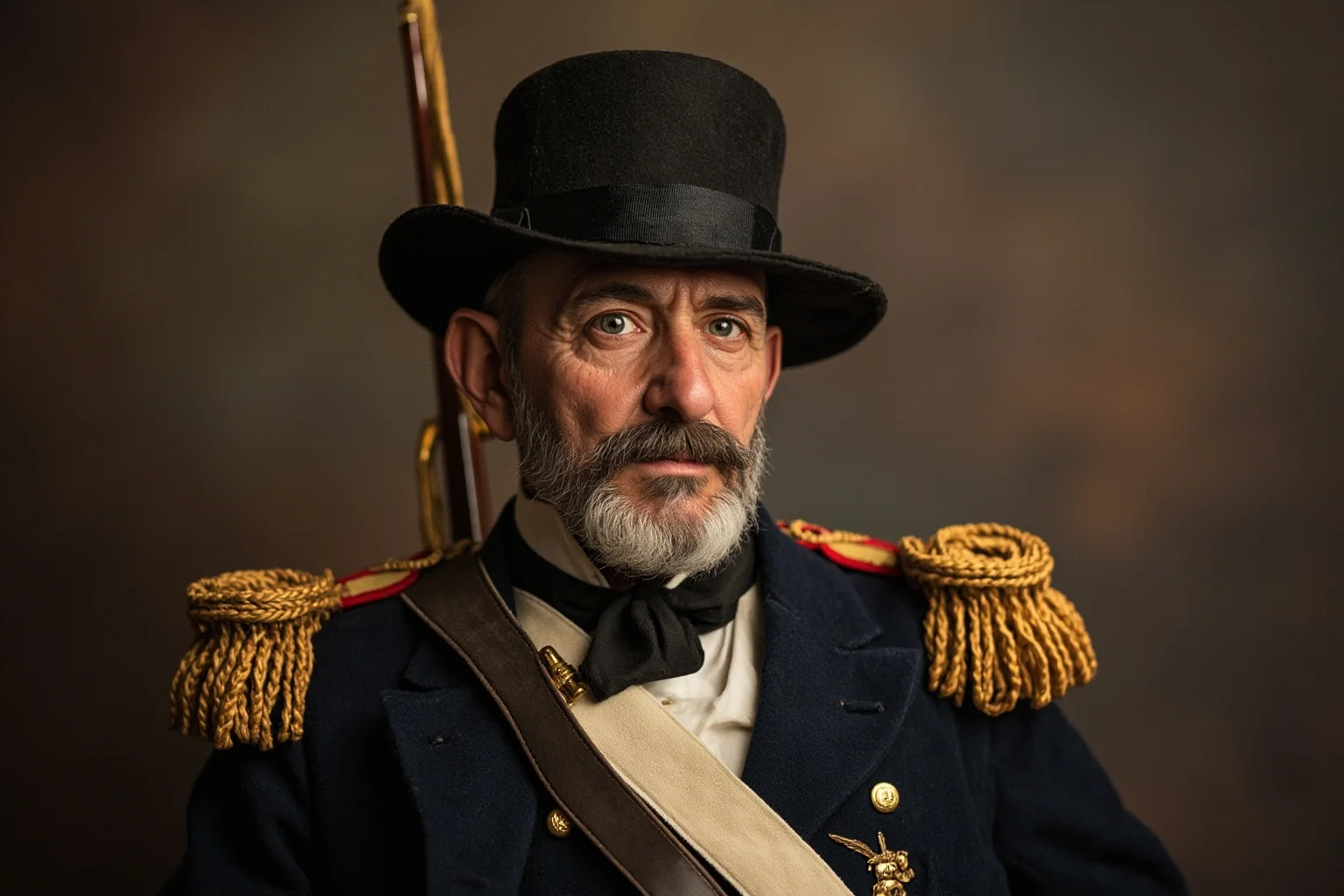
Ulysses S. Grant graduated from West Point and served in the Mexican-American War before rising to fame as the top Union general during the Civil War. He accepted Robert E. Lee’s surrender at Appomattox in 1865, effectively ending the war.
Grant’s military career is one of the most decorated of any president. It directly propelled him into the White House just a few years after the war ended.
19. Theodore Roosevelt
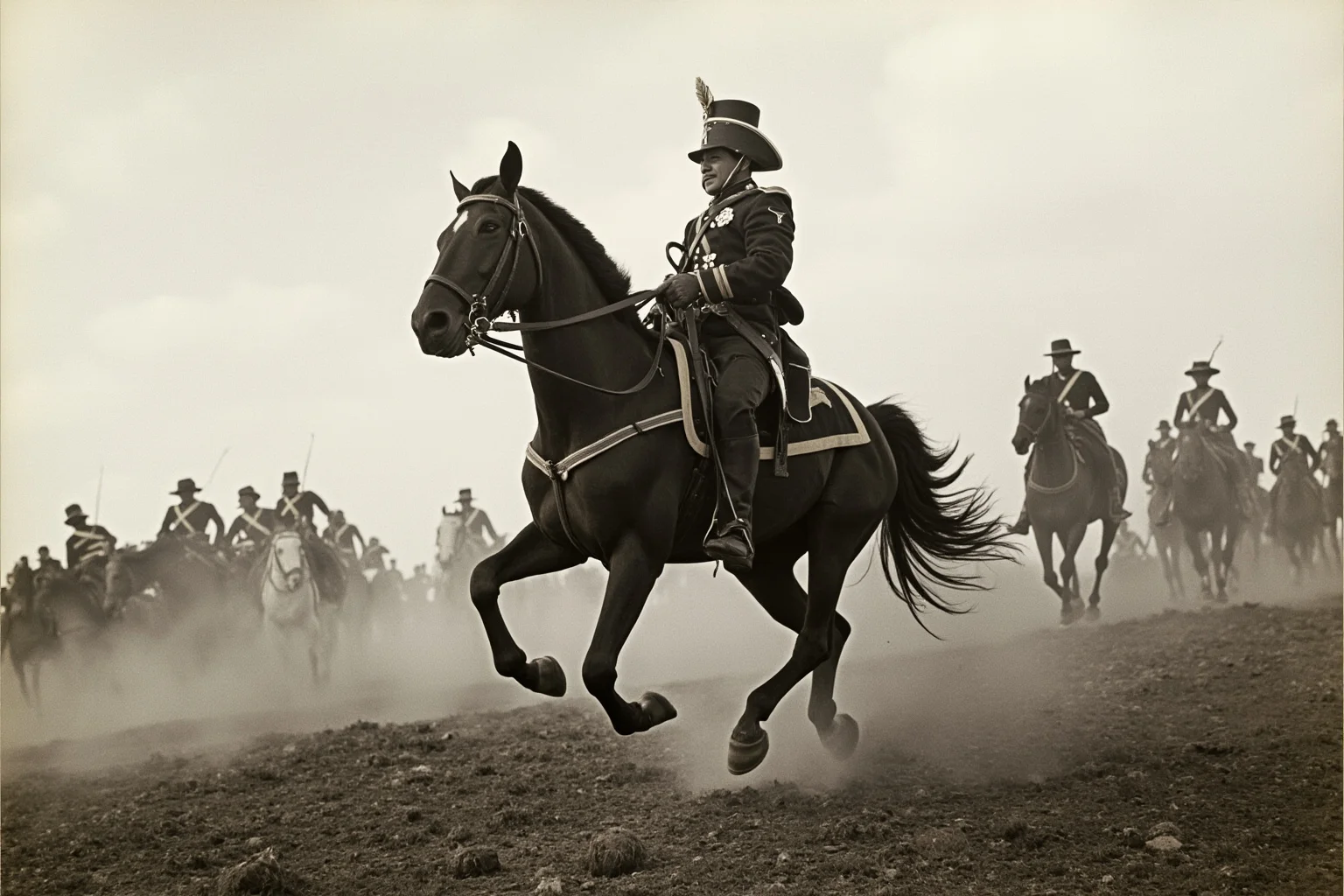
Theodore Roosevelt organized and led the Rough Riders, a volunteer cavalry unit, during the Spanish-American War in 1898. His unit’s charge up Kettle and San Juan Hills in Cuba made him a national hero almost overnight.
Roosevelt was posthumously awarded the Medal of Honor in 2001 for that service, more than a century after the battle. His wartime fame helped launch the political career that eventually led to the presidency.
20. Dwight D. Eisenhower
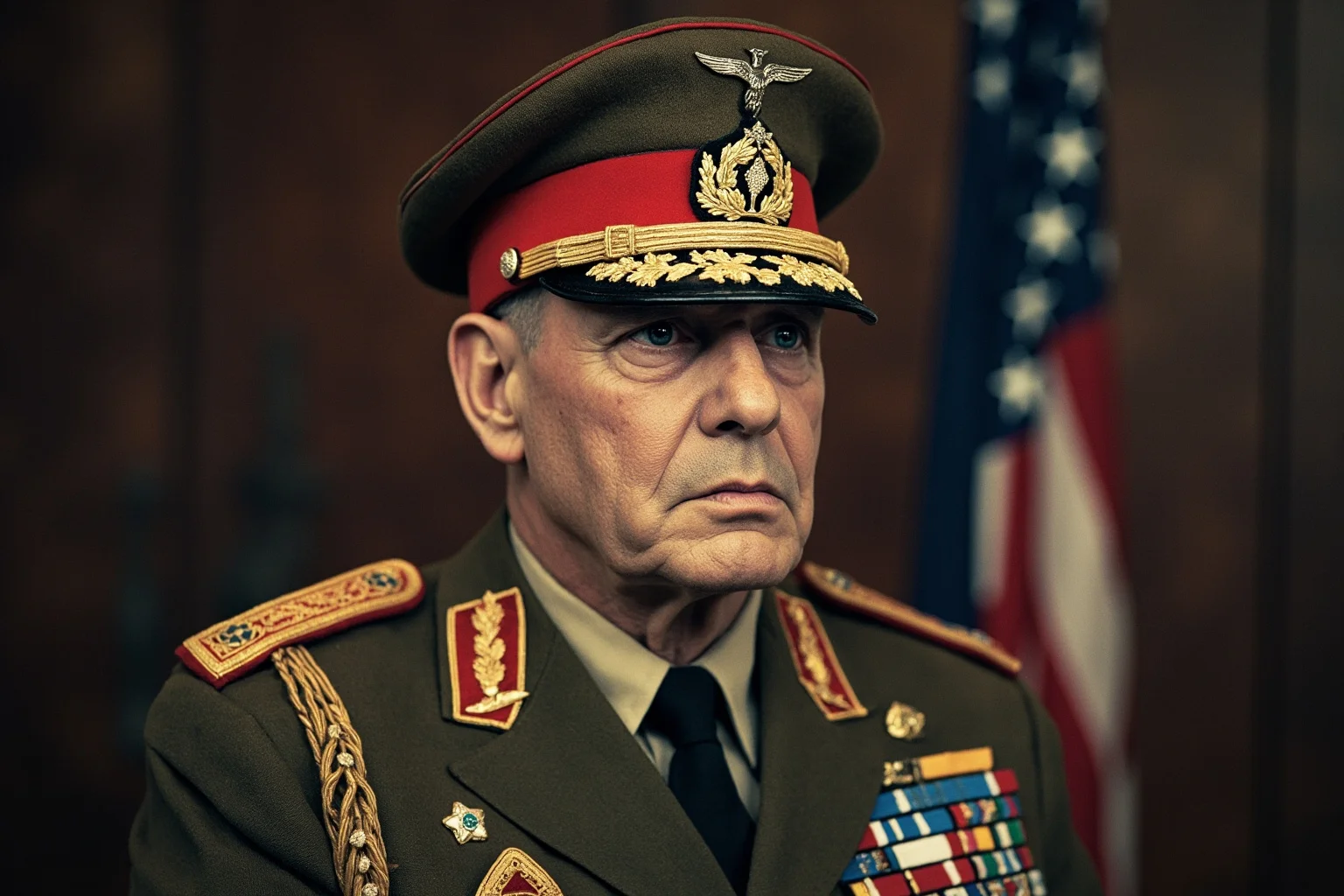
Dwight D. Eisenhower is arguably the most militarily accomplished president in American history, graduating from West Point and eventually becoming a five-star general. He served as Supreme Allied Commander in Europe during World War II, overseeing the D-Day invasion of Normandy in 1944.
His presidency followed directly from that towering military reputation, and he’s often ranked among the most influential military leaders in history. Eisenhower remains the clearest modern example of a career military officer becoming commander-in-chief.
21. John F. Kennedy
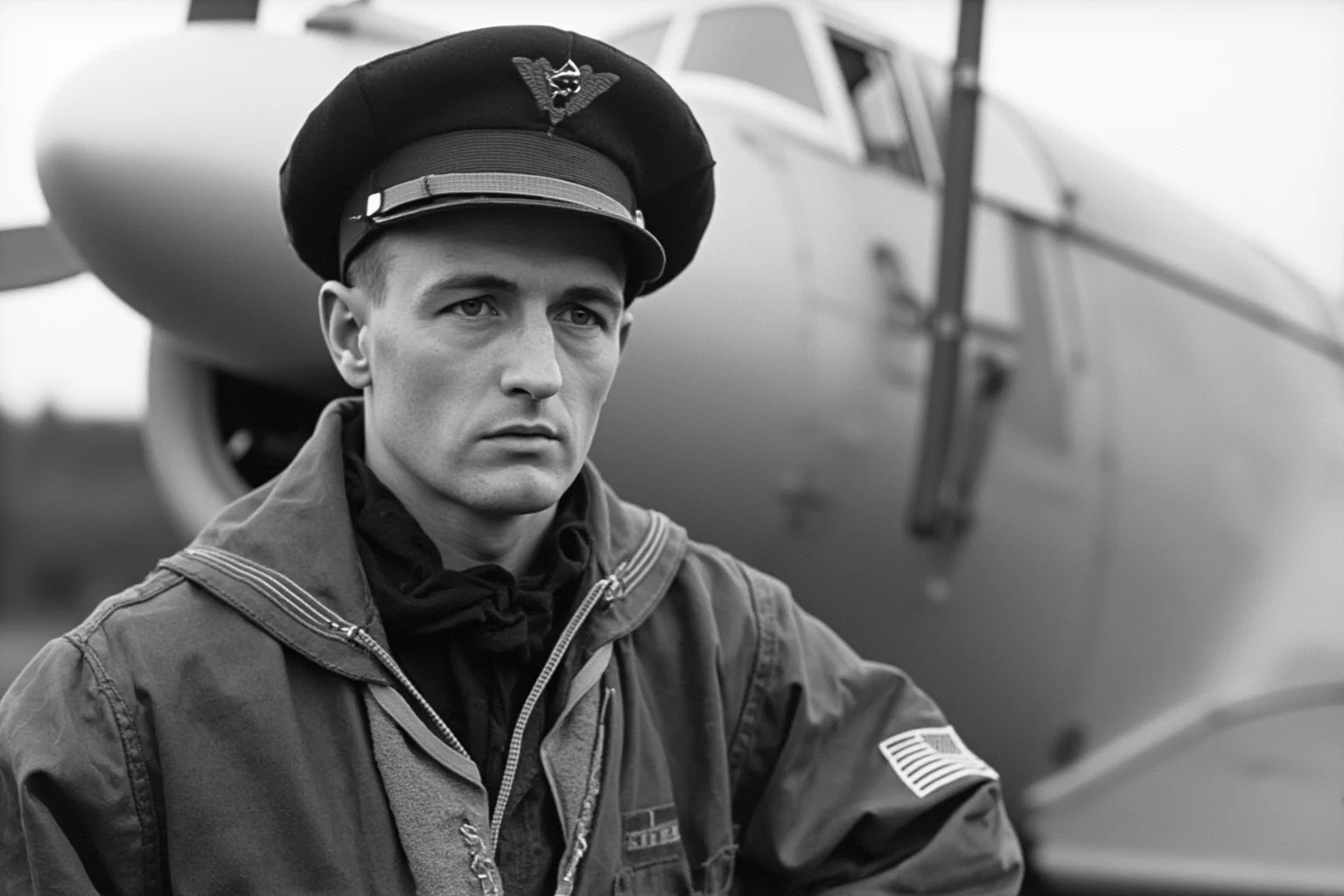
John F. Kennedy served as a U.S. Navy lieutenant during World War II, commanding the patrol boat PT-109 in the Pacific theater. After his boat was rammed and sunk by a Japanese destroyer, Kennedy helped save his surviving crew members and was later awarded the Navy and Marine Corps Medal for heroism.
That wartime story became a central part of his political image in the 1960 campaign. It reinforced his reputation as a young leader tested under real pressure.
22. Jimmy Carter
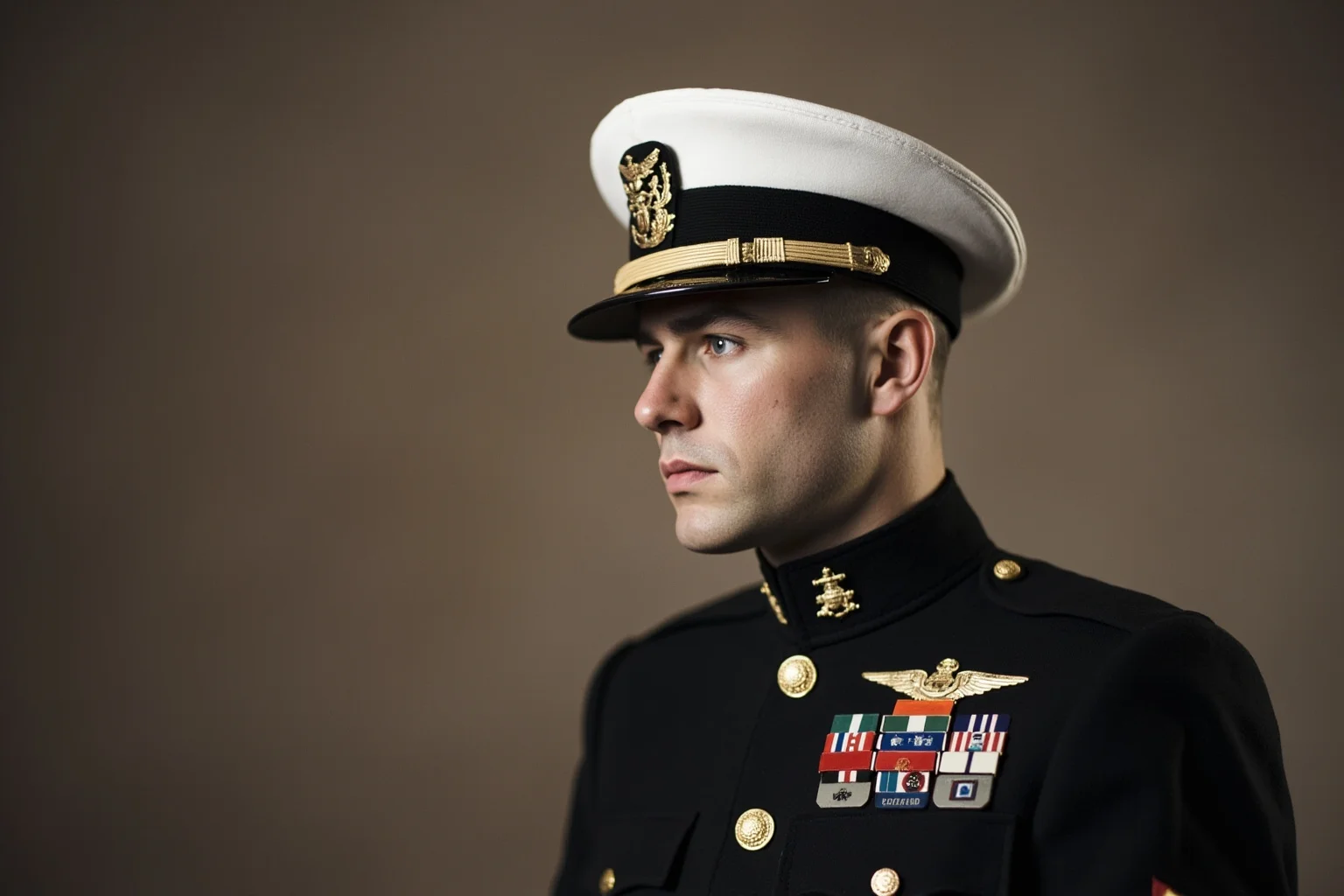
Jimmy Carter graduated from the U.S. Naval Academy and served seven years in the Navy, including work in the early nuclear submarine program under Admiral Hyman Rickover. He left active duty after his father’s death to run the family peanut farm in Georgia.
That technical, disciplined background shaped his low-key, detail-oriented style as president. Carter remains one of the more academically credentialed military veterans to hold the office.
23. George H.W. Bush
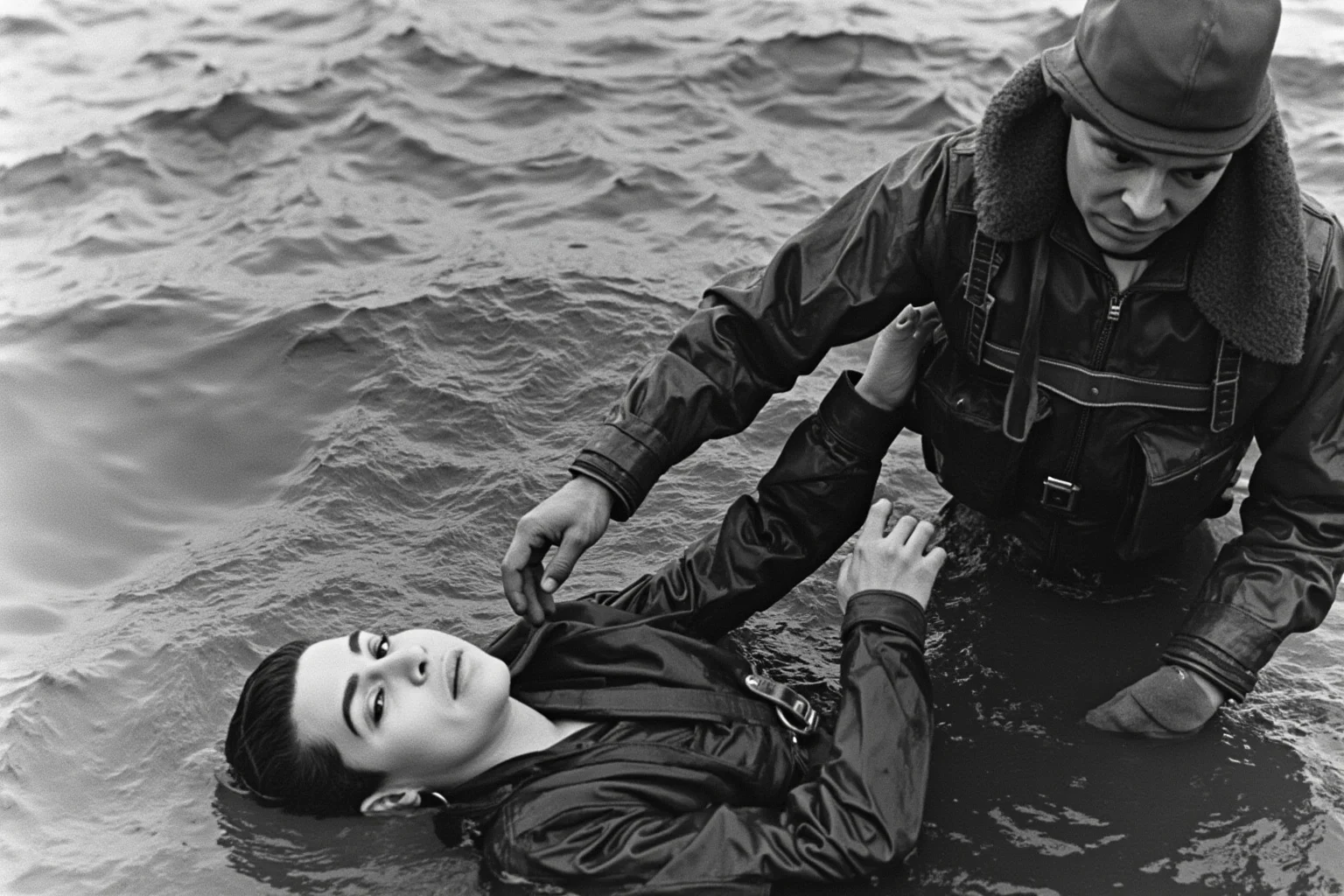
George H.W. Bush became one of the youngest Navy aviators of his era, flying torpedo bombers in the Pacific during World War II. After his plane was shot down in 1944, he was rescued at sea and later awarded the Distinguished Flying Cross for his service.
His wartime experience became a defining part of his public biography for decades, placing him among the notable wartime leaders of World War II. It also informed his approach to military decisions during his own presidency, including the Gulf War.
24. George W. Bush
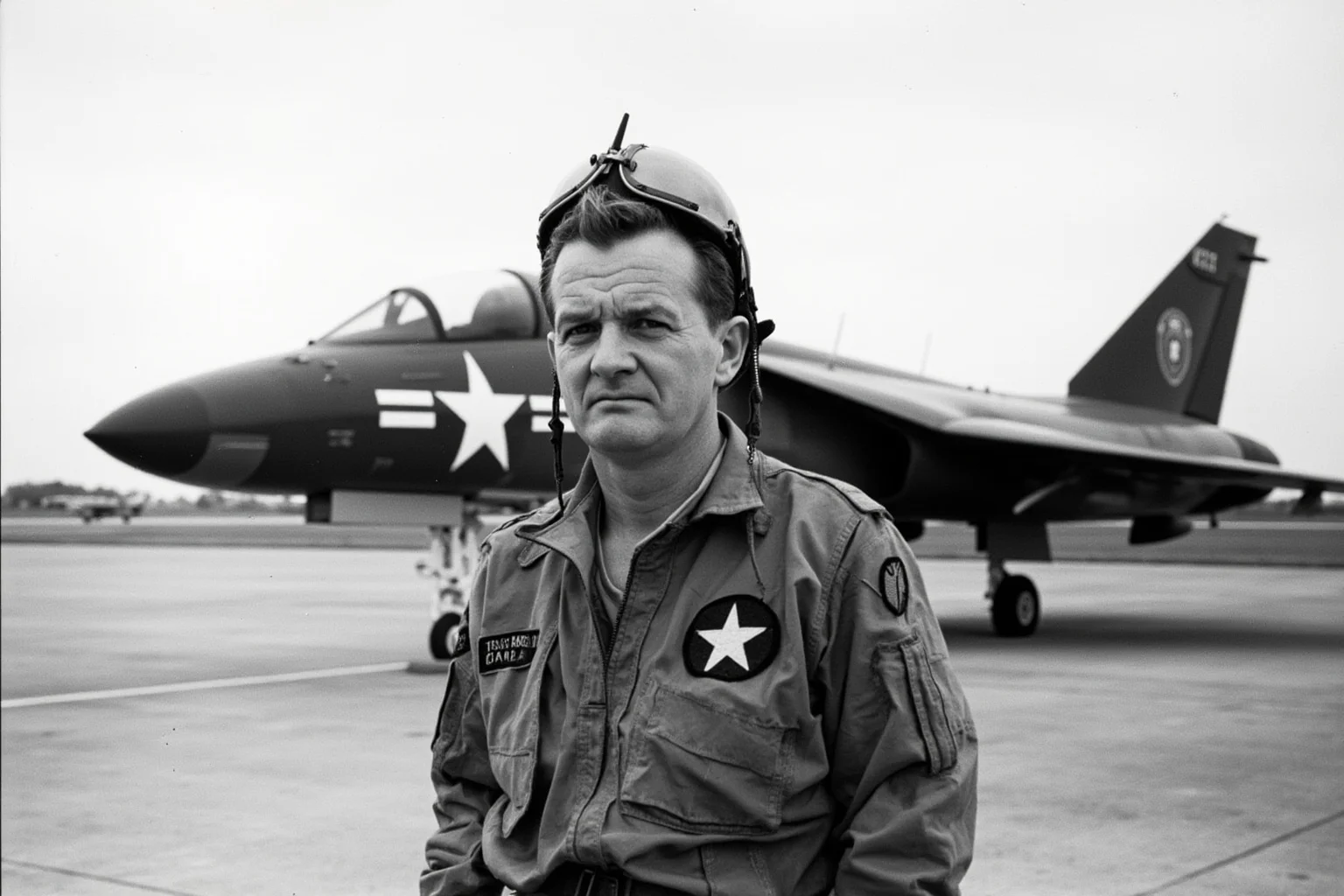
George W. Bush served in the Texas Air National Guard from 1968 to 1974, training as an F-102 fighter pilot. His service record became a subject of political scrutiny during both the 2000 and 2004 campaigns, though he was honorably discharged.
As of now, Bush is the last U.S. president to have any personal military service. Every president since him — Obama, Trump, and Biden — has had none.
Secretaries of Defense Without Military Experience
It’s not just presidents who sometimes lack a uniformed background. Several U.S. Secretaries of Defense, the civilian officials who oversee the entire military, have also never served themselves.
Dick Cheney is the clearest modern example. He received multiple draft deferments during the Vietnam War era and never served in the military, yet he went on to serve as Secretary of Defense from 1989 to 1993, overseeing operations like the Gulf War.
This isn’t a loophole or an oversight; it reflects a deliberate American tradition of civilian control over the military. The Secretary of Defense is meant to be a civilian appointee accountable to elected leadership, not a career military officer, which is exactly why the role and military service have never been legally linked.
Final Thoughts: Does Military Service Matter for the Presidency?
Looking at this list, there’s no clean pattern connecting military service to presidential success or failure. Some of the most transformative presidents, like FDR and Wilson, never served a day in uniform, while some veterans, like Grant and Eisenhower, are remembered as much for their military records as their politics.
What the numbers do show is that roughly two-thirds of American presidents have had some military background, while a meaningful minority did not. That mix has held steady across two centuries, from the militia days of the early republic to the National Guard service of the modern era.
Understanding who served and who didn’t isn’t about scoring points for one side or another. It’s a reminder that the presidency has always drawn from a wide range of American life, military and civilian alike.
Frequently Asked Questions
How many US presidents served in the military?
Of the 45 people who have served as U.S. president, approximately 31 had some form of military service, ranging from brief militia duty to full military careers, while 14 never served at all.
Which 14 presidents did not serve in the military?
The 14 are John Adams, Thomas Jefferson, John Quincy Adams, Martin Van Buren, Millard Fillmore, Grover Cleveland, William Howard Taft, Woodrow Wilson, Calvin Coolidge, Herbert Hoover, Franklin D. Roosevelt, Bill Clinton, Barack Obama, and Donald Trump.
Did Bill Clinton serve in the military?
No. Bill Clinton received student deferments during the Vietnam War and later a high draft lottery number that kept him out of service, and he never served in the U.S. military in any capacity.
Did Thomas Jefferson serve in the military?
No, Thomas Jefferson never served in the military. He served as governor of Virginia during the Revolutionary War but held no military commission, focusing instead on diplomacy and writing, most notably the Declaration of Independence.
Who is the last president who served in the military?
George W. Bush, who served in the Texas Air National Guard from 1968 to 1974, is the last U.S. president to date with personal military service. Presidents since him — Obama, Trump, and Biden — have had none.
Has a Marine ever been president?
No. While presidents have served in the Army, Navy, Air Force, and various state militias, no U.S. president has ever served in the U.S. Marine Corps.
Can a Secretary of Defense have no military experience?
Yes. The Secretary of Defense is a civilian appointee by design, reflecting America's tradition of civilian control over the military. Dick Cheney, for example, served as Secretary of Defense from 1989 to 1993 despite never having served in the armed forces.
How many presidents were veterans?
The count is roughly the same as those with military service, about 31 out of 45, though the exact number can shift slightly depending on whether short militia stints or non-combat roles are counted as veteran status.

Alex Warren
Related Articles