

Open almost any history textbook and you’ll find it weighted heavily toward war, famine, and catastrophe. That’s not an accident — conflict and disaster tend to leave the most dramatic paper trail, and negative events are simply easier to remember. But if you go looking for good history, it’s there in abundance, and it’s just as real and well-documented as the darker chapters.
This list pulls together some of the most compelling historical examples of humanity at its best — moments when strangers risked everything for each other, when science raced against suffering and won, and when entire nations chose peace over vengeance. These are things in history that changed the world positively, and they deserve just as much airtime as the tragedies.
TL;DR: From wartime rescues to global vaccine breakthroughs, history is full of verified, positive events that show ordinary people and nations choosing courage and cooperation over cruelty.
What Is a Historic Event, Really?
Before diving into the list, it’s worth pausing on a simple question: what is a historic event, exactly? Historians generally define it as a moment or development significant enough to alter the course of a community, nation, or the wider world — something that changes how people live, think, or relate to one another afterward.
By that definition, a historic event doesn’t have to be a battle or a bombing. A vaccine that ends a pandemic, a treaty that stops a war, or a peaceful protest that dismantles segregation all qualify just as much as any invasion or uprising. Scale and lasting impact matter more than volume or violence.
Why Good History Deserves the Spotlight
Psychologists have long noted that our brains are wired to pay more attention to threats than to good news — a bias that shapes which stories get told and retold. That’s partly why positive historical events tend to get less coverage than wars and disasters, even when their impact is arguably larger and longer-lasting.
Remembering good history isn’t about pretending the darker chapters didn’t happen. It’s about getting an accurate, complete picture — because the same species capable of atrocity is also capable of extraordinary generosity, ingenuity, and courage. The events below are proof of that second half of the story.
22 Historic Moments That Prove Humanity Still Has Heart
This isn’t an exhaustive list of historical events in history — that would take volumes. Instead, it’s a curated set of some historical events, spanning centuries and continents, chosen because they’re well-documented, verifiable, and genuinely uplifting.
1. The Christmas Truce of 1914
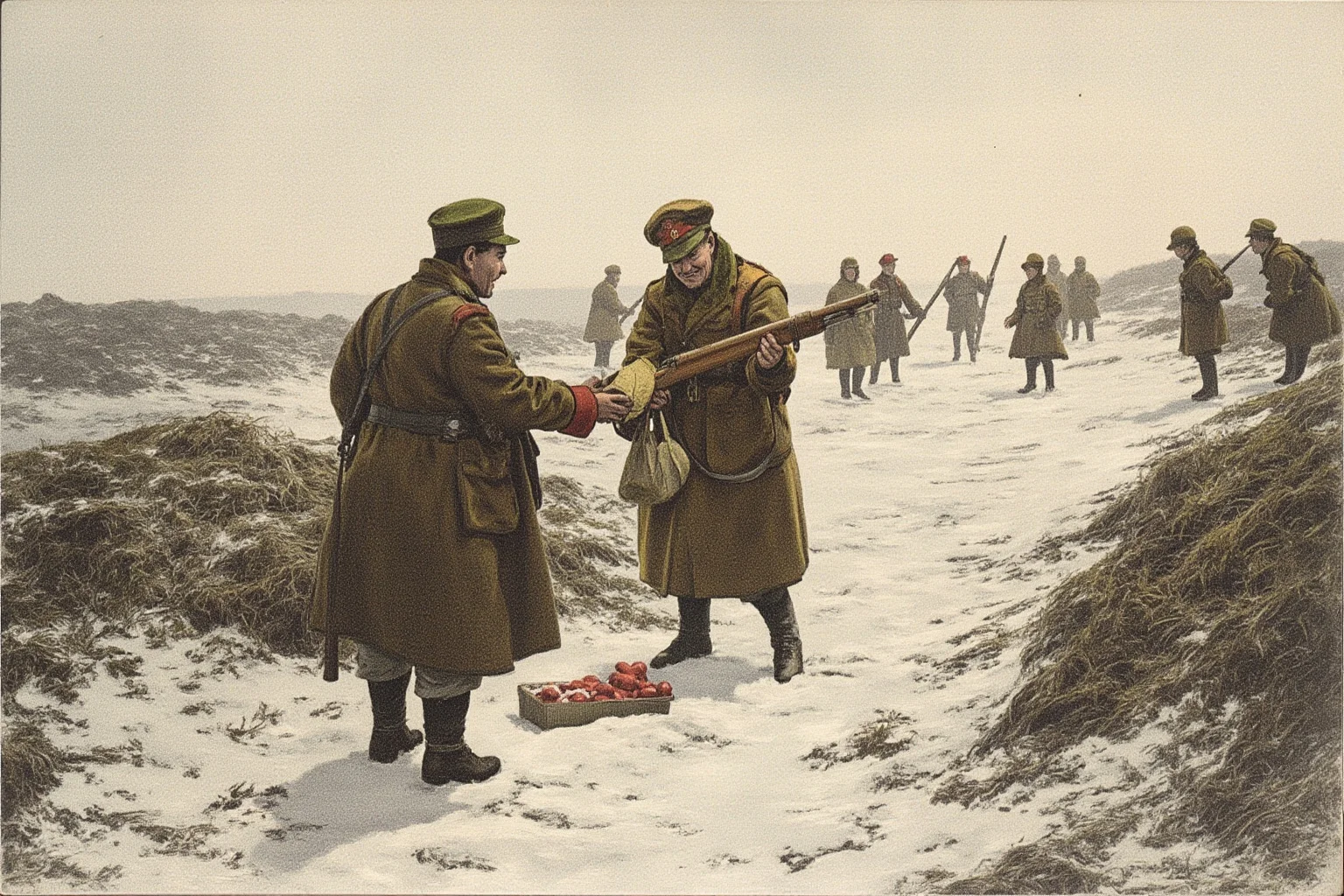
In the first winter of World War I, soldiers along stretches of the Western Front laid down their weapons on Christmas Eve and Christmas Day. Numerous letters and diaries from British, French, and German troops describe carol singing across the trenches, exchanges of small gifts like cigarettes and buttons, and even informal football kickabouts in no-man’s-land.
Historians caution that the truce wasn’t universal — it happened in pockets along the front, not everywhere, and accounts of organized football matches remain debated among researchers. Still, the documented instances of enemy soldiers briefly treating each other as fellow human beings remain one of the most striking historic moments of the entire war.
2. The Founding of the Red Cross (1863)
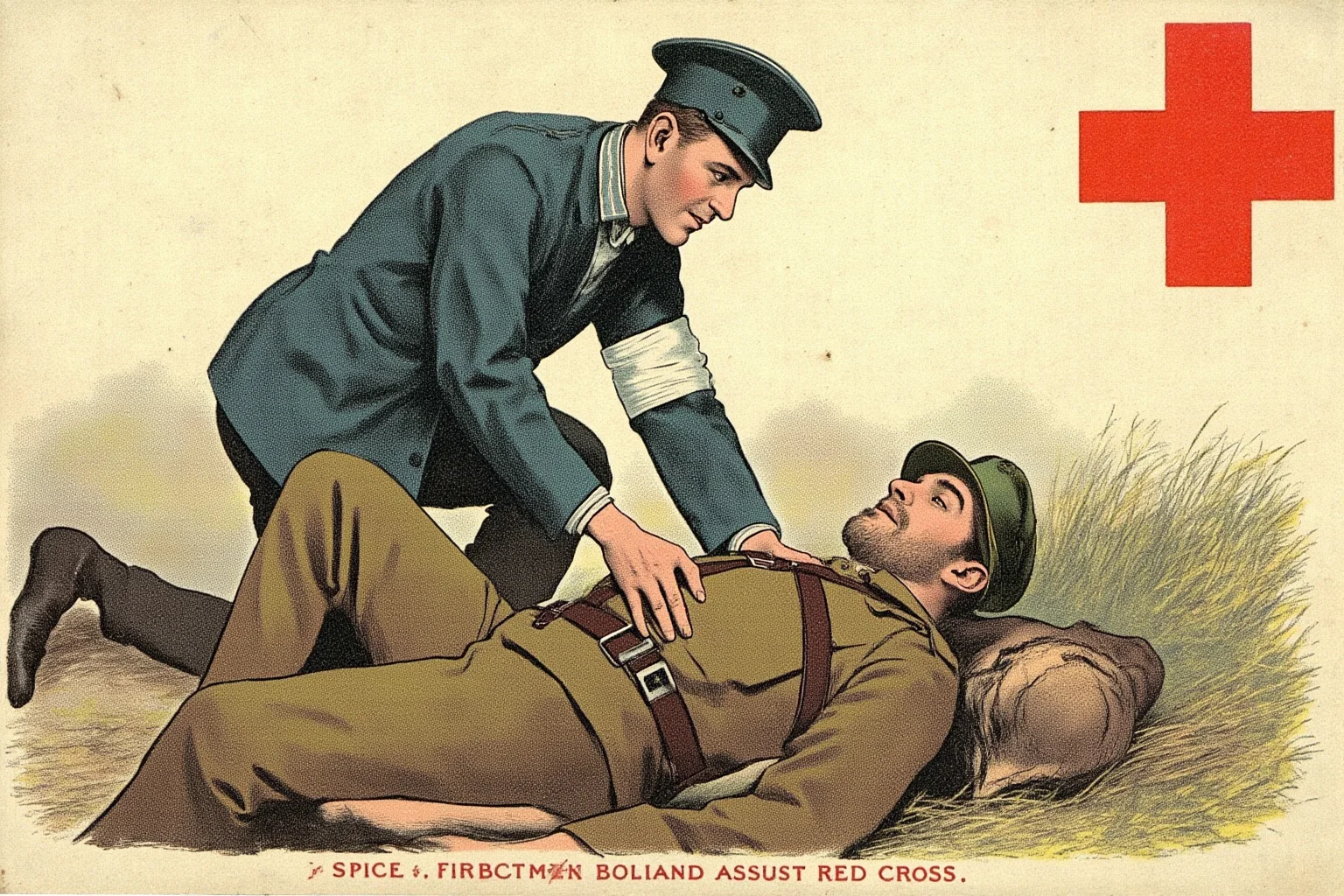
Swiss businessman Henry Dunant witnessed the horrific aftermath of the Battle of Solferino in 1859, where wounded soldiers were left to suffer with almost no medical care. His outrage led directly to the founding of the International Committee of the Red Cross in 1863 and the first Geneva Convention in 1864.
That single act of moral clarity created a framework for protecting the wounded, prisoners, and civilians in conflicts that continues today. It’s a clear example of how one person’s response to horror produced a lasting, positive historical event.
3. The Abolition of the Transatlantic Slave Trade
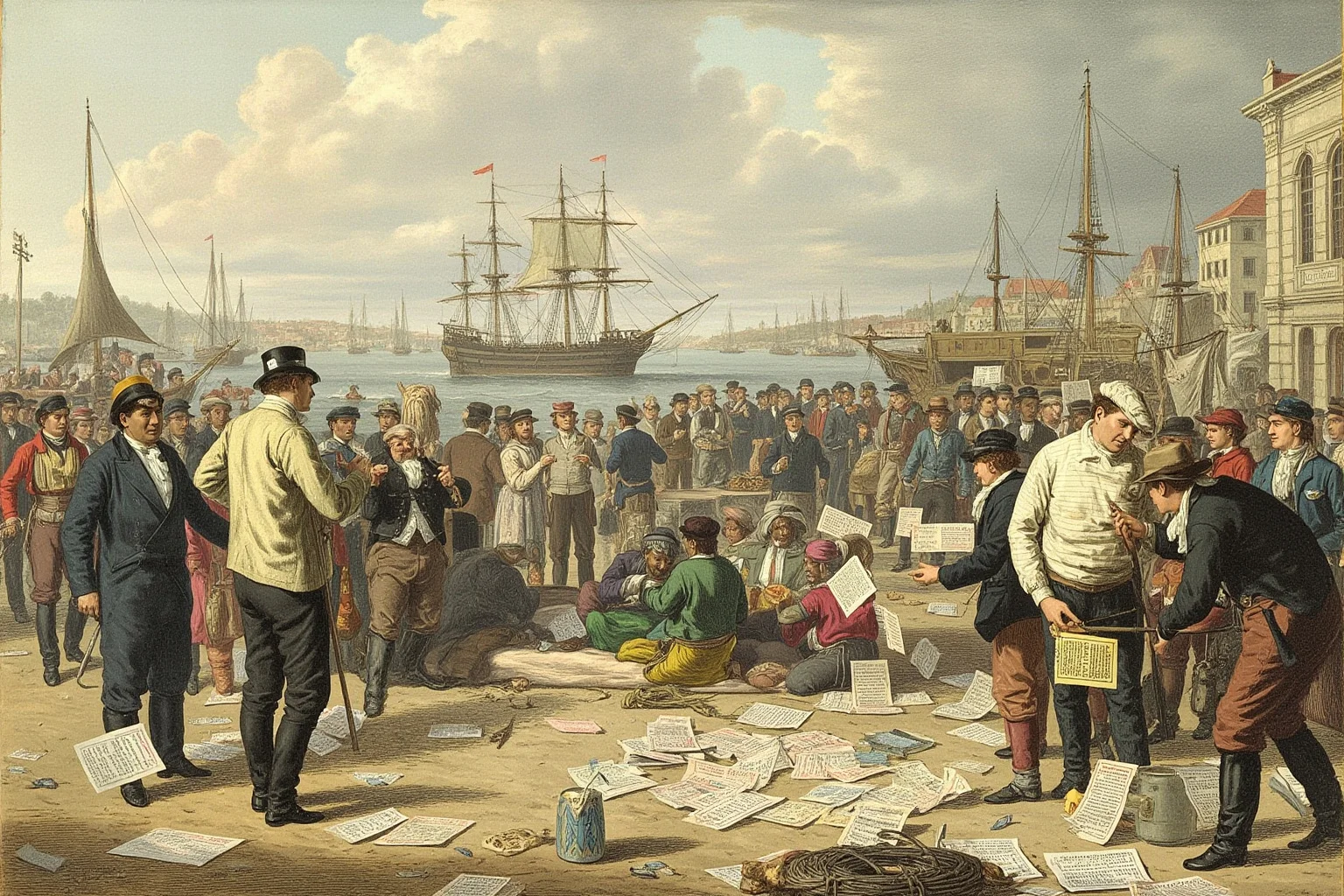
Britain’s Slave Trade Act of 1807 outlawed the trade within the British Empire, followed by the Slavery Abolition Act of 1833, while the United States formally ended slavery with the 13th Amendment in 1865. These legal victories came after decades of campaigning by abolitionists, including formerly enslaved people like Olaudah Equiano and Frederick Douglass, whose firsthand testimony proved decisive.
It’s important to be clear-eyed here: abolition didn’t erase the trade’s horrors or immediately create equality, and exploitation continued in other forms. But the organized, sustained pressure that forced governments to outlaw the practice remains one of the most important historical moments in the fight for human dignity.
4. The Underground Railroad’s Network of Ordinary Heroes

Throughout the early-to-mid 1800s, a loose network of safe houses, sympathetic families, and guides — Black and white, free and formerly enslaved — helped an estimated tens of thousands of enslaved people escape to freedom in the northern United States and Canada. Harriet Tubman, herself a escaped enslaved woman, became its most famous conductor, making repeated dangerous trips back into the South.
What makes this story so powerful is the sheer number of ordinary people involved. No government organized it; it ran almost entirely on individual courage and quiet acts of solidarity between strangers.
5. The Kindertransport (1938–1939)

After the violence of Kristallnacht in November 1938 made the danger facing Jewish families in Nazi-controlled territory unmistakable, Britain organized the Kindertransport. Roughly 10,000 predominantly Jewish children from Germany, Austria, and Czechoslovakia were transported to Britain and placed with foster families or in hostels.
Many of these children never saw their parents again, and the program’s story carries real grief alongside its heroism. Even so, the willingness of thousands of British families to take in strangers’ children on short notice remains a genuinely happy event in history amid a very dark period.
6. The Danish Rescue of Jews (1943)

When Nazi Germany planned to deport Denmark’s Jewish population in October 1943, word leaked to the Danish resistance and ordinary citizens. Over the following weeks, fishermen and civilians ferried roughly 7,200 Jews across the narrow strait to neutral Sweden in small boats, often at great personal risk.
As a result, over 99% of Denmark’s Jewish population survived the Holocaust — one of the highest survival rates of any Nazi-occupied country. It stands as one of the clearest examples of a whole community mobilizing to protect its neighbors.
7. The Berlin Airlift (1948–1949)
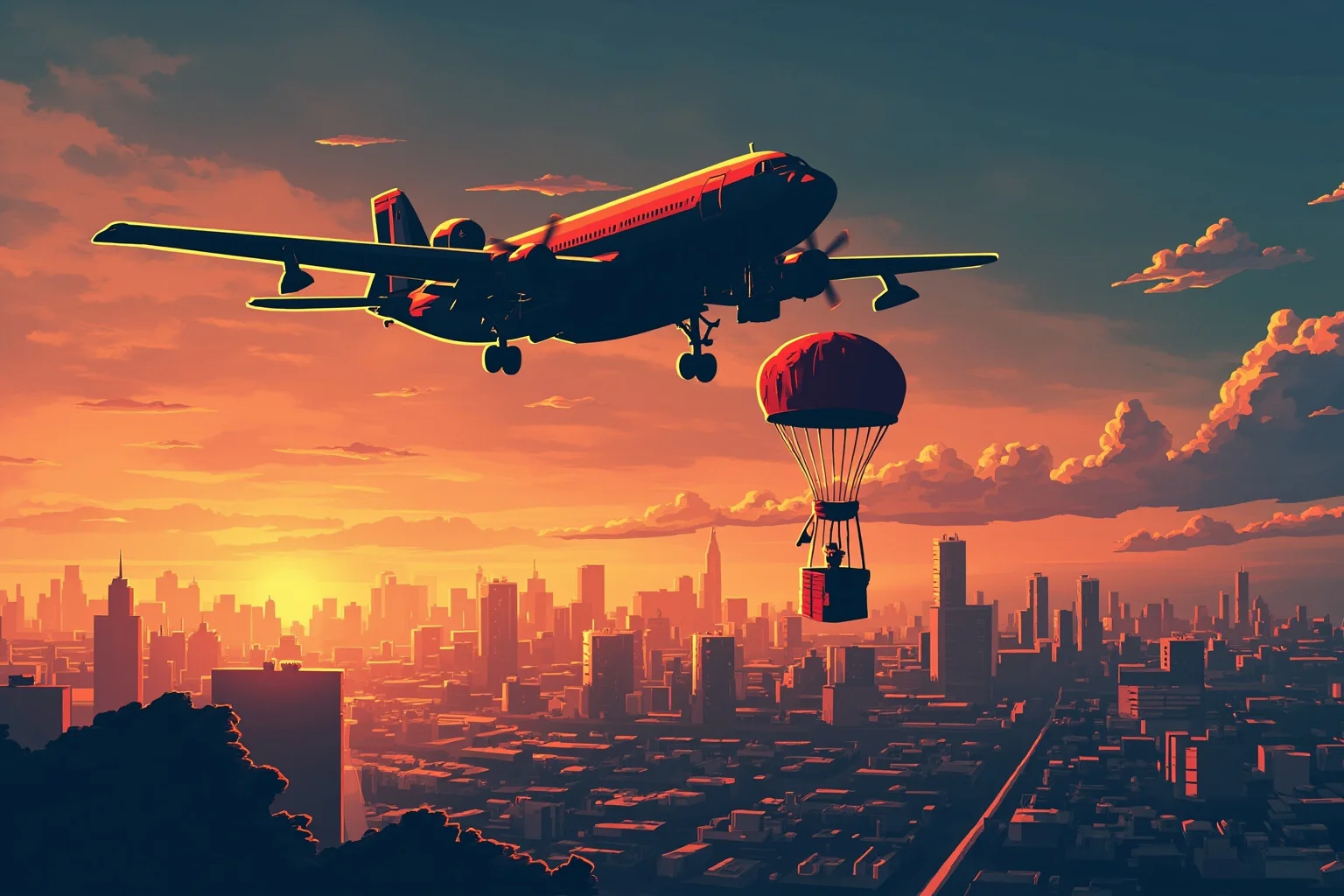
When the Soviet Union blockaded West Berlin in 1948, cutting off road and rail access, the Western Allies responded not with weapons but with cargo planes. Over roughly eleven months, more than 200,000 flights delivered food, fuel, and supplies to a city of over two million people.
The operation sustained an entire city through a peaceful, logistical show of will rather than military confrontation. It remains a striking demonstration that determination and cooperation can defuse a crisis that might otherwise have sparked another war.
8. The Universal Declaration of Human Rights (1948)

On December 10, 1948, the United Nations General Assembly adopted the Universal Declaration of Human Rights, drafted by a committee chaired by Eleanor Roosevelt. It was the first global statement laying out rights and freedoms meant to apply to every person, regardless of nationality.
While enforcement has always been imperfect and inconsistent, the declaration created a shared moral vocabulary that later treaties, constitutions, and human rights movements have built upon. It remains one of the most cited historical examples of nations agreeing, at least on paper, about basic human dignity.
9. The Discovery and Free Distribution of the Polio Vaccine (1955)
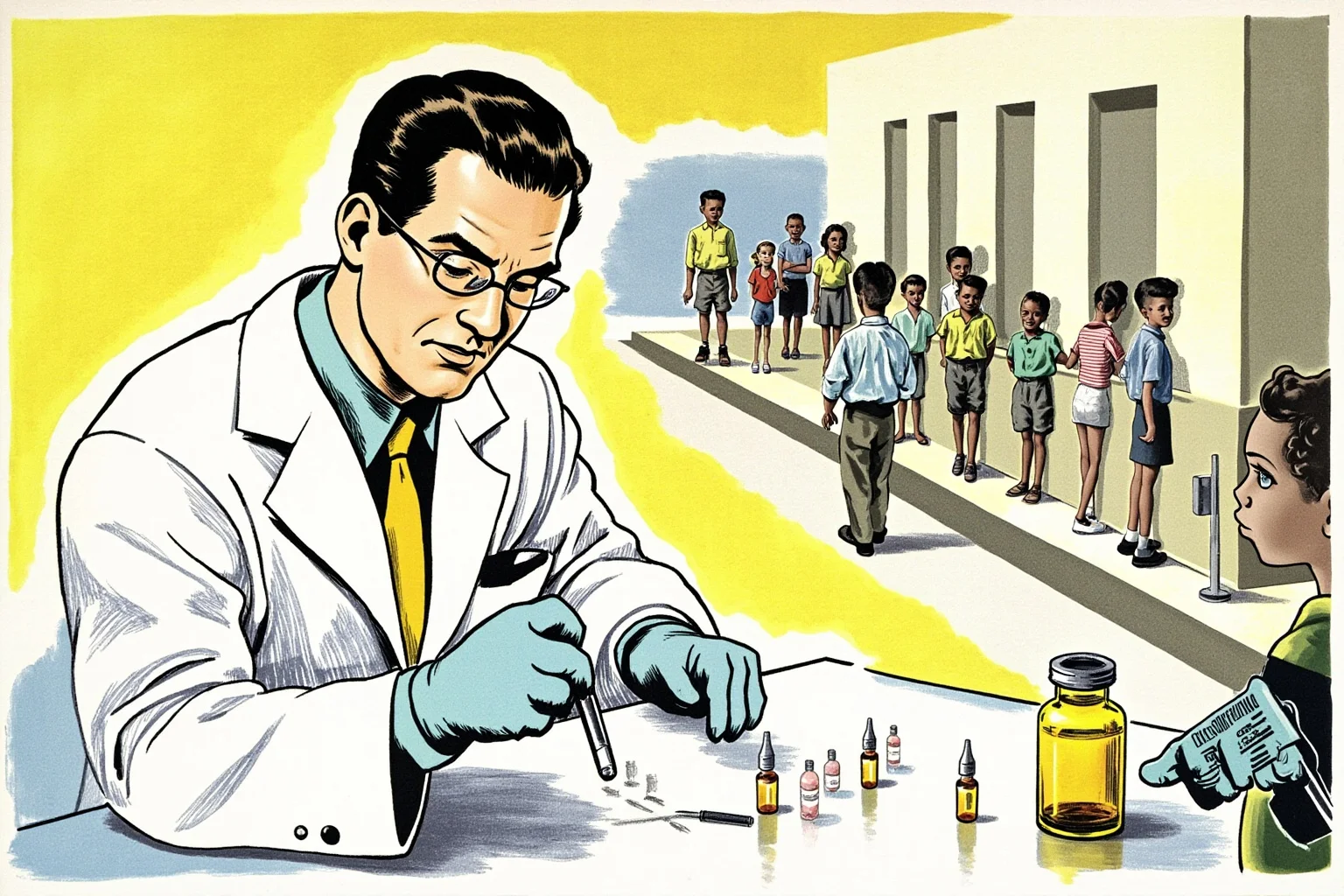
Jonas Salk announced his successful polio vaccine in 1955 after years of research funded largely through public donations. Rather than patenting it for personal profit, Salk allowed it to be distributed as widely and cheaply as possible.
Mass vaccination campaigns that followed dramatically reduced polio cases worldwide within a generation. It’s a textbook example of how scientific collaboration and a deliberate choice to prioritize public good over profit can change the world positively.
10. The Global Eradication of Smallpox (1980)
On May 8, 1980, the World Health Organization officially declared smallpox eradicated — the first, and so far only, human infectious disease to be completely wiped out. This followed a coordinated global vaccination campaign involving governments and health workers across dozens of countries with very different political systems.
Smallpox had killed hundreds of millions of people over the centuries before its eradication. Its disappearance is one of the most important historical moments in the history of public health and international cooperation.
11. The Montgomery Bus Boycott (1955–1956)
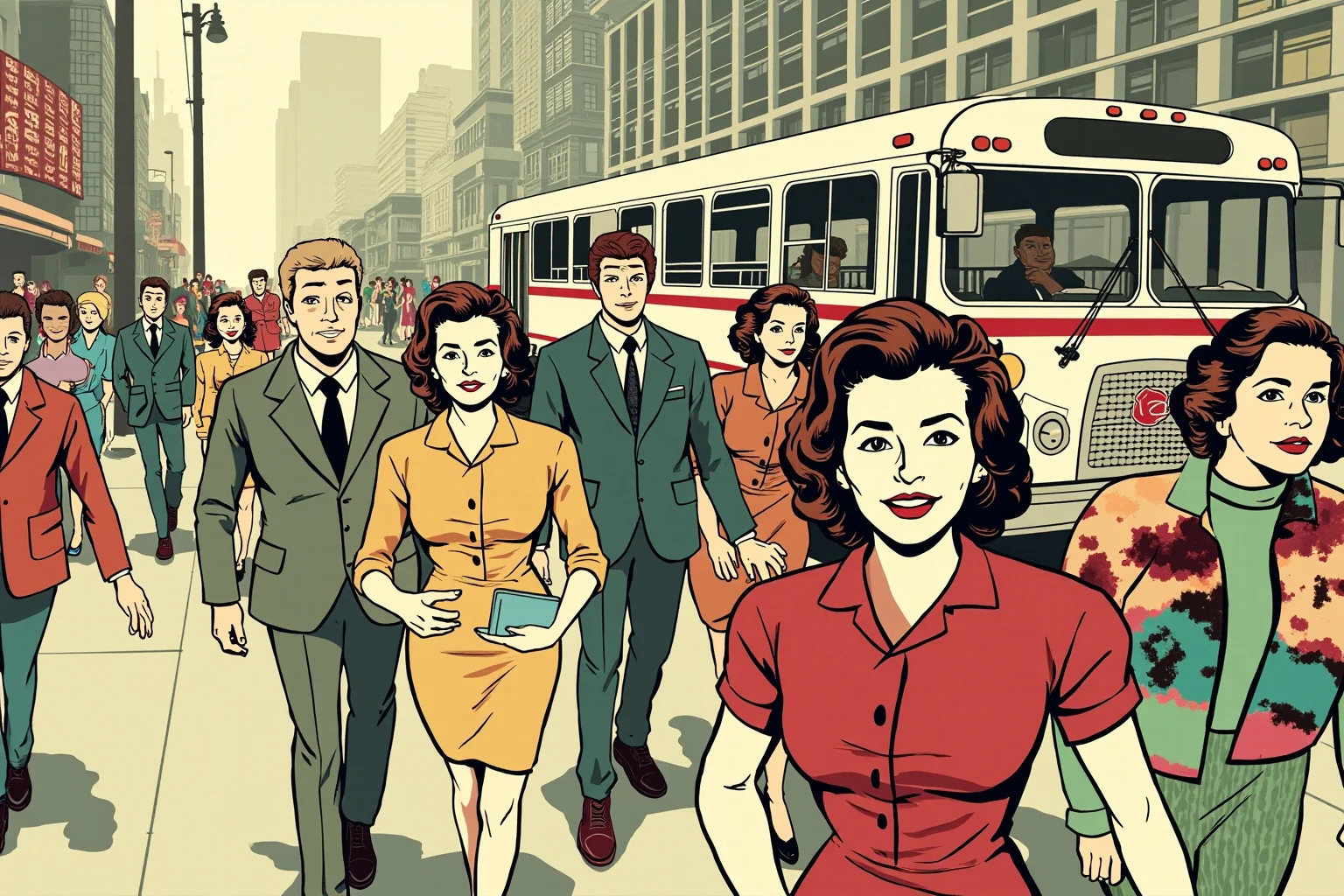
After Rosa Parks was arrested for refusing to give up her bus seat in December 1955, Black residents of Montgomery, Alabama, organized a boycott of the city’s buses that lasted 381 days. The boycott relied on carpools, walking, and sheer collective willpower to sustain economic pressure on the transit system.
In December 1956, the U.S. Supreme Court’s ruling in Browder v. Gayle affirmed that bus segregation was unconstitutional. The boycott’s success became a blueprint for the nonviolent tactics that would drive much of the American civil rights movement.
12. Women’s Suffrage Milestones (1893–1920)

New Zealand became the first self-governing country to grant women the national vote in 1893, following sustained campaigning by suffragists including Kate Sheppard. The United States followed with the 19th Amendment in 1920, and Britain extended full voting equality to women by 1928.
Each milestone came after decades of organizing, protest, and often harsh backlash against the women pushing for change. Together, they represent some of the clearest good moments in history where sustained peaceful pressure reshaped democratic participation.
13. The Moon Landing’s Moment of Global Unity (1969)
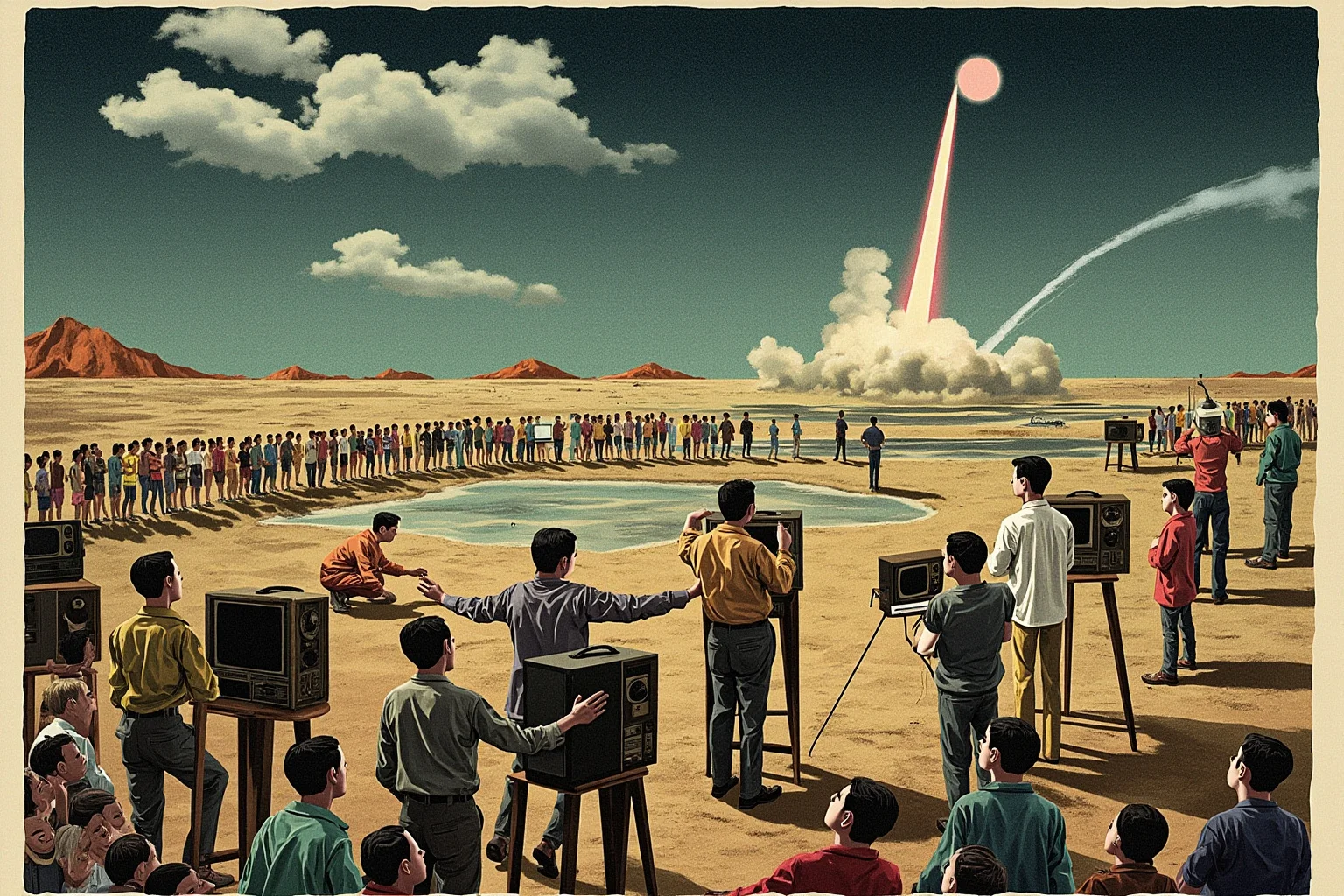
On July 20, 1969, an estimated 600 million people around the world watched or listened as Apollo 11 landed on the Moon. For a brief moment, Cold War rivals, developing nations, and allies alike were united in following the same extraordinary human achievement.
The landing didn’t erase the political tensions of the era, but it did offer a rare shared experience of wonder on a global scale. It remains one of the most frequently cited historic moments of the 20th century precisely because of that unifying effect.
14. India’s Largely Nonviolent Path to Independence (1947)
India’s independence movement, shaped heavily by Mohandas Gandhi’s philosophy of nonviolent resistance, mobilized millions of people through boycotts, marches, and civil disobedience rather than armed uprising. This culminated in independence from British rule on August 15, 1947.
It’s worth being honest that the transition to independence was also accompanied by the deeply violent trauma of partition, which is not part of this positive story. Still, the scale of a largely nonviolent mass movement successfully ending colonial rule remains a genuinely historic achievement in its own right.
15. The Camp David Accords (1978)

Egyptian President Anwar Sadat and Israeli Prime Minister Menachem Begin, with mediation from U.S. President Jimmy Carter, negotiated a framework for peace at Camp David in 1978. This led directly to the 1979 Egypt–Israel Peace Treaty, making Egypt the first Arab nation to formally recognize Israel.
The accords didn’t resolve the broader Arab-Israeli conflict, and Sadat was later assassinated partly over the deal. Even so, the treaty has held for decades, proving that former enemies can negotiate a durable peace after generations of war.
16. The Fall of the Berlin Wall (1989)
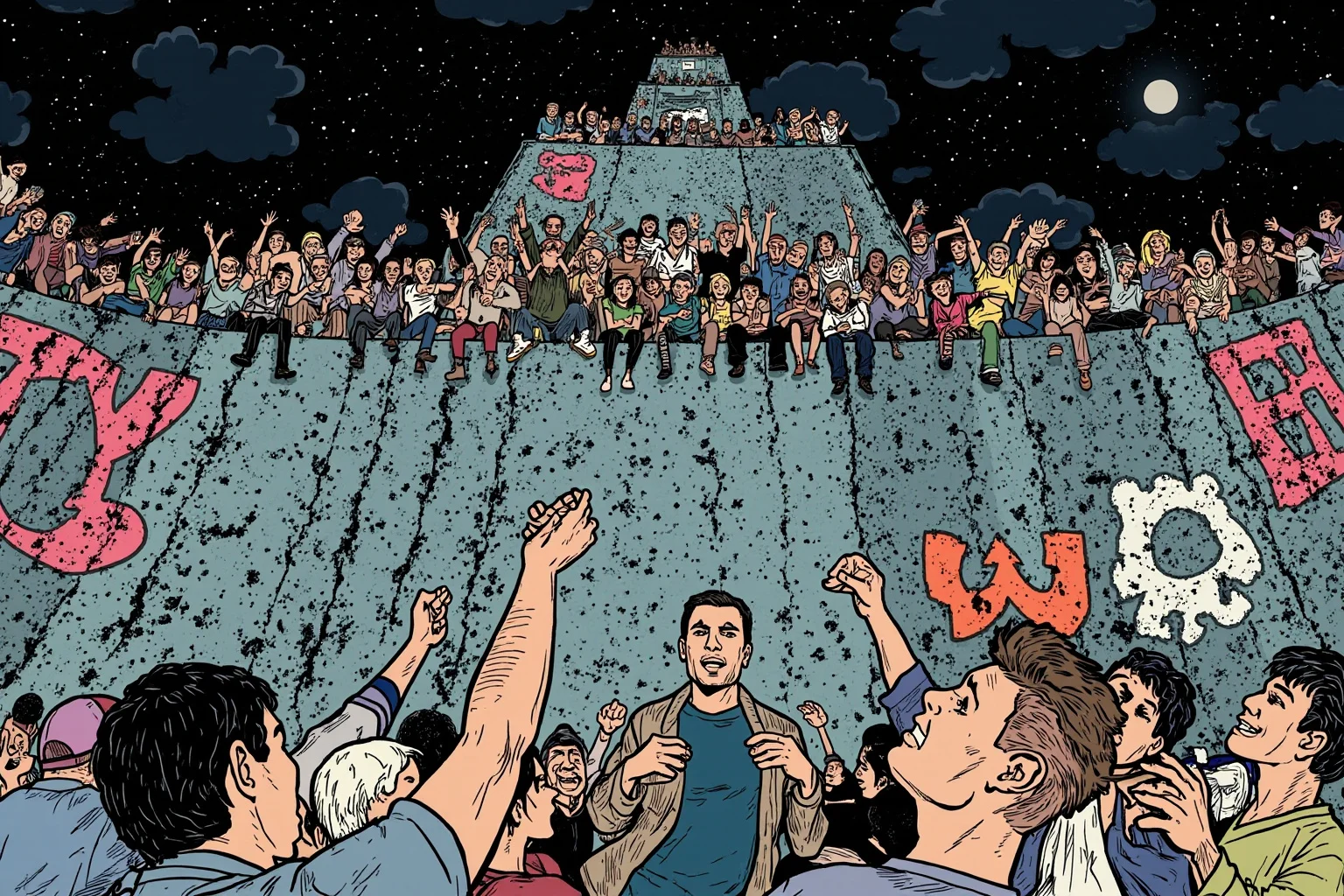
On the night of November 9, 1989, East German authorities unexpectedly opened border crossings after weeks of mass protests across Eastern Europe. Crowds gathered at the Wall, and jubilant Berliners began chipping away at the concrete that had divided their city for 28 years.
The fall of the Wall happened almost entirely without violence, driven by peaceful public pressure rather than military conflict. It paved the way for German reunification less than a year later, in October 1990.
17. The Velvet Revolution (1989)
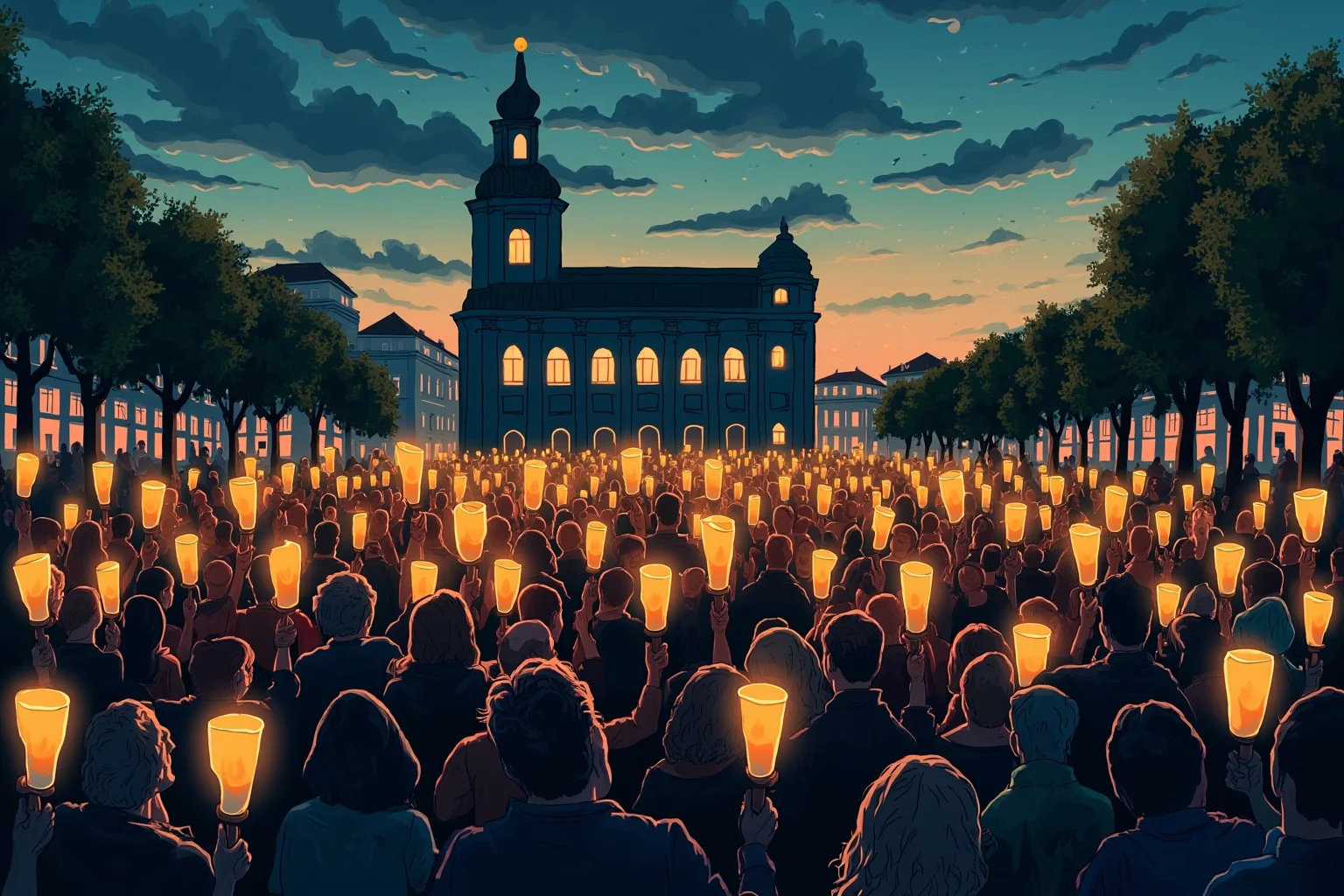
In Czechoslovakia, a wave of peaceful student protests and general strikes in November and December 1989 forced the ruling Communist Party to relinquish power without a single fatality. Playwright and dissident Václav Havel, who had spent years in and out of prison for his activism, was elected president within weeks.
The speed and near-total absence of bloodshed earned the transition its name. It stands as one of the clearest good historical events showing how quickly authoritarian rule can end when public will is unified.
18. Nelson Mandela’s Release and South Africa’s Peaceful Transition

Nelson Mandela was released from prison on February 11, 1990, after 27 years of incarceration under South Africa’s apartheid government. Rather than pursuing retribution, Mandela worked with President F.W. de Klerk to negotiate a peaceful end to apartheid.
In 1994, South Africa held its first fully democratic, multiracial elections, and Mandela became the country’s first Black president. The transition avoided the widespread civil war many had feared, largely through deliberate choices toward reconciliation over revenge.
19. The Good Friday Agreement (1998)

After roughly three decades of sectarian violence known as the Troubles, which killed more than 3,500 people in Northern Ireland, the Good Friday Agreement was signed on April 10, 1998. It established new power-sharing institutions and was approved by voters in referendums on both sides of the Irish border.
While political tensions in Northern Ireland haven’t vanished entirely, the agreement dramatically reduced large-scale violence and remains in force today. It’s a powerful example of diplomacy succeeding where decades of conflict had failed.
20. The Montreal Protocol and the Healing Ozone Layer (1987)

After scientists discovered a growing hole in the ozone layer caused largely by chlorofluorocarbons, nations around the world signed the Montreal Protocol in 1987 to phase out these chemicals. Nearly every country in the United Nations eventually ratified it.
Decades of monitoring since then have shown measurable recovery in the ozone layer, and it’s frequently cited by scientists as the most successful international environmental treaty to date. It’s concrete proof that global cooperation on an environmental crisis can actually work.
21. The Rescue of the Chilean Miners (2010)

In August 2010, 33 miners became trapped roughly 2,300 feet underground after a collapse at the San José copper-gold mine in Chile. Engineers, drilling crews, and international experts worked for 69 days to reach and extract every single miner alive.
The rescue was broadcast live and watched by an estimated worldwide audience of over a billion people. It became a rare feel-good news story built entirely on technical expertise, international cooperation, and the miners’ own endurance.
22. The Rapid Global Development of COVID-19 Vaccines (2020)

Within roughly a year of COVID-19 being identified as a global pandemic, multiple research teams around the world developed and tested safe, effective vaccines — a process that had historically taken a decade or longer. The speed was made possible by decades of prior mRNA research, unprecedented funding, and international data-sharing between scientists.
By the end of 2020, mass vaccination campaigns were already underway in multiple countries. Whatever debates followed about distribution and policy, the underlying scientific achievement stands as one of the most important historical moments in modern medicine.
Good History Is Still Being Written
Looking across these 22 moments, a pattern emerges: nearly every one involved ordinary people — fishermen, factory workers, scientists, students — choosing cooperation over self-interest at a critical moment. That pattern is exactly what makes these historical events that changed the world positively so worth remembering.
None of this is meant to erase or minimize history’s genuine horrors, many of which sit right alongside these stories chronologically. But a complete, honest picture of good history includes both the wars and the rescues, both the atrocities and the treaties that ended them.
The next time the news feels overwhelmingly bleak, it’s worth remembering that people have faced worse and still found ways to help each other. That track record doesn’t guarantee the future, but it does offer solid, historical evidence that decency tends to show up when it’s needed most.
Frequently Asked Questions
What are some positive things that happened on this day in history?
Many 'on this day' history databases track uplifting anniversaries, such as the WHO's May 8, 1980 declaration that smallpox was eradicated, or Nelson Mandela's release from prison on February 11, 1990. Checking a reputable historical almanac or museum database for the current date usually turns up at least one verified positive anniversary.
What is a historic event?
A historic event is a moment or development significant enough to meaningfully change how a community, nation, or the world functions afterward. It doesn't have to involve conflict — treaties, scientific breakthroughs, and peaceful social movements qualify just as much as battles or disasters.
What are some examples of historical events that changed the world positively?
Notable examples include the global eradication of smallpox in 1980, the fall of the Berlin Wall in 1989, the Montreal Protocol's success in healing the ozone layer, and the rapid international development of COVID-19 vaccines in 2020. Each involved widespread cooperation that produced lasting, measurable benefits.
Why does history seem to focus mostly on negative events?
Human attention naturally gravitates toward threats and conflict, which is partly why wars and disasters dominate textbooks and news coverage more than diplomacy or rescues. Positive historical events are just as well-documented, but they tend to require more deliberate effort to seek out.
What is considered one of the most important historical moments of the 20th century?
Historians frequently point to the 1969 Apollo 11 Moon landing and the 1989 fall of the Berlin Wall as two of the most significant historical moments of the 20th century, both because of their global reach and their lasting symbolic impact.

Alex Warren
Related Articles





