
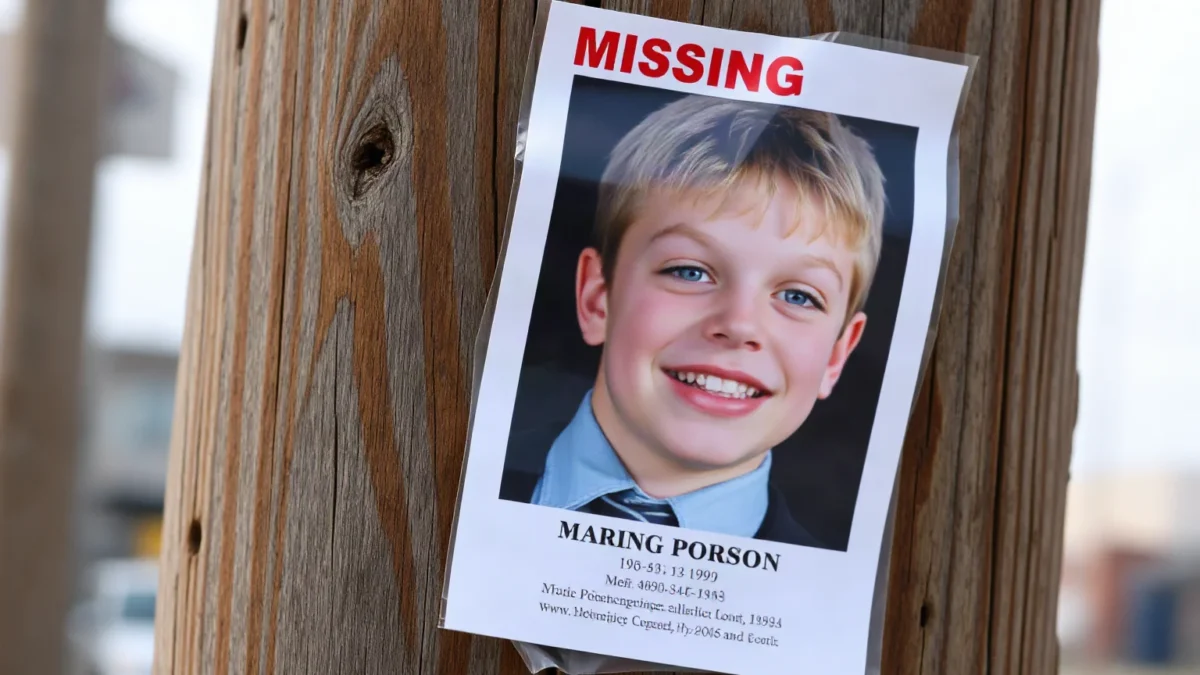
In June 1994, a thirteen-year-old boy named Nicholas Barclay vanished from a San Antonio, Texas neighborhood after a game of basketball. He was never seen again. But three years later, a teenager claiming to be Nicholas turned up thousands of miles away in Spain, and his family welcomed him home without a DNA test.
What followed is one of the strangest missing-persons cases in modern American history, a story so unbelievable it became an Oscar-shortlisted documentary. It involves a serial con artist, a grieving family desperate for answers, and a mystery that, decades later, still has no true ending. Whether you've searched for Nicholas Barclay, Nicolas Barclay, or even Nicholas Barcley, you've landed on one of the most genuinely baffling true stories ever documented.
TL;DR: Nicholas Barclay disappeared from San Antonio in 1994 and was never found, but in 1997 a French serial impostor named Frédéric Bourdin convinced the boy's own family he was Nicholas, sparking an FBI investigation and a case that remains unsolved today.
Who Was Nicholas Barclay?
Nicholas Barclay was born in 1980 and grew up in San Antonio, Texas, in a working-class household. By most accounts he was a typical teenager, into basketball, video games, and hanging out with friends in his neighborhood. He had light blue eyes and a gap in his front teeth, small physical details that would later become crucial to unraveling the mystery.
He lived with his mother, Beverly Dollarhide, his older half-sister Carey Gibson, and his older brother Jason Barclay. Family life was reportedly turbulent at times, a detail that investigators and journalists would revisit years later when trying to understand how the case unfolded the way it did.
The Disappearance In San Antonio, 1994
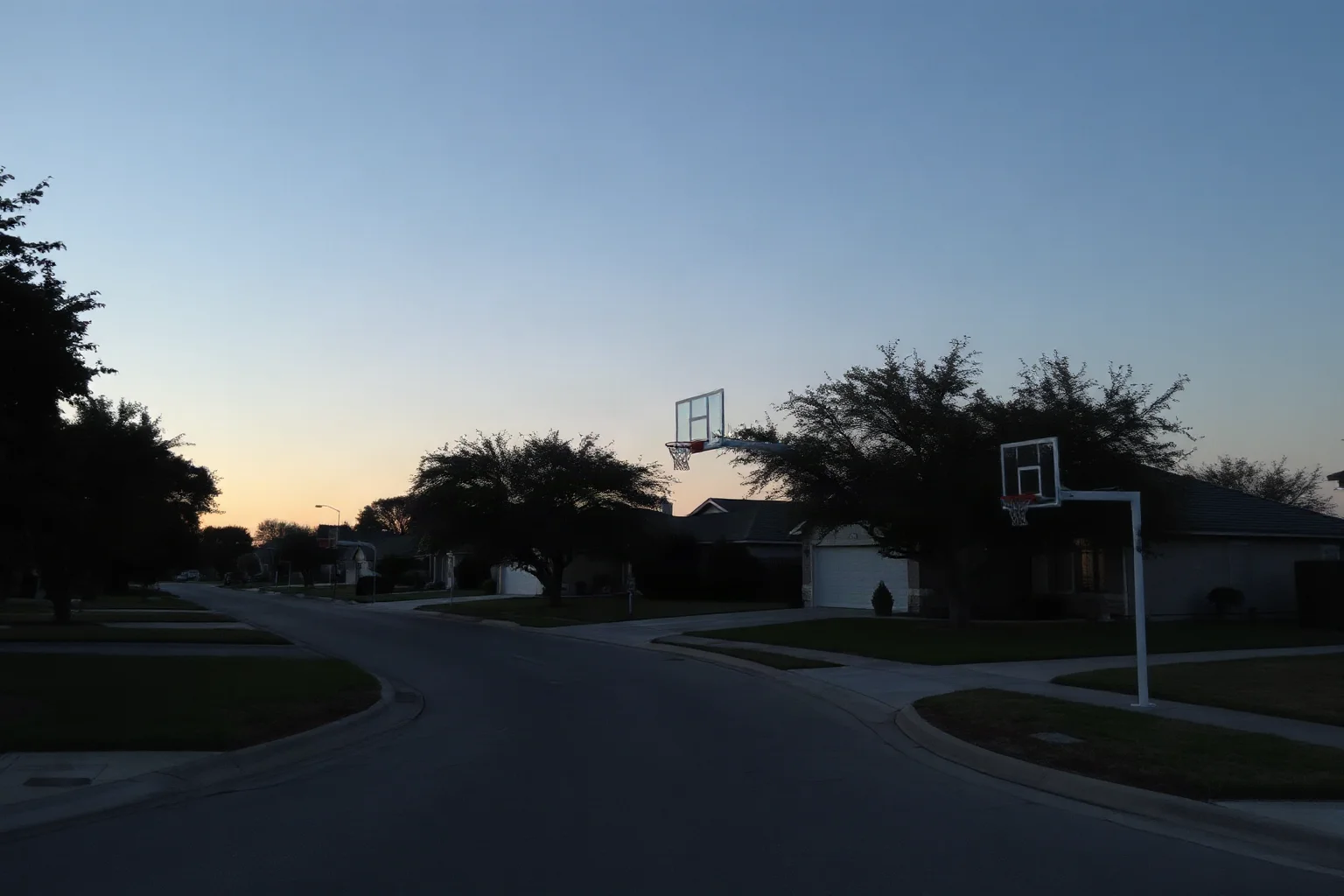
On June 13, 1994, Nicholas Barclay was last seen playing basketball with friends near his home. He reportedly called his mother that evening saying he'd lost his house key and needed someone to let him in, and that was the last confirmed contact anyone had with him. He never made it home, and no confirmed sighting of him has ever surfaced since.
A police search began almost immediately, but it produced no solid leads. No body, no confirmed witness, no clear trail, just an empty space where a teenage boy used to be. For his family, the not knowing became its own kind of torment, one that would make them especially vulnerable to what happened next.
The Search That Went Cold
Missing-child cases from the early 1990s often relied on flyers, local news coverage, and word of mouth rather than the digital tools investigators use today. Nicholas's case followed that same frustrating pattern: initial urgency, followed by dwindling media attention, followed by years of silence. His family kept his file open with local police, but as months turned into years, hope for a straightforward resolution faded.
By 1997, three years after Nicholas disappeared, the case had gone cold in the way so many missing-persons cases do. Then came a phone call that seemed, at the time, like a miracle.
A Stunning Phone Call From Spain
In October 1997, authorities in Linares, Spain, discovered a frightened teenage boy who claimed he was an American who had escaped a European child-trafficking ring. He told a harrowing story of abduction, abuse, and captivity, and eventually identified himself as Nicholas Barclay from San Antonio, Texas. Spanish officials contacted the FBI, and the bureau in turn reached out to the Barclay family.
Carey Gibson, Nicholas's sister, flew to Spain to bring her brother home. Incredibly, despite the boy having brown eyes instead of Nicholas's blue eyes, a noticeable French accent, and features that looked years older than a sixteen-year-old should, the family accepted him as Nicholas. He was flown back to San Antonio and moved in with them, and for a while, at least publicly, the impossible seemed to have happened: a missing child had come home.
Who Was 'Nicholas' Really? Introducing Frédéric Bourdin
The young man was not Nicholas Barclay at all. He was Frédéric Bourdin, a French national born in 1974, already infamous in parts of Europe for a long history of impersonating missing and orphaned children in order to gain shelter, attention, and a sense of belonging he said he never had growing up. Bourdin was roughly 23 years old at the time, nearly a decade older than Nicholas would have been, yet he still managed to convince a grieving American family that he was their long-lost son and brother.
Bourdin later admitted that he researched missing children through hotline databases and chose Nicholas Barclay specifically because the case file matched the kind of profile he could plausibly fake. He dyed his hair, adjusted his mannerisms, and leaned heavily on the family's desperate hope rather than any real physical resemblance.
Red Flags Everyone Ignored
Looking back, the warning signs were glaring. Bourdin spoke English with a thick French accent despite claiming to have been born and raised in Texas, and his eye color simply did not match Nicholas's. He also looked distinctly older than a sixteen-year-old, with a more angular, adult face than photos of Nicholas at that age.
A tattoo Nicholas reportedly had was suspiciously absent, and Bourdin offered a shifting story about years of trafficking and abuse in Europe to explain away any inconsistencies. Teachers, an FBI agent, and eventually a private investigator all raised concerns, yet the family's public identification of him as Nicholas kept the story moving forward for months.
The Barclay Family's Role And Suspicions
This is the part of the case that historians of true crime and documentary filmmakers have picked apart for years, and where a myth-busting approach really matters. It remains unproven and speculative why Nicholas's mother and sister accepted Bourdin so readily, and it would be irresponsible to present any single explanation as confirmed fact. Grief, denial, and sheer desire for the nightmare to be over are the most commonly cited, non-sinister explanations.
However, some investigators, most notably a private investigator named Charlie Parker who was hired by a tabloid television show covering the story, publicly floated a far darker theory. Parker suggested the family may have known Bourdin wasn't really Nicholas but went along with it anyway, possibly to avoid drawing attention back to unresolved questions about what actually happened to Nicholas in 1994. It is critical to note this theory has never been substantiated with hard evidence, and no family member has ever been charged in connection with Nicholas's original disappearance.
The FBI Investigation And DNA Testing
Suspicions escalated when an FBI agent working the case, Nancy Fisher, and a private investigator both noticed the physical mismatches between Bourdin and photographs of Nicholas. A forensic sketch artist and a psychiatrist evaluating Bourdin also flagged inconsistencies in his story and appearance. Eventually, authorities pushed for a definitive answer: DNA testing.
The results were unambiguous. The DNA did not match Nicholas Barclay's known relatives, proving conclusively that the young man living with the Barclay family was not their missing son or brother at all. It confirmed what several officials had already begun to suspect, that an elaborate deception had been playing out in plain sight for months.
Frédéric Bourdin: The Serial Impostor
Frédéric Bourdin was not a first-time offender. Long before he arrived in Texas, he had already impersonated dozens of different missing or orphaned youths across Europe, often checking himself into children's shelters and group homes under fabricated identities. He would later claim, in interviews and his own memoir, to have assumed false identities more than 500 times over the course of his life, though that figure comes from Bourdin himself and should be treated as self-reported rather than independently verified.
His motivations, as he later described them, centered on a craving for institutional care, attention, and a sense of family he felt he lacked as a child. Whatever drove him, the Barclay case became by far his most notorious and consequential impersonation, largely because it intersected with a real, unresolved missing-child case rather than an anonymous one.
The Trial And Conviction
Once the DNA results confirmed Bourdin was not Nicholas Barclay, federal authorities arrested him. He was charged with perjury and passport fraud for lying to federal officials and immigration authorities about his identity.
Bourdin ultimately pleaded guilty and was sentenced to six years in federal prison. After serving his sentence in the United States, he was deported back to France, where he continued to make headlines for further impersonation attempts and public interviews about his past.
Was Nicholas Barclay Ever Found?
This is the question so many people search for, and the honest, sobering answer is no. Despite the international attention brought by the Bourdin case, the original mystery of what happened to the real Nicholas Barclay on that June night in 1994 has never been solved. He has never been located, alive or deceased, and no definitive evidence has ever surfaced explaining his fate.
Nicholas Barclay remains classified as a missing person, and his case has been referenced by organizations that track long-term missing-child cases. The Bourdin saga, as dramatic as it was, ultimately answered nothing about the boy it was supposed to be about.
The Imposter: How A Documentary Told The Story
In 2012, British filmmaker Bart Layton released "The Imposter," a documentary that combined interviews with Bourdin, the Barclay family, and investigators alongside dramatized reenactments. The film brought the case to a global audience and remains the most widely referenced account of what happened.
Critics praised the documentary for its tense, almost thriller-like structure, and it won a BAFTA for Outstanding Debut. It's worth noting for viewers that the film relies heavily on Bourdin's own recollections and framing, so audiences should treat it as a compelling piece of documentary filmmaking rather than a fully neutral investigative record.
What Happened To The Barclay Family Afterward
The Barclay family's life after the Bourdin ordeal was marked by further tragedy. Nicholas's older brother, Jason Barclay, died in 1998 of a drug overdose, adding another layer of loss to a family already reeling from years of grief and public scrutiny. Beverly Dollarhide, Nicholas's mother, passed away in 2020, having spent decades without answers about her son.
Carey Gibson has spoken publicly in interviews and in the documentary about believing Bourdin was her brother at the time, describing the desperate psychological state that made the acceptance possible. She has consistently denied any knowledge that Bourdin was an impostor during the months he lived with the family.
Lingering Theories And Unanswered Questions
Because Nicholas Barclay was never found, a number of theories have circulated over the years about what might have happened to him. None of these have been proven, and it's important to treat them as exactly that: unproven theories rather than established history. Some speculate he ran away and started a new life elsewhere, others suspect foul play closer to home, and some simply believe he met with a tragic accident that was never discovered.
Without new physical evidence, a confirmed sighting, or forensic breakthroughs, the case is likely to remain officially open but practically dormant, joining the ranks of other perpetually unsolved mysteries like the true identity of Jack the Ripper. That unresolved status is, in many ways, the most haunting part of the entire story.
Why This Case Still Resonates Today
The Nicholas Barclay case endures in public fascination because it sits at the uncomfortable intersection of two real tragedies: a missing child who was never found, and a family so desperate for closure they accepted an obvious impostor into their home. It's a stark reminder of how grief can override even glaring physical evidence, and how predators like Bourdin exploit exactly that vulnerability.
It also serves as a case study for investigators and true-crime researchers on the importance of forensic verification, like DNA testing, rather than relying on emotional identification alone. Decades before this became standard protocol in many missing-persons cases, the Barclay case helped illustrate exactly why that safeguard matters.
Final Thoughts On A Case That's Still Open
Nicholas Barclay's story remains one of the most unusual true stories in modern American history, not because of a twist ending, but because of the absence of one, much like the unresolved fate of the vanished settlers in the Lost Colony of Roanoke. The boy from San Antonio who disappeared in 1994 has never been found, and the man who impersonated him for months captured far more headlines than the actual victim ever did.
If there's a lesson in revisiting this case, it's a cautious one: separate verified fact from speculation, resist the pull of a tidy narrative, and remember that behind the documentary and the headlines is a family still without real answers. Until new evidence emerges, Nicholas Barclay's disappearance remains exactly what it was in 1994, an open case and an unanswered question.
Frequently Asked Questions
What is the story of Nicholas Barclay?
Nicholas Barclay was a 13-year-old boy who disappeared from San Antonio, Texas, in June 1994 after playing basketball near his home. In 1997, a French serial impostor named Frédéric Bourdin surfaced in Spain claiming to be Nicholas, and the Barclay family briefly accepted him as their missing son before DNA testing exposed the deception. The real Nicholas Barclay has never been found, and his disappearance remains officially unsolved.
Was Nicholas Barclay ever found?
No, Nicholas Barclay has never been found. Despite the international attention generated by the Frédéric Bourdin impostor case in 1997, no evidence has ever surfaced confirming what happened to the real Nicholas after his 1994 disappearance in San Antonio.
Who pretended to be Nicholas Barclay?
Frédéric Bourdin, a French national born in 1974 with a long history of impersonating missing or orphaned youths, pretended to be Nicholas Barclay in 1997. He was roughly a decade older than Nicholas would have been and had visibly different eye color and an accent, but he still convinced the Barclay family of his identity for months before DNA testing proved he was an impostor.
What happened to Frédéric Bourdin after he was caught?
After DNA testing proved he was not Nicholas Barclay, Frédéric Bourdin was charged with perjury and passport fraud. He pleaded guilty, served roughly six years in federal prison, and was later deported to France, where he has continued to give interviews about his past impersonations.
Is the documentary ‘The Imposter’ about Nicholas Barclay accurate?
The 2012 documentary 'The Imposter,' directed by Bart Layton, is widely considered a faithful account of the known facts, drawing on interviews with Frédéric Bourdin, the Barclay family, and investigators. However, it leans heavily on Bourdin's own recollections and dramatized reenactments, so viewers should treat some framing and interpretation in the film as one perspective rather than fully settled fact.
Where did Nicholas Barclay disappear from?
Nicholas Barclay disappeared from his San Antonio, Texas neighborhood on June 13, 1994, last seen playing basketball with friends before failing to return home that evening.

Alex Warren
Related Articles